15 Hair Care Tips for Growth Worth Your Time
Fifteen habits split across the two jobs a growth routine has to do — the scalp sets the rate, which you can barely change, and the lengths decide how much of that rate is still attached a year later.
In this article · 23
- How Fast Hair Grows
- Breakage Versus Growth
- The Hair Care Routine Cadence
- Concern Specific Adjustments
- The Honest Limits of Supplements
- When to See a Doctor
- The 15 Hair Care Tips for Growth
- 1. Wash the Scalp Twice a Week
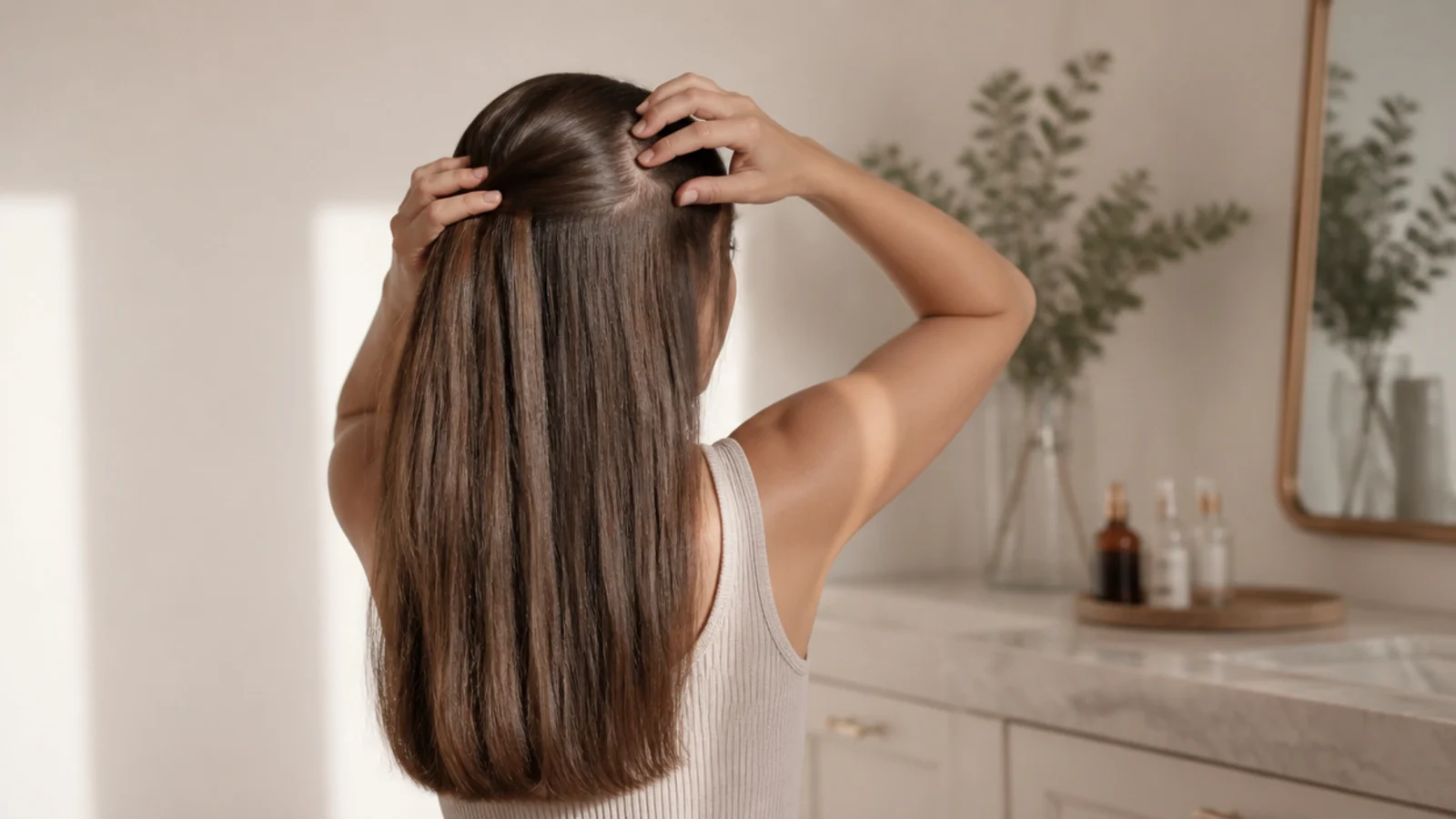
- 2. A Nightly Scalp Massage
- 3. Clarifying Shampoo
- 4. A Lukewarm Rinse
- 5. Condition the Ends First
- 6. A Weekly Deep Conditioner
- 7. Detangle With a Wide Tooth Comb
- 8. The Microfibre Turban
- 9. Heat Protectant Before the Flat Iron
- 10. The Quarter Inch Trim
- 11. A Satin Pillowcase or Bonnet
- 12. A Loose Protective Braid
- 13. Spiral Hair Ties
- 14. Protein and Iron Rich Foods
- 15. A Blood Test Before Supplements
- Final Thoughts
Most growth routines treat the scalp and the lengths as one job, and they are two jobs with almost nothing in common.
The scalp sets the rate, and the rate barely moves. Half an inch a month, roughly six inches a year, and no product on the shelf changes that number by an amount you would notice.
The lengths decide what survives. Everything between the wash and the pillowcase determines how many of those six inches are still on your head at the end of the year. That is the half worth spending effort on.
How Fast Hair Grows
Half an inch a month is the working figure. About a centimetre and a quarter, or six inches a year, with small differences between individuals and a slow decline with age.
Your maximum length is set by a clock, not by a ceiling. Each follicle grows for a fixed number of years before it rests and sheds, and that duration multiplied by the monthly rate is the longest that hair can ever get. A four year growth phase gives you about two feet.
Nothing topical raises the rate. Massage, oils and scalp treatments work on the environment and on retention. None of them makes a follicle produce faster than it is built to.
Which puts every useful decision downstream. The interesting question is never how to grow more, it is how to lose less.

Breakage Versus Growth
Shed hairs and broken hairs are easy to tell apart. A shed strand is full length with a small pale bulb at one end, and fifty to a hundred a day is normal. A broken piece is short, snapped at both ends, and has no bulb at all.
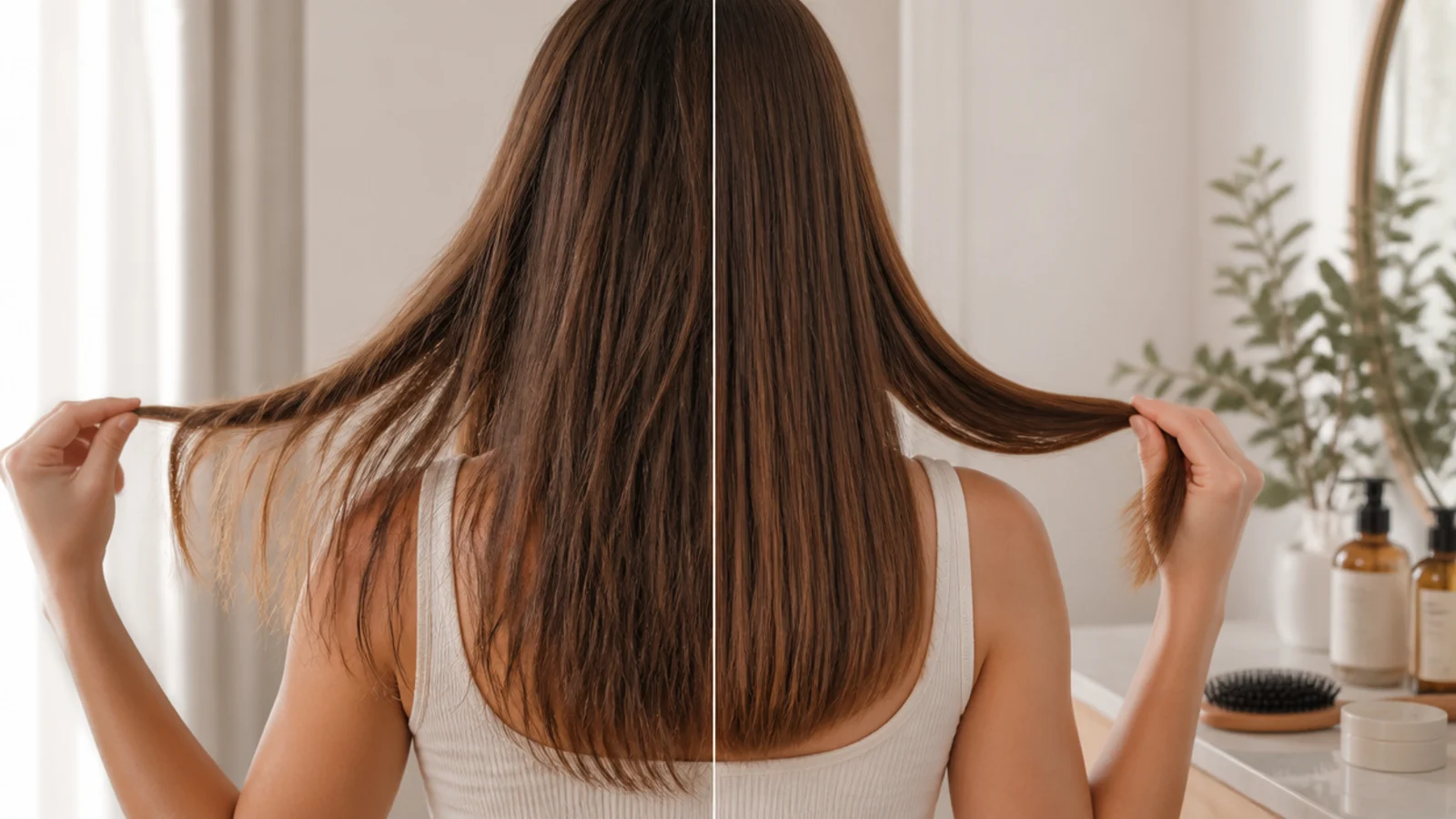
Wispy ends mean breakage, not a limit. Hair that thins out toward the bottom is being worn away. Hair sitting at its true maximum length keeps a reasonably even thickness and simply stops getting longer.
Wet hair breaks most easily. Water swells the cortex and lifts the cuticle, so a soaked strand stretches much further before it gives — and then gives. Detangle damp with slip in it rather than dripping wet or bone dry.
The Hair Care Routine Cadence
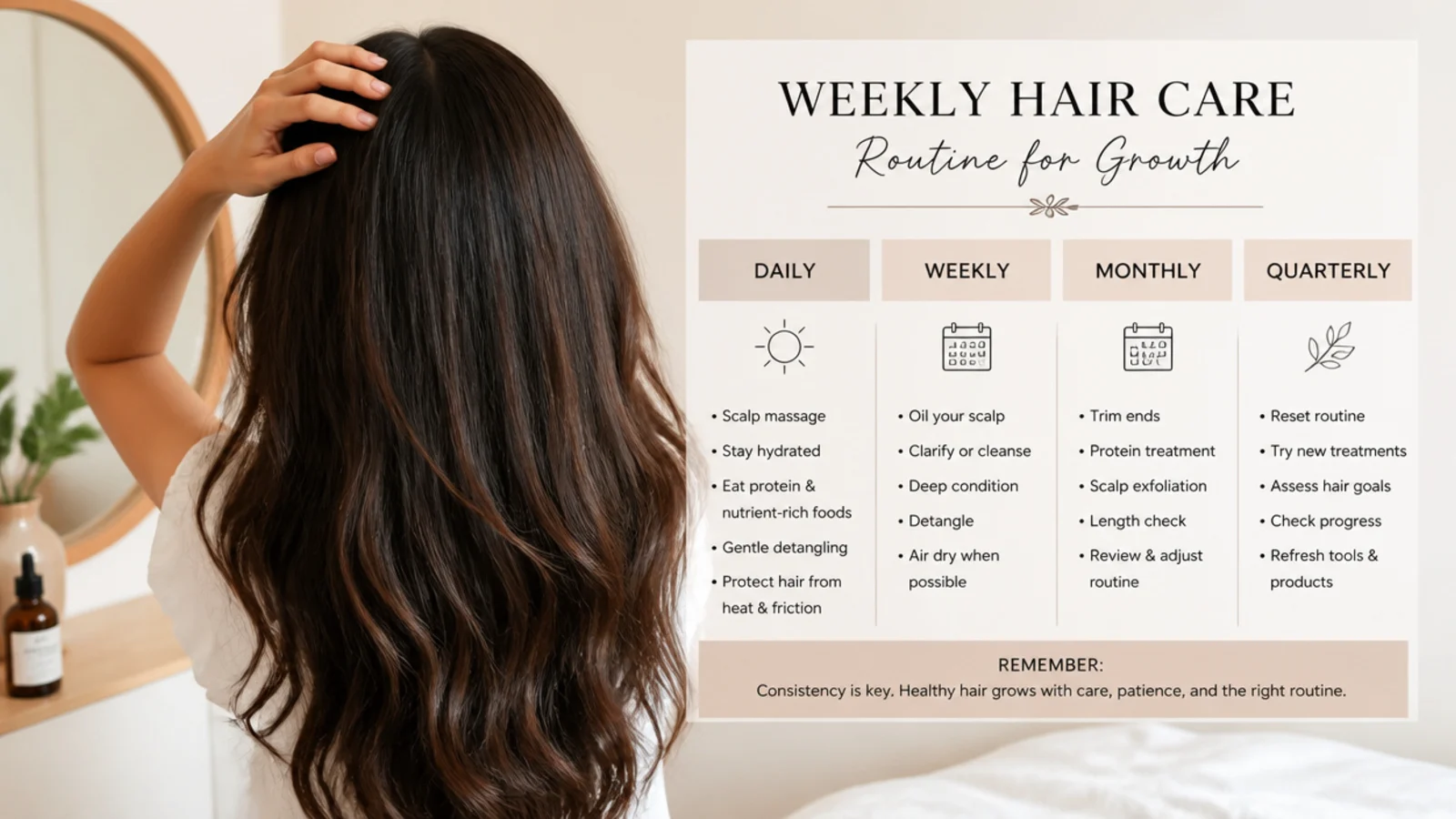
Every night — protection. Satin, and the length contained. This is the highest return item in the whole routine because it happens three hundred and sixty five times a year.
Every wash — conditioner on the ends first and a cool final rinse. Two changes, no extra time, and they land on the part of your hair with the most history.
Weekly — a deep conditioner under a cap. Twenty minutes with heat trapped does more than an hour without it.
Monthly — clarify. Enough time has passed for a film of silicone, oil and mineral deposit to have built up and started blocking everything else you apply.
Every eight to twelve weeks — a trim. Small, and only the damaged part.
Quarterly — a photograph. One growth cycle is about three months and an inch and a half, which is the smallest interval at which progress is visible.
Concern Specific Adjustments
Fine hair. Wash more often, keep conditioner well away from the roots, and skip heavy butters entirely. Weight is what makes fine hair look thinner, and a strand carrying more product than it can support lies flat against the scalp.
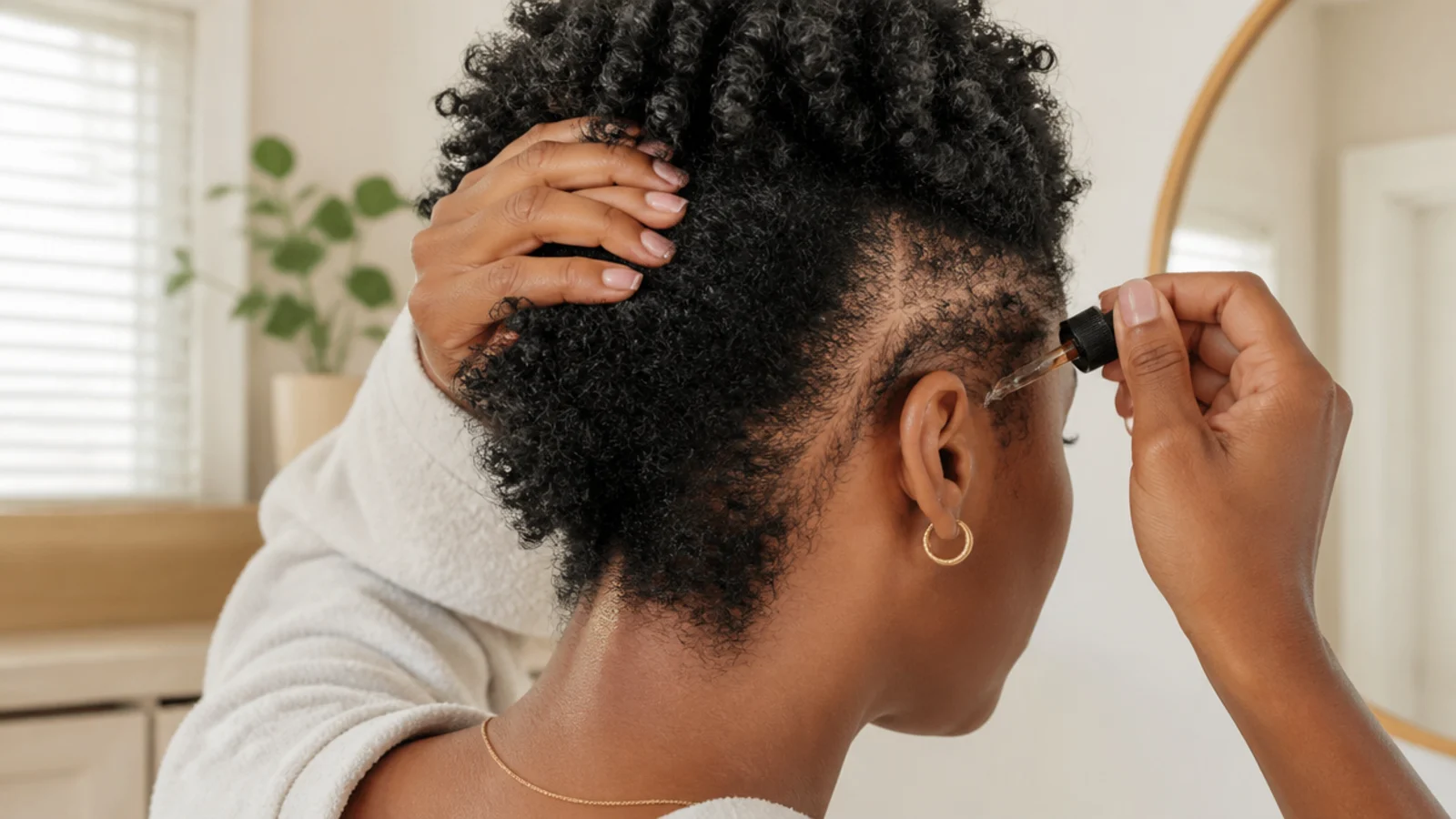
Coarse or coily hair. Wash less often, seal more, and treat the ends as a separate territory from the scalp. Sebum cannot travel down a bent strand, so the last few inches never receive any and have to be supplied by hand.
Oily scalp. More frequent washing is the answer, not less. Stretching washes to train the scalp does not reduce sebum production, and the buildup irritates the skin in the meantime.
Coloured hair. Cooler water, fewer washes, and a bond treatment on the schedule the colour is on. Bleached hair has lost cuticle, which is why it absorbs water fast and loses it just as fast.
Flaking or dandruff. Whatever active you use needs contact time. Massaging a medicated shampoo in and rinsing straight off gives the ingredient no chance to act, which is why so many people conclude it does not work.
The Honest Limits of Supplements
They correct deficiencies. They do not add capability. Bringing a low level back to normal produces genuine regrowth. Pushing a normal level higher produces nothing, at any dose.
Ferritin is the one to name. Stored iron can sit low enough to cost you hair while haemoglobin still reads normal, so a standard blood count on its own can miss one of the commonest treatable causes of shedding.
Biotin is the most oversold ingredient in the category. Real deficiency is rare, supplementing without it has no demonstrated effect on hair, and biotin interferes with several common immunoassays including thyroid and cardiac tests.
Food does the work supplements are credited with. Enough protein spread across the day and enough total calories keeps the follicle supplied. Hair is among the first tissues the body deprioritises when either is short.

When to See a Doctor
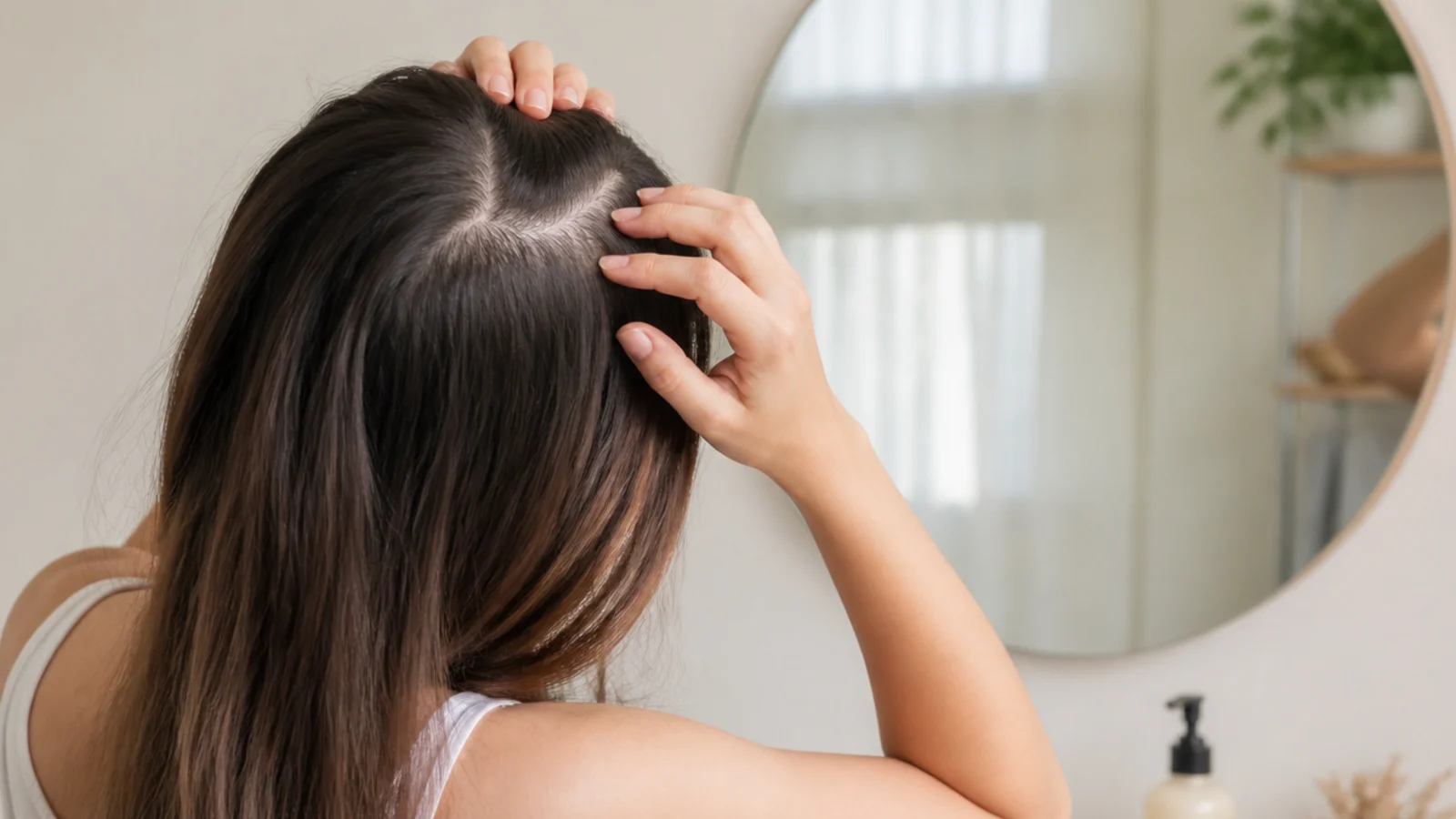
A widening part or visible scalp. Gradual thinning across the top follows a pattern that has treatments, and those treatments work better started early than late.
Sudden shedding across the whole head. A clear increase over weeks usually traces back two to three months to an illness, a birth, a medication change or a severe diet, because hair sheds one cycle after the trigger rather than during it.
Any smooth bare patch, scaling, pain or burning. These are scalp conditions rather than routine problems, and a dermatologist can identify most of them in a single appointment with magnification.
Ask for bloods at the same visit. Ferritin, thyroid function, vitamin D and B12 cover most of what is worth ruling out before you spend a year experimenting.
The 15 Hair Care Tips for Growth
1. Wash the Scalp Twice a Week
Shampoo is a treatment for skin, and the lengths get cleaned by whatever runs down them on the way out. Twice a week clears sebum and residue before it builds into flaking, without dragging detergent through your oldest hair more often than it needs to happen.
2. A Nightly Scalp Massage
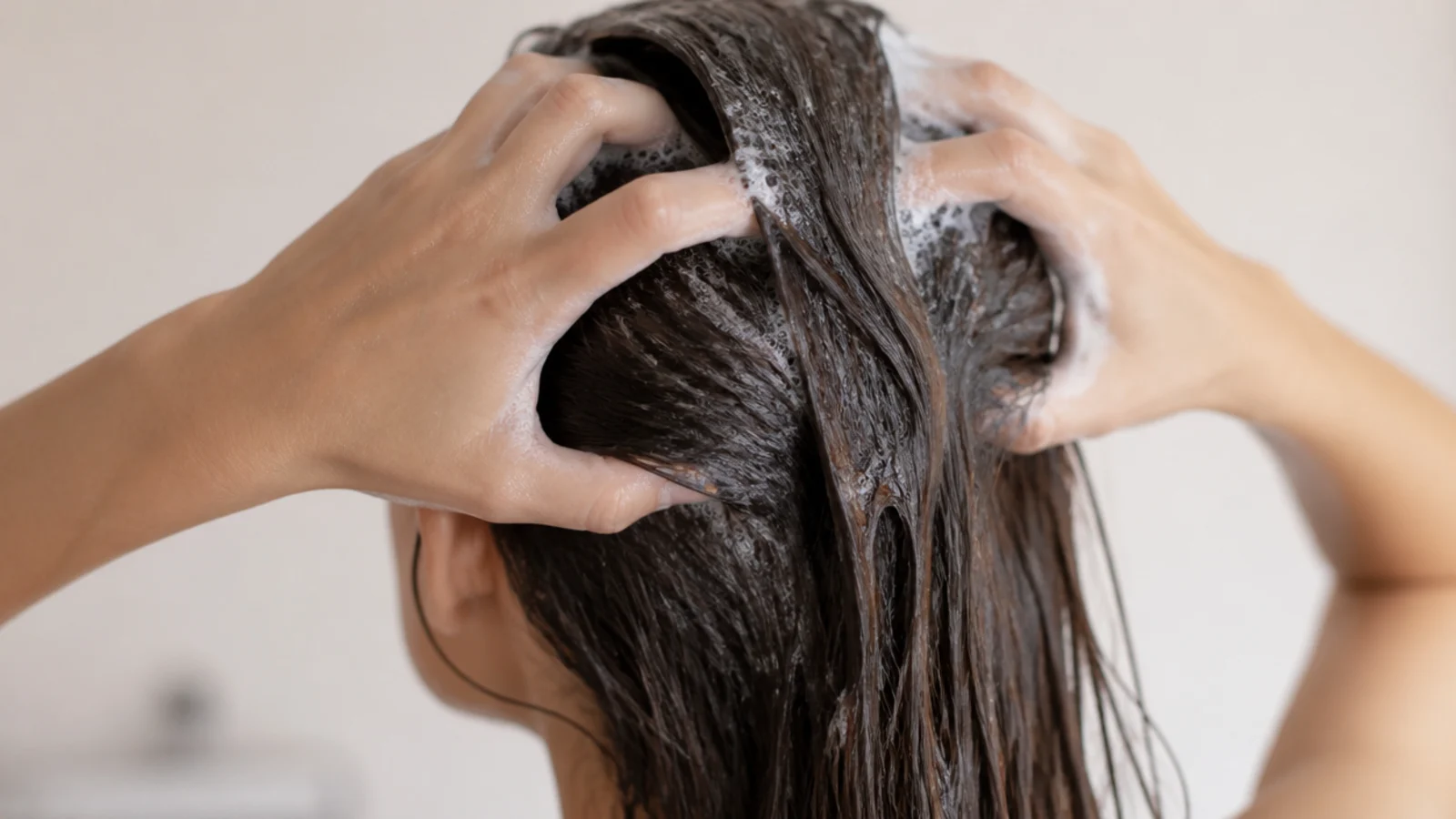
Five minutes with the pads of the fingers, moving the skin across the skull rather than sliding through the hair. The published evidence is modest, but the mechanical effect is real — it lifts residue and flaking off the follicle mouth, and at that pressure there is no way to overdo it.
3. Clarifying Shampoo
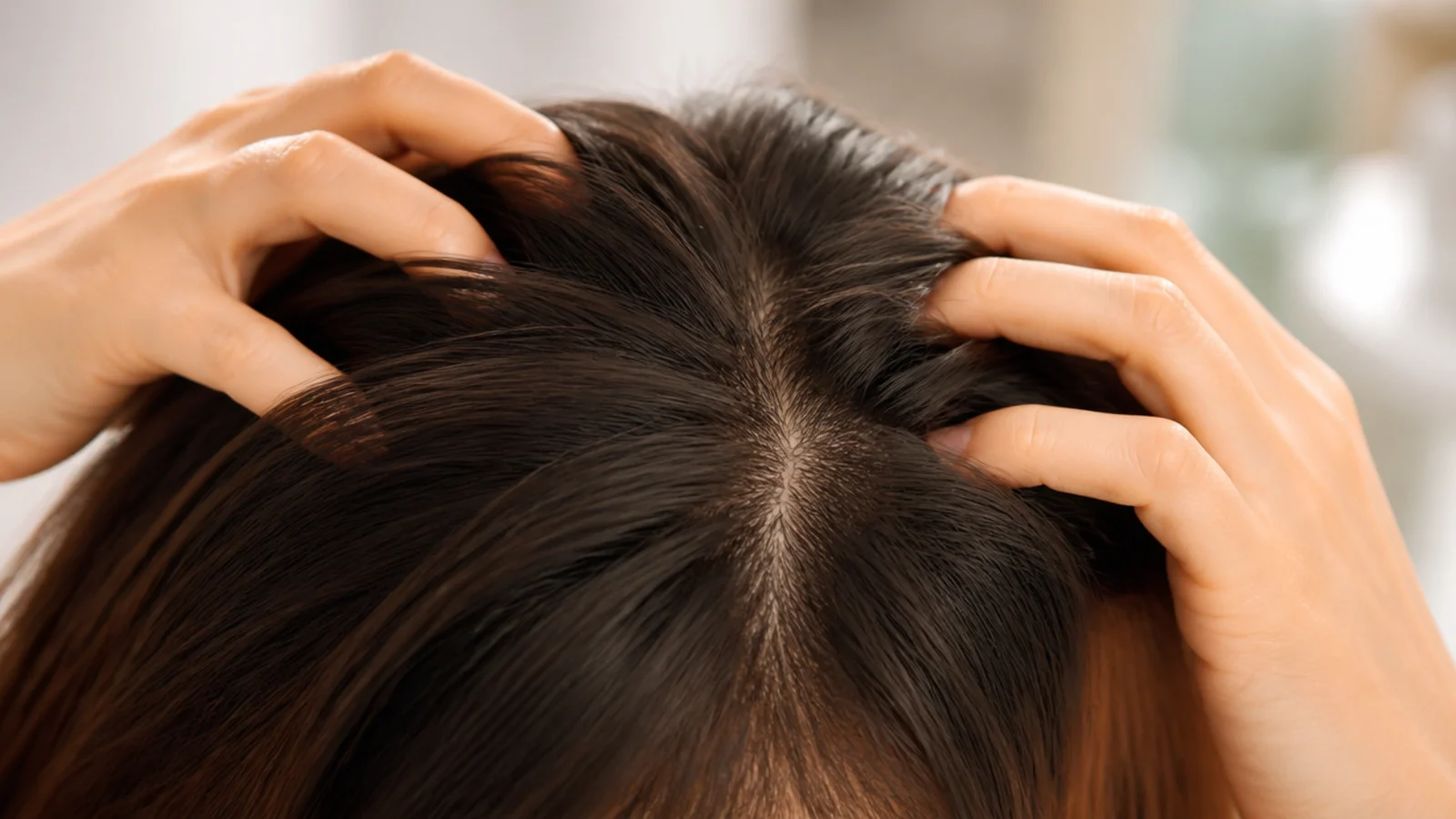
Once a month. Silicones, oils and hard water minerals build a film that water stops penetrating, so the conditioner and the mask you apply afterwards sit on the deposit instead of on your hair. Clarifying strips that back, which is why the same treatment performs better the following week.
4. A Lukewarm Rinse
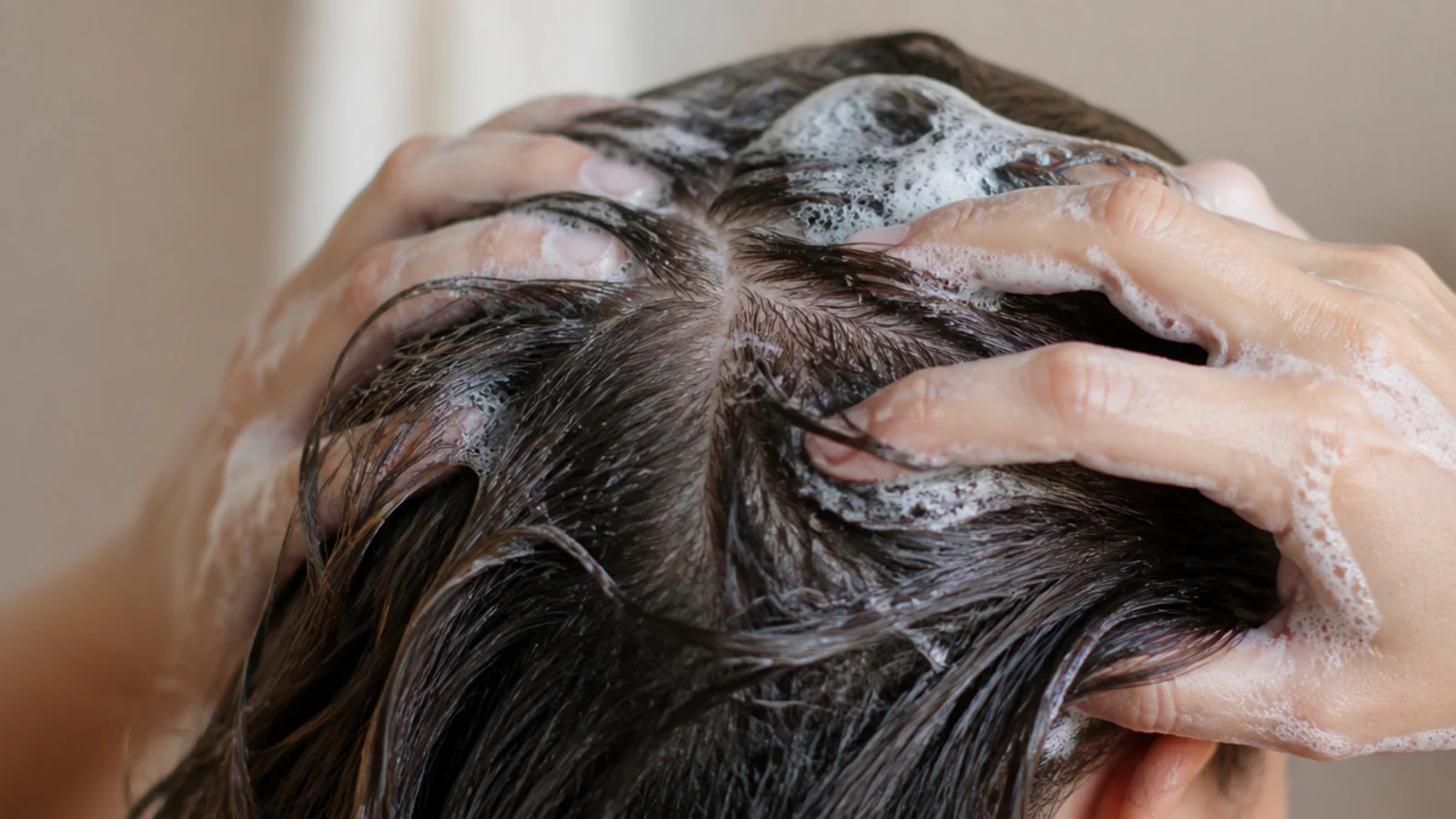
Hot water swells the shaft and lifts the cuticle, which is why hair feels rough and looks dull after a very hot shower. Wash at whatever temperature you like and drop it for the final rinse — the cuticle lies flatter as it cools and a flat cuticle reflects light as one surface.

5. Condition the Ends First
At shoulder length your ends are several years old and have been through every wash, every tie and every hot tool since. Start the conditioner there and work upward with whatever is left. Applied root first it lands on the newest hair and runs out before it reaches the part that needed it.
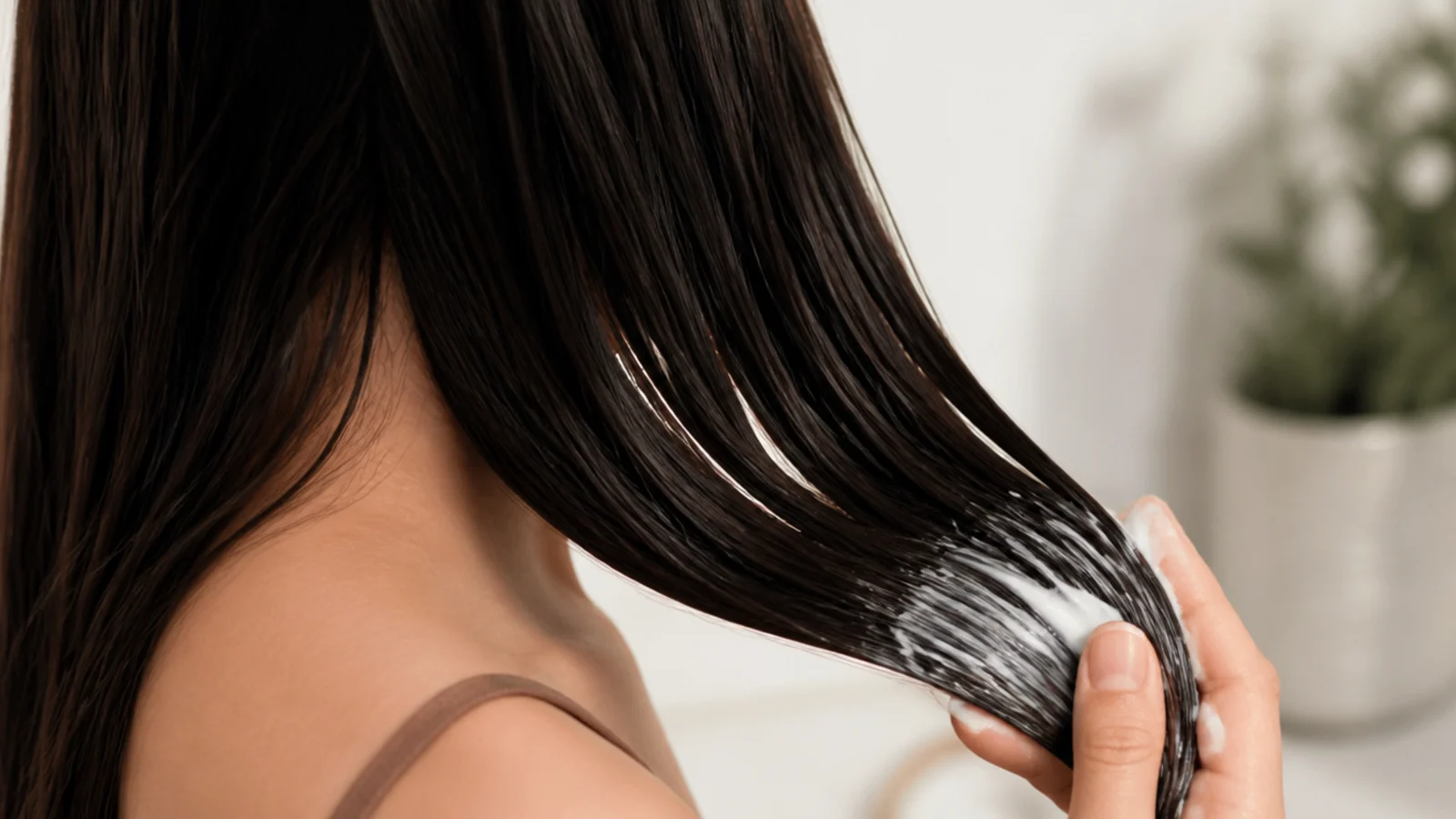
6. A Weekly Deep Conditioner
Twenty minutes under a cap beats an hour in open air. Trapped body heat keeps the hair damp and lifts the cuticle enough for the treatment to move into the strand rather than drying onto the outside of it. Once a week suits most hair, and daily masks eventually leave it limp.
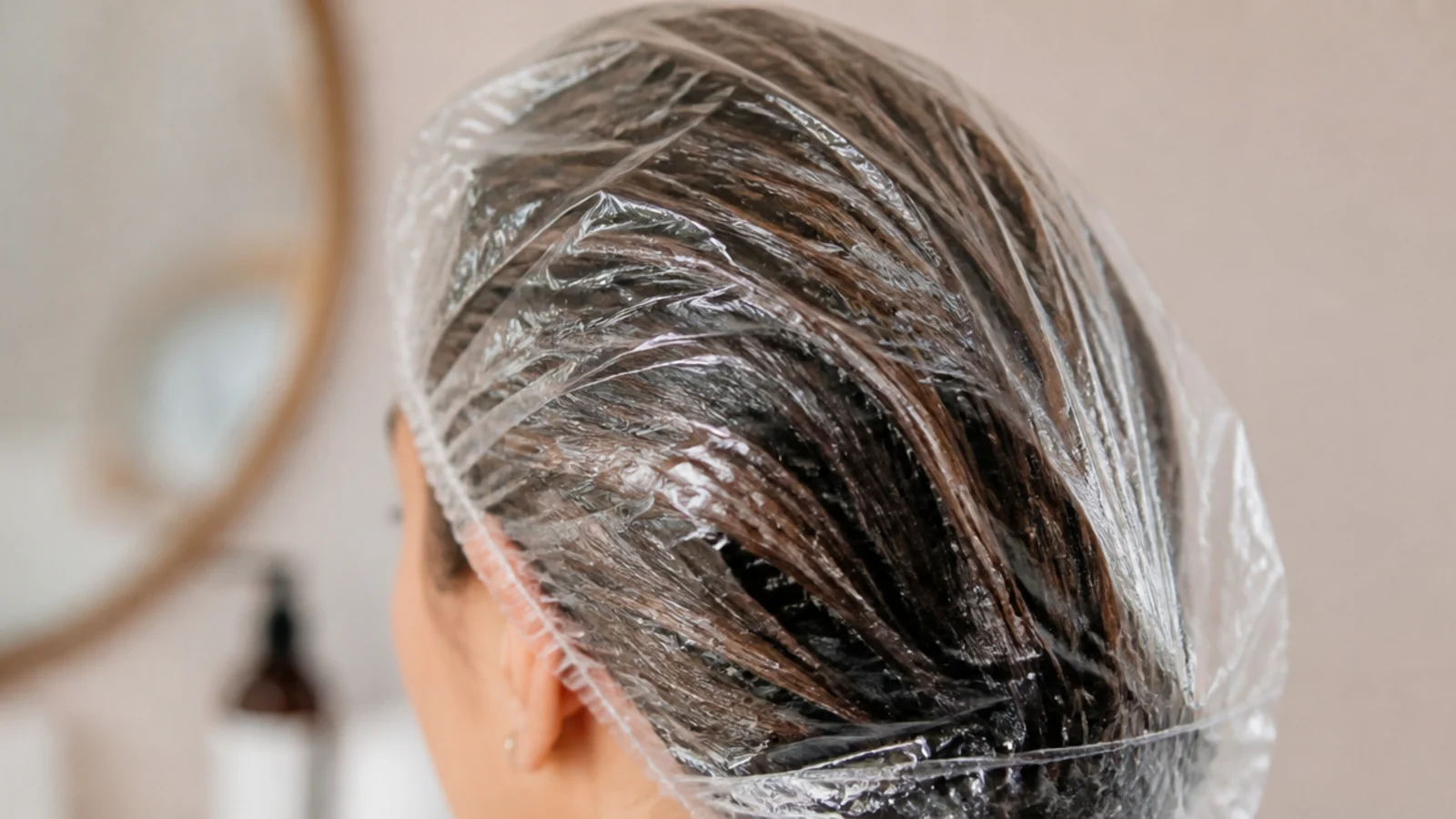
7. Detangle With a Wide Tooth Comb
Wide teeth ride over a tangle where fine teeth drive into the middle of it, so the knot is met as one piece rather than split under load. Work upward from the ends in short passes, because combing from the root down gathers every tangle in the section into a single knot at the bottom.
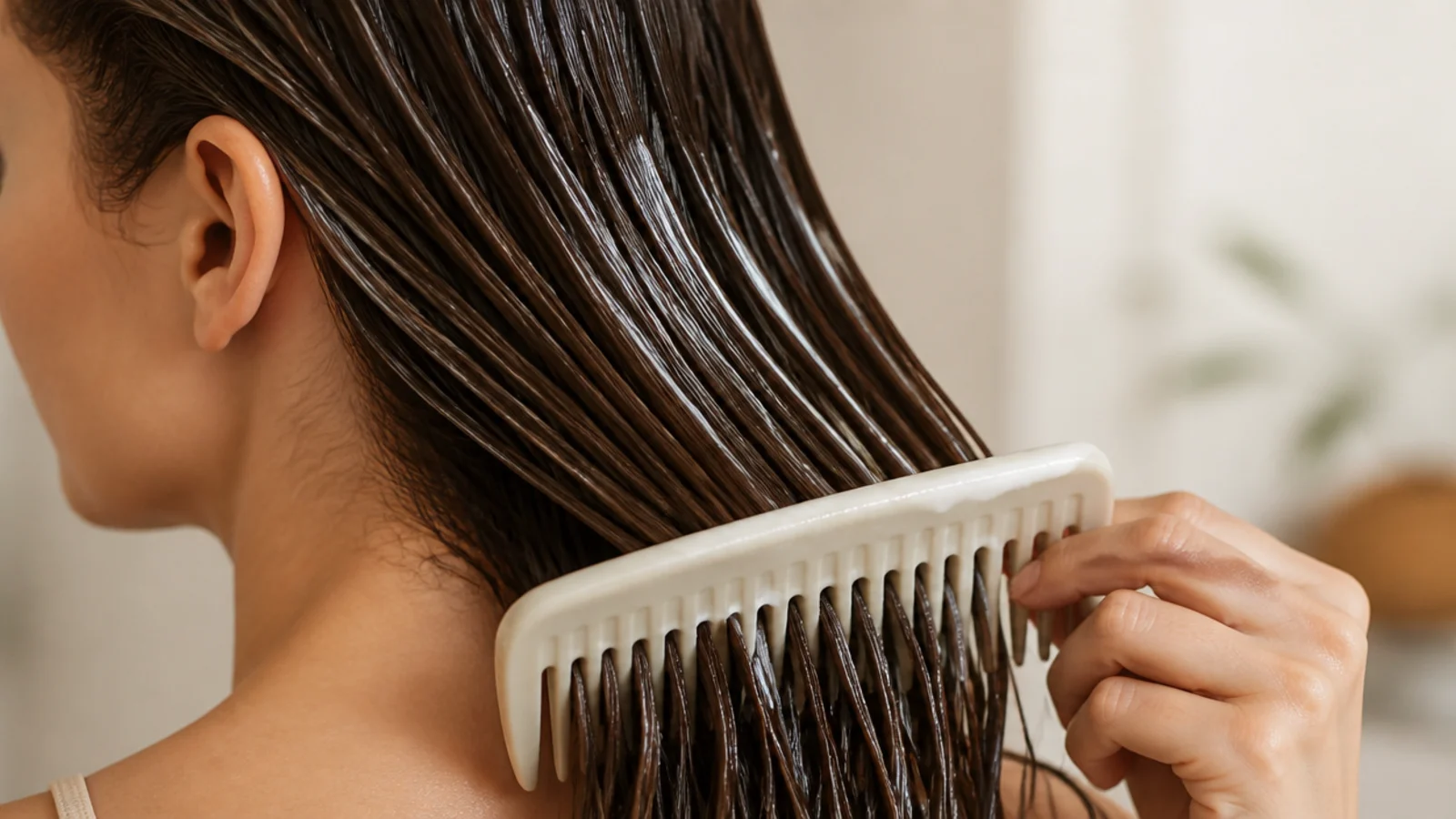
8. The Microfibre Turban
Terry towelling has raised loops that catch the cuticle and lift it, and rubbing hair dry with one is the roughest thing most people do to it all week. Microfibre pulls water out by capillary action instead of friction, so blot and squeeze rather than scrub.

9. Heat Protectant Before the Flat Iron
A protectant spreads heat along the strand and slows the rate it transfers, which is the difference between hot and cooked. Just as important, iron only fully dry hair — water still trapped inside a shaft flashes to steam under the plates and blows voids through the cortex that never close.
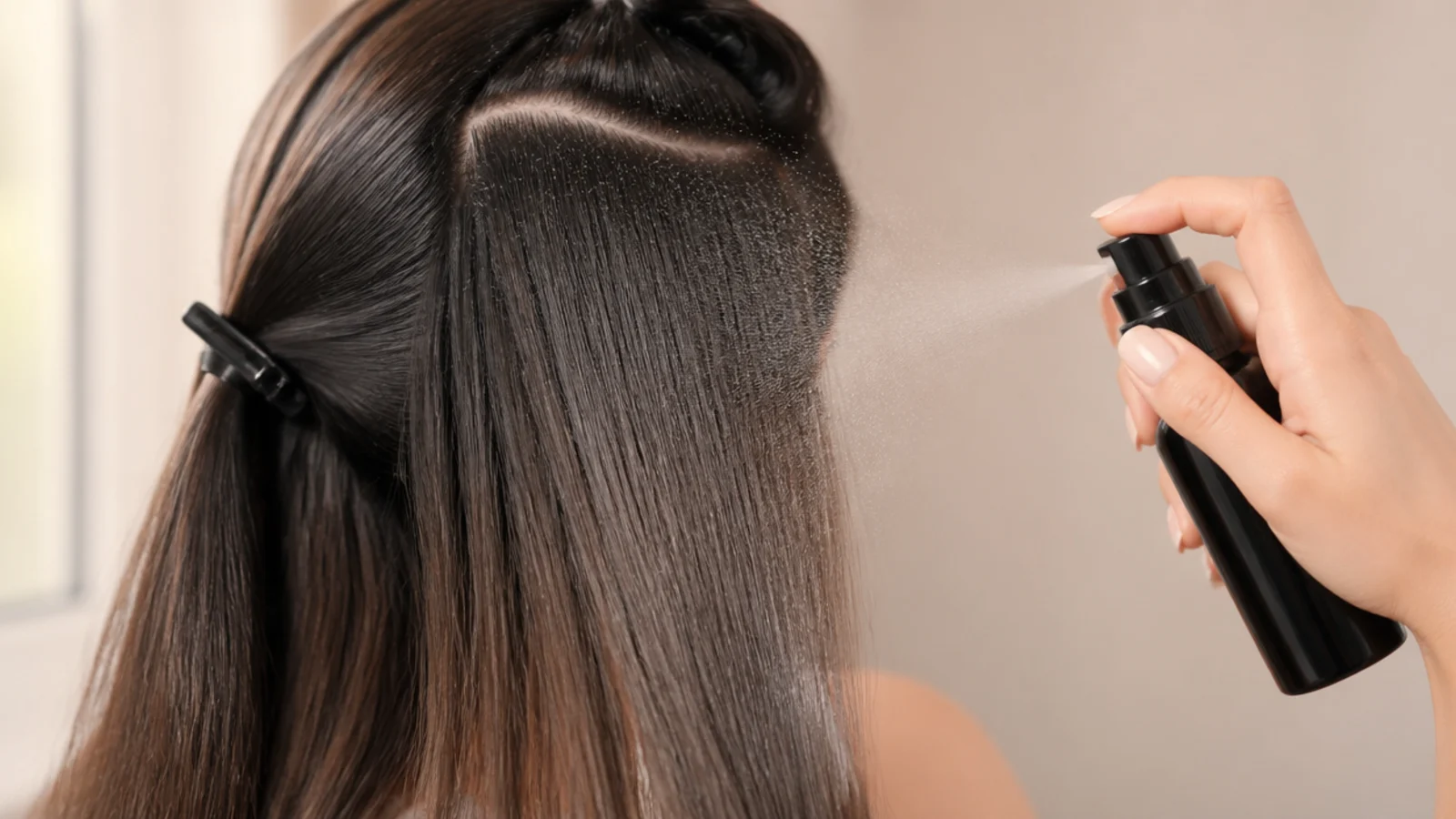
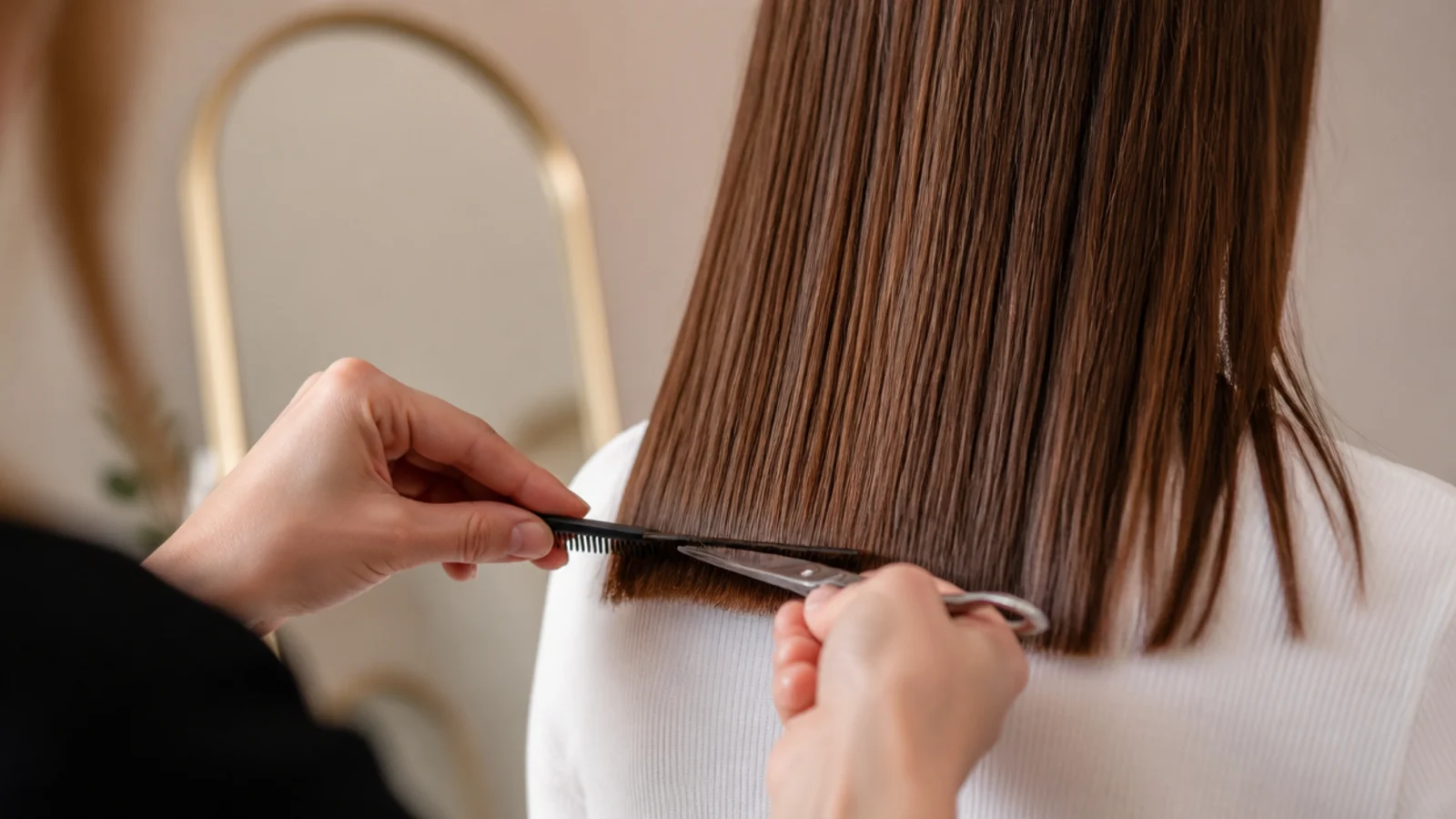
10. The Quarter Inch Trim
Trimming does nothing at the root, and it was never supposed to. What it does is remove a split before it travels up the shaft, which it will — a quarter inch taken now is cheaper than the inch the same split costs by the time you notice it. Every eight to twelve weeks for most people.
11. A Satin Pillowcase or Bonnet
Cotton absorbs moisture and its weave catches the cuticle every time you turn over, and it does so for eight hours a night, every night. That makes it the largest single source of friction most hair ever encounters, and one pillowcase removes the whole of it.

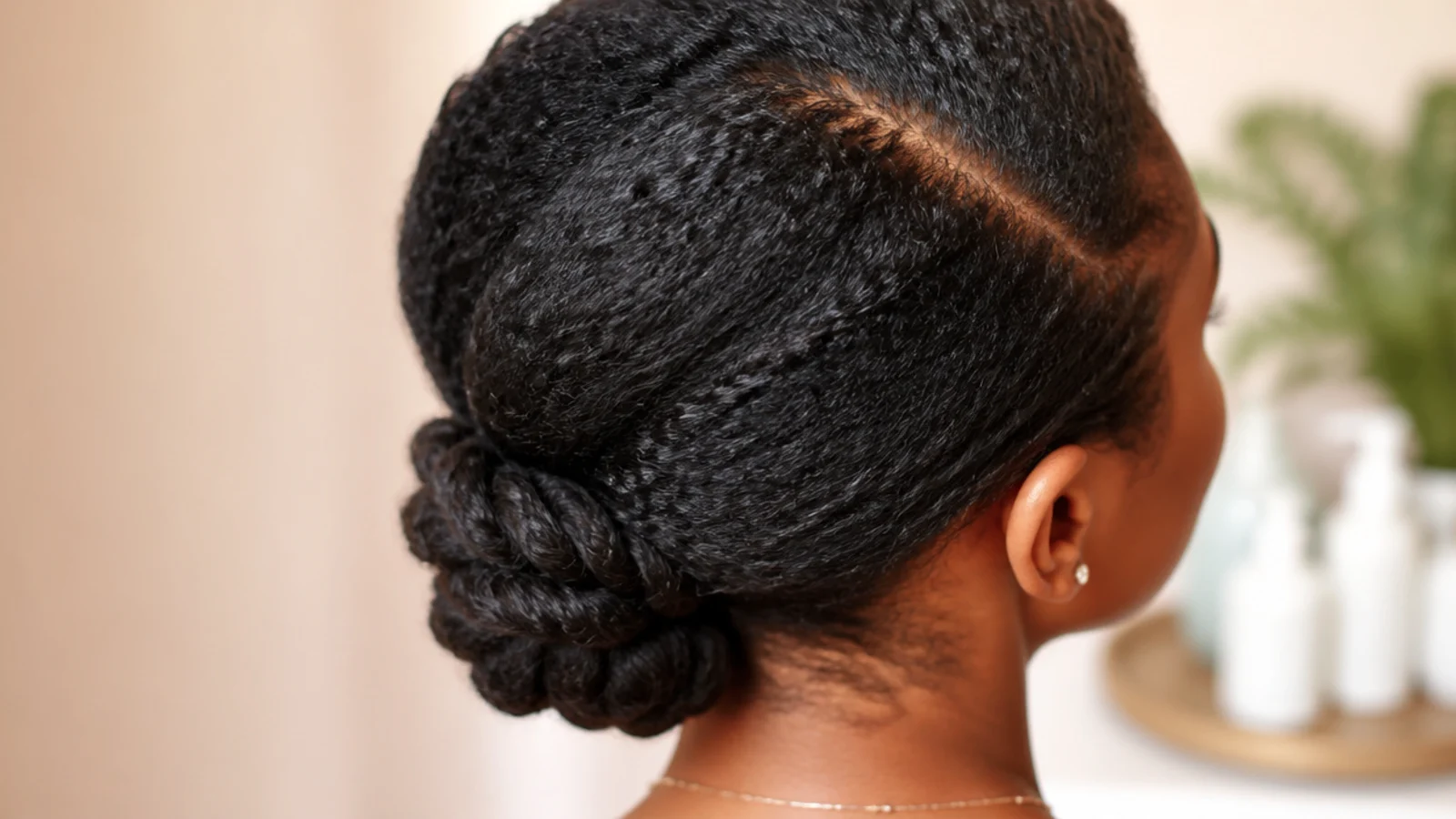
12. A Loose Protective Braid
A single slack braid at night stops the length tangling with itself and being dragged back and forth across the pillow. Keep it low and loose — the job is containing the ends, and anything tight enough to pull at the scalp has swapped a small problem for a much worse one.
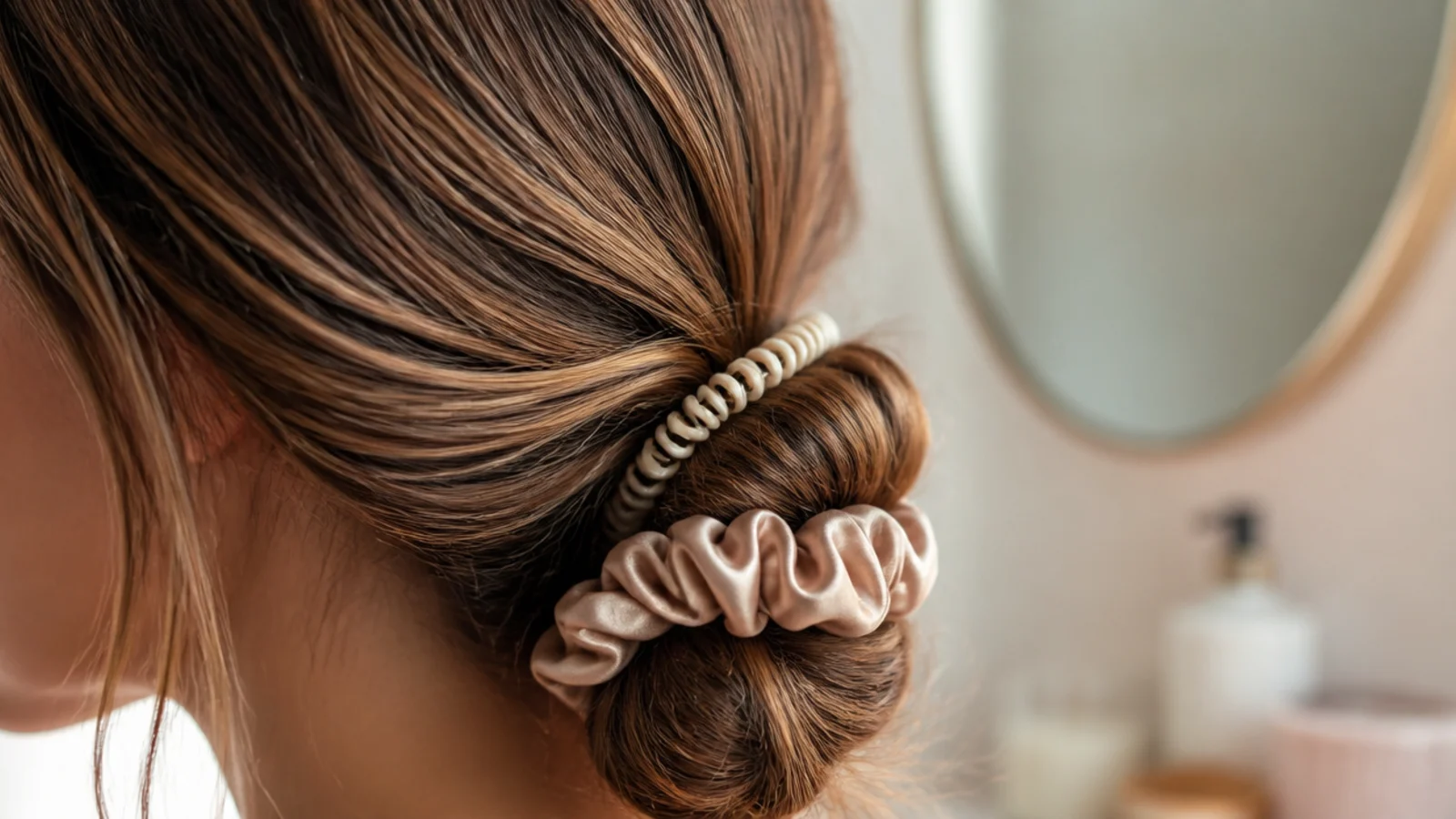
13. Spiral Hair Ties
A thin elastic puts its entire grip on one narrow band of hair, which is where strands snap and where the crease forms. A coiled tie sits at a slightly different depth each time you put it up, so the load lands somewhere new instead of on the same few hairs every day.
14. Protein and Iron Rich Foods
Hair is keratin, and the follicle is among the first things the body cuts supply to when protein or calories run short — which is why a crash diet shows up at the scalp two to three months later. Spread protein across the day, and take iron rich food with something containing vitamin C, which improves how much of it you absorb.

15. A Blood Test Before Supplements
Ferritin, thyroid function, vitamin D and B12, in that order of usefulness. Correcting a real deficiency regrows hair; taking the same capsules with normal levels does nothing measurable. One test tells you which of those two situations you are in, and saves a year of guessing.

Final Thoughts
Stop trying to make the scalp go faster. It is producing half an inch a month whether or not you massage it, and the entire difference between hair that visibly grows and hair that sits at the same length forever happens between the shower and the pillow.
If you only change three things, change the pillowcase, the order you apply conditioner and the towel. They cost almost nothing, they apply to every texture, and between them they remove most of the friction a strand meets in a normal week. For a texture specific version of the same routine see a wavy hair care routine. More in Hair Care. See also the healthy version.