15 Forehead Hair Growth Tips That Protect Your Hairline
Fifteen tips for a thinning hairline, and the distinction that decides whether any of them will work — hair lost to pulling comes back while the follicle is intact, and hair lost to scarring does not come back at all.
In this article · 23
- Why Forehead Hair Disappears
- Traction Alopecia Warning Signs
- Can Bald Forehead Hair Grow Back
- Growing Baby Hairs Back
- The Honest Limits of Oils
- When to See a Dermatologist
- The 15 Forehead Hair Growth Tips
- 1. The Tight Ponytail
- 2. Edge Control
- 3. Hairline Massage
- 4. Rosemary Oil
- 5. Minoxidil Foam
- 6. The Braid Takedown
- 7. The Satin Bonnet
- 8. Clear the Buildup
- 9. A Blood Test
- 10. Spiral Hair Ties
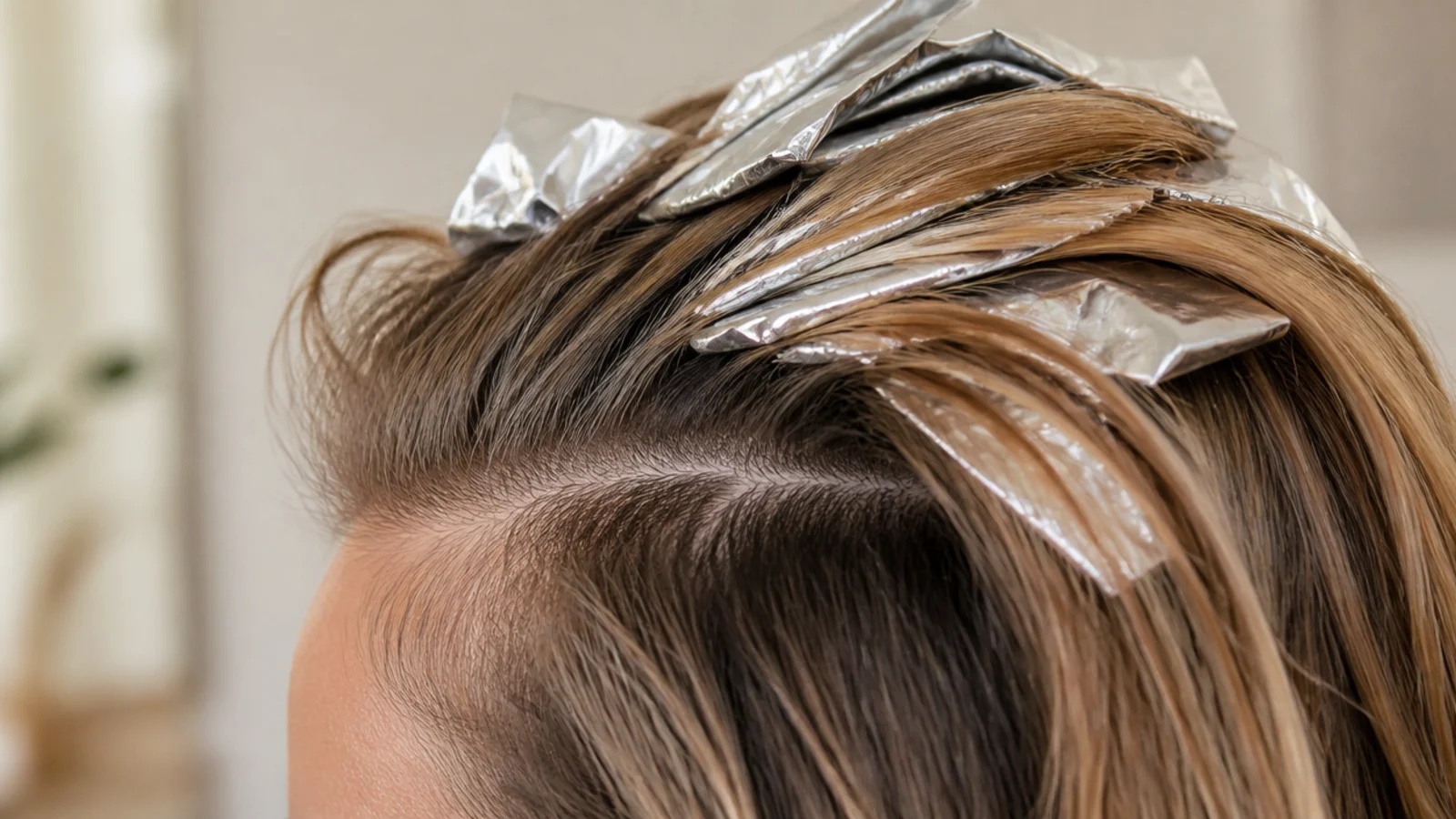
- 11. No Bleach at the Hairline
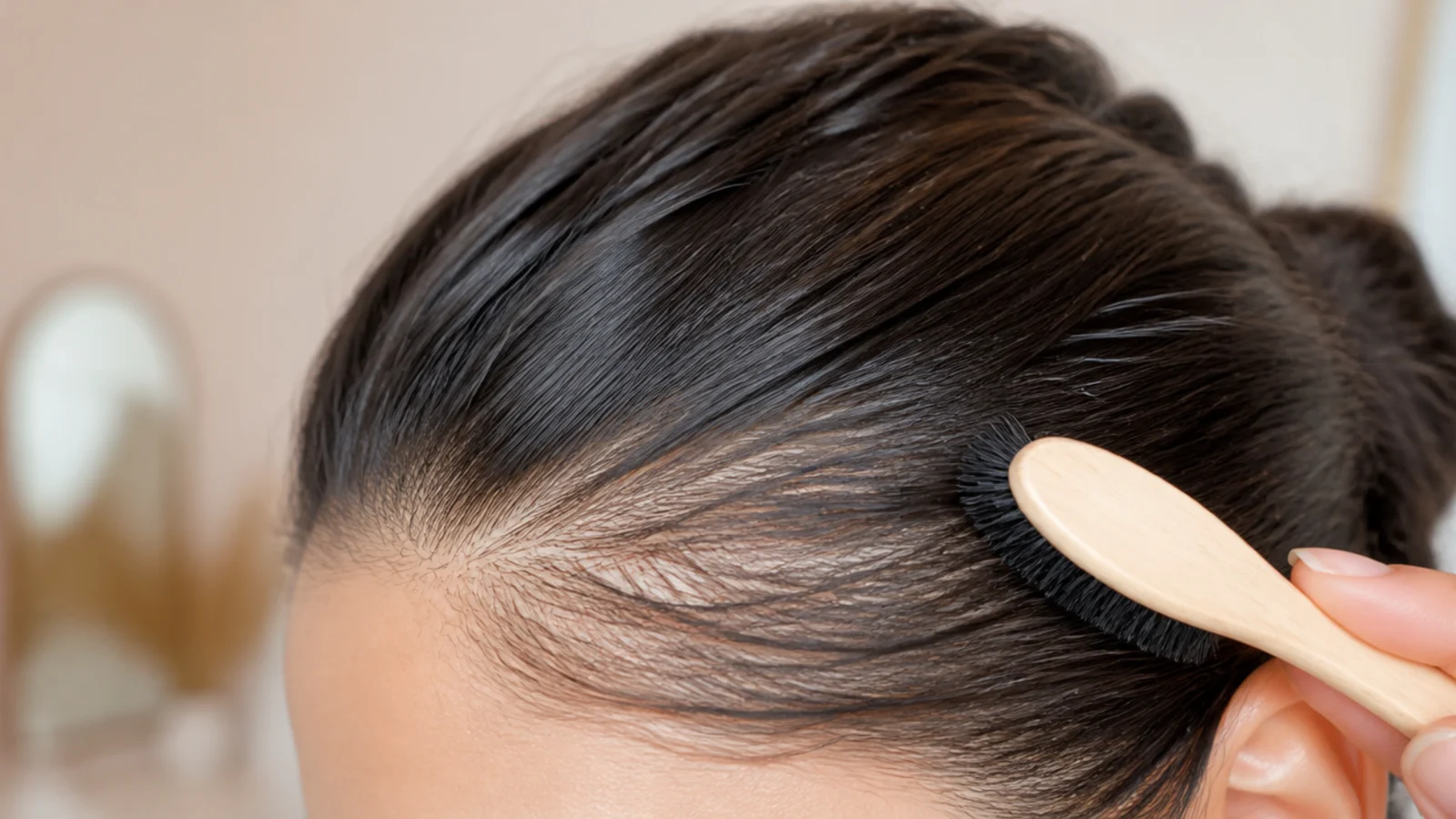
- 12. A Soft Baby Brush
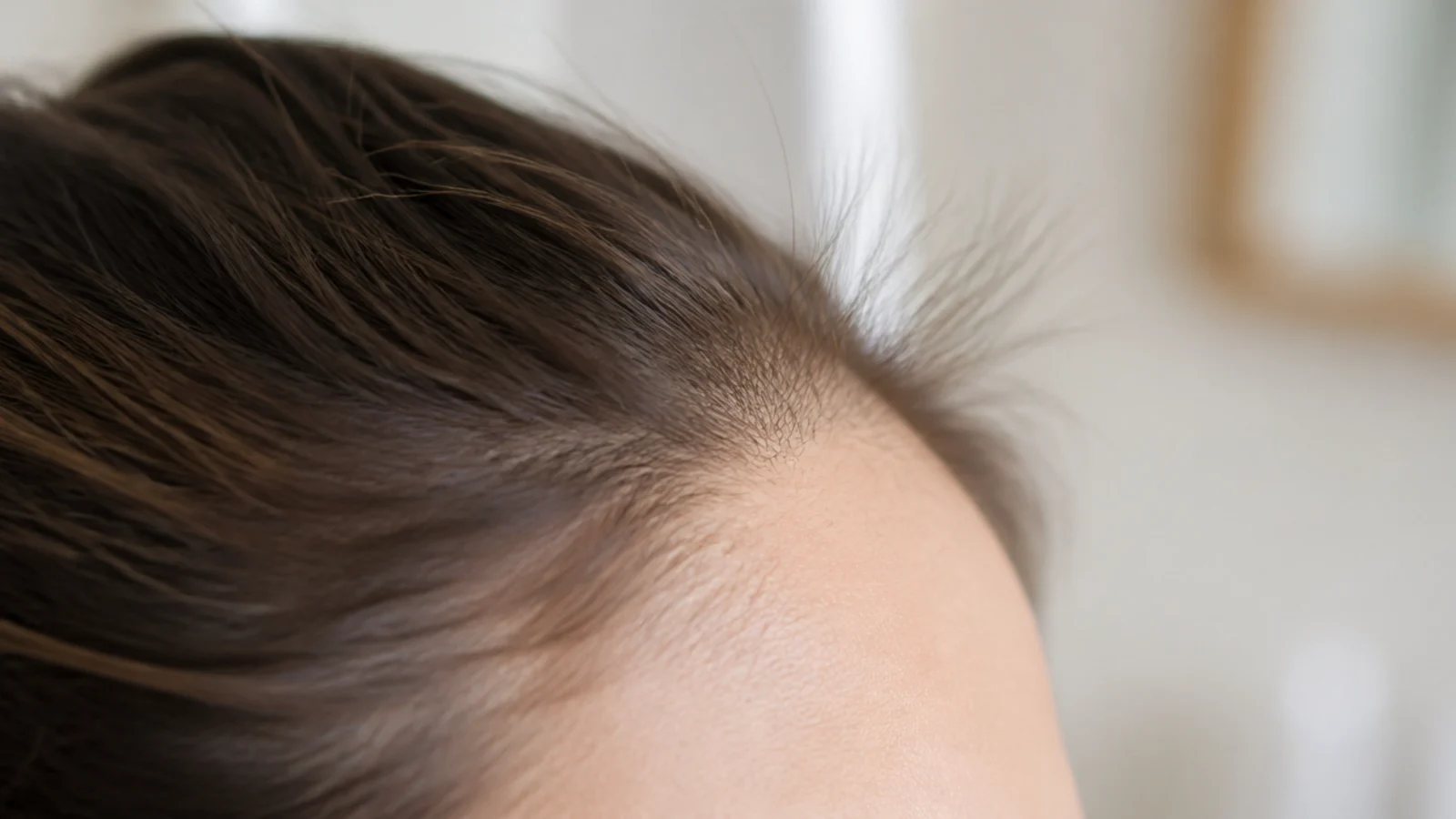
- 13. Postpartum Regrowth
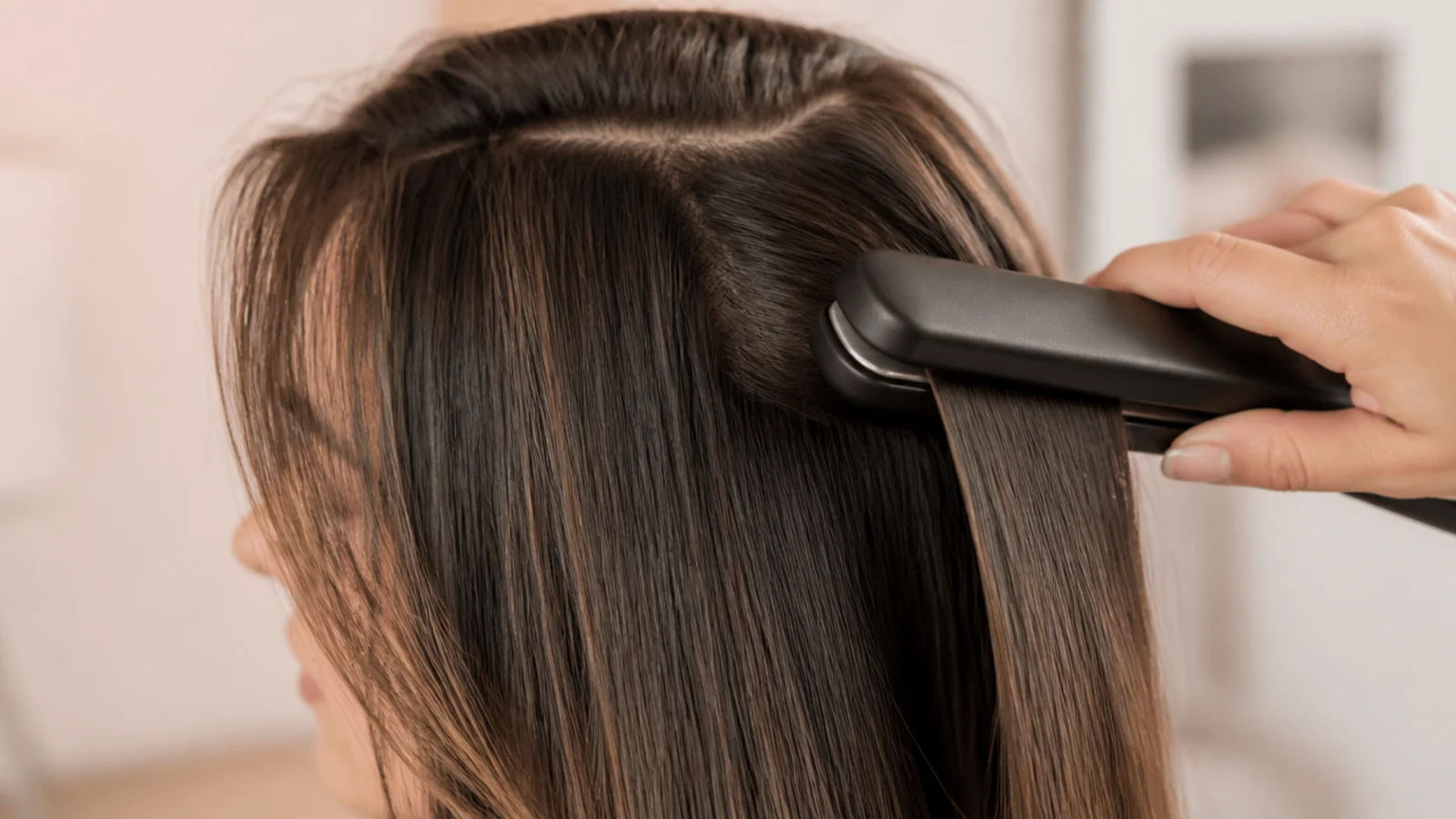
- 14. No Heat at the Front
- 15. Monthly Photos
- Final Thoughts
Two completely different problems produce a thinning forehead hairline, and only one of them responds to anything you can buy.
Hair lost to pulling grows back while the follicle is intact. Traction thinning is non scarring, which means the machinery survives and restarts once the load comes off it.
Hair lost to scarring does not come back. Once the follicle is replaced by scar tissue there is nothing left to treat, which is why the interval between noticing and acting matters more here than anywhere else on your head.
Why Forehead Hair Disappears
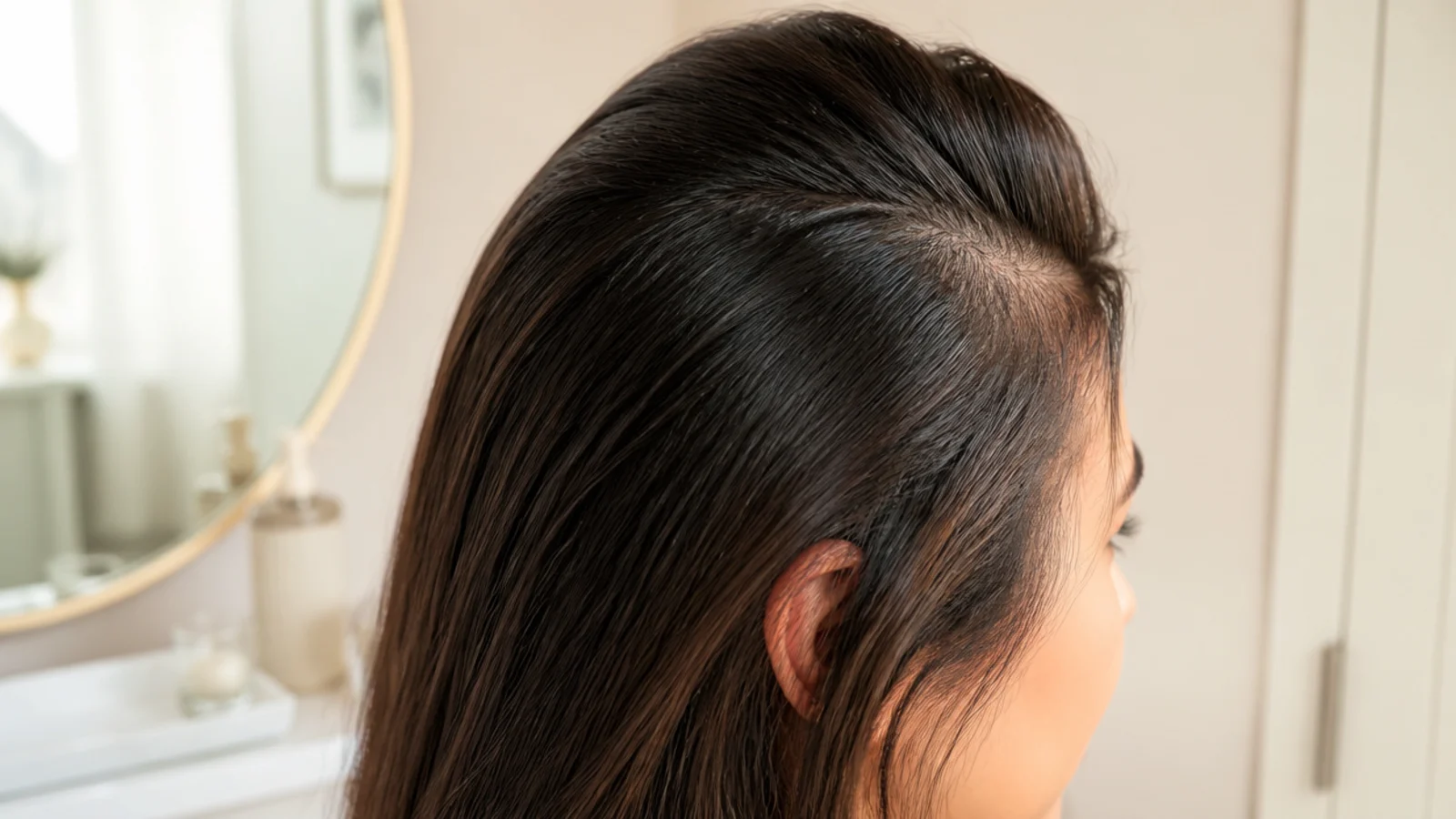
The hairline holds the finest hair on your head. The follicles at the margin produce thinner strands than the ones an inch behind them, and they sit in thinner skin. They fail under loads the crown carries without any complaint.
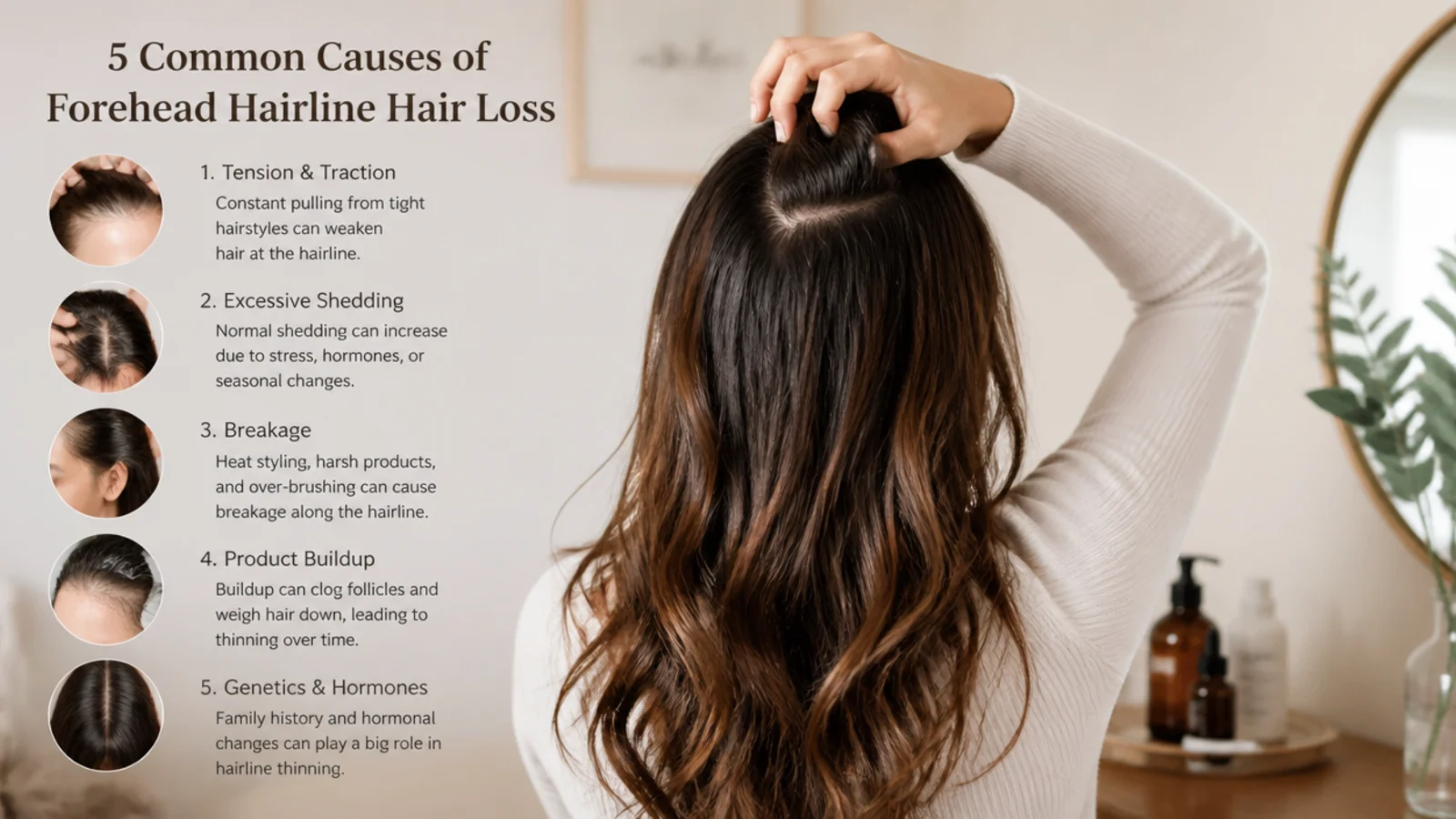
Tension is the most common cause and the most reversible. Ponytails, buns, braids, weaves and clips all pull hardest at the perimeter, because that is where the hair changes direction to reach the tie.
Pattern recession looks different. Traction thinning appears exactly where the pull sits, usually as a band just behind the front margin. Pattern recession moves the whole line backwards, symmetrically, from the temples in.
Chemistry and heat finish off what tension started. Bleach at the front, a flat iron on the shortest hairs you own, and a stiff brush dragged through dry gel all break hairs that were already the most fragile ones you have.
Traction Alopecia Warning Signs
Pain is a late signal, not an early one. A style that aches or gives you a headache in the first hours has already been pulling for hours. Tenderness when you touch the parting is worth taking seriously the same day.
Small bumps or pustules along the parting. These appear where follicles are inflamed by sustained tension, often within a day or two of an install, and they are the follicle reporting a problem before the hair goes.
Short broken pieces along the perimeter. Snapped at both ends and no bulb, sitting in the exact line where the tie or the braid sat.
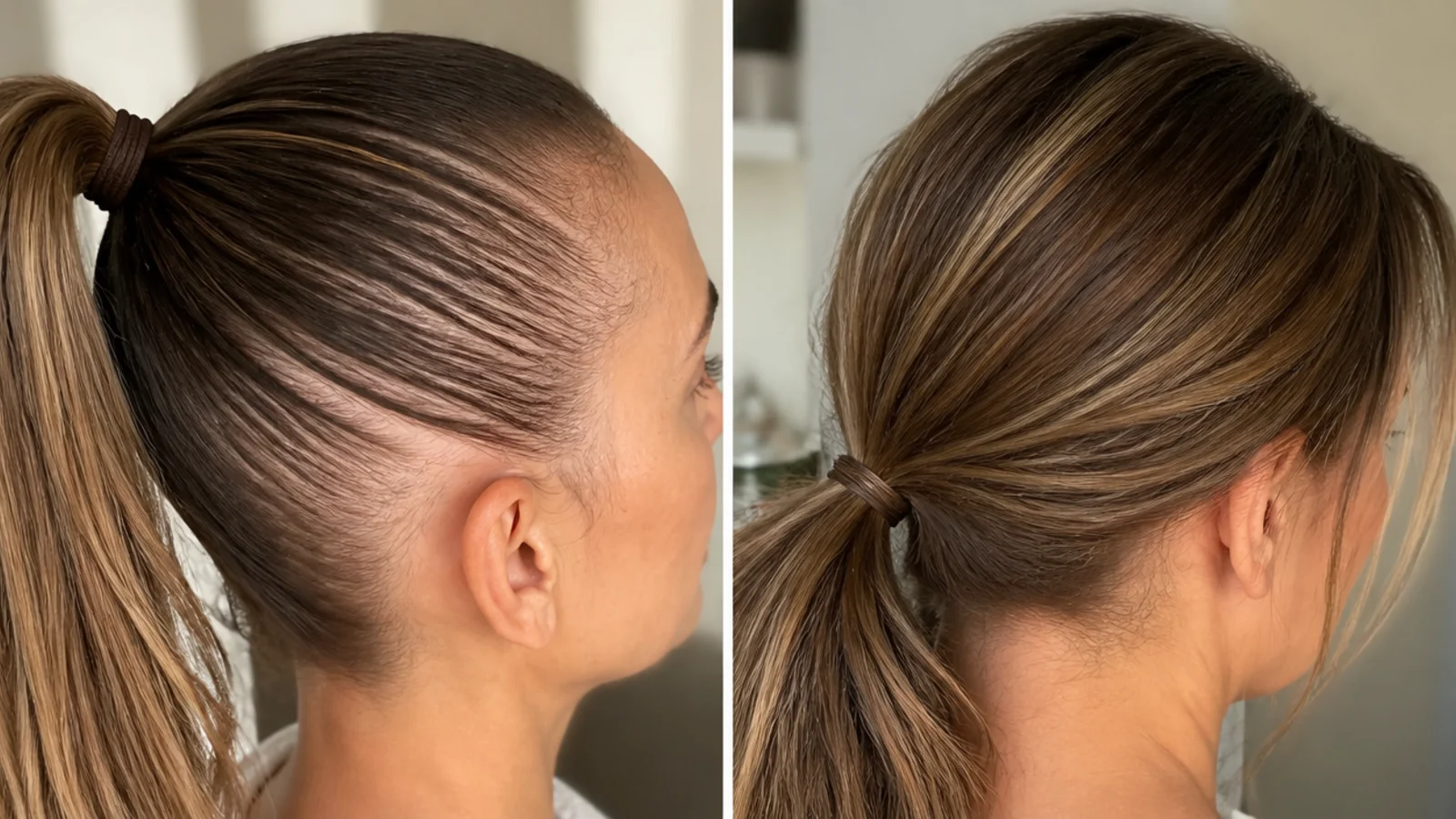
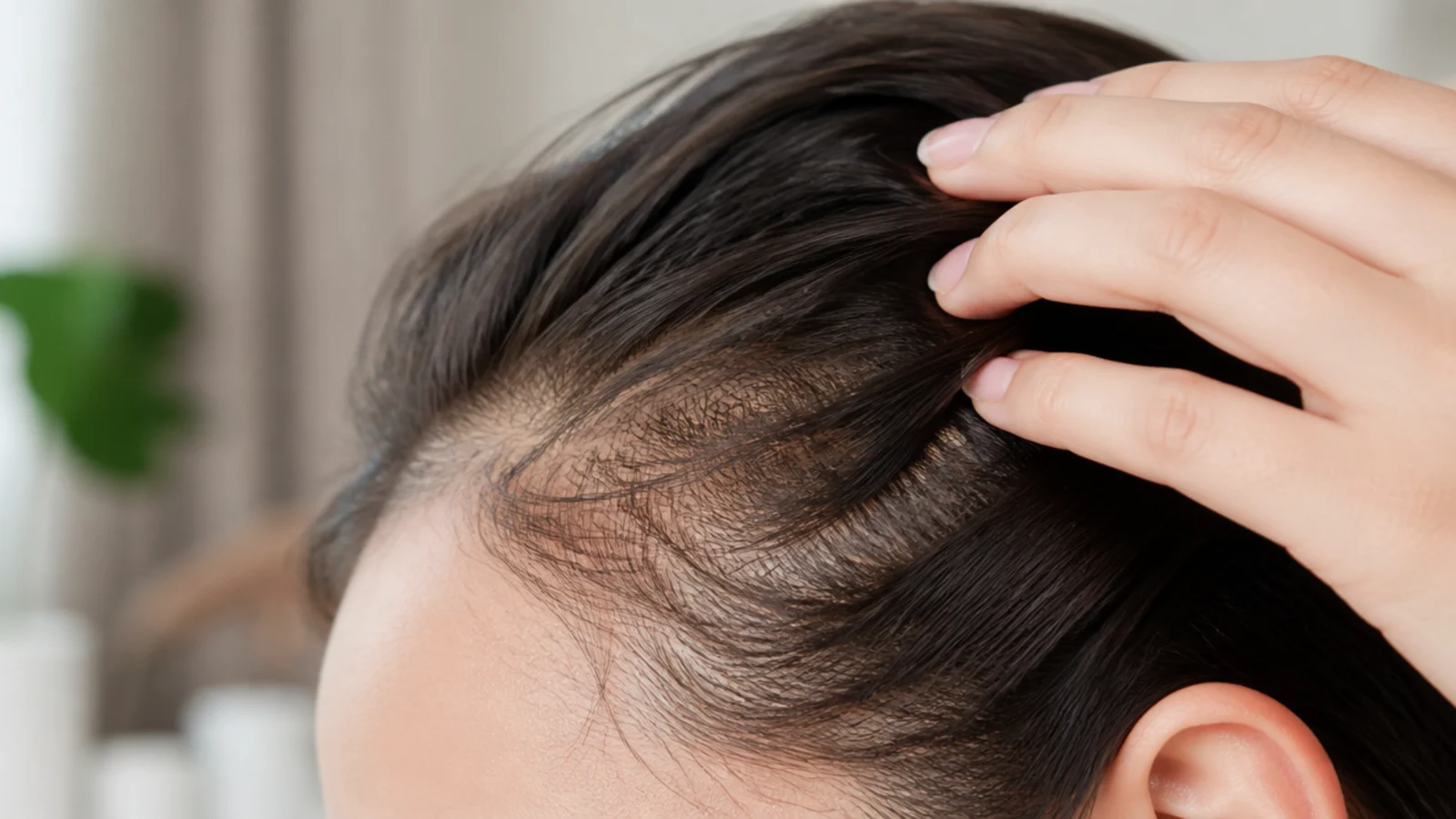
A surviving front row with thinning behind it. A retained margin of fine hairs with a sparse band just behind it is a recognised sign of traction, and it is what distinguishes it from a hairline that is genuinely receding.
Can Bald Forehead Hair Grow Back
Yes, if the follicle is still there. Early traction thinning is non scarring. Take the tension off and the follicles restart on their own schedule, with no product required.
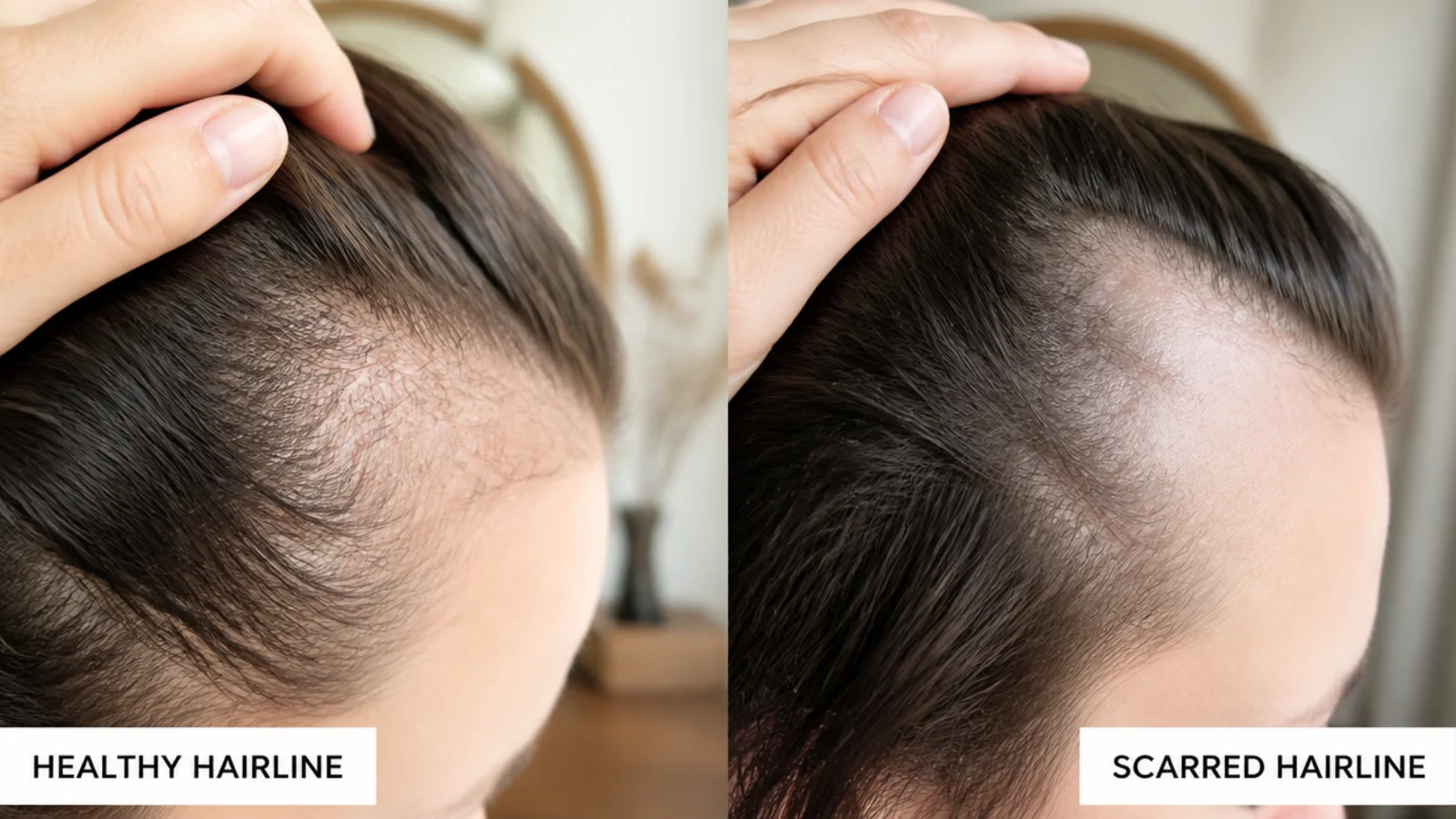
No, once the skin has scarred. Chronic traction eventually destroys the follicle and replaces it with fibrous tissue. The tell is smooth shiny skin with no visible pore openings, and no treatment reverses it.
The timeline is slow either way. A follicle coming out of a resting phase takes roughly three months to push a new hair through the surface, then grows at half an inch a month like the rest of your head.
Which means six months minimum before you can judge. Anything reviewed at four weeks will look like a failure regardless of whether it is working.
Growing Baby Hairs Back
Baby hairs are short because their growth phase is short. They are not immature versions of your longer hair waiting to catch up. The follicles at the margin cycle faster, so those hairs reach a couple of centimetres and stop.
You cannot grow them long, only keep them alive. Every routine promising to lengthen them is fighting a cycle length, which is the one variable nothing topical changes.
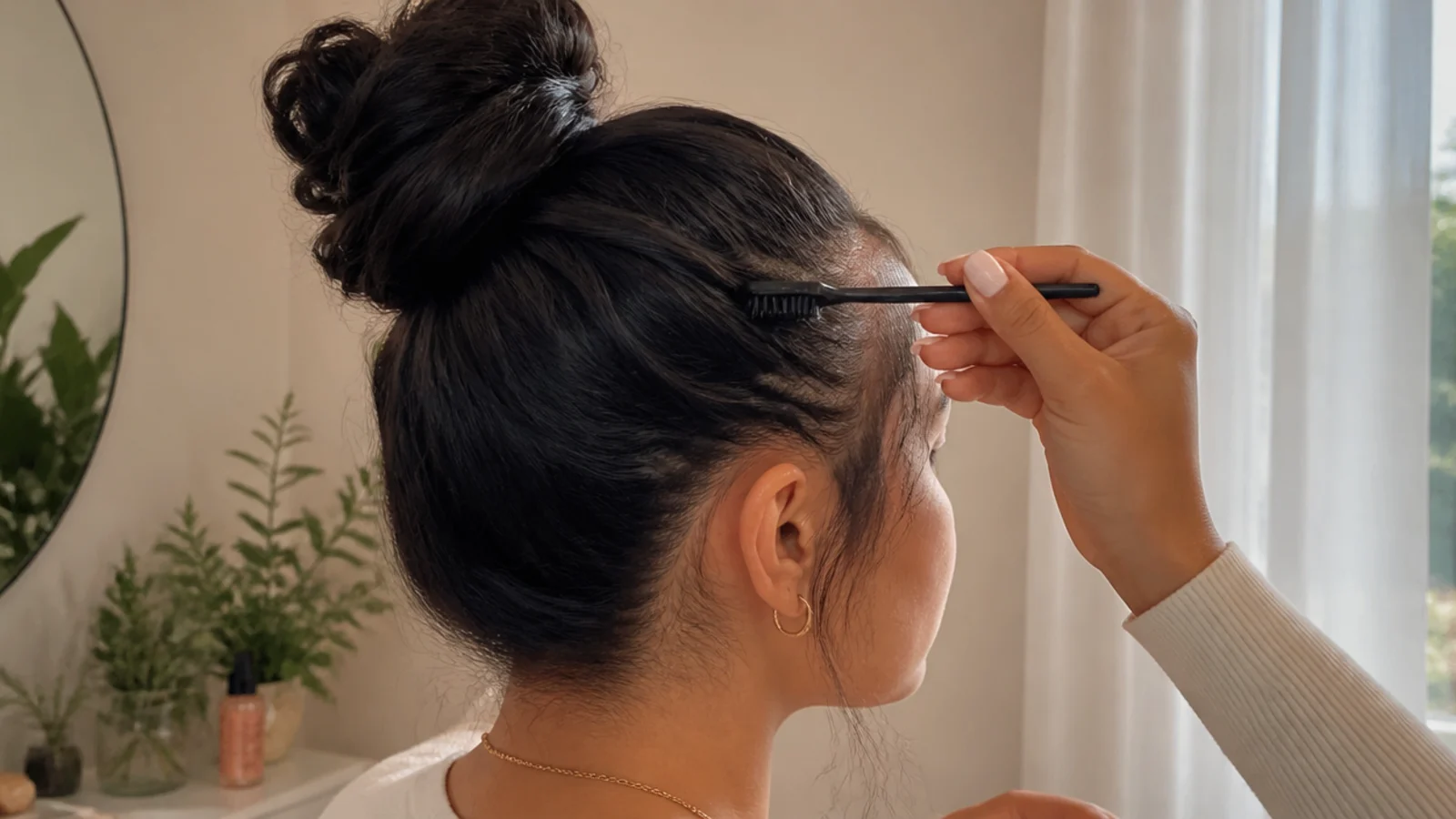
Laying them is what kills them. A firm brush through dry gel snaps hairs that are a fraction of the diameter of everything around them, which is why edges frequently look worse the more carefully they are laid.
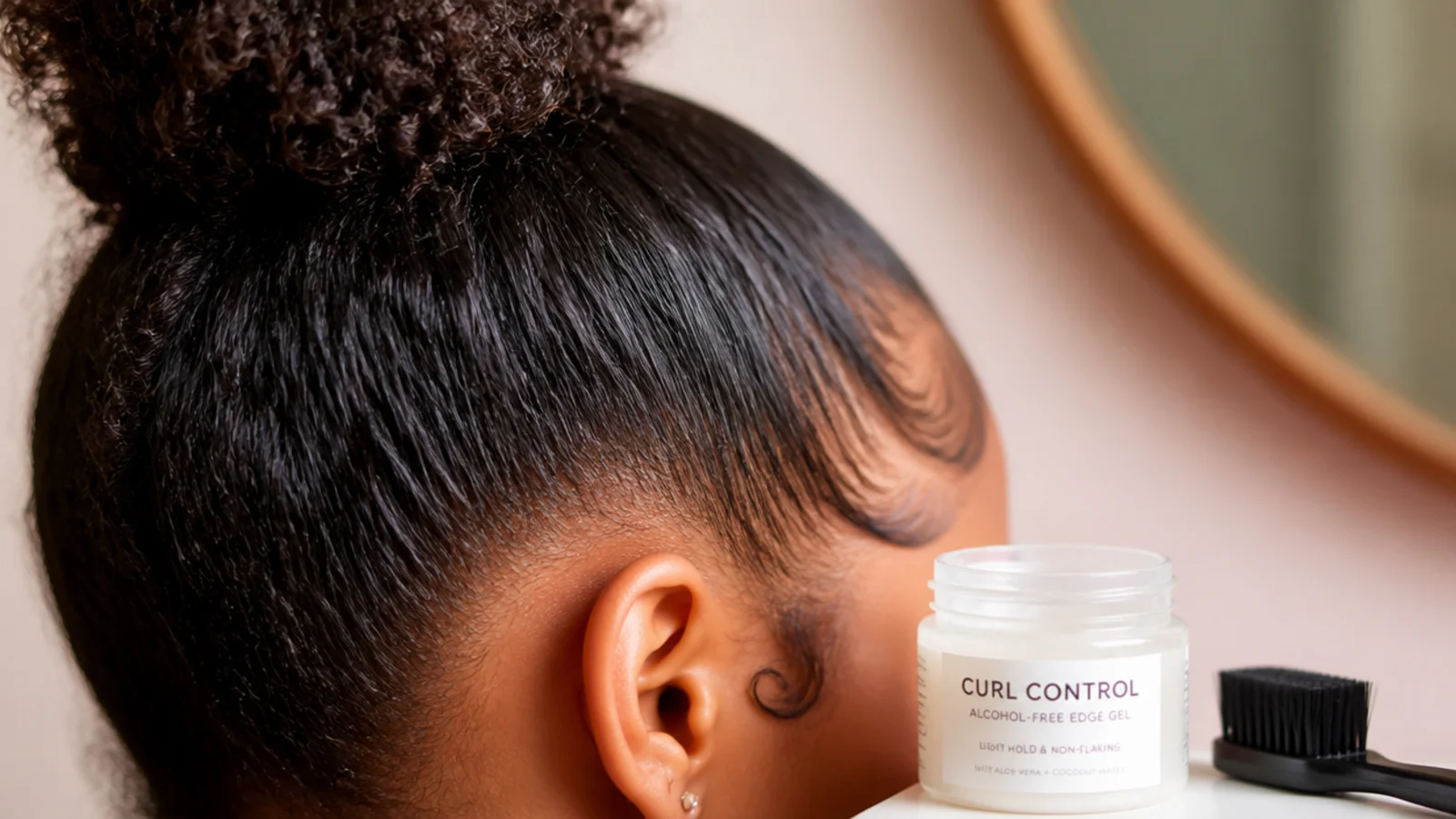
Damp hair, soft bristles, and the gel washed out the same day. That combination is the whole of a working edge routine.
The Honest Limits of Oils
No oil grows hair. Oils reduce friction, and some reduce the protein a wash strips out. Both protect hair that already exists. Neither creates a follicle.
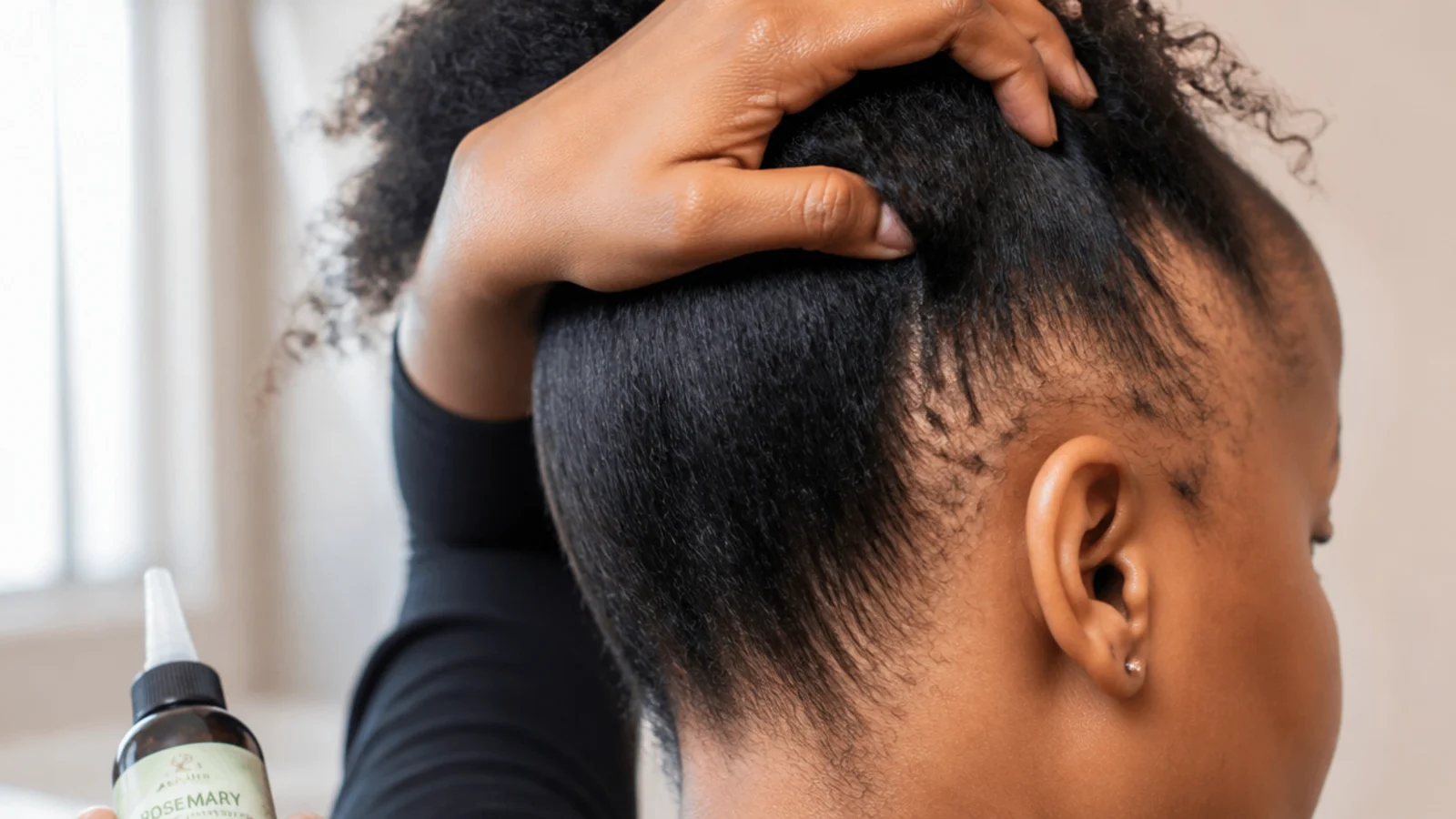
Rosemary oil has one trial worth citing. It ran against a low strength minoxidil over six months and produced comparable change in that study. One trial is a reason to try it, not a reason to expect it.
Castor oil is thick, not active. The appeal is how substantial it feels, and there is no evidence it grows anything. Used heavily on long hair it can also mat the length badly enough to need cutting out.
An oil cannot outrun tension. Applying anything to a hairline that is still being pulled on nightly is spending money to slow a loss you could stop for free.

When to See a Dermatologist
Smooth shiny skin with no visible pores. That is the appearance of scarring, and it is the one finding that changes the entire plan, because the window for saving the remaining follicles is the only thing left to act on.
Pain, burning, scaling or pustules. These point at a scalp condition rather than a styling habit, and they need a diagnosis before any routine will help.
No change after six months off tension. If nothing has been pulling for half a year and the hairline has not moved, the assumption that it was traction needs testing.
Sudden shedding across the whole head. A diffuse increase over weeks usually traces to something systemic — thyroid, iron stores, a medication, an illness — and bloodwork answers it faster than any topical trial.

The 15 Forehead Hair Growth Tips
1. The Tight Ponytail
Load concentrates where the hair changes direction, and in a high tight ponytail that point is the hairline itself. Wearing it lower, looser, and in a different position on different days spreads the same pull over follicles that then get days off in between.
2. Edge Control
The gel is rarely the problem — the brush is. A stiff bristle dragged through dry hairs a centimetre long snaps them near the root, so the more thoroughly the edges are laid the fewer of them survive the week. Work on damp hair and wash the product out the same day.
3. Hairline Massage
Move the skin over the bone with a fingertip rather than rubbing the hairs, which are far too fine to survive being scrubbed. The aim is circulation at the follicle and lifting residue off the skin, and it is the only hairline routine with no way to make things worse.
4. Rosemary Oil
Diluted in a carrier oil and massaged in a few times a week. The single trial behind it ran for six months against a low strength minoxidil and found comparable change, which makes it a reasonable experiment rather than a settled treatment. Anything topical works on the next growth cycle, so judge it in months.

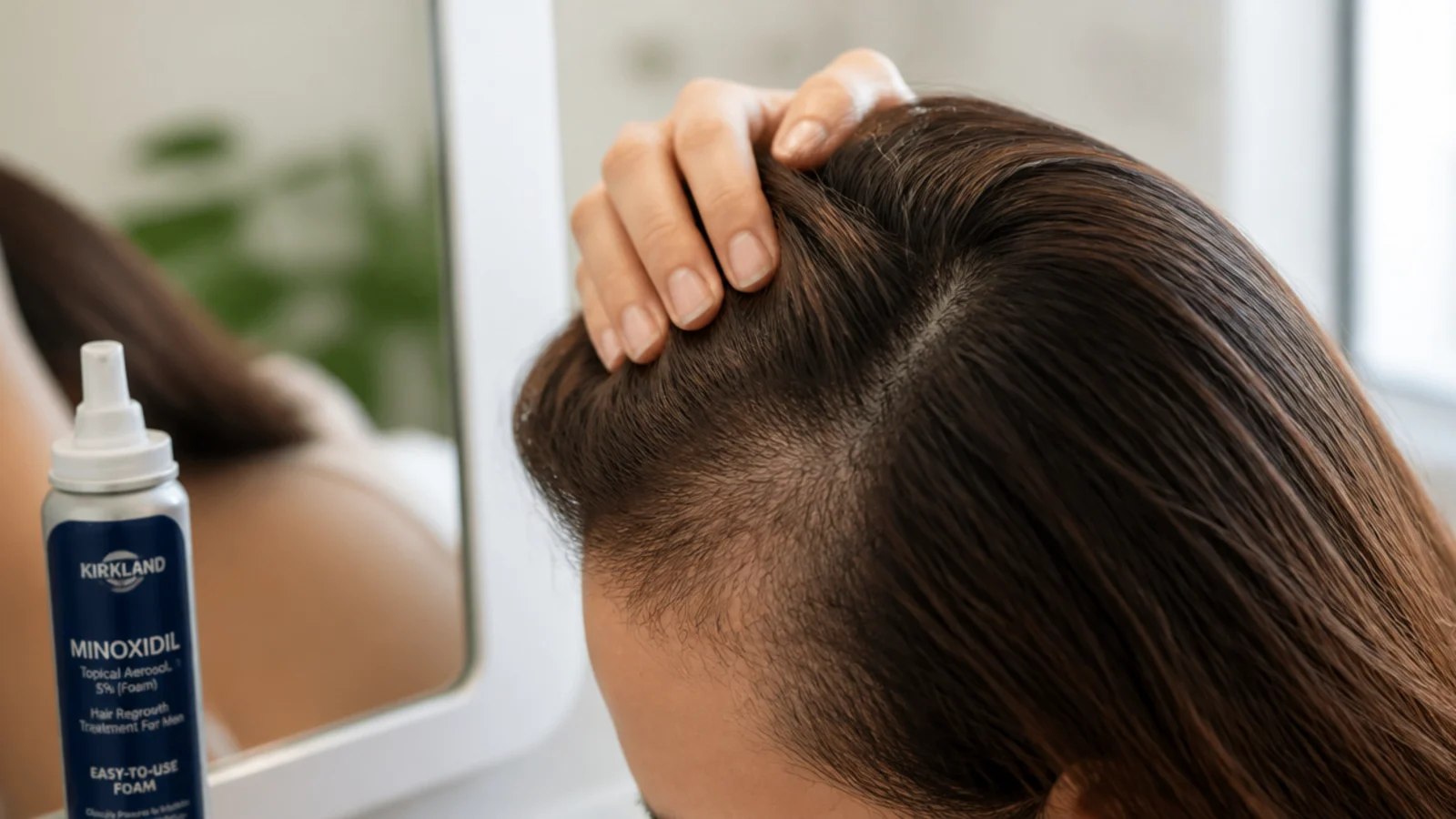
5. Minoxidil Foam
The most studied topical available without a prescription. It works by extending the growth phase, so it has to be used continuously and any gain unwinds within months of stopping. Expect a temporary increase in shedding at the start as resting hairs are pushed out, and expect four months before anything reads as regrowth.
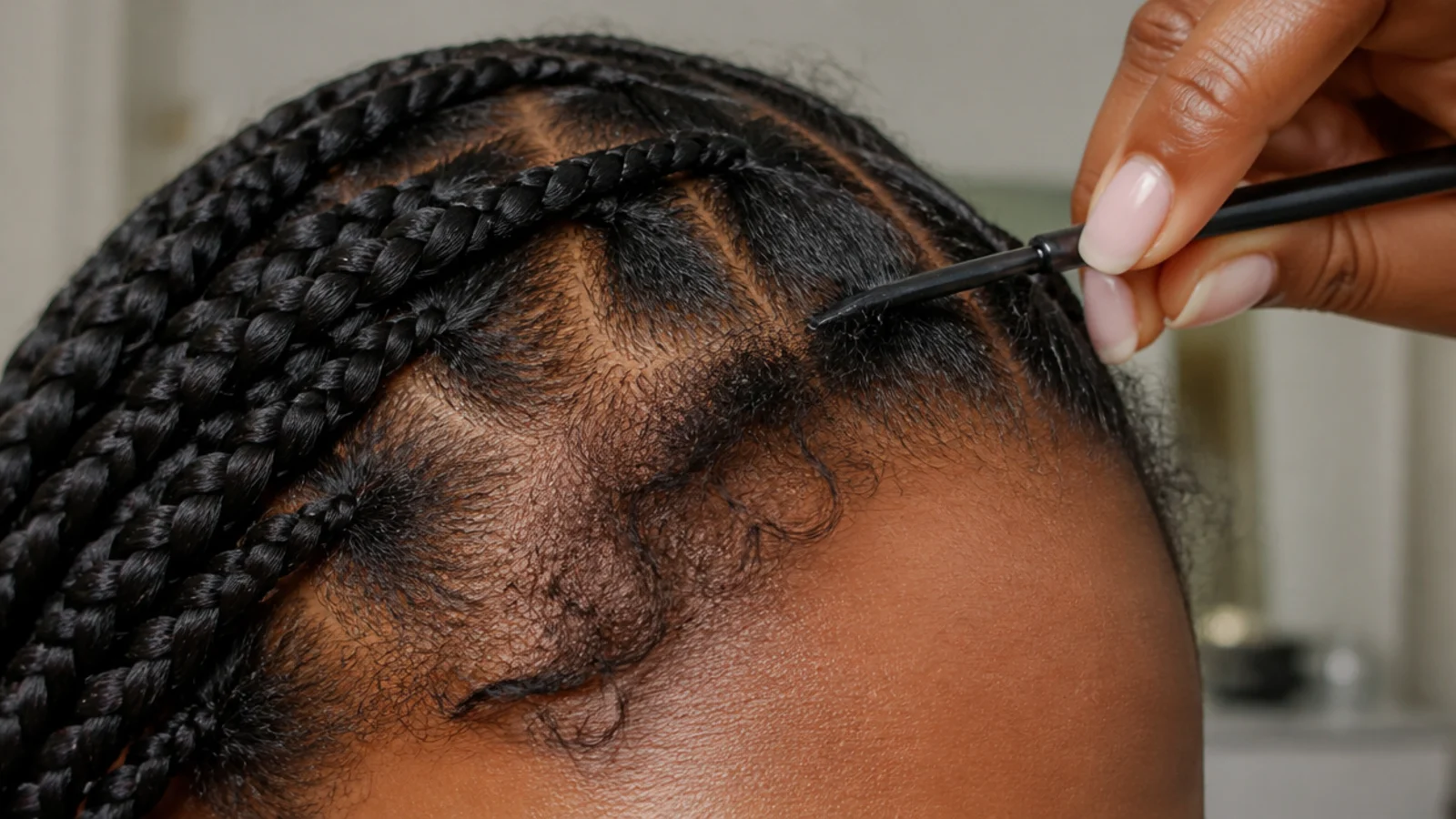
6. The Braid Takedown
More hairline damage happens at removal than during the install. Shed hairs stay trapped in the braid for weeks and mat with the new growth at the base, so the root needs saturating with conditioner and unpicking rather than pulling. Six to eight weeks is the point past which that knot starts costing real hair.
7. The Satin Bonnet
The front hairline sits exactly where your head meets the pillow when you sleep on your side, so the finest hairs you own take the heaviest nightly friction. Satin removes that drag. A bonnet with a narrow tight elastic reintroduces it, so choose a wide soft band or use a satin pillowcase instead.

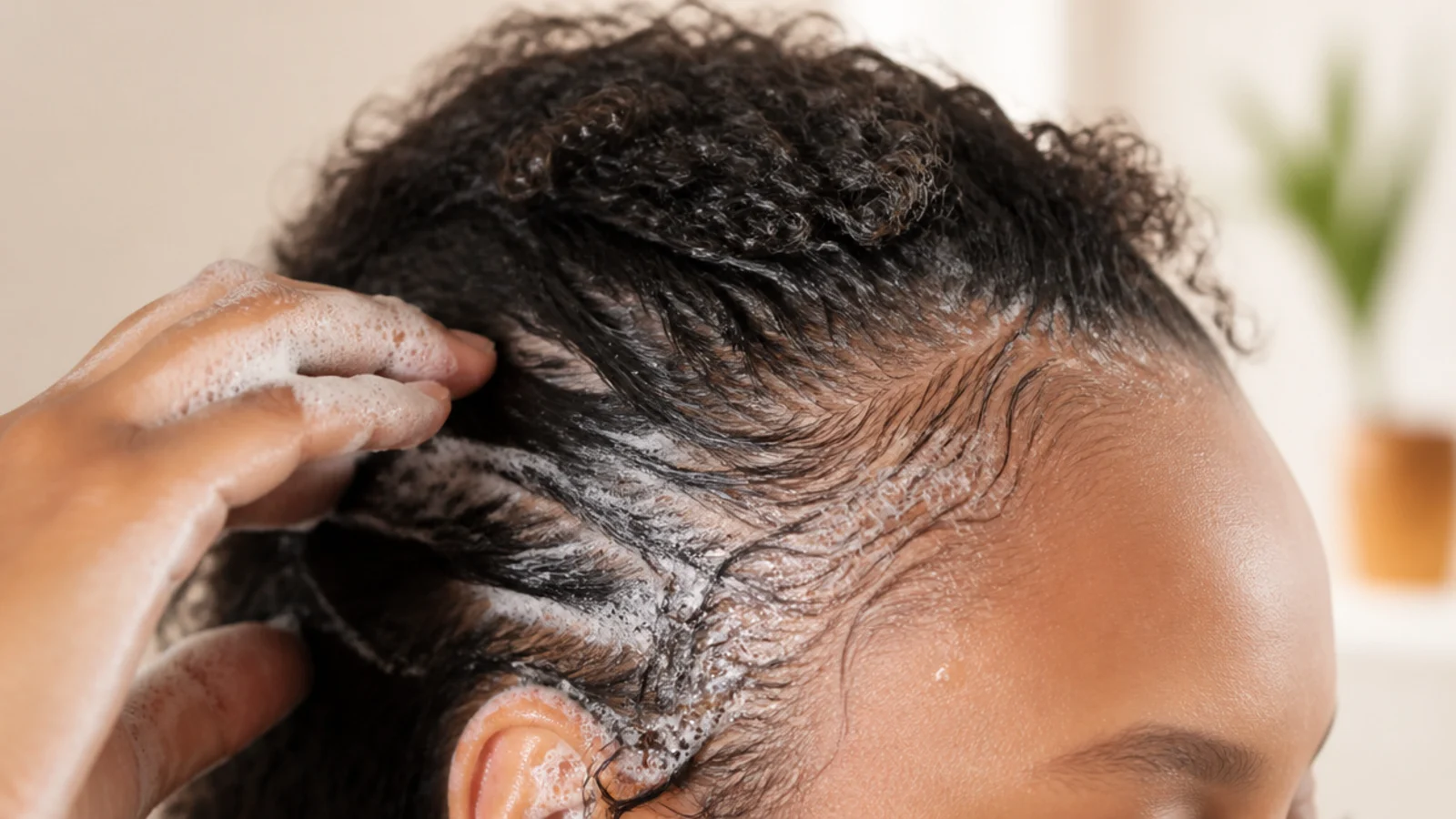
8. Clear the Buildup
Layers of gel, wax and oil left along the front trap sweat and flaking against the skin, and that irritation is a poor environment for follicles already under strain. Wash the hairline properly once a week even when you are stretching washes everywhere else on your head.
9. A Blood Test
Ask for ferritin, thyroid function, vitamin D and B12 before spending anything on topicals. Stored iron can sit low enough to cost you hair while haemoglobin still reads normal, so a standard blood count alone can miss it — and correcting a genuine deficiency regrows hair no oil will.

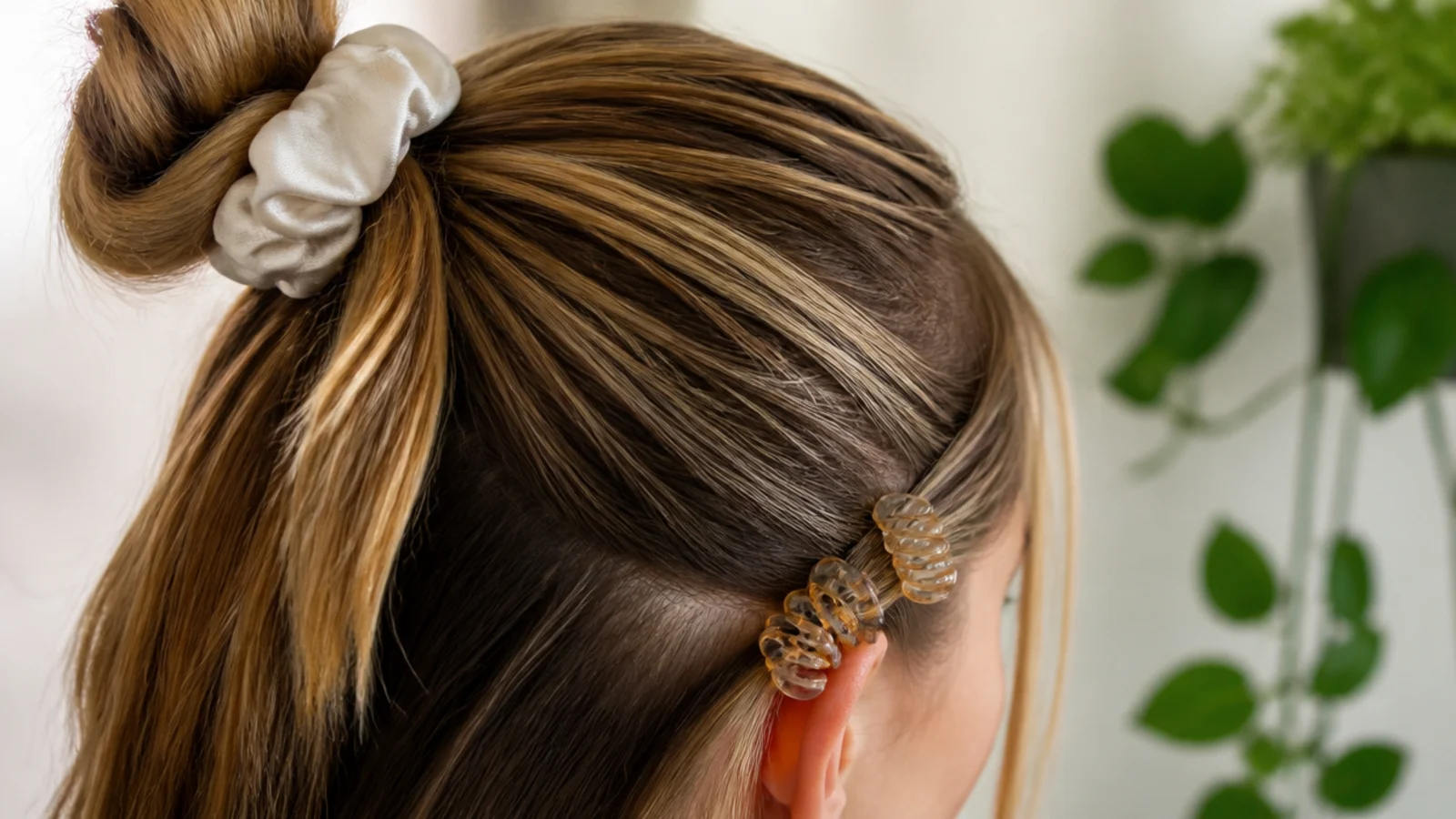
10. Spiral Hair Ties
A thin elastic grips one narrow band of hair and holds it under constant load for the whole day. A coiled tie sits at a slightly different depth every time you put it on, so the tension moves around instead of landing on the same few hairs, and it leaves no crease to brush out afterwards.
11. No Bleach at the Hairline
Bleach lifts and thins the cuticle and weakens what remains, and the hairs at the front already have the smallest diameter on your head. Losing a share of that thickness matters far more there than at the crown, which is why bleached edges snap off instead of growing out.
12. A Soft Baby Brush
Boar bristle or a genuine baby brush, and only on damp hair. The hairs at the margin are a fraction of the diameter of everything behind them, so a firm bristle that feels perfectly normal across the rest of your head is quietly snapping off the ones you are trying to keep.
13. Postpartum Regrowth
After a birth the hairs held in place through pregnancy shed together, usually around three months later, and the temples show it first because the hair there is finest. What follows is a band of short new growth along the hairline. It is a recovery rather than a loss, and it needs time rather than treatment.
14. No Heat at the Front
Irons and dryers get used most on the front section because that is what people style, and that section holds the shortest and finest hairs on your head. Skipping the hairline entirely, or dropping the temperature just for it, removes a daily insult from the exact area you are trying to repair.
15. Monthly Photos
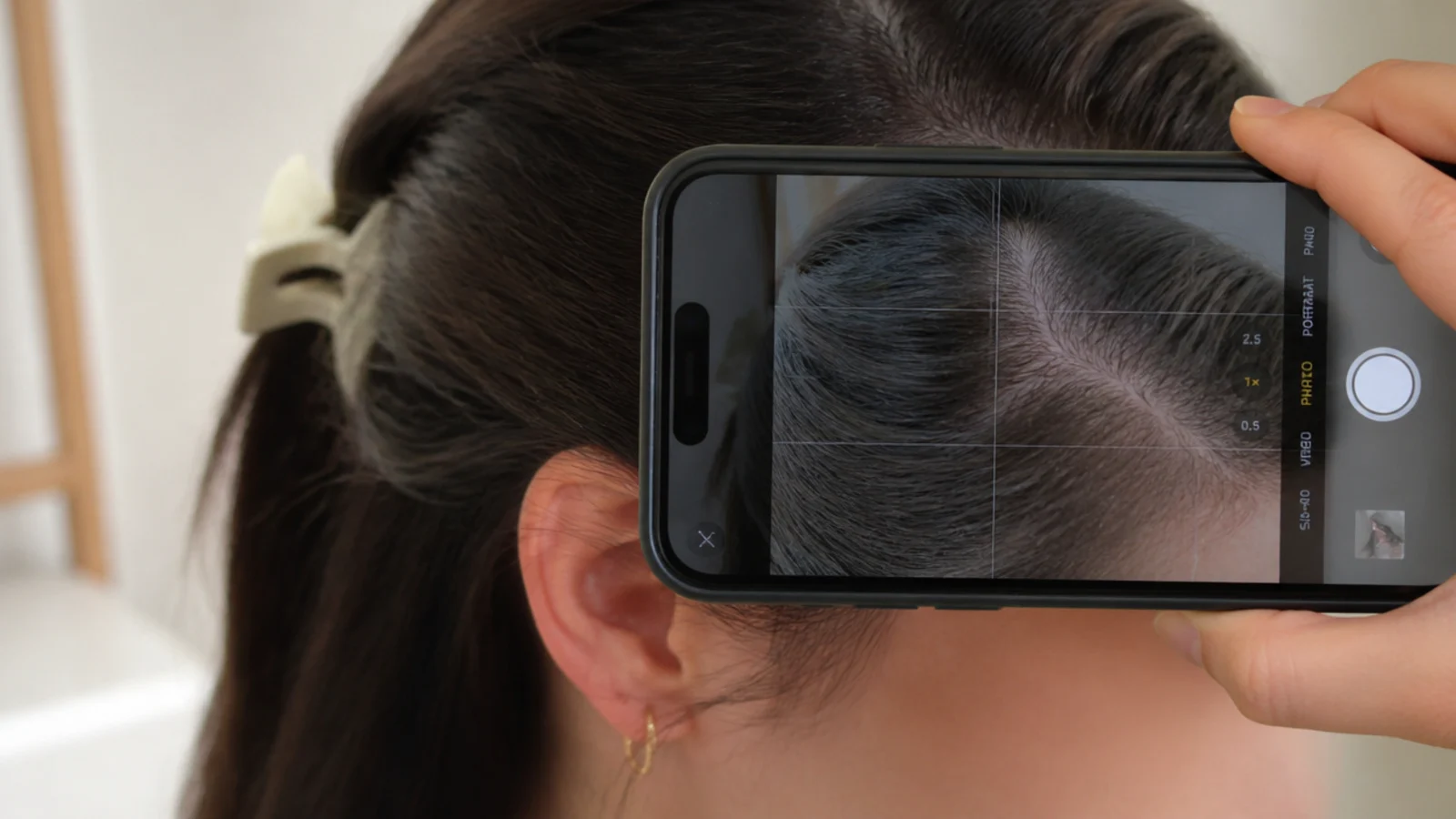
Regrowth arrives at half an inch a month and is invisible day to day, so the comparison has to be made against a record rather than a memory. Same distance, same light, hair pulled back the same way, once a month. Without one, three months of genuine progress reads as nothing at all.
Final Thoughts
Take the tension off first, and do it before you buy anything. Nothing on this list competes with a nightly ponytail in the same position, and a hairline that is still being pulled on will absorb every product you own without moving.
Then give it six months and judge it from photographs rather than the mirror. If nothing has changed after half a year with no load on the area, that is the point to stop experimenting and get the scalp looked at properly, because the only outcome that cannot be undone is the one you waited too long to catch. More in Hair Care. See also the 4c version and the curly version.