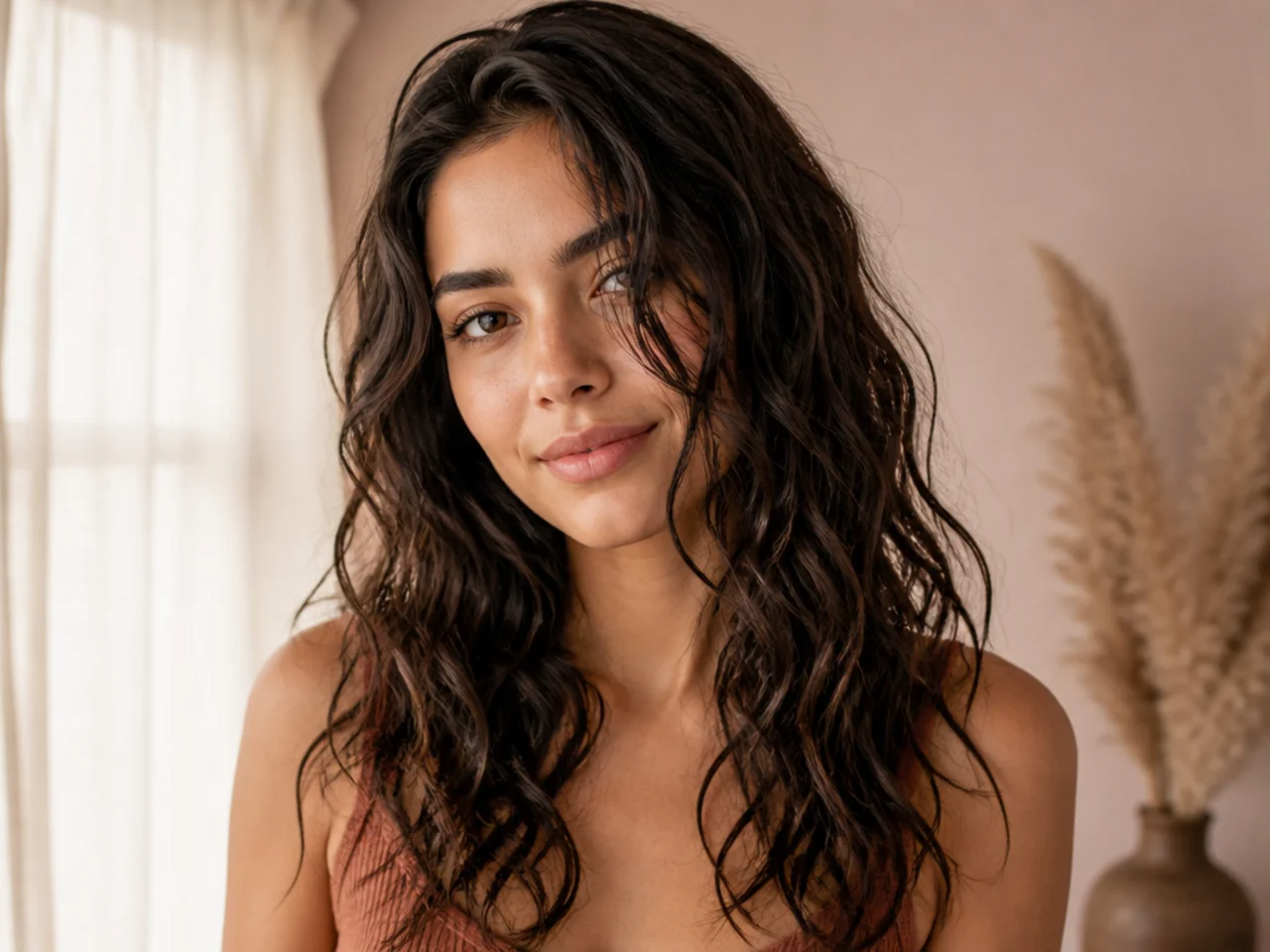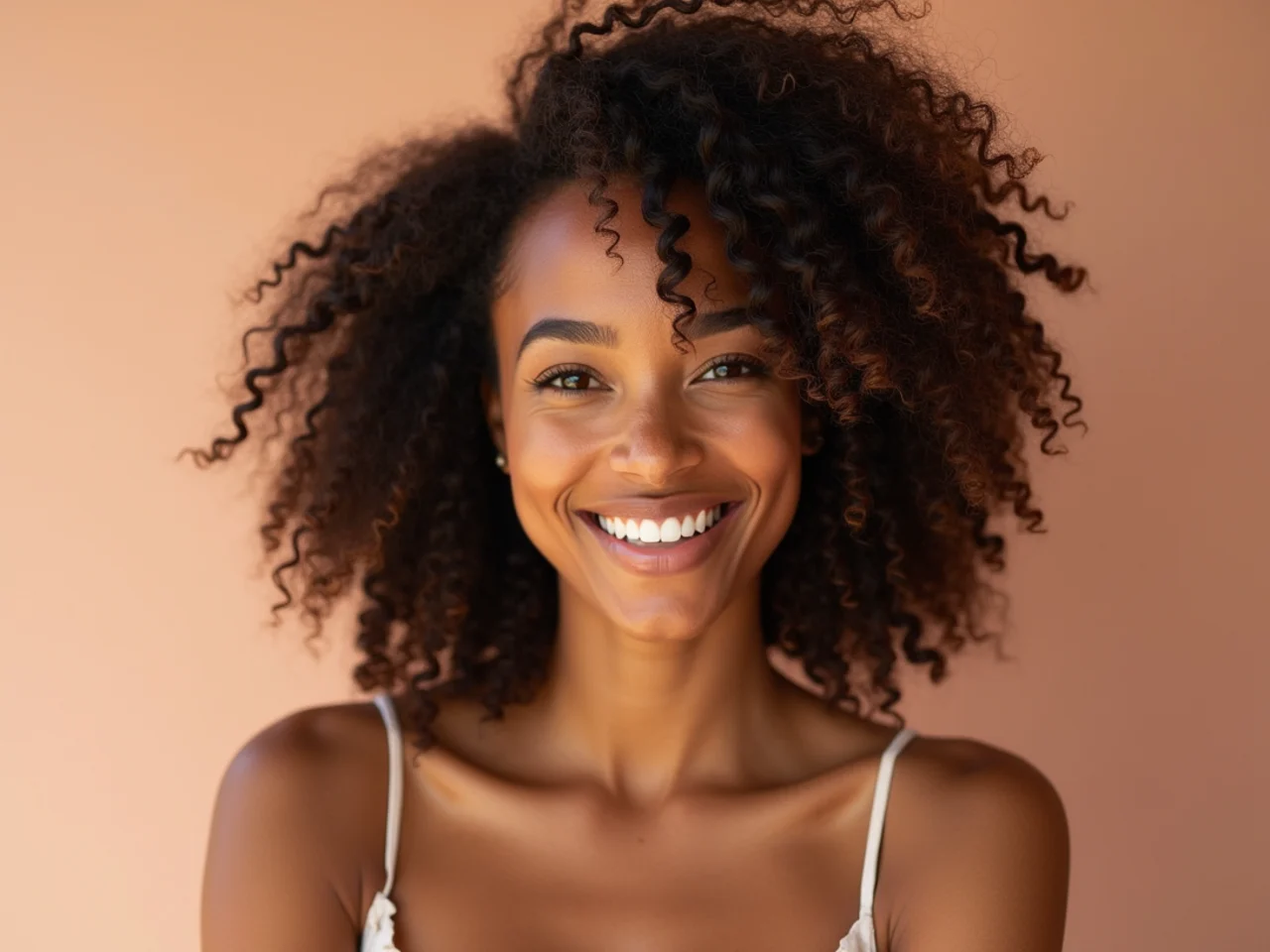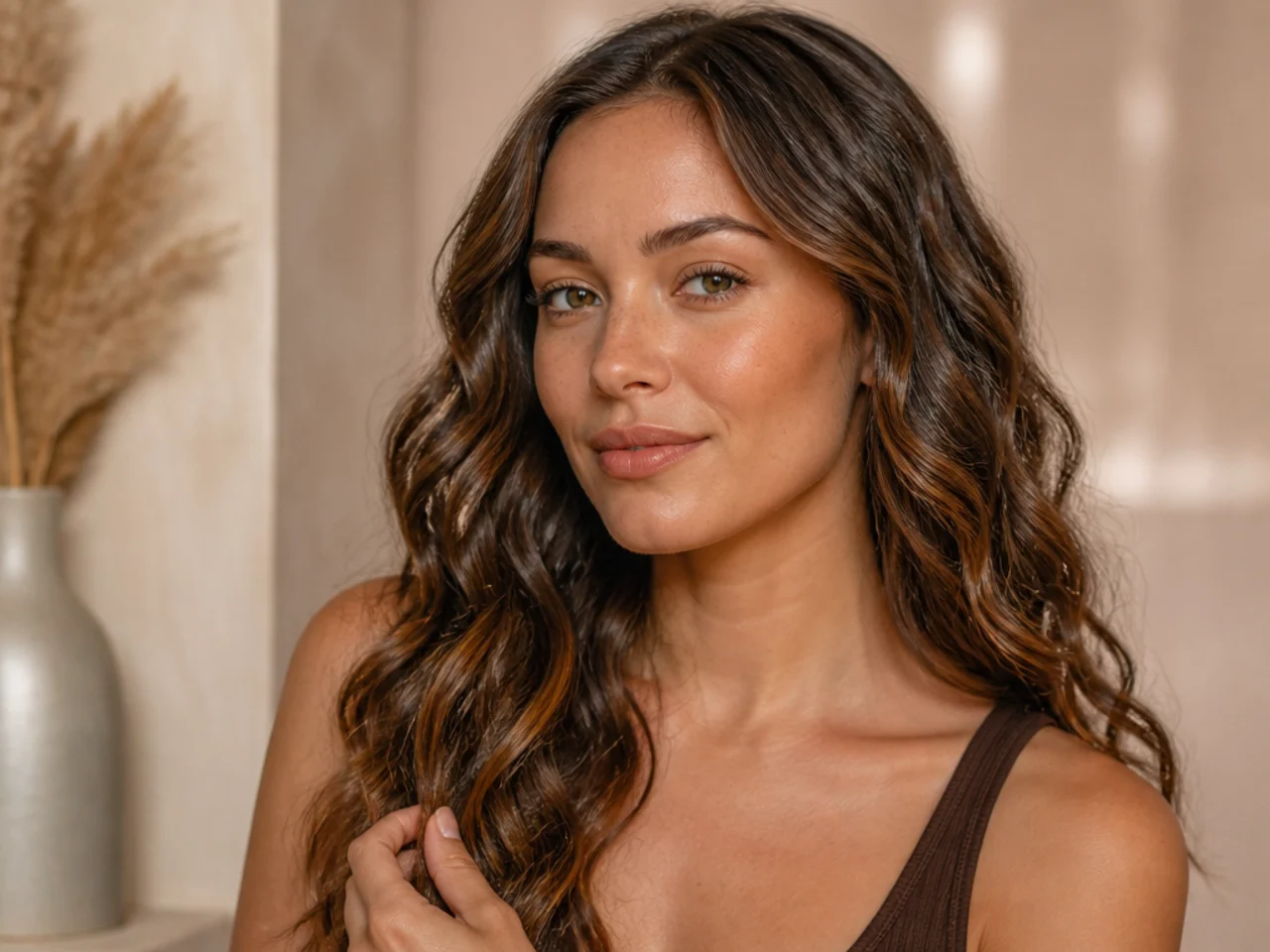
15 Haircut Ideas for Frizzy Hair That Lose the Triangle
Fifteen haircuts for frizzy hair and the rule that decides all of them — weight holds hair down, and every layer cut on the surface of the head puts a short end exactly where it will stand up.
In this article · 23
- Why Frizzy Hair Frizzes
- Frizz Types and How to Diagnose Yours
- Layers Versus Blunt Ends
- Matching the Cut to Your Face Shape
- The Salon Consultation
- Wash Day Products and Sleep
- The 15 Haircuts for Frizzy Hair
- 1. French Bob with Wispy Ends
- 2. Jaw Bob with Interior Layers
- 3. Curly Pixie with an Elongated Crown
- 4. Short Shag with a Soft Fringe
- 5. Ear Length Pixie for Fine Hair
- 6. Collarbone Cut with Curtain Bangs
- 7. Air Dried Wavy Shag
- 8. Mid Length Round Layers
- 9. Blunt Lob with Point Cut Ends
- 10. Wolf Cut with Density Control
- 11. Face Framing Layers Below the Chin
- 12. Long Blended Layers
- 13. Butterfly Cut for Long Frizzy Hair
- 14. Long Layers with Tapered Ends on Curls
- 15. Grown Out Curtain Bangs
- Final Thoughts
The wrong haircut on frizzy hair produces a triangle, and the usual response is to cut more layers into it, which makes the triangle worse.
Weight is the only thing holding frizzy hair down. Remove it from the wrong place and the shape spreads sideways instead of falling. Remove it from the right place and the same head reads as thick rather than wide.
Surface layers are where the flyaways come from. A short end cut into the top of the head has to sit somewhere, and the somewhere is the outside of your style.
Why Frizzy Hair Frizzes
The cuticle is a layer of overlapping scales. Lying flat they reflect light in one direction and sit flush with their neighbours. Lifted, they catch on the strands beside them and stand away.
Hair absorbs water straight from the air. Keratin is hygroscopic, so damp air swells the cortex and forces already lifted scales further open.
Damage is what leaves them open. The lipid layer on a healthy cuticle repels water. Bleach, heat and harsh detergent strip it, and hair that has lost it takes water on far faster than hair that has not.
A cut cannot change any of that. What a cut changes is where the weight sits and how many short ends are on the surface, and those two things decide whether frizz reads as texture or as a problem.
Frizz Types and How to Diagnose Yours
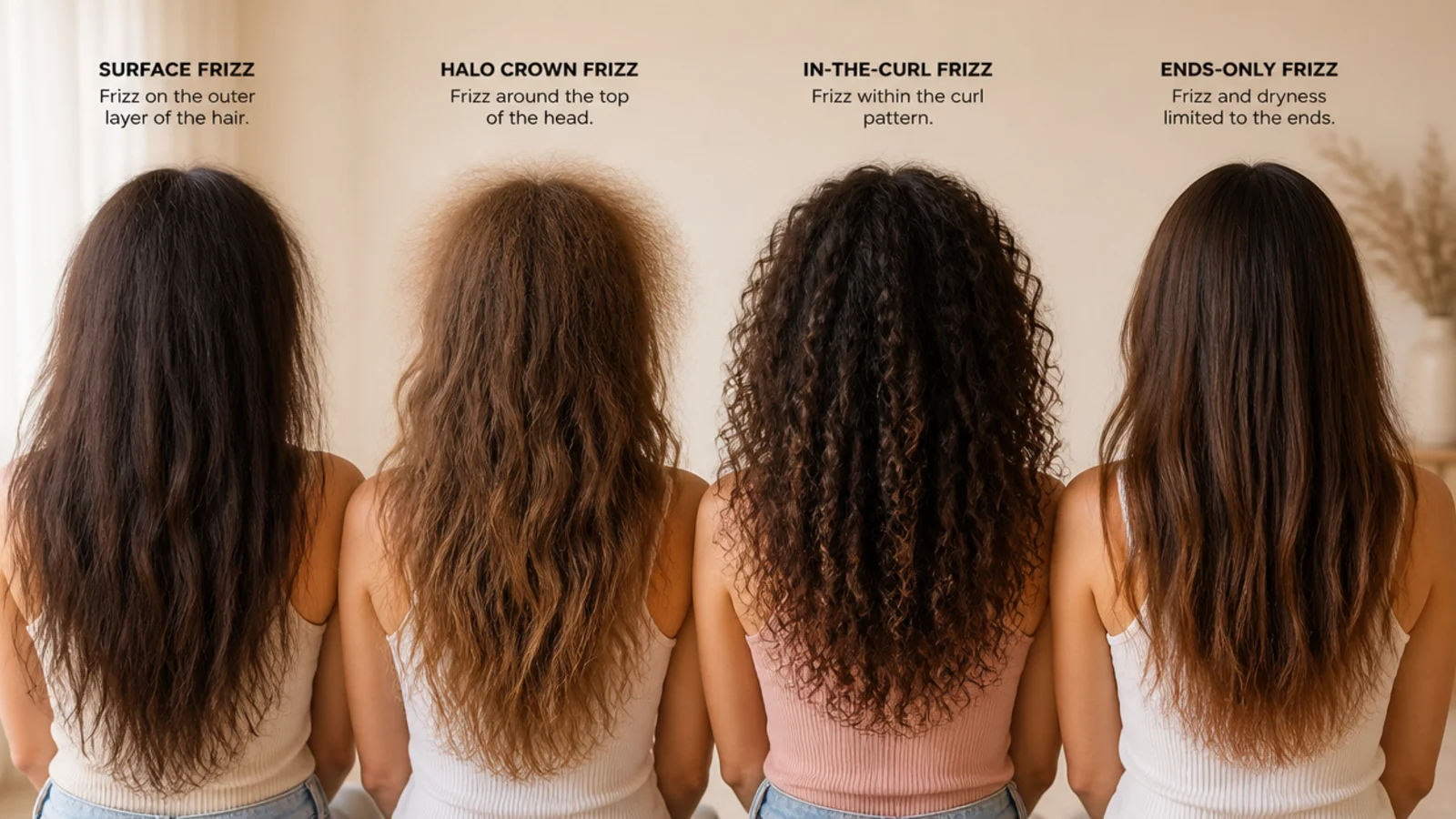
Surface frizz is short broken hairs. A halo above otherwise smooth hair, usually from breakage or from layers cut too high on the head.
Volume frizz is density with no weight to contain it. The strands are fine individually but there are enough of them that the whole shape expands outward.
Root frizz is regrowth with no pattern. New hair standing up before the wave or curl begins, most obvious on wavy hair where the bend starts an inch or two down.
End frizz is damage. Split and porous ends fray apart and stop reflecting light as a group, which is the one type a haircut genuinely removes.
Diagnose before you book. Only end frizz is cut off. The rest is managed by where the weight goes, and a stylist who is not told which one you have will default to thinning shears.
Layers Versus Blunt Ends
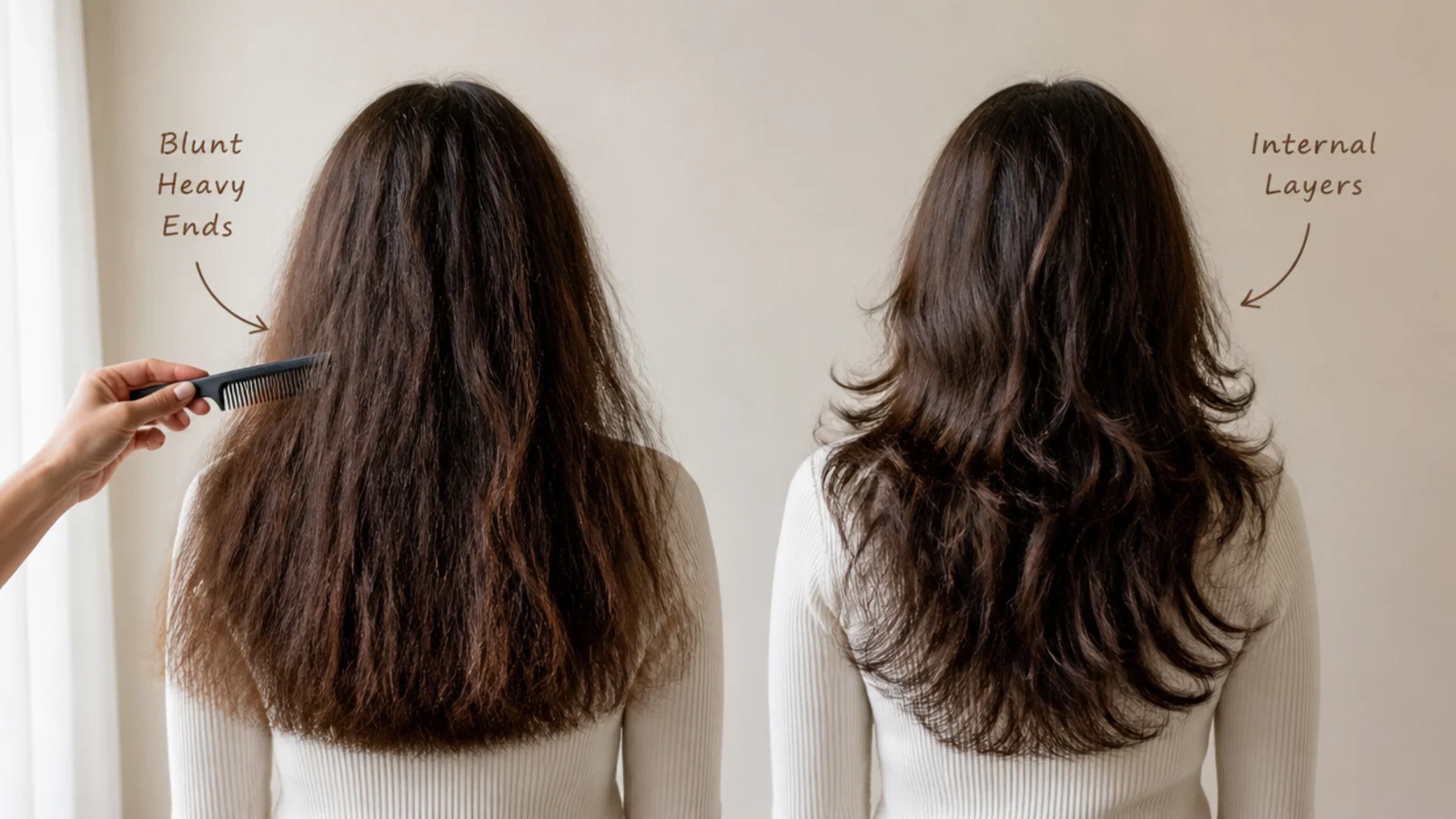
Blunt ends hold weight at the perimeter. Every strand finishing on the same line concentrates mass at the bottom, and that mass is what pulls the shape down instead of letting it spread.
Blunt on very dense hair builds a triangle. All the weight at the bottom and nothing removed above it produces a wide base, which is the shape most people are actually trying to escape.
Interior layers are the fix. Weight removed from underneath thins the density without leaving short ends on the outside where they would lift.
Point cutting breaks the line without losing the weight. The stylist cuts into the ends vertically, softening the outline while the length stays. It is the middle setting between blunt and layered.
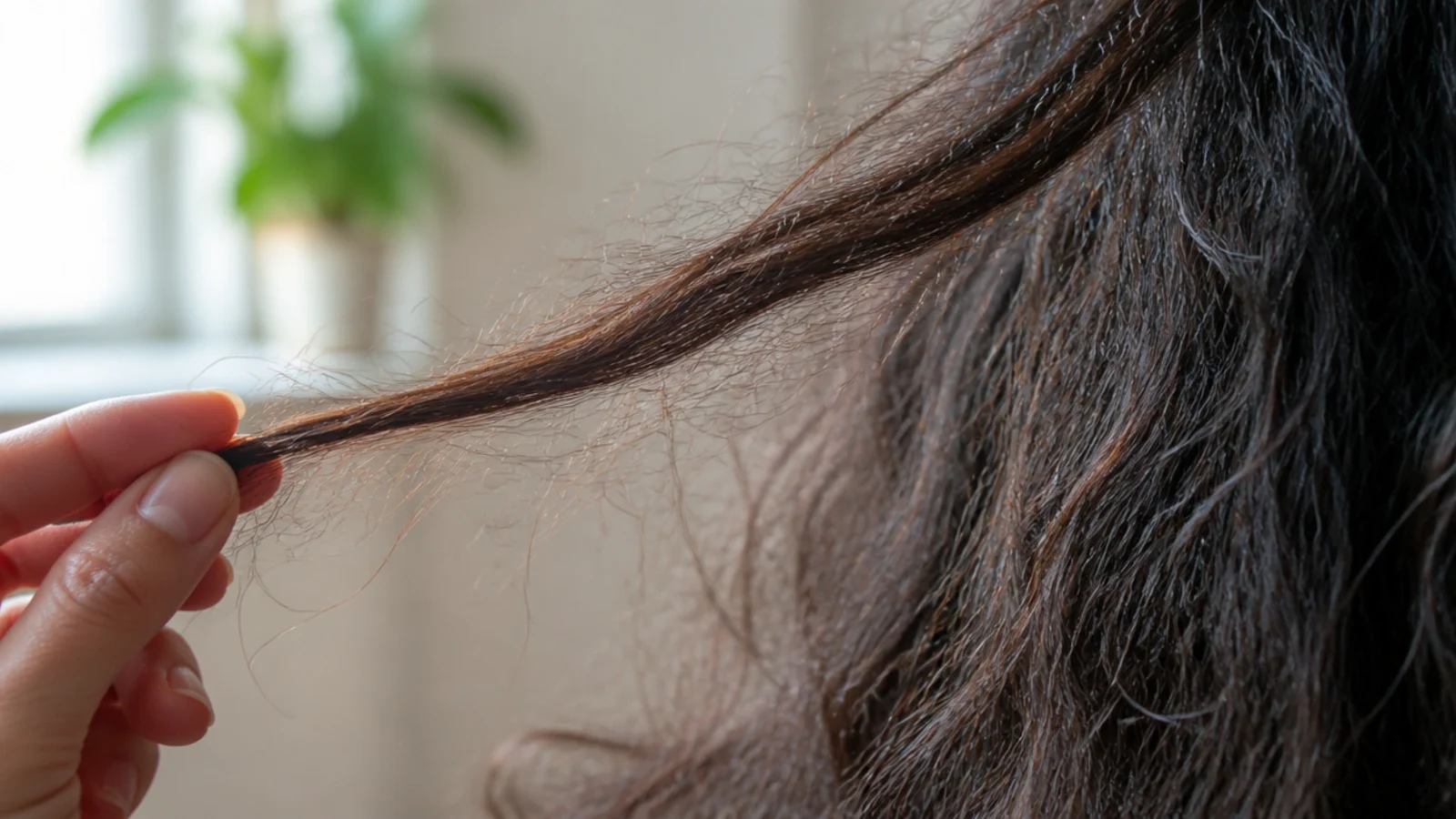
Thinning shears are almost never the answer here. They leave short ends at random depths through the section, and on frizz prone hair every one of those becomes a flyaway within two washes.
Matching the Cut to Your Face Shape
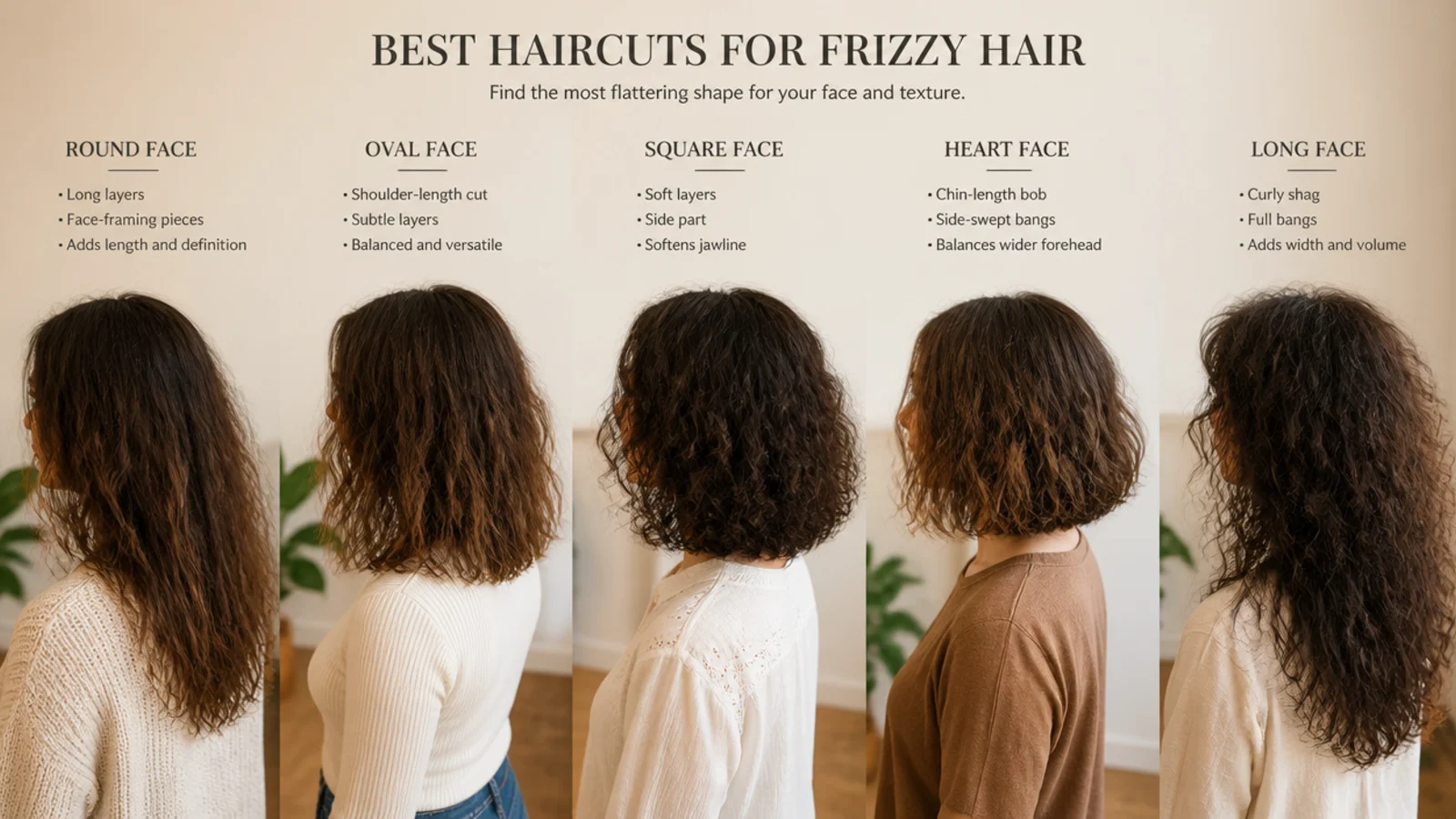
Round faces want vertical, not width. Keep the widest point of the cut below the jaw, because volume level with the cheeks doubles the roundness the eye reads.
Square jaws want softening at the corners. Length that falls just past the jaw and layers that begin below it break the horizontal line rather than emphasising it.
Long faces want width at the cheekbone. This is the one shape that benefits from volume high on the head, and a fringe shortens the visible face at the same time.
Heart shapes want weight low. A narrow chin balances against fullness at jaw level, which is why a chin length bob suits this shape and a pixie often does not.
The widest point is the only measurement that matters. Ask your stylist where it will land on your face. Everything else about a shape follows from that one line.
The Salon Consultation
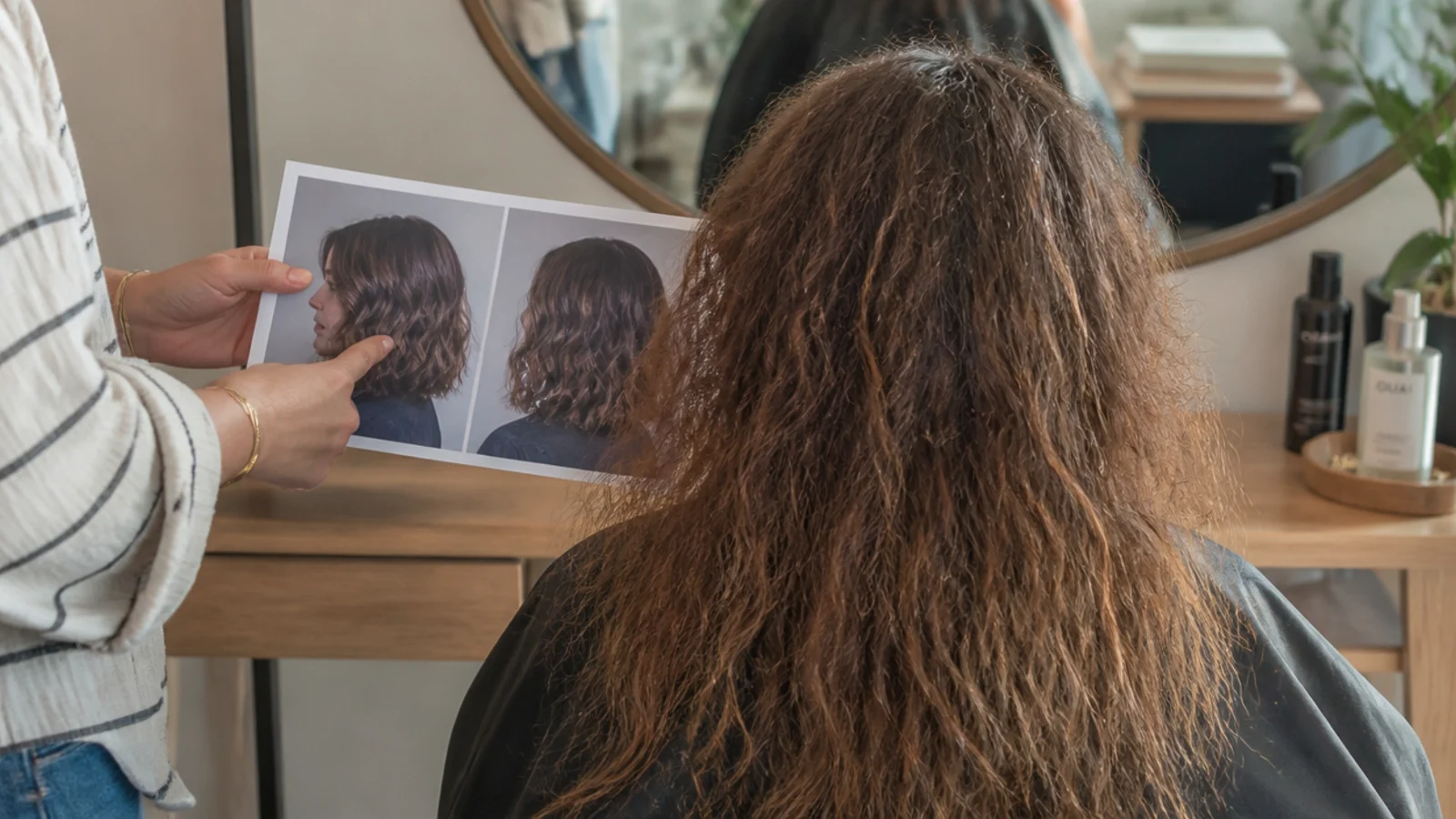
Bring photographs of your texture, not your dream texture. A shape cut on straight hair tells a stylist nothing about how the same shape behaves when it shrinks.
Ask for a dry cut, or a dry check before you leave. Wet hair hangs at a length it will not hold, and the shrinkage is the difference between the cut you asked for and the one you get.
Say the words interior layers. It removes the ambiguity in the word layers, which most stylists will otherwise interpret as visible surface layering.
Ask what it looks like in three months. Hair grows about half an inch a month, so three months is an inch and a half of drop, and a shape that only works fresh is the wrong shape.
Agree where the widest point sits before scissors touch anything. This is the single decision that separates a cut that suits you from one that does not.
Wash Day Products and Sleep
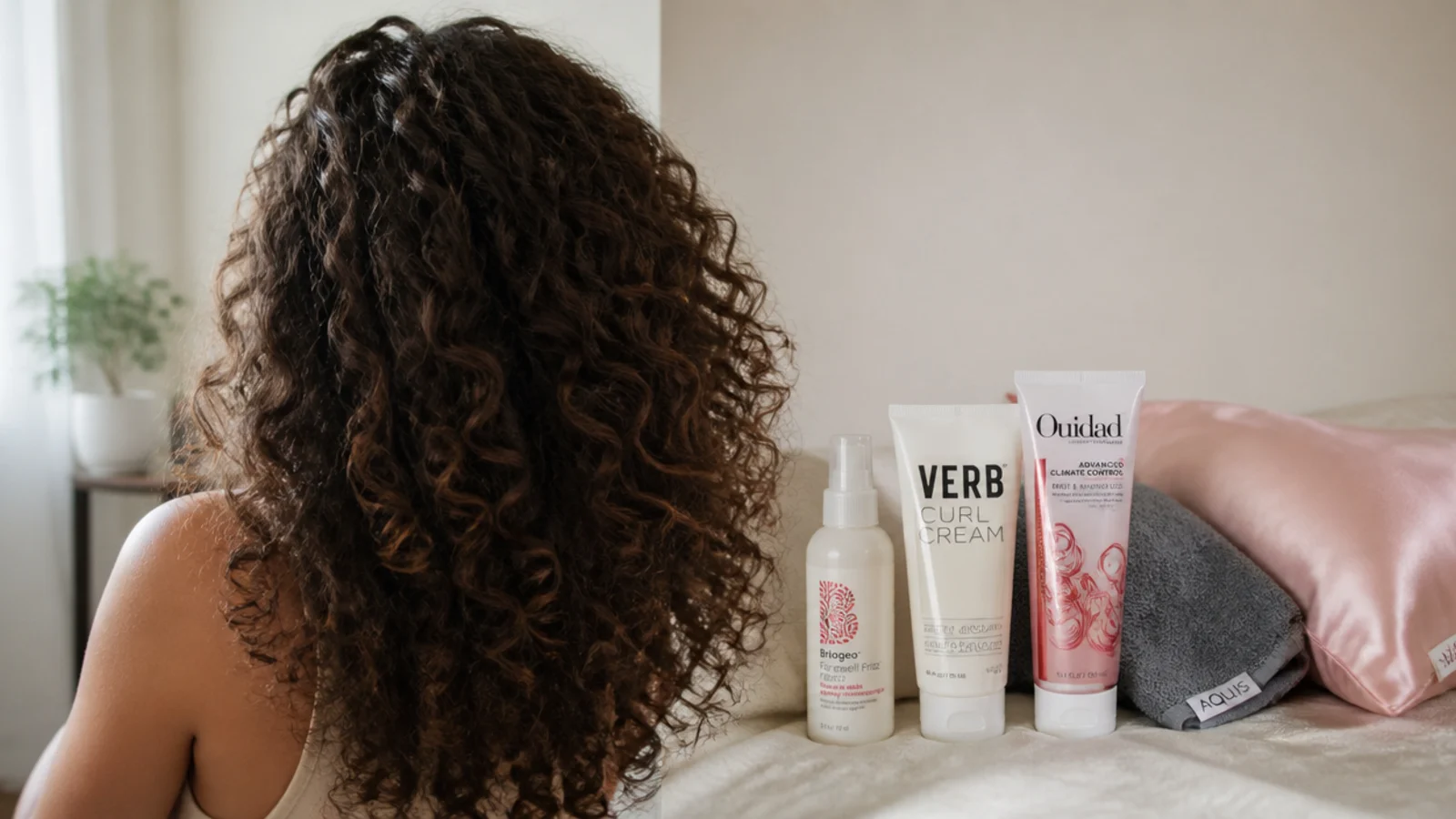
Wash the scalp, condition the lengths. Detergent belongs where the oil is produced, and the ends have nothing left worth stripping.
Detangle inside the conditioner. Wet hair with slip on it is elastic and slides apart. Dry detangling shears through the clumps and creates the short broken hairs a good cut was designed to avoid.
Apply product to soaking wet hair. It spreads through the water already on the strand, so damp application lands in patches and every gap is somewhere frizz starts.
Blot with cotton jersey, never terry. Towel loops catch lifted scales and pull them further open, which undoes the surface a fresh cut just gave you.
Silk or satin overnight, or tie it up. Cotton is high friction and absorbent at once, so eight hours on it lifts the cuticle and removes the moisture keeping it flat.
The 15 Haircuts for Frizzy Hair
1. French Bob with Wispy Ends
The line sits between the ear and the jaw, short enough that the weight has almost nowhere to spread sideways. Wispy point cut ends stop the perimeter reading as a hard base line, which is what would otherwise turn a short blunt bob on thick hair into a triangle.
2. Jaw Bob with Interior Layers
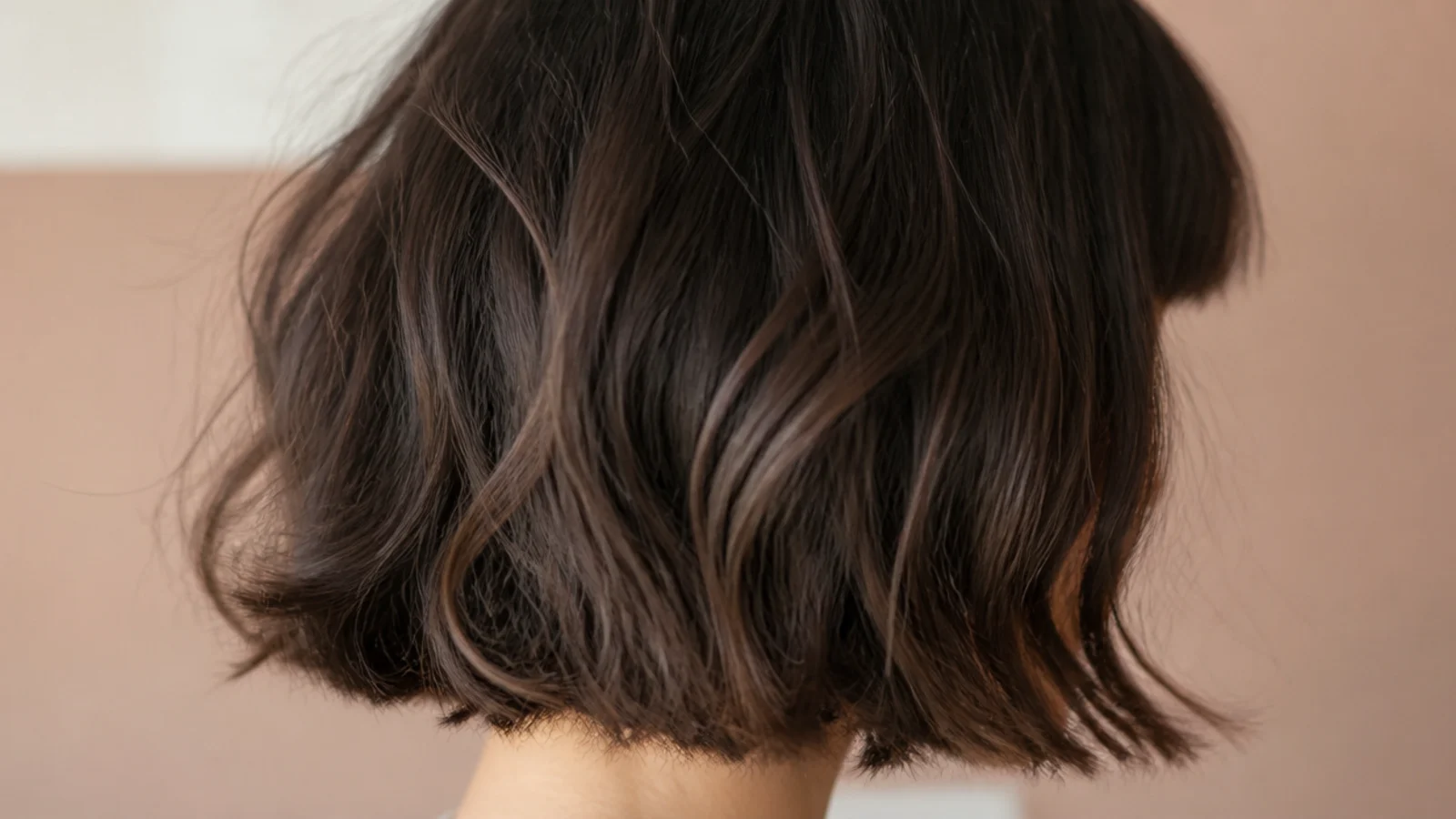
A blunt jaw length perimeter gives the weight to hold the shape down, and layers cut underneath remove the bulk that would push it out. Nothing is layered on the surface, so the outside of the bob stays one clean reflective plane while the density problem is solved out of sight.
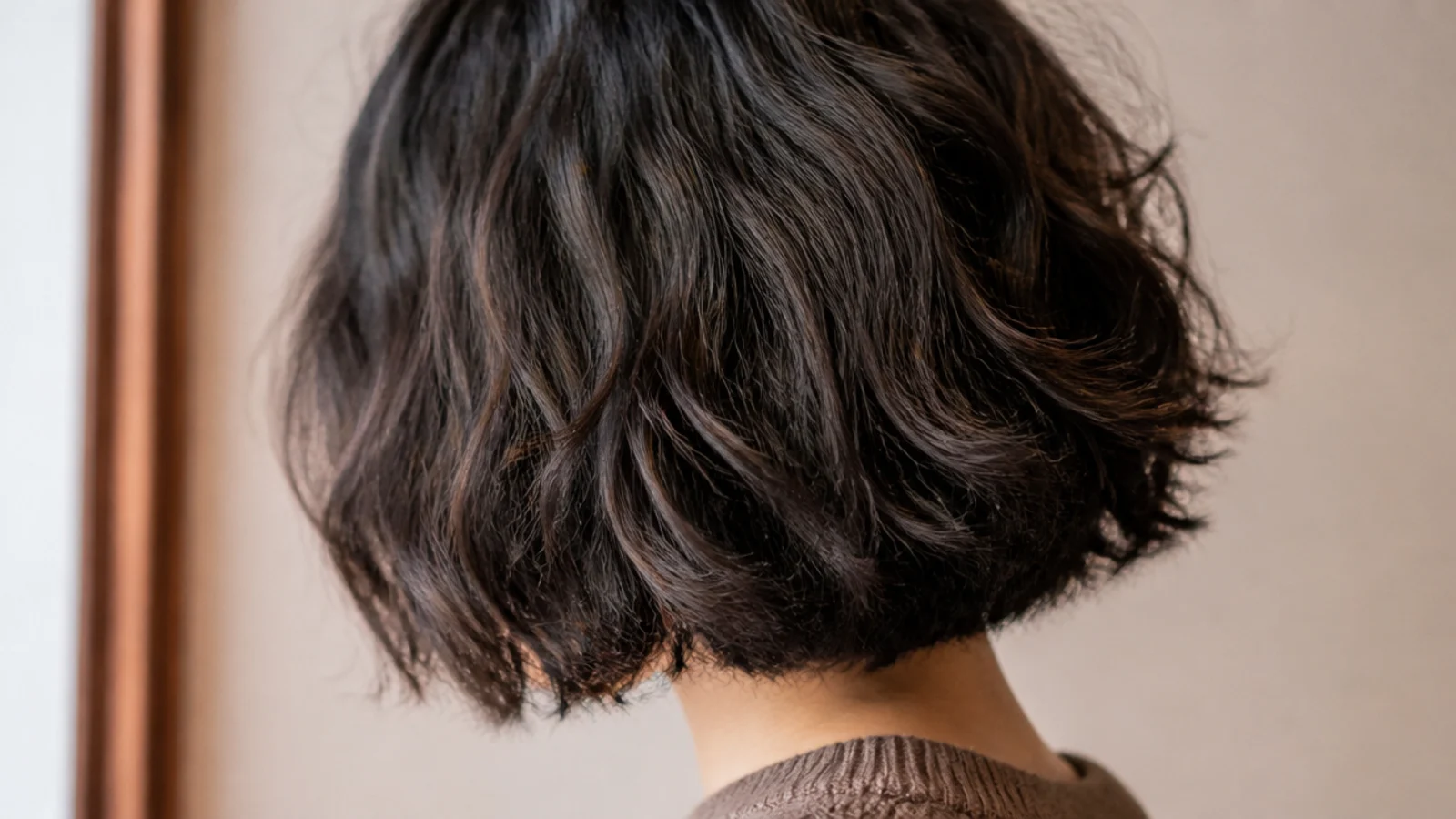
3. Curly Pixie with an Elongated Crown
Leaving the crown longer than the sides puts the height above the face rather than beside it, which is what stops a short curly cut widening the head. The tighter the pattern, the more length the crown needs, because shrinkage takes back more than half of what is cut.
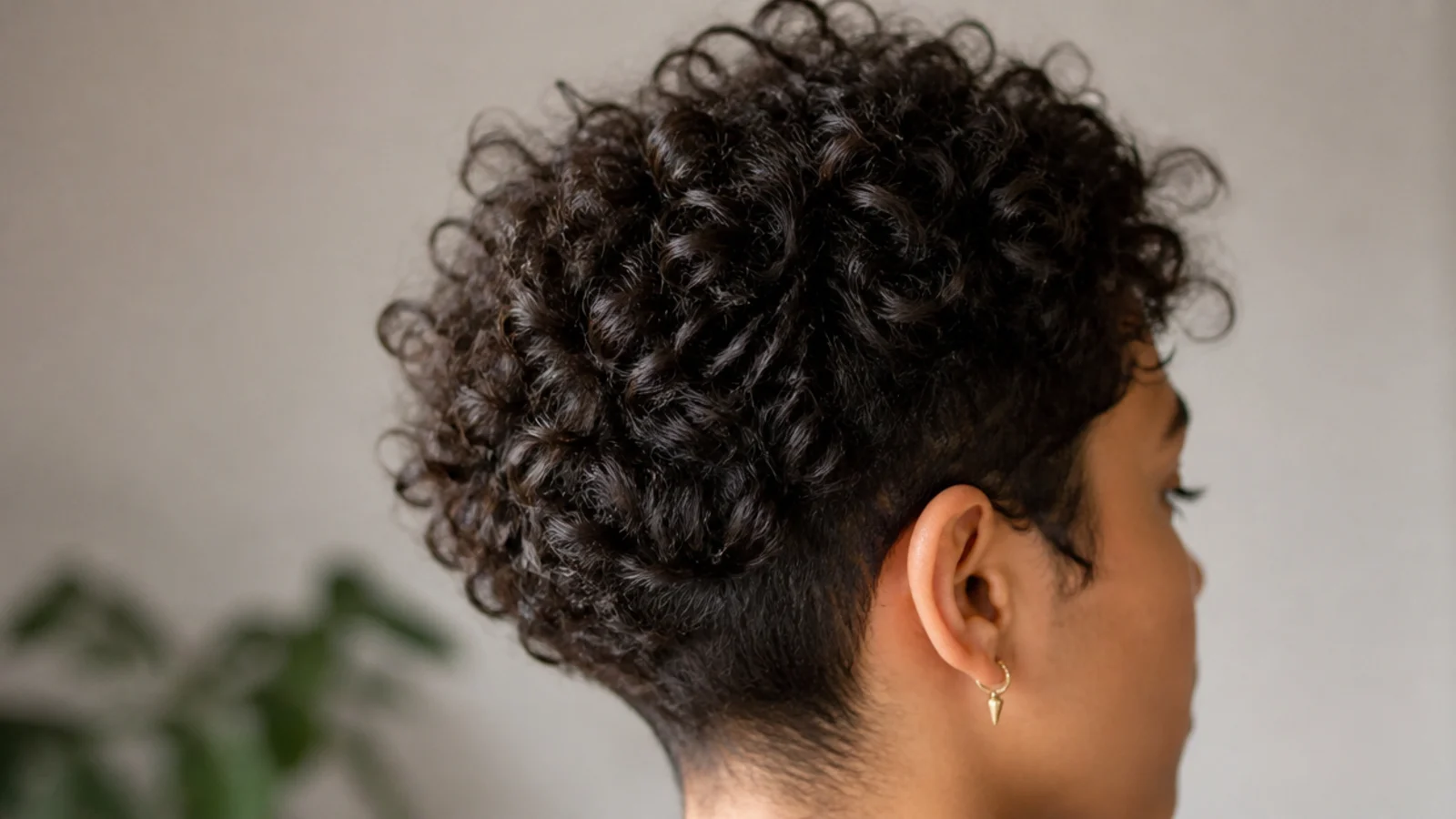
4. Short Shag with a Soft Fringe
A shag stacks short layers above longer ones so the texture has somewhere to bend at several heights instead of only at the ends. The fringe gives the shortest and most frizz prone hair at the hairline a defined job, which is more effective than trying to smooth it flat.
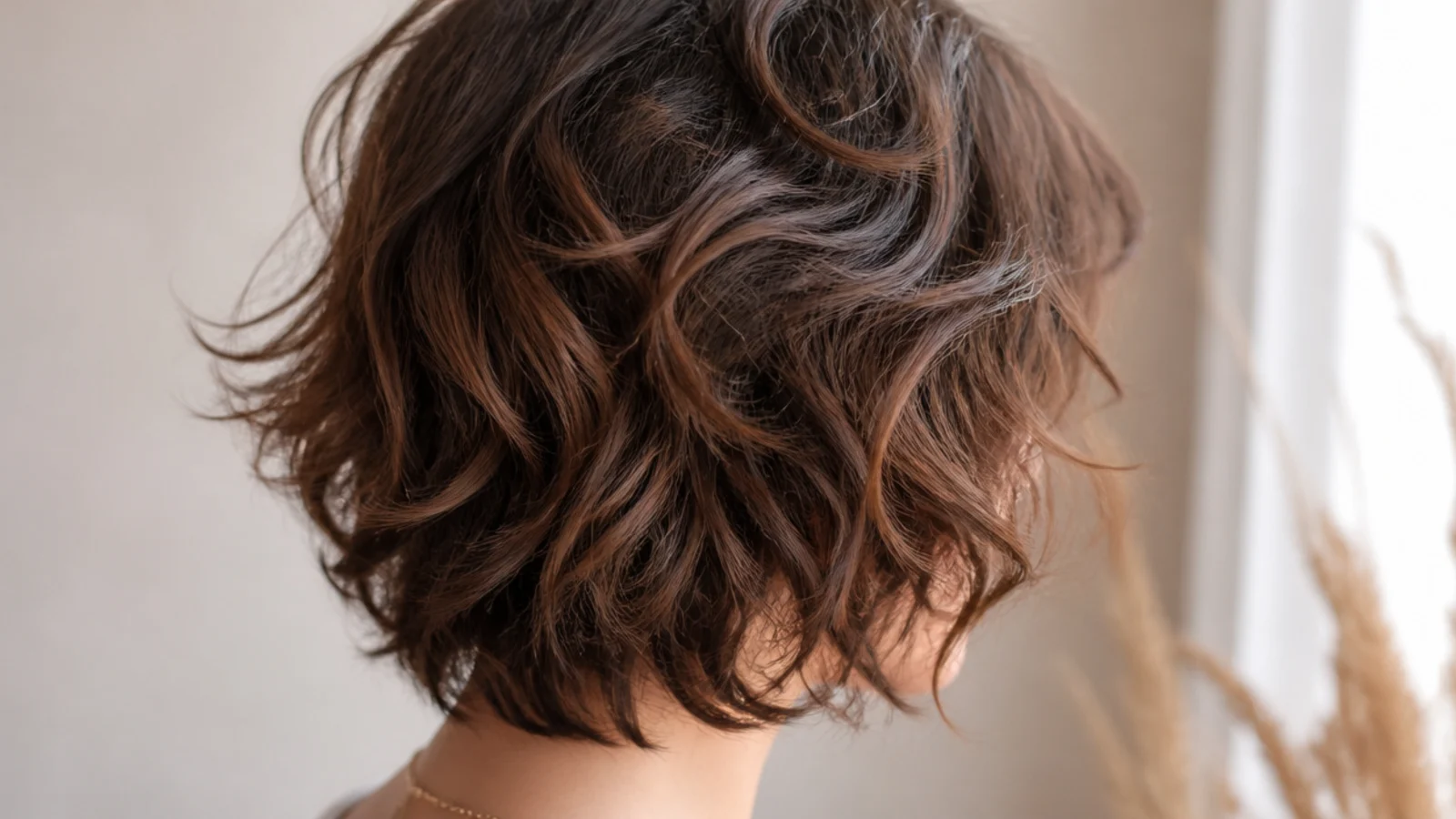
5. Ear Length Pixie for Fine Hair
Fine hair frizzes as a surface halo because there is not enough weight to hold short broken hairs down, and cutting everything short removes the length difference that made them visible. Keep the perimeter blunt rather than textured, since more short ends is the opposite of what fine frizzy hair needs.
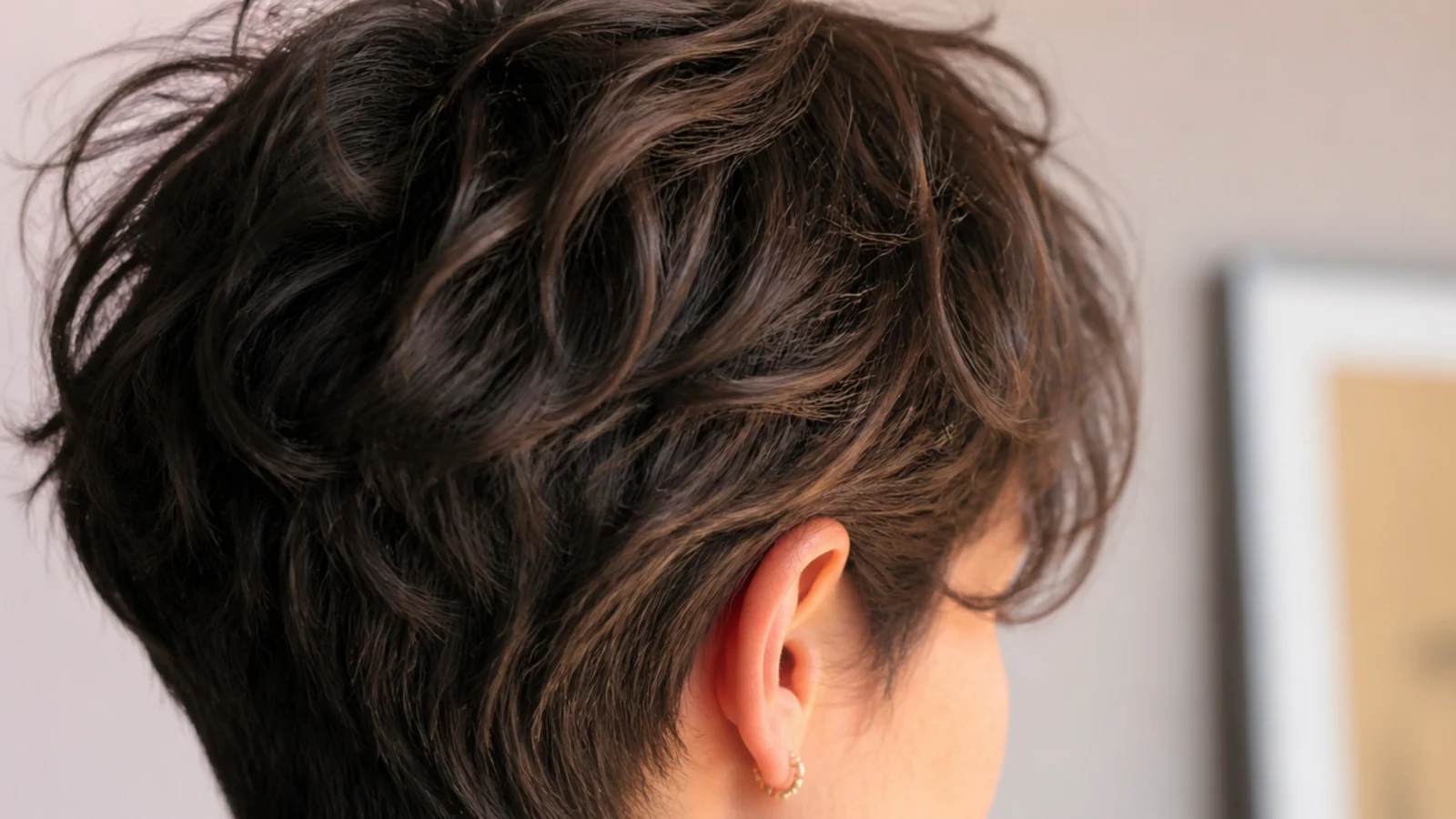
6. Collarbone Cut with Curtain Bangs
Collarbone length is the point where weight and movement balance, long enough to pull the shape down and short enough that the ends are still healthy. Curtain bangs then handle the front hair, which frizzes first because it is shortest and gets the most handling.
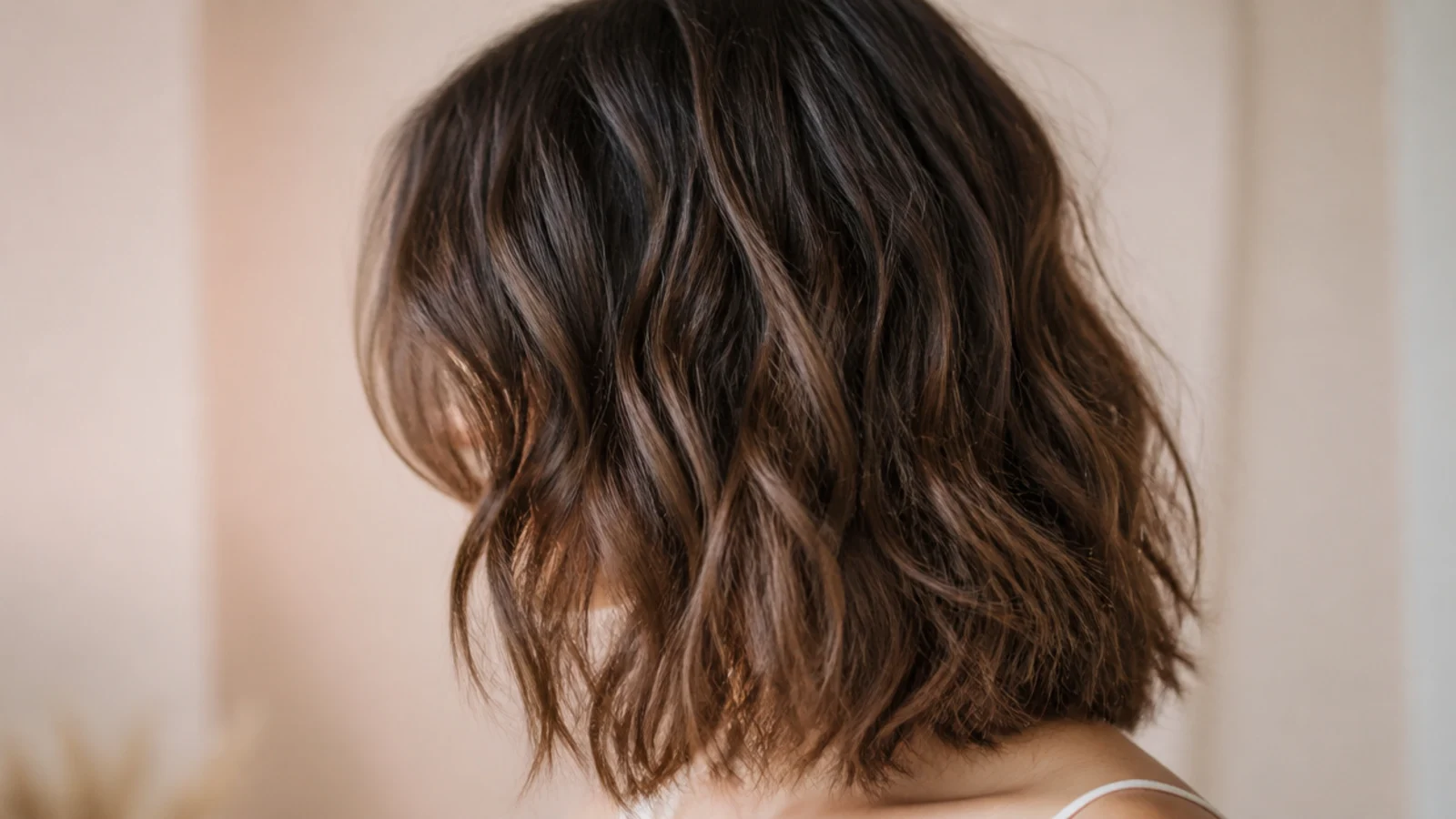
7. Air Dried Wavy Shag
A shag cut for air drying is cut dry, in the position the hair actually sits, so the layers land where the bend already falls rather than where a stretched wet strand suggested. That is the entire difference between a shag that works with no styling and one that needs a diffuser to look intentional.
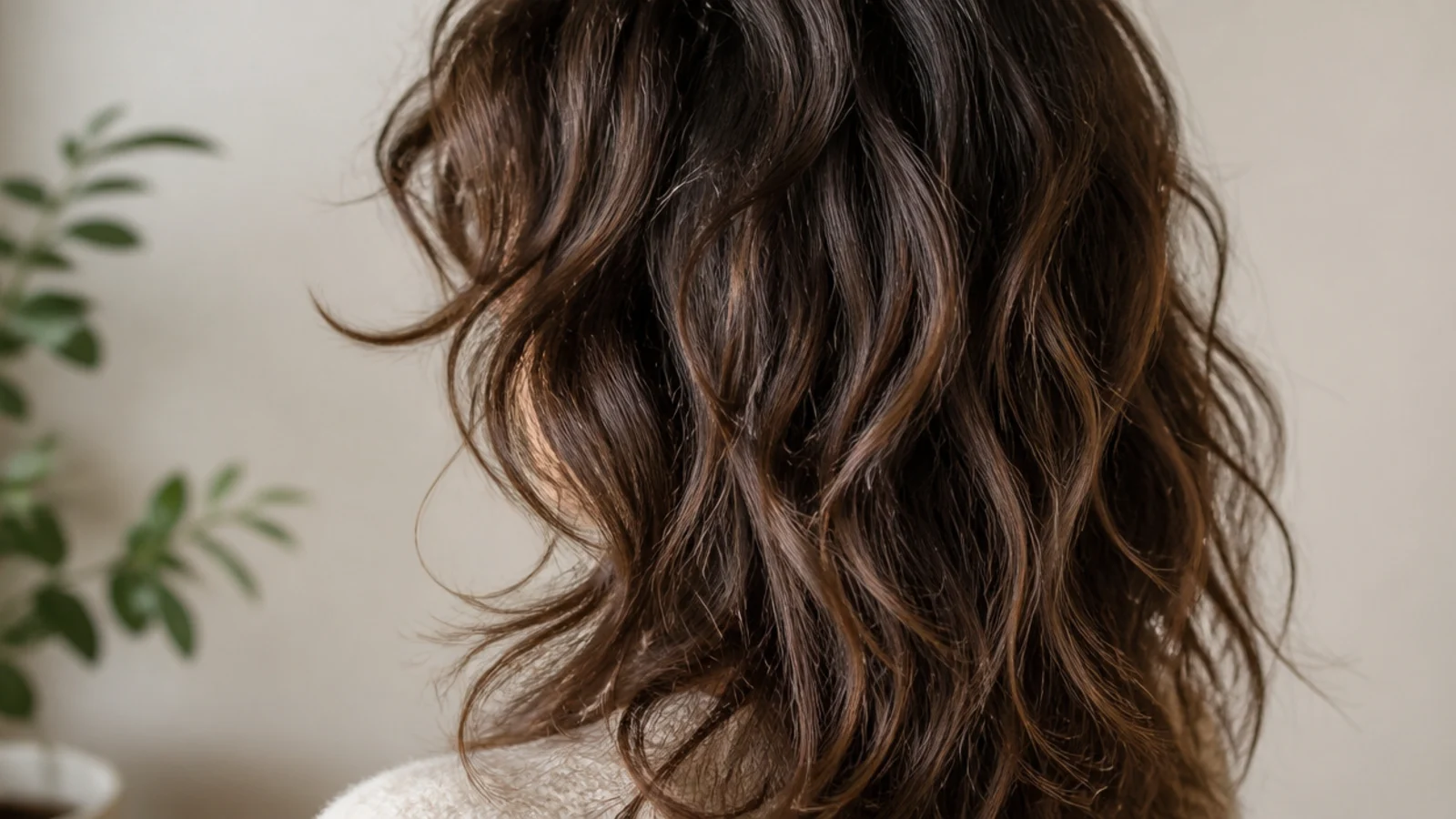
8. Mid Length Round Layers
Round layering keeps every layer the same distance from the head, which produces an even curved outline instead of the stepped one square layering leaves. On dense frizzy hair that evenness matters, because a step in the outline reads as a shelf the moment humidity lifts the section above it.
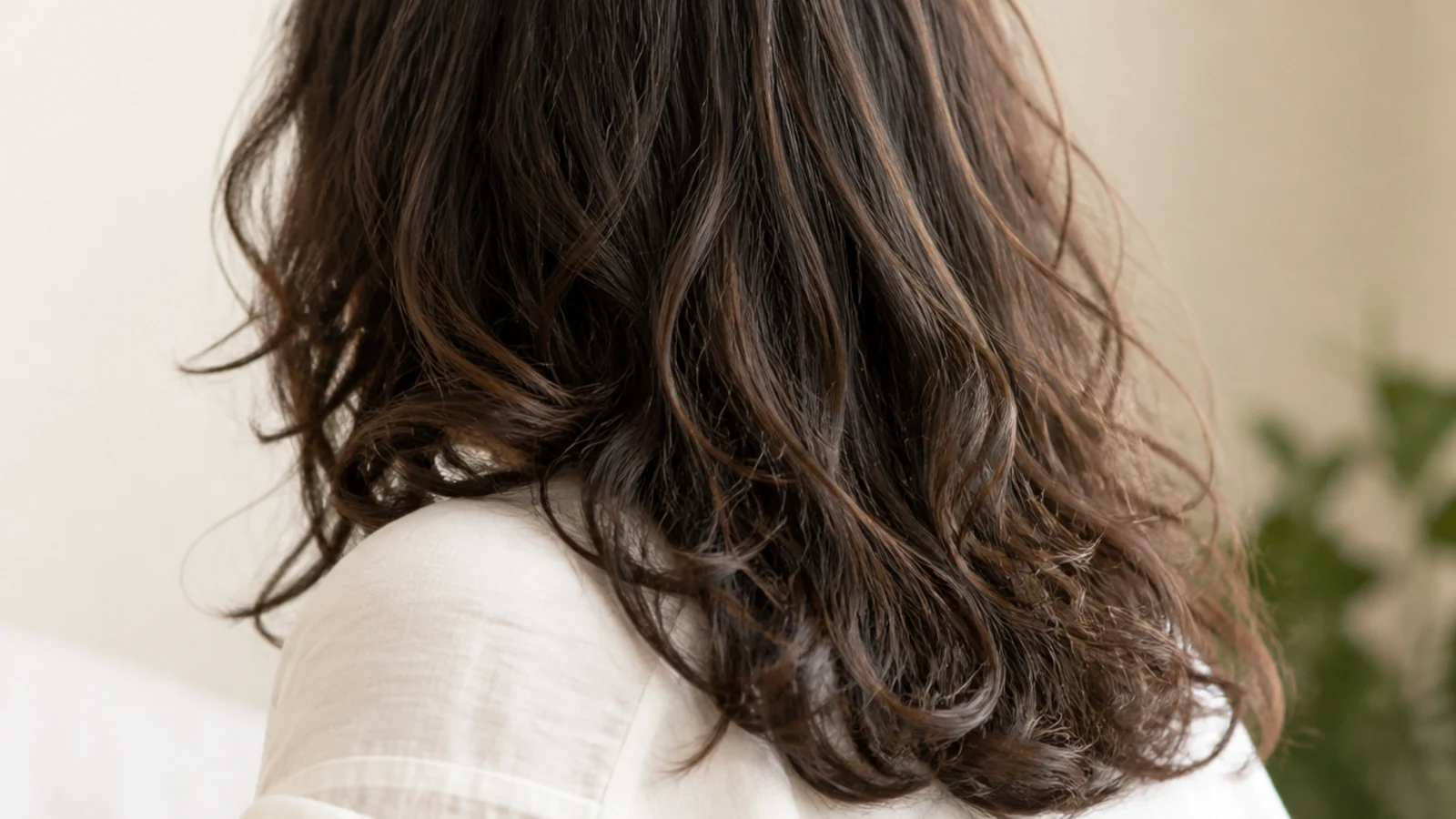
9. Blunt Lob with Point Cut Ends
The lob keeps enough length to hold weight at the ends while sitting above the point where damage usually starts. Point cutting the perimeter breaks the hard line just enough that the widest part of the shape stops reading as the base of a triangle, without removing the mass above it.
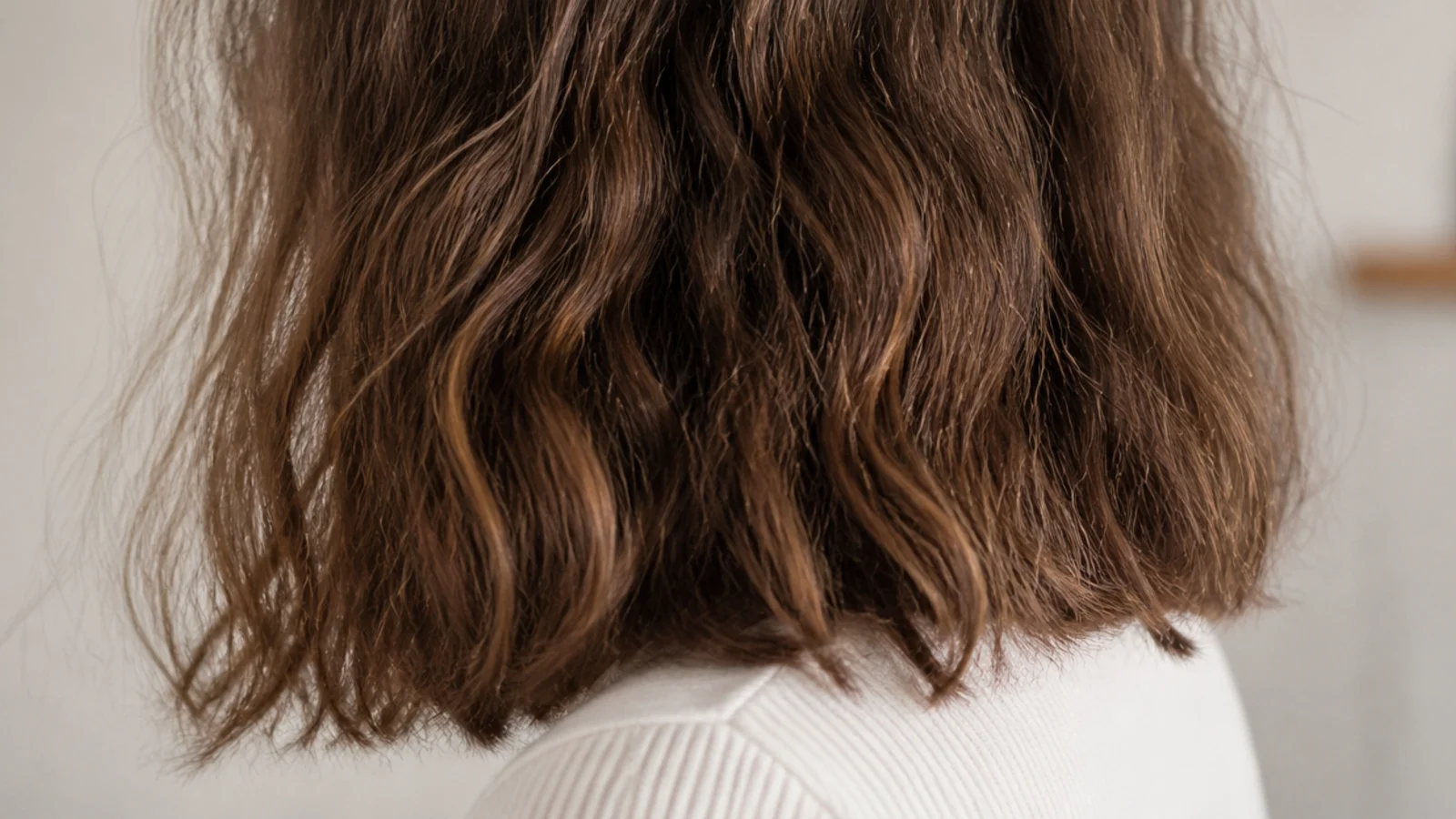
10. Wolf Cut with Density Control
A wolf cut concentrates short layers at the top and keeps length underneath, which on very dense hair is a deliberate density transfer rather than a shape. Ask for the weight removed from the interior of the top section, because the same cut with surface layering produces a halo instead of a shape.
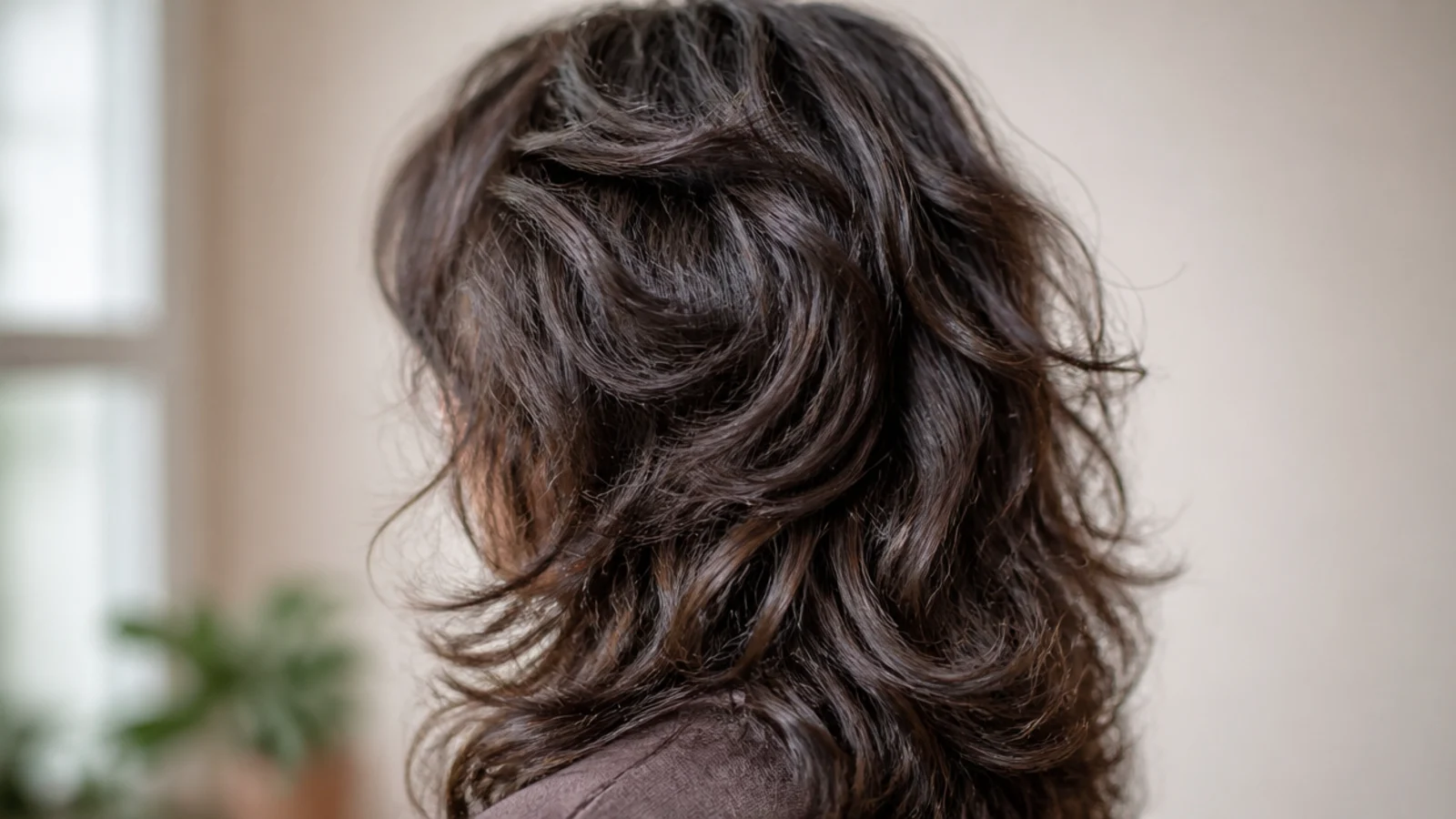
11. Face Framing Layers Below the Chin
Starting the shortest face framing piece below the chin keeps every short end out of the region the eye reads first, and it means those pieces still reach far enough to be tucked or clipped. Layers that start at the cheekbone on frizzy hair spring up and sit out from the head instead.
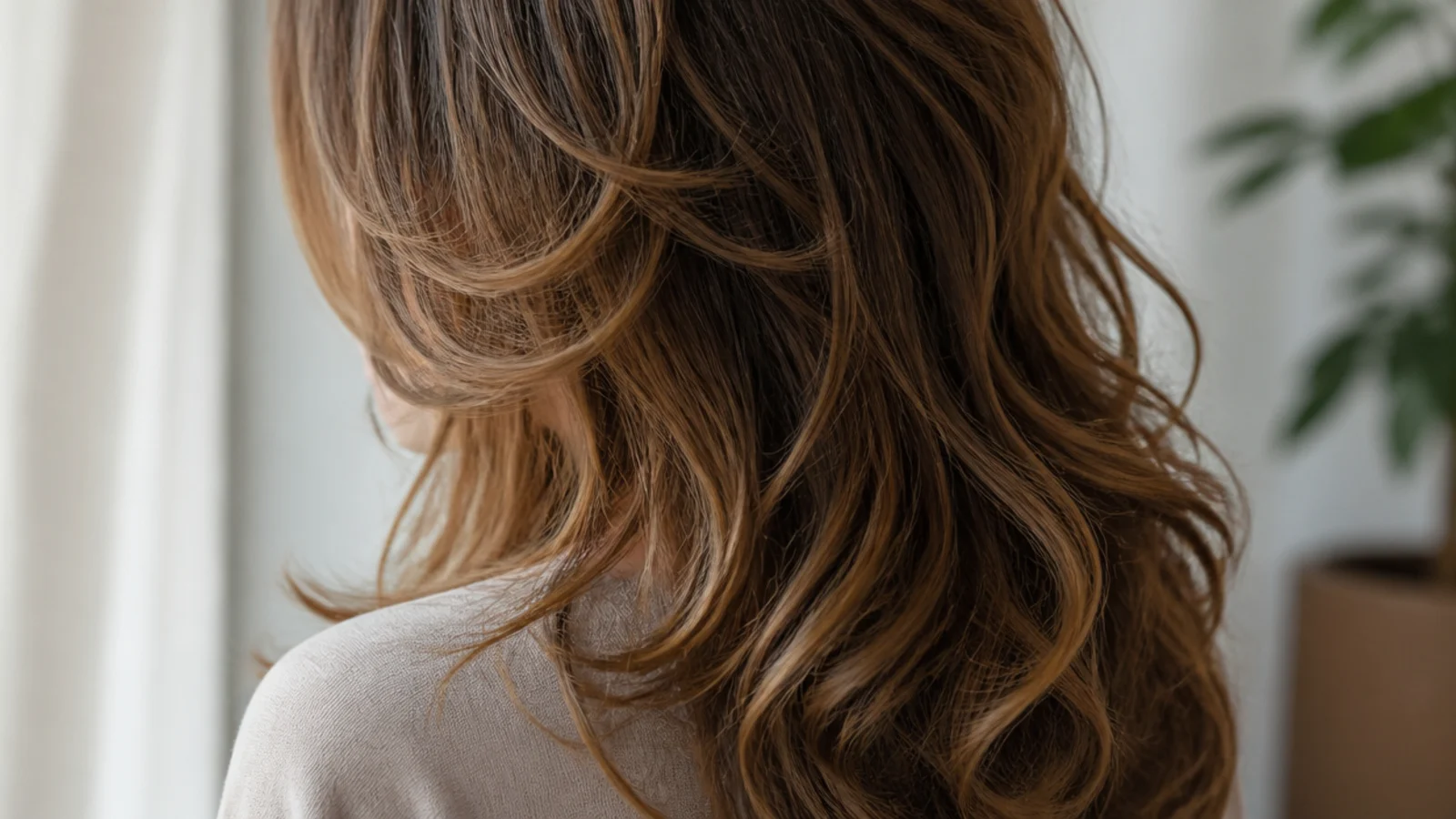
12. Long Blended Layers
Long layers on long hair remove weight from the middle of the length, which is where dense hair widens, while leaving the perimeter heavy enough to pull the whole shape down. Blended means each layer overlaps the next with no visible step, so humidity has no edge to lift.
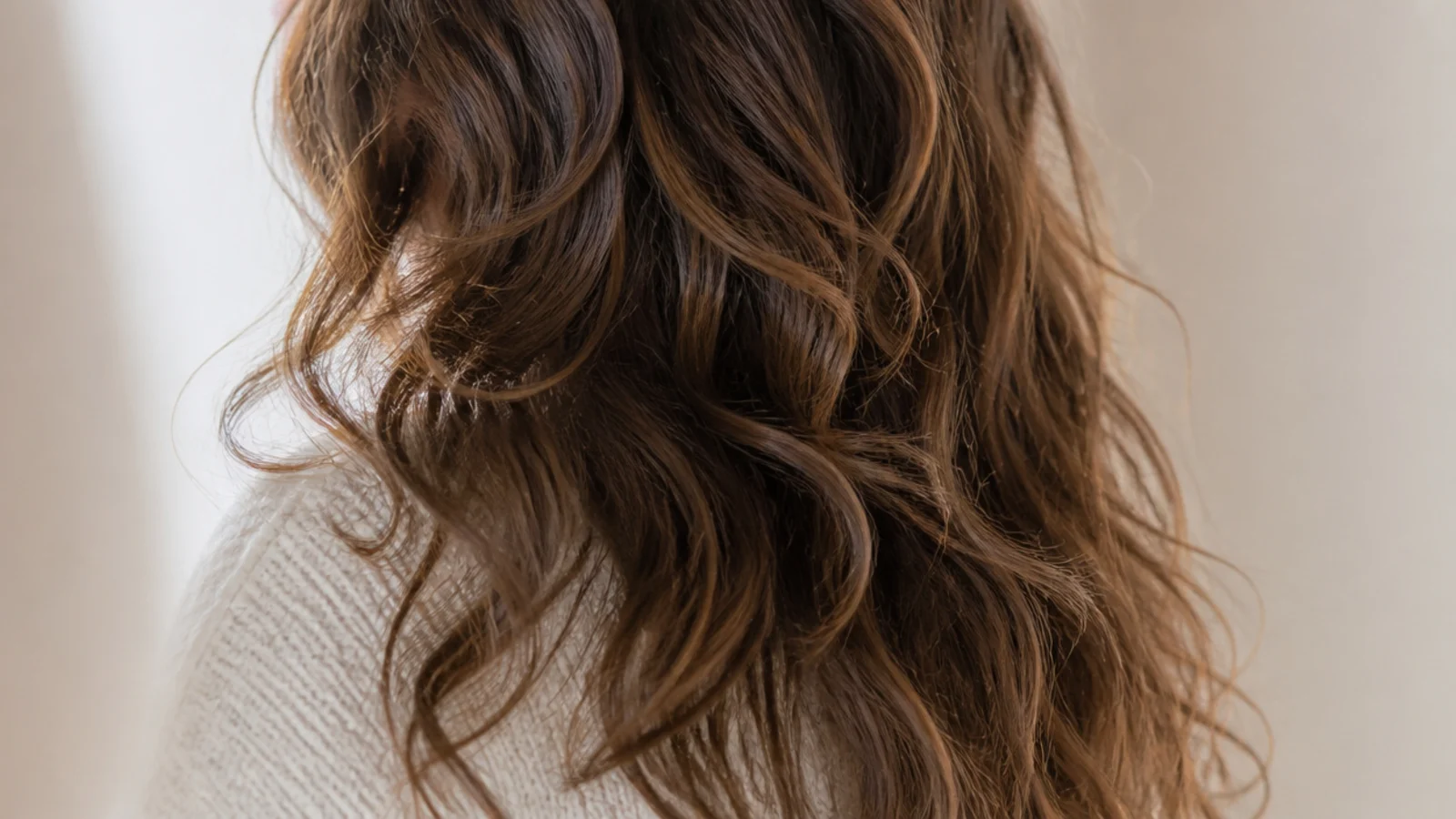
13. Butterfly Cut for Long Frizzy Hair
The butterfly builds two lengths into one head, short layers around the face and long layers behind, which reads as volume at the top and length at the bottom. On frizzy hair it works because the short section is deliberately styled, so the pieces that would have escaped are already part of the design.
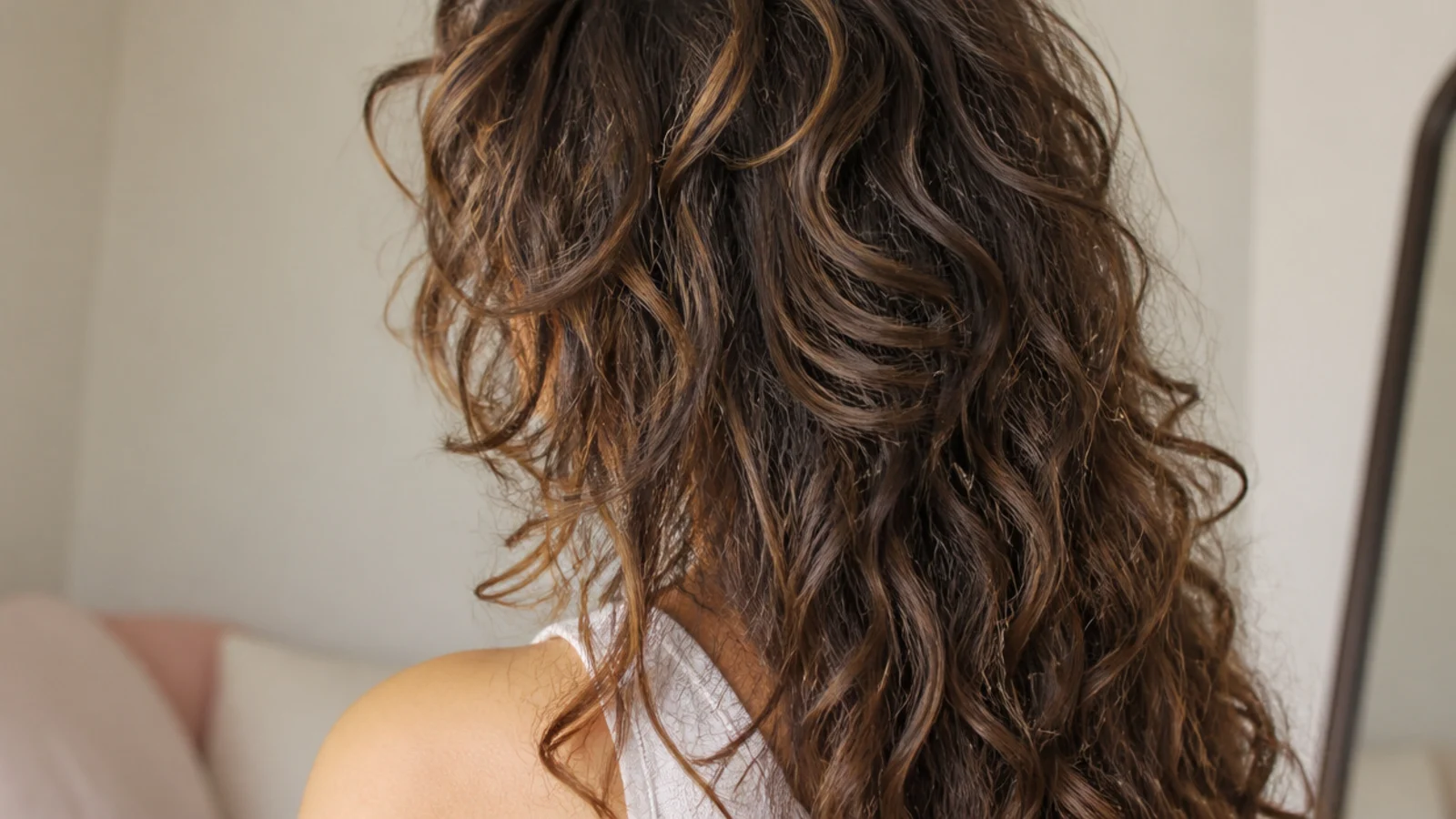
14. Long Layers with Tapered Ends on Curls
Tapering the ends of a curl removes bulk from the last few inches so each spiral finishes in a point rather than a blunt block. That taper is what lets a curl coil fully at the end instead of splaying, and a splayed end is the most visible frizz on any curly head.
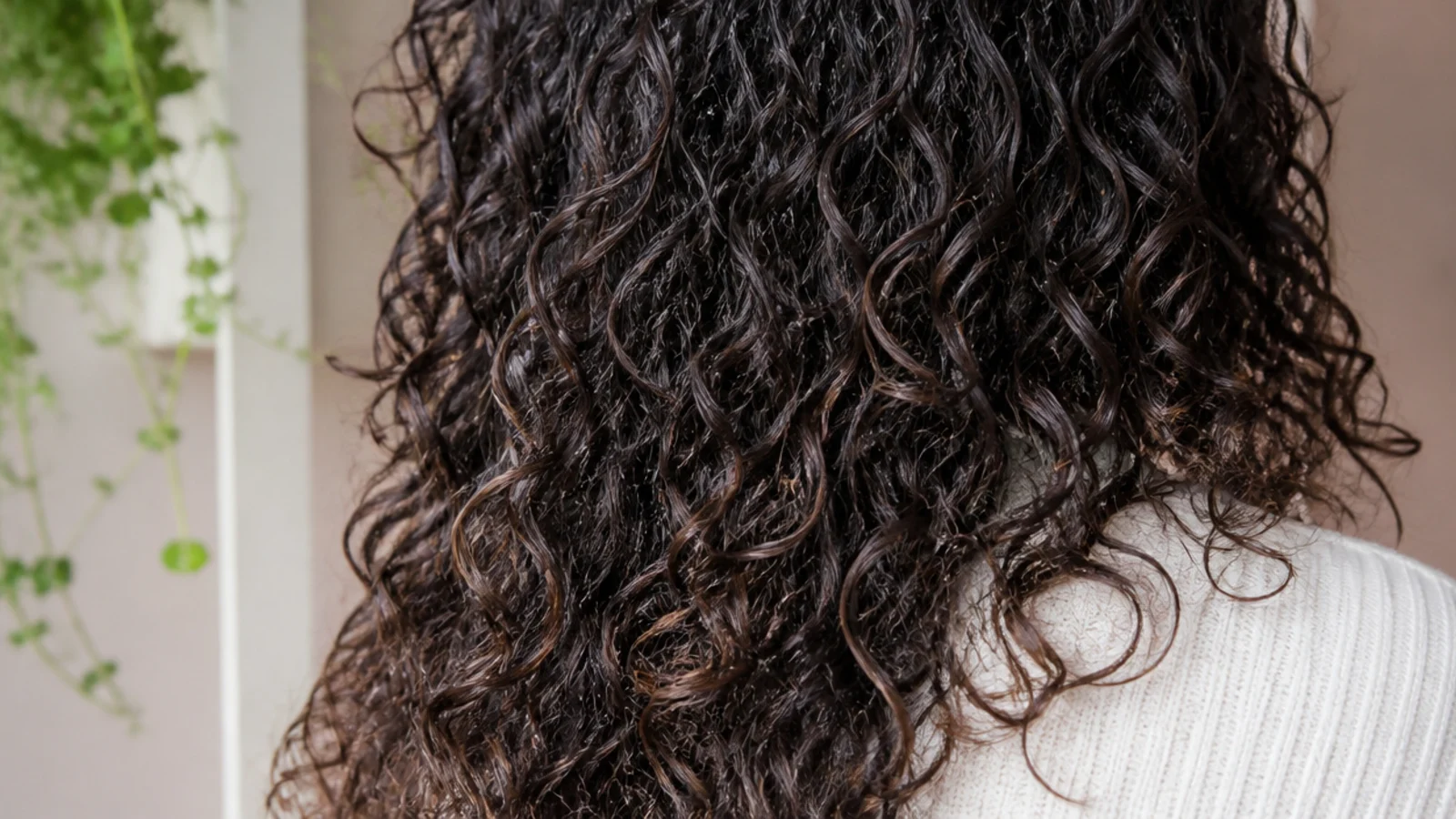
15. Grown Out Curtain Bangs
Curtain bangs grown to cheekbone length become the longest face framing layer you can have without a fresh cut, and they blend into the length rather than sitting on top of it. This is the low commitment version, and it is the stage most people find suits them better than the original fringe did.
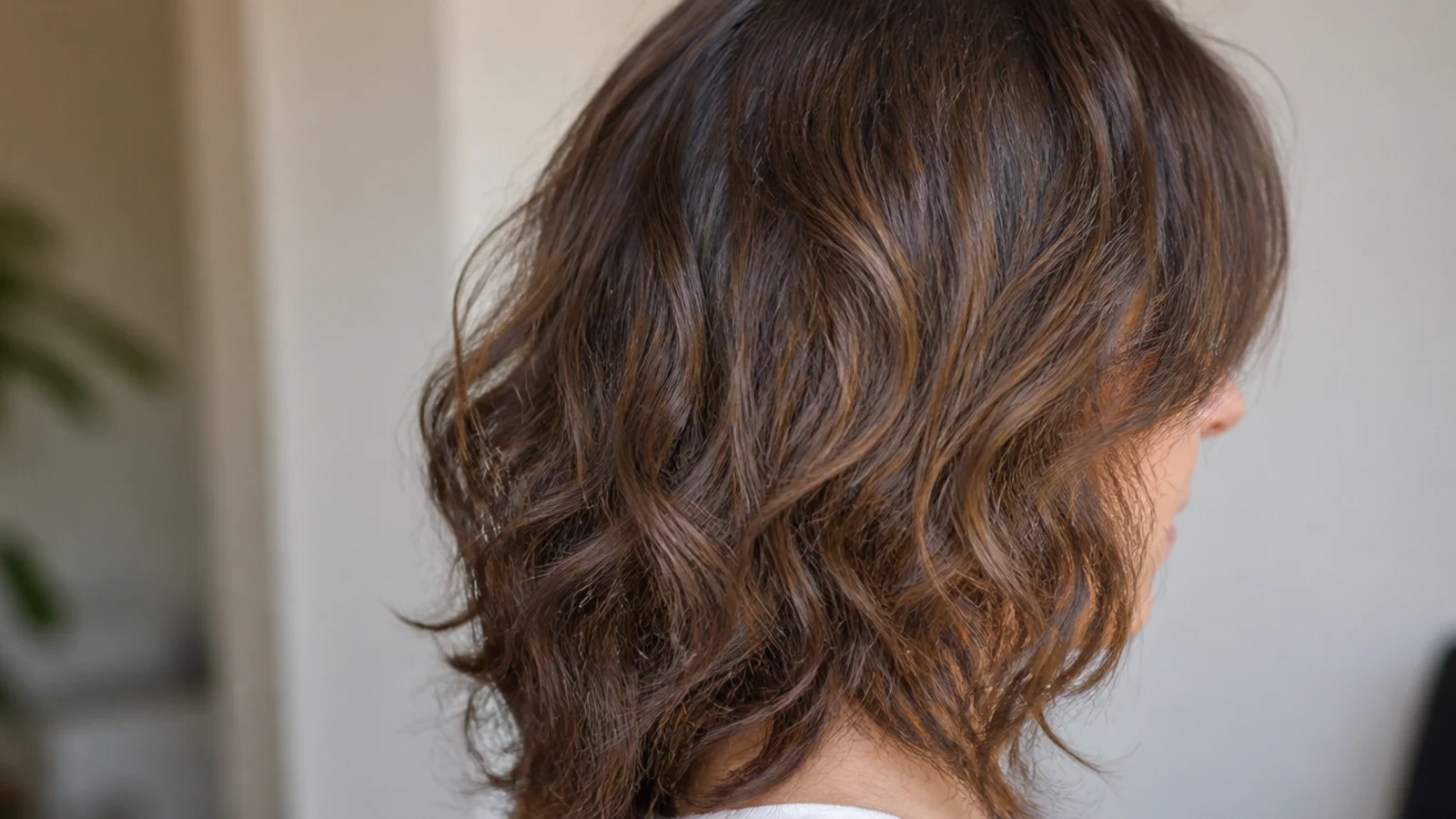
Final Thoughts
Every good haircut for frizzy hair is a decision about where the weight goes. Take it from underneath and the shape narrows while the surface stays smooth. Take it from the top and you gain a halo of short ends that no product will hold down, which is why so many people leave a salon with less hair and more frizz than they arrived with.
Say interior layers, ask where the widest point will land, and insist on a dry check before you leave the chair. Those three sentences are worth more than any photograph you bring in, because they describe what the scissors do rather than what the result should look like.
For the layered end of this range see shag haircut ideas for curly hair types, and for the wavy version see shag haircuts for naturally wavy hair. More in Hair Care.