15 Hair Masks for Frizzy Hair That Actually Work
Fifteen hair masks for frizzy hair, each with the mechanism that makes it work. The distinction that decides which one you need is protein against moisture, and picking the wrong one makes frizz worse rather than better.
In this article · 23
- Why Hair Frizzes and What a Mask Can Do
- Protein Versus Moisture Masks
- Hair Porosity and the Water Test
- How I Tested These Hair Masks
- How to Apply a Hair Mask
- Humidity and Sleep Frizz
- The 15 Hair Masks for Frizzy Hair
- 1. Olaplex No 3 Hair Perfector
- 2. Briogeo Repair Deep Conditioning Mask
- 3. SheaMoisture Manuka Honey Masque
- 4. Eva NYC Therapy Session Mask
- 5. Elizavecca CER 100 Collagen Treatment
- 6. Kerastase Discipline Masque
- 7. Aussie 3 Minute Miracle
- 8. K18 Leave In Molecular Repair Mask
- 9. Amika Soulfood Nourishing Mask
- 10. Mielle Babassu Oil and Mint Deep Conditioner
- 11. DIY Avocado and Coconut Mask
- 12. Coconut Oil Pre Poo
- 13. Garnier Hair Food Mask
- 14. Redken Acidic Bonding Mask
- 15. Moroccanoil Intense Hydrating Mask
- Final Thoughts
Most people buy a mask for frizz, use it correctly, and get a worse result, because they bought the opposite of what their hair needed.
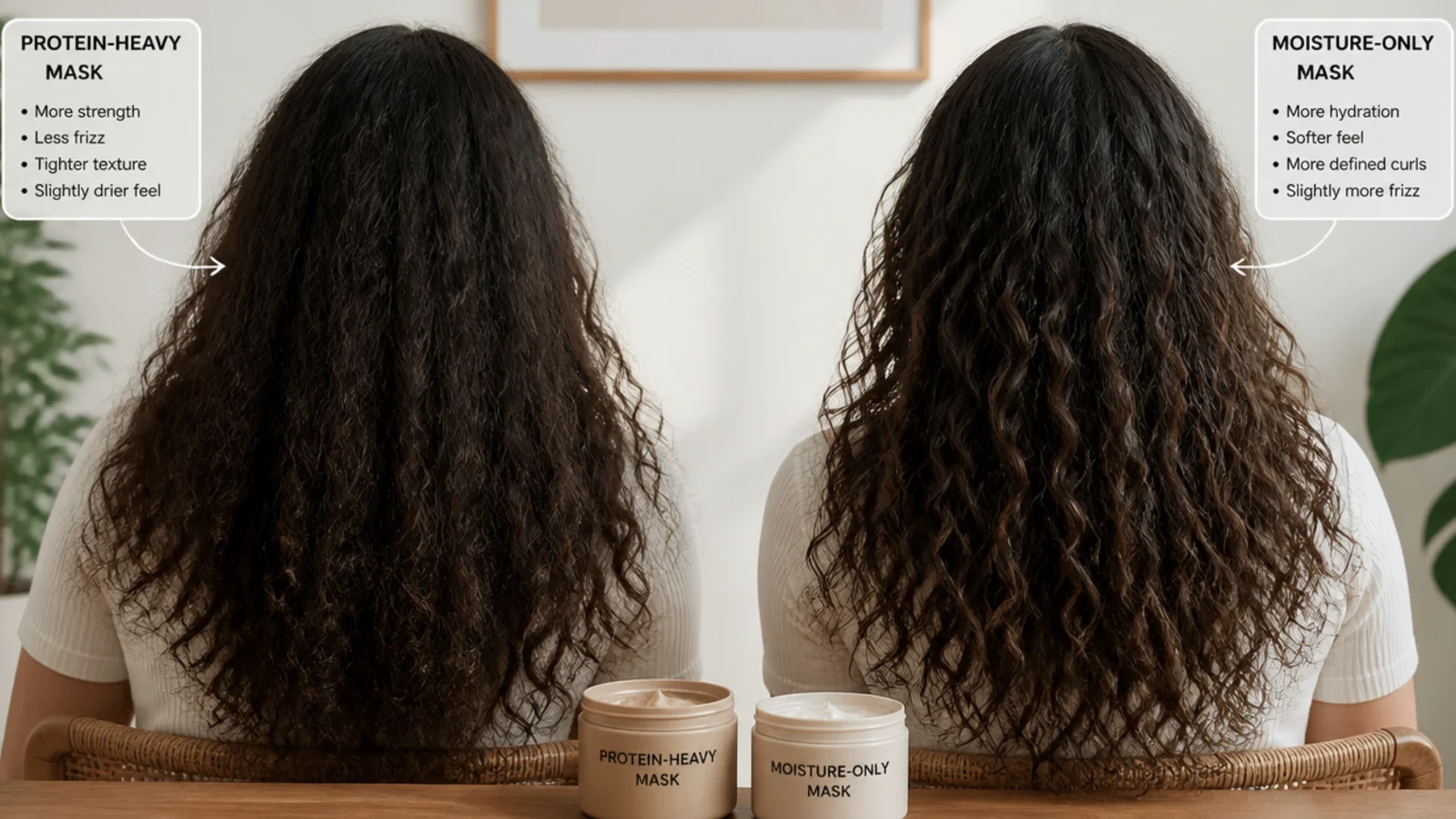
Protein and moisture do different jobs and the wrong one backfires. Protein fills gaps and stiffens. Moisture softens and adds slip. Hair that is already rigid gets brittle under more protein, and hair that is already soft goes limp under more moisture.
Porosity decides which problem you have. How fast your hair takes water on, and how fast it loses it again, is the single most useful thing to know before you spend anything.
Why Hair Frizzes and What a Mask Can Do
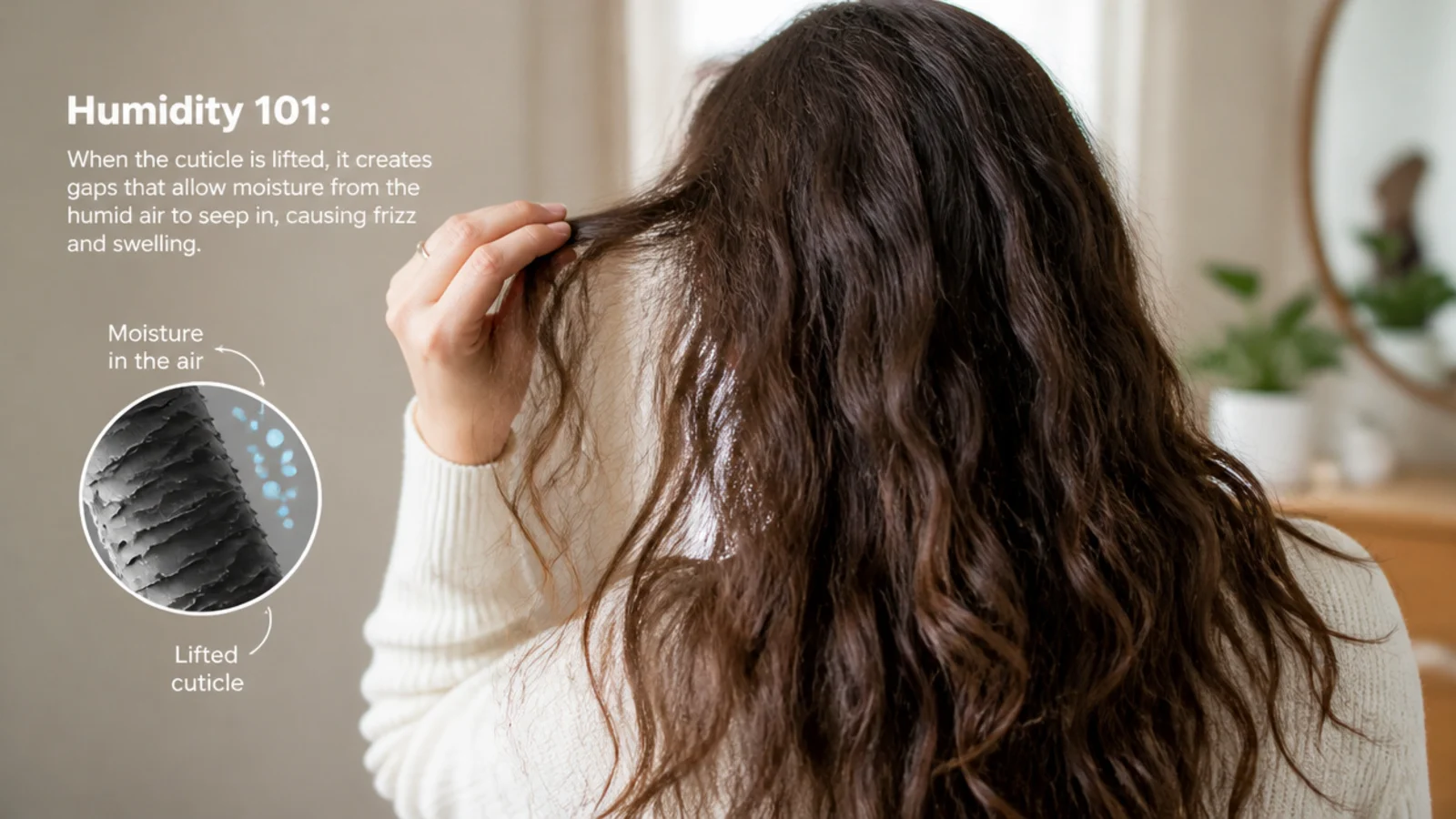
Frizz is a lifted cuticle. The outside of the strand is a layer of overlapping scales. Flat, they reflect light in one direction. Lifted, they catch on the strands around them and stand away from the group.
Damage is what leaves them lifted. A healthy cuticle carries a bound lipid layer that repels water. Bleach, heat and harsh detergent strip it, and hair without it takes water on much faster.
A mask works on the surface and just under it. Conditioning agents adsorb onto the damaged spots, oils and ceramides fill and seal, and proteins bridge the physical gaps. None of it rebuilds the strand permanently.
Which means masks are maintenance, not repair. Damage is cumulative and cutting is the only removal. A mask makes the hair you have behave better until the next wash, and that is worth doing weekly.
Protein Versus Moisture Masks
Protein fills and stiffens. Hydrolysed keratin, wheat, rice, silk and collagen are all small enough to sit in the gaps a damaged cuticle leaves. The strand gets more structure and less stretch.
Moisture softens and lubricates. Cationic conditioning agents and emollients coat the surface so strands slide past each other instead of catching and lifting.
Bond builders are a third category. They target the disulfide bonds inside the cortex rather than adding anything to the surface, which is why they often leave hair feeling rougher than a conditioner does.
Test it wet, not dry. Hair that stretches a long way when wet and then feels mushy wants protein. Hair that feels rough and snaps quickly wants moisture. Most heads want both on an alternating schedule.
Protein overload is real and it looks like frizz. Too much protein leaves the strand rigid, and a rigid strand breaks where it should bend, which produces short broken hairs standing up all over the surface.
Hair Porosity and the Water Test
Porosity is how easily water crosses the cuticle. That single property decides which mask sinks in and which one sits on top doing nothing.
High porosity wets fast and dries fast. The cuticle is open, so water goes in quickly and leaves just as quickly. This hair drinks heavy masks and needs sealing afterwards.
Low porosity resists water in both directions. The scales lie tight and flat, so product beads on the surface and takes a long time to absorb. Warmth and lighter formulas do far more than richer ones.
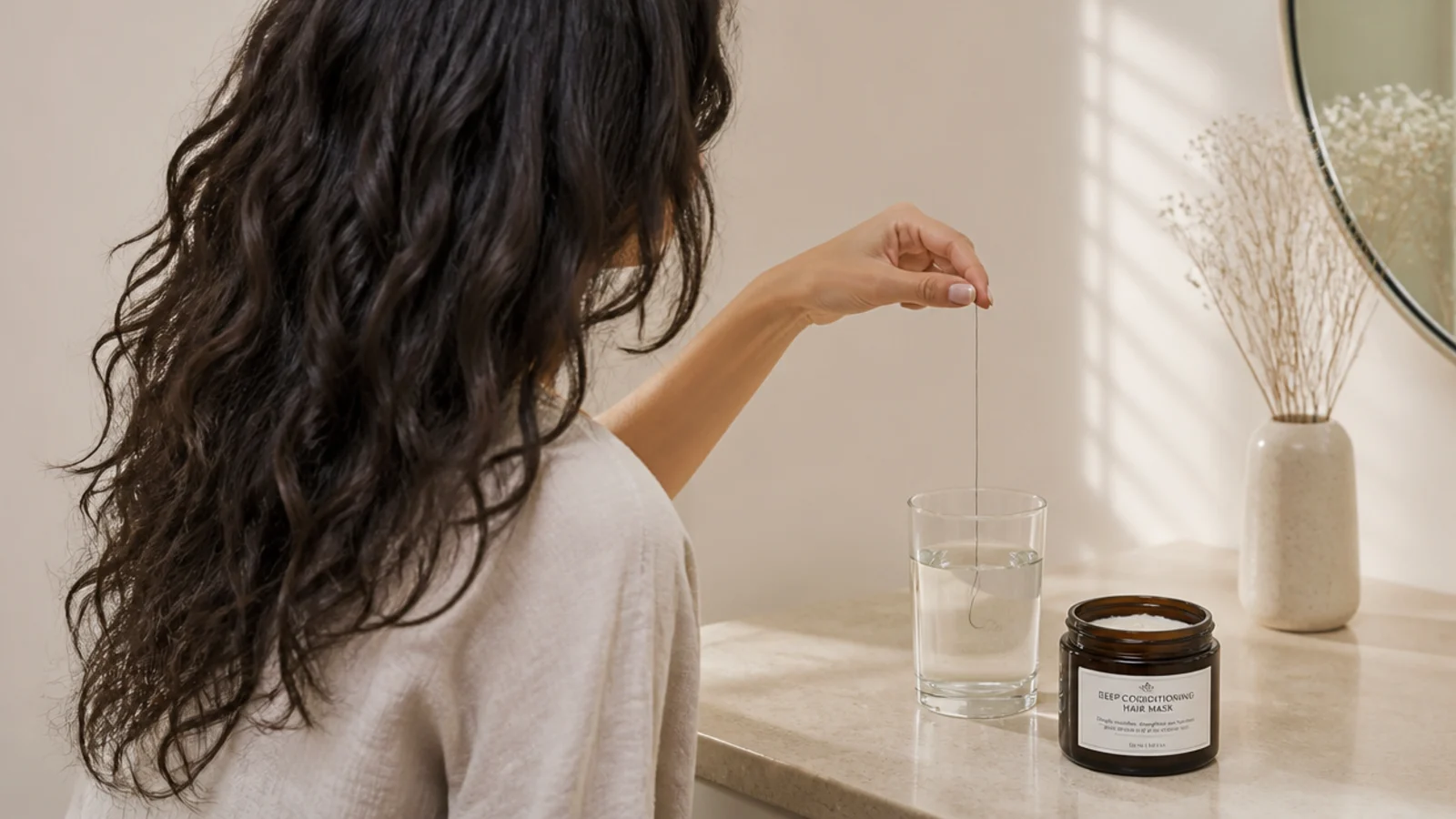
The float test is a rough signal at best. A strand's behaviour in a glass depends on how much product is on it and whether it has been wet before. How long your hair takes to soak in the shower tells you more.
Match the mask to the porosity, not to the frizz. Frizz looks the same from both directions, which is why so many masks get blamed for doing nothing.
How I Tested These Hair Masks
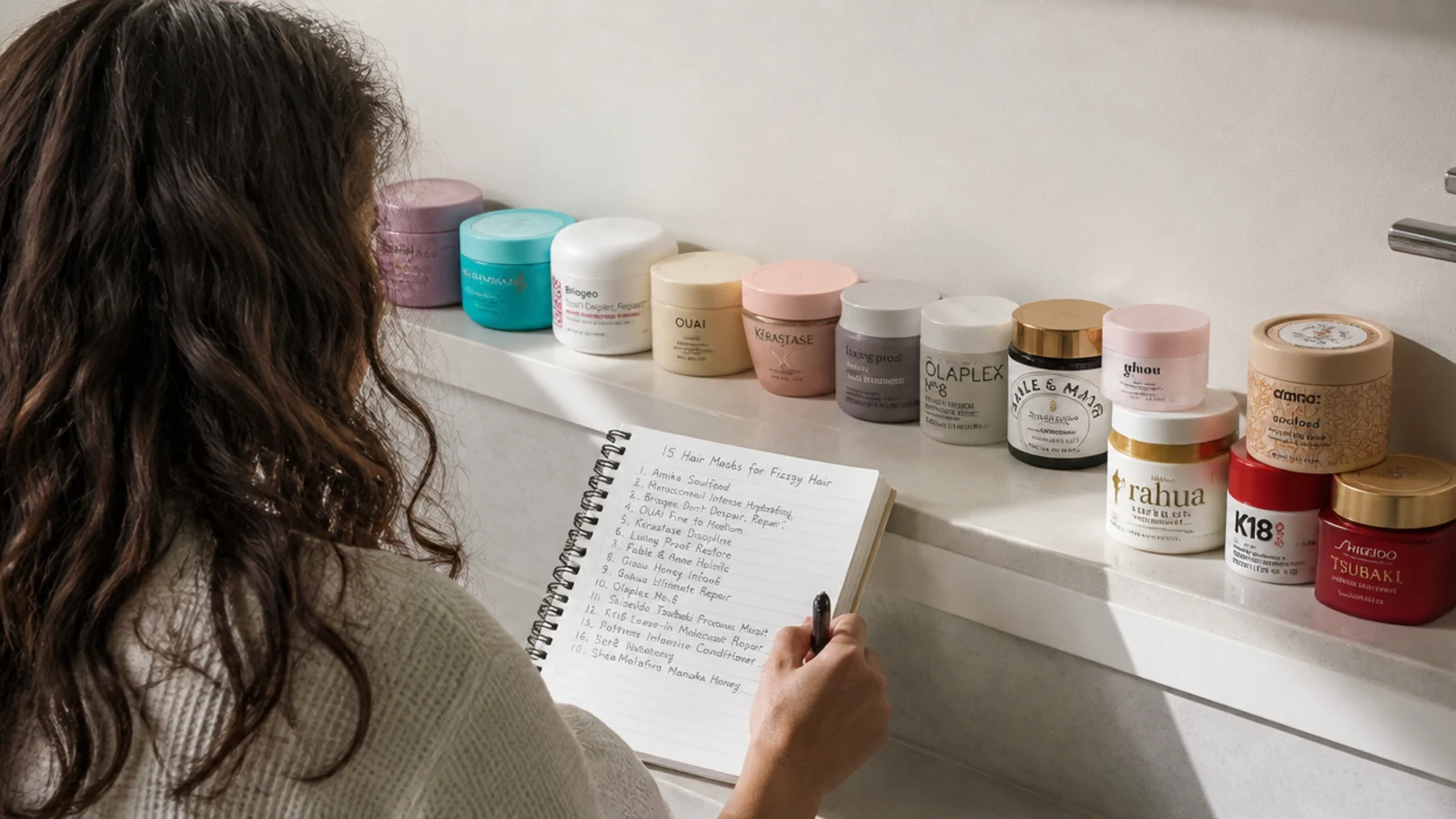
Every mask below was judged against the same five questions. What class of ingredient is doing the work, which porosity it suits, whether it needs sealing afterwards, whether it can be repeated weekly, and whether the effect survives a humid day.
Ingredient class first. A mask is protein, moisture, bond building or smoothing. Everything else about how it performs follows from that.
Repeatability matters more than the first use. Any rich mask feels excellent once. The useful question is what happens after six weeks of using it every wash day.
Silicone is a trade, not a fault. Silicones flatten the cuticle better than almost anything and they build up on low porosity hair. Both of those are true at the same time.
No mask is judged on how it feels in the tub. Thickness and scent tell you nothing about what deposits on the strand.
How to Apply a Hair Mask
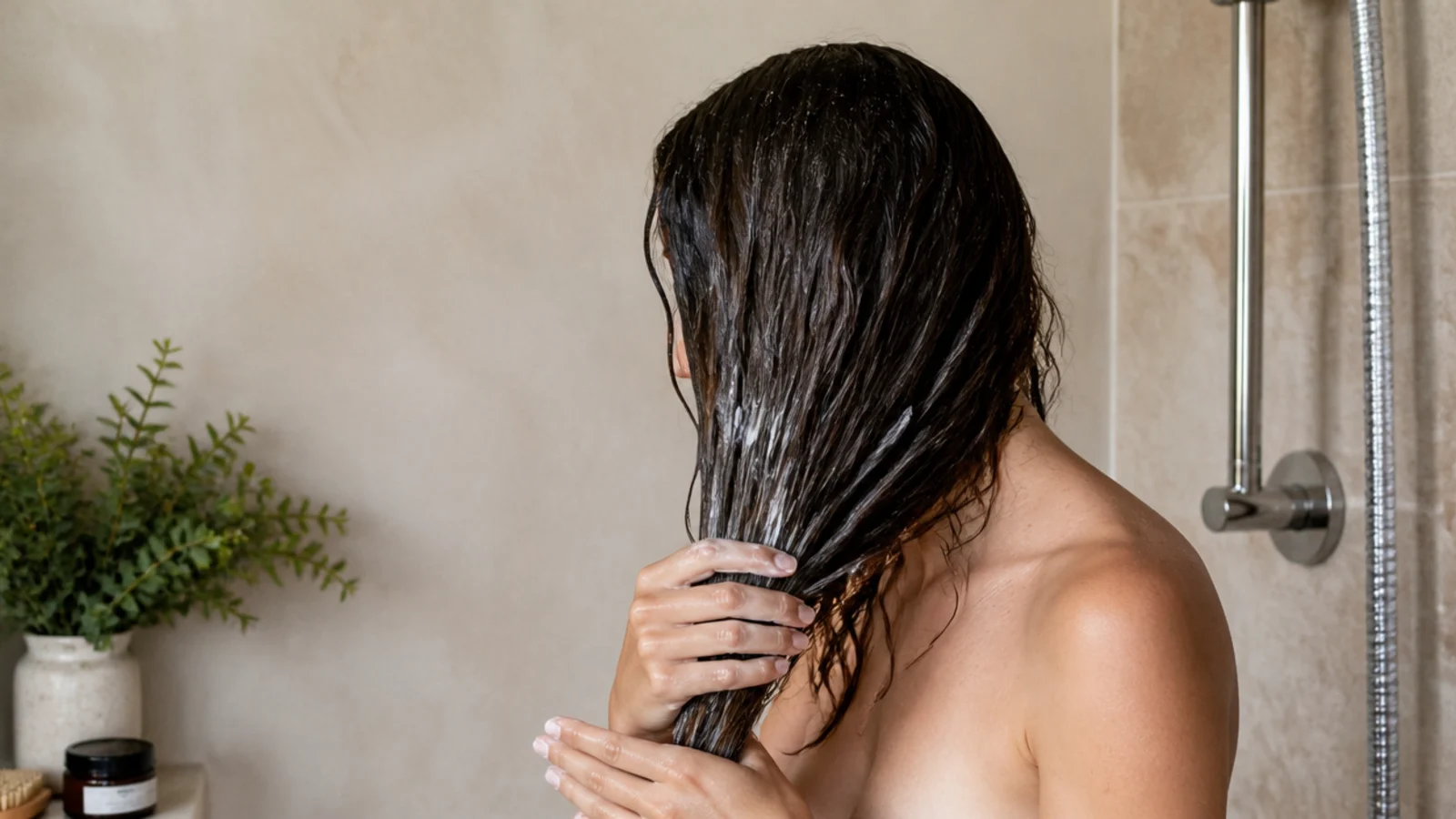
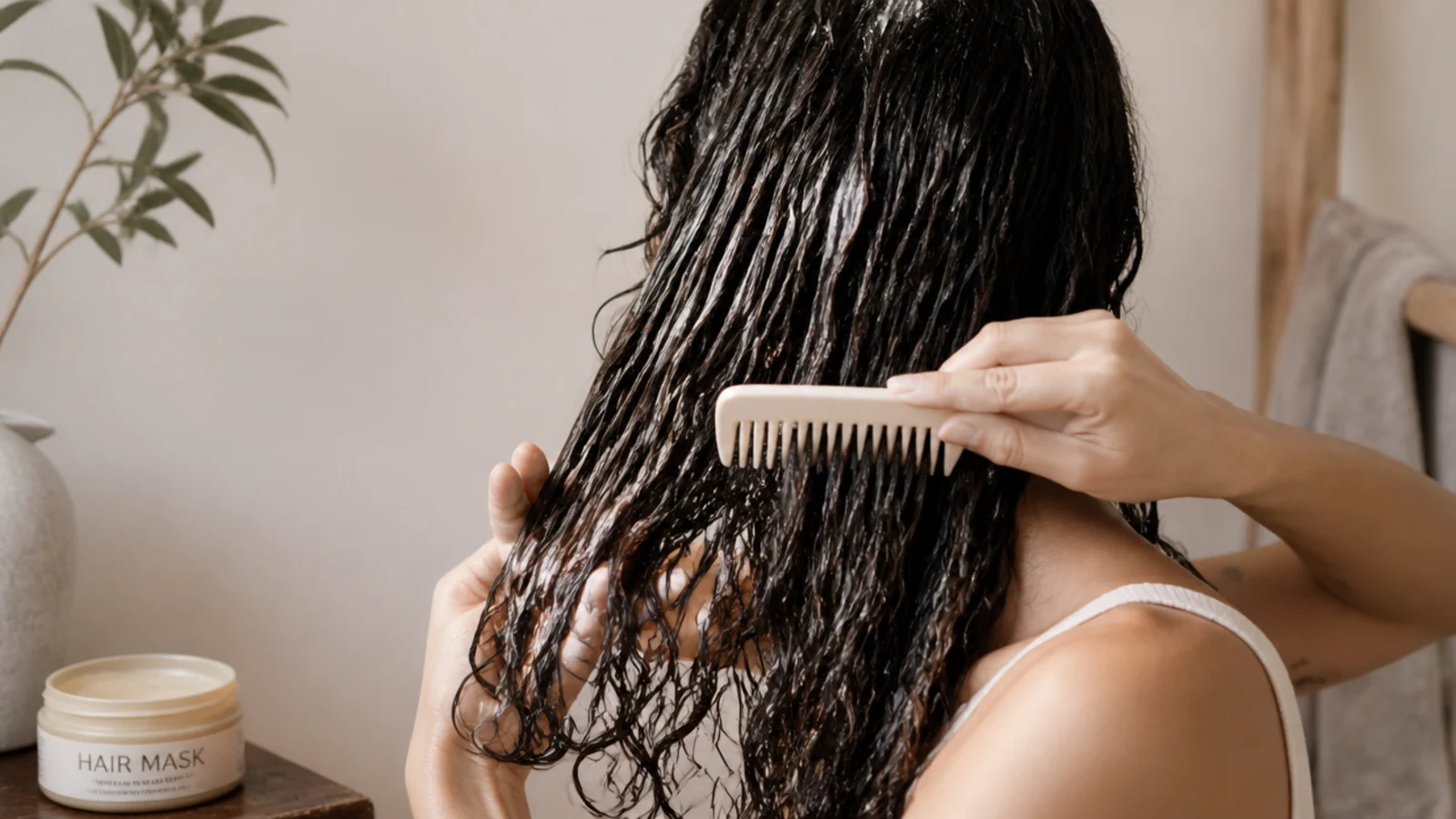
Squeeze the water out first. A dripping strand has no room left to take anything in, so the mask slides off with the water instead of contacting the cuticle.
Mid lengths and ends, never the scalp. The ends are the oldest and most damaged hair on your head. The scalp makes its own oil and does not need a second coat.
Section it, or you will miss the underneath. The nape is the driest section on most heads and the one most likely to get whatever is left on your palms.
Add heat if your hair is low porosity. Warmth lifts a tight cuticle slightly, which is the difference between a mask sitting on the surface and one that penetrates.
Rinse cool and rinse properly. Cool water helps the scales settle flat, and mask left behind on fine hair is indistinguishable from grease by the next afternoon.
Humidity and Sleep Frizz
Above roughly sixty percent humidity, unsealed hair moves. Keratin takes water directly from the air, and the swelling that follows pushes lifted scales further open.
A mask reduces the number of lifted scales. Fewer places for the air to get in means less movement, which is the honest limit of what a mask contributes on a humid day.
Seal on the day as well. A gel cast or an oil film is a physical barrier. The mask improves the surface, the sealant defends it.
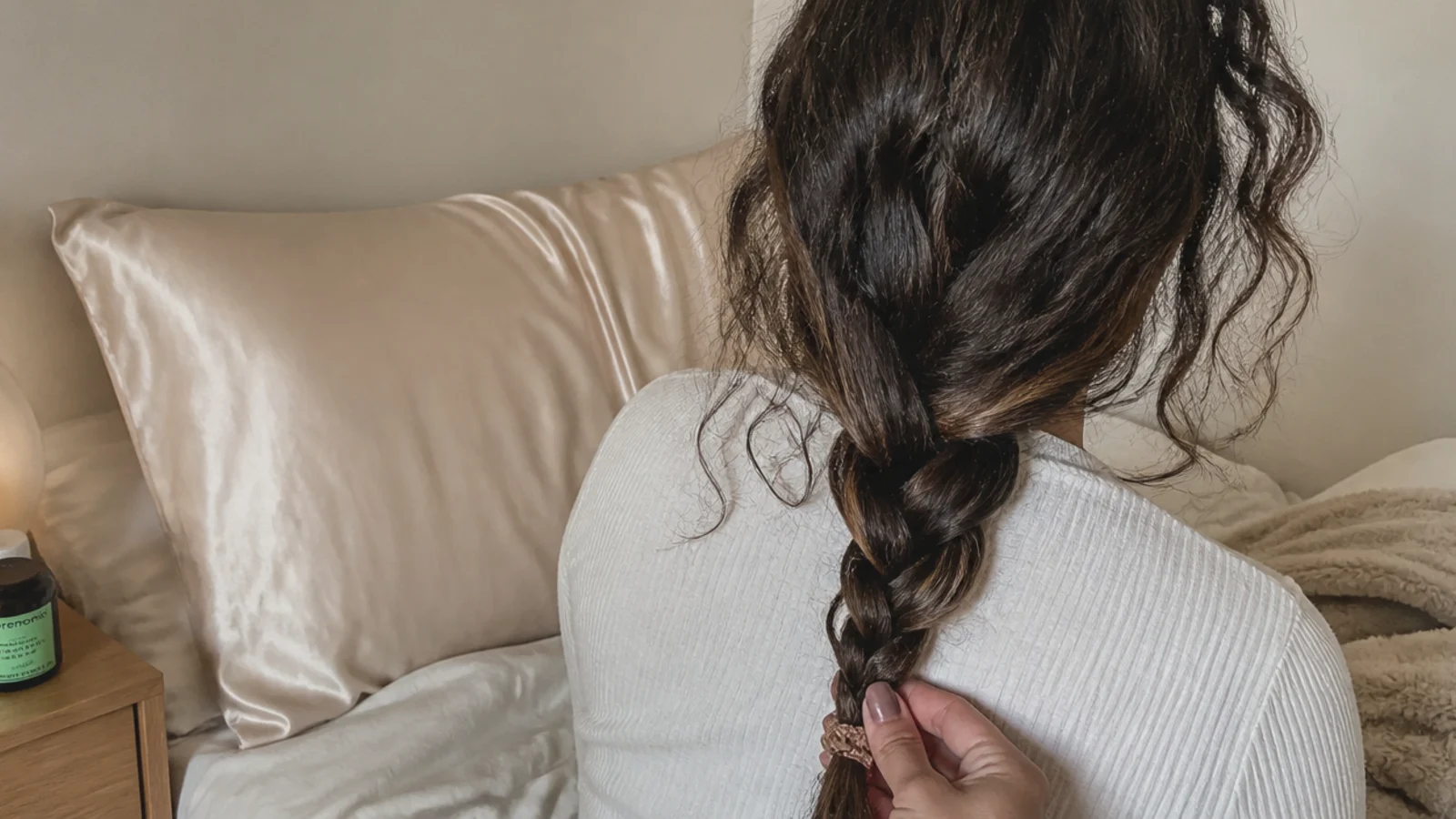
Cotton pillowcases undo a mask overnight. High friction lifts the cuticle mechanically and the fabric absorbs the moisture the mask deposited.
Silk or satin, and tie the hair up. Doing both is what makes a Sunday mask still visible on Wednesday.
The 15 Hair Masks for Frizzy Hair
1. Olaplex No 3 Hair Perfector
This is a pre shampoo bond builder rather than a conditioner, and it works on the disulfide bonds inside the cortex instead of coating the outside. Hair can feel rougher immediately after it than before, which is normal, because nothing has been deposited on the surface to give slip. Shampoo and condition afterwards.
2. Briogeo Repair Deep Conditioning Mask
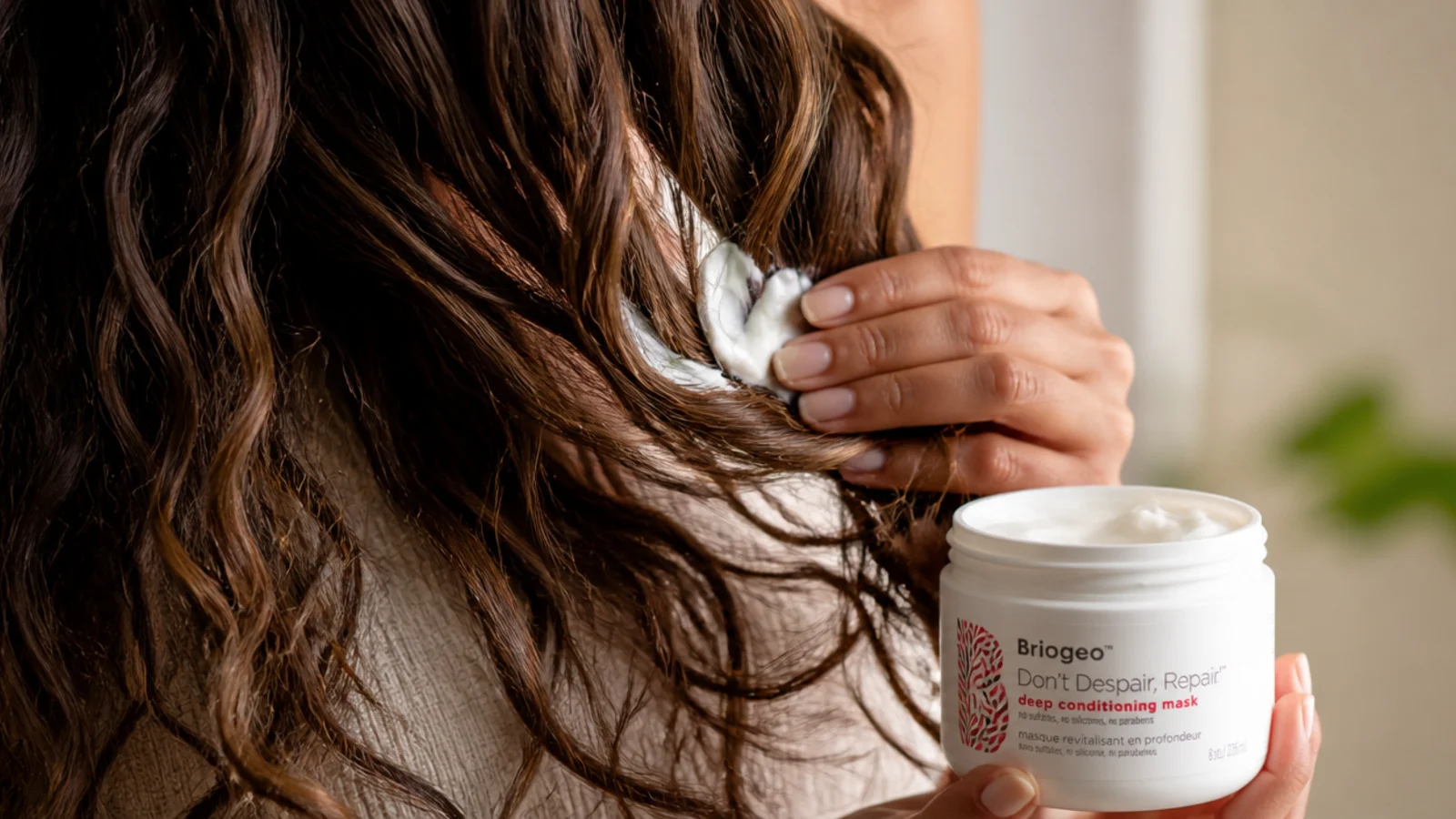
A silicone free rich mask, which means the slip comes from cationic conditioners and plant oils rather than from a film that stays put. That makes it easier on low porosity hair, since there is less to build up and less need to clarify, and slightly less resistant to a humid afternoon.
3. SheaMoisture Manuka Honey Masque
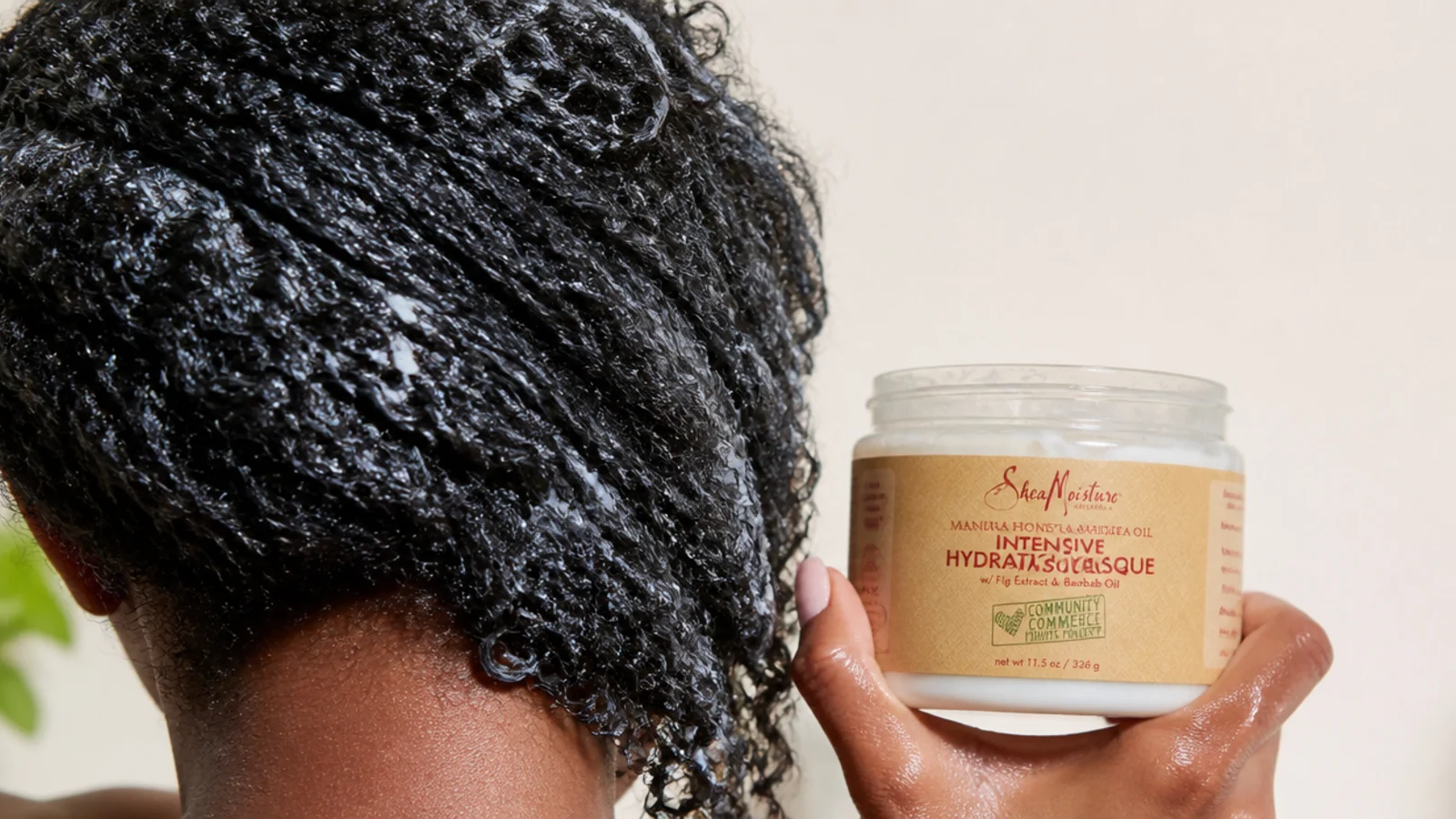
Honey is a humectant that binds water into the strand, and it is paired here with heavier oils that seal it in behind a film. That combination is built for coarse, dense, high porosity hair that loses moisture quickly, and on fine hair the same pairing reads as weight rather than smoothness.
4. Eva NYC Therapy Session Mask
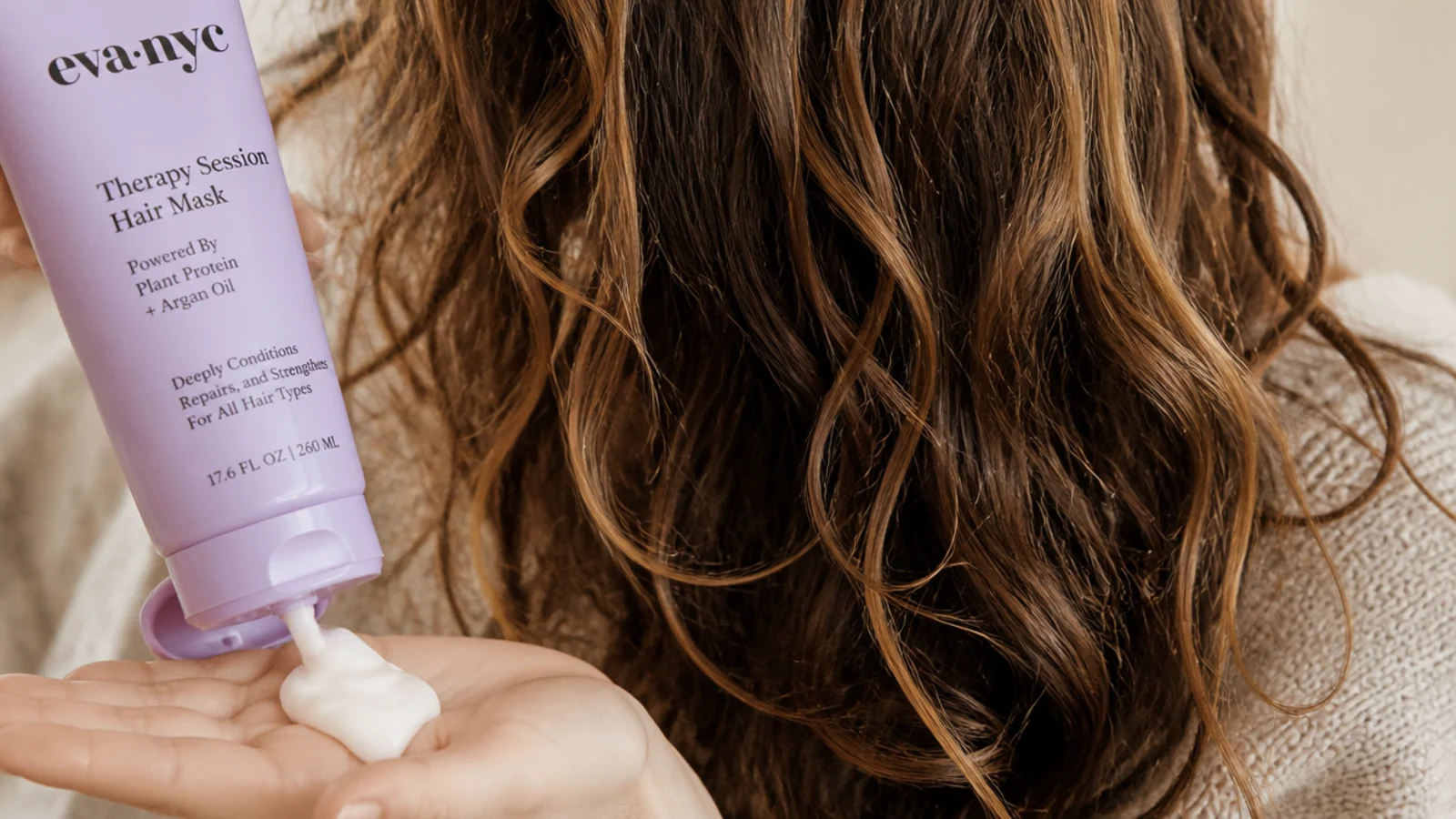
This sits between the pure moisture masks and the strong protein treatments, carrying keratin alongside a conditioning base. That balance suits hair that feels dry and slack at the same time, which is the state most bleached or heat damaged hair is actually in.
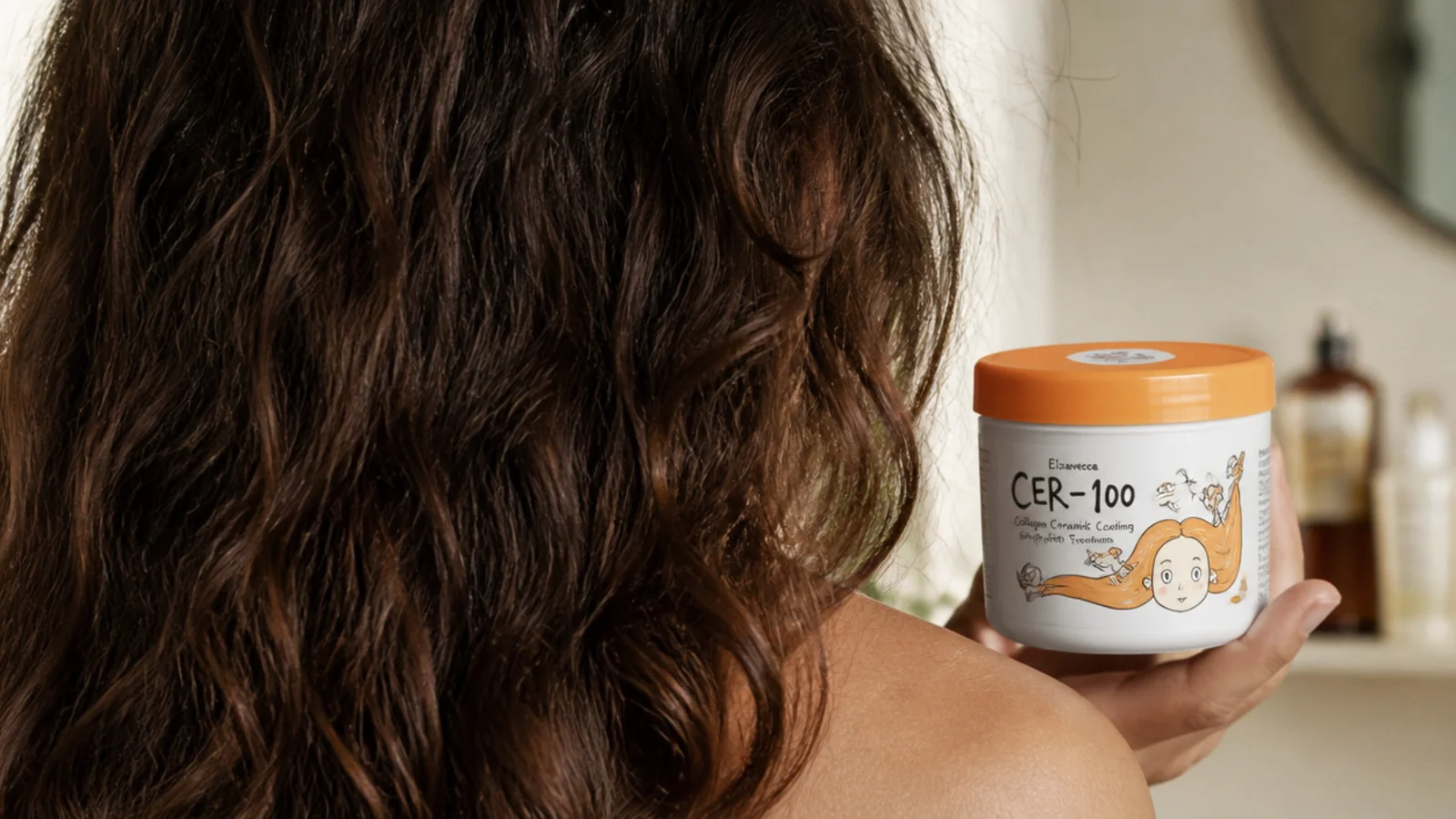
5. Elizavecca CER 100 Collagen Treatment
A heavy protein and ceramide treatment, and the ceramides are the interesting part, because that lipid class is what cements cuticle scales down in undamaged hair. It is strong enough that it needs spacing out, since repeated protein on an already rigid strand produces breakage rather than smoothness.
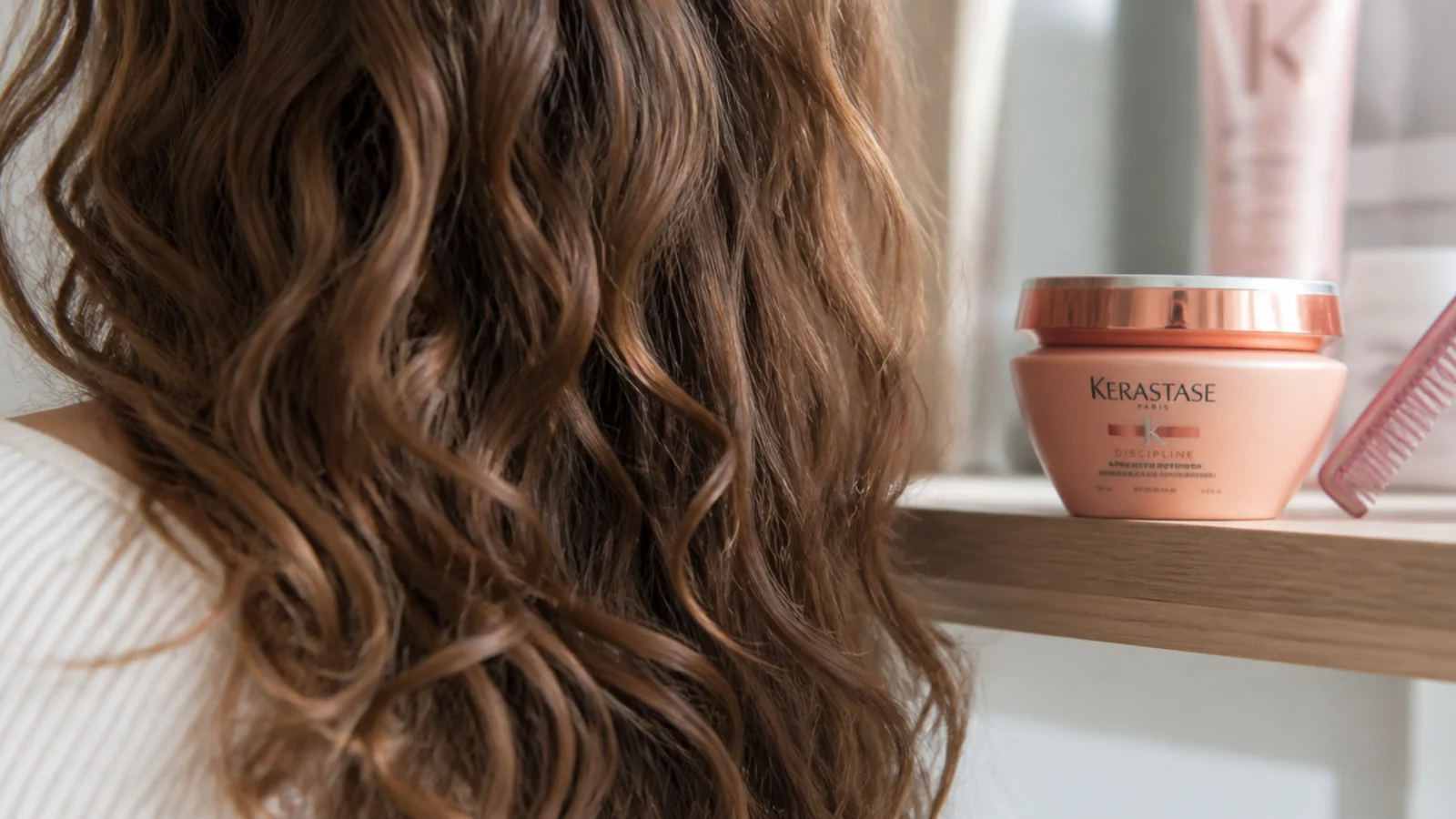
6. Kerastase Discipline Masque
A smoothing mask rather than a repairing one, working by coating the cuticle with conditioning agents that flatten the surface and reflect light in one direction. The effect is cosmetic and washes out, which is exactly what you want before an event in humid weather.
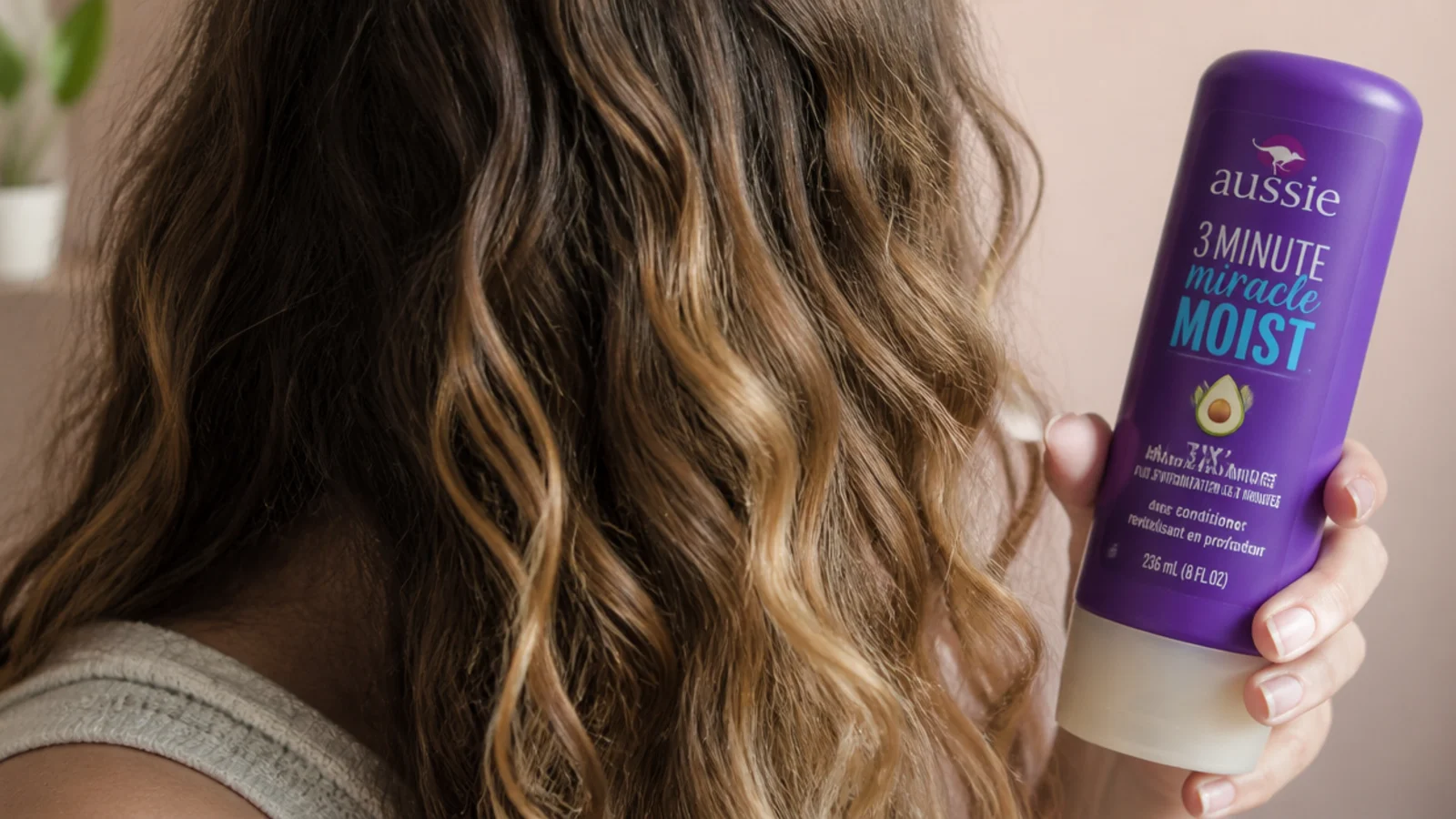
7. Aussie 3 Minute Miracle
The short contact time is not a shortcut. Cationic conditioning agents carry a positive charge and are drawn onto the negatively charged damaged spots on a cuticle within the first few minutes, so most of what a rinse out mask does is already done. Being cheap enough to use generously matters more than the timer.
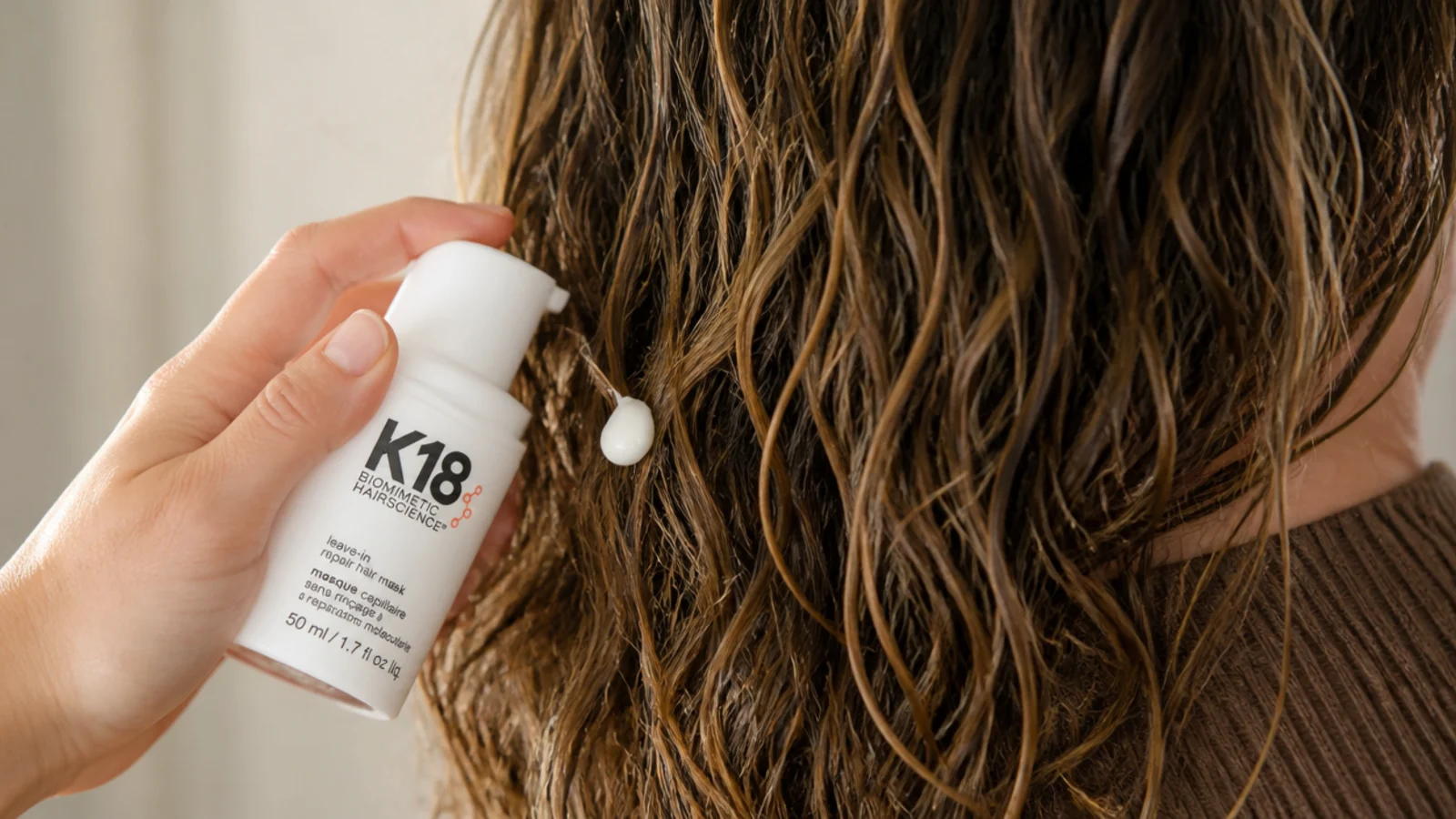
8. K18 Leave In Molecular Repair Mask
The application sequence is the whole product. It goes onto damp towel dried hair after shampoo with no conditioner beforehand, because a conditioning film blocks the peptide from reaching the strand, and it is left in rather than rinsed. Give it a few minutes before styling.
9. Amika Soulfood Nourishing Mask
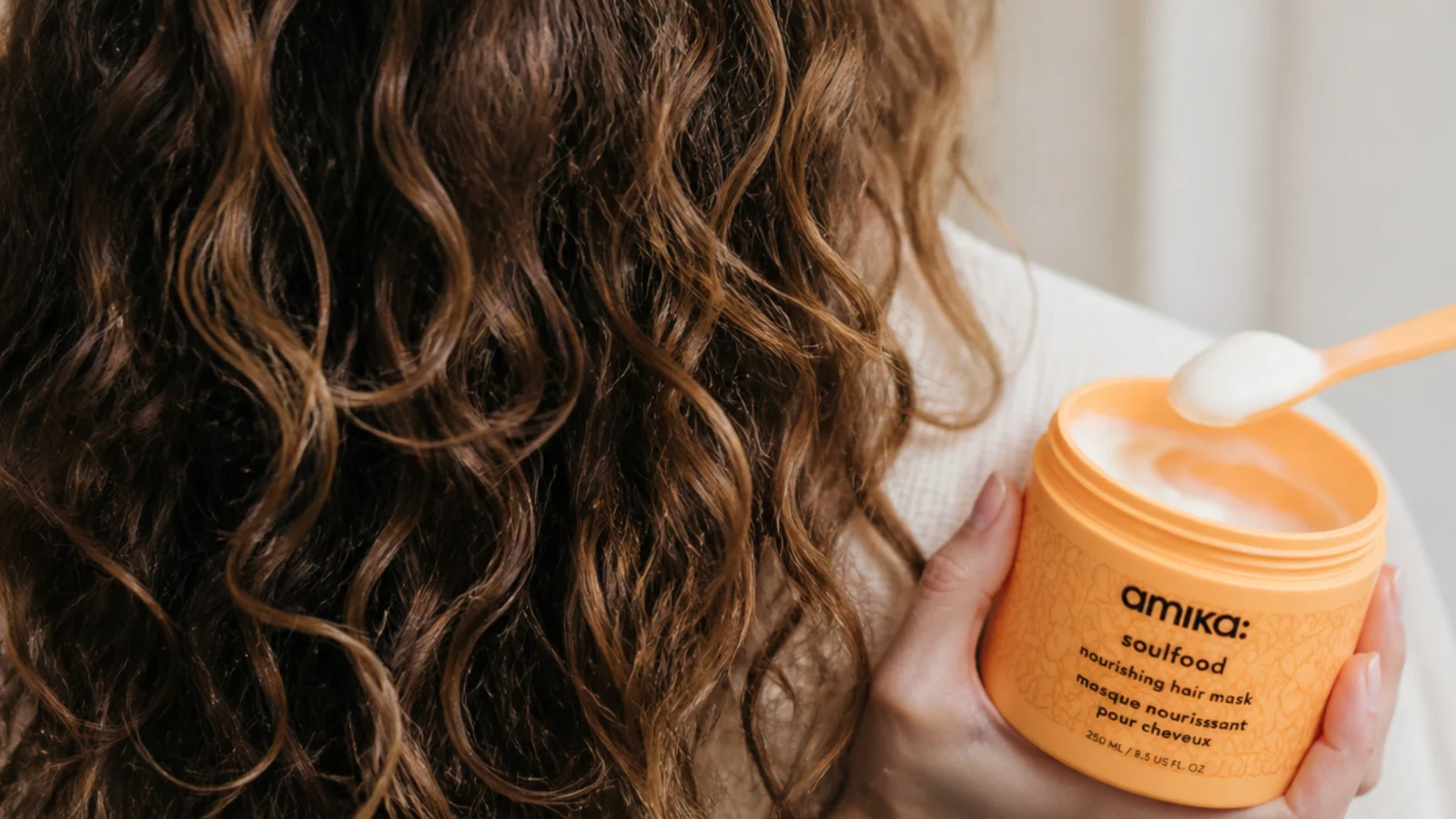
A rich moisture mask with no protein doing the heavy lifting, which makes it the safe choice when you cannot tell whether your hair is over proteined. On fine hair keep it strictly to the bottom two thirds, since this density of conditioning at the root flattens a style for the whole day.
10. Mielle Babassu Oil and Mint Deep Conditioner
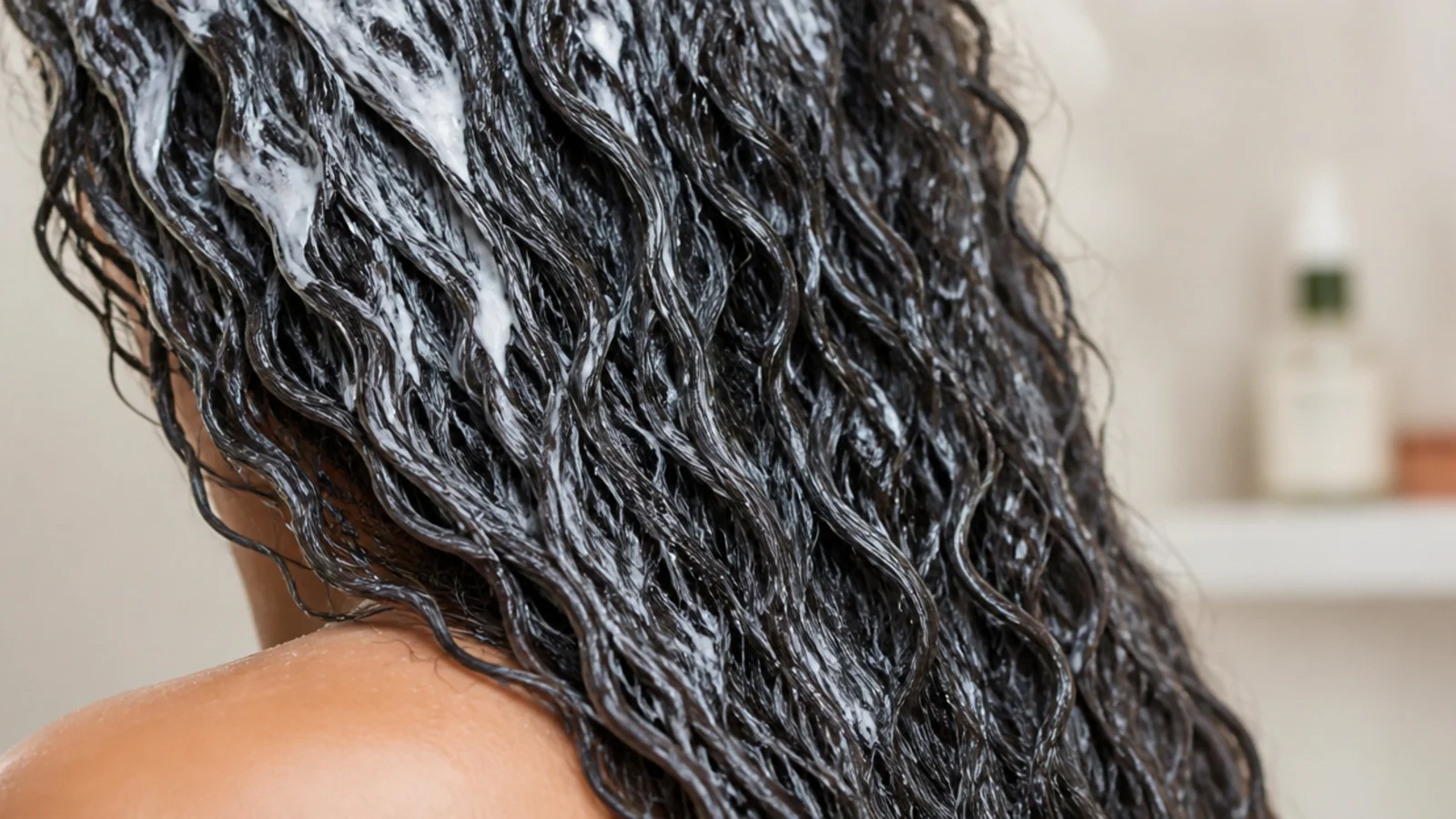
Babassu is a lighter oil than shea or castor, so this deposits moisture without the density that flattens a wave pattern. The mint gives a cooling sensation at the scalp, which is pleasant but not a conditioning mechanism, so judge it on how the lengths feel.
11. DIY Avocado and Coconut Mask
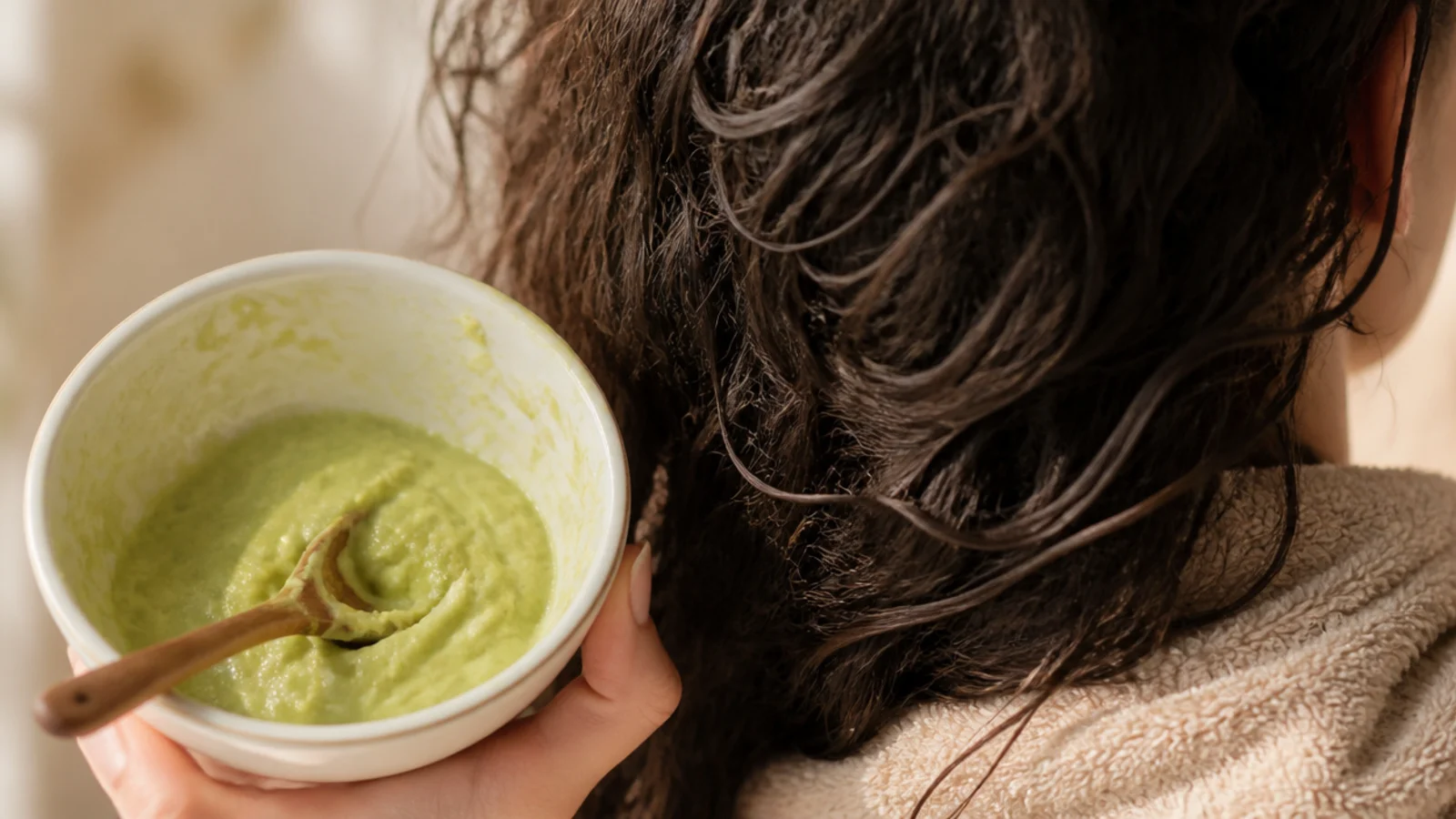
Avocado is mostly oleic acid, a large molecule that stays on the surface, while coconut oil carries lauric acid, one of the few that genuinely enters the strand. A kitchen blend has no emulsifier and no cationic conditioner, so it coats rather than deposits and takes more shampoo to remove than it saved you.
12. Coconut Oil Pre Poo
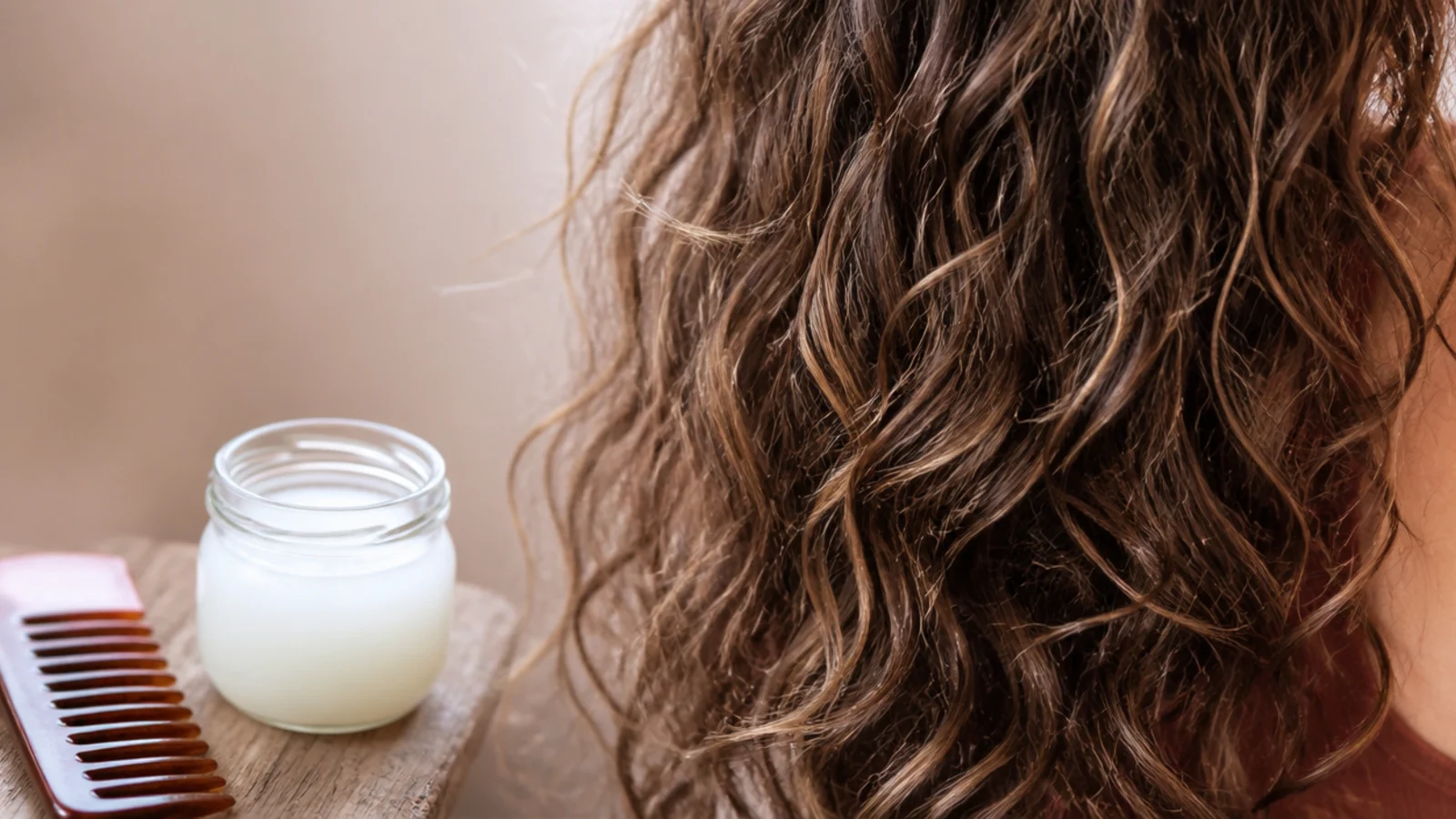
Coconut oil applied before shampooing reduces how much water the strand takes on during the wash, which limits the swelling and shrinking that levers cuticle scales open. It is the oil with the best evidence for reducing protein loss, and the timing matters more than the amount, because after the wash it is only sitting on top.
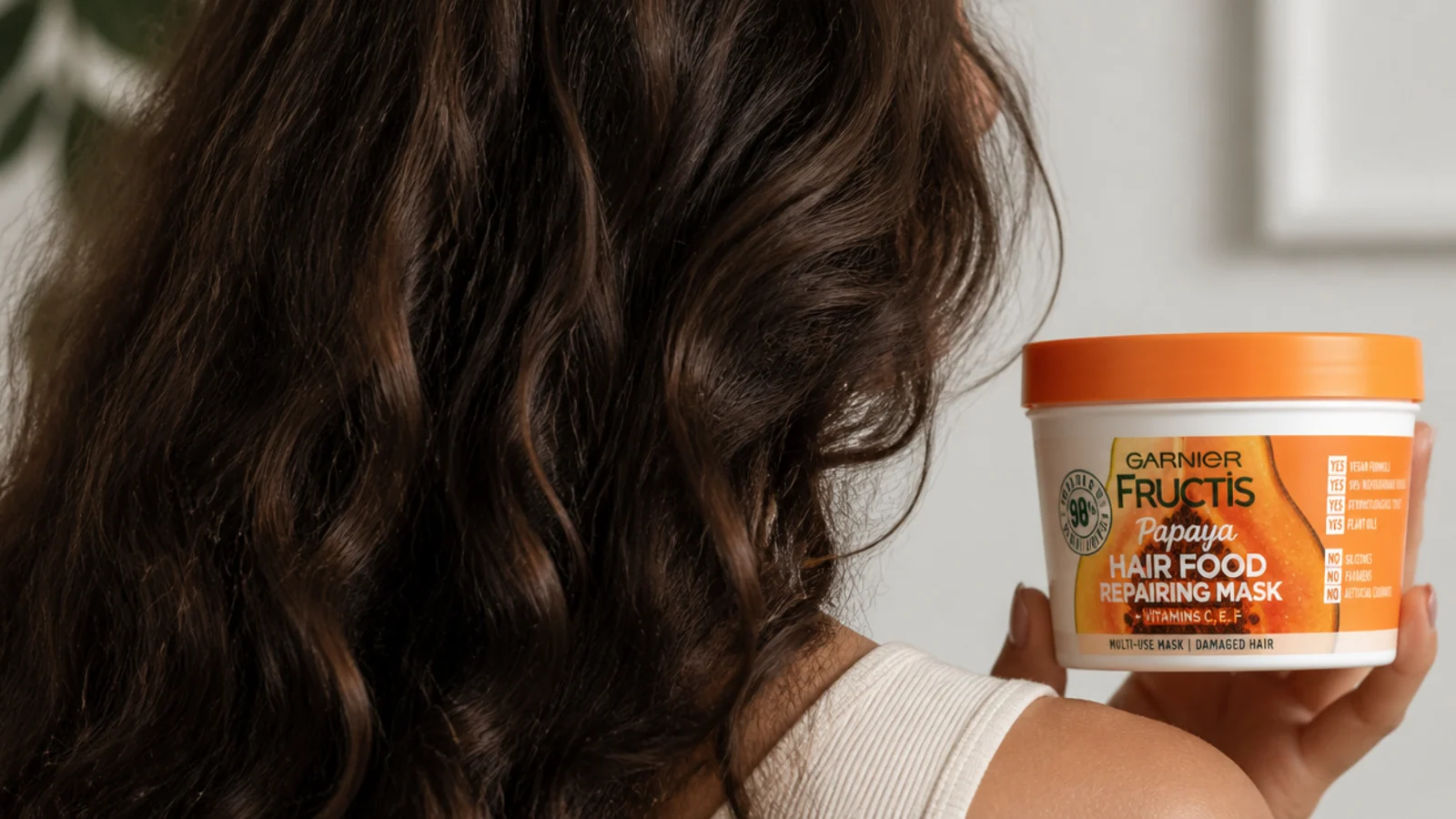
13. Garnier Hair Food Mask
Thin enough to use as a daily conditioner and thick enough to leave on as a mask, which is the useful property here rather than any single ingredient. The low cost is a mechanism of its own, because the most common reason a mask underperforms is that people use a teaspoon of it on a full head.
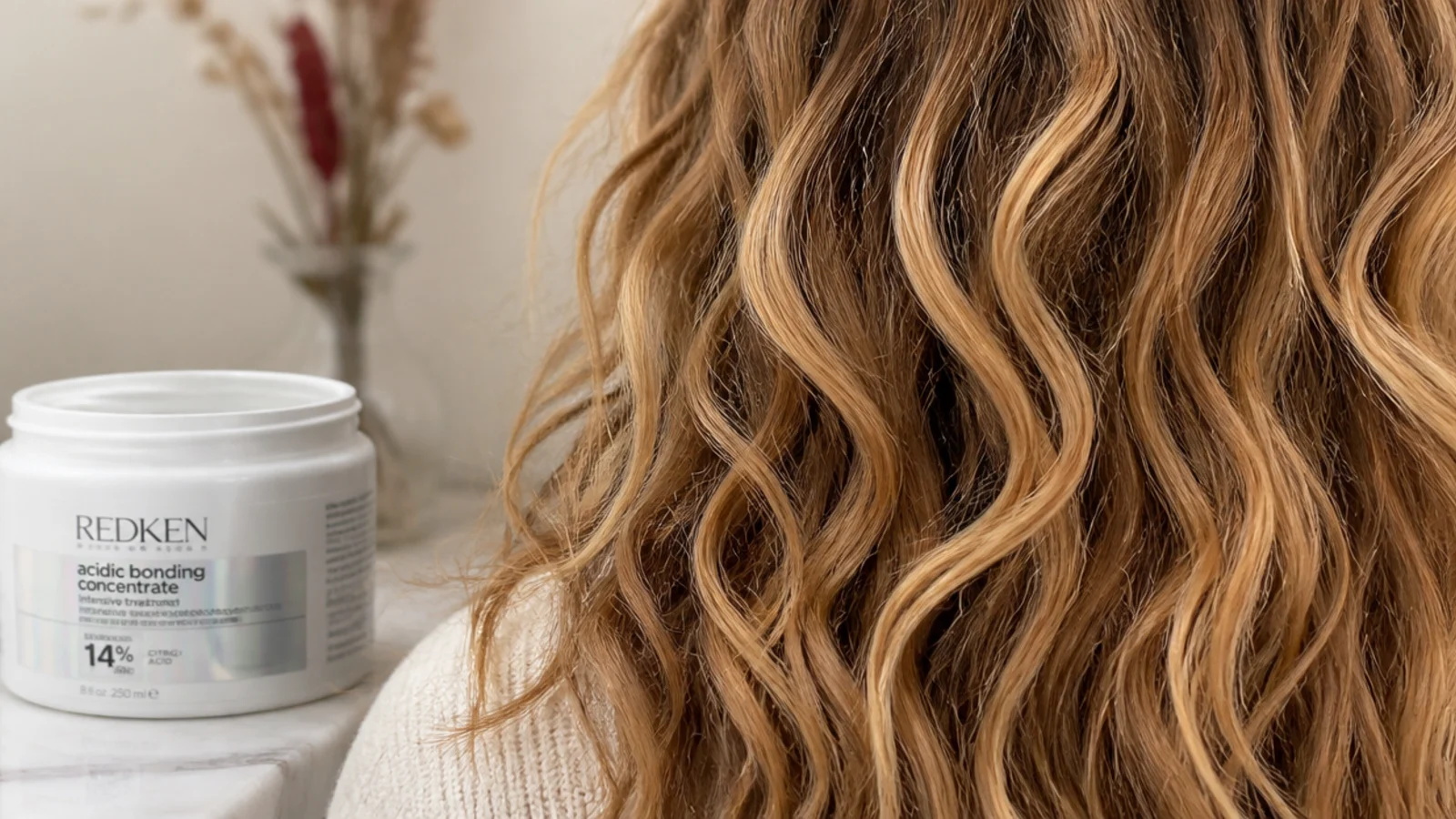
14. Redken Acidic Bonding Mask
The pH is the point. A cuticle lies flattest in a slightly acidic range, roughly between four and a half and five and a half, and a low pH formula closes the scales physically while the bonding chemistry works. That mechanical flattening is a large part of why acidic systems feel so smooth immediately.
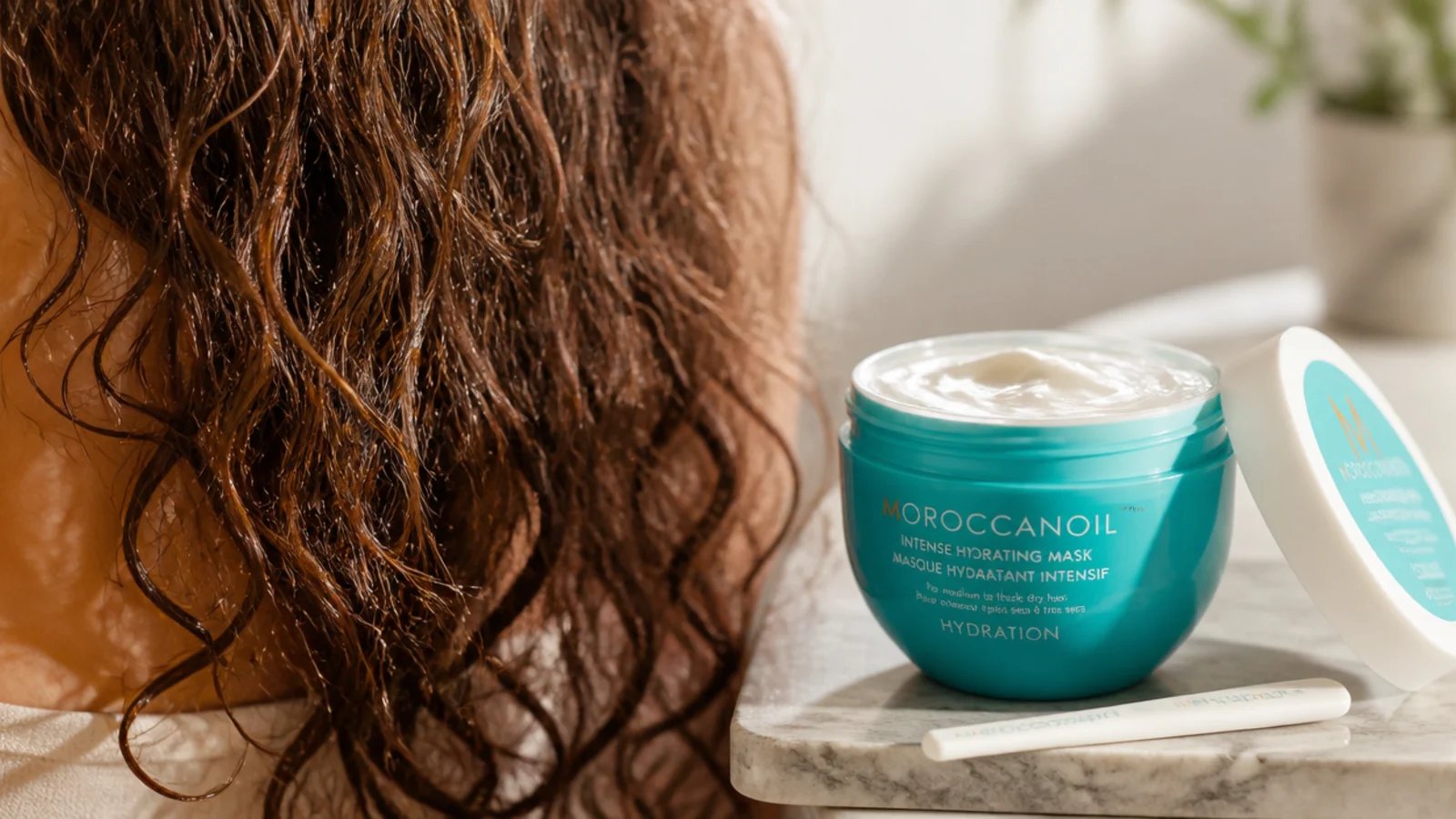
15. Moroccanoil Intense Hydrating Mask
Argan oil in a rich conditioning base, built for medium to thick hair that is genuinely dry rather than damaged. On fine hair the same formula is too dense to use at the root, and the sensible approach is to keep it to the last few inches where the frizz starts anyway.
Final Thoughts
Pick by what your hair does when it is wet, not by what it looks like when it is dry. Hair that stretches and feels mushy is asking for protein, hair that feels rough and snaps is asking for moisture, and hair that feels fine but frizzes anyway is asking for a seal rather than a mask at all. Getting that one call right does more than any upgrade in price.
Then alternate. A single mask used every wash day for a year will eventually push the strand too far in one direction, and the symptom of protein overload looks almost identical to the dryness people reach for protein to fix. Two masks in rotation, one of each type, is a more robust routine than one expensive jar.
More in Hair Care. See also the curly version and the curly aesthetic version.