15 Frizzy Curly Hair Aesthetic Ideas Worth Saving
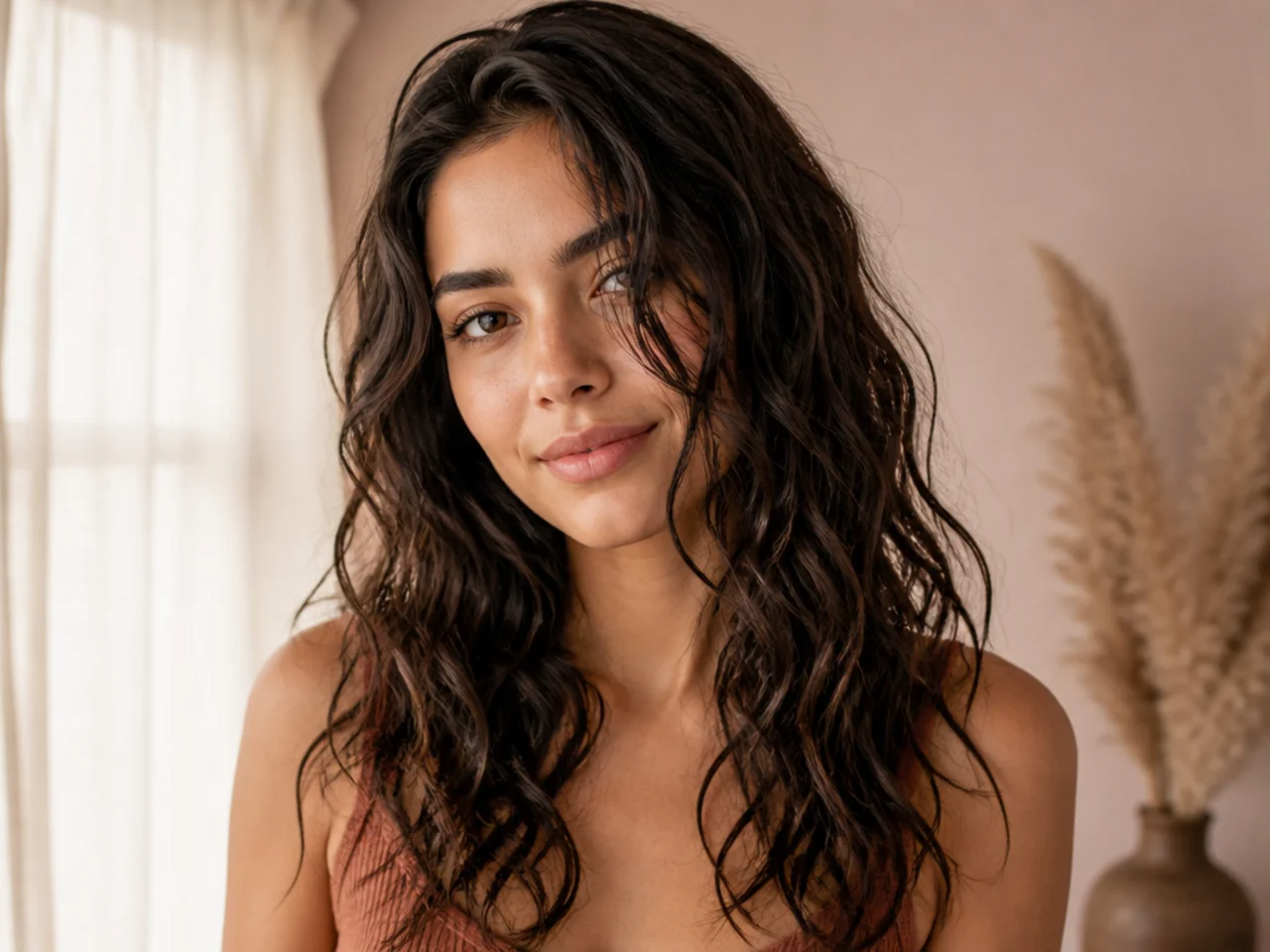
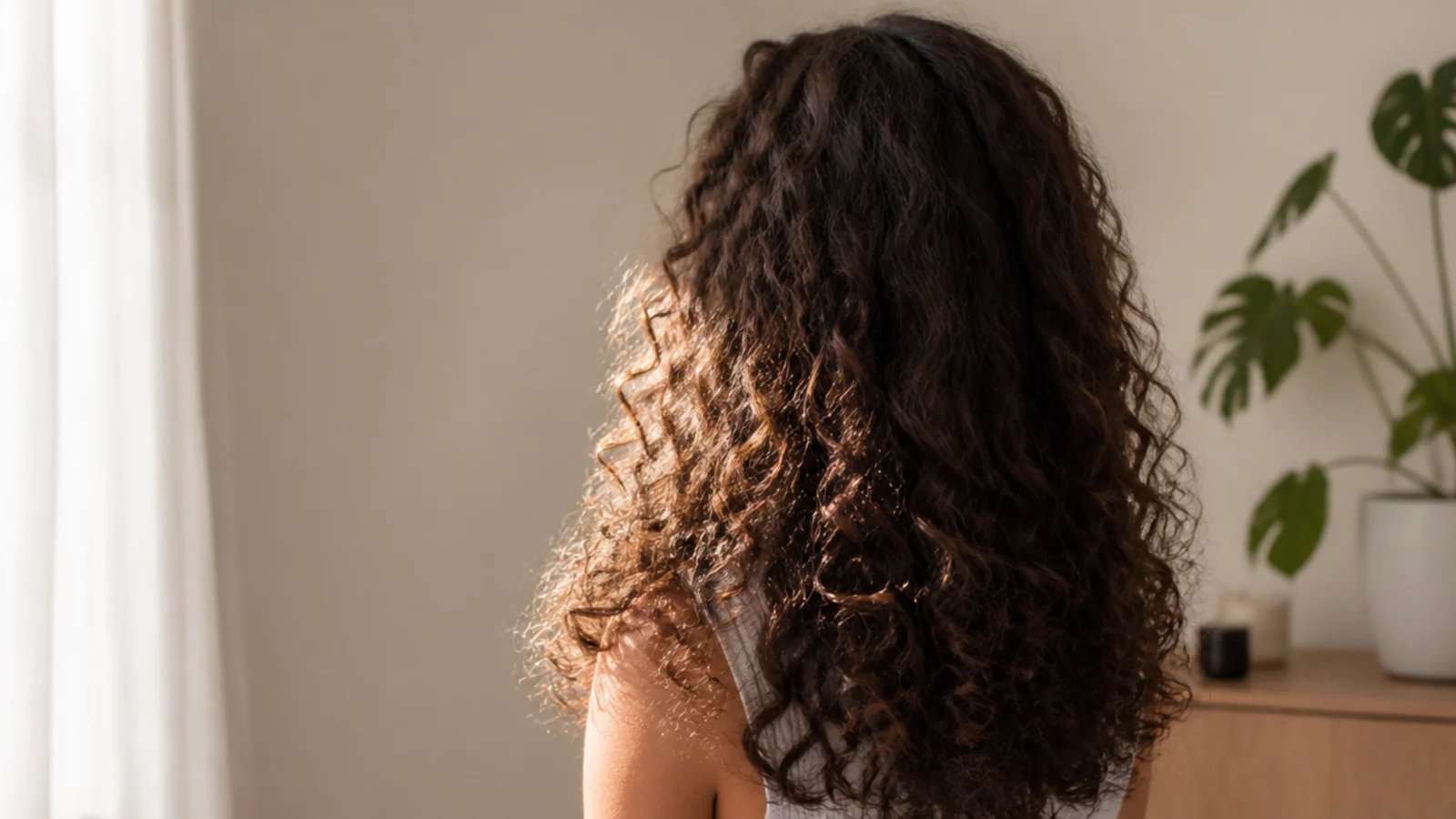
Fifteen soft, lived in curl looks, and the thing nobody admits about the aesthetic — the reference photos are not frizz free. They are frizz that has been lit from behind instead of from the front.
In this article · 23
- Why Curly Hair Frizzes
- Frizz by Curl Type
- Wash Day Routine
- Product Layering Order
- Cuts and Layers for Frizzy Curls
- Humidity and Sleep Habits
- The 15 Frizzy Curly Hair Aesthetic Ideas
- 1. Soft Halo on 2C Waves
- 2. Golden Hour Backlit Curls
- 3. Wet Look Definition
- 4. Air Dried Beach Curls
- 5. Big Volume With a Center Part
- 6. Coily 4A Wash and Go
- 7. Curly Curtain Bangs
- 8. Second Day Half Up
- 9. Collarbone Layers
- 10. Silk Scarf Headband
- 11. High Bun With Wisps
- 12. Beanie on a Rain Day
- 13. Copper in Warm Light
- 14. Ponytail With a Cloud Crown
- 15. Loose Pancaked Braid
- Final Thoughts
The frizzy curly aesthetic is not a low frizz look. It is a well lit one, and that difference explains why the same hair photographs beautifully outdoors and badly under a bathroom light.
Backlighting turns loose strands into a halo. A stray hair with a dark background behind it glows. The same hair under a downlight sits across your face in shadow and reads as untidy.
The other half is clump size. Few large clumps look soft and deliberate; dozens of thin ones look like fuzz. That is a handling decision made in the ten minutes after the shower, not a product you can buy.
Why Curly Hair Frizzes
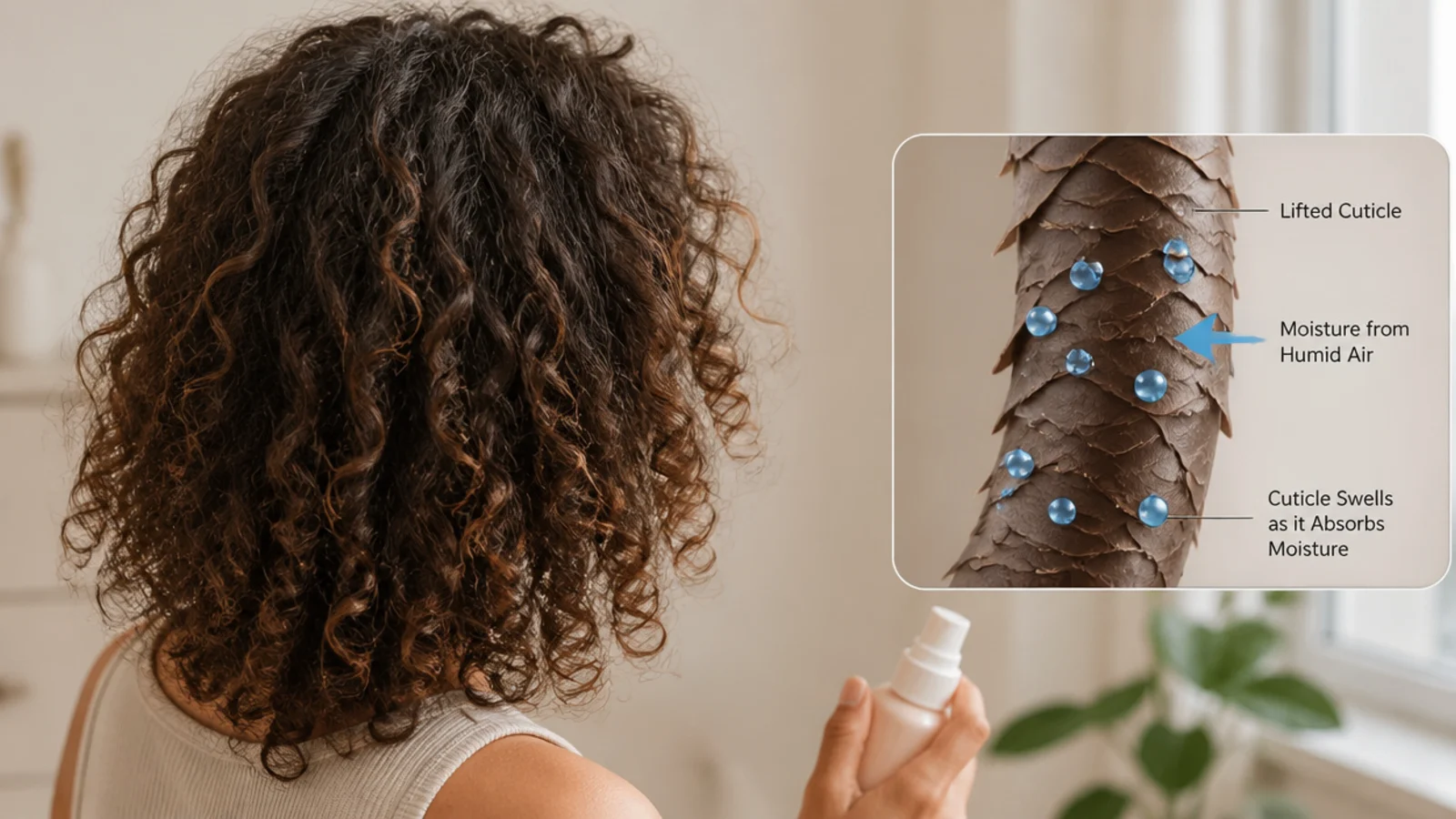
Frizz is a lifted cuticle. The outer scales overlap like tiles. Water entering the cortex swells it, the tiles part, and every raised edge throws light in a different direction instead of one.
Curls have more open edges than straight hair. At each bend the scales sit slightly apart, so a curl offers water more ways in than a straight strand of identical condition.
Scalp oil never reaches the ends. Sebum travels a straight shaft easily and a spiral barely at all, which is why curly mid lengths run dry and pull moisture in hard the moment the air gets humid.
Some of it is not frizz at all. Short new growth and broken hairs are simply too short to join a clump. No amount of conditioning will lengthen them, and tension is the only thing that flattens them.
Frizz by Curl Type
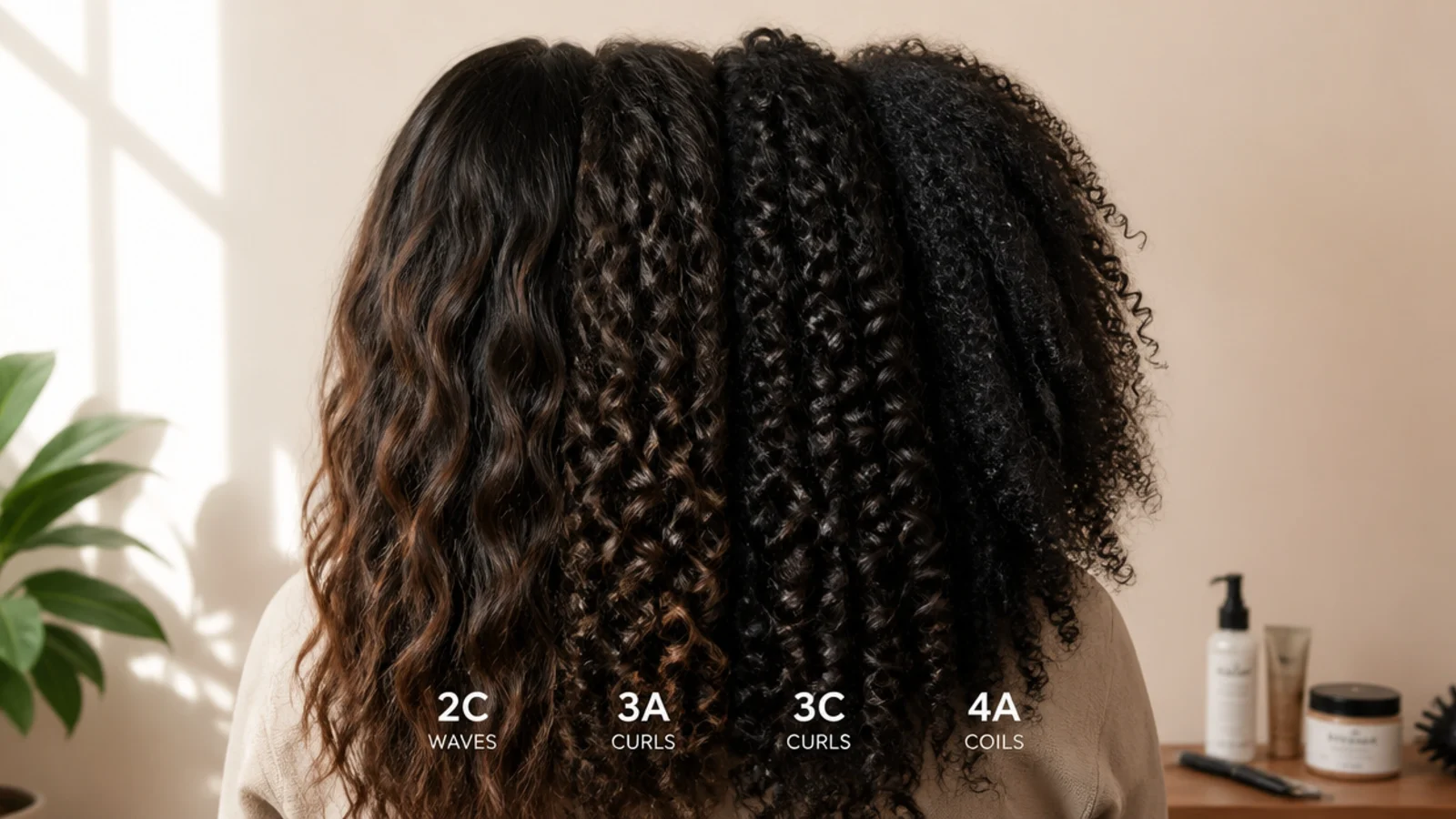
Loose 2A to 2C waves lose the clump first. The pattern has too little spring to hold strands together on its own, so waves need gel to do what a tight curl does by shape alone.
3A and 3B curls frizz mainly at the crown. The lengths clump readily, which makes the shorter unclumped hairs at the top more obvious by contrast.
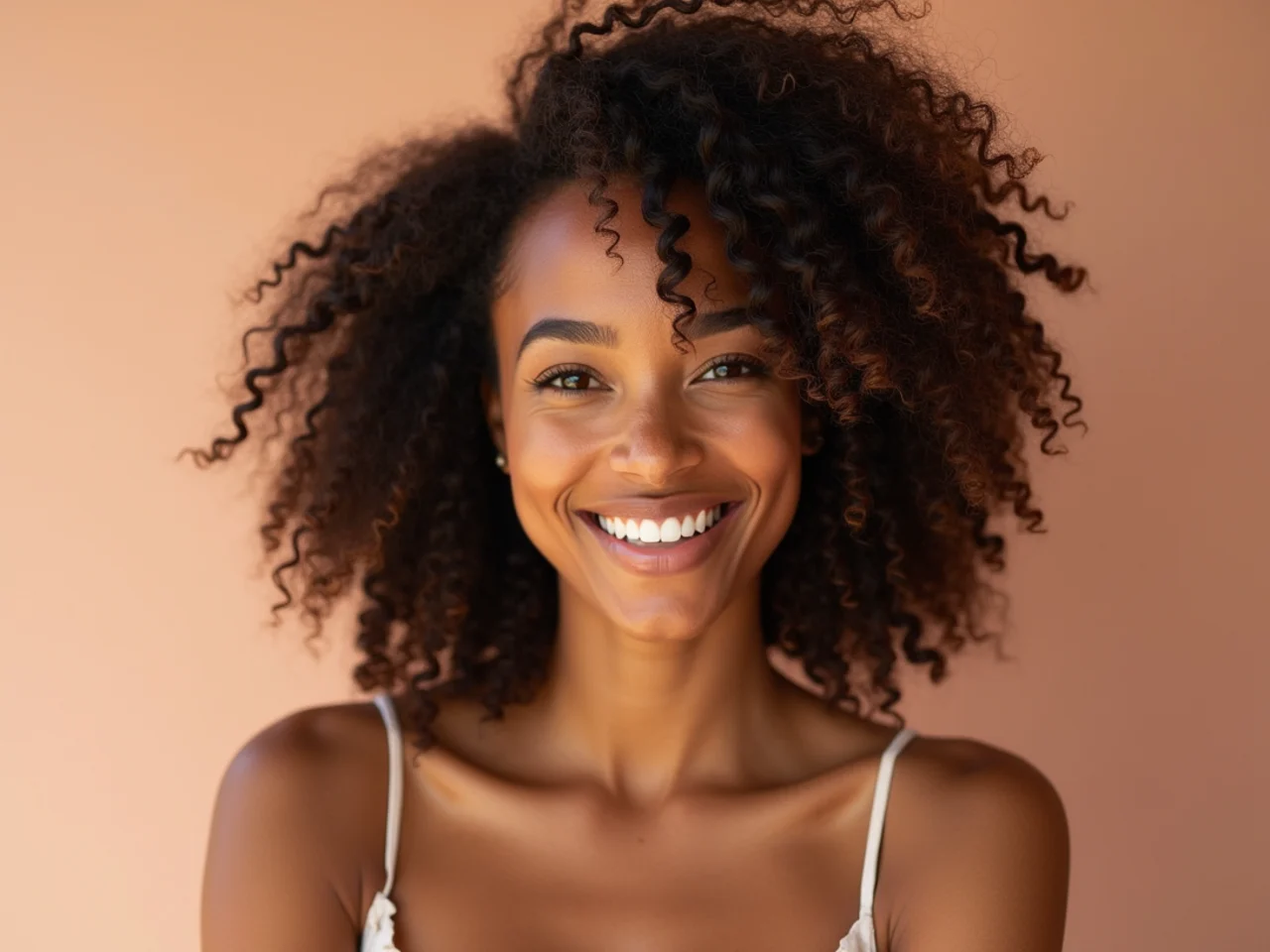
3C corkscrews show frizz as a diameter mismatch. When some sections dry pencil width and others thinner, the eye reads the inconsistency itself as untidiness.
4A coils frizz between the clumps rather than around them. The pattern is so tight that separation is visible as space, which is why setting techniques that equalise diameter work better than definition creams alone.
Wash Day Routine
Shampoo only the scalp. That is where the oil and product buildup sit. The lengths get cleaned by what runs past them, which is plenty for hair that is already short of sebum.
Detangle under conditioner. Slip is the whole point. A wide tooth comb through conditioner glides; the same comb through dry curls snaps strands that reappear later as halo.
Squish water into the conditioner. Cupping water upward into coated hair drives both into the strand and makes an audible squelch, which is the only feedback you get that it worked.
Do not towel dry with terry. The loops of a terry towel hook the raised cuticle and drag it further open, which is precisely the frizz this look wants soft rather than harsh.
Product Layering Order
Apply everything while the hair is dripping. Water is what holds a clump together. Once the hair is merely damp the clumps have already broken, and product will only preserve that broken state.
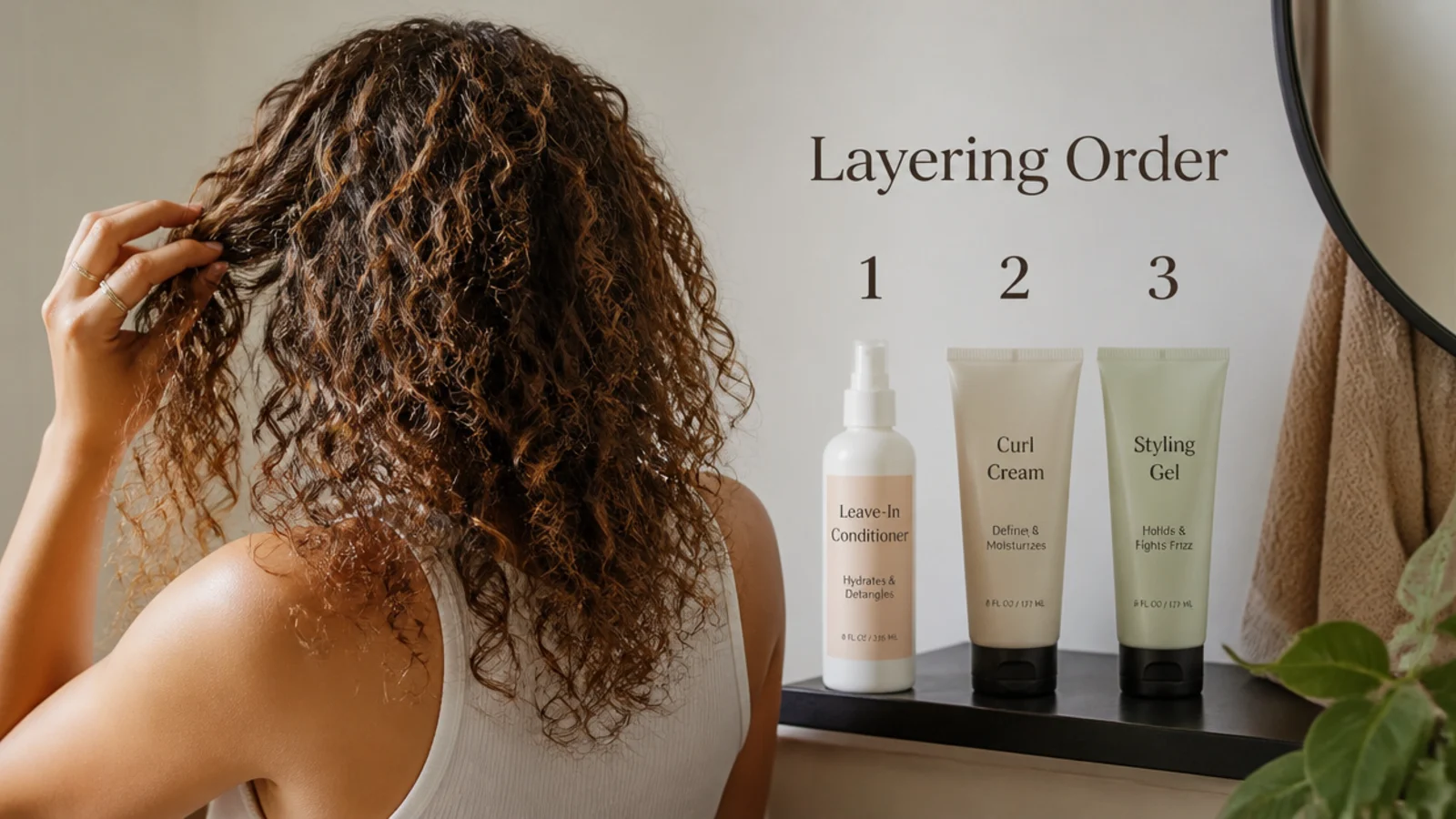
Leave in, then cream, then gel. Each layer does a different job and they only stack in that order. Gel first means the cast is being applied to bare hair and dissolved by whatever comes next.
Flat palms beat fingers. Praying hands smooth product along a clump without dividing it. Raking splits every clump your fingers pass through, which is where most self inflicted frizz comes from.
Less gel, applied earlier, beats more gel applied late. A thin film on soaking hair sets the shape; a thick one on half dry hair only glues the surface.
Cuts and Layers for Frizzy Curls
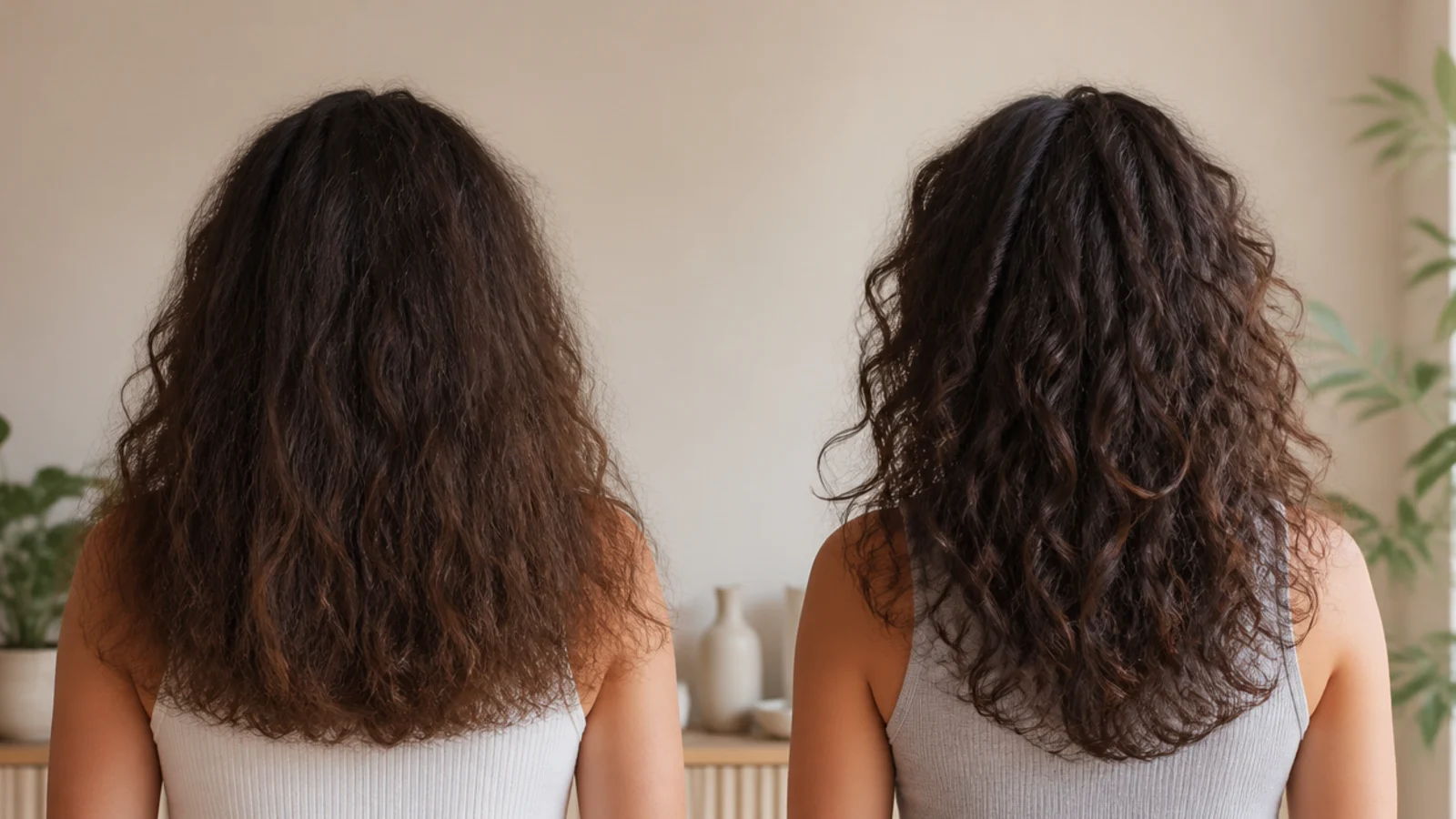
Weight is what flattens the pattern. A single blunt line makes the ends carry every inch above them, and the curl stretches out under the load. Layers hand that weight back.
Ask for internal layers. Taking bulk from underneath keeps the outer canopy unbroken, and the canopy is the only part anyone sees. Surface layers leave short ends sticking out of every clump.
Never accept thinning shears on curls. They leave hundreds of short blunt ends through the interior and each one migrates to the surface as permanent halo. Curly haircuts done properly use a razor or point cutting instead.
Trim quarterly. Hair grows about half an inch a month, so twelve weeks is roughly an inch and a half of new length and about the point where split ends start showing.
Humidity and Sleep Habits
Dew point is the number that matters. Relative humidity depends on temperature; dew point tells you how much water the air actually holds. Above roughly 60F there is enough for hair to absorb.
Humectants are conditional, not good or bad. Glycerin, honey and aloe move water toward whichever side is drier. On a muggy day that means into your hair until it swells, and on a freezing dry one it can mean out of it.
Silicone and oil films slow the exchange. They do not repel water so much as make it take longer to arrive, which is often enough to get through a day.
Cotton pillowcases both absorb and abrade. They wick out the moisture you added and their weave catches the cuticle as you move, so satin or a loose pineapple solves two problems at once.
The 15 Frizzy Curly Hair Aesthetic Ideas
1. Soft Halo on 2C Waves
Loose waves have the least clumping force of any curl pattern, so a fine halo forms whatever you do. Lean into it with a light gel and no cast breaking, because a hard cast on a soft pattern looks stiff rather than undone.

2. Golden Hour Backlit Curls
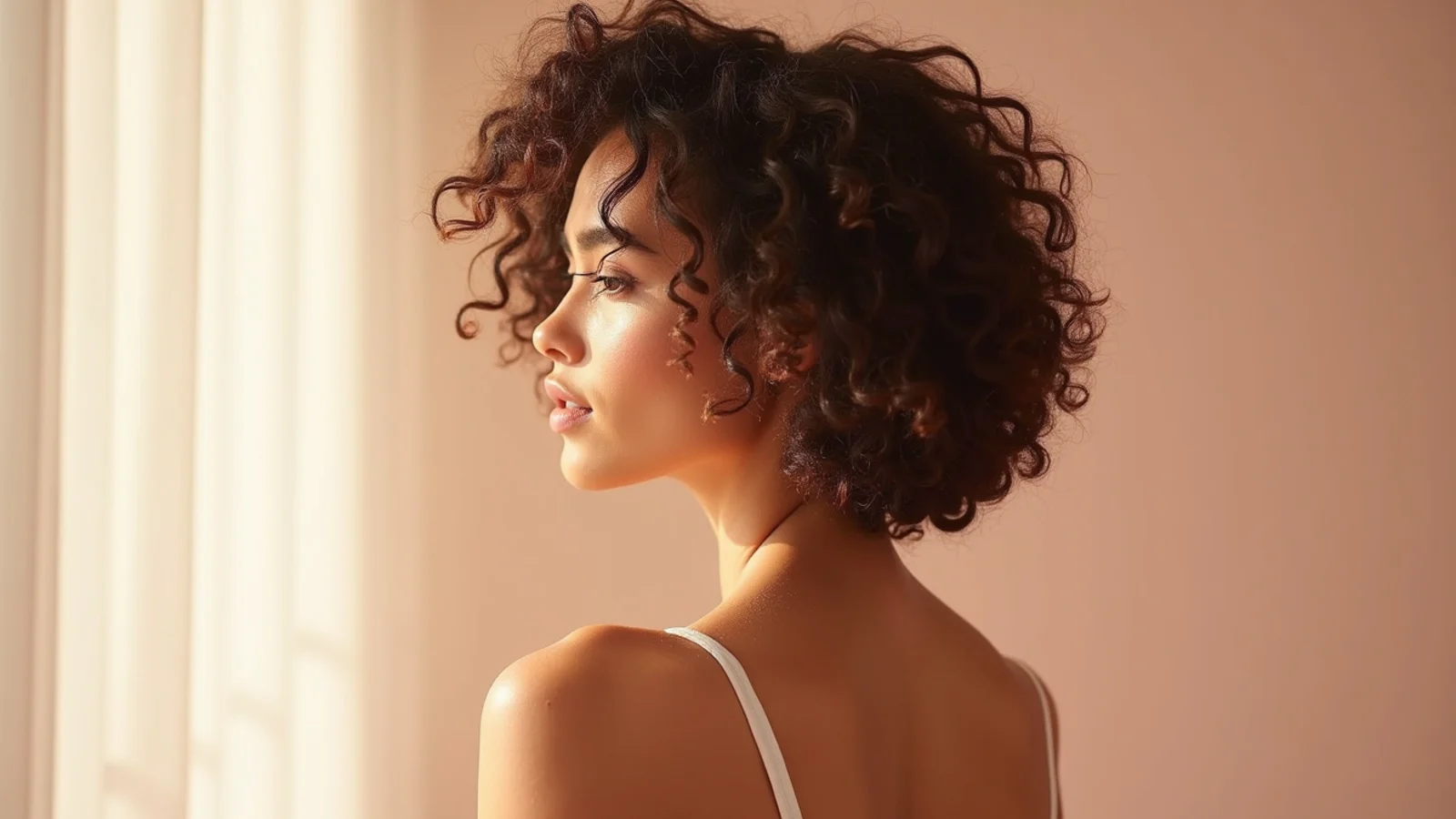
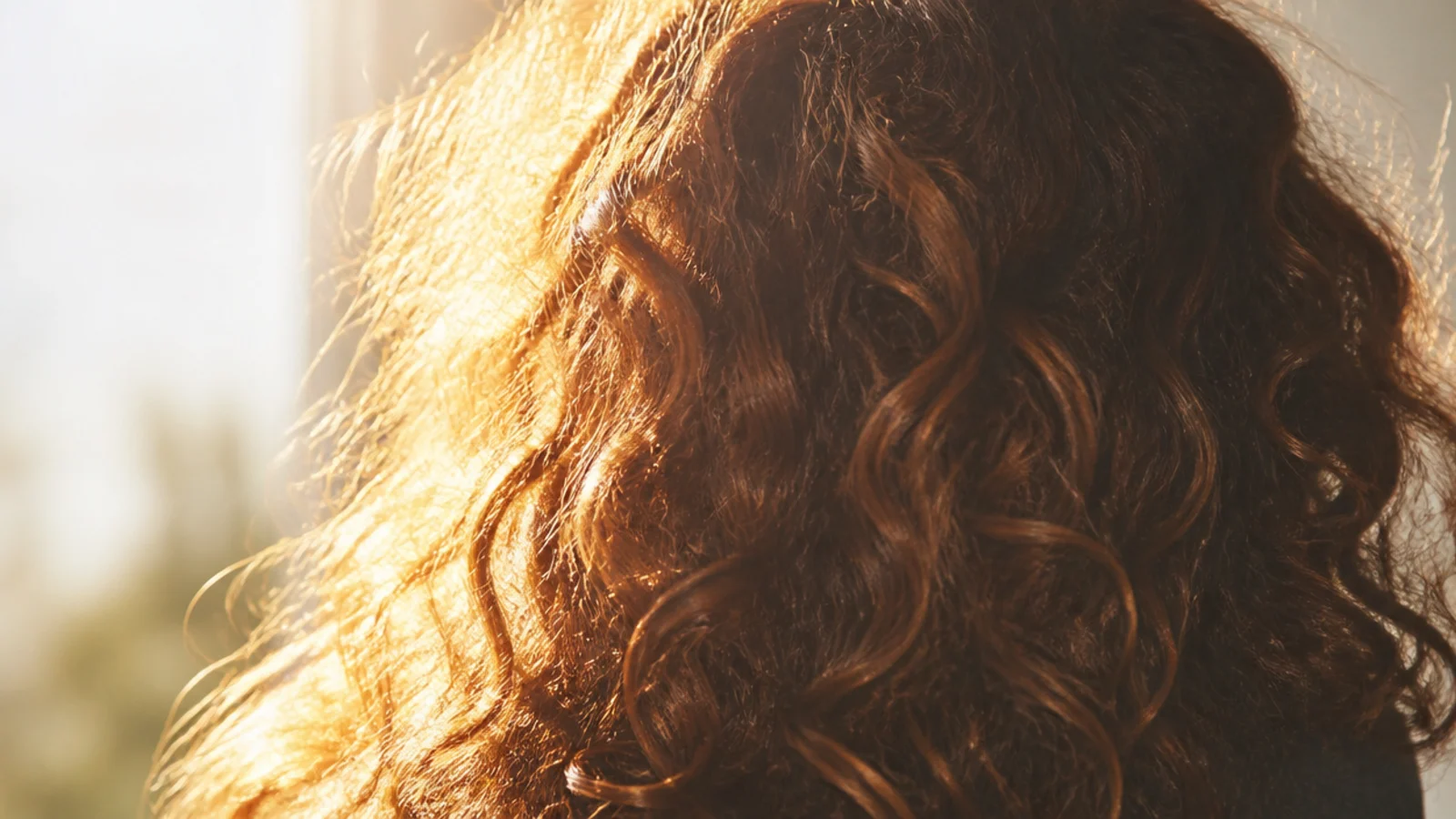
Low sun behind the head lights every loose strand from the far side, so the halo glows against a darker face and background. It is the entire trick behind most reference photos, and it costs nothing but standing the right way round.
3. Wet Look Definition
Leaving the gel cast intact keeps the strand surface flat and glossy, because an unbroken film reflects as one plane. It reads as deliberate rather than undone, and it is the most humidity resistant version of the look.
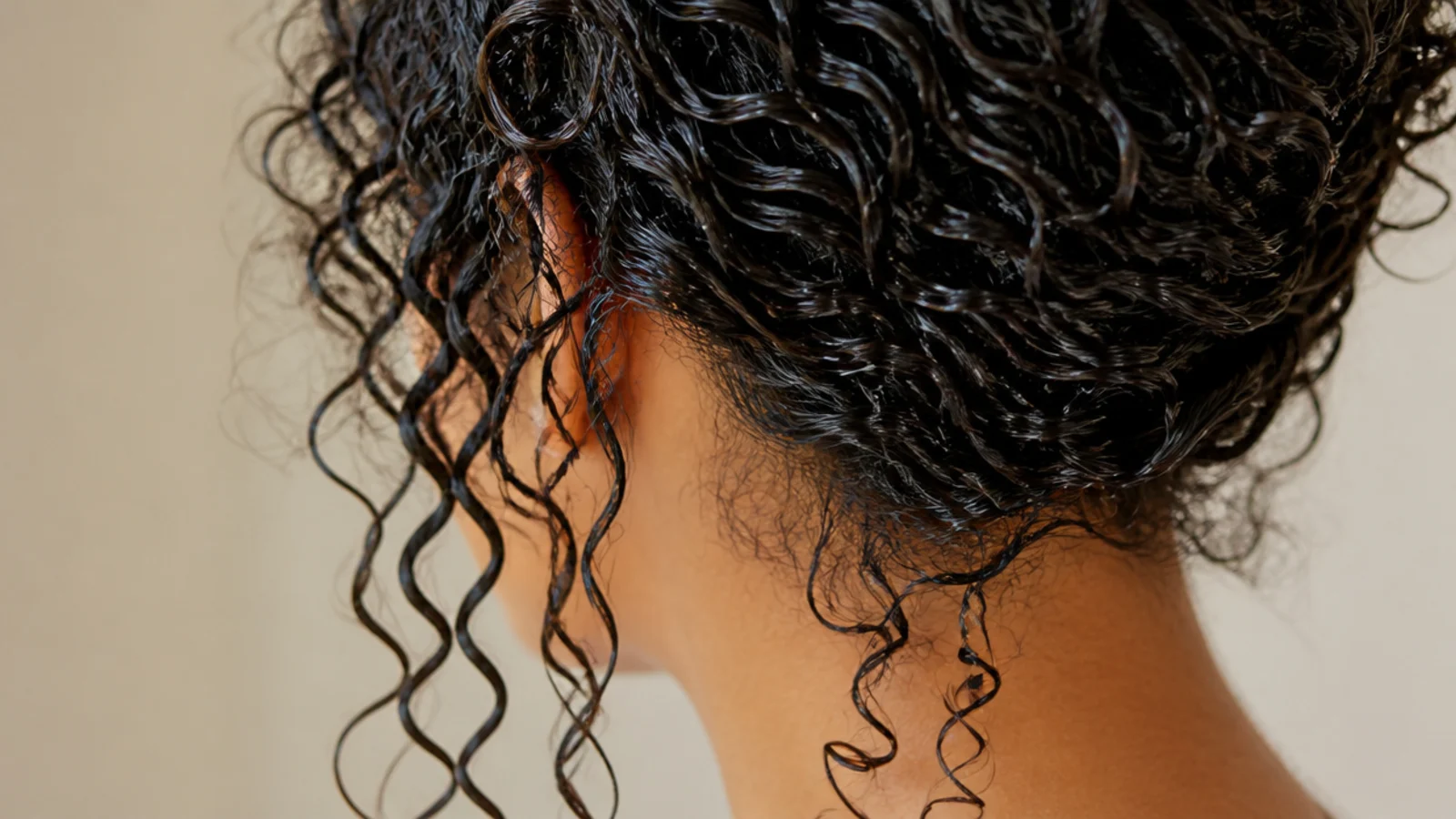
4. Air Dried Beach Curls
Air drying leaves the cuticle flattest because no air is being blown across the scales. The trade is time, and hair still wet after an hour dries partly stretched, which is what gives this version its looser, longer pattern.
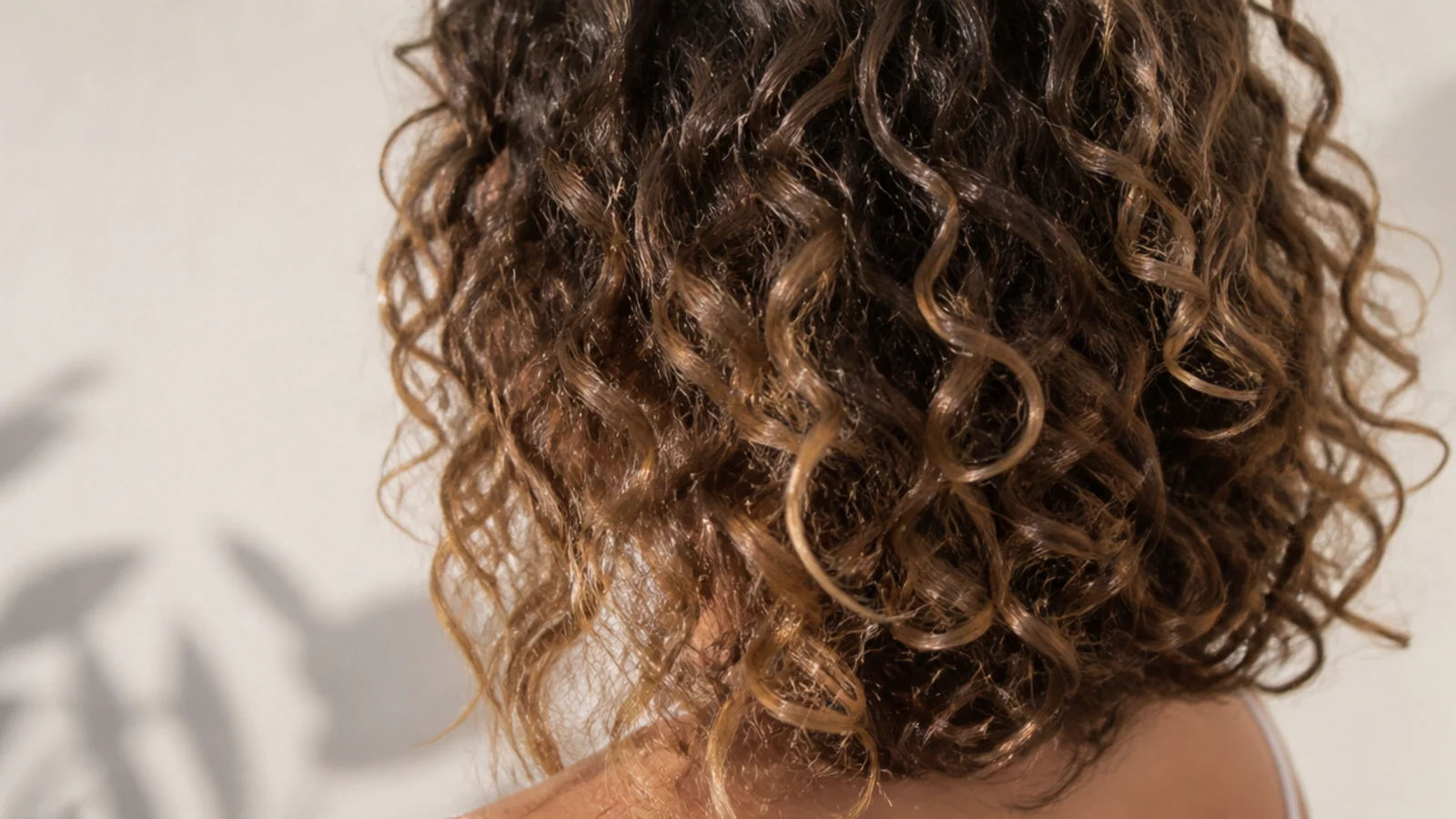
5. Big Volume With a Center Part
A centre part splits the crown evenly so neither side collapses onto the other, and the hair gets its lift from root direction rather than from backcombing. Drying with the head tipped forward sets that lift before gravity gets a vote.
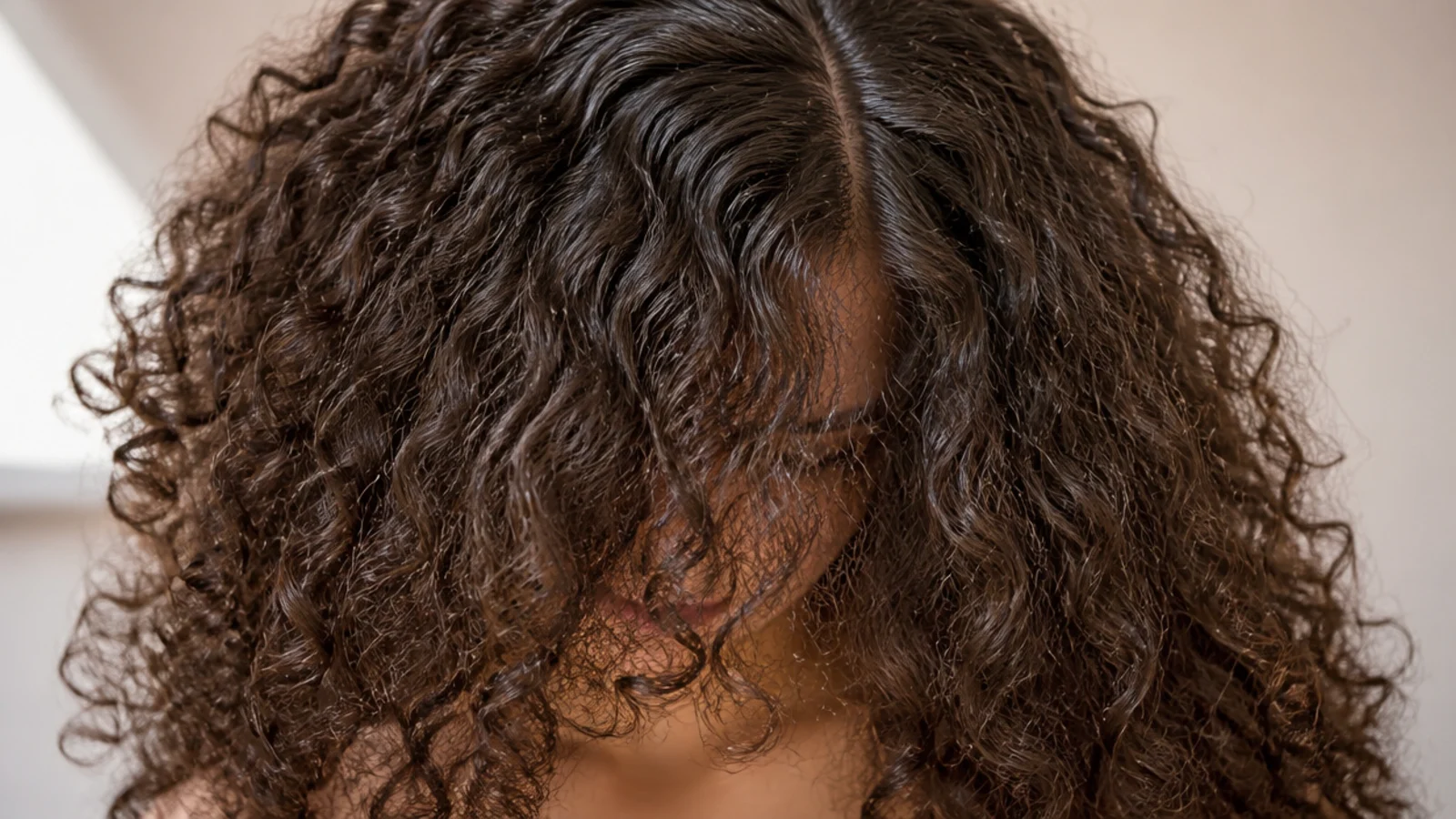
6. Coily 4A Wash and Go
Tight coils clump by shape alone, so the job is keeping them wet enough for long enough. Work in small sections and never let one dry before the next is finished, because a coil that dries unproduct-ed will not re-form without rewetting.
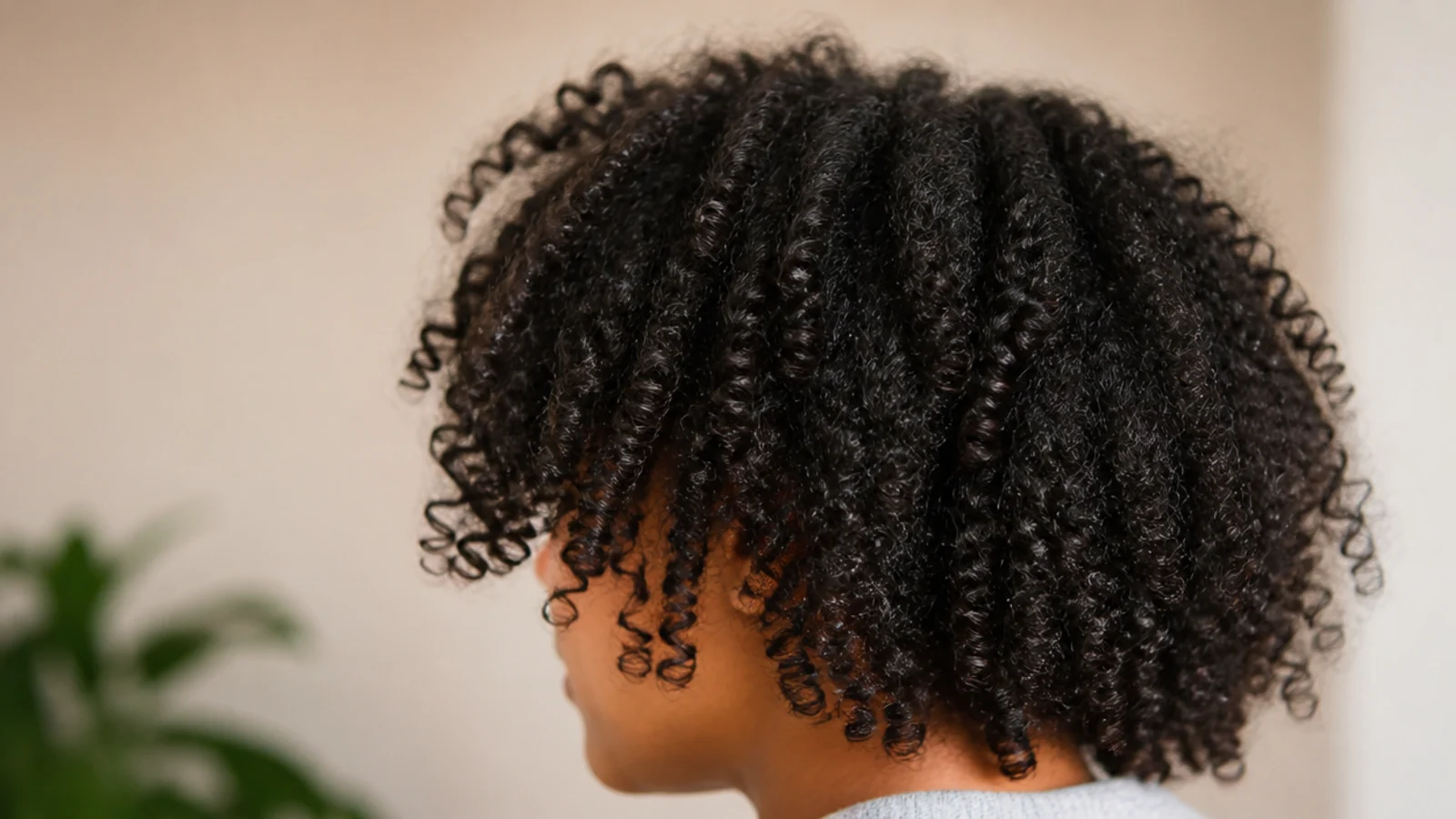
7. Curly Curtain Bangs
Bangs give the shortest, frizziest hair at the front a defined job instead of leaving it to escape upward as halo. Cut them long and dry, because curly hair springs up considerably as it dries and a wet measurement will always be too short.
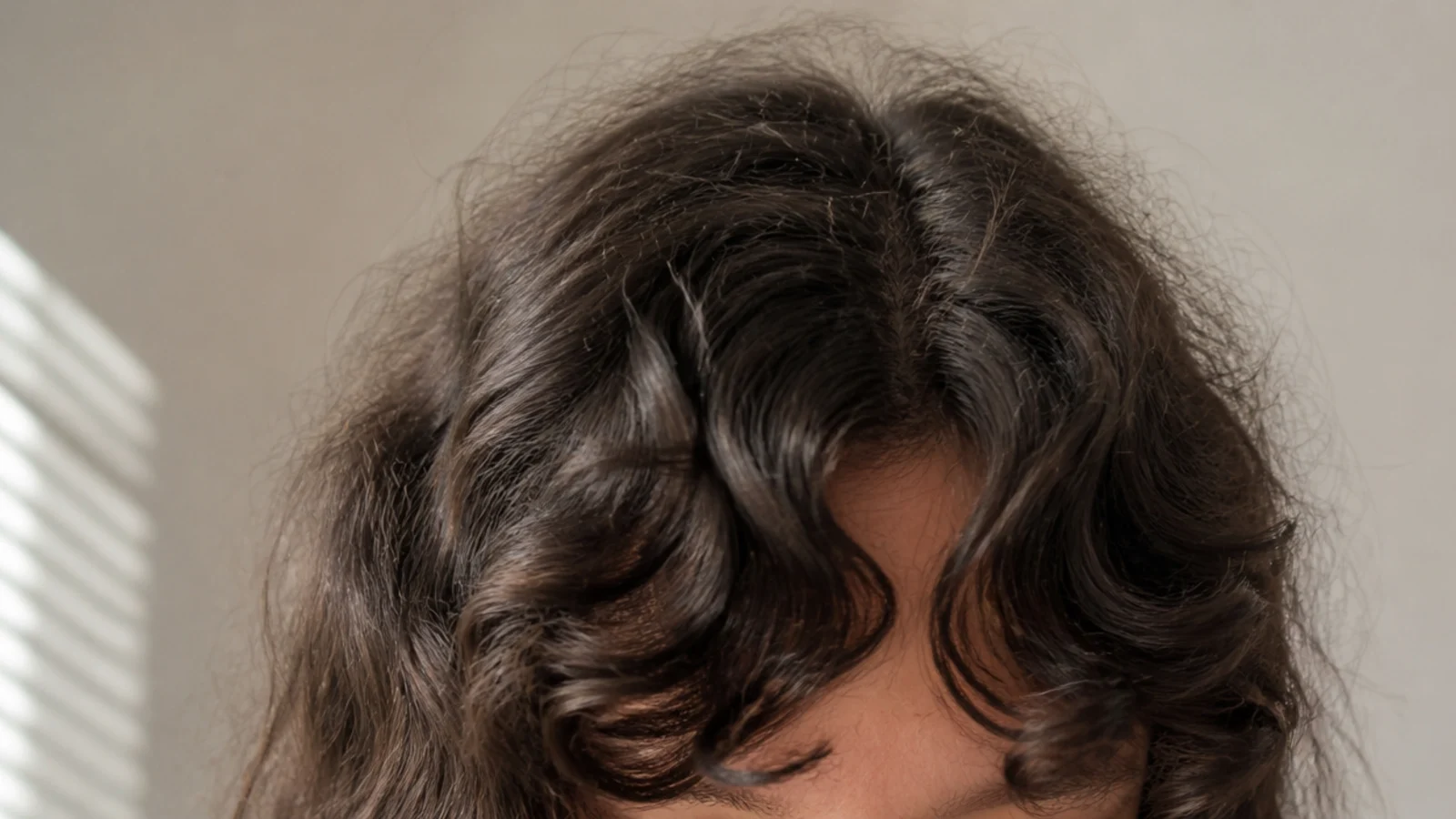
8. Second Day Half Up
By day two the cast has broken and a light halo has developed, which is the texture this aesthetic actually wants. Taking the top section up removes the flattest, most slept on hair from view and leaves the loosened lengths showing.
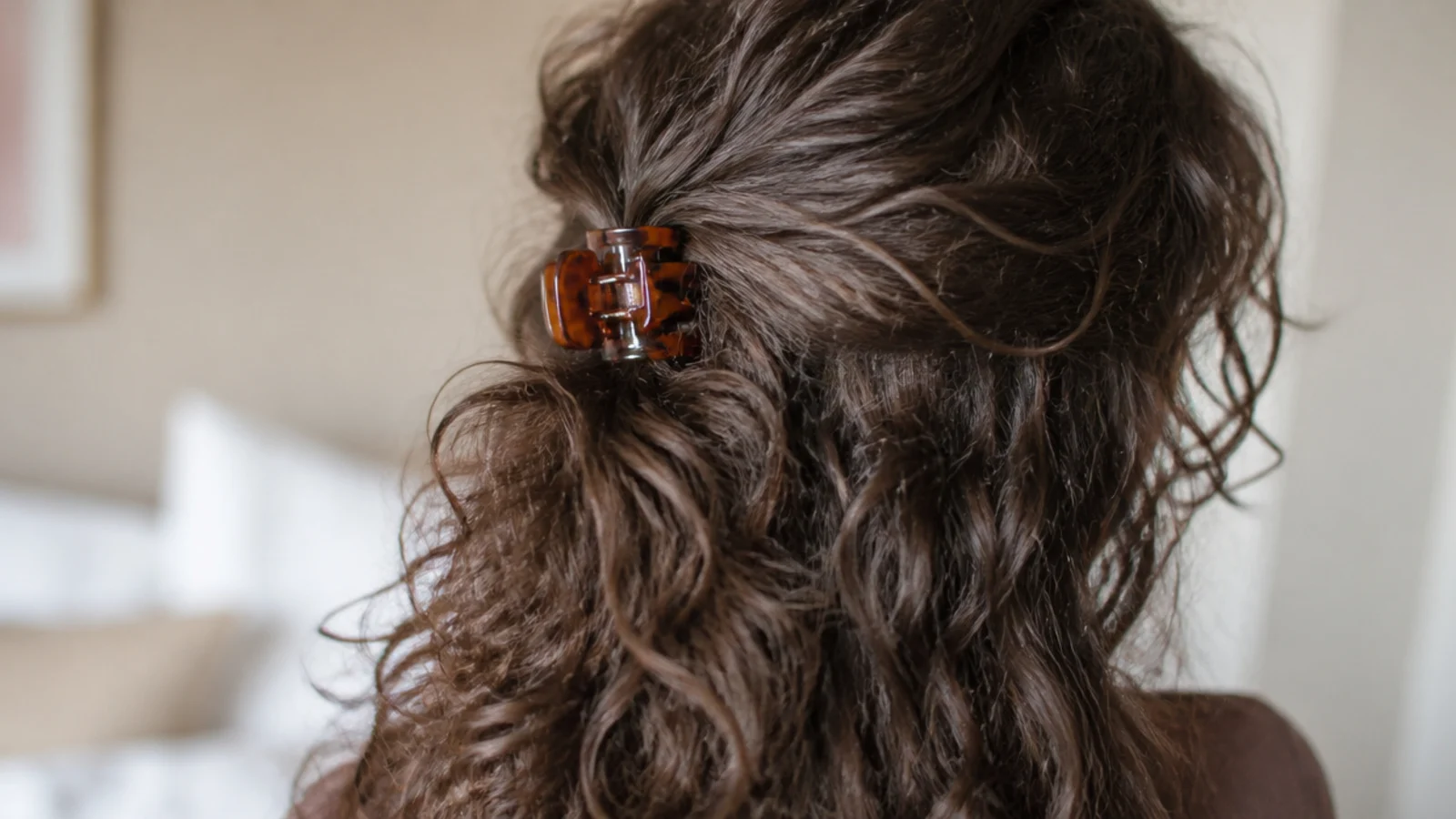
9. Collarbone Layers
Cutting to collarbone length removes the oldest, most weathered section of hair, which is also the part that frizzes first. Less length means less weight, so the curls above sit higher and hold a rounder shape.
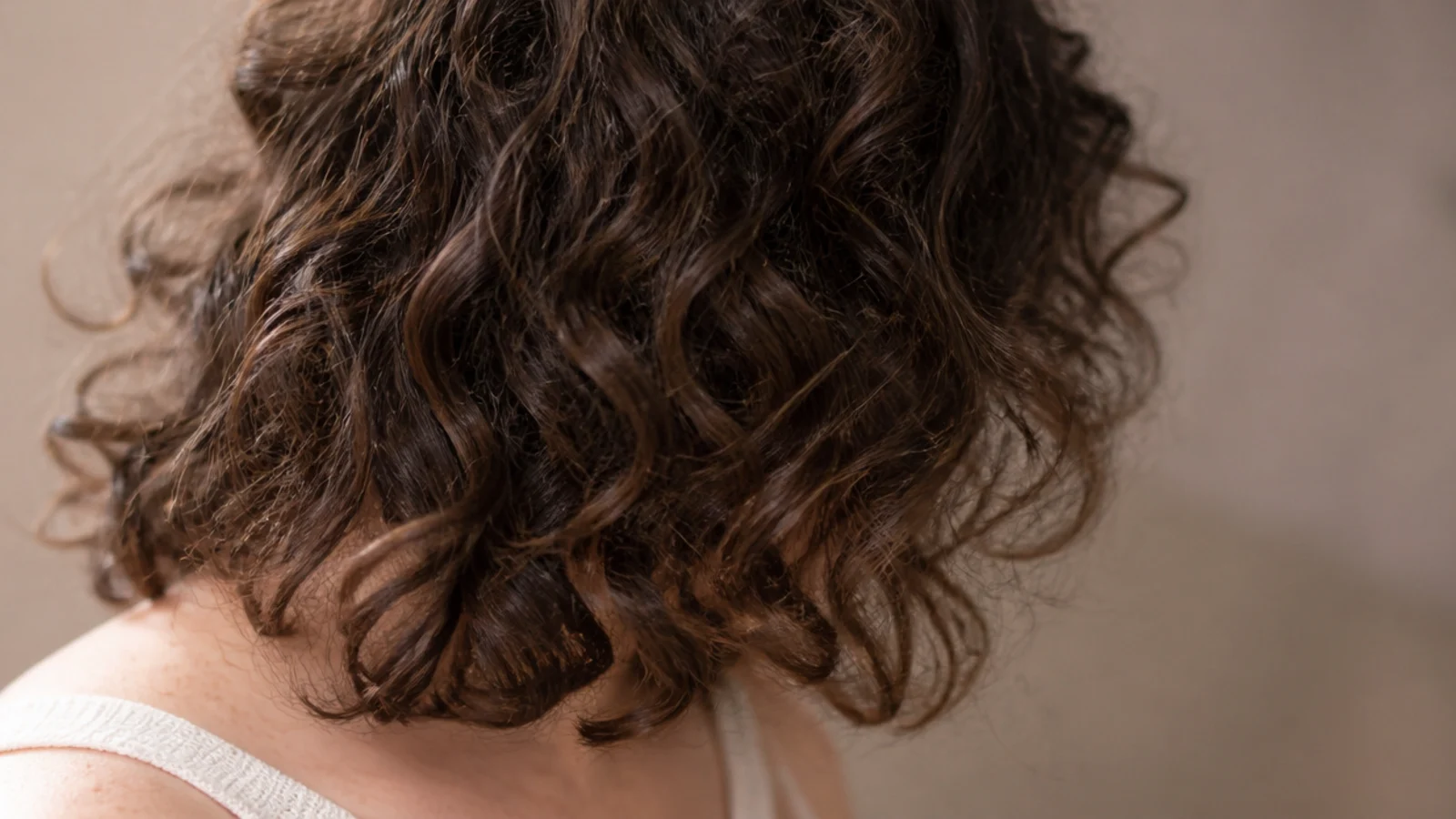
10. Silk Scarf Headband
A scarf across the front hairline flattens the short new growth that no style can gather in. Silk barely grabs compared with cotton, so it holds those hairs down without sanding at the cuticle underneath.
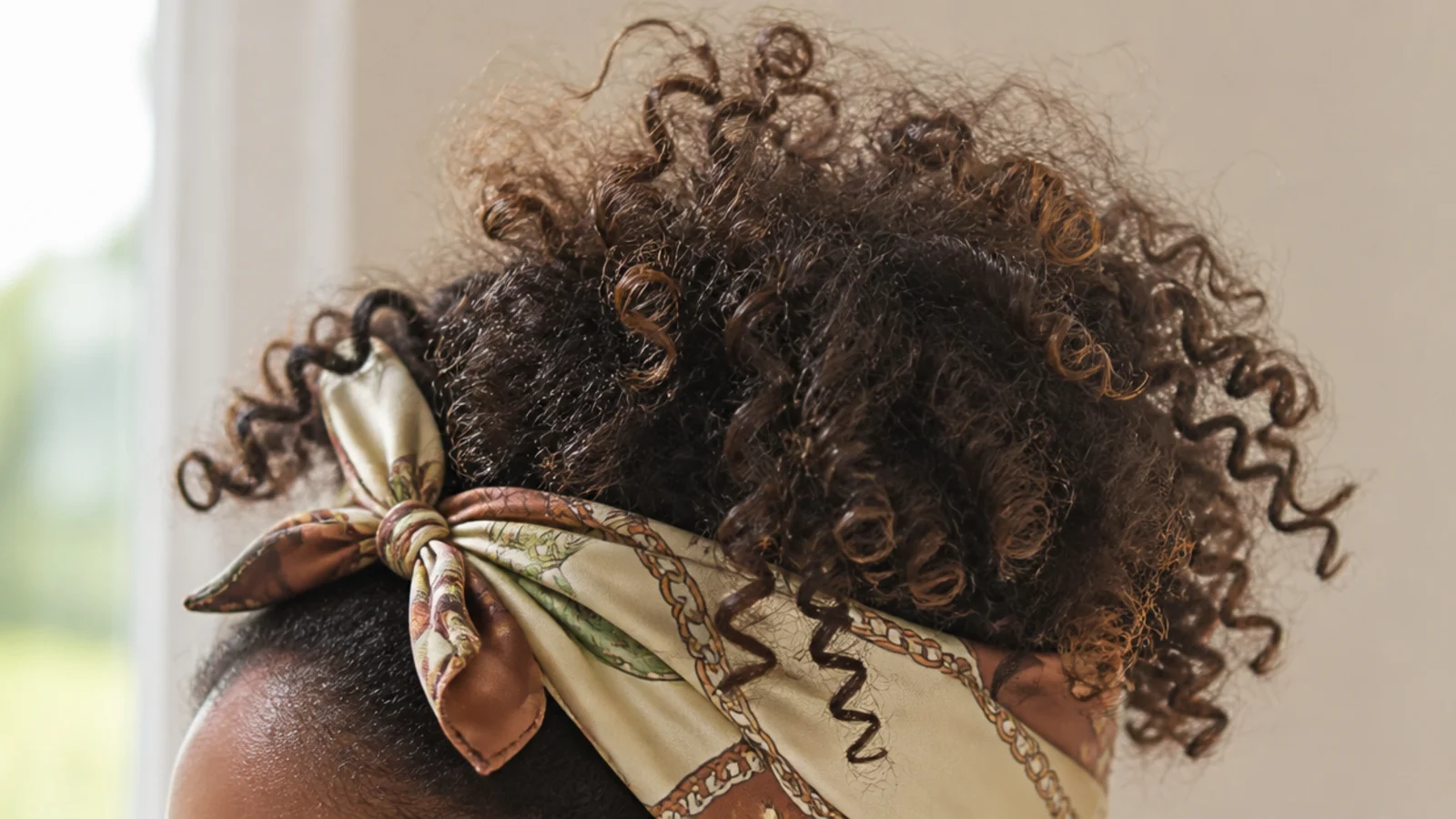
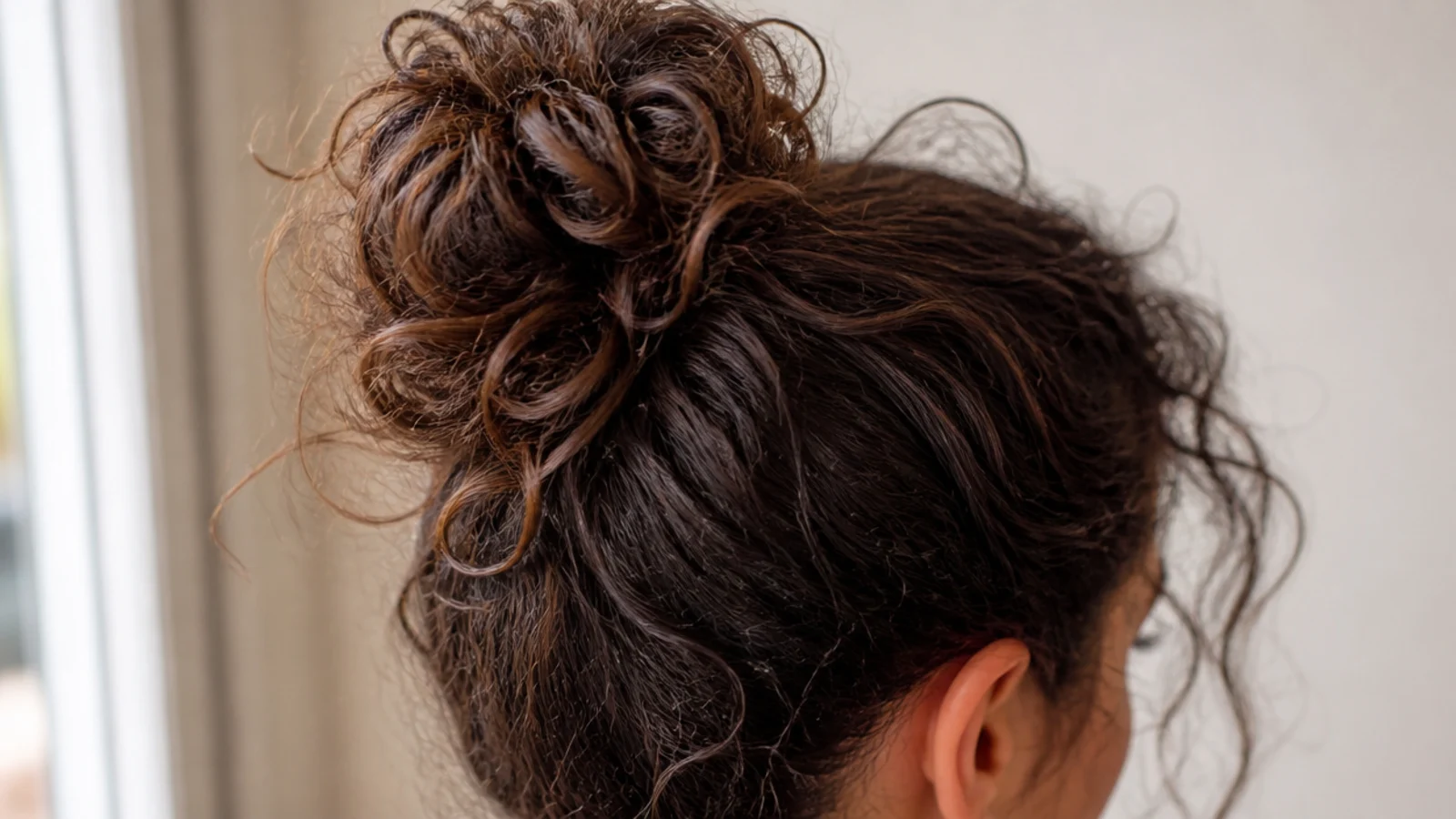
11. High Bun With Wisps
Pulling the bulk up puts the hairline under tension while deliberately leaving a few pieces out, so the softness is placed rather than accidental. Choosing which strands escape is the difference between this and a bun that simply failed.
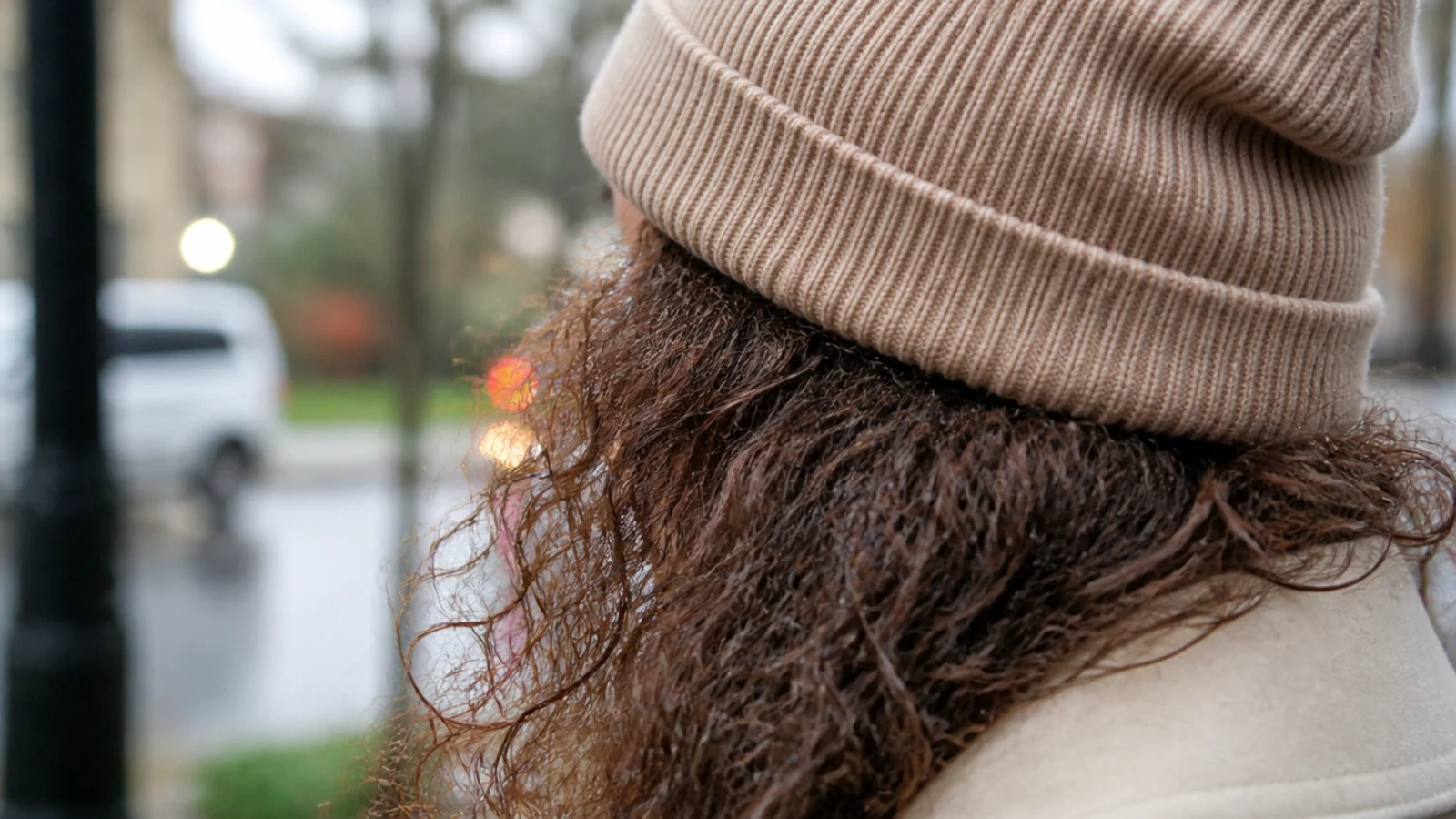
12. Beanie on a Rain Day
A hat solves the mechanical half of a wet day by keeping rain off the canopy, and it creates the other half by pressing the crown flat. Put it on over dry, cast intact hair and take it off only once you are indoors.
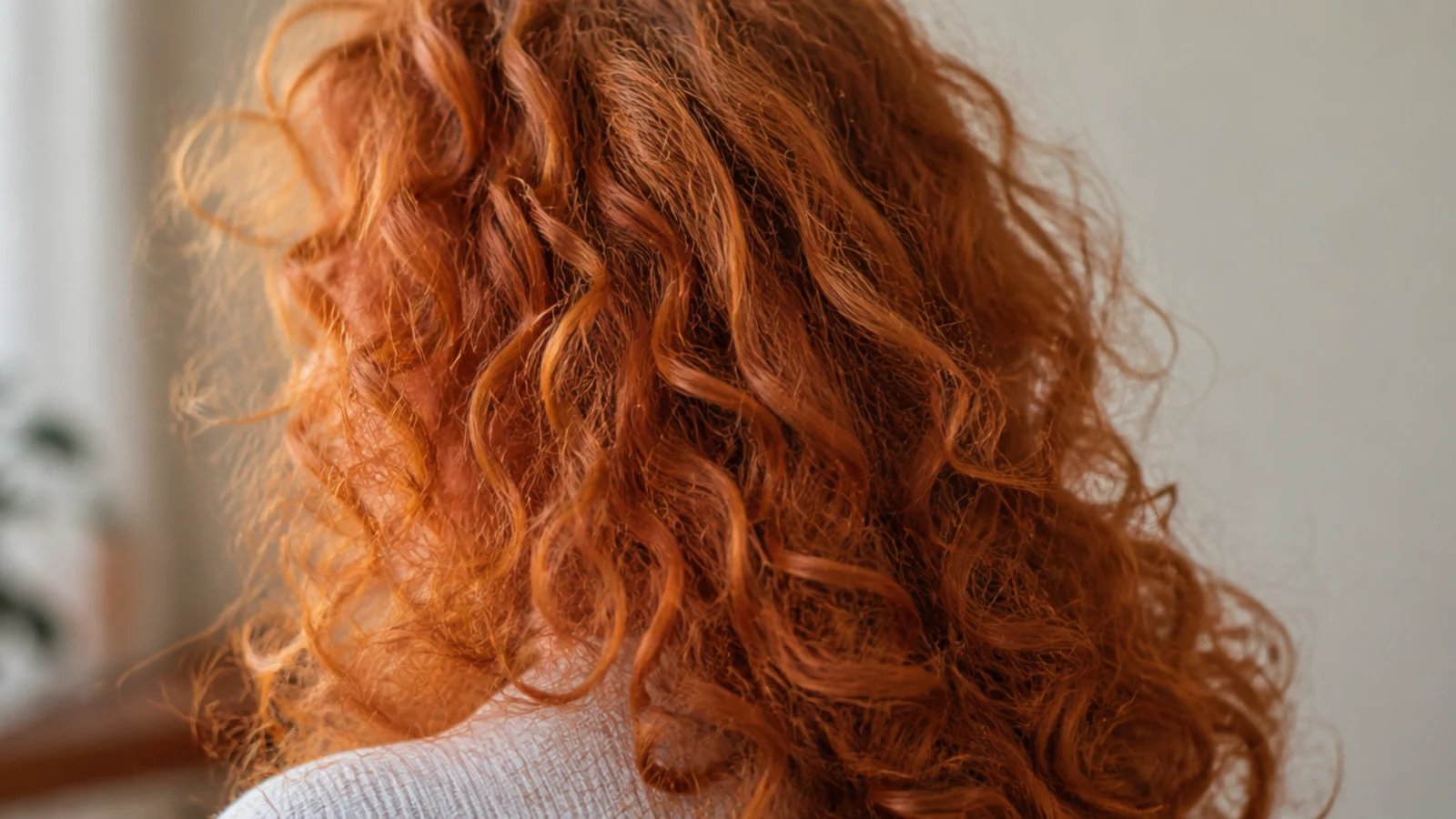
13. Copper in Warm Light
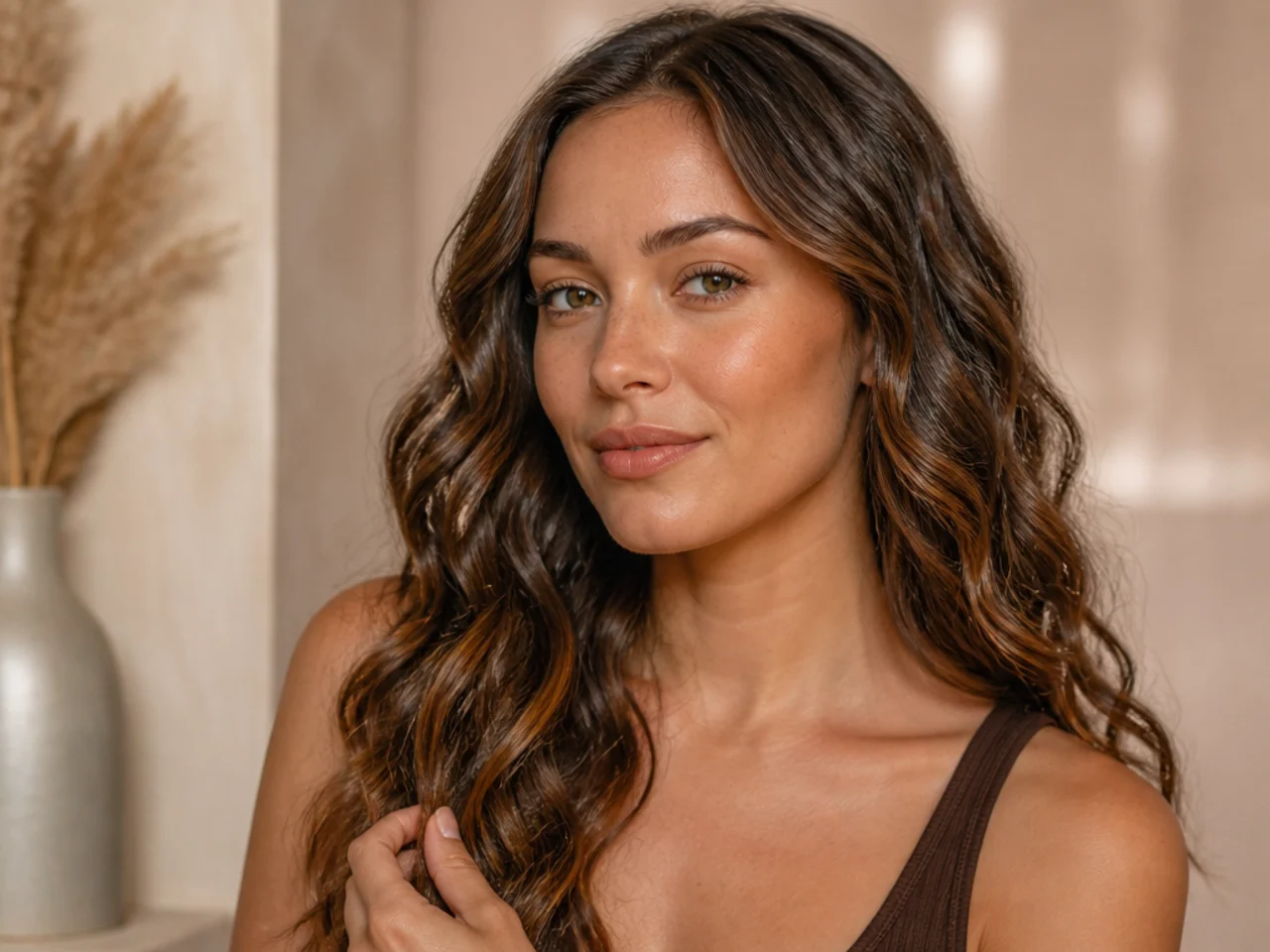
Warm tones scatter light more visibly than dark ones, so a copper halo glows where the same halo on near black hair simply disappears. That makes the colour a lighting decision as much as a colour one.
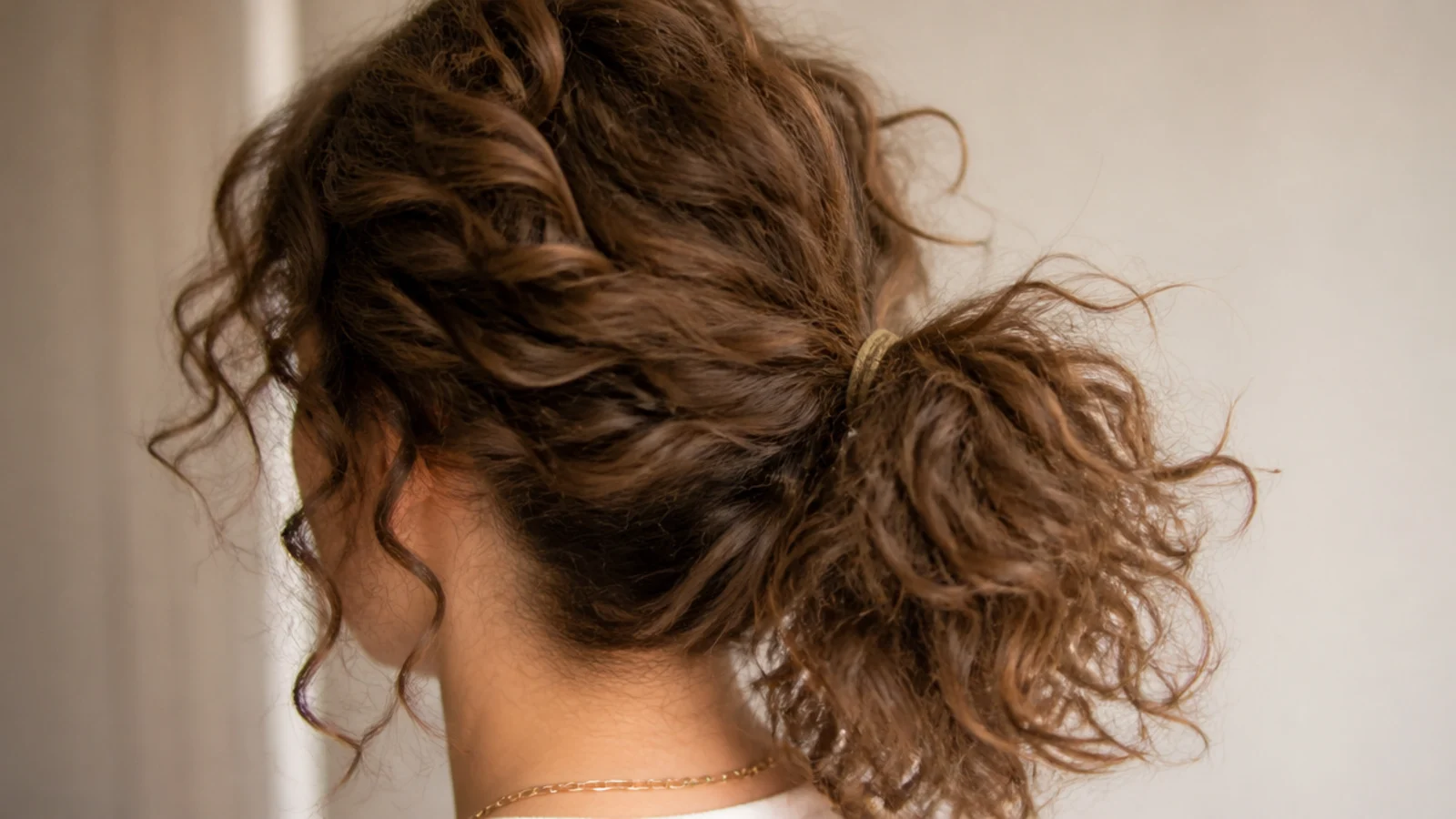
14. Ponytail With a Cloud Crown
Gathering the length low leaves the crown to sit as a soft rounded shape rather than being pulled tight. It is the one style where crown frizz is doing the work, so smooth the sides and leave the top alone entirely.
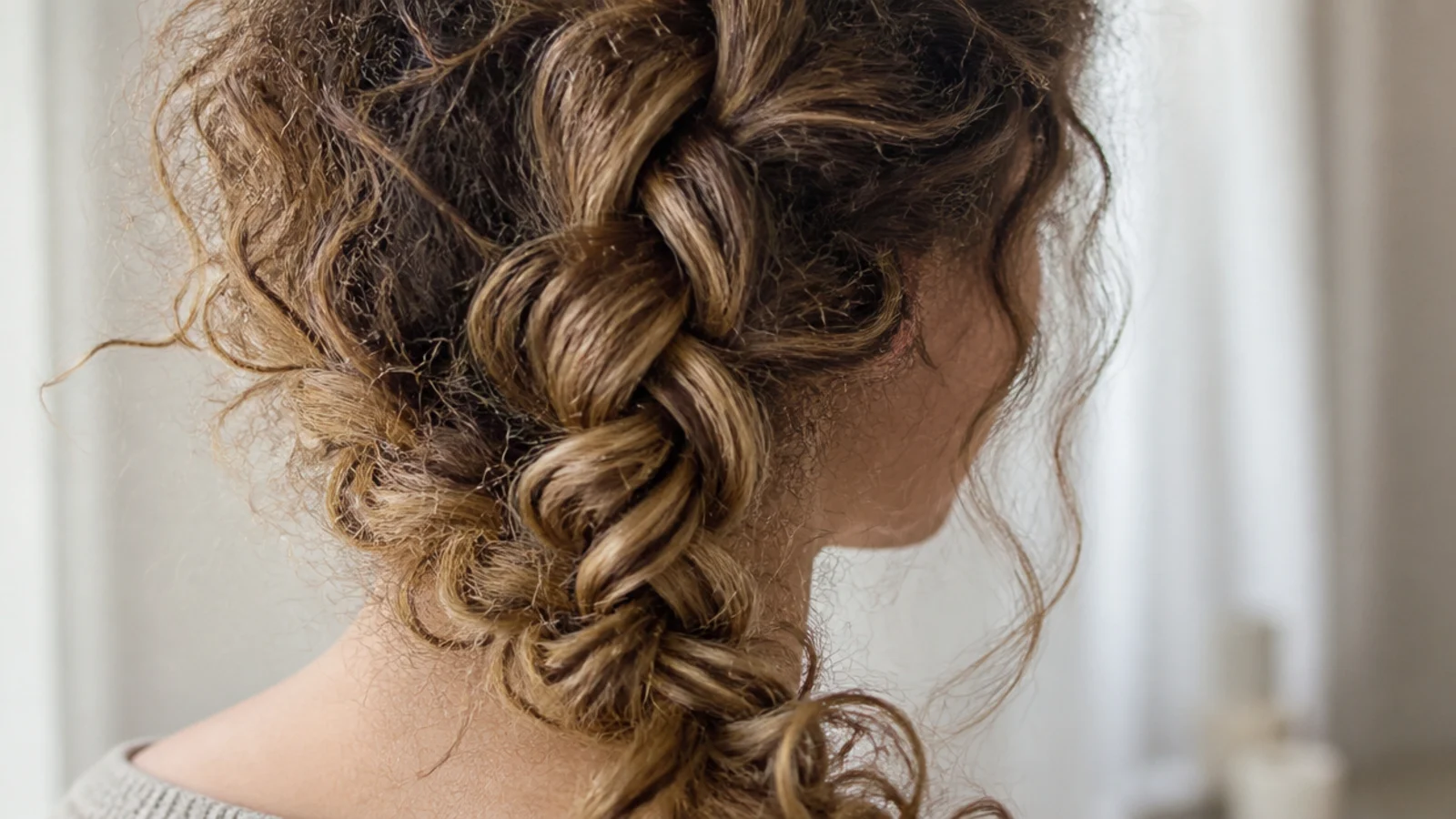
15. Loose Pancaked Braid
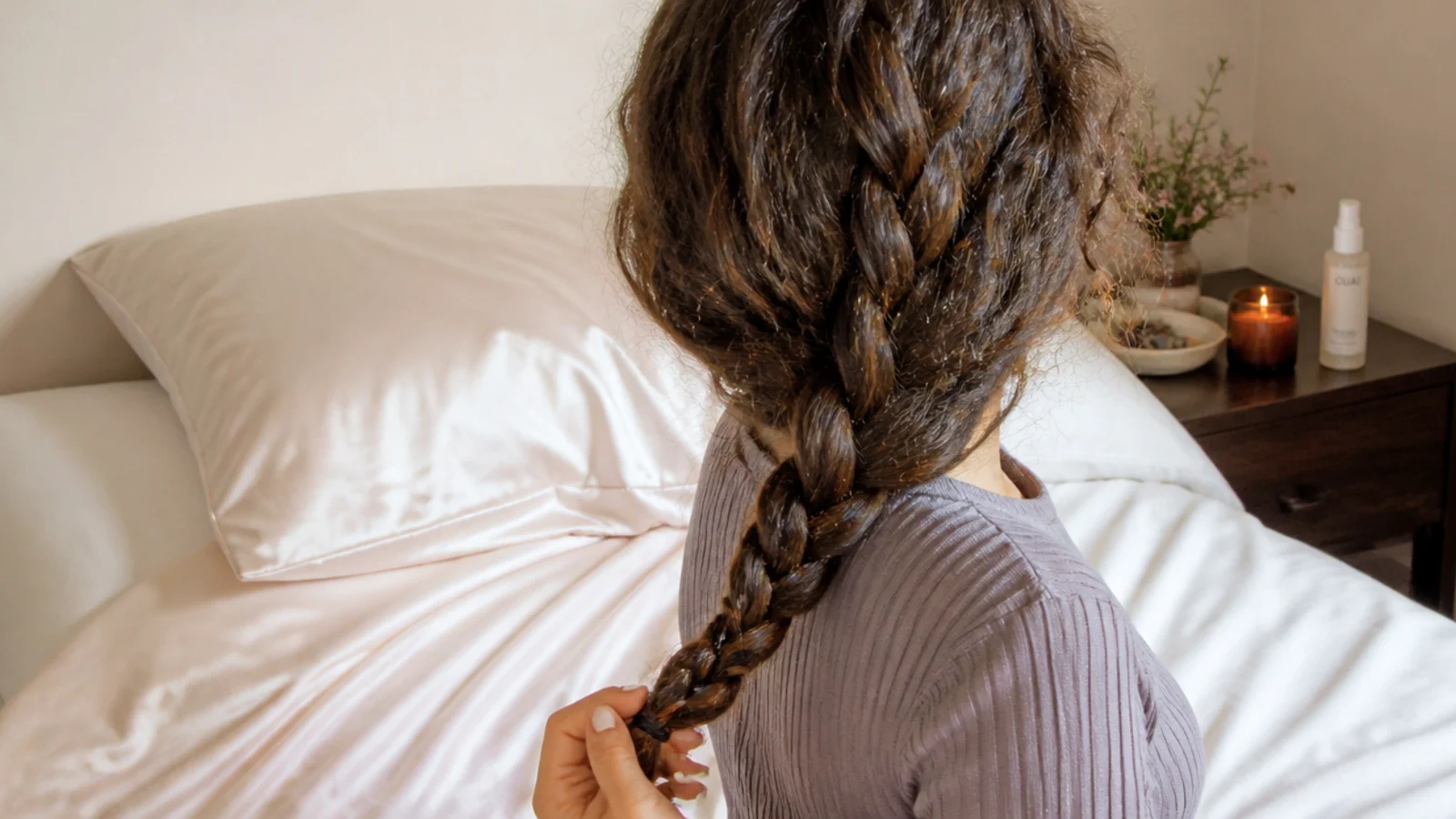
Pulling the edges of a finished braid outward widens each section without loosening the plait itself, so the braid gets softer while staying secure. On curly hair it also swallows escaping surface strands into the pattern.
Final Thoughts
If you want this look, stop chasing zero frizz and start controlling two things you actually own: how many clumps your hands create, and where the light is coming from when you look at the result. Big clumps and a window behind you will do more than any serum.
Then let the cut carry the weight. For shapes designed around curl spring see the best curly hair haircuts, and for a version that makes volume the whole point see curly mullet styles. More in Hair Care.