25 Frizzy Hair Fixes That Actually Work
Twenty five fixes for frizzy hair, sorted by the thing that is actually causing it. Frizz is not one problem — it is five, and two of the five get worse when you treat them with the standard advice.
In this article · 33
- Why Hair Frizzes and the Cuticle
- Frizz by Hair Type
- Wash Day Routine Steps
- Anti Frizz Products Explained
- Haircuts for Frizzy Hair
- Humidity and Sleep Habits
- The 25 Frizzy Hair Fixes
- 1. Apply to Soaking Wet Hair
- 2. Cotton T Shirt Drying
- 3. Product Layering Order
- 4. Porosity Strand Test
- 5. The Five Frizz Types
- 6. Dew Point Check
- 7. Cold Water Rinse
- 8. Sulfate Free Washing
- 9. Wet Detangling With a Comb
- 10. Silk Pillowcase Sleep
- 11. Deep Conditioning Under a Heat Cap
- 12. Scrunch Out the Crunch
- 13. The Plopping Technique
- 14. Nozzle Airflow Direction
- 15. Diffusing on Low Speed
- 16. Internal Layers Cut
- 17. Dusting the Ends
- 18. Anti Humectant Serum
- 19. Glycerin on the Ingredient Label
- 20. Argan Oil on the Ends
- 21. No Dry Brushing on Curls
- 22. Protein Treatment
- 23. Apple Cider Vinegar Rinse
- 24. Day Two Refresh Spray
- 25. Emergency Flyaway Fix
- Final Thoughts
Frizz is not one condition with one fix, which is why most anti frizz routines half work and then stall.
Five different things all look like frizz. A lifted cuticle, short new growth, broken clumps, split ends and static charge. They share an appearance and share almost no solutions.
Two of them get worse under the standard advice. Adding humectants to split ends does nothing, and adding them on a humid day makes a swollen strand swell further.
Why Hair Frizzes and the Cuticle
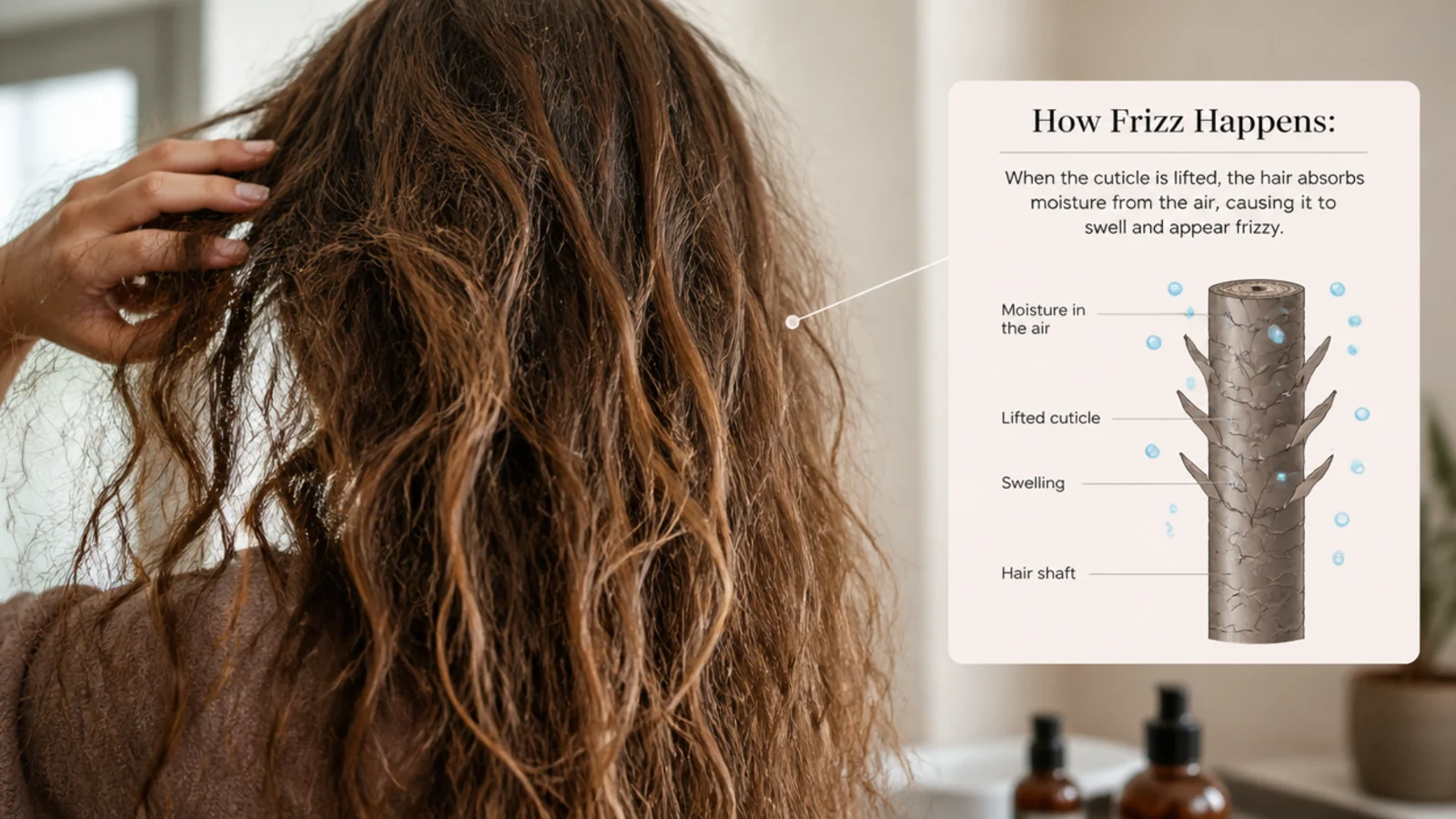
The cuticle is a stack of overlapping scales. Flat, it behaves as one continuous surface and reflects light in a single direction. Lifted, every raised edge scatters its own reflection.
Water is what lifts them. Hair is hygroscopic, so it takes moisture from the air. The cortex swells, the scales are pushed apart from underneath, and the strand no longer lies flat against its neighbours.
Damage means the scales never fully close. Bleach, heat and mechanical abrasion chip the cuticle. Once it is chipped the hair absorbs faster and loses faster, which is what high porosity means in practice.
pH decides how tightly they sit. The cuticle lies flattest at a slightly acidic pH, around 4.5 to 5.5. Alkaline products lift it, which is why an acidic rinse produces a visible shine change within seconds.
Frizz by Hair Type
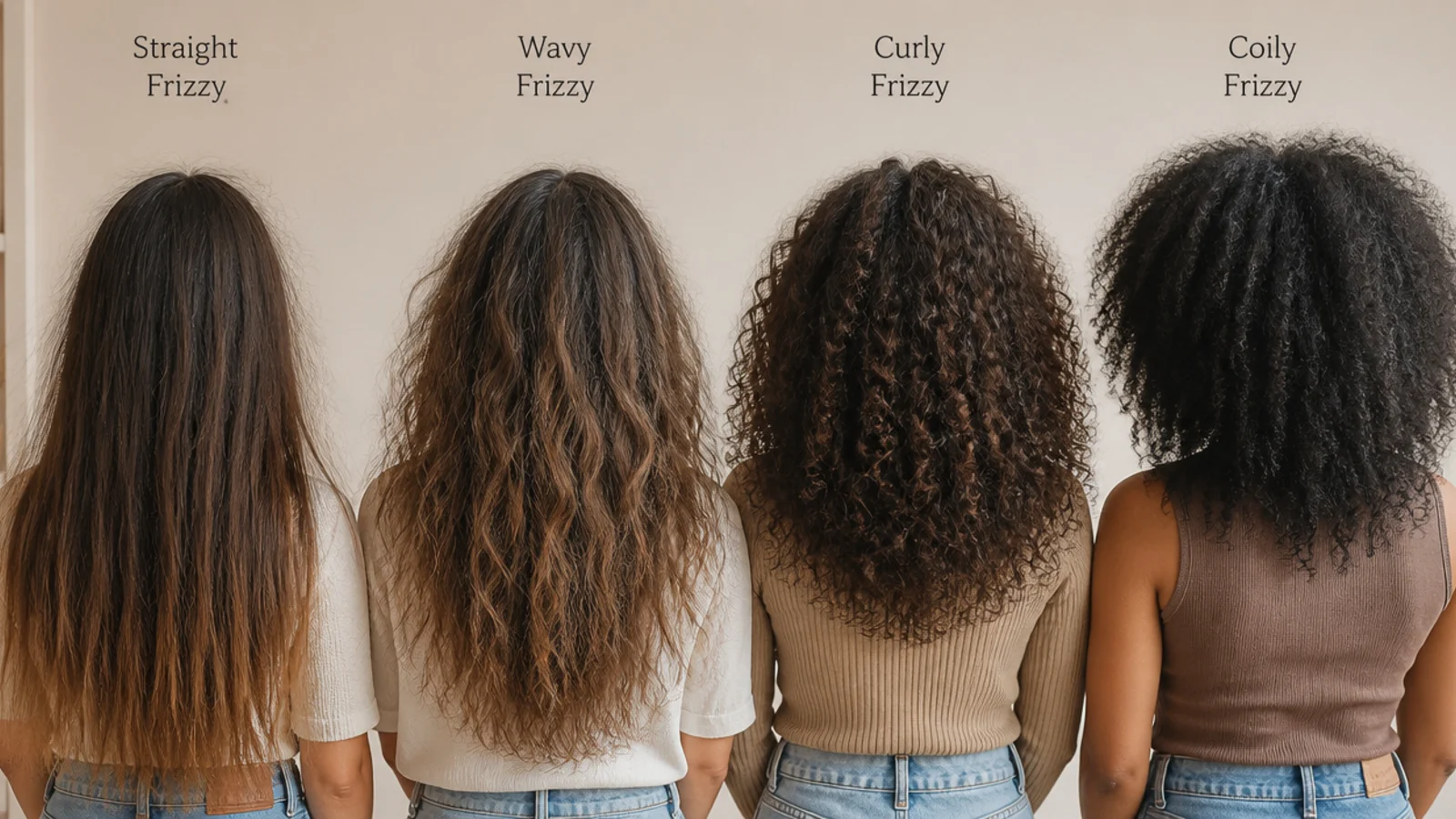
Fine straight hair frizzes as flyaways. There is little weight to hold strands down and a lot of surface relative to mass, so static and short breakage show immediately.
Thick straight hair frizzes as a rough surface. The canopy lifts as a sheet rather than as individual hairs, and it responds to acidic rinses and smoothing films more than to oils.
Wavy hair frizzes when the clump fails. The pattern is too loose to hold strands together unaided, so waves need gel to do what a tight curl does by shape alone.
Curly and coily hair frizzes from dryness. Sebum cannot travel down a bend, so the lengths stay short of oil and pull moisture from the air the moment it is available.
Wash Day Routine Steps
Shampoo the scalp only. That is where oil and buildup are. The lengths get cleaned by the suds running past them, which is enough for hair that already has too little sebum.
Condition mid lengths to ends. Conditioner on the scalp weighs roots flat without helping the part of the hair that is actually dry.
Detangle wet, with slip. A wide tooth comb through conditioner glides. The same comb through dry hair snaps strands, and every snapped strand becomes a short hair that cannot lie down.
Finish with a cooler rinse. Hot water swells the shaft further and holds the cuticle open. A cool rinse does not seal anything shut, it simply stops the swelling going further.

Anti Frizz Products Explained
Humectants attract water. Glycerin, honey, aloe and propylene glycol move moisture toward the hair from whichever side has more. They are a good idea in moderate air and a bad one in muggy air.
Emollients smooth and lubricate. Oils and fatty alcohols fill the gaps between lifted scales so the surface feels and reflects as though it were flat, without changing the cuticle itself.
Occlusives slow the exchange. Silicones and heavier butters form a film that water has to cross, which buys hours rather than blocking anything permanently.
Proteins fill damage temporarily. Hydrolysed proteins are small enough to deposit in cuticle gaps, and they wash out. Used weekly they help; used daily they stiffen the hair until it snaps.

Haircuts for Frizzy Hair
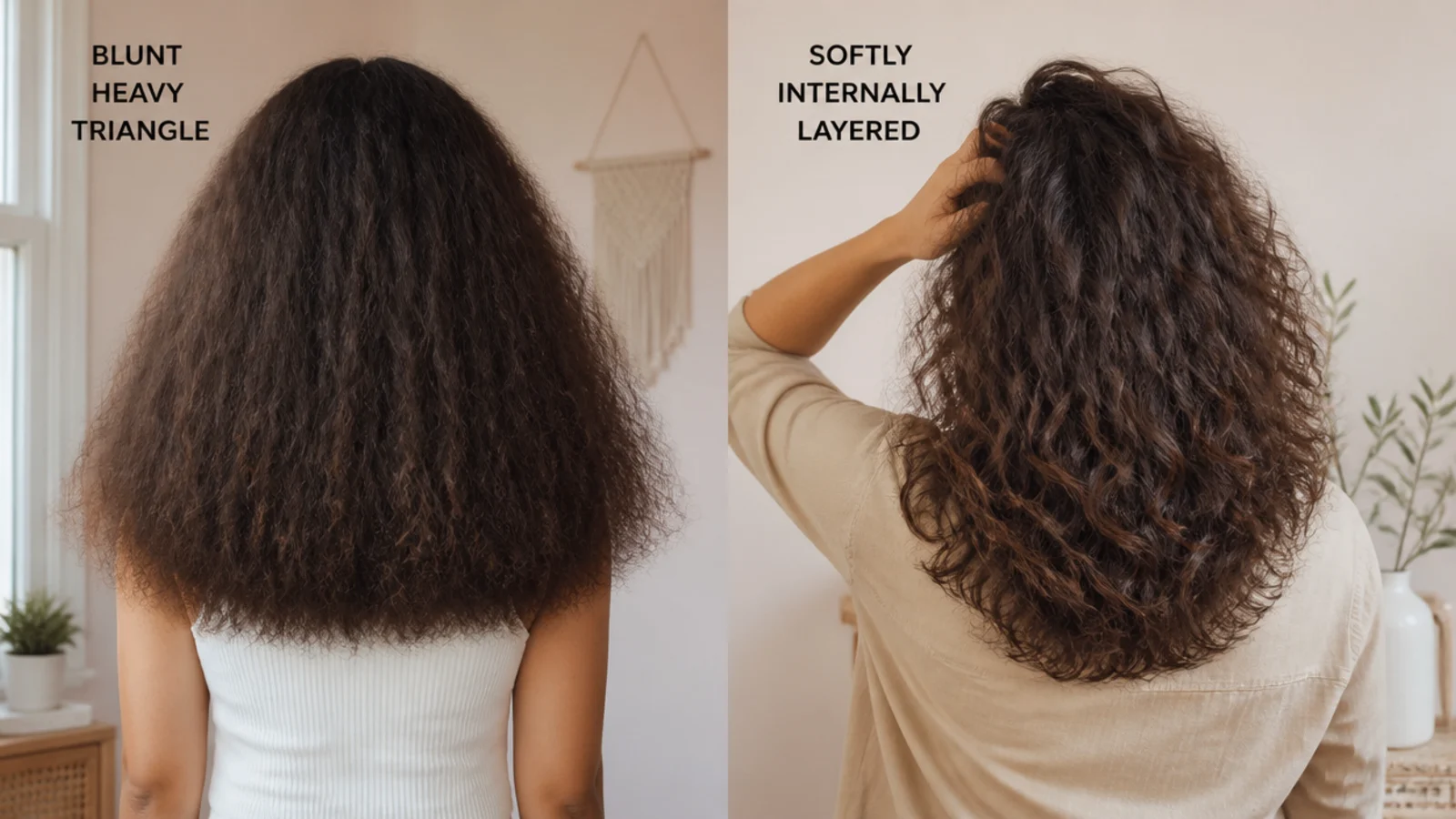
Weight fights frizz on straight hair and causes it on curly. A blunt line adds density that holds straight hair flat, and on curls it stretches the pattern until it collapses into a triangle.
Internal layers beat surface layers. Removing bulk from underneath keeps the outer canopy long and unbroken. Layering the surface leaves short ends poking out of the smooth sheet you were trying to build.
Thinning shears are the main preventable cause of halo frizz. They leave hundreds of short blunt ends distributed through the interior, and each one eventually reaches the surface and stays there.
Split ends need removing, not treating. A split travels upward and each fork becomes its own light scattering edge. Hair grows about half an inch a month, so a trim every ten to twelve weeks keeps ahead of it.
Humidity and Sleep Habits
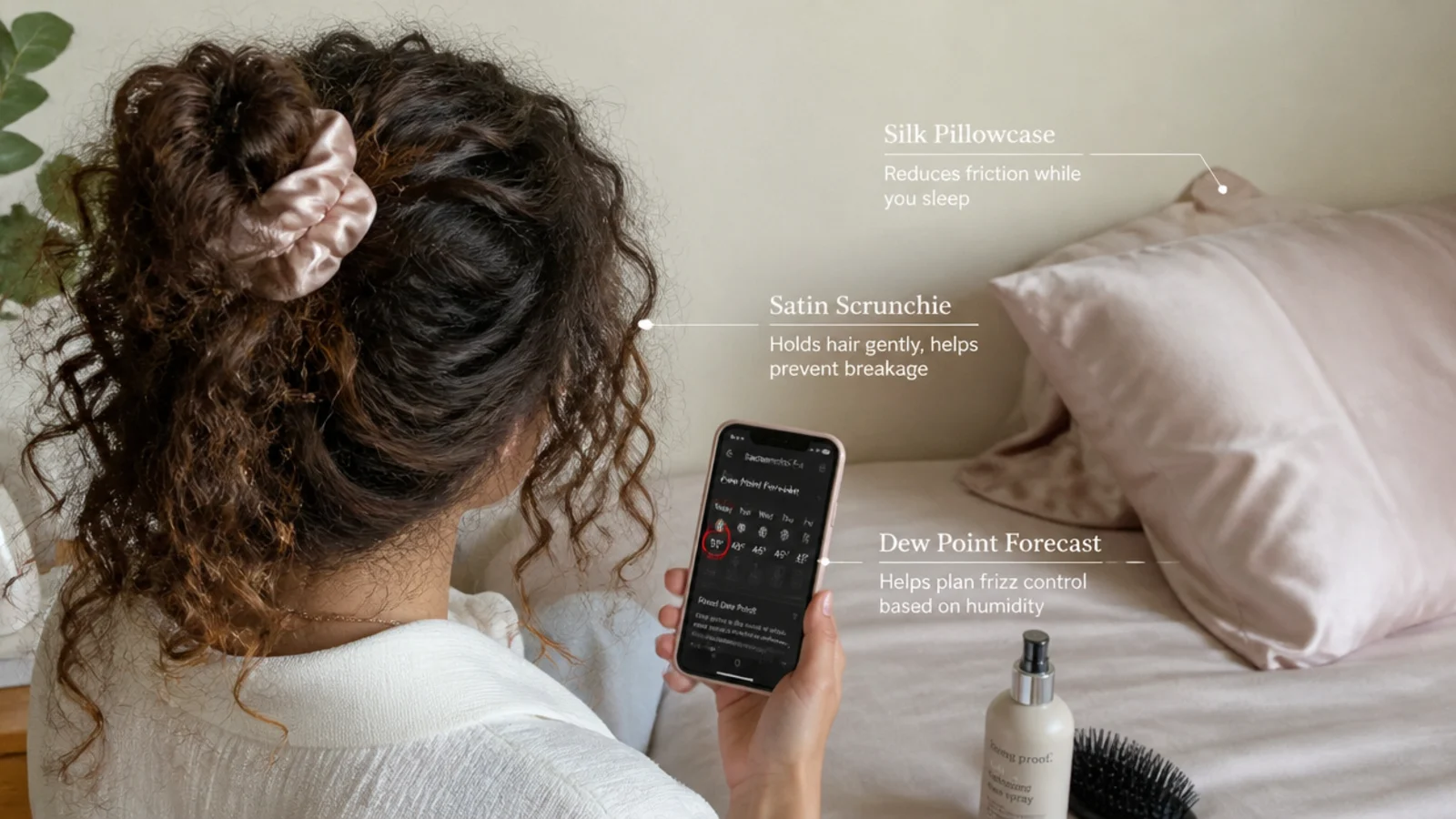
Track the dew point rather than the humidity percentage. Relative humidity is a ratio that depends on temperature. Dew point tells you how much water is genuinely in the air, and above roughly 60F there is plenty for hair to take.
Match the product to the number. Humectants below that threshold, occlusives above it. Using the same serum year round is why one bottle appears to work in March and fail in August.
Cotton pillowcases do two kinds of damage. They absorb the moisture you added and their weave catches the cuticle every time you turn over.
Sleep with the hair contained. A loose braid, a pineapple or a silk cap keeps the night's friction on fabric and ties rather than on the strands themselves.
The 25 Frizzy Hair Fixes
1. Apply to Soaking Wet Hair
Water is what holds strands together in a clump and what carries product into the outer layers. Applying to towel dried hair means sealing whatever shape the towel left, and the towel has already broken the clumps you wanted.
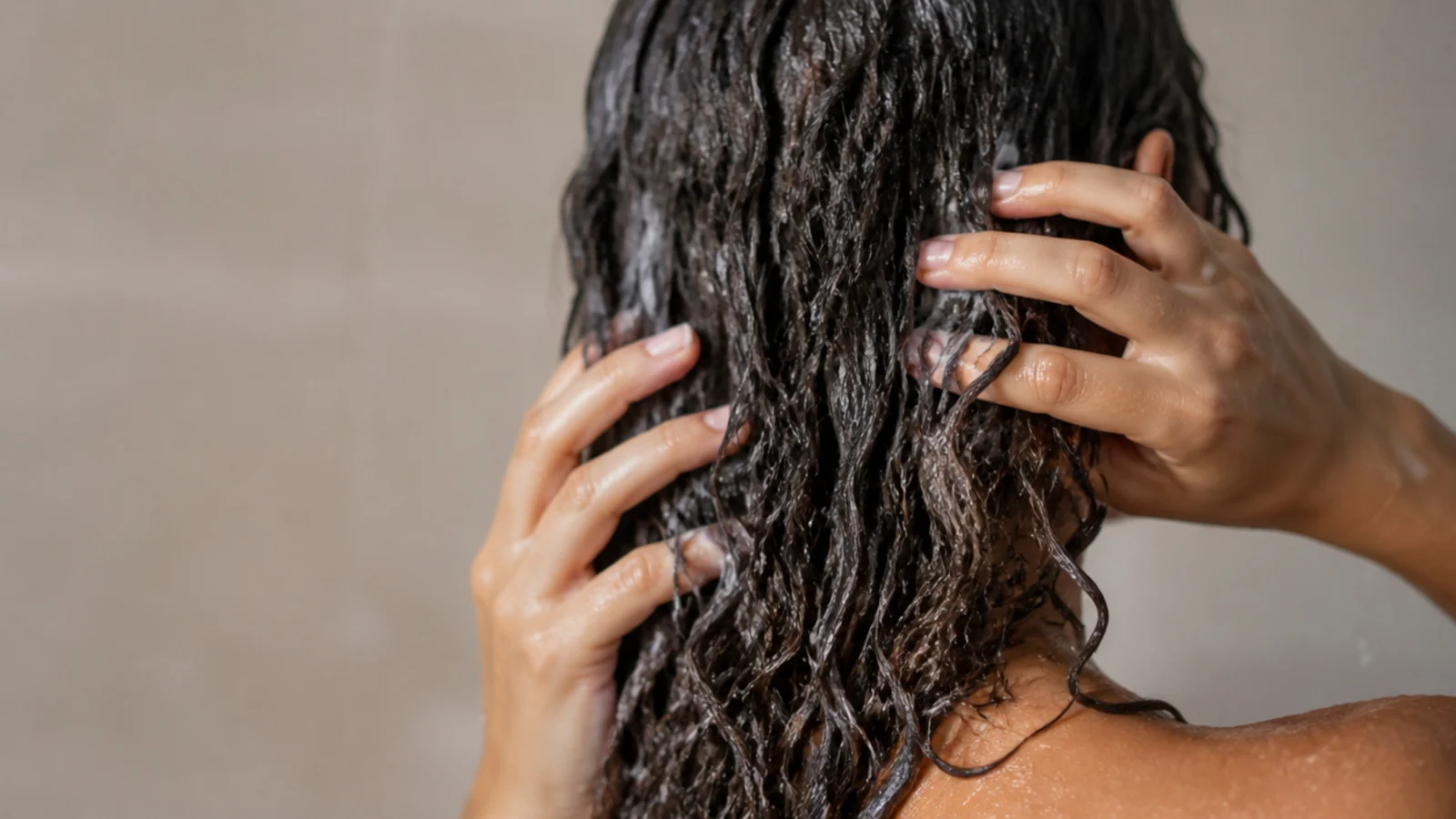
2. Cotton T Shirt Drying
A terry towel is a field of small loops, and every loop hooks a raised cuticle scale and drags it further open. A flat woven cotton shirt absorbs the same water with nothing for the hair to catch on.

3. Product Layering Order
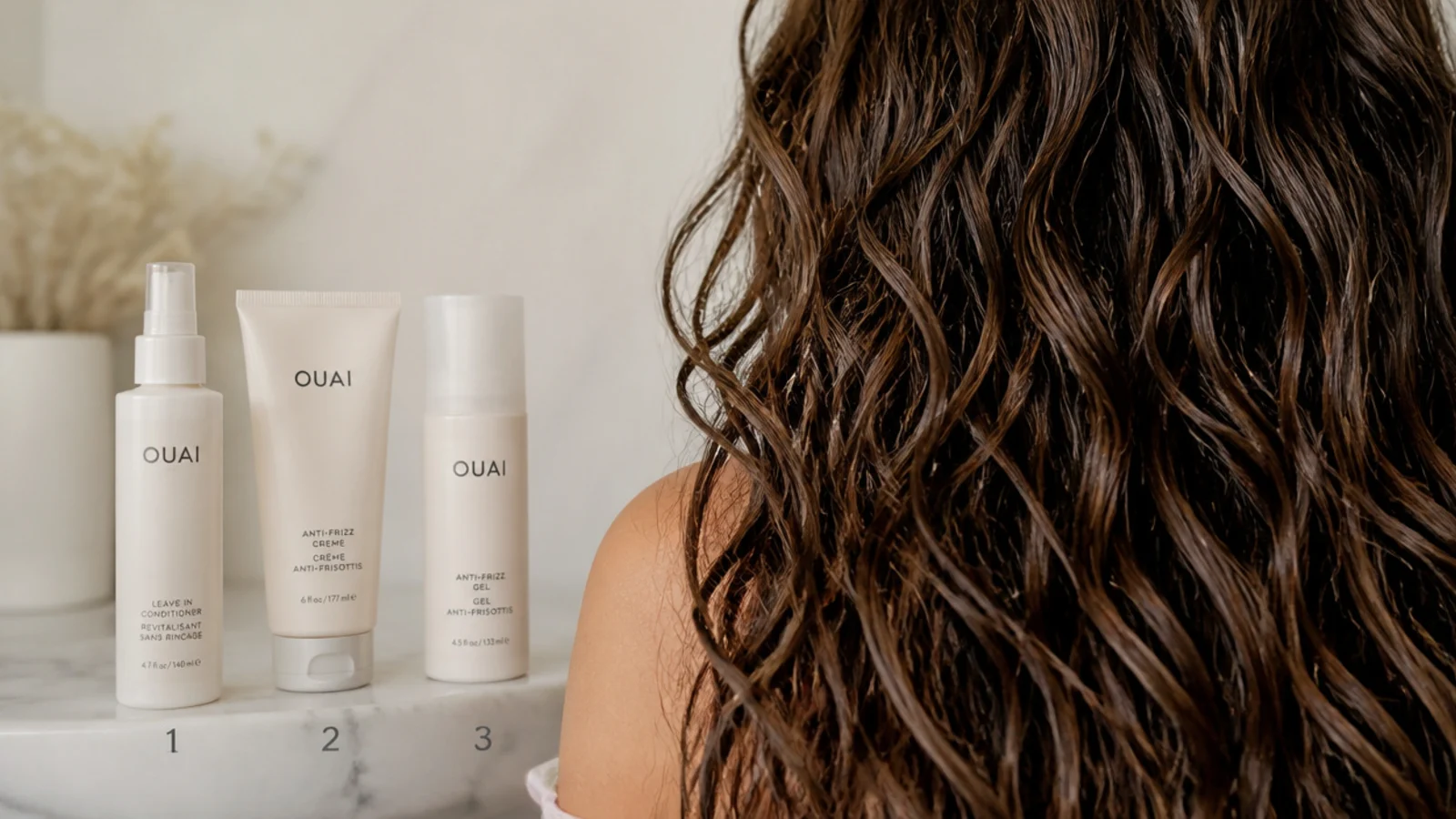
Leave in first, cream second, gel last. Each layer is designed to sit on the one before, so reversing them means the cream dissolves the film the gel was supposed to form and you get the softness without the hold.
4. Porosity Strand Test
Run a finger up a strand from end to root. A rough drag means the scales are lifted and the hair is porous, which tells you it will absorb fast, dry fast and need sealing rather than more moisture.

5. The Five Frizz Types
Surface frizz, halo frizz, broken clumps, split ends and static all look alike and need different responses. Identifying which one you have is the step that turns a routine from guesswork into something you can adjust deliberately.

6. Dew Point Check
Dew point tells you how much water the air actually holds, which relative humidity does not. Checking it before you choose between a humectant and an occlusive turns a daily gamble into a two second decision.

7. Cold Water Rinse
Hot water swells the hair shaft and holds the cuticle open longer. A cool final rinse does not clamp anything shut, but it stops further swelling and lets the acidic conditioner you just used settle the scales down.

8. Sulfate Free Washing
Sulfates are efficient detergents, which is the problem rather than the point. They remove sebum indiscriminately, and on hair that already struggles to get oil past the first few inches that is a net loss.
9. Wet Detangling With a Comb
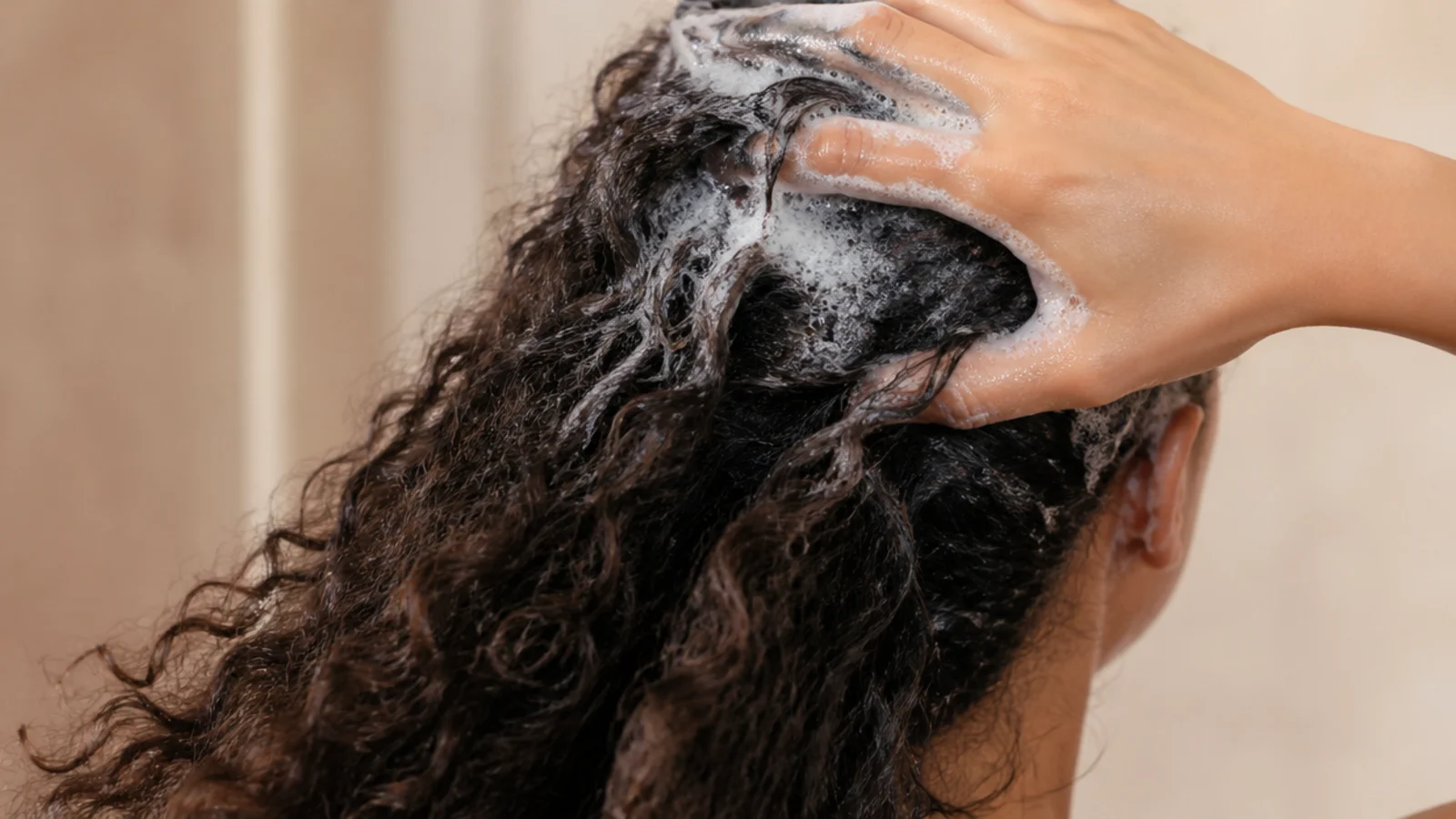
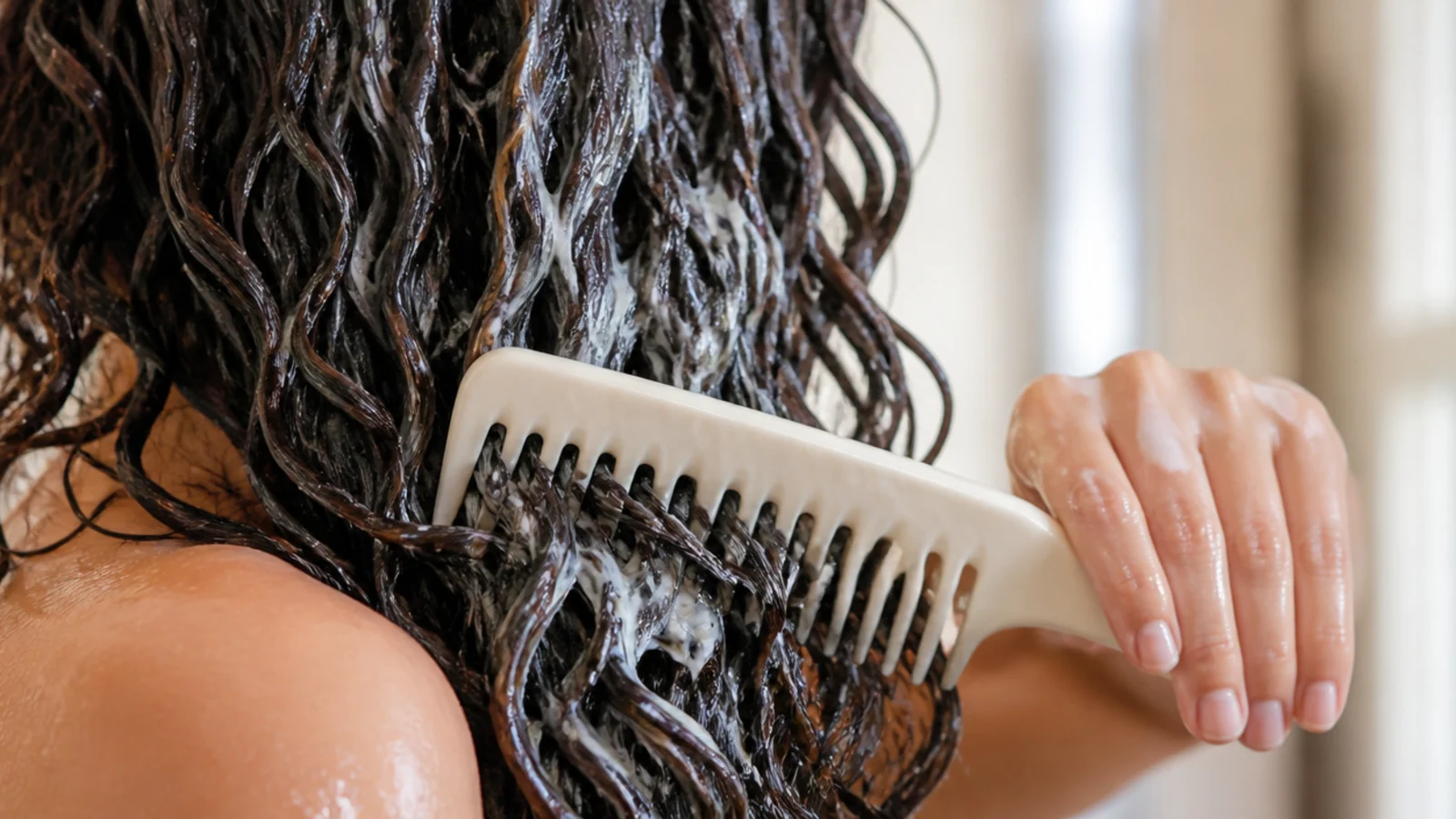
Conditioner provides slip so the teeth pass between strands instead of through them. Detangling dry snaps hairs at their weakest point, and every broken hair becomes a short piece that will never lie down again.
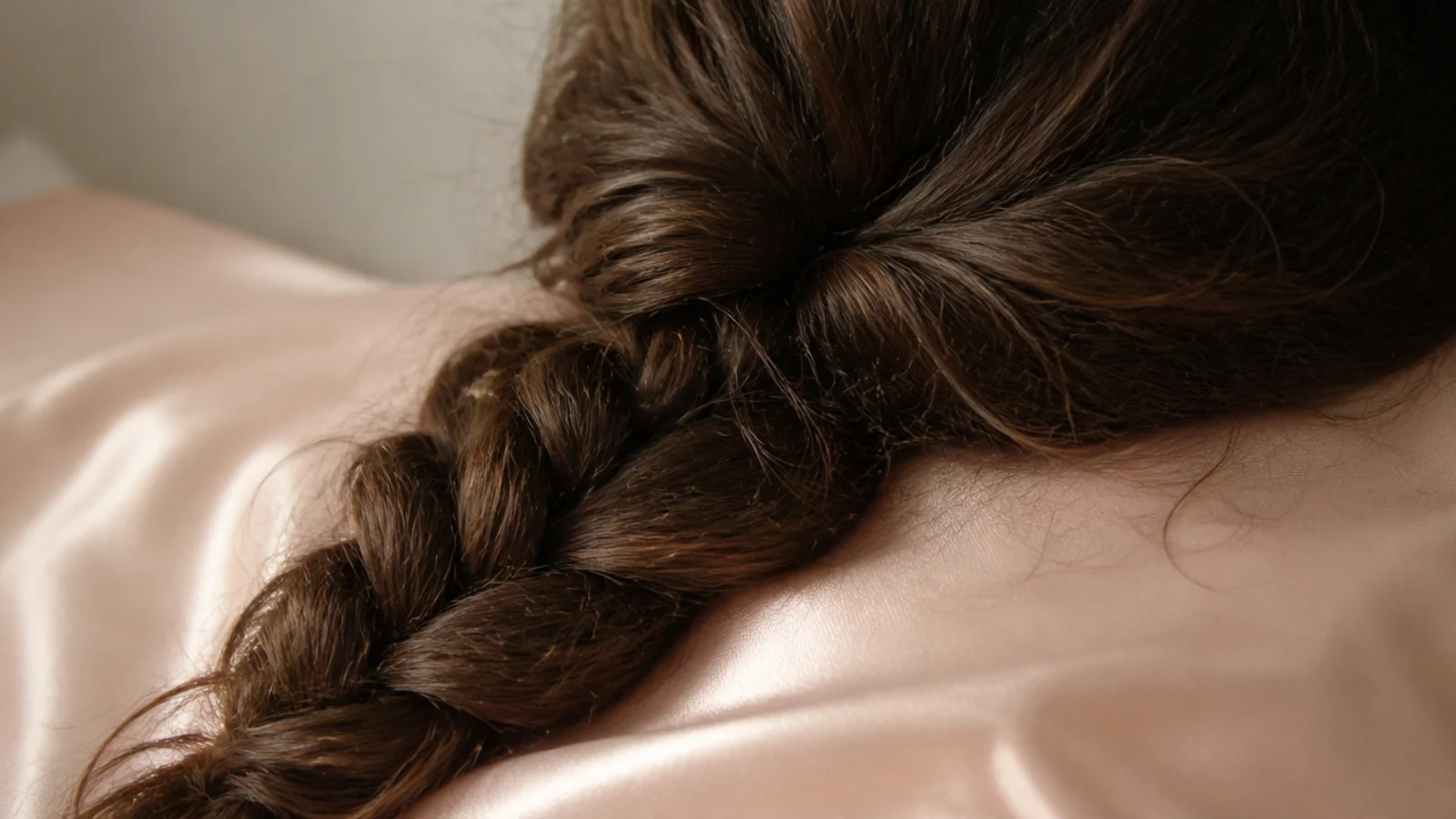
10. Silk Pillowcase Sleep
Cotton wicks moisture out of the hair overnight and its weave grabs at the cuticle with every turn. Silk and satin do neither, which is why the same head of hair arrives at morning in noticeably different condition.
11. Deep Conditioning Under a Heat Cap
Gentle warmth speeds the rate at which conditioning agents diffuse into the hair and keeps the cuticle slightly relaxed while they do. Twenty minutes under a cap deposits more than an hour of the same mask sitting cold.

12. Scrunch Out the Crunch
Gel dries into a hard film that holds the strand shape it set in. Crushing that film once the hair is completely dry removes the stiffness and keeps the shape, whereas doing it while damp collapses both.

13. The Plopping Technique
Wrapping wet hair up into a shirt supports every bend while the water drains, so nothing dries under its own hanging weight. Twenty minutes does the useful part, and longer mostly delays the drying you still have to finish.

14. Nozzle Airflow Direction
Cuticle scales point downward from root to end. Directing the airflow the same way lays them flat; blowing upward from the ends lifts every scale on the strand and produces frizz you then have to fix.

15. Diffusing on Low Speed
A diffuser exists to reduce air velocity, not to add heat. Full speed airflow blows strands apart faster than it dries them, which is why the identical dryer produces definition on the low setting and a cloud on high.

16. Internal Layers Cut
Bulk taken out from underneath lets the outer canopy stay long and continuous, which is the only part visible from outside. Layers cut on the surface instead leave short ends that lift out of the smooth sheet.
17. Dusting the Ends
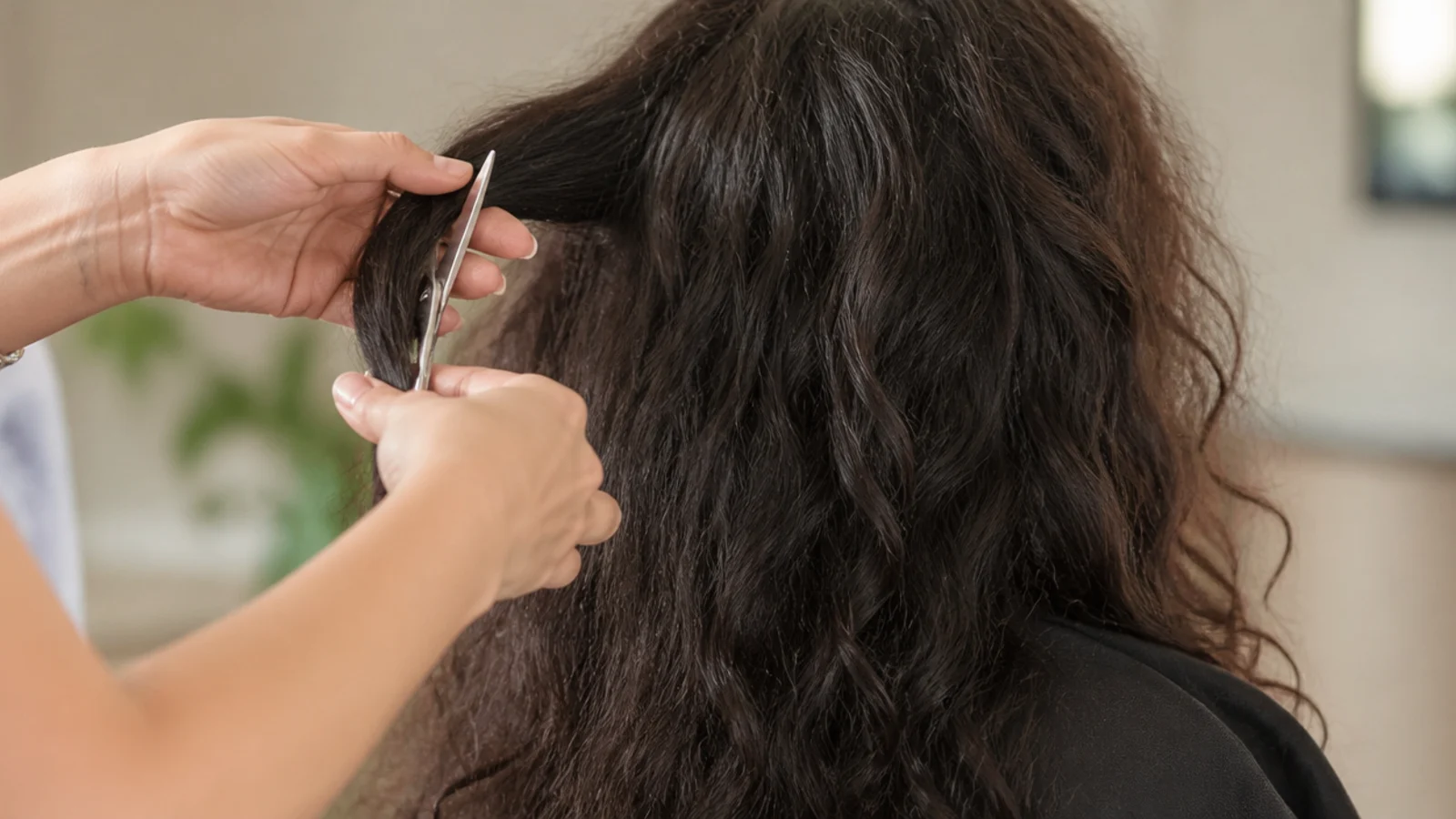
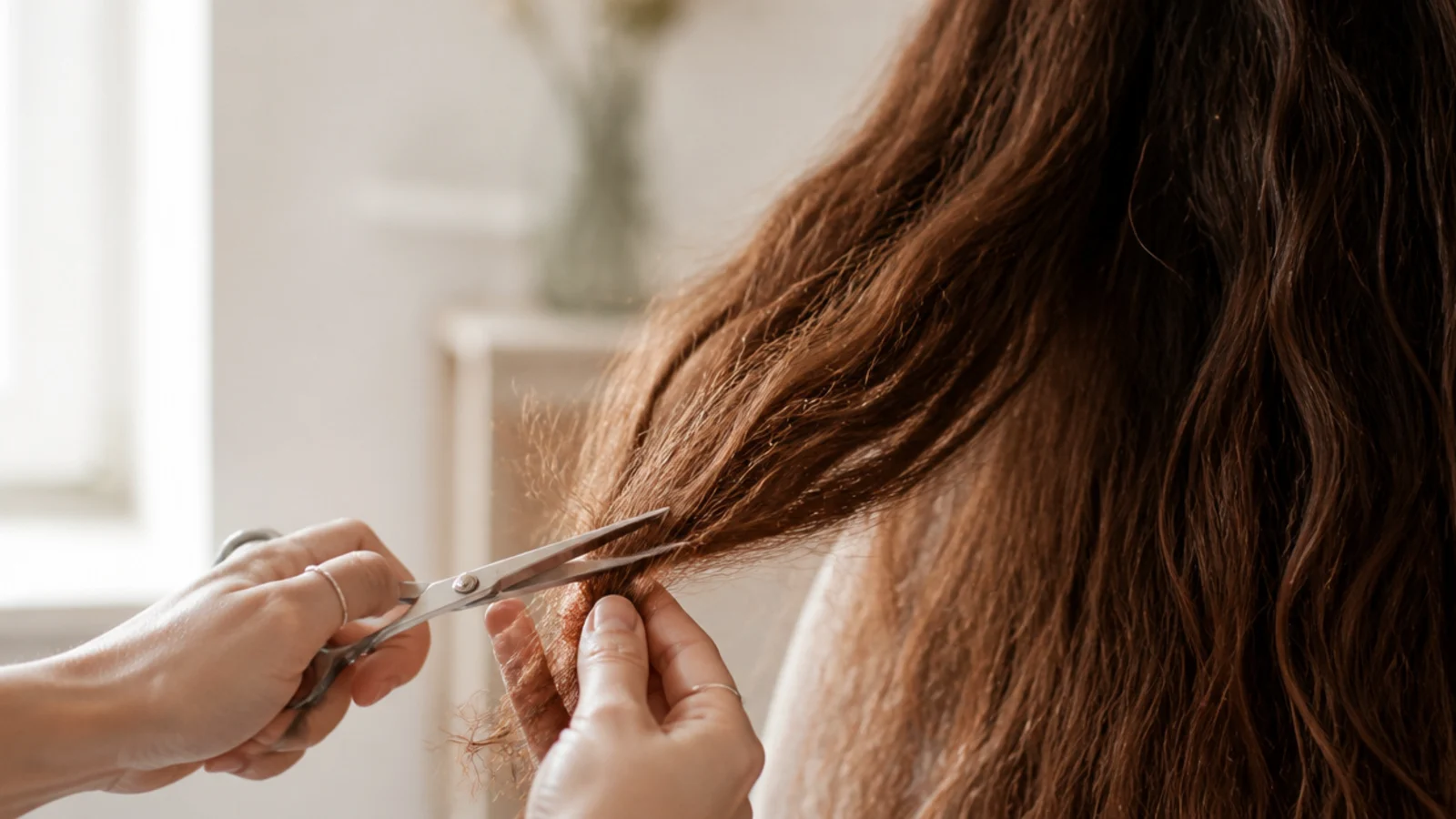
Dusting removes a few millimetres, just the frayed tips, without changing the length. It keeps splits from travelling upward, which is the only mechanism by which a small trim genuinely saves hair.
18. Anti Humectant Serum
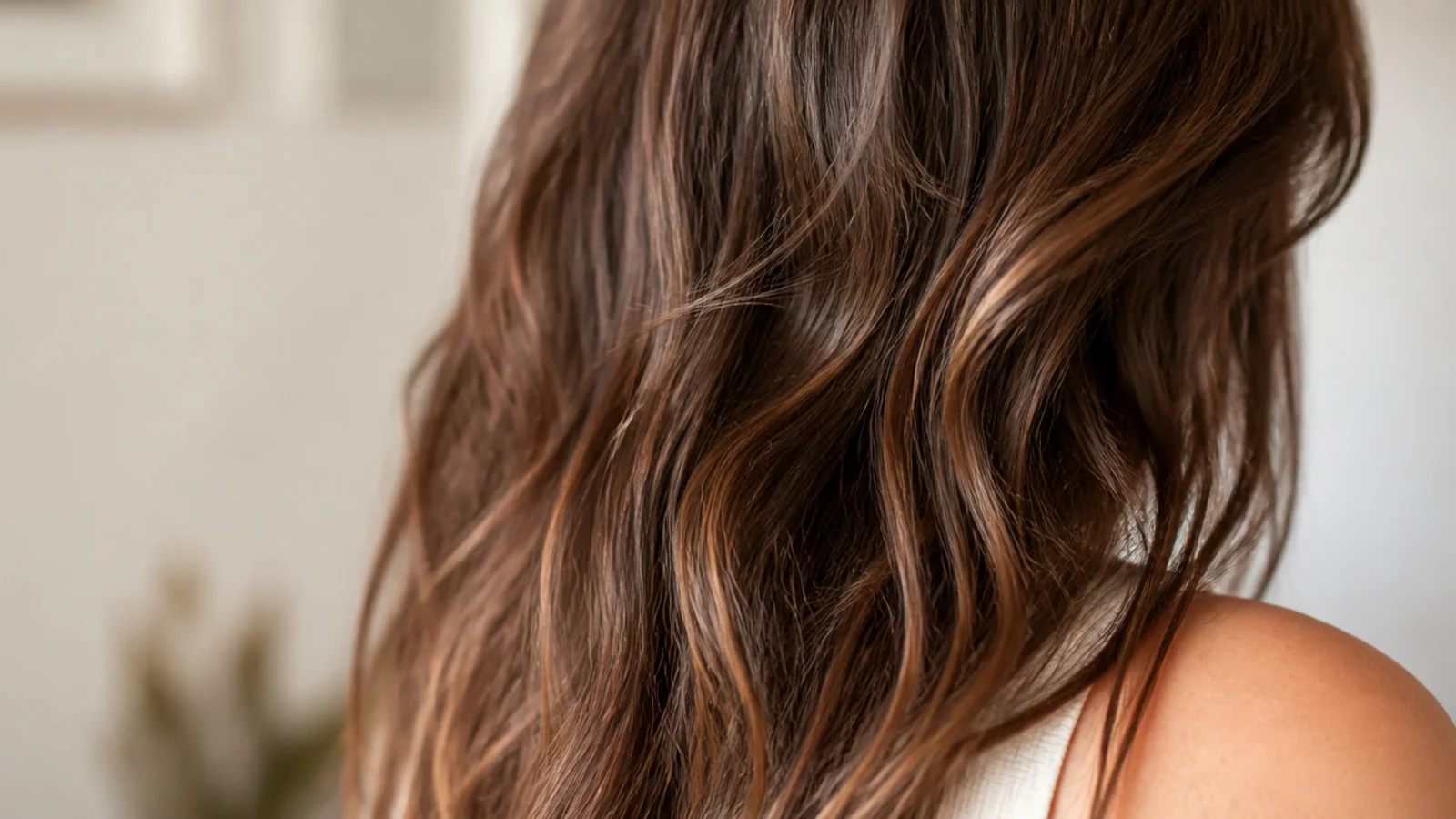
On a high dew point day the goal is to slow water reaching the cortex rather than attract more of it. A silicone or oil rich serum puts a film in the way, which is why it works in August and feels heavy in January.
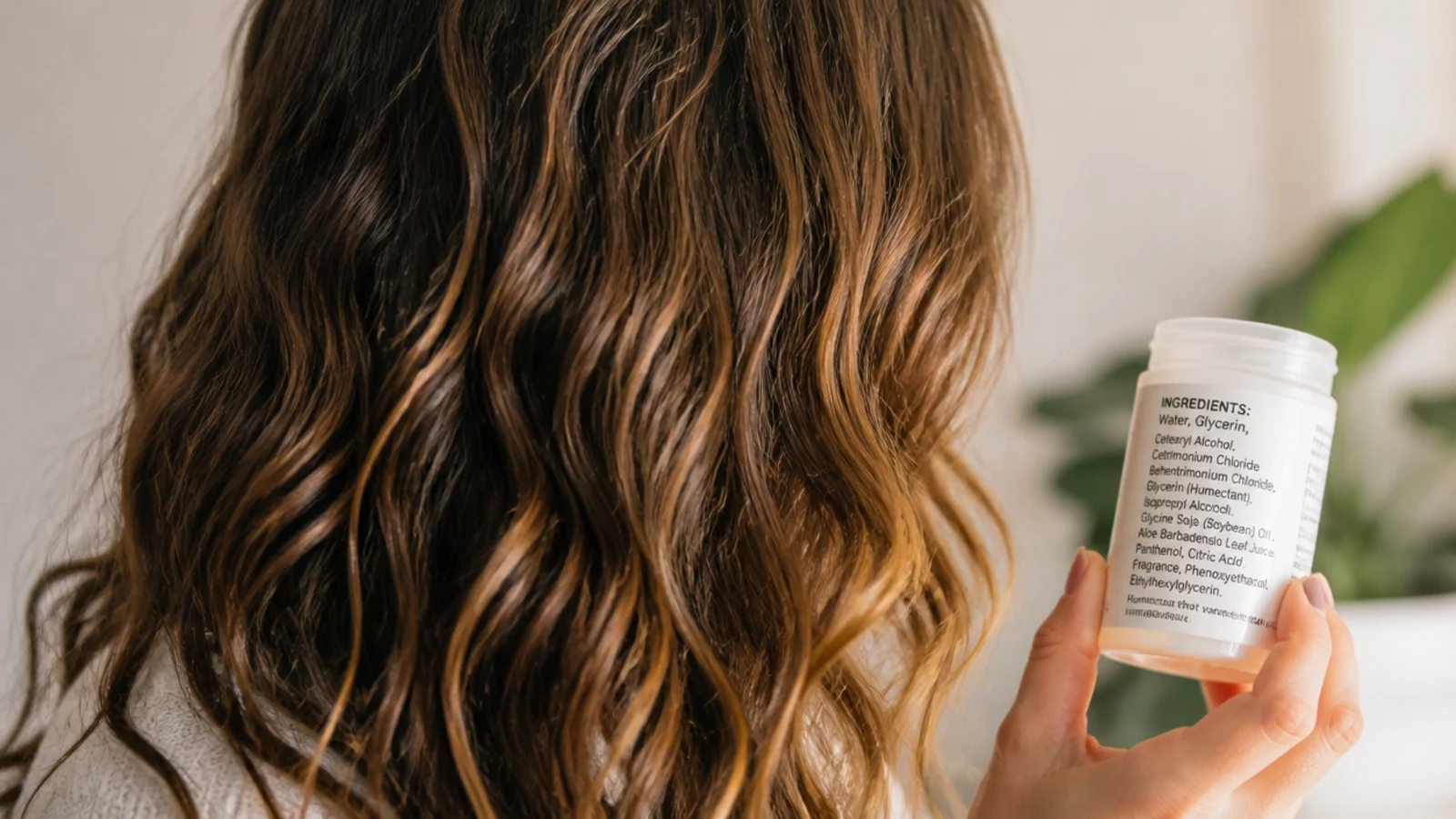
19. Glycerin on the Ingredient Label
Glycerin near the top of a label means the product is built to move water. Read the position, then read the dew point, and you can predict whether a bottle will help or hurt before you open it.
20. Argan Oil on the Ends
Most plant oils sit on the surface rather than entering the shaft, which makes them lubricants rather than moisturisers. On the ends that is exactly what you want, because reducing friction between strands is what stops the fraying.
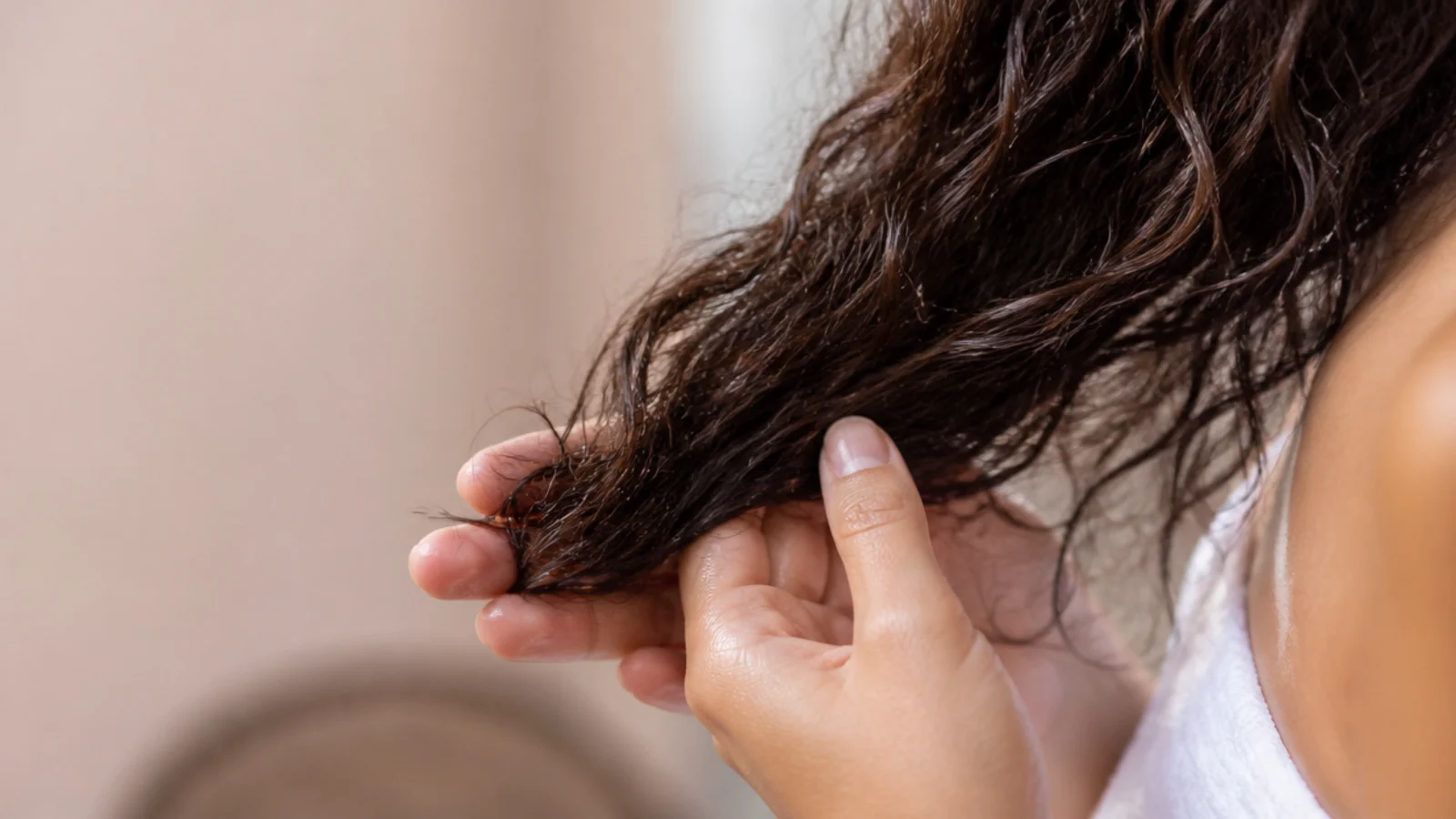
21. No Dry Brushing on Curls
A brush through dry curls divides every clump into its individual strands, so the hair looks three times frizzier without a single new hair appearing. Detangle wet with conditioner, and leave dry hair to the fingers only.

22. Protein Treatment
Hydrolysed proteins are small enough to lodge in the gaps of a damaged cuticle and temporarily restore stiffness and shine. They wash out, and applying them too often leaves the hair rigid enough to snap rather than bend.

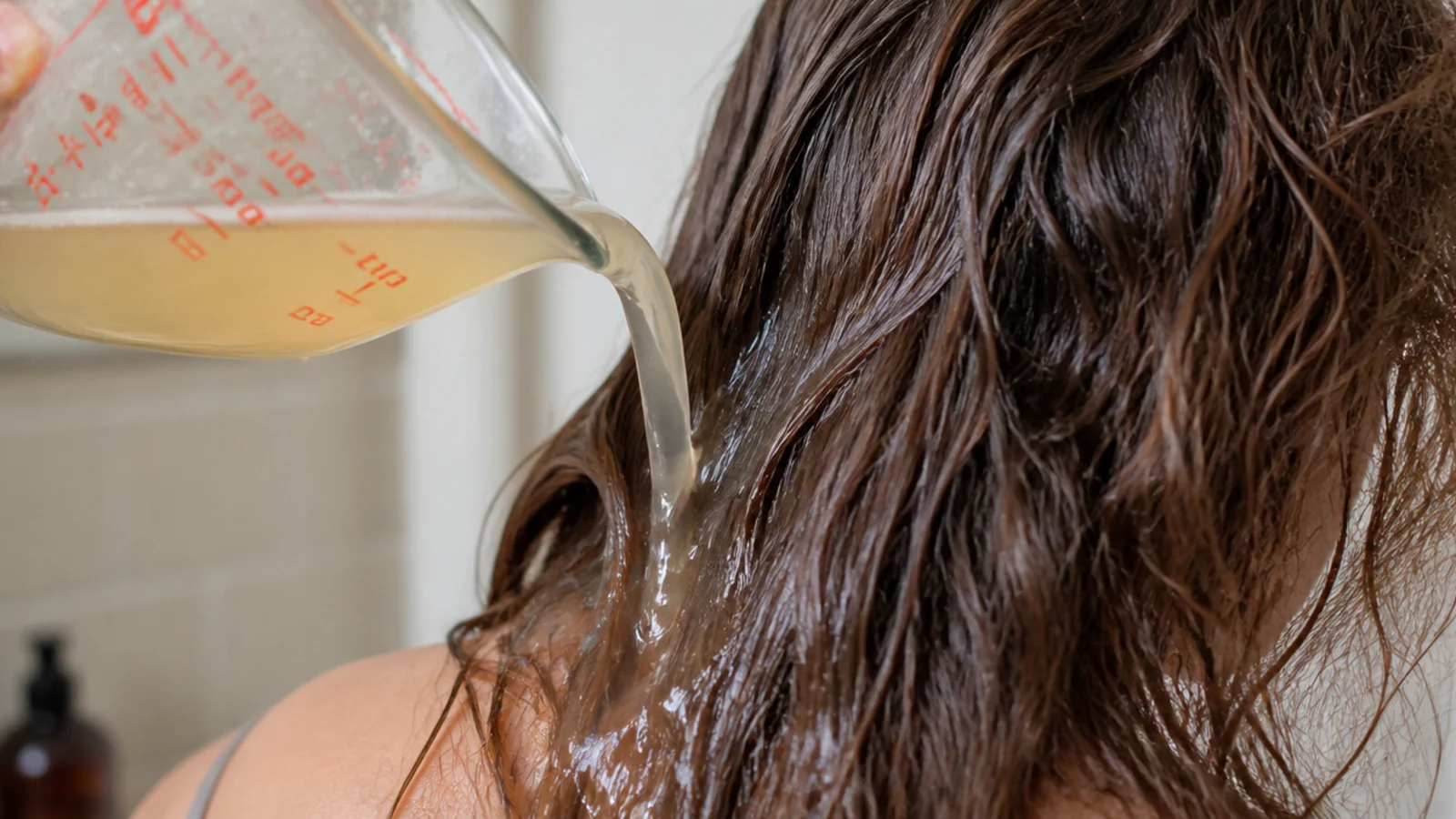
23. Apple Cider Vinegar Rinse
Diluted vinegar drops the pH at the hair surface toward the mildly acidic range where cuticle scales lie flattest. The shine change is immediate and it lasts until the next alkaline product undoes it.
24. Day Two Refresh Spray
Water re-softens the polymer film left by yesterday's gel, so a light mist lets the existing cast reform rather than requiring new product. Spray, cup the sections, and let them dry undisturbed.

25. Emergency Flyaway Fix
Flyaways are usually static, which is a charge imbalance rather than dryness. Moisture conducts that charge away, so slightly damp hands or a trace of oil on the palms flattens them instantly where more spray would not.

Final Thoughts
Work out which of the five you are looking at before you change anything. Halo frizz at the crown will not respond to a mask, split ends will not respond to a serum, and broken clumps will not respond to anything except keeping your hands out of your hair while it dries.
Then set the two variables that matter most and leave them alone for a month: how you dry it, and whether your leave in is a humectant or an occlusive for that week's weather. More in Hair Care. See also the curly version and the curly aesthetic version.