25 Shoulder Length Butterfly Cuts That Look Chic
Twenty five shoulder length butterfly cuts, and the measurement that decides whether any of them work. Shoulder length leaves about four inches between the shortest layer and the longest, so the gap has to be cut tighter than it is on waist length hair or the join reads as a shelf.
In this article · 32
- What a Butterfly Cut Actually Is
- Choosing Your Layer Spacing
- The 25 Shoulder Length Butterfly Cuts
- 1. Collarbone Butterfly With a Chin Length Front
- 2. Butterfly With a Soft Shelf
- 3. Butterfly With a Blunt Perimeter
- 4. Butterfly With Curtain Bangs
- 5. Butterfly With a Long Fringe
- 6. Butterfly With a Money Piece
- 7. Butterfly With a Middle Part
- 8. Butterfly With a Deep Side Part
- 9. Butterfly on Fine Hair
- 10. Butterfly on Thick Hair
- 11. Butterfly on Straight Hair
- 12. Butterfly on Wavy Hair
- 13. Butterfly on Curly Hair
- 14. Butterfly on Coily Hair
- 15. Round Brush Butterfly Blowout
- 16. Air Dried Butterfly
- 17. Butterfly With Flicked Ends
- 18. Butterfly With Ends Curled Under
- 19. Butterfly With Invisible Layers
- 20. Butterfly With a Heavy Under Layer
- 21. Butterfly for a Round Face
- 22. Butterfly for a Long Face
- 23. Butterfly for a Square Jaw
- 24. Butterfly at Week Eight
- 25. Butterfly Grown Out Into a Shag
- Styling and Upkeep
- Mistakes to Avoid
- FAQ
- Final Thoughts
A butterfly cut that fails on shoulder length hair almost always fails for the same reason: the layers were spaced for hair twice as long.
A butterfly cut is two lengths, not many. A short face framing layer sits over the full length underneath, and the short one flicks outward while the long one stays put.
Shoulder length gives you about four inches to work in. On waist length hair the same cut has a foot of room, so the spacing that looks soft down there reads as a hard step up here.
What a Butterfly Cut Actually Is
Two layer lengths, deliberately separated. The short layer ends near the chin, the perimeter sits at the collarbone, and the visible gap between them is the whole cut.
The wing comes from direction, not volume. The short layer is dried away from the face and the length is left flat, so the two sit at different angles.
It is not a shag. A shag layers continuously from crown to ends. A butterfly cut leaves the middle deliberately empty so the two lengths stay readable as two lengths.
The perimeter carries the weight. Layer the bottom section too and the short hair above has nothing solid to rest against, which is when the cut goes wispy.

Choosing Your Layer Spacing
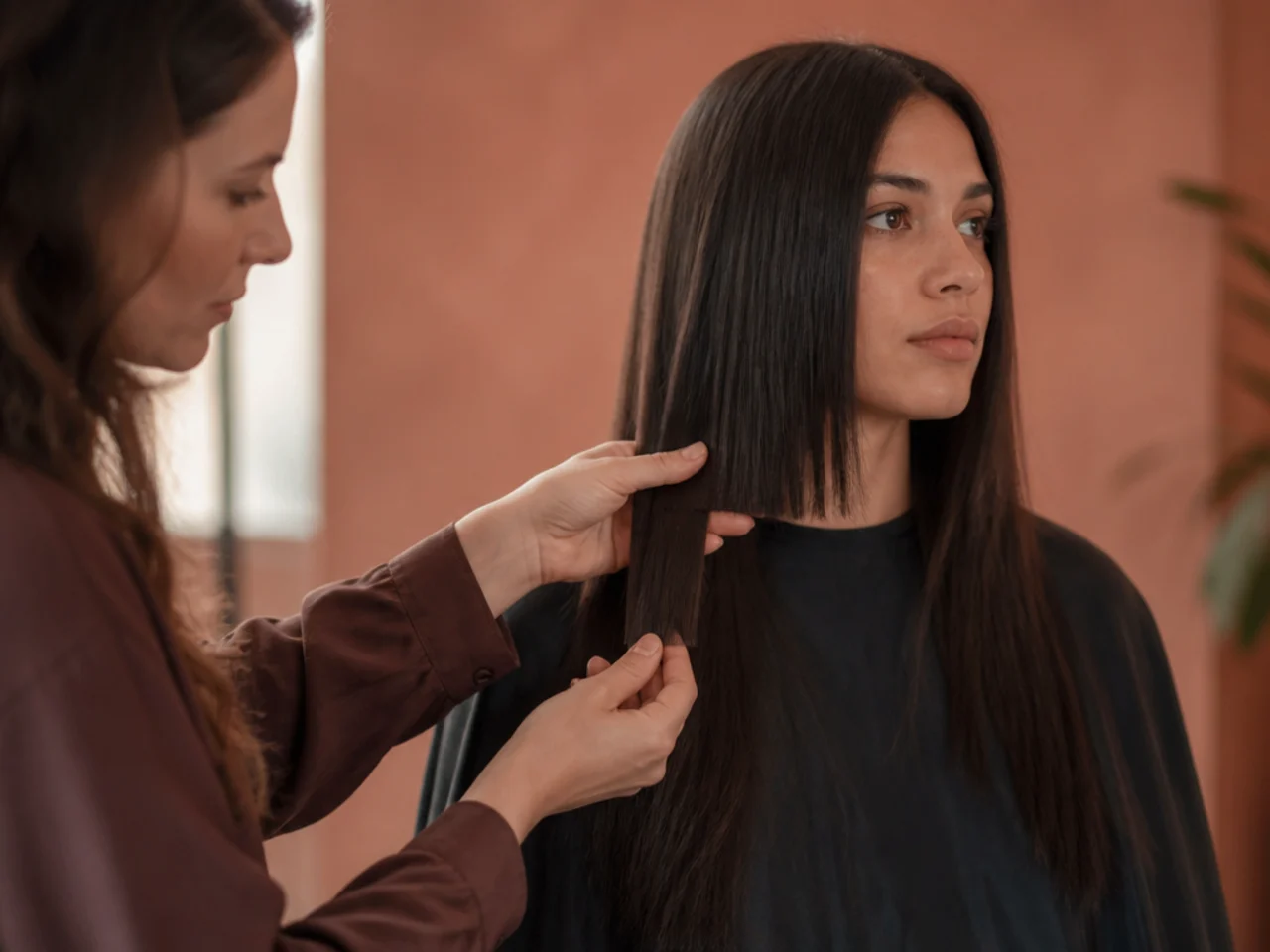
Measure from the chin, not from the crown. The shortest layer is defined by where it lands on your face, and the chin is the reliable landmark on almost every head.
Tighter spacing on fine hair. A wide gap on fine hair leaves the ends underneath looking thin, because too much of the density was lifted into the short layer.
Wider spacing on thick or curly hair. Density fills the gap in on its own, so a gap cut to look right on straight hair disappears entirely on curls.
Cut dry if your hair moves. Waves lift roughly an inch as they dry and curls lift more, so a layer measured wet lands well above where it was planned.
The 25 Shoulder Length Butterfly Cuts
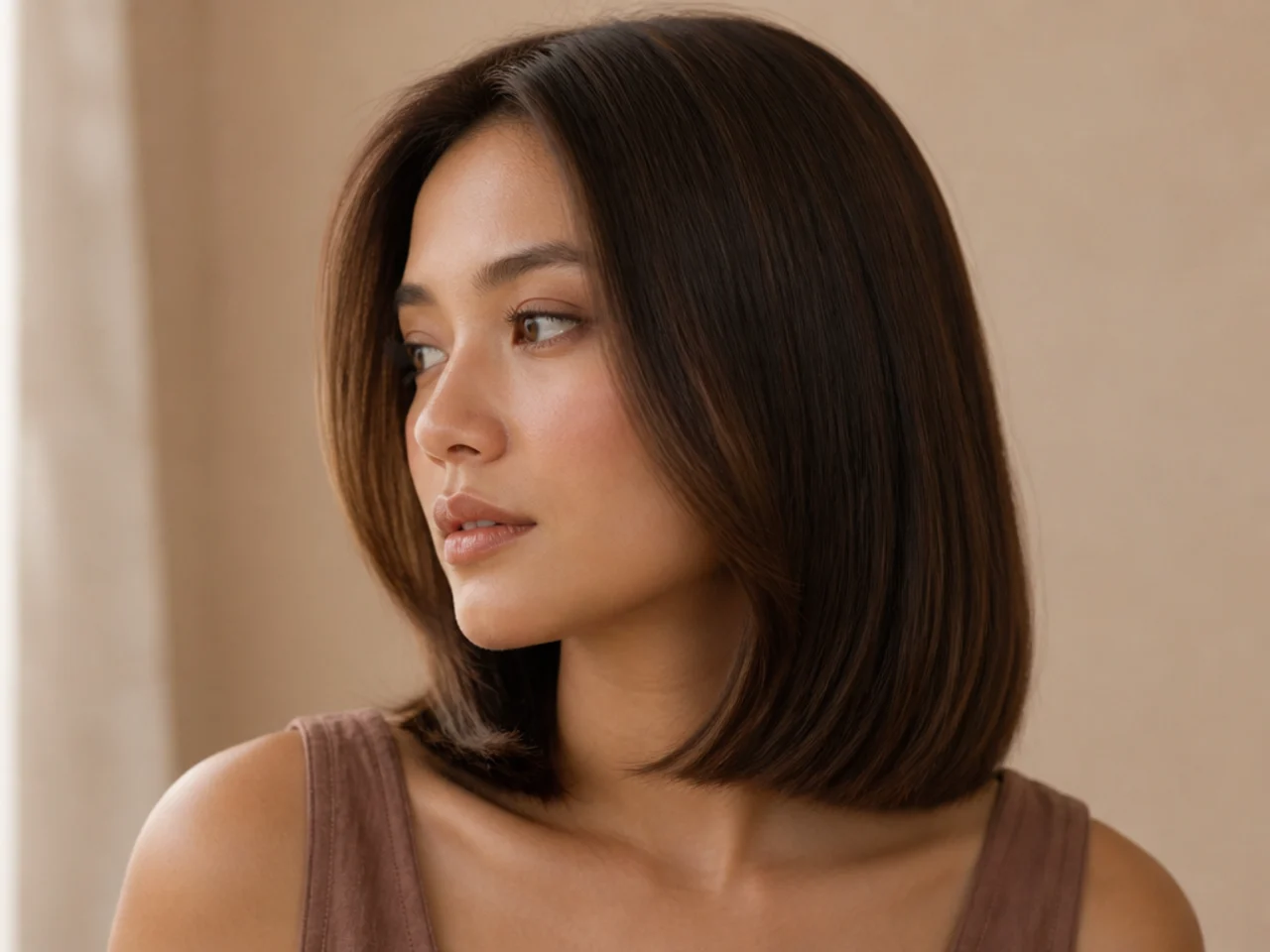
1. Collarbone Butterfly With a Chin Length Front
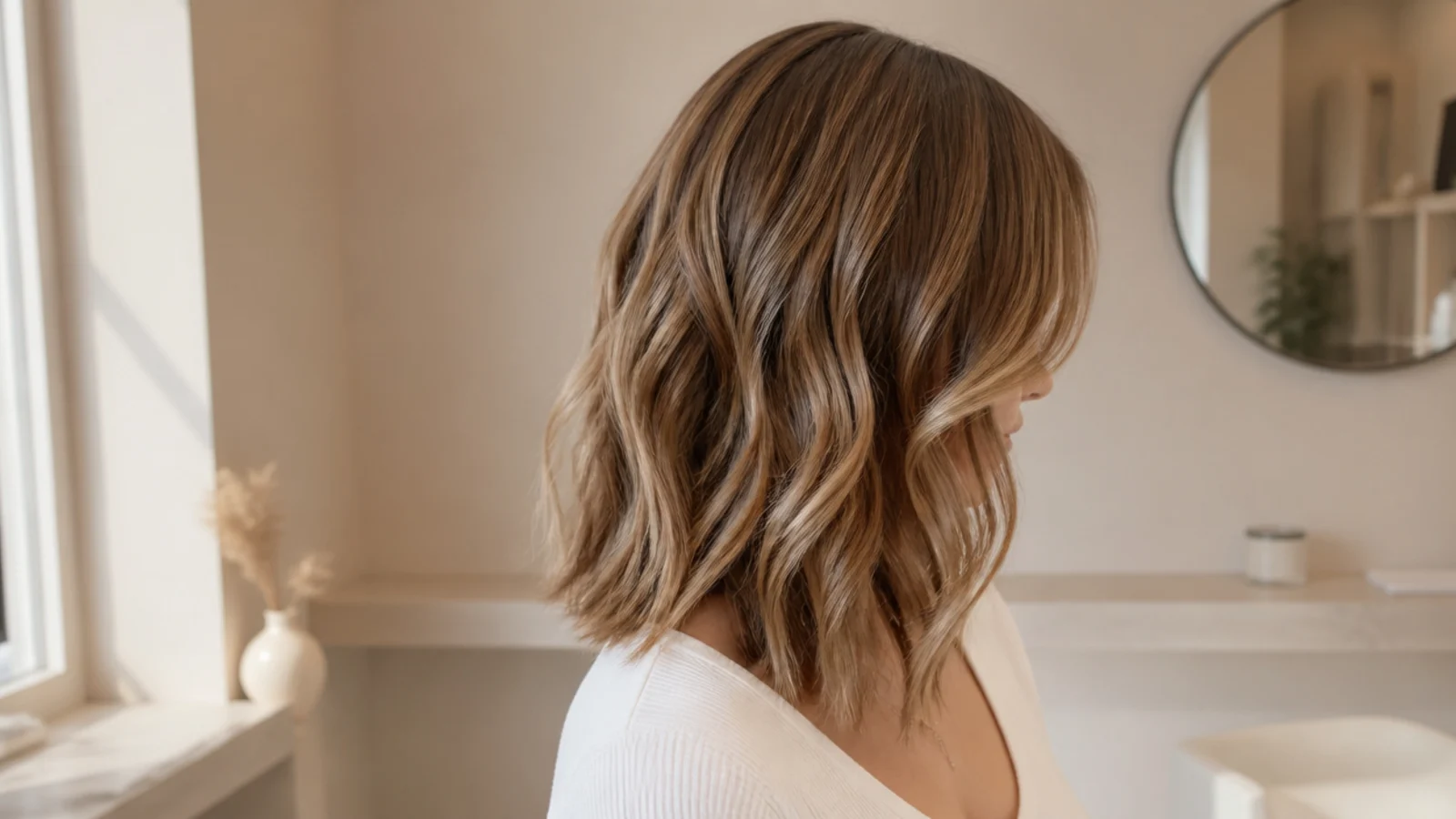
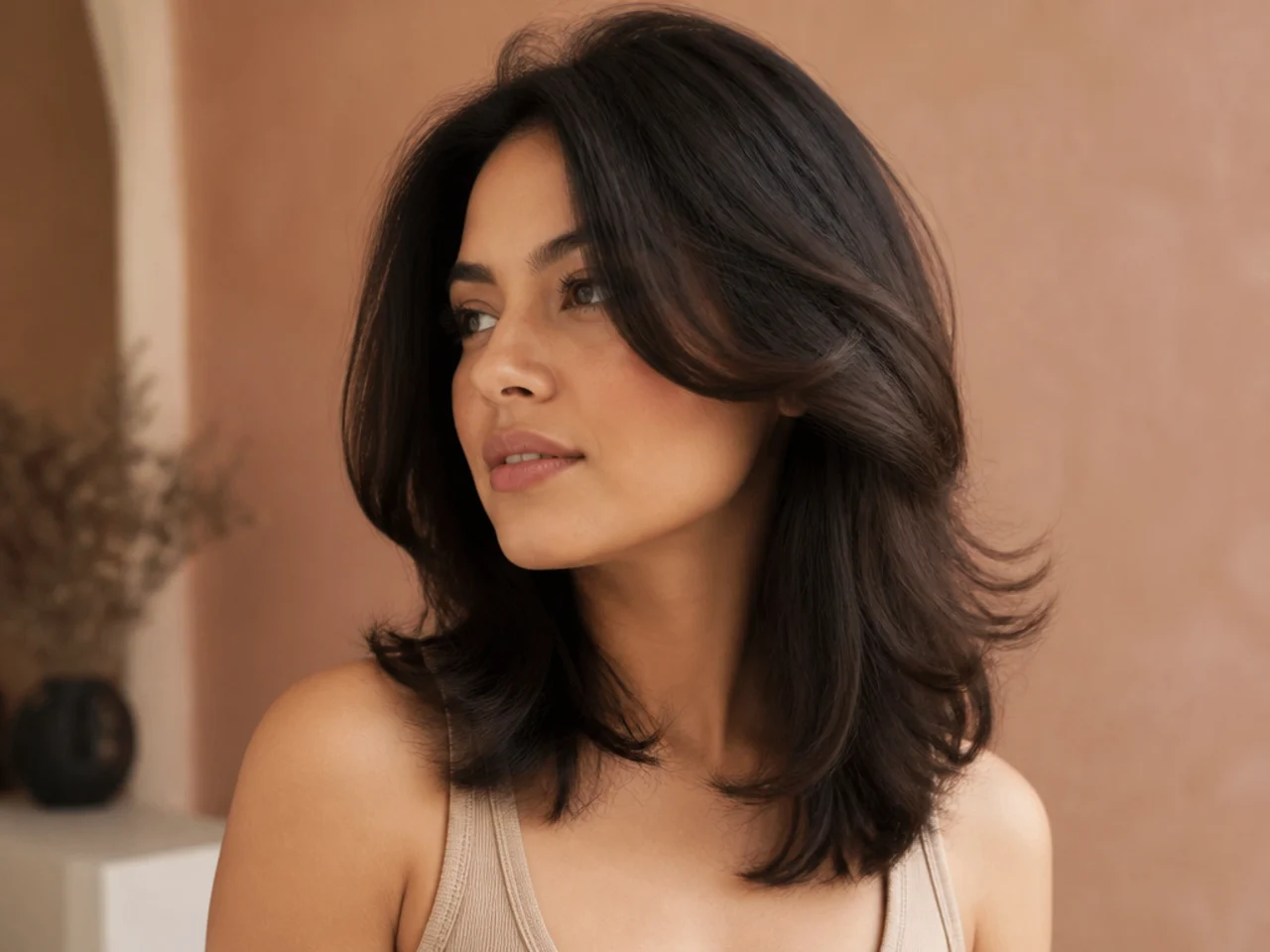
The shortest layer stops at the chin and the perimeter sits at the collarbone, roughly a four inch gap. That is short enough for the top layer to fall clear of the one beneath and long enough that the two do not collapse into a single blunt line. This is the default version of the butterfly haircut at this length.
2. Butterfly With a Soft Shelf
Cut with the shears held vertically so the ends of the short layer are broken rather than blunt. The uneven ends interleave with the layer below instead of resting on top of it, which is what stops the join reading as a step across the side of the head.
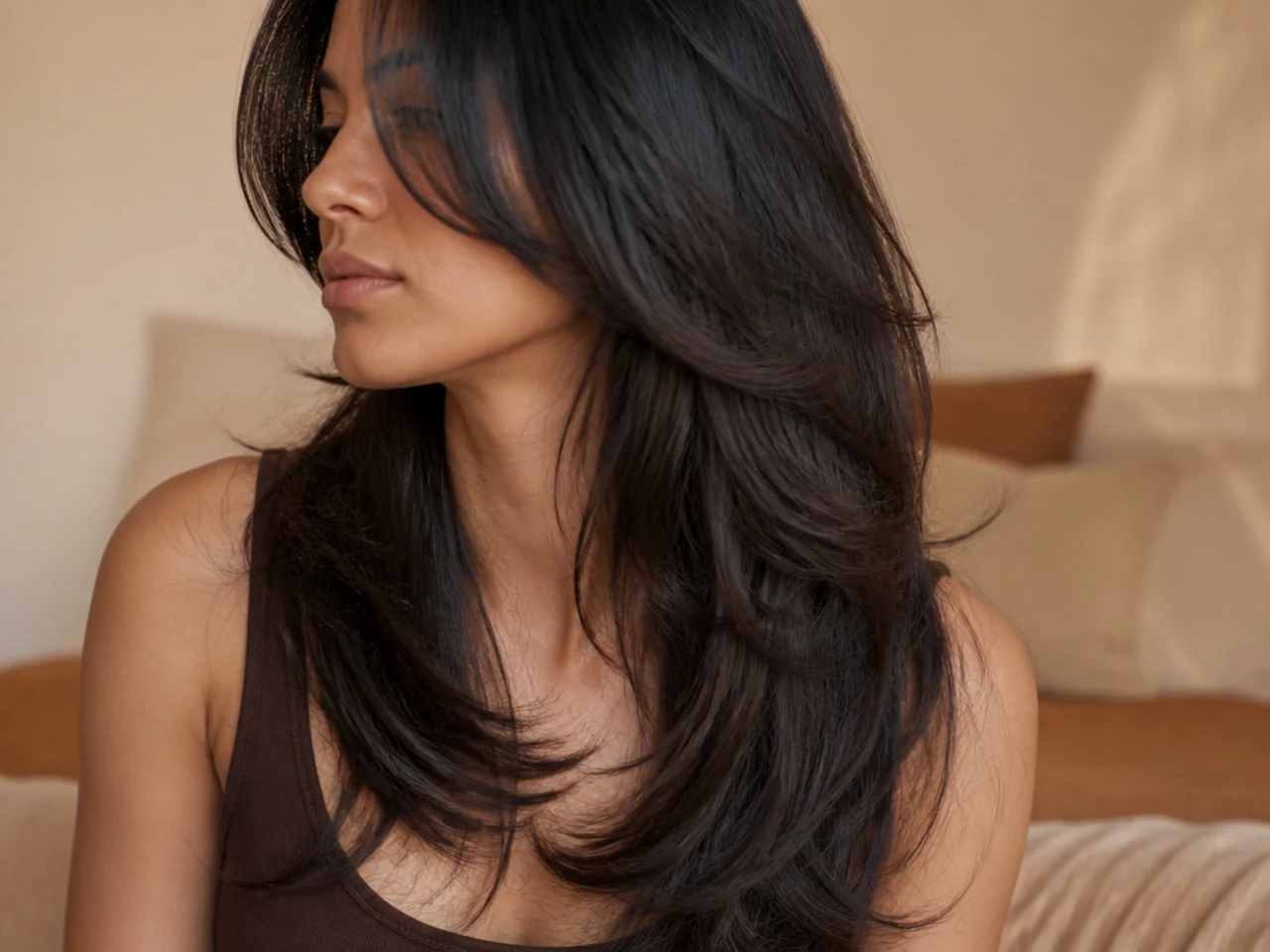
3. Butterfly With a Blunt Perimeter
The bottom edge is cut straight across while the internal layers stay soft. The heavy line at the bottom gives fine hair a solid weight to sit against, so the movement above it looks deliberate rather than sparse.

4. Butterfly With Curtain Bangs
The bang and the shortest layer are cut as one continuous piece, so the face frame travels from brow to chin without a break. Cut separately, the two fall at different angles and the front of the head reads as two stacked shelves rather than one sweep.

5. Butterfly With a Long Fringe
A fringe reaching the cheekbone extends the shortest layer upward rather than adding a second one. On shoulder length hair this is the only way to get real face framing without cutting further into the length you have.
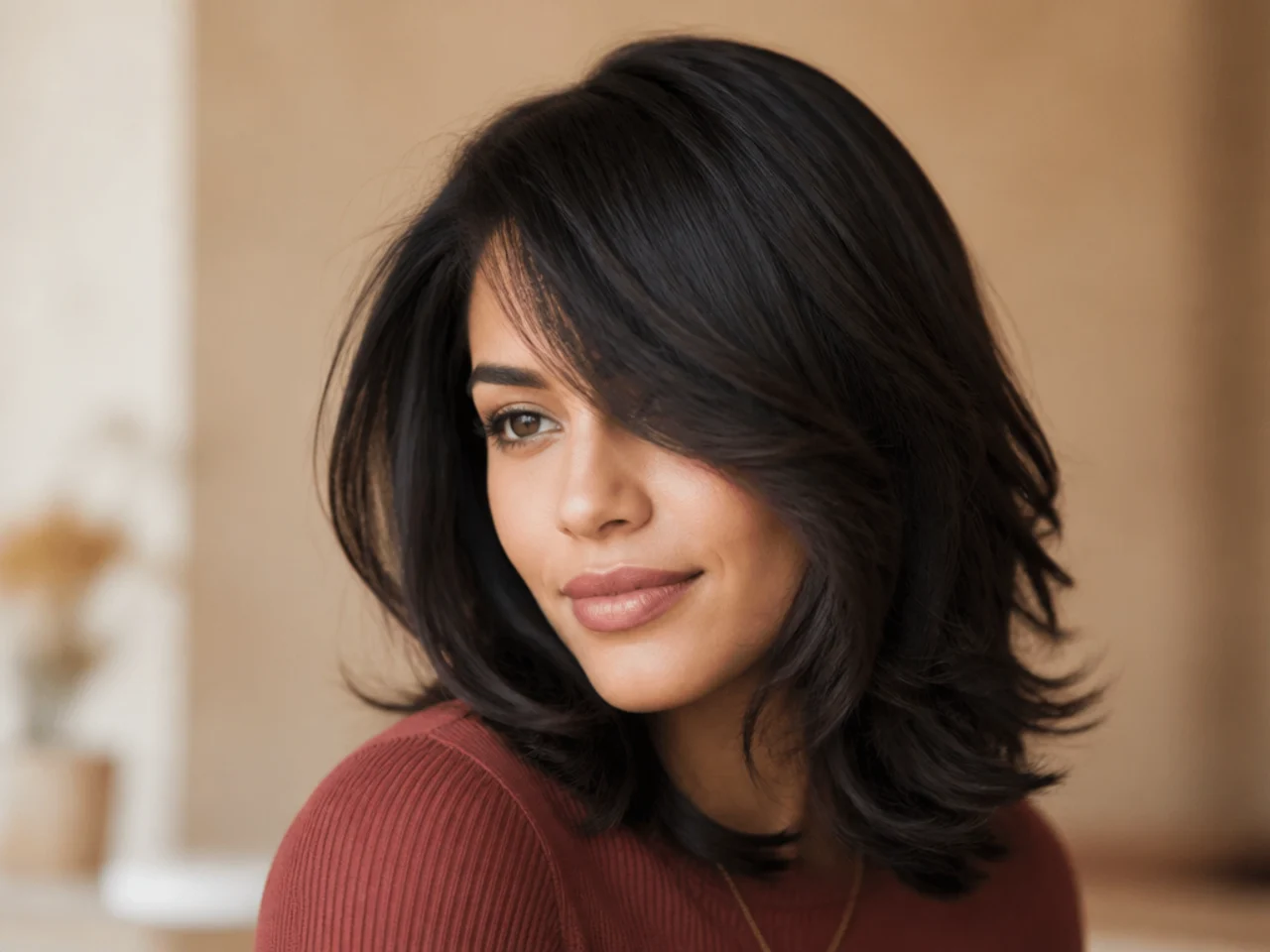
6. Butterfly With a Money Piece
Lightening the two front sections by two or three levels makes the shortest layer read as a separate piece before it is styled at all. Where the layer gap is small, colour does the job that length cannot.
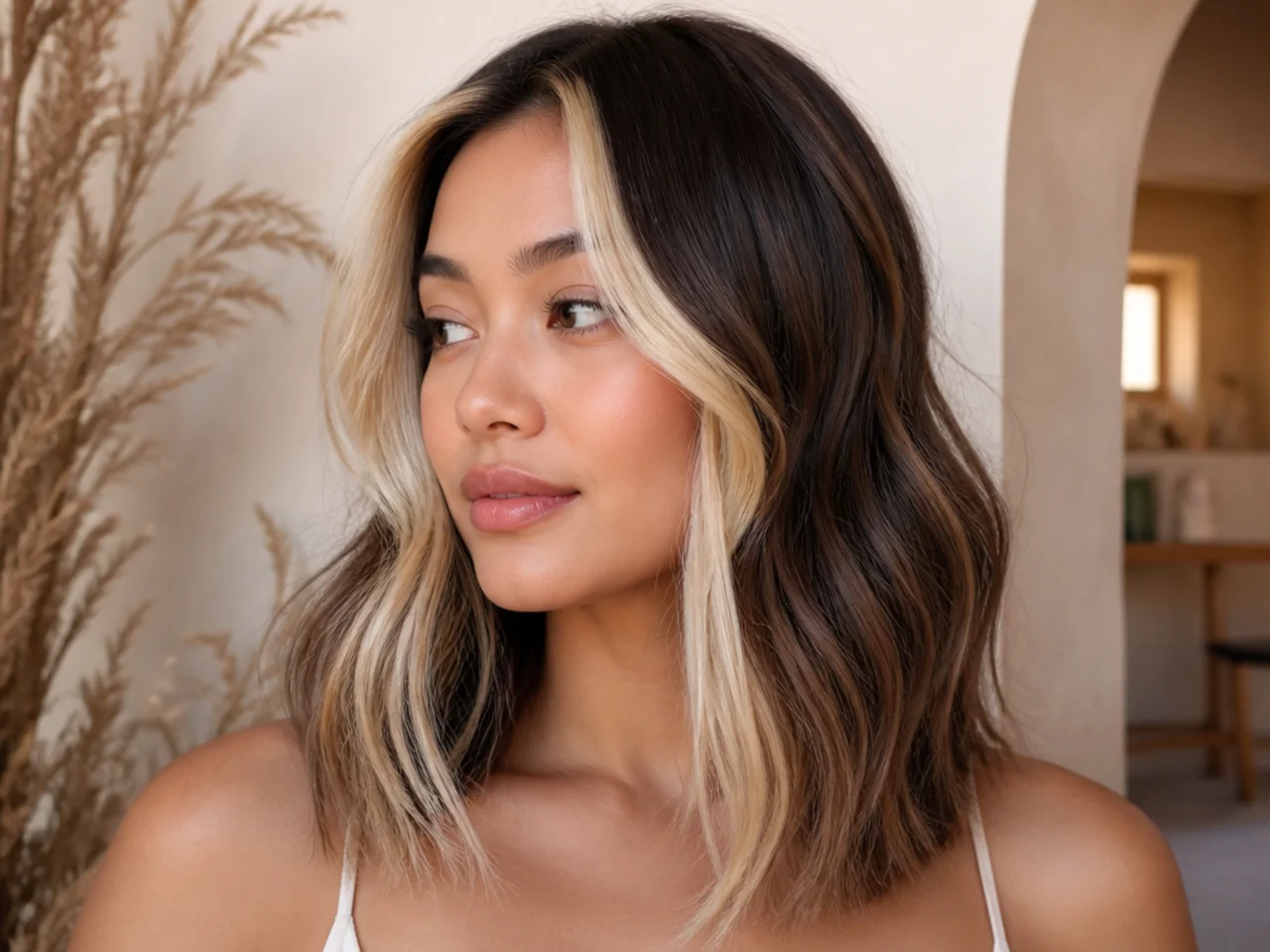
7. Butterfly With a Middle Part
A centre part splits the short layer evenly, so both sides flick outward at the same height and the shape reads symmetrically. It is also the part the cut is usually sectioned under, which means it falls into place with no coaxing.

8. Butterfly With a Deep Side Part
The part pushes most of the short layer to one side, so one wing sits higher than the other. That asymmetry adds height at the crown, but the short side needs tucking or pinning or it falls straight across the face.

9. Butterfly on Fine Hair
Fine hair loses density fast once it is layered, so the short layer should start below the chin and take only the top third of the section. Lift more than that and the ends underneath thin out, leaving the wing sitting over nothing.

10. Butterfly on Thick Hair
Thick hair carries the shelf easily but pushes the short layer outward into a triangle. The fix is removing weight from inside the section rather than shortening the layer, which narrows the outline without widening the gap.

11. Butterfly on Straight Hair
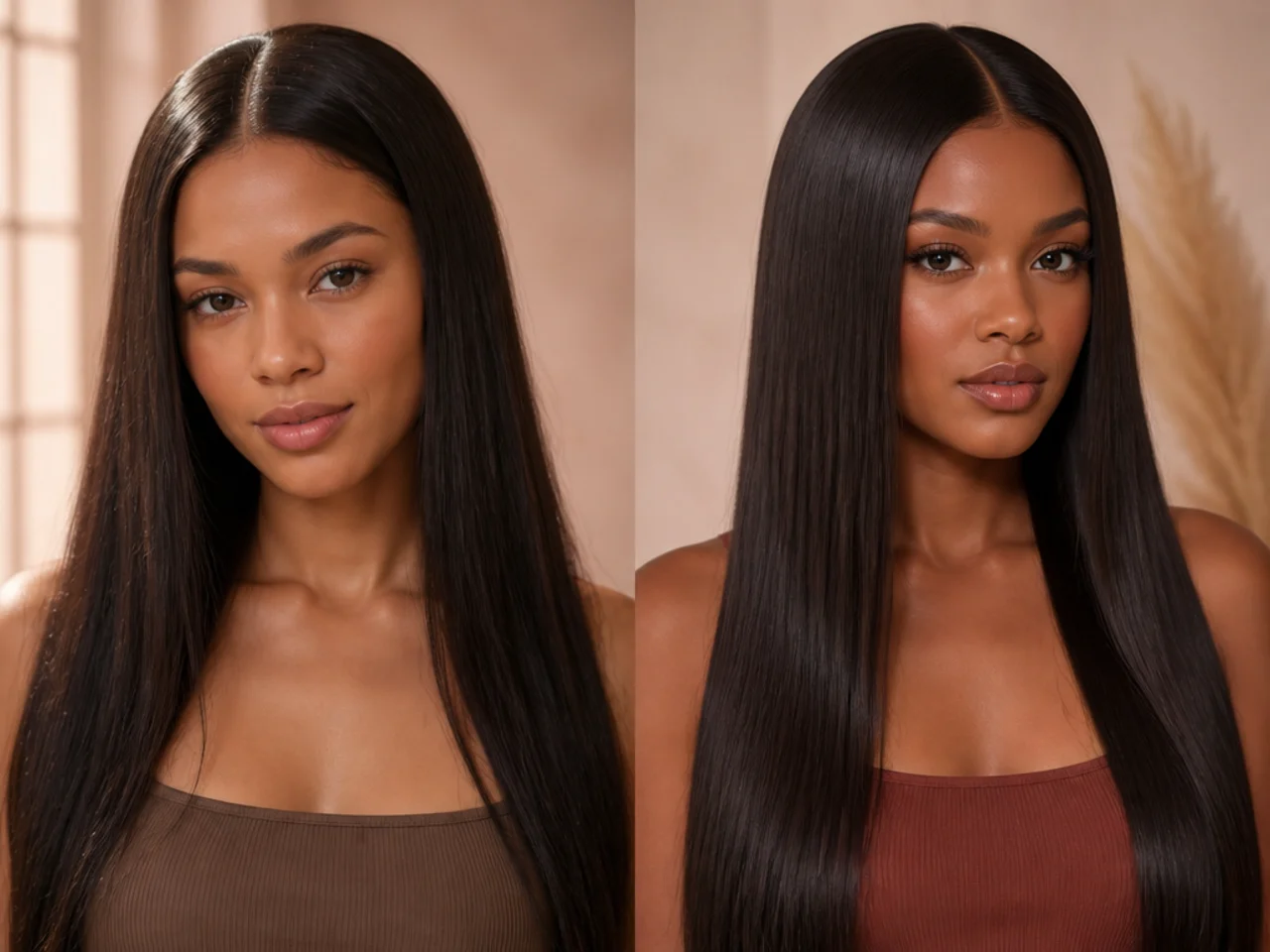
Straight hair shows every layer line exactly where it was cut, so the join has to be point cut deeply or it reads as a horizontal ledge. It also needs heat to show any wing at all, because it will not bend on its own.
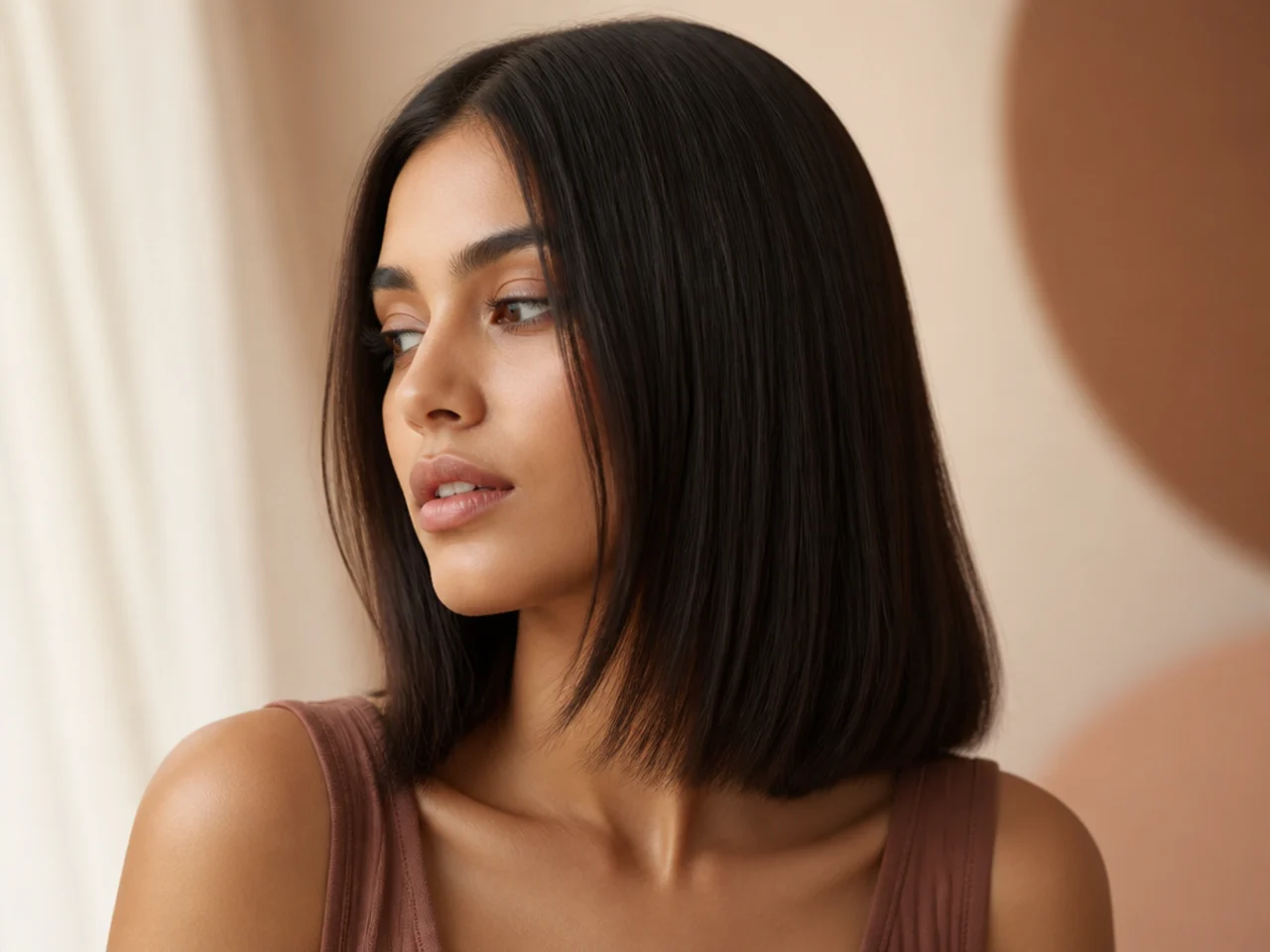
12. Butterfly on Wavy Hair
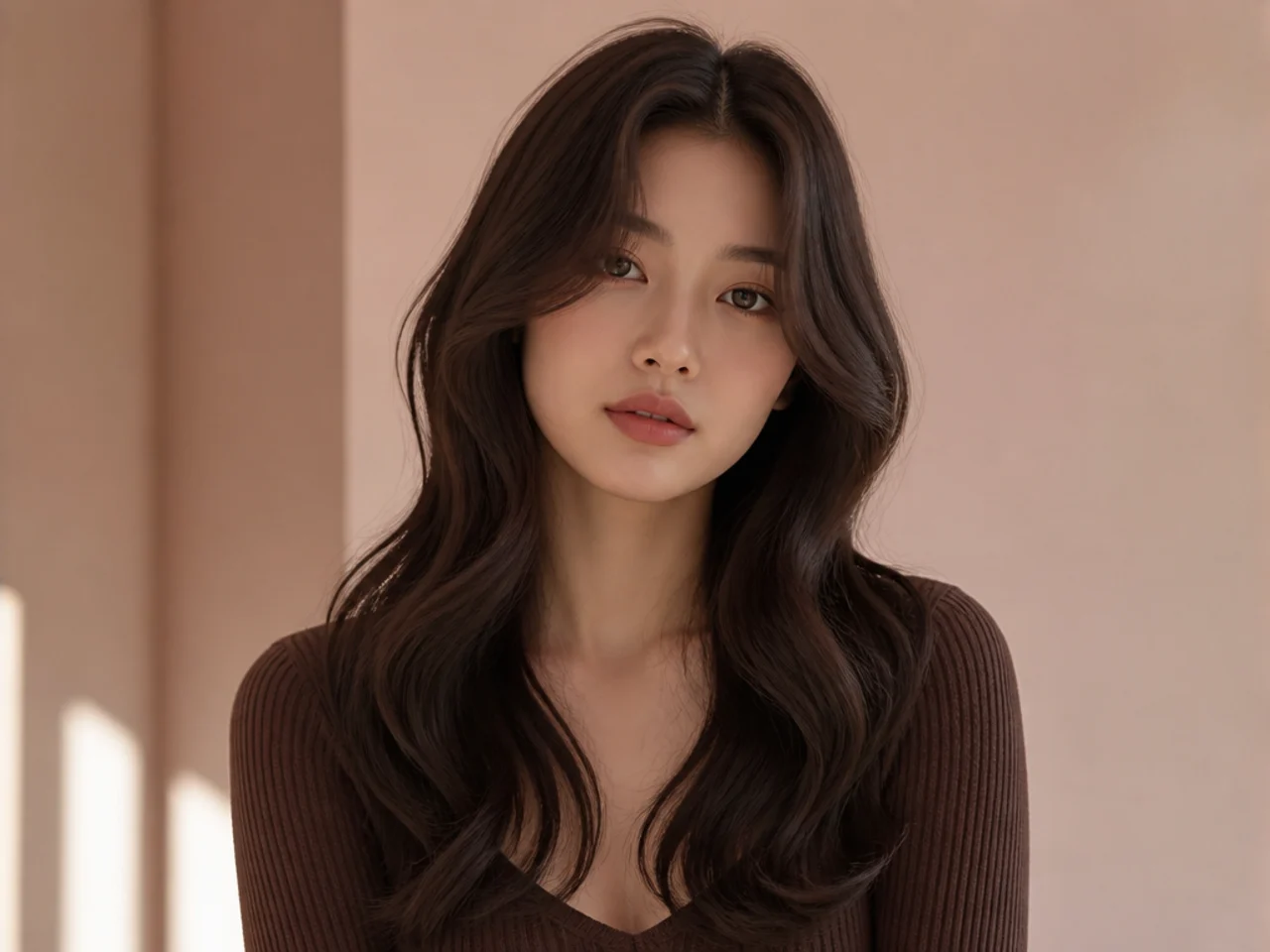
The natural bend does the wing for you, which is why this cut suits waves best. Cut it dry, though, because a wave lifts about an inch as it dries and a layer measured wet lands far higher than planned.
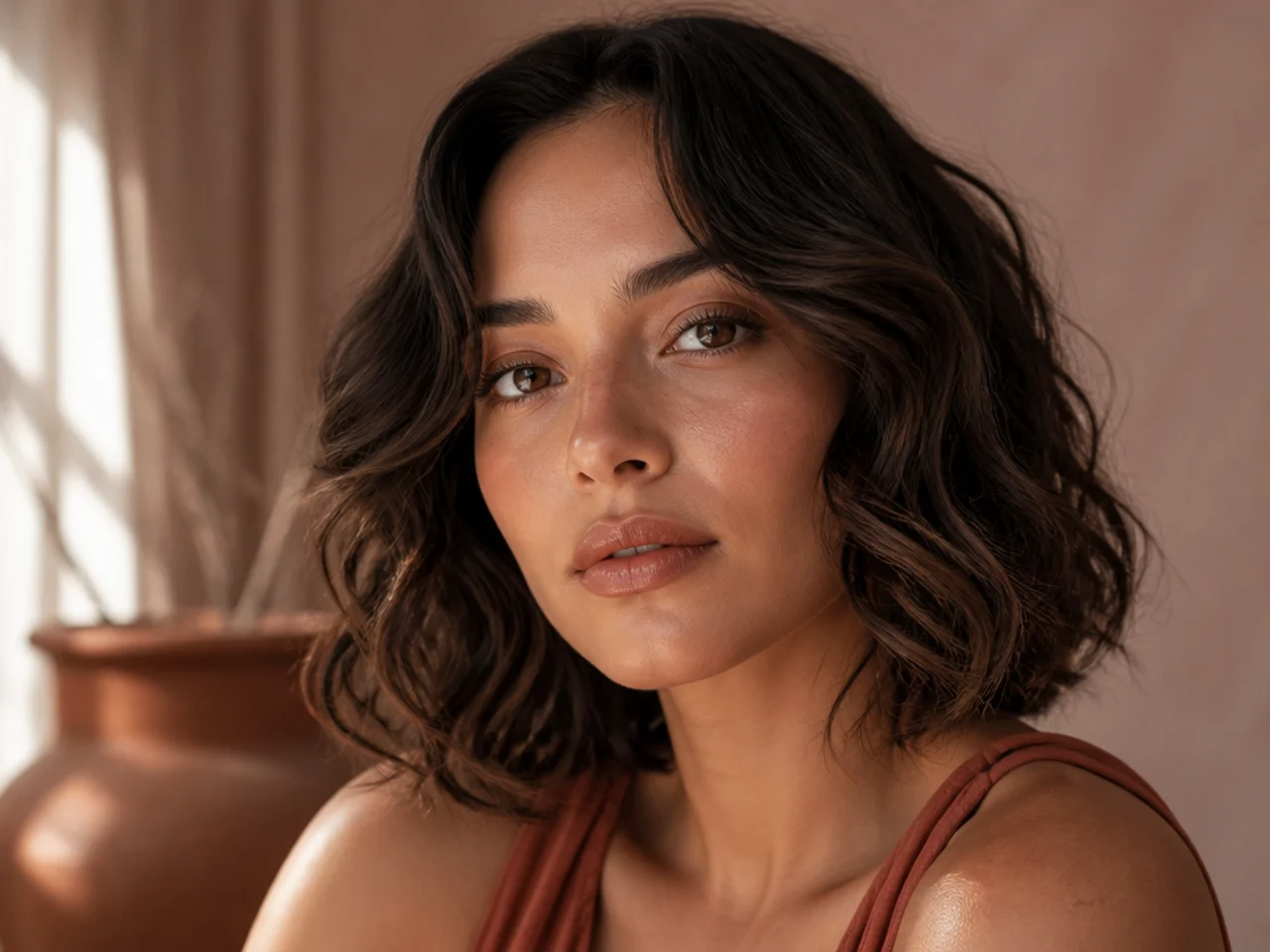
13. Butterfly on Curly Hair
Each layer is cut curl by curl on dry hair, because a stretched curl springs back to roughly two thirds of its wet length. Cut wet, the short layer that was aimed at the chin ends up level with the ear.
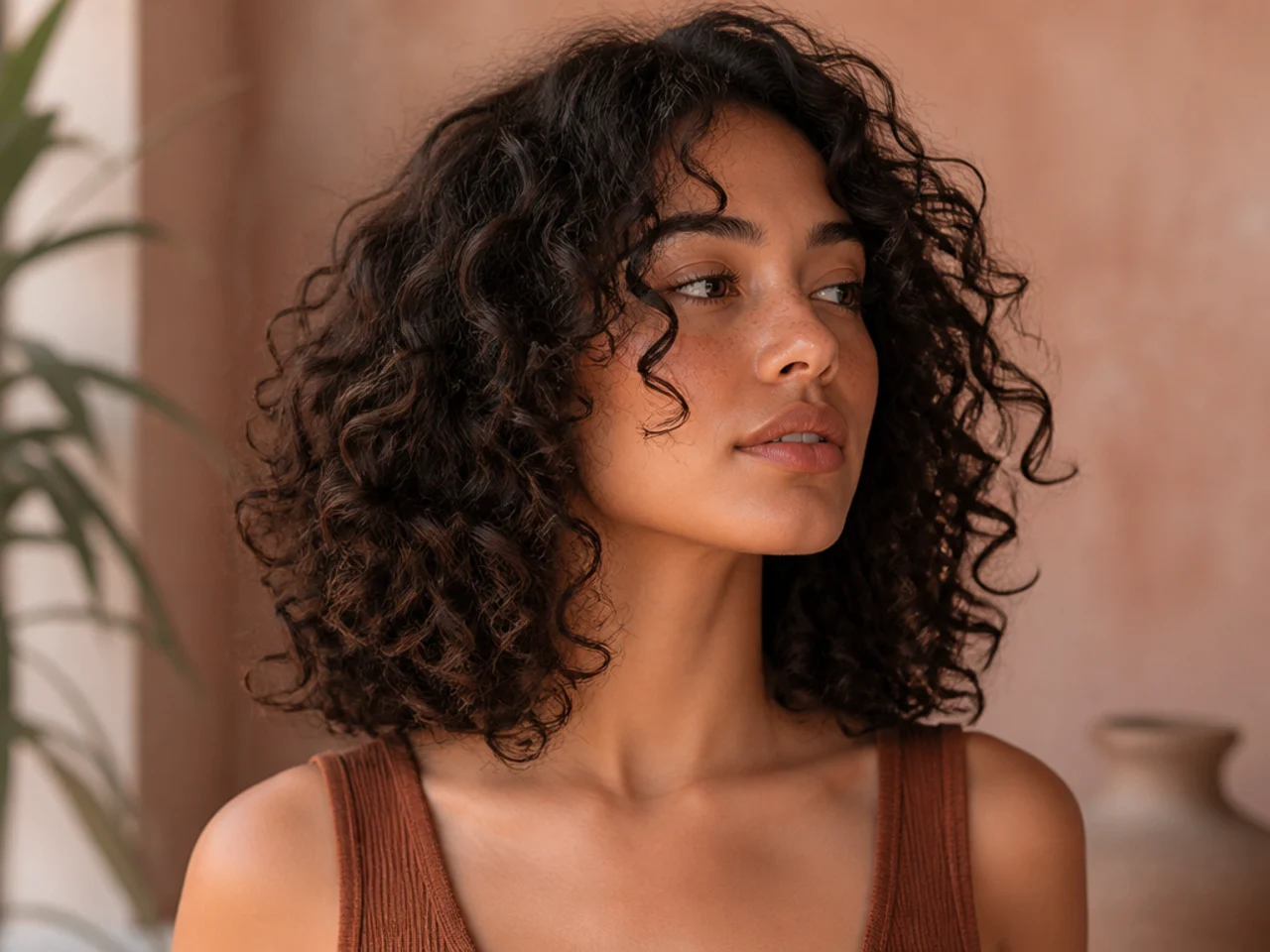
14. Butterfly on Coily Hair
Coils shrink most of all, so the gap has to be cut wider than it looks wet or the two lengths merge into one round shape. The separation here comes from a change in density rather than a visible ledge.
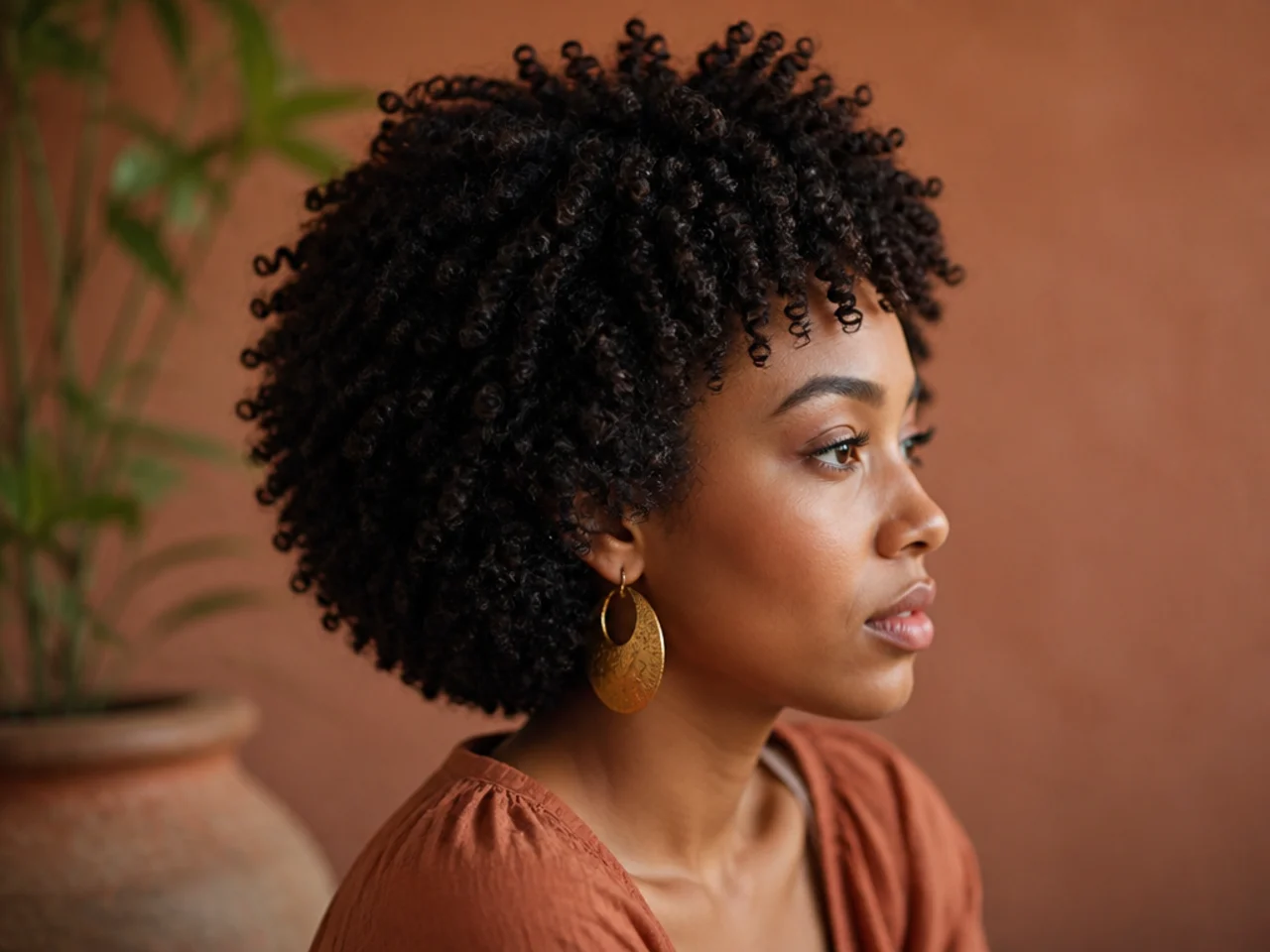
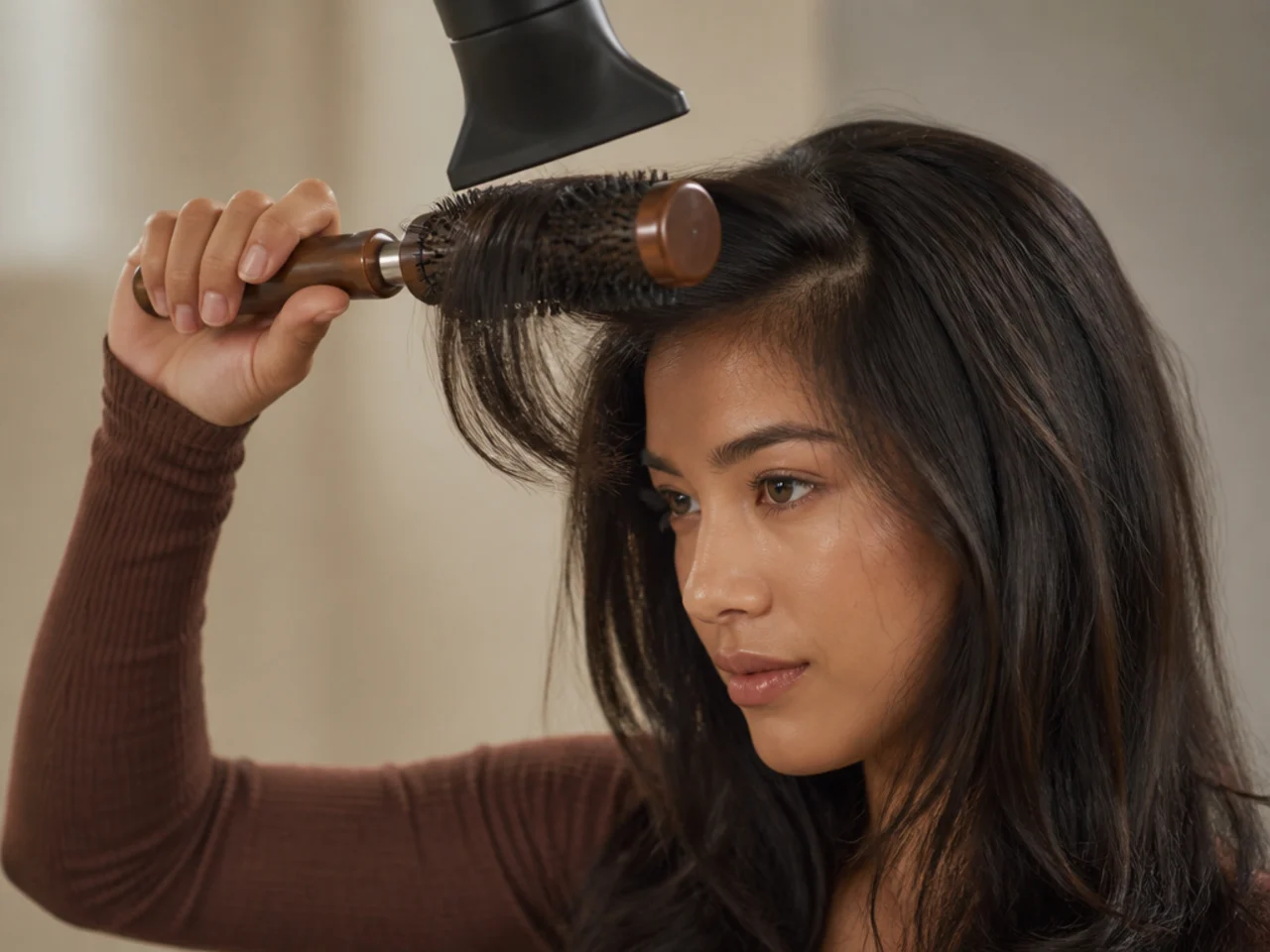
15. Round Brush Butterfly Blowout
Drying the short layer over a large round brush away from the face sets the outward bend the cut is built for. The bend holds because the hair takes its shape while it cools on the barrel, not while the heat is on it.
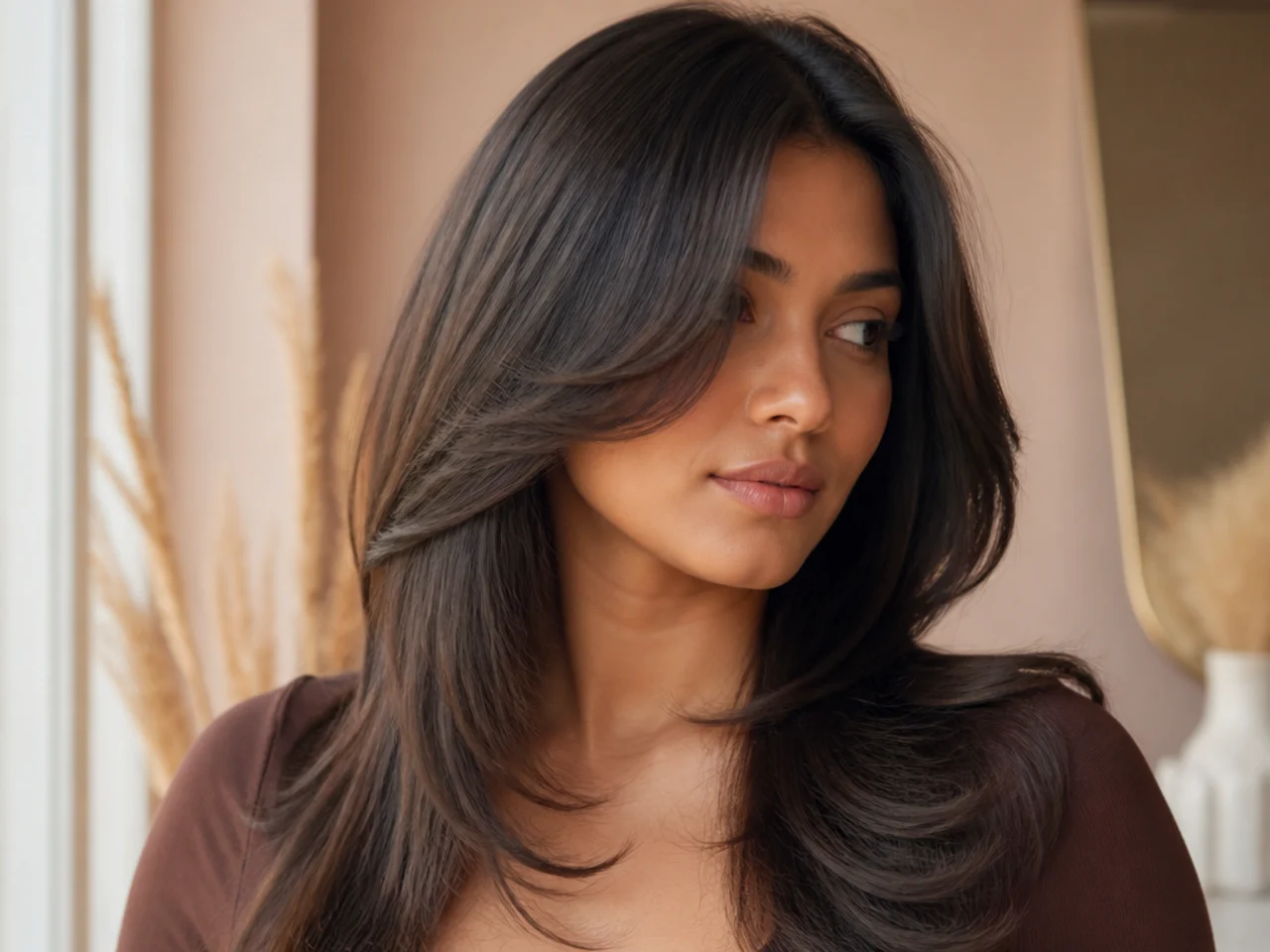
16. Air Dried Butterfly
Left alone, the short layer falls forward rather than flicking out, which turns the cut into soft face framing. It reads well on hair with natural movement and looks unfinished on anything genuinely straight.

17. Butterfly With Flicked Ends
Only the last inch of the short layer is bent outward, with a flat iron or a wand. Keeping the bend at the ends holds the volume low on the head, which stops shoulder length hair widening at the jaw.
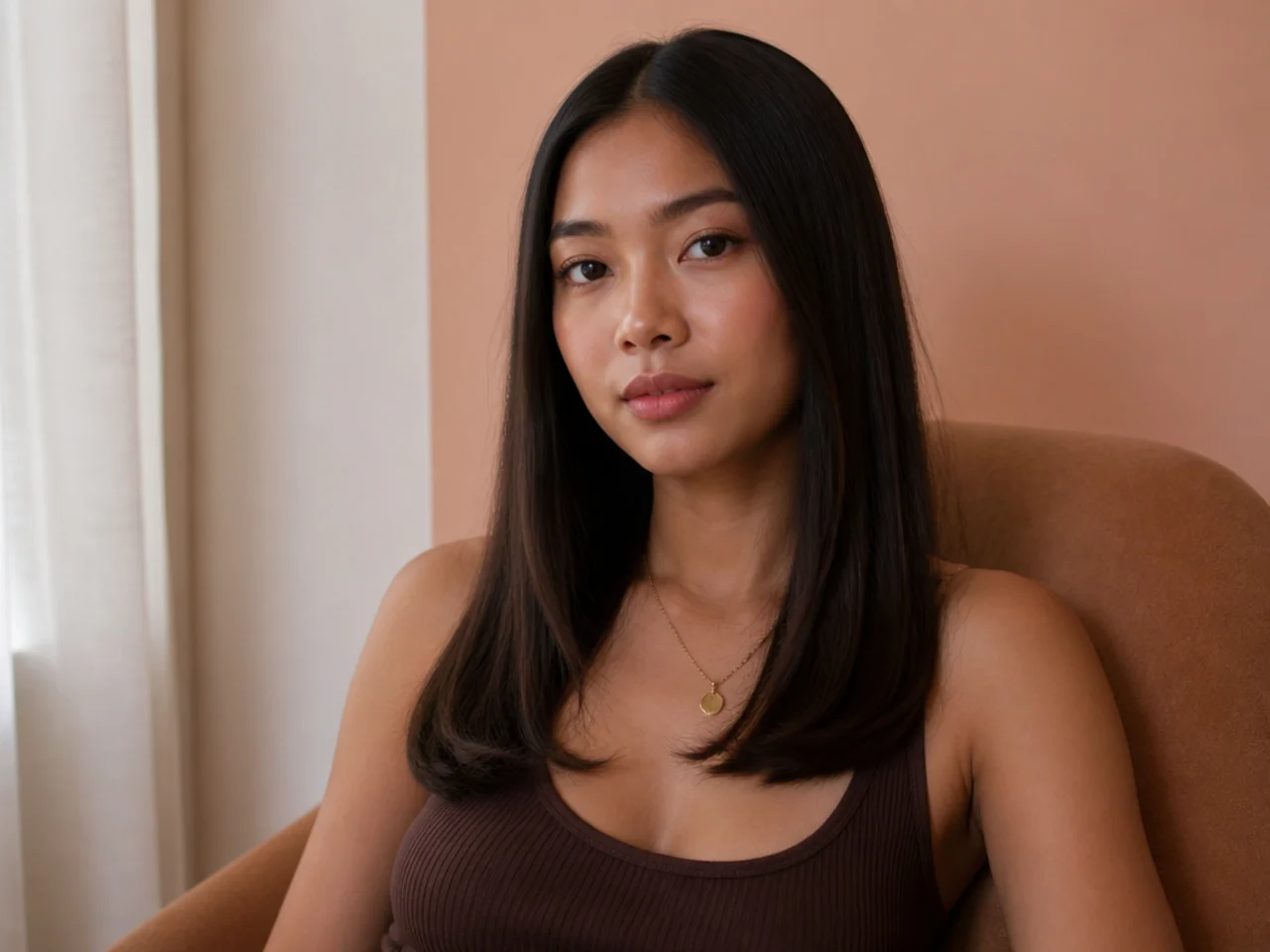
18. Butterfly With Ends Curled Under
The perimeter is curled under while the short layer flicks out, giving the two opposing directions the shape depends on. Curl both under and the layers stack into a bob outline instead.

19. Butterfly With Invisible Layers
The layers are graduated so gradually that no single line is visible, giving movement without a shelf. It needs trimming sooner than the sharper versions, because there is less structure holding the shape once it starts to grow.
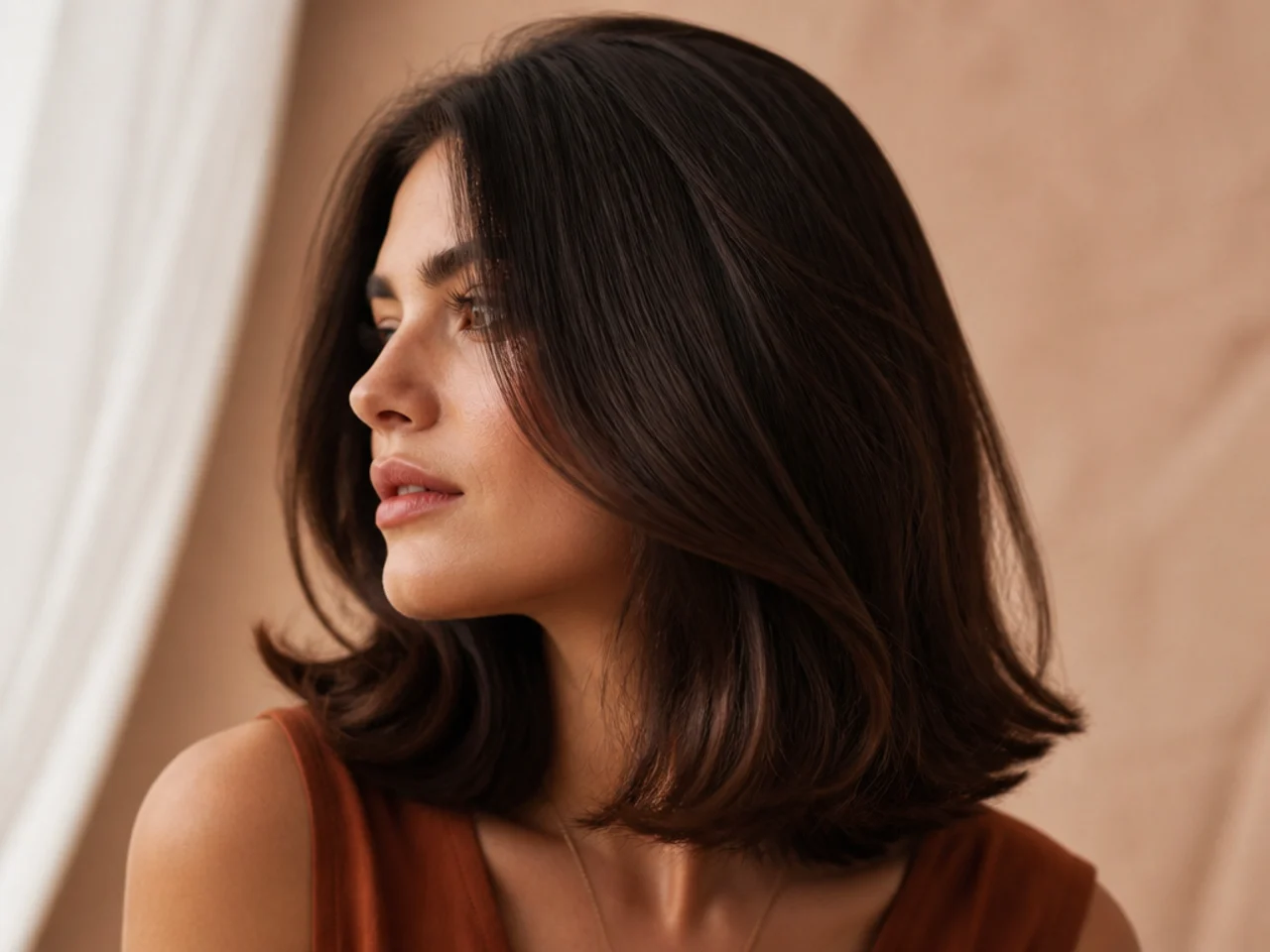
20. Butterfly With a Heavy Under Layer
The bottom section is left thick and barely touched so it works as a base plate for the shorter hair above. Fine hair especially needs this, since a layered underside leaves the wing floating with nothing behind it.

21. Butterfly for a Round Face
Keeping the shortest layer below the chin drops the widest point of the hair past the widest point of the face. Layers stopping at cheek height do the opposite and add width exactly where it already sits.

22. Butterfly for a Long Face
Here the short layer is cut higher, around the mouth, so the volume lands across the middle of the face. That horizontal weight interrupts the vertical line, which is what shortens the face visually.

23. Butterfly for a Square Jaw
Soft curved ends around the jaw break the corner rather than tracing it. A blunt layer landing exactly at the jaw copies the angle instead and makes it read stronger.
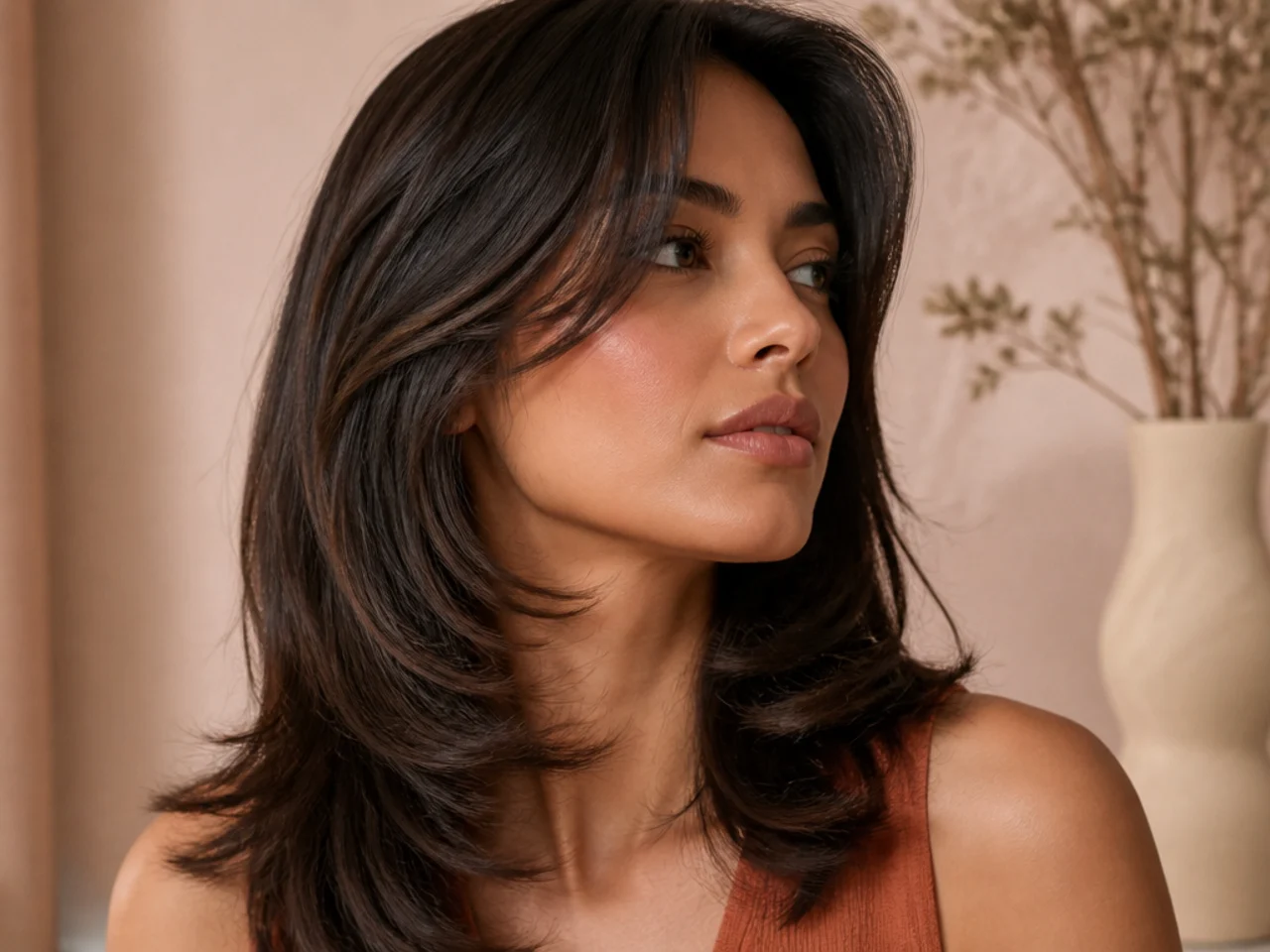
24. Butterfly at Week Eight
The short layer has grown roughly an inch and now sits closer to the perimeter, so the wing flattens. The cut still works at this point, but it needs more heat and a smaller brush to hold the bend.
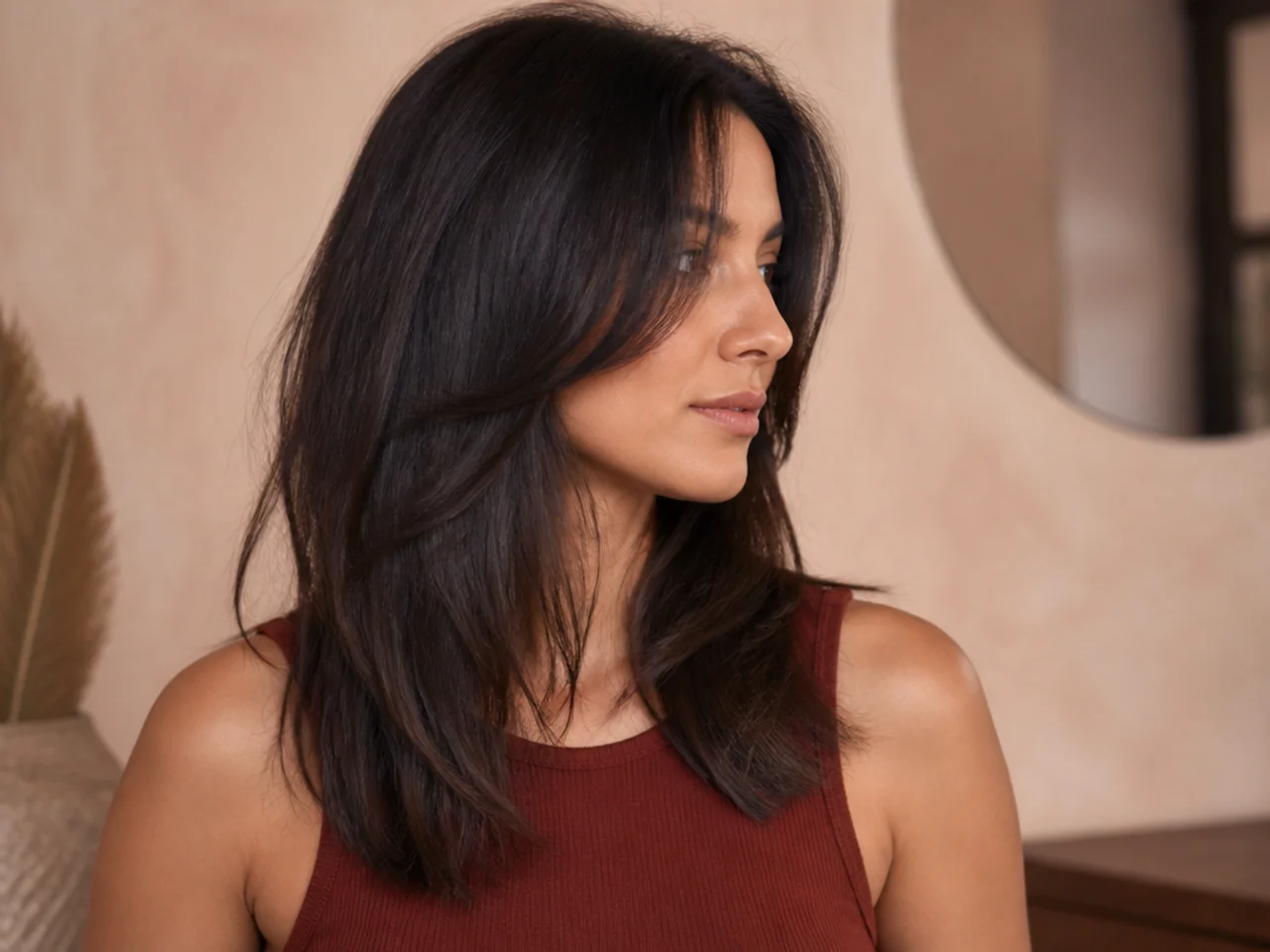
25. Butterfly Grown Out Into a Shag
Left twelve weeks, the gap closes and the shape softens into a shag. That is a real landing point rather than a failure, and it is the cheapest way to change the cut without booking a new one.

Styling and Upkeep
Dry the front sections first. They set the shape, and they are the sections still wet by the time everyone else has stopped drying.
Point the nozzle down the hair shaft. Air blown against the direction of growth roughens the cuticle, and a rough cuticle scatters light instead of reflecting it.
Let the bend cool before you release it. Hair holds whatever shape it was in when it dropped below body temperature, whichever tool made it.
Trim the layers before the perimeter. The internal layers close up first, so a layer trim buys another two months out of the same length.
Skip conditioner on the short layer. Weight is the enemy of the wing, and the front sections are the ones that flatten first.
Mistakes to Avoid
Cutting the short layer above the mouth. At shoulder length there is not enough hair underneath to soften that gap, so it lands as a ledge.
Layering the perimeter as well. The bottom section is the base plate. Layer it and the whole shape goes soft and the ends look thin.
Measuring on wet curls. Curls shrink back to around two thirds of their wet length, so the chin becomes the ear by the time it dries.
Asking for a butterfly cut and describing a shag. One leaves a deliberate gap between two lengths, the other layers continuously. Say which you want.
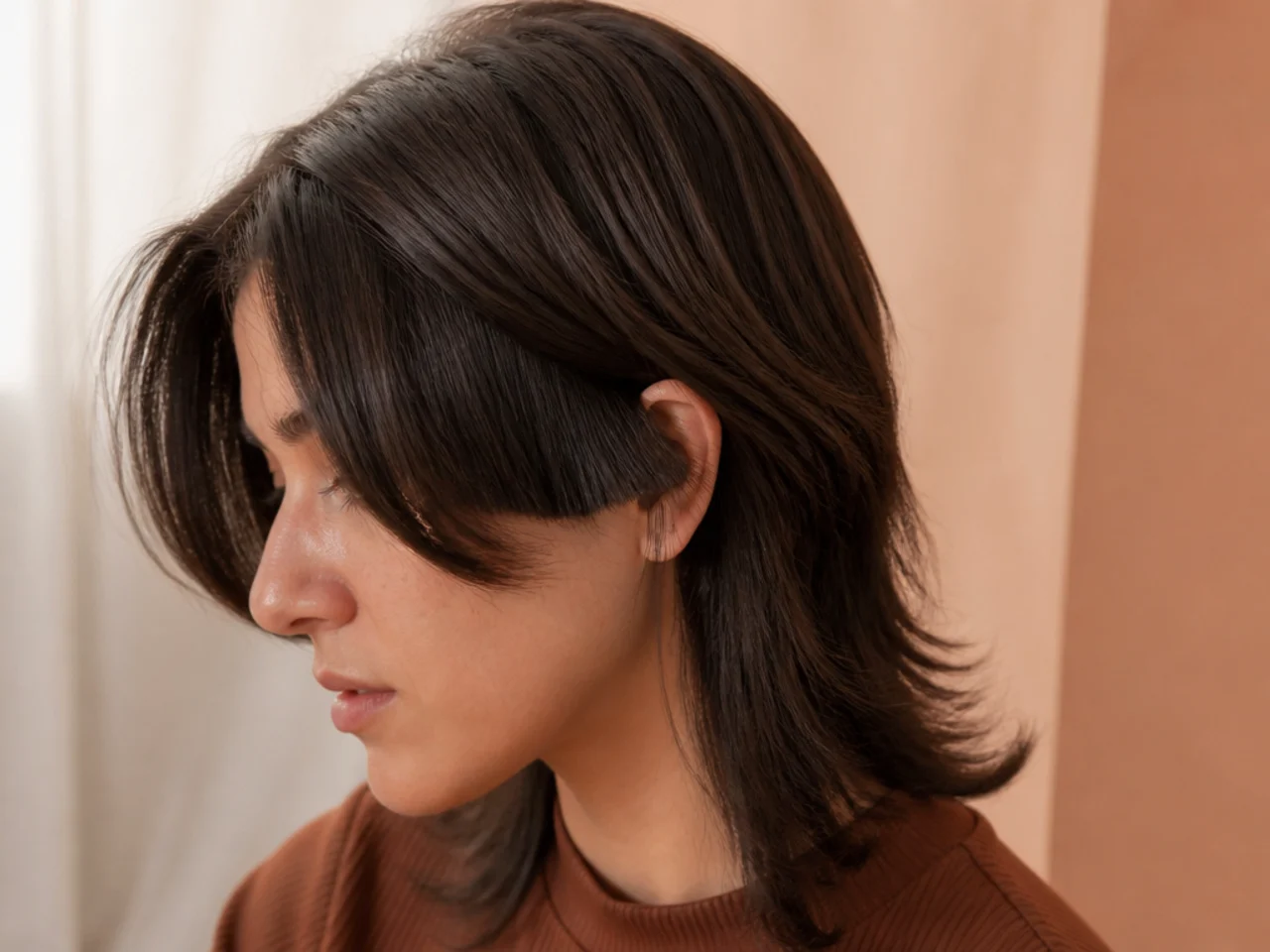
Waiting twelve weeks between trims. By then the layer gap has closed by an inch and a half and the cut has quietly become something else.
FAQ
Where does the short layer end? At the chin for most people at this length.
Will it look shorter? Only if the perimeter is layered too. Keep it blunt.
How often is a trim? Eight to ten weeks, layers before length.
Final Thoughts
Shoulder length is the tightest length this cut works at, and everything depends on one number: the distance between the shortest layer and the perimeter. Chin to collarbone is about four inches, and that is the whole margin. Ask for it in landmarks rather than inches and the stylist can measure it against your face instead of a ruler.
For the full range of lengths and layer placements see the butterfly haircut guide. See also butterfly haircut for short hair. More in Womens Hairstyles.