
25 Hair Growth Tips That Hold Up
Twenty five tips that survive scrutiny, sorted by the only three things a routine can actually change — friction along the length, the condition of the scalp, and the medical baseline nobody checks before they start buying.
In this article · 33
- How Fast Hair Grows
- Breakage Versus Growth
- Scalp Health
- The Weekly Routine
- Diet and Supplements
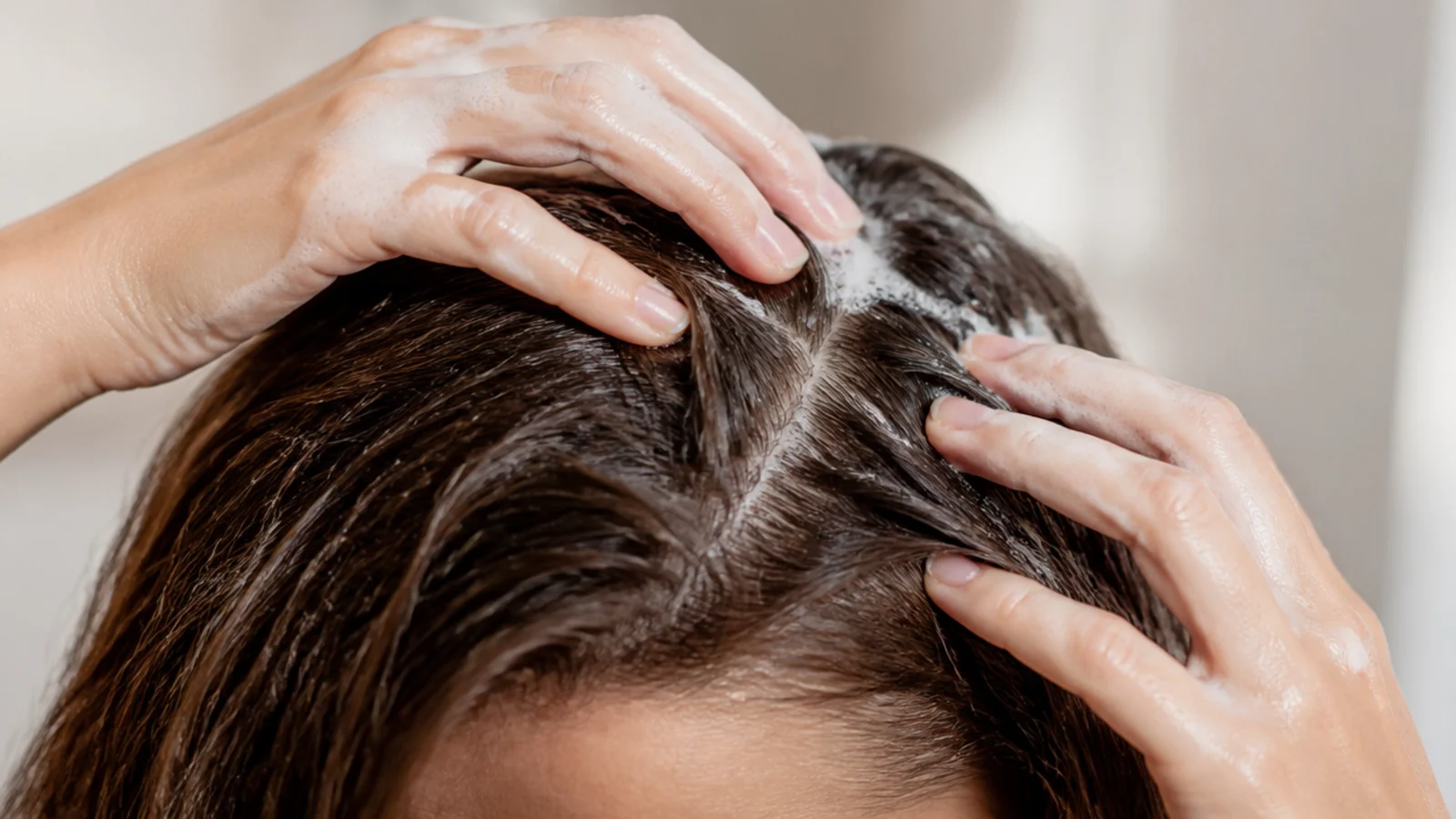
- Specific Concerns
- The 25 Hair Growth Tips
- 1. Trim a Quarter Inch
- 2. Scalp Massage
- 3. The Satin Pillowcase
- 4. The Microfibre Towel
- 5. Detangle From the Ends Up
- 6. A Heat Limit
- 7. Heat Protectant
- 8. Clarify the Scalp
- 9. Deep Condition
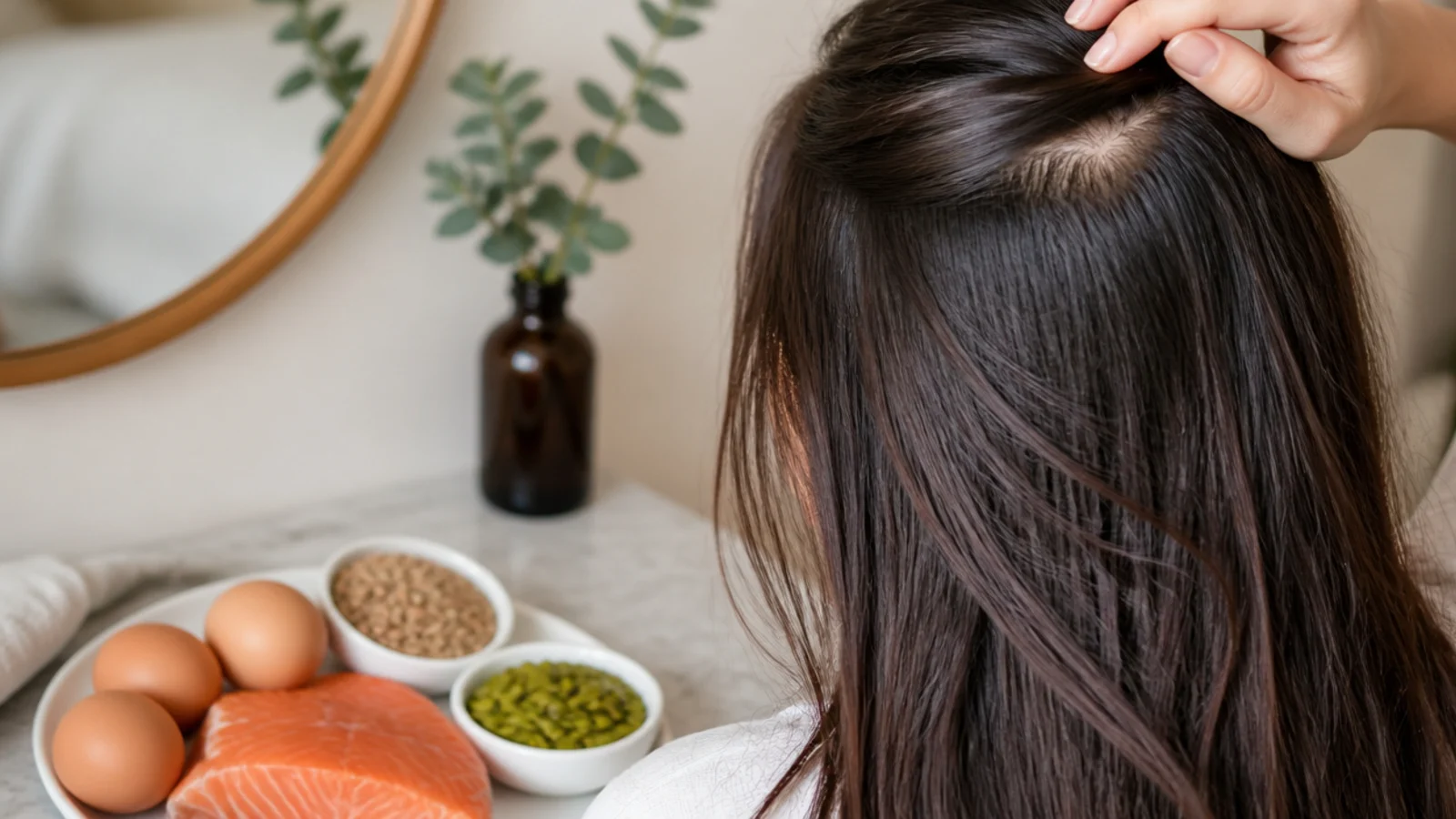
- 10. Protein Intake
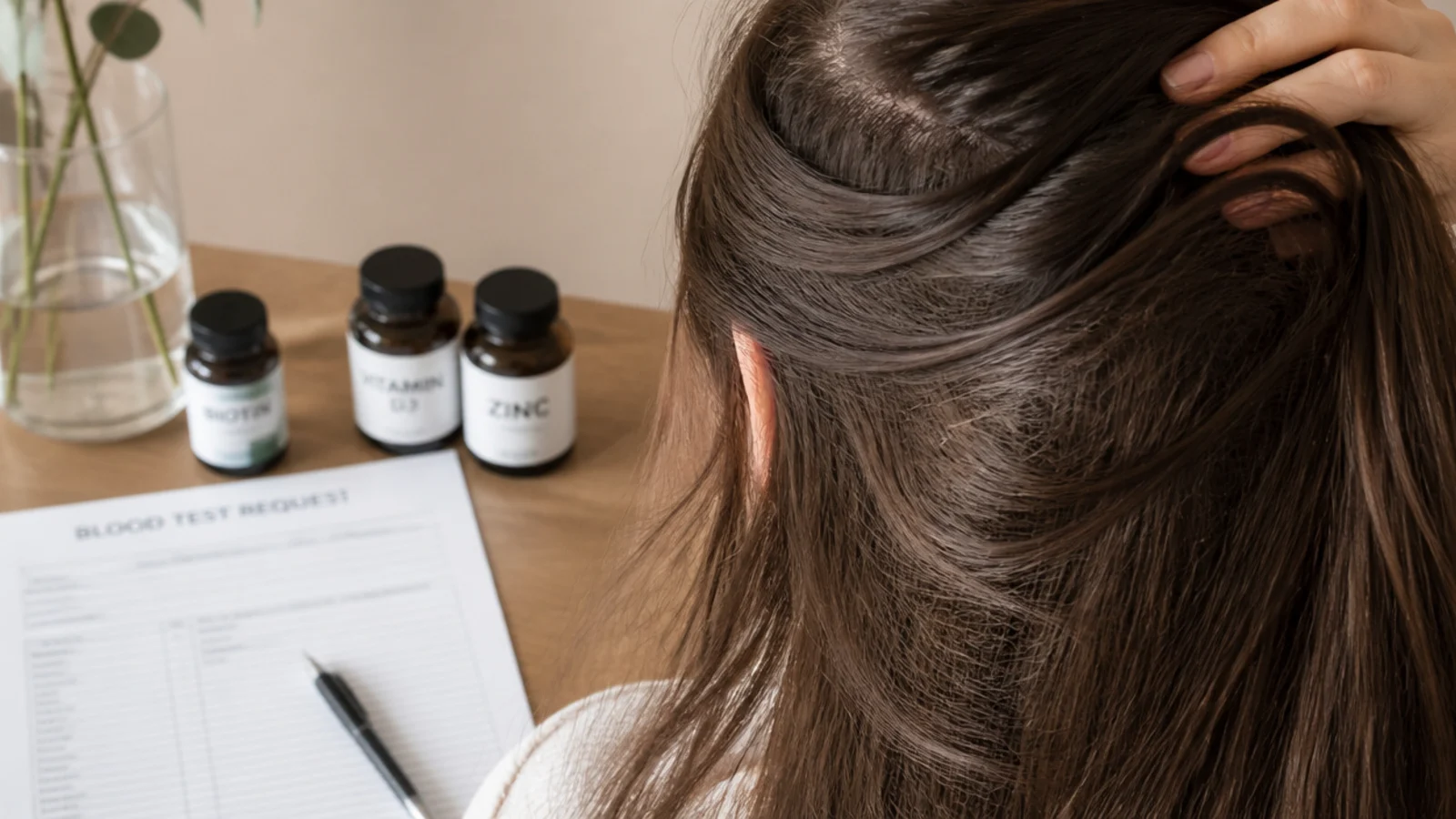
- 11. A Ferritin Test
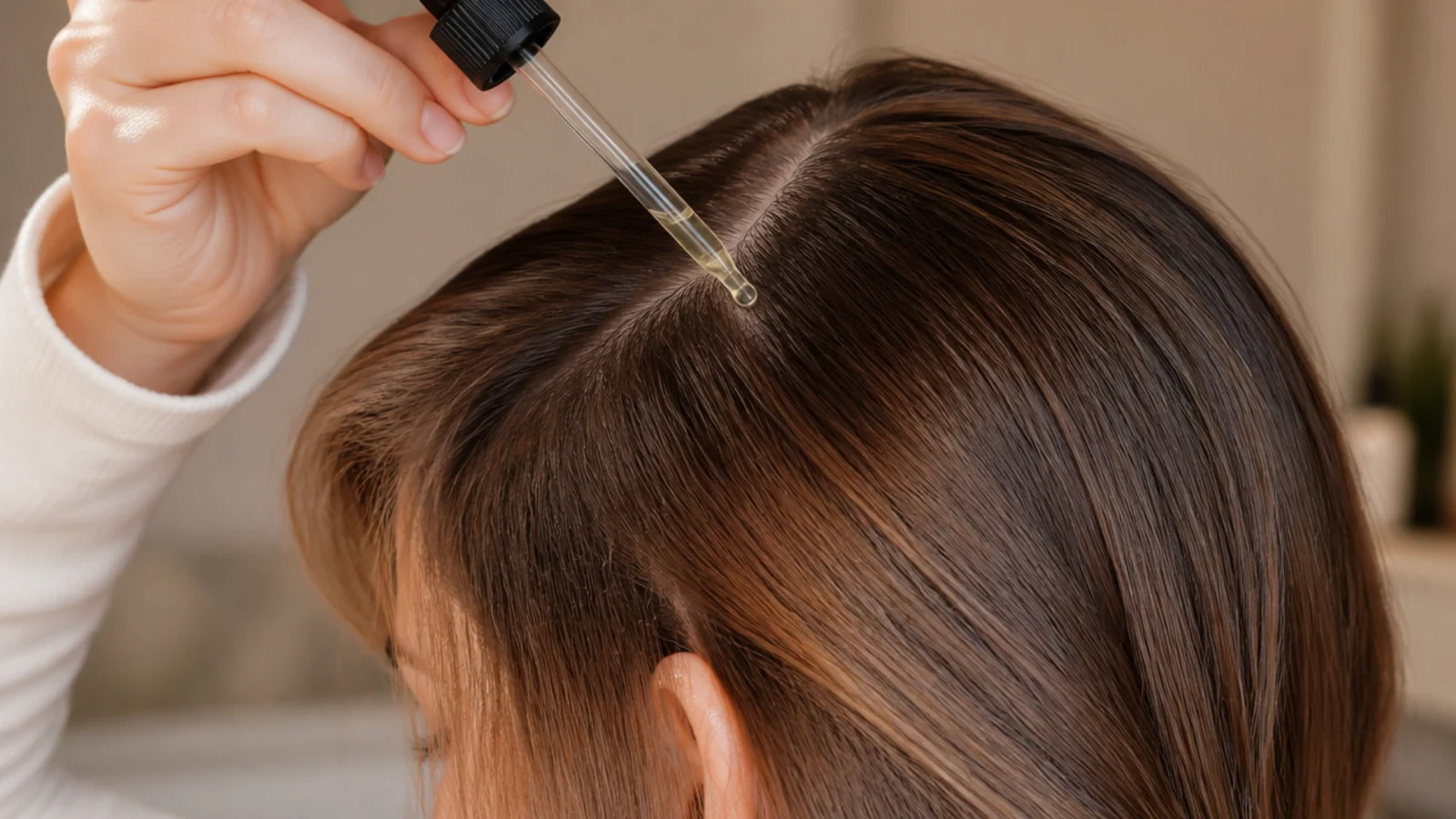
- 12. Rosemary Oil
- 13. Protective Styles
- 14. Hair Ties
- 15. A Lukewarm Rinse
- 16. Wash Frequency
- 17. The Strand Test
- 18. Night Protection
- 19. Wet Hair Handling
- 20. Colour Limits
- 21. The LOC Method
- 22. Protect the Edges
- 23. Sun and Chlorine
- 24. Track Progress
- 25. See a Doctor
- Final Thoughts
Most hair growth advice is aimed at the follicle, and the follicle is the one part of the system that will not negotiate.
The rate is fixed near half an inch a month. Roughly six inches a year, largely genetic, and no product on a shelf moves it by an amount you would ever notice.
That leaves three levers. Friction along the length, the state of the scalp skin, and whatever is happening medically. Every tip below pulls one of those three, and nothing else was ever available.
How Fast Hair Grows
Half an inch a month is the working number. About six inches a year, with modest variation between people and a slow decline with age.
Your maximum length is a clock, not a wall. Every follicle grows for a set number of years and then rests and sheds. That duration multiplied by the monthly rate is the longest that hair can get, which is why some people reach their waist and others genuinely cannot.
Texture changes what you see, not what you grew. A coil can hide two thirds of its length to shrinkage, so the same six inches reads as two on one head and six on another.
Nothing topical raises the rate. Massage, oils and treatments act on the environment and on retention. None of them makes a follicle produce faster than it is built to.

Breakage Versus Growth
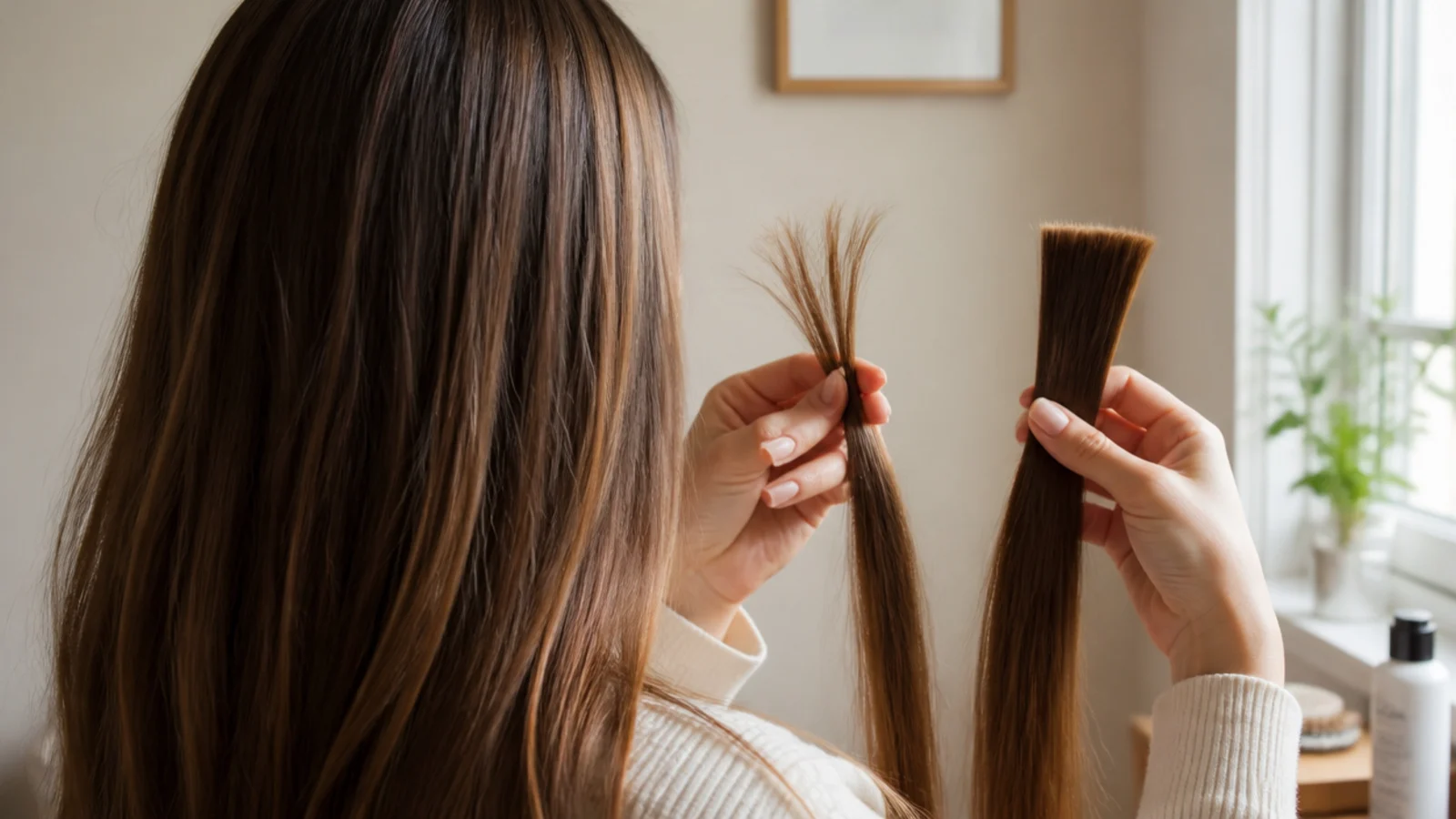
Shed and broken hairs are easy to distinguish. A shed strand is full length with a small pale bulb at one end, and fifty to a hundred a day is normal. A broken piece is short, snapped at both ends, with no bulb.
A plateau is nearly always breakage. If your length has not changed in a year, the roots kept producing at the usual rate and the ends kept leaving at the same rate.
Breakage happens in predictable places. Wet hair being brushed, a tie in the same position every day, a terry towel, a hot iron, a cotton pillowcase, and the last inch of bleached hair. Almost all of it is mechanical and almost all of it is optional.
Wispy ends are the signature. Hair sitting at its true maximum length keeps a fairly even thickness and simply stops getting longer. Hair that thins toward the bottom is being worn away.
Scalp Health
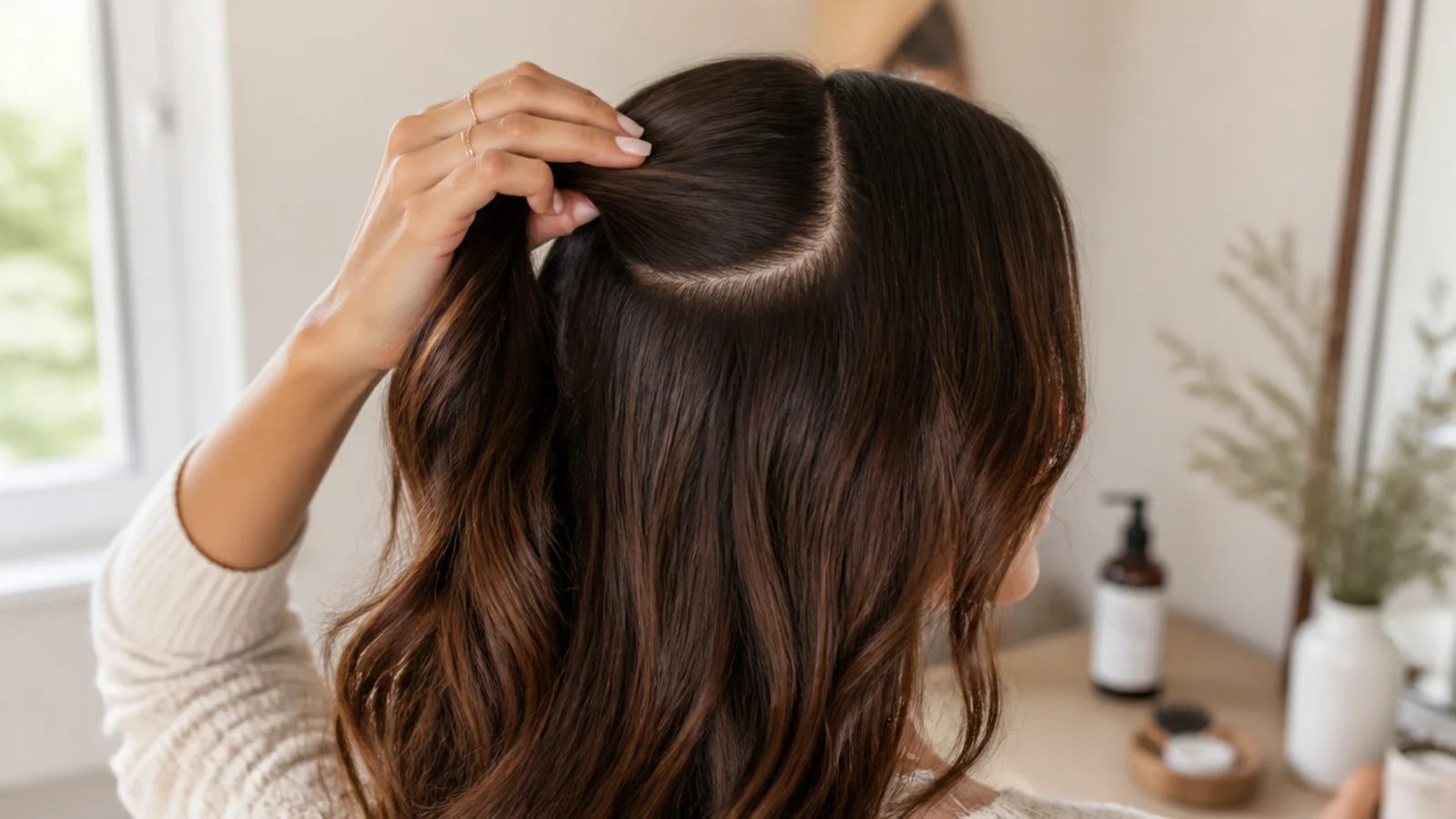
The scalp is skin and every scalp problem is a skin problem. It has a barrier, an oil supply and a resident microbiome, and none of that is addressed by anything aimed at the lengths.
Flaking has two opposite causes. A stripped, dry scalp wants less washing and more lipid. Seborrhoeic dermatitis is driven by yeast in sebum and wants an active shampoo used consistently. Treat one as the other and it gets worse.
Actives need contact time. A medicated shampoo applied and rinsed immediately gives the ingredient no chance to work, which is the usual reason people conclude it does nothing.
Use the pads of the fingers, never the nails. Nails break the barrier, and the healing scratches itch, which restarts the whole cycle.
The Weekly Routine
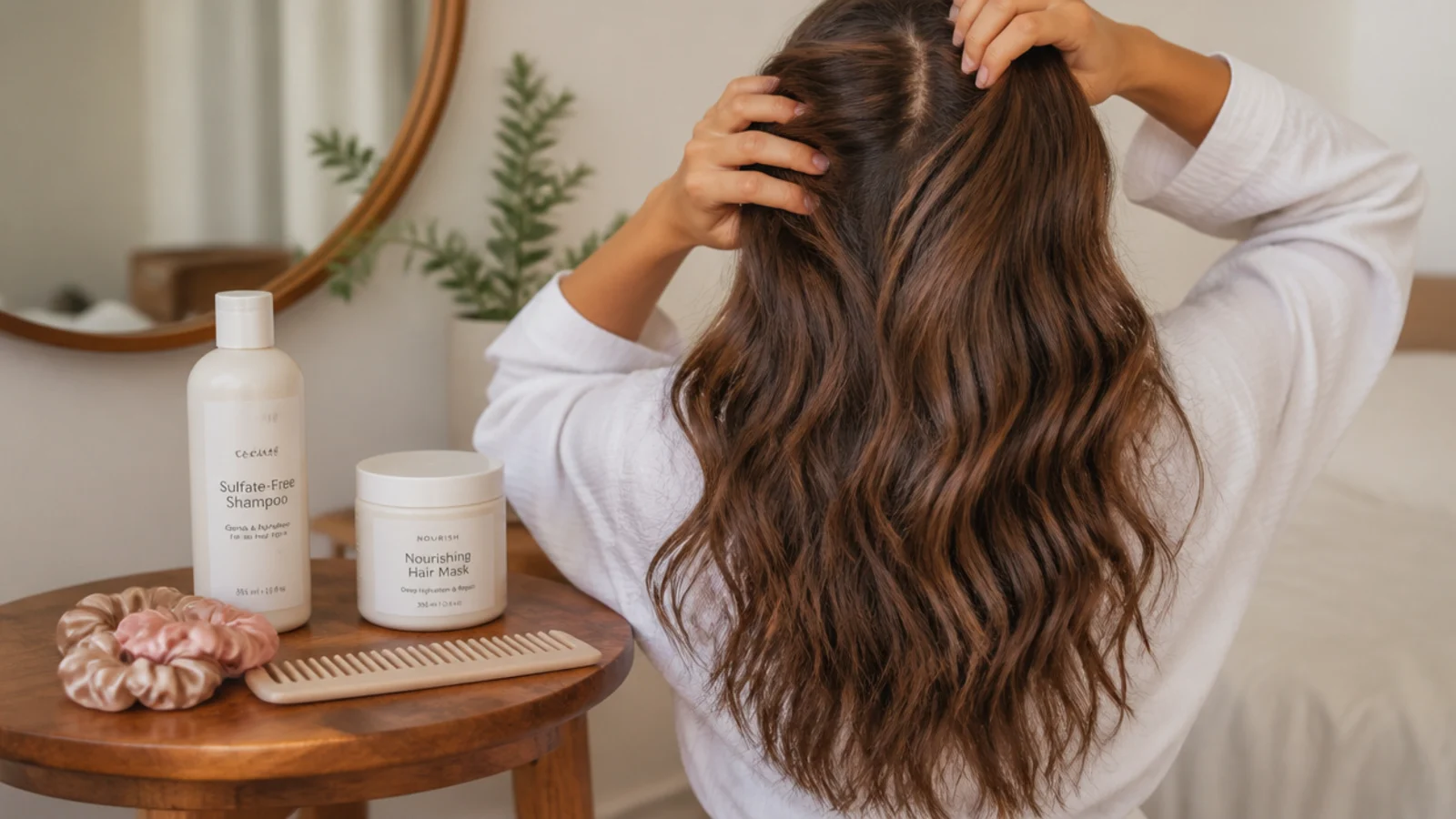
Wash days. Shampoo at the roots, conditioner from the ends upward, a cool final rinse. Two changes that take no extra time and land on the hair with the most history.
One treatment slot. A mask or bond treatment on one of those washes, twenty minutes under a cap, on the lower two thirds only.
Seven nights. Satin against the head and the length contained. This is the item that repeats most often, so it compounds faster than anything else on the list.
One monthly reset. A clarifying wash, because by four weeks there is enough film on the hair to block everything else you are applying.
One quarterly check. A photograph and a stretched measurement, since three months is the shortest interval at which real progress is visible.
Diet and Supplements
Supplements correct deficiencies. That is the whole mechanism. Bringing a low level back into range regrows hair. Pushing a normal level higher does nothing at any dose.
Ferritin, thyroid, vitamin D and B12. Those four cover most of what is worth ruling out, and stored iron in particular can sit low while a routine blood count still reads normal.
Biotin is the weakest claim in the aisle. Deficiency is rare, supplementing without it has no demonstrated effect on hair, and it interferes with several common blood tests including thyroid and cardiac assays.
Undereating shows up late. Hair is among the first tissues the body deprioritises, and it reports the problem two to three months after the fact — which is why the cause is usually missed by the time the shedding starts.

Specific Concerns
Fine hair. Weight is the enemy. Wash more often, keep conditioner off the roots and skip heavy oils, because a strand carrying more product than it can support lies flat and reads as thinner than it is.
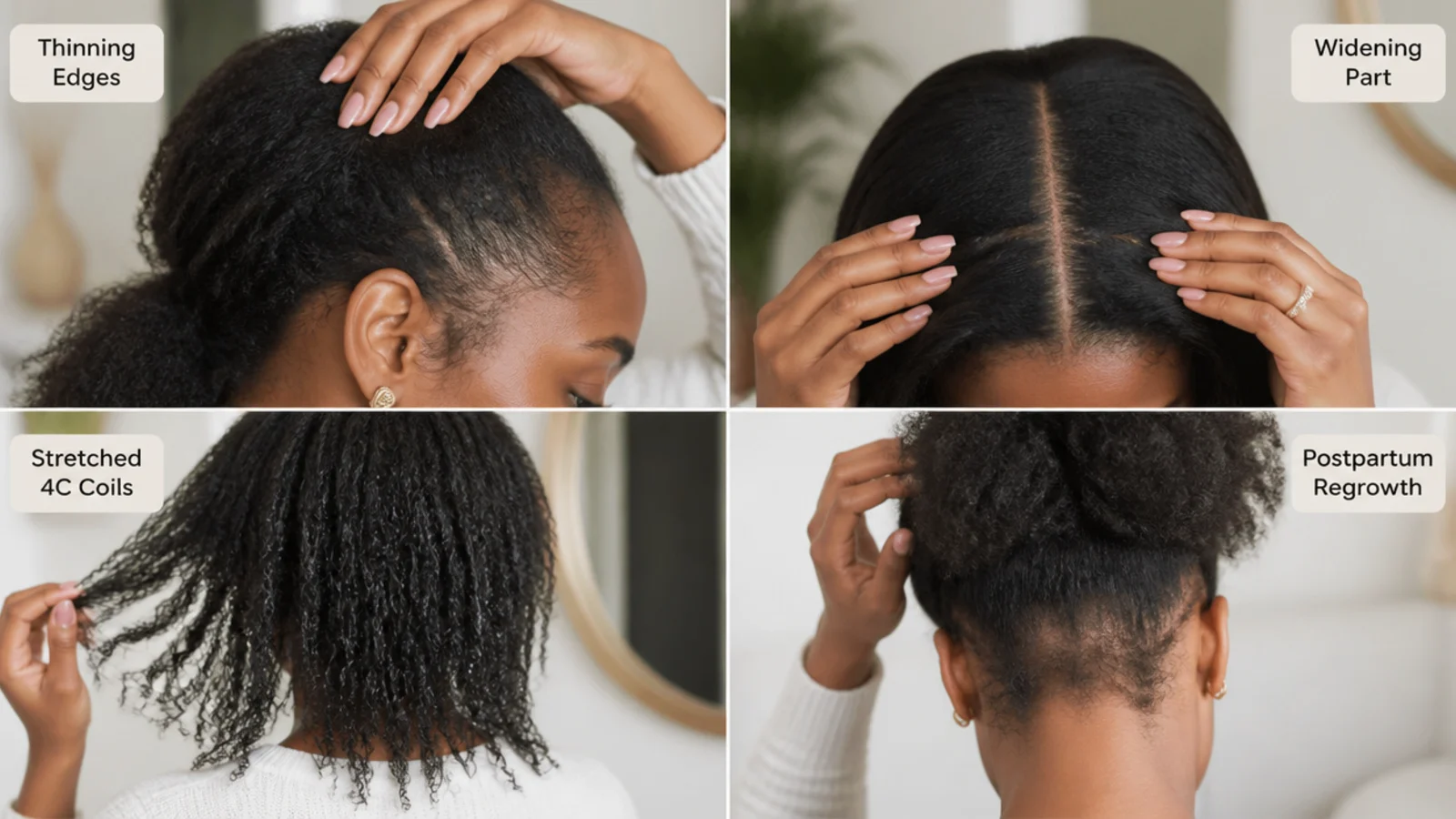
Coily hair. Sebum cannot travel past the bends, so the ends never receive any and have to be supplied by hand. Seal more, wash less, and treat the last few inches as a separate territory.
Coloured hair. Bleached hair has lost cuticle, which is why it wets fast and dries fast. Cooler water, fewer washes, and a bond treatment on the colour schedule rather than the cut schedule.
Postpartum shedding. Hairs held in place through pregnancy release together, usually around three months after a birth. It looks alarming, it is a recovery rather than a loss, and it resolves without treatment.
Thinning at the part. Stop experimenting and get it looked at. Pattern loss has treatments and they all work better started early.
The 25 Hair Growth Tips
1. Trim a Quarter Inch
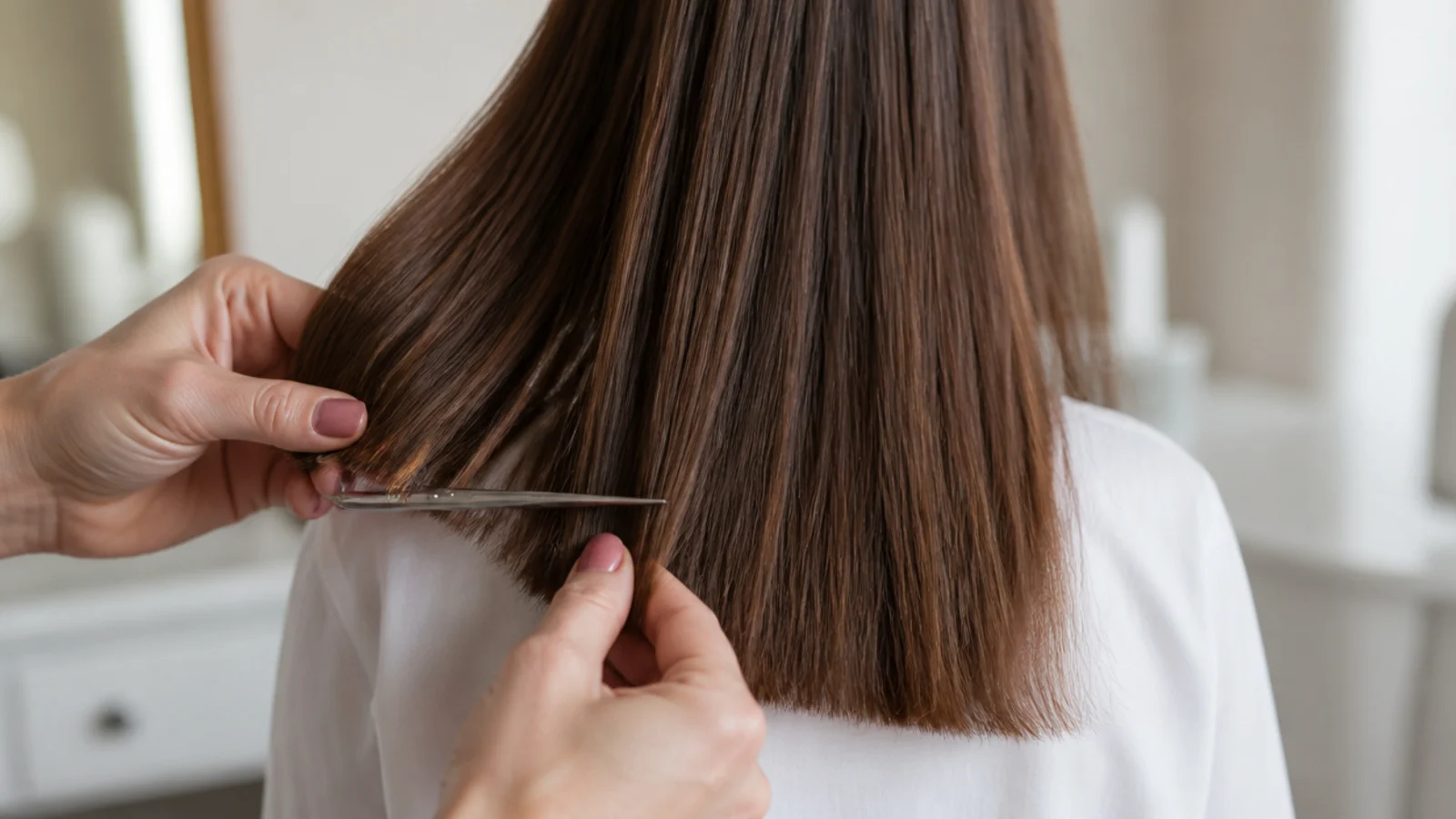
Scissors never get near the follicle, so no trim speeds anything up. What it does is remove a split before it runs up the shaft, and it does run — a quarter inch taken at eight weeks costs far less than the inch the same split takes by six months.
2. Scalp Massage
Pads of the fingers, moving the skin over the bone rather than sliding through the hair. The published evidence for growth is modest, and the dependable benefit is mechanical — it lifts flaking and product residue off the follicle opening, which is the environment the new hair has to emerge through.

3. The Satin Pillowcase
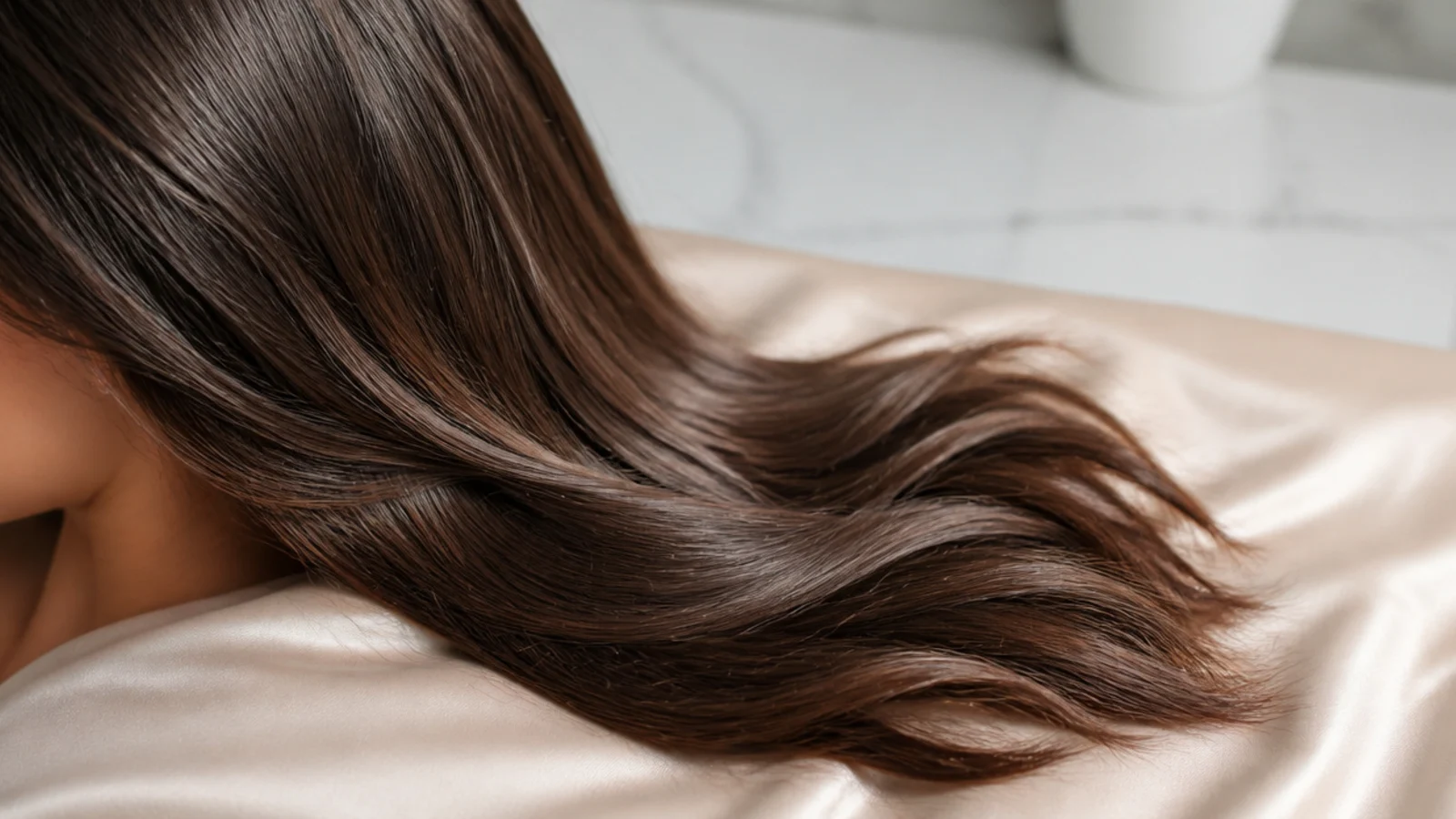
Cotton draws moisture out of the hair and its weave catches the cuticle, and that contact carries the weight of your head for eight hours a night. Satin lets the strand slide instead. One pillowcase removes more friction than most product shelves add protection.
4. The Microfibre Towel
Terry towelling is a field of raised loops and every one of them can lift a cuticle scale, which makes rubbing hair dry with it the harshest thing most heads meet all week. Microfibre pulls water out by capillary action, so blot and squeeze rather than scrub.

5. Detangle From the Ends Up
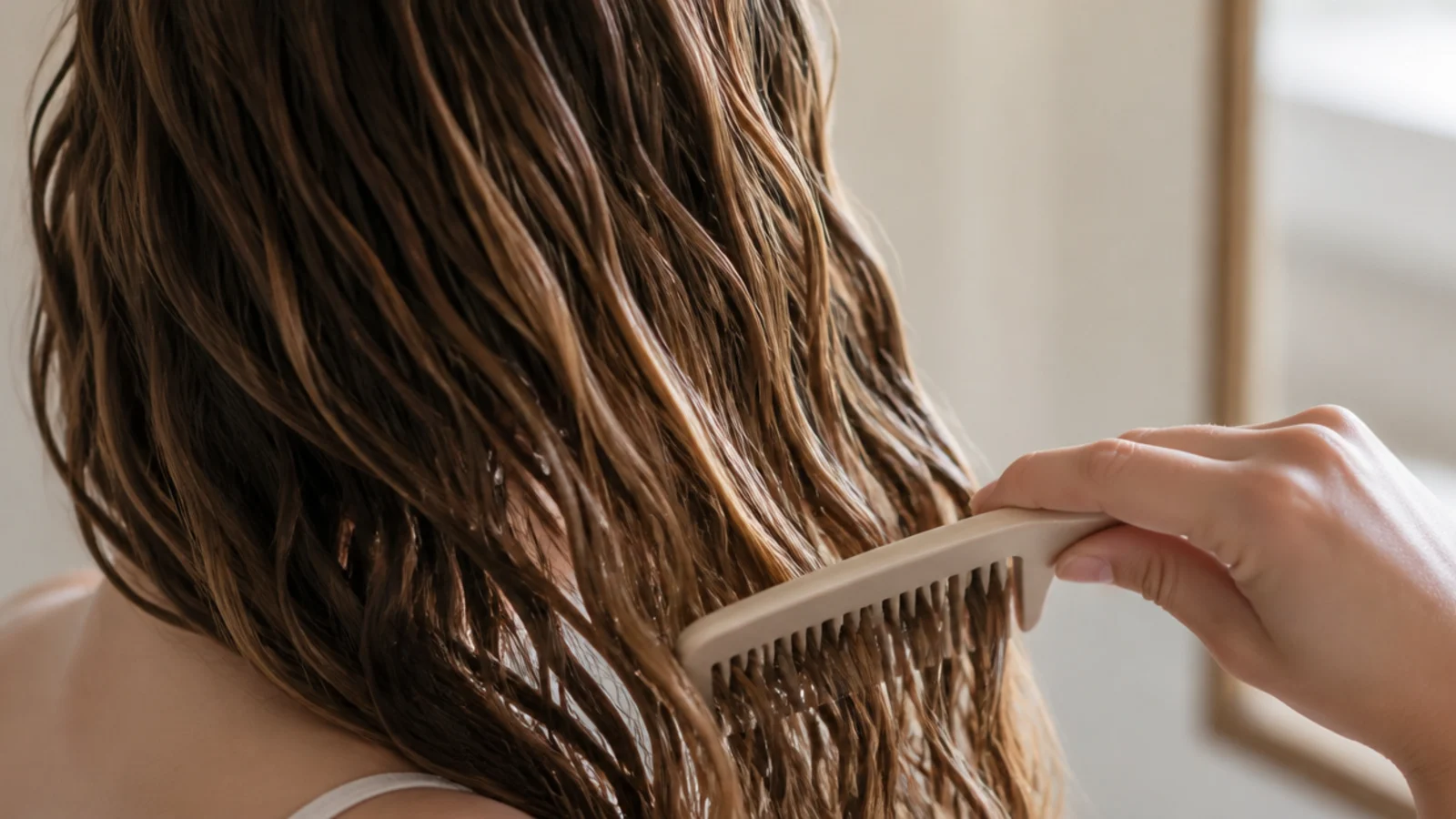
Combing from the root down gathers every tangle in the section and drives them into a single knot at the bottom, which then has to be forced through. Starting at the ends means each knot is met on its own, with slack hair beneath it to absorb the pull.
6. A Heat Limit
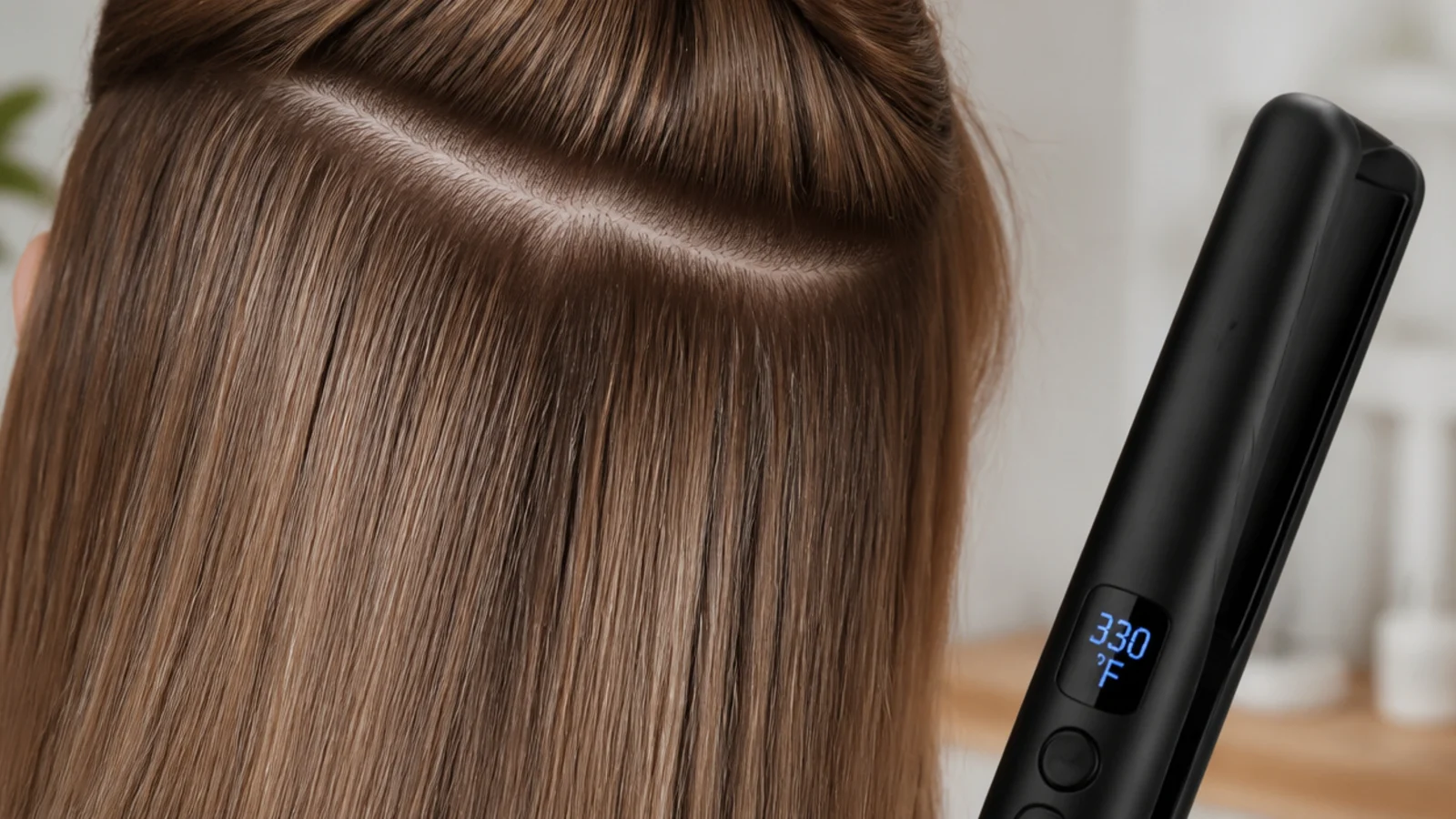
Choose a temperature and a number of days a week and hold to both. Damage is a function of time at temperature, so three nervous passes at a low setting can cost more than one confident pass at a moderate one. Cheap irons also overshoot their dial badly, which is where most accidental damage comes from.
7. Heat Protectant
It spreads heat along the strand and slows the rate it reaches the cortex, which buys the same style at a lower cost. It only helps on dry hair — water still trapped inside a shaft turns to steam under hot plates and forces cavities through the cortex that never close.

8. Clarify the Scalp
Once a month. Silicone, oil and hard water minerals build a film that water no longer crosses, so every treatment applied afterwards sits on that deposit rather than on your hair. The symptom is a routine that used to work and quietly stopped.
9. Deep Condition
Twenty minutes under a cap beats an hour in open air. Trapped body heat keeps the hair damp and holds the cuticle open enough for the treatment to move into the strand, where a mask left to dry simply crusts on the surface and rinses away unused.

10. Protein Intake
Hair is keratin, and the follicle is one of the first tissues the body cuts supply to when protein or calories run short. The effect arrives on a delay of two to three months, which is long enough that almost nobody connects the shedding to the diet that caused it.
11. A Ferritin Test
Stored iron can sit low enough to cost you hair while haemoglobin still reads perfectly normal, so a routine blood count will not catch it on its own. Ferritin is the word to use when you ask, and correcting a genuine shortfall regrows hair that no product would have.
12. Rosemary Oil
Diluted in a carrier oil and massaged in a few times a week. There is one trial worth citing, run over six months against a low strength minoxidil, and the change it found was comparable and modest. Judge it across seasons, because a topical acts on the next growth cycle.
13. Protective Styles
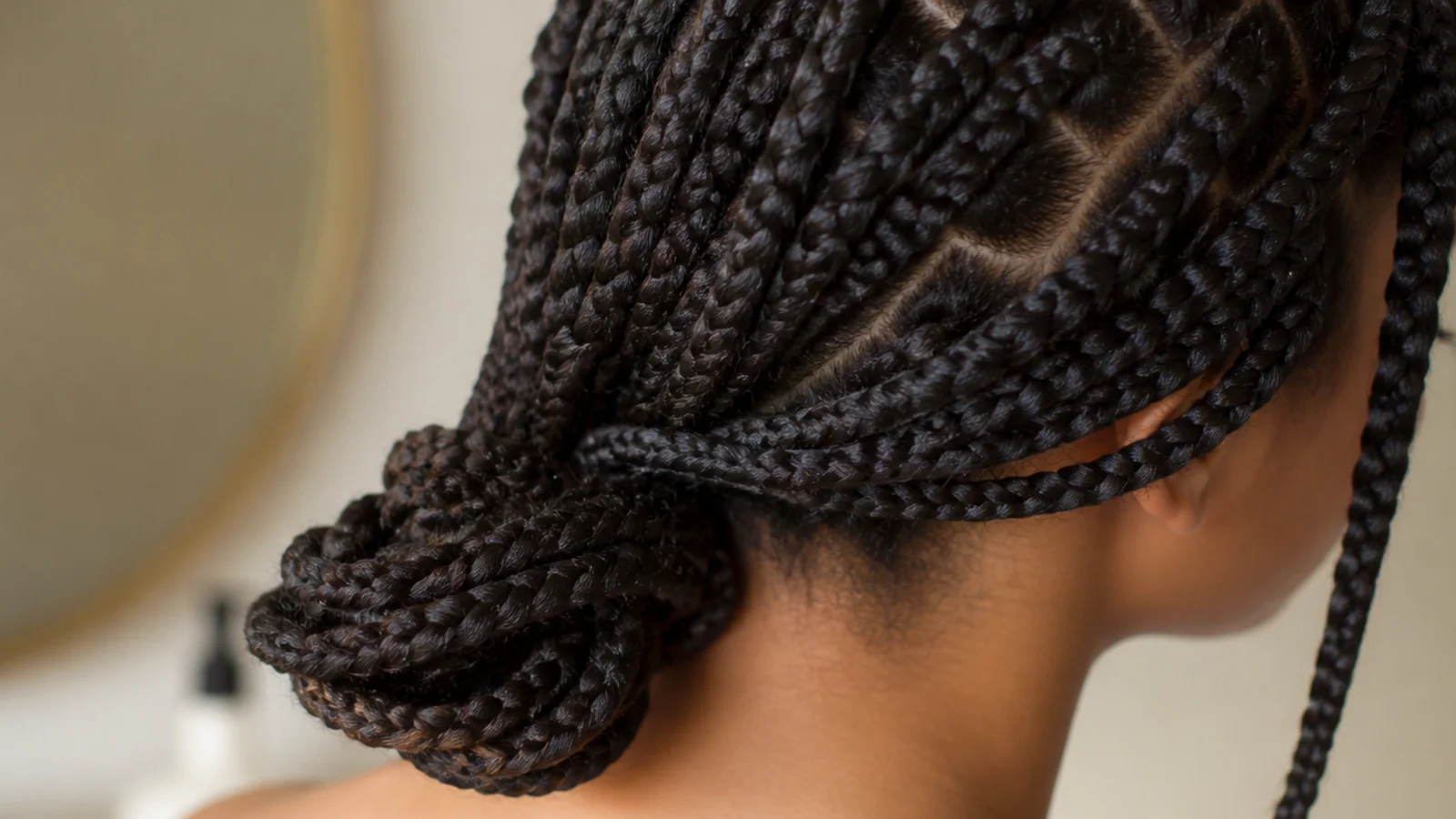
A braid or twist takes the ends out of daily circulation, and the ends absorb almost all the damage. The cost is tension at the root, so keep the base slack and take it down by eight weeks — beyond that, shed hairs and new growth mat together and the takedown costs more than the style saved.
14. Hair Ties
A thin elastic loads one narrow band of strands and holds it there all day, and the metal join on a standard band adds a snag point. Wide silk or coiled ties spread the same hold across more hair, and moving the ponytail position changes which strands carry it.

15. A Lukewarm Rinse
Hot water swells the shaft and lifts the cuticle, which is why hair feels rough and looks dull after a very hot shower. Wash at whatever temperature suits you and cool the final rinse, because a cuticle that lies flat as it cools reflects light as a single surface.
16. Wash Frequency
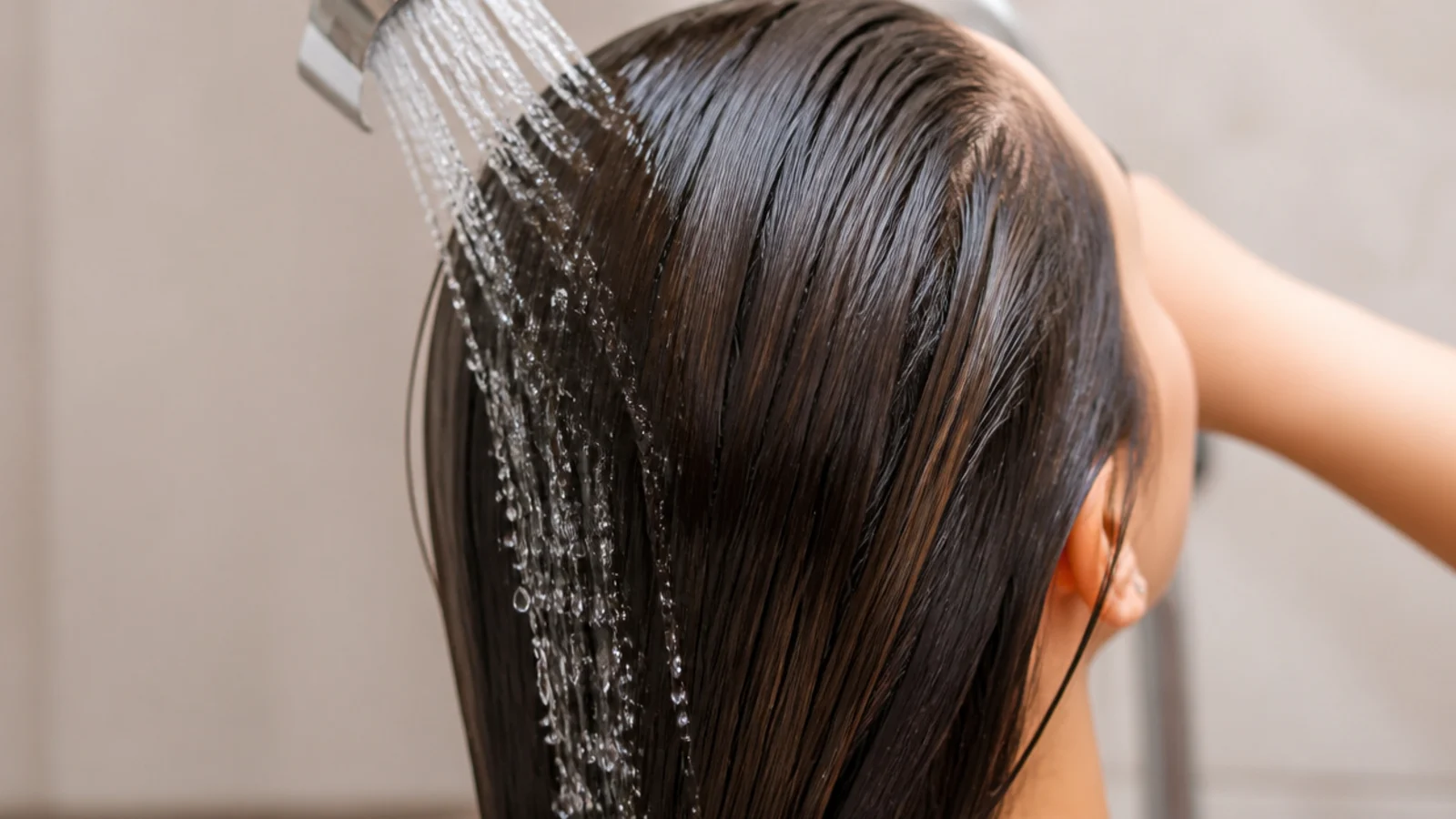
There is no universal number, only the one your scalp and your product use imply. Oily scalps do better washed more often rather than less, because stretching washes does not train sebum production down and the buildup irritates the skin while you wait for it to happen.

17. The Strand Test
Pull one wet hair gently. A long stretch with no return means plenty of moisture and not enough structure, so protein is the next thing to add. An immediate snap with no give means the reverse. Ten seconds, and it settles most arguments about which product to buy.

18. Night Protection
The pillowcase handles the surface and this handles the length. A loose braid, a bonnet or a slack high gather keeps the ends from being dragged back and forth across the bed and from tangling into themselves, which is where most overnight breakage actually originates.

19. Wet Hair Handling
Water swells the cortex and lifts the cuticle, so a soaked strand stretches much further before it fails and then fails with no warning. Do nothing structural while it is dripping — no brushing, no tight ties, no rough towelling — and wait until it is merely damp.
20. Colour Limits
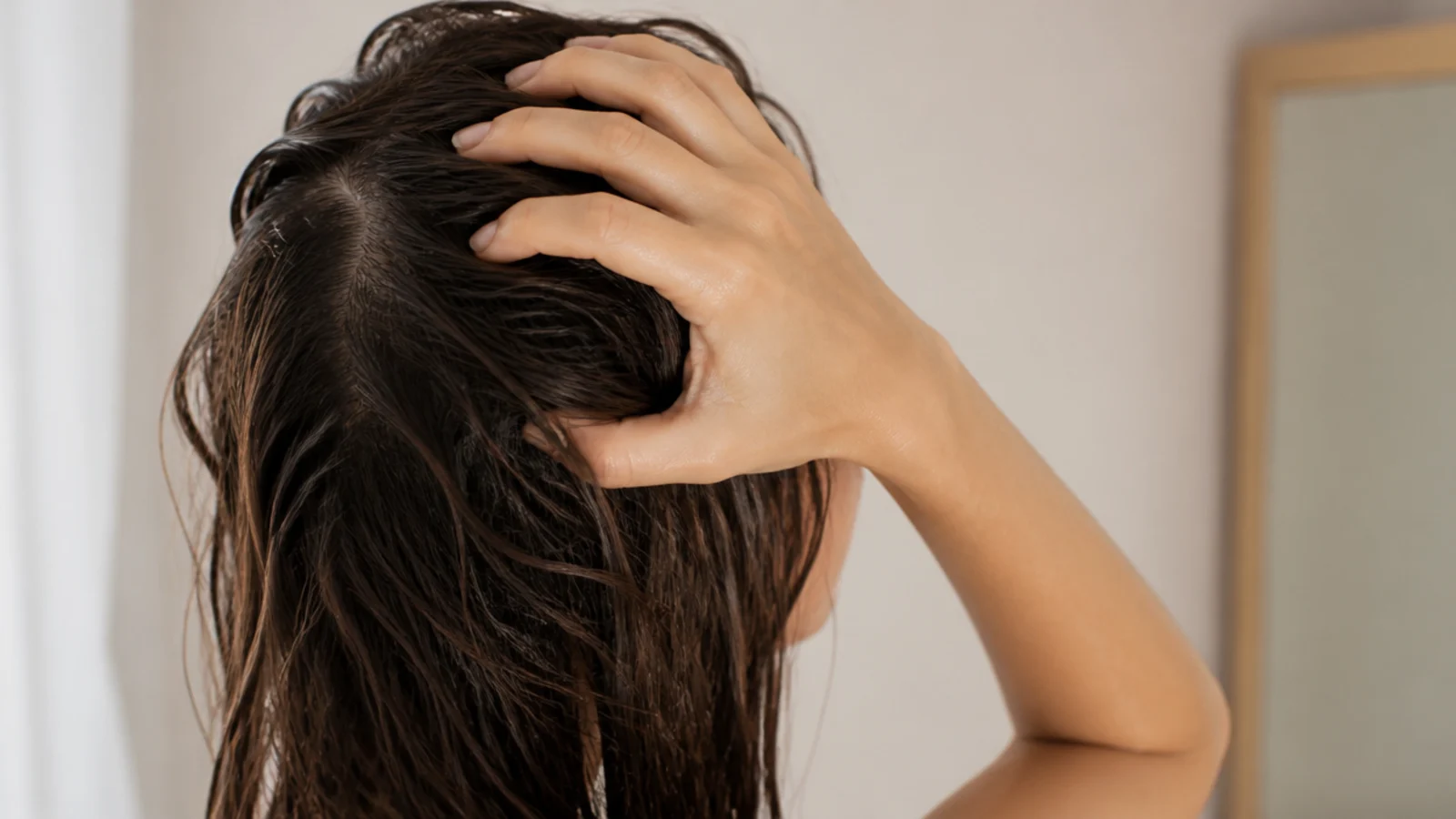
Every lightening service removes cuticle permanently, and your ends have been through all of them. Stretching the gap between full head bleaches, keeping lift off the lengths and staying within a couple of shades of your base preserves more hair than any bond treatment recovers.

21. The LOC Method
Liquid, oil, cream, applied in that order to soaking wet hair. The water hydrates, the oil slows it evaporating and the cream caps the stack with the heaviest layer outermost. Change the order and the seal ends up underneath the water rather than over it, which is why the same three products can fail.

22. Protect the Edges
The hairline carries the finest follicles on your head in the thinnest skin, so it gives way under loads the crown ignores completely. Keep ties, clips and braids off the perimeter, and treat tenderness after styling as a warning that has arrived late rather than early.
23. Sun and Chlorine
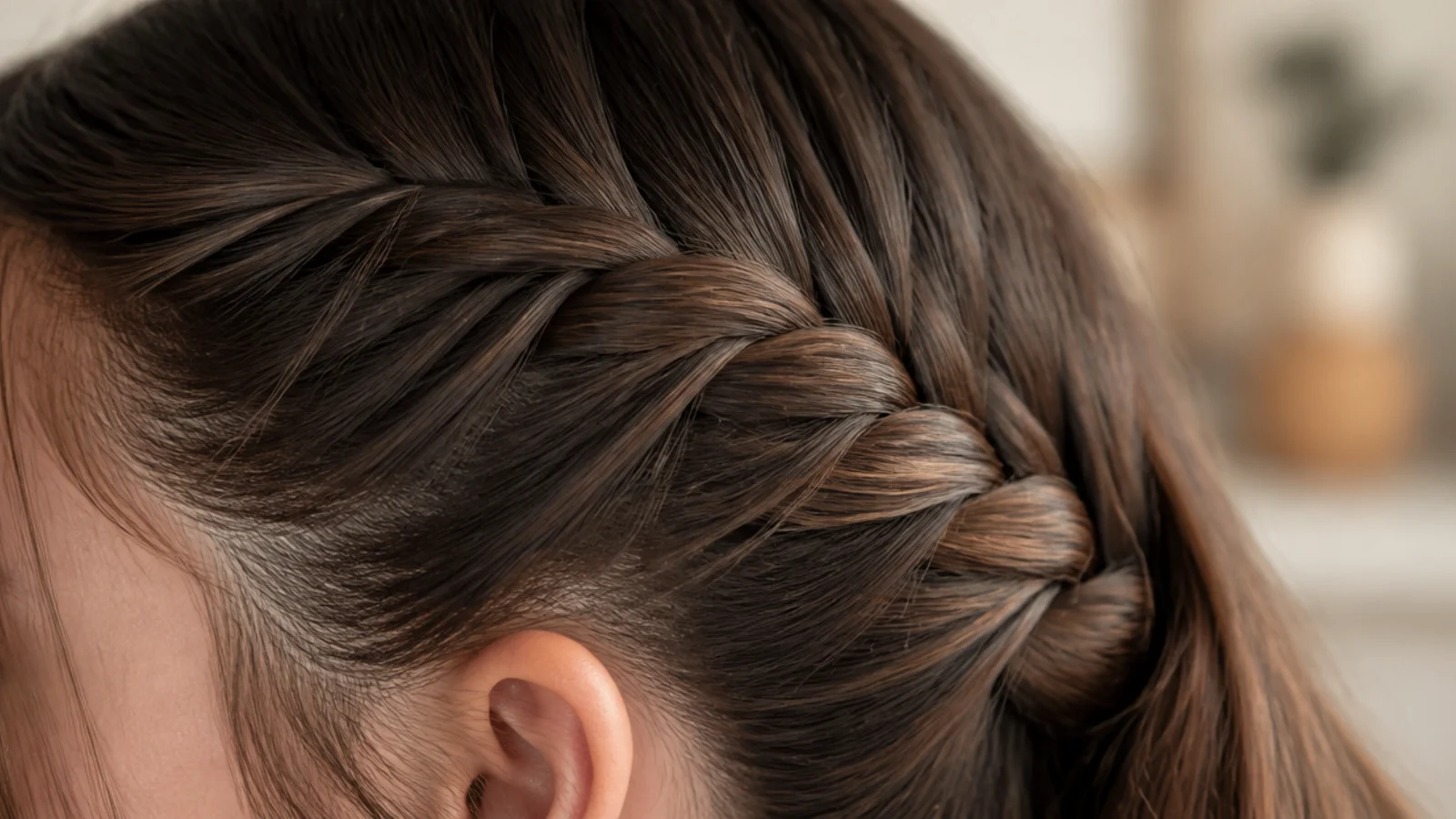
Ultraviolet breaks down keratin and fades colour, and chlorine dries the shaft and clings to lightened hair. Soak your hair with clean water before you get in the pool, because a strand already full of water takes up far less pool water, and wear a hat on bright days.
24. Track Progress
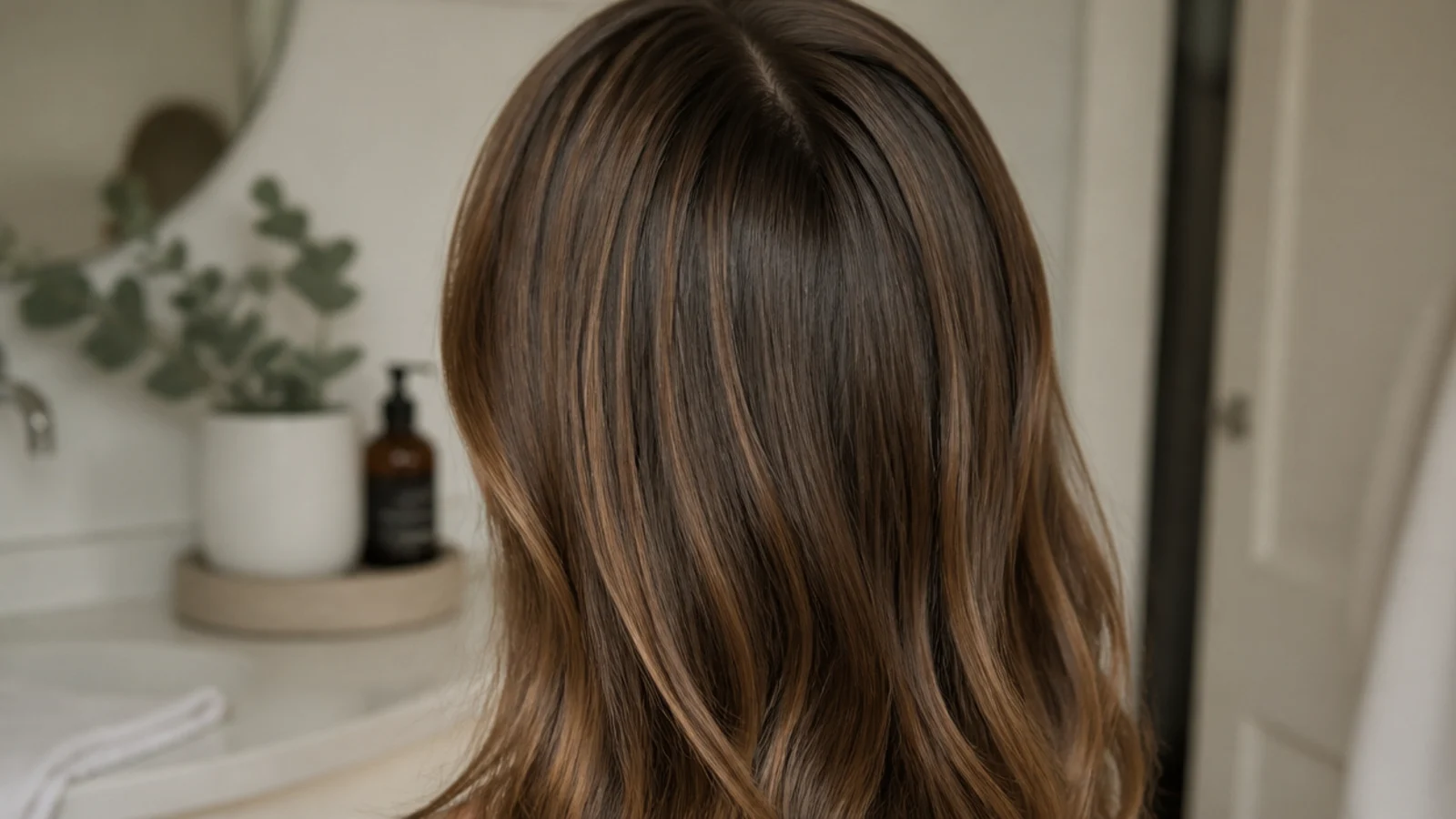
Growth is invisible day to day and obvious in photographs. Same distance, same light, same parting, once a month, stretched if your hair shrinks. Without a record, three months of genuine progress reads as no change at all and perfectly good routines get abandoned for nothing.

25. See a Doctor
A widening part, a bare patch, sudden shedding across the whole head, or any pain, burning or scaling. These are medical rather than cosmetic problems, and the treatments that exist for them work better started early — spending a year on products first is the one decision here that cannot be reversed.

Final Thoughts
Twenty five items is more than anyone will adopt, so take the three with the widest reach and ignore the rest for a season. Satin at night, detangling upward from the ends on damp hair, and a blood test before you spend anything. Between them they cover the largest source of friction, the most common act of self inflicted damage, and the one cause that no routine can fix.
Then leave it alone for three months and compare photographs rather than impressions. That is one growth cycle and about an inch and a half of new hair, which is the shortest honest interval for judging anything you have changed. More in Hair Care. See also the 4c version and the curly version.