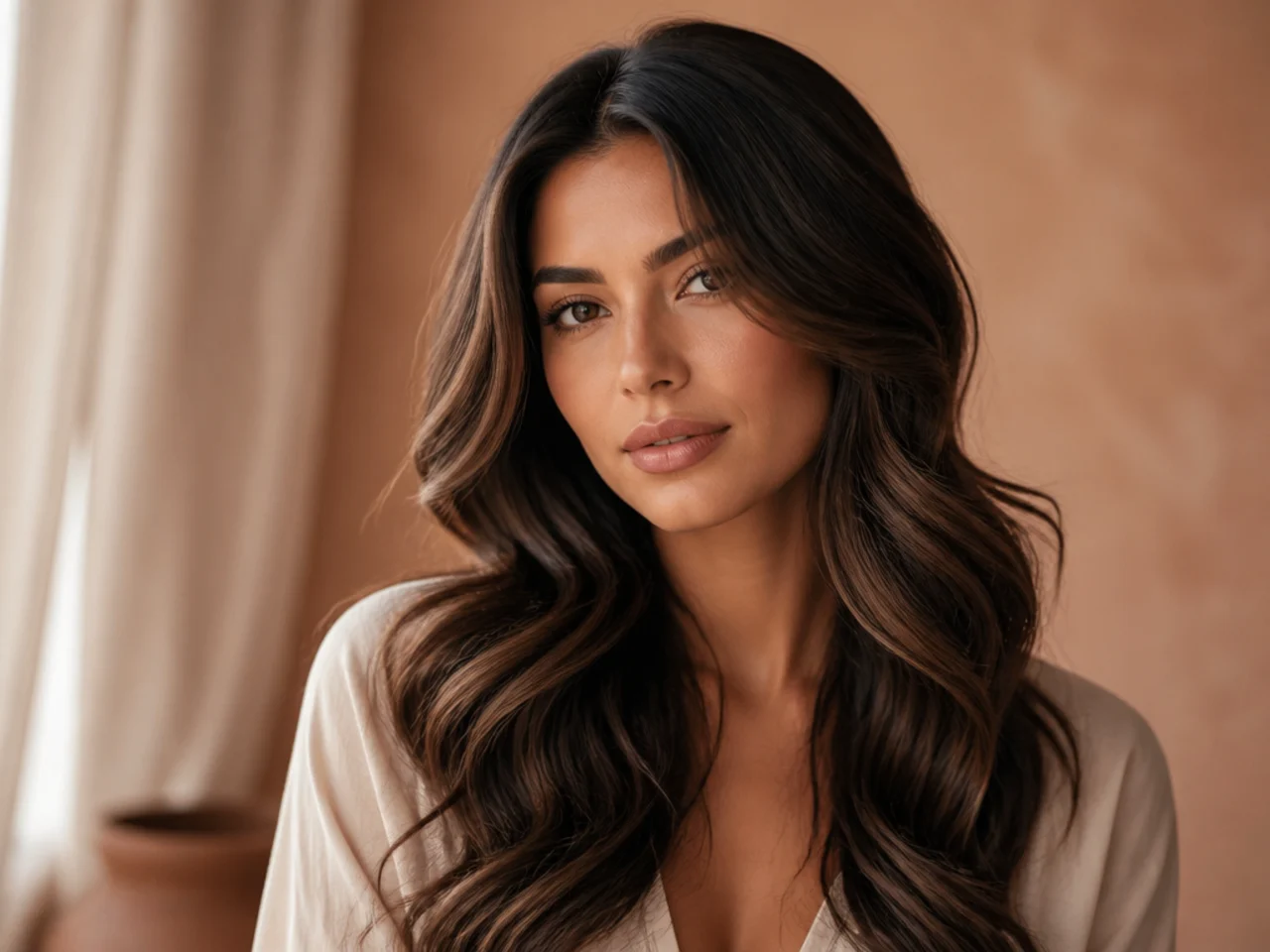
10 Soft Blowout Waves Hairstyle Ideas for Effortless Glamour
Soft blowout waves hairstyle is perfect blend of volume, bounce, and relaxed sophistication. Unlike tight curls or bone-straight styles, these waves exude an effortless, lived
In this article · 20
- Classic Soft Blowout Waves
- Side-Swept Soft Waves
- Textured Soft Blowout Waves
- Bouncy Soft Blowout Waves
- Short Soft Blowout Waves
- Medium-Length Soft Blowout Waves
- Long Soft Blowout Waves
- Loose Soft Blowout Waves
- Voluminous Soft Blowout Waves
- Defined Soft Blowout Waves
- What is Soft Blowout Waves Hairstyle?
- How to Style Soft Blowout Waves (Step-by-Step)
- Maintenance and Prolonging Your Soft Blowout Waves
- Troubleshooting Common Problems
- Frequently Asked Questions (FAQs)
- Will soft blowout waves work on short hair?
- Can I achieve soft blowout waves on naturally curly hair?
- Are soft blowout waves damaging to hair?
- Can I get soft blowout waves without heat?
- Conclusion
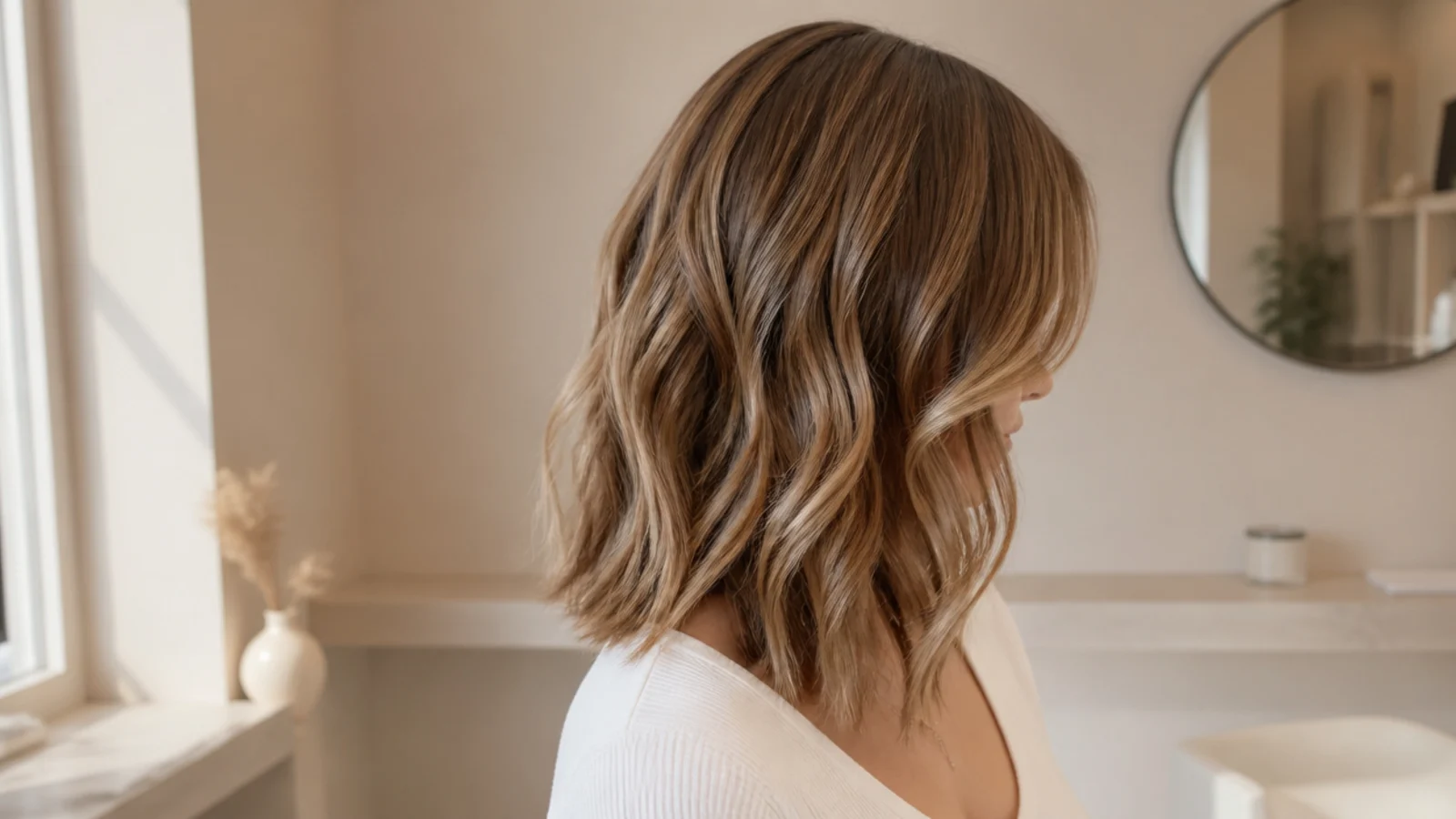
Soft blowout waves land squarely between wash-and-go and full glam. Round-brush blowout for the smooth body, curling iron for the swishy wave, flexible-hold spray to lock it in. That is the whole formula. In 15 to 25 minutes you get bouncy, movie-poster hair that flatters any face and reads polished without looking done. Below are ten wearable variations, plus the exact technique to build them at home.
Classic Soft Blowout Waves
Think of this as your baseline. Center or slight side part, wave pattern that starts just below the cheekbone, and no sharp curl — every bend melts into the next. Reach for it on days you want to look pulled together without announcing effort.
Round-brush the whole head with a 2-inch barrel, rolling each section up and holding at the root for a five-count. When everything is dry, run a 1.25-inch curling iron through 1.5-inch sections, wrapping away from the face and leaving the last inch of hair straight. Cool each curl in your palm for a full 20 seconds before releasing. That is what turns a floppy curl into a real wave.
Stylist tip: Brush through once with a paddle after everything has cooled, never while it is warm. Warm hair holds the paddle's shape and you will drag out the volume.
Side-Swept Soft Waves
The deep three-finger side part is the whole trick. All the weight shifts to one shoulder, one side tucks behind the ear, and the wave sweeps across the forehead like a Rita Hayworth still. Save this for weddings, cocktails, and any night you want a little bit of drama on your side.
Blow-dry the heavy side against its natural fall to force lift at the part — direct heat upward with a round brush and a concentrator nozzle. Then wrap every section away from the face on a 1.25-inch iron. Pin the lighter side behind your ear with a bobby pin while the whole head cools.
Stylist tip: Once cooled, mist a firm-hold spray on the part itself, then push the heavy side one more inch across your forehead with a wide-tooth comb. That extra push is the difference between "waves on the side" and full side-swept glam.
Textured Soft Blowout Waves
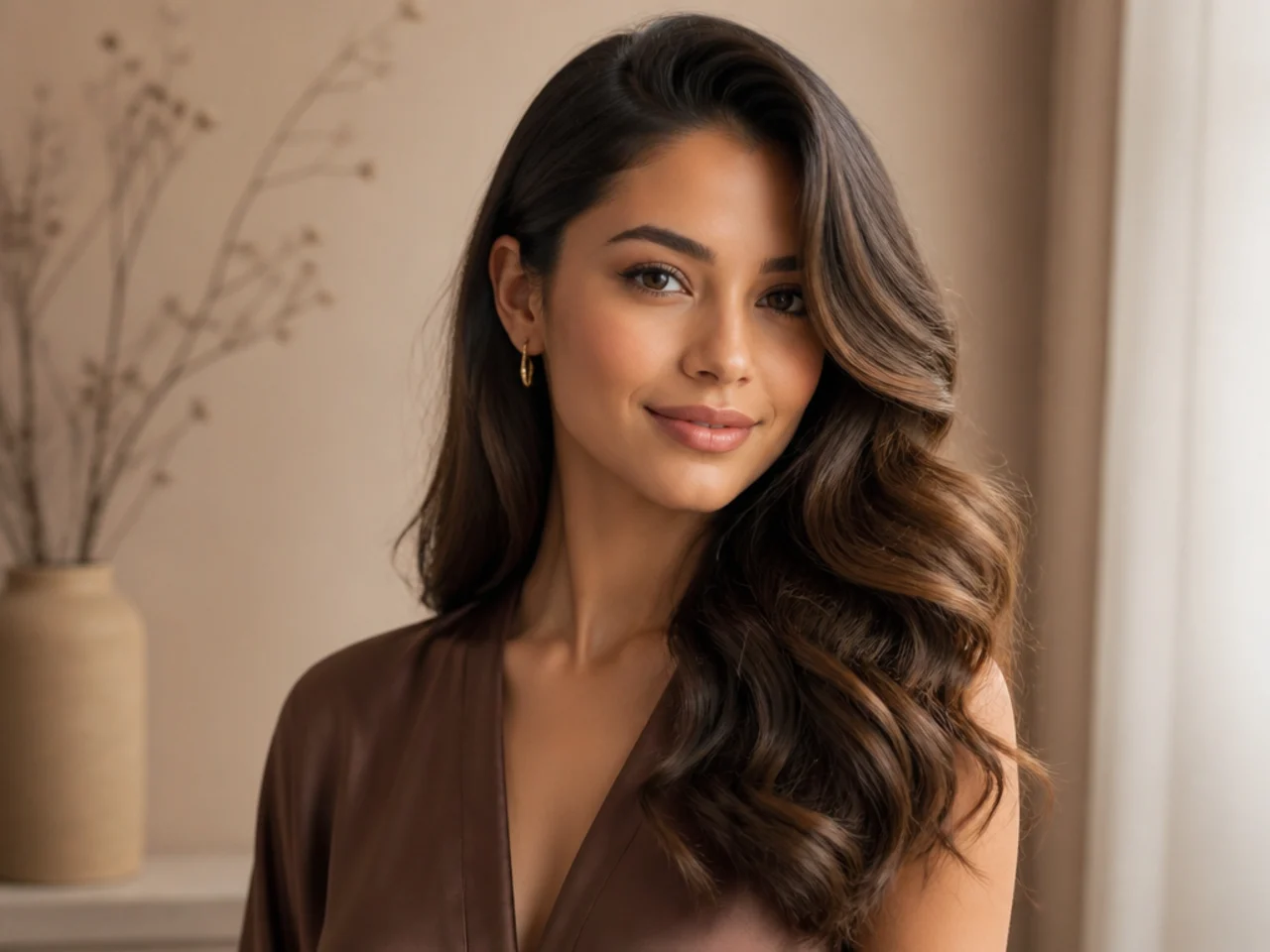
The lived-in version. Sea salt in the mid-lengths, alternating iron direction, and a touch of texture cream to break the pattern — soft blowout waves that read second-day instead of just-styled. This is your Saturday-brunch, coffee-with-a-friend, weekend-in-the-city look.
Mist damp hair with a light sea salt spray before you blow-dry, then round-brush like normal so you keep the smooth body. Once dry, alternate the direction of your curling iron section by section — one away, one toward, one away — using a 1-inch barrel for a slightly tighter bend.
Stylist tip: Rub a pea of texture cream between your palms and rake it through the ends only after everything has cooled. That is where the "did she or didn't she" texture lives. Keep your fingers out of the crown or you will flatten the volume you just built.
Bouncy Soft Blowout Waves
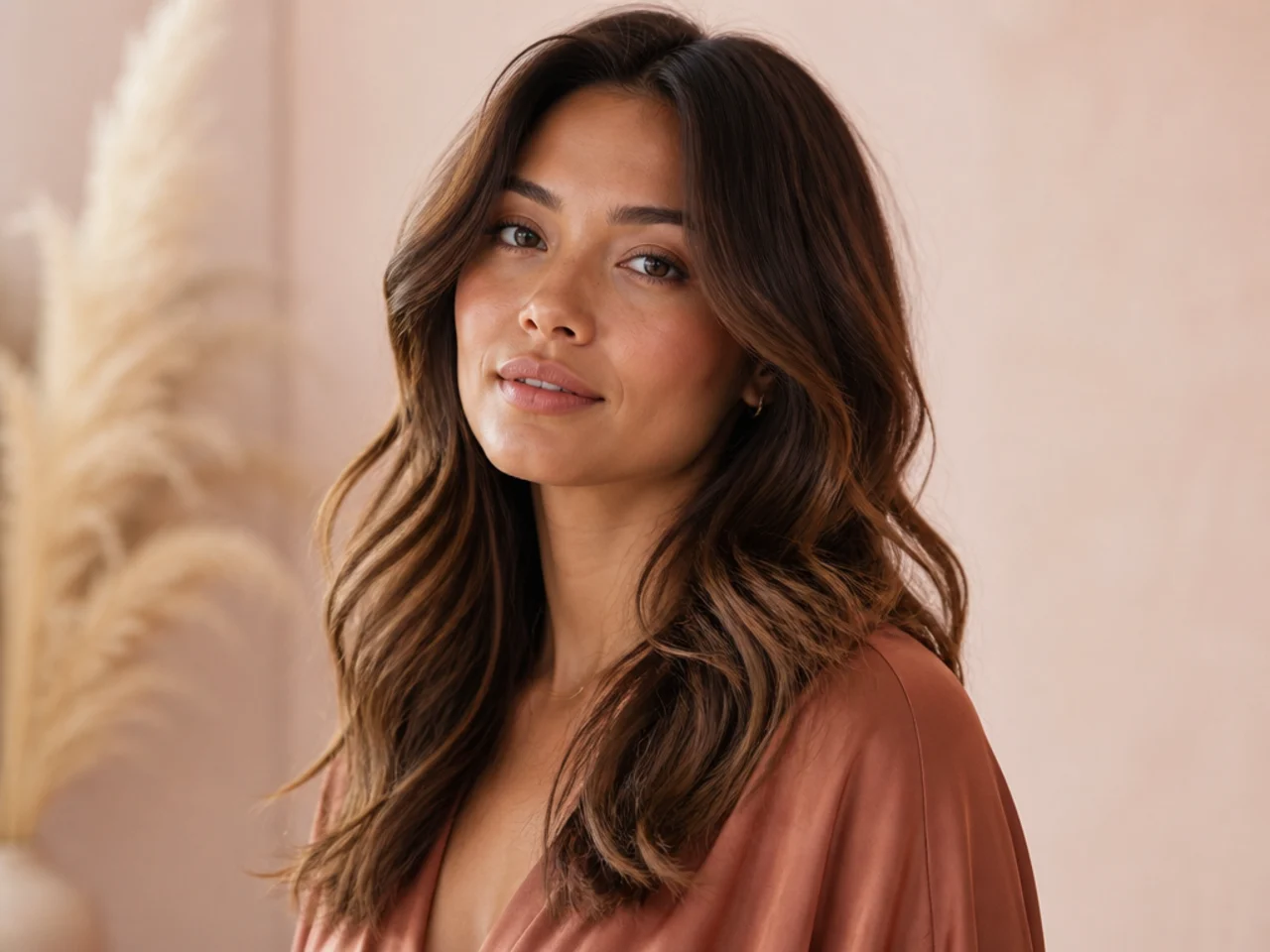
All the emphasis lives at the root. Big lift, swingy mid-length, and a curl pattern that moves when you walk. If you already wear layered haircuts, this version was built for you — the internal layers make the bounce look natural instead of forced.
Spray root-lift at the scalp on damp hair, then blow with a 3-inch round brush, over-directing each section up and away from your head (think: opposite of gravity). When you curl, use a 1-inch iron on the mid-length to ends only. Leave the top two inches of every section straight. That is what keeps the root lifted and the ends light.
Stylist tip: Once everything has cooled, brush from underneath with a paddle brush, lifting hair up and out. Never brush from the top down — you will drag out the volume you just spent 20 minutes creating.
Short Soft Blowout Waves
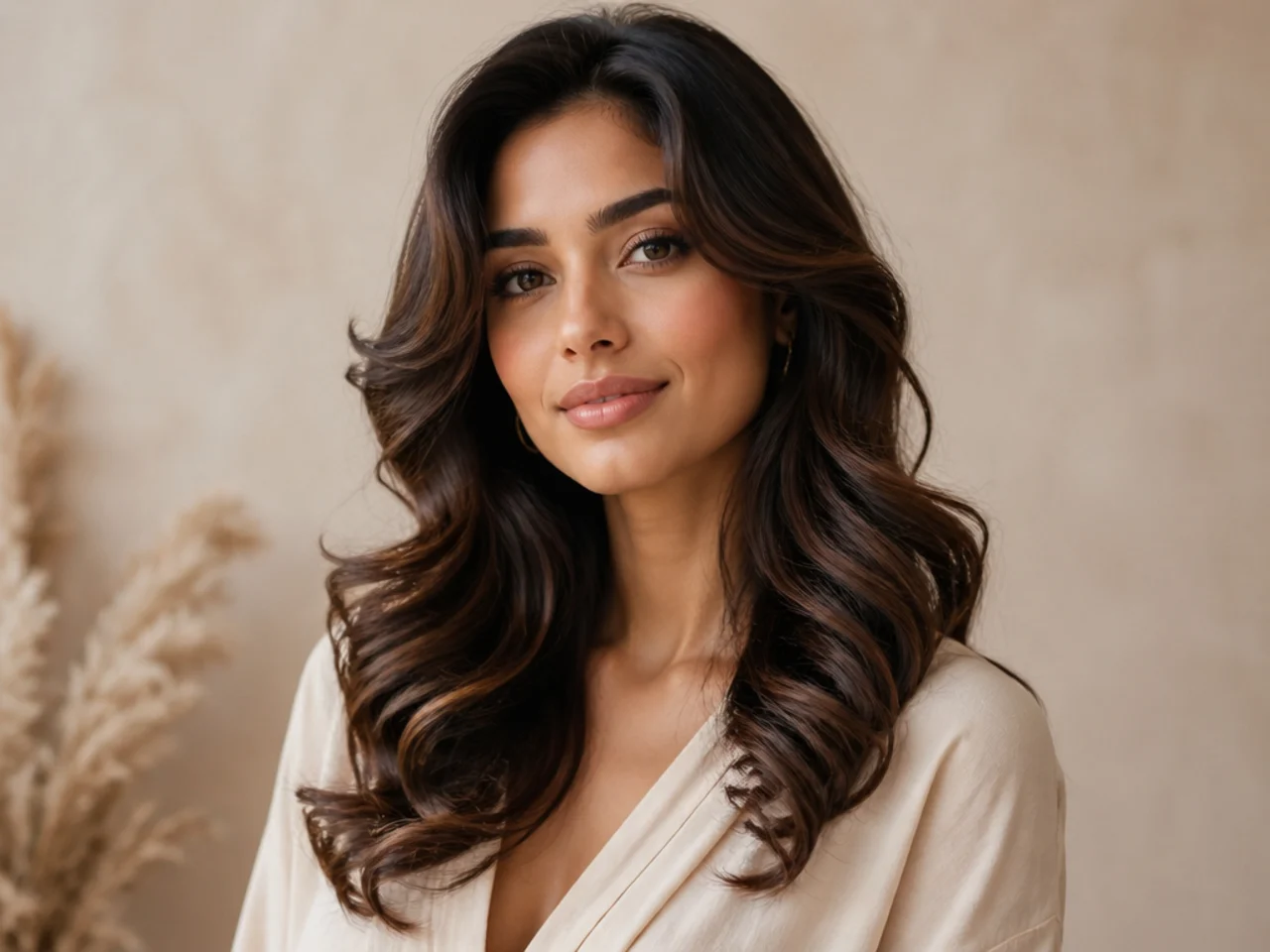
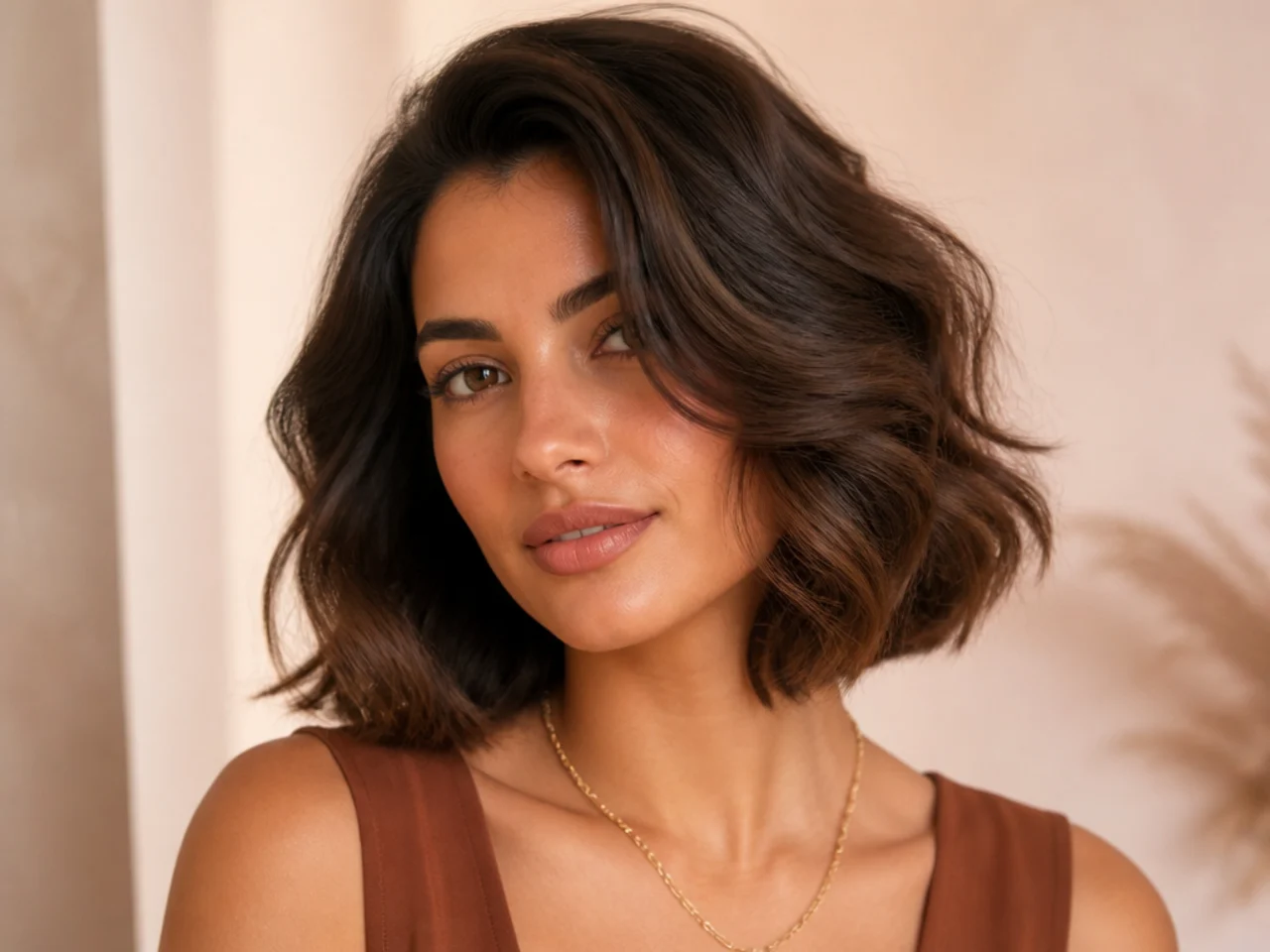
Short cuts hold blowout waves beautifully — you just need smaller tools and a lighter hand. This works on a lob, a chin-grazing bob haircut, or a face-framing butterfly haircut. Alternating wave direction is the whole trick; parallel curls on short hair read as a helmet.
Use a 1-inch round brush to blow-dry with tension. Short hair collapses without it. Follow up with a 3/4-inch curling iron, alternating the direction with every section. Focus the wave on the ends and the pieces framing your face. Leave the crown mostly smooth so the wave does not visually shrink your length.
Stylist tip: On the pieces that touch your jaw, wrap the hair away from your face for two-thirds of the length, then flip the iron direction and curl the last inch toward the face. That reverse-tail bend keeps the shape from swinging into your chin.
Medium-Length Soft Blowout Waves
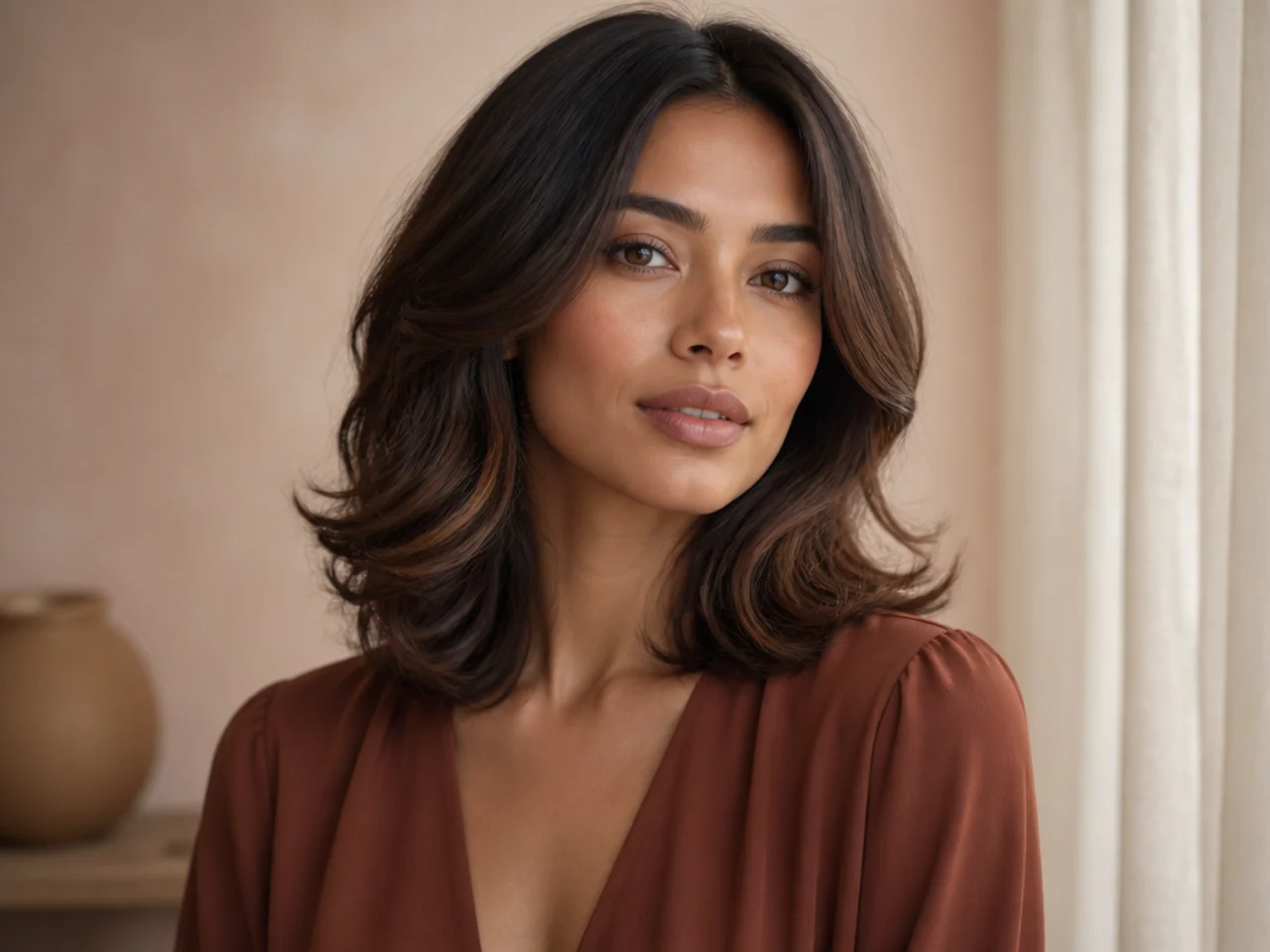
The sweet spot. Collarbone to just below the shoulder gives you enough length for a full S-curve wave without the weight that drags long hair flat. This is your everyday-to-evening version — the length that pivots to a sleek high ponytail or a low updo if the plan changes at 6 p.m.
Round-brush with a 2-inch barrel, then wrap 1.5-inch sections on a 1.25-inch iron. Hold the iron horizontally for waves that swing forward, vertically for waves that sit closer to the head. Mix both directions on the sides for movement.
Stylist tip: If you plan to pull it up later, curl away from the face on the sides but toward the face on the back. When you gather the hair into an updo, the back curls fall out into face-framing tendrils naturally.
Long Soft Blowout Waves
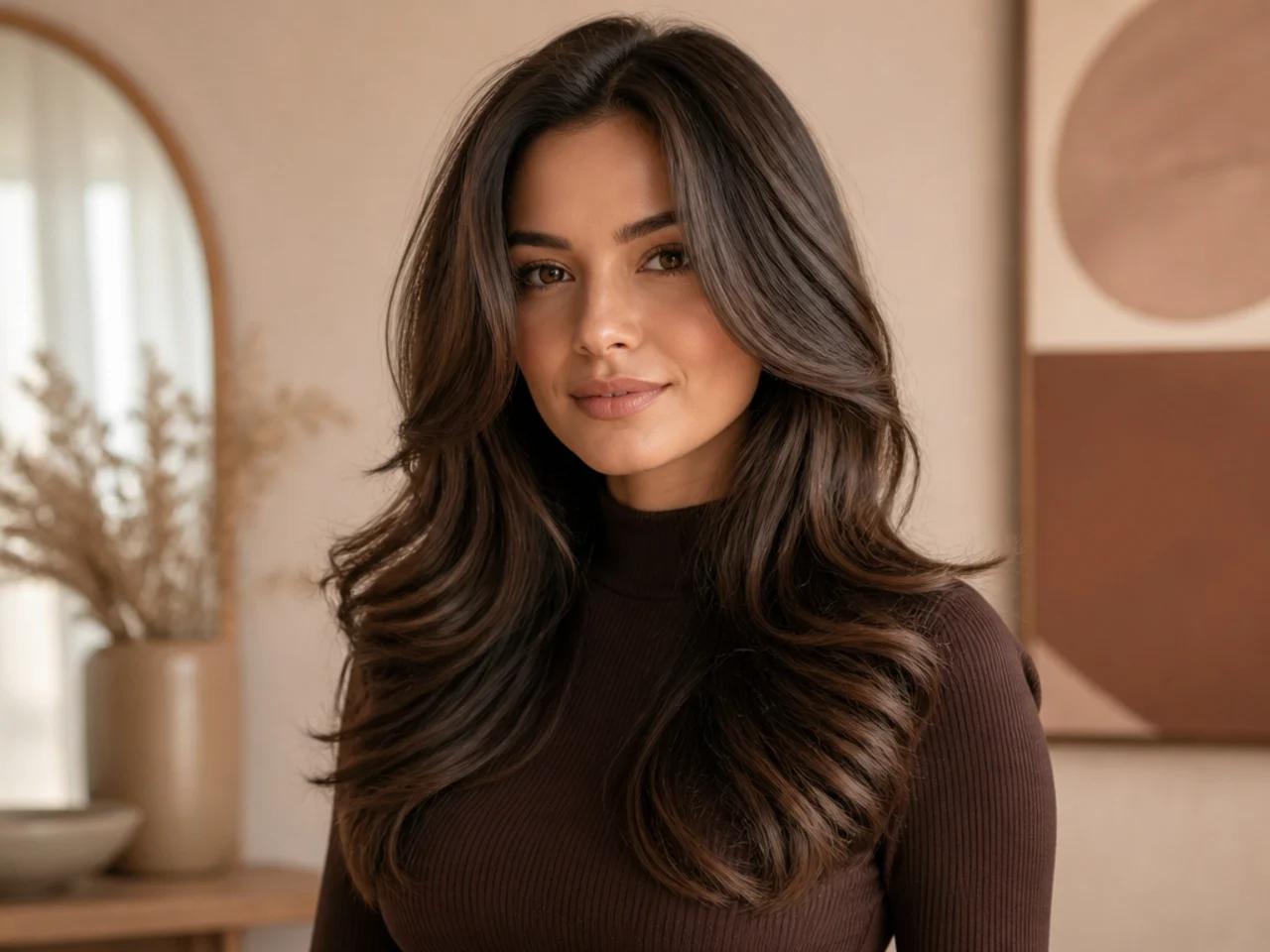
Waist-length gets the full cascade. The waves start high — around cheekbone or ear — and roll all the way through the ends. This is your gala, black-tie, portrait-session hair. It is also the version people photograph the most.
Split the blowout in two. Clip the top half up, blow-dry the underneath completely, then let the top down and repeat. That is the only way to get every strand fully dry on very long hair, which is what keeps the wave from falling. Curl 2-inch sections on a 1.5-inch iron, all in the same direction if you want the Old Hollywood look, or mixed if you want relaxed.
Stylist tip: Once every section is curled, pin each cooled curl flat to your head with a duckbill clip and leave them for 10 minutes. When you release, the wave has real tension and will hold for two days.
Loose Soft Blowout Waves
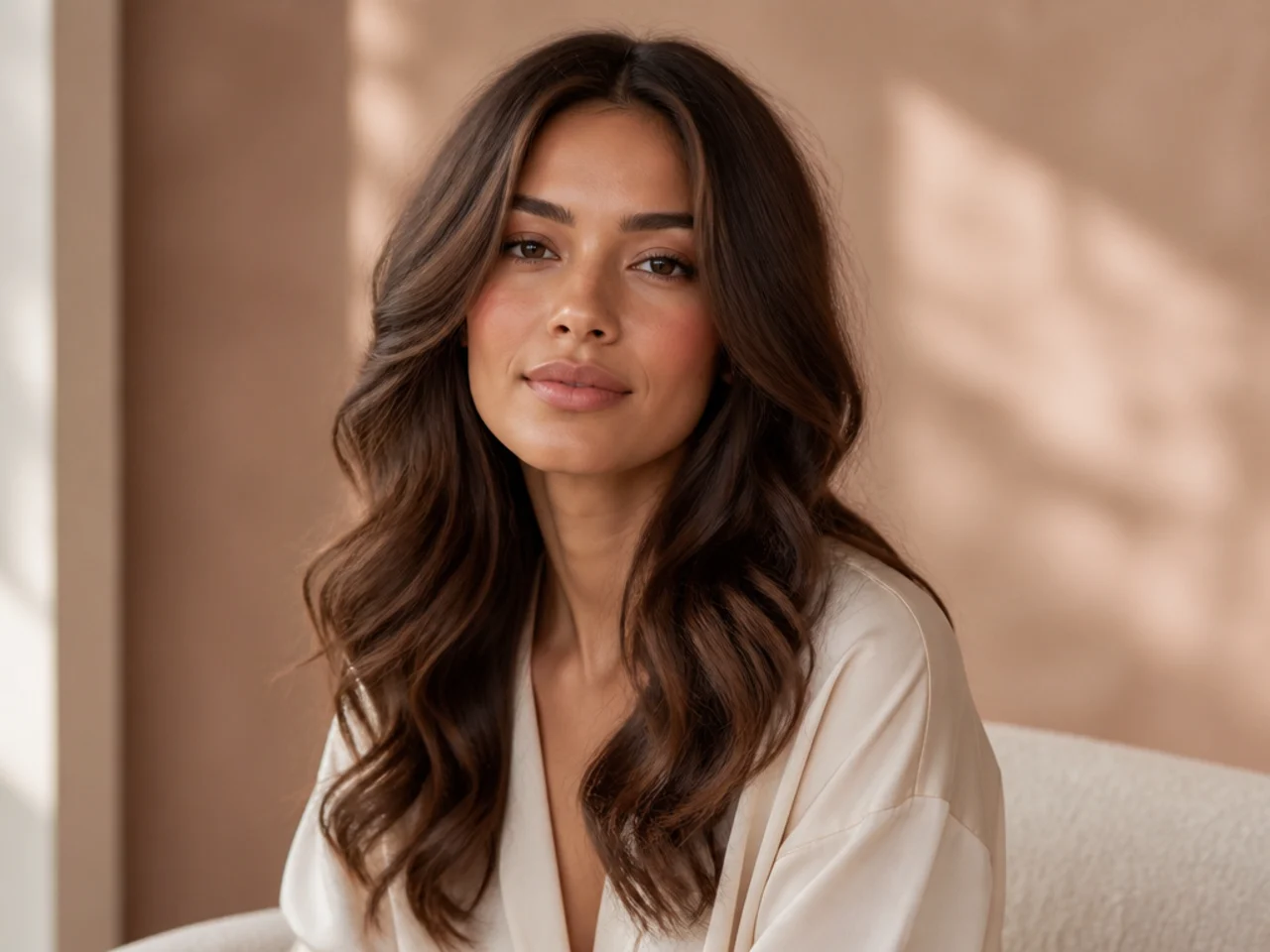
The barely-there version. Not a curl — an undulation. This is what people mean by "beach wave without the crunch." Perfect for warm weather, dinner outside, or any moment when a defined curl would feel like too much.
Round-brush the whole head smooth. Then take 2-inch sections and pass a 2-inch curling iron down each one with a single open-clamp bend — think of the iron as a wand, not a curler. You are not wrapping the section; you are pressing a soft S into it. Move quickly through each pass.
Stylist tip: Flip your head upside down and shake before you mist hairspray. That randomizes the wave pattern so nothing looks placed. Use a flexible-hold spray only — anything stronger will freeze the movement you just built.
Voluminous Soft Blowout Waves
Old-Hollywood-adjacent height. Big teased crown, waves that sweep away from the face, and a lift that reads instantly formal. If your event actually calls for hair up, skip this and look at low bun prom hairstyles for brown hair instead. But if you want down-and-dramatic, this is it.
Mousse and root-lift on damp hair, then blow-dry with a mesh brush — they grip and lift better than boar bristle for volume. Tease the roots at the crown lightly with a fine-tooth comb, one inch back from the hairline, three passes only. Curl 2-inch sections on a 1.5-inch iron, all sweeping away from your face.
Stylist tip: Mist hairspray onto the teased crown, then smooth the very top layer down over the tease with your fingertips. You get the height without the visible bird's-nest texture.
Defined Soft Blowout Waves
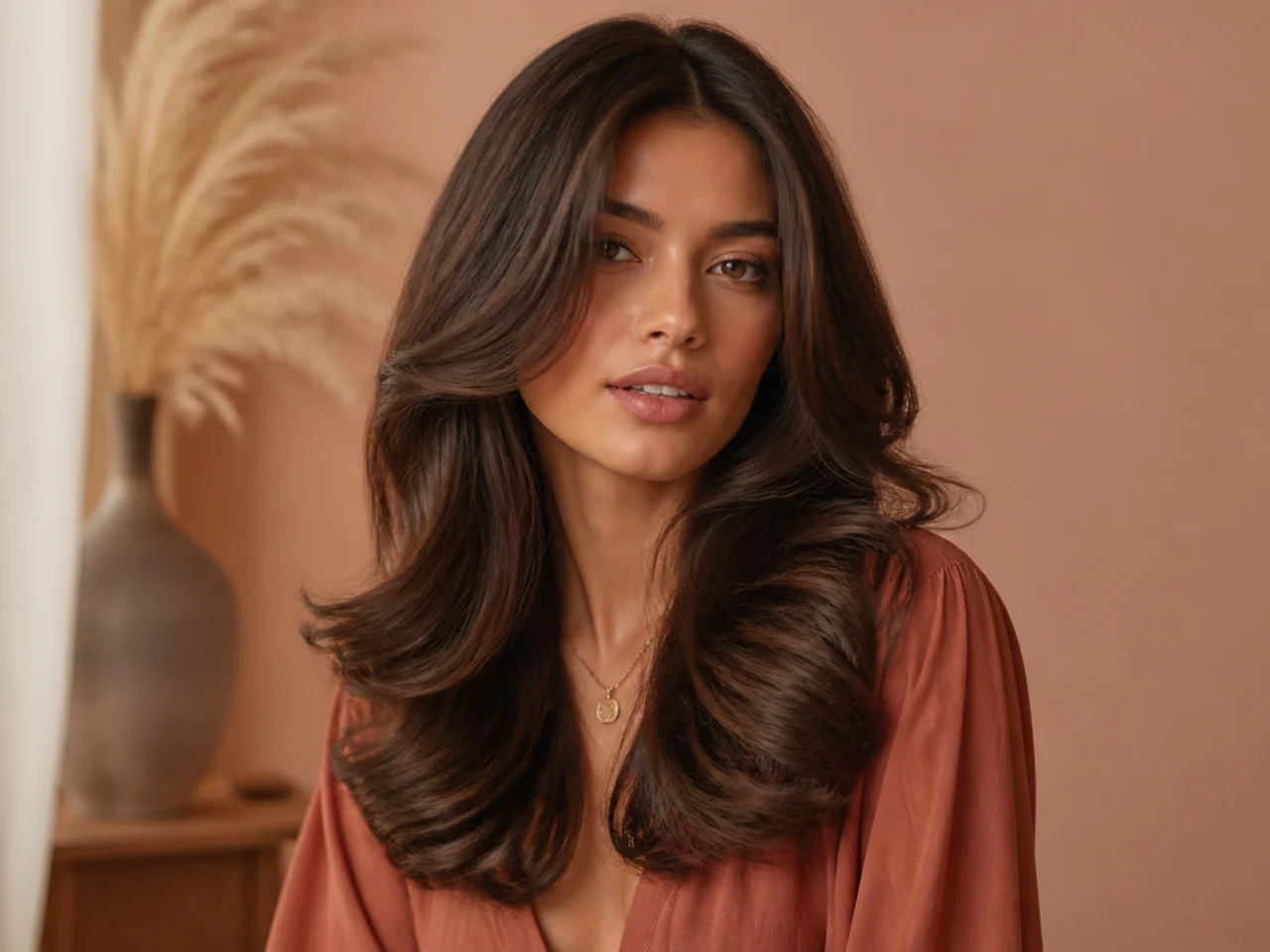
The most structured version — closer to a marcel wave than a blowout. Sharp S-shape bends, visible ridge between each wave, more editorial than everyday. Save this for photo shoots, vintage-theme events, or the days you want your hair to look like art direction.
Use a 3/4-inch curling iron. Take horizontal 1-inch sections and ribbon them onto the iron: wrap one direction for two seconds, flip, wrap the opposite direction for two seconds, flip again. That alternating wrap builds the S-curve without needing to touch anything after. Firm-hold hairspray between passes.
Stylist tip: Once every section has cooled, pinch each wave crest with a duckbill clip and leave them clipped for five to eight minutes. When you release, the ridges will be sharp enough to see across a room.
What is Soft Blowout Waves Hairstyle?
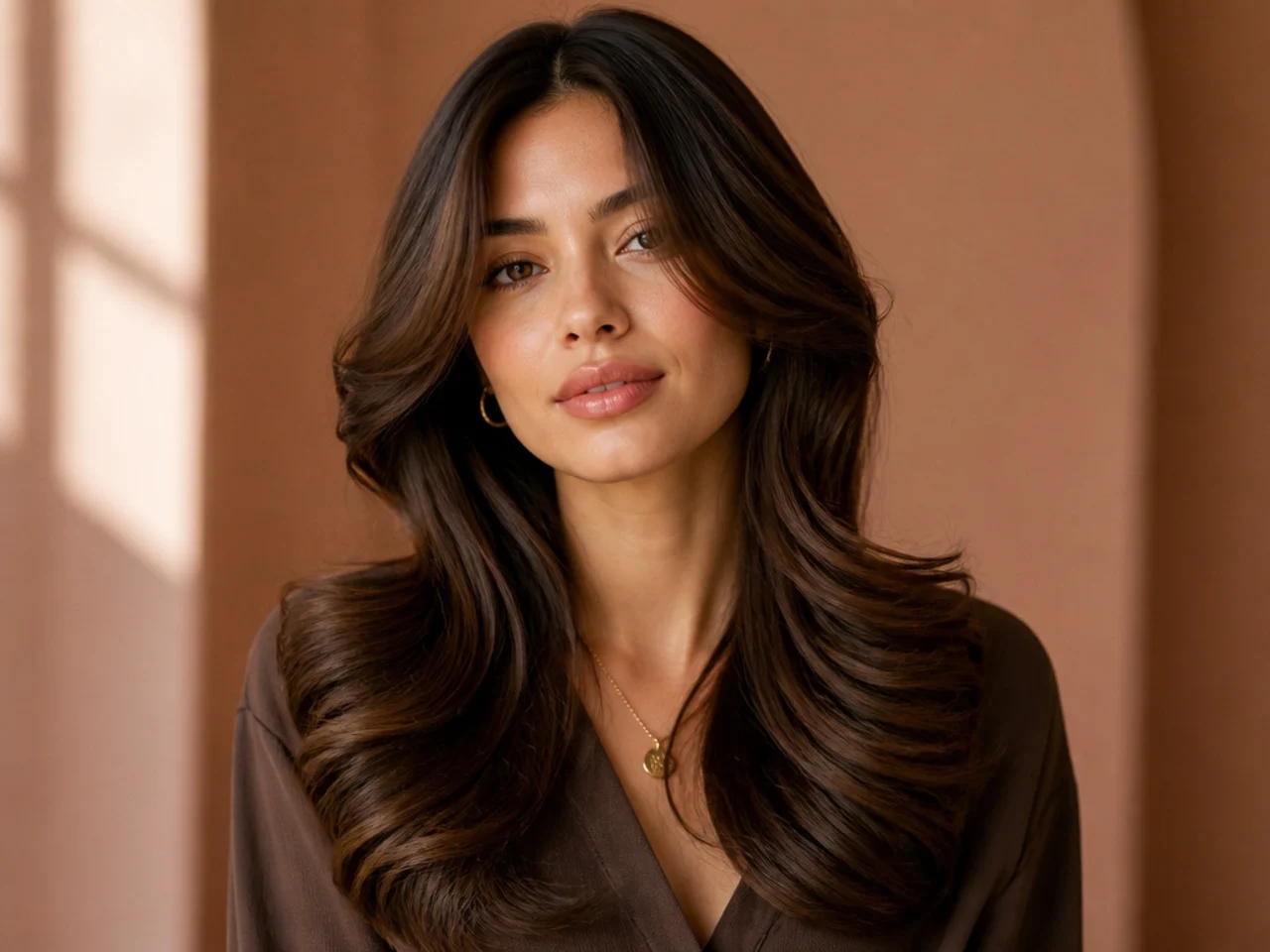
Soft blowout waves are long-wavelength, low-tension bends built with a hair dryer, a round brush, and (usually) a curling iron. You are not chasing spiral curls or a beachy crimp. You are building volume and shine first, then adding one loose bend per section so the hair reads bouncy instead of straight.
Three tools do all the work: a dryer for smoothness and root lift, a round brush for the initial body, and a large-barrel iron for the wave pattern. Products stay light — mousse or root spray at the scalp, heat protectant everywhere, flexible-hold hairspray at the end. The look sits between a proper Hollywood wave and a fresh-from-the-salon blowout, which is why it slides into any dress code you throw at it.
Why We Love Soft Blowout Waves:
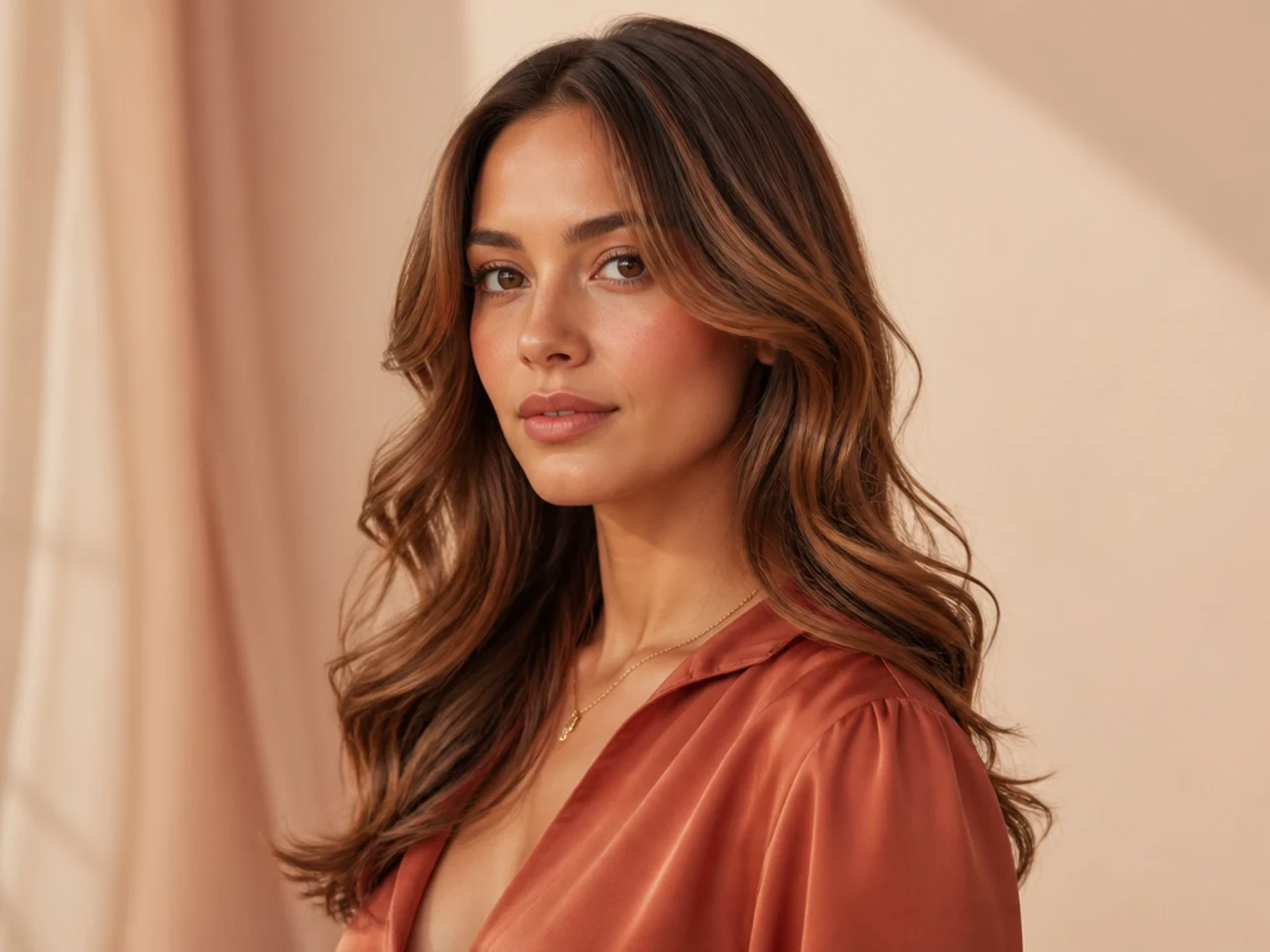
- Versatile: Works on every length from a lob to waist-length.
- Flattering: The soft bends around the face slim and lift.
- Forgiving: The imperfect wave hides uneven sections better than tight curls.
- Timeless: It looked good in 1998, it looks good now, it will look good in 2040.
How to Style Soft Blowout Waves (Step-by-Step)
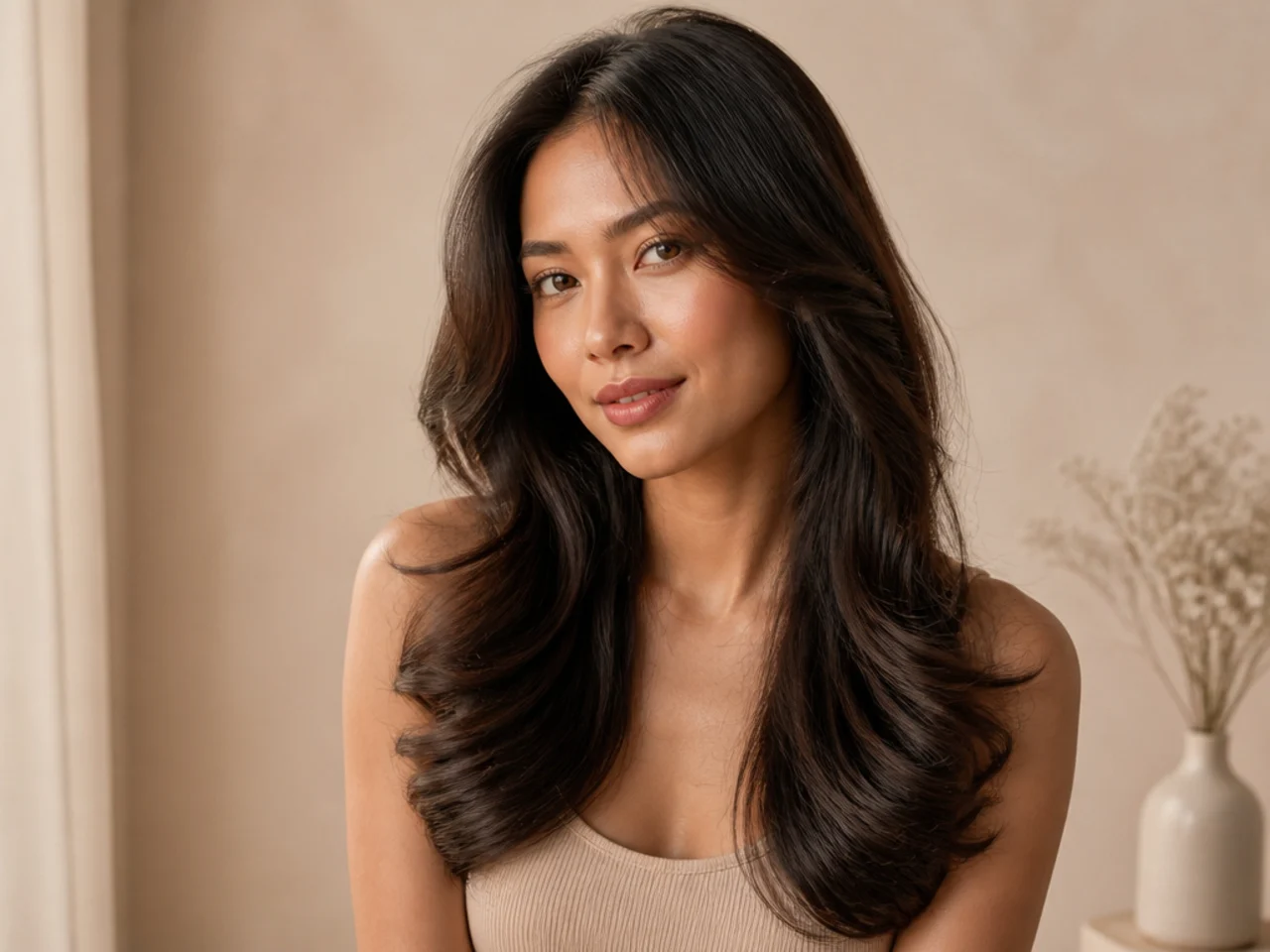
The order matters more than the products. Get the sequence right and you will get the finish right every time.
Tools You'll Need:
- Ionic hair dryer with a concentrator nozzle.
- Round ceramic or boar-bristle brush, 2 to 3 inches, sized to your length.
- Heat protectant spray — non-negotiable.
- Volumizing mousse (fine hair) or a lightweight root spray.
- Smoothing serum for frizz-prone hair.
- Sectioning clips, four minimum.
- Curling iron, 1 to 1.5 inches depending on the variation.
- Flexible-hold hairspray.
Preparation:
- Wash and condition. Skip conditioner at the roots if your hair falls flat easily.
- Product on damp hair. Heat protectant from root to tip. A golf-ball of mousse at the roots for fine hair. A dime of smoothing serum through mid-length and ends for frizz-prone hair. Do not stack too many products or the blowout will collapse.
- Rough-dry to 80 percent. Flip your head upside down, no brush, medium heat. Stop while the hair is still slightly damp — this is when you switch to the round brush.
The Round Brush Blowout:
- Section. Clip the top half up. Divide the bottom into left and right. Work in 1-to-2-inch sub-sections from the bottom up.
- Tension and heat. Slide the brush under a section at the root. Aim the dryer down the shaft, following the brush from root to tip. Repeat two or three passes until the section is glass-smooth and fully dry.
- Wrap the ends. As you reach the tip, roll the section up around the brush toward the root. Hold the heat on the rolled hair for five to ten seconds.
- Cool shot. With the section still rolled, hit the cool button for a solid 10 to 15 seconds. This is the step that "sets" the bend. Skip it and everything falls out by lunch.
- Release. Slide the brush out gently, never yank. Move to the next section.
- Curl for wave. After the whole head is blown out, take 1.5-inch sections and wrap them on a 1.25-inch iron away from the face. Cool each curl in your palm for 20 seconds before releasing.
- Finish. Fingers through, not a brush, to blend the waves. Light mist of flexible-hold spray from arm's length. A drop of hair oil on the ends if you want extra shine.
The Curling Iron Alternative:
If the round brush technique is not clicking, skip it. Rough-dry with heat protectant, then curl 1-inch sections on a 1.25-inch iron, leaving the last inch of hair straight. Once every section is curled and cooled, brush through with a paddle. You will lose some of the root volume, but the wave will still read soft and polished — and it is honestly the faster method for anyone under 15 minutes.
Maintenance and Prolonging Your Soft Blowout Waves
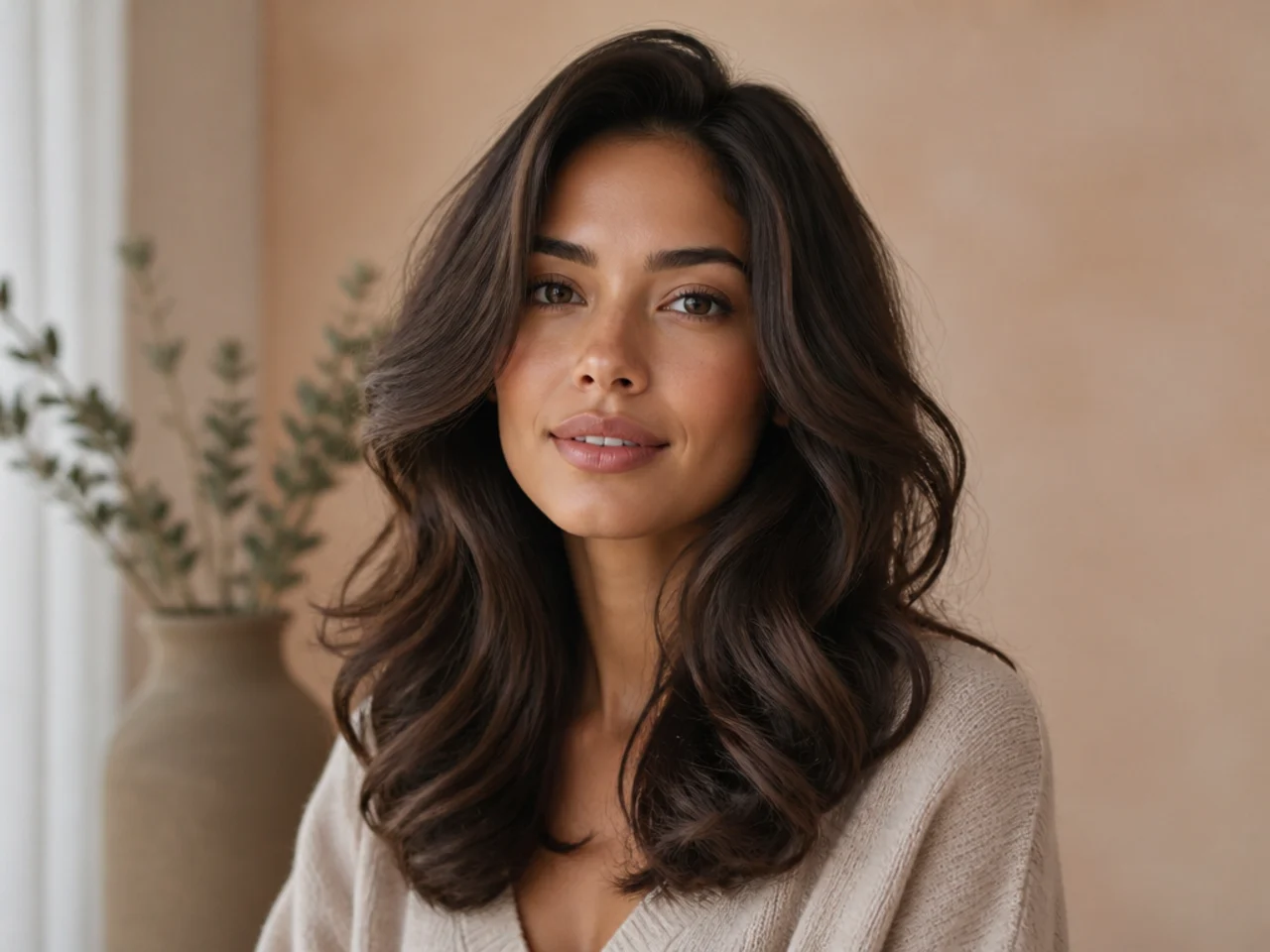
The style holds for three to four days if you sleep on it right. Silk pillowcase, no exceptions — cotton eats waves overnight.
Nighttime care:
- Loose pineapple. Gather the whole head into a very loose ponytail at the top of your head with a silk scrunchie. Weight pulls the waves down; the pineapple keeps them up and intact.
- Loose braid alternative. One or two loose braids also work, and they add a slight bend pattern for day two.
- Silk pillowcase. Reduces friction, prevents frizz, preserves the wave. This is the highest-ROI purchase in hair.
Day-two refresh:
- Dry shampoo at the roots. Absorbs oil, resurrects volume. Massage it in with your fingertips before you brush.
- Water-and-conditioner mist. Mix a tablespoon of conditioner into a cup of water in a spray bottle. Mist mid-length and ends, then scrunch. Wakes the wave up without adding heat.
- Spot-curl. Any section that fell flat gets a quick 10-second wrap on the iron. Do not re-curl the whole head — just the problem pieces.
Troubleshooting Common Problems
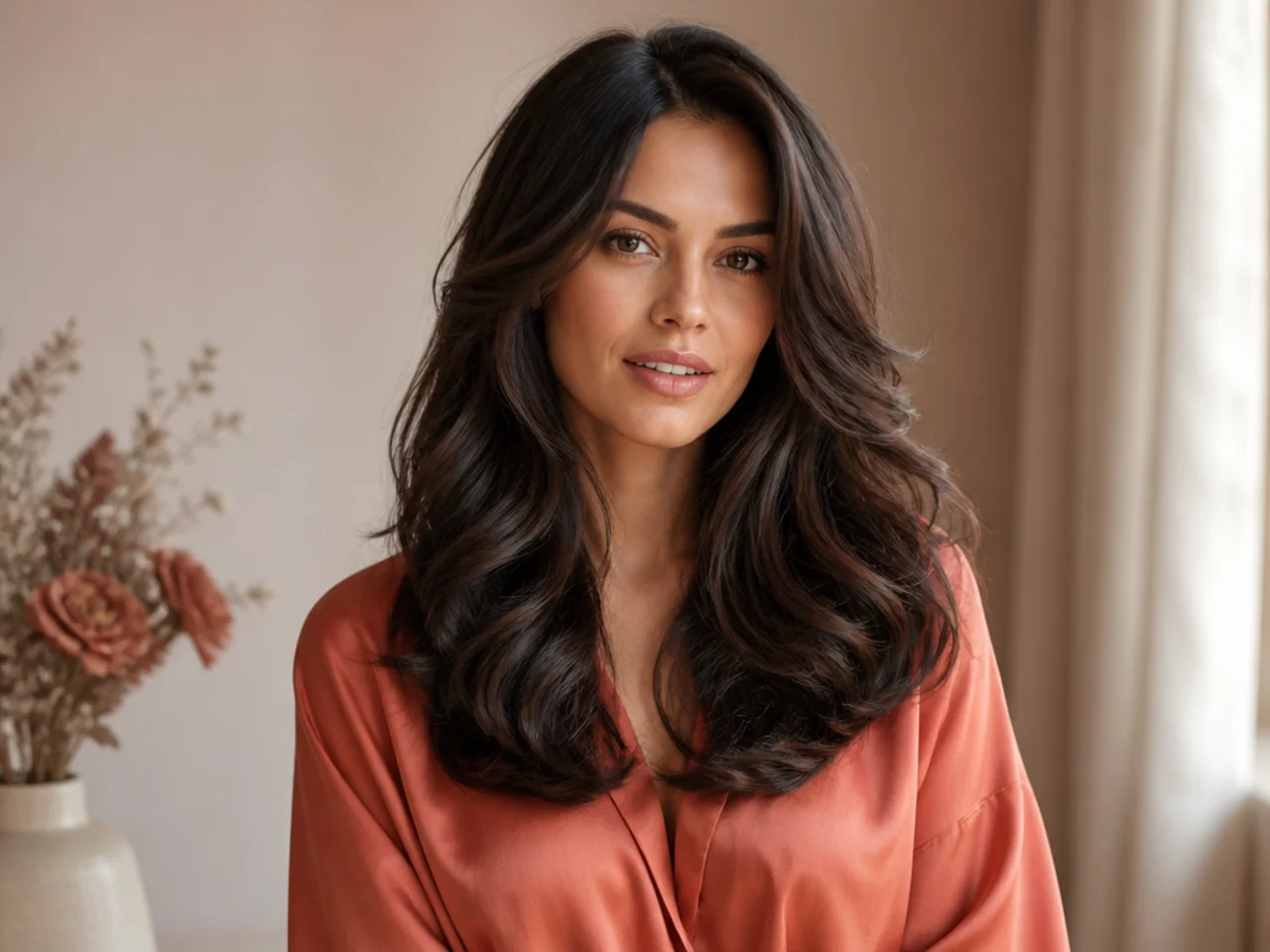
Waves too tight. You are using too small a barrel or holding the iron too long. Step up to a 1.5-inch iron, hold for five to seven seconds max, and brush through with a paddle after everything has cooled.
Waves fall out by 1 p.m. Two culprits. First, hair was not fully dry when you started curling — even 10 percent damp will collapse the wave in an hour. Second, you skipped the cool shot on the round brush or did not cool the curls in your palm. Cooling is what sets the shape; heat alone will not hold. Also check your product load — too much conditioner or oil weighs the wave down before it can set.
Frizz appears an hour after styling. Almost always a moisture-barrier issue. Use a smoothing serum before you dry, direct the airflow down the shaft (never up or sideways), and finish with a light oil on the ends. On humid days, mist an anti-humidity spray from arm's length before you leave the house.
Waves look uneven or messy. Section discipline. Work in consistent 1.5-inch pieces, wrap every section in the same rotation (all away from face is the safest default), and keep the iron at the same angle throughout. Perfection is not the goal — consistency is.
Frequently Asked Questions (FAQs)
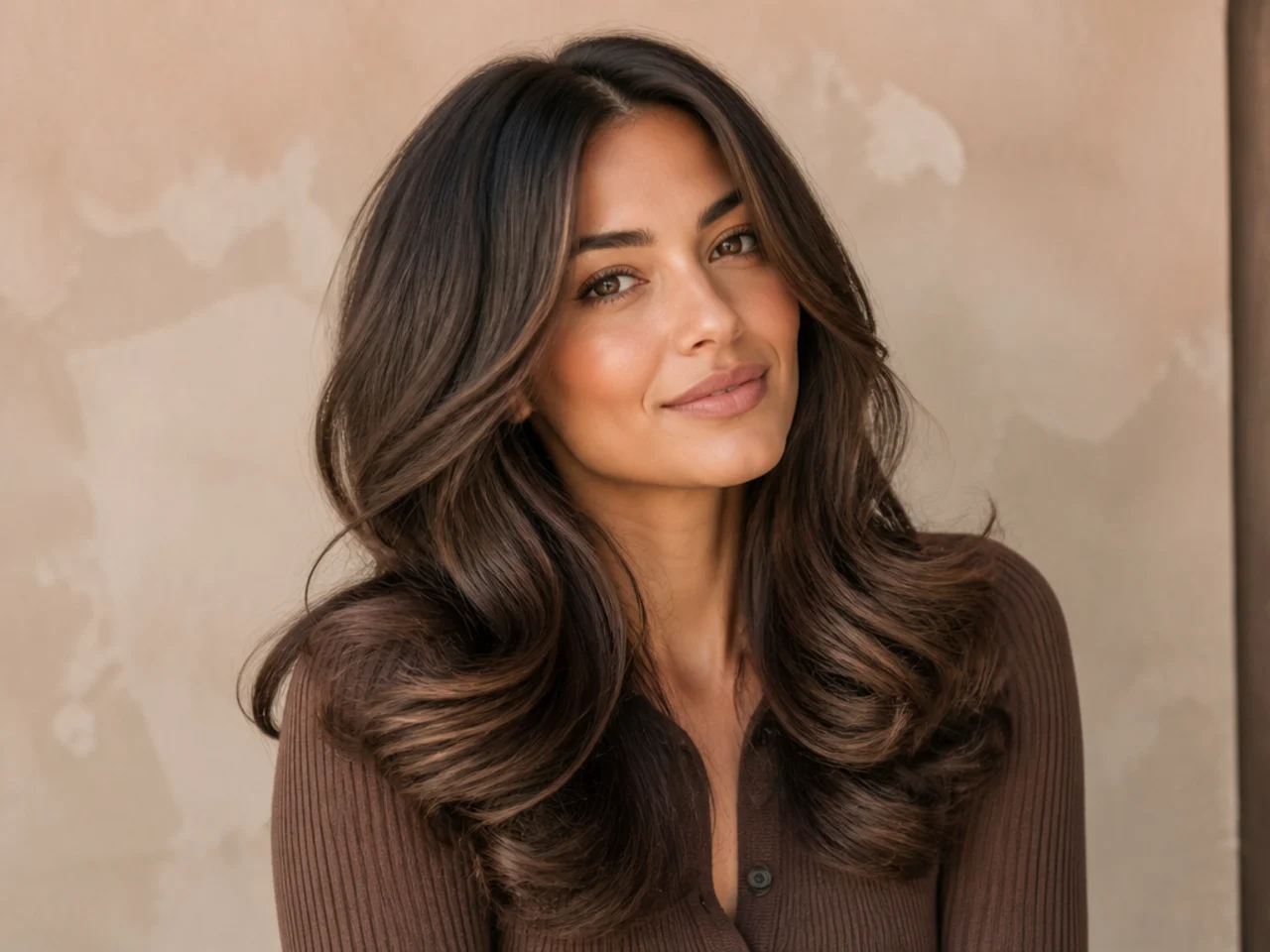
Will soft blowout waves work on short hair?
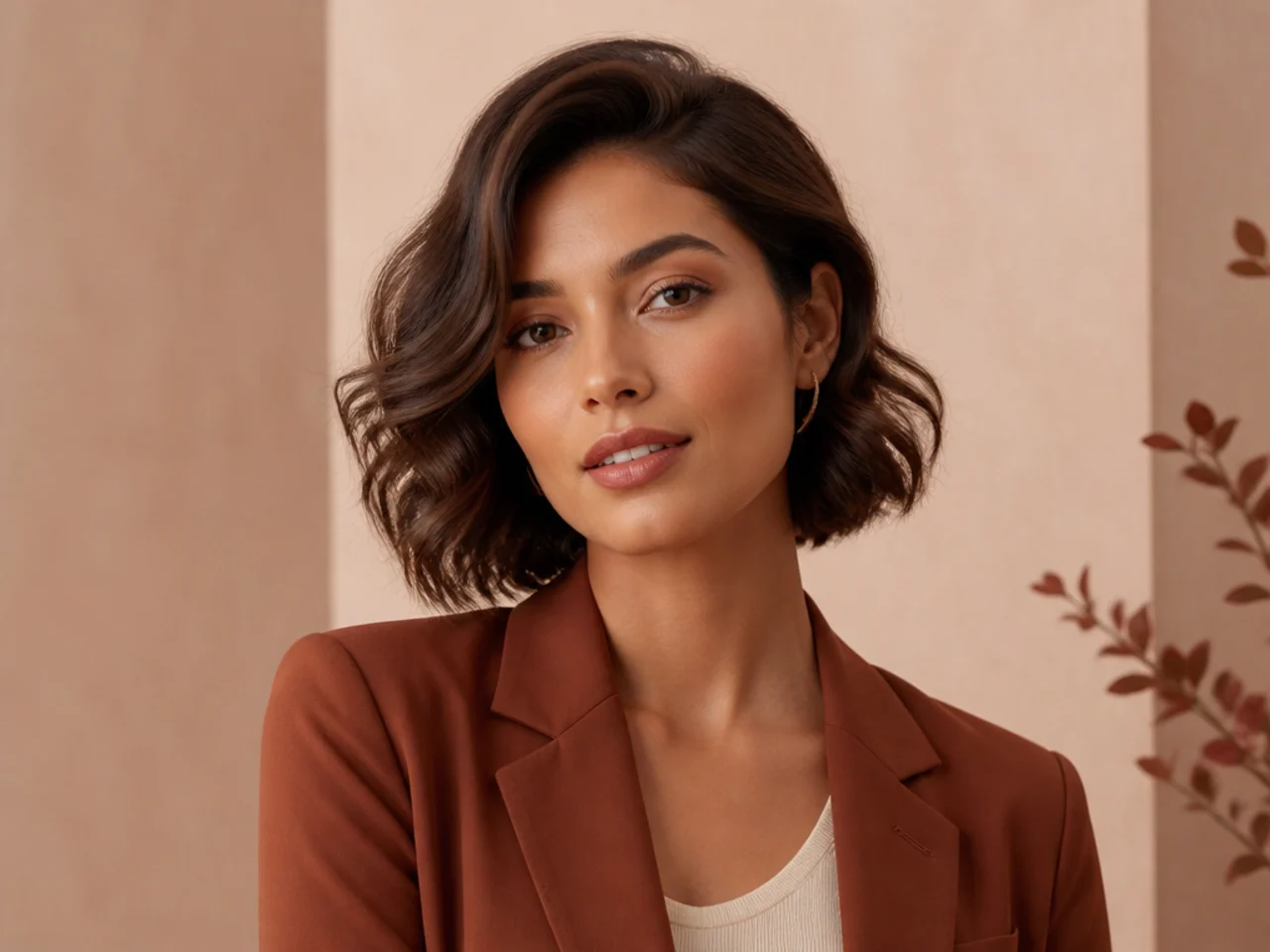
Yes, and they might be the most flattering option for a lob or a bob. Use smaller tools — a 1-inch round brush and a 3/4-inch iron — and alternate curl direction with every section so the shape reads soft instead of helmet-round. Focus the wave on the ends and the pieces that frame your face; leave the crown mostly smooth so the length looks intentional. Layered short cuts, like a butterfly haircut, hold the wave best because the internal layers give the ends room to move.
Can I achieve soft blowout waves on naturally curly hair?
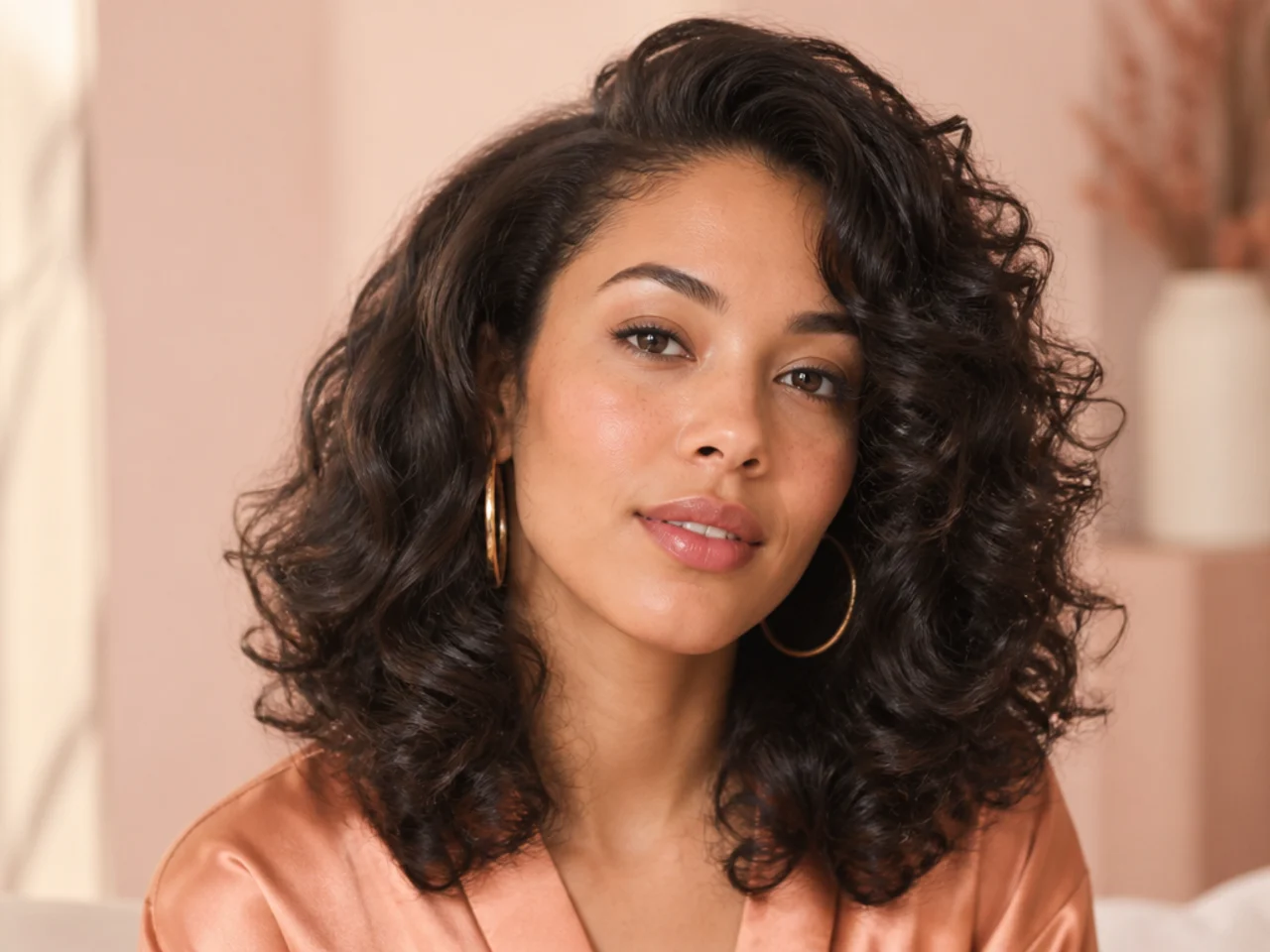
You can, but the prep is longer. Smooth your natural curl first with the round-brush blowout. Plan on 15 to 20 minutes because you need real tension and the dryer directed straight down the shaft. Once the hair is smoothed and cooled, add the wave with a 1.25-inch iron. Use a thermal smoothing cream in place of mousse for the smoothing step. The result will not be pin-straight-then-waved, but it will read as a soft, undulating blowout rather than your natural curl pattern.
Are soft blowout waves damaging to hair?
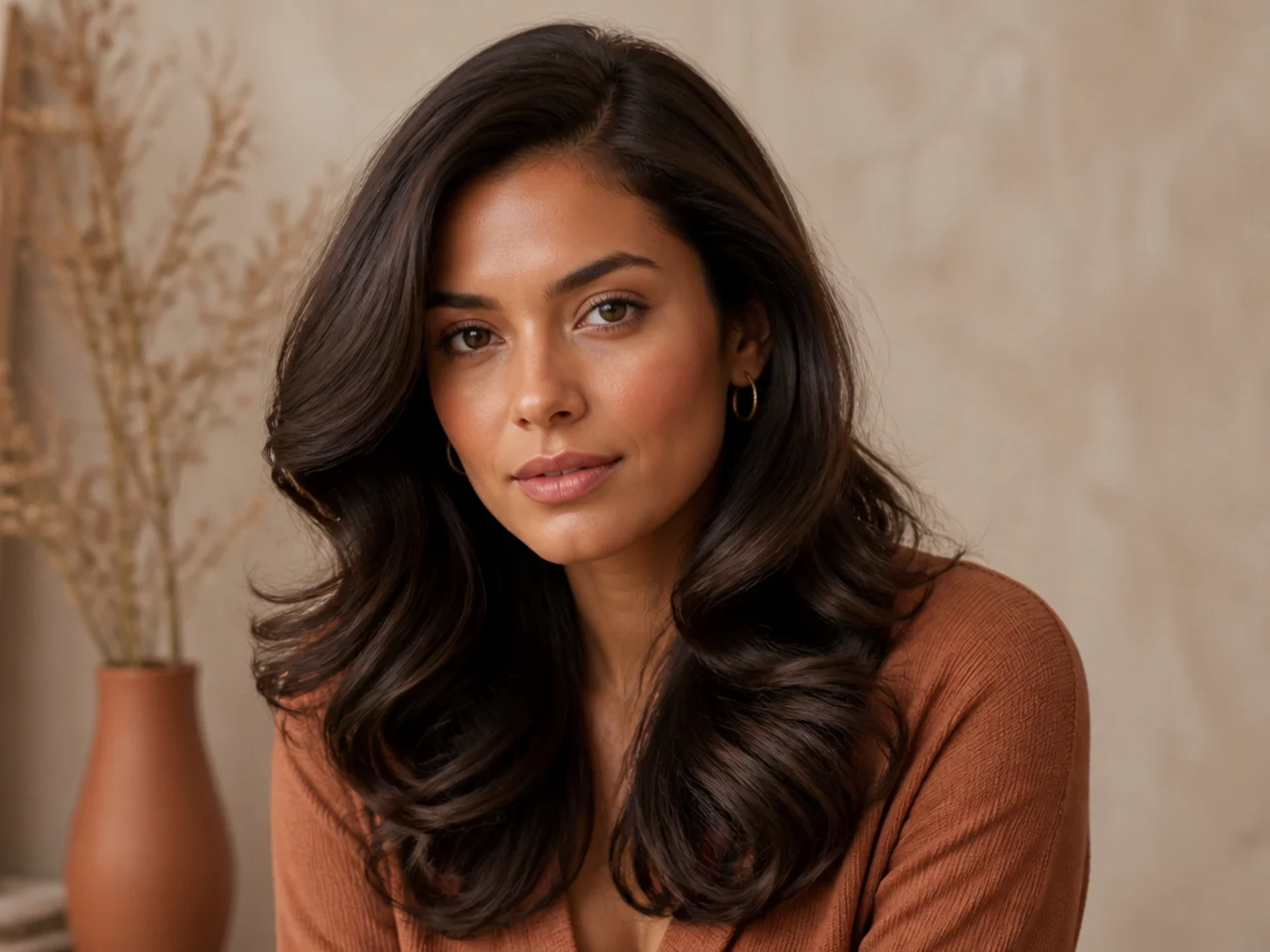
Any heat can damage hair, but the technique here is friendlier than daily flat-ironing. Two rules: always use a heat protectant, and keep your dryer and iron below 375°F for fine or bleached hair (400°F is fine for thick, virgin hair). Give your hair a heat break every third or fourth day — wear a loose bun or a slicked-back look instead. If you color your hair — say, a rich chocolate brown — a bond-building mask once a week keeps the shine intact under repeated styling.
Can I get soft blowout waves without heat?
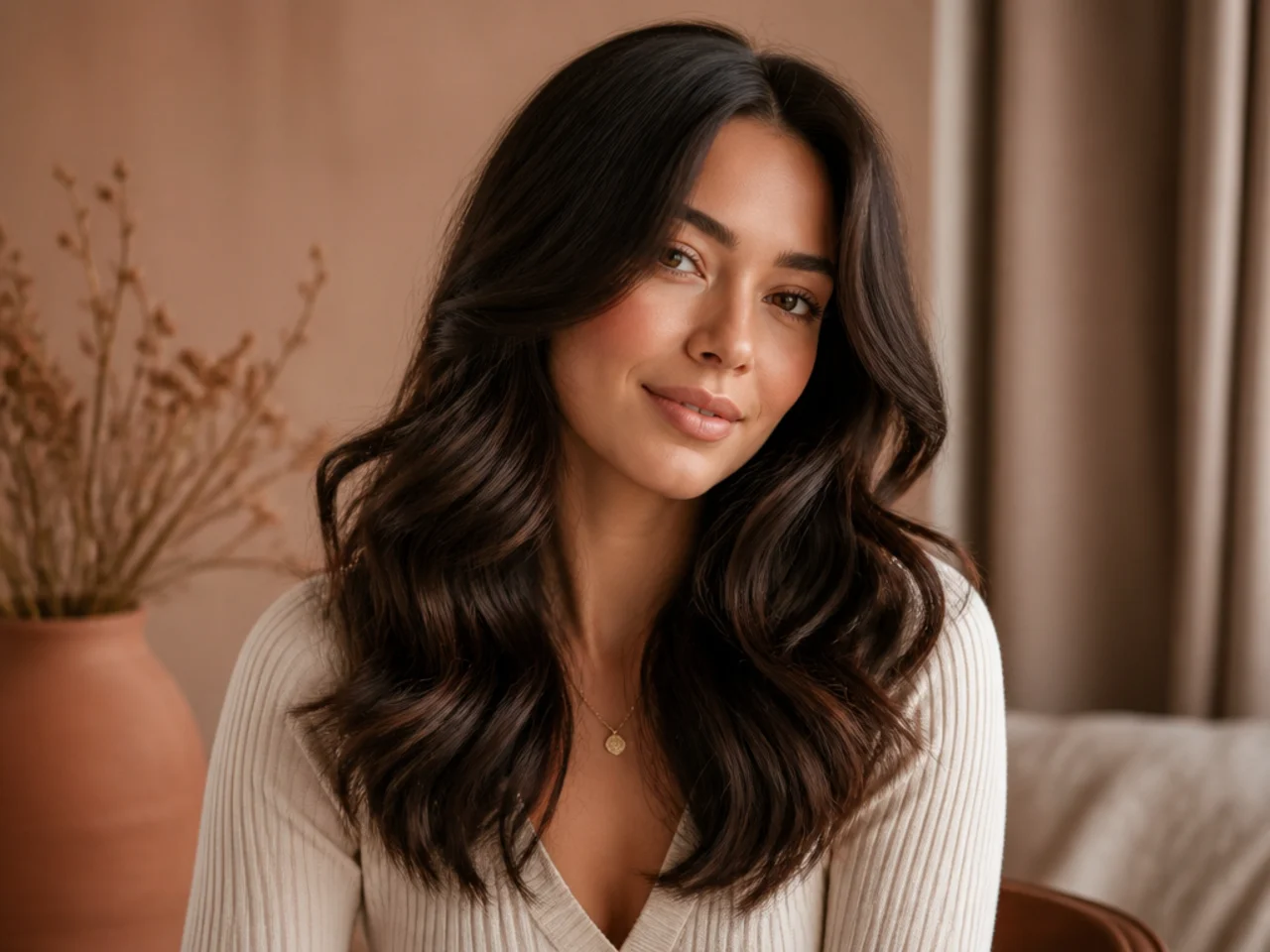
Sort of. Overnight methods — flexible foam rollers, silk-covered heatless curlers, or two loose braids on damp hair — give you a wave, but they cannot replicate the smooth root lift you get from a real blowout. Expect a softer, less polished result. The method that gets closest: rough-dry with just the dryer (no iron), put in two loose braids while hair is slightly damp, sleep on it, and shake out in the morning. You will get bend and body without any tools touching the hair.
Conclusion
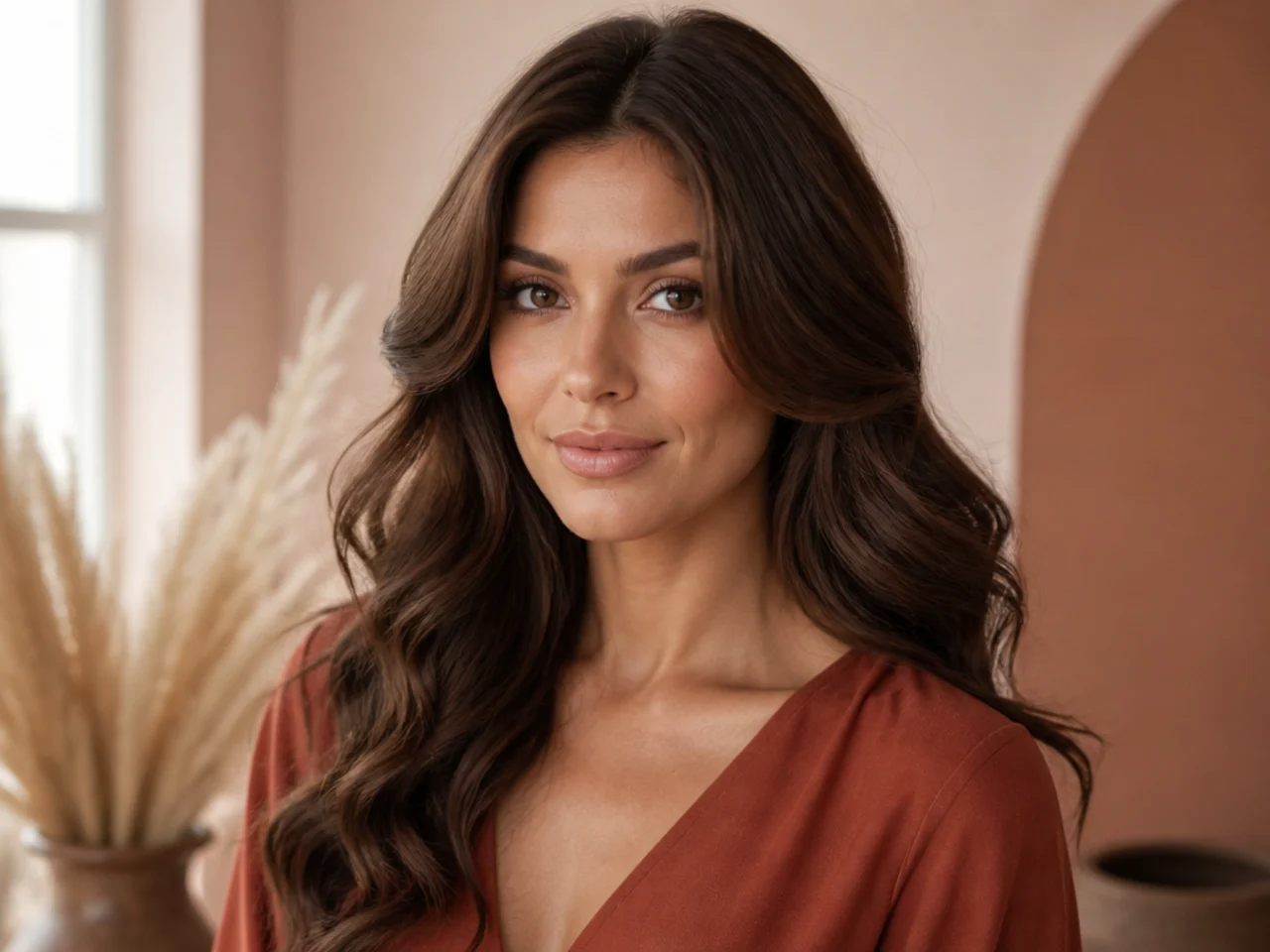
Soft blowout waves are the most versatile wave technique in the toolkit — flattering on every face, wearable at every length, and quicker than most people assume once you know the sequence. Master the cool shot, respect your sections, and use a flexible-hold hairspray instead of a stiff one. When you want to switch it up, the same wave prep pairs beautifully with a choppy ponytail or a soft updo for medium hair — the wave gives the pulled-back version texture that a straight blowout cannot.