20 Mens Wolf Haircut vs Shag Differences Explained
Twenty differences between a mens wolf haircut and a shag, and the one that decides all the others — a shag layers evenly and finishes level, a wolf cut stacks the crown and leaves the nape long. Everything else follows from that.
In this article · 27
- Wolf Cut Versus Shag in One Line
- Which One You Should Ask For
- The 20 Differences
- 1. The Overall Silhouette
- 2. Where the Layers Start
- 3. Length at the Nape
- 4. How Weight Is Removed
- 5. Disconnection Between Sections
- 6. The Fringe
- 7. Crown Volume
- 8. The Perimeter
- 9. Straight Hair
- 10. Wavy Hair
- 11. Curly Hair
- 12. Fine Hair
- 13. Thick Hair
- 14. Face Shape and Width
- 15. Morning Styling Time
- 16. Product Load
- 17. Trim Schedule
- 18. Grow Out Behaviour
- 19. How Formal It Reads
- 20. What to Say to Your Barber
- Styling and Upkeep
- Mistakes to Avoid
- FAQ
- Final Thoughts
These two cuts are sold as the same haircut with two names, and the thing that separates them is one section of the head.
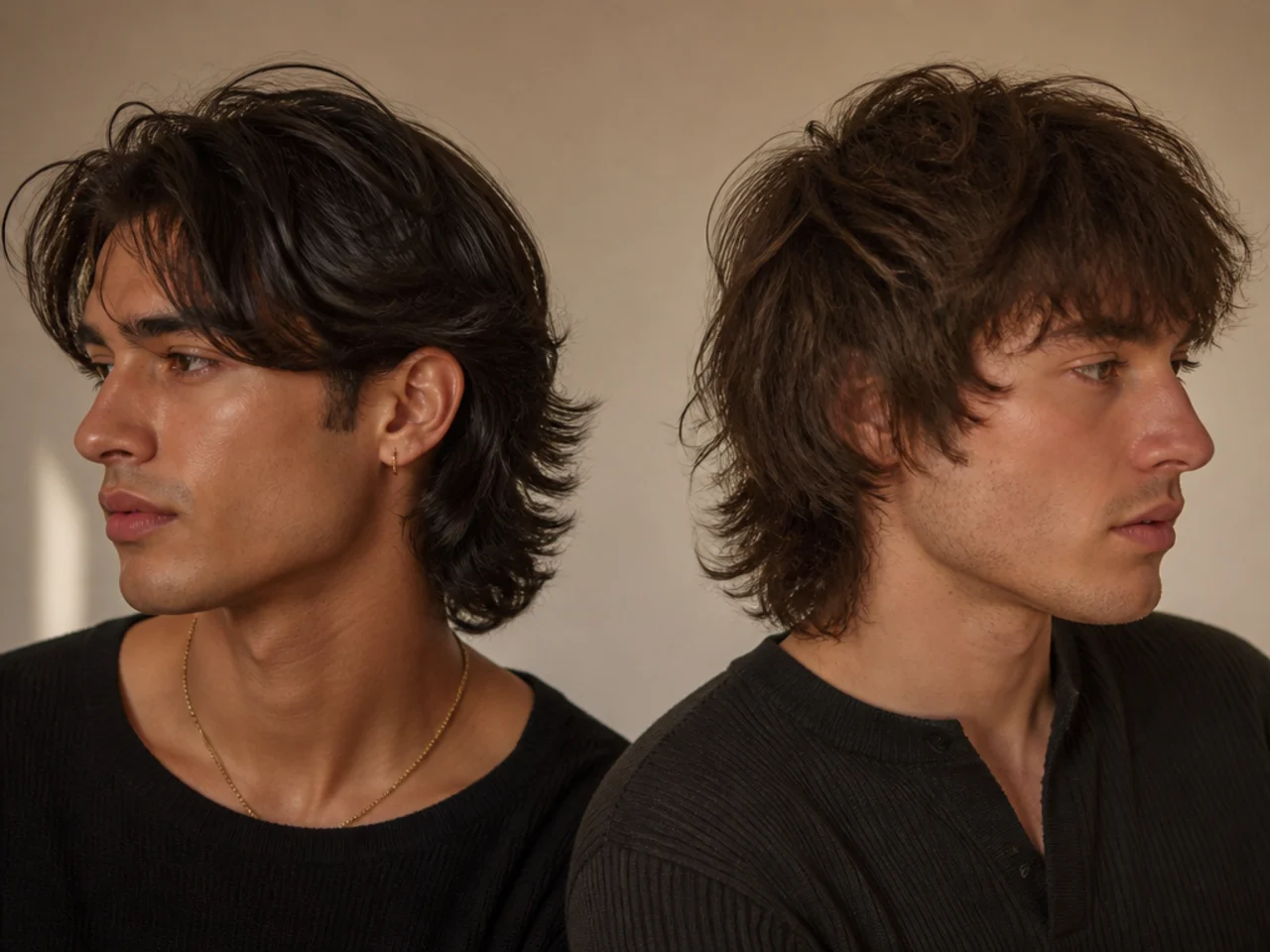
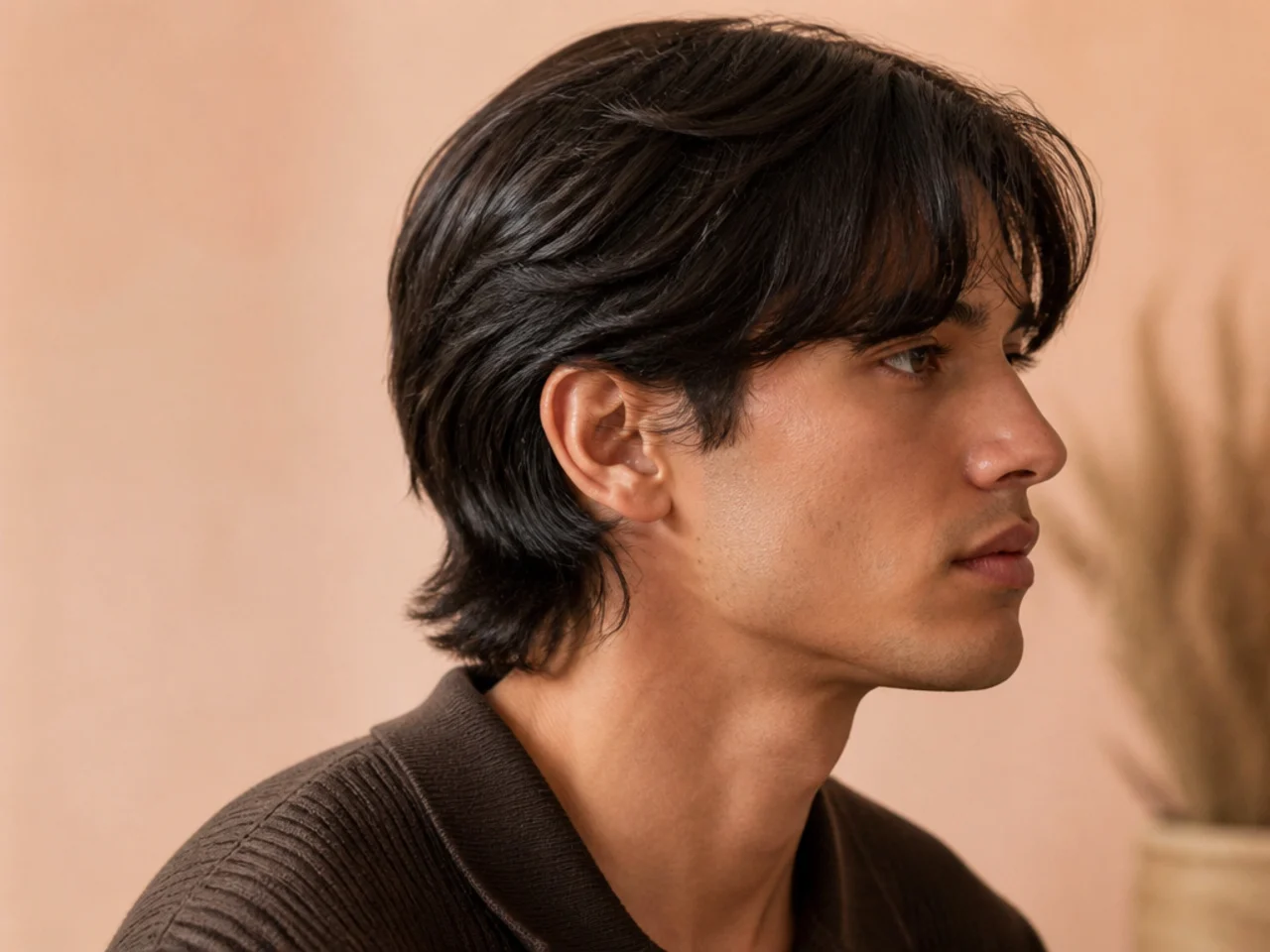
A shag layers evenly and finishes level. The steps start around the cheekbone and travel down in proportion, so the perimeter keeps its width and the shape stays readable.
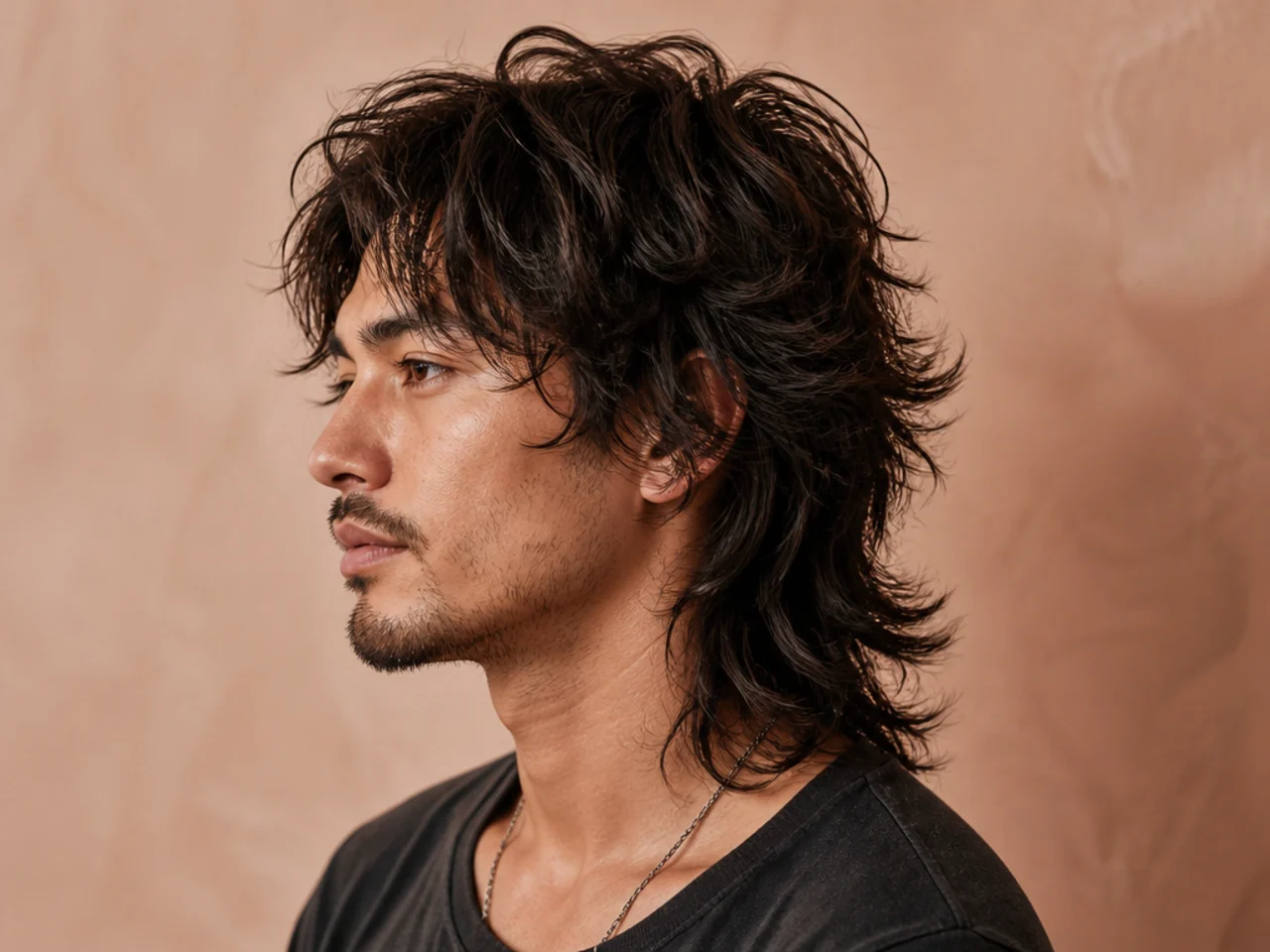
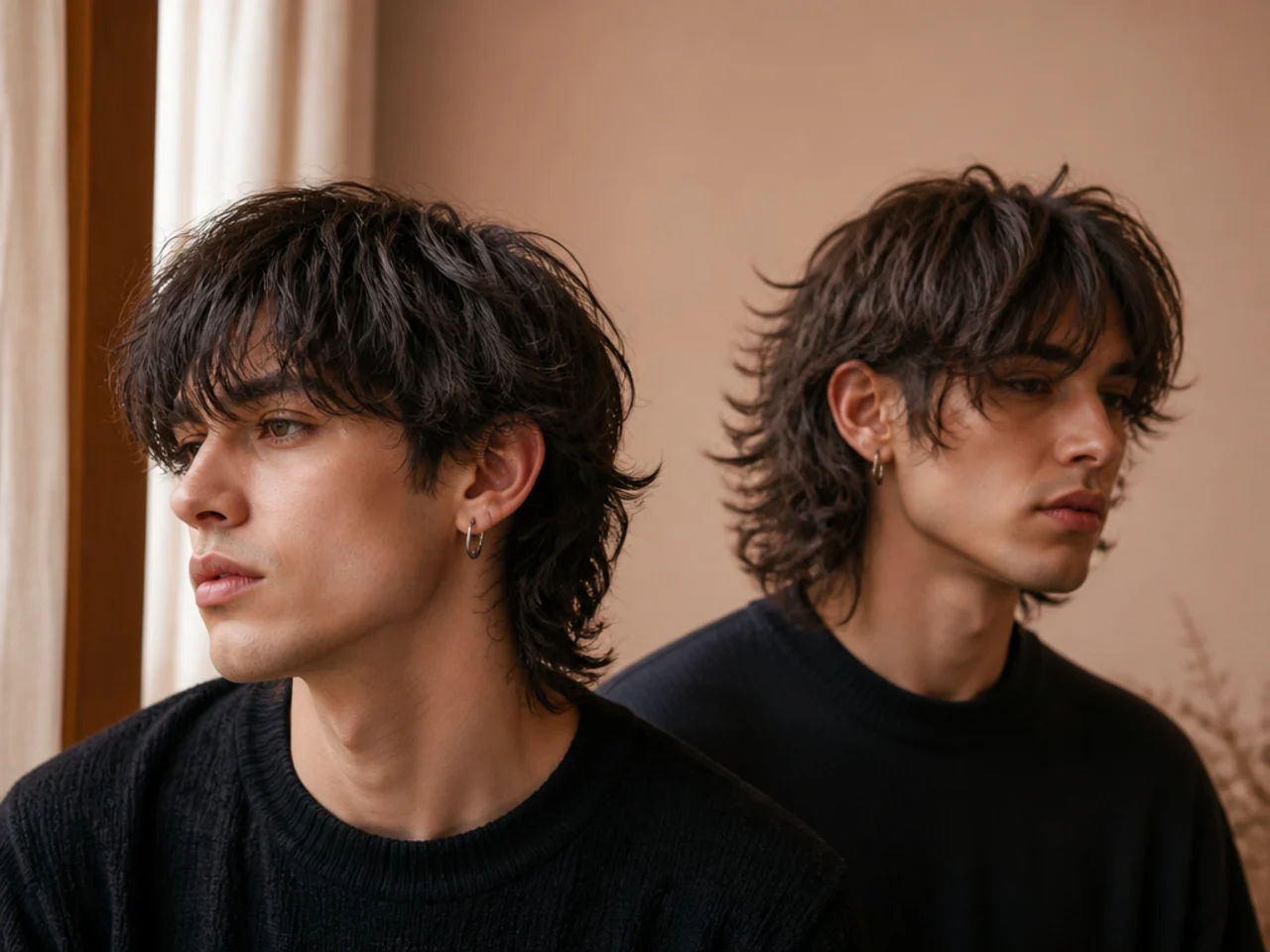
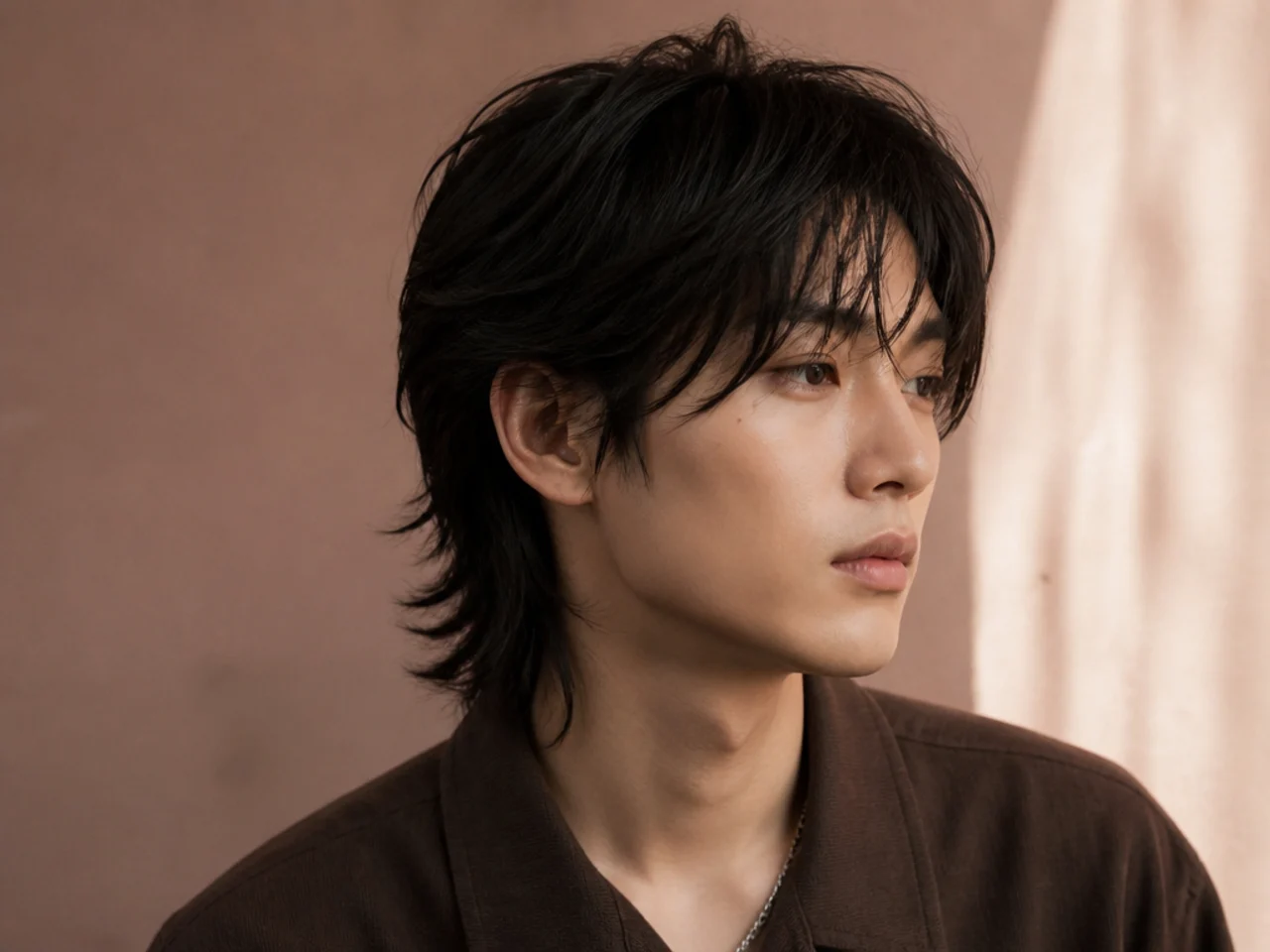
A wolf cut stacks the crown and leaves the nape long. Shag layering over a mullet outline, with the ends thinned out until the perimeter disappears.
Wolf Cut Versus Shag in One Line
A shag distributes weight. Even layers the whole way down mean no single section carries the shape, so the cut looks the same from every angle.
A wolf cut concentrates it. Volume piled at the crown, density stripped out of the ends, and length deliberately left at the nape.
Disconnection is the tell. Every shag layer connects to the one below it. A wolf cut leaves a visible step between the short crown and the long lengths.
Neither is a mullet. A mullet keeps a solid back panel that sits still. Both of these thin the ends out, which is why they move at all.
Which One You Should Ask For
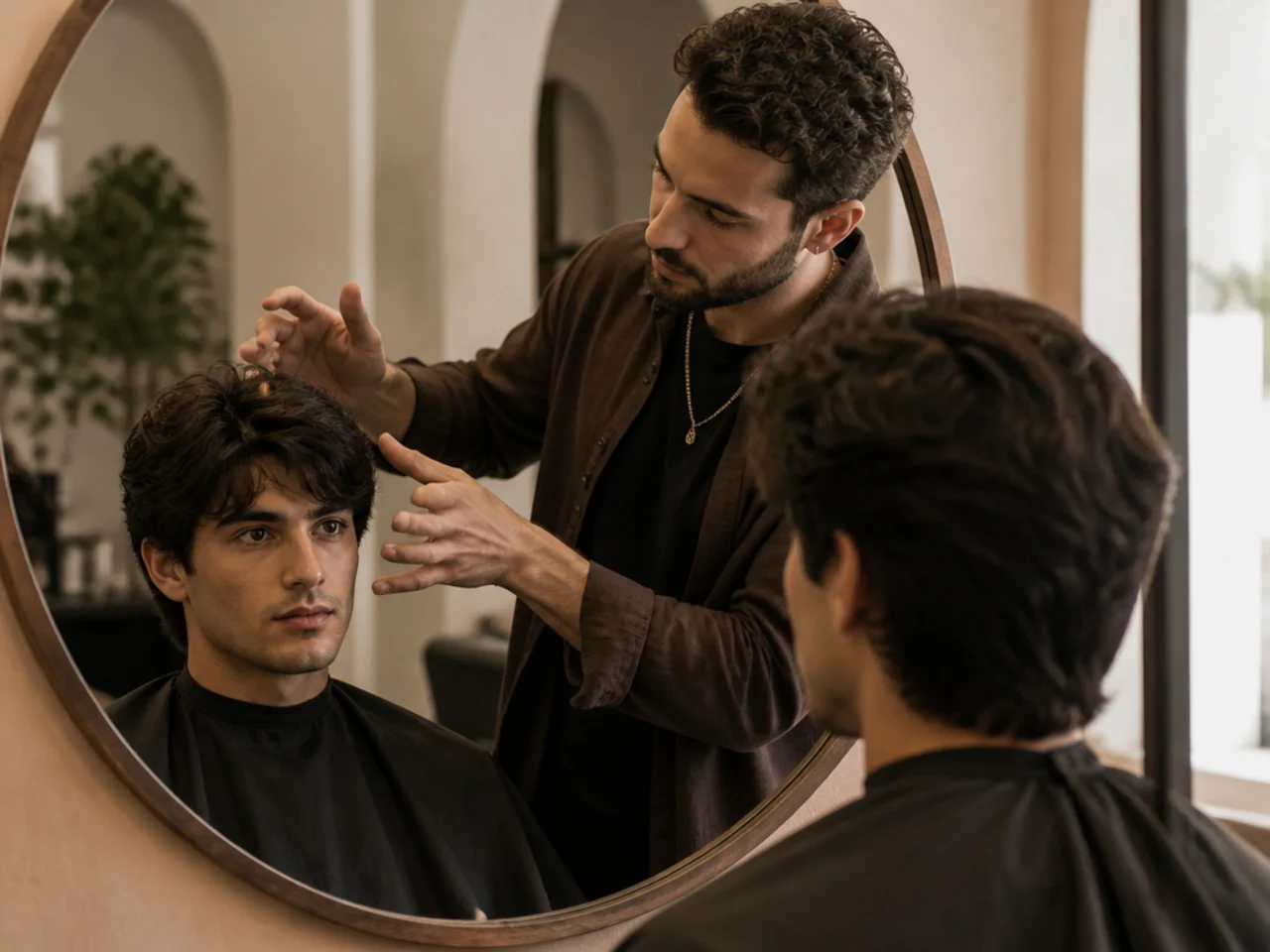
Ask by silhouette, not by name. Barbers use both words loosely. Describing where the layers start and what happens at the nape gets you the cut you pictured.
Count your styling minutes. A wolf cut has its shape cut into it. A shag has to be dried into position or the layers lie flat.
Let your density decide. Thick hair needs the ends thinned; fine hair cannot spare the density. That one fact settles most of these twenty points.
Choose by how long you will grow the back. A wolf cut only makes sense if the nape is allowed to stay longer than the sides.
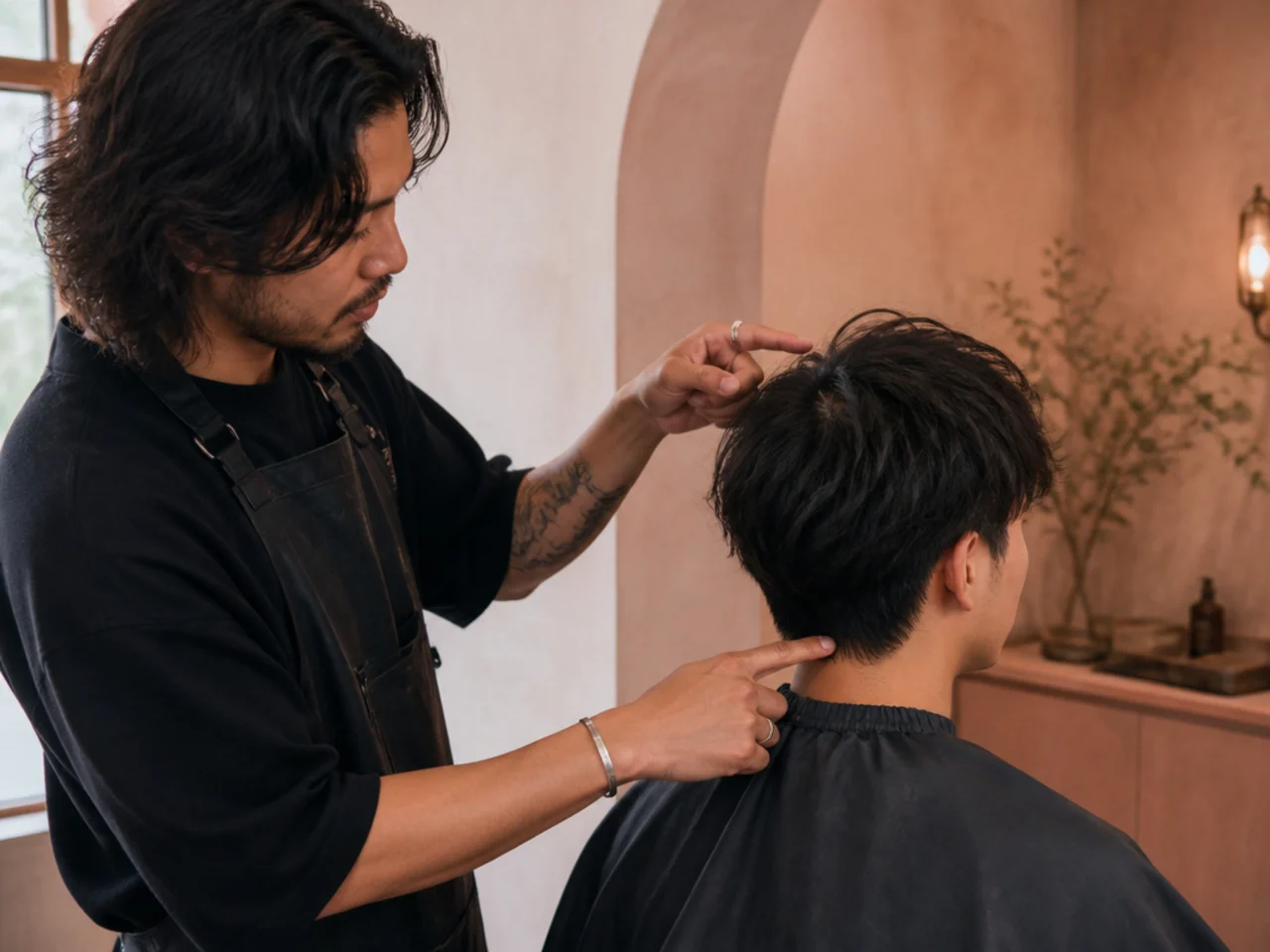
The 20 Differences
1. The Overall Silhouette
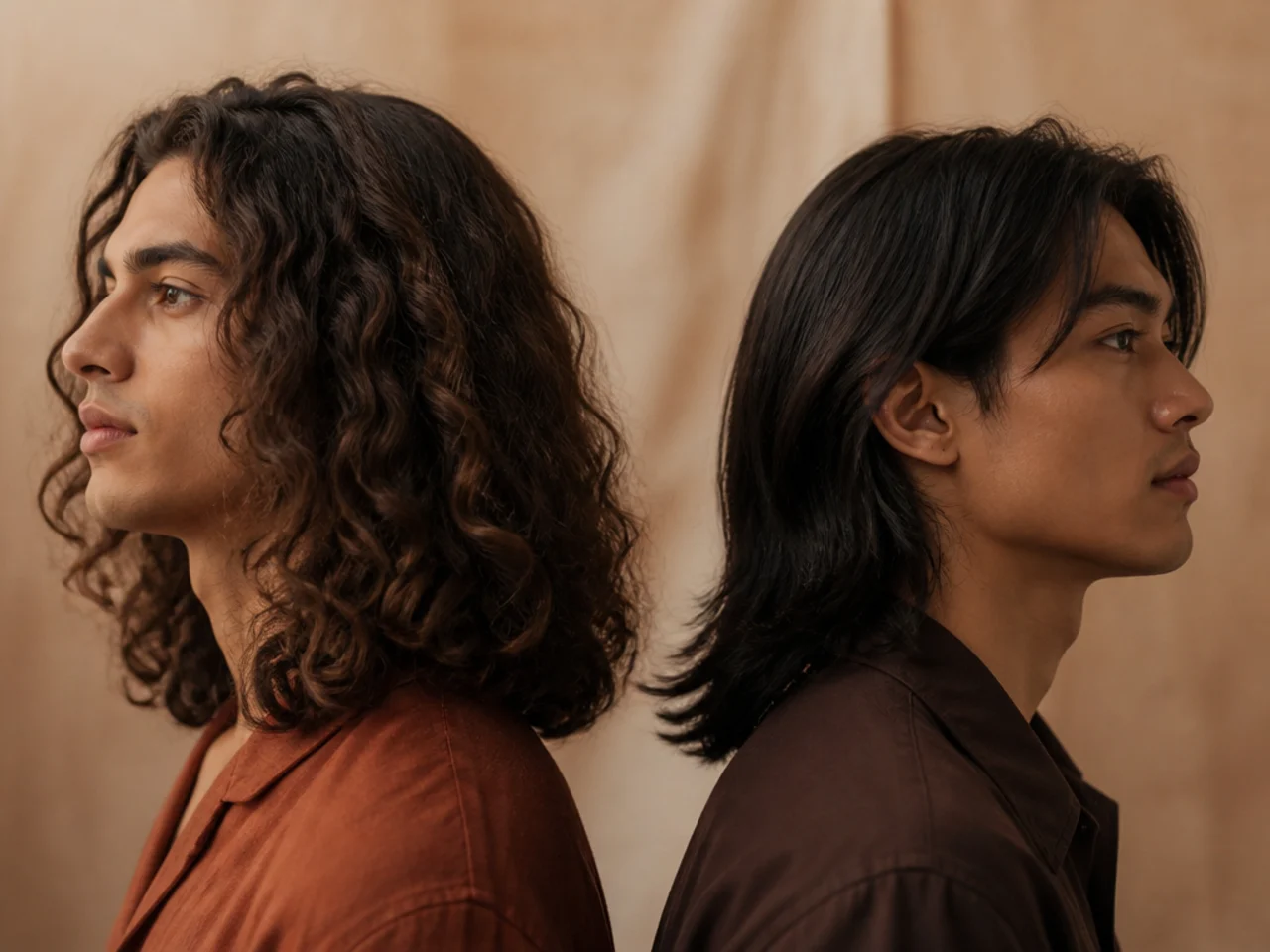
A shag widens as it falls: full at the crown, wider through the midlengths, and it keeps a visible outline at the bottom. A wolf cut narrows instead, piling volume high and stripping the ends to a point. On a rounder face the wolf cut wins, because narrow ends stop the shape adding width at the jaw.
2. Where the Layers Start
Shag layers begin around the cheekbone and step down evenly from there. Wolf cut layers begin at the crown, several inches higher, and that height is the entire source of the volume the cut is known for. If you want lift rather than movement, the wolf cut wins on this point alone.
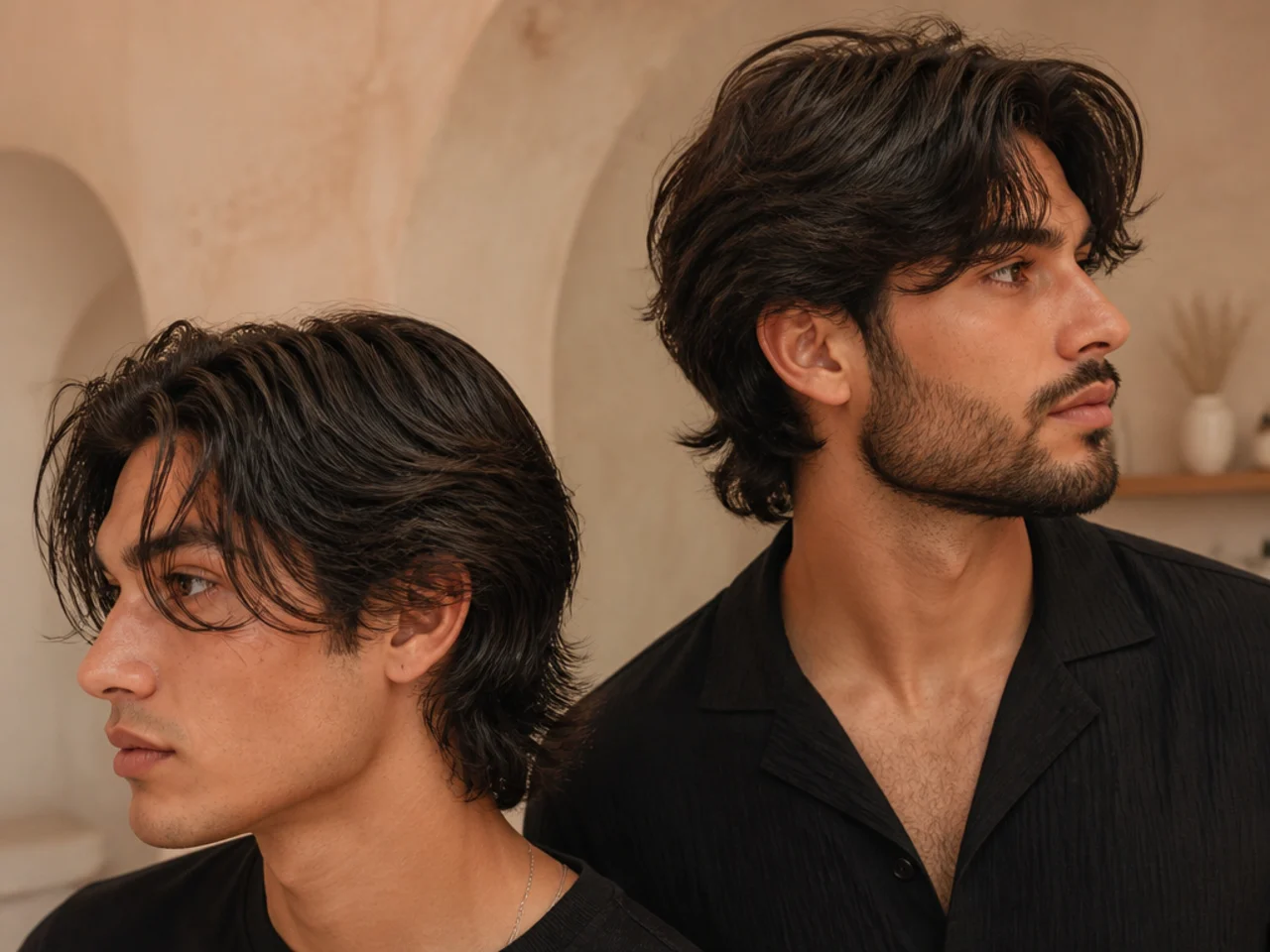
3. Length at the Nape
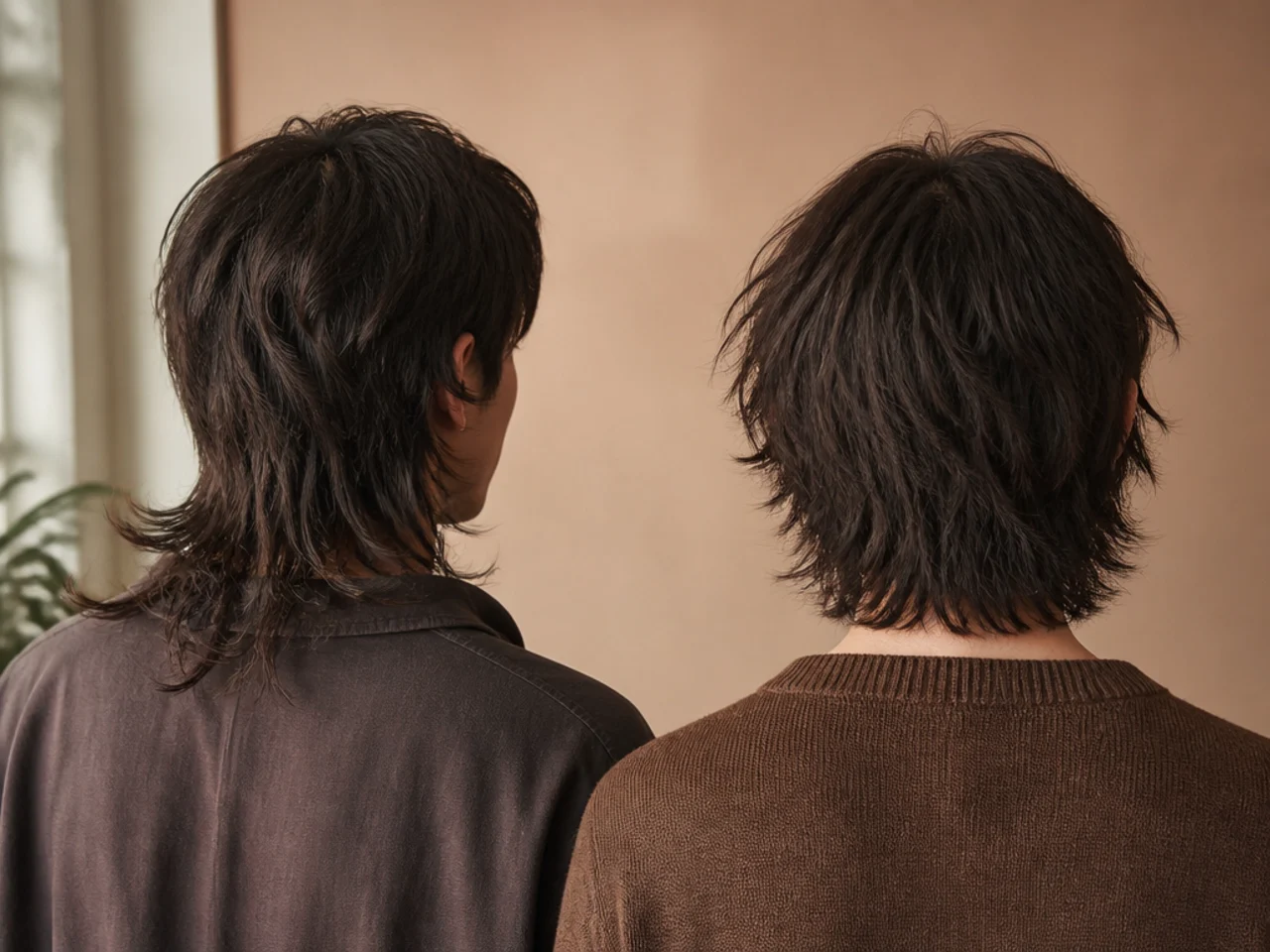
A shag finishes level all the way round, so the back sits at roughly the length of the sides. A wolf cut leaves the nape longer than everything above it, which is the mullet half of its parentage. For anyone who has to look conventional at work, the shag wins outright.
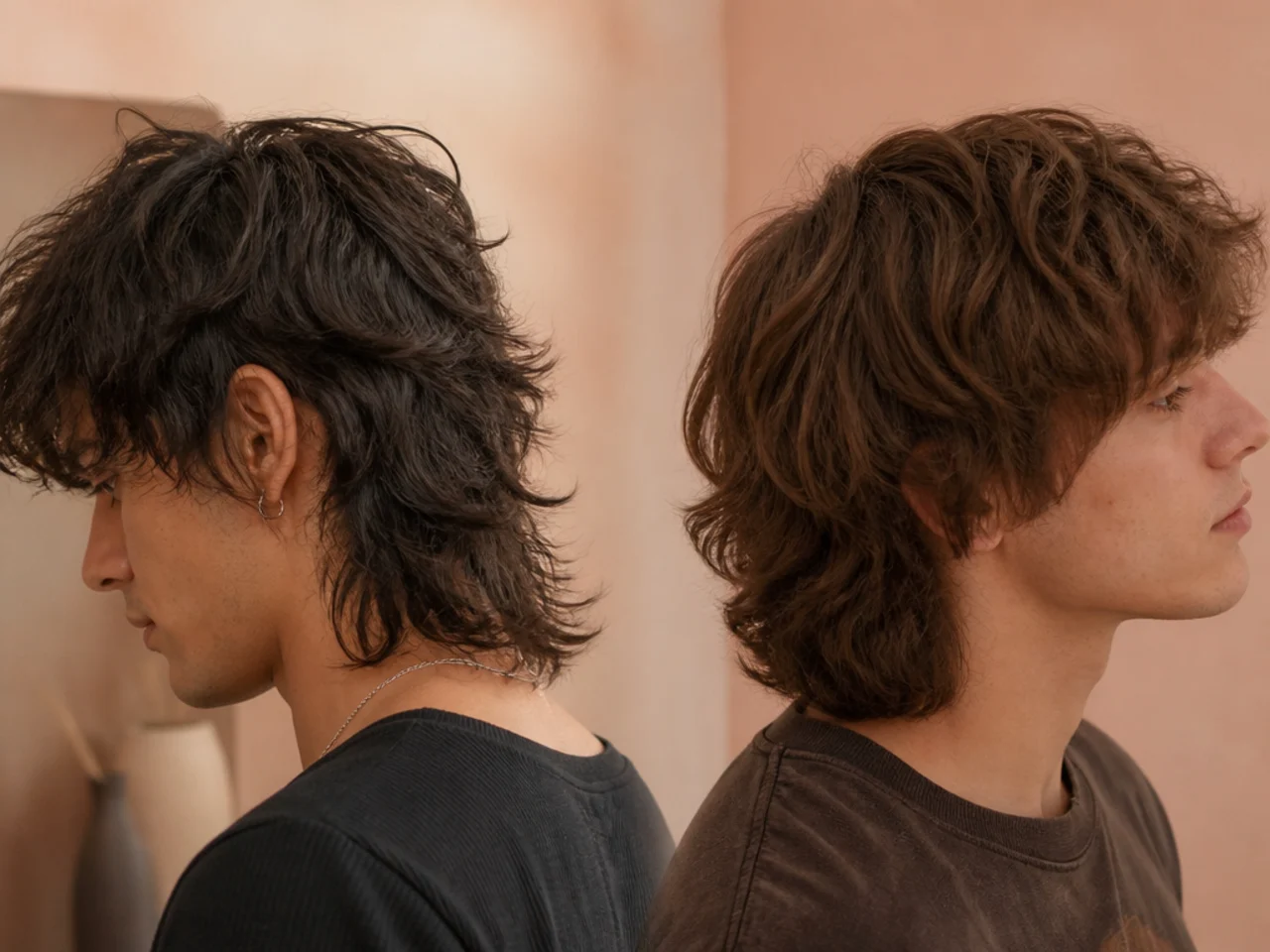
4. How Weight Is Removed
A shag removes weight by layering, which means real length taken away in steps. A wolf cut removes it by point cutting and thinning into the ends, taking density without taking length. On coarse hair the wolf cut method wins, because layering alone leaves a heavy shelf where the steps land.
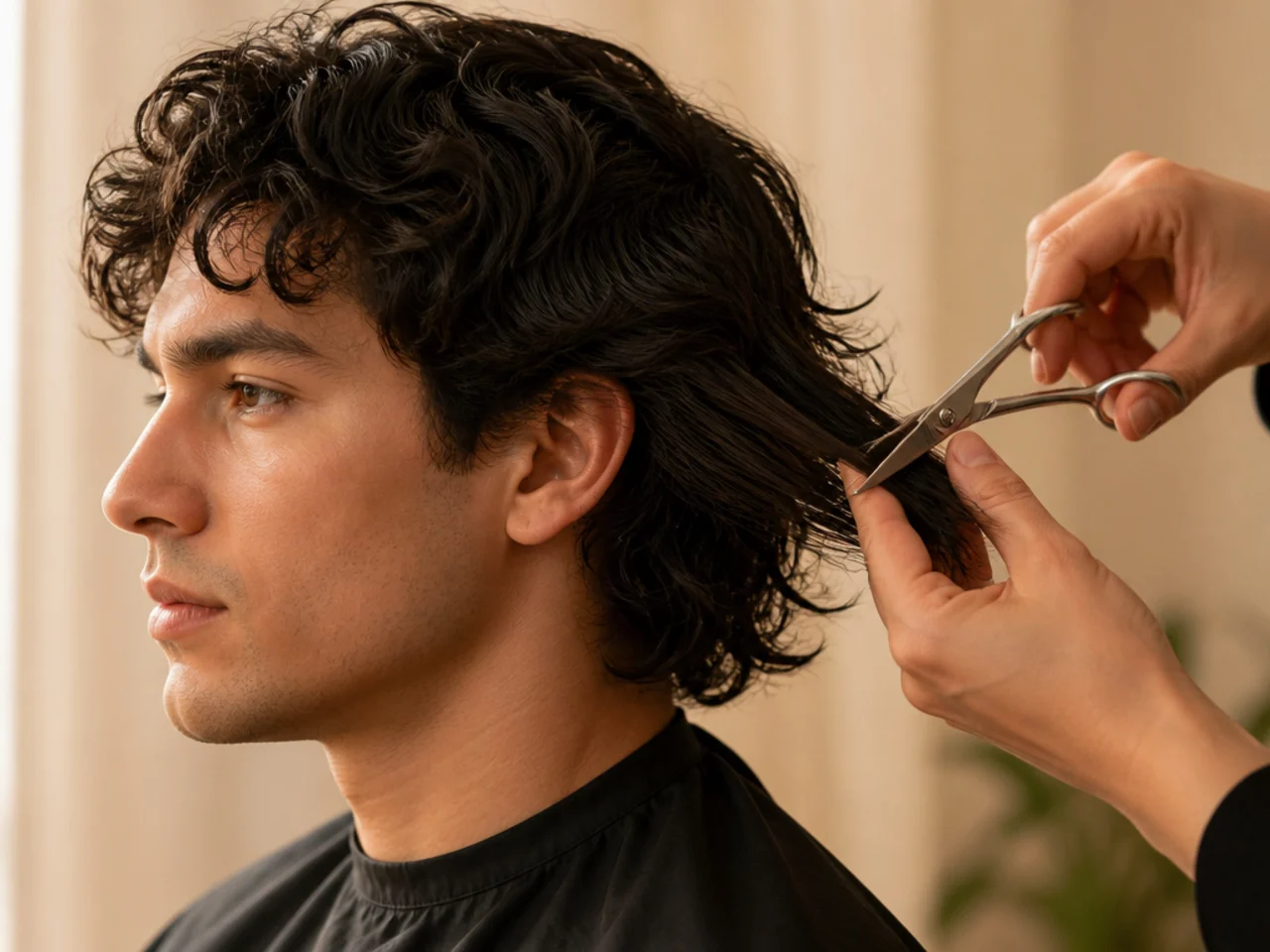
5. Disconnection Between Sections
On a shag each layer connects to the one beneath it, so the shape reads as continuous from crown to ends. A wolf cut breaks that line on purpose. The disconnection wins when you want obvious shape, and loses the moment you want to grow the cut out quietly.
6. The Fringe
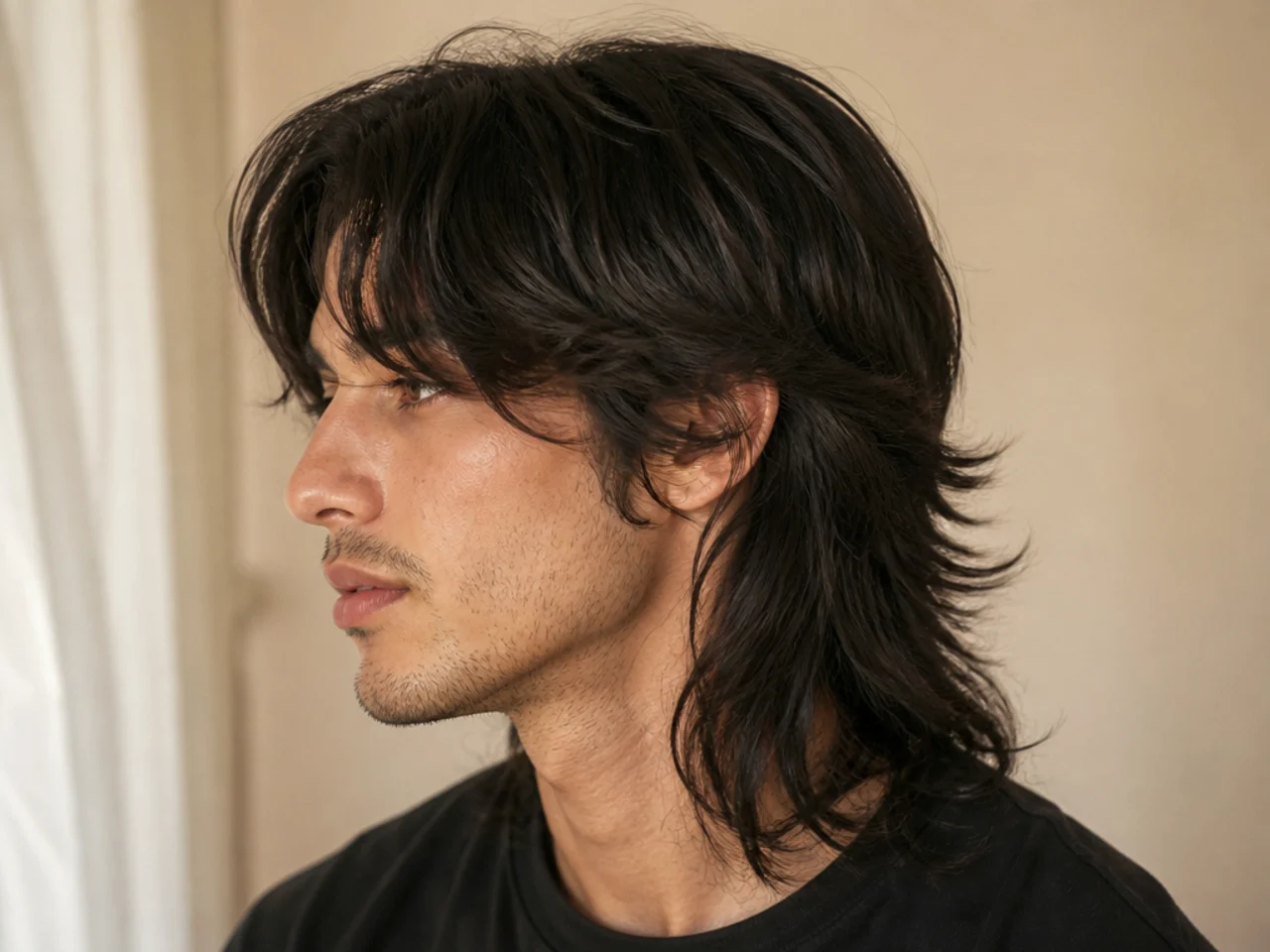
A shag usually carries a soft curtain or a wispy fringe that blends into the face framing layers. A wolf cut takes it shorter and choppier so it stands as its own section. On a high forehead the shag wins, because a curtain covers more without looking deliberately cut.
7. Crown Volume
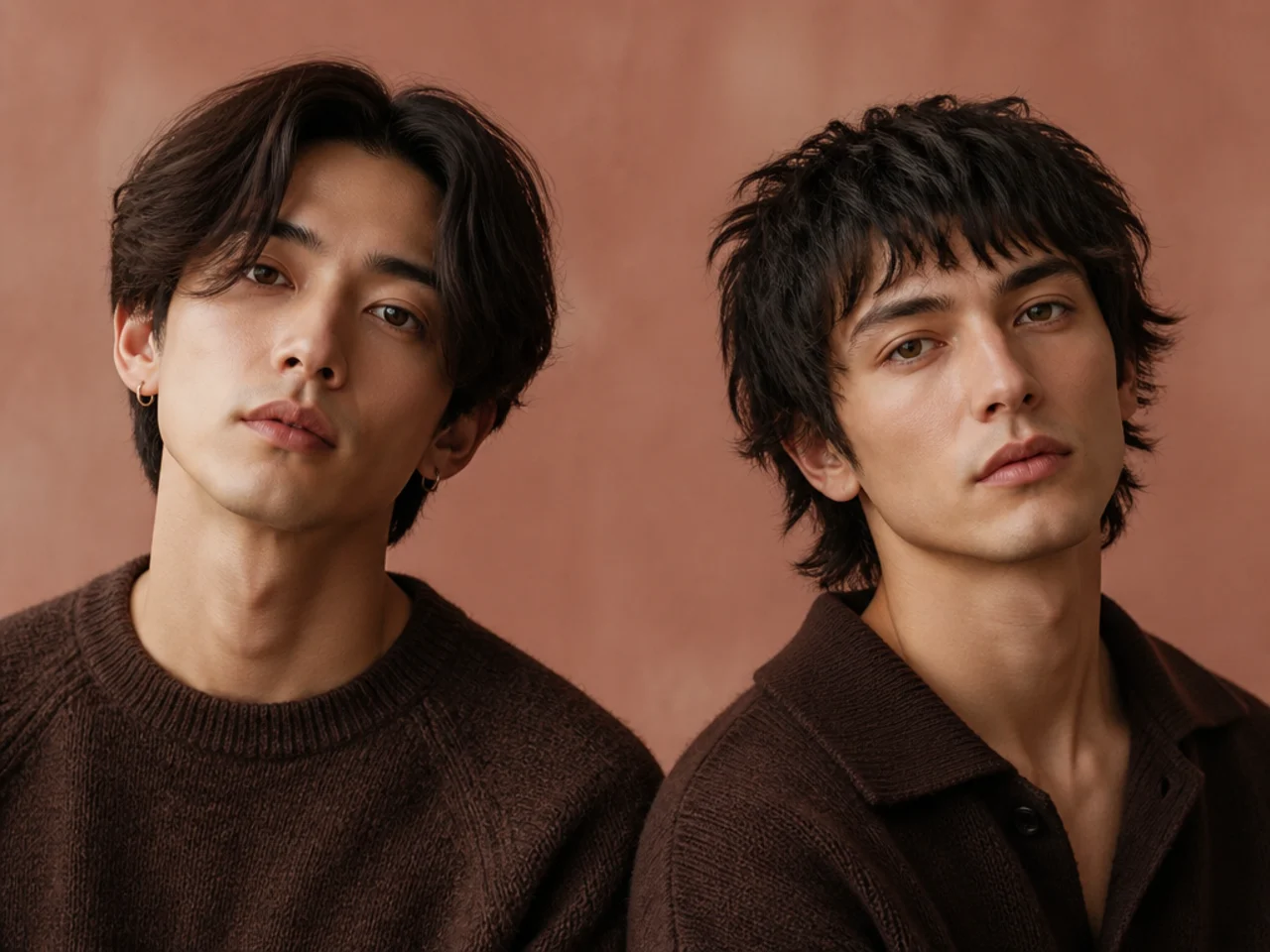
Wolf cut volume comes from short crown layers physically propping up the longer hair beneath them, so it is built into the cut and appears with no effort. A shag gets its volume from even layering, which needs drying and product to show. For height on day two, the wolf cut wins.
8. The Perimeter
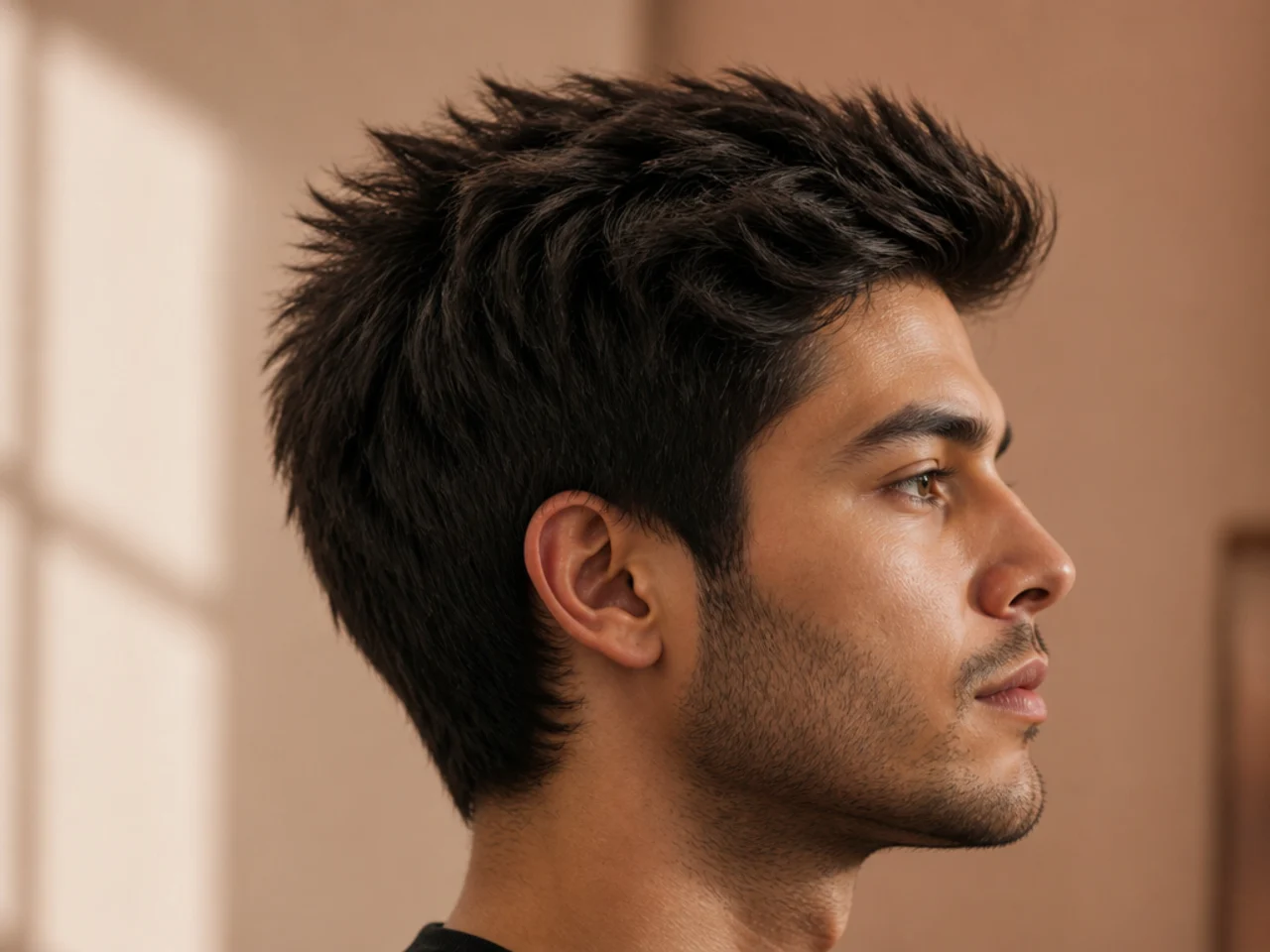
A shag keeps a readable outline, so you can see where the haircut ends. A wolf cut destroys the perimeter deliberately so the ends look grown rather than cut. On fine hair the shag wins, because a thinned perimeter on a thin head reads as breakage rather than texture.
9. Straight Hair
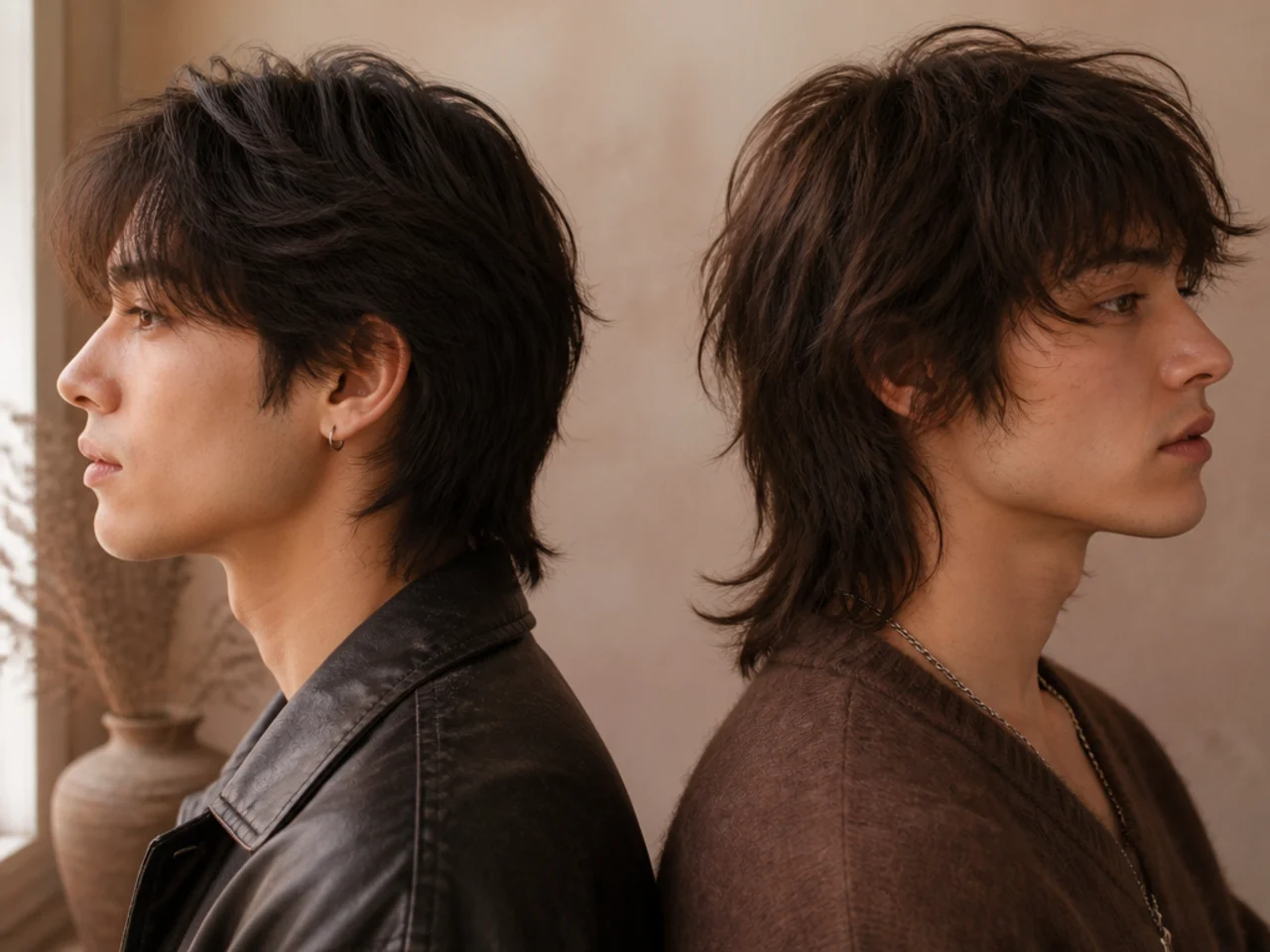
Straight hair shows every layer edge, so a shag reads as clean movement while a wolf cut disconnection reads as a hard step across the head. On straight hair the shag usually wins, unless the ends are thoroughly point cut to soften that line first.

10. Wavy Hair
Wave suits both, but the wolf cut exploits it further because the bend props the short crown layers up with no styling at all. On wavy hair the wolf cut wins, and it needs the least work of any combination here to look like the photograph.
11. Curly Hair
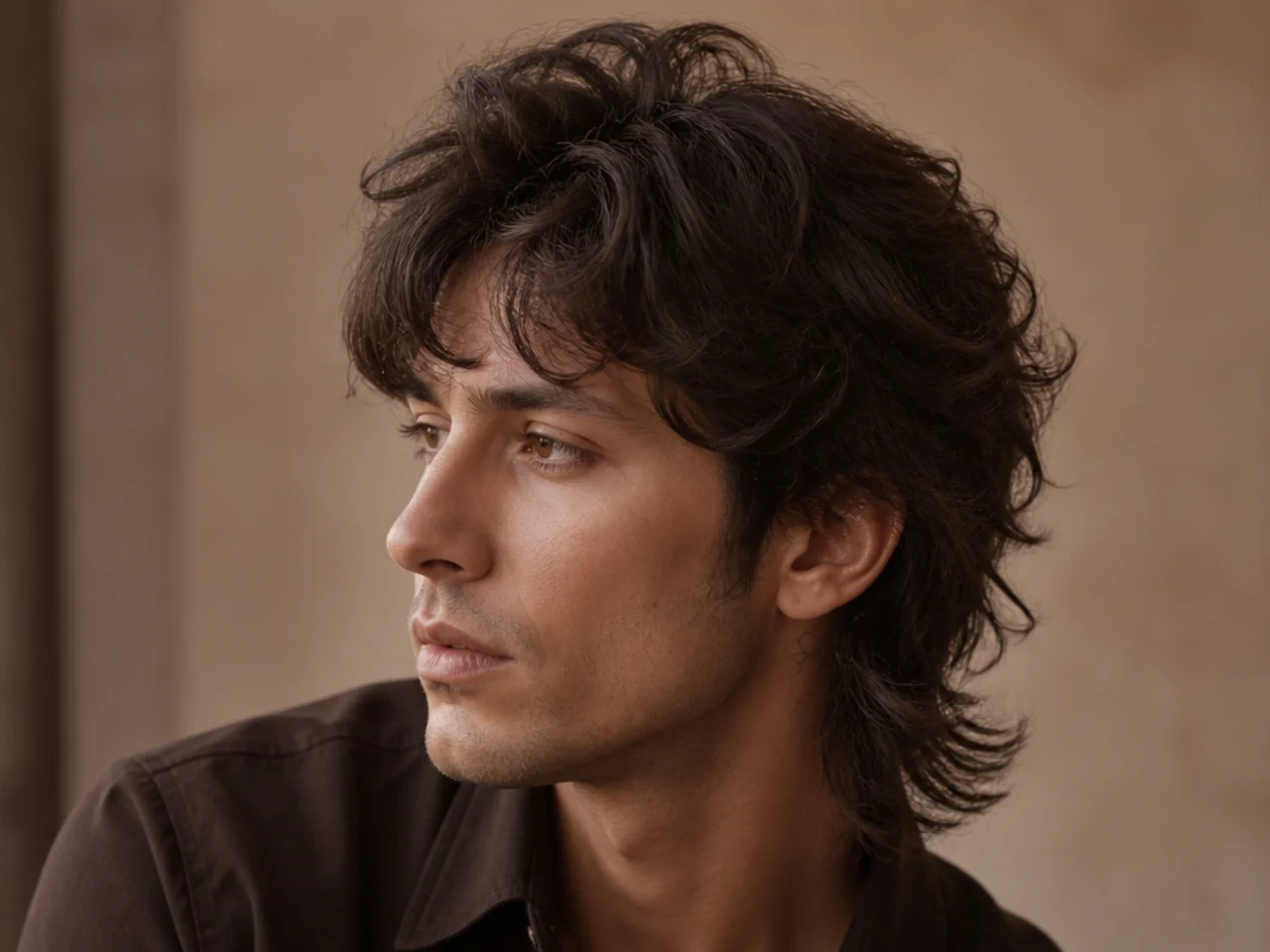
Curl shrinks as it dries, so both cuts have to be cut dry or the finished length lands short. A stacked wolf cut crown can pile curl into a triangle, while even shag layering keeps the width spread down the head. On tight curl the shag wins.
12. Fine Hair
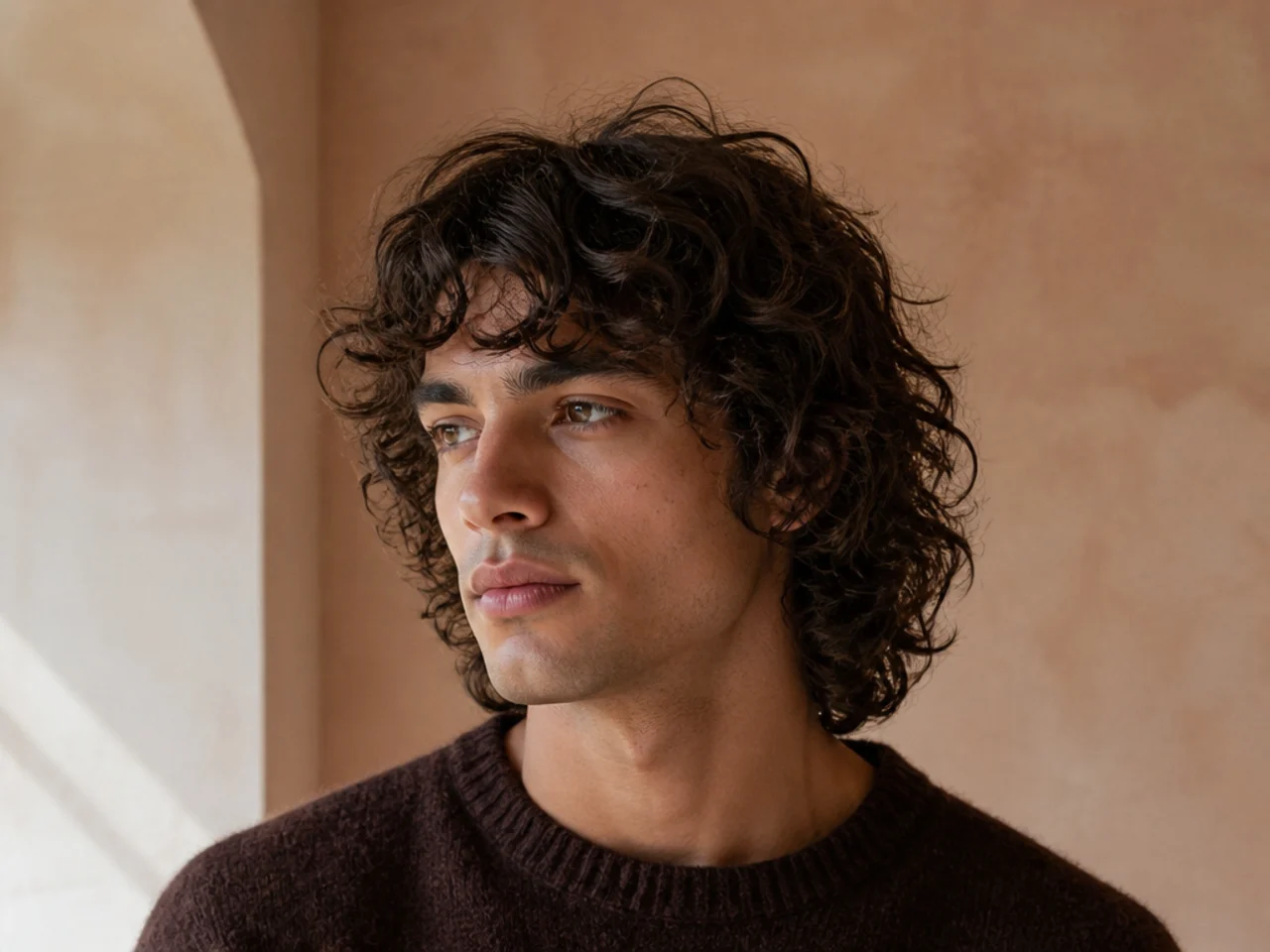
Thinning the ends of fine hair removes density it cannot spare, so wolf cut ends look sparse instead of textured. A shag takes length in steps and leaves every strand at full width. Fine hair wins with the shag, and it is not close.

13. Thick Hair
Thick hair is where the wolf cut earns its reputation, because thinned ends are the only thing stopping the shape becoming a solid block. A shag on very dense hair keeps too much weight through the perimeter. The wolf cut wins, and the general rules for cutting thick hair still apply.

14. Face Shape and Width
A shag adds width through the midlengths, which suits a long or narrow face and works against a round one. A wolf cut keeps volume high and the ends narrow, which lengthens the face instead. Round and square faces win with the wolf cut.
15. Morning Styling Time
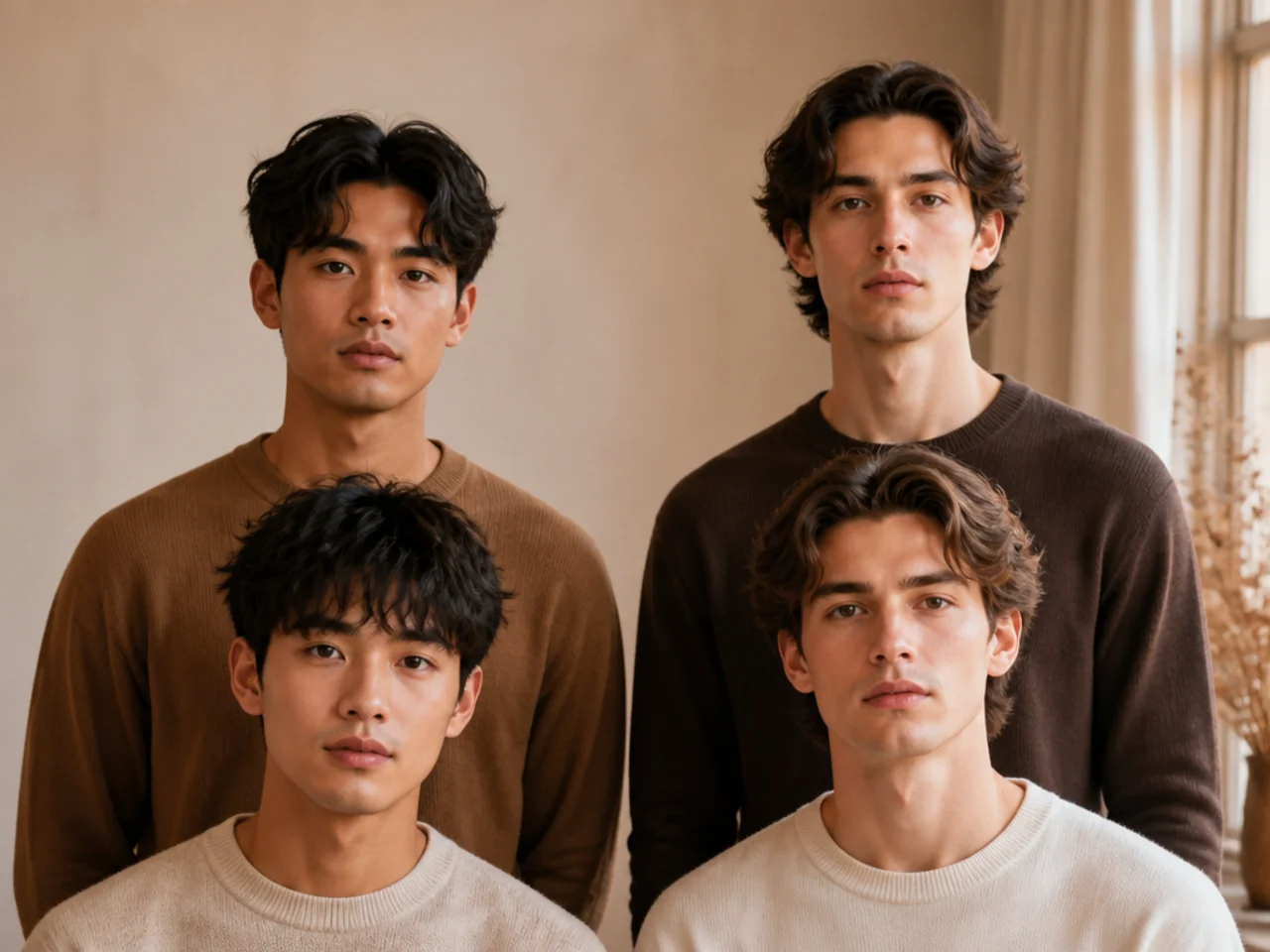
A wolf cut is built to be scrunched with a texture spray and left alone, because the shape is already cut into it. A shag needs its layers dried into position or the volume sits flat against the head. If you have two minutes, the wolf cut wins.

16. Product Load
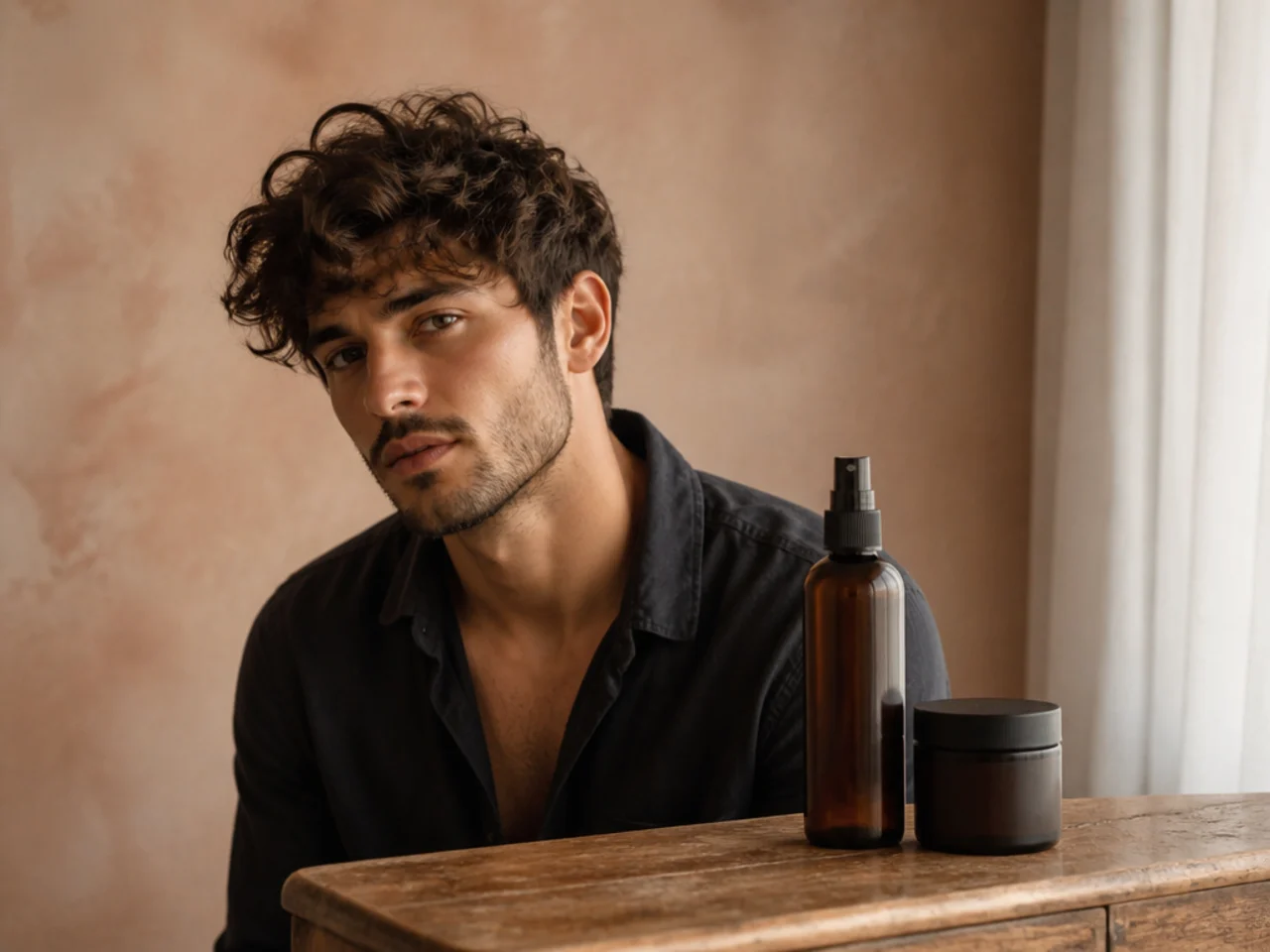
A wolf cut takes a salt or texture spray and nothing heavier, since cream weighs down thinned ends and the shape collapses. A shag carries cream or a light mousse because there is more density to hold it up. Anyone who likes product wins with the shag.
17. Trim Schedule
A shag holds its shape for eight to ten weeks because even layers grow out in proportion to each other. A wolf cut closes up sooner, as the short crown catches the lengths and the disconnection fills in, so it wants attention nearer six to eight. The shag wins on cost.
18. Grow Out Behaviour
A shag grows into a longer shag, with the layers softening while the shape stays legible. A wolf cut grows into an accidental mullet, because the nape keeps going while the crown layers fill in behind it. If you are between barbers, the shag wins.

19. How Formal It Reads
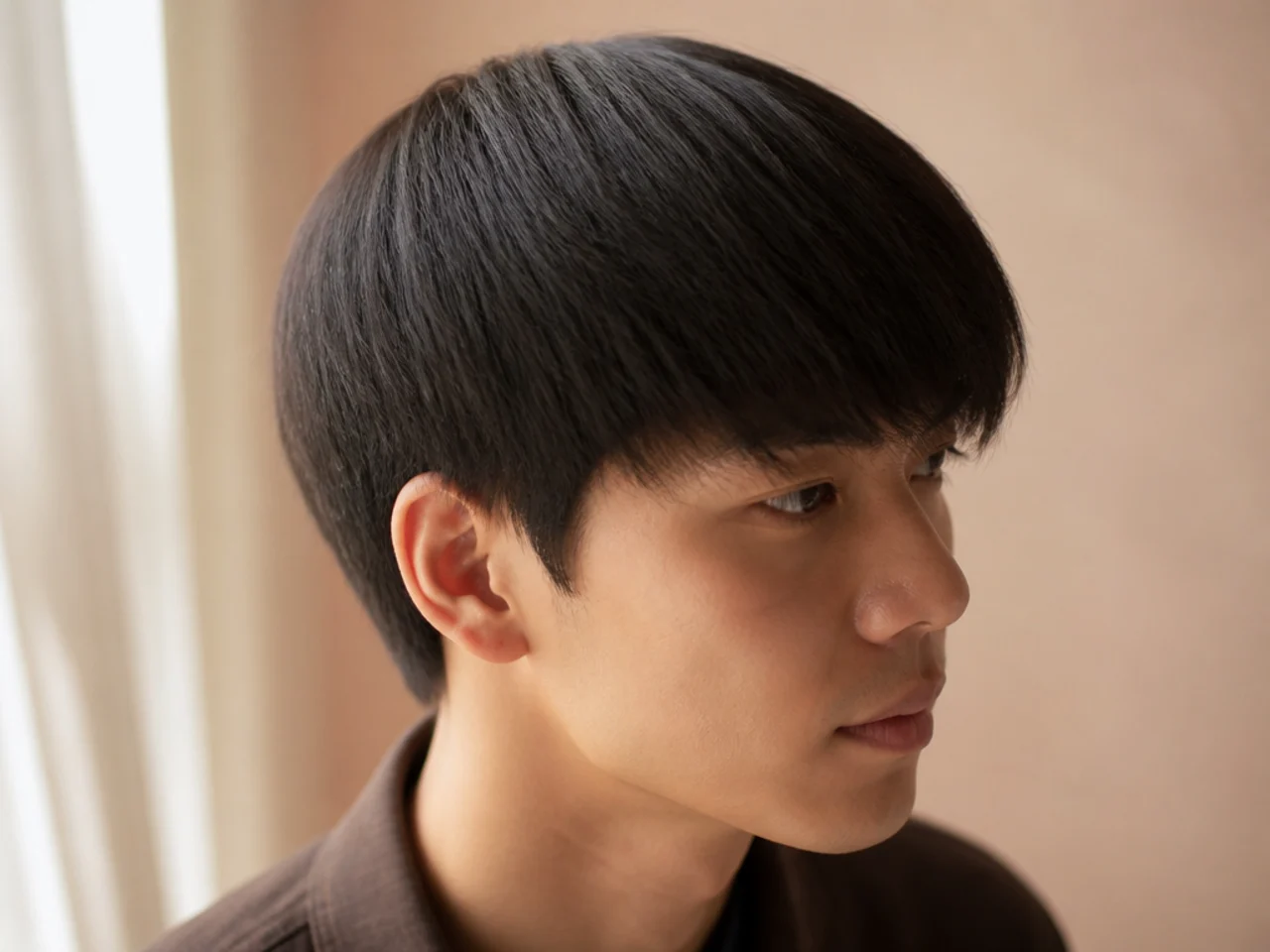
A shag can be dried flat and pass as a slightly layered midlength cut in most rooms. A wolf cut has a long nape and a visible step, and neither disappears under a comb. Against a dress code the shag wins, and a classic mens haircut beats both.
20. What to Say to Your Barber
For a shag: even layers starting at the cheekbone, keep the perimeter, no disconnection. For a wolf cut: short stacked layers at the crown, length left at the nape, ends point cut out. The instruction wins over the name every time, because the name alone gets you whichever of the two that barber prefers cutting.
Styling and Upkeep
Texture spray on damp hair, then leave it. Both cuts are built around separation, and a blow dryer aimed at them closes the separation back up.
Scrunch upward, never comb down. A comb pulls the layers into one plane and removes the only thing either cut has going for it.
Wash less often than you think. Day old hair has the friction these shapes need, which is why the second day always looks better than the first.
Ask for the ends to be re thinned, not re layered. Re layering shortens the cut every visit. Thinning restores the movement without losing the length.
Photograph the back in week one. The nape is the section that defines a wolf cut and the section you never see, so it needs a reference.

Mistakes to Avoid
Asking for a wolf cut on fine hair. Thinning removes density that fine hair does not have, and the perimeter ends up looking damaged rather than textured.
Letting the nape lead the cut. Once the back is longer than the crown by more than a few inches, the shape stops being a wolf cut and becomes a mullet.
Cutting curly hair wet. Curl springs up as it dries, so a length that looked right wet lands short, and neither cut can be corrected upward.
Combing either one flat. Both shapes rely on separated ends. A comb removes the separation in a single pass and the cut looks unfinished.
Cream product on thinned ends. Weight is exactly what was cut out of them, and putting it back collapses the crown volume the same morning.
FAQ
What is the actual difference? The nape and the layer height, nothing else.
Which suits fine hair? The shag — thinned ends read as sparse on fine hair.
Which is less work? The wolf cut, because the shape is cut in rather than styled in.
Final Thoughts
Name the two things the barber can act on: where the layers start, and what happens at the nape. Say those and the word you use afterwards stops mattering, which is the point, because the two words are used interchangeably in most shops.
For the full range of the shape see mens wolf cut haircuts, and if you want the sides tighter under either version see the low fade. More in Mullet & Wolf Cut.