20 Steps to Ask for a Burst Fade Haircut
A low, mid or high fade is one number — where the line starts. A burst fade is three, because an arc needs a centre, a radius and a decision about how long the back stays, and none of them are implied by the word burst.
In this article · 27
- The Three Settings an Arc Needs
- How to Choose Yours
- The 20 Steps to Ask for a Burst Fade
- 1. Learn What Makes It a Burst
- 2. Check Your Barber Has Cut One
- 3. Bring a Three-Quarter Reference Photo
- 4. Say the Word Burst Before Anything Else
- 5. Say the Back Stays Long
- 6. Point at the Centre of the Arc
- 7. Name How Far It Reaches Upward
- 8. Name How Far It Reaches Forward
- 9. Name the Shortest Guard
- 10. Name the Length at the Arc's Outer Edge
- 11. Say What the Top Is Doing
- 12. Decide Whether the Nape Is Shaped at All
- 13. Mention Your Beard Before the Arc Is Cut
- 14. Flag Any Scars Behind the Ear
- 15. Ask for Both Arcs to Be Compared
- 16. Speak Up If a Guard Goes Near the Back
- 17. Check the Arc With a Hand Mirror
- 18. Photograph Both Sides and the Back
- 19. Rebook by the Finish You Chose
- 20. Write Down the Three Settings
- Styling and Upkeep
- Mistakes to Avoid
- FAQ
- Final Thoughts
Every other fade is one instruction — where the line starts. A burst fade is not a line, so it needs more than one.
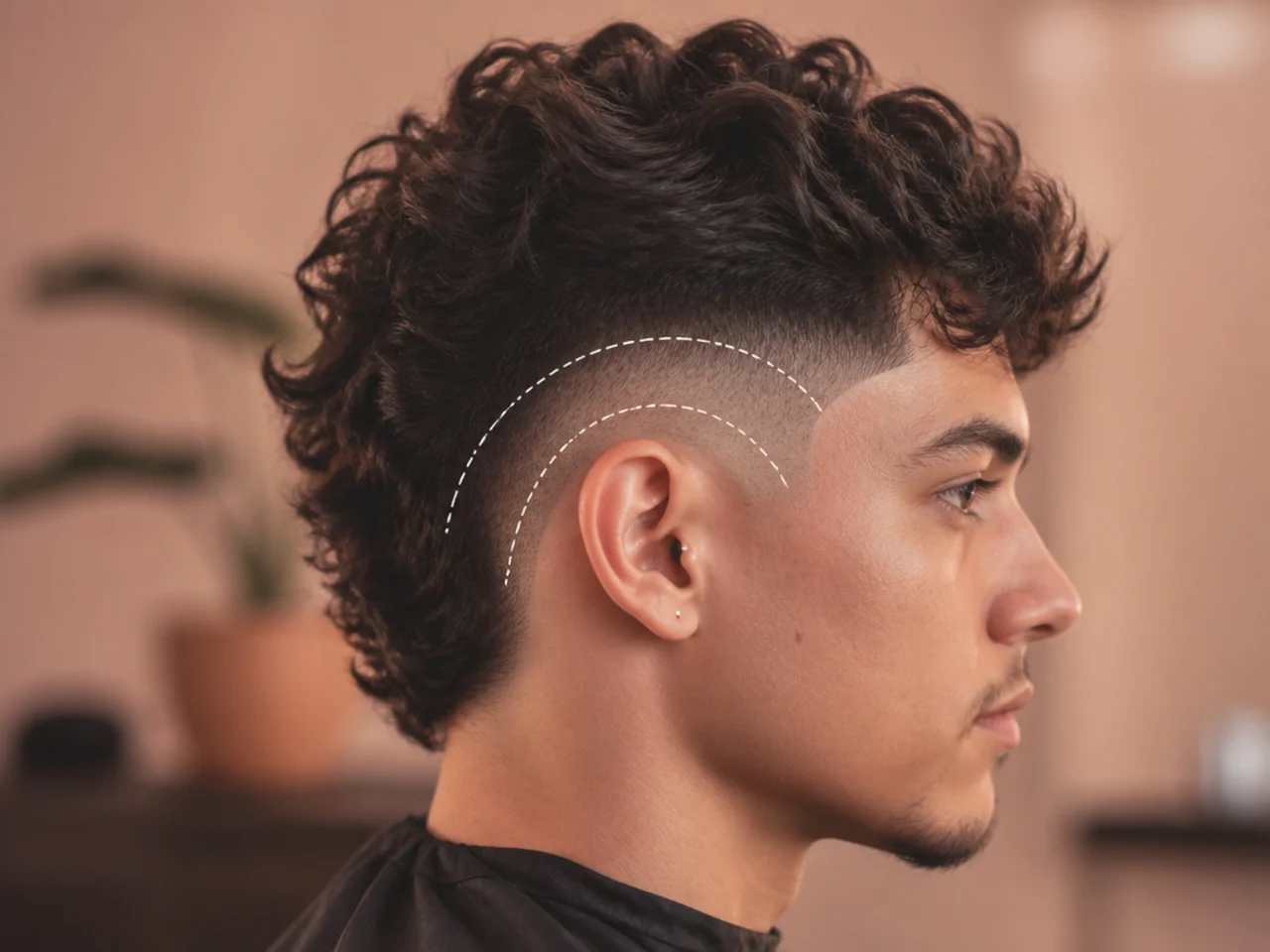
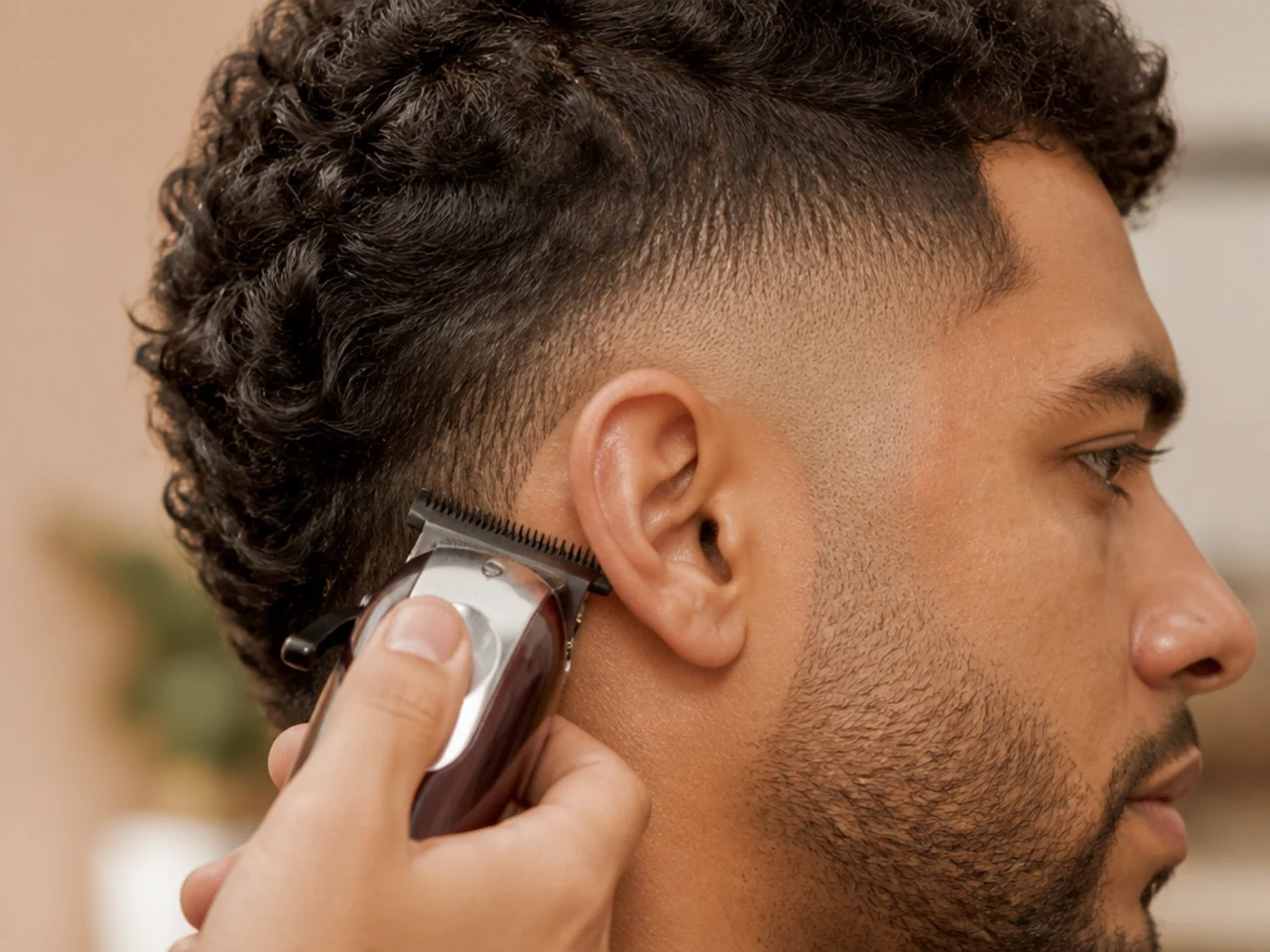
An arc has a centre and a reach. The centre sits at the ear, and the reach is how far the fade travels outward from it in each direction.
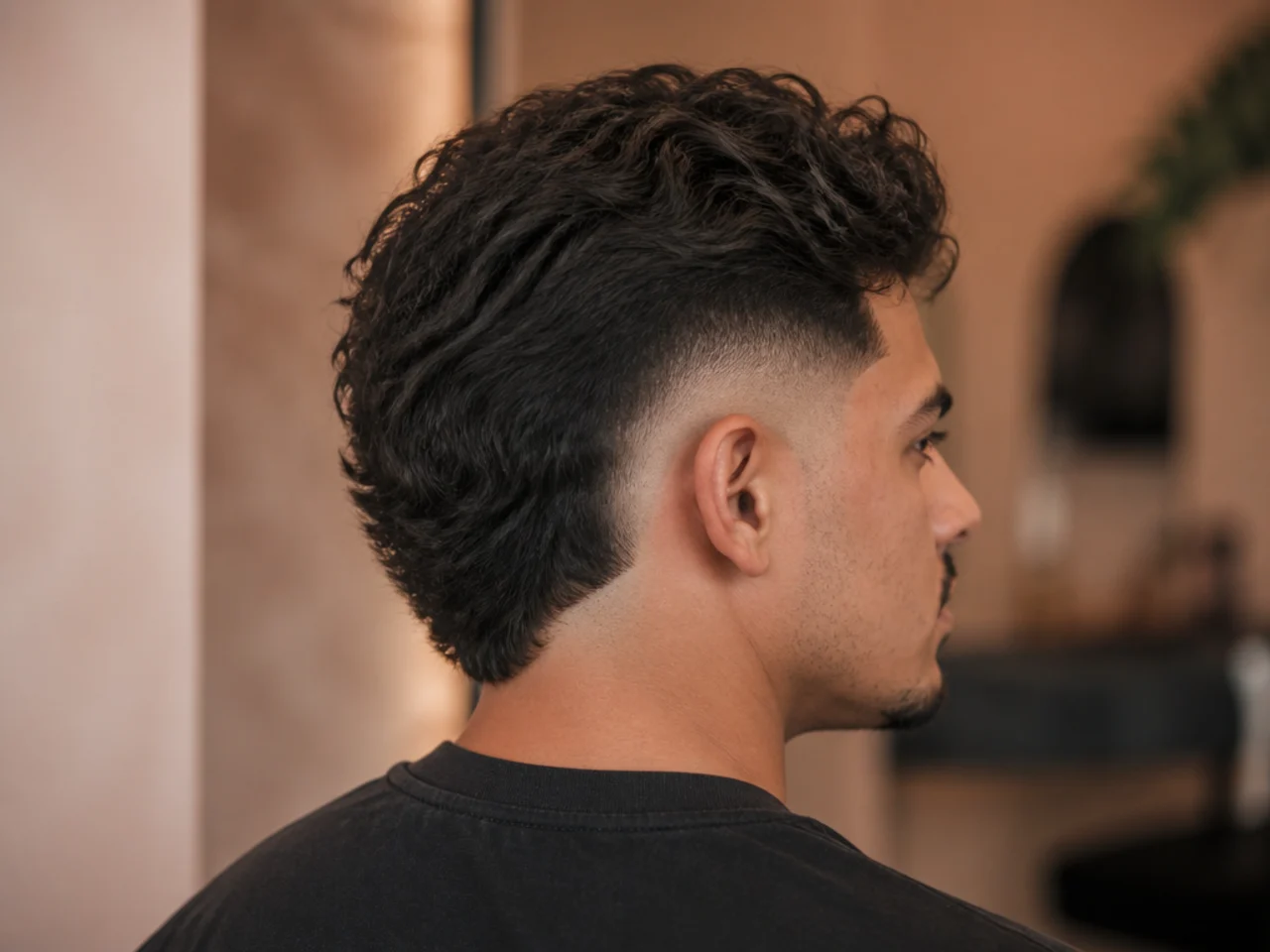
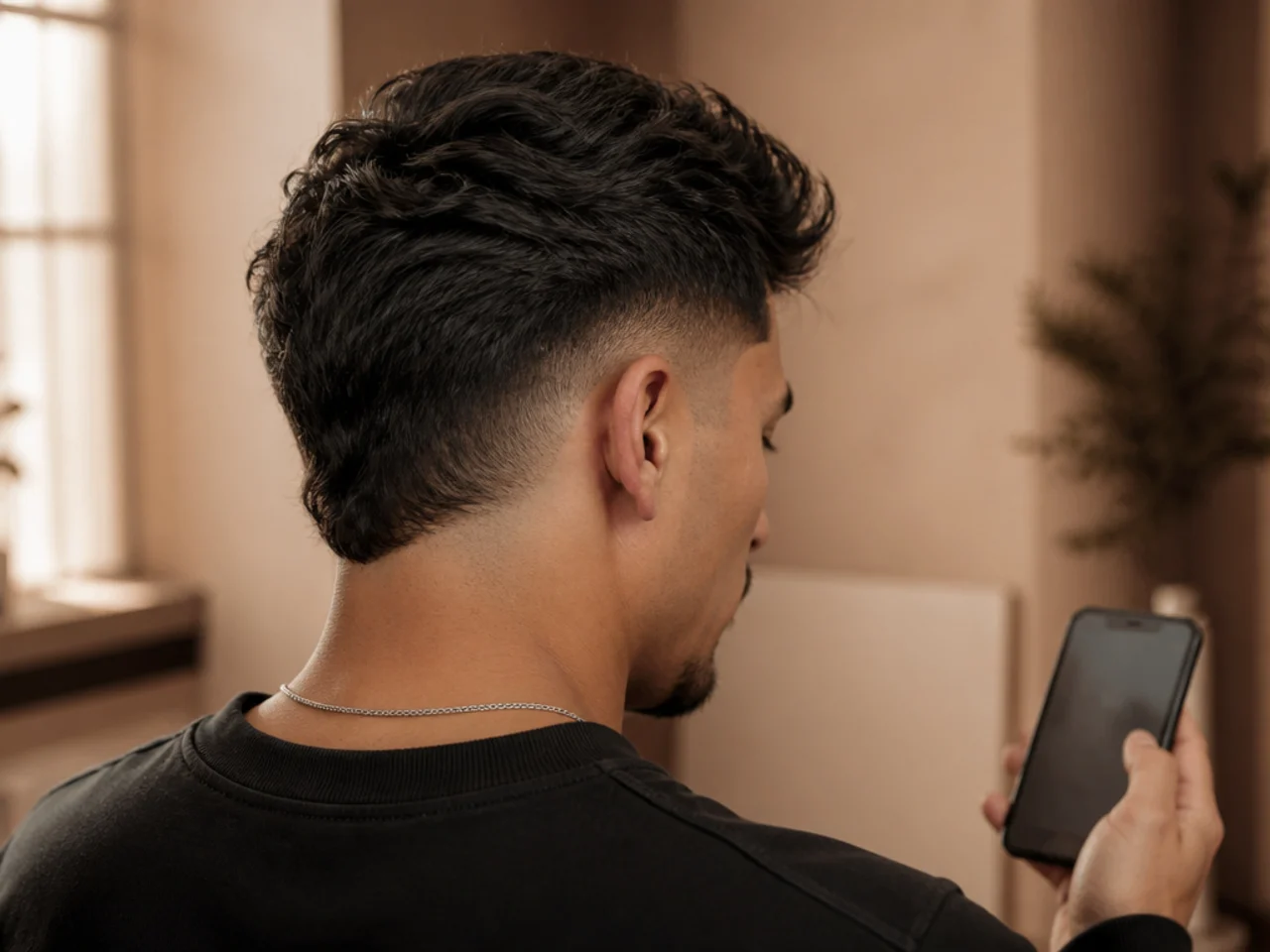
And the back is a separate decision entirely. A burst fade leaves the nape long, which is the one thing nobody says out loud and the one thing barbers tidy away by habit.
The Three Settings an Arc Needs
The centre. A burst radiates outward from a point at the ear, and everything else is measured from there.
The reach upward. Low stays at the ear, mid reaches the temple, high climbs toward the parietal ridge.
The reach forward. In front of the sideburn removes it, behind the sideburn keeps it.
The nape. Long, which is what separates a burst from a drop fade at any height.
How to Choose Yours
Choose the reach by face shape. A high arc exposes scalp above the ear and narrows the head, and a low arc leaves the width alone.
Choose the finish by your rebooking habit. A #1 at 3mm leaves just enough length to grow into rather than out of, which is the whole reason it outlasts a bare finish.
Choose the back length by what it will sit on. Above the collar reads tidy and over the collar reads like a mullet.
Choose one reference photo taken from three-quarter. Straight-on and straight-side both hide half an arc.
The 20 Steps to Ask for a Burst Fade
1. Learn What Makes It a Burst
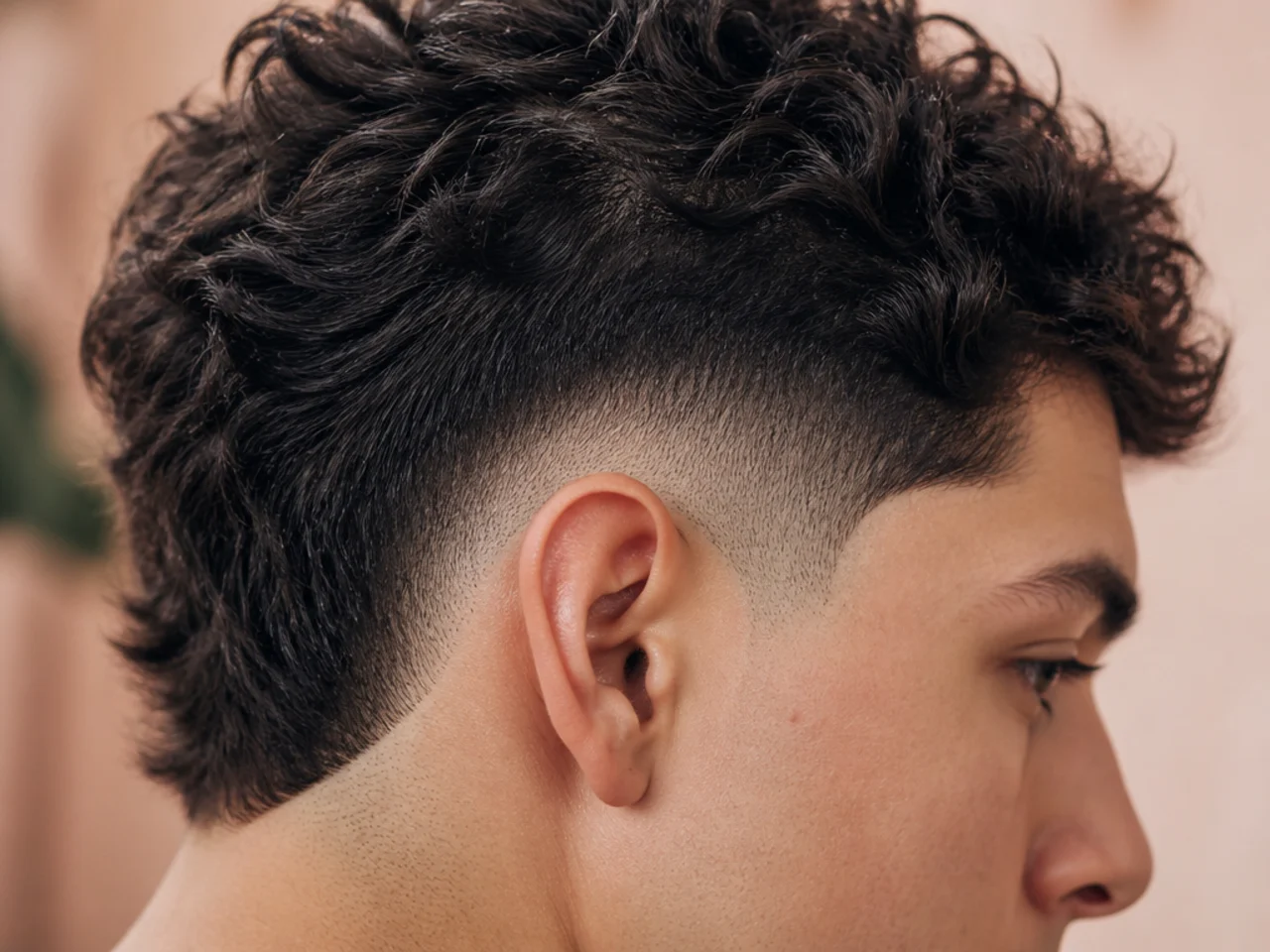
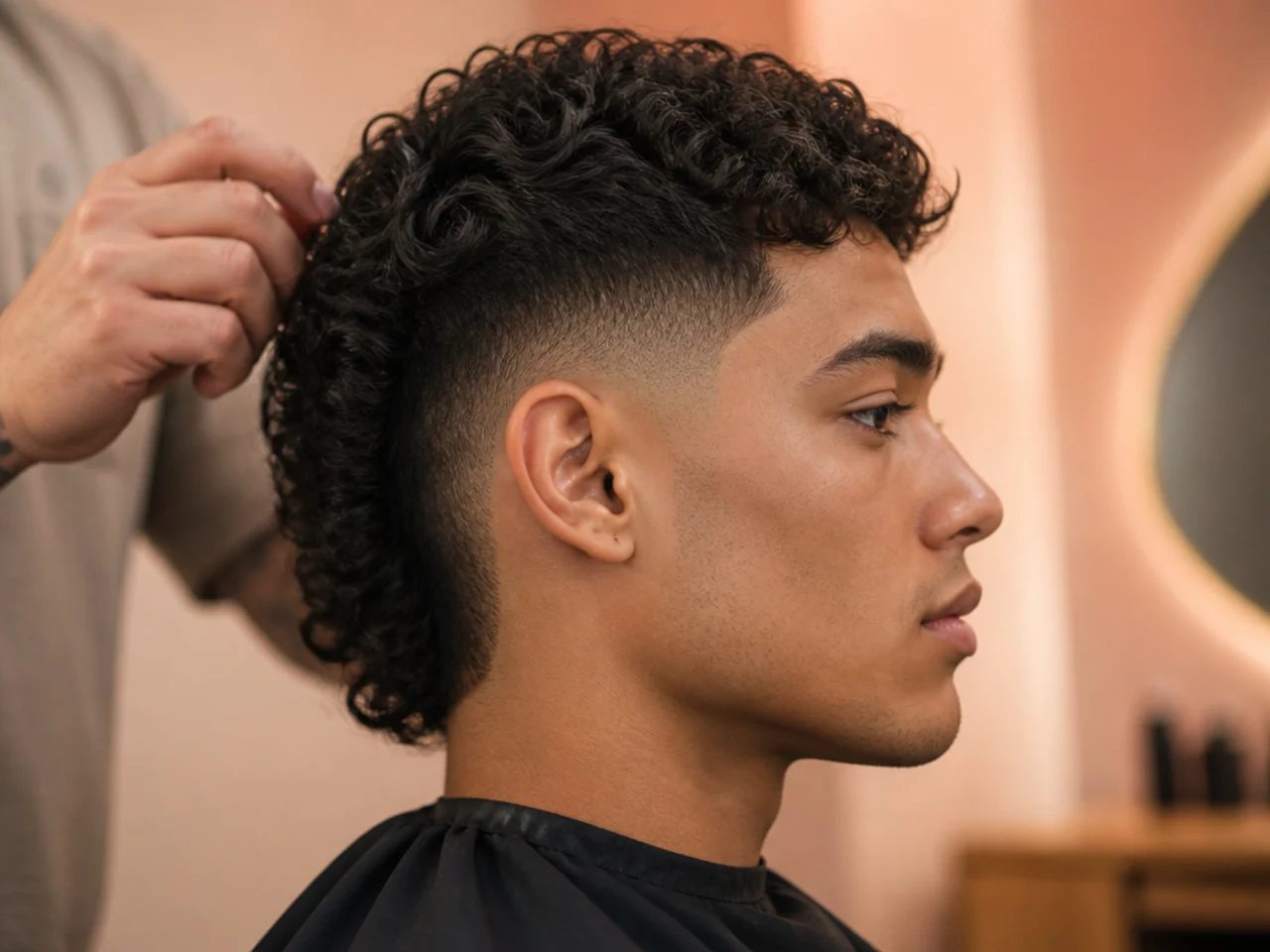
It fades around the ear in a semicircle and leaves the back long. If either half of that is missing, it is a different haircut.
2. Check Your Barber Has Cut One
It is a less common request than a low or mid fade, and a barber who has not cut one will default to a drop, which is exactly the confusion untangled in burst vs drop fade compared.
3. Bring a Three-Quarter Reference Photo
A burst lives around and behind the ear. Front and side shots both hide part of the arc. The circle wraps roughly half a turn around the ear, so any single flat angle shows less than half of its outline.
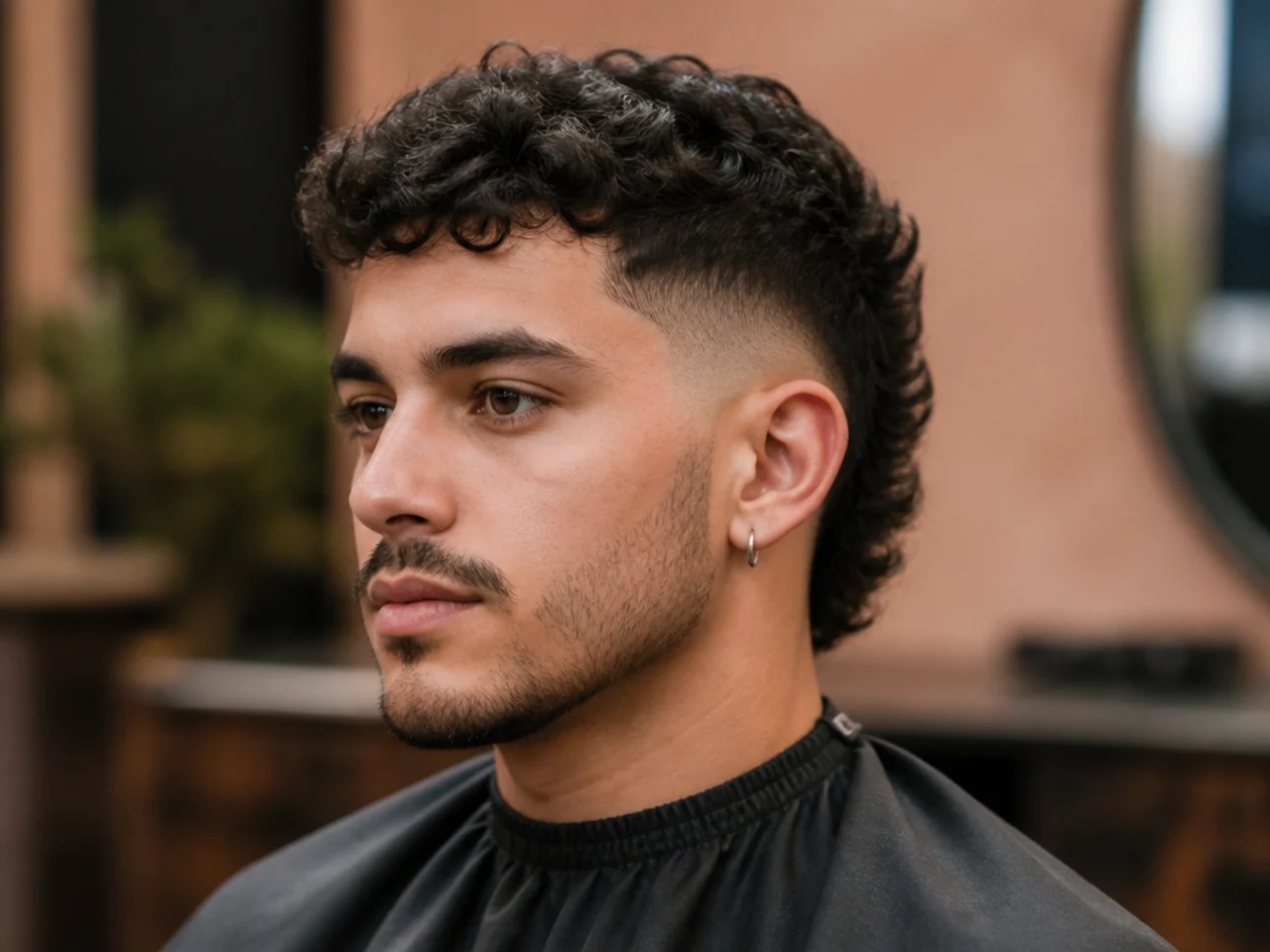
4. Say the Word Burst Before Anything Else
Not fade, not taper, not drop. The word sets the shape and everything after it is detail. Every other name on that list describes a horizontal line, and a barber who hears one of them starts cutting one.
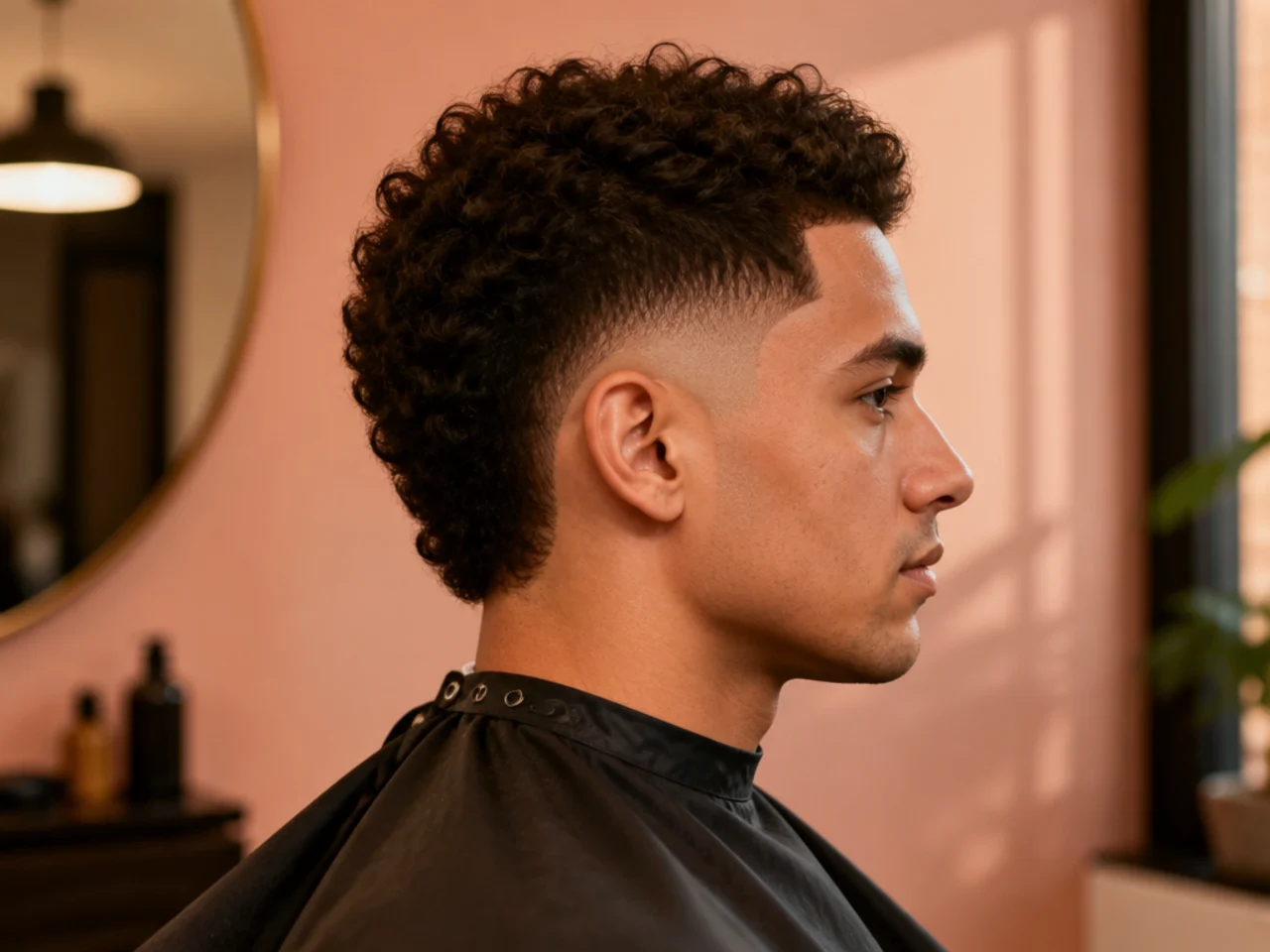
5. Say the Back Stays Long
Immediately after the word burst. It is the instruction most often lost and the one that defines the cut. One pass of a guard across the nape takes about a month to grow back, and nothing later in the appointment can undo it.
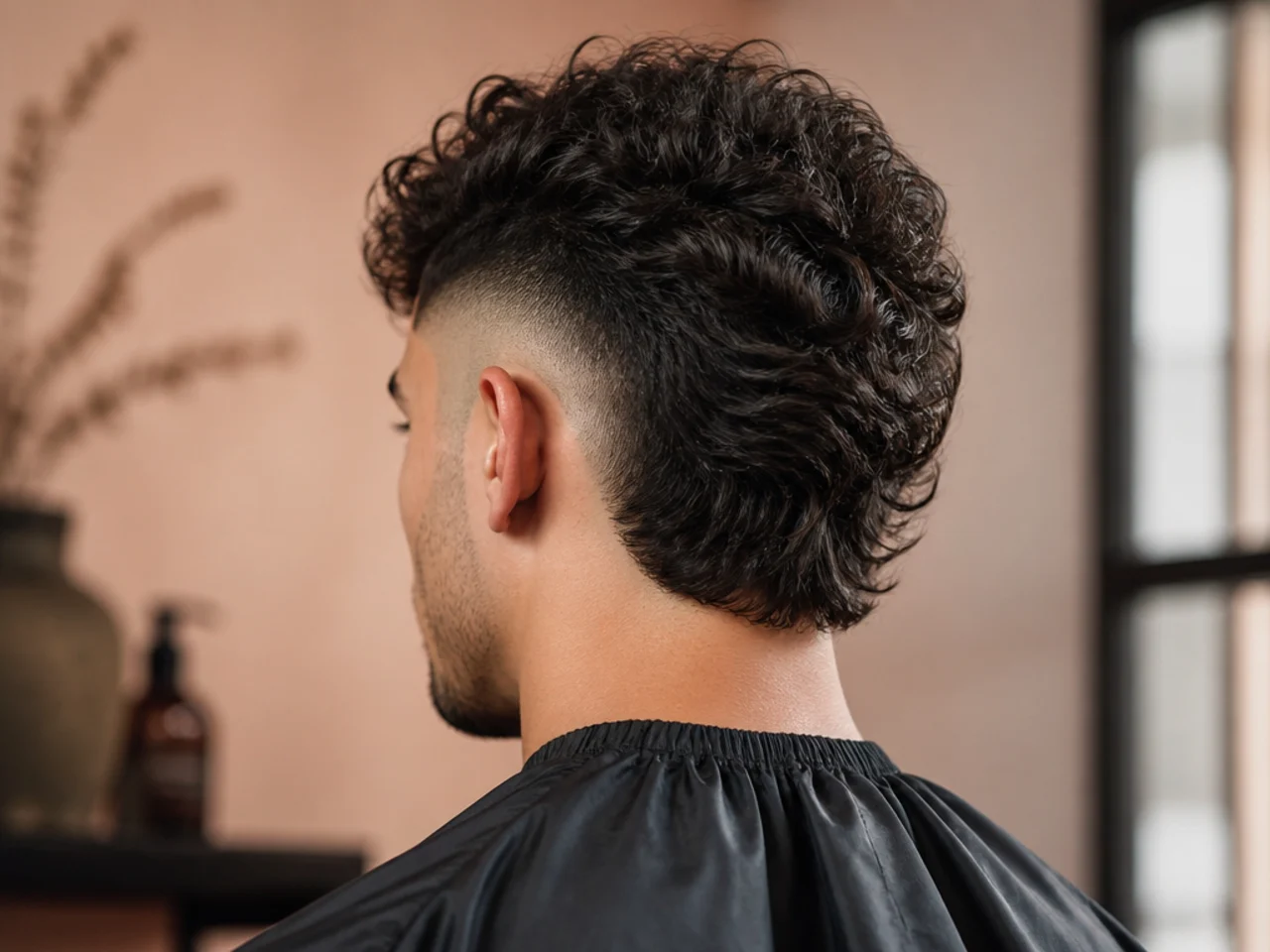
6. Point at the Centre of the Arc
Your ear, specifically the point the fade radiates from. It is a real anatomical anchor and it removes all guesswork. Ears sit at different heights on different heads, so this is the one landmark on a burst that cannot drift between shops.
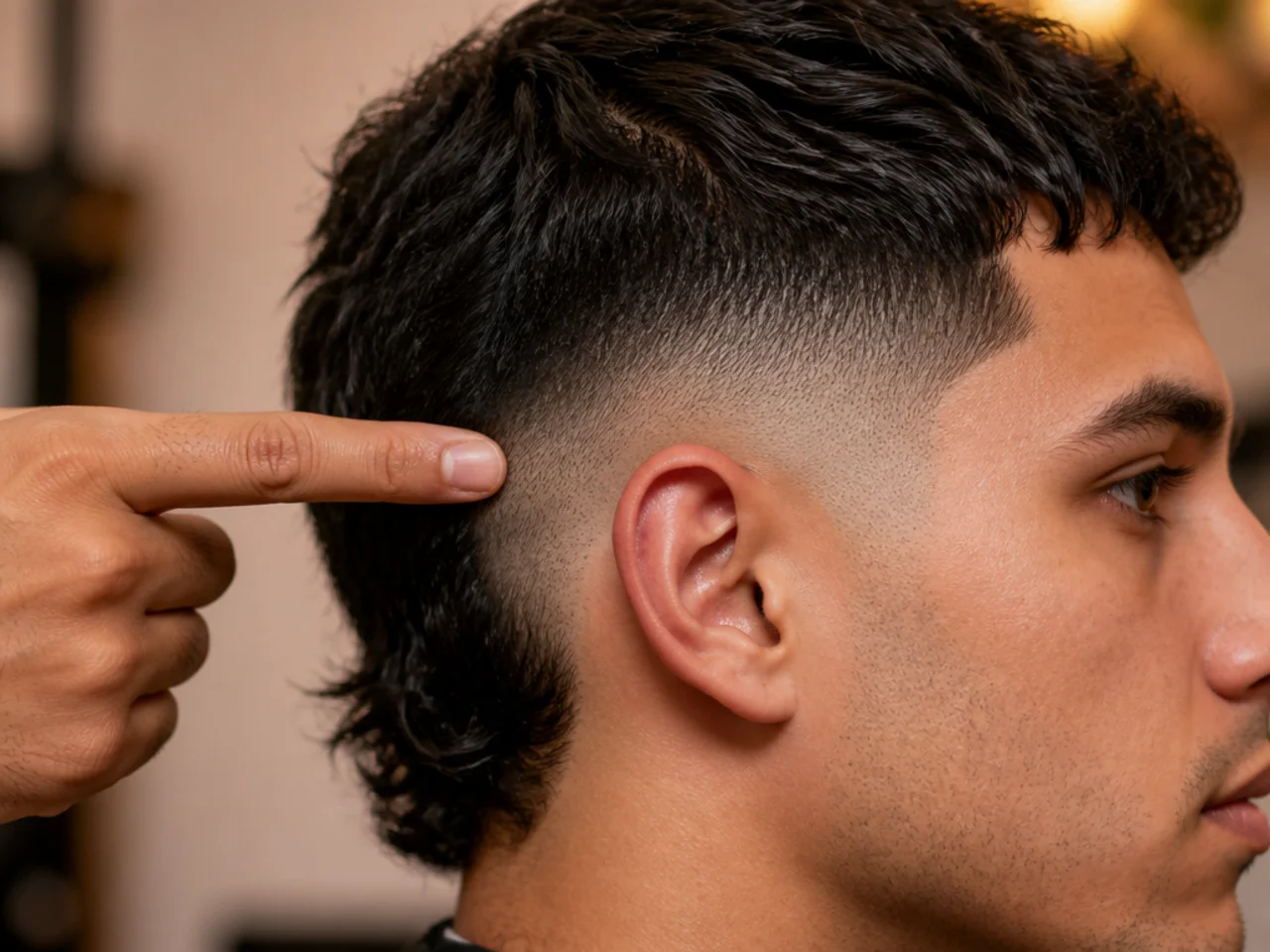
7. Name How Far It Reaches Upward
The ear, the temple or the parietal ridge. Those three answers are low, mid and high burst, and they are set out side by side in high burst fade. The distance between the first and the last is about six centimetres of head, which is far too much to leave to a preference.
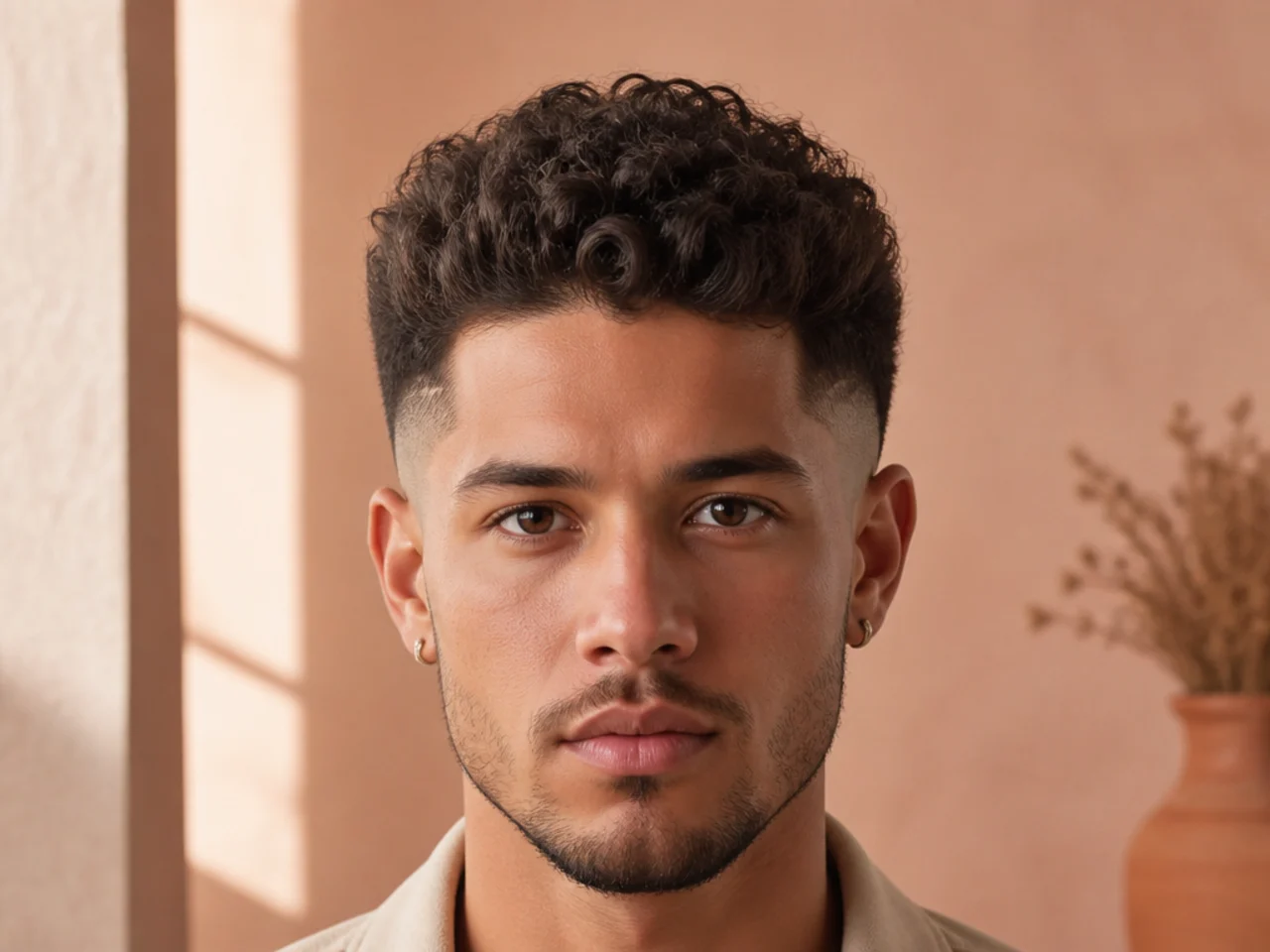
8. Name How Far It Reaches Forward
In front of the sideburn or behind it. This is the decision that keeps or removes your sideburn. The sideburn sits on the arc's forward radius rather than below it, so the fade shortens it whether or not that was anyone's intention.
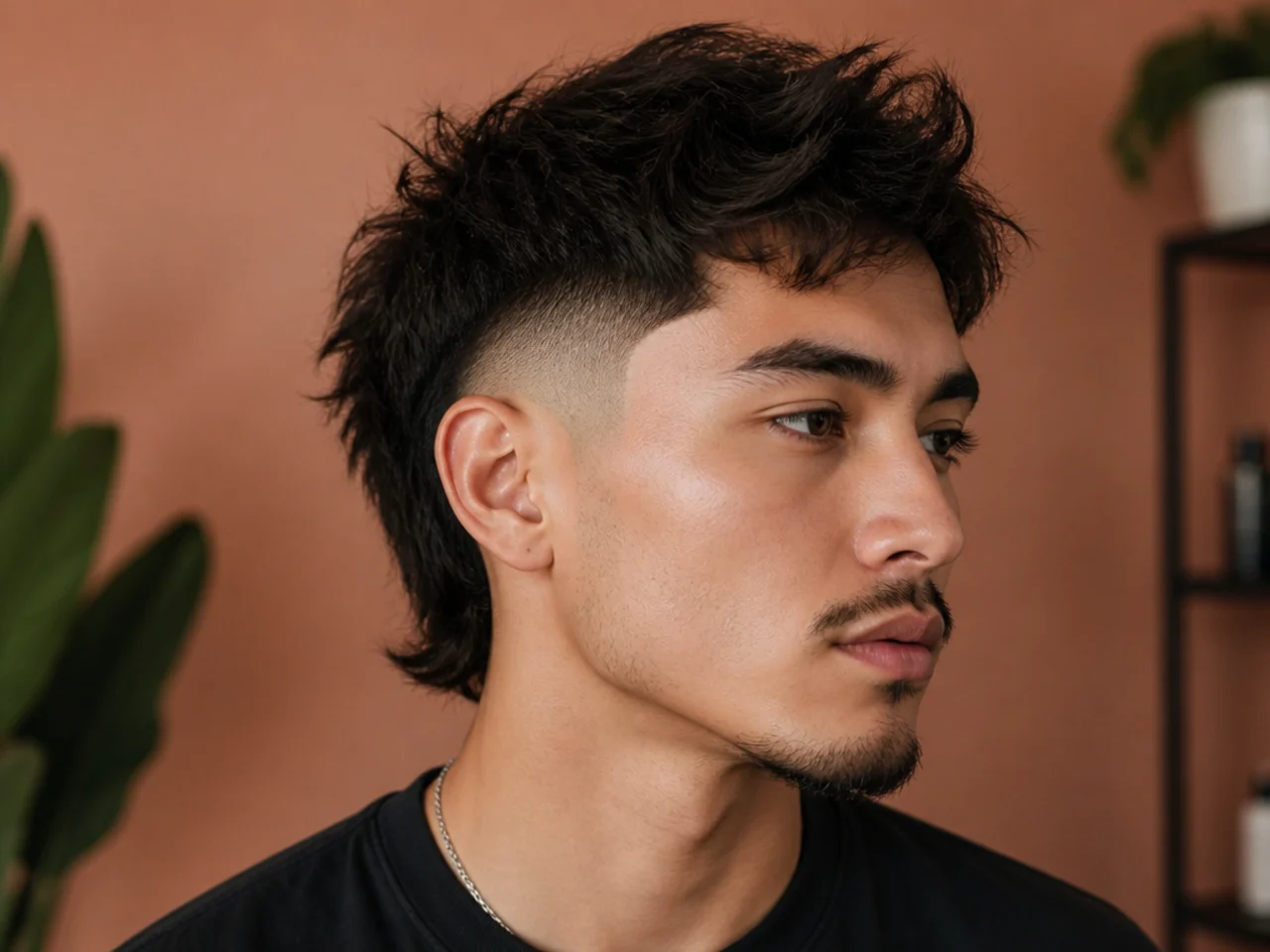
9. Name the Shortest Guard
Skin, or a #1 at 3mm. It applies at the ear, which is the centre and the shortest point. Every other length in the arc is stepped outward from that number, so changing it moves the whole gradient rather than one edge.
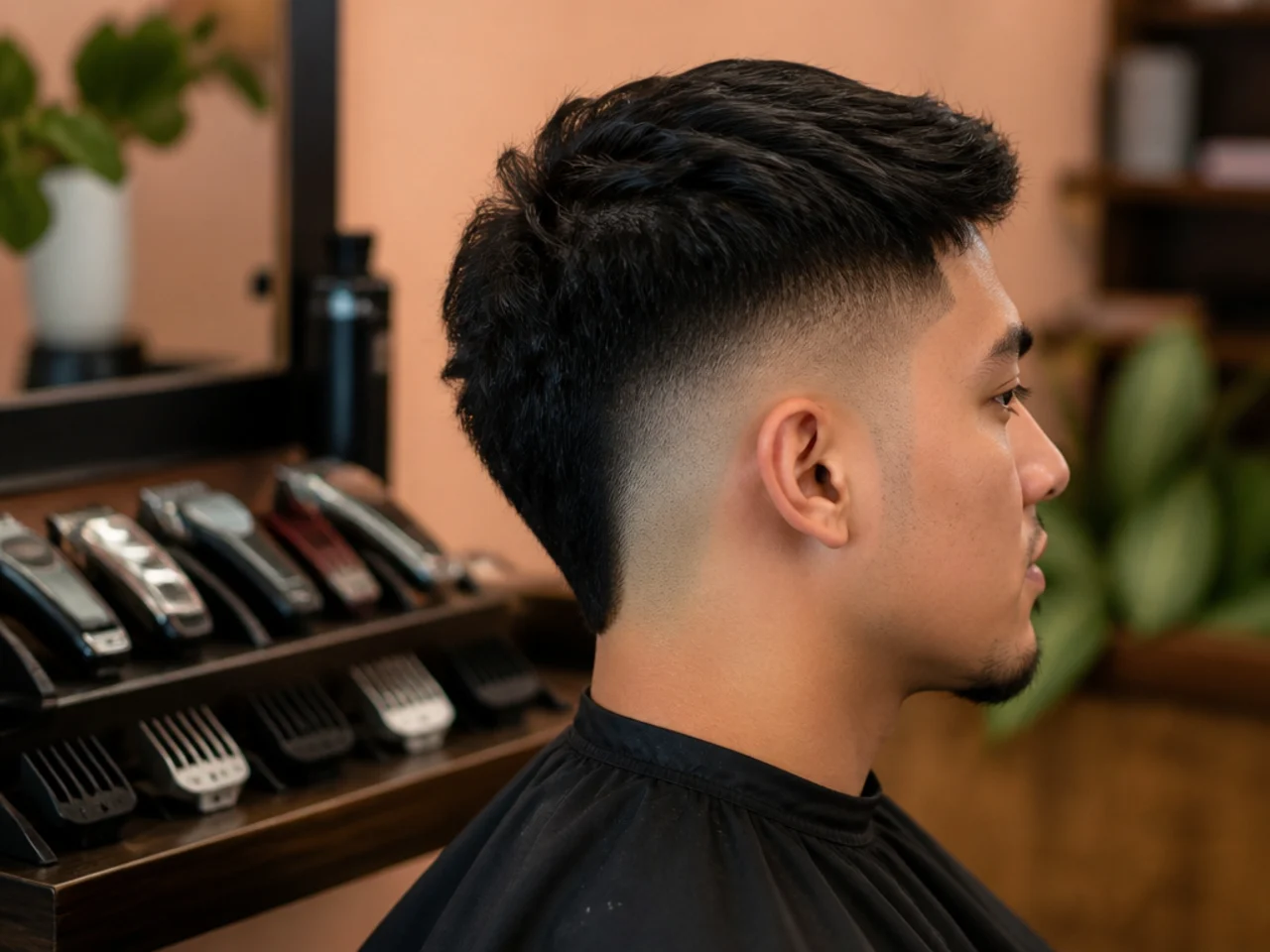
10. Name the Length at the Arc's Outer Edge
Usually a #2 at 6mm or a #3 at 10mm. It is where the fade releases back into the long hair. The wider the jump between that guard and the length above it, the more the arc's rim reads as a step instead of a blend.
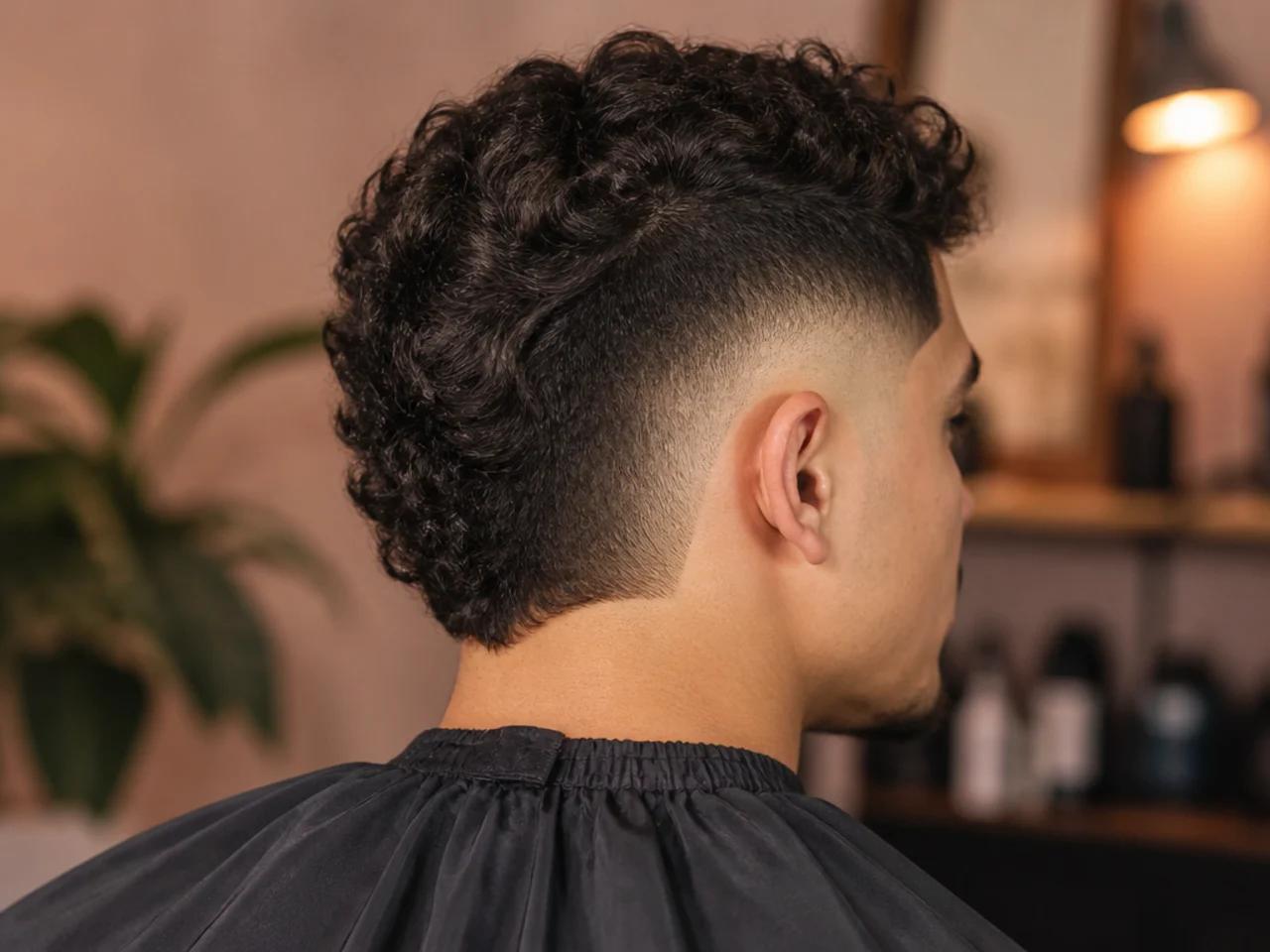
11. Say What the Top Is Doing
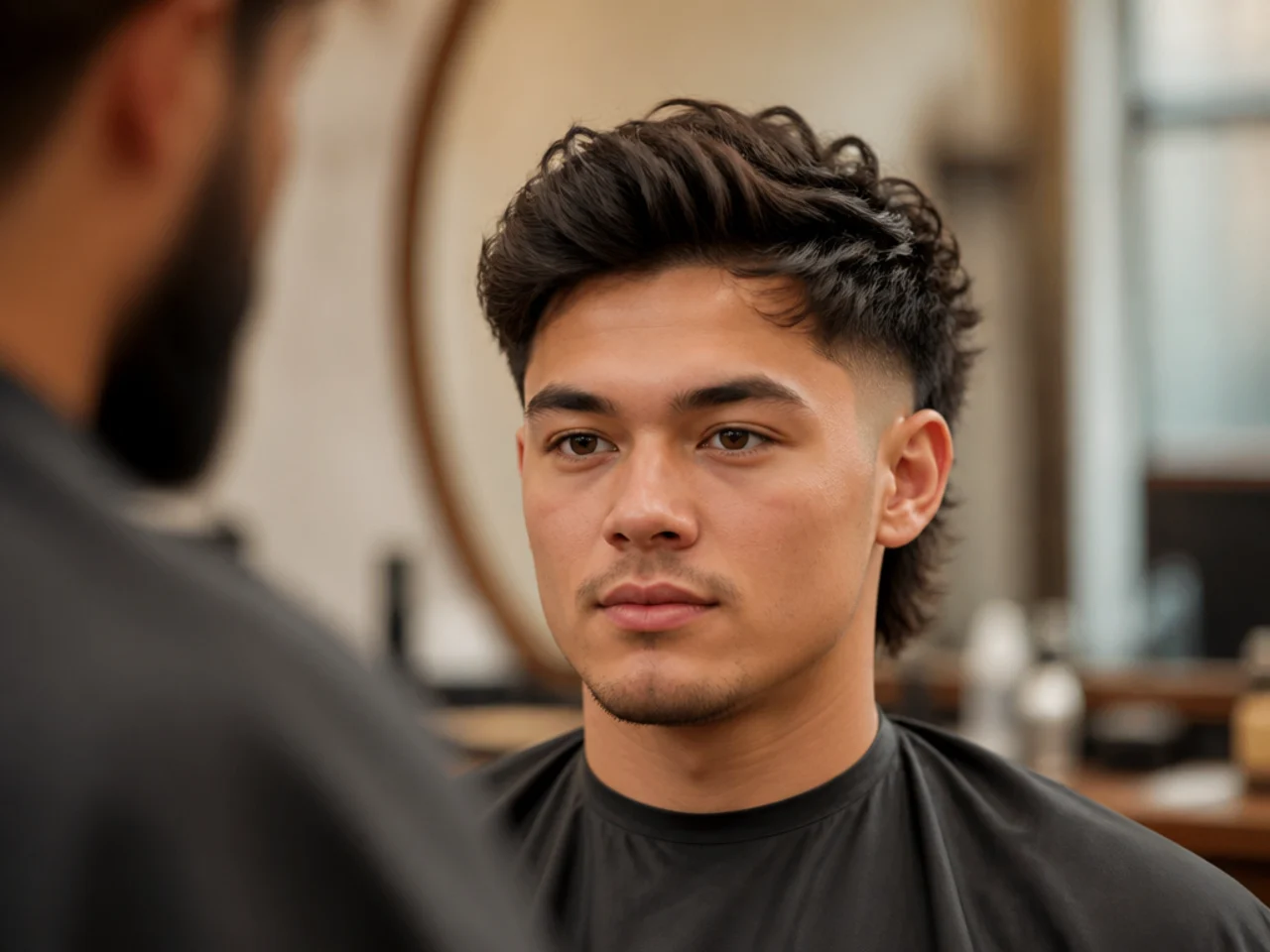
Textured, curly, slicked or left alone. A burst is a side and back instruction only. Nothing in the word says anything about the crown, so an unstated top is one the barber will quietly decide on your behalf.
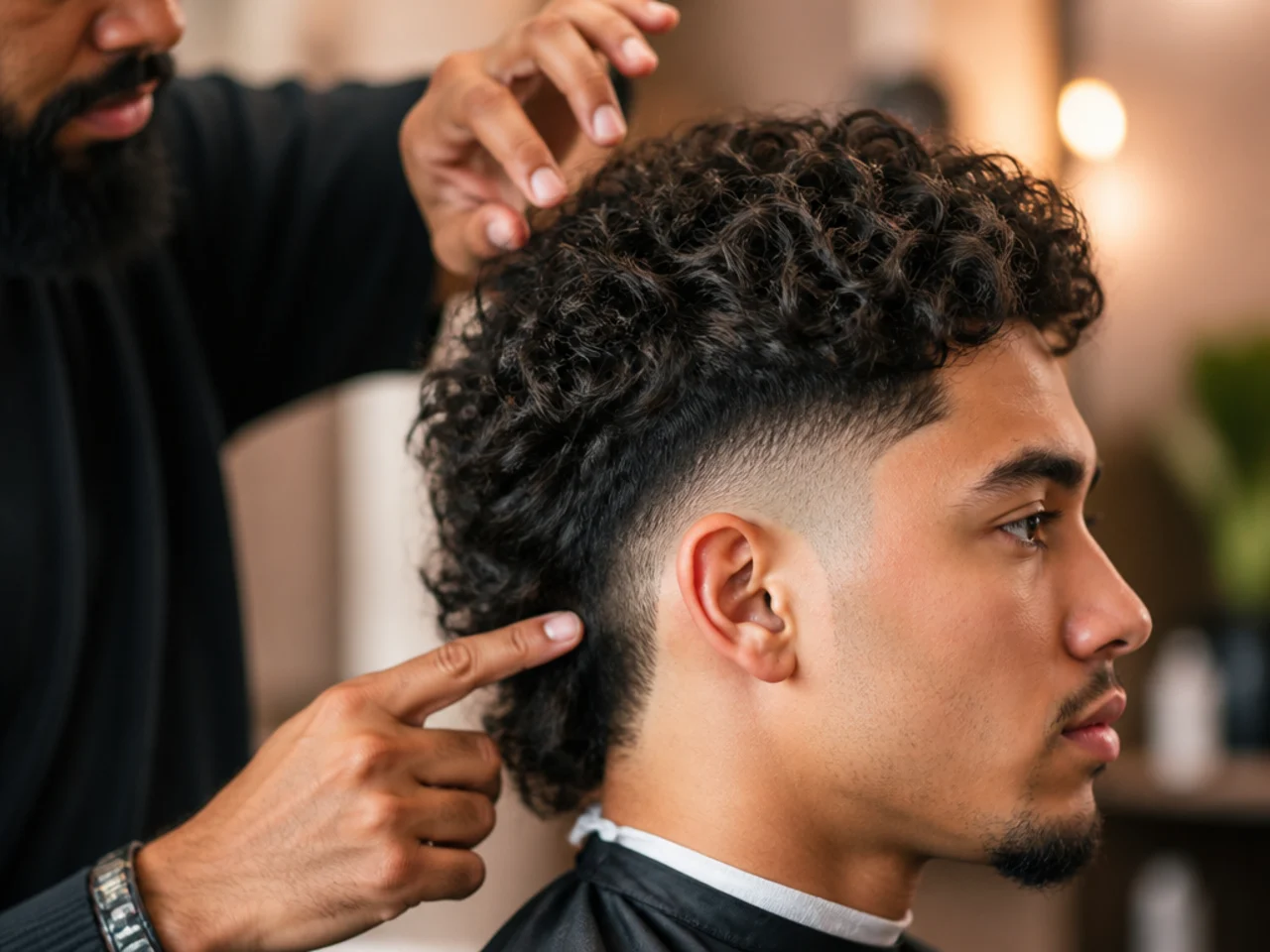
12. Decide Whether the Nape Is Shaped at All
Left natural, or softened into a curve. Squared off is not an option here, because a blocked nape cancels the burst. A squared line puts back the horizontal the two arcs were cut to avoid, and the eye finds that line before it finds either circle.
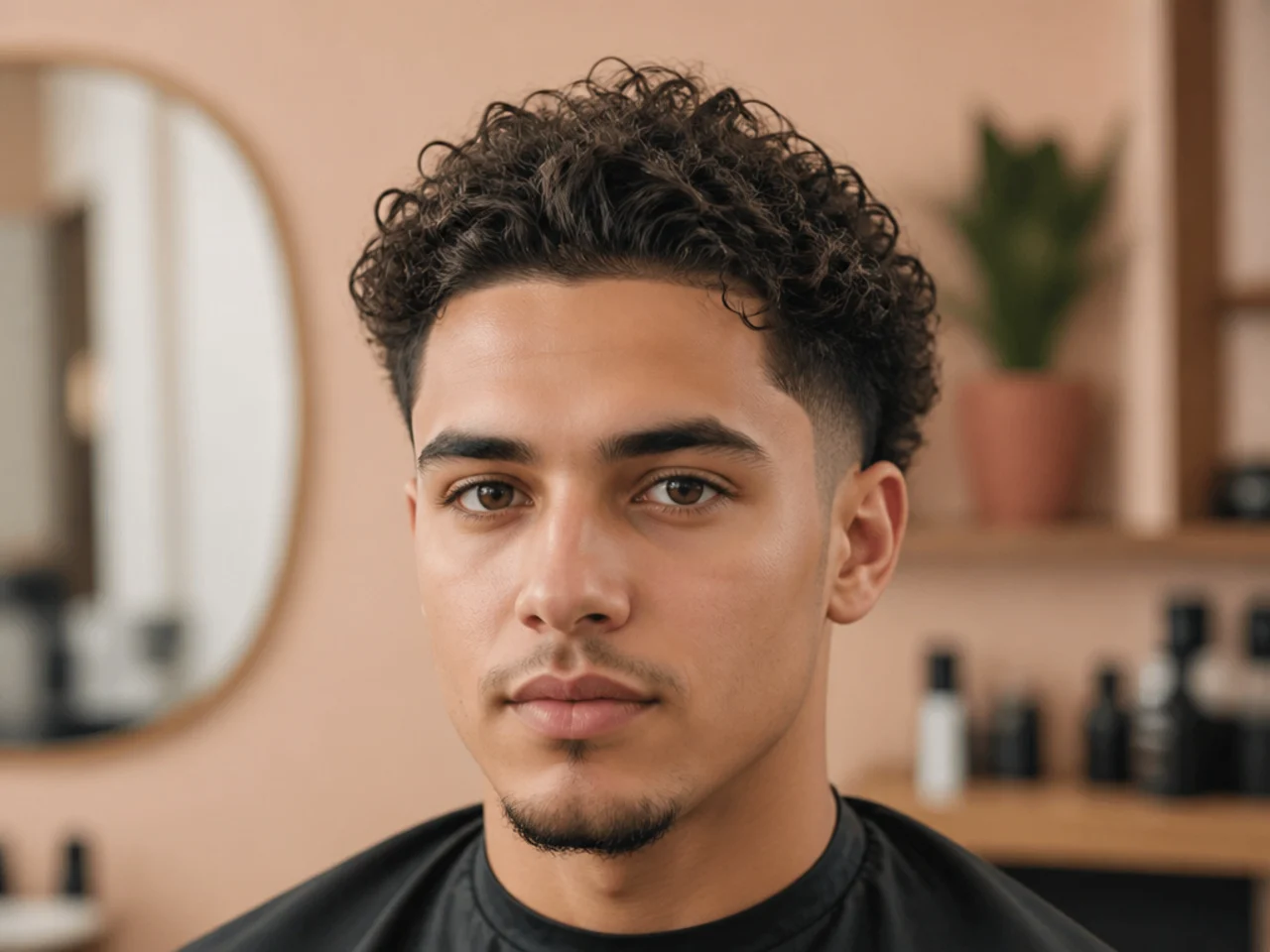
13. Mention Your Beard Before the Arc Is Cut
The arc crosses the sideburn on its way round, so the beard has to be planned into the forward reach, as every pairing in burst fade ideas with a beard shows. Once that forward edge is cut the sideburn is already the length it will stay, and no beard can be grown upward to meet it.
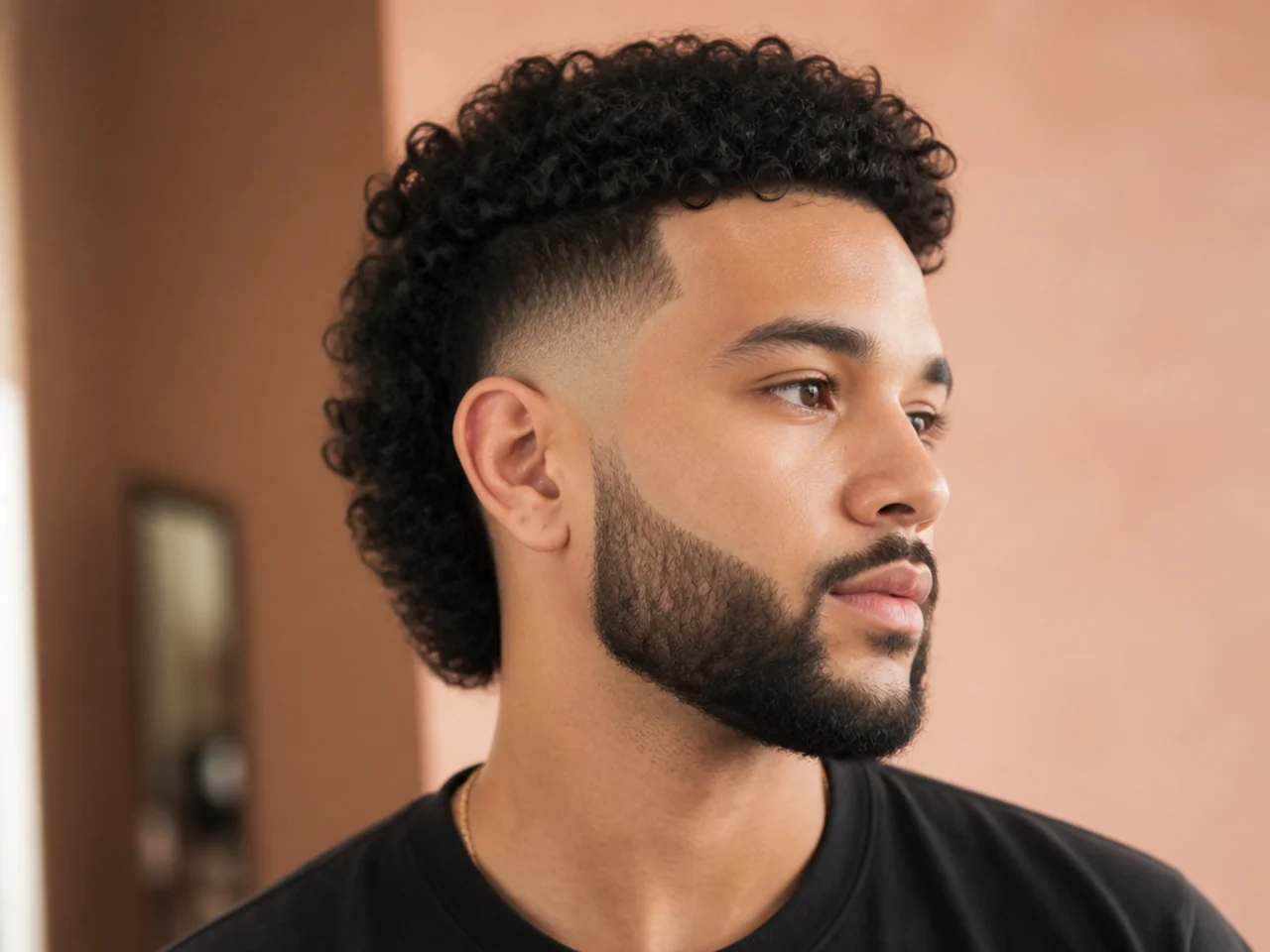
14. Flag Any Scars Behind the Ear
The arc exposes the skin directly behind the ear, which is a spot most men have never actually seen. A barber told in advance can leave a millimetre or two of extra length over the mark without breaking the gradient anywhere else on the circle.
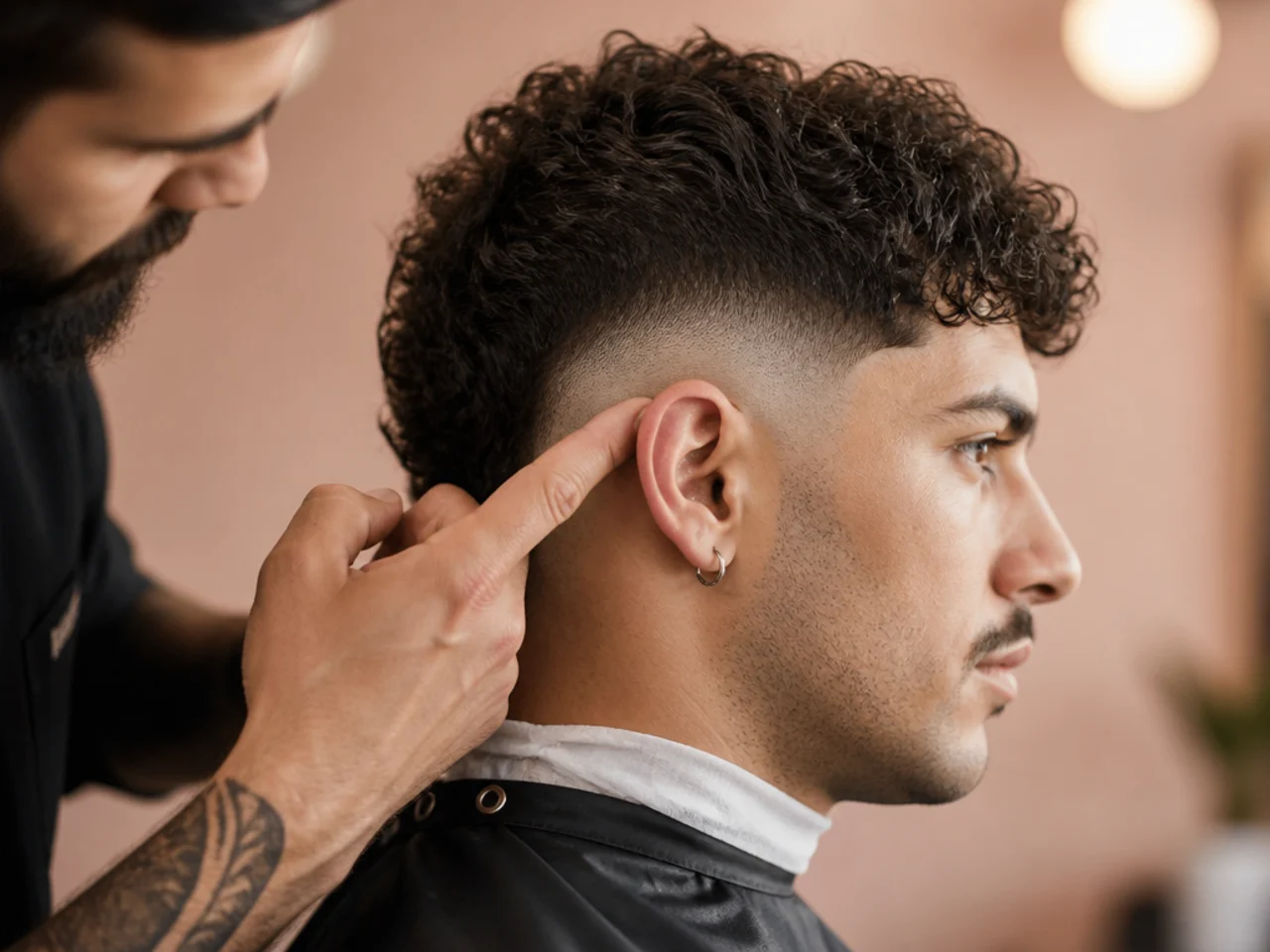
15. Ask for Both Arcs to Be Compared
Two circles have to match each other in size and position. Unlike a line, an arc can be the right height and still the wrong shape.
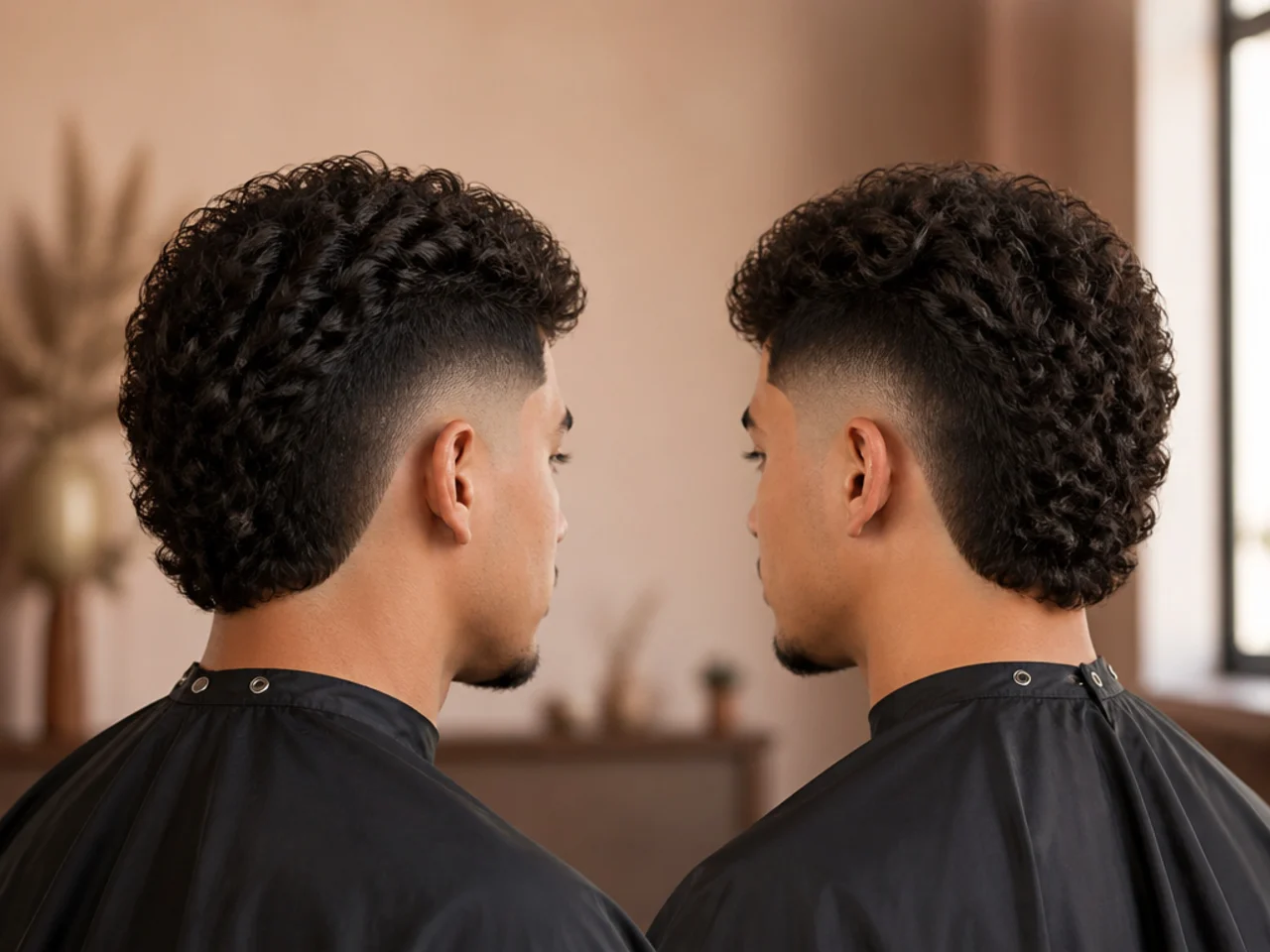
16. Speak Up If a Guard Goes Near the Back
The first pass at the nape is the point of no return. After it, the back is short for a month. Hair adds roughly a centimetre every four weeks, so a single pass costs a month or more before the nape can carry the shape again.
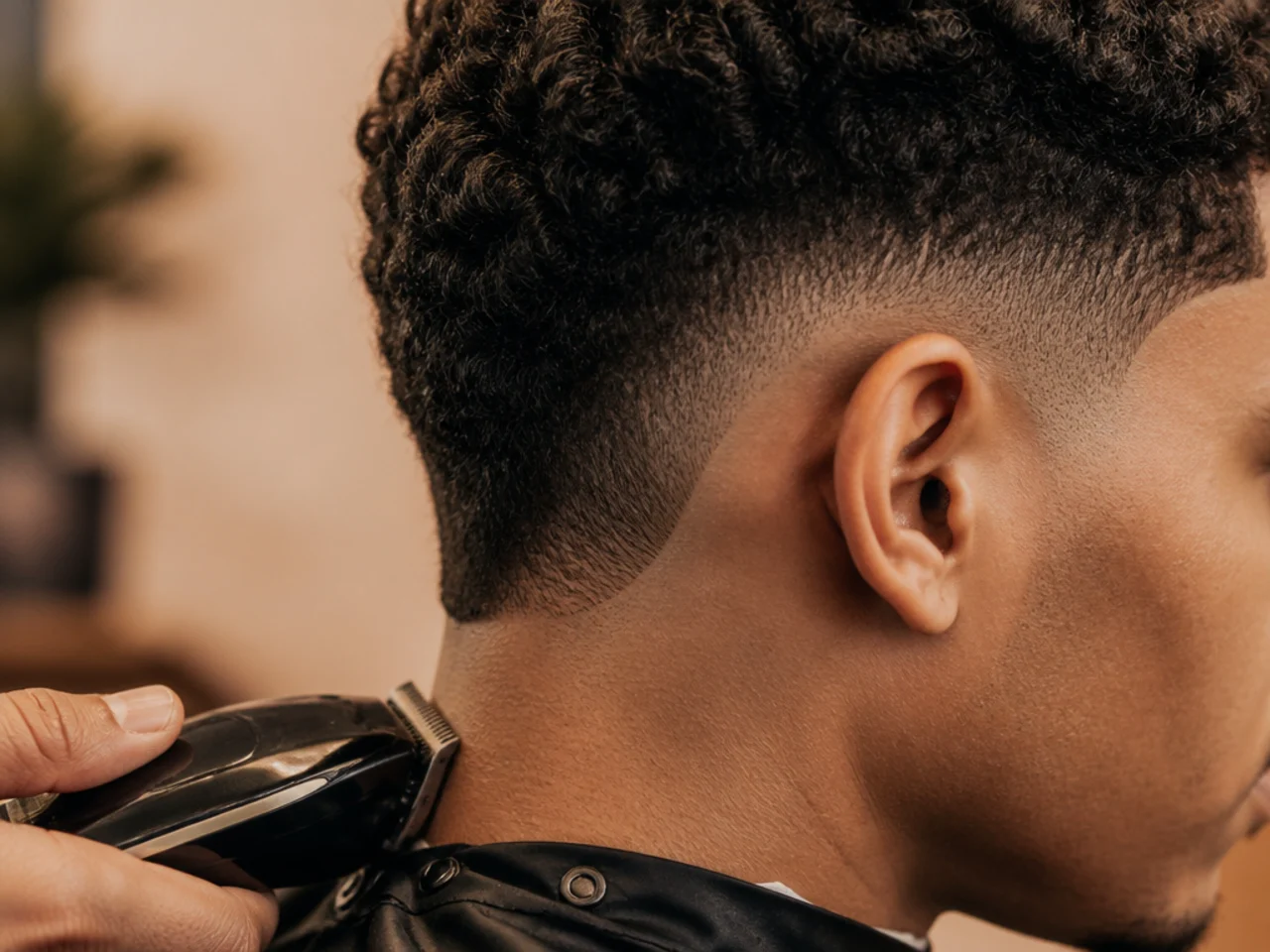
17. Check the Arc With a Hand Mirror
Most of a burst sits behind the ear where no wall mirror reaches. Ask before the cape comes off. A misshapen arc can still be widened or evened while the clippers are out, and almost nothing about it can be fixed once you have left.
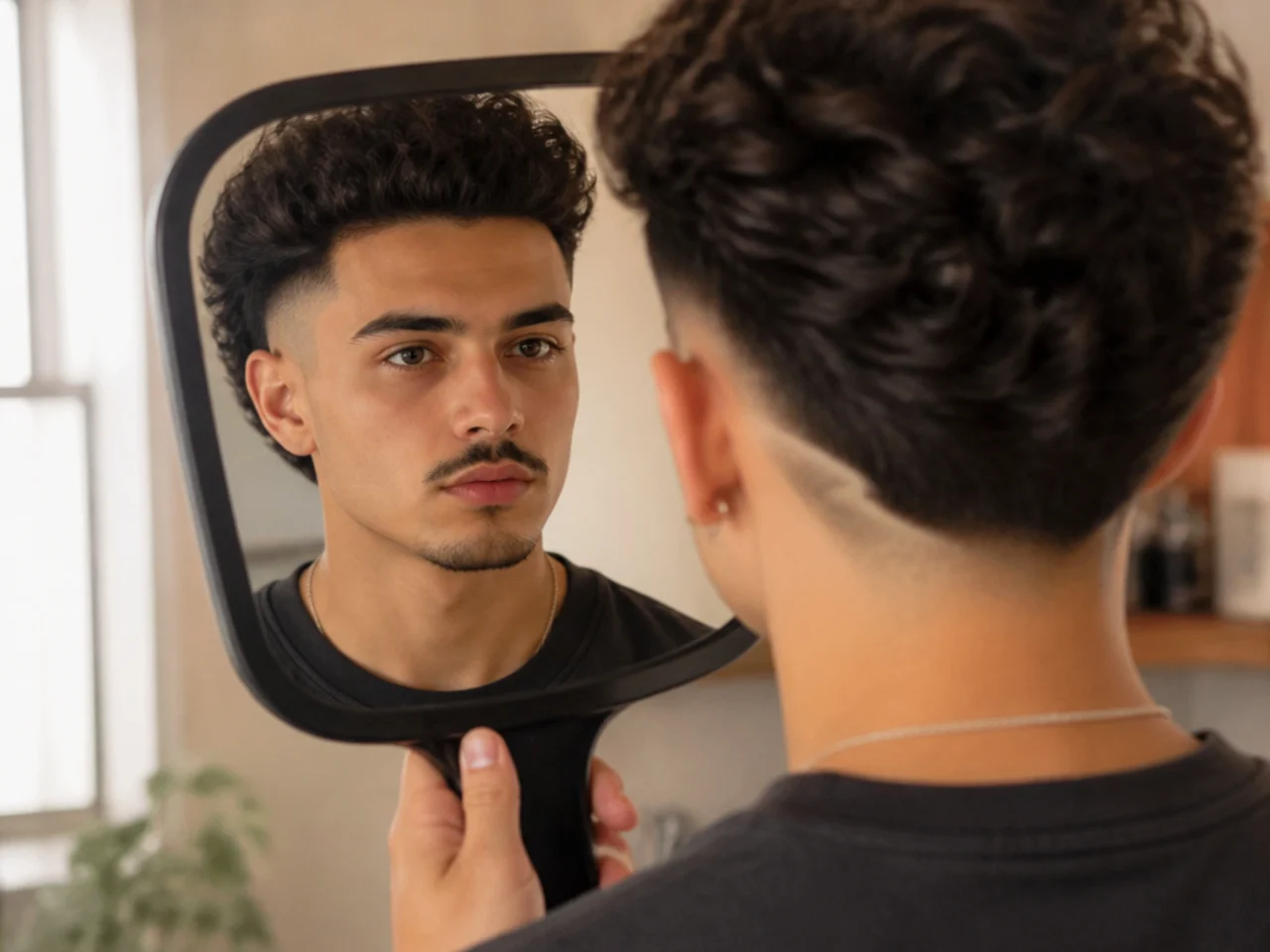
18. Photograph Both Sides and the Back
Three photos rather than two, because this is the only fade where the back carries information. The nape length and the two arc positions are three separate settings, and no single frame holds more than one of them.
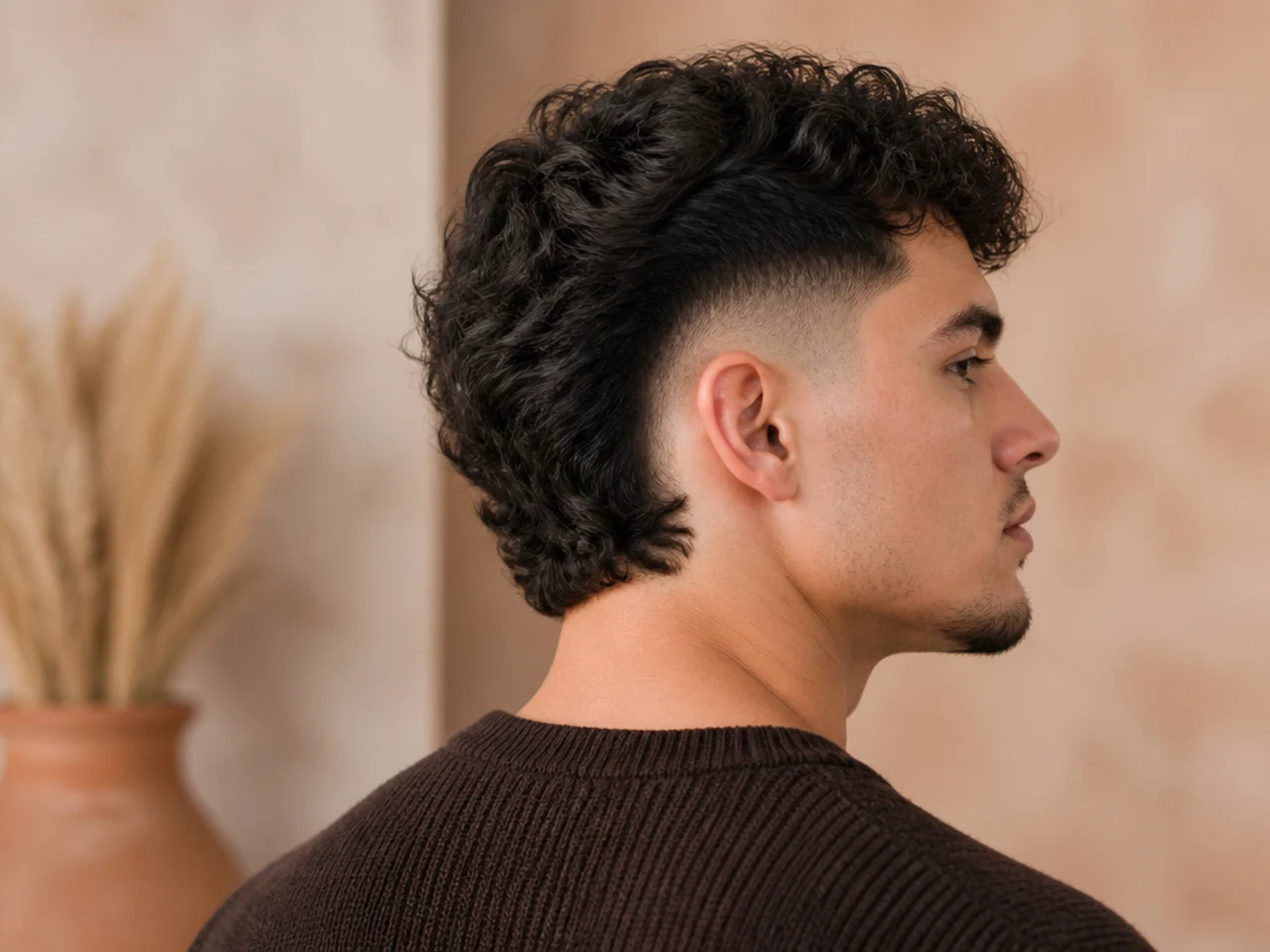
19. Rebook by the Finish You Chose
Skin at the ear blurs in one to two weeks, a #1 taper holds three to four, and the long back is unaffected either way.
20. Write Down the Three Settings
Centre, reach and nape length. Those three lines in your phone reproduce the cut anywhere. None of the three can be inferred from the other two, so recording one and guessing the rest gets you a different arc every time.
Styling and Upkeep
Leave the arc alone between visits. Home trimming widens the circle and it never recovers its shape.
Never tidy the nape yourself. It is the feature, not the untidiness.
Ask for a line-up mid-cycle. It refreshes the front without touching the arcs or the back.
Keep product out of the circle. Nothing there is long enough to hold it.
Photograph the back at week one. It is the only record of what you actually paid for.
Mistakes to Avoid
Saying burst fade and nothing else. An arc needs a centre and a reach, and neither is implied.
Forgetting to protect the nape. Most burst fades come out of the chair as drop fades for this reason alone.
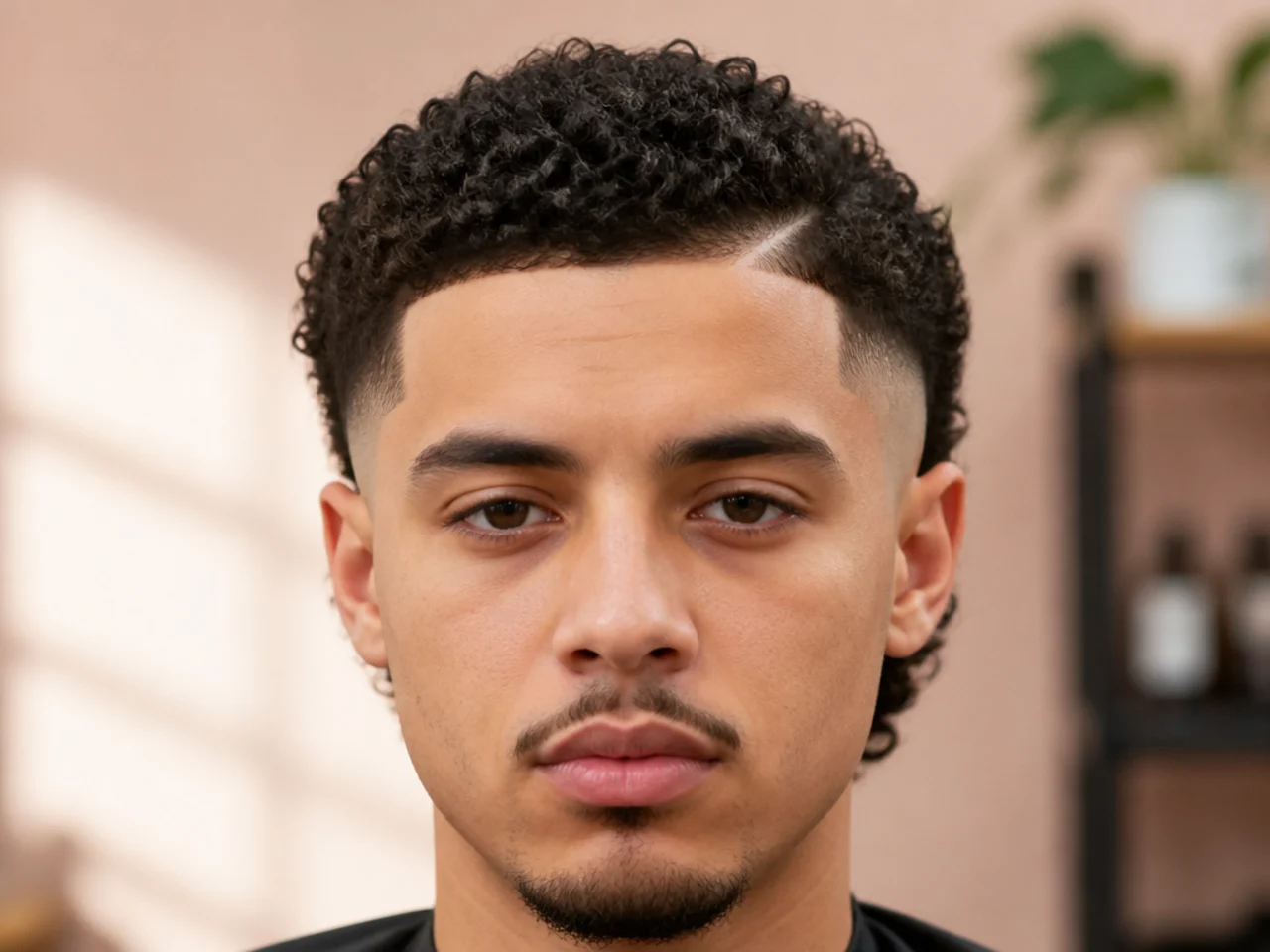
Bringing a straight-on reference photo. It shows none of the arc.
Letting the sideburn decision go unmade. The arc crosses it either way, so somebody is deciding.
Accepting mismatched arcs. Two circles of different sizes read as an error in a way two line heights do not.
FAQ
What is the sentence to use? A burst fade centred on the ear, arcing to the temple, back left long.
How do I stop the back being faded? Say the nape stays long and repeat it if clippers go near it.
How high should the arc reach? Ear, temple or parietal ridge, depending on how much scalp you want exposed.
Final Thoughts
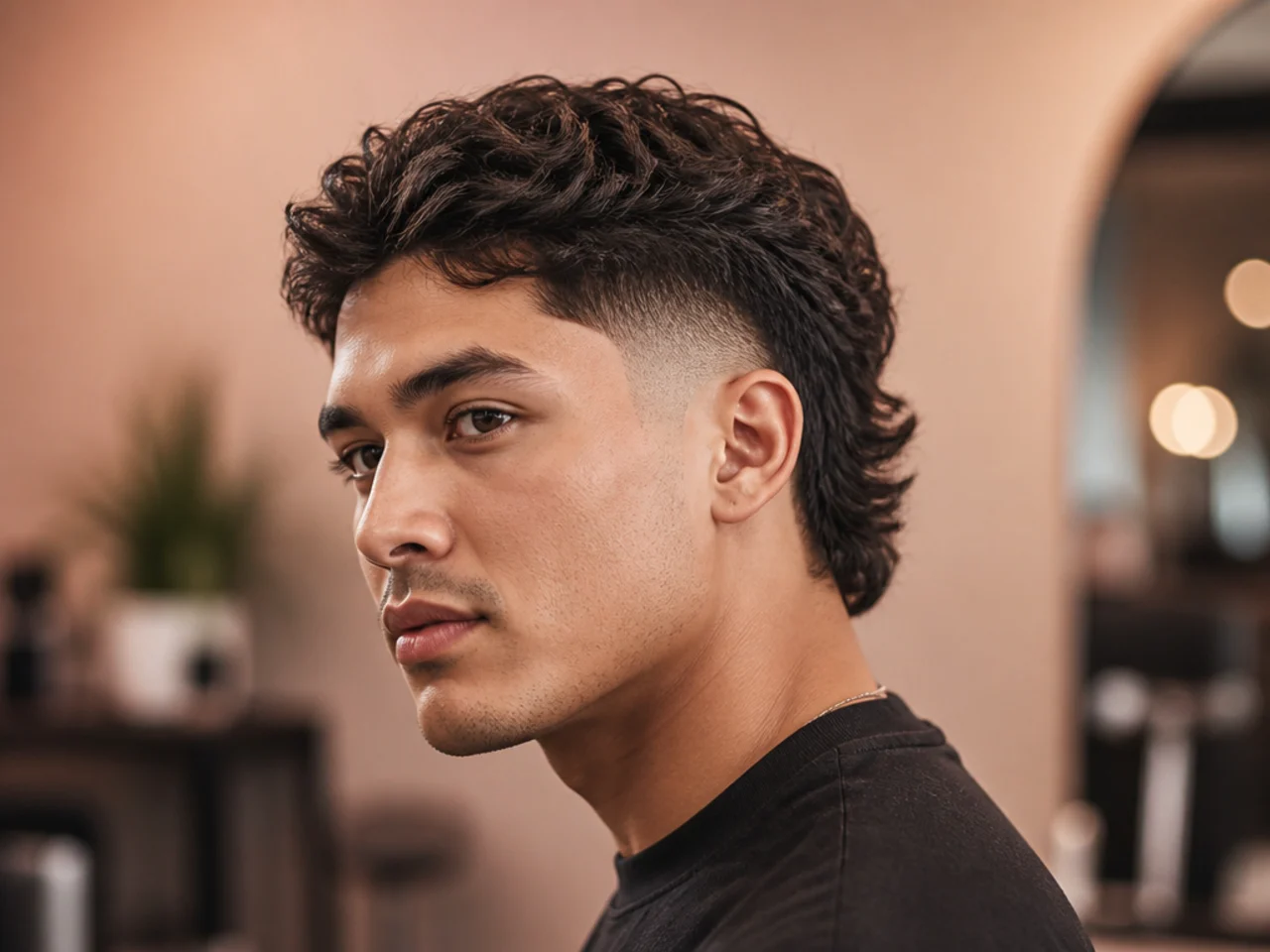
Three settings and one protective sentence is the whole consultation. Name the centre, name the reach in both directions, and say the back stays long before anyone picks up a guard. Most disappointing burst fades are not badly cut, they are correctly cut versions of a request that never mentioned the nape.
For the full range of the cut see the burst fade haircut guide, and for the cut it is most often confused with see low drop fade haircut. More in Fade Haircuts.