15 Short vs Buzz Haircut Ideas for Men
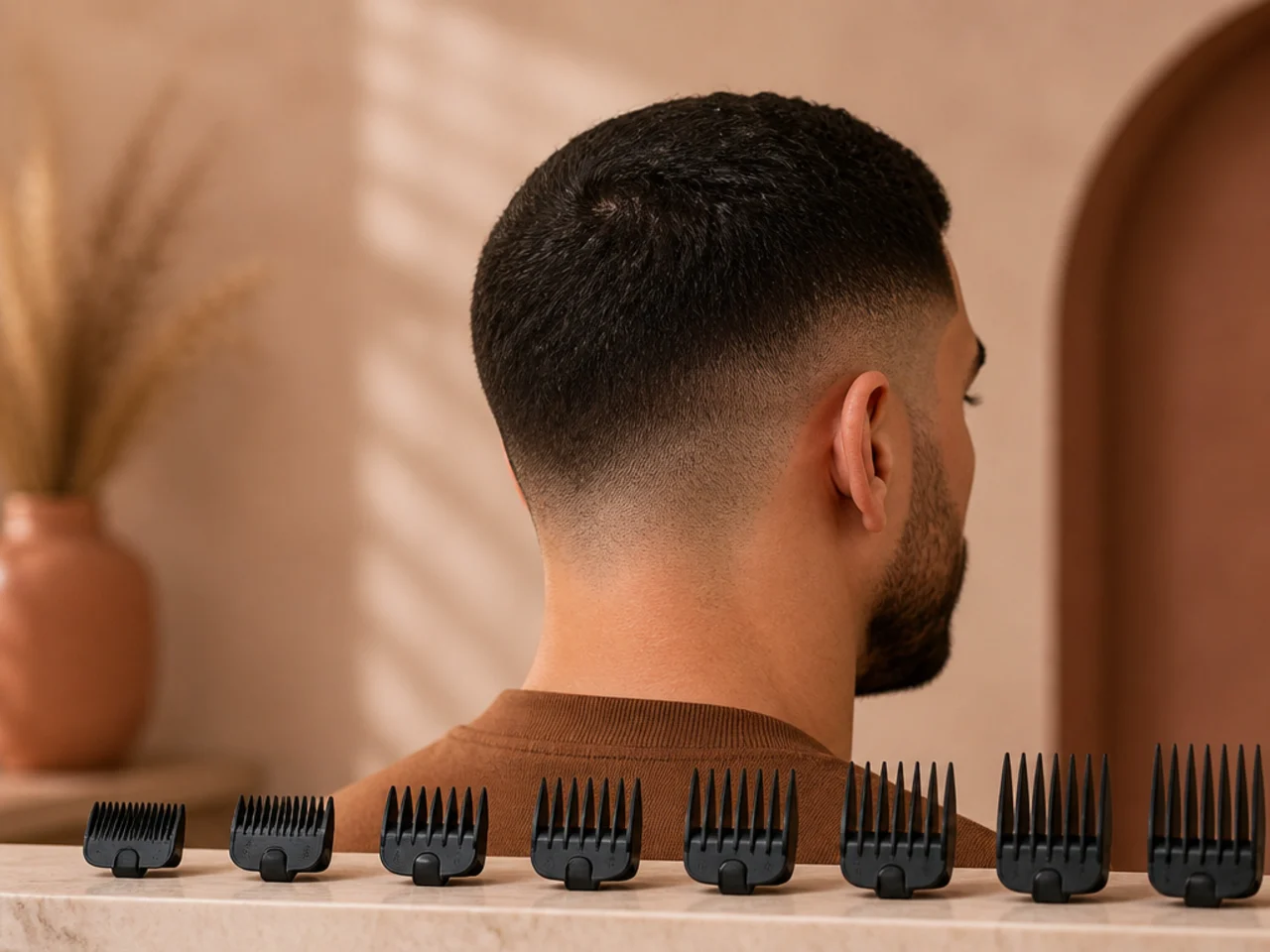
A buzz and a short cut are separated by one measurable thing, and it is roughly 13mm — the length at which hair can be pushed in a direction and stay there. Below that line the skull is the design; above it, you are.
In this article · 22
- Where a Buzz Stops and a Short Cut Starts
- How to Choose Your Band
- The 15 Bands and Crossings
- 1. Bare Skin — No Guard at All
- 2. A #1 at 3mm — Colour, Not Length
- 3. A #2 at 6mm — The First Band With Any Softness
- 4. A #3 at 10mm — Where Density Starts Showing
- 5. A #4 at 13mm — The Crossing Point
- 6. Scissor Length Above a #4 — Where Styling Begins
- 7. A Graduated Buzz — #1 Sides, #3 Top
- 8. The Buzz That Is Really a Short Cut — a #4 All Over
- 9. The Short Cut That Is Really a Buzz — a #2 on Top
- 10. Two Guards Apart Is Invisible, Three Is Not
- 11. The Same Band on Thick Hair and on Fine Hair
- 12. The Band Where a Scar Starts to Show
- 13. The Band Where You Stop Needing a Mirror
- 14. Regrowth Between Bands — a #1 Reaches a #4 in About Three Weeks
- 15. The Band That Suits an Uneven Skull
- Upkeep, Band by Band
- Mistakes to Avoid
- FAQ
- Final Thoughts
Men argue about buzz versus short as though it were a matter of taste. It is a matter of millimetres.
The boundary is roughly 13mm. That is the shortest length at which hair can be pushed in a direction and stay there, which is the only thing that separates a surface from a shape.
Below it the skull is the design. Above it, the silhouette is. Everything on this page is one band, or one crossing between bands.
Where a Buzz Stops and a Short Cut Starts
The boundary is the length at which hair can take a direction. Roughly 13mm, which is a #4 guard.
Below it you are looking at scalp tone and skull shape. The hair is a surface laid over bone, not a form of its own.
Above it you are looking at a silhouette. The hair can lean, so the outline becomes something you choose.
The product question does not exist below the boundary. Nothing at 6mm will hold anything, so clay and paste have no job to do.
How to Choose Your Band
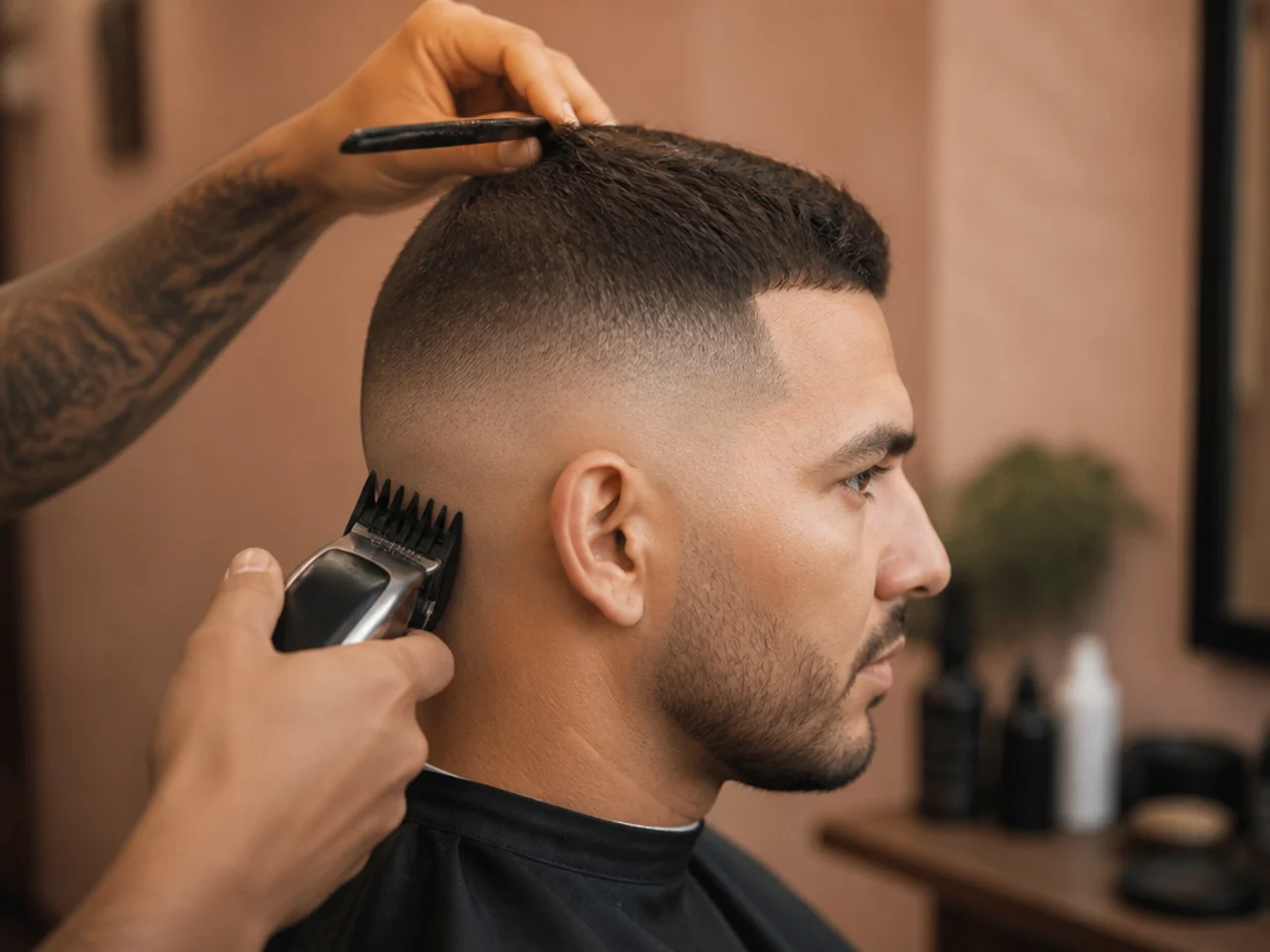
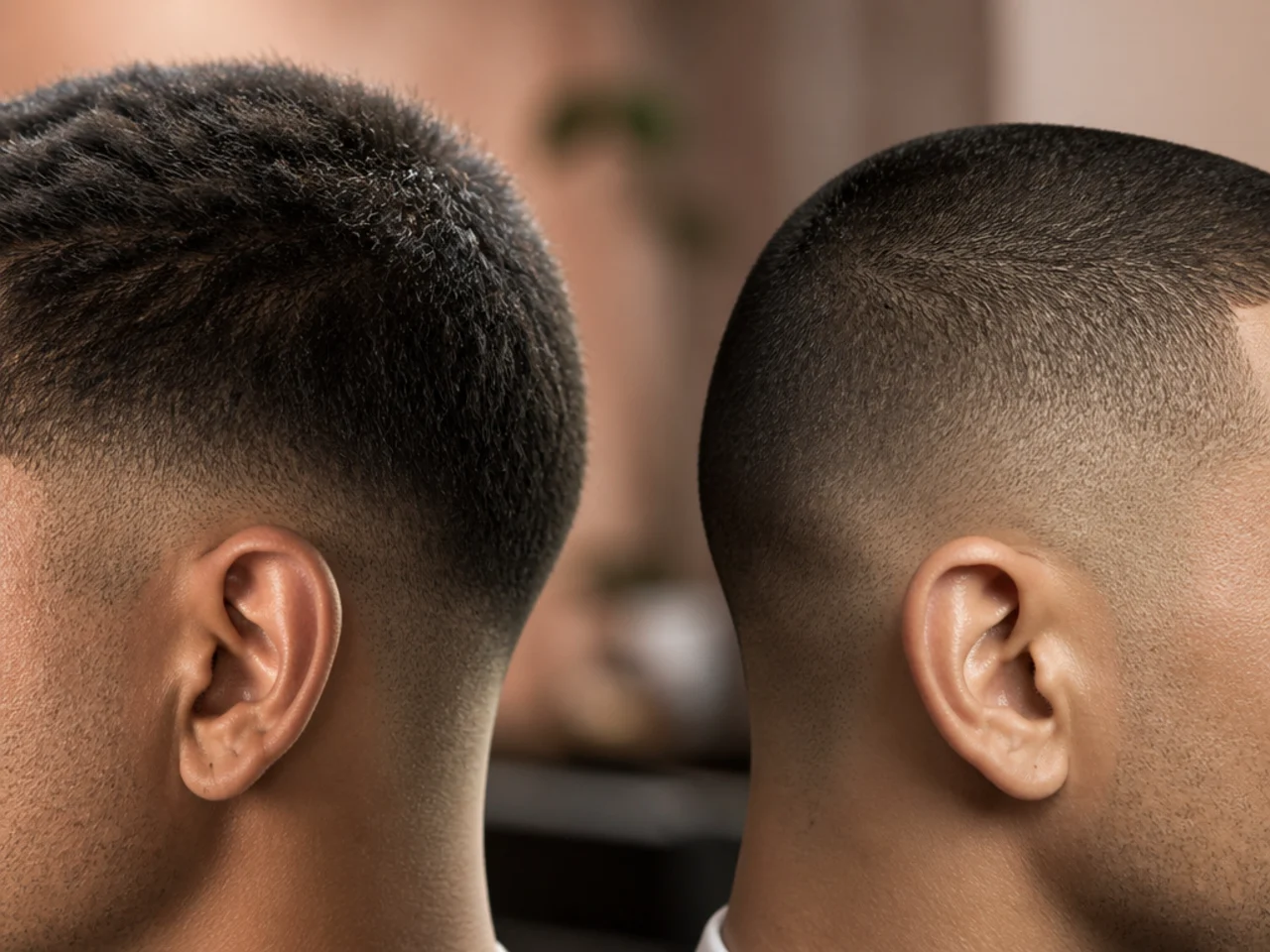
Start from your skull, not from a photo. Below 10mm its shape is most of the haircut, which is why buzz cuts get sorted by face shape rather than by style.
Decide whether you want a morning at all. Under 13mm there is nothing to set, so the routine ends at the towel.
Count the weeks between cuts. Hair grows about 1.25 cm a month, and the shortest bands leave their band fastest.
Judge contrast, not just length. Two guards apart barely registers; three guards apart is an obvious change.
The 15 Bands and Crossings
1. Bare Skin — No Guard at All
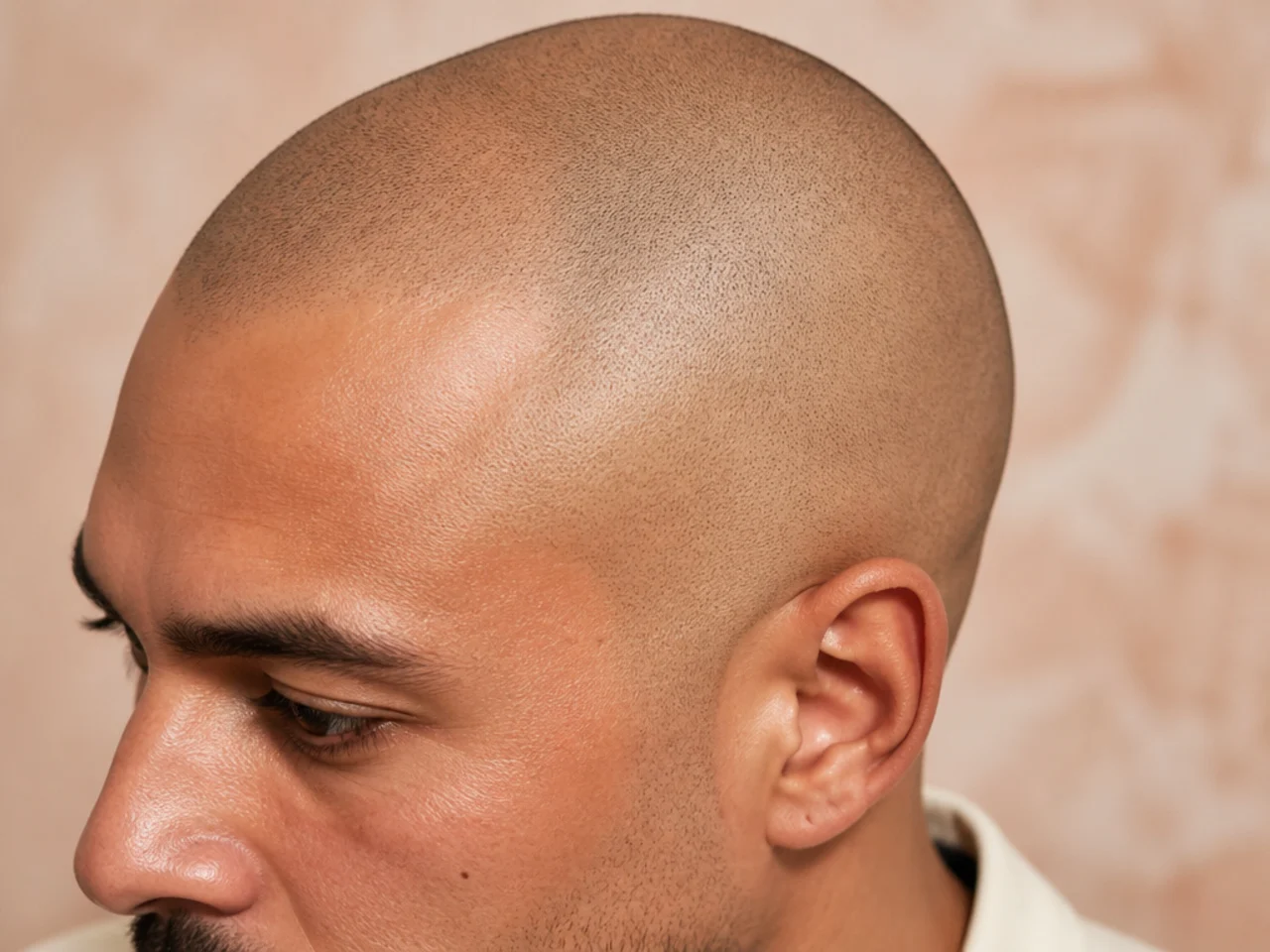
Clippers with no guard leave roughly half a millimetre; a razor leaves nothing. From here the whole design is skull shape and scalp tone, because there is no hair left to soften an outline or hide a dent.
2. A #1 at 3mm — Colour, Not Length
At 3mm you stop reading hair as length and start reading it as colour, a shadow laid over the scalp. Contrast against skin becomes the whole effect, which is why a #1 looks severe on dark hair and nearly invisible on blond men's hair.
3. A #2 at 6mm — The First Band With Any Softness
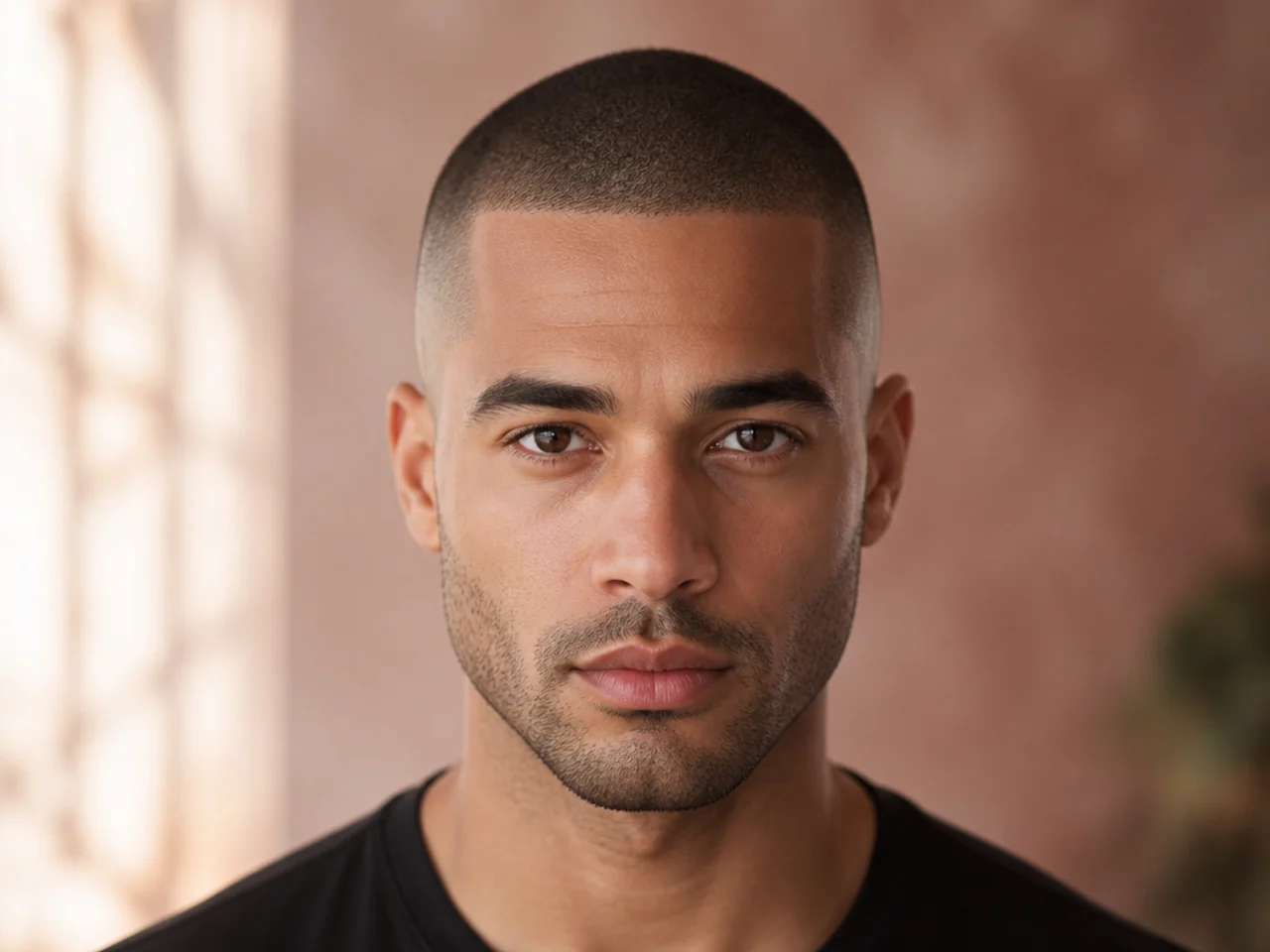
Six millimetres is the first setting where the hair stands rather than lies flat, so the surface catches light instead of only showing scalp through it. It softens the outline of the skull without giving you anything you can move.

4. A #3 at 10mm — Where Density Starts Showing
At 10mm the difference between thick and fine hair finally becomes visible, because there is enough length for density to build a surface. Thin patches at the crown that a #2 flattened out start reading as thin patches again.
5. A #4 at 13mm — The Crossing Point
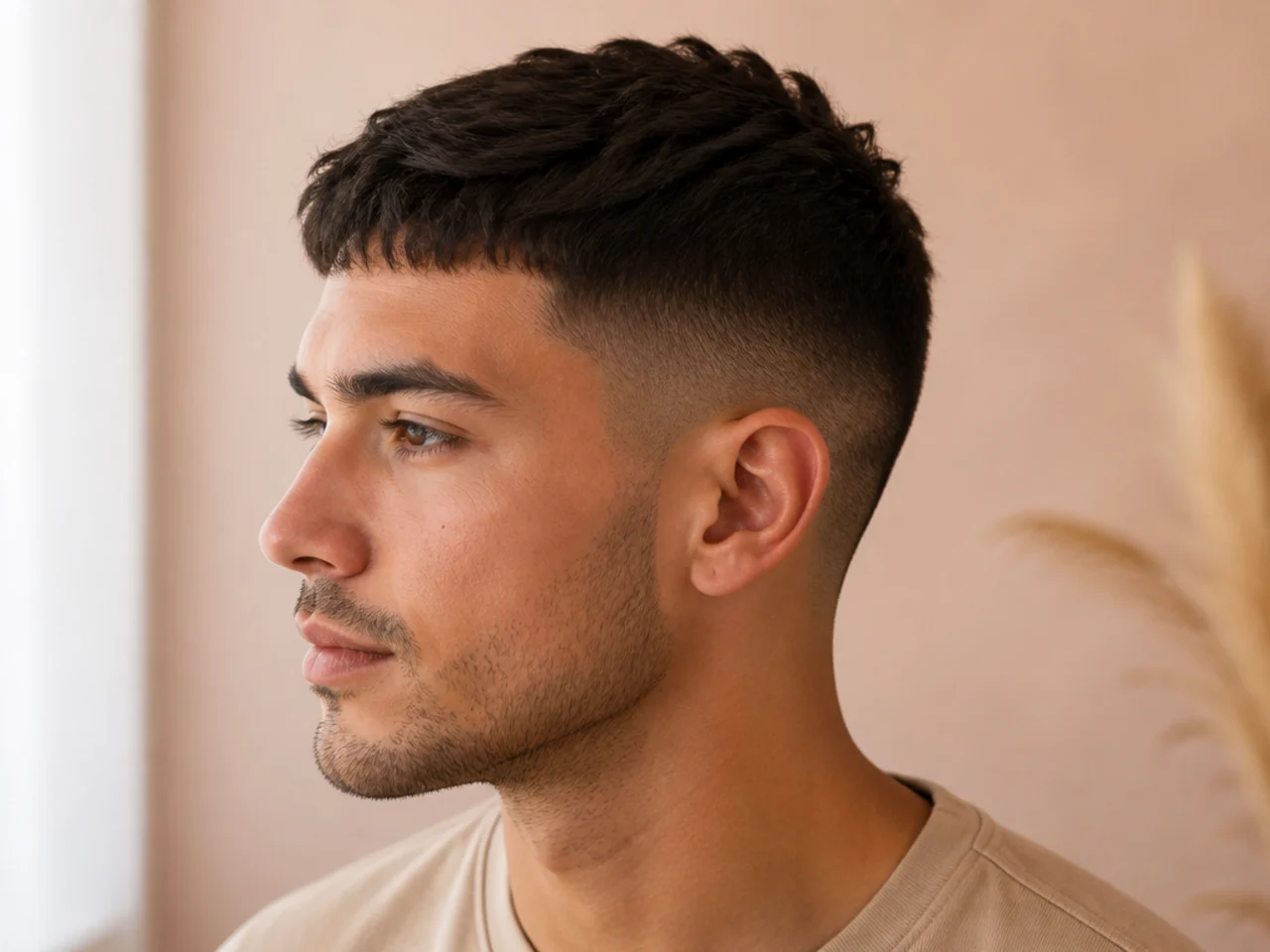
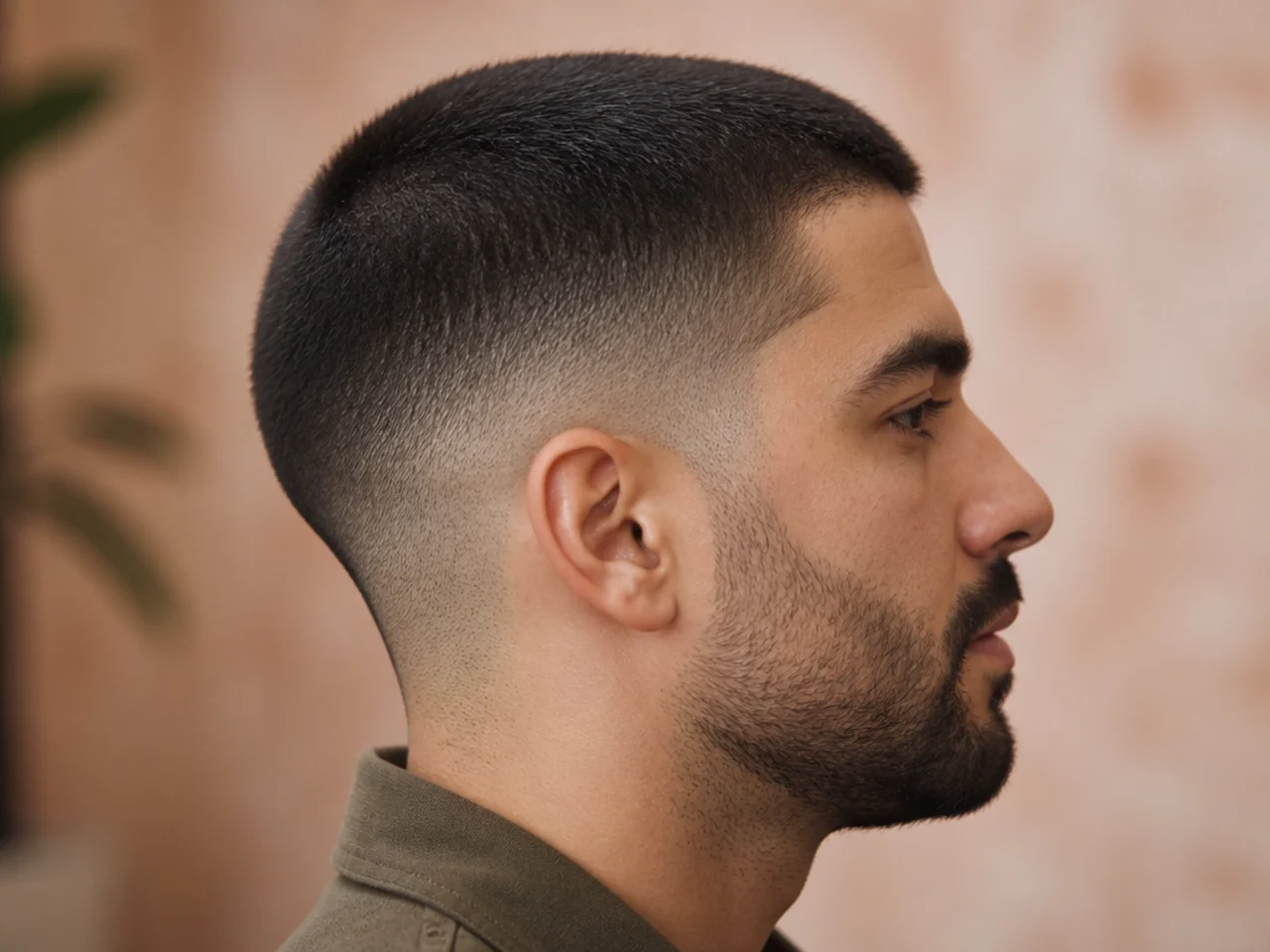
Thirteen millimetres is where hair is finally long enough to lean somewhere and stay. That one change turns a clipper setting into a haircut with a front, a side and a shape, and it is the only real boundary on this page.
6. Scissor Length Above a #4 — Where Styling Begins
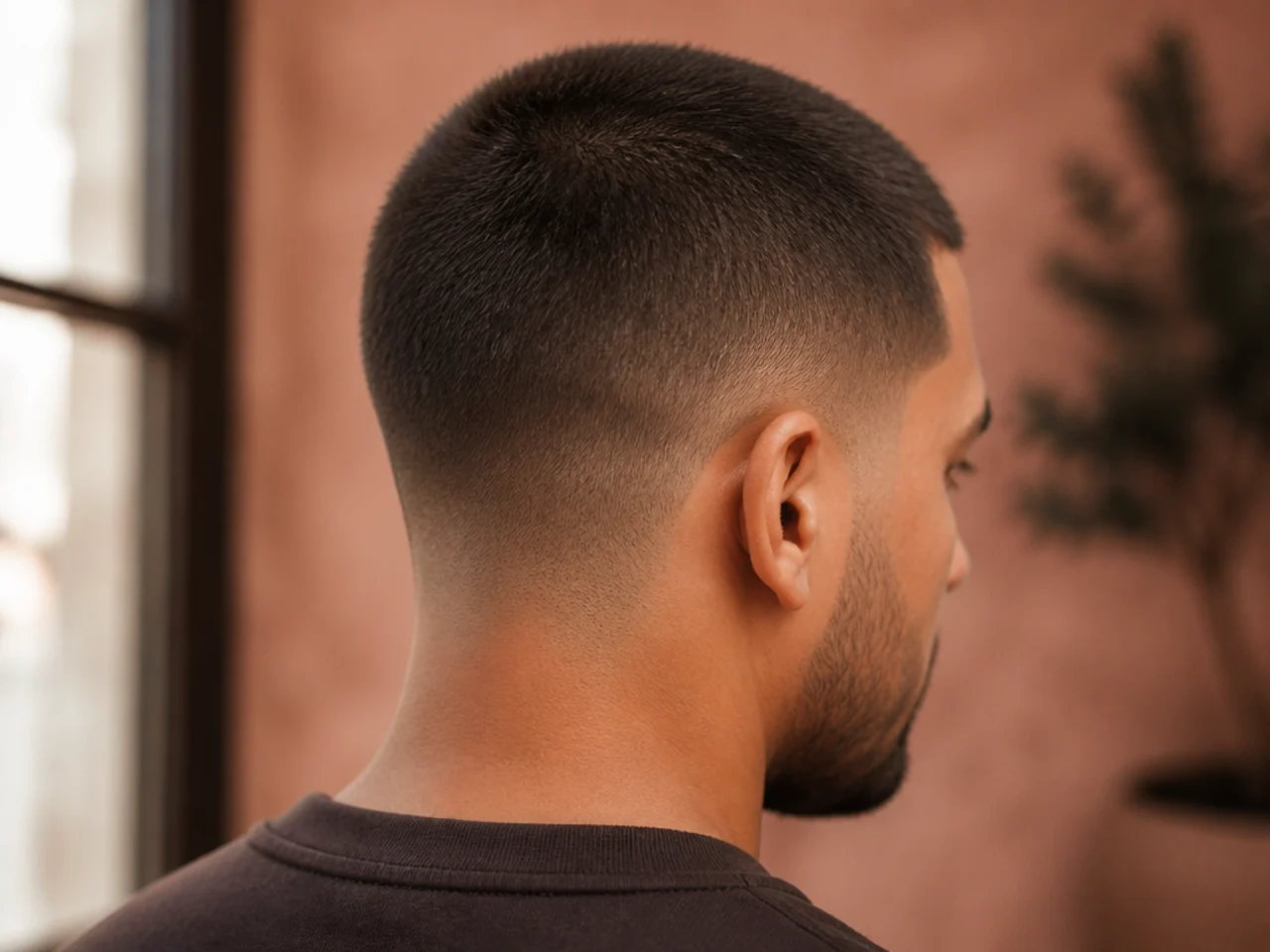
Past 13mm a barber reaches for scissors, because clippers cut everything to one plane while scissors can leave the ends uneven. From here the cut is a silhouette you build each morning rather than a surface you simply own.

7. A Graduated Buzz — #1 Sides, #3 Top
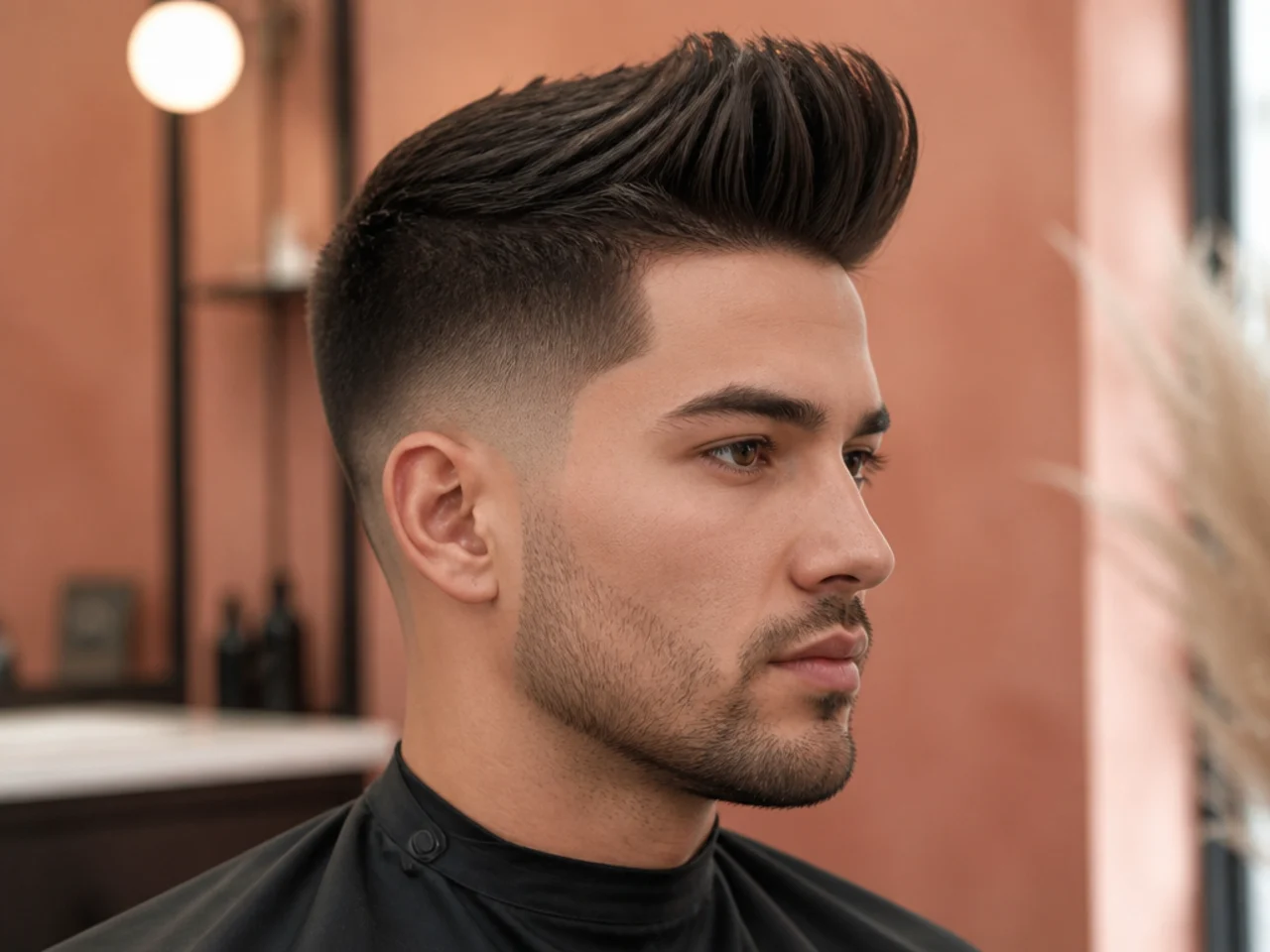
Seven millimetres between top and sides is a graduation rather than a contrast — enough to give the head a shape, not enough to show a step. It is the most haircut available to a man who owns no product, and a burst fade buzz cut is the same idea with the graduation curved around the ear.

8. The Buzz That Is Really a Short Cut — a #4 All Over
One guard everywhere at 13mm looks like a buzz in the mirror and behaves like a short cut in the wind, because the hair is long enough to move and to end up somewhere you did not choose.

9. The Short Cut That Is Really a Buzz — a #2 on Top
Scissor-cut sides with a #2 left on top gets sold as a short crop, but 6mm cannot be pushed anywhere. Whatever the sides are doing, the top of that head is a buzz and will behave like one.
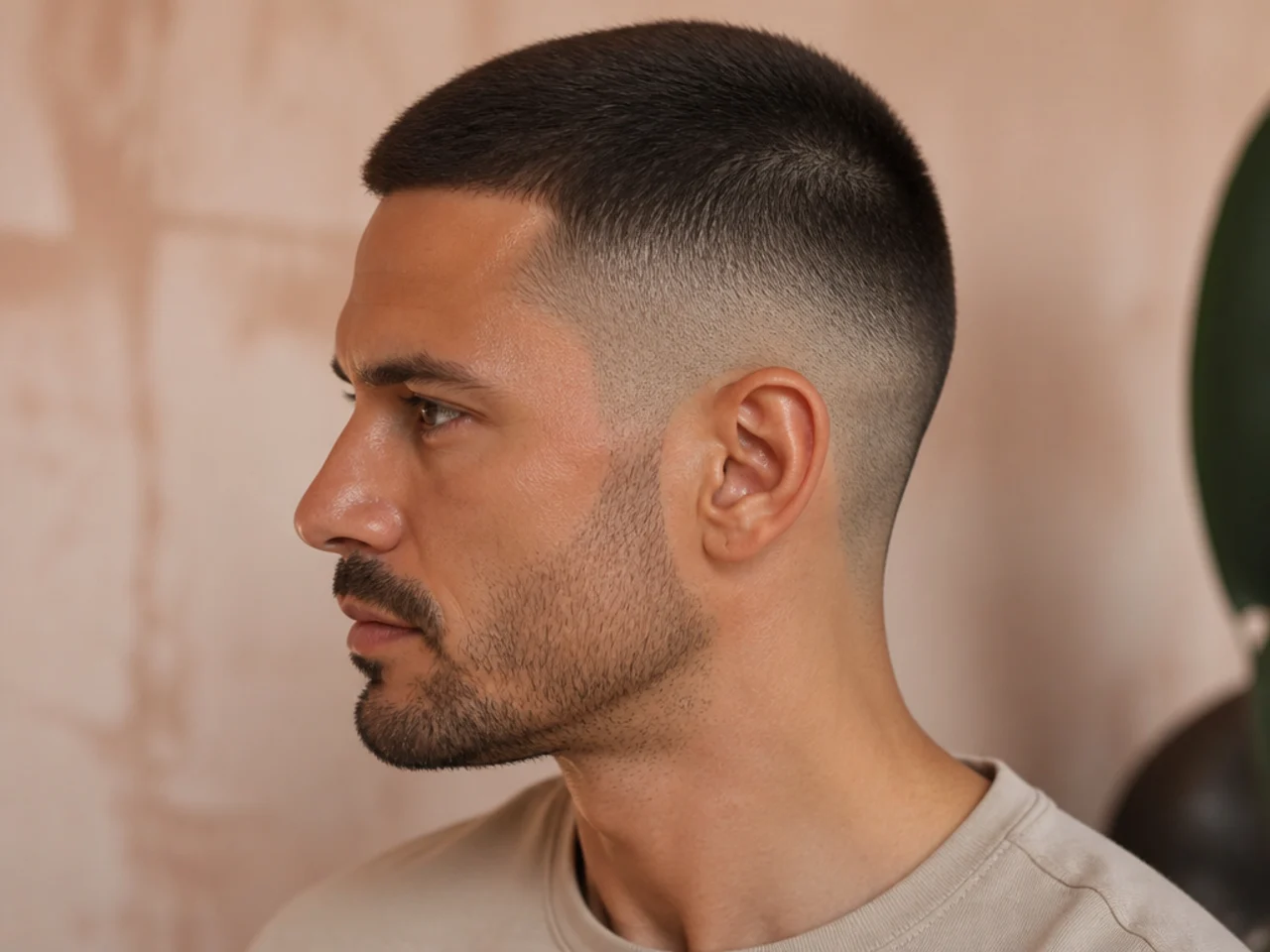
10. Two Guards Apart Is Invisible, Three Is Not
A #1 beside a #3 is a 7mm step that most people register only as a slightly darker band. A #1 beside a #4 is 10mm and reads as an obvious change, so contrast requests need three guards, not two.
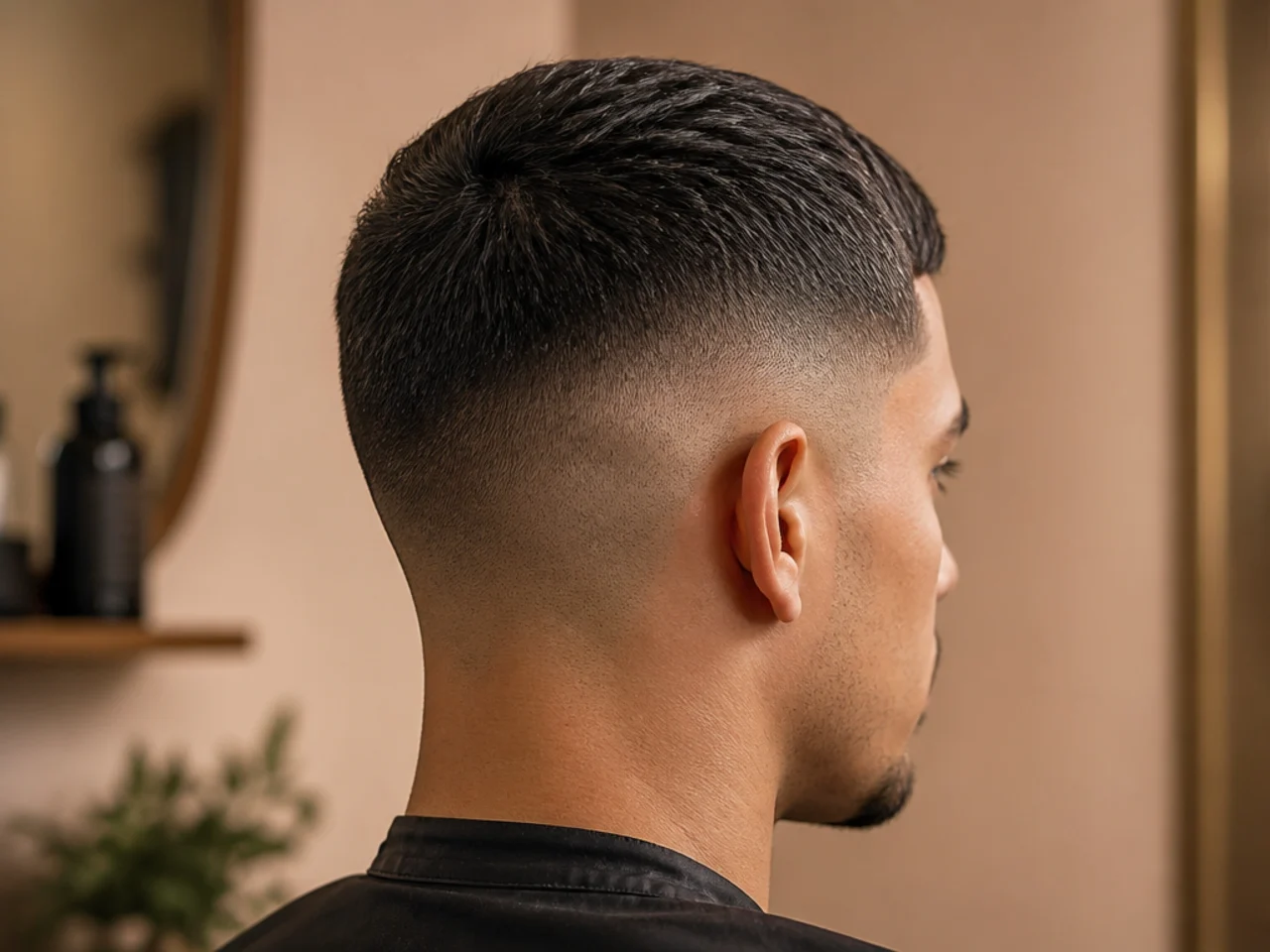
11. The Same Band on Thick Hair and on Fine Hair
Density does more at every band than length does. A #3 on coarse thick hair stands up and reads like 13mm, while the same #3 on fine hair lies down and shows scalp, so a guard number on its own predicts nothing.
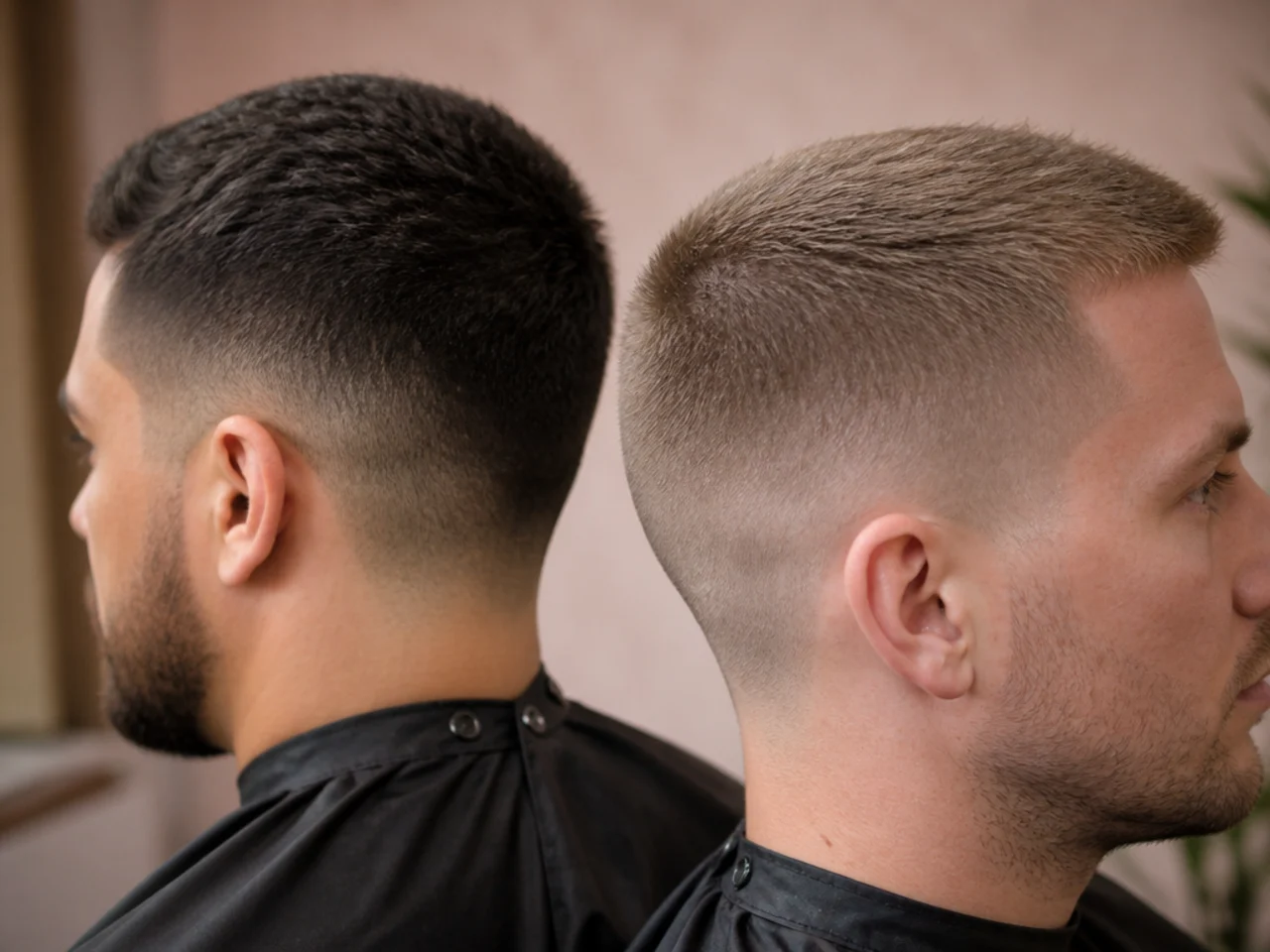
12. The Band Where a Scar Starts to Show
Scars and birthmarks stop being covered somewhere around 6mm and are fully exposed below 3mm, because what covers them is hair lying across skin rather than hair standing on it. A #3 is the usual safe floor.

13. The Band Where You Stop Needing a Mirror
Below 13mm there is no direction to set, so the morning ends at the towel. That is the practical case for staying under the crossing point, and the reason most men who go there do not come back up.

14. Regrowth Between Bands — a #1 Reaches a #4 in About Three Weeks
Hair grows roughly 1.25 cm a month, so the 10mm between a #1 and a #4 takes a little over three weeks. Every band here is a temporary position, and the shortest ones travel through the most bands.
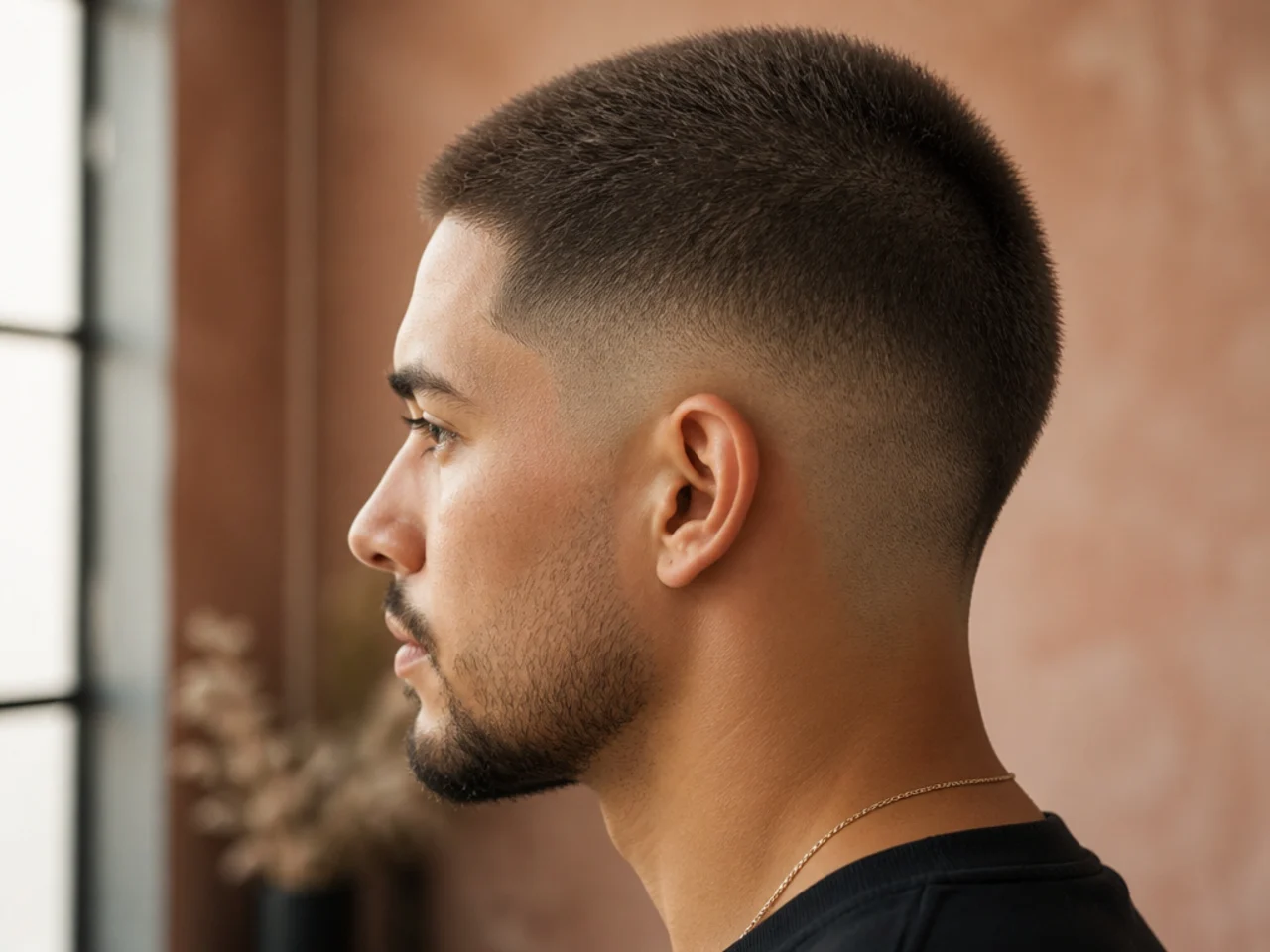
15. The Band That Suits an Uneven Skull
Flat spots and an occipital bump are hidden by hair lying over them, which needs at least 10mm to work. Anything at or below 6mm makes the head itself the design, so an uneven skull sets your floor at a #3.

Upkeep, Band by Band
Bare skin is the shortest interval here. Stubble shows within two or three days, so it is a weekly job rather than a haircut.
A #1 has become a #2 inside a fortnight. At 3mm each millimetre of growth is a third of the length, which is why short bands change fastest.
Edges age faster than the top. A skin fade blurs in one to two weeks while a taper holds three to four, whatever guard sits above it.
A #3 and a #4 buy the most time. There is enough length that a week of growth changes the surface rather than the whole look.
Above the crossing point the clock changes. You stop waiting for length and start waiting for the shape to lose its edges.
Mistakes to Avoid
Choosing a buzz to avoid a decision. The shorter the band, the more of the decision your skull makes for you.
Assuming one guard down is a small step. Going from a #2 to a #1 halves the length on your head.
Buying product for a band that cannot use it. Below 13mm there is nothing for clay to hold.
Going to bare skin without seeing 3mm first. A #1 shows you the scalp tone and the dents while there is still a step back available.
Expecting a #4 to behave like a buzz. It sits above the boundary, so it moves, and it will need setting on windy days.

FAQ
Where does a buzz stop being a buzz? Around 13mm, a #4, where hair can first hold a direction.
Which guard is the safe starting point? A #3 at 10mm, because it still covers scars, flat spots and thinning.
How quickly do the bands change? About 1.25 cm a month, so a #1 becomes a #4 in a little over three weeks.

Final Thoughts
Pick the band first and the name of the cut second, because every argument about buzz versus short is really an argument about one number. Once you know whether you want to be above or below 13mm, the guard you ask for is a detail rather than a decision.
For the range below the boundary see buzz cut haircuts, and for everything above it see short length men's haircuts. More in Men's Haircuts.