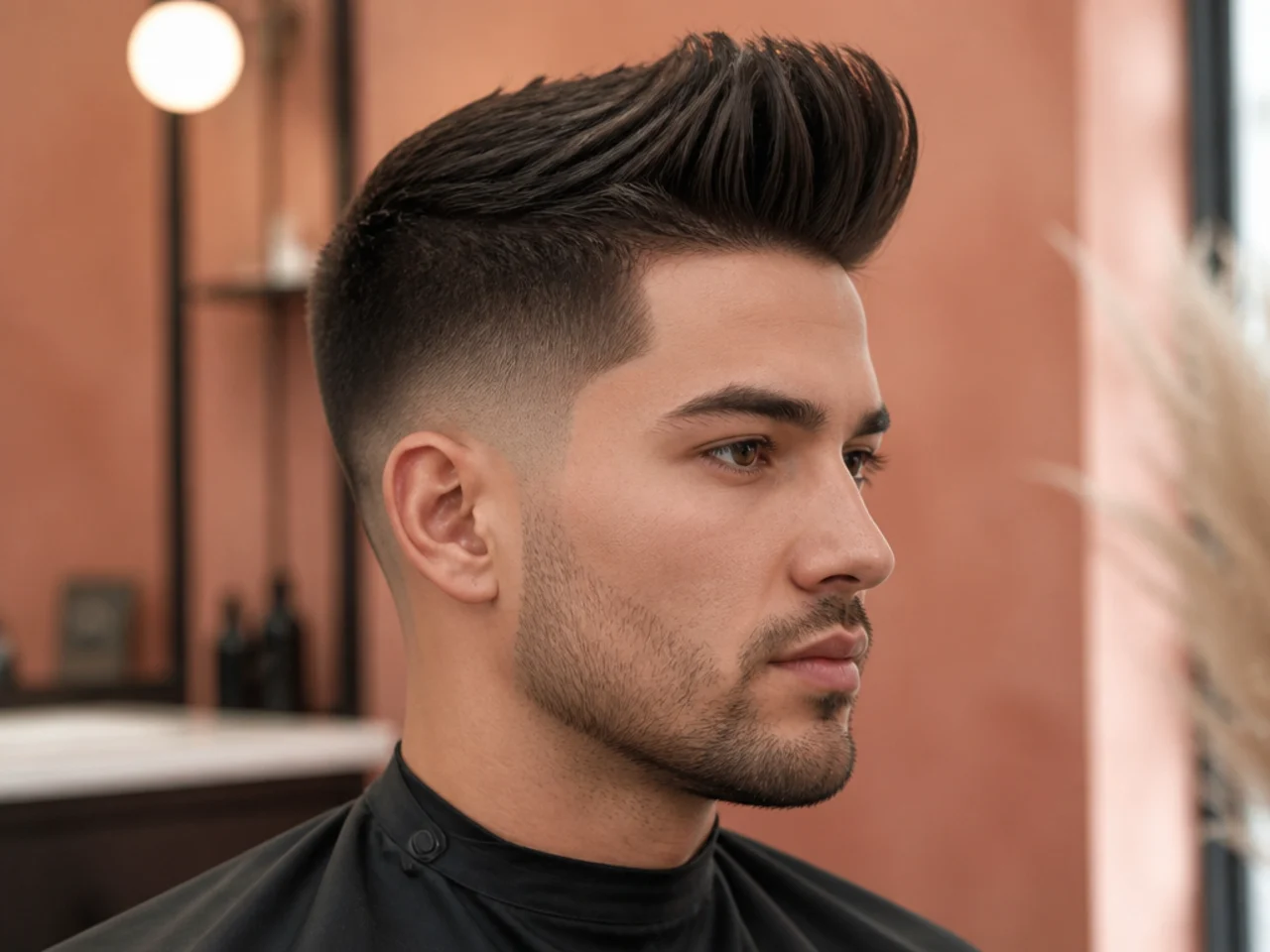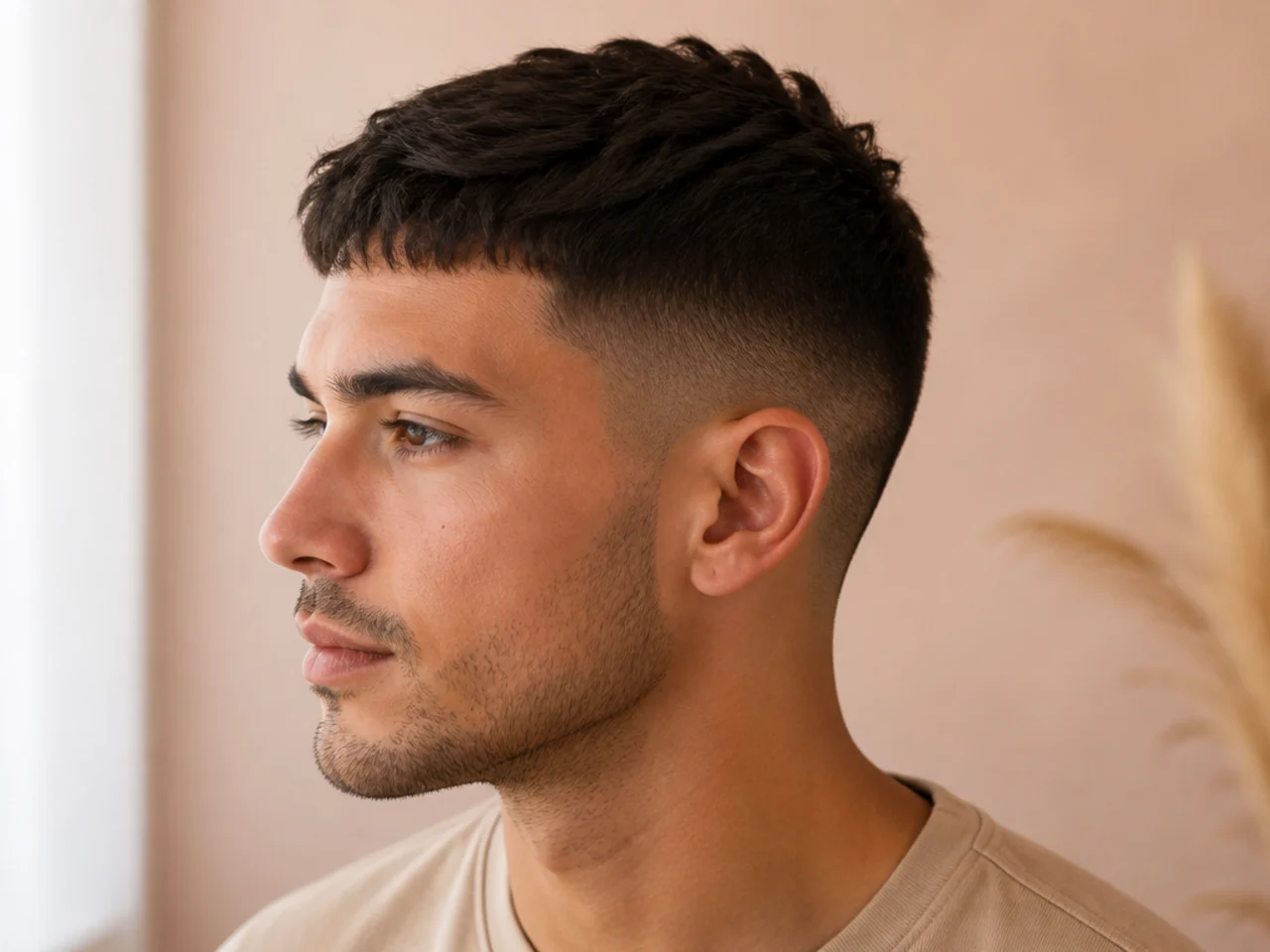
5 Steps to Keep a Short Haircut Looking Fresh
Five practical steps to keep a short haircut fresh men can follow all month — rebook rhythm, wash cadence, one-product styling, and the mid-cycle line-up.
In this article · 8
A short haircut is only sharp the day you leave the chair — after that, the shape drifts, the sides fuzz, and the styling starts fighting you. It doesn't have to. Five habits — rebook cadence, wash rhythm, one-product styling, sleep and sweat care, and a mid-cycle line-up — carry any of the short simple men's haircuts through the full month. Here's the exact playbook, in the order that matters.
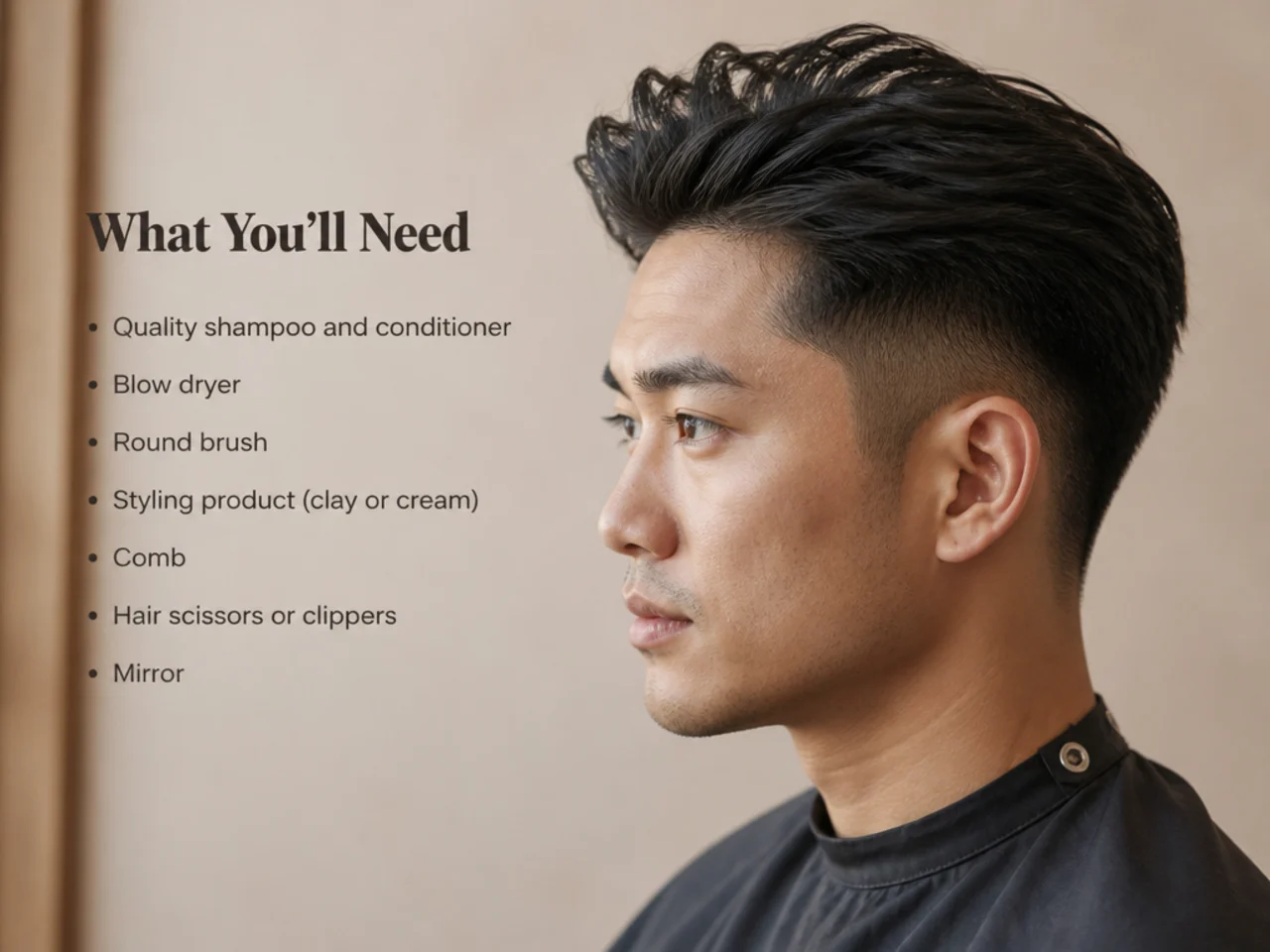
What You'll Need
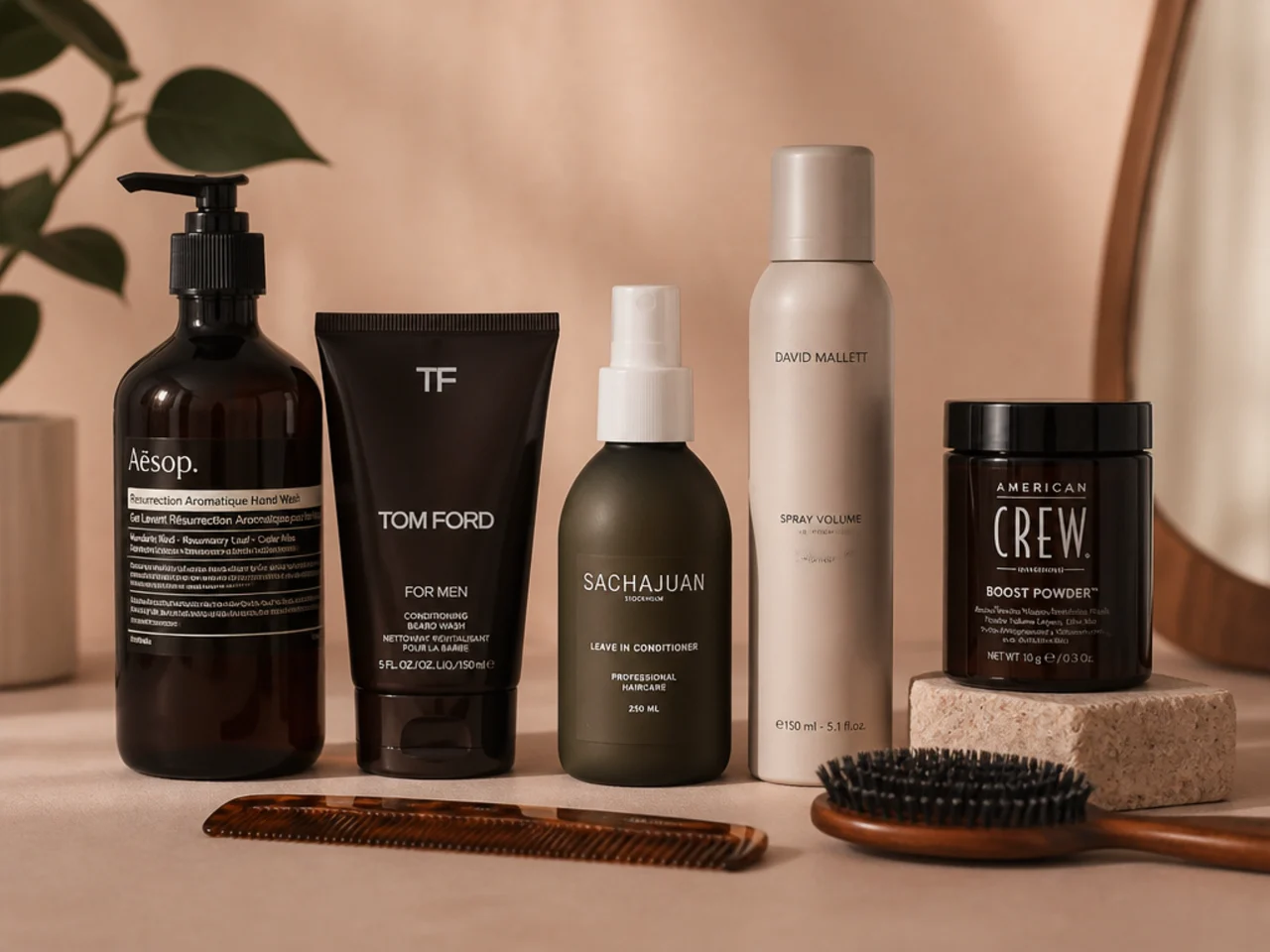
Short cuts reward a small shelf. Get these five items and you have everything a short haircut fresh men can wear for weeks needs to stay that way.
- A sulfate-free daily shampoo. Skip the drugstore stuff that lathers the whole shower — sulfates strip too aggressively for short hair. A gentle daily formula keeps the scalp calm without stripping the finish.
- One styling product matched to your cut. Matte clay for buzz, crew, French crop, textured crop, brush up, or spiky. Shine pomade for slick back, comb over, or Ivy League with a part. Curl cream for anything with natural texture on top.
- A fine-tooth comb. A cheap plastic one is fine. Used for the part, the front sweep, and setting the shape after towel-drying.
- A silk or satin pillowcase. Costs less than a haircut and adds two days of hold to every wash. Cotton flattens the crown and roughens the ends overnight.
- The next appointment already booked. Not a tool, but the single biggest lever. Guys with the sharpest short cuts don't have magic barbers — they book two visits ahead.
Step 1: Book Your Next Cut Before You Leave the Chair

Freshness starts with cadence, and cadence starts with a booked appointment. A short cut has a shelf life — usually two to six weeks depending on the shape — and the moment that window closes, the cut goes from "looking sharp" to "in transition." You won't notice until day three of the second week, and by then everyone else has.
Match the booking to the cut. A skin fade, high and tight, or Edgar-style blunt fringe lives on a two-week rhythm — the outline is the whole cut, and the outline is the first thing to fuzz. A low fade or mid fade holds three to four weeks. A low taper fade or scissor-blended taper softens as it grows, so five weeks is honest. A pure scissor cut — Ivy League, crew cut with a scissor blend, French crop with a taper — coasts five to six. If your calendar can't hold a two-week rhythm, choose a shape from the low maintenance men's haircuts range instead — the geometry does the work between visits.
The one habit that changes everything. Book the next appointment at the counter before you pay for the current one. Not the same evening from the couch. Not next week when you remember. In the chair, after your barber does the mirror check. Most shops let you rebook the same slot on the same day of the week — a five-second decision that removes every future excuse.
Common mistake. Waiting until the cut looks tired to book. By the time you notice the shape has drifted, you're already a week overdue. The full rebook cadence for each cut is in our haircut frequency guide — the honest ranges, not the "every six weeks" generic answer.
Step 2: Wash Less Than You Think — and With the Right Shampoo
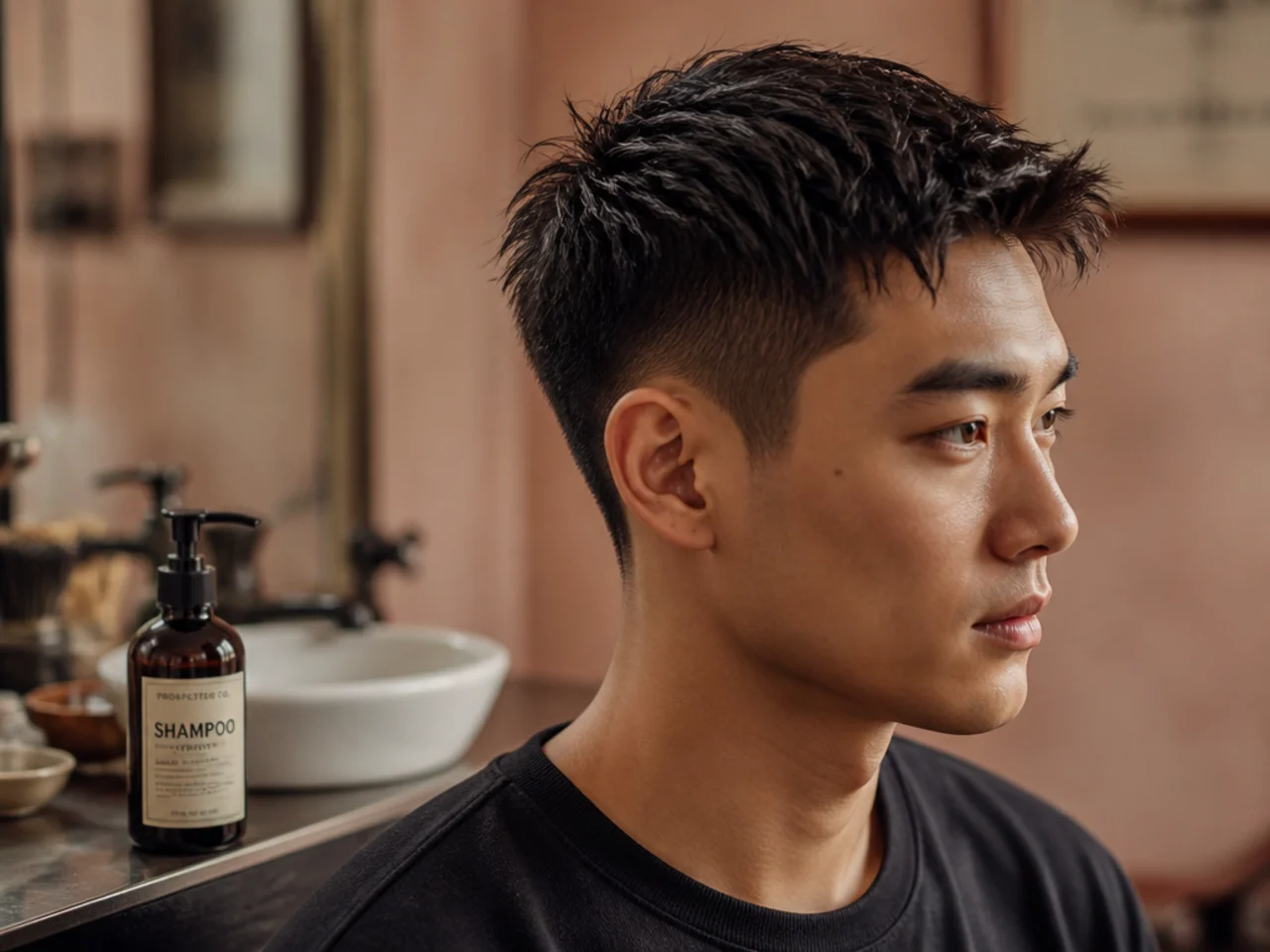
Short hair does not need daily washing. Most short cuts land at two or three shampoos a week — the same scalp that felt "greasy by lunch" on the daily-wash cycle usually calms down inside two weeks of a lower rhythm.
Why less is more with short cuts. Every shampoo strips the natural sebum that keeps short hair looking finished. When you strip too often, the scalp compensates by producing more oil, faster. Guys stuck on the daily-wash cycle are usually chasing an oil problem they created. Cut back to every other day, then to every third day, and the scalp resets in about two weeks.
Pick the right shampoo. A sulfate-free daily-use shampoo is the standard pick. Sulfates lather aggressively — great for heavily styled long hair, overkill for a short cut with a pea of clay in it. Once a week, swap in a scalp or clarifying shampoo to clear product buildup. That's the whole routine. Skip the drugstore two-in-ones — they leave a film that dulls the finish and makes short cuts read flat under office lighting.
Water temperature matters more than most guys think. Wash in warm water, rinse in cool. Cool water closes the cuticle and adds visible shine to the ends. Hot water opens the cuticle, strips faster, and speeds up the fuzz on your sides. Ten seconds of cool at the end of every shower is the free upgrade.
Common mistake. Using conditioner on a short cut every wash. Short hair rarely needs it — a light conditioner every third wash is enough for straight and wavy, more often for curly and coily. Guys with buzz or crew cuts can usually skip conditioner outright. Excess conditioner weighs a short cut down and reads as limp by afternoon.
Step 3: Use One Product and Style in Under Ninety Seconds
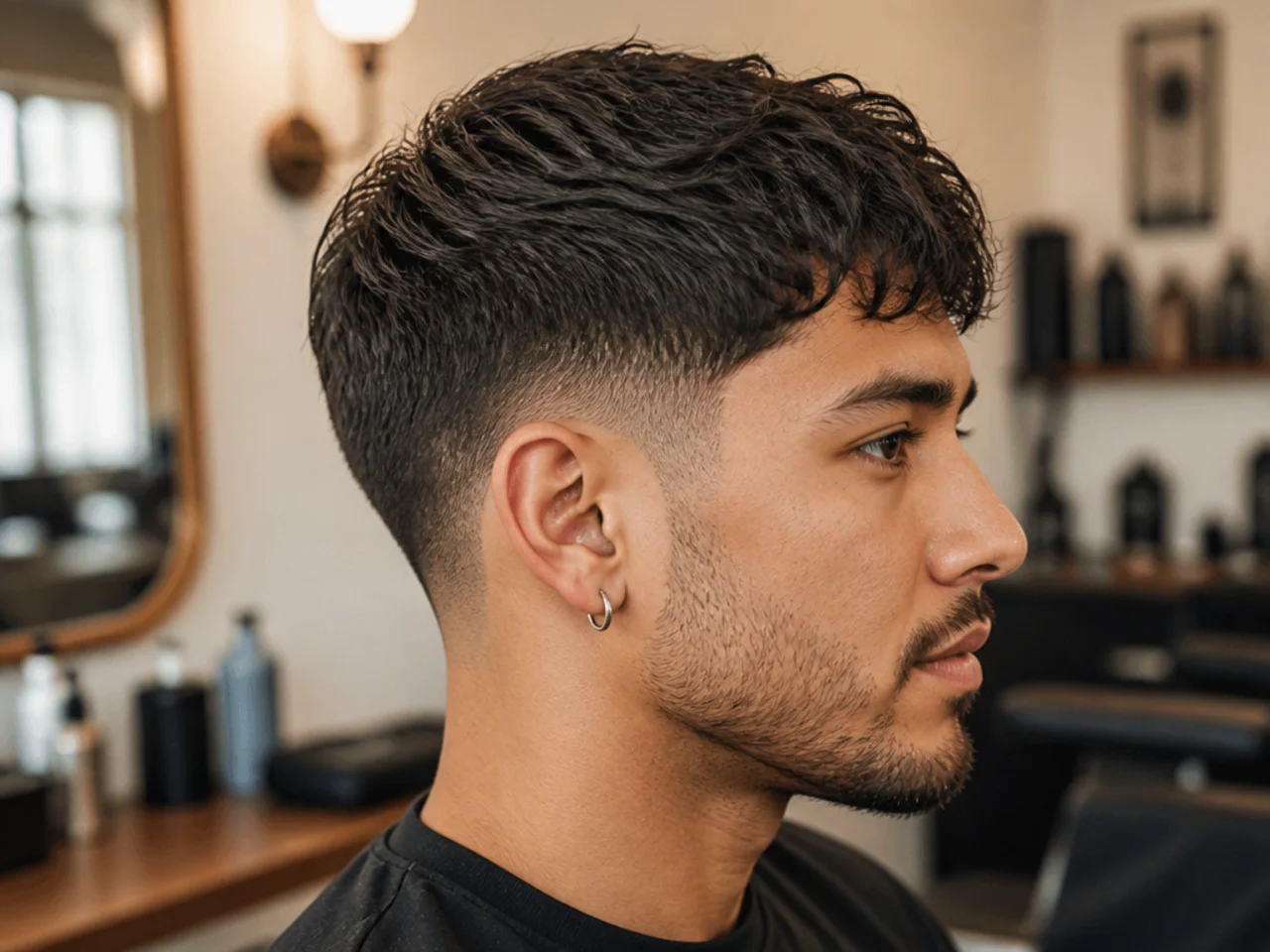
The most common styling mistake with short hair is layering three products. One product, warmed properly between your palms, does more than any stack of pre-styler, cream, and spray.
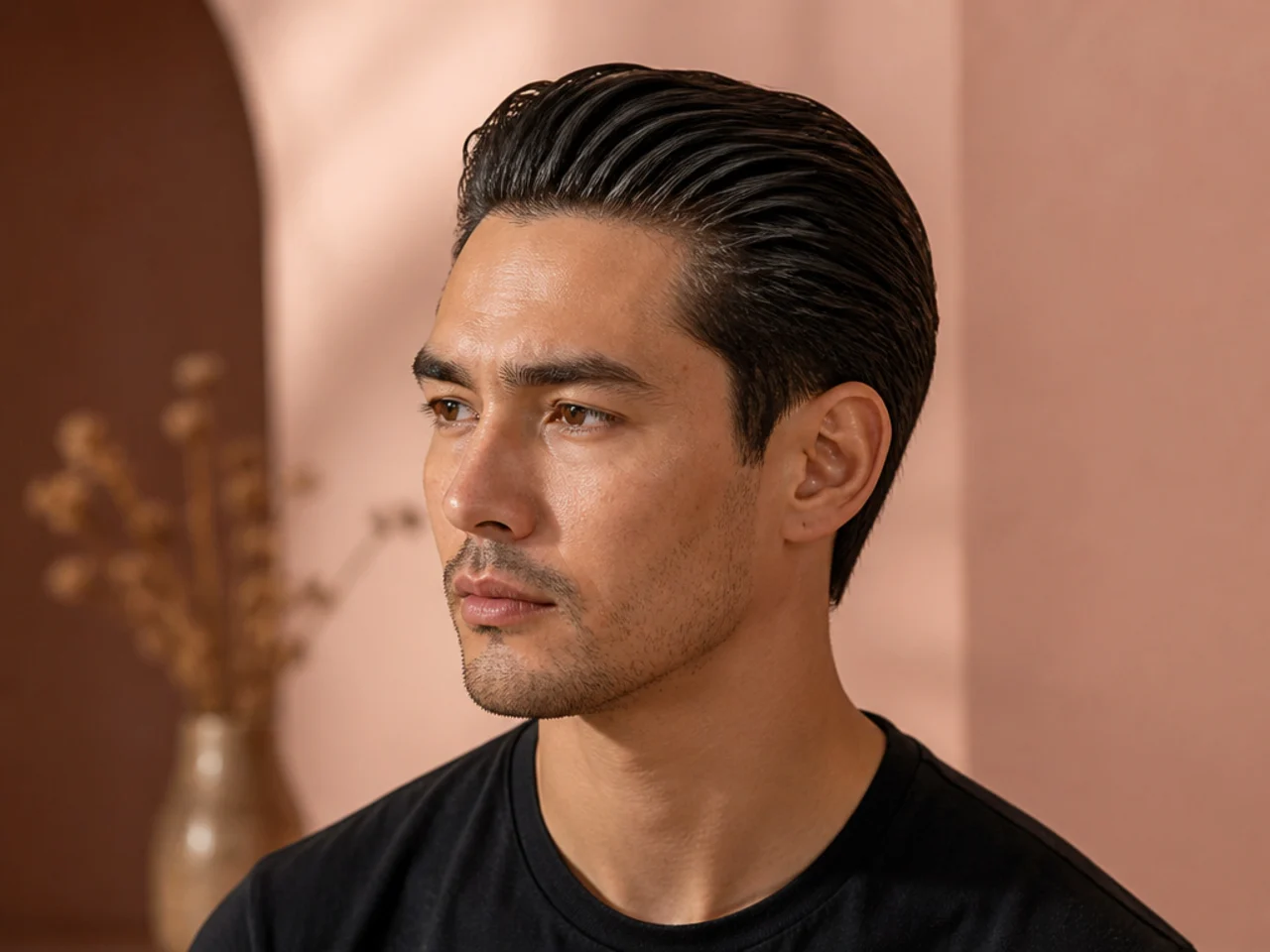
Match the product to the finish. A matte clay covers the biggest slice — buzz, crew cut, French crop, textured crop, brush up, spiky top. A shine pomade covers slick back, comb over, and Ivy League with a part. A curl cream covers anything with natural texture on top. If you can name your cut and it isn't on those lists, ask your barber which of the three fits.
The ninety-second routine. Towel-dry until the hair is just damp — not dripping, not dry. Warm a pea of clay (or a nickel of pomade, or a coin of curl cream) between your palms until it disappears into your skin. Run it through with your fingers first, back to front for volume, front to back for a flat finish. Set the shape with a comb for anything that needs a line, with your fingers for anything textured. Done.
Common mistake. Applying product straight from the tin onto dry hair. Cold clay grabs the top layer and never distributes to the roots — the result reads clumpy on top and undone underneath. Warm it first. If it doesn't melt on your palms in five seconds, you didn't warm it enough.
Step 4: Protect the Shape While You Sleep and Sweat

Half the reason short cuts look tired by Wednesday isn't the cut — it's the eight hours you spent grinding it into a cotton pillow. Sleep and sweat move a short cut off shape faster than a full day of styling.
Silk or satin pillowcase, every night. Cotton pillowcases create friction — friction flattens the crown, roughens the ends, and shortens the hold of every product you put in. A silk or satin case adds visible days to every wash, especially on textured and curly cuts. It costs less than a haircut and lasts years.
Wrap or bonnet for longer or curly tops. If you're wearing a French crop with a longer fringe, a brush up, or any short curly top with visible movement, a silk scarf or satin bonnet protects the shape overnight. The five seconds it takes at bedtime saves fifteen minutes of restyling at 7 a.m.
Sweat and hats. After a run or a lift, rinse the sweat out — even without shampoo, cool water resets the salt on the scalp and stops the sides from fuzzing. A wet baseball cap will crease a fresh cut into a permanent divot by lunch. Loose beanies are safer than snapback caps, and any hat should come off within ten minutes of getting indoors so the crown can spring back.
Common mistake. Sleeping on a fresh cut the same night without any protection. The first sleep after a haircut sets the direction of the crown for the whole month — a night on cotton with damp product-heavy hair flattens things you'll be fighting on day two. If you cut in the afternoon, style light and sleep on silk.
Step 5: Book a Line-Up Between Full Cuts
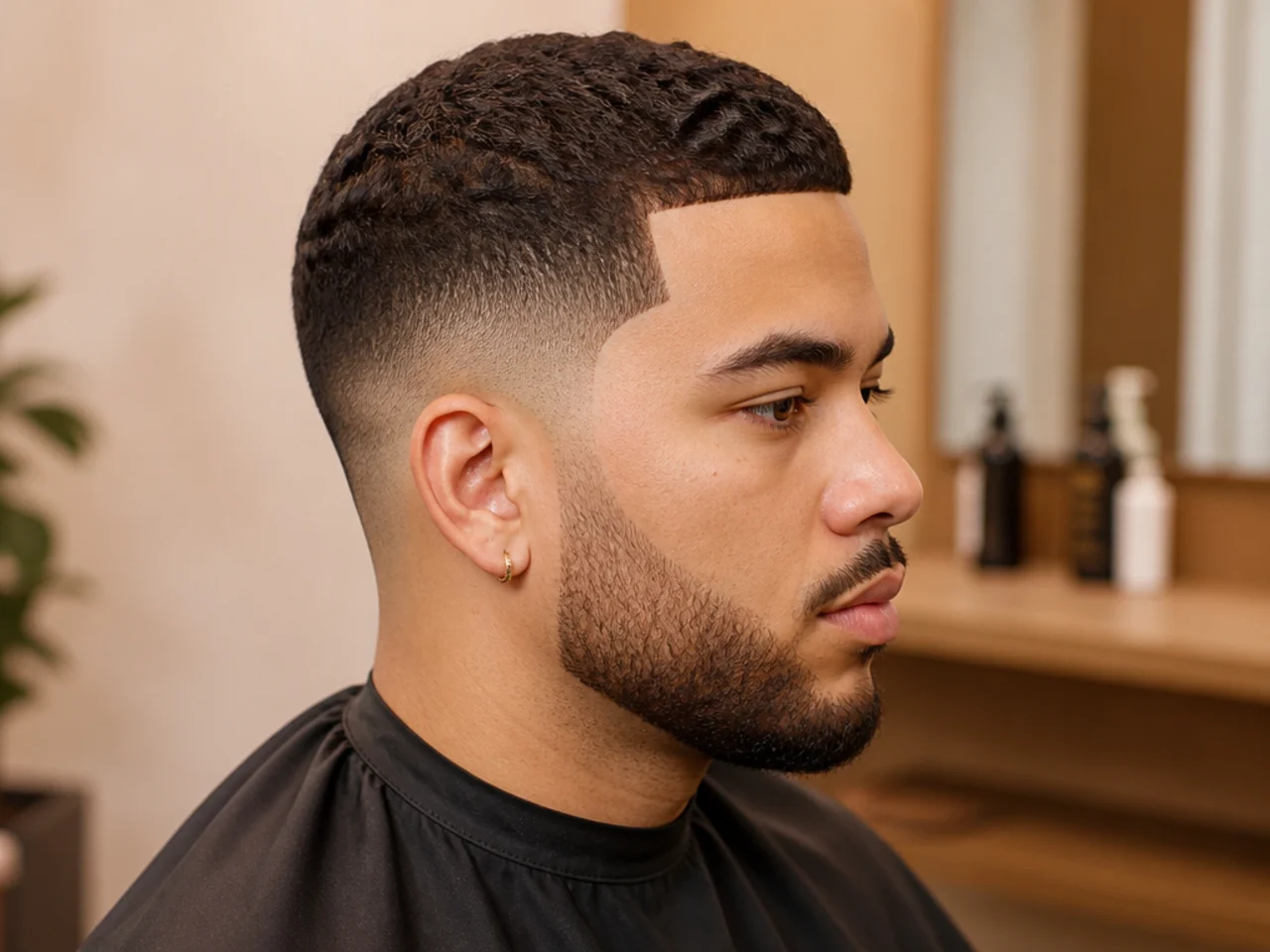
The single sharpest habit for keeping a short cut fresh isn't a product — it's a fifteen-minute line-up halfway between full haircuts. Most guys don't know they can book one. Most shops will happily do it for the price of a coffee and a tip.
What a line-up covers. A quick clean-up of the temple line, the sideburns, and the neckline — the three areas that fuzz and grow visibly between full visits. On fades and tapers, the barber will also tighten the outline where the fade meets the top. On buzz, crew, and scissor-cut styles, a soft neckline reset is enough.
When to book it. Halfway between full cuts is the honest rule. Two weeks in on a four-week rebook. Ten days in on a three-week fade cadence. If you have a photo, an event, or a client meeting mid-month, book the line-up two days before — not the morning of, in case your barber tightens something you'd rather leave.
What to ask for. "Line-up and neck clean-up, please." That's it. Most shops charge $10 to $20 for a walk-in line-up, and most take fifteen minutes. Ask about "beard line-up" too if you wear one — the sideburn-to-beard transition is often what actually reads as "in need of a cut" from across a room.
Common mistake. Trying to do the line-up at home with kitchen scissors or a trimmer without a mirror. A home line-up is genuinely hard to get right and easy to overshoot — one wrong cut at the temple and you're wearing a bandana for a week. If you own good clippers and have a two-mirror setup, the neckline is the safest DIY area. The temples are barber-only.
Troubleshooting
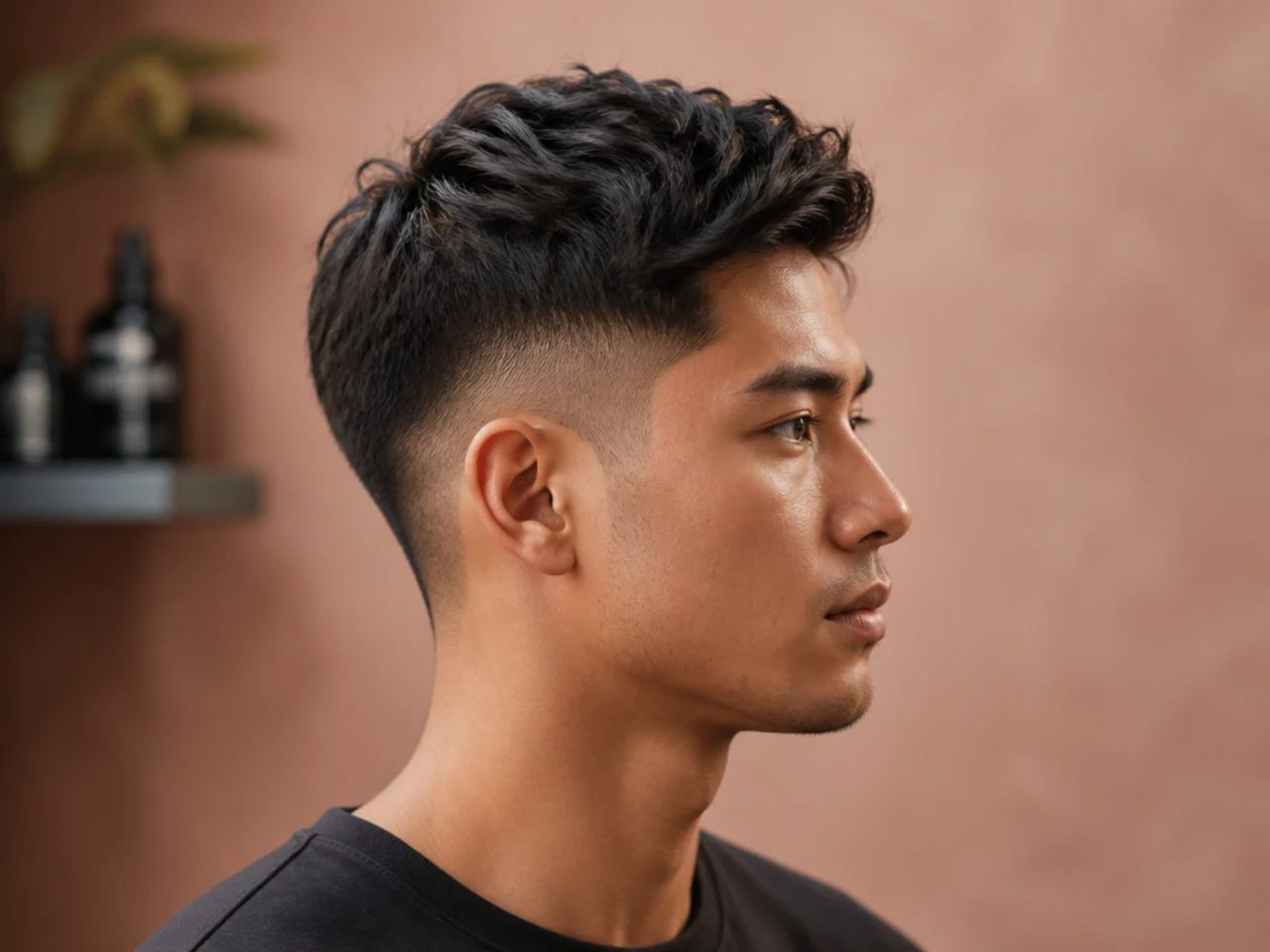
Even with the five steps locked in, four problems come up over and over. Here's the fix for each.
"My hair looks flat by 2 p.m." Almost always a product problem. You're using cream when you need clay, or too much of the right product. Cut the amount in half, and switch to a stronger-hold matte clay. If the crown collapses first, add a five-second cool-air blast at the roots before you style — it locks the lift in.
"The sides look fuzzy after ten days." That's the fade timeline showing up. Skin fades and high fades fuzz by day ten, low fades by day fourteen, tapers by day eighteen. Book the mid-cycle line-up from Step 5, or accept the cadence and downgrade your next cut to a taper or low fade. If you're wearing a skin fade on a six-week rebook, you're wearing a grown-out skin fade for four of those six weeks.
"The top won't hold its shape after washing." Too much conditioner, or you're washing every day. Cut conditioner to every third wash. Move to every-other-day shampoo. Give it two weeks. The scalp recalibrates.
"My haircut looked great at the shop and different at home." This one is real, and every barber knows it. Shop lighting, chair angle, and the fact that a fresh cut sits tighter than the way you actually wear it — all of it fools you in the moment. Wait the full seven-day settling period before you judge a new cut. If you still hate it at day eight, most shops will re-do the cut inside two weeks at no charge — bring the honest photo and ask. Waiting a month and blaming the grow-out is the mistake.
"I keep forgetting to rebook." Set a calendar reminder at cut day + your cadence minus five days. If your fade holds three weeks, set the reminder at day sixteen. That's the day you should book — not the day you should sit.
FAQ
How do I keep a short haircut looking fresh for the whole month? Book the next appointment before you leave, wash two to three times a week with sulfate-free shampoo, use one product matched to your finish, sleep on silk, and add a mid-cycle line-up at the halfway mark. That's the full playbook for the same short haircut fresh men wear on Instagram — nothing exotic, just five habits stacked.
Do I really need silk pillowcases for short hair? Yes. The friction from a cotton pillowcase flattens the crown, roughens the ends, and cuts the wear time of every product you put in. Silk or satin adds visible days to every wash. It's the cheapest upgrade with the biggest payoff, especially on textured cuts and curls.
Should I trim my short haircut at home between visits? The neckline is safe with clippers and a two-mirror setup. The temple line is a barber-only zone — a bad line-up at the temple takes weeks to grow out. If you're going to DIY anything, buy a decent clipper set and stick to the nape.
Can I keep a short cut fresh with fine or thinning hair? Yes — and often more successfully than a longer cut. Fine hair reads denser at short lengths. Skip the volume-forward products (mousse, sea salt spray) that promise thickness and just weigh fine hair down. A pea of matte clay is enough. Rebook on cadence — thin hair loses shape as fast as thick hair, sometimes faster.
What's the fastest way to refresh a short cut on day three? Rewet the top in the shower without shampooing. Towel-dry until damp. Restyle with the same product you used on day one, but half the amount. Ninety seconds — resets the finish without stripping the natural oils.
How much should I tip the barber for a mid-cycle line-up? The same percentage you tip for a full cut — 15% to 20% of the walk-in price. Line-ups are cheap for you and quick for the shop, and generous tipping on the small service is what earns you the "sit down, I have five minutes" welcome when you show up without an appointment.