15 Short Trendy Boys Haircut Ideas to Try
A short cut on a child gets better for about a fortnight and then worse, so the guard to pick is the one that will be right in the middle of the cycle. That is usually one number shorter than whatever looks right in the chair.
In this article · 22
- Cut for Week Two
- How to Choose Yours
- The 15 Short Cuts
- 1. Number Two All Over
- 2. Number Three Sides With a Number Four Top
- 3. Short Crop With a Blunt Fringe
- 4. Buzz With a Low Taper
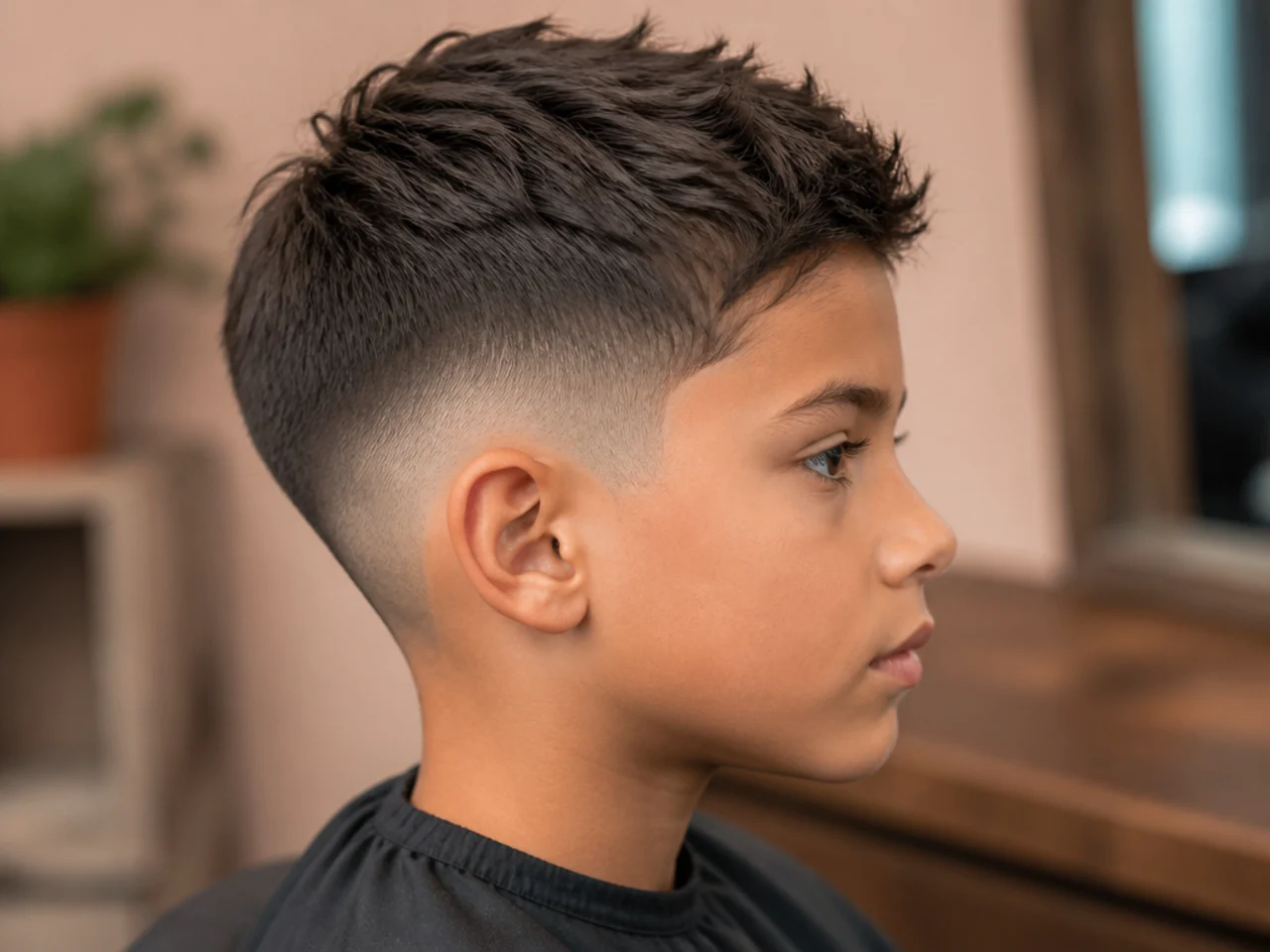
- 5. Short Textured Top Over a Number Two
- 6. Crew Cut With a Scissor-Blended Top
- 7. Number One All Over
- 8. Number Two Sides With a Hard Part
- 9. Short Caesar With a Straight Fringe
- 10. Butch Cut at a Number Four
- 11. Short Back and Sides With a Scissor Neckline
- 12. Number Three All Over for the Summer
- 13. Number Two Sides With a Longer Front Section
- 14. A Buzz Seen at Week Five
- 15. The Guard One Number Shorter Than It Looked Right
- Styling and Upkeep
- Mistakes to Avoid
- FAQ
- Final Thoughts
A short haircut on a boy is not one length. It is a length that moves through three quite different haircuts in about five weeks.
Day one it reads severe and shows the shape of the head. By week two it has softened into the length it was really meant to be. By week five it has no shape left at all.
So the guard to choose is the one that will be right in the middle of that cycle, which in practice is usually one number shorter than whatever looks right while he is still in the chair.
Cut for Week Two
There are three phases, not one. Severe on day one, settled at week two, shapeless by week five — and only one of those three is worth optimising for.
Growth on a short guard is proportional, not absolute. Three millimetres becoming five is a two-thirds increase and looks like a different cut, while thirteen becoming fifteen is invisible.
That is why short cuts need a schedule and longer ones do not. A number one has to be redone every two weeks to stay itself; a number four can be ignored for six.
A school minimum is usually a number two, so that is the floor anyway. Most policies name 6mm as the shortest allowed, which conveniently sits right where the cycle is longest.
How to Choose Yours
Decide the re-cut interval before the guard number. Every fortnight and every six weeks are different haircuts, and the interval you will actually keep is the honest starting point.
Go one guard shorter than looks right on the day. You are cutting for a fortnight's time, not for the mirror in front of you.
Check the policy number before you go under a two. Anything shorter than 6mm is where school grooming rules start naming figures.
Take short seriously as the no-styling option. It is the only length that genuinely falls right every morning with nothing done to it.
The 15 Short Cuts
1. Number Two All Over
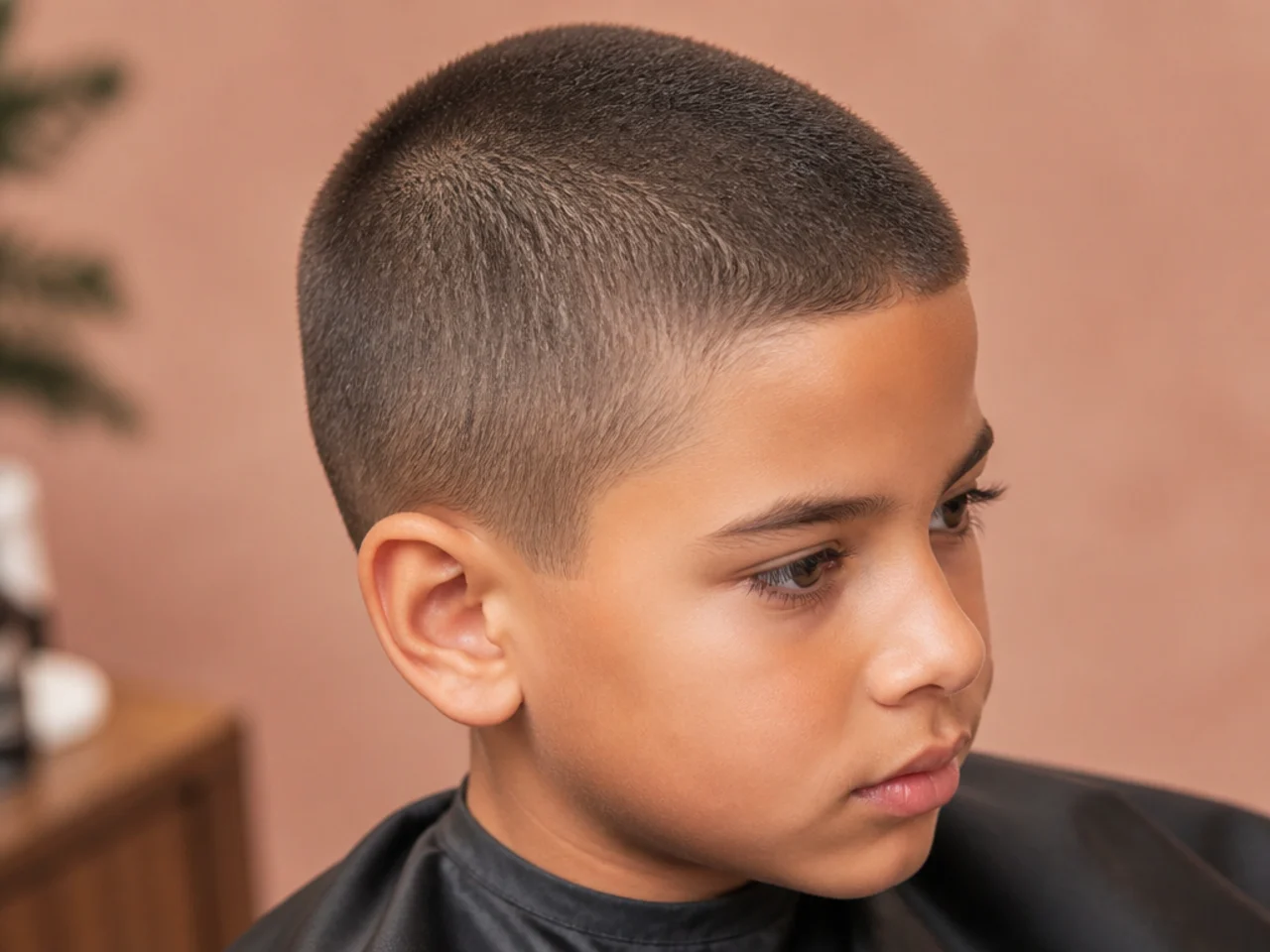
One guard, 6mm, over the whole head with only the neckline squared off. It is the least fussy cut here and it sits exactly on the number most school policies name as their minimum, so there is nothing to check. Re-cut at week four, when the 6mm has reached about 9mm and the shape has flattened out.
2. Number Three Sides With a Number Four Top
Sides at 10mm and the top at 13mm gives a visible difference without any blending skill being needed. The small gap between the two guards means growth closes it gradually rather than exposing a step. Re-cut at week five, because at these lengths two weeks of growth barely registers.

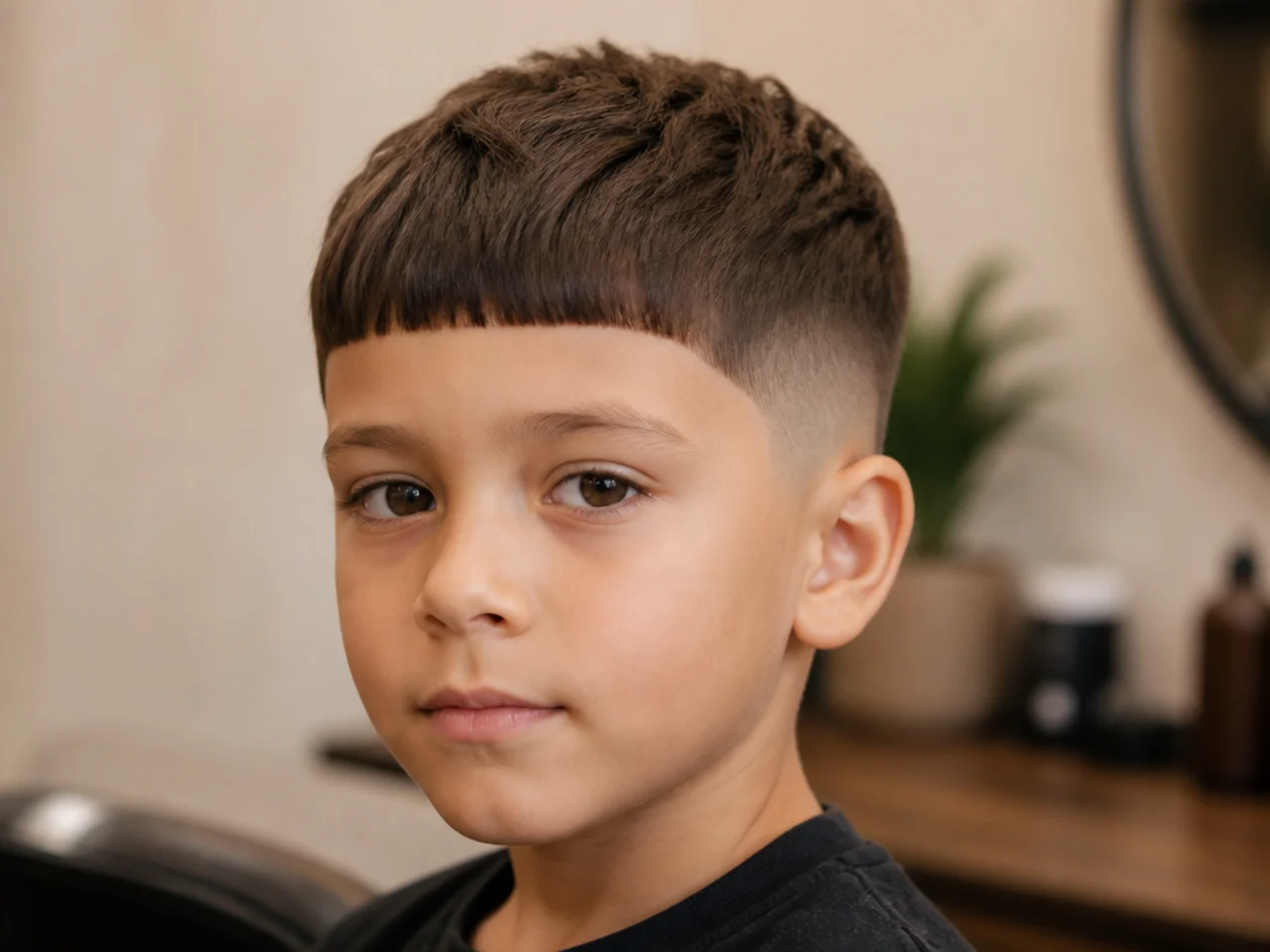
3. Short Crop With a Blunt Fringe
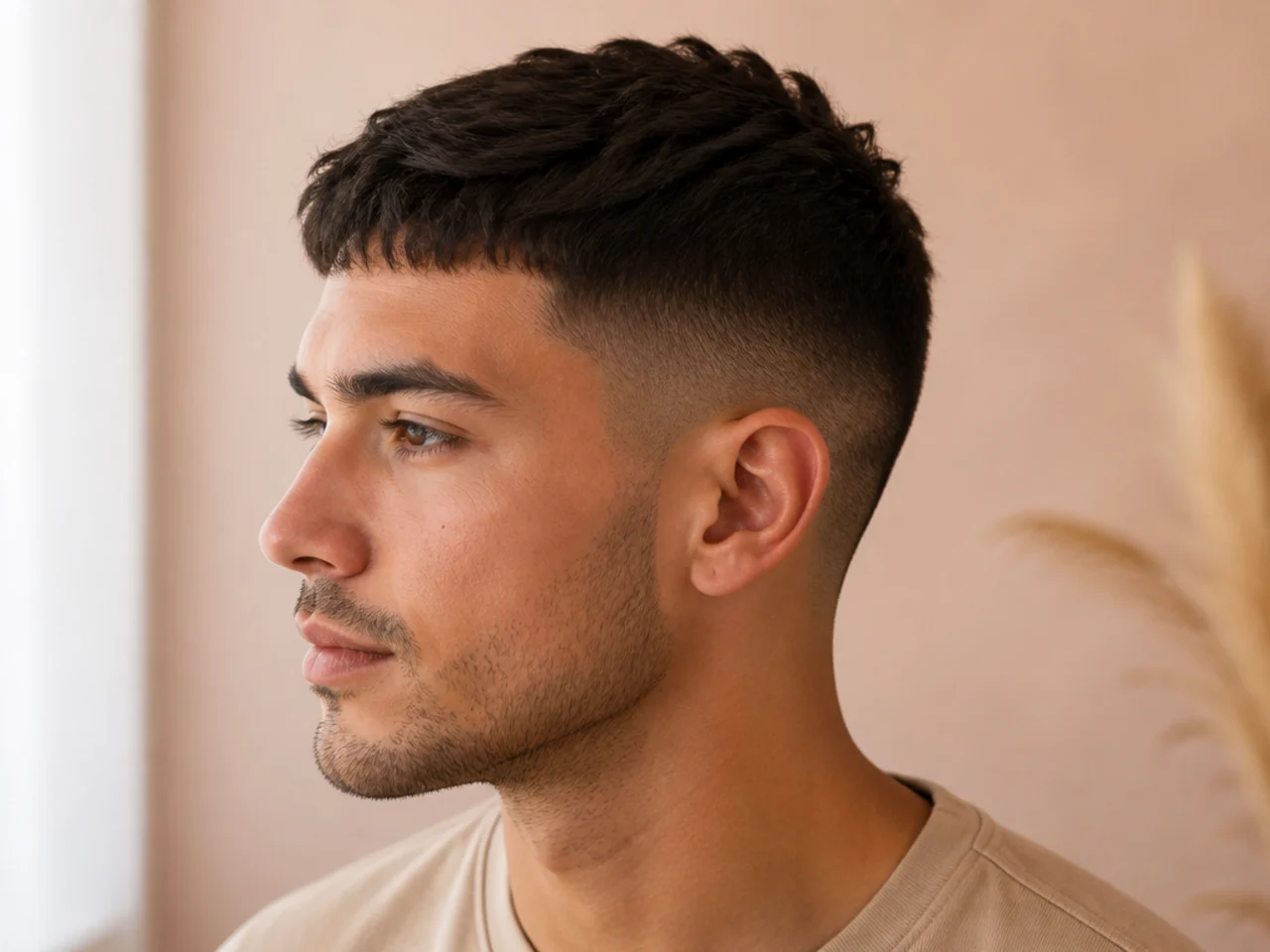
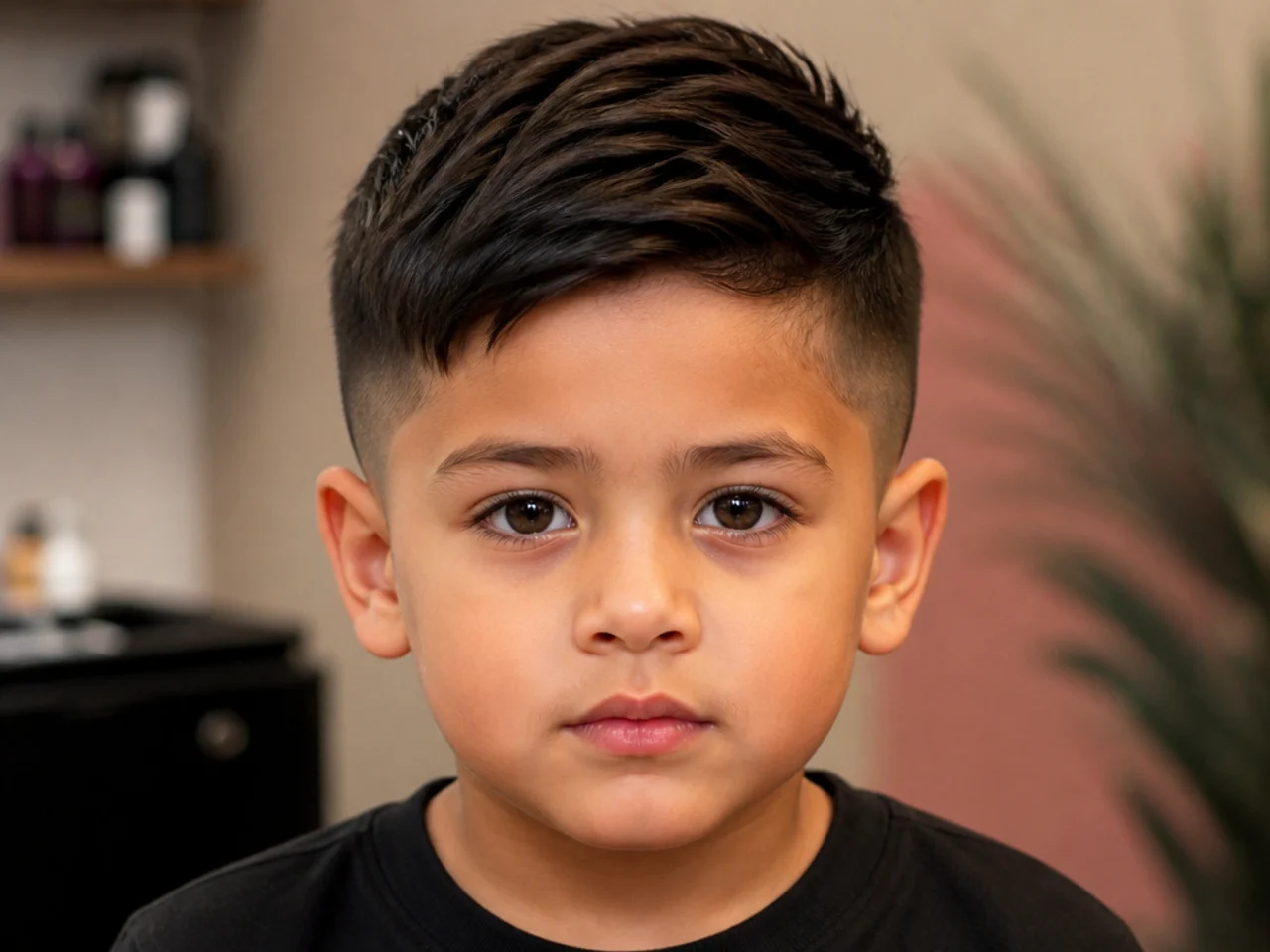
Sides at a number two with the top left around two centimetres and the fringe cut straight across the forehead. The blunt front edge is the whole shape, so it stays convincing as long as the fringe stays a solid line rather than a scatter. Re-cut at week four, or trim just the fringe at week three if it starts reaching the eyebrow.
4. Buzz With a Low Taper
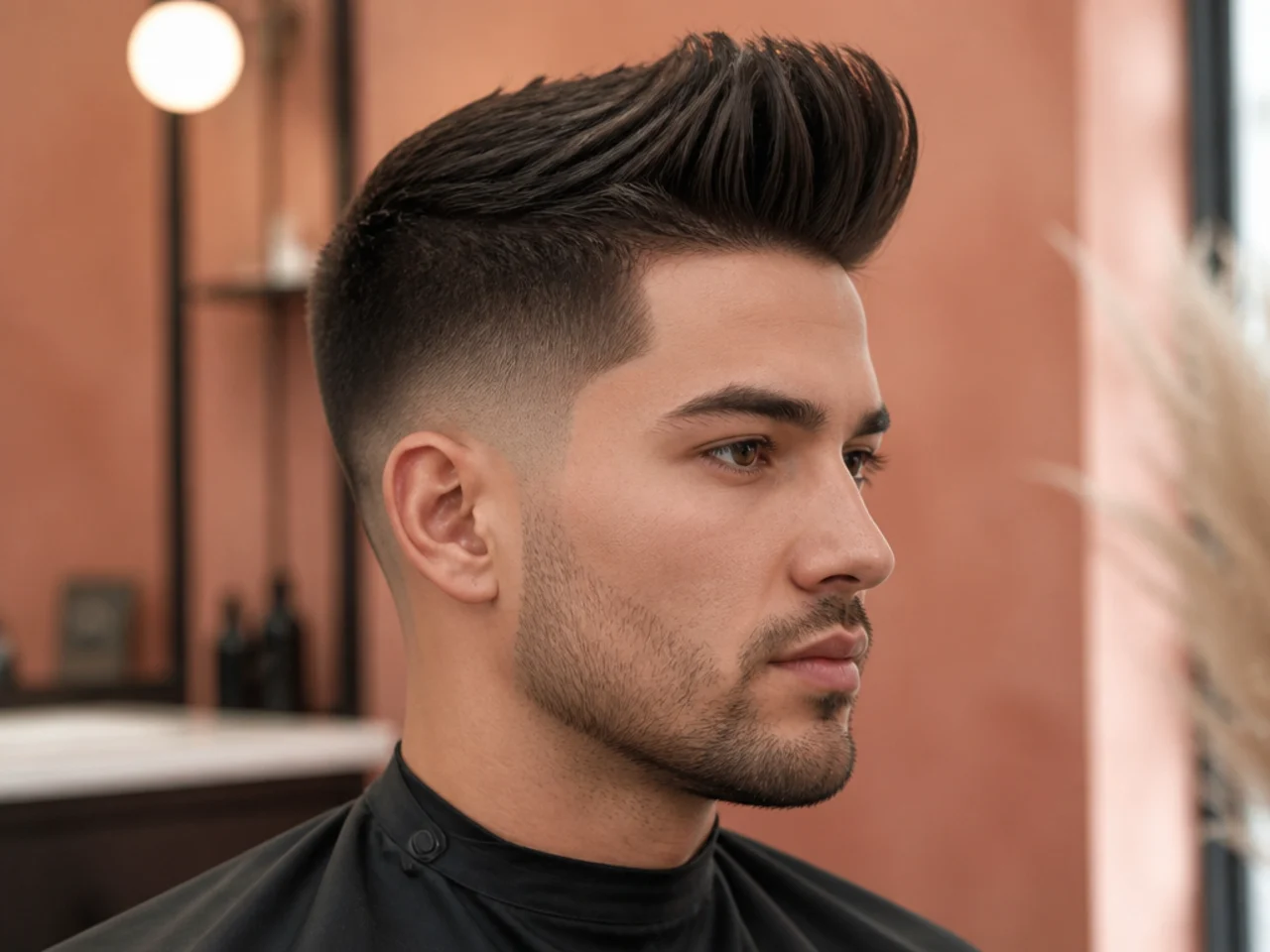
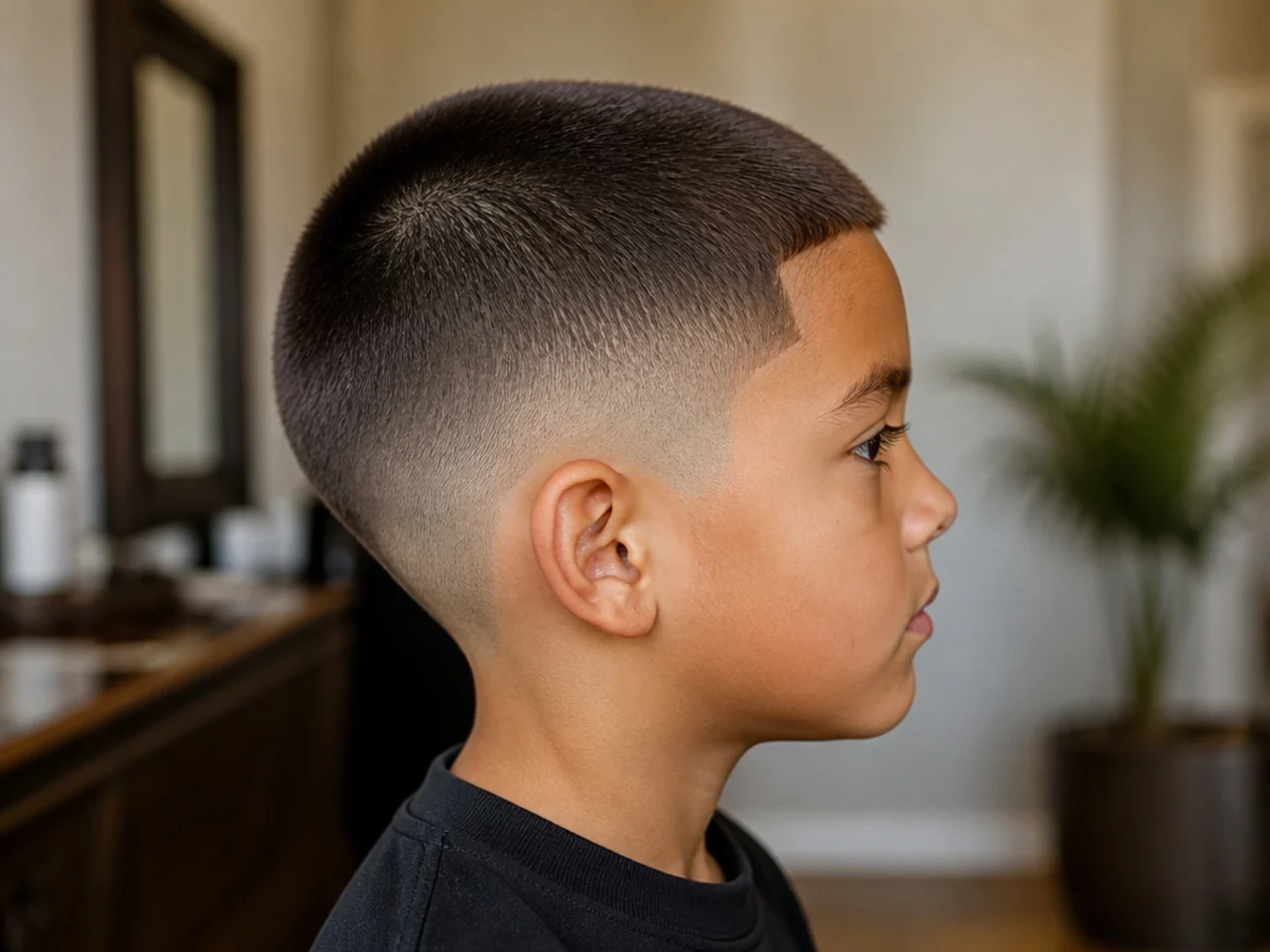
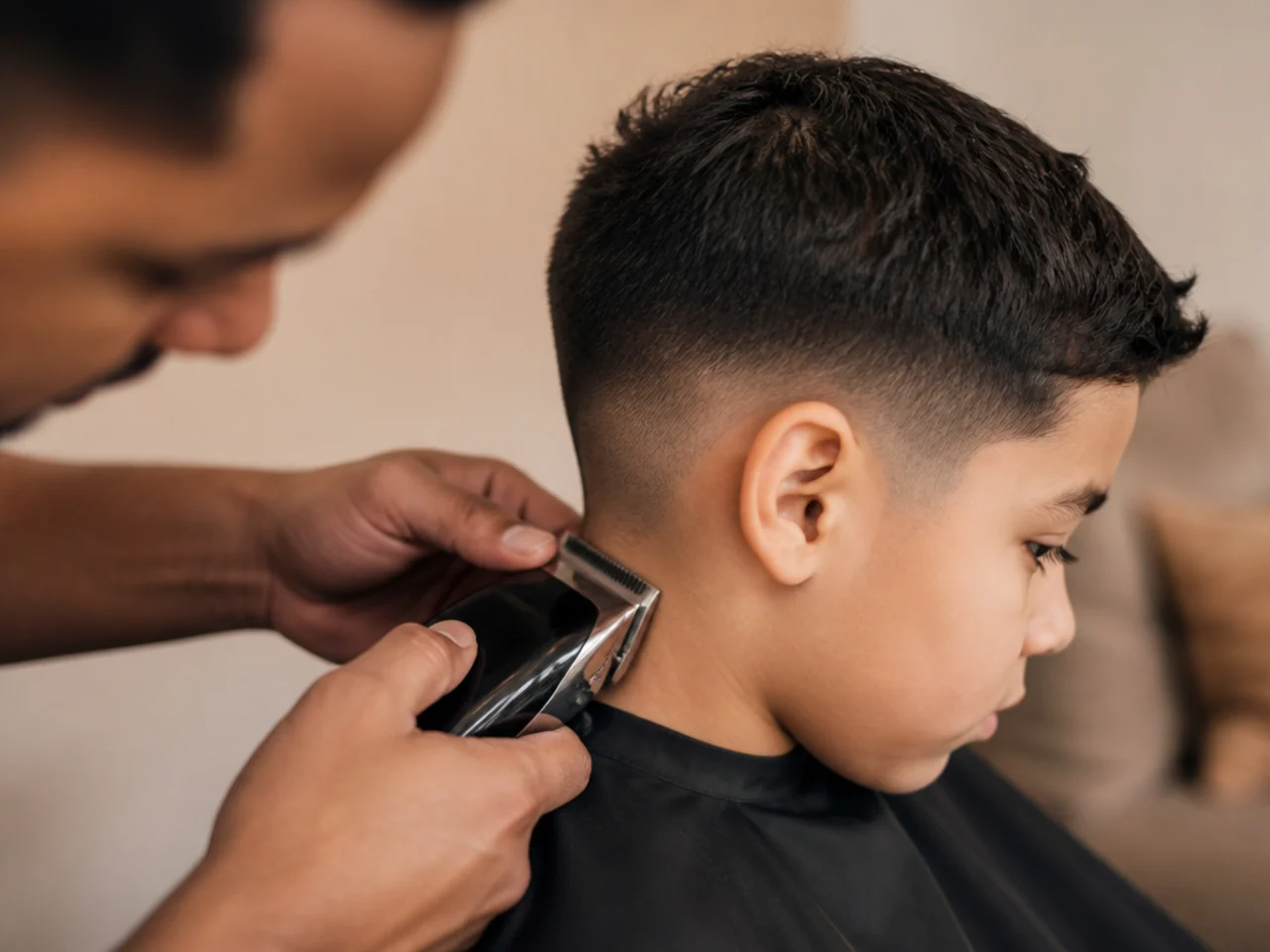
A number two over the head with the sides tapered down to a number one at the neckline rather than to skin. Leaving 3mm at the bottom means the shortest point still has something in it, so the taper blurs across a small gap instead of a bare one. Re-cut at week three, since the taper is the part that softens first.
5. Short Textured Top Over a Number Two
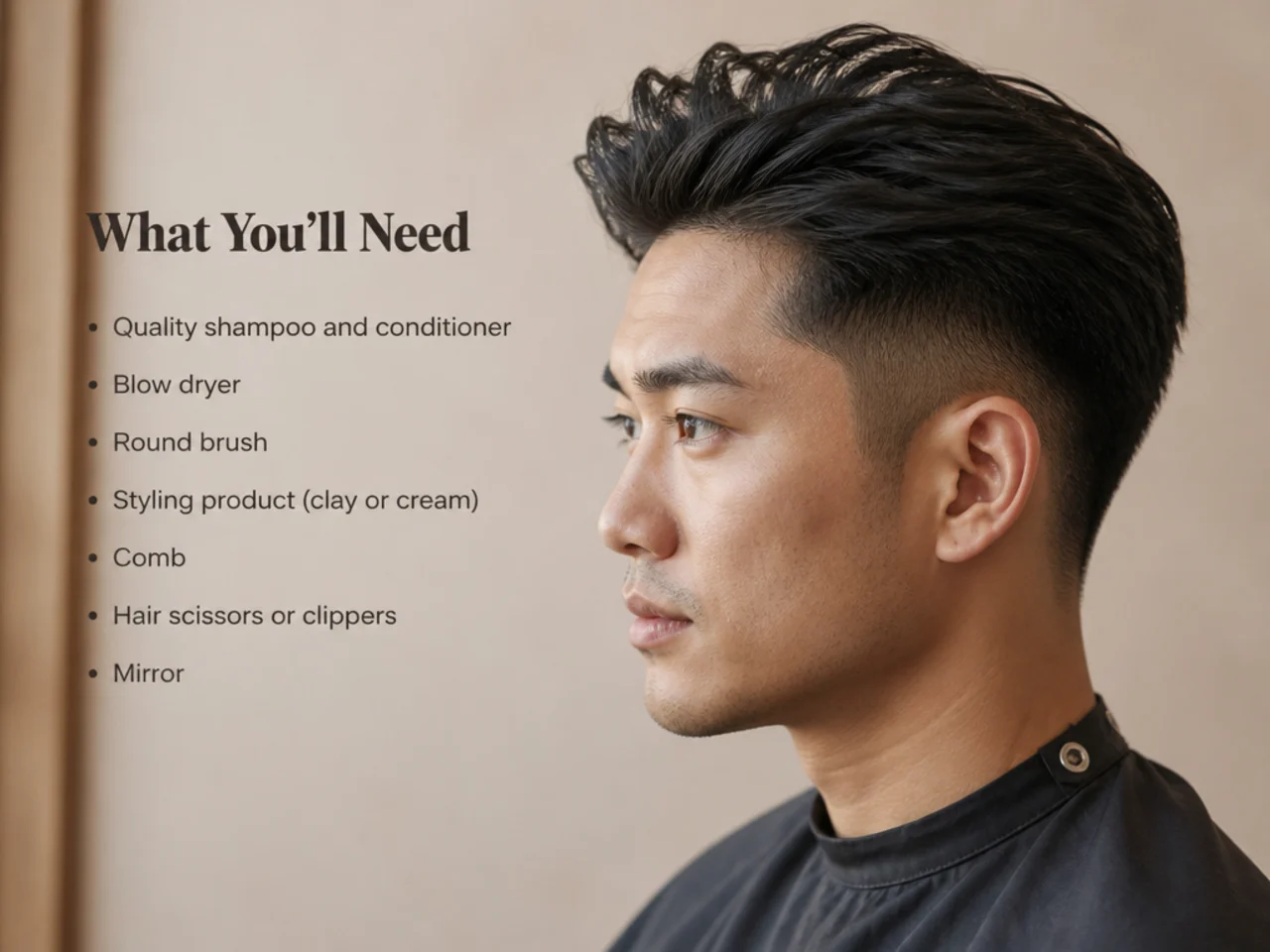
The sides run at 6mm and the top is point-cut short enough to separate on its own without anything combed through it. Texture is cut in rather than styled in, which is why it survives a morning where nobody touches it. Re-cut at week four, when the top has lost its separation and started sitting as one flat piece.
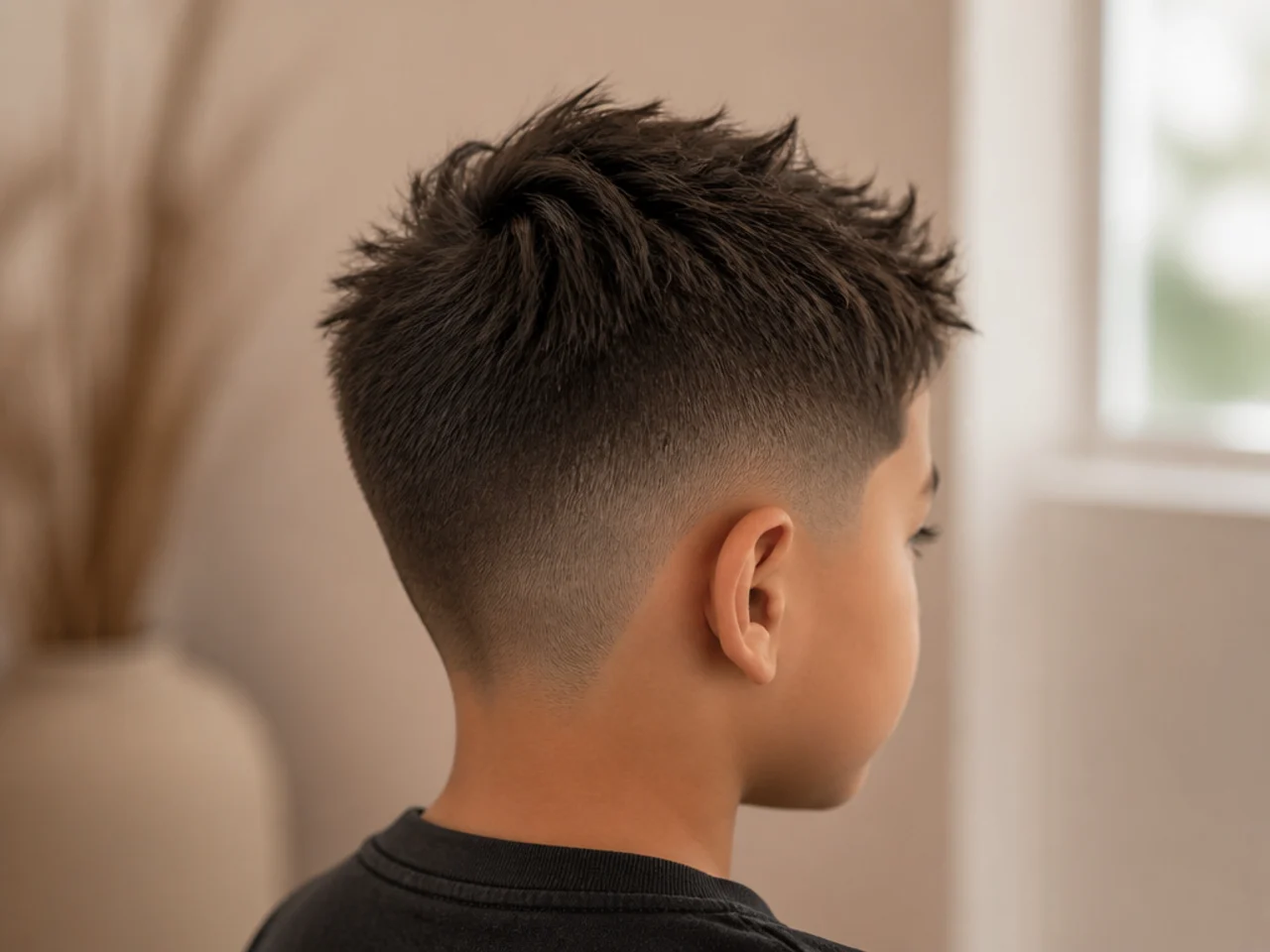
6. Crew Cut With a Scissor-Blended Top
Sides at a number two or three and the top cut with scissors, graduating shorter towards the crown. The scissor work means the top has an internal shape, so it keeps its contour as it grows rather than turning into a flat cap. Re-cut at week five, which is the longest interval any short cut on this page will give you.
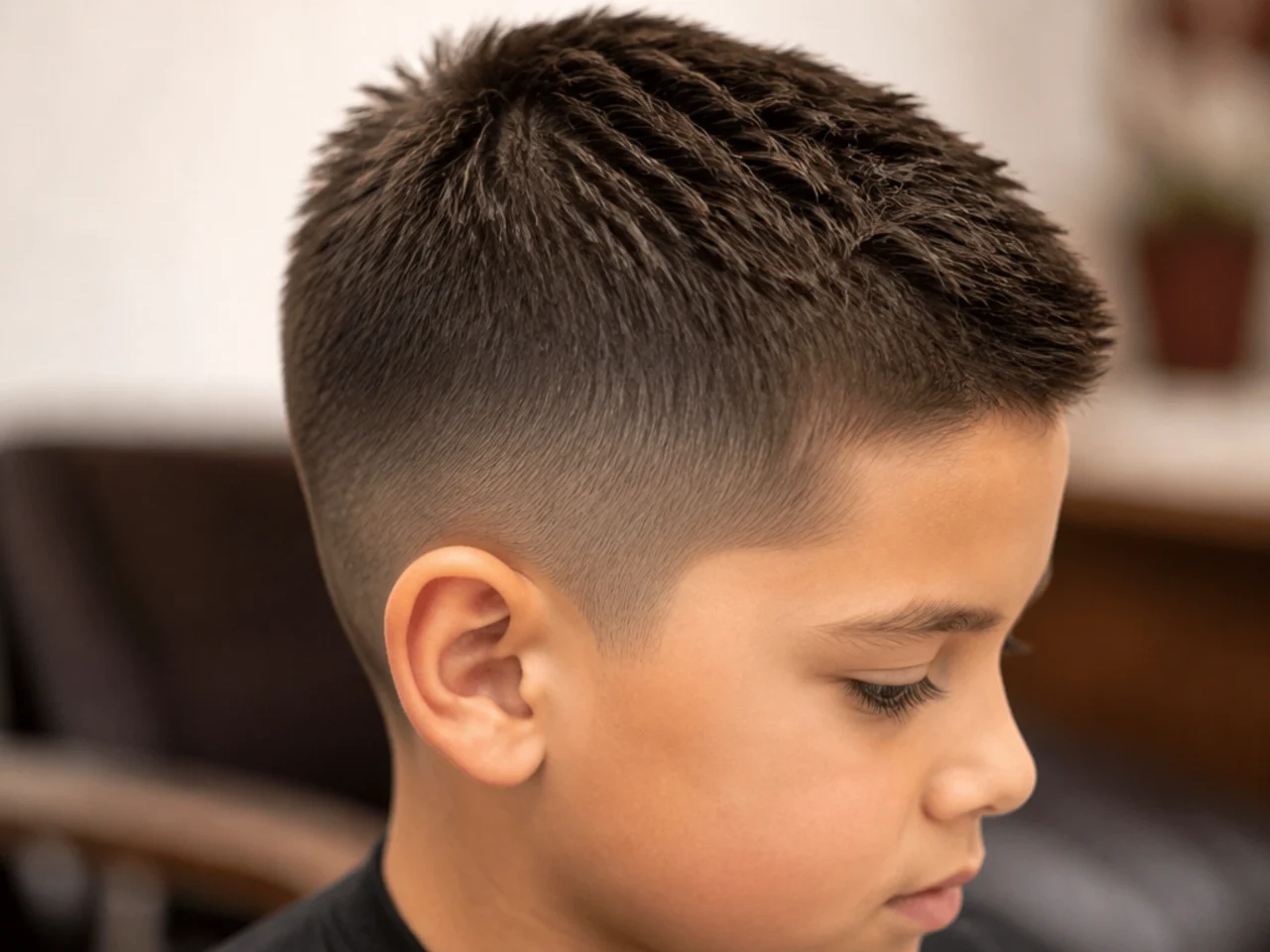
7. Number One All Over
Three millimetres everywhere, which shows the shape of the head honestly and reads very short for the first week. It is also the most demanding cut here on a schedule, because 3mm growing to 5mm changes the look by two-thirds. Re-cut at week two, and check the policy first because this is below the usual 6mm floor.

8. Number Two Sides With a Hard Part
A number two on the sides and a shaved part cut into the top gives the whole cut one clear line to look at. The part is the first thing to close up, because it is a narrow gap that fills from both sides at once. Re-cut at week three, or have just the part re-cut at week two if you want it kept crisp.
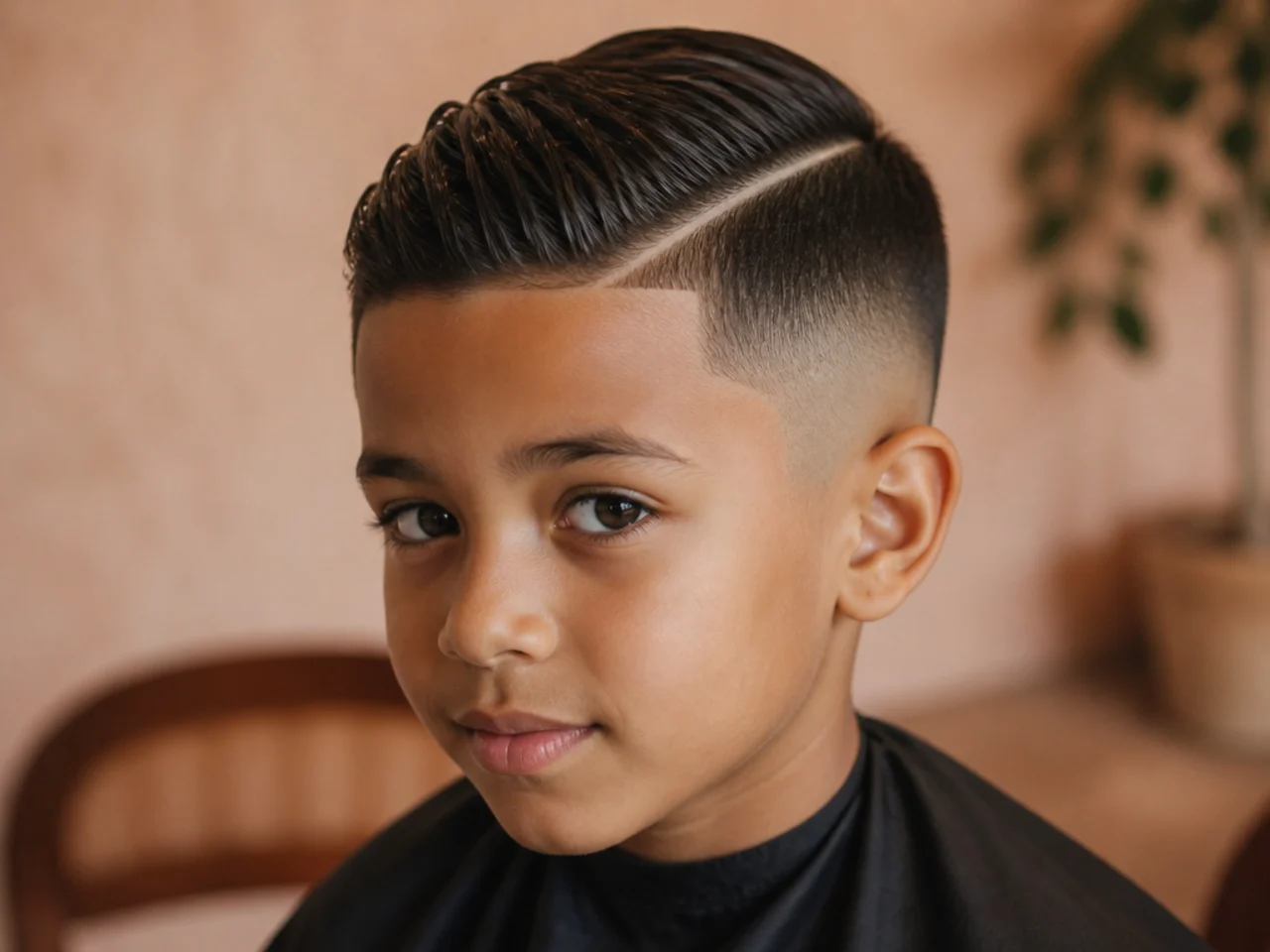
9. Short Caesar With a Straight Fringe
Sides at a number two with the top kept short and combed forward into a straight front edge. Because the top is short the fringe falls forward under its own weight, so there is no morning where it has to be persuaded into place. Re-cut at week four, when the front edge has grown past the hairline and lost its line.
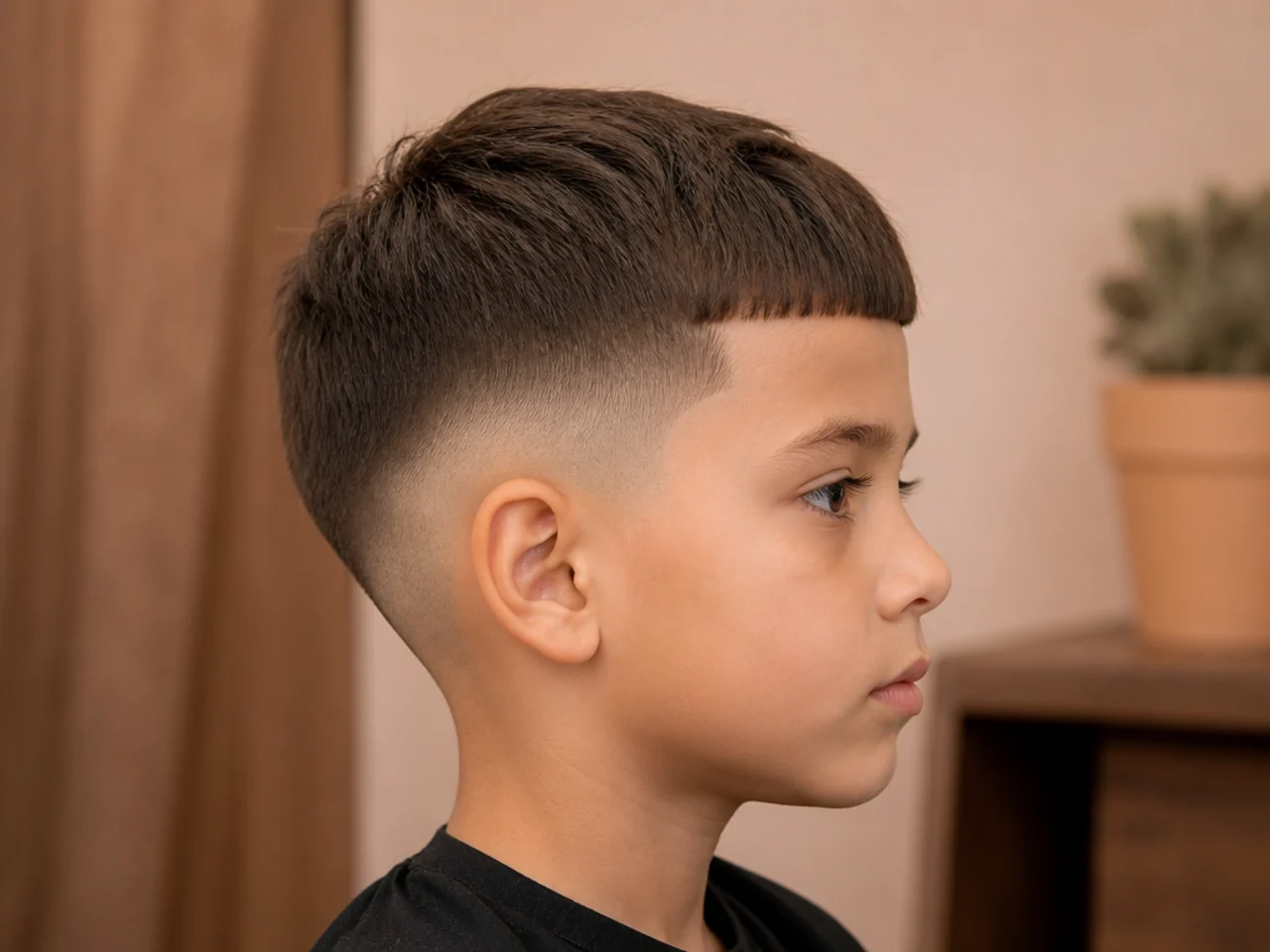
10. Butch Cut at a Number Four
Thirteen millimetres over the whole head, which is short enough to need nothing done to it and long enough to still look like hair. It is the least schedule-dependent cut on the page, because two weeks of growth on 13mm is a change you cannot see. Re-cut at week six, purely because the neckline and around the ears will have gone untidy by then.

11. Short Back and Sides With a Scissor Neckline
A number two up the back and sides with the neckline softened by scissors instead of squared off with clippers. A scissored nape has no hard edge, so it grows down as length rather than as a line dropping away from a straight cut. Re-cut at week five, because the neckline is normally what forces the appointment and this version removes it.
12. Number Three All Over for the Summer
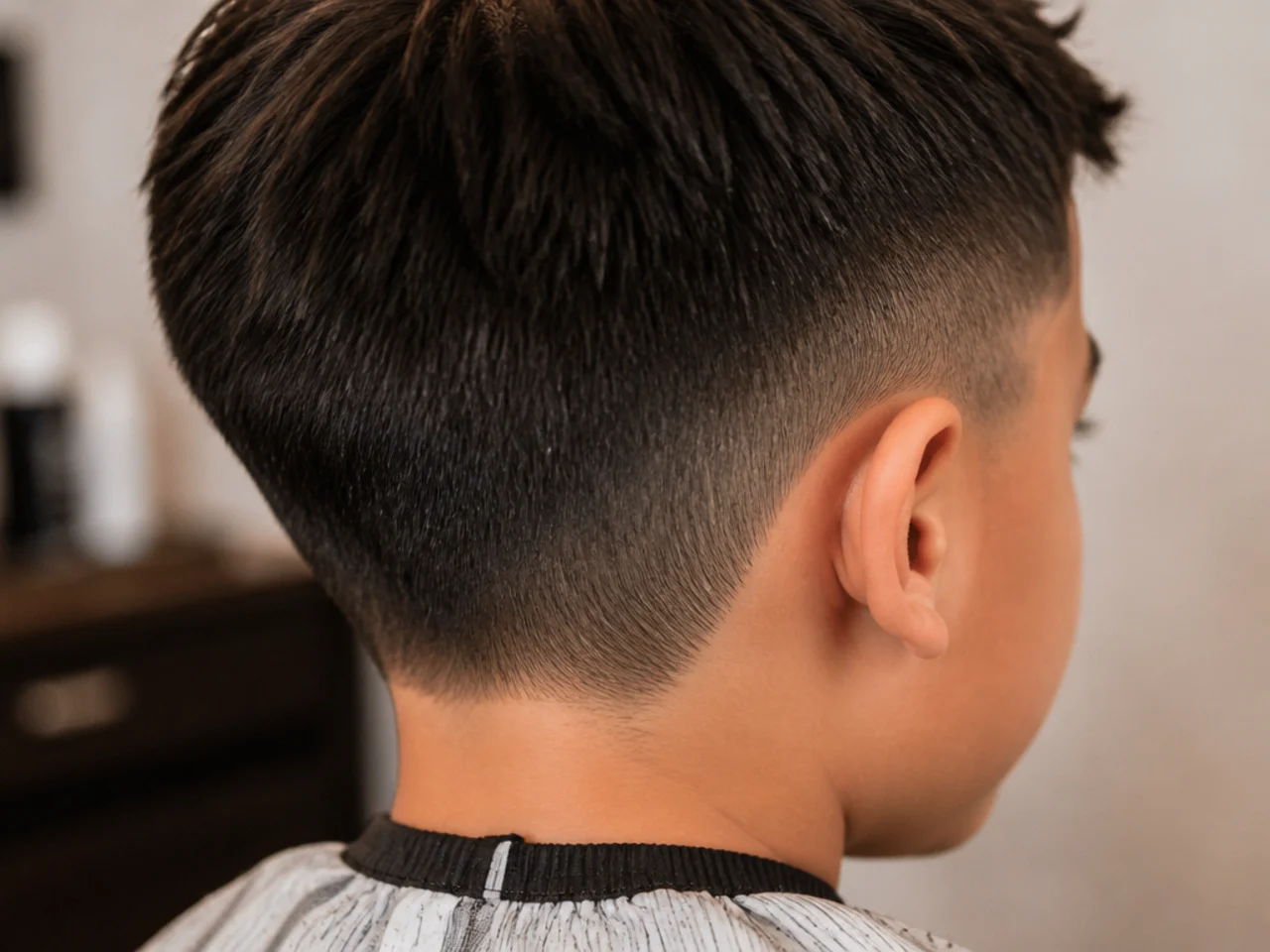
Ten millimetres everywhere is the sweet spot between a buzz and a haircut, short enough to dry in minutes and long enough not to show scalp. It sits comfortably above every school minimum, so it is one fewer thing to check in September, and it is the same ten millimetres that works on a much younger brother, where finer hair still shows scalp under a number two. Re-cut at week five, when the ears and neckline have disappeared into it.

13. Number Two Sides With a Longer Front Section
The sides at 6mm with the front left about a centimetre longer than the rest of the top. That extra centimetre is the only part he will notice in a mirror, and it costs nothing in upkeep because length at the front has no line in it to blur. Re-cut at week four, driven by the sides rather than by the front.
14. A Buzz Seen at Week Five
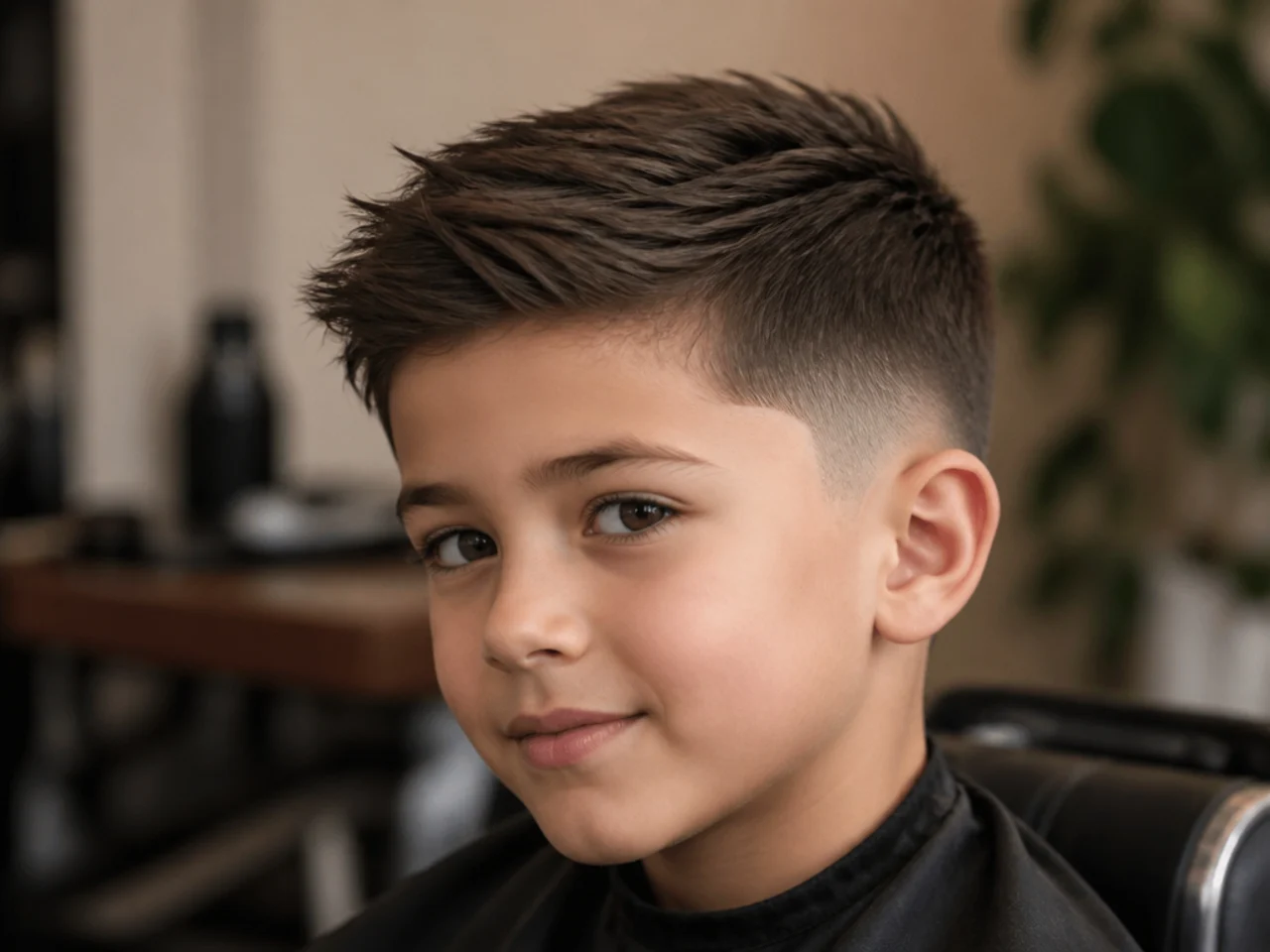
The same number two from the top of the page, five weeks in, with no shape left anywhere and the neckline gone into the hairline. It is worth knowing what phase three looks like, because it is the point where people conclude they dislike short cuts. What they dislike is a short cut left three weeks too long.
15. The Guard One Number Shorter Than It Looked Right
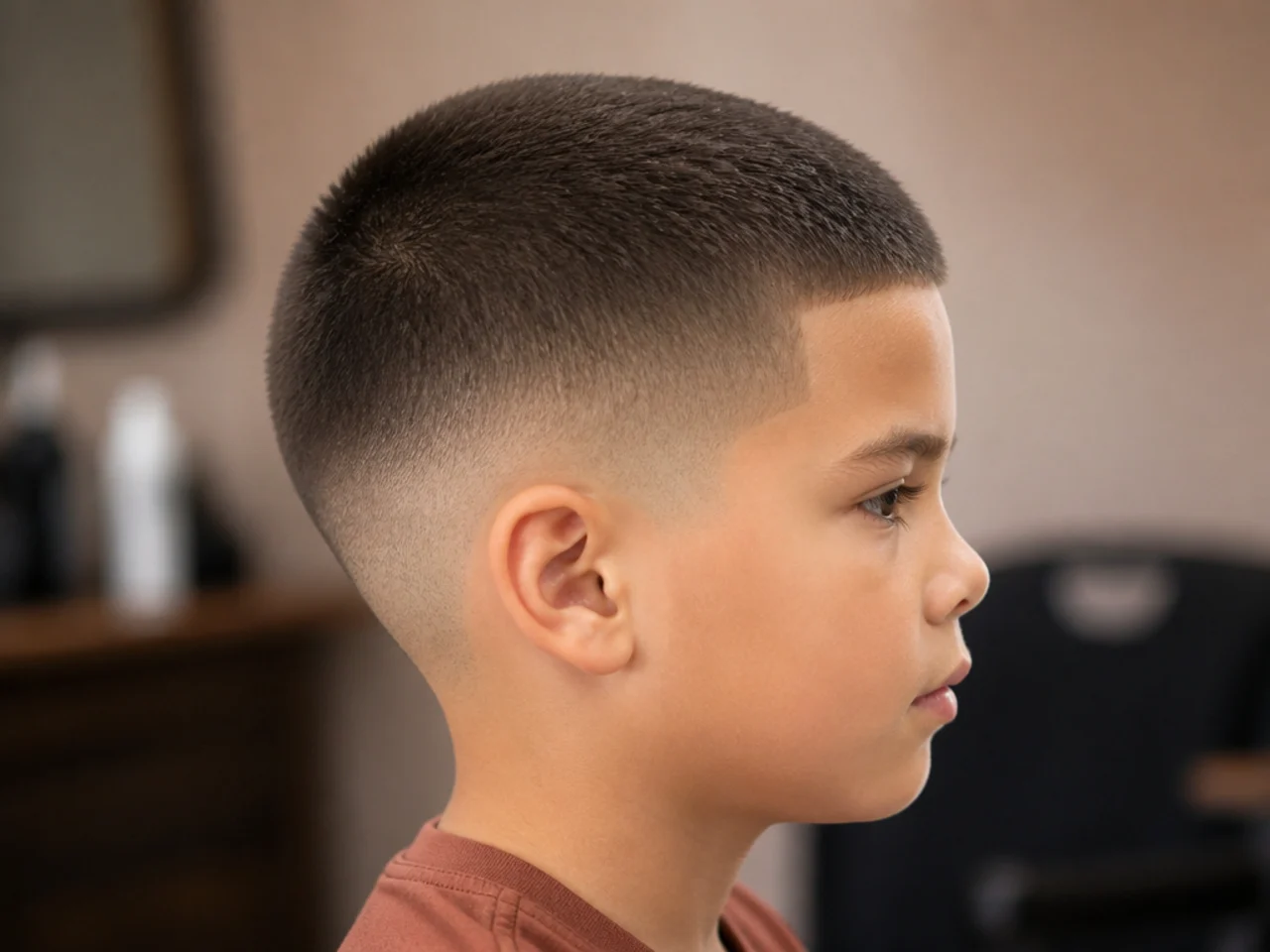
Not a style so much as the decision the whole page rests on. If a number three looks correct in the chair, a number two is what will look correct for the fortnight that actually matters. Re-cut on the interval that guard demands, which is four weeks at a number two and five at a number three.
Styling and Upkeep
Do nothing to it. Short is the only length that falls correctly with no product, no comb and no morning routine, which is the main reason to choose it.
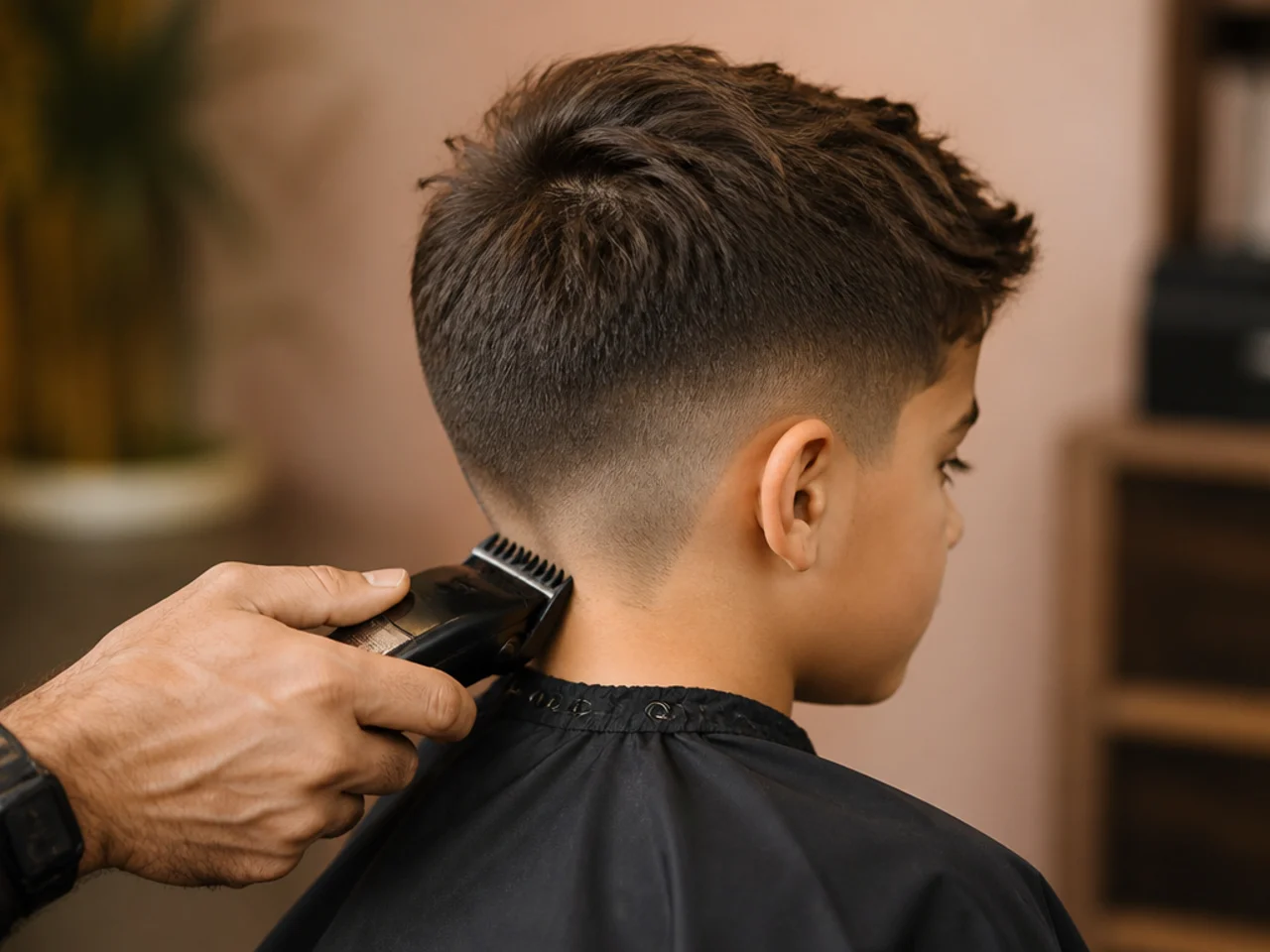
Tidy the neckline between cuts. The nape moves fastest and needs no blending, so a guard and five minutes at home buys another fortnight.
Keep a note of the number used. Guard numbers are the only reliable record, and the next cut is a one-sentence instruction if you have it.
Wash less than you think. Short hair on a child needs no more than a rinse most days, and over-washing is what makes a fine top look wispy.
Re-cut on the interval, not on the look. By the time a short cut looks wrong it has already been wrong for a week.
Mistakes to Avoid
Choosing the guard that looks right on the day. Day one is the shortest it will ever be, and it lasts twenty-four hours.
Going under a number two without checking. Below 6mm is exactly where school grooming policies start naming figures.
Treating a number one like a number four. One needs redoing every two weeks and the other can be left for six, and the difference is proportional growth.
Squaring the neckline if you cannot maintain it. A hard nape line looks sharp for ten days and untidy for the twenty after that.
Assuming short means low effort forever. The shorter the guard, the more often the chair, which is the trade nobody mentions.
FAQ
Why does it look too short at first? Because day one is the shortest it will ever be, and week two is the length it was meant to be.
How often does a buzz need redoing? A number one every two weeks, a number two every four, a number four every six.
Is a number two allowed at school? It is the figure most policies name as their minimum, so it is the safe floor.

Final Thoughts
Pick the number for the fortnight it will spend looking settled, not for the twenty-four hours it spends looking new. Every short cut here is easy to live with on that basis, and every one of them disappoints if it is judged the moment the cape comes off.
For the shortest end of the range see the buzz cut guide, and for the scissor-blended version read crew cut hairstyles. More in Men's Haircuts.