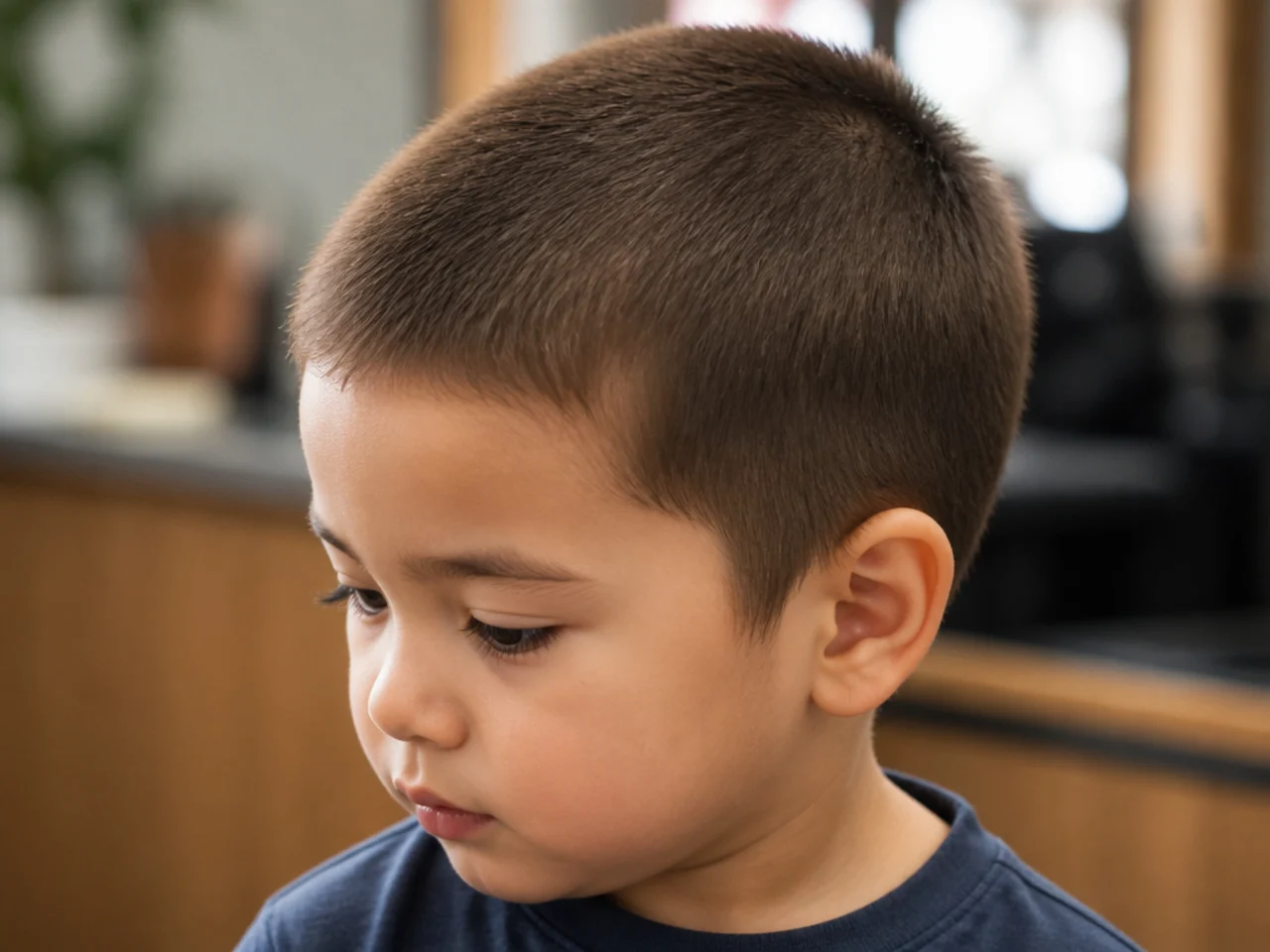
20 Short Toddler Boy Haircut Ideas to Try
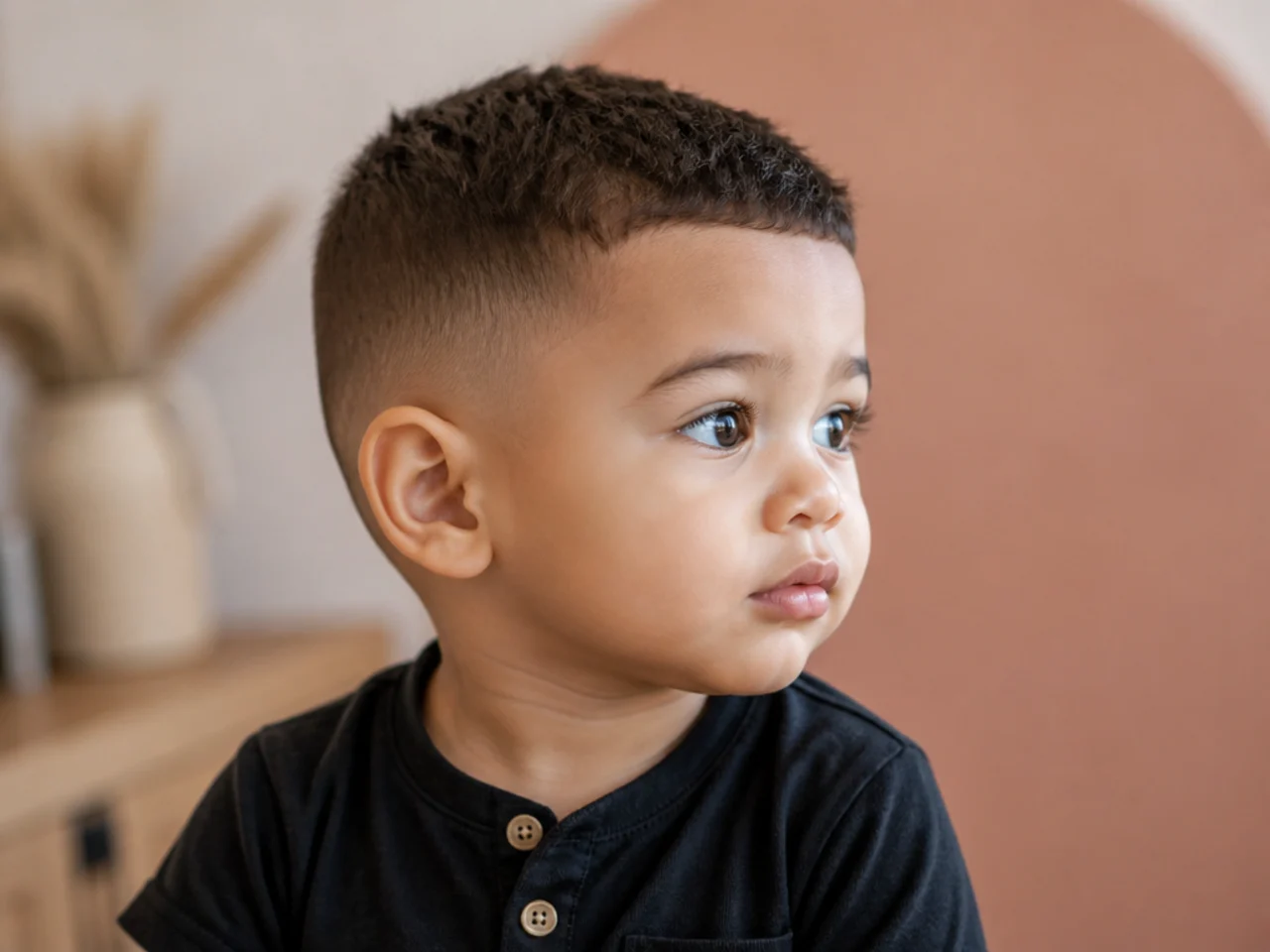
Short on a toddler has a floor. Fine baby hair shows scalp below 10mm, so the working range is a number three and a number four, and what you are really buying is a session short enough to finish.
In this article · 27
- The Guard Floor on Fine Baby Hair
- How to Choose Yours
- The 20 Short Toddler Boy Haircut Ideas
- 1. Number Four All Over in Ninety Seconds
- 2. Number Three Sides With a Scissor-Cut Top
- 3. Short Crop With a Blunt Fringe
- 4. Short Round Cut With No Hard Lines
- 5. Number Four Top With a Number Three Back
- 6. Short All Over Done in Three Sittings
- 7. Number Three All Over, Two Minutes and Done
- 8. Number Four Sides With the Fringe Left on the Brow
- 9. Short Scissor Crop With No Clipper in the Room
- 10. Number Four With the Nape Left Untouched
- 11. Back and Sides Only at a Number Three
- 12. Short Cut Done on a Sleeping Toddler
- 13. Clipper Over Comb at About a Number Four
- 14. Short Top With the Front Kept Longer
- 15. Number Four With a Softened Neckline
- 16. Number Three Behind the Ears, Number Four Above
- 17. Short Cut Started at the Back
- 18. Short Crop With Scissors on Top and a Number Four Below
- 19. Number Four Over a Cowlick at the Crown
- 20. Short Cut With No Fringe Line at All
- Styling and Upkeep
- Mistakes to Avoid
- FAQ
- Final Thoughts
Parents ask for short because short means fewer minutes in the chair. That is the right reason, and it is a different reason from wanting the look.
But short on a toddler has a floor. Fine baby hair is low in density, so below 10mm the scalp shows through and the same guard that reads crisp on a seven-year-old reads thin on a two-year-old.
So short here means a number three and a number four, not a number one and a number two. The payoff is that a two-minute cut is a cut that gets finished, and every idea below names its guard and roughly what it costs you in time.
The Guard Floor on Fine Baby Hair
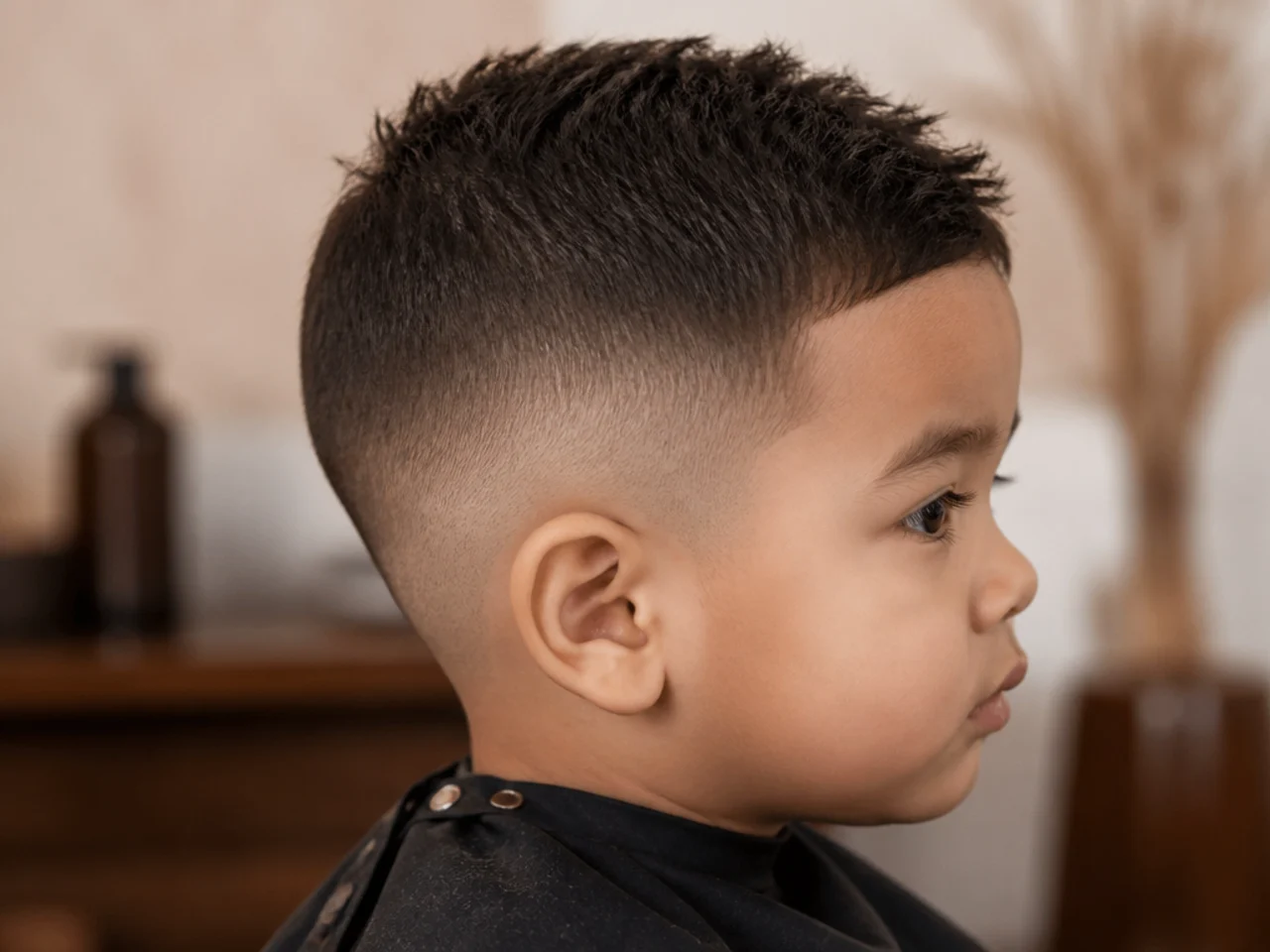
At 3mm and 6mm the scalp comes through. A toddler simply has fewer strands per square centimetre than an older child, so taking the length down that far stops hiding the skin underneath and the cut reads patchy.
A number three and a number four are the working range. Ten and thirteen millimetres are short enough to halve the drying, brushing and combing, and long enough that the hair still covers the head evenly.
The shortest session is the one most likely to be finished. Ninety seconds of clipper time fits inside almost any toddler's tolerance, which is the whole practical argument for short at this age.
Short grows back into shape rather than out of it. With no fade and no line anywhere, every part of the head lengthens together and the cut looks like itself for the whole of its life.
How to Choose Yours
Start at a number four and only go shorter if the scalp stays covered. You can always take it down again, and you cannot put 3mm back.
Decide whether the top is clippered or scissored. Clippers are faster but louder, and the top is where the noise sits closest to a toddler's ears.
Budget the session in minutes before you start. If the shape needs six minutes and he gives you two, you need a different shape.
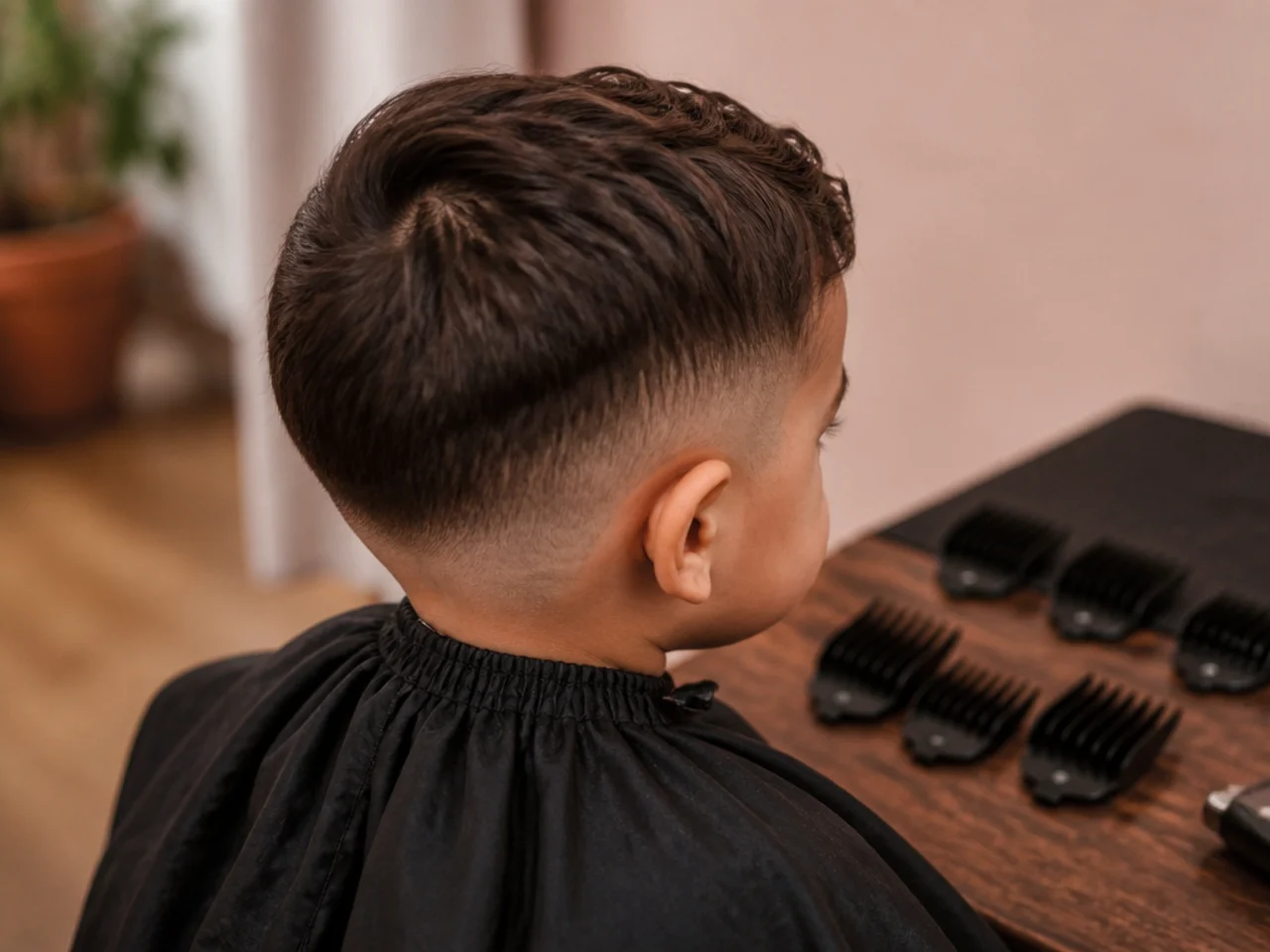
Skip the blend entirely. Two guards three millimetres apart need no gradient between them on hair this fine.
The 20 Short Toddler Boy Haircut Ideas
1. Number Four All Over in Ninety Seconds
Thirteen millimetres everywhere with one guard and no second pass. It is the shortest session on this page and the only one that finishes inside the window a genuinely uncooperative toddler gives you.
2. Number Three Sides With a Scissor-Cut Top
Ten millimetres below the parietal ridge and shears above it, about four minutes in total. Putting scissors on the top keeps the motor away from his ears for most of the session, which is usually where the trouble starts.
3. Short Crop With a Blunt Fringe
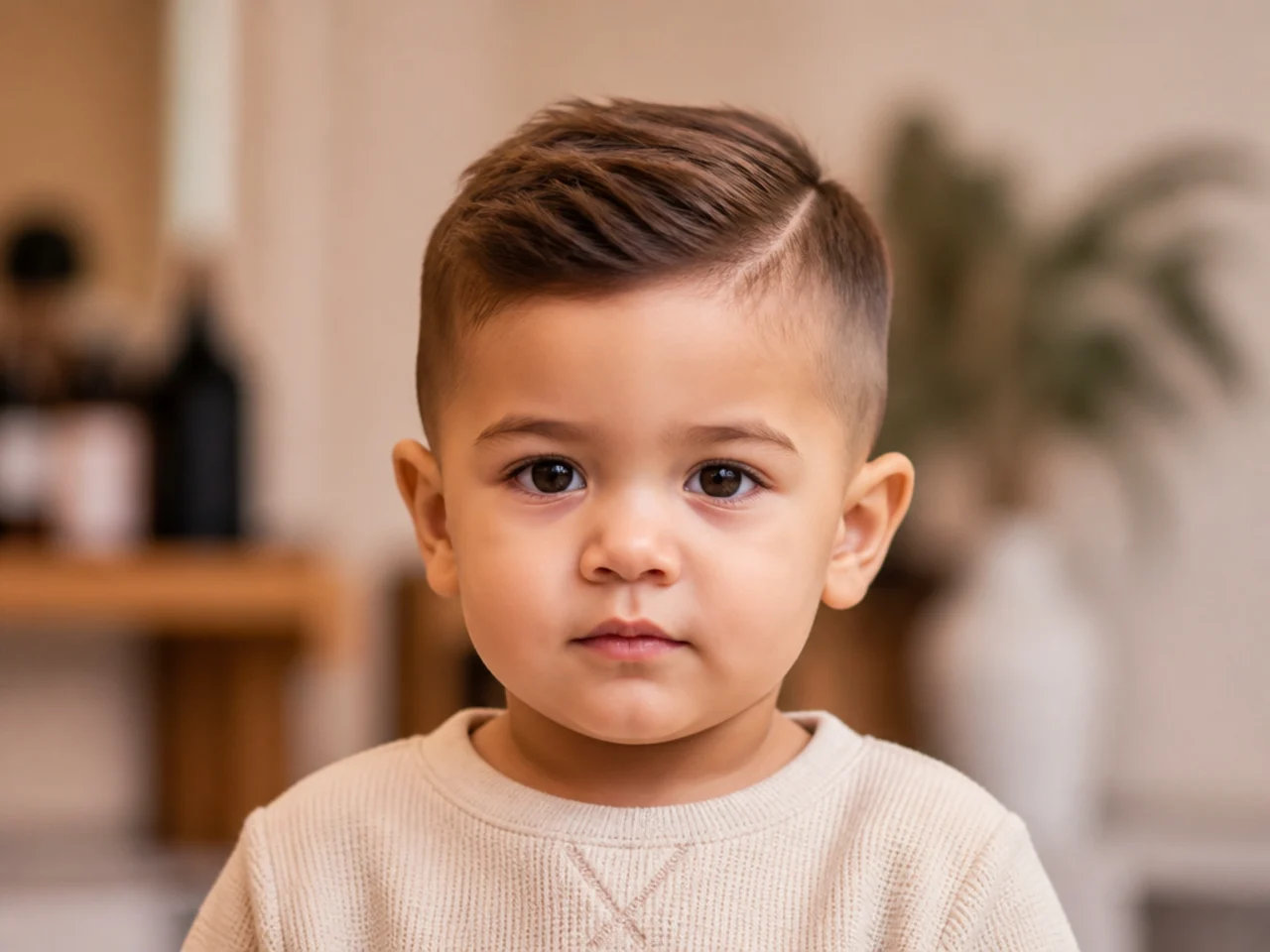
Scissors throughout, roughly four minutes, with one straight line across the front — the toddler-sized reading of the french crop. The blunt fringe gives the cut a defined edge somewhere, which is what stops a short scissor crop looking like unfinished hair rather than a shape.
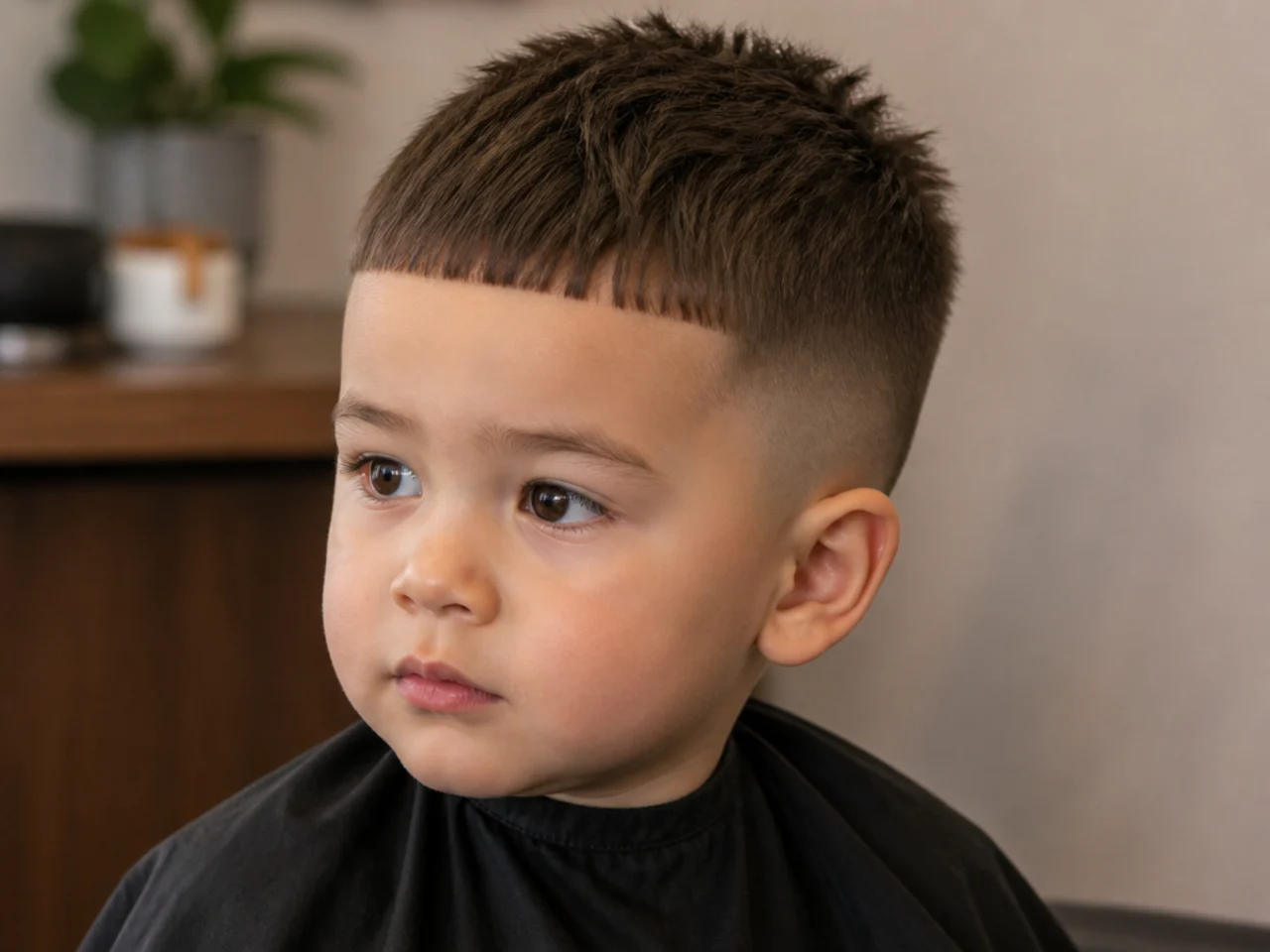
4. Short Round Cut With No Hard Lines
A rounded outline cut by hand in about five minutes, with no edge anywhere on the head. Fine baby hair cannot hold a hard perimeter for more than a few days, so a shape built without one never looks like it has grown out of anything.
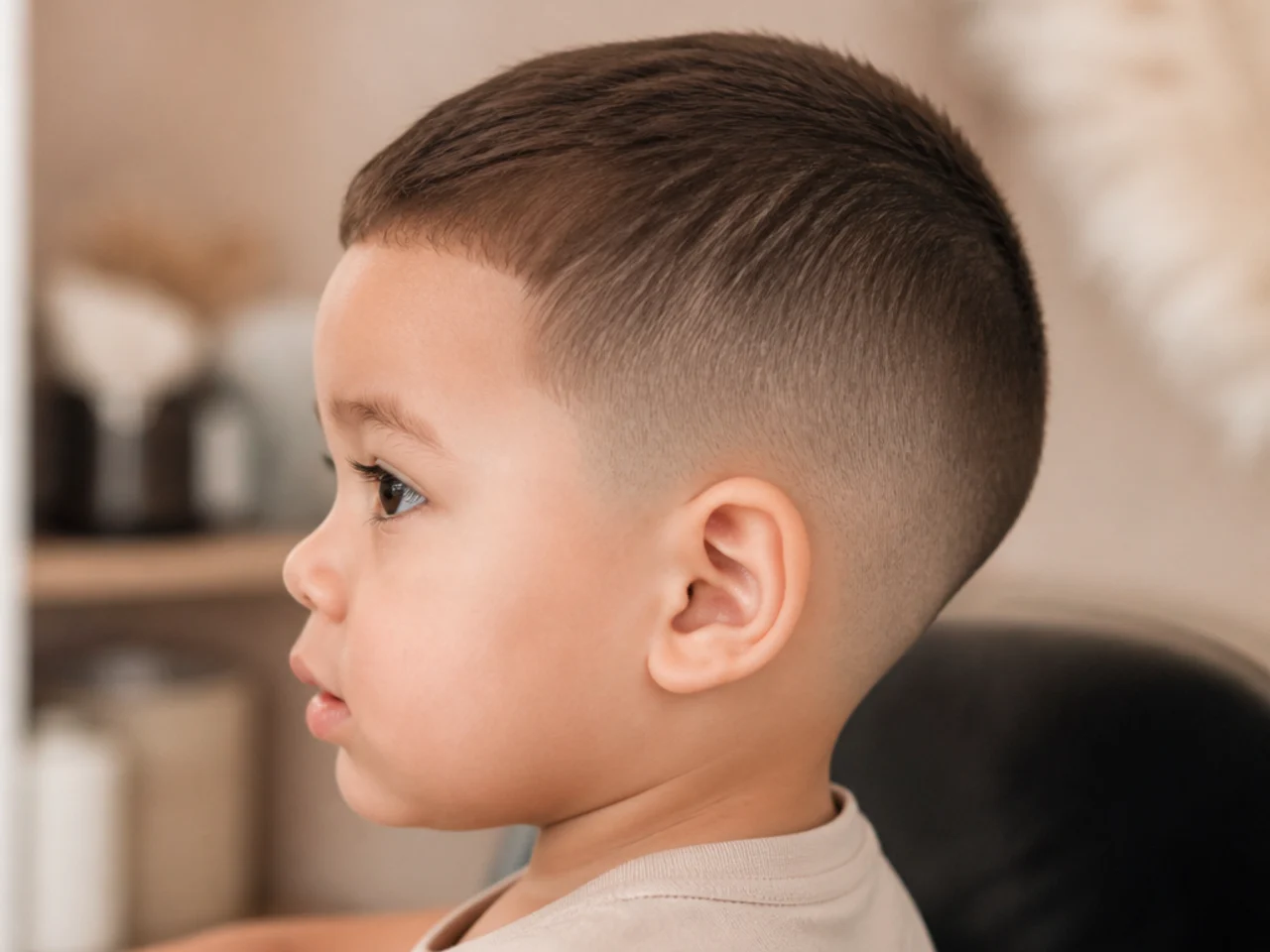
5. Number Four Top With a Number Three Back
Two guards, two minutes, no blending at the join. Three millimetres of difference is small enough on fine hair that the step is invisible from a metre away, which removes the slowest part of a clipper cut entirely.
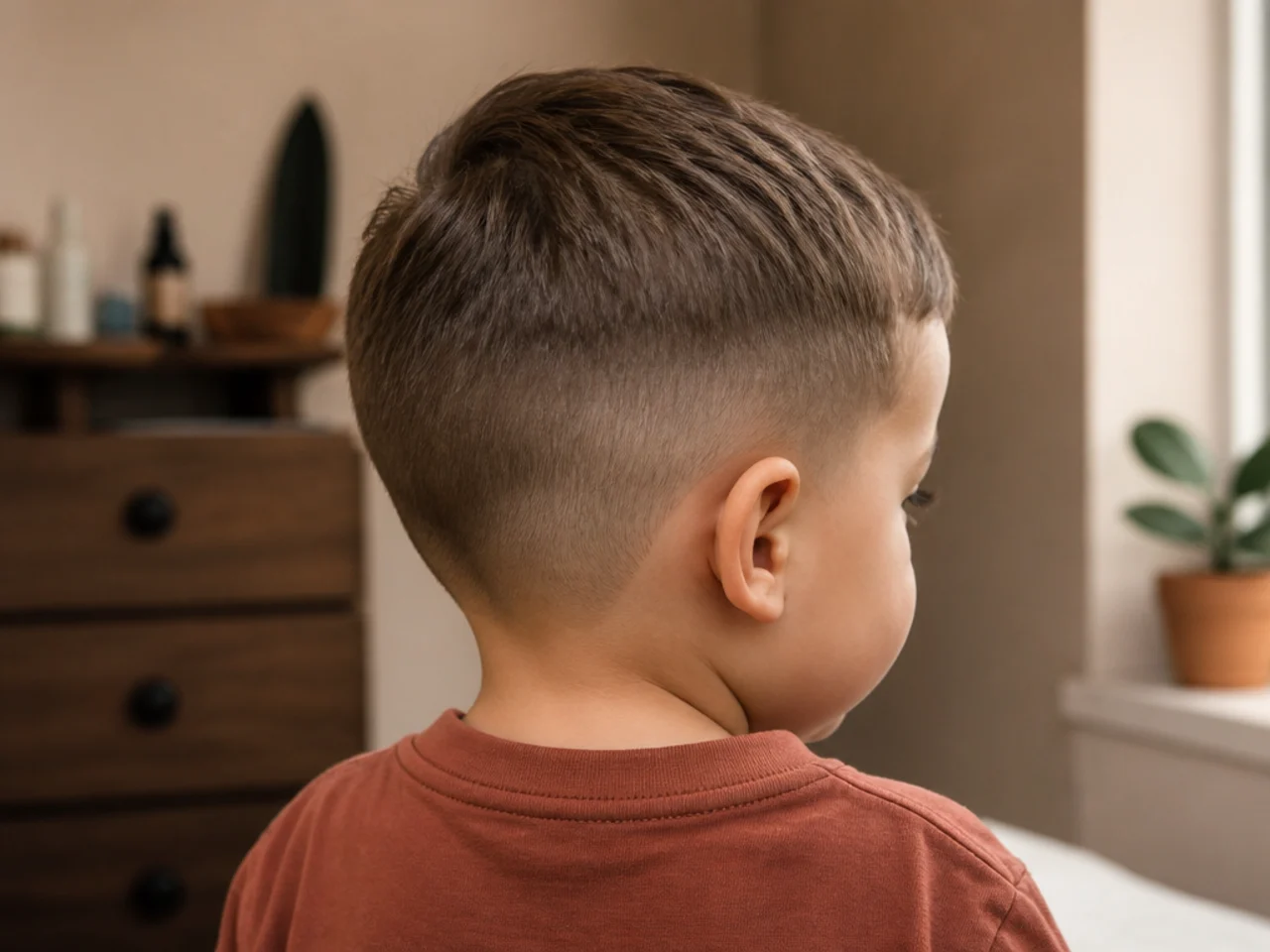
6. Short All Over Done in Three Sittings
Forty seconds per sitting across a few days, one section each time. Between sittings the head is slightly uneven, but at 10mm the difference between cut and uncut hair is only a few millimetres and it does not read as a mistake.
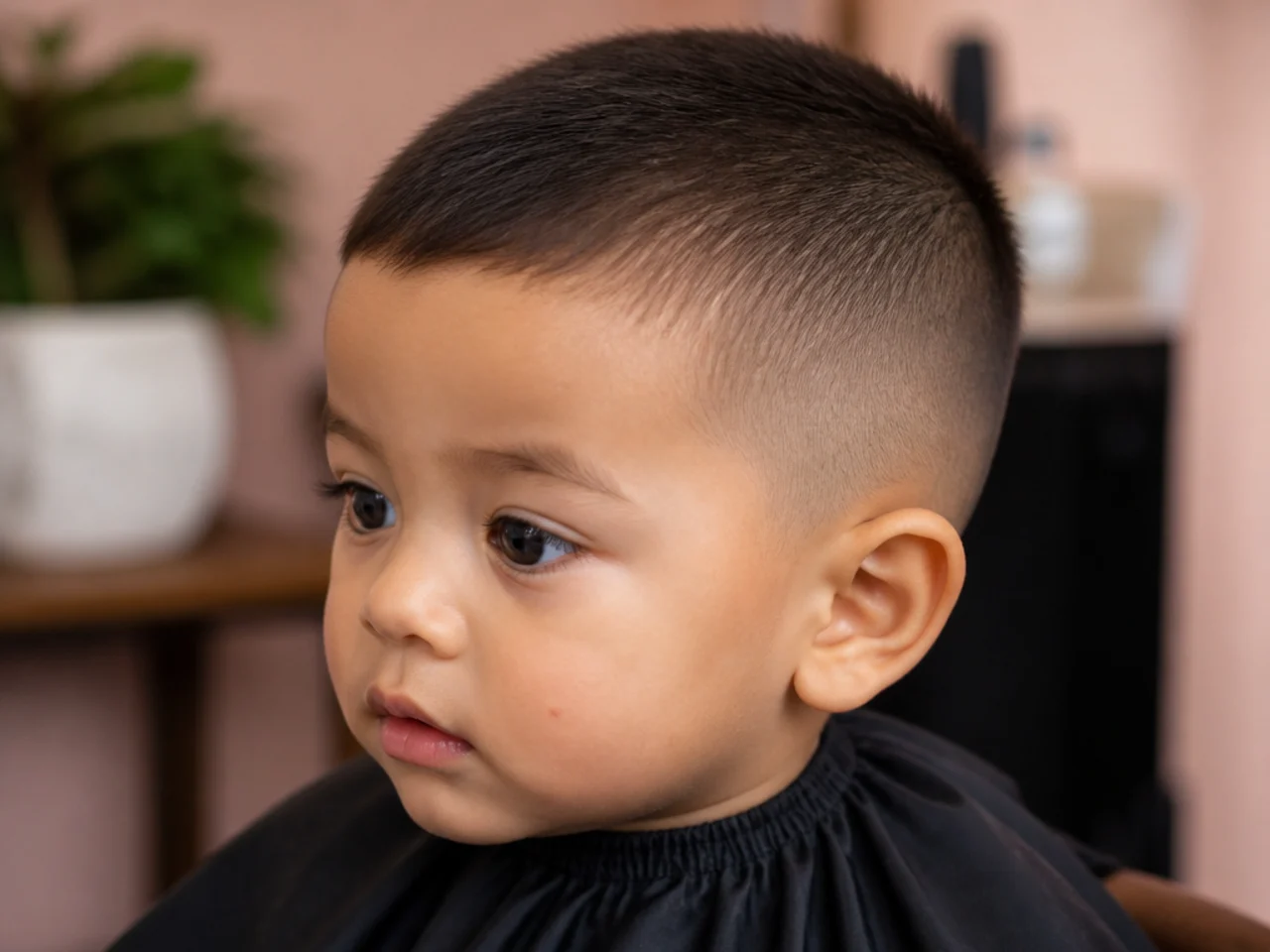
7. Number Three All Over, Two Minutes and Done
Ten millimetres everywhere, which is the shortest single-guard cut worth doing on a toddler. Go one guard below this and the scalp starts showing at the crown first, where a child's density is always lowest.
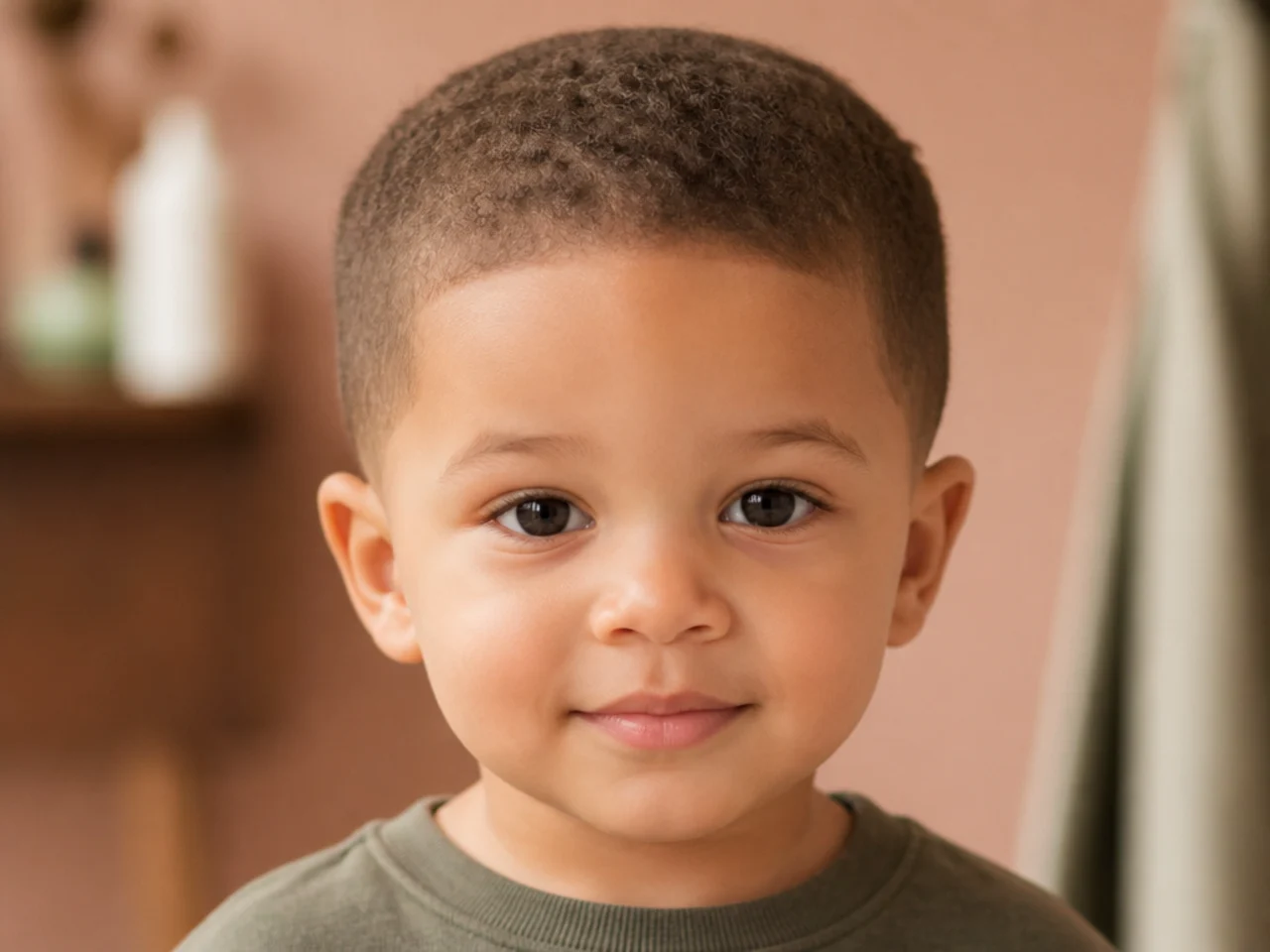
8. Number Four Sides With the Fringe Left on the Brow
Two minutes of clipper work below, with the front section untouched. Leaving the fringe means the cut still reads as a haircut from the front rather than as a buzz, which is what most parents actually want from short.
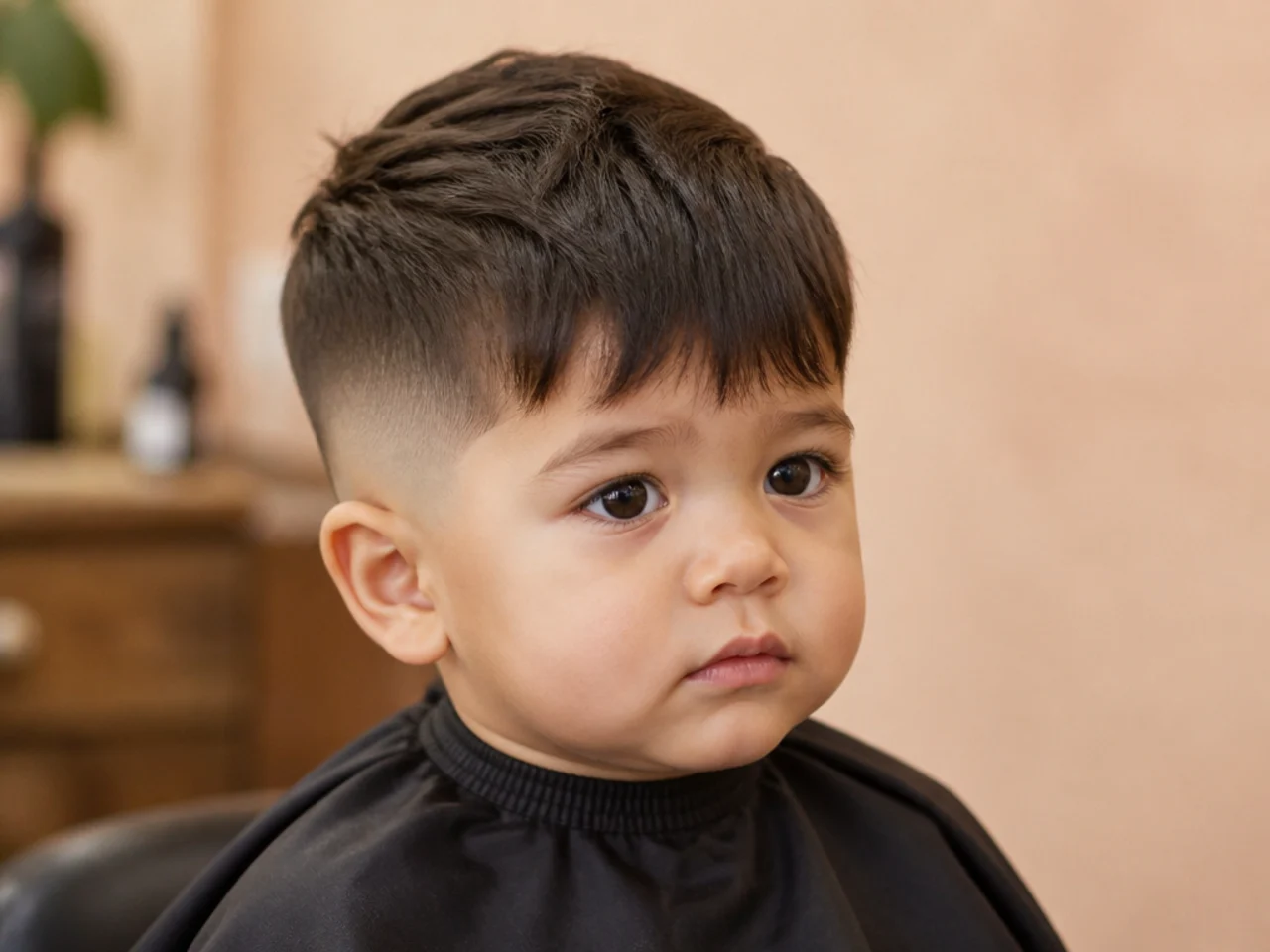
9. Short Scissor Crop With No Clipper in the Room
Around seven minutes, entirely by hand, for the child who reacts to the motor rather than the haircut. It is the longest session here and still the right trade if the alternative is a cut that never starts.
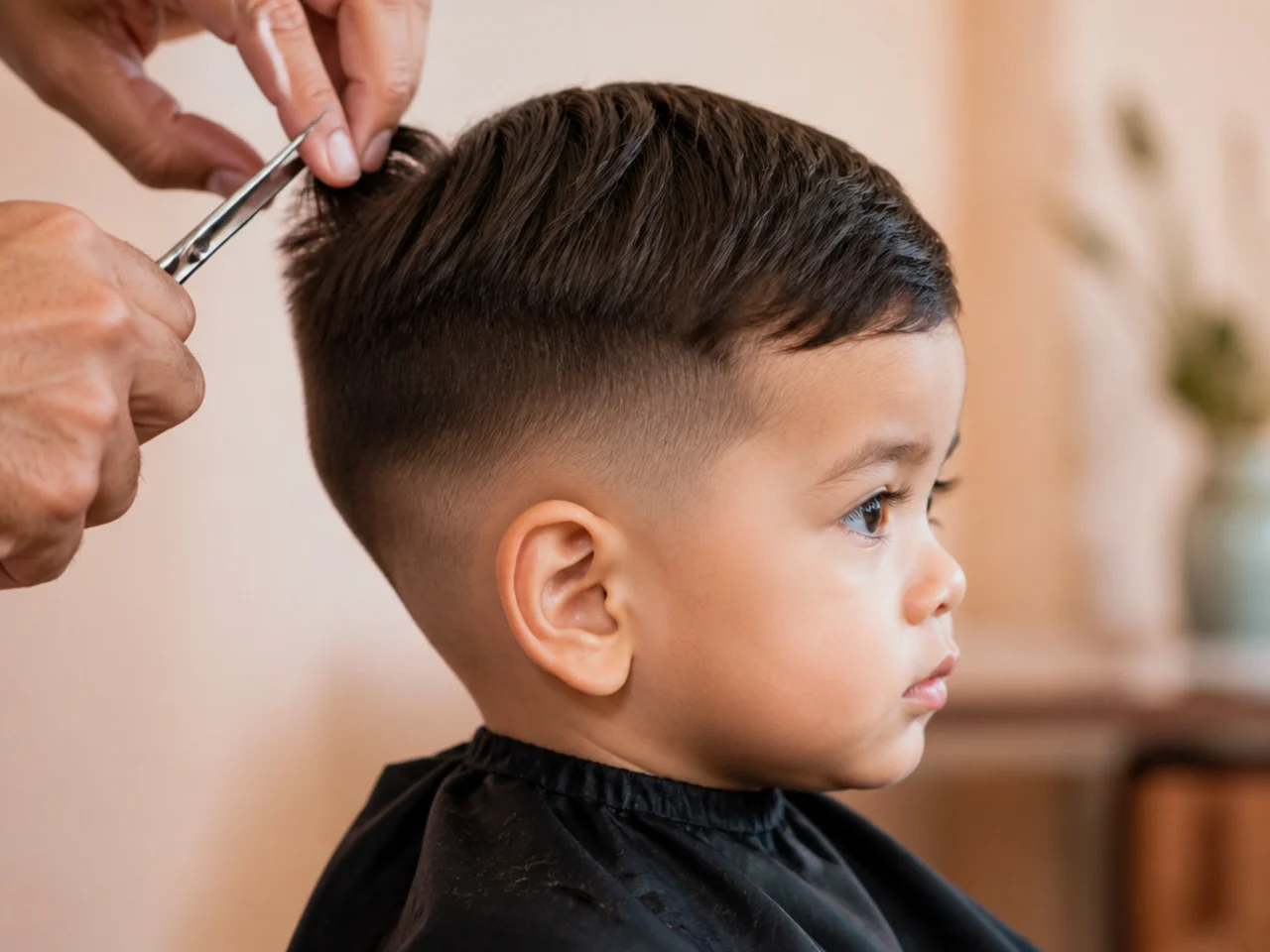
10. Number Four With the Nape Left Untouched
Eighty seconds, skipping the neckline completely. The nape is the section a toddler cannot see coming and reacts to most, and on a 13mm cut it grows into the length above it without anyone noticing.
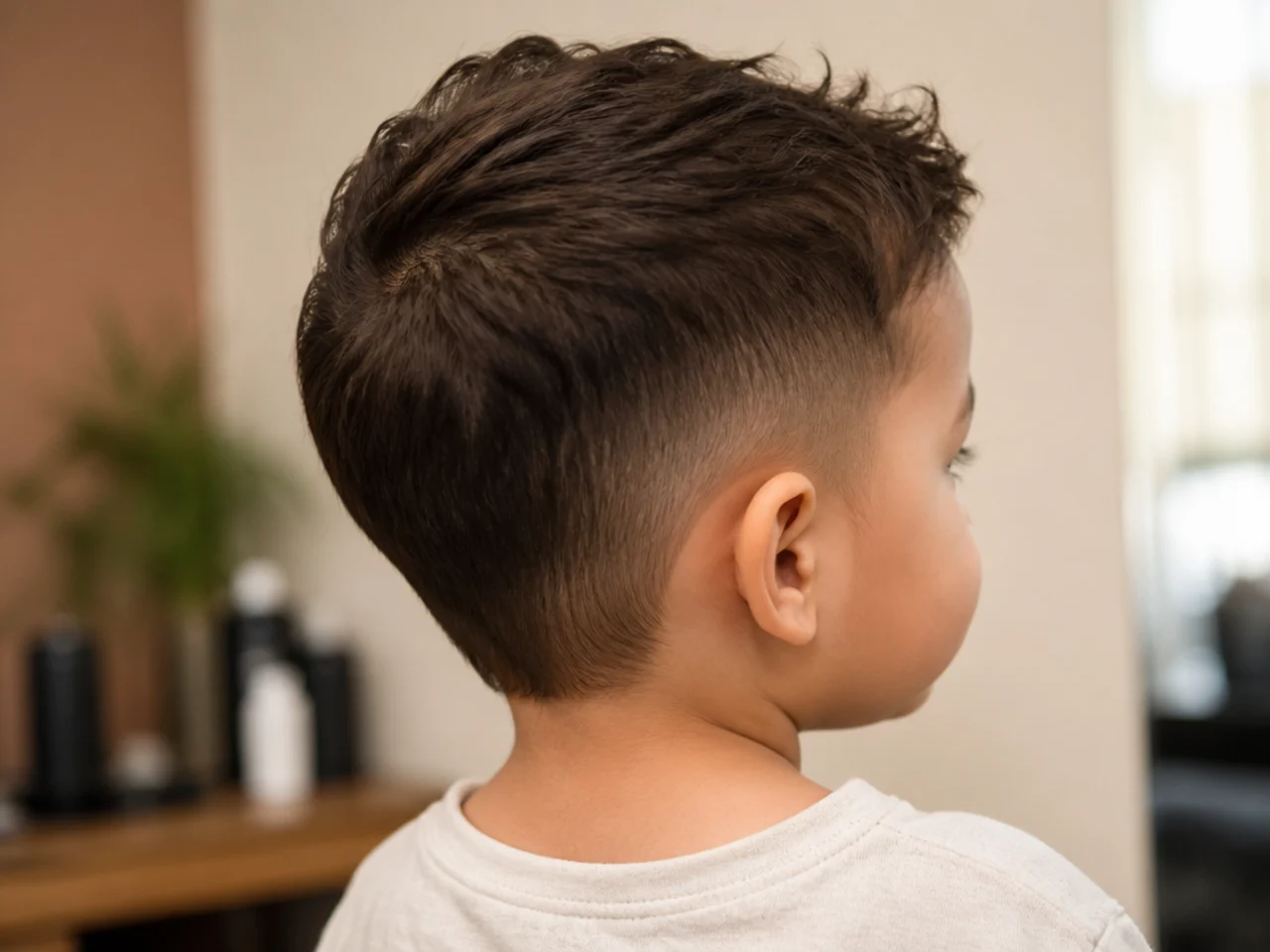
11. Back and Sides Only at a Number Three
Sixty seconds of clipper work with nothing done on top at all. It removes the bulk that makes a toddler hot and itchy while leaving the part of the cut that is actually visible in photographs alone.
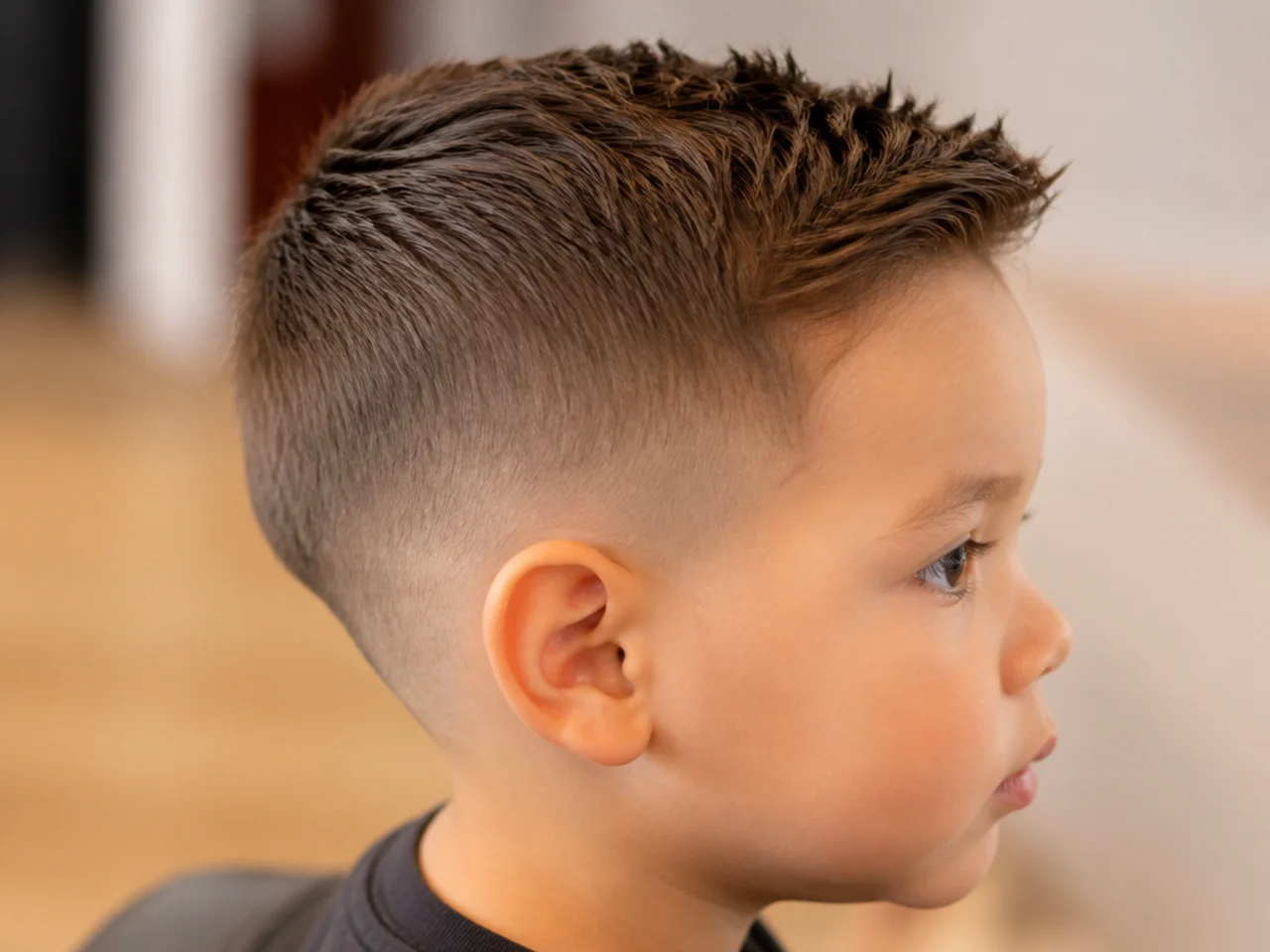
12. Short Cut Done on a Sleeping Toddler
Scissors only, four minutes at most, working on whichever side is facing up. Clippers vibrate through the skull and wake a child almost immediately, which is why the sleeping version of a short cut is always a scissor cut.
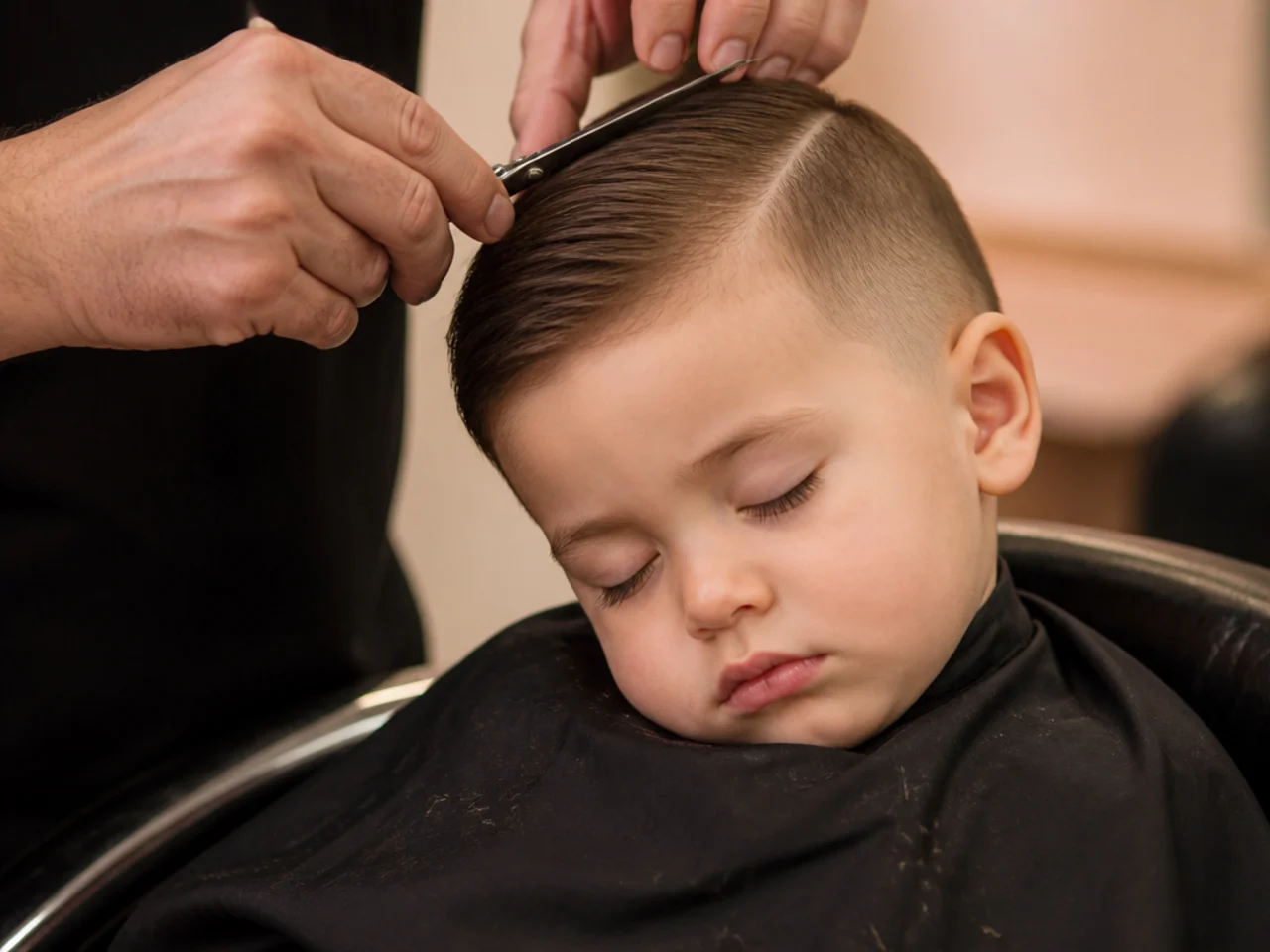
13. Clipper Over Comb at About a Number Four
Six minutes, with the length set by a comb rather than a guard. The machine never touches his head, so you can lift away the instant he moves, and it produces a softer finish than a guard does on fine hair — it is the core skill in cutting a toddler's hair at home.
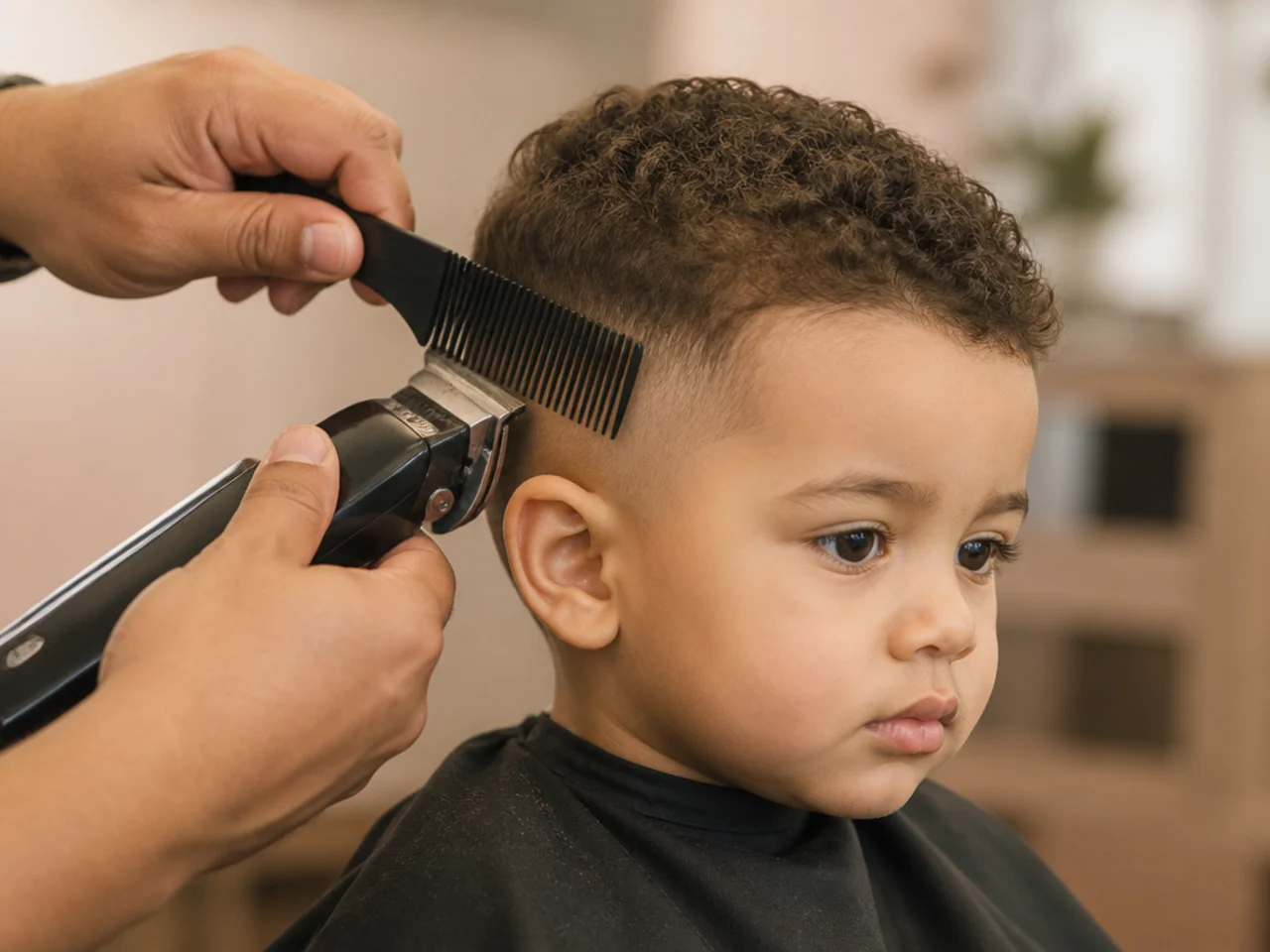
14. Short Top With the Front Kept Longer
Three minutes, with the top cut short from the crown forward and the last few centimetres left. The extra length at the front gives the cut a direction, which is the difference between short hair and a short haircut.
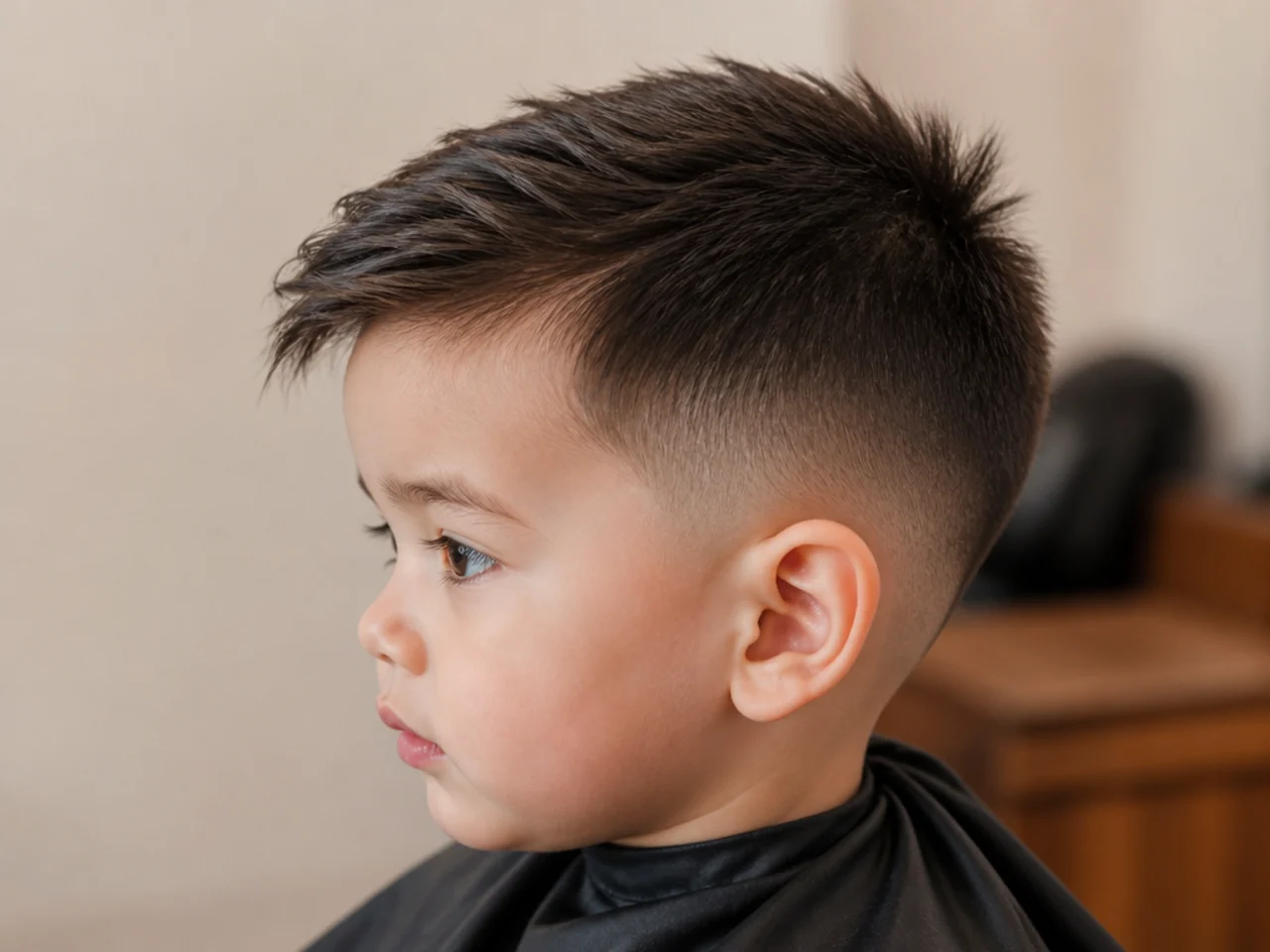
15. Number Four With a Softened Neckline
Two minutes, finishing the nape with the corner of the guard rather than a hard edge. A blocked neckline on fine baby hair grows out as a visible fuzzy line within days, and a softened one simply gets longer.
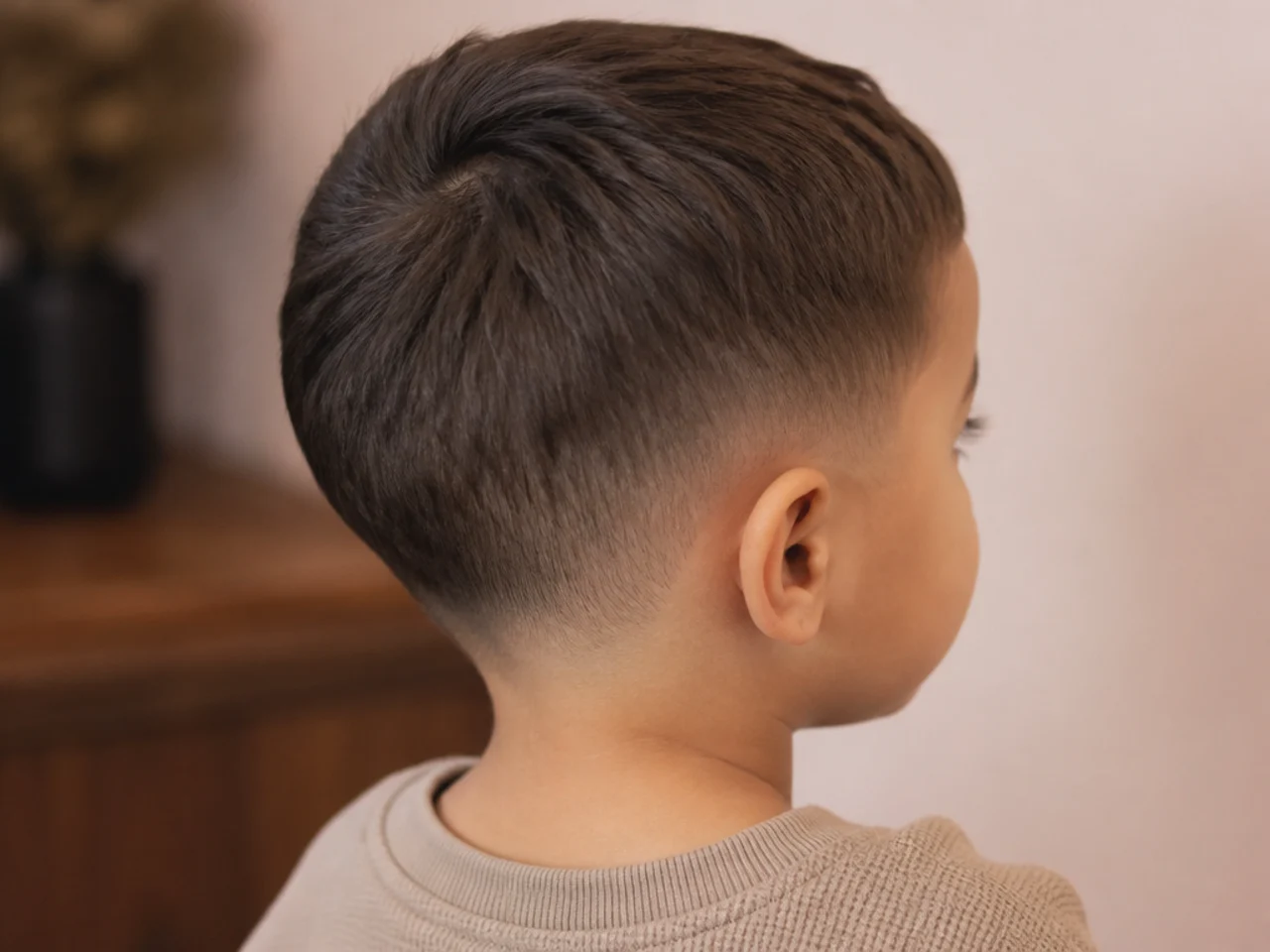
16. Number Three Behind the Ears, Number Four Above
Three minutes, with the shorter guard confined to the patch that folds and mats behind each ear. Targeting the shortest length at the one place it is needed keeps the rest of the head at a length that covers scalp properly.
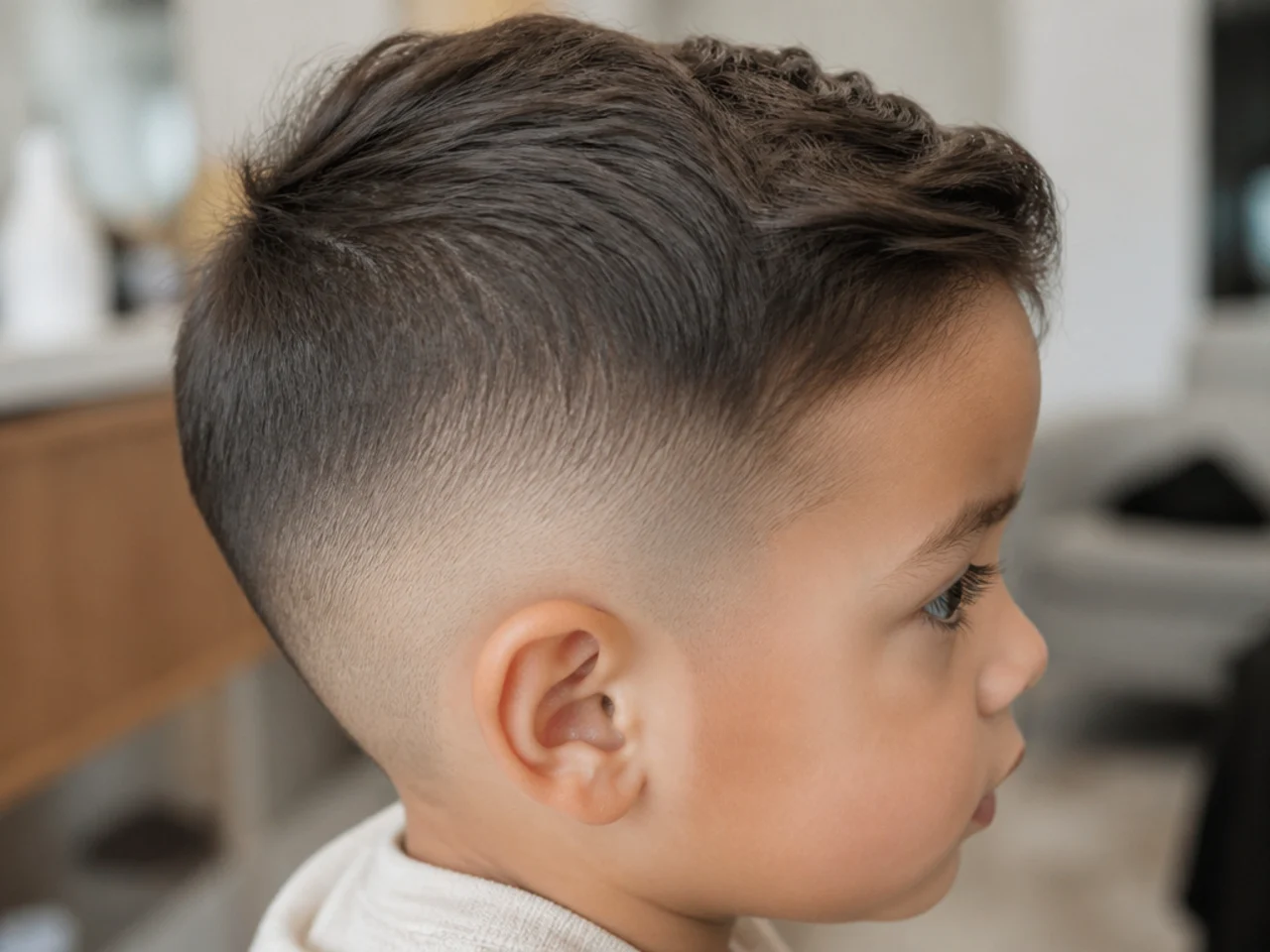
17. Short Cut Started at the Back
Two minutes, beginning at the nape and working forward. It is the reverse of the usual advice and it suits the child who tolerates the clipper fine but hates it near his face, because it spends the calm minutes where the motor is loudest.
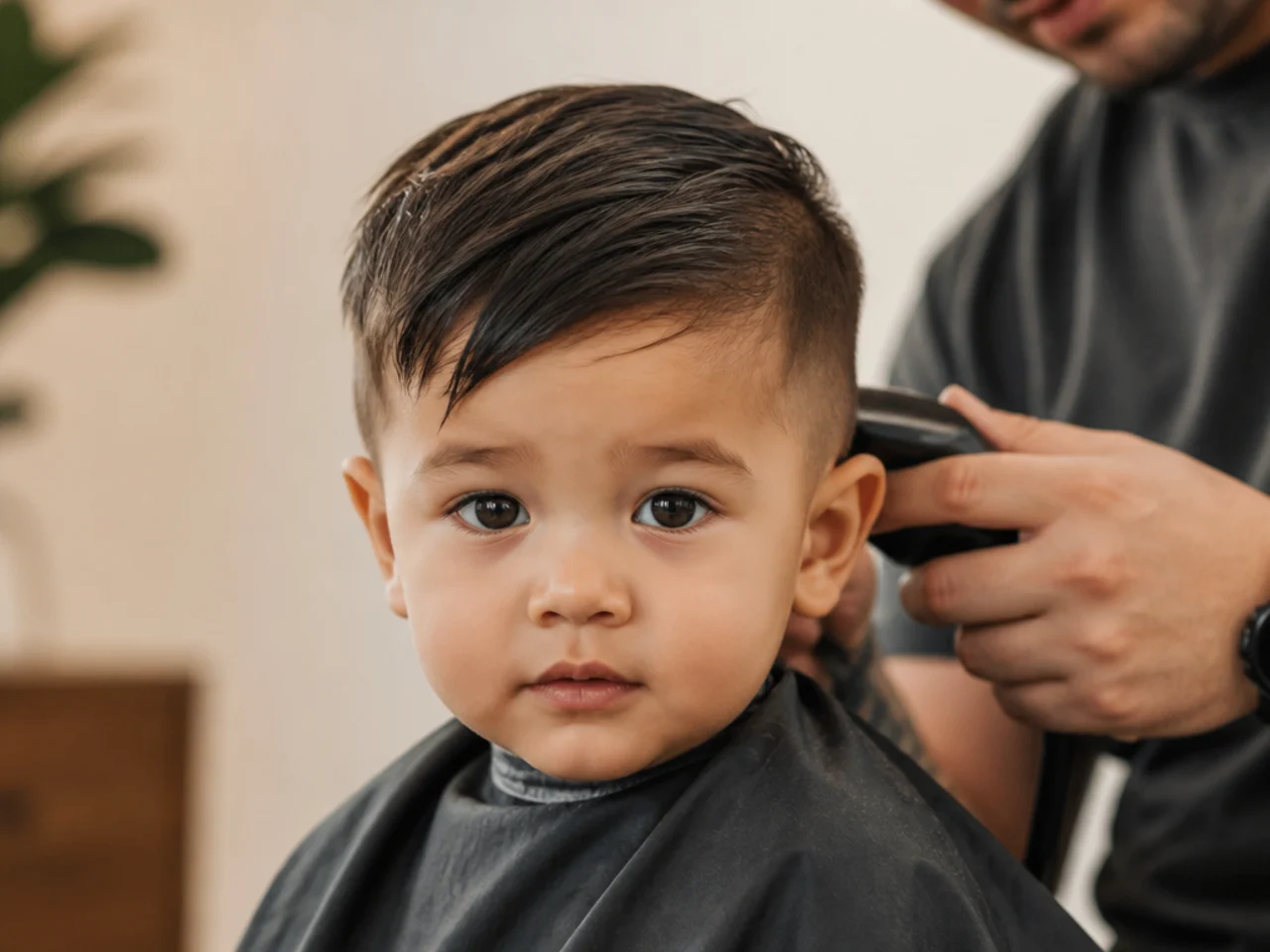
18. Short Crop With Scissors on Top and a Number Four Below
Five minutes split between two tools, with no attempt to blend where they meet. Hand-cutting the top leaves a little texture that a clipper cannot, and on hair this fine that texture is what keeps the crown from looking flat.
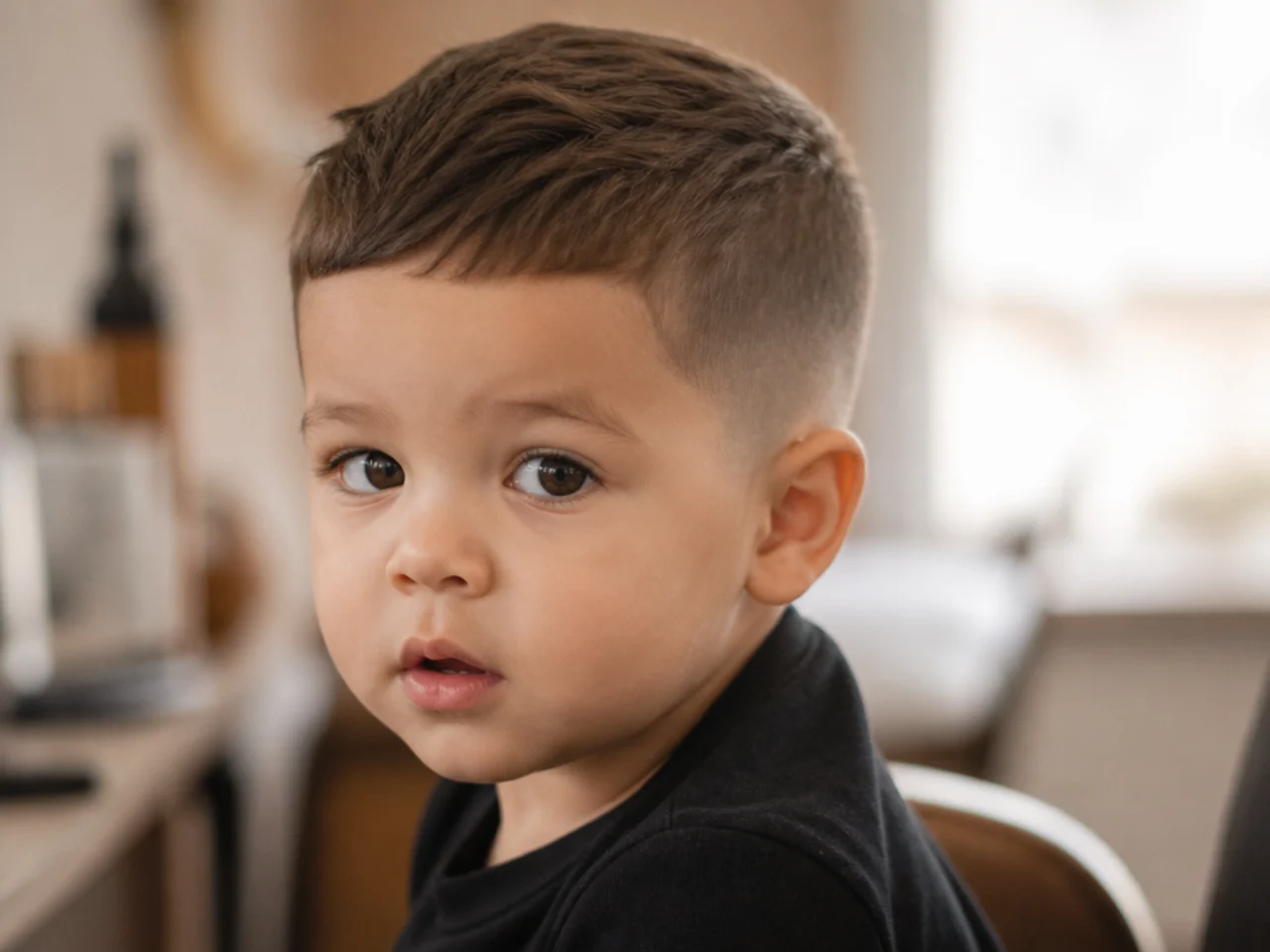
19. Number Four Over a Cowlick at the Crown
Two minutes, with the guard run against the direction the cowlick grows. Thirteen millimetres is long enough that the swirl still lies down, whereas at 6mm a cowlick stands up permanently and there is nothing you can do about it.
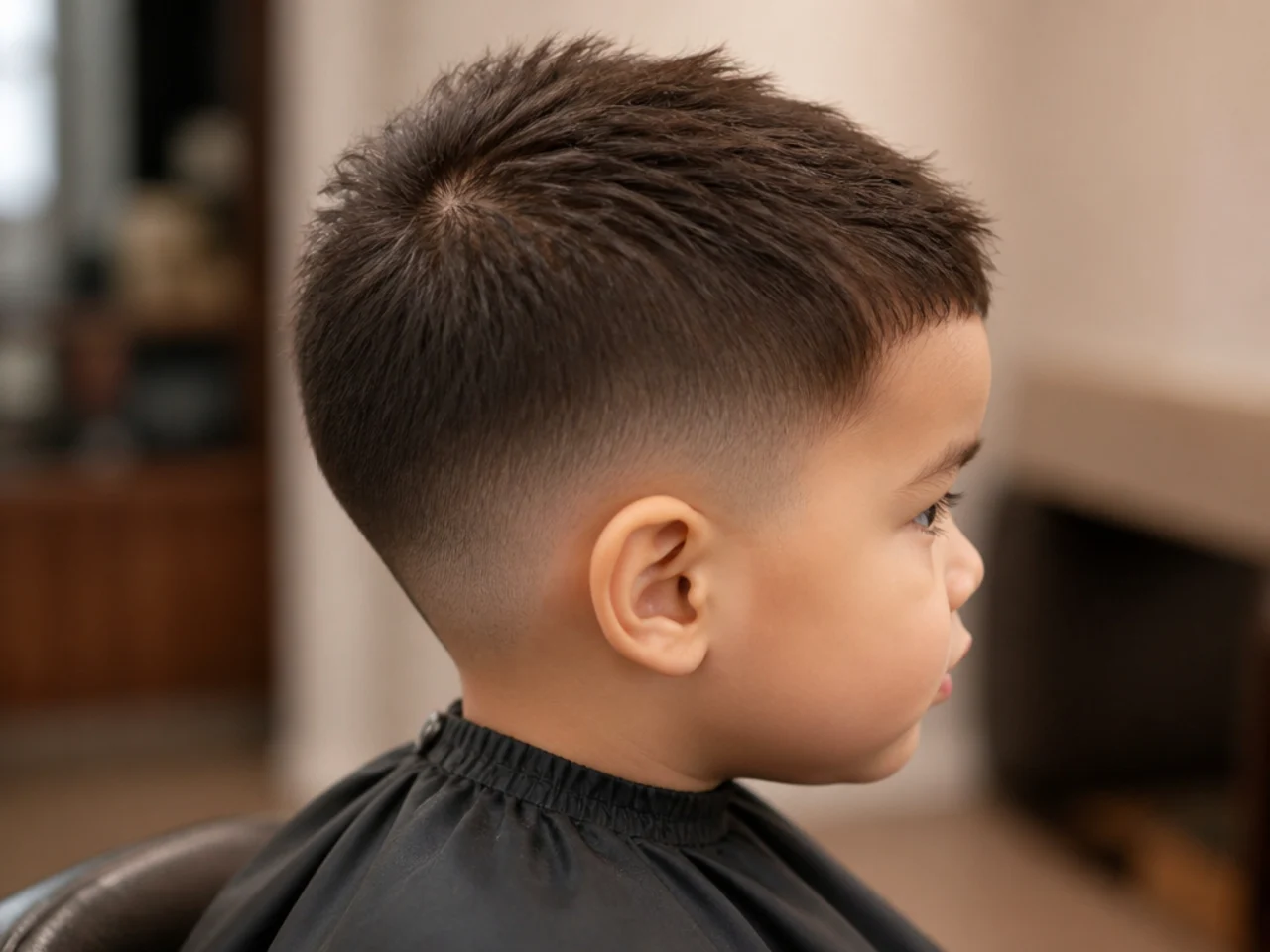
20. Short Cut With No Fringe Line at All
Three minutes, with the front taken to the same length as everything else. Removing the fringe removes the only section that has to be cut on a schedule, so the whole cut can then be left until it visibly needs redoing.
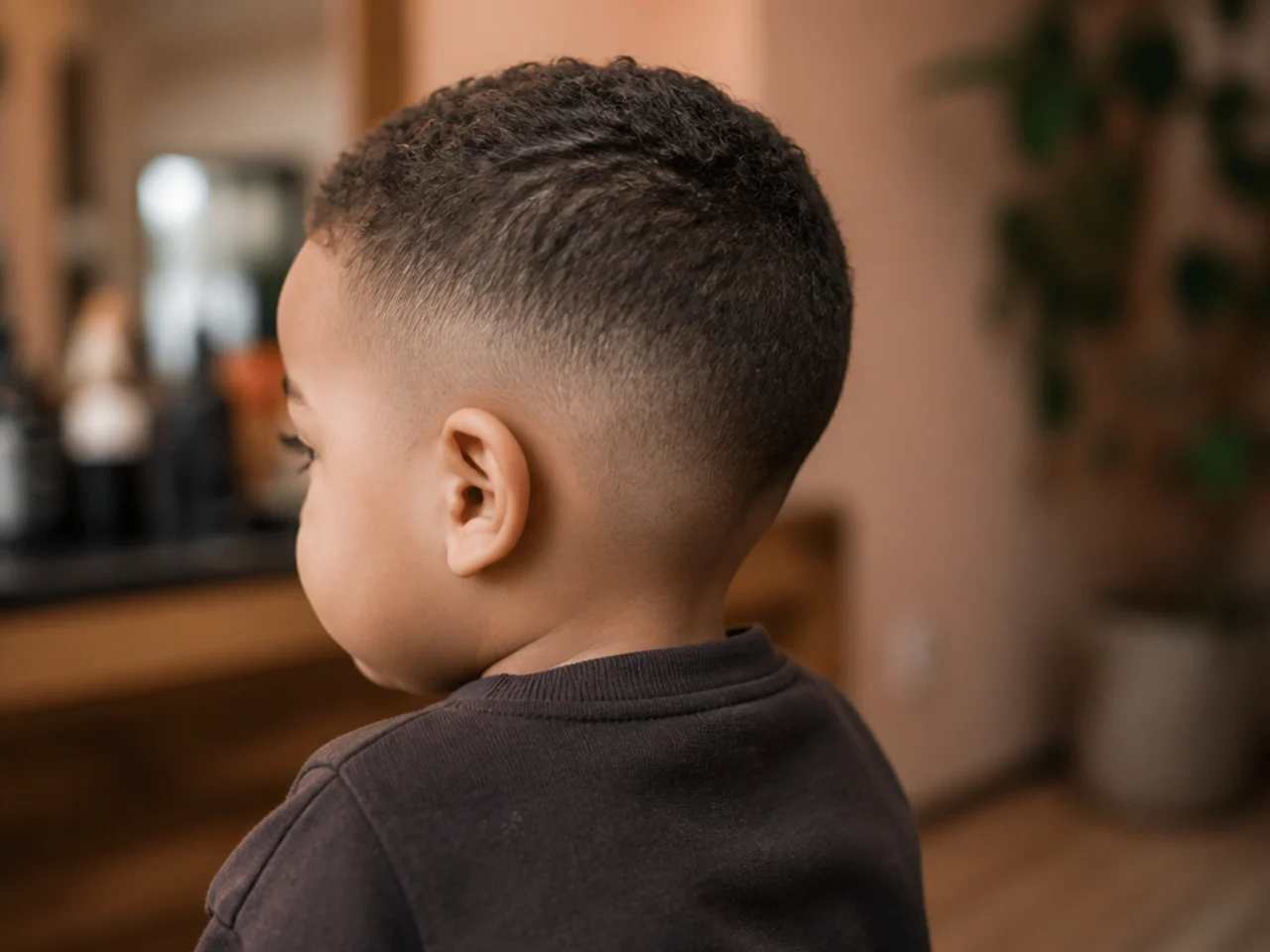
Styling and Upkeep
Wash the same day you cut. Clipped ends at 10mm are short enough to work into a collar and itch, and a toddler will scratch rather than tell you.
Brush the crown in the direction it grows. Short fine hair sets in whatever direction it dried in, and the crown is where it stands up first.
Nothing goes on it. A short toddler cut needs no product to look right, and anything applied at this length only makes the scalp more visible.
Take a photo of the guards you used. Two numbers written down turn the next cut from a decision into a repeat.
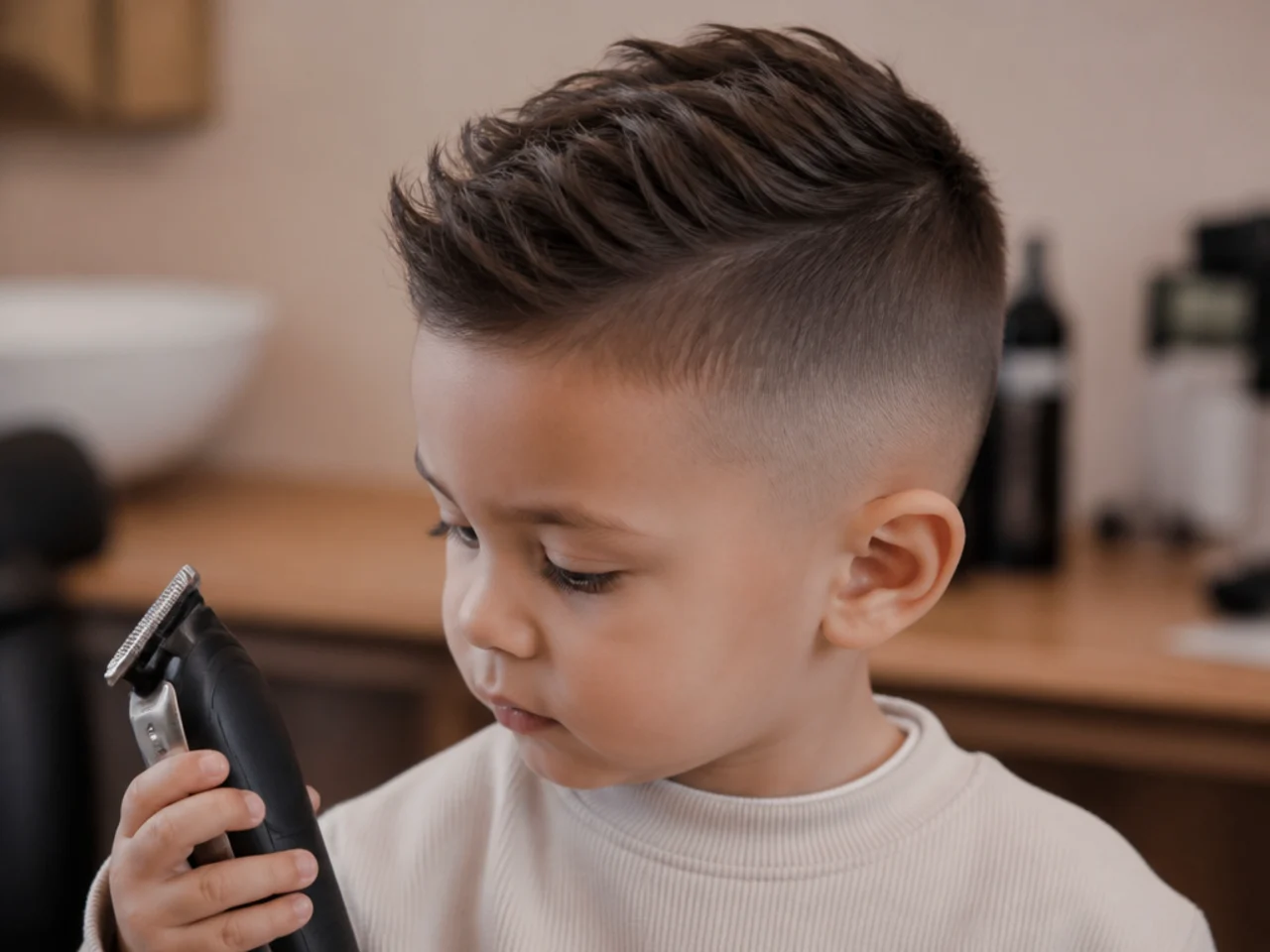
Hand him the clipper switched off before you start. Thirty seconds of holding it silent is the cheapest half-minute you will spend on a cut this short.
Mistakes to Avoid
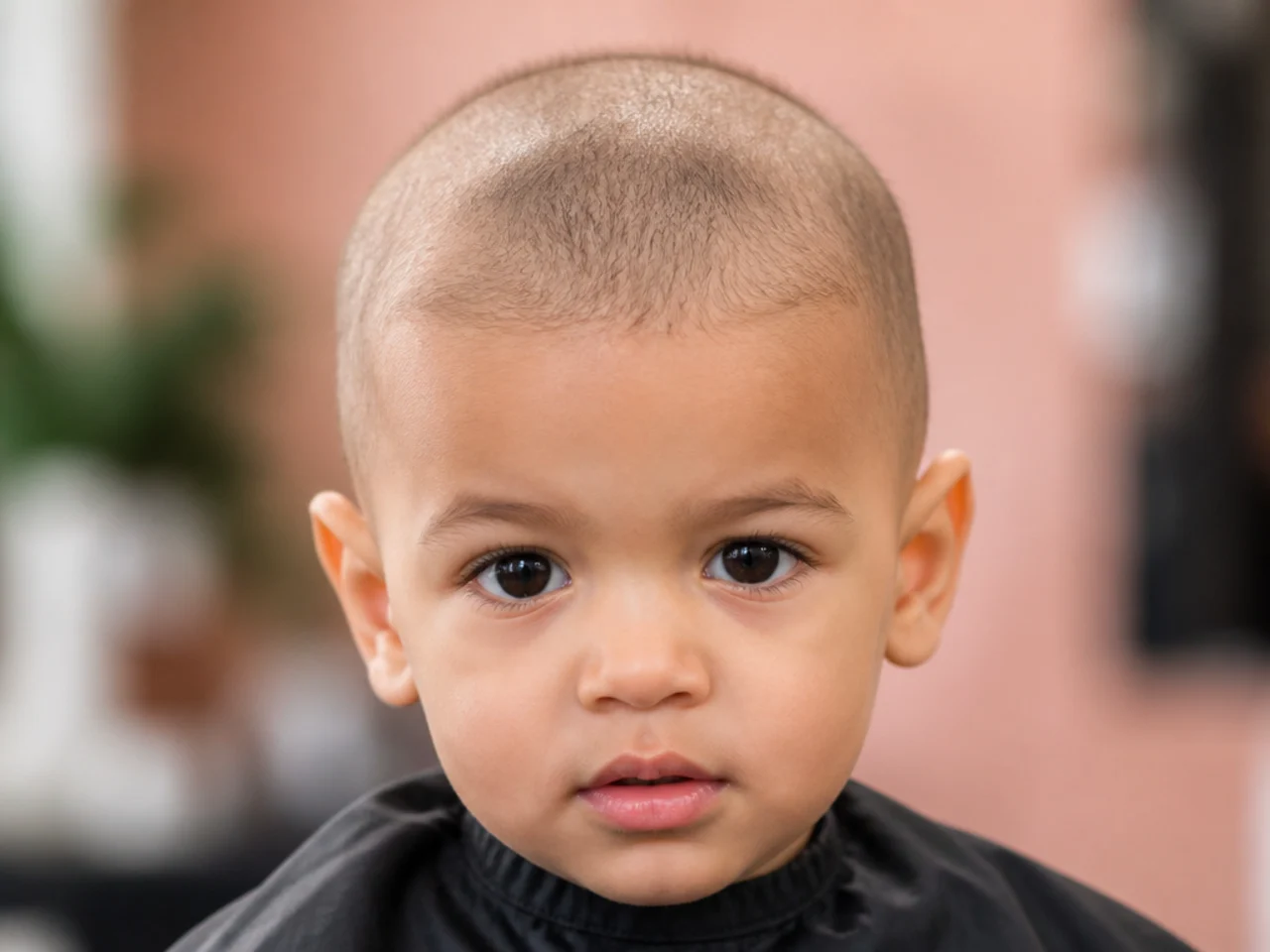
Going to a number one or two. At 3mm and 6mm fine baby hair stops covering the scalp and the cut reads thin instead of short.
Adding a fade to a short cut. The gradient is the slow part, and on a two-minute cut it triples the session for a line that will blur in days — if you want one, take it as a guarded taper instead.
Blocking the neckline square. It grows out as a hard fuzzy edge on fine hair within a week.
Clippering the top on a child who hates the noise. The motor is closest to the ears there, and it is the most avoidable pass in the whole cut.
Cutting shorter to buy more time between cuts. Below the density floor you lose the look without gaining anything, because the hair grows back at the same rate either way.
FAQ
What is the shortest guard to use? A number three at 10mm, and only if the scalp stays covered at the crown.
Is a buzz cut fine for a toddler? At a number four, yes. At a number one it shows scalp rather than looking neat.
How long does a short cut take? Ninety seconds to two minutes for a single guard, four to seven if the top is scissored.
Final Thoughts
Short is worth choosing for the session length, not for how short it goes. Stop at a number three, skip the blend, and you get a cut that finishes inside two minutes and then grows back into itself rather than out of a line.
For the wider family of one-length clipper shapes, buzz cuts covers what the same guards do on older heads, and the best hair clippers for men roundup is where to look for the quiet cordless models that matter most at this age. More in Men's Haircuts.