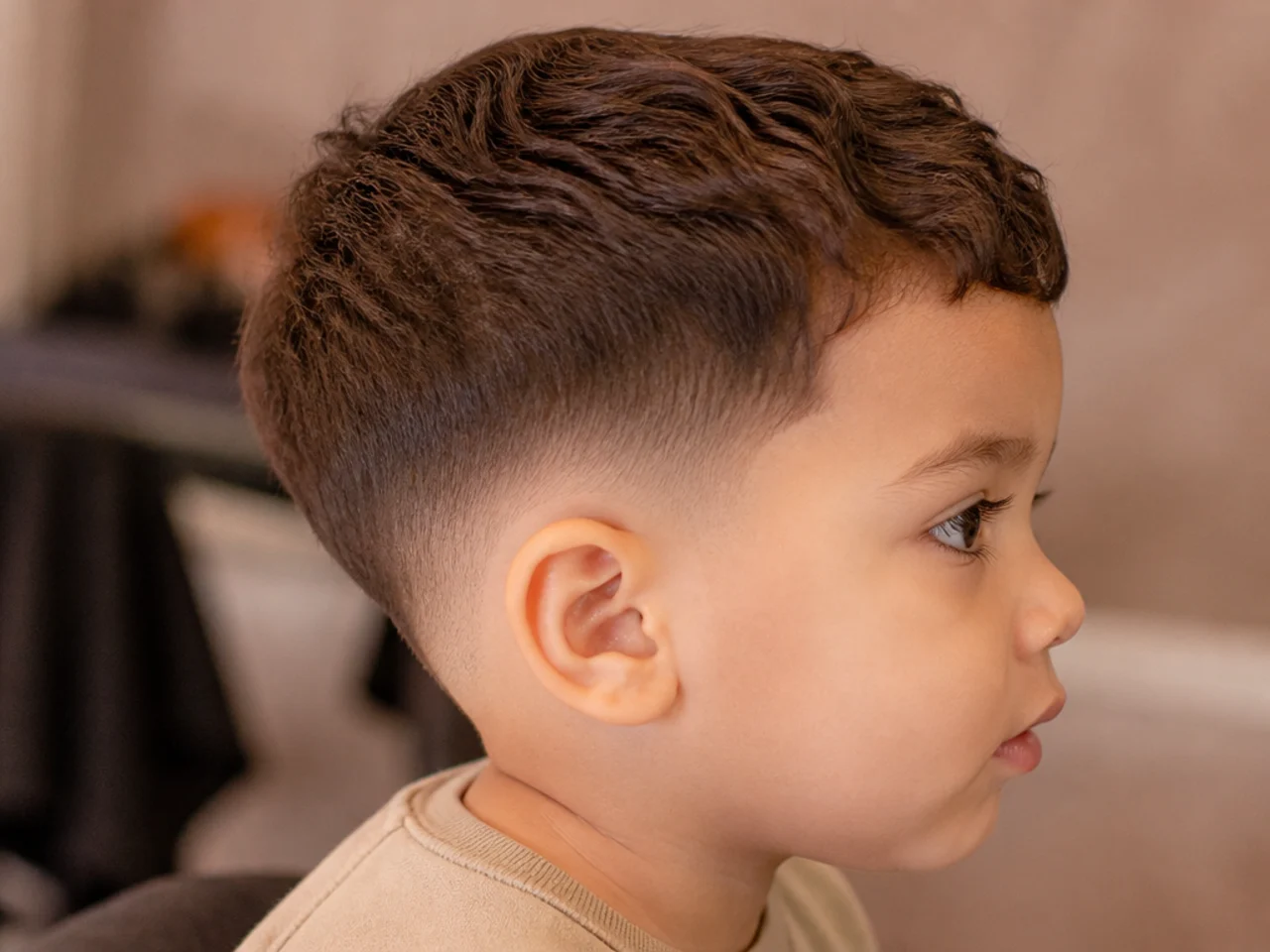
20 Toddler Boy Haircut Ideas With a Fade
A true fade goes to bare skin, which needs a blade held against a scalp that is not moving. A taper leaves a number one guard or longer at the shortest point and gives you the same shape without either problem.
In this article · 27
- Why a Toddler Fade Should Stop at a Guard
- How to Choose Yours
- The 20 Toddler Fade and Taper Ideas
- 1. Low Taper at a Number Two
- 2. Number Three Taper Behind the Ear Only
- 3. Neckline-Only Clean Up
- 4. Half Fade Finished With Scissors
- 5. Taper Left Long Over the Ears
- 6. Mid Taper With a Long Top
- 7. Number One at the Neckline, Number Three Above
- 8. One-Sided Taper Finished the Next Day
- 9. Low Taper Under a Curly Top
- 10. Two-Guard Taper, Four Down to Three
- 11. Sideburn-Only Taper
- 12. Taper That Stops Below the Temple
- 13. Burst-Shaped Arc Kept at a Number Two
- 14. Number Two Back With Number Four Sides
- 15. Taper With No Line at All
- 16. Drop Taper Following the Ear
- 17. Number Three All Round With a Soft Nape
- 18. High Taper Kept at a Number Two
- 19. Taper Blended With Clipper Over Comb
- 20. Taper Left to Grow Into One Length
- Styling and Upkeep
- Mistakes to Avoid
- FAQ
- Final Thoughts
Parents ask for a fade and mean a shape. On a toddler those two things come apart, because the shape is easy and the fade itself is the part that goes wrong.
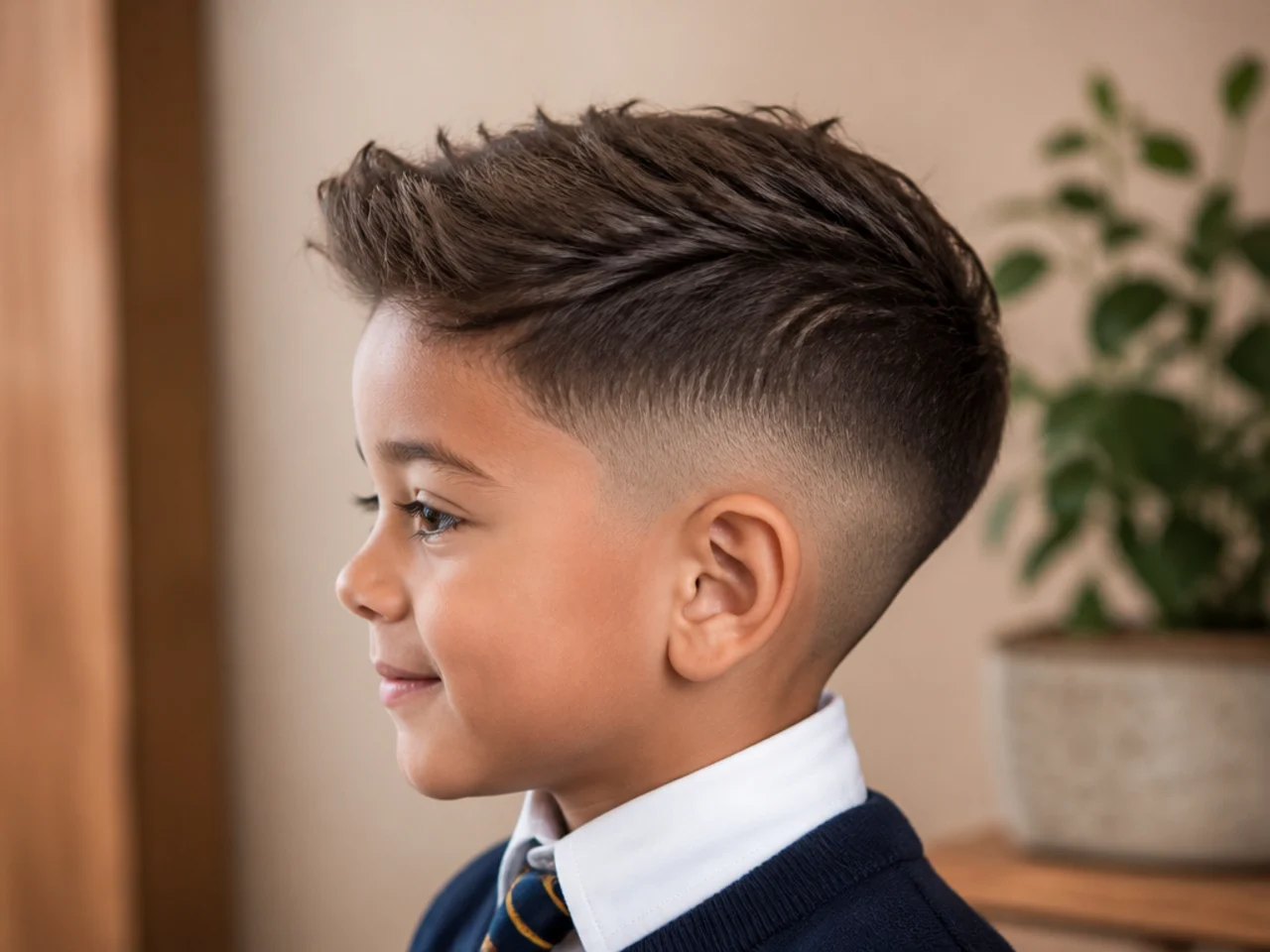
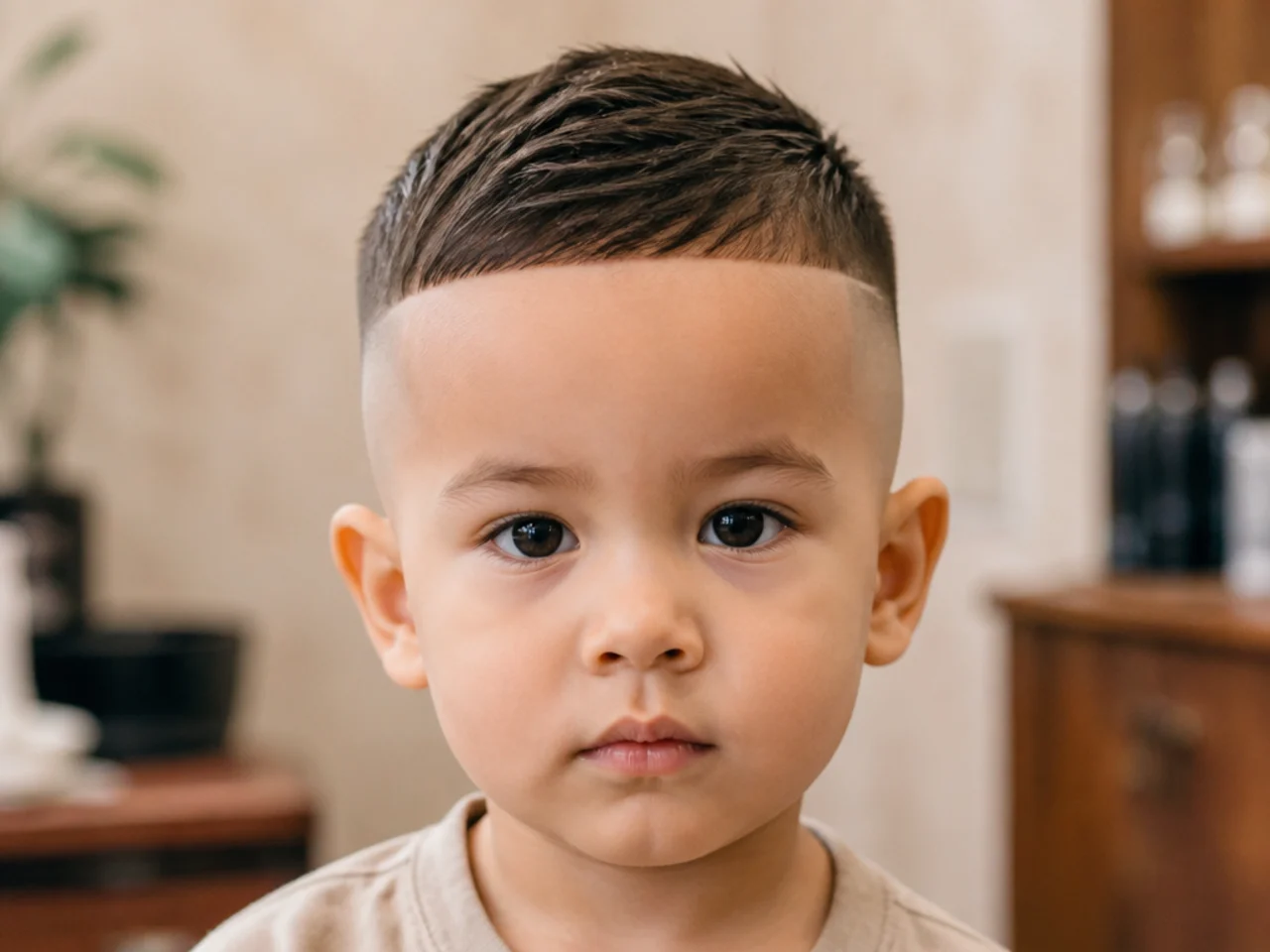
A true fade goes to bare skin, and a taper does not. A taper stops at a guard, usually a number one at the neckline, which means the clipper never has to be held flat against a scalp that is moving.
On fine baby hair the skin section also shows scalp for centimetres either side of the line. So the same shape asked for as a taper survives both a moving head and a thin hairline, and every idea below names the shortest guard it uses.
Why a Toddler Fade Should Stop at a Guard
Blade-to-skin work needs stillness you will not get. The bare blade has to sit flat on the scalp and travel in one steady line, and a head that shifts a few millimetres mid-stroke turns that line into a nick or a stripe.
Fine baby hair shows scalp long before the blade reaches it. Density is low enough that at 3mm the scalp is already visible, so taking a section to skin widens a bare band rather than creating contrast.
A guarded line is fixable and a skin line is not. If a taper lands crooked you take the next guard down over it and the error disappears; a bare patch has to grow back.
A longer guard underneath crosses a smaller gap. The distance a blend has to travel is the difference between the two lengths, so leaving a number two instead of skin halves the work and halves the visible error.
How to Choose Yours
Name the guard, not the word. Say the shortest length you want out loud, because fade and taper mean different things to different barbers.
Pick the height by how much clipper time you have. A low taper touches a band a few centimetres deep, a mid taper touches half the side of the head, and time in contact is the real cost.
Decide how much of the head the clipper touches at all. Some of these are one arc behind one ear, which is thirty seconds of work.
Assume the blend will be soft. Fine hair will not hold a crisp gradient, so choose a version that looks right slightly blurred.
The 20 Toddler Fade and Taper Ideas
1. Low Taper at a Number Two
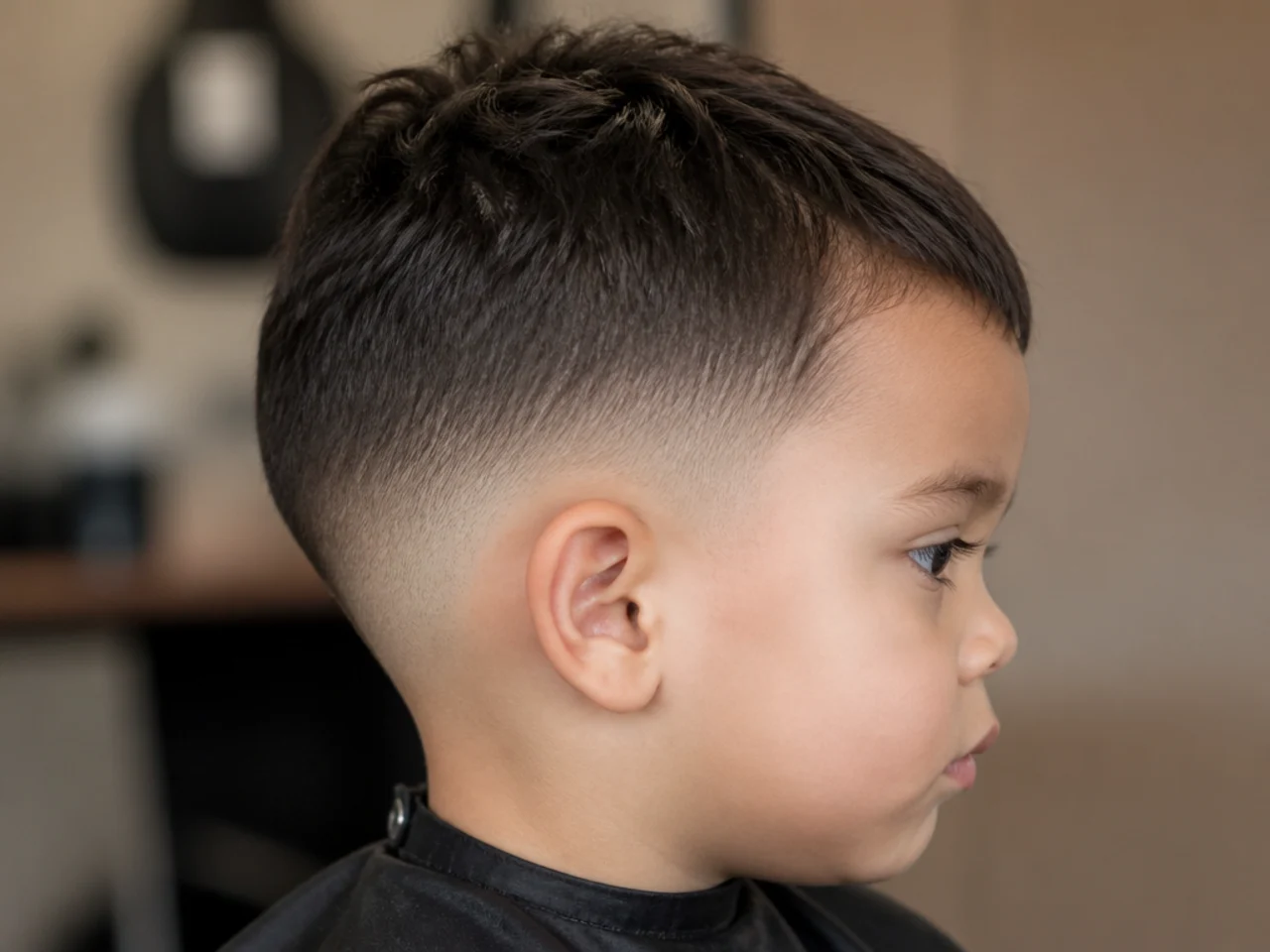
Shortest guard 6mm, sitting at or below the temple. The line stays in the band where hair is densest on a toddler, so the taper reads as short hair rather than as exposed scalp, and it takes one pass either side.
2. Number Three Taper Behind the Ear Only
Shortest guard 10mm, and the clipper touches nothing except the patch behind each ear. It solves the hair that folds forward over the ear and nothing else, which makes it the shortest clipper session on this page.
3. Neckline-Only Clean Up
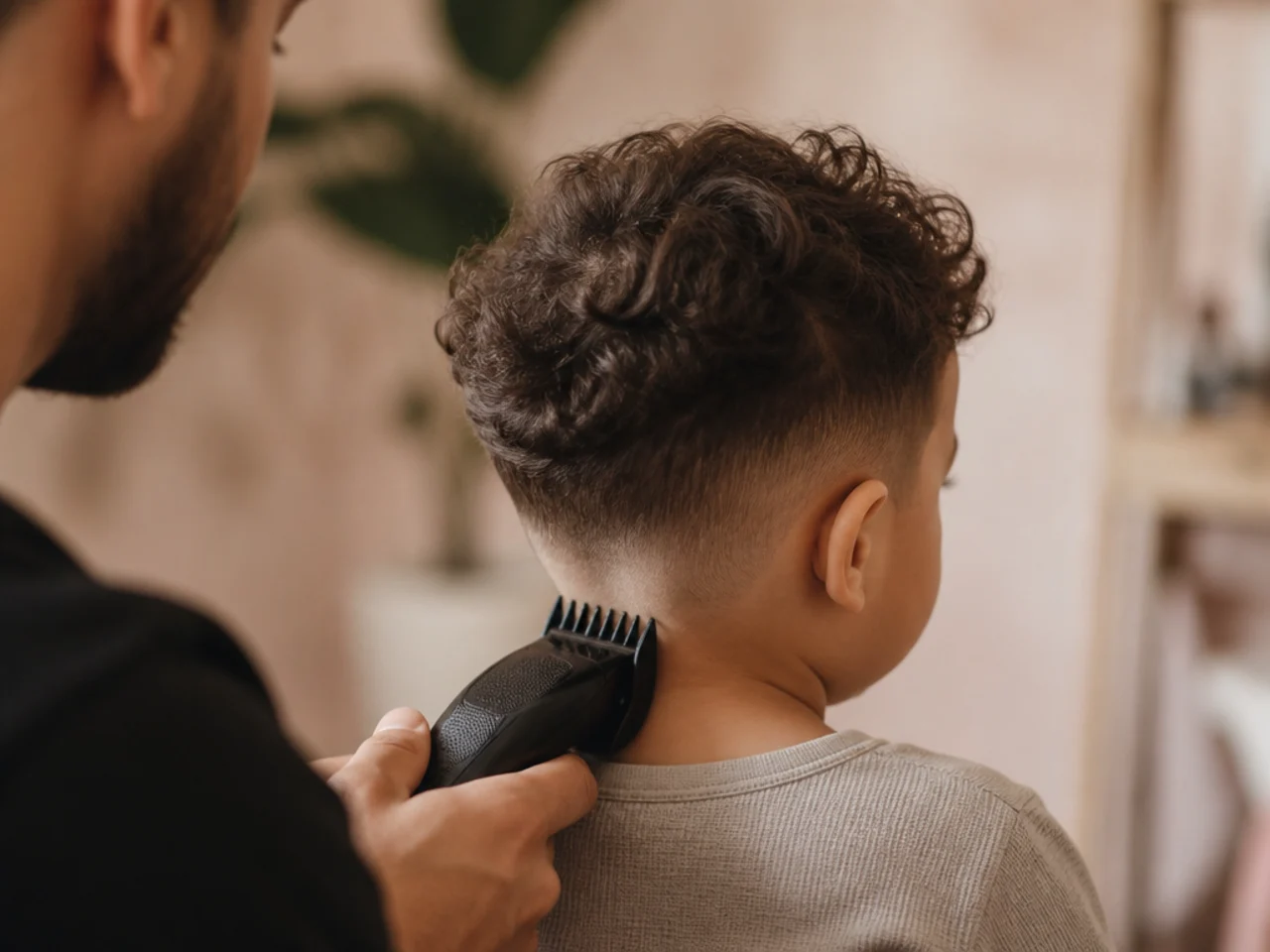
Shortest guard 6mm, applied to the two centimetres above the collar and nowhere else. The nape is the one place a toddler's hair genuinely gets in the way, and it is also the place he cannot see the clipper coming.
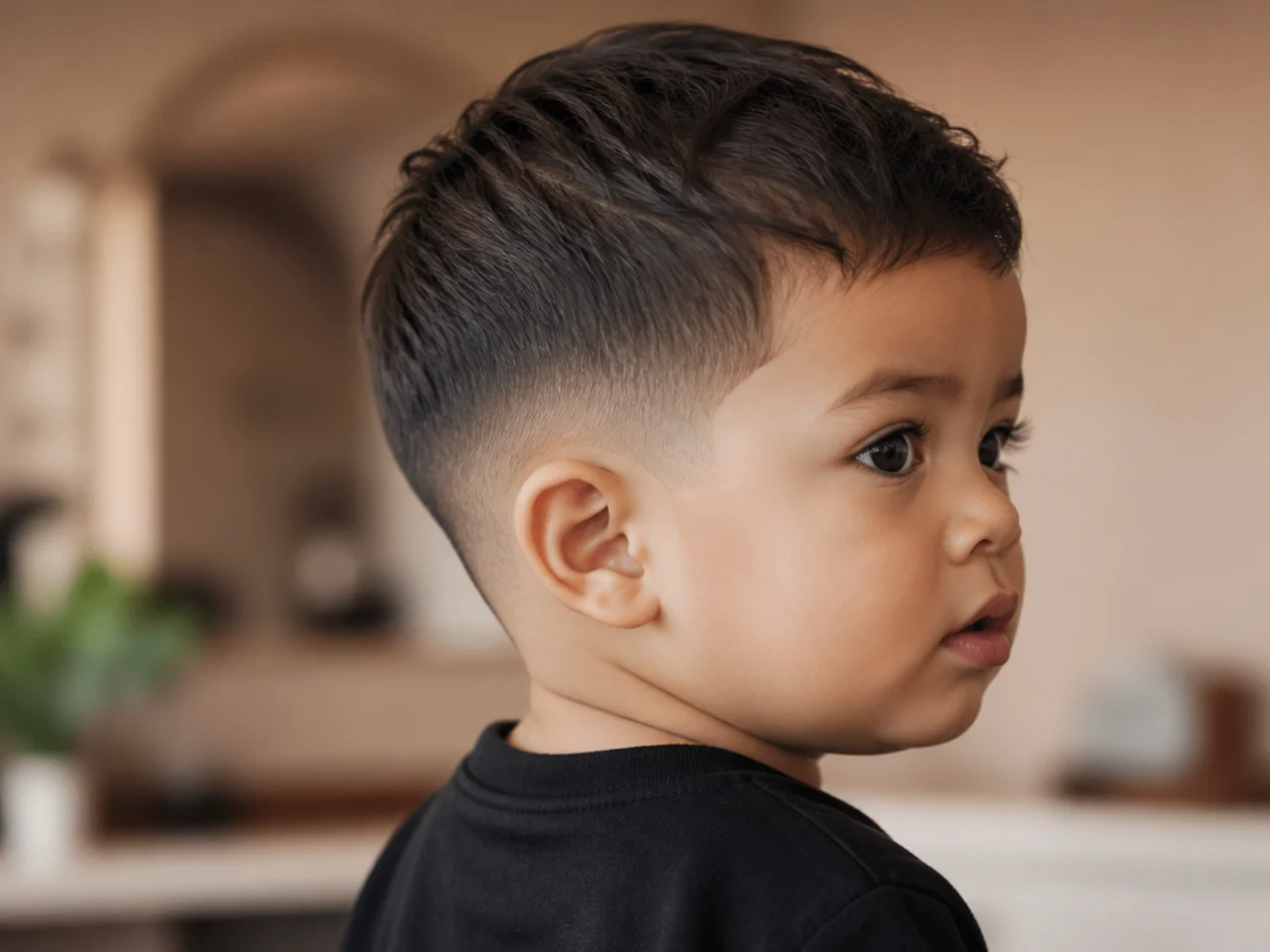
4. Half Fade Finished With Scissors
Shortest guard 10mm, with the clipper stopped partway up and the rest softened by hand. Scissors do not make noise, so this is the version to switch to the moment the motor becomes the problem rather than the cutting.
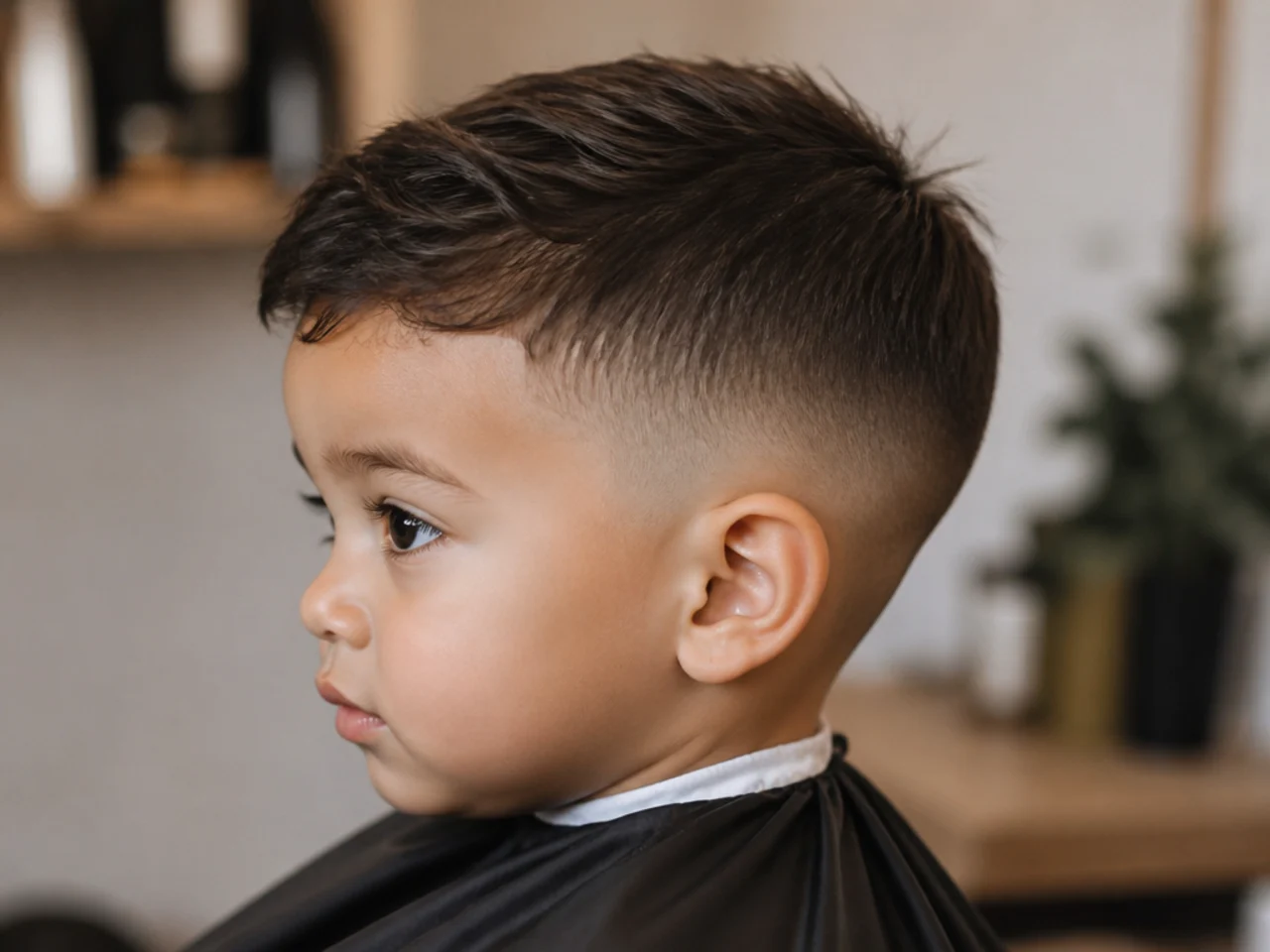
5. Taper Left Long Over the Ears
Shortest guard 13mm, kept deliberately generous around the ear. A number four leaves enough length that the ear itself never has to be folded flat against the head, which removes the single most disliked moment of a toddler haircut.
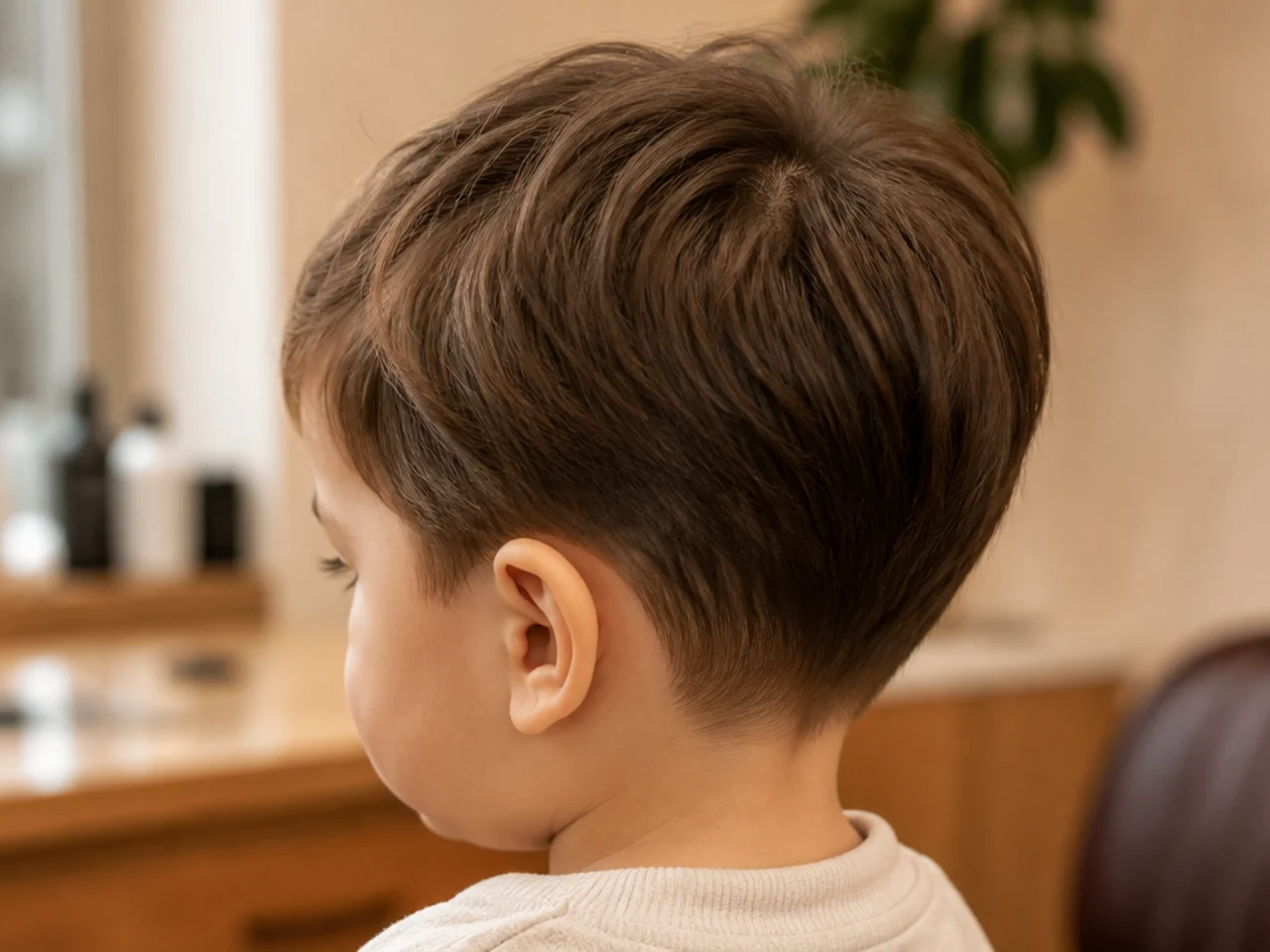
6. Mid Taper With a Long Top
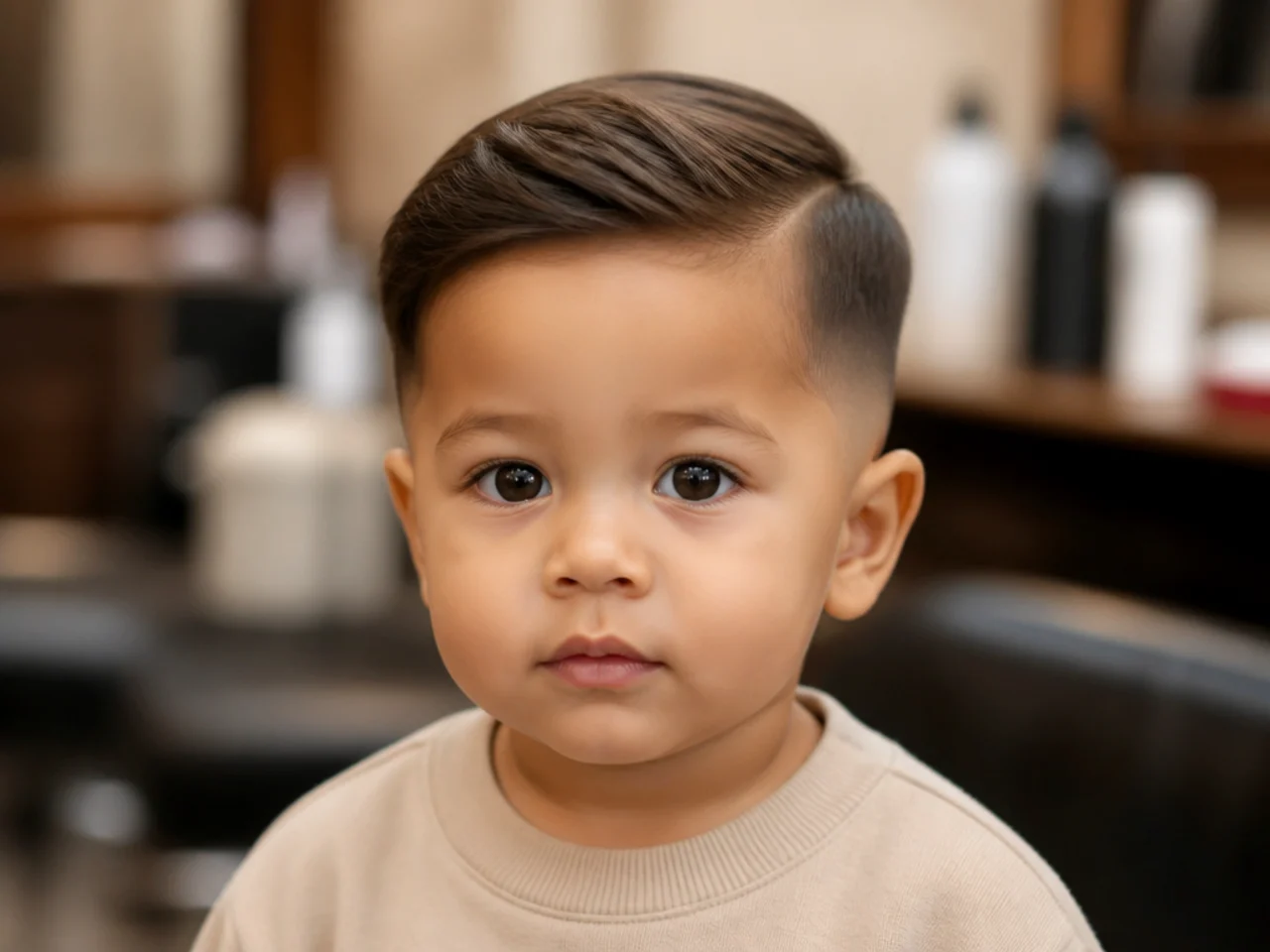
Shortest guard 6mm, with the line sitting between the temple and the parietal ridge, exactly where a mid taper fade sits on an adult. The extra length left on top hangs over the corner and covers the top of the taper, which is what stops a mid line looking severe on a small head.
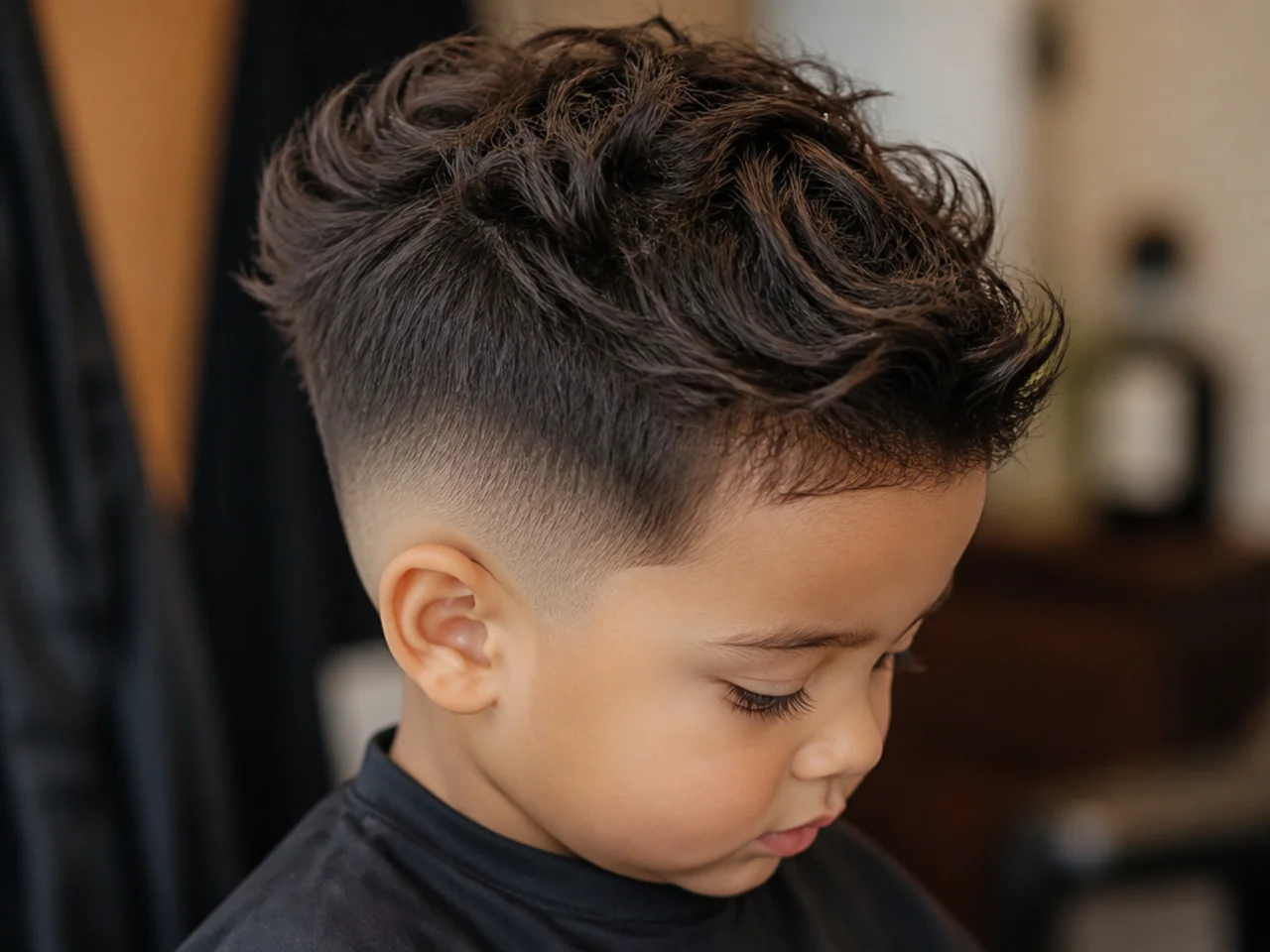
7. Number One at the Neckline, Number Three Above
Shortest guard 3mm, used only in the strip where the hairline itself forms the edge. Three millimetres works there and nowhere else, because the natural hairline hides the point where the density runs out.
8. One-Sided Taper Finished the Next Day
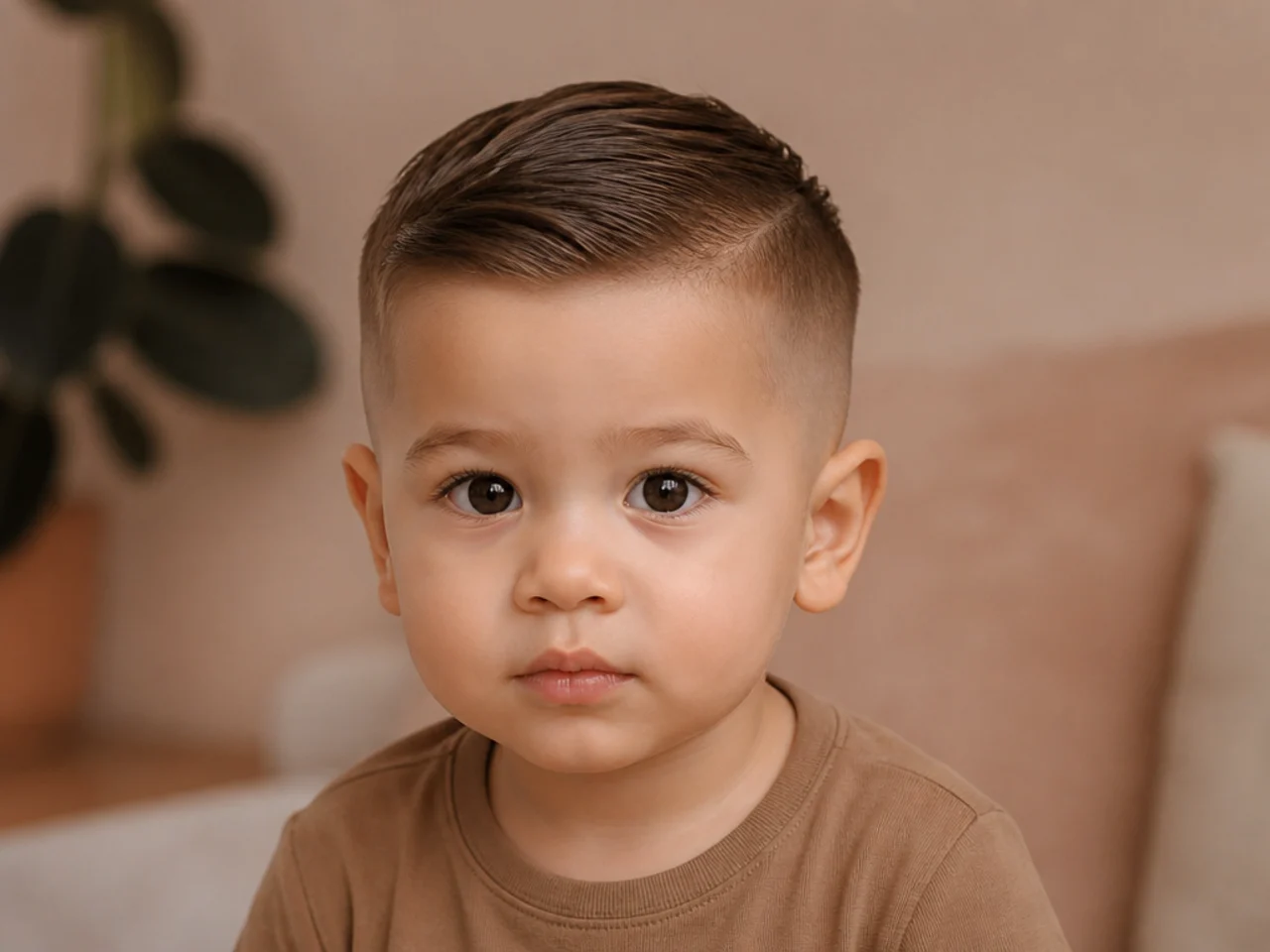
Shortest guard 10mm, with one side completed and the other left. A taper is one of the few clipper shapes where a single finished side is not a disaster, because the length either side of the line is close enough that the mismatch reads as bed hair.

9. Low Taper Under a Curly Top
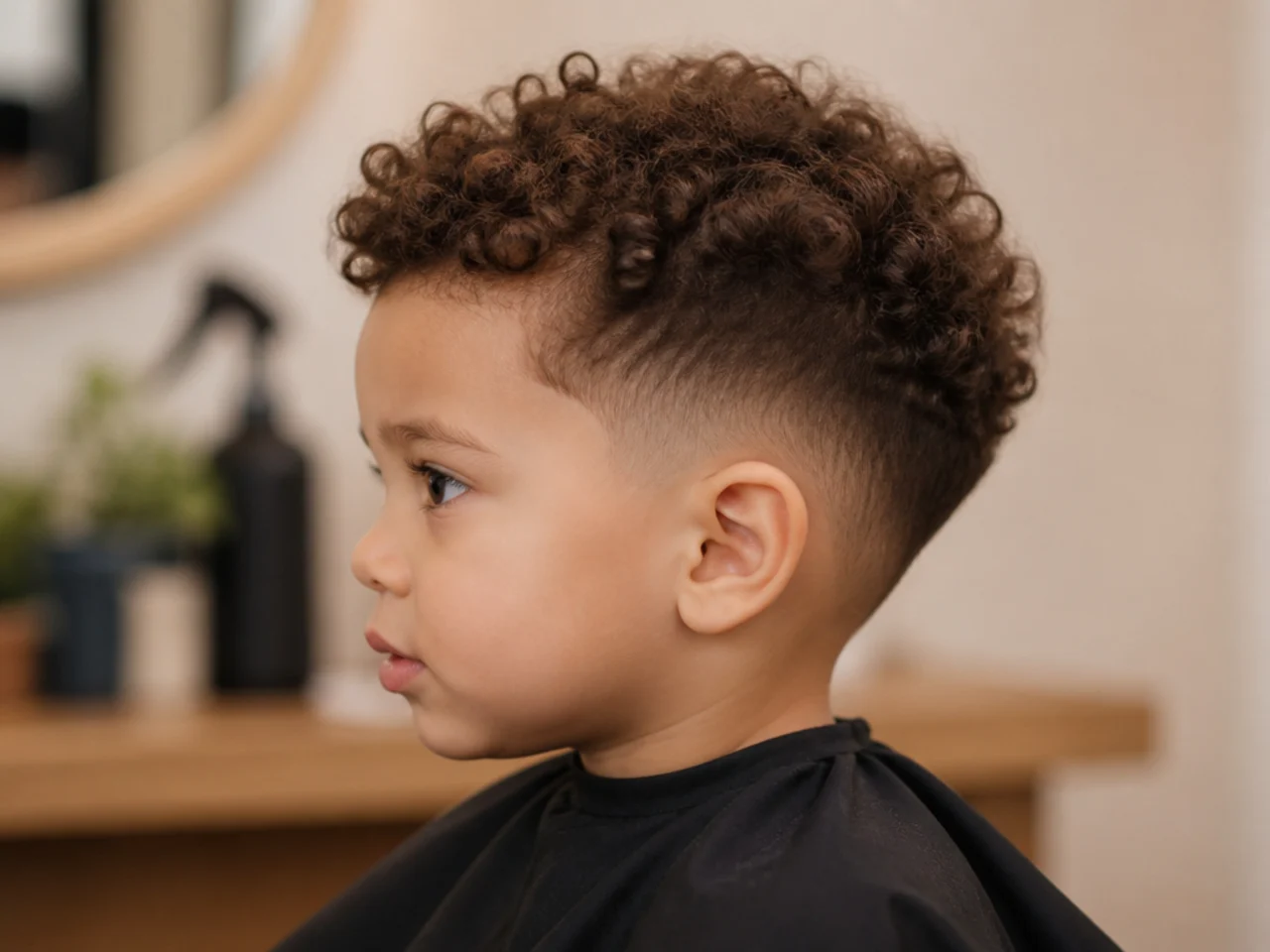
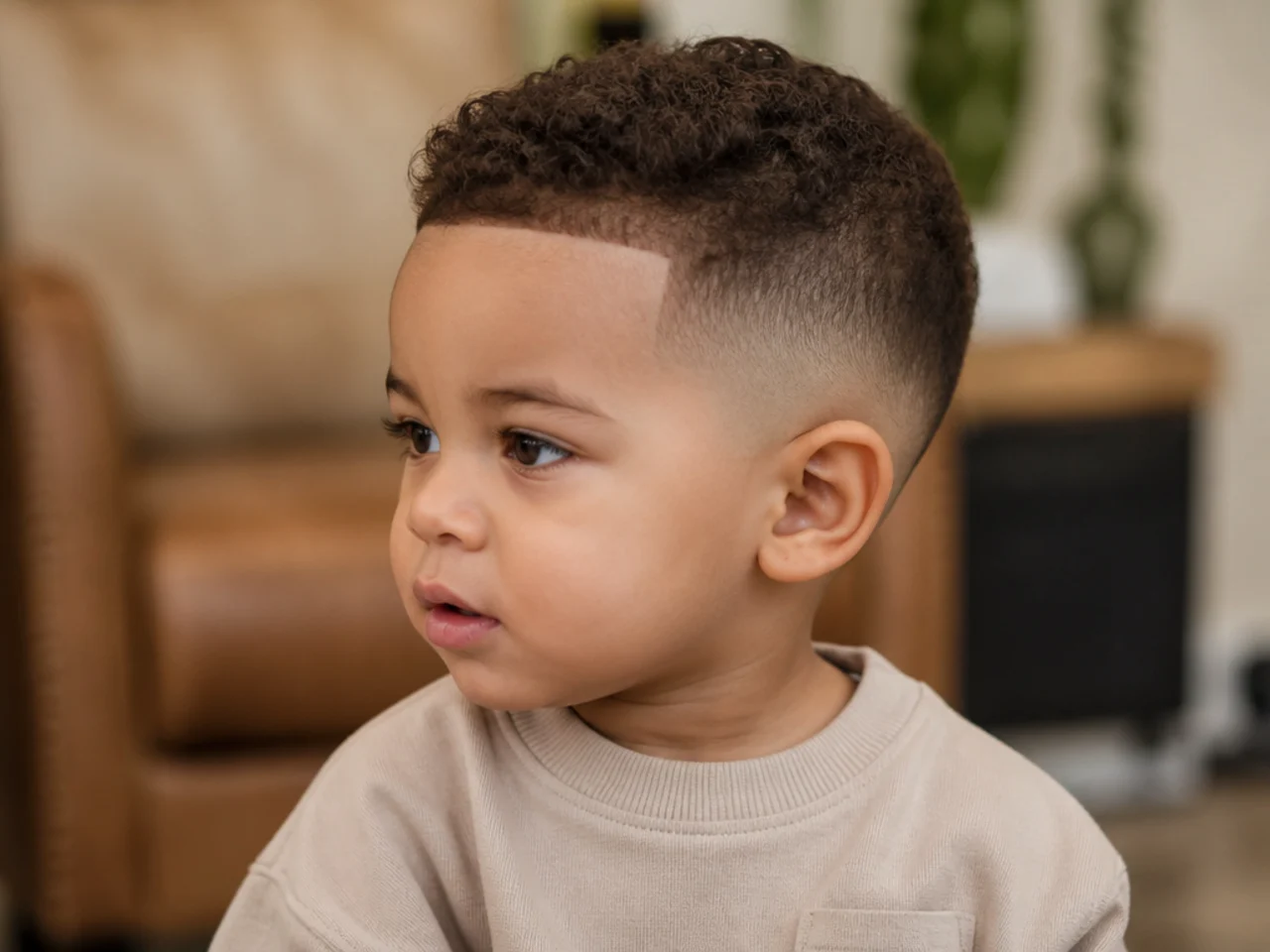
Shortest guard 10mm, placed low so the curl above hangs over it, which is where a curly boy's taper ends up too. Volume bridges the gap between the two lengths on its own, so no blending pass is needed and the join stays invisible as it grows.
10. Two-Guard Taper, Four Down to Three
Shortest guard 10mm, using only two lengths with a single soft join. Three millimetres of difference is small enough that the join needs almost no blending, which cuts the number of passes over the same patch from four to two.
11. Sideburn-Only Taper
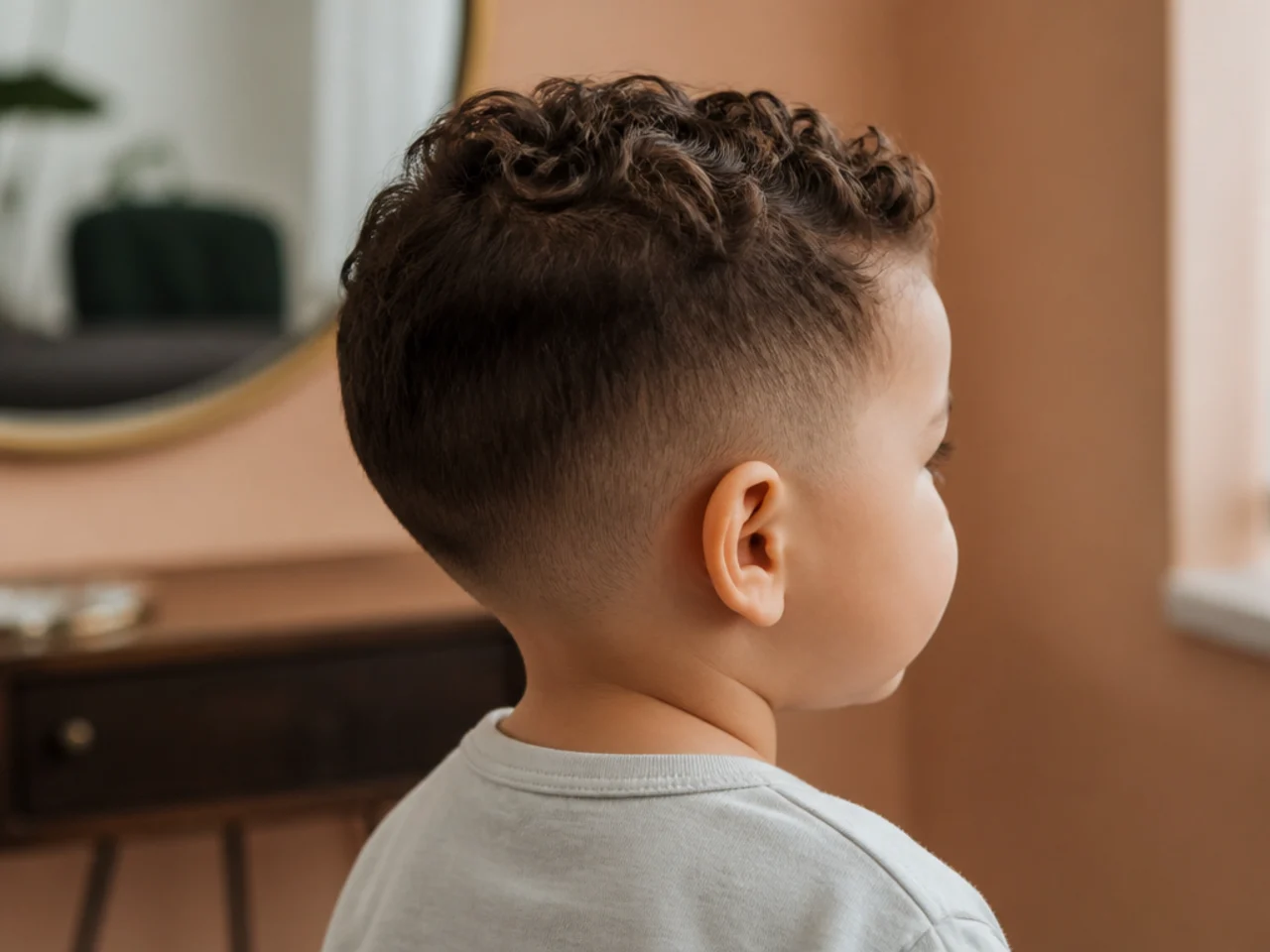
Shortest guard 6mm, applied to the strip in front of the ear alone. The sideburn is the part of a toddler's outline that is visible from the front, so tidying it changes the face-on read without any work behind the head.
12. Taper That Stops Below the Temple
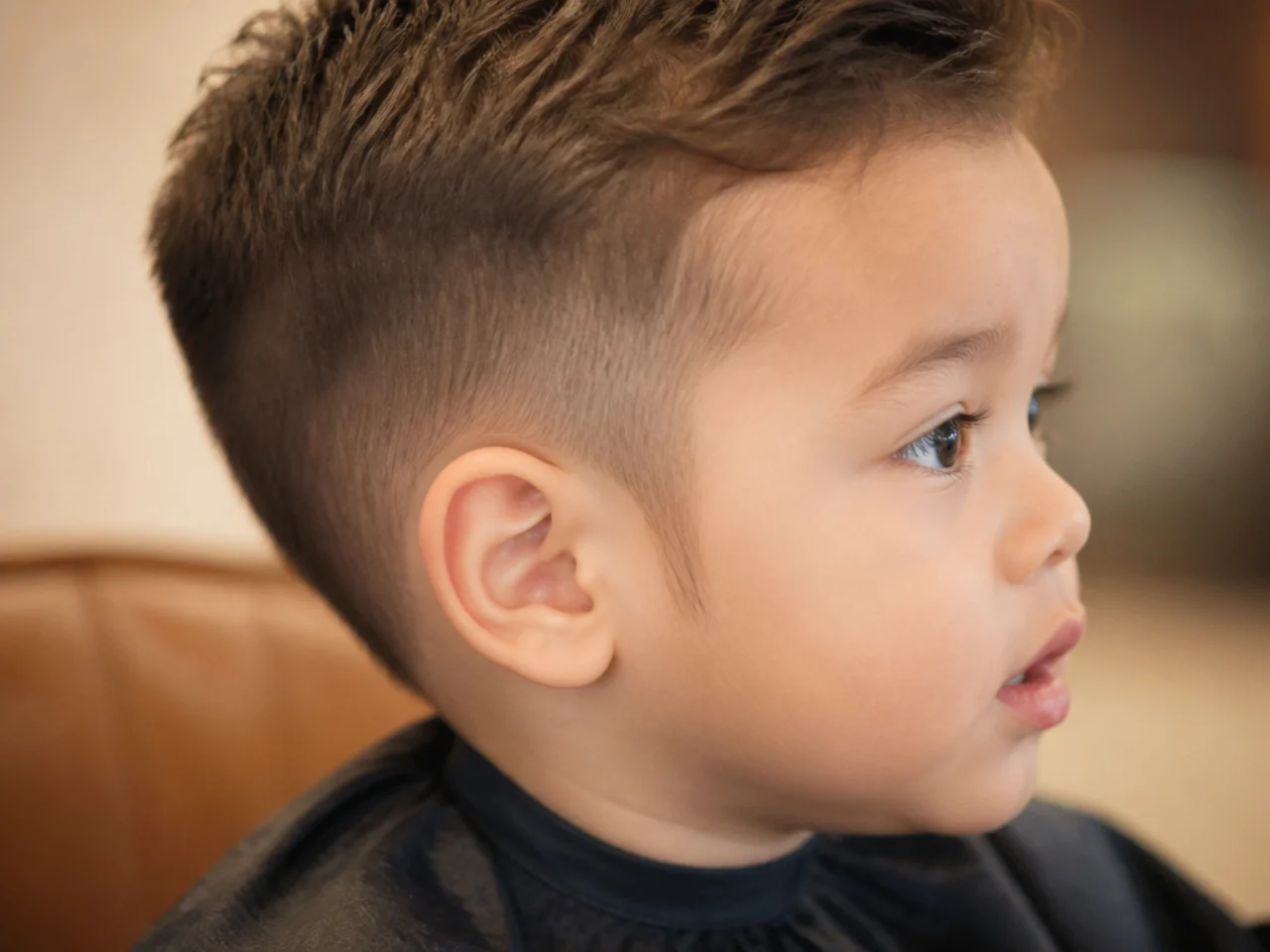
Shortest guard 6mm, with the highest point of the clipper work kept under the temple line. Keeping everything low means the shortest hair sits where a toddler's density is best, so the taper never reaches the thinner hair higher up.
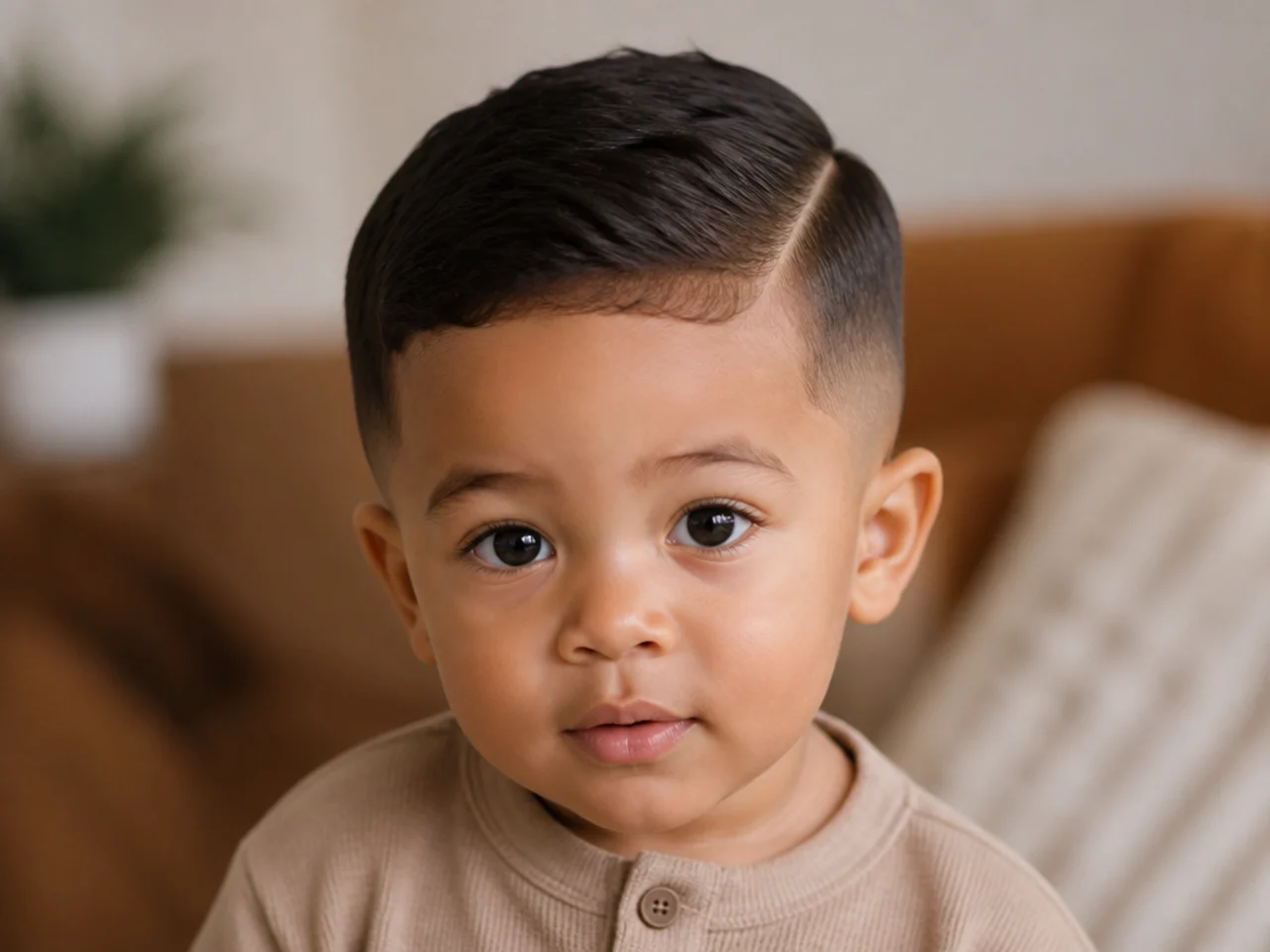
13. Burst-Shaped Arc Kept at a Number Two
Shortest guard 6mm, curved around the ear instead of running level, borrowing the geometry of the burst fade. The arc has no straight line in it, which means a wobble follows the curve rather than breaking it, and 6mm keeps the shortest point off the skin.
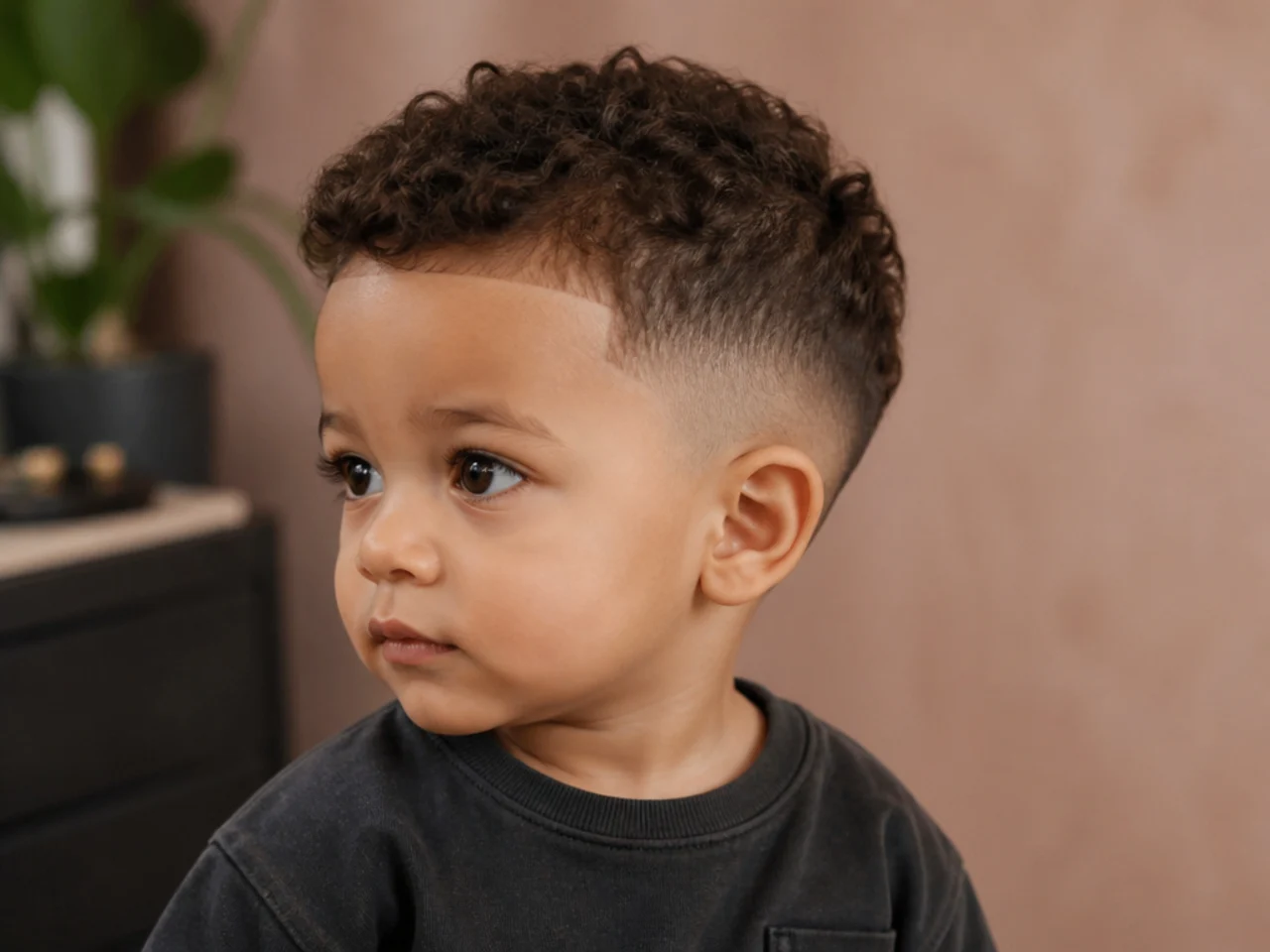
14. Number Two Back With Number Four Sides
Shortest guard 6mm, with the shorter length used only across the back. The back is where hair flattens and mats against a car seat, and it is also the section nobody looks at closely if the join is rough.
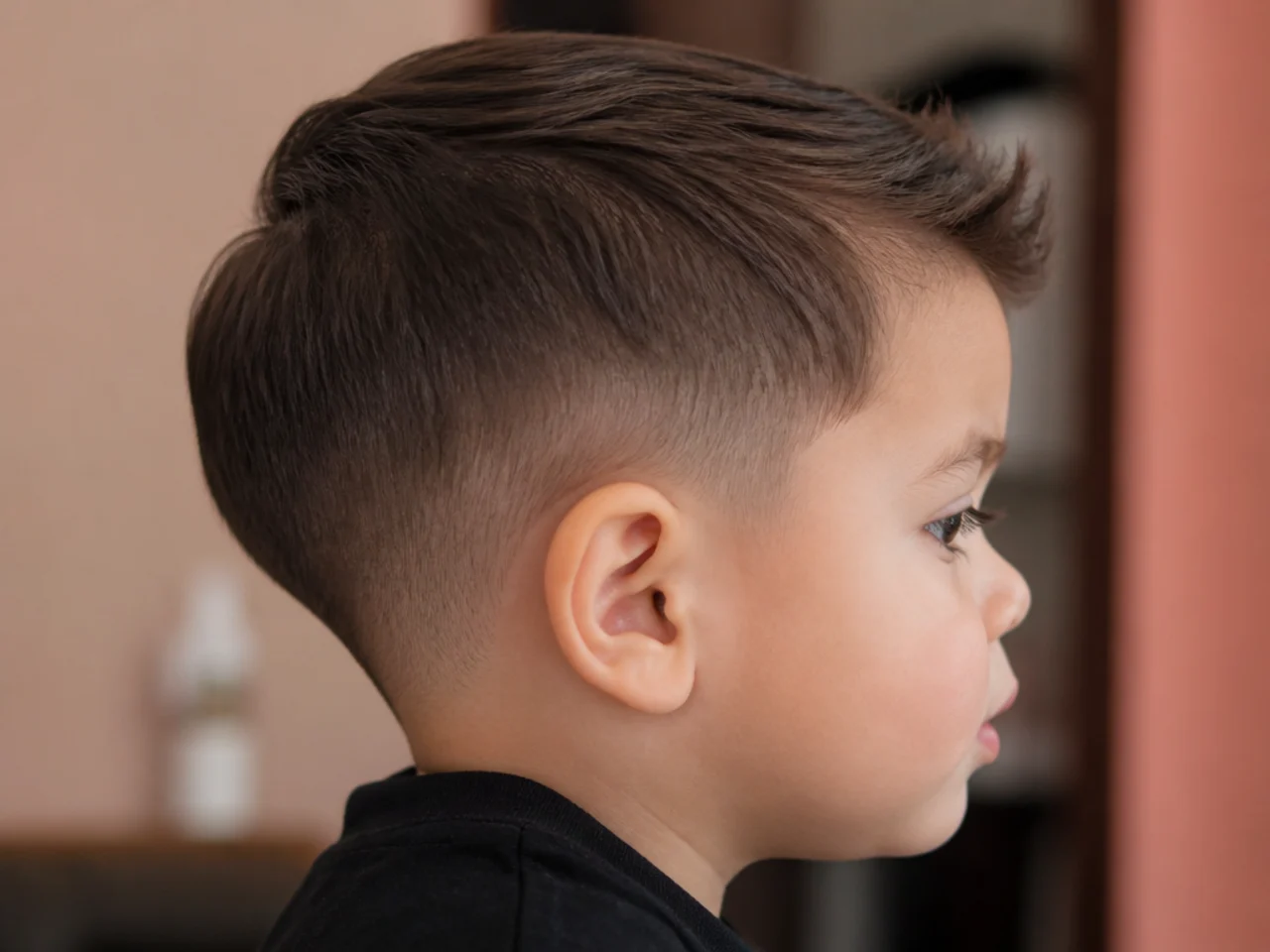
15. Taper With No Line at All
Shortest guard 10mm, worked so there is no point where one length visibly stops. Fine baby hair will not hold a crisp edge anyway, so building the shape without one means nothing blurs later because nothing was sharp to begin with.
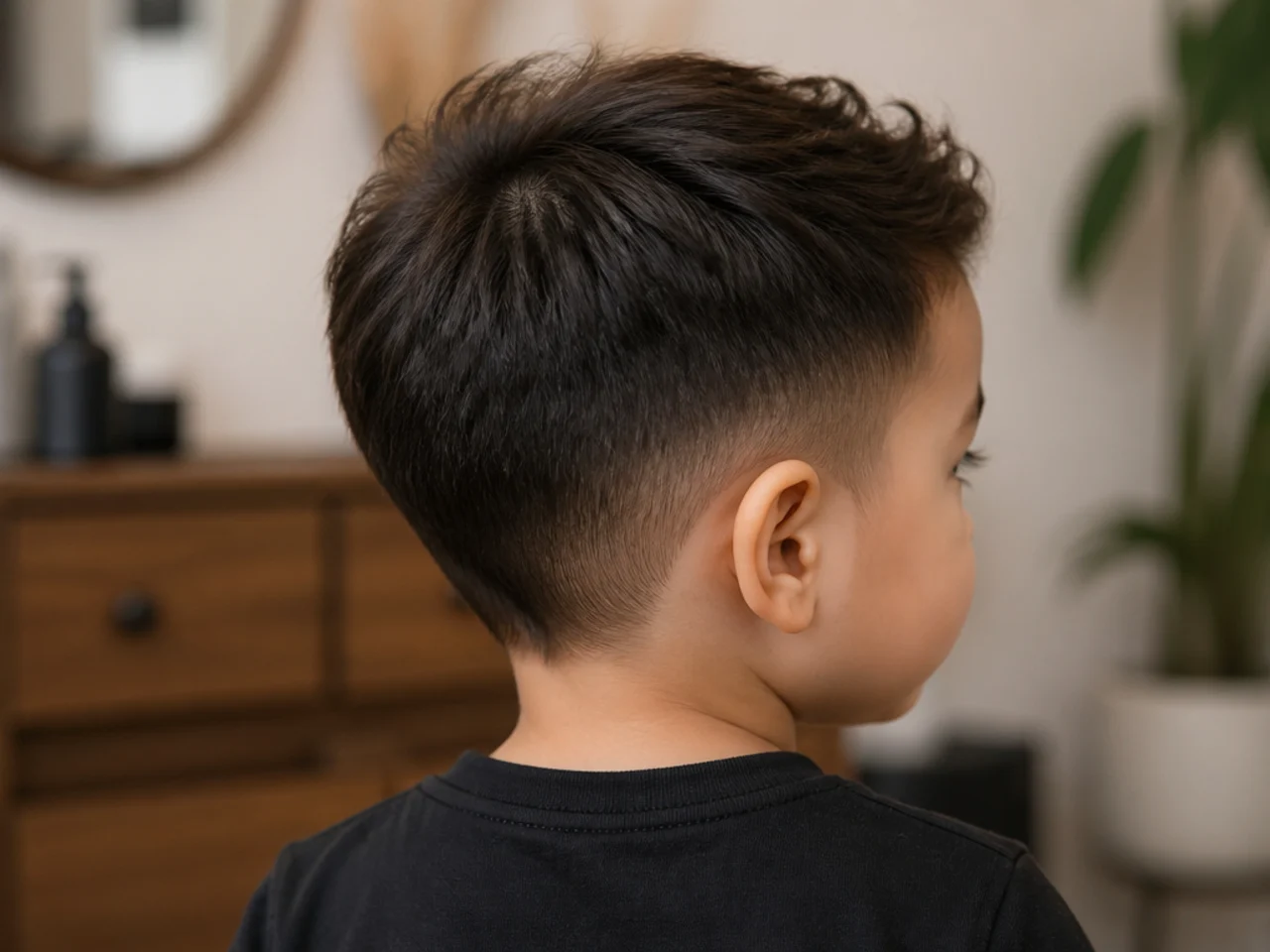
16. Drop Taper Following the Ear
Shortest guard 6mm, with the line dropping behind the ear rather than running straight back. Following the ear means the shape is drawn against a landmark you can see, which matters when you only get a few seconds per stroke.
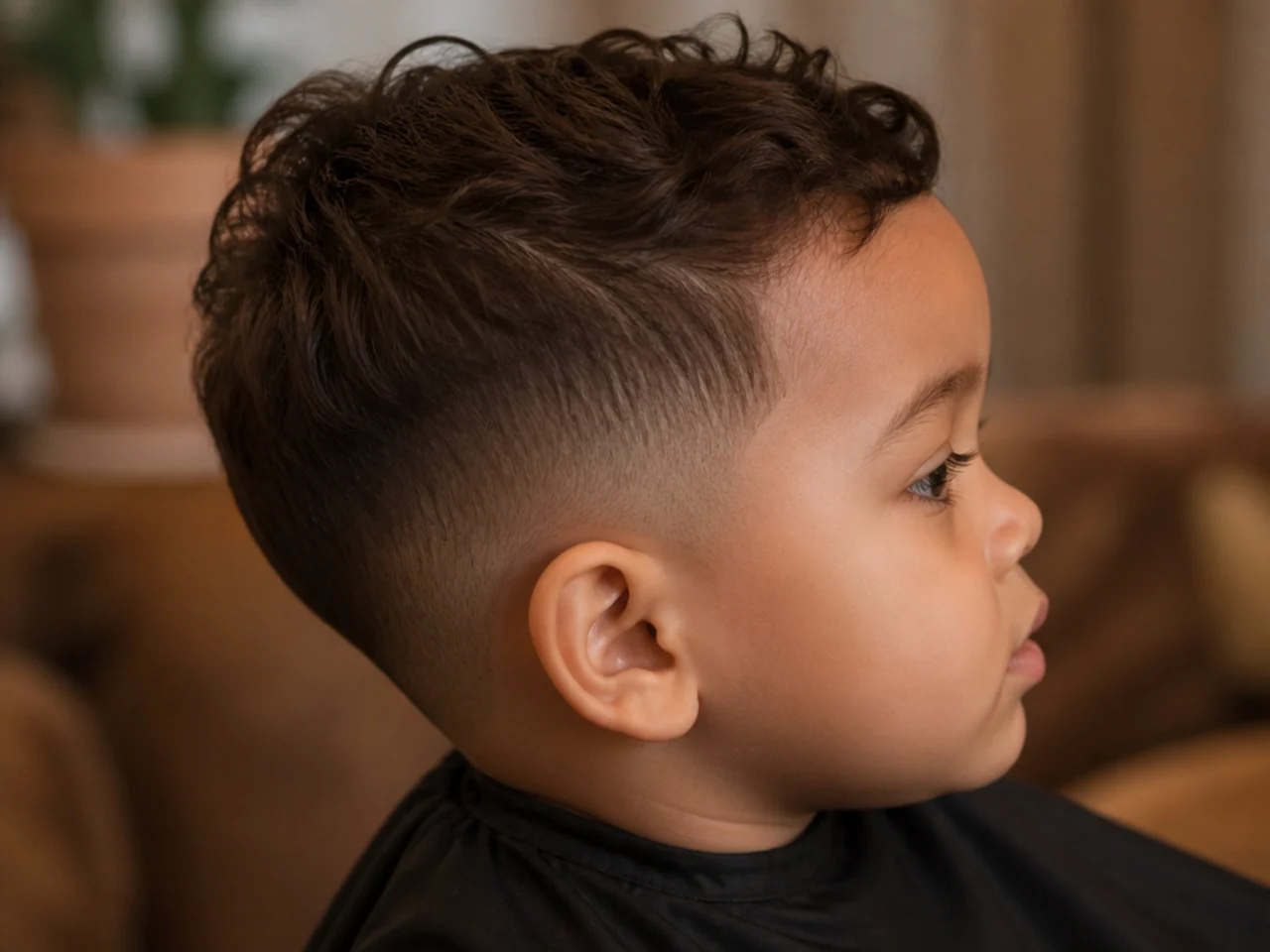
17. Number Three All Round With a Soft Nape
Shortest guard 10mm, one length everywhere below the ridge with the nape edge softened by hand. There is no gradient to complete, so this is the taper that most reliably gets finished in one sitting.

18. High Taper Kept at a Number Two
Shortest guard 6mm, with the line taken up to the parietal ridge. A higher line takes longer to blur as it grows, but it also puts the clipper over more of a small head, so only attempt it on a child who has sat through a taper before.
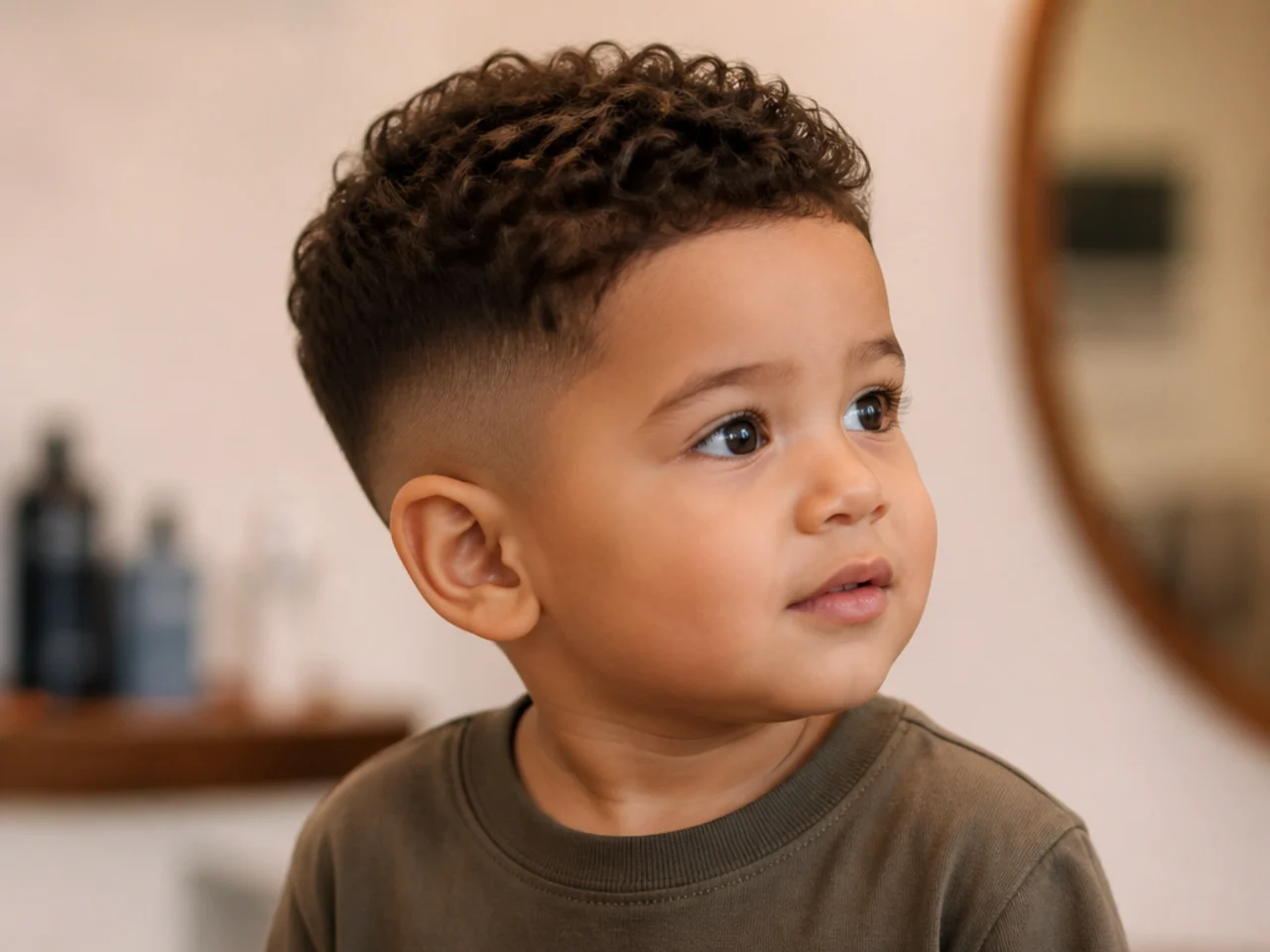
19. Taper Blended With Clipper Over Comb
Shortest length set by the comb rather than by a guard, usually around 10mm. Because the machine never touches the head, you can lift away instantly when he moves, and the edge it leaves is soft by nature.
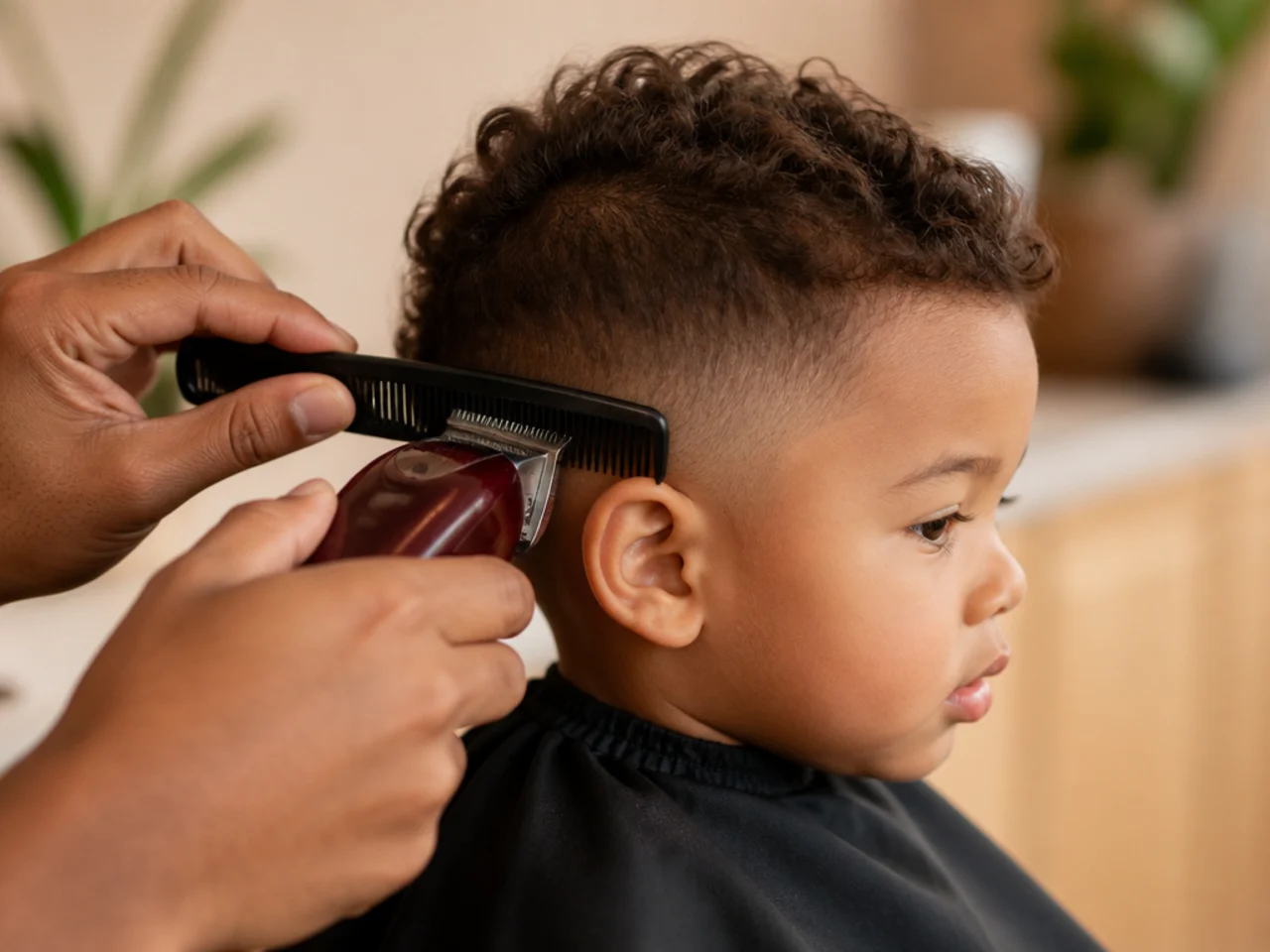
20. Taper Left to Grow Into One Length
Shortest guard 13mm, cut once and then deliberately not maintained. A number four is long enough that as it grows it meets the length above rather than leaving a step, so the cut becomes a one-length shape on its own.

Styling and Upkeep
Let him hold the clipper switched off before you start. The motor is the objection, not the cut, and a few seconds of handling it silent buys you the first pass.
Start the motor away from his head. Turning it on at the scalp is the moment most toddlers pull away, and starting it at arm's length removes that surprise.
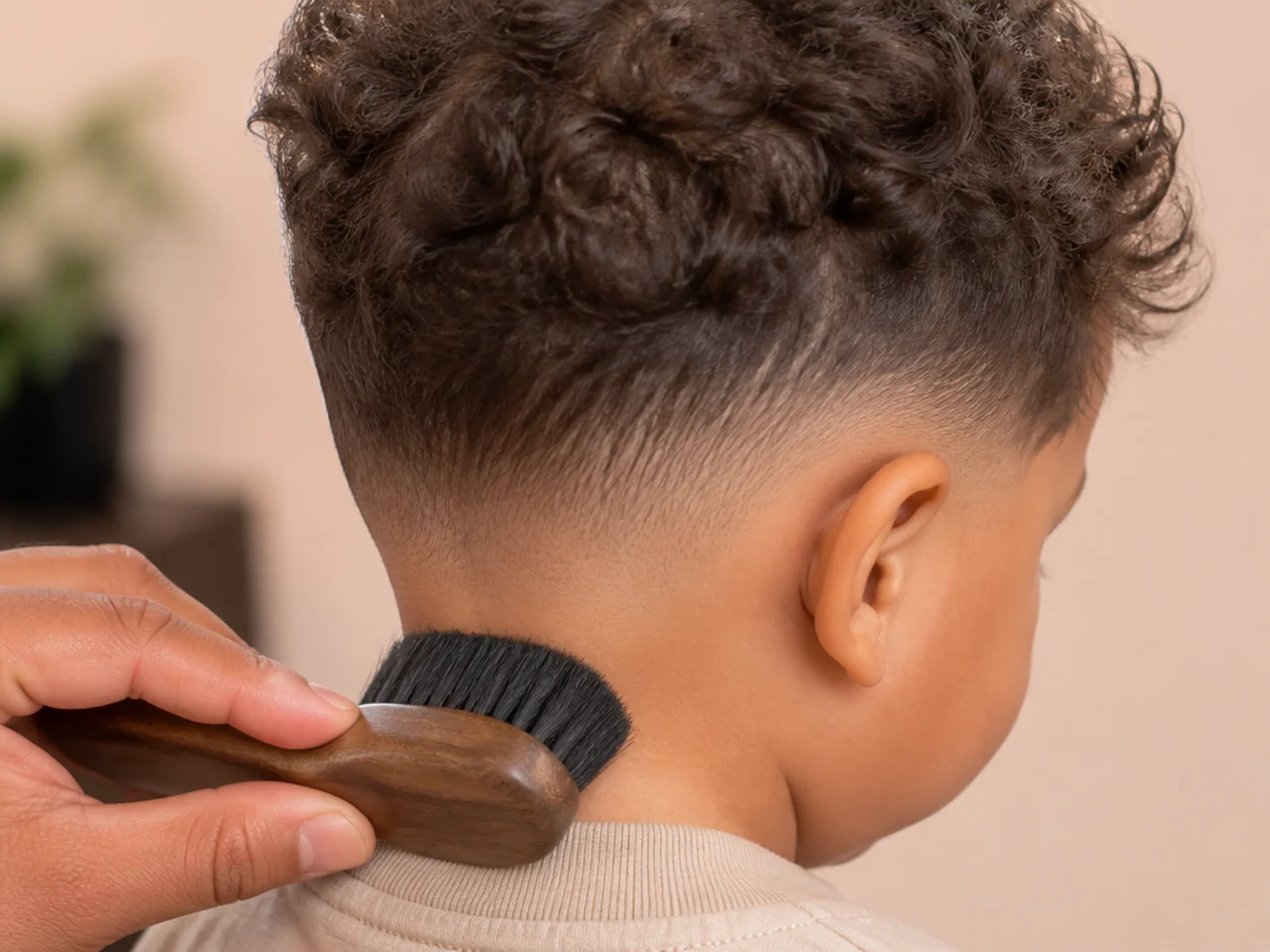
Brush the taper down daily. Fine hair sits in whatever direction it dried in, and a soft brush trains it back into the shape the clipper cut.
Rinse the neck the same day. Clipped ends at the nape itch under a collar and a toddler will scratch at the taper rather than tell you.
Photograph the finished line from behind. It lives where you cannot see it in a mirror, and it is the only reference you have for next time.
Mistakes to Avoid
Asking for a skin fade. It needs a still scalp and it exposes scalp either side of the line on hair this fine.
Using a number one above the neckline. Three millimetres only works where the natural hairline covers for it.
Chasing the head with the clipper. Lift off and wait — a missed stroke costs nothing and a chased one leaves a stripe.
Setting the line high on a first taper. A high line means more of a small head under a running motor for longer.
Trying to sharpen a blurred line at home. Fine hair will not hold the edge, and each attempt takes the shortest point shorter.
FAQ
Fade or taper on a toddler? Taper. It stops at a guard, so no bare blade ever meets a moving scalp.
Shortest usable guard? A number one at the neckline only, and a number two anywhere above it.
Where should the line sit? Low, at or below the temple, where a toddler's hair is densest.
Final Thoughts
Say the guard number out loud and the whole problem goes away. A taper at a number two gives you every bit of the shape a parent is picturing when they say fade, and it does it without a bare blade, without exposed scalp and without a line that has to be perfect first time.
For the one arc worth learning properly at this age, the toddler burst fade guide covers it step by step, and low taper fade shows where the same shape goes once the child is old enough to sit for it. More in Fade Haircuts.