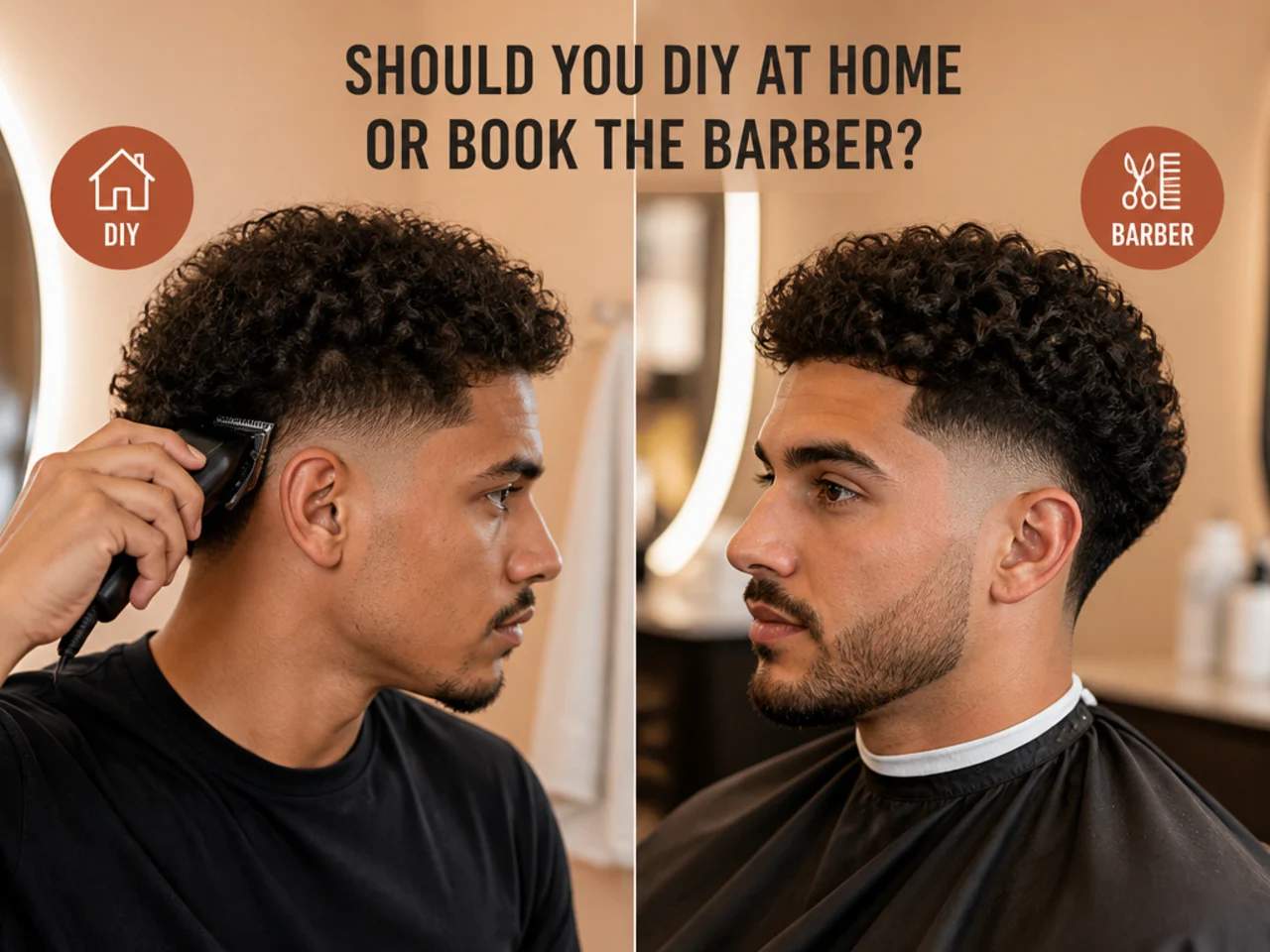
20 Steps to Ask for a Low Fade Haircut
A low fade fits its entire gradient into two or three centimetres above the ear. At that scale the guard sequence matters more than the height does, and one number either way is the difference between subtle and invisible.
In this article · 27
- Precision at a Small Scale
- How to Choose Yours
- The 20 Steps to Ask for a Low Fade
- 1. Find Your Temple With a Finger
- 2. Decide Fade or Taper Before You Book
- 3. Arrive With Clean, Product-Free Hair
- 4. Bring One Close-Up Photo of the Side
- 5. Say Low Fade and Name the Temple
- 6. Name the Bottom Guard
- 7. Name the Middle Guard
- 8. Name the Top Guard
- 9. Ask for the Blend to Be Checked Wet and Dry
- 10. Say What Happens Above the Fade
- 11. Ask for Internal Weight Removal if Your Hair Is Thick
- 12. Say What Happens on Top
- 13. Choose Straight, Drop or Burst
- 14. Decide the Neckline
- 15. Mention Your Beard Early
- 16. Ask For or Refuse a Line-Up
- 17. Check Both Sides at Eye Level
- 18. Look at the Blend in Daylight if You Can
- 19. Rebook by Finish
- 20. Write Down All Three Guards
- Styling and Upkeep
- Mistakes to Avoid
- FAQ
- Final Thoughts
A low fade is a small piece of work done precisely. That is the whole thing.
The entire gradient lives in two or three centimetres above the ear. Where a high fade has the full side of the head to travel through, this one has a band the width of two fingers.
So the guard sequence matters more than the height. Naming one number gets you a hard line, and naming three gets you a fade.
Precision at a Small Scale
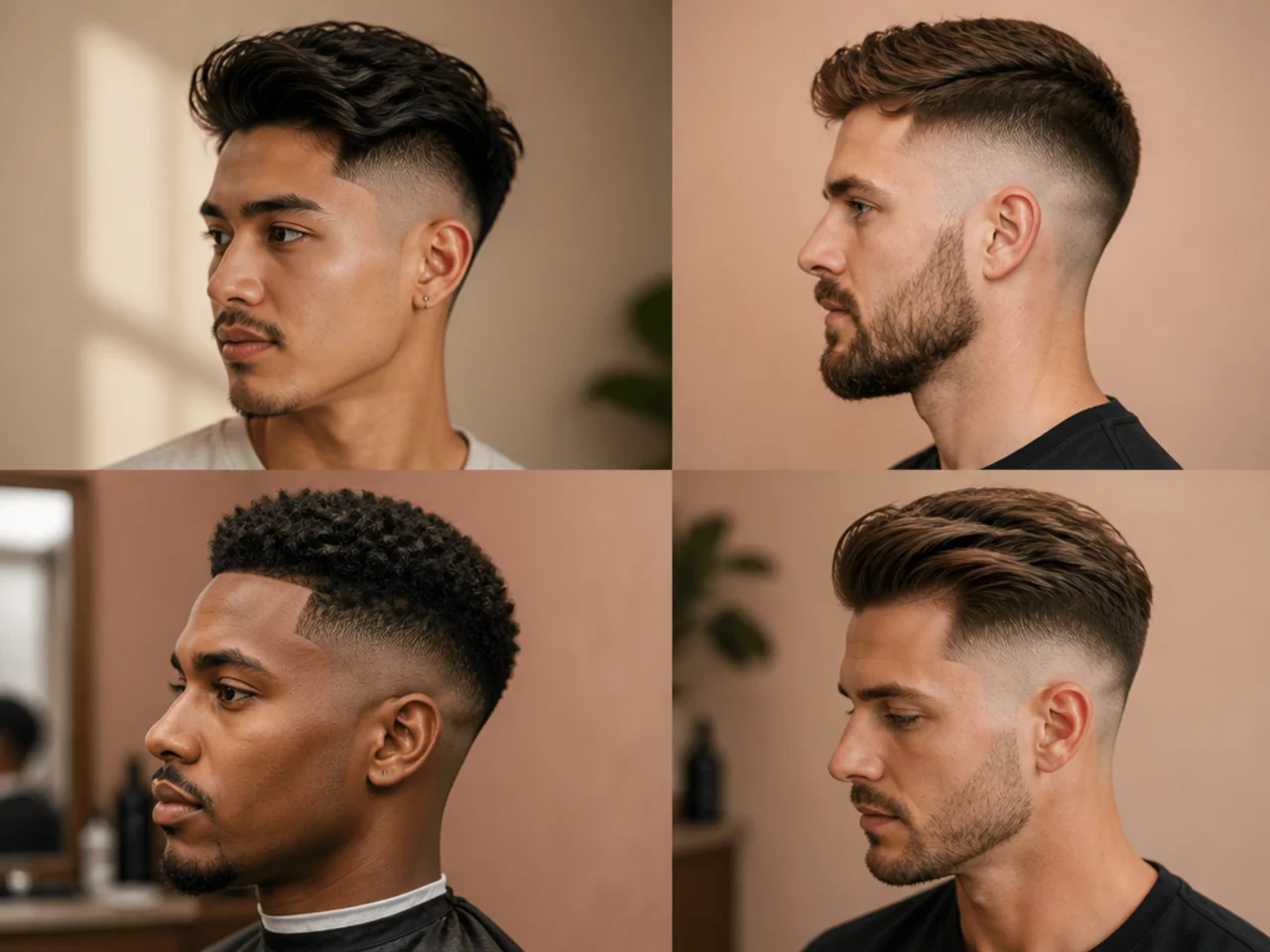
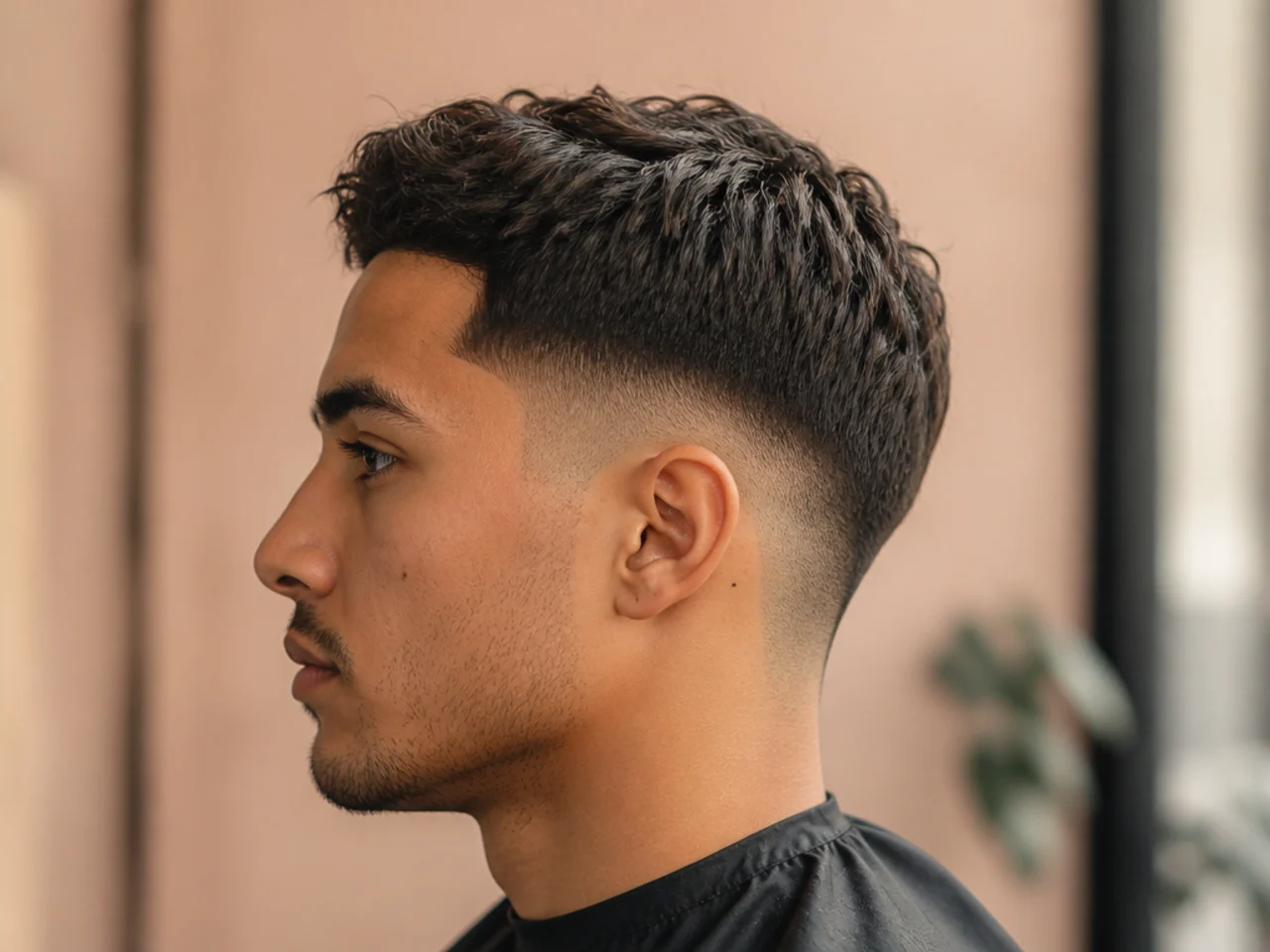
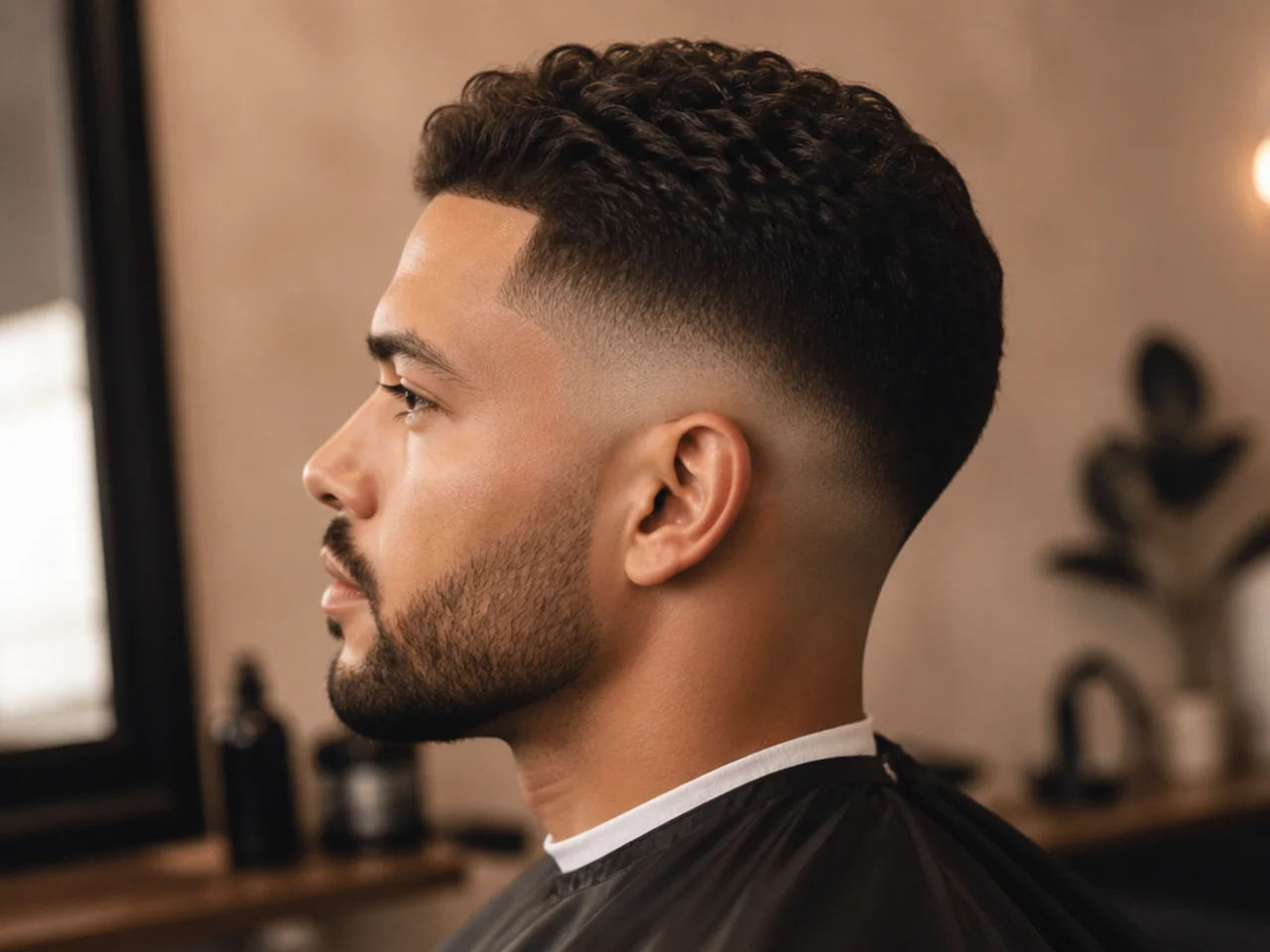
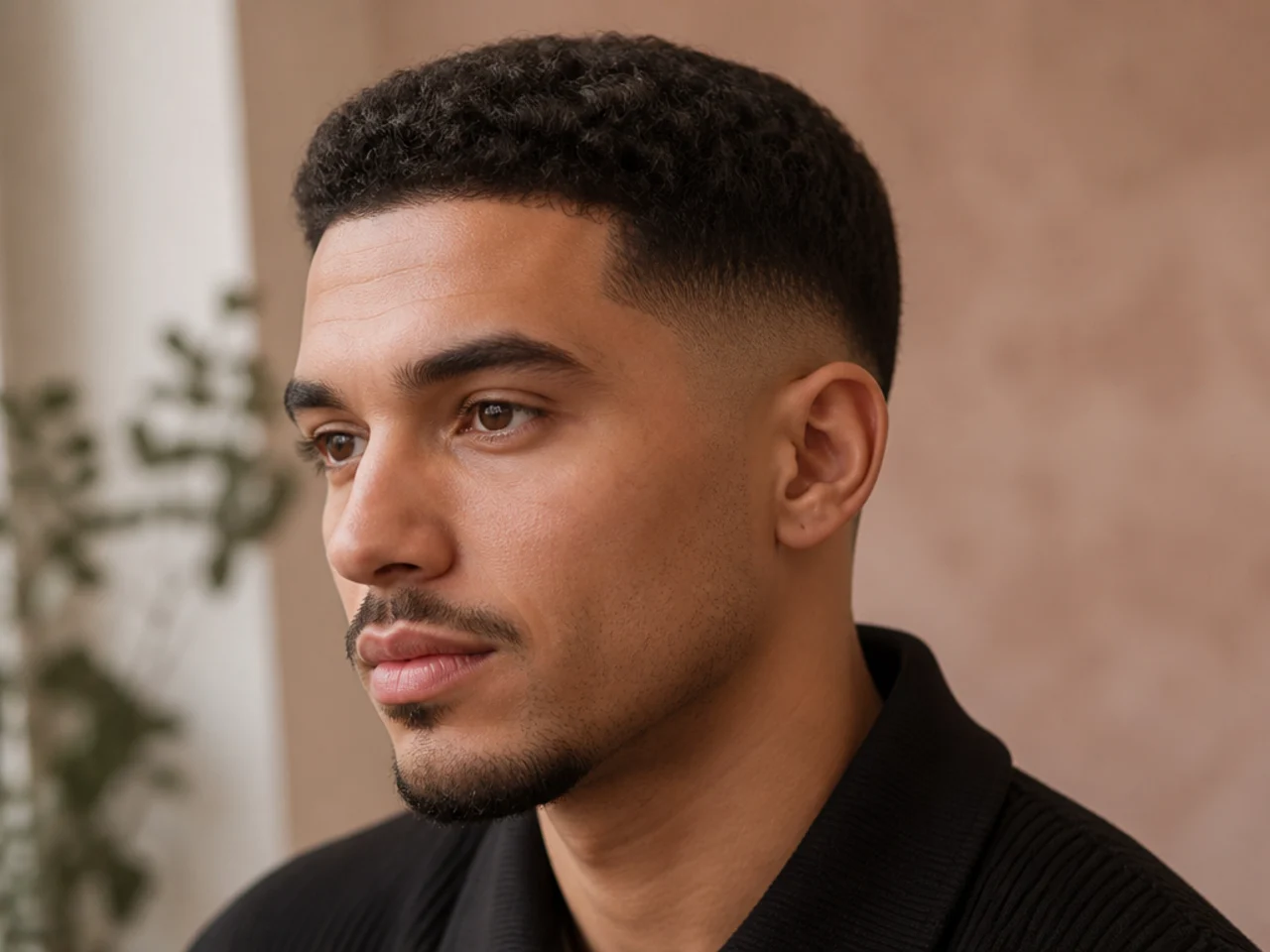
A low fade starts at or below the temple. Just above the ear, and no higher.
That gives the blend two or three centimetres. Which is not much room for a gradient.
So the intermediate guards do the work. A #1 at 3mm between the bottom and the top is what makes it read as a blend.
One guard either way changes everything. Skip a step and the whole thing compresses into a line.
How to Choose Yours
Choose it for a soft grow-out. A low fade is the height that ages best, which is most of why people pick it.
Choose it for a receding hairline. Keeping the weight high at the temples is what makes it work there.
Choose taper over skin unless you rebook weekly. A taper holds three to four weeks against skin's one to two.
Choose the top length last. At this height the top is doing most of the shaping anyway.
The 20 Steps to Ask for a Low Fade
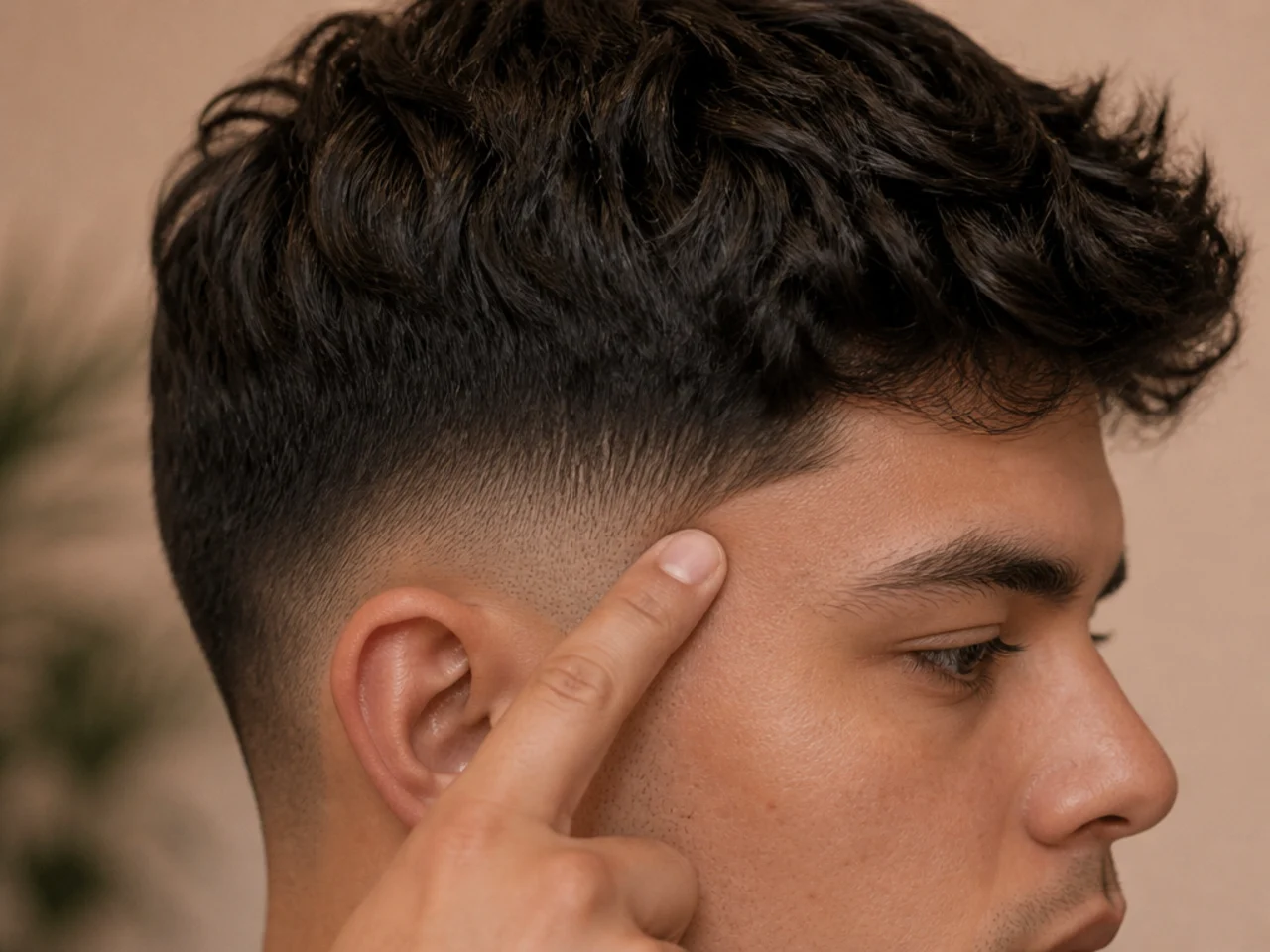
1. Find Your Temple With a Finger
The flat spot beside your eye. A low fade starts at or below it, and pointing is more precise than any adjective.
2. Decide Fade or Taper Before You Book
A fade goes to bare skin and a low taper leaves a #1 at 3mm. At this height the choice is mostly about how often you want to return.
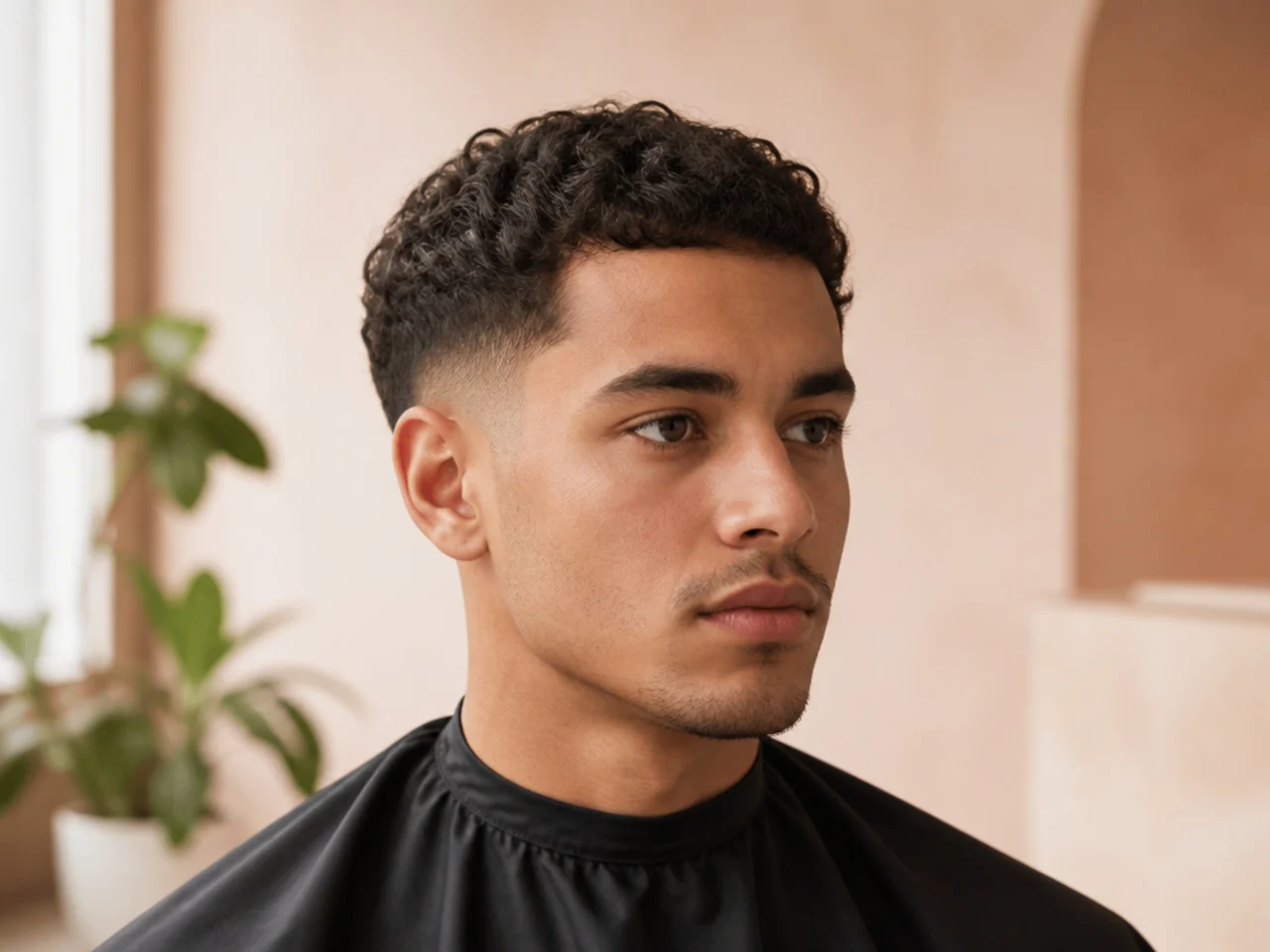
3. Arrive With Clean, Product-Free Hair
Yesterday's clay drags the clippers and changes how length reads. In a two-centimetre band that matters more than it does elsewhere. Coated hair lies flatter under the guard, so the blade takes a fraction less off and the step lands in the wrong place.
4. Bring One Close-Up Photo of the Side
Not a full head shot. A low fade occupies a small area and a wide photo shows none of the detail. On a phone screen the whole gradient is a few pixels deep in a full-head shot, which is nowhere near enough to read guards from.
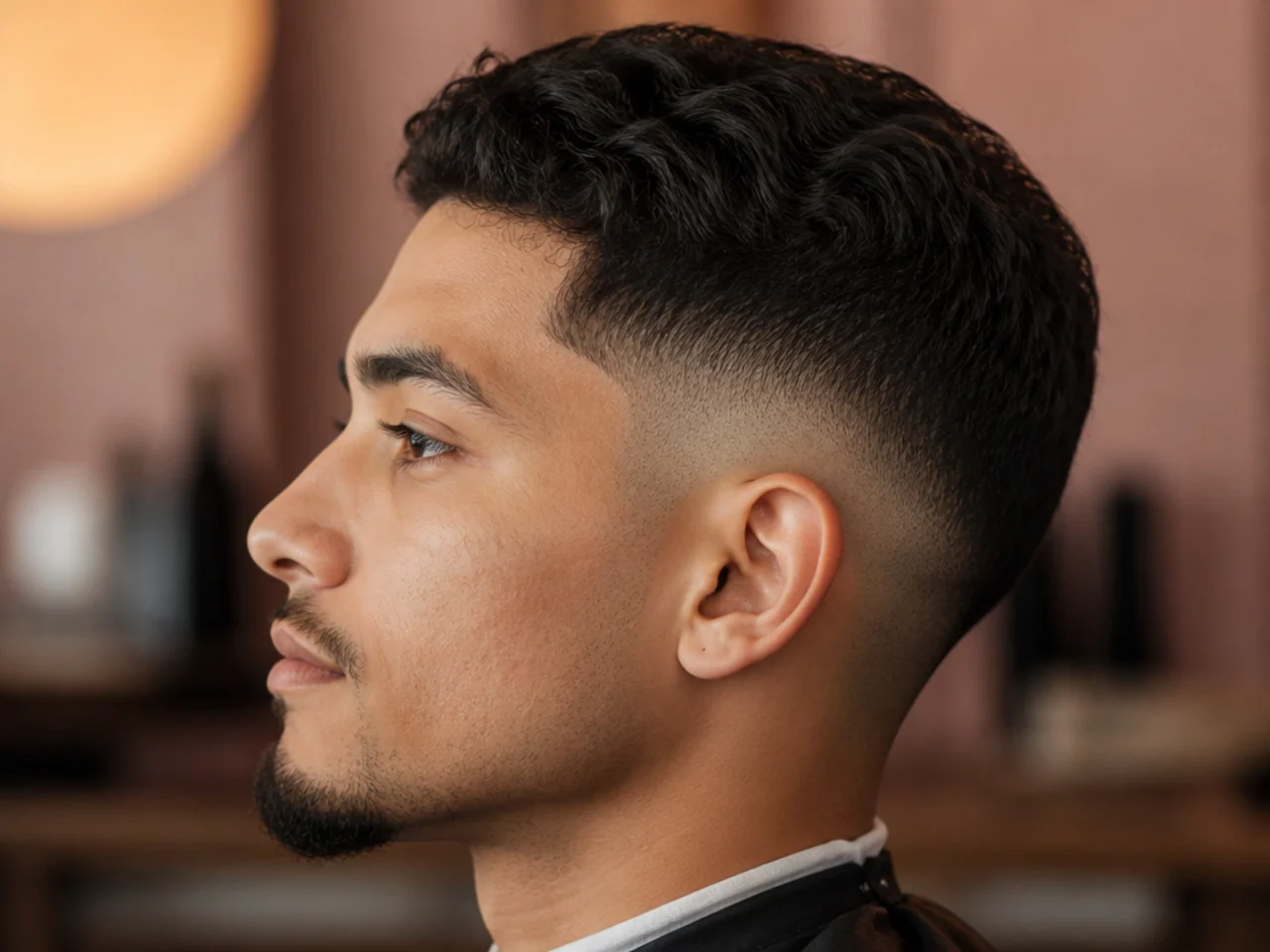
5. Say Low Fade and Name the Temple
At or below it. Some barbers hear low and cut mid, and the landmark removes that possibility. The gap between the two is about four centimetres of head, which at this scale is a completely different haircut rather than a slight variation.
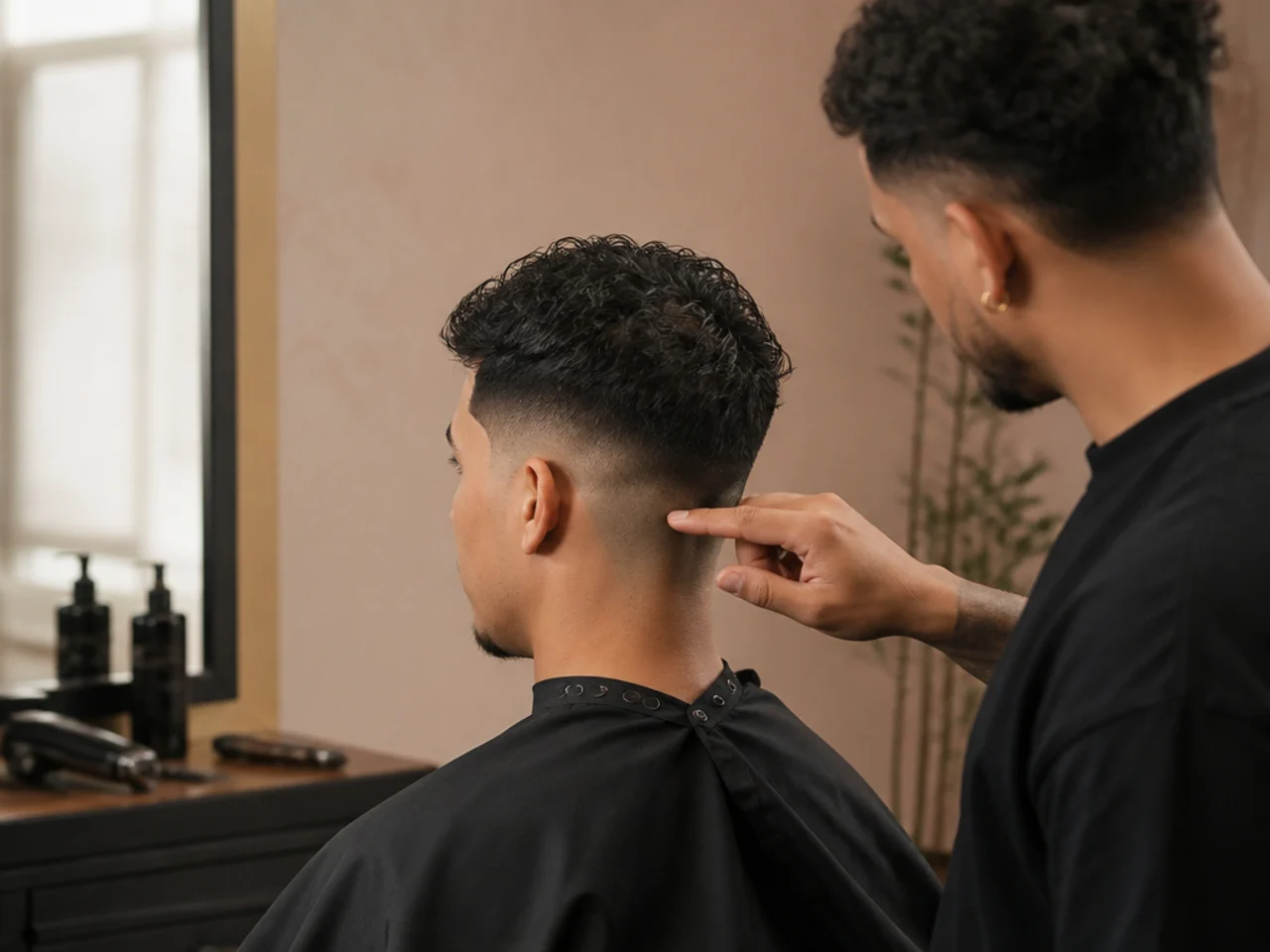
6. Name the Bottom Guard
Skin, or a #0.5, or a #1 at 3mm. It sets how sharp the very bottom of the cut looks. It also sets the rebooking interval, because a bare bottom edge fills with stubble a fortnight before a 3mm one starts to soften.
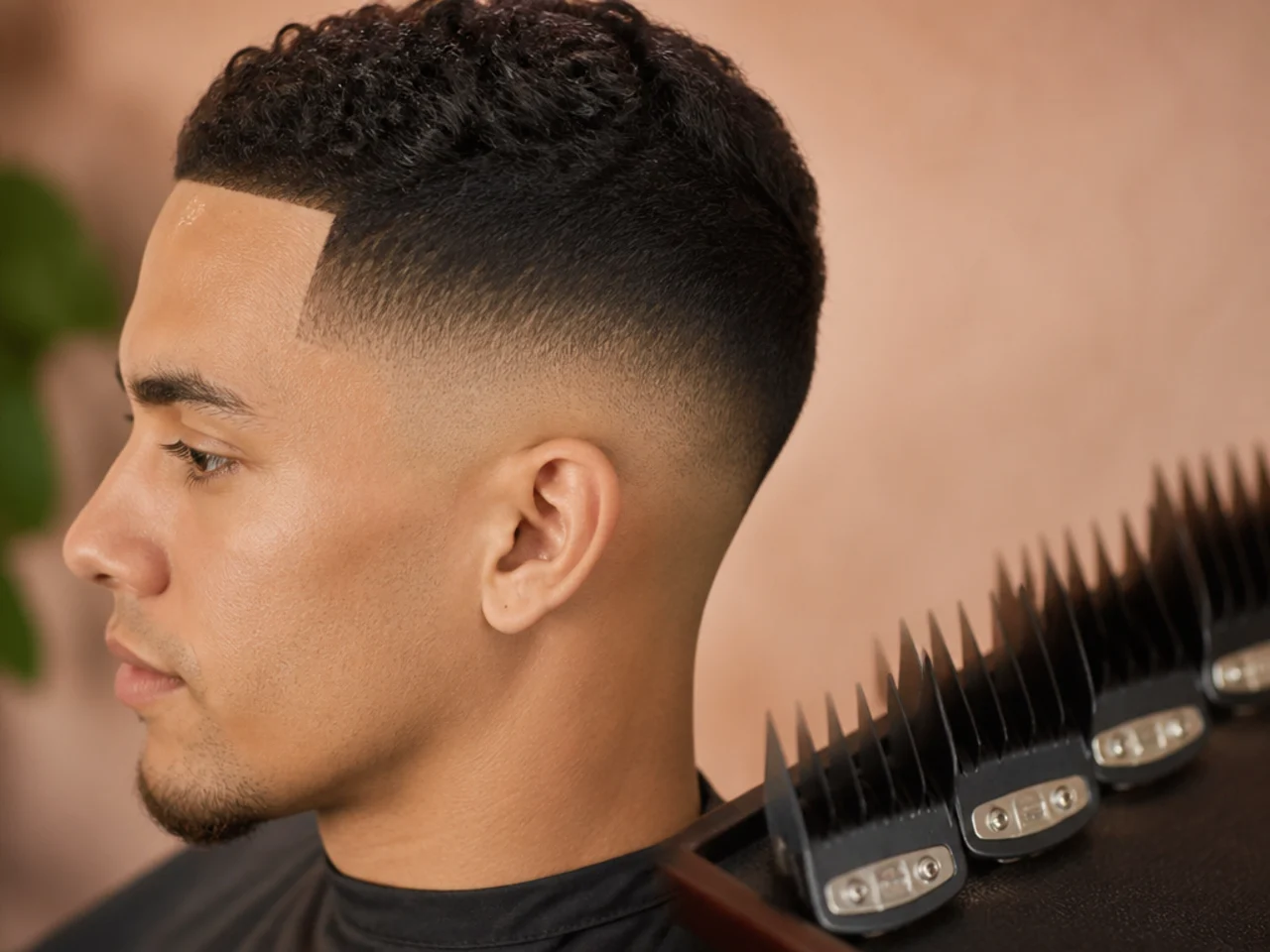
7. Name the Middle Guard
Usually a #1 at 3mm. This is the step most people skip and it is the one that makes a low fade a gradient rather than a line.
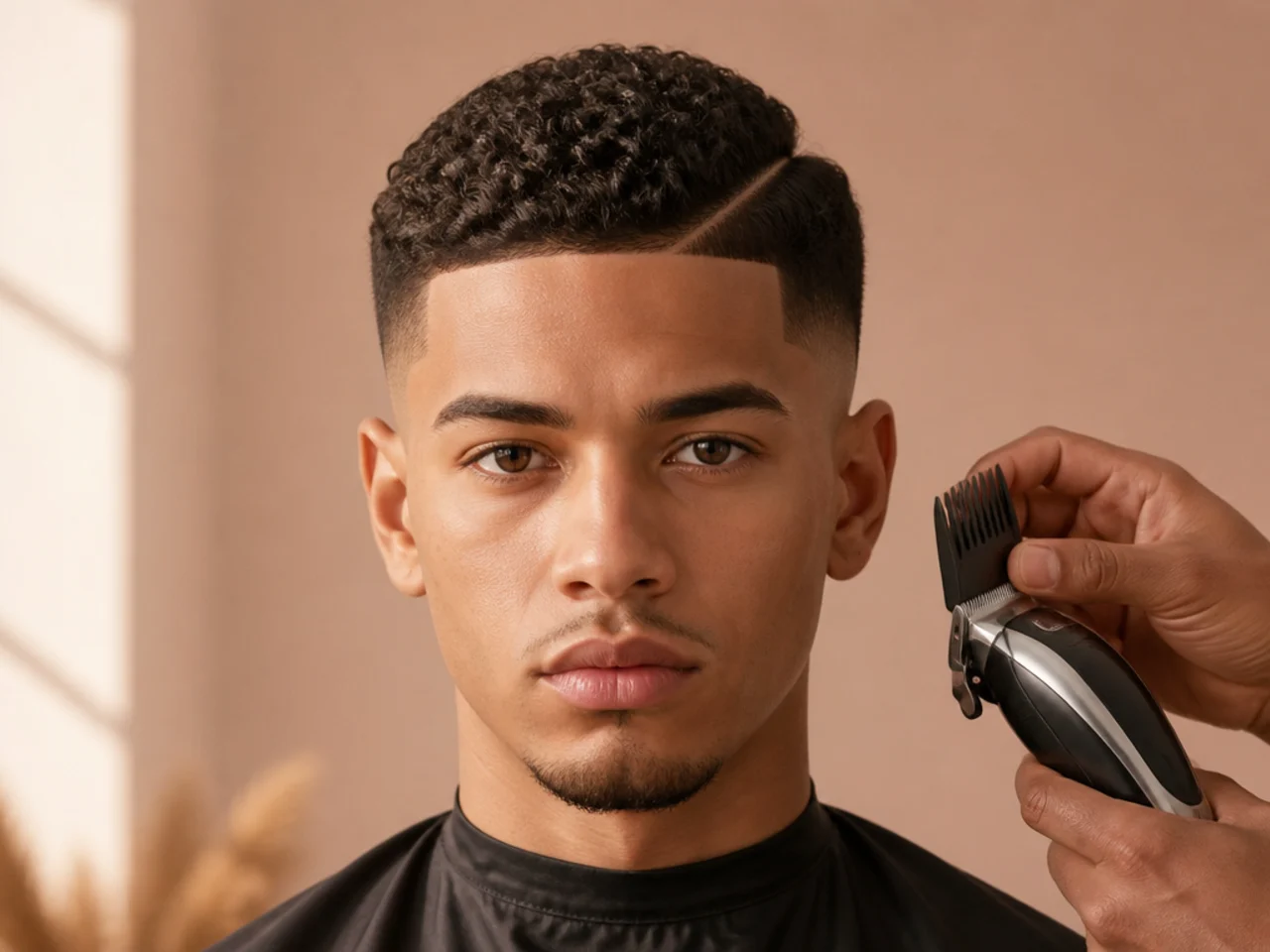
8. Name the Top Guard
Usually a #2 at 6mm. It is where the blend releases into the length above. Set it too short and there is a visible step up into the scissor-cut section, and set it too long and the fade never really begins.
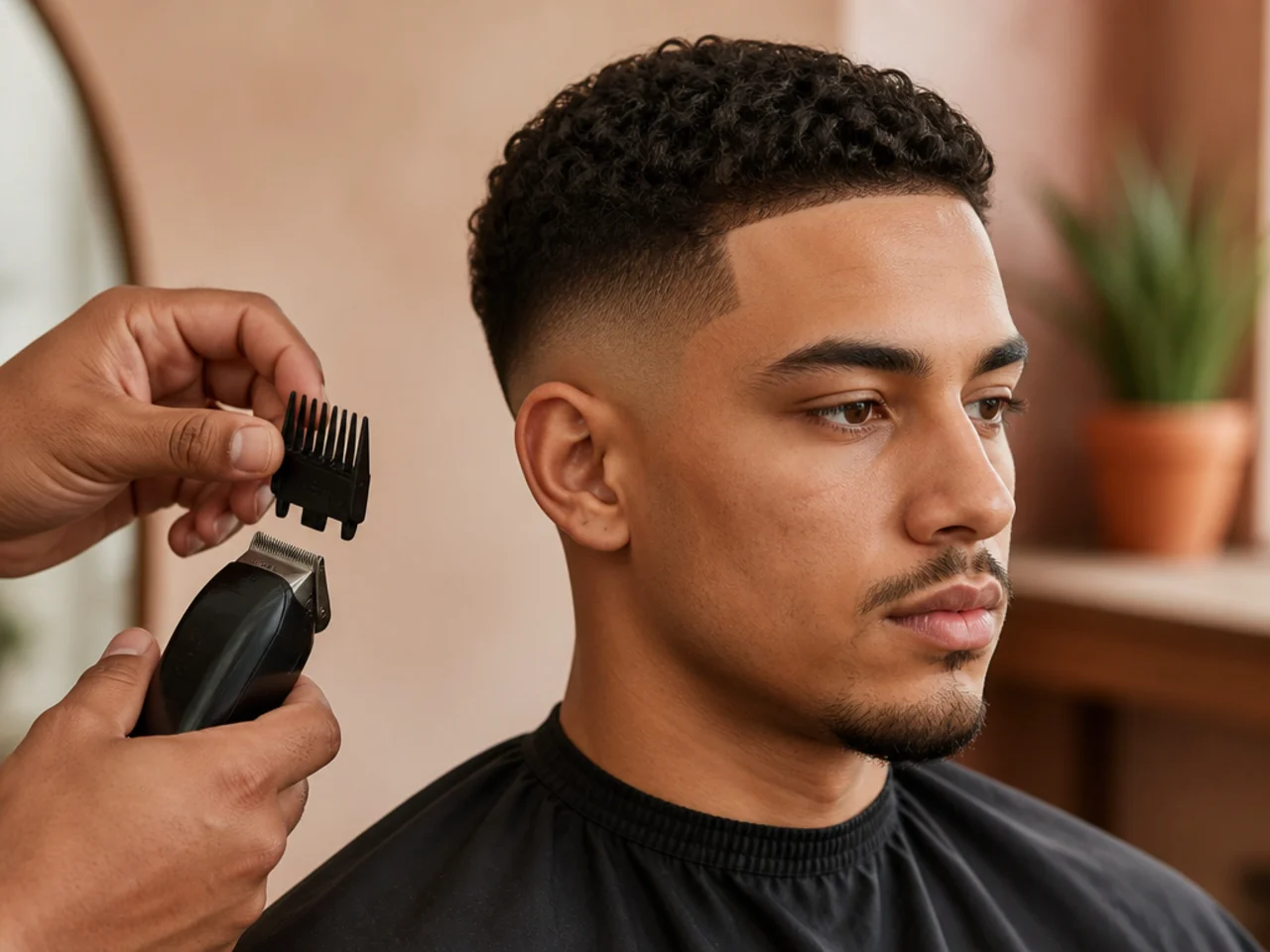
9. Ask for the Blend to Be Checked Wet and Dry
Two or three centimetres of gradient hides its faults while damp. A dry check is the only honest one at this scale.
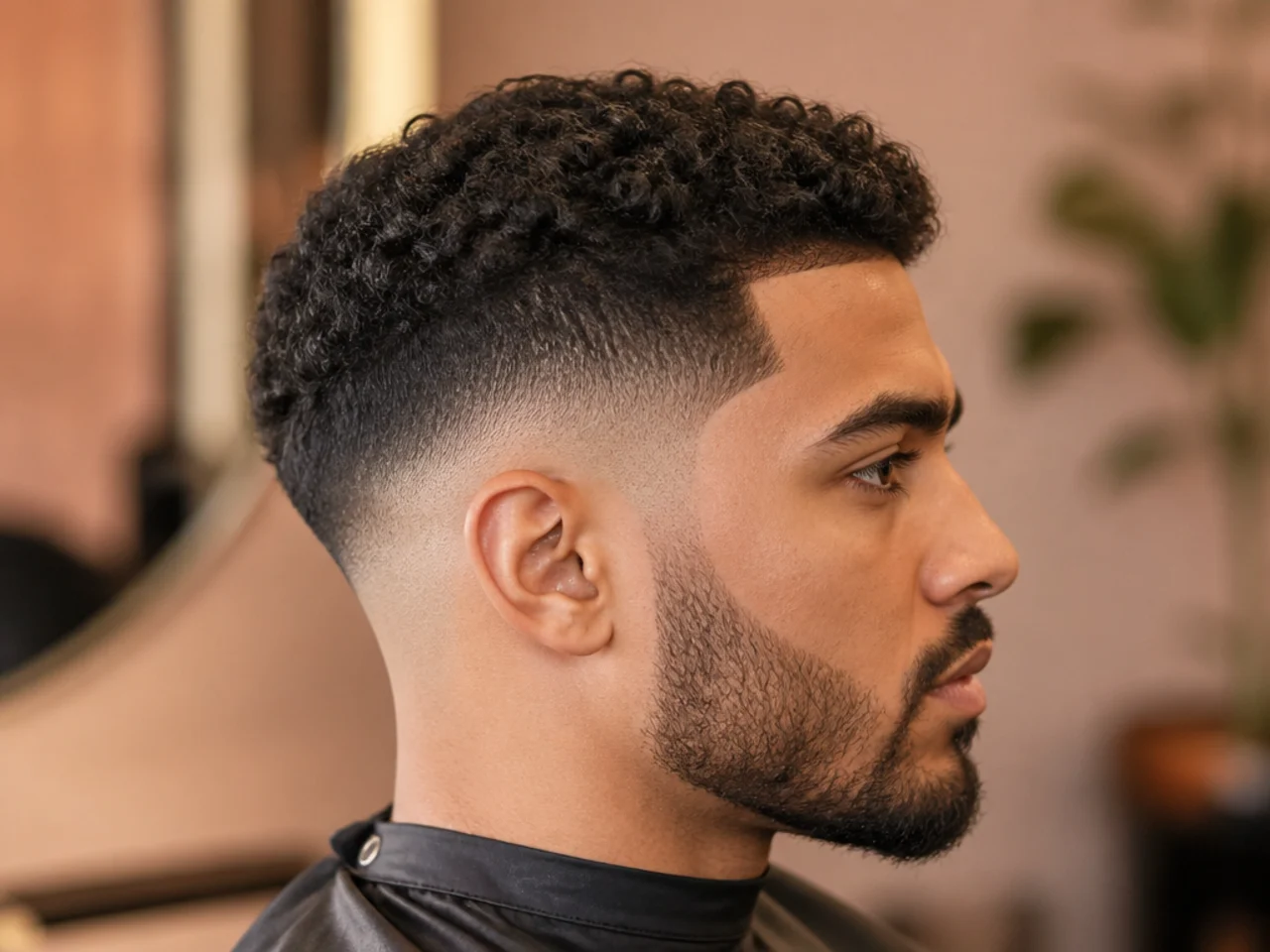
10. Say What Happens Above the Fade
Scissor cut, graduated or left heavy. A low fade removes so little that the sides above it need their own instruction. Everything from the temple upward is untouched by the clippers, which is most of the side of your head left entirely undiscussed.
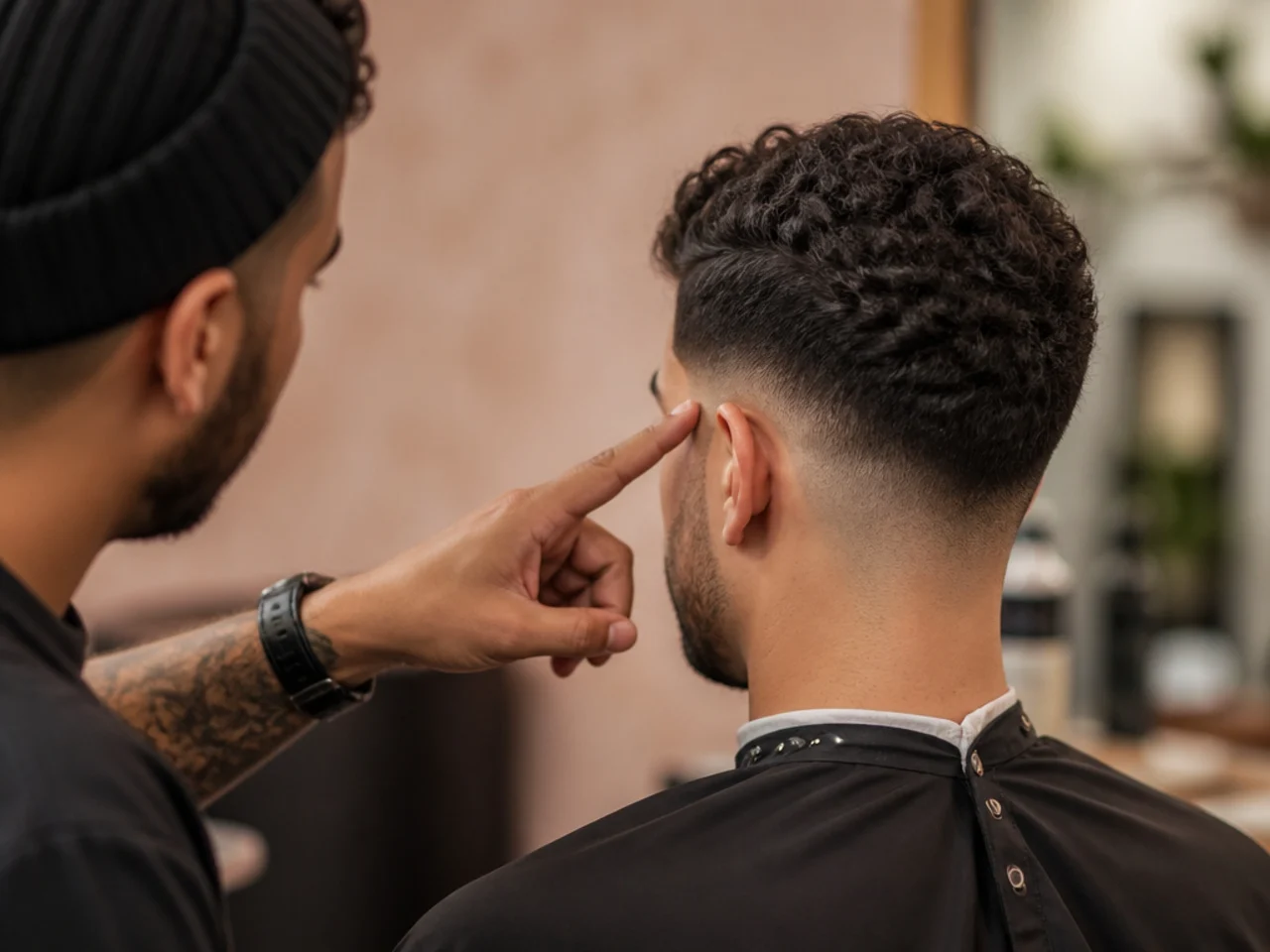
11. Ask for Internal Weight Removal if Your Hair Is Thick
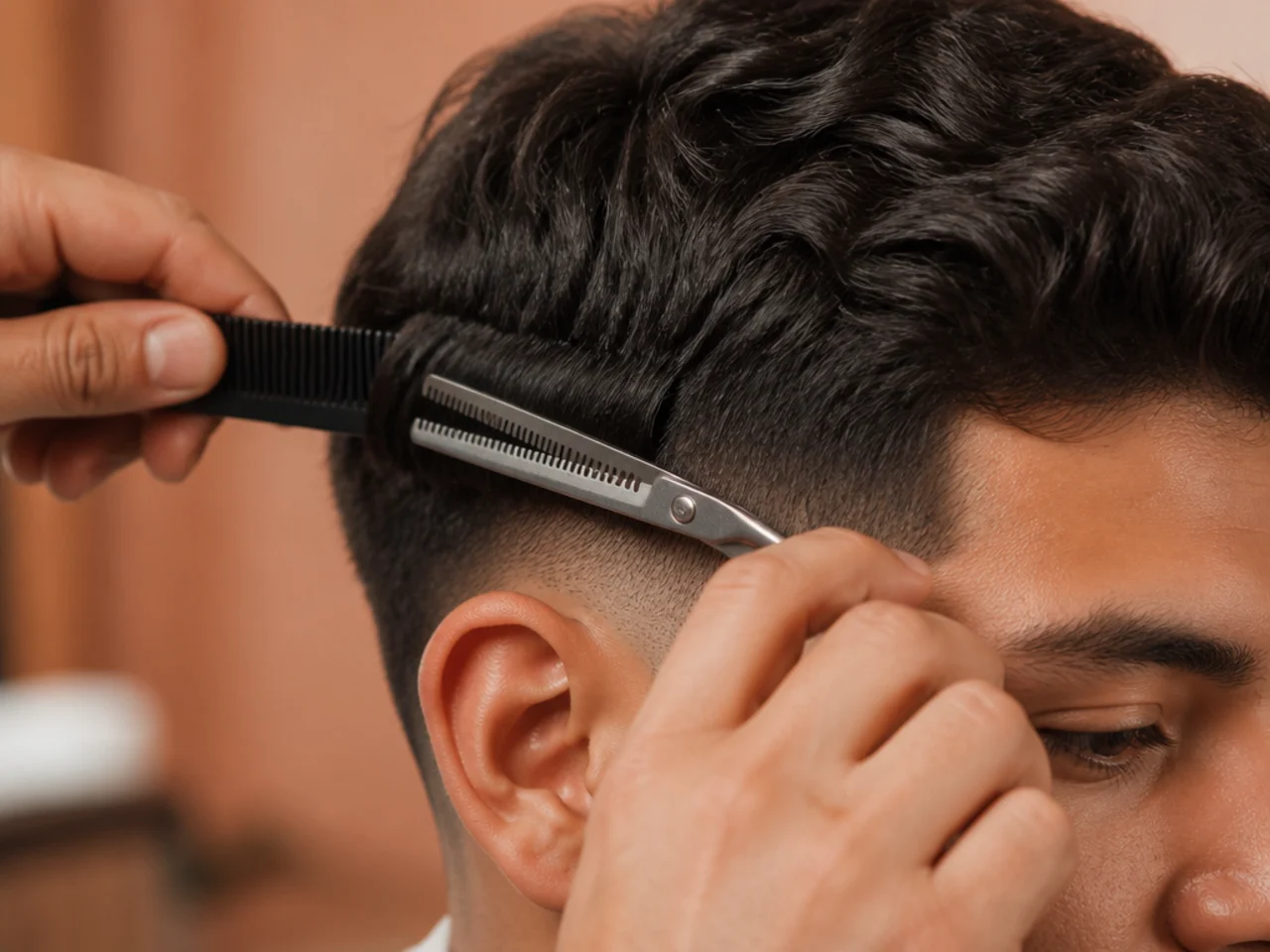
The bulk a low fade leaves is the cut's main failure. Scissor graduation fixes it without raising the fade. Weight comes out from inside the section rather than off the outside, so the length a part or a sweep rests on stays exactly where it is.
12. Say What Happens on Top
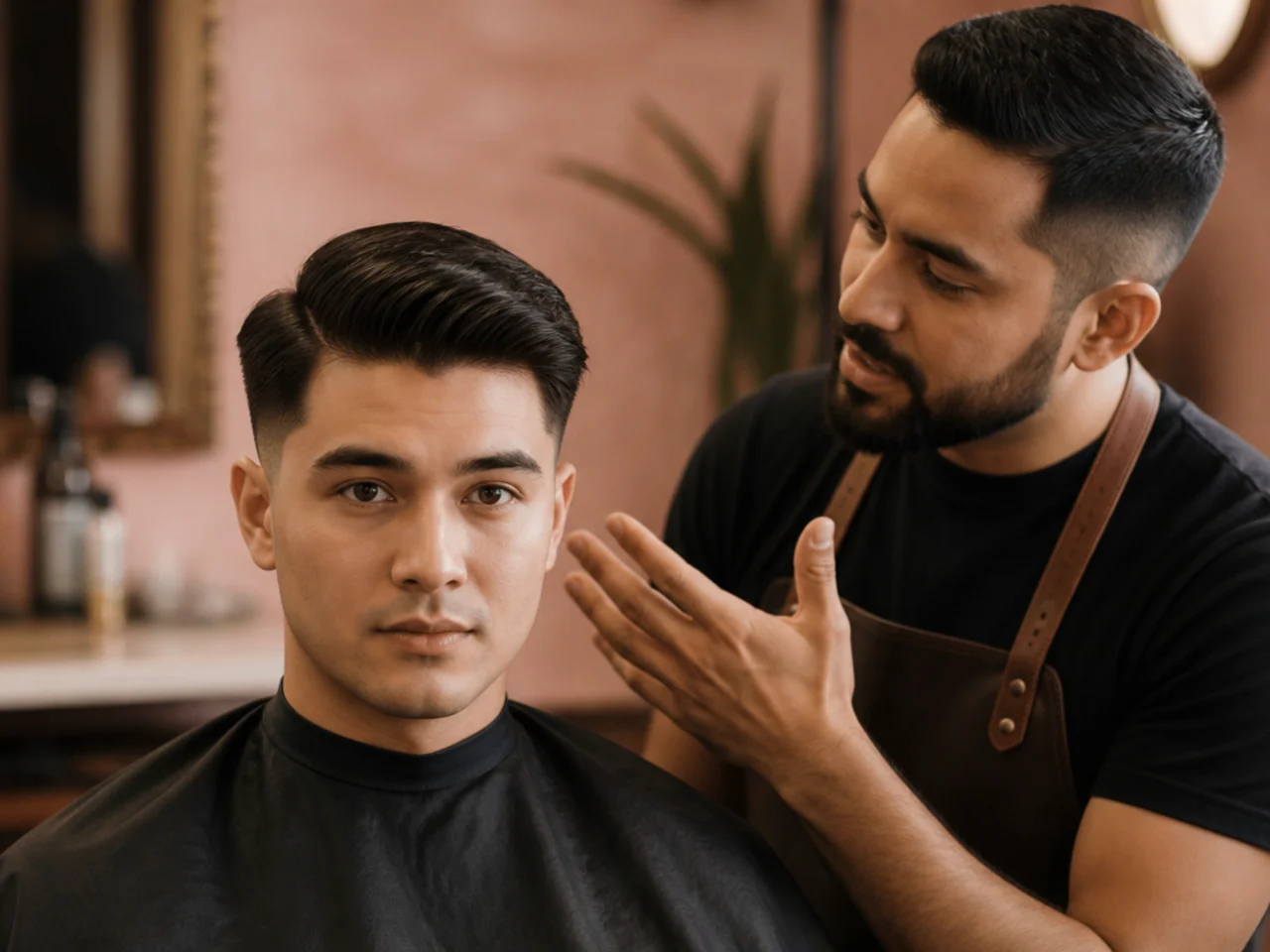
Length, texture and direction. A low fade barely changes a silhouette, so the top is doing the work. Two or three centimetres removed above the ear cannot alter an outline, so whatever shape you end up with comes from the section above it.
13. Choose Straight, Drop or Burst
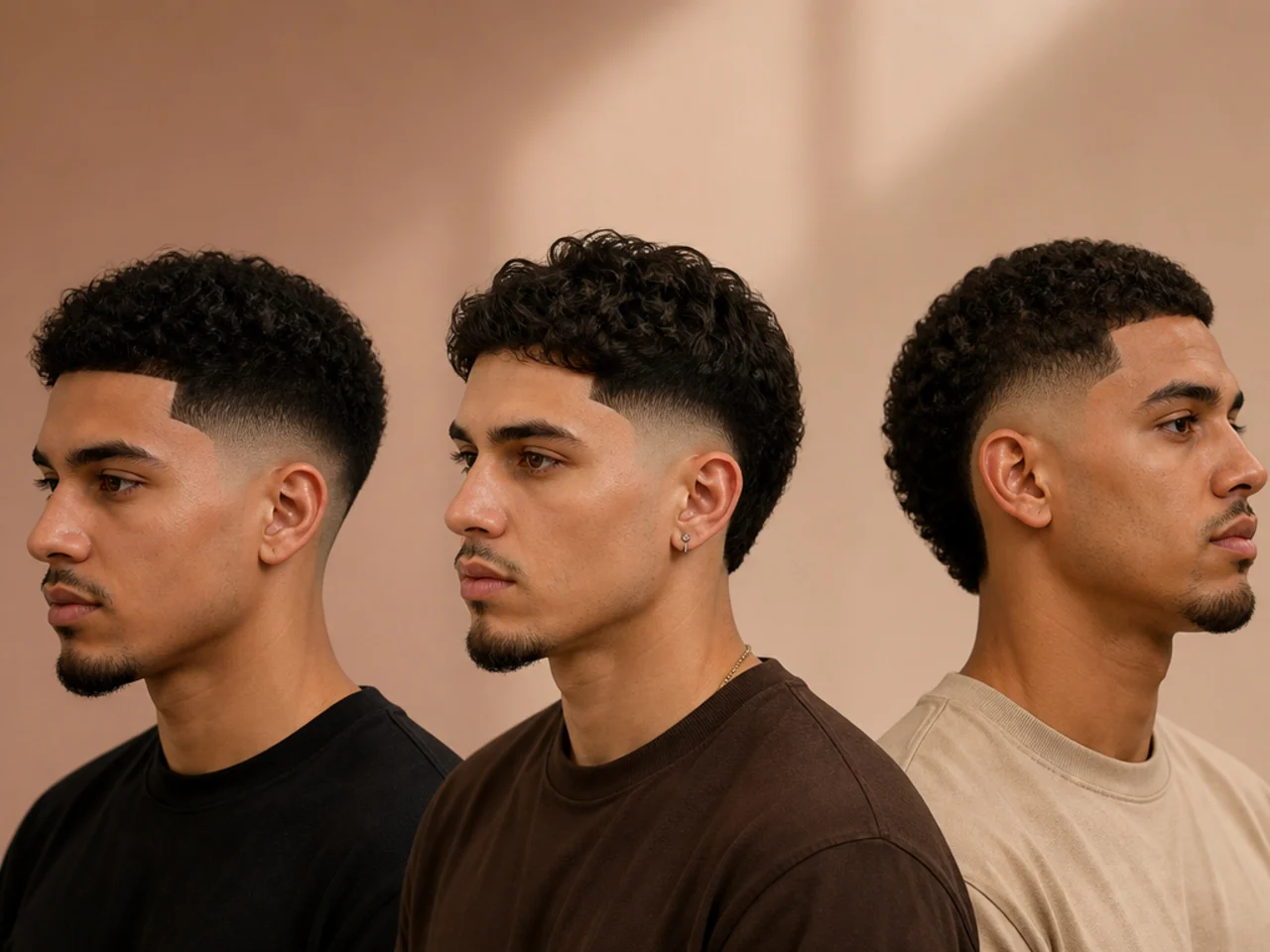
Straight runs level, a drop curves down behind the ear, and a burst arcs around it; the last two are separated properly in burst vs drop fade compared. Three different cuts at the same height.
14. Decide the Neckline
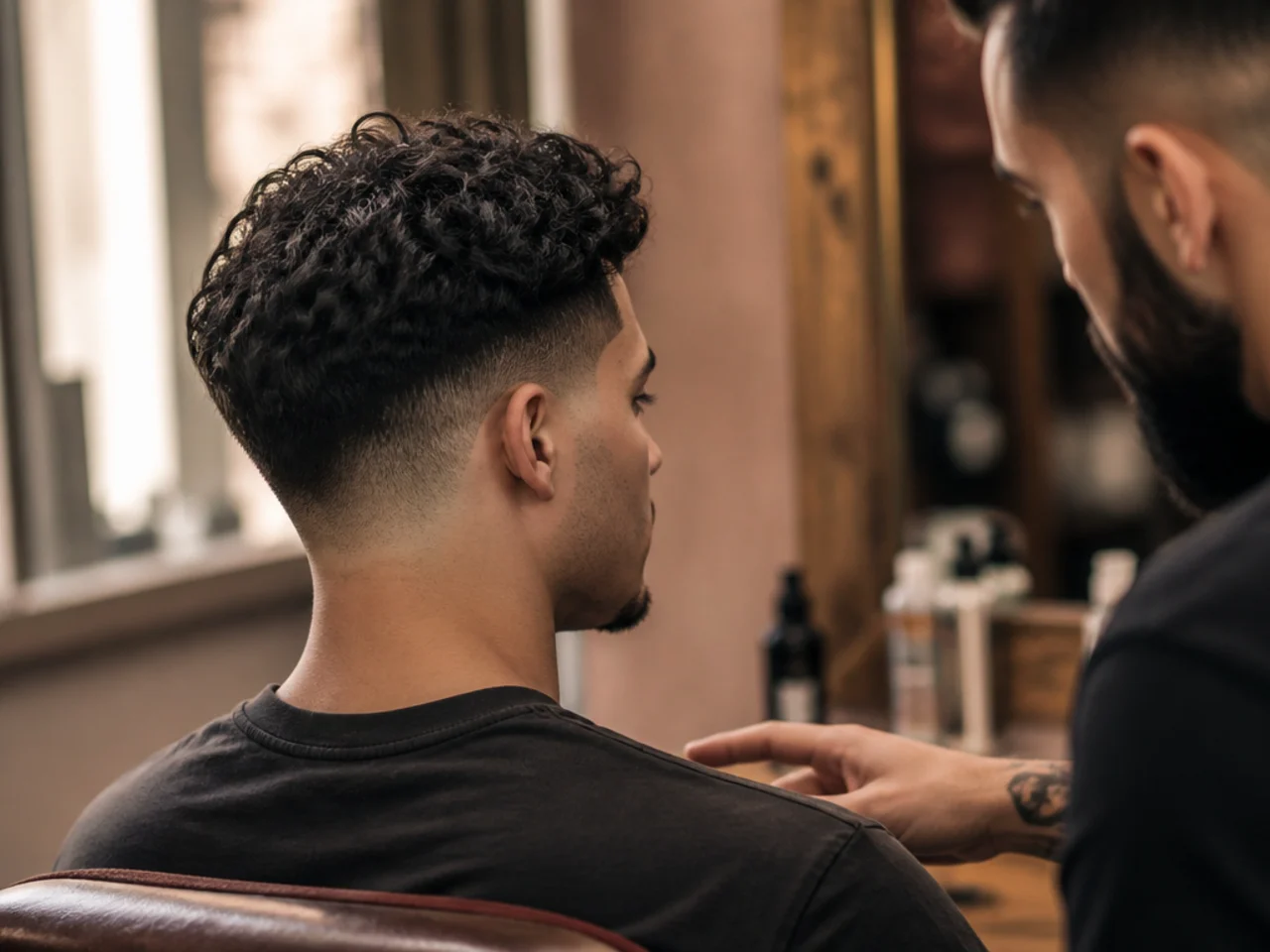
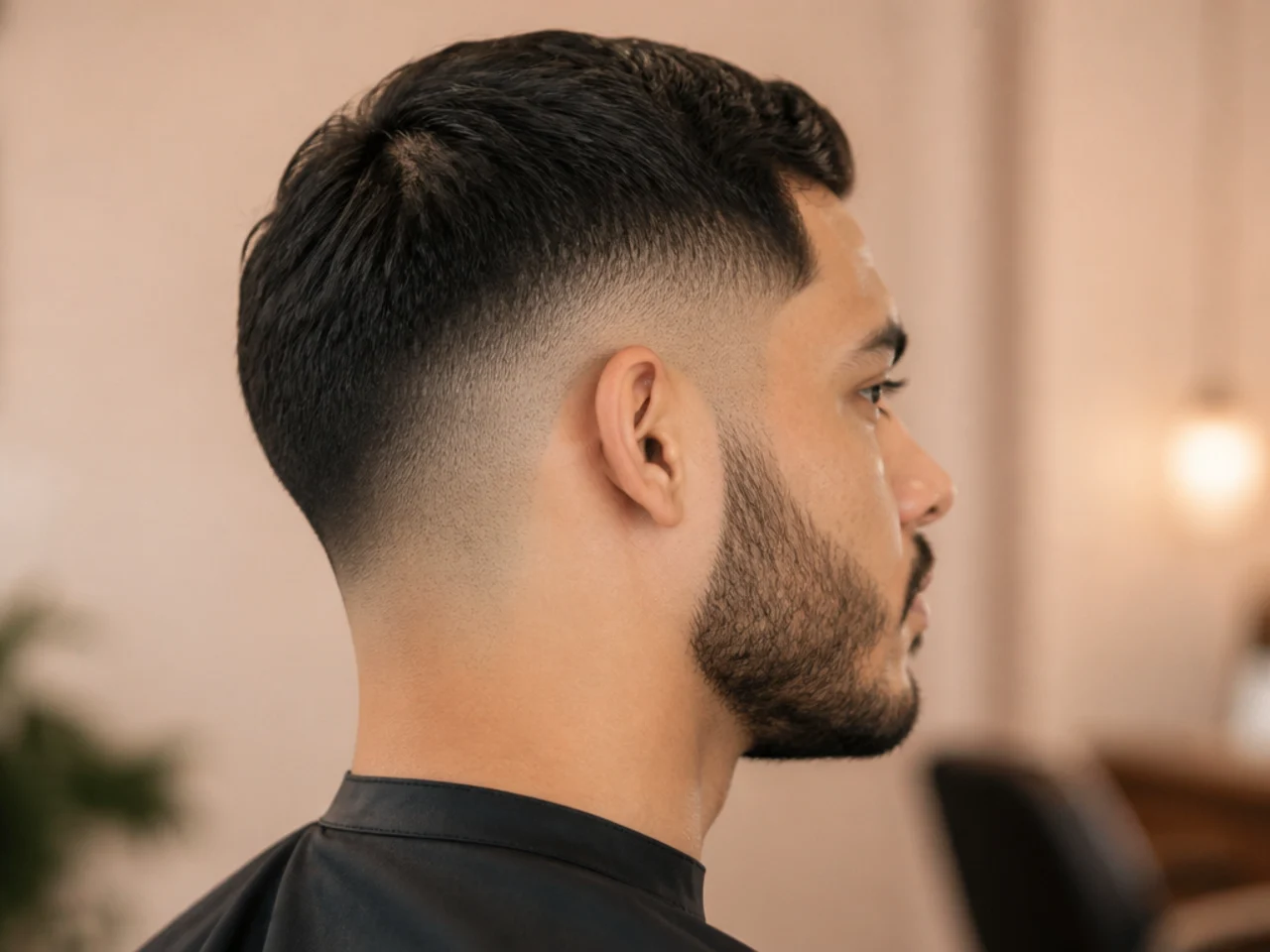
Blocked, rounded or tapered. A tapered neckline matches a low fade's soft grow-out and a blocked one fights it. A squared line grows a visible shelf within a fortnight, which is the one hard edge a cut built on softness cannot absorb.
15. Mention Your Beard Early
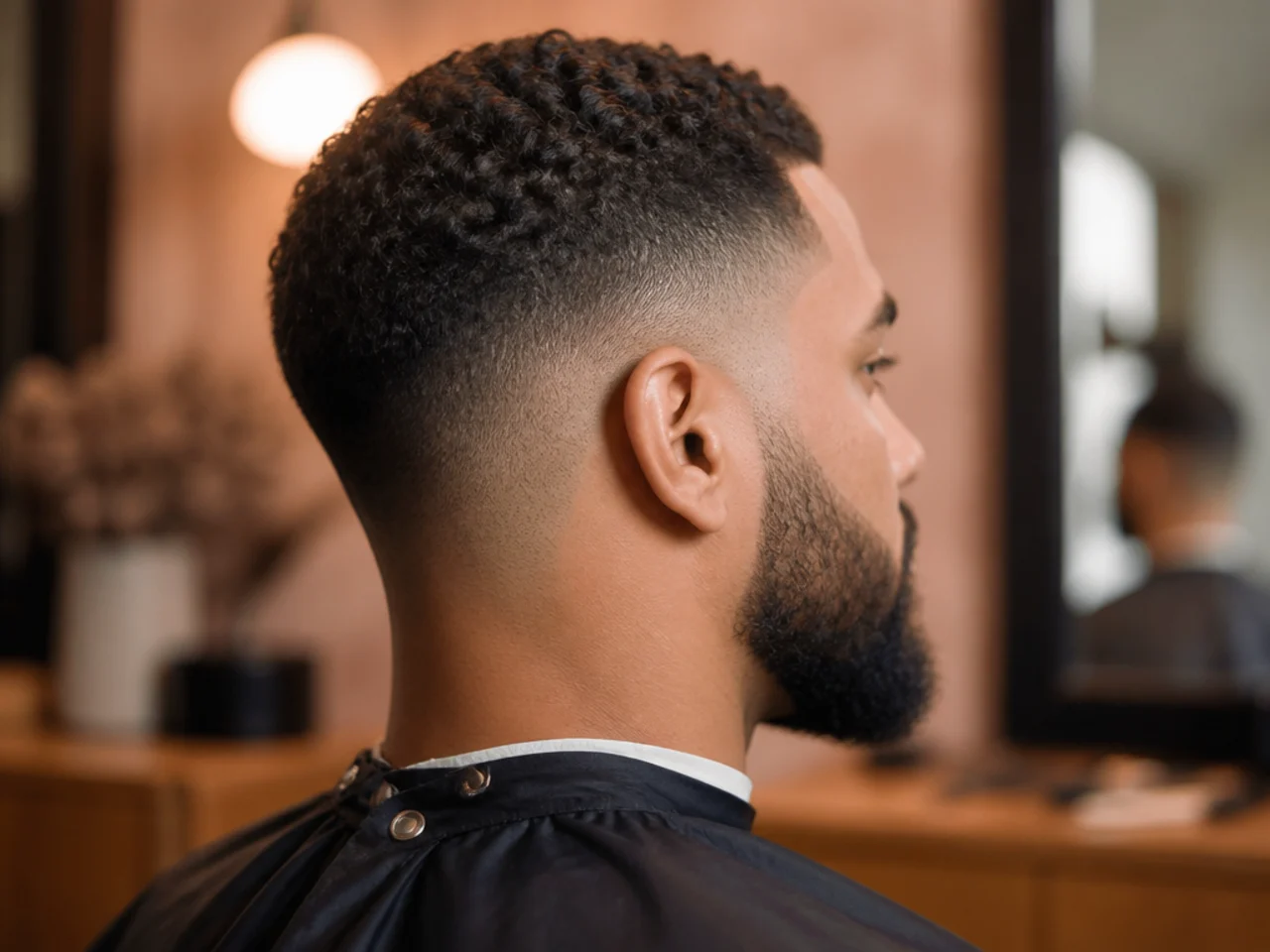
At this height the fade and the beard share the same band, so the connection has to be planned rather than discovered, which is the first rule of any men's haircut worn with a beard.
16. Ask For or Refuse a Line-Up
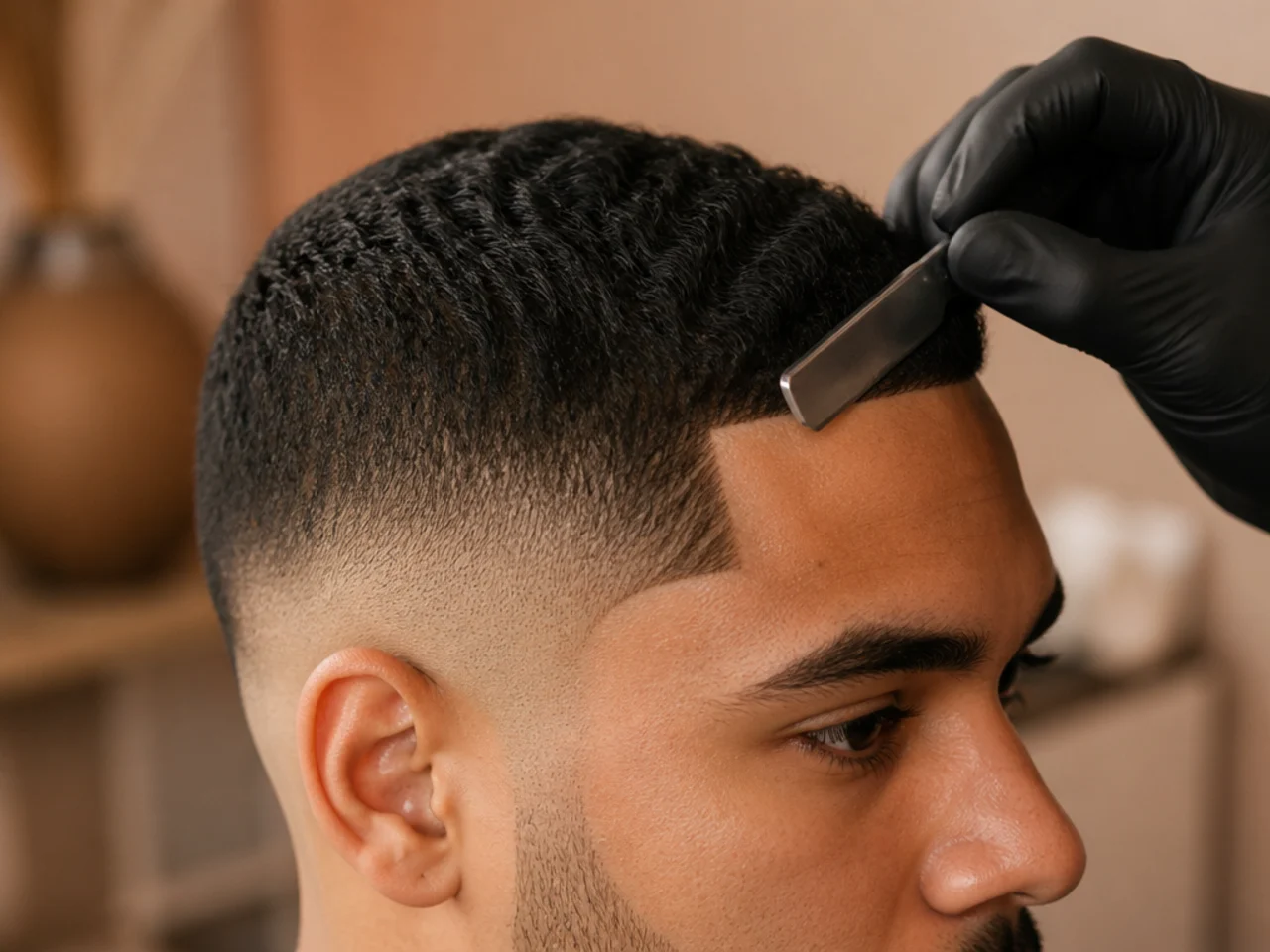
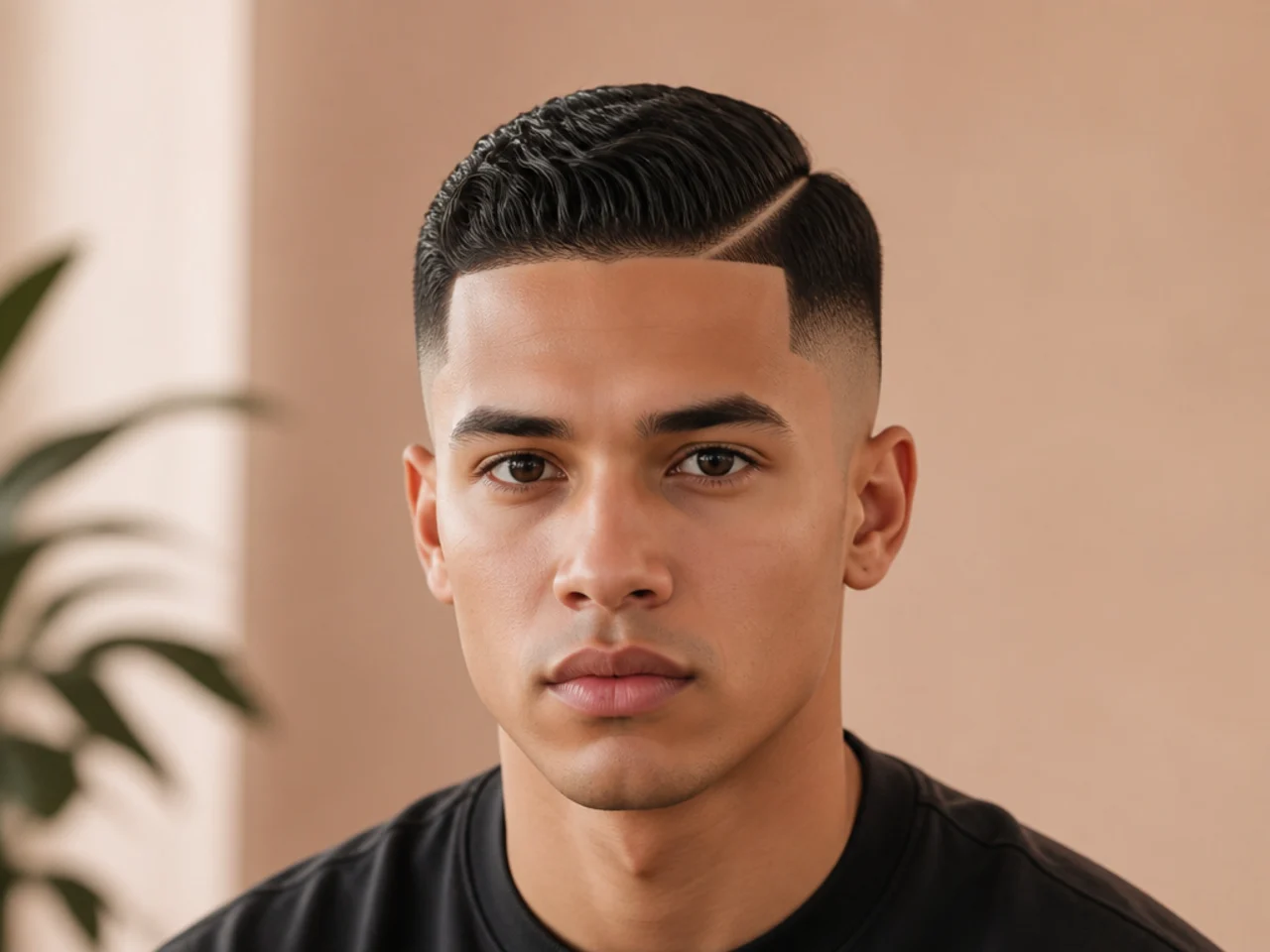
A razored hairline is a separate service from the fade. On a low fade it is the sharpest feature of the whole cut.
17. Check Both Sides at Eye Level
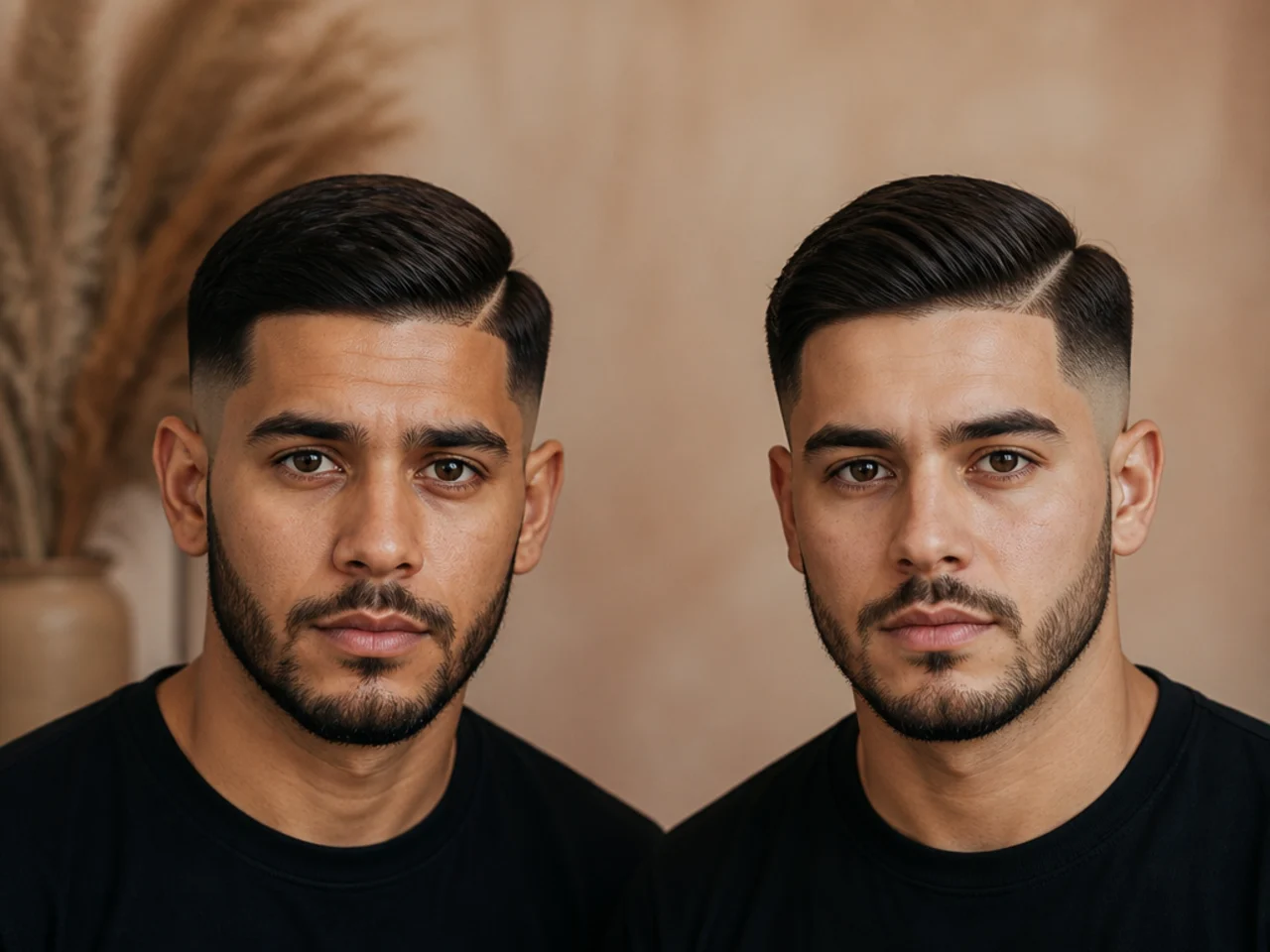
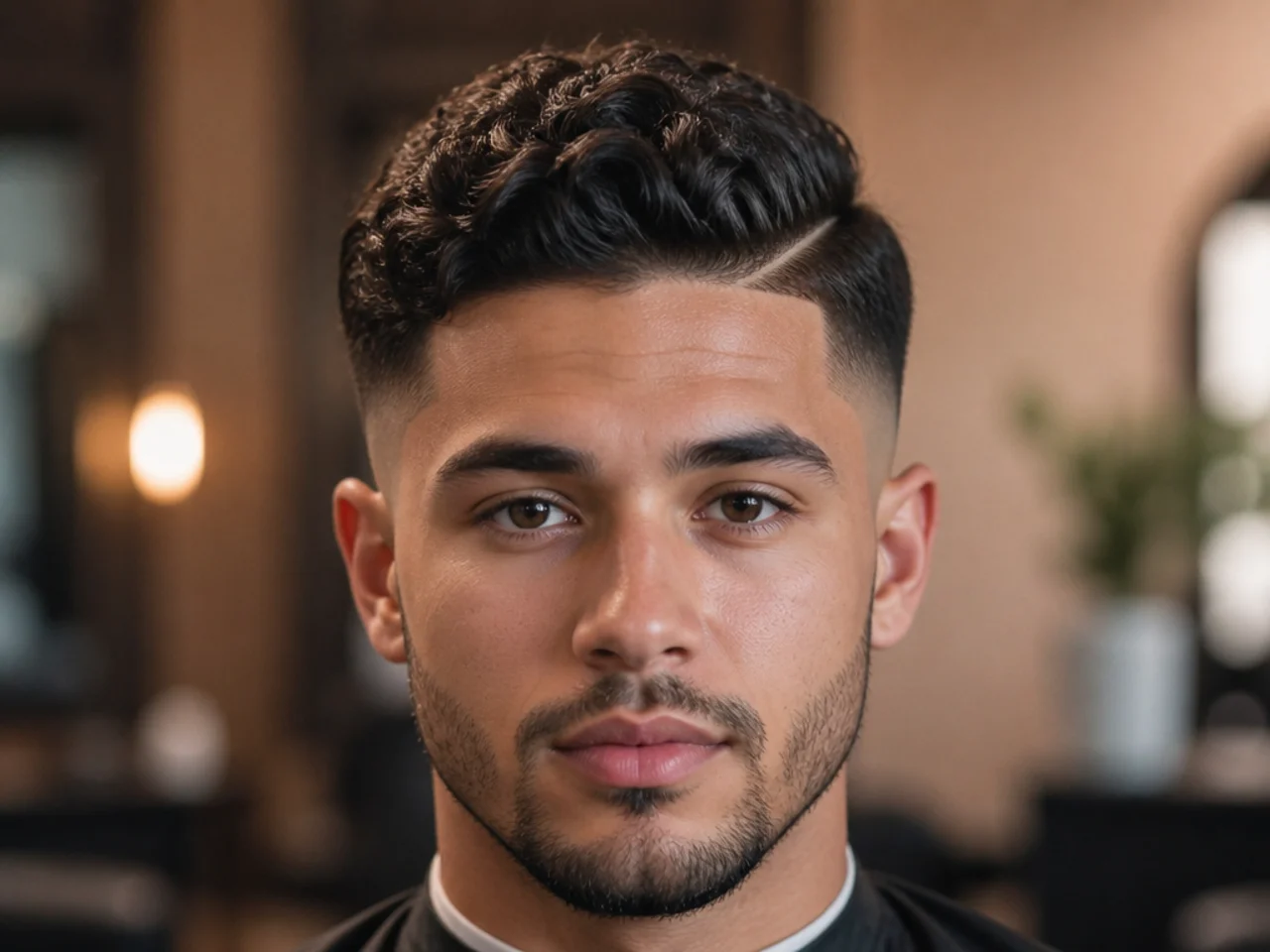
At this scale a two-millimetre difference is a proportionally large error. Ask for the comparison before the cape comes off. Two millimetres out of a twenty-millimetre band is a tenth of the whole gradient, where the same slip on a high fade is barely a fiftieth.
18. Look at the Blend in Daylight if You Can
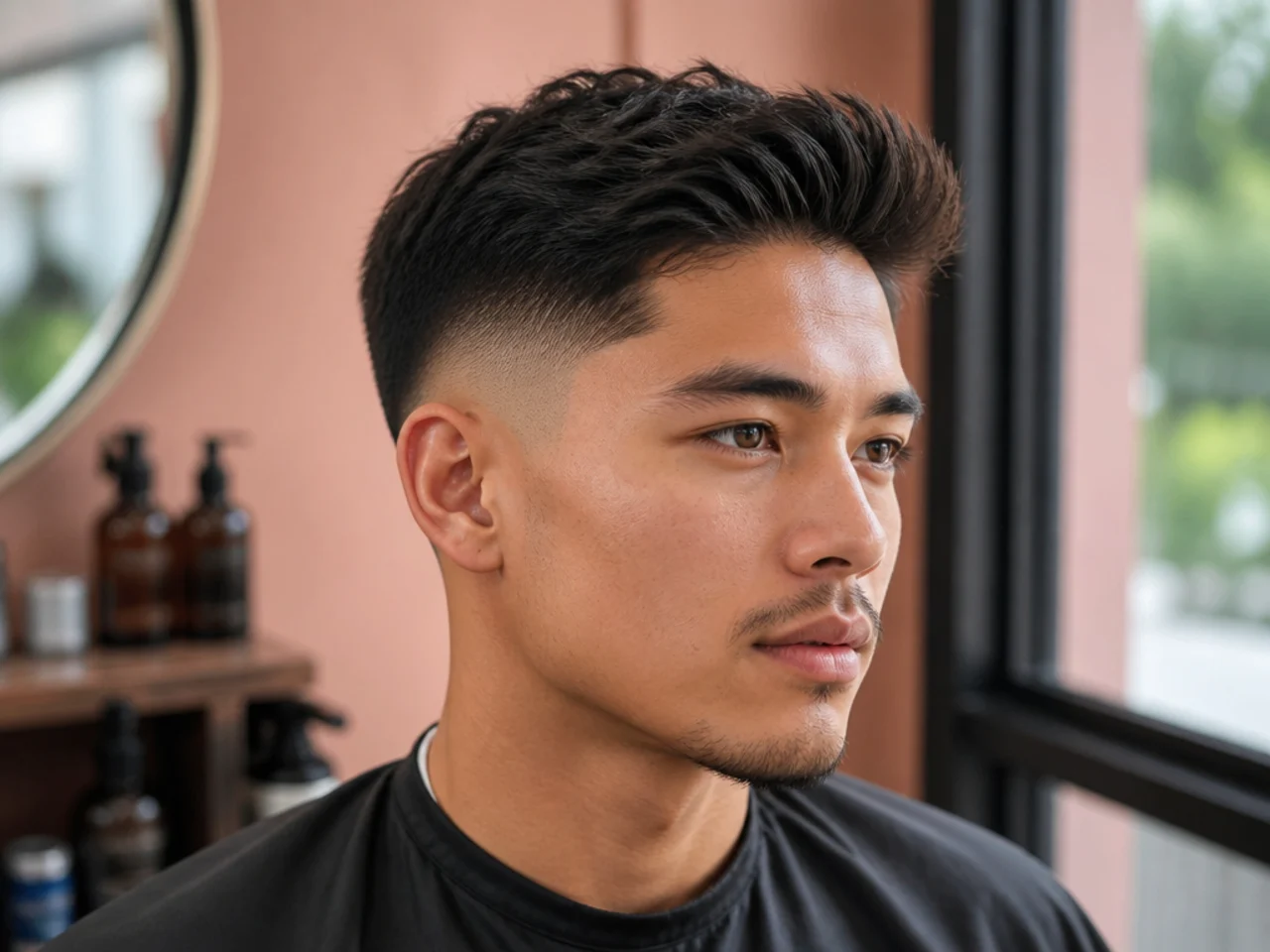
Barbershop lighting is directional and flatters a gradient. A window is a better test than a mirror. Overhead spots throw a shadow down the side of the head that reads as a blend whether or not one was actually cut.
19. Rebook by Finish
The finish sets the interval, one to two weeks for skin and three to four for a taper. A low fade rewards the longer cycle more than any other height.
20. Write Down All Three Guards
Bottom, middle and top. The guard sequence is the recipe, and at this scale it is the only thing worth recording. The height is fixed by your own temple, so those three numbers are the only part of the cut a different barber could get wrong.

Styling and Upkeep
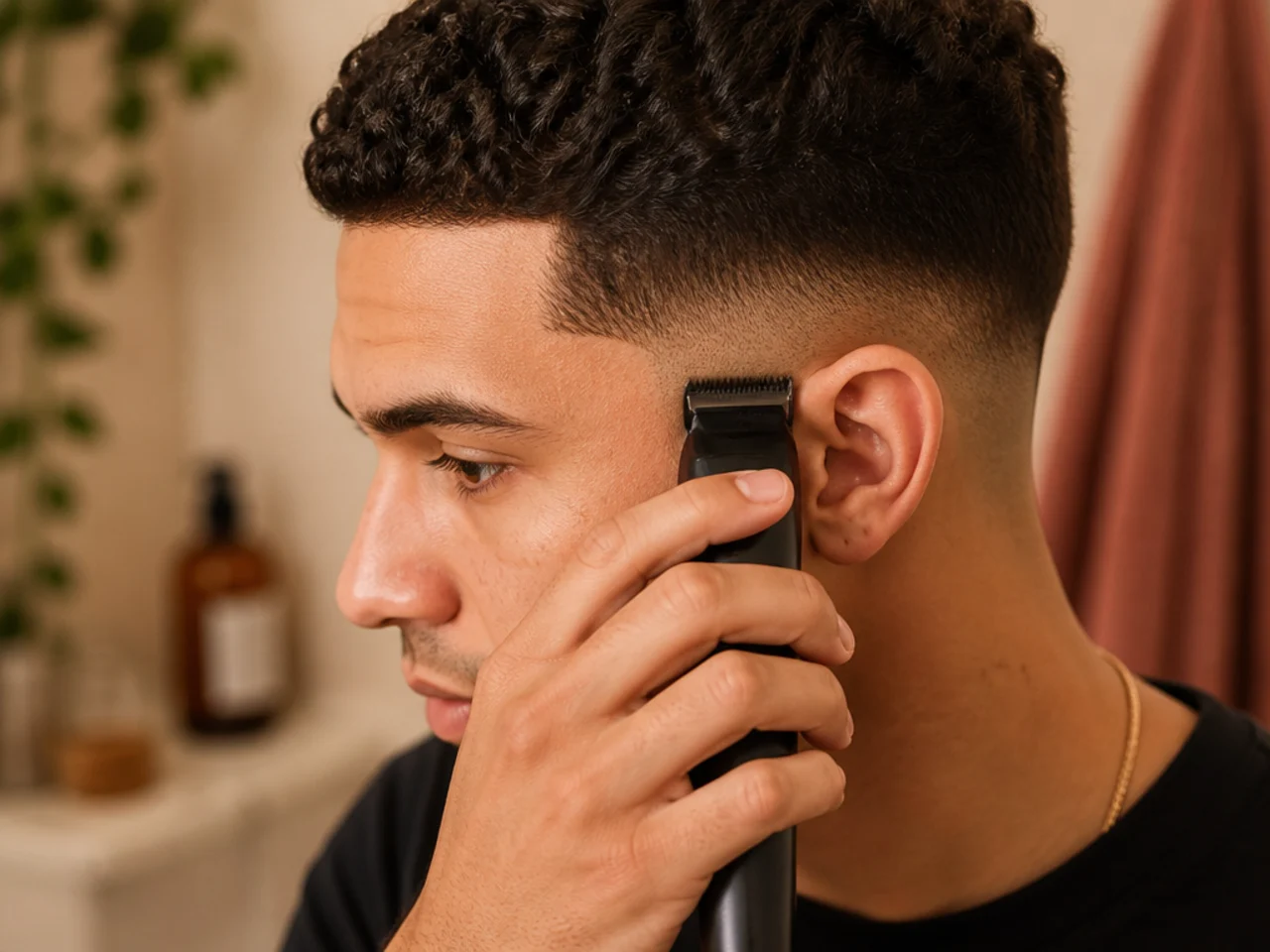
Leave the blend alone between visits. A home touch-up on two centimetres of gradient removes the gradient.
Ask for a line-up mid-cycle. The hairline is a separate edge from the gradient, so recutting it brings the sharpness back without anyone touching the two centimetres above your ear.
Include the sides in your routine. They still have real length at this fade height.
Ask for internal weight removal at each cut. Say it at every appointment rather than once, because the bulk regrows from inside the section while the outside length still looks fine.
Rebook by finish, not by feel. A low fade looks acceptable long after it stopped looking cut.
Mistakes to Avoid
Naming only one guard. In two centimetres that produces a line rather than a blend.
Skipping the middle guard. It is the step that makes the gradient exist.
Leaving the sides above the fade undiscussed. A low fade removes almost nothing and the bulk is on you to raise.
Bringing a wide reference photo. The detail is in a two-centimetre band and it will not be visible.
Judging the blend under barbershop lights. Directional lighting hides the faults a window would show.
FAQ
What makes asking for a low fade different? The scale — guards matter more than height.
What guards should I ask for? Skin or a half guard, then a one, then a two.
Fade or taper? Taper for three to four weeks, fade for one to two.
Final Thoughts
Say three numbers rather than one adjective. The height of a low fade is almost fixed by anatomy, so the only real variables in the appointment are the guards that fill those two or three centimetres. Name all three and you get a gradient; name one and you get a step that will bother you for a fortnight.
For the five-step version of this conversation see 5 steps to ask for a low fade, and for the height comparison see low vs mid vs high fade. More in Fade Haircuts.