20 High Fade Haircut Ideas I Saved for Men
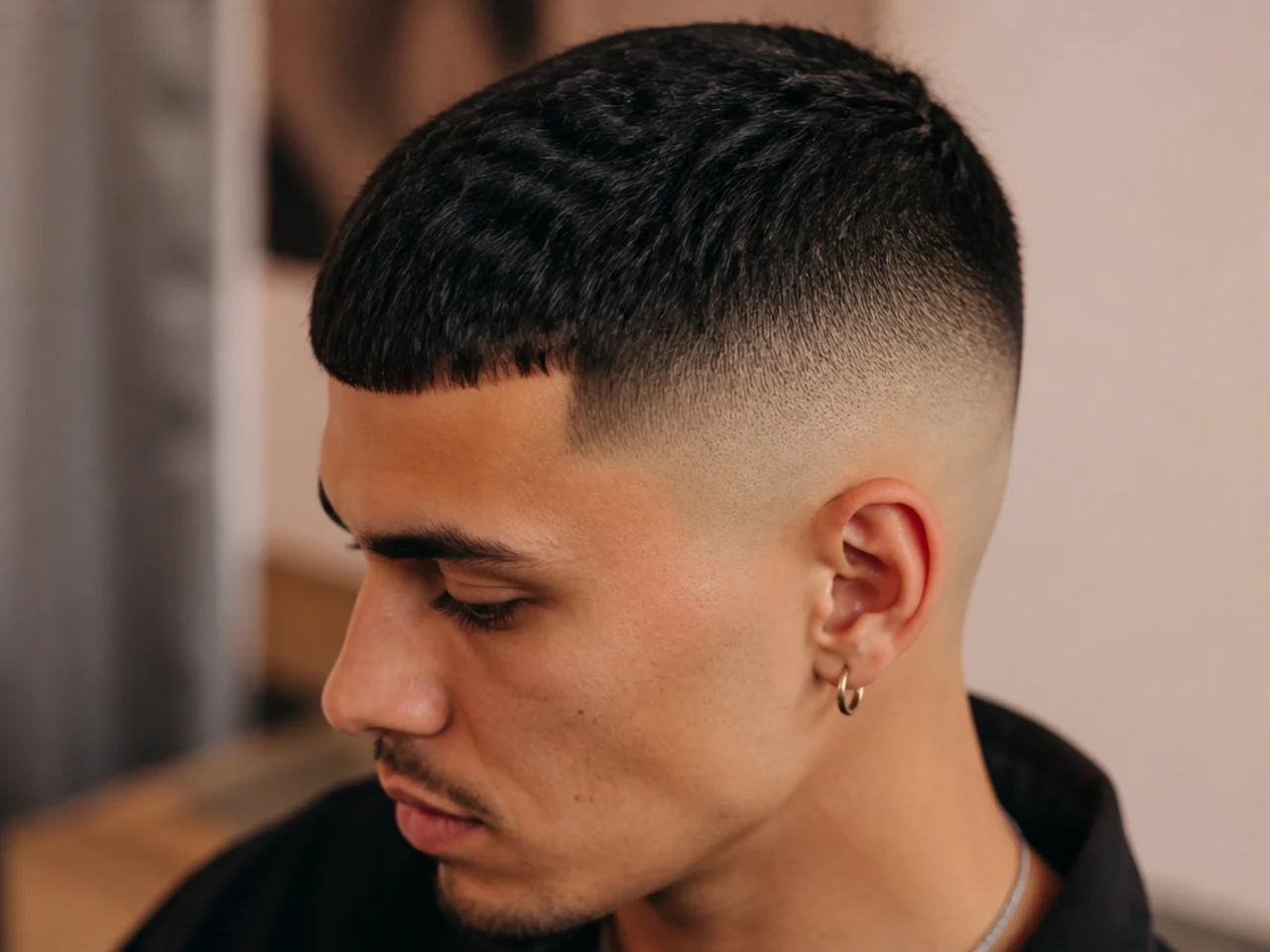
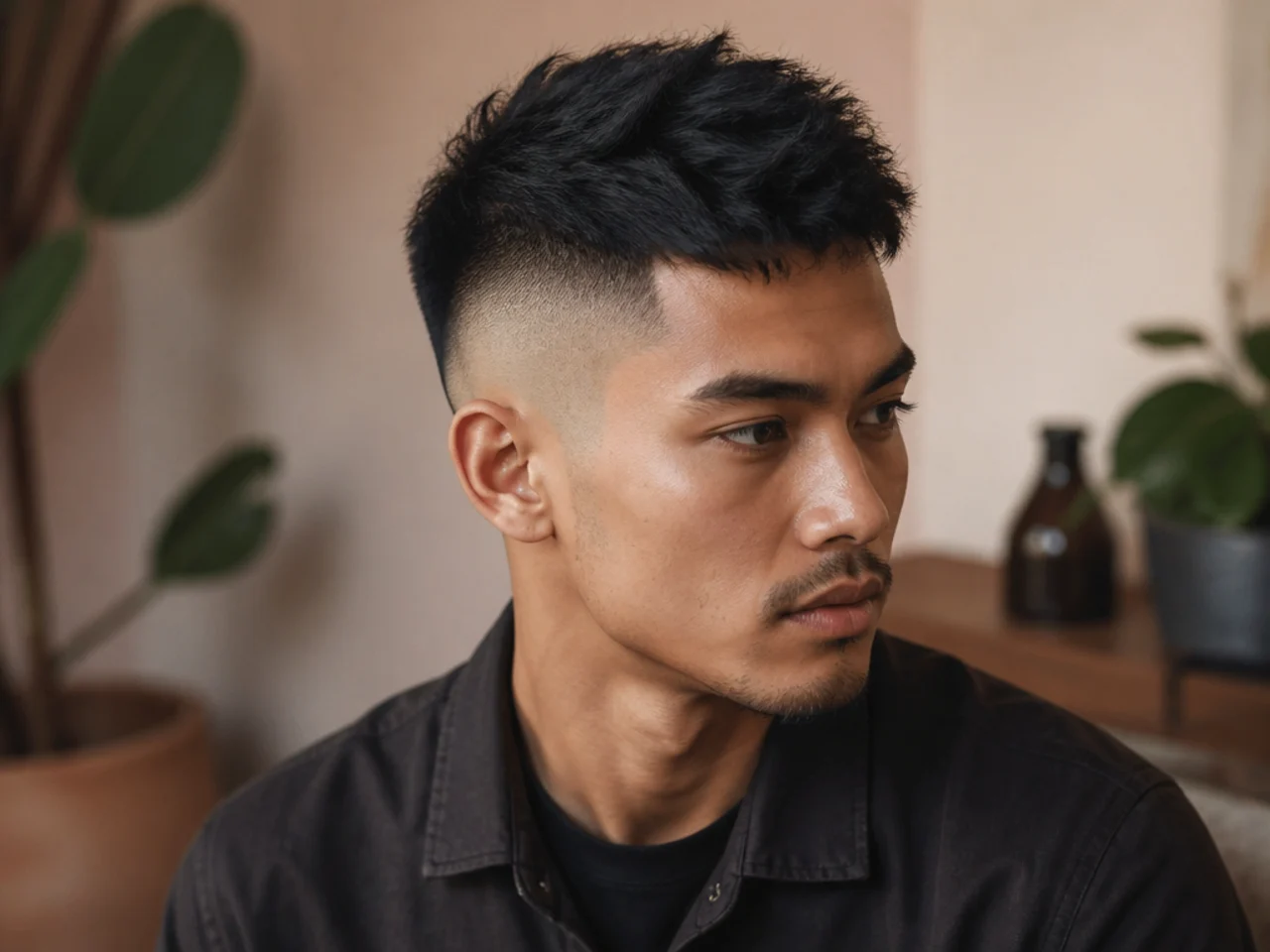
Almost every saved high fade is a photograph of a man with a very dense crown, because that is the only kind of head the cut flatters. Reading these photos is mostly a matter of checking the density before you check the style.
In this article · 27
- Read the Crown, Not the Fade
- How to Choose Yours
- The 20 High Fade Ideas I Saved
- 1. Classic High Skin Fade With a Dense Crop
- 2. High Taper With a Textured Top
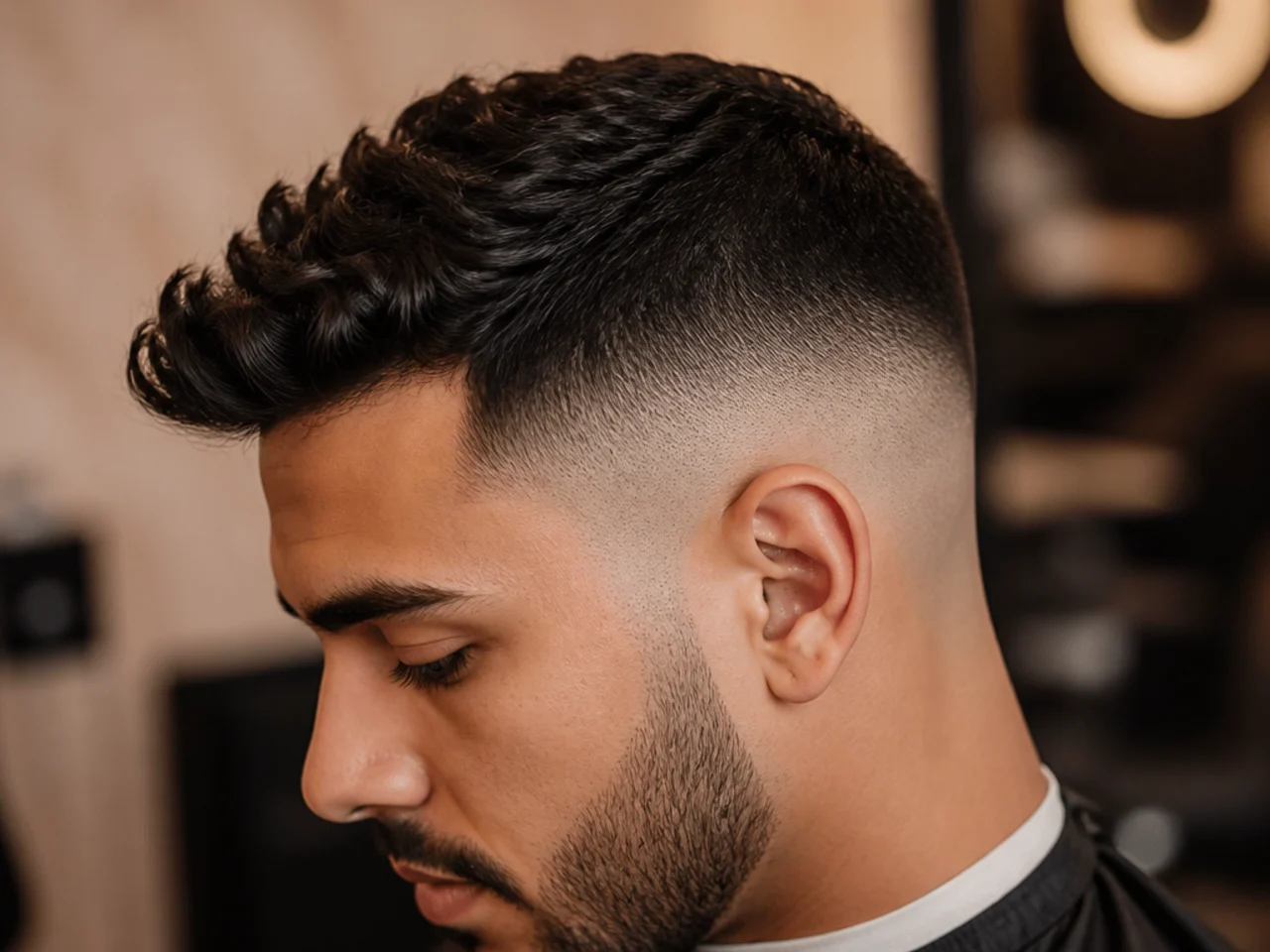
- 3. High Fade With a Long Top
- 4. High Fade With a Short Top
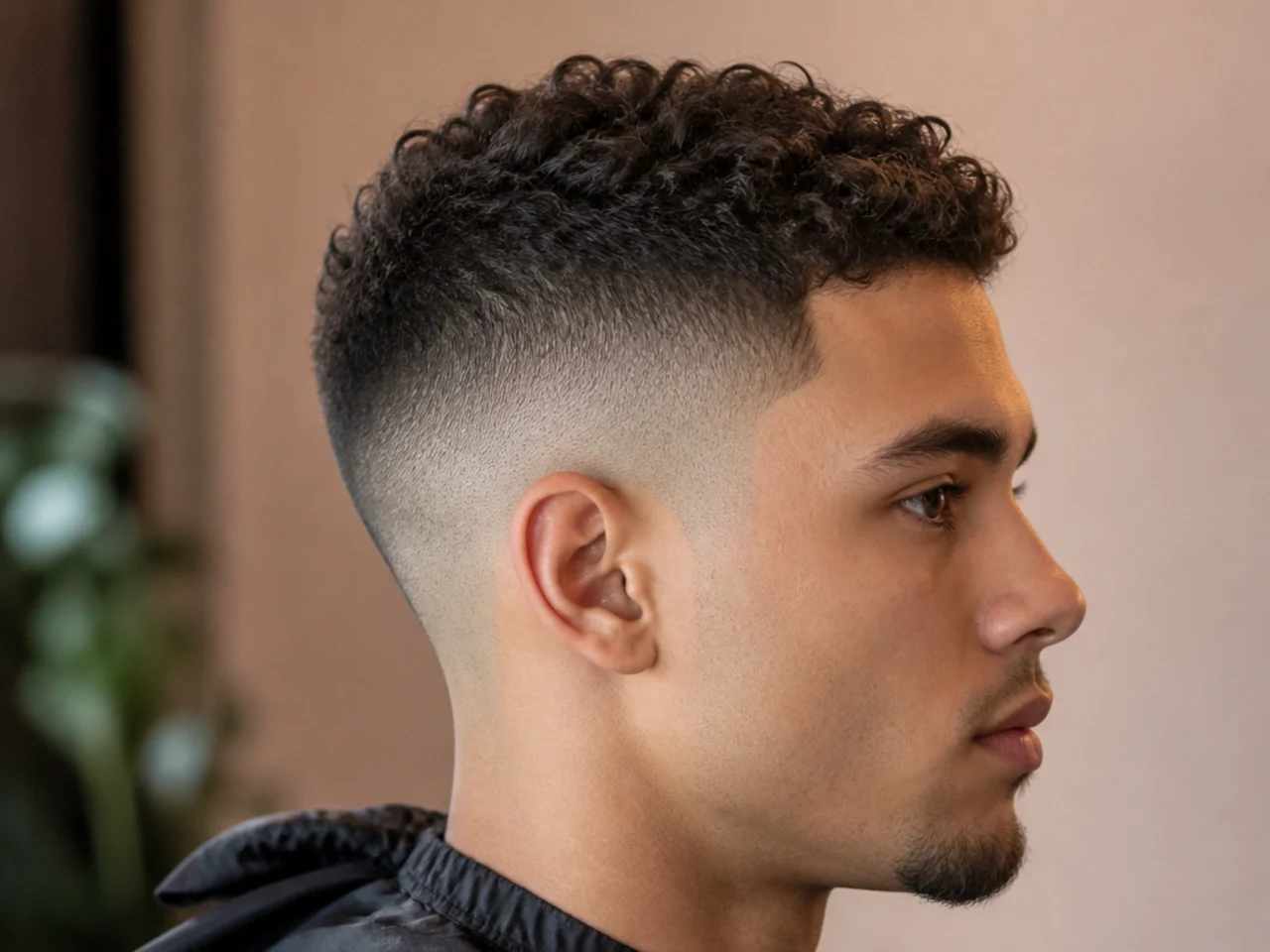
- 5. High Fade on Coiled Hair
- 6. High Fade on Curly Hair
- 7. High Fade on Straight Fine Hair
- 8. High Fade Quiff
- 9. High Fade Comb Over With a Hard Part
- 10. High Fade With a Faded Beard
- 11. High Fade With an Unfaded Beard
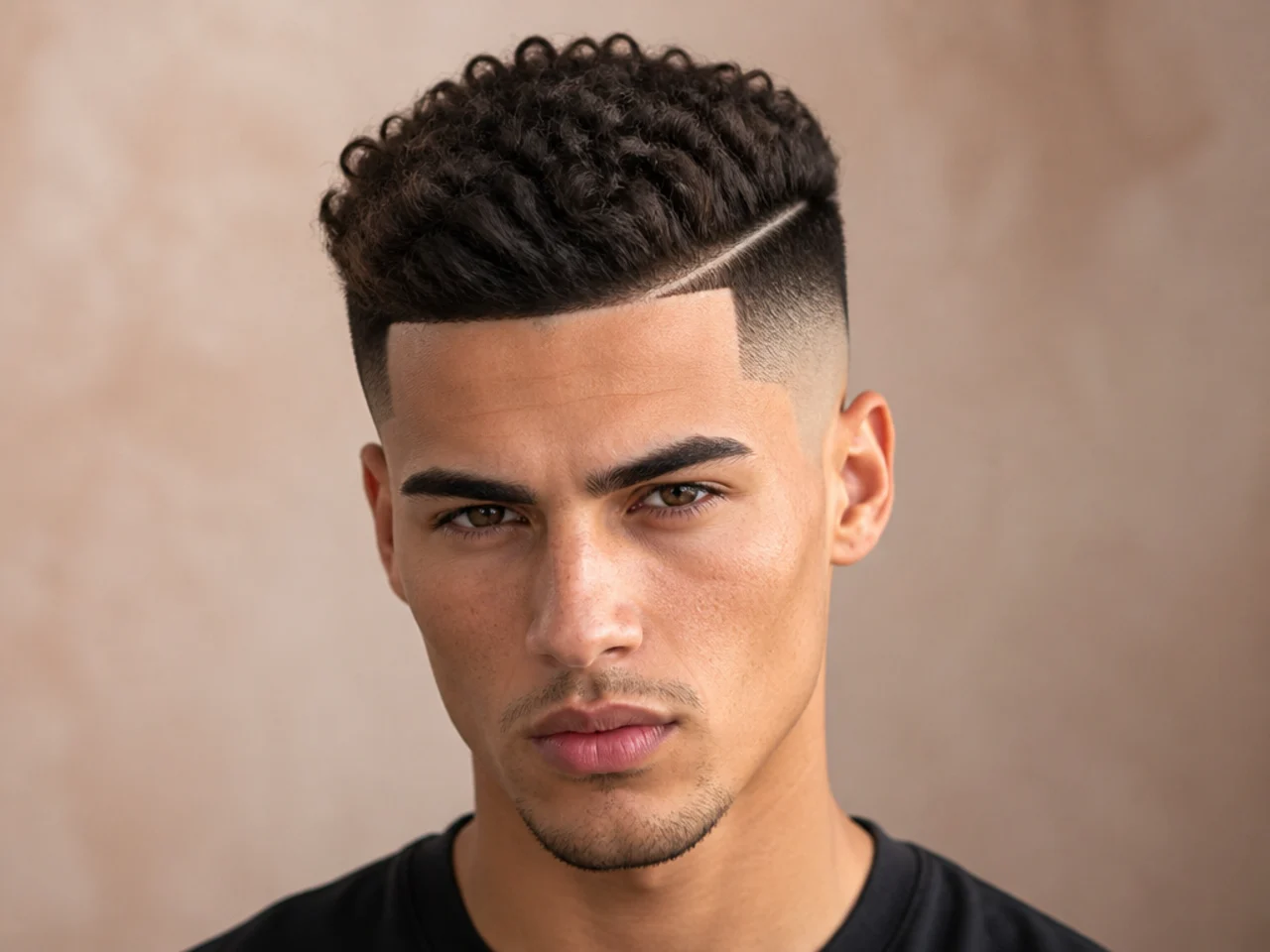
- 12. High Fade High Top
- 13. High Fade With a Design
- 14. High Drop Fade
- 15. High Fade on a Round Face
- 16. High Fade on a Long Face
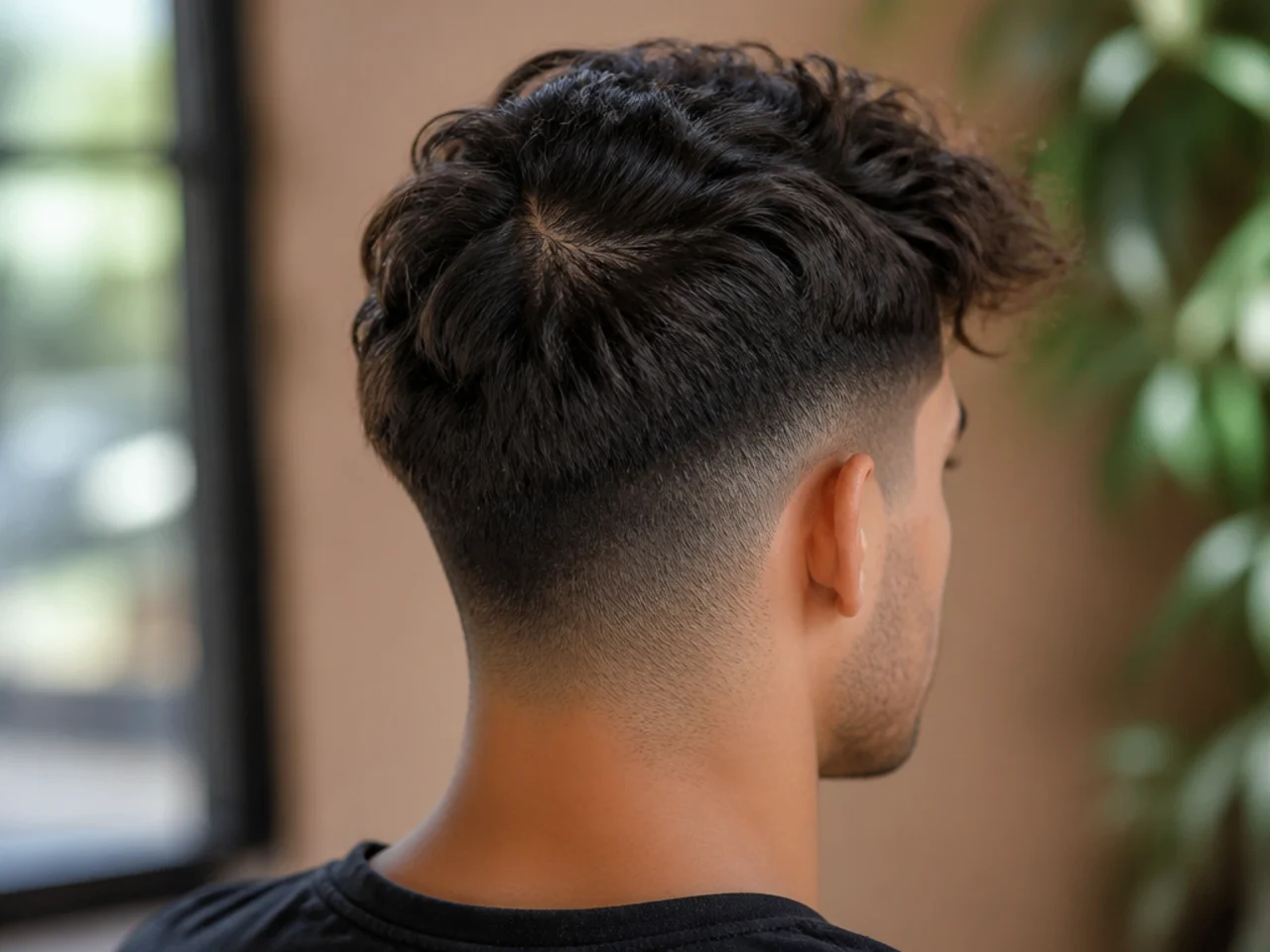
- 17. High Fade From Behind
- 18. High Fade at Week One
- 19. High Fade at Week Three
- 20. The Photo of My Own Crown
- Styling and Upkeep
- Mistakes to Avoid
- FAQ
- Final Thoughts
I saved high fades for a year before noticing what every single photo had in common.
They are all men with very dense crowns. Which is not a coincidence, because a high fade leaves all the remaining hair above the parietal ridge and nothing else in the silhouette.
So reading these photos is a density exercise first. The fade is a machine operation any competent barber can reproduce, and the crown is the part you either have or you do not.
Read the Crown, Not the Fade
The fade is reproducible. Guards, a landmark and a steady hand, available in any shop.
The crown is not. It is the density you were born with plus whatever the years have done.
A high fade removes every alternative. No side weight is left to balance a thin top.
So the photo is really a photo of hair volume. The fade underneath is the least variable part of it.
How to Choose Yours
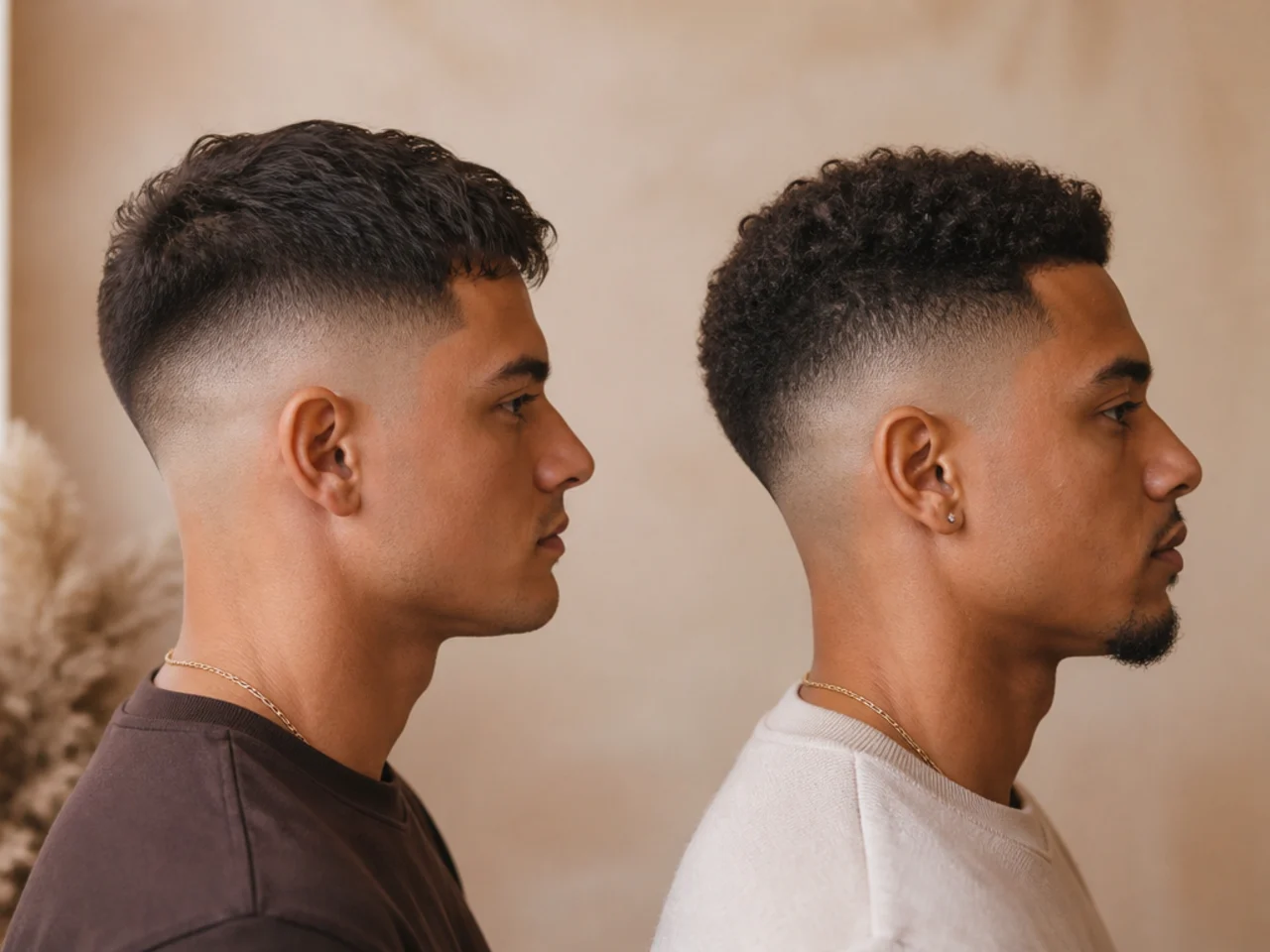
Compare crowns in similar light. Yours and the model's, before you look at anything else.
Check the hair type as well as the volume. Straight, curly and coiled over the same fade give three different shapes.
Prefer photos with a longer top. They are the achievable end of the range and they age better.
Save one photo per idea. A folder of forty is a folder you will not open in the chair.
The 20 High Fade Ideas I Saved
1. Classic High Skin Fade With a Dense Crop
The reference version and the densest crown in the folder. It is the photo I keep as a reminder of what this cut assumes about you.
2. High Taper With a Textured Top
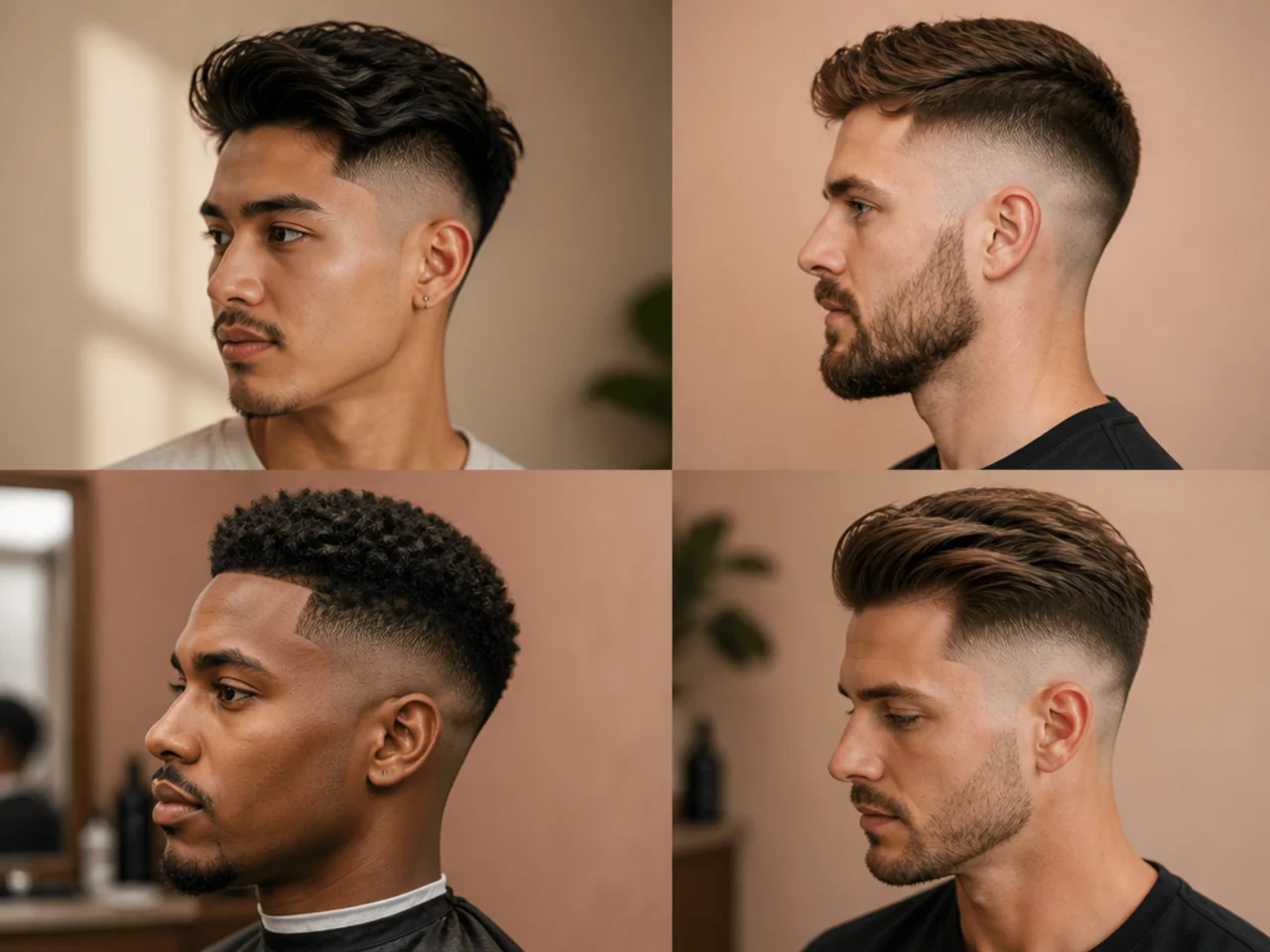
A #1 at 3mm floor and five centimetres of point-cut length. The most achievable photo in the folder for average density. That 3mm floor holds a shadow that reads as extra thickness from the side, which is quiet help for anyone whose crown is merely ordinary.
3. High Fade With a Long Top
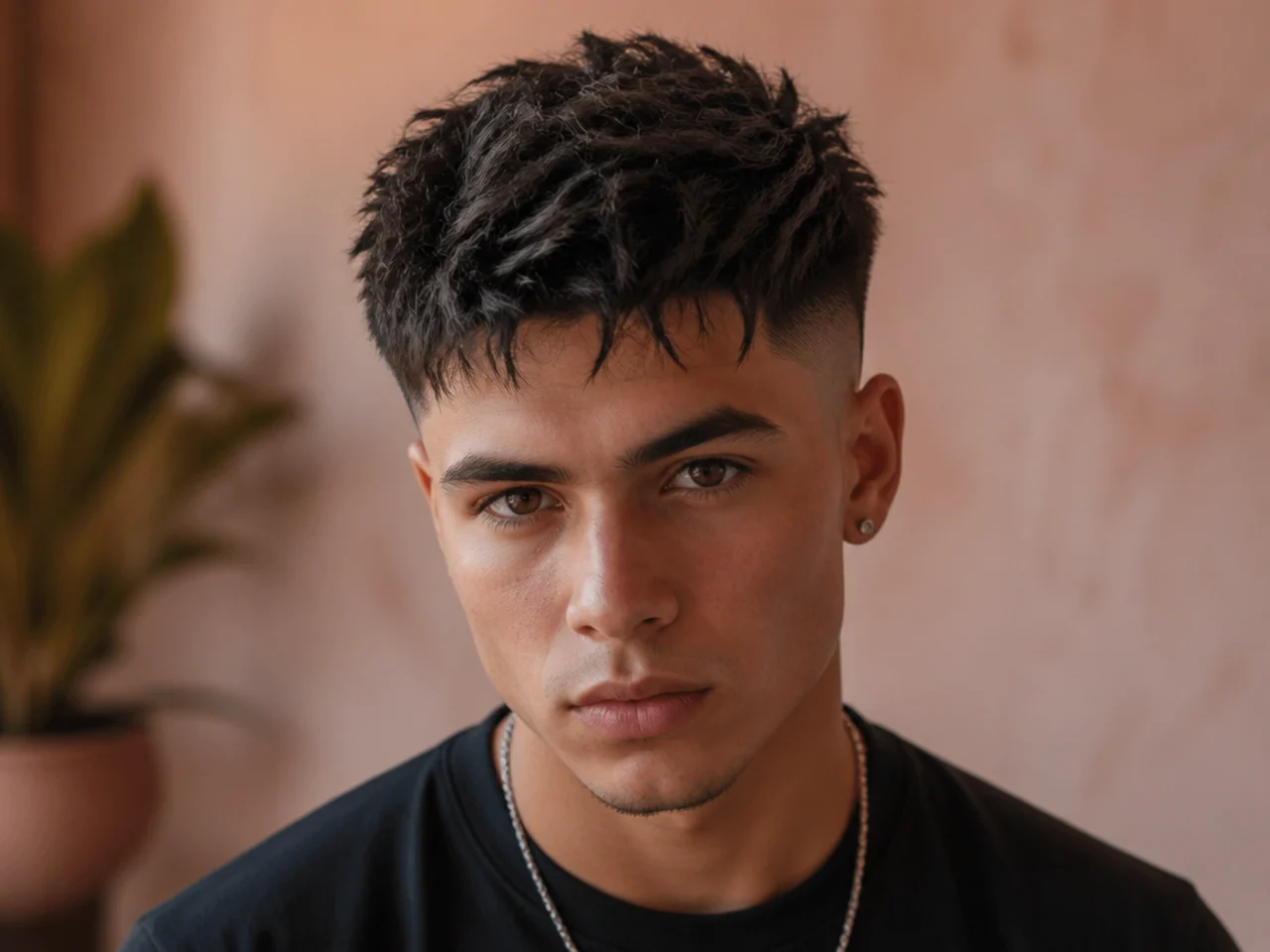
Seven centimetres above the ridge. Length is the honest workaround for a crown that is dense rather than exceptional. Longer hair overlaps the strands beneath it, so the same number of hairs covers noticeably more scalp than a short crop does.
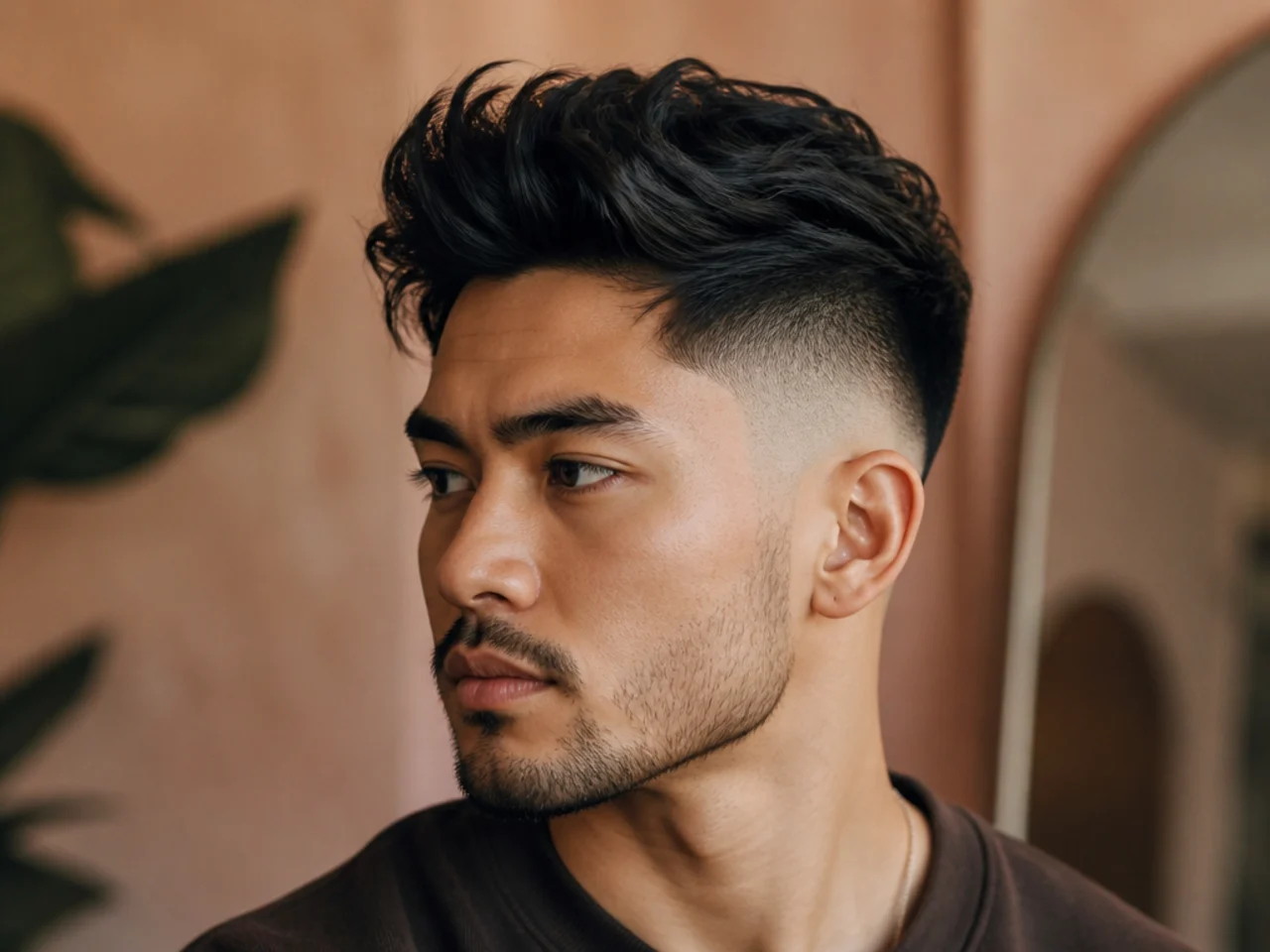
4. High Fade With a Short Top
Saved as a caution. It only works at genuinely high density and it is the version most often attempted by men who do not have it.
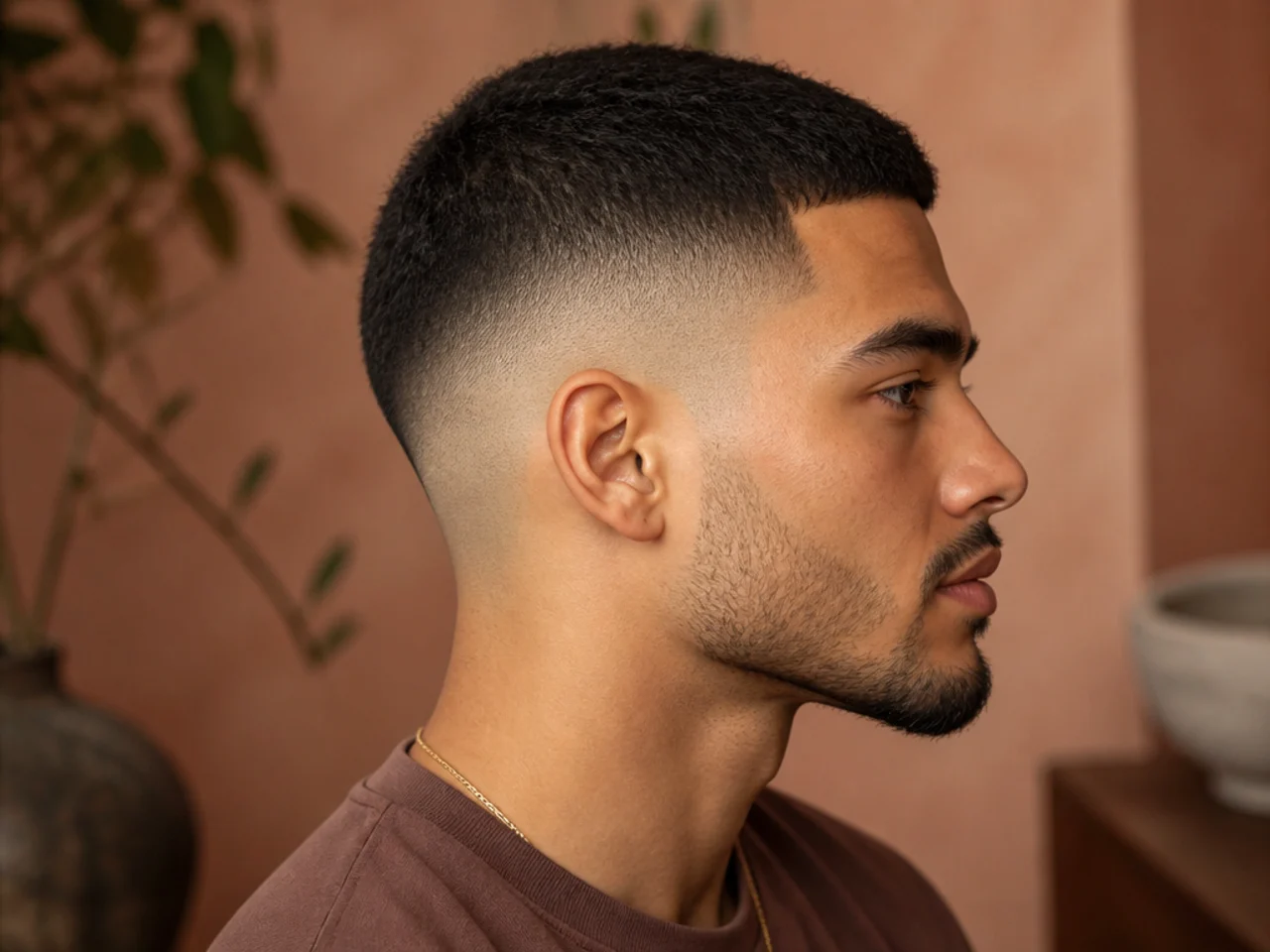
5. High Fade on Coiled Hair
The same fade producing a completely different silhouette, closer to an afro taper fade in how it holds its outline. Coils hold a block shape on their own, which makes this the most forgiving texture at this height.
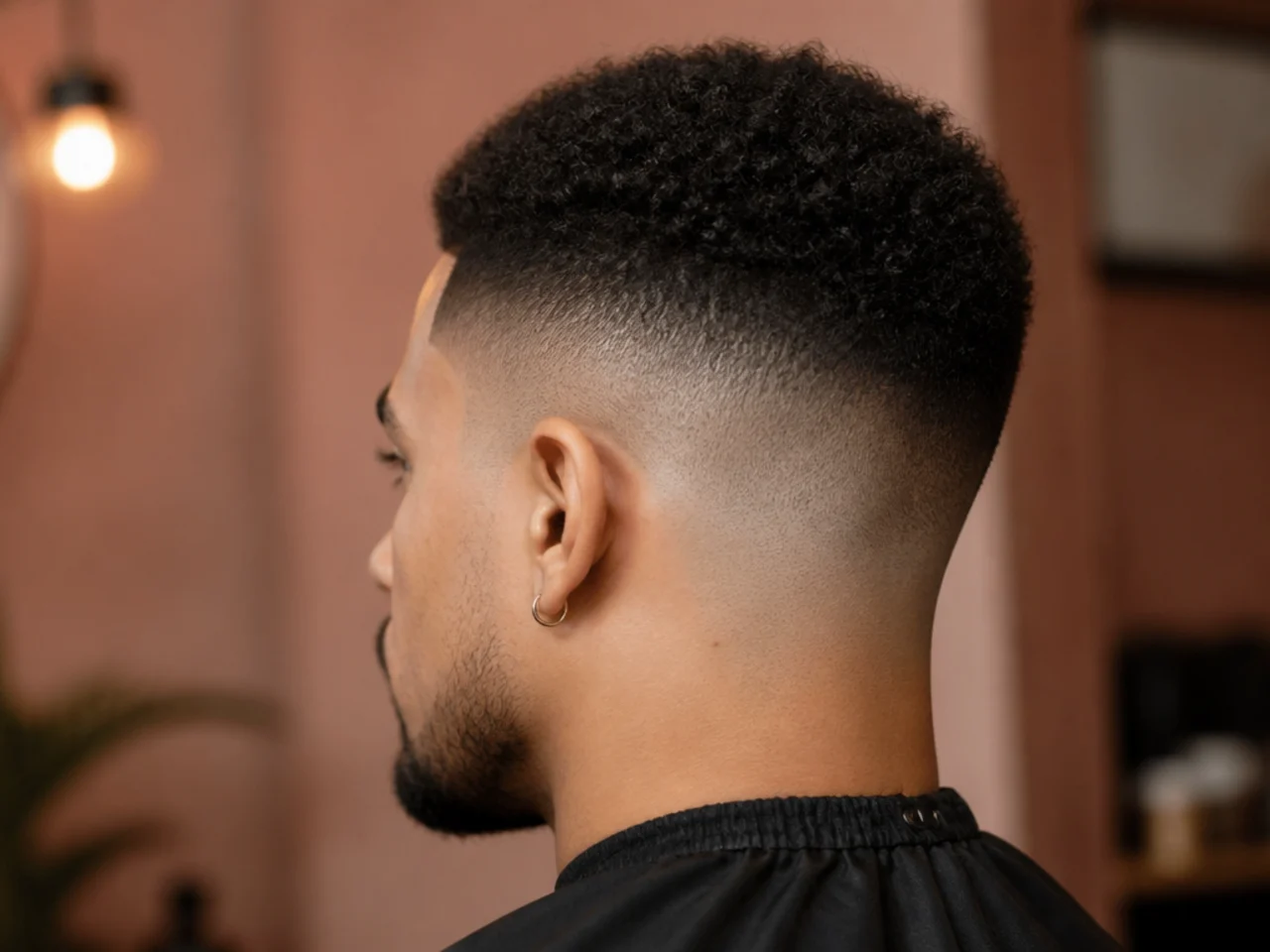
6. High Fade on Curly Hair
Curl mass sitting above the ridge. Saved specifically because the top of the blend is released into the curl rather than cut as a line.
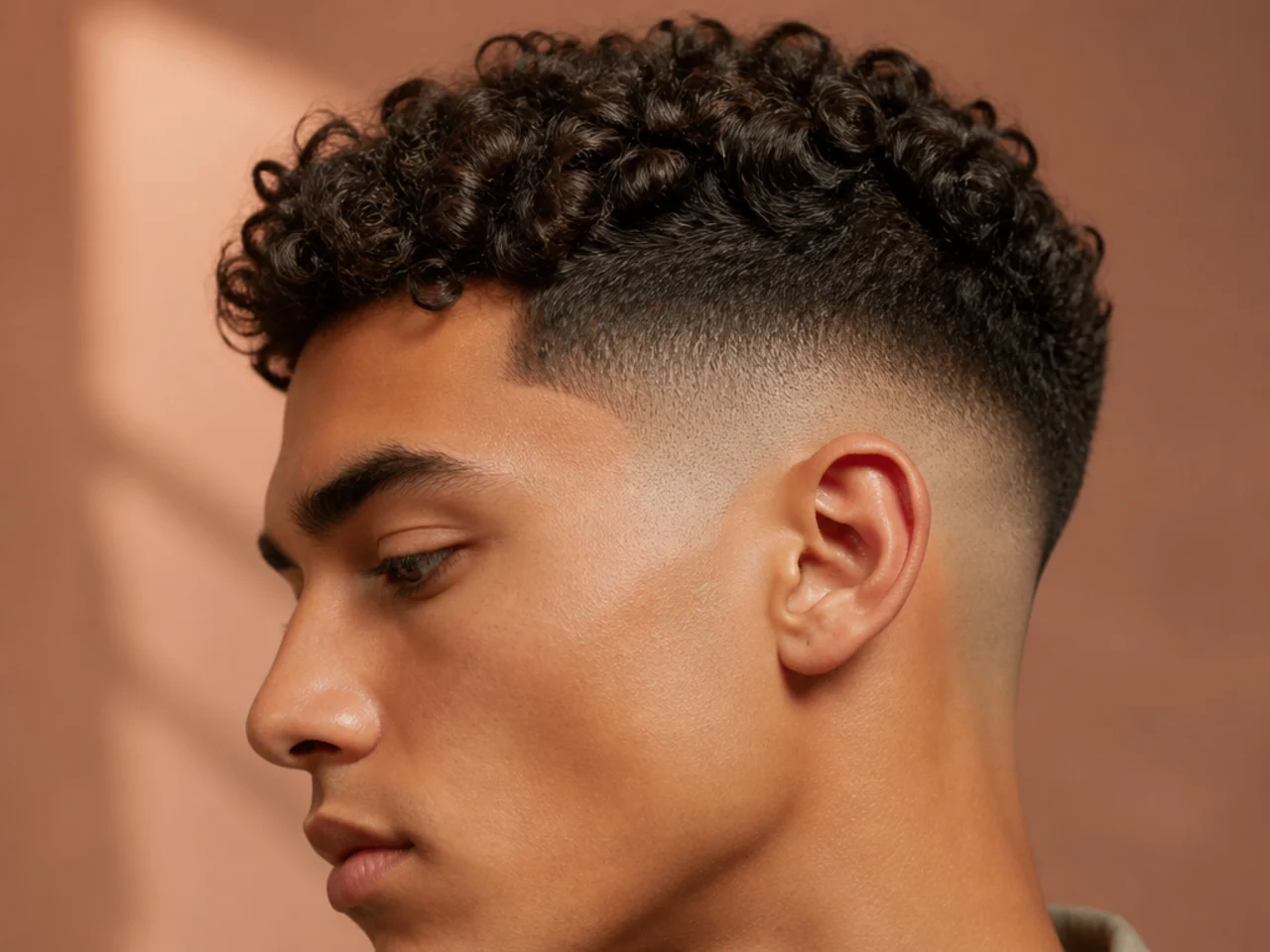
7. High Fade on Straight Fine Hair
The one photo that shows what happens when the density is not there. Scalp visible on top as well as at the sides.
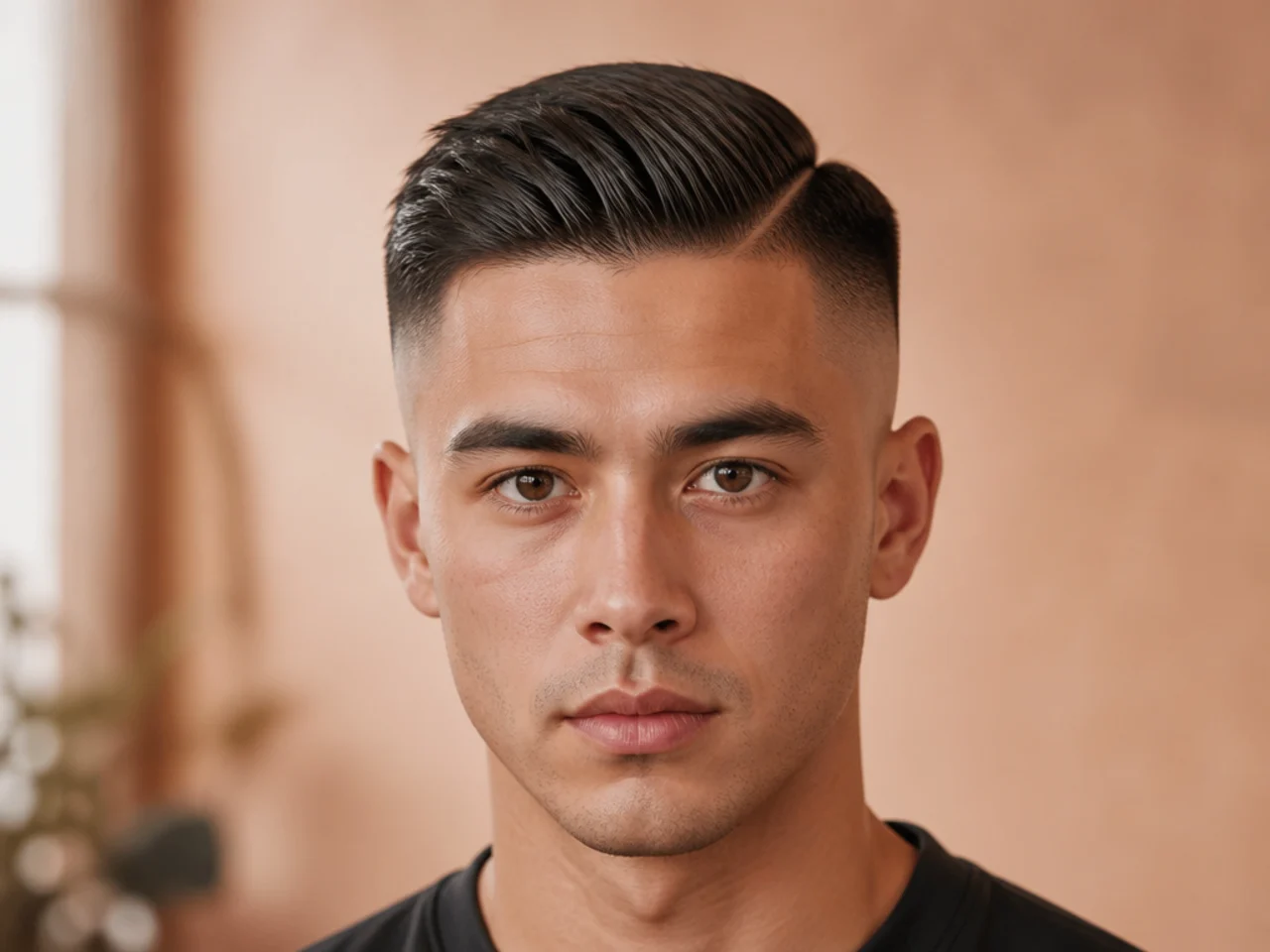
8. High Fade Quiff
Height at the front over bare sides, built like any other men's quiff. Volume is a density substitute up to a point, and this is that point. Lift only holds while the roots can keep the section standing, and past about seven centimetres a thin crown folds under its own weight.
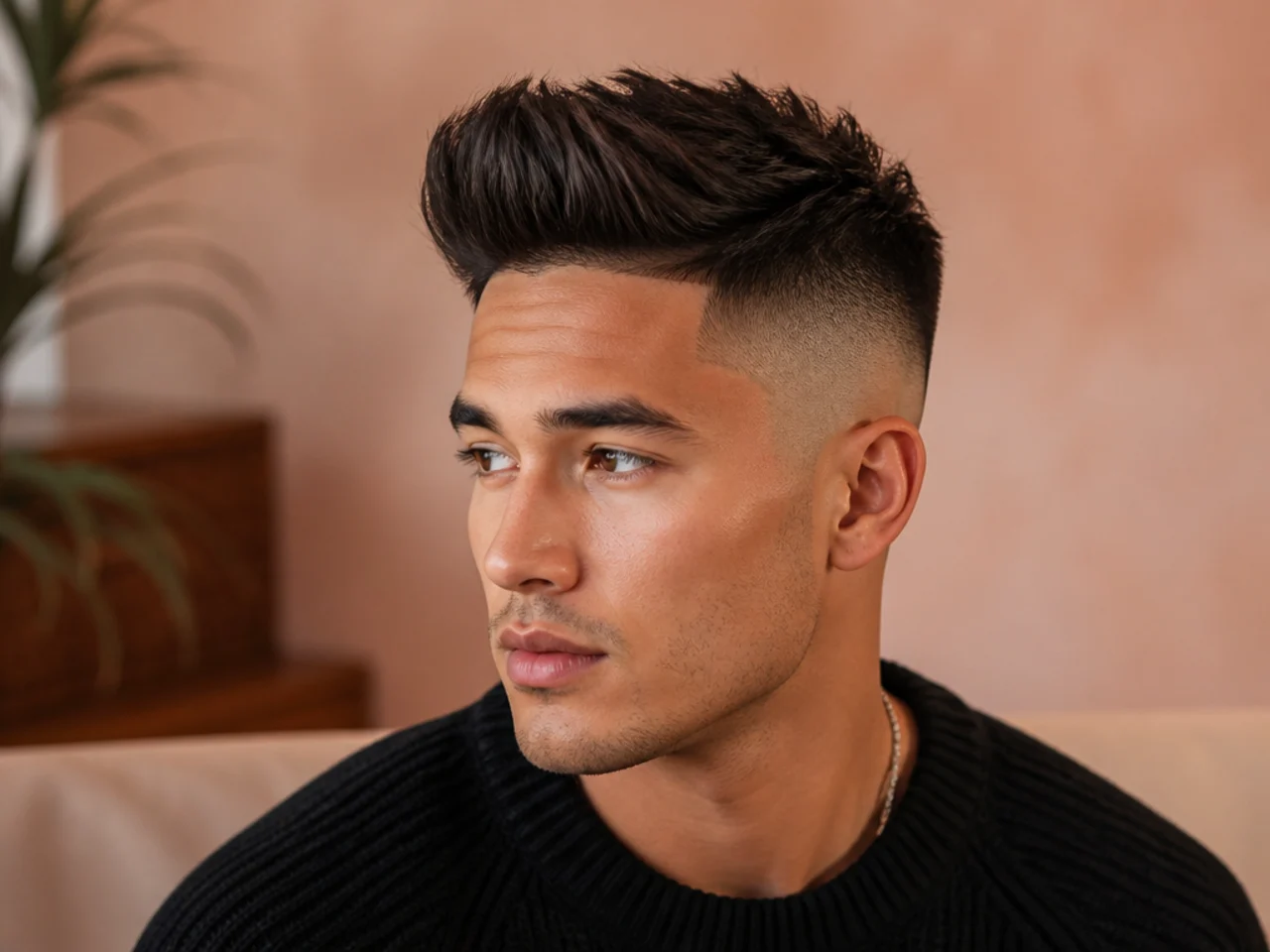
9. High Fade Comb Over With a Hard Part
The razored part running into the blend. Saved to show what the part has to do once the natural split runs out of hair.
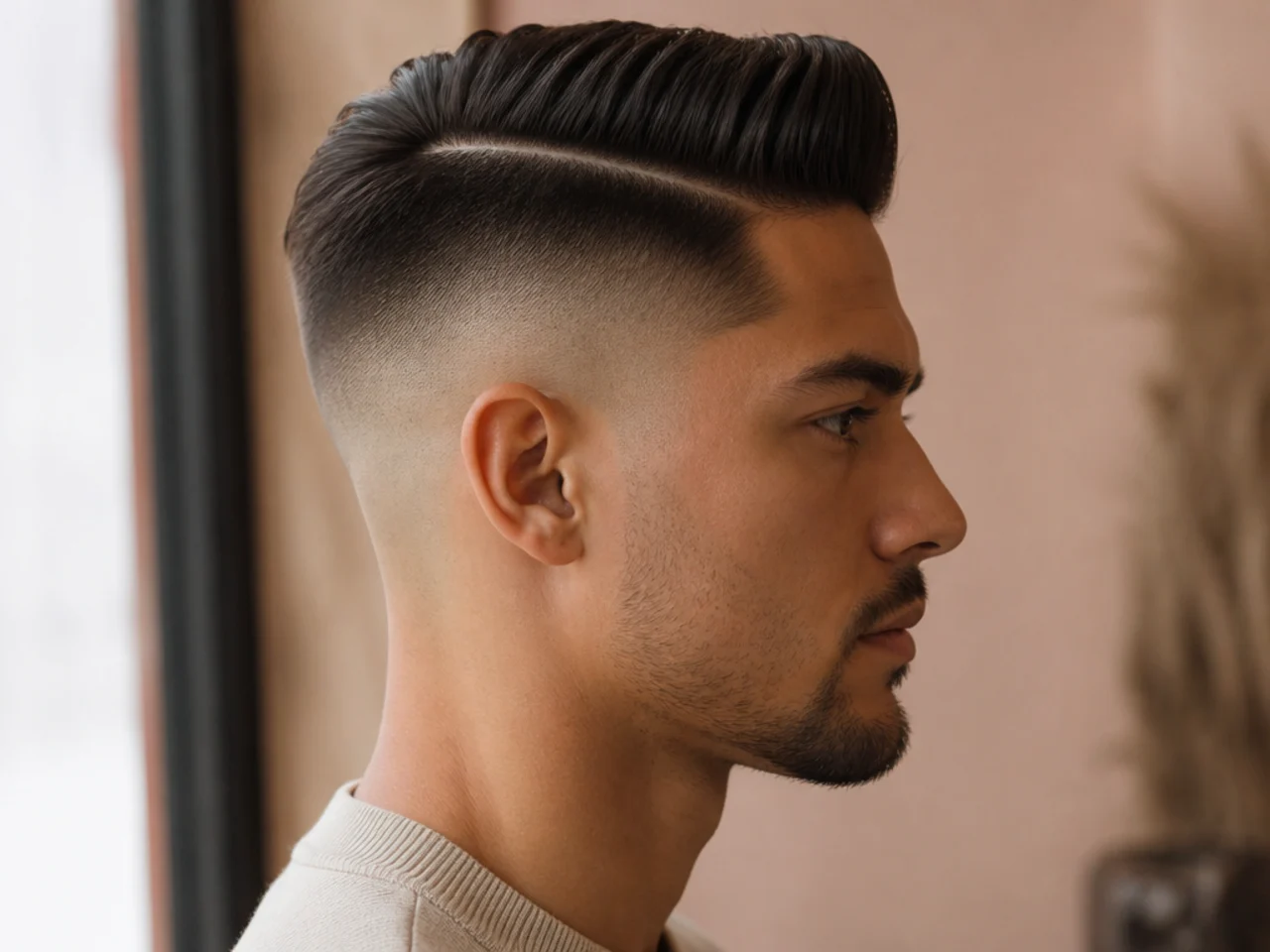
10. High Fade With a Faded Beard
Two gradients running in sequence down the side of the head. It is the fix for the hardest join on any fade.
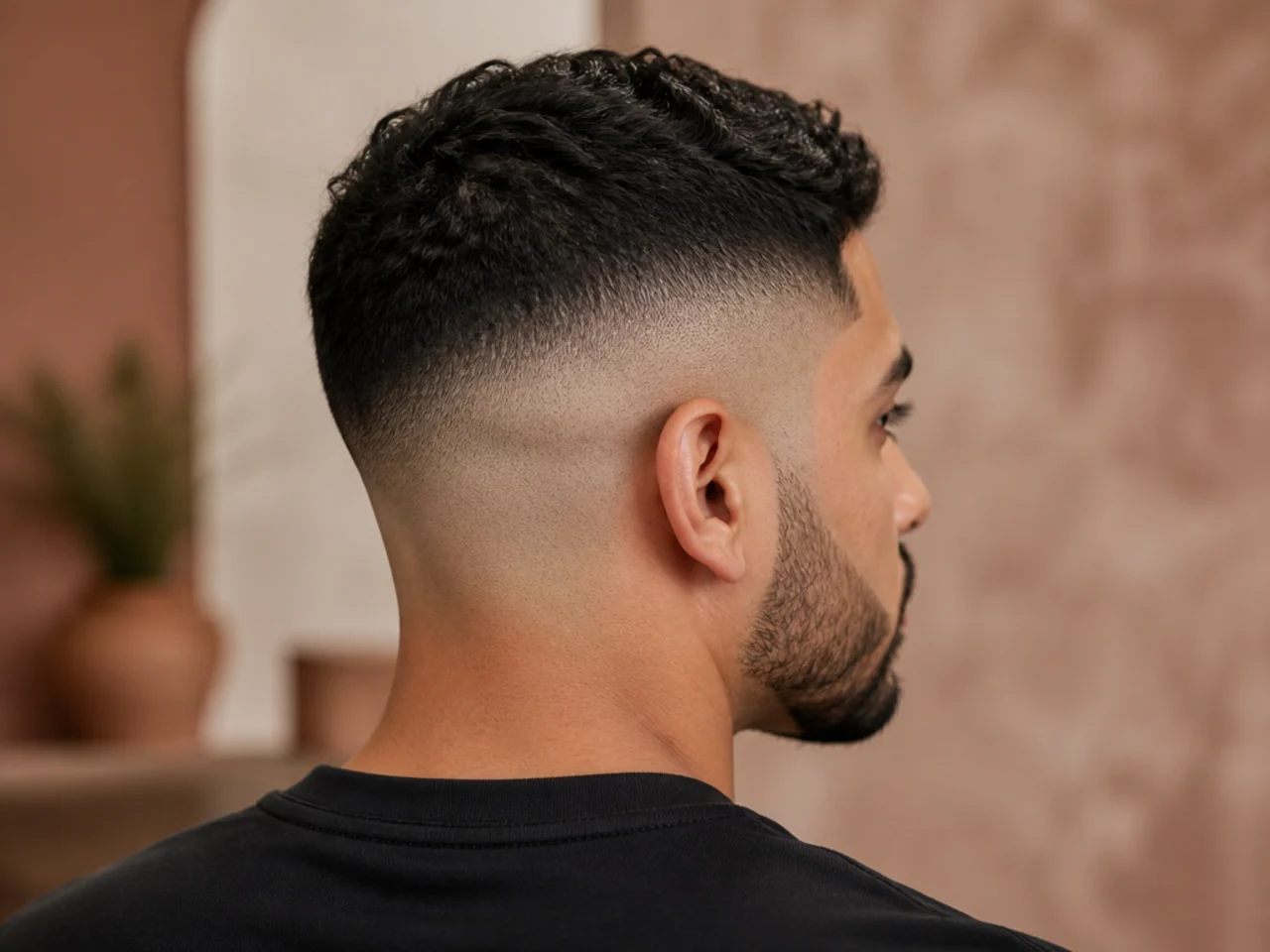
11. High Fade With an Unfaded Beard
The same head without that fix. Kept as the direct comparison, because the difference is larger than any style choice in this folder.
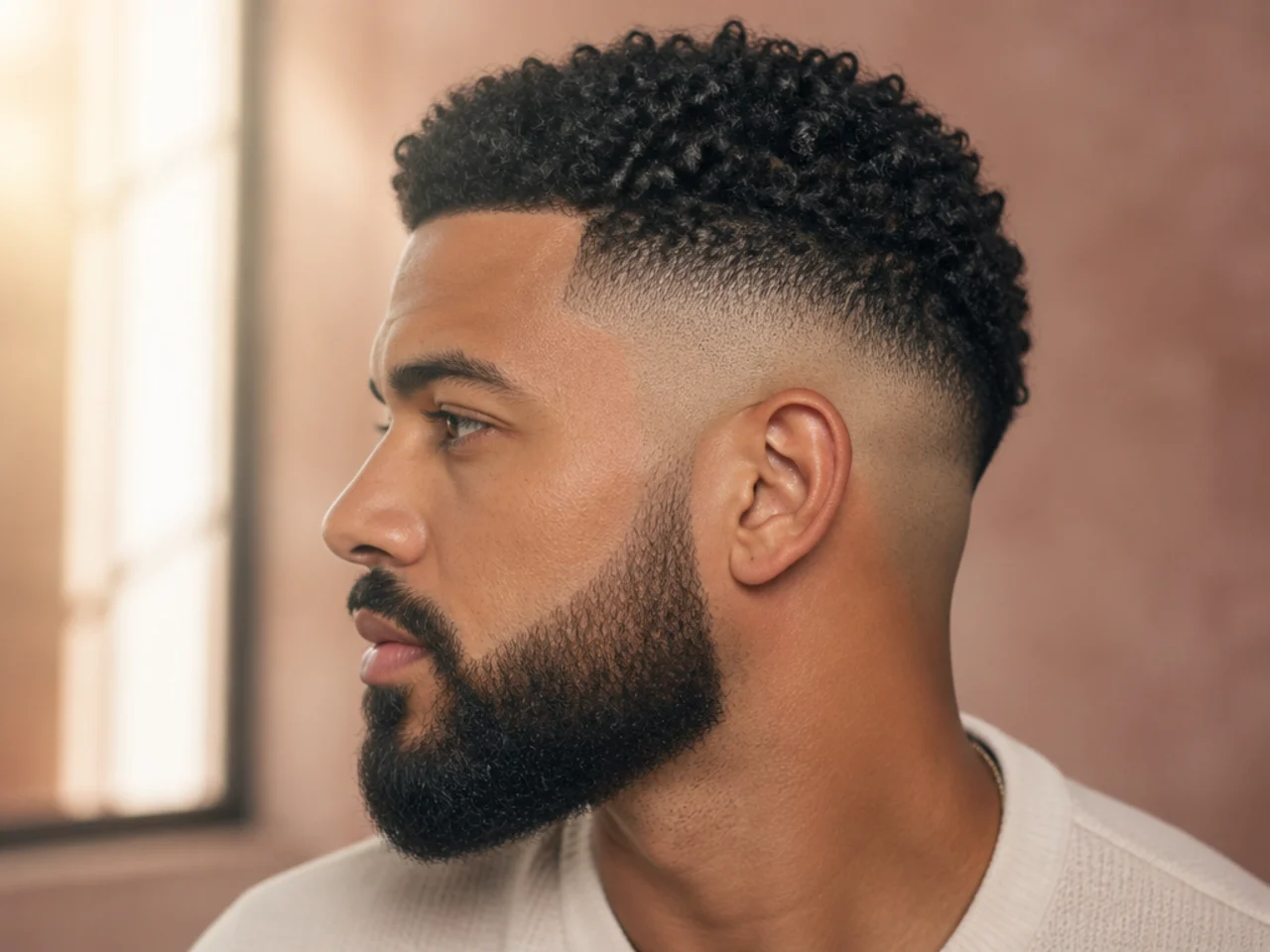
12. High Fade High Top
A squared block above bare sides, the shape a low taper fade on an afro deliberately avoids. Density is doing everything here, and the fade is only setting where the block begins. A squared edge exposes every gap in the mass, which is why the shape belongs to coiled hair and almost nothing else.
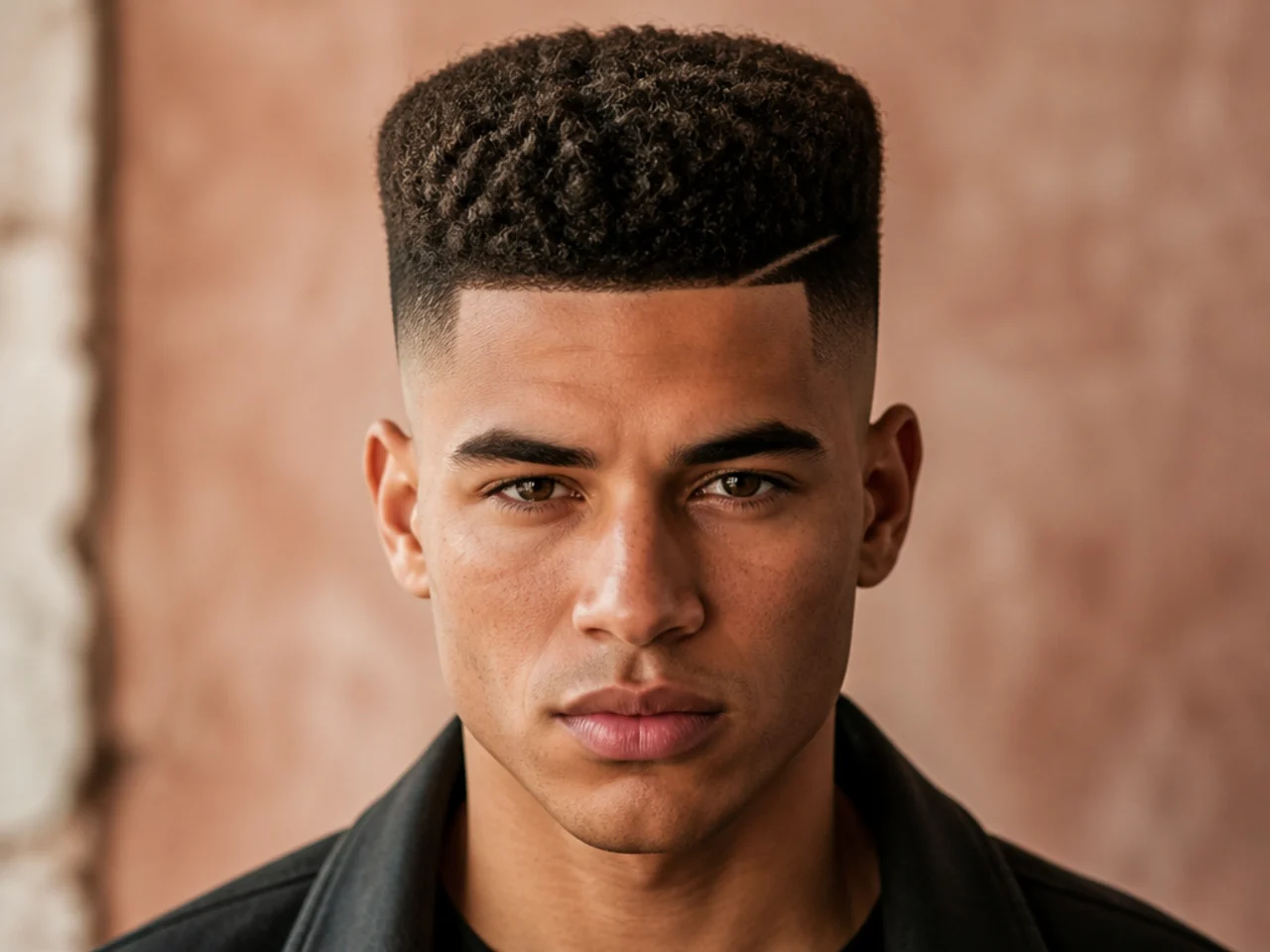
13. High Fade With a Design
A large geometric filling the exposed panel. High fades give the biggest bare area of any cut, which is the one respect in which they ask nothing of your density.
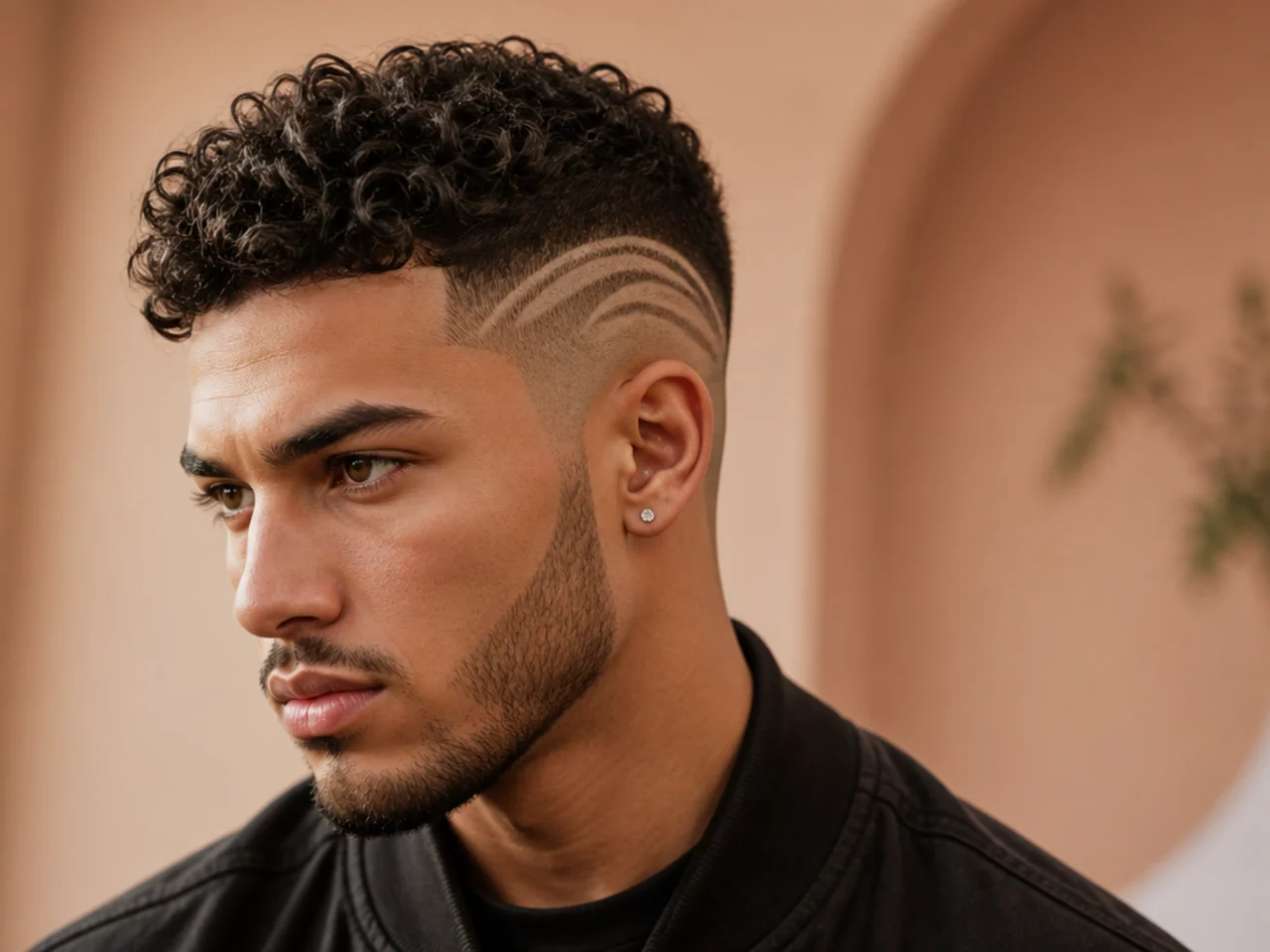
14. High Drop Fade
The line dropping behind the ear. Saved because it is the version that reduces how severe the back looks without lowering the front.
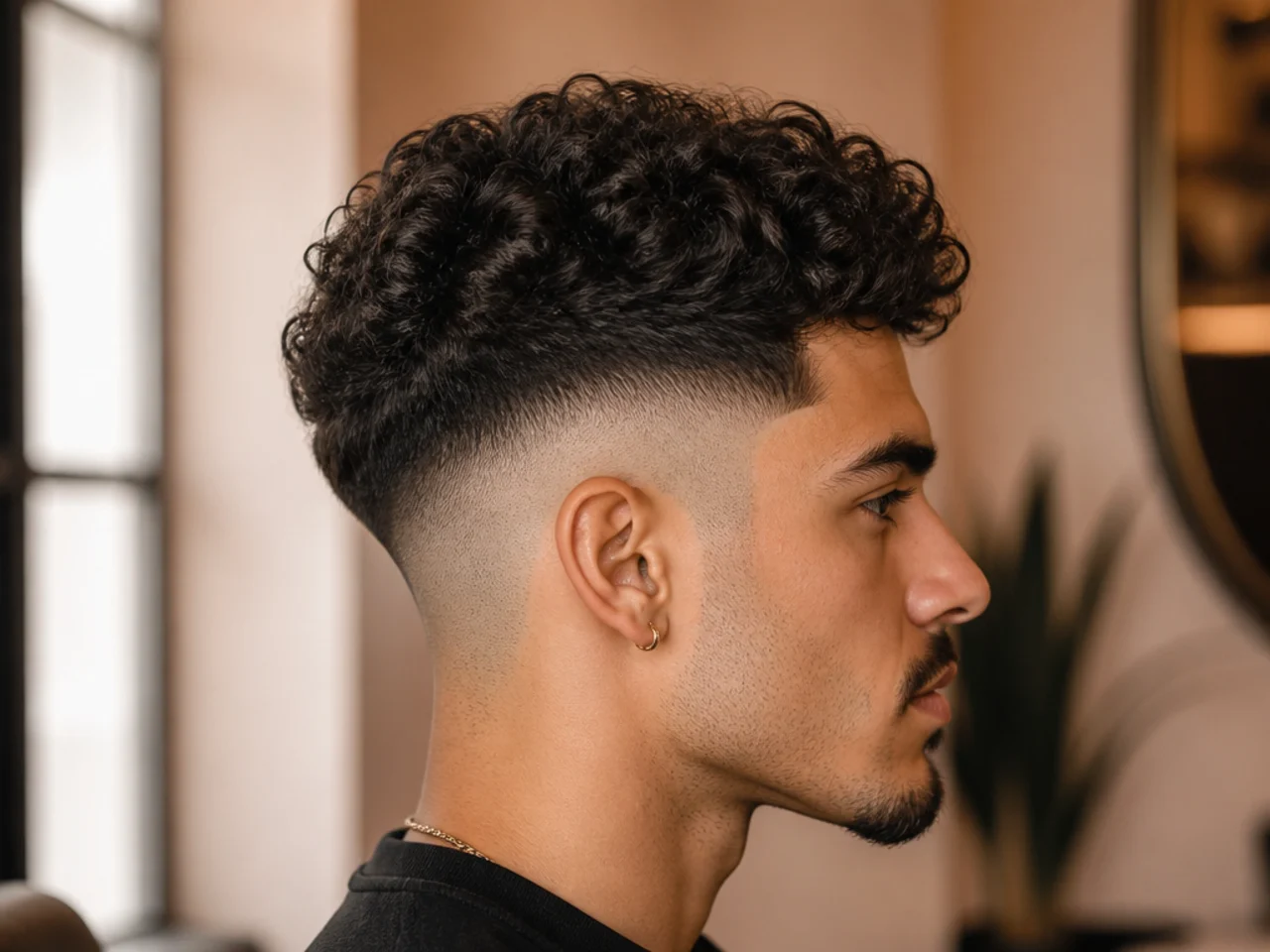
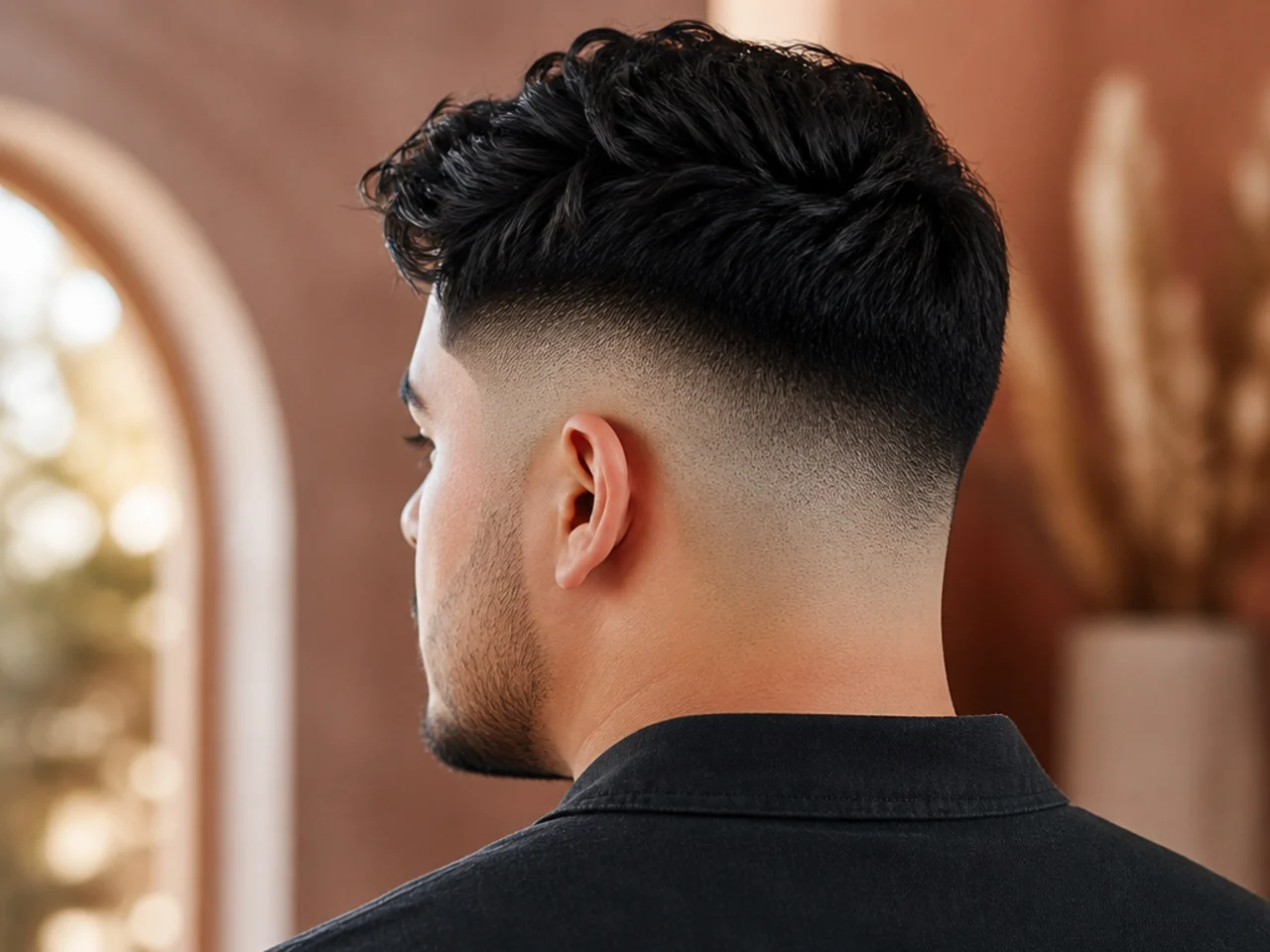
15. High Fade on a Round Face
The clearest demonstration of what this cut is for. Removing width at the widest point is the most direct lengthening available. Nothing is added on top to achieve it, so the effect costs no length and cannot be undone by a bad morning's styling.
16. High Fade on a Long Face
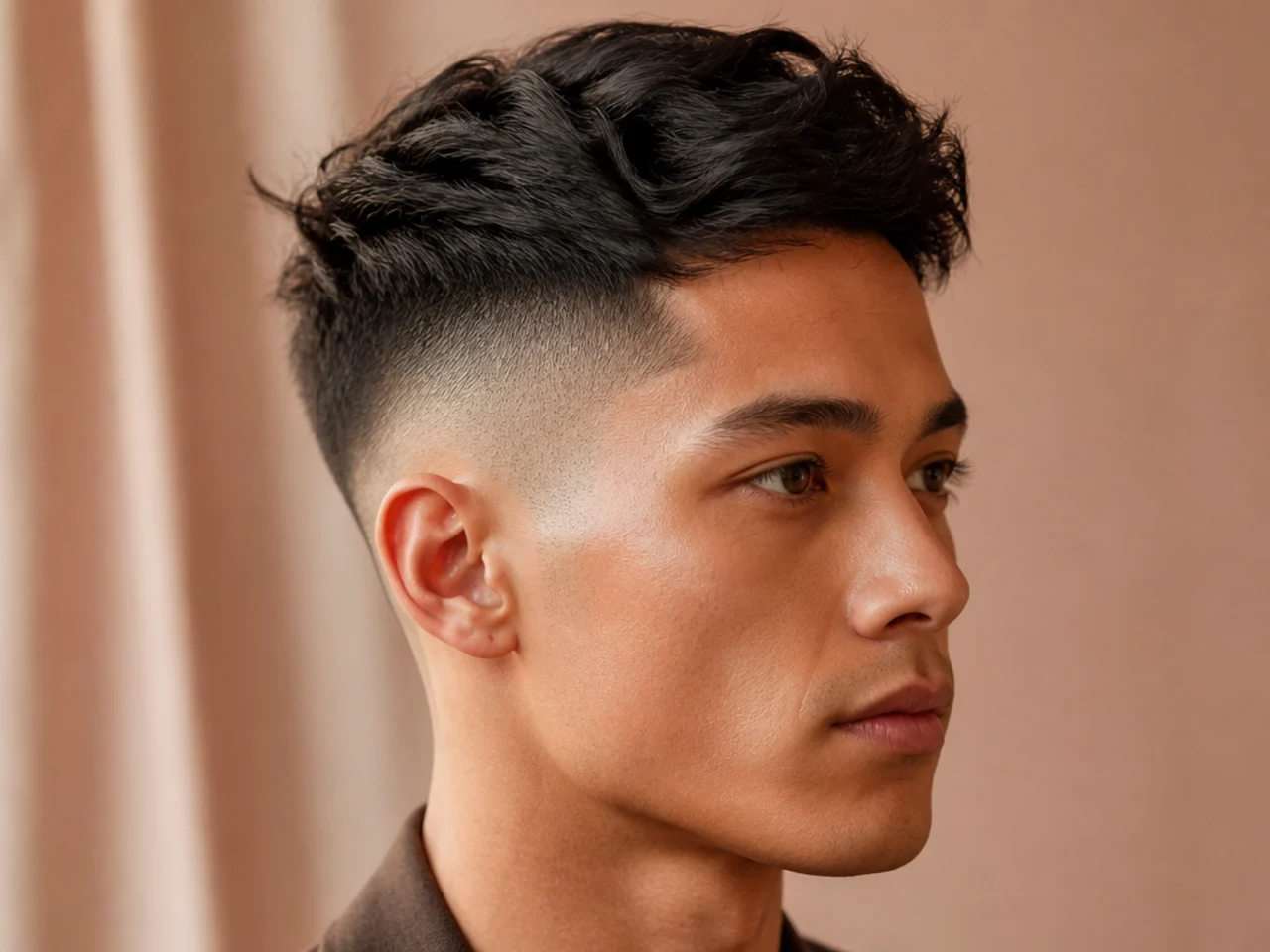
Kept as the counter-example. Every element of the cut lengthens, and on this face that is one lengthening decision too many. Narrow sides, an exposed panel and height at the crown all pull the same way, and no styling move pushes back against all three.
17. High Fade From Behind
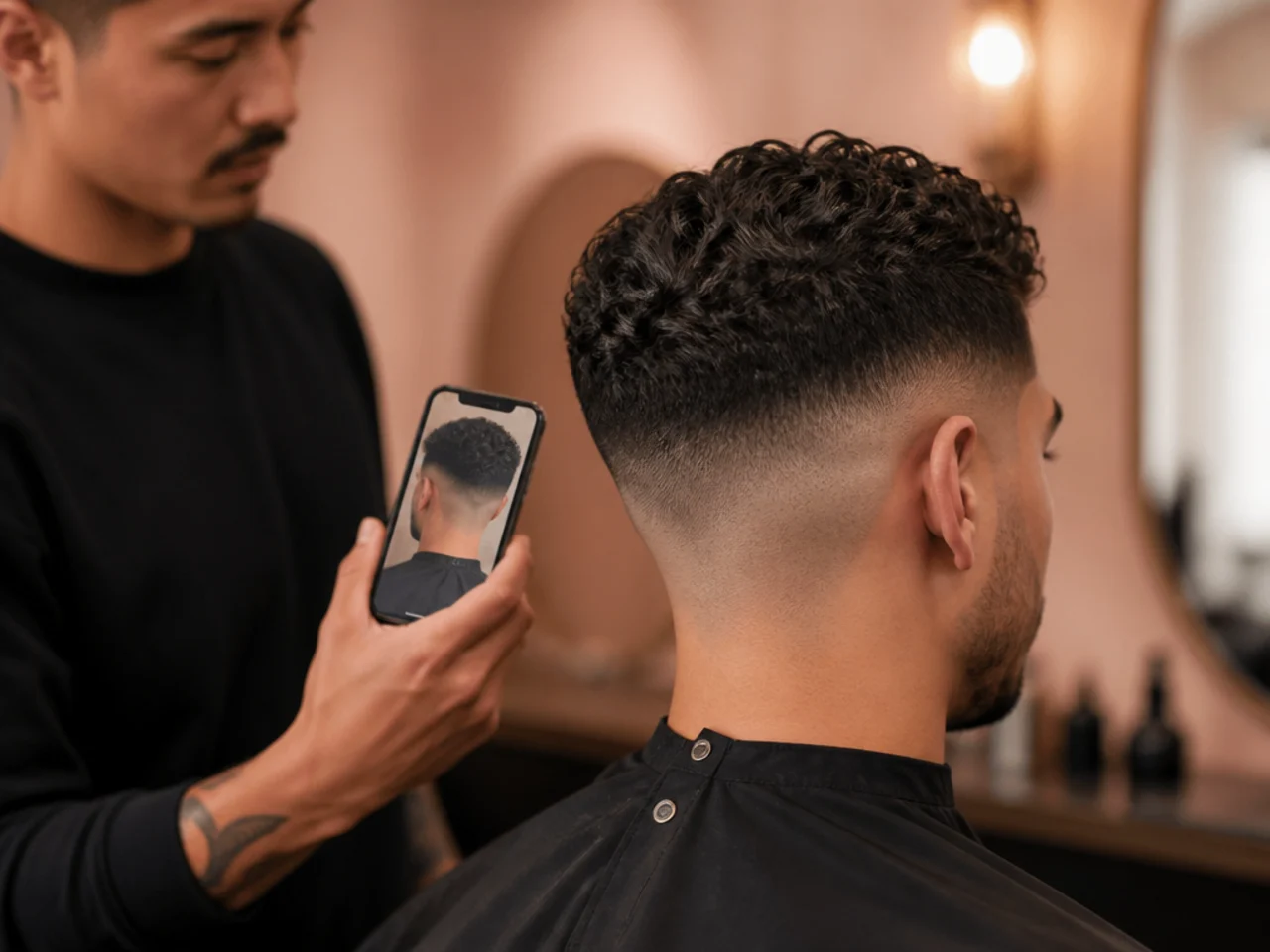
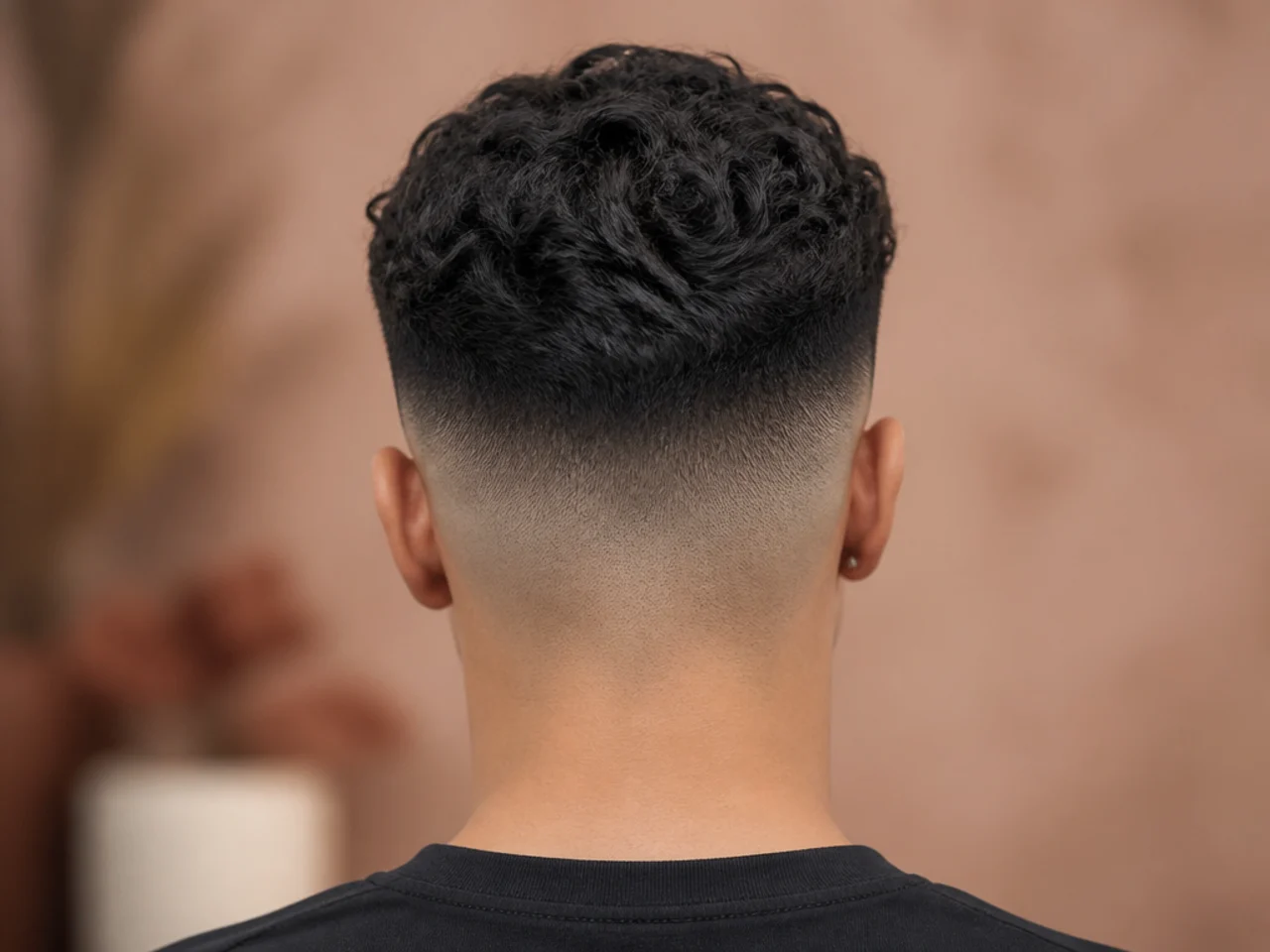
A rare back view. Half the area a high fade exposes is behind the head, and almost no saved photo shows it.
18. High Fade at Week One
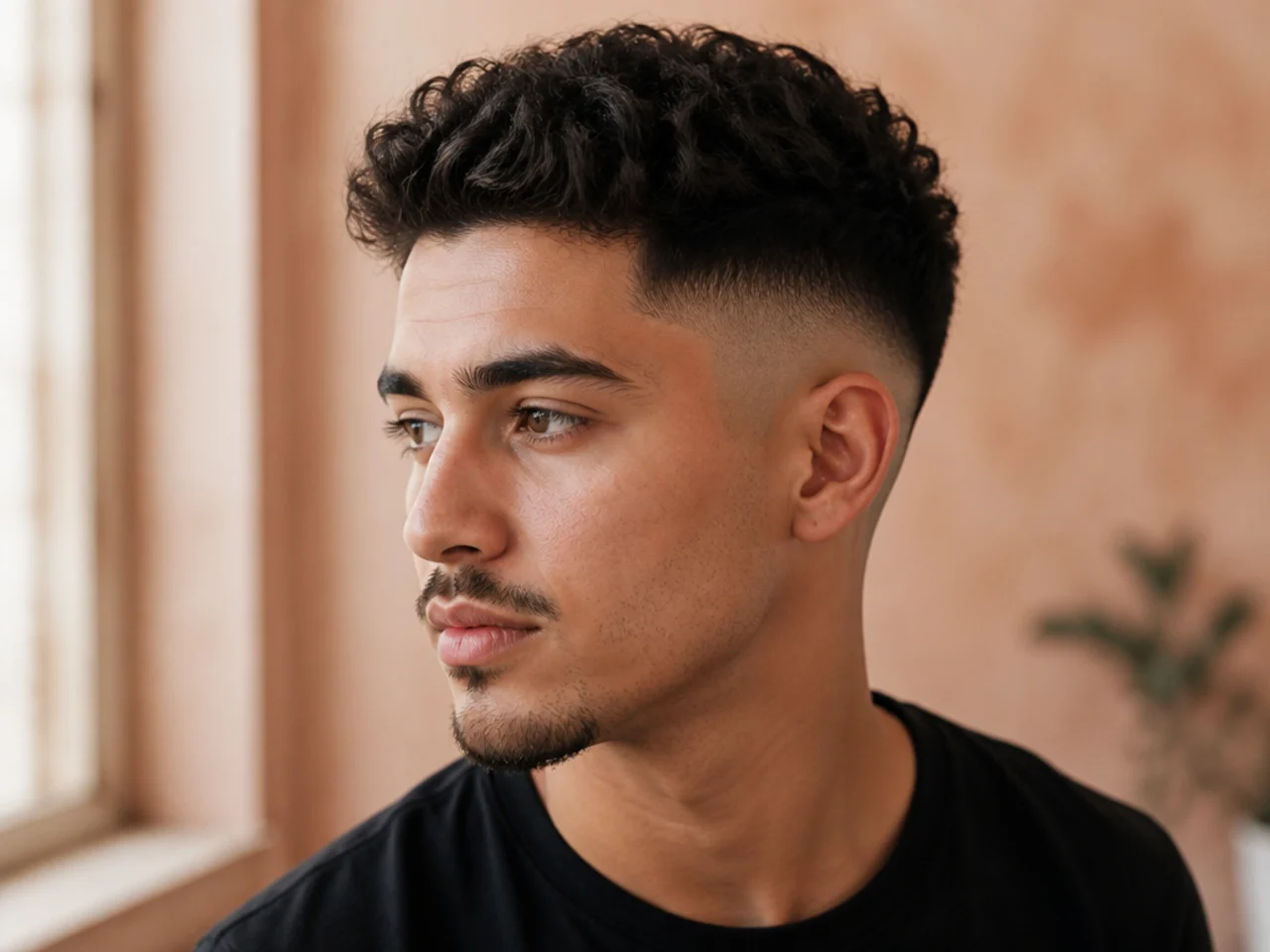
Every edge at its sharpest. Honest about what the cut looks like for the first ten days and misleading about the rest.
19. High Fade at Week Three
The blend grown up toward the top and softened. The most useful photo in the folder, because this is what the cut looks like most of the time.
20. The Photo of My Own Crown
Taken in daylight, parted with a comb. The only image that answers whether any of the other nineteen are achievable. Parting it exposes the scalp between the hairs, which is the measurement every other photo in the folder quietly assumes you have.
Styling and Upkeep
Photograph your own crown in daylight. It is the reference that decides everything else.
Bring one photo and one landmark. The picture for the style and the parietal ridge for the height.
Prefer grown-out reference photos. Week three is the state you will be in most of the time.
Rebook by finish. Nothing in the folder shows a fade past its prime, and that prime runs one to two weeks on a high skin fade and three to four on a high taper.
Update the folder twice a year. Crowns thin by a small percentage every year, so a photo saved at twenty-five can quietly become impossible by thirty.
Mistakes to Avoid
Judging the fade instead of the crown. The fade is the reproducible half.
Saving a short-top high fade with average density. It is the combination that most often disappoints.
Ignoring hair type differences. Straight, curly and coiled produce three different cuts at this height.
Saving only week-one photos. They set an expectation for a look that lasts ten days.
Keeping forty images. You will bring none of them into the shop.
FAQ
What should I look at first? The crown density, not the fade.
How do I tell if it is achievable? Compare the model's crown with your own in similar light.
Does it look the same on every hair type? No, the differences are larger at this height than any other.
Final Thoughts
Every high fade photo is a photograph of somebody's crown with a fade underneath it. Check the density before the style, prefer the images with a longer top, and take one photograph of your own head in daylight so you have something honest to compare them against.
For the cut itself see the high fade haircut guide, and for the taper equivalent see 20 taper fade ideas I saved. More in Fade Haircuts.