15 Burst vs Drop Fade Haircut Ideas Compared
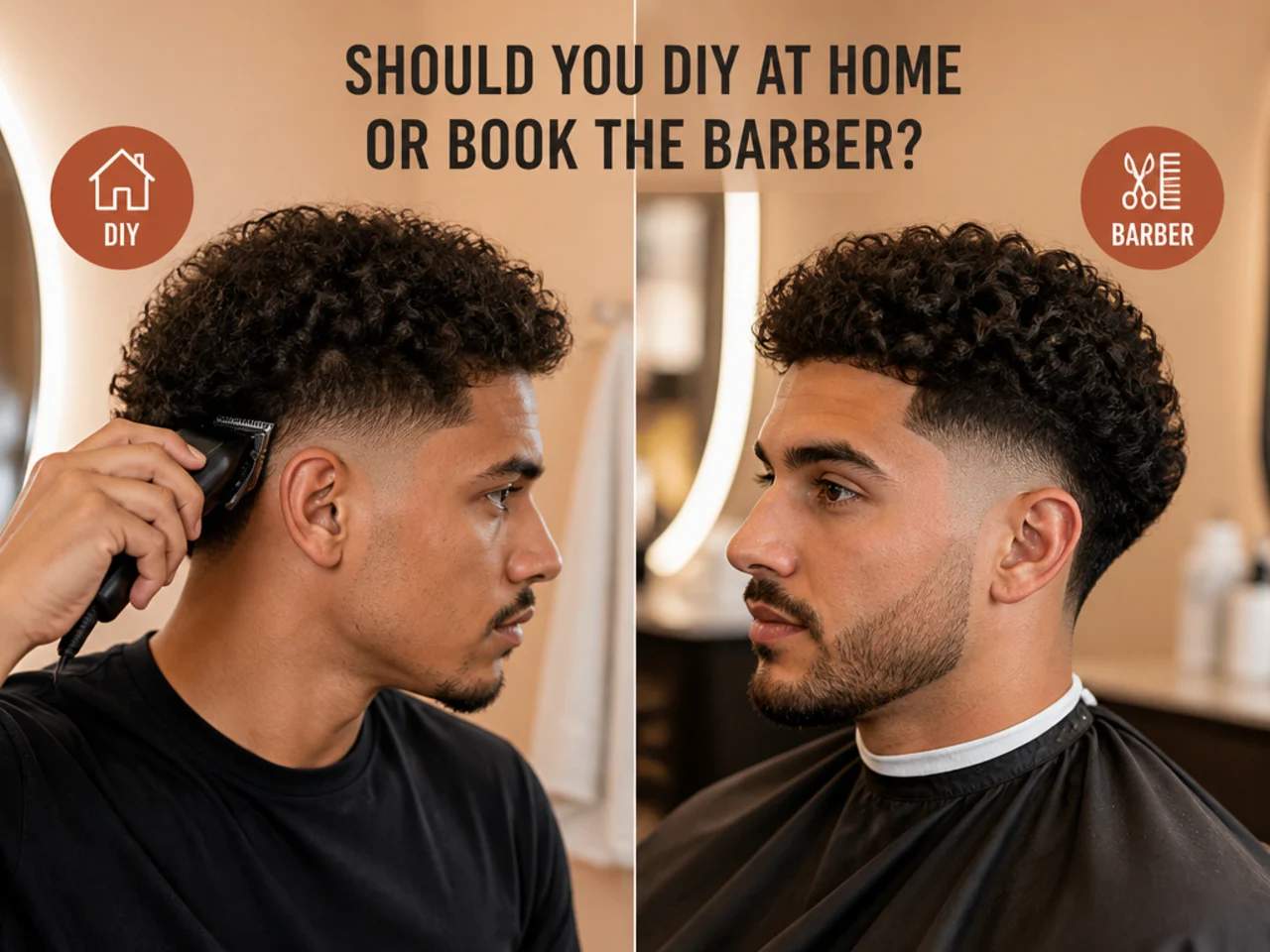
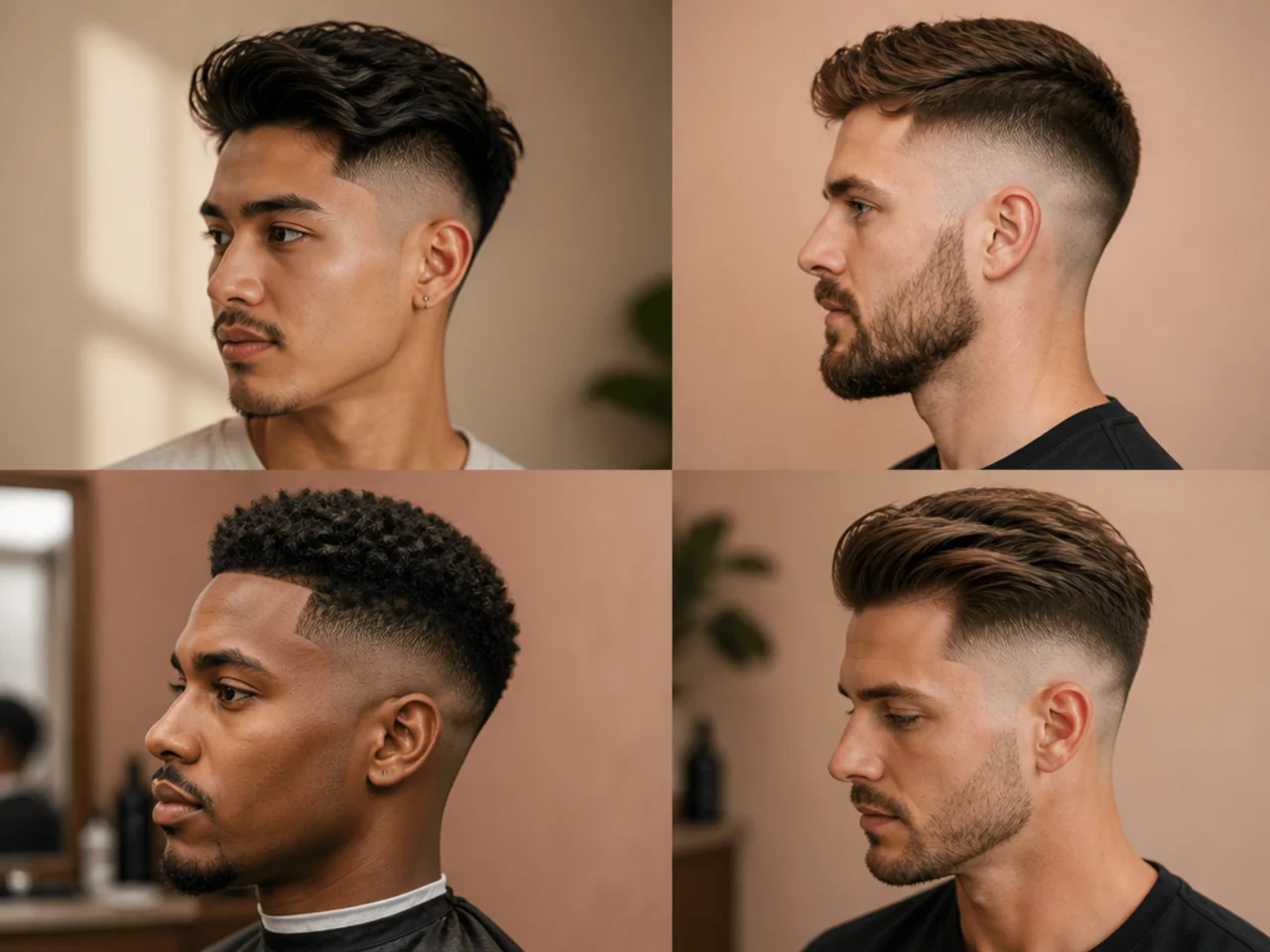
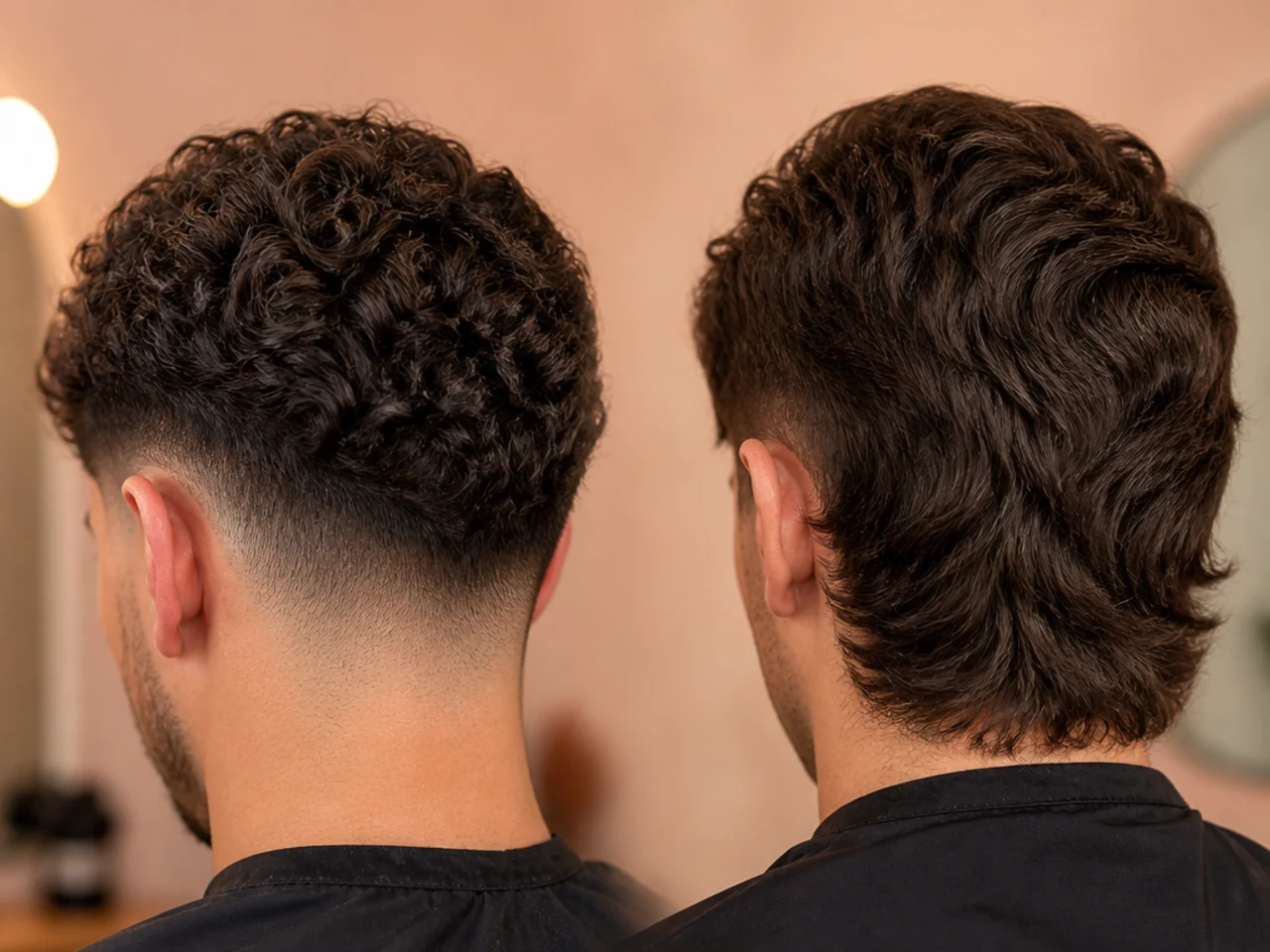
Both cuts curve, which is why they get confused, but only one of them fades the back of your head. A drop fade runs all the way round and a burst fade stops at the ear, and everything else follows from that.
In this article · 22
- The One Structural Difference
- How to Choose Yours
- The 15 Comparisons
- 1. The Back of the Head
- 2. The Shape of the Cut
- 3. Where the Shortest Point Sits
- 4. What Happens to the Sideburn
- 5. Grow-Out at Three Weeks
- 6. With a Mullet
- 7. With a Mohawk
- 8. With a Beard
- 9. With 360 Waves
- 10. On Curly Hair
- 11. In a Formal Workplace
- 12. On a Round Face
- 13. How Easy It Is to Book
- 14. Which Photographs Better
- 15. Which One to Ask For
- Styling and Upkeep
- Mistakes to Avoid
- FAQ
- Final Thoughts
These two cuts get mixed up constantly, and it is not really the customers' fault. Both curve, both sit around the ear and both look similar in a photograph taken from the front.
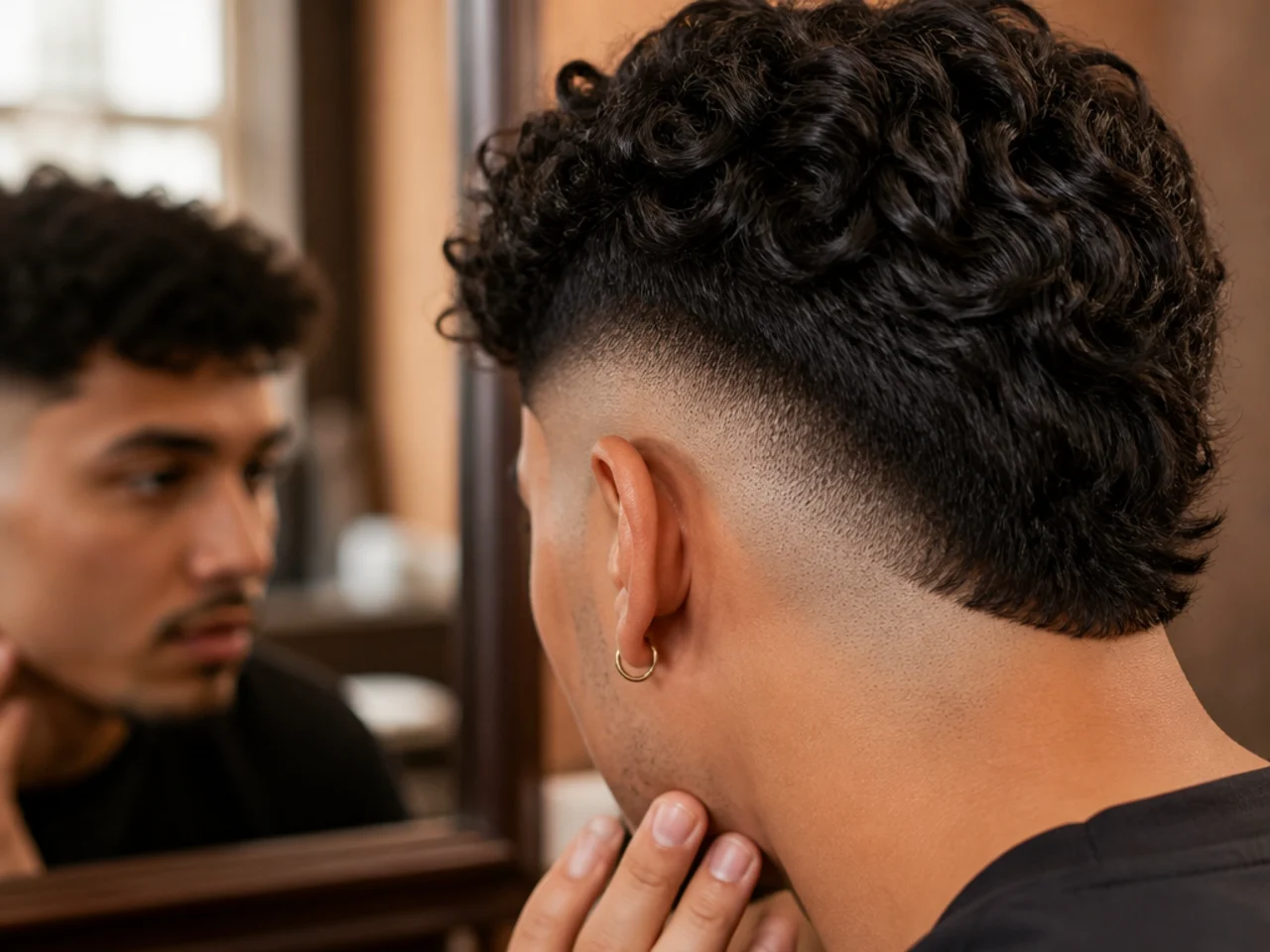
A drop fade goes all the way round. Its line curves downward behind the ear and then continues across the back, so the nape is faded like everything else.
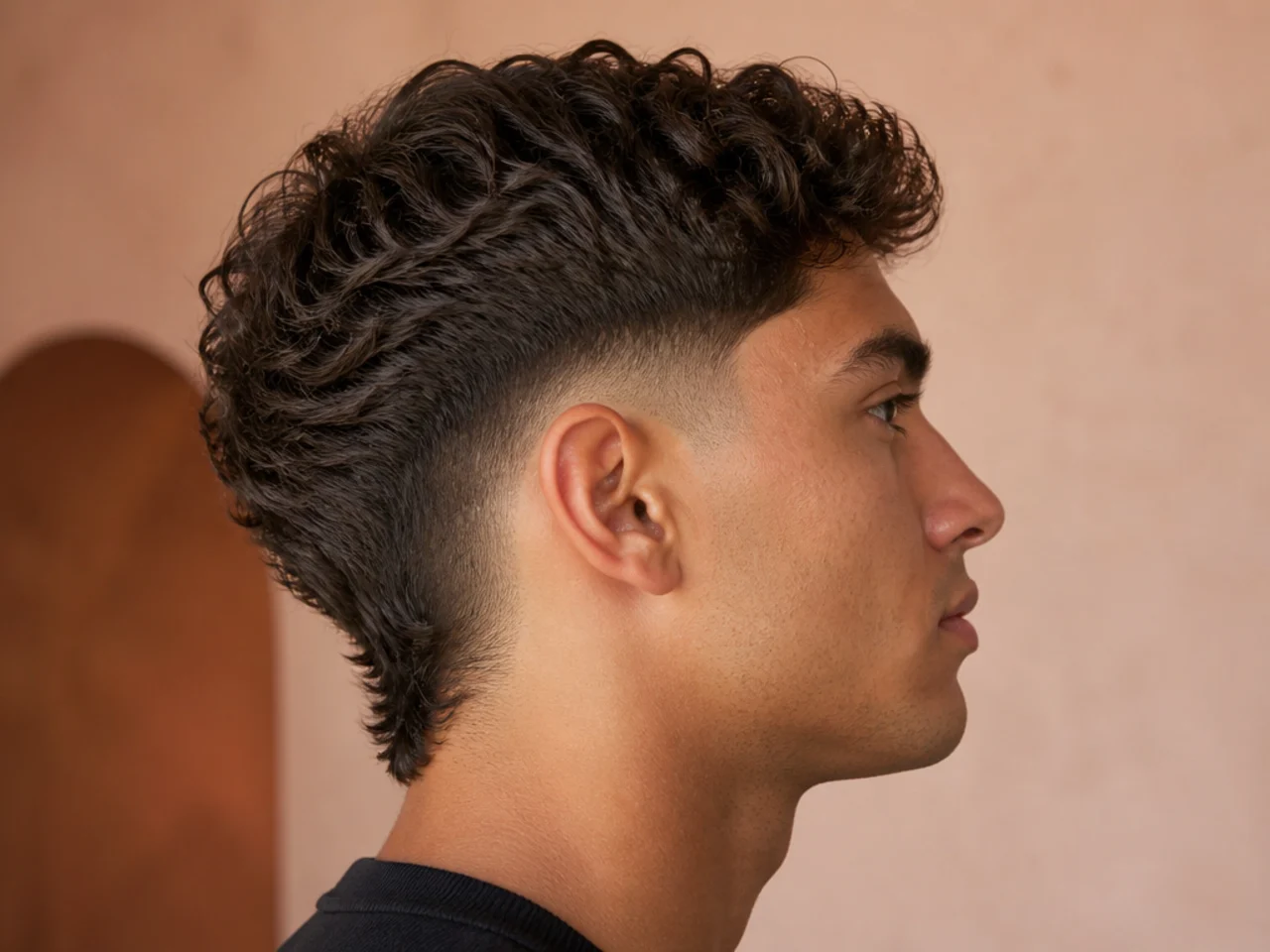
A burst fade stops. It is a semicircle centred on the ear and it never reaches the back, which is why the nape keeps its full length.
The One Structural Difference
A drop fade is a line. It runs around the head and dips behind the ear on the way.
A burst fade is a circle. It radiates outward from the ear and stops before the back.
So the back of the head is the test. Faded means drop, long means burst.
Everything else is a consequence of that. Beards, mullets, grow-out and workplaces all follow from what happens at the nape.
How to Choose Yours
Look at what you want at the back. That single question decides it, and nothing else needs deciding first.
Decide how much you care about a formal read. A faded nape looks conventional from behind and a long one does not.
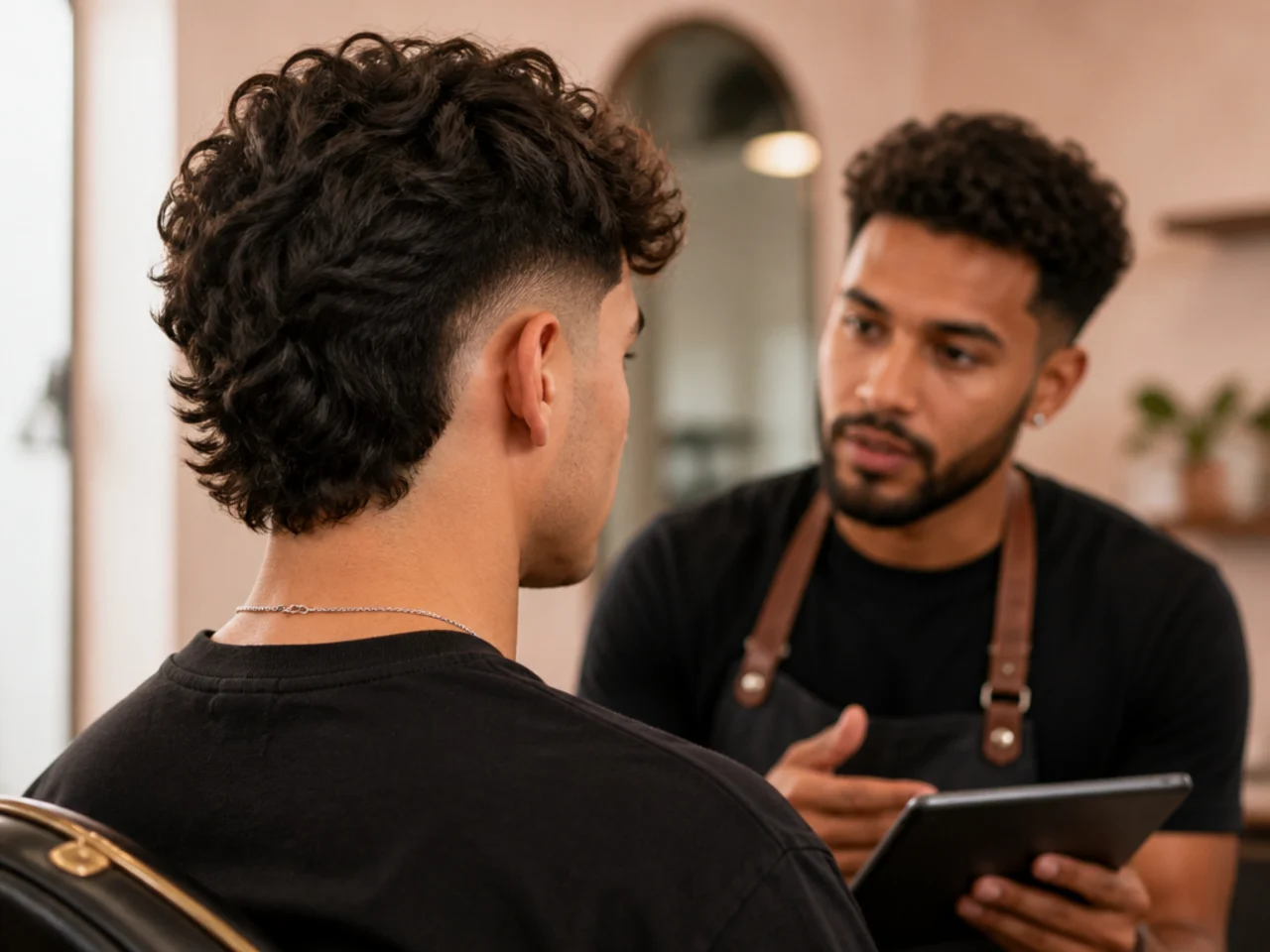
Consider your barber's habits. Drop fades are far more commonly requested, so a burst needs to be specified more carefully.
Match it to the top. A mullet or a mohawk needs a burst, and a comb over or a slick back is comfortable with either.
The 15 Comparisons
1. The Back of the Head
The drop fade takes it and the burst fade leaves it. Everything else on this page is downstream of that one difference, and it is the only test that gives a reliable answer.
2. The Shape of the Cut
A drop fade is a line with a curve in it, and a burst fade is a circle with a centre. One has a start and an end, the other has a middle and a radius.
3. Where the Shortest Point Sits
On a drop fade the shortest hair runs along the whole bottom edge. On a burst it is a single point at the ear, with length increasing in every direction from there.
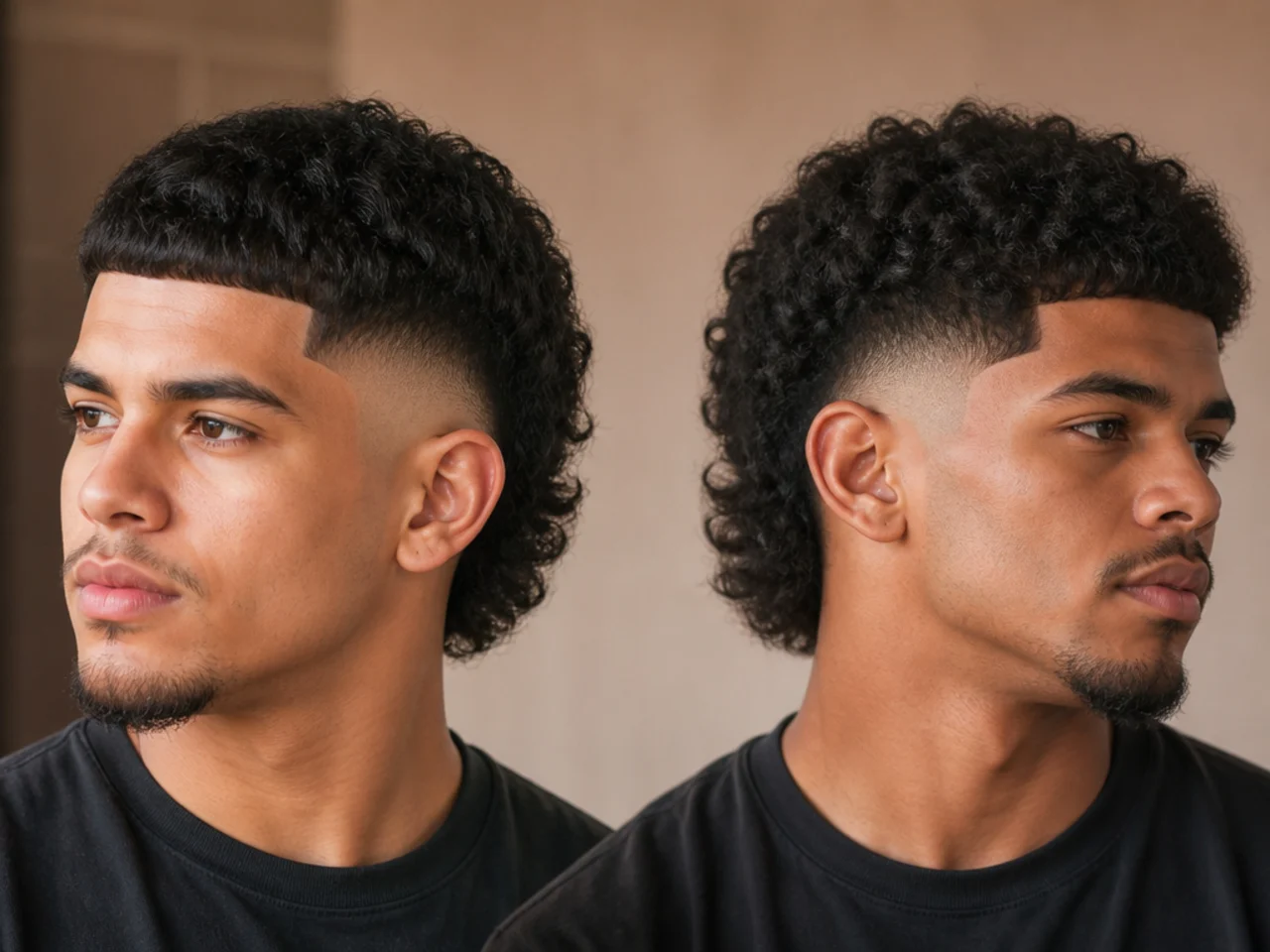
4. What Happens to the Sideburn
A drop fade approaches the sideburn from below, so it can be stopped short of it. A burst arc crosses it from behind, so the sideburn is inside the fade unless the front edge is deliberately pulled back.
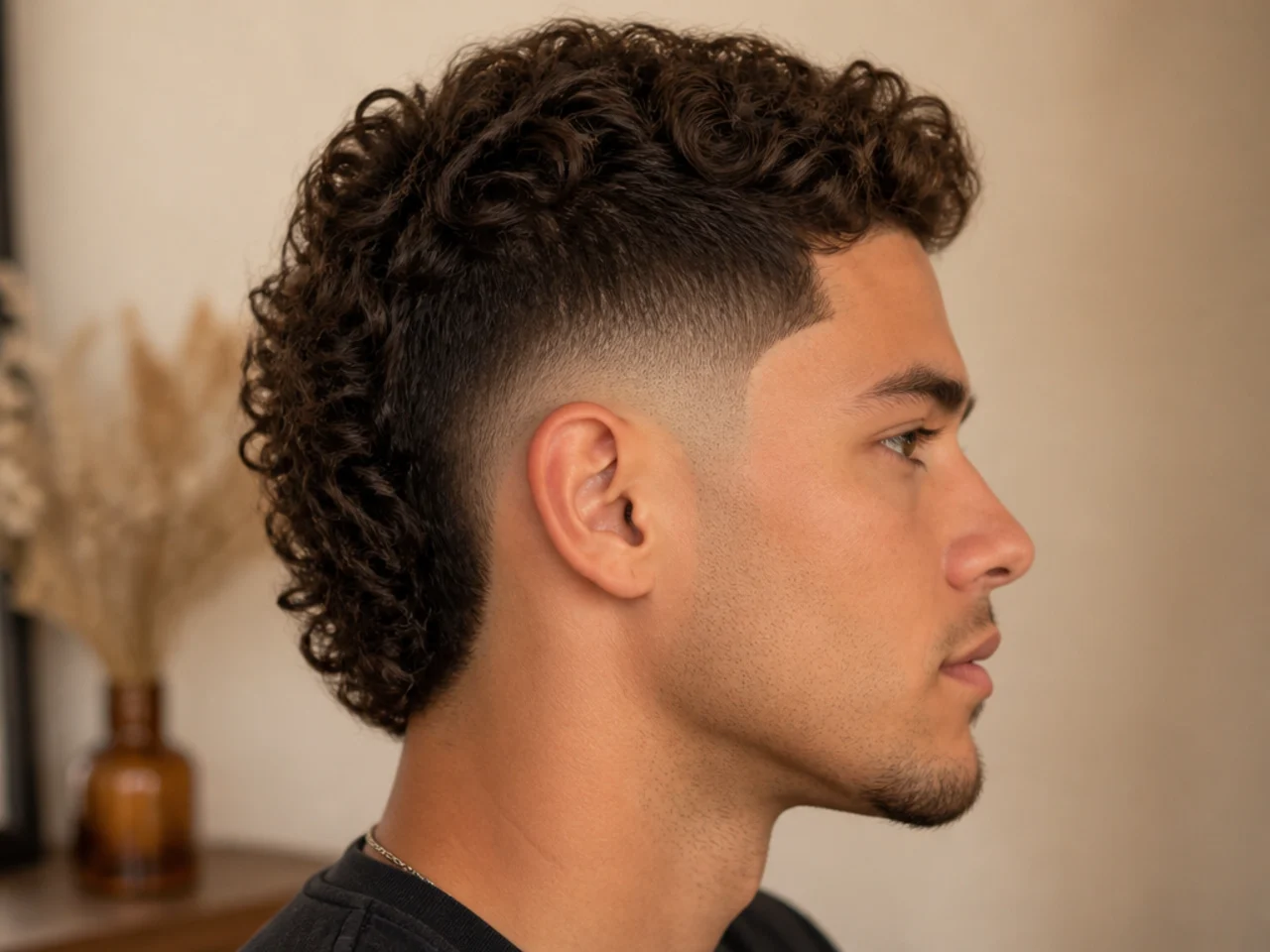
5. Grow-Out at Three Weeks
A drop fade's line softens and starts to look like an ordinary short back and sides. A burst's circle fills in from the edges and still reads as a circle, which is the more graceful ageing of the two.
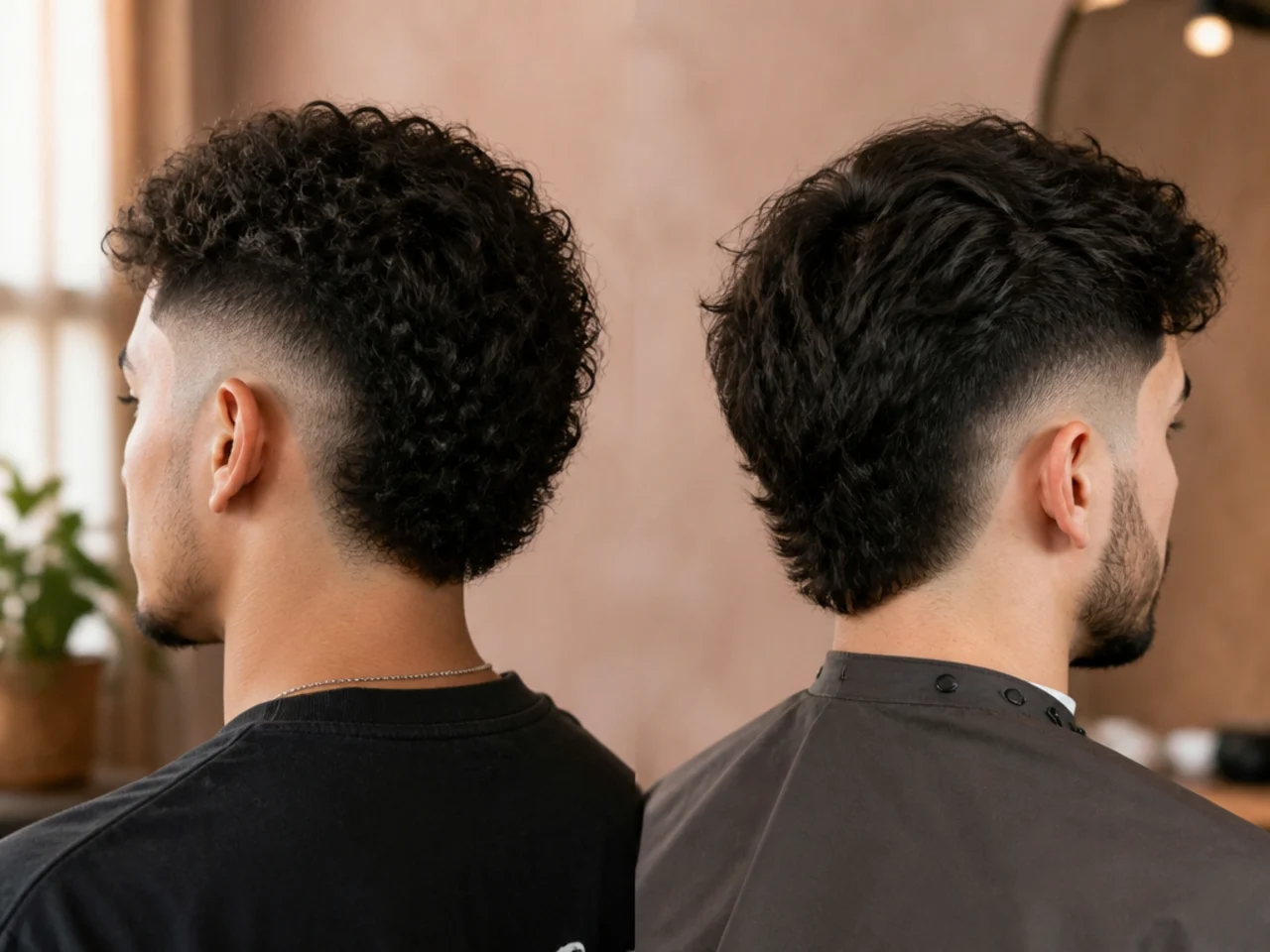
6. With a Mullet
The burst wins outright, which is why the burst fade mullet exists and the drop fade version does not. A mullet is nape length, and a drop fade removes nape length on its way around the head.
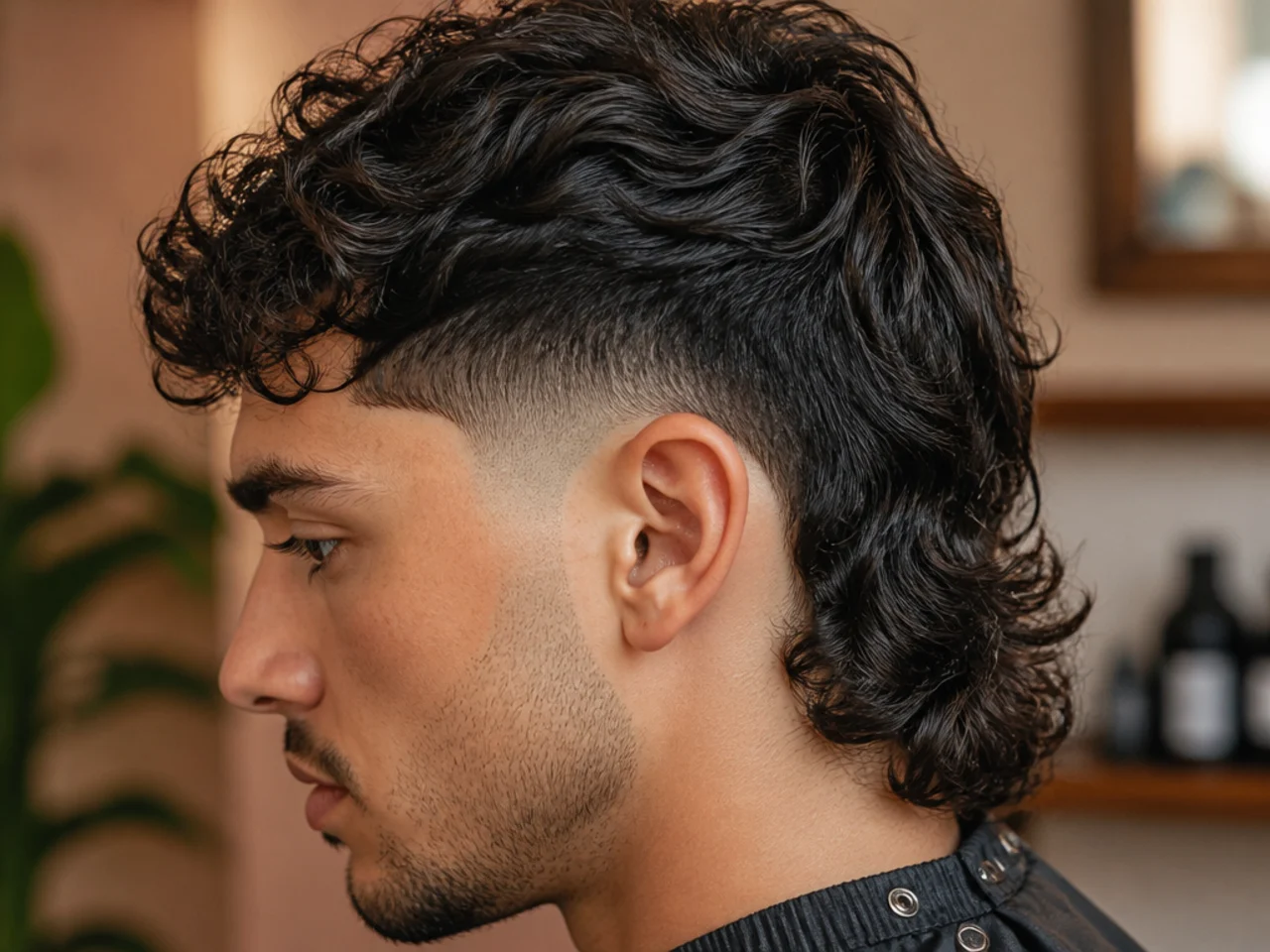
7. With a Mohawk
Also the burst, for the same reason, and every burst fade mohawk is built on it. A mohawk needs a continuous strip from front to back, and only the burst leaves the rear half of that strip standing.
8. With a Beard
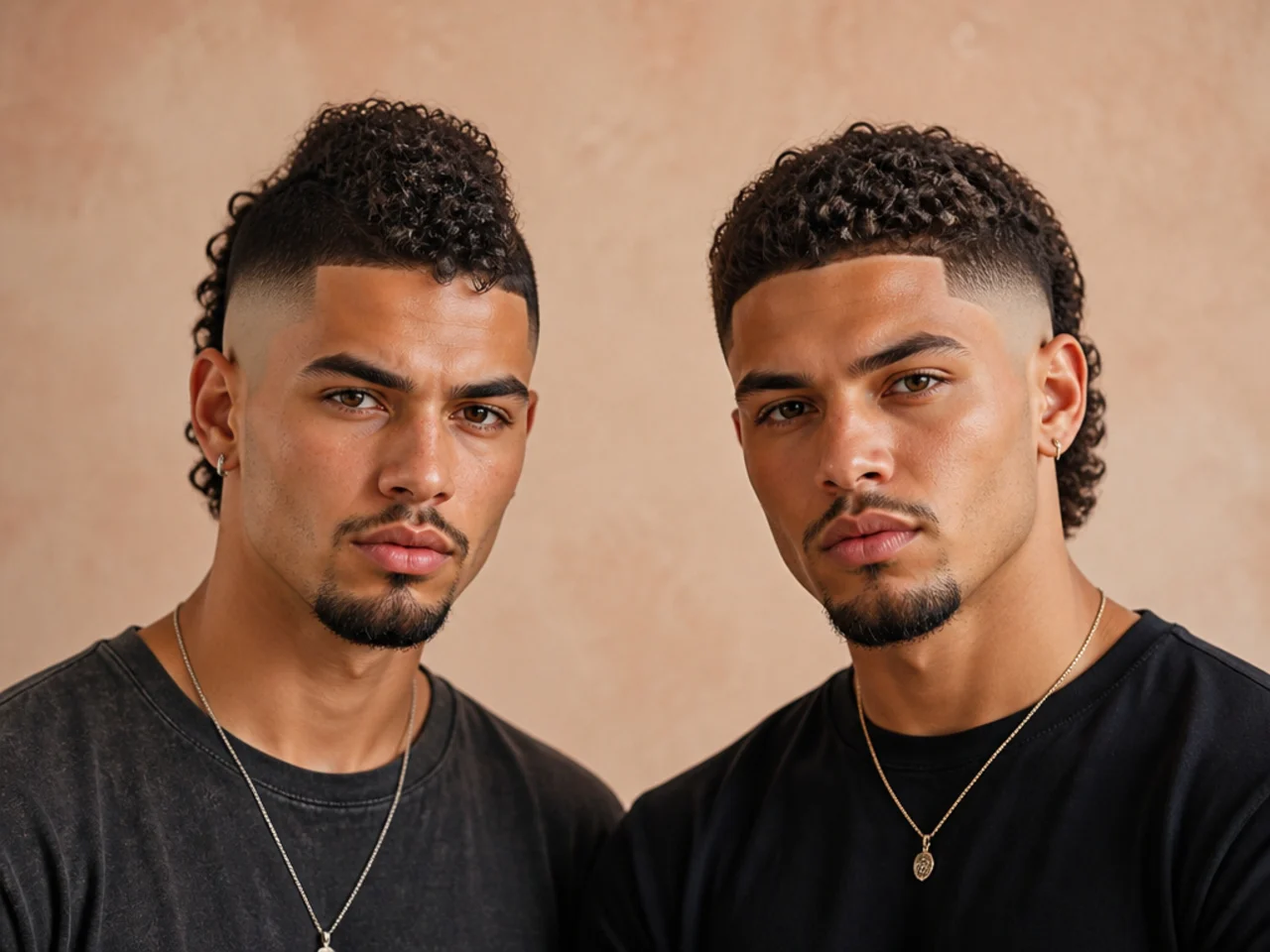
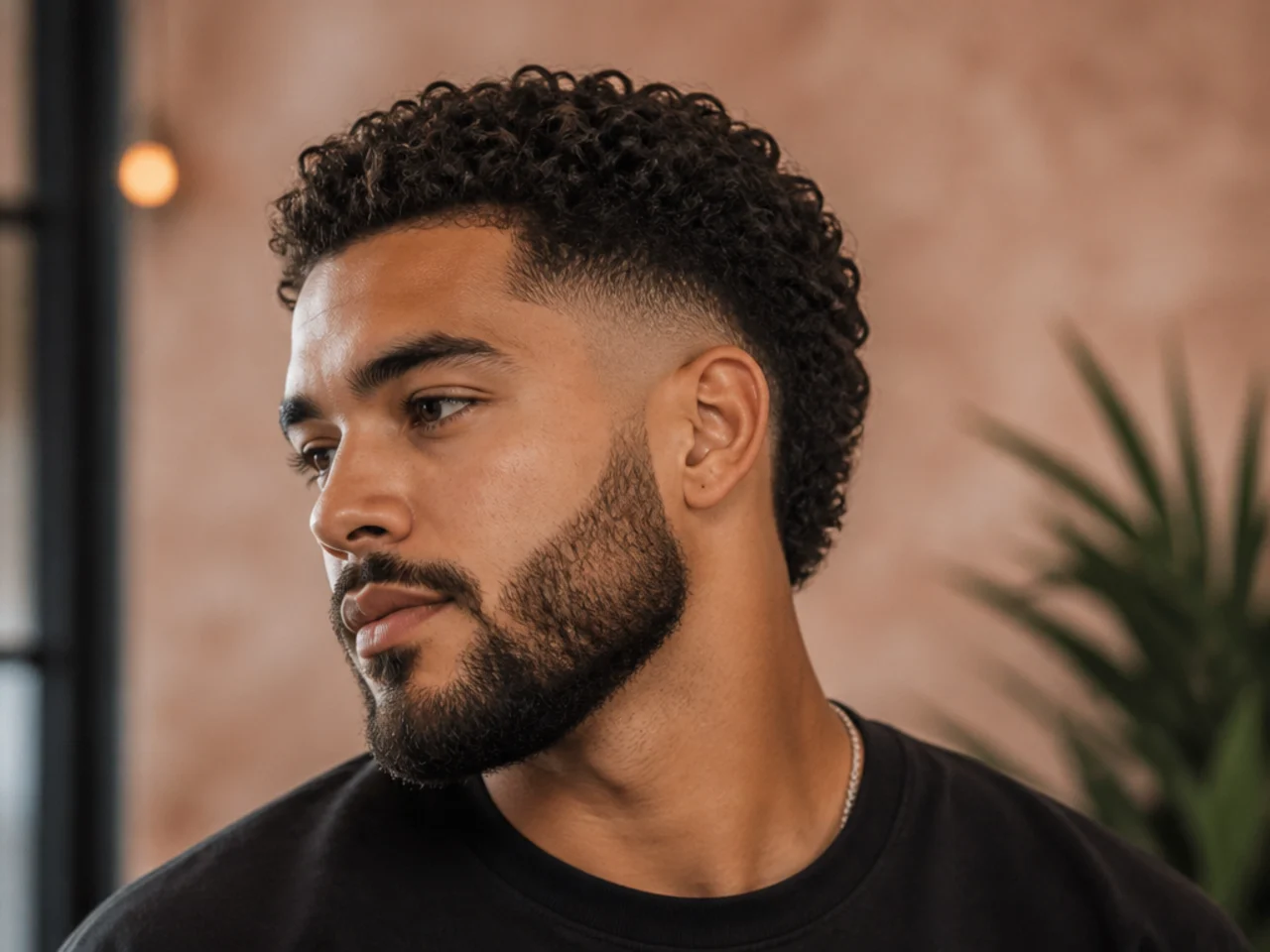
A drop fade meets the beard as a horizontal, so the two lines can compete. A burst meets it as a curve crossing at an angle, which is a more forgiving join.
9. With 360 Waves
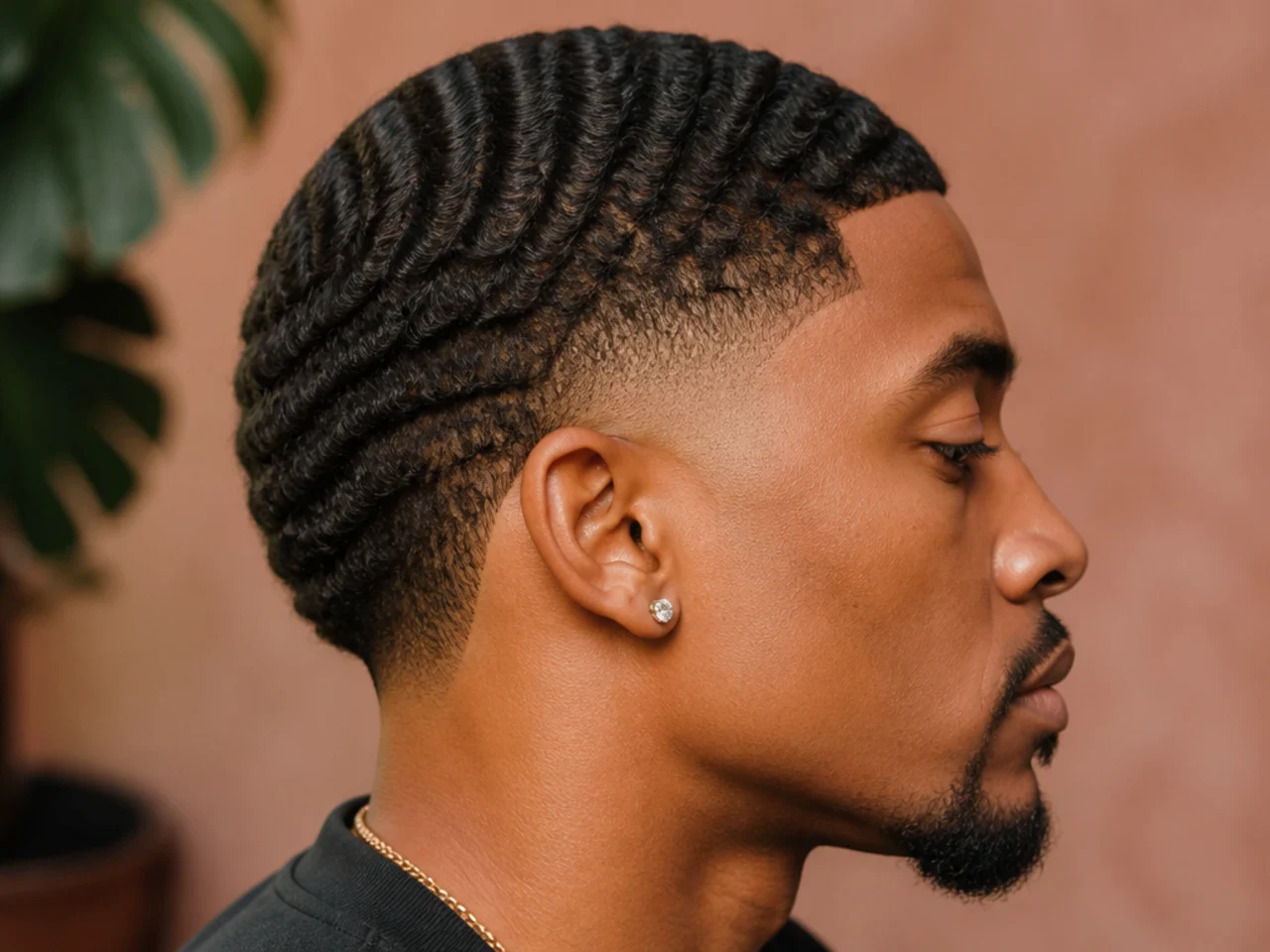
The burst keeps the nape rows and the drop removes them. A 360 pattern is a circle that closes at the back, and only one of these two cuts allows it to.
10. On Curly Hair
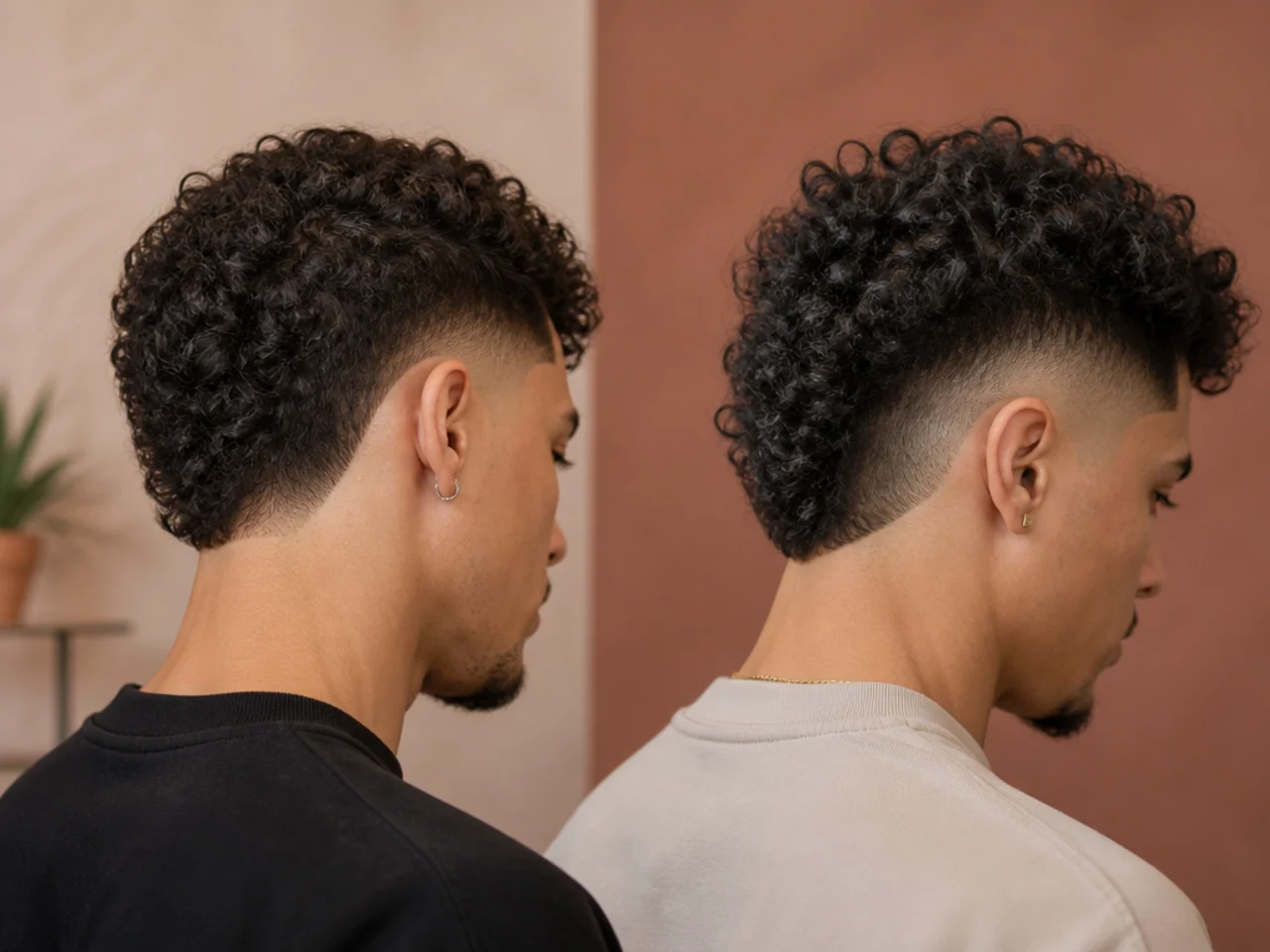
The drop fade removes curl width evenly all round. The burst removes it at the ears only, which keeps the front-to-back volume that many men choosing a burst fade for curly hair are trying to hold on to.
11. In a Formal Workplace
The drop fade, comfortably. It reads as a conventional short haircut from behind, which is the angle a colleague standing at your desk actually sees.
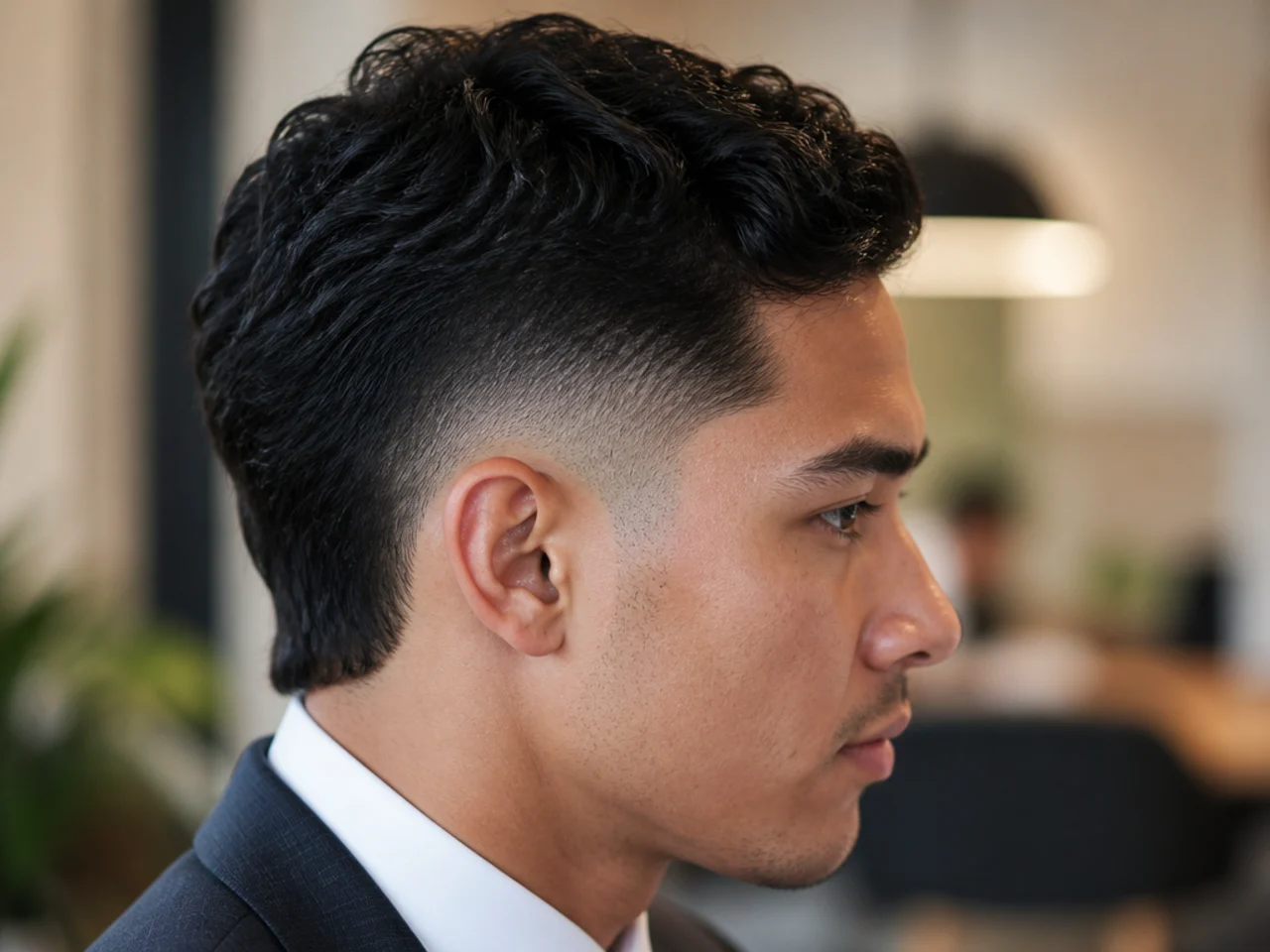
12. On a Round Face
Both remove width, but they do it in different places. A high drop fade narrows the whole head, while a high burst opens only the ears and leaves the profile fuller.
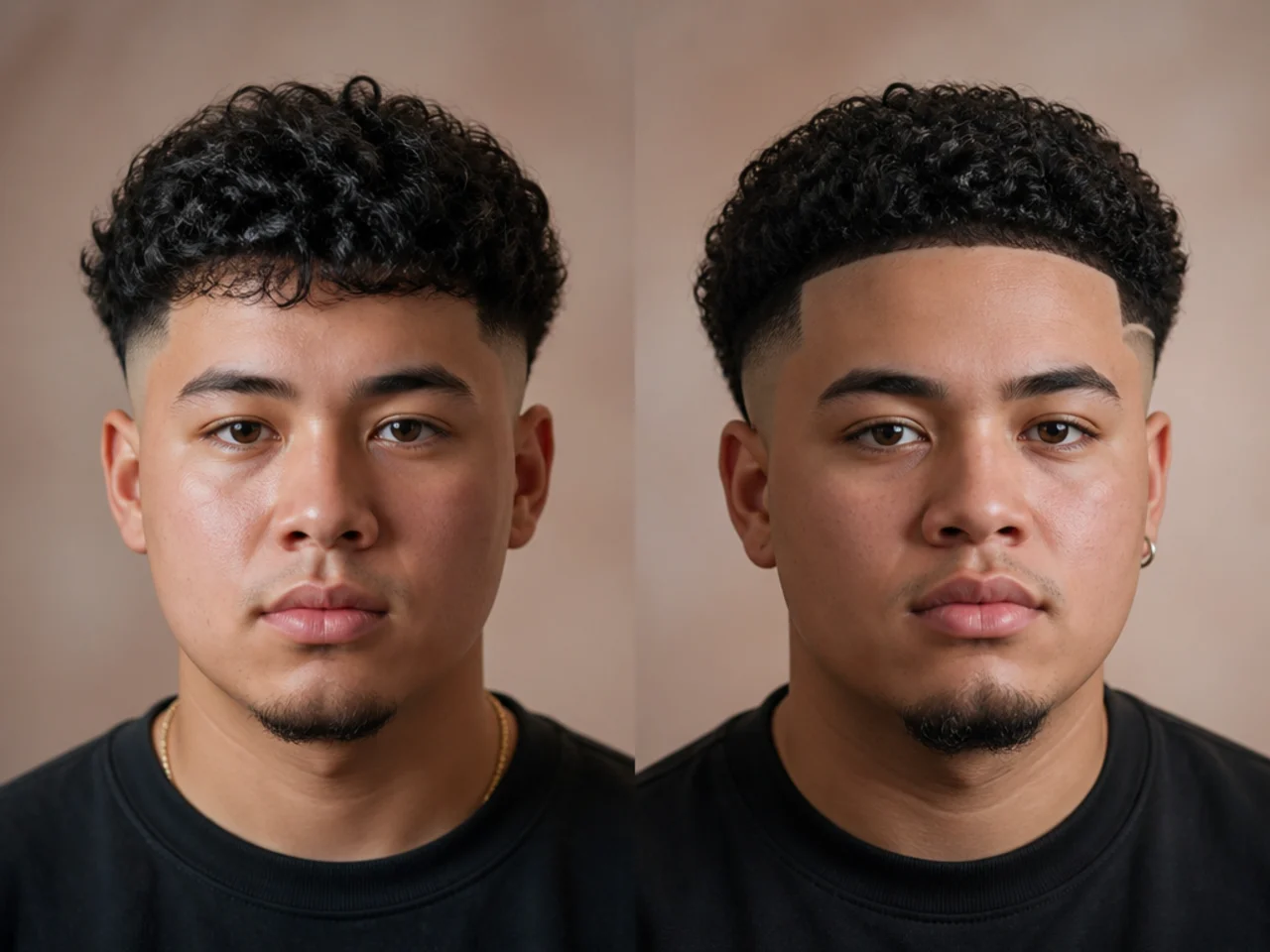
13. How Easy It Is to Book
A drop fade is standard in almost every shop. A burst is a specific request, and asking for one from a barber who has never cut it usually produces a drop.
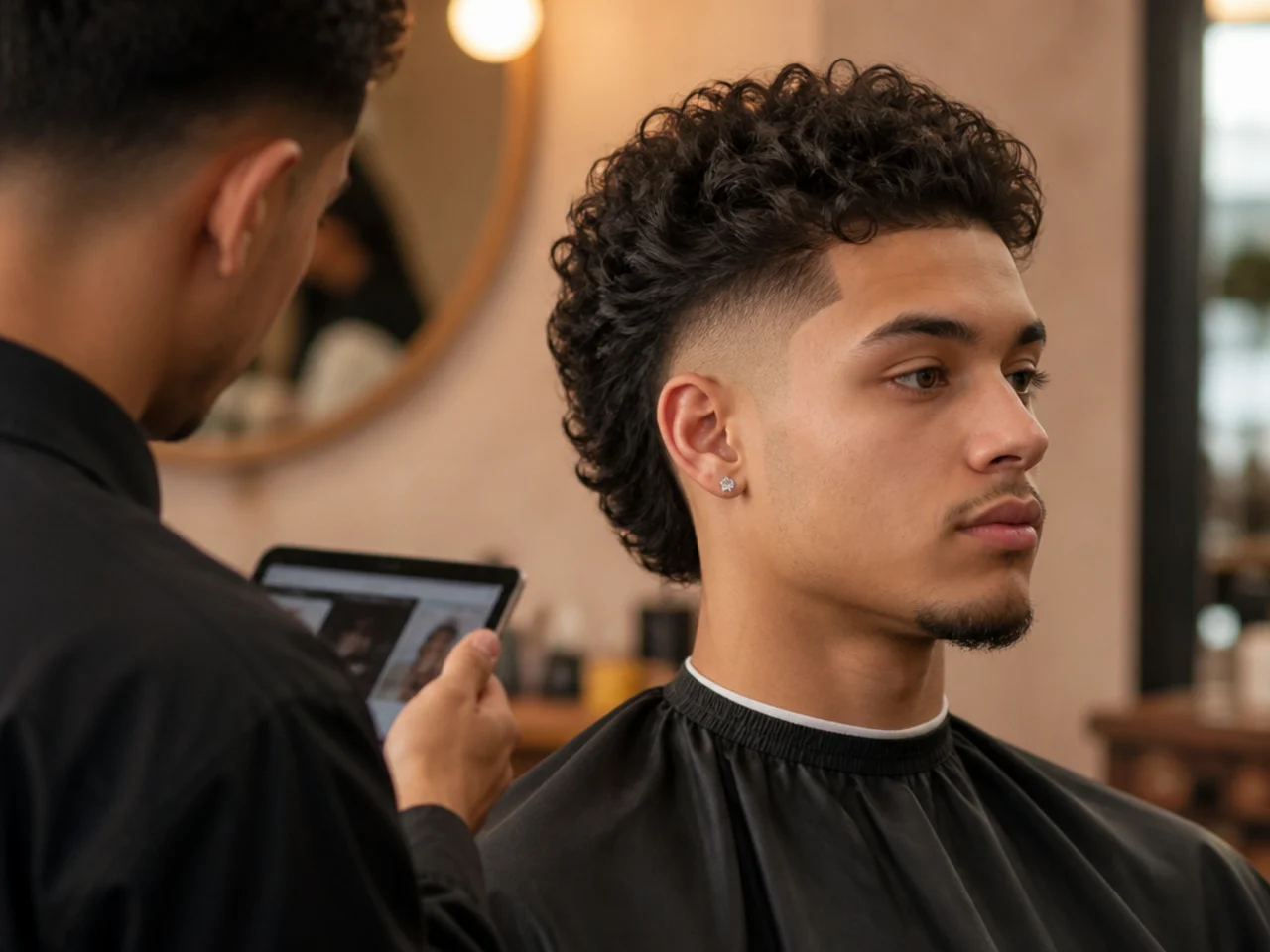
14. Which Photographs Better
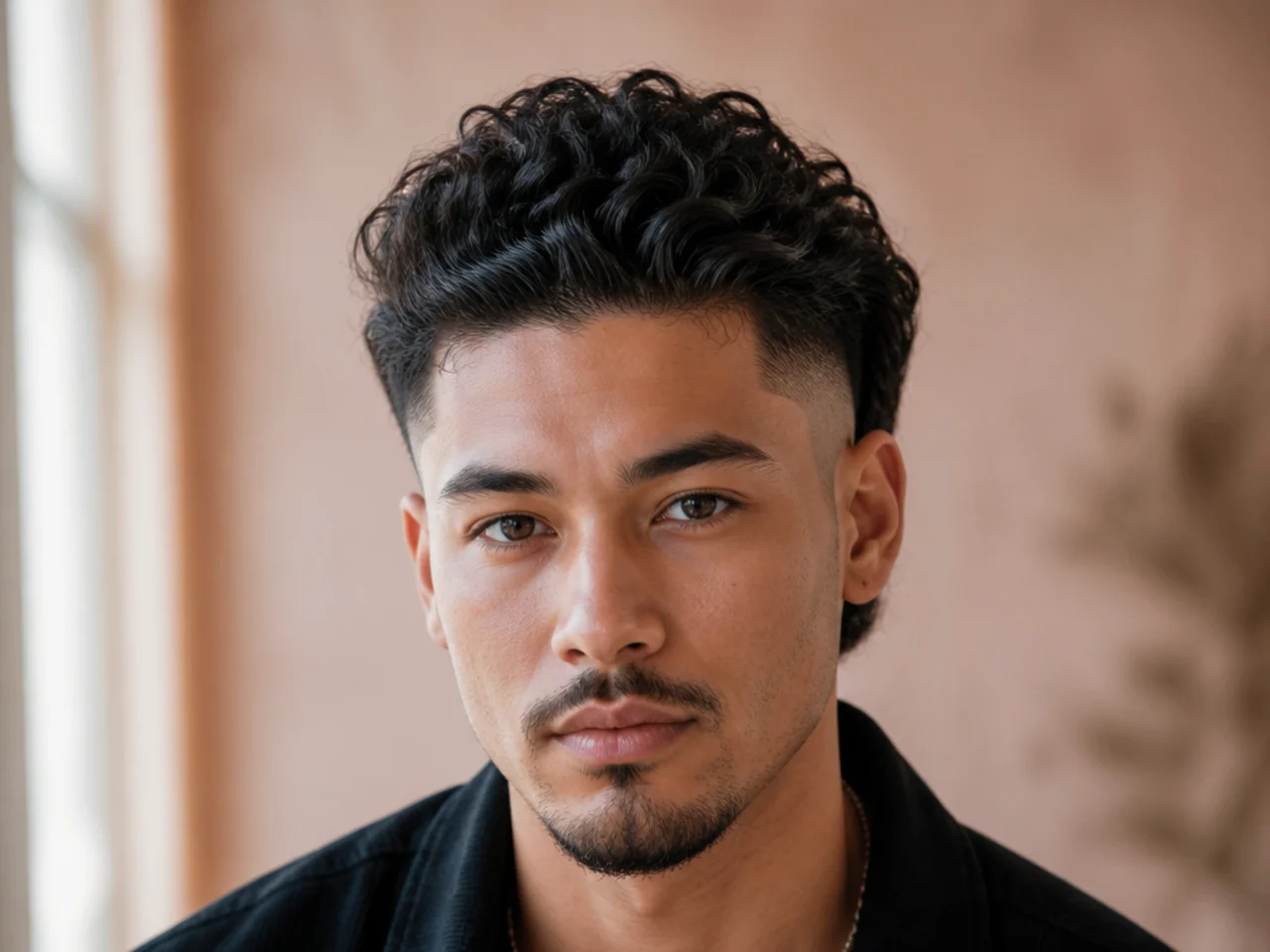
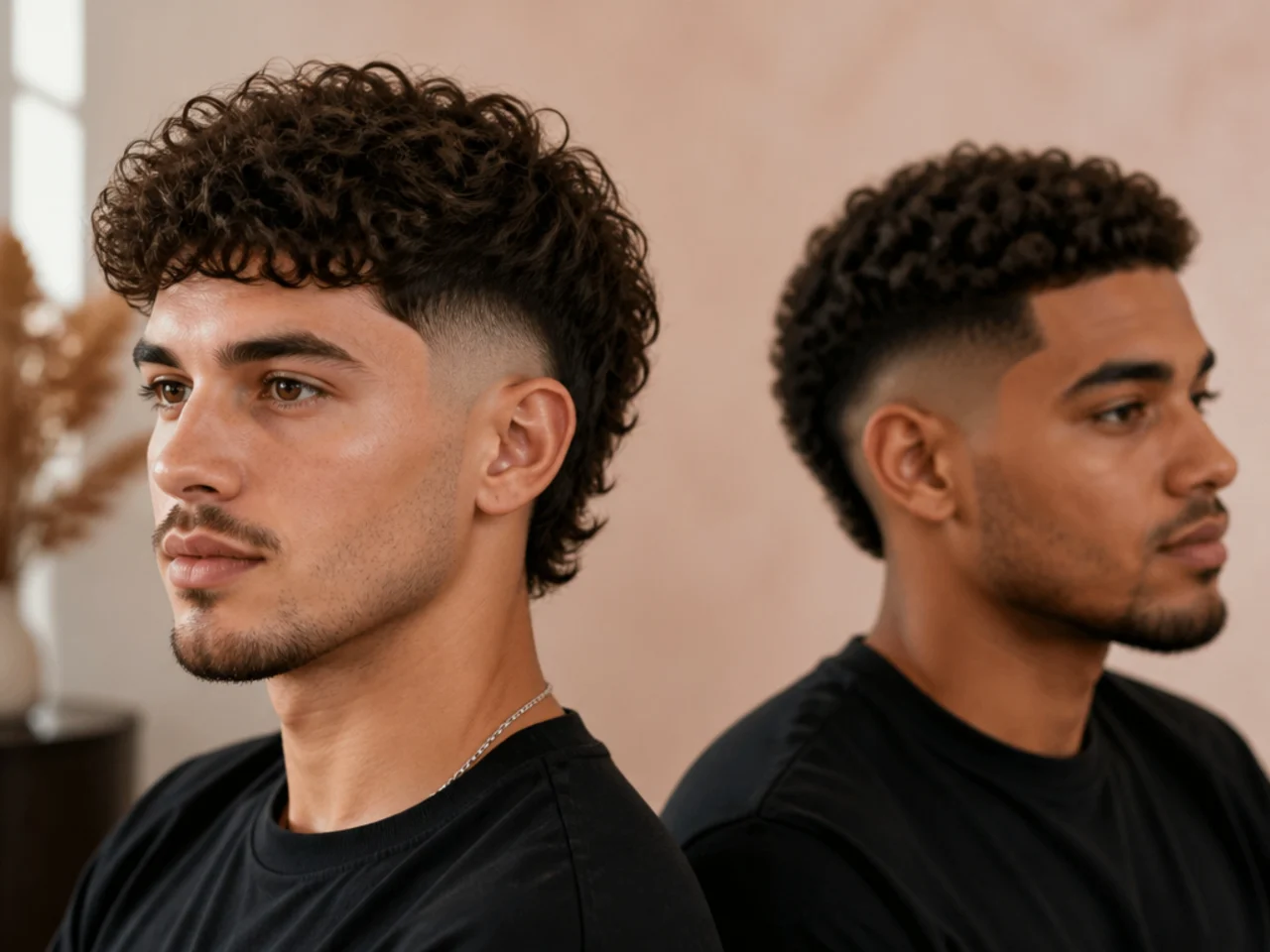
The drop fade reads clearly from the side and the burst needs a three-quarter angle. If you plan to save a reference of your own cut, the burst needs two photos rather than one.
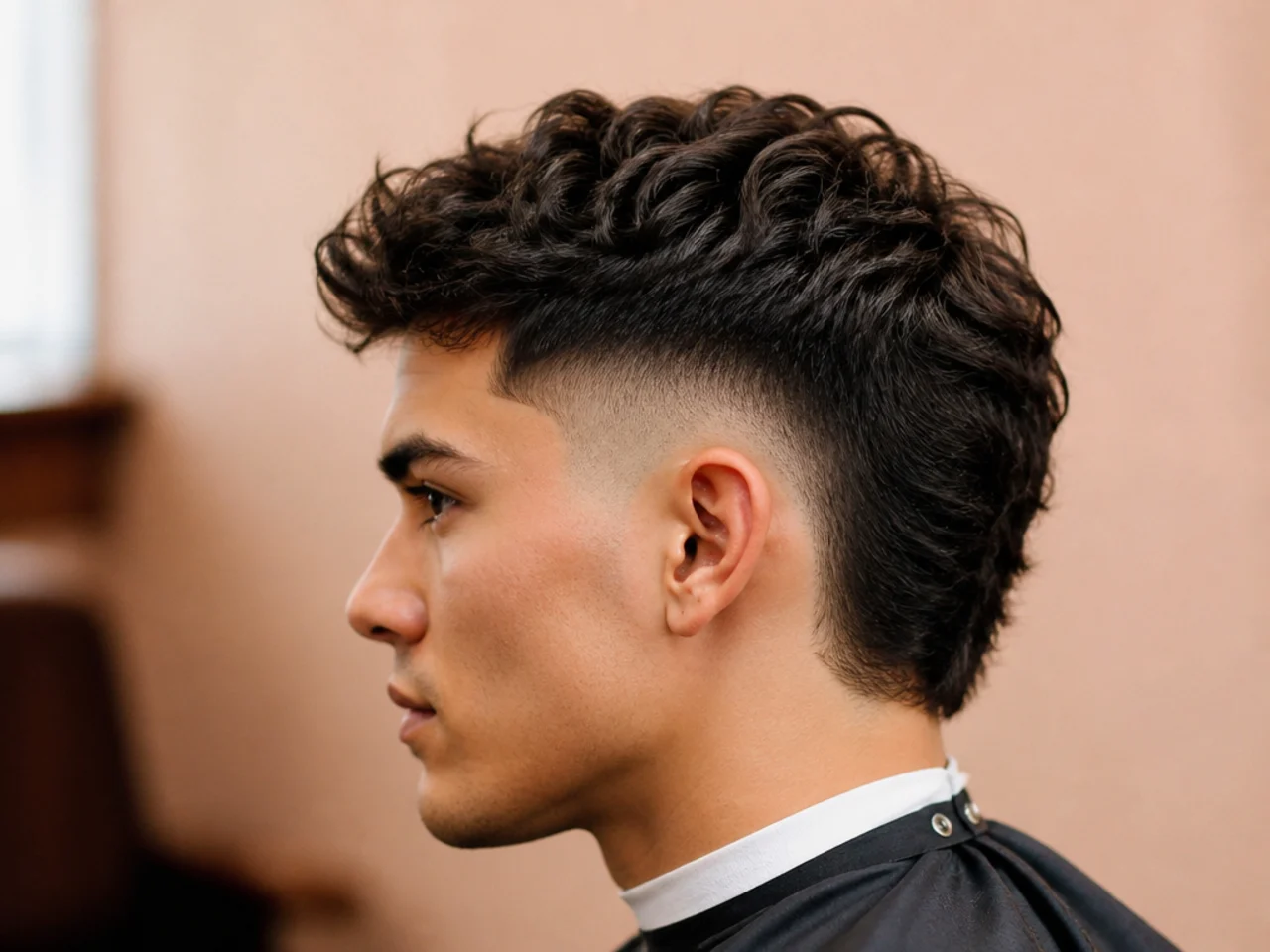
15. Which One to Ask For
If you want the nape kept, ask for a burst and say so twice. If you want a clean back, ask for a drop and let the barber choose how far the line dips.
Styling and Upkeep
A burst needs the back styled and a drop does not. That is a daily difference, not a one-off one.
Both blur on the same clock. The finish rather than the shape sets the interval — one to two weeks on skin, three to four on a #1 taper — so choosing between the two cuts changes nothing about how often you sit down.
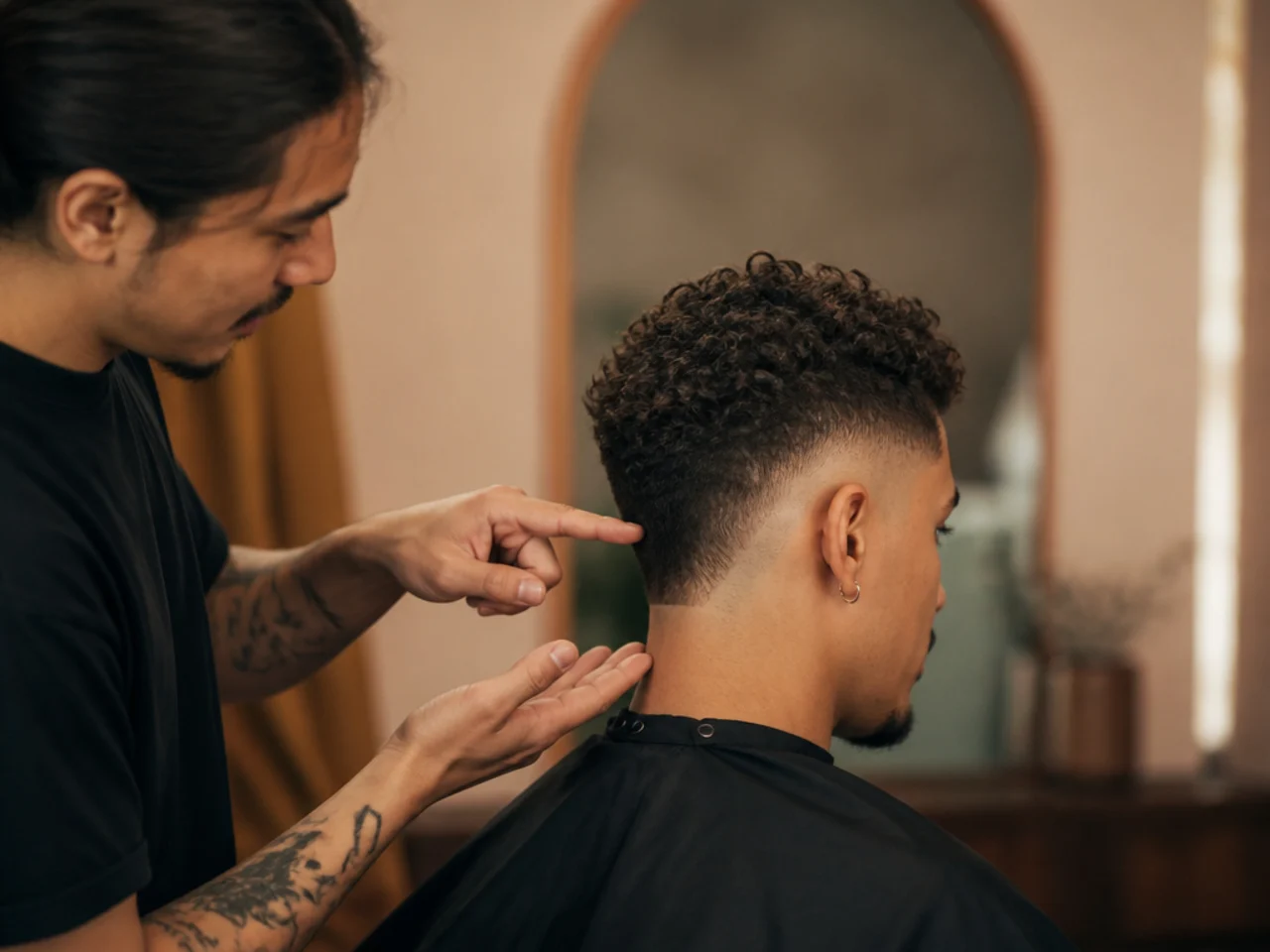
Check a burst with a hand mirror and a drop in the wall mirror. One lives behind the ear and the other runs where you can see it.
Keep product out of both faded areas. Nothing under 3mm holds anything.
Never tidy a burst's nape. It is the difference between the two cuts.
Mistakes to Avoid
Assuming they are the same cut with different names. One fades the back and one does not.
Asking for a burst and accepting a tidy nape. That is a drop fade with a smaller arc.
Choosing a drop fade for a mullet. The two requirements cancel each other out.
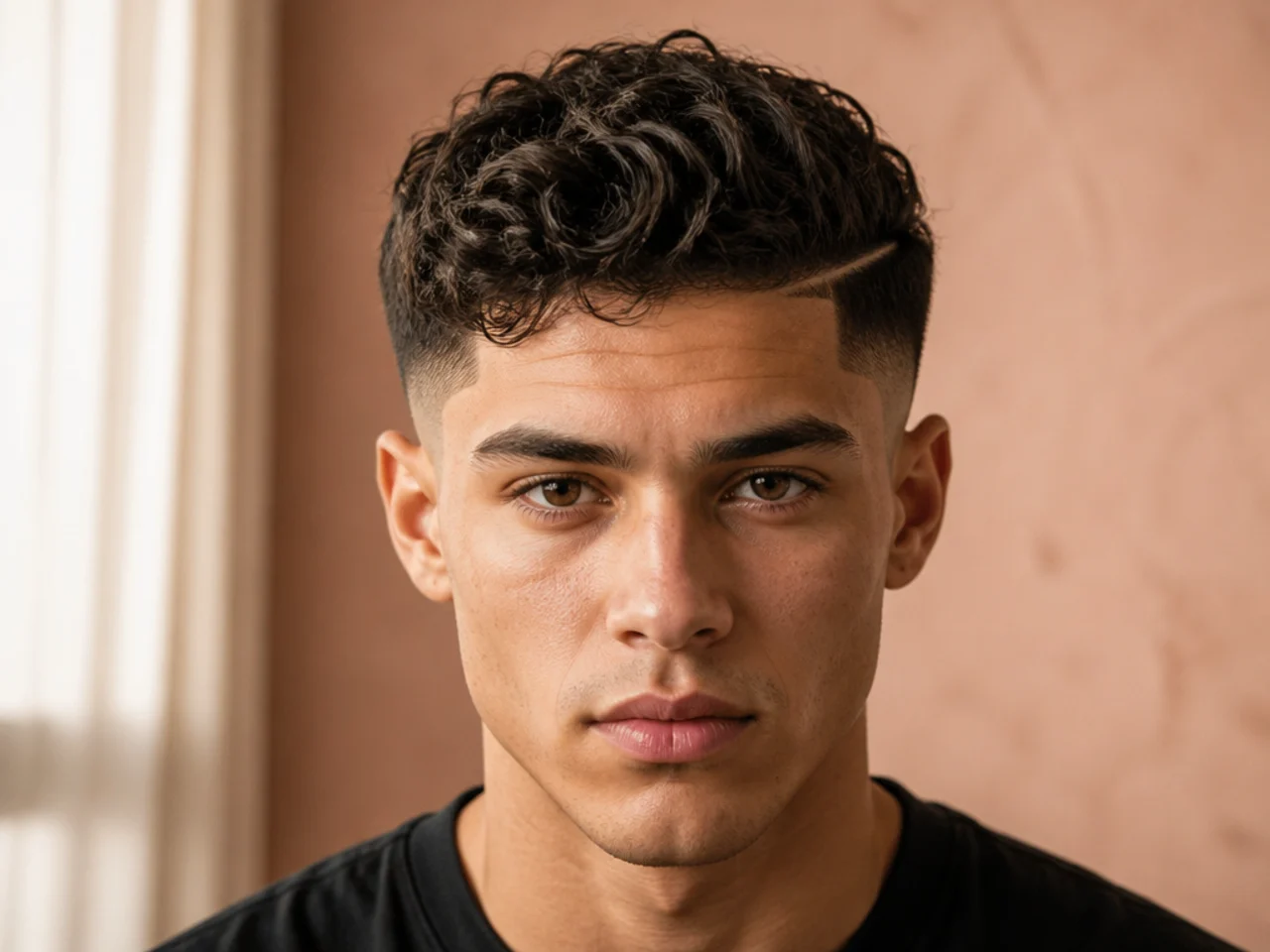
Judging either from a front-facing photo. Neither difference is visible from the front.
Letting the barber pick for you. They will pick the one they cut most often, which is the drop.
FAQ
What is the real difference? The drop fades the back and the burst leaves it long.
Which suits a mullet? The burst, because a mullet is nape length.
Which is more office-friendly? The drop, because a faded back reads as conventional.
Final Thoughts
Put your hand on the back of your head and decide what you want to find there in a fortnight. Short means drop, long means burst, and every other comparison on this page resolves the moment you answer that. The confusion between these two cuts survives entirely because people compare them from the front.
For the full range of the arc see the burst fade haircut guide, and for the other side of this comparison see low drop fade haircut. More in Fade Haircuts.