15 Burst Fade Haircut Ideas With a Beard
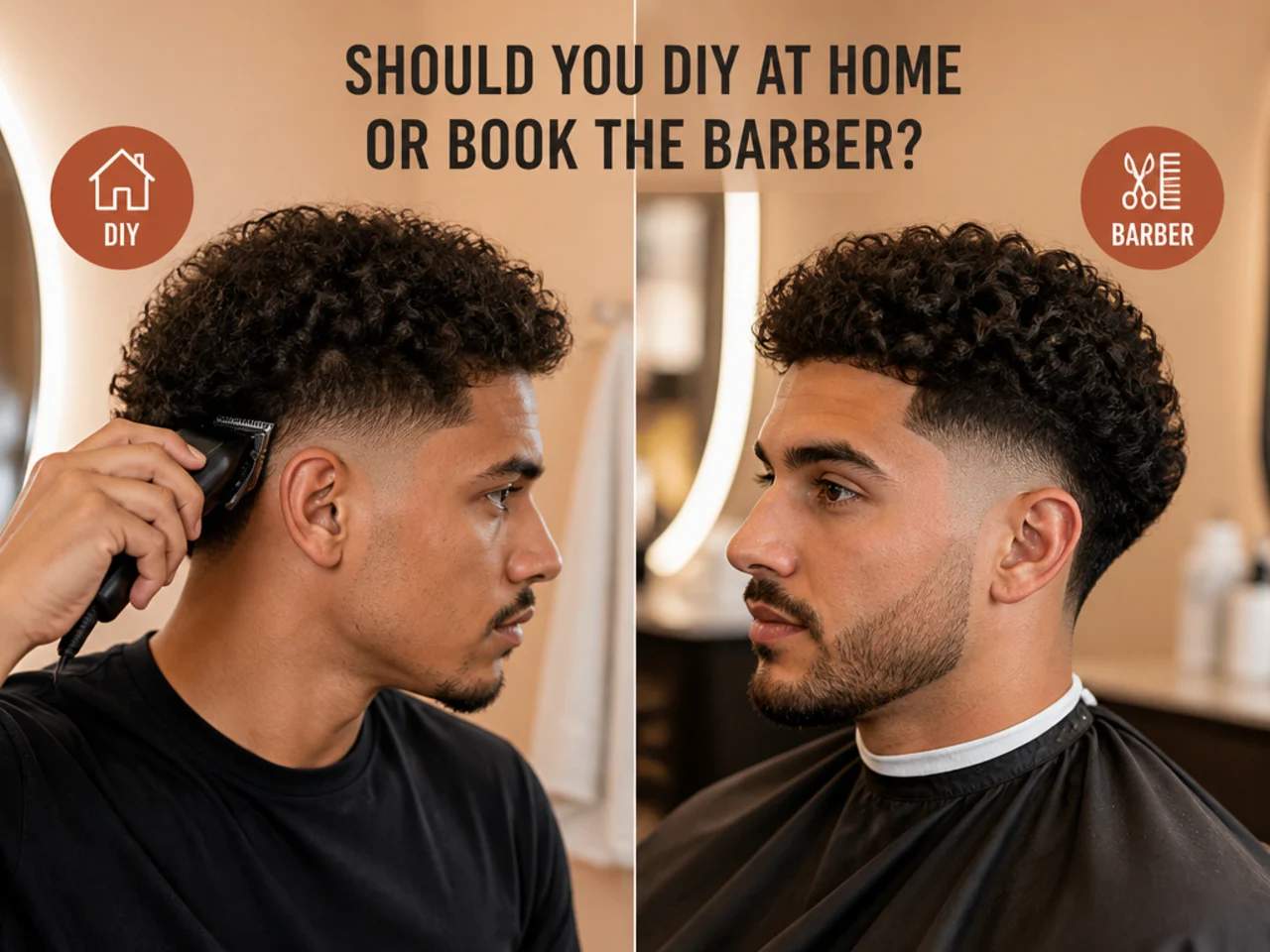
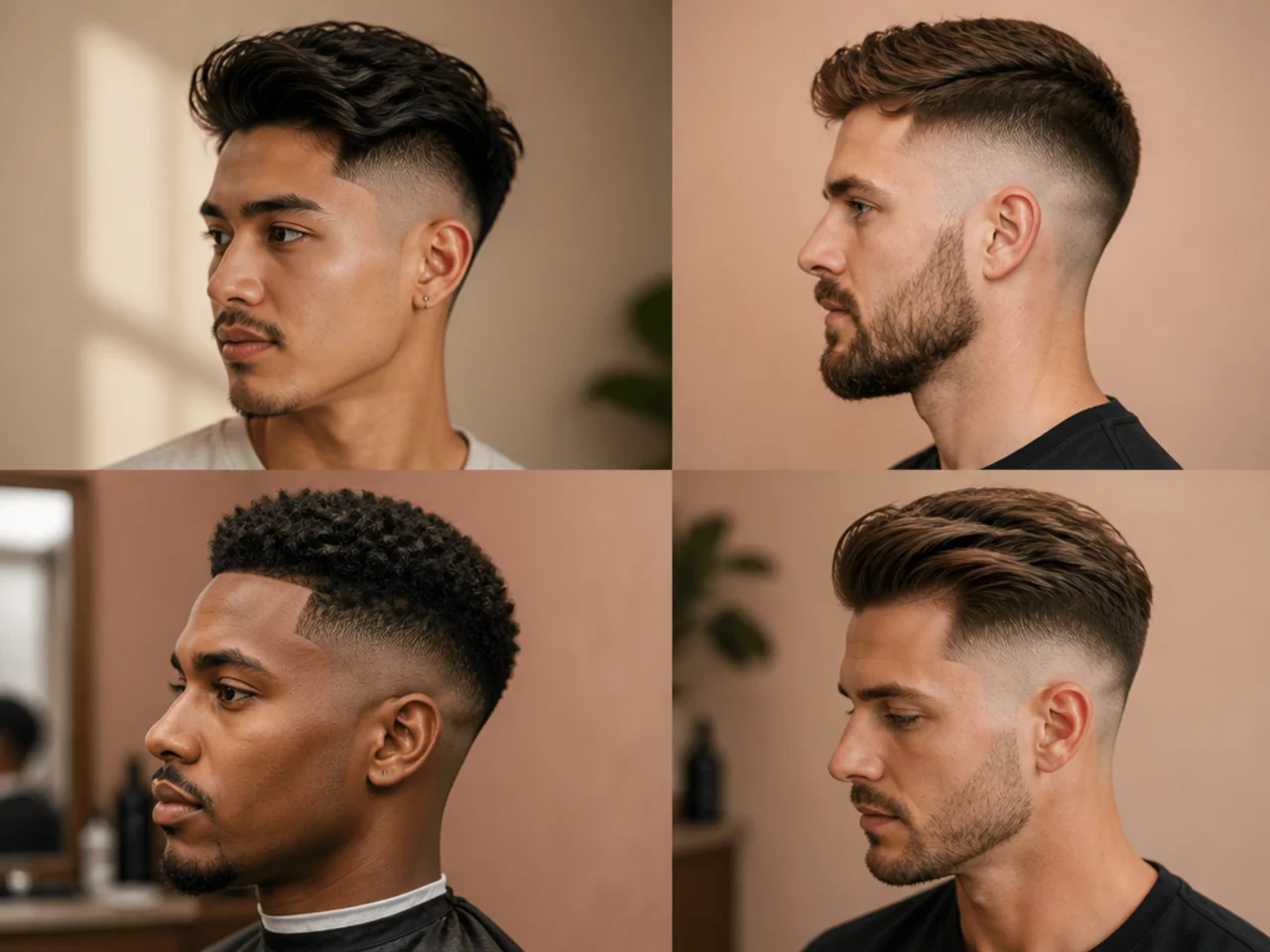
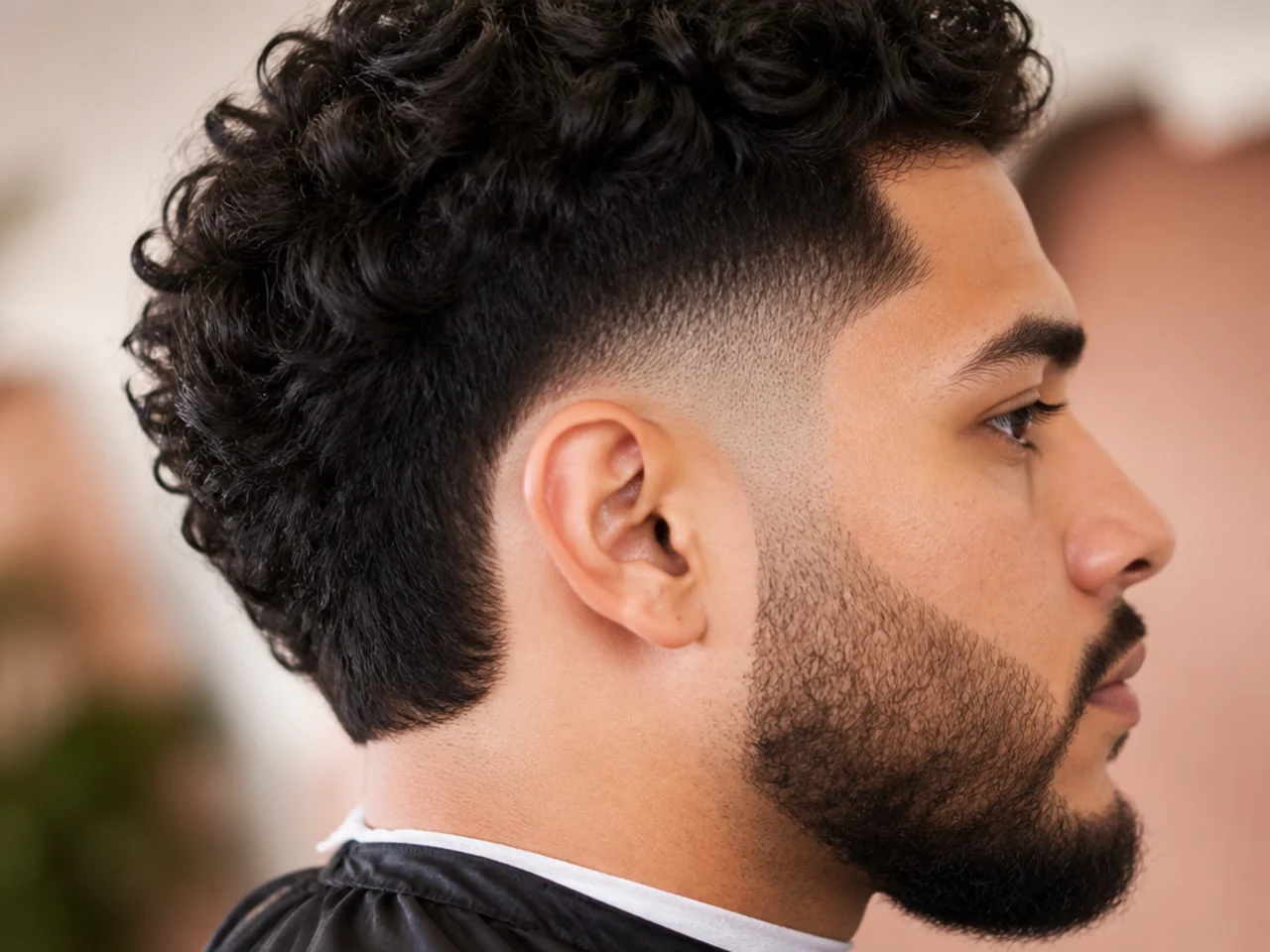
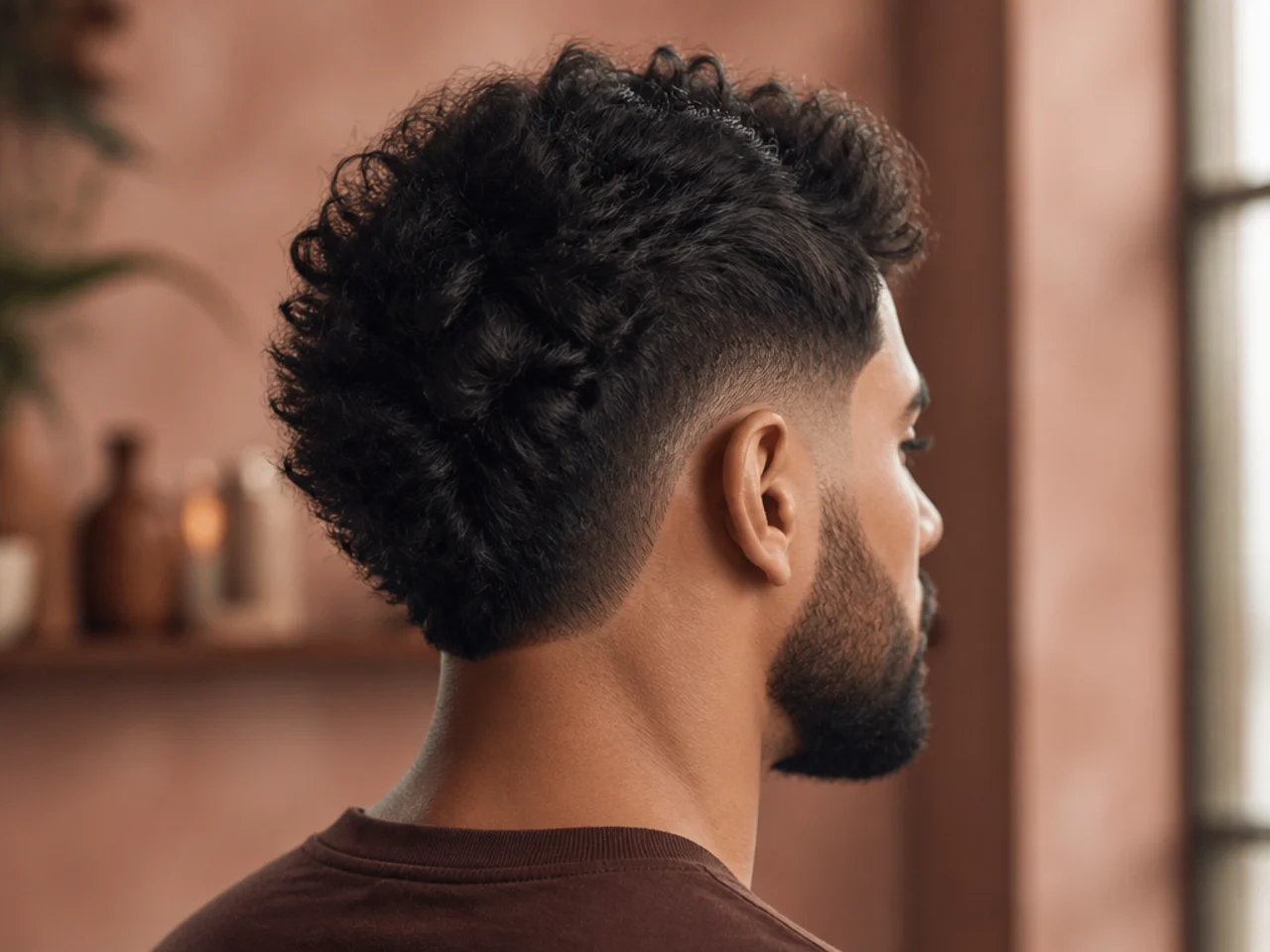
A burst fade arcs in a semicircle around the ear, which means the sideburn sits inside the fade rather than below it. That single fact changes every decision about how a burst fade meets a beard.
In this article · 22
- Why the Arc Changes the Beard Question
- How to Choose Yours
- The 15 Burst Fade and Beard Ideas
- 1. Sideburn Inside the Arc
- 2. Arc Stopped Behind the Sideburn
- 3. Burst Fade Connected Into a Full Beard
- 4. Burst Fade With the Beard Faded to Match
- 5. Burst Fade With Heavy Stubble
- 6. Burst Fade Mullet With a Beard
- 7. Burst Fade Mohawk With a Beard
- 8. Burst Fade With a Goatee
- 9. Burst Fade With a Chin Strap
- 10. Burst Fade With a Patchy Sideburn
- 11. Burst Fade With a Long Beard
- 12. Burst Fade on Curly Hair With a Beard
- 13. High Burst Fade With a Beard
- 14. Low Burst Fade With a Beard
- 15. Burst Fade and Beard at Week Three
- Styling and Upkeep
- Mistakes to Avoid
- FAQ
- Final Thoughts
Every other fade is a horizontal. A burst fade is not — it radiates outward from the ear in a semicircle, shortest at the ear and getting longer in every direction from there.
That means the sideburn is inside the fade. The hair directly in front of the ear sits on the arc's forward radius, so a burst fade shortens it whether that was the plan or not.
The decision is where the arc's front edge stops. In front of the sideburn and the sideburn goes, behind it and the sideburn stays full.
Why the Arc Changes the Beard Question
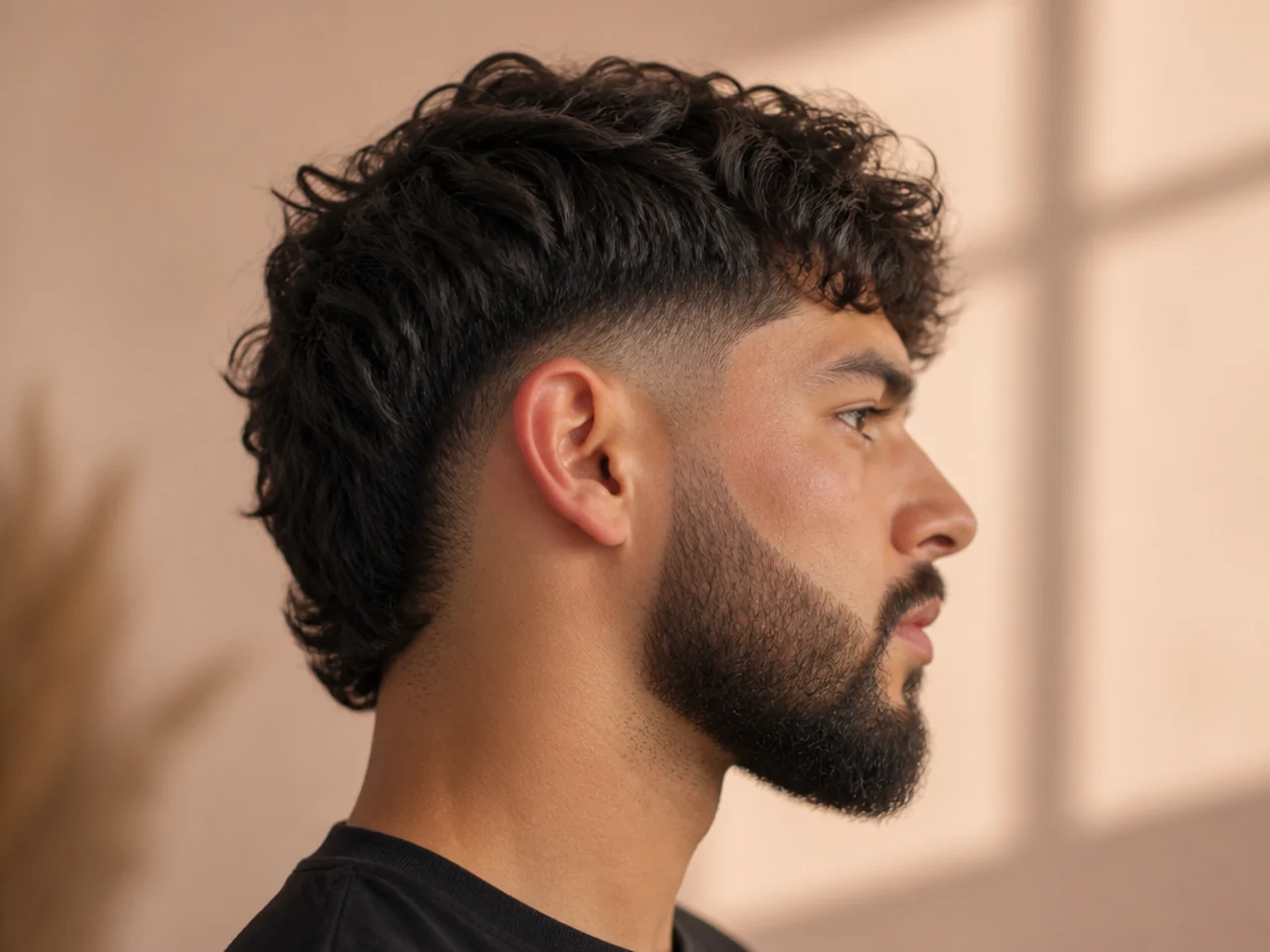
A burst fade is a semicircle, not a line. Its shortest point is at the ear and the length grows outward in every direction.
The sideburn sits on that arc. Directly forward of the ear is inside the semicircle, not below it.
So the front edge of the arc is the real setting. It decides whether you keep a sideburn at all.
The beard then meets a curve. Crossing at an angle is more forgiving than two horizontals sitting a centimetre apart.
How to Choose Yours
Say where the arc's front edge stops. In front of the sideburn or behind it, and nobody can guess this for you.
Decide how far up the arc travels. A low burst stays around the ear, a high burst reaches toward the parietal ridge, and the beard connection is unaffected either way.
Choose skin or taper at the ear. A burst skin fade blurs in one to two weeks, a burst taper holding a #1 at 3mm lasts three to four.
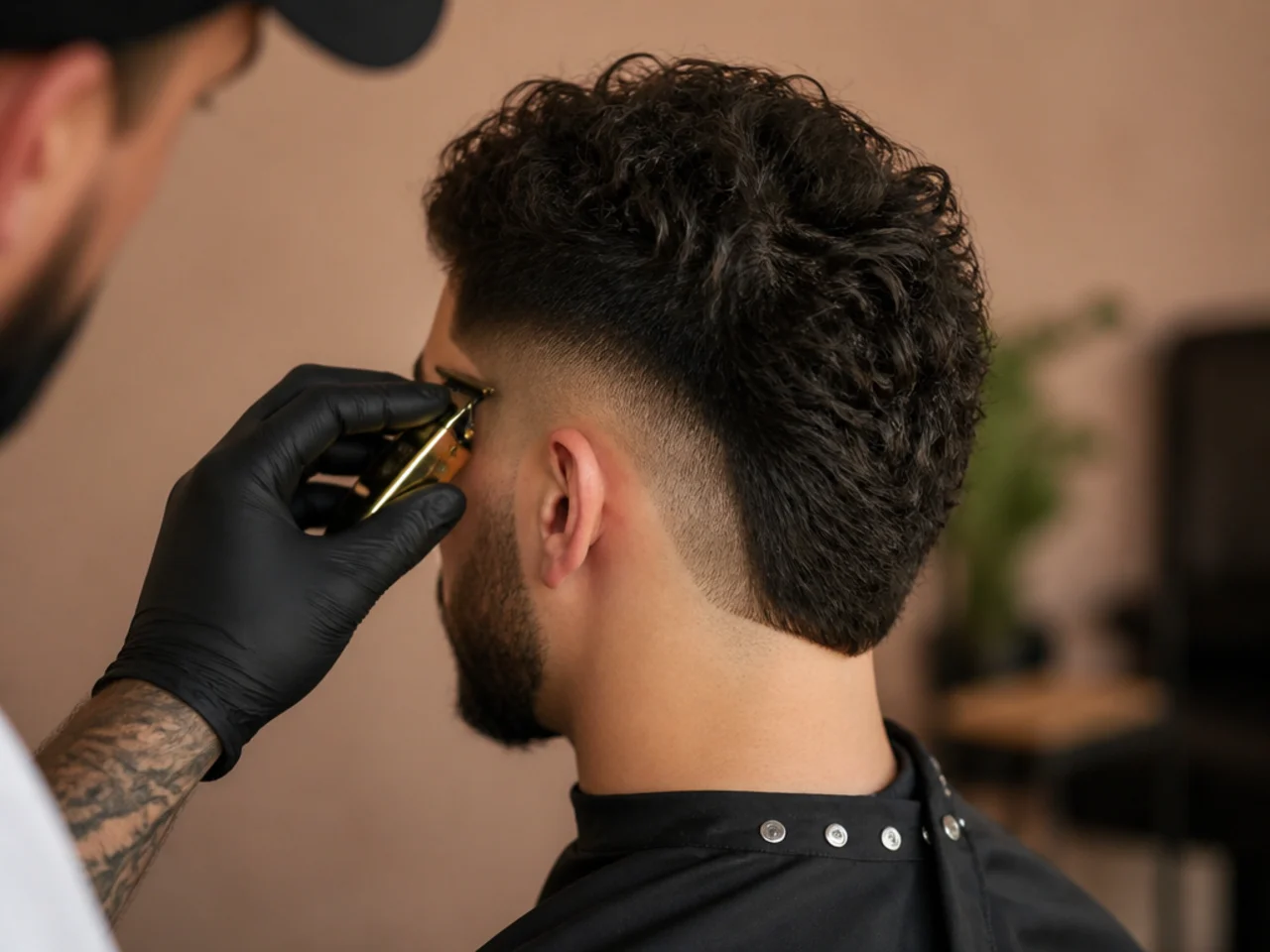
Remember the back stays long. A burst fade leaves the nape untouched, so the beard is only ever interacting with the front half of the cut.
The 15 Burst Fade and Beard Ideas
1. Sideburn Inside the Arc
The fade carried right through the sideburn so it disappears into the burst. The beard then starts below the jawline with nothing linking it to the hair, which reads clean but removes a feature most men do not realise they have.
2. Arc Stopped Behind the Sideburn
The front edge of the burst finishing just behind the sideburn. It leaves a full-length strip between the fade and the beard, which is the only way to keep a defined sideburn on this cut.
3. Burst Fade Connected Into a Full Beard
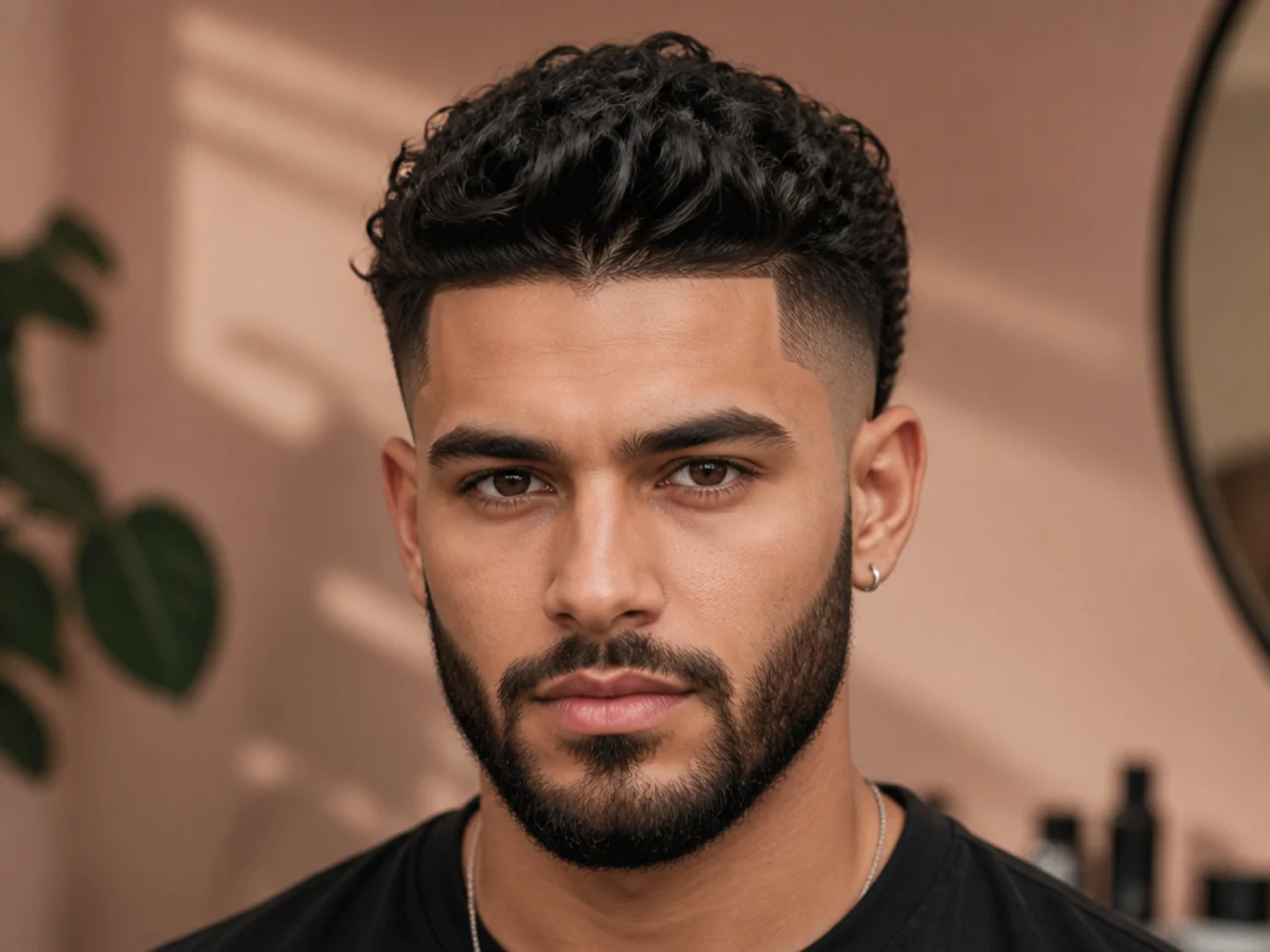
The arc's front edge blending straight into beard density. Because the burst approaches at an angle rather than head on, the join has a diagonal to hide in and the transition is unusually smooth.
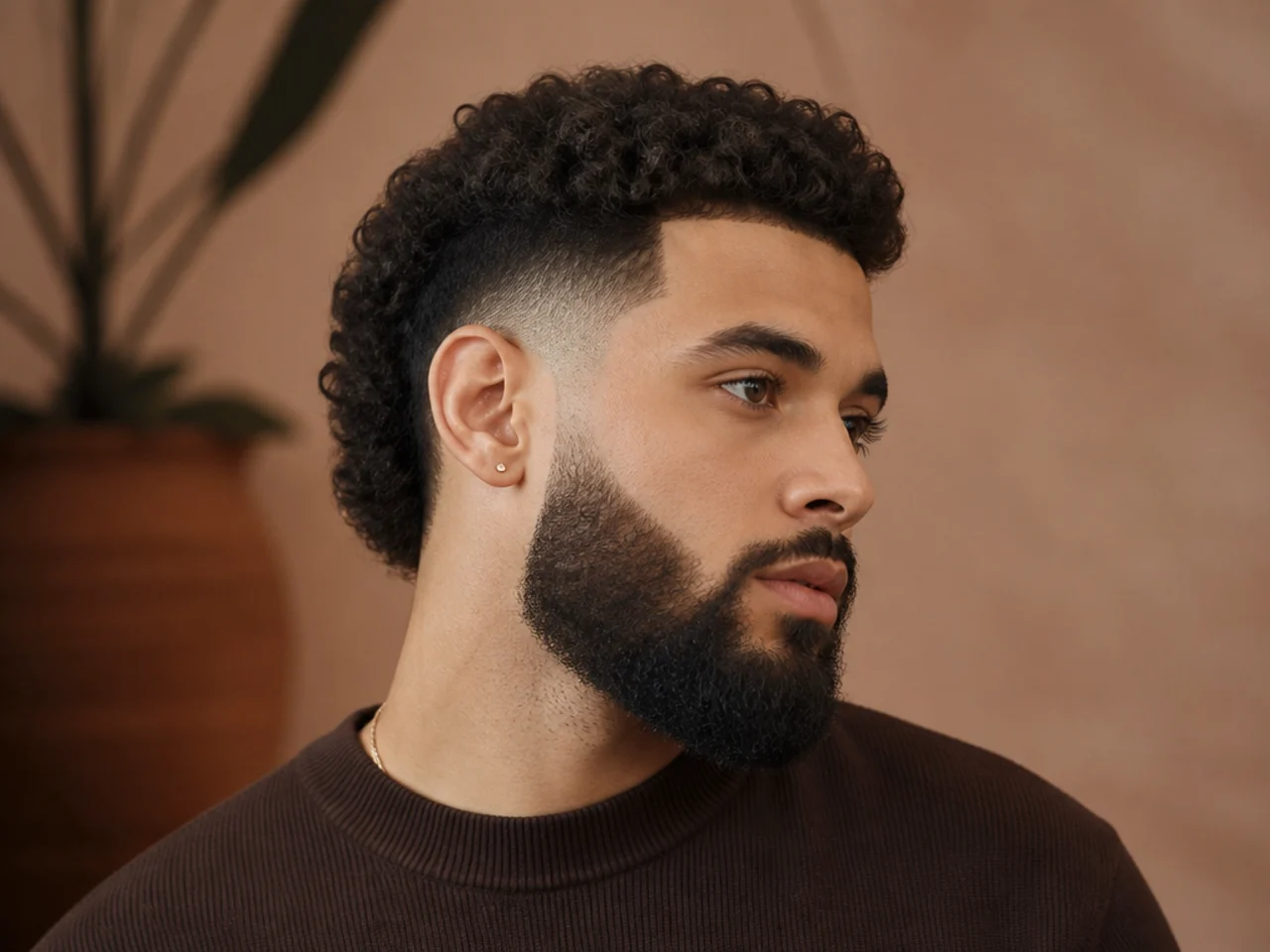
4. Burst Fade With the Beard Faded to Match
The beard's own guard climbing from its shortest at the sideburn to full length by the chin. Two curved gradients meeting is the most coherent version of this pairing, because neither one introduces a straight edge.
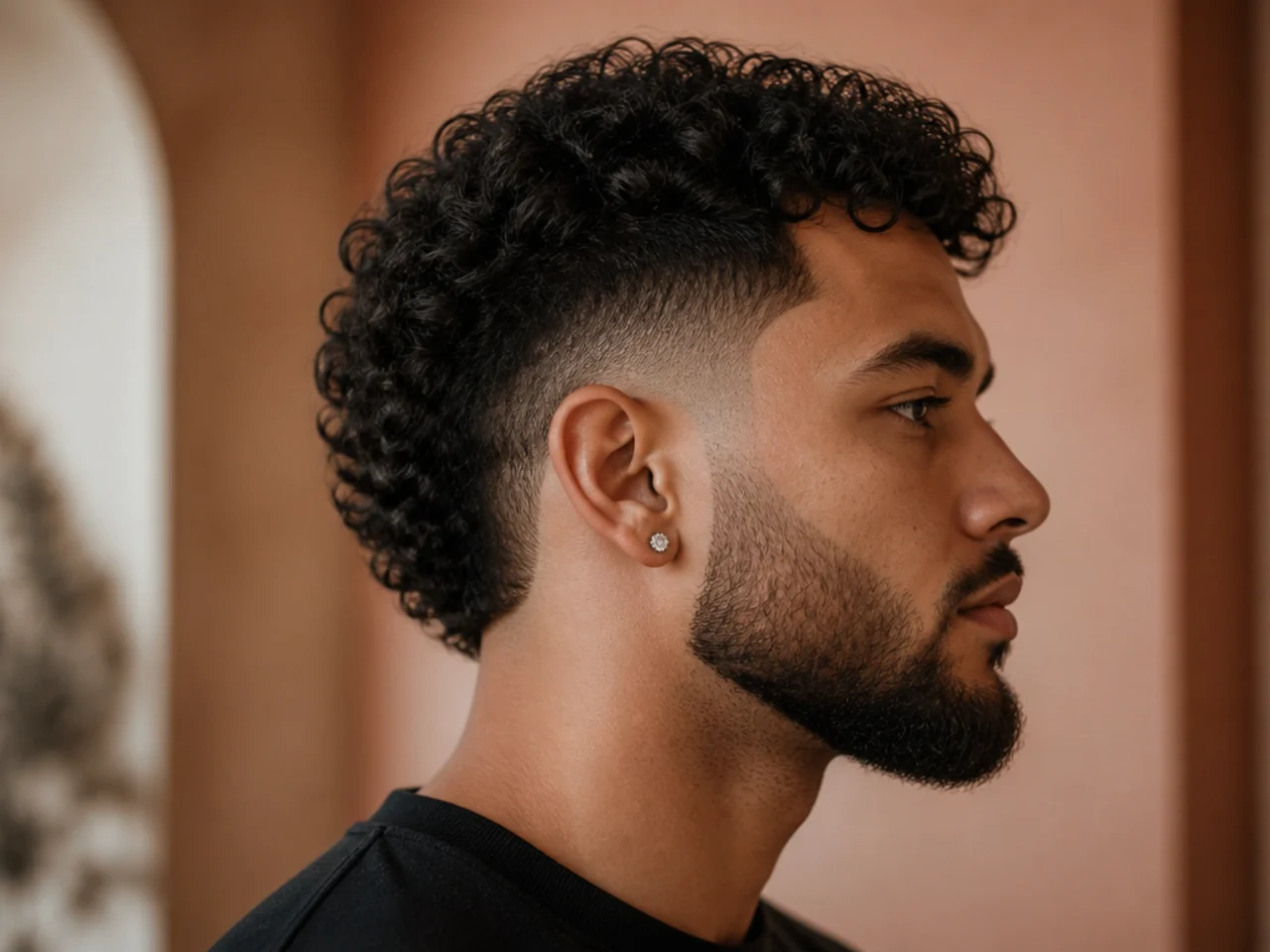
5. Burst Fade With Heavy Stubble
Stubble is too short for a gradient to land in, so the arc simply runs into it. The burst handles this better than a horizontal fade because its shortest point is already at the ear, not at the jaw.
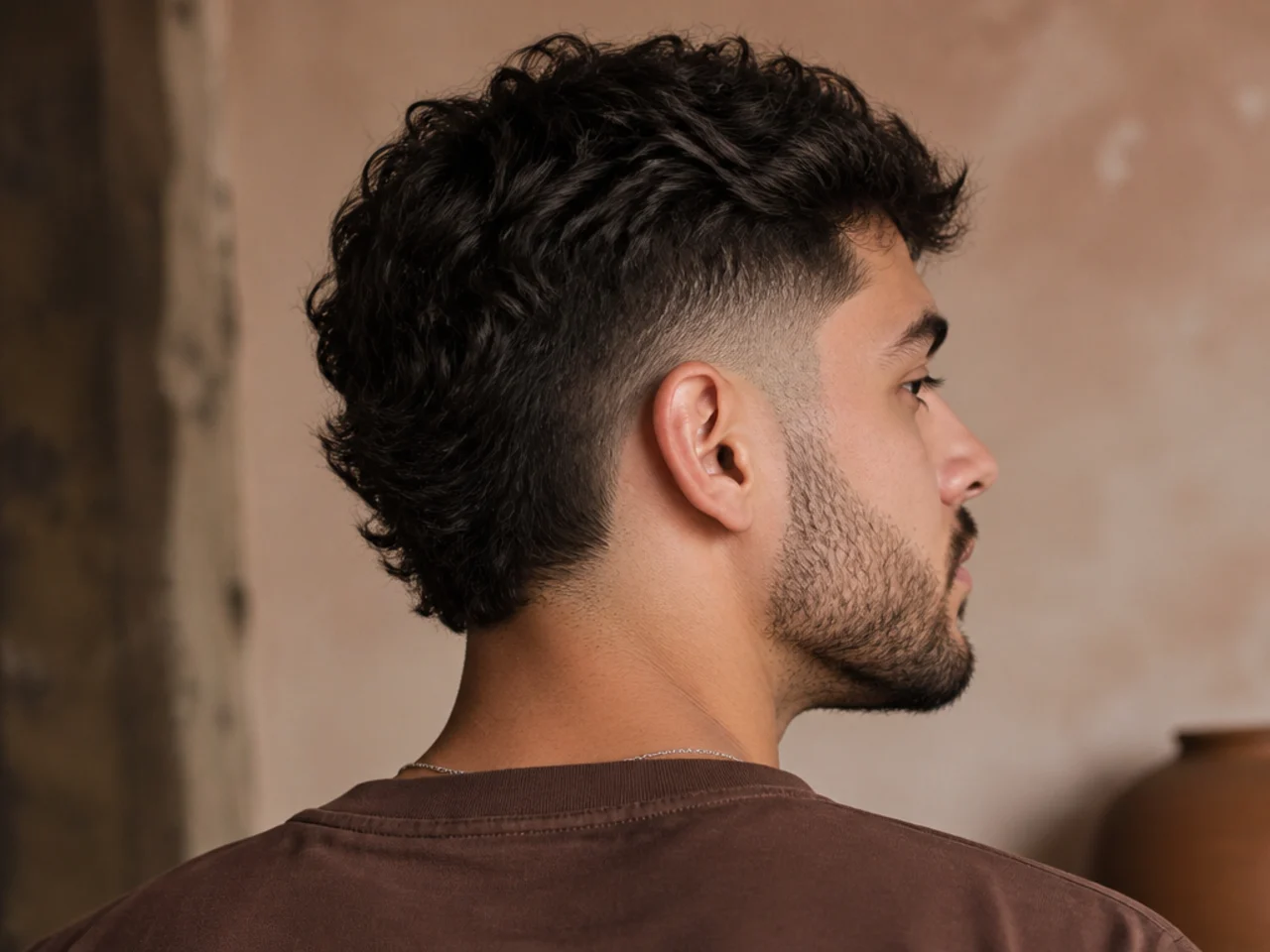
6. Burst Fade Mullet With a Beard
Length kept at the nape behind the arc, beard at the front, which is the whole basis of the burst fade mullet. The burst is the only fade that allows both, because it is the only one that does not fade the back of the head.
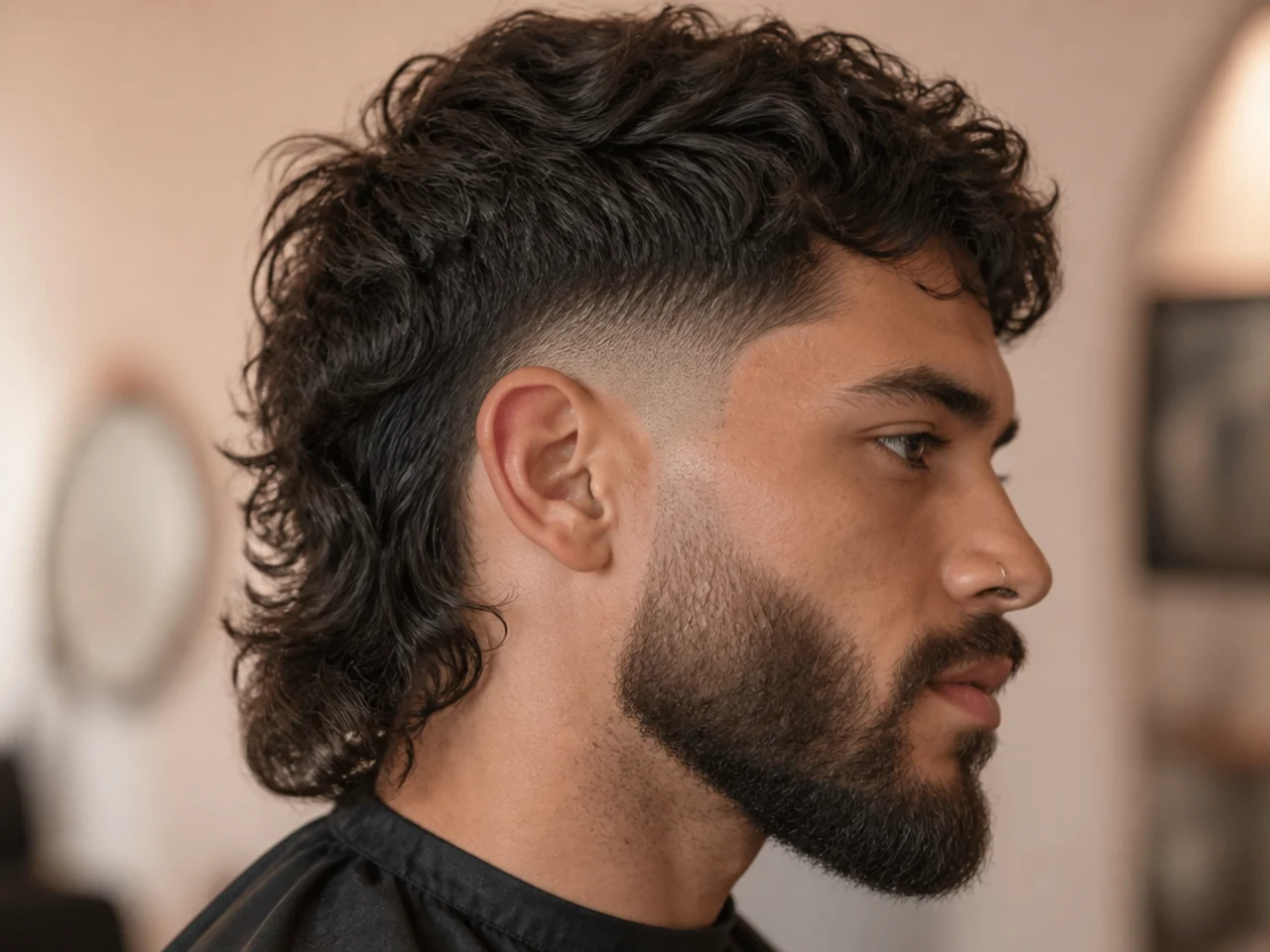
7. Burst Fade Mohawk With a Beard
A central strip left long with the arcs opening both ears, the standard construction of a burst fade mohawk. The beard adds weight at the jaw, which balances a shape that otherwise concentrates everything along the top of the head.
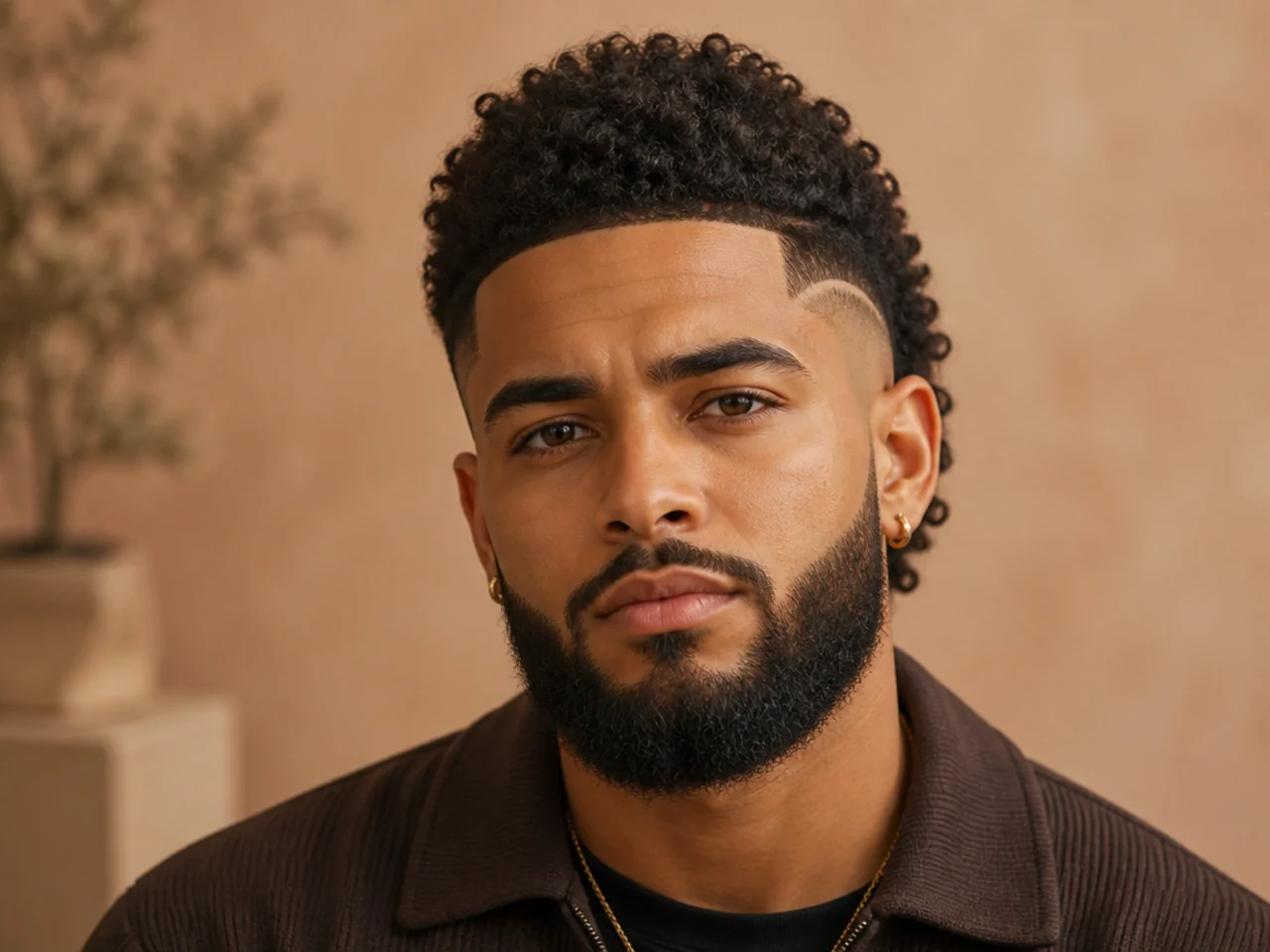
8. Burst Fade With a Goatee
The sides bare, so the arc has nothing to meet. Whatever the front edge does is a pure haircut decision here, with no beard consequence attached to it.
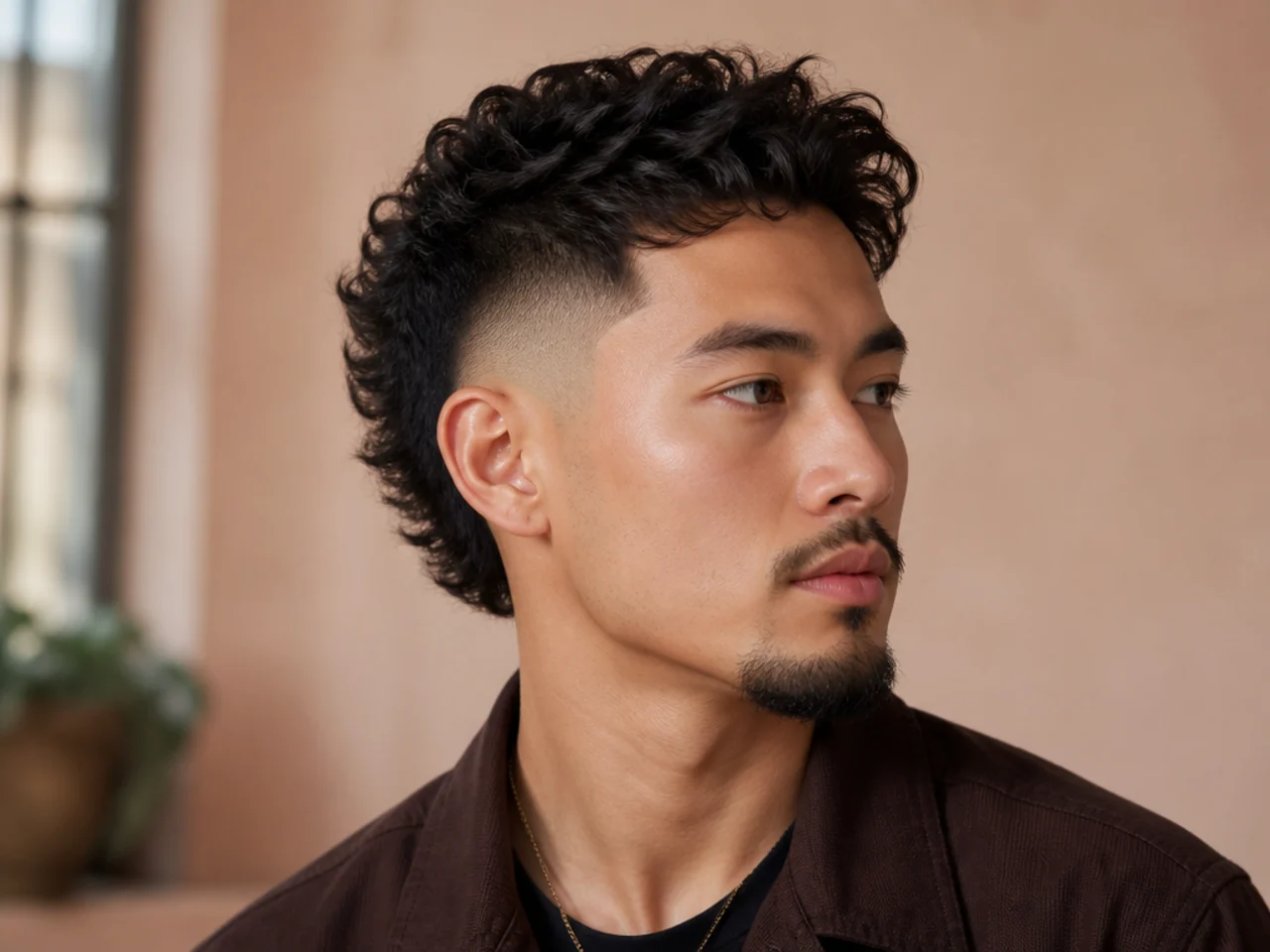
9. Burst Fade With a Chin Strap
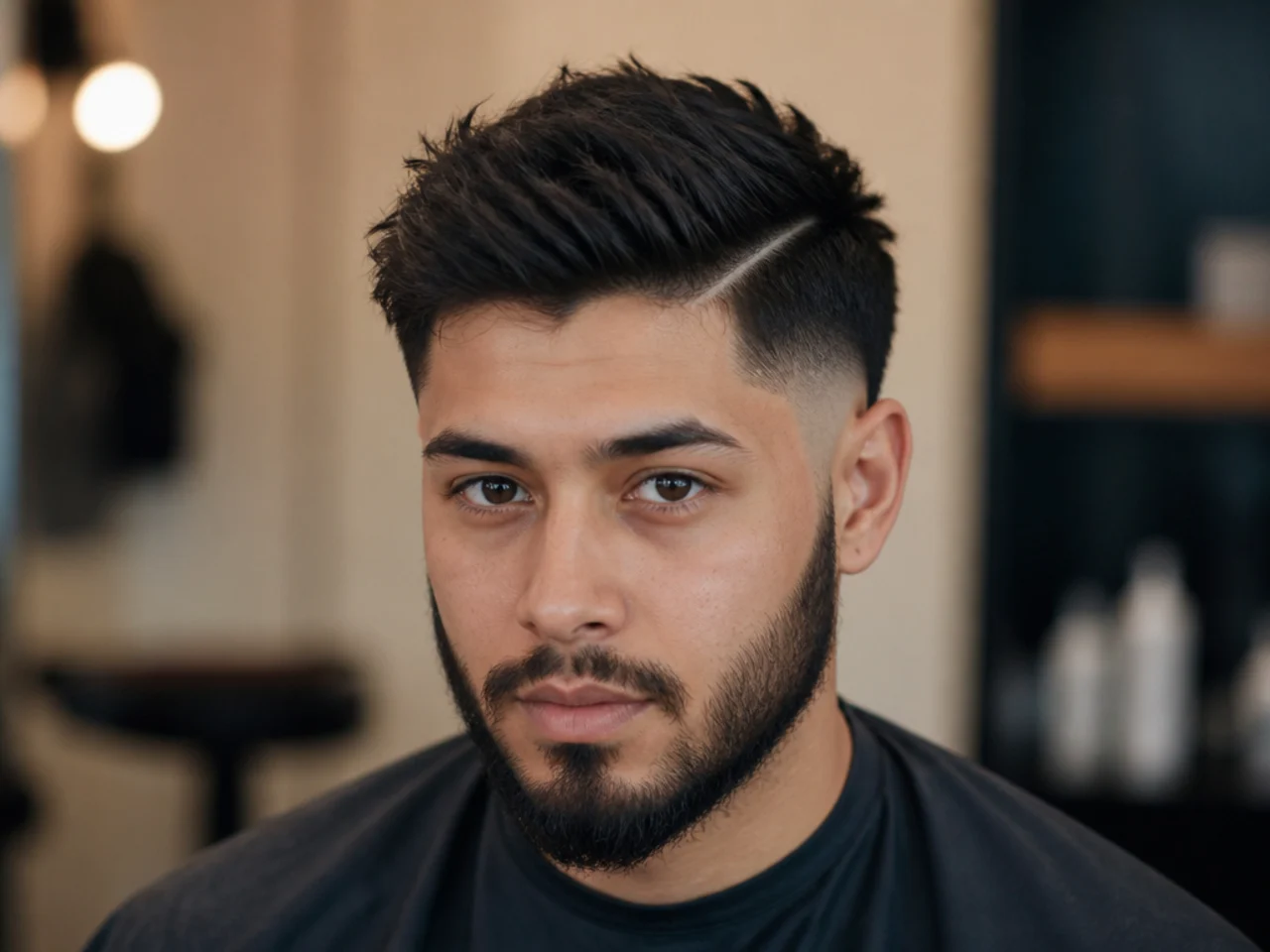
A chin strap is a hard line and a burst is a curve, so pairing them puts two very different shapes on the same face. It works when the arc stops behind the sideburn and the two never touch.
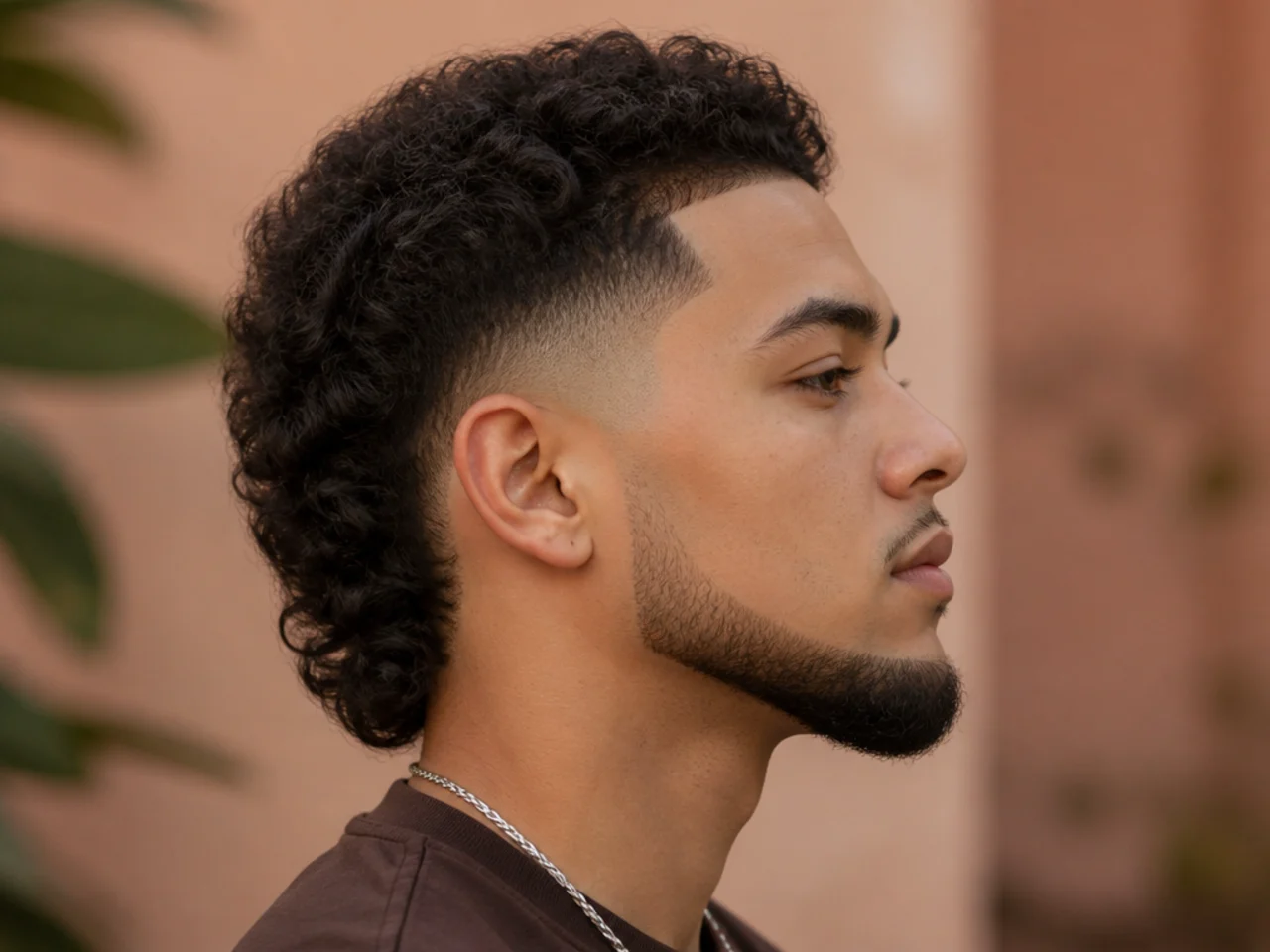
10. Burst Fade With a Patchy Sideburn
A thin sideburn disappears entirely inside the arc, which is genuinely useful. Fading through a patch removes the comparison that made it visible.
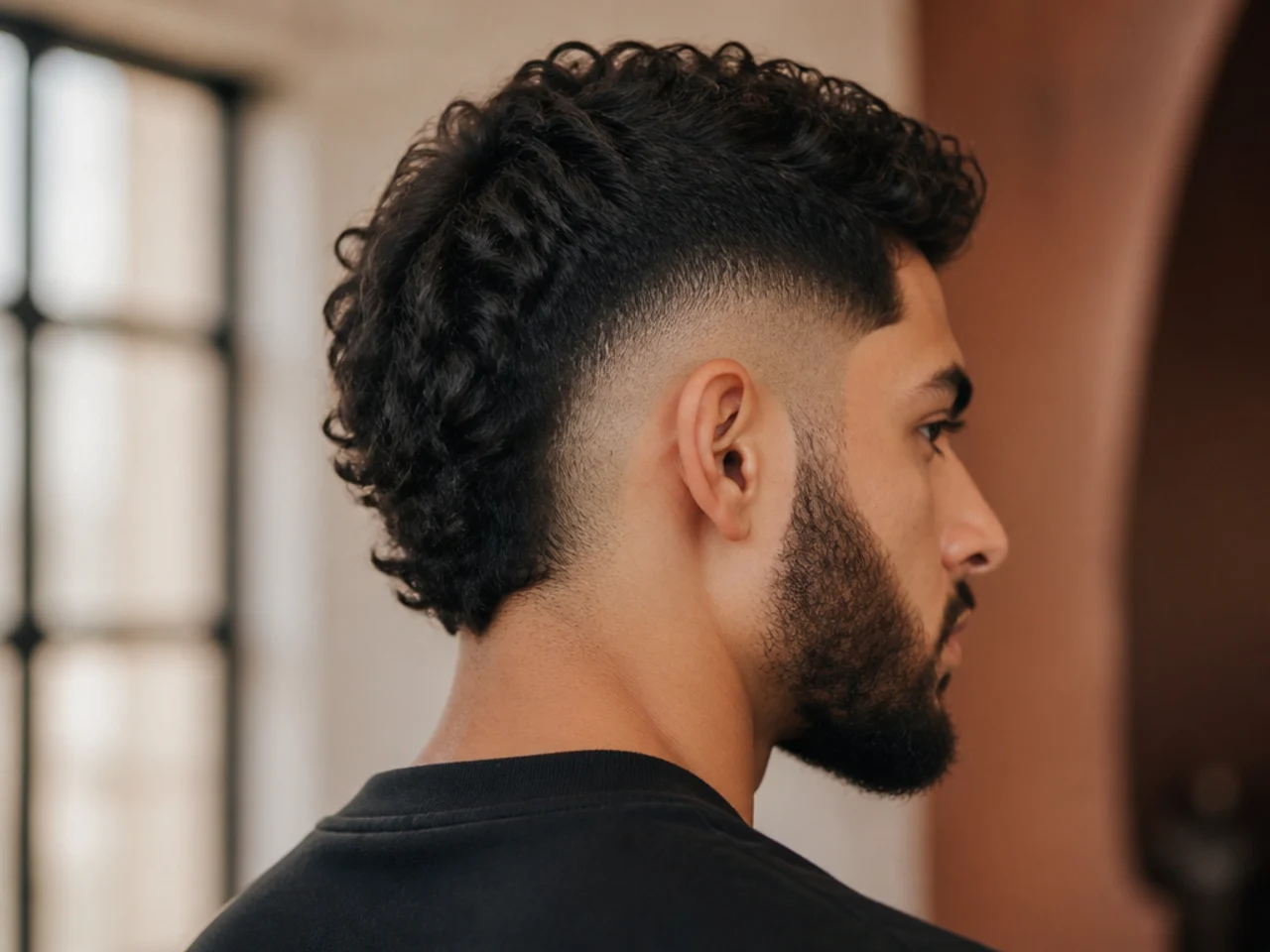
11. Burst Fade With a Long Beard
A long beard adds weight low on the face, and the burst adds none at the sides. Keep length at the back and on top so the head does not read small above the jaw.
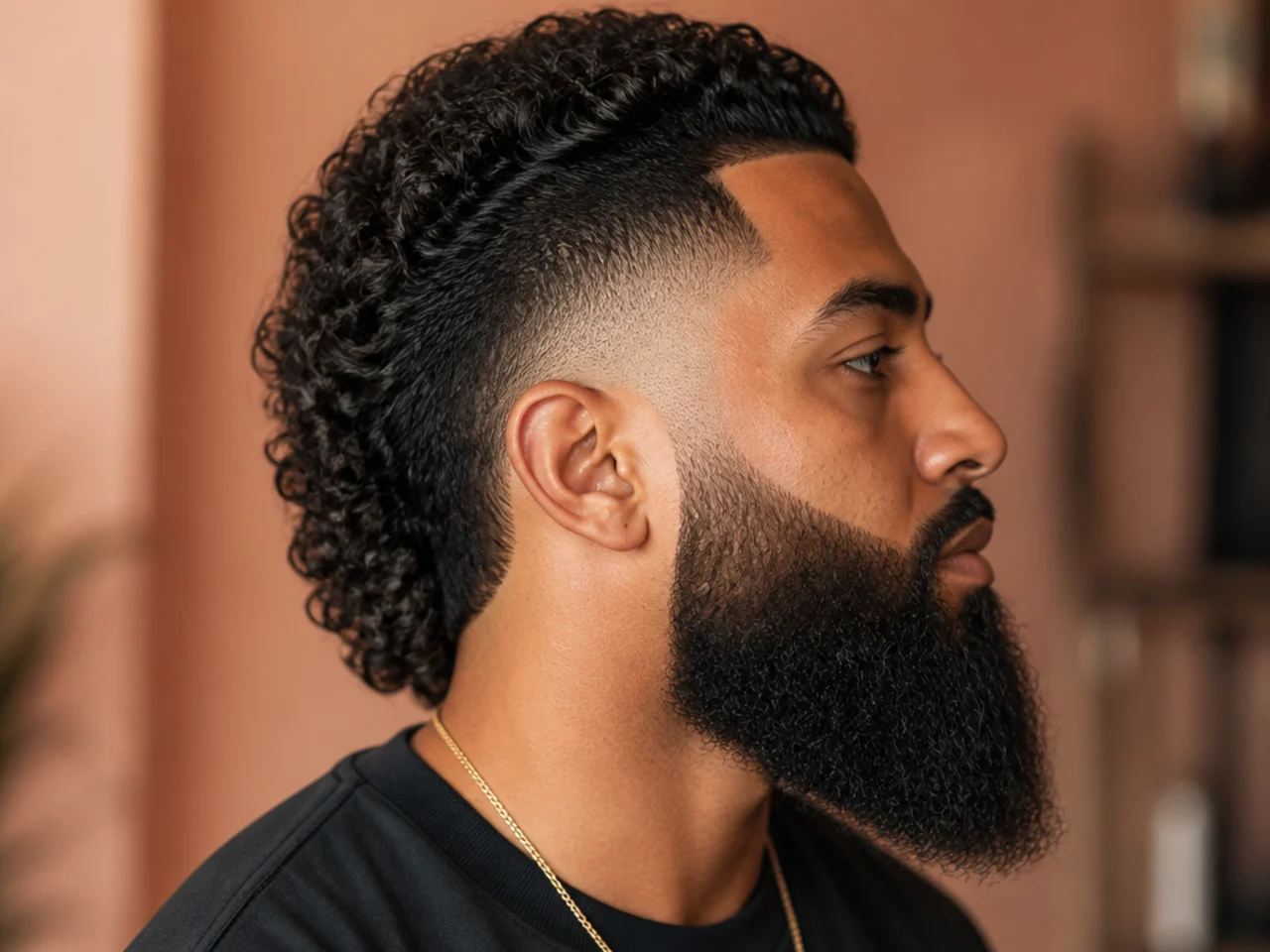
12. Burst Fade on Curly Hair With a Beard
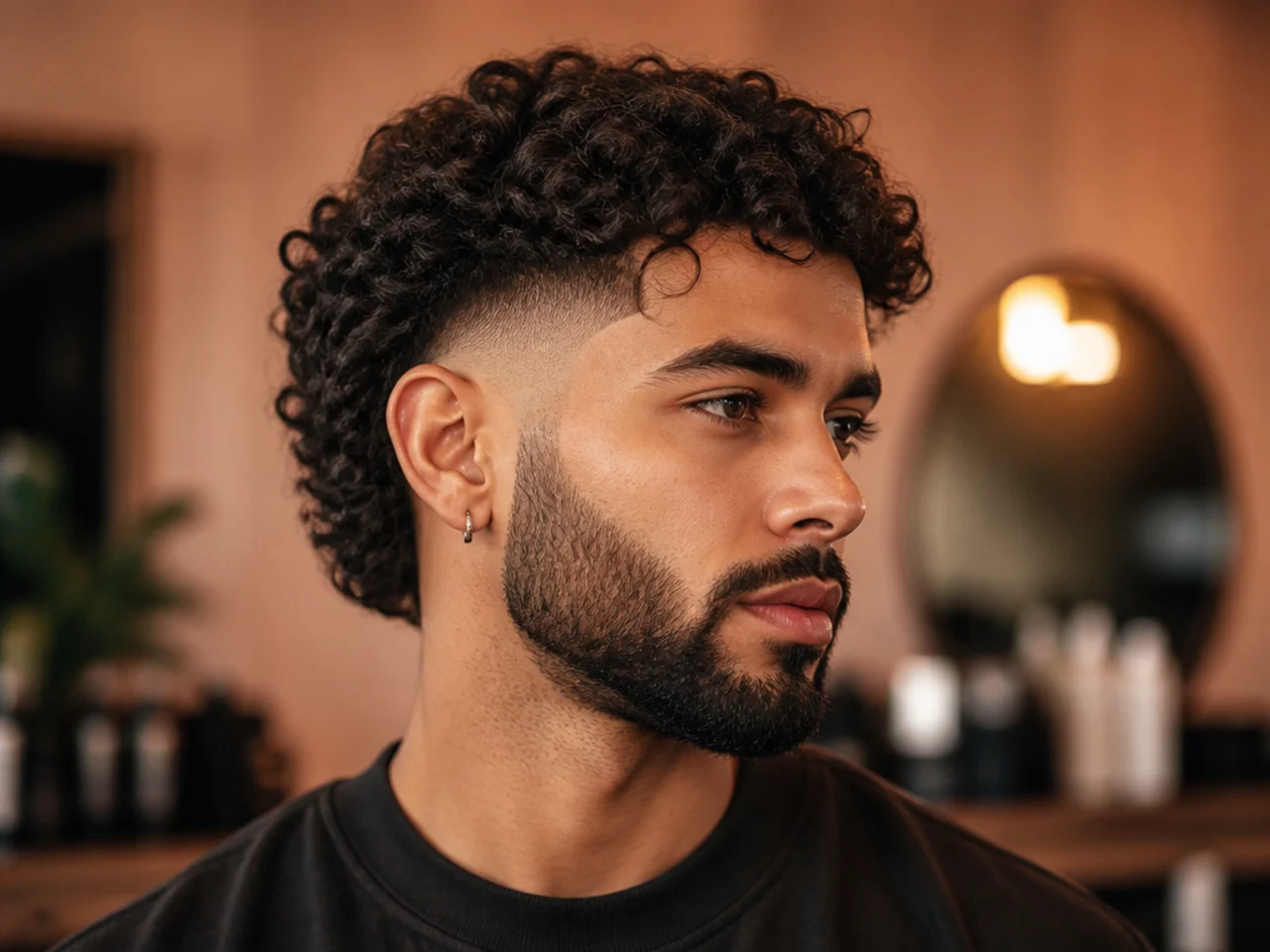
Curl above the arc and beard below it, the pairing examined in full in burst fade ideas for curly hair. The curved fade follows the round of a curly outline more closely than a horizontal does, so the two shapes agree with each other.
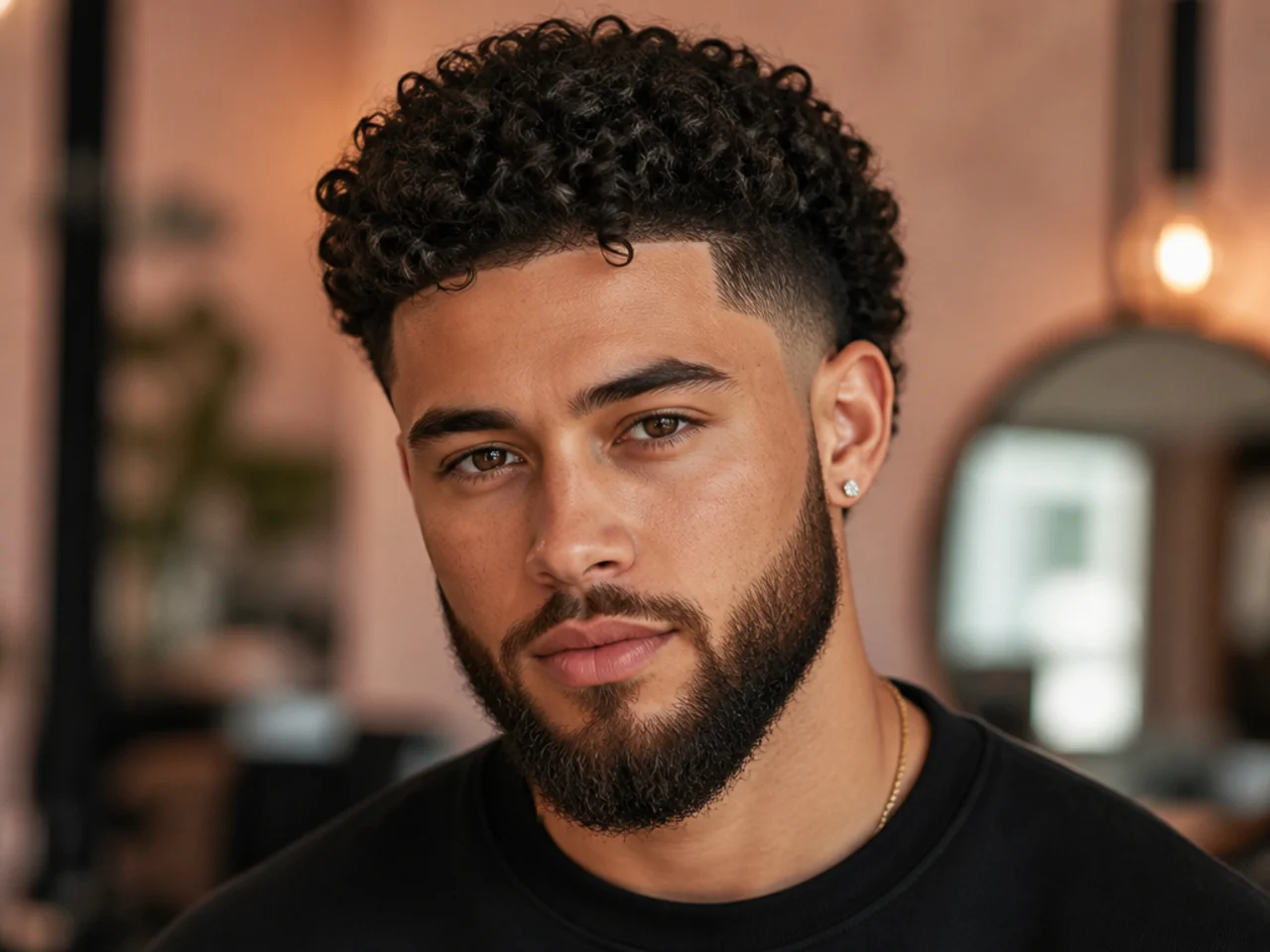
13. High Burst Fade With a Beard
The arc reaching up toward the parietal ridge. It opens more scalp above the ear while the beard connection at the front edge stays exactly where it was.
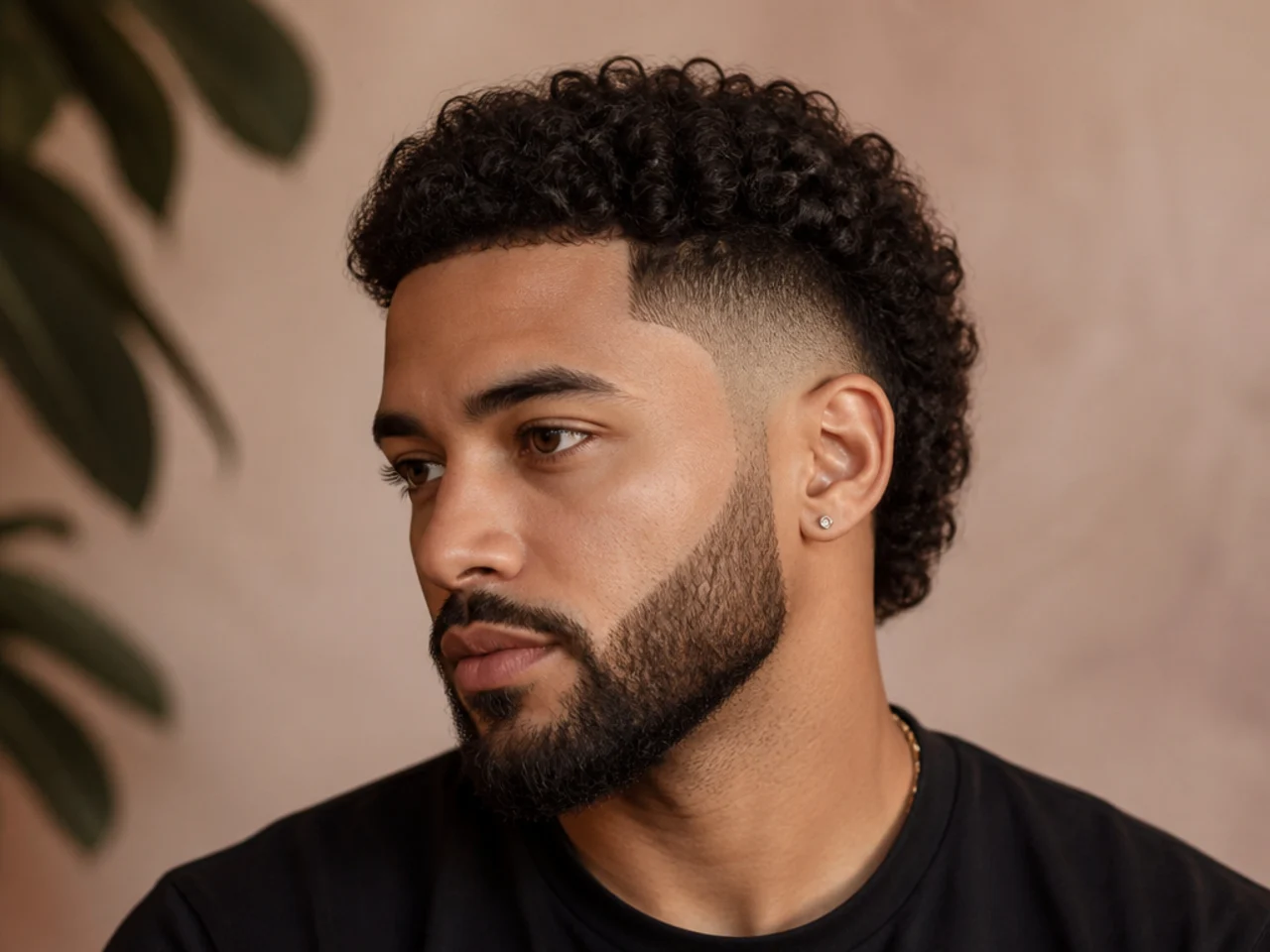
14. Low Burst Fade With a Beard
A small arc hugging the ear. The most conservative version, and the one where the sideburn is most likely to survive intact without asking.
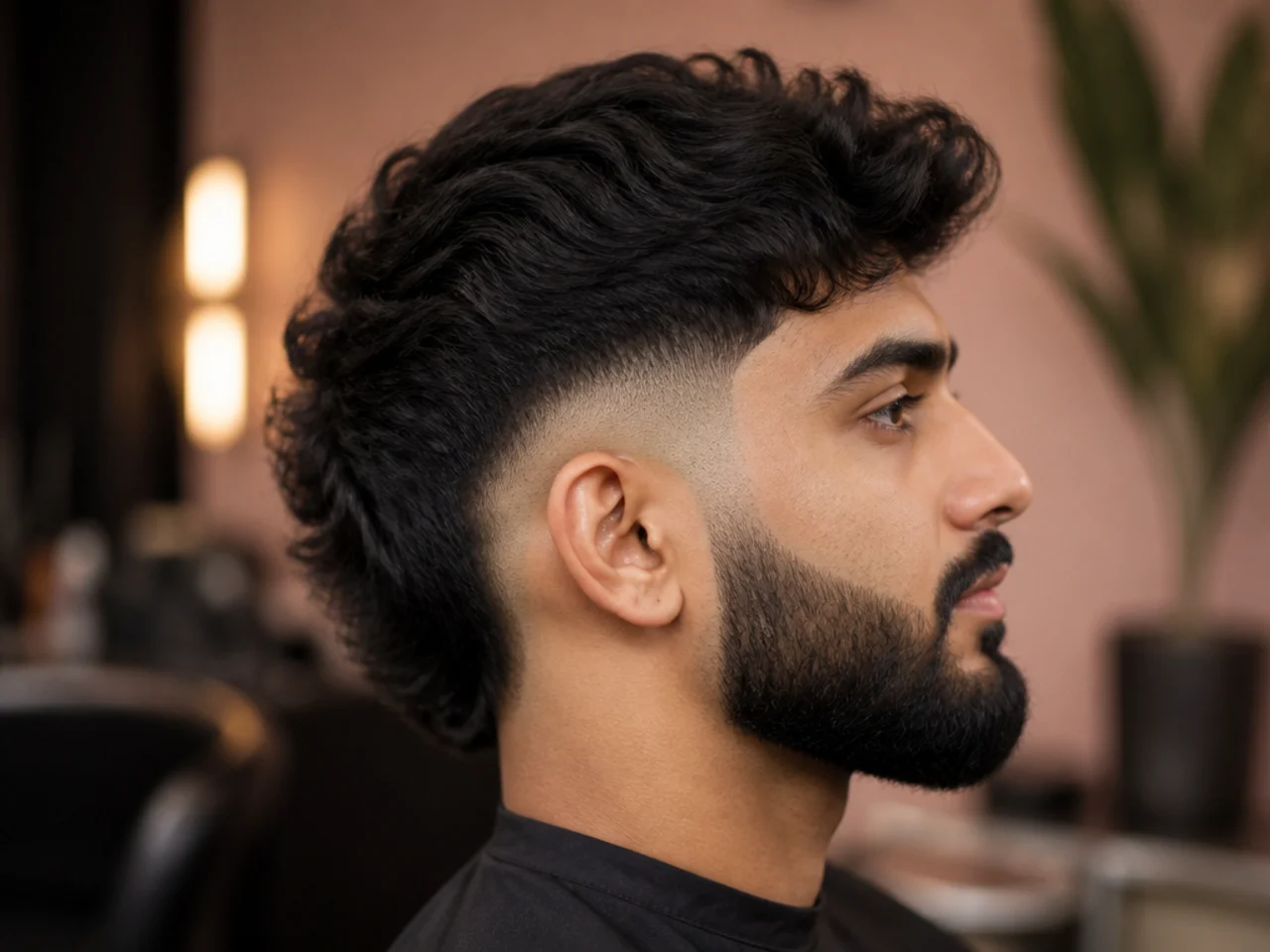
15. Burst Fade and Beard at Week Three
The arc has softened at its edges but its shape is still legible. A burst holds its identity longer than a horizontal fade because a curve blurring still looks like a curve.
Styling and Upkeep
Trim the beard and the arc on the same visit. They share the few centimetres in front of the ear.
Never trim your own sideburn on a burst fade. It sits inside the arc, so shortening it drags the fade's front edge forward.
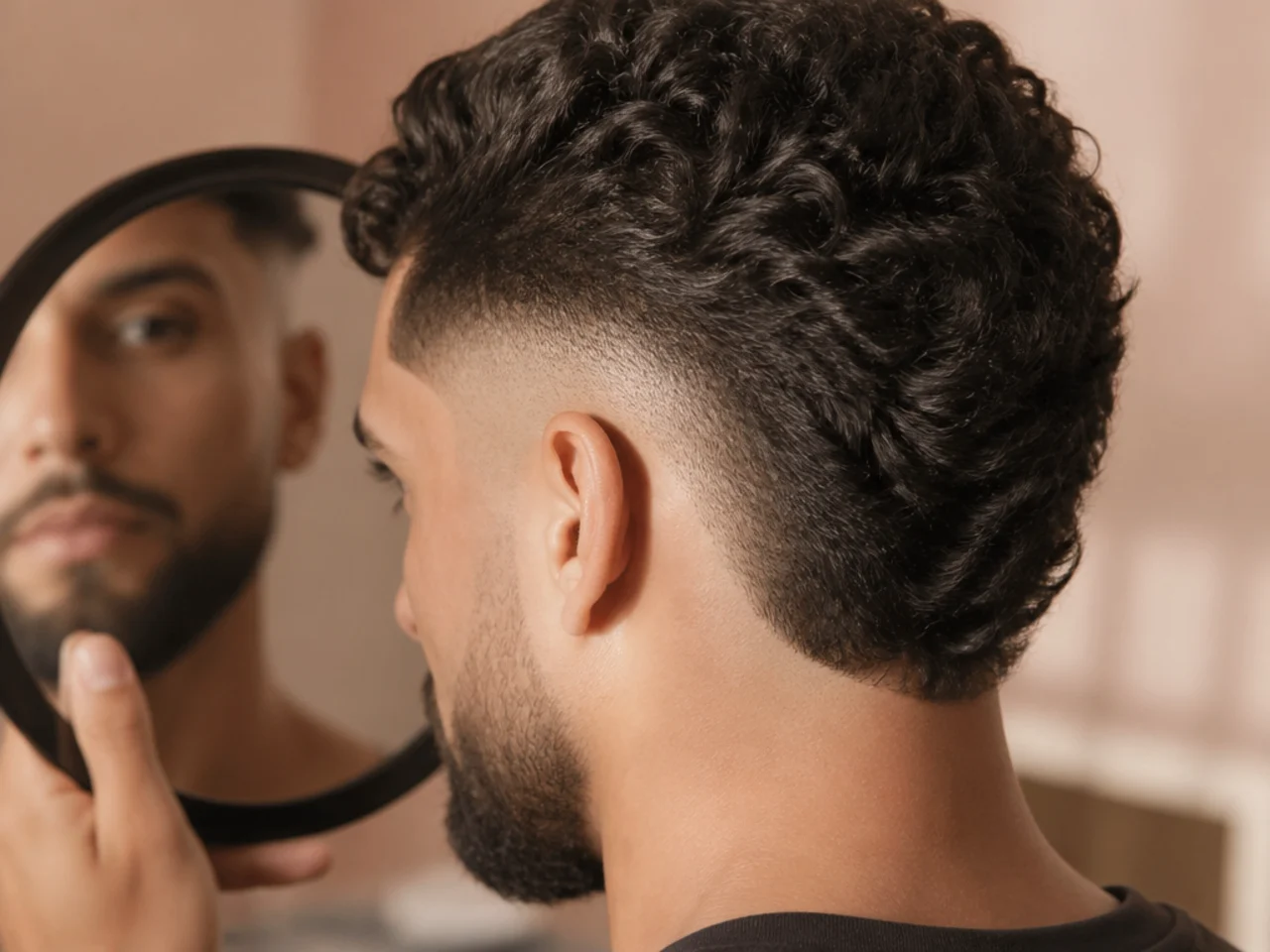
Check the arc in a hand mirror. A burst is a rear-of-ear feature and the bathroom mirror shows you almost none of it.
Rebook by finish. Only the arc touches the beard, so only the arc is on a clock — one to two weeks if it was taken to skin at the ear, three to four on a #1 taper, while the untouched back keeps growing on its own schedule.
Leave the nape alone. The long back is the point of the cut and tidying it turns a burst into a drop fade.
Mistakes to Avoid
Not saying where the arc's front edge stops. The barber will make that choice for you and it decides your sideburn.
Asking for a burst fade and a squared nape. Squaring the back cancels the only thing a burst does differently.
Connecting a burst into stubble. There is no density for the arc to blend into.
Trimming the sideburn between visits. It moves the front edge of the fade forward and the arc stops looking round.
Judging the cut from the front. The burst lives behind and around the ear, which the front view never shows.
FAQ
Does a burst fade cut the sideburn? Yes, unless the arc is stopped behind it.
How do I keep the sideburn? Ask for the front edge to finish behind it.
Is a burst good with a full beard? Yes, because the beard meets a curve rather than a parallel line.
Final Thoughts
One sentence at the consultation settles this haircut. Tell the barber whether the arc finishes in front of your sideburn or behind it, and everything else about the pairing follows from that. It is the question nobody asks, and it is the reason so many men leave a burst fade appointment wondering where their sideburns went.
For the full range of the cut see the burst fade haircut guide, and for the horizontal version of the same join see taper fade haircut with a beard. More in Fade Haircuts.