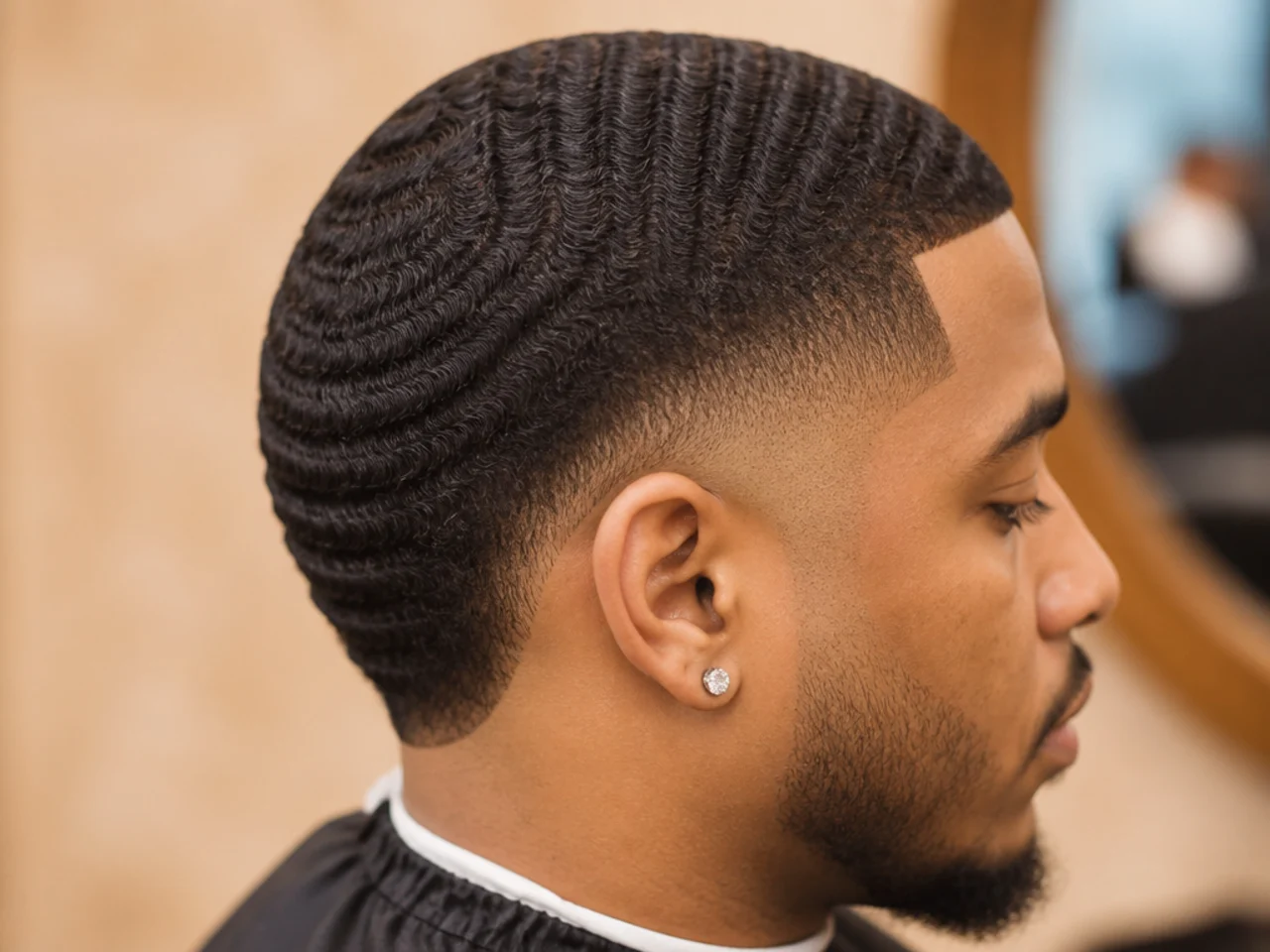
20 Burst Fade Haircut Ideas With Waves
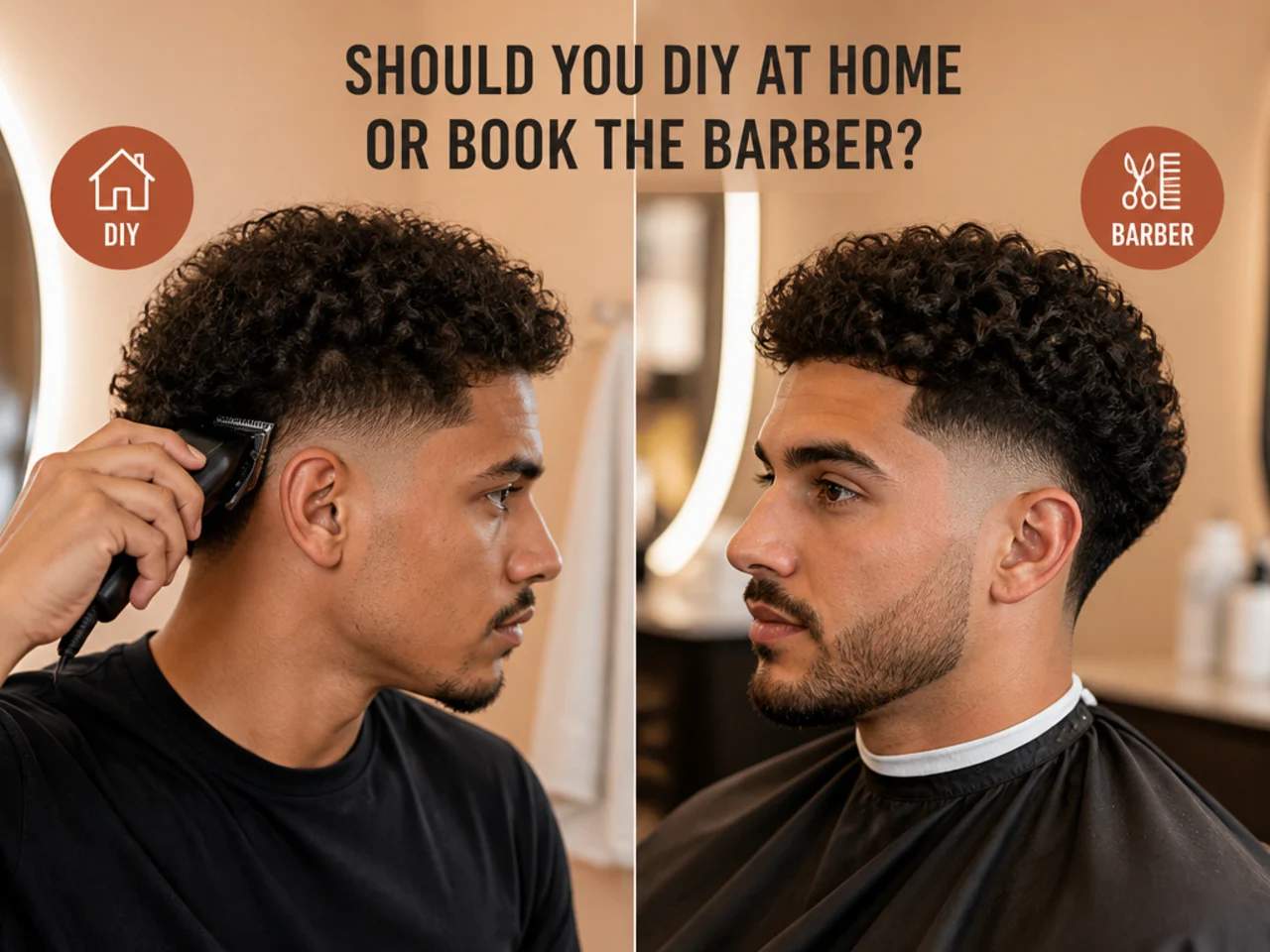
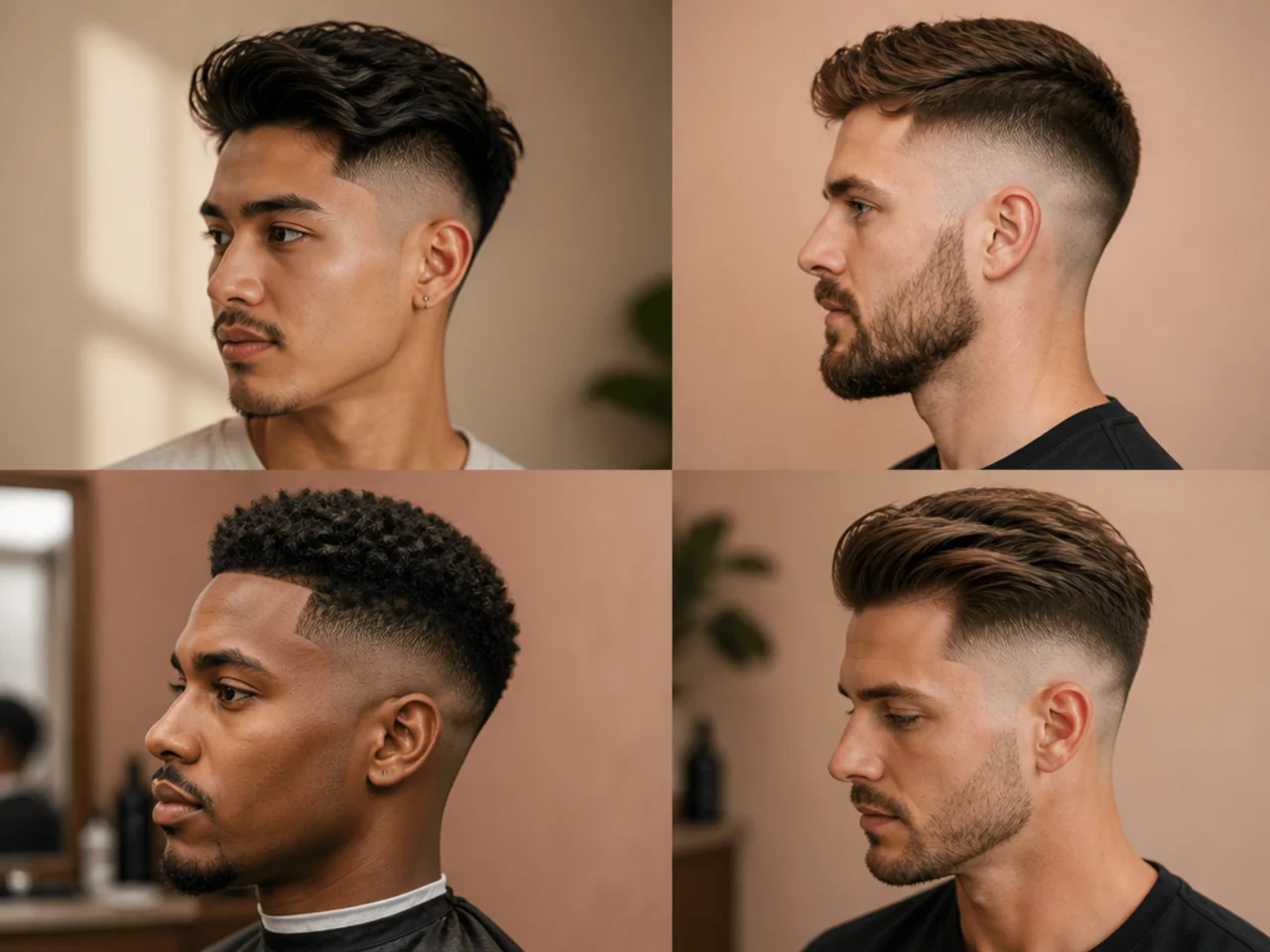
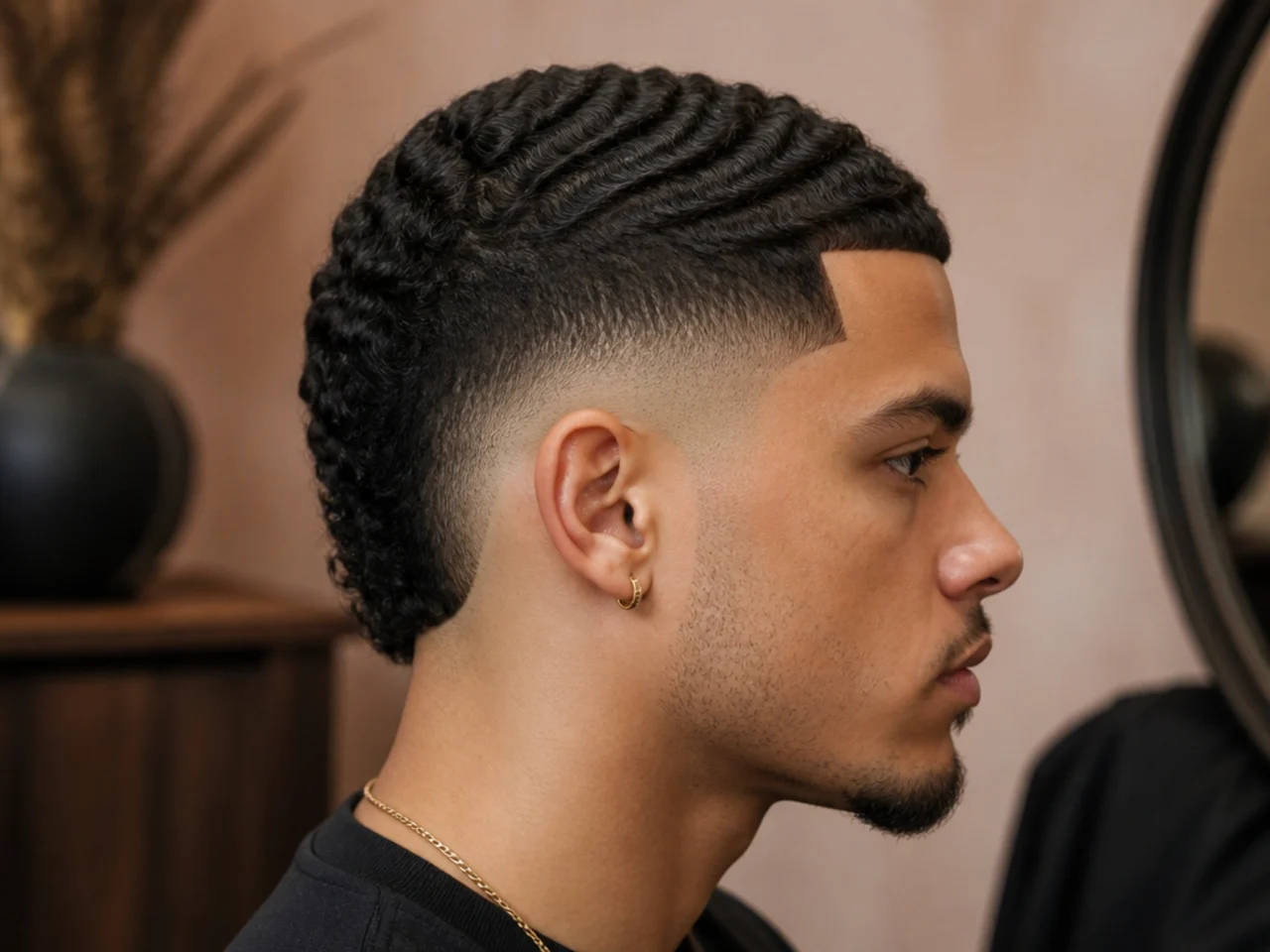
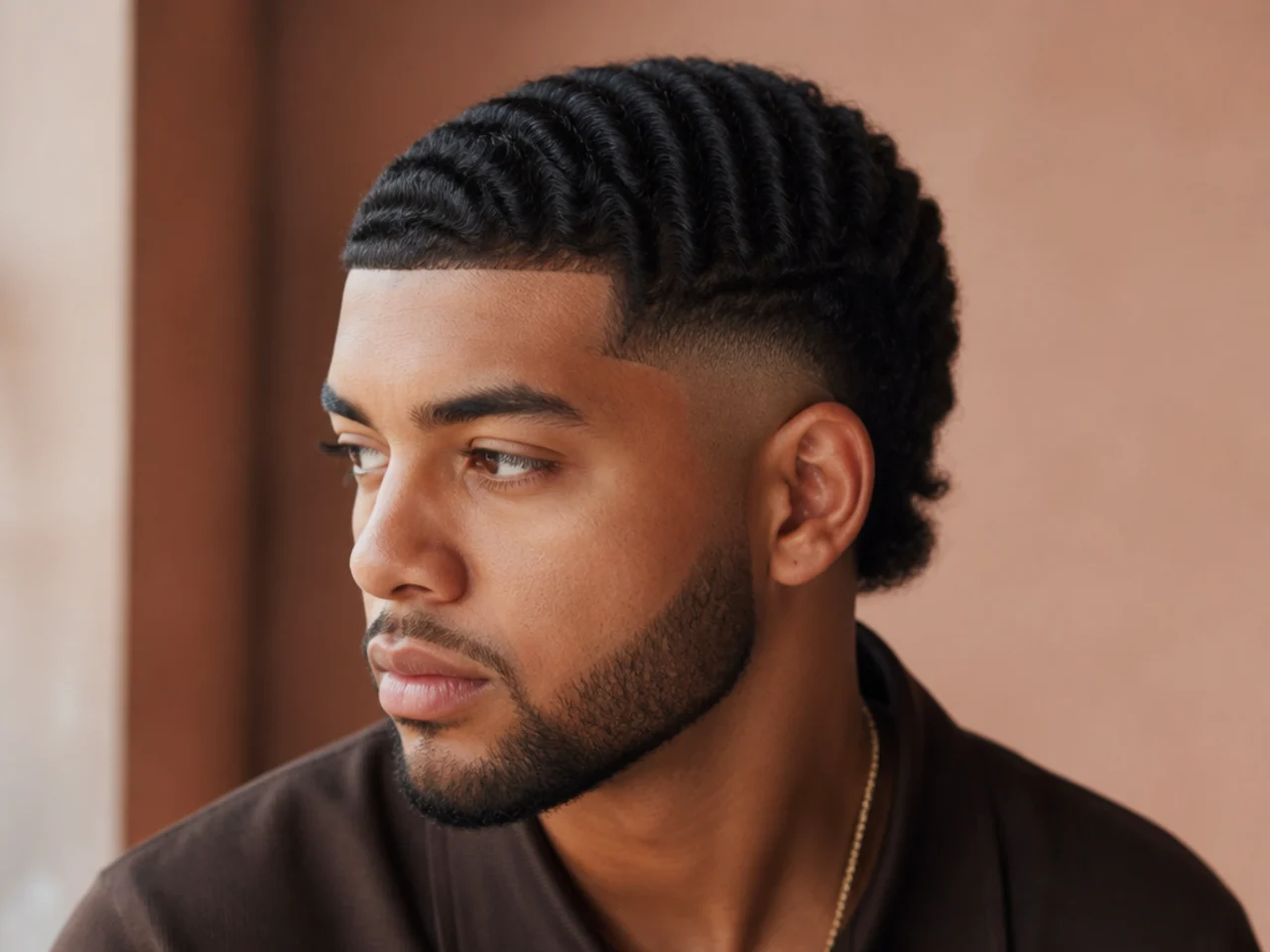
Every other fade cuts the wave field off with a horizontal. A burst fade opens a circle around the ear and leaves the back long, which is why it is the only fade that keeps a full wave pattern at the nape.
In this article · 27
- Why the Arc Protects the Pattern
- How to Choose Yours
- The 20 Burst Fade and Wave Ideas
- 1. Full 360 Waves With a Classic Burst
- 2. Burst Fade With the Nape Field Kept Long
- 3. Low Burst Fade With Waves
- 4. Mid Burst Fade With Waves
- 5. High Burst Fade With Waves
- 6. Burst Skin Fade With Waves
- 7. Burst Taper With Waves
- 8. Burst Fade Waves With a Line-Up
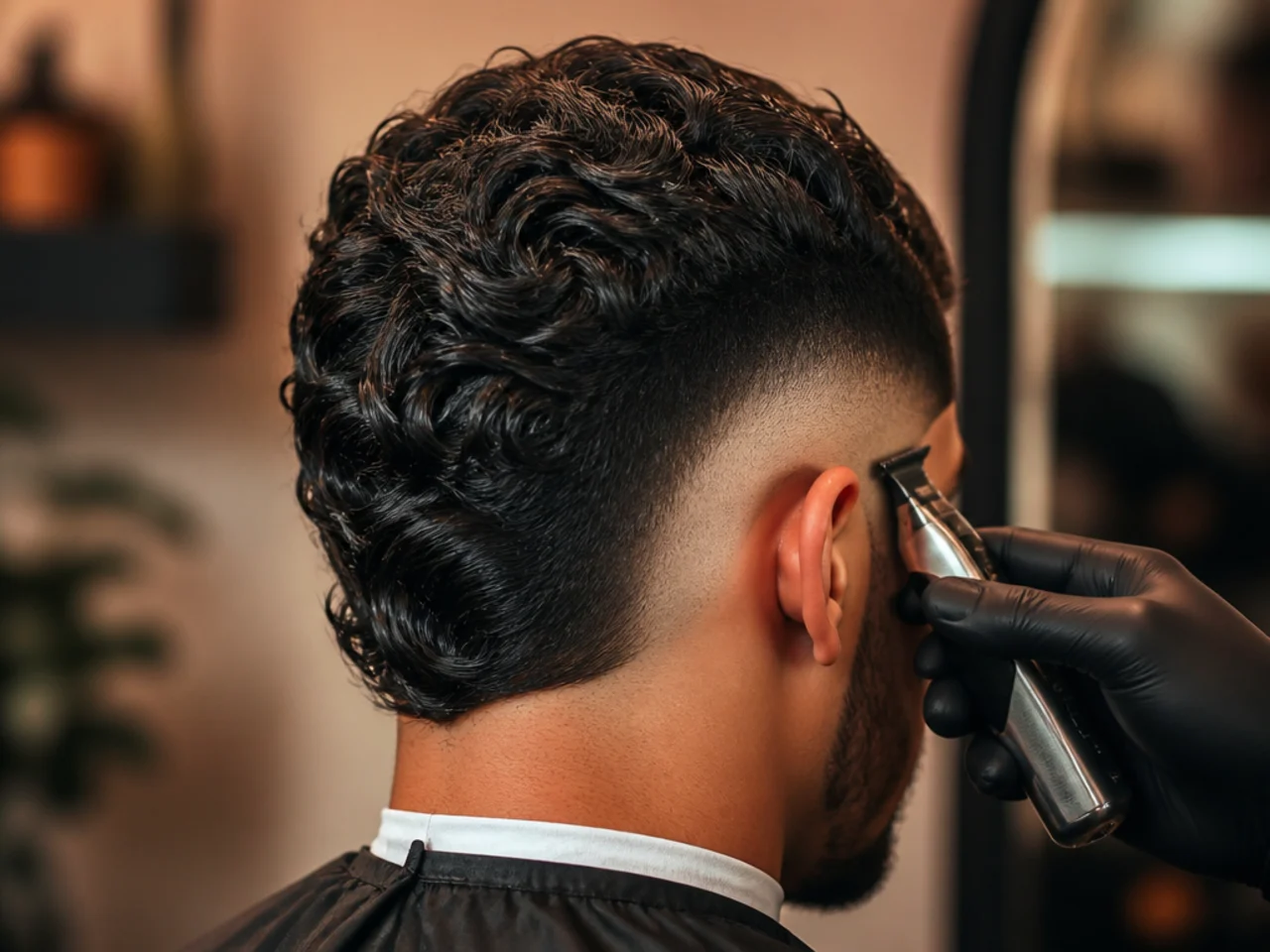
- 9. Burst Fade Waves With a Mullet Back
- 10. Deep Waves Around a Burst Arc
- 11. Shallow Waves With a Soft Burst
- 12. Burst Fade Waves With a Beard
- 13. Burst Fade Waves With a Design
- 14. Burst Fade Waves With a Hard Part
- 15. Burst Fade Waves on a Short Top
- 16. Burst Fade Waves With a Rounded Nape
- 17. Burst Fade Waves Brushed Radially
- 18. Burst Fade Waves With Curl Underneath
- 19. Burst Fade Waves at Week Two
- 20. Burst Fade Waves at Week Four
- Styling and Upkeep
- Mistakes to Avoid
- FAQ
- Final Thoughts
A 360 wave pattern is a circle. It runs from the crown outward in every direction and it only reads as 360 if it closes at the back of the head.
Every horizontal fade breaks that circle. Low, mid or high, the line runs around the head and takes the nape rows with it.
A burst fade does not. It opens a semicircle around the ear and leaves the back long, which is the only reason a genuine 360 pattern survives a fade at all.
Why the Arc Protects the Pattern
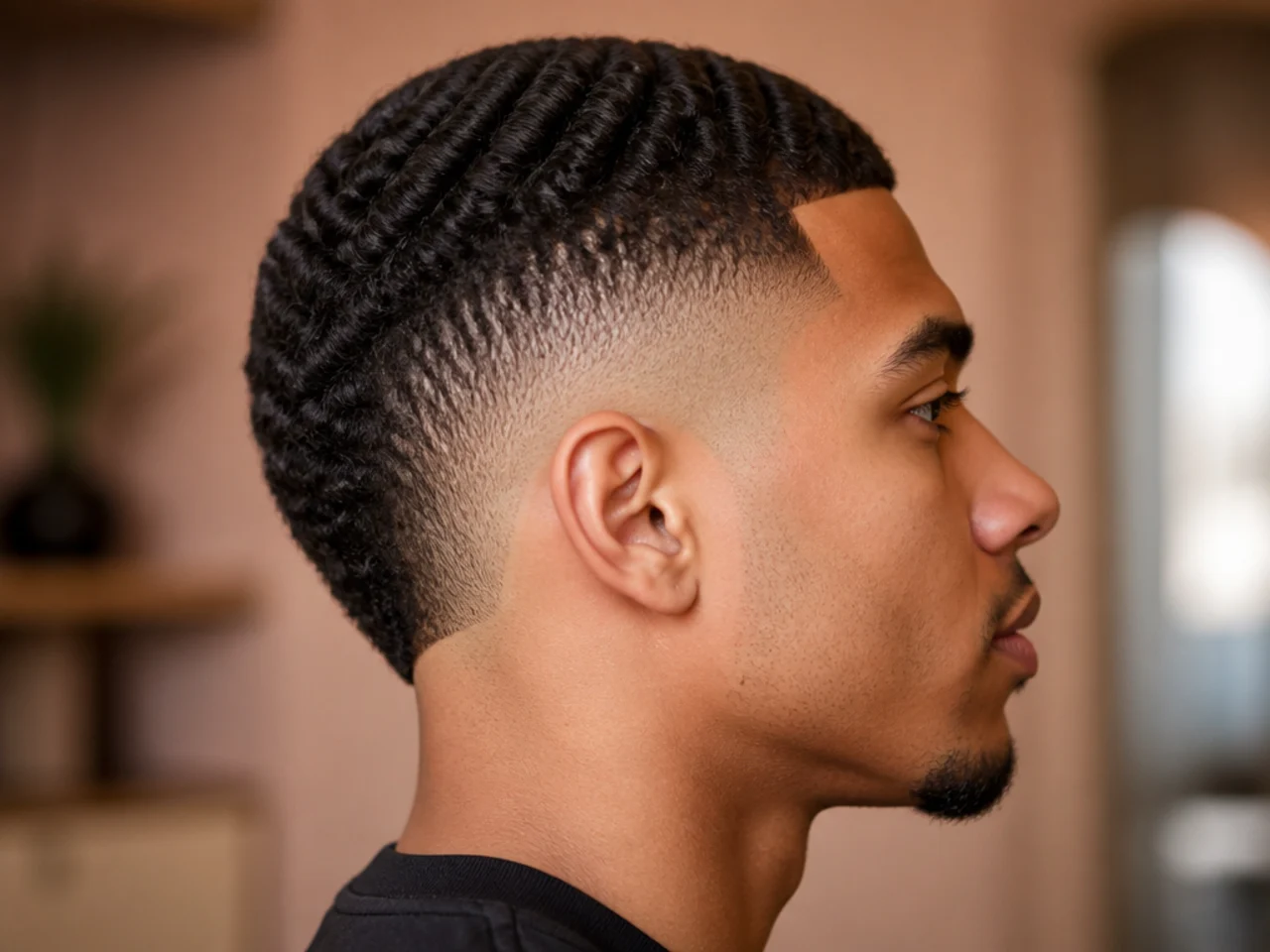
Waves radiate outward from the crown. The rows run in every direction, not just around the sides.
A burst fade removes only a circle at the ear. Everything forward of it, above it and behind it keeps its length.
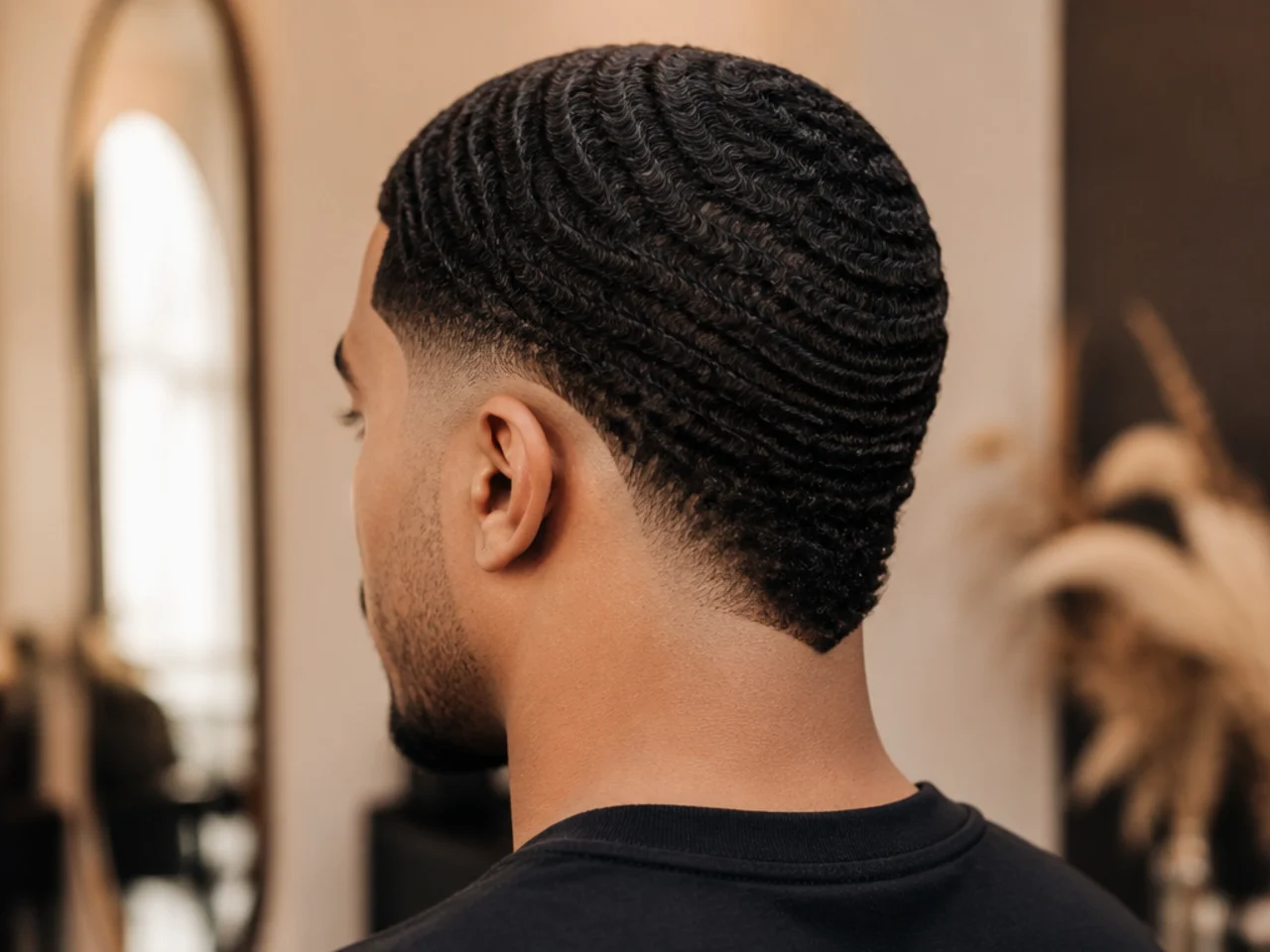
The nape rows survive. No other fade leaves them, which is what makes this pairing distinctive.
The arc crosses the rows at an angle. So the pattern appears to fan into the fade rather than stopping dead.
How to Choose Yours
Keep the arc's outer edge at 3mm or longer. Below that the hair stands and the row breaks instead of fading out.
Decide how far the arc travels upward. A low burst leaves nearly the whole field, a high burst reaches the parietal ridge and removes the upper side rows.
Protect the nape in the booking. Say the back stays long, because a barber tidying it out of habit turns this into a drop fade.
Choose skin or taper at the ear. Skin gives the sharpest contrast against a dark pattern and blurs in one to two weeks.
The 20 Burst Fade and Wave Ideas
1. Full 360 Waves With a Classic Burst
The complete pattern with only the ear opened. It is the version that actually earns the name 360, because the rows still close behind the head.
2. Burst Fade With the Nape Field Kept Long
The back deliberately left at full length. Ask for it explicitly, because tidying the nape is the default habit in most chairs.
3. Low Burst Fade With Waves
A small arc hugging the ear, which is all a low burst fade ever does. It removes the fewest rows of any fade and is the natural starting point for a young pattern.
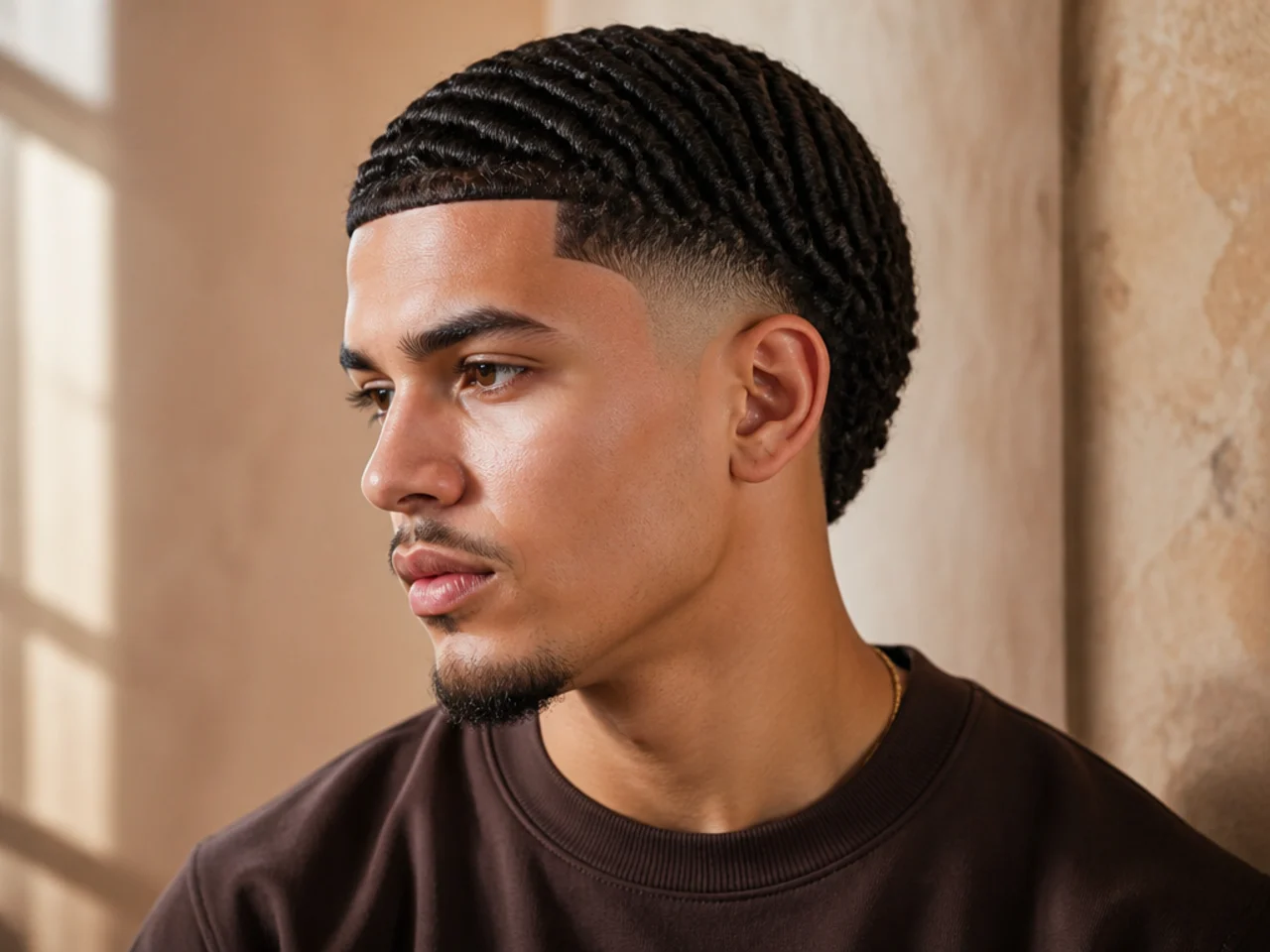
4. Mid Burst Fade With Waves
The arc reaching halfway up the side. It takes the lower side rows while leaving the crown and the nape untouched. That costs roughly three rows on each side, which a pattern brushed for six months or more can absorb and a younger one cannot.
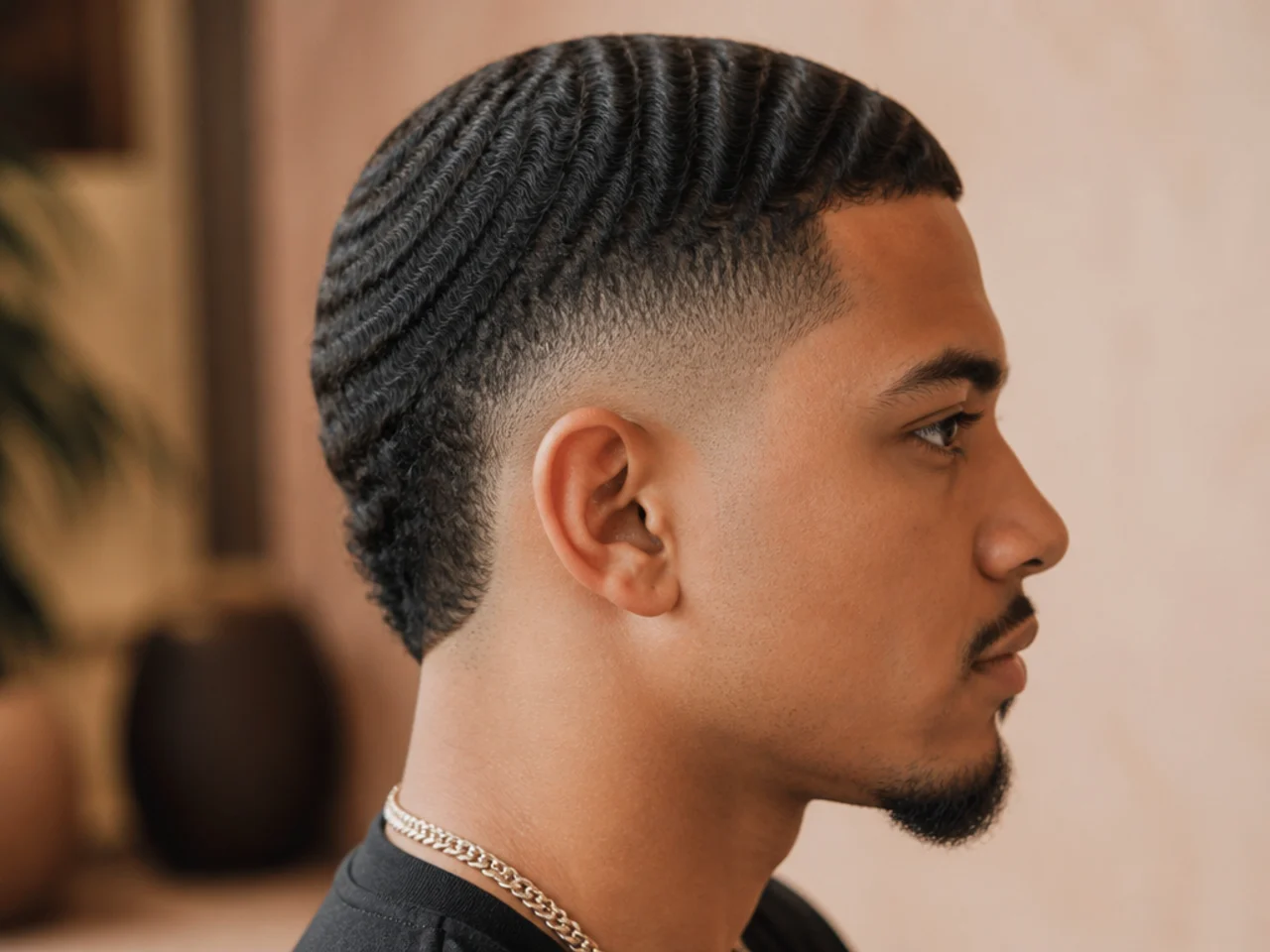
5. High Burst Fade With Waves
The arc climbing toward the parietal ridge. The most contrast available, and the point at which the side rows are genuinely being sacrificed.
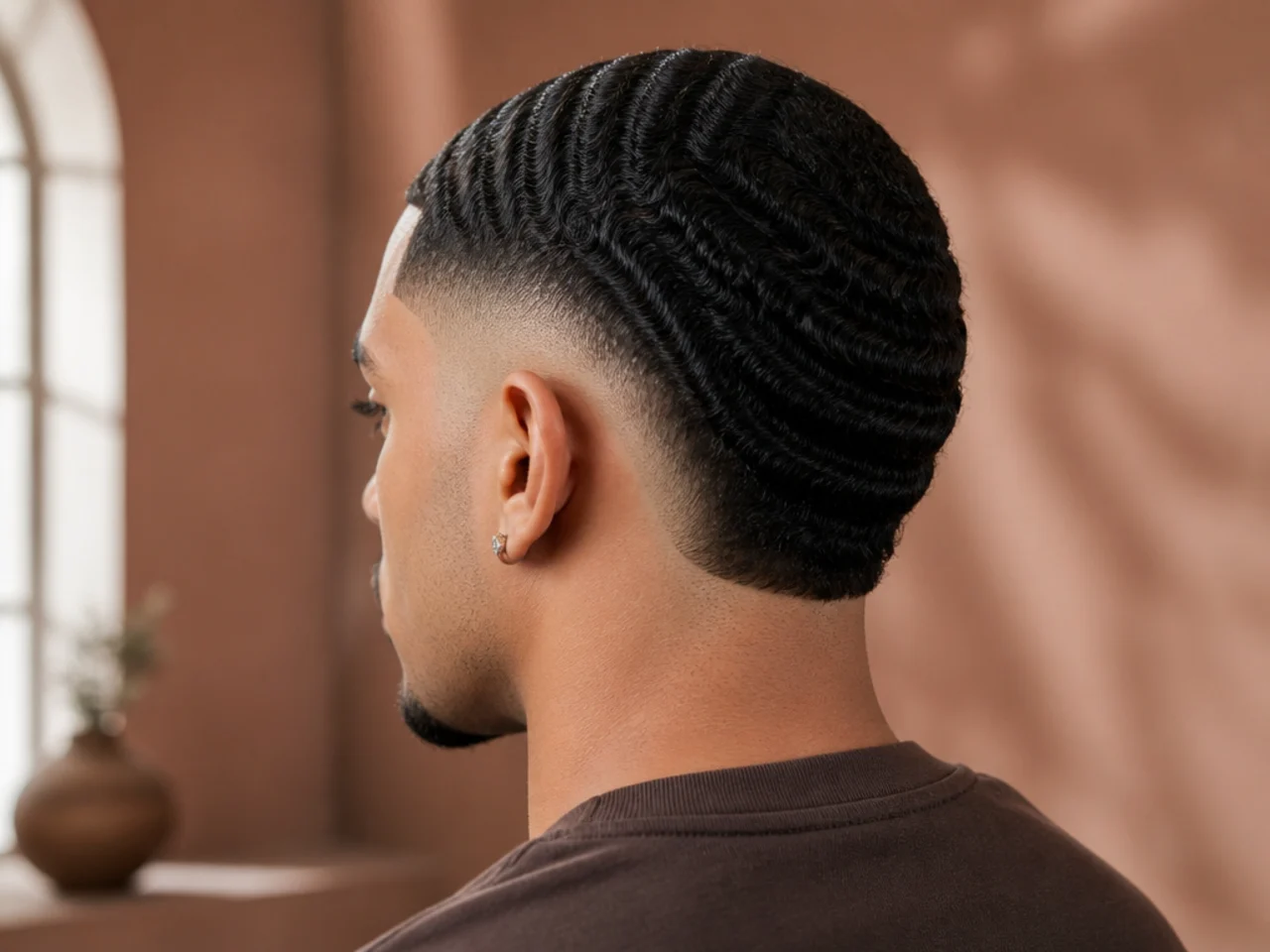
6. Burst Skin Fade With Waves
Bare skin at the ear. Dark rows against clean scalp is the strongest visual this cut offers, and it lasts about eight days.
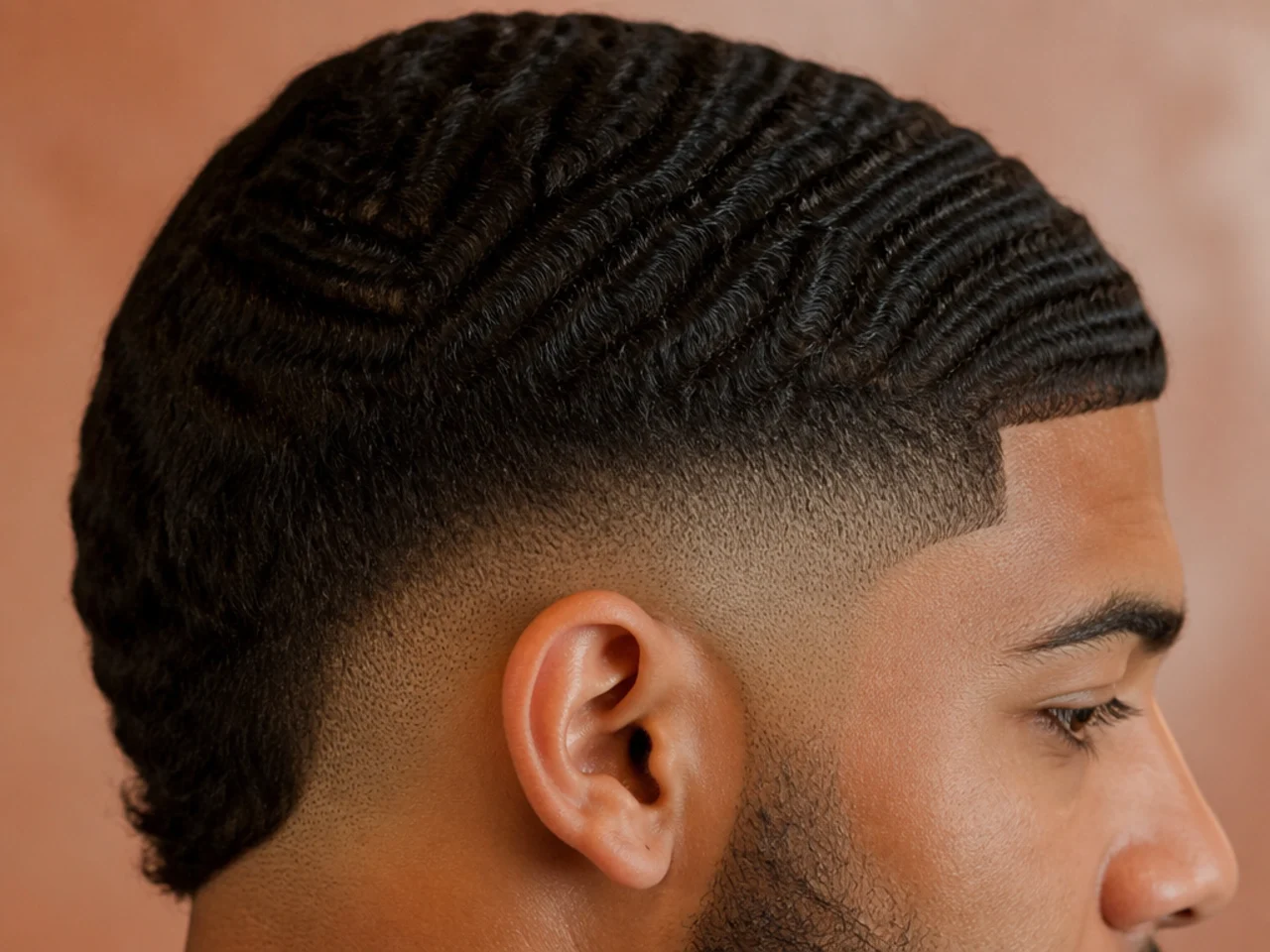
7. Burst Taper With Waves
A #1 at 3mm floor at the ear instead of skin. Less contrast, but the pattern keeps a shadow all the way into the arc rather than disappearing.
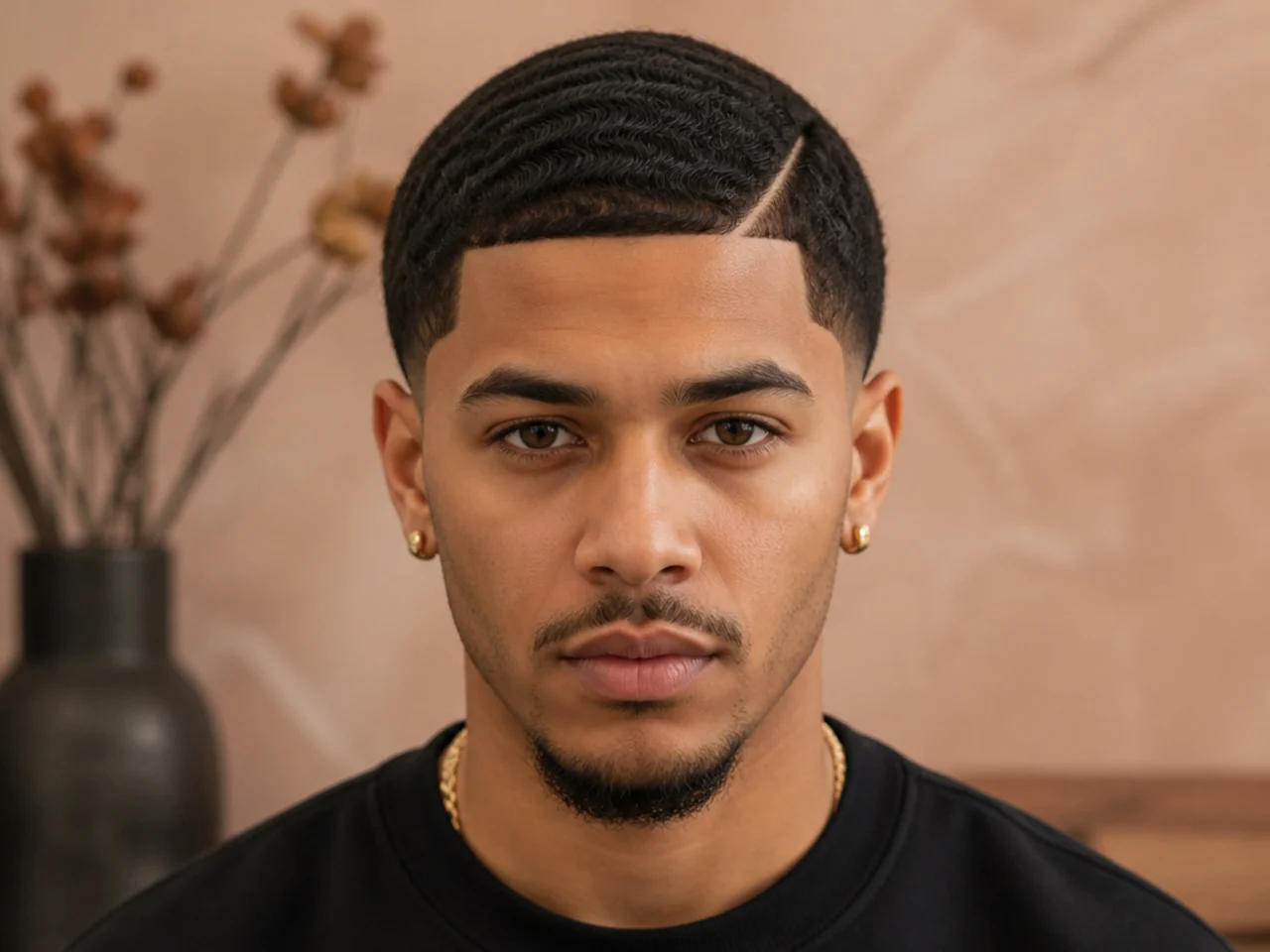
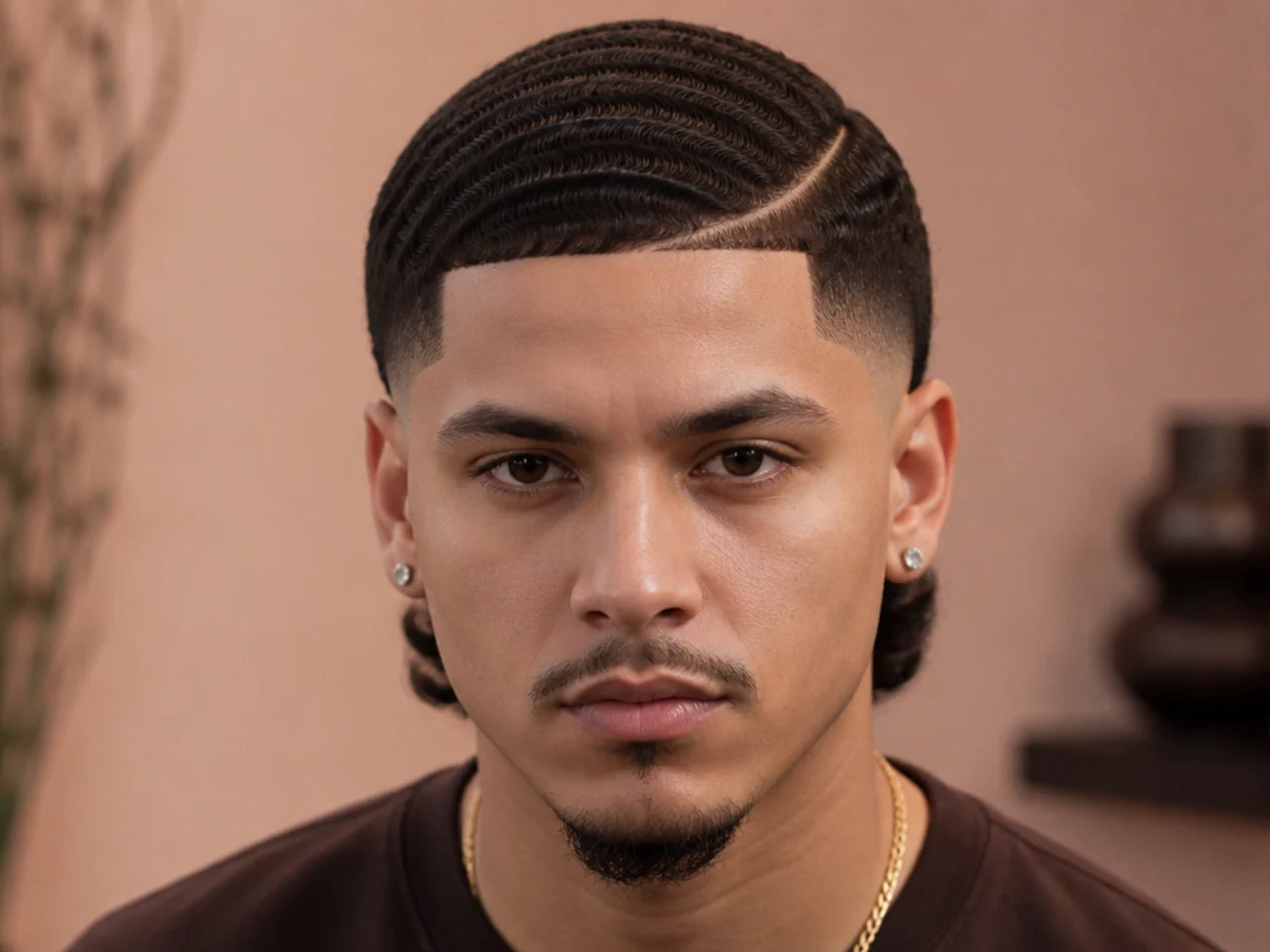
8. Burst Fade Waves With a Line-Up
The razor run straight along the front hairline and down both temple corners. It gives the radiating rows a hard front boundary to push against, which makes the whole pattern look denser.
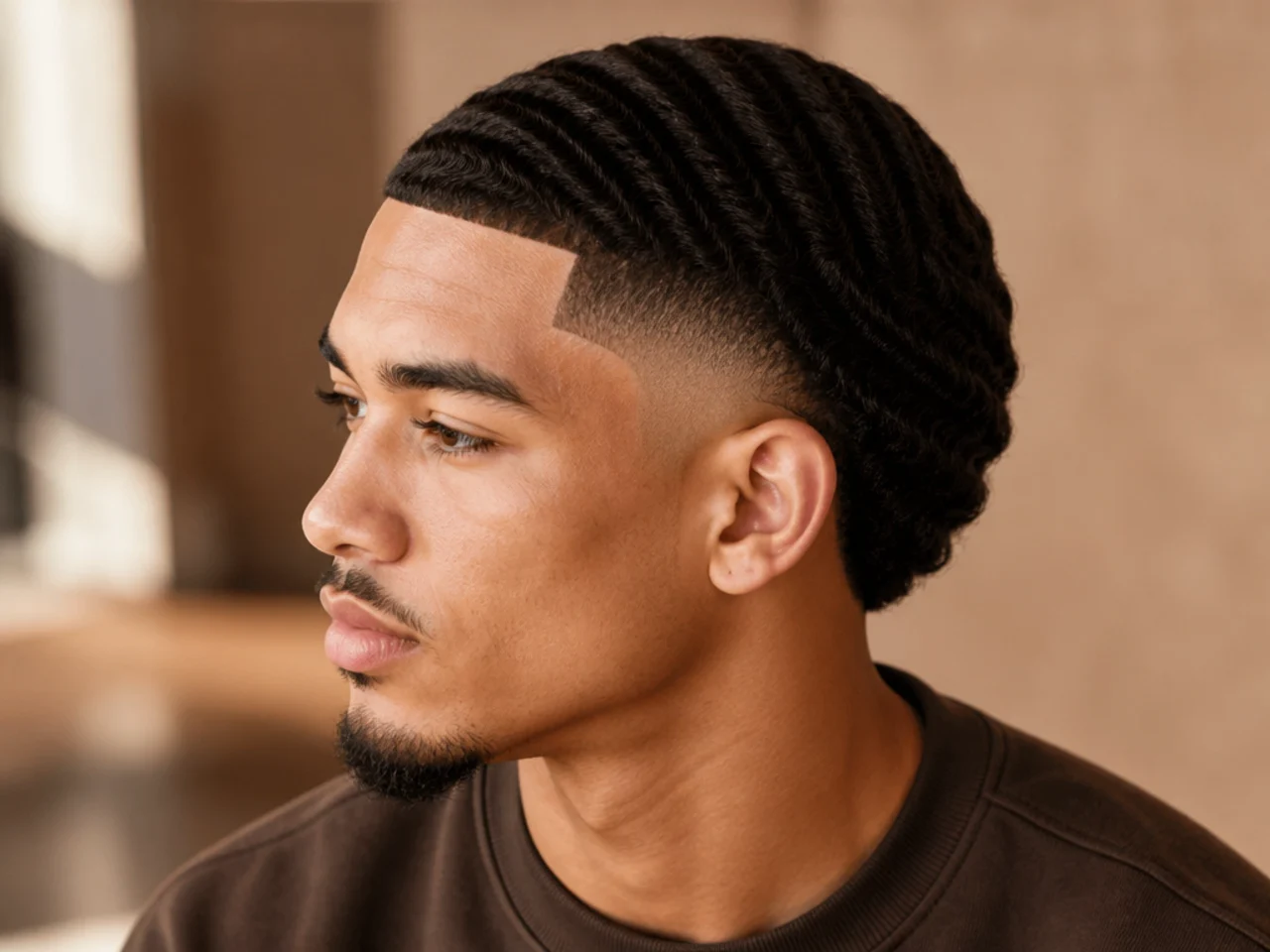
9. Burst Fade Waves With a Mullet Back
Real length at the nape with the pattern running into it, which is a burst fade mullet in everything but name. Only a burst allows this, since every other fade would have removed the back entirely.
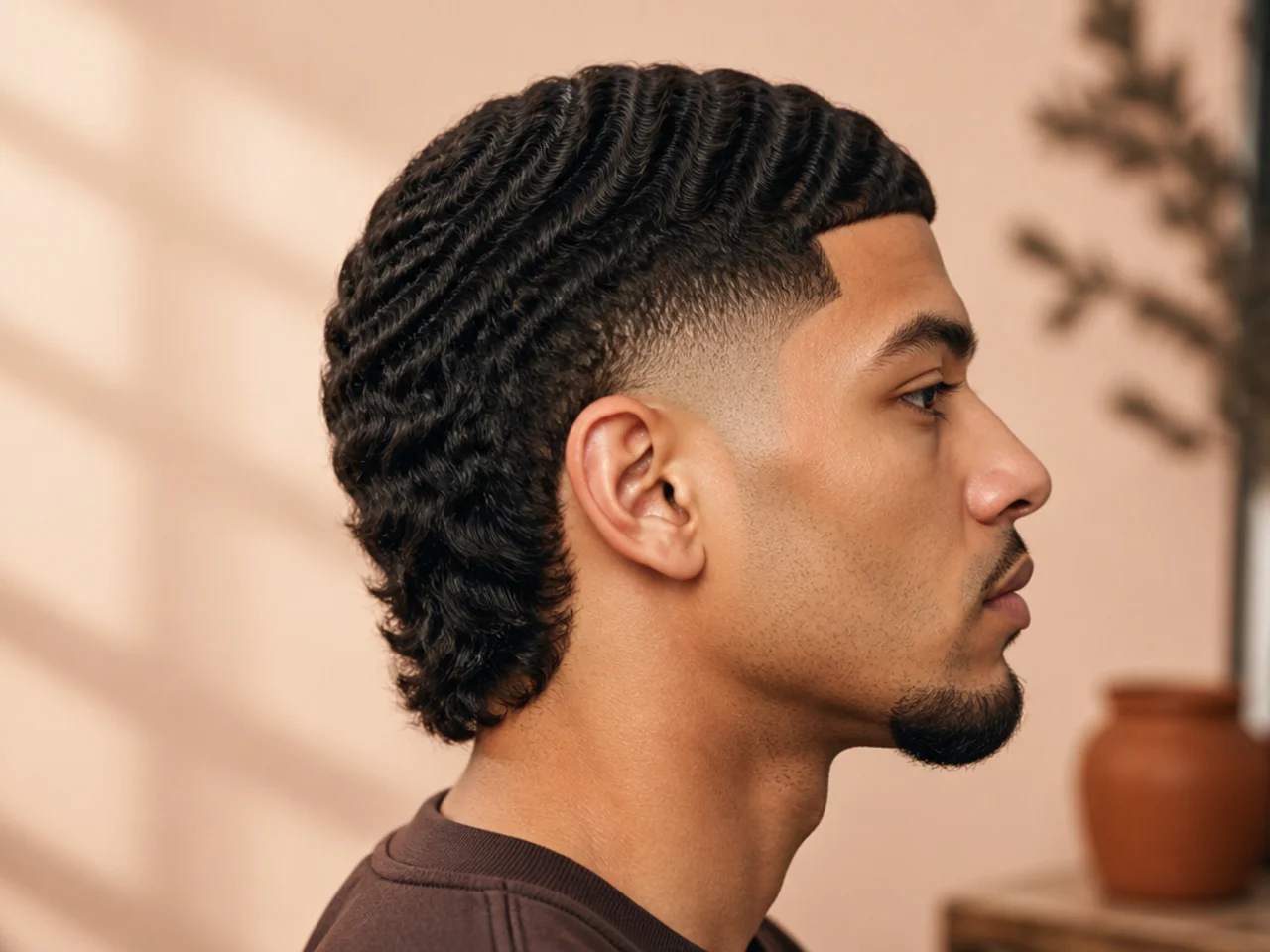
10. Deep Waves Around a Burst Arc
A long-trained pattern with pronounced ridges. Deep rows meeting a curve need a wider blend at the arc's edge or the ridges appear to break off mid-row.
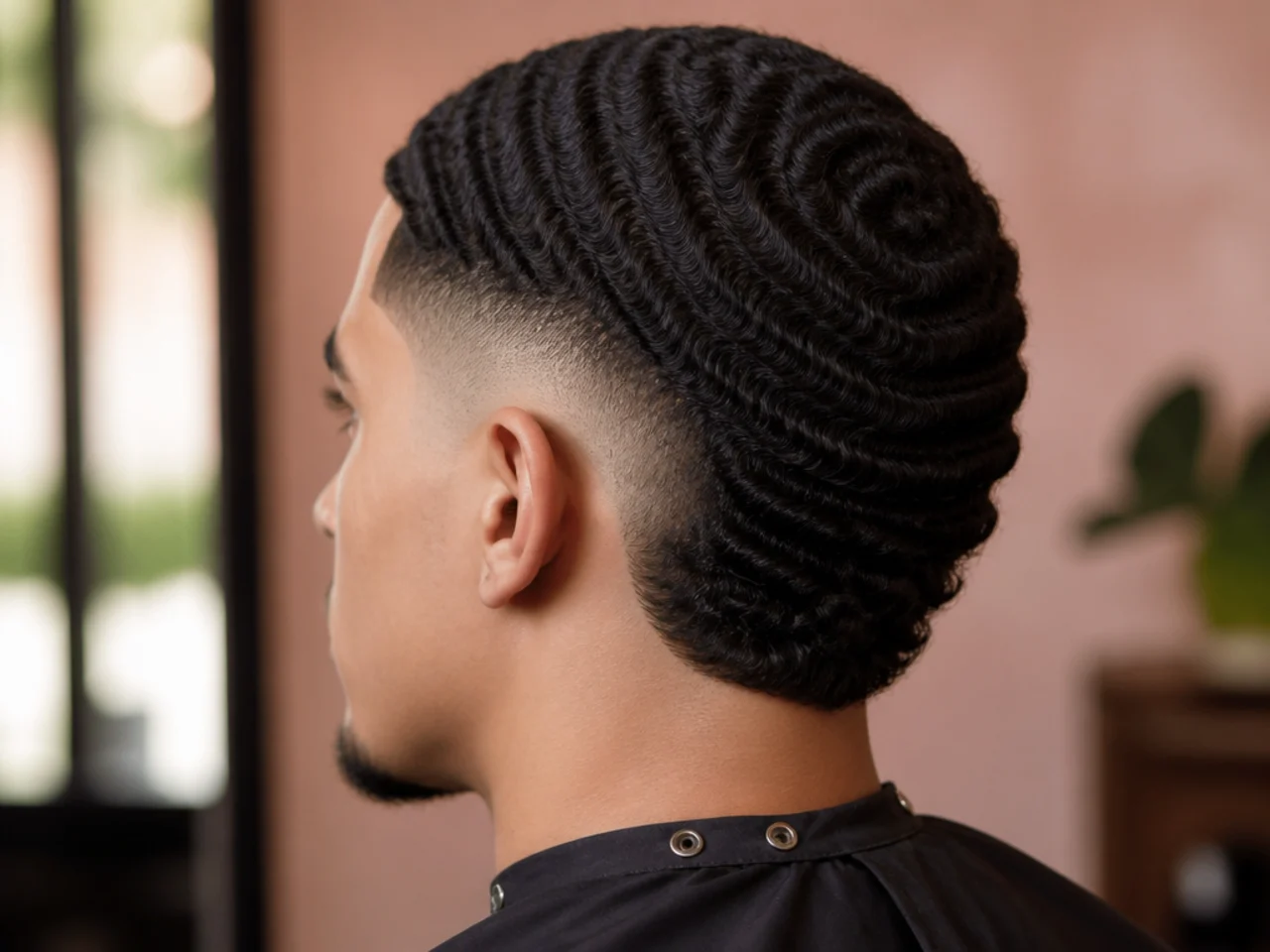
11. Shallow Waves With a Soft Burst
An early pattern with light ripples. Keep the arc small and the outer edge long, because a young pattern cannot afford to lose rows in any direction.
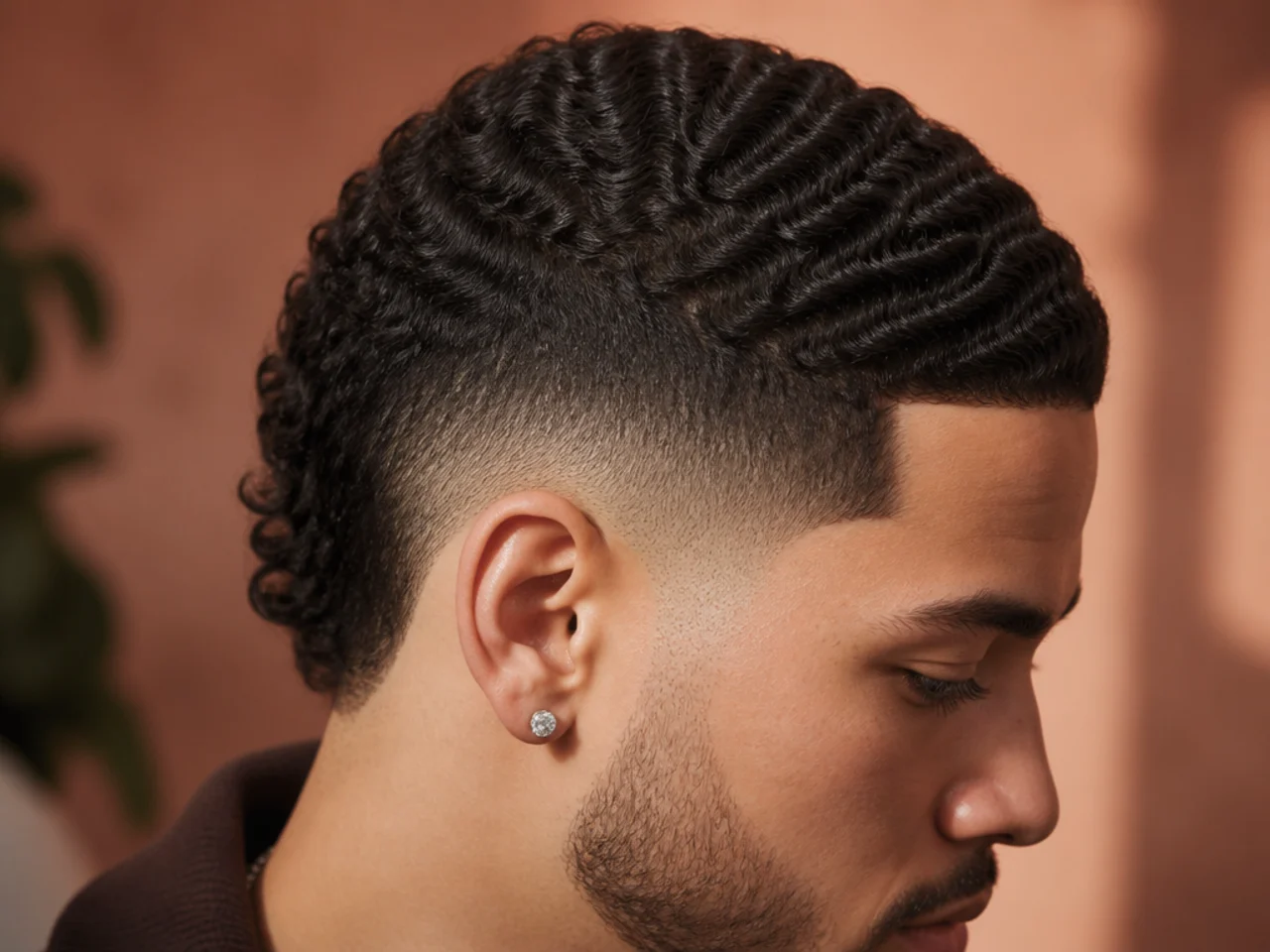
12. Burst Fade Waves With a Beard
The arc crossing the sideburn at an angle before the beard begins. An angled crossing suits a radiating pattern better than a horizontal cut across it.
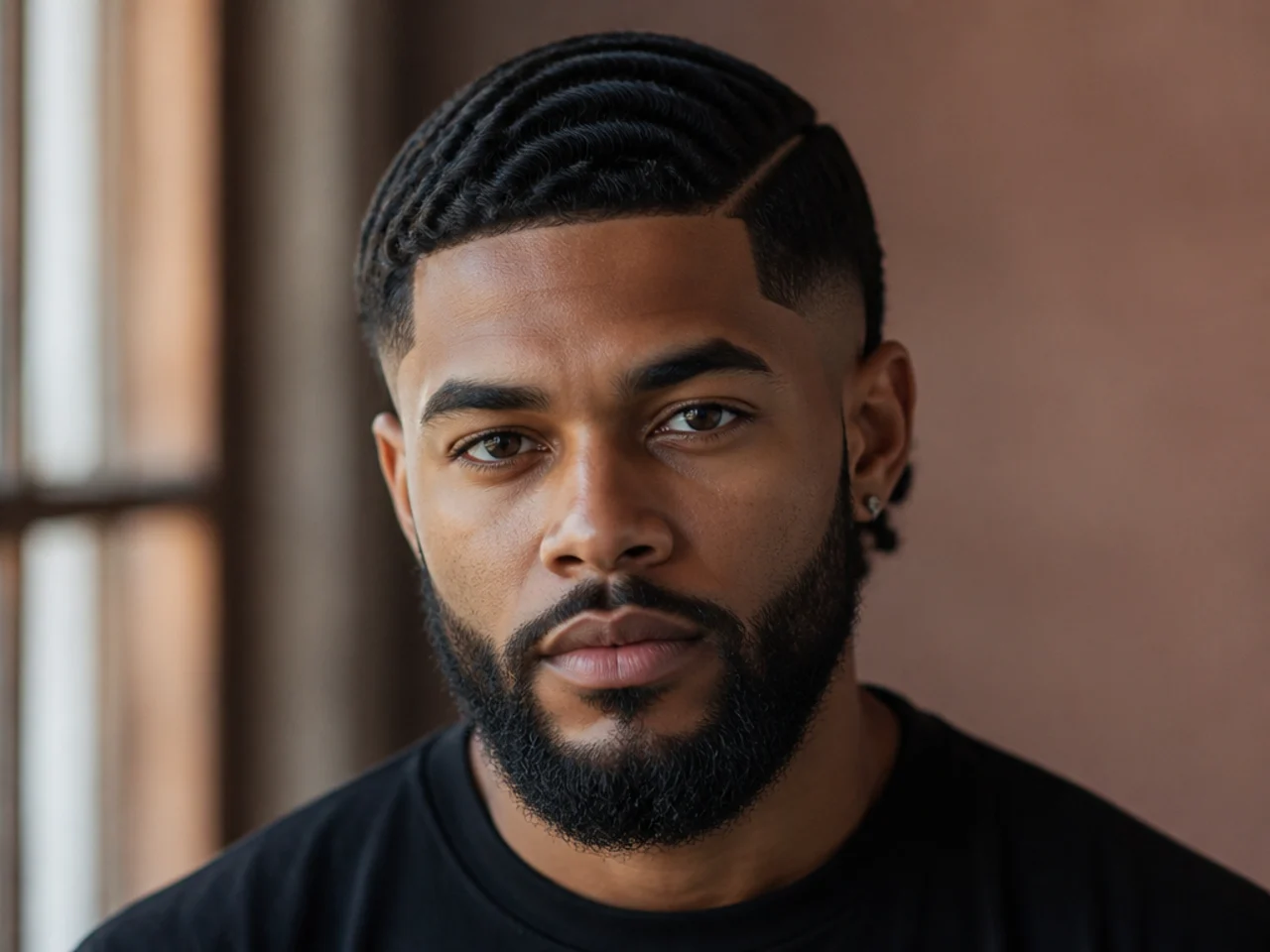
13. Burst Fade Waves With a Design
A shape cut into the opened circle at the ear, sized the way the simplest burst fade designs are. The panel is small and curved, so a single arc following the burst works better than anything straight.
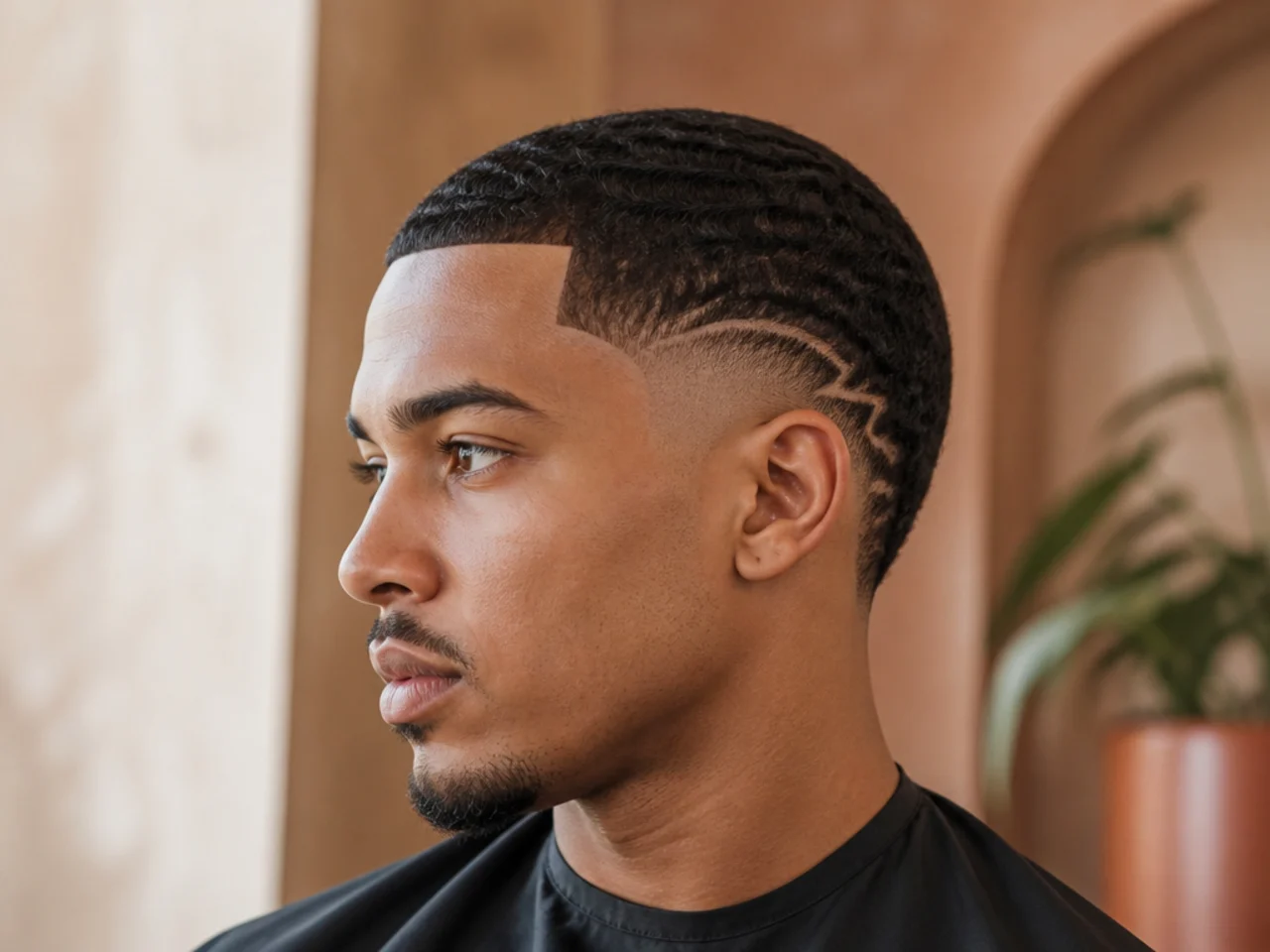
14. Burst Fade Waves With a Hard Part
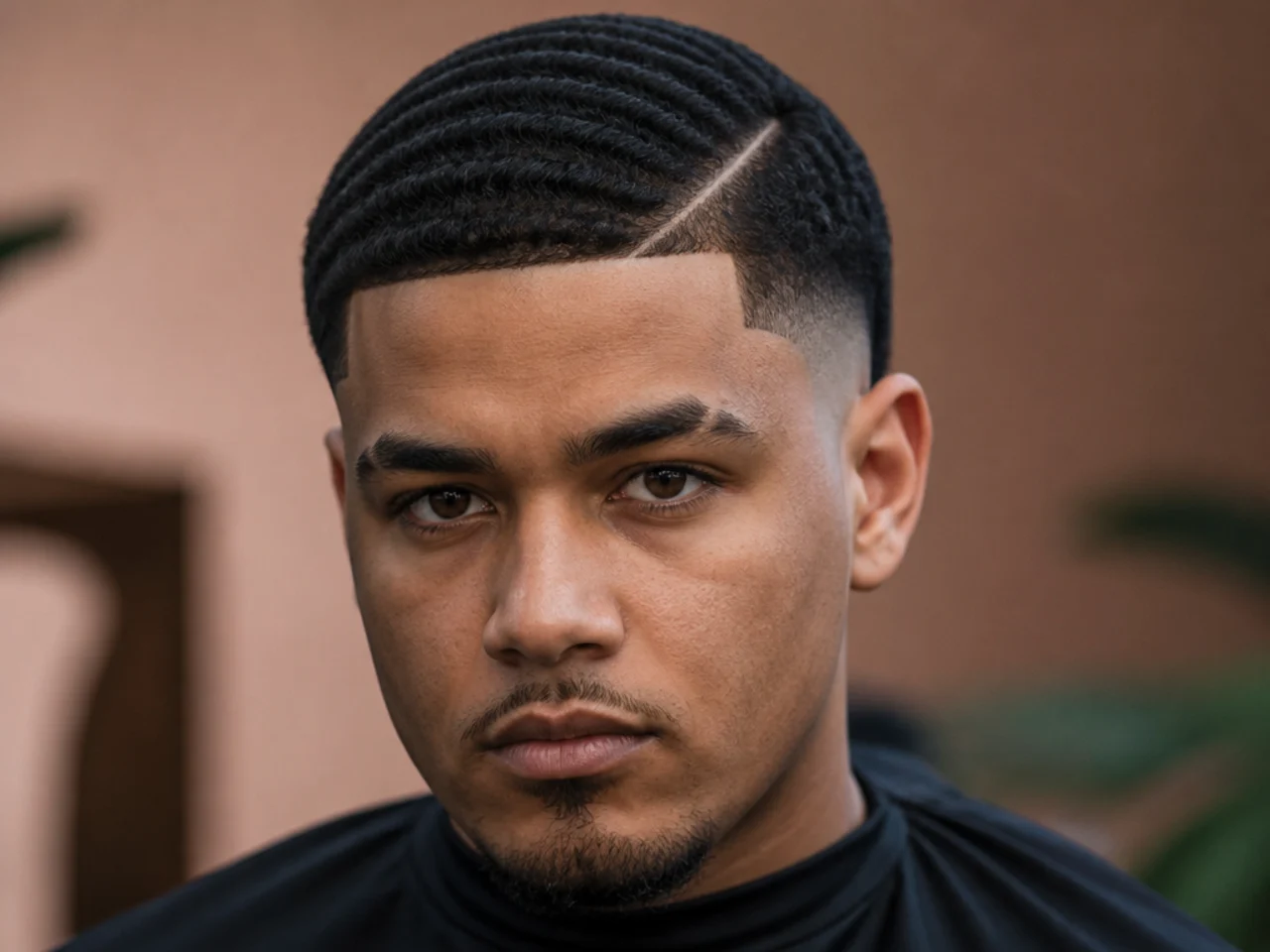
A razored line cut through the pattern on top. The part runs across the rows while the burst curves around them, so the three features never share a direction.
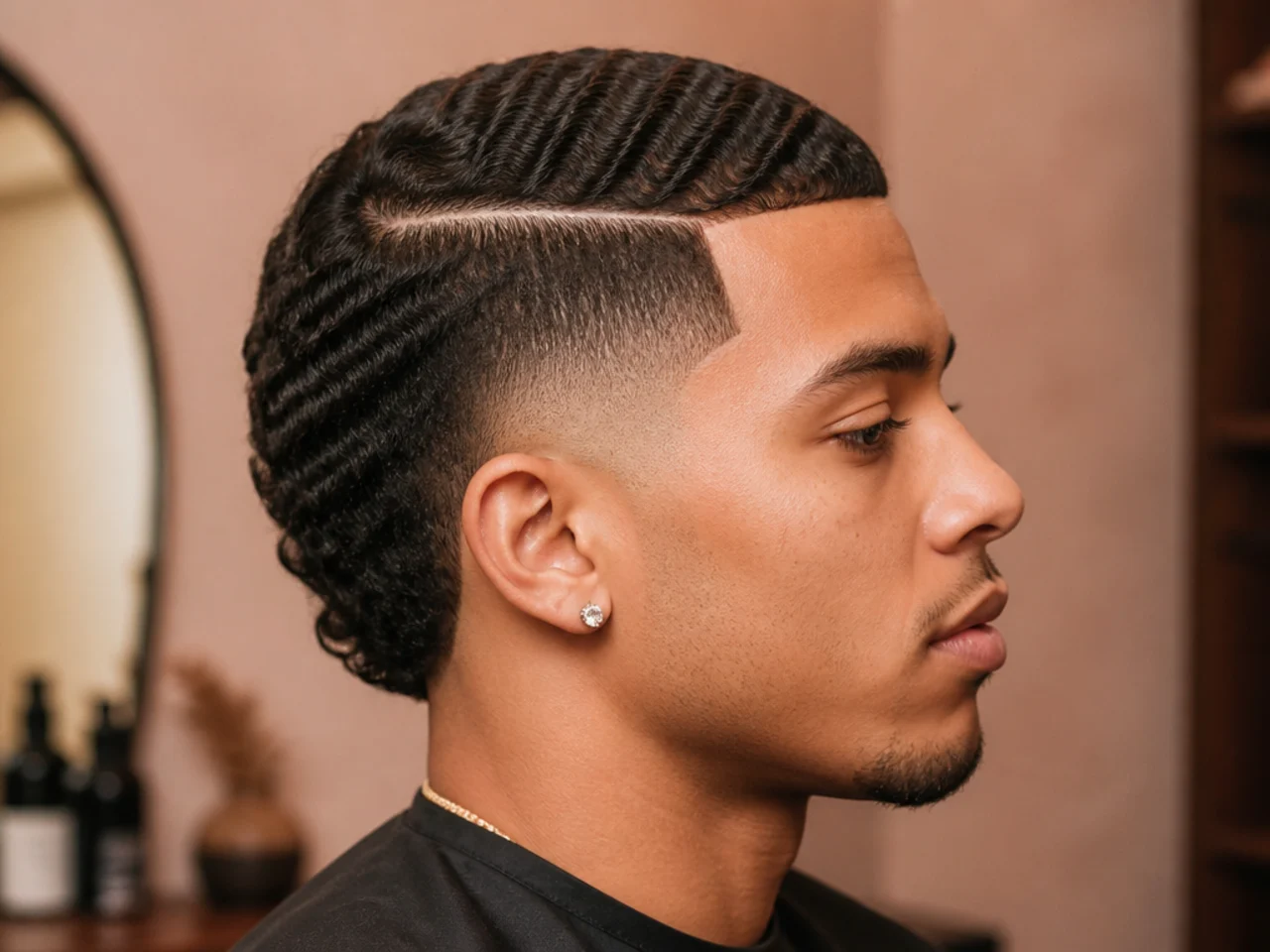
15. Burst Fade Waves on a Short Top
The pattern kept at 3mm or so all over. Short enough to be tidy and long enough for the rows to lay, which is the practical floor for this cut.
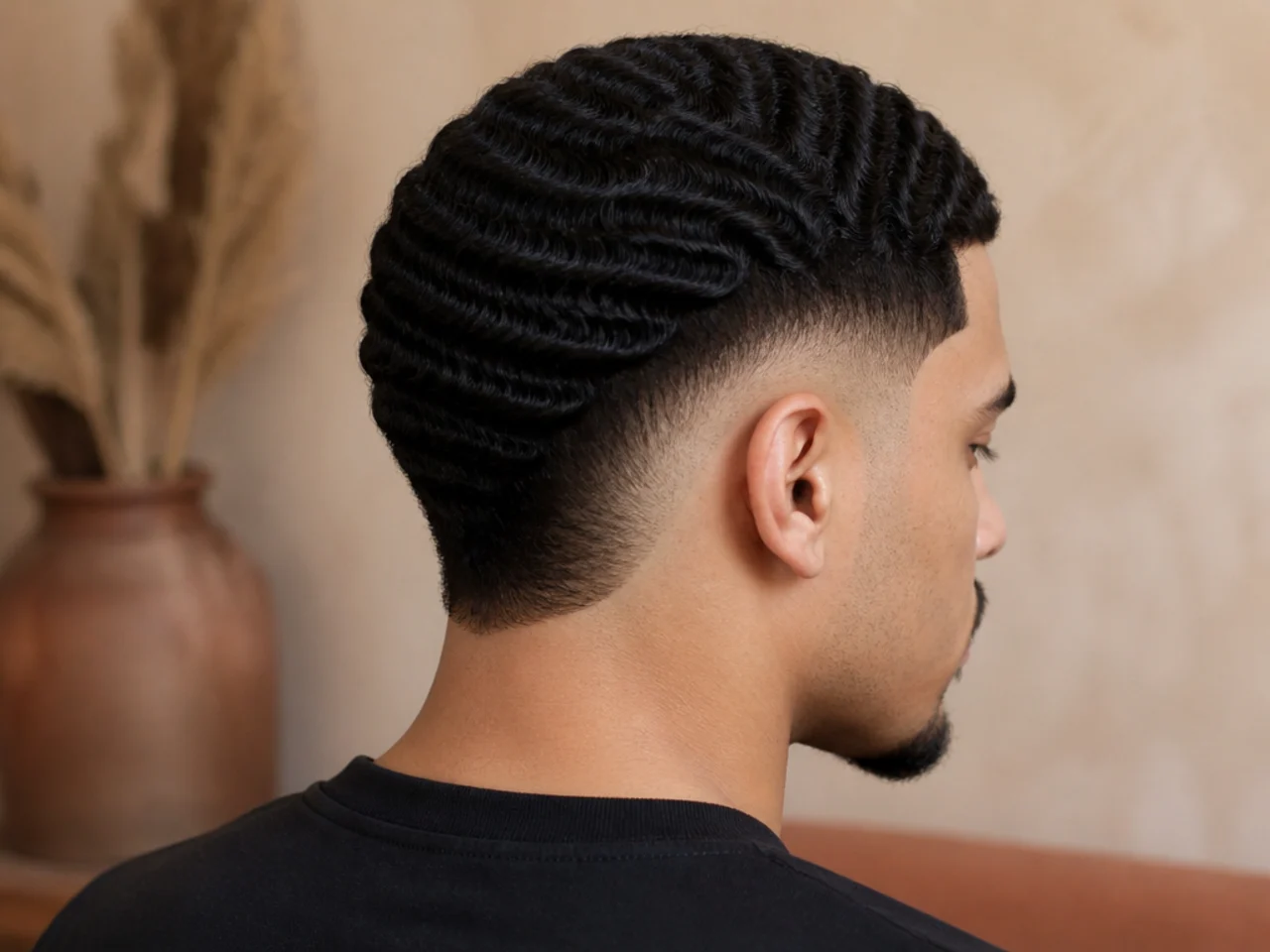
16. Burst Fade Waves With a Rounded Nape
The back left long but shaped into a soft curve. It tidies the outline without squaring it off, which would remove the point of the burst.
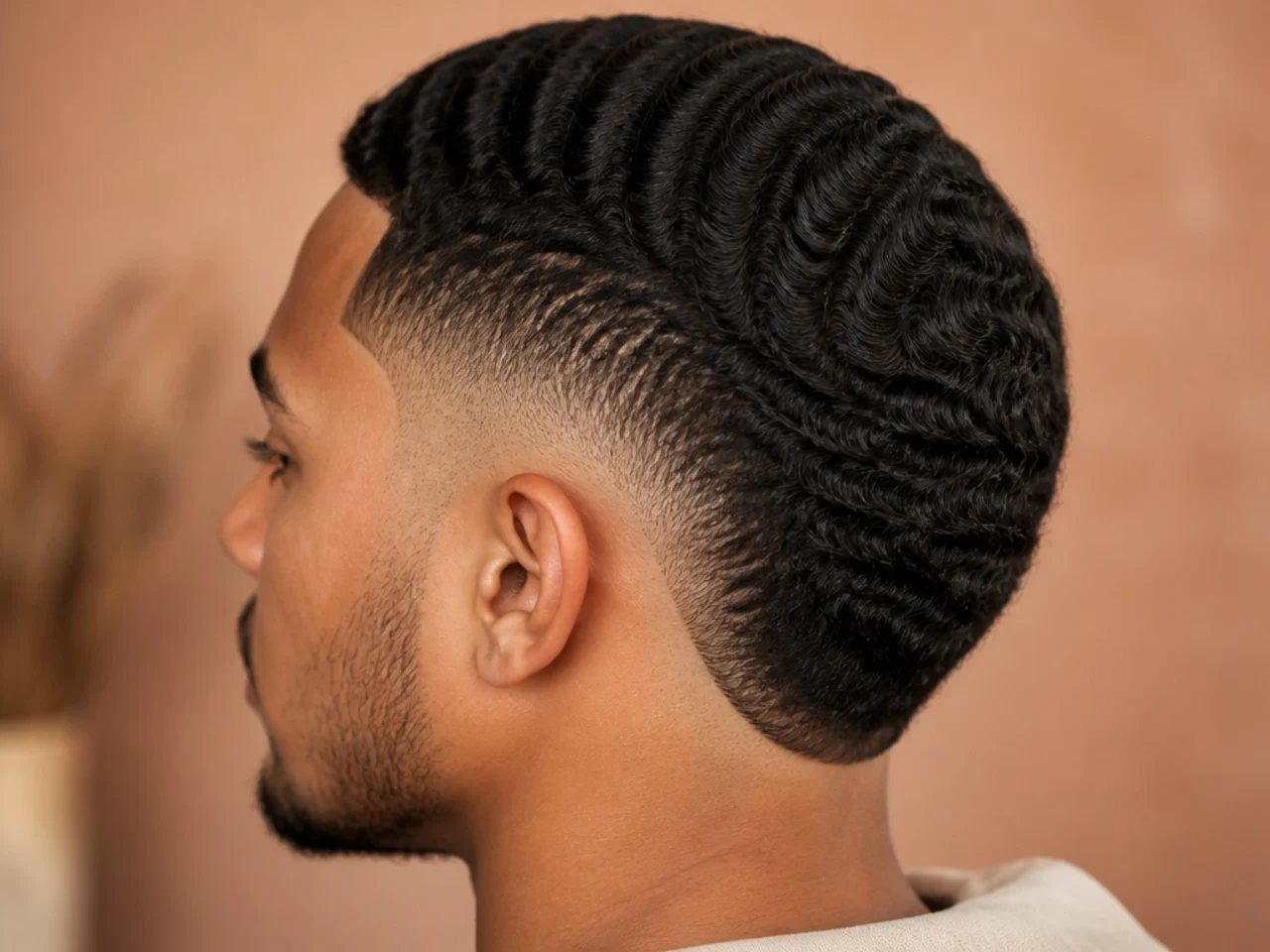
17. Burst Fade Waves Brushed Radially
Brushing outward from the crown in every direction. It follows the pattern's own geometry, which is the same geometry the burst arc is built on.
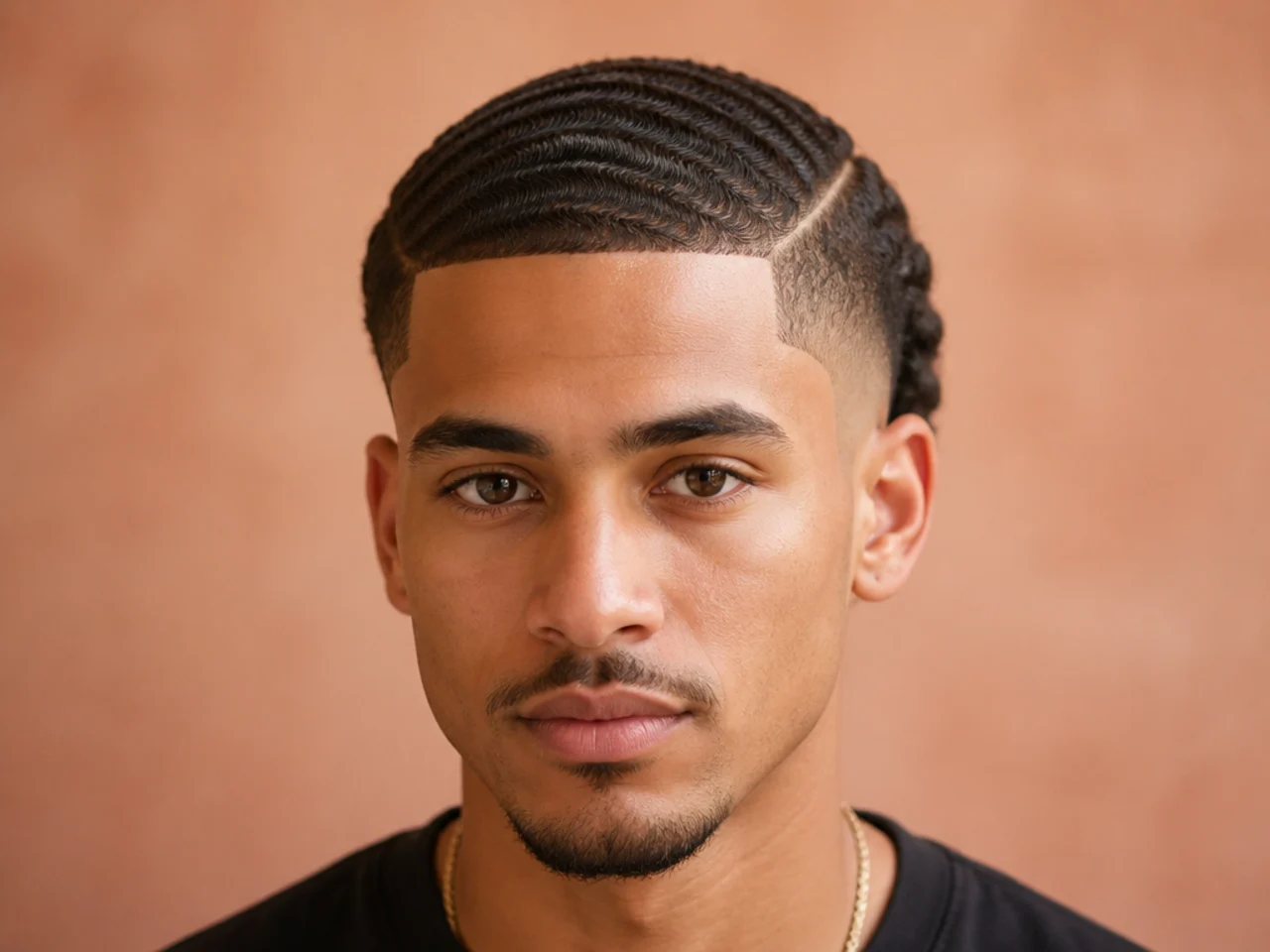
18. Burst Fade Waves With Curl Underneath
A looser pattern where the coil is still visible. The arc's angle across the rows is more forgiving here than a straight line would be.
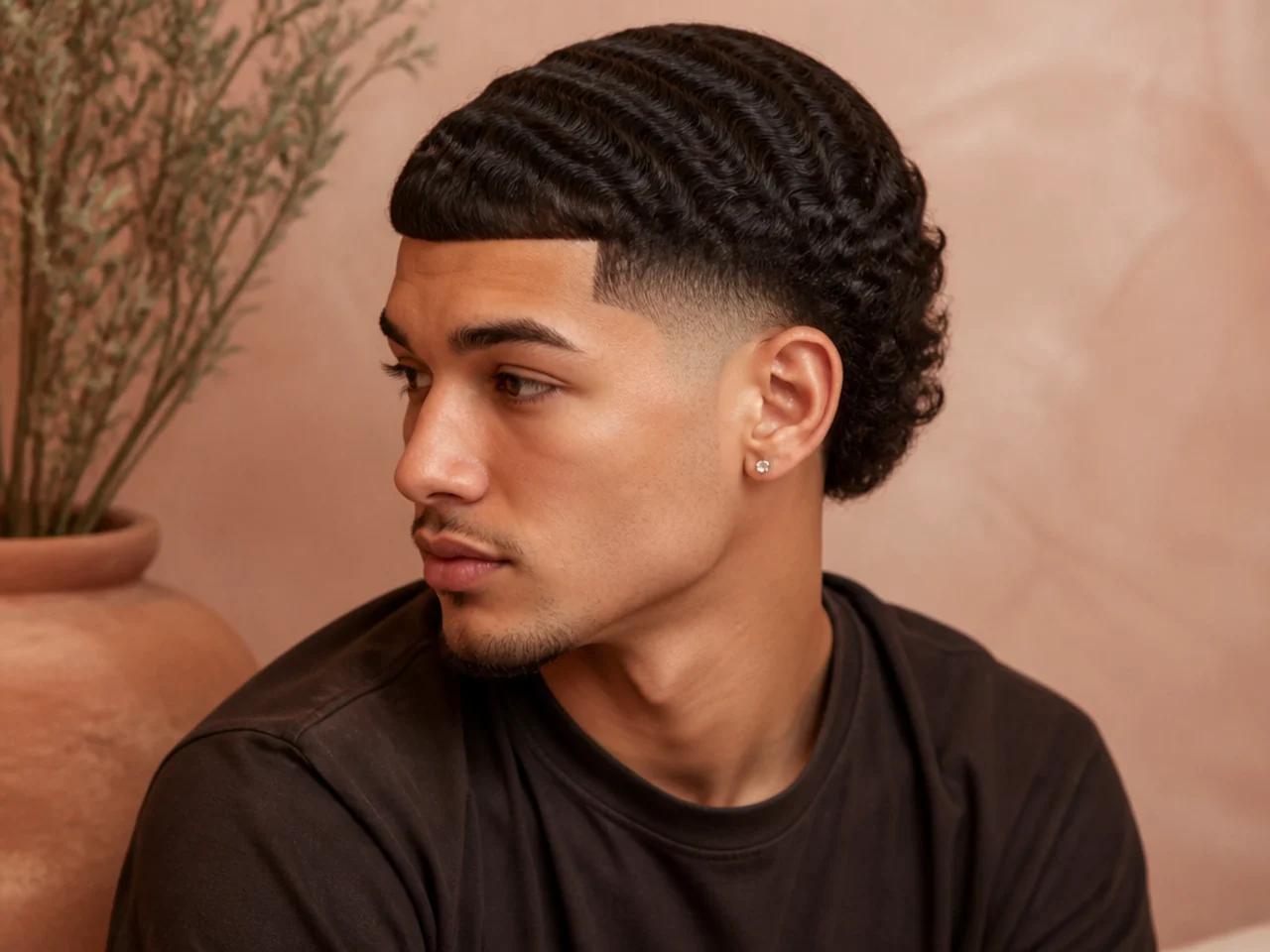
19. Burst Fade Waves at Week Two
The arc has softened but the nape field is untouched. Because the back never changed, the cut ages more gracefully than a horizontal fade at the same age.
20. Burst Fade Waves at Week Four
The circle at the ear has almost closed and the pattern has reclaimed it. On a taper finish this reads as a full 360 rather than as an overgrown fade.
Styling and Upkeep
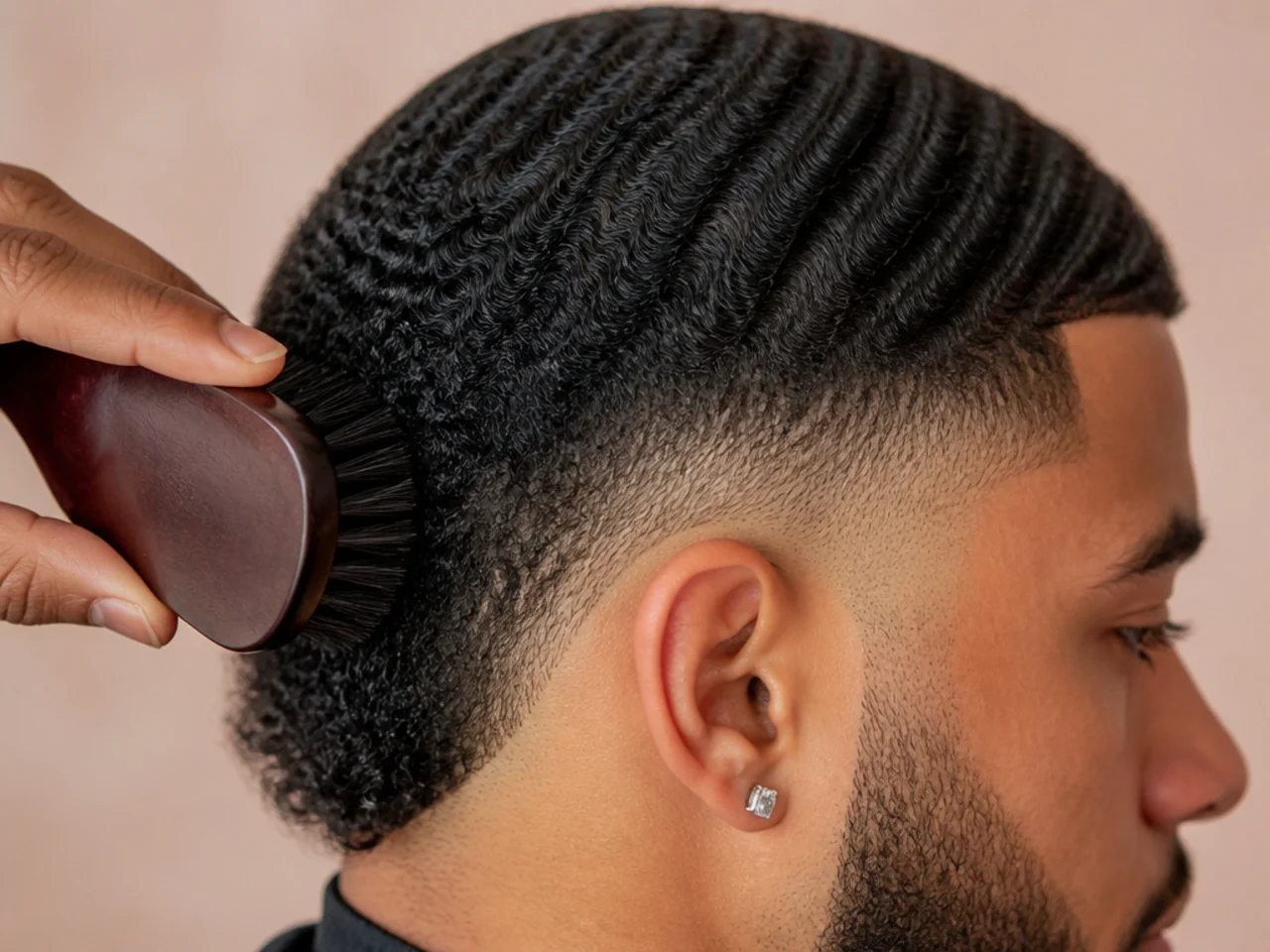
Brush outward from the crown in all directions. The pattern is radial and brushing only backward flattens the side rows.
Brush the rows nearest the arc most often. Nothing else on your head is that short and still laying down, so those rows lift off the scalp before any of the others do.
Wear a durag every night. Compression sets the rows, and it matters most where the arc has shortened them.
Do not let anyone tidy the nape. The long back is the reason you chose a burst.
Rebook by finish. Only the rows inside the arc are on a clock — skin there is gone in one to two weeks and a #1 taper keeps its shadow for three to four, while the nape field never enters the calculation at all.
Mistakes to Avoid
Letting the arc's outer edge go below 3mm. The hair stands instead of lying and the row breaks.
Asking for a burst and accepting a squared nape. That is a drop fade with extra steps.
Going high with a young pattern. A high burst removes the upper side rows you are still training.
Brushing only backward. The pattern is a circle and it needs brushing like one.
Judging the cut from the front. The burst and the nape both live behind the ear.
FAQ
Why do waves suit a burst fade? Because the back stays long and the 360 circle closes.
Does the arc cut the rows? It crosses them at an angle so they fan rather than stop.
How short can the arc's outer edge go? No shorter than a #1 at 3mm.
Final Thoughts
If the pattern is the point, this is the fade that costs you the least. A burst opens one circle at the ear and leaves the rest of the field alone, including the nape rows that every horizontal fade takes. Say the back stays long when you book it, because that instruction is the only thing standing between a burst fade and an ordinary drop.
For the full range of the cut see the burst fade haircut guide, and for the highest version of the arc see high burst fade. More in Fade Haircuts.