20 Short Men Haircut Styles We Love
Short hair is a family defined by a physical threshold, not by a preference. Under roughly two inches hair stands where the root points it, and above that gravity takes over, which is what every cut in this family is built around.
In this article · 27
- What Defines the Short Family
- How to Choose Yours
- The 20 Short Haircut Styles
- 1. The Buzz Cut
- 2. The Induction Cut
- 3. The Crew Cut
- 4. The Ivy League
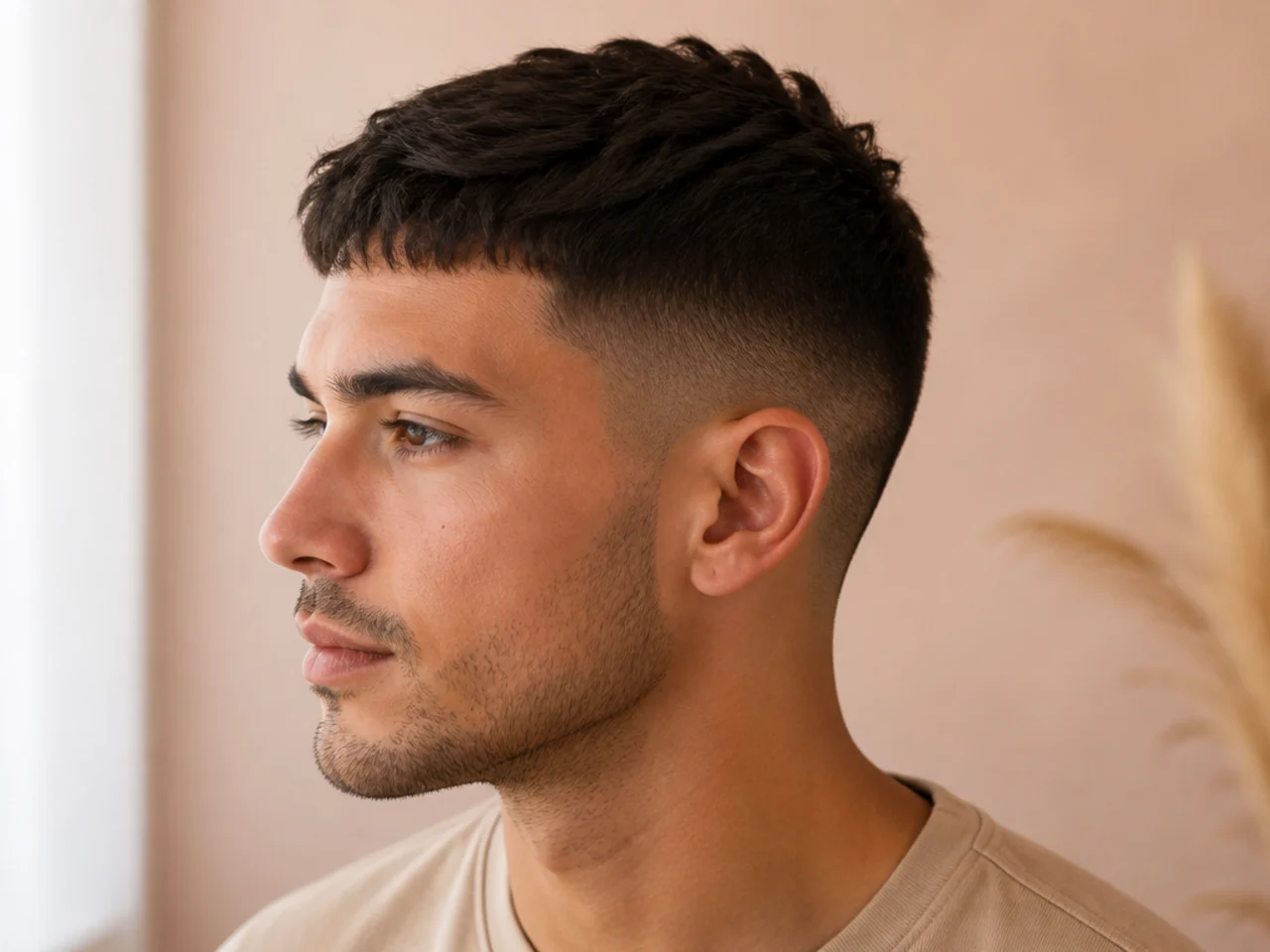
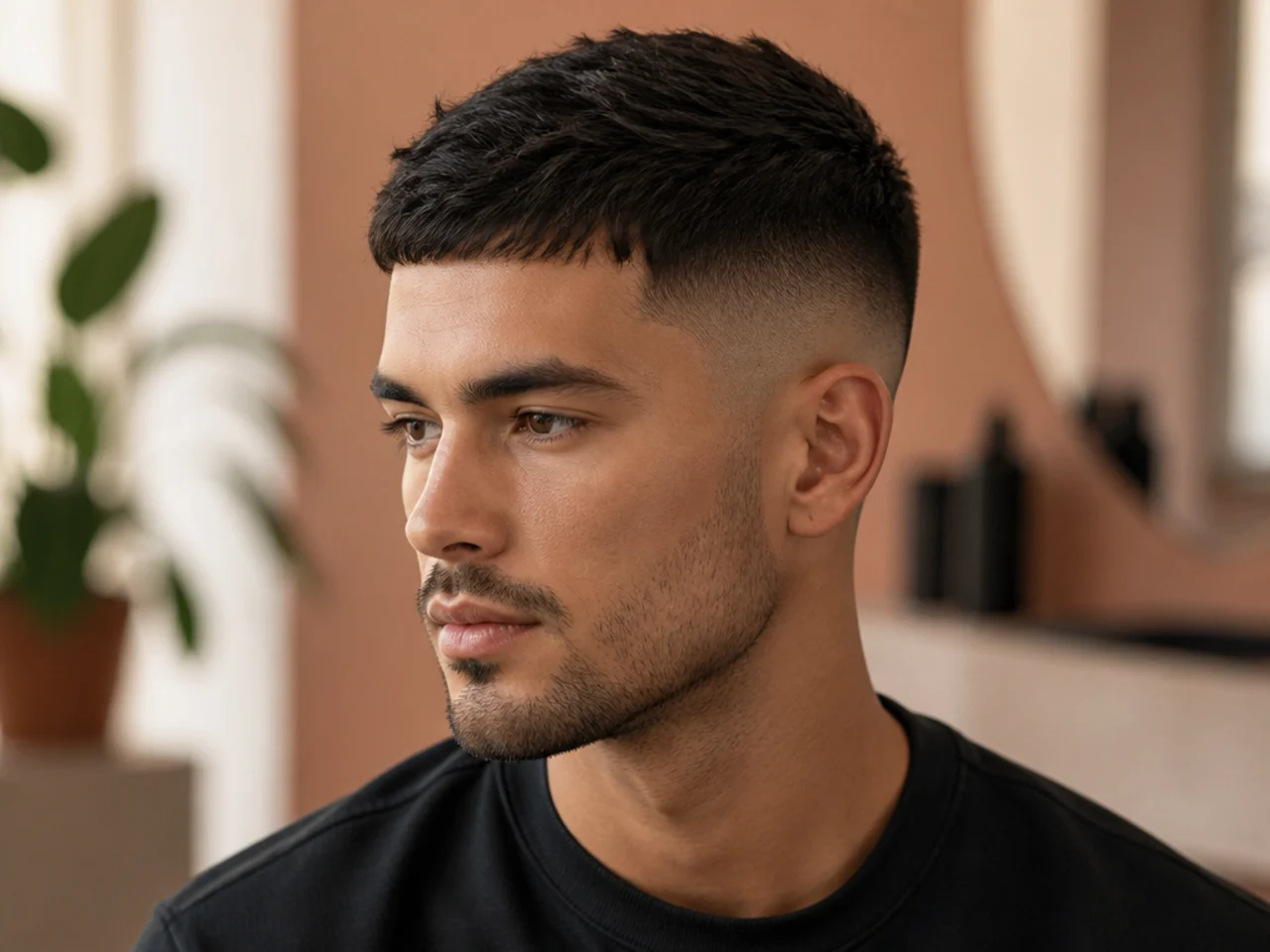
- 5. The French Crop
- 6. The Textured Crop
- 7. The Caesar
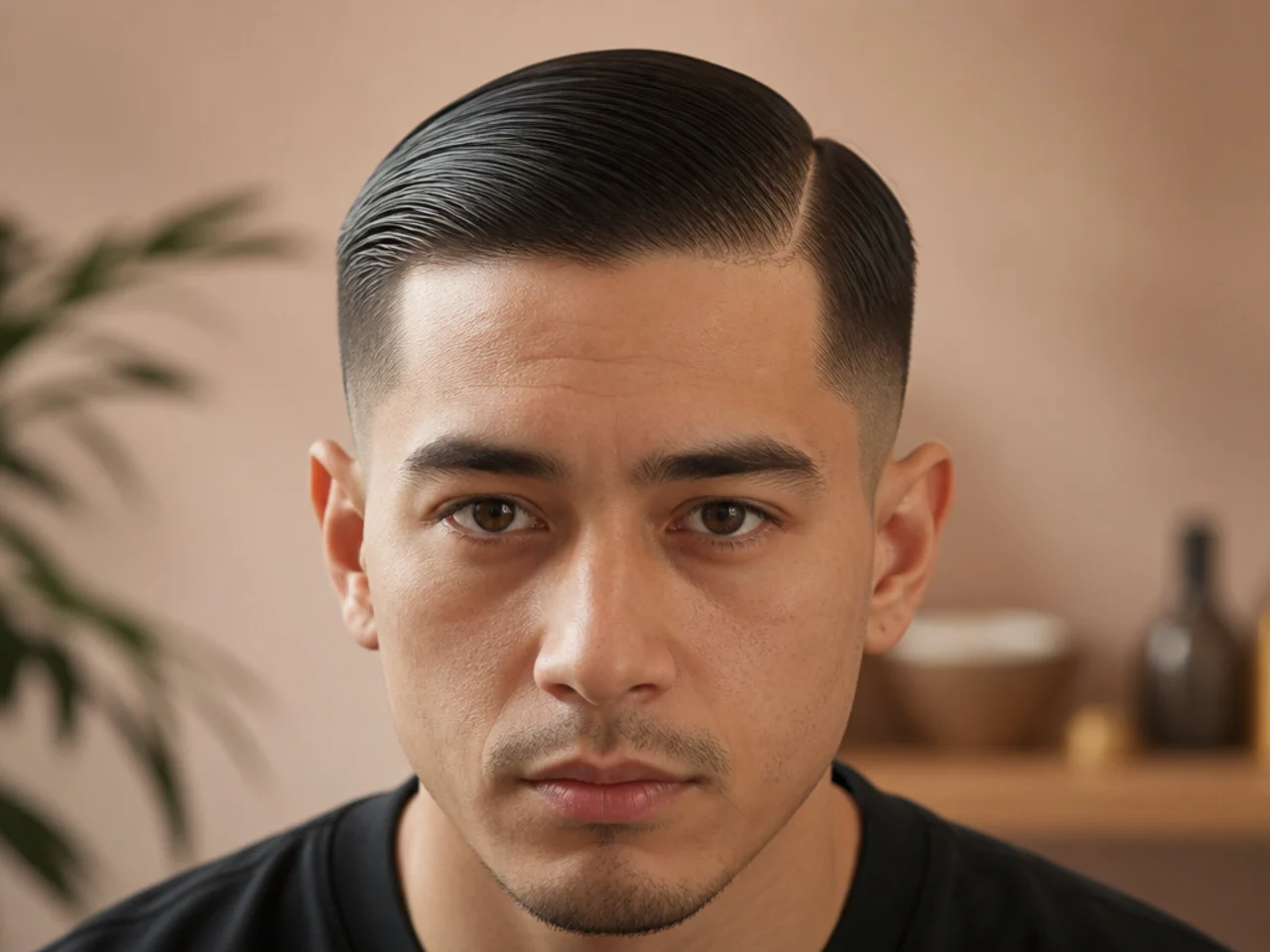
- 8. The Short Side Part
- 9. The Hard Part
- 10. The Butch Cut
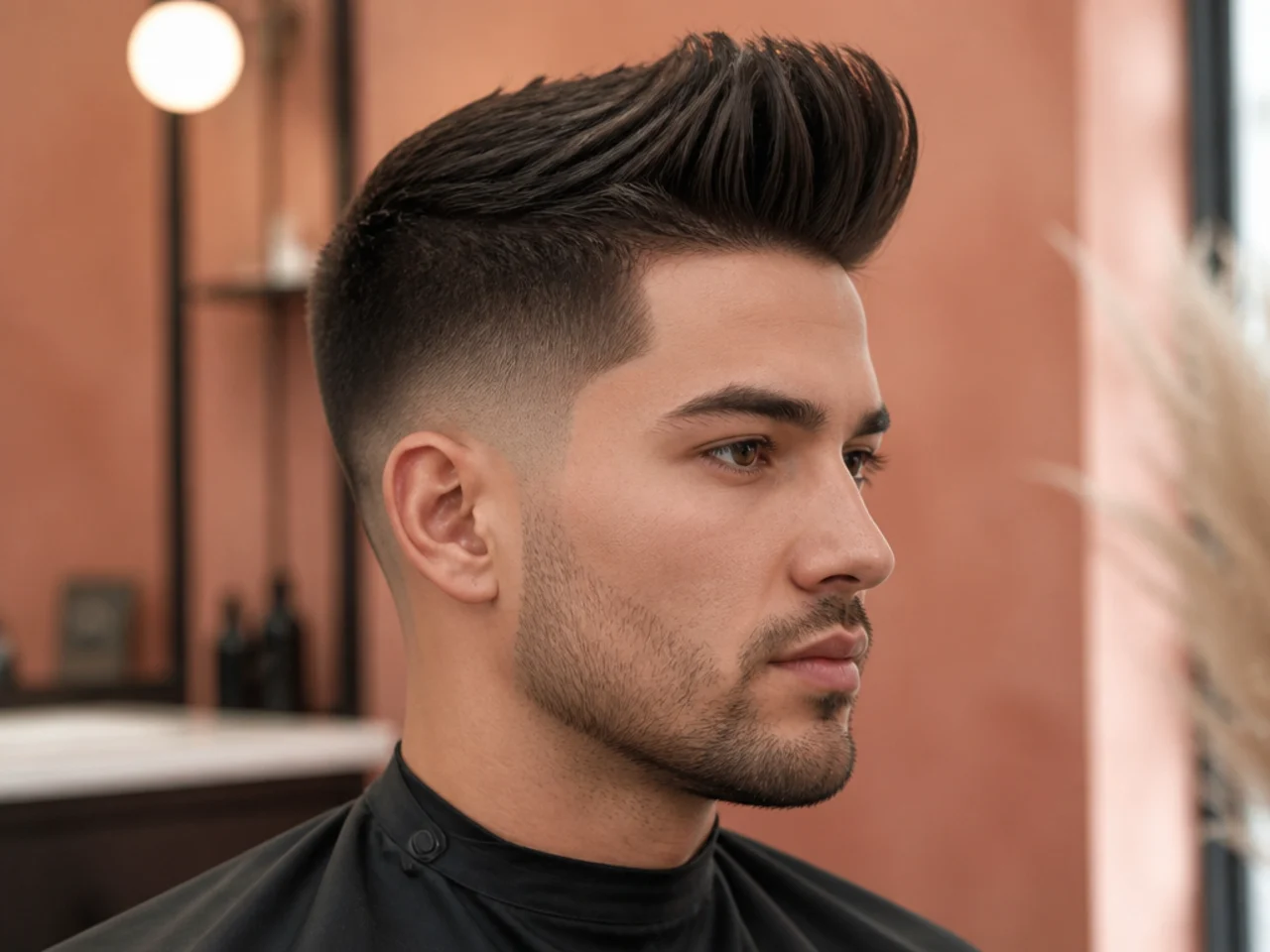
- 11. The Short Quiff
- 12. The Low Taper Short Cut
- 13. The Short Skin Fade
- 14. The Short Curly Cut
- 15. The Short Afro With a Taper
- 16. The Burst Fade Short Cut
- 17. The Short Spiky Cut
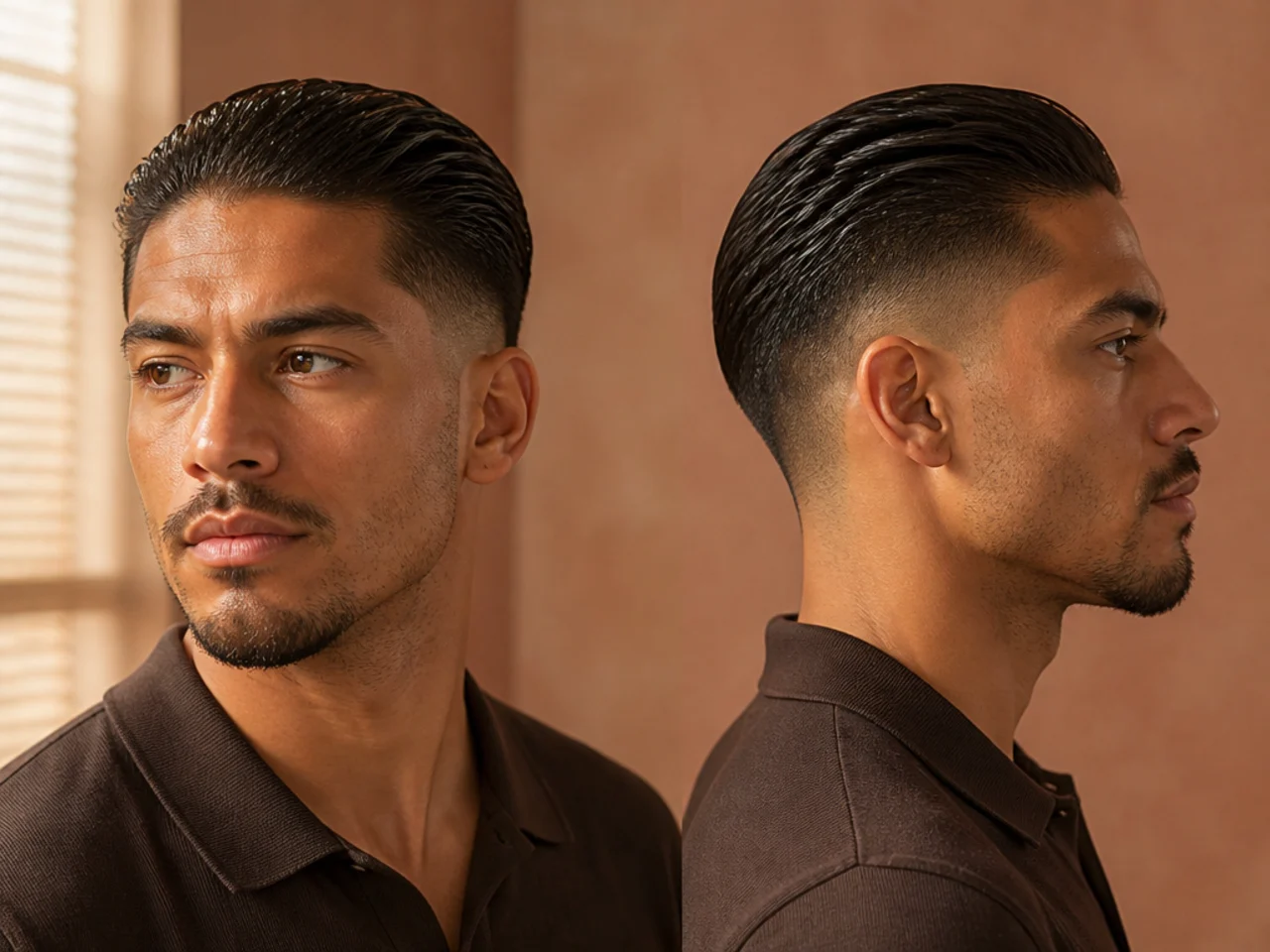
- 18. The Short Slick Back
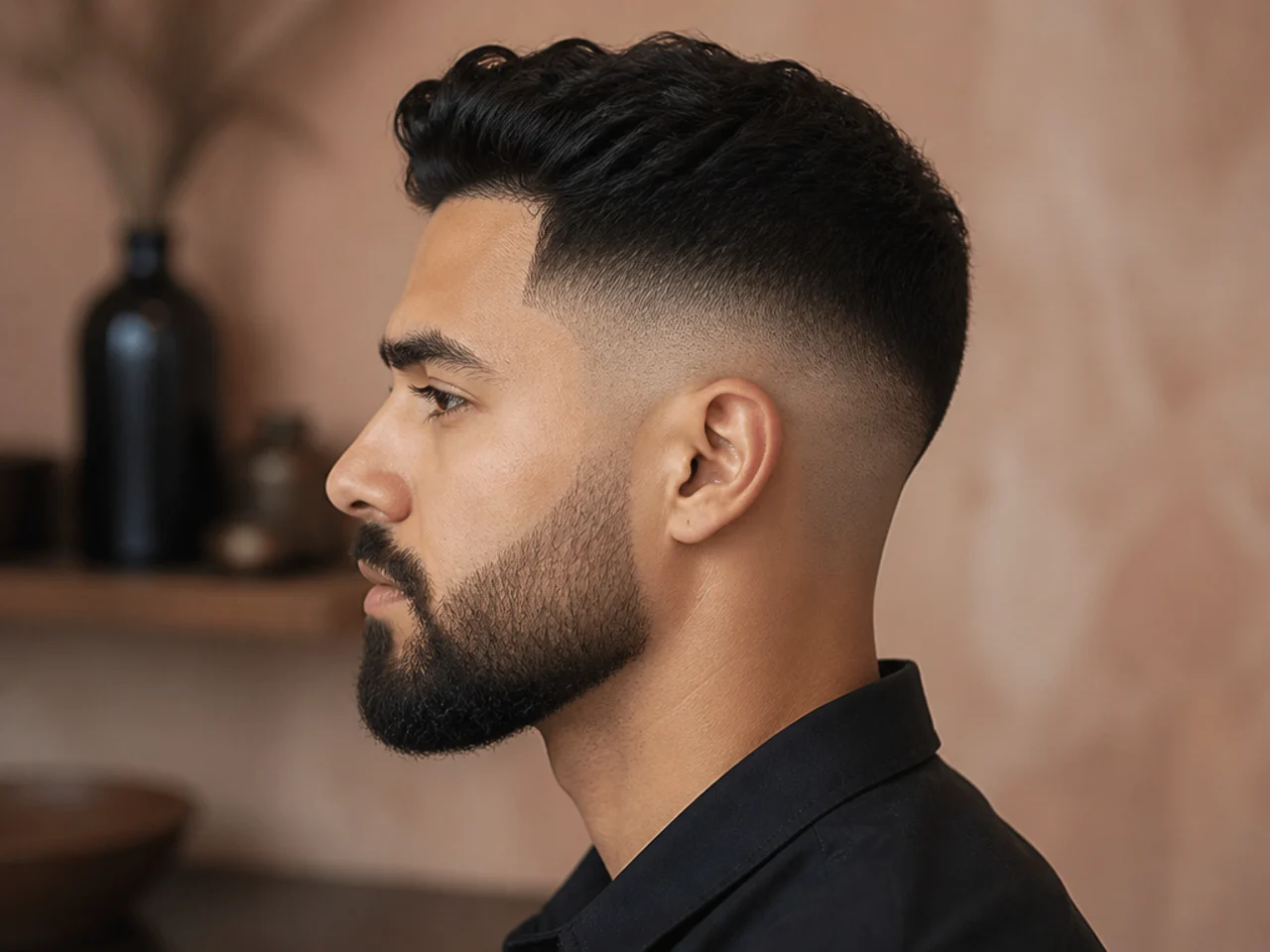
- 19. The Short Cut With a Beard
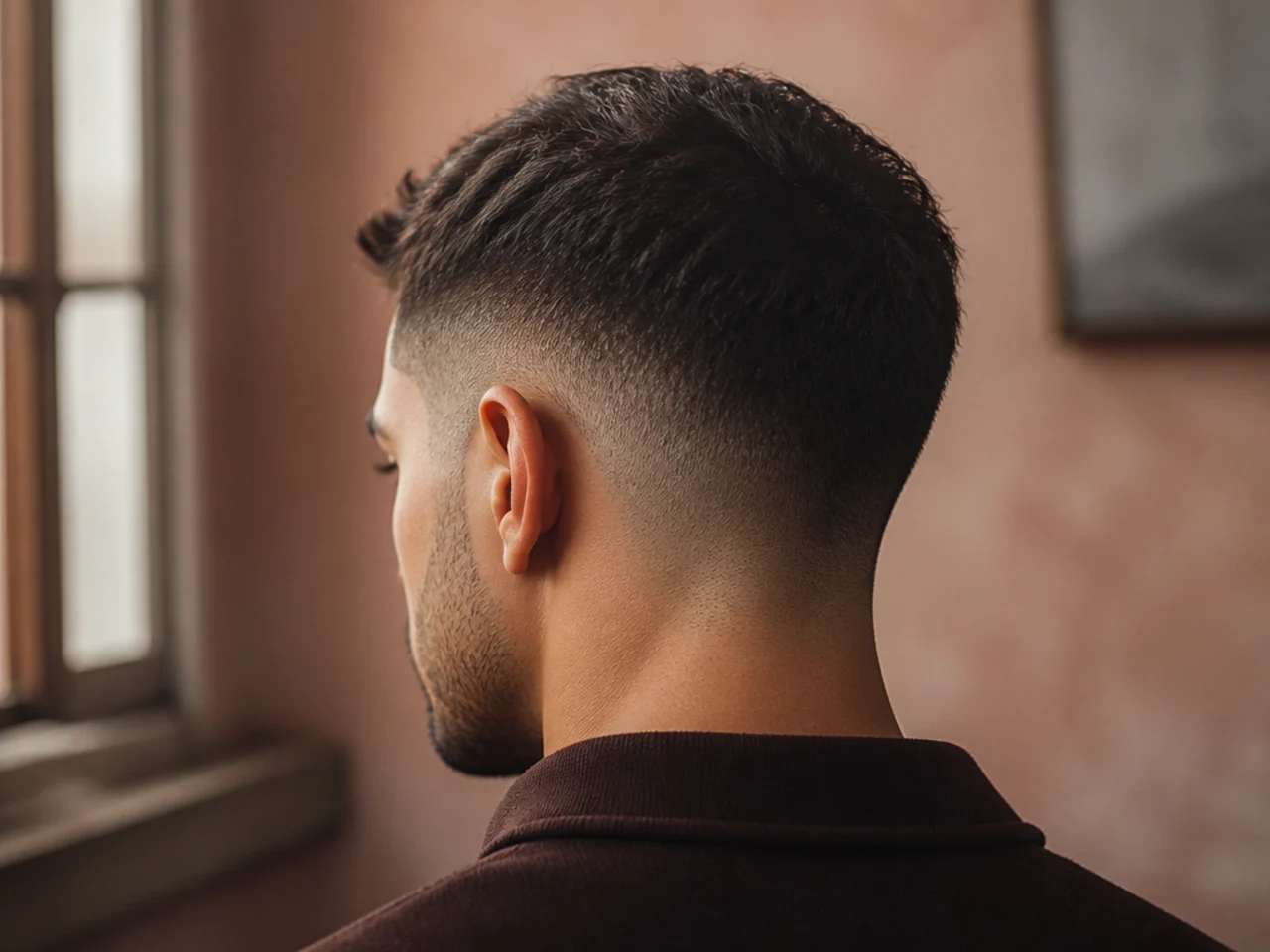
- 20. The Grown-Out Short Cut
- Styling and Upkeep
- Mistakes to Avoid
- FAQ
- Final Thoughts
Short haircuts get grouped by how they look, which hides the thing that actually makes them a family. The grouping is physical.
Under roughly two inches, hair stands where the root points it. There is not enough weight in the strand for gravity to overrule the direction it grew in.
Above that length gravity takes over. That threshold is the boundary of this family, and every cut inside it is a way of directing hair that is standing rather than hanging.
What Defines the Short Family
The cut is the style. Because the hair stands where it was left, nothing has to be recreated each morning.
The silhouette comes from the perimeter. Where the barber stops the length is where the shape ends.
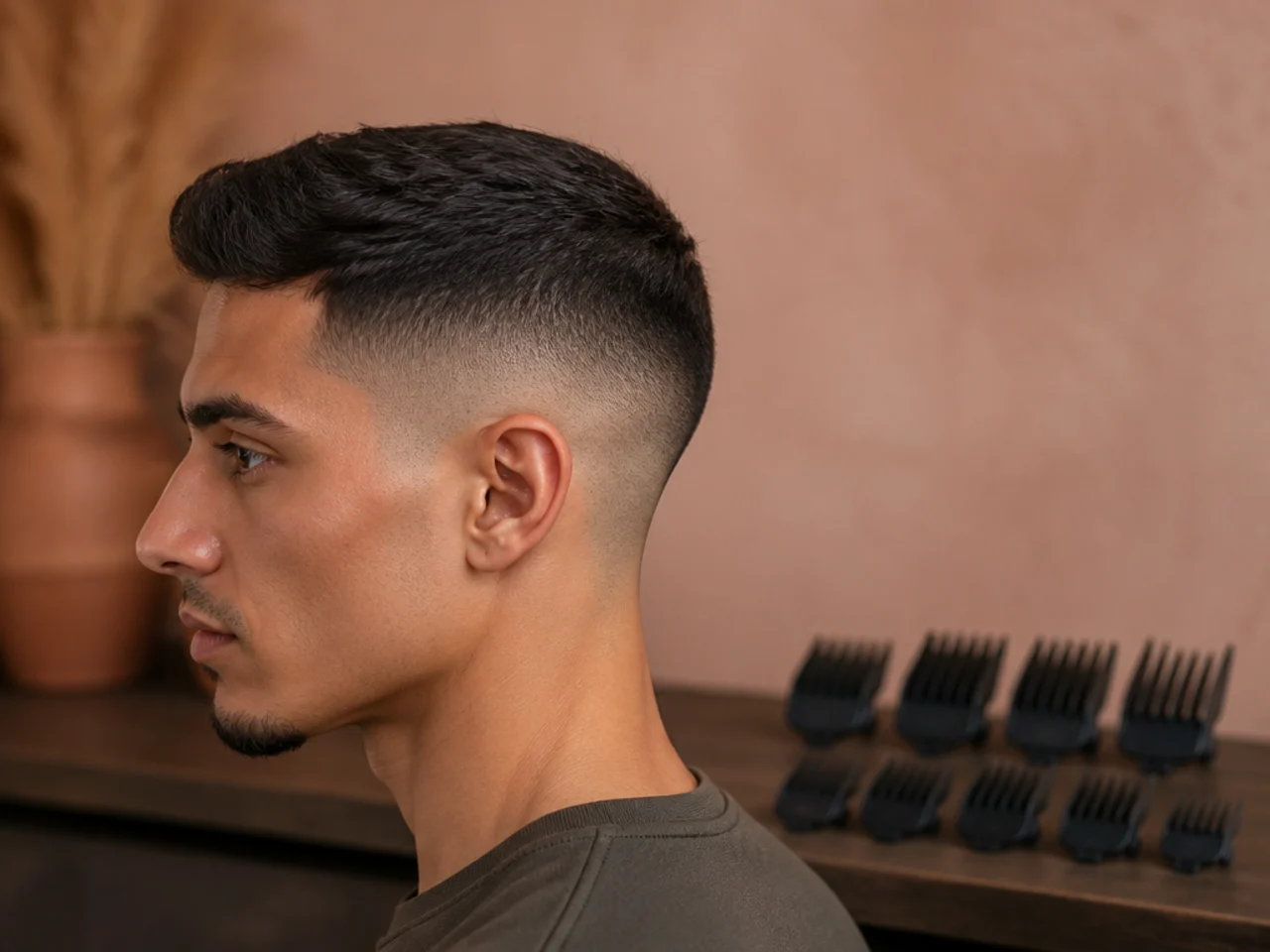
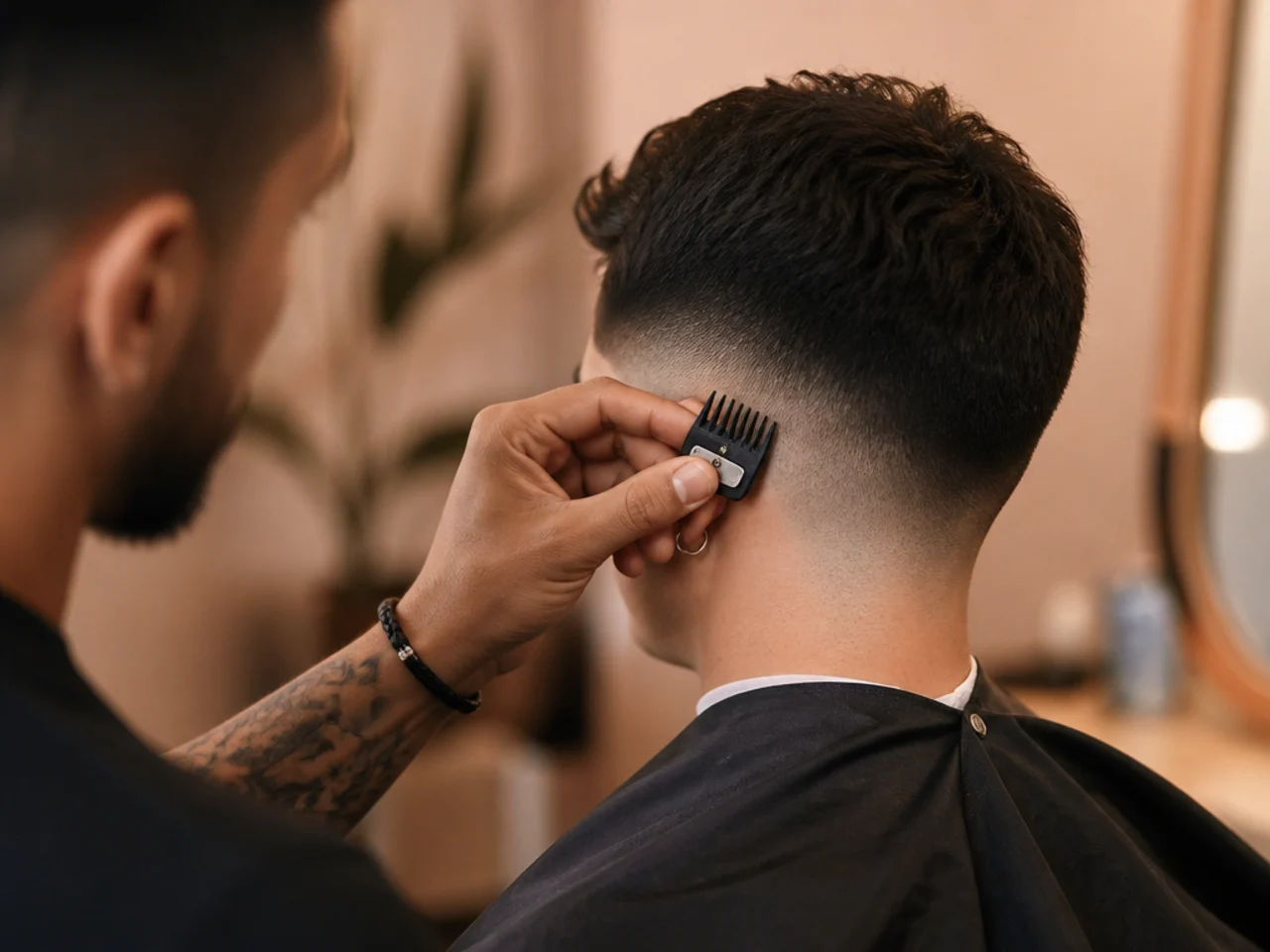
Guard numbers do the work. A #1 is 3mm, #2 is 6mm, #3 is 10mm and #4 is 13mm, and those four cover most of this family.
Growth changes it fastest. Short cuts are the most sensitive to time, because a millimetre is a larger proportion of the whole.
How to Choose Yours
Decide the top length in guard numbers or inches. It removes almost all the ambiguity.
Decide taper or fade at the bottom. A taper keeps a guard's worth of length and reads as cut for three to four weeks. Skin holds its edge for one to two, then the gradient loses its bottom end to stubble.
Check your density under a bright light. Short cuts expose the scalp more readily than long ones on thin hair.
Consider your head shape honestly. Short hair shows it, which is a feature on a well-shaped head and a problem otherwise.
The 20 Short Haircut Styles
1. The Buzz Cut
One guard everywhere, no graduation at all. It is the purest member of the family, because the shape is entirely head shape with nothing added.
2. The Induction Cut
Clippers with no guard at all. It sits at the extreme end of the family and needs re-cutting weekly, because there is no length to absorb any growth.
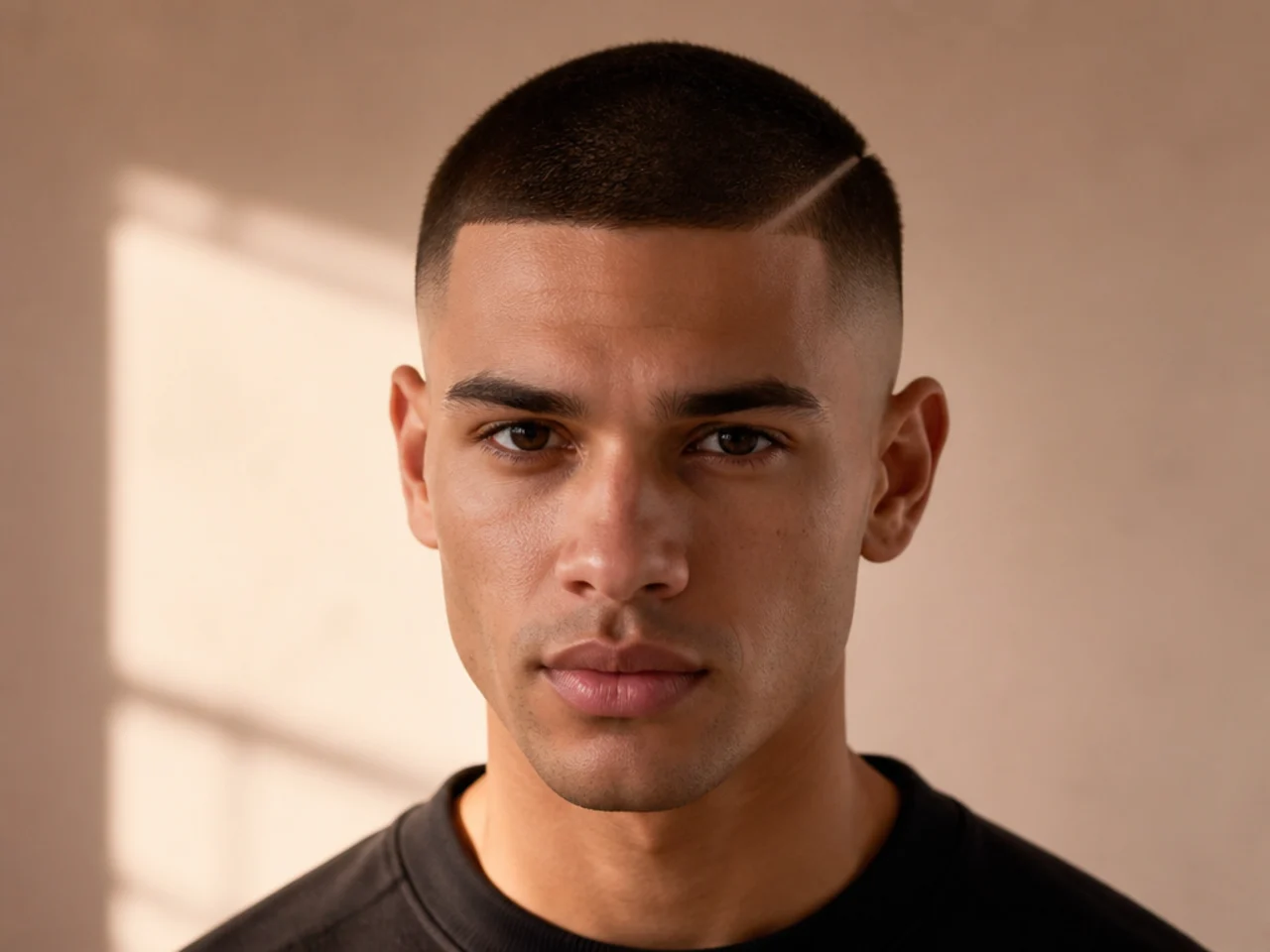
3. The Crew Cut
Graduated from short at the back to longer at the front. That graduation is the family's simplest idea, and it puts the visible density where the face is.
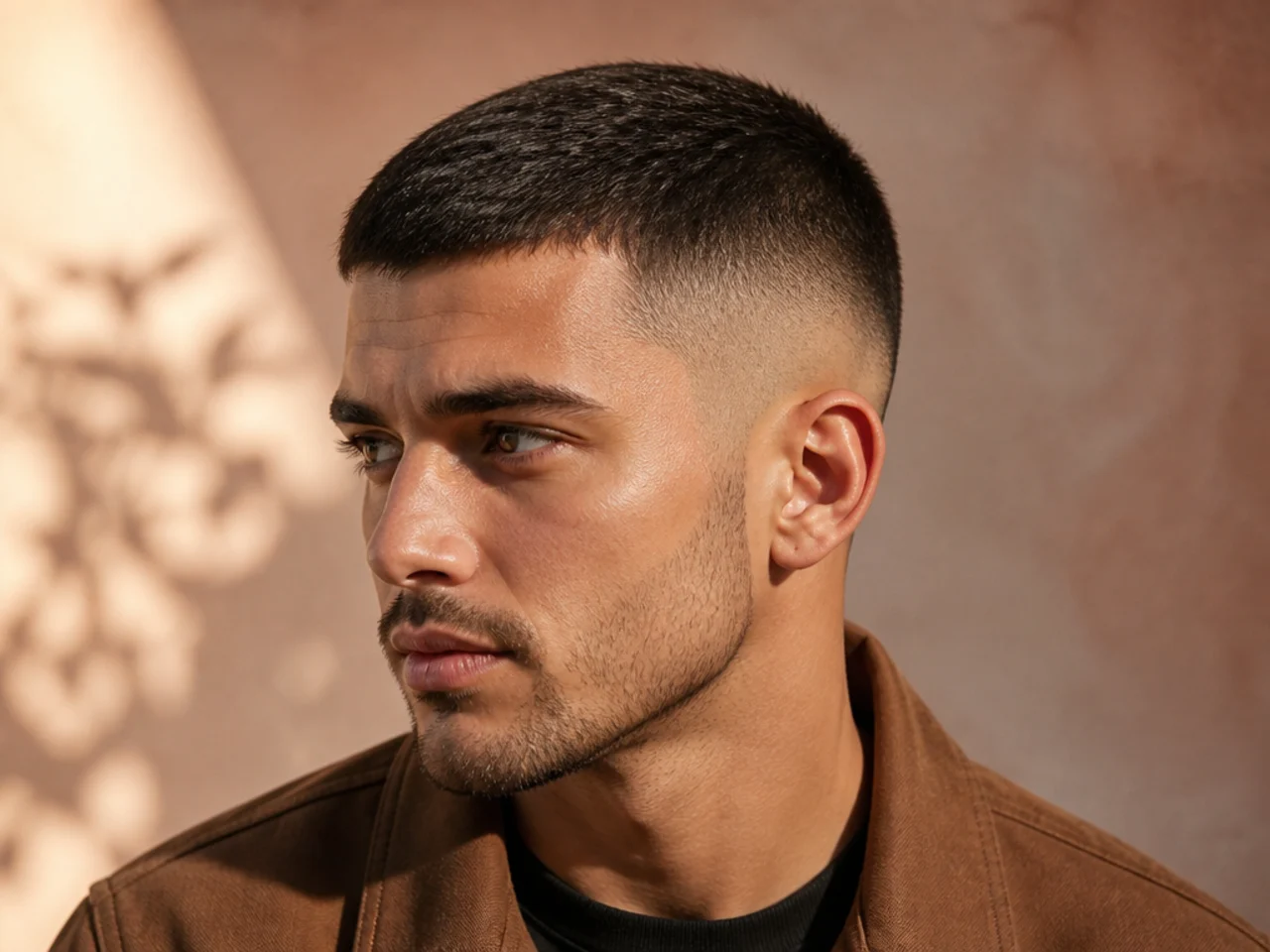
4. The Ivy League
A crew cut with enough length at the front to comb. It is the point where the short family begins to allow styling without leaving the family.
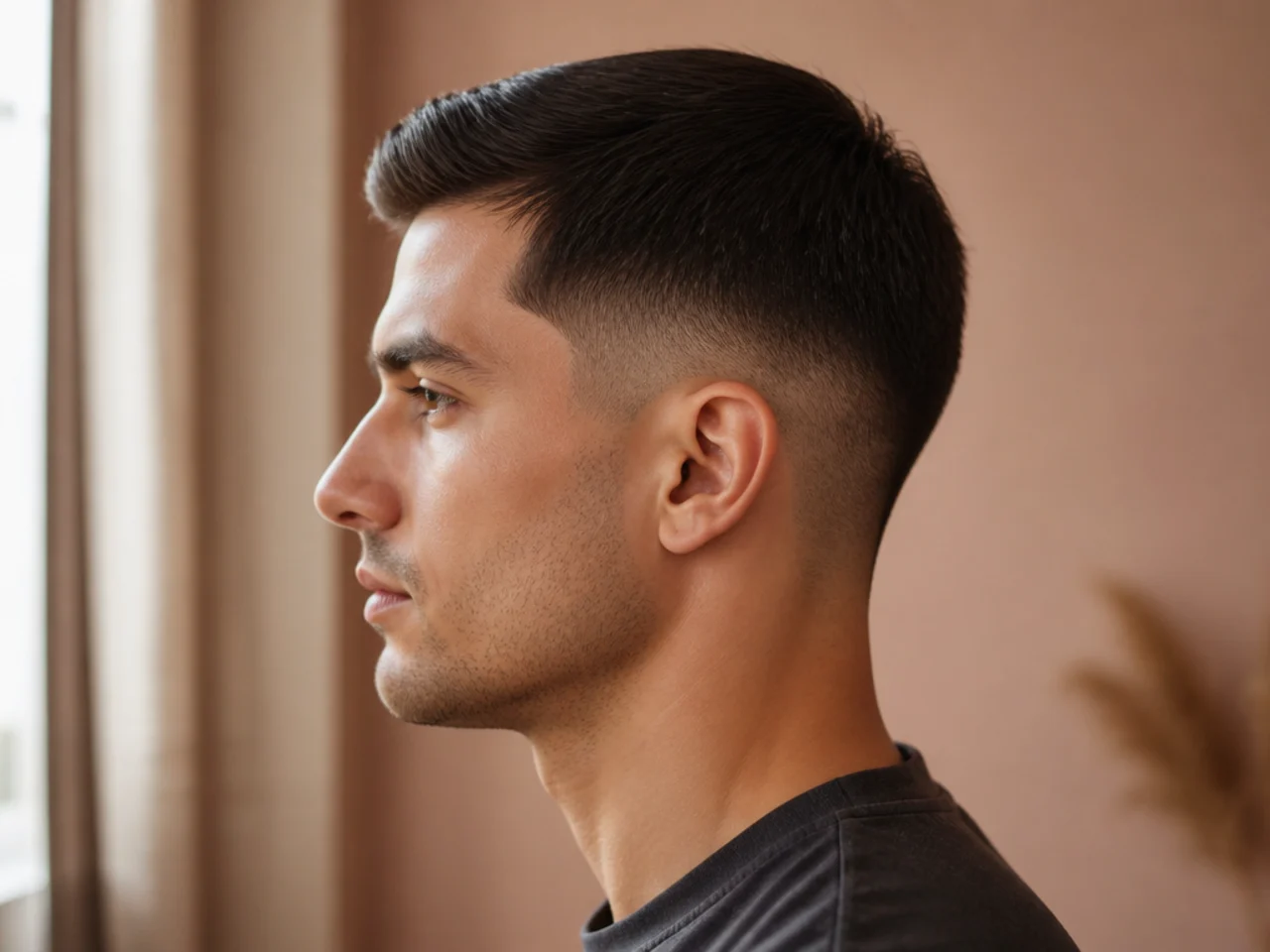
5. The French Crop
Short sides with the top pushed forward. It settles the direction question permanently, which is why it needs no product at all.
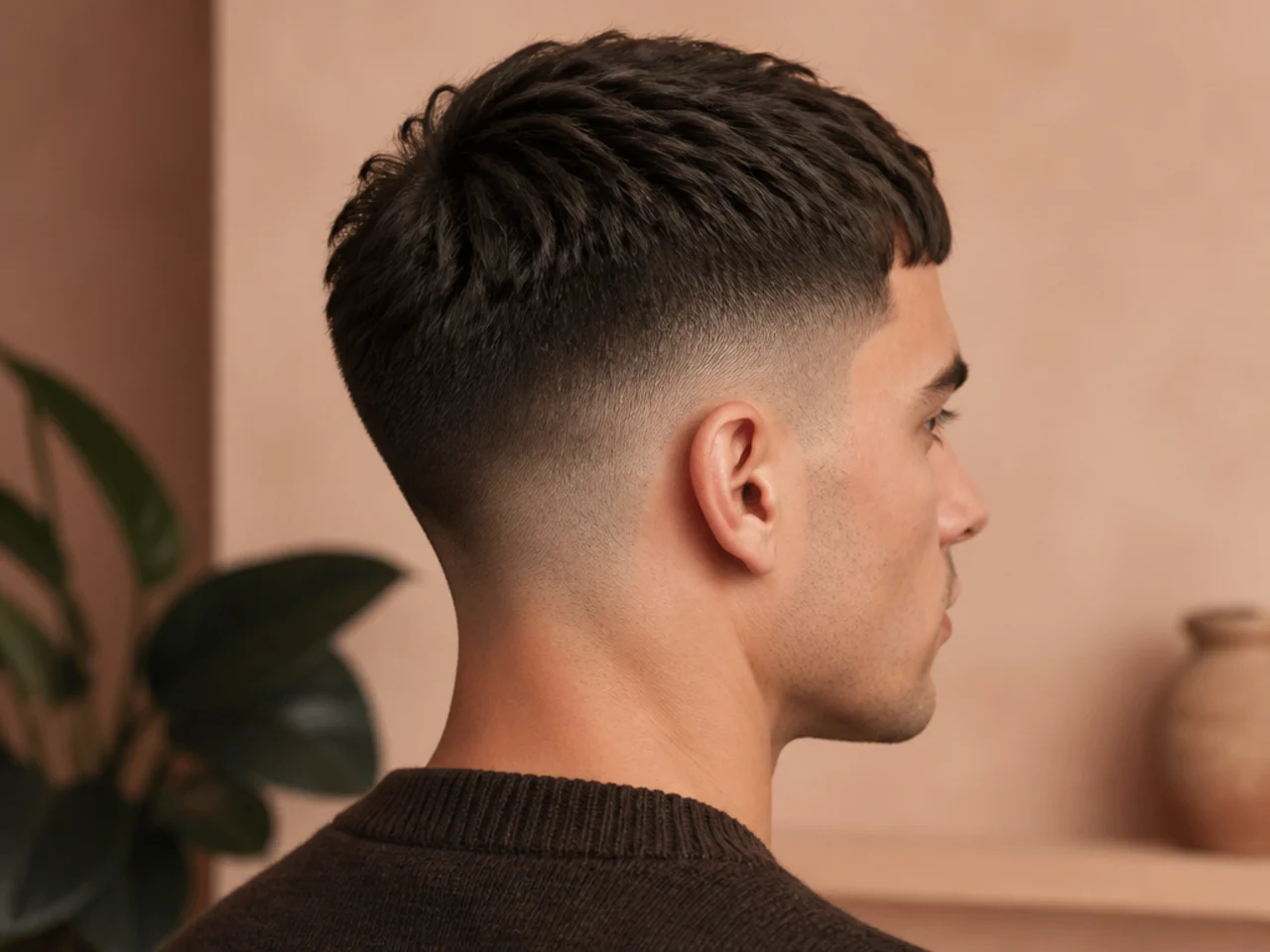
6. The Textured Crop
The same French crop shape with the ends cut at varying lengths so the hair separates. Texture is what stops short hair reading as a solid cap.
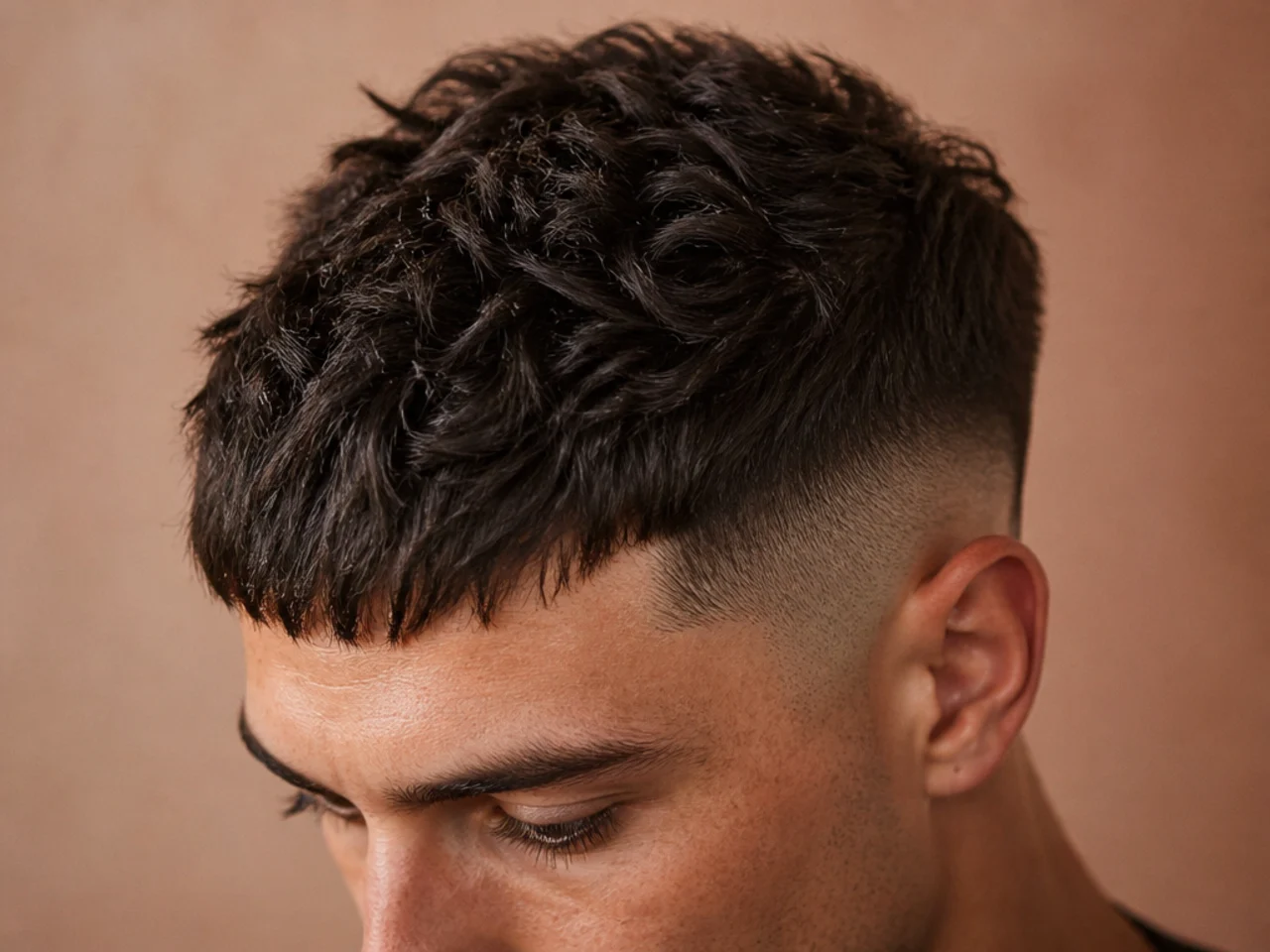
7. The Caesar
Cut short and lying flat forward against the forehead. It relies on the hair having no lift at the root, which makes it a straight-hair member of the family.
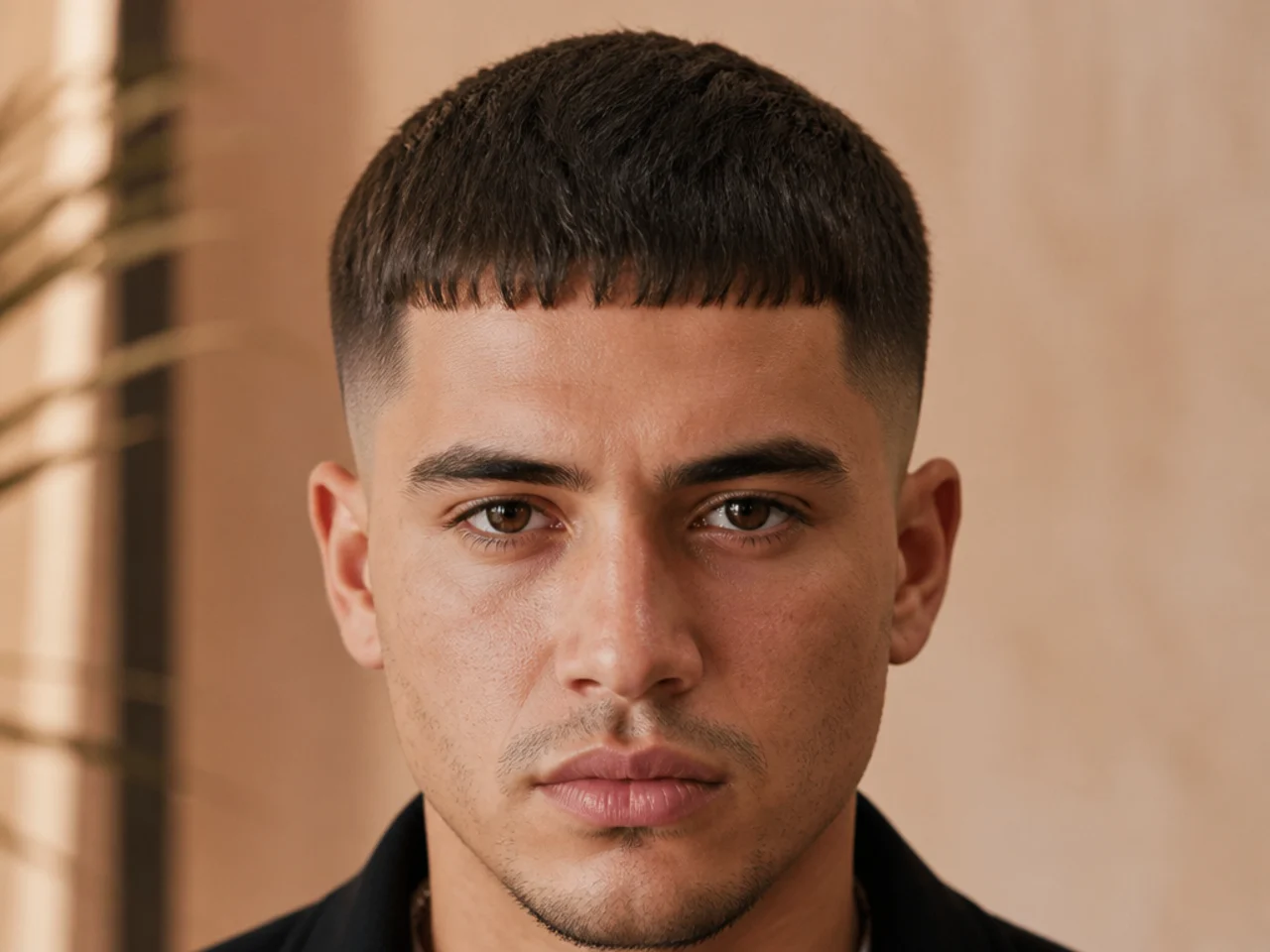
8. The Short Side Part
Two lengths and a line between them. The part is the only structural element, which is why it has to be exact.
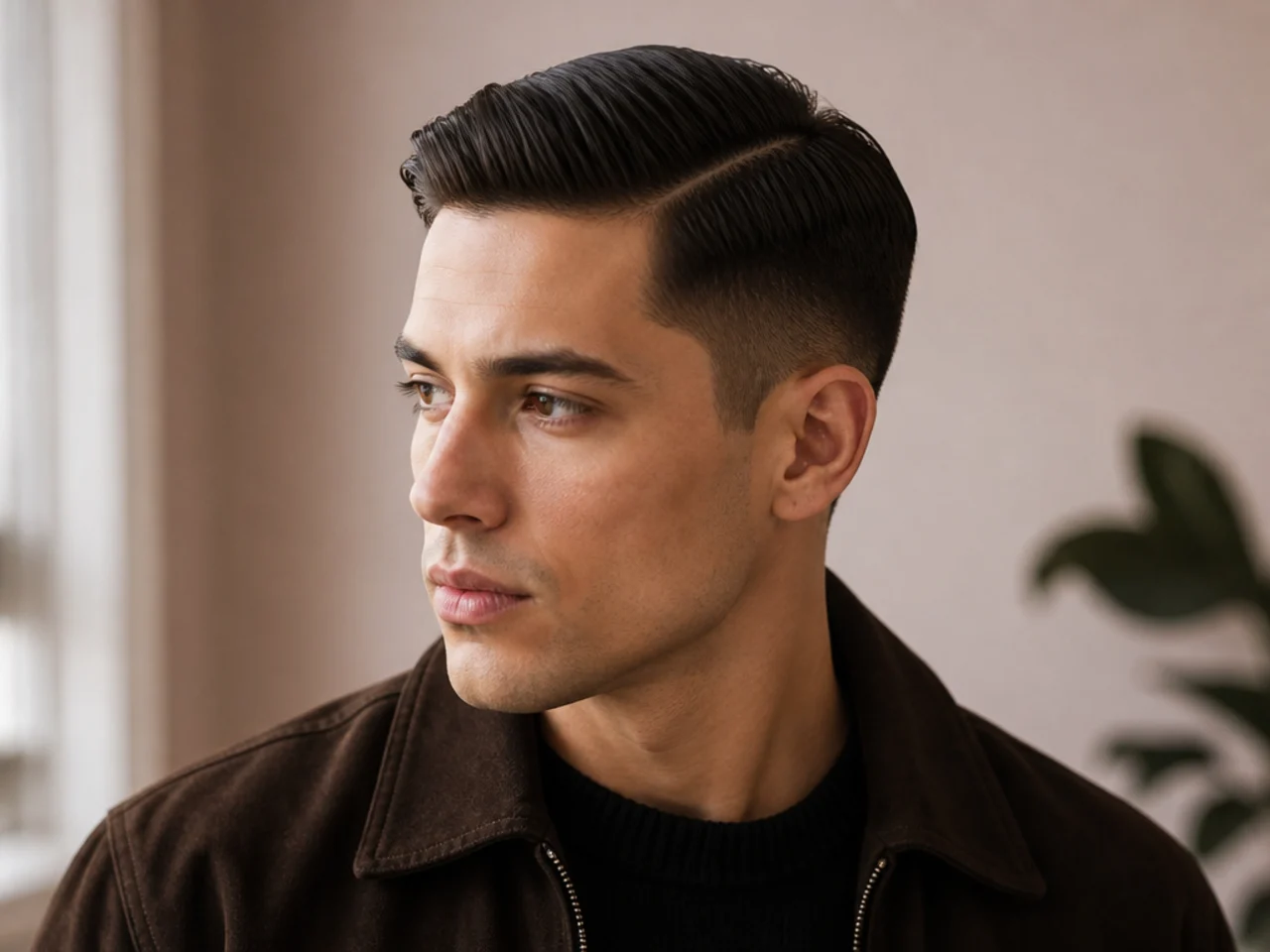
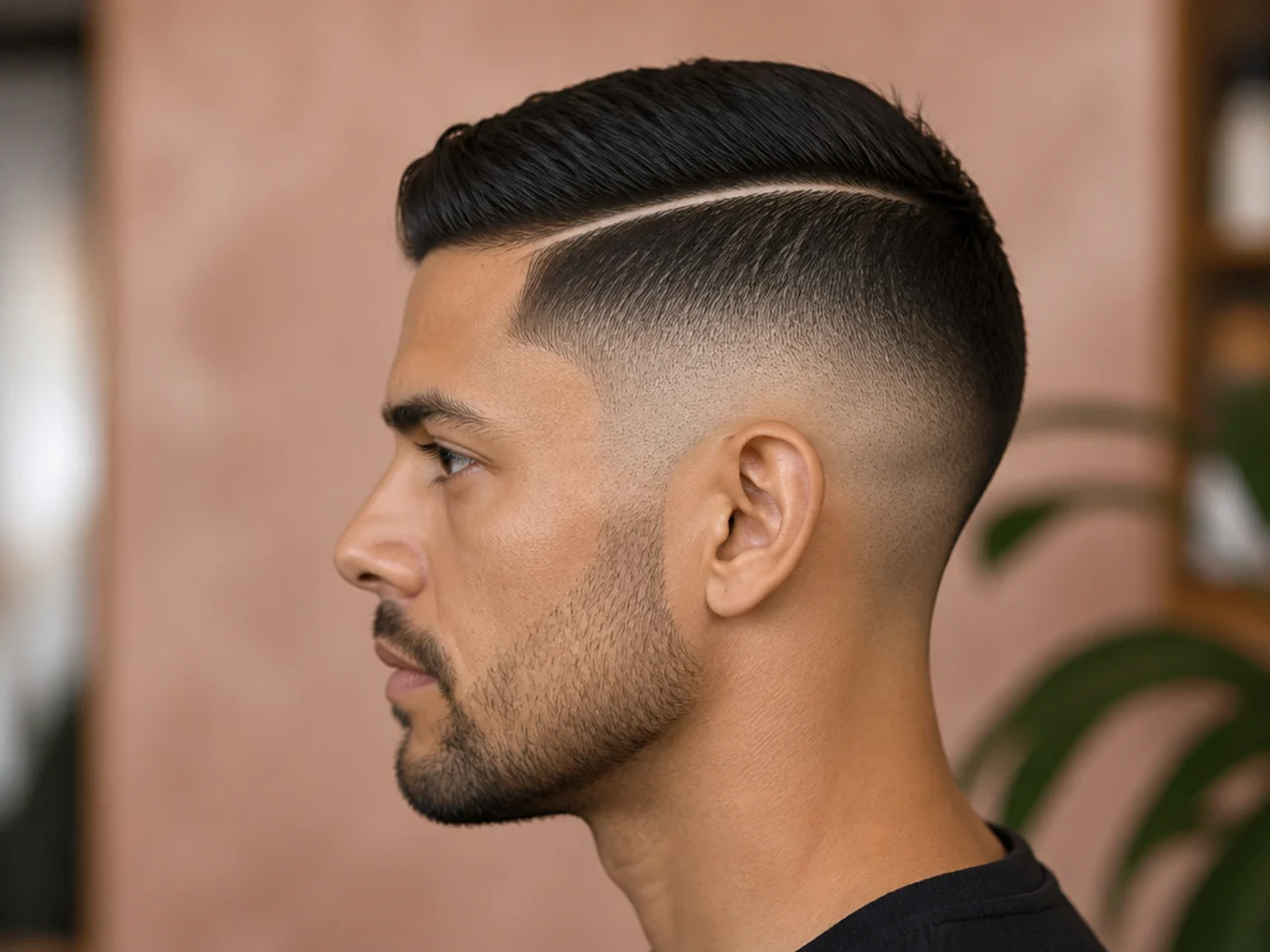
9. The Hard Part
The same shape with the line shaved rather than combed. It regrows to stubble within about a week, so it belongs to the fortnightly end of the family.
10. The Butch Cut
A uniform length slightly longer than a buzz, usually a #3 at 10mm. It is the most forgiving short cut on an uneven head shape.

11. The Short Quiff
Enough length at the front to lift and nothing anywhere else. It is the shortest cut in the family that still requires styling.
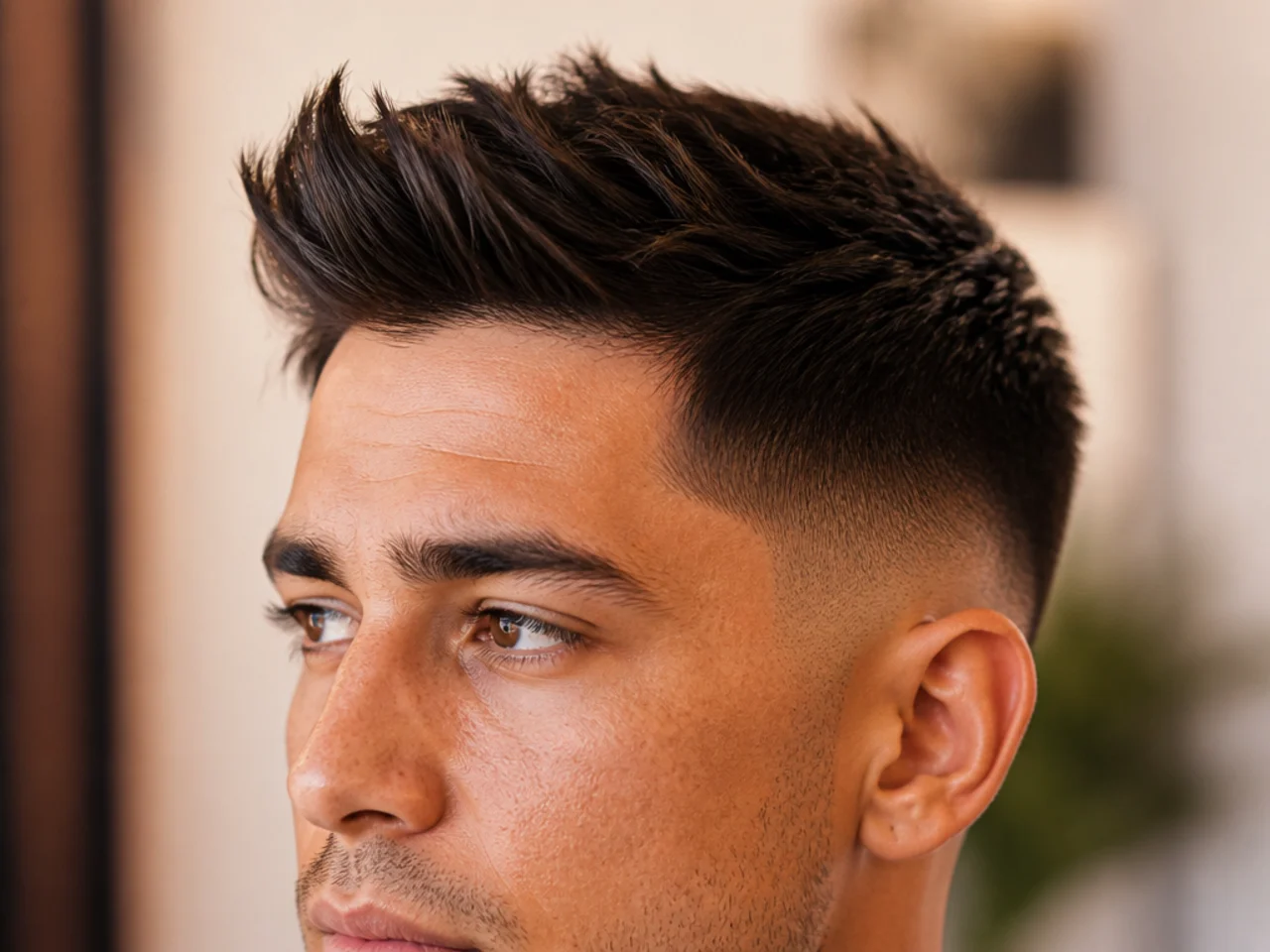
12. The Low Taper Short Cut
Short on top with a taper that leaves a #1 at the neckline. It is the most common short cut in any barbershop for a reason, since it holds a full month.
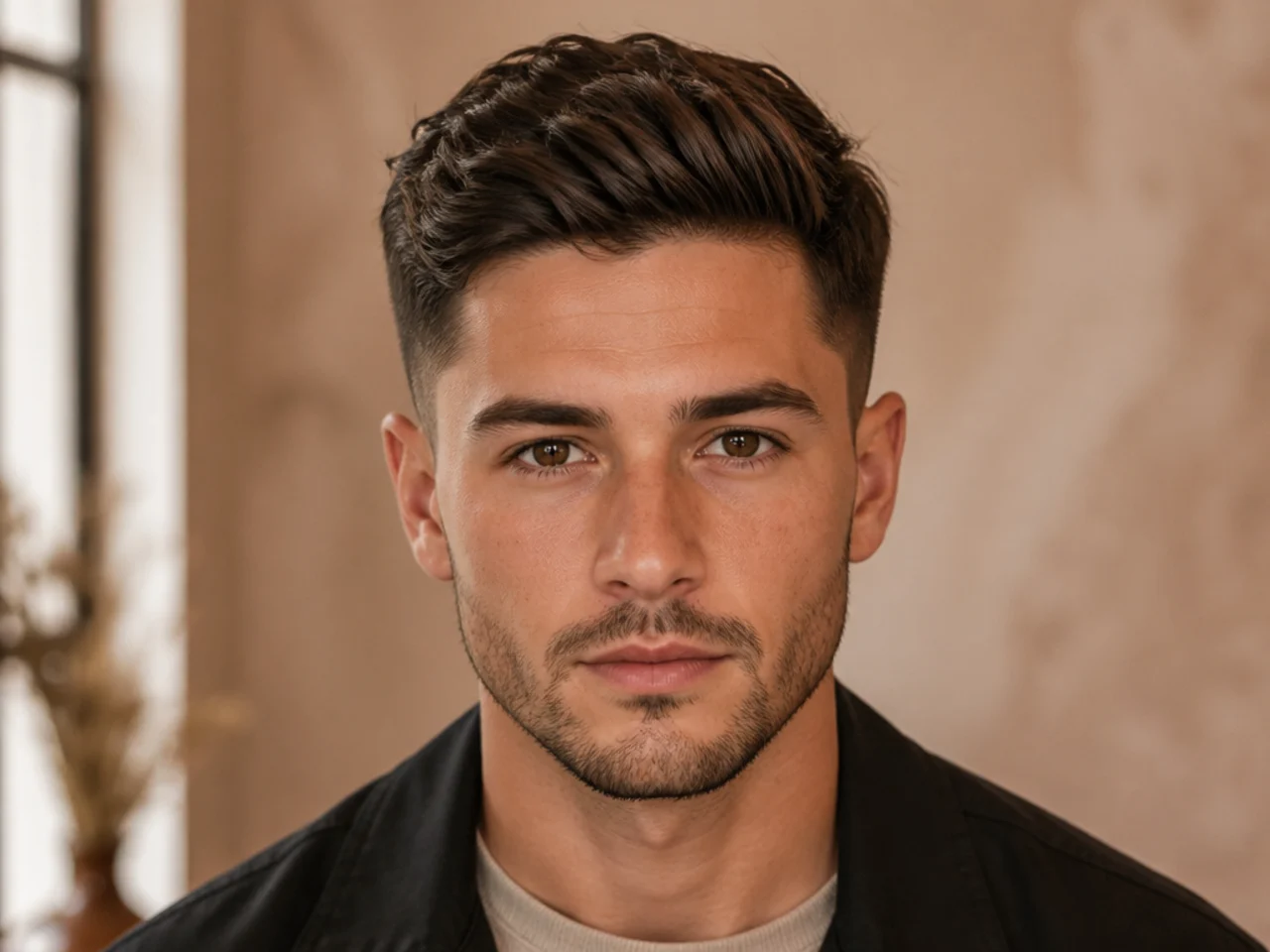
13. The Short Skin Fade
The same silhouette taken to bare scalp. It is a fortnightly commitment, and the sharpness it buys is real but temporary. The short family draws its silhouette at the perimeter, and skin depth moves that perimeter onto scalp, where a single millimetre of growth shows.
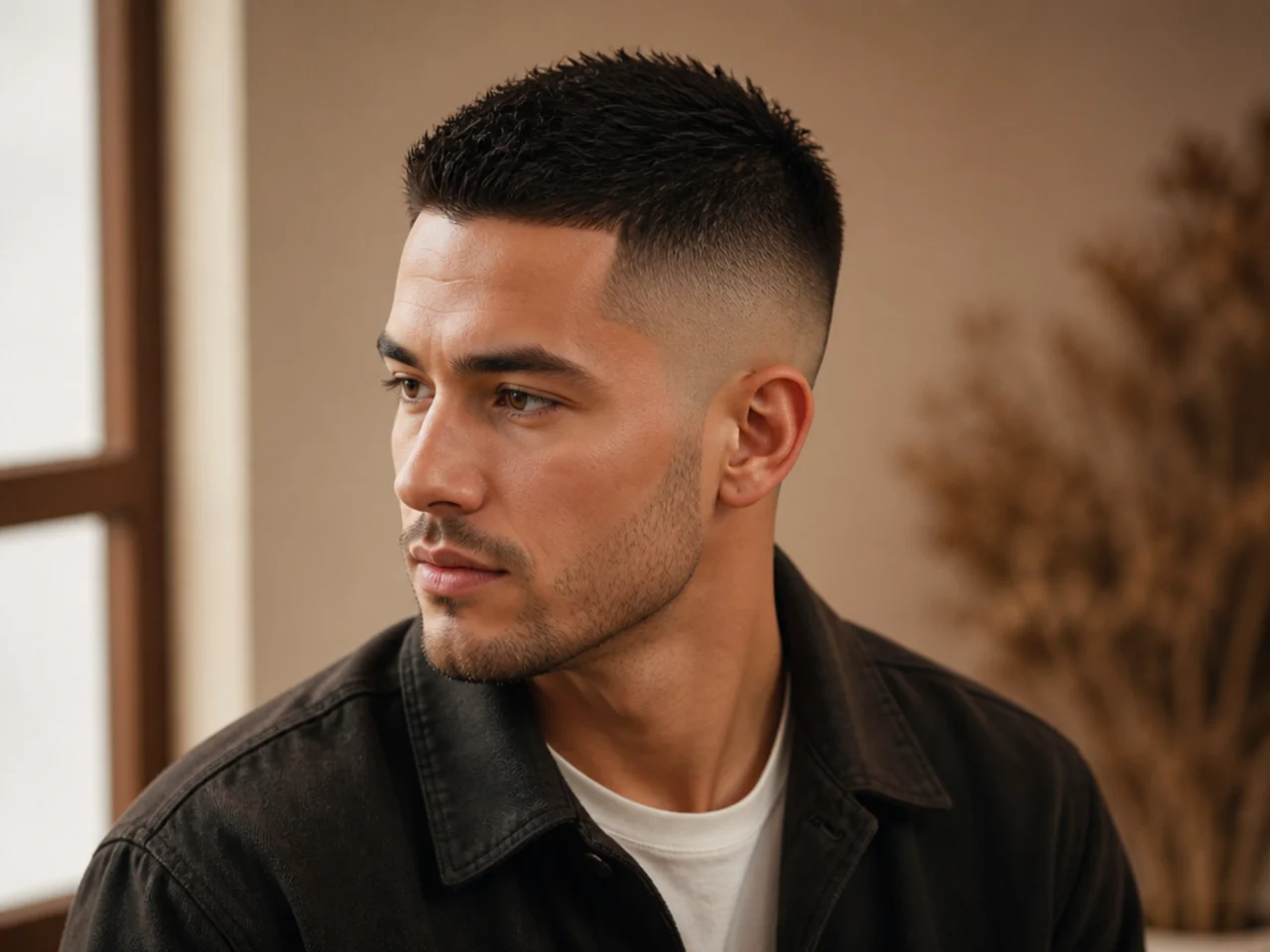
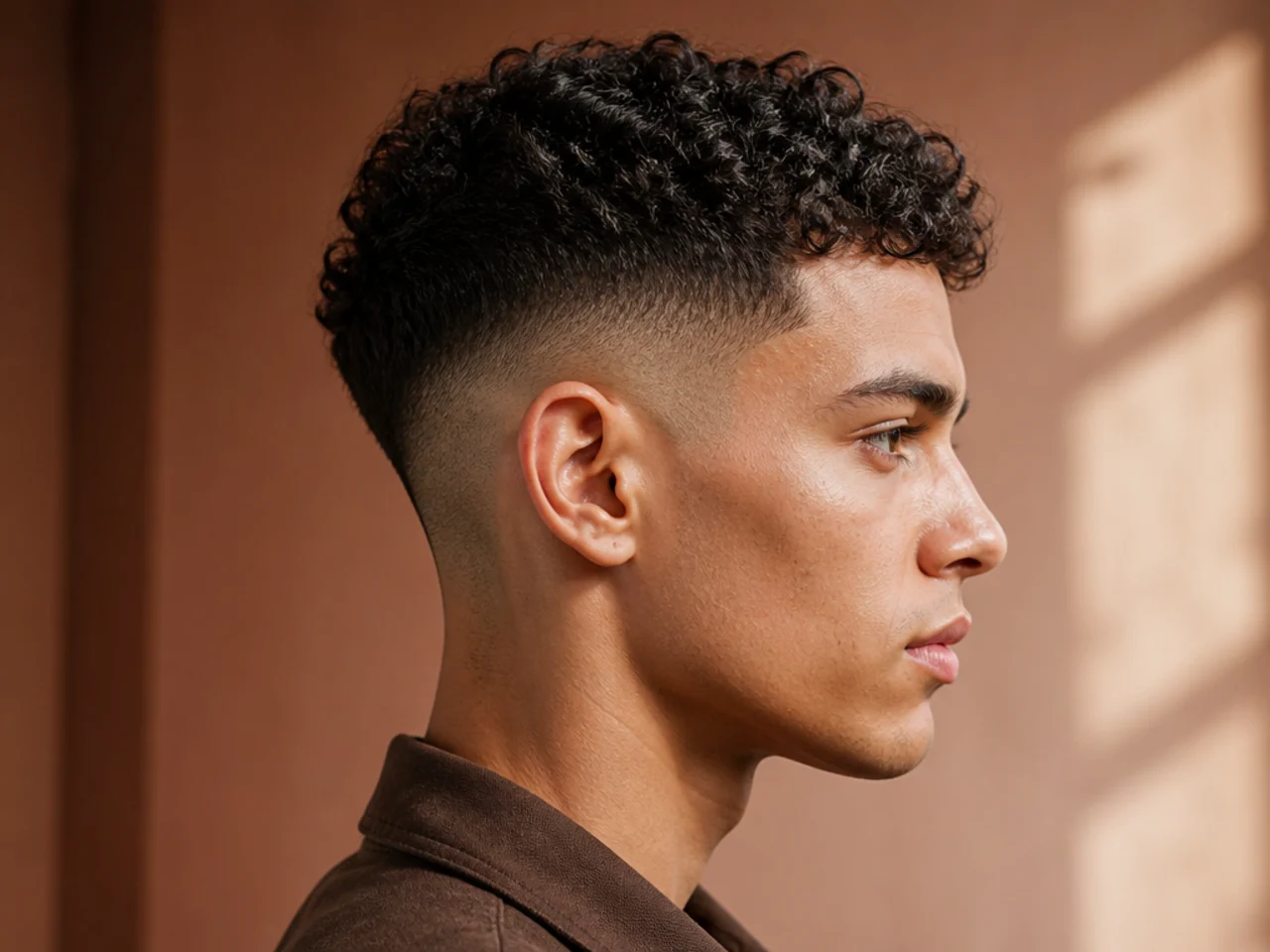
14. The Short Curly Cut
Curl loses around a third of its length as it dries, so short curly hair is cut considerably longer than it finishes. It is the one member of the family where wet length lies to you.
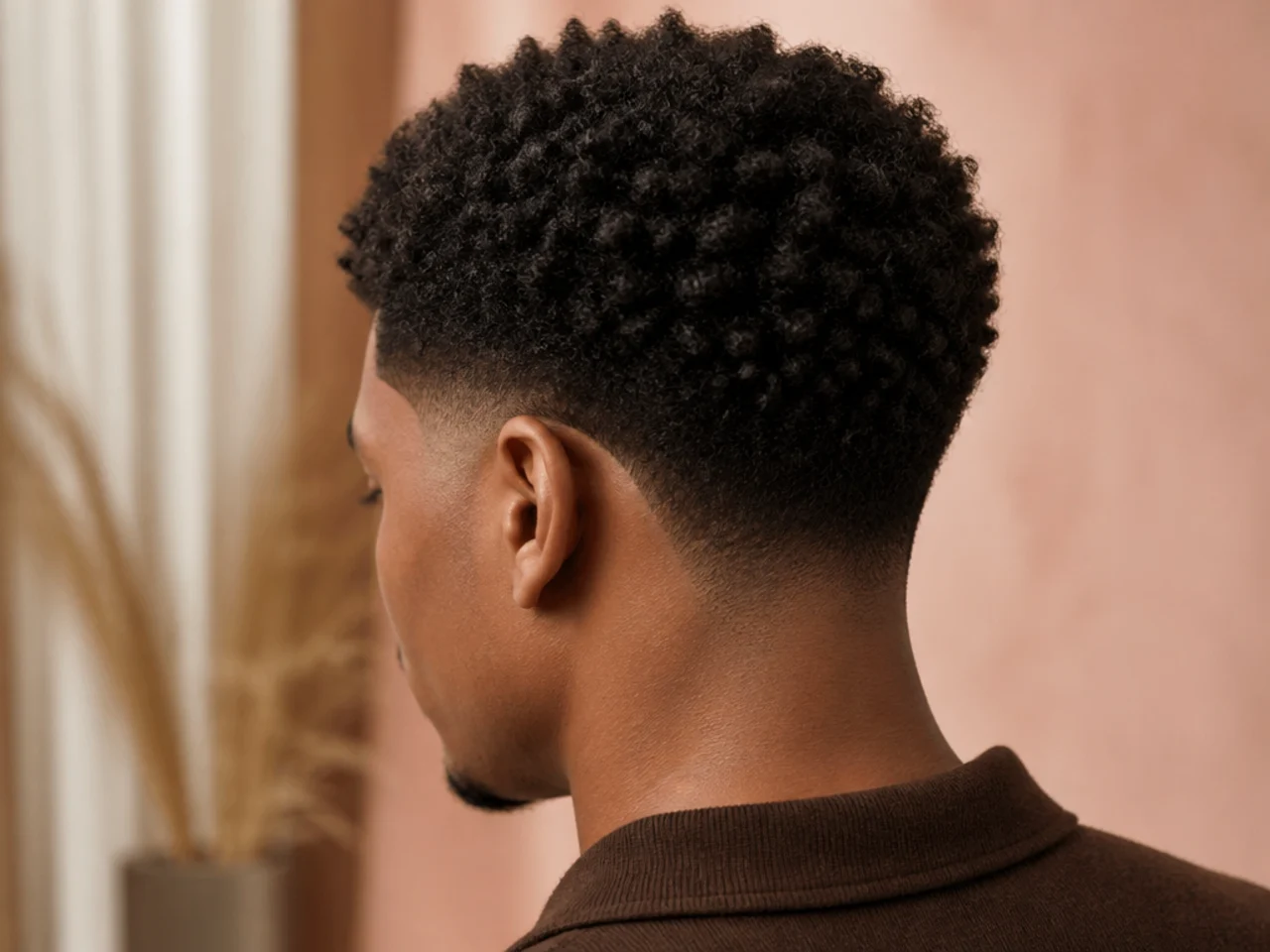
15. The Short Afro With a Taper
Density kept on top and reduced sharply at the sides. The contrast is what gives the shape its outline rather than the length itself.
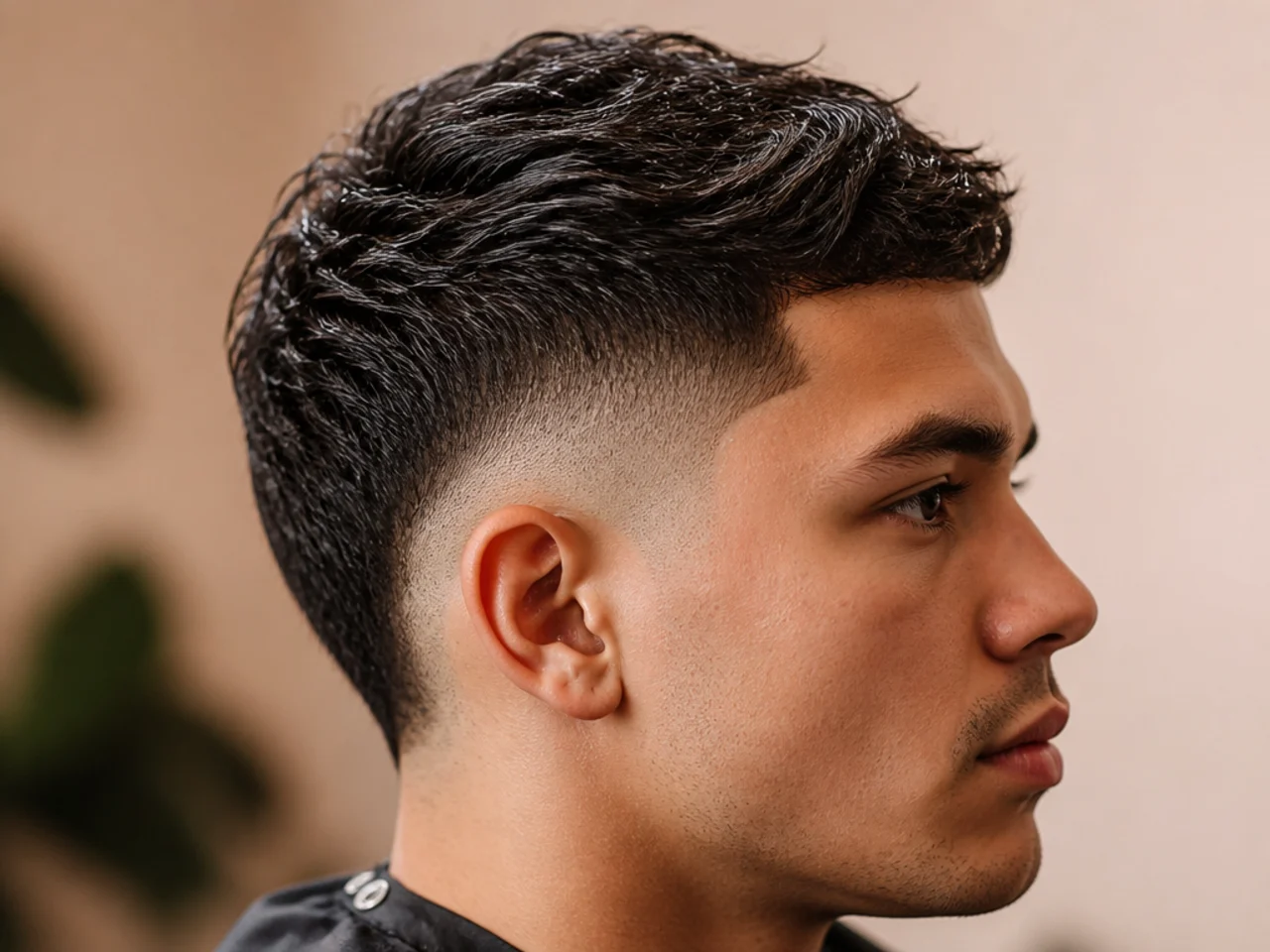
16. The Burst Fade Short Cut
The gradient arcs around the ear and leaves the back weight untouched. It is the family member that keeps a silhouette behind the head.
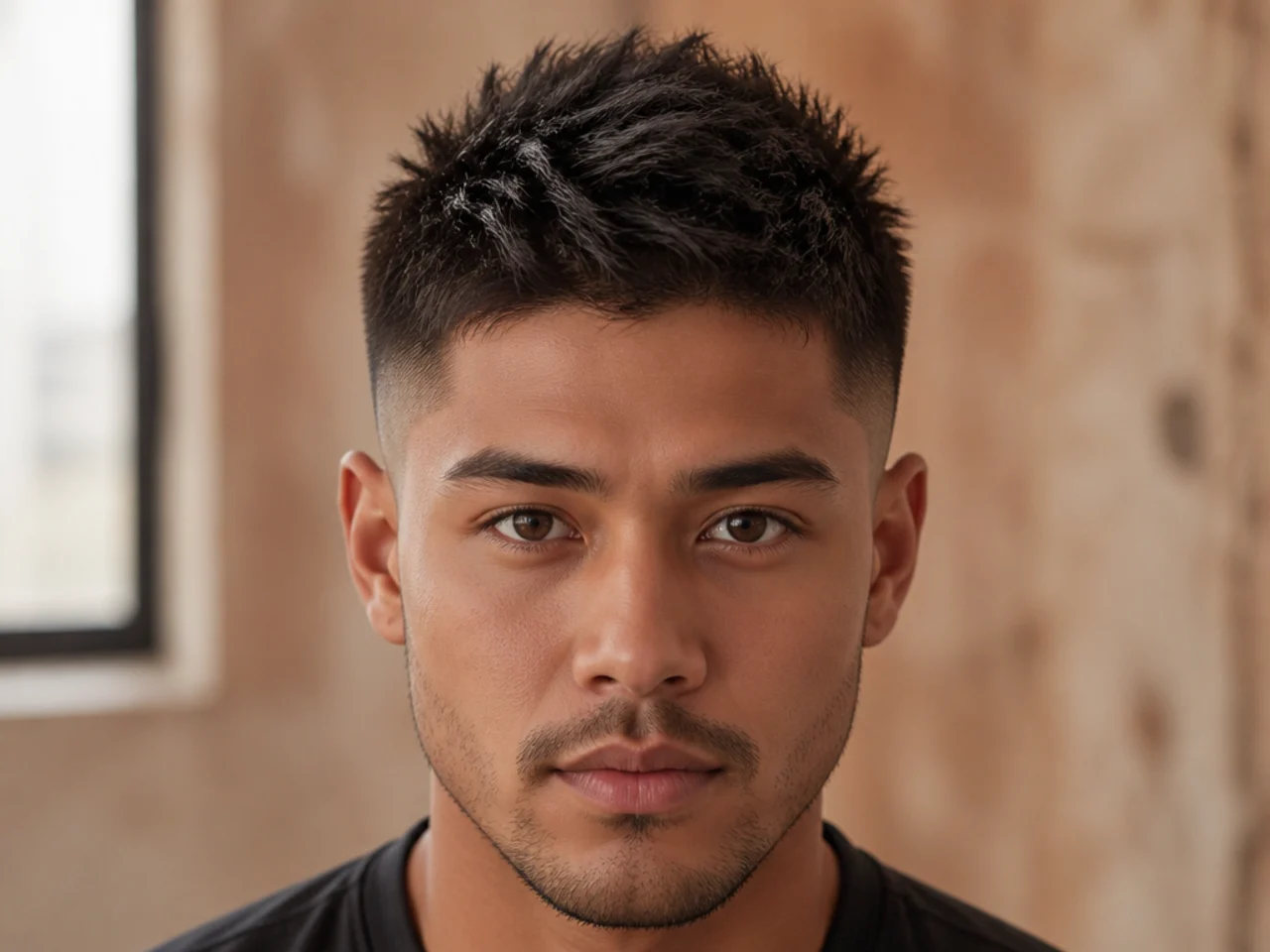
17. The Short Spiky Cut
Lift created at the tips with clay. It only works below the two-inch threshold, because above it the spikes fall over under their own weight.
18. The Short Slick Back
Two inches combed straight back. It is the boundary case of the family, since any more length and gravity rather than the comb decides the shape.
19. The Short Cut With a Beard
The beard adds weight at the jaw, which a short top cannot balance. It works as a deliberate imbalance rather than as a proportion.
20. The Grown-Out Short Cut
Week four, where most short cuts sit for most of their life. Judging the family here rather than at week one changes which member you pick.
Styling and Upkeep
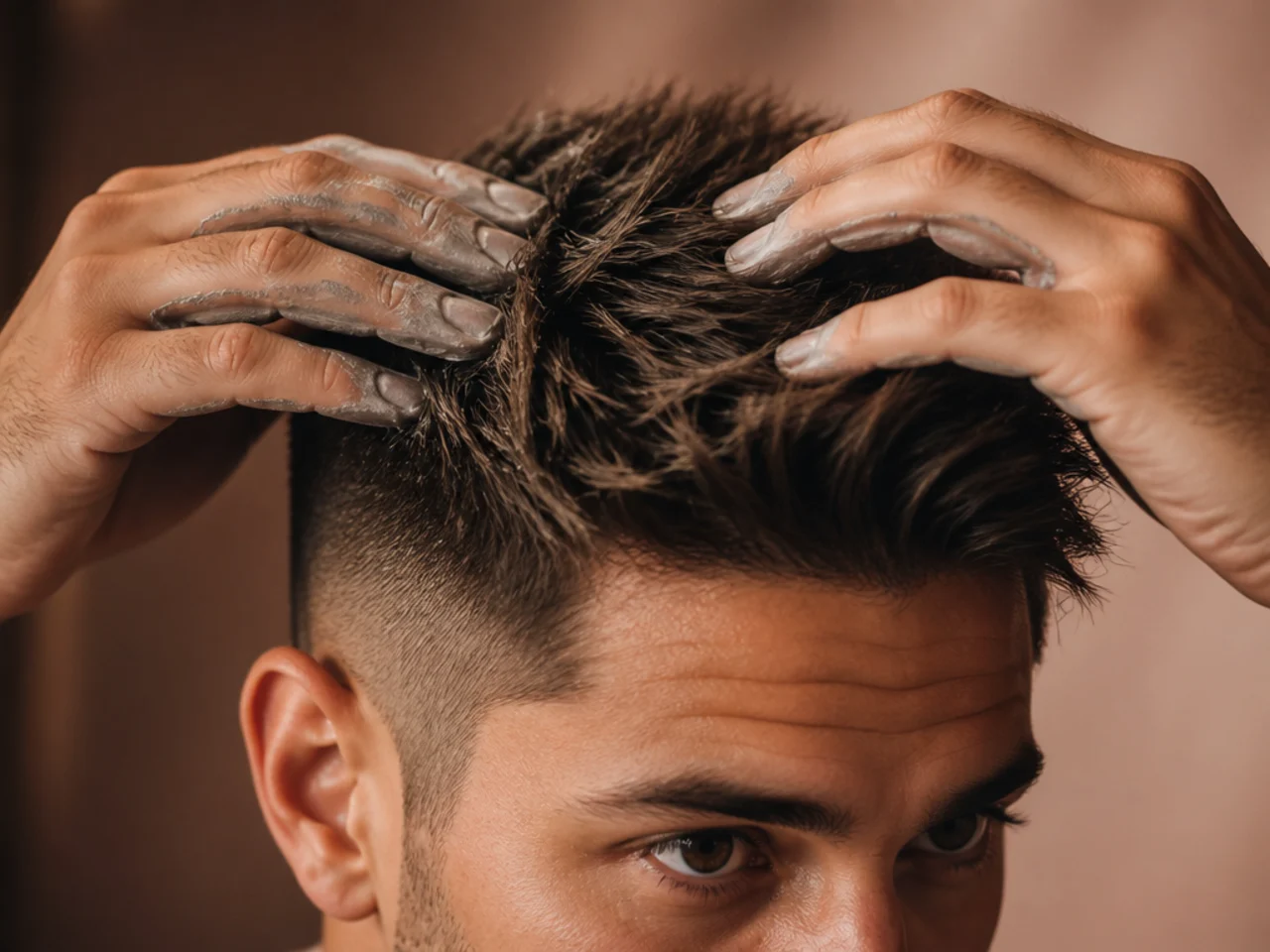
Use clay, not cream. Short hair needs grip, and weight is the one thing that will flatten it.
Style at the roots only. There is not enough length for anything else to matter.
Keep the neckline clean between visits. It buys about a week of looking freshly cut.
Book on the bottom, not the top. The taper or fade ages before the length does.
Write down your guard numbers. They transfer to any barber anywhere.
Mistakes to Avoid
Choosing skin depth on a monthly schedule. It is blurred for three weeks out of four.
Using cream on short hair. Every cut here gets its shape from hair standing up, and cream is the one product that adds weight without adding grip.
Assuming short means low upkeep. Short cuts age faster than any other length.
Ignoring shrinkage on curly hair. A third of the length disappears as it dries.
Cutting short to fix thickness. Below the threshold thick hair stands rather than lies down.
FAQ
What makes a cut short? Being below the length where hair falls under its own weight, around two inches.
What do they share? The shape comes from the cut rather than from styling.
How often re-cut? Monthly with a taper, fortnightly with a skin fade.
Final Thoughts
If you are choosing inside this family, the decision that matters is not which name you pick but where the bottom finishes. Everything above the ears in a short cut behaves the same way, and the taper or fade underneath is what you will actually be living with.
For the full survey across every length see men's haircut styles, and for more at this end of the range see short haircut ideas for men. More in Men's Haircuts.