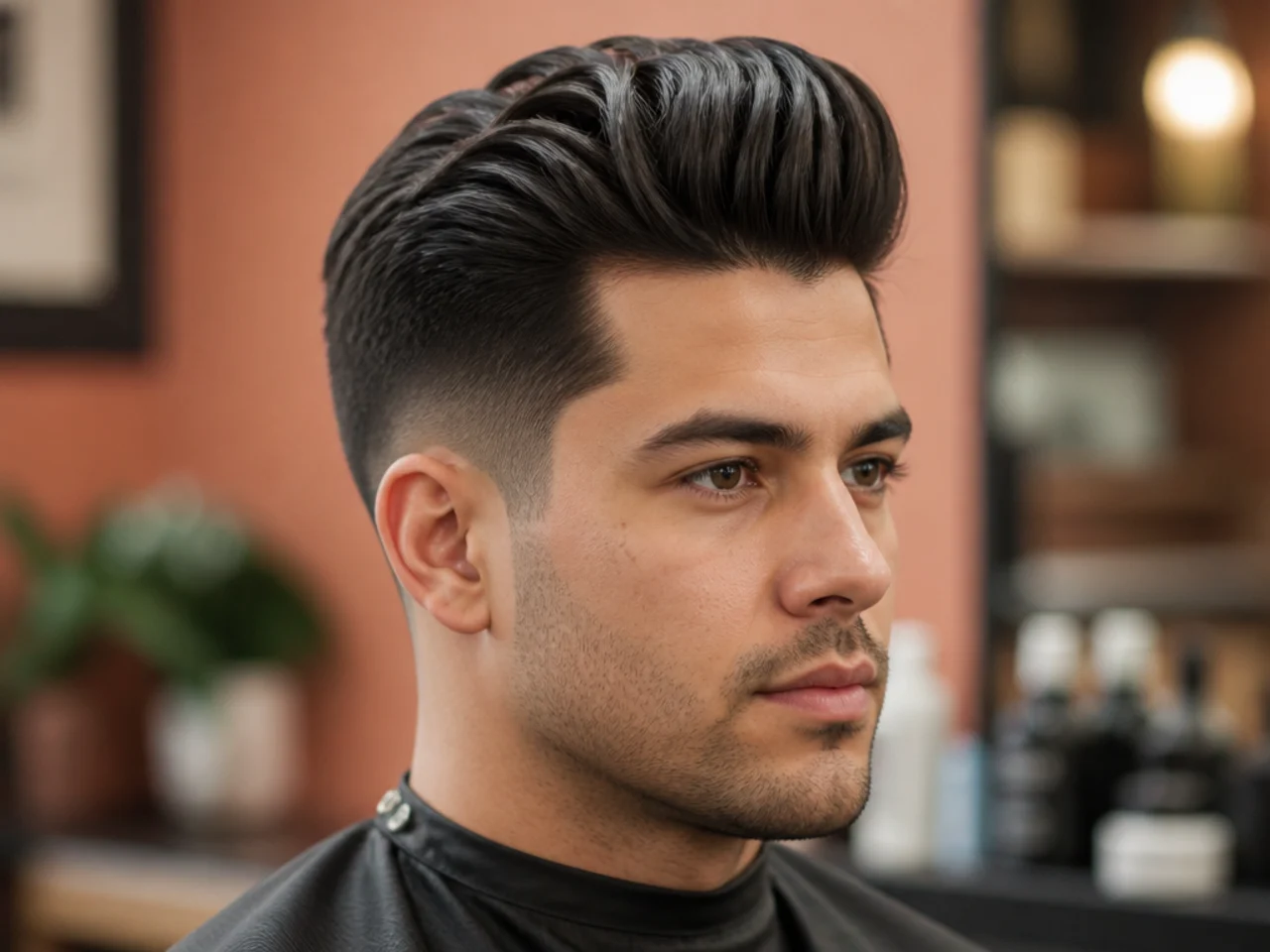
15 Classic Quiff Hairstyles That Never Age
Classic quiff hairstyles men keep asking for — 15 timeless variations with face-shape notes, exact barber language, and the styling routine that keeps each one sharp.
In this article · 27
- What Is a Classic Quiff?
- How to Choose Your Classic Quiff
- The 15 Classic Quiff Hairstyles
- The 1950s Original Quiff
- The Pomaded Classic Quiff
- The Side-Part Quiff
- The Combed-Back Classic Quiff
- The Rockabilly Quiff
- The Executive Quiff
- The Pompadour Quiff
- The Gentleman's Quiff
- The Scissor-Tapered Classic Quiff
- The Wet-Look Quiff
- The Textured Vintage Quiff
- The Classic Quiff with Beard
- The Long Classic Quiff
- The Contour Quiff
- The Regent Classic Quiff
- How to Ask Your Barber
- Styling & Maintenance
- FAQ
- Is the classic quiff still in style for 2026?
- How is a classic quiff different from a pompadour?
- Can older men wear a classic quiff?
- What products do I actually need?
- How long does it take to grow one out?
- Does the classic quiff work with an undercut?
A classic quiff is the version your grandfather would recognize. Front lifted, sides short, top combed with a real pomade — no disconnects, no matte finish trying to look effortless. This guide covers fifteen classic quiff hairstyles men are still asking for in barbershops, with the face-shape notes, the exact barber wording, and the routine that keeps each one sharp from morning to last call.
What Is a Classic Quiff?
A classic quiff is a men's haircut with short sides, a longer front, and the hair swept up and slightly back with a pomade or cream finish. The shape came out of 1950s rock 'n' roll — Elvis Presley, James Dean, Ricky Nelson — and it never lost its place in the barber's playbook. Modern quiffs run matte and messy on purpose. Classic quiffs run smooth, shaped, and combed. That's the working difference.
The geometry is simple. Four to five inches at the front, tapered down through the crown, and sides finished with a scissor taper or a soft low fade. Nothing extreme. Nothing loud. It photographs well in a wedding tux, reads sharp under a work suit, and still holds up on a Saturday night out. That's why the shape has survived seventy years without needing a trend cycle to sell it. See the wider quiff hairstyles men guide for the full modern range.
How to Choose Your Classic Quiff
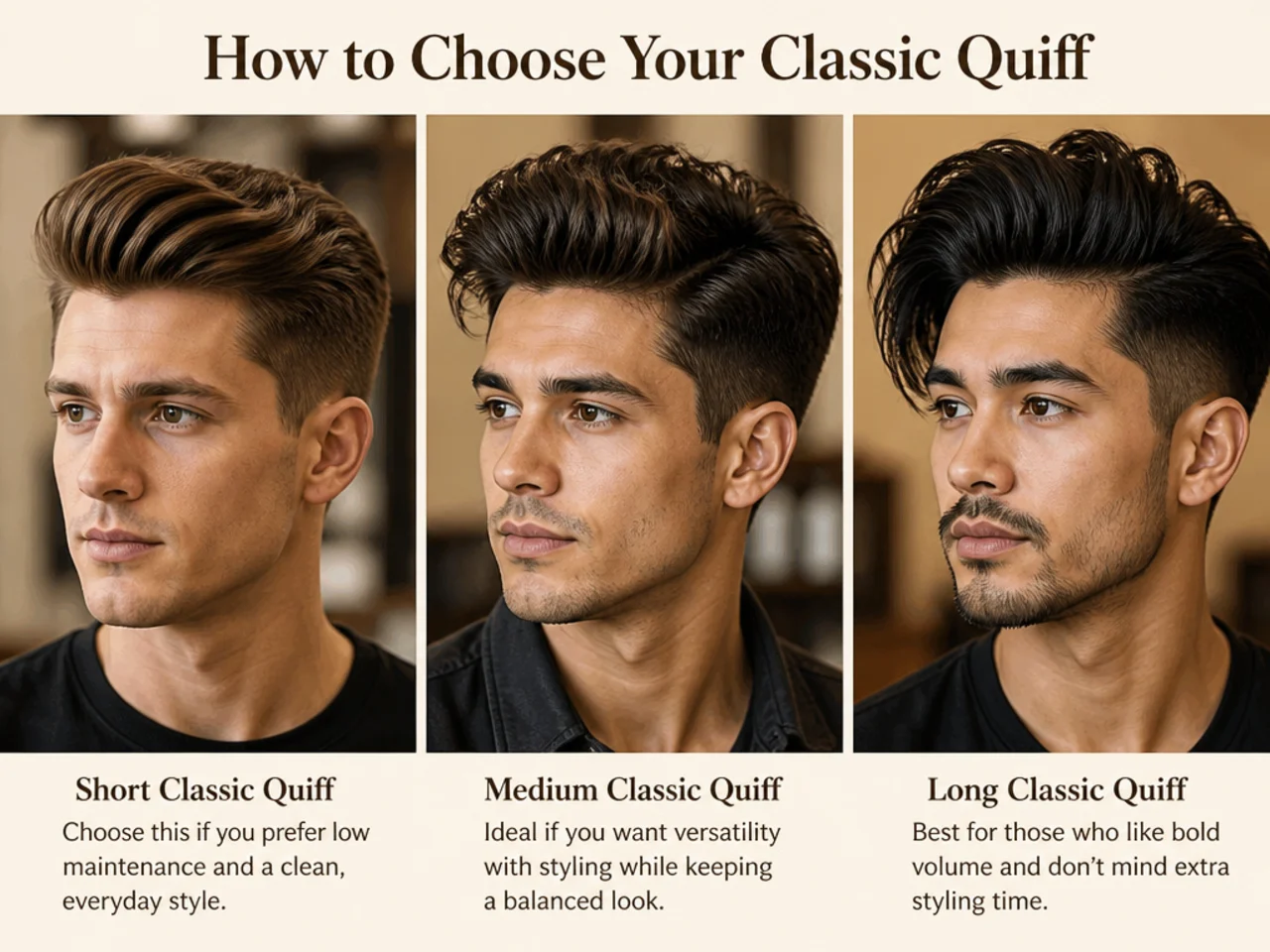
Start with your face. Round faces gain the most from a classic quiff — the vertical lift adds visible length and slims the shape. Square jaws work beautifully with the softer sweep of a side-parted version. Long or oval faces should keep the height moderate; too tall reads exaggerated. If you're unsure where you land, the haircuts for square faces breakdown covers the geometry rules that apply here too.
Then match the version to your hair and your morning. Straight, medium-density hair holds any classic quiff without help. Fine hair needs a mousse pre-styler and a shorter top to keep the lift. Thick and coarse hair gets weight-removed at the barber, or the shape reads bulky. Curly and wavy hair swaps pomade for a cream and lets the natural pattern do the work.
Finally, be honest about styling time. The pomaded and wet-look versions demand five minutes and a comb. The scissor-tapered classic can be finger-styled in ninety seconds. Pick the one your Tuesday morning can support, not the one you wish you had time for.
The 15 Classic Quiff Hairstyles
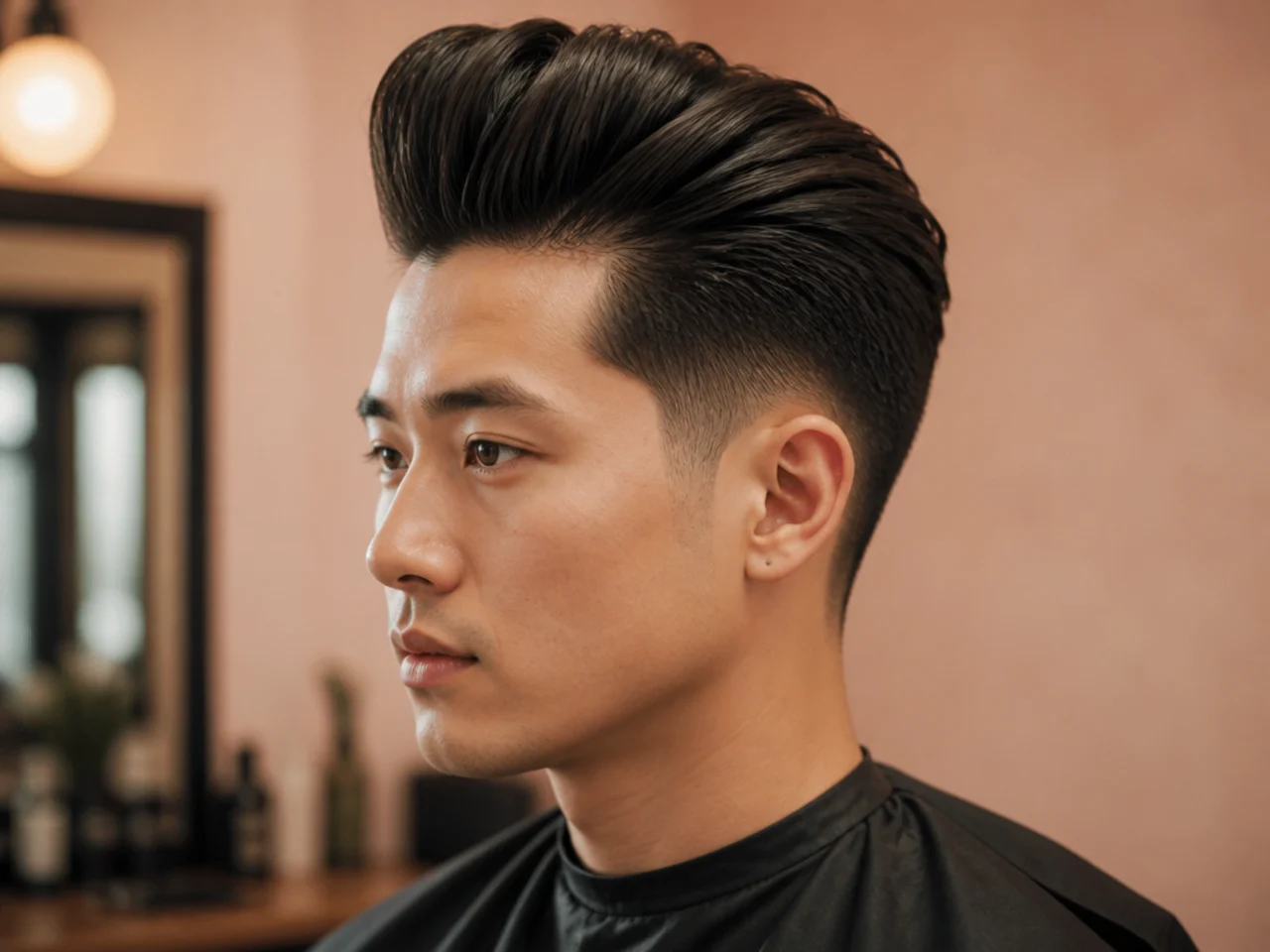
Fifteen classic quiffs, each with a clear reason it made the list. Each entry tells you what makes it different from its neighbors, who it flatters, the exact language to hand your barber, and the styling detail that separates it from the modern versions.
The 1950s Original Quiff
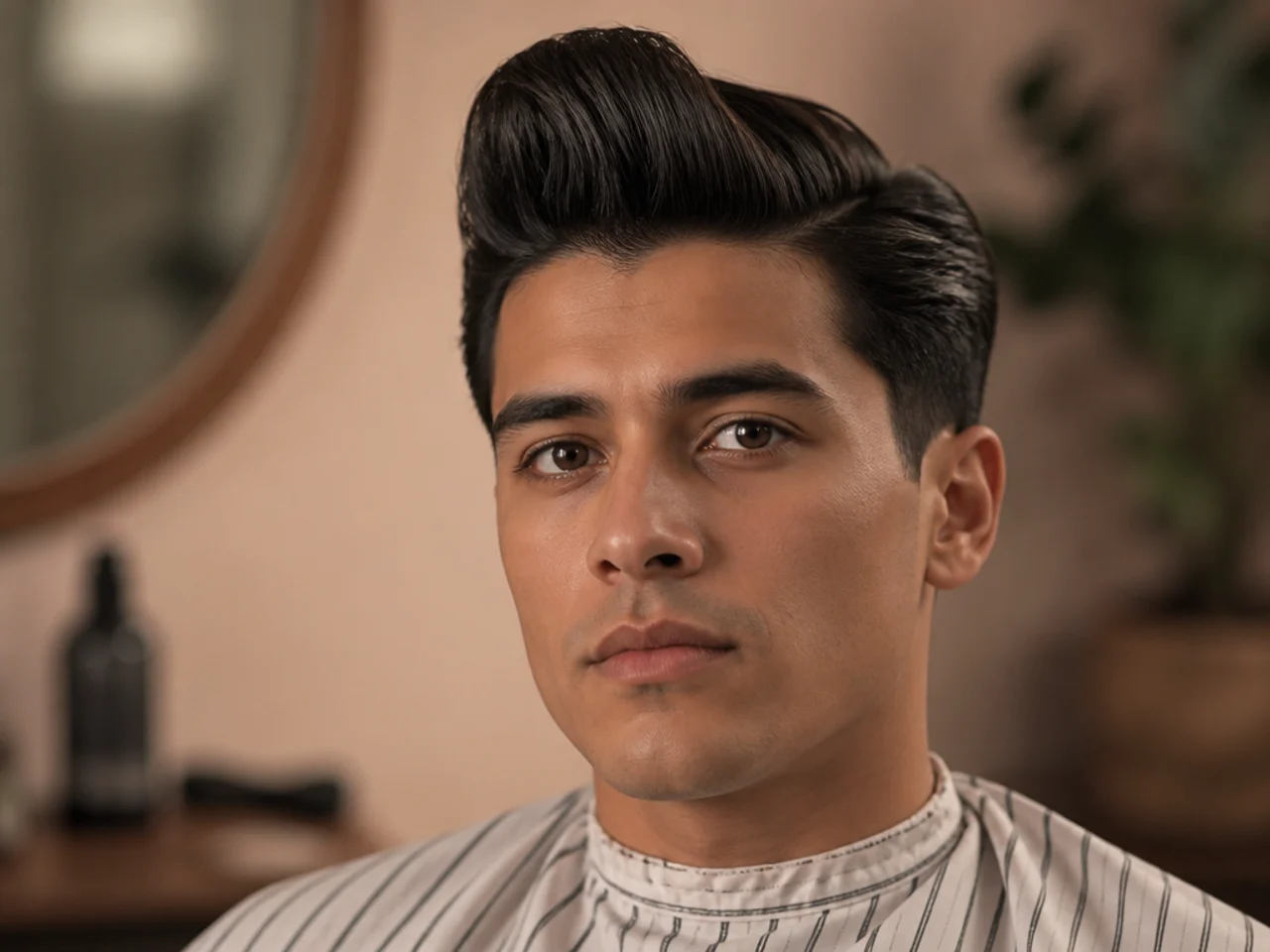
The original. Five inches at the front, combed straight up from the forehead and then swept back into a rolled crest, sides scissor-tapered close to the head. This is the Elvis Presley silhouette — sharp, high, and unmistakably 1950s. It reads best on straight-to-wavy hair with real density.
Ask for five inches at the front tapered down to three inches at the crown, scissor-tapered sides down to a #2 above the ear, and no fade — the whole shape needs a soft edge to feel period-correct. Style with a coin of oil-based pomade combed forward first, then swept up and back with a fine-tooth comb. Best for square and oval face shapes with medium-to-thick hair.
The Pomaded Classic Quiff
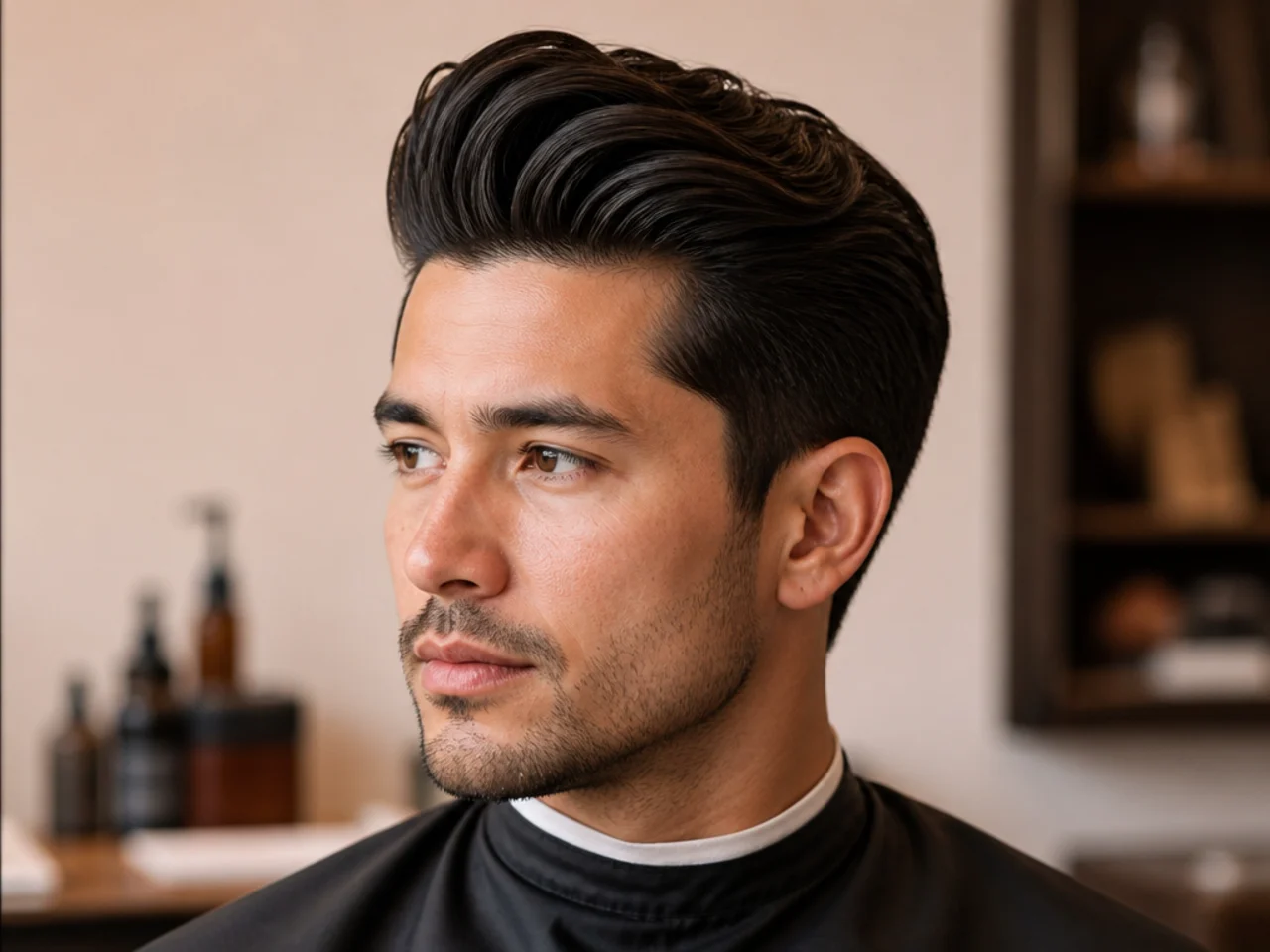
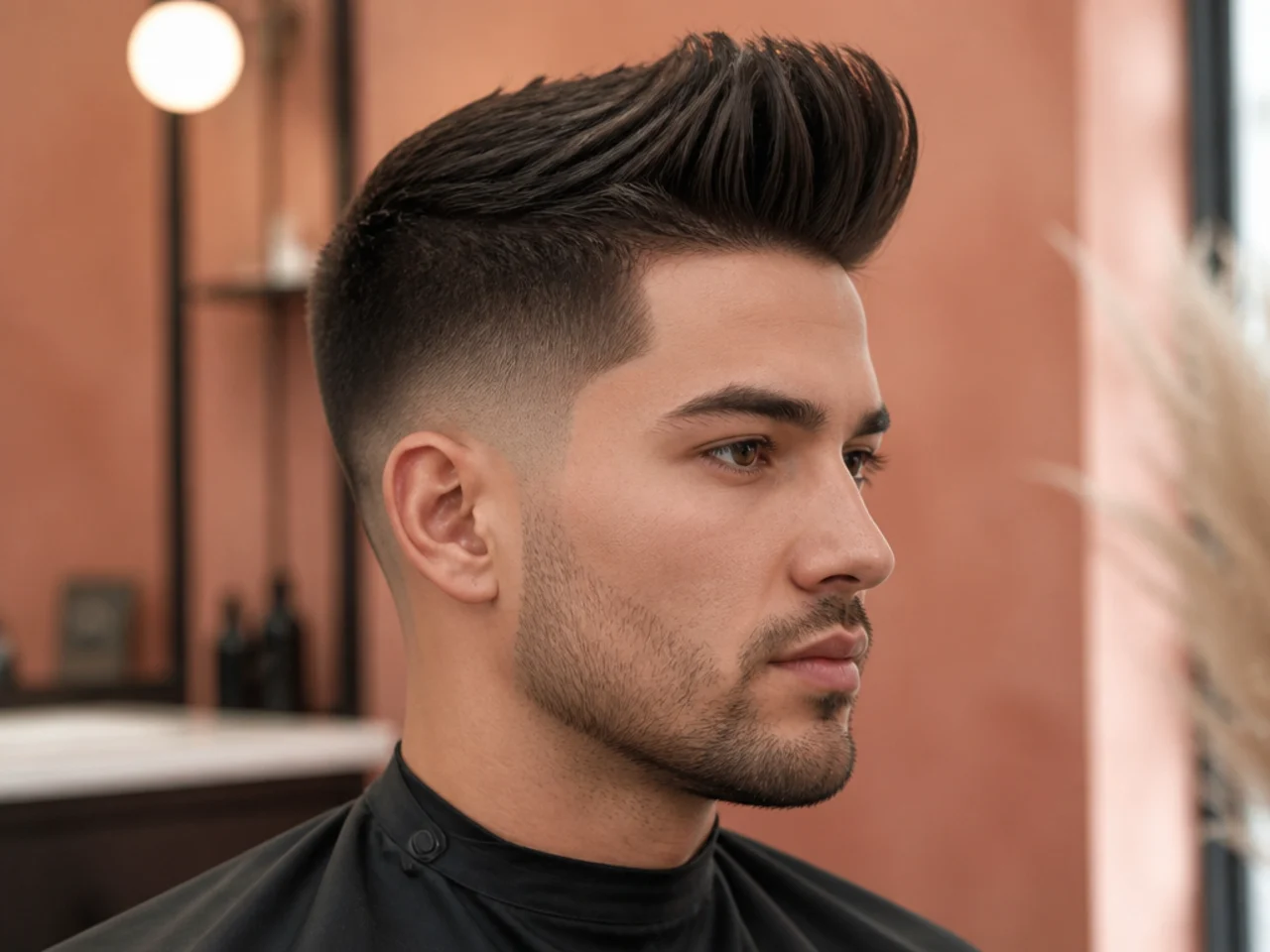
The workhorse. Four inches at the front, swept up and back with a medium-hold water-based pomade for visible shine, sides scissor-tapered or dropped into a subtle low taper. This is the version most barbers cut when a client says "classic quiff" without another qualifier. It works across every decade and every dress code.
Ask for four inches on top, a scissor-blended taper on the sides, and a soft blend at the crown so the shape reads rounded from every angle. Style with pomade combed once from front to back — that single pass is what separates it from the tousled modern versions. Best for straight or slightly wavy hair on any face shape.
The Side-Part Quiff
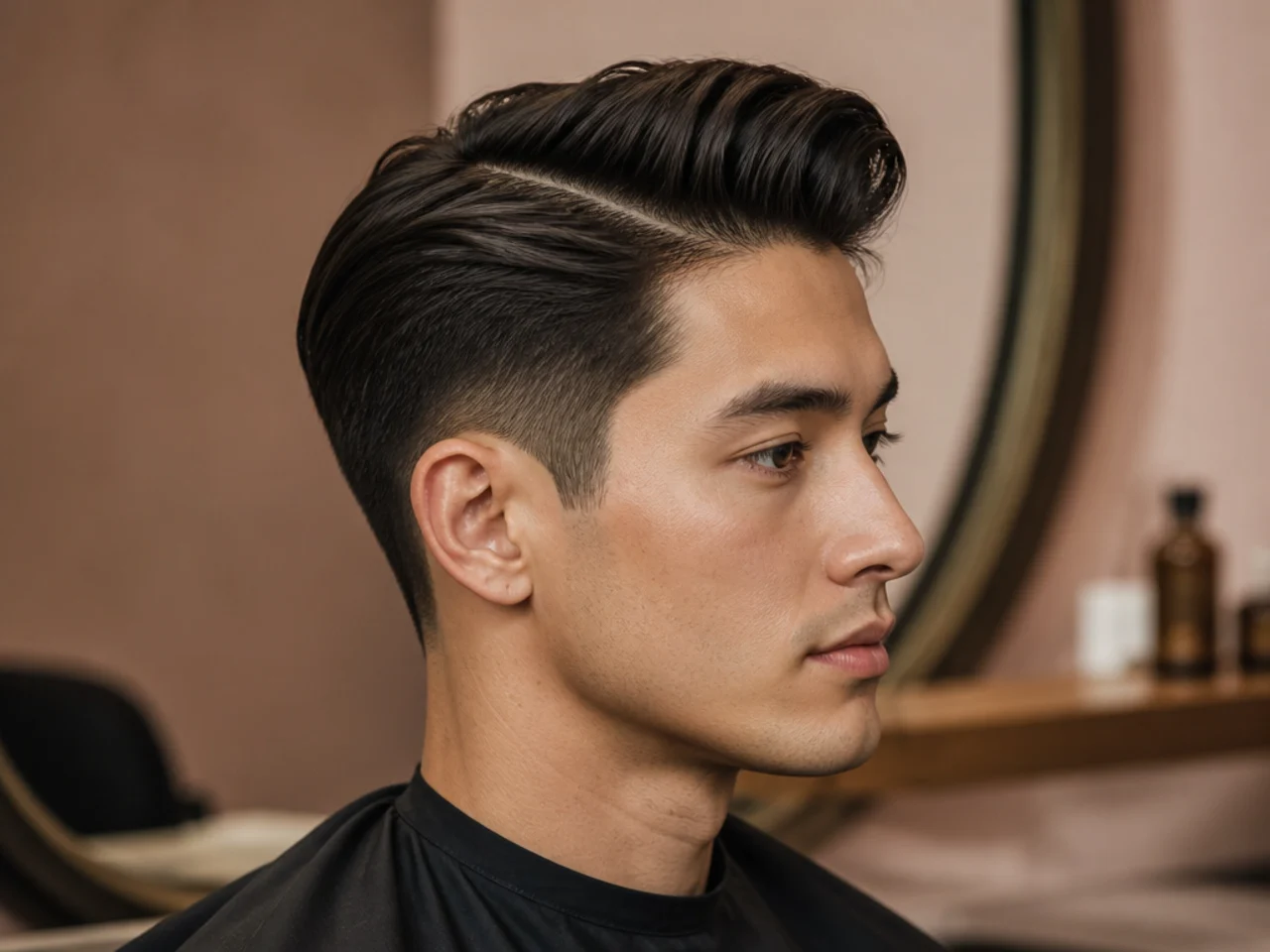
The quiff crossed with a proper side part. The front still lifts, but a natural parting on your dominant side splits the top so the shape reads sharper. It flatters formal wear better than any other quiff variation because the part adds visible discipline to the sweep.
Ask for a natural side part along your cowlick, four inches at the front, and scissor-tapered sides down to a #2. Tell your barber the sweep sits on the heavier side of the part, not both sides. Style with a cream pomade combed from the part outward for the sides and up-and-back for the front. Best for weddings, offices, and interviews. See the side part hairstyles for men guide for the wider family.
The Combed-Back Classic Quiff
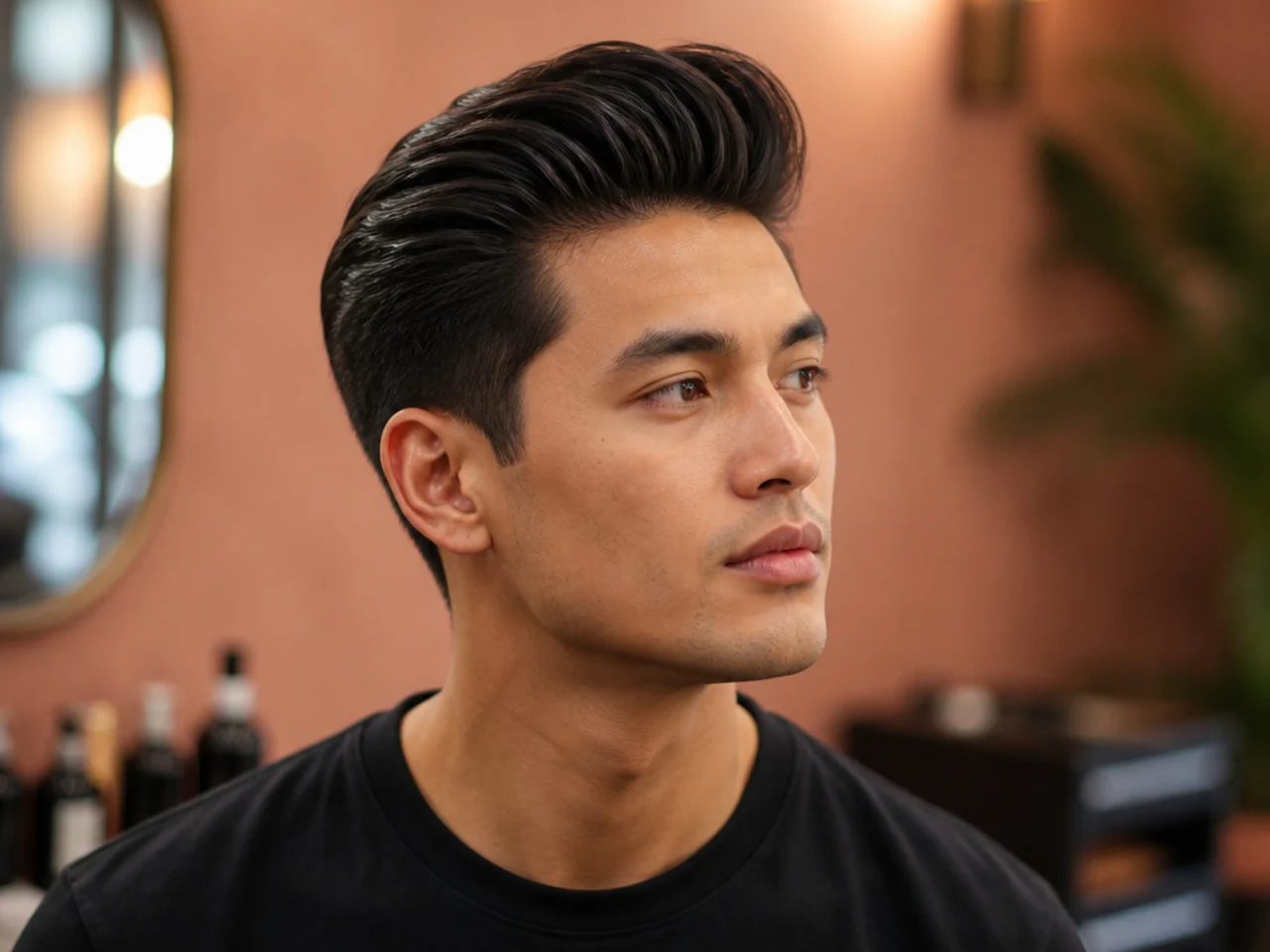
No part, no side sweep — just clean vertical lift from the hairline back to the crown. This is the quiff sitting closest to a proper slick back, but with more front volume and less sides-flat-to-the-head commitment. It flatters symmetrical faces beautifully.
Ask for five inches at the front, tapered down through the crown, and scissor-tapered sides — no fade, no undercut. Tell your barber you want the option to comb it straight back without a break. Style with a medium-hold pomade combed once with a fine-tooth comb, front to crown. A cool blast from the dryer locks the lift. Best for oval and heart-shaped faces on straight-to-wavy hair.
The Rockabilly Quiff
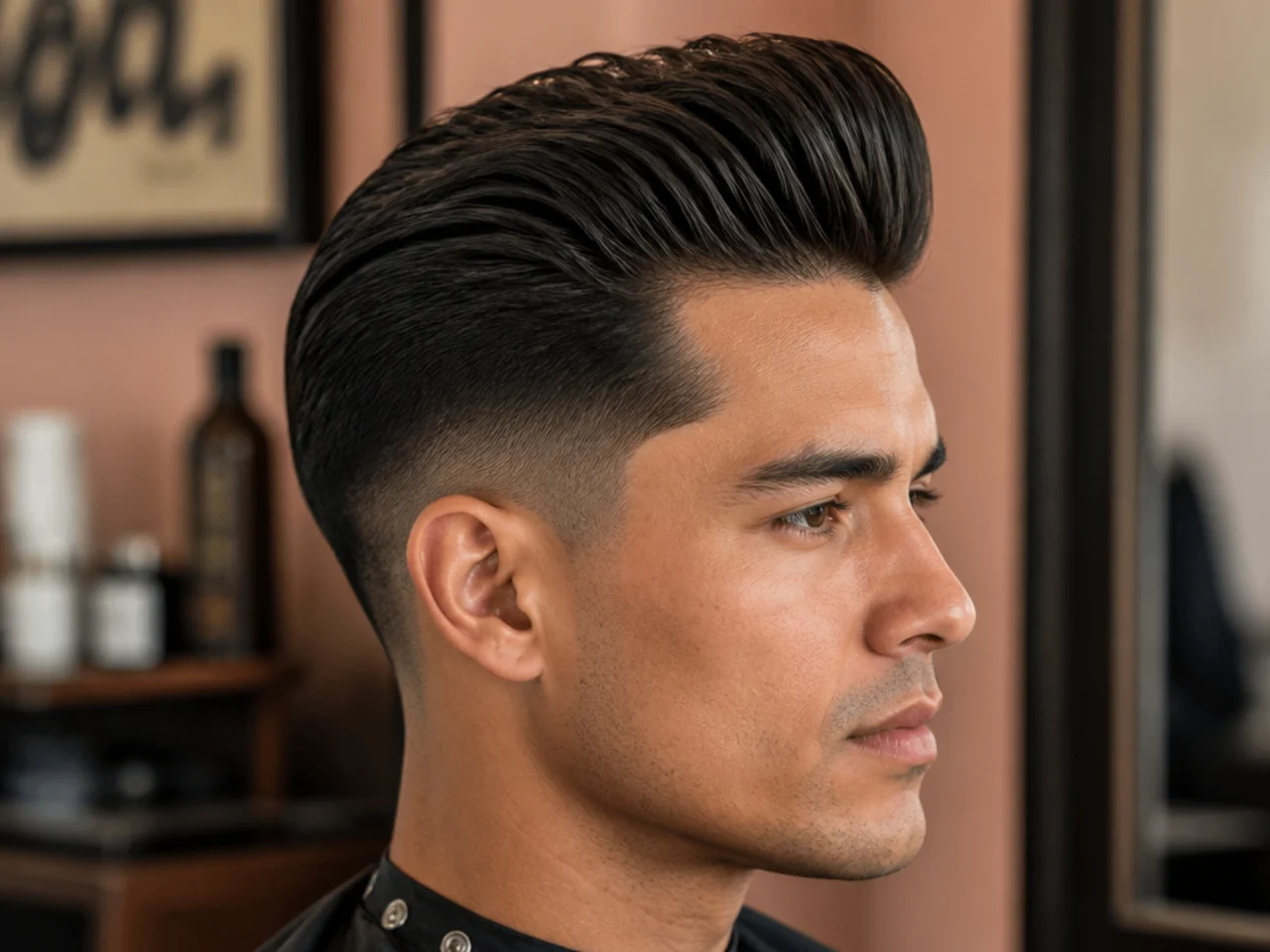
Height dialed up. The front sits at six inches, rolled forward into a proper crest before sweeping back — this is the "greaser" version, the one you saw on album covers before the Beatles reset the decade. It needs commitment. It also needs a hairspray to hold the shape past mid-morning.
Ask for six inches at the front tapered to four at the crown, scissor-tapered sides, and no fade — the sides should look tucked, not shaved. Style with a firm-hold oil pomade combed forward, rolled up with a fine-tooth comb, then set with a light hairspray. Best for square and oval face shapes with thick straight hair and a wardrobe that can carry it.
The Executive Quiff
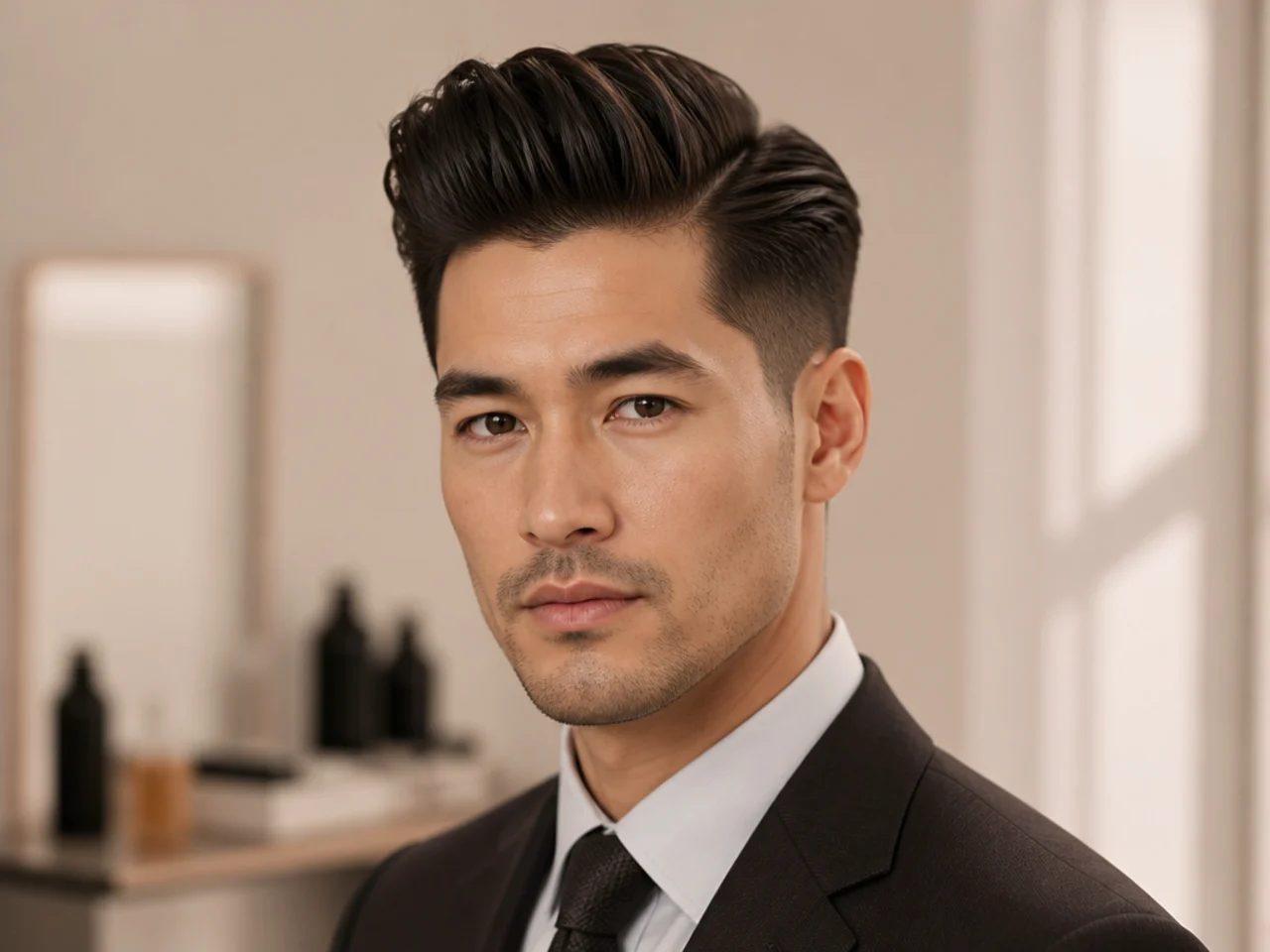
The office-friendly cut. Three inches at the front, swept up and back with a shine pomade, sides finished as a subtle low taper that stays invisible from the front. It reads polished under a suit collar without any of the height a rockabilly version brings.
Ask for three inches on top, a low taper fade that starts just behind the sideburn, and a soft crown blend. Tell your barber you want the fade "invisible from the front" — that's the language barbers respond to. Style with a small amount of water-based pomade combed up and back in one pass. Best for professional dress codes on any face shape. For more office-ready options, see professional hairstyles for men.
The Pompadour Quiff
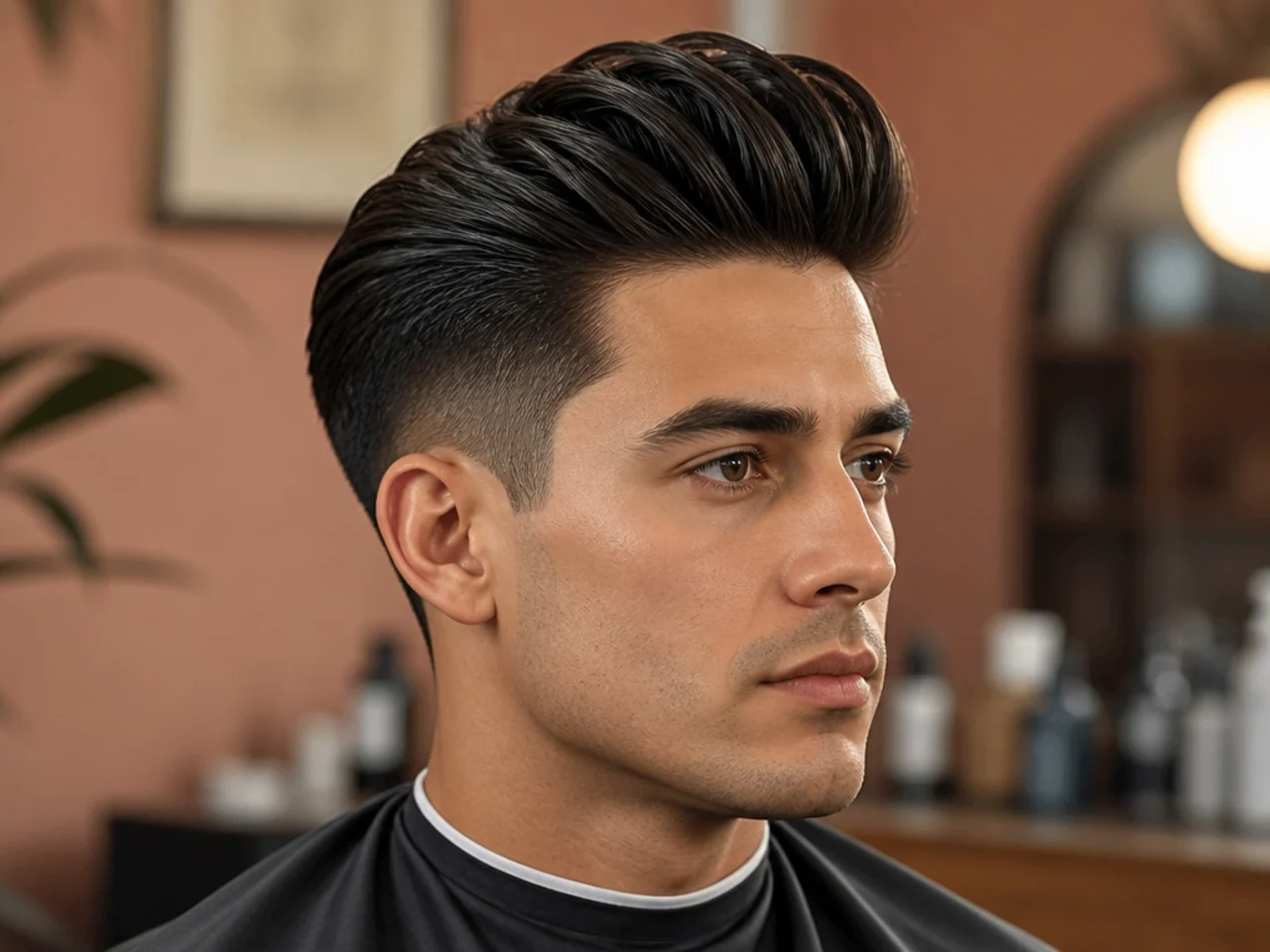
The tallest and fullest classic quiff — the one that sits closest to a proper pompadour without crossing the line. Front runs six inches, volume built at the root, and the sweep goes up before it goes back. Barbers historically treated this and the pompadour as cousins rather than separate cuts.
Ask for six inches on top layered down to four at the crown, scissor-tapered sides, and enough weight at the front to hold height. Tell your barber this is a pompadour-adjacent quiff, not a straight brush-up. Style with a volumizing mousse on damp hair, blow-dry up and back with a round brush, then set with a shine pomade. Best for thick, straight hair on square and oval faces.
The Gentleman's Quiff
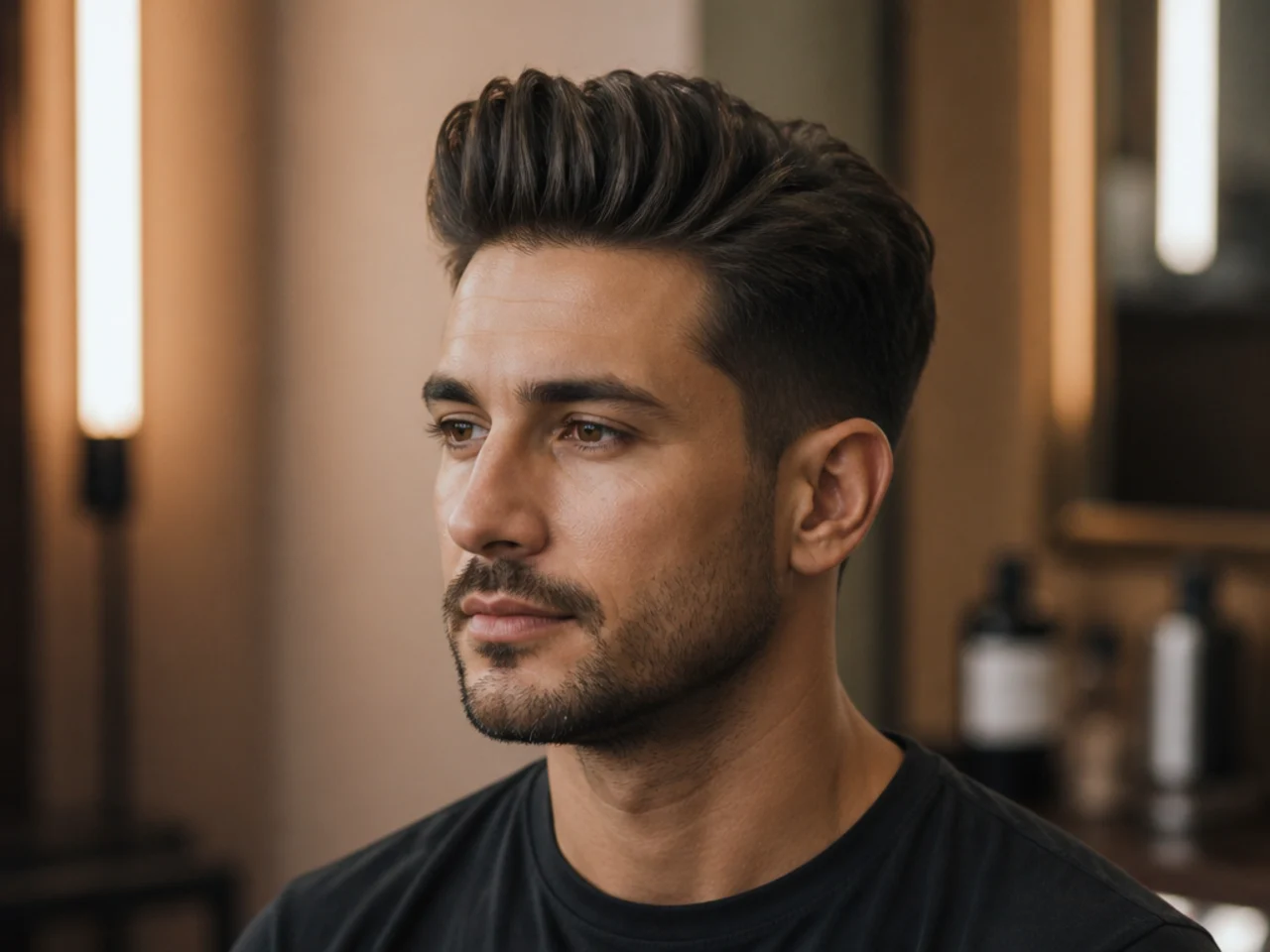
The mature version. Three inches at the front, soft side sweep rather than dramatic lift, sides scissor-blended down without a hard clipper line. This is the classic quiff a 45-year-old wears without looking like he's trying to recapture something. It's the ivy league crossed with just enough front height to read as a quiff.
Ask for three inches on top, a shallow natural side part, a soft scissor taper on the sides, and a cream pomade finish for shine without gloss. Style with a comb once through damp hair, then a light spritz to hold. Best for 35+ men, any face shape, straight or wavy hair. The neutral cousin to the old money haircut.
The Scissor-Tapered Classic Quiff
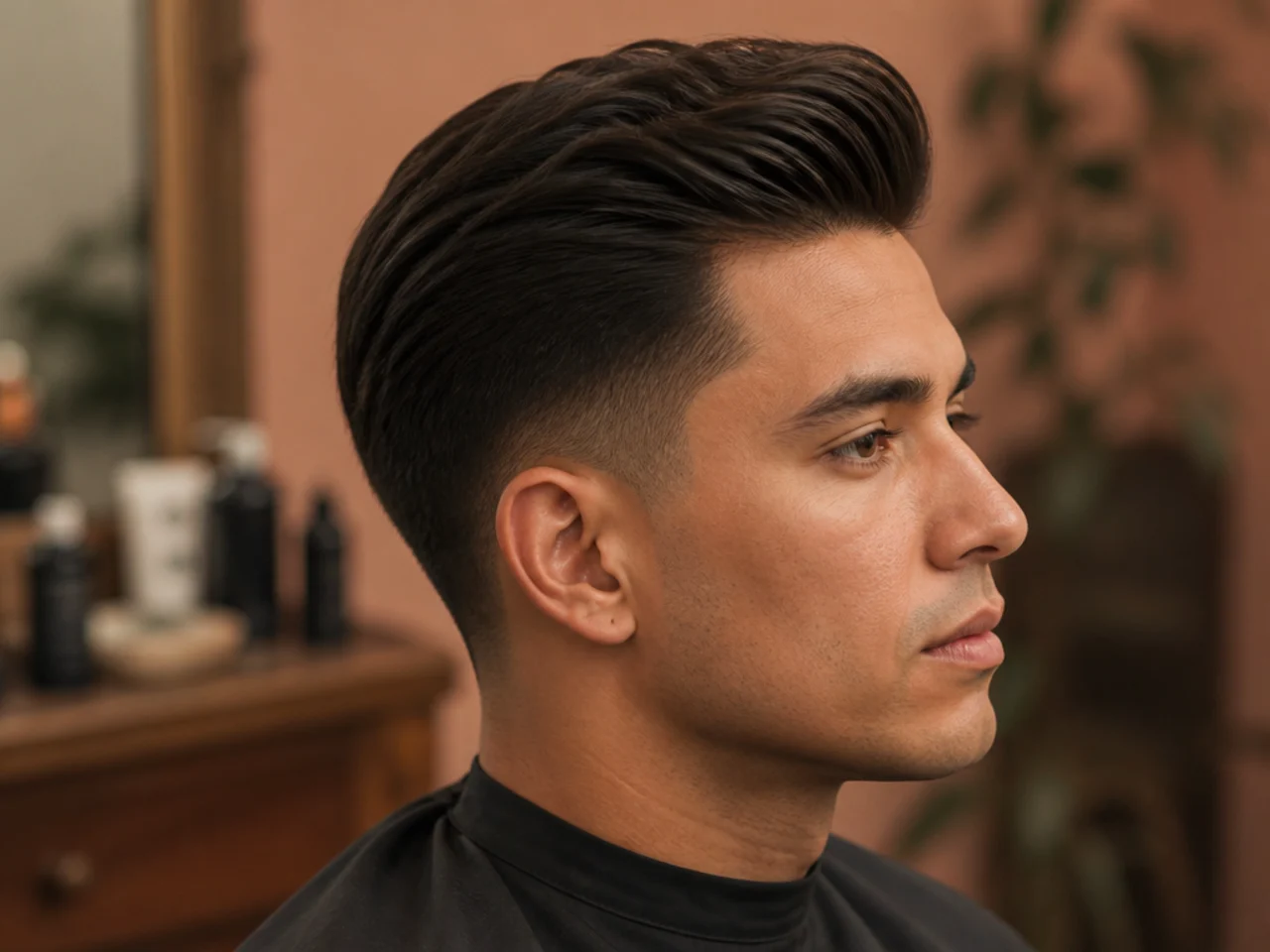
No clippers, no fade — the entire cut is done with scissors. Sides are graduated from a #4 down to a #2 by hand, top is scissor-cut into a soft rounded shape, and the front lifts naturally without heavy layering. This is the version your grandfather's barber cut before electric clippers took over the industry.
Ask for a full scissor cut, no clippers on the sides, a soft graduated taper down to just above the ear, and four inches on top with a swept-back finish. Tell your barber you want the "traditional English cut" — that's the industry name. Style with a cream pomade combed once. Best for 30+ men who want a classic that reads timeless in every photo.
The Wet-Look Quiff
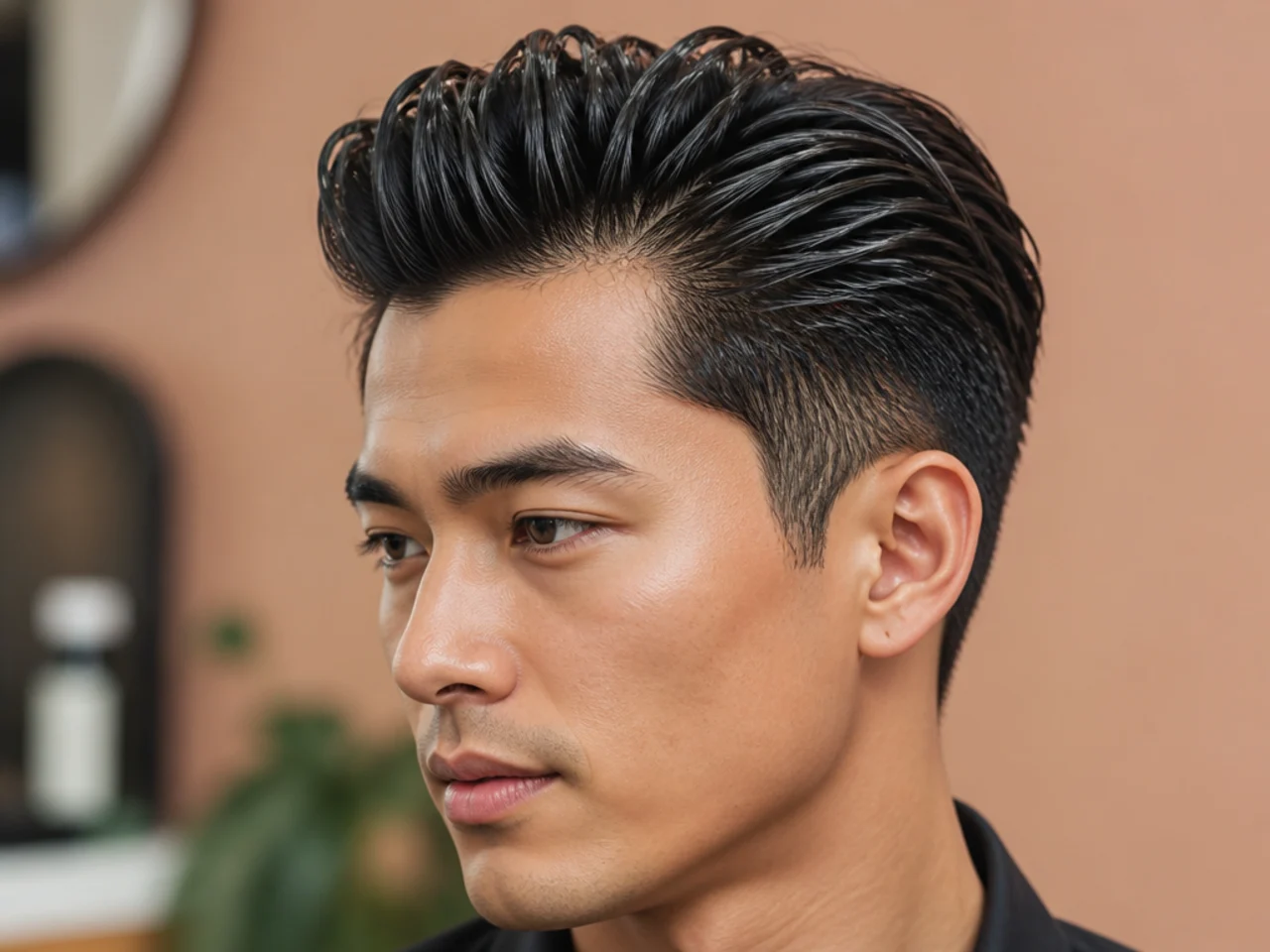
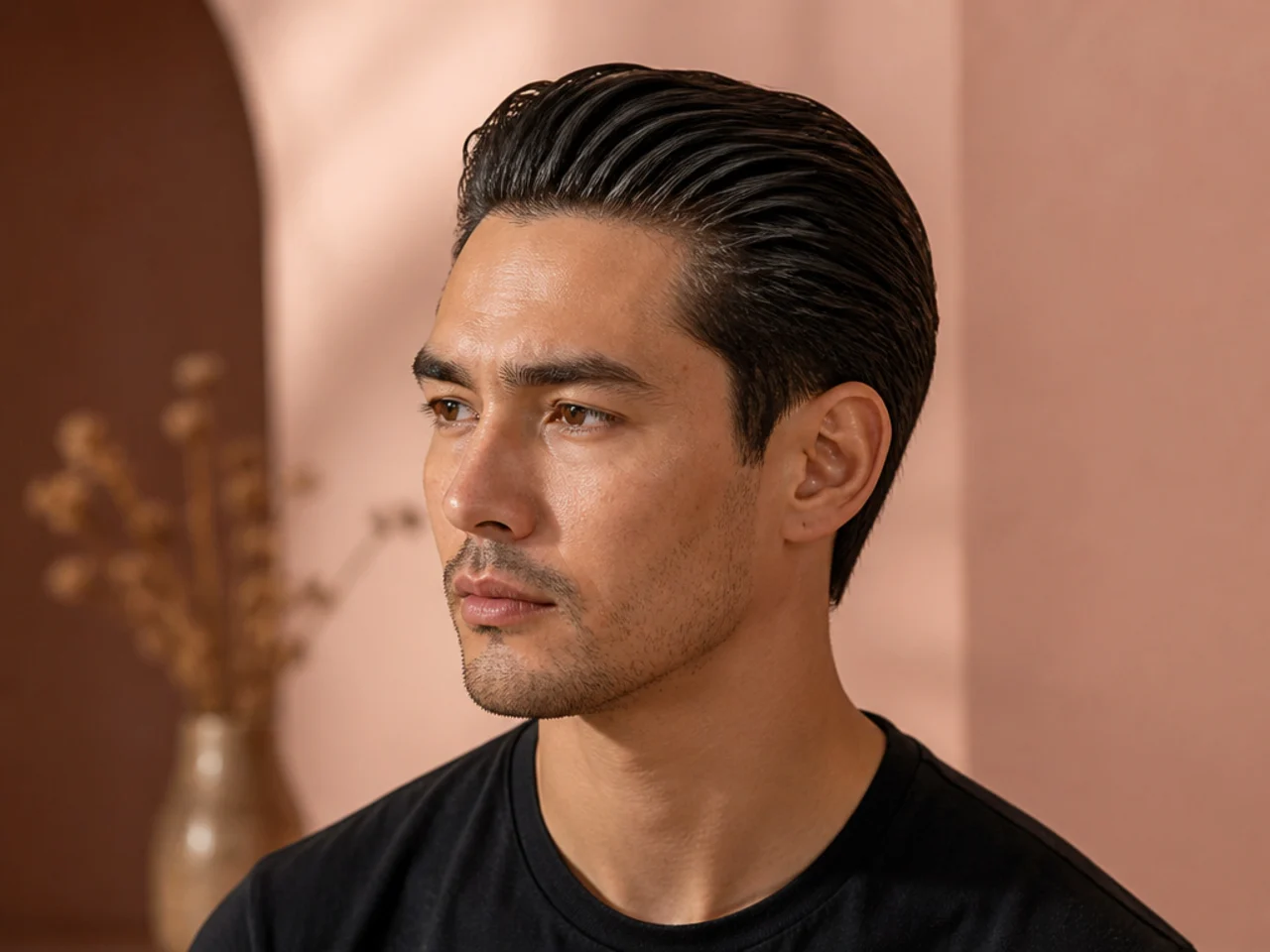
The high-shine version. A heavy oil-based pomade is worked through damp hair, the front is lifted with a comb, and the whole shape holds a glossy, deliberately wet finish through the day. This is the black-and-white photograph quiff — 1955, Havana, a suit and a cigarette. It's a formal wear cut.
Ask for four inches at the front, scissor-tapered sides down to a #2, and a soft crown blend. Style with a heavy oil pomade combed through wet hair, front swept up and back, then locked with a fine-tooth comb pass to define the lines. Skip water-based pomades — they don't give the same wet finish. Best for evening events, formal wear, and hair that holds structure well.
The Textured Vintage Quiff
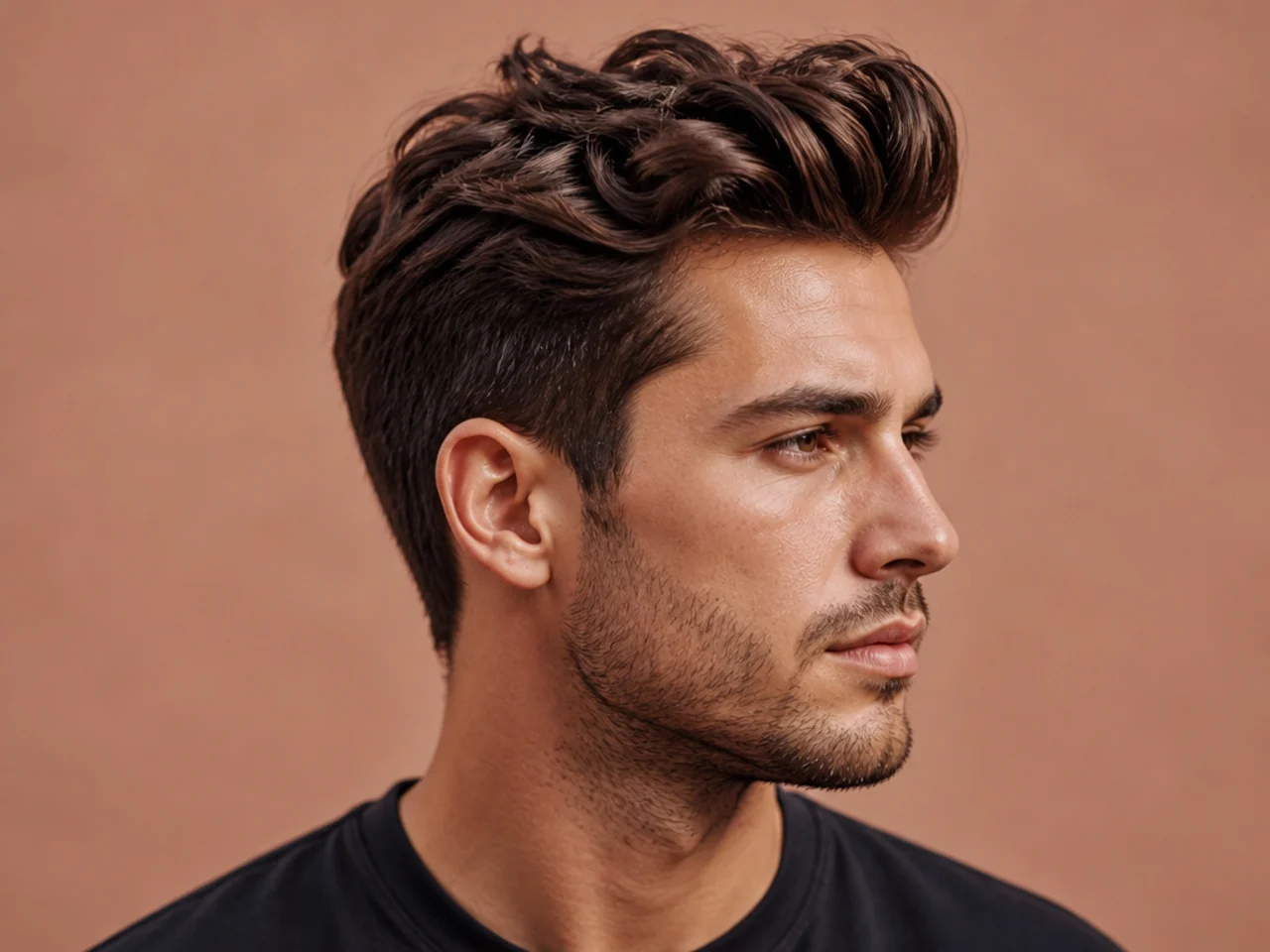
A classic silhouette with the tiniest amount of modern texture worked in. Front is layered subtly so the sweep shows movement rather than one solid wall of hair, but the shape still reads 1950s. This is the crossover version — old-school geometry with a hint of the modern textured haircut family.
Ask for point-cut layering through the front third only, four inches on top, and a scissor-tapered side. Tell your barber the goal is a classic quiff with movement, not a modern textured quiff. Style with a light cream or fiber worked through the ends, then combed once from front to back. Best for straight-to-wavy hair on oval and square face shapes.
The Classic Quiff with Beard
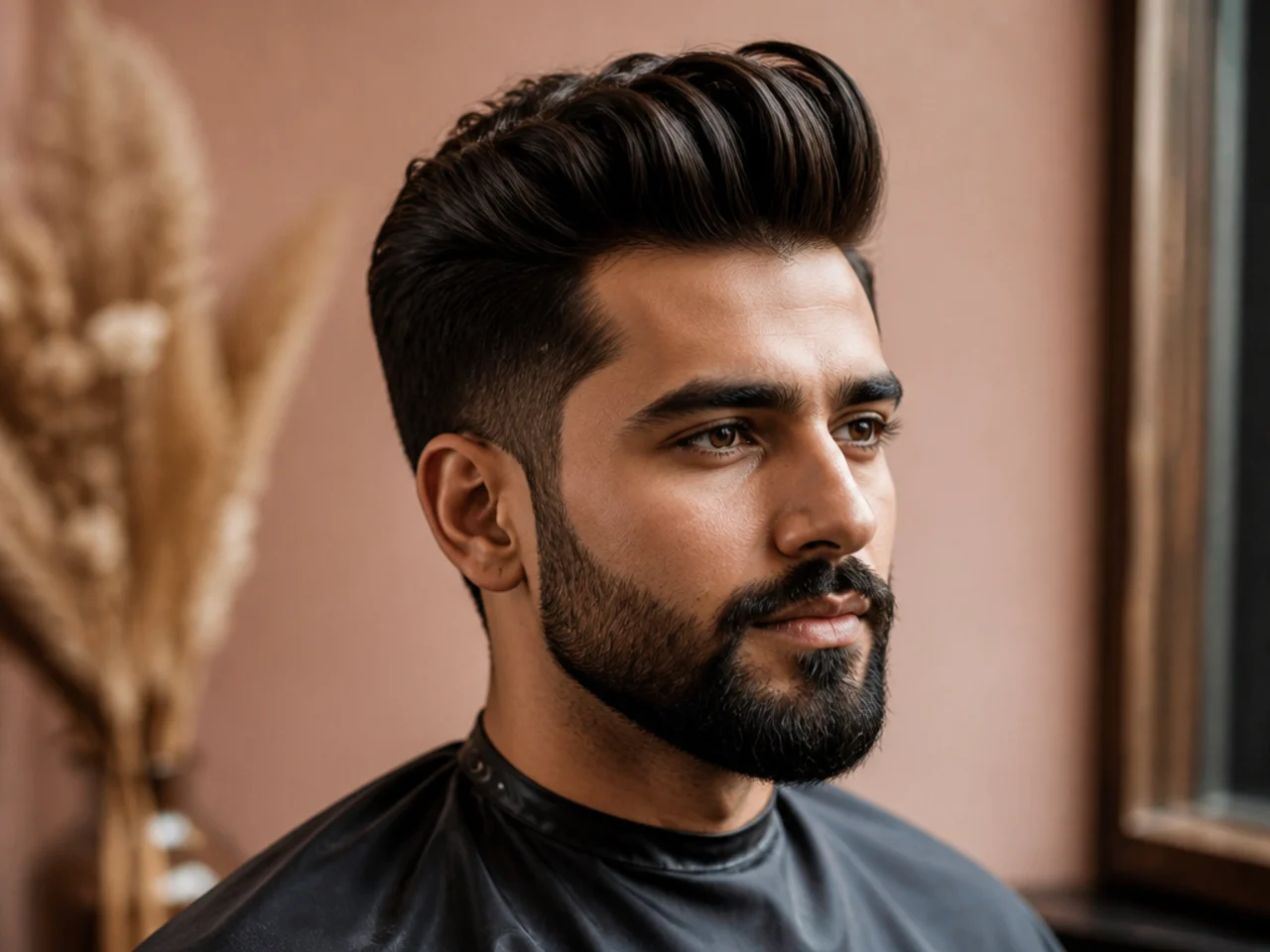
Pair the classic quiff with a full trimmed beard and the whole face reads twice as masculine. Height on top, weight along the jaw — the shape frames the face without any extra styling on your part. The trick is density matching: full quiff pairs with a full beard, executive-length quiff pairs with shorter stubble.
Ask for four inches on top, a scissor-tapered side that ties into the beard sideburn cleanly, and a low taper if you want more visible geometry. Tell your barber to keep the taper and beard connected — no visible break between them. Style the top with pomade, the beard with a light oil, and never mix the two. Best for square, oval, and heart-shaped faces.
The Long Classic Quiff
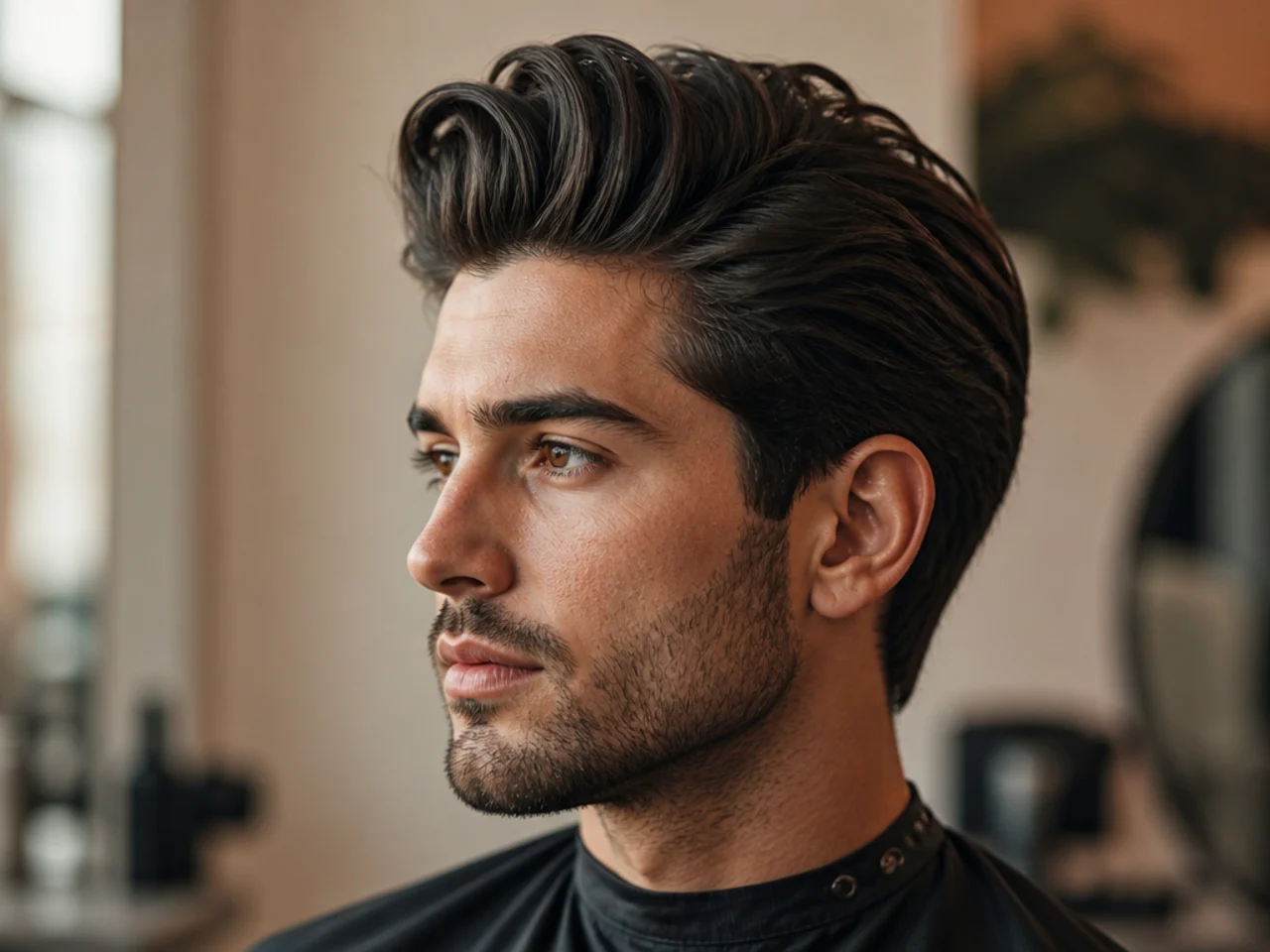
Top pushed to six or seven inches — the full 1950s statement length. This version needs thick hair to hold shape and five minutes of styling most days, but the payoff is a hairstyle that stops people. Barbers cut this most often for musicians, wedding parties, and anyone who wants their haircut to be the first thing you see.
Ask for six inches at the front tapered down to four at the crown, a scissor-tapered side, and no thinning through the top — you need every strand for the volume. Style with a volumizing mousse on damp hair, blow-dry with a round brush up and back, then set with a shine pomade and a light hairspray. Best for thick straight-to-wavy hair on square and oval faces.
The Contour Quiff
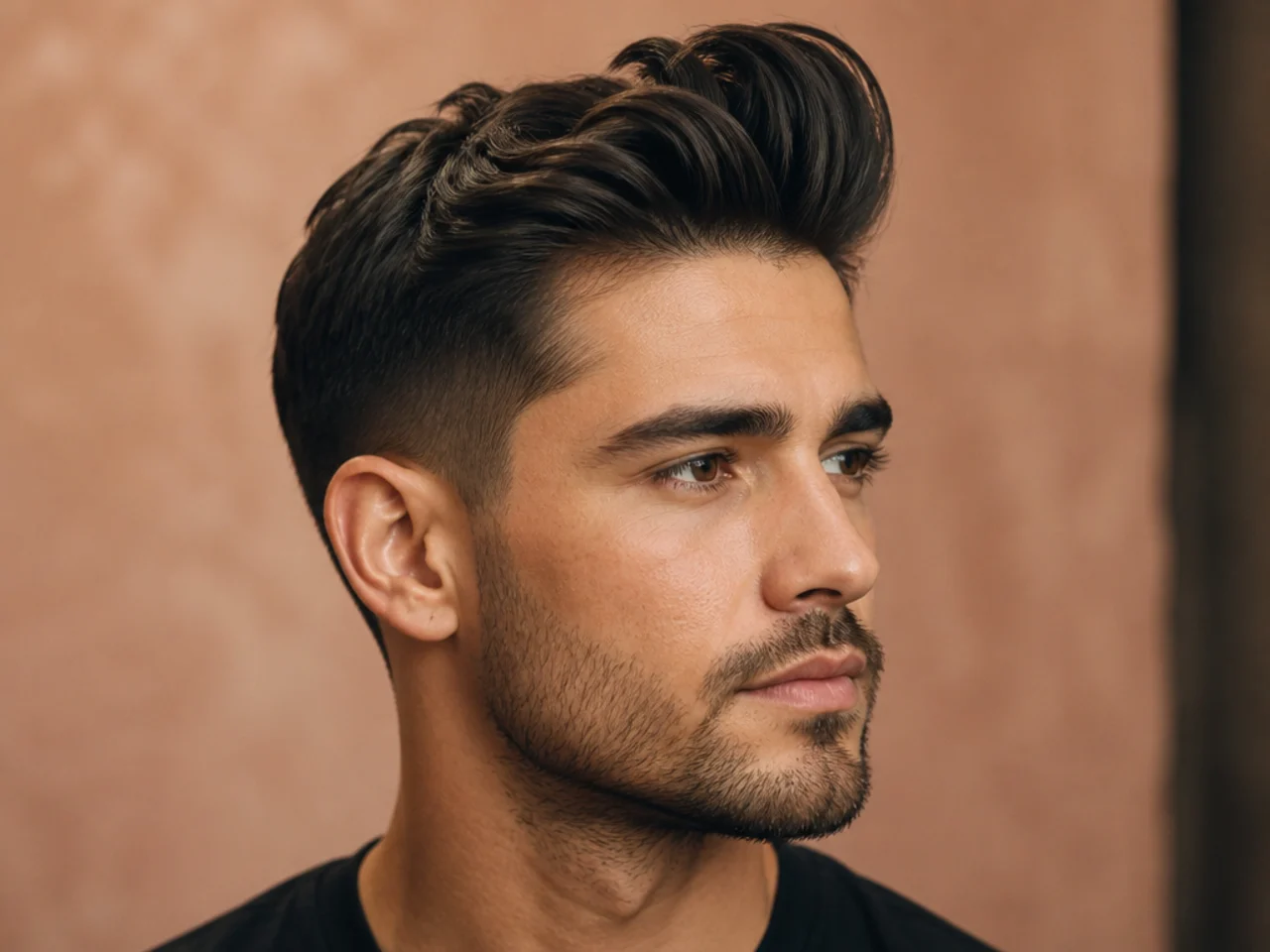
The quiff sculpted to follow your head shape. Instead of forcing a uniform sweep, the barber layers the top so the front lifts, the crown falls into the natural curve, and the sides taper into the neck without breaks. This is the version that reads most flattering in photos because it works with your bone structure instead of ignoring it.
Ask for a contoured cut — four inches at the front, scissor-layered to follow the crown, and a graduated scissor taper down through the sides. Tell your barber to shape the top to your head, not to a template. Style with a cream pomade combed once with a fine-tooth comb. Best for narrow, oval, and heart-shaped faces on any hair density.
The Regent Classic Quiff
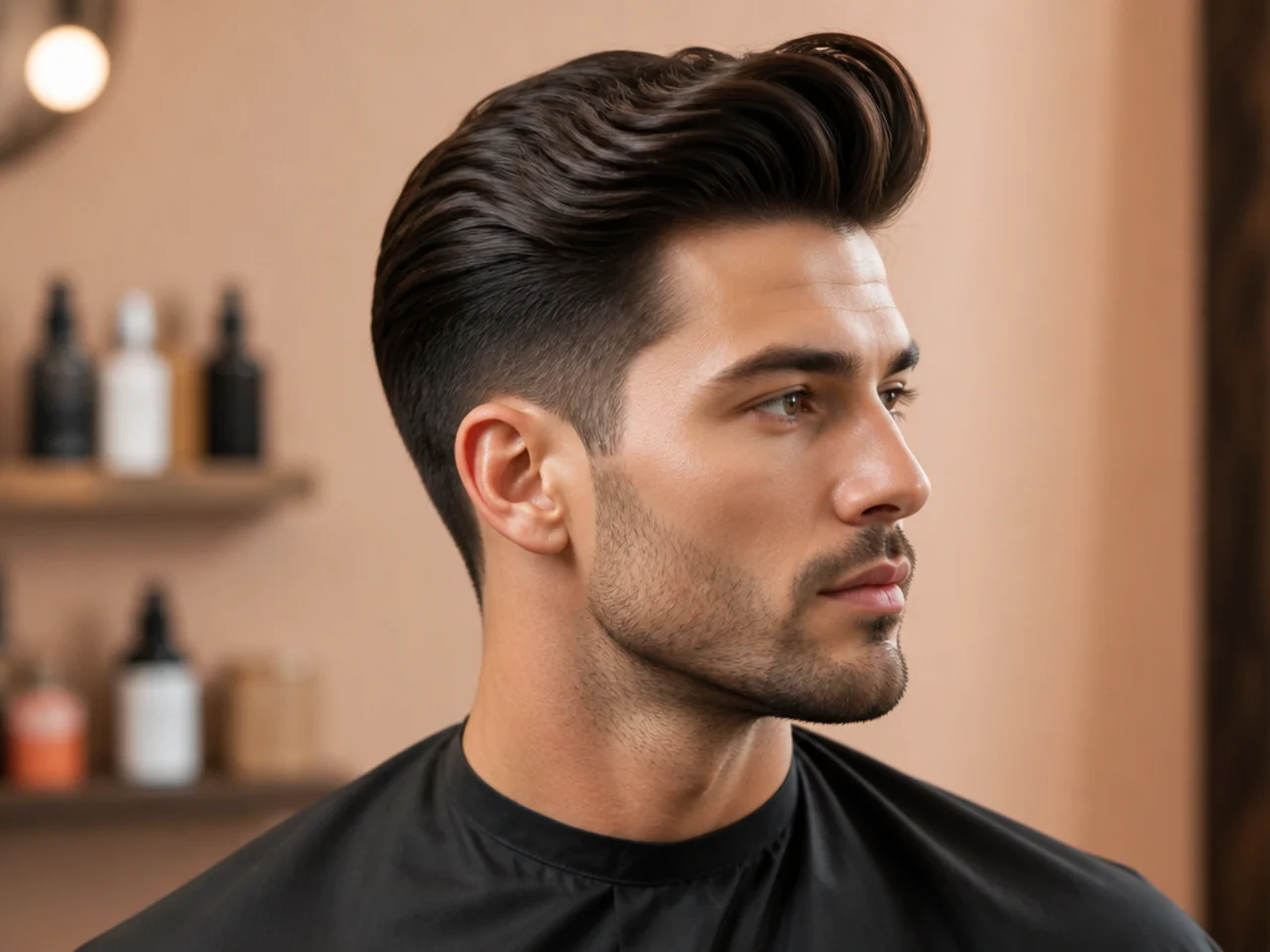
A classic quiff with a razor-drawn hard part cut into the side. The parted hair sits swept up and back from the part, the other side stays close to the head, and the whole cut reads formal and defined. This is the barber's showpiece — the classic that leaves the chair looking finished.
Ask for a razor part on your dominant side, five inches at the front, scissor-tapered sides down to a #2, and a soft crown blend. Tell your barber to cut the part with a straight razor, not a clipper — the line is cleaner. Style with a shine pomade combed cleanly from the part outward and up-and-back for the front. Best for weddings, formal events, and straight thick hair on any face shape. For more polished side-part looks, see the comb over guide.
How to Ask Your Barber
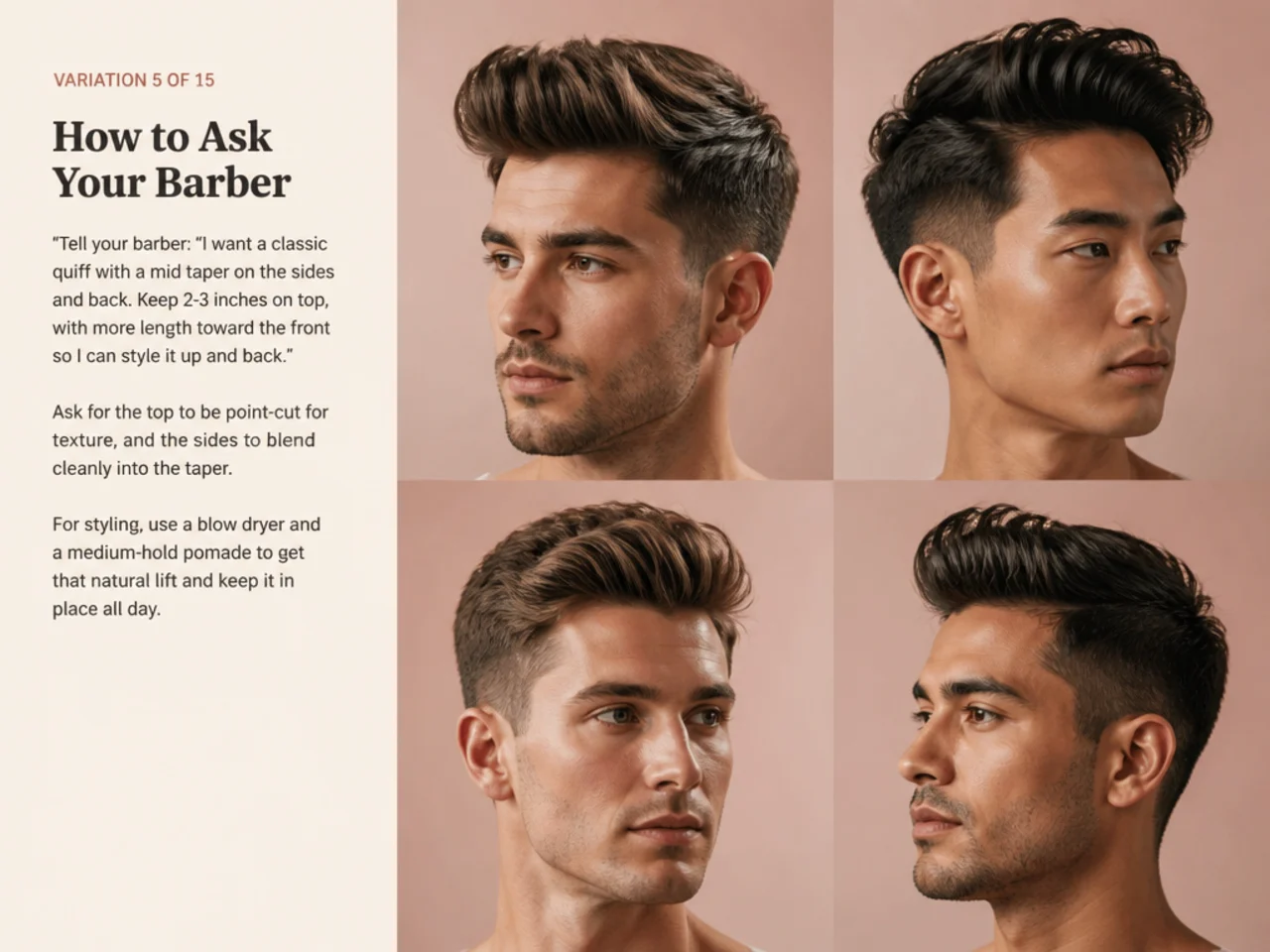
Bring a photo of the exact variation from above. Then walk through these five specifics in order — every barber understands this brief.
- Length at the front, in inches. Three inches for executive, four for pomaded classic, five for the 1950s original, six or seven for long or rockabilly. Say the number.
- Side treatment. Scissor taper (no clippers), low taper fade, or subtle low fade. Say which one, and specify the guard number if you want a fade.
- Crown blend. Ask for a "soft blend at the crown" so the shape rounds from every angle. Without this, the cut reads blocky from the side.
- Finish. Pomade shine, matte-shine cream, or wet-look gloss. This changes which product you buy after the cut.
- Part. Natural side part, razor part, or no part (combed back). If you want a part, tell them which side is your cowlick.
Say those five things and your barber will cut exactly the classic quiff you want. Skip any of them and you're rolling the dice.
Styling & Maintenance
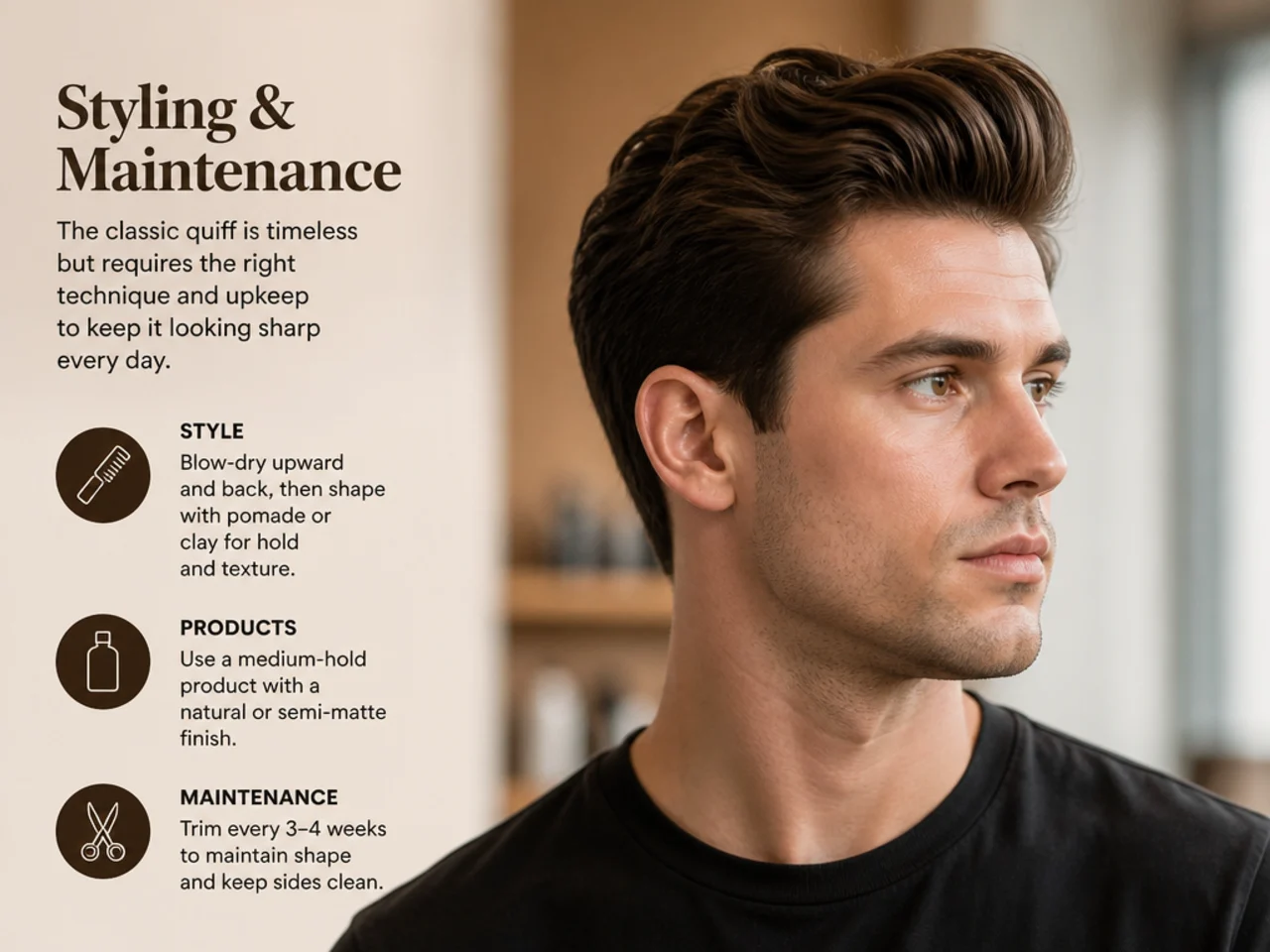
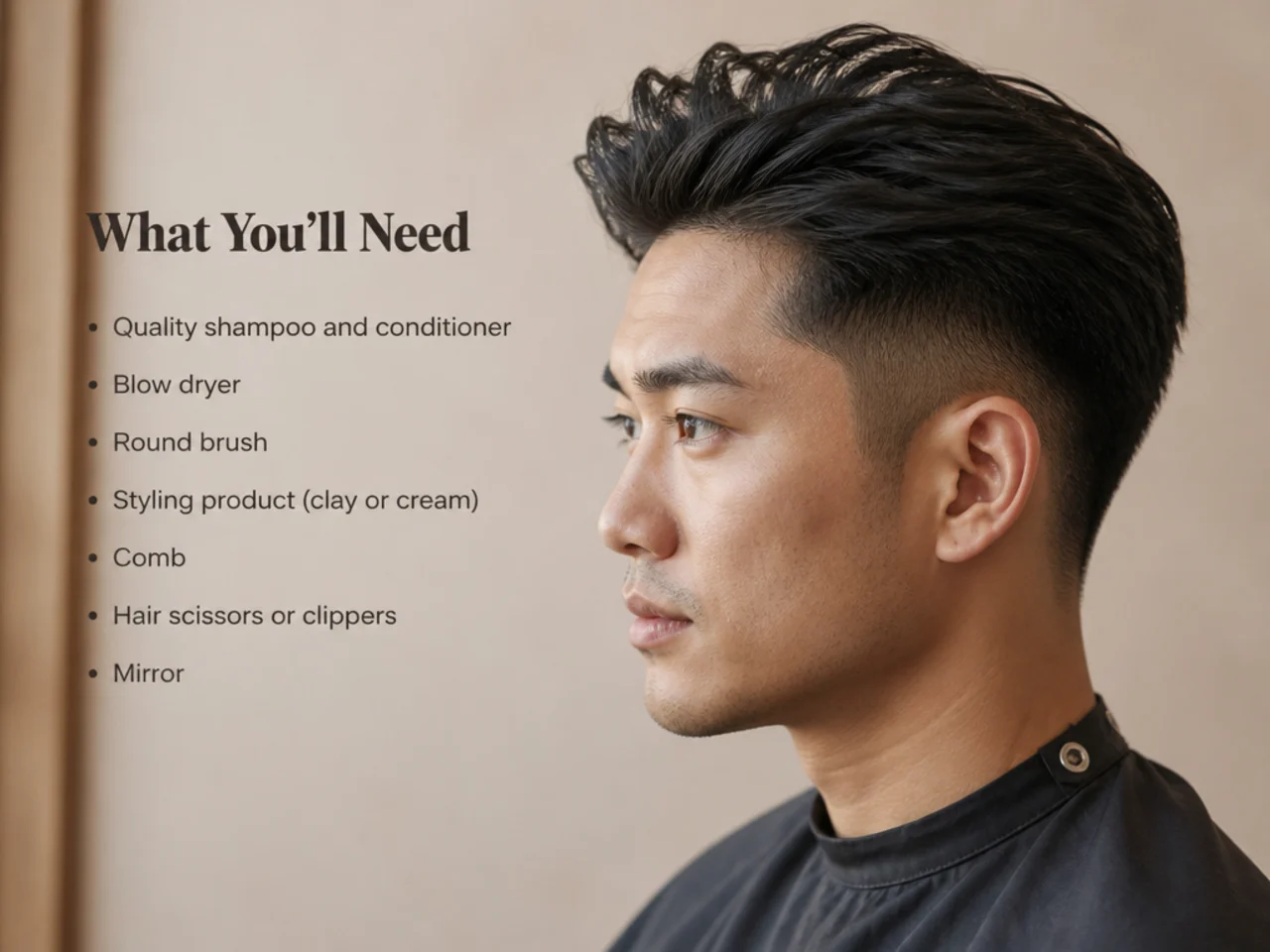
A classic quiff needs three things on the counter: a medium-hold water-based pomade, a fine-tooth comb, and a light hairspray for the longer variations. That's the entire routine.
Start with damp — not wet — hair. Work a nickel-size scoop of pomade between your palms until it turns clear, then apply from the front back. Blow-dry with the pomade already in for the wet-look and rockabilly versions; air-dry after applying for the softer executive and gentleman's cuts. Comb once with a fine-tooth comb from front to back. That single pass separates classic from modern texture-heavy versions.
For volume on fine or medium hair, add a mousse pre-styler at the root before you dry. For coarse or thick hair, cut back on product — half the pomade you think you need is usually enough. If the shape falls flat by mid-afternoon, mist a light hairspray from eight inches away, one pass across the front.
Book the next cut every four to five weeks. Classic quiffs live on clean geometry — the moment the sides fluff up or the crown grows past the front line, the whole shape reads unkempt. A quick shape-up at the sides between full cuts extends the life by a week. For the wider styling toolkit, the best wavy hair products guide covers pomades and creams that hold on straight hair too.
FAQ
Is the classic quiff still in style for 2026?
Yes. The classic quiff has held its position in every decade since the 1950s because the geometry flatters faces — that doesn't age out. The 2026 versions barbers cut most often are the pomaded classic, the executive, and the side-part — all in this guide. If you're chasing something more modern, the messy quiff or short quiff variations give the same silhouette with a matte, textured finish.
How is a classic quiff different from a pompadour?
The pompadour is taller, rolled forward before it sweeps back, and needs real volume through the crown. A classic quiff is shorter at the front, sweeps up-and-back in one direction, and doesn't roll. The pompadour quiff in this guide sits between the two. Barbers historically treated them as cousins in the same family.
Can older men wear a classic quiff?
Absolutely. The gentleman's quiff, the executive quiff, and the scissor-tapered classic were built for men 35 and up. Keep the front length at three to four inches, the sides scissor-tapered (no fades), and the finish shine rather than matte. That combination reads distinguished, not nostalgic.
What products do I actually need?
A medium-hold water-based pomade, a fine-tooth comb, and a light hairspray covers every version in this guide. For the wet-look and rockabilly versions, swap in an oil-based pomade instead. For curly or wavy hair, a cream replaces the pomade. That's four items, tops.
How long does it take to grow one out?
If you're starting from a buzz cut, budget six to eight months for a full classic quiff — you need at least four inches at the front to hold the shape. From a short crop, three to four months. The awkward middle phase (two to three months in) is easier if you ask your barber for a scissor taper along the way to keep the sides looking intentional.
Does the classic quiff work with an undercut?
An undercut turns a classic quiff into a modern quiff. If you want the disconnection, ask for the undercut fade with four to five inches on top and comb the front up and back. It reads sharper and more fashion-forward than the traditional classic. Purists stick with a scissor taper.