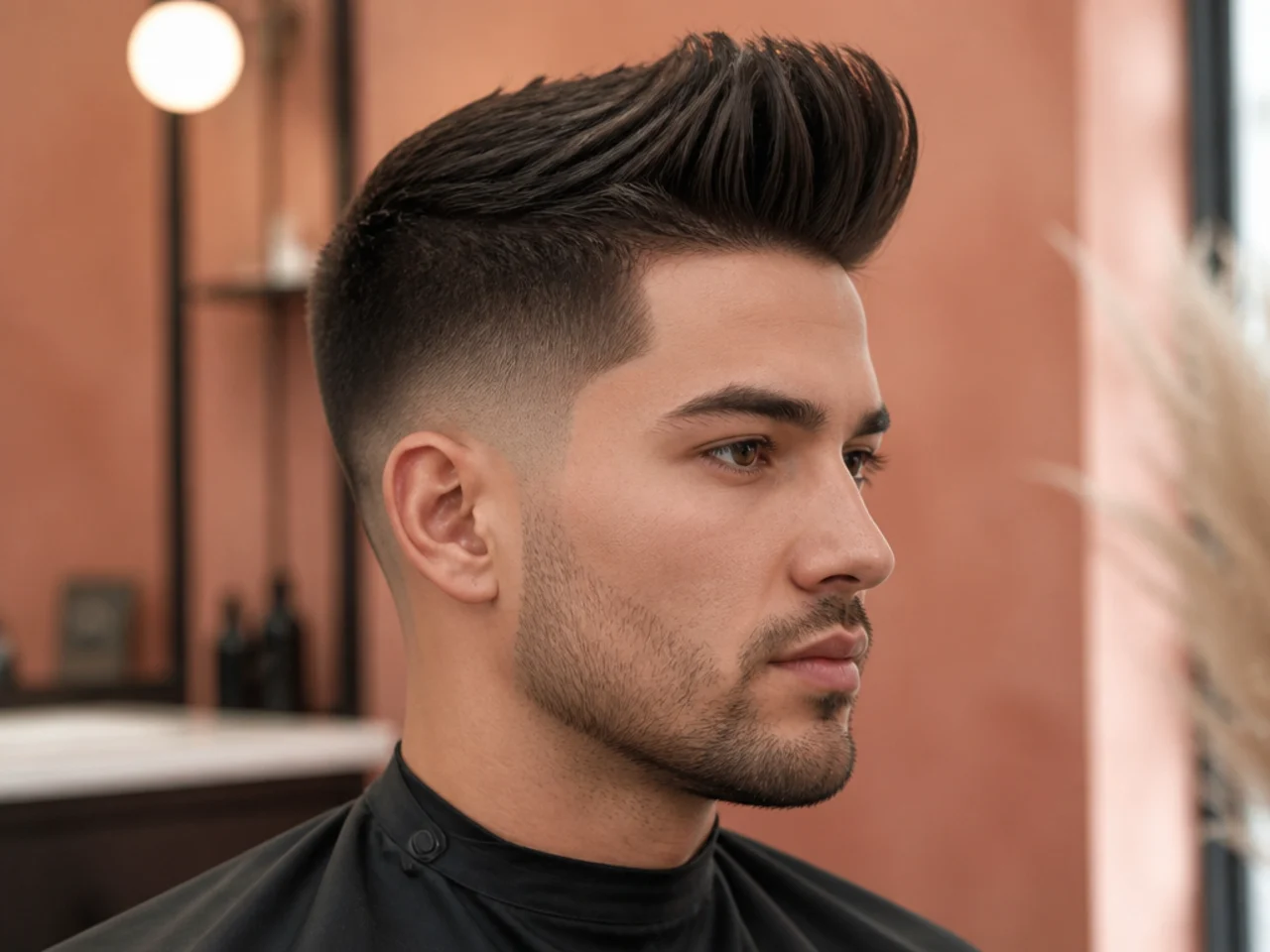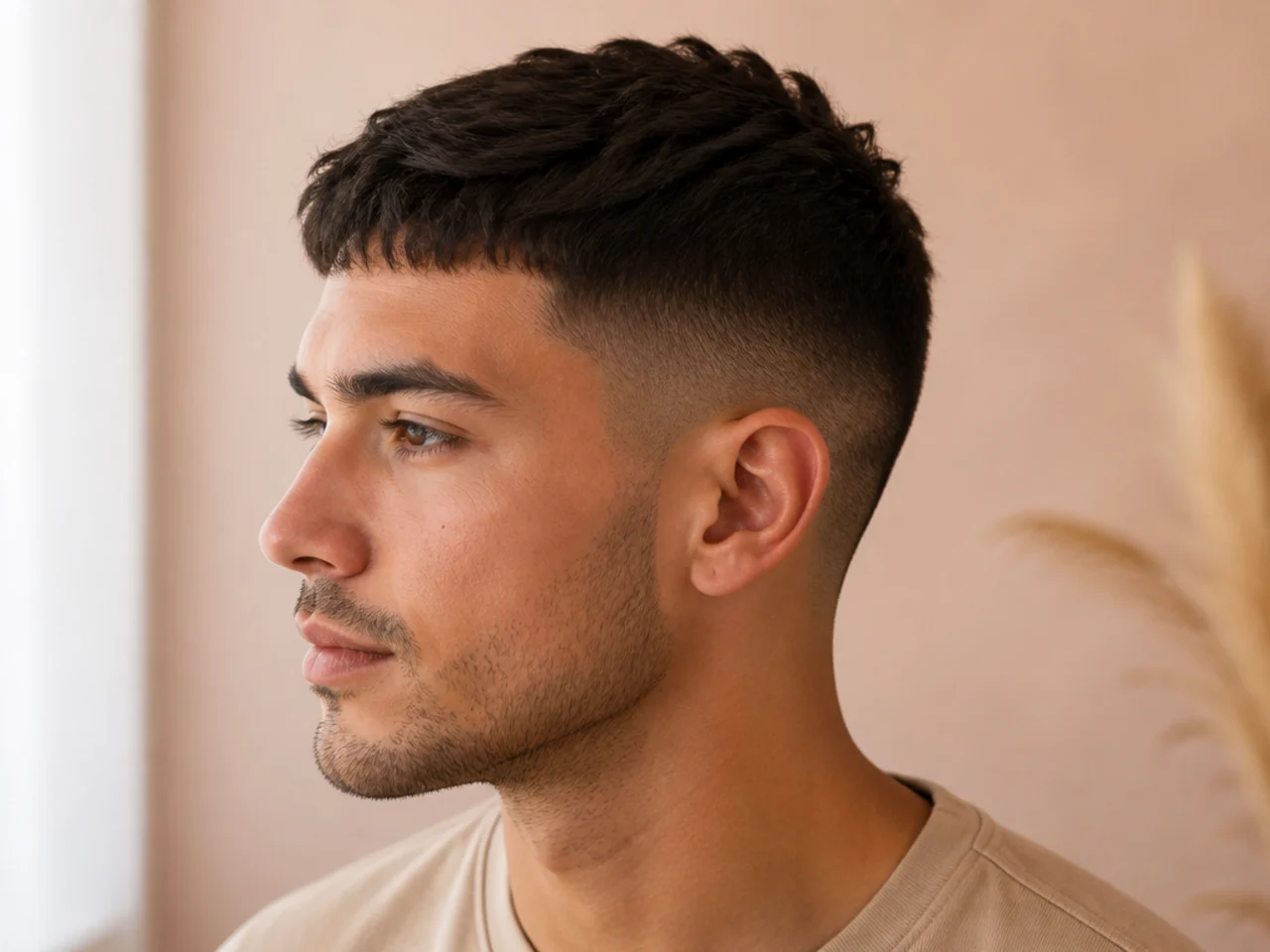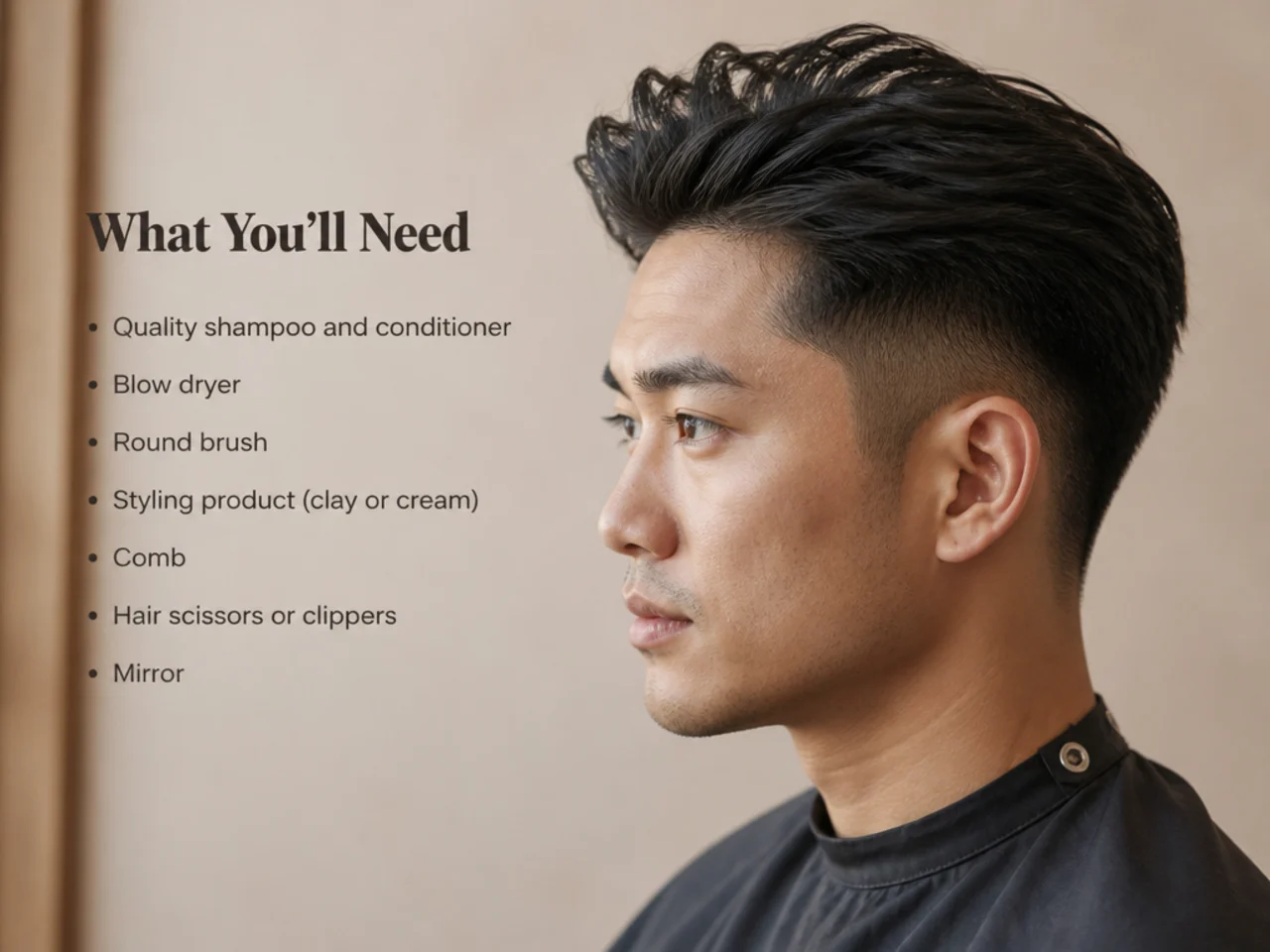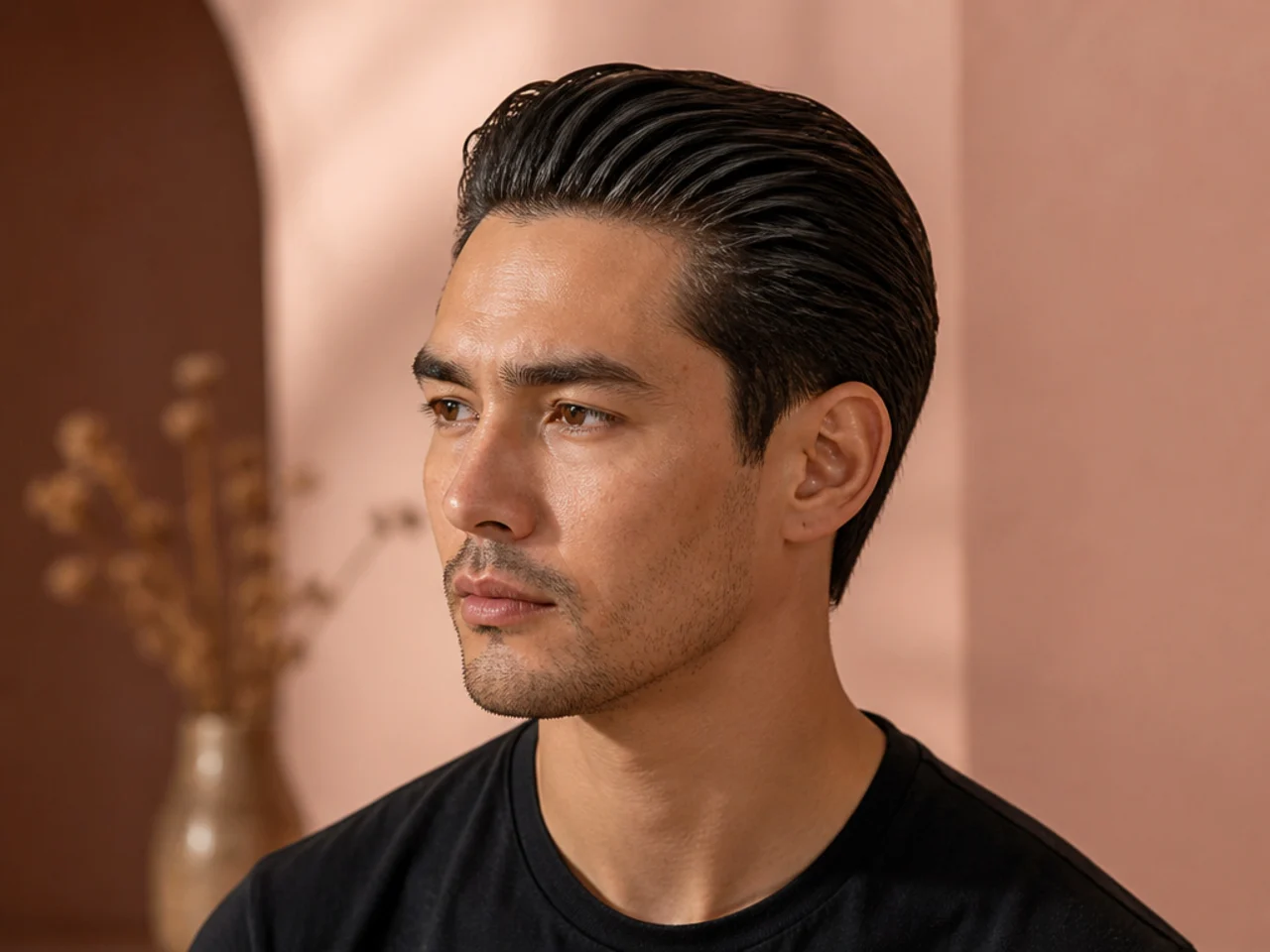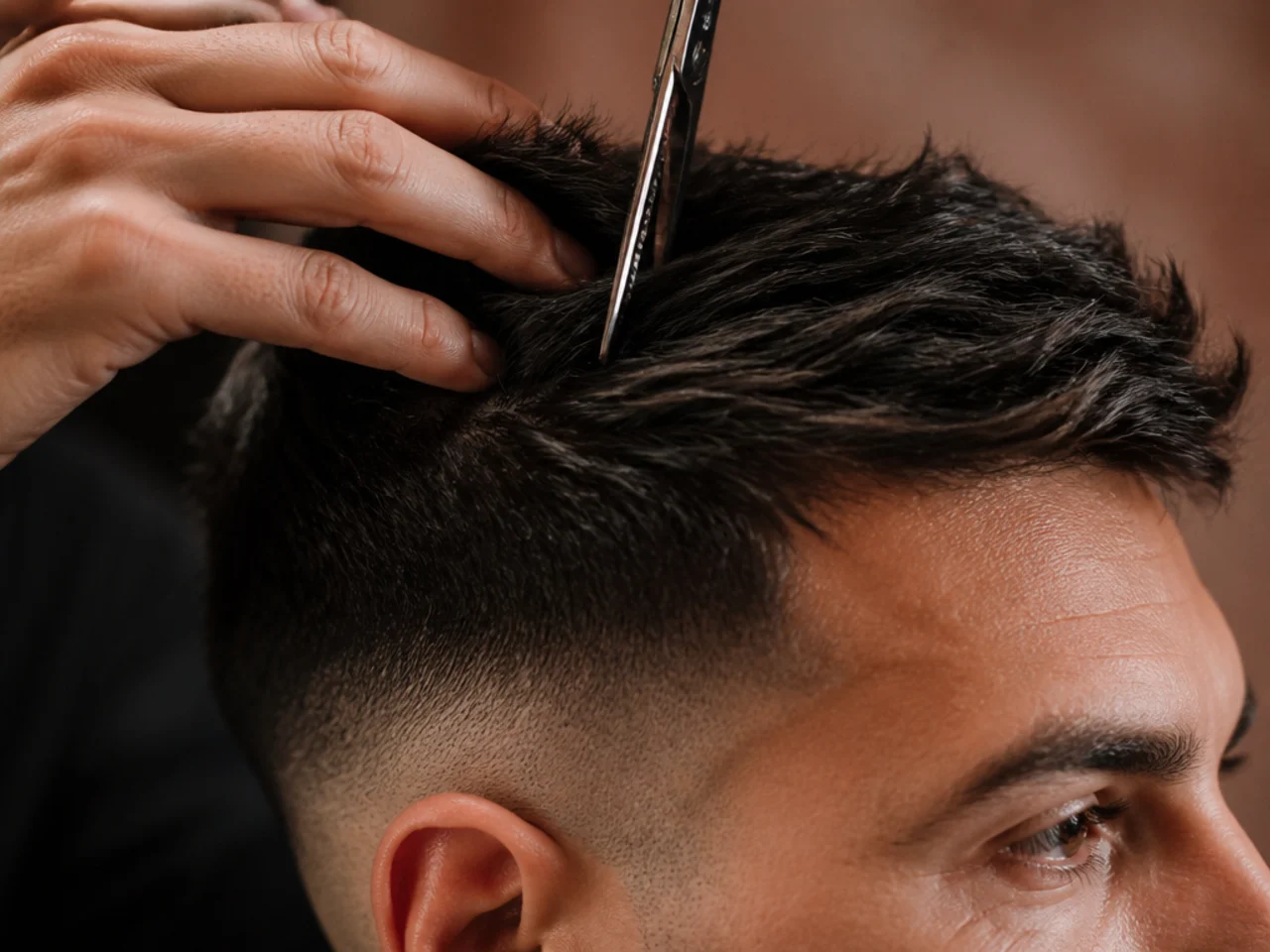
20 Textured Short Haircut Ideas for Men
Texture is not something you add at the mirror. It is uneven end points cut into the hair with scissors, shears or a razor, and if the ends are all level no product on earth will separate them.
In this article · 27
- Why Product Cannot Add Texture to a Blunt Cut
- How to Ask for the Right Kind of Texture
- The 20 Texturising Techniques
- 1. Point Cutting Into the Ends
- 2. Deep Point Cutting Two Inches Up the Shaft
- 3. Notching the Fringe
- 4. Slide Cutting Through the Top
- 5. Razor Cutting for the Softest End
- 6. Chunking Out Sections With Thinning Shears
- 7. Scissor-Over-Comb Graduation on the Sides
- 8. Twist Cutting on Curl
- 9. Freehand Clipper-Over-Comb Texture
- 10. Channel Cutting Down the Section
- 11. Weight Removal at the Perimeter Only
- 12. Texturising the Crown and Leaving the Hairline Alone
- 13. Cutting to an Unstructured Guideline
- 14. Texture on the Top Surface Versus Underneath
- 15. Knowing How Much to Take Before It Goes Fluffy
- 16. A Textured Fringe Against a Blunt One
- 17. Texture on a #4 Against Texture at Scissor Length
- 18. Why Clippers Alone Cannot Texture
- 19. How Point-Cut Ends Grow Out
- 20. Cutting the Final Pass Dry
- Styling and Upkeep
- Mistakes to Avoid
- FAQ
- Final Thoughts
Every textured haircut you have saved was made with scissors, not with a tub of clay.
Texture is a difference in end points and nothing else. Two hairs growing side by side, cut to two slightly different lengths, come to rest at two different depths. That gap is the piece your eye sees.
A blunt cut gives every hair the same end point. The surface then behaves as one solid plane, and no amount of product will break a plane into pieces that were never cut into it.
Why Product Cannot Add Texture to a Blunt Cut
Texture is a difference in end points, full stop. Everything below is a method for creating that difference.
Blunt ends fall as one plane whatever you put on them. They are all the same length, so they all stop at the same height.
Scissors, thinning shears and a razor leave three different ends. A tapered point, a stepped removal, and a feathered bevel behave differently as they dry.
The deeper into the length the texture starts, the more movement you get. Texture cut only into the last few millimetres softens an edge. Texture cut several centimetres up the shaft makes the whole section move.
How to Ask for the Right Kind of Texture
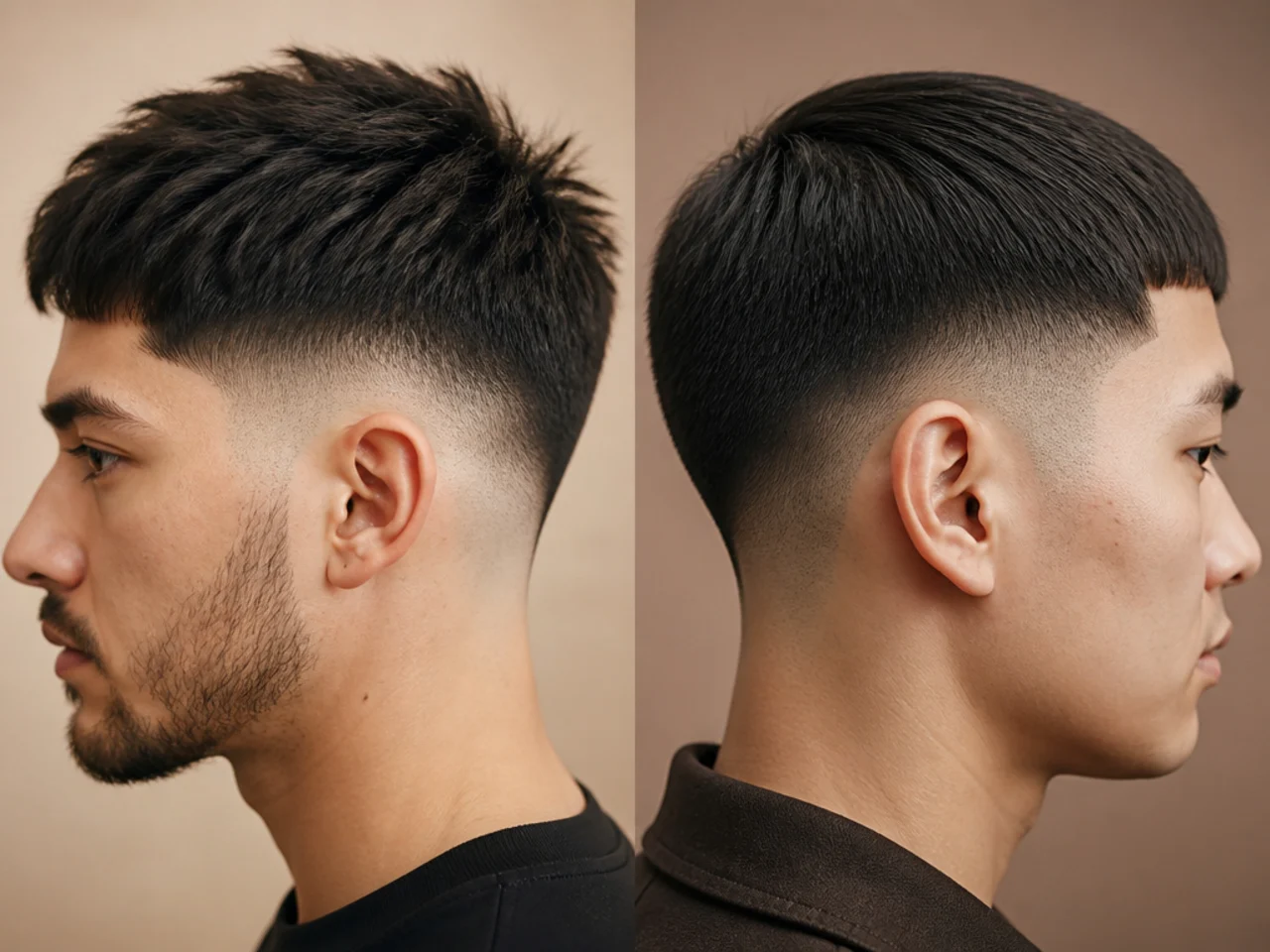
Name the tool. Point cutting, thinning shears and a razor produce visibly different results, so the word you use decides the outcome.
Name the depth. Say how far up the shaft you want it, because that single number is the difference between a softened edge and hair that moves.
Name the zone. Texture through the top and fringe reads as style. The same technique at the hairline or the perimeter reads as damage.
Say how much you want removed. Over-texturised hair goes fluffy and stops holding any shape, and there is no way to put it back.
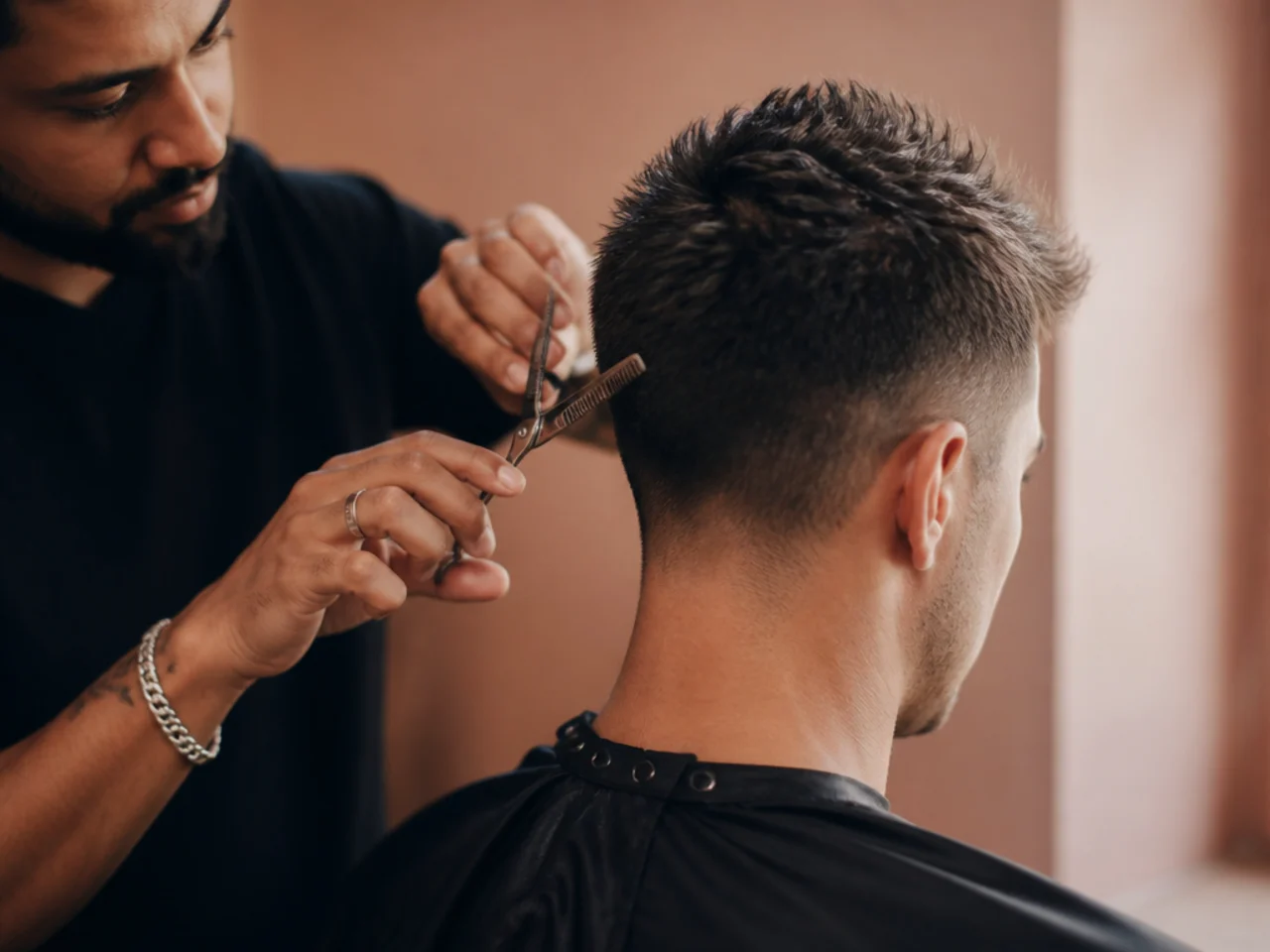
The 20 Texturising Techniques
1. Point Cutting Into the Ends
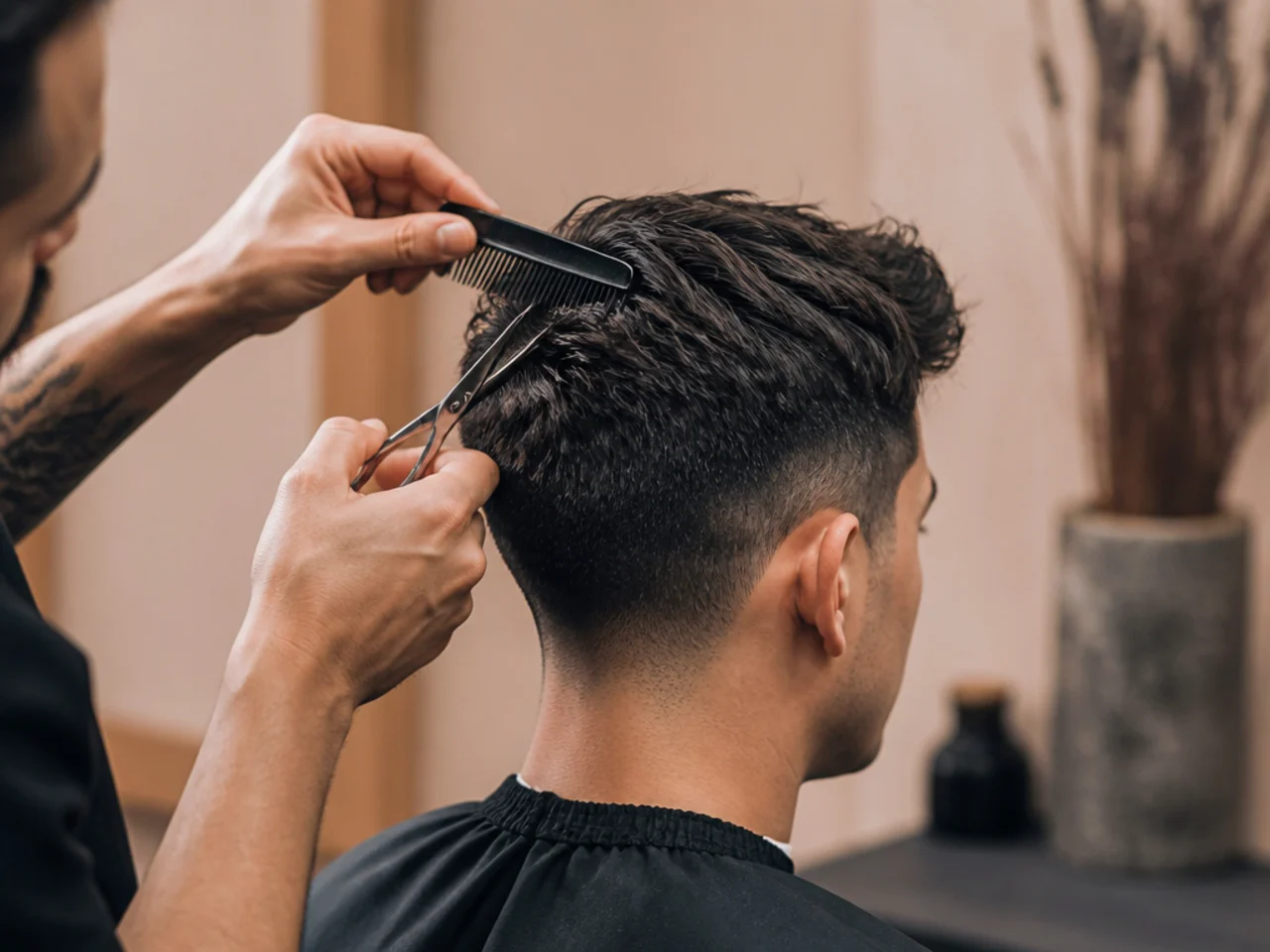
The scissors are turned vertical and the tips cut into the ends in small V shapes. Each snip removes a wedge, so the section ends up with a range of lengths across it instead of one flat line.
2. Deep Point Cutting Two Inches Up the Shaft
Same vertical angle, but the cut travels far higher into the section. Because the wedges now sit above the ends, the whole length loses weight and falls in separate strands rather than as a block.
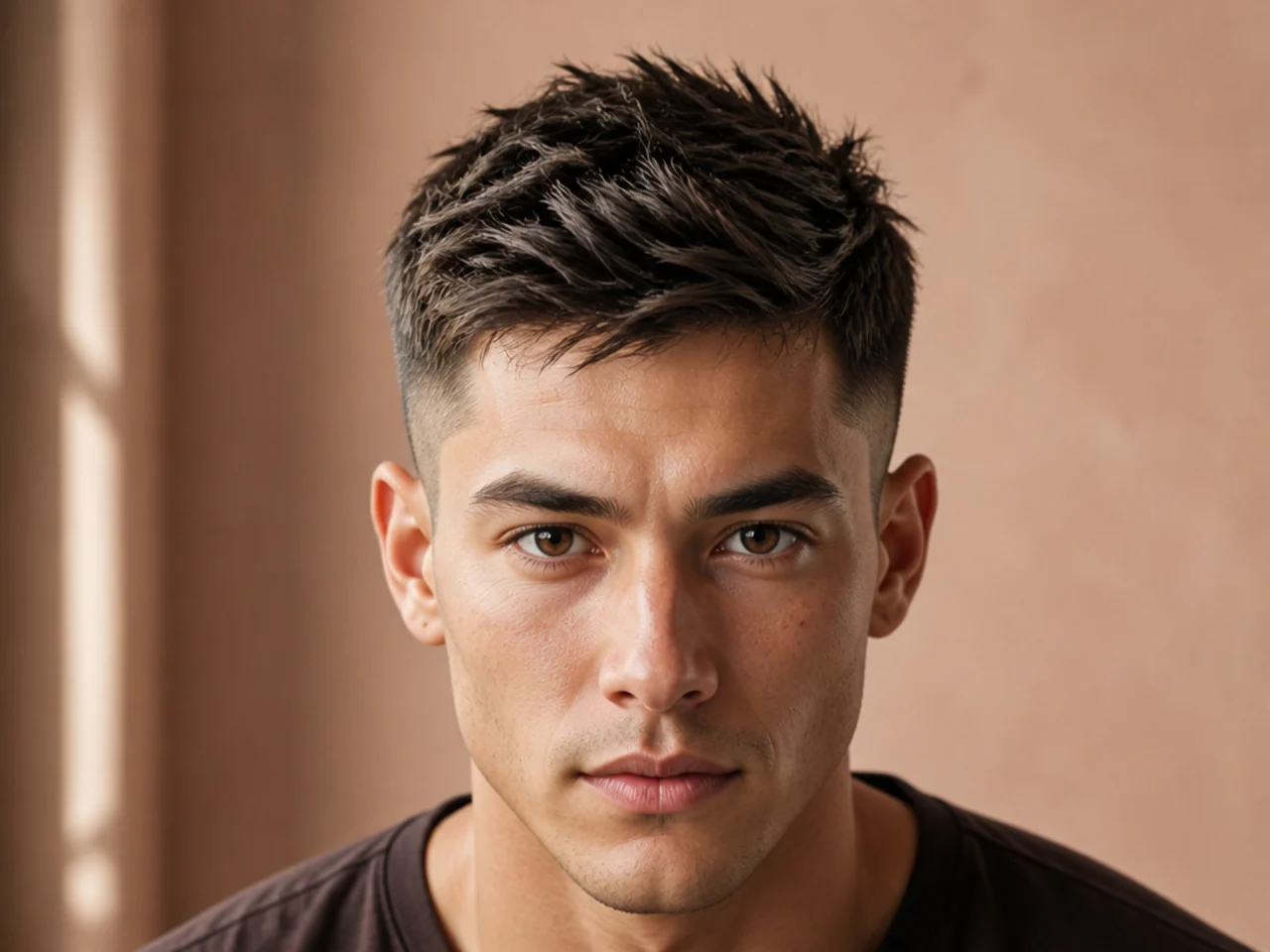
3. Notching the Fringe
Notches cut into the front edge at irregular intervals. A fringe is where a straight line is least forgiving, and notching breaks it so the forehead is framed by points instead of a ruler edge.
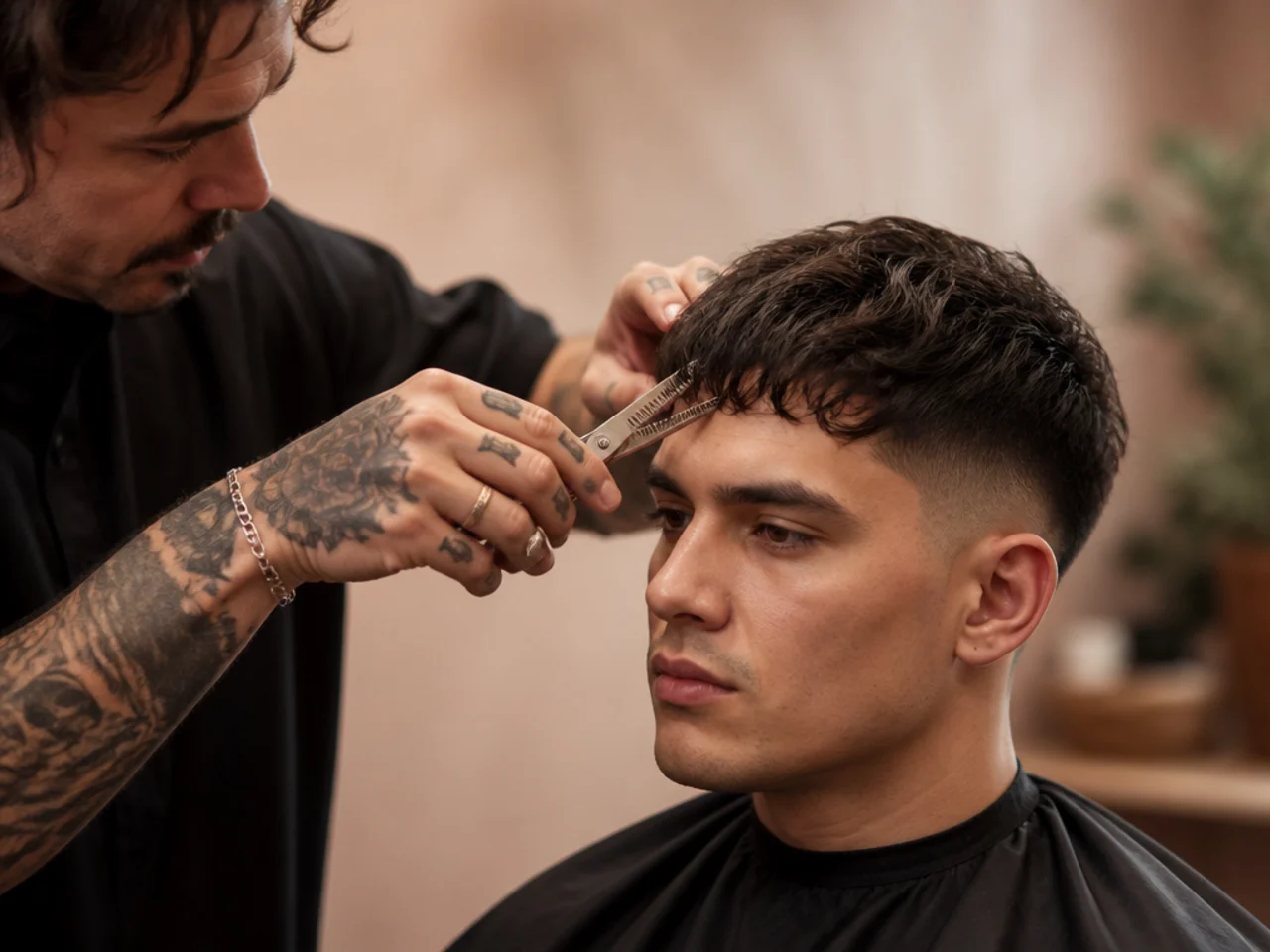
4. Slide Cutting Through the Top
The blades are opened slightly and slid down the section rather than closed on it. That bevels the length gradually along the shaft, which is why slide cut hair falls softly instead of sitting where it was put.
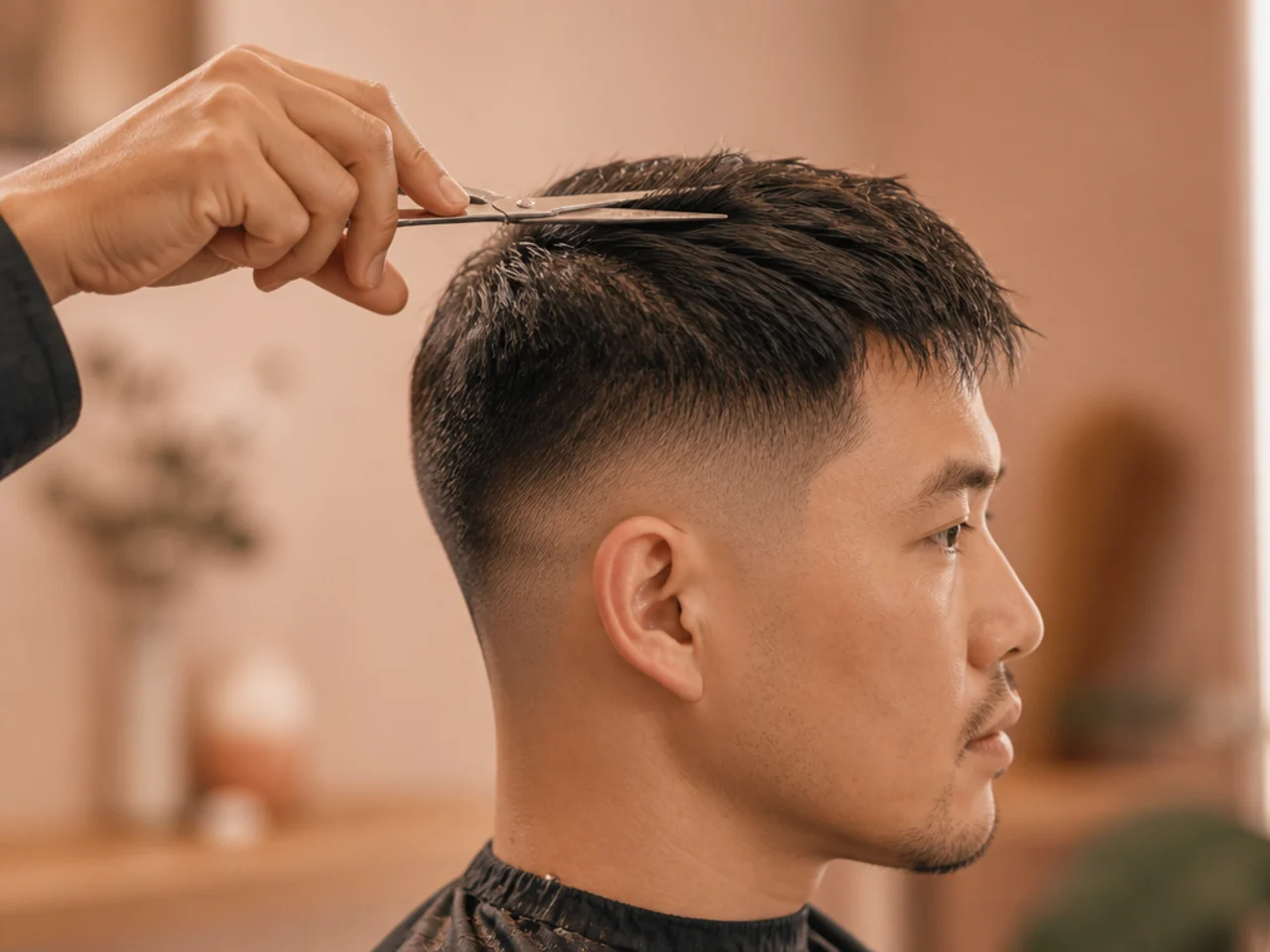
5. Razor Cutting for the Softest End
A razor shaves the end at an angle, leaving a long tapered bevel rather than a cross-section. That is the finest end any tool produces, so razored hair separates almost unaided.
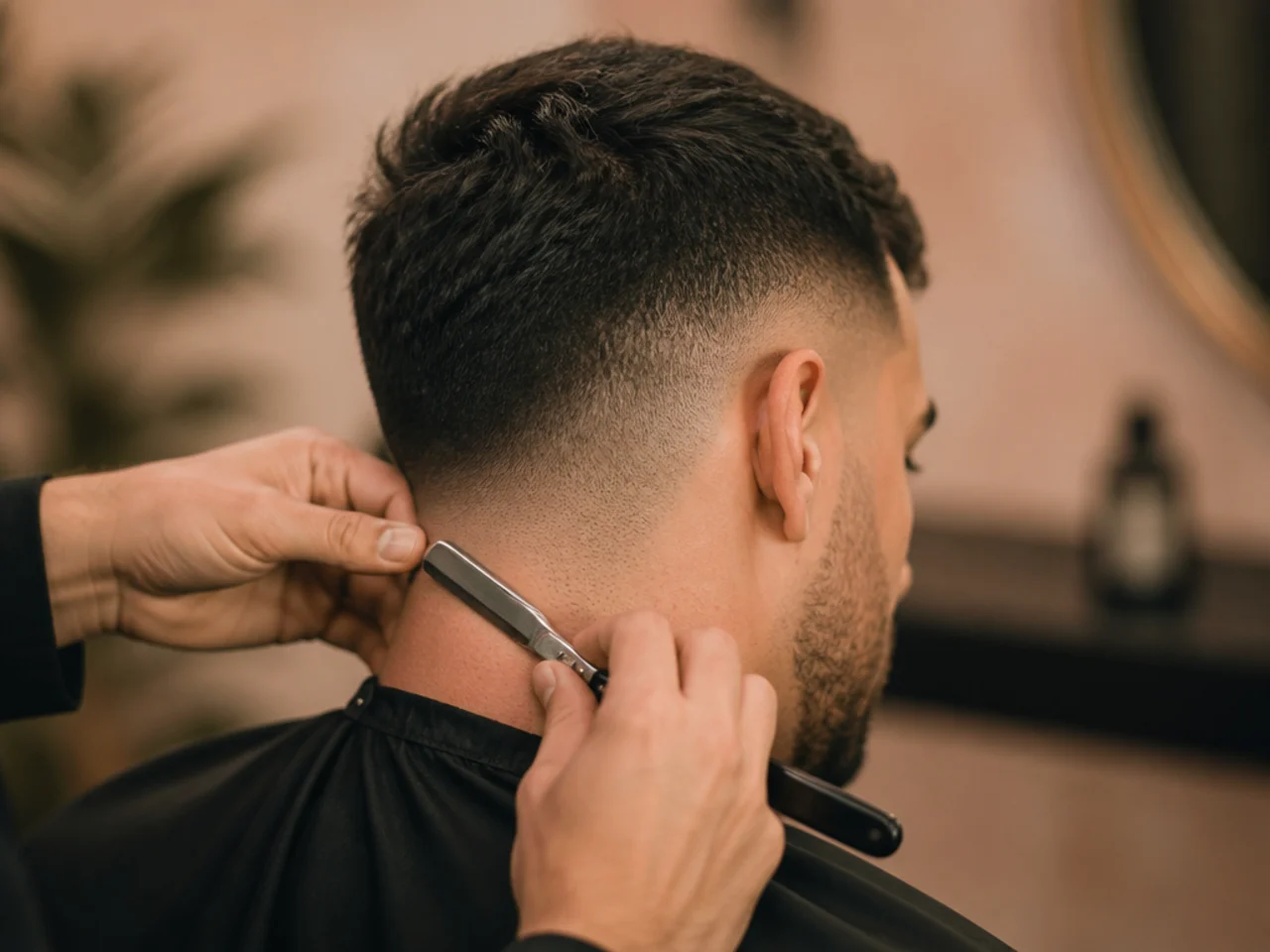
6. Chunking Out Sections With Thinning Shears
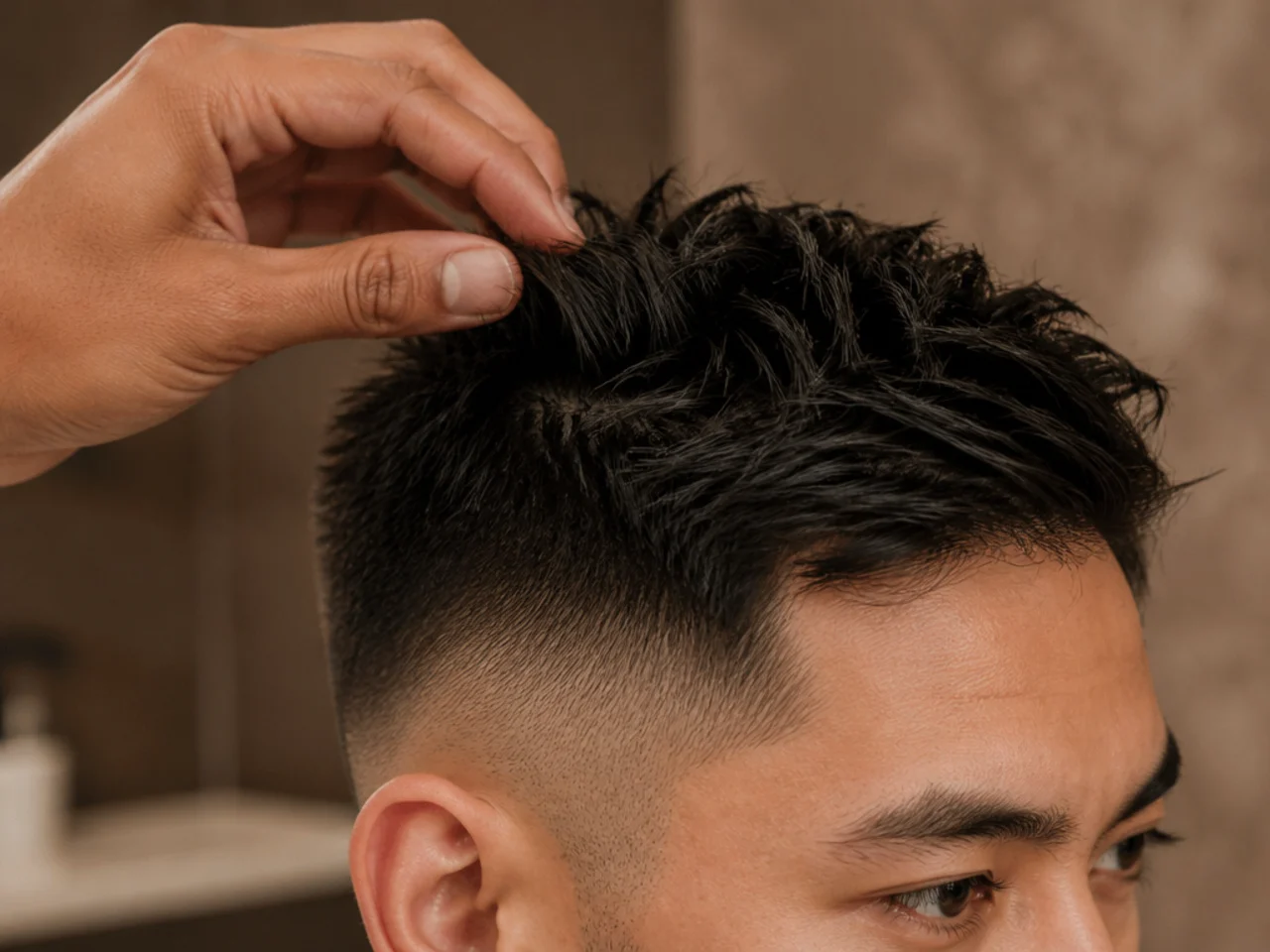
A notched blade removes some hairs and leaves the rest. Used near the ends it softens an edge; used high in a section it leaves cut hairs standing shorter, which is what creates fluff instead of separation.
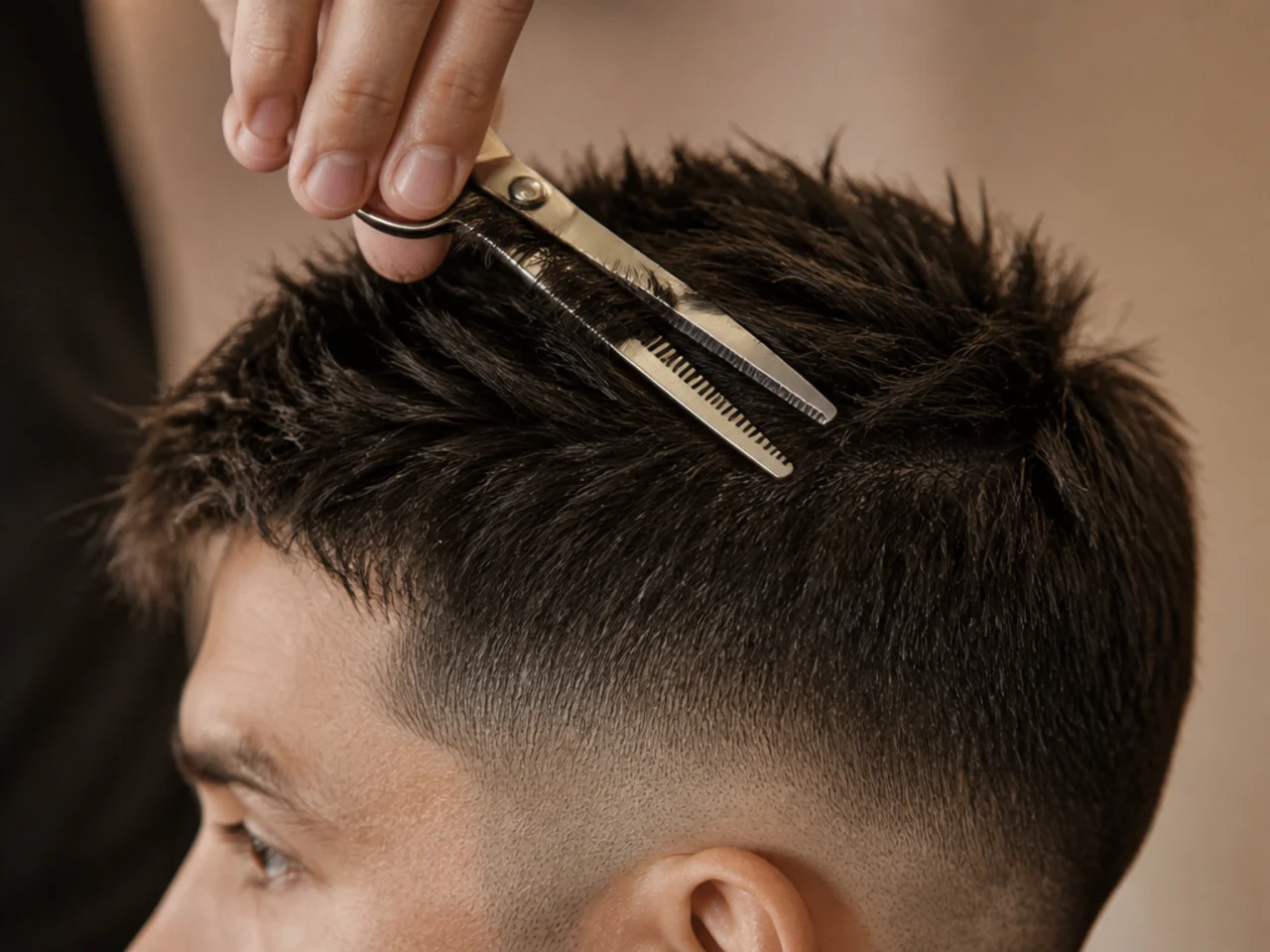
7. Scissor-Over-Comb Graduation on the Sides
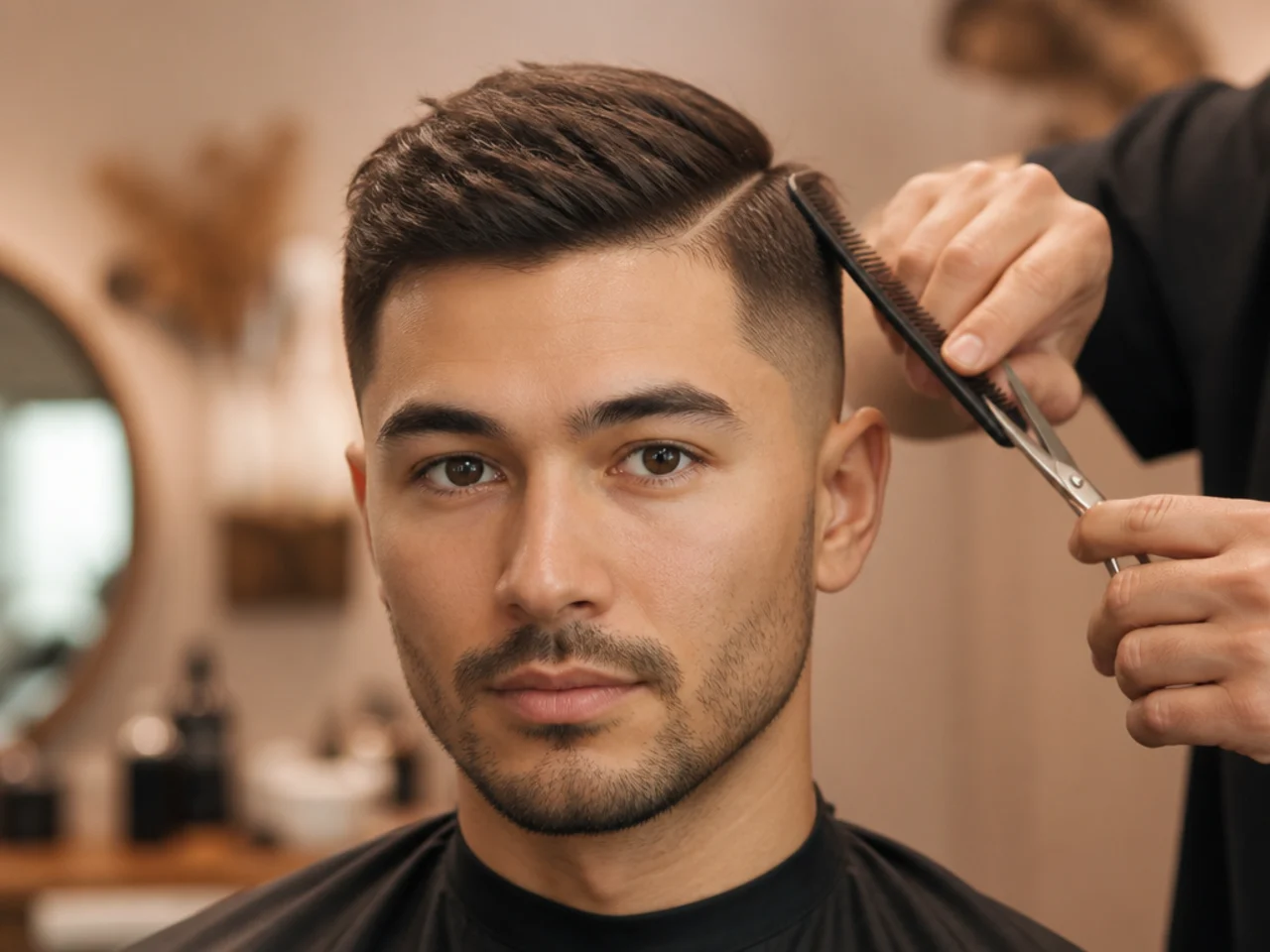
The comb lifts the hair and the scissors follow it up the head. The comb angle changes continuously, so there is no single guideline and the sides grade instead of stacking. It is the pass that turns a plain clipper side into a textured taper fade.
8. Twist Cutting on Curl
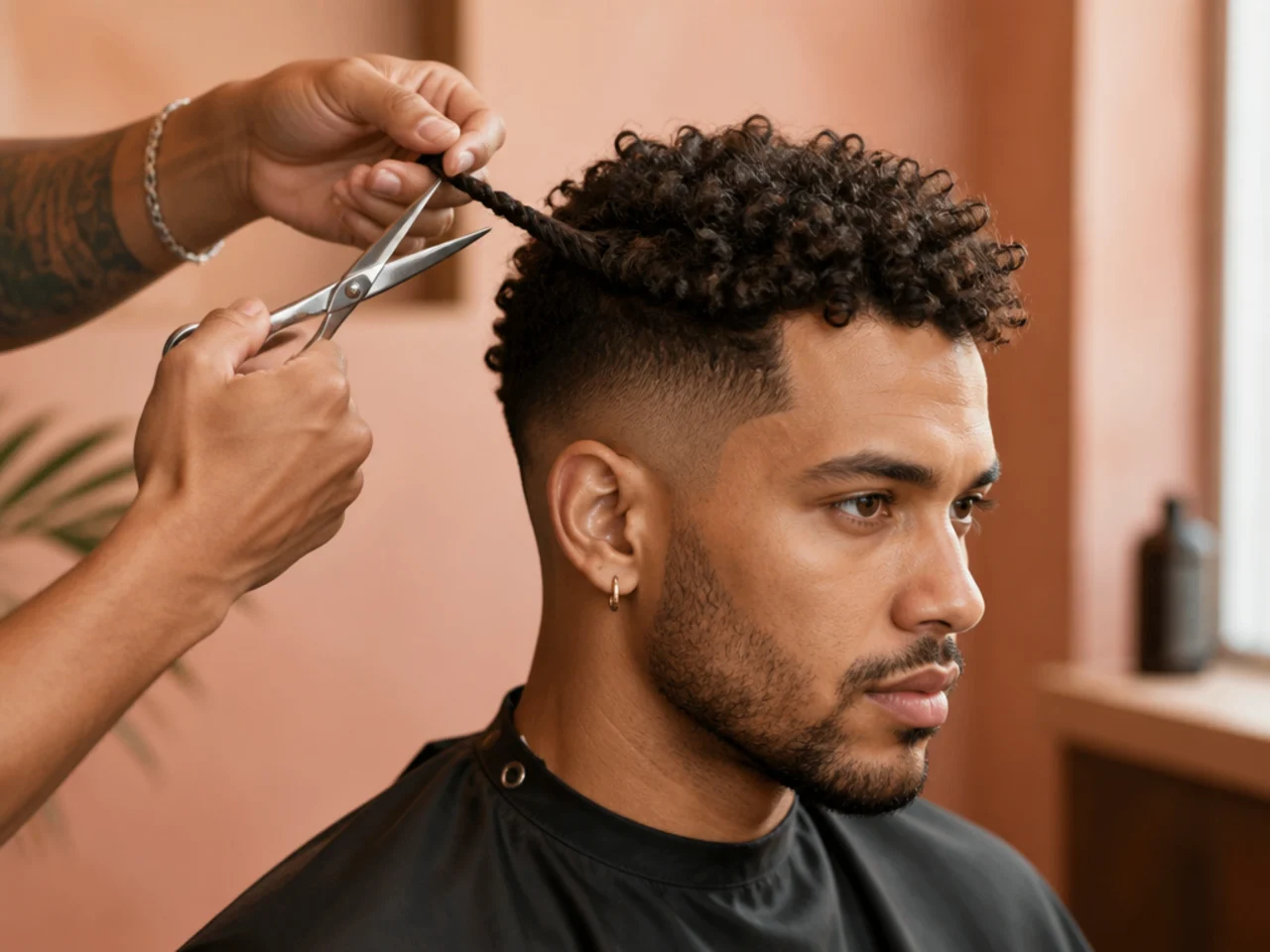
A section is twisted into a rope and the scissors cut into the outside of it. The twist pushes different hairs to the surface at different points, scattering the removal instead of lining it up.
9. Freehand Clipper-Over-Comb Texture
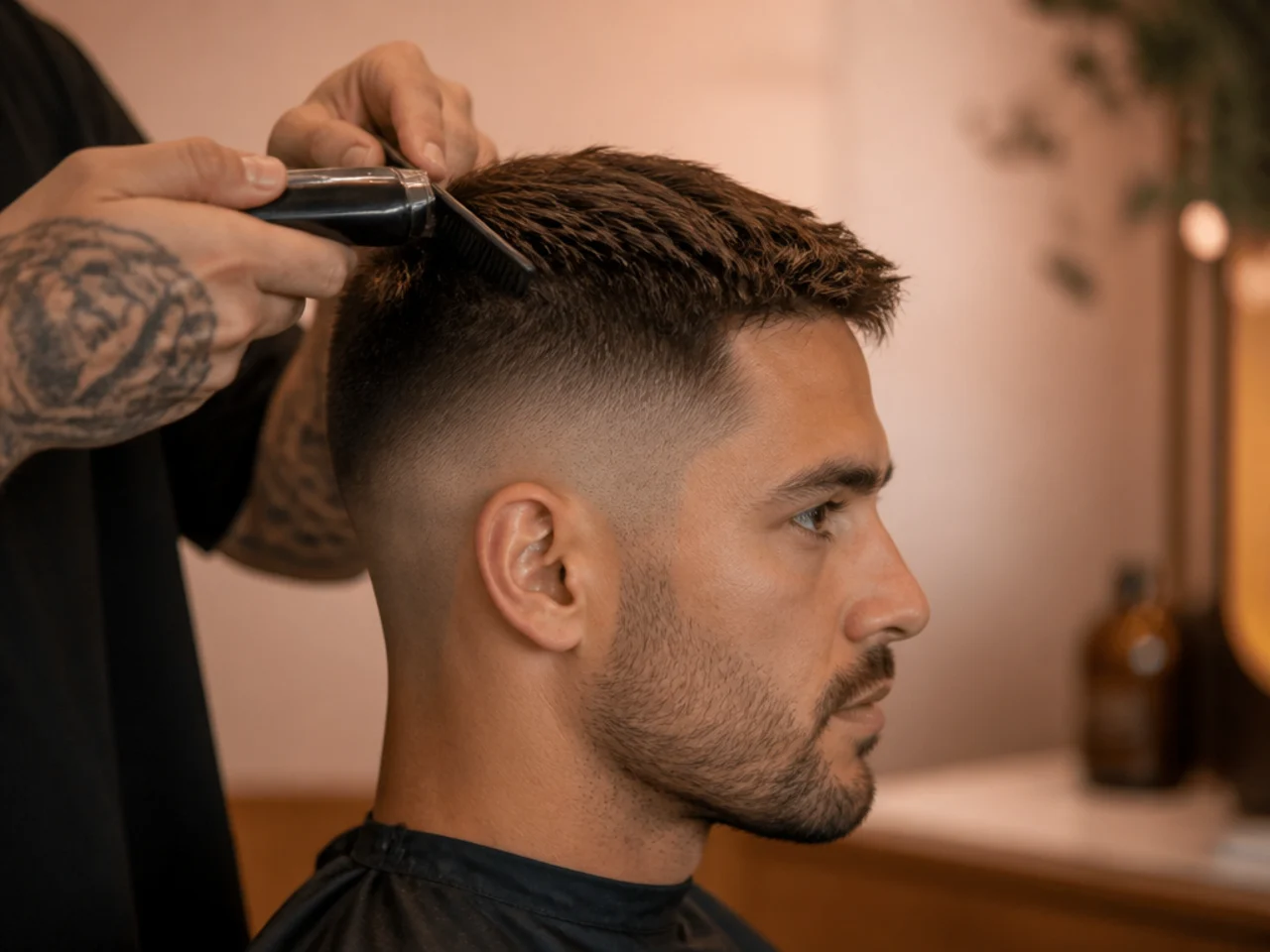
The clipper runs over a comb held away from the head, taking length in an uneven arc. It is faster than scissors on dense hair, but it can only remove and never taper, so it is a bulk tool rather than a finishing one.
10. Channel Cutting Down the Section
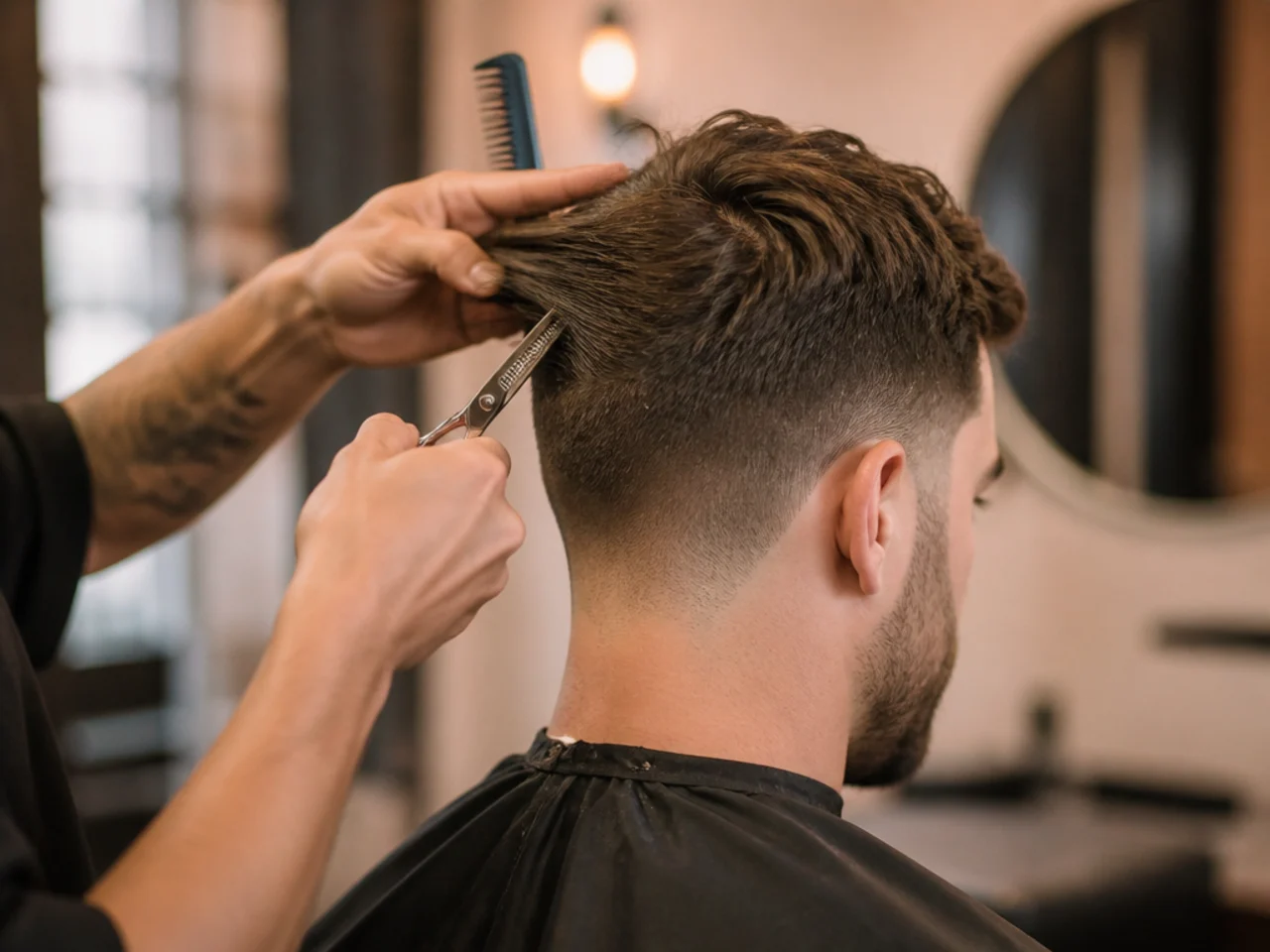
Narrow channels are cut up into the underside of a section, removing internal length in strips. The surface stays intact while the interior lightens, which is how thick hair sheds bulk without losing its outline.
11. Weight Removal at the Perimeter Only
Texture confined to the outer edge, with the interior untouched. It keeps the mass of the cut solid while softening the line where hair meets skin, which is what you want when density is the point.
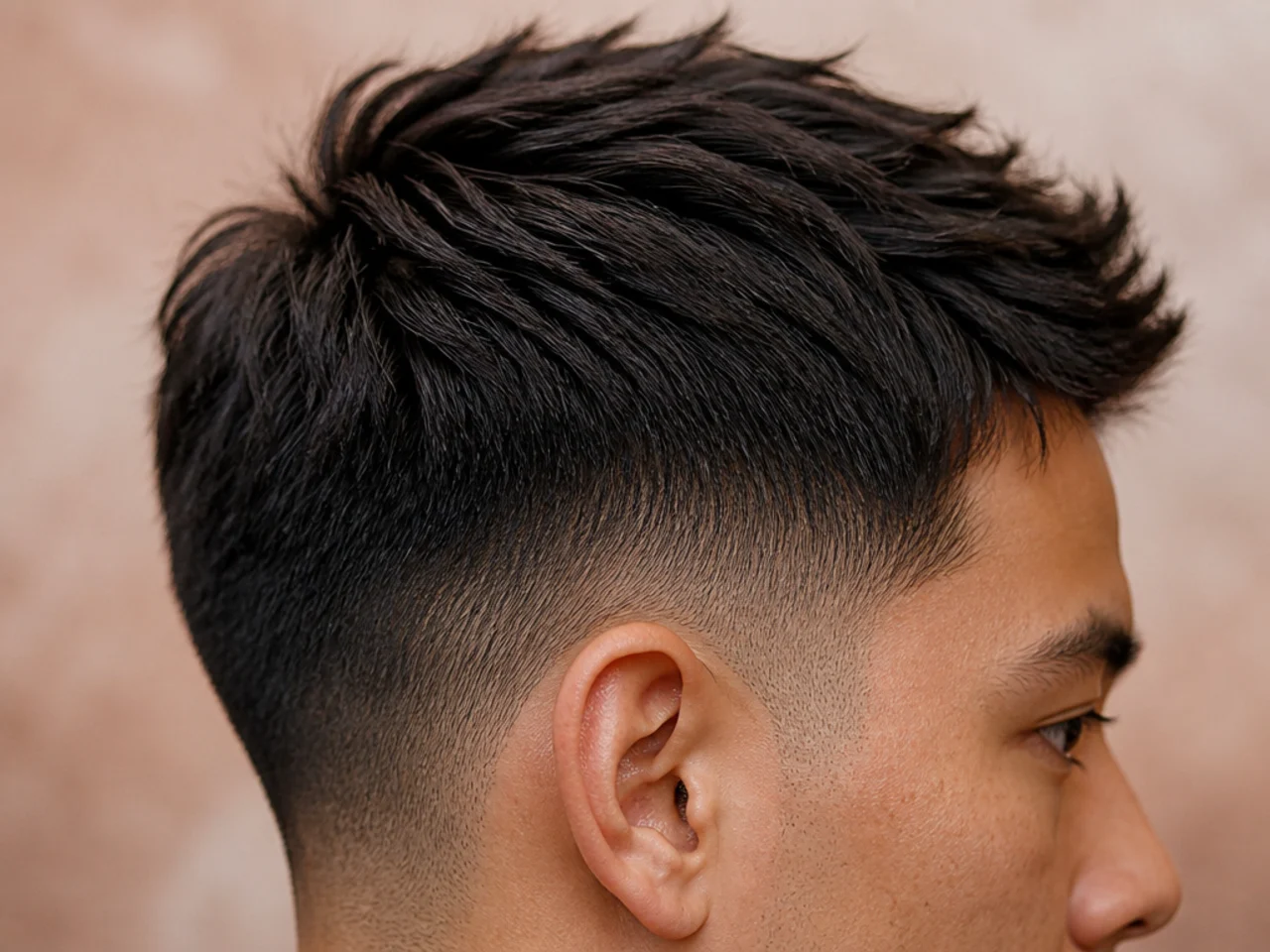
12. Texturising the Crown and Leaving the Hairline Alone
The crown carries the most weight and takes texture well. The front hairline is where every removed hair shows as a gap, so leaving it blunt is what keeps the front edge looking dense.
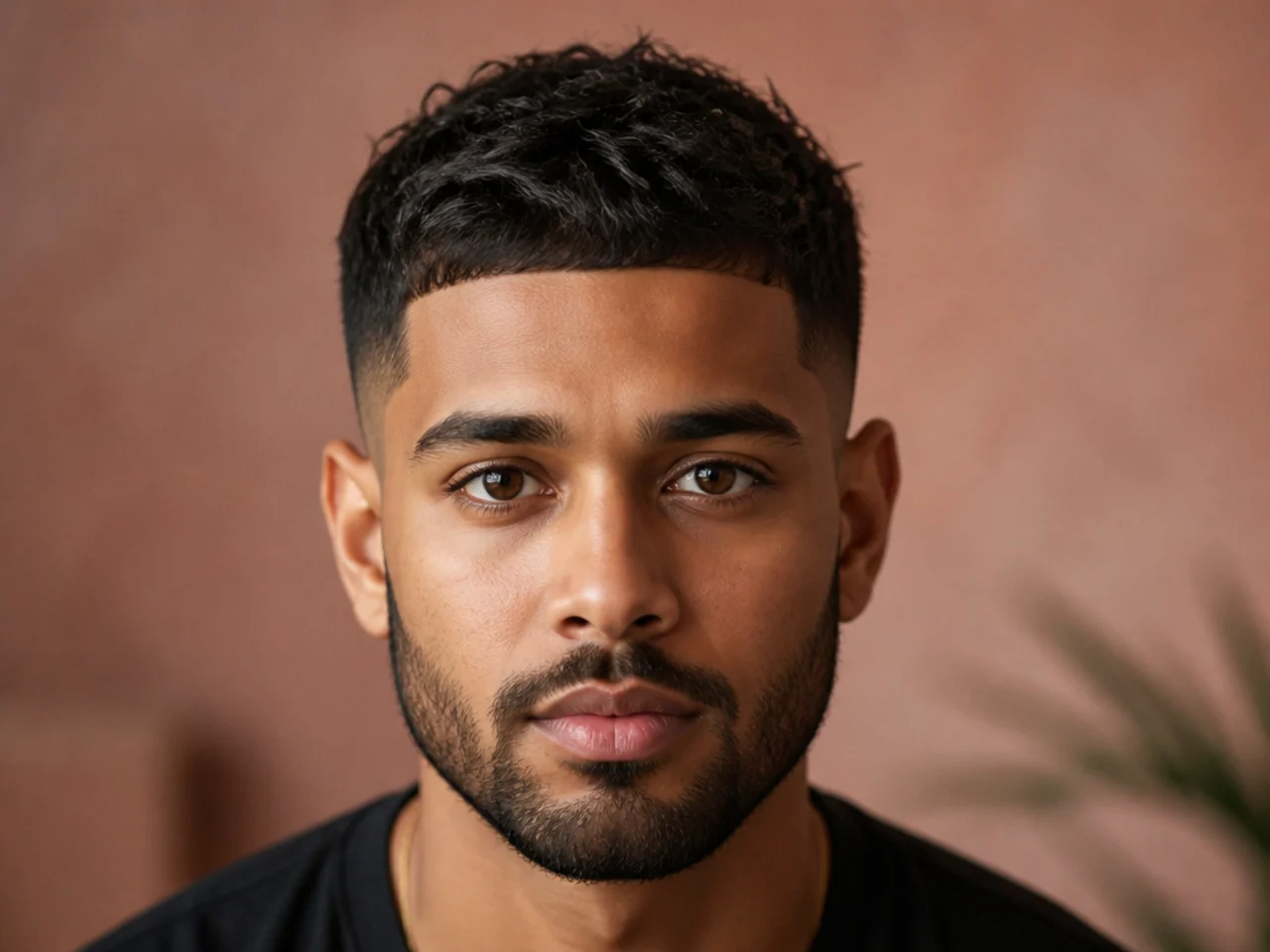
13. Cutting to an Unstructured Guideline
Instead of one level guide, the barber works to a deliberately uneven one. Every subsequent section inherits that unevenness, so texture is built into the shape rather than added at the end.
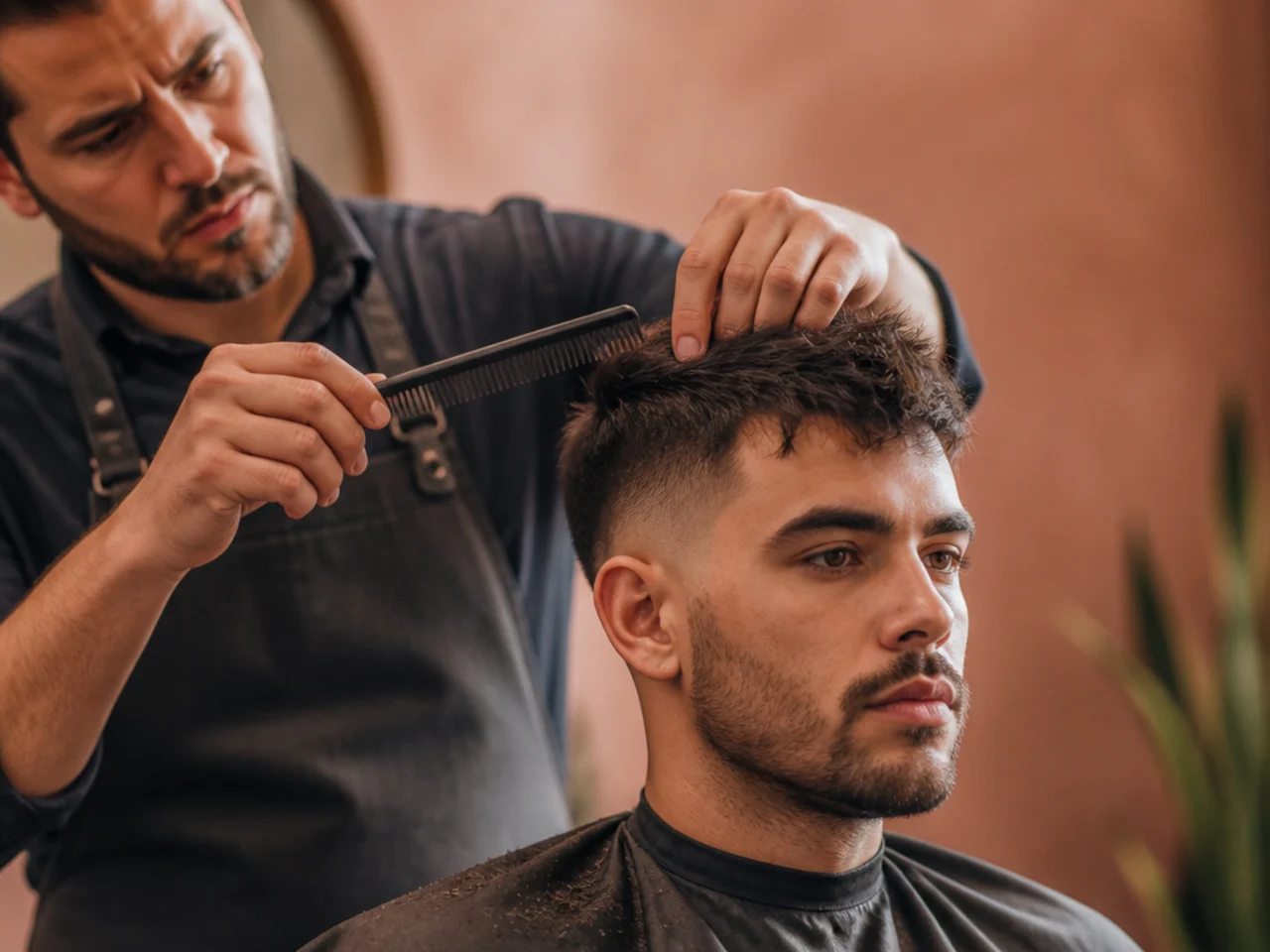
14. Texture on the Top Surface Versus Underneath
Texture cut on the visible surface shows immediately and reads as pieces. Texture cut underneath removes weight so the top layer lifts. Most short cuts want a little of the first and more of the second.
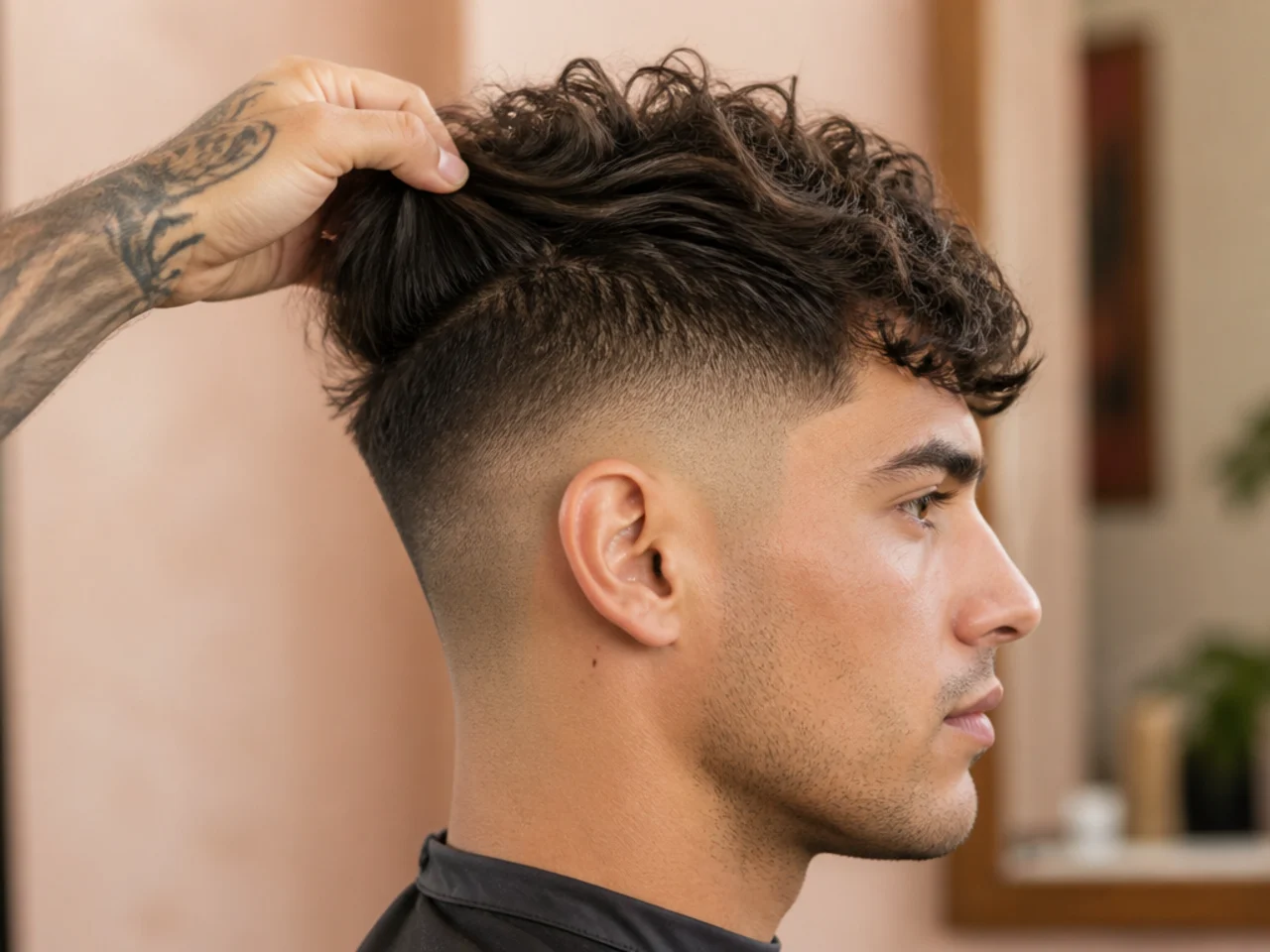
15. Knowing How Much to Take Before It Goes Fluffy
There is a point where so many ends are staggered that nothing supports anything else. Past it the hair stands away from the head and holds no direction, and the only fix is growing it out.
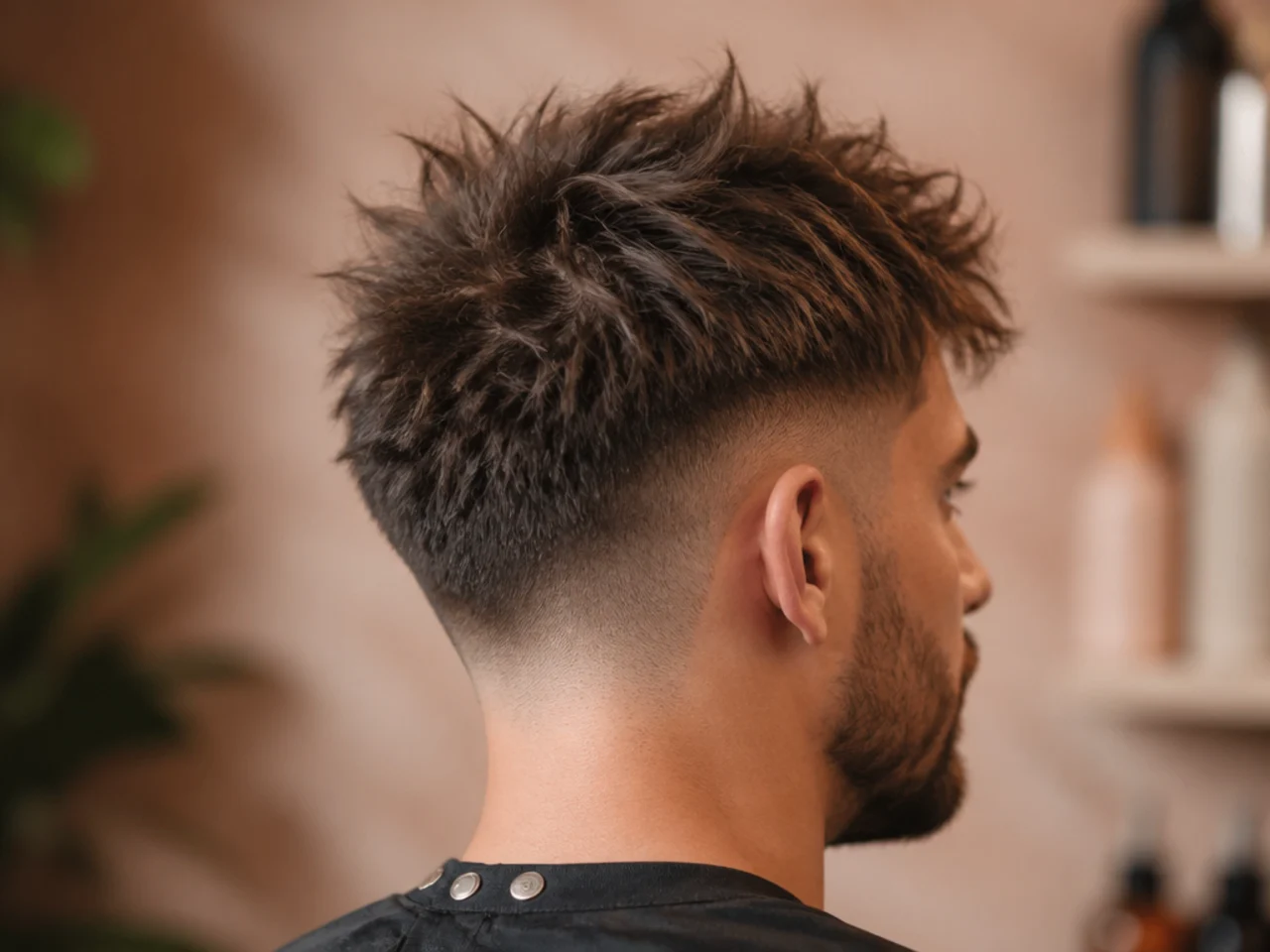
16. A Textured Fringe Against a Blunt One
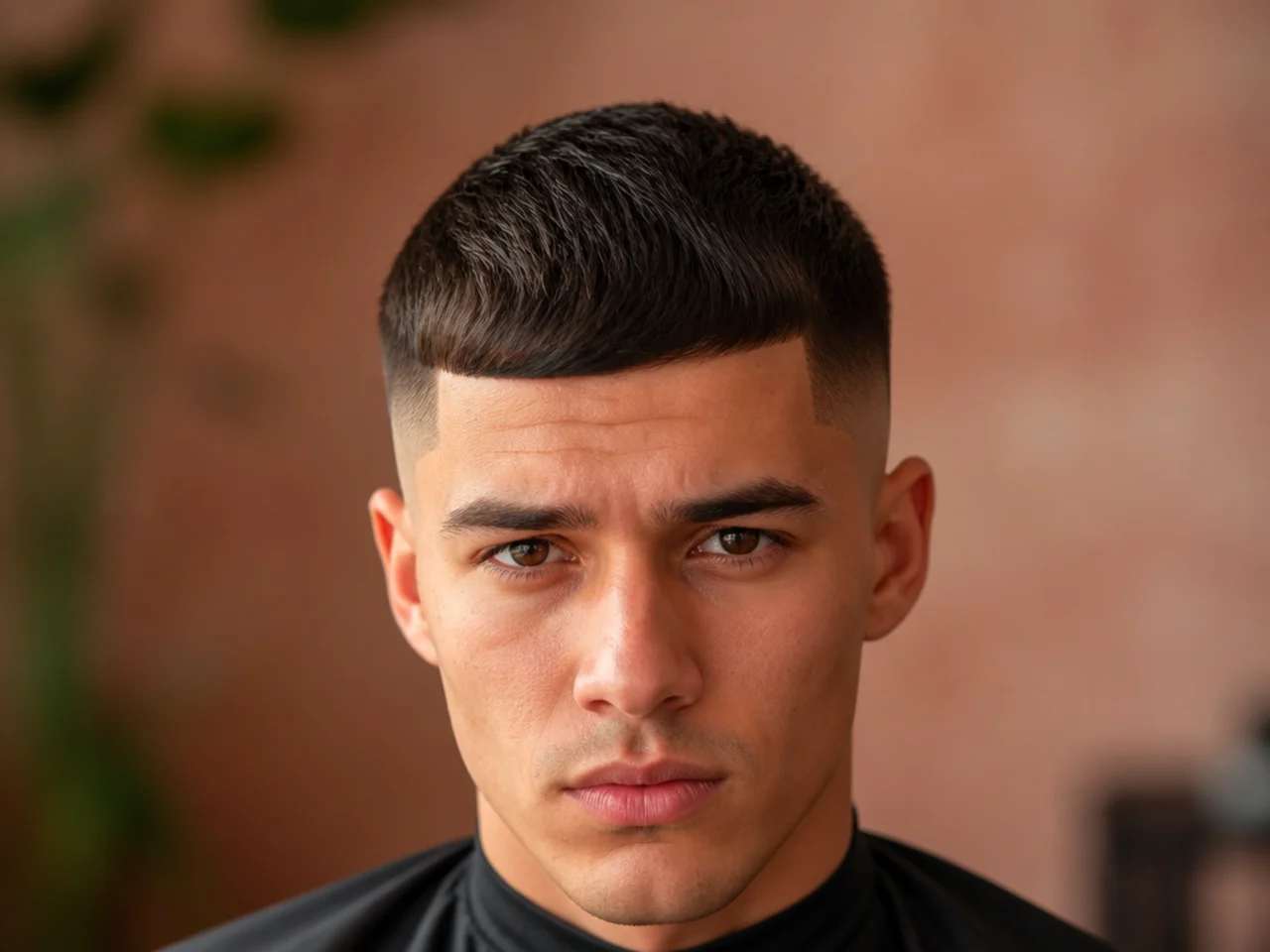
A blunt fringe is a hard horizontal across the forehead and makes the face read shorter. Point cutting breaks that line up, which is why a textured fringe suits a rounder face better.
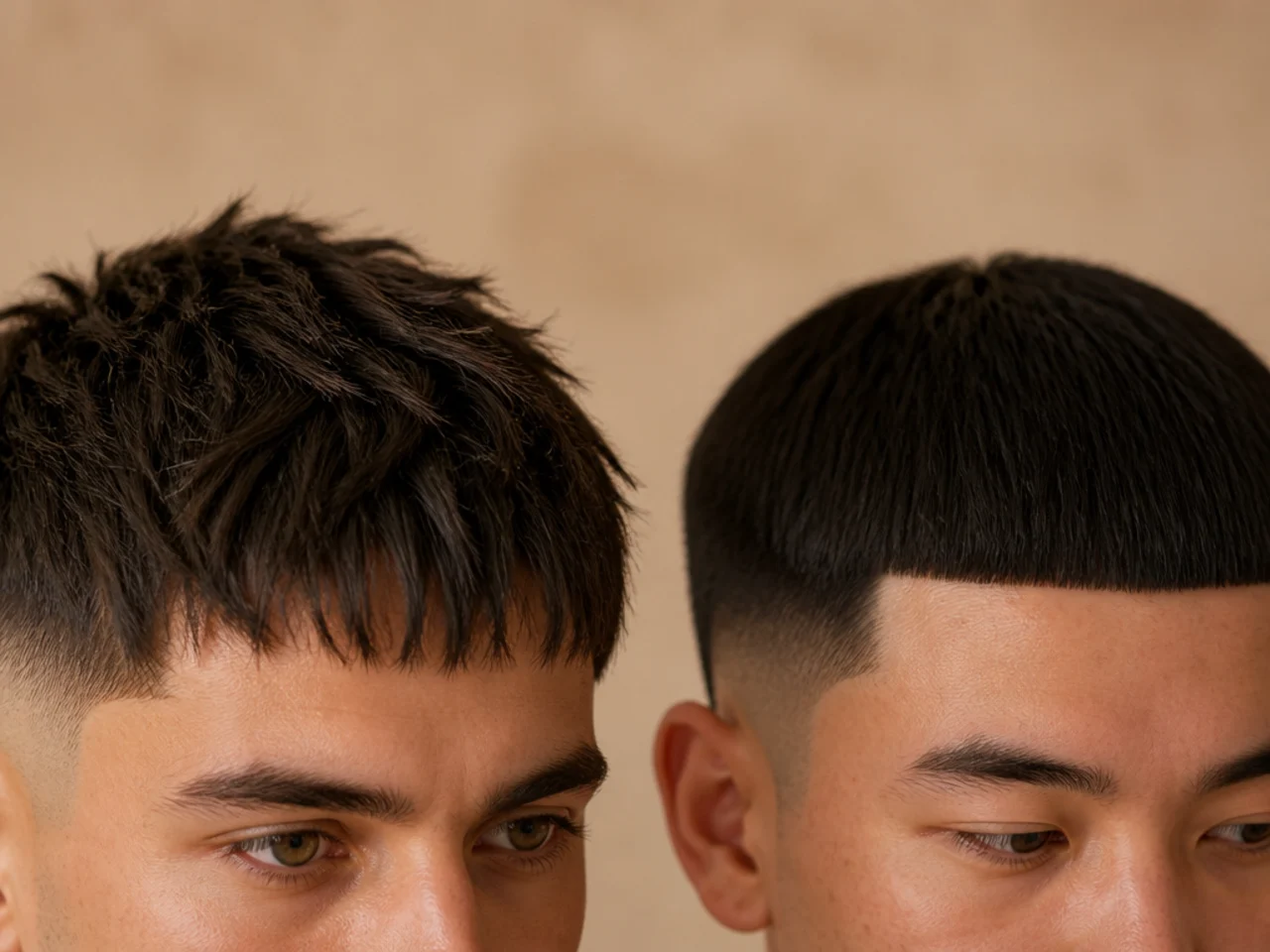
17. Texture on a #4 Against Texture at Scissor Length
At 13mm there is barely enough length for a point cut to register, so texture there means clipper work and a soft perimeter. Scissor length gives the tips somewhere to travel, and separation starts there, which is why short spiky haircuts for men are always finished with scissors on top.
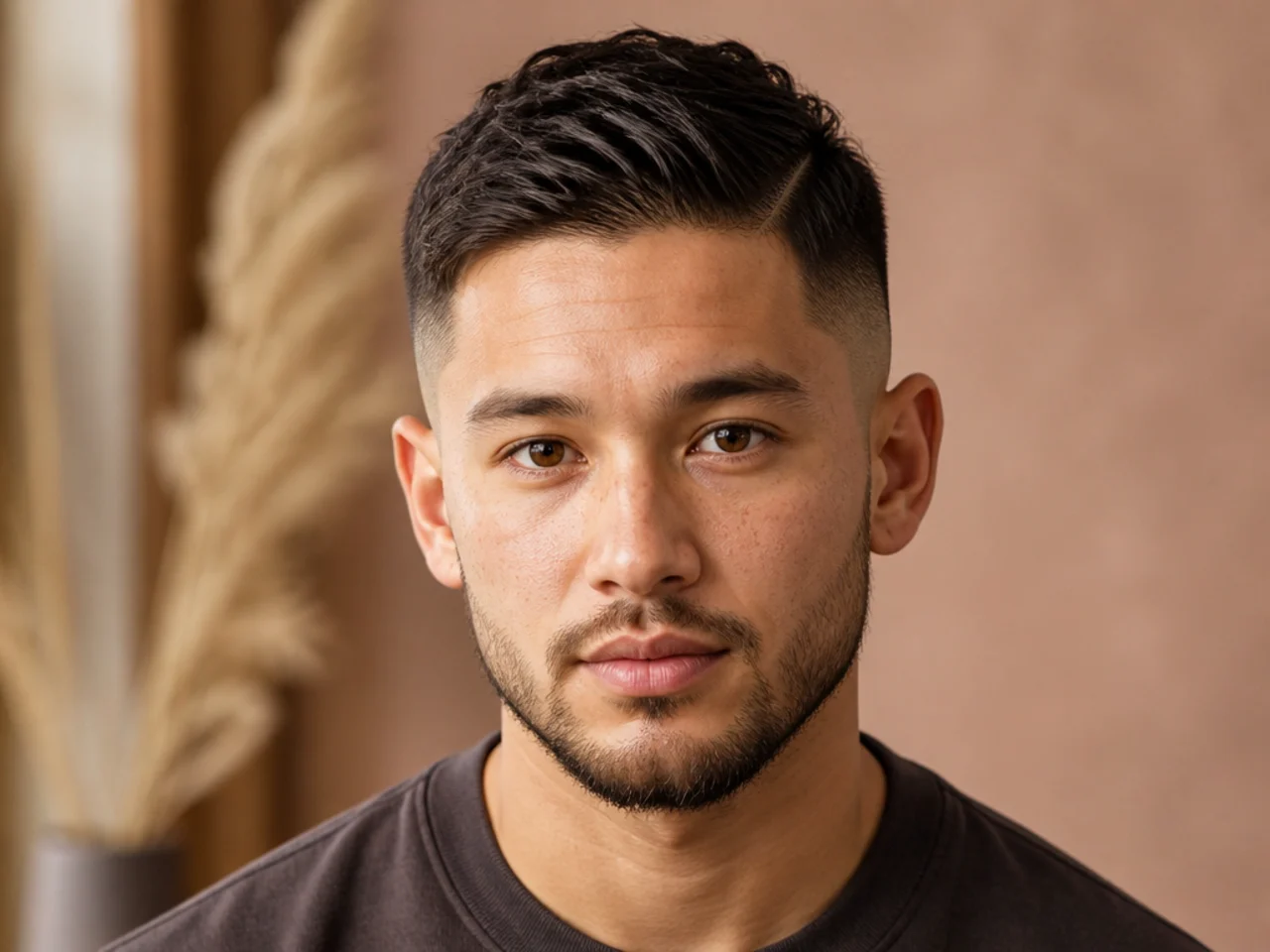
18. Why Clippers Alone Cannot Texture
A guard cuts every hair that enters it to the same height by design. That is a blunt result by definition, which is why a clipper-only cut needs scissors somewhere if you want pieces.
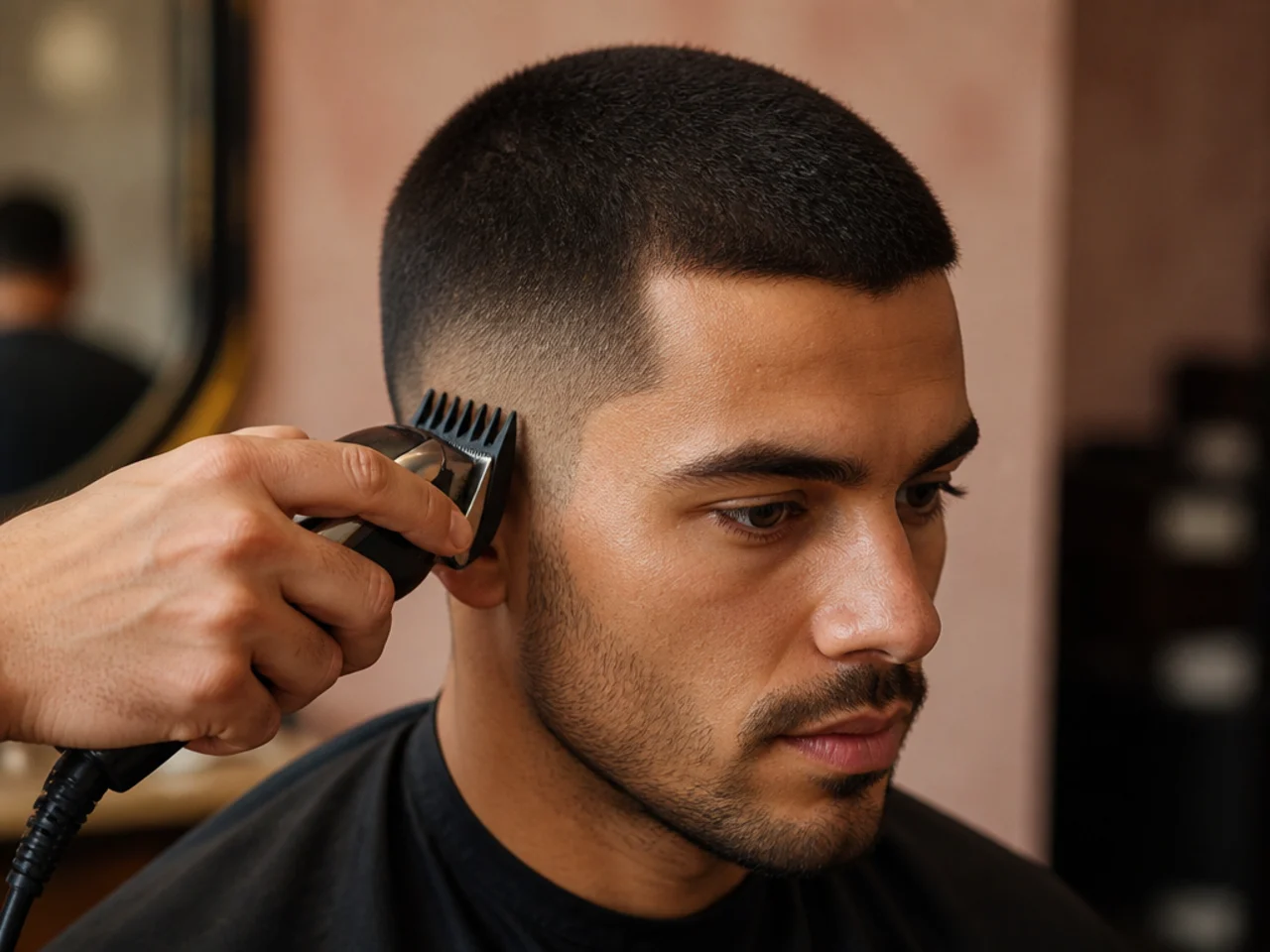
19. How Point-Cut Ends Grow Out
Staggered ends stay staggered as they grow, because each hair keeps its relative position. A point-cut crop still separates at week five where a blunt one has closed into a solid mass.
20. Cutting the Final Pass Dry
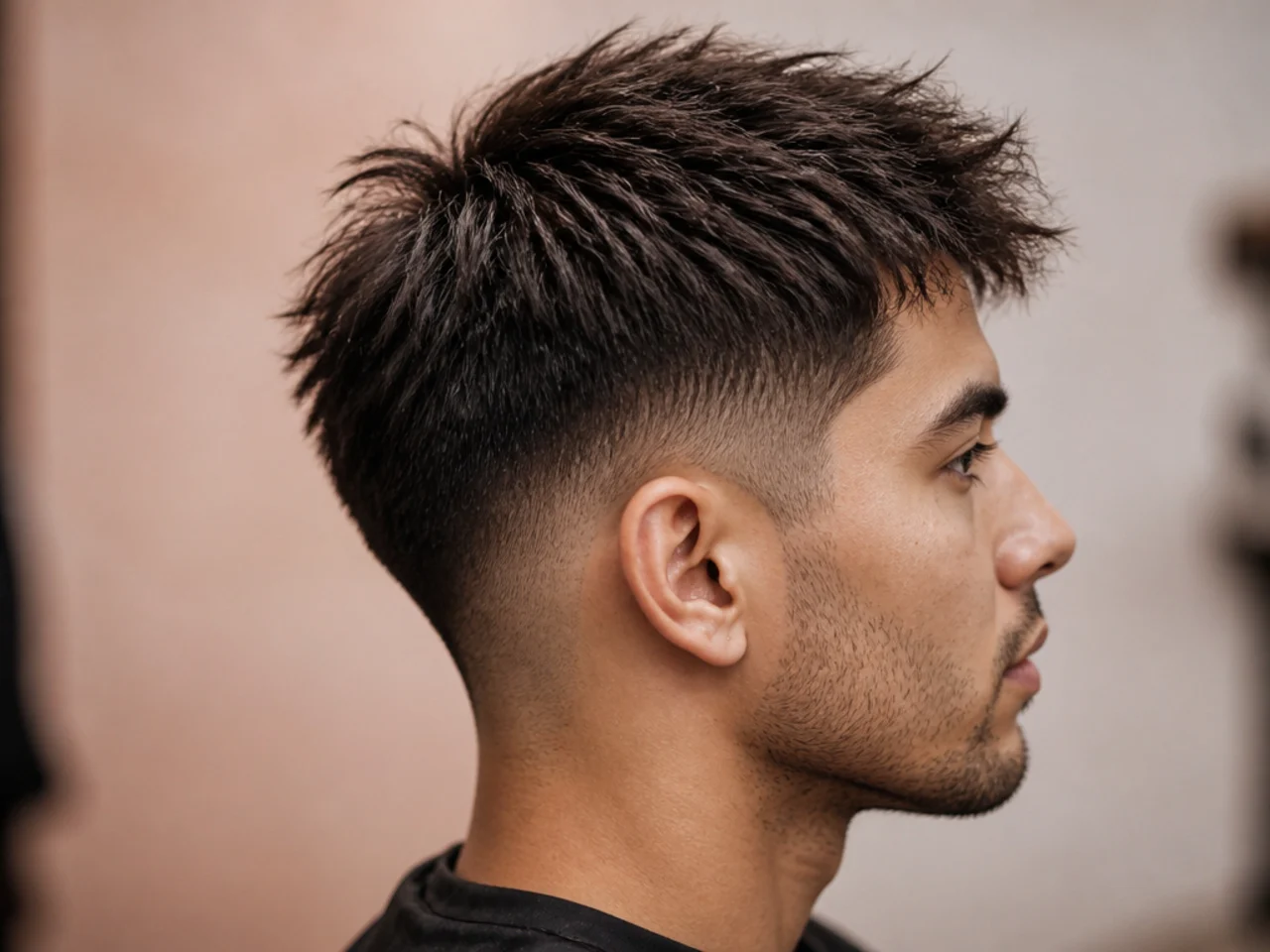
Wet hair sits longer and straighter than it will dry, so a cut finished wet is a guess. A dry pass lets the barber cut where the hair actually falls, which is the only way texture lands where you see it.
Styling and Upkeep
A matte product only reveals texture already cut in. It stops light closing the gaps, but it is no substitute for scissors.
Book on the cut, not the length. Point-cut ends soften as they grow, so texture fades before the shape does.
Ask for a dry finish every time. It is the pass that decides where separation lands.
Photograph the top from above at week one. That is the only angle showing how much was removed and where.
Say what you disliked, not just what you want. Too fluffy and too solid are opposite problems with opposite fixes.
Mistakes to Avoid
Asking for texture without naming a depth. Ends only and several centimetres up are two different haircuts.
Letting thinning shears do all of it. They remove bulk fast and leave a shelf if used near the root.
Texturising a hairline that is already thinning. Every hair removed at the front edge shows as a gap.
Buying more product because the cut looks flat. If the ends are level, product is not the problem.
Going back for more texture at week two. The cut has not settled, and removal cannot be undone.
FAQ
What creates texture in a haircut? Uneven end points cut in with scissors, shears or a razor.
Can product texturise a blunt cut? No. It can only change shine and separation on ends that already differ.
What do I ask for? Name the tool and the depth, such as point cut a couple of inches up the shaft.
Final Thoughts
Decide what you want the ends of your hair to look like before you decide what the haircut is called. Every technique on this page is a different answer to that one question, and the tool your barber picks up is what settles it.
For a cut built entirely around this idea see the textured crop haircut, and for the wider range of shapes it suits see textured haircuts for men. More in Men's Haircuts.