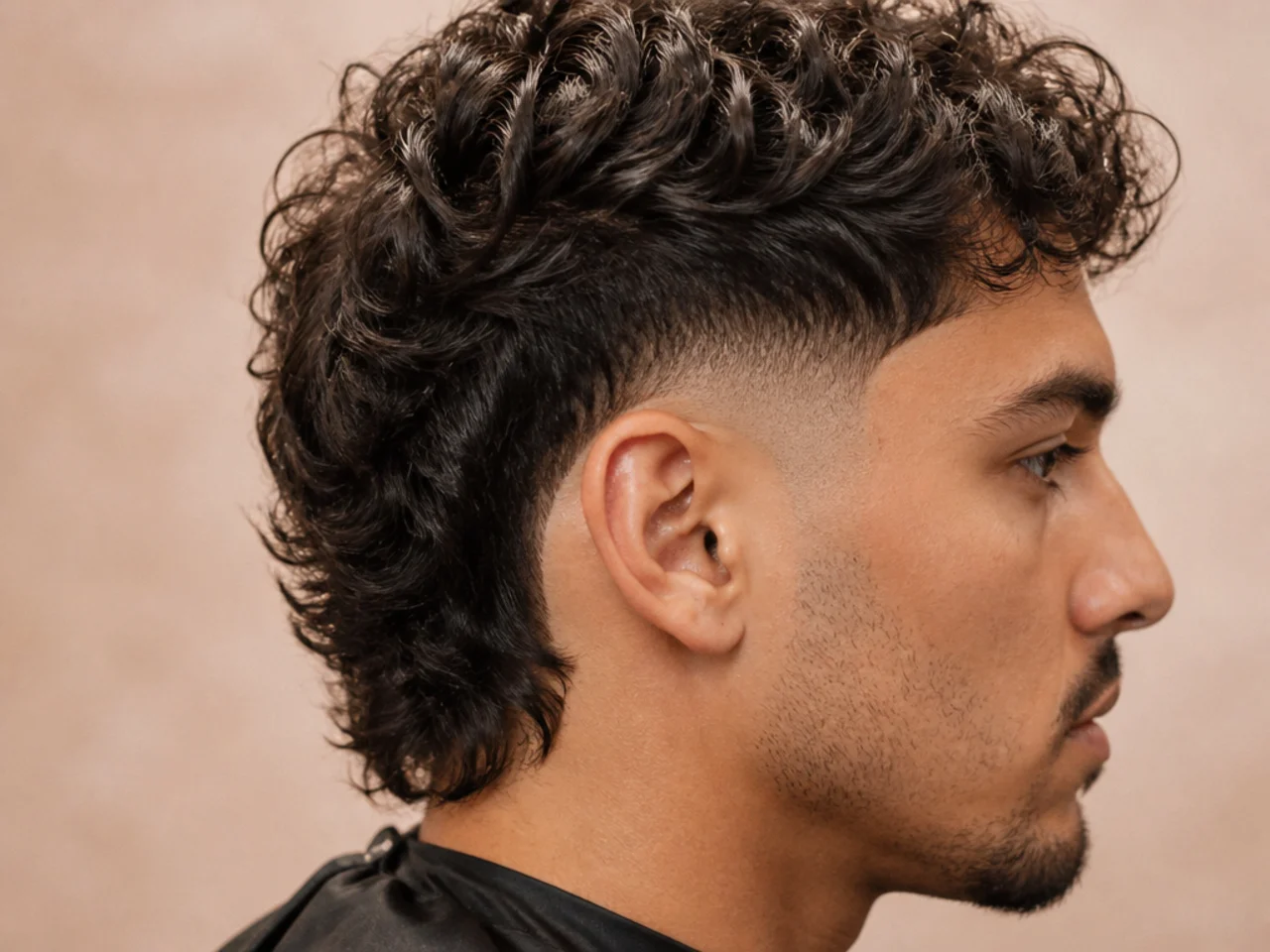
20 Burst Fade Haircut Ideas I Saved for Men
A burst fade always costs you something, and it is usually the back of your head being visible to your employer. These twenty are saved with a note on what each one actually asks of you.
In this article · 27
- What a Burst Fade Costs
- How to Choose Yours
- The 20 Burst Fade Ideas I Saved
- 1. Classic Burst With a Collar-Length Nape
- 2. Burst Fade Mullet
- 3. Burst Fade Mohawk
- 4. Low Burst Fade
- 5. Mid Burst Fade
- 6. High Burst Fade
- 7. Burst Skin Fade
- 8. Burst Taper
- 9. Burst Fade With the Sideburn Kept
- 10. Burst Fade With a Beard
- 11. Burst Fade With 360 Waves
- 12. Curly Burst Fade
- 13. Textured Burst Fade
- 14. Burst Fade With a Design
- 15. Burst Fade Buzz Cut
- 16. Burst Fade With a Fringe
- 17. Burst Fade on Fine Hair
- 18. Burst Fade From Behind
- 19. Burst Fade at Week Three
- 20. The Photo of My Own Back
- Styling and Upkeep
- Mistakes to Avoid
- FAQ
- Final Thoughts
I have a folder of saved burst fades, and at some point I started writing the cost underneath each one.
Every burst fade asks something of you. A visible nape, a barber who has actually cut one, a rebooking cadence, or hair dense enough to carry an opened arc.
None of that shows in the photograph. The picture shows a result, and the note underneath is what tells you whether you can live with it.
What a Burst Fade Costs
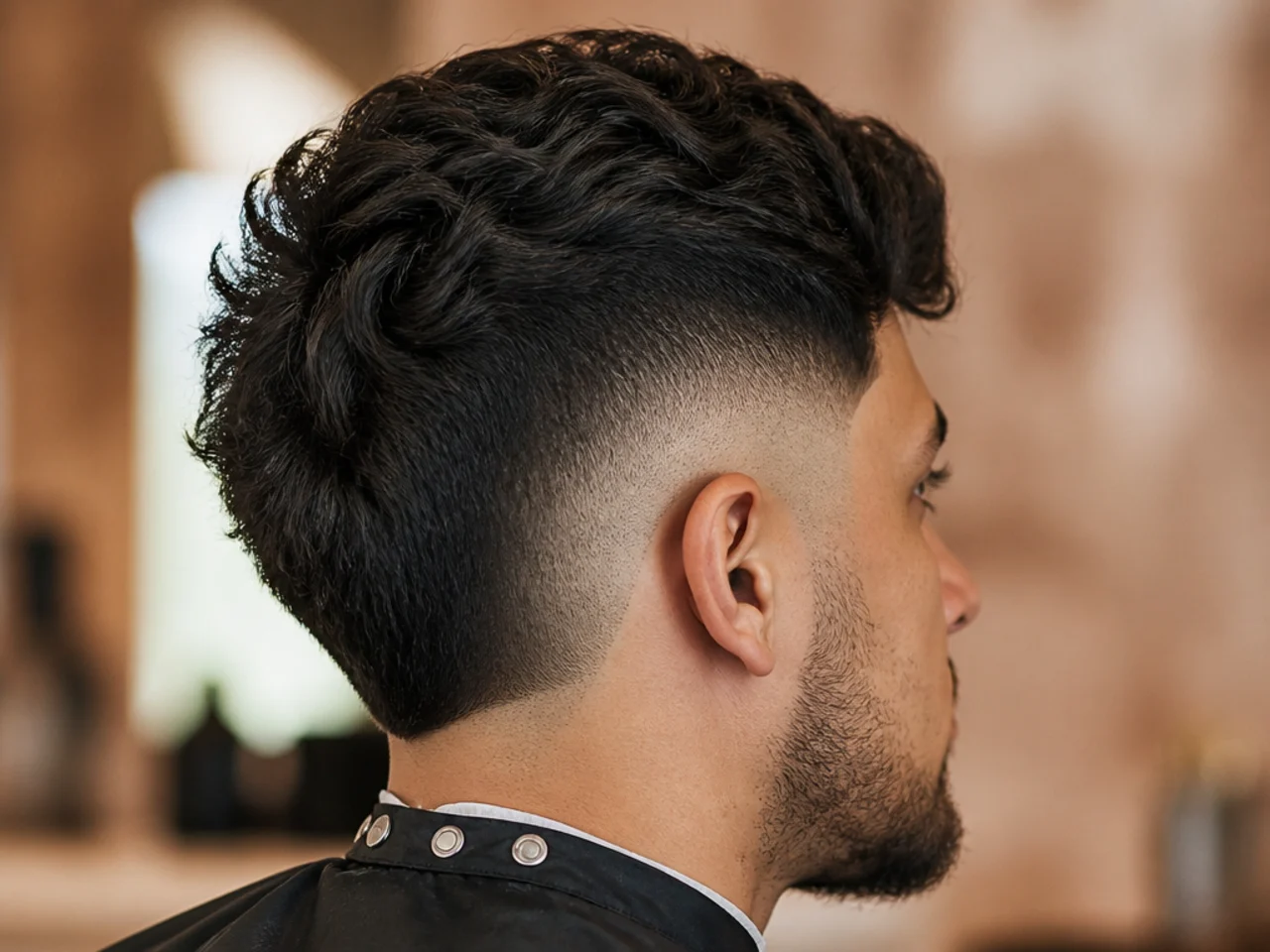
A visible back. The nape stays long, and that is the part of you people standing behind you can see.
A styling step you cannot see. The long back needs directing every morning and no wall mirror shows it.
A barber who has cut one. It is a less common request than a low or mid fade, and the default substitute is a drop.
Matched arcs. Two circles have to agree in size, position and reach, which is harder than matching two line heights.
How to Choose Yours
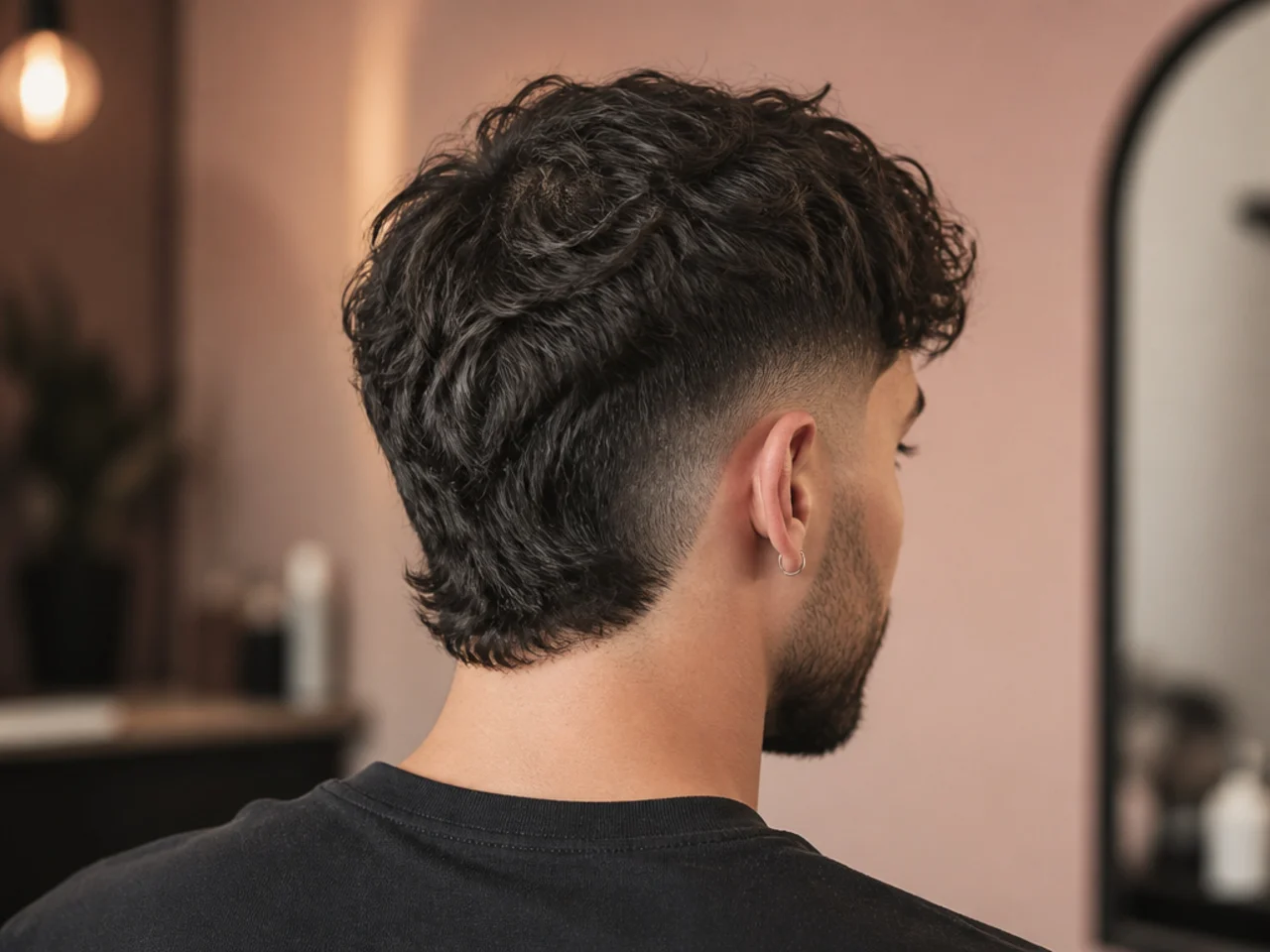
Read the back of the photo, not the front. If the nape is not visible, the picture is not telling you what you need.
Match the commitment to your week. A mullet-length burst and a collar-length burst are different jobs to own.
Check the model's density. An opened arc shows scalp, and thin hair around the ear shows more of it.
Save one photo per idea with the cost written under it. A folder of forty pictures is a folder you will never use.
The 20 Burst Fade Ideas I Saved
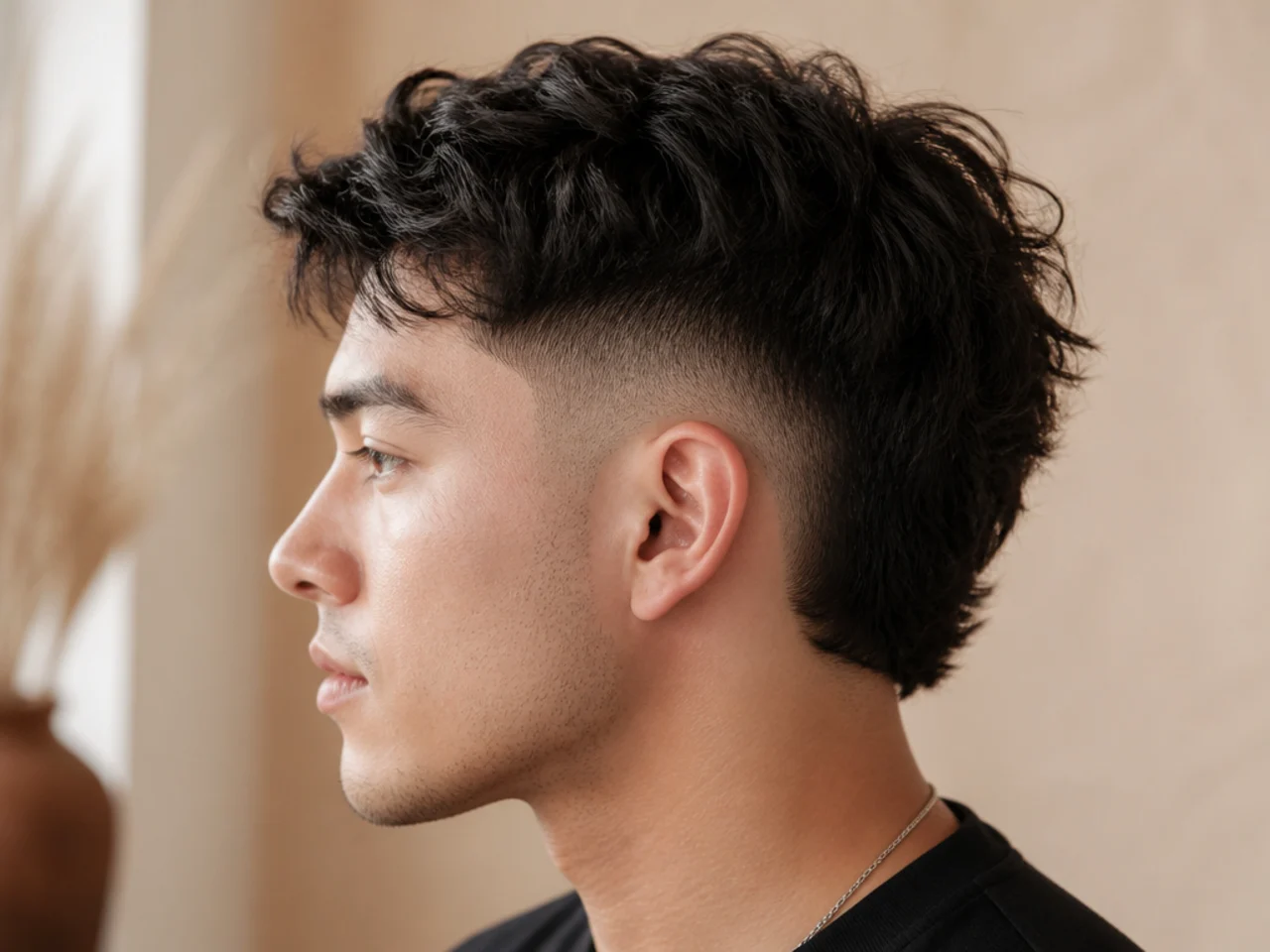
1. Classic Burst With a Collar-Length Nape
The lowest-commitment version in the folder. It reads as a normal haircut from behind and needs almost nothing doing to it in the morning.
2. Burst Fade Mullet
The highest commitment in the burst fade mullet family. It asks for a nape you will be answering questions about, and it only makes sense if you want that conversation.
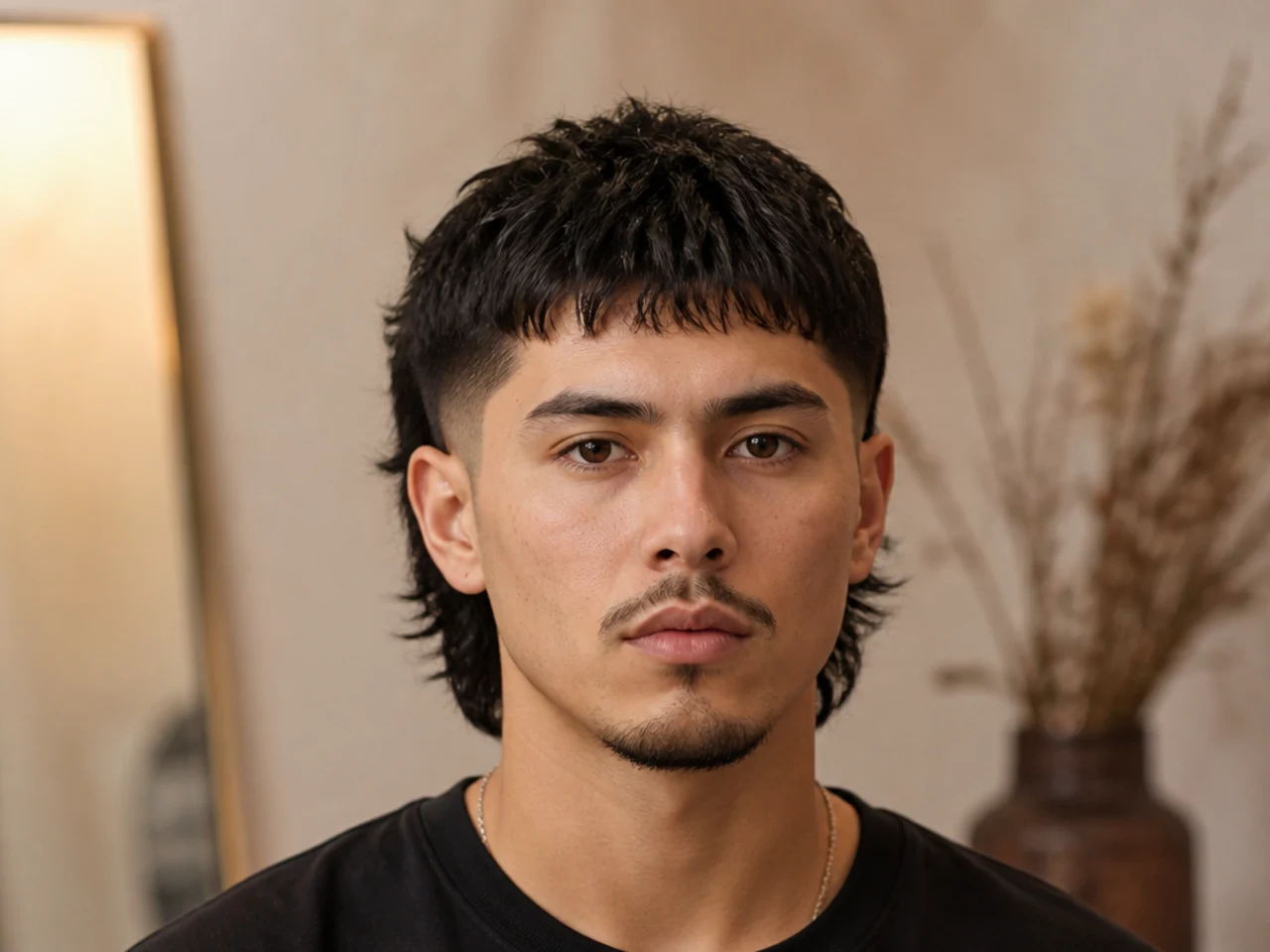
3. Burst Fade Mohawk
A continuous strip along the crown with both ears opened. It costs the most in density, because a narrow strip on fine hair looks sparse rather than sharp.
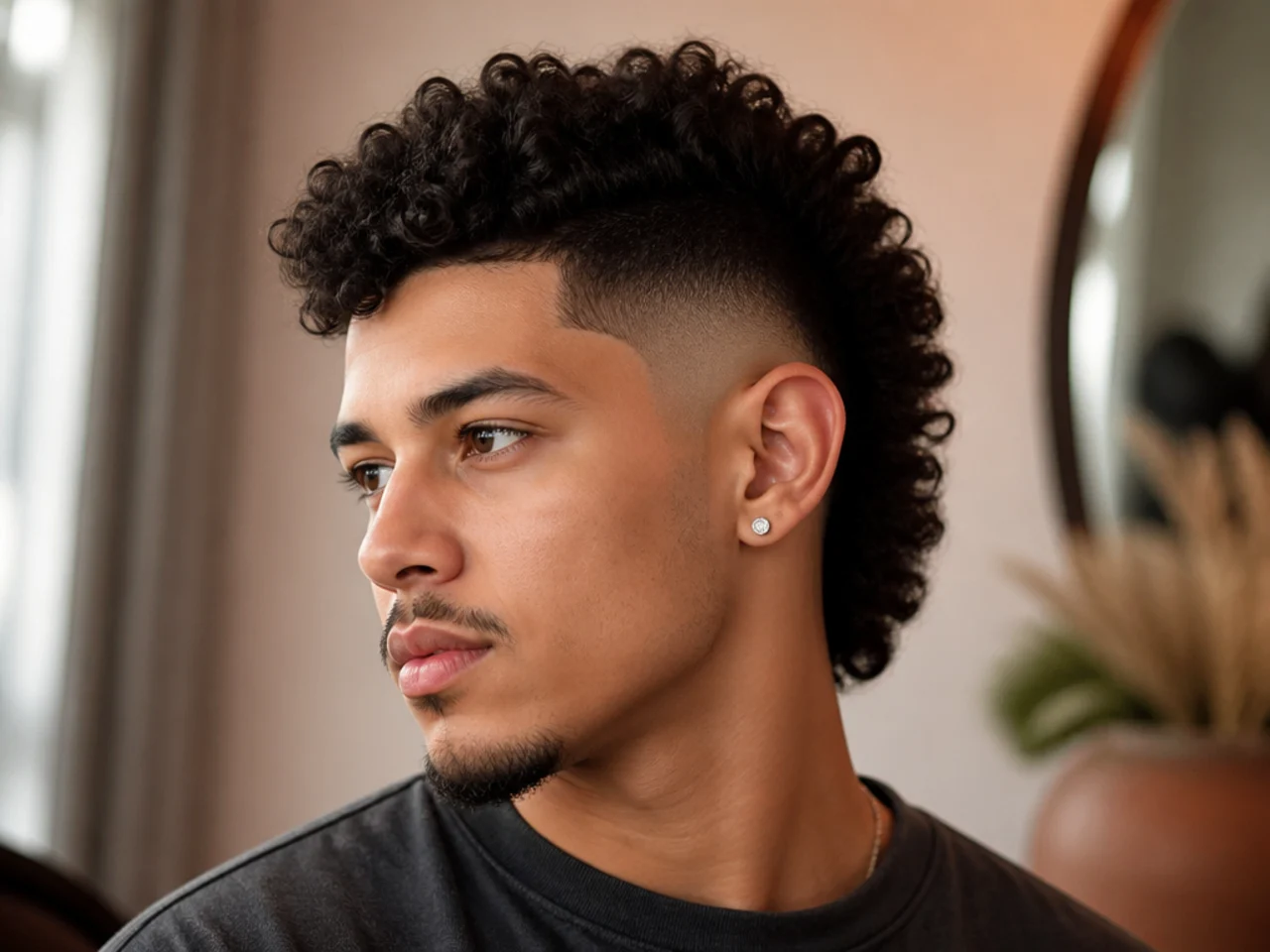
4. Low Burst Fade
A small arc hugging the ear, exactly as a low burst fade is normally cut. Cheap in every sense, and the version to start with if you have never had a burst before.
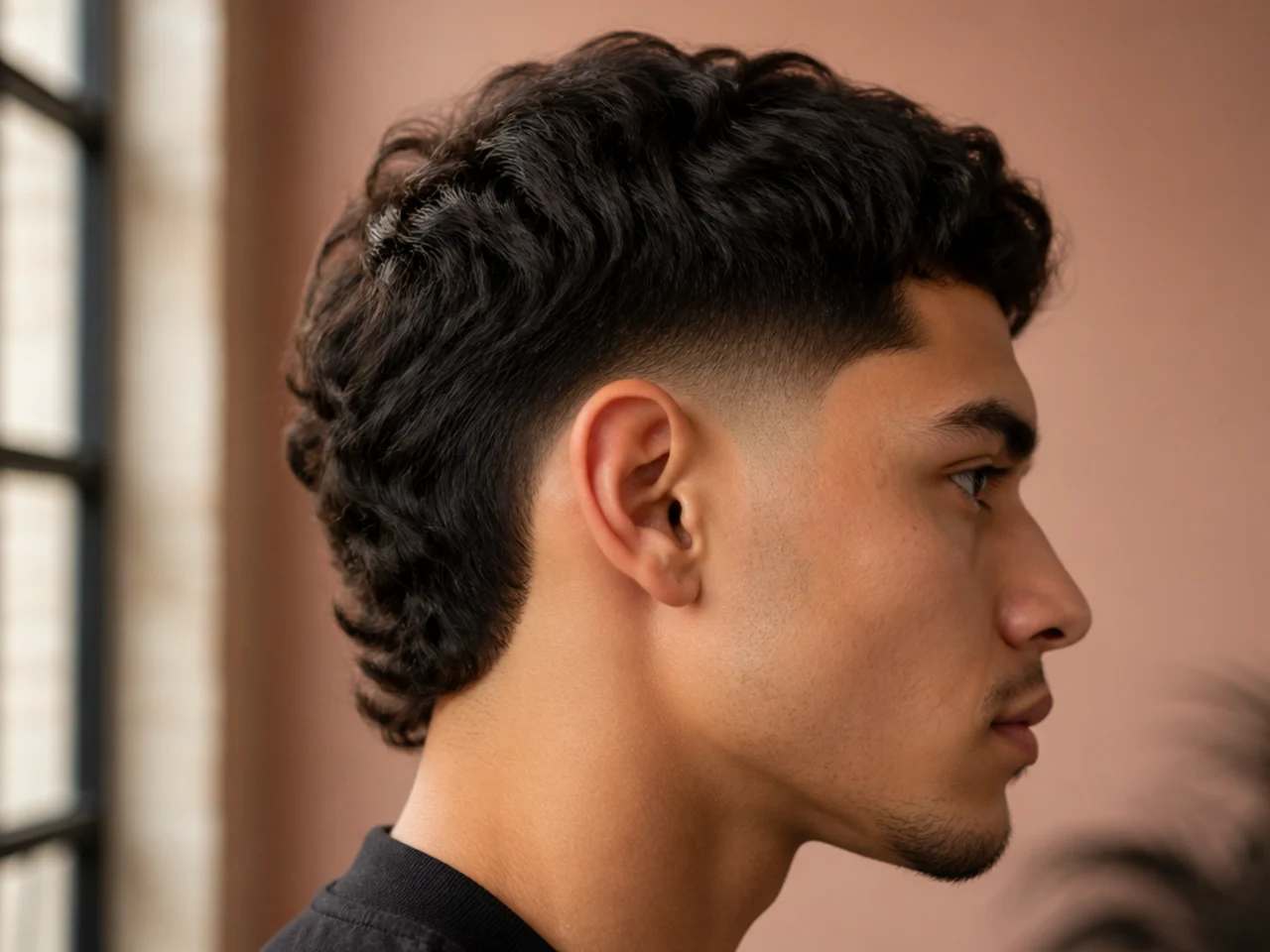
5. Mid Burst Fade
The arc reaching the temple. It costs a barber who can place a circle accurately, since at this size a misjudged centre is obvious.
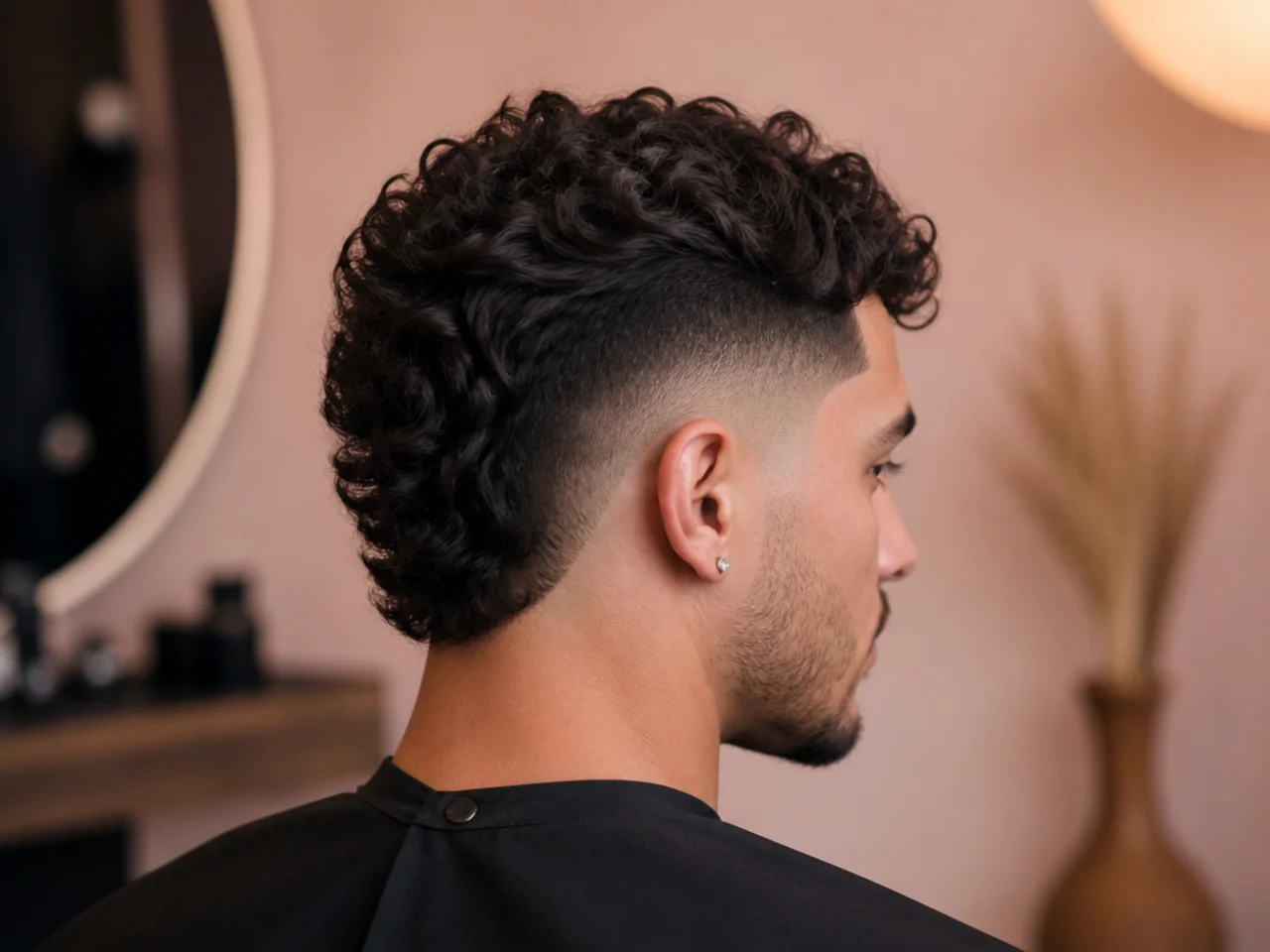
6. High Burst Fade
The arc climbing toward the parietal ridge. It exposes the most scalp of any version and therefore asks the most of your density.
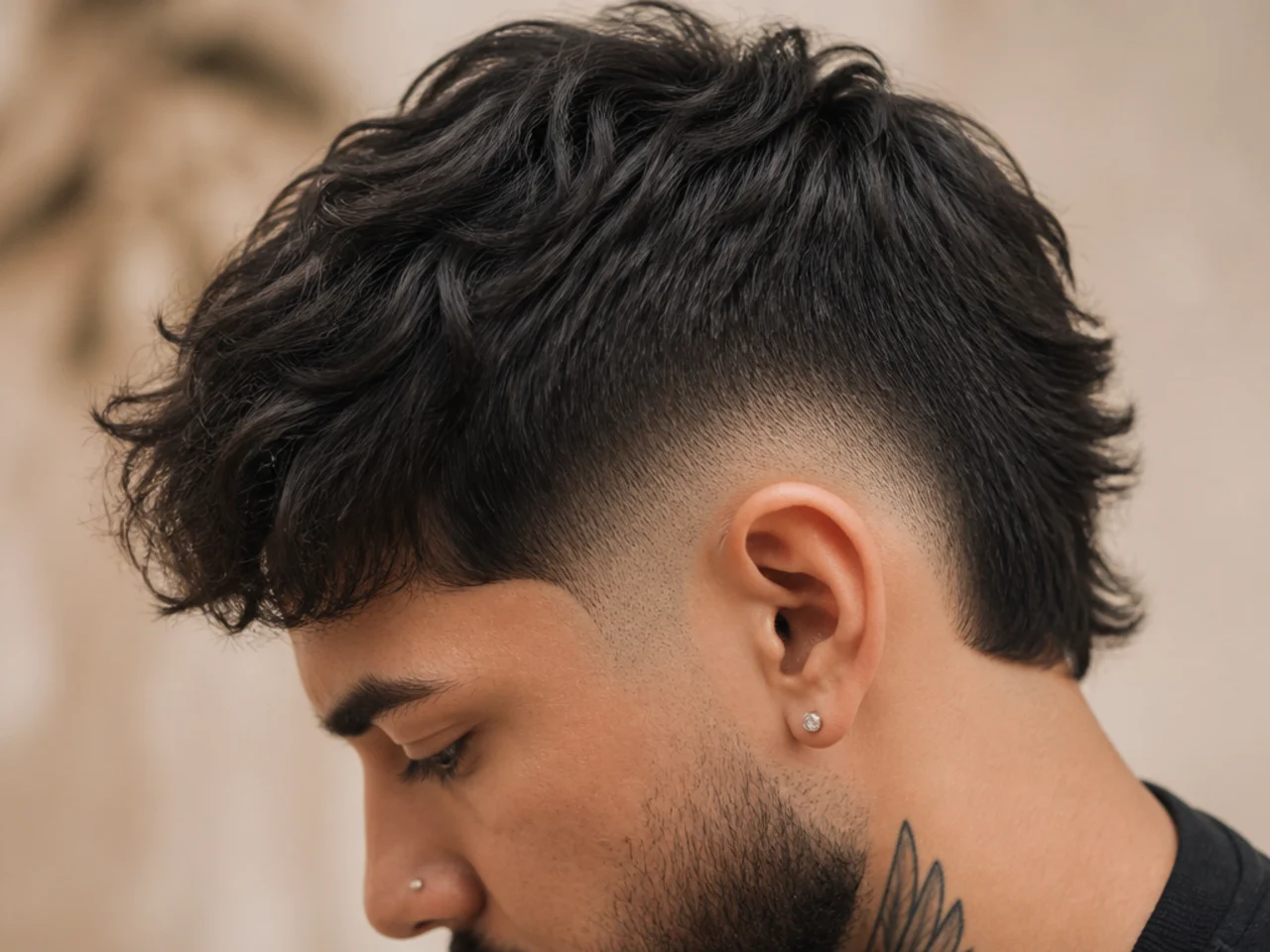
7. Burst Skin Fade
Bare skin inside the arc. The cost is the calendar, since a skin finish blurs in one to two weeks rather than three to four.
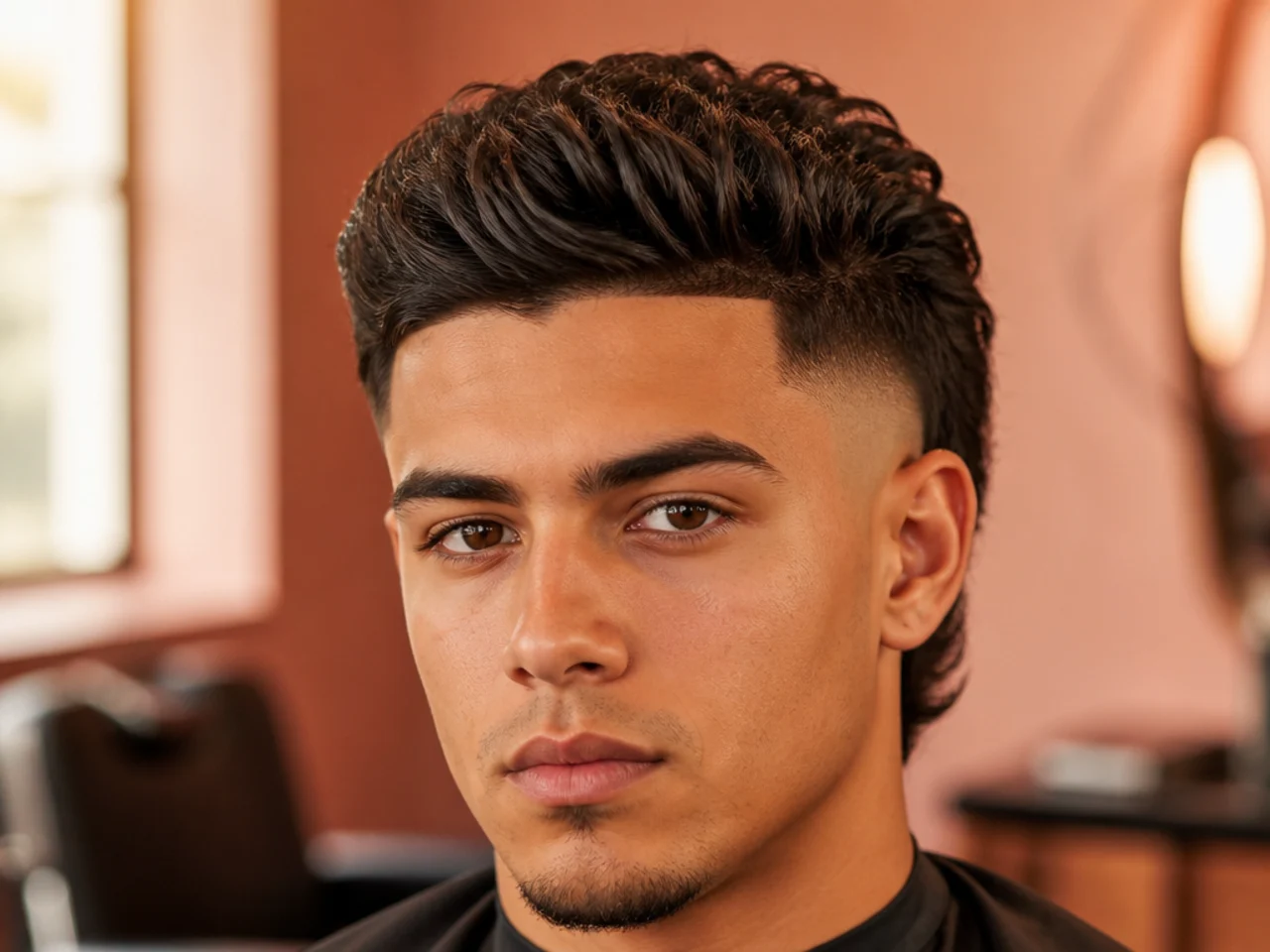
8. Burst Taper
A #1 at 3mm floor. Half the maintenance of the skin version and about eighty per cent of the effect. From three metres the 3mm still reads as an opened circle, and it takes three to four weeks to close rather than two.
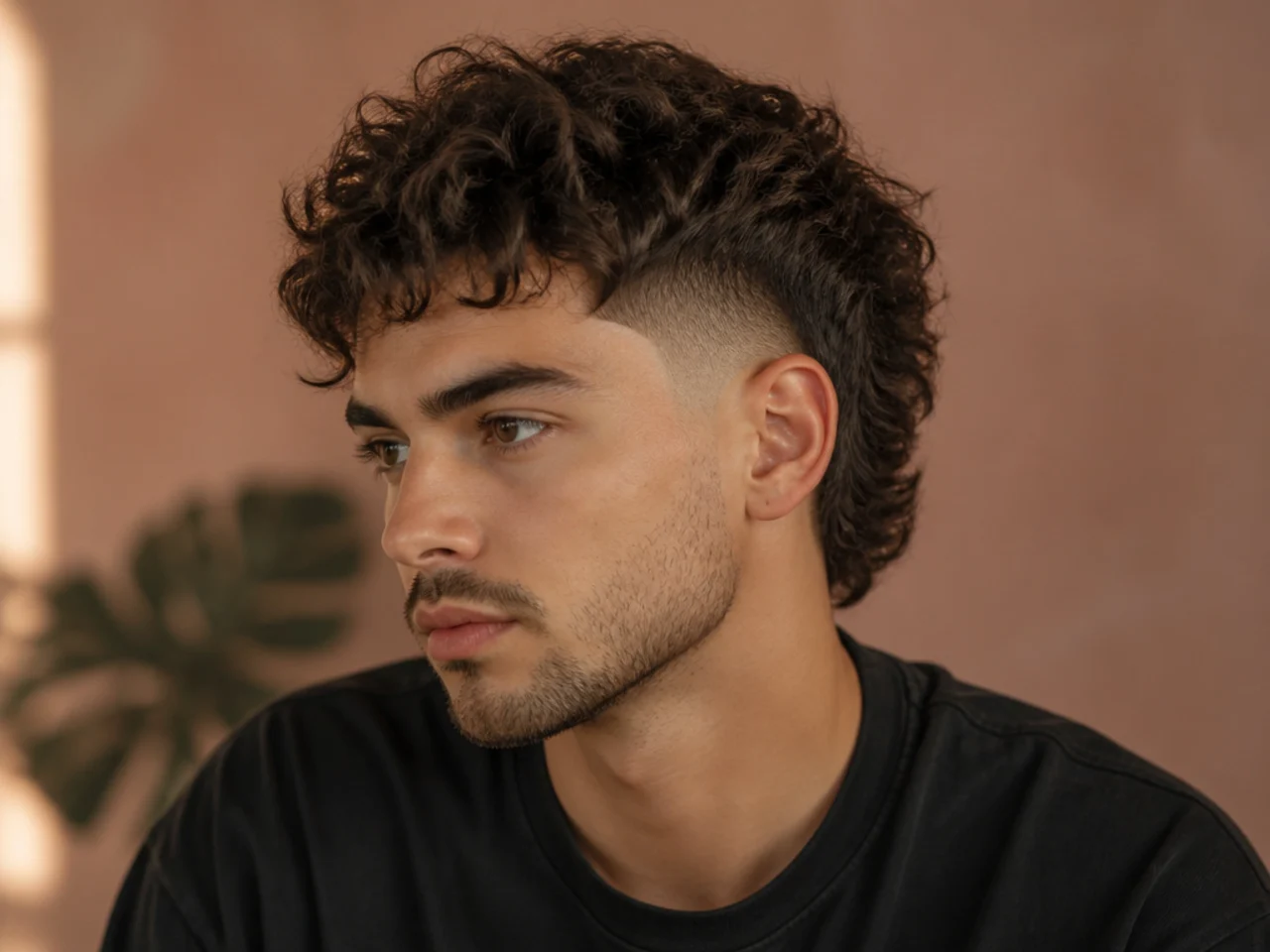
9. Burst Fade With the Sideburn Kept
The arc stopped behind the sideburn. It costs one sentence at the consultation, which is the cheapest thing on this list. Nothing else about the cut moves, because the arc's forward reach is set independently of how far up the side it climbs.
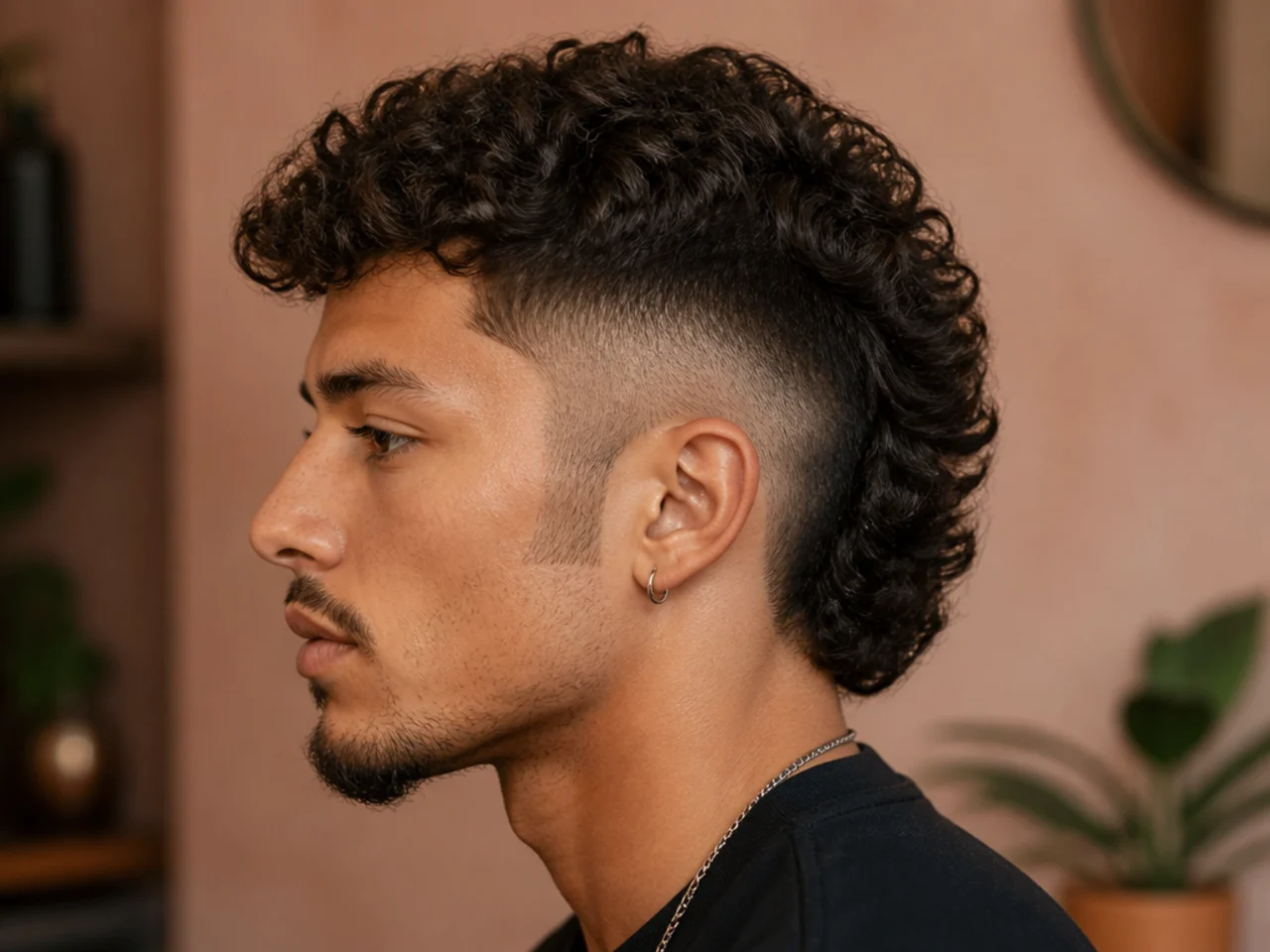
10. Burst Fade With a Beard
The arc crossing the sideburn into beard density. It asks for the beard and the arc to be booked together, since neither can be adjusted alone.
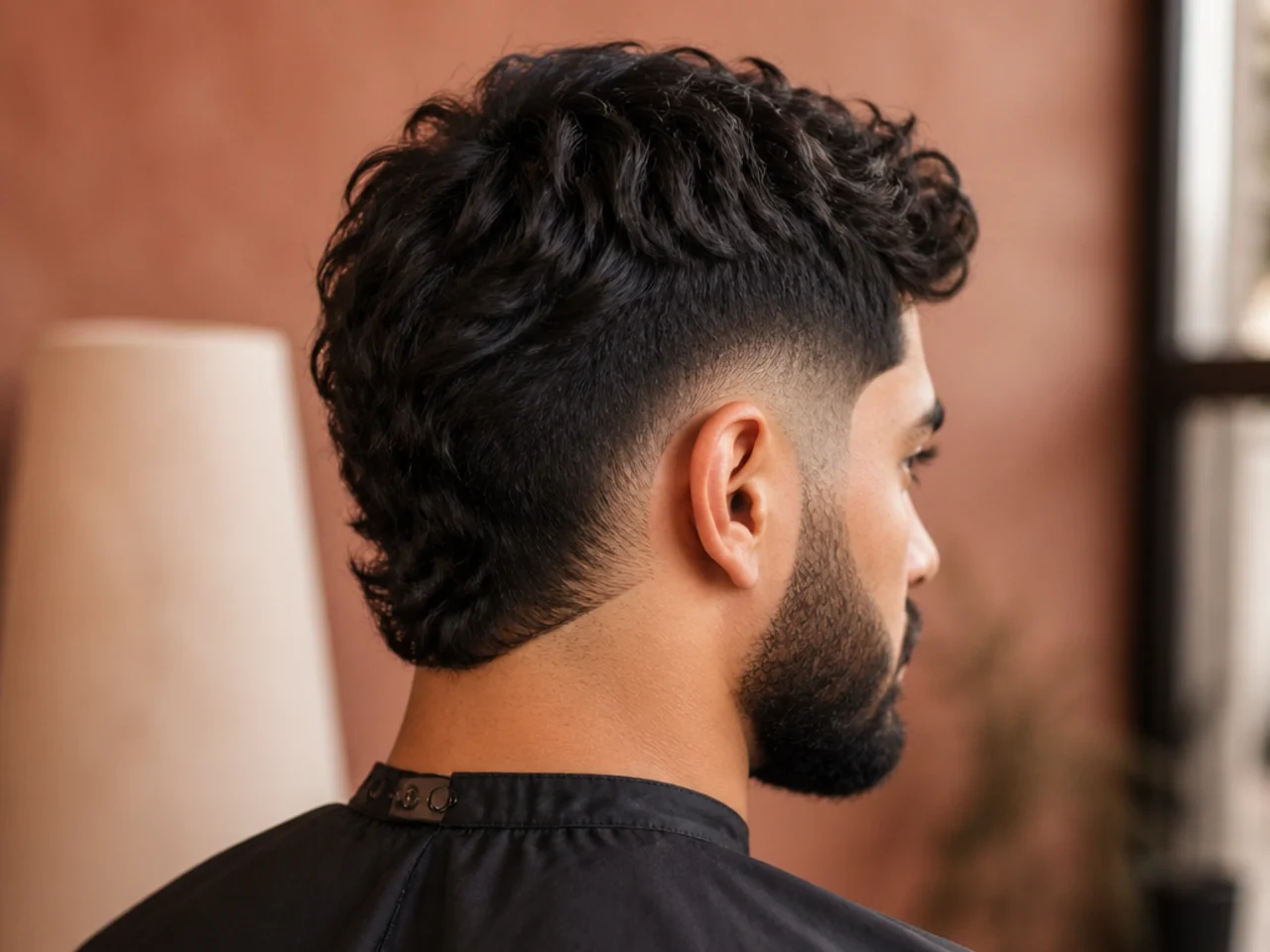
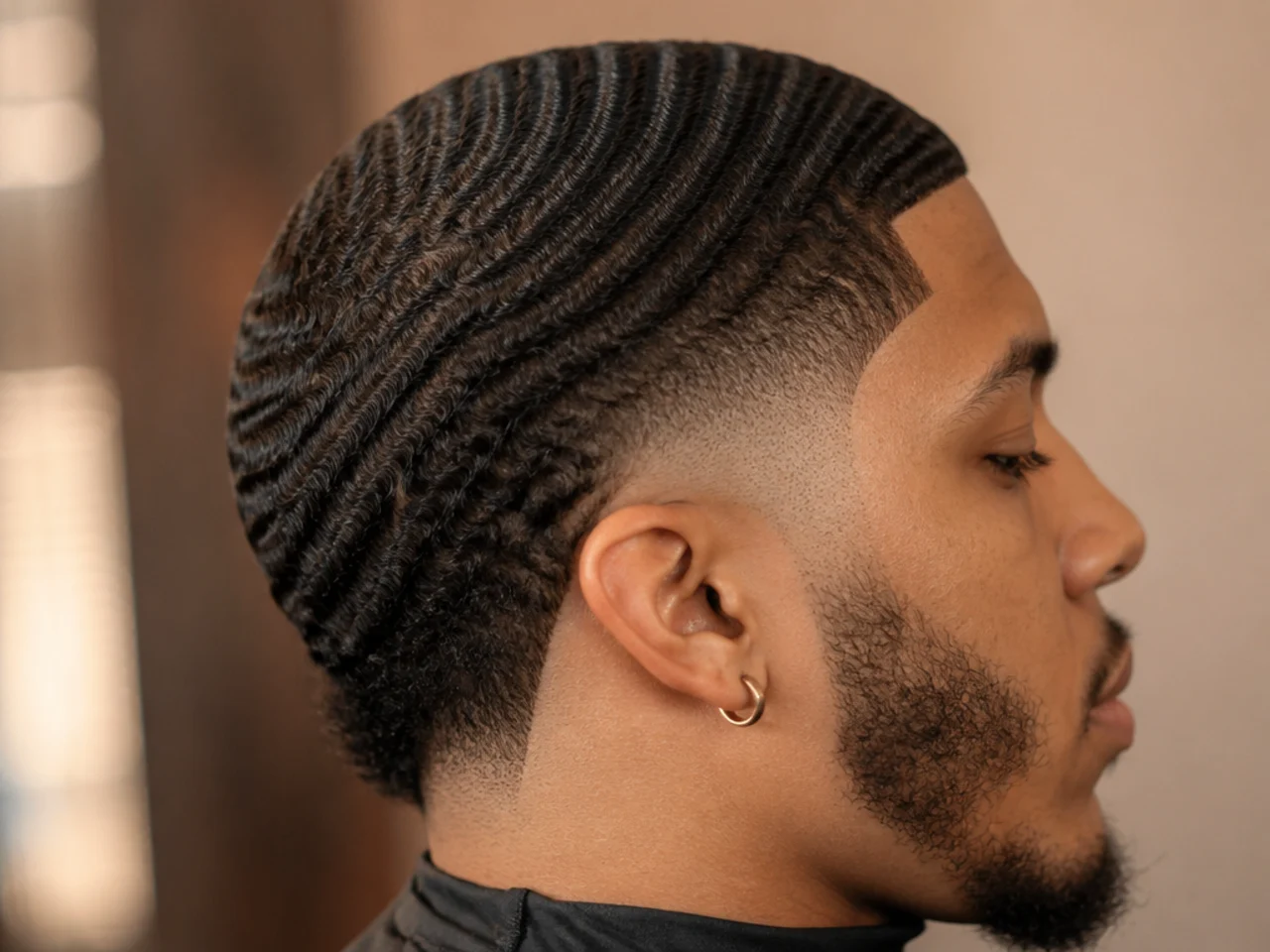
11. Burst Fade With 360 Waves
The nape rows kept intact behind the arcs. The cost is brushing, and specifically brushing radially rather than only backward. The pattern runs outward from the crown in every direction, so a back-only stroke trains half the field and flattens the rest.
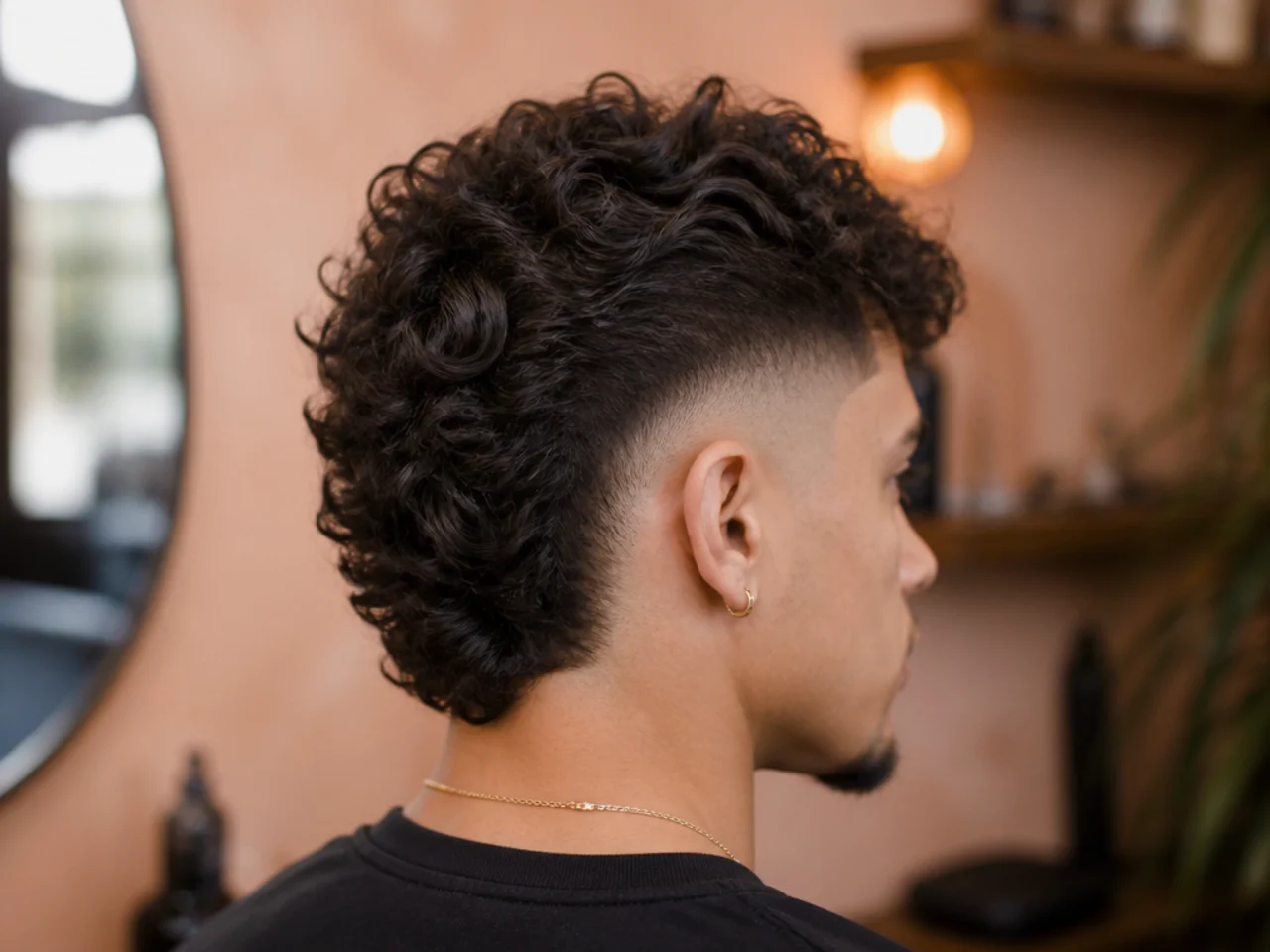
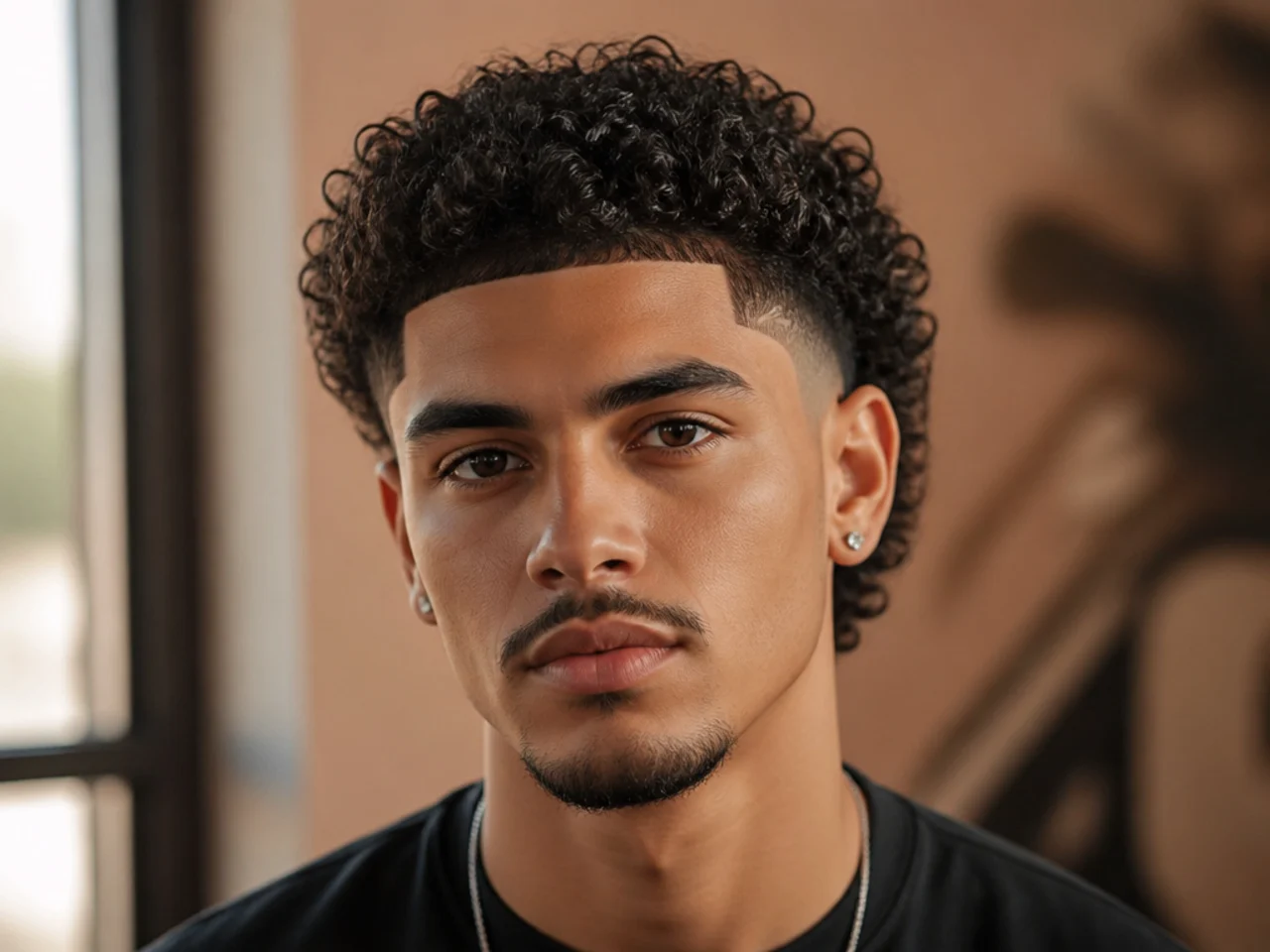
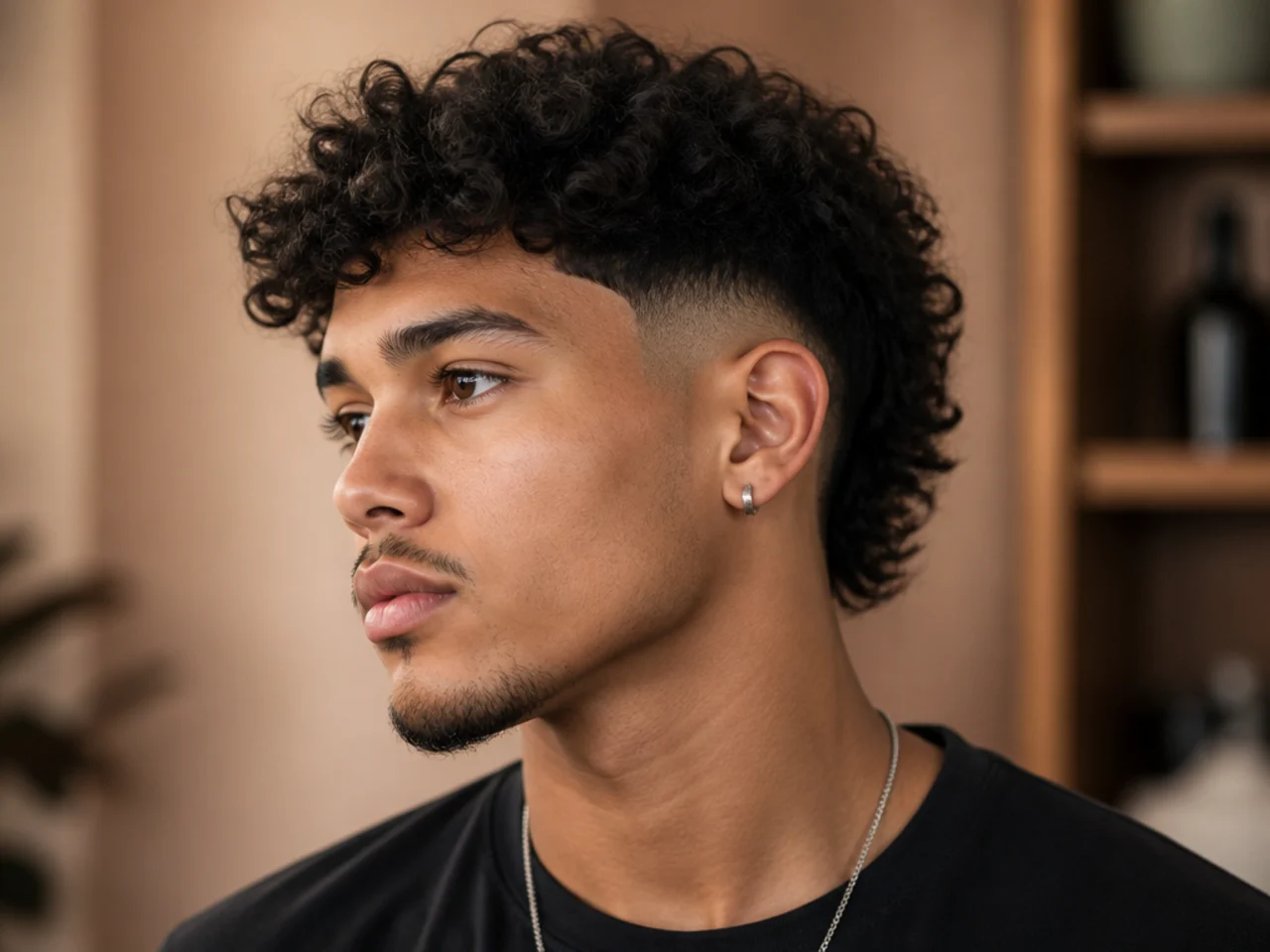
12. Curly Burst Fade
Curl mass above two opened circles. It asks for a scissor-cut top, since clippering curls flattens the variation the shape depends on.
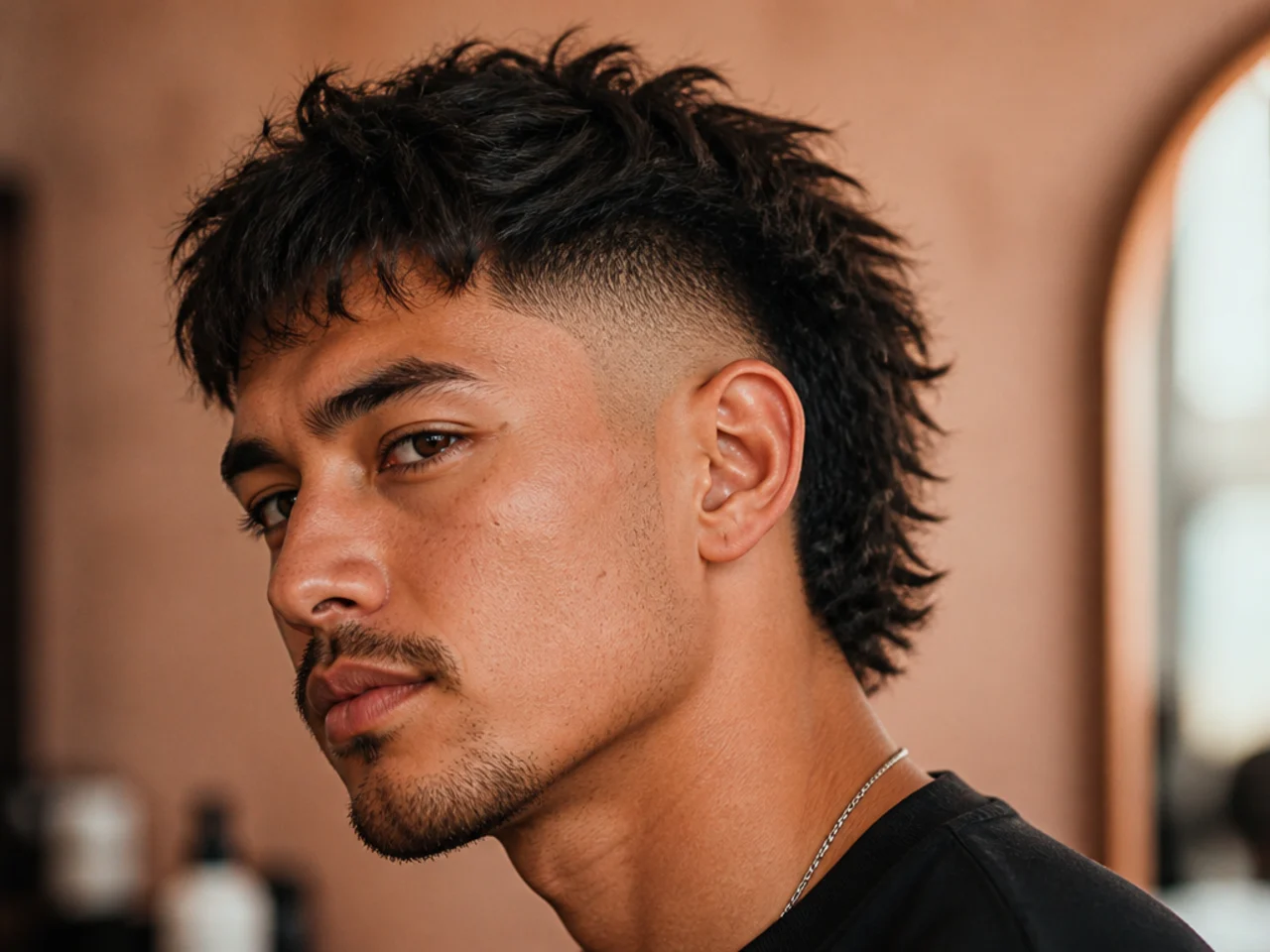
13. Textured Burst Fade
Point-cut ends running from the fringe to the nape. It costs a re-point at every visit, because thinned tips thicken before the length does.
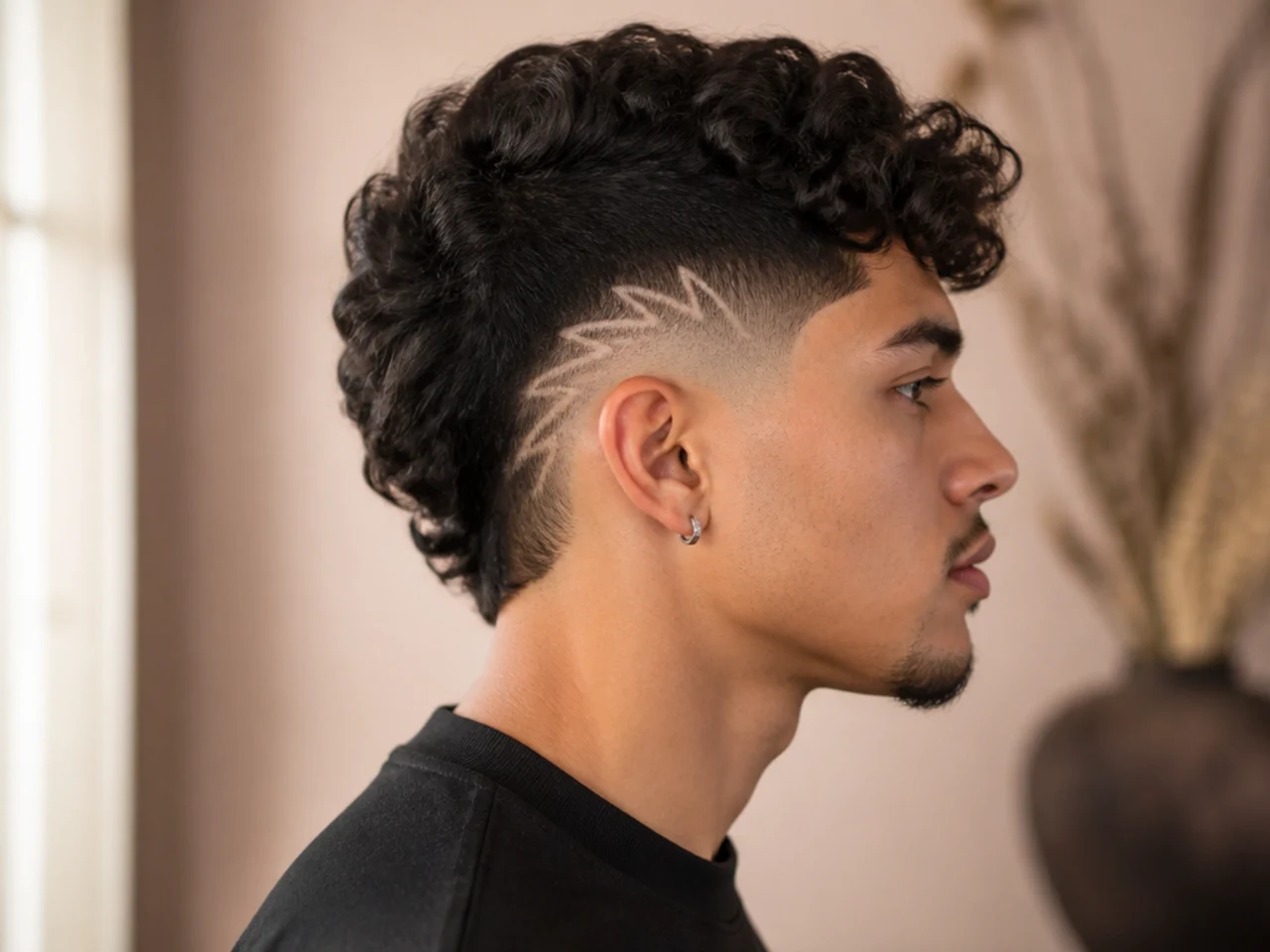
14. Burst Fade With a Design
A shape cut inside the opened circle. It costs five to seven days, which is how long a razored line stays crisp before it closes.
15. Burst Fade Buzz Cut
A short top over two clean arcs, the plainest form of the burst fade buzz cut. With nothing to look at on top, the cost is that both circles have to match exactly.
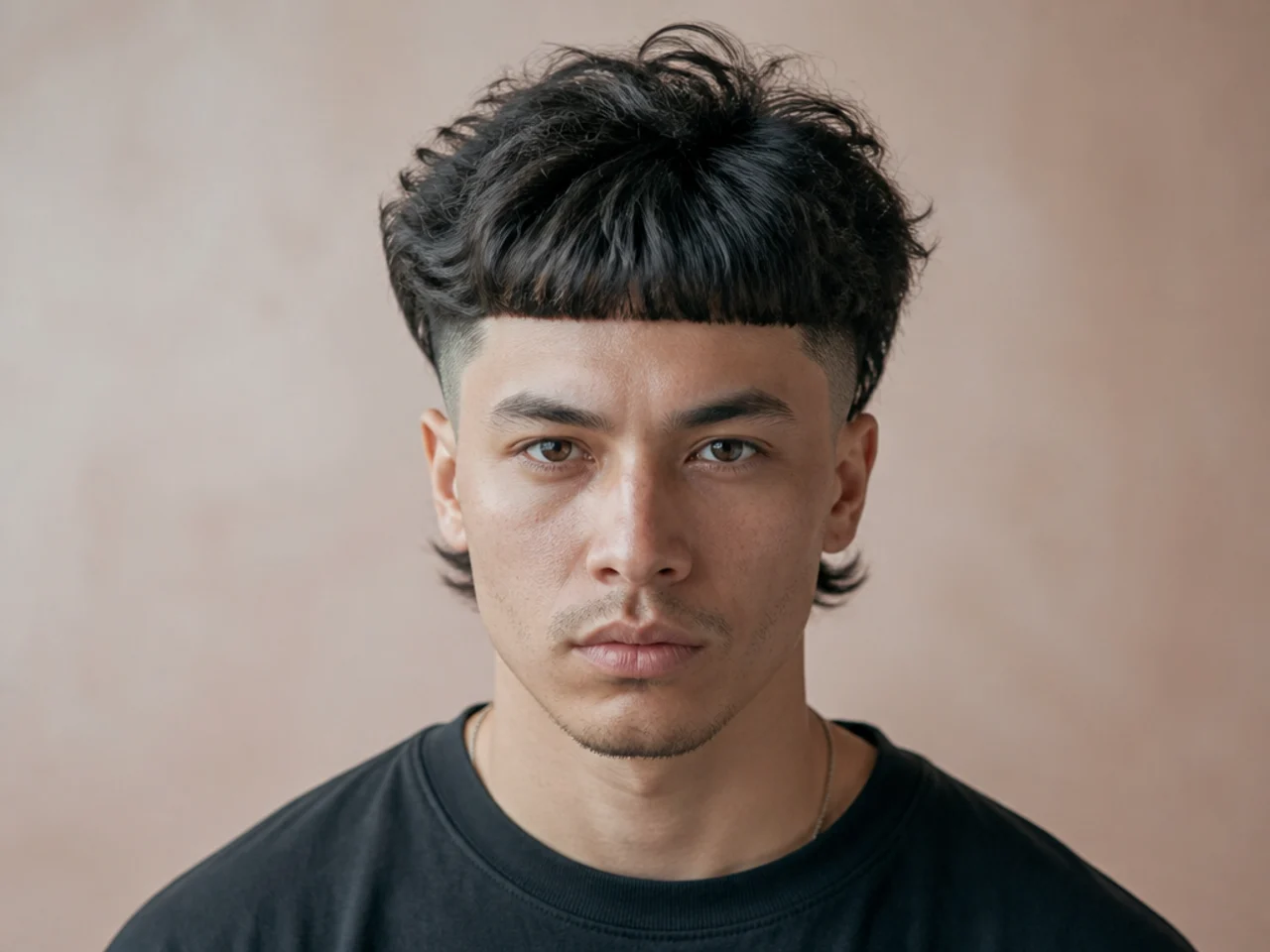
16. Burst Fade With a Fringe
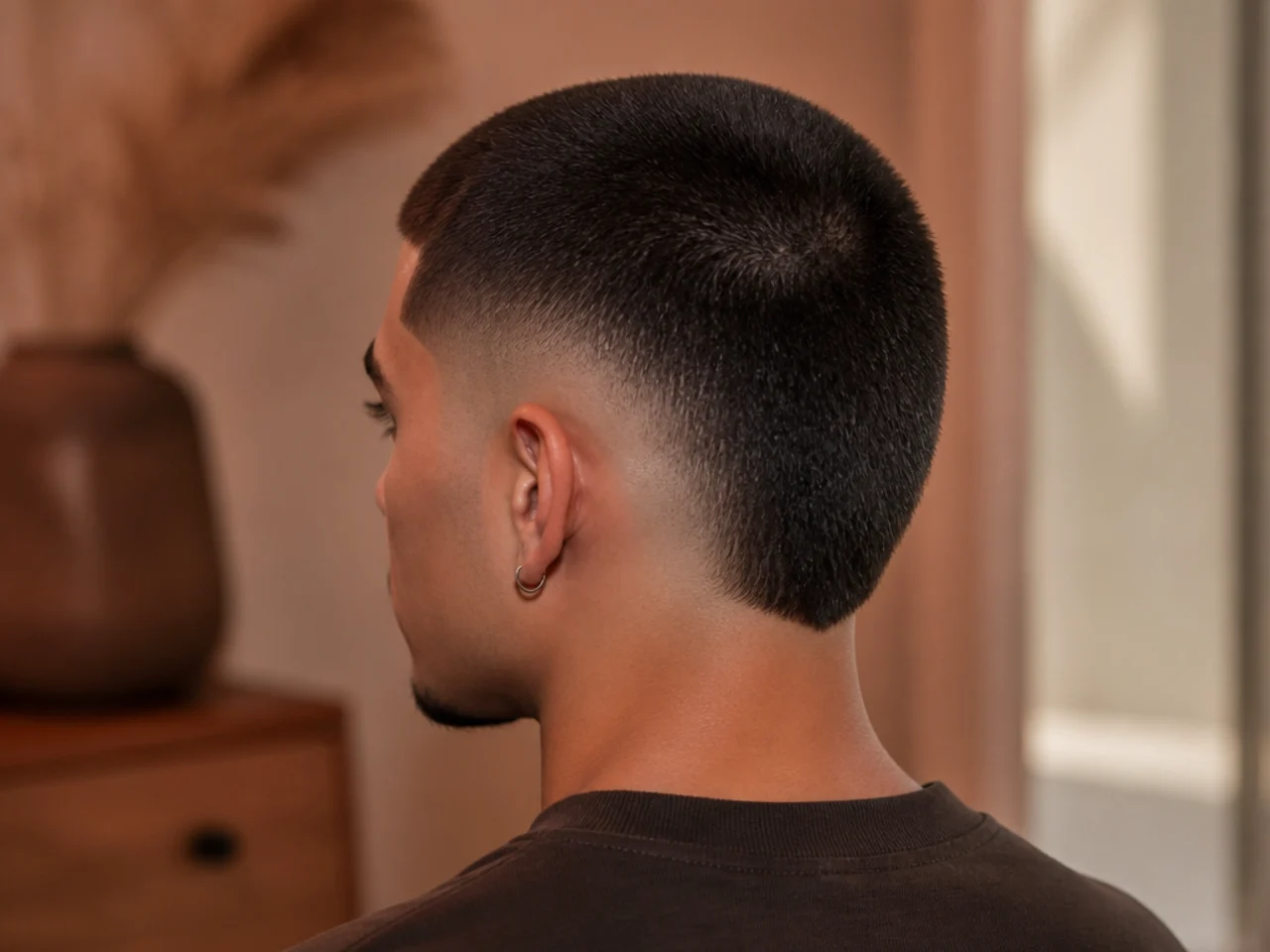
The front pushed forward over high arcs. It costs a morning routine, since a fringe that is not directed simply sits on the forehead.
17. Burst Fade on Fine Hair
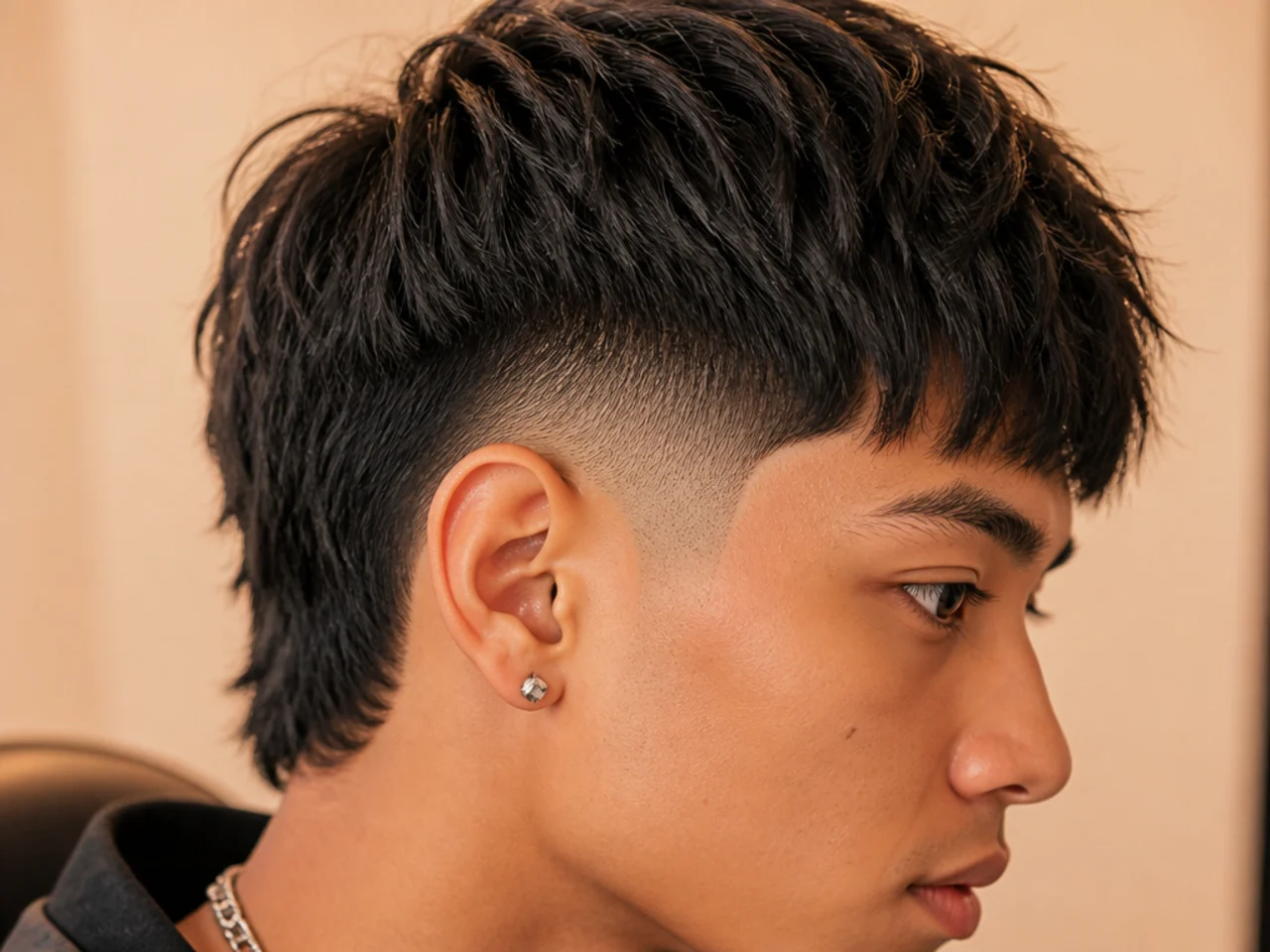
Saved as a caution. An opened arc on fine hair shows scalp around it as well as inside it, which the photograph makes clear at full size.
18. Burst Fade From Behind
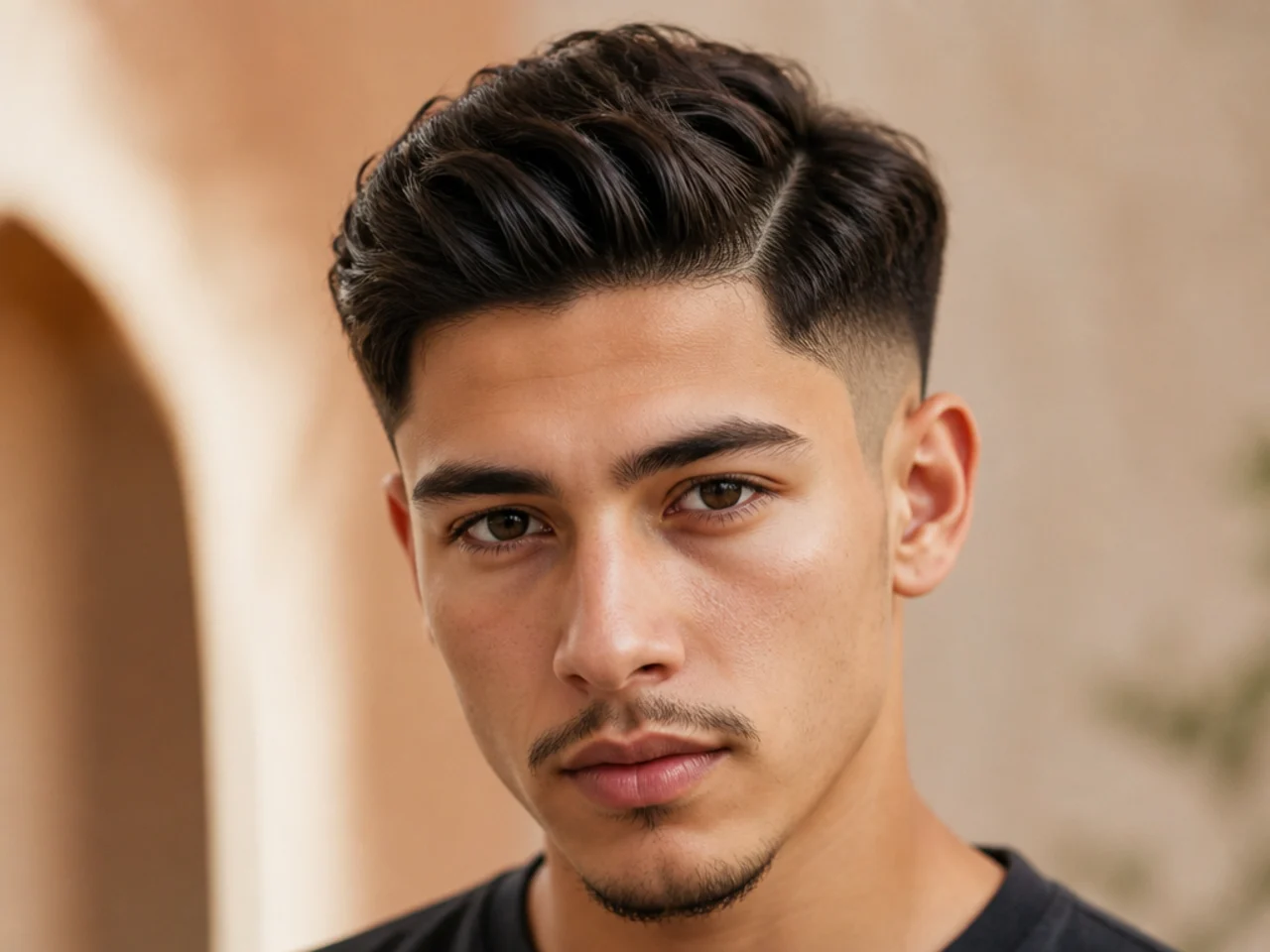
A rare back view, kept for exactly that reason. It is the only photo in the folder that proves the cut is a burst and not a drop.
19. Burst Fade at Week Three
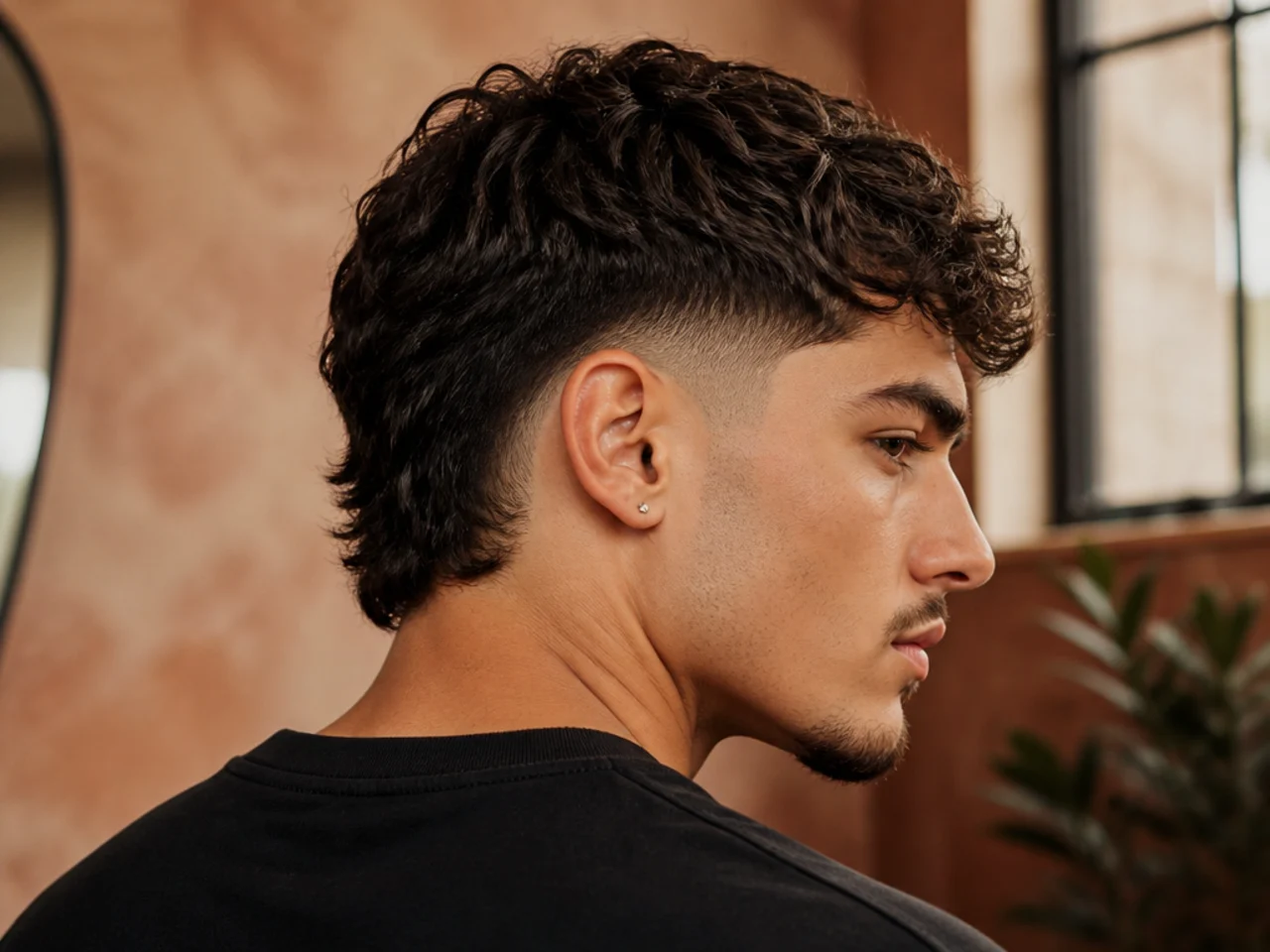
A grown-out shot. It costs nothing and it tells you more than the other nineteen, because it shows what the cut looks like for most of its life.
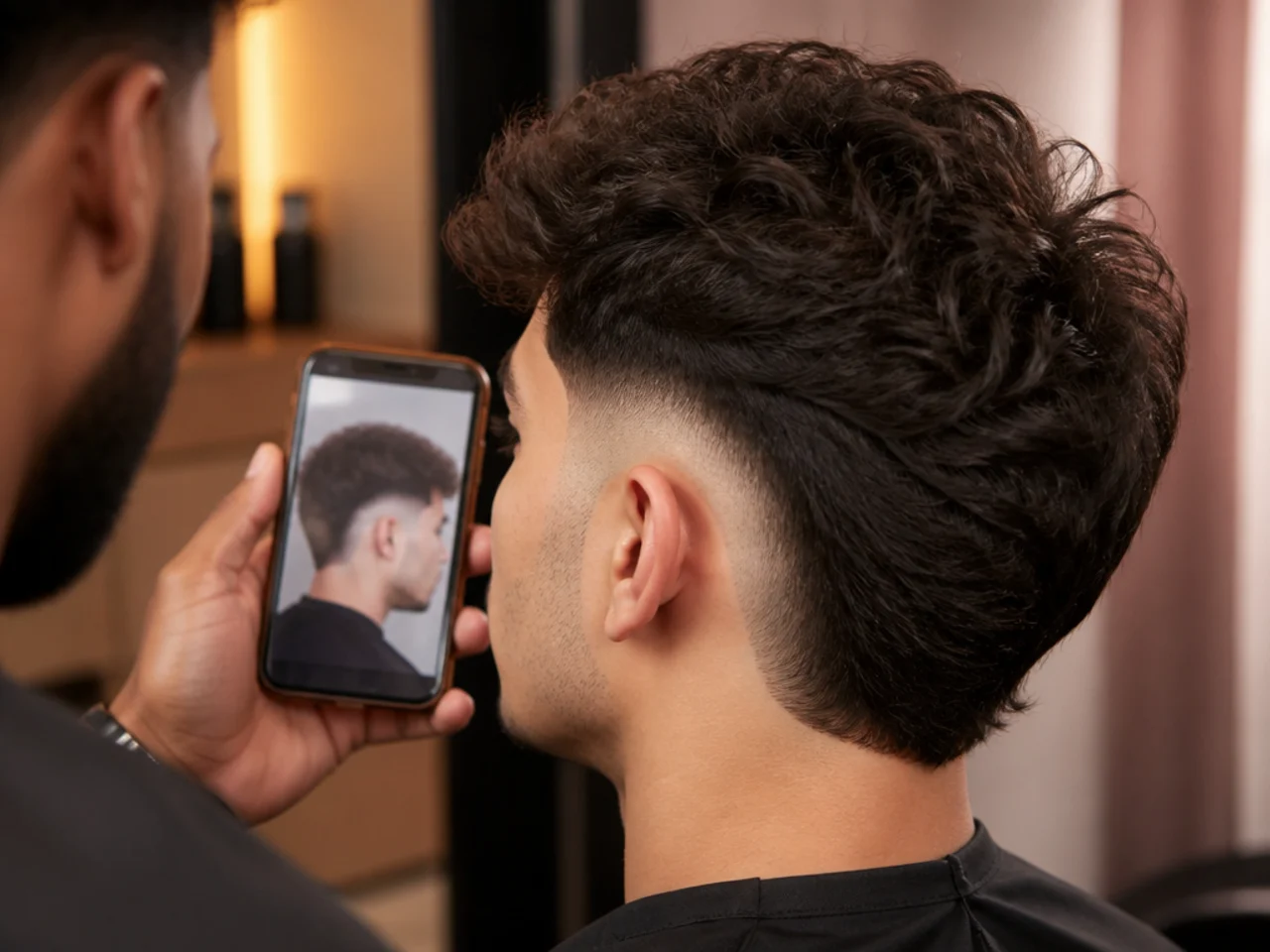
20. The Photo of My Own Back
Taken in the chair with a hand mirror. The only reference that accounts for my own hairline, my own density and my own barber.
Styling and Upkeep
Write the cost under the photo, not the style name. Style names are interchangeable and costs are not.
Bring one photo and one sentence. The photo shows the arc and the sentence protects the nape.
Take your own back-of-head reference. It is worth more than any saved image because it proves what you actually got.
Rebook by finish. That is the real cost line under every photo in the folder, because a skin arc looks like its picture for one to two weeks and a #1 taper for three to four.
Refresh the folder twice a year. Hair thins on its own schedule, and an arc saved three years ago may no longer describe anything your head can produce.
Mistakes to Avoid
Saving only front-facing photos. They show none of the arc and none of the nape.
Ignoring what the nape length commits you to. It is visible to everyone standing behind you.
Saving a mohawk when you have fine hair. A narrow strip needs density to read as a strip.
Assuming any barber can cut it. The common substitute for a burst is a drop.
Keeping forty photos. You will bring none of them.
FAQ
What does a burst cost day to day? A visible nape and a styling step you cannot see.
Do all barbers cut them? Not confidently, and the default substitute is a drop fade.
Which version is lowest commitment? A low burst with the nape kept just above the collar.
Final Thoughts
Saving a burst fade is easy and wearing one is a commitment you make every morning at the back of your head. Write the cost under the picture before you save it — the nape you will be carrying, the barber you will need, the calendar you will be on — and the folder turns from a mood board into a shortlist.
For the full range of the cut see the burst fade haircut guide, and for the taper equivalent see 20 taper fade ideas I saved. More in Fade Haircuts.