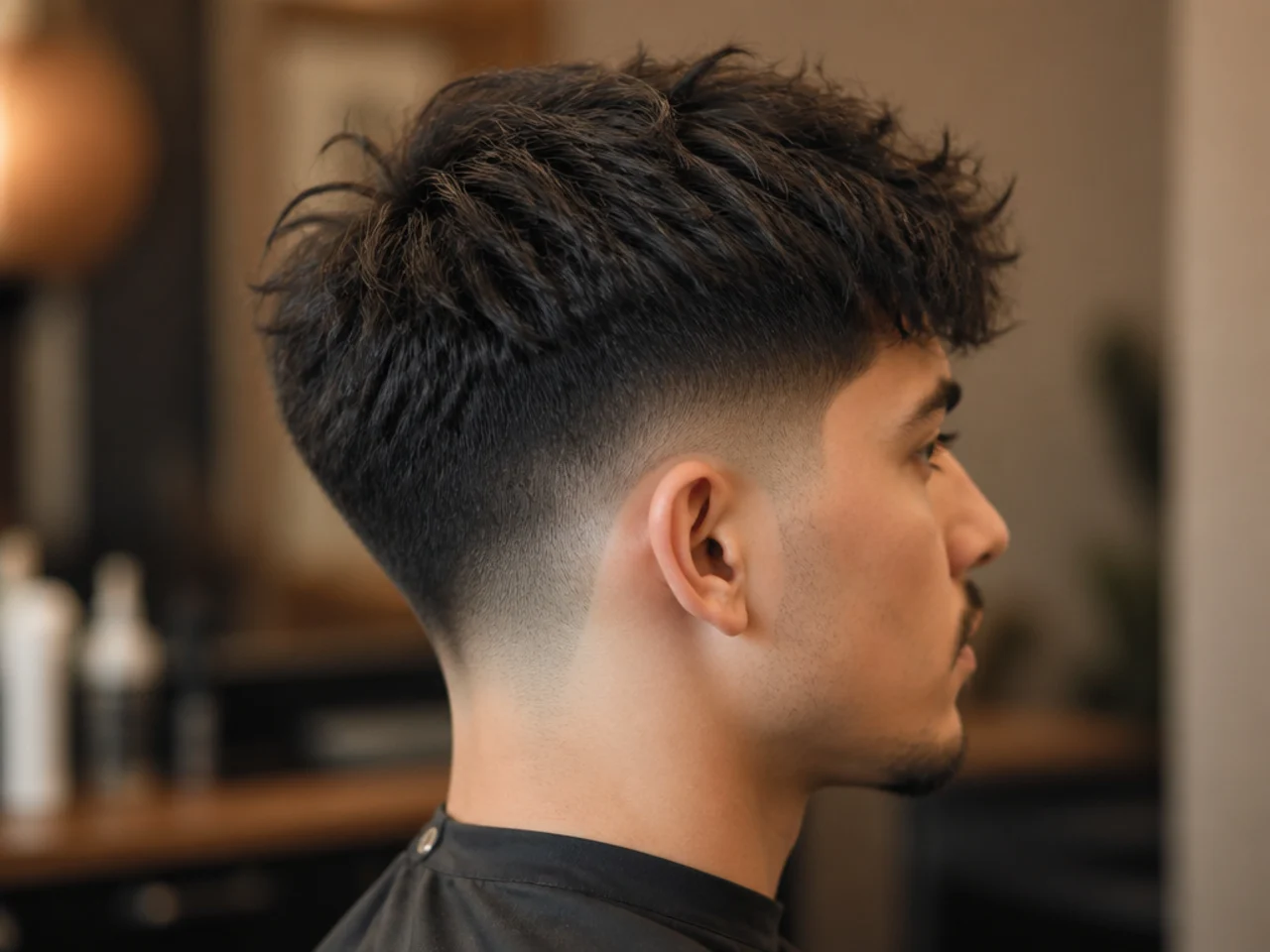
15 Textured Taper Fade Haircut Ideas to Save
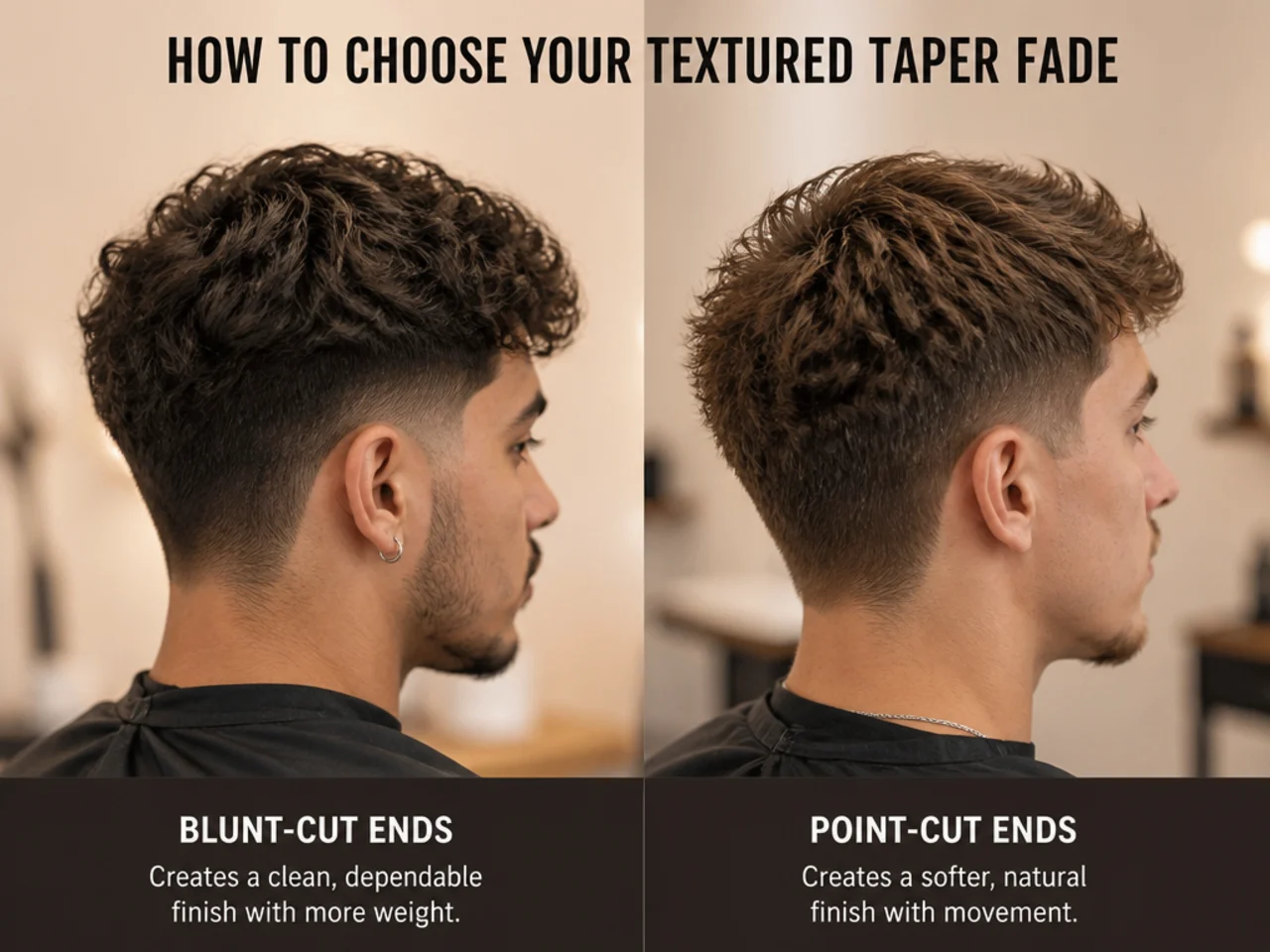
Fifteen textured taper fades, and the cutting technique that creates the texture — point cutting into the ends rather than thinning shears, which remove weight but leave the same blunt line.
In this article · 22
- What Is a Textured Taper Fade?
- How to Choose Your Textured Taper Fade
- The 15 Textured Taper Fade Ideas
- 1. Classic Textured Crop
- 2. Textured Fringe with a Low Taper
- 3. Textured Quiff
- 4. Textured Top with a Skin Taper
- 5. Messy Textured Taper
- 6. Textured French Crop
- 7. Textured Comb Over
- 8. Textured Taper for Fine Hair
- 9. Textured Taper for Thick Hair
- 10. Textured Middle Part
- 11. Textured Taper with a Line-Up
- 12. Textured Taper on Wavy Hair
- 13. Textured Taper with a Drop Line
- 14. Short Textured Buzz
- 15. Textured Taper Grown Out
- How to Style and Maintain a Textured Taper Fade
- Mistakes to Avoid
- FAQ
- Final Thoughts
Texture is a cutting technique, not a styling one. It is created by point cutting into the ends so the hair no longer finishes on one blunt line — and no amount of product will fake it if the cut is wrong.
What Is a Textured Taper Fade?
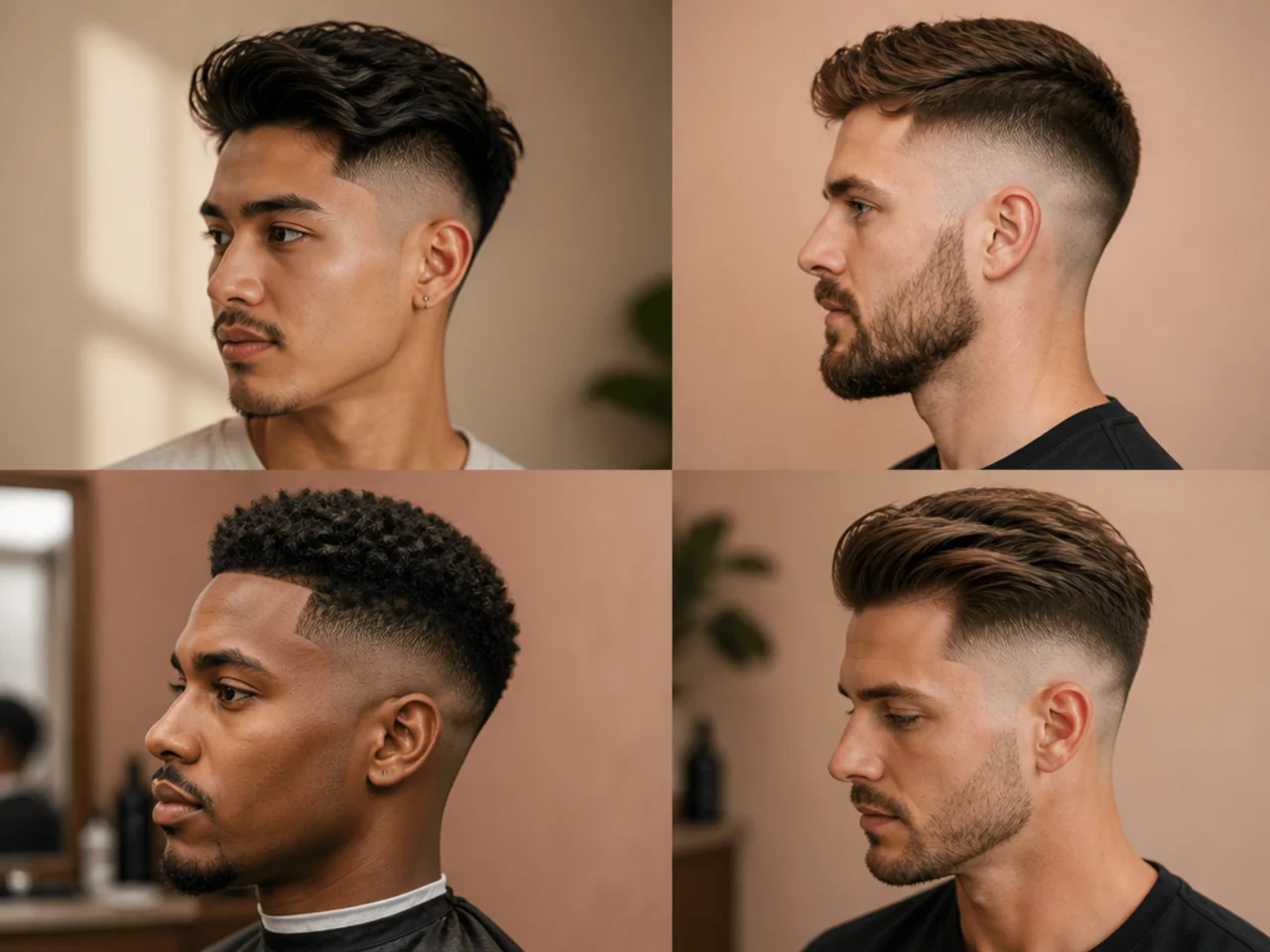
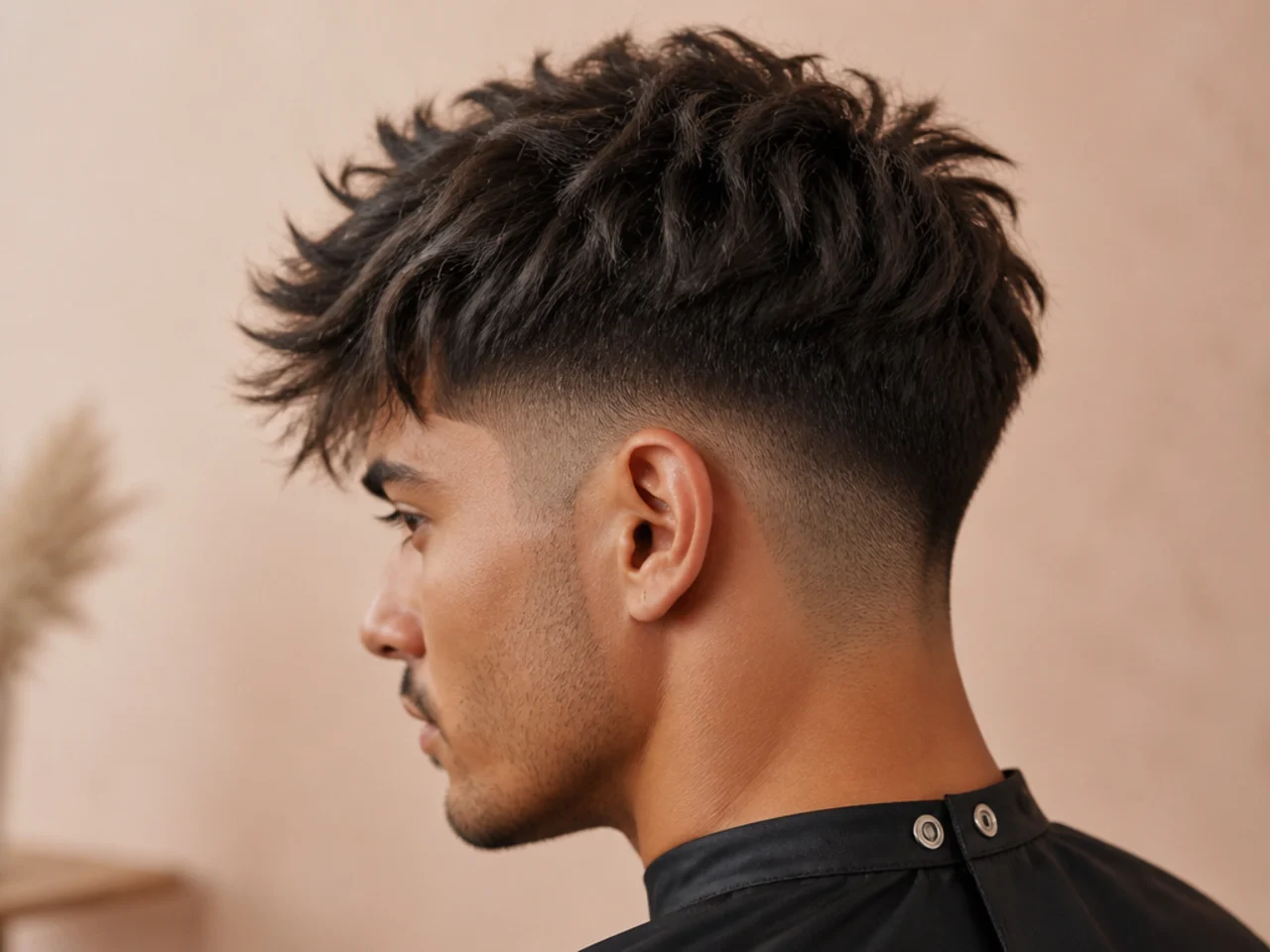
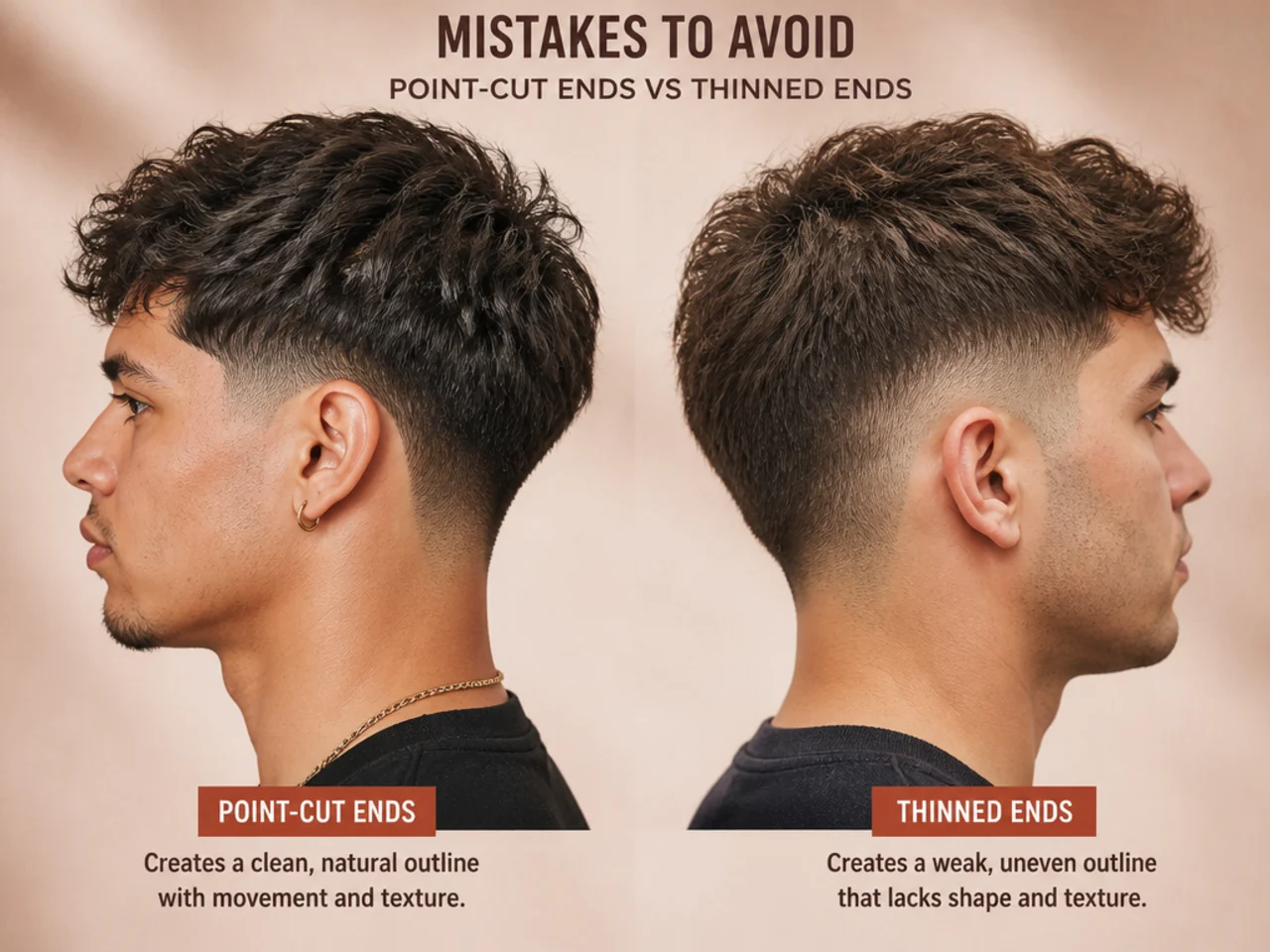
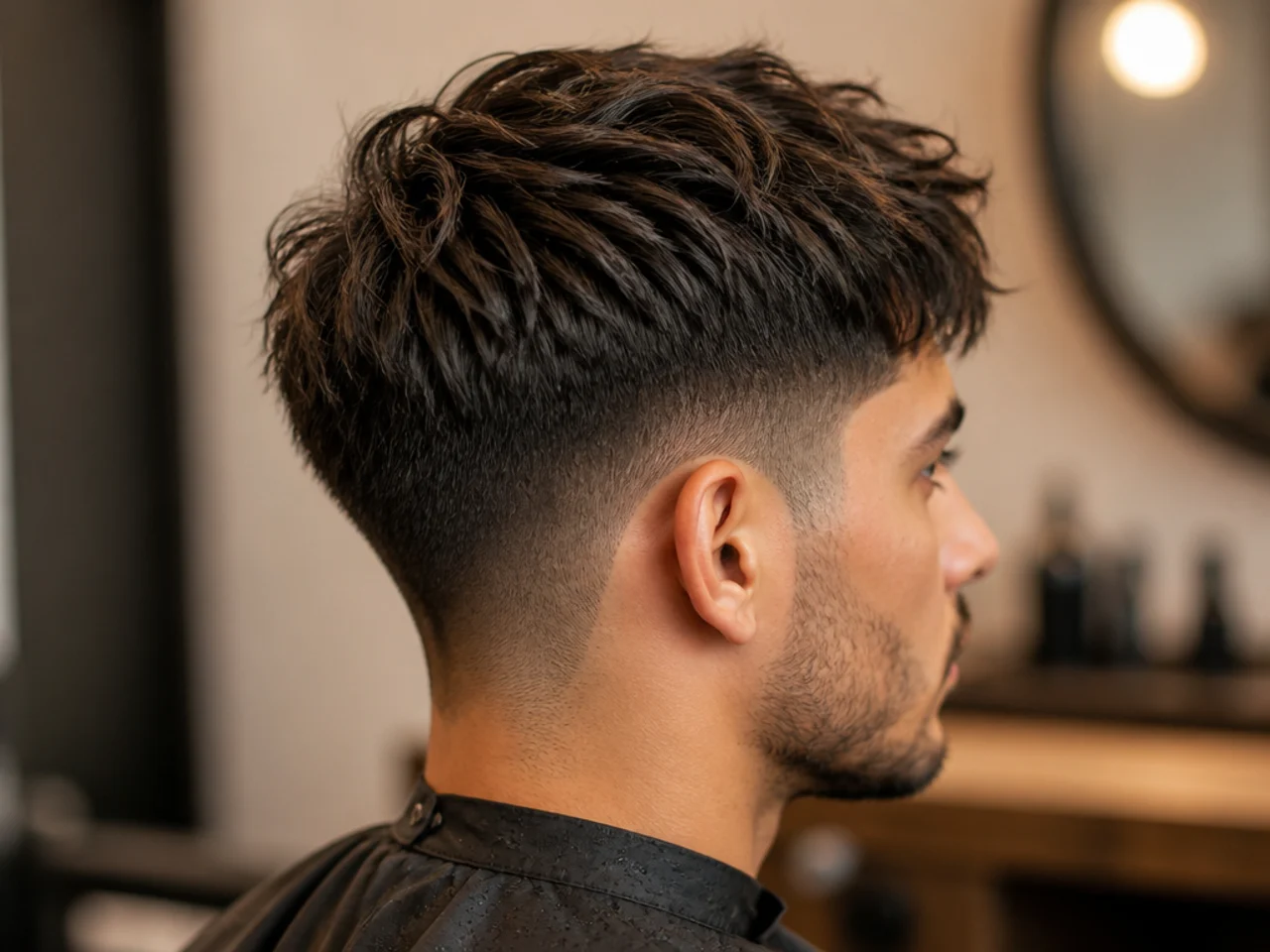
A taper fade where the top is point cut — scissors held vertically and worked into the ends, creating varied lengths rather than a single line. The result separates into pieces rather than sitting as a solid mass.
How to Choose Your Textured Taper Fade
Ask for point cutting by name. It is the technique that makes texture; thinning shears are a different tool for a different problem.
Keep at least an inch and a half on top. Below that there is not enough length for the varied ends to show.
Texture suits fine hair particularly well. Broken ends catch light at multiple depths, which reads as density.
Pair with any fade height. Texture is independent of where the fade starts.
The 15 Textured Taper Fade Ideas
1. Classic Textured Crop
Short point-cut top, mid taper below. The most-requested textured cut anywhere.
2. Textured Fringe with a Low Taper
Point-cut fringe forward, subtle taper at the sides.
3. Textured Quiff
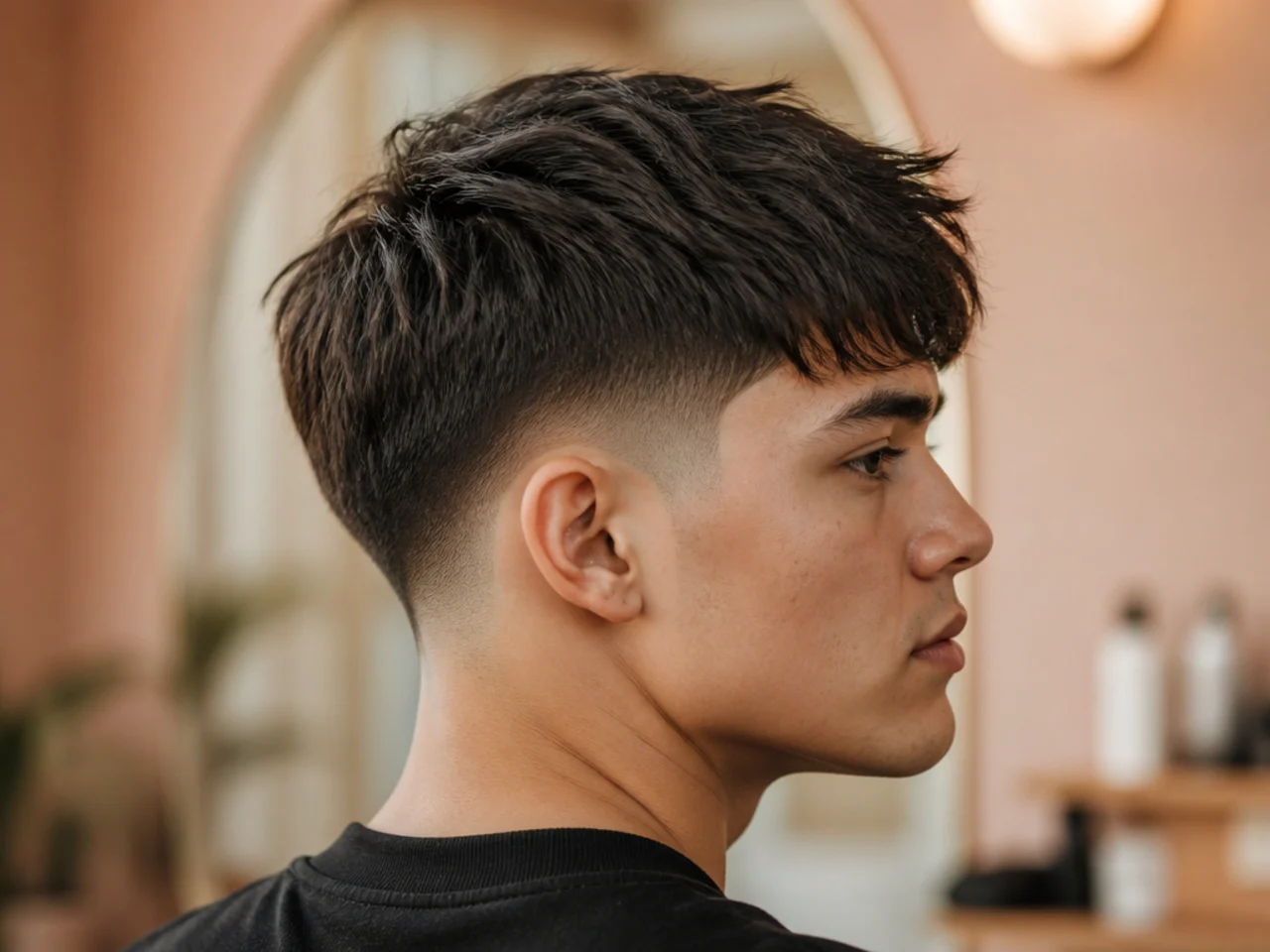
Height at the front with broken ends so it does not read as a solid block.
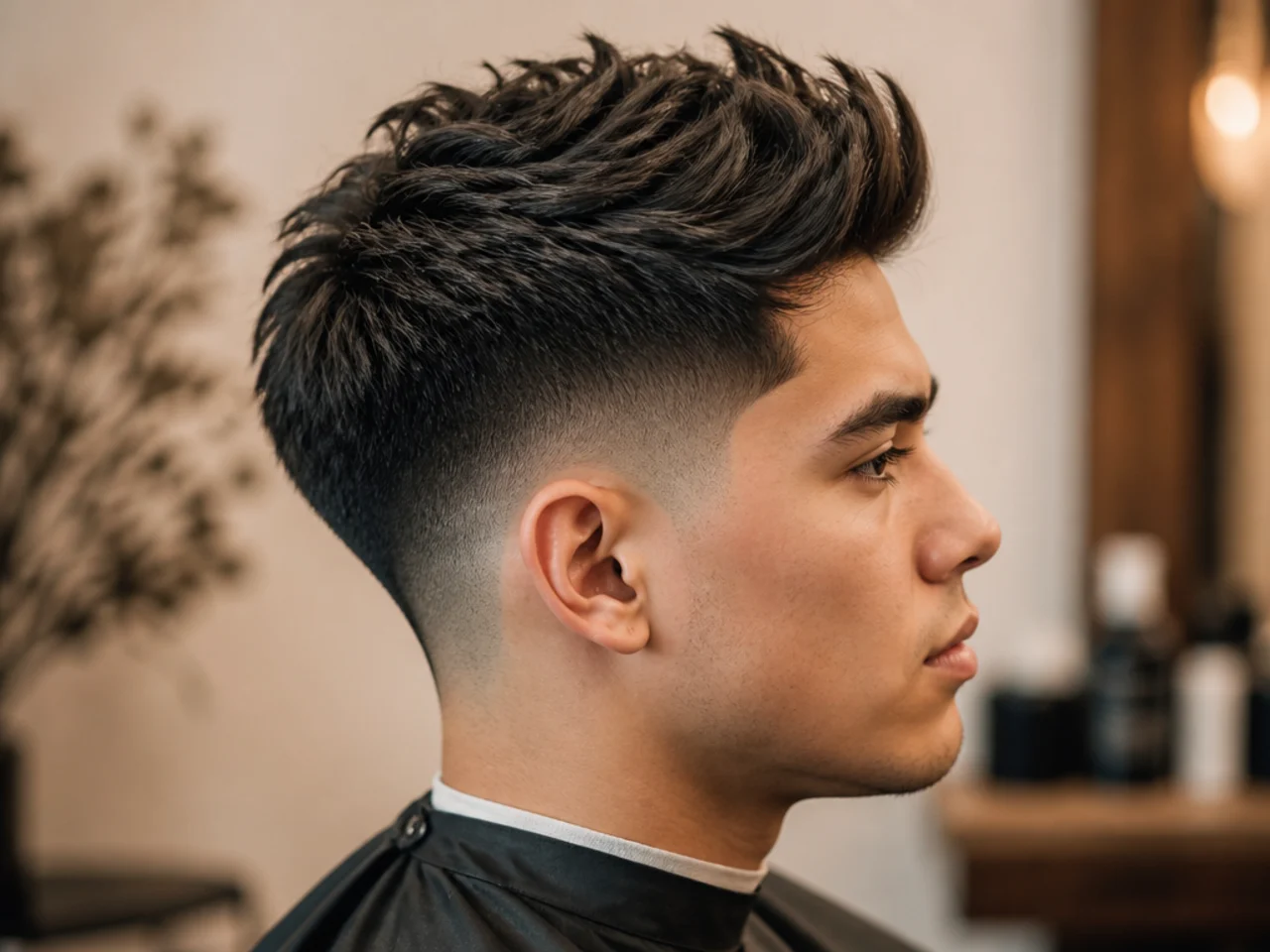
4. Textured Top with a Skin Taper
Soft broken ends against bare skin. The contrast is the whole point.
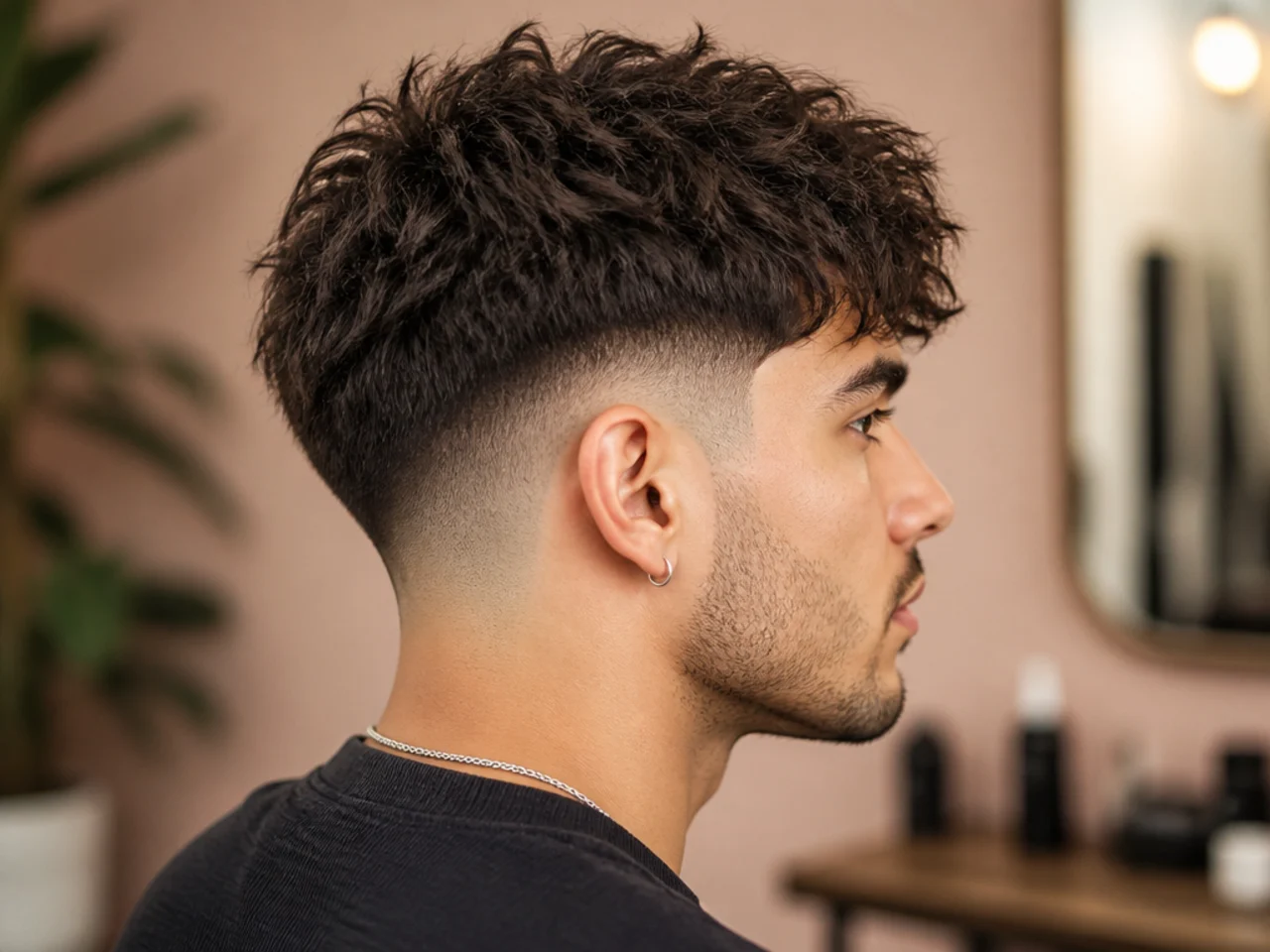
5. Messy Textured Taper
Deliberately unstructured. Suits wavy hair, which does half the work itself.
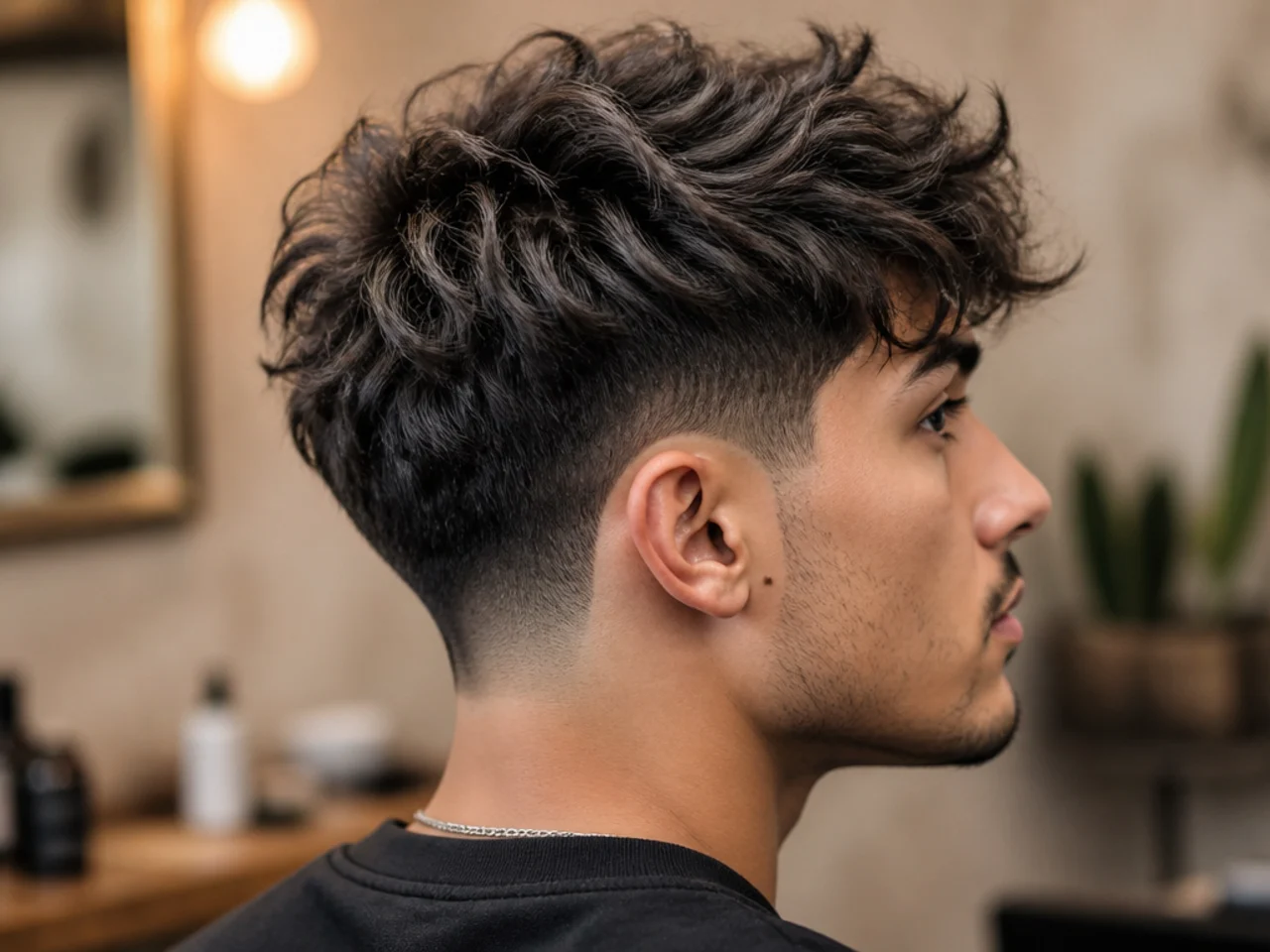
6. Textured French Crop
Blunt-looking fringe with point-cut interior. Structured outline, soft inside.
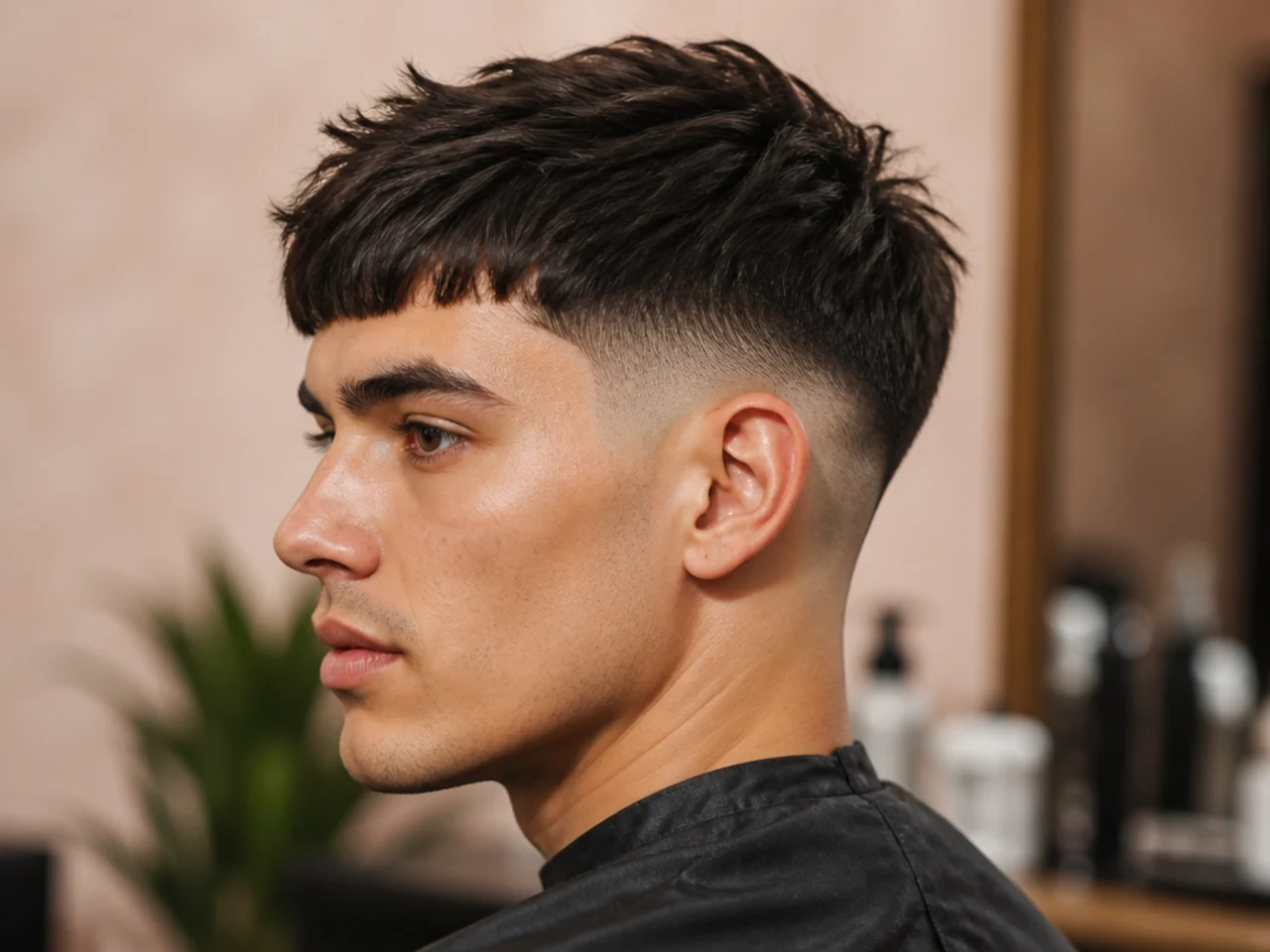
7. Textured Comb Over
Side-swept with broken ends so the comb-over does not look flat.
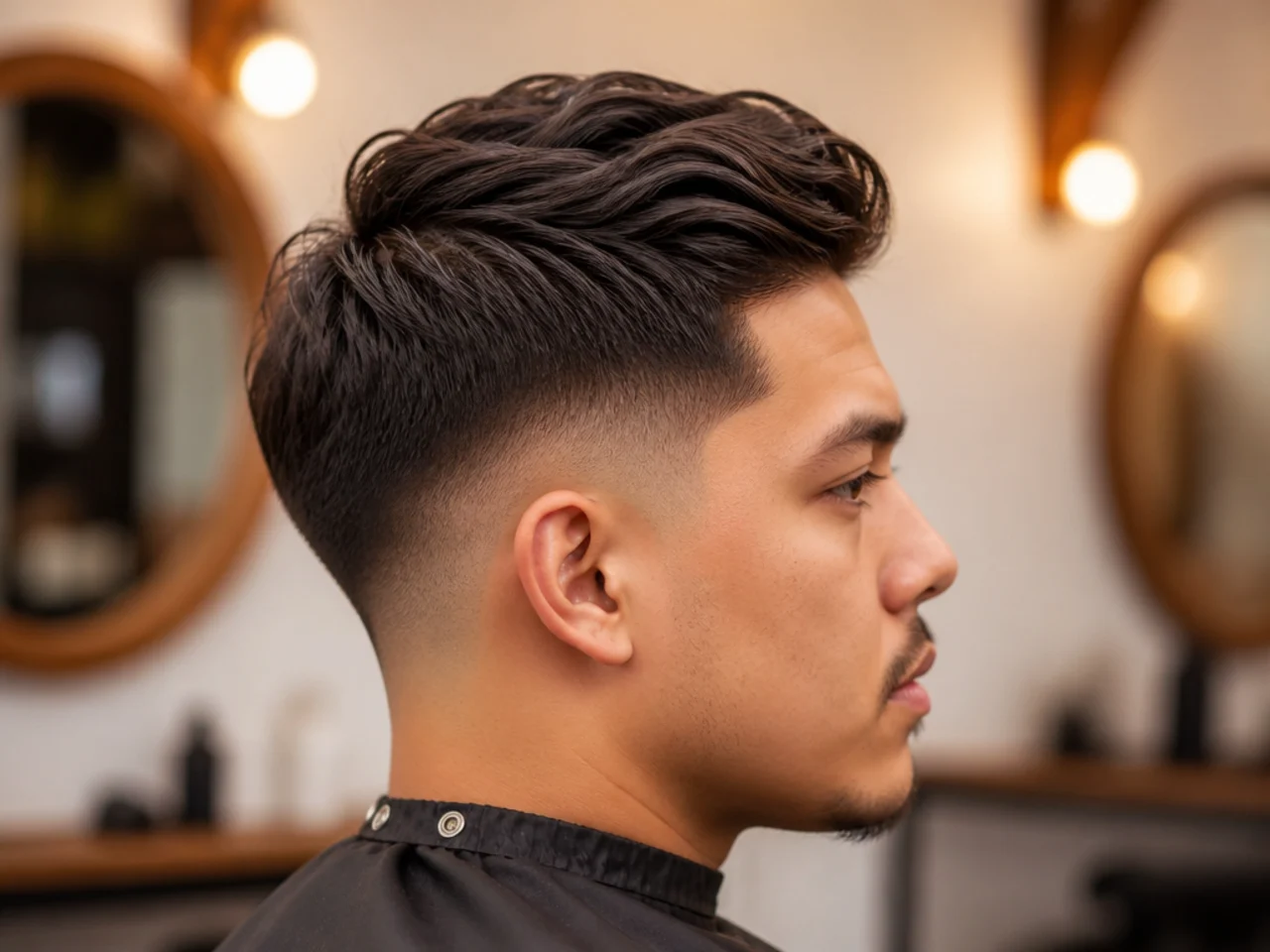
8. Textured Taper for Fine Hair
Point cutting at multiple depths to build the appearance of density.
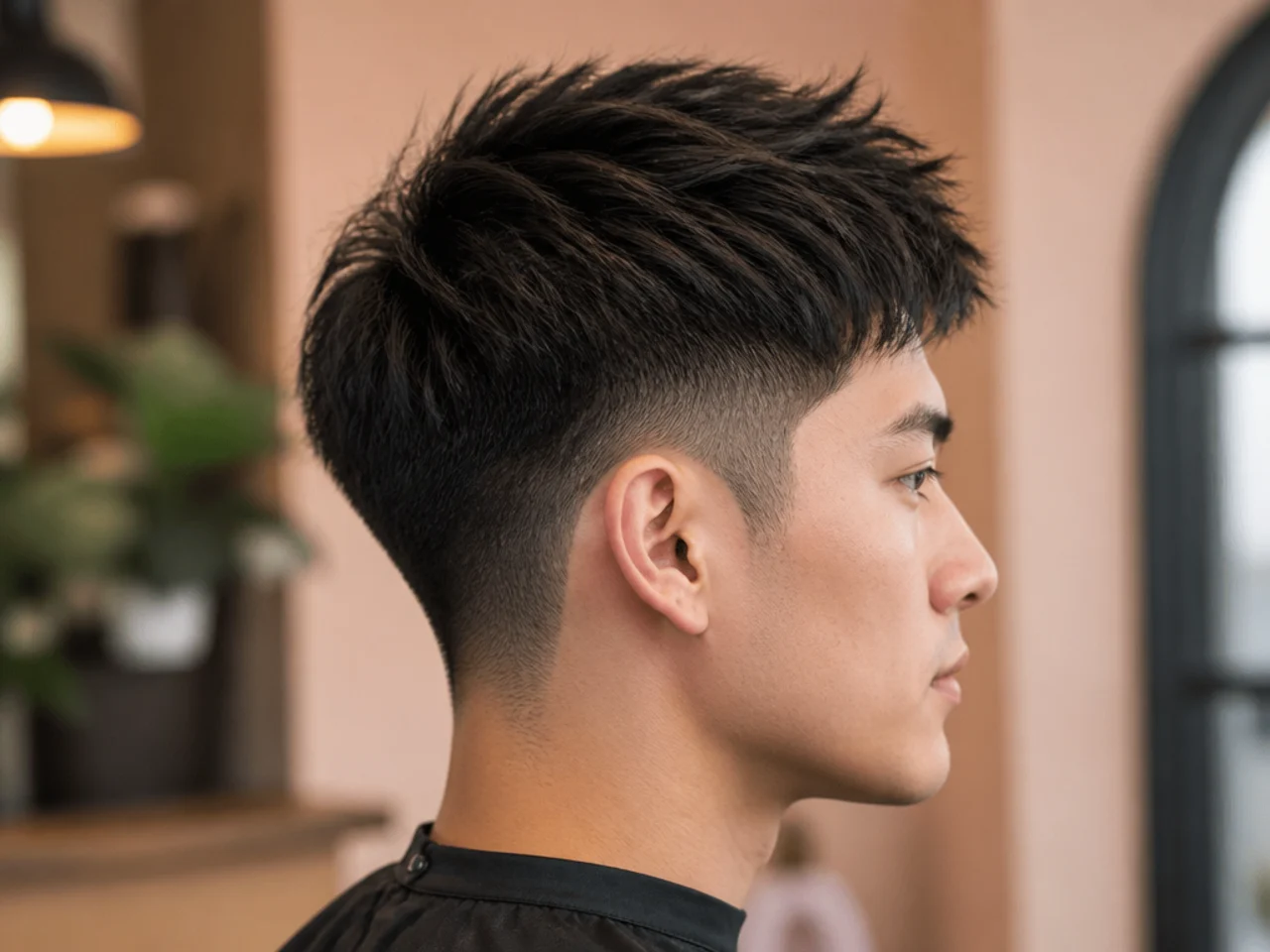
9. Textured Taper for Thick Hair
Interior point cutting to remove weight without changing the outline.
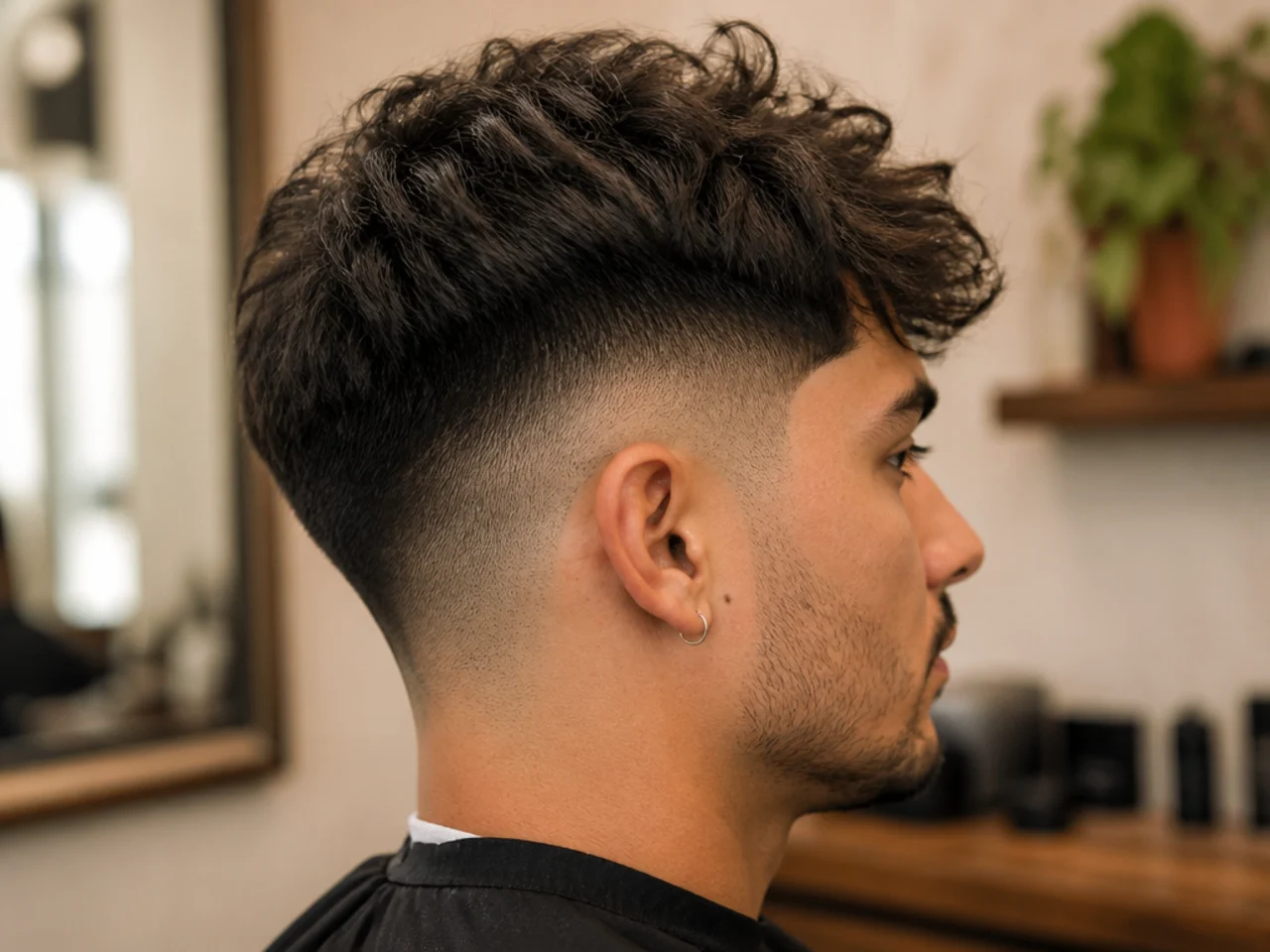
10. Textured Middle Part
Curtains with broken ends. Softer than a blunt curtain cut.
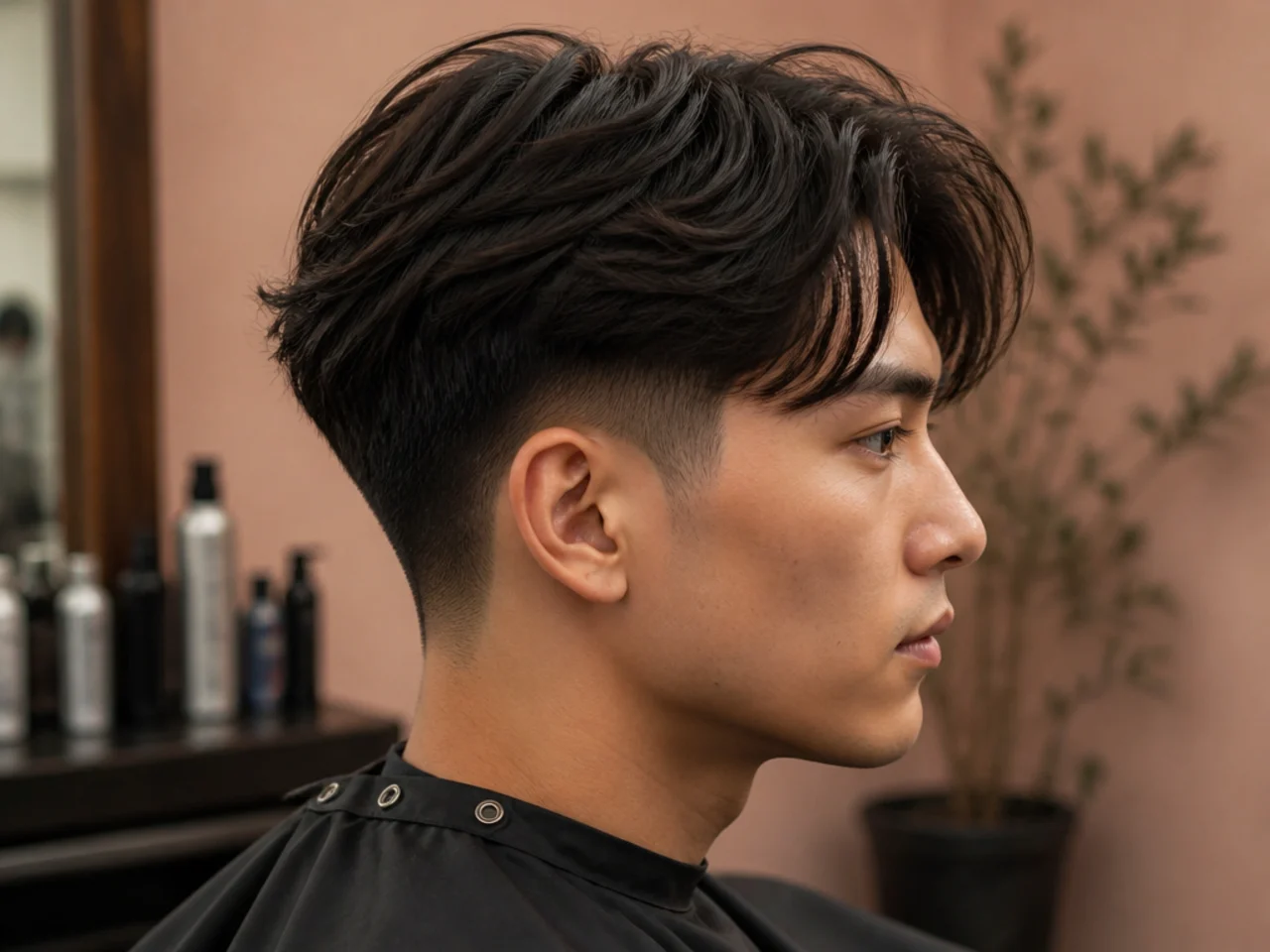
11. Textured Taper with a Line-Up
Sharp razored edge against deliberately soft ends. Strong contrast of finishes.
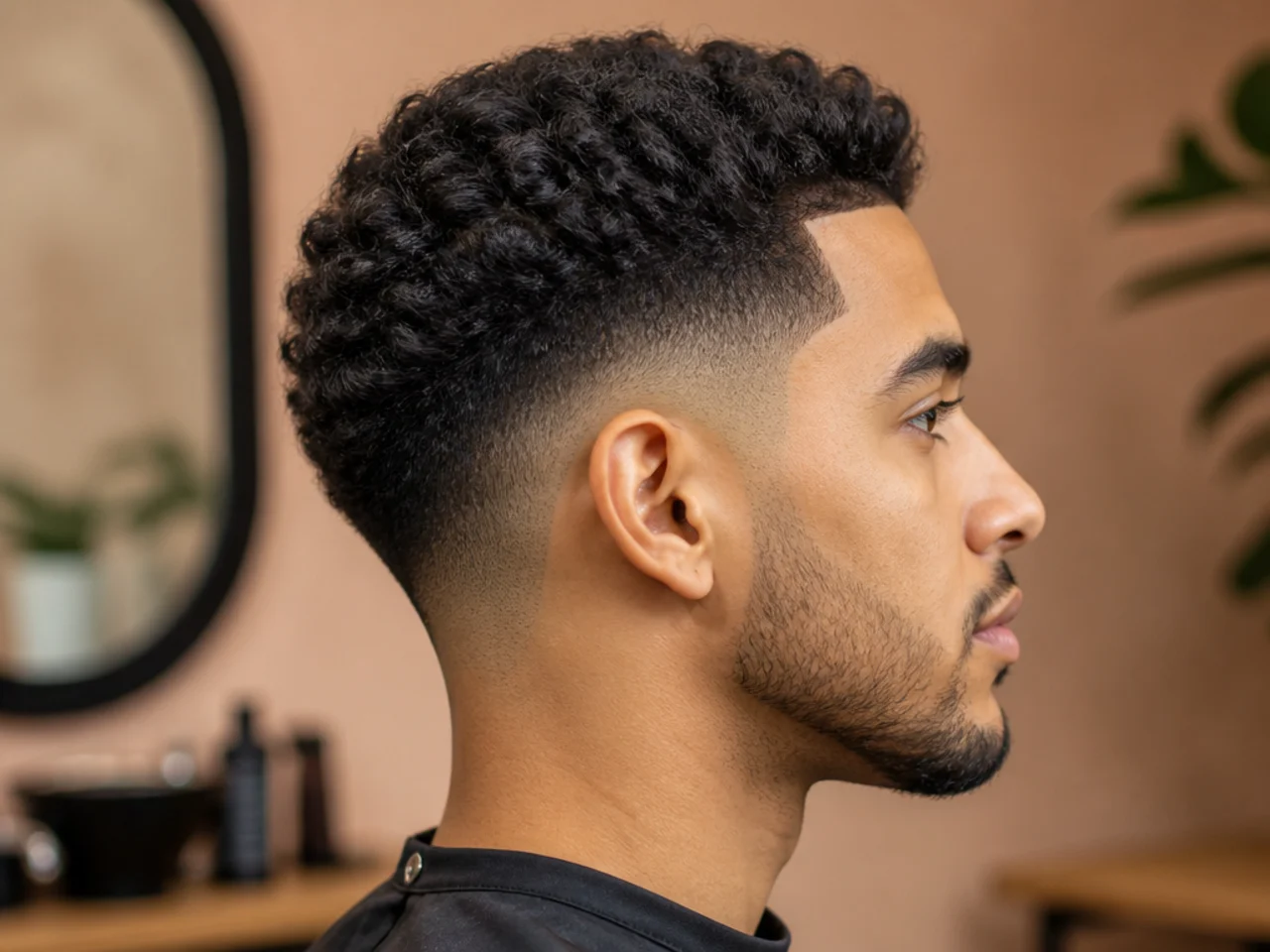
12. Textured Taper on Wavy Hair
The wave pattern and the point cutting reinforce each other. The least styling effort here.
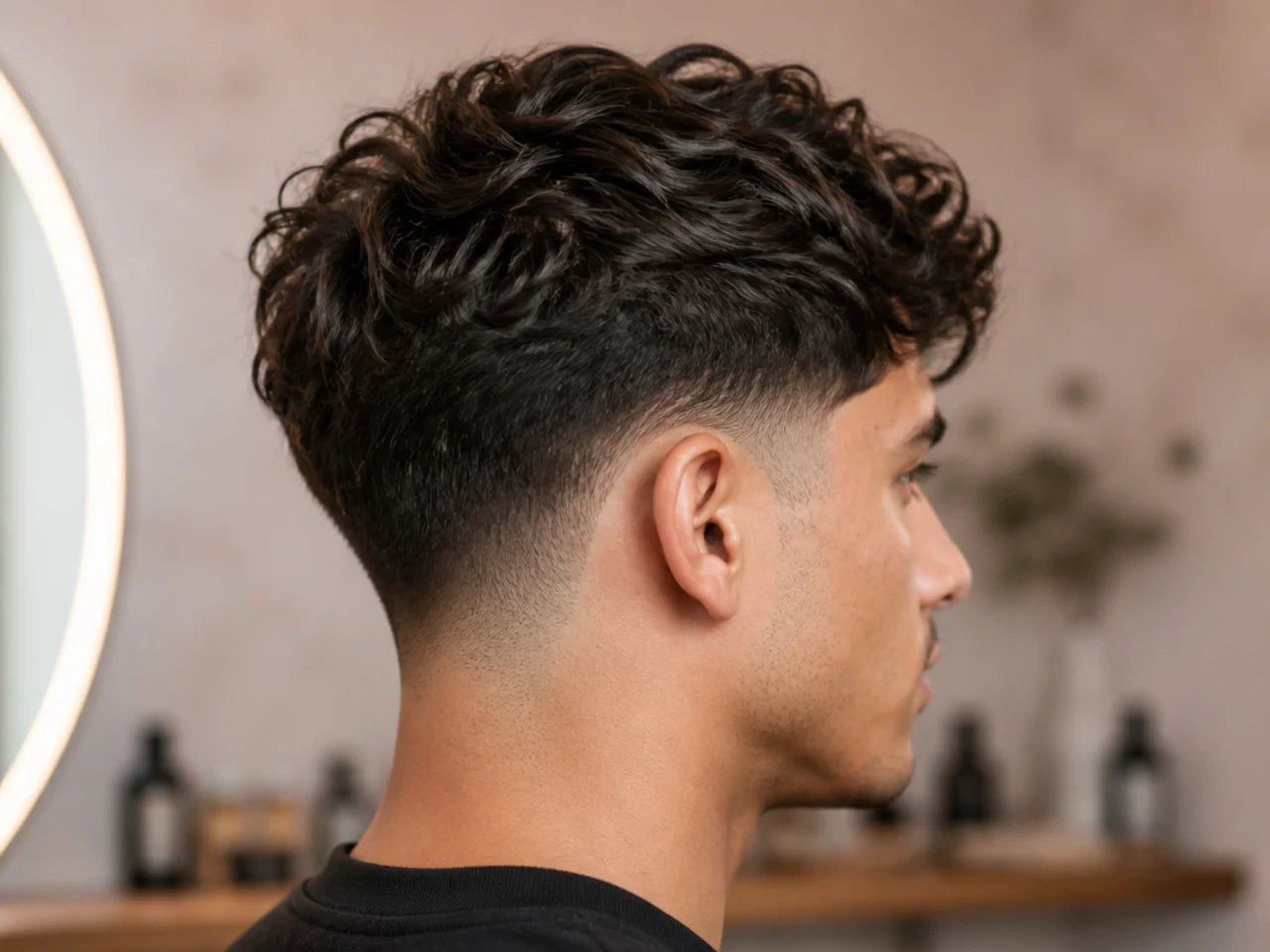
13. Textured Taper with a Drop Line
Broken ends above a curved fade. Two soft geometries.
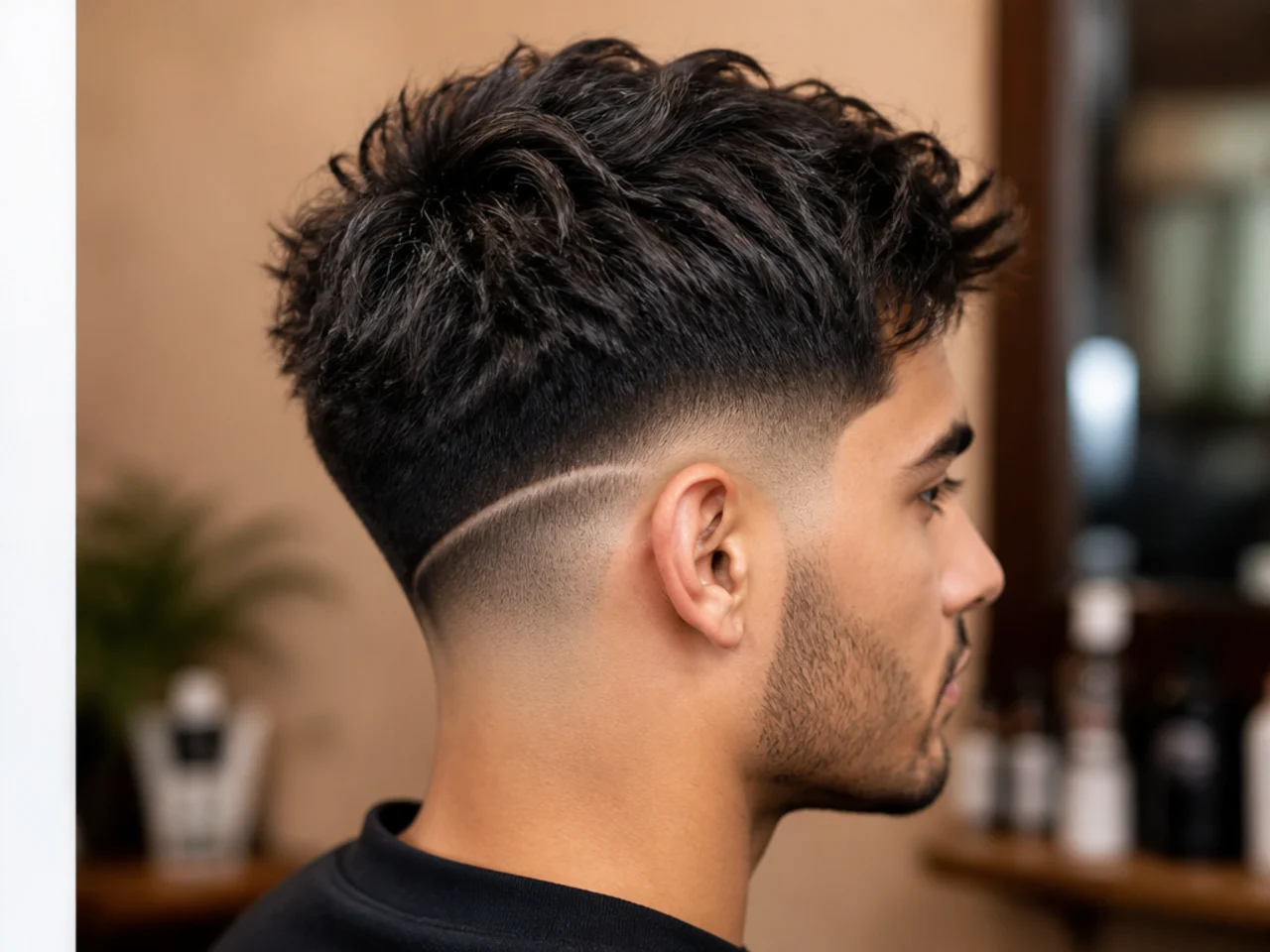
14. Short Textured Buzz
Point cutting even on a very short top. Subtle, but it stops a buzz looking flat.
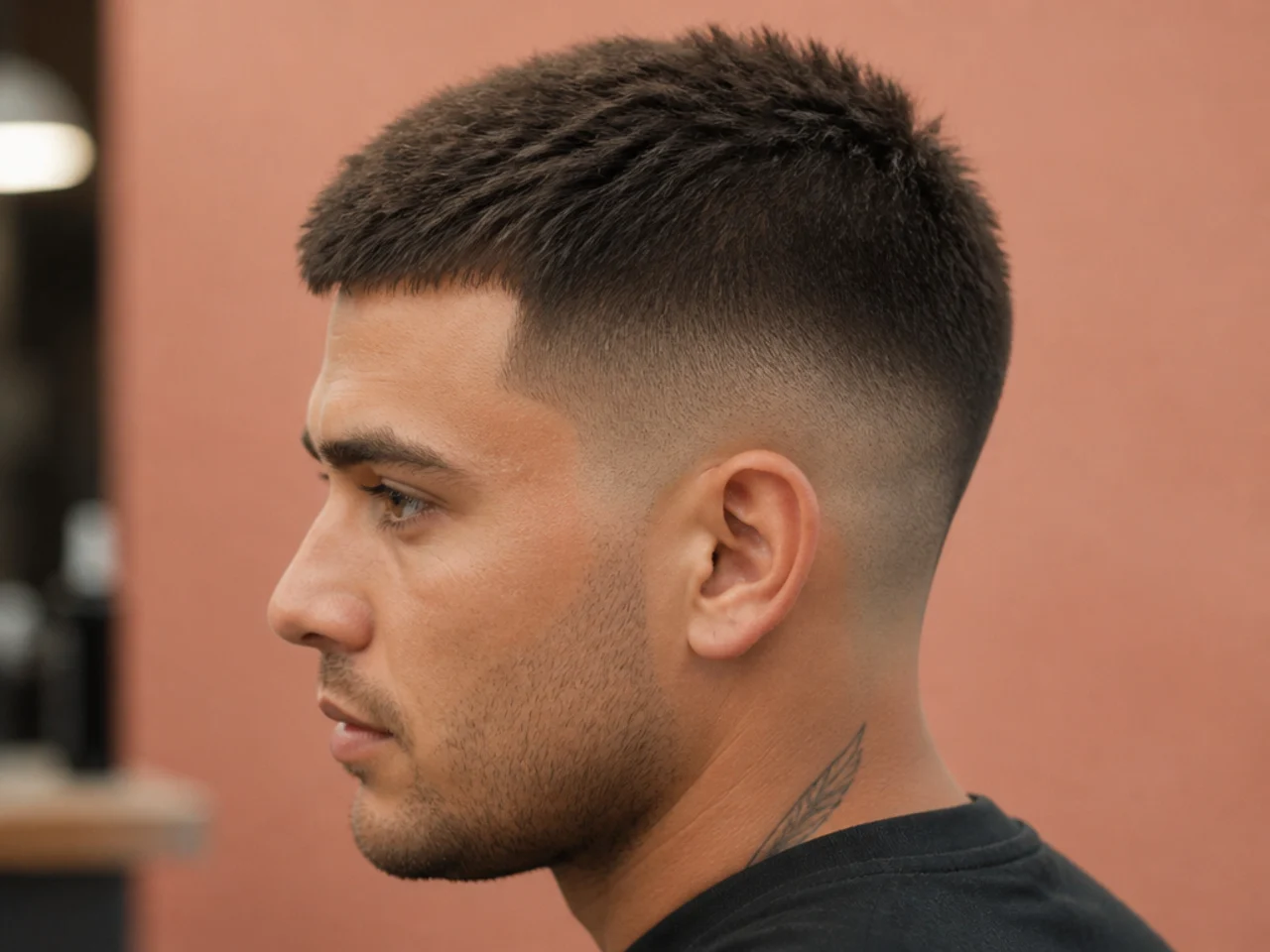
15. Textured Taper Grown Out
Four weeks in, the texture softens into natural movement. Often the best it looks.
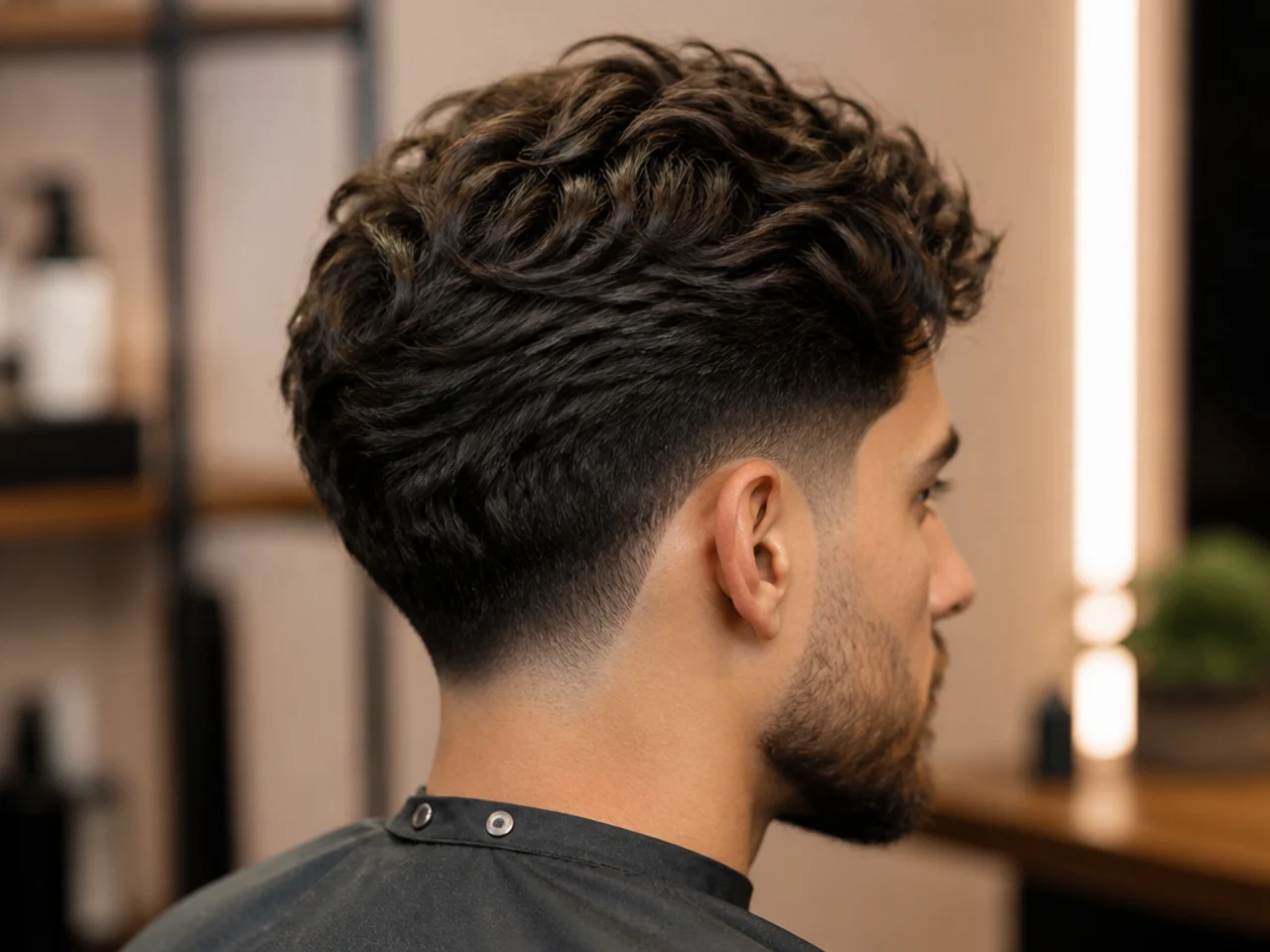
How to Style and Maintain a Textured Taper Fade
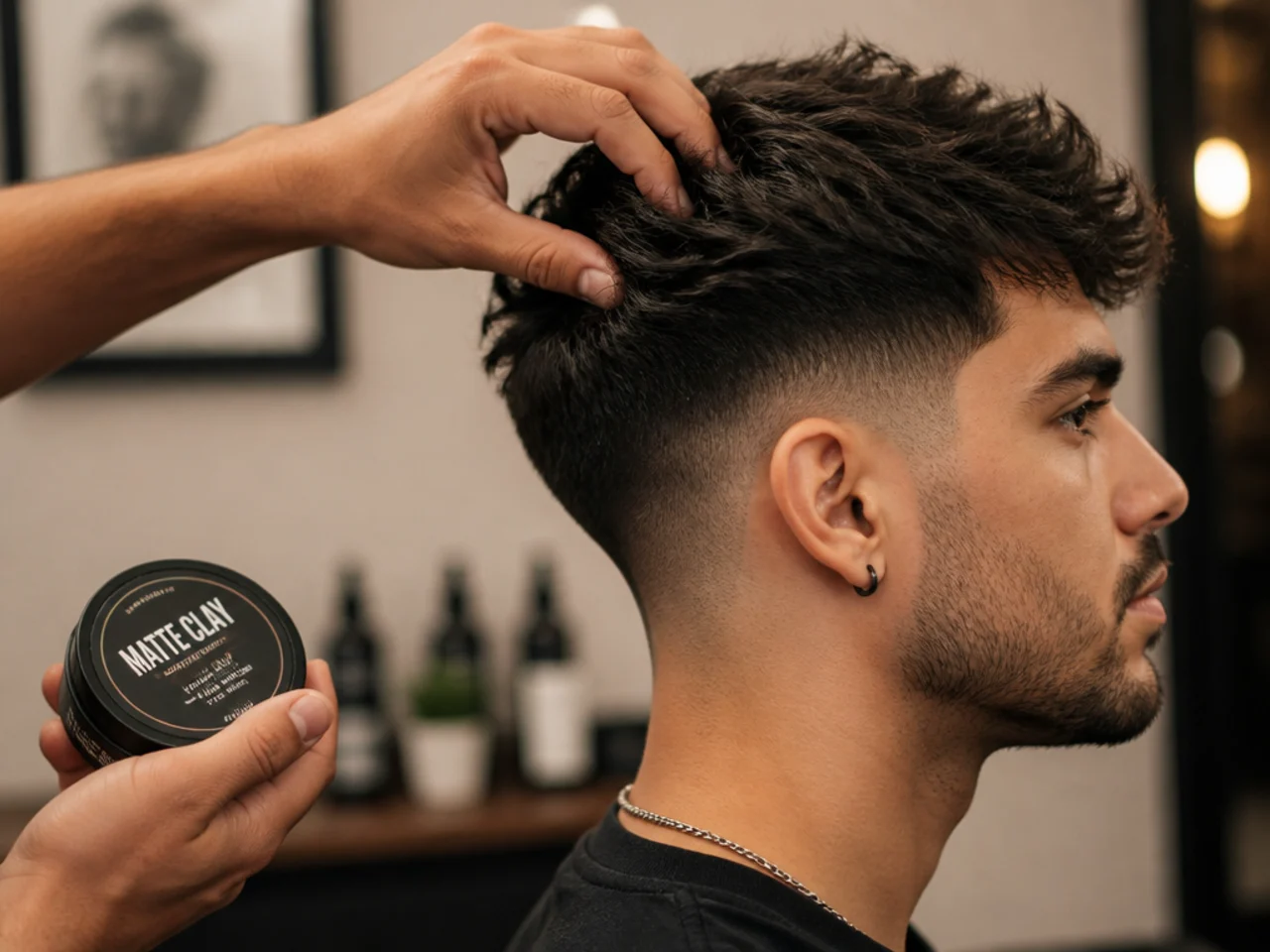
A rice-grain of matte clay warmed between the palms, pressed into dry hair from the back forward. Do not comb it — combing regroups the pieces the cut just separated.
Twenty seconds is the whole routine. If it takes longer, the cut is doing too little and the product too much.
Book every three to four weeks. Texture grows out more gracefully than a blunt cut, so you get an extra week.
Mistakes to Avoid
Accepting thinning shears instead of point cutting. They remove bulk but leave the blunt outline intact.
Too little length on top. Under an inch and a half, the varied ends have nowhere to show.
Combing after styling. It undoes the separation.
Shiny product. Gloss makes texture read as greasy rather than piecey. Matte only.
FAQ
How is texture cut? Point cutting — scissors vertical, worked into the ends.
Does it need product? A small amount of matte clay on dry hair. The cut makes the texture; product reveals it.
Does it suit fine hair? Yes, particularly. Broken ends catch light at different depths and read fuller.
Final Thoughts
Ask for point cutting, keep an inch and a half on top, and use matte product sparingly. Texture that comes from the cut needs almost nothing from you afterwards.
See the short version in 20 short taper fade ideas, the base cut in 20 low taper fade ideas, and browse Fade Haircuts.