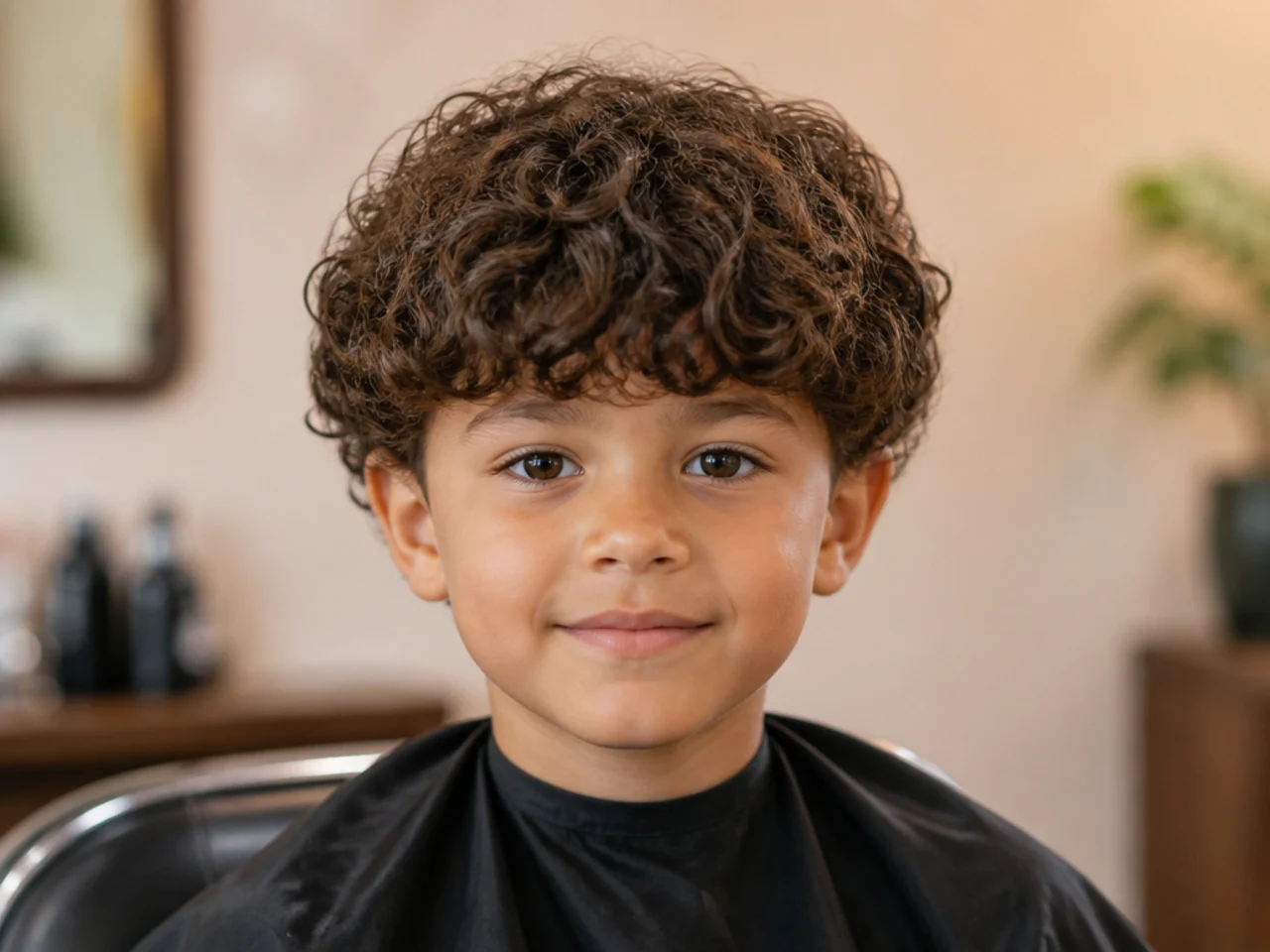
20 Trendy Toddler Boy Haircut Ideas We Love
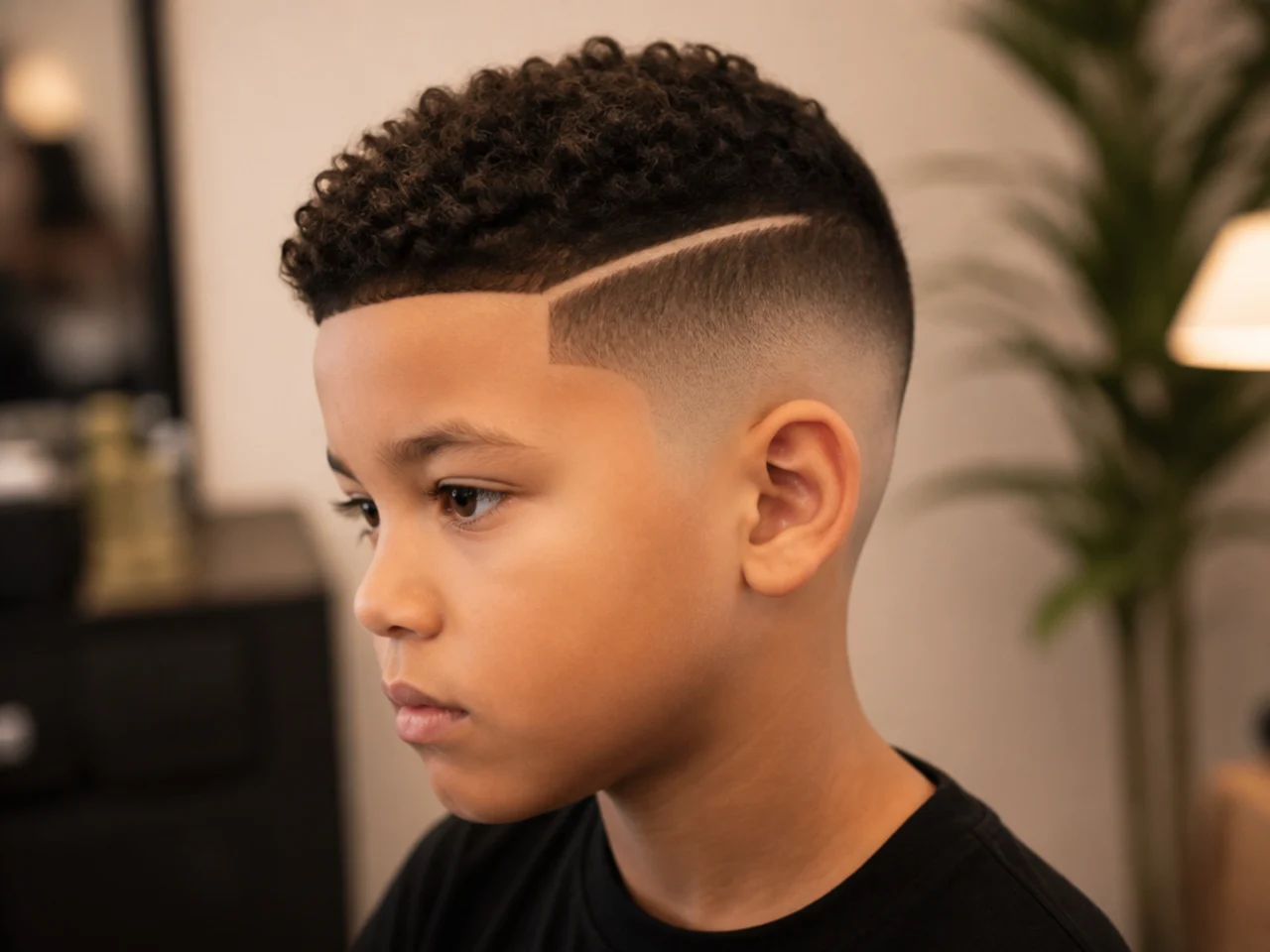
Every trend a nine-year-old wears is made of two parts, a top shape and a side treatment. On a toddler you keep the top and drop the side, because the side is the half that needs a tight line and a tight line is gone in ten days.
In this article · 27
- Keep the Top, Drop the Line
- How to Choose Yours
- The 20 Trendy Toddler Cuts
- 1. The Broccoli Top Without the Fade
- 2. A Fringe-Forward Crop
- 3. A Textured Crop With Scissor Sides
- 4. Curtains Without an Undercut
- 5. A Mullet With the Nape Left Soft
- 6. A Two Block With a Soft Step
- 7. A Low Taper Stopped at a Number Three
- 8. A Middle Part Without the Line-Up
- 9. The Edgar With the Blunt Line Softened
- 10. A Comb Over With Scissor-Blended Sides
- 11. A Bowl Crop With a Point-Cut Edge
- 12. A Wolf Cut Scaled to Two Inches
- 13. A Blowout Shape Without the High Fade
- 14. A Faux Hawk With No Shaved Sides
- 15. A Caesar Fringe With a Number Four Back
- 16. A Messy Quiff That Falls Forward on Its Own
- 17. A Grown-Out Crop With a Trimmed Perimeter
- 18. A Side Part With No Shaved Part
- 19. A Number Four All Over With a Longer Fringe
- 20. Long Layers With the Ears Cleared
- Styling and Upkeep
- Mistakes to Avoid
- FAQ
- Final Thoughts
Look at any trend an older boy is wearing and it splits cleanly in two. There is a top shape, and there is a side treatment, and the two are usually sold as one thing.
On a toddler you keep the top and drop the side. The top shape is what makes the trend recognisable. The side treatment is the tight line underneath it, and that is the half that fails.
A tight line is wrong twice over on a toddler. Fine, low-density hair shows scalp under a short guard, so the trend's short side does not translate, and even when it does it has closed up inside ten days.
Keep the Top, Drop the Line
A trend is readable from the top shape alone. Broccoli, curtains, a fringe-forward crop and a mullet are all silhouettes. Nobody identifies them by what is happening above the ear.
The side line is the expensive half. It is the part that carries the skill, the part school policy names, and the part that has to be redone every ten to fourteen days to keep looking deliberate.
Fine baby hair shows scalp under a number two. Six millimetres of low-density hair reads as thin rather than short, so a trend's tight side simply does not survive the downscale into the guard range a toddler cut normally lives in.
A top shape grows into itself, a line grows out of itself. Two centimetres of crop becoming three centimetres is still a crop. A crisp edge becoming a soft one is no longer an edge.
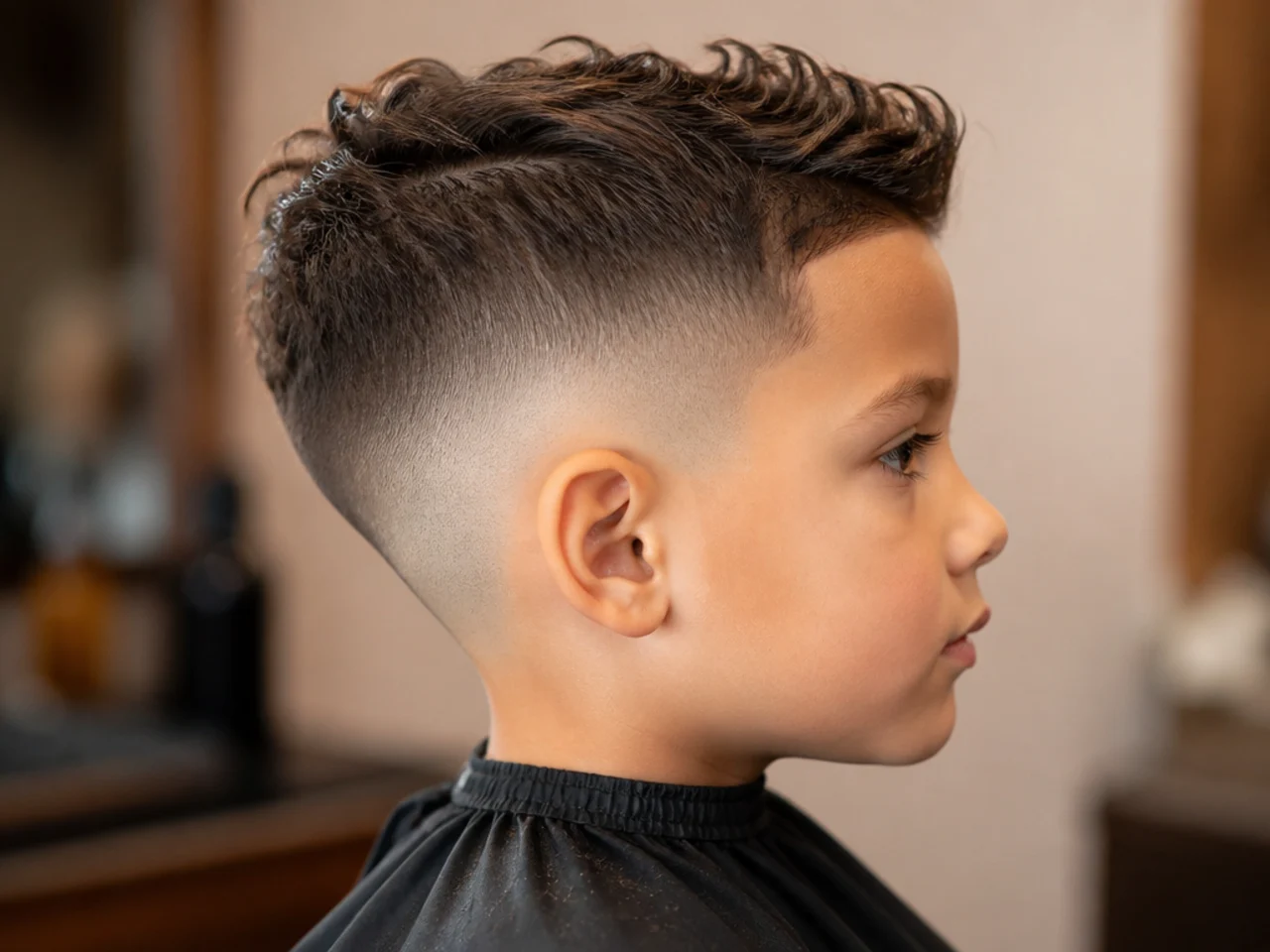
How to Choose Yours
Pick the silhouette first and name it out loud. Round, forward, parted or long at the back — that single word decides the cut, and everything below the ear is a detail.
Set the side guard at a number three or four. Ten to thirteen millimetres keeps density on the head, so the outline still reads clean instead of reading as scalp.
Ask for scissors or a soft step, not a hard line. A step can be softened as it grows without recutting the whole side, which a hard line cannot.
Choose a shape that survives an extra fortnight. Toddler cuts get pushed back, and a silhouette that only works at one exact length is a shape you will be chasing.
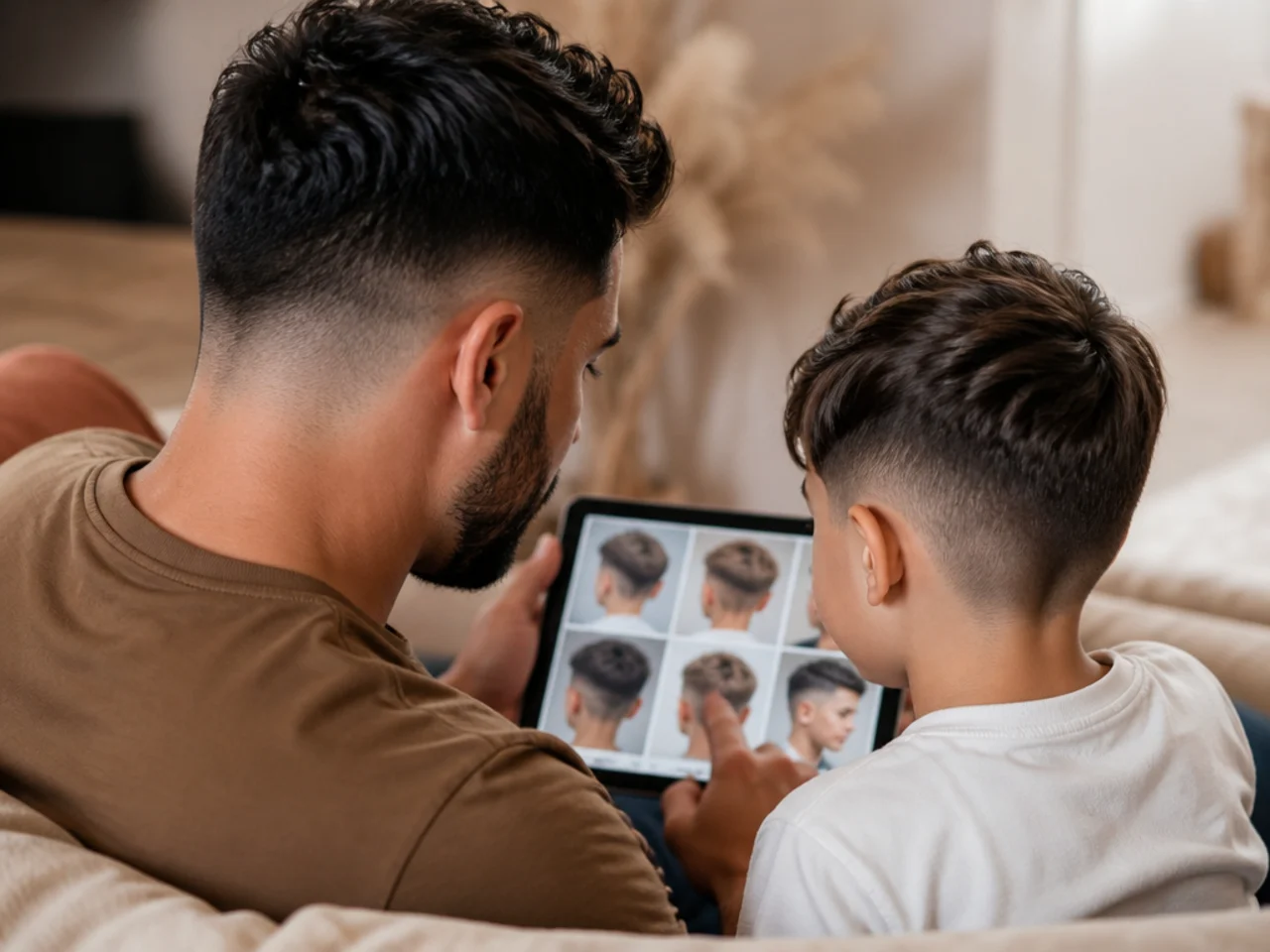
The 20 Trendy Toddler Cuts
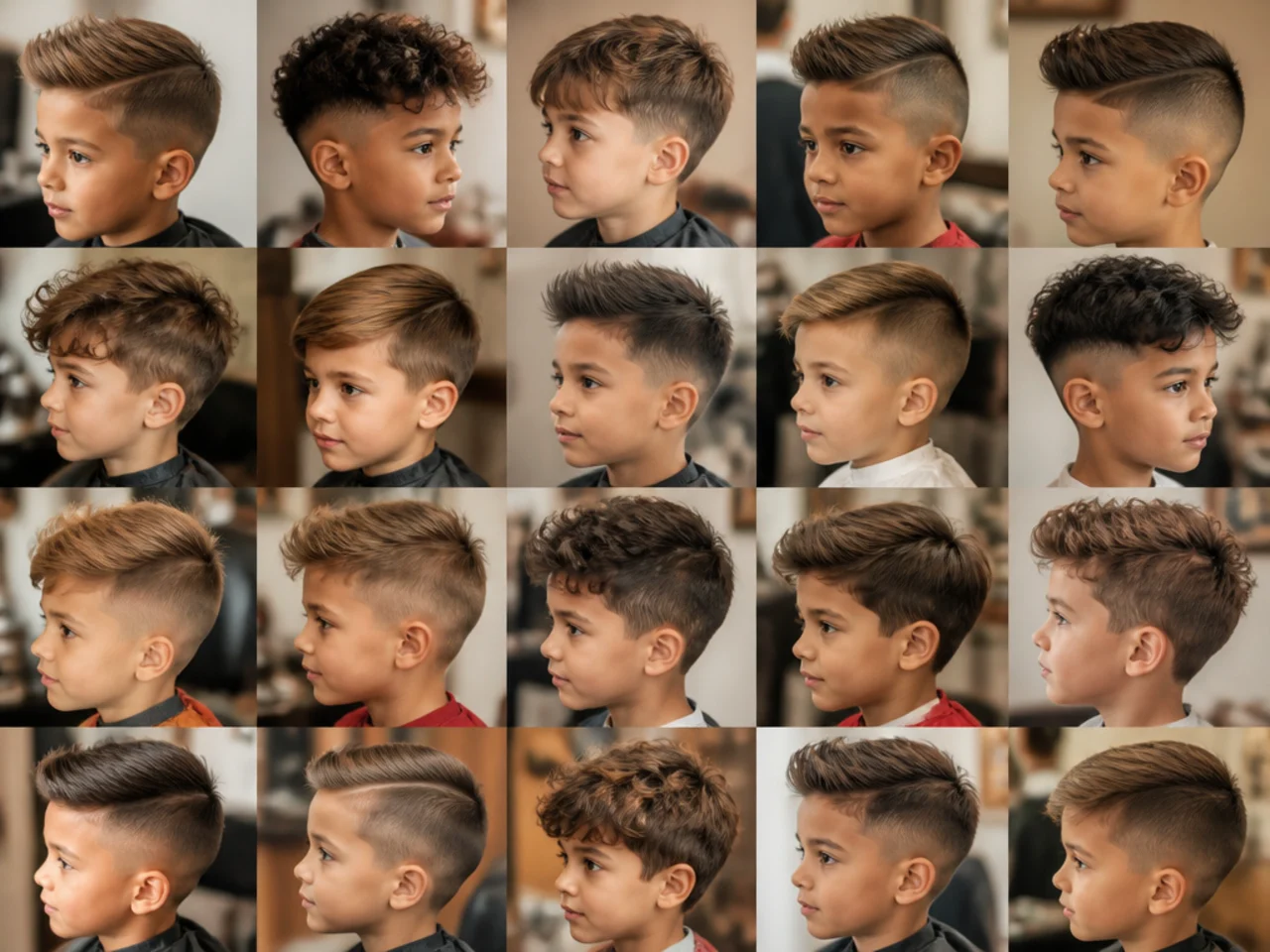
1. The Broccoli Top Without the Fade
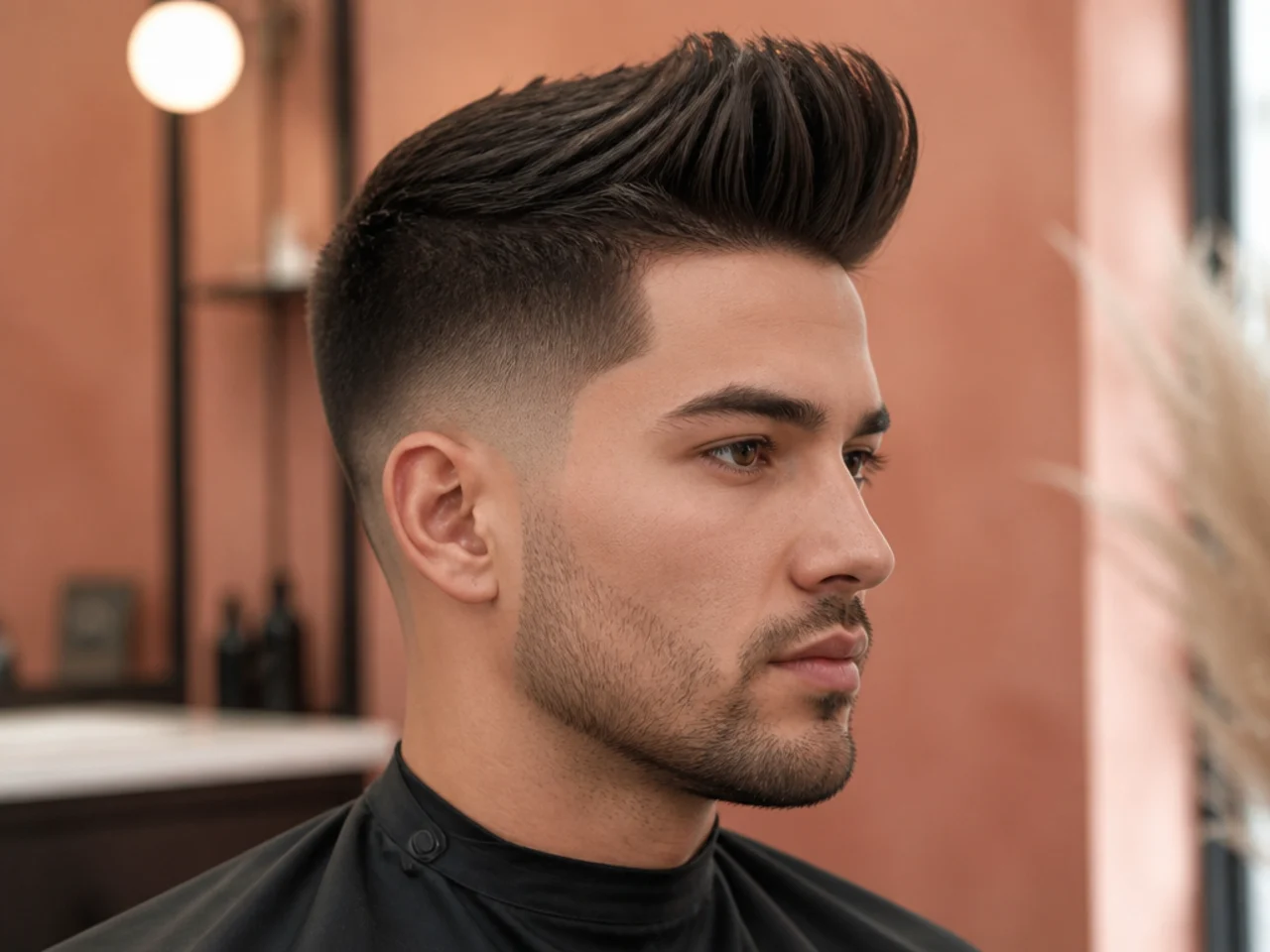
Keep the round volume across the crown, which is the entire visual signature of the trend. Drop the high skin fade and take the sides to a number four instead, so the roundness sits on hair rather than on scalp.
2. A Fringe-Forward Crop
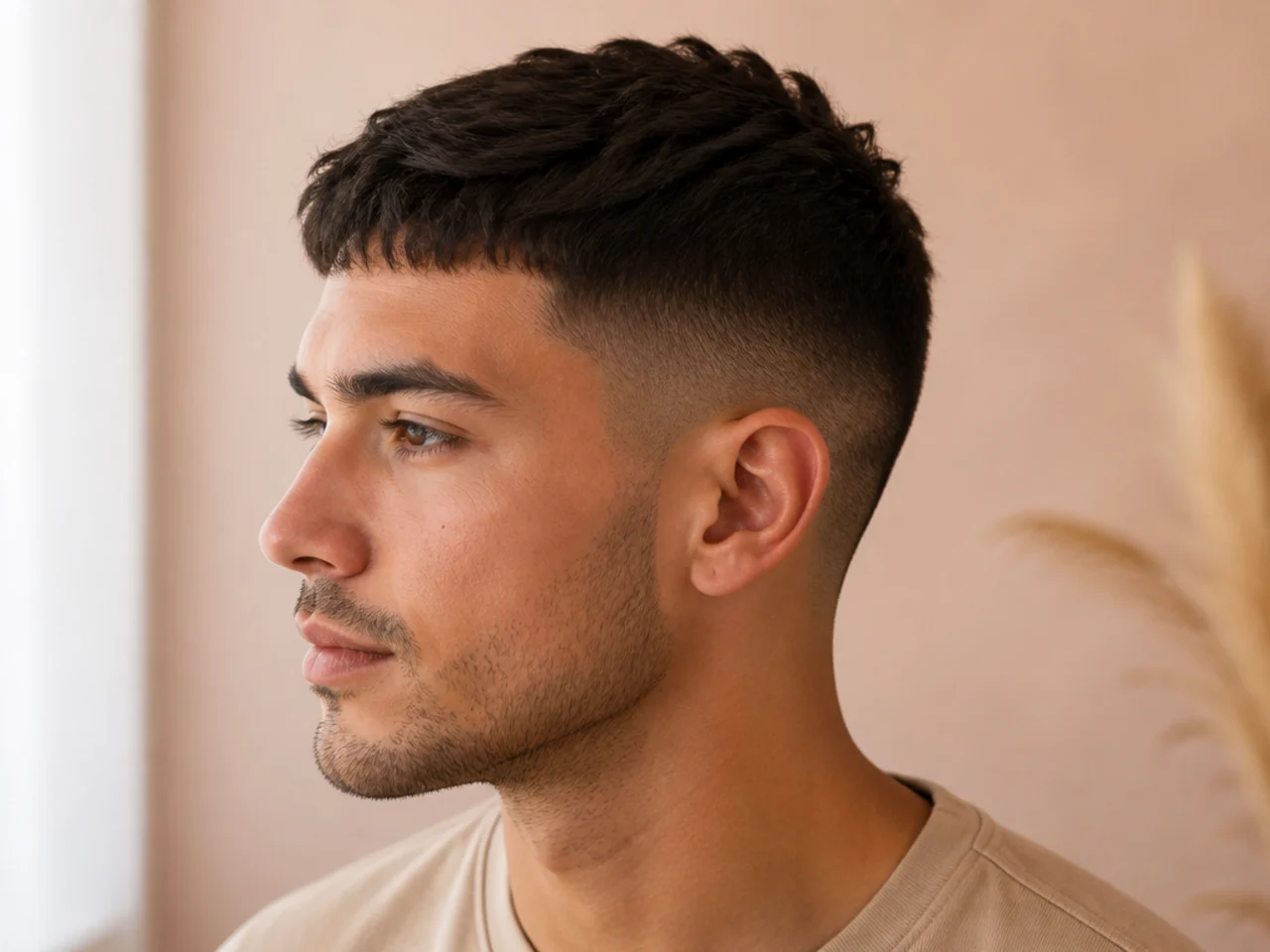
Keep the forward direction and the slightly heavier front edge, which is what makes it read as a current shape rather than a trim. Drop the sharp side line and let the sides sit a guard longer, so the fringe is the only thing the eye goes to.
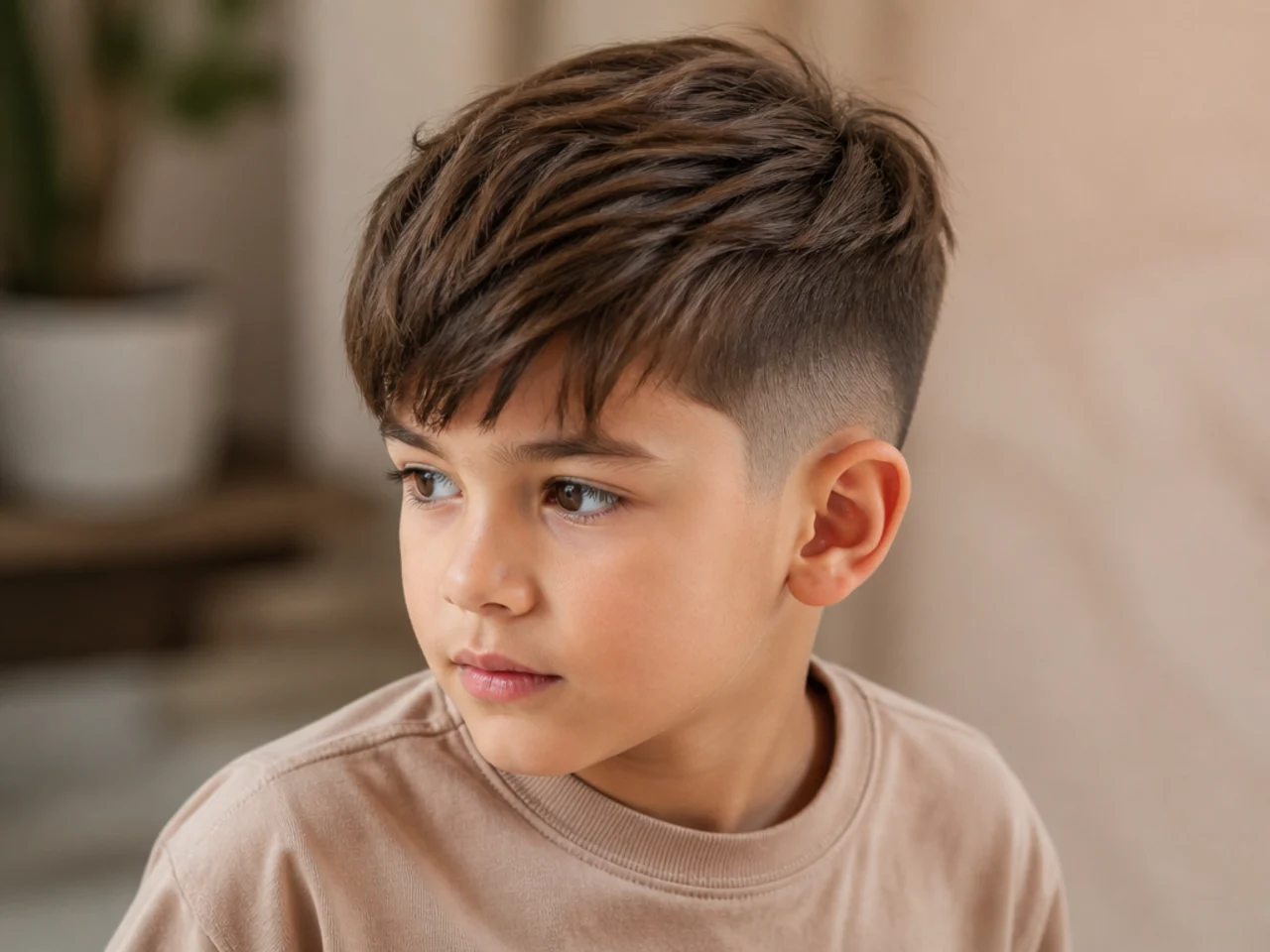
3. A Textured Crop With Scissor Sides
Keep the choppy, uneven top edge that gives the crop its texture. Drop the clippers entirely and have the sides scissor-cut, which means there is no edge anywhere to blur and the shape holds for five weeks.
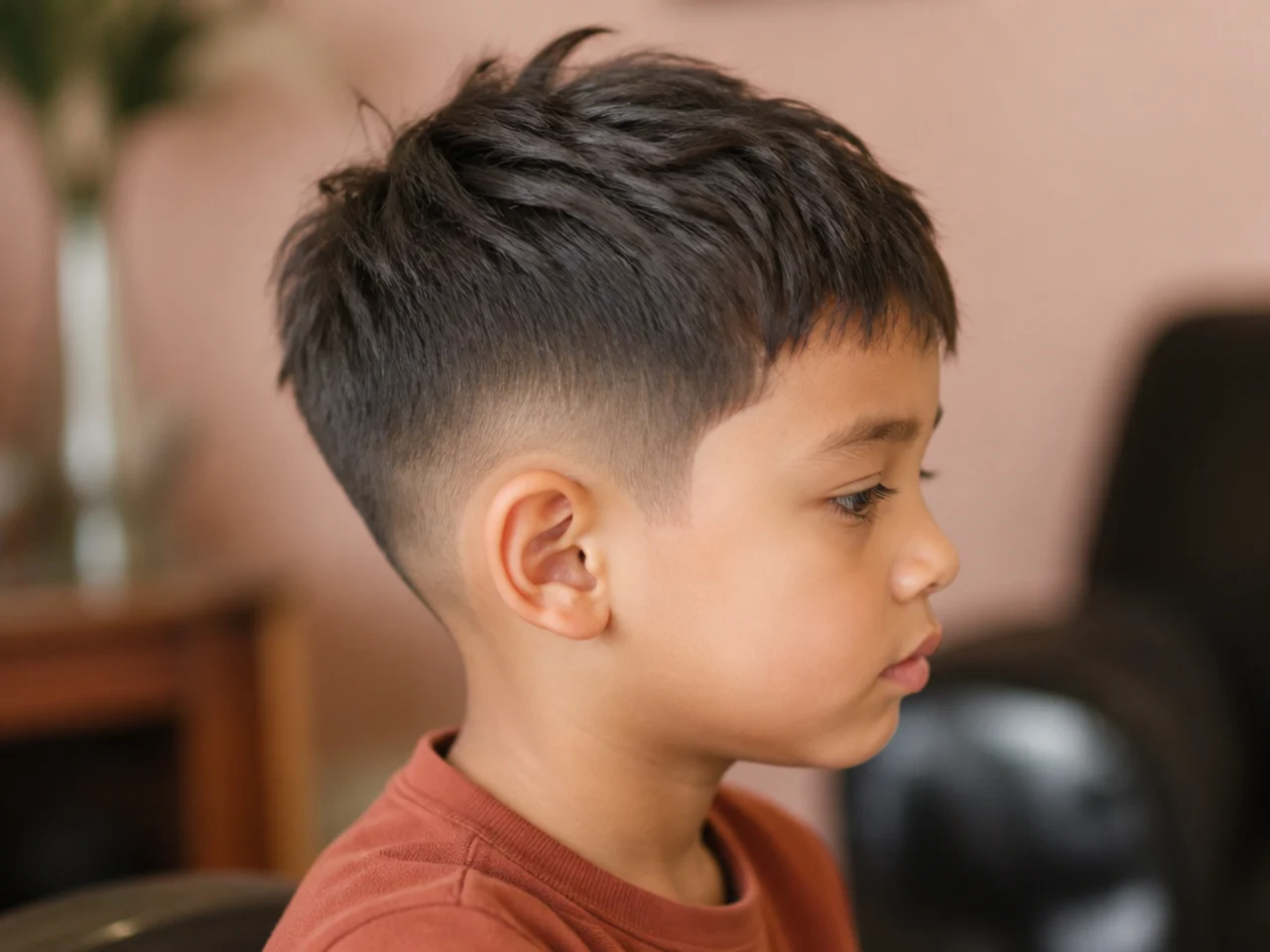
4. Curtains Without an Undercut
Keep the centre split and the two soft panels falling either side of the forehead, which is the whole trend. Drop the disconnected undercut beneath it and simply keep the sides tucked behind the ear, because an undercut on fine hair shows as a bald ring.
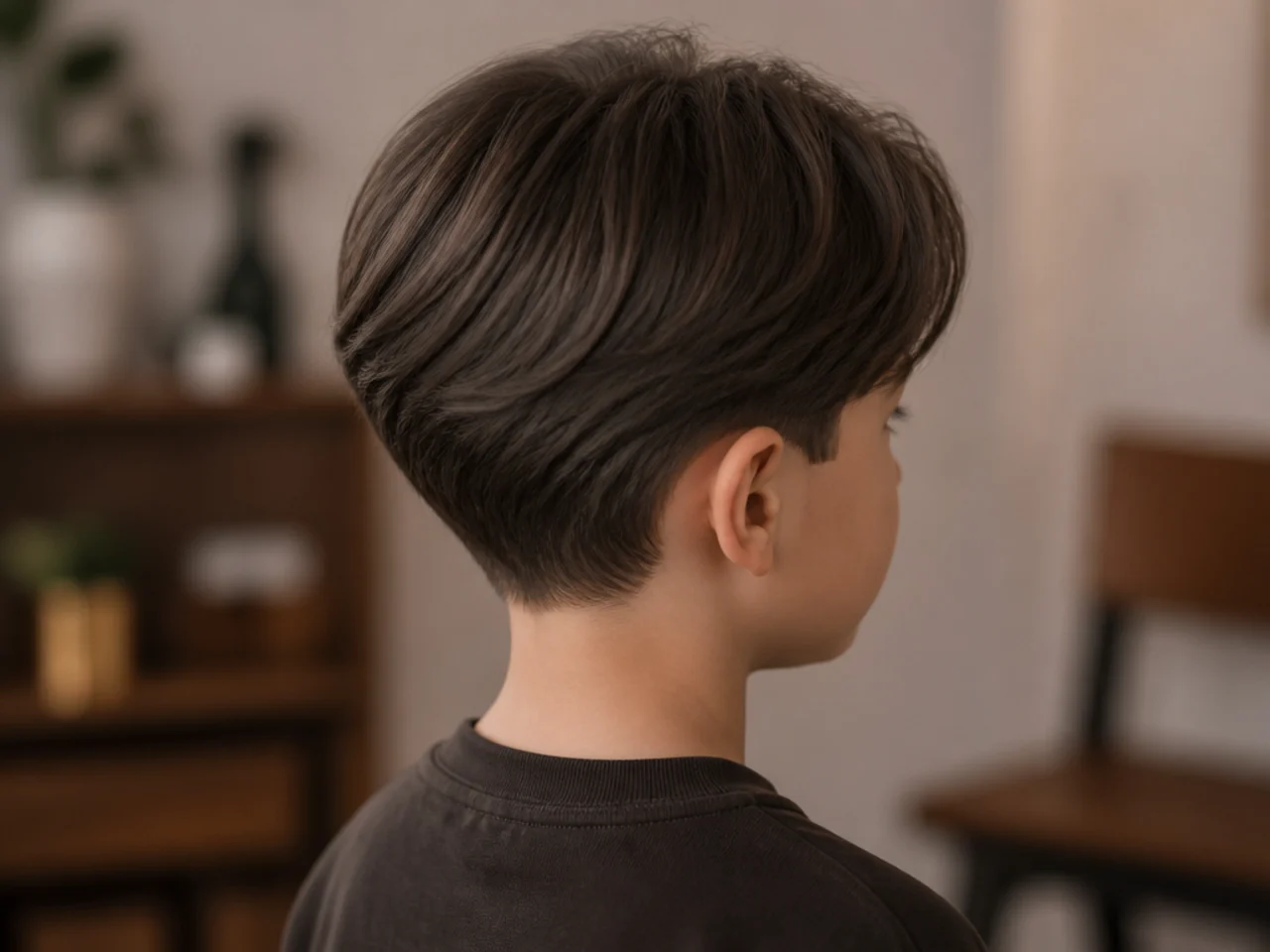
5. A Mullet With the Nape Left Soft
Keep the contrast between short front and long back, which is what people recognise as a mullet at any age. Drop the clipped, squared-off nape line and let the back taper out naturally, so it grows longer instead of growing crooked.
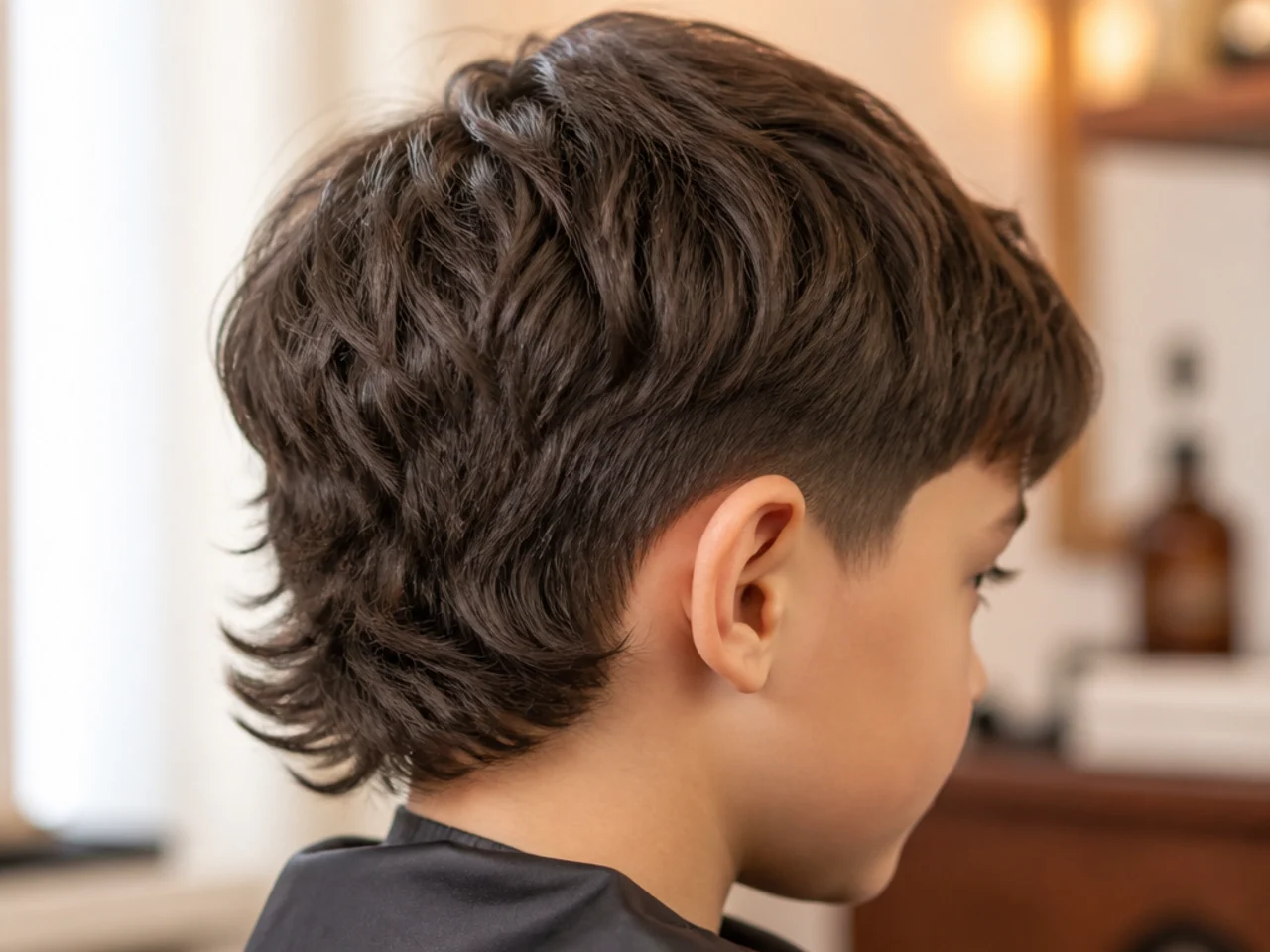
6. A Two Block With a Soft Step
Keep the two-level idea, a heavier top sitting over shorter sides, because the level change is the trend. Drop the blunt block line and ask for the step blended over a centimetre, which lets it soften rather than smudge as it grows.

7. A Low Taper Stopped at a Number Three
Keep the tapered outline that makes any cut look finished around the ear. Drop the skin at the bottom and stop the taper at ten millimetres, which turns a ten-day cut into a four-week one and keeps density where fine hair needs it.
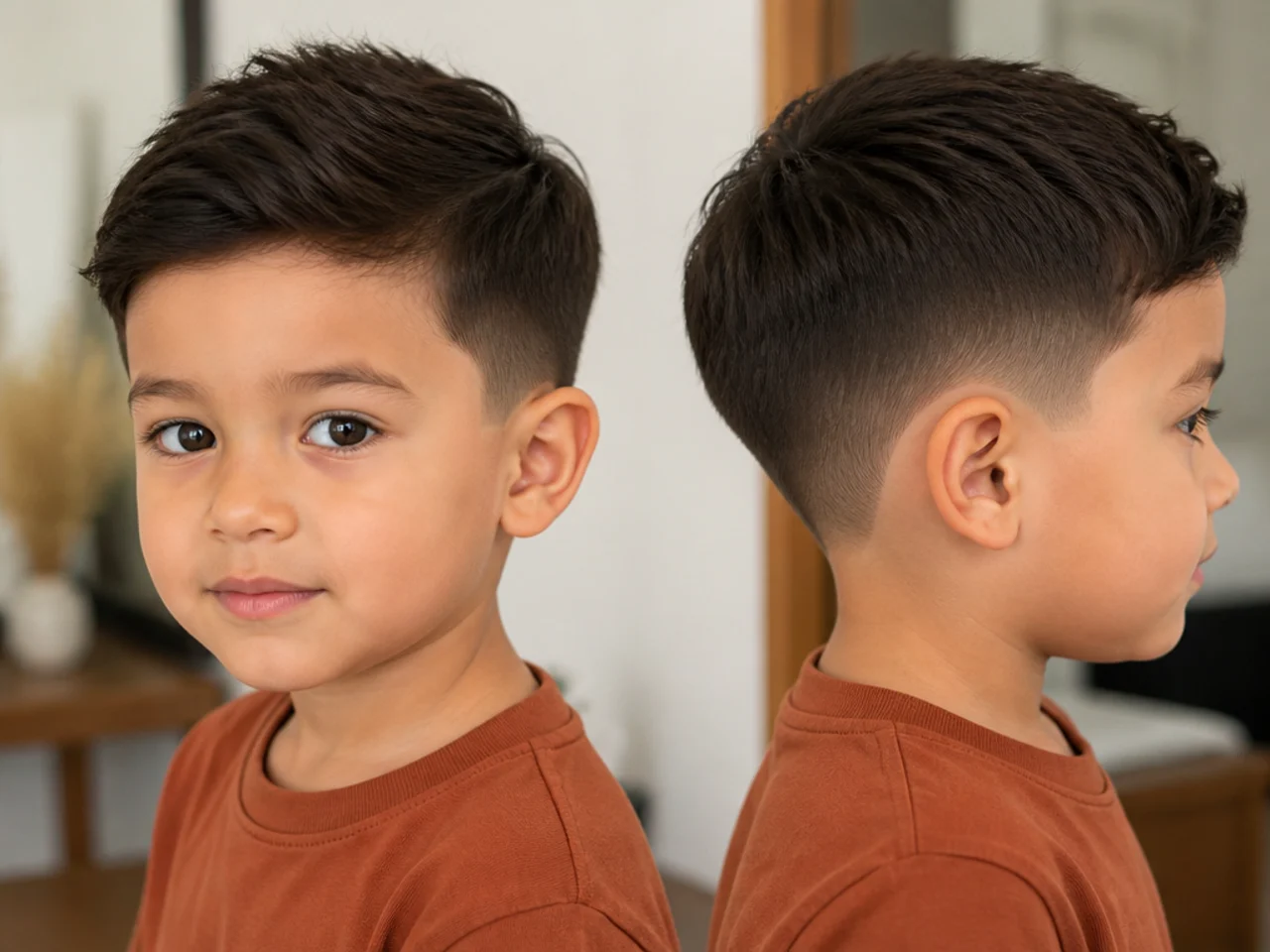
8. A Middle Part Without the Line-Up
Keep the parted top, which on a toddler falls naturally into place once the length is right. Drop the outlined hairline, because a line-up on a soft toddler hairline is invisible within a week and only ever looked sharp in the chair.
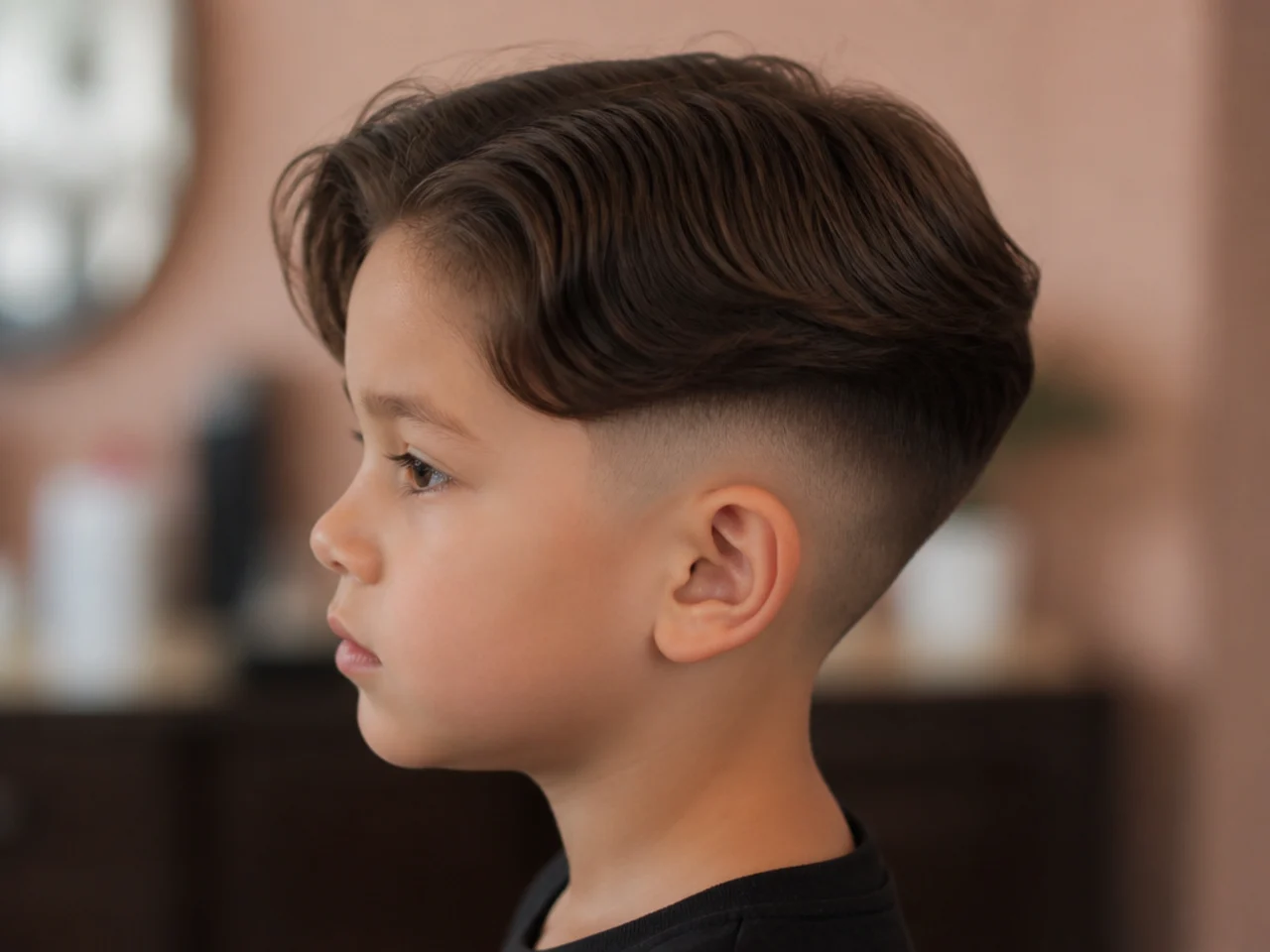
9. The Edgar With the Blunt Line Softened
Keep the strong forward fringe, which is the recognisable half of the shape. Drop the razored straight line across the forehead and point-cut it instead, so as the front grows down it stays even rather than turning into a crooked bar.
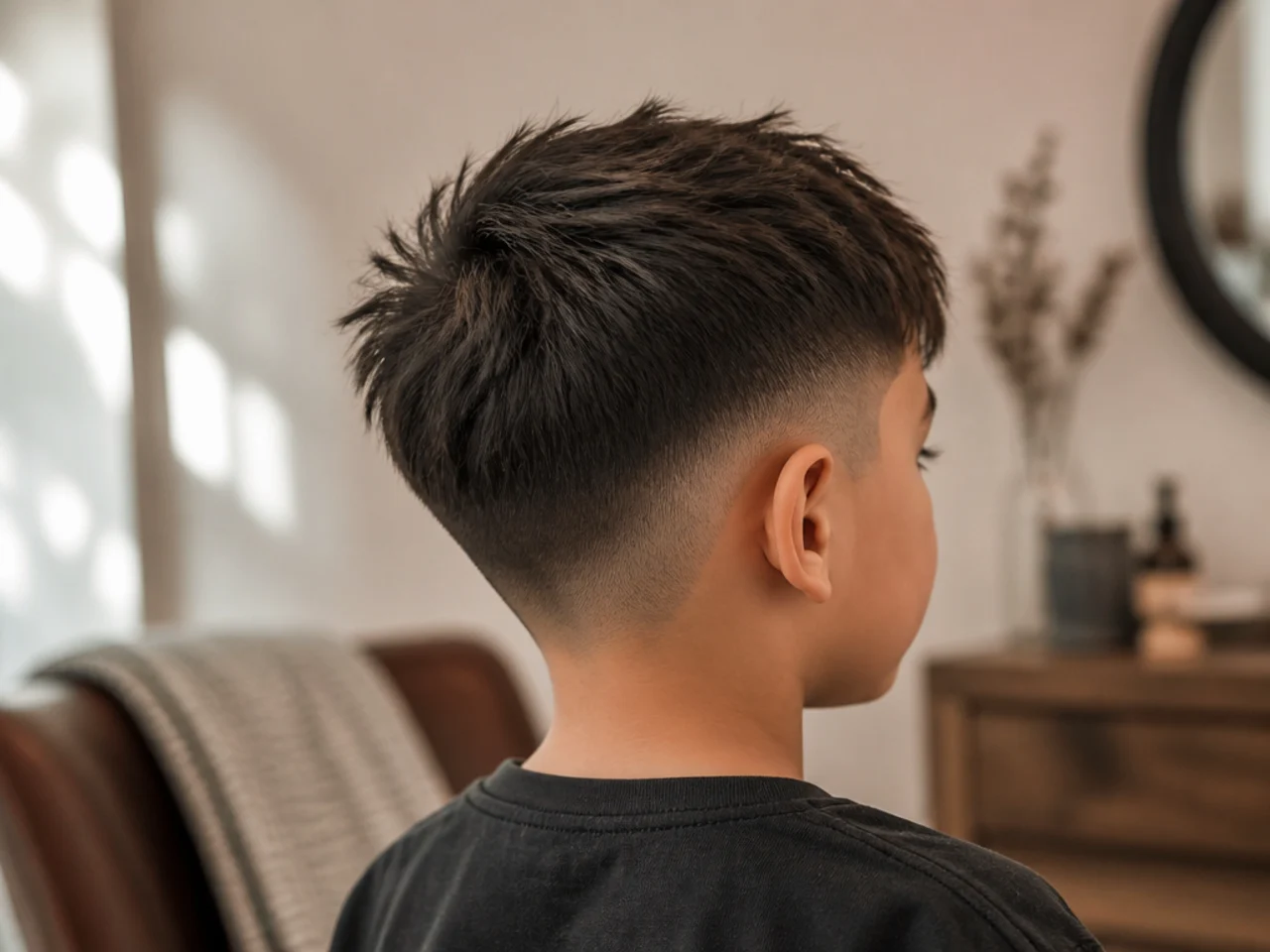
10. A Comb Over With Scissor-Blended Sides
Keep the directional sweep across the top, which is what gives the cut its grown-up read. Drop the fade underneath and blend the sides with scissors, so the sweep is the only feature and nothing below it needs redoing on a schedule.
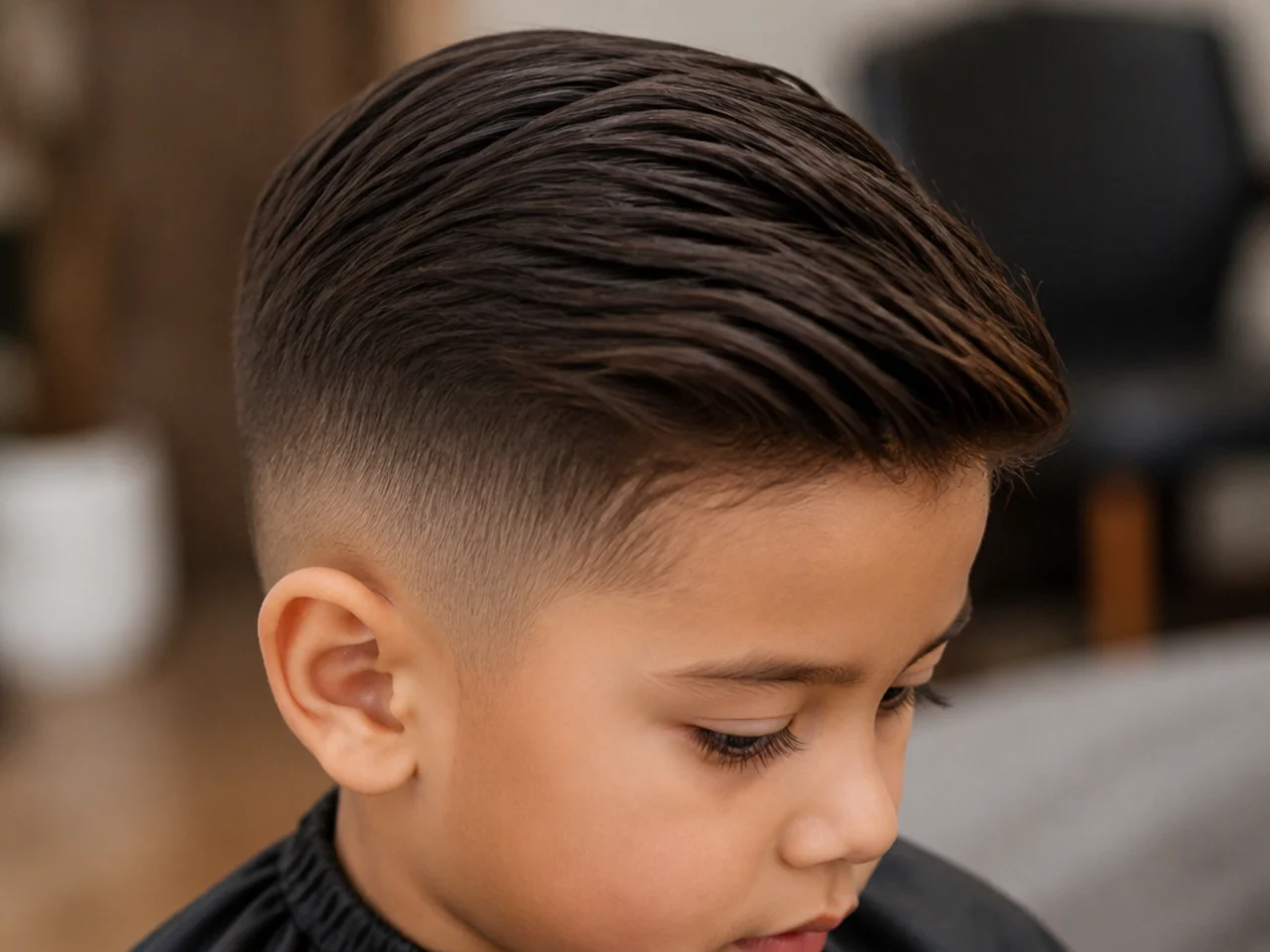
11. A Bowl Crop With a Point-Cut Edge
Keep the even perimeter running around the head, which has come back as a deliberate shape rather than a default. Drop the blunt cut edge and point-cut the perimeter, because a blunt line on fine hair looks like a ruler and a point-cut one grows out unnoticed.
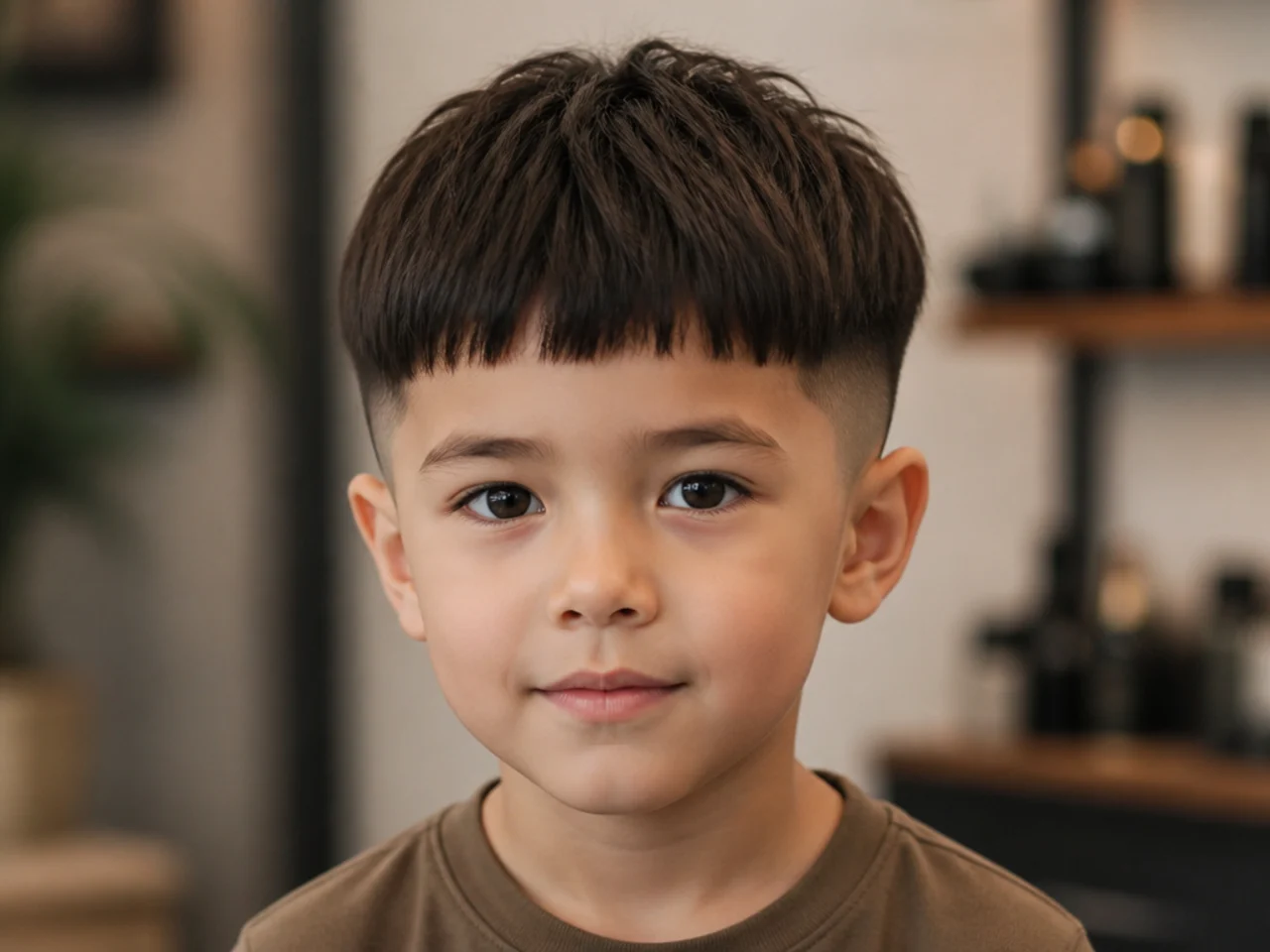
12. A Wolf Cut Scaled to Two Inches
Keep the layered, shaggy movement through the top, which is the identifying feature. Drop the dramatic length difference and hold the whole thing to about five centimetres, so the layers still show without the ends going stringy the way fine hair does at length.
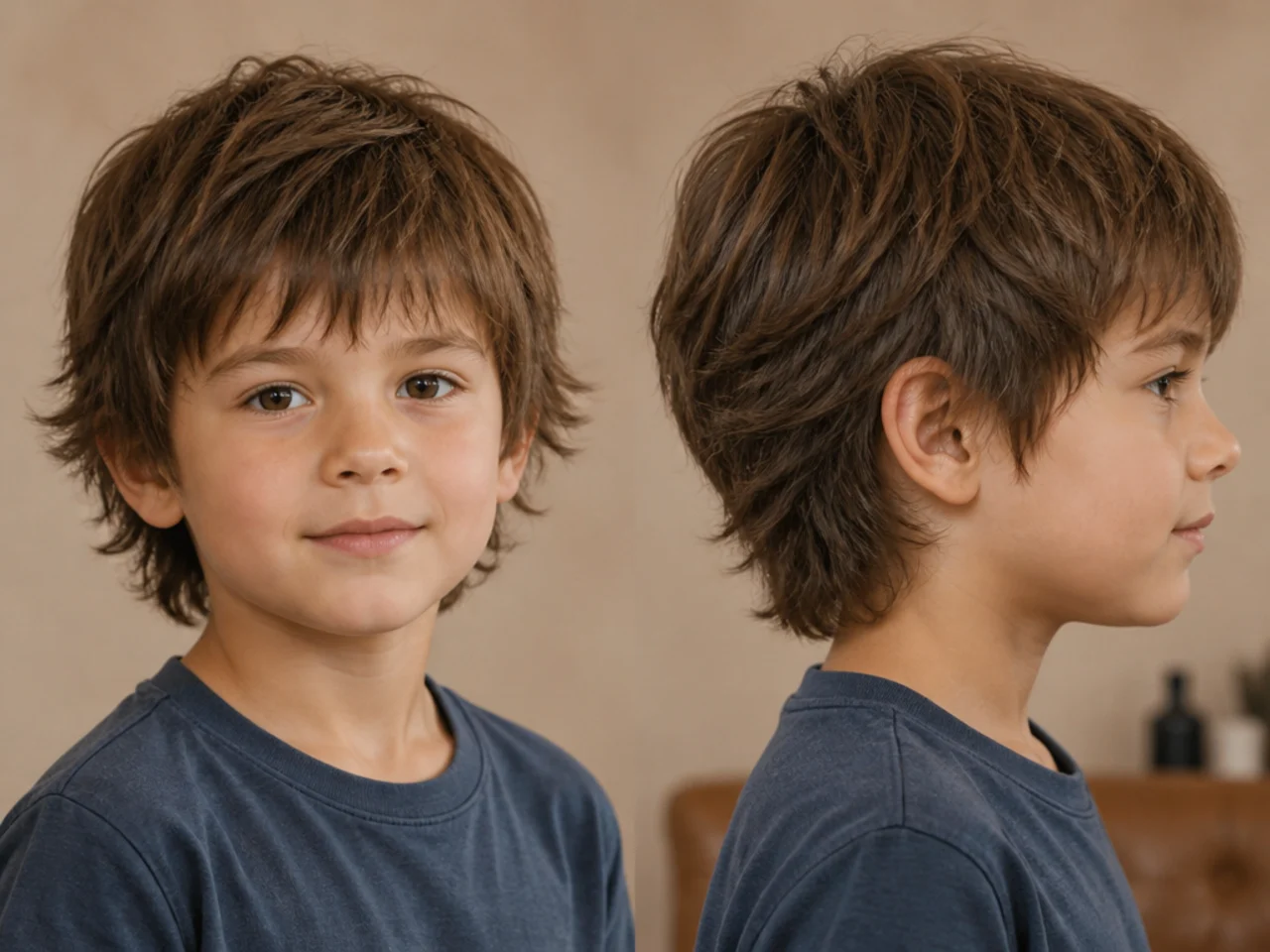
13. A Blowout Shape Without the High Fade
Keep the volume pushed up and forward at the front, which is the part of a blowout anyone notices. Drop the high fade at the sides and use a number four, because the shape reads on its own and this version does not need brushing to appear.
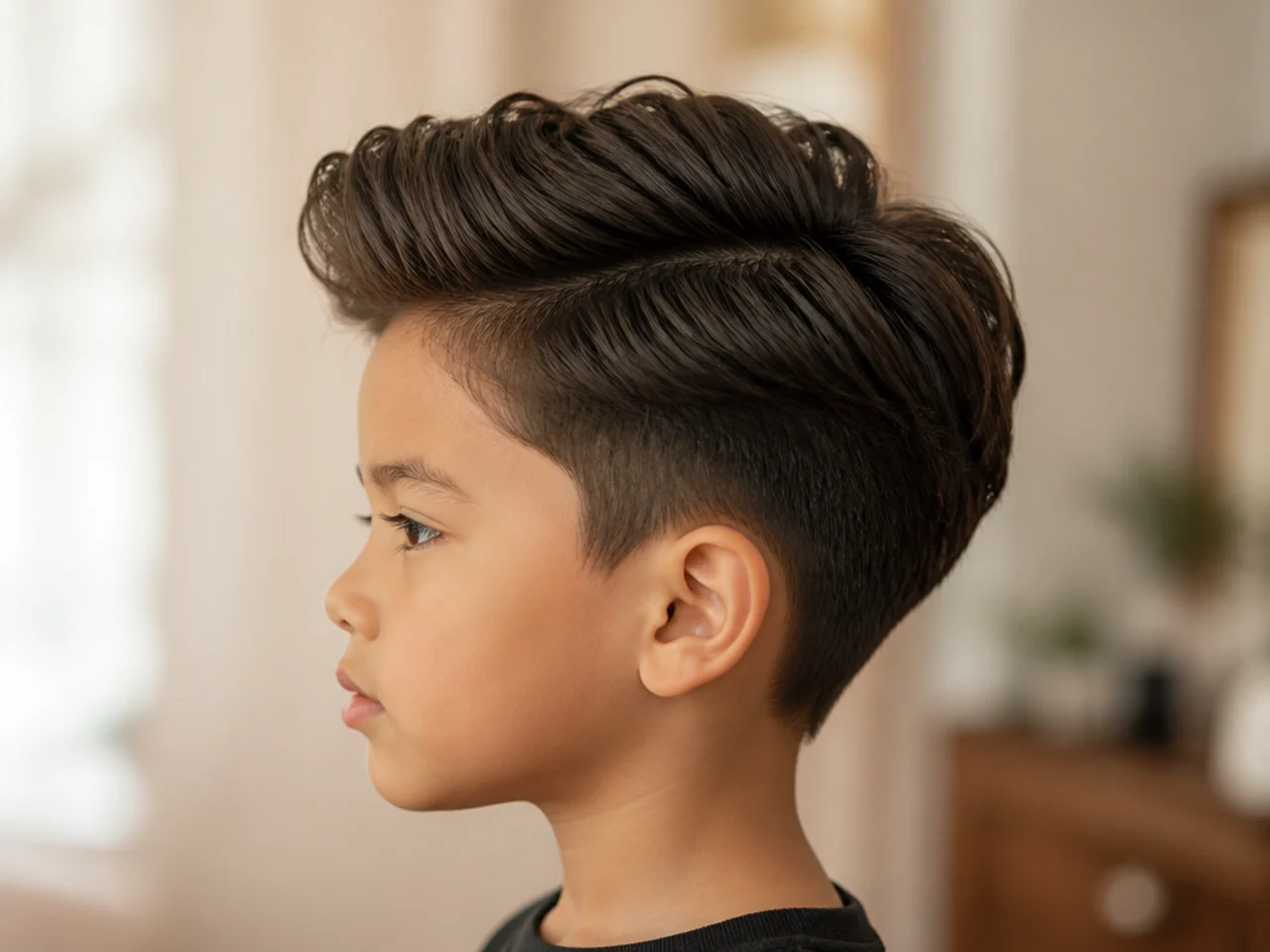
14. A Faux Hawk With No Shaved Sides
Keep the strip of extra length running front to back, which is the entire idea. Drop the shaved or skin-faded sides and just take them two guards shorter than the strip, so the contrast is length against length rather than hair against scalp.
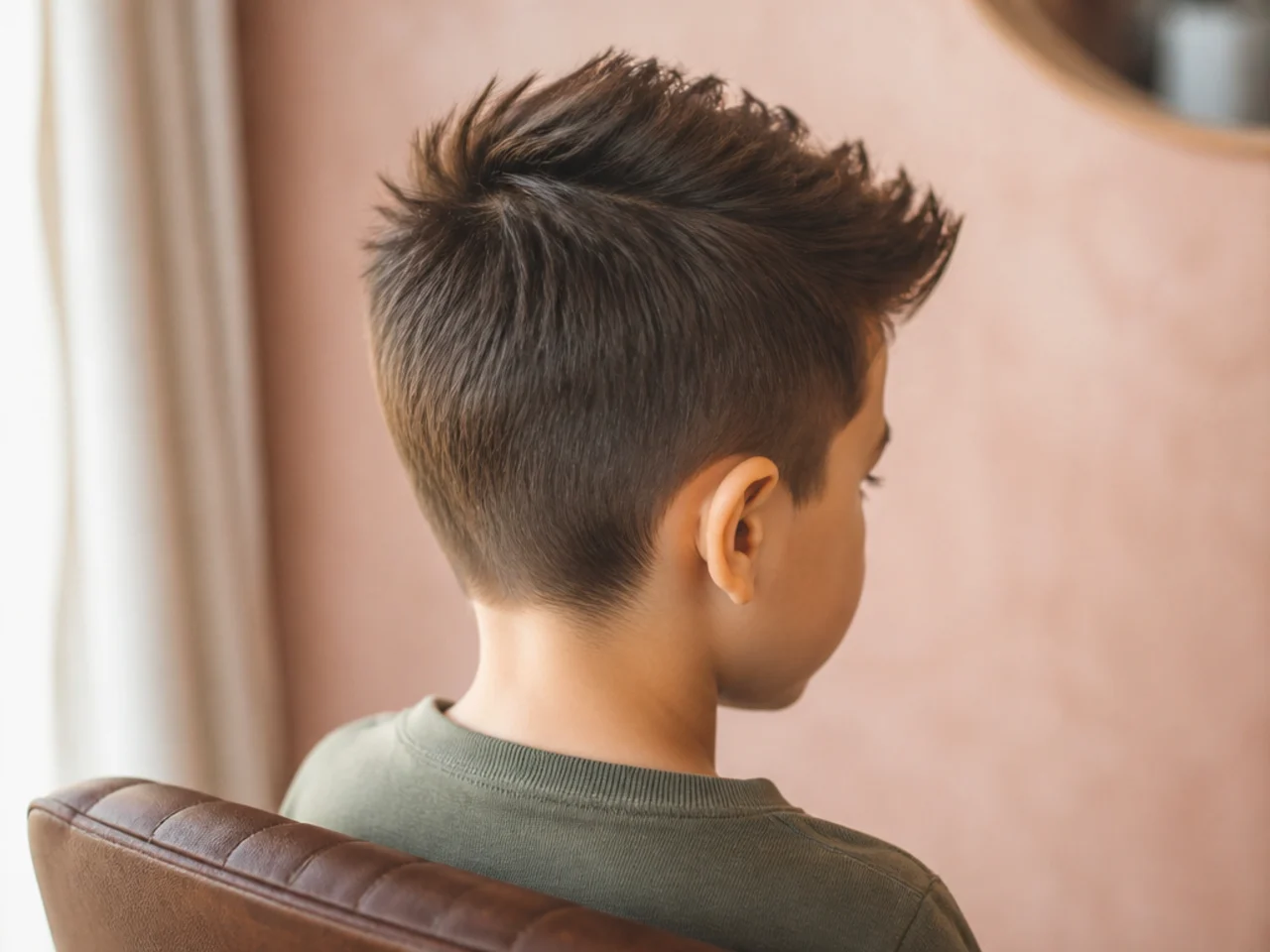
15. A Caesar Fringe With a Number Four Back
Keep the short, straight-across fringe sitting high on the forehead, which is a shape that suits a small head far better than it suits a large one. Drop the tight back and sides and run a number four, so the fringe is the only short thing in the cut.
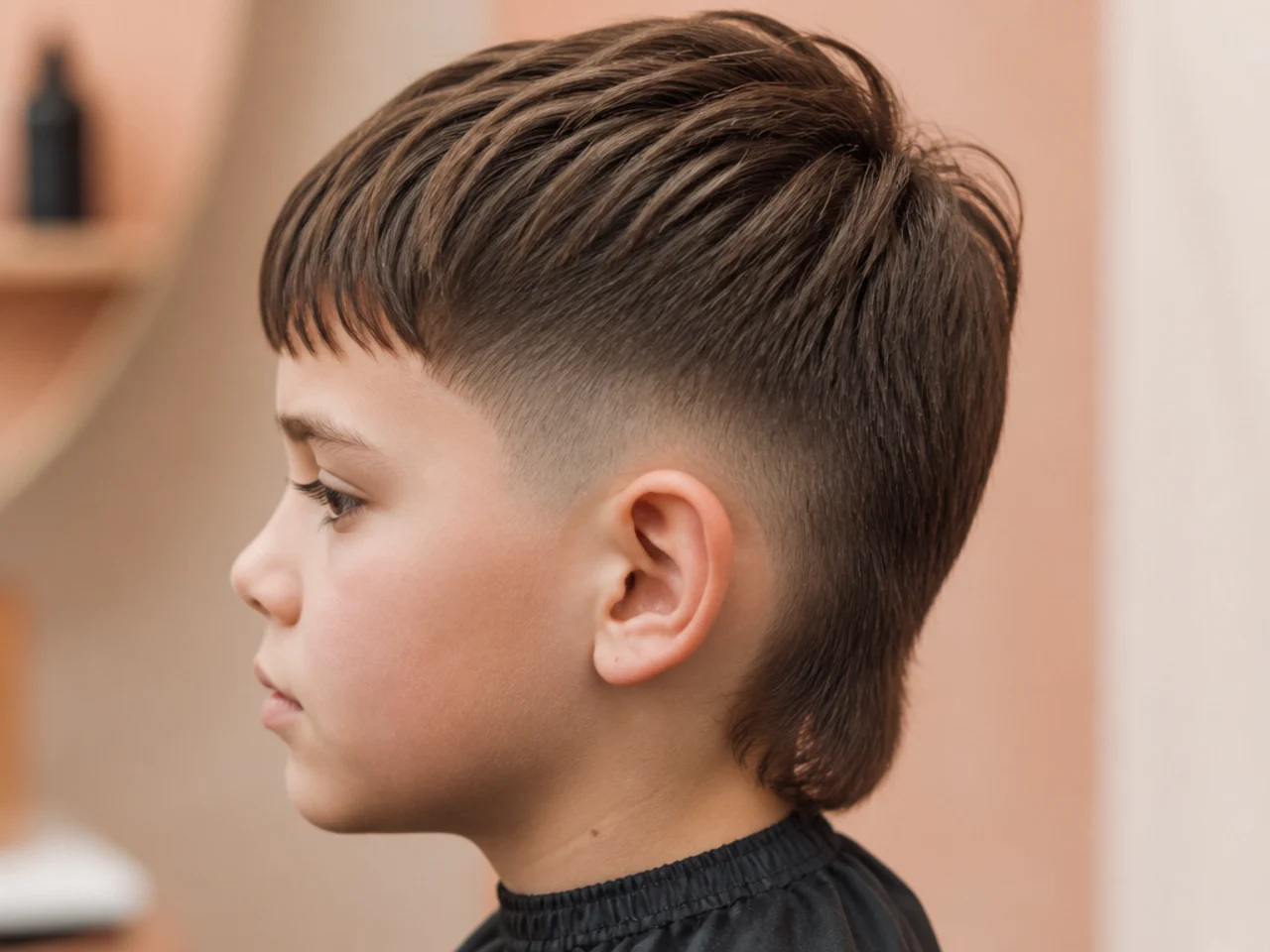
16. A Messy Quiff That Falls Forward on Its Own
Keep the height at the front, but cut it so gravity does the work rather than product. Drop the styled version entirely, because a quiff that needs paste will be worn flat every day and a quiff cut with the right weight distribution stands up unaided.
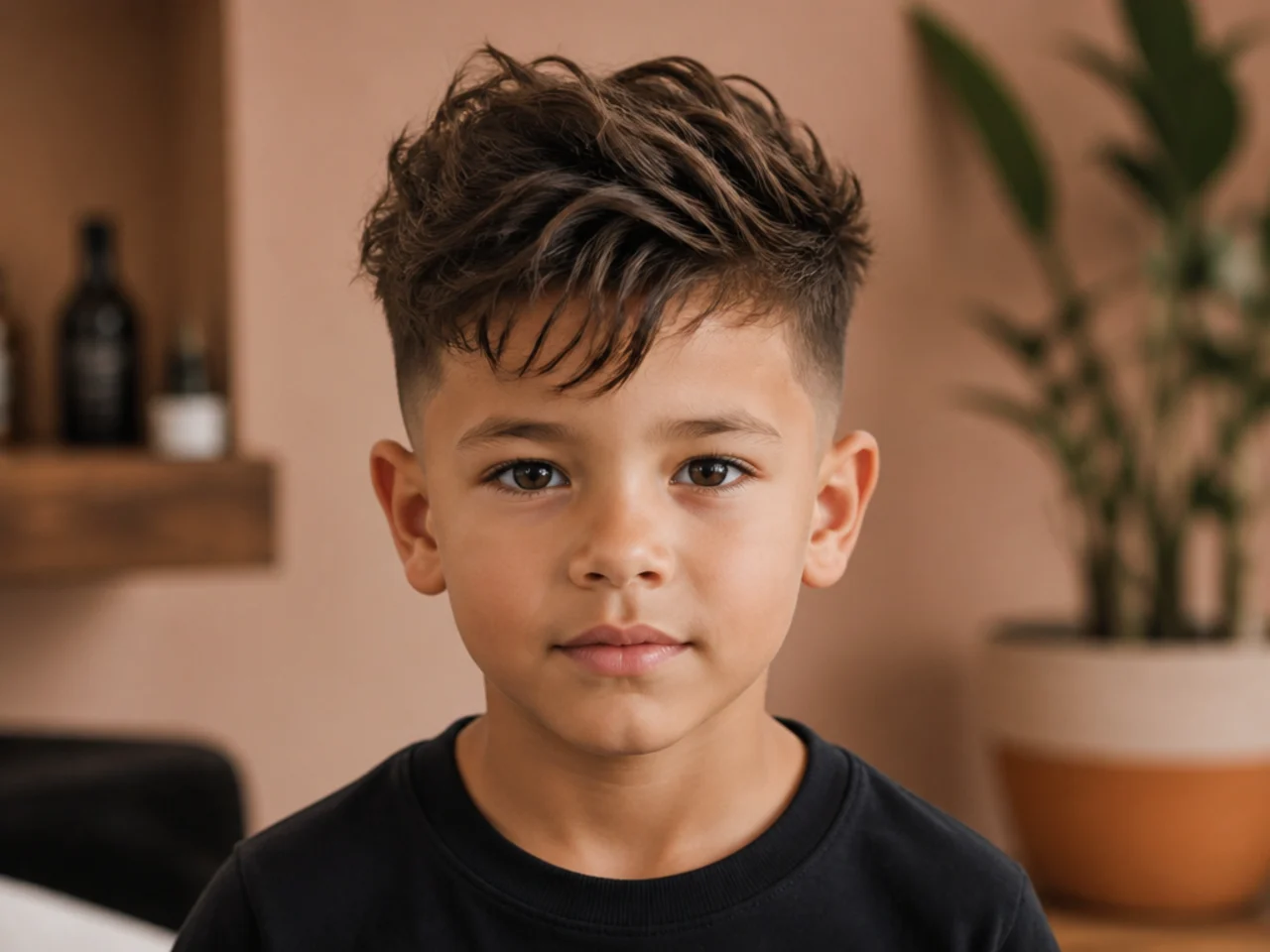
17. A Grown-Out Crop With a Trimmed Perimeter
Keep the shaggy, slightly overgrown look that reads as current rather than untidy. Drop the full recut and just take the perimeter back off the ears and neck, which resets the outline in a few minutes and buys another three weeks.
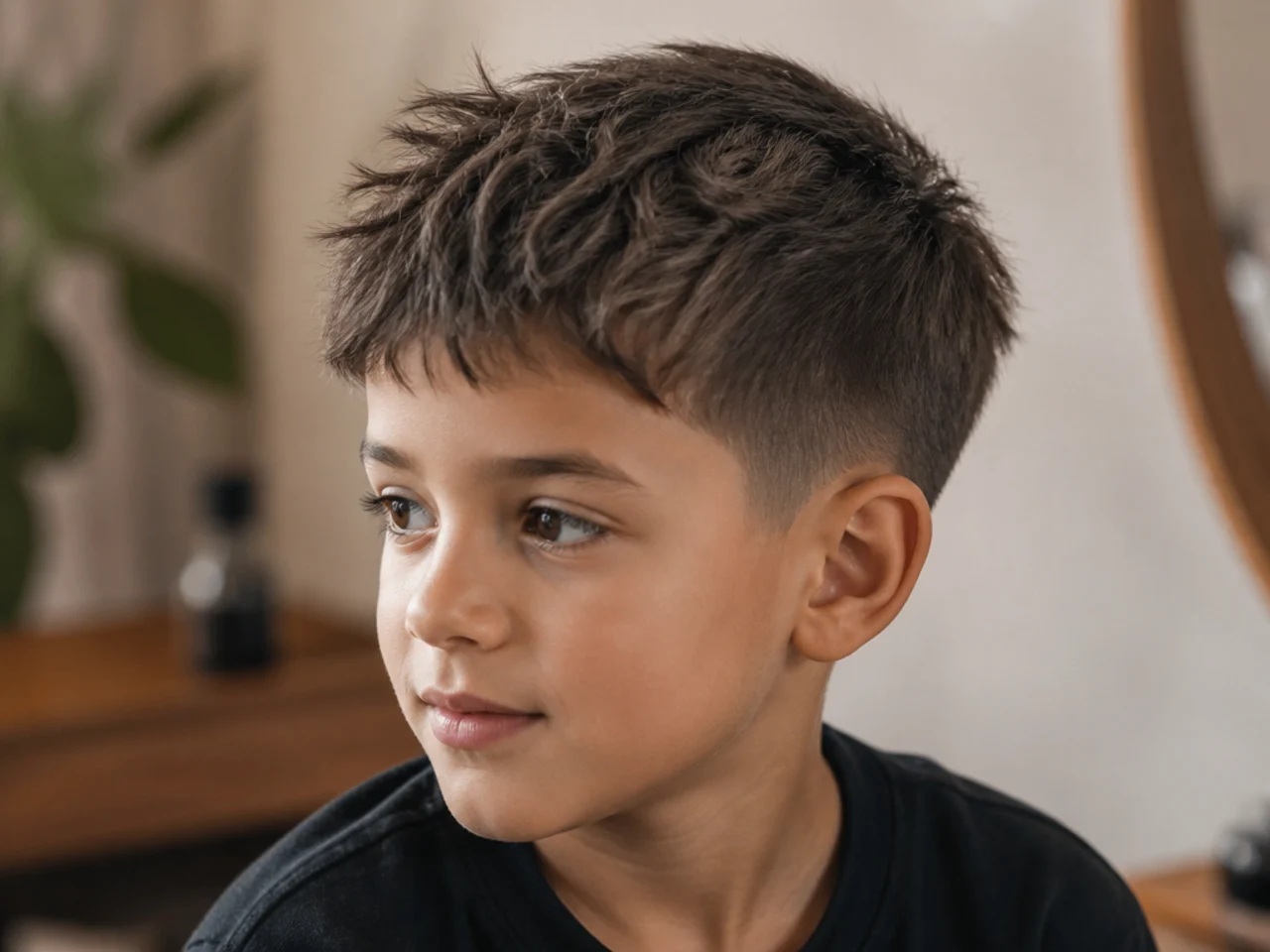
18. A Side Part With No Shaved Part
Keep the parting itself, placed where the hair naturally wants to split. Drop the razored line that usually marks it, because a shaved part on a toddler closes from both edges within ten days and leaves a stripe of stubble where a line used to be.
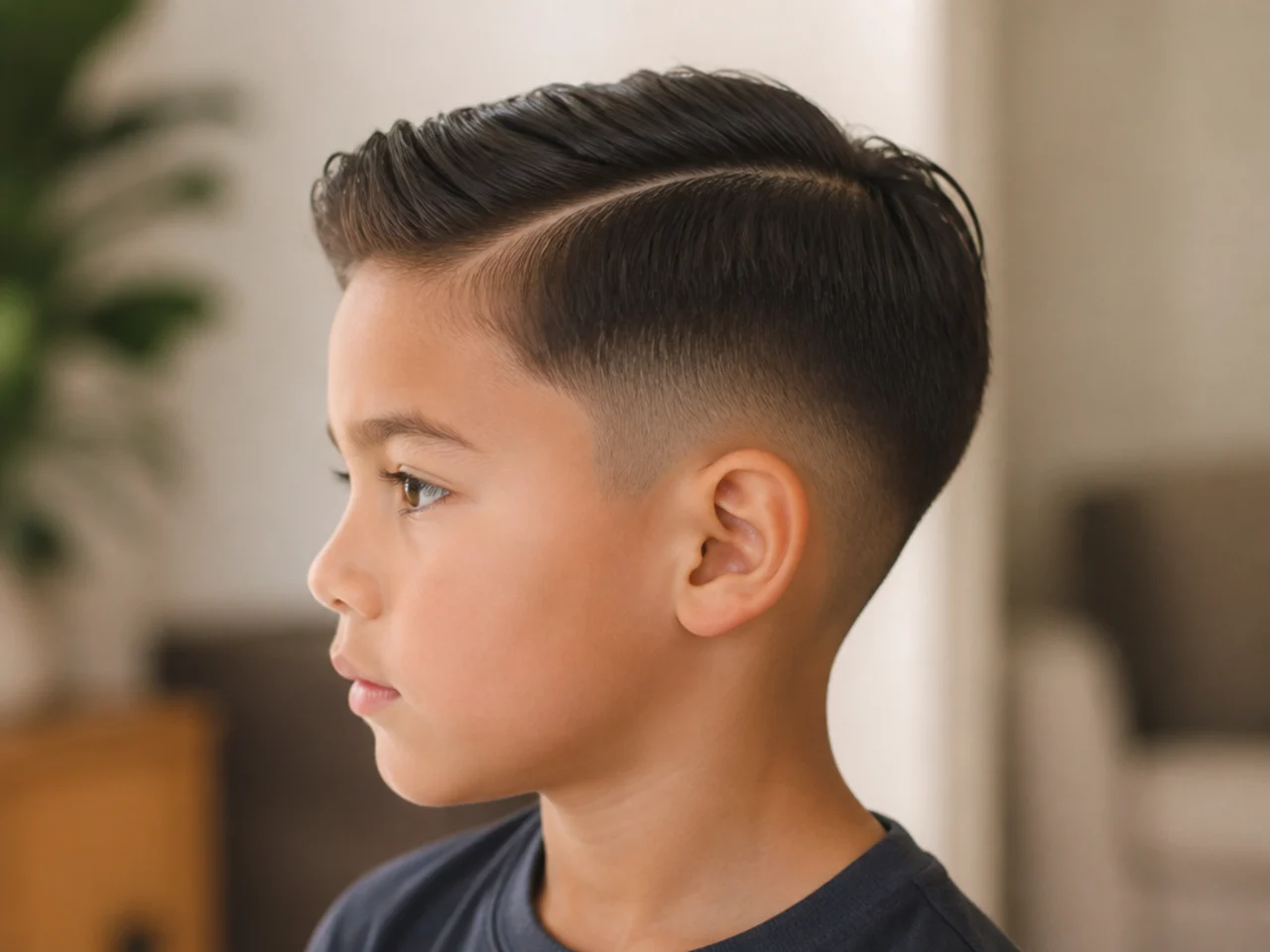
19. A Number Four All Over With a Longer Fringe
Keep the front, which is the only part that carries any shape. Drop every other decision and run thirteen millimetres over the rest of the head, giving a cut with no transition anywhere and a five-week life that still has a recognisable front.
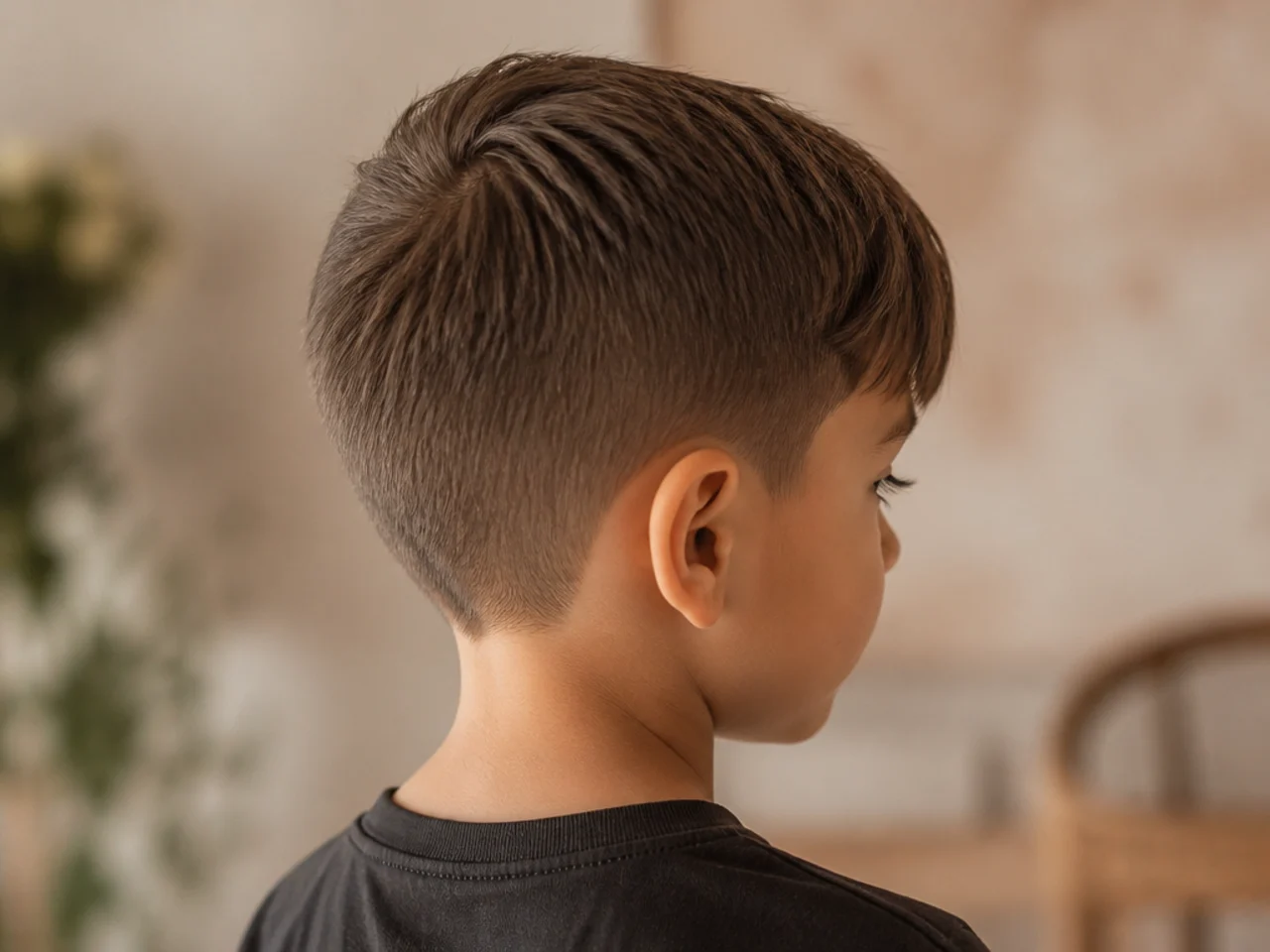
20. Long Layers With the Ears Cleared
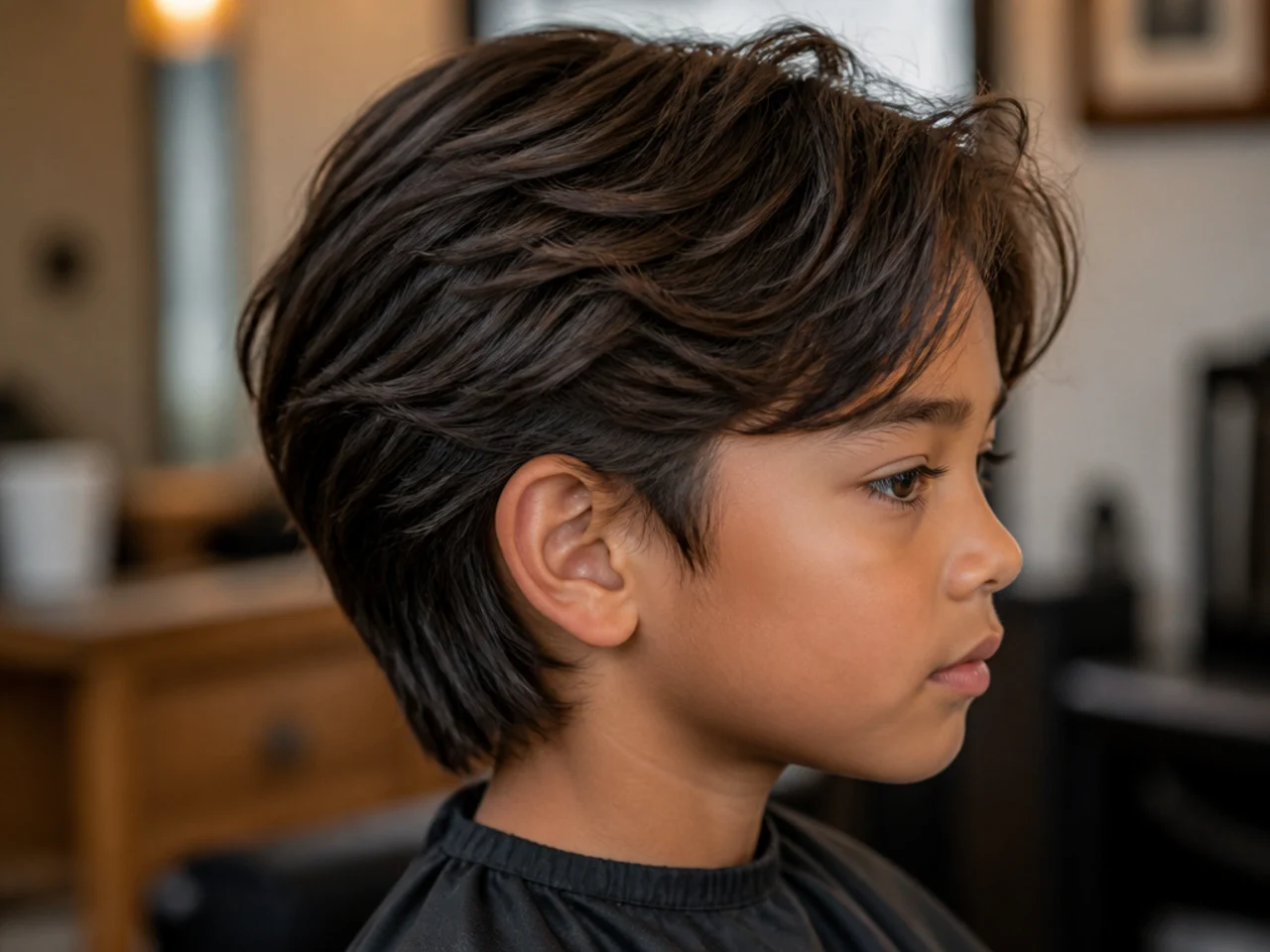
Keep the length, which on a toddler is a legitimate current shape rather than a cut being avoided. Drop the sides and back into layers and clear the ears only, so there is no line anywhere and the whole cut is a perimeter trim every six weeks.
Styling and Upkeep
Cut the shape so it needs nothing on it. A toddler top that only reads with product reads as flat hair every day of the week, so the weight has to be built in.
Trim the perimeter, not the whole cut. Ears, neckline and fringe take a few minutes and reset the outline without touching the silhouette you paid for.
Move a guard up rather than booking sooner. A number four instead of a number three costs nothing visually and adds a fortnight to the interval.
Let the top find its own direction before deciding the part. Fine hair falls where it wants, and cutting against that means the shape needs correcting daily.
Book on a six-week rhythm and trim in between. A shape-led cut is still a shape at week six, so the only mid-cycle job is the perimeter.
Mistakes to Avoid
Copying a trend photo including its fade. The fade is the half that does not downscale, and it is the half that will look wrong in ten days.
Using a number one or two on the sides. Fine hair at three to six millimetres shows scalp, so the cut reads patchy rather than short.
Asking for a hard disconnection. A disconnected line has nothing to soften into, so on fine hair it goes from crisp to smudged with no acceptable stage in between.
Adding a shaved detail to buy the trend. Shaved lines are negative space, and negative space fills from both edges at roughly twice the rate the cut ages.
Choosing a shape that only works at one length. If the silhouette collapses after a centimetre of growth, most of the cut's life is spent failing.
FAQ
Can a toddler wear an older boy's trend? Yes, if you take the top shape and leave the side treatment behind.
Why does a number two look wrong? Fine, low-density hair shows scalp at six millimetres, so it reads thin rather than short.
How long does it last? Five to six weeks when the trend lives in the top shape, and ten days when it lives in a line.
Final Thoughts
Decide which half of the trend you are buying before you sit down. Ask for the silhouette by name, set the sides a guard or two longer than the reference photo shows, and the cut will still be recognisably that trend at week five instead of being a good photograph of week zero.
For a side treatment that does downscale cleanly see the toddler burst fade guide, and for the older-boy version of the level change see the two block haircut for boys. More in Men's Haircuts.