25 Toddler Boy Haircut Ideas to Try Now
A toddler ends the haircut when he decides it is over, not when it is finished. So the only shapes worth choosing are the ones that still read as a haircut when the session stops at sixty percent.
In this article · 32
- Why a Toddler Cut Has to Survive Being Abandoned
- How to Choose Yours
- The 25 Toddler Boy Haircut Ideas
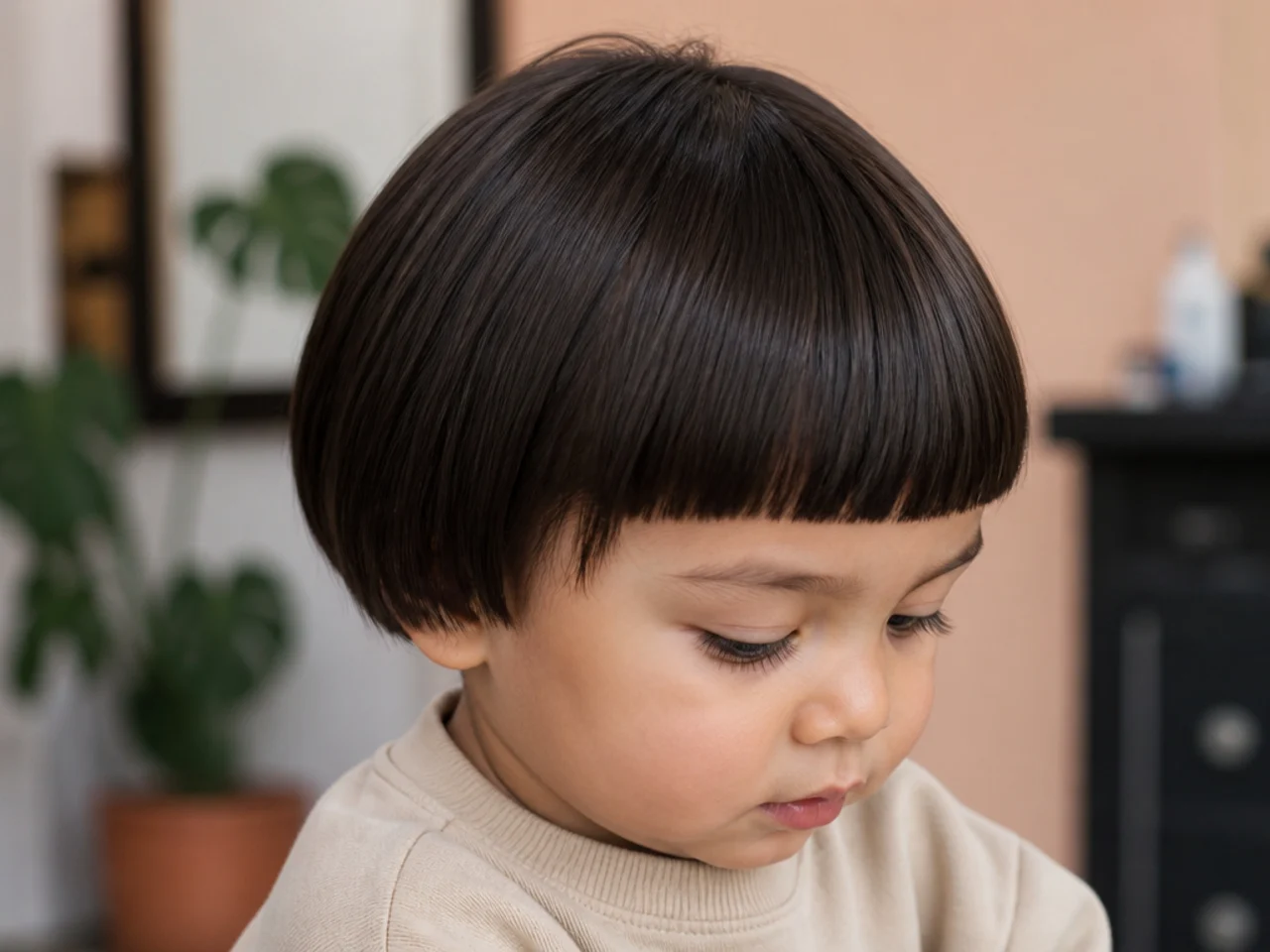
- 1. Blunt One-Length Bob With a Straight Fringe
- 2. Scissor Crop With No Clipper Pass
- 3. Soft Round Layer
- 4. One Length All Round With No Fringe
- 5. Grown-Out Taper Left Long
- 6. Long on Top With Nothing Touched Below
- 7. Blunt Perimeter Cut Damp
- 8. Back Only, Front Tomorrow
- 9. Left Side Then Right Side
- 10. Quarter-Head Cut Over Four Sittings
- 11. Sleeping Trim
- 12. Sides First Then Stop
- 13. Two-Sitting Crop
- 14. Fringe-First Trim
- 15. Fringe Only, Nothing Else
- 16. Straight Fringe With the Rest Left
- 17. Fringe Cut Into a Soft Arc
- 18. Fringe Swept and Trimmed to the Brow
- 19. Fringe Plus Ears, Then Stop
- 20. Number 4 All Over
- 21. Two-Guard Sides With Scissor Top
- 22. Number 3 Back and Sides
- 23. Number 4 Top Over a Number 3 Back
- 24. Clipper Over Comb on the Sides Only
- 25. Number 4 Sides With the Fringe Cut First
- Styling and Upkeep
- Mistakes to Avoid
- FAQ
- Final Thoughts
A toddler haircut has a hard stop that has nothing to do with the hair. It ends when the child decides it ends, and that decision arrives without warning.
Every cut has to survive being abandoned. If the session dies after the fringe and one side, the only question that matters is whether what is left on his head reads as a haircut or as an accident.
That one test rules out more shapes than fine hair ever will. It is why a fade is the wrong thing to ask for on a two-year-old and a one-length crop is the right one, and it is what all twenty-five ideas below are ranked on.
Why a Toddler Cut Has to Survive Being Abandoned
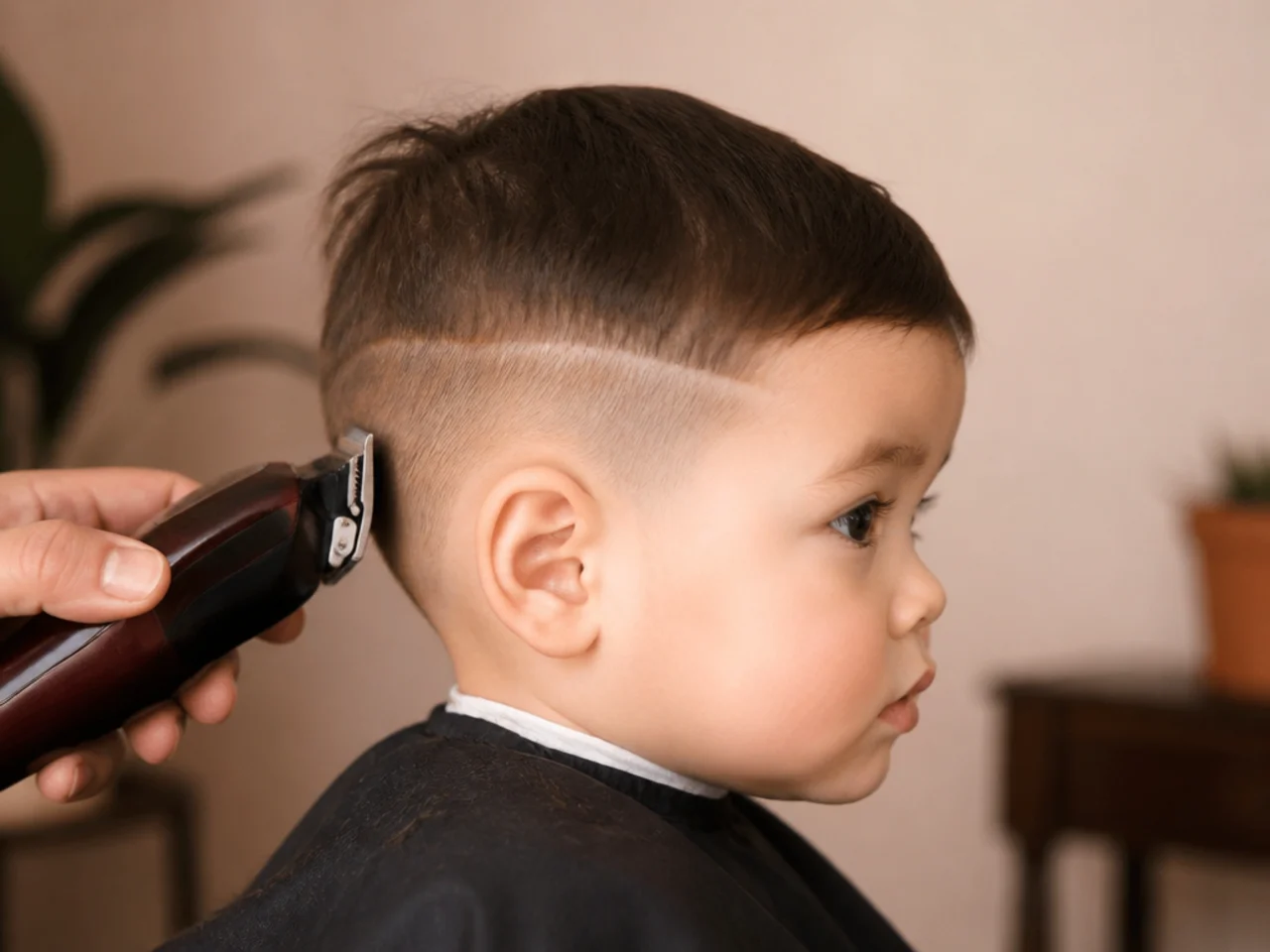
A fade is one continuous gradient, so half a fade is a step. The shape only exists once every guard has been run and blended into the one above it, and stopping in the middle leaves a visible ledge on the side of the head — true at every fade height, low, mid or high.
A one-length cut can stop anywhere. Every snip is complete in itself, so the cut is finished at whatever point you put the scissors down — just slightly longer on the parts you never reached.
Cut the fringe first, because it is the section you see in every photo. Nobody inspects the back of a child's head, which makes it the only part of the cut you can genuinely afford to leave for another day.
A cut planned in sections can be resumed tomorrow. Sides today, back on Sunday only works if no section depends on another being finished first, which rules out anything blended by definition.
How to Choose Yours
Ask what the cut looks like with one side undone. If the honest answer is a step, a ledge or a bare patch, pick a different shape.
Count the passes, not the minutes. A cut that needs four separate passes over the same area needs four windows of stillness, and a toddler gives you one or two.
Decide the order before you pick anything up. Fringe, then the side he is facing you with, then the back, so the sections that get skipped are the ones that do not matter.
Keep the guards long. Fine baby hair shows scalp under a #3, so 13mm at a #4 is the shortest setting that reads as a short haircut rather than as thin hair.
The 25 Toddler Boy Haircut Ideas
1. Blunt One-Length Bob With a Straight Fringe
Everything cut to a single level all the way round, with the fringe taken straight across the brow. Skip the back and the only cost is that it sits a centimetre longer than the front, which nobody sees and which you can even up next week.
2. Scissor Crop With No Clipper Pass
Short all over but cut entirely with shears, so there is no motor noise and no gradient to complete. You can stop after any handful of snips and the head still reads as one short length, just marginally uneven where you ran out of time — the same argument that makes scissors the default on a curly toddler.
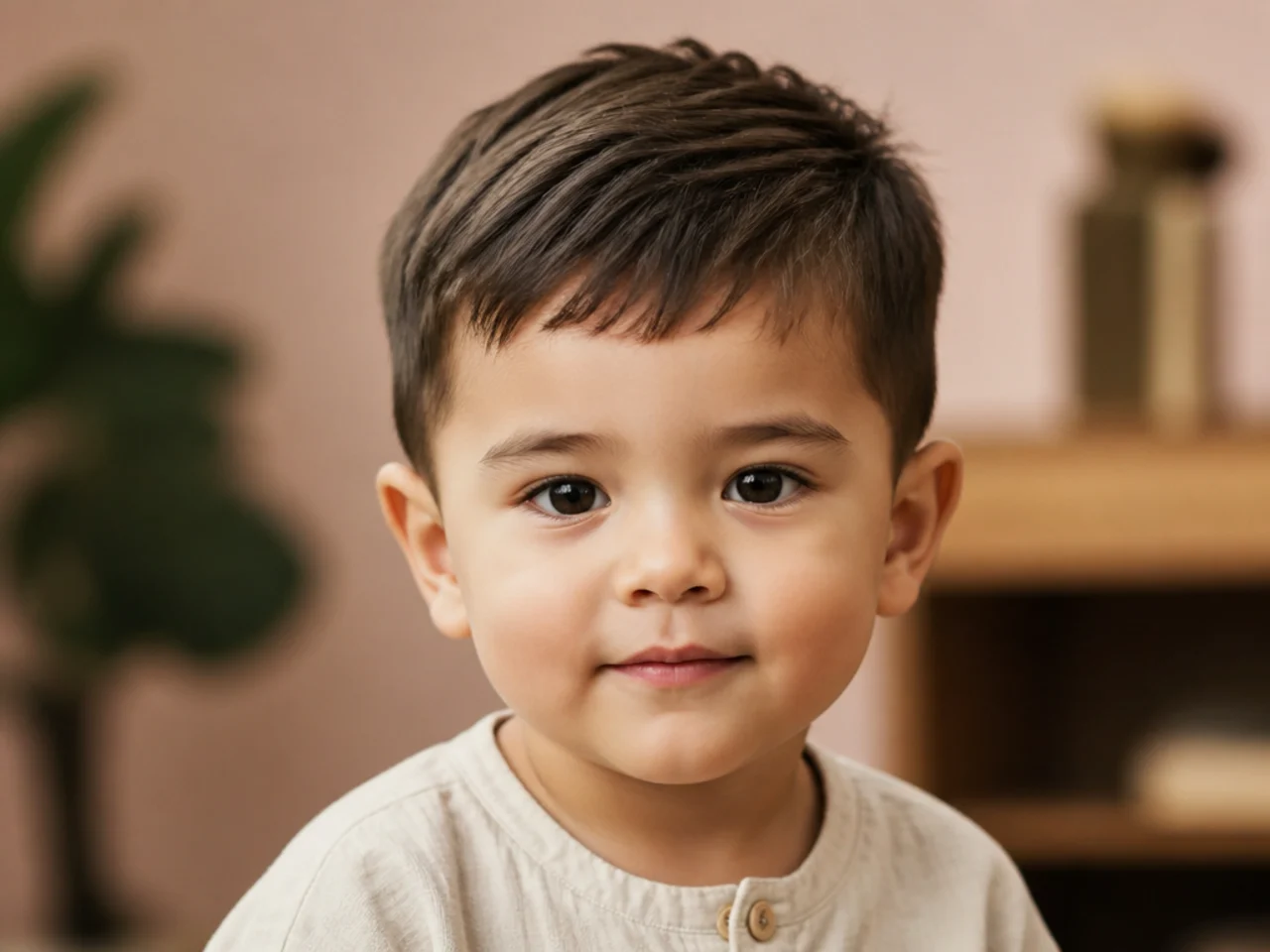
3. Soft Round Layer
One rounded perimeter that follows the shape of the skull, with no corners and no hard edges anywhere. If the session ends with one side untouched, the curve is simply wider on that side, which reads as growth rather than as a mistake.
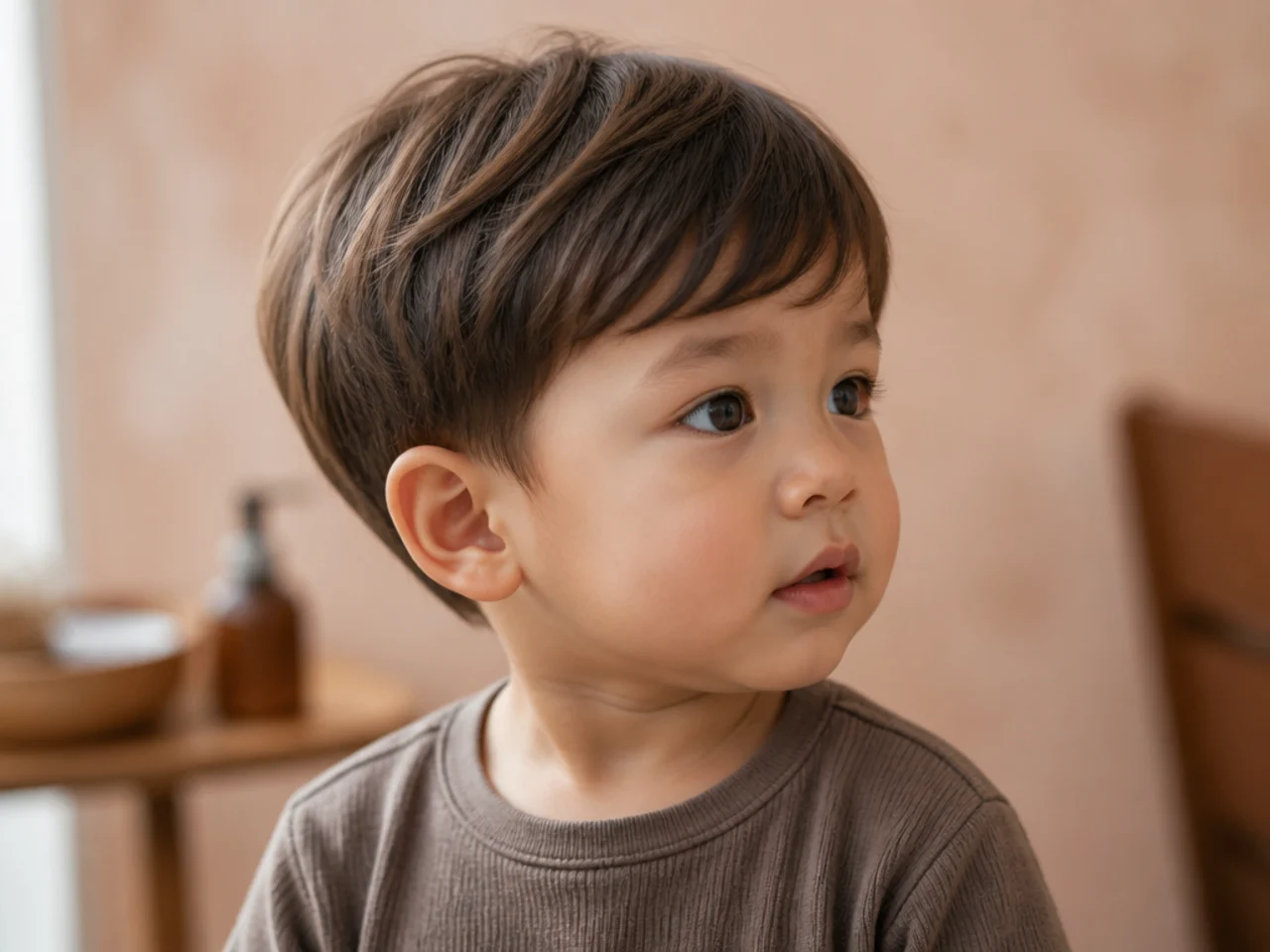
4. One Length All Round With No Fringe
The front left long enough to sweep sideways instead of being cut across the brow. That removes the single section you cannot postpone, which makes every remaining part of the cut optional on the day.
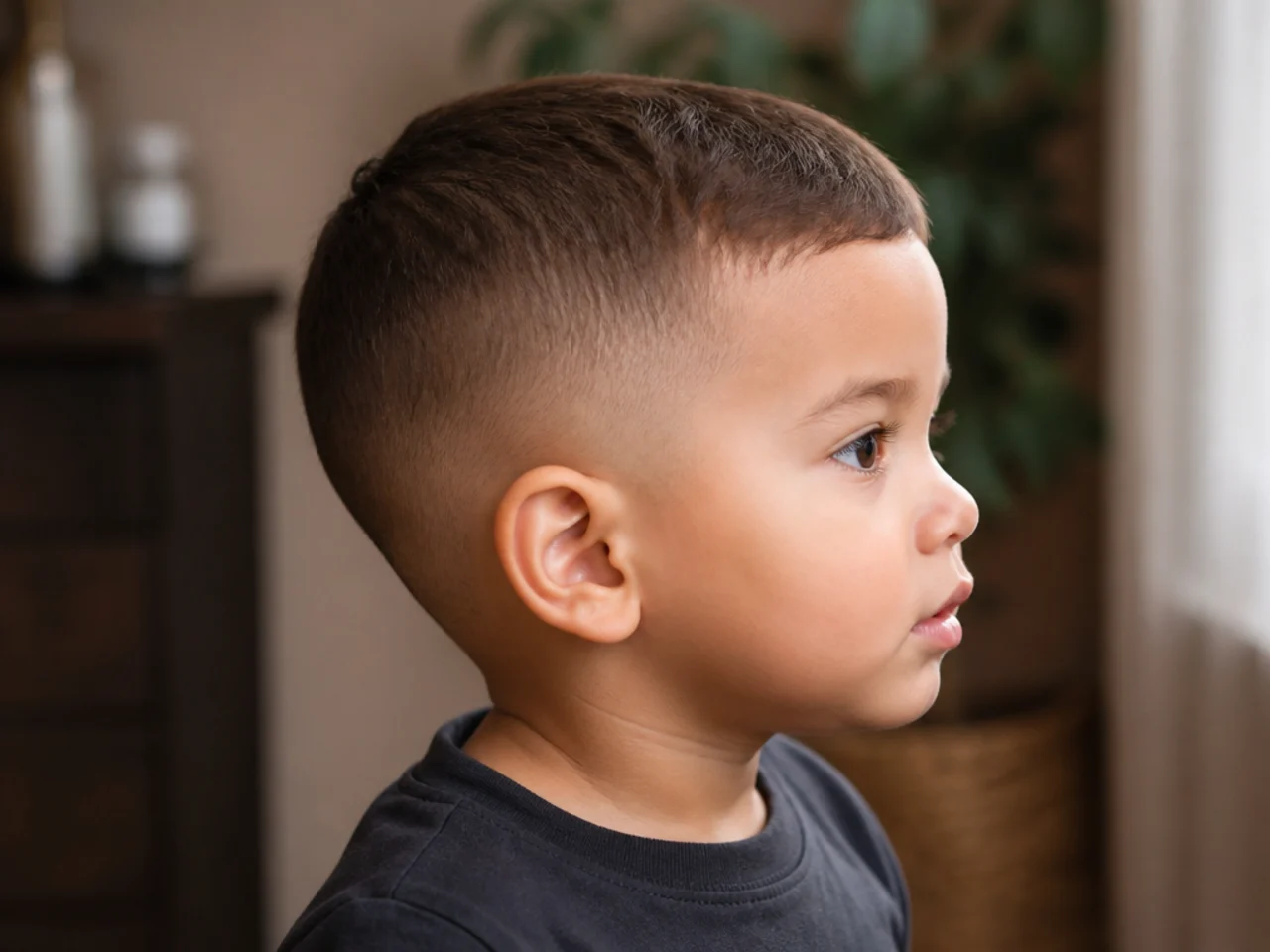
5. Grown-Out Taper Left Long
An old clipper line allowed to soften instead of being re-cut, with only the ends tidied by hand. Skipping the tidy entirely costs you nothing but a slightly heavier outline, because there is no sharp line left to maintain.
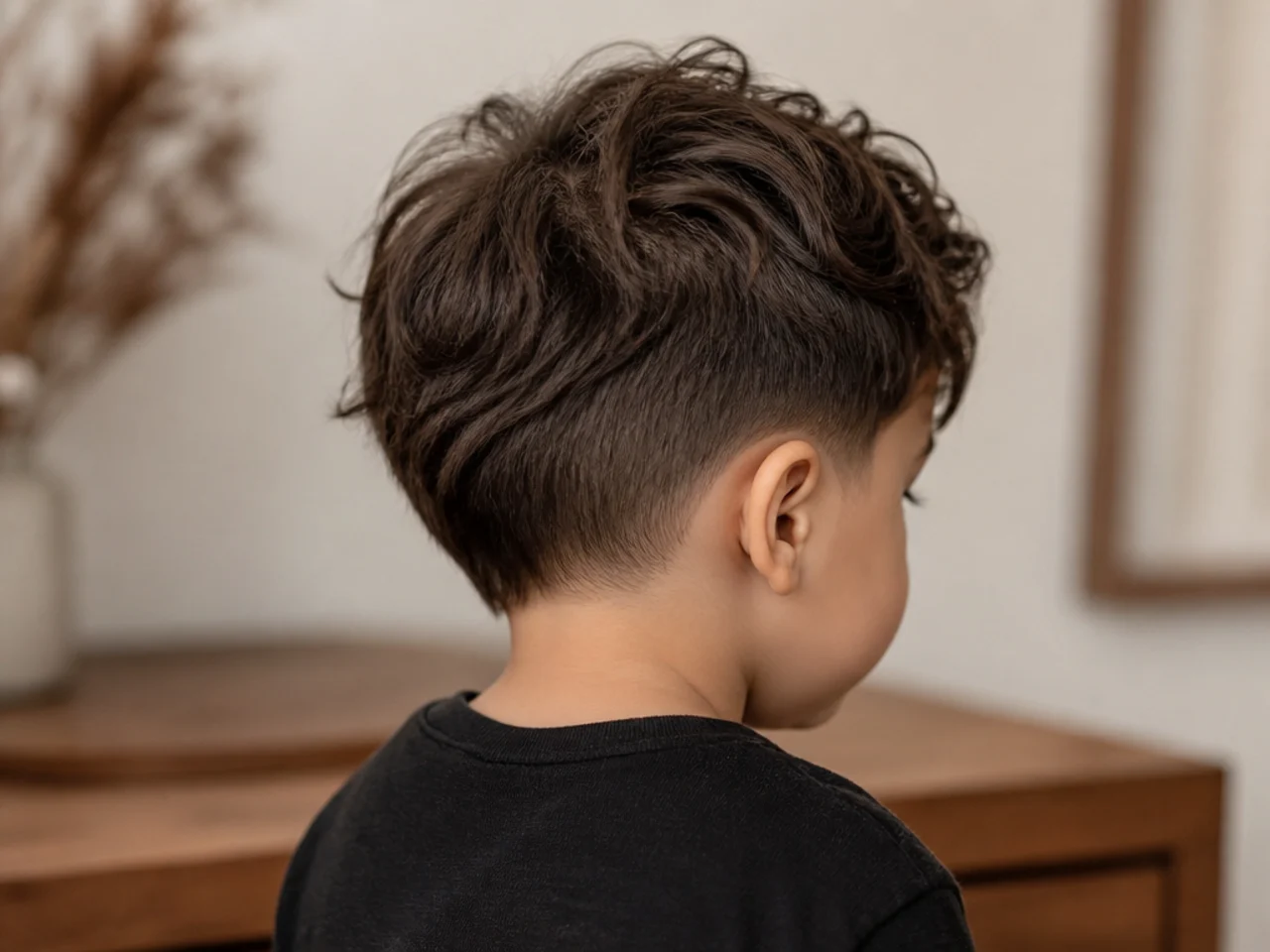
6. Long on Top With Nothing Touched Below
The top trimmed only enough to keep it out of his eyes, with the sides and back left completely alone. The whole cut is four or five snips at the front, which fits inside the stillness window almost every toddler has.
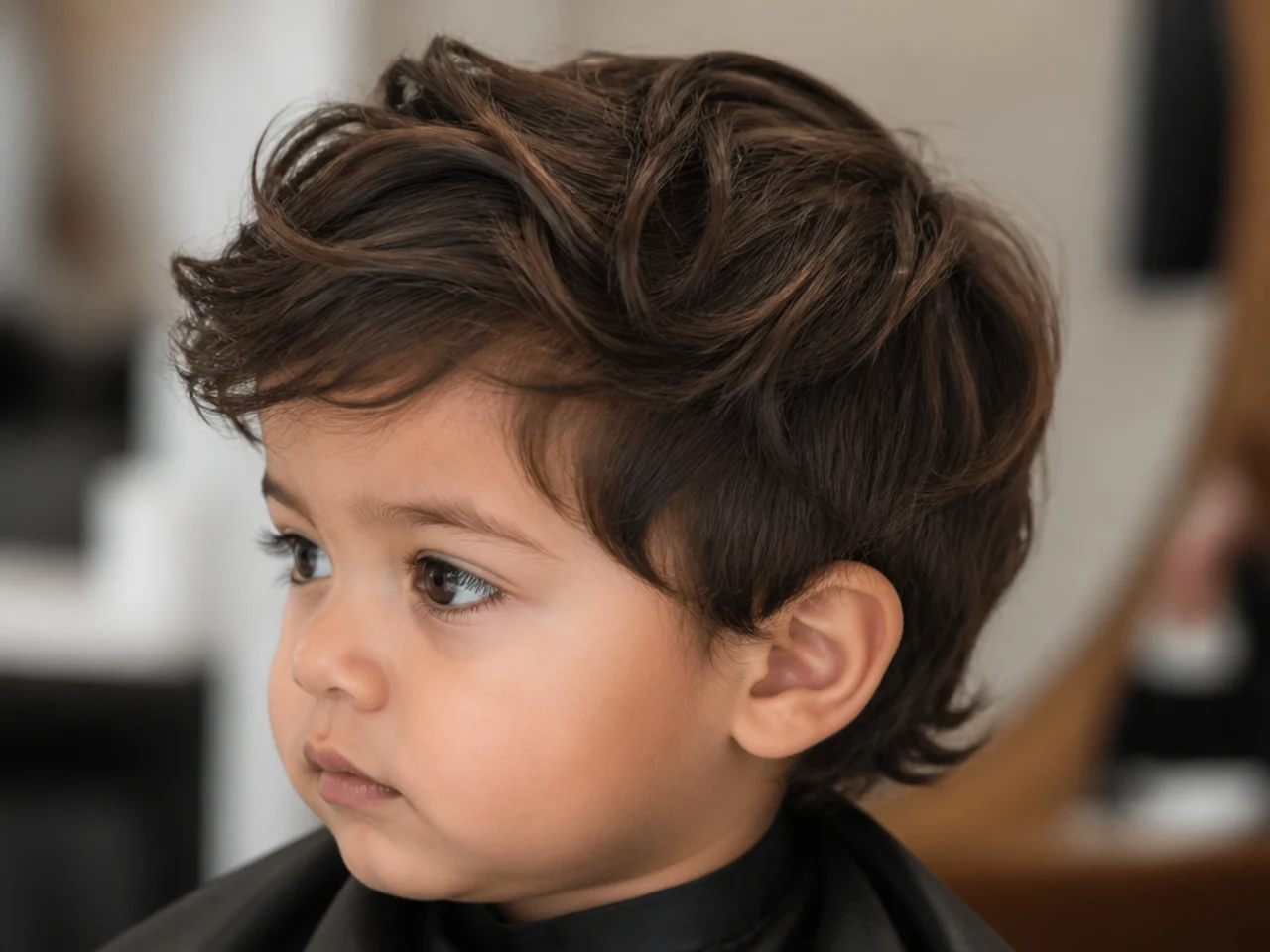
7. Blunt Perimeter Cut Damp
Hair sprayed damp, combed flat and cut along one level line from the front round to the back. Damp hair holds where the comb puts it for a few seconds, which is exactly how long you get, and the line can be picked up again anywhere along its length.
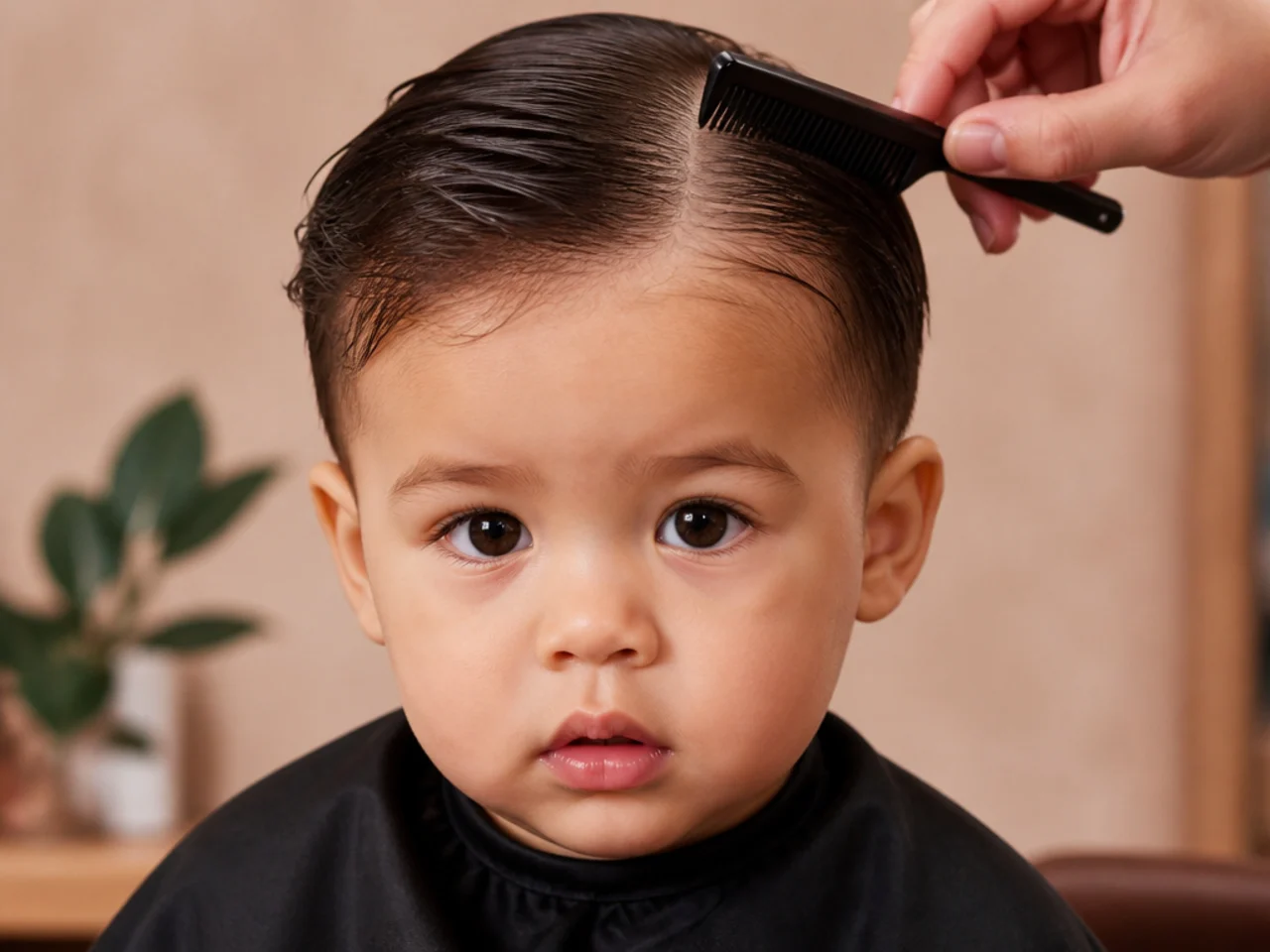
8. Back Only, Front Tomorrow
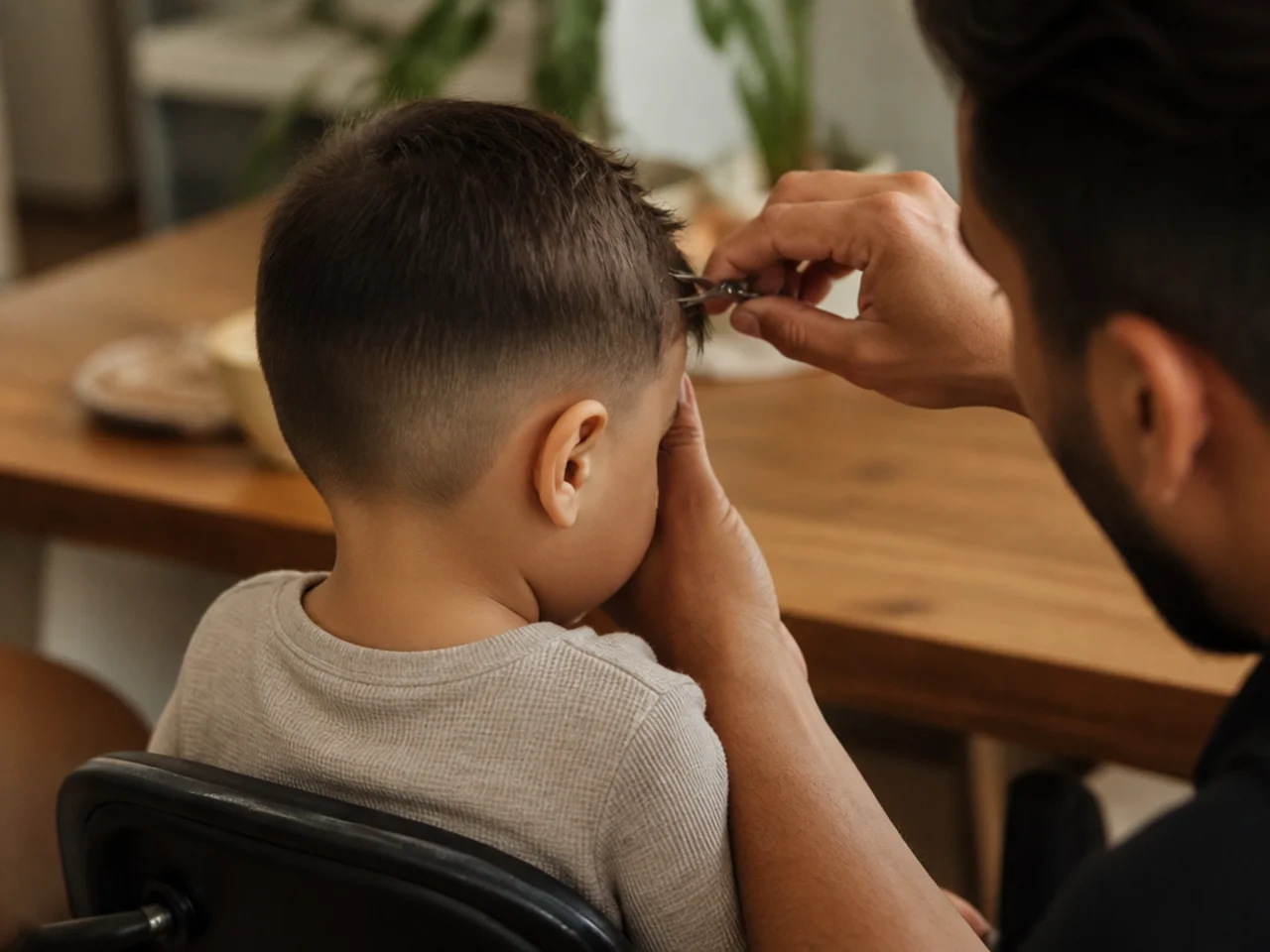
Deliberately cutting only the section behind the ears in the first sitting. Nothing about the front depends on it, so the child gets a two-minute haircut and you keep the fringe for a day when the mood is better.
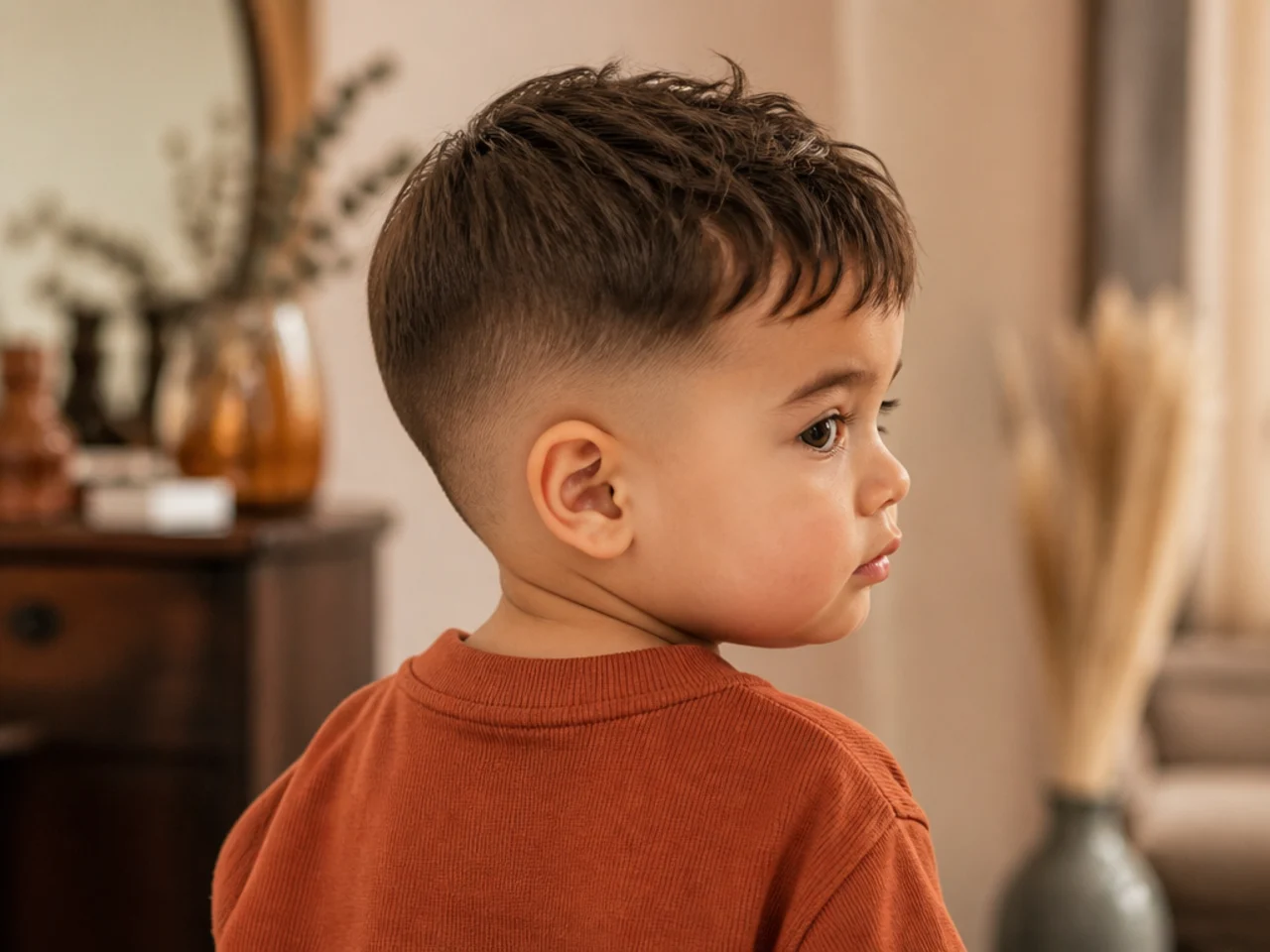
9. Left Side Then Right Side
One side finished completely before the other is begun, rather than alternating between them for evenness. Alternating spends two attention windows on the same amount of progress, and one finished side next to an uncut one is far easier to match later than two half-cut sides.
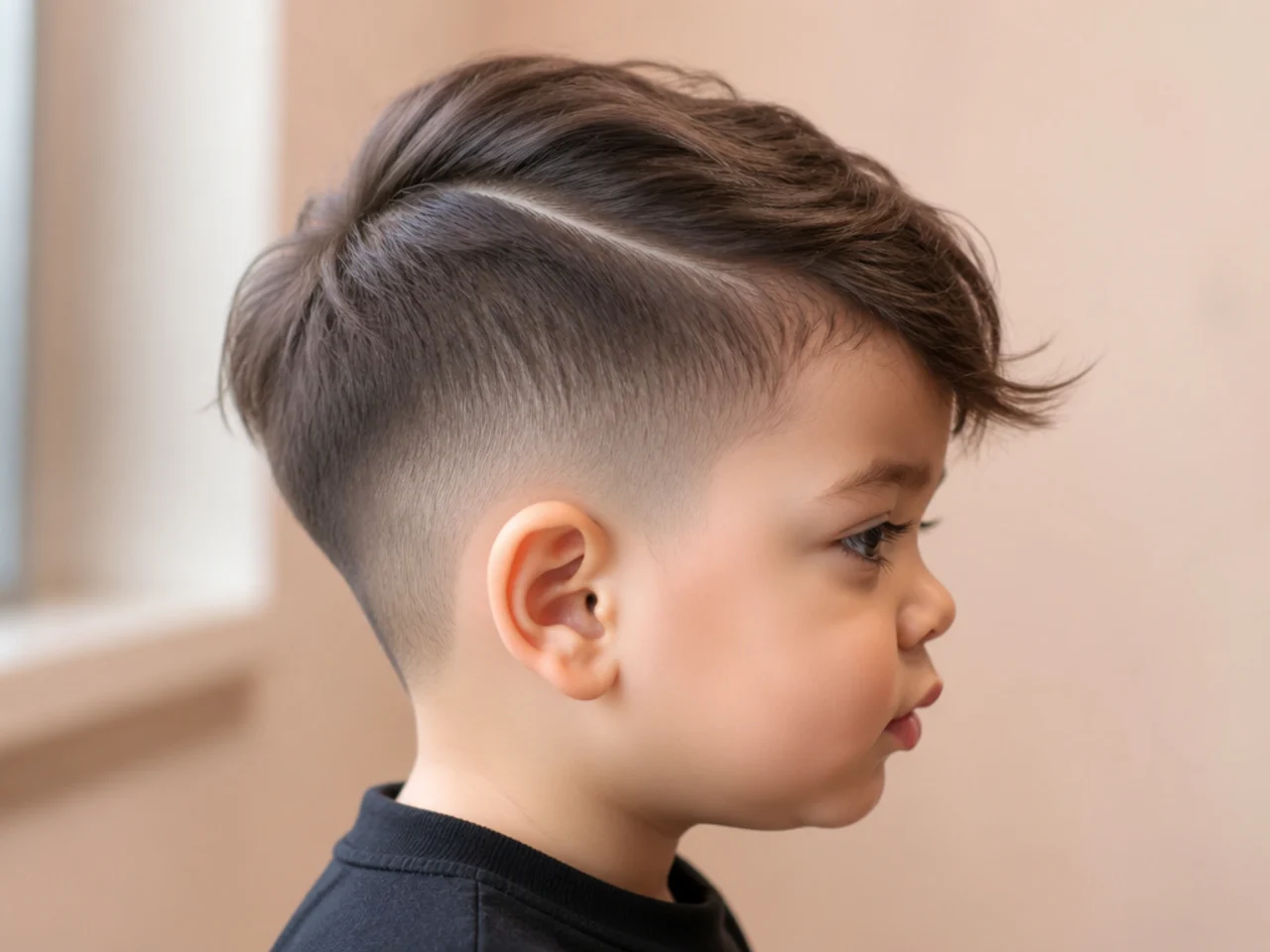
10. Quarter-Head Cut Over Four Sittings
The head divided into four quadrants with one cut per sitting across a week. Each quadrant is a complete piece of work on its own, so an abandoned sitting costs you a quarter of the cut rather than the whole shape.
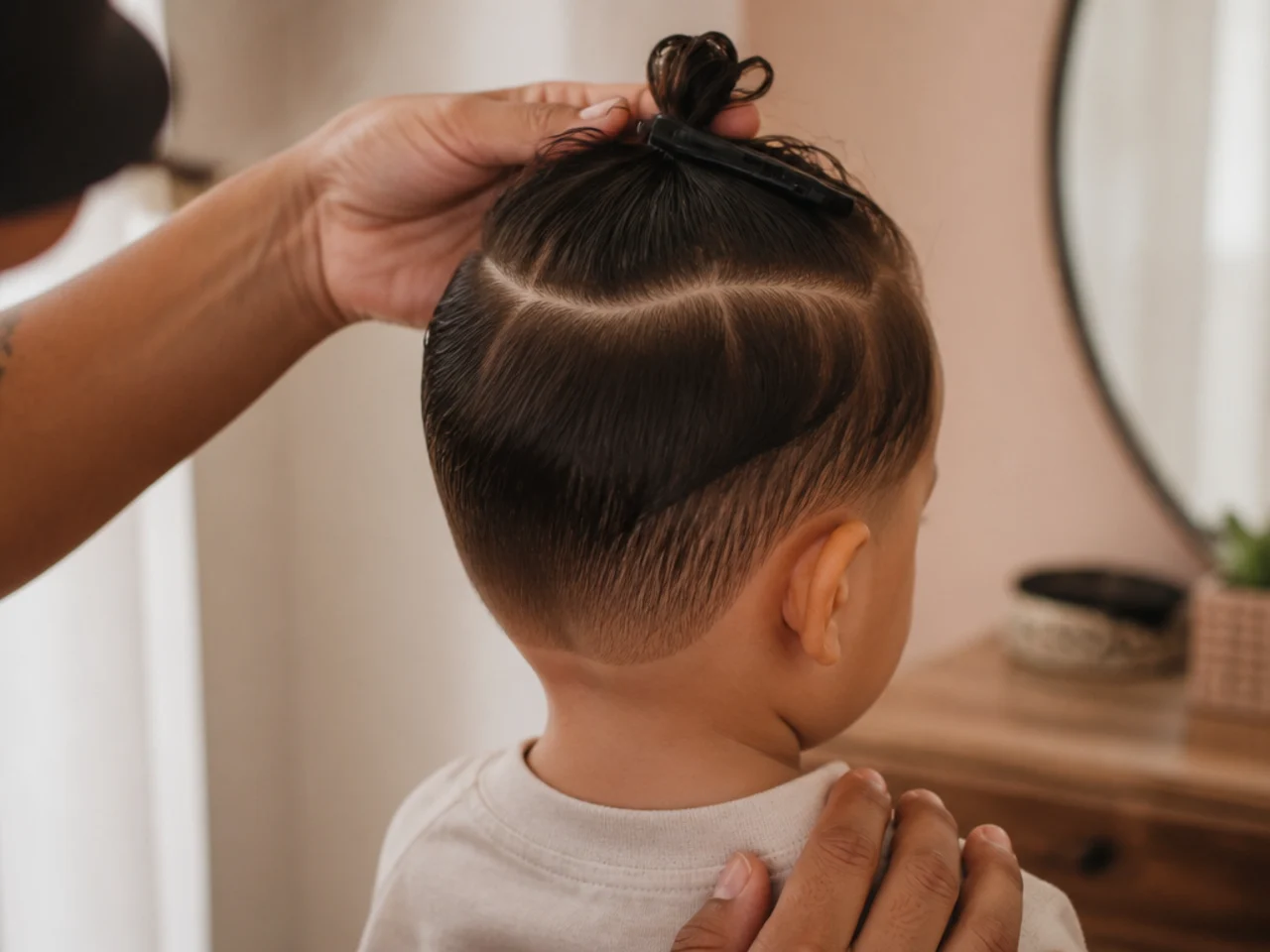
11. Sleeping Trim
Cut during a deep nap with scissors only, working on whichever side is facing up. You will get one side and possibly the fringe before he turns over, which is why this only suits shapes where a single finished side is a legitimate stopping point.
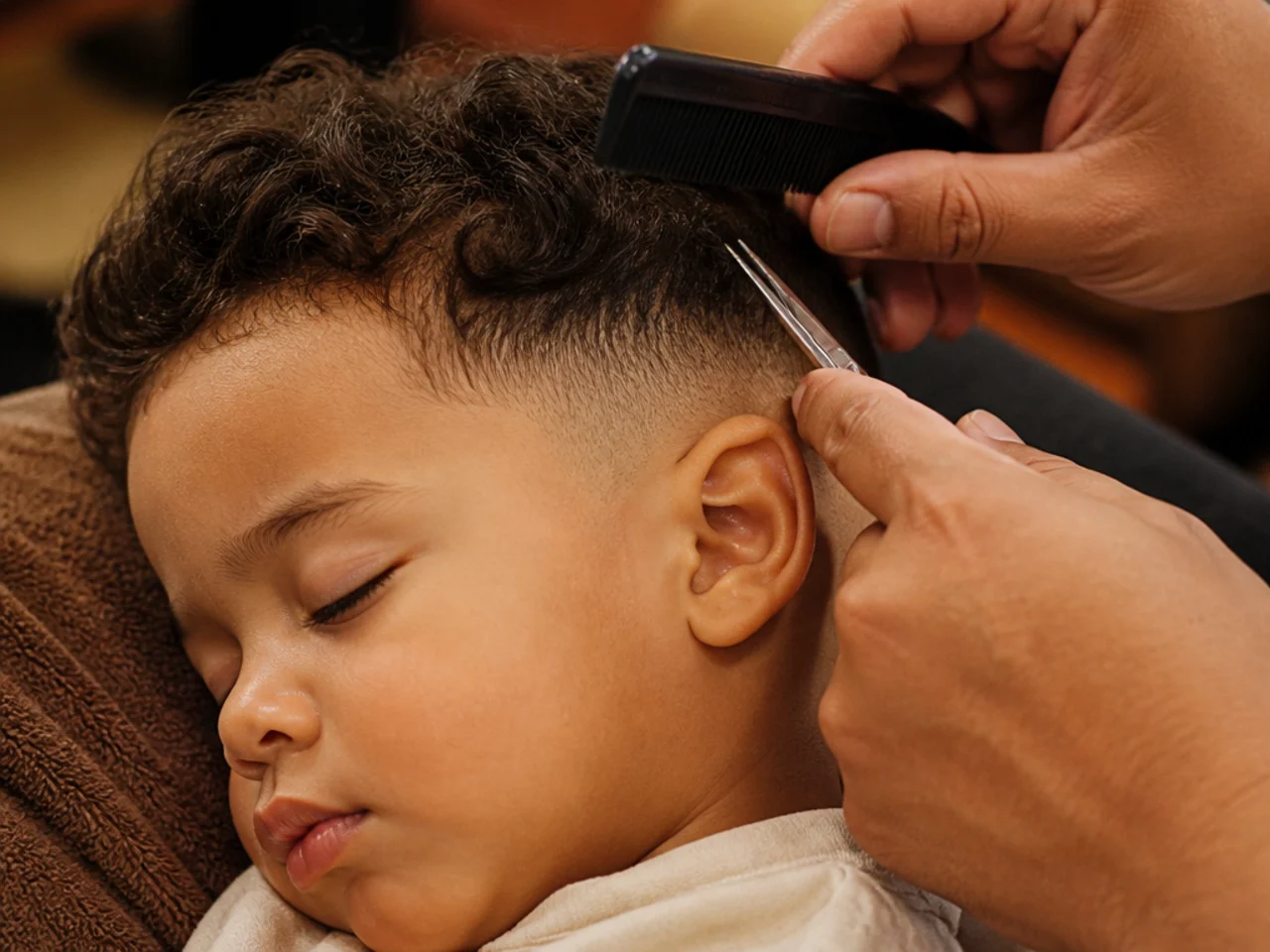
12. Sides First Then Stop
Shortening only the hair sitting over the ears, which is the part that visibly annoys most toddlers. Leaving the top and back untouched costs nothing structurally, because on a one-length shape neither one has to match the sides.
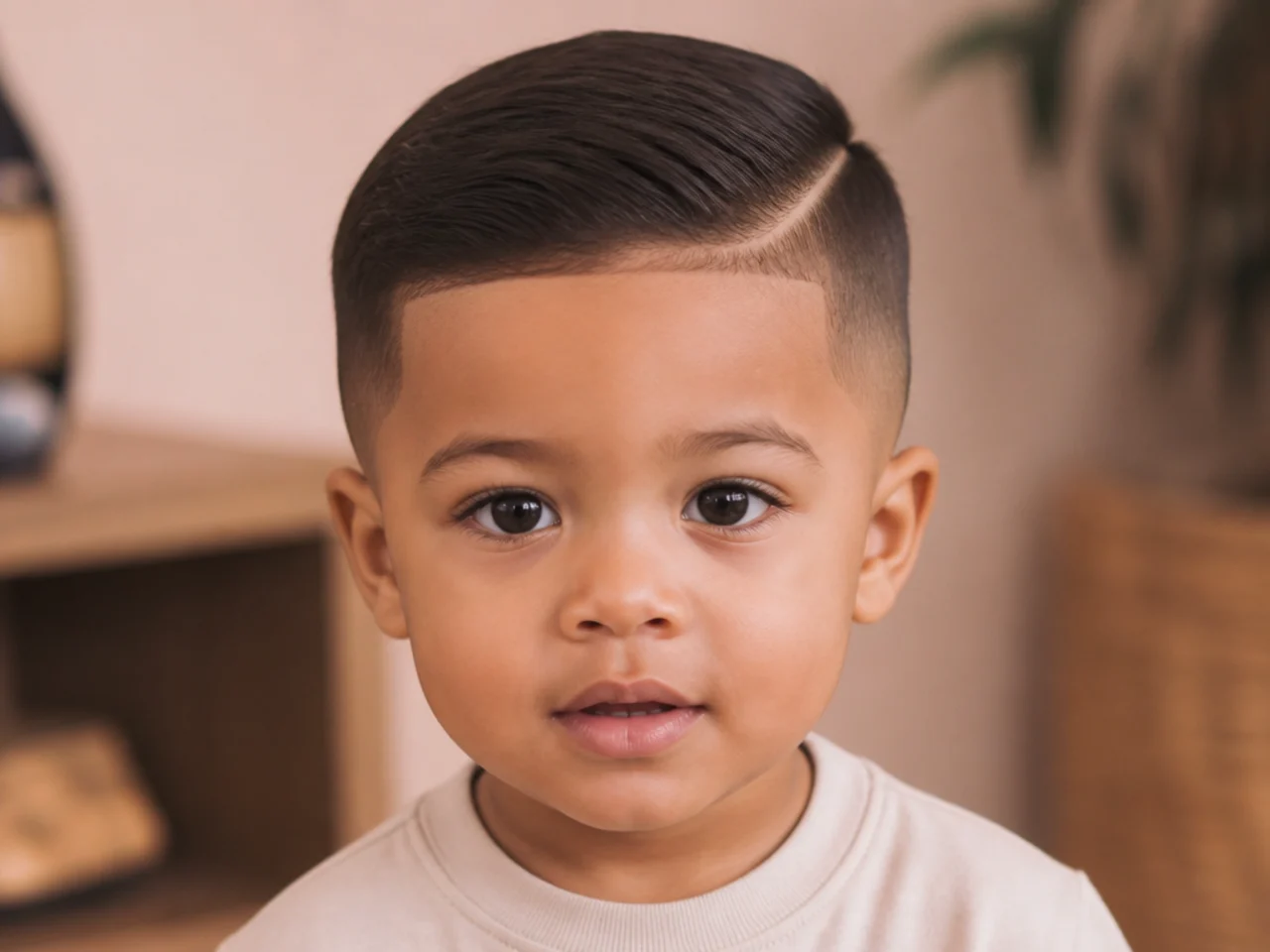
13. Two-Sitting Crop
A short all-over cut split across two evenings, roughly half the head each time. In between he walks around with a slightly uneven crop, which on fine hair reads as texture rather than as an unfinished haircut.
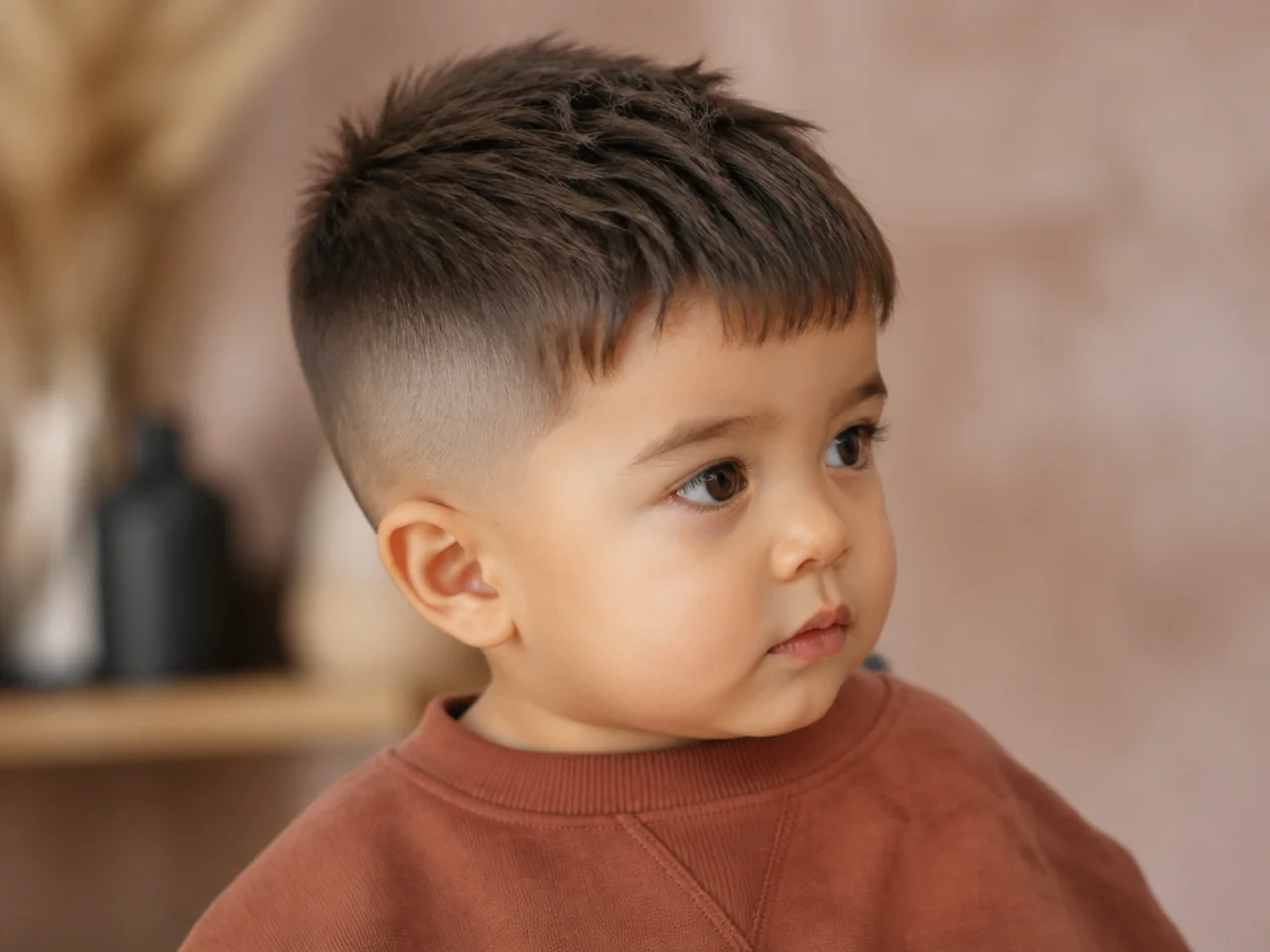
14. Fringe-First Trim
The fringe cut before anything else, on the principle that it is the only section you cannot leave undone. Everything after it is a bonus, and the cut is already a success from the front by the thirty-second mark.
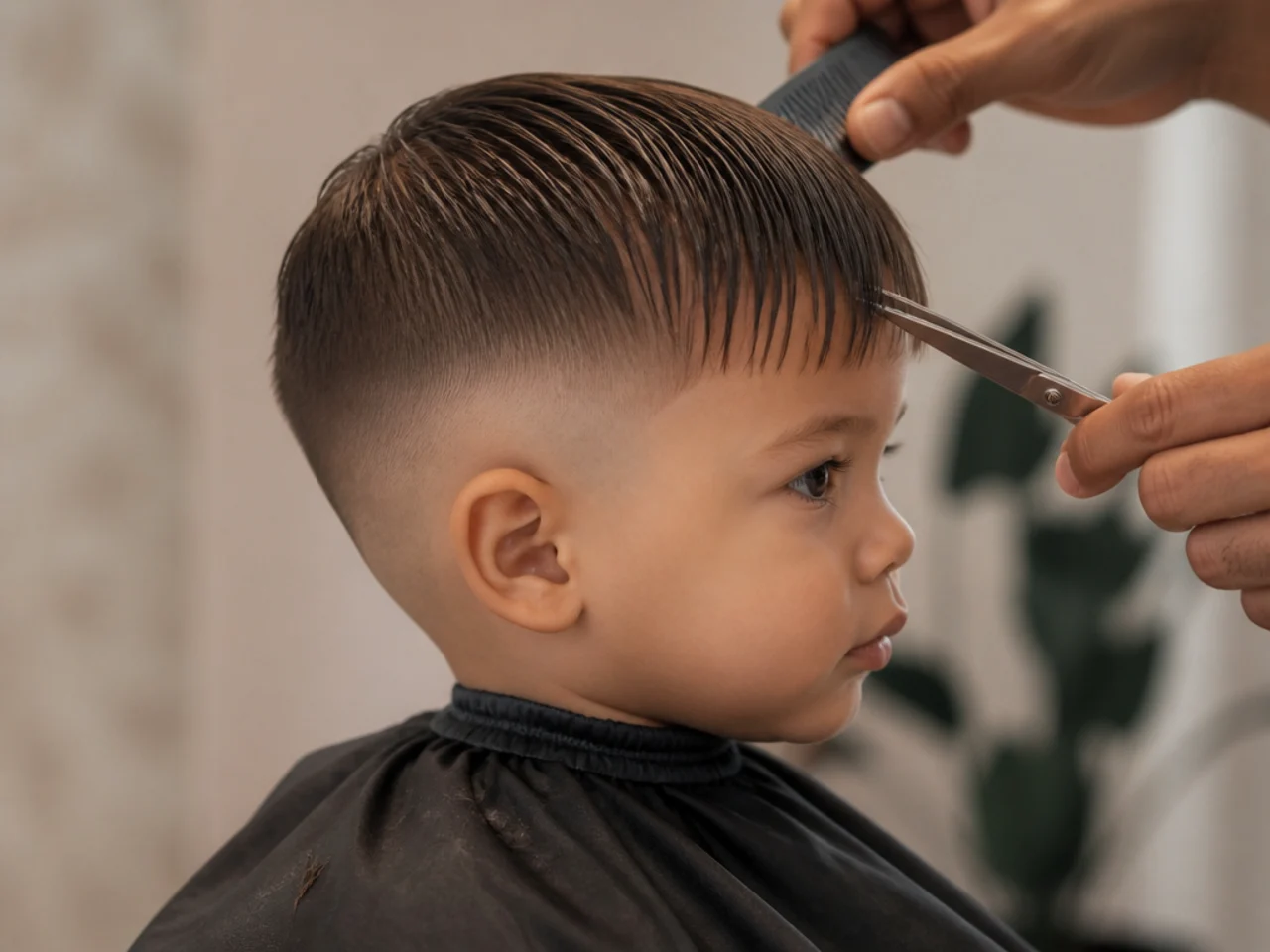
15. Fringe Only, Nothing Else
A whole haircut consisting of one section across the front and no other work at all. It is the most common toddler cut there is because it solves the real complaint — hair in the eyes — without asking for any stillness beyond half a minute.
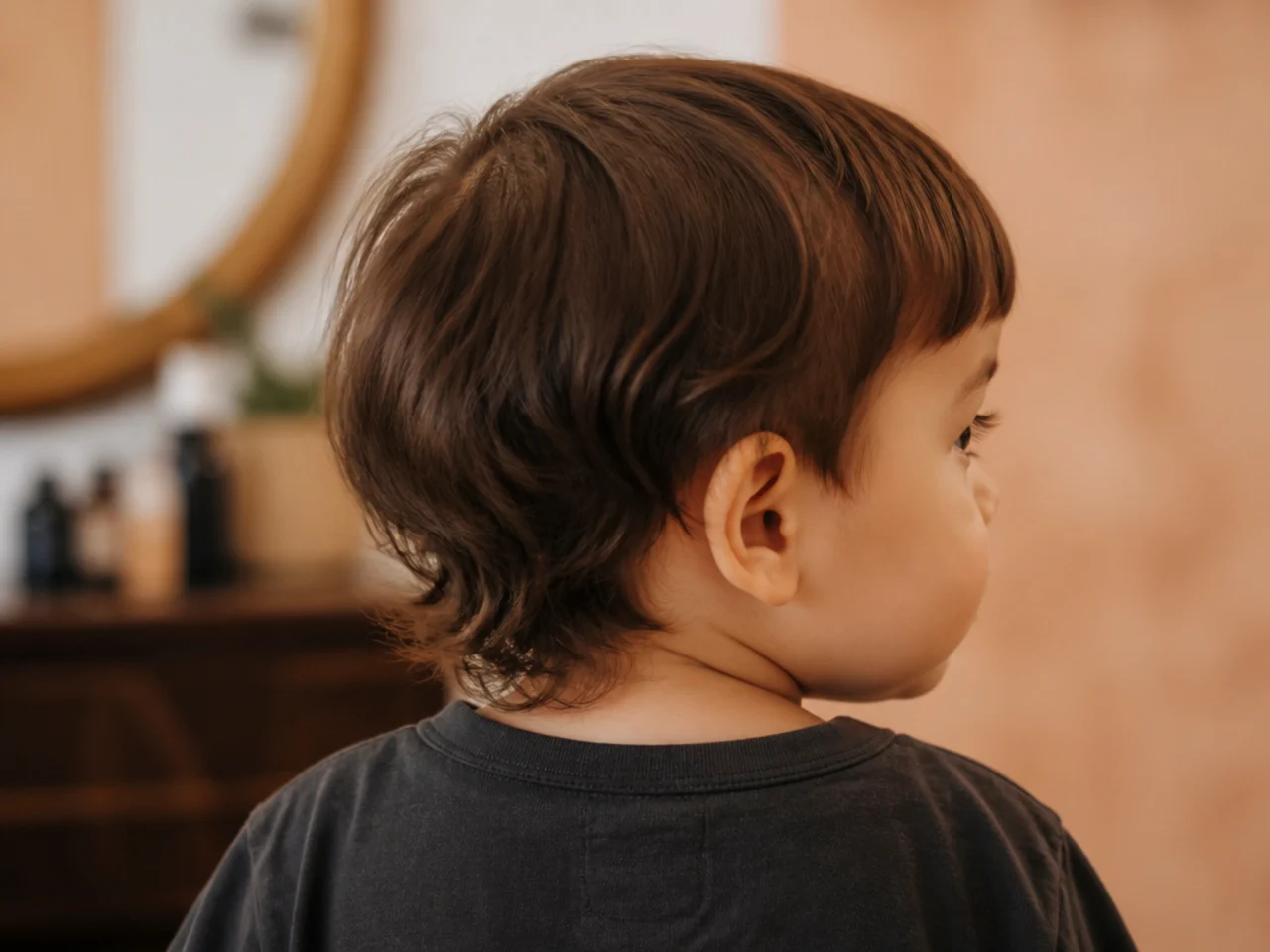
16. Straight Fringe With the Rest Left
A blunt line across the brow with no shaping anywhere else on the head. The blunt line survives being cut in two goes because you can rejoin it exactly where you stopped, which a feathered or tapered fringe does not allow.
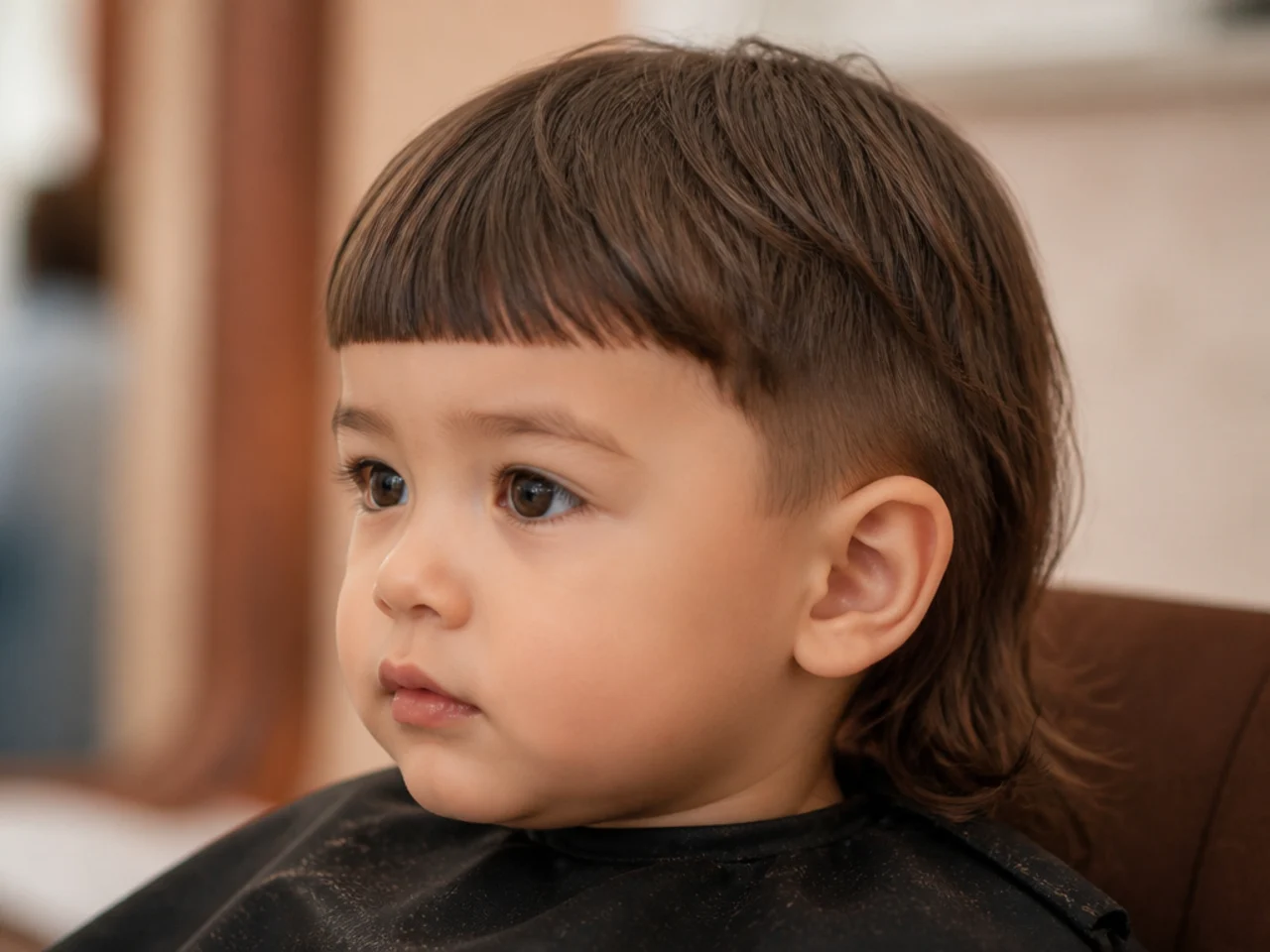
17. Fringe Cut Into a Soft Arc
The front cut slightly longer at the temples than in the middle so it follows the brow line. A curve hides an unsteady hand better than a straight line does, so a wobble halfway through costs you nothing you can see.
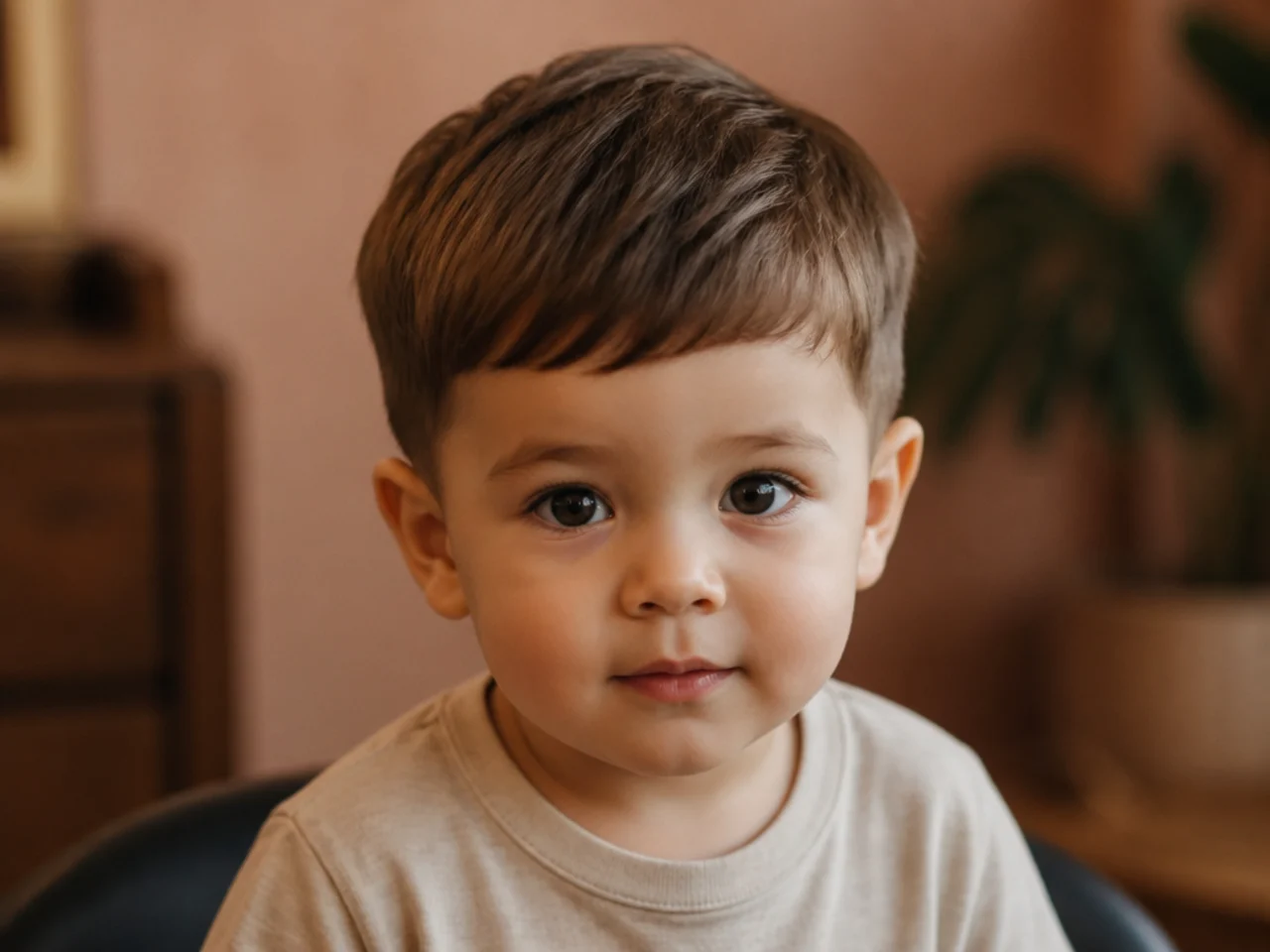
18. Fringe Swept and Trimmed to the Brow
The front combed to one side and cut on the diagonal so it sits just above the eyebrow. Because the line is diagonal rather than level, an interrupted cut leaves a slightly steeper sweep instead of a visible step.
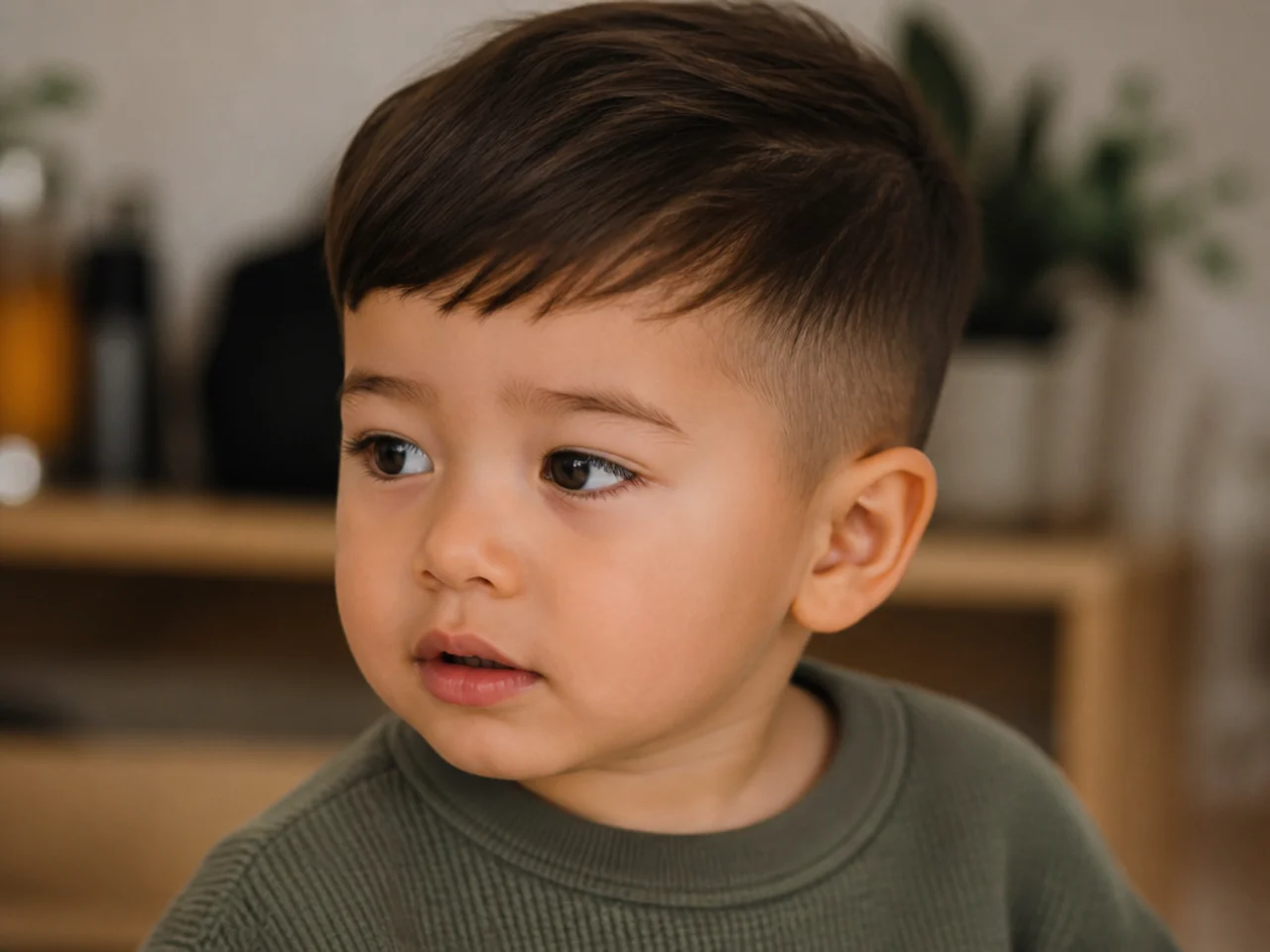
19. Fringe Plus Ears, Then Stop
The two sections that actually cause problems, which are hair in the eyes and hair folding under the ear. Doing only those takes about a minute and leaves the length everywhere else, and that is the point rather than a compromise.
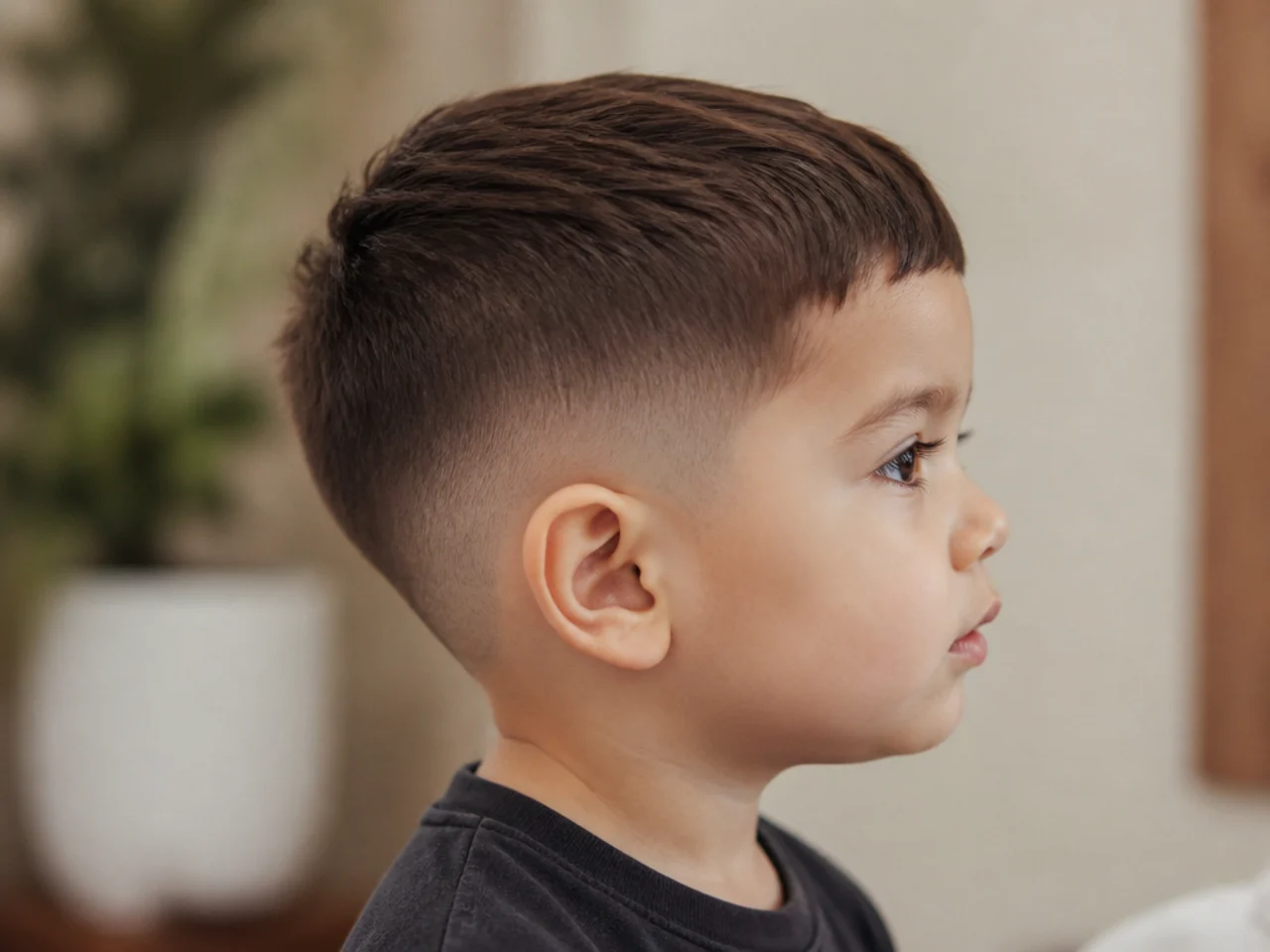
20. Number 4 All Over
One guard at 13mm run over the whole head with no second guard and no blend. There is nothing to complete, so a session that dies halfway leaves one longer patch you can take down in ten seconds another day.
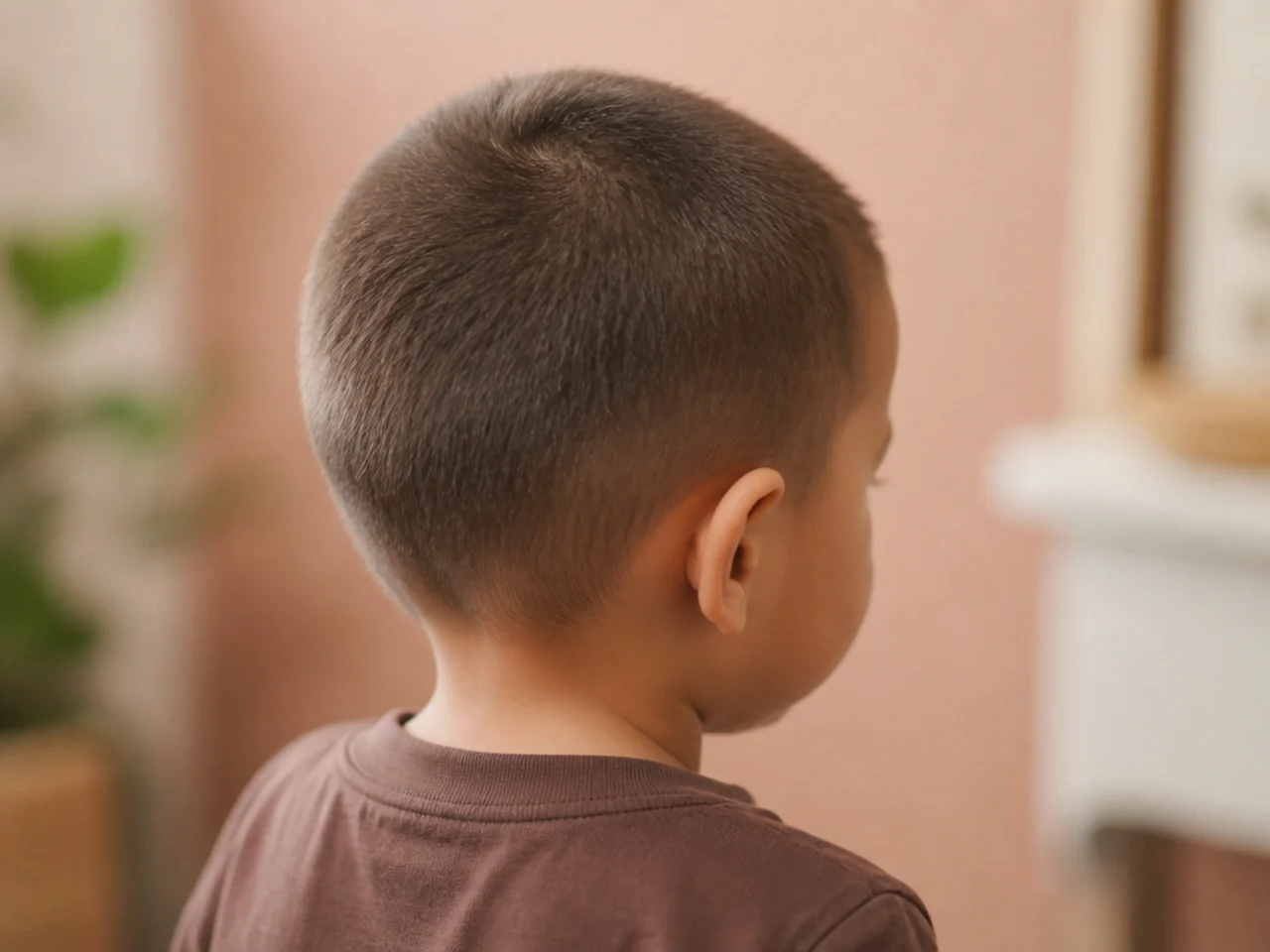
21. Two-Guard Sides With Scissor Top
A #2 on the sides only, with the top cut by hand. A #2 at 6mm sits at the short end of what fine baby hair can cover, so keep it below the temple where density is best, and if you only manage one side the fix is a single stroke on the other.
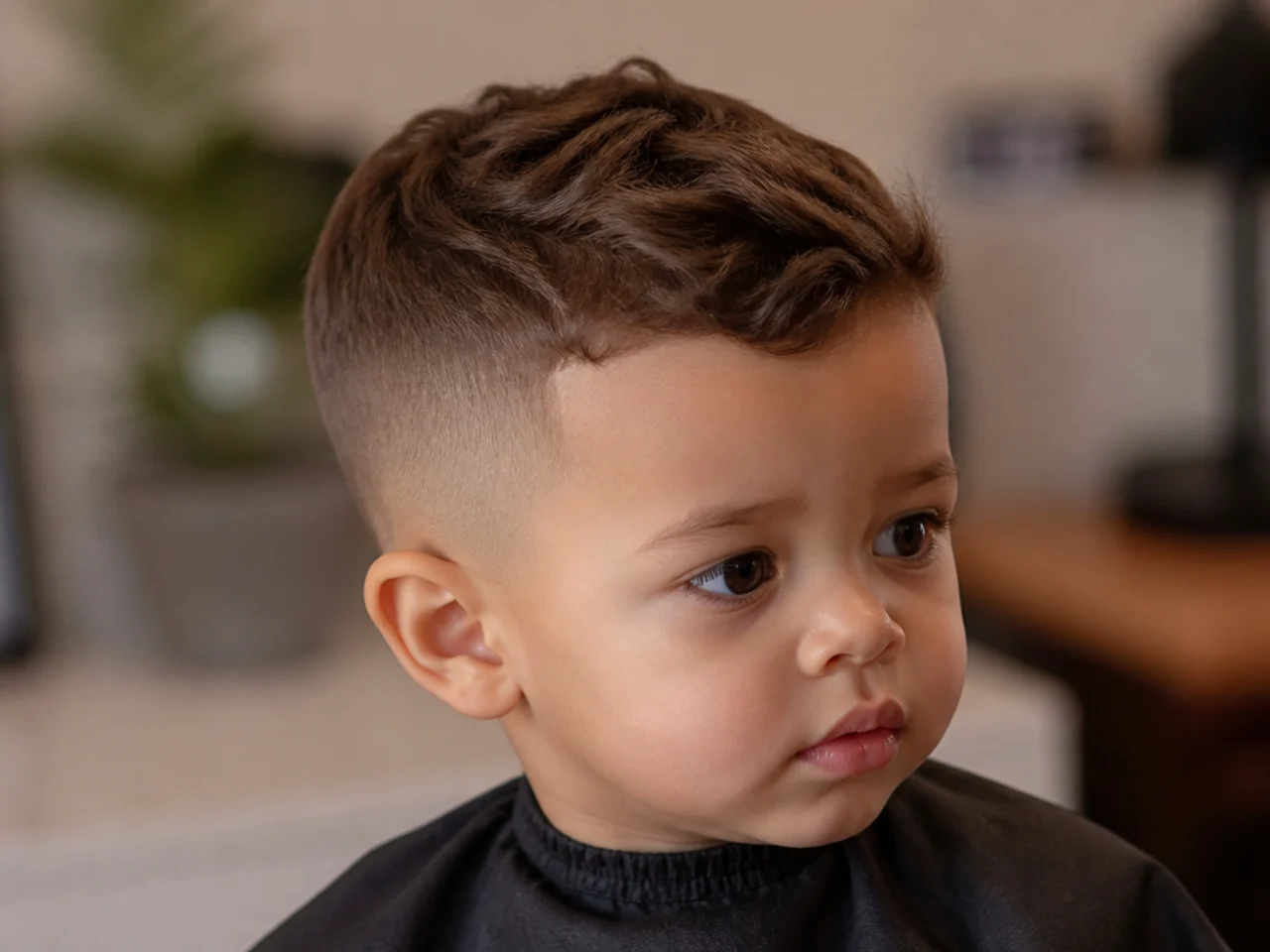
22. Number 3 Back and Sides
A single 10mm pass everywhere below the parietal ridge with the top left untouched. No gradient means no half-finished gradient, and 10mm is the shortest guard that still covers scalp on baby-fine hair.
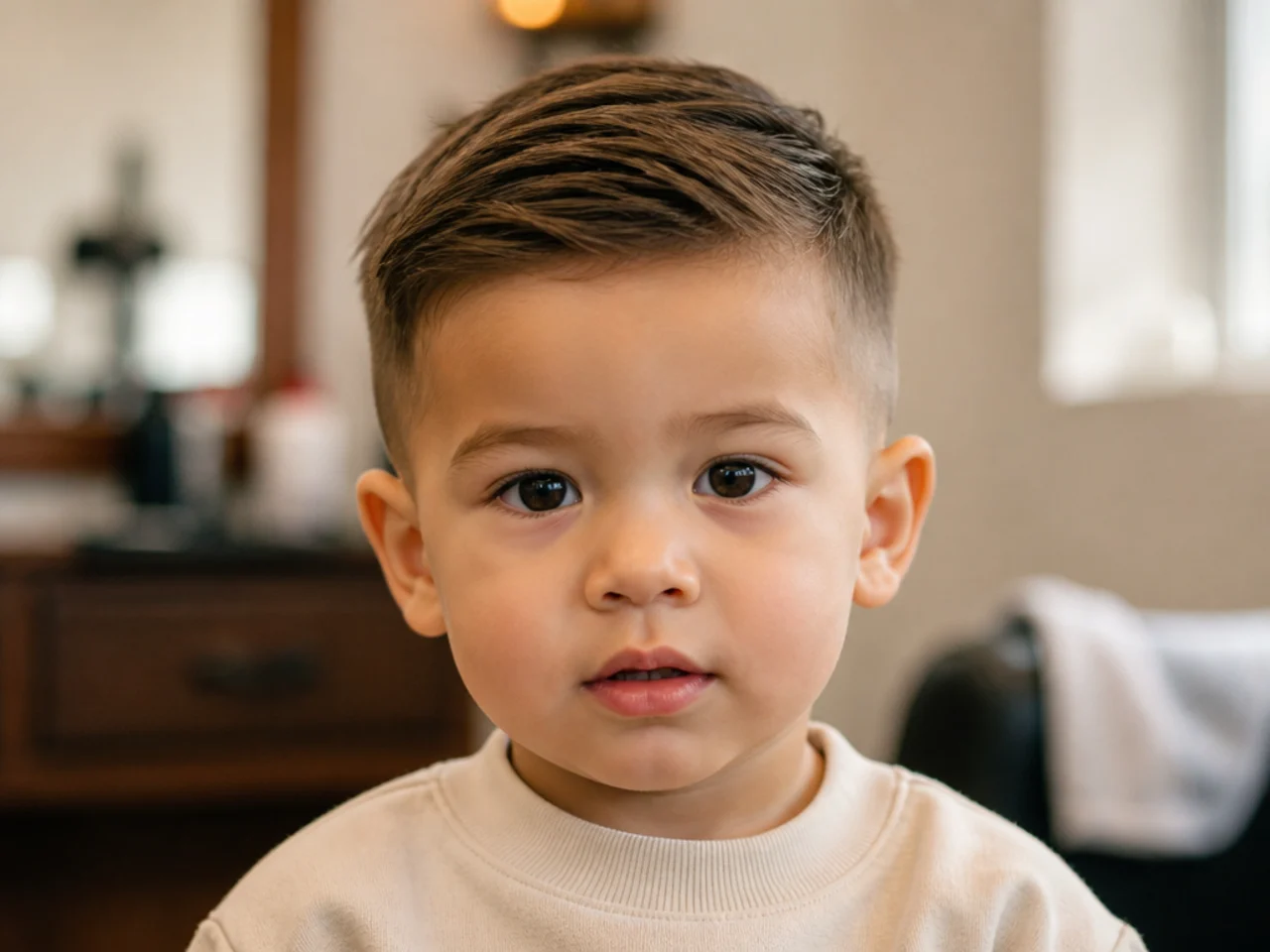
23. Number 4 Top Over a Number 3 Back
Two guards, one uniform length each, with no attempt made to blend the join. The step between 13mm and 10mm is only 3mm, so the unblended join reads as soft on fine hair and can be left permanently rather than becoming a task.
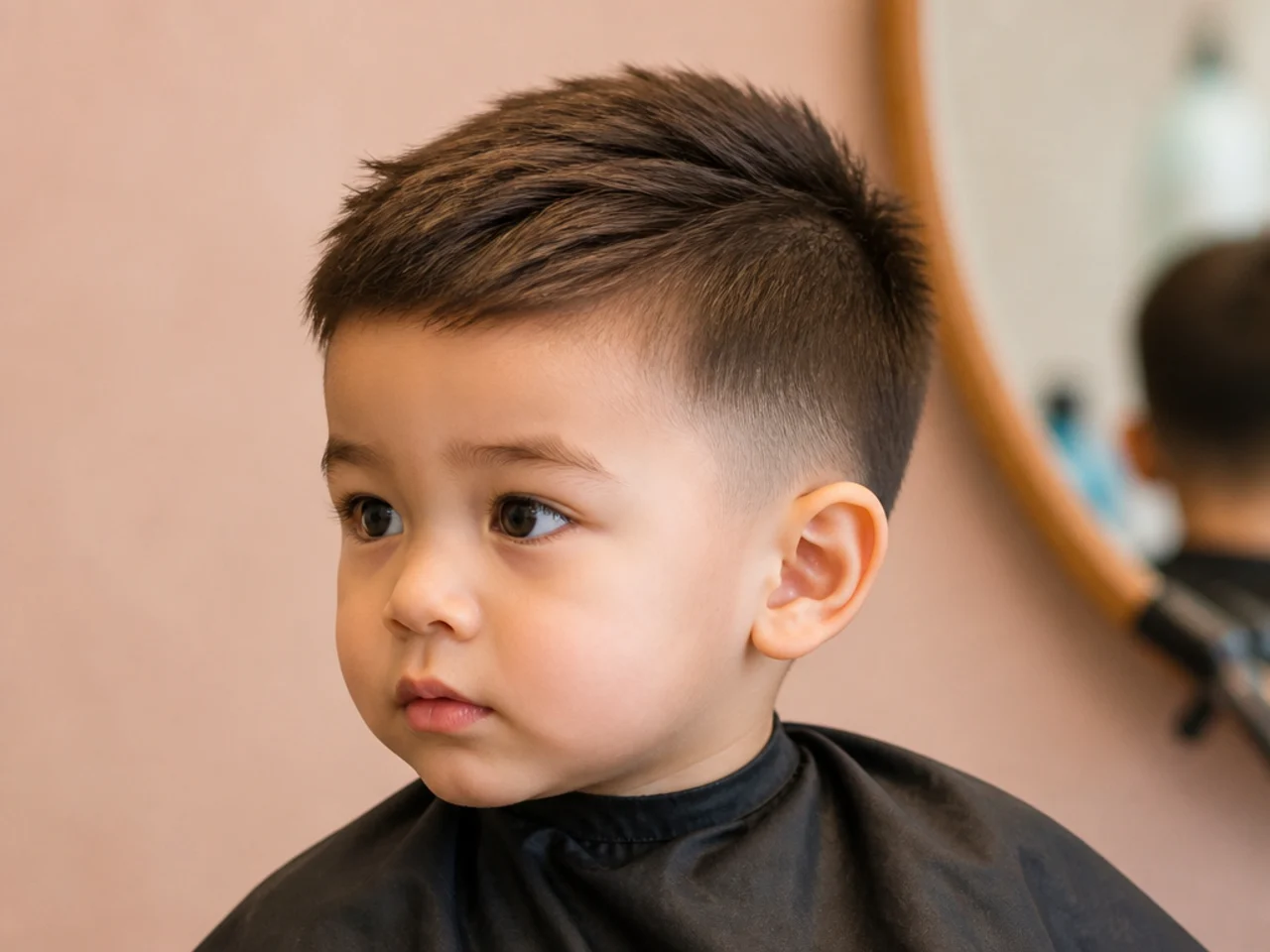
24. Clipper Over Comb on the Sides Only
The clipper run over a comb held away from the scalp, so the machine never touches his head. It is slower than a guard but you can lift off instantly when he moves, and stopping mid-section leaves a soft edge rather than a line — it is the technique worth practising first if you are cutting at home.
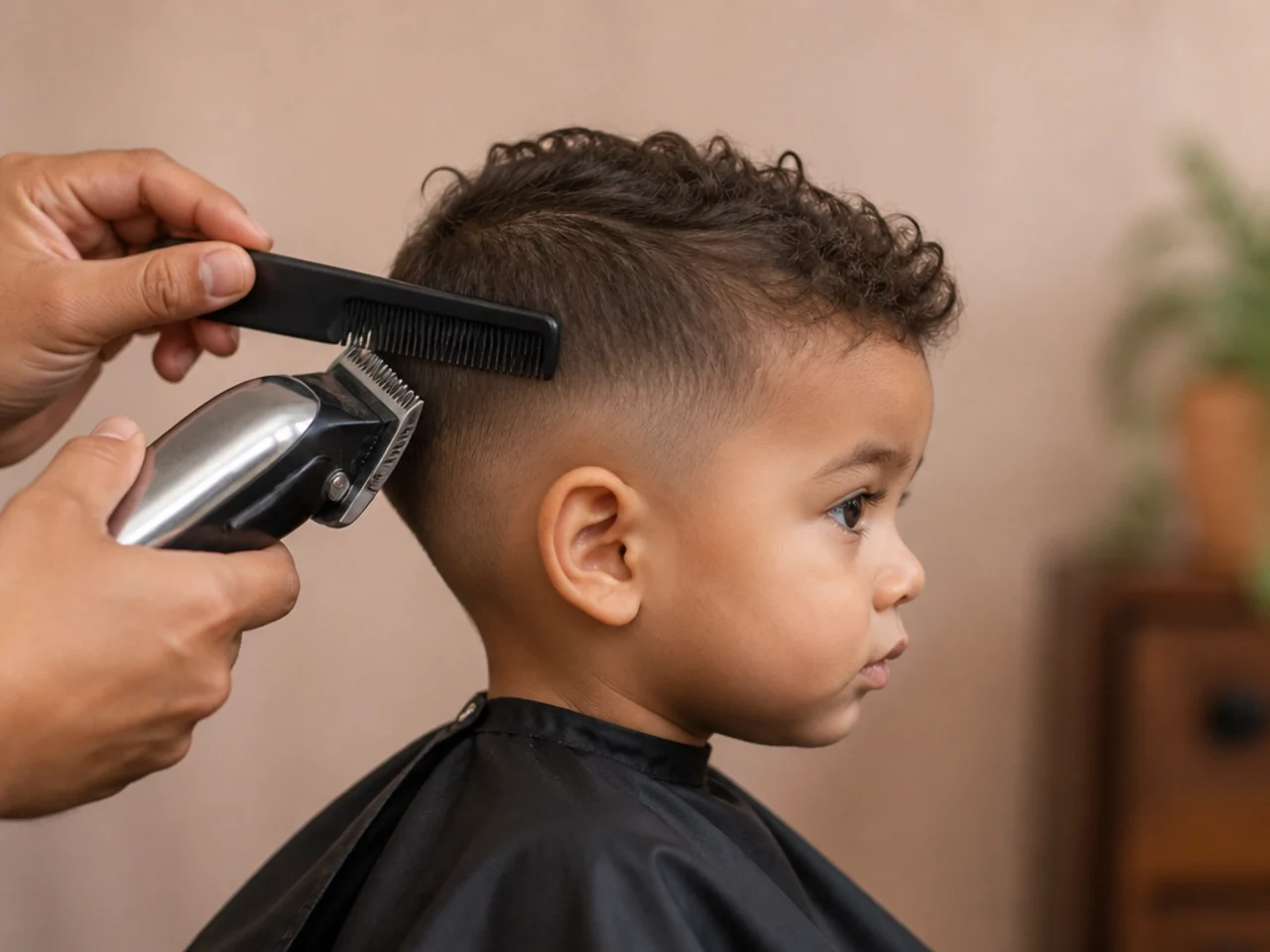
25. Number 4 Sides With the Fringe Cut First
Fringe by hand in the opening seconds, then a single long guard on the sides for as long as he tolerates it. The order is the whole idea, because the part that shows is banked before the part that does not.
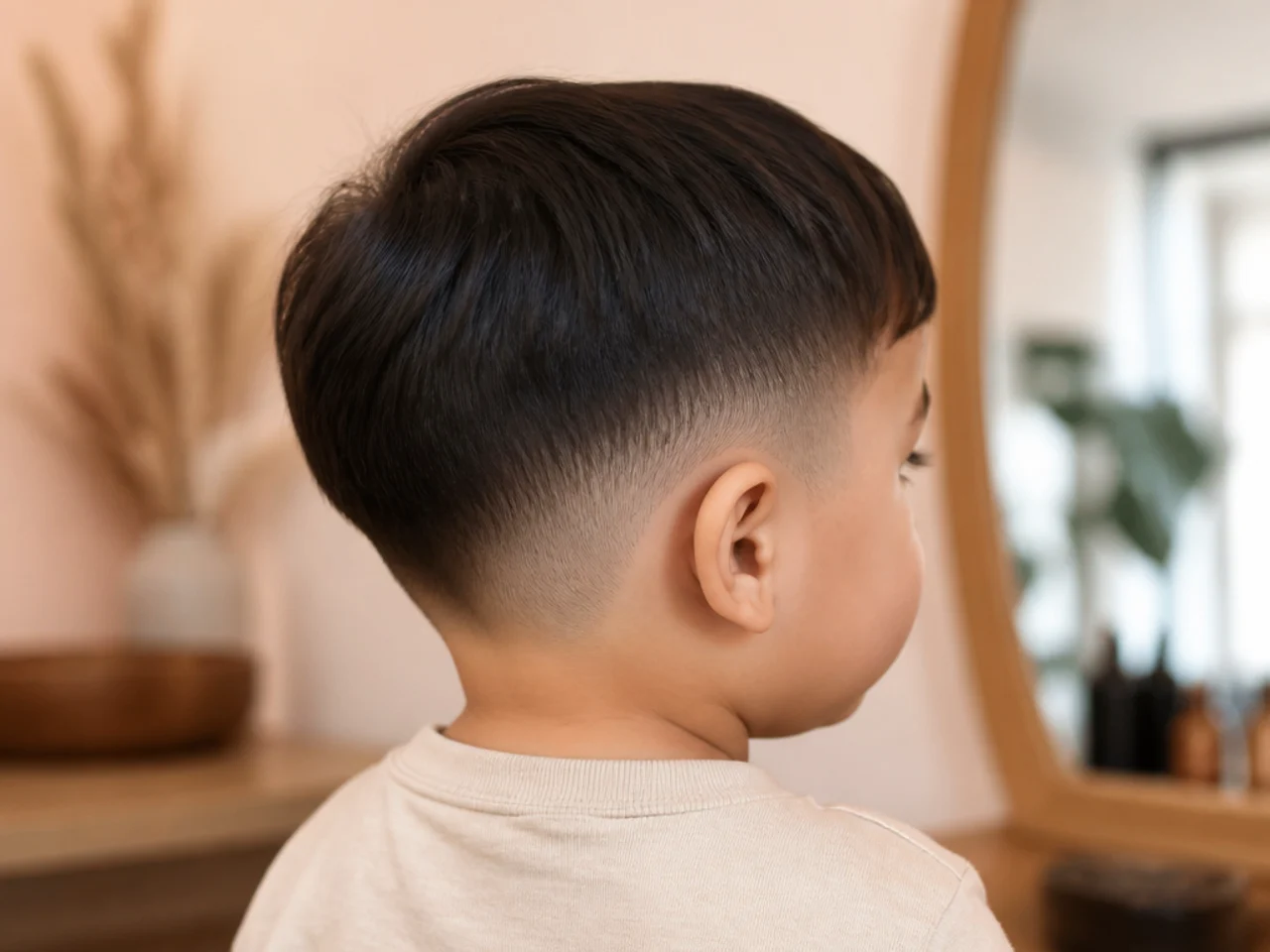
Styling and Upkeep
Wash with water and nothing else. Baby-fine hair carries product badly, and none of it would stay on a toddler past lunchtime anyway.
Brush the fringe down before you judge the cut. Fine hair separates as it dries, and a fringe that looked crooked while damp usually sits level once it has settled.
Book the second sitting inside a week. An unfinished section grows at the same rate as the rest, so the longer you leave it the wider the gap between the two halves gets.
Photograph the finished shape from the front and one side. It becomes the reference for the next attempt and it also shows you which section you actually skipped.
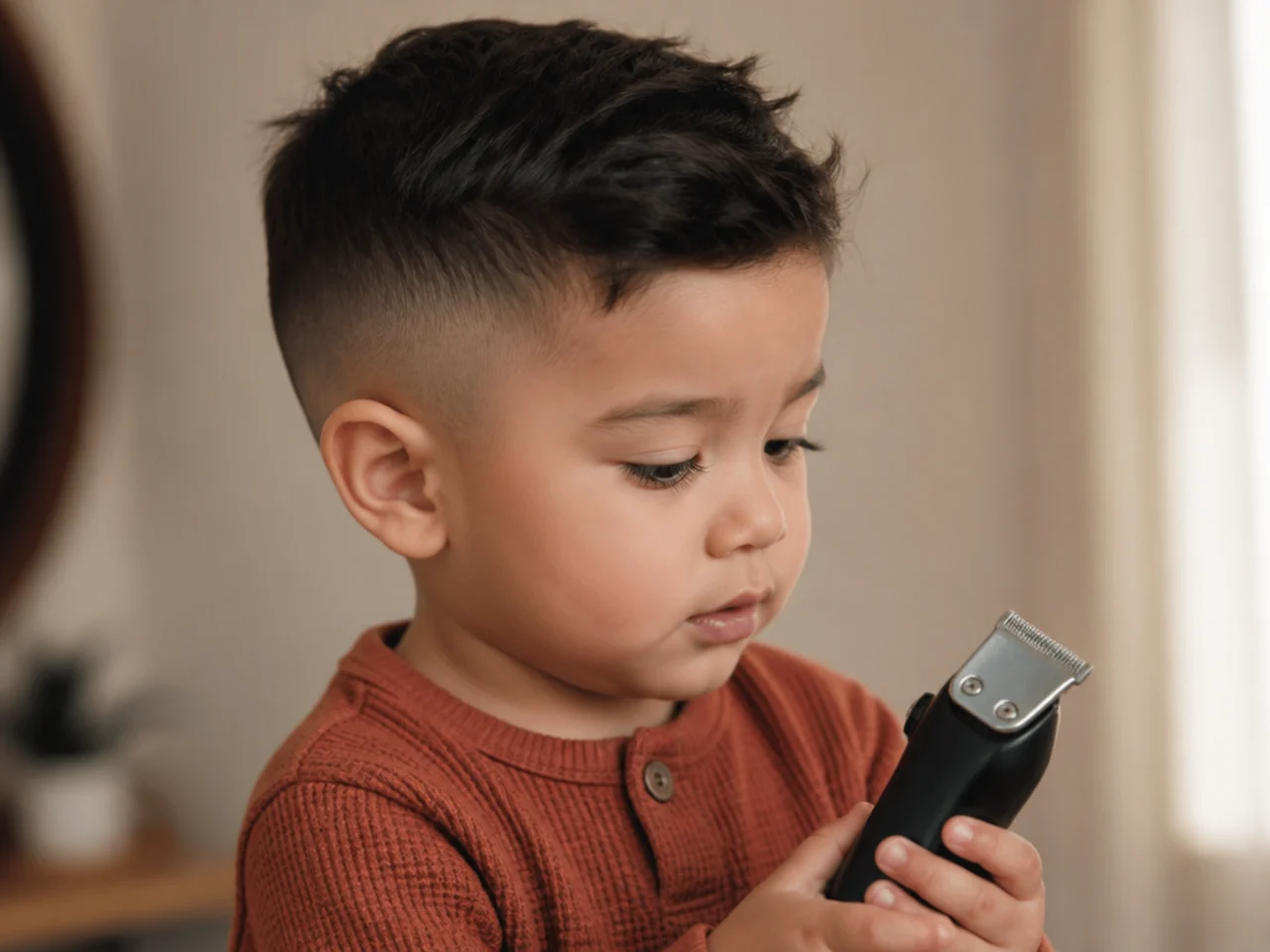
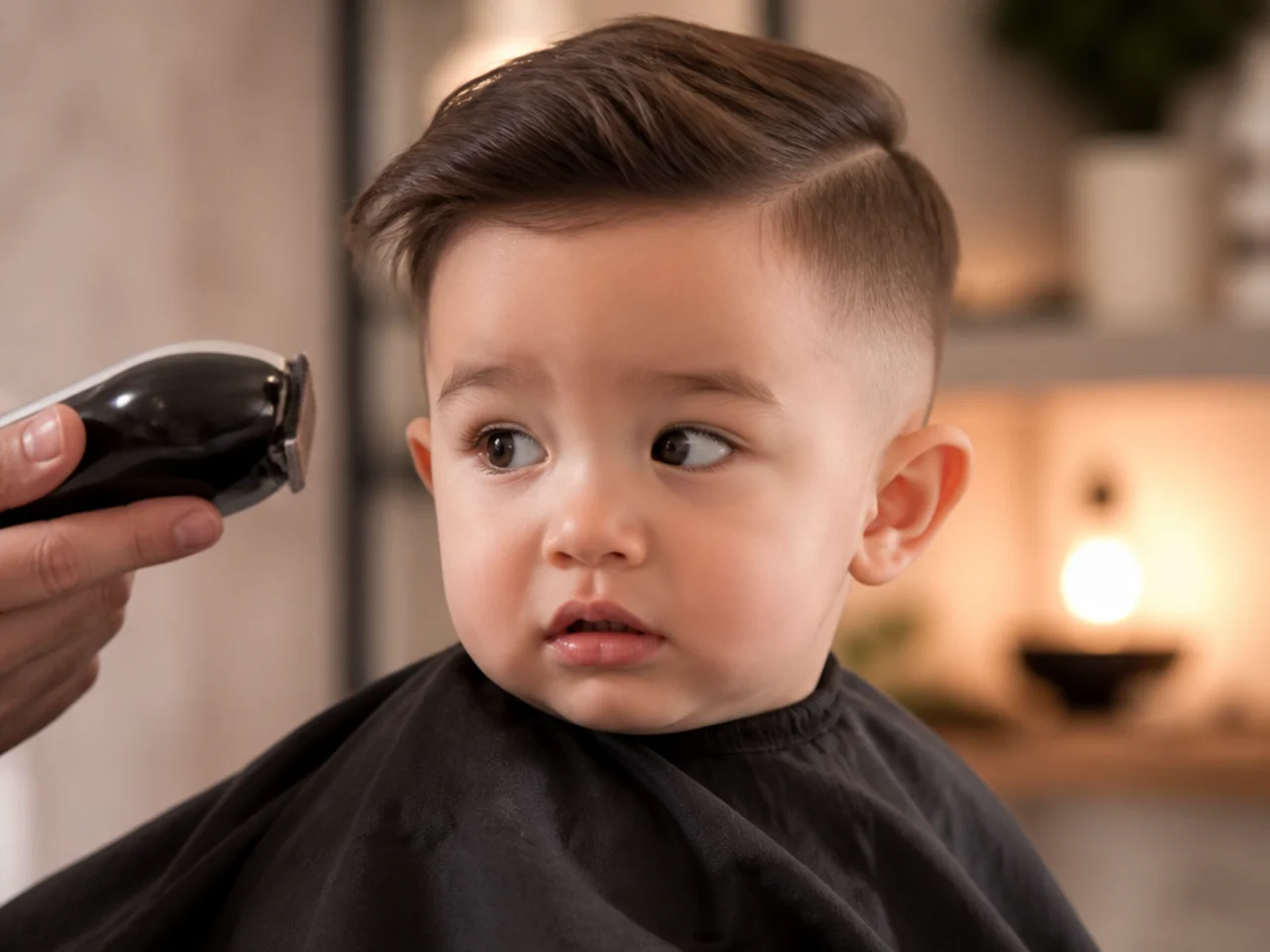
Let him hold the clipper switched off first. The motor is what most toddlers object to rather than the cutting itself, and thirty seconds of holding it silent buys you minutes later.
Mistakes to Avoid
Starting at the back. It is the section nobody sees, and spending the first and best minute there means the fringe gets cut on a child who has already had enough.
Asking for a skin fade. It needs a bare blade held against a still scalp and it cannot be abandoned partway, which is two disqualifying problems in one cut.
Alternating sides for evenness. It doubles the number of stillness windows the cut needs and leaves you two half-done sides when it fails.
Going shorter than a #3. At 6mm and below, fine baby hair stops covering the scalp and the cut reads patchy instead of short.
Chasing a moving head with the clipper. Lift off, wait, start again — a missed stroke costs you nothing and a chased one costs you a stripe.
FAQ
What is the easiest toddler cut to finish? A one-length scissor shape, because there is no gradient waiting to be completed.
Fringe first or last? First. It is the only section that shows in every photograph.
Can I finish the cut tomorrow? Yes, if you planned it in sections rather than in blended passes.
Final Thoughts
Choose the cut by picturing it abandoned. A shape that only works once every pass is finished is the wrong shape for a child who decides when the haircut is over, and there are twenty-five here that do not have that problem.
If you do want a clippered shape eventually, the toddler burst fade guide walks through the arc step by step, and the best hair clippers for men roundup covers the low-noise models that matter most at this age. More in Men's Haircuts.