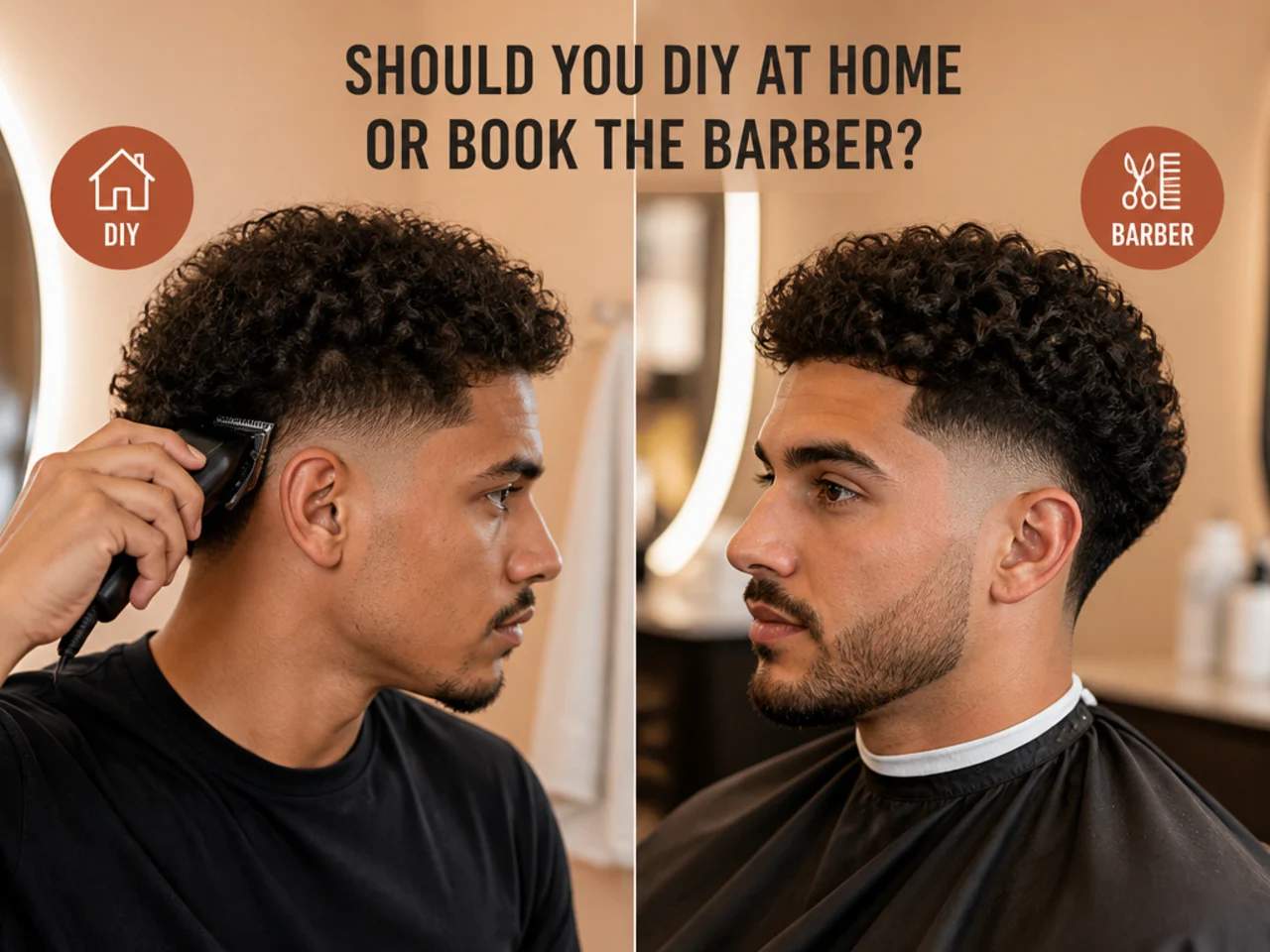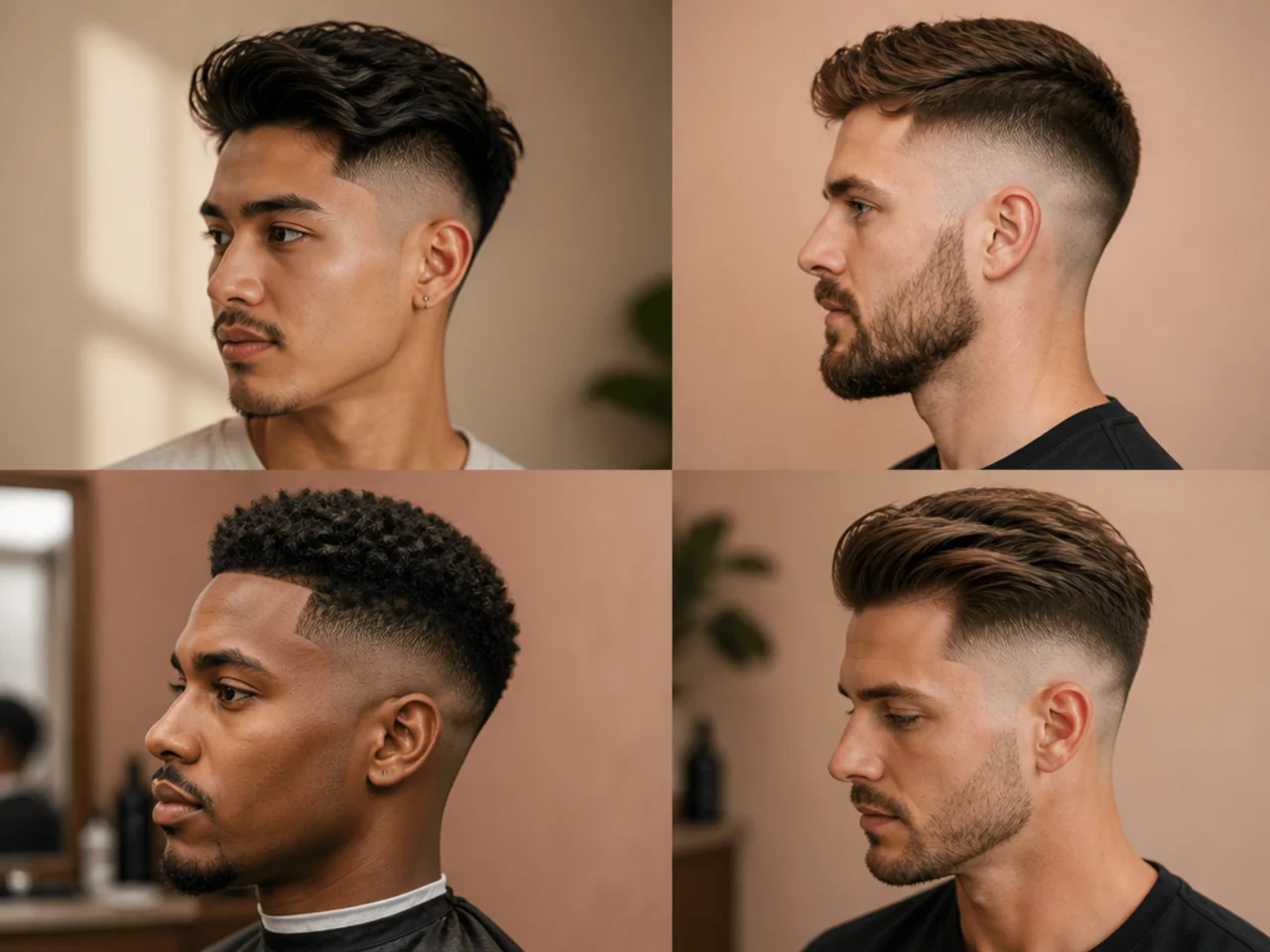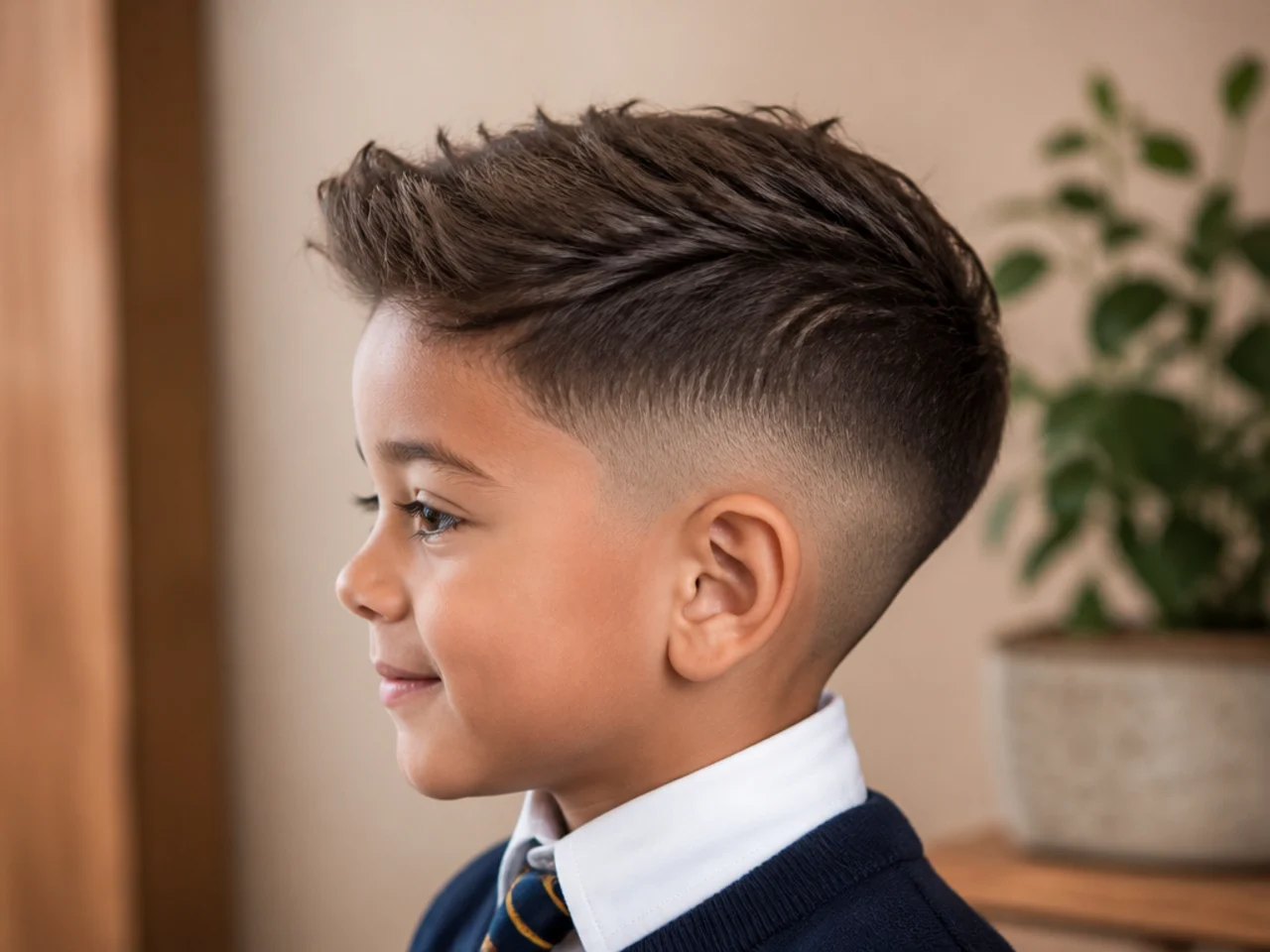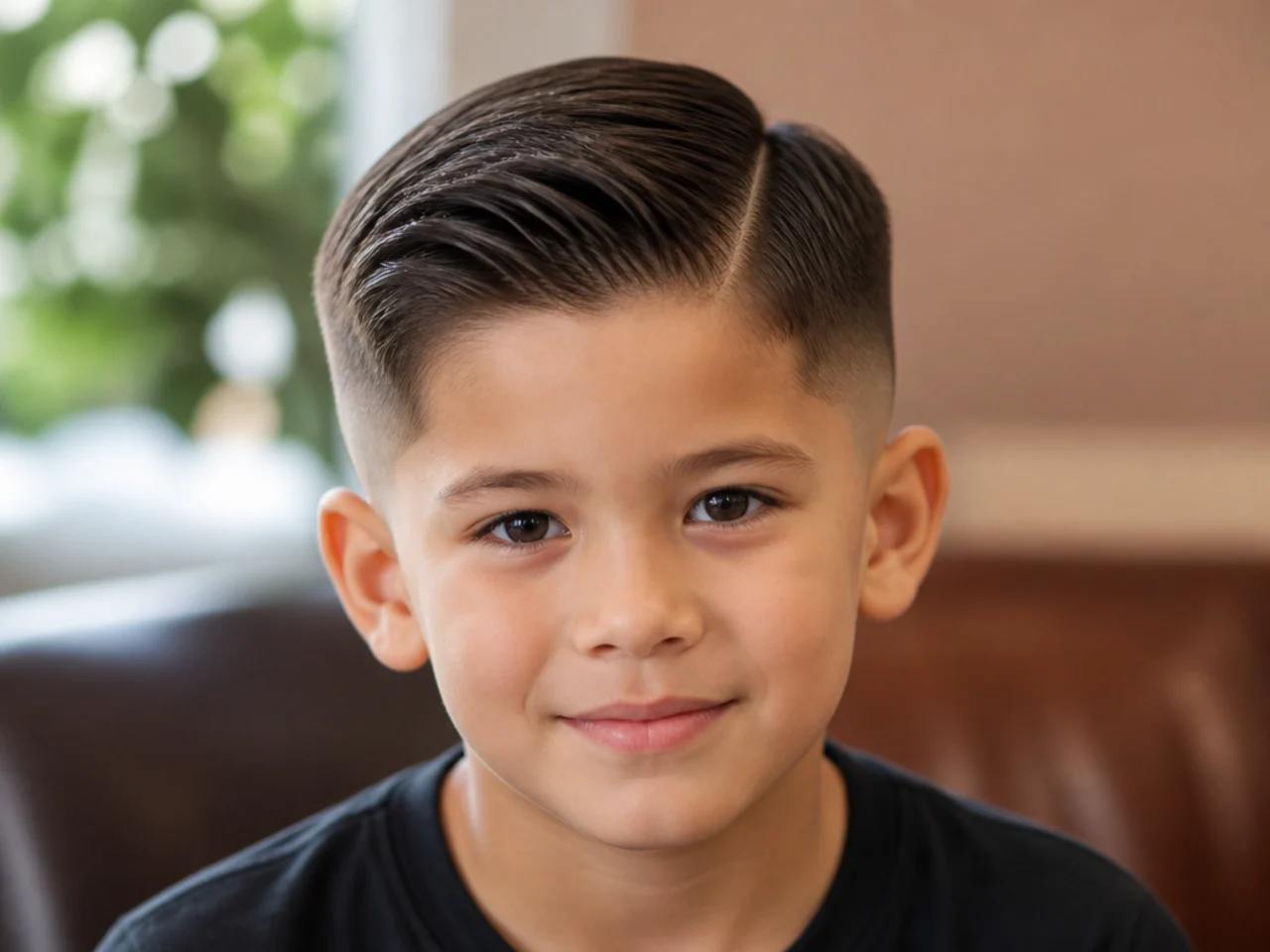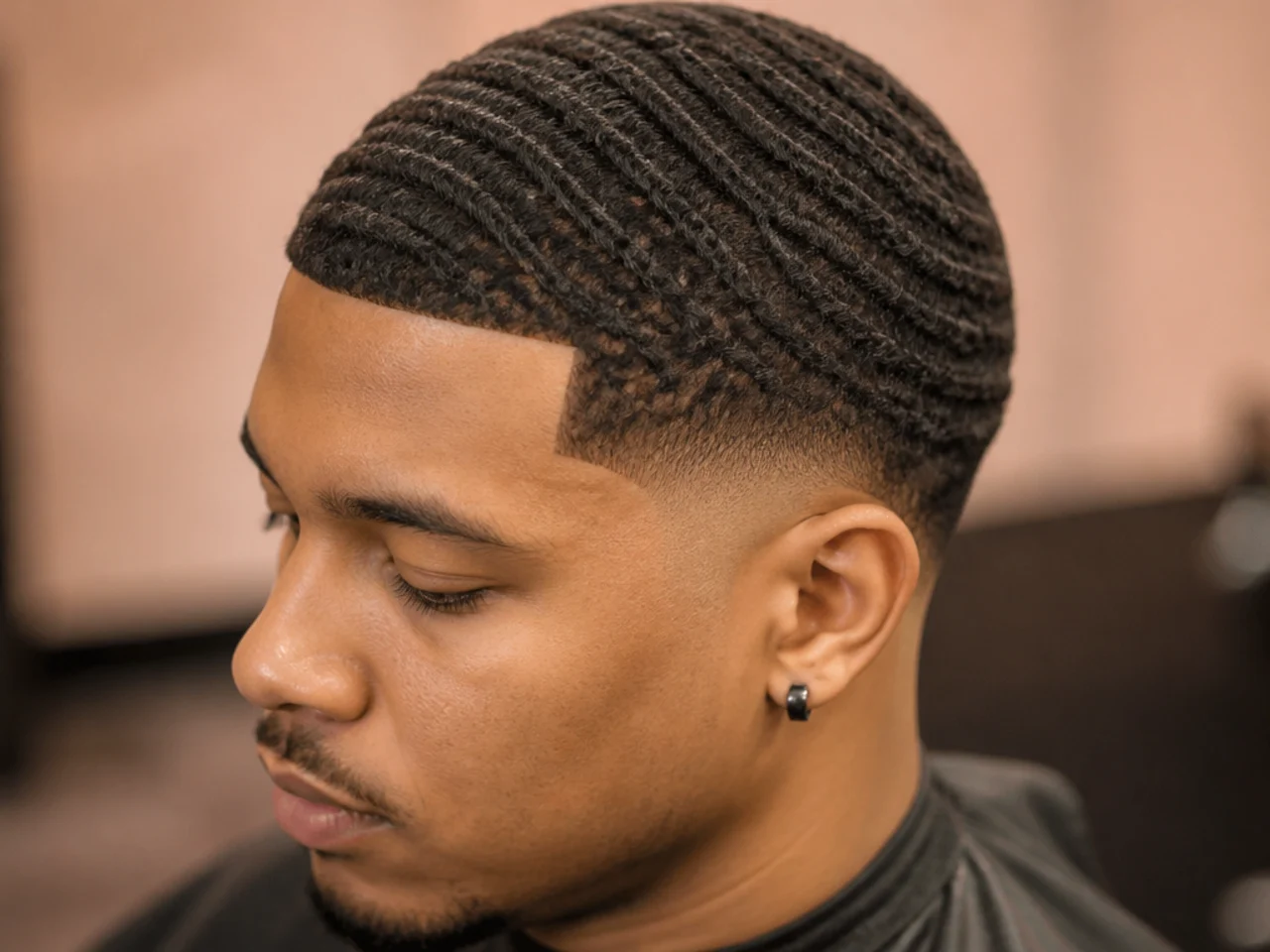
15 Mid Fade Haircut Ideas With Waves
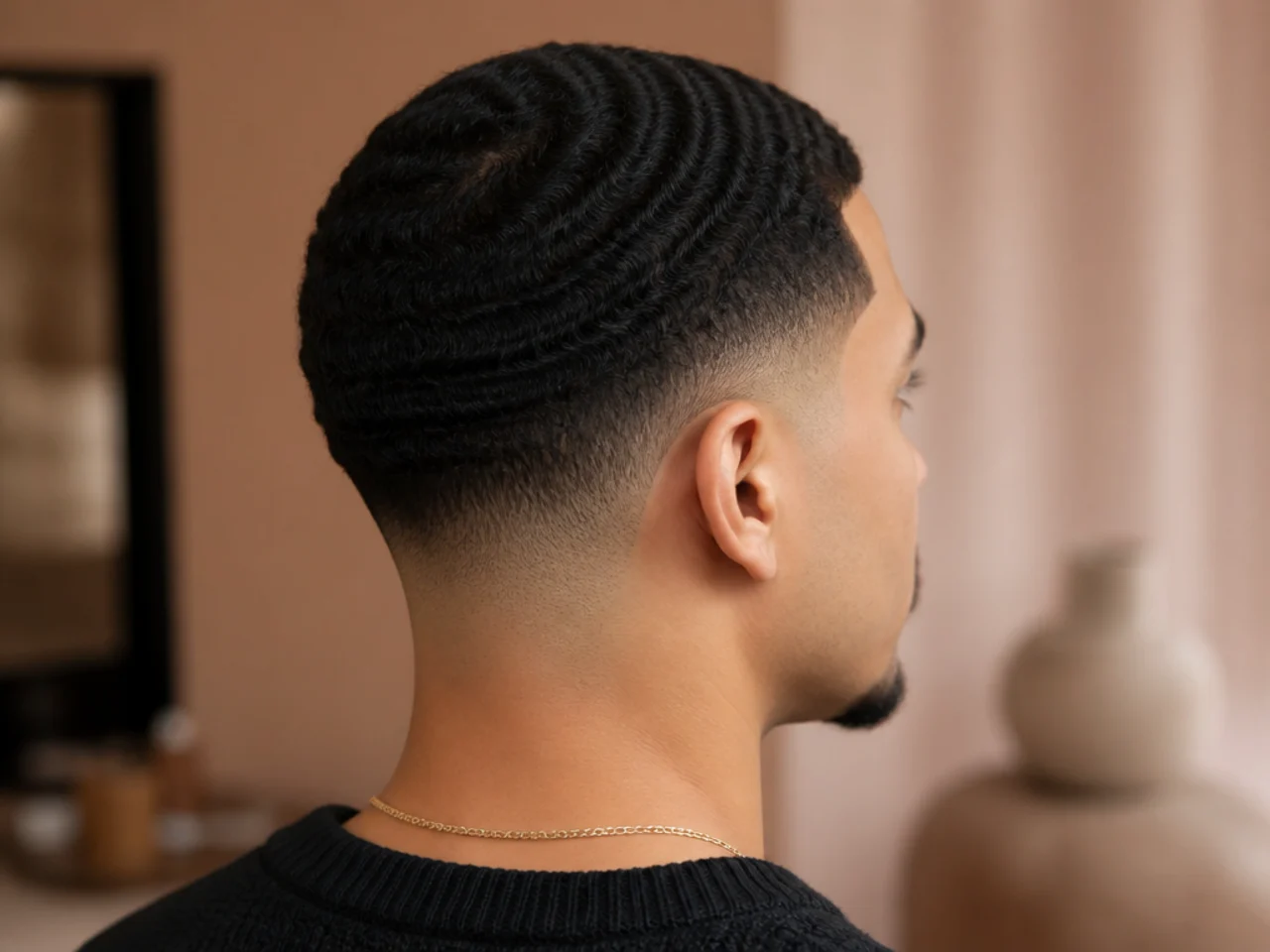
A wave pattern only exists where there is hair long enough to lay down, so a fade sets the boundary of the wave field. A mid fade puts that boundary at the widest point of the head, which is where waves are most visible in profile.
In this article · 22
- Where the Wave Field Ends
- How to Choose Yours
- The 15 Mid Fade and Wave Combinations
- 1. Classic 360 Waves With a Mid Fade
- 2. Mid Skin Fade With Waves
- 3. Mid Taper With Waves
- 4. Waves With a Mid Drop Fade
- 5. Waves With a Mid Burst Fade
- 6. Mid Fade With a Line-Up
- 7. Deep Waves Over a Mid Fade
- 8. Shallow Waves Over a Mid Fade
- 9. Mid Fade With Waves and a Beard
- 10. Mid Fade With Waves and a Hard Part
- 11. Mid Fade With a Design Below the Waves
- 12. Waves With a Mid Fade and Enhanced Contrast
- 13. Mid Fade Waves With a Sharp Nape
- 14. Mid Fade Waves, Week One
- 15. Mid Fade Waves, Week Three
- Styling and Upkeep
- Mistakes to Avoid
- FAQ
- Final Thoughts
Waves are a trained pattern, not a texture you are born wearing, and they only exist where the hair is long enough to lie down against the scalp.
A fade sets the bottom edge of that pattern. Below the line the hair is too short to lay, so the rows simply stop.
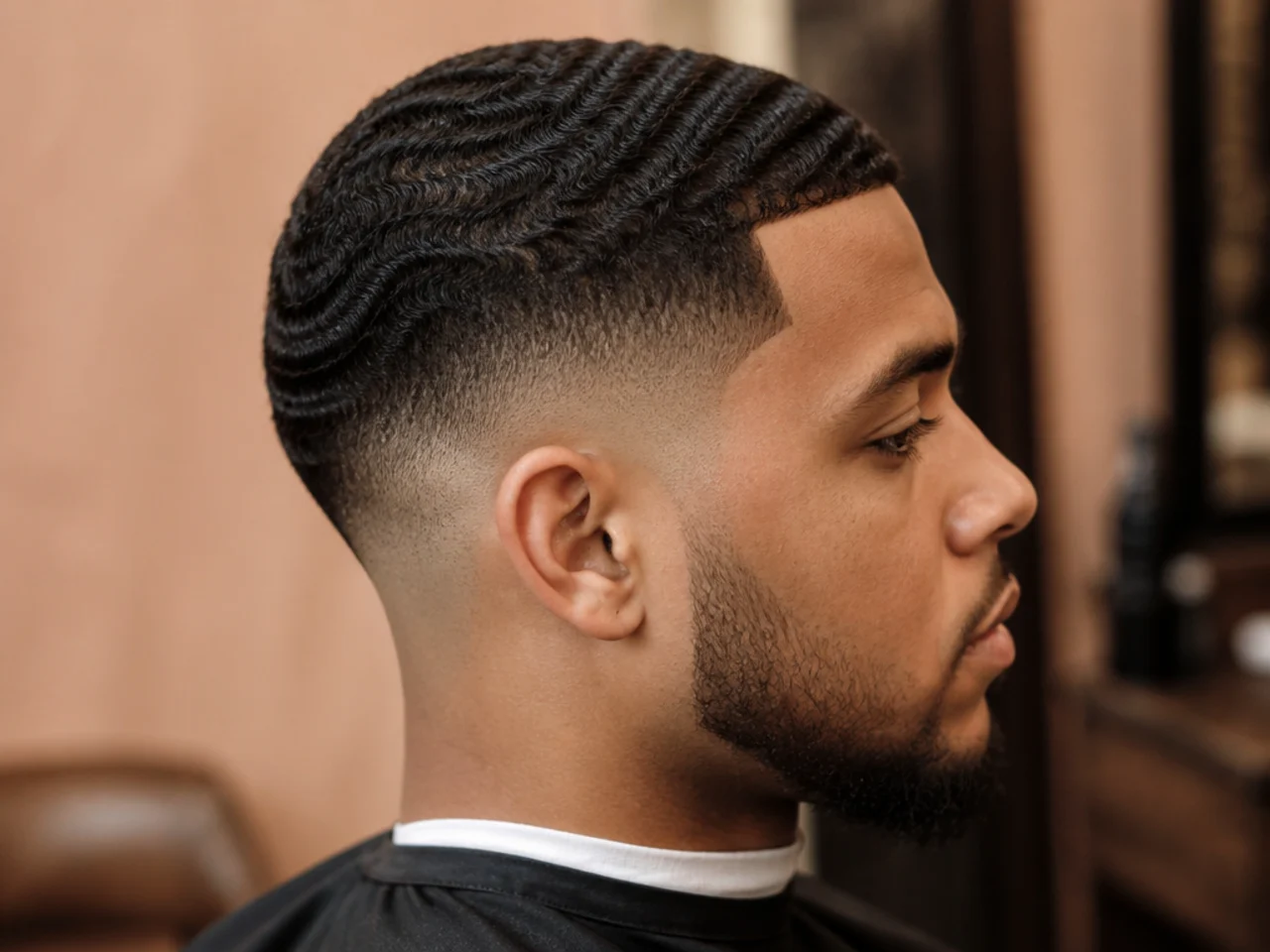
A mid fade puts that edge at the widest point of the head. Between the temple and the parietal ridge is exactly where a profile photograph shows the most wave rows at once.
Where the Wave Field Ends
Waves need length to lay. Below roughly 3mm the hair stands rather than lies, and a standing hair cannot form a row.
The fade's top guard is the real boundary. Whatever number the blend starts at is the shortest hair still holding a pattern.
Mid height splits the field in half. Rows survive on the crown and upper sides, and disappear below the temple line.
A low fade keeps almost all of it, a high fade keeps a cap. Mid is the compromise, and it is the one most wavers settle on.
How to Choose Yours
Ask for the blend to start at a #1 or #1.5. Starting the fade at 3mm gives the last row of waves something to sit in rather than cutting through it.
Decide whether the rows should stop or dissolve. A crisp change reads graphic, a long blend reads like the waves are fading out on their own.
Count your brushing weeks before you set the height. A young pattern cannot afford to lose the lower rows, so start low and move up later.
Say mid fade and name the landmark. Between the temple and the parietal ridge removes all the guesswork about how much pattern you are giving up.
The 15 Mid Fade and Wave Combinations
1. Classic 360 Waves With a Mid Fade
The full pattern brushed all the way around, cut off at the mid line. The rows run uninterrupted from the crown to the temple, which is the version that photographs best from the side because the widest part of the head carries the most rows.
2. Mid Skin Fade With Waves
The blend taken to bare skin below the line. The contrast between a dark, dense wave field and clean scalp is the strongest this combination gets, and it is also the version that blurs first, in one to two weeks.
3. Mid Taper With Waves
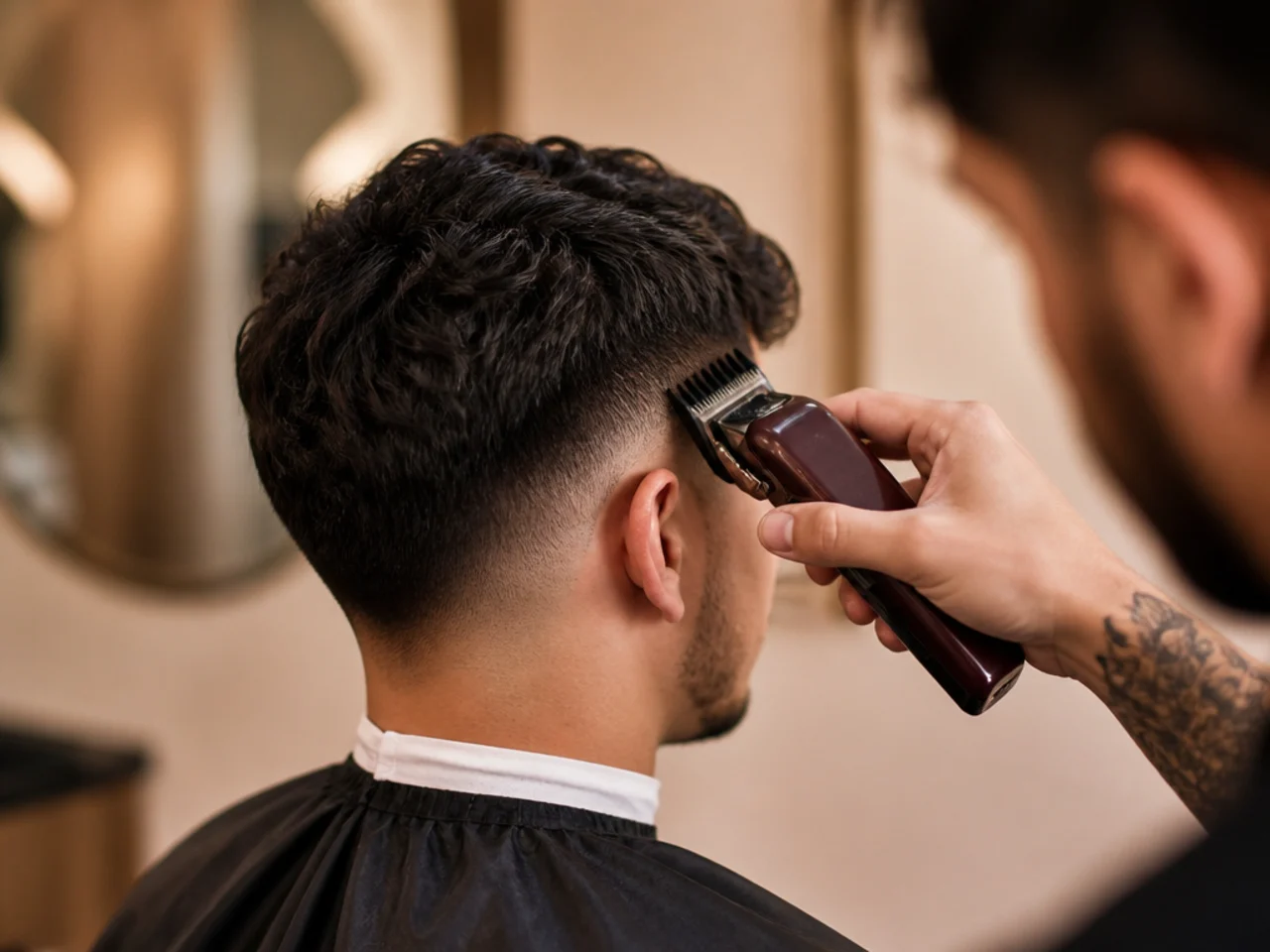
Stopping at a #1 instead of skin. The 3mm floor keeps a faint shadow of pattern below the line rather than a hard stop, and it holds three to four weeks instead of one to two.
4. Waves With a Mid Drop Fade
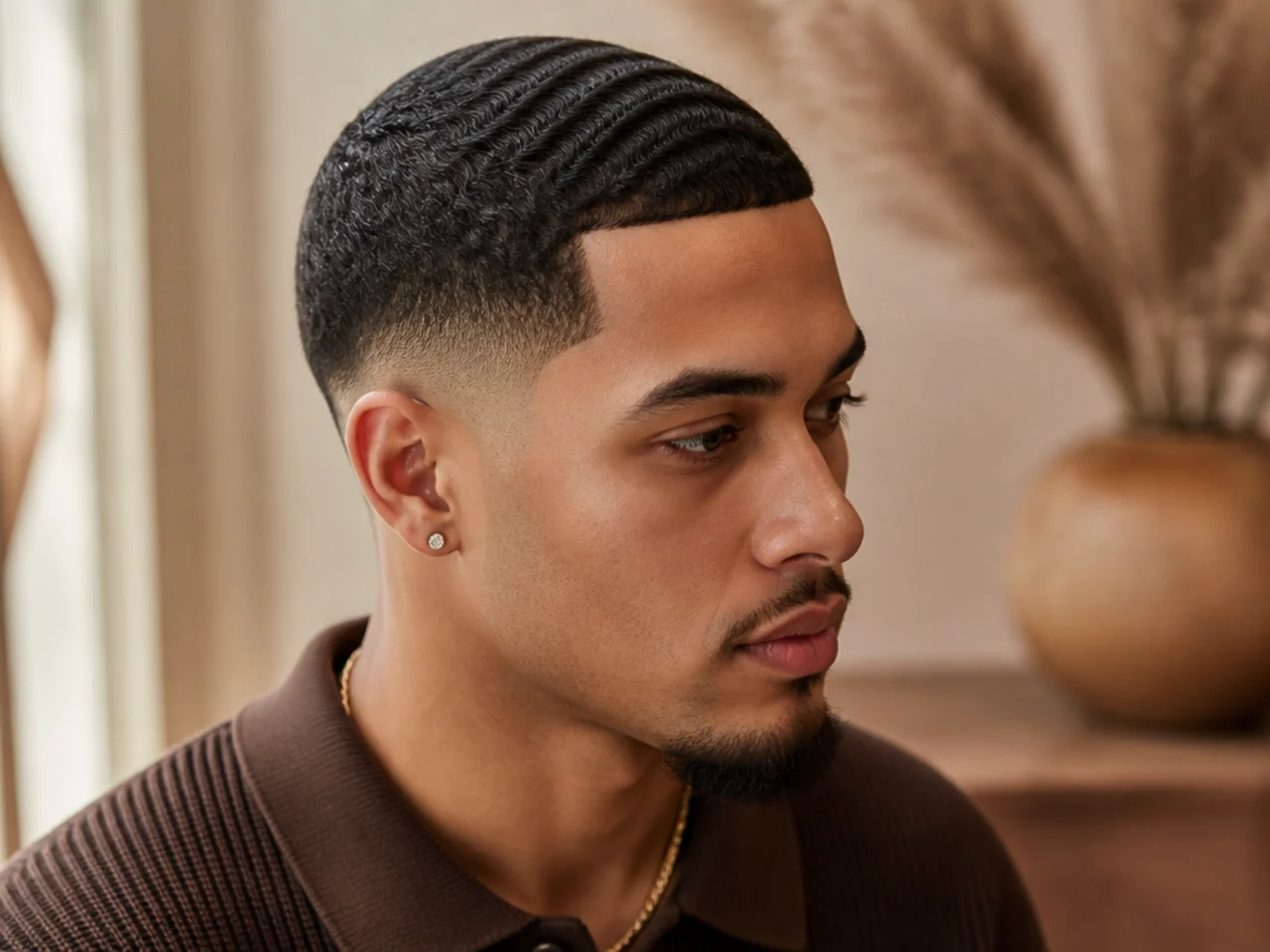
The line drops behind the ear while staying mid at the front, the same geometry a low drop fade uses further down the head. Because the wave rows curve downward at the back of the head anyway, a dropped line runs with them instead of cutting across them.
5. Waves With a Mid Burst Fade
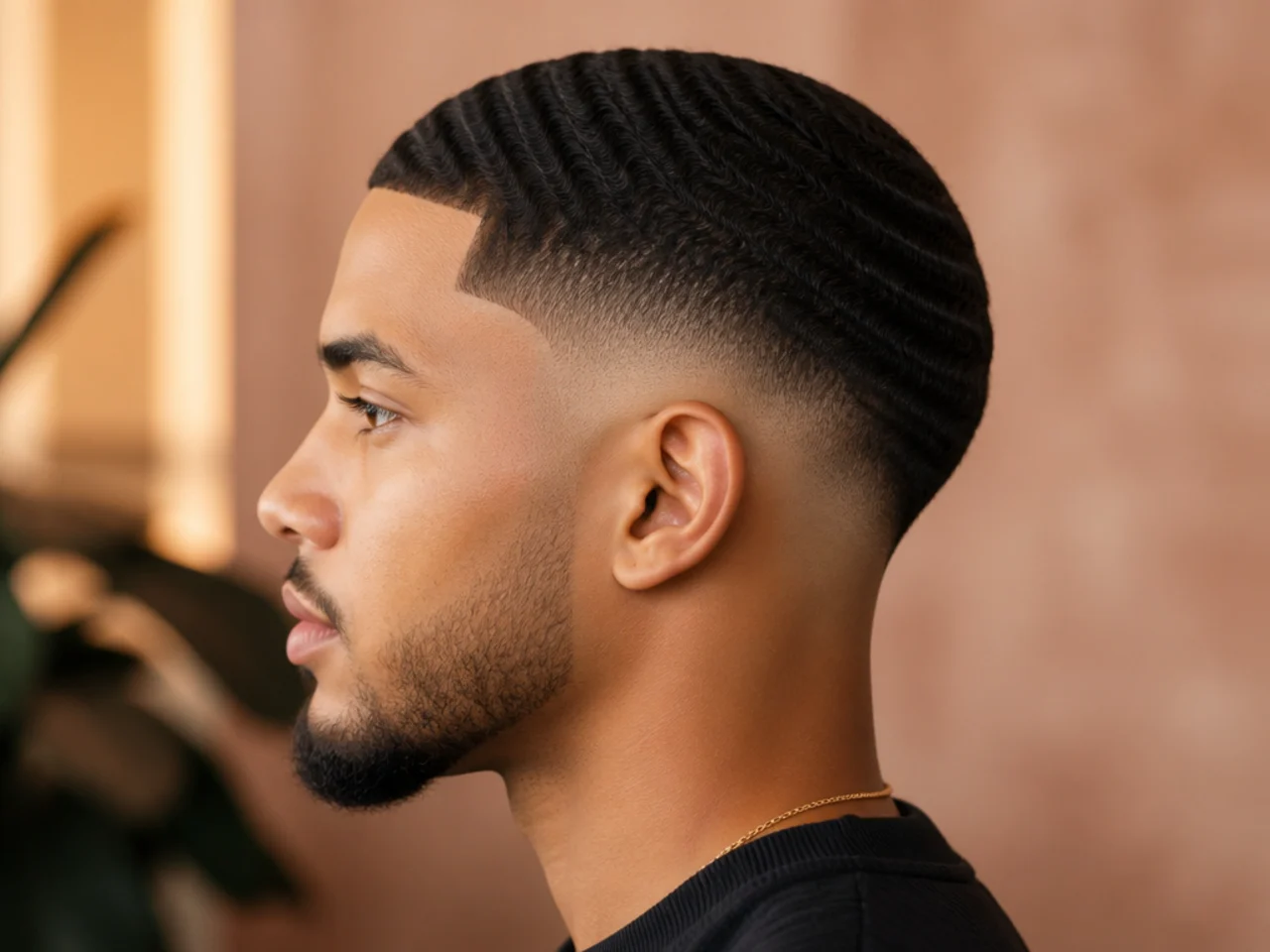
The fade arcs around the ear and leaves the back long, which is the trade examined across these burst fade and wave pairings. That keeps a full wave field on the nape, which no horizontal mid fade does, so the pattern survives all the way around at the back.
6. Mid Fade With a Line-Up
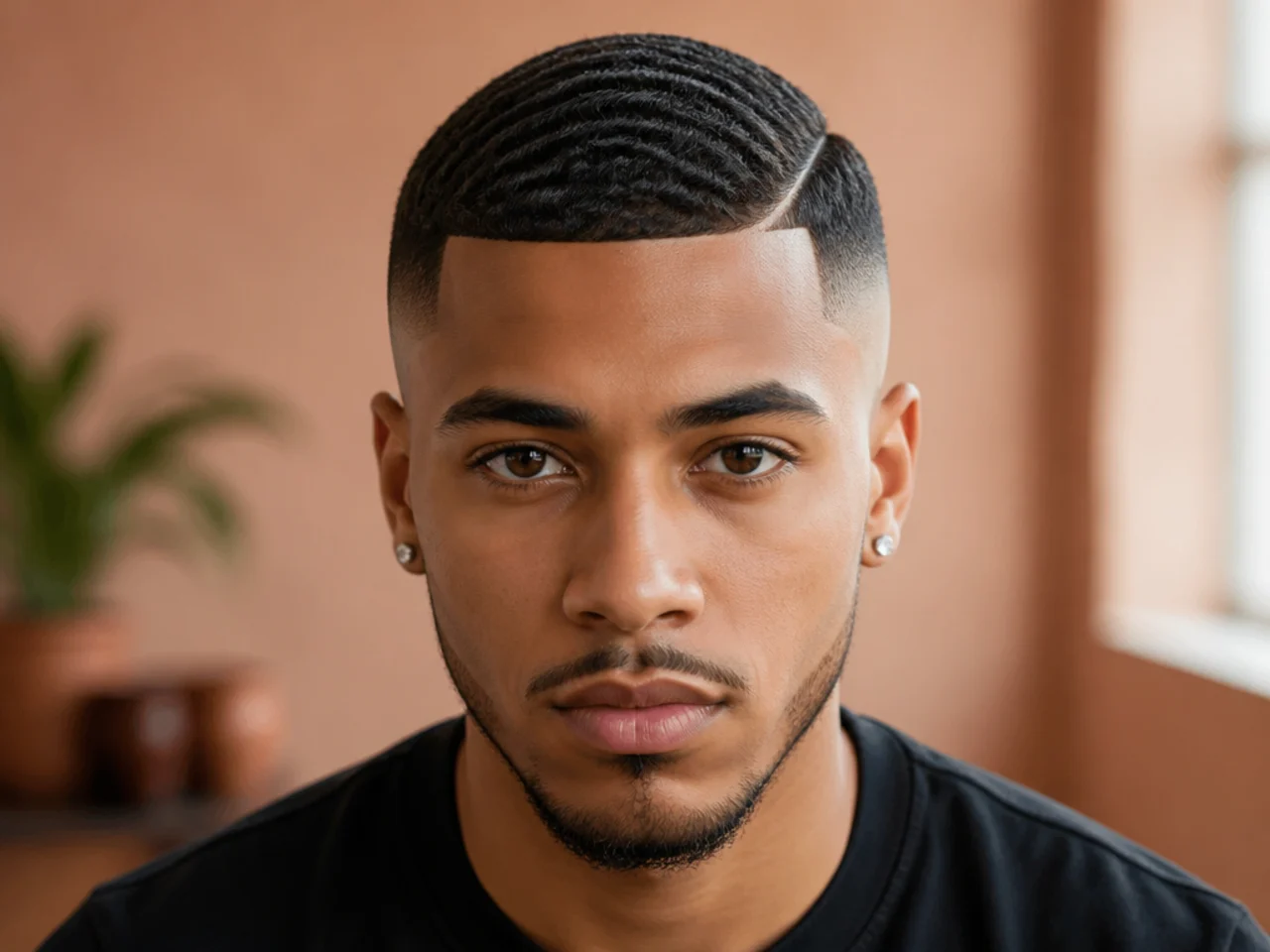
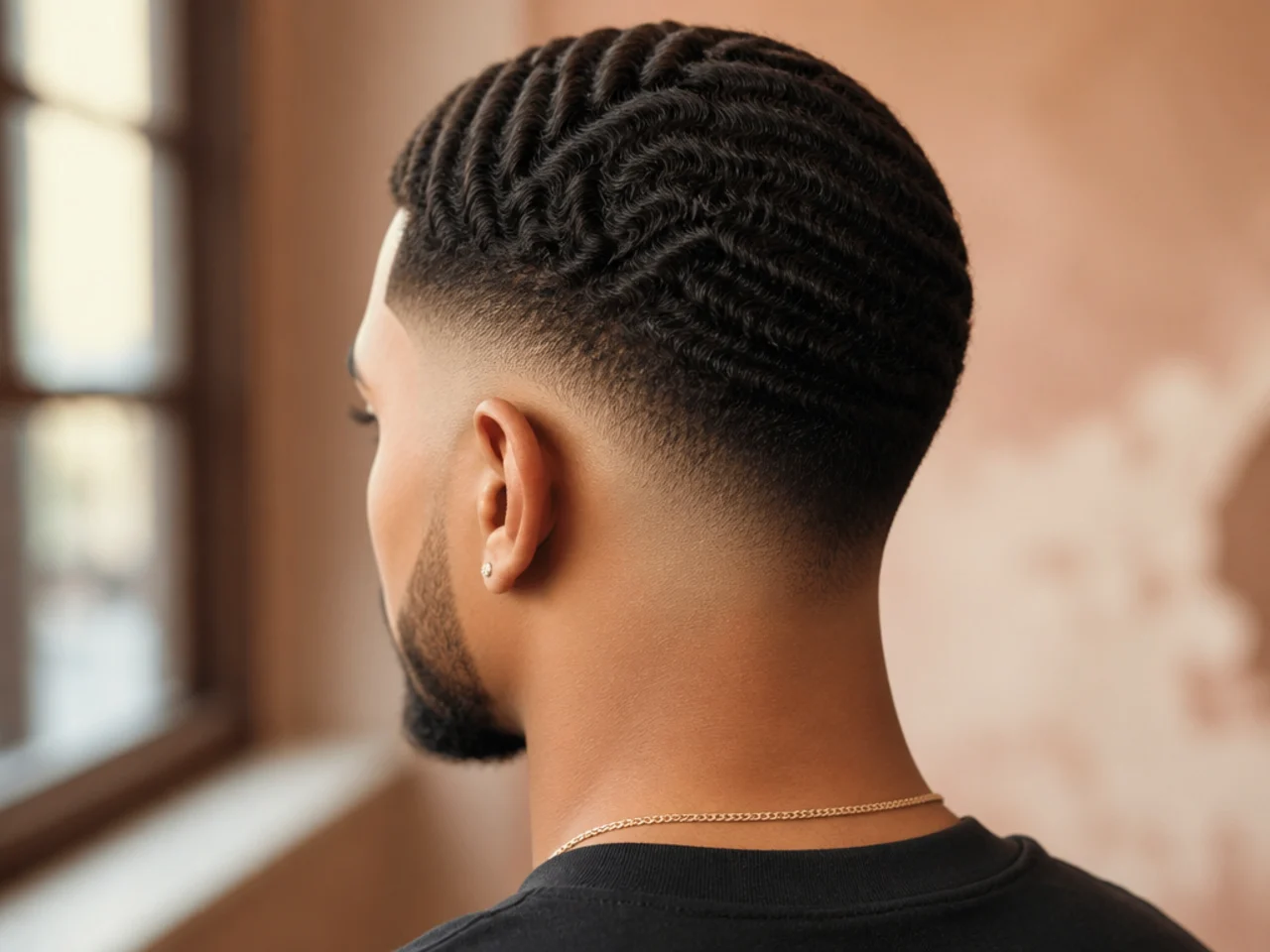
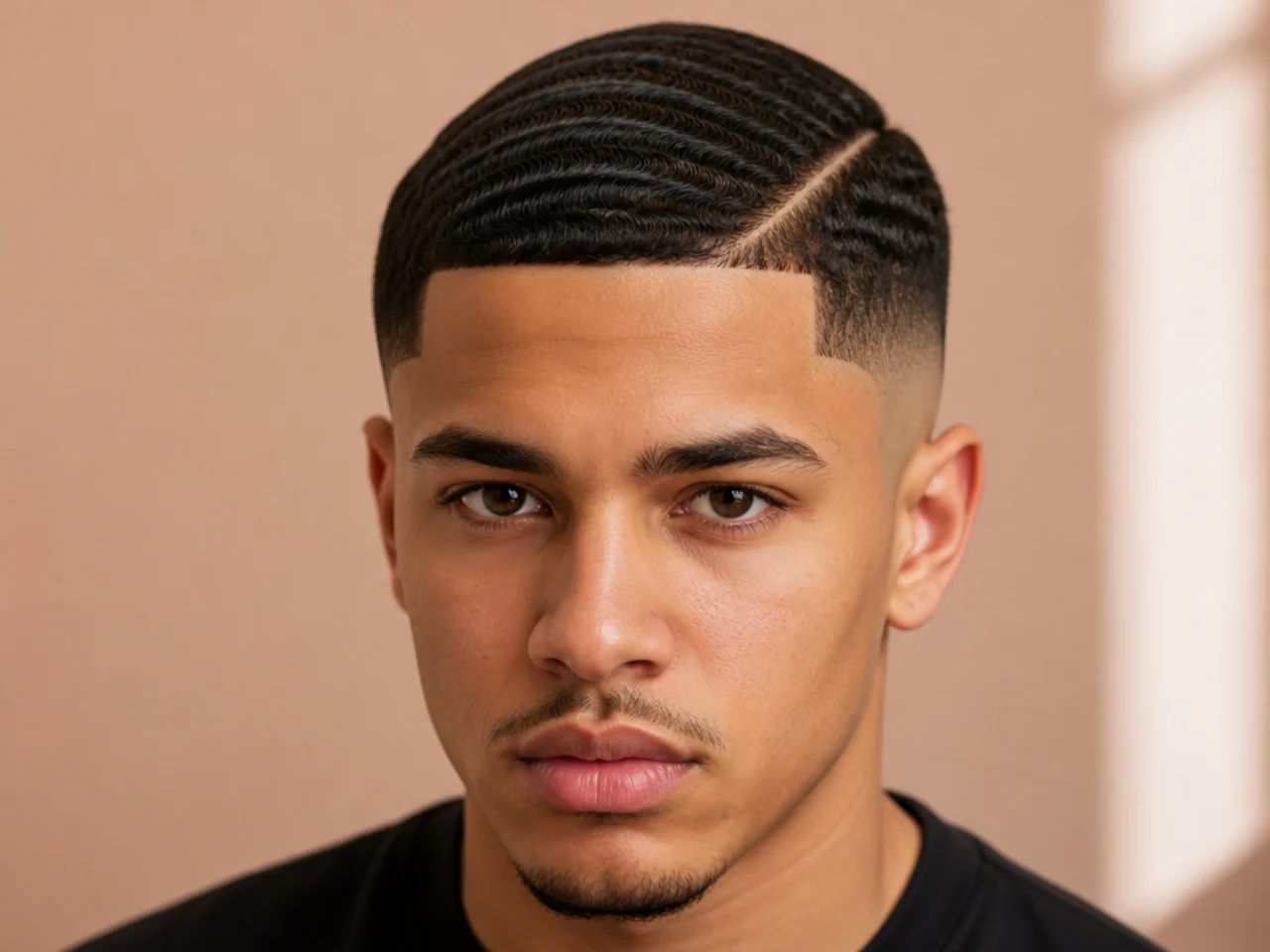
A razored edge across the forehead and down the temples. The line-up gives the wave rows a hard front boundary to run into, which makes the pattern look denser than it is.
7. Deep Waves Over a Mid Fade
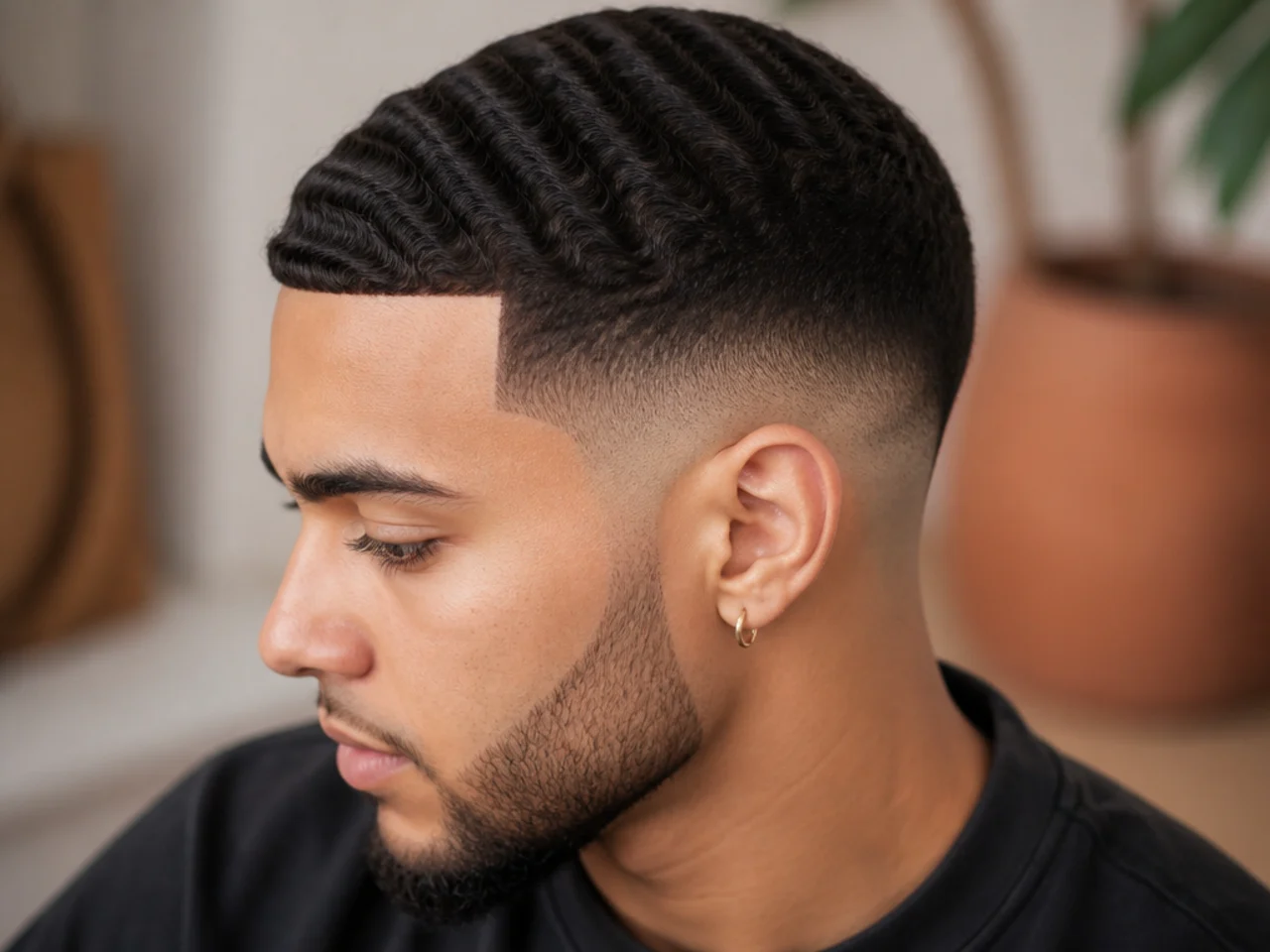
A long-trained pattern with pronounced ridges. Deep waves carry more shadow, so the mid line has to be blended over a longer distance or the change from ridge to blend looks stepped.
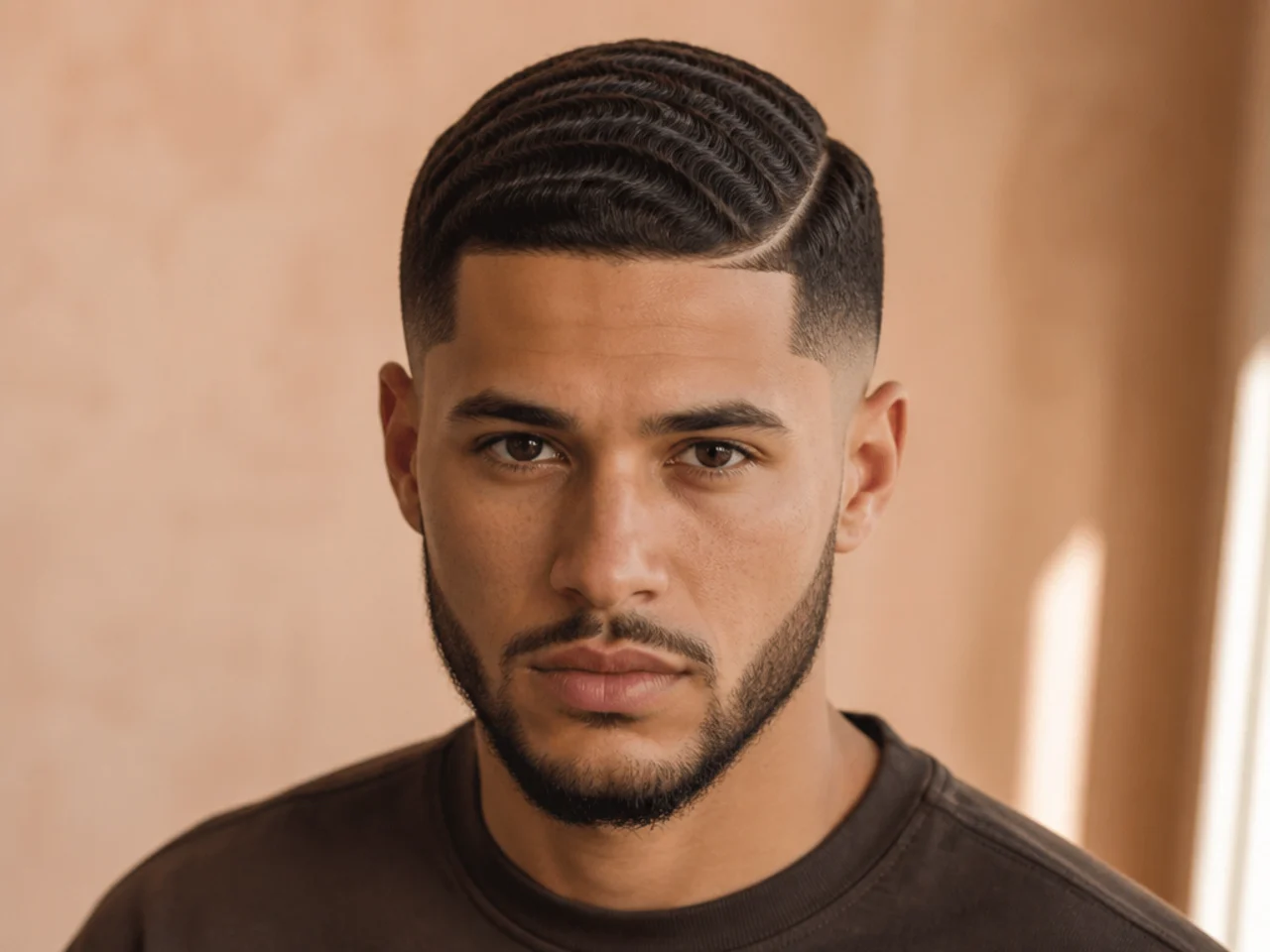
8. Shallow Waves Over a Mid Fade
An early pattern with light ripples. Cutting a mid fade this soon removes rows you are still training, so keep the fade's top guard at 3mm and accept a softer line.
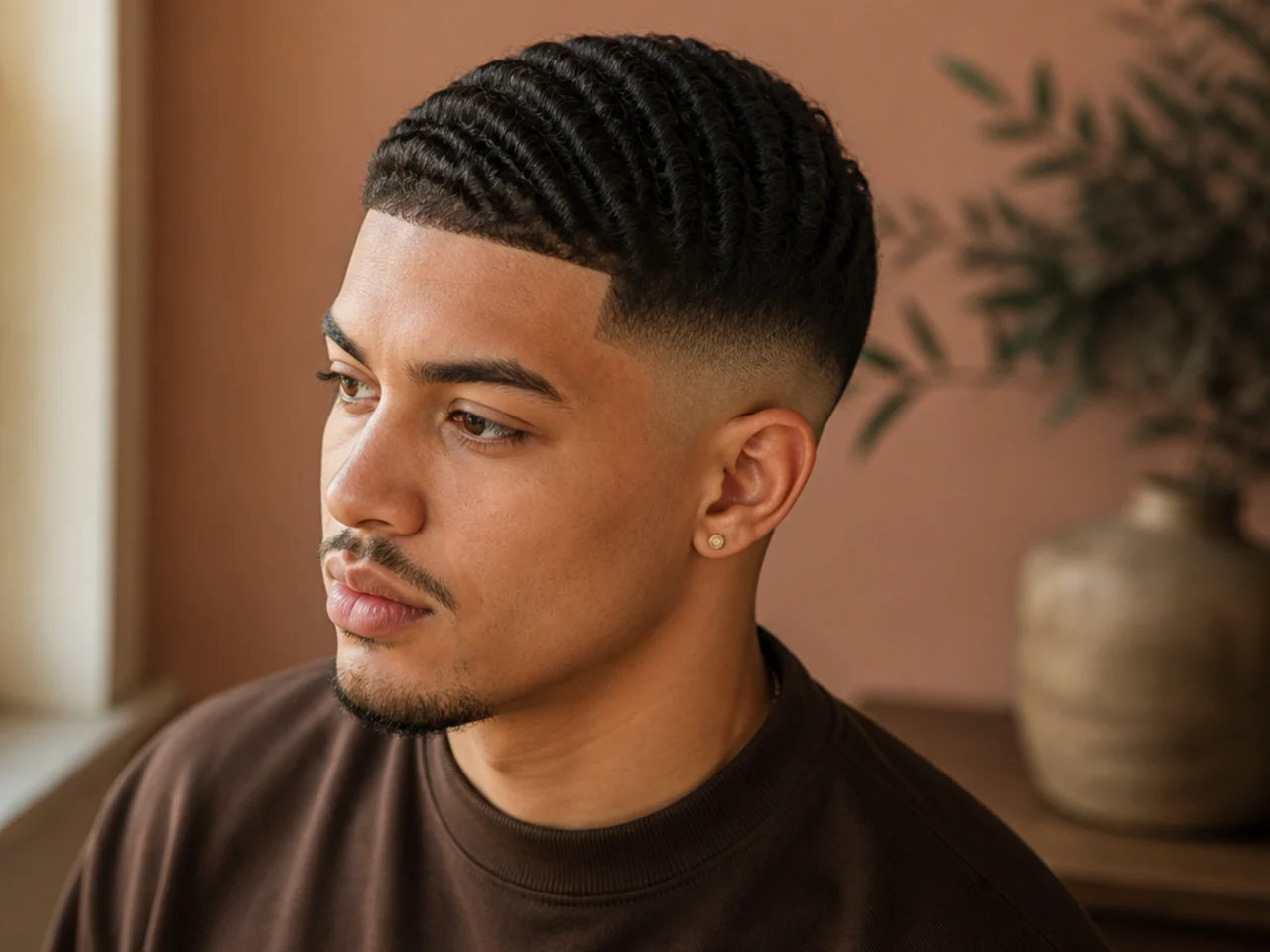
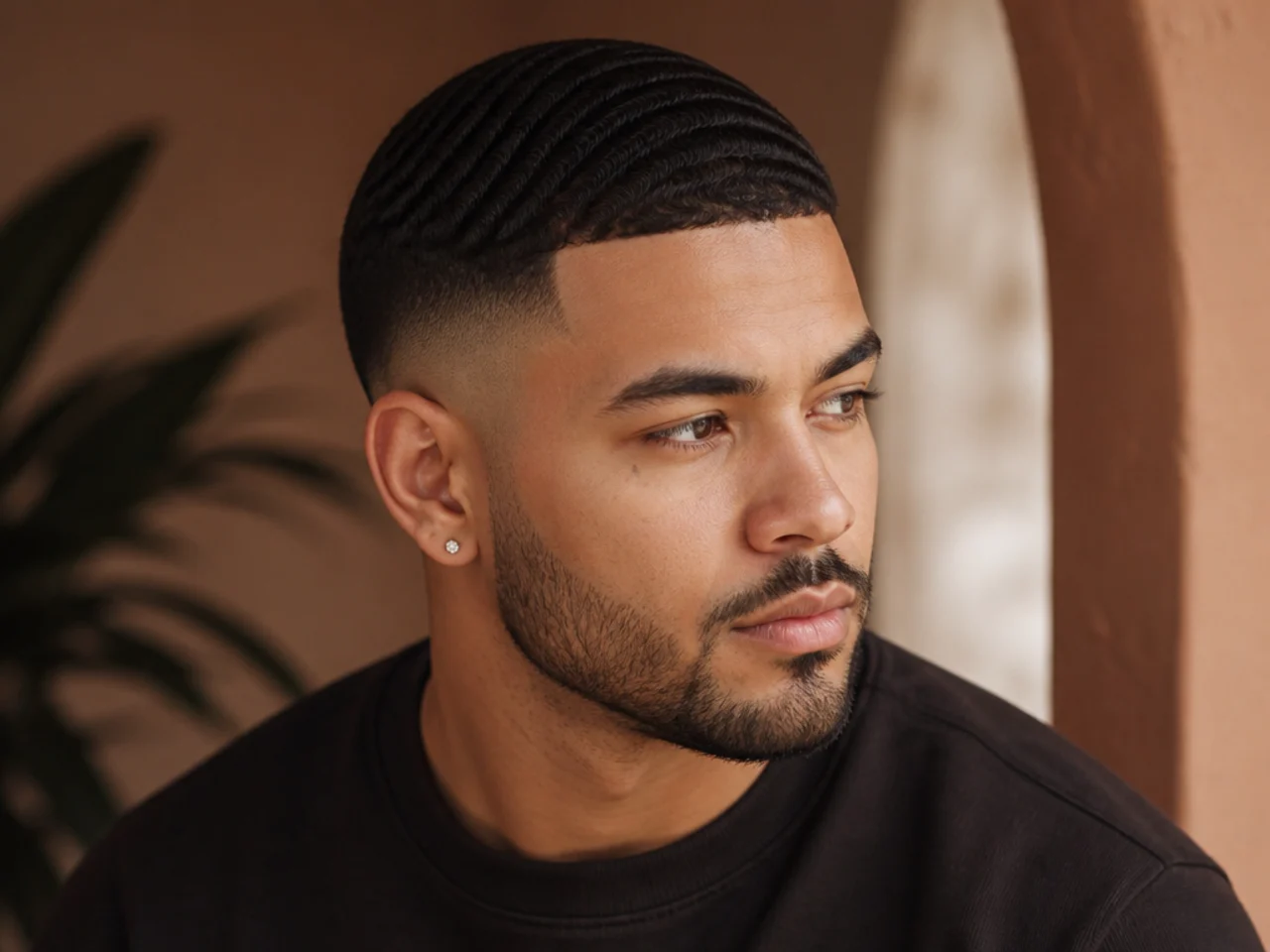
9. Mid Fade With Waves and a Beard
The wave field ends at the mid line and the beard begins about four centimetres below it. Two dark bands with a light gradient between them, framing the ear from above and below.
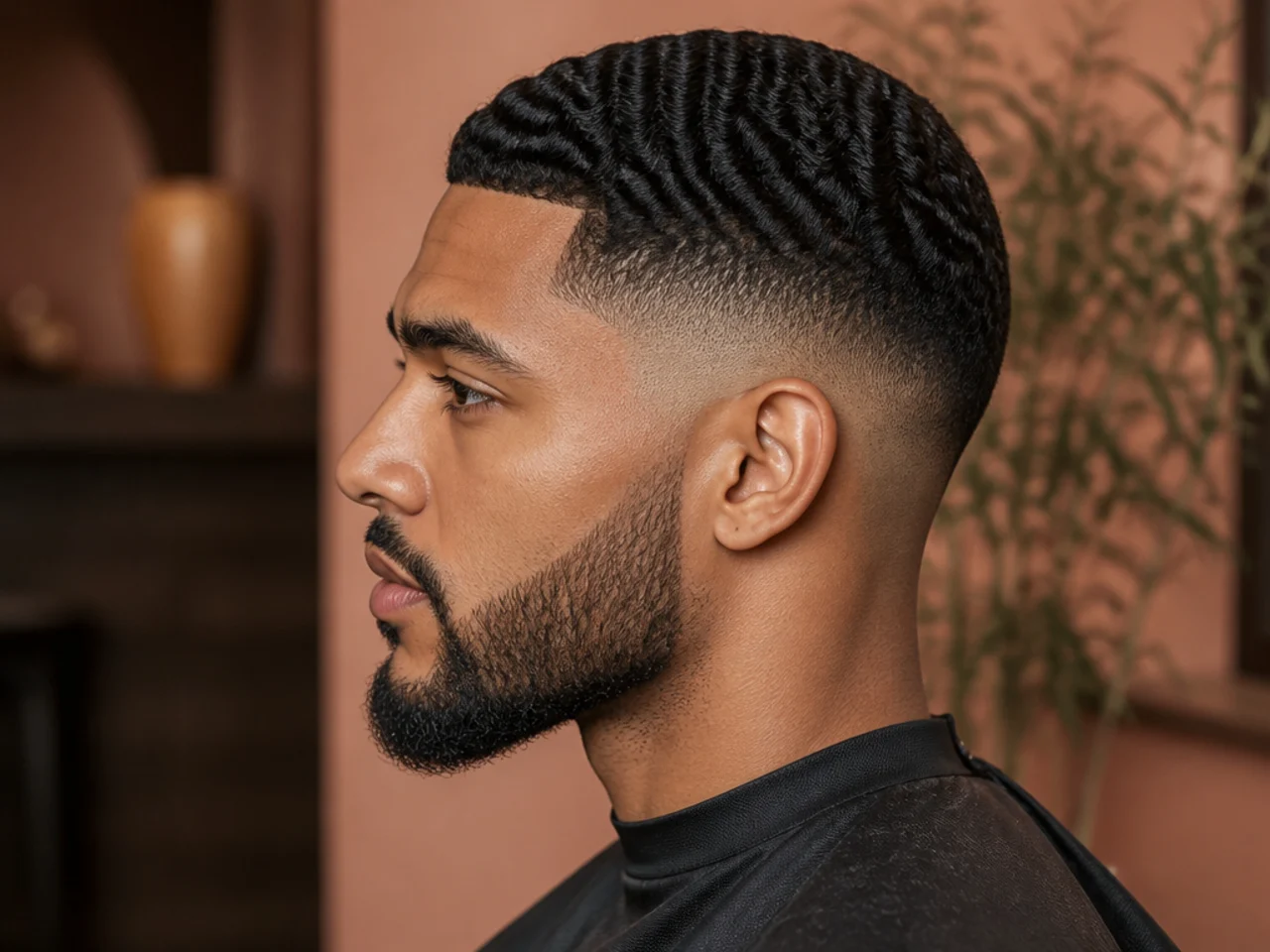
10. Mid Fade With Waves and a Hard Part
A razored part cut straight through the pattern. It works because the rows run around the head and the part runs across them, so the two lines never compete for the same direction.
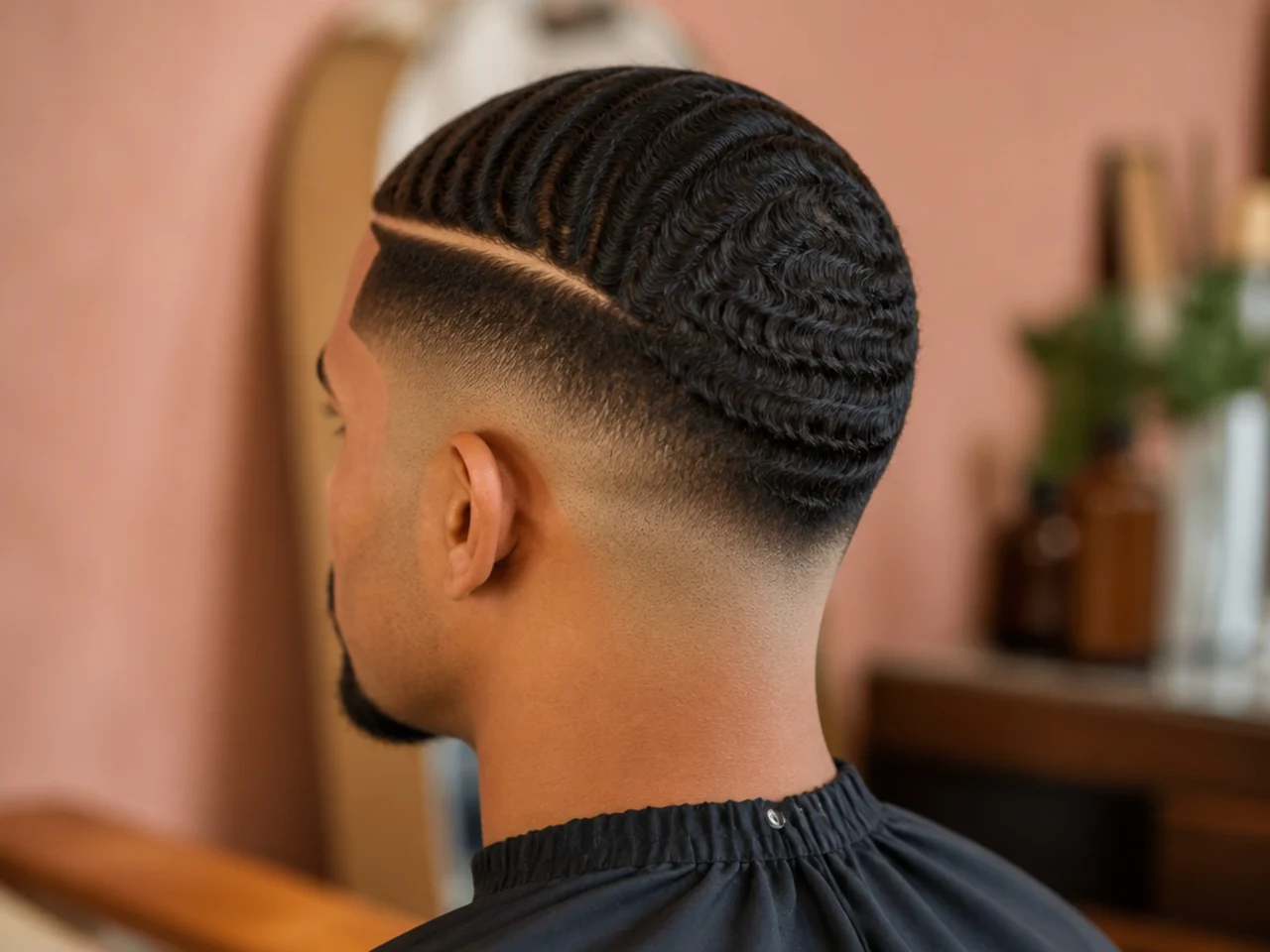
11. Mid Fade With a Design Below the Waves
A shape cut into the faded panel under the pattern, following the same rules as a design cut into a low taper. The panel between the ear and the ridge is flat enough to hold a straight line, which the curved area above the ridge is not.
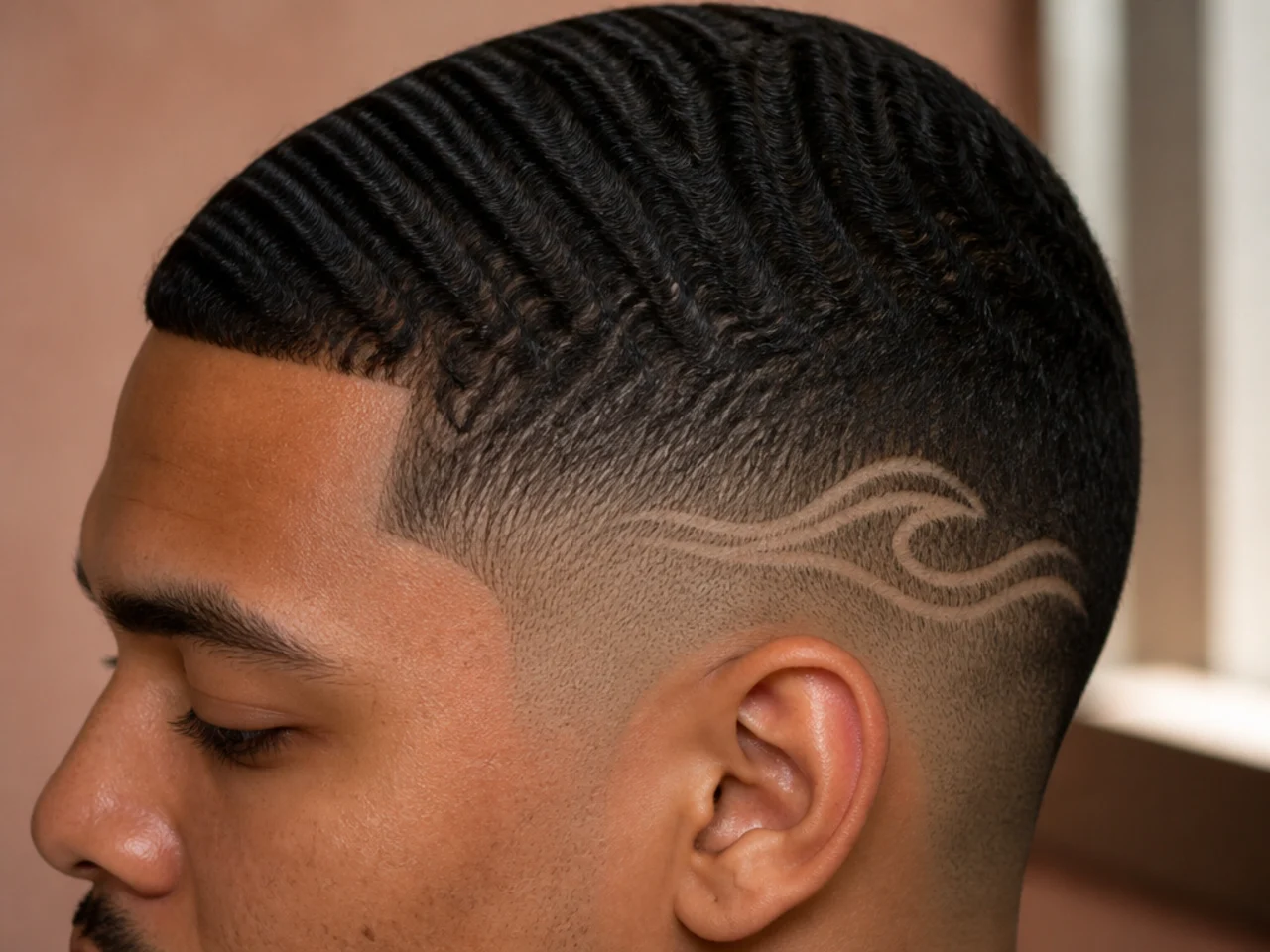
12. Waves With a Mid Fade and Enhanced Contrast
The top left slightly longer so the ridges deepen while the fade stays tight. More length above the line means more shadow in every row, and the mid boundary makes that shadow read as deliberate.
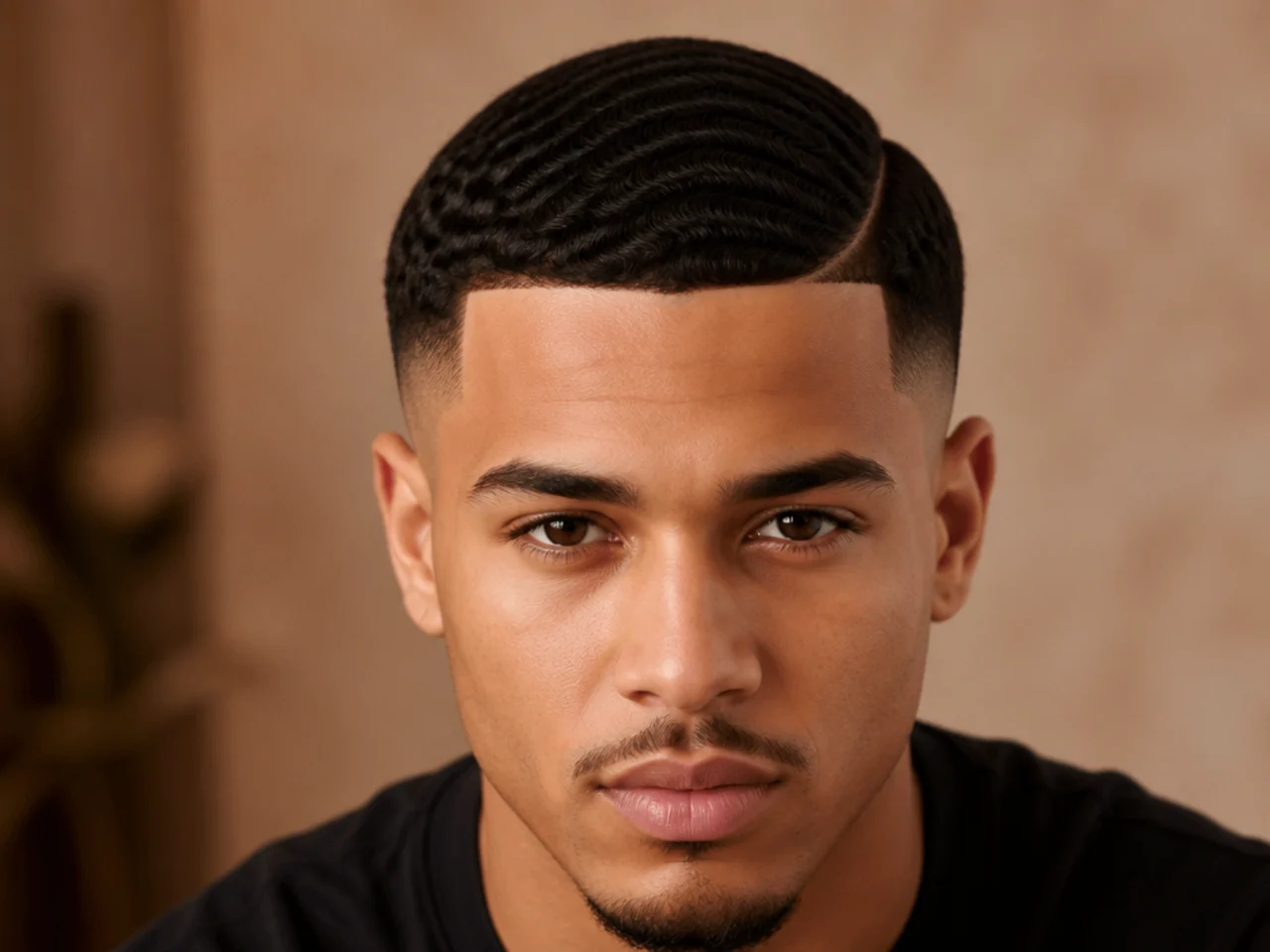
13. Mid Fade Waves With a Sharp Nape
A blocked or squared neckline under the fade. It gives the pattern a defined finish at the back, which matters because the rows at the nape are the ones nobody checks in the mirror.
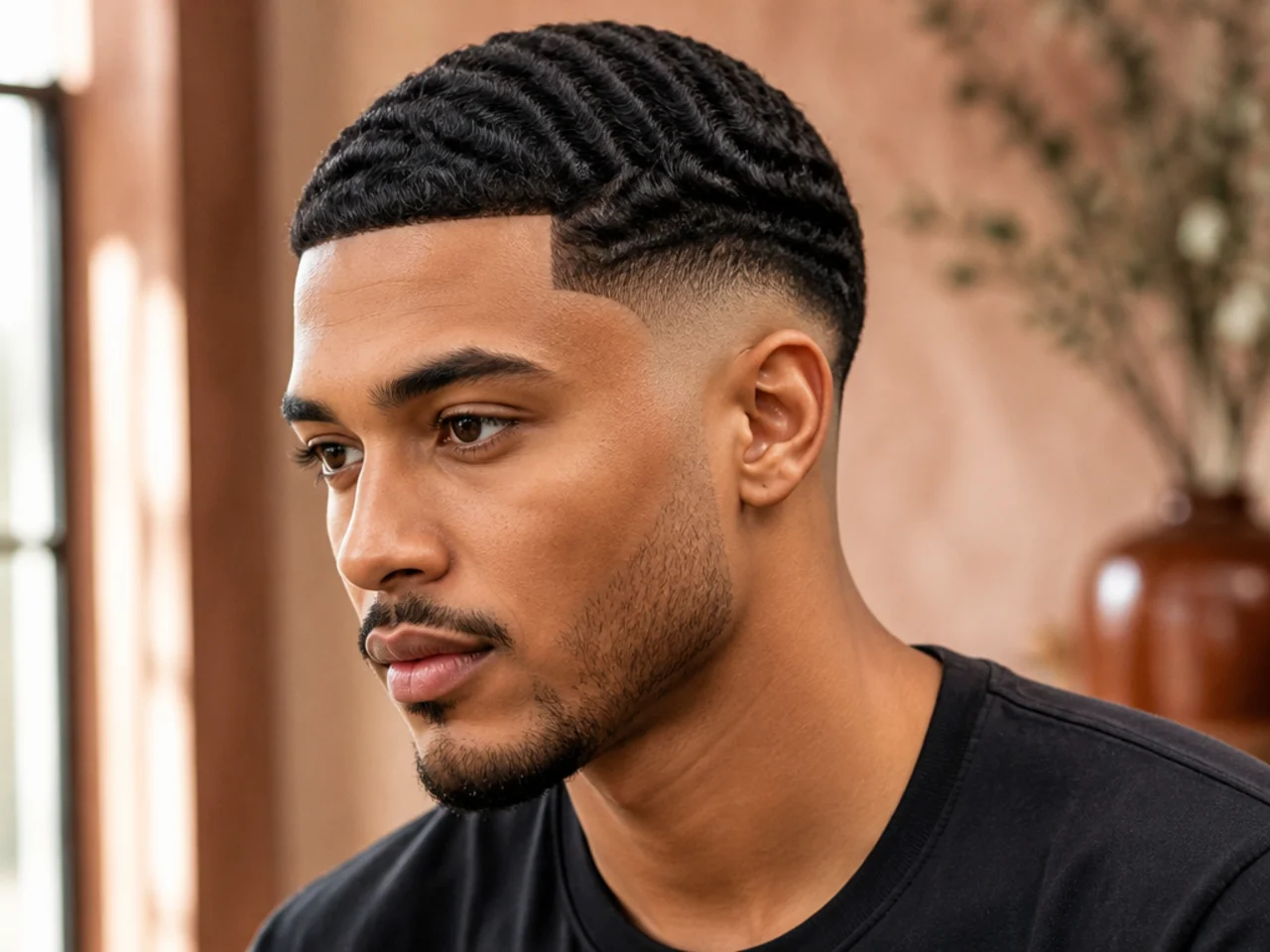
14. Mid Fade Waves, Week One
Line-up crisp, blend tight, rows at their most defined. This is the reference photo to keep, because it shows exactly where the barber set the boundary of your wave field.
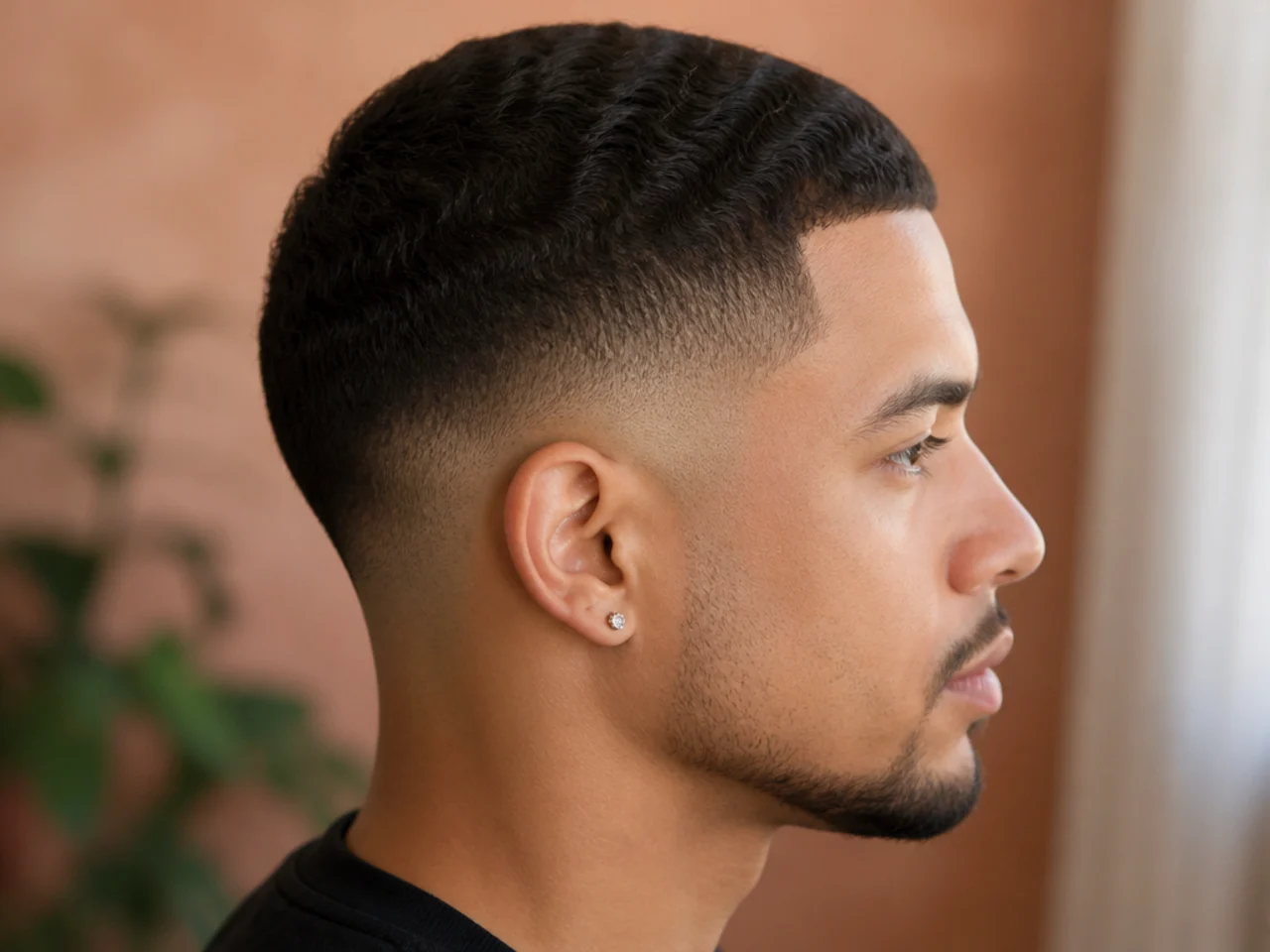
15. Mid Fade Waves, Week Three
The blend has softened and the lower rows have started to reappear. On a taper this reads as a fuller pattern, which is the argument for not taking the mid fade to skin.
Styling and Upkeep
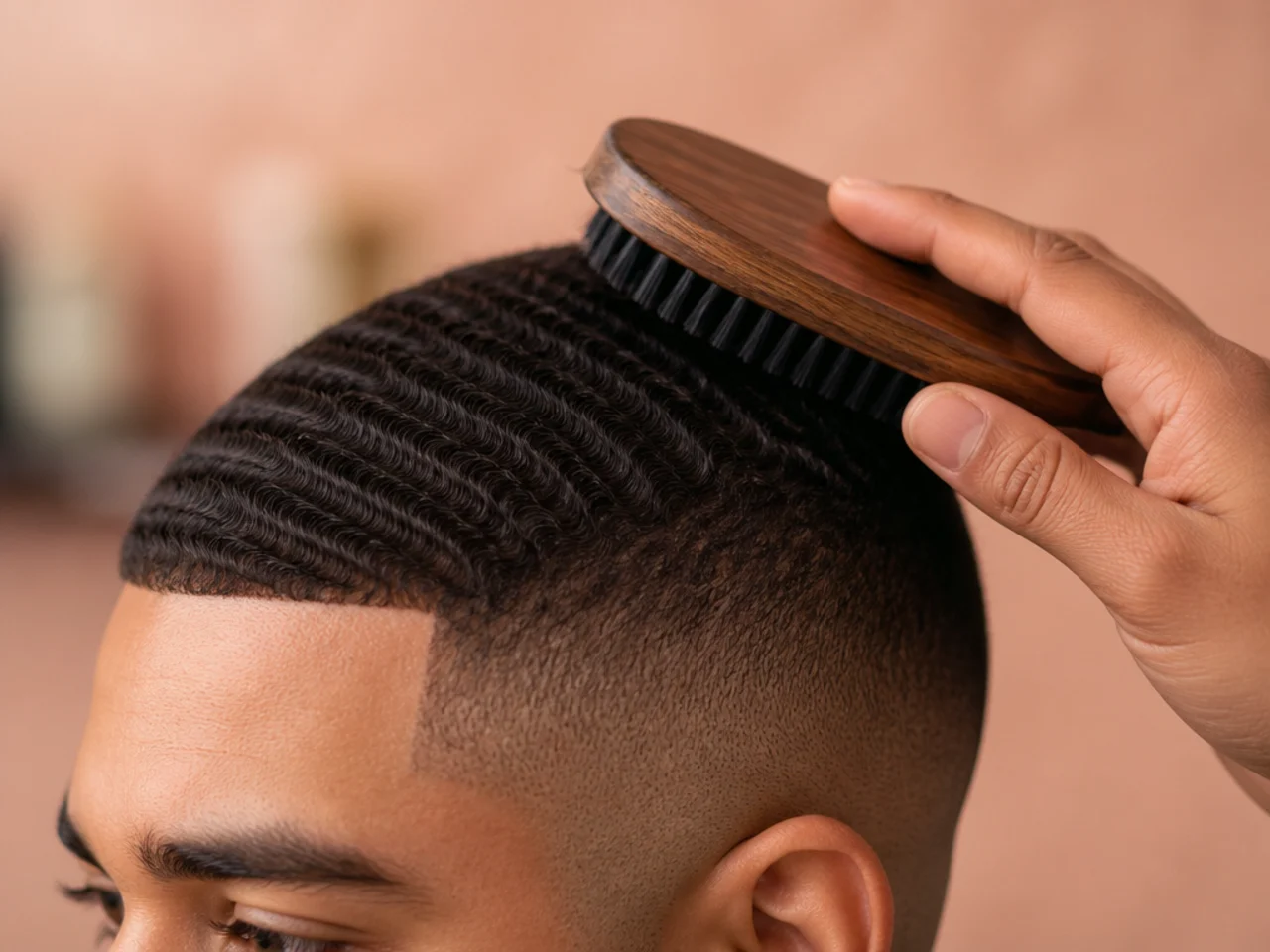
Brush along the row direction, never against it. Brushing against the pattern lifts the hair and undoes the training the fade line already shortened.
Brush the section nearest the fade most often. It is the shortest hair still holding a pattern, so it stands up first.
Wear a durag whenever you are not out. Compression is what sets the rows overnight, and it matters most on the short hair near the line.
Wash less than you think. Stripping the natural oil leaves the hair dry and standing, and dry hair will not hold a row against a fresh fade.
Rebook by finish. A mid skin fade blurs in one to two weeks, a mid taper holds three to four, and the pattern above stays the same either way.
Mistakes to Avoid
Letting the barber start the blend below 3mm. At mid height the lowest surviving row sits directly on the line, so a shorter guard slices through that row instead of passing beneath it.
Going mid before the pattern is trained. Losing the lower rows early makes a young pattern look patchy rather than sharp.
Asking for a skin finish in week one of a new pattern. Maximum contrast exposes every gap in the rows above the line.
Brushing only the front. The nape rows are the ones you never see and the first ones to break.
Treating a mid fade as a fix for uneven waves. It moves the boundary, it does not improve what is above it.
FAQ
How high can a fade go with waves? Mid is generally the limit for a genuine 360 pattern.
What guard should the blend start at? A #1 at 3mm, or a #1.5 if the pattern is young.
Do I still brush with a fade? Yes, and most often on the short hair right above the line.
Final Thoughts
Everything here comes down to one decision made before the clippers touch your head — how much of your wave field you are willing to give up. A mid fade takes the rows below the temple and leaves everything above them, and that is a trade worth making only once the pattern above the line is strong enough to carry the look on its own.
For the full range of the cut see the mid fade haircut guide, and for a lower boundary on the same pattern see low fade haircut. More in Fade Haircuts.