6 Low Taper Fade Designs Guys Ask For Most
Six real low taper fade designs — star, lightning, waves, script name, geometric, tribal — with the client backstories, chair conversations, maintenance rhythms, and the compliments guys hear.
In this article · 18
- What Is a Low Taper Fade Design?
- How to Choose Your Placement and Design
- The Six Designs Guys Ask For Most
- 1. The Star — Anthony, 26
- 2. The Lightning Bolt — Kai, 20
- 3. The Waves — Malcolm, 31
- 4. The Script Name — Ricardo, 34
- 5. The Geometric — Owen, 28
- 6. The Tribal — Amari, 25
- The Habit That Made All Six Designs Work
- What to Do Next
- FAQ
- What is a low taper fade design?
- How long does a low taper fade design last?
- Where should the design sit on a low taper fade?
- Do low taper fade designs work on curly and coily hair?
- How much extra does a design cost on top of the fade?
- What should I bring to my first design appointment?
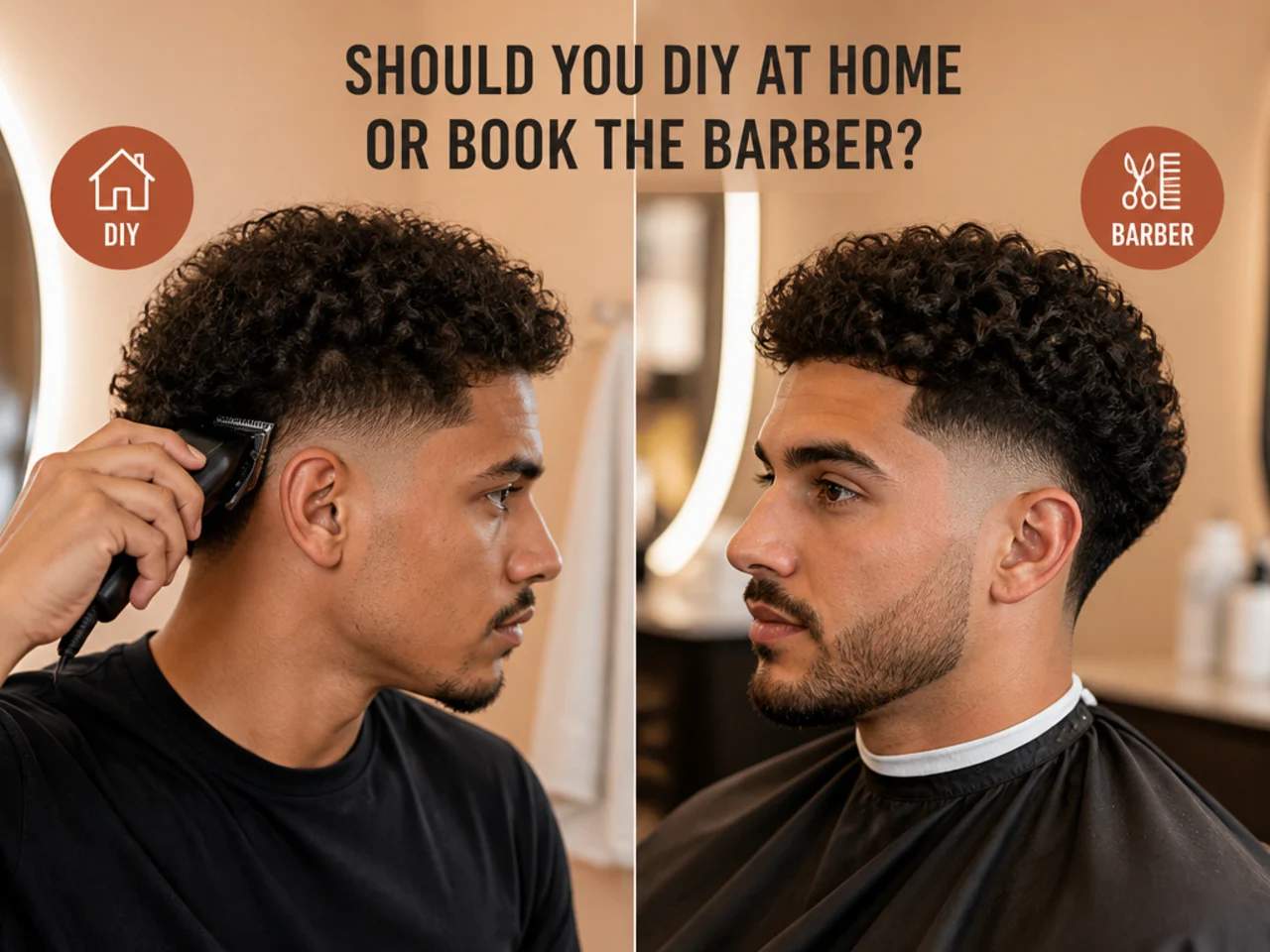
Every chair I've worked has a Friday regular who says the same six words: "I want to try a design." What follows is a twenty-minute conversation about where the pattern sits, how big it reads, and how often the guy's willing to come back. Below are six of my low taper fade regulars — different guys, different designs — with the language they used, the upkeep they signed up for, and the compliments they keep bringing back.
What Is a Low Taper Fade Design?
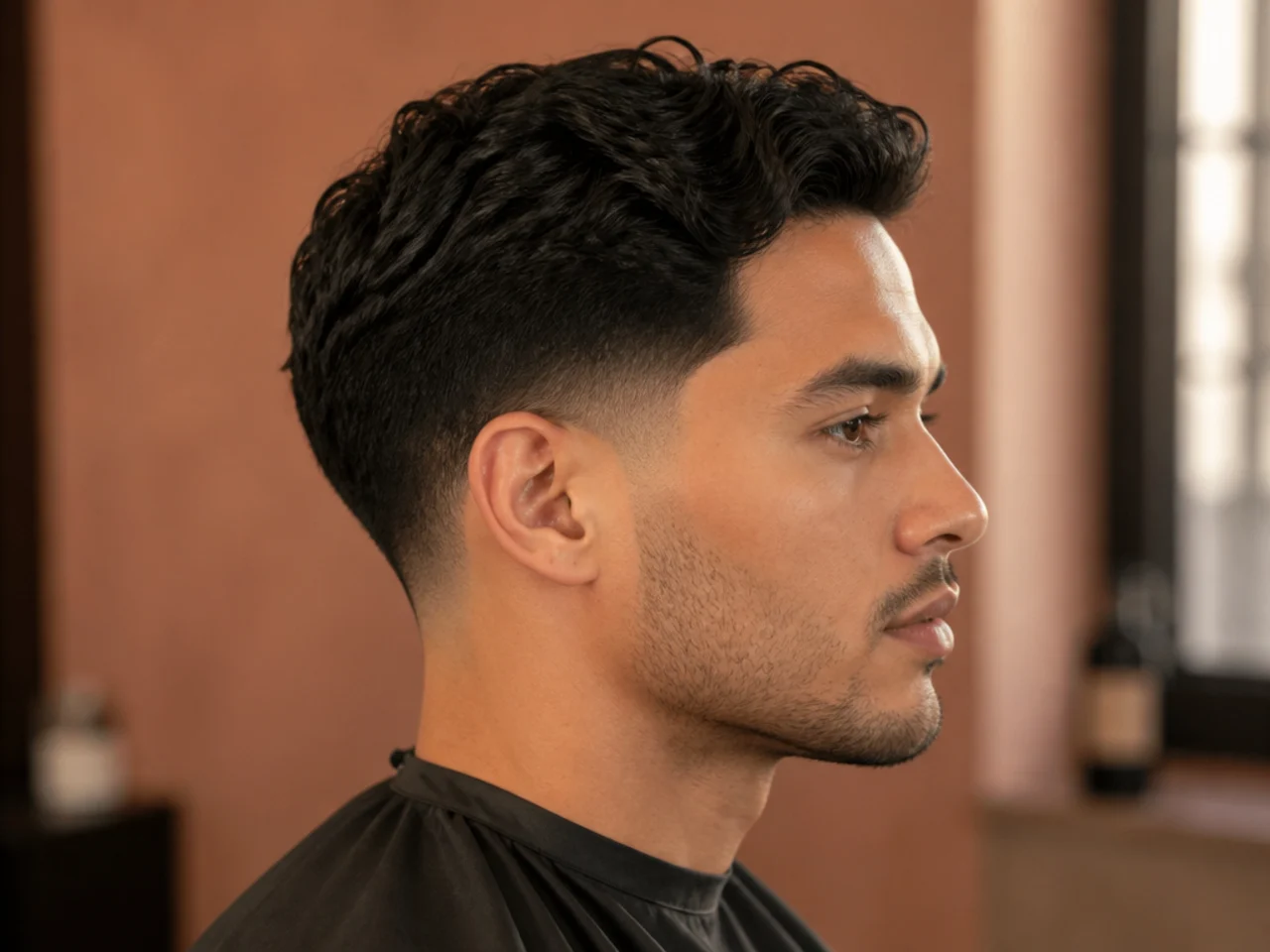
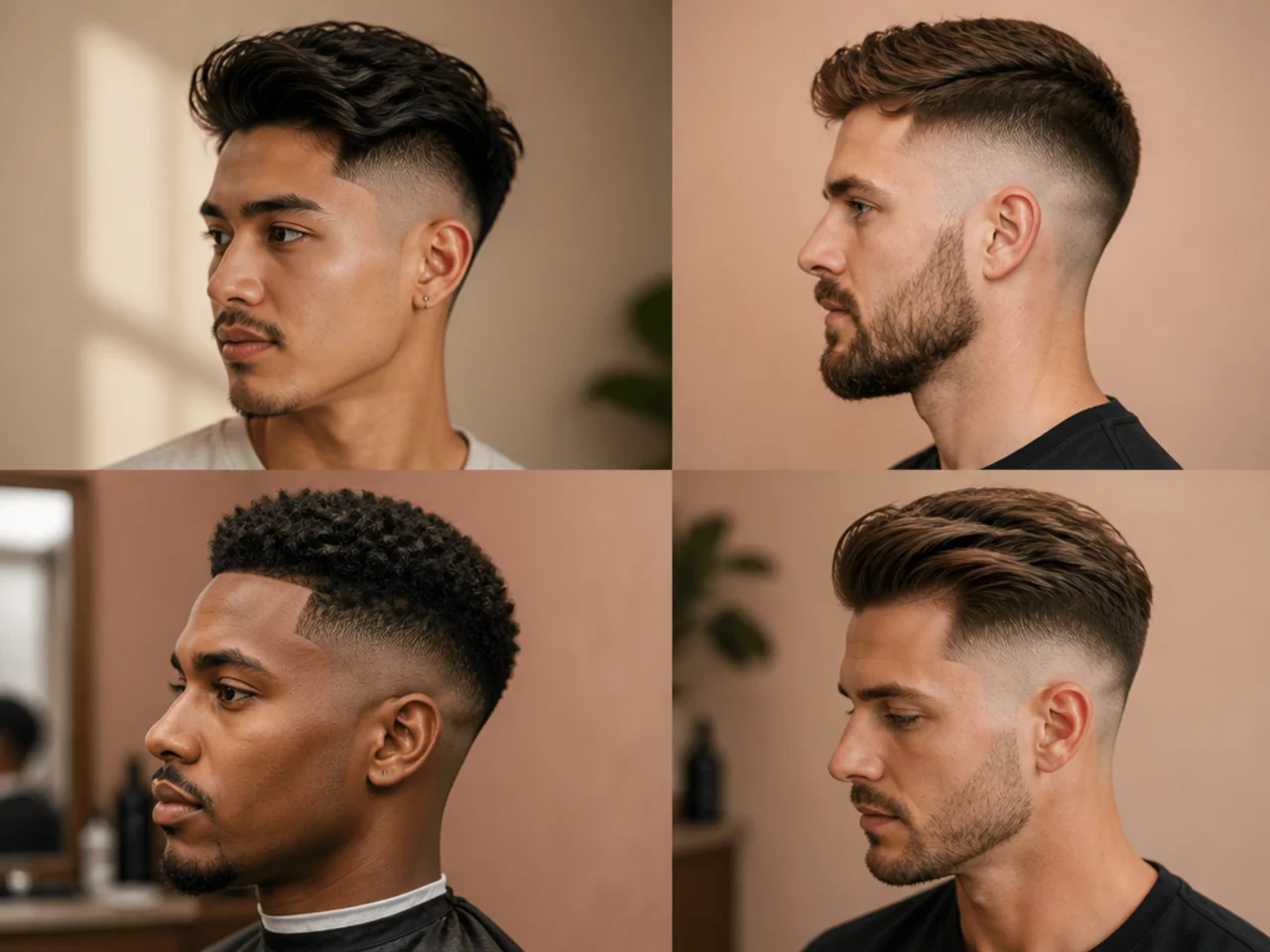
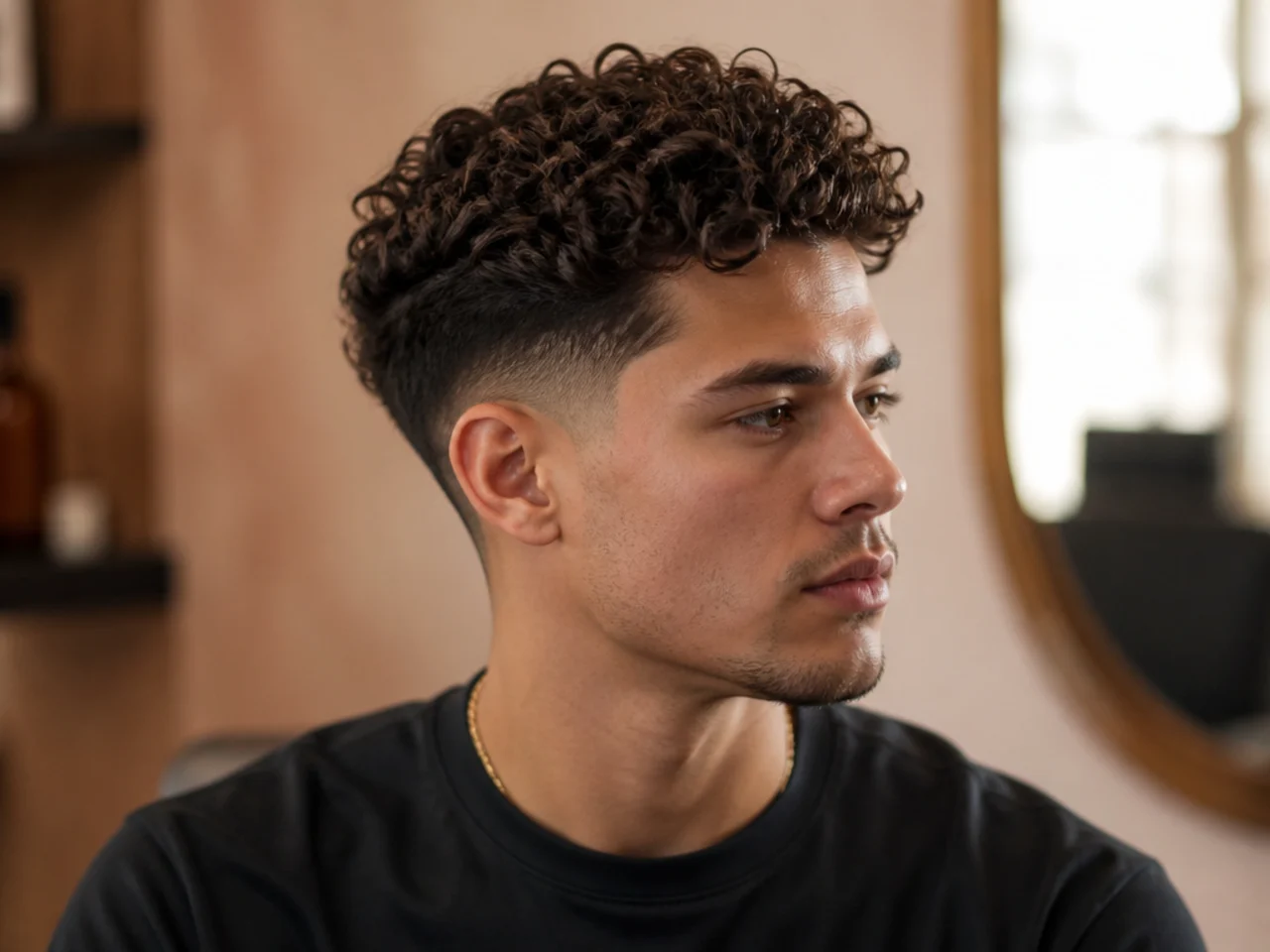
A low taper fade design is a shaved shape carved into the tapered section of a low taper fade — the strip of hair that runs from the top of the ear down around the nape. Because the taper stops at a 0.5 or 1 guard rather than running to skin, the canvas is a controlled shade of stubble instead of bare scalp. Designs read softer here than on a burst or full skin fade, and they blur more gracefully as they grow in.
Placement is the whole game. A low taper design can sit in four places: at the temple above the sideburn, along the taper line itself between the sideburn and ear, at the nape, or cut as a "hard part" running from the front hairline back through the crown. Each spot changes who sees the design and how loud it reads. Temple designs live on the side profile you show every time you turn your head. Nape designs live for the people behind you in line at the coffee shop.
Line quality separates a clean design from a scratched one. A trimmer alone leaves fuzzy edges; a fresh straight-razor pass gives the crisp cut that lets a two-inch star read like a two-inch star from ten feet away. Every guy in the six stories below asked for the razor finish. For the family tree the low taper sits inside, see the fade haircuts hub.
How to Choose Your Placement and Design
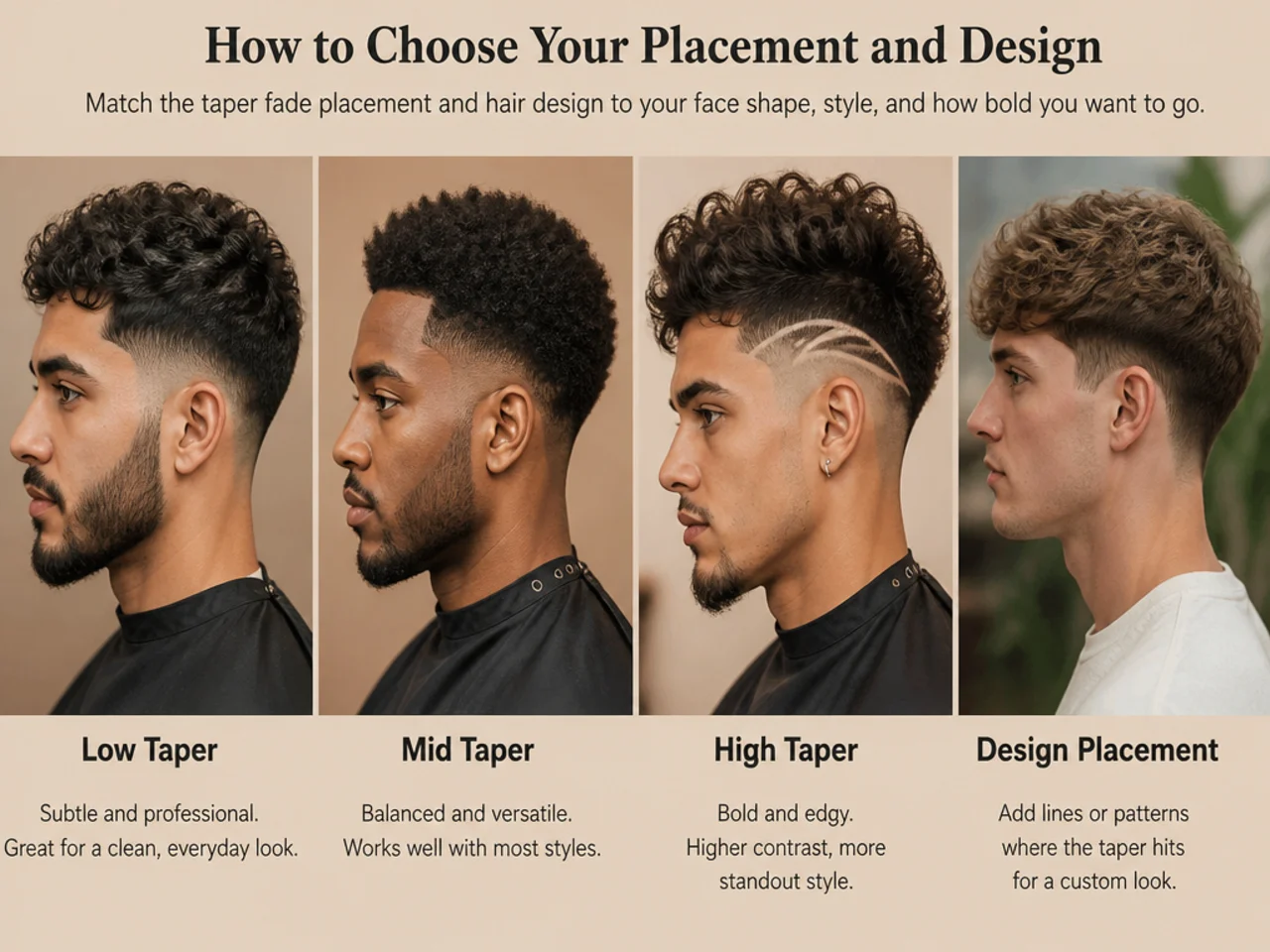
Start with where you want the design to live. A temple design shows when you tilt your head to check your phone or turn to hear someone in a bar. A hard-part design draws a line the camera catches when you look down at a laptop. A nape design is what the barista notices and no one on your Zoom call sees. Pick the room first; the placement follows.
Then match the top length. A short top — two inches or less — pairs with bold, high-contrast designs because there's less hair competing for attention. A longer top of four inches or more suits subtler patterns; a busy design gets buried under the fringe. Curly and coily hair on top makes shaved lines pop against the curl pattern, which is why most of my design work sits on 3A through 4C textures. For the curl-first cut recipe, low taper fade curly hair covers it.
Third, your workplace. A creative studio, a kitchen, a stage, a locker room — these rooms carry loud designs. A courtroom, a client-facing desk, a first corporate job — these want the smallest, lowest placement you can live with. My six regulars below all matched design size to the room they spend most of their week in.
The Six Designs Guys Ask For Most
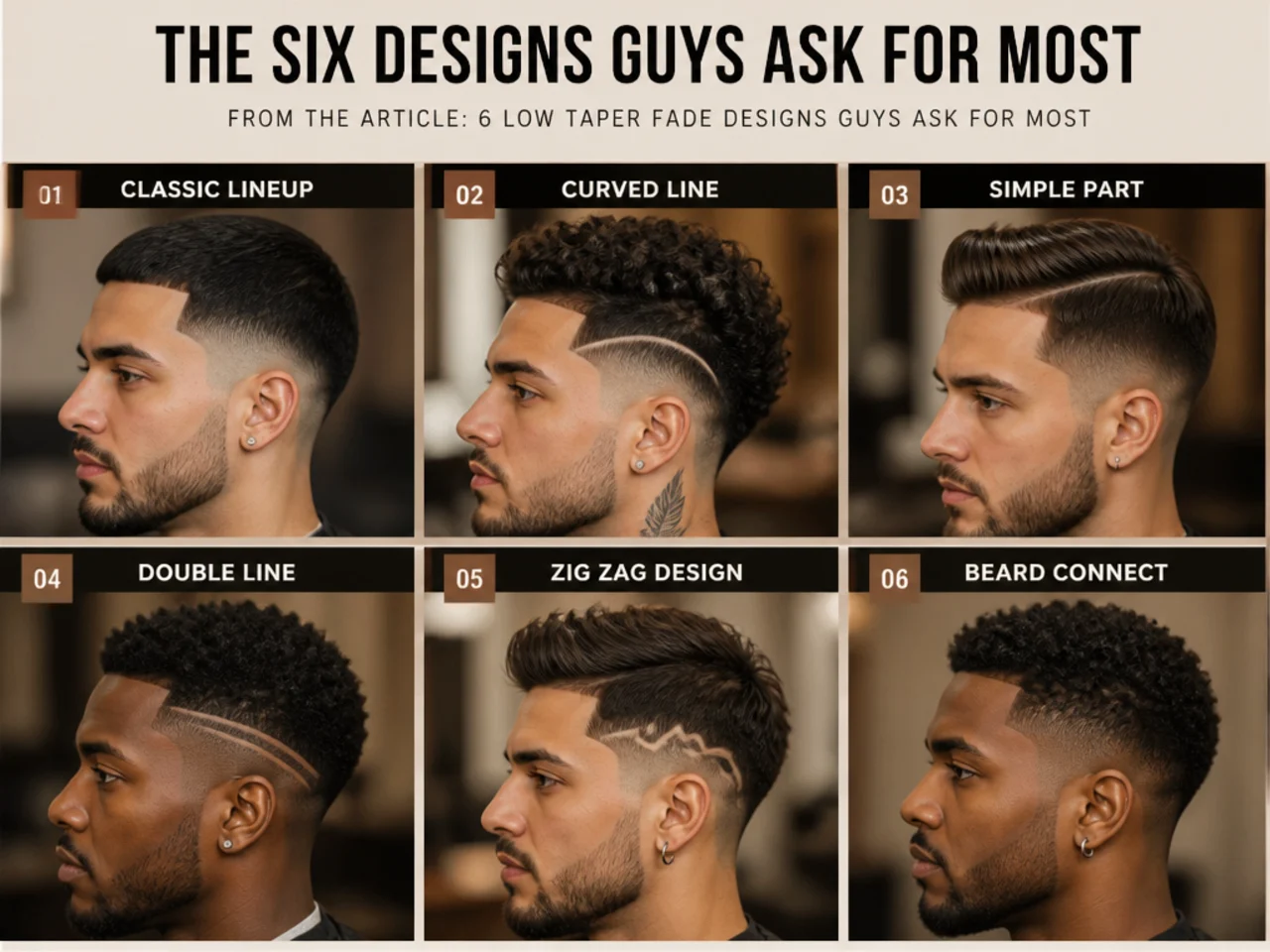
Six regulars, six designs, six different reasons for asking. Read the one closest to your job and your hair type first, then borrow whatever fits your life.
1. The Star — Anthony, 26
Anthony teaches eighth-grade science and has the kind of low patience for haircut discussion that teachers develop by month three of the year. He has medium wavy 2b hair and a scattering of freckles. He walked in last September with a screenshot of a five-point star: "The kids will lose it. Put it above my right ear so they see it when I write on the board."
The chair conversation took four minutes. I set the low taper fade first — 0.5 guard at the shortest around the ear, tapering into a 2 above, two inches of wave on top scissor-cut to keep the S-curve. Then a two-finger-tall star at the temple, one point up, sitting where a glasses arm would rest. Mirror-checked twice before the razor came out.
Maintenance sits at every seventeen days during the school year. Anthony books the design-only touch-up between full cuts because a star's five points blur first, before the middle of the shape starts to go. Sea-salt spray after showers, air-dry. Matte pomade on parent-teacher-night mornings.
The compliments come from three grades of thirteen-year-olds and, once, from the principal at an assembly. The kids voted him coolest teacher in the yearbook the first spring after the cut. His fiancée thinks the whole thing is ridiculous. She still books him the appointment reminders.
2. The Lightning Bolt — Kai, 20
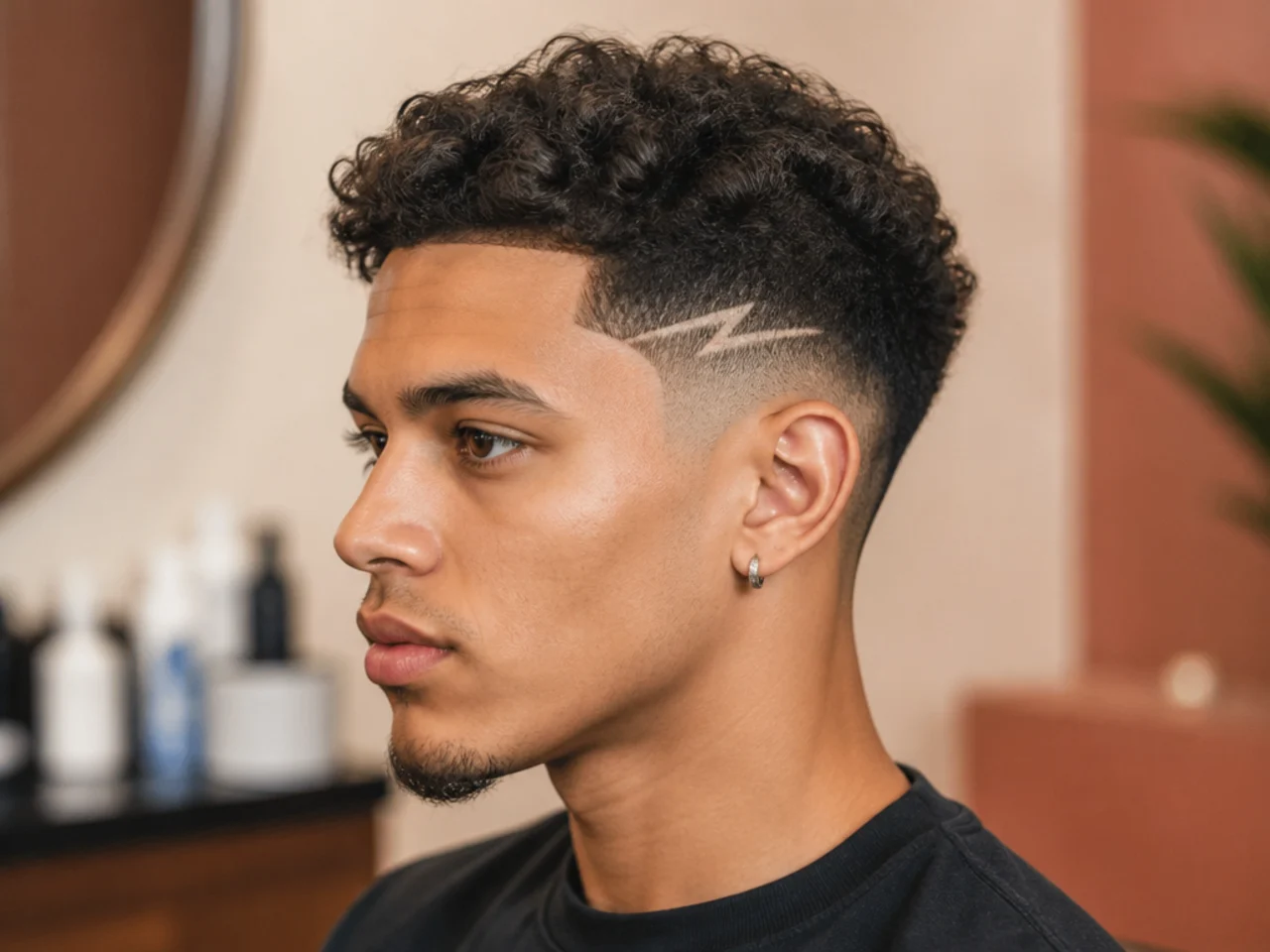
Kai streams competitive esports six nights a week from a bedroom rig his older brother set up. He has thick, coarse Asian hair that grows fast — I trim him every twelve days because his chat notices when the fade drifts. He brought me a screenshot of a pro player's bolt: "I want this on my left side so the main camera catches it. Small. Like a signature."
The bolt is my second-most-requested design after the star. Kai's version is a three-blade-wide zig-zag running three fingers tall from just below the temple down to the top of the sideburn, cut on a low taper that drops from a 3 above the ear to a 0.5 at the shortest. Top left at three inches, brushed forward and to the side so the design has room to breathe on camera.
Maintenance is a strict twelve-day cycle year-round. I hand-shape the bolt every visit before re-running the fade, from the same photo Kai keeps in a phone folder labeled "hair." He edges his own sideburn with a beard trimmer on day six. Conditions after every wash — the exposed taper around the bolt gets dry scalp in winter.
Compliments come from chat first. Two of his sponsor emails have mentioned the design in the first paragraph. His mother went from calling it chaotic to asking, at six months, if I could put a smaller bolt on his younger brother.
3. The Waves — Malcolm, 31
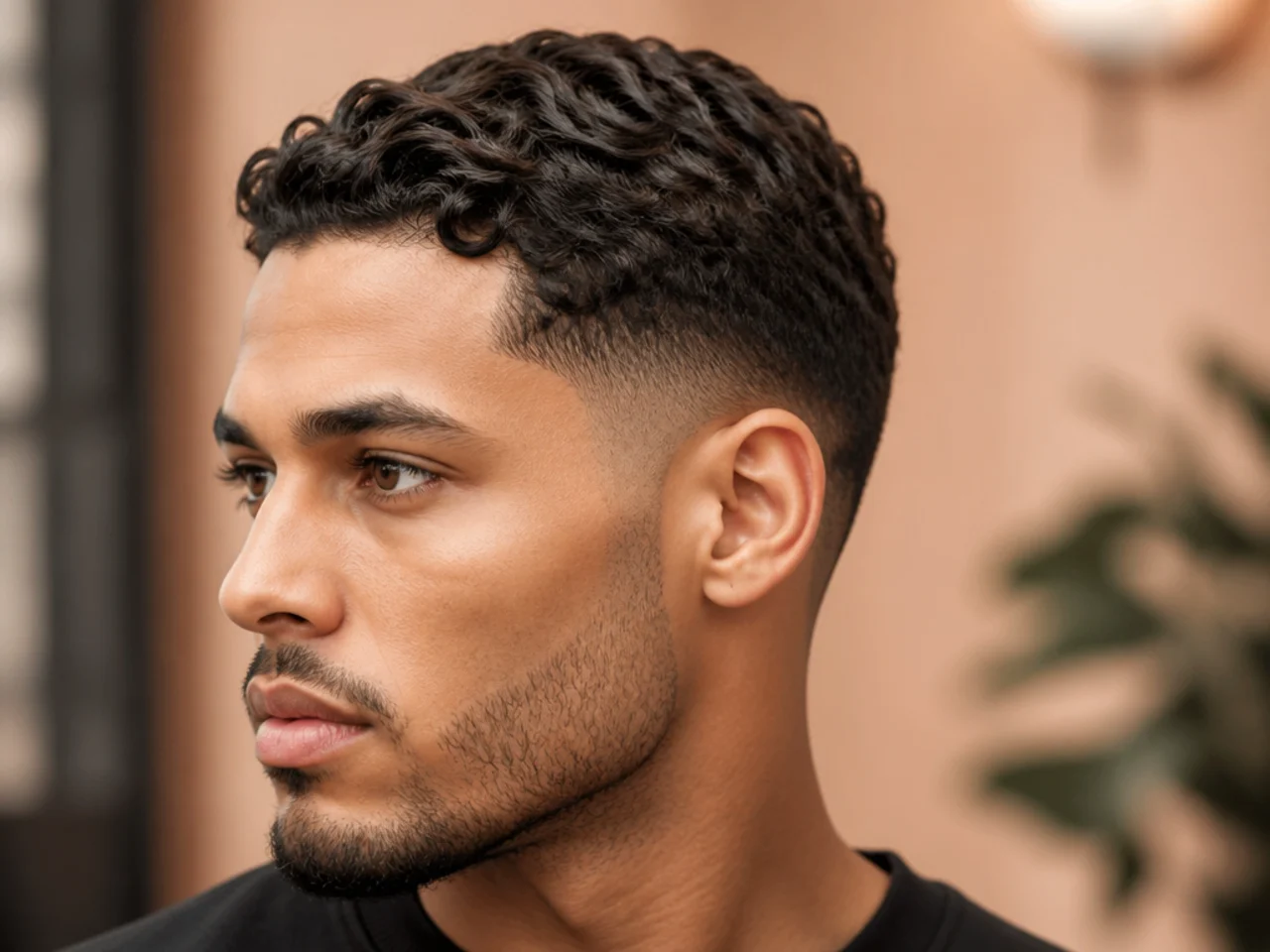
Malcolm is a session drummer who plays four studios a week and the same soul-jazz residency every Thursday night. He wears 360 waves on top of a 4a coily texture — the pattern takes twenty minutes with a wave brush every morning. When he added a low taper three years ago the wave pattern stopped abruptly at the transition line. He wanted to bridge it.
The design bridged it. Three parallel wave lines cut horizontally through the taper at the temple, echoing his 360s so the eye reads one continuous pattern from crown to sideburn. Low taper to a 1 guard at the shortest — not skin, because the wave lines needed a soft canvas. Waves a quarter-inch apart, same width, running two inches from behind the ear to just in front of the temple.
Waves are the lowest-maintenance design I cut. Because Malcolm stayed at a 1 guard the lines blur with the hair growth, matching the pace of his 360s on top instead of fighting them. He books every three weeks. Wave cap at night, boar-bristle brush every morning, a light oil through the crown before he sits down at the kit.
Compliments come from producers watching him track drums from behind the glass and from the guitar players standing next to him at the residency. His five-year-old son started calling the waves "daddy's stripes" the week after they went in. Malcolm has already put a smaller version on the kid.
4. The Script Name — Ricardo, 34
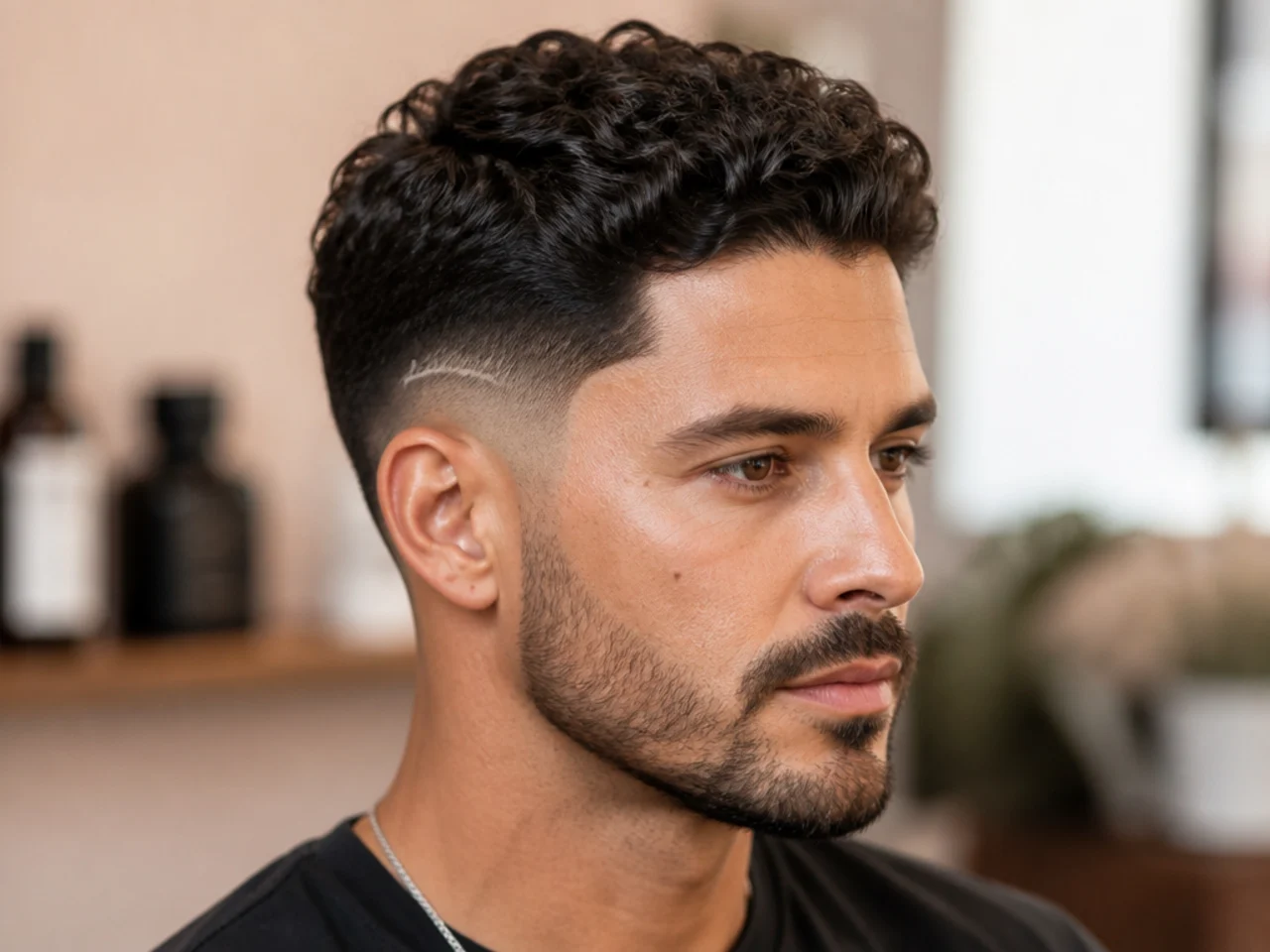
Ricardo is a sous chef at a Puerto Rican restaurant fifteen minutes north of my shop and one of the softest guys in my chair. He has straight, thick, dark hair that grows in every direction. When his daughter Sofía was born last winter, he asked me to put her name in his hair so he'd see it every time he passed the mirrored line in the kitchen.
Script separates barbers with a designer's eye from barbers with a trimmer. I mapped Ricardo's low taper first — 0.5 at the shortest, blending into a 3 higher up, three inches on top falling forward at the front. Then I hand-drew "Sofía" in one-and-a-half-inch cursive along the taper line at his right temple with the accent mark over the i. Straight razor for the loops so the letters read hand-drawn, not stamped. Twenty-two extra minutes.
Script demands the most upkeep of any design I cut. Ricardo books every ten days without missing one. Same photo every visit so I redraw the letters exactly — the accent mark drifts a millimeter otherwise. Light-hold pomade on top with fingers only, never a brush, because a brush drags the top hair over the script and flattens it into fuzz.
Compliments come from the whole kitchen staff and, at Sunday brunch, from three regulars in a row asking for the barber's number. His wife made a photo of the design behind Sofía in her high chair the family lock screen. Sofía traced the letters at bath time before she could say them.
5. The Geometric — Owen, 28
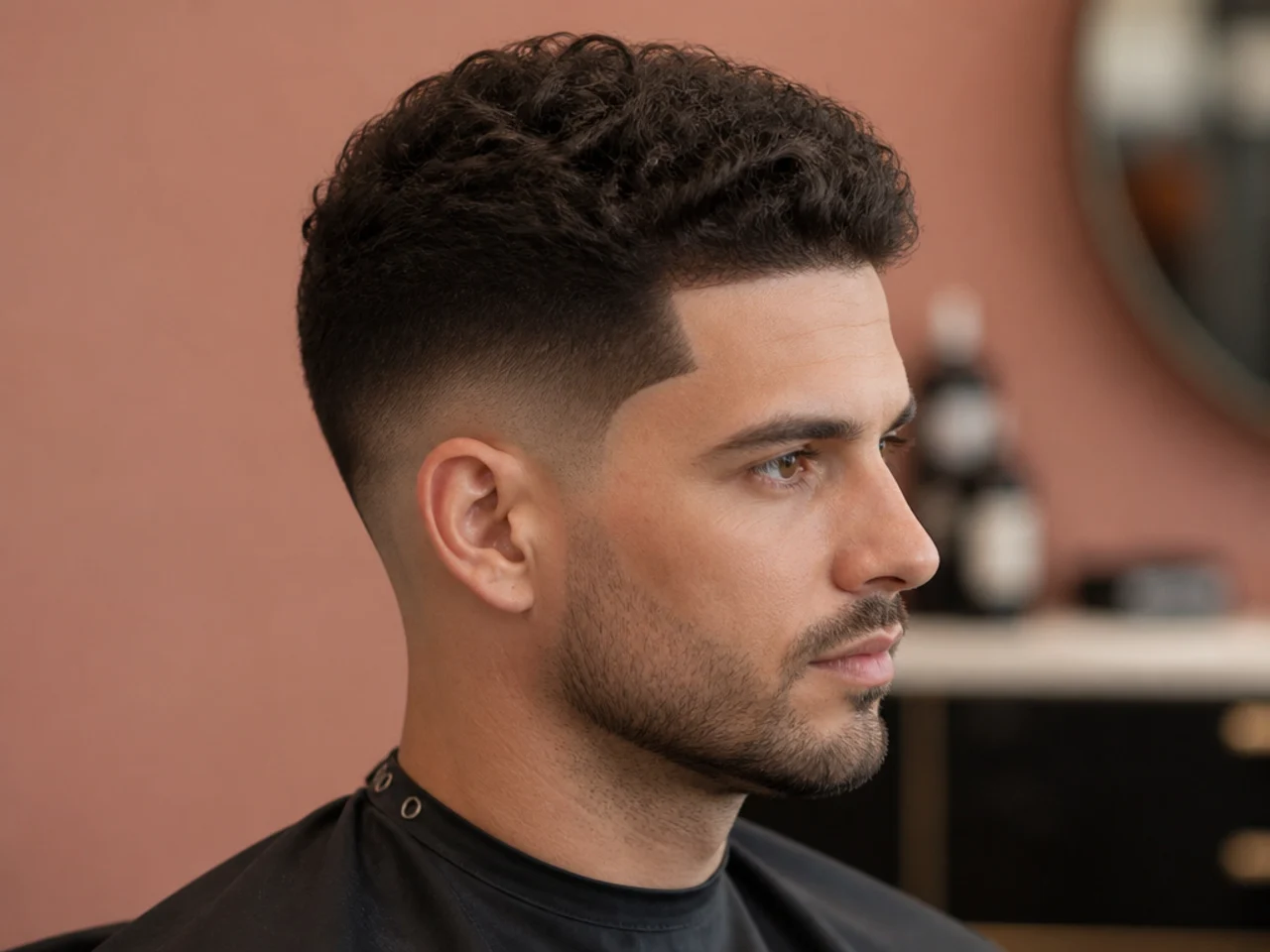
Owen is a junior architect at a mid-size firm downtown and treats his haircut like a working drawing — measured, symmetrical, defensible in a design review. He has medium straight brown hair and wire-frame glasses. He once brought me a grid on tracing paper to reference during a cut. He wanted a design as intentional as his floor plans.
We landed on a crosshatch through a hard part. Low taper from a 3 above the ear down to a 0.5 at the shortest. Hard part razored from the front hairline back three inches toward the crown on the left. Inside the hard part, a two-inch crosshatch — four short perpendicular lines across three long lines running along the part — cut at right angles. Top brushed right, side-part energy.
Geometry forgives nothing. A millimeter off and the pattern reads wrong. I use a small printed template Owen designed for me, held to his scalp before the first cut. He books every fourteen days. Between visits he re-razors his own hard part on day seven; he watched barber videos for three months before trying it.
Compliments come from other design people, which is what he wanted. A senior architect at his firm asked where he goes and now sits in the chair every three weeks. Owen brought me a laser-cut acrylic template as a Christmas gift last year. It's on the shelf next to my clippers.
6. The Tribal — Amari, 25
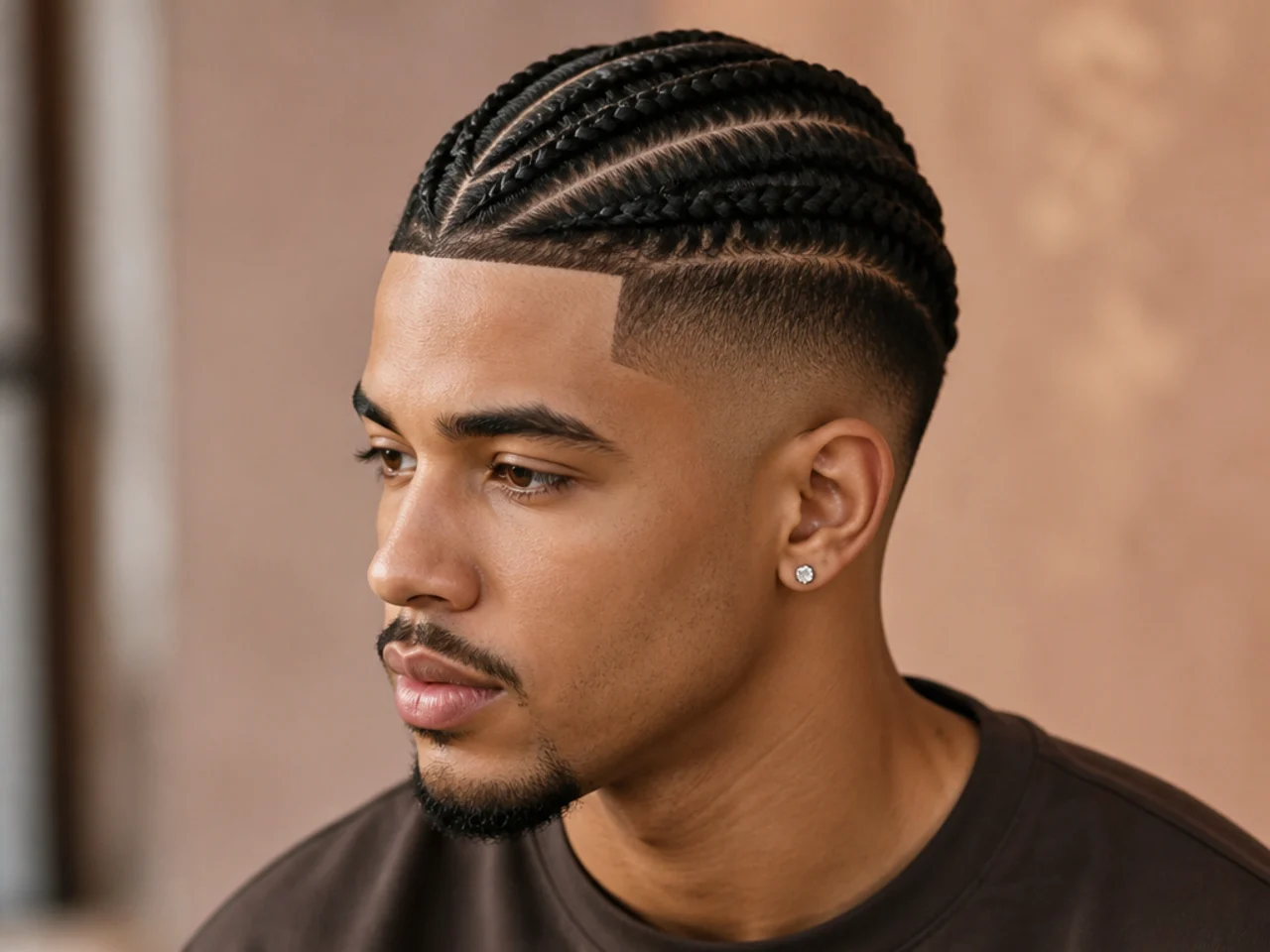
Amari is a mechanical-engineering senior and a first-generation Kenyan-American. He has dense 4b coily hair that grows in every direction and takes a nick out of a fresh trimmer blade every visit. When he came home from a summer research trip to Nairobi last year, he asked me to carve a curved tribal design his uncle had drawn — a pattern his family recognizes.
The design sits as a band along the taper line from the sideburn back to the top of the ear: two curved parallel arcs connected by five short perpendicular strokes, three fingers wide at the widest point. Low taper to a 0.5 at the shortest, blending into a 2 above so the pattern has a clean canvas without going bare. Three inches of coils on top scissor-cut so the pattern springs — no thinning shears, ever.
Maintenance is the tightest of any design I cut. Amari books every eleven days because the tribal has more lines to blur than a single-shape design. He conditions the taper after every wash — the exposed skin between the arcs shows dry scalp faster than anywhere else on his head. Curl cream on top with fingers, a wide-tooth pick for lift. Straight razor at every visit for the interior; I redraw from a photo he sends the morning of each appointment.
Compliments come from family first, in his mother's Swahili and his uncle's Kikuyu, and from three professors who stopped him in the engineering building. He brought me a photo of his grandmother at his college graduation, pointing at the design and beaming. It's on my shop wall now, framed.
The Habit That Made All Six Designs Work
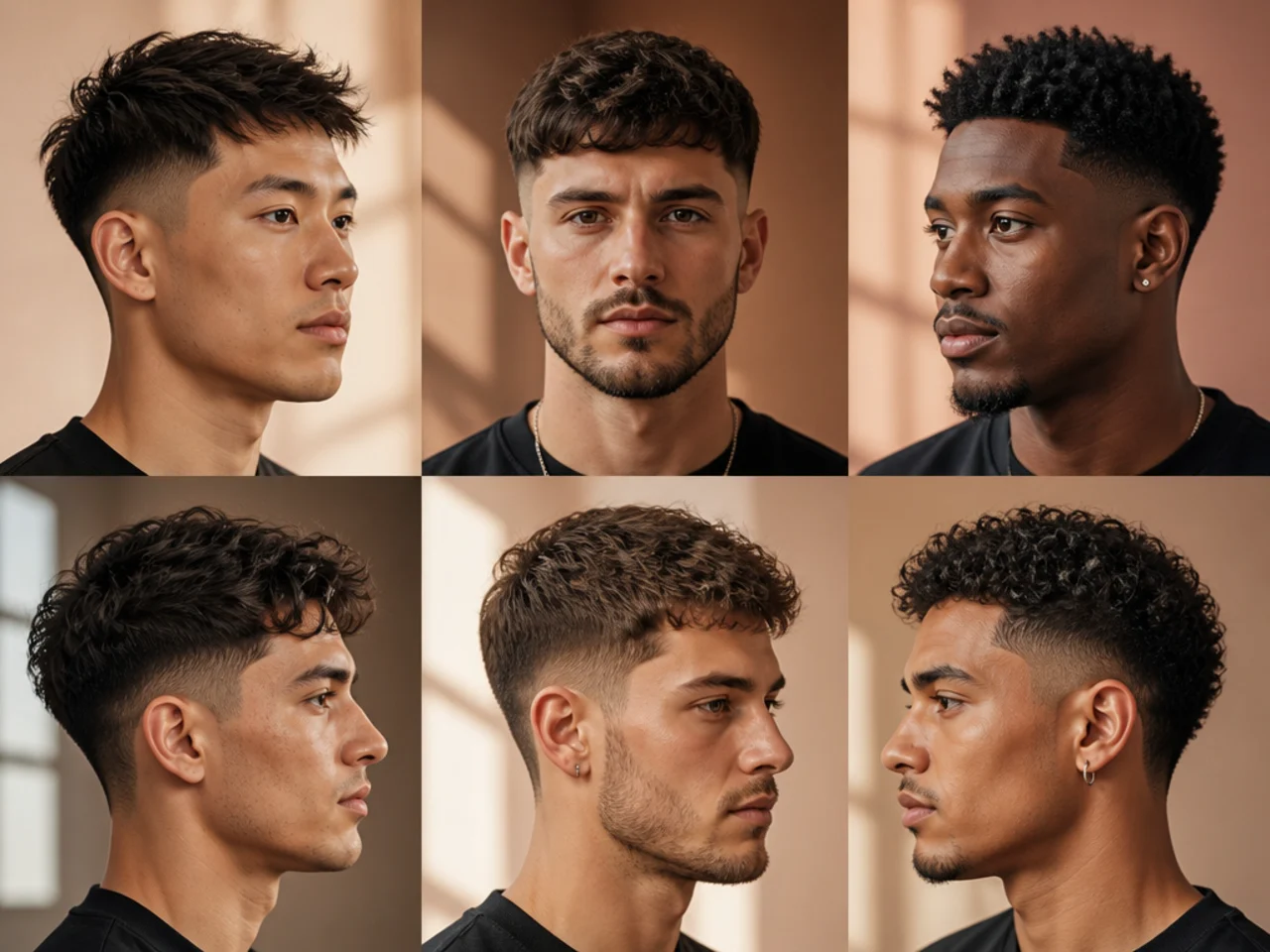
Every one of these six guys started the same way: a first design they hated for the two weeks it took to grow out. Anthony's first star had six points. Kai's first bolt sat too high. Malcolm's first waves were a quarter-inch too far apart. In every case the fix was the same — they stopped booking the design and the fade as one long visit and started booking them as two shorter ones.
The math is simple. A full low taper with a design in the same sitting runs sixty to seventy-five minutes; both the fade and the design have to be near-perfect on the first pass. Split it into a forty-minute fade visit and a fifteen-minute design touch-up two weeks later and the design gets full attention instead of tail-end attention. All six of these clients keep a standing bi-weekly slot for the touch-up alone.
The other quiet habit: every one of them keeps a labeled phone folder with three photos — the reference, the design after the first fresh cut, and the design at day thirteen. That third photo tells the barber how the design ages on your specific hair. Bring all three every visit and the conversation shortens to a nod.
What to Do Next
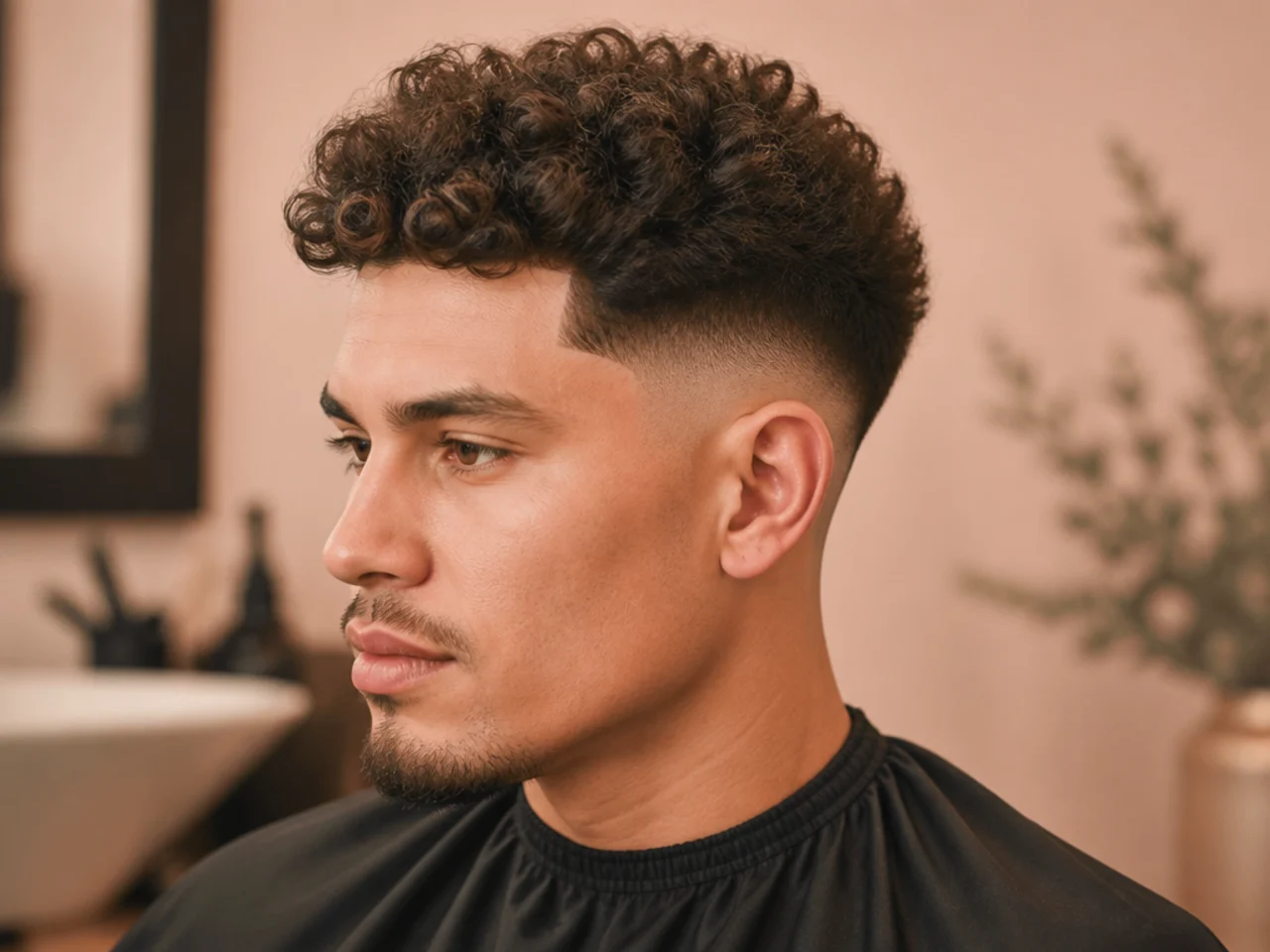
Pick your placement before your pattern. Anthony picked temple to catch his students from the whiteboard. Malcolm picked temple so the waves connected to his 360s on top. Ricardo picked temple for the kitchen mirror line. When placement drives the choice, you almost never end up with a design in the wrong room.
Book a barber with a design portfolio, not just a fade portfolio. Ask to see three photos of shaved designs on their Instagram before you book, and look for the day-fourteen photo — that's where the real skill shows. A barber can cut a great low taper fade haircut and still put a bad star at your temple. The two skills are separate.
Then plan the neighboring cuts. For a fringe-forward top over the design, the edgar haircut is the most-requested pairing at my chair. For a mullet silhouette above, see modern mullet haircut men. For a longer top with a center split, middle part haircut men covers what sits above a temple design. If you're weighing burst instead — design in the ear arc rather than at the temple — burst fade designs walks through the same six patterns on that silhouette.
Still choosing between the low taper and a full low fade as the base? The low fade haircut piece walks through the trade-off and the taper haircut overview places the taper family inside fades. Bring a friend to your first design appointment — a second pair of eyes drops the regret rate to near zero.
FAQ
What is a low taper fade design?
A low taper fade design is a shaved pattern etched into the tapered section of a low taper fade — at the temple, above the sideburn, at the nape, or through a hard part. Common shapes are stars, lightning bolts, wave lines, script names, geometric grids, and tribal curves. The outline is cut with a trimmer and finished with a straight razor.
How long does a low taper fade design last?
A design cut into the low taper's 0.5 or 1 guard reads clean for ten to fourteen days and starts to soften by three weeks. Because the low taper stops short of skin, designs blur gently as the hair grows in rather than growing out in a hard line. Book the design-only touch-up every two weeks.
Where should the design sit on a low taper fade?
Temple for a bold, side-profile design; above the sideburn for a smaller signature; at the nape for something only close friends notice; and through a hard part for structural, on-top designs. Pick your placement before your pattern — the room you want the design to read in should drive the position.
Do low taper fade designs work on curly and coily hair?
Yes — 3A through 4C textures hold a design sharper than straight or wavy hair because the curl pattern makes shaved lines pop against the fuller top. Ask for a fresh straight-razor edge, not a trimmer alone, and book every ten to twelve days because faster-growing textures blur sooner.
How much extra does a design cost on top of the fade?
Fifteen to forty dollars at most independent shops depending on complexity. A single bolt or a small star sits at the low end; a script name, a multi-line tribal pattern, or a geometric grid inside a hard part sits at the high end. Confirm the price before the trimmer touches your head.
What should I bring to my first design appointment?
Two photos. One of the low taper fade shape you want as the base, one of the exact design at the size and placement you want on someone else's head. A phone photo is fine; a printed one is better because it doesn't dim under the shop lights. Bring a friend for the placement check.