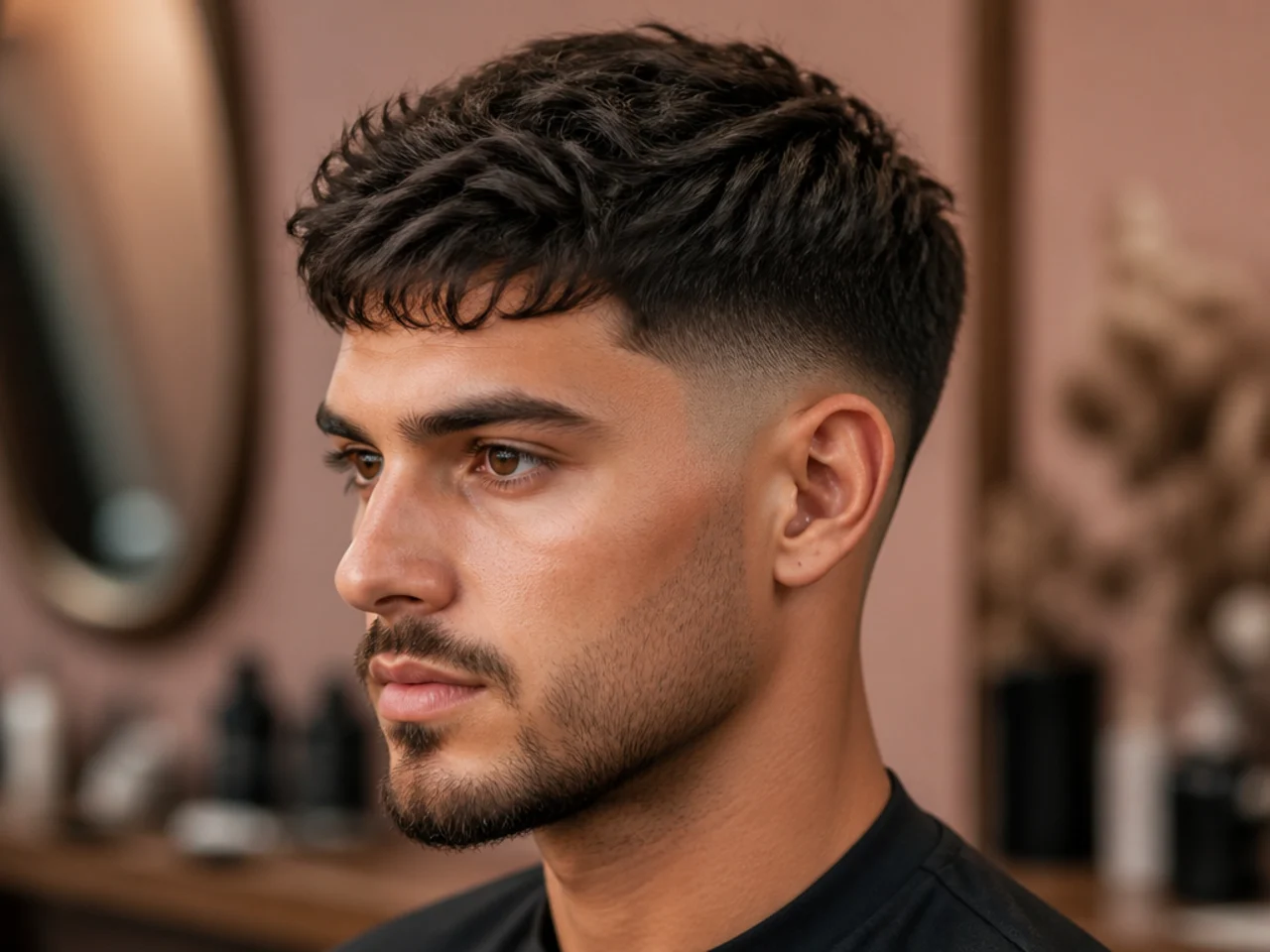
15 Low Fade Haircuts That Suit Any Face
Fifteen low fade haircut for men ideas sorted by face shape — oval, round, square, heart, oblong, diamond — with clipper numbers and the exact ask.
In this article · 32
- What Is a Low Fade Haircut for Men?
- Why Face Shape Matters When You Pick a Low Fade
- How to Identify Your Face Shape in 60 Seconds
- Low Fade Haircuts for Oval Face Shapes
- 1. Classic Low Fade with Textured Crop
- 2. Low Skin Fade with Slick Back
- 3. Low Fade Buzz Cut
- Low Fade Haircuts for Round Face Shapes
- 4. Low Fade with High Pompadour
- 5. Low Skin Fade with Textured Quiff
- 6. Low Fade with Faux Hawk Spikes
- Low Fade Haircuts for Square Face Shapes
- 7. Low Fade with Curly Top
- 8. Low Fade with Messy Textured Fringe
- 9. Low Drop Fade with Wavy Layers
- Low Fade Haircuts for Heart Face Shapes
- 10. Low Fade with Side-Swept Fringe
- 11. Low Fade with Textured Crop and Beard
- Low Fade Haircuts for Oblong Face Shapes
- 12. Low Fade with Blunt French Crop
- 13. Low Fade with Curtain Bangs
- Low Fade Haircuts for Diamond Face Shapes
- 14. Low Fade with Brushed-Forward Volume
- 15. Low Burst Fade with Loose Waves
- How to Describe Your Low Fade at the Chair
- Styling and Maintenance for Any Low Fade
- FAQ
- Does a low fade look better than a mid or high fade on most face shapes?
- Can I get a low fade with thin or fine hair?
- Should I get a beard with my low fade to match my face shape?
- What's the difference between a low fade and a low taper for my face shape?
- Can I try a low fade if I've never had one before?
A low fade suits every face — the trick is picking the right variation for yours. This guide sorts fifteen low fade haircut for men ideas by the shape they flatter most: oval, round, square, heart, oblong, and diamond. You'll get the clipper numbers, top length, and the exact ask for your barber under each cut. Skim to your face shape and you're two paragraphs from a haircut plan.
Start with the fade haircut family for the broader taxonomy, or the low fade haircut pillar if you want every variation across the spectrum before narrowing by shape.
What Is a Low Fade Haircut for Men?
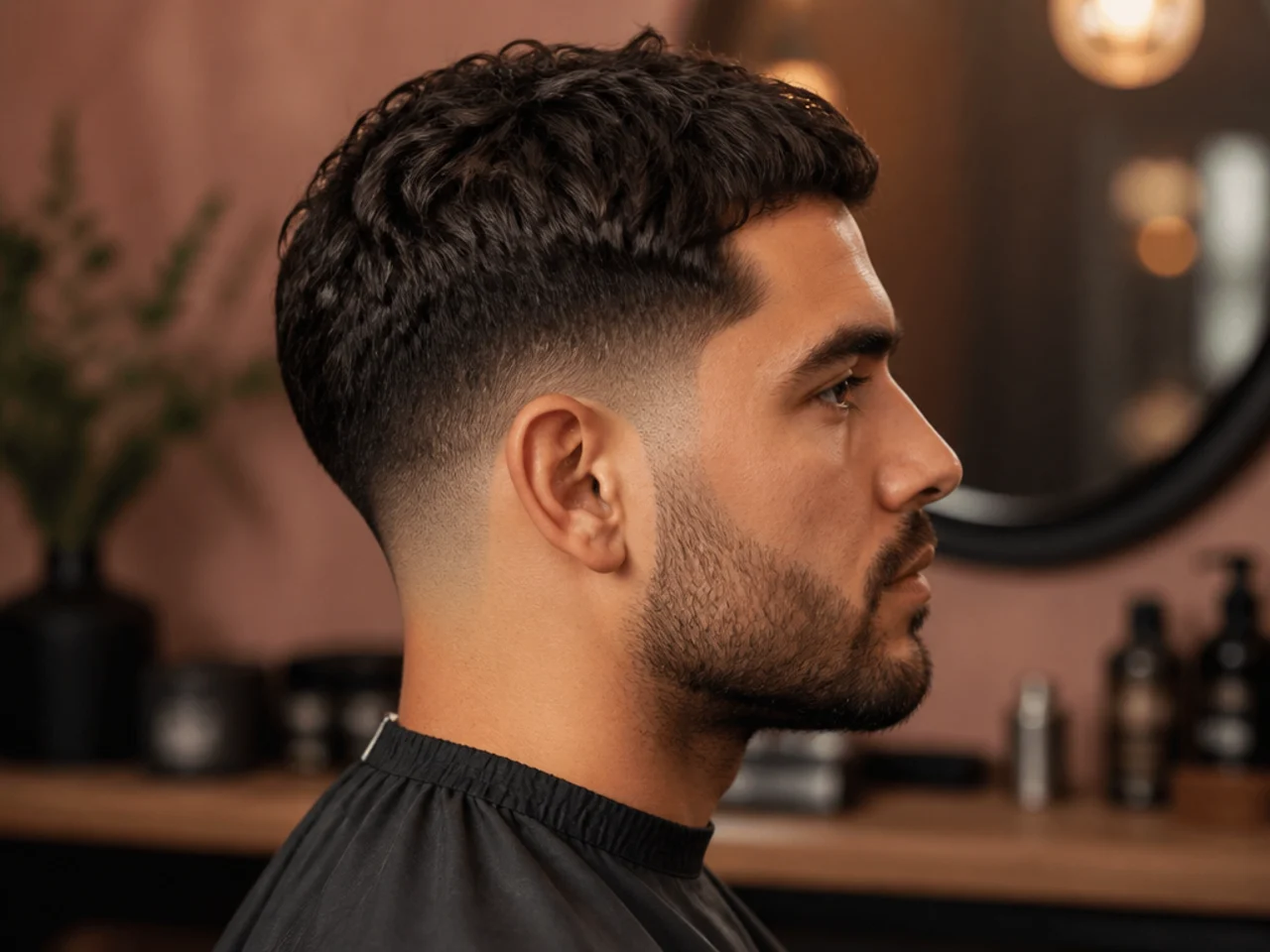
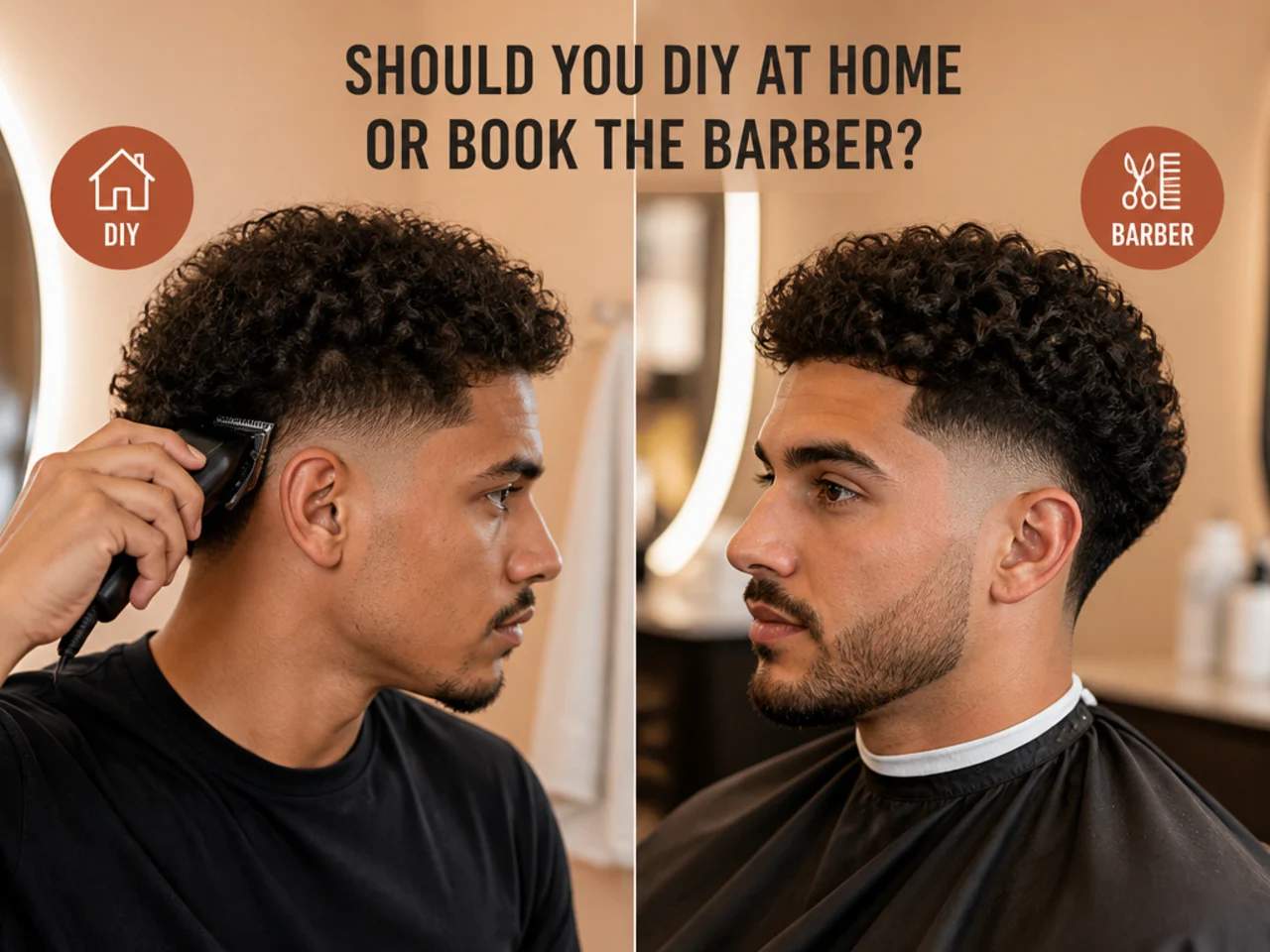
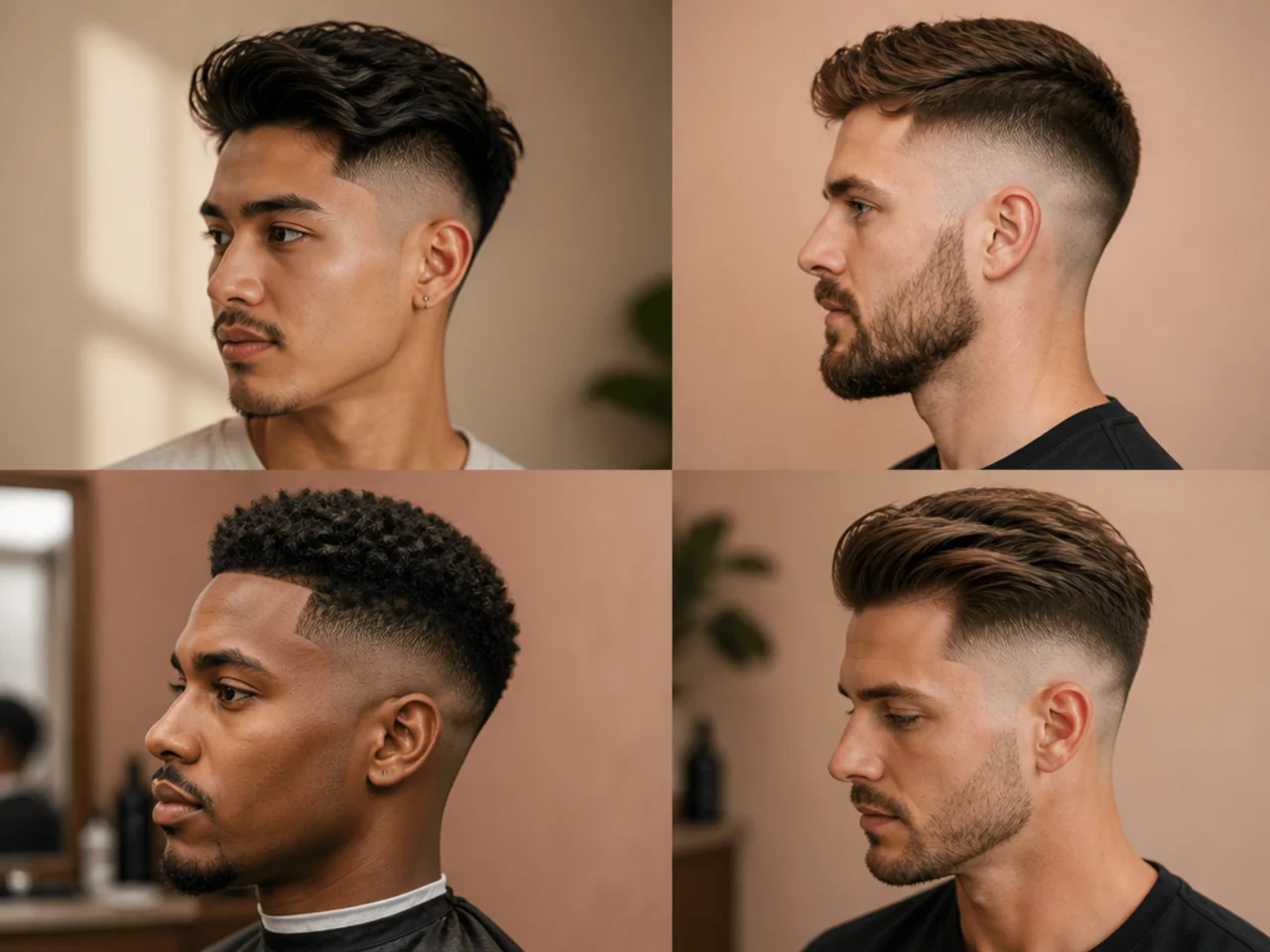
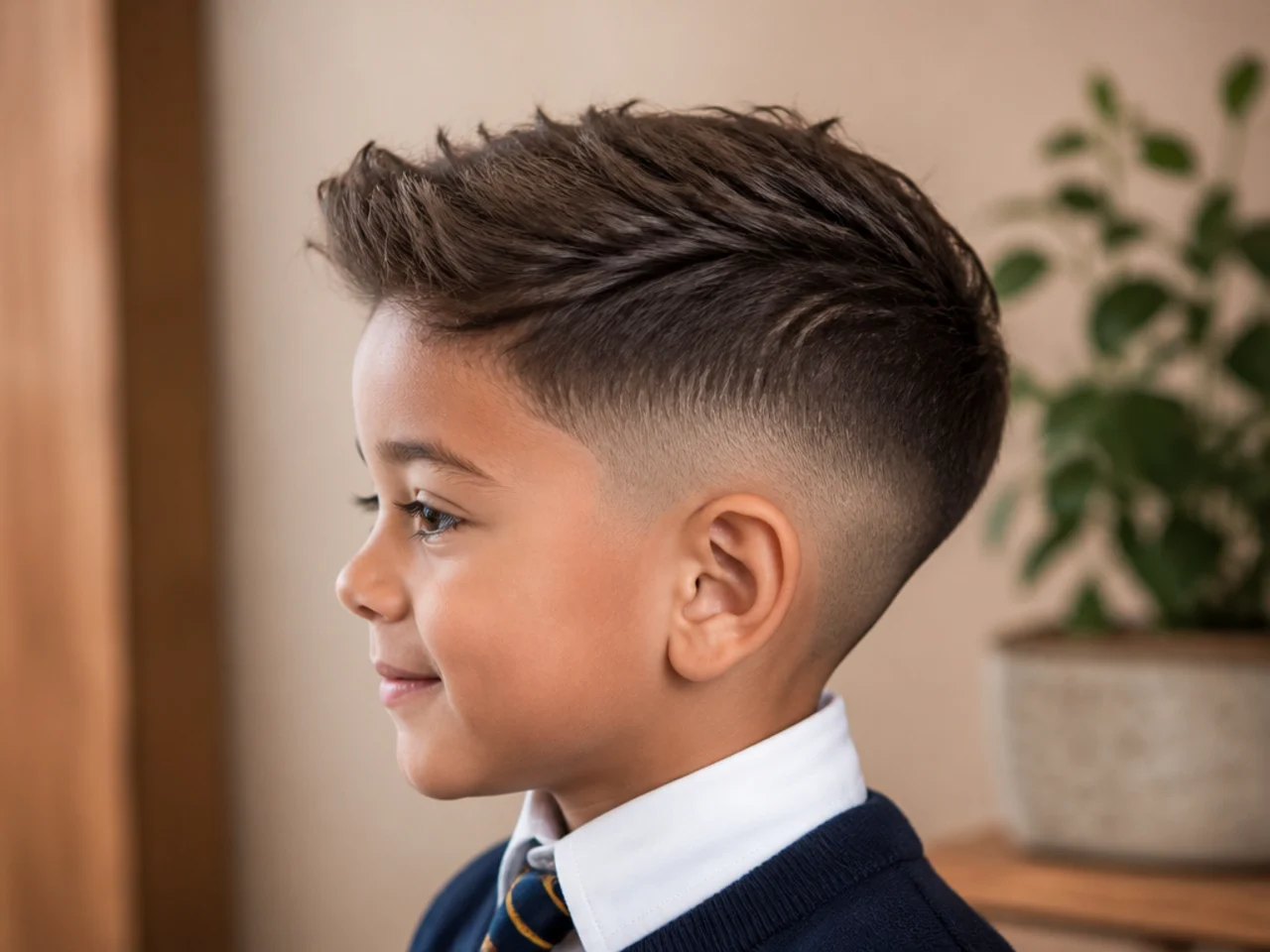
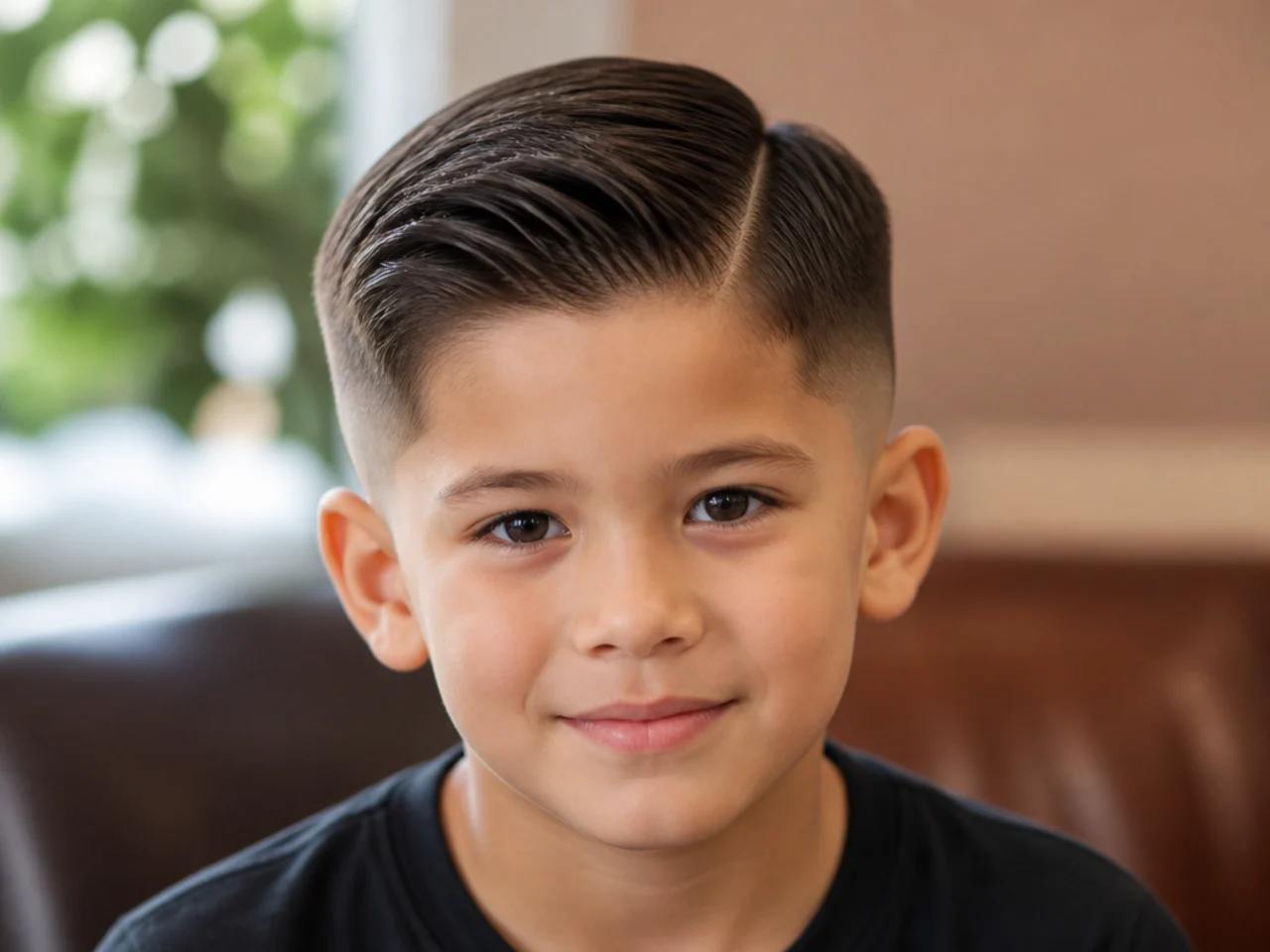
A low fade starts the taper just above the ear and finishes at the neckline. Nothing above the temple gets touched. The sides step down through two or three clipper guards — a 2 up top, a 1 in the middle, a 0.5 or bare skin at the shortest point — then a barber blends the transitions until the eye reads a smooth gradient.
That low starting point is what makes the low fade universal. Because the shortest hair sits below the top of the ear, the contrast never announces itself from the front. Whatever length you carry on top does the styling work, and the fade quietly cleans up underneath. It sits neatly under a suit collar and a hoodie, forgives a week of grow-out, and reads sharp on both a 22-year-old and a 62-year-old.
The higher variations — mid and high — push the same technique further up the head for louder contrast. See the low fade vs mid fade vs high fade breakdown for a side-by-side.
Why Face Shape Matters When You Pick a Low Fade
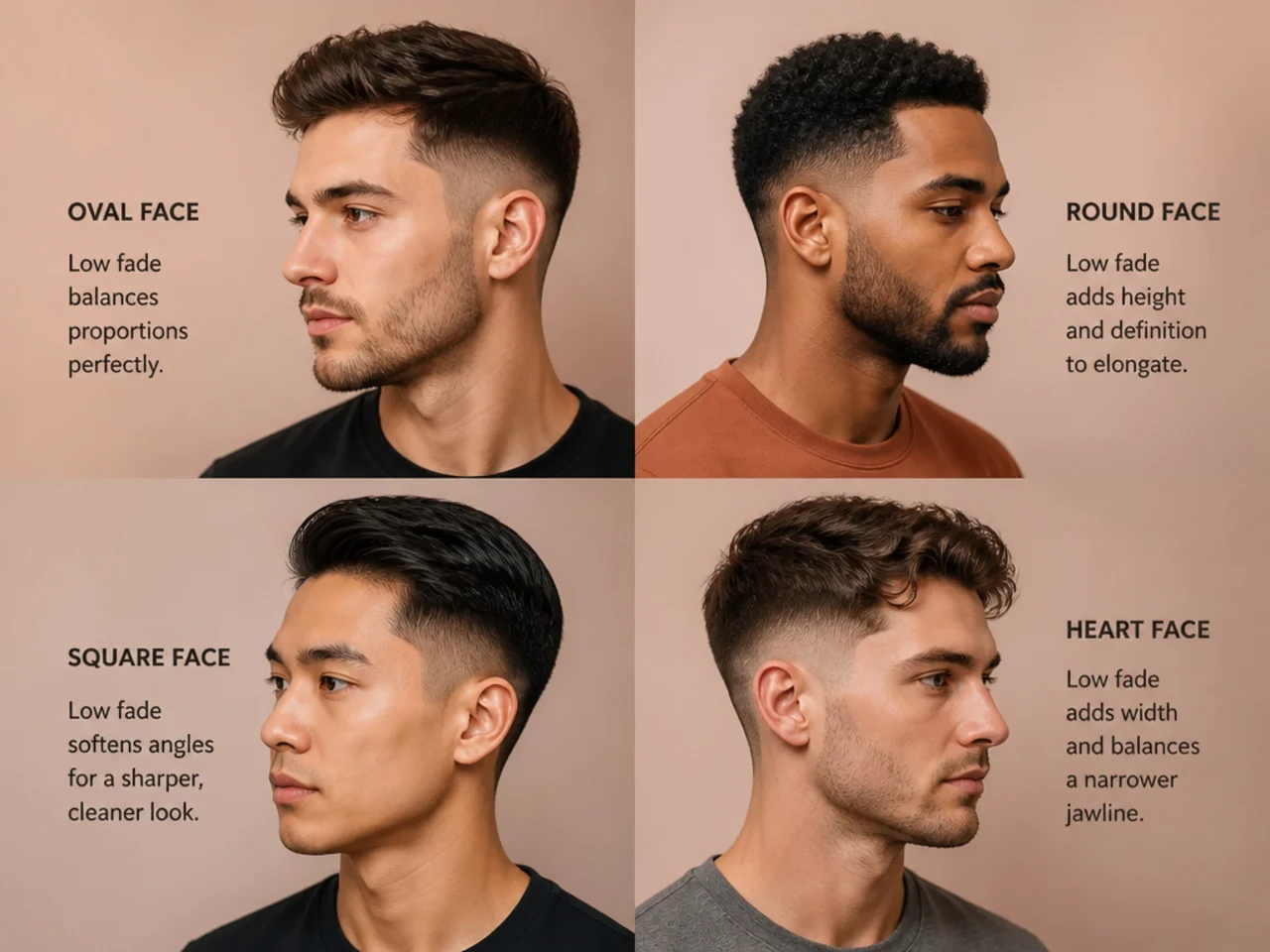
The low fade is neutral. It doesn't add height, add width, or soften angles on its own — that's the top's job. Which is why two guys walking out of the same barbershop with the same clipper numbers can end up looking completely different: one balanced, one stretched, one square, one soft.
Face shape decides which top length and top shape you actually want above the fade. Height on top elongates a round face. Textured softness on top rounds off a strong jaw. A shorter, wider fringe adds horizontal width to a long face. Volume at the crown offsets sharp cheekbones. Every variation below is built around one of those moves — the fade underneath just keeps the shape clean without competing.
Nail your face shape first, then pick the top style. The guard numbers barely change; the length above the transition is where the flattering happens.
How to Identify Your Face Shape in 60 Seconds
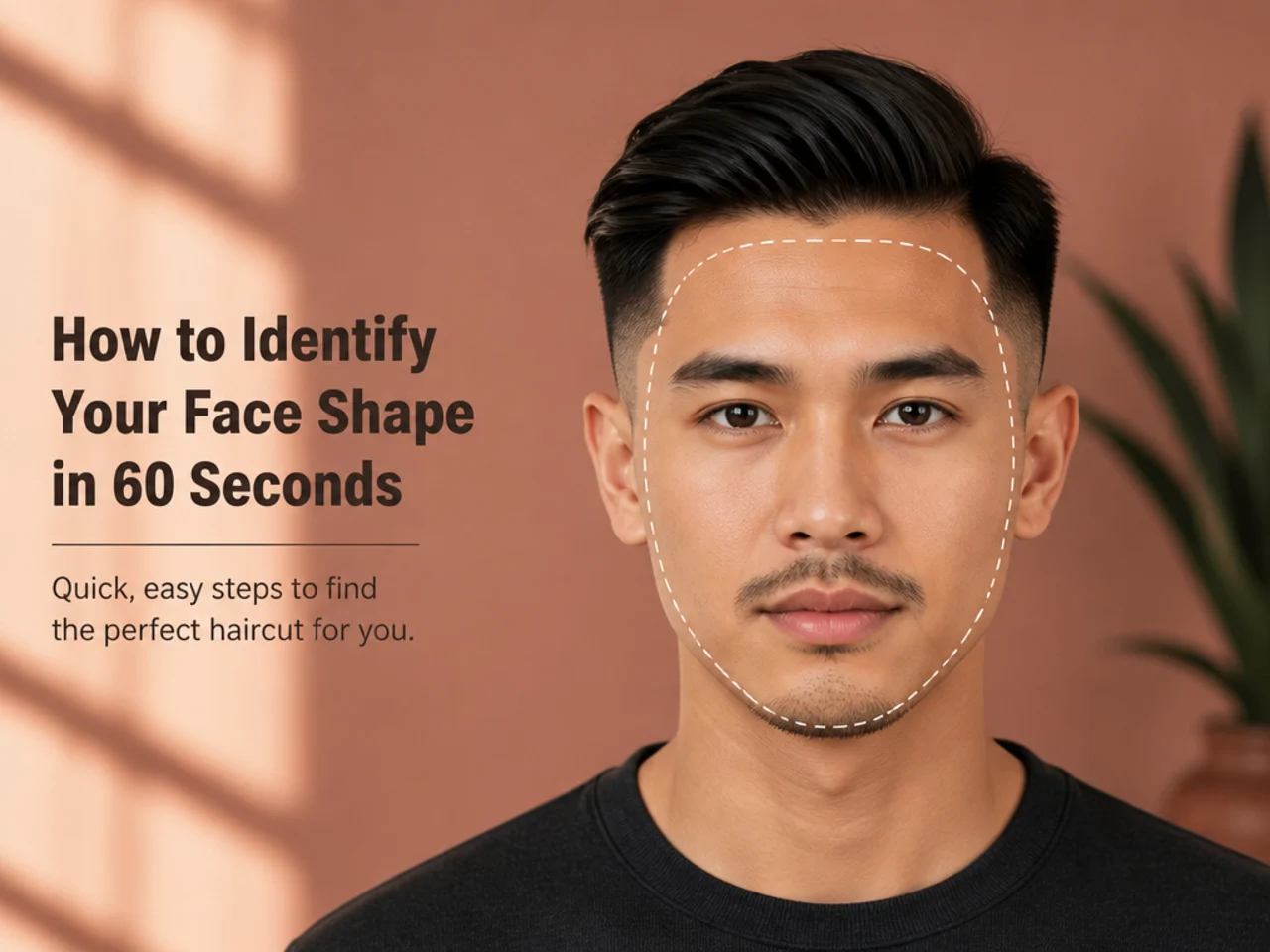
Pull all your hair off your face and stand straight-on to a mirror. Look at four measurements: forehead width, cheekbone width, jaw width, and total face length from hairline to chin.
- Oval — face length slightly longer than cheekbone width, and cheekbones the widest point with a gently rounded chin. The most flexible shape.
- Round — face length roughly equal to cheekbone width, no strong angles, softly curved jaw.
- Square — face length equal to width across the board, strong straight jawline, angular forehead.
- Heart — widest at the forehead, narrows to a pointed chin, cheekbones sit in between.
- Oblong — noticeably longer than wide, forehead and jaw roughly the same width, straight cheeks.
- Diamond — widest at the cheekbones, narrow forehead, narrow chin — the least common shape.
Two shapes at once is normal. Pick whichever is closer and the fade choice usually works for both.
Low Fade Haircuts for Oval Face Shapes
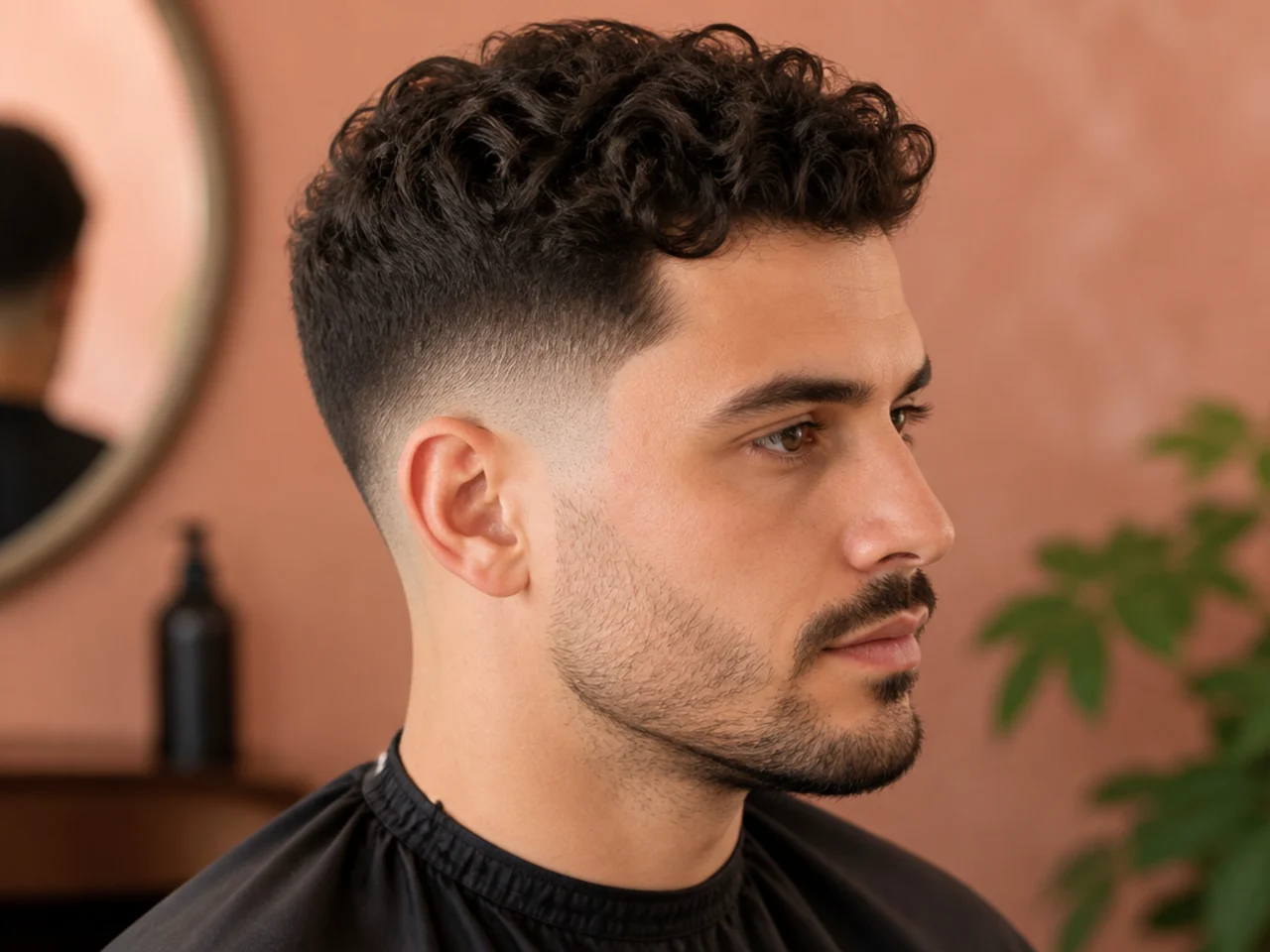
An oval face is the barber's dream — balanced across the forehead, cheeks, and jaw, with no proportions to correct. That means you get to lead with style instead of compensation. Three variations to consider:
1. Classic Low Fade with Textured Crop
The default modern men's cut and the reason the low fade owns barbershop menus. About 1.5 to 2 inches of point-cut length on top, low fade dropping through a 1 to a 0.5 at the ear. The texture breaks up light and reads current without trying too hard, and an oval face carries the balance without any correction needed. Straight to lightly wavy hair holds it cleanest. Ask for: "low fade to a 0.5 above the ear, textured crop on top at 1.5 inches, point-cut ends, matte finish." Styling tip: press a pea of matte clay through damp hair, then break the fringe apart with your thumbs — no combing.
2. Low Skin Fade with Slick Back
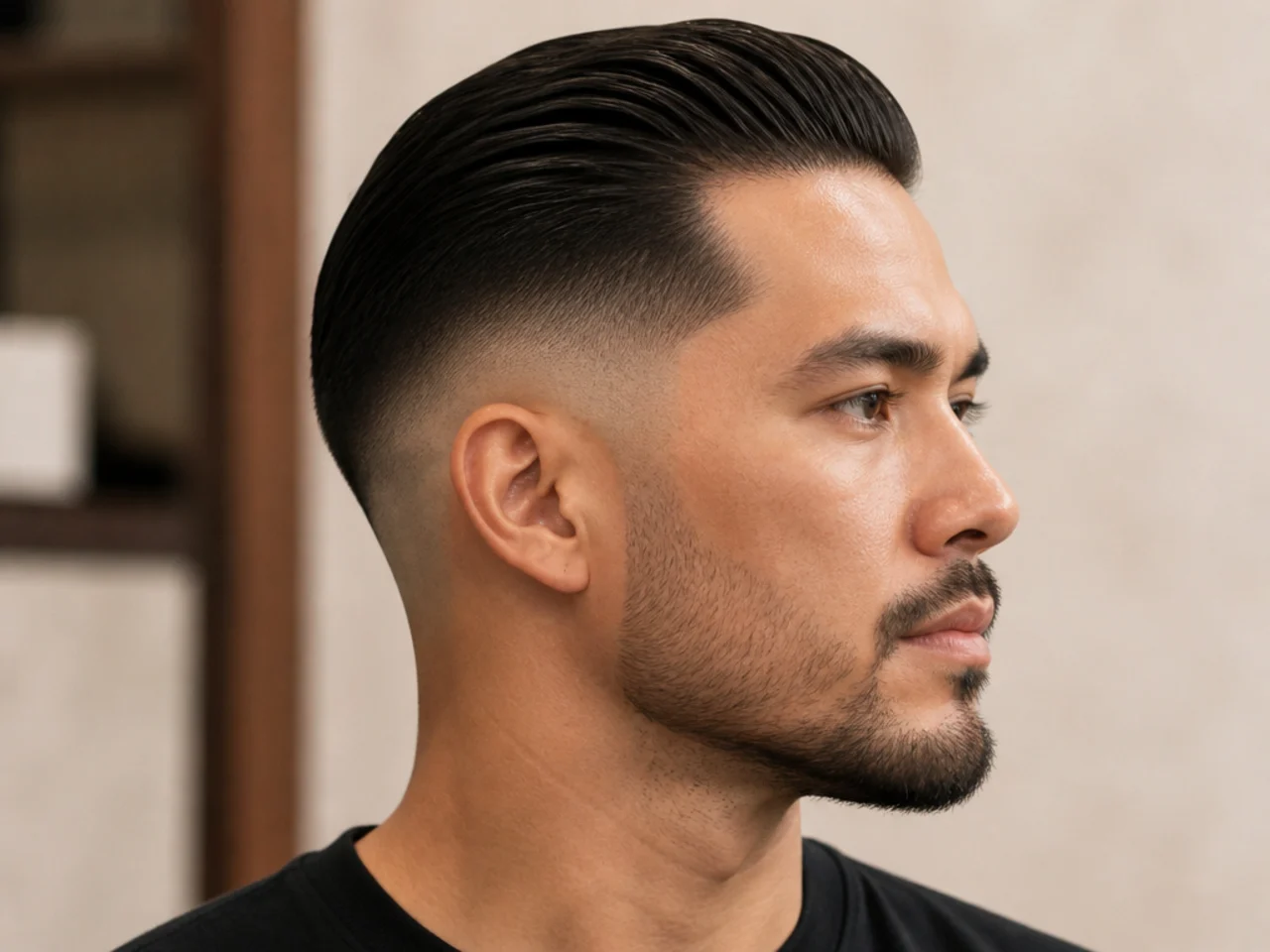
The formalwear pick. Three inches of length on top combed straight back from the hairline with a shine finish, low skin fade below to keep the collar area sharp. Straight to lightly wavy hair only — too much curl fights the slick surface. Ask for: "low skin fade dropping to zero above the ear, keep three inches on top for a slick back, natural side part optional." Styling tip: apply a shine pomade to damp hair, comb straight back from the hairline in one pass, let it set without touching. Rebook every two weeks — the skin section grows in fast.
3. Low Fade Buzz Cut
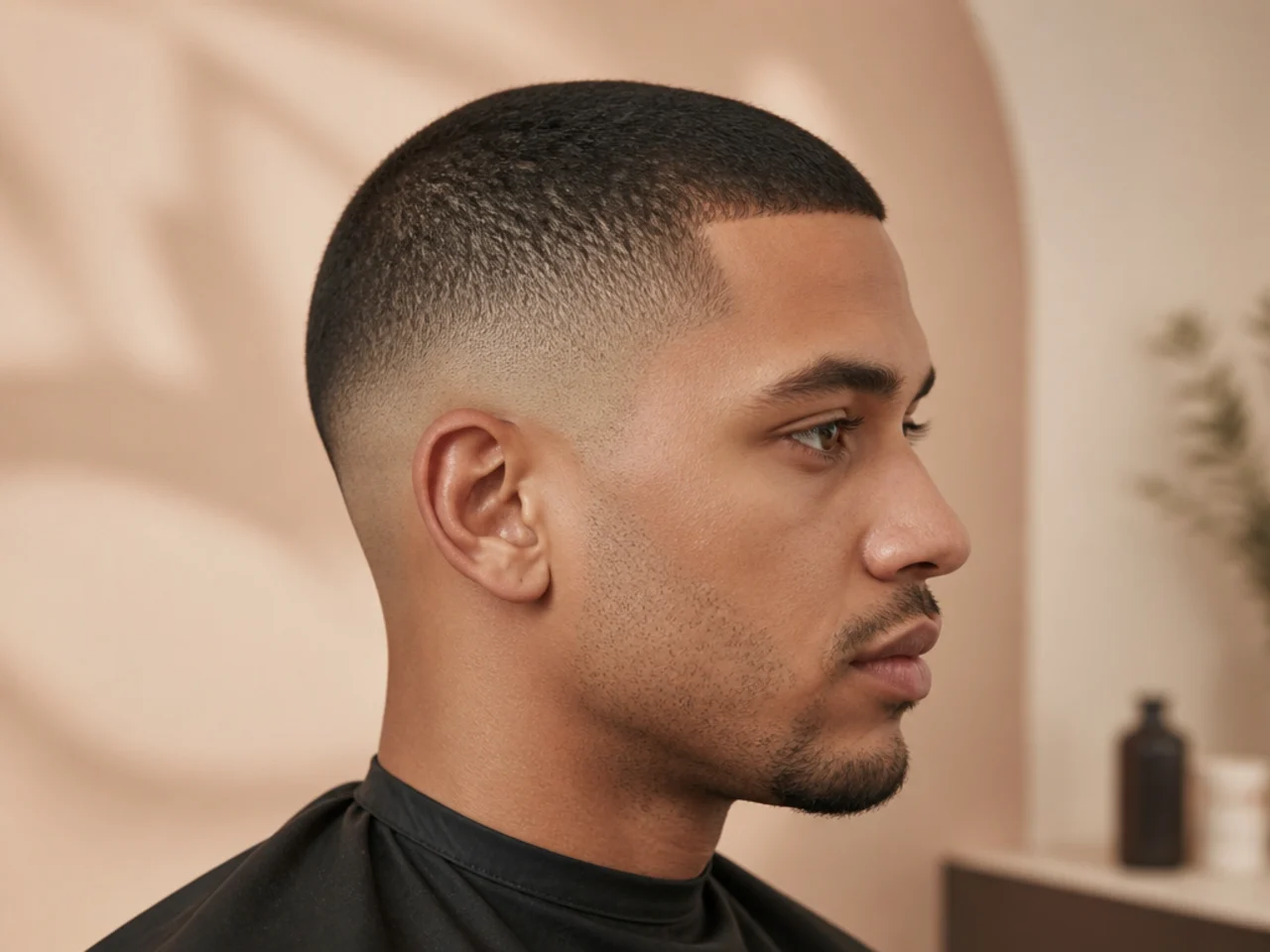
The lowest-effort variation on the list. A 3 or 4 guard across the top, low fade dropping to a 0.5 or bare skin at the ear. The buzz plus fade combo relies entirely on symmetry — which is exactly what an oval face brings to the table. Any hair type. Ask for: "low fade to a 0.5, 4 guard across the top, hard line at the forehead." Styling tip: wet it in the shower, done. No product, no combs, no drying time. Rebook every three weeks or the top and the fade drift out of proportion.
Low Fade Haircuts for Round Face Shapes
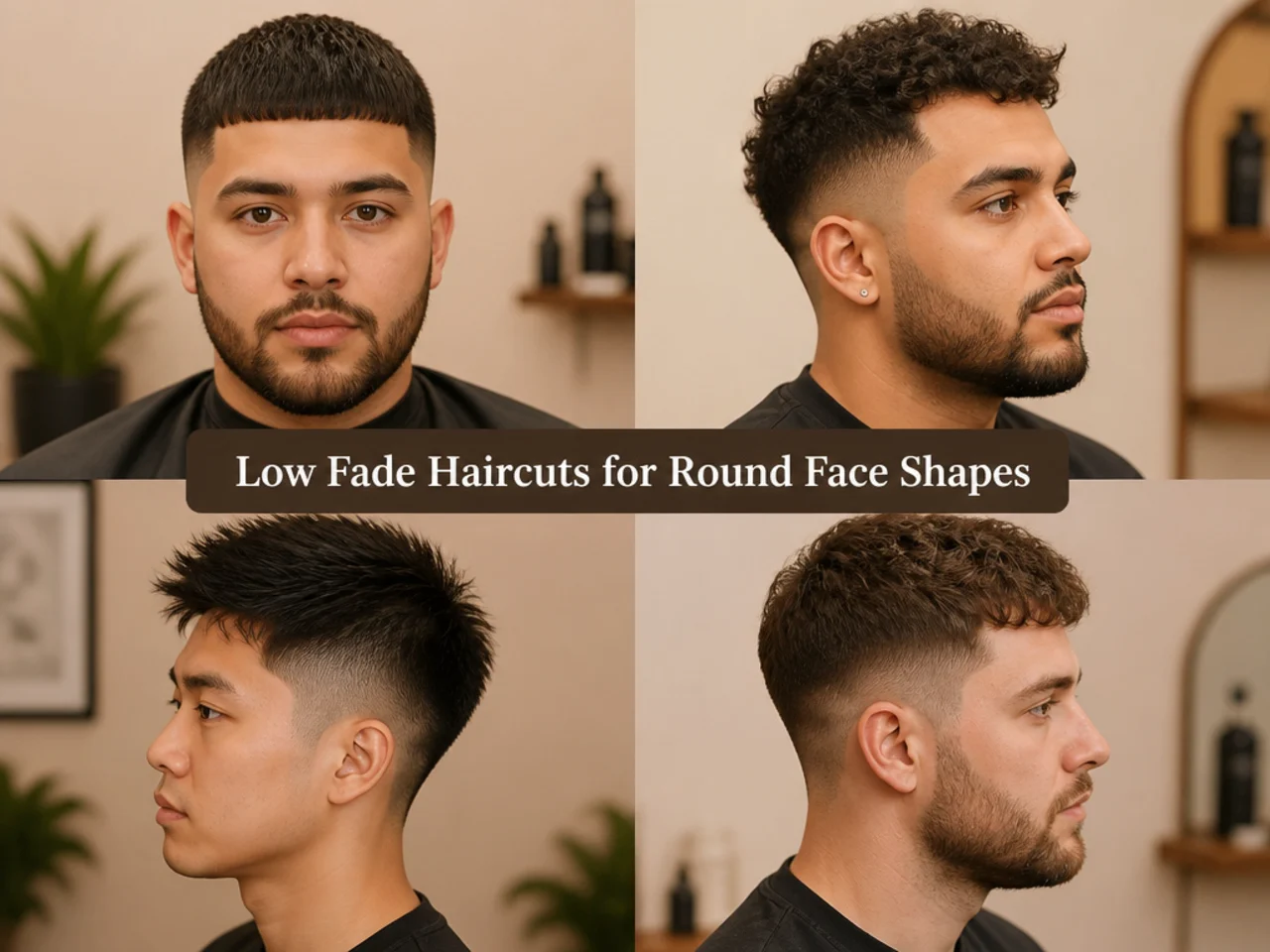
A round face reads soft and youthful, but the same softness can look wide from the front. Height on top is the answer — vertical lift stretches the silhouette upward and shaves visual width off the cheeks. Skip anything flat-topped or cropped short across the whole head.
4. Low Fade with High Pompadour
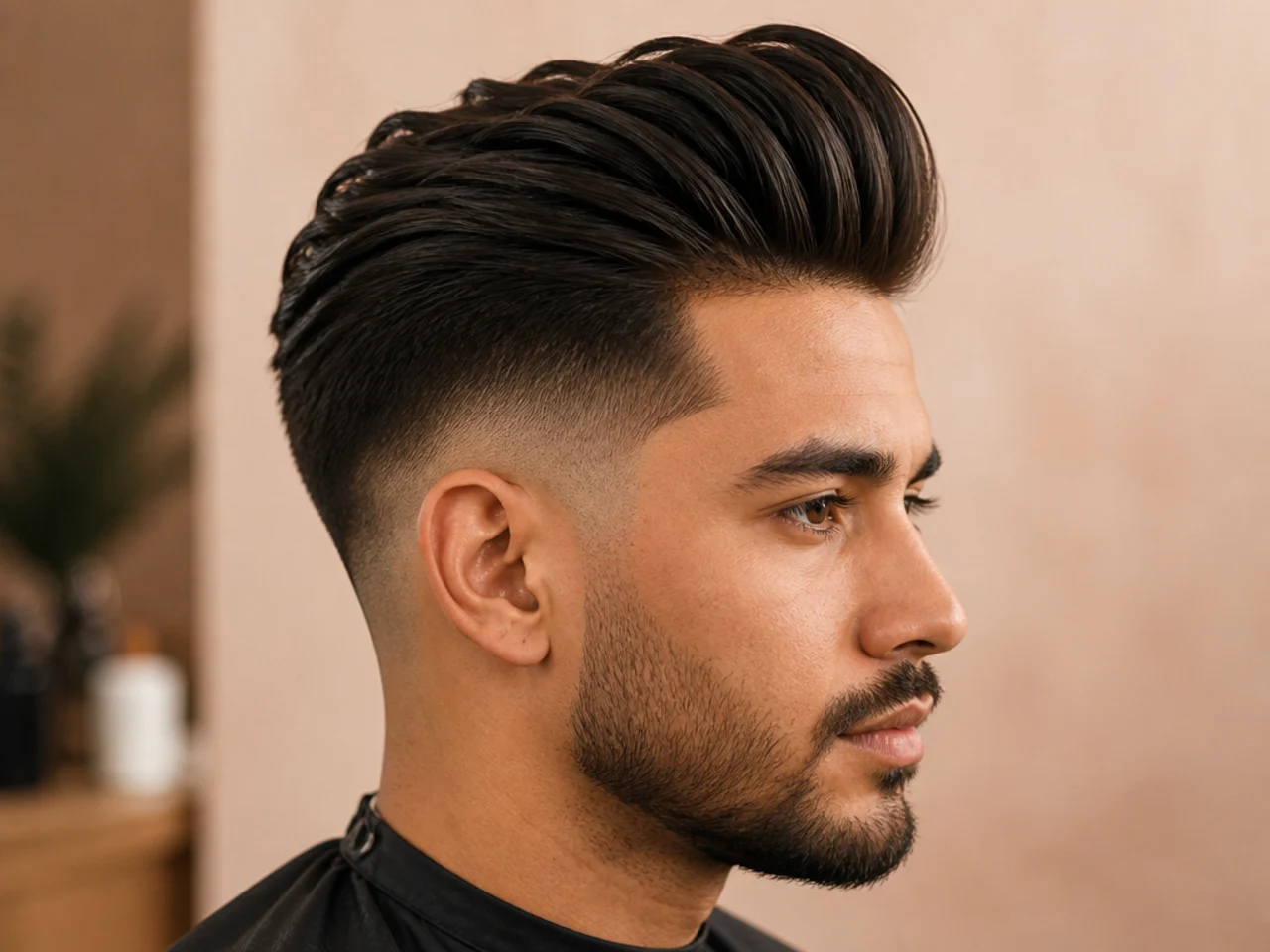
The single strongest lift in the low fade catalog. Four to five inches on top swept up and back into a classic pompadour shape, low fade below to keep the sides quiet. The vertical column of hair does all the elongating work while the fade stays clean under the ears. Best on straight and wavy hair with real density; tight curls fight the shape. Ask for: "low fade to a 1 above the ear, keep four to five inches on top for pompadour height, cut for forward-and-up flow." Styling tip: pre-styler and a round brush blow-dry to build the front, matte pomade to hold. No shine — a wet look flattens the height you just built.
5. Low Skin Fade with Textured Quiff
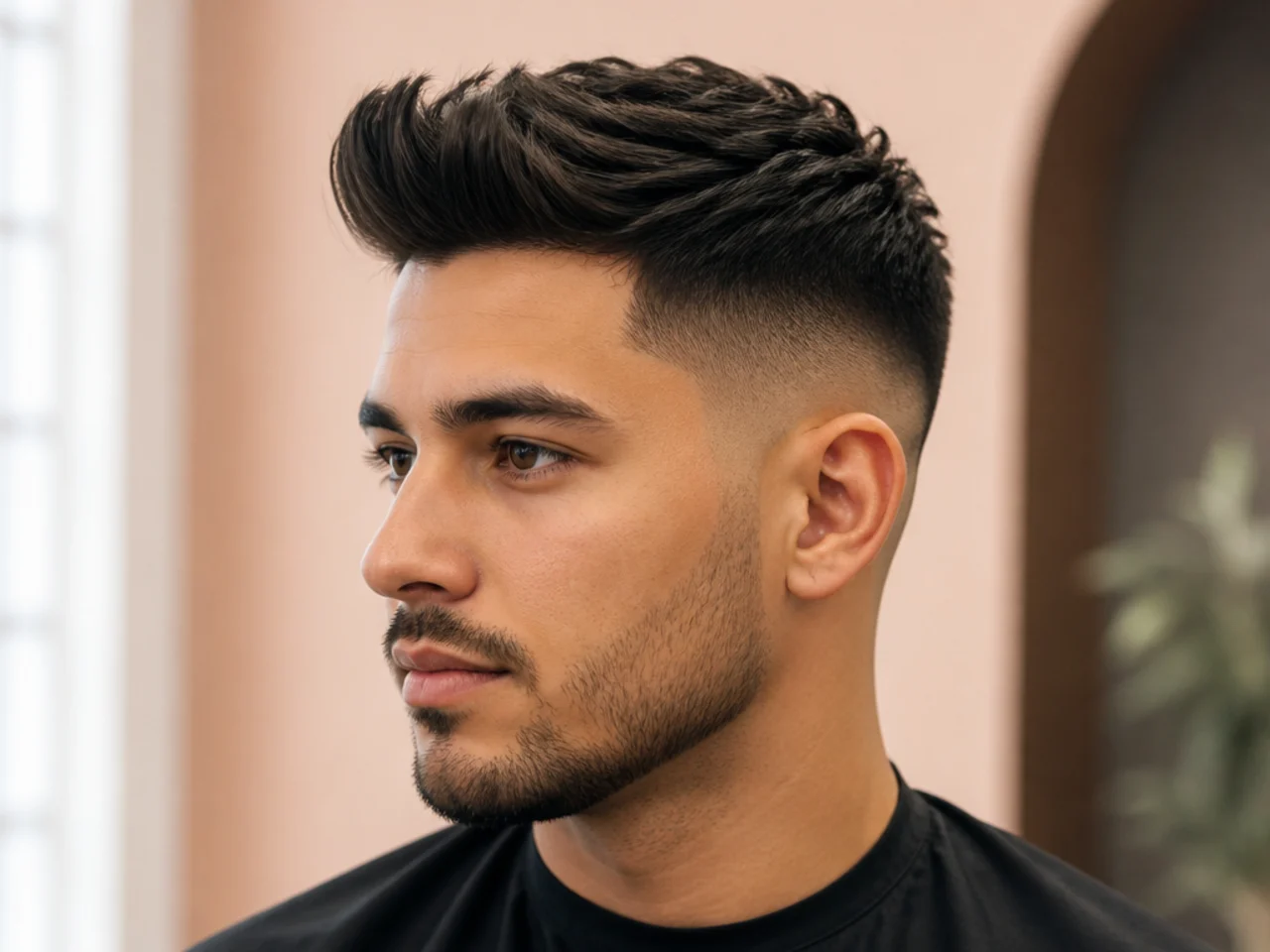
Slightly less commitment than a pompadour and just as effective. About three inches of point-cut length on top pushed up and slightly back into a textured quiff, low skin fade underneath for the strongest contrast the low family offers. Best on straight or wavy hair. Ask for: "low skin fade dropping to zero, three inches on top, textured scissor cut for a quiff, matte finish." Styling tip: sea salt spray on damp hair, blow-dry with fingers pushing sections up, finish with a fiber for hold that still moves.
6. Low Fade with Faux Hawk Spikes
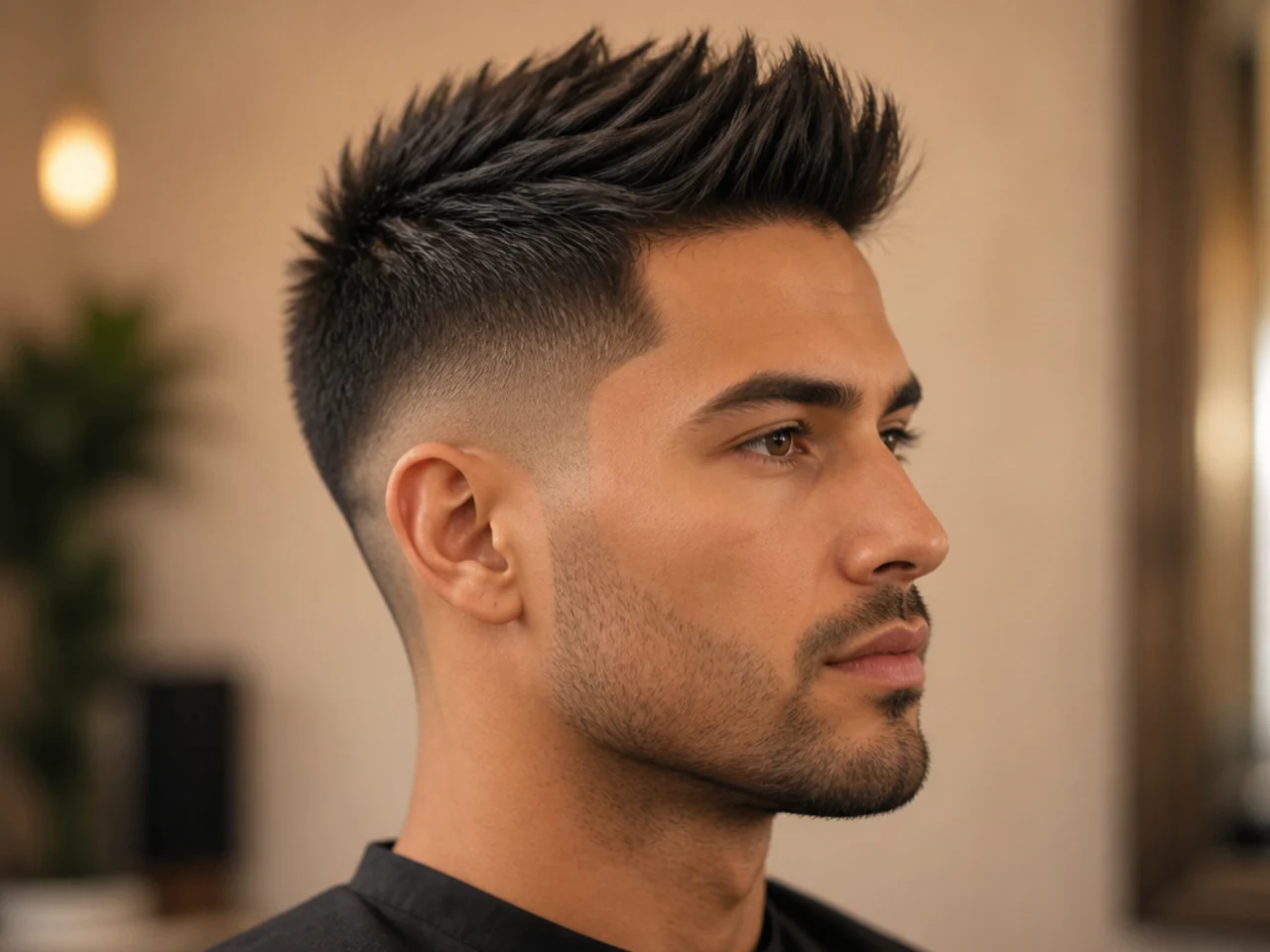
A faux hawk keeps a wider vertical strip of length down the center (about three inches wide, two to three inches long) with the sides faded cleanly — softer than a real mohawk, taller than a crop. The vertical strip cuts a strong central line down a round face and reads modern without going aggressive. Best on wavy to slightly coarse hair. Ask for: "low fade to a 0.5 across the sides, keep a three-inch-wide strip down the center at two-and-a-half inches long, spike-cut ends." Styling tip: matte fiber twisted upward with your fingers, no gel — flakes show fast on spikes.
Low Fade Haircuts for Square Face Shapes
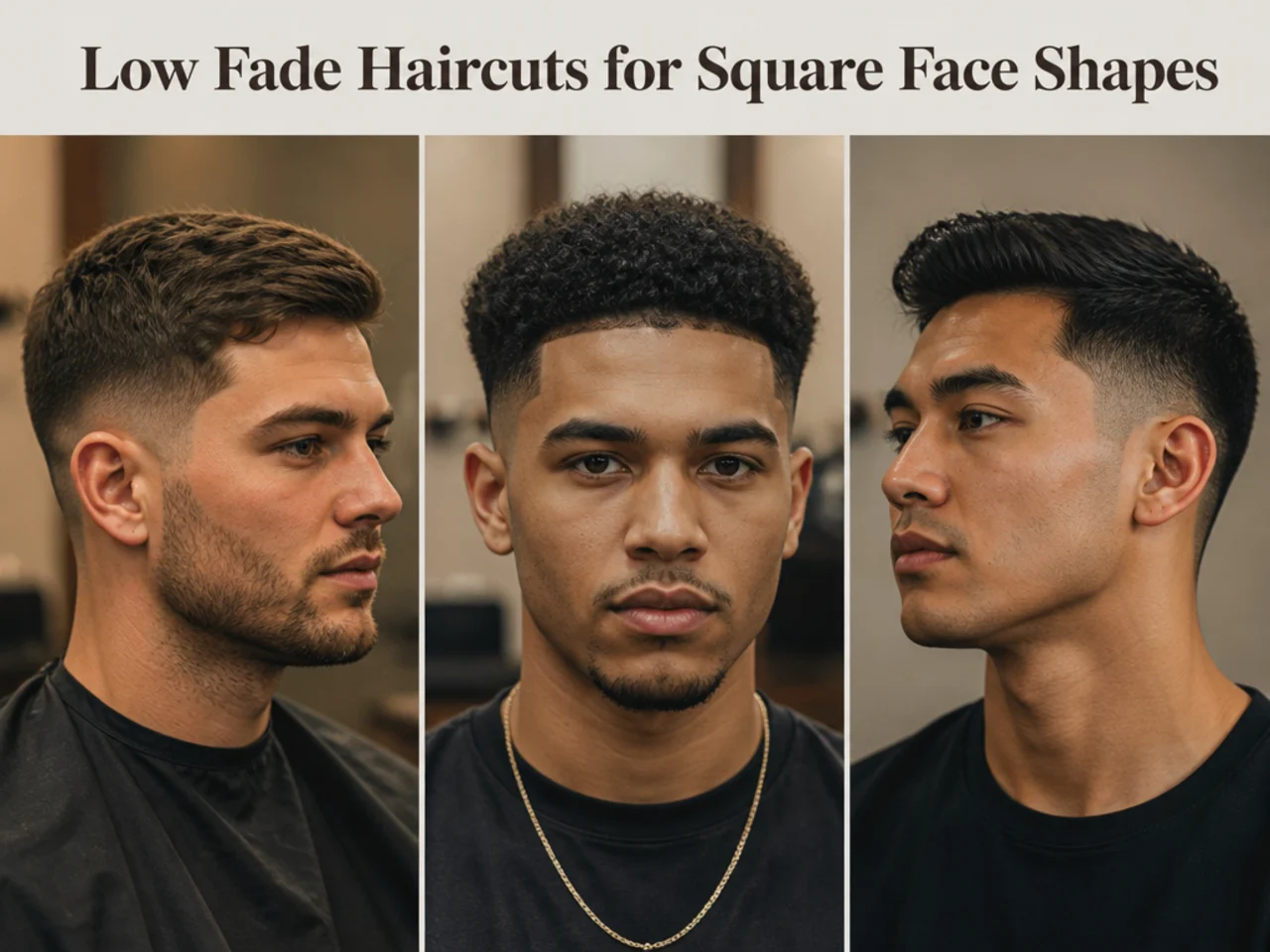
A square face carries strong angles at the jaw and forehead — the goal is to soften without erasing that structure. Texture, curl, and layered movement on top do that job. Sharp geometric cuts double down on the squareness, which some guys want and some don't. See more shape-friendly picks in the wider haircuts for square faces guide.
7. Low Fade with Curly Top
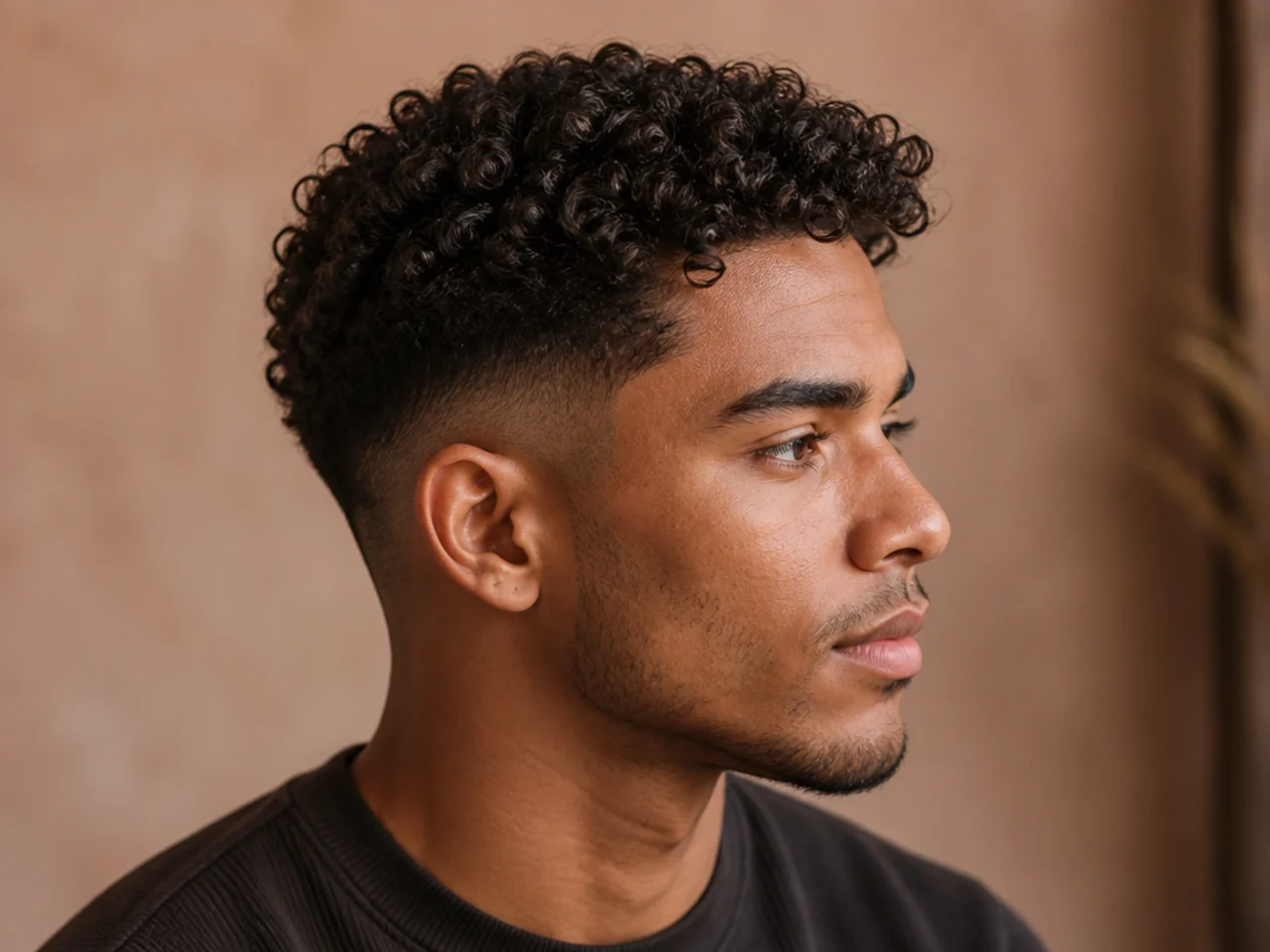
Real curl length on top (three to four inches) paired with a low fade — the sides pull weight off the head so the curls don't pyramid, and the round curl silhouette softens a strong jaw without hiding it. Best on 3A through 4A curl patterns. Ask for: "low fade to a 1 above the ear, scissor-cut the top, leave three to four inches, no thinning shears." Styling tip: co-wash, apply curl cream to soaking-wet hair, air-dry or diffuse on low. See the wider curly hairstyles for men roundup for length variations.
8. Low Fade with Messy Textured Fringe
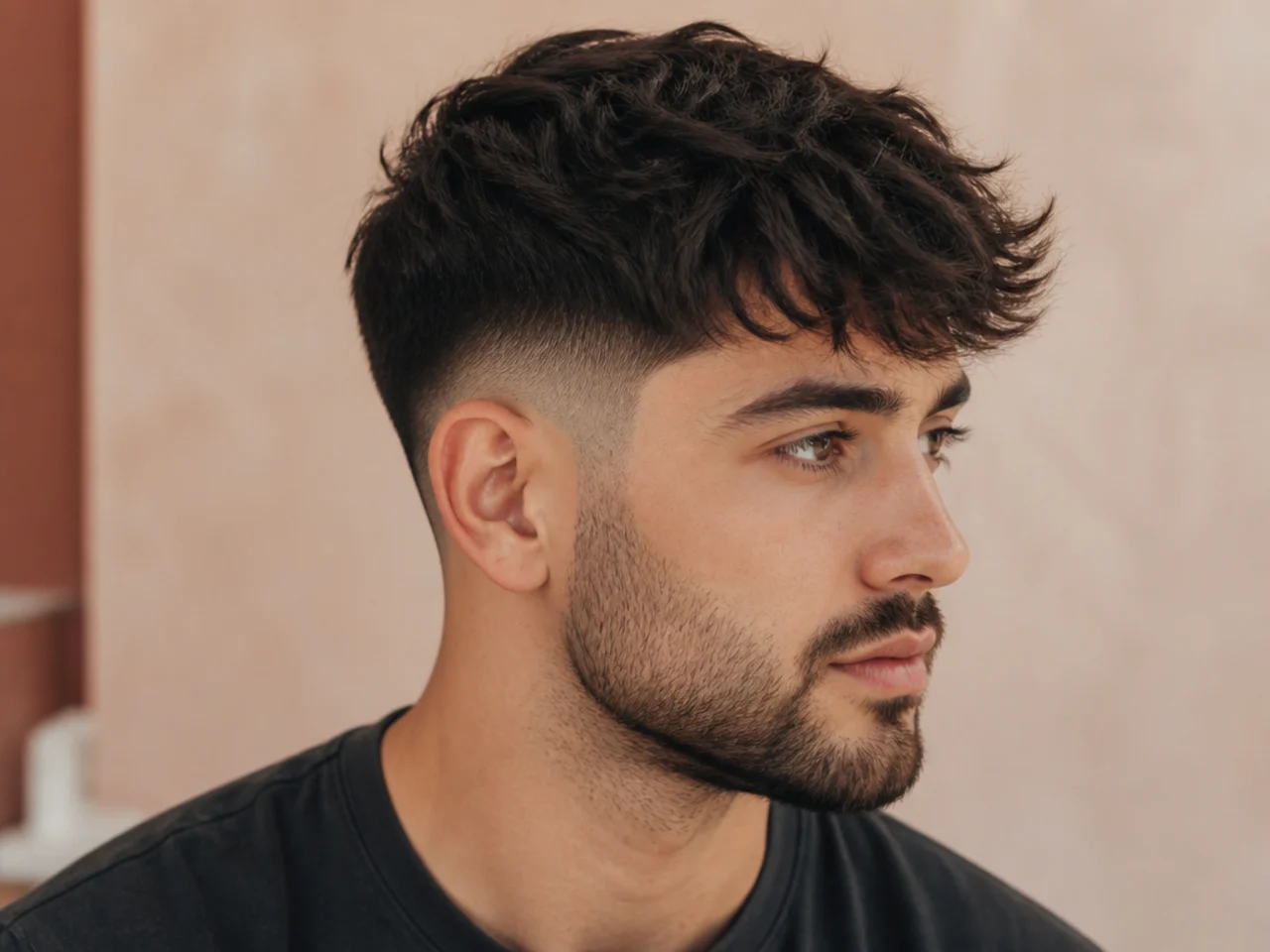
A choppy two-inch fringe falling forward and slightly to one side, low fade below to keep everything else clean. The randomness of the fringe breaks the vertical line of the forehead — critical when your forehead corners are as square as your jaw. Best on straight to wavy hair with medium density. Ask for: "low fade to a 0.5, textured fringe cut to just above the brow, choppy scissor ends, no blunt line." Styling tip: rough-dry with your fingers, then set the fringe forward with a pea of matte cream — leave one piece out of place on purpose.
9. Low Drop Fade with Wavy Layers
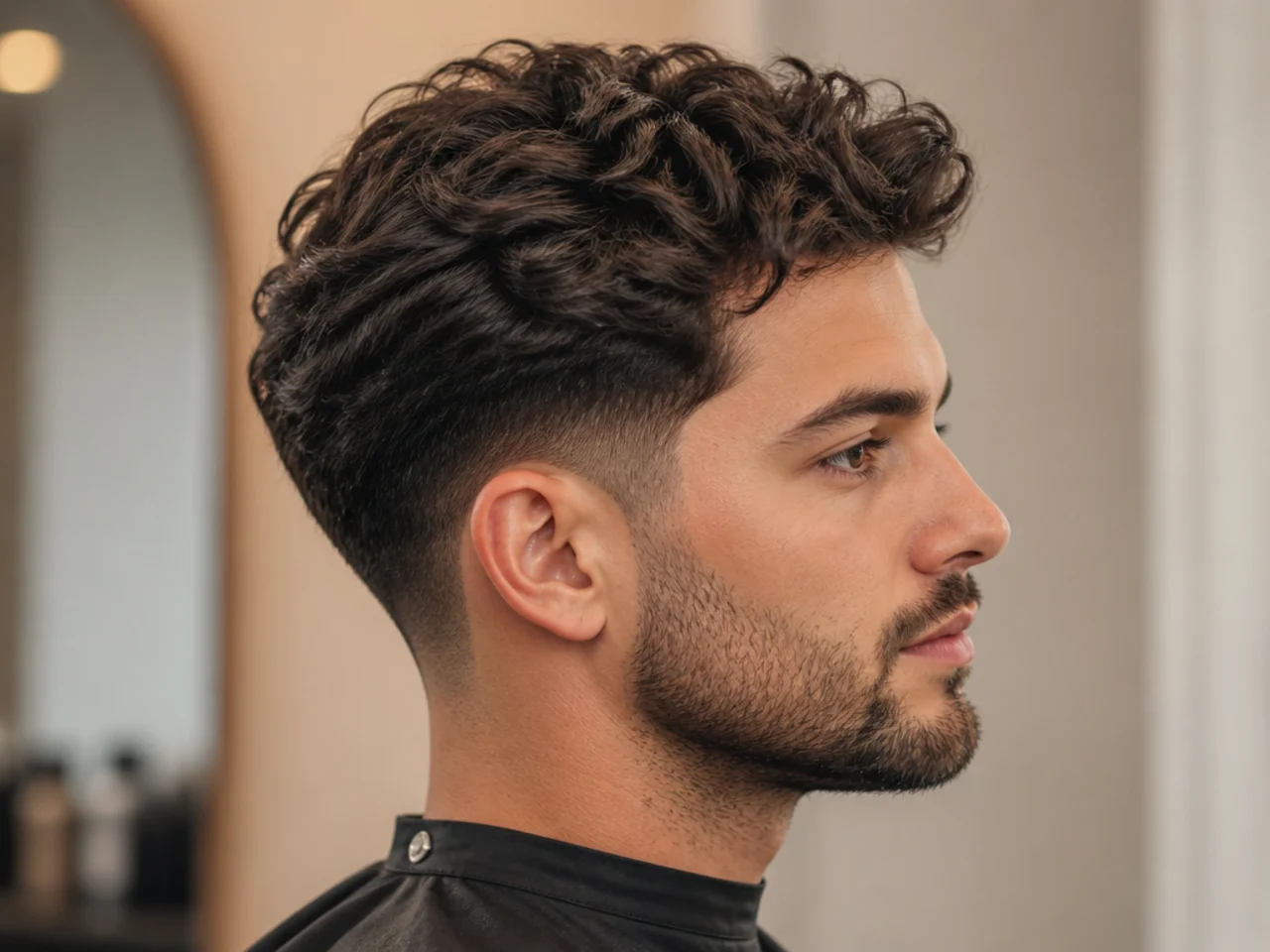
The fade line dips behind the ear instead of running straight across — that "drop" gives the sides a rounded silhouette that echoes the wave pattern on top. Three inches of layered length combed loosely back adds soft movement across the top of a squarer face. Best on 2A to 2C waves. Ask for: "low drop fade, dropping behind the ear, 1 guard at the shortest, three inches of layered length on top." Styling tip: sea salt spray on damp hair, air-dry, then run a light cream through with your fingers — no brush.
Low Fade Haircuts for Heart Face Shapes
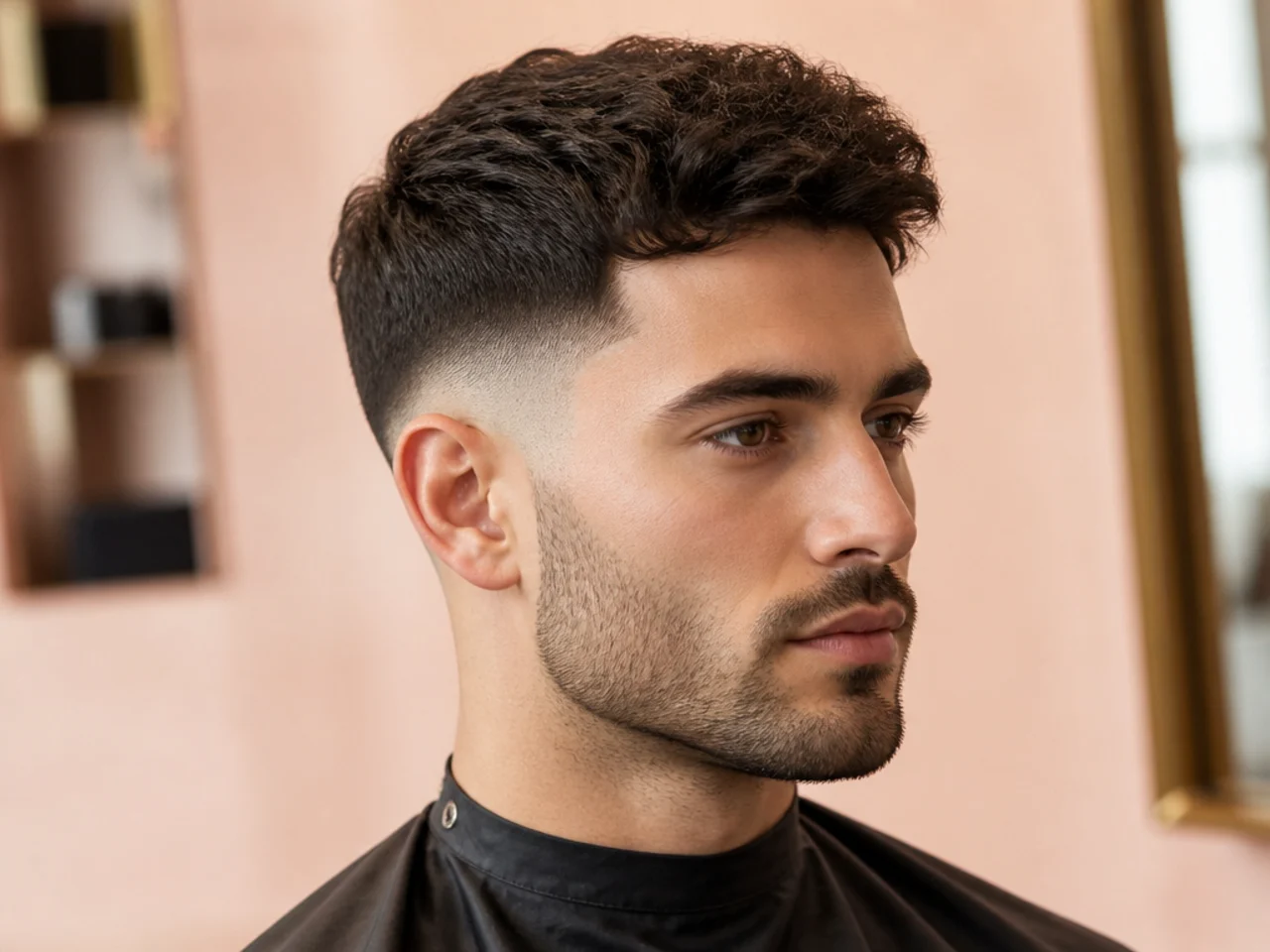
A heart-shaped face is widest at the forehead and narrows to a pointed chin. The correction is to draw volume down and away from the crown, add width at the jaw, and keep the top textured but not tall. A beard is the single strongest move you can make.
10. Low Fade with Side-Swept Fringe
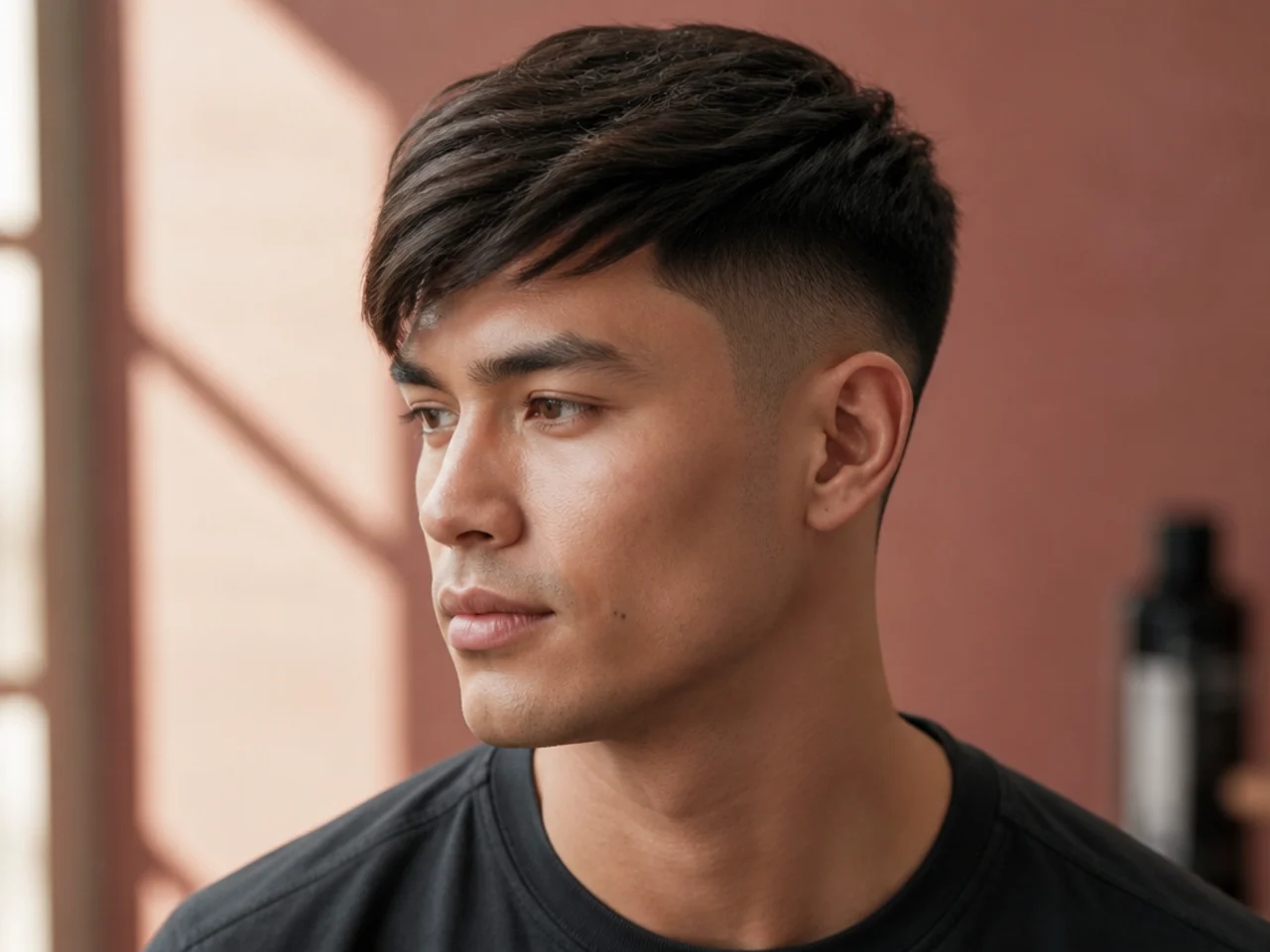
A soft two-inch fringe swept across the forehead from one side, low fade below to keep the sides clean without competing. The diagonal line of the fringe cuts across the wide forehead and pulls the eye down toward the chin — exactly the redirection a heart face needs. Best on straight or wavy hair. Ask for: "low fade to a 1, keep two inches on top with weight kept forward, sweep left to right across the forehead." Styling tip: pre-styling cream on damp hair, blow-dry the fringe across using a paddle brush, then set with a light matte cream for hold without shine.
11. Low Fade with Textured Crop and Beard
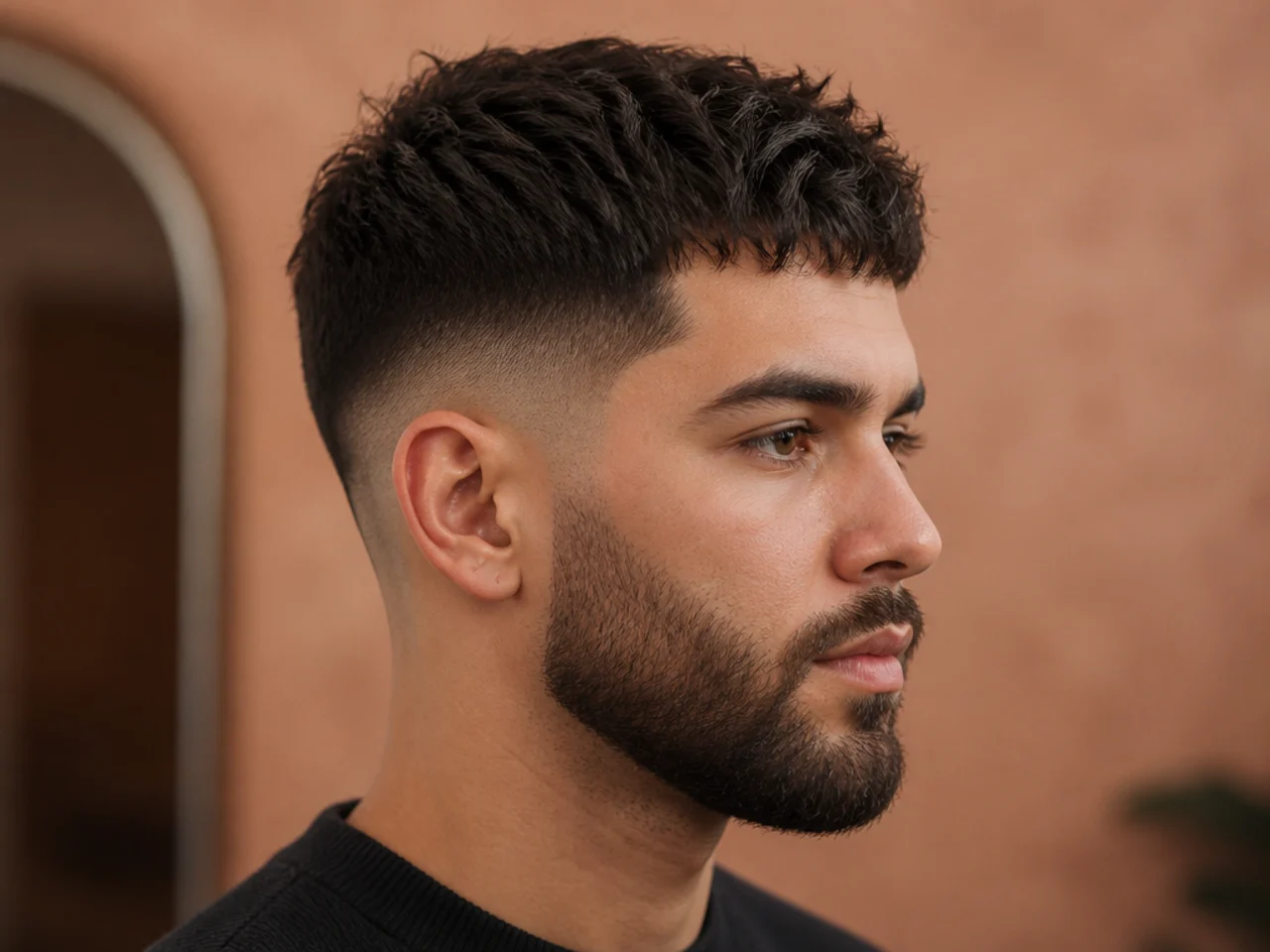
A short 1.5-inch textured crop on top plus a shaped half-inch beard, low fade connecting the sides through the beard line — the point-cut top stays quiet while the beard adds the width your jaw is missing. Straight to wavy hair takes it best. Ask for: "low fade to a 1, connect through the beard line at the sideburn, point cut the top to 1.5 inches, beard at a 3 guard trimmed to the jawline." Styling tip: matte paste through the top once, beard oil combed downward once a day.
Low Fade Haircuts for Oblong Face Shapes
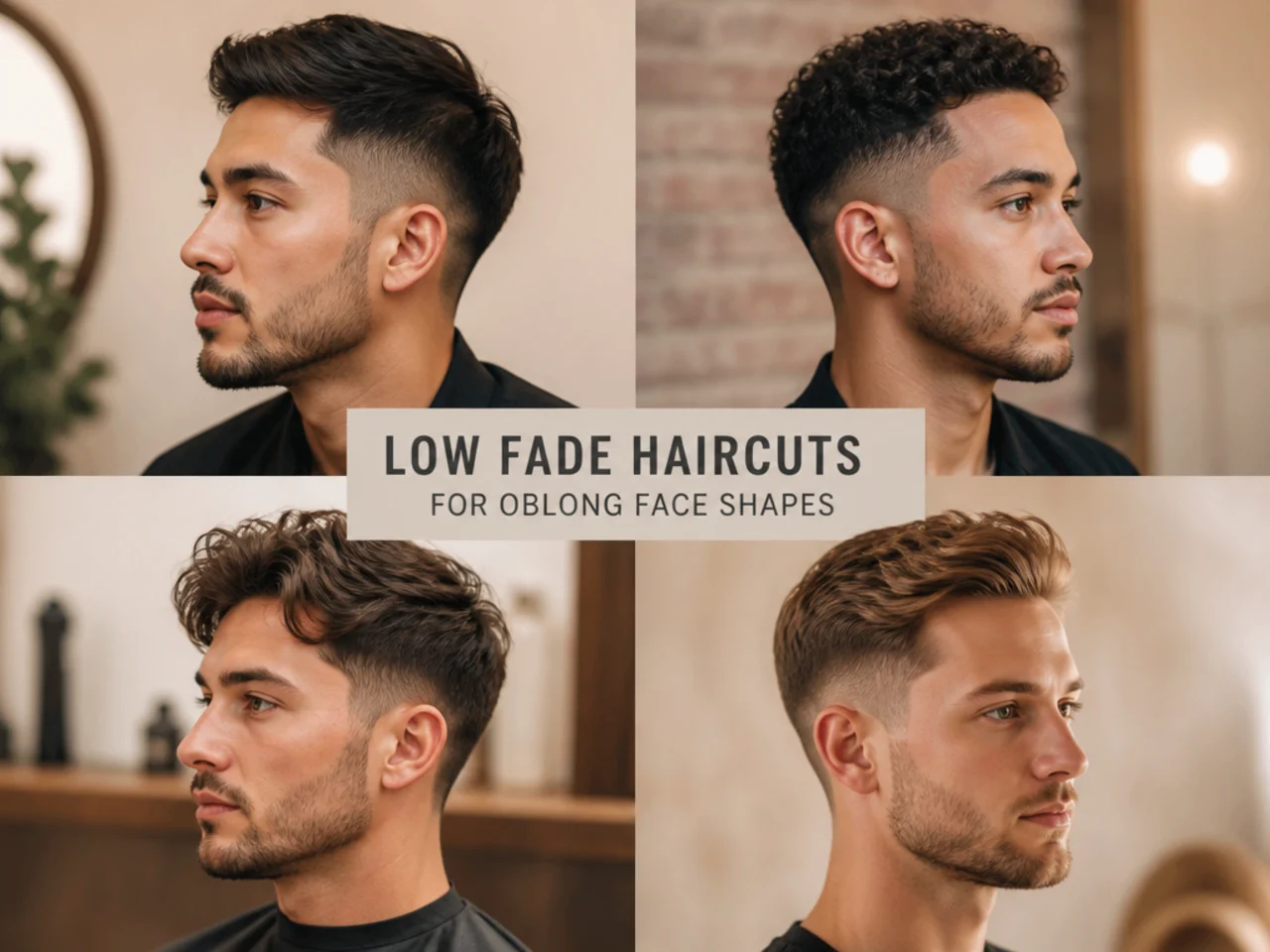
An oblong face is longer than it is wide. Height on top is the enemy — it stretches the face further. The moves are the opposite of what a round face needs: keep the top short, add width across the forehead with a heavy fringe or curtain bangs, and let the low fade sit close to the head.
12. Low Fade with Blunt French Crop
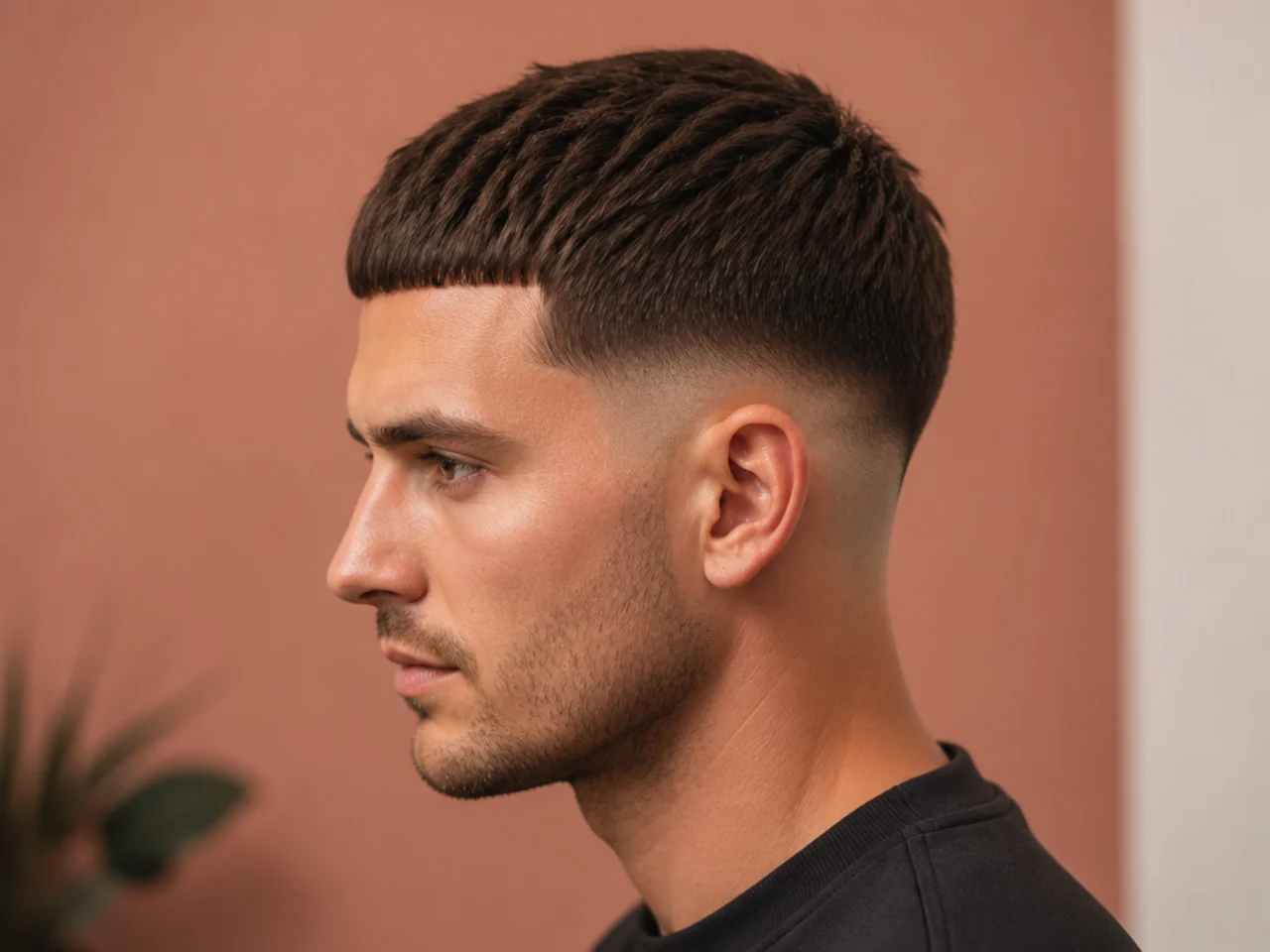
The French crop leaves a blunt straight-across fringe on the forehead and keeps the top around an inch and a half — the fringe compresses vertical length and adds horizontal width exactly where an oblong face needs it. Low fade below gives just enough contrast to make the fringe pop. Best on thick straight to slightly wavy hair. Ask for: "blunt French crop, low fade to a 1 at the ear, 1.5 inches on top, blunt fringe cut straight across to the brow." Styling tip: rough-dry with your fingers, then flatten the fringe down with a bristle brush. Skip any product that adds height.
13. Low Fade with Curtain Bangs
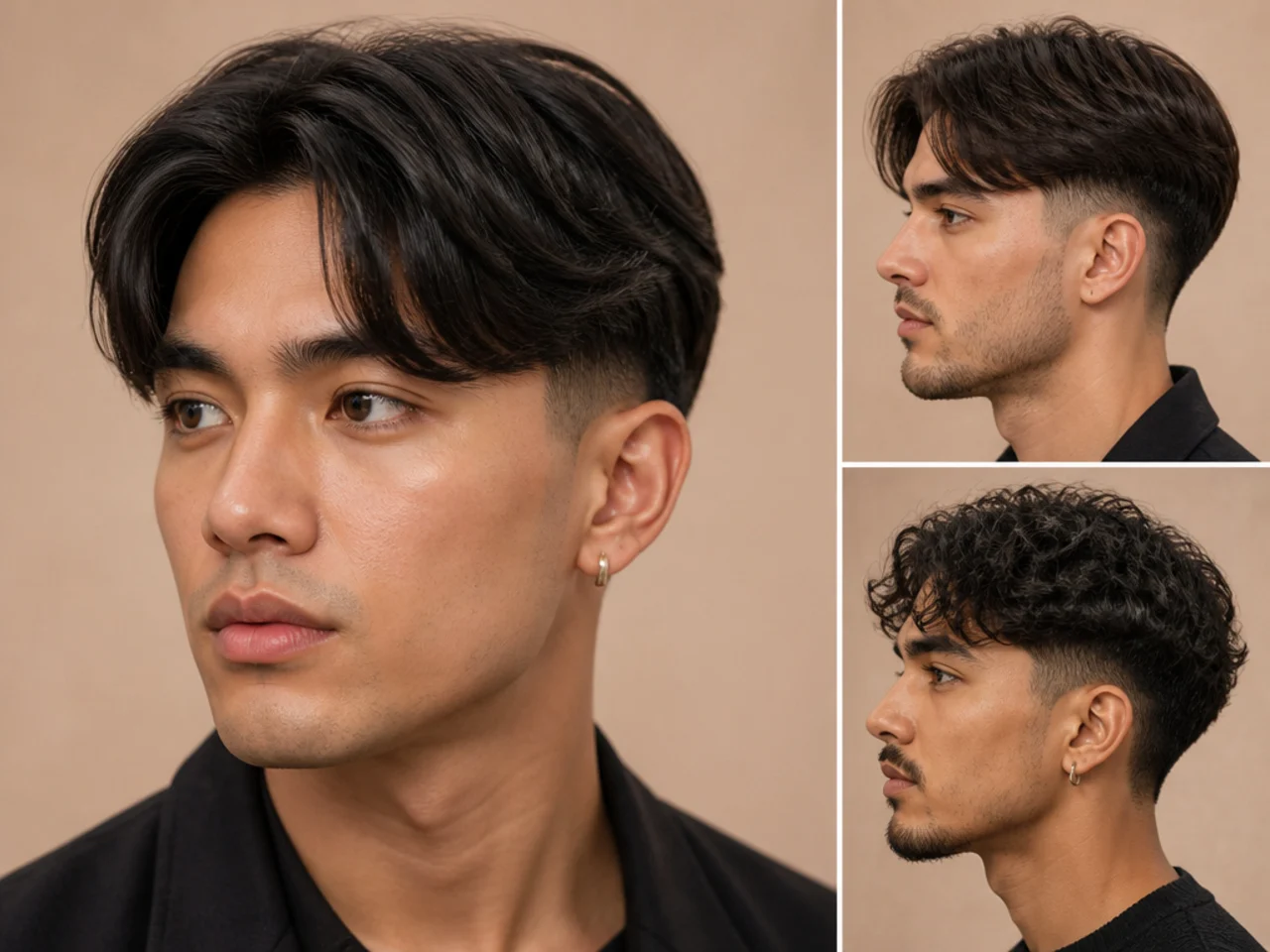
Center-parted curtain bangs falling from the middle to just above the eyebrows, three inches of medium-length top layered behind. The curtain shape lines the top of the forehead with hair from ear to ear, adding the horizontal weight an oblong face is missing. Low fade below keeps everything from the temple down clean. Best on straight to lightly wavy hair. Ask for: "low fade to a 1, three inches on top layered for movement, center-parted curtain fringe cut to just above the brow." Styling tip: apply a lightweight cream to damp hair, blow-dry from the roots outward with a round brush, then split the center part with a comb.
Low Fade Haircuts for Diamond Face Shapes
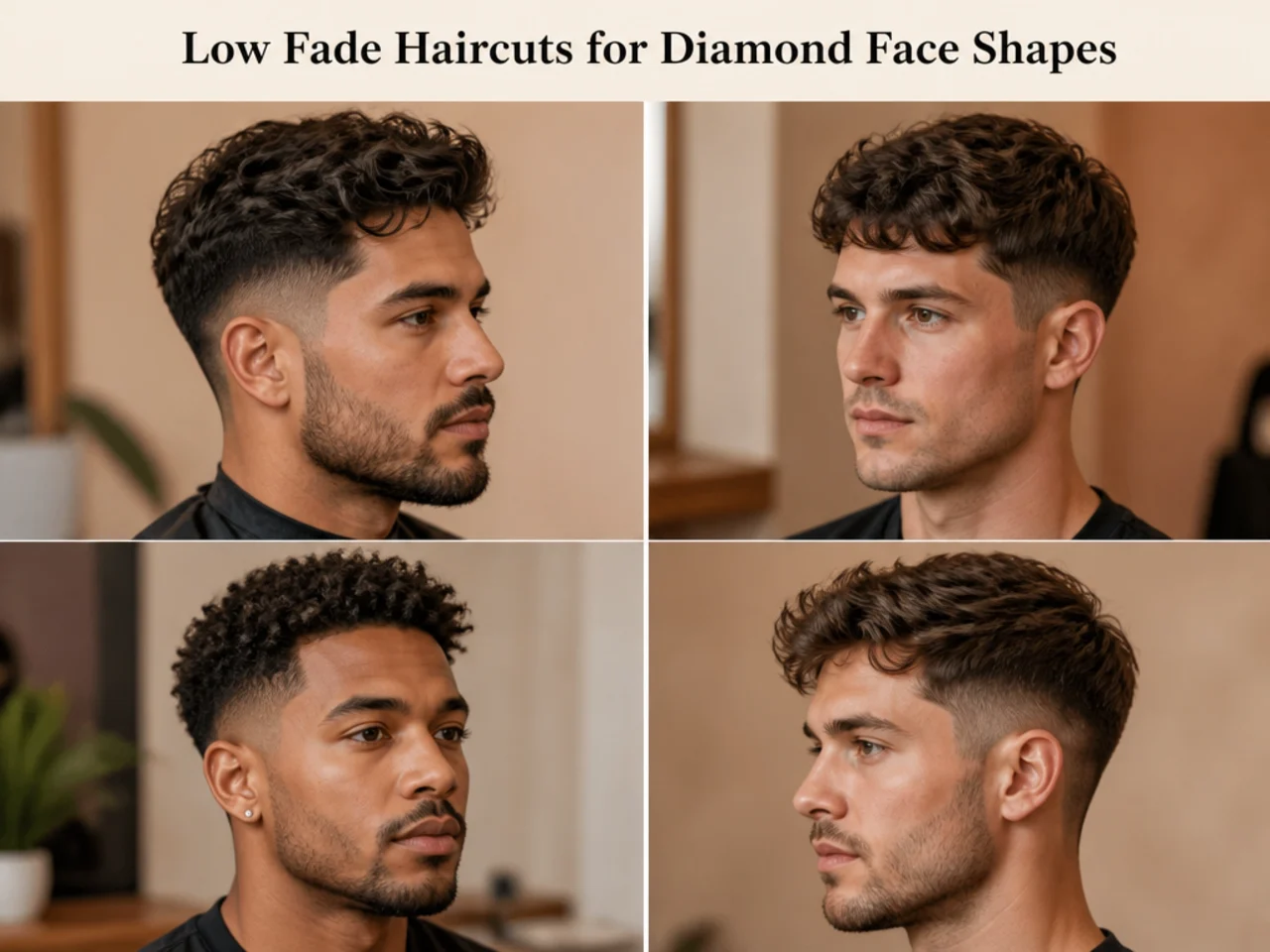
A diamond face has the widest point at the cheekbones with a narrower forehead and chin — the least common shape and the one that rewards fullness on top. Volume at the crown balances the strong middle third of the face, and softer top textures work better than sharp geometric cuts.
14. Low Fade with Brushed-Forward Volume
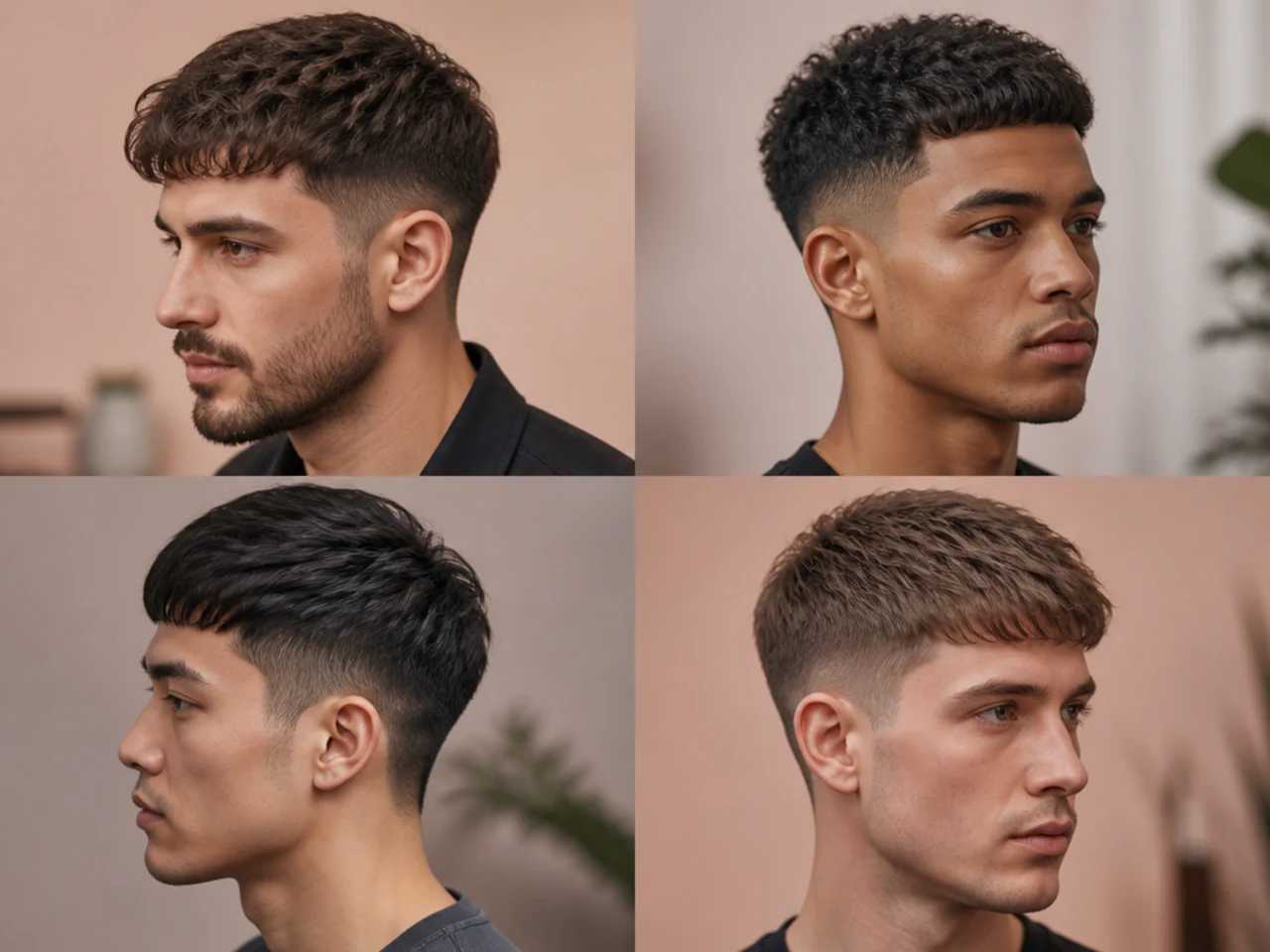
Three inches of layered length on top brushed forward and slightly down, low fade below keeping the temples clean. The forward-swept top widens the forehead and softens the vertical line from cheekbone to chin. Compare it against the volume-focused blowout taper if you want the same fullness with a modern low-taper edge. Best on straight to wavy hair with real density. Ask for: "low fade to a 1, keep three inches on top layered for volume, cut for a forward flow with a soft fringe at the brow." Styling tip: pre-styler on damp hair, blow-dry forward and down with a paddle brush, finish with a matte cream — no root lift, no upsweep.
15. Low Burst Fade with Loose Waves
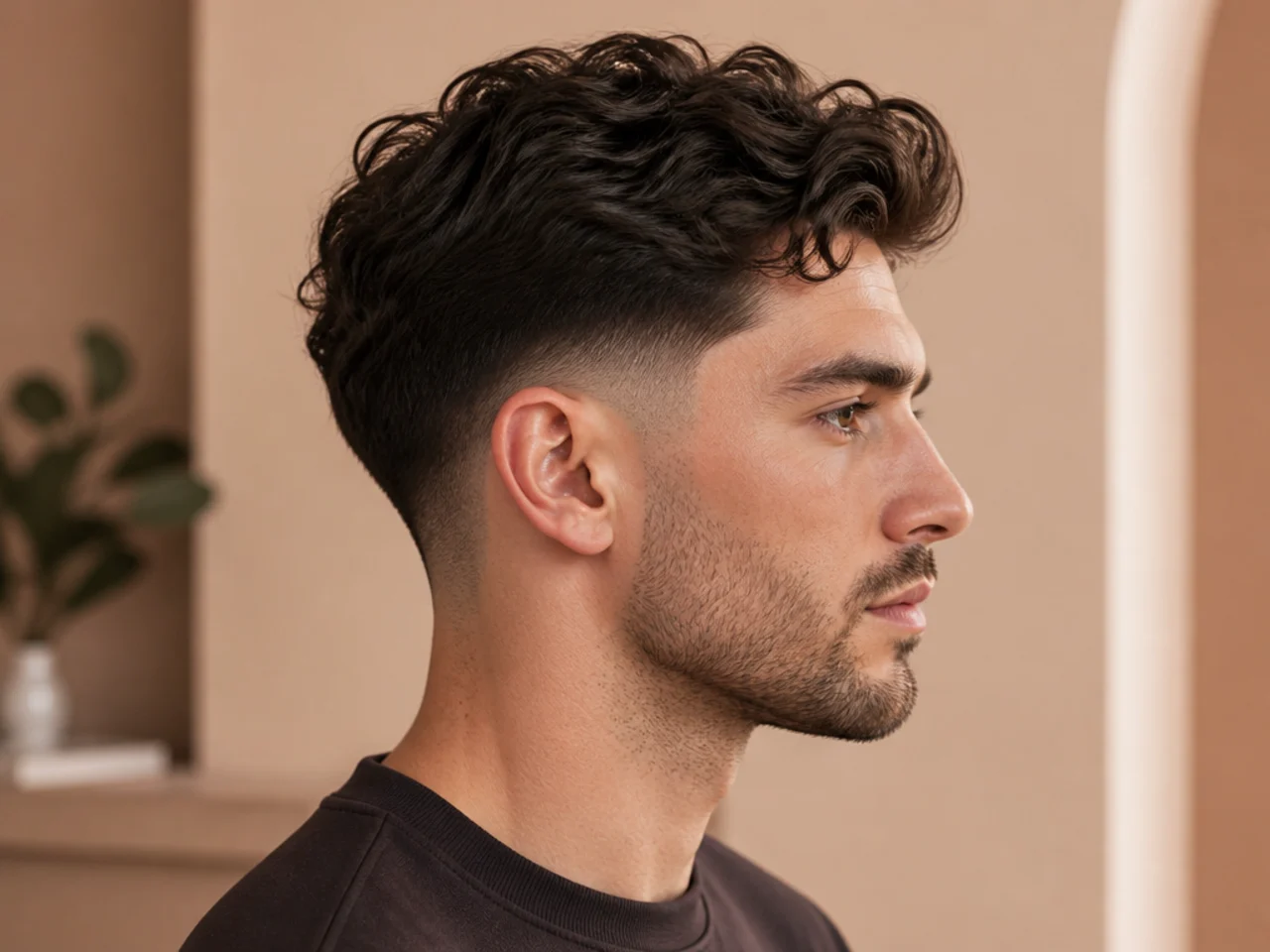
The low burst fade curves around the ear in a horseshoe shape and leaves the nape a touch longer, and the natural wave pattern on top adds soft width across the head. The rounded fade line softens the sharp cheekbones from the side, and the loose waves keep the whole silhouette away from anything angular. Best on 2A to 2C wave patterns. Ask for: "low burst fade around the ear, 0.5 at the tightest, keep the nape at a 2, three inches of loose wave on top." Styling tip: brush the top forward while damp, twist small sections between your fingers for definition, air-dry or diffuse on low.
How to Describe Your Low Fade at the Chair
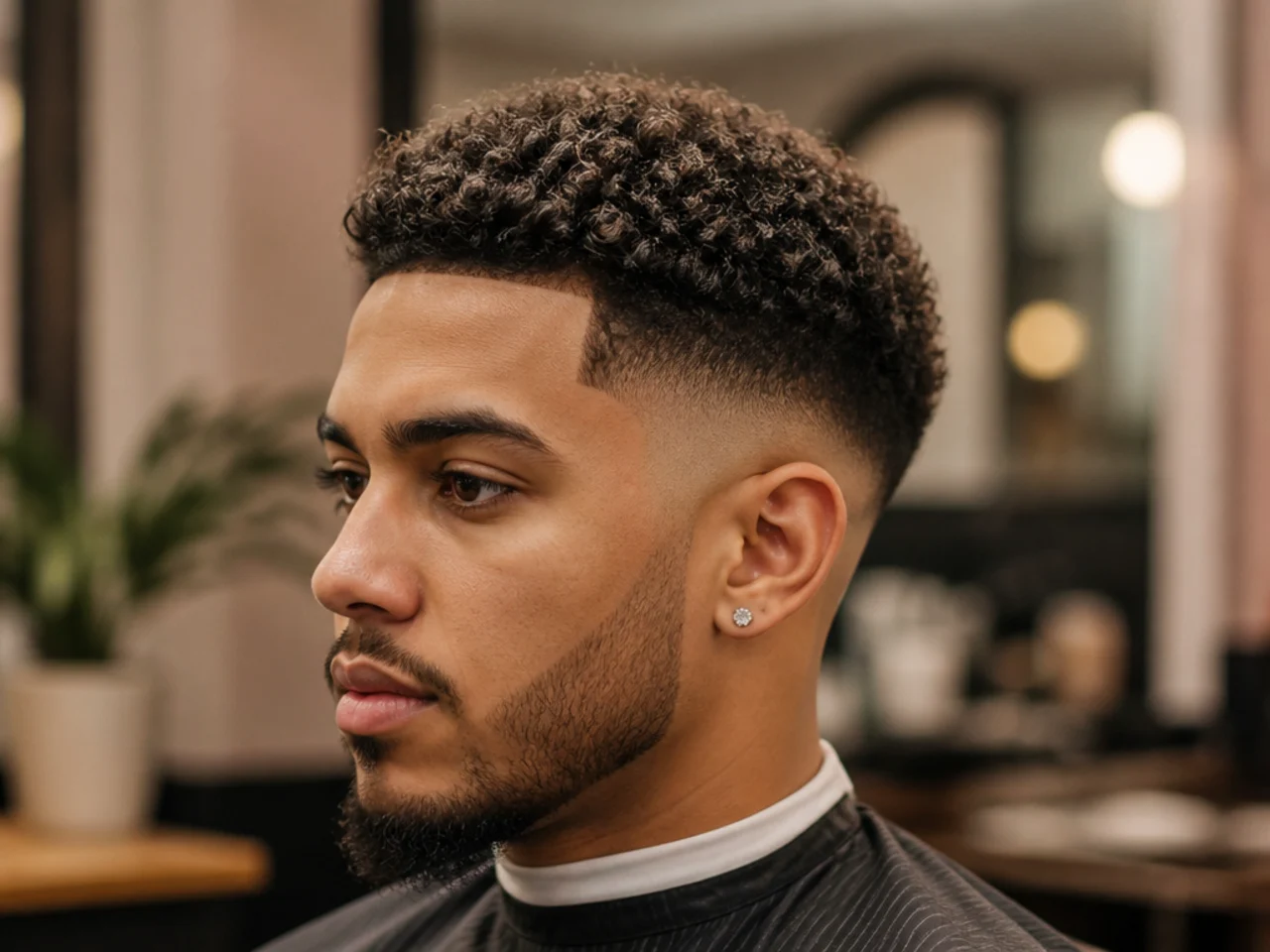
Every low fade in this guide comes down to five things your barber wants to hear in order. Say them and you walk out with the cut you had in your head.
- Show the reference photo first. Words describe direction; photos describe the finish. Save the image on your phone and hand it over before you sit down.
- Name the fade family. "Low fade" — always. Then narrow: standard low fade, low taper, low drop, low burst, or low skin fade.
- Give the guard number at the shortest point. 0 for skin, 0.5 for near-skin, 1 for a whisper of hair, 2 for a soft finish. This is the single most important number in the conversation.
- State the top length in inches. Not "medium," not "short" — inches. One inch, two inches, four inches. Barbers work in inches; adjectives get lost.
- Name the finish. Matte and textured, or sleek and shiny. This decides which top product to use and how the barber cuts your ends.
Add your face shape at the end if the barber hasn't asked — "I'm oblong so I want the fringe carrying width." A working barber will thank you for it.
Styling and Maintenance for Any Low Fade
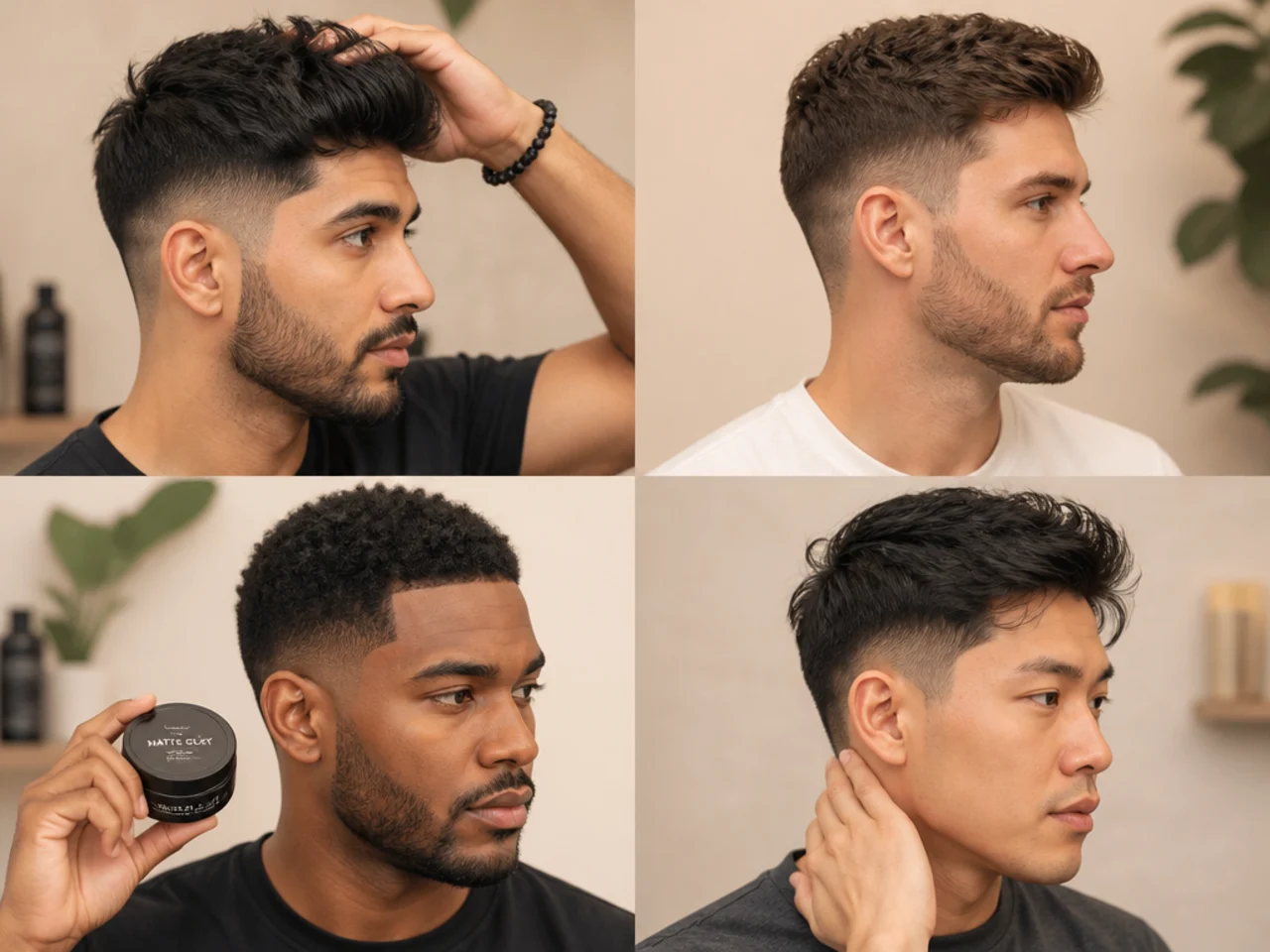
Three products cover ninety percent of the low fade catalog: a matte clay for textured tops, a shine pomade for slicked styles, and a sea-salt spray for wave and messy finishes. Buy one of each and you never need to think about product again.
Wash pattern matters more than product. Every second or third day, sulfate-free shampoo, condition through the mids and ends only. Between washes, rinse with warm water and rework whatever you used yesterday — over-washing dries a low fade faster than it dries your top.
The maintenance cadence depends on the fade finish. A low skin fade holds its sharpest look for 10 to 14 days before the shaved area starts to shadow. A low taper stretches to three or four weeks before the transition softens visibly. Book the next cut before you leave the chair either way — barbers fill up fast on Fridays and Saturdays, and waiting until it "looks bad" means you already missed the peak window.
Between visits, keep an over-ear trimmer and a straight-edge razor at home for the ear line and neckline. Two minutes every three days is enough. Do not try to fade yourself. Leave the blend to your barber; touching it between visits only gives them more to fix.
FAQ
Does a low fade look better than a mid or high fade on most face shapes?
The low fade is the safest choice for any face shape because the contrast never draws attention to itself — the top gets to do the flattering. A mid or high fade shows more scalp above the temple, which can widen a narrow face or shorten a strong forehead. If you're new to fades, start low. Compare the three heights side by side at low fade vs mid fade vs high fade.
Can I get a low fade with thin or fine hair?
Yes, and it's often the best fade for thin hair because the taper stops well before the crown — where thin hair usually shows most. Keep the top under two inches and stick with matte finishes; shine flattens fine hair further. A low taper with a textured crop reads full even on genuinely sparse density.
Should I get a beard with my low fade to match my face shape?
A beard is the single strongest correction for a heart-shaped face and helps square and diamond faces too. Round and oblong faces should stay clean-shaven or stubbled — a full beard adds width or length in the wrong place. Ask your barber to connect the fade through the sideburn into the beard line for a designed-together finish.
What's the difference between a low fade and a low taper for my face shape?
A low fade drops the sides to skin or near-zero at the shortest point; a low taper fade stops at a 0.5 or 1 guard so hair still shows. The face-shape logic is the same for both — pick your top style to match your face, then pick between skin and taper based on how sharp you want the fade line to read.
Can I try a low fade if I've never had one before?
Absolutely — the low fade is the entry point for men new to fades. Grow-out is graceful (three to four weeks before it needs a re-cut), the top length stays flexible, and every workplace on earth accepts it. Show your barber a reference photo, name your face shape, and start with a classic low fade with a textured crop for your first appointment.