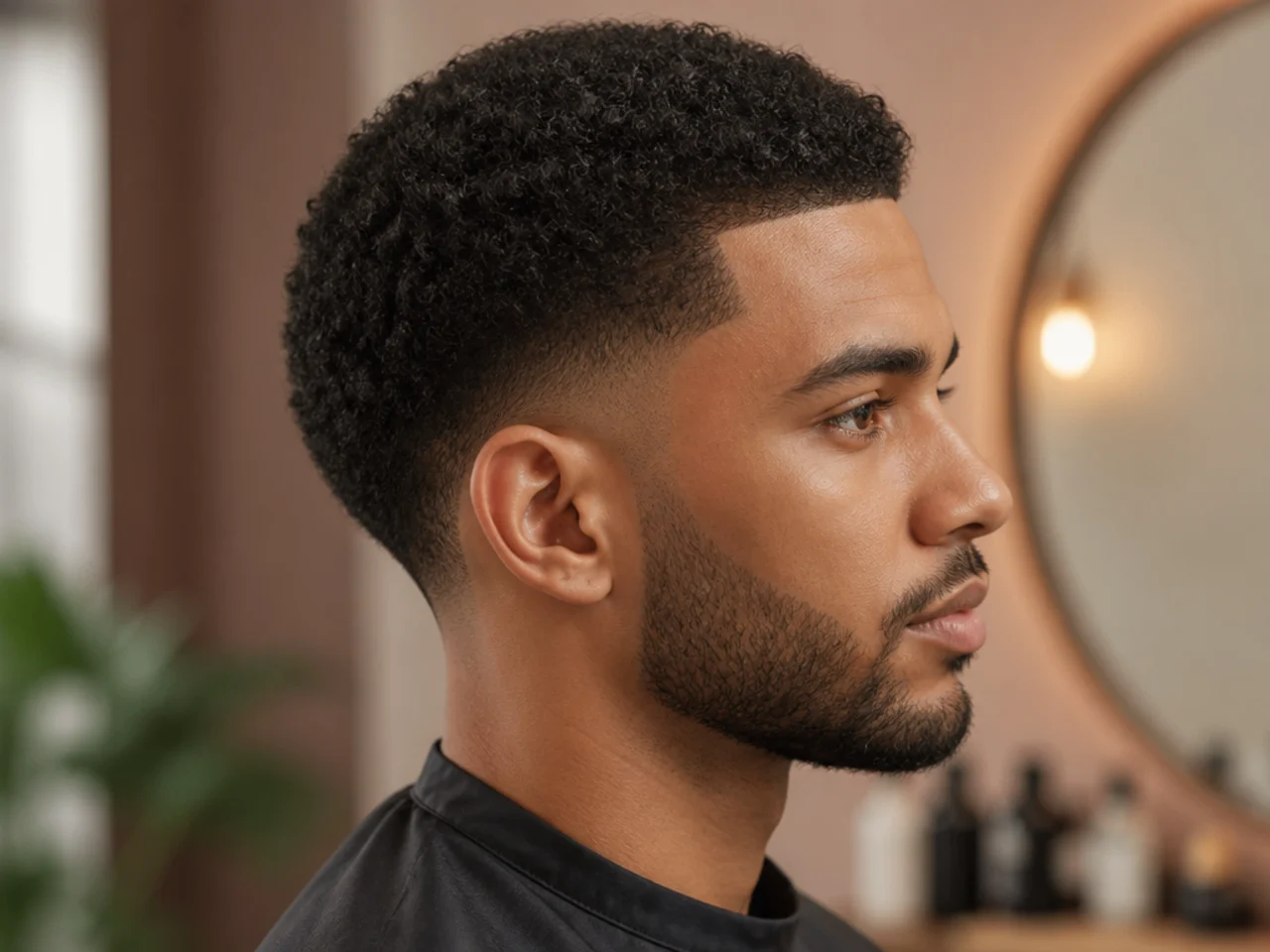
5 Reasons the Low Taper Fade Suits Everyone
The low cut taper fade suits every face shape, top length, and dress code — five reasons it's the safest, sharpest fade to ask your barber for.
In this article · 14
- The One-Line Answer
- What Makes This Cut Work For Everyone
- Reason 1 — It Adapts to Every Face Shape
- Reason 2 — It Works With Any Length on Top
- Reason 3 — It Gives Off Quiet-Luxury Energy
- Reason 4 — The Growout Stays Clean
- Reason 5 — It's Easy to Maintain
- Side by Side: Height and Contrast Compared
- Which Version Should You Actually Pick?
- How to Ask Your Barber for the Cut
- FAQs
- Is a low cut taper fade the same as a low taper fade?
- Will it work with a beard?
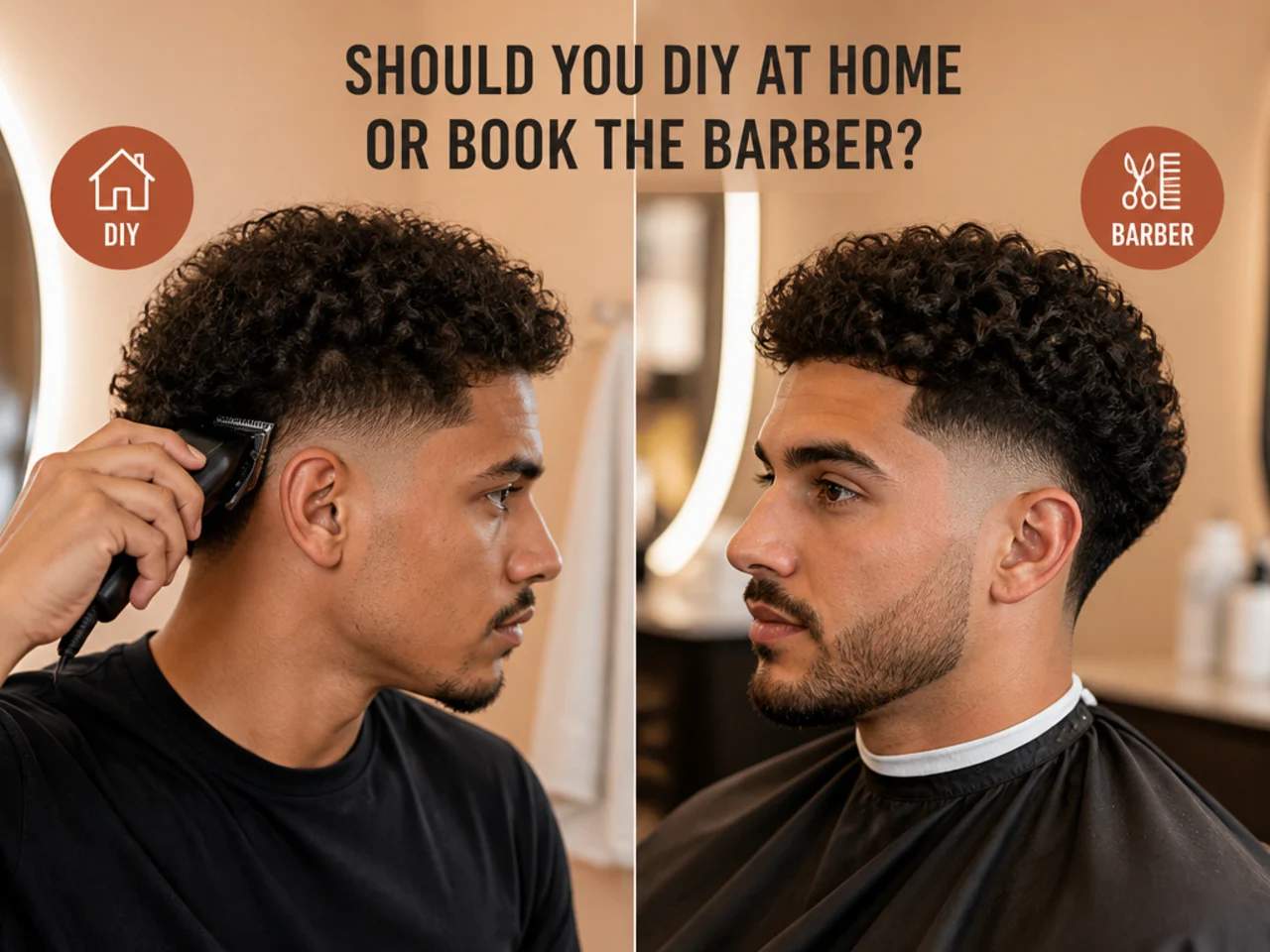
- Can I do it at home?
The low cut taper fade is the fade haircut that stops arguing with your face, your job, and your styling habits. It starts just above the ears, blends down short without going bare skin, and lets whatever's on top do the personality work. Below are five specific reasons this cut lands well on almost every guy who sits in the chair — plus a side-by-side against the alternatives so you know when to pick it and when to reach for something else.
The One-Line Answer
Pick the low cut taper fade when you want a sharp, contemporary haircut that doesn't announce itself. It gives you 90% of the visual impact of a skin fade with none of the maintenance panic, and it plays well with every face shape, hair type, and dress code you're likely to encounter.
The one caveat: if you want the cut to be the loudest thing you're wearing, this isn't it. Go high taper or full skin instead. But for the other 95% of situations — dating, meetings, weddings, weekends, gym Tuesdays — this cut is the answer.
What Makes This Cut Work For Everyone
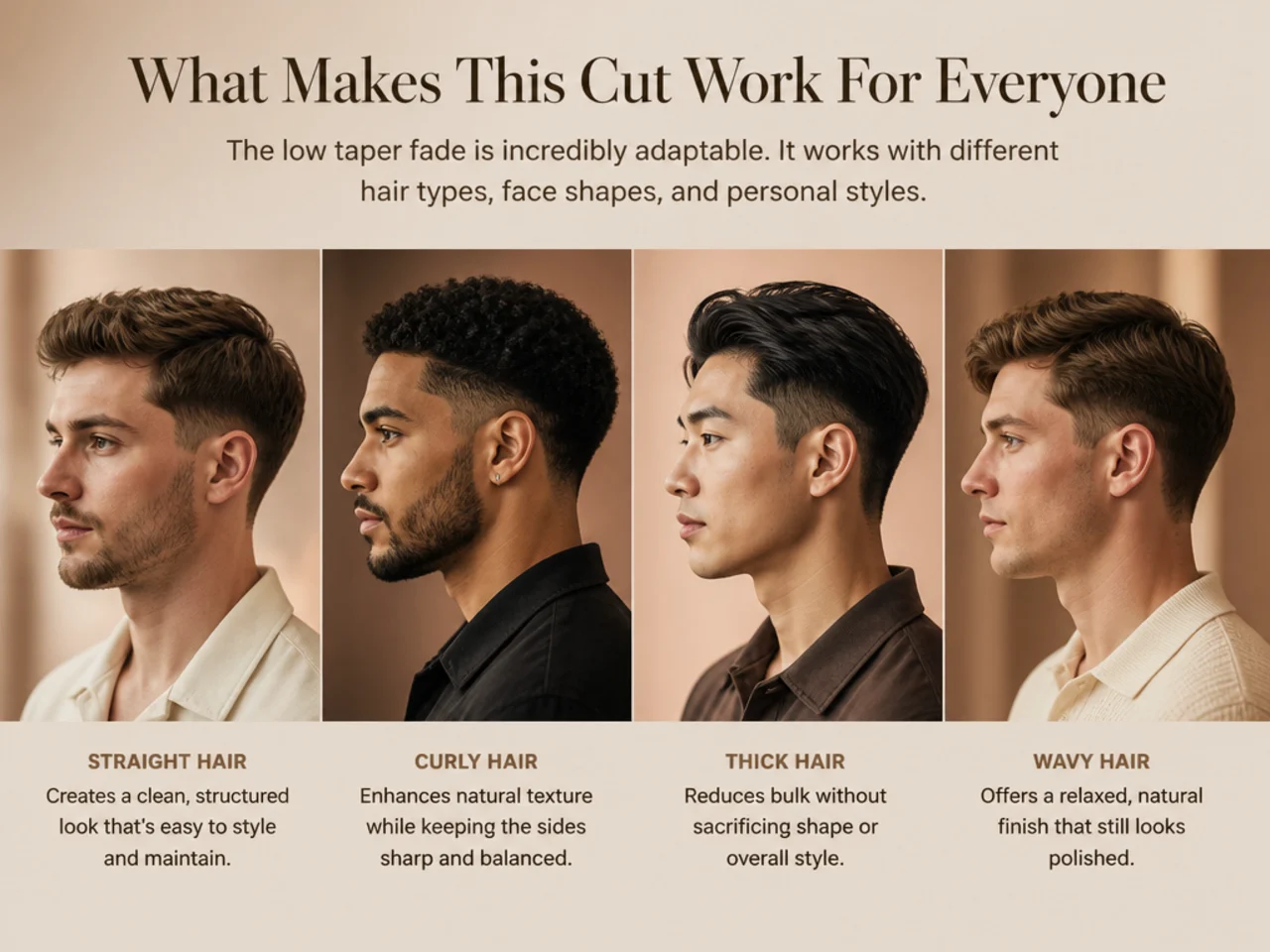
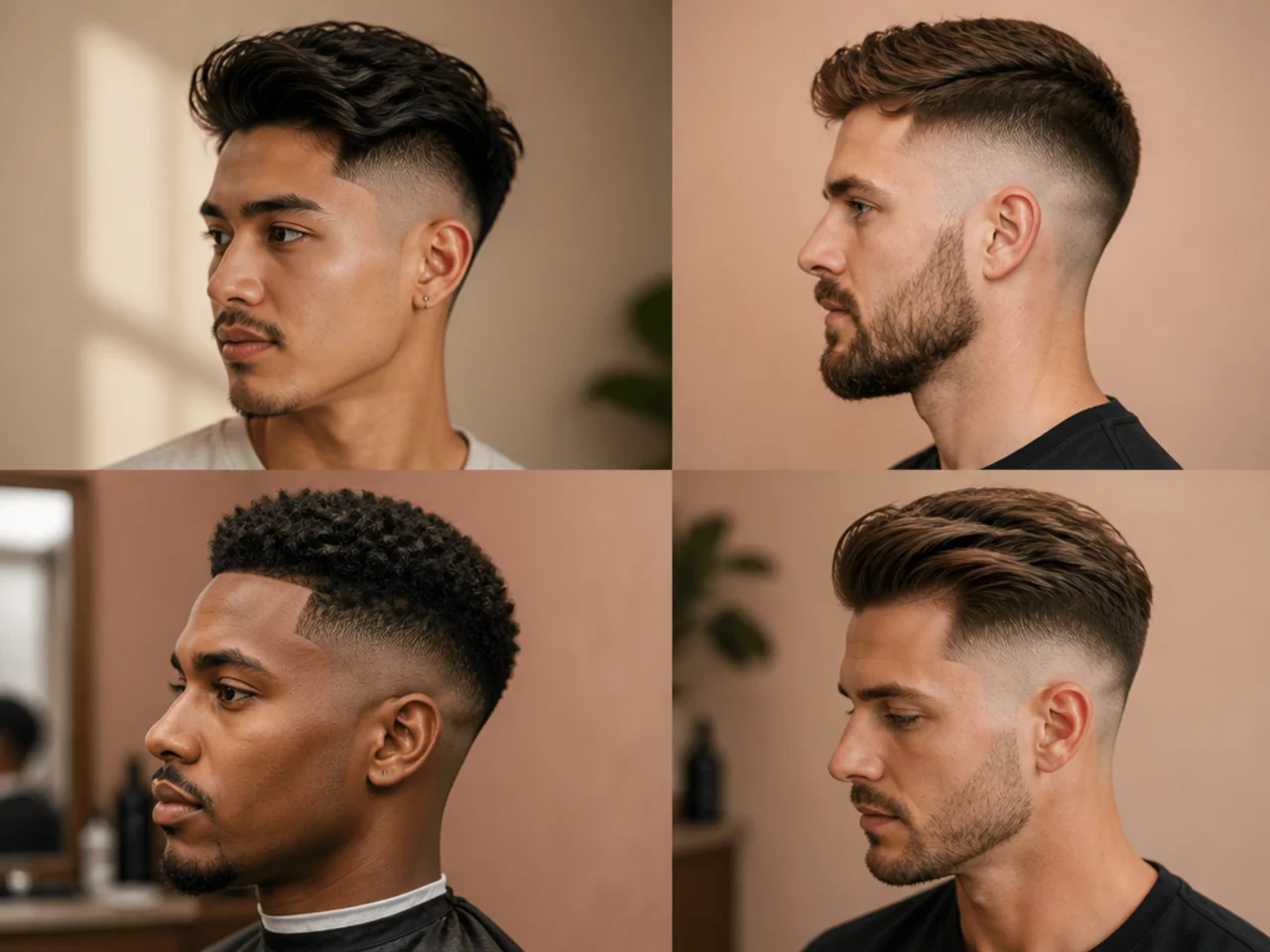
The low cut taper fade is a specific point on the fade spectrum. The "low" refers to where the fade starts — just above the ear, never at the temple. The "taper" means the sides shorten gradually rather than jumping. The "cut" tells you it's taken shorter than a standard taper — down to a 0.5 or a tight 1 at the shortest point, without ever going to bare scalp.
That combination is why the cut works so broadly. A low fade haircut goes to skin and needs weekly touch-ups. A basic taper haircut leaves too much length to read sharp in a modern office. This one sits between them — clean lines, short enough to look intentional, long enough to hide a missed appointment.
Read that back and you get the point: the cut isn't defined by drama. It's defined by restraint. And restraint is what makes something look sharp on a wider range of people than a statement cut ever could.
Reason 1 — It Adapts to Every Face Shape
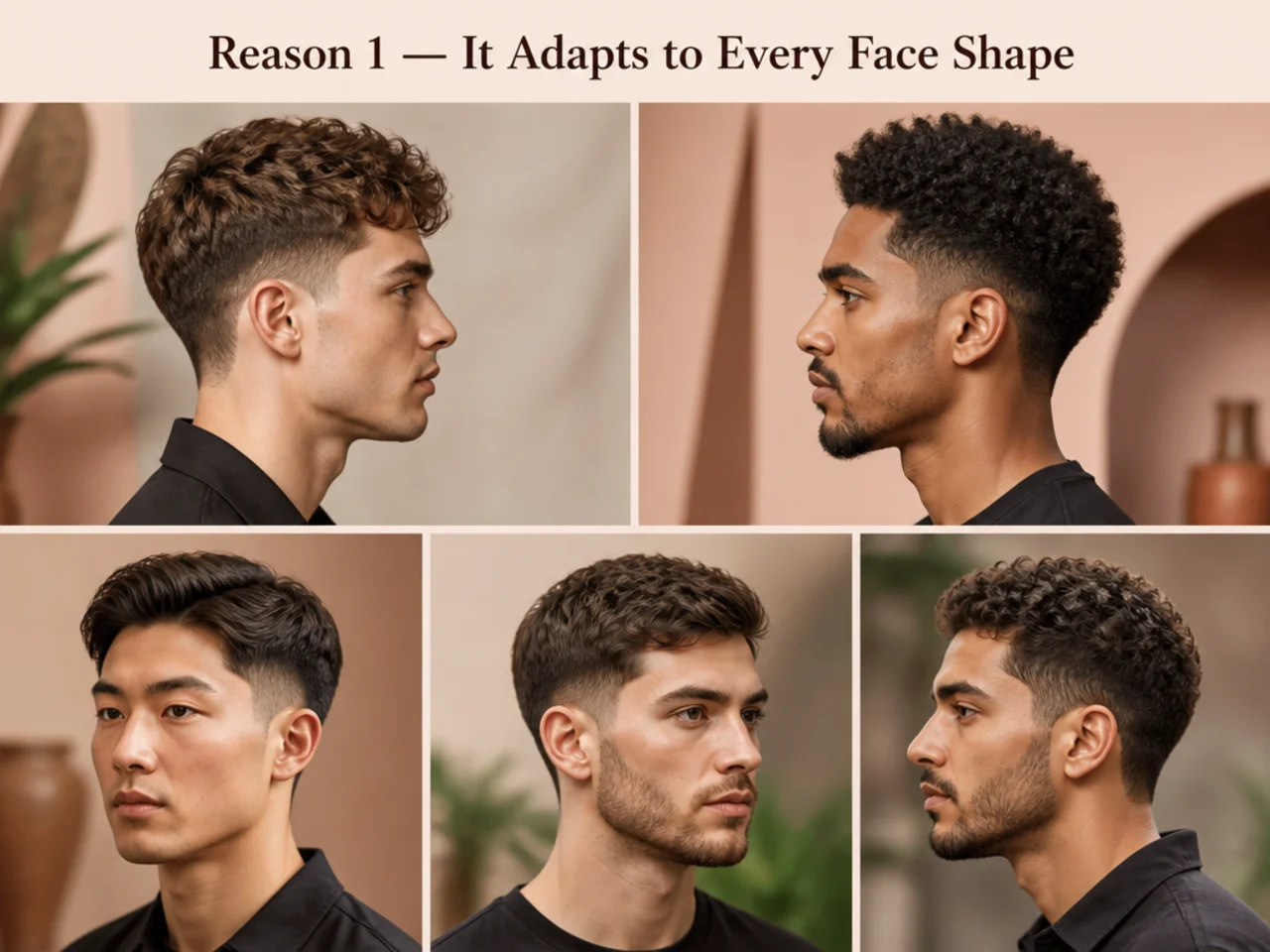
Most fades favor a shape. High fades stretch round faces vertically. Skin fades expose the jaw line and reward strong bone structure. Burst fades curve around the ear and pair with specific top shapes. The low cut taper fade doesn't do any of that. Because the fade action sits below the temple, the visible silhouette of your head is barely affected — which means the cut can't fight your bone structure even if you asked it to.
What flatters your face shape is what happens on top, not on the sides. Round faces get lift from a brushed-up textured crop or a soft pompadour. Long faces get balance from a blunt fringe or a French crop that adds width at the forehead. Square jaws soften with a messy textured top; heart shapes fill out with medium length swept back off the temples. Oval faces — the cheat mode of face shapes — can wear whatever they want on top.
The takeaway: you don't have to match your face to a specific fade shape when you go low. You just style whatever's on top around your face and let the taper do the finishing. If you're new to fades, that's the biggest thing this cut takes off your plate.
For a deeper dive on matching cuts to bone structure, the haircuts for square faces guide covers the top-length rules that pair well here.
Reason 2 — It Works With Any Length on Top
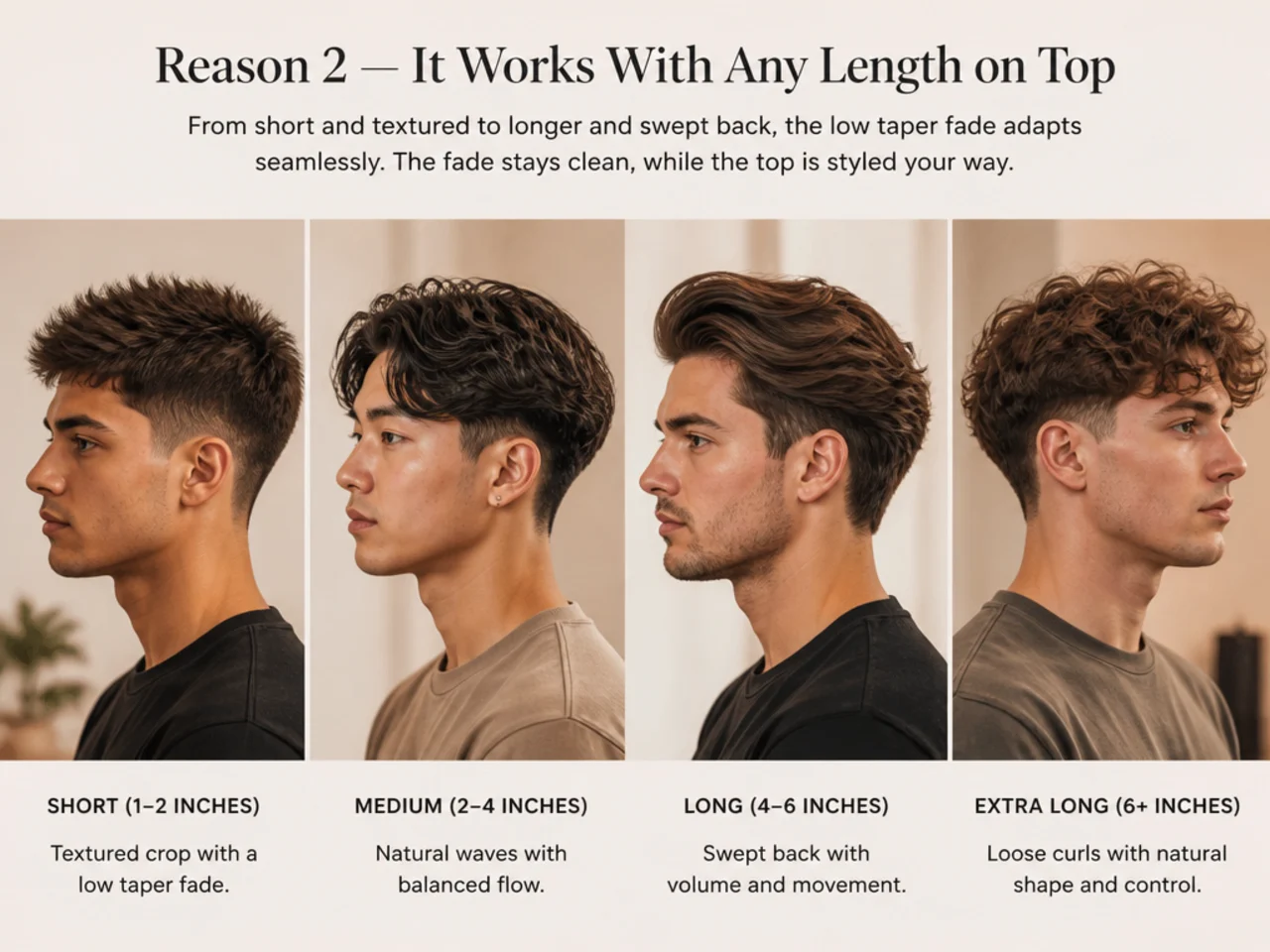
This is the reason your barber quietly loves the cut. A skin fade forces a shape on top — you need enough length and enough product to justify the contrast, or the whole cut looks unbalanced. A high fade makes long hair look weightless in a bad way. The low cut taper fade has no such problem.
Go under an inch on top and you get a modern crew cut with a clean transition. Two inches gives you a textured crop, a comb over, or a side part. Three to four inches lets you wear a quiff, a pompadour, or a swept-back style. Six inches and above — a man bun, long flow, a taper mullet — sit on the low fade line without looking mismatched. There's no failure mode based on top length.
That flexibility matters more than it sounds. Most guys grow their hair in cycles: shorter in summer, longer in winter, medium for months on end. Choosing a fade that only looks right at one specific top length locks you into repeating the same cut forever. The low cut taper fade lets you experiment with the top while keeping the sides consistent — which is the cheat code for actually enjoying your hair through the year.
If you're pairing it with more length, the low taper fade guide covers 35+ variations across the length spectrum, from buzz to man bun.
Reason 3 — It Gives Off Quiet-Luxury Energy
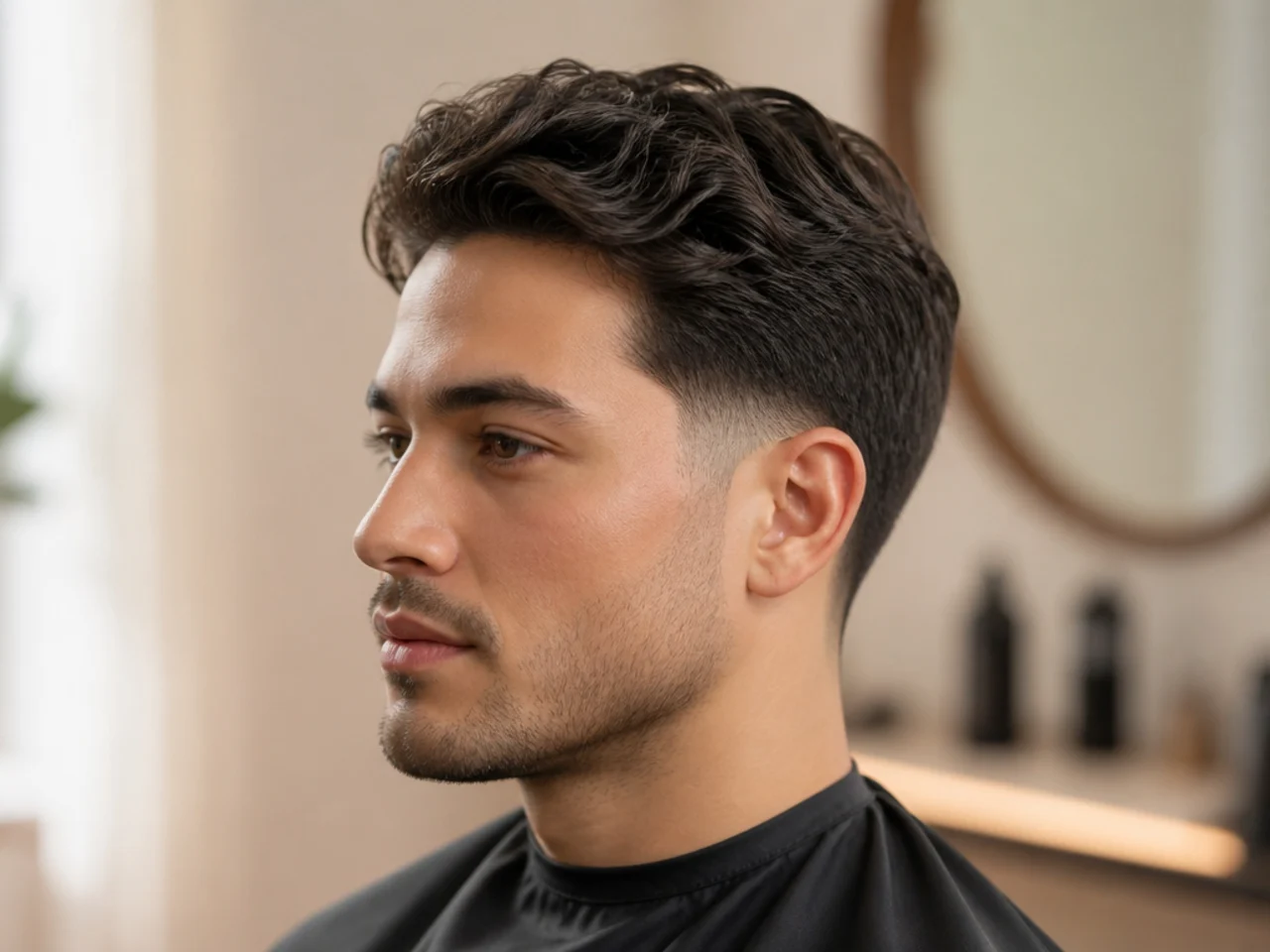
There's a specific aesthetic the internet keeps calling "old money" or "quiet luxury": expensive but never loud, tailored but never trendy, groomed but never overworked. The low cut taper fade is the haircut for that mood. It doesn't announce a decade. It doesn't lock you into a subculture. It just looks like the guy in the chair has his life together.
The reason is contrast — or the lack of it. Loud fades depend on visual contrast: skin panel vs long top, sharp lines vs curly texture, hard part vs soft blend. That contrast is what makes them memorable, but it's also what dates them. In five years, a specific high skin fade will look like 2022 because the contrast pattern was 2022. The low cut taper fade has almost no contrast to date — it just reads clean.
That's the same principle underlying quiet-luxury dress: a $2,000 unstructured blazer photographs like a nice jacket, not like a fashion moment. The old money haircut look leans on the same restraint. Pair the low cut taper fade with a longer combed-back top and no product shine and you're at the exact aesthetic without saying a word.
The signal isn't the cut. It's what the cut doesn't try to do.
Reason 4 — The Growout Stays Clean
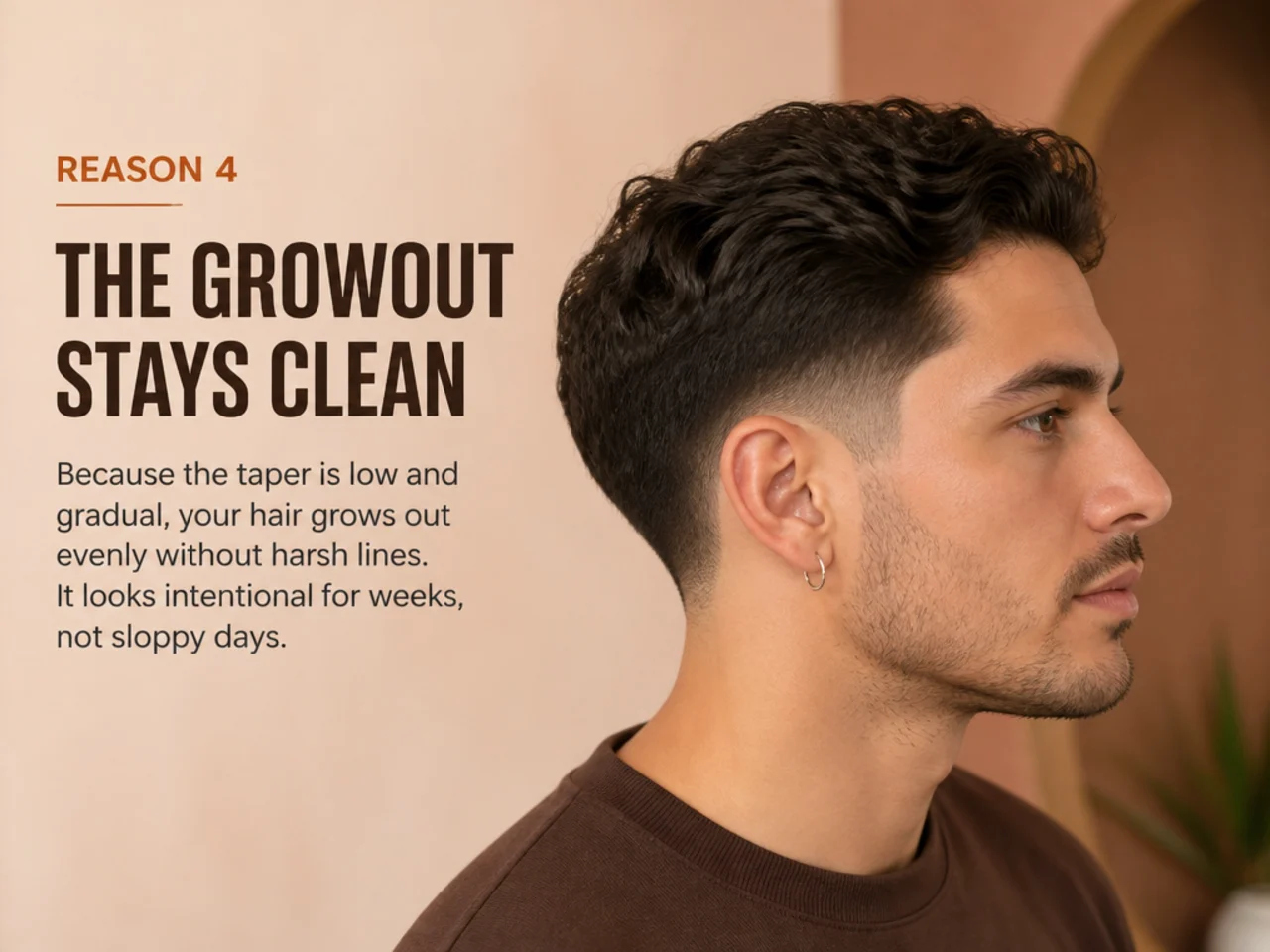
Every fade grows out. What matters is how quickly the growout starts to look sloppy. A skin fade fails fast: as soon as stubble comes in on the shortest section, the panel that made the cut work turns into a gray fuzz that reads unkempt from ten feet away. High fades share the same problem in a smaller way. Grow that fade out two weeks and it goes from crisp to blurred fast.
The low cut taper fade grows out slower and cleaner for two reasons. First, the shortest point still has some length — a 0.5 or a 1 guard, not skin. Growing that out another quarter-inch just makes it a slightly softer taper, not a patchy fuzz. Second, the fade line sits low on the head, so a blurred blend is hidden by the natural fall of the top hair. You have to look for the growout to notice it.
The practical impact: you can stretch appointments from two-and-a-half weeks to four in a pinch — during travel, over holidays, or when your barber is booked out. Try that with a high skin fade and you'll be scheduling emergency touch-ups. This is why guys who don't want to think about their hair schedule end up here.
Pair the cut with a slightly longer top for maximum stretch — the length up top disguises the growout on the sides. The low maintenance men's haircuts roundup covers other cuts that share this forgiving quality.
Reason 5 — It's Easy to Maintain
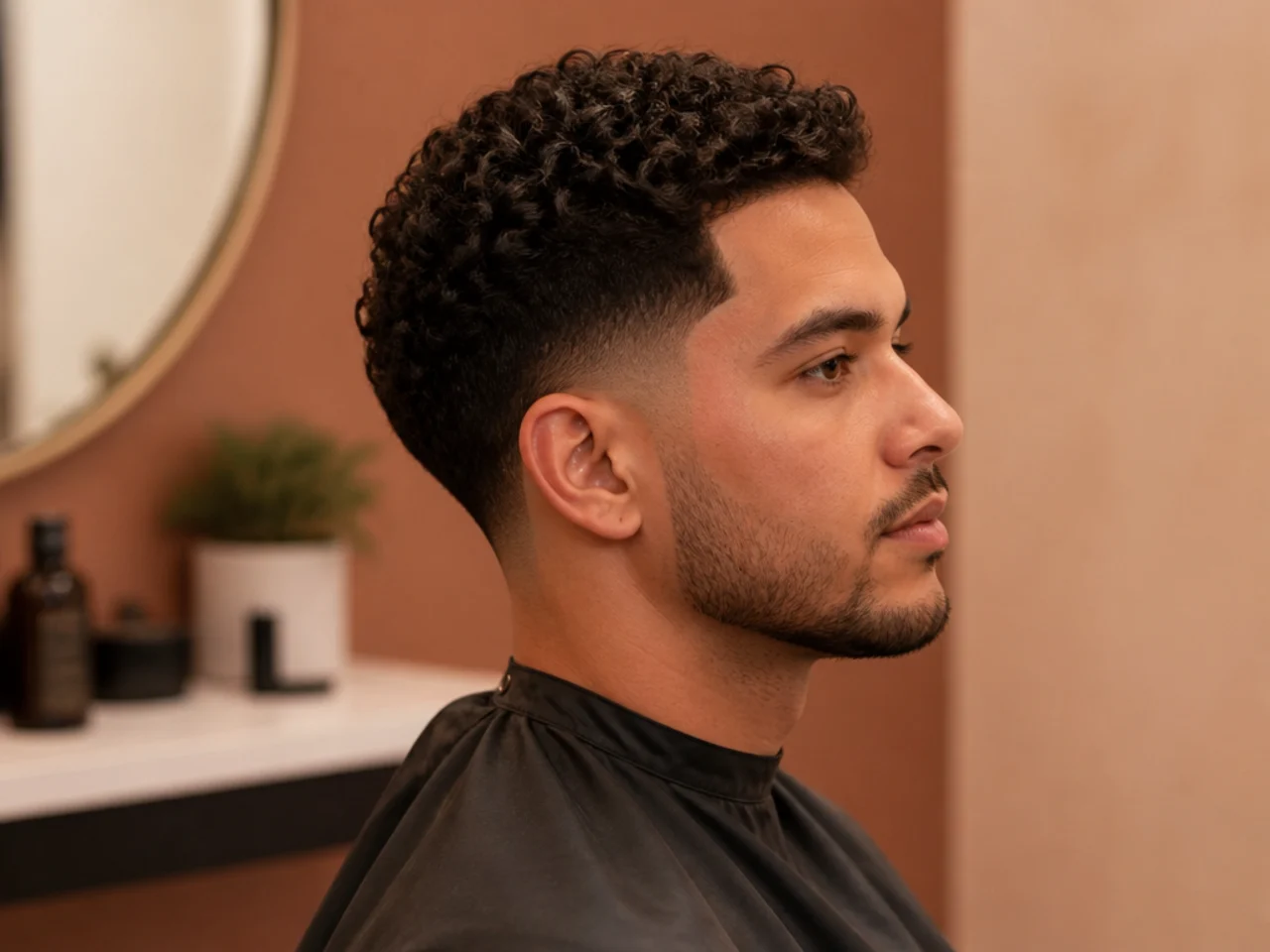
Between visits, the low cut taper fade asks almost nothing of you. There's no fade panel to maintain, no line-up that blurs in a week, no daily product routine to hold the shape. Wash a few times a week with whatever shampoo suits your hair type. Air dry or towel off. Run a small amount of product through the top if you want structure — a matte clay for texture, a light pomade for a slick finish, a sea-salt spray for waves. Ten seconds, tops.
Styling flexibility follows from that. Because the sides need no daily attention, all your styling time goes into the top — and the top is where personality lives. You can wear the same cut brushed forward on Monday, slicked back for a Wednesday client meeting, and tousled and messy for Friday drinks, without changing a thing about the fade underneath.
At the barbershop, the appointment itself is fast. A low cut taper is one of the more straightforward fades to execute cleanly — your barber isn't fighting a razor at the skin line or building complex contrast. That means shorter chair time, and typically a lower price than a full skin fade with a design.
Side by Side: Height and Contrast Compared
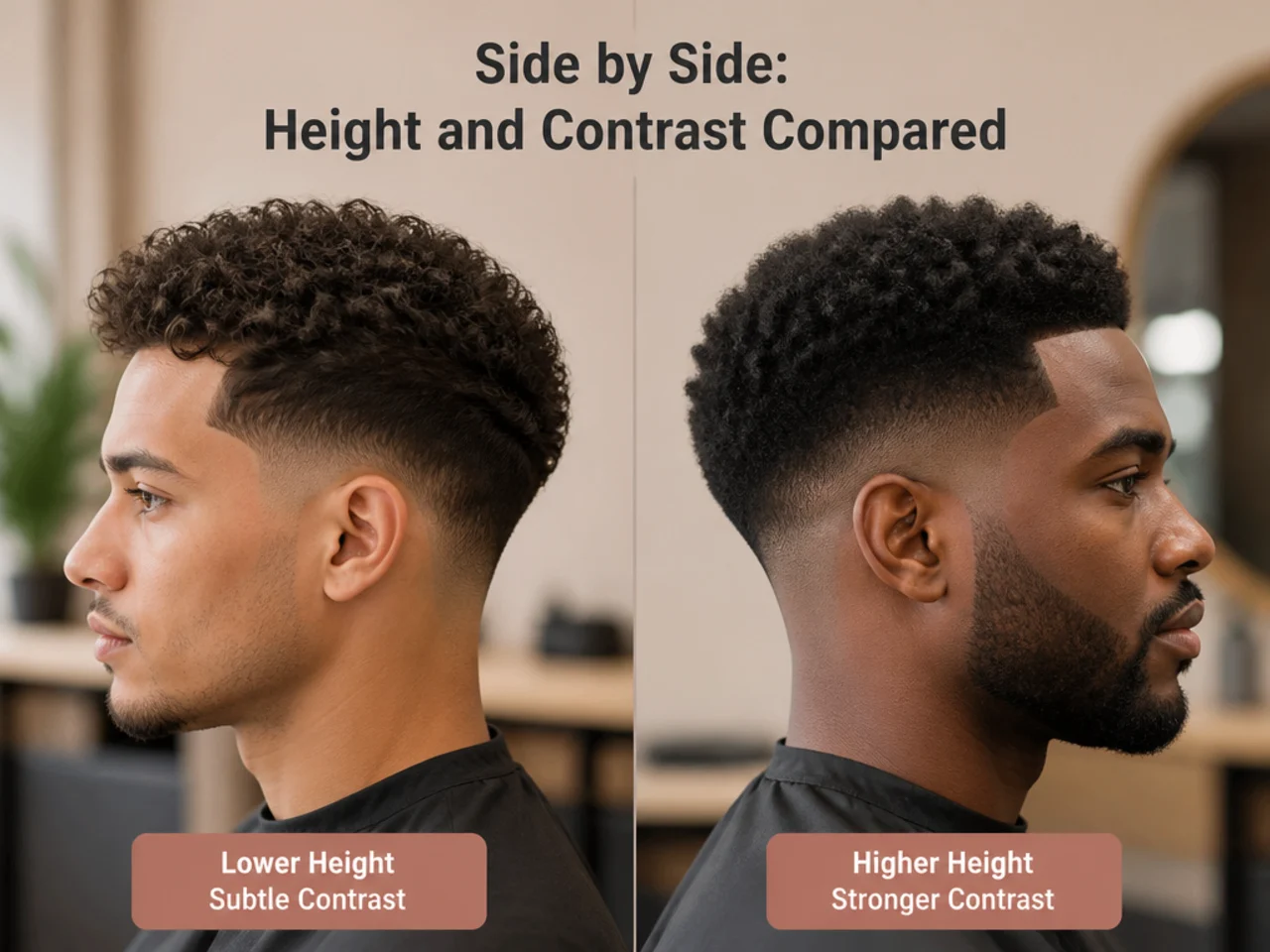
The one-look decision matrix. Every column is a real cut you might be choosing between at the barbershop right now.
Two footnotes worth reading.
On contrast. More contrast is not automatically better. A subtle blend on the sides lets a well-styled top read as the point of the look. A high-contrast fade often becomes the point — which is what you want if you're 22 and going out, and often not what you want if you're 38 and heading to a board dinner.
On maintenance math. Every step up in fade height is roughly a 25% jump in yearly grooming cost and time. A low cut taper fade at $40 every three weeks costs about $700 a year. A high skin fade at $60 every ten days costs closer to $2,200. For most guys, that difference funds a good pair of shoes.
Which Version Should You Actually Pick?
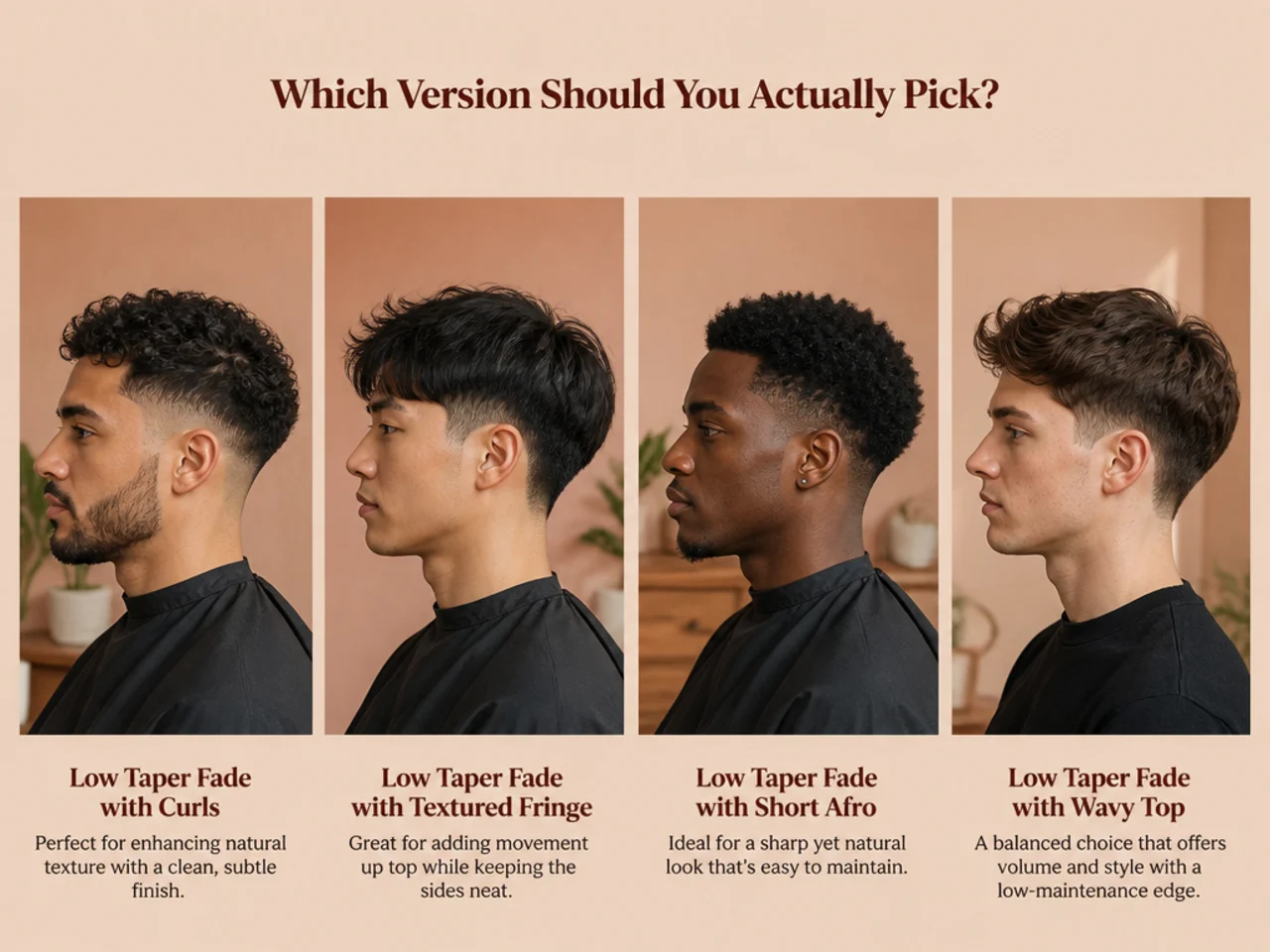
If you're new to fades or coming back after a growout, pick the low cut taper fade. It's the safest way to test what a modern short back and sides feels like without committing to skin fade maintenance or a high-contrast look you might regret.
If you already know you love a sharper contrast, want the cut to be visible from across the room, and can commit to every-two-week appointments, step up to a low fade haircut or a proper mid fade. The low fade vs mid fade vs high fade breakdown compares those three heights in detail if you're deciding.
If you want length on top but don't want the transition to jump, the low cut taper fade is the natural pairing. It's what makes a two-inch textured top look modern instead of dated, and it's the fade that plays best with long flow, top knots, and even a subtle mullet.
If your top is a professional short crop and you want it to read "put together" without reading "trying" — this cut. If your workplace has any kind of dress code, real or unwritten — this cut. If you can't stand the thought of scheduling weekly haircuts — this cut.
If you want a hard part, a design, a burst around the ear, or a heavy visual moment — go elsewhere. The low cut taper fade rewards restraint. It doesn't reward drama.
Guys migrating away from a blowout taper or a heavy high fade often find their way to the low cut taper as they get busier and want less to think about. It's the cut you don't outgrow.
How to Ask Your Barber for the Cut
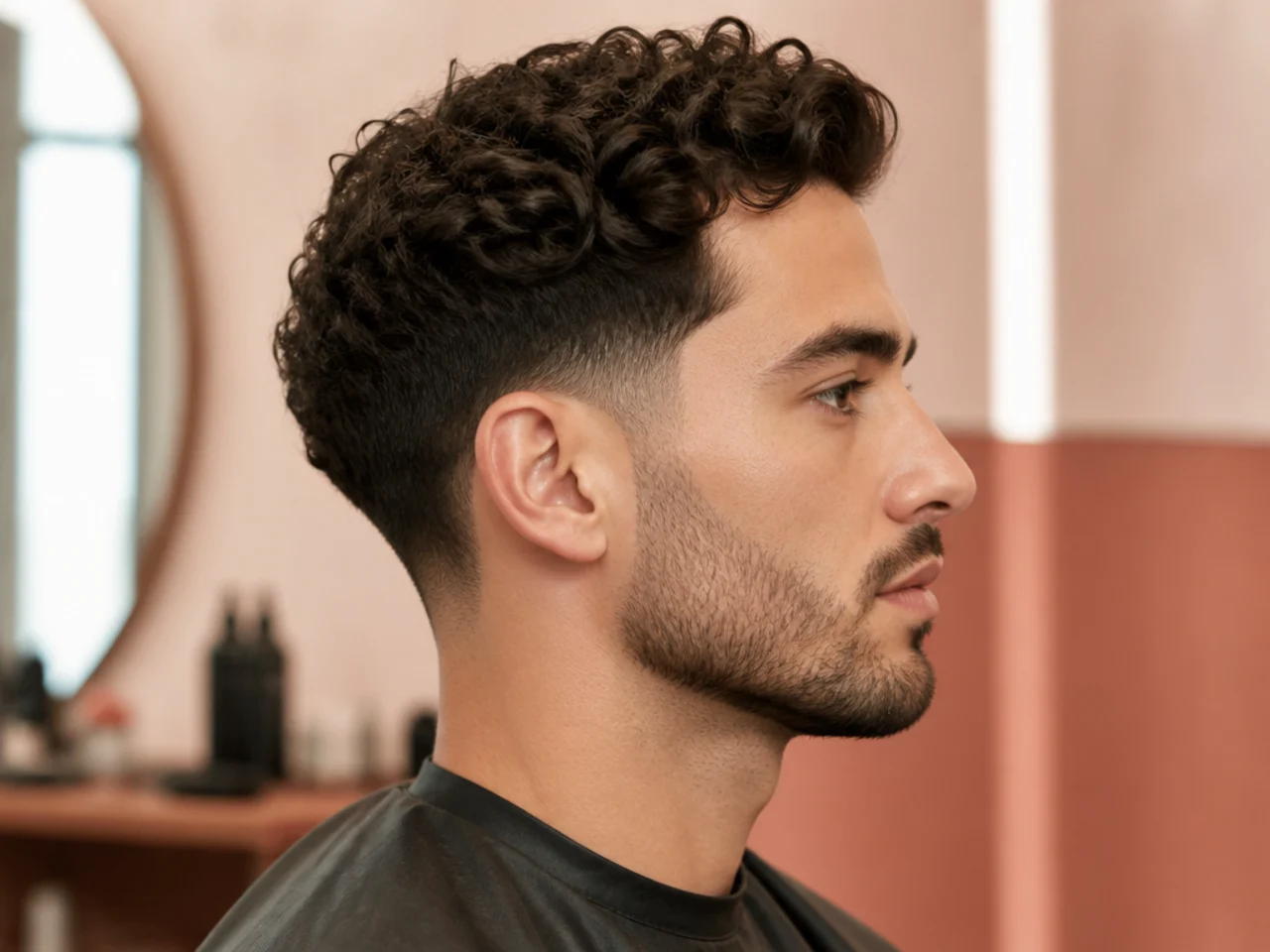
Use these words in order and you'll walk out with the cut you had in mind:
- Name the cut: "Low cut taper fade" — say all four words. "Low taper" alone often gets you a longer guard than you want.
- Specify the shortest guard: 0.5 for sharper, 1 for softer. This is the difference between "clean" and "very clean."
- State the top length in inches: Two inches, three, four. "Medium" means five different things to five different barbers.
- Pick a taper shape: Straight (level around the head), drop (curves down behind the ear), or temple (concentrated at the temples). The drop is the most face-flattering default.
- Ask for a soft blend at the transition: This kills any visible clipper line between the top and the taper.
- Show a photo: Words plus a picture eliminates 95% of miscommunication. Save two reference shots on your phone before the appointment.
If it's your first time in a new chair, add one line: "I don't want any skin exposed at the shortest point." That single sentence prevents the most common misinterpretation of the word "taper."
FAQs
Is a low cut taper fade the same as a low taper fade?
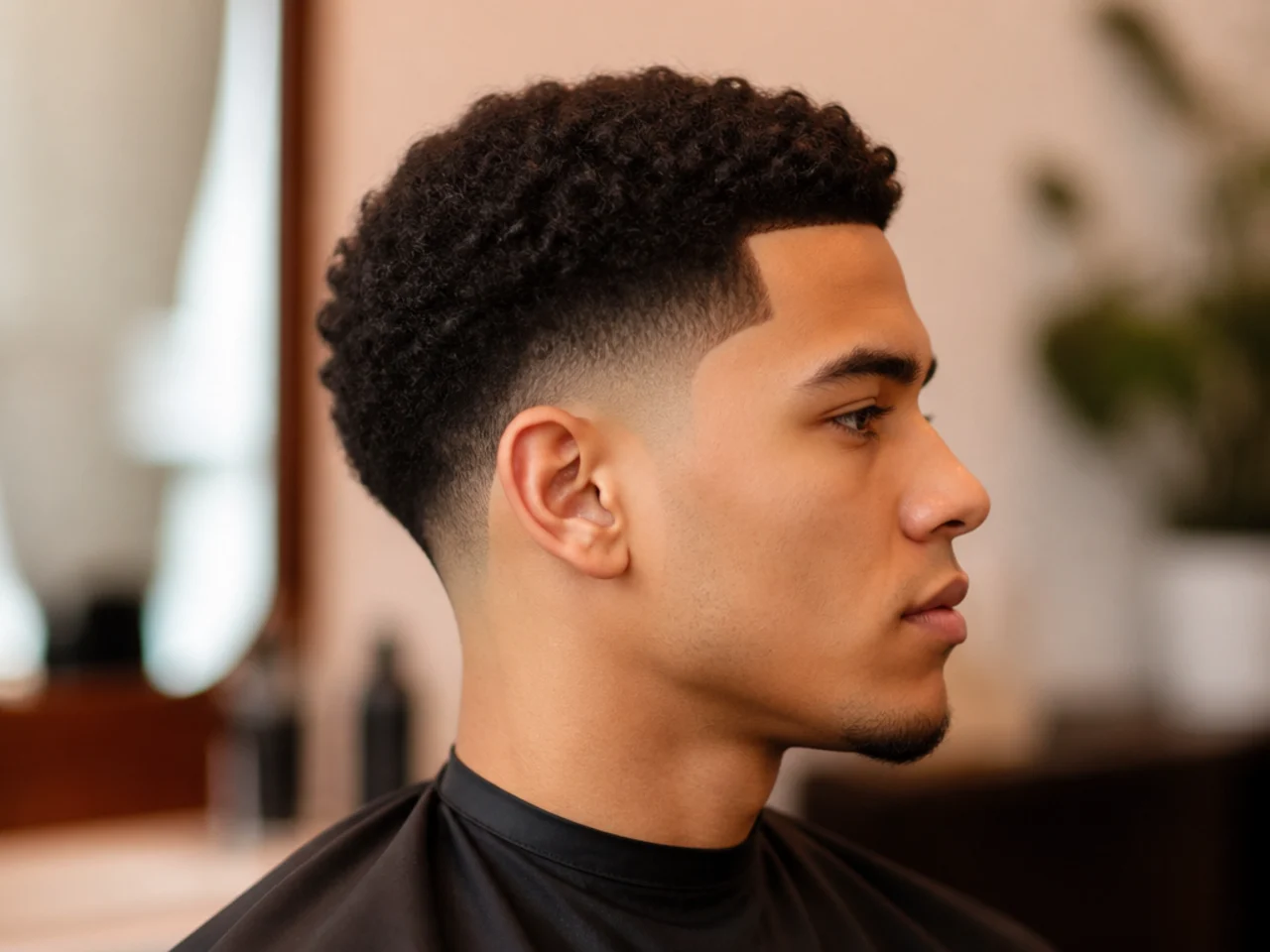
Close, but not identical. A standard low taper fade often stops at a longer guard — a 1, 2, or even a 3 at the shortest point. A low cut taper fade is taken shorter, usually down to a 0.5 or a tight 1, without ever going bare. It reads a touch crisper and a touch more modern than a longer taper.
Will it work with a beard?
Yes, and beautifully. Because the fade sits low, the transition into the beard sits low too — perfect for razor-blending the sideburn into the beard for a seamless line. Keep the beard to at least a week of growth and ask your barber to shape both together at each visit.
Can I do it at home?
You can maintain the neckline between visits with a decent edger, but the fade itself needs a barber. Blending clipper guards evenly is a trained skill, and DIY fades on the sides of your own head almost always end in a call to a professional to fix them. Save the home work for the neck.