15 Mistakes I Made Asking For A Mullet Fade
The words mullet fade leave four separate measurements undecided, and a barber has to fill every one of them from their own defaults. Fifteen mistakes I kept making at the chair, and the sentence that fixes each one.
In this article · 22
- What the Words Mullet Fade Do Not Tell a Barber
- How I Book It Now
- The 15 Mistakes
- 1. I Said Mullet and Left the Rest to the Barber
- 2. I Asked for a Fade When I Meant a Taper
- 3. I Let the Fade Height Be Decided in the Chair
- 4. I Never Named a Length for the Tail
- 5. I Brought a Photo of a Grown Out Cut
- 6. I Ignored Where the Disconnection Sat
- 7. I Chose a Burst Fade Without Saying How Far Forward It Ran
- 8. I Never Checked the Back in a Mirror
- 9. I Forgot to Mention the Crown Whorl
- 10. I Booked a Skin Fade on a Four Week Cycle
- 11. I Let Thinning Shears Near the Tail
- 12. I Asked for Weight Off the Top and Lost the Height
- 13. I Never Said Whether the Sideburns Connect
- 14. I Judged the Cut While It Was Still Wet
- 15. I Changed One Thing Every Visit
- Styling and Upkeep
- Mistakes to Avoid
- FAQ
- Final Thoughts
Every bad mullet fade I have had came from the same thing: I named the cut and left four separate measurements for someone else to guess.
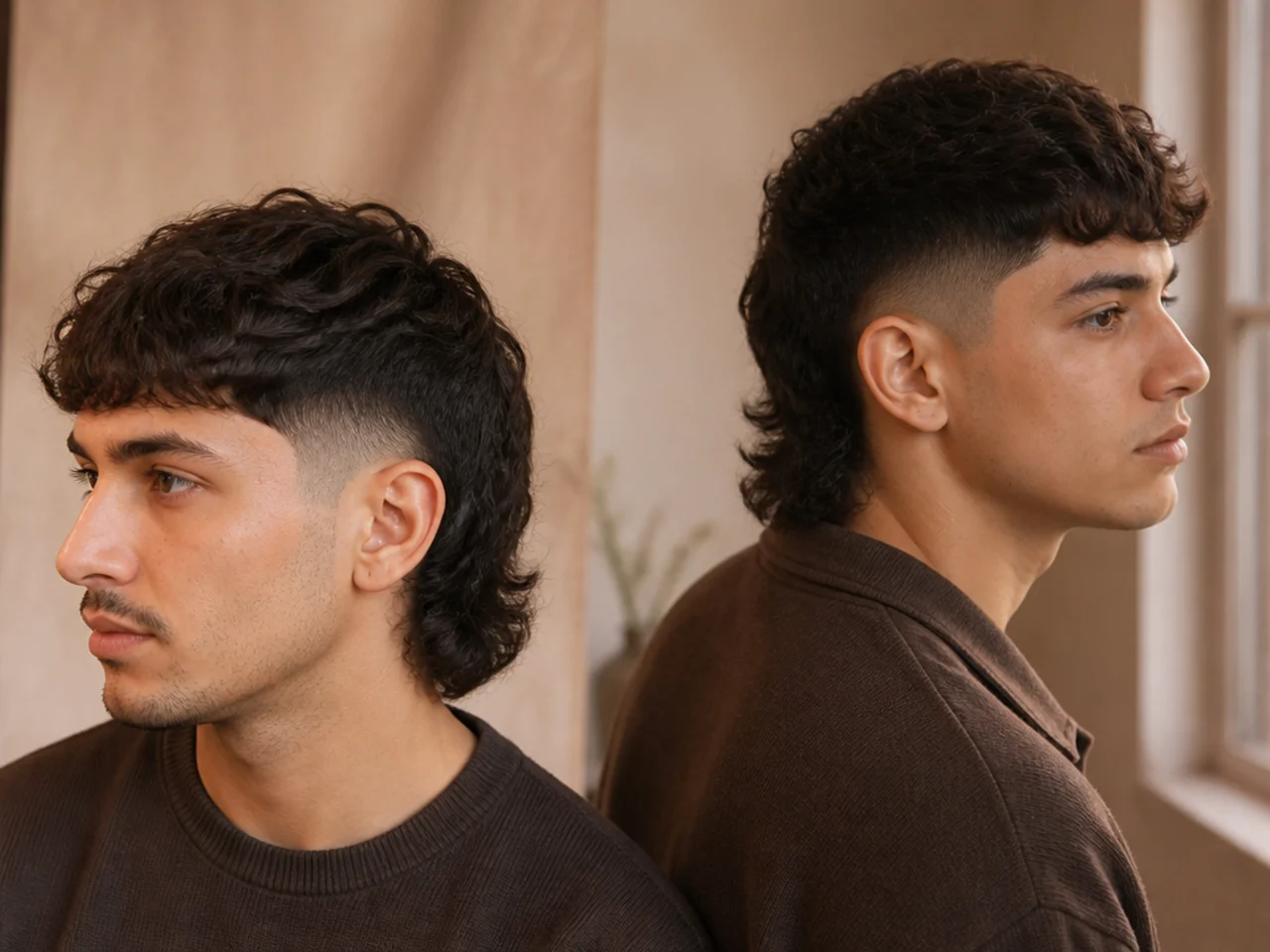
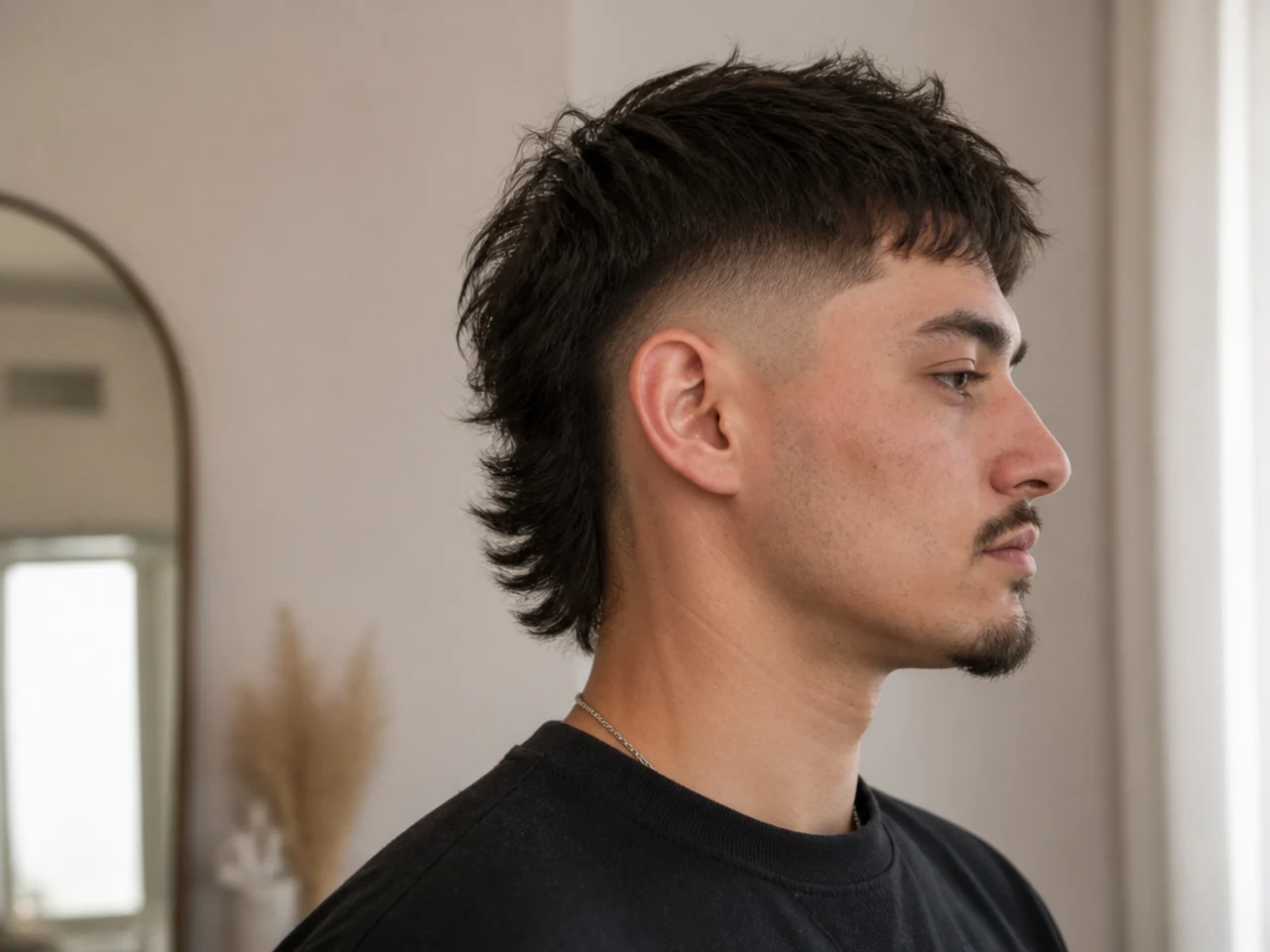
Mullet fade describes a relationship, not a shape. Short at the sides, long at the back. That is the entire information content of the phrase.
The four numbers underneath it are what change the cut. Fade height, whether it reaches skin, where the disconnection sits and how long the tail stays.
What the Words Mullet Fade Do Not Tell a Barber
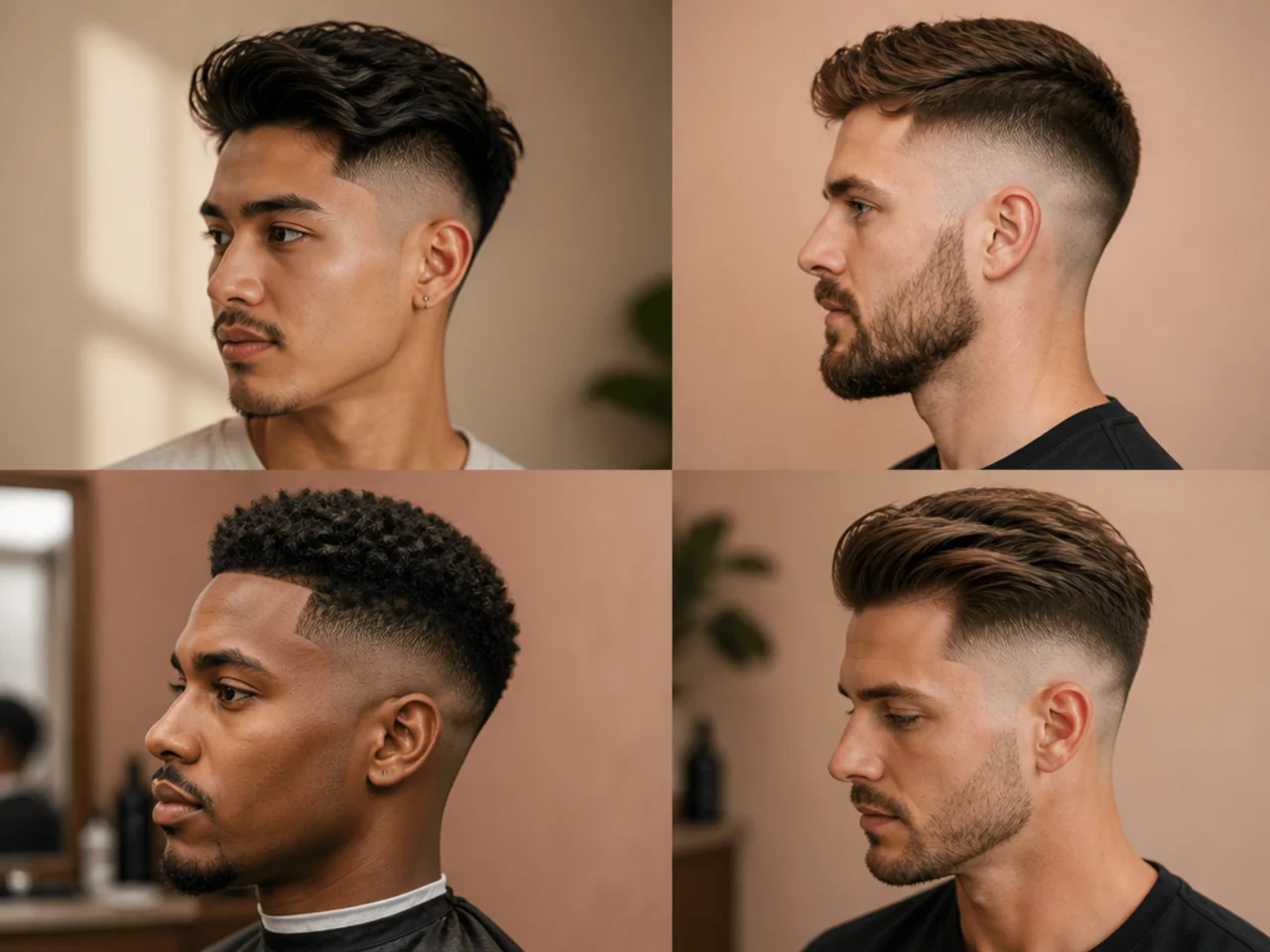
Fade height is left open. Low keeps width at the sides, high strips it out and narrows the head. Half an inch of difference changes the whole silhouette.
Skin or not is left open. A fade goes to bare skin. A taper stops with hair still there, usually a number one at three millimetres. Barbers use both words loosely.
The disconnection is left open. The line where short meets long usually runs from the temple to behind the ear, and its height is the most drifted measurement in the cut.
Tail length is left open. Long at the back covers everything from the nape to the shoulder blades, which is four inches of interpretation.
How I Book It Now
I give landmarks, not adjectives. Top of the ear, parietal ridge, collar, shoulder blade. Adjectives like short and long mean whatever the barber heard last.
I give guard numbers. One is three millimetres, two is six, three is ten, four is thirteen. A number is not open to interpretation and short is.
I say what the finish is, not just the word. Taper finishing at a number one, or fade to skin. Naming the finish is what removes the ambiguity between the two.
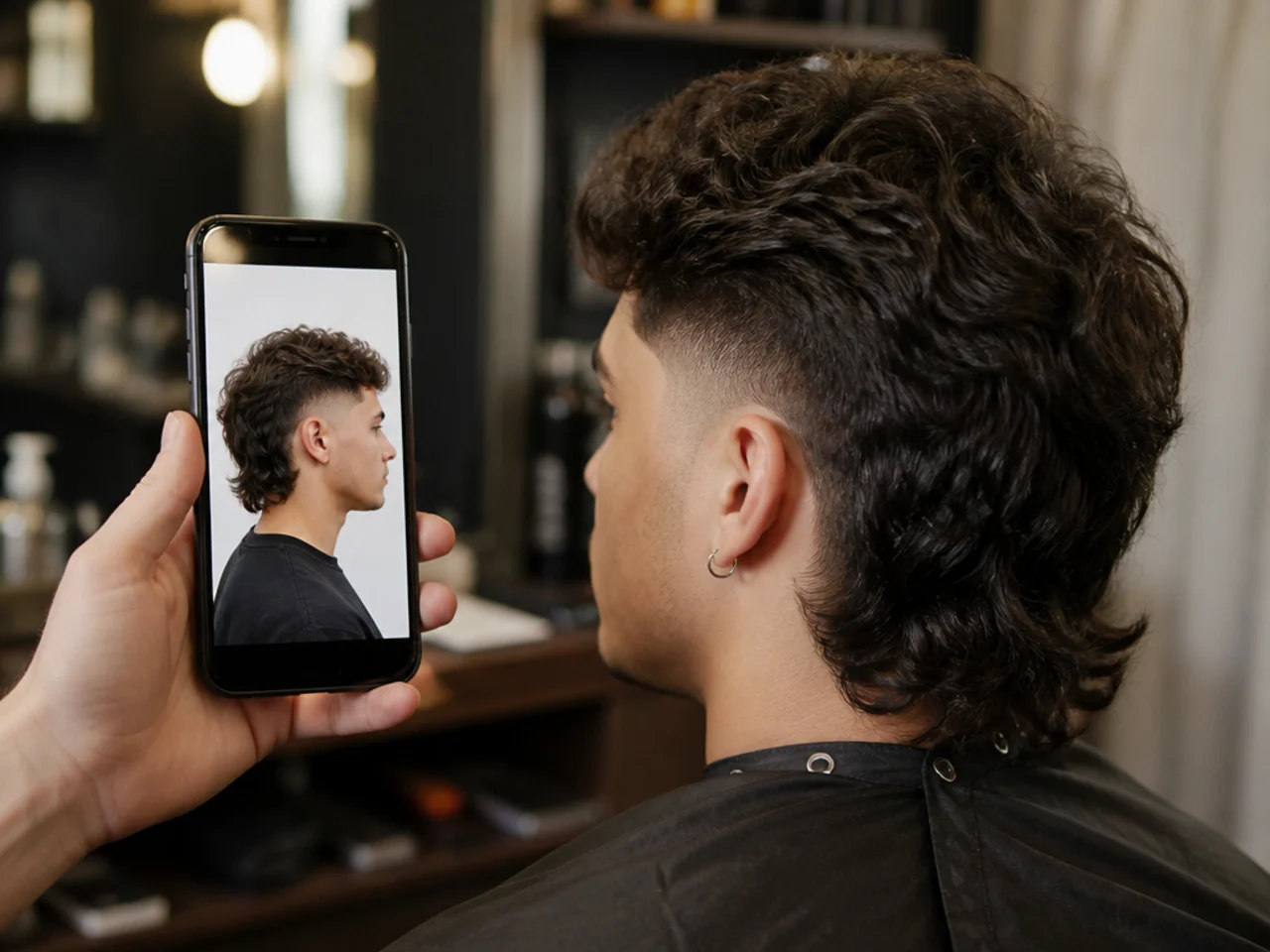
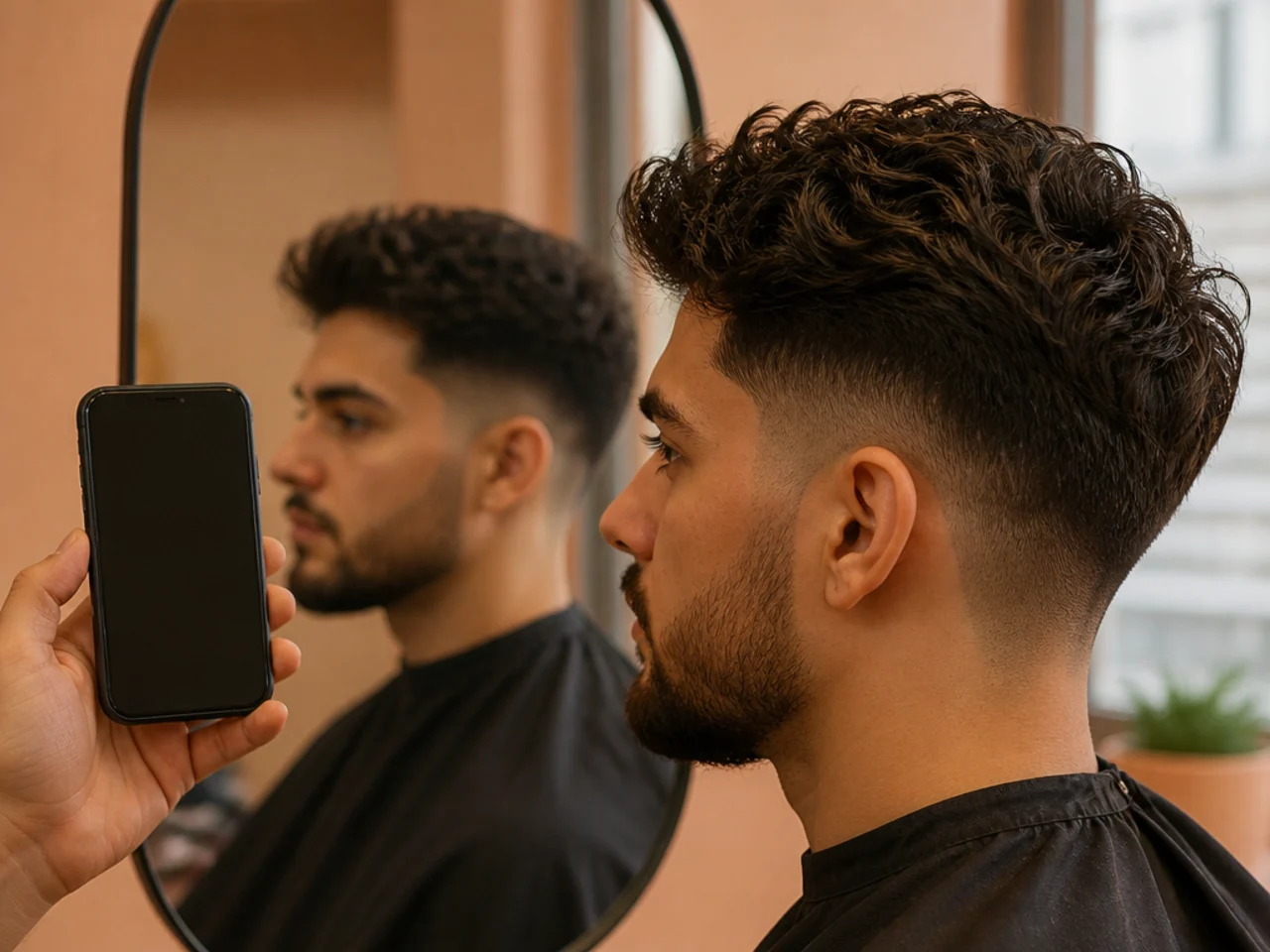
I photograph the cut I liked, on day one. Week one is when the line is sharpest, and it is the only version of the cut worth handing to someone as a reference.
The 15 Mistakes
1. I Said Mullet and Left the Rest to the Barber
The word covers a range about four inches wide at the back and half a head high at the sides. Everything I did not specify got filled in from whatever the barber cut last, which is why the same request produced a different cut each time.
2. I Asked for a Fade When I Meant a Taper
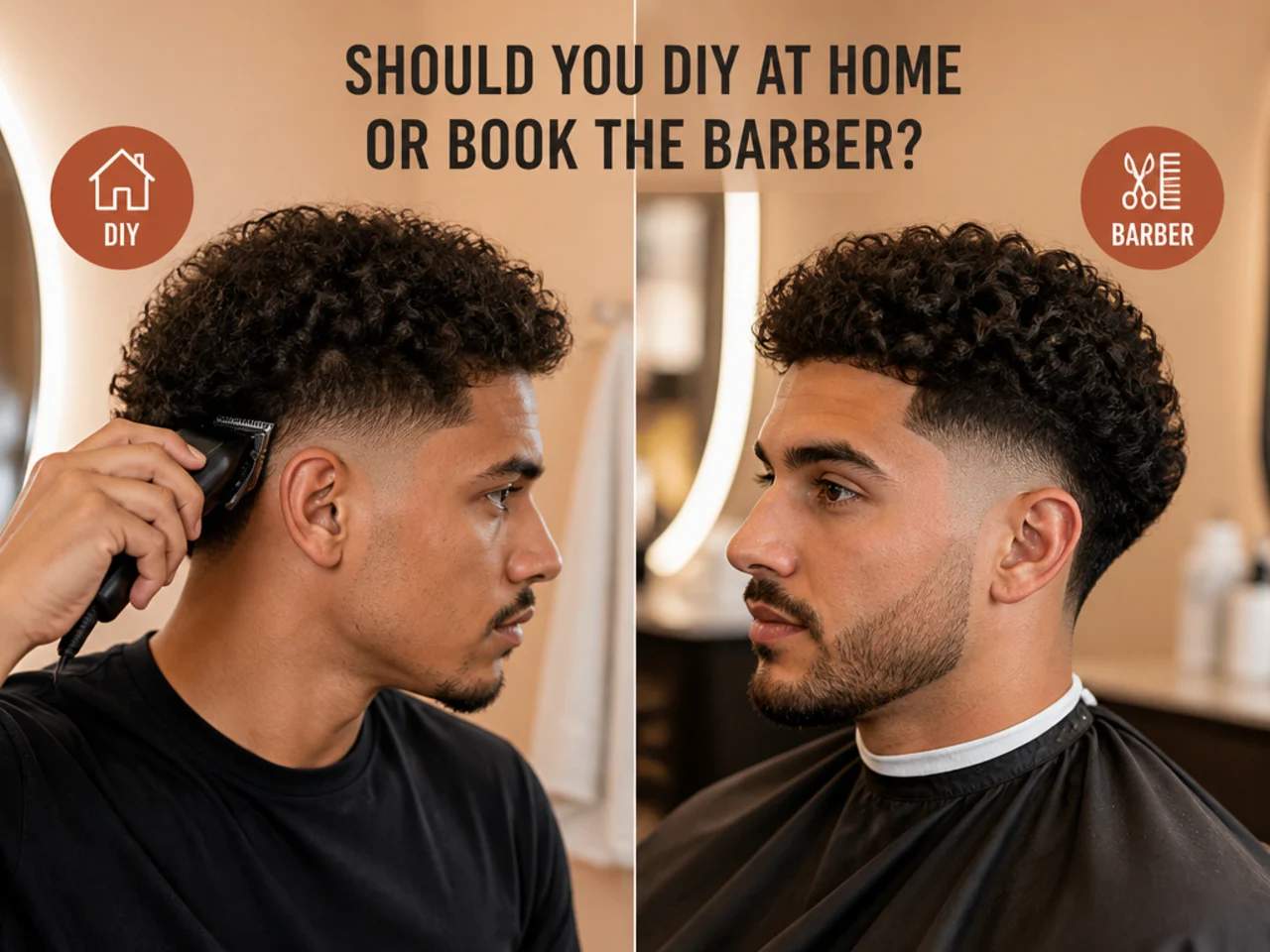
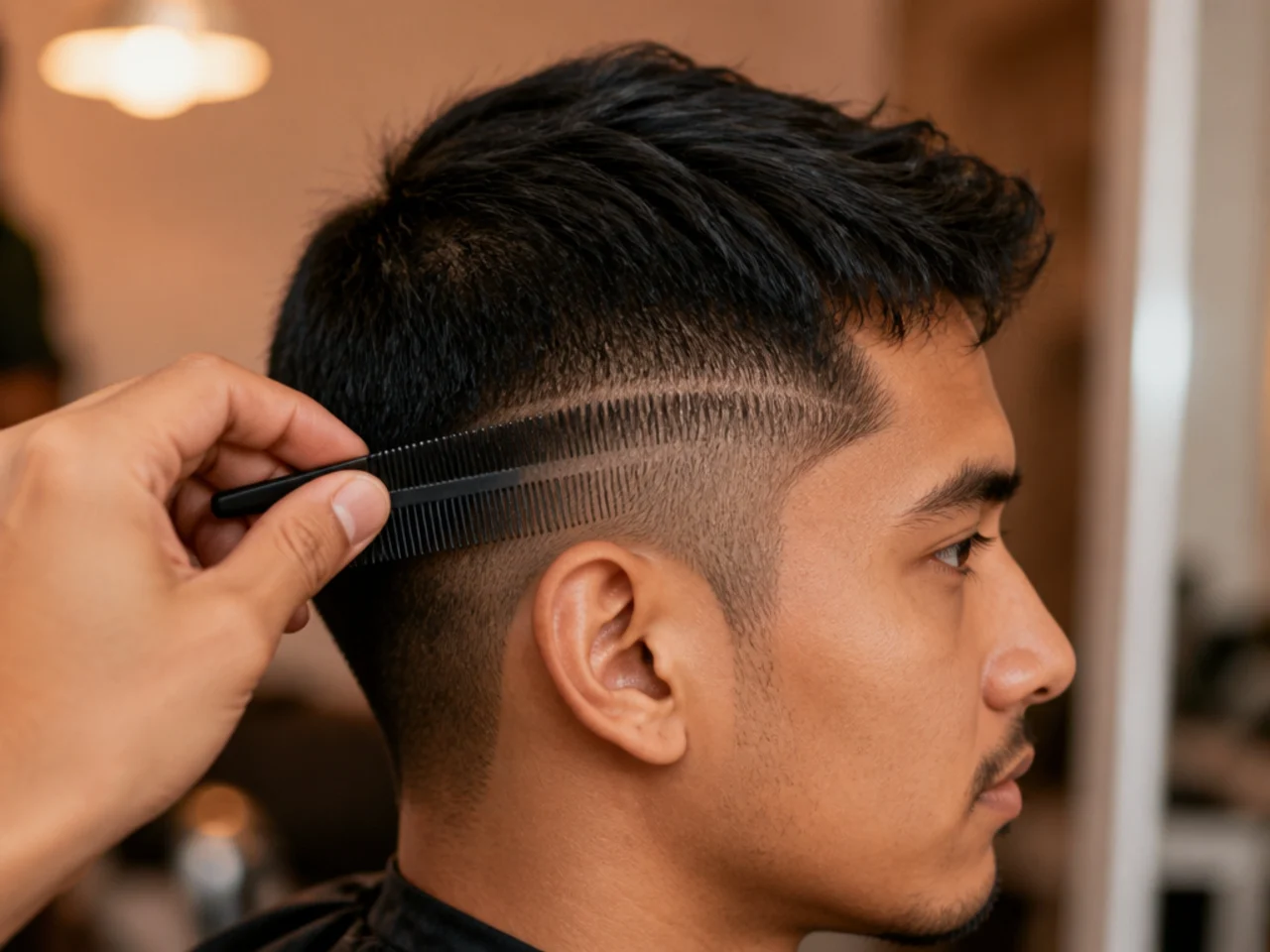
A fade goes to bare skin and a taper leaves hair behind, and the difference is not cosmetic. Skin reflects light where hair absorbs it, so the contrast against the top jumps, and the regrowth window halves from three or four weeks down to one or two.
3. I Let the Fade Height Be Decided in the Chair
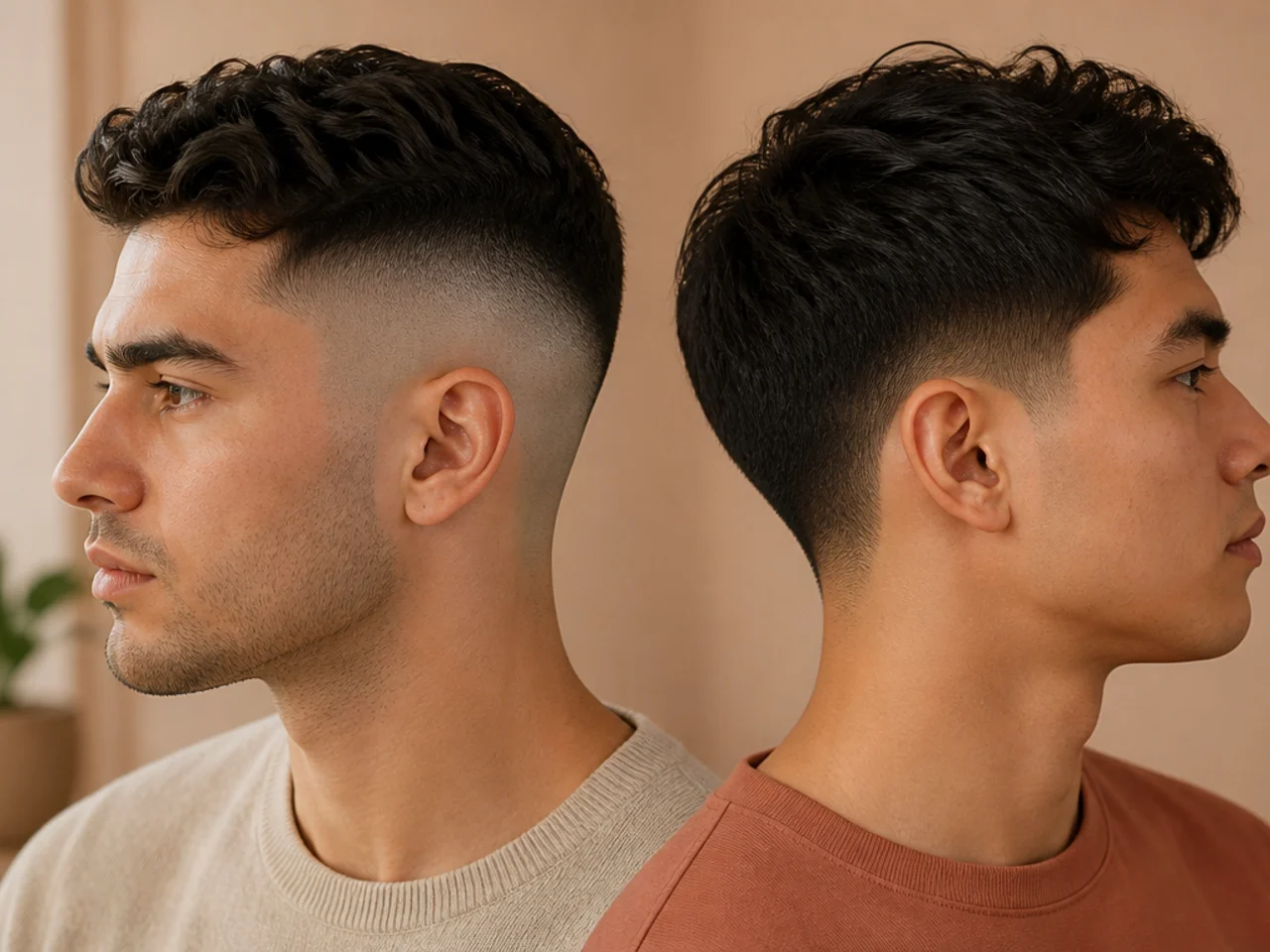
Fade height changes the silhouette more than anything else in the cut. Low leaves width at the sides that balances a heavy tail; high removes it and the head reads narrow. Not naming it meant a different silhouette every visit, all of them technically a mullet fade.
4. I Never Named a Length for the Tail
Long at the back was interpreted as the nape once and the collar another time. Since hair grows about half an inch a month, a barber taking two inches more than intended has removed four months of growth that no instruction afterwards can recover.
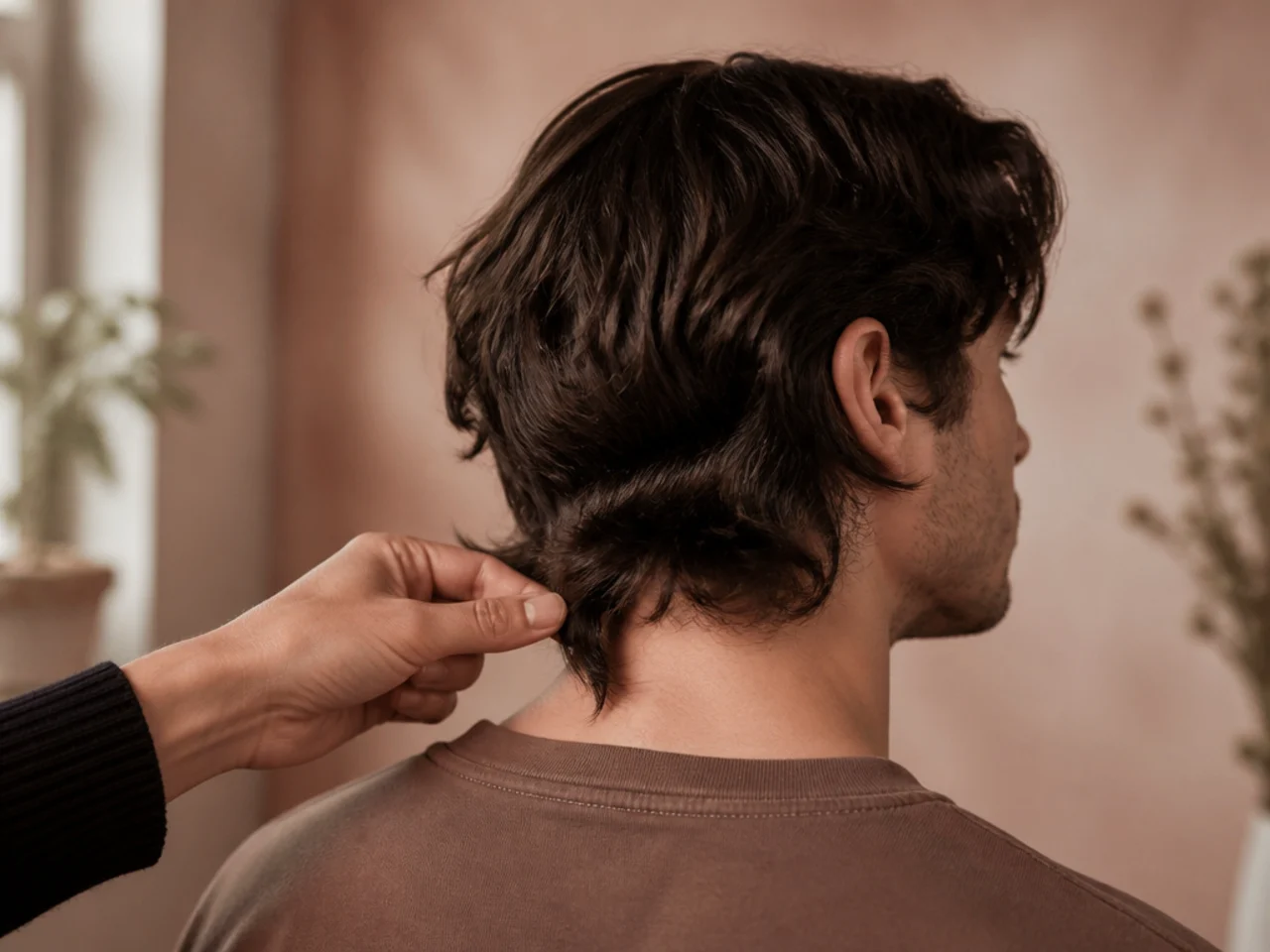
5. I Brought a Photo of a Grown Out Cut
The photograph I liked was somebody's week five, when the fade had blurred and the tail had drifted down. Cut fresh, that same shape is noticeably shorter and harder. Ask what the reference looks like on day one, because that is what you will walk out with.

6. I Ignored Where the Disconnection Sat
The line between the short sides and the long top drifts upward about half an inch a visit if nobody is holding it in place. After four cuts the sides had eaten a section of top I had spent months growing, and nothing about any single appointment looked wrong.
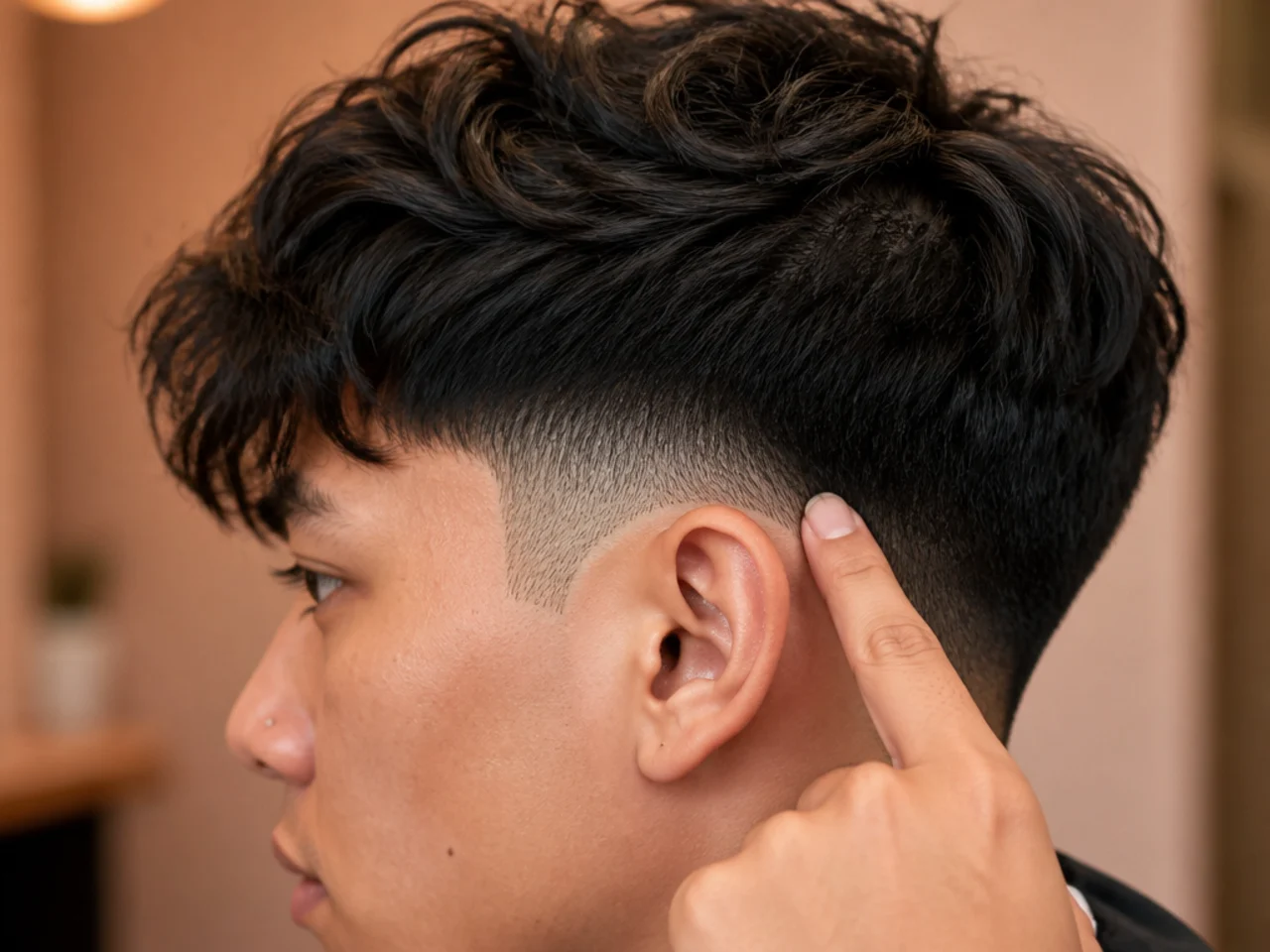
7. I Chose a Burst Fade Without Saying How Far Forward It Ran
A burst fade arcs around the ear, and how far forward that arc reaches onto the temple is a separate decision from how high it goes. Left unsaid, it can be pushed forward until it takes the front corner of the top with it.
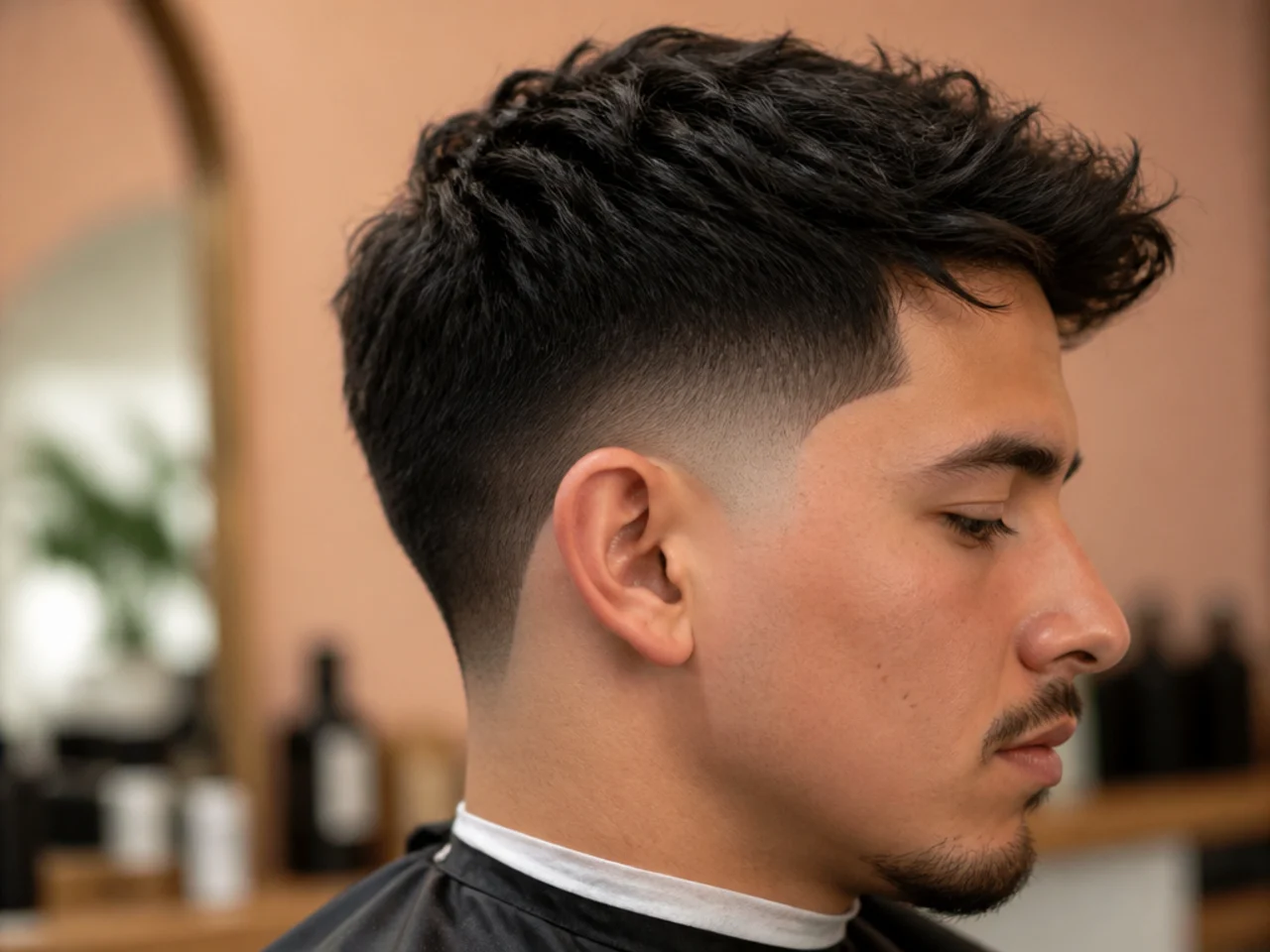
8. I Never Checked the Back in a Mirror
The tail outline can be squared, rounded or pointed, and whichever it is has been decided for you if you never look. It is the part of the cut you see least and everyone behind you sees most, which is a bad combination to leave to chance.

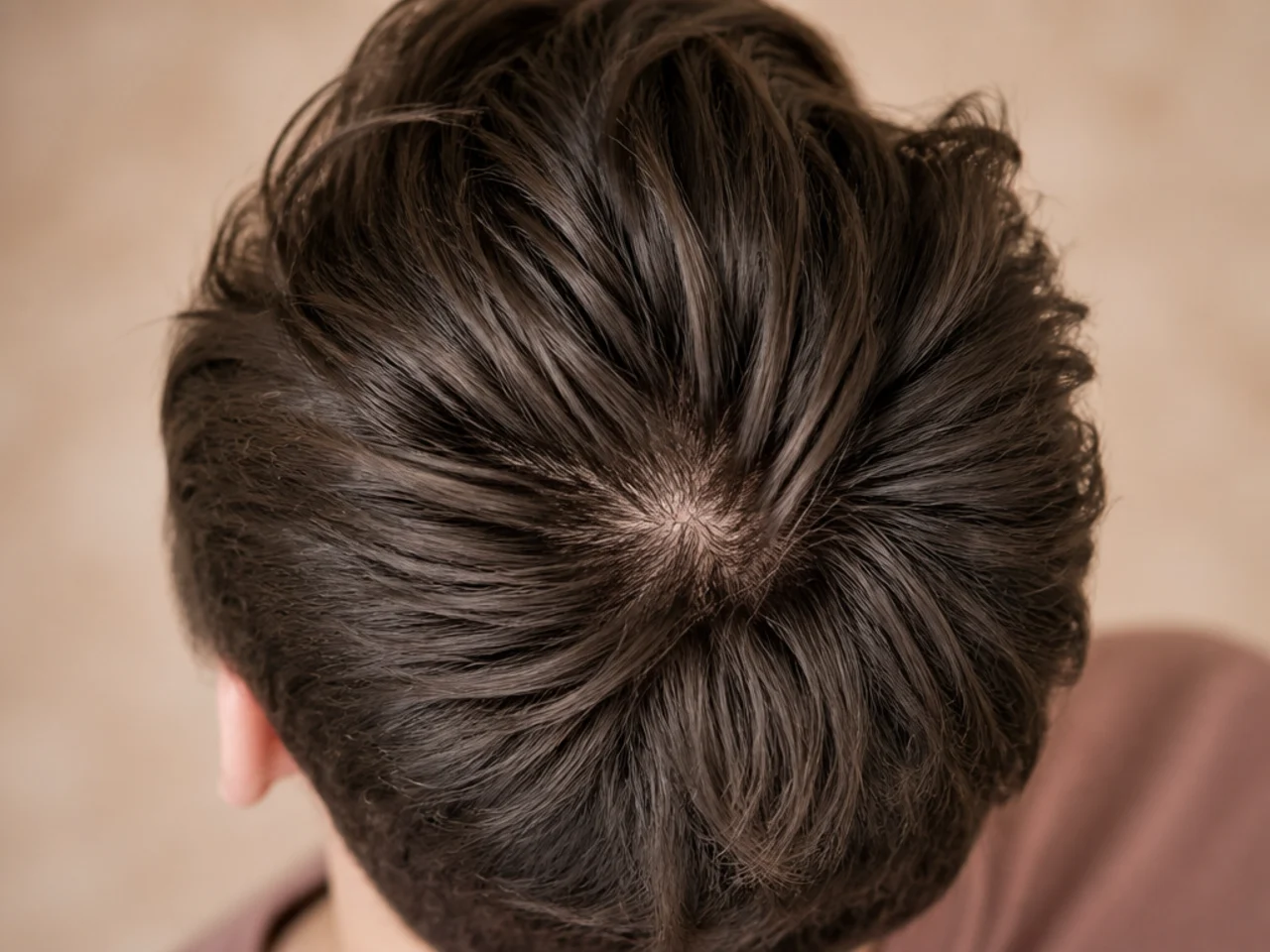
9. I Forgot to Mention the Crown Whorl
Hair at the crown grows out of a spiral, so it splits open wherever a line is cut across it. On a mullet the disconnection often lands right there, and the result is a visible gap that no styling closes. The line has to be placed in front of or behind the whorl.
10. I Booked a Skin Fade on a Four Week Cycle
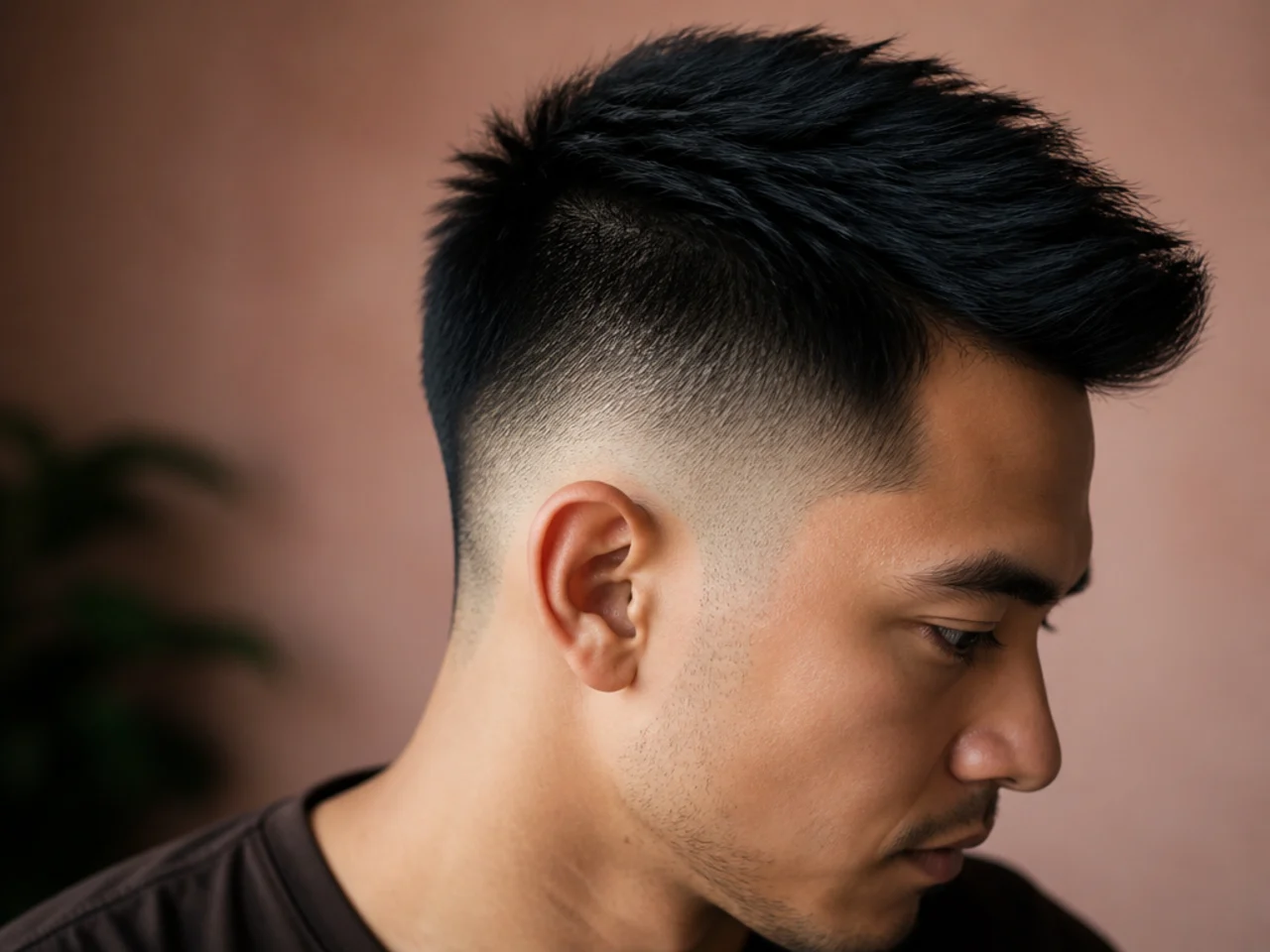
Bare skin becomes visible stubble within one to two weeks, so a monthly appointment meant the cut spent more days grown out than sharp. Either the schedule moves to a fortnight or the finish moves to a taper — as a mullet wolf cut generally does.
11. I Let Thinning Shears Near the Tail
Thinning shears cut hairs at random points along their length, and those cut ends spring out of the mass as frizz that lasts until the whole tail is cut off. Weight should come out of the interior with scissors instead, where nothing shows on the surface.

12. I Asked for Weight Off the Top and Lost the Height
The bulk in the top section is what holds it up. Taking it off the surface flattened the crown and the mullet stopped reading as a mullet, because the contrast depends on height as much as on length. Weight should come from underneath the top section only.

13. I Never Said Whether the Sideburns Connect
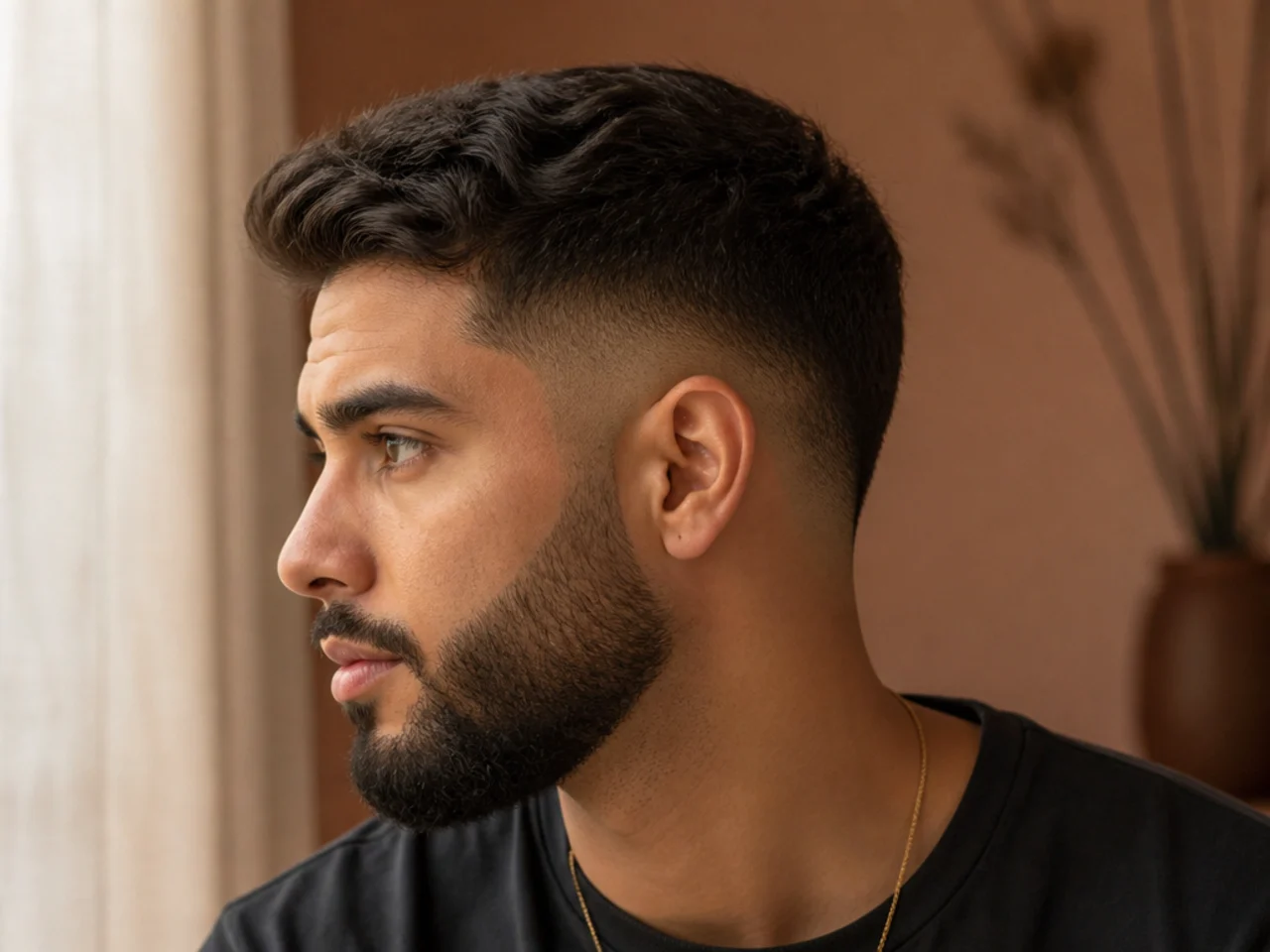
Running the fade down into the beard removes the horizontal line across the jaw, and leaving a break keeps it. Both are valid, and one of them gets chosen for you if you say nothing. The join also has to land where beard density genuinely starts, usually just below the earlobe.
14. I Judged the Cut While It Was Still Wet
Wet hair hangs flat and reads longer than it is, so the contrast that makes a mullet fade work does not exist yet. I approved several cuts in the chair that were plainly wrong once the top dried and lifted away from the sides.

15. I Changed One Thing Every Visit
Fade height one time, tail length the next, then the disconnection. Because something moved every appointment I never learned which variable had produced the cut I liked. Fixing all four and changing one deliberately is the only way to find out.

Styling and Upkeep
Write the four numbers in your phone. Fade height, finish, disconnection, tail length. Read them out rather than describing the cut.
Photograph week one from three angles. The line is at its sharpest for about five days, so a photo taken later already shows a softer cut than the one you asked for.
Book by finish, not by habit. Two weeks for a skin fade, three to four for a taper. The finish sets the schedule.
Dry the top before judging anything. The contrast a mullet fade is built on only exists once the top is standing away from the sides.
Dust the tail every eight to ten weeks. Splits travel up the shaft, so a few millimetres off the ends protects far more length than it costs.
Mistakes to Avoid
Using short and long as instructions. They are comparisons, not measurements, and they mean whatever the barber heard most recently.
Letting the disconnection creep. Half an inch a visit is invisible each time and obvious after four.
Skin fades on a monthly cycle. Stubble at two weeks means the cut is grown out for most of its life.
Thinning shears anywhere in the tail. The frizz they create stays until the length is cut off entirely.
Approving the cut wet. Nothing about the contrast is visible until the top has dried and lifted.
FAQ
What do I actually say? Fade height, skin or not, disconnection position, tail length.
Fade or taper? Fade goes to skin and lasts two weeks. Taper leaves length and holds three to four.
Why is it different each time? Fade height, almost always. Give it as a landmark.

Final Thoughts
None of these were the barber's fault. Every one of them was a measurement I left open, and a barber with an open measurement uses their own default — which is a perfectly good cut that happens not to be the one in your head.
For the longer layered version of the same shape see the wolf cut mullet, and for how the layering works on its own see the wolf cut for men. More in Fade Haircuts.