20 Modern Short Haircut Ideas for Men to Save
Modern is not a haircut, it is a set of countable differences from the version that came before. Name the signal you want changed and a barber can act on it, because asking for a modern cut on its own tells nobody anything.
In this article · 27
- The Signals That Date a Short Cut
- How to Choose Which Update You Need
- The 20 Swaps
- 1. Hard Weight Line → Blurred Transition
- 2. High Disconnected Undercut → Low Taper
- 3. Wet-Look Shine → Matte Clay Separation
- 4. Comb Marks → Finger-Placed Texture
- 5. Fringe Pushed Back → Fringe Forward and Point Cut
- 6. Blocked Neckline → Rounded Neckline
- 7. Sharp Temple Line-Up → Natural Hairline
- 8. Spikes → Separation
- 9. Fade Above the Parietal Ridge → Fade at the Temple
- 10. Symmetrical Weight → Asymmetric Weight
- 11. Uniform Clipper Length → Graduated Lengths
- 12. Product Shine → Product Hold
- 13. Pointed Sideburn → Sideburn Squared at the Ear
- 14. Height at the Crown → Volume at the Front
- 15. Extreme Length Ratio → A Ratio You Can Grow Out
- 16. The Same Cut Everywhere → A Cut That Changes
- 17. Razored Hard Part → A Part Where the Hair Splits
- 18. Round-Brush Polish → Rough Dry and Then Place
- 19. Heavy Flared Sides → Sides Close to the Skull
- 20. The Signals That Never Dated
- Styling the Current Version
- Mistakes to Avoid
- FAQ
- Final Thoughts
Asking a barber for something modern gets you their idea of modern, which is a coin toss. Nobody can act on the word.
What exists instead is a list of countable differences. The older short cut had a hard weight line where the top met the side; the current one blurs it. It had a high disconnect; the current one drops the fade lower.
Every one of them is a single nameable swap. Shine became matte. Comb marks became finger-placed texture. The fringe stopped being pushed back and came forward. Each idea below pairs the dated signal with what replaced it and why, so you can name one in the chair.
The Signals That Date a Short Cut
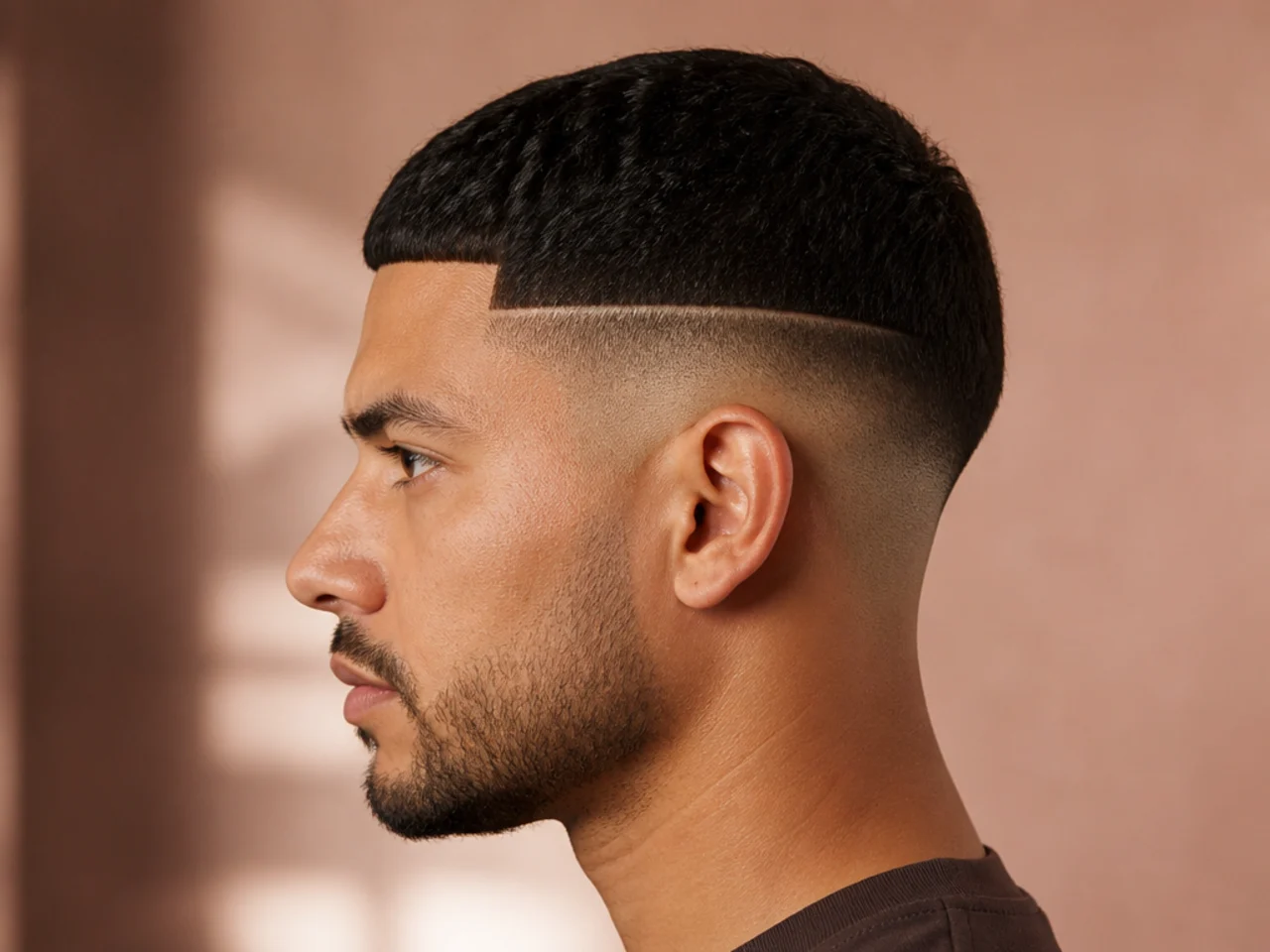
A hard weight line is the strongest single signal. An abrupt change in length where the top meets the side draws a horizontal round the head, and the eye finds it first.
Fade height dropped. Low and mid read current; a fade starting above the parietal ridge reads distinctly of its moment.
Shine moved to matte. A wet look is the second-fastest signal, because it groups every strand into one reflective surface.
Texture replaced comb marks. Volume is now shown by separation between pieces rather than by parallel tracks.
How to Choose Which Update You Need
Find the horizontal on your own head. If there is a line where the top meets the side, that update outranks everything else here.
Check where your fade starts. Above the parietal ridge is high, between it and the temple is mid, at or below the temple is low — the comparison in low fade vs mid fade vs high fade shows each height on a head.
Look at the finish before the shape. Swapping gel for clay costs one product and changes more than a centimetre of length does.
Change one signal at a time. Stacking three swaps in one appointment is how a cut stops looking like yours.
The 20 Swaps
1. Hard Weight Line → Blurred Transition
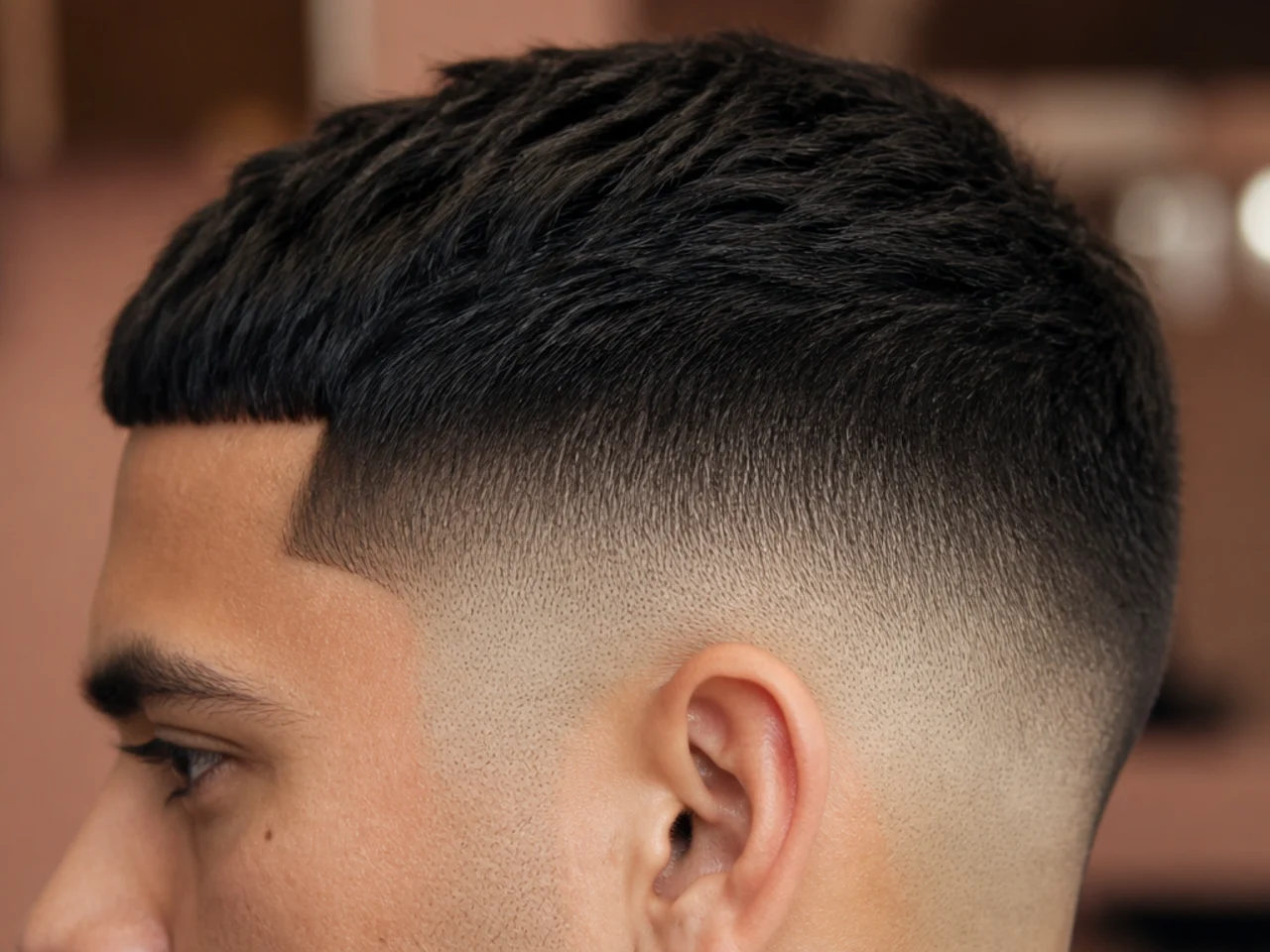
The old version left an abrupt step where the top met the side. The current one blurs it across a couple of centimetres, so the head reads as one continuous shape rather than two lengths stacked together.
2. High Disconnected Undercut → Low Taper
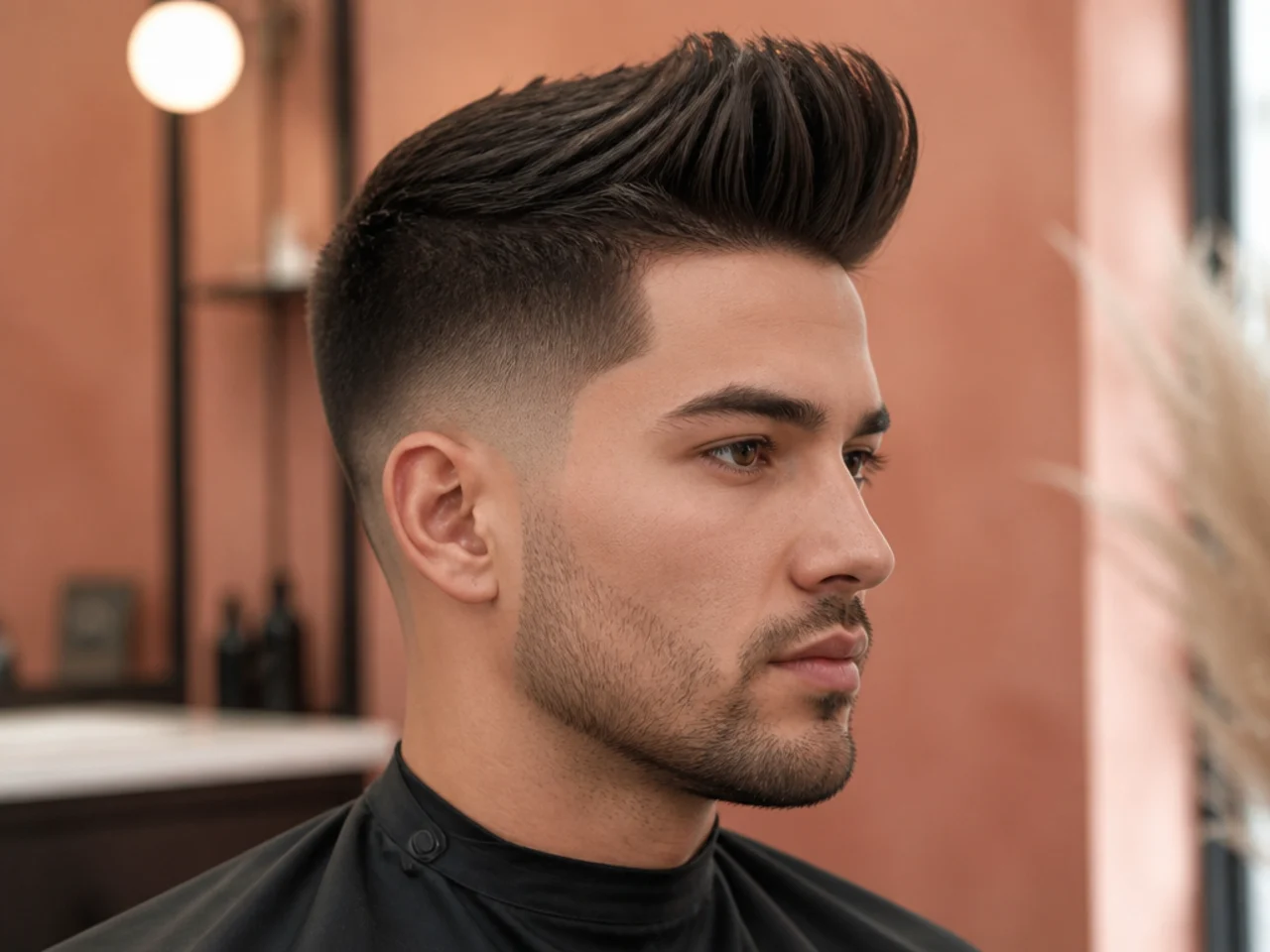
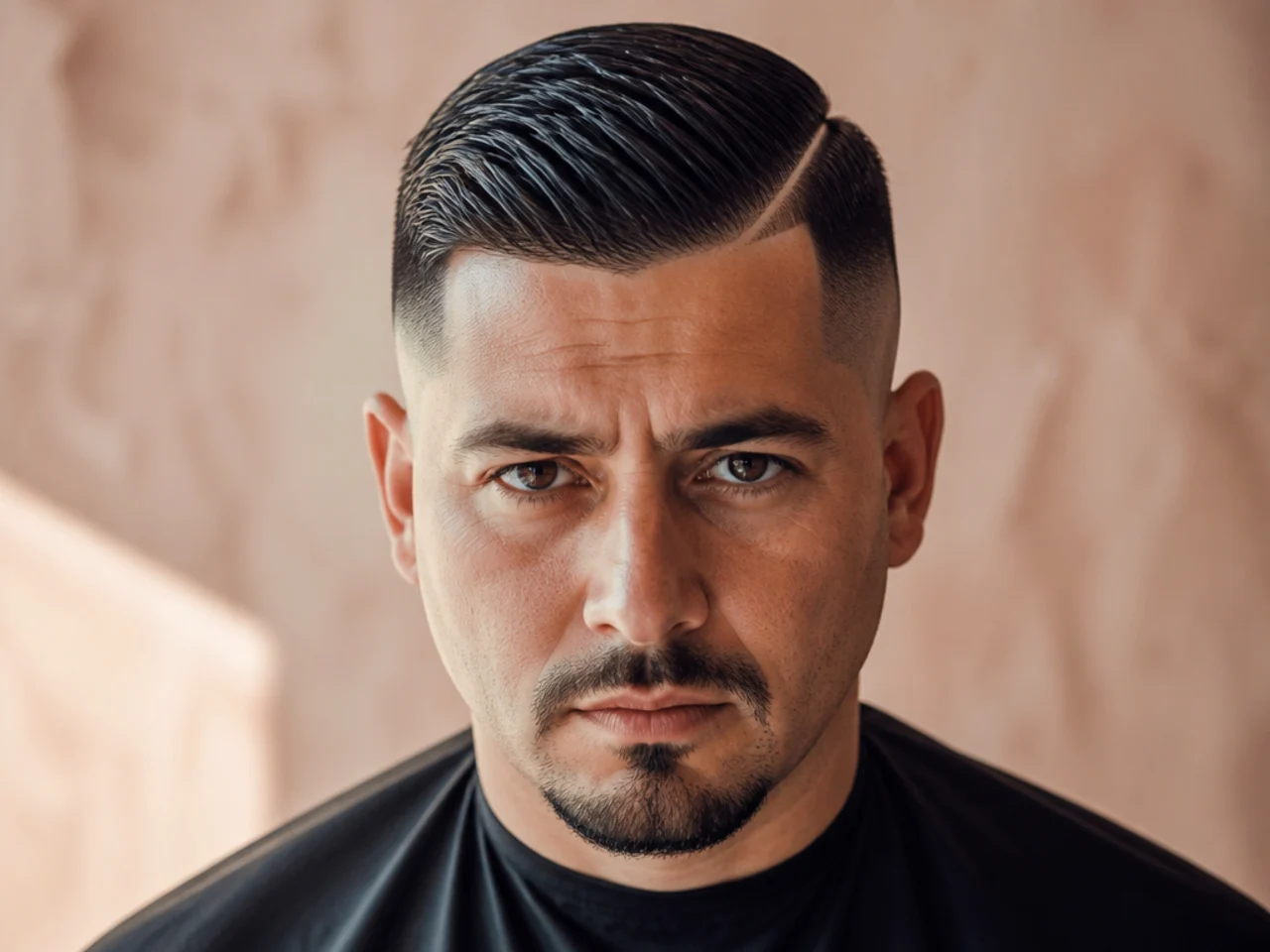
The undercut put a very short side directly beneath a long top with no gradient at all. A low taper fade with a softer top keeps the contrast but removes the join, and the join is the part that dates.

3. Wet-Look Shine → Matte Clay Separation
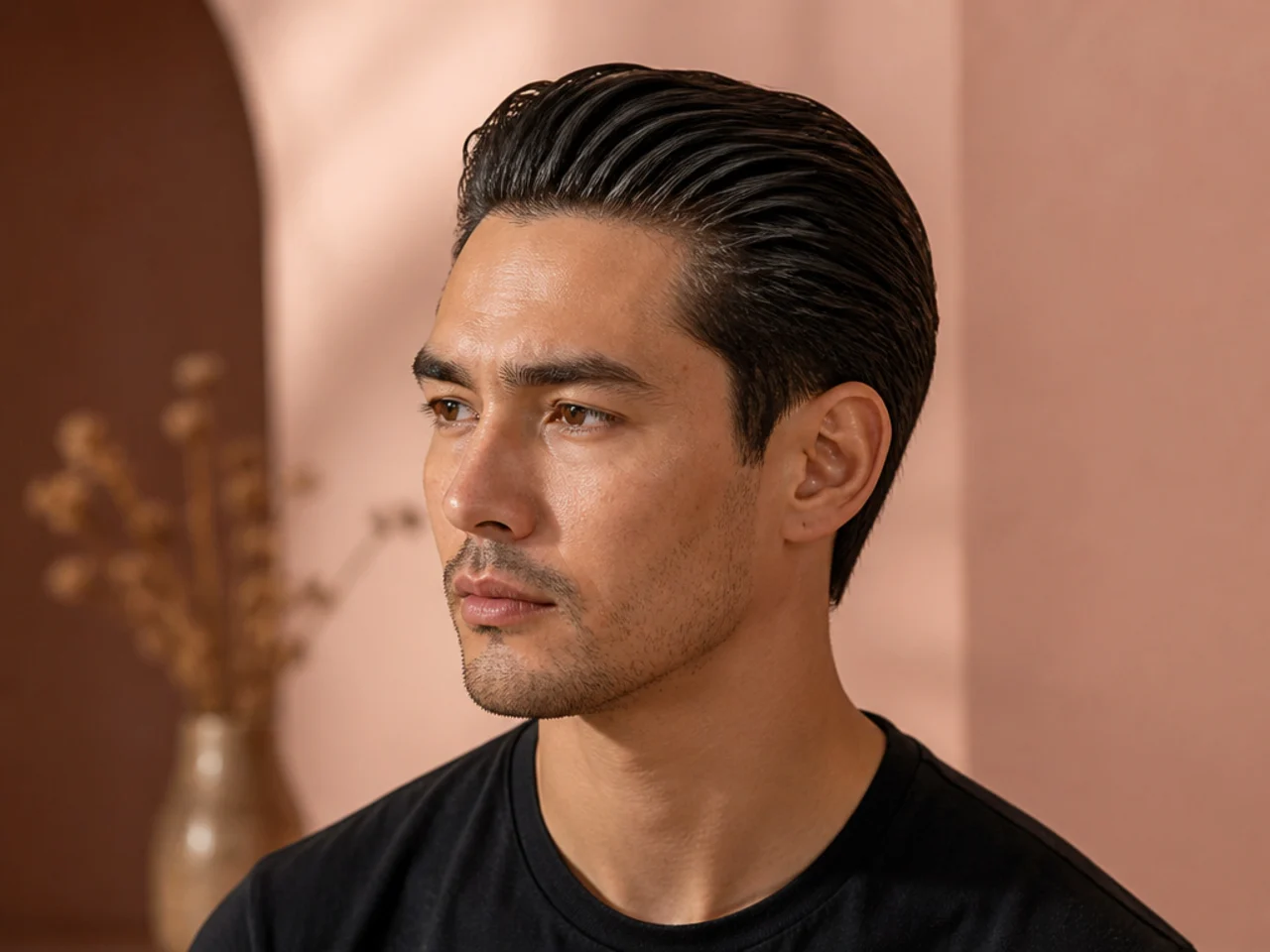
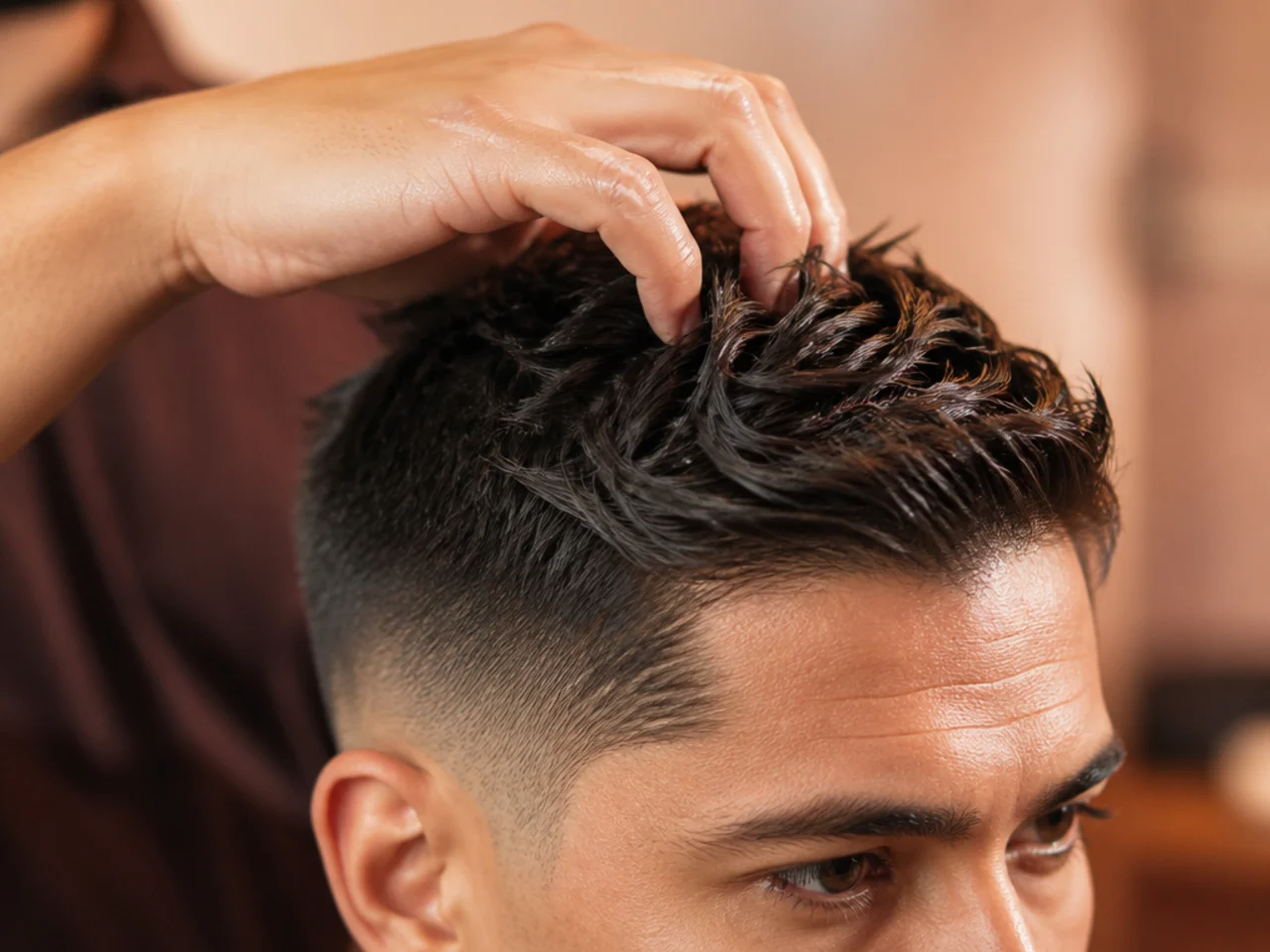
Gel bound every strand into one reflective surface, which showed the shape and hid the hair. A matte clay lets the pieces sit apart, so the same shape reads as hair rather than as a moulded object.
4. Comb Marks → Finger-Placed Texture
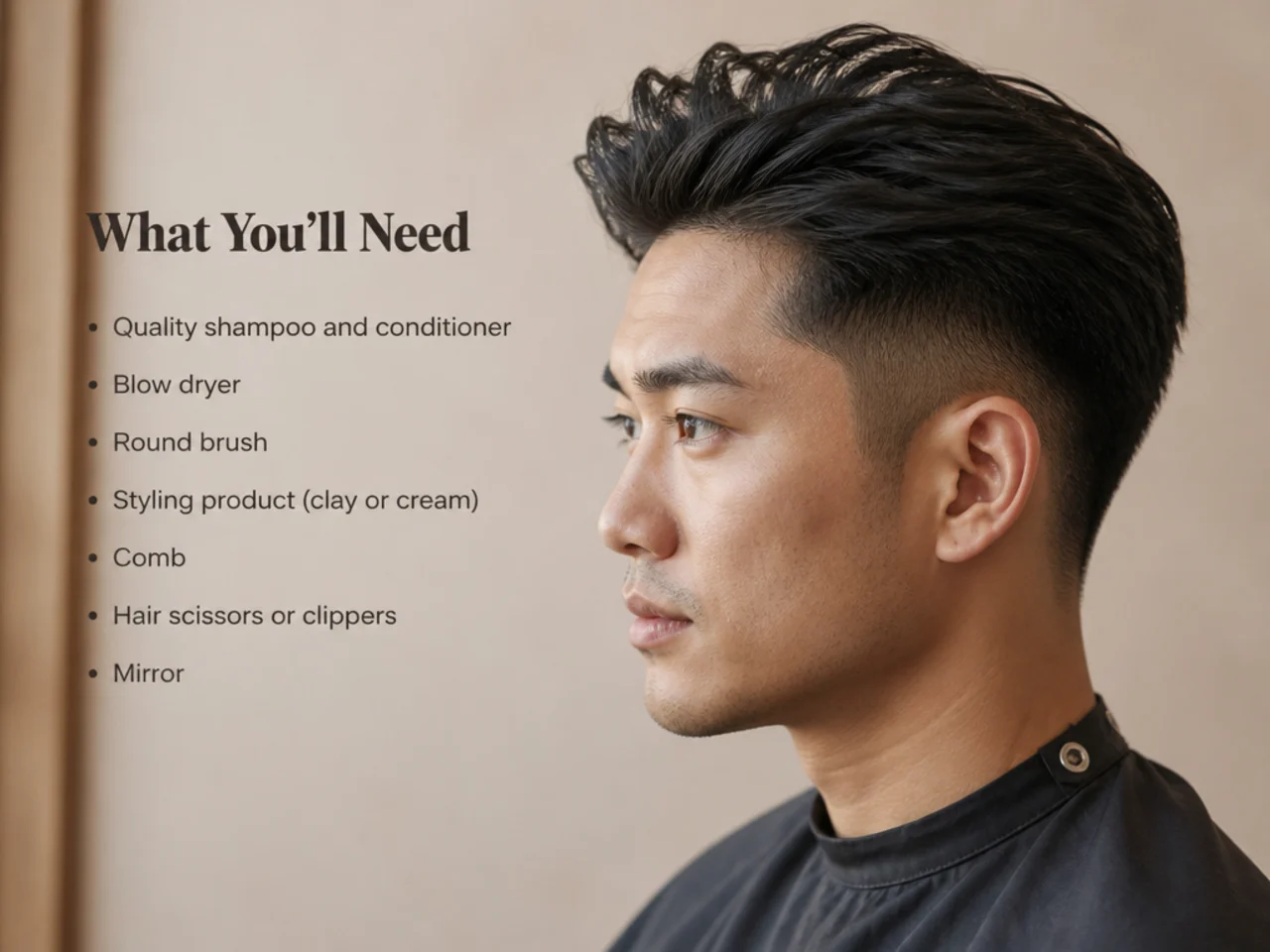
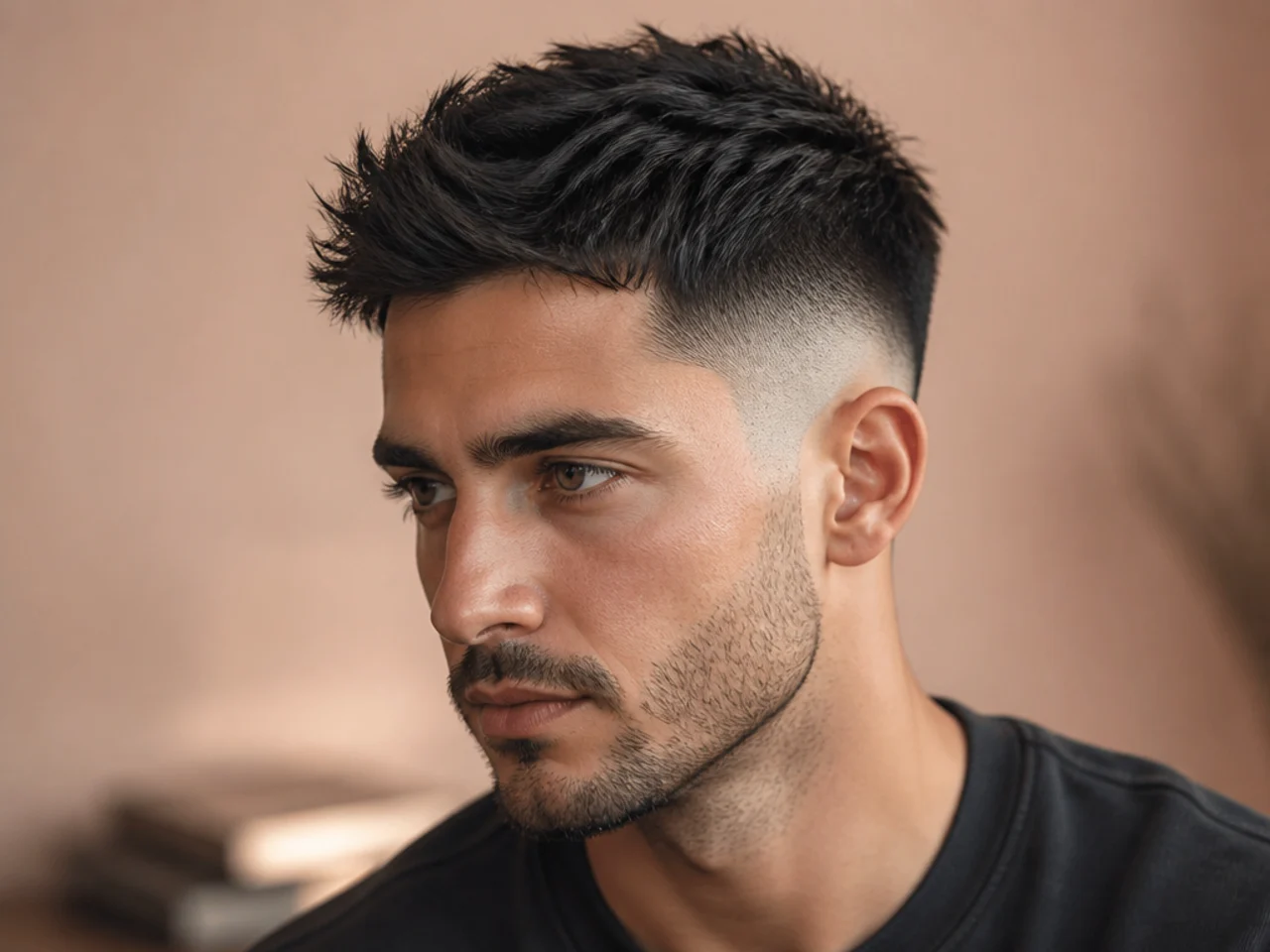
Parallel tracks used to be how volume was demonstrated. Placing the same hair with your fingers gives irregular separation instead, which reads as hair that has a shape rather than hair that has been arranged.
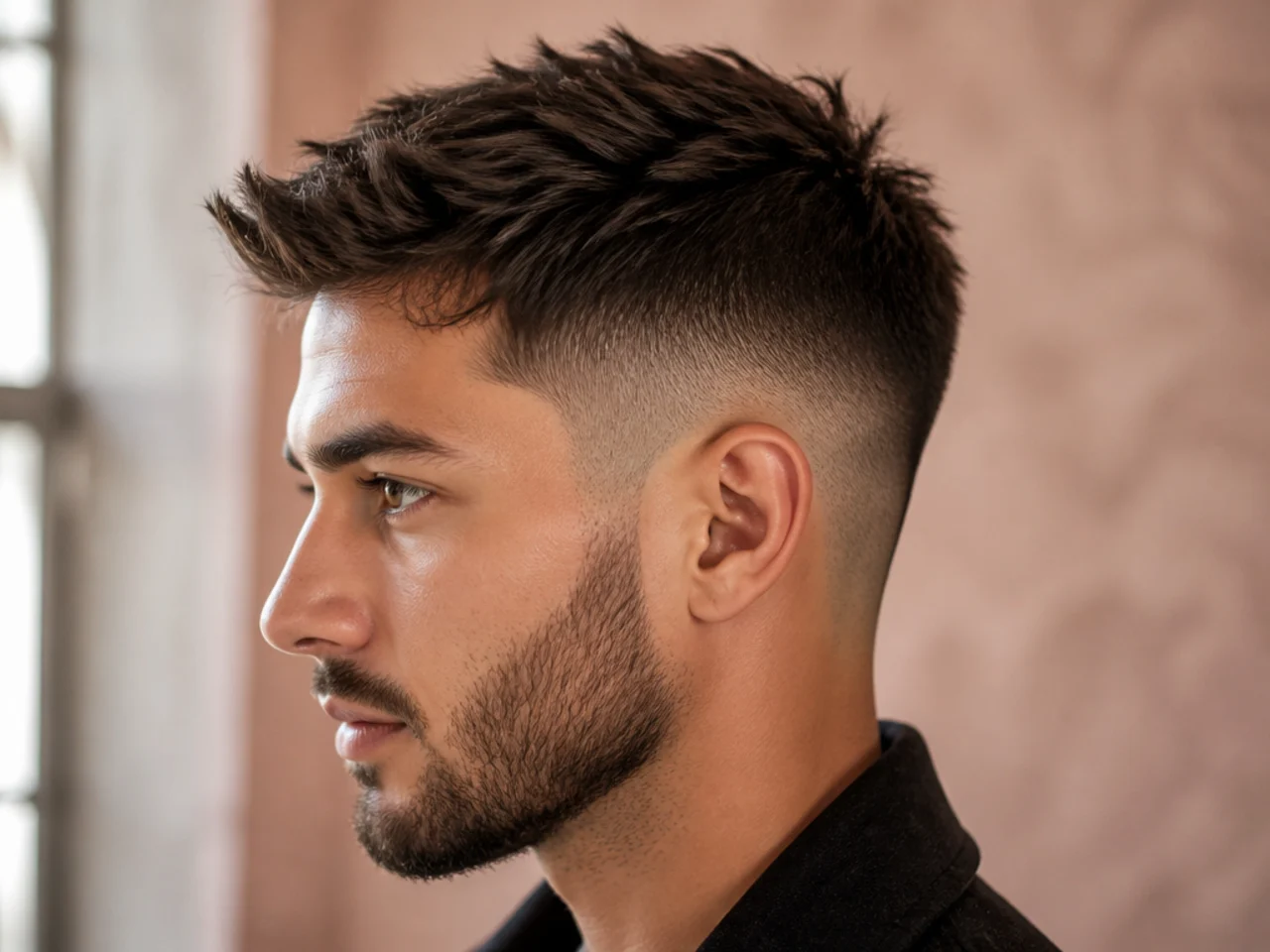
5. Fringe Pushed Back → Fringe Forward and Point Cut
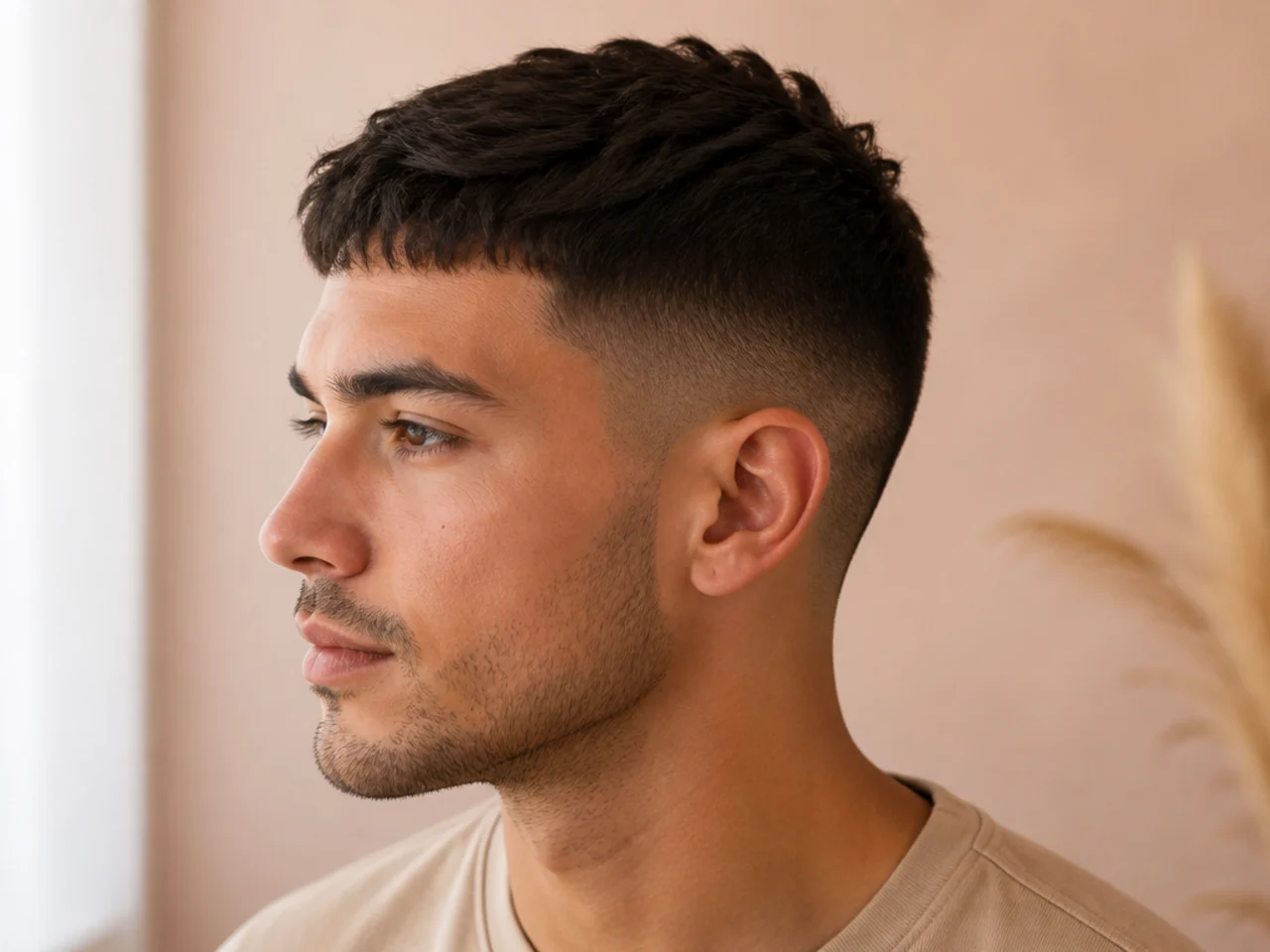
The old fringe was swept off the forehead to expose it. The current one comes forward and is point cut so the edge breaks rather than sits blunt, which shortens the forehead and softens the front, and it is the basis of every current fringe haircut for men.
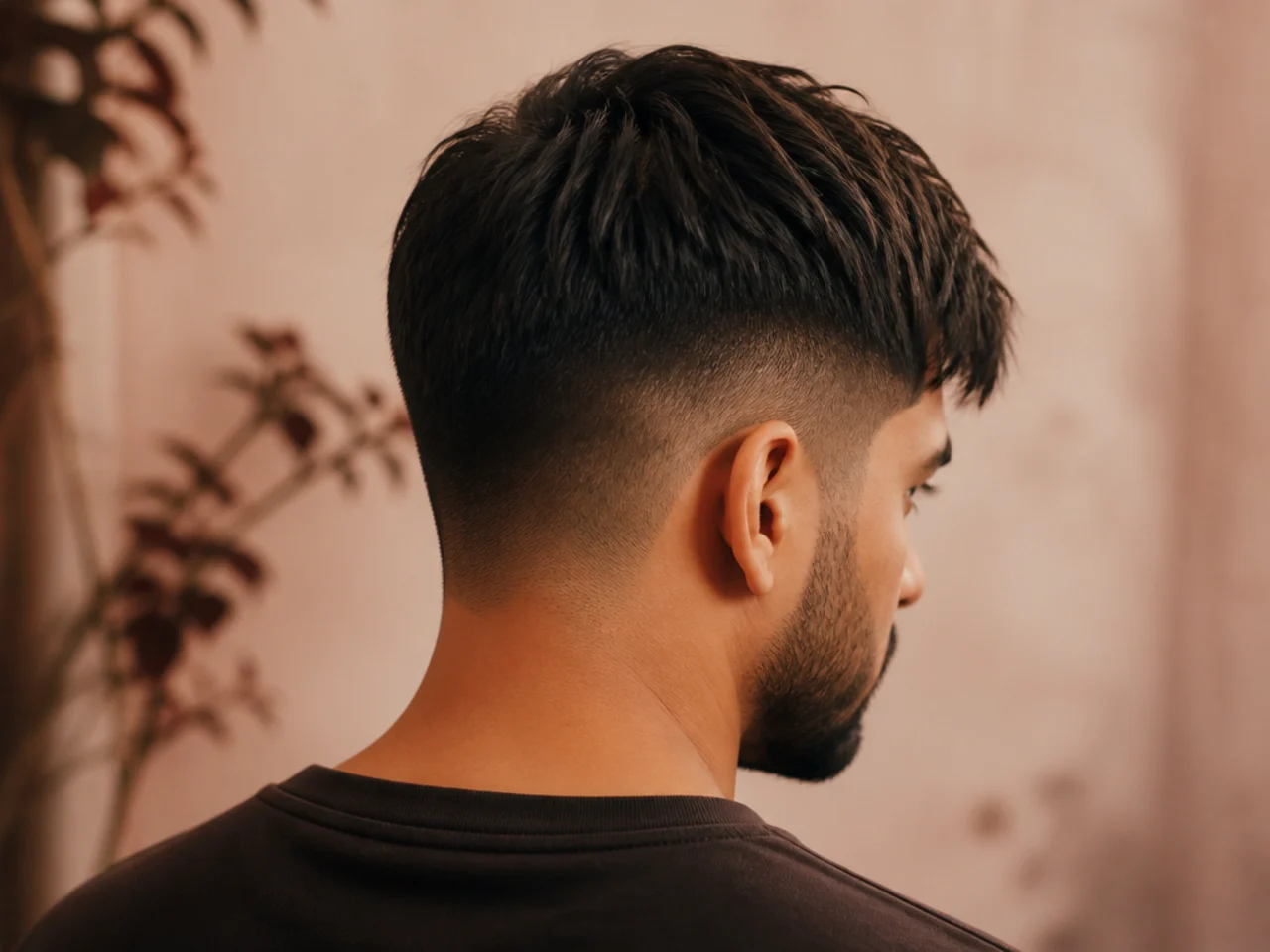
6. Blocked Neckline → Rounded Neckline
A squared neckline puts two right angles at the base of the head, and they end up the sharpest lines in the cut. A rounded neckline follows the skull instead, so it never reads as a decision at all.
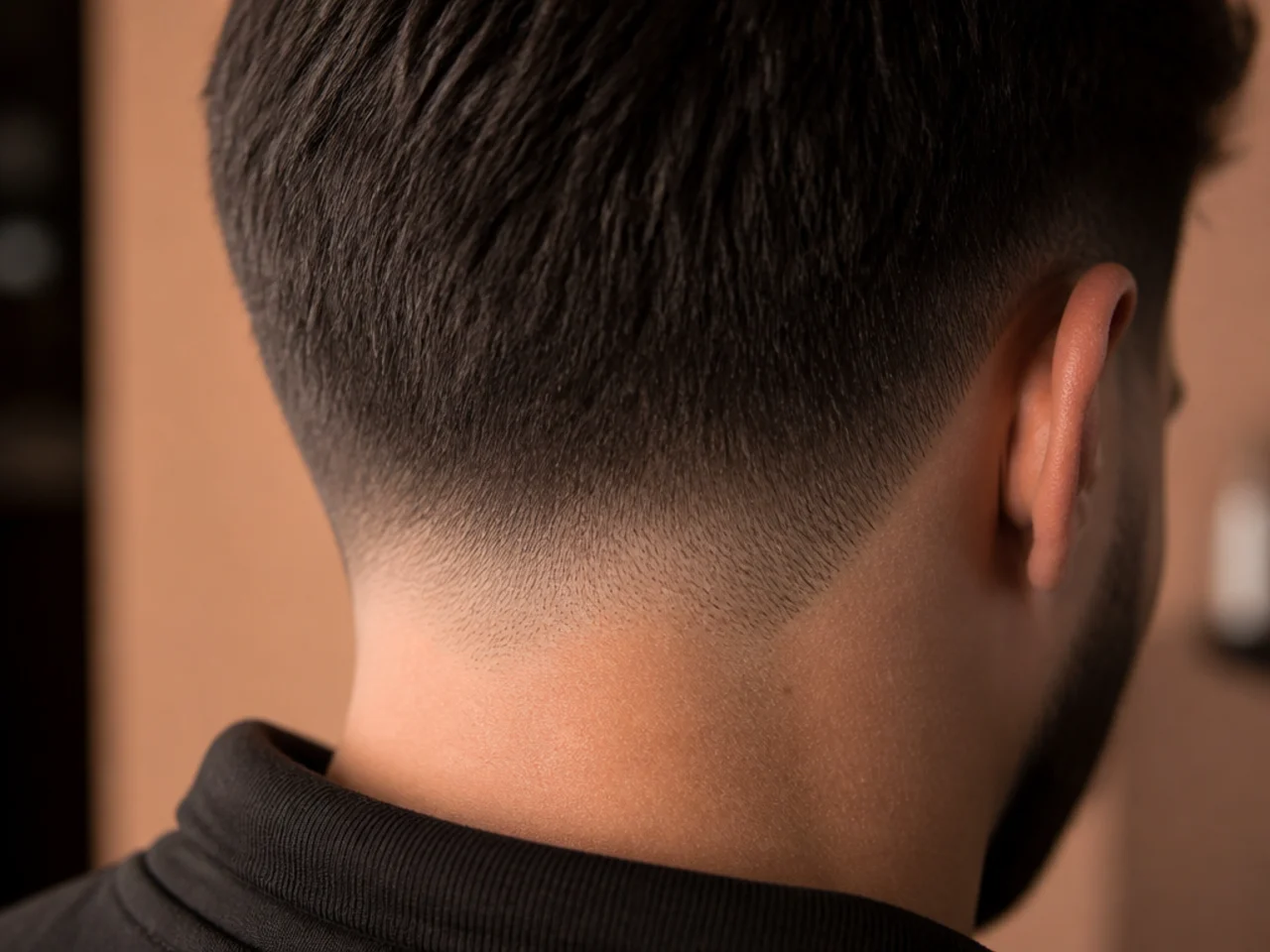
7. Sharp Temple Line-Up → Natural Hairline
A line-up replaces your hairline with a drawn one, straight where yours is not. Leaving the hairline as it grows keeps the front irregular, and that irregularity is what stops a cut looking drawn on.
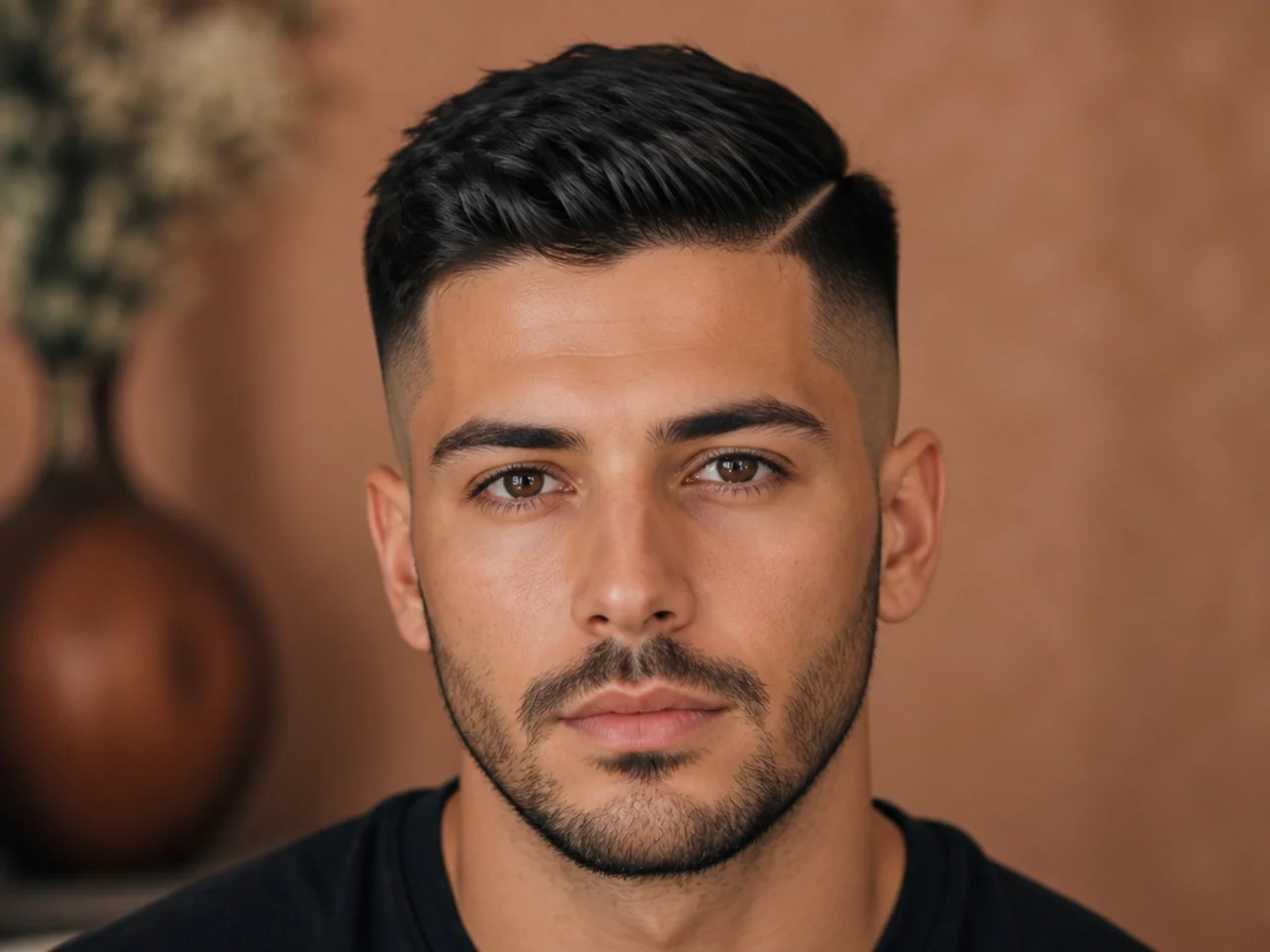
8. Spikes → Separation
Spikes gathered hair into points that stood alone. Separation keeps the same lift but leaves the pieces joined at the base and open at the ends, so the hair looks moved rather than assembled.
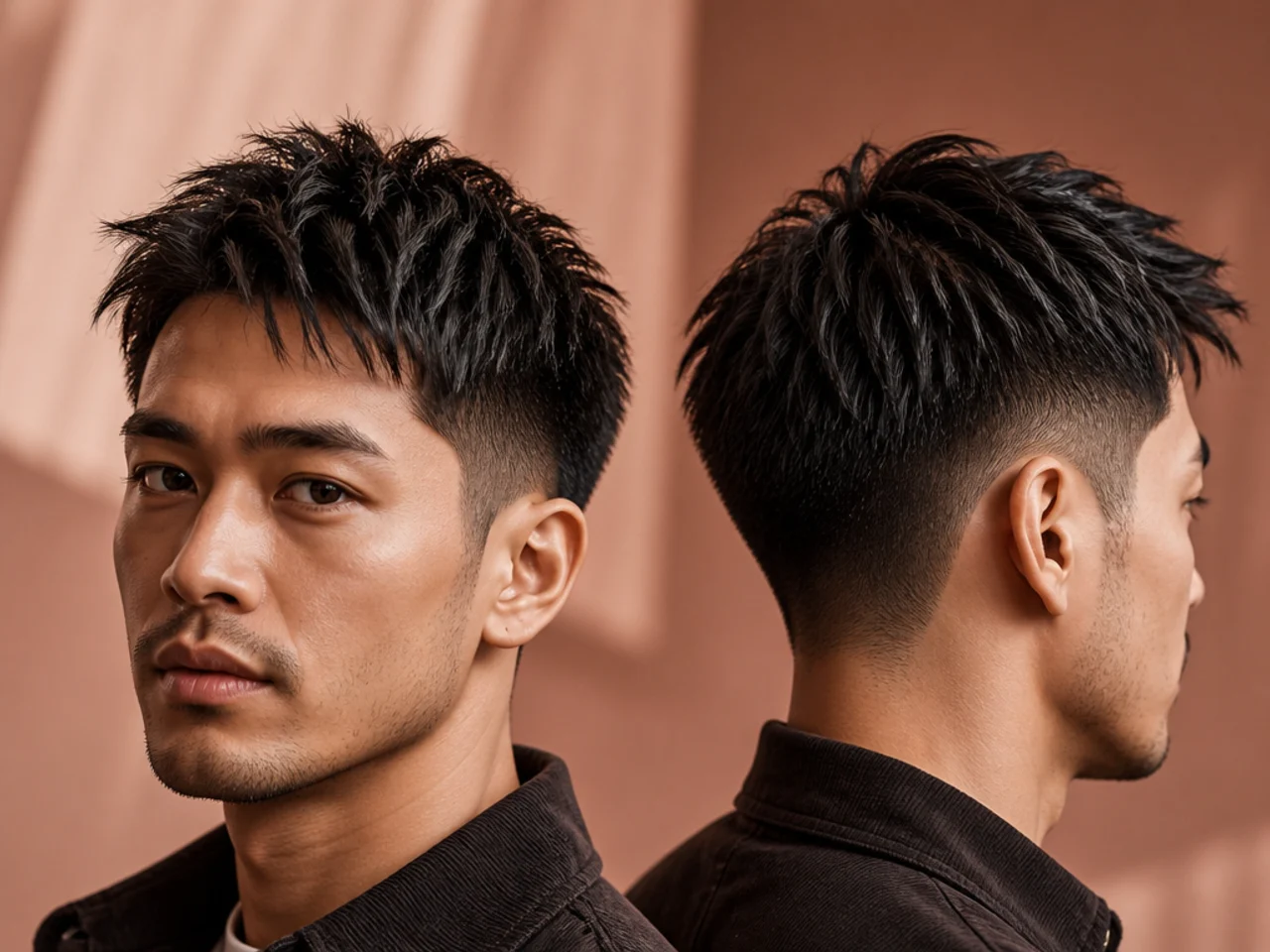
9. Fade Above the Parietal Ridge → Fade at the Temple
A high fade starts at or above the parietal ridge and exposes scalp across the widest part of the head. Starting at or below the temple keeps the gradient in the lower third and leaves more to grow into.
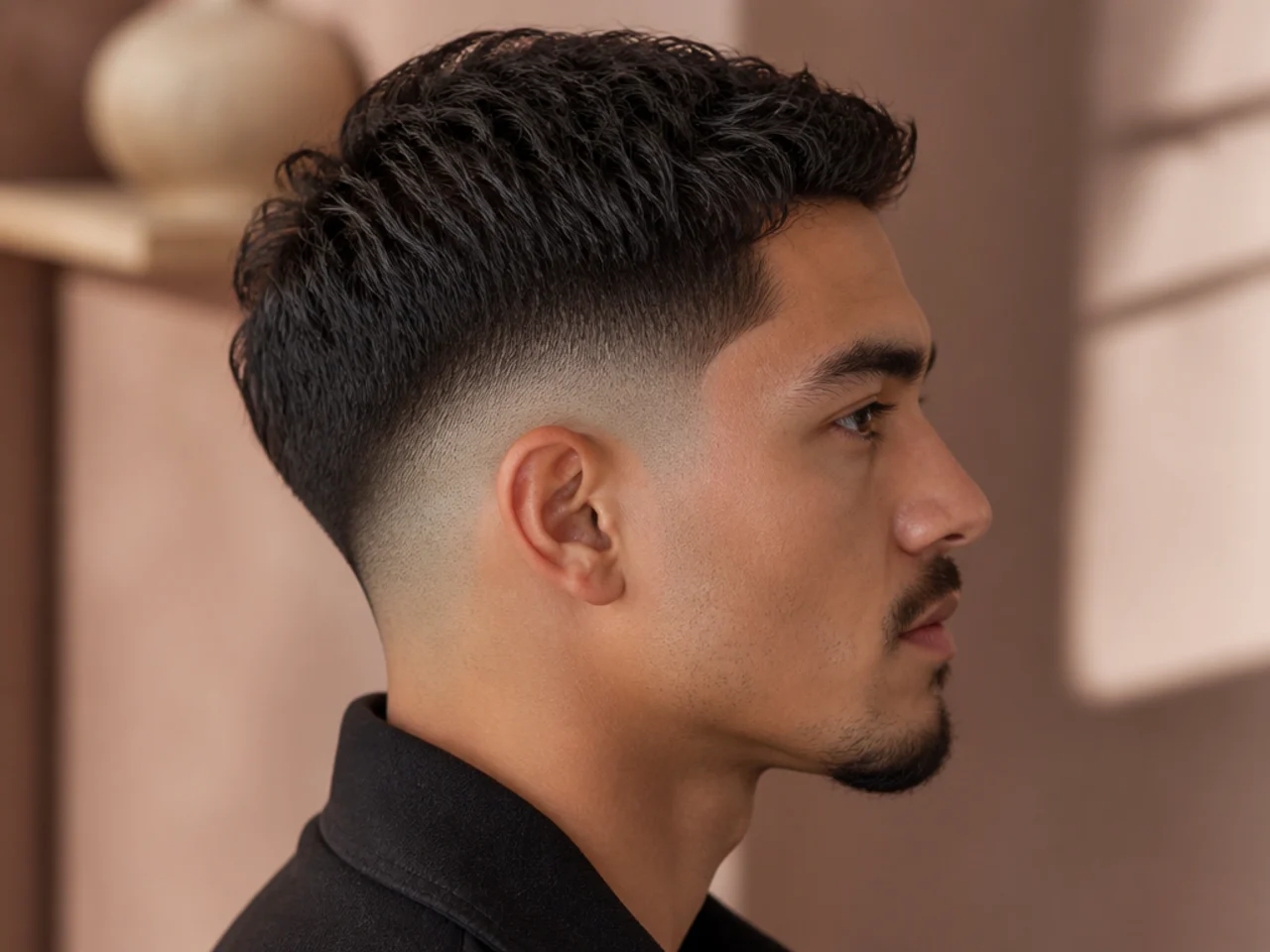
10. Symmetrical Weight → Asymmetric Weight
Equal weight on both sides makes a cut look set rather than styled. Carrying slightly more length on one side gives the shape a direction, and direction is what a camera reads as movement.
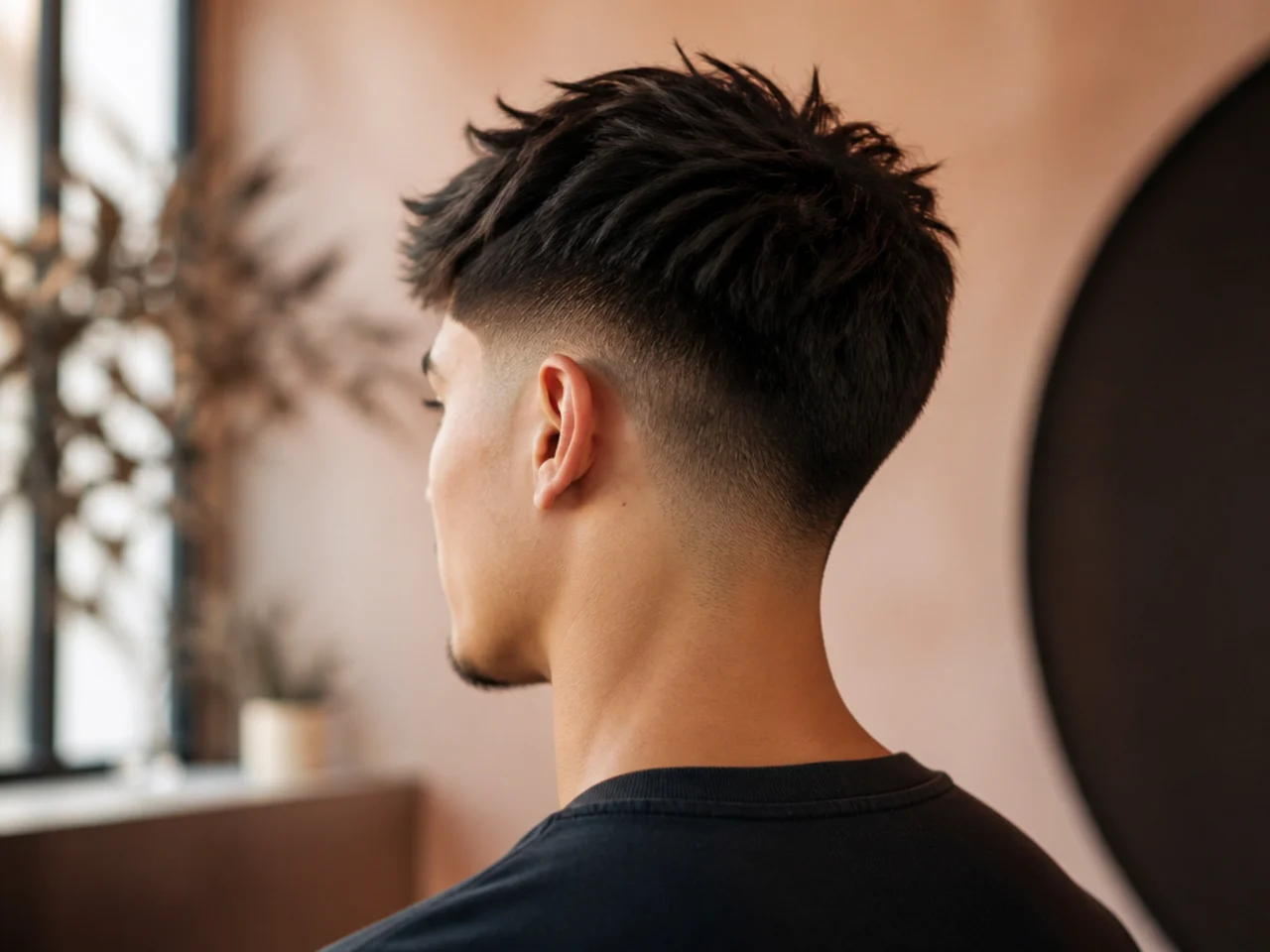
11. Uniform Clipper Length → Graduated Lengths
A single guard from neckline to crown gives no shape, because it just follows the skull. Graduating the length up the side builds a gradient the eye can travel along, which makes short hair look cut rather than clipped.
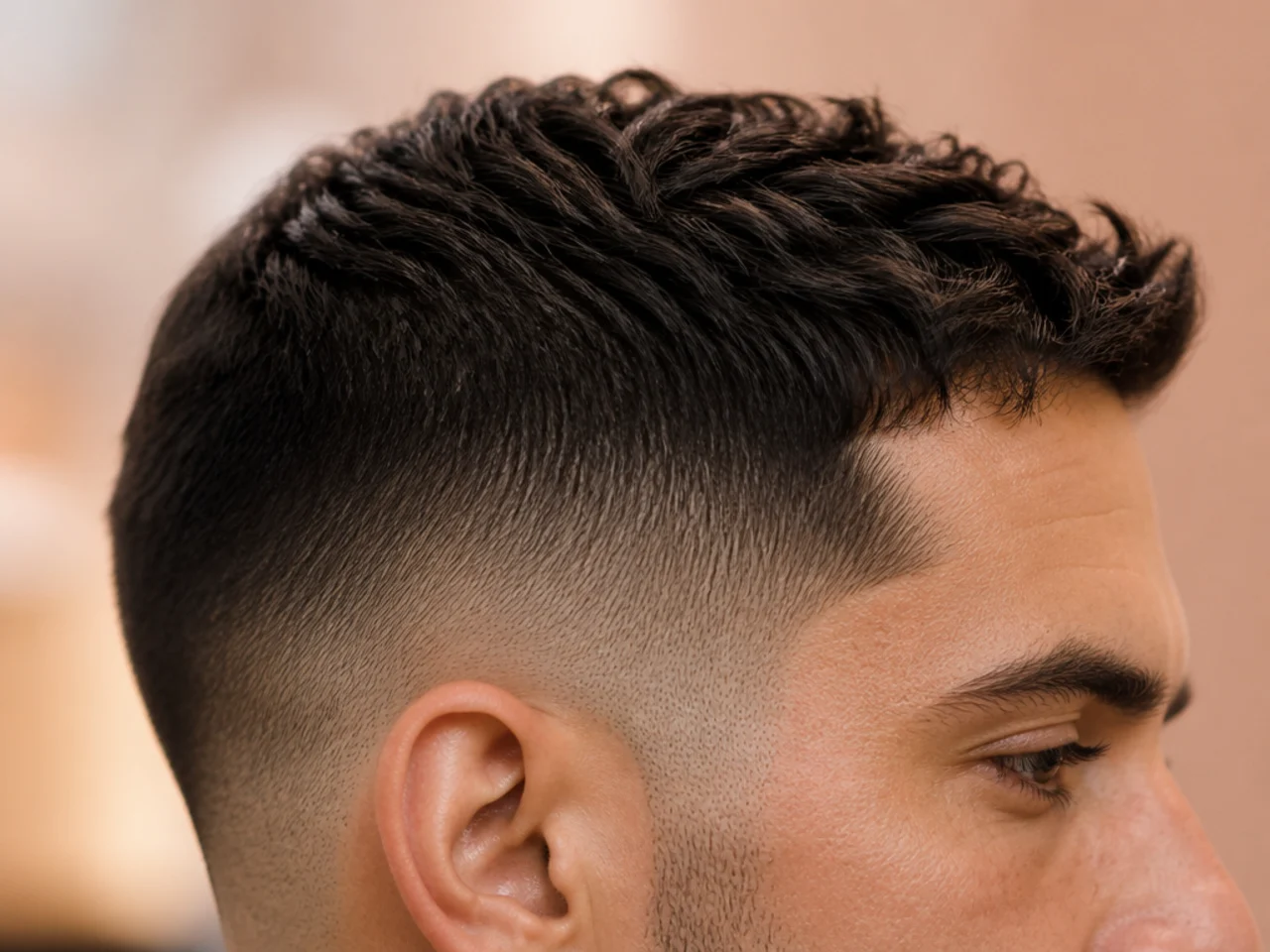
12. Product Shine → Product Hold
Older products sold shine and hold as one thing, so you could not have one without the other. Choosing on hold alone lets you take a matte paste for a soft finish or a clay for a firm one.
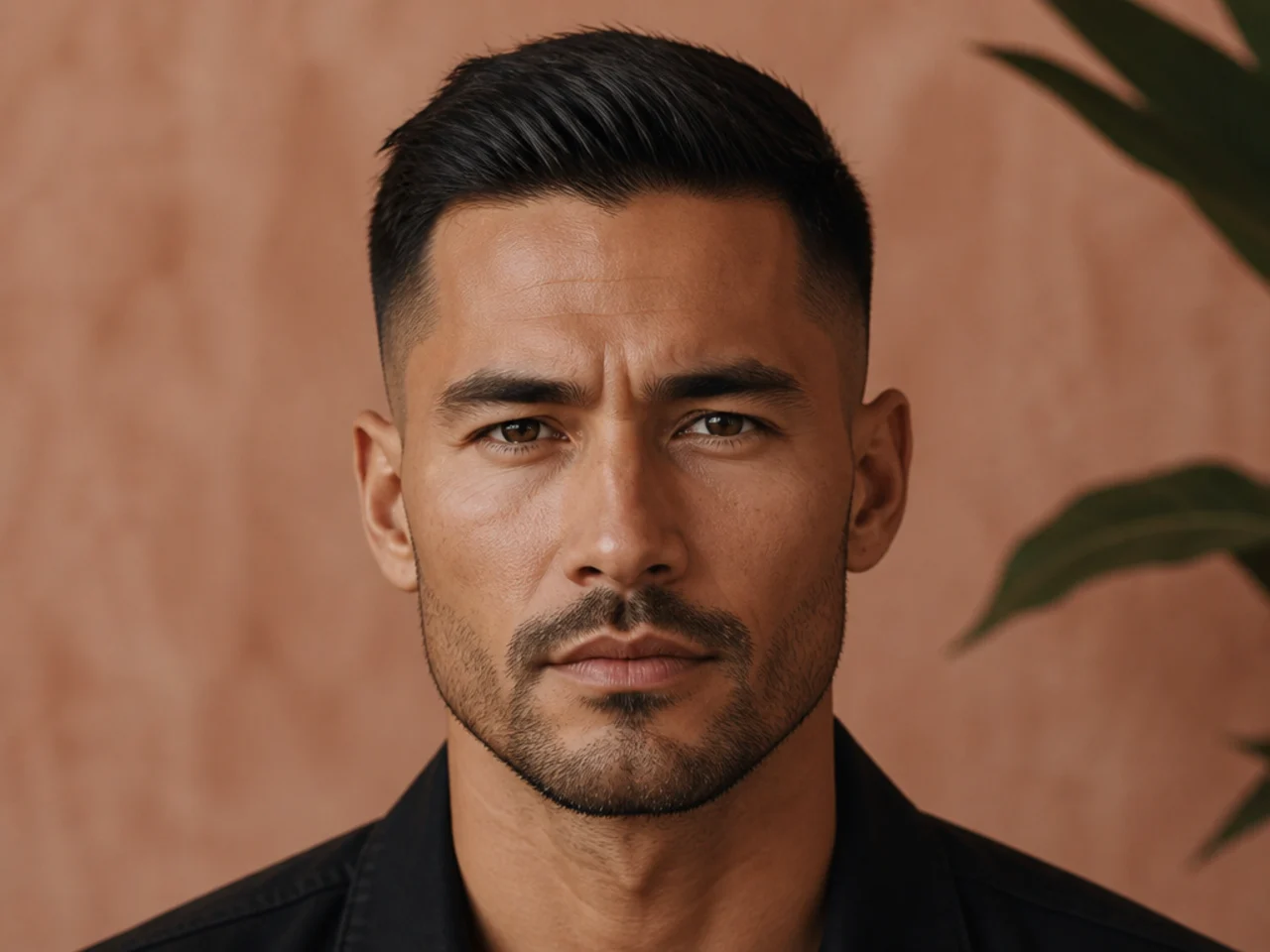
13. Pointed Sideburn → Sideburn Squared at the Ear
A sideburn tapering to a point below the ear extends the face downward and dates the whole side of the head. Squaring it level with the middle of the ear keeps the proportion neutral.
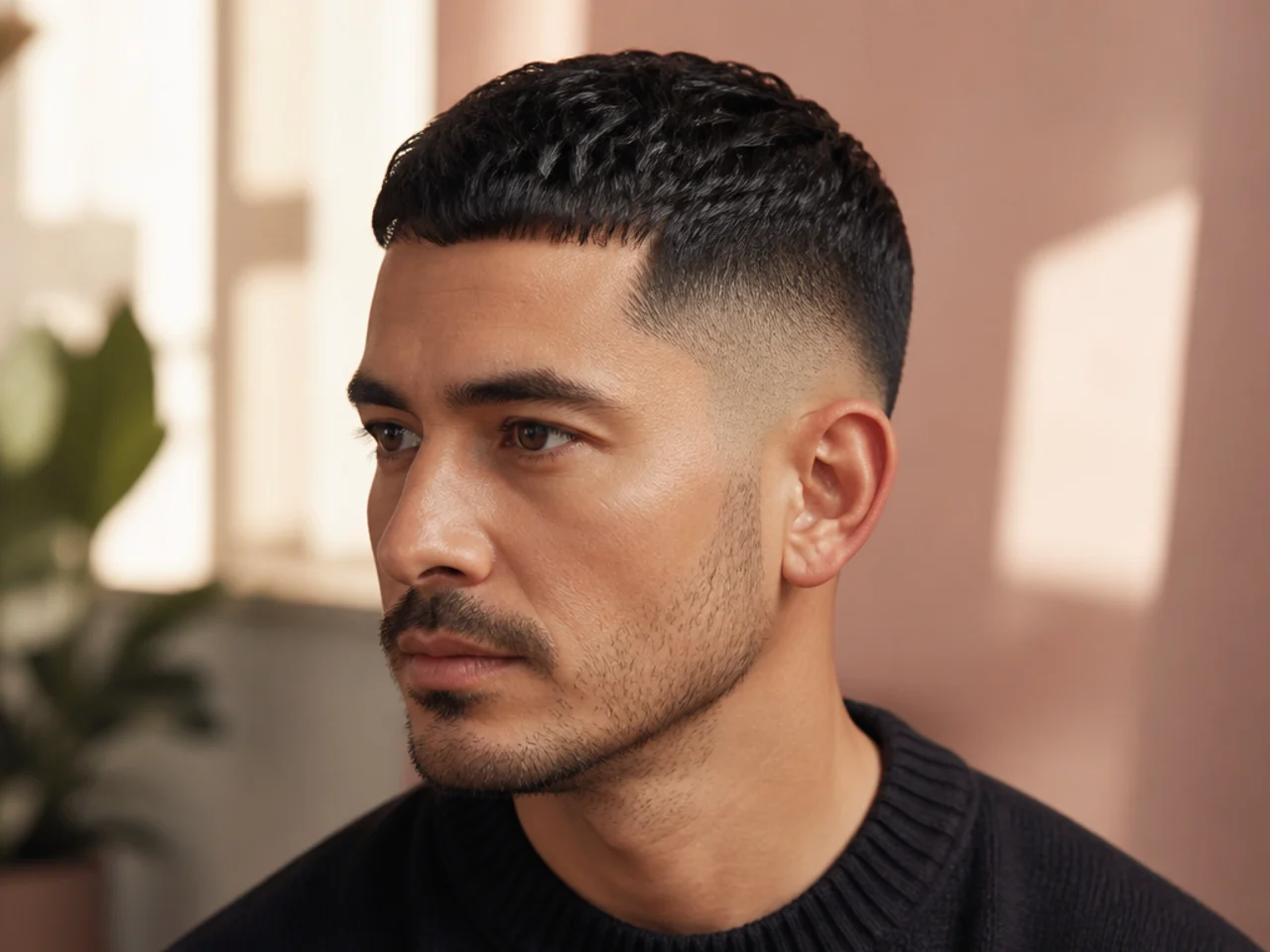
14. Height at the Crown → Volume at the Front
Volume used to be built at the back of the top, which pushed the head shape up and backward. Moving it to the front hairline lifts the face instead, and it is the proportion change that does most for a short cut.
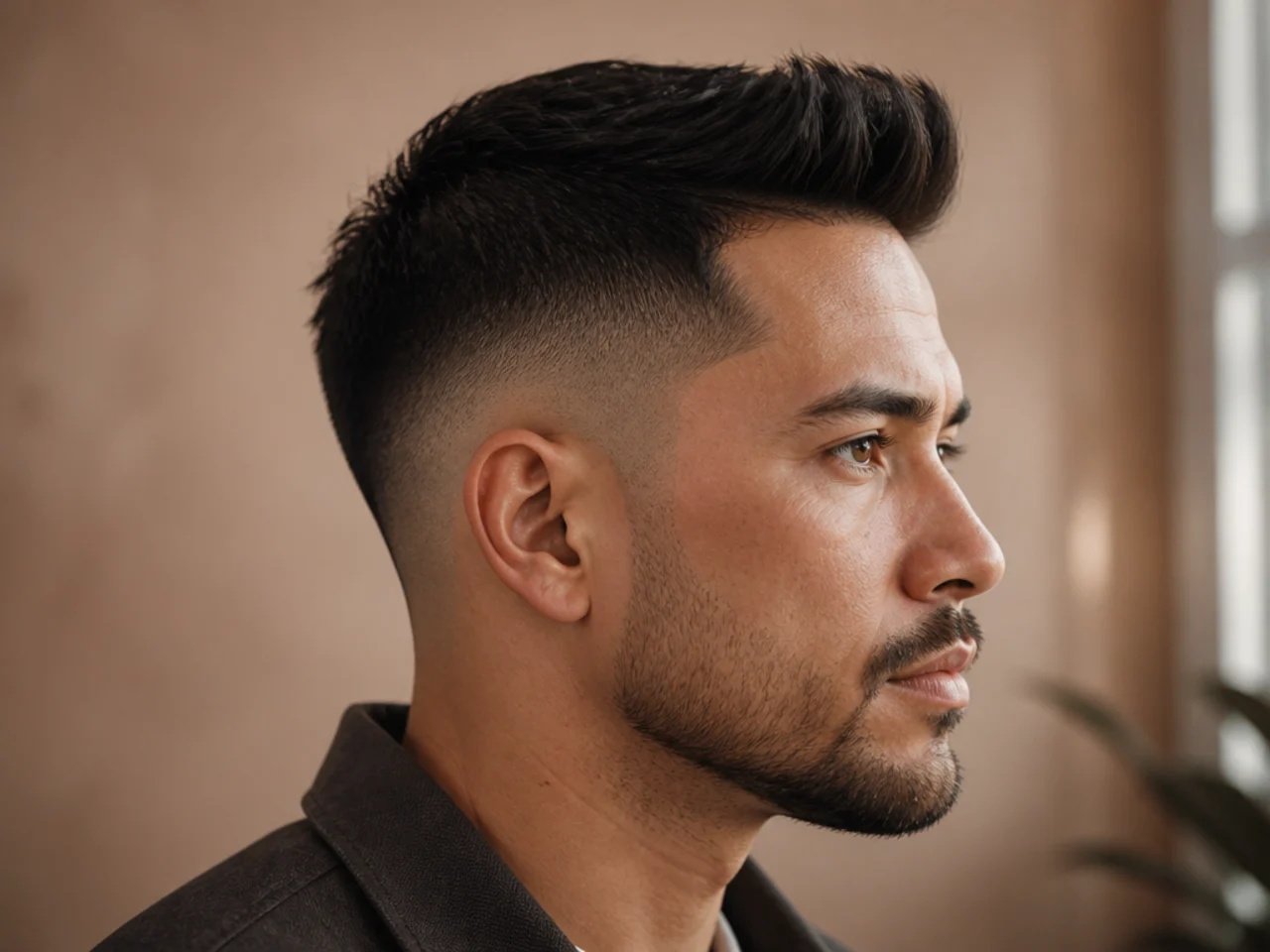
15. Extreme Length Ratio → A Ratio You Can Grow Out
A four-to-one difference between top and side is why some cuts only exist properly for a week. Closing the ratio means the shape survives growth, and surviving growth is what current short cuts are built around.
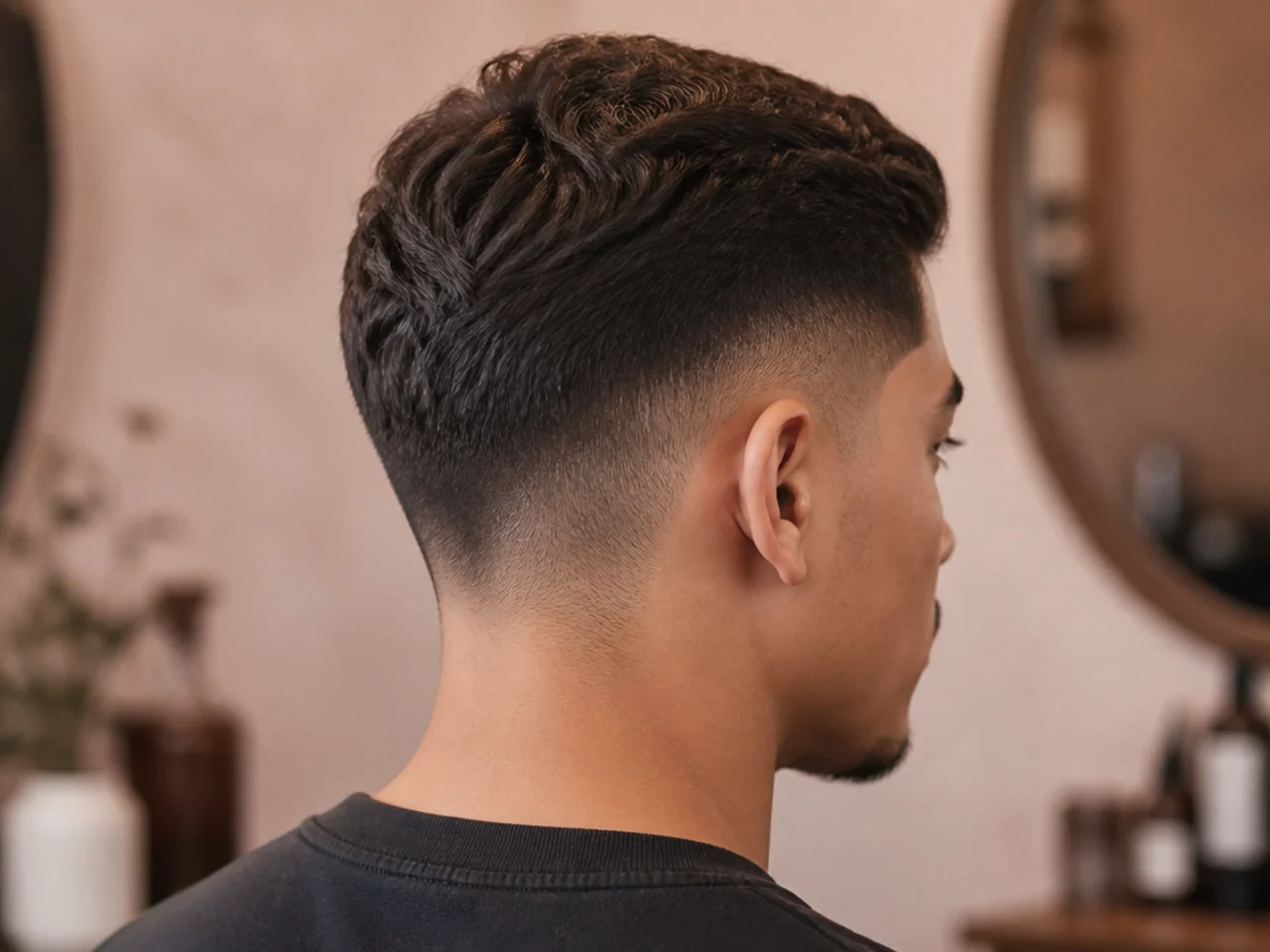
16. The Same Cut Everywhere → A Cut That Changes
Treating the whole head as one instruction produces a shape that follows the skull and nothing else. Different lengths at the crown, the front and the sides give the cut internal structure, visible even at a very short length.
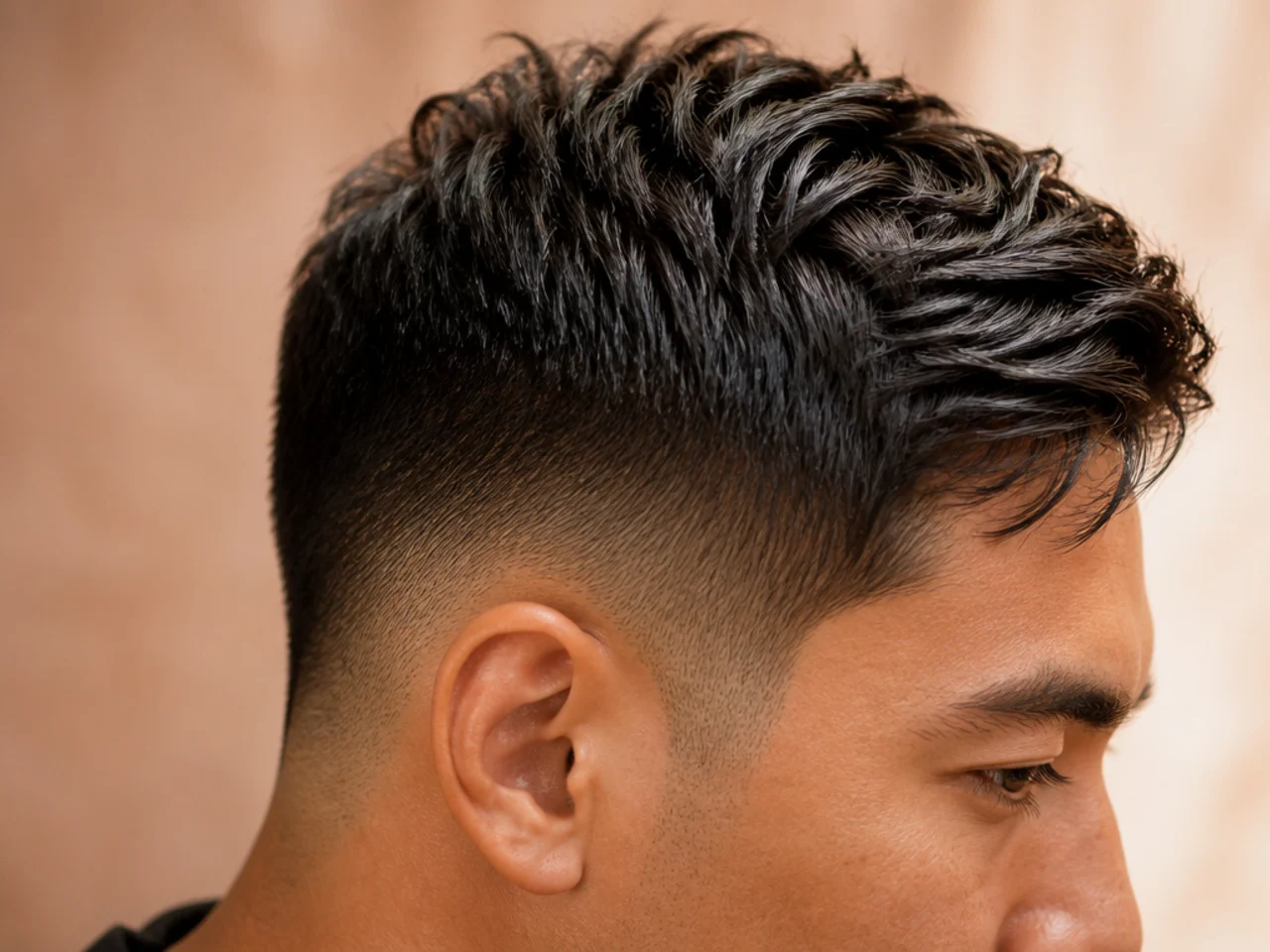
17. Razored Hard Part → A Part Where the Hair Splits
A shaved part puts a line wherever the barber chooses. Finding the natural split — push damp hair back and let it fall — puts the part where the hair already wants to sit, so it holds without re-shaving.
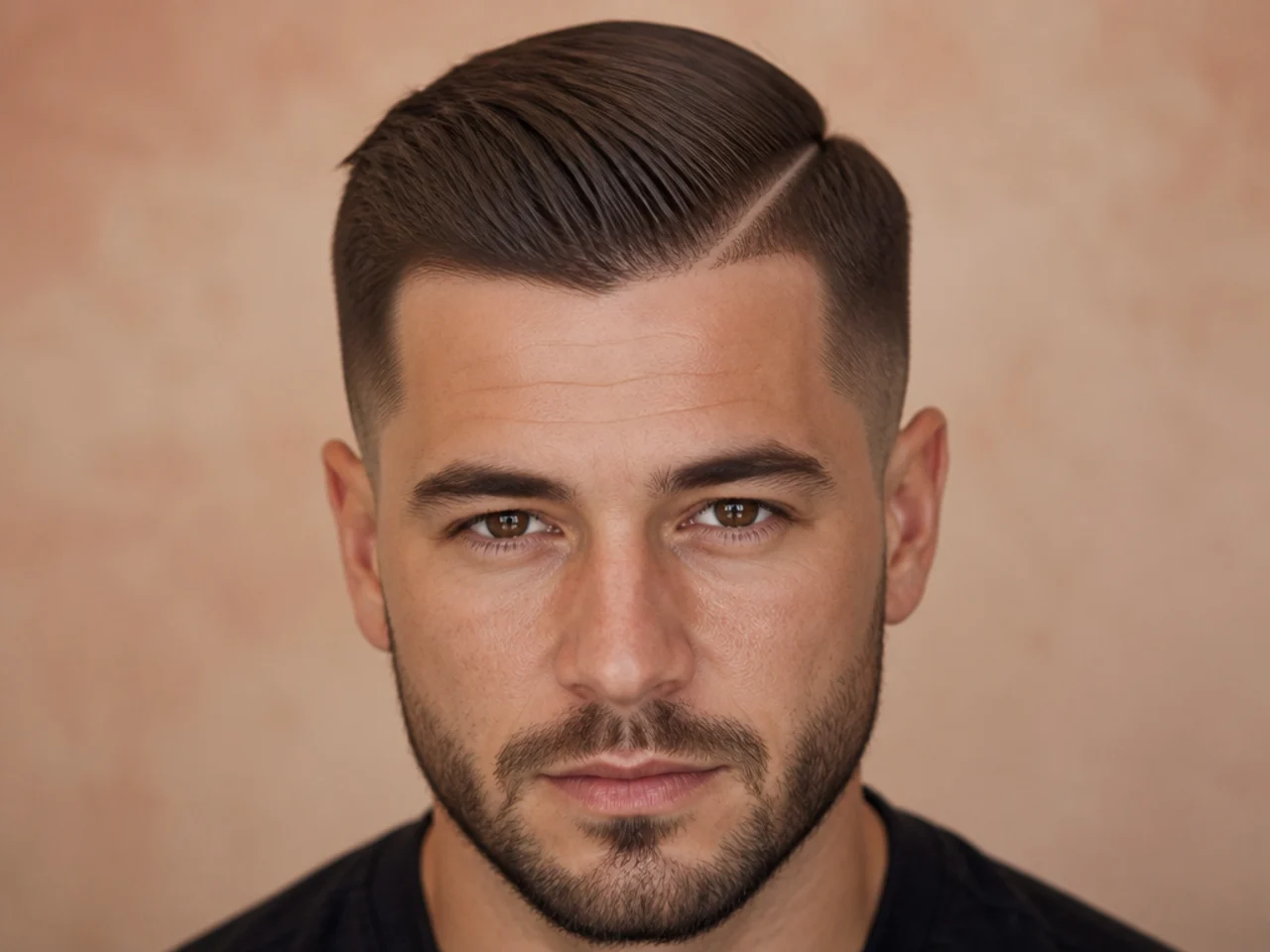
18. Round-Brush Polish → Rough Dry and Then Place
A round brush pulls hair smooth and sets one uniform surface. Rough-drying with your hands and placing it afterwards leaves the ends irregular, and irregular ends are the difference between a finish and a set.

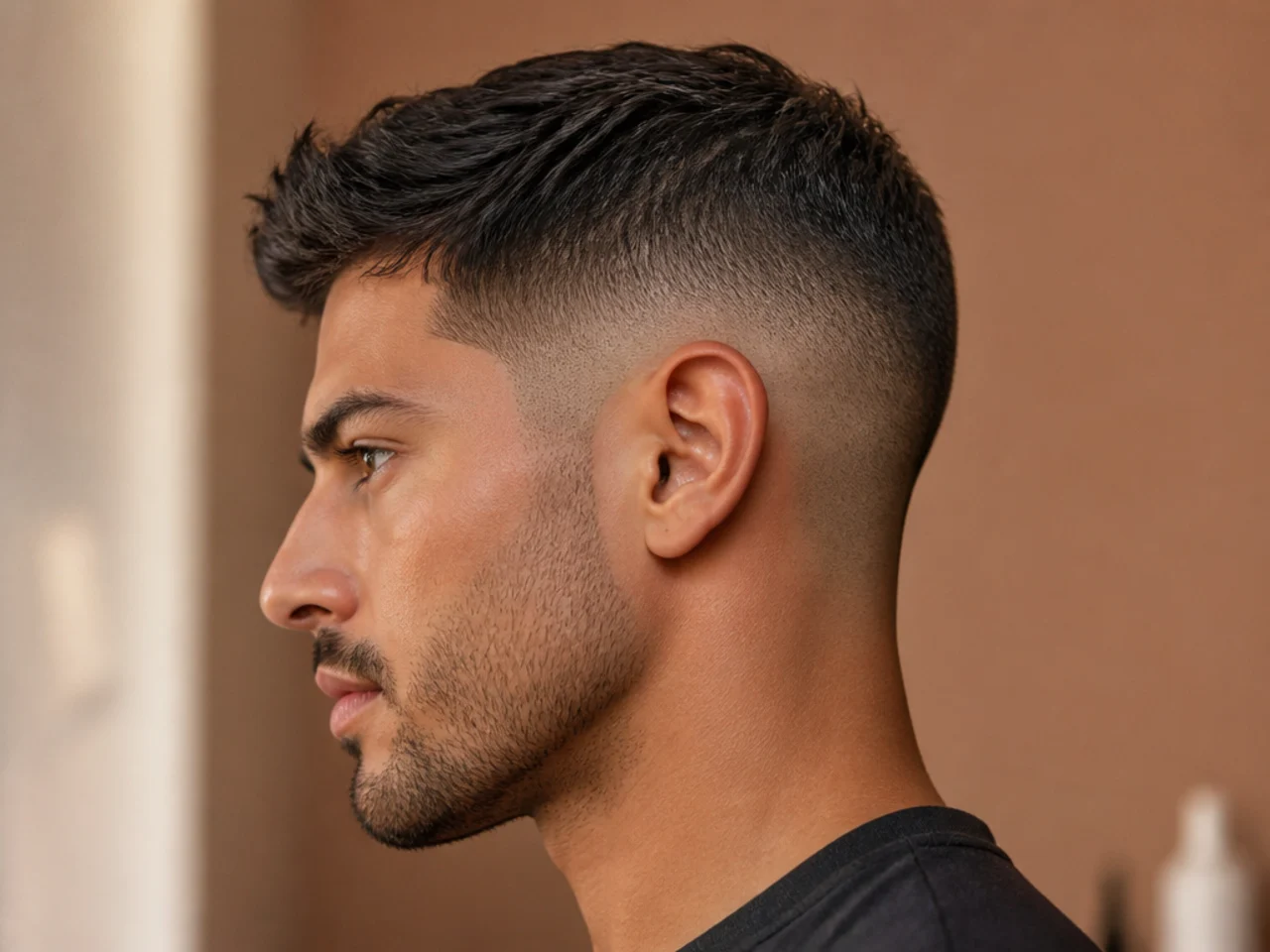
19. Heavy Flared Sides → Sides Close to the Skull
Sides left long enough to push outward widen the head, and that outline belongs to the older version of the cut. Taking them close enough to follow the skull narrows the profile, and the top gains apparent height.
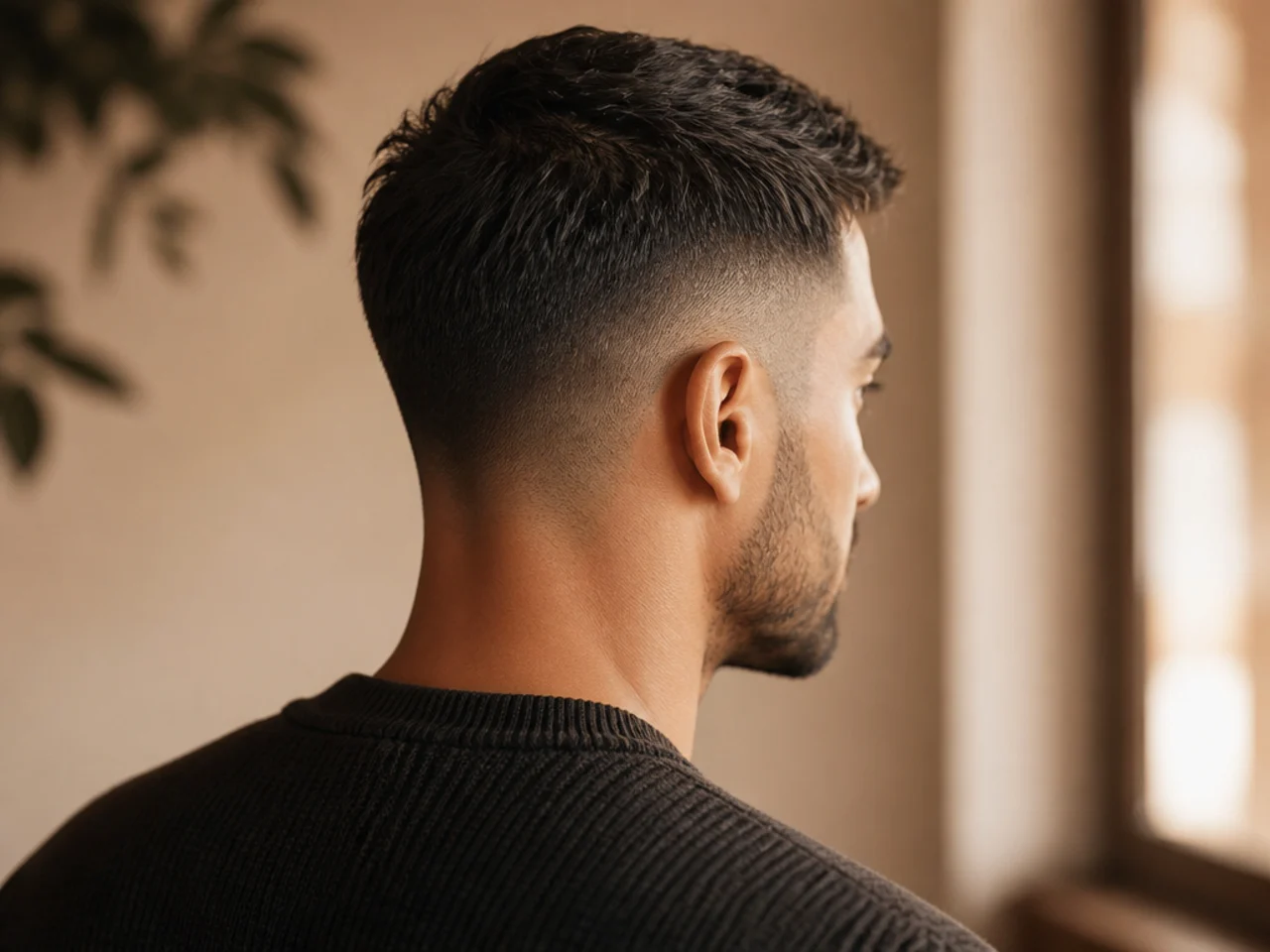
20. The Signals That Never Dated
A clean neckline, a real taper and a cut that fits your head shape have never sat on either side of this list. Keep those three — everything else here is a preference with a date attached.
Styling the Current Version
Buy on hold, then decide the finish. Pick the hold you need first rather than accepting whatever sheen the tub comes with.
Apply to damp hair, not wet or dry. Wet dilutes the product into a film, and dry leaves patches wherever your fingers landed.
Rough dry, then place. Take it ninety per cent dry with your hands, and only then decide where the hair goes.
Break the fringe edge with your fingertips. A blunt front edge is the most visible dated signal left on an otherwise current cut.
Use less than you think and add. Every dated finish described here is a too-much-product finish underneath.
Mistakes to Avoid
Updating three signals at once. Change the weight line, the fade height and the finish together and you will never know which one you wanted.
Asking for a modern cut without naming a signal. "Blur the line where the top meets the side" means something in a chair; "modern" does not.
Chasing fade height upward. Low and mid read current, and going higher is the quickest way to date a cut that is otherwise fine.
Keeping the gel because the shape works. The shape is doing the work and the finish is quietly undoing it.
Lining up a hairline that did not need it. A drawn hairline reverses most of the other updates on this page at once.
FAQ
What dates a short cut fastest? A hard weight line where the top meets the side.
Is a high fade dated? It reads strongly of its moment — low and mid sit far more neutrally.
New cut or new product? Usually the product. Gel to matte clay changes more than a centimetre of length does.

Final Thoughts
Walk in with one signal named and you will walk out with a cut that changed in the way you meant. Blur the weight line, drop the fade, or swap the gel — one of those three is almost certainly the update your haircut is waiting for.
For shapes built around these swaps see popular short men's haircuts, and for the texture that replaced comb marks see the textured crop haircut. More in Men's Haircuts.