15 Modern Men Haircut Styles to Save
The modern family moved the shape from the outline to the interior. Classic cuts are defined by their perimeter and modern ones by how weight is distributed inside the section, which is why they look undone and are not.
In this article · 22
- What Defines the Modern Family
- How to Choose Yours
- The 15 Modern Haircut Styles
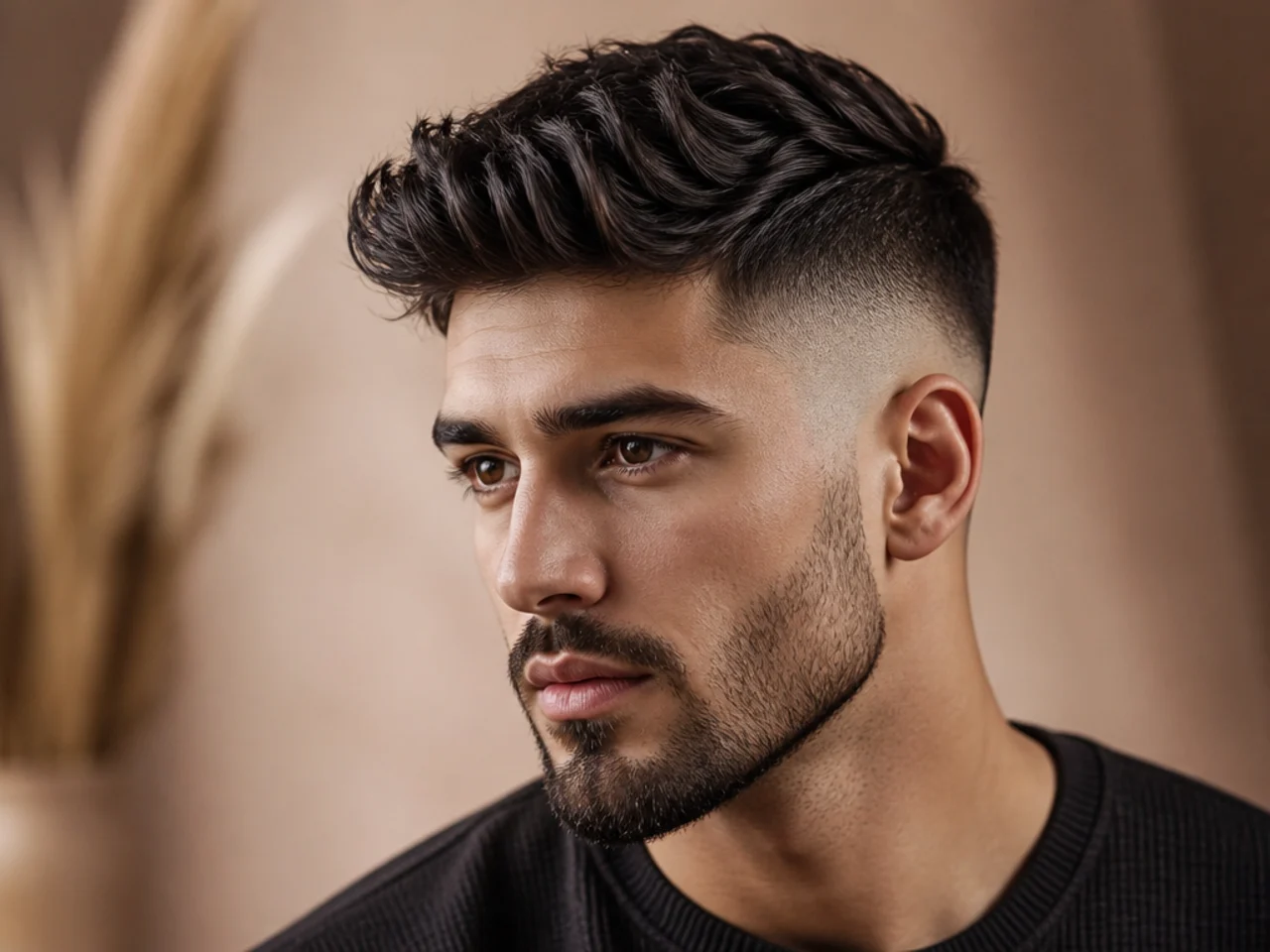
- 1. The Textured Crop
- 2. The Blurry Low Taper
- 3. The Modern Mullet
- 4. The Two-Block
- 5. The Soft Middle Part
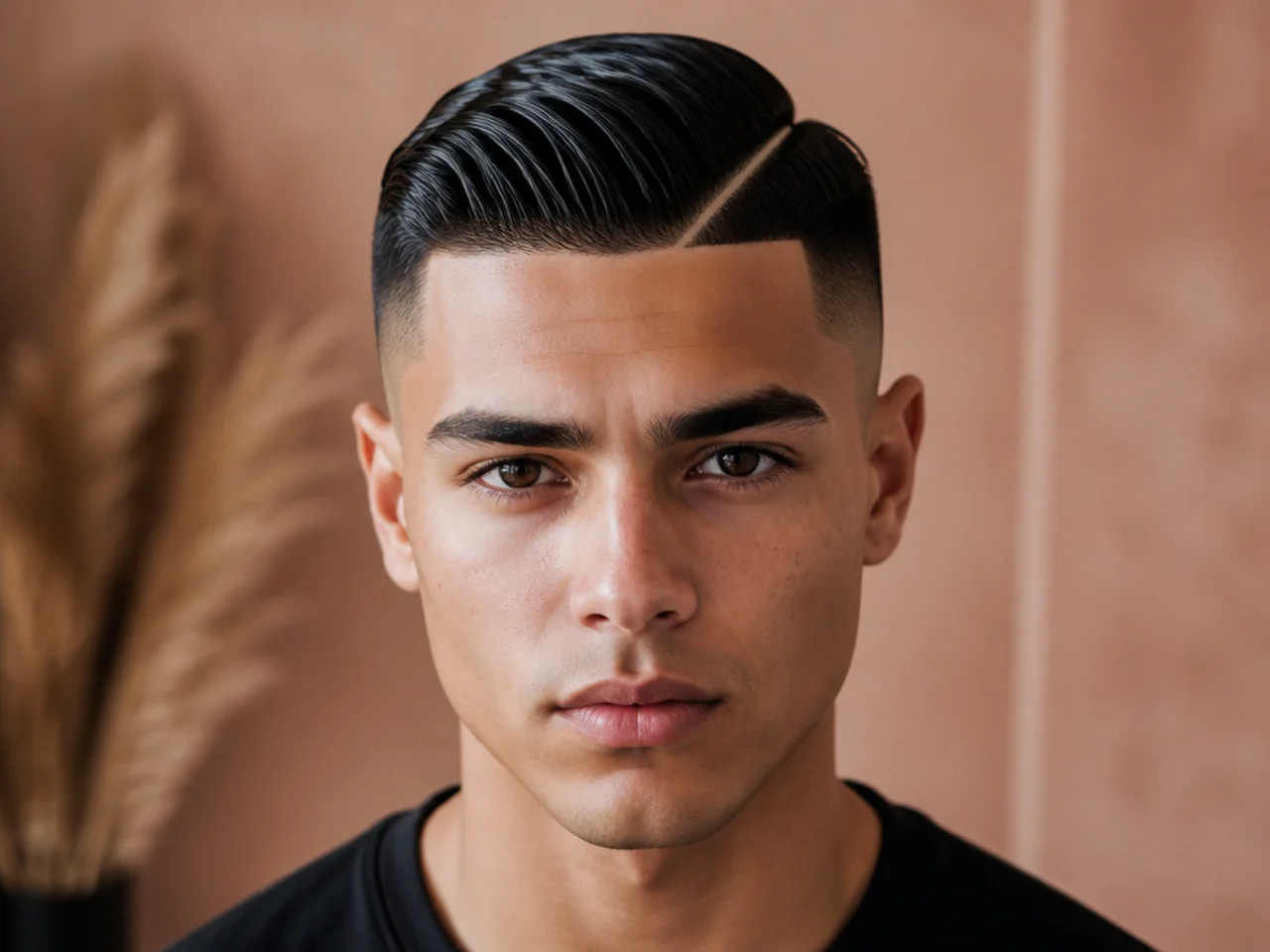
- 6. The Wolf Cut
- 7. The Broccoli Cut
- 8. The Comma Cut
- 9. The Modern Quiff
- 10. The Grown-Out Flow
- 11. The Modern Slick Back
- 12. The Shadow Fade
- 13. The Air-Dried Cut
- 14. The Modern Curly Shape
- 15. The Week-Four Modern Cut
- Styling and Upkeep
- Mistakes to Avoid
- FAQ
- Final Thoughts
Modern haircuts get described as messier versions of older ones, which misses what actually changed. The change was structural, not stylistic.
The shape moved from the outline to the interior. A classic cut holds its silhouette in the perimeter. A modern cut holds it in how weight is graded through the section.
That is why they look undone and are not. The work is inside the hair rather than on its edge, so it is invisible in the mirror and obvious in how the cut behaves.
What Defines the Modern Family
Weight is graded, not blunt. Each section thins progressively from root to tip.
The perimeter is deliberately soft. Point-cut, notched or slide-cut, but never a ruled line.
Sides are blended, not stepped. A visible disconnection belongs to a different decade.
The cut is designed for week three. Growth softens these shapes rather than spoiling them.
How to Choose Yours
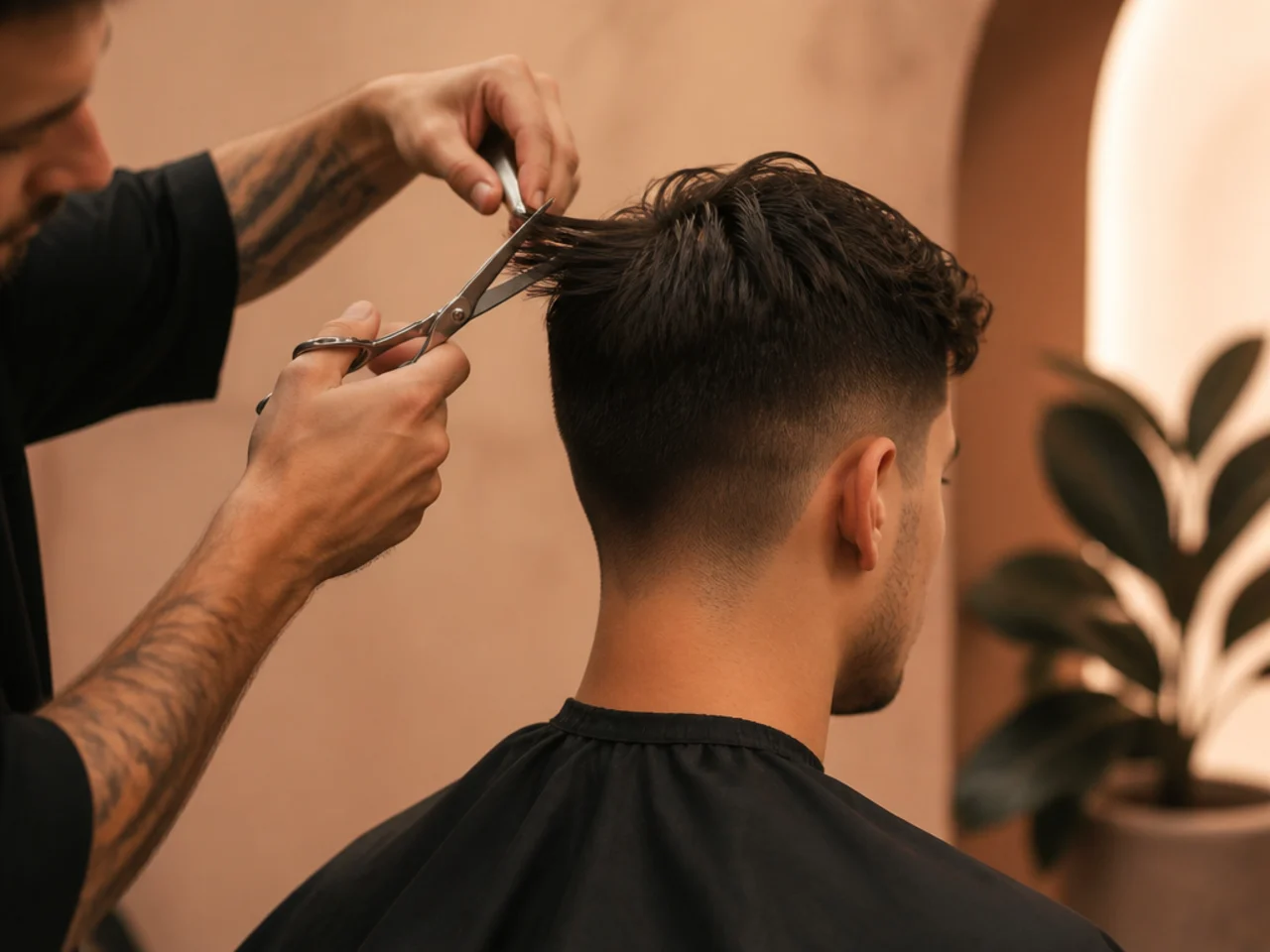
Ask for slide-cutting or point-cutting by name. It is the technique the family depends on.
Say blend rather than disconnect. It is one word and it changes the entire read.
Choose matte product before you choose a cut. Shine undoes a modern shape faster than a bad haircut does.
Extend the interval between visits. These cuts are designed to improve as they grow.
The 15 Modern Haircut Styles
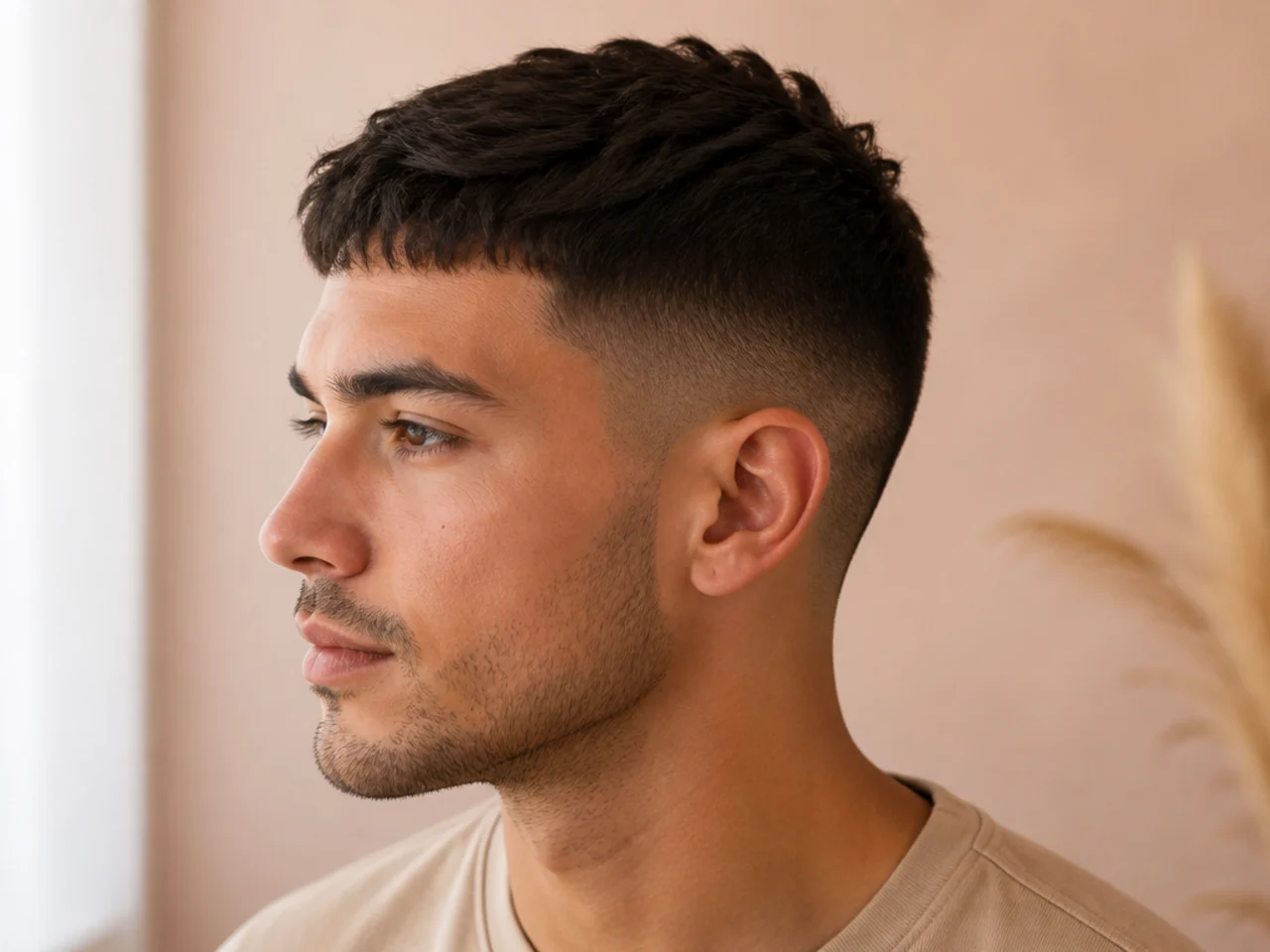
1. The Textured Crop
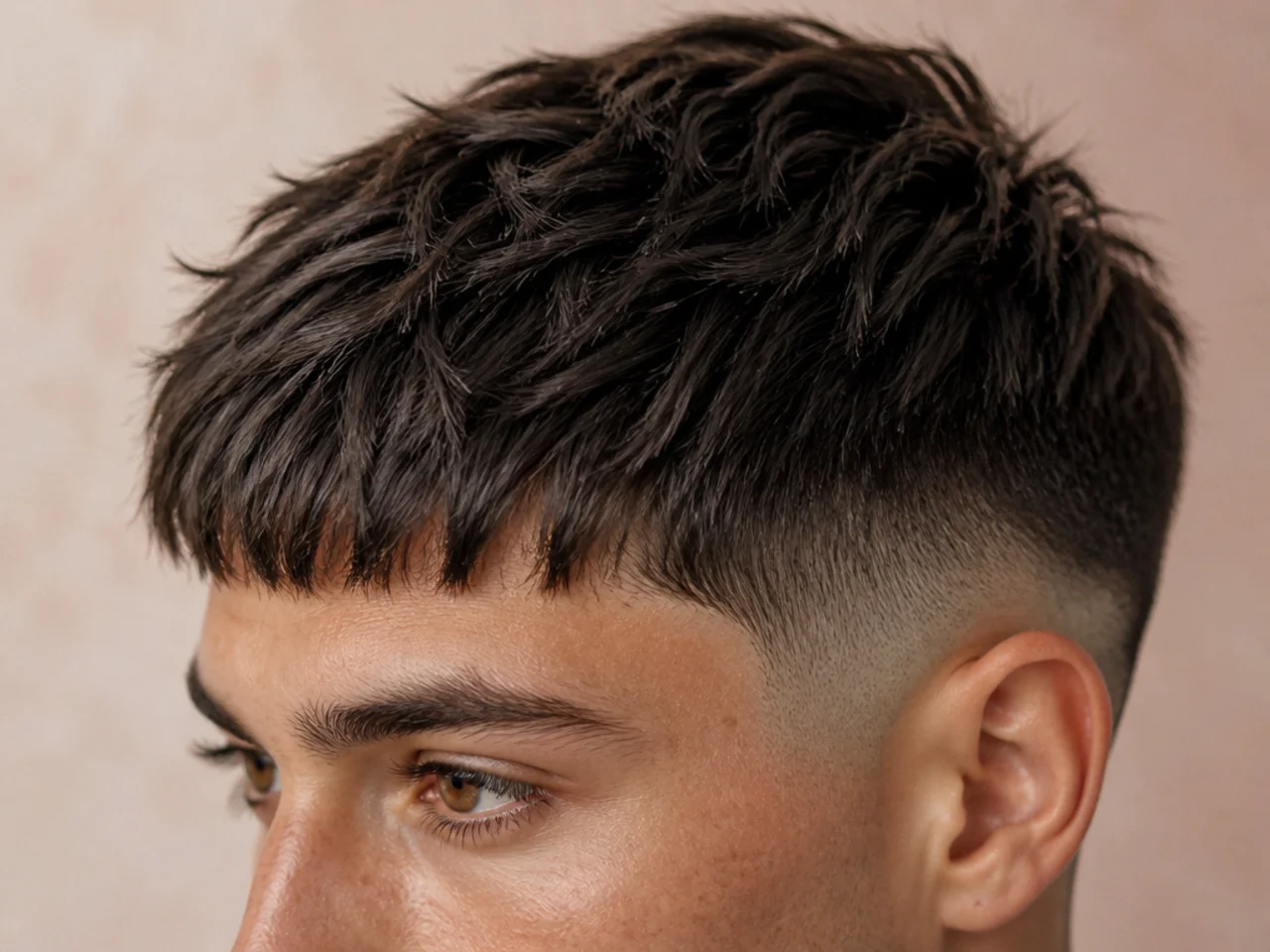
Short forward top with the ends cut at varying lengths. It is the family's most-requested member and the clearest illustration of interior weight doing the work, because the same length cut bluntly would sit on the head as a solid cap.
2. The Blurry Low Taper
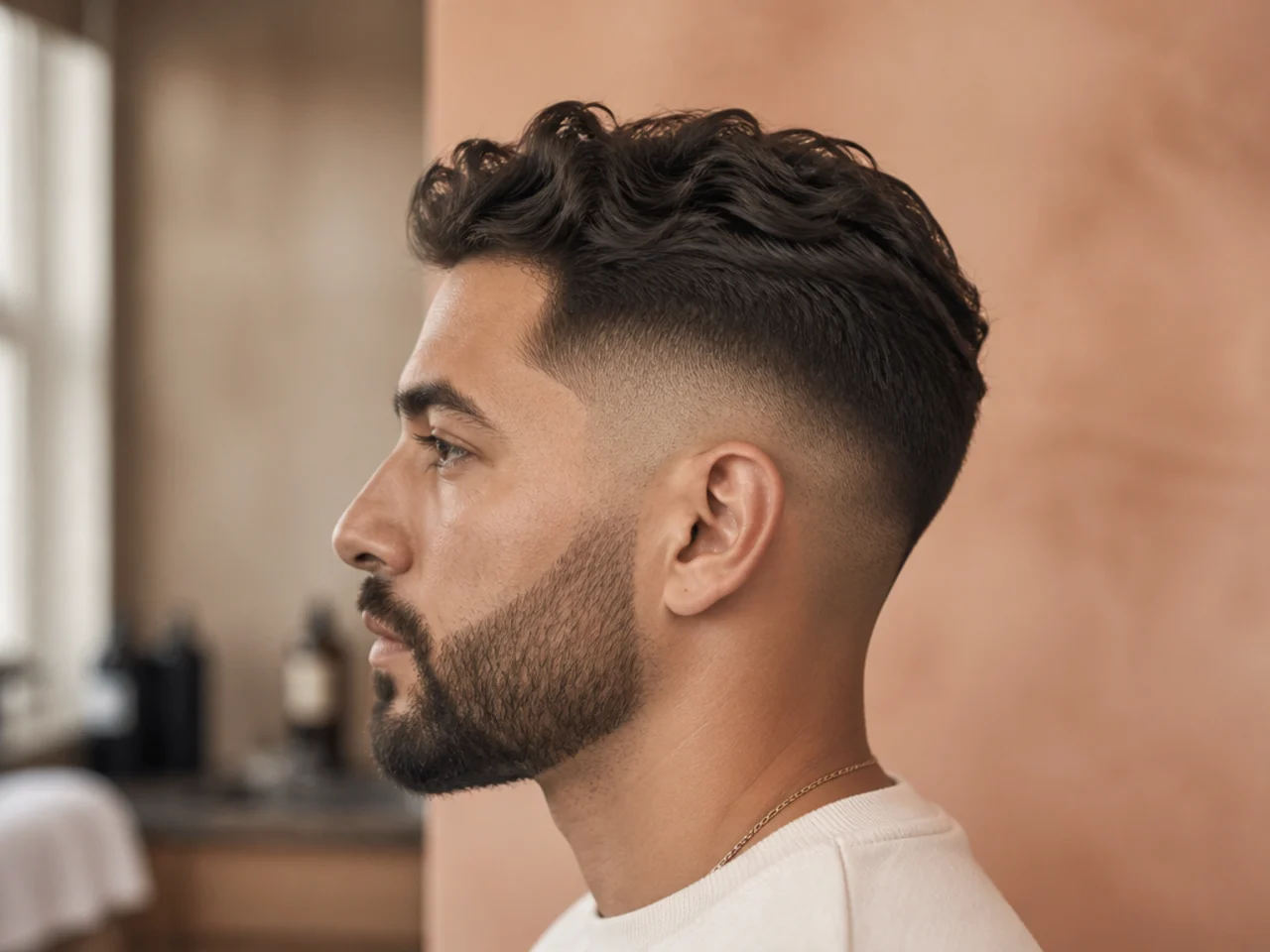
A gradient stretched so long it has no locatable start. It is the modern answer to the clean-lined fades of the previous decade, and because there is no edge to move out of place, it grows out without ever needing rescuing.

3. The Modern Mullet
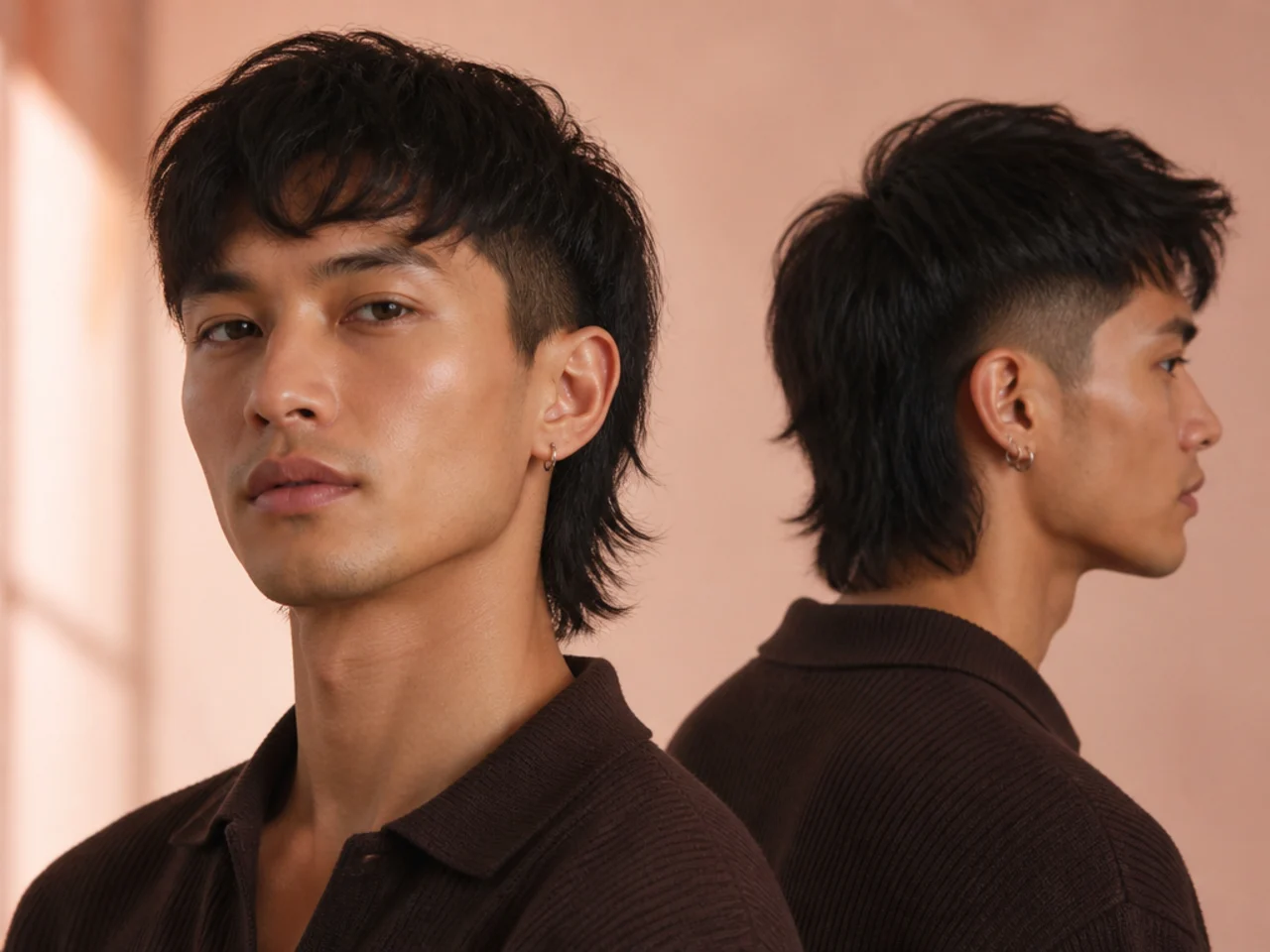
Length at the back blended into the sides rather than dropped as a step. Blended, it grows out into an ordinary medium cut rather than into a mistake, which is the practical reason the current version has outlasted every previous revival.
4. The Two-Block
The one place a hard step still belongs, because the step is the design rather than a shortcut around blending. It keeps the top mass intact for the front to fall from, which is why it pairs with long fringes that a blended side would starve of weight.
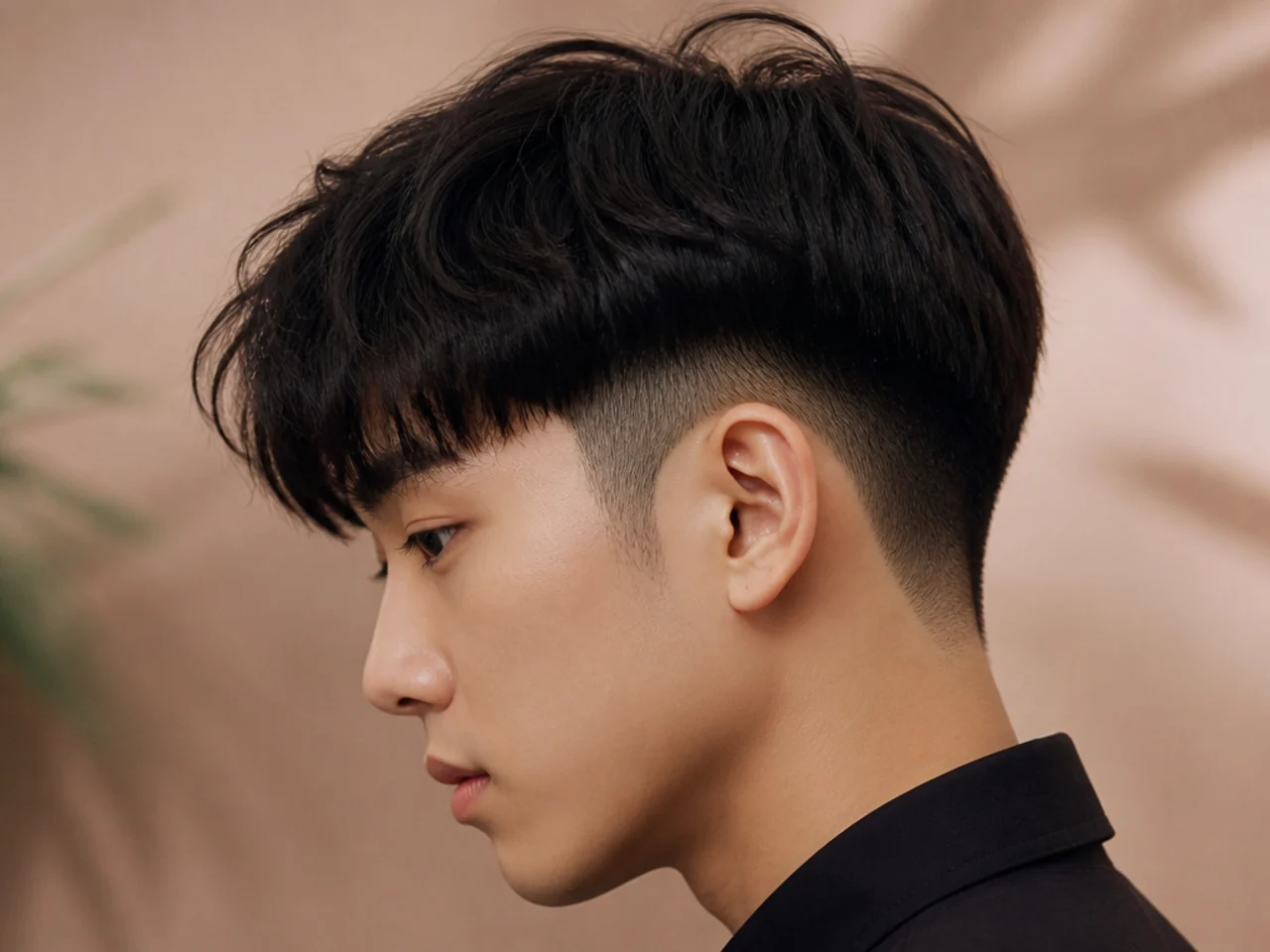
5. The Soft Middle Part
Split with the fingers rather than a comb, so the two halves separate irregularly. A ruled centre part reads as a much older shape, and the irregularity is what keeps it from looking like a curtain cut from the nineties.
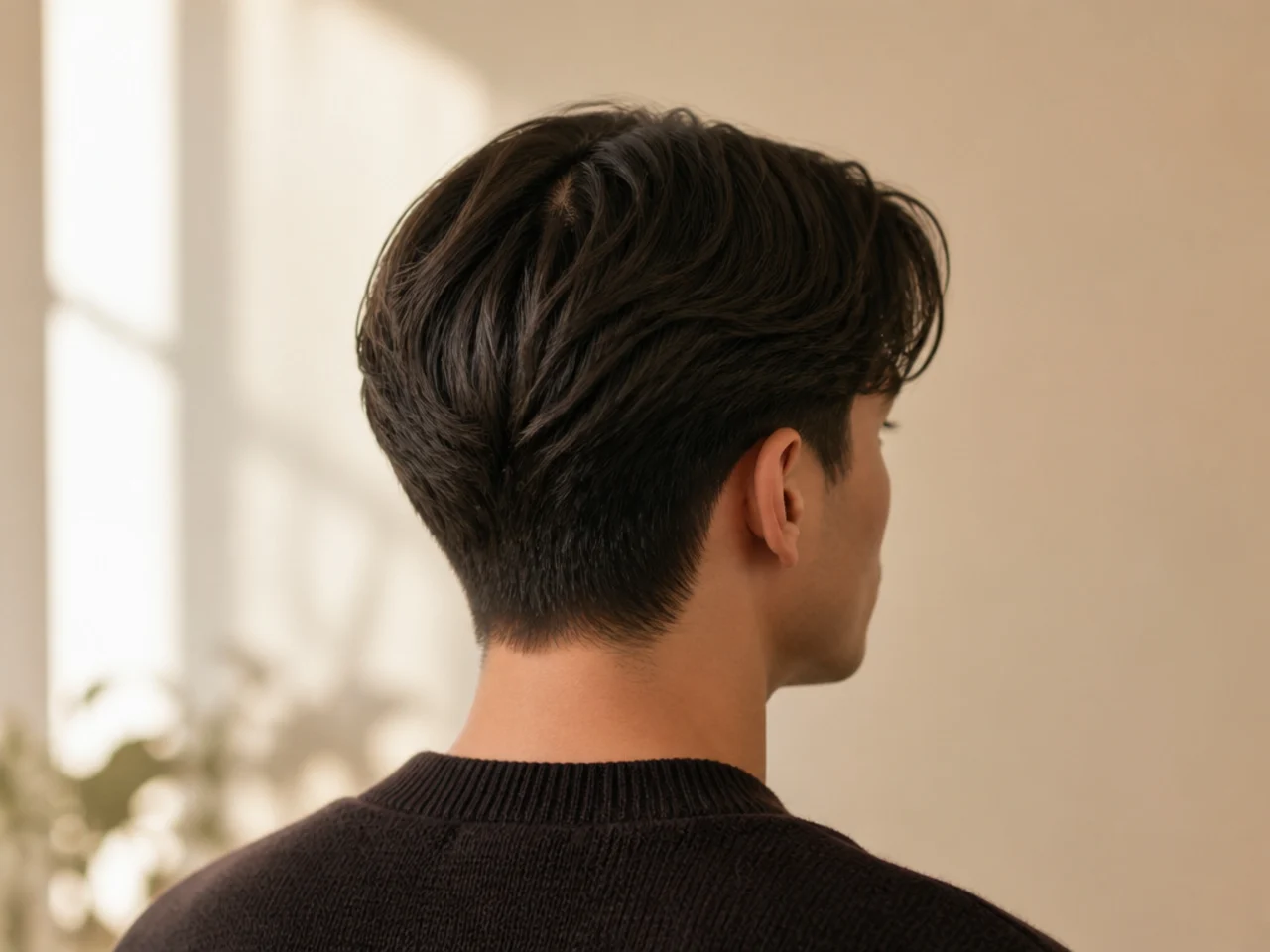
6. The Wolf Cut
Heavy interior layering with a shaggy, undefined perimeter. It is the family's most extreme statement about weight belonging inside the section, and it needs enough length for the layers to have somewhere to sit.
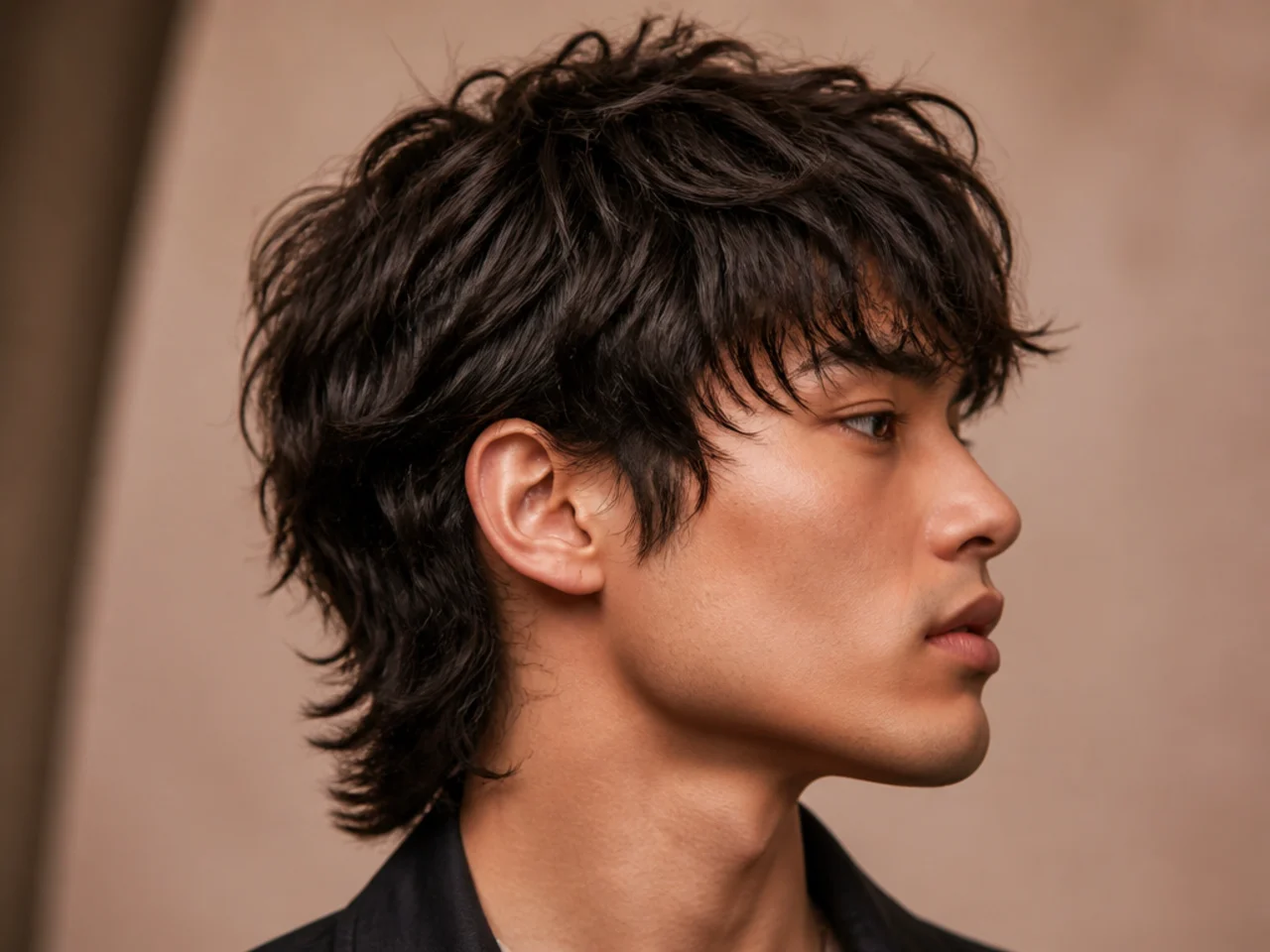
7. The Broccoli Cut
Volume concentrated on top over very short sides, usually on curl or a perm. The mass is the shape, which is only possible when the outline is soft, since a defined perimeter would turn the same volume into a helmet.
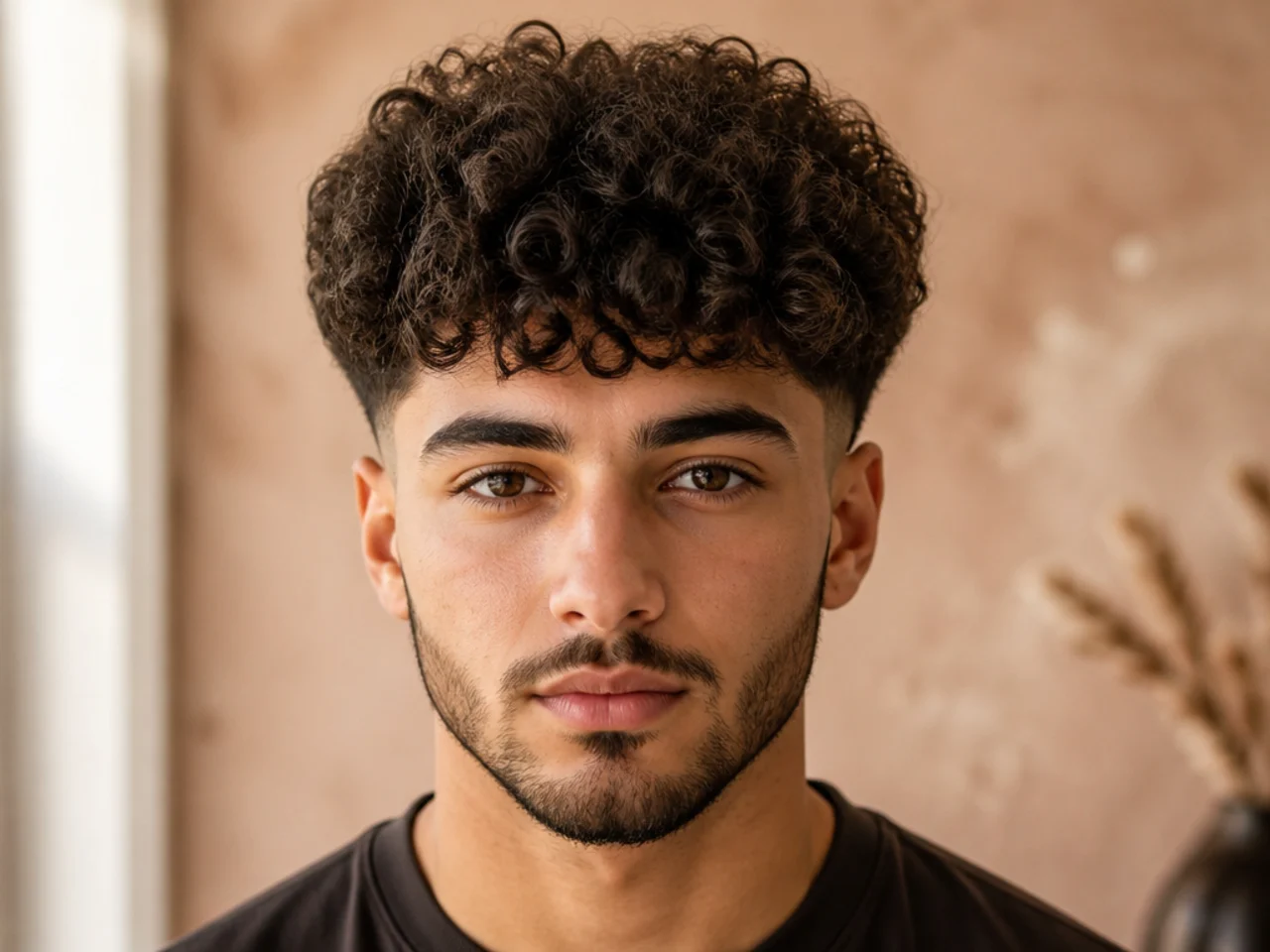
8. The Comma Cut
The front curved inward toward the cheek, set with heat or a perm rather than cut. Root direction rather than length creates the shape, which is why copying the measurement from a photograph never reproduces it.
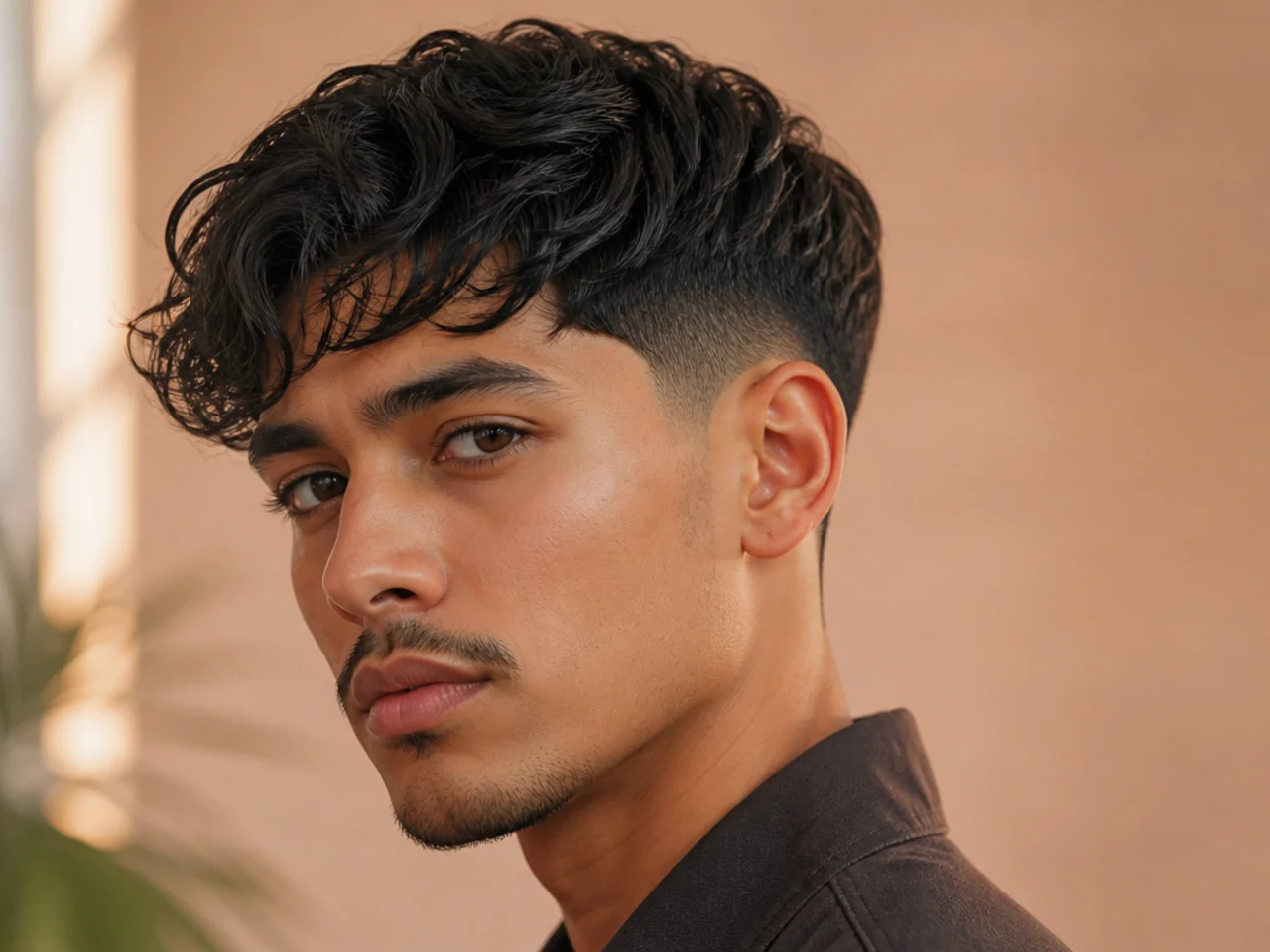
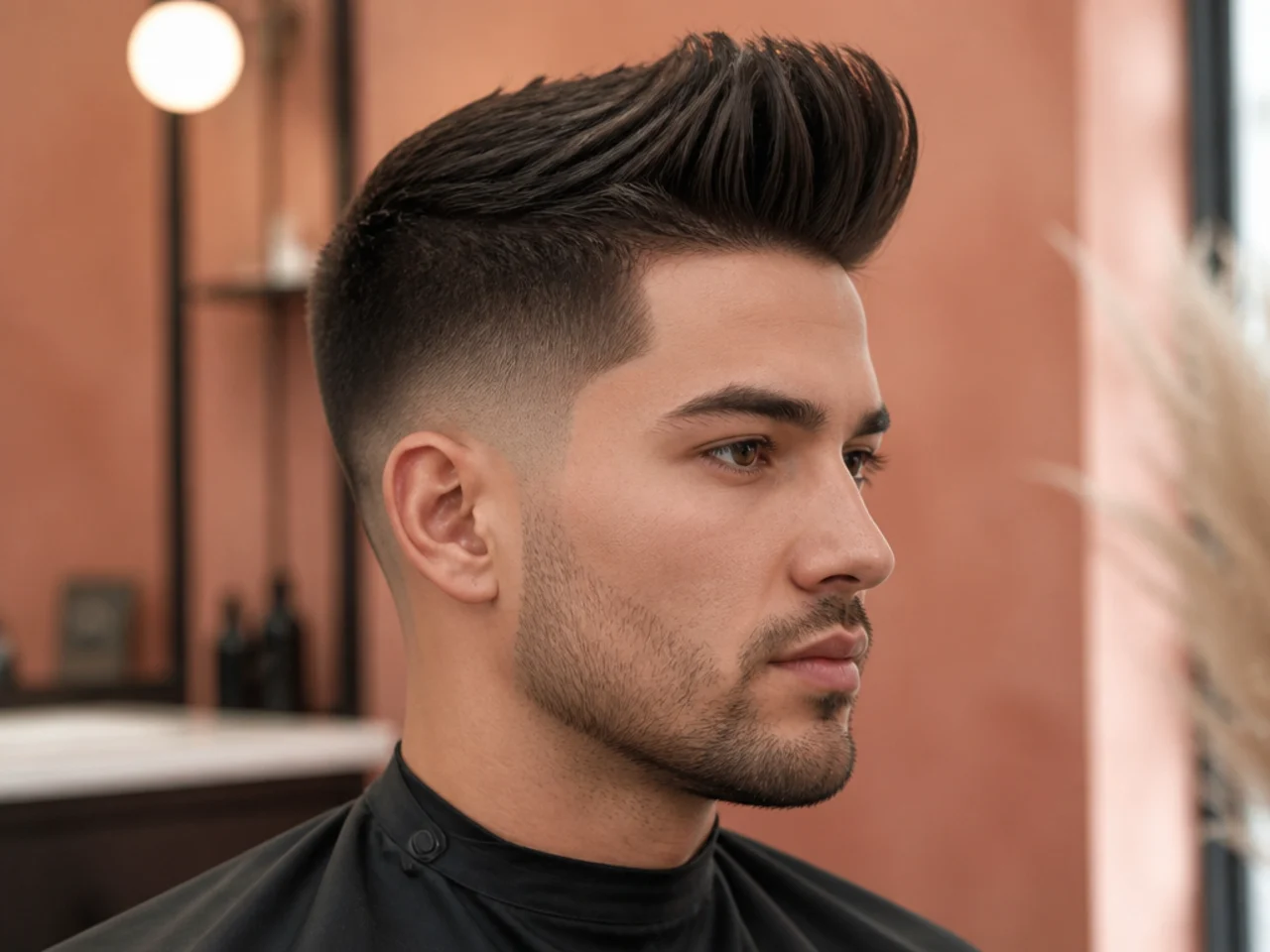
9. The Modern Quiff
Lower and softer than its classic ancestor, finished matte. Same silhouette, entirely different internal structure, because the volume comes from graded weight rather than from a sculpted outer surface.
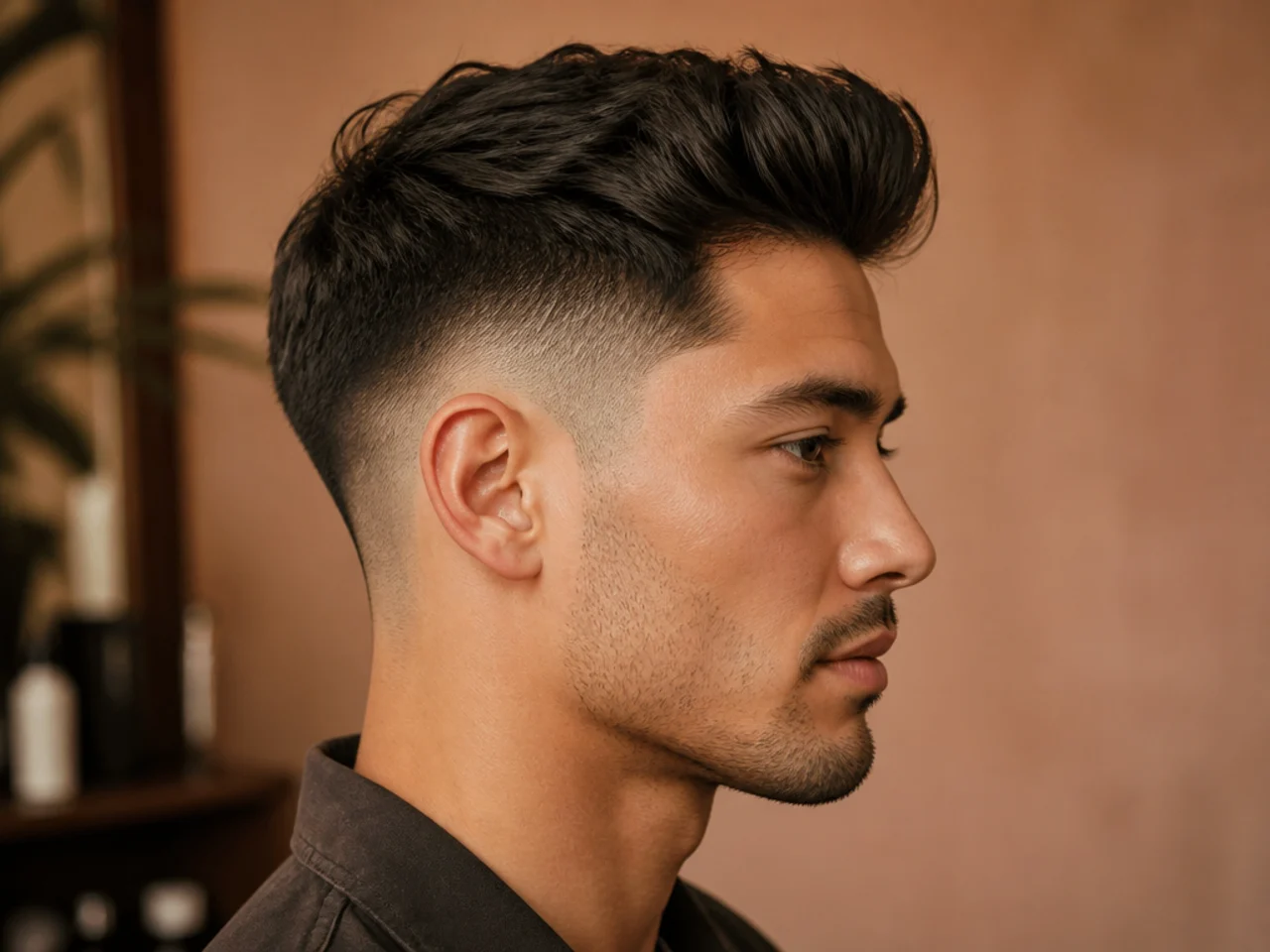
10. The Grown-Out Flow
Medium length with no defined outline anywhere. It takes about six months to reach and needs weight removed rather than length taken, which is the single instruction that gets most men through the awkward middle stage.

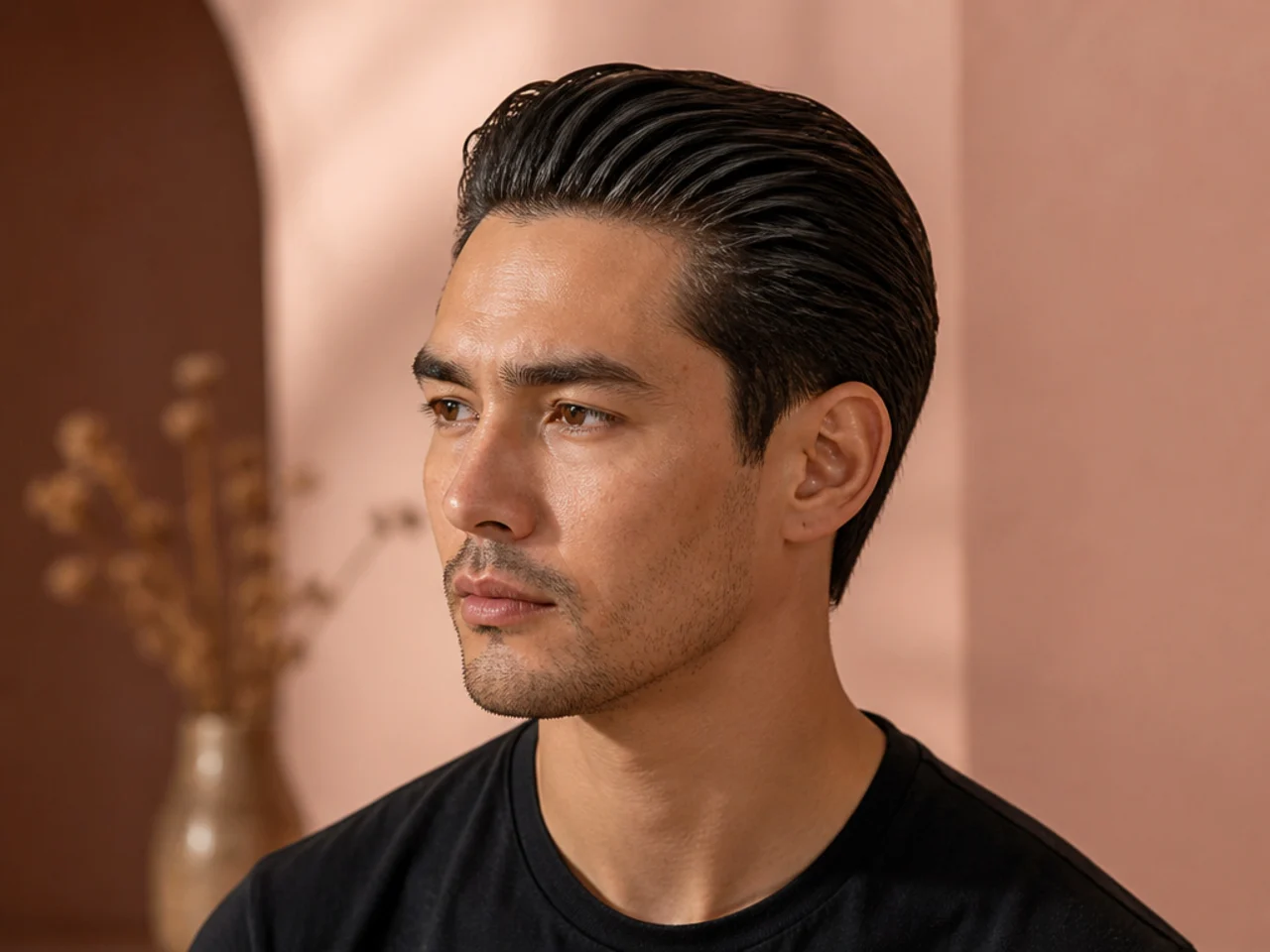
11. The Modern Slick Back
The same shape as the classic version finished with matte cream and slightly broken ends. Product does most of the modernising here.
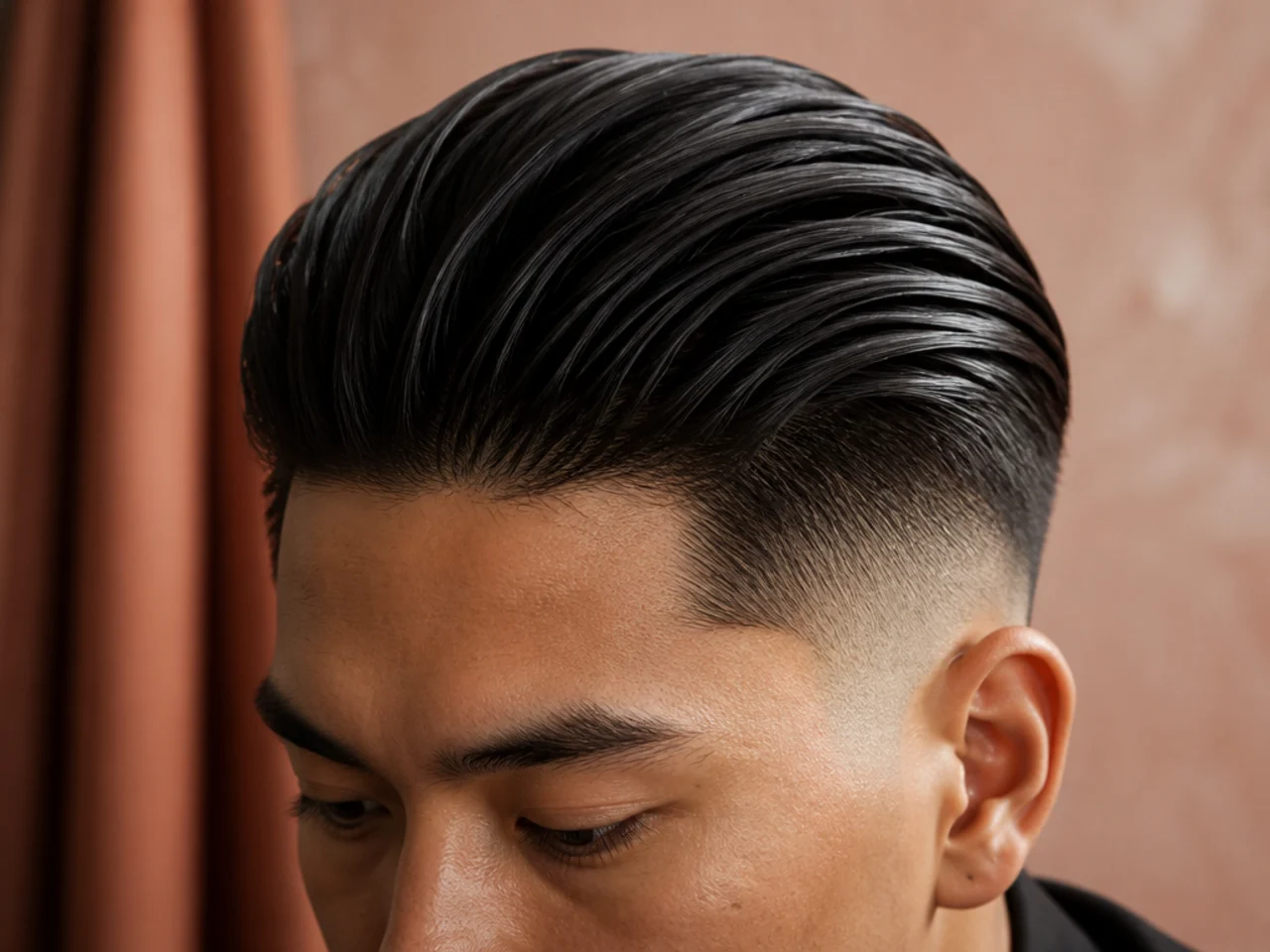
12. The Shadow Fade
Gradient stopped at a #1 rather than skin, leaving tone instead of scalp. It suits the family's preference for softness over contrast, and it holds three to four weeks against the one to two a skin fade manages.
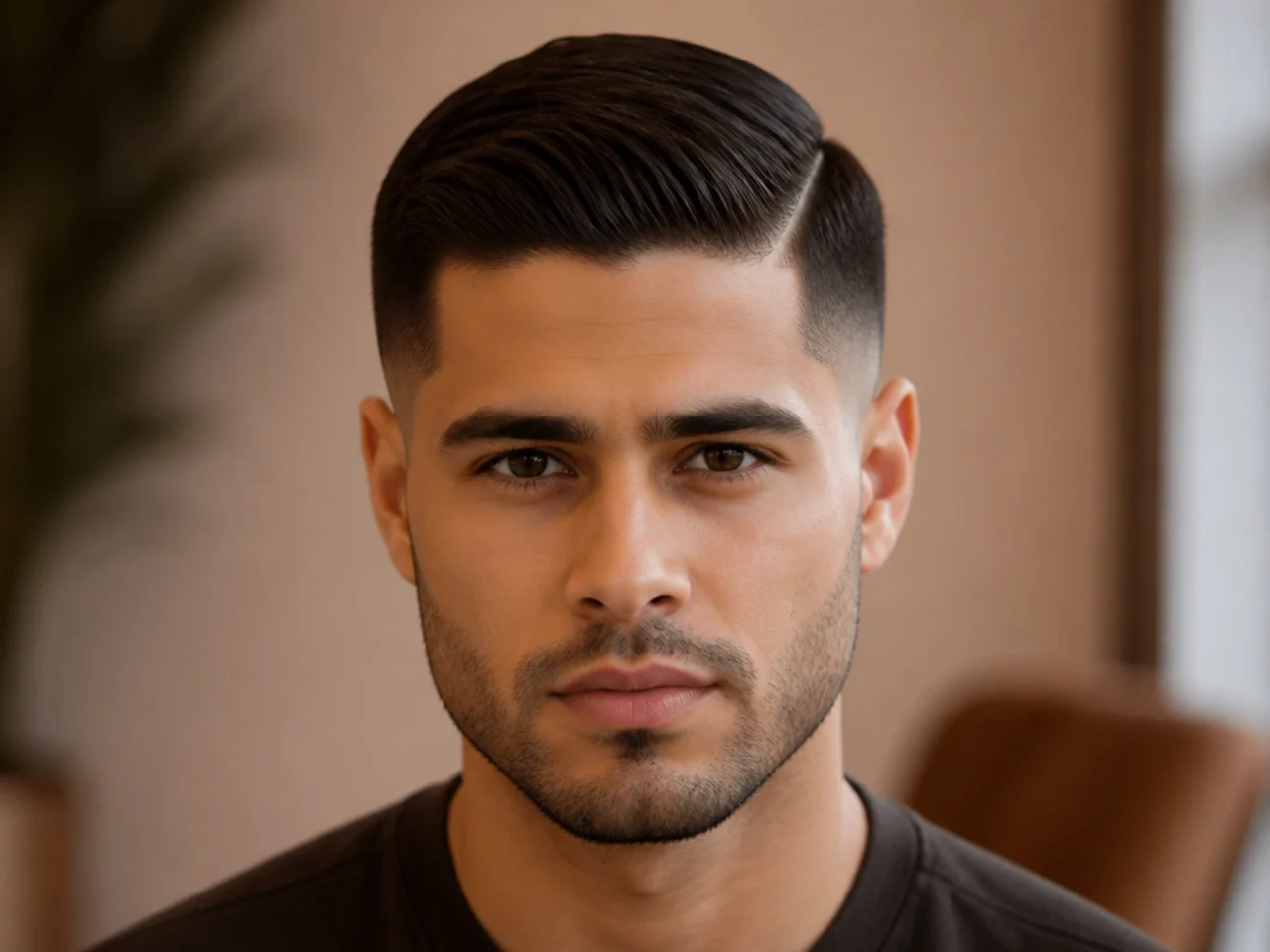
13. The Air-Dried Cut
Cut so it works with no heat at all. Air-drying leaves root direction irregular, which is precisely the effect the family is after, and a dryer with a nozzle undoes it by putting every root in the same plane.
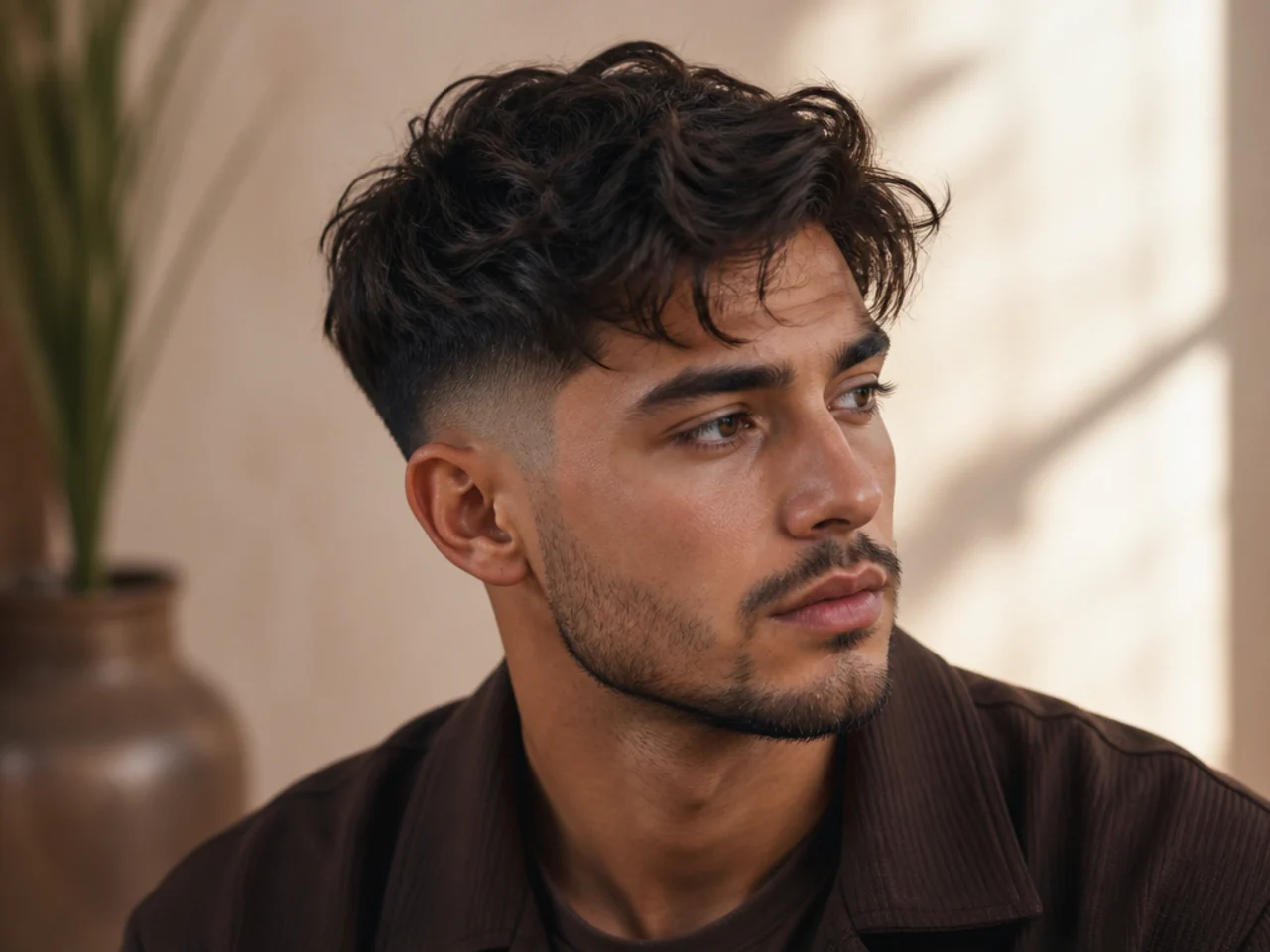
14. The Modern Curly Shape
Curl with weight removed from underneath and nothing taken off the surface. Surface thinning inside a curl produces frizz rather than movement, and curl already loses around a third of its length as it dries.
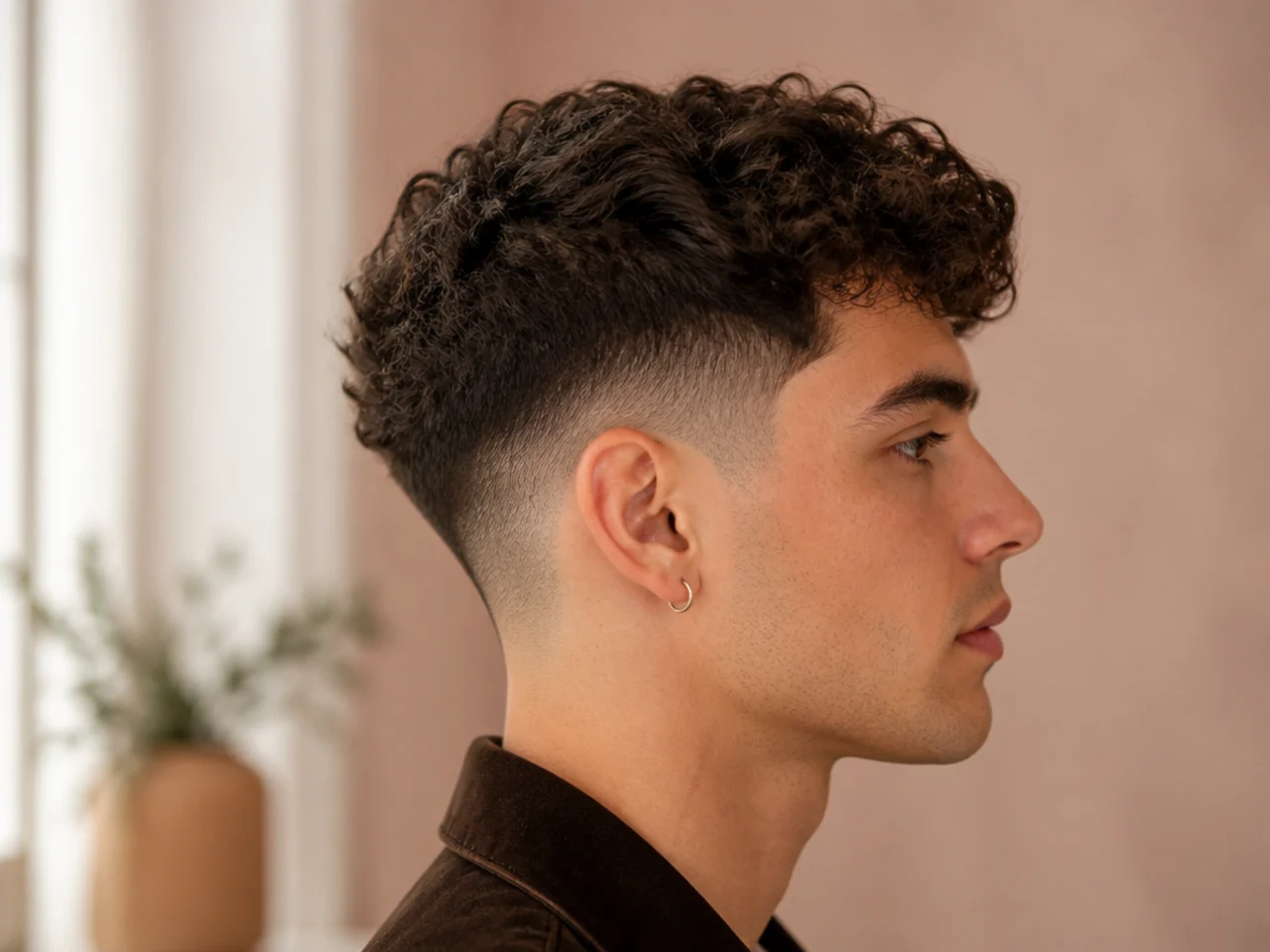
15. The Week-Four Modern Cut
Softened, heavier, and better than it was on day one. Every cut in this family is built to arrive rather than to peak immediately.
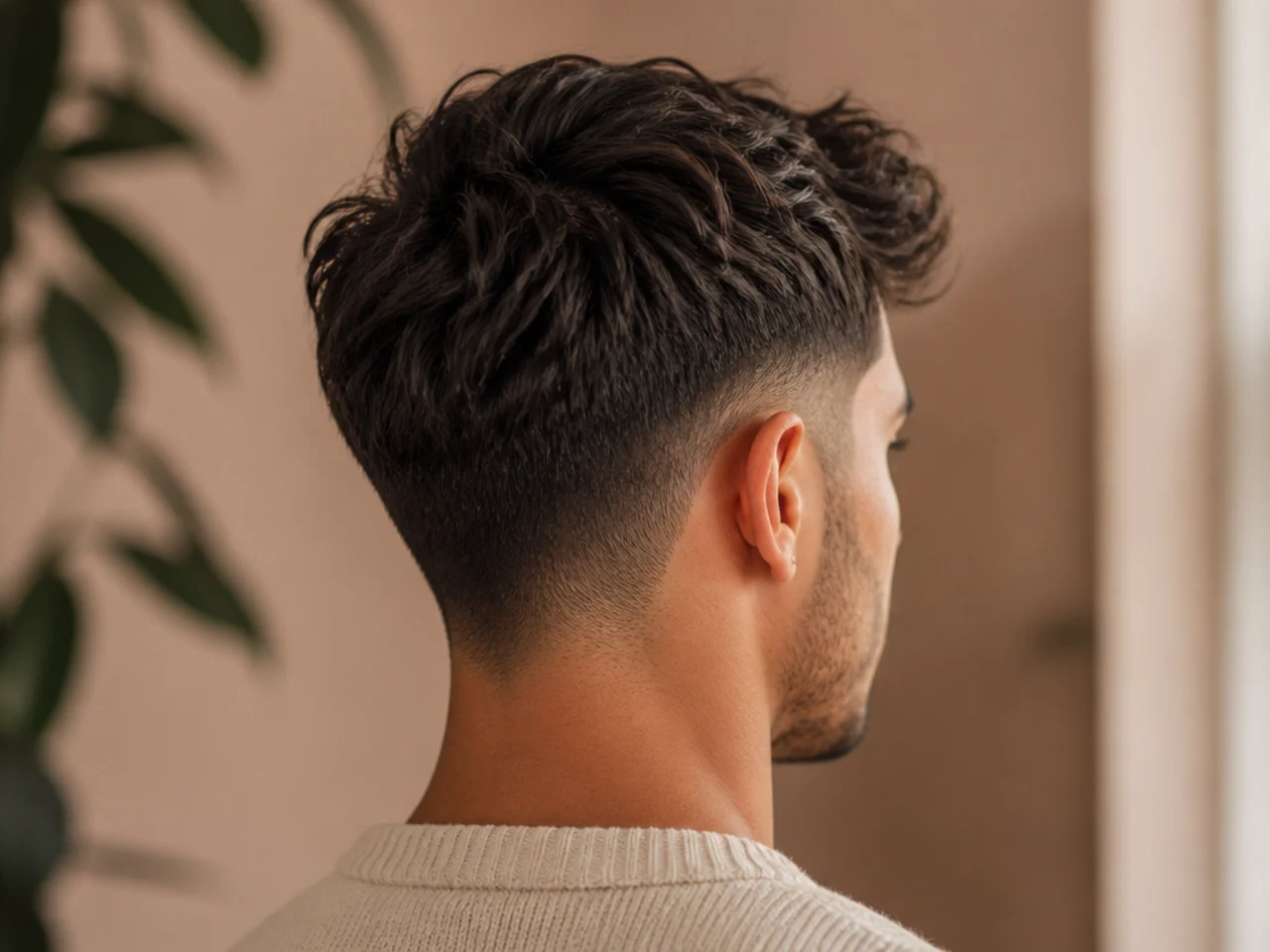
Styling and Upkeep
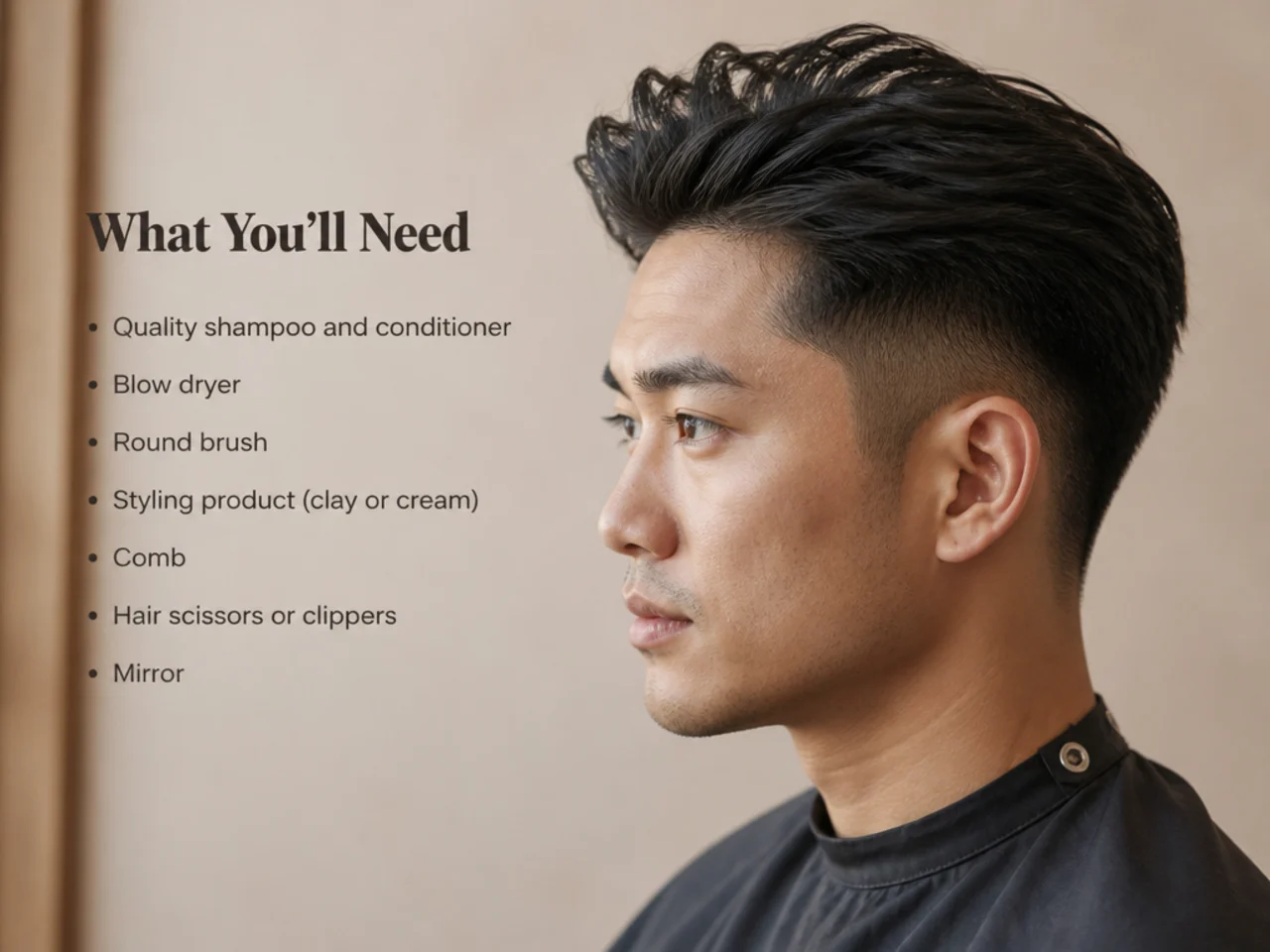
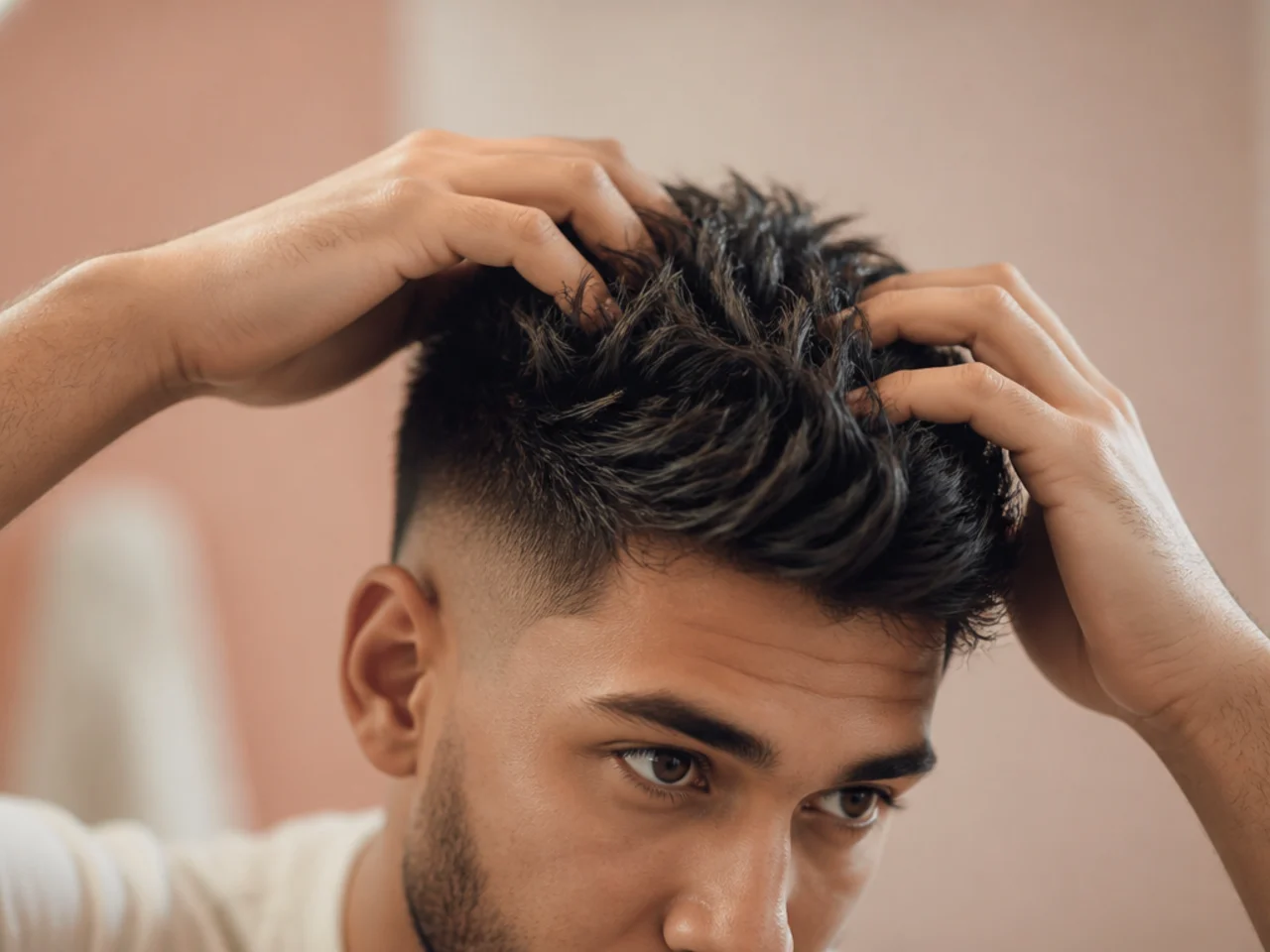
Use matte clay on damp roots. Product on dry hair coats rather than directs.
Finger-dry, never comb. A comb aligns strands and cancels the grading.
Skip the nozzle on the dryer. Concentrated airflow flattens the irregularity the cut is built on.
Let it grow past week two. These shapes are designed to soften into themselves.
Ask for the same technique each visit. Interior work is what a new barber will skip.
Mistakes to Avoid
Requesting a hard perimeter. It moves the shape back to the outline and out of the family.
Using shine product. Gloss makes a deliberately undone cut look laboured.
Asking for a disconnected undercut. It is the single most dating structure available.
Thinning near the surface. Interior weight removal is the point, and surface thinning creates frizz.
Booking fortnightly. You will never see these cuts at their best.
FAQ
What separates modern from classic? Where the shape is held — interior rather than perimeter.
Why do they improve with growth? The outline is already soft, so growth softens rather than distorts.
More or less styling? Less, if the interior work was done properly.
Final Thoughts
Ask for weight to be graded through the section and the perimeter to be left broken, and the cut will do the work that styling used to. The whole family is an argument that a haircut should hold its shape internally rather than being redrawn every morning.
For the survey across every family see men's haircut styles, and for the technique at the centre of this one see textured haircuts for men. More in Men's Haircuts.