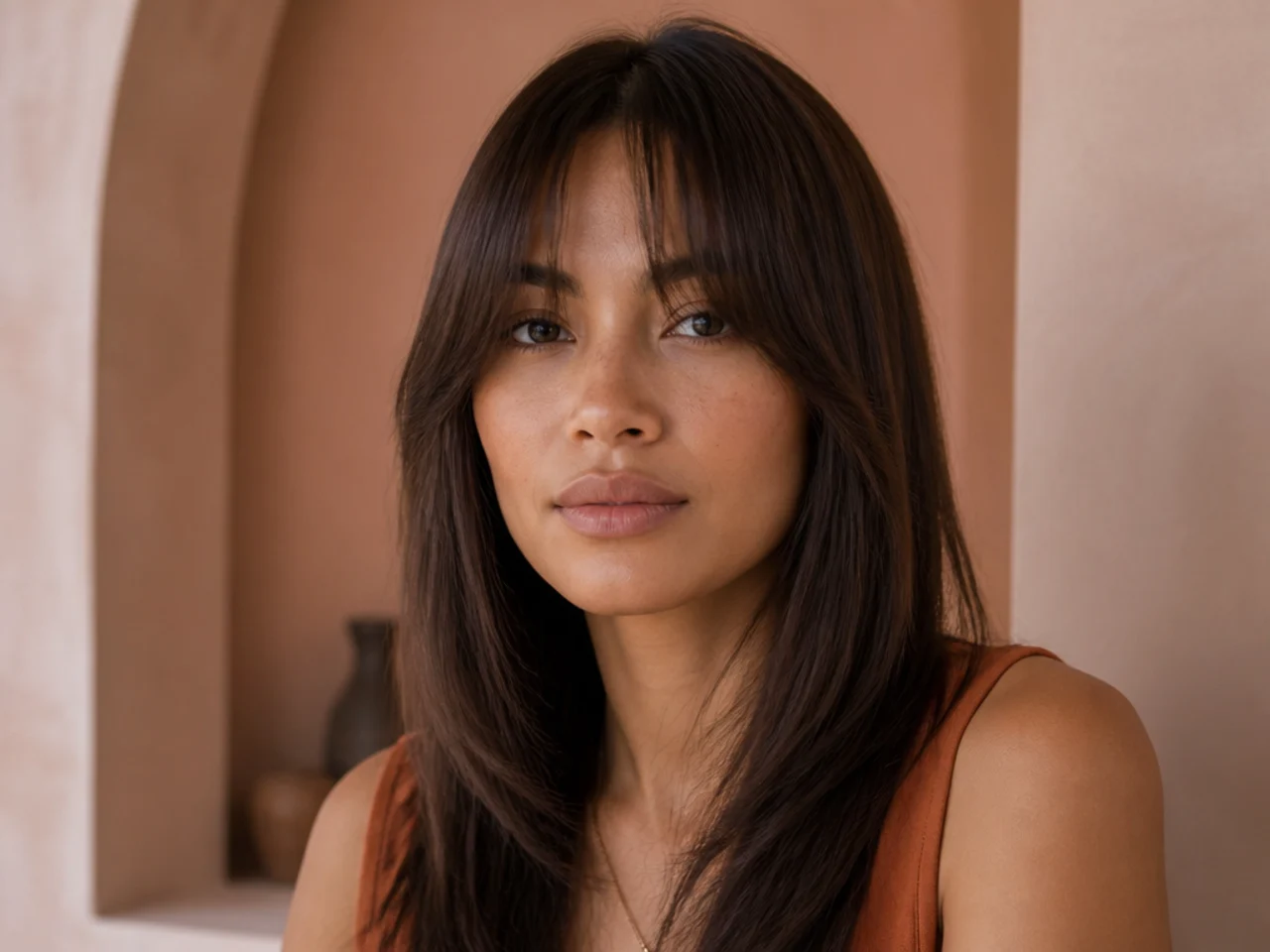
25 Short Curtain Bangs For Straight Sleek Hair
Twenty-five short curtain fringes cut for straight hair, and the fact that changes every decision. Straight hair does not spring up as it dries, so the length it is cut to is the length it stays at.
In this article · 32
- What Straight Hair Does to a Curtain Fringe
- How Short to Go
- The 25 Short Curtain Bang Ideas for Straight Hair
- 1. Eyebrow Length Curtain Bangs
- 2. Above the Brow Curtain Bangs
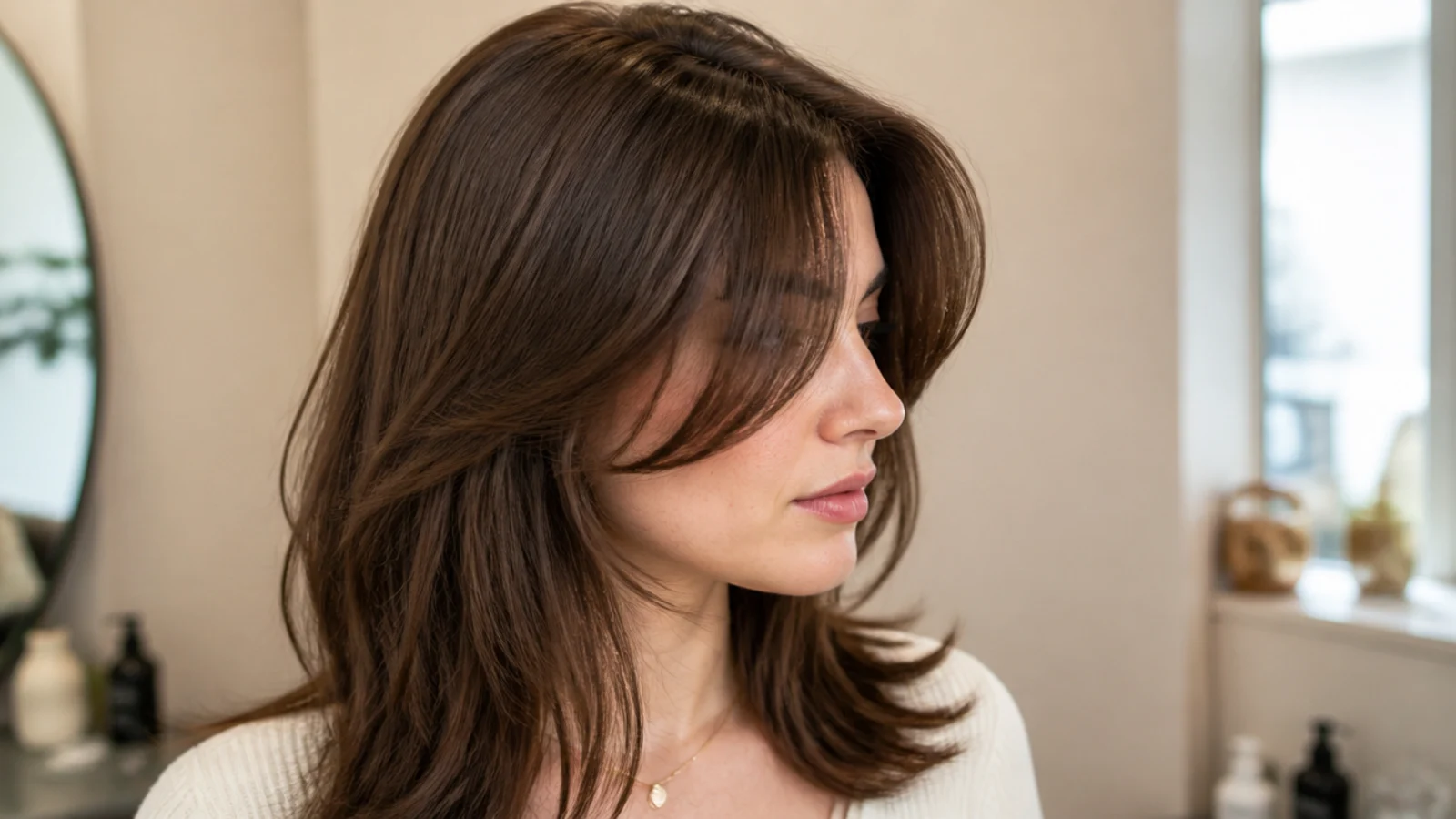
- 3. Cheekbone Length Curtain Bangs
- 4. Blunt Cut Curtain Bangs
- 5. Point Cut Curtain Bangs
- 6. Wispy Short Curtain Bangs
- 7. Heavy Short Curtain Bangs
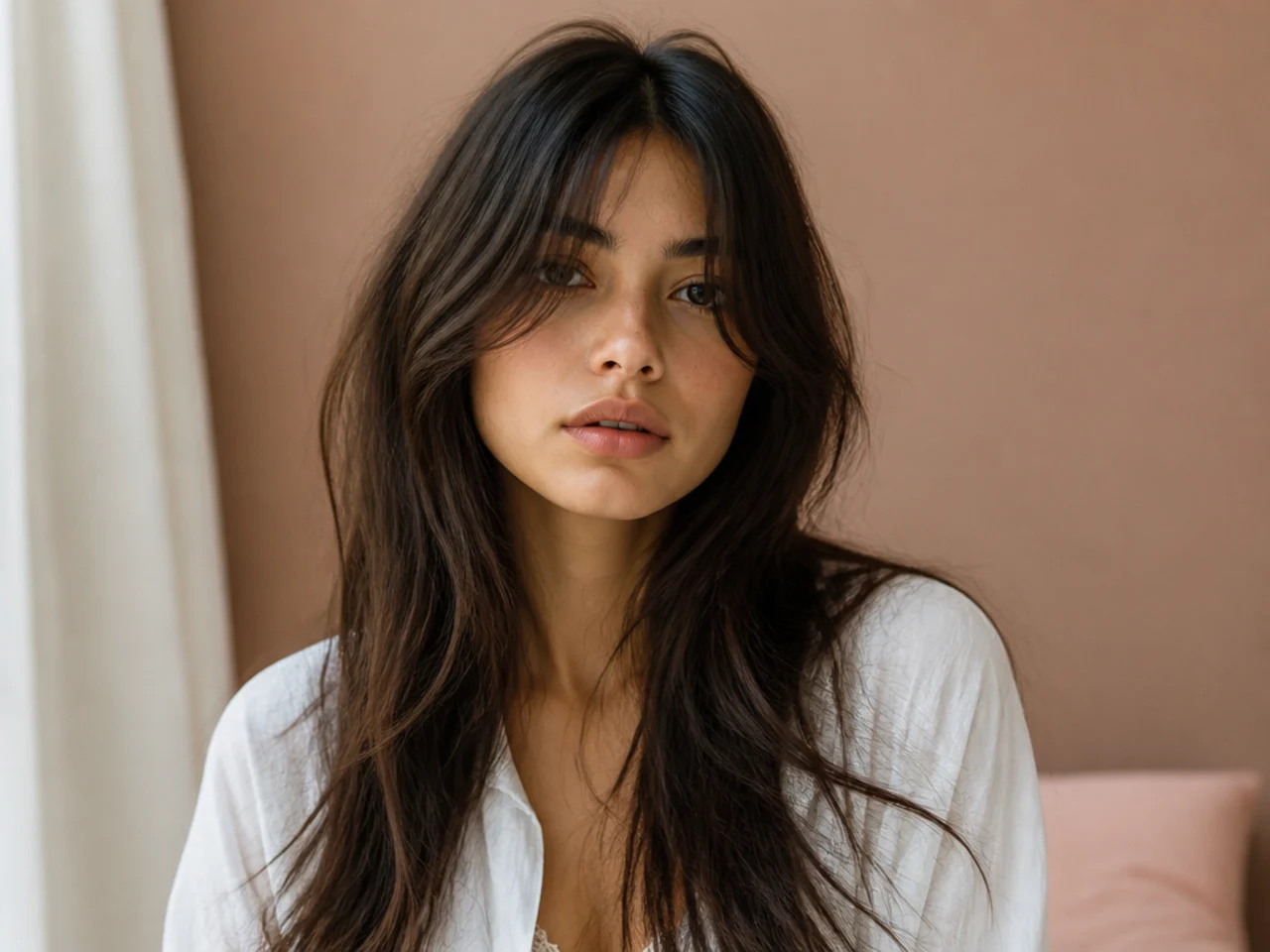
- 8. Curtain Bangs With a Deep Centre Split
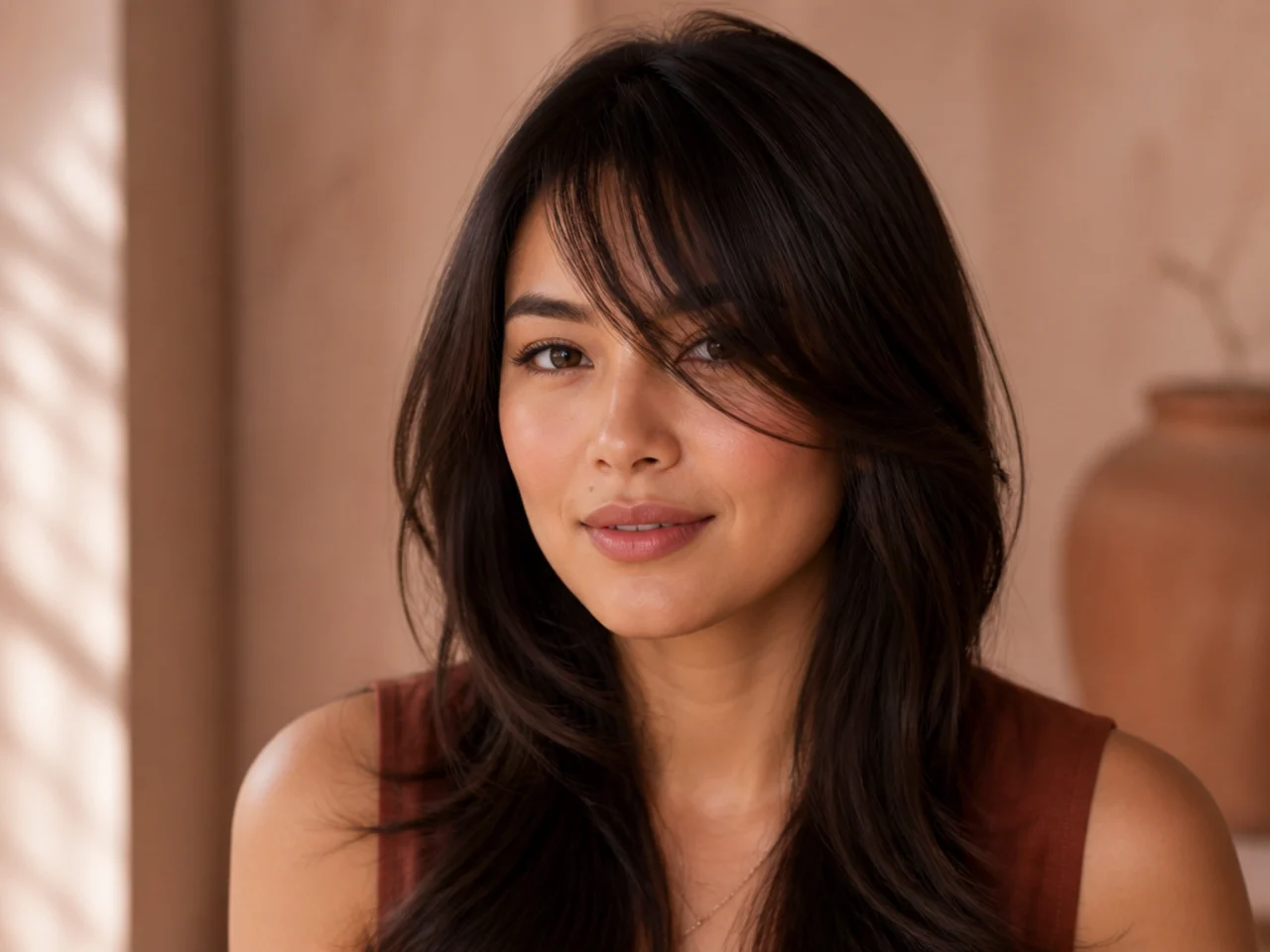
- 9. Curtain Bangs With an Off Centre Split
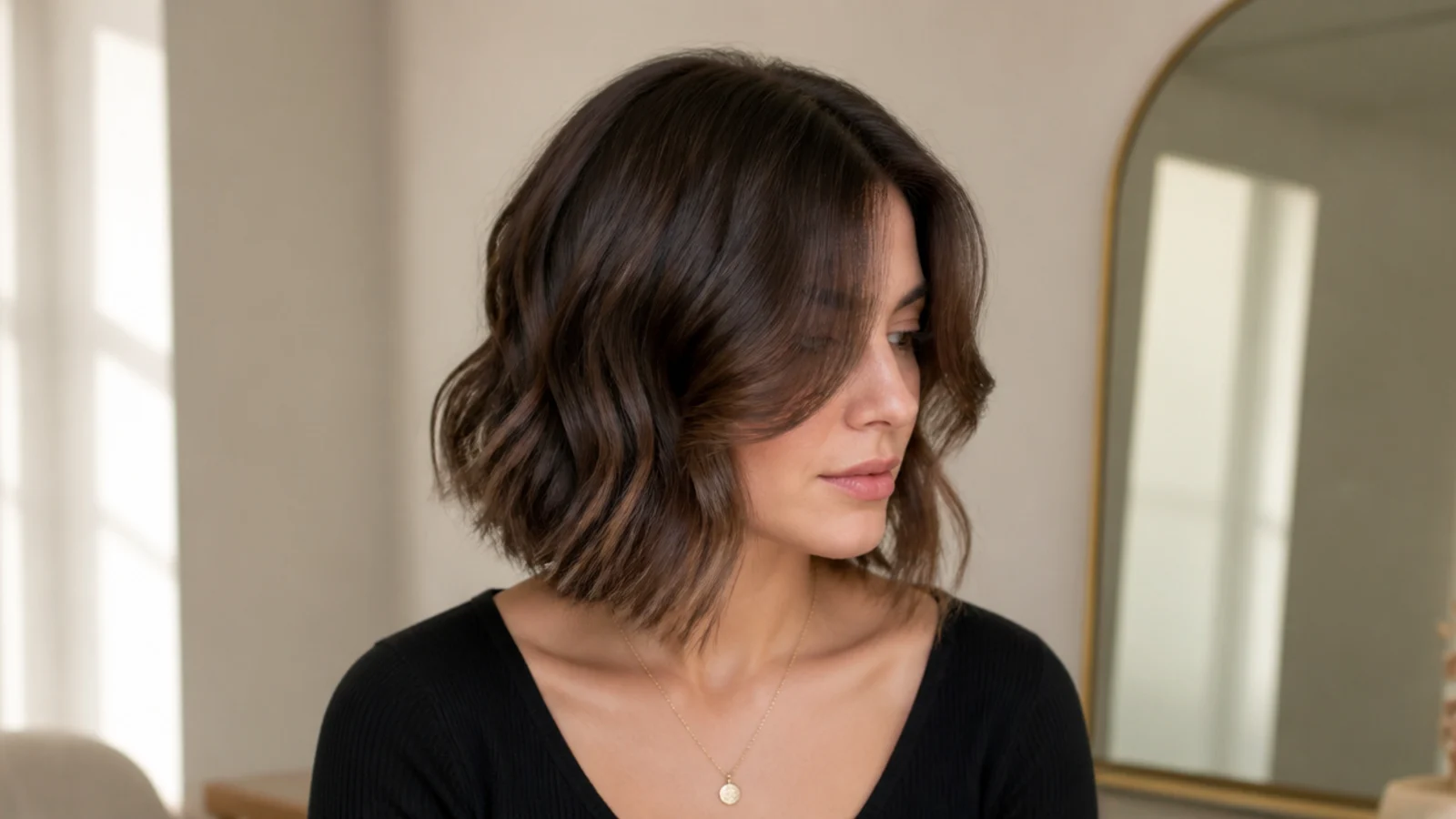
- 10. Curtain Bangs on a Blunt Bob
- 11. Curtain Bangs on a Pixie
- 12. Curtain Bangs on a Lob
- 13. Curtain Bangs With a Sleek Ponytail
- 14. Bardot Curtain Bangs
- 15. Seventies Curtain Bangs
- 16. French Leaning Curtain Bangs
- 17. Curtain Bangs Over a Cowlick
- 18. Curtain Bangs on a Middle Part
- 19. Curtain Bangs With Face Framing Layers
- 20. Curtain Bangs With a Money Piece
- 21. Curtain Bangs on Fine Straight Hair
- 22. Curtain Bangs on Thick Straight Hair
- 23. Tucked Curtain Bangs
- 24. Curtain Bangs Grown to the Jaw
- 25. Curtain Bangs at Week Six
- Styling and Upkeep
- Mistakes to Avoid
- FAQ
- Final Thoughts
Straight hair does not spring up as it dries, so a curtain fringe finishes at exactly the length it was cut to and there is no margin anywhere in the process.
Cut length equals finished length. No shrinkage to allow for and no guesswork, which makes straight hair the easiest texture to measure and the least forgiving to get wrong.
Every uneven pass stays visible. A straight strand hangs in one line with no bend to scatter light across a step, so the slope of the fringe has to be genuinely accurate rather than approximately right.
What Straight Hair Does to a Curtain Fringe
It holds the cut line exactly. The slope from the centre split outward stays as sharp on day thirty as on day one, because nothing in the hair pattern disturbs it.
It returns to its growth direction within the hour. Whatever the root wants to do, it does. A split placed against the natural part drifts back all day and reads as unstyled.
It has no volume of its own. A wave holds itself away from its neighbours. Straight hair does not, so the arc of the fringe has to be set at the root with heat rather than shaken into place.
It shows the forehead through a thin section. With no bend to fill the gaps, a fringe taken from too narrow a triangle reads as a few strands rather than as a fringe.
How Short to Go
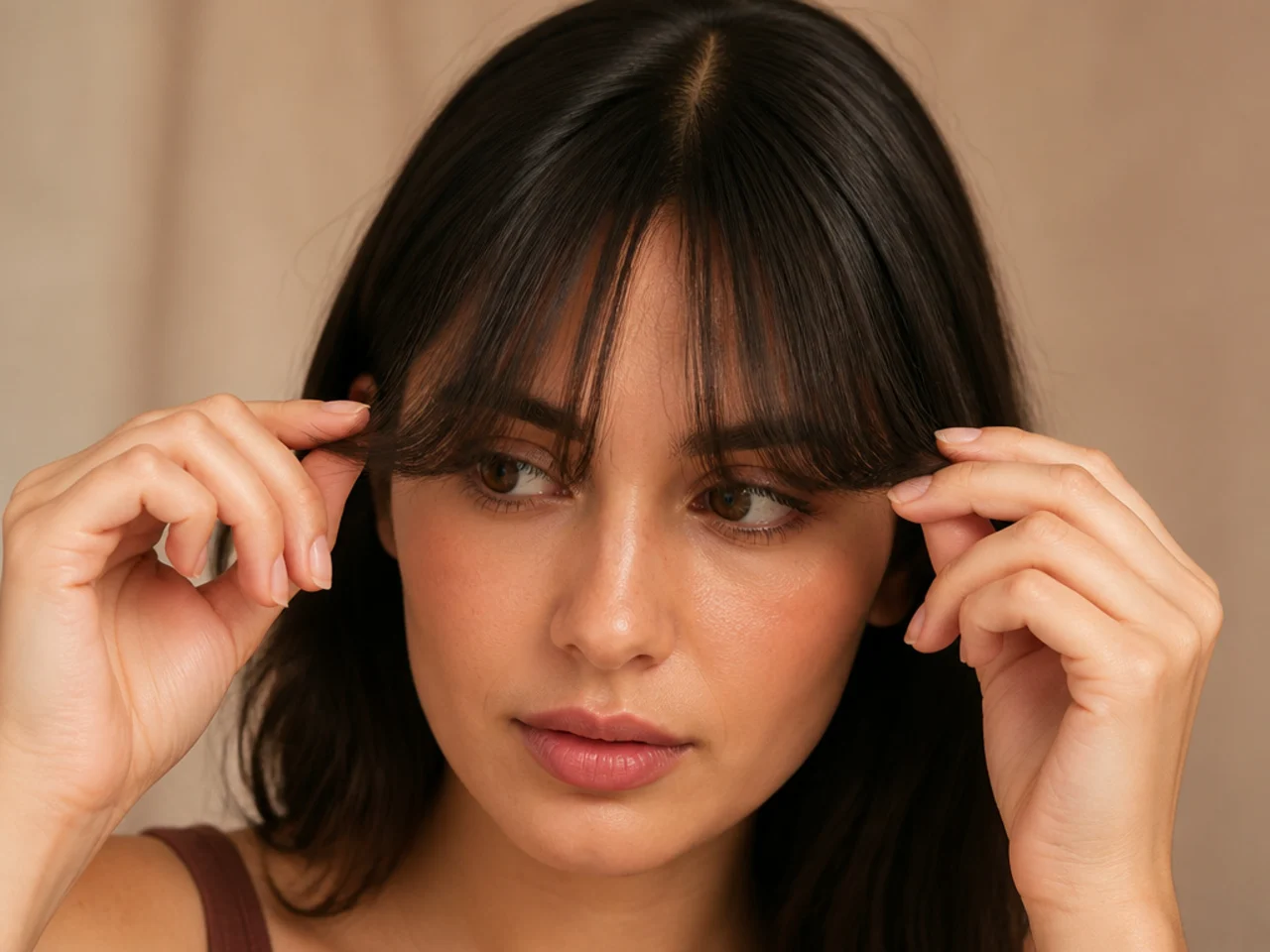
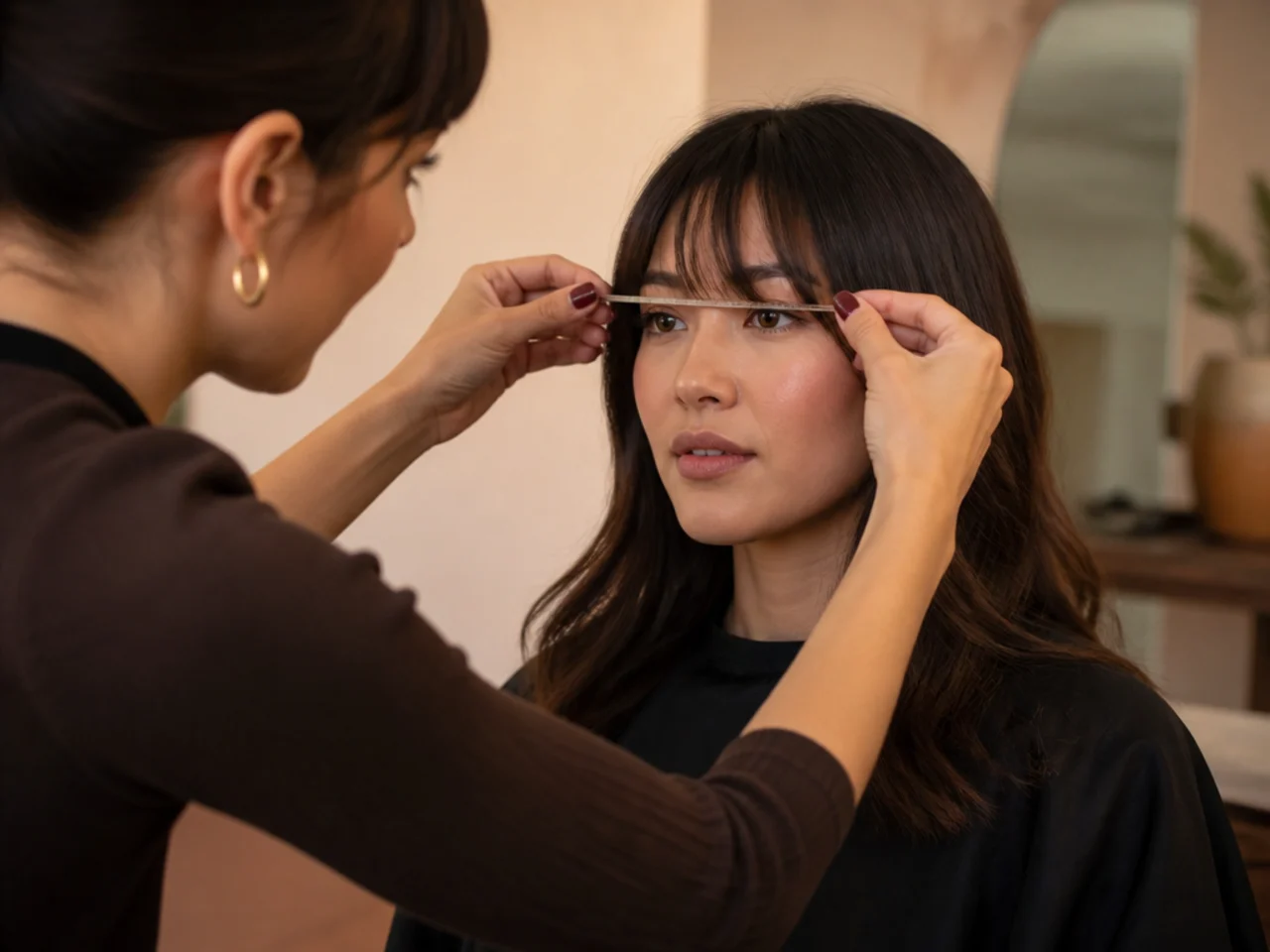
Set the shortest point against a feature, not a number. Brow height, cheekbone height and jaw height each move the widest visible point of the hairstyle, and the eye reads that point as the width of the face.
Remember the fringe needs weight to fall into an arc. Above the eyebrows there is very little length left to pull the ends down and outward, and the curve flattens into a straight line.
Check the hairline for a cowlick first. A cowlick lifts straight hair half an inch or more, and since there is no shrinkage to offset it the whole fringe finishes short.
Decide the section width at the same time as the length. A wide triangle reaching back gives a heavy fringe that holds itself. A narrow one gives a fine fringe that needs the ends kept longer to stay legible.
The 25 Short Curtain Bang Ideas for Straight Hair
1. Eyebrow Length Curtain Bangs
The shortest point sitting level with the brow. It is the shortest a curtain fringe can go while still holding an arc, because there is just enough length below the split for the ends to be pulled down and outward by their own weight.
2. Above the Brow Curtain Bangs
Cut higher still, which trades the arc for a graphic line across the forehead. On straight hair this holds cleanly, but it stops behaving like a curtain fringe and starts behaving like a short blunt one with a split in it.

3. Cheekbone Length Curtain Bangs
The outer ends brought down to the cheekbone. Because the eye reads the widest visible point of a hairstyle as its width, opening the fringe at the cheekbones makes the face register as broader through the middle.
4. Blunt Cut Curtain Bangs
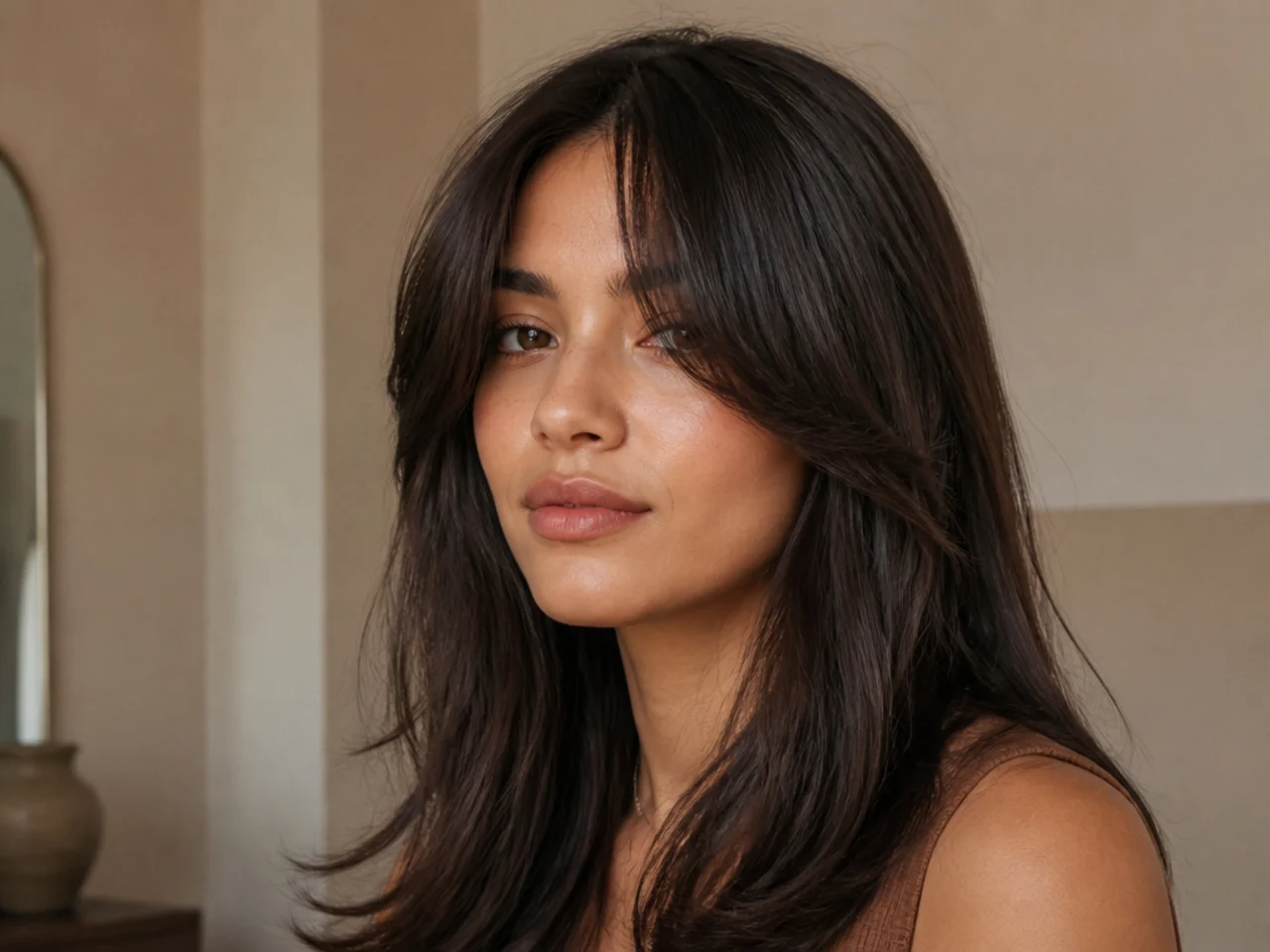
The slope cut with a straight scissor line rather than point cut. On straight hair this is the densest possible edge, and that density is what keeps a short fringe from separating into strands over the course of a day.

5. Point Cut Curtain Bangs
The scissors held vertically so the ends finish at staggered lengths. It softens the bottom edge and it costs density, which on straight hair matters more than usual because there is no bend filling the gaps between strands.

6. Wispy Short Curtain Bangs
Taken from a narrow triangle so the forehead shows through. Less hair means less weight, and less weight means the fringe moves with the face, though on straight hair it also means it drops flat sooner without heat at the root.
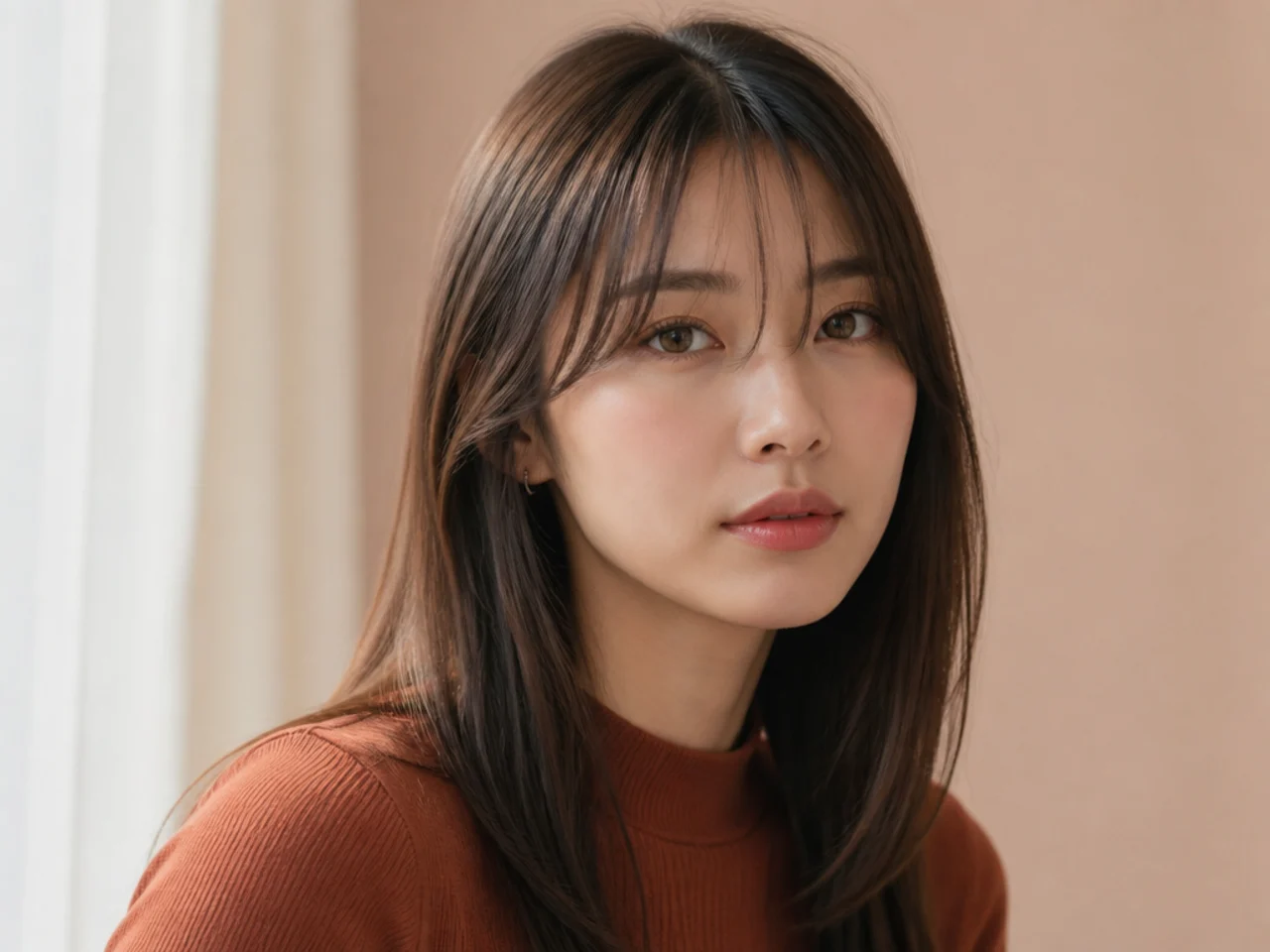
7. Heavy Short Curtain Bangs
The section taken from a wide triangle reaching back toward the crown. The extra weight is what holds the arc open all day, and it is the most reliable way to get a short curtain fringe to behave on hair with no natural bend.
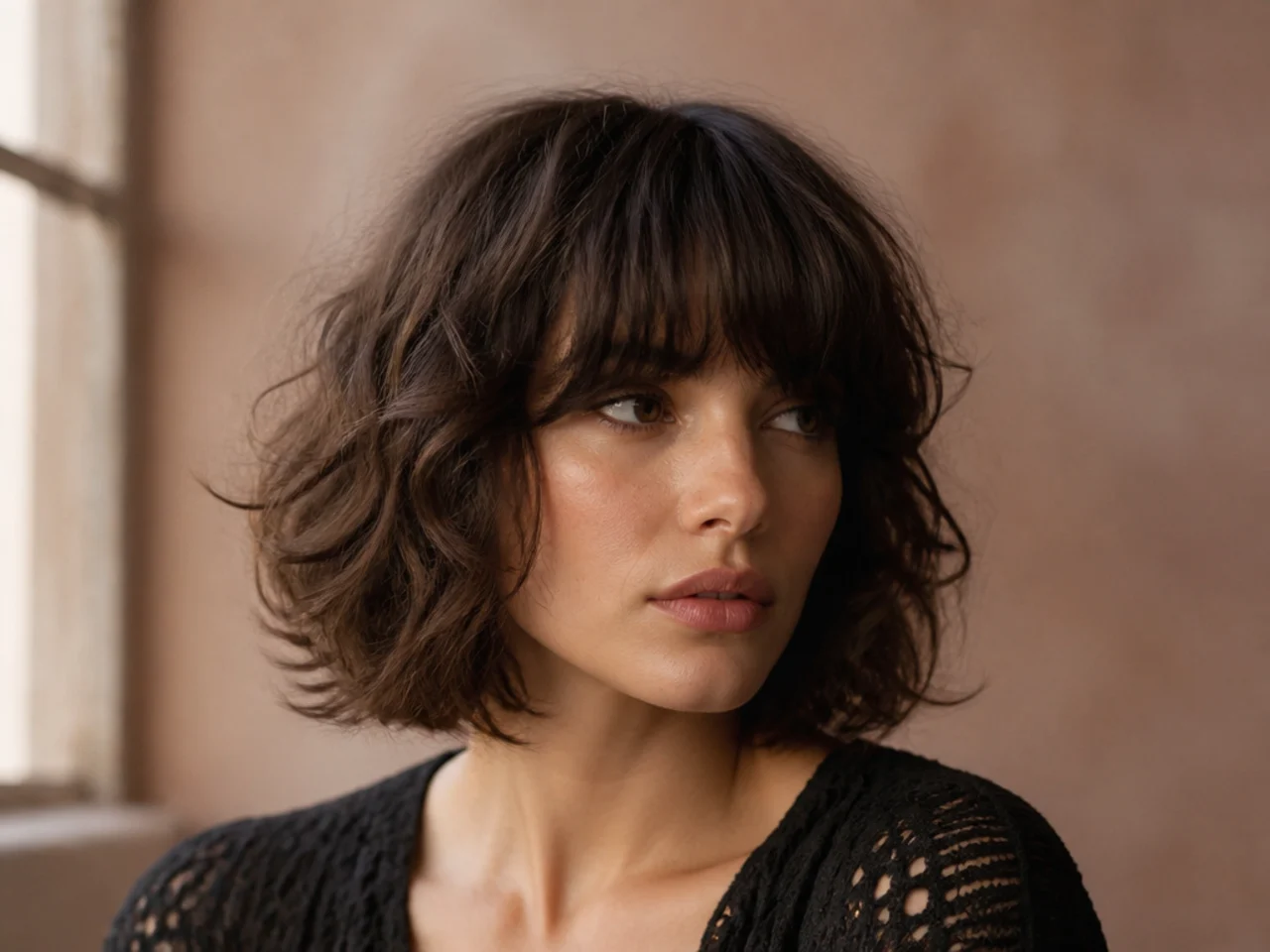
8. Curtain Bangs With a Deep Centre Split
Parted exactly down the middle for maximum symmetry. It only holds on a hairline that already parts centrally, since a straight root forced across a cowlick returns to its own direction within about an hour.

9. Curtain Bangs With an Off Centre Split
Moving the split an inch to one side sends more hair across the forehead, and a strand crossing its own growth direction is held off the scalp by the bend. That is where the only free root lift in this cut comes from.
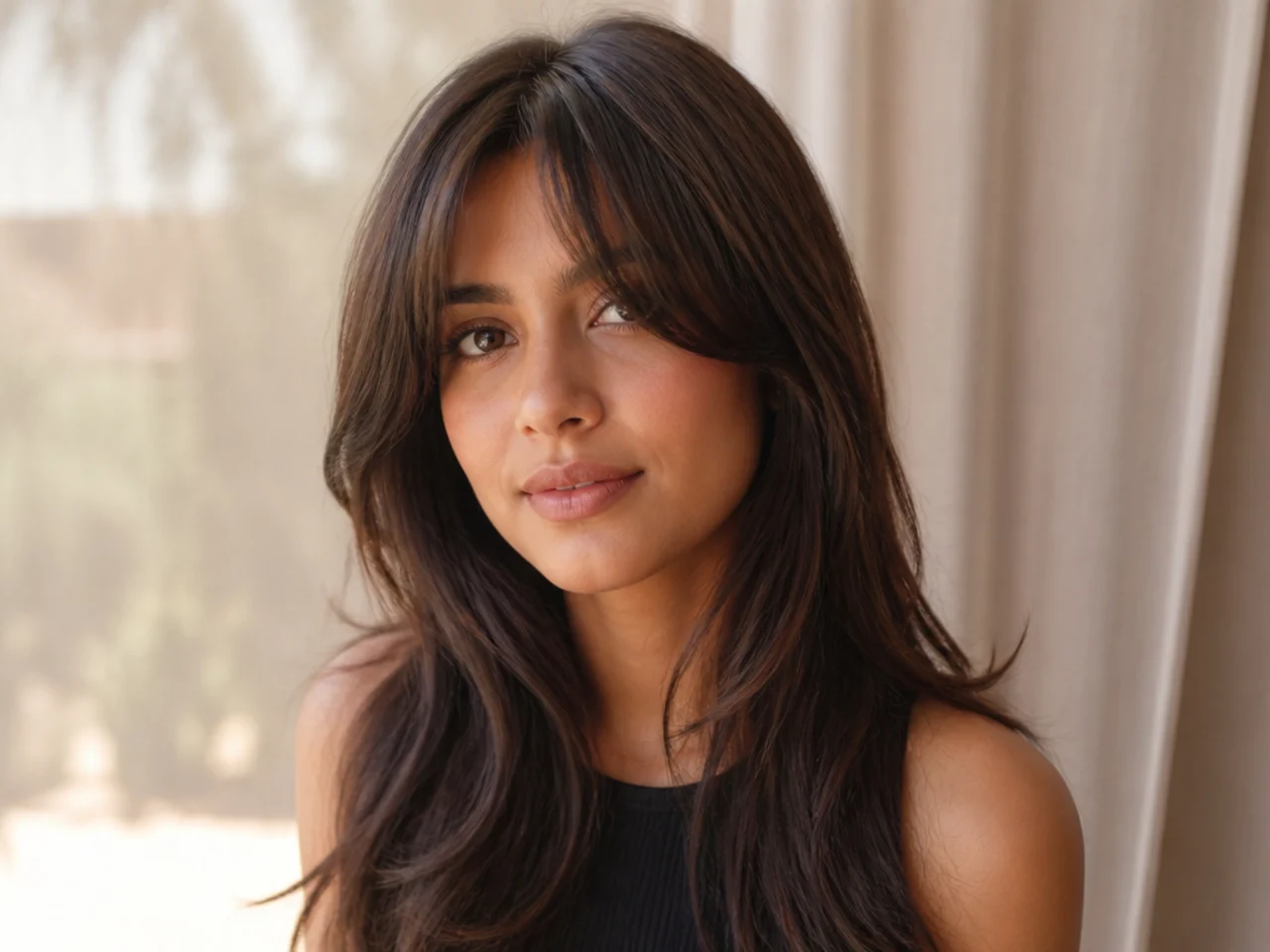
10. Curtain Bangs on a Blunt Bob
A hard perimeter at the jaw with a sloped fringe above it. The two lines run in different directions, and that disagreement is what stops a sleek straight bob reading as a single flat outline around the head.

11. Curtain Bangs on a Pixie
The fringe becomes the longest section in the cut, so it carries all the weight in the silhouette. It needs the outer ends kept long enough to meet the sideburn area, or the fringe floats with nothing beneath it.
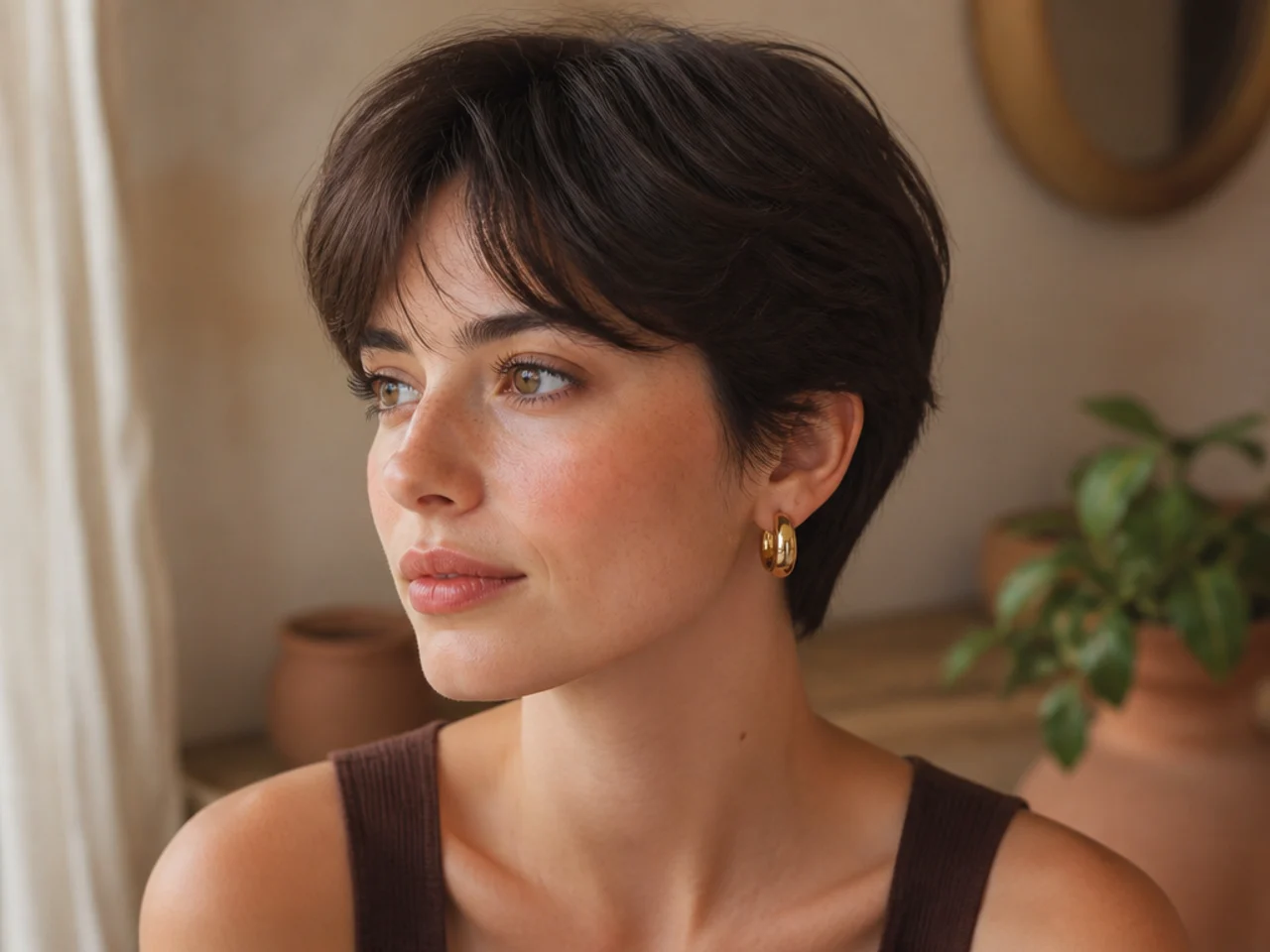
12. Curtain Bangs on a Lob
The most room to work with, because the length below the fringe is long enough for the outer ends to blend into it at any height. The join is the only seam in the cut and here it is the easiest one to hide.

13. Curtain Bangs With a Sleek Ponytail
Pulling the length back leaves the fringe as the entire visible hairstyle from the front. Short curtain bangs suit this better than long ones, because a longer fringe against a tight ponytail exposes the gap where the two sections separate.

14. Bardot Curtain Bangs
A wide fringe with a deep arc through the centre and the ends flicking outward. The width is what makes it work, since the arc is held open by the weight of hair either side of the split rather than by styling alone.
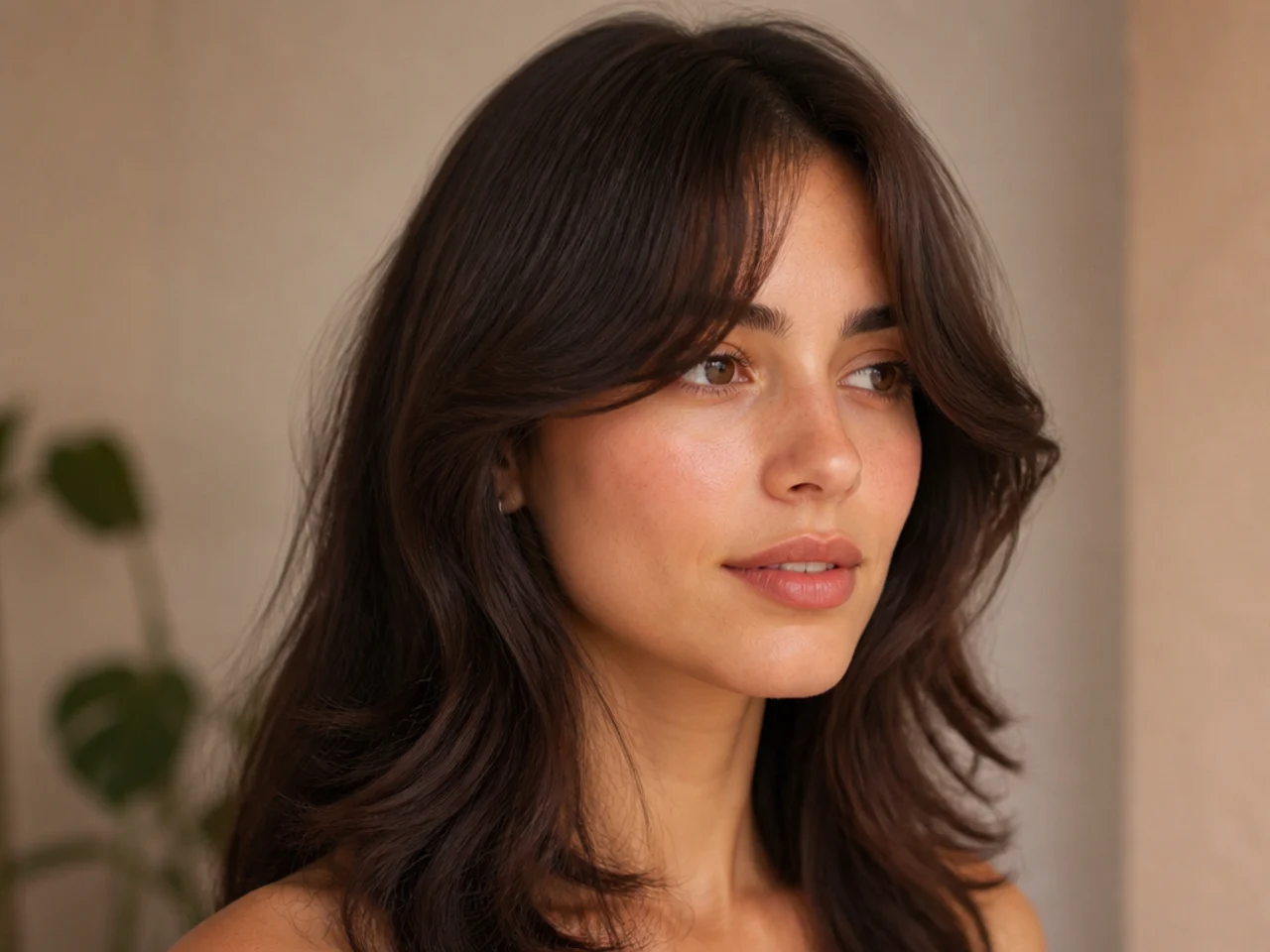
15. Seventies Curtain Bangs
The split set high on the head and the fringe feathered back toward the temples. Straight hair holds the feathering as clean separate pieces, which is why this shape reads sharper on sleek hair than on wavy hair.

16. French Leaning Curtain Bangs
Shorter, blunter and cut from a narrower section, sitting closer to the brow with a gentle arc rather than a split. The heavier edge holds without styling and grows into an awkward length faster. The two are compared in french vs curtain bangs.

17. Curtain Bangs Over a Cowlick
The fringe cut longer on the cowlick side to allow for the lift. Straight hair gives no shrinkage to absorb the error, so the extra length has to be built in at the cut or the fringe finishes short on one side permanently.
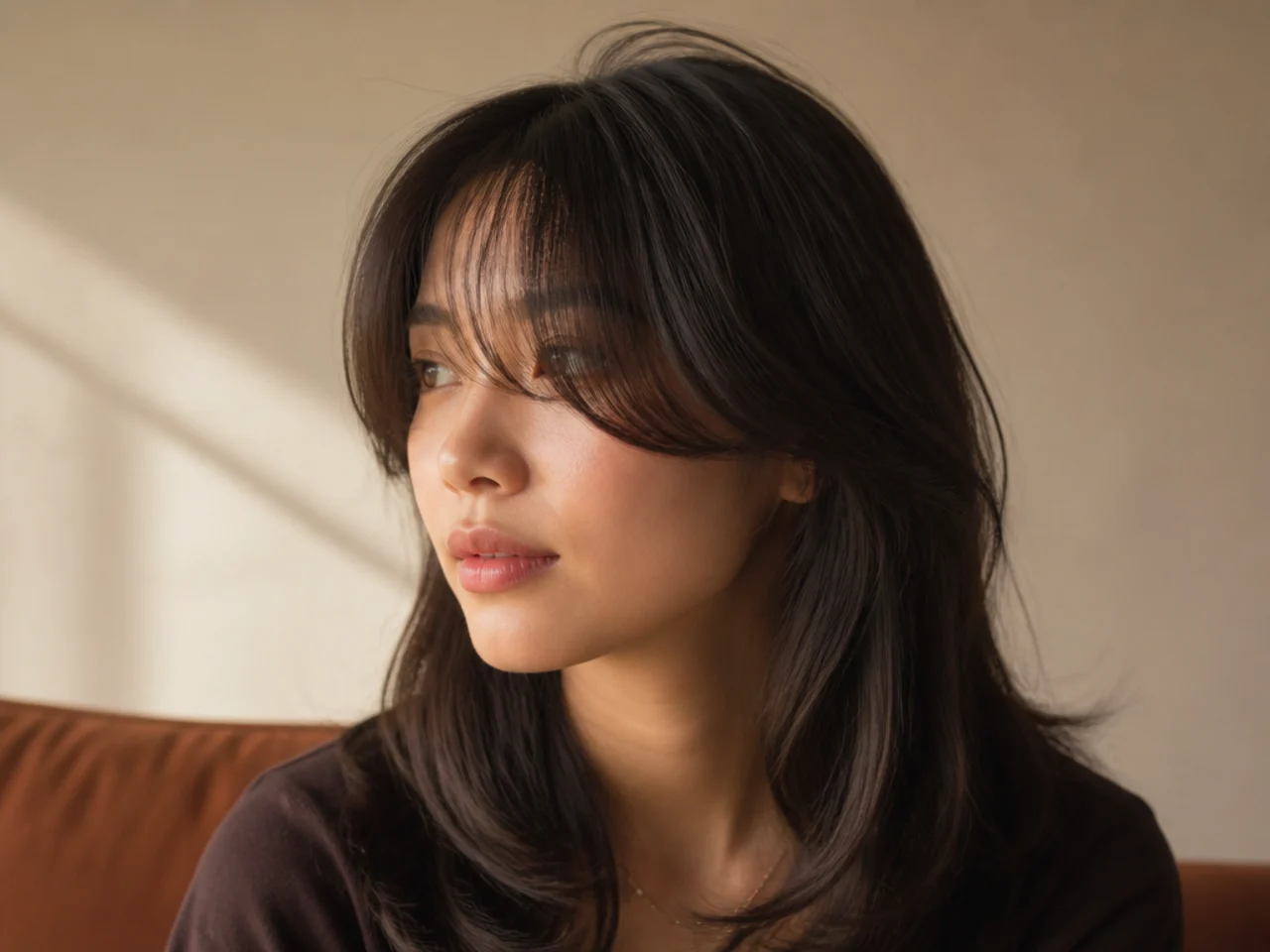
18. Curtain Bangs on a Middle Part
The fringe split in line with a centre parting that continues through the whole head. Running one line from the hairline to the crown makes the fringe read as part of the cut rather than as a section added to the front of it.
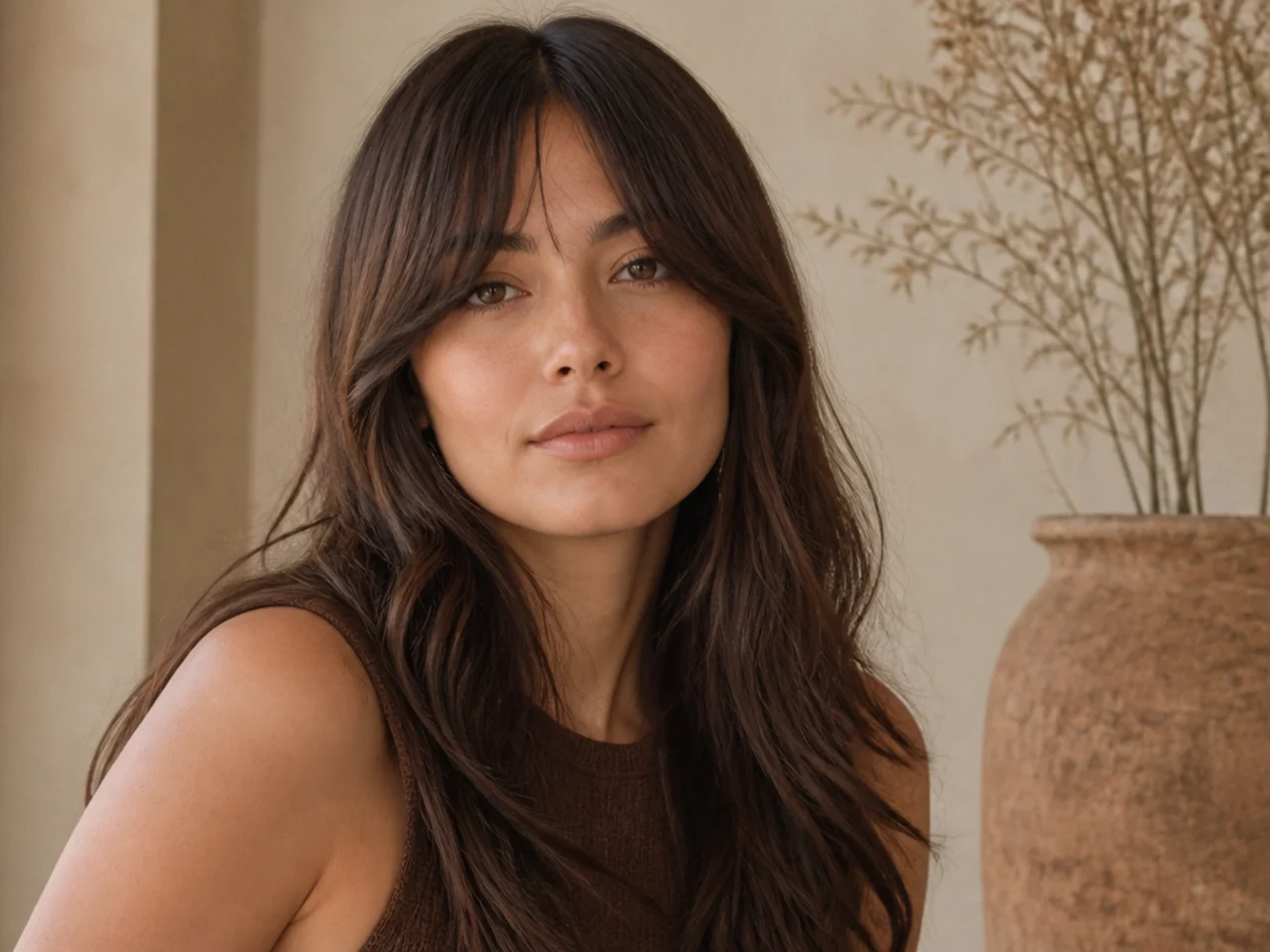
19. Curtain Bangs With Face Framing Layers
Shorter pieces at the temples cut on the same angle as the fringe. Matching the angles means the fringe hands over to the layers instead of stopping at them, which is the only way to hide the join on hair that shows every line.
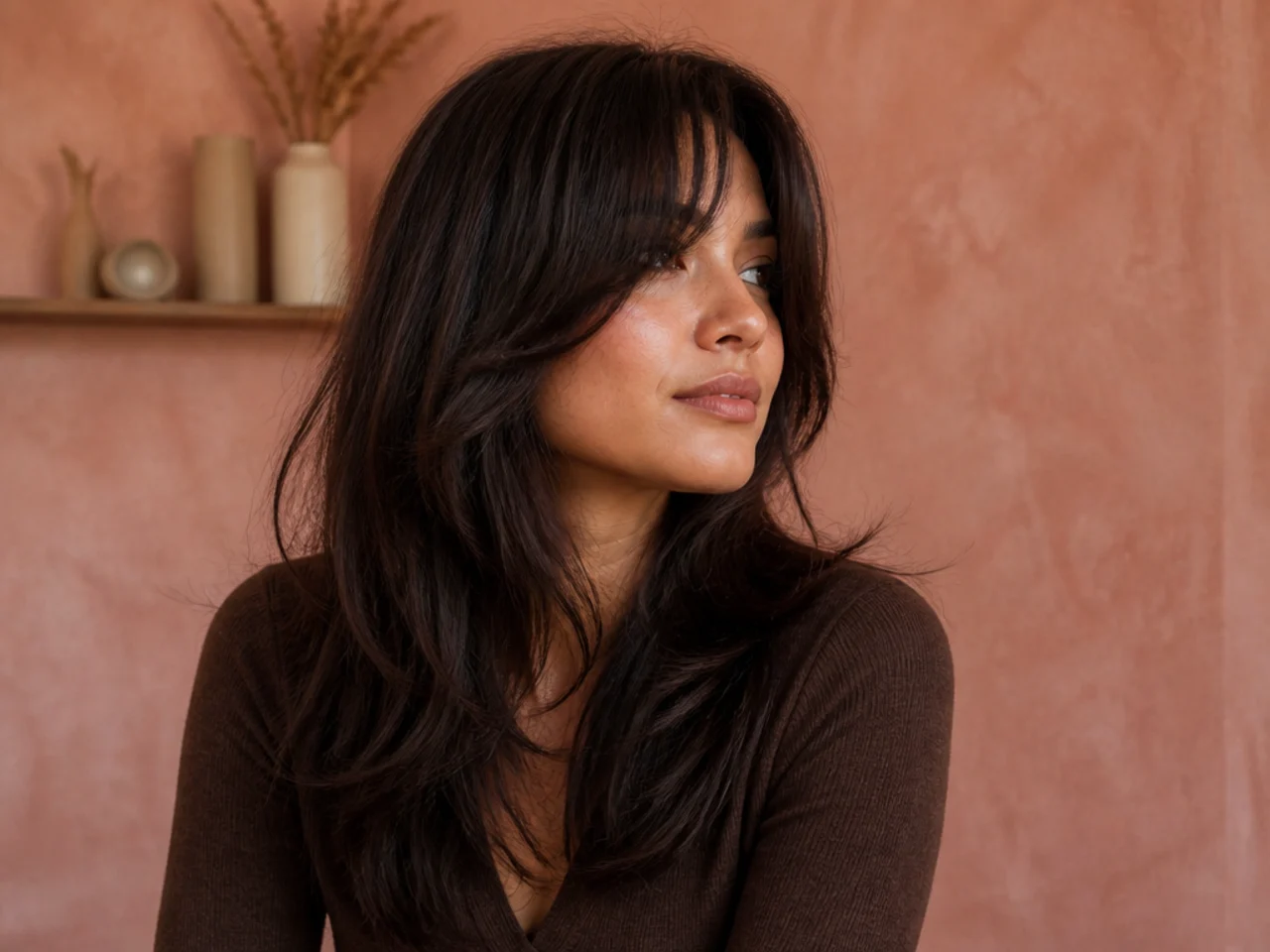
20. Curtain Bangs With a Money Piece
Two lightened panels placed inside the fringe. Brighter tones advance visually and darker ones recede, so the lit sections come forward and the sleek length behind them falls back, adding depth flat straight hair cannot generate on its own.
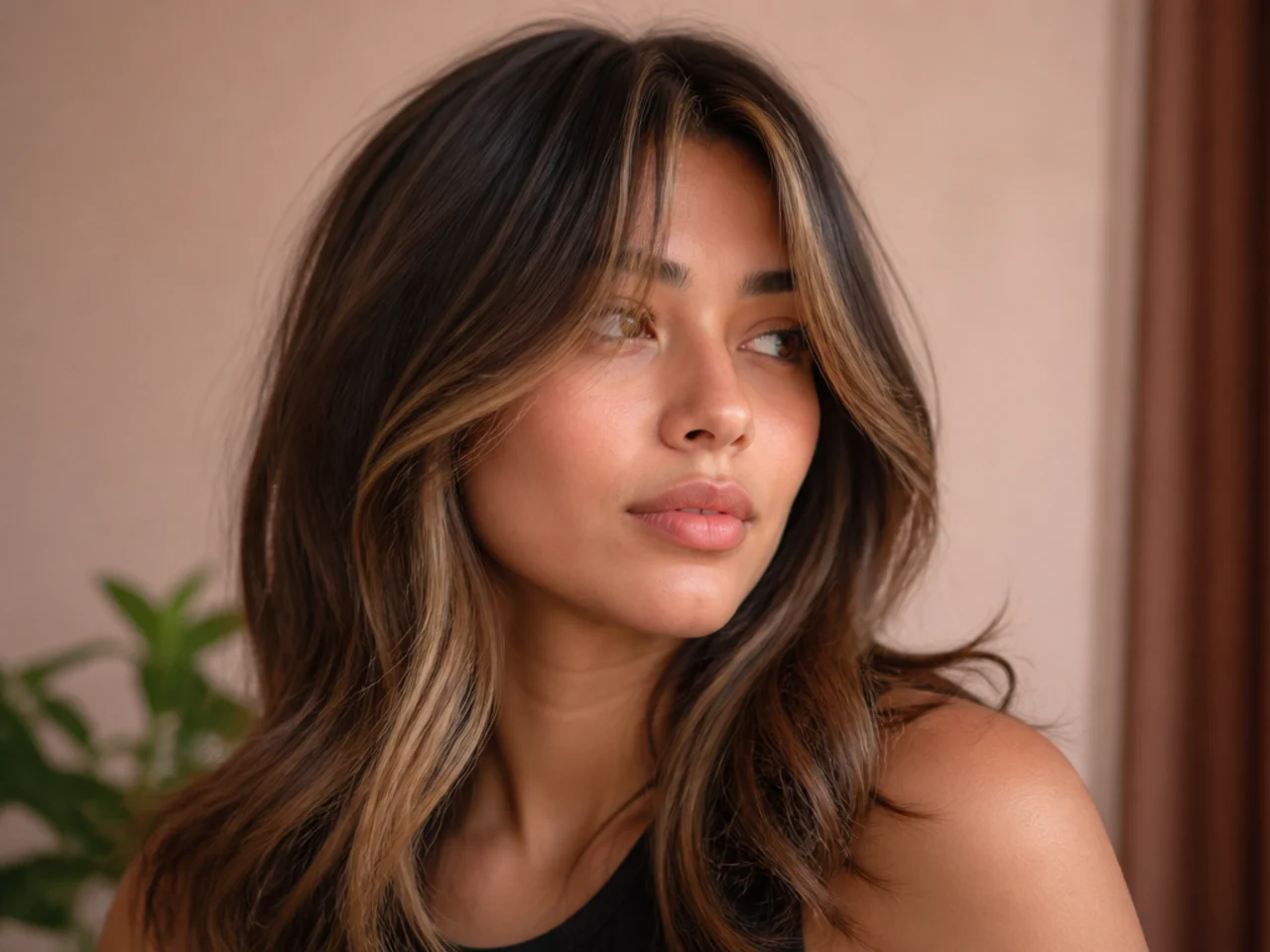
21. Curtain Bangs on Fine Straight Hair
Take a narrow section and keep the edge blunt. A wide triangle borrows so much density from the crown behind it that both areas end up looking thinner, and a blunt edge is the only thing that makes a fine fringe read as solid.
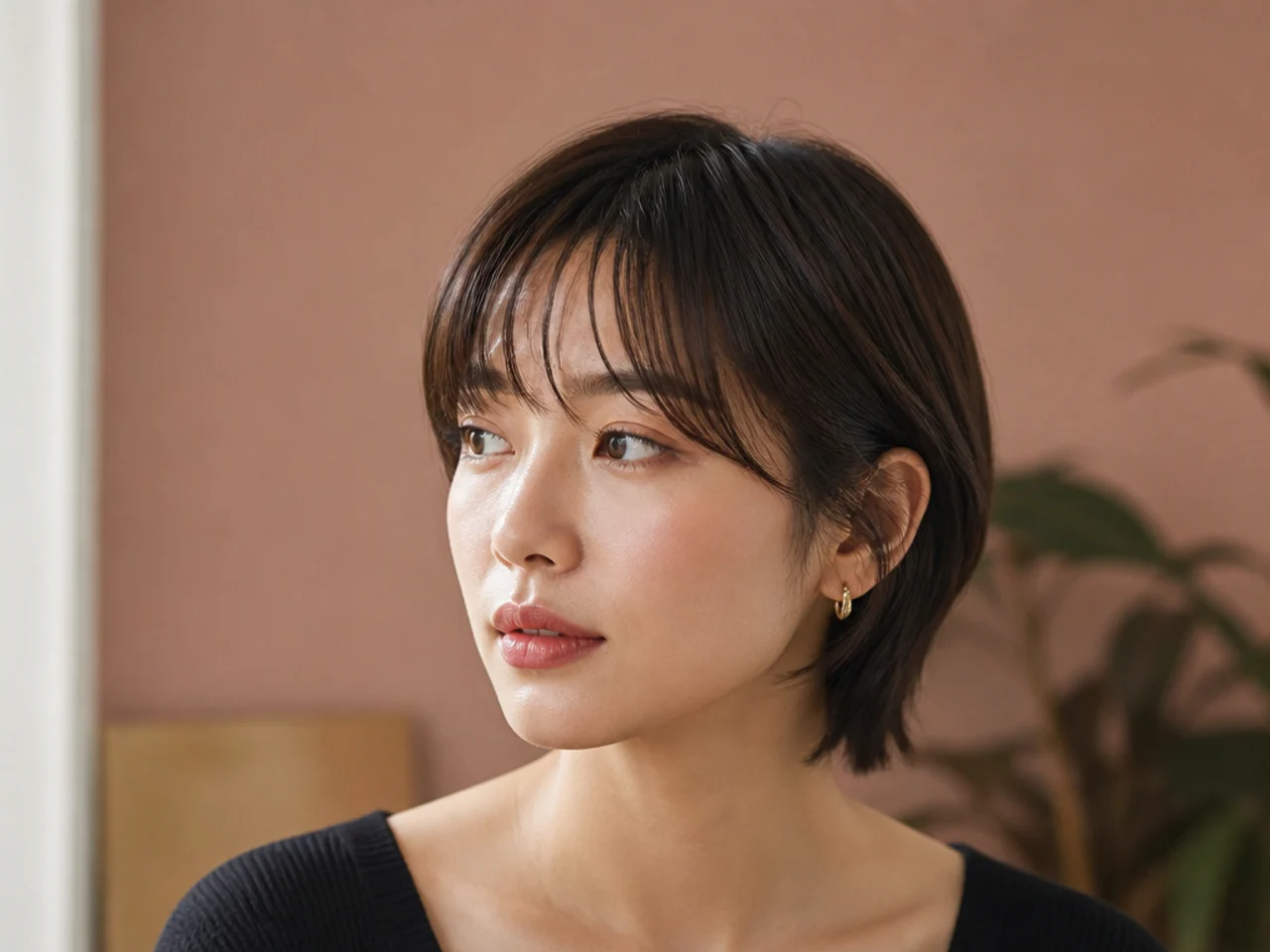
22. Curtain Bangs on Thick Straight Hair
The bulk has to come out from underneath rather than from the surface. Removing weight internally lets the fringe fold into its arc, while thinning the top surface leaves a rough edge that straight hair displays rather than hides.

23. Tucked Curtain Bangs
Both sides pushed behind the ears. It works only if the outer ends are long enough to reach the ear, which is the practical floor on how short the outside of the fringe can be cut. Other options for the texture are in straight hair hairstyles.
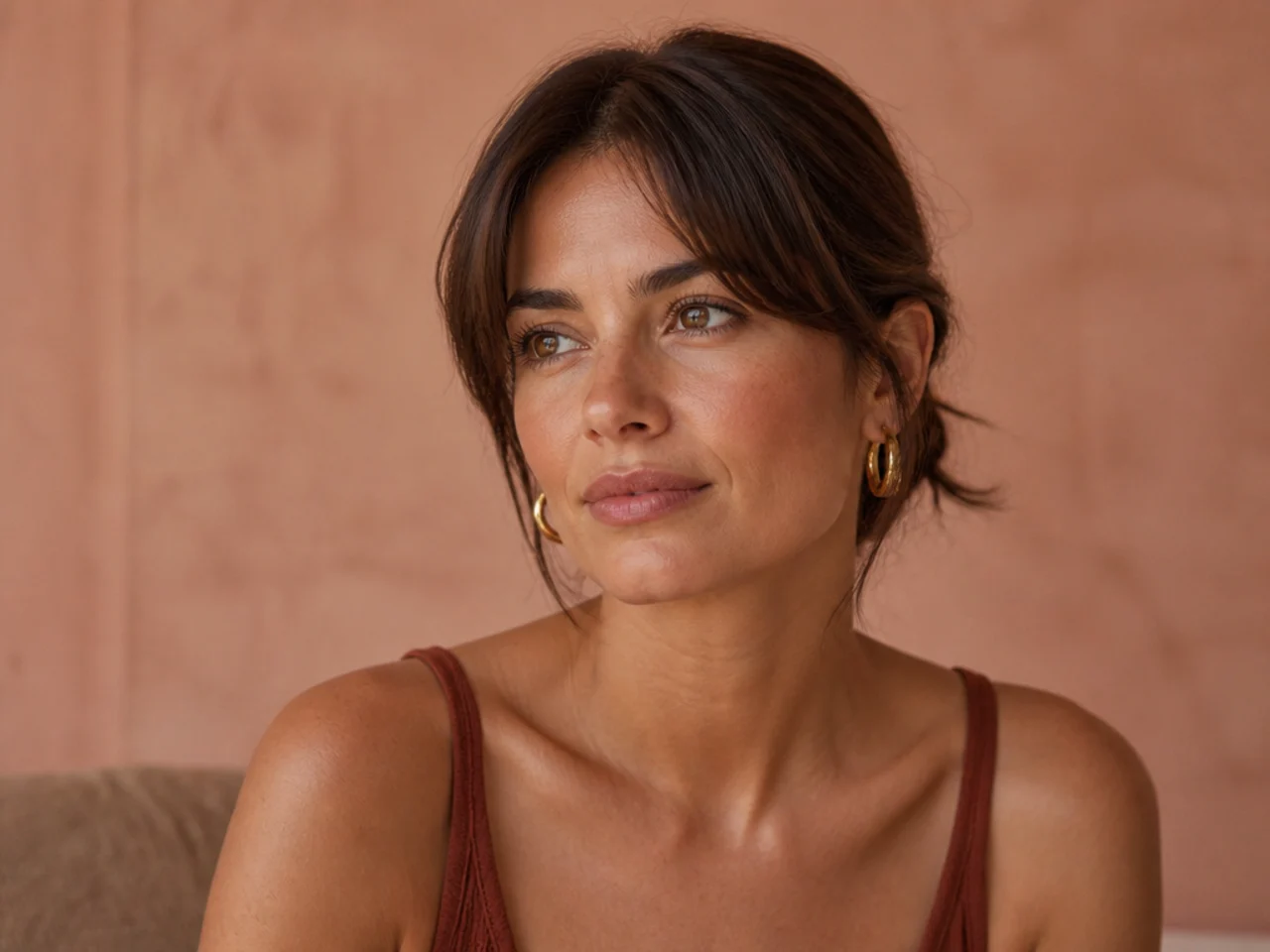
24. Curtain Bangs Grown to the Jaw
Around three months of growth at roughly half an inch a month. The slope survives intact because growth moves the whole line down rather than breaking it, so the fringe simply becomes the front layer of the cut.

25. Curtain Bangs at Week Six
Roughly three quarters of an inch lower than they were cut. The shortest point has moved from the brow to the eye, which is the moment the fringe stops sitting above the line of sight and starts needing a trim.

Styling and Upkeep
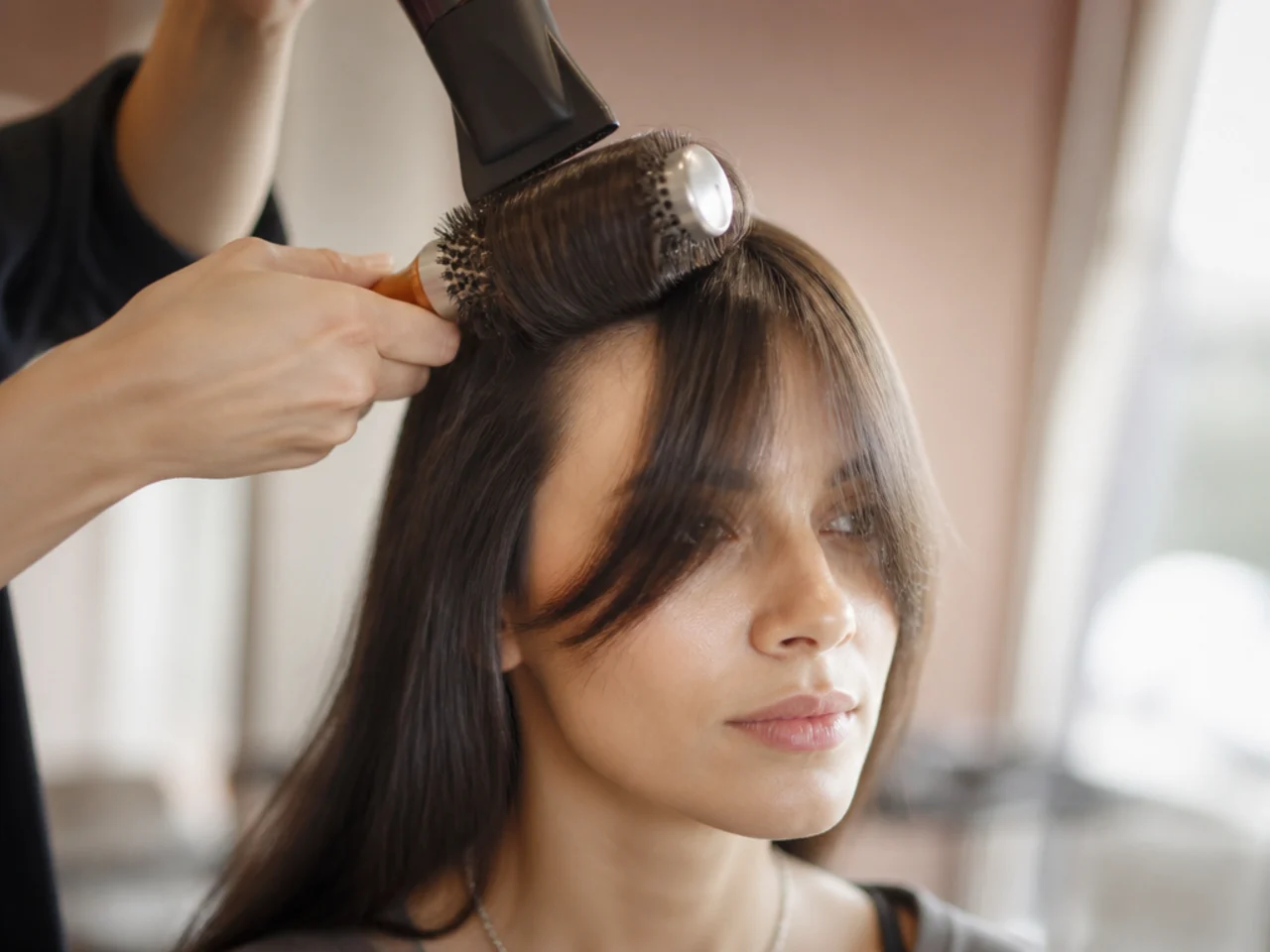
Dry the fringe before the rest of the head. Straight hair sets in the shape it dries in, and a fringe left to air dry sets flat against the forehead for the rest of the day.
Overshoot the direction, then let it fall back. Brush each side well past the split, and the root ends up sitting away from the scalp rather than against it when the hair returns.
Let it cool in position. Heat softens the bonds that hold a strand in shape and cooling reforms them, so the arc is fixed on the way down in temperature, not on the way up.
Keep oil and serum below the fringe. Straight hair carries product weight straight to the root, and a weighted root cancels every minute spent drying it upright.
Wash the fringe on its own between washes. It sits against the forehead and picks up oil faster than the rest of the head, and a short fringe separates into strands as soon as it does.
Mistakes to Avoid
Cutting to the target length in one pass. Straight hair has no shrinkage to correct an overcut, so the fringe should be brought down in stages and checked dry each time.
Splitting against the natural part. The root returns to its own direction within about an hour, and the fringe spends the day drifting back across the forehead.
Going above the brow and expecting an arc. There is not enough length left to pull the ends down and outward, so the curve flattens into a hard horizontal line.
Taking a narrow section on fine hair and then point cutting it. Both decisions remove density, and together they leave a fringe the forehead shows straight through.
Ignoring the cowlick until the hair is wet. Wet hair lies flat and hides it completely, and the lift only appears once the fringe is dry and already cut.

FAQ
How short can they go? Brow height at the shortest, because above that the arc flattens out.
Where should the split sit? On the natural part, since the root returns there within the hour.
Why does it go flat? The root dried in its growth direction. Set it away from the scalp and let it cool.
Final Thoughts
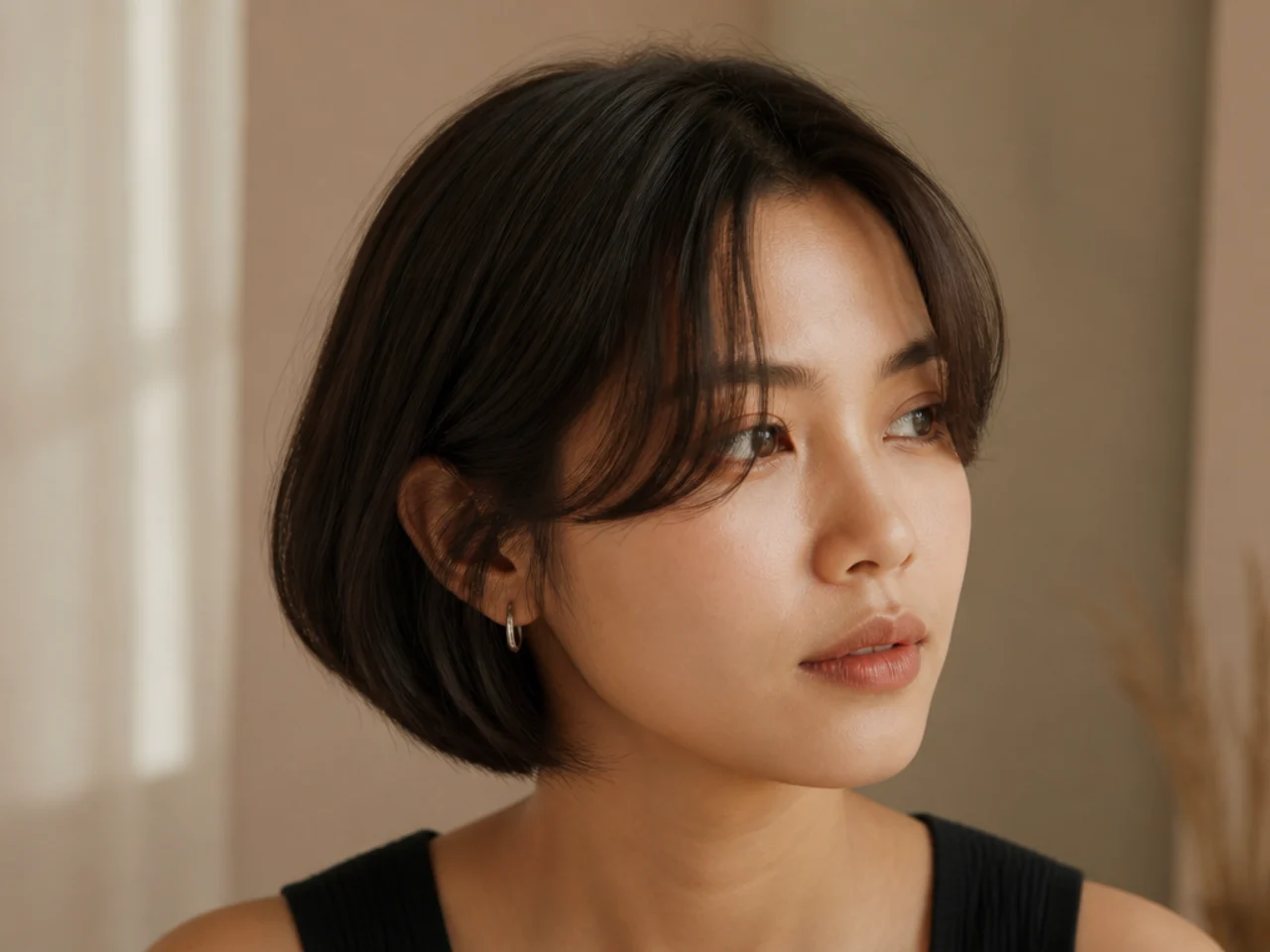
Straight hair removes the guesswork and removes the margin at the same time. Cut in stages, check dry, set the split where the hair already parts, and keep enough length below the brow for the ends to fall into a curve rather than a line.
For the same fringe carried on longer lengths see curtain bangs on long hair, and for other shapes that suit the texture see straight hair hairstyles. More in Bangs & Fringe.