20 Cute Straight Hairstyles for Any Day
Twenty straight hair styles ranked by what survives a full day, and the pattern behind the winners — the ones that last are where hair holds hair. Anything relying on a single elastic fails first.
In this article · 27
- What Makes a Style Last
- How to Choose Yours
- The 20 Styles Ranked by Hold
- 1. Two Dutch Braids
- 2. Single Dutch Braid
- 3. Braided-Base Bun
- 4. Two Low Plaits
- 5. Single Plait
- 6. Plaited Ponytail
- 7. Rope Twist Ponytail
- 8. Low Bun with a Wrapped Tie
- 9. Double-Anchored Low Bun
- 10. Low Chignon
- 11. Twisted Half-Up
- 12. Slicked Low Ponytail
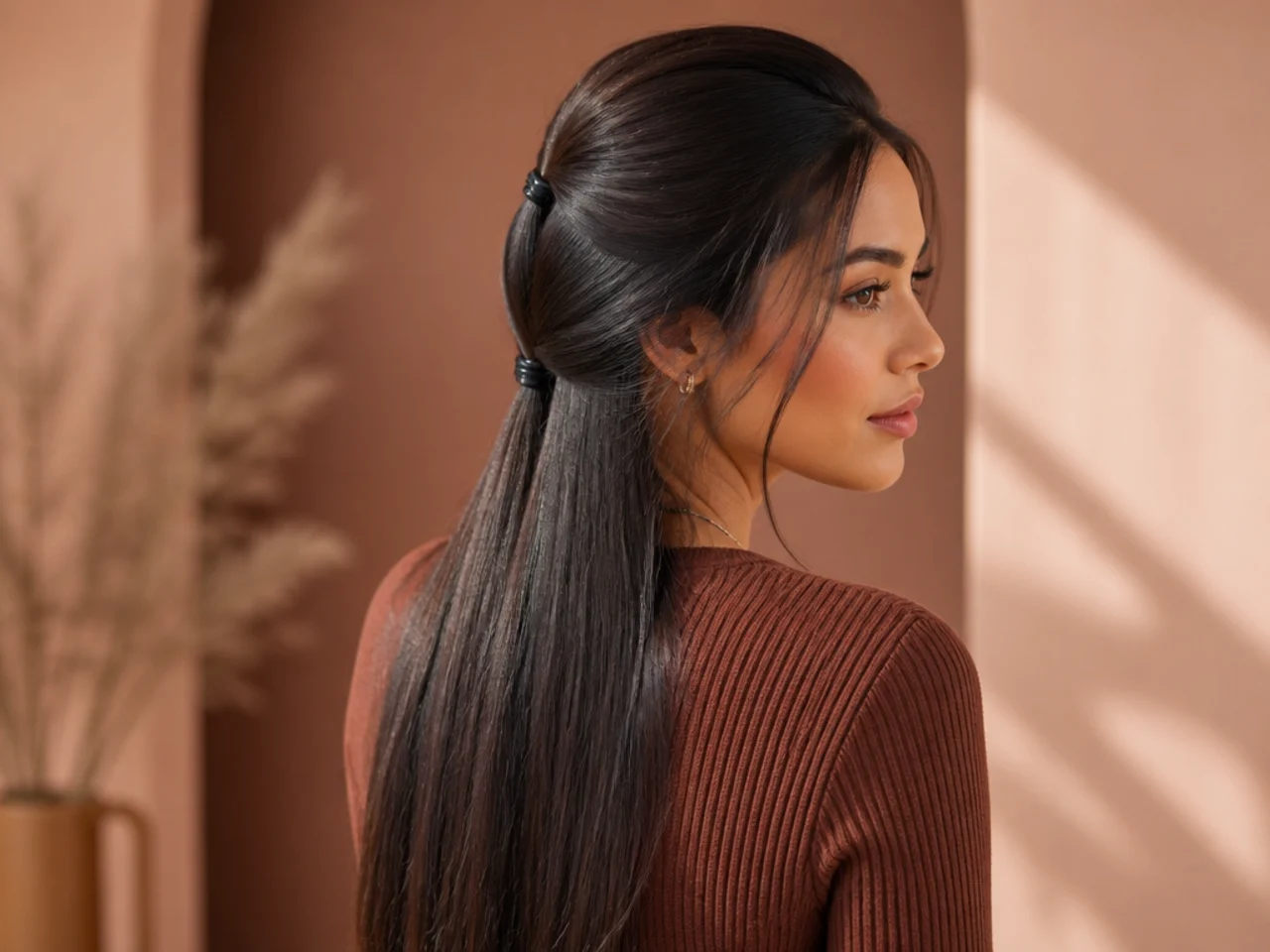
- 13. Low Ponytail with Two Ties
- 14. Claw Clip Twist
- 15. Half-Up with a Clip
- 16. Second-Day Messy Bun
- 17. Low Ponytail with One Tie
- 18. High Ponytail with One Tie
- 19. Set Curls
- 20. A Ponytail on Freshly Washed Hair
- Styling and Upkeep
- Mistakes to Avoid
- FAQ
- Final Thoughts
Rank straight hair styles by how long they actually survive and a clear pattern emerges.
The ones that last are where hair holds hair. Plaits, twists, wrapped ties. The friction is spread along the whole style, so there is no single point that can give way.
The ones that fail rely on one fastener. A ponytail is held by one elastic against a slippery material. It either holds or it does not, and on straight hair it usually does not for long.
What Makes a Style Last
Distributed friction beats a single fastener. Along the length rather than at one point.
Woven styles degrade gracefully. A loosening plait is still a plait; a loosening ponytail is nothing.
Wrapping the tie adds a second system. Two seconds, and it doubles the hold.
A minute now saves five later. Longer-lasting styles are faster across a whole day.
How to Choose Yours
Choose woven when the day is long. Plaits and twists over ponytails.
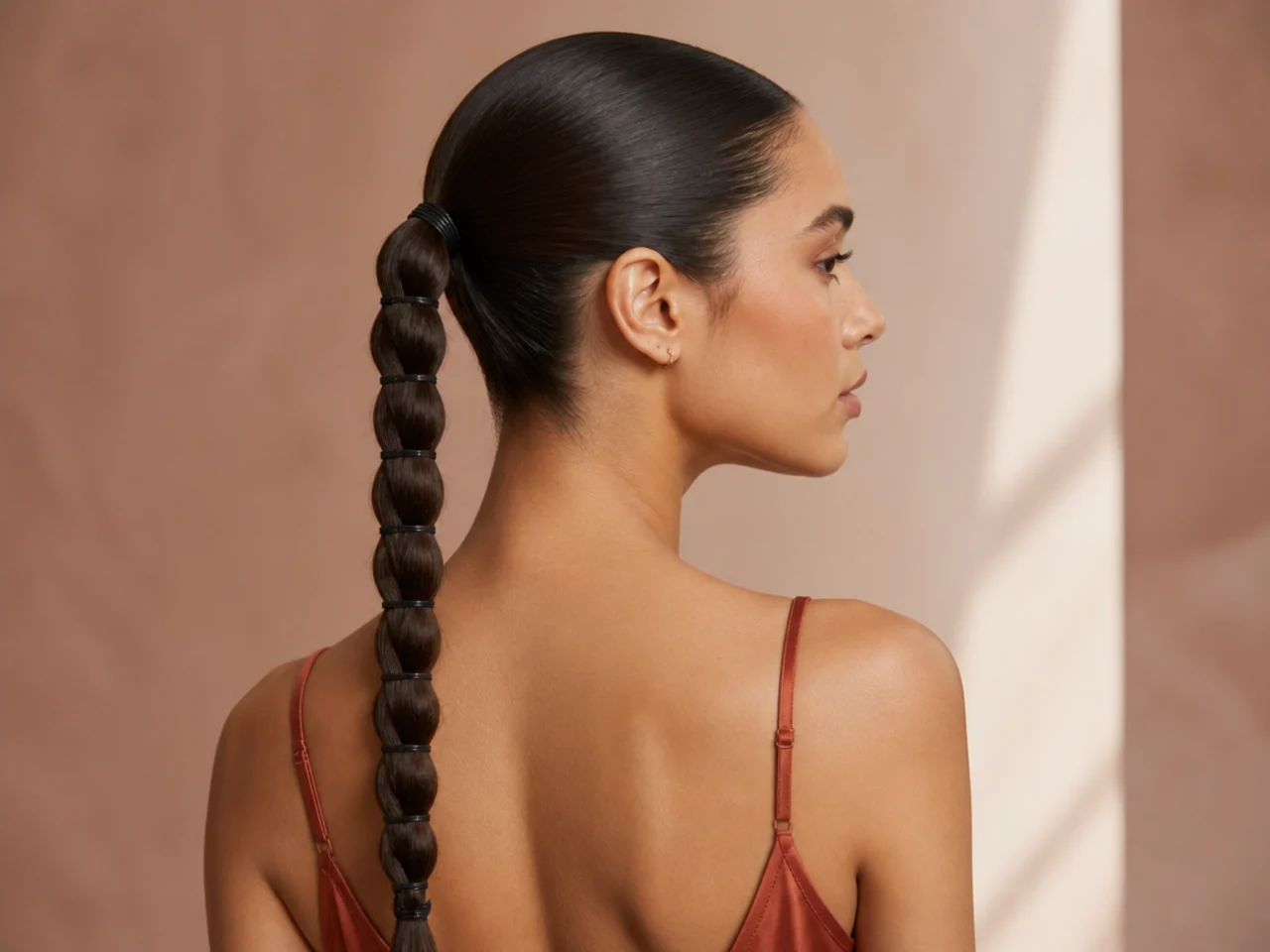
Wrap the tie when you do use one. A section of hair around the base.
Add a second anchor on anything gathered. Two ties, or a tie plus pins.
Accept the extra minute. It is cheaper than resetting at three o'clock.
The 20 Styles Ranked by Hold
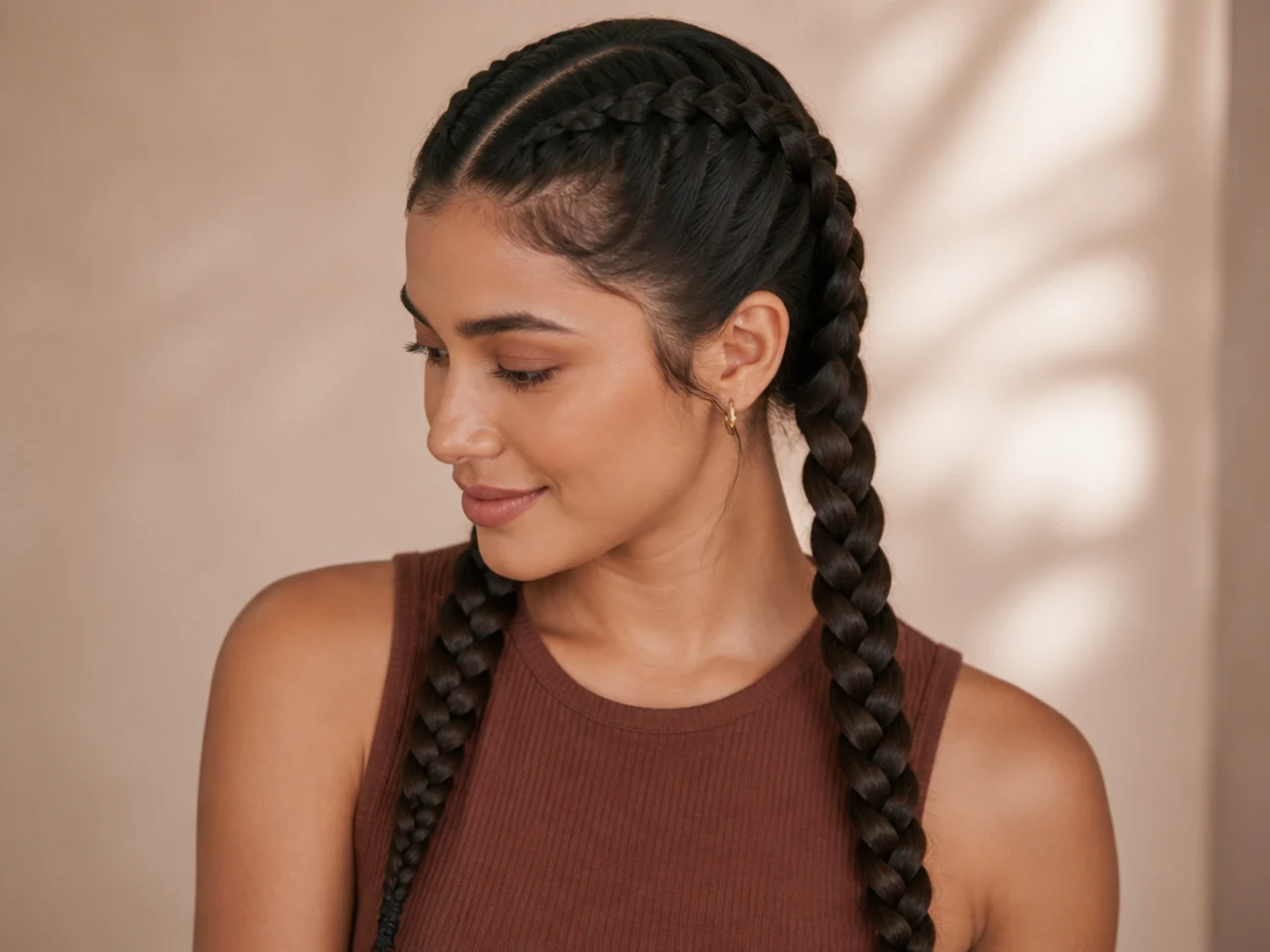
1. Two Dutch Braids
Woven from root to end. Nothing outlasts it. Because the weaving starts at the scalp, there is no loose section at the front that movement can work free — the whole style is anchored along its length.
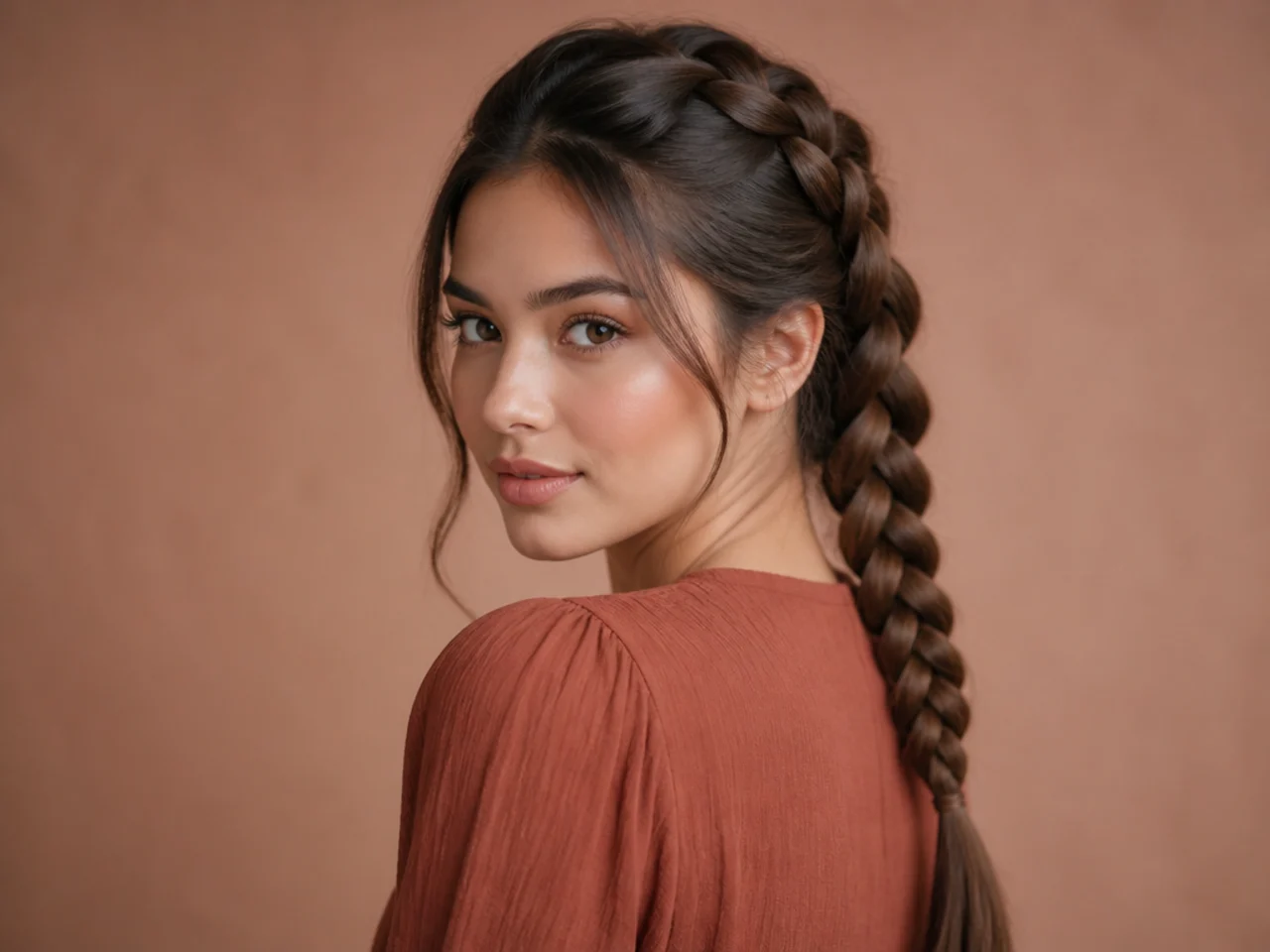
2. Single Dutch Braid
The same principle in one. One thicker braid holds just as well but sits heavier, so it pulls at the roots more than two thinner ones do.
3. Braided-Base Bun
Plaited first, so it cannot unwind. The plait also gives the pins something textured to bite into, which is the one thing straight hair never supplies on its own.
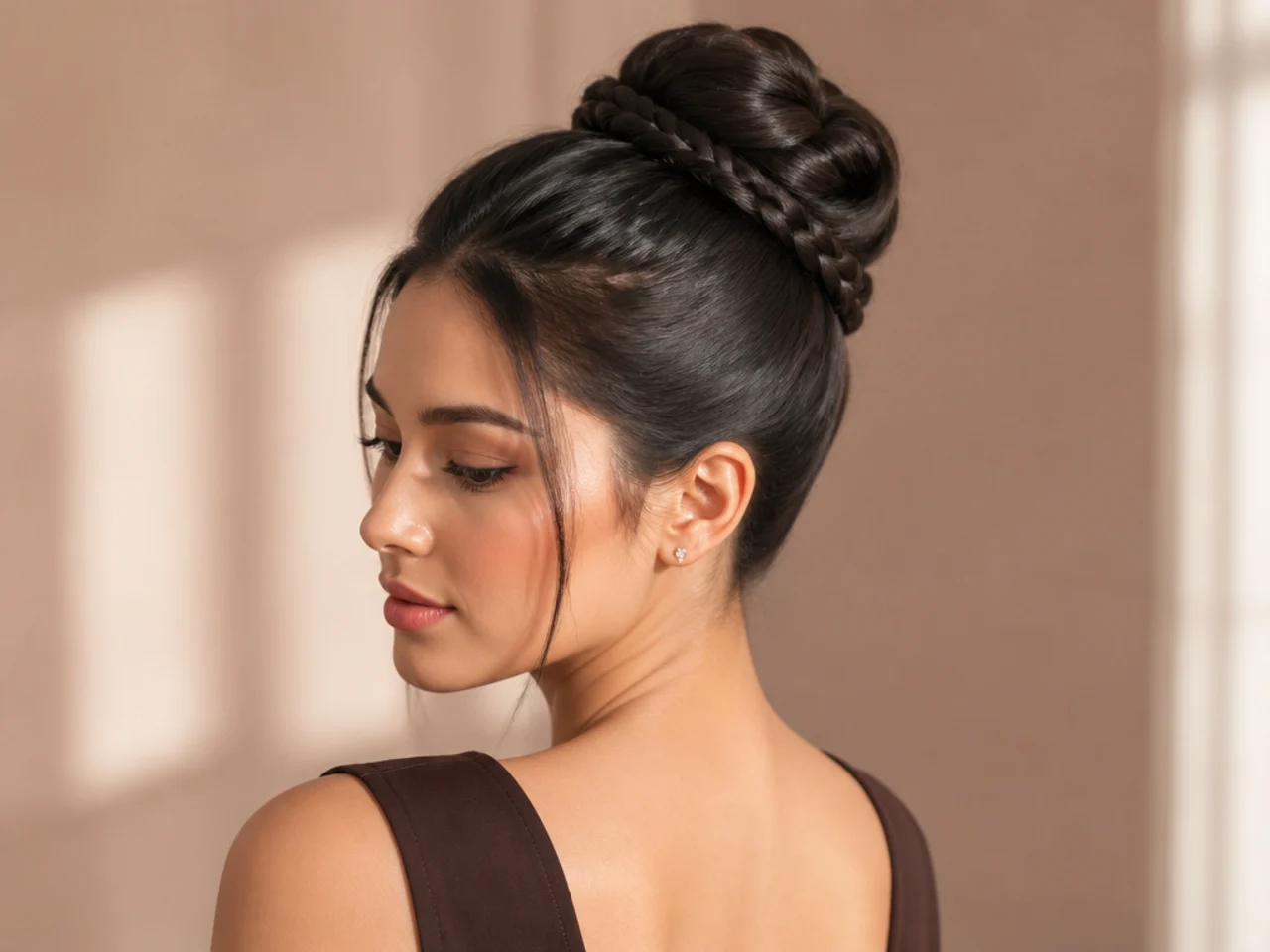
4. Two Low Plaits
Structural, doubled. Two plaits also sit closer to the head than one, which matters under a bag strap or a helmet.
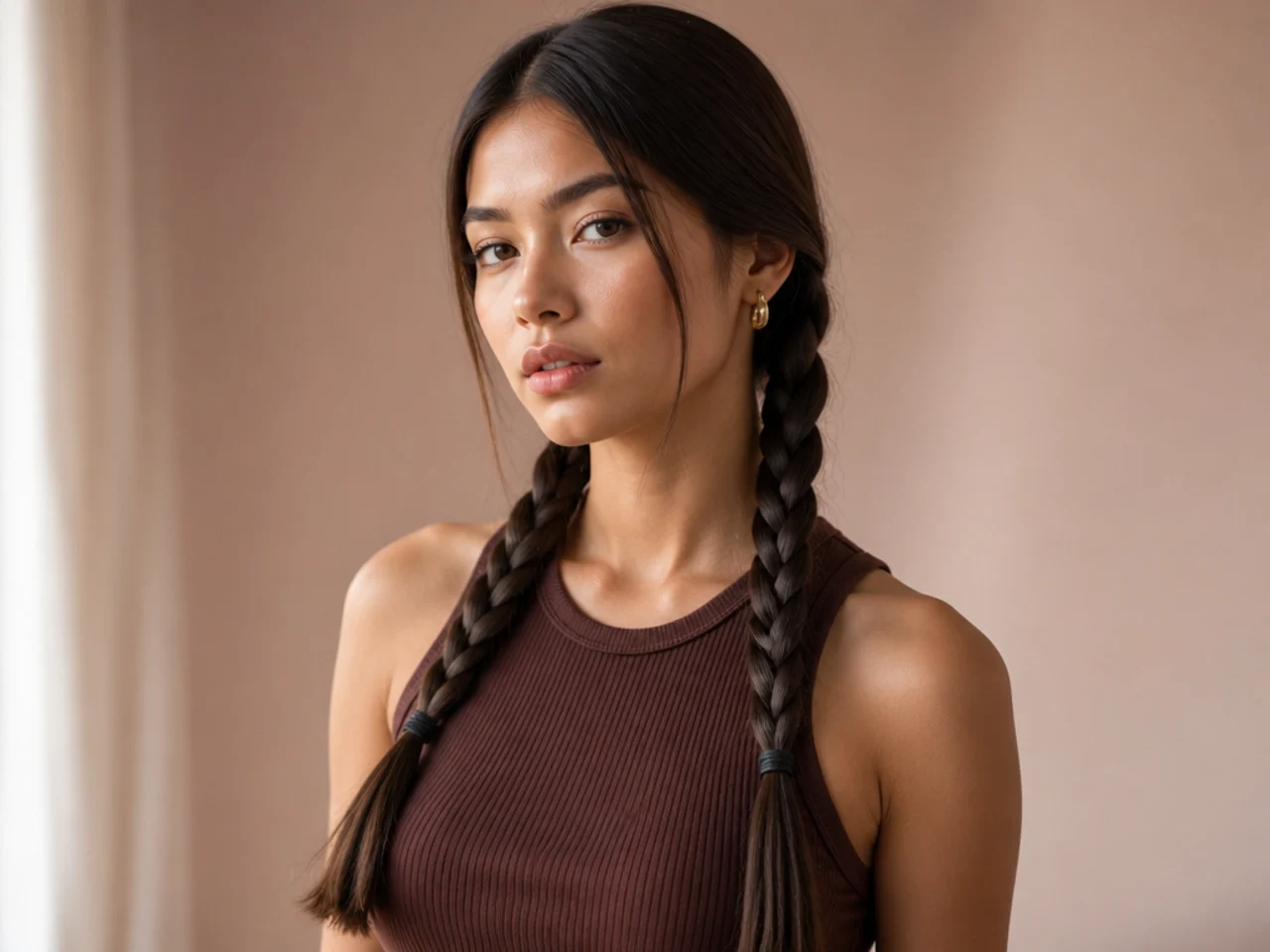
5. Single Plait
The best hold-per-second on this page. Under a minute to make, and it survives a full day without a single adjustment.
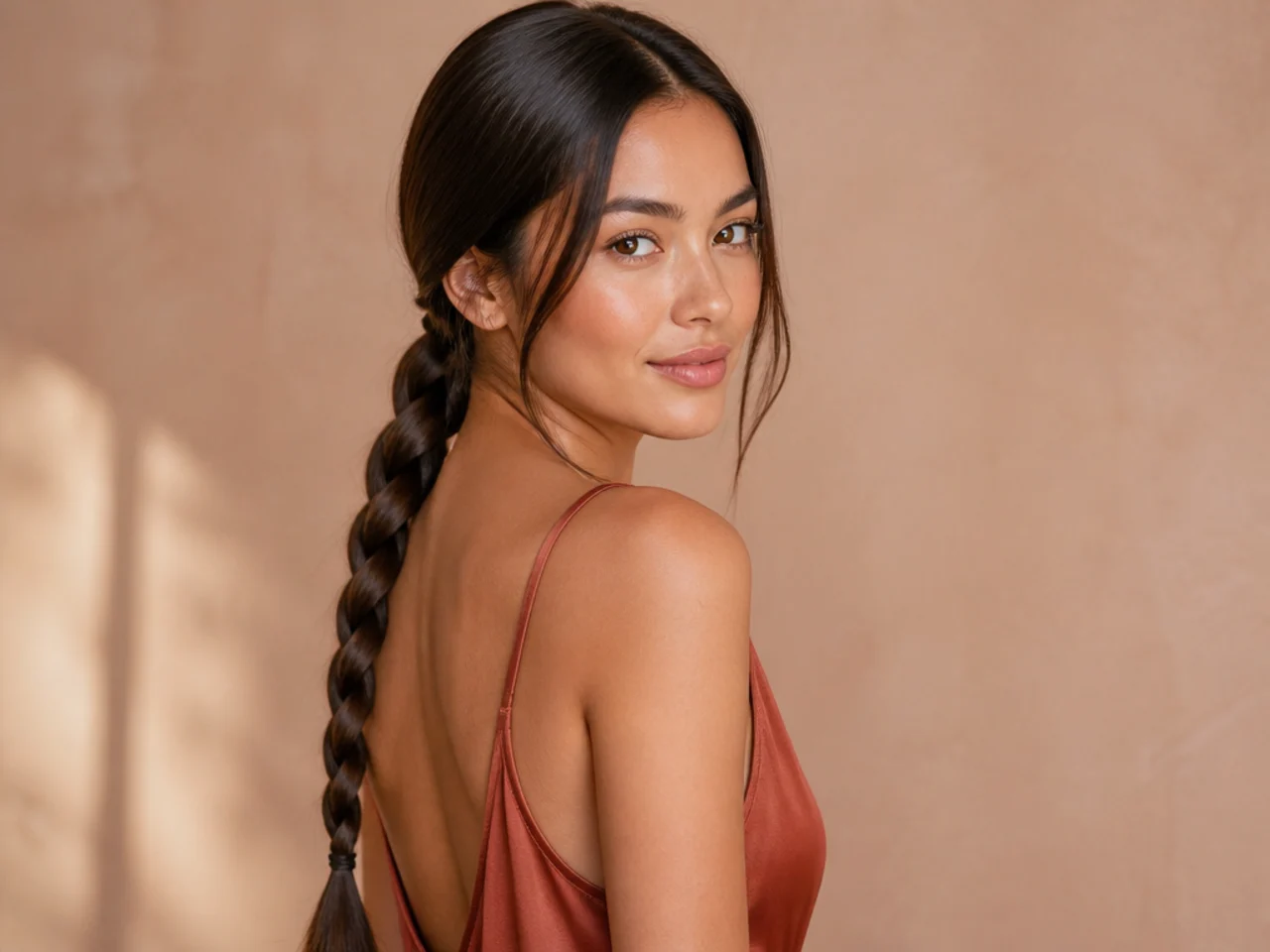
6. Plaited Ponytail
A ponytail that cannot fully fail. If the elastic gives, the plait below it is still holding, which turns a total failure into a cosmetic one.
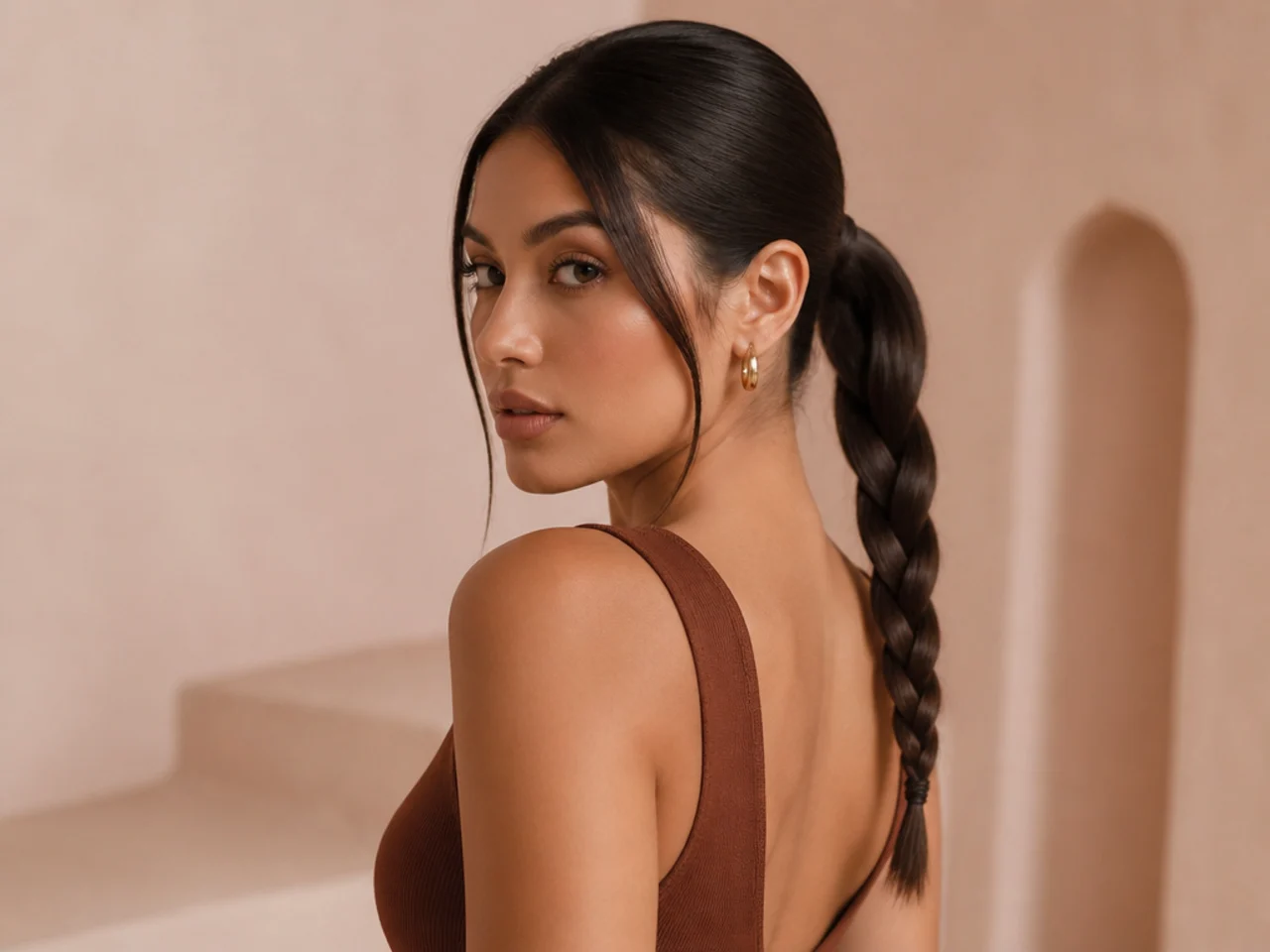
7. Rope Twist Ponytail
Twisted tension holding it together. Two sections twisted against each other lock by their own opposing tension, so the style is holding before any fastener is added.
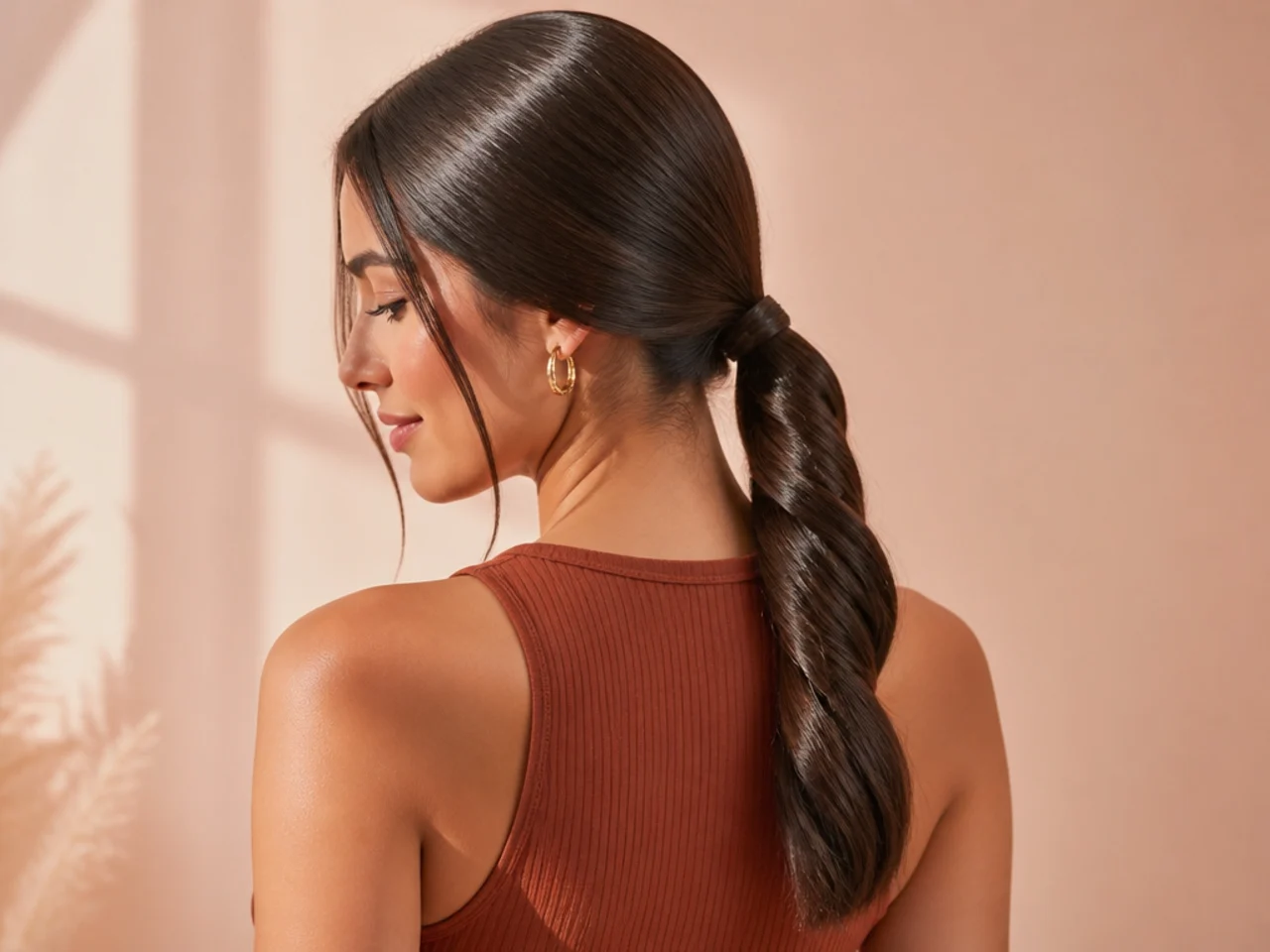
8. Low Bun with a Wrapped Tie
Two systems: the tie and the wrap. If the elastic loosens, the wrapped section is still pressing against it, which is why this outlasts a plain ponytail by hours.
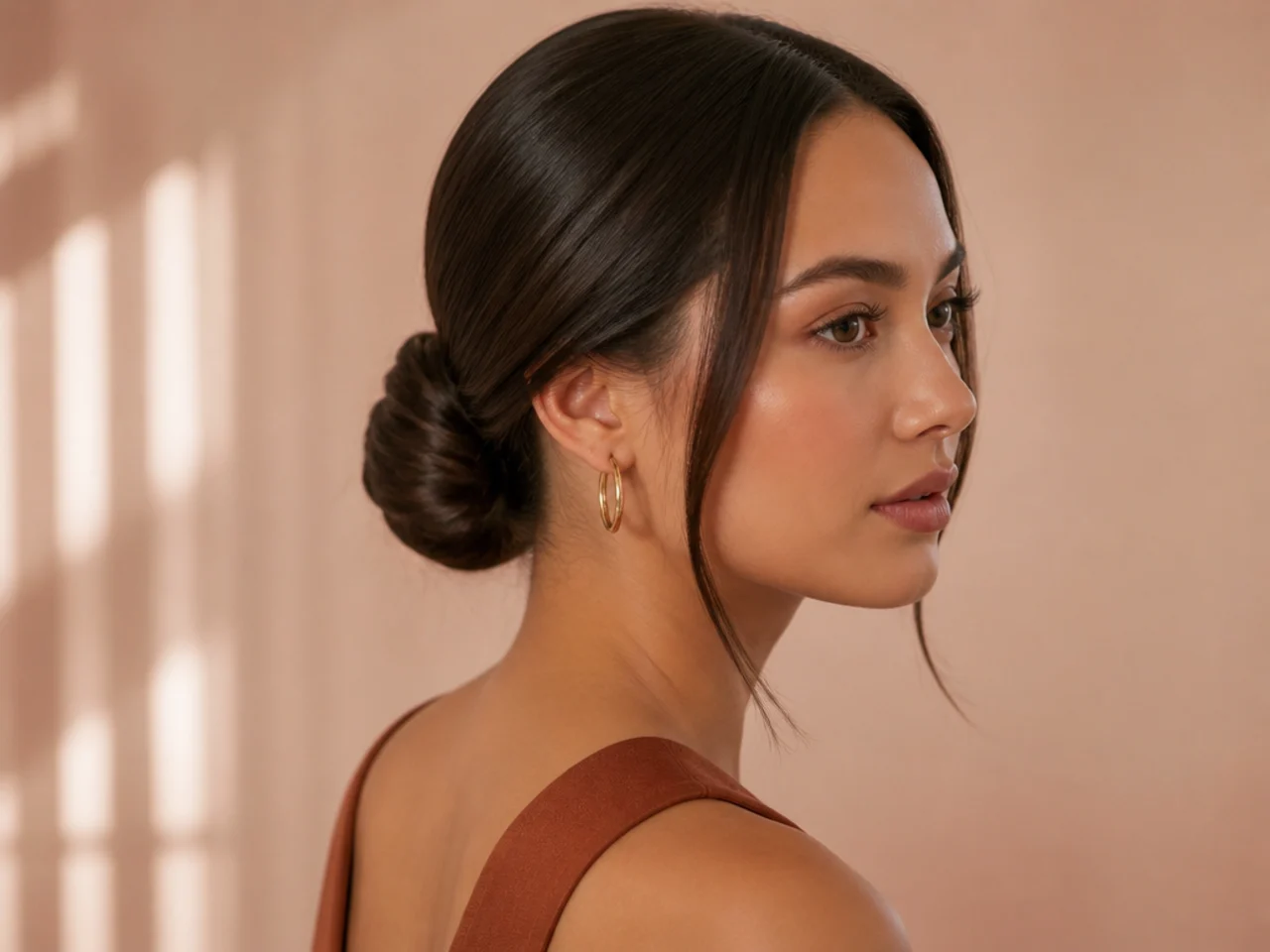
9. Double-Anchored Low Bun
Two sets of crossed pins. Two independent anchors on opposite sides mean one working loose costs nothing, because the other set is still carrying the weight.
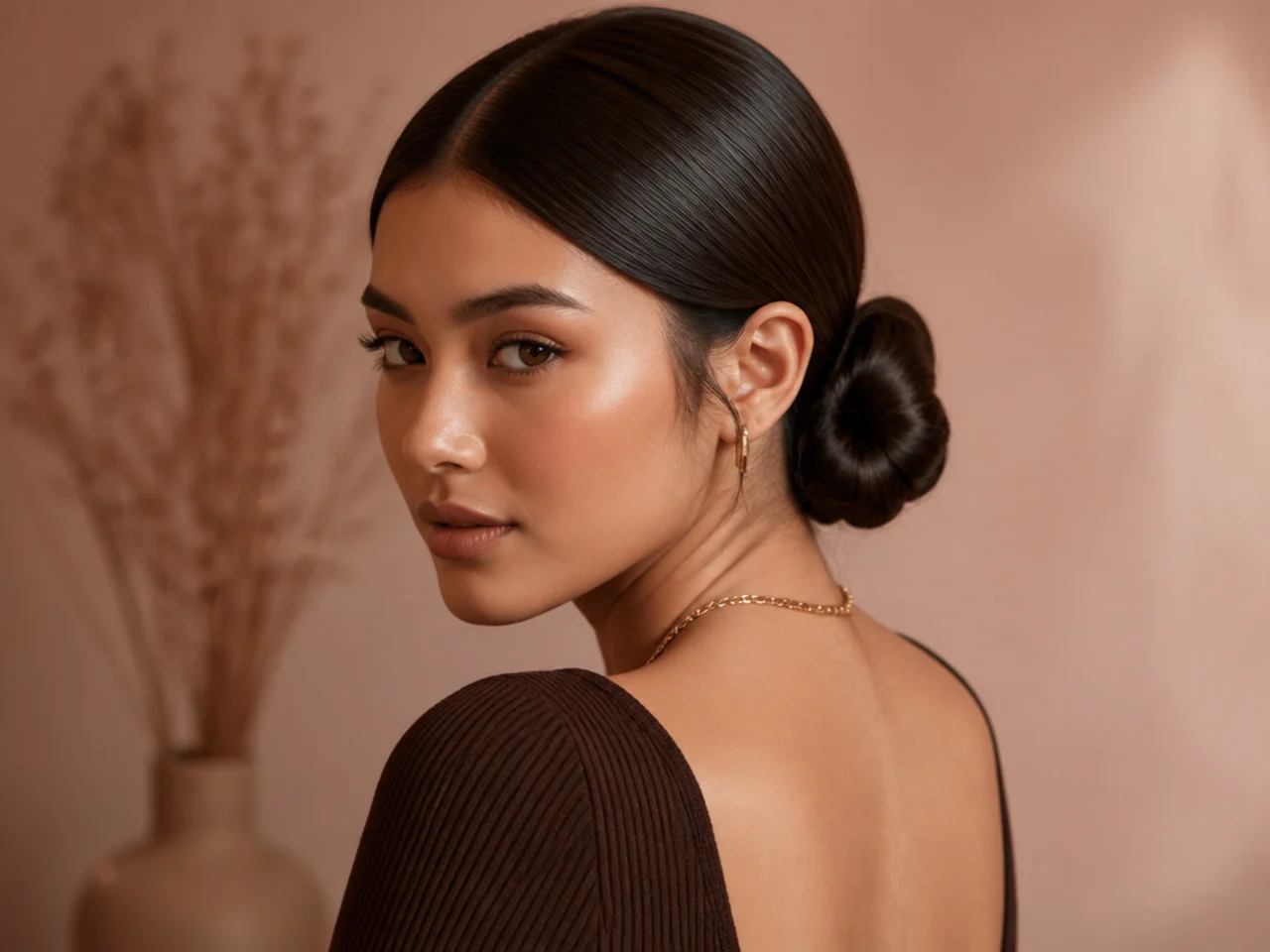
10. Low Chignon
Rolled and pinned flat. A roll holds by its own shape, so the pins are securing something that already wants to stay where it is.
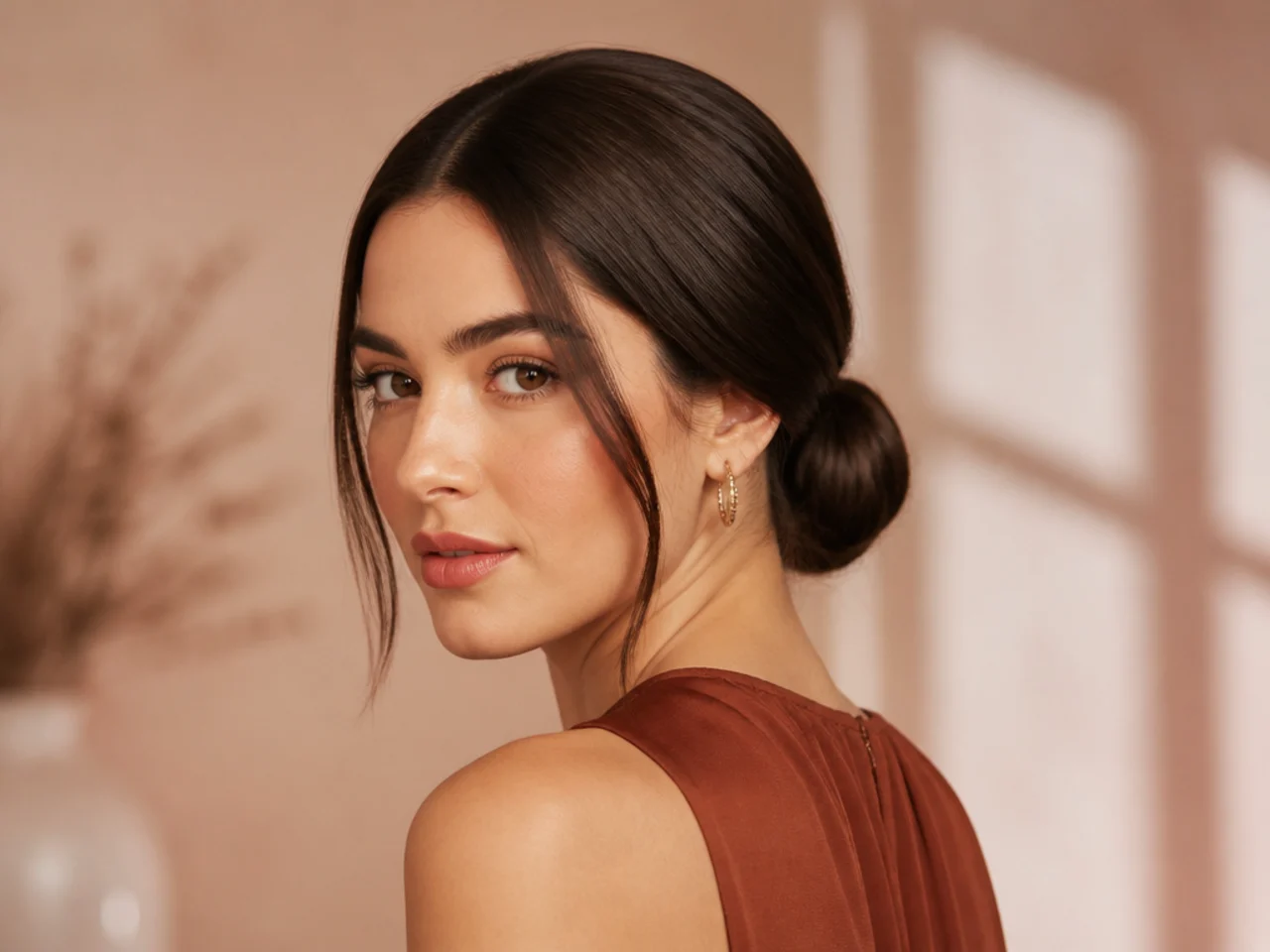
11. Twisted Half-Up
Two twists, held against each other. Neither twist would hold alone; crossing them means each is being held by the other before a pin goes in.
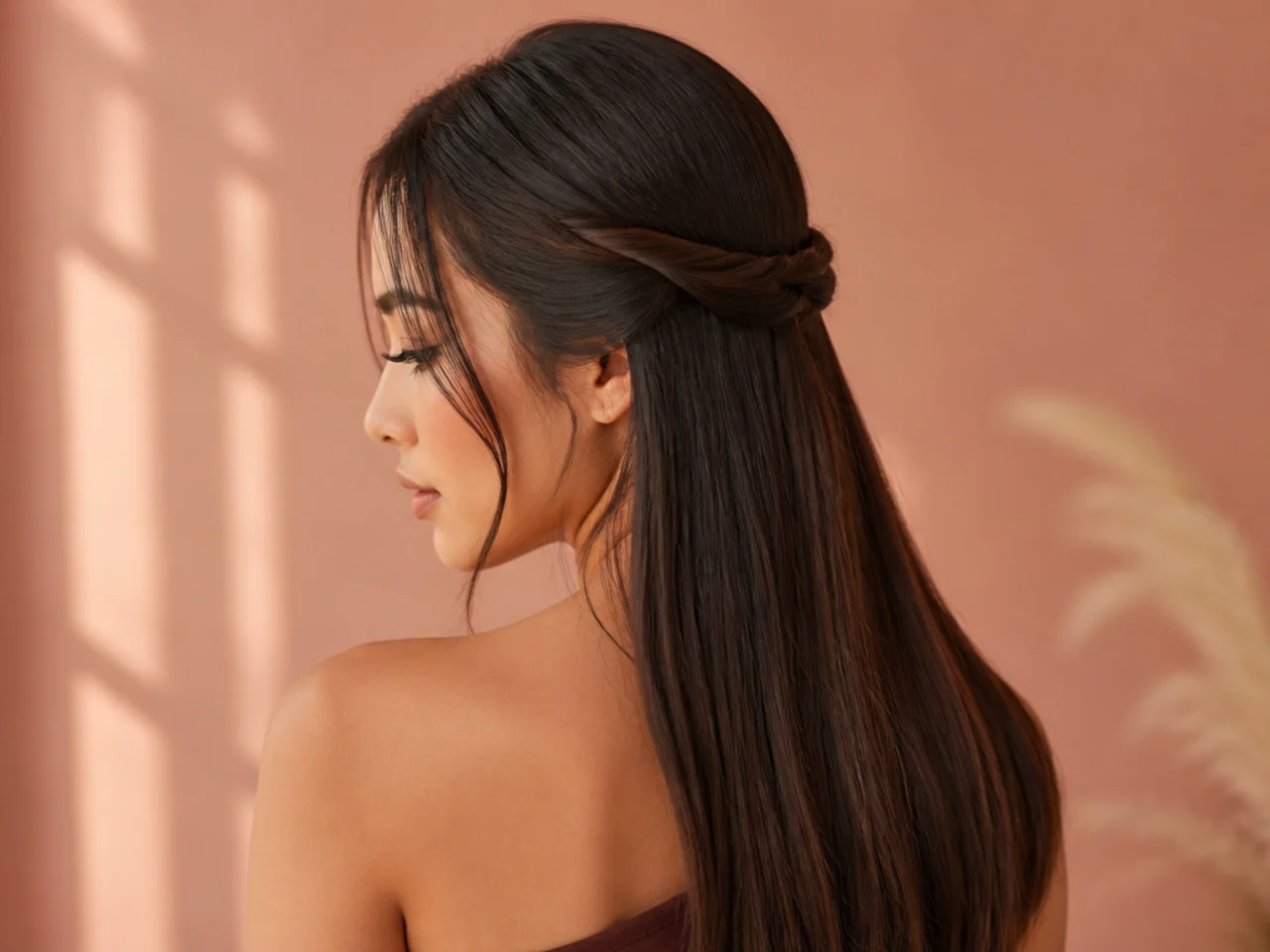
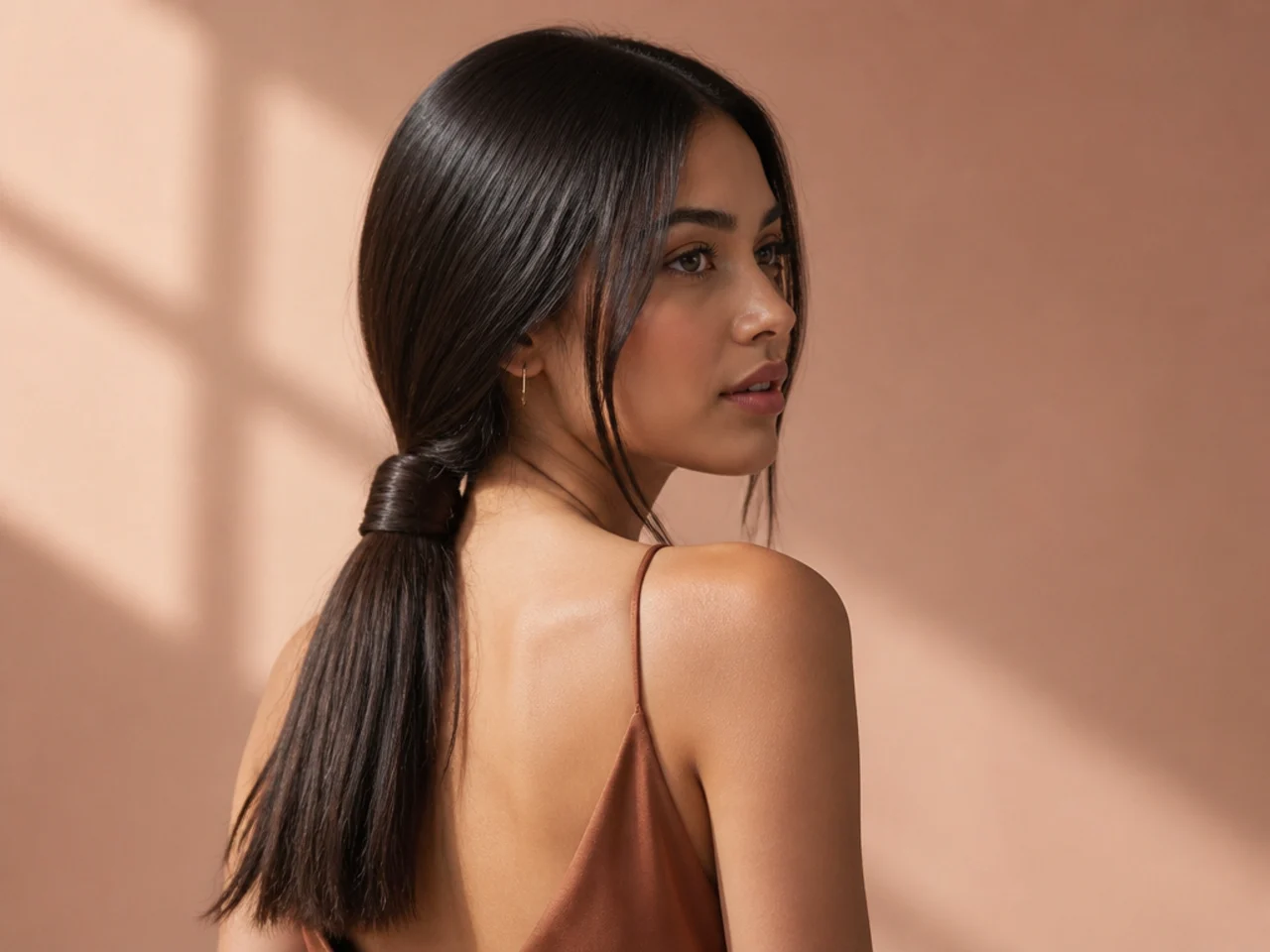
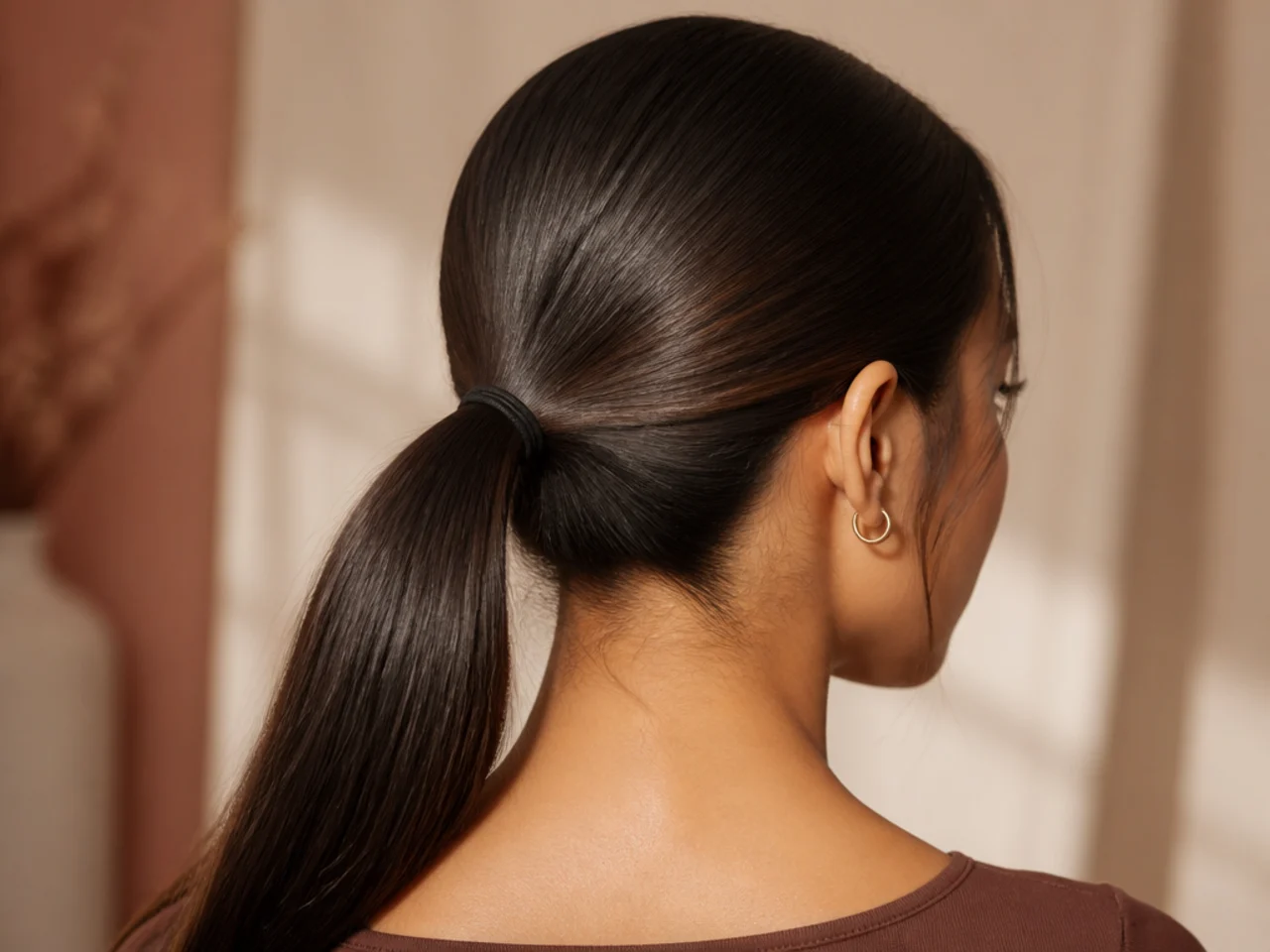
12. Slicked Low Ponytail
Product doing the friction work. Holds well. Gel holds the strands to each other rather than fixing a surface, which is the difference between it and hairspray on this hair type.
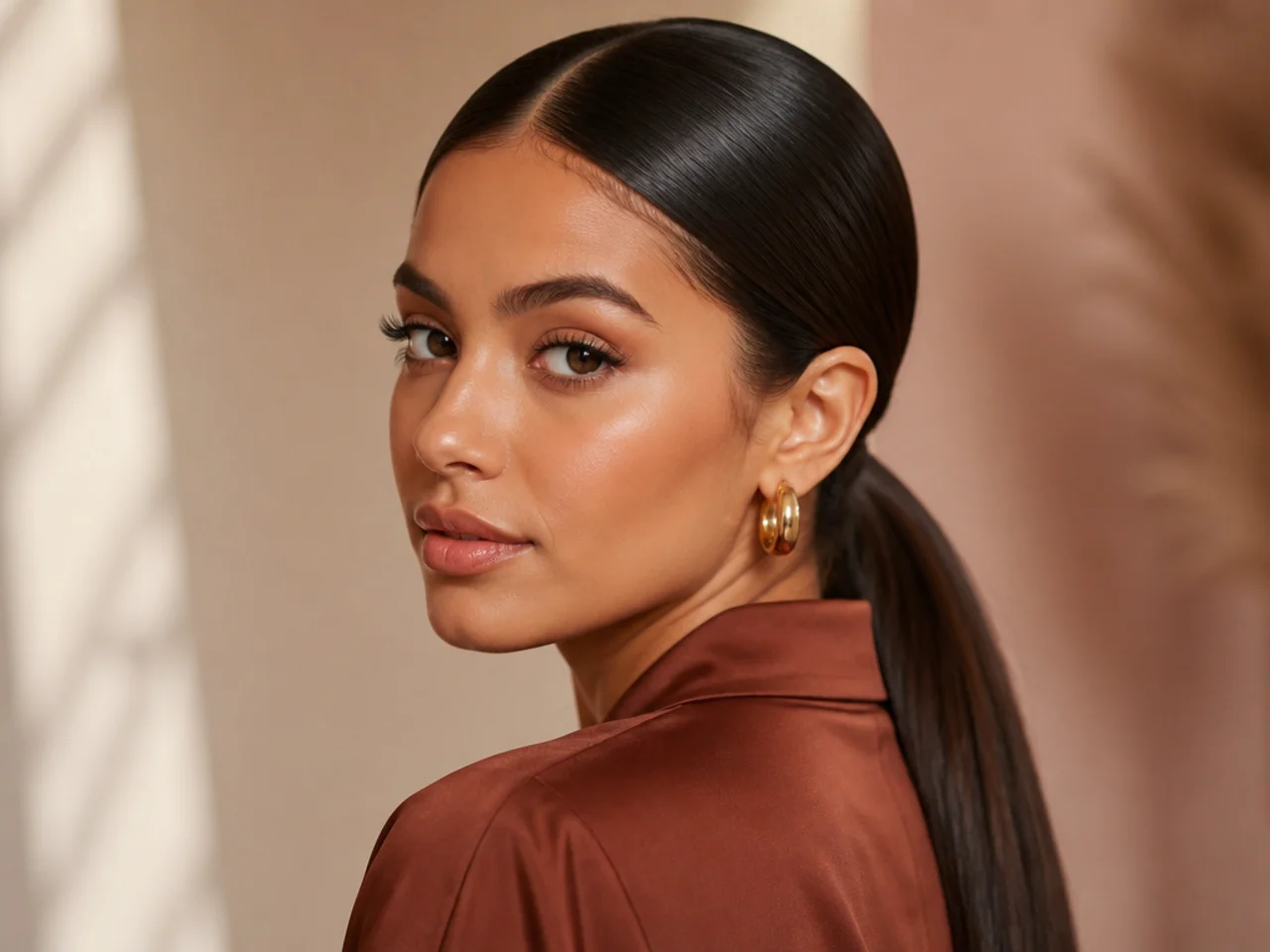
13. Low Ponytail with Two Ties
The load split. Better than one tight one. Two ties a few inches apart share the pull, so neither is taking the repeated tugging that removes a single elastic.
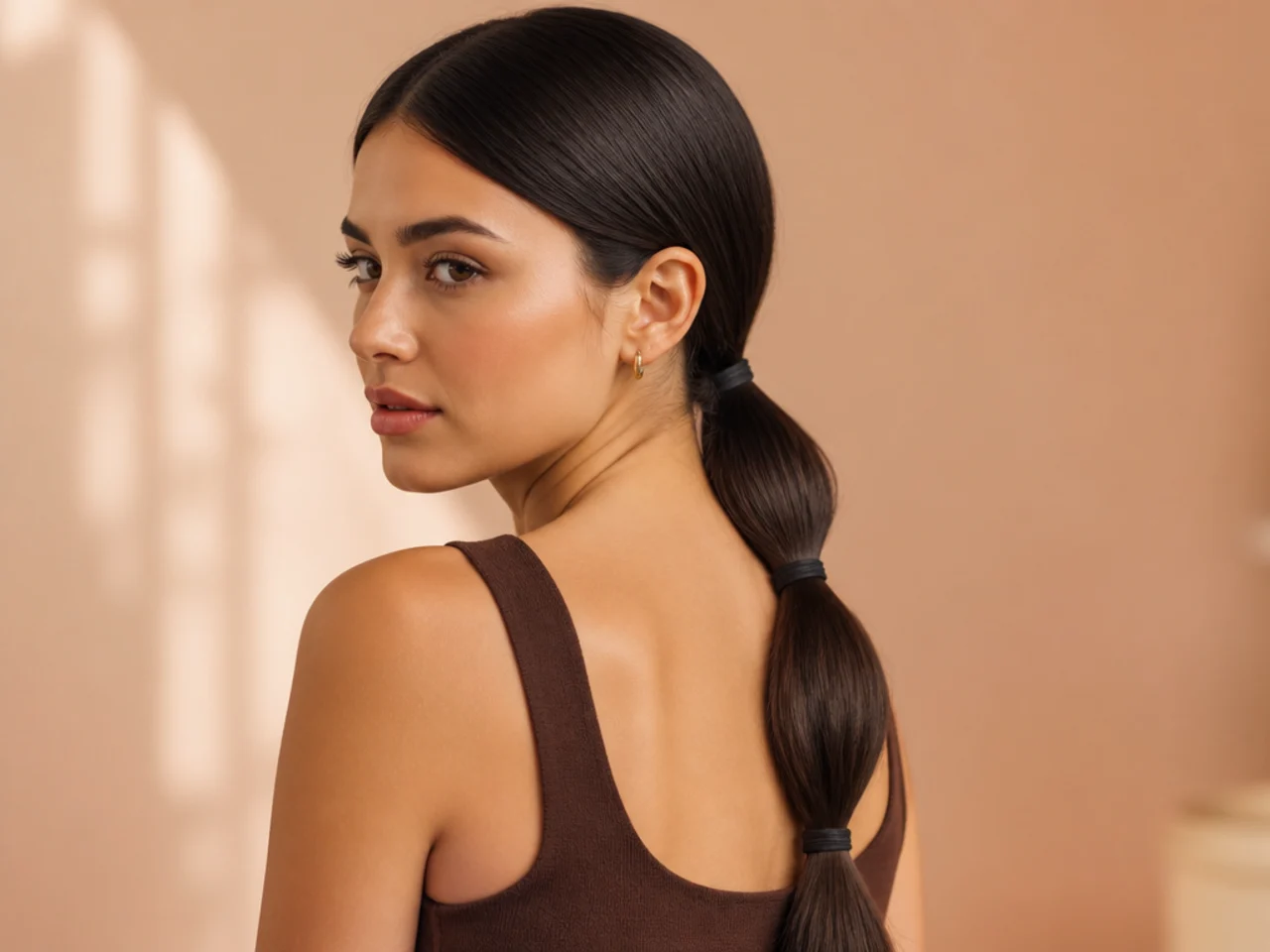
14. Claw Clip Twist
Clamping, so it holds — until it is knocked. A clip is mechanically secure but it sits proud of the head, which makes it the one style here with a physical failure mode rather than a slow one.
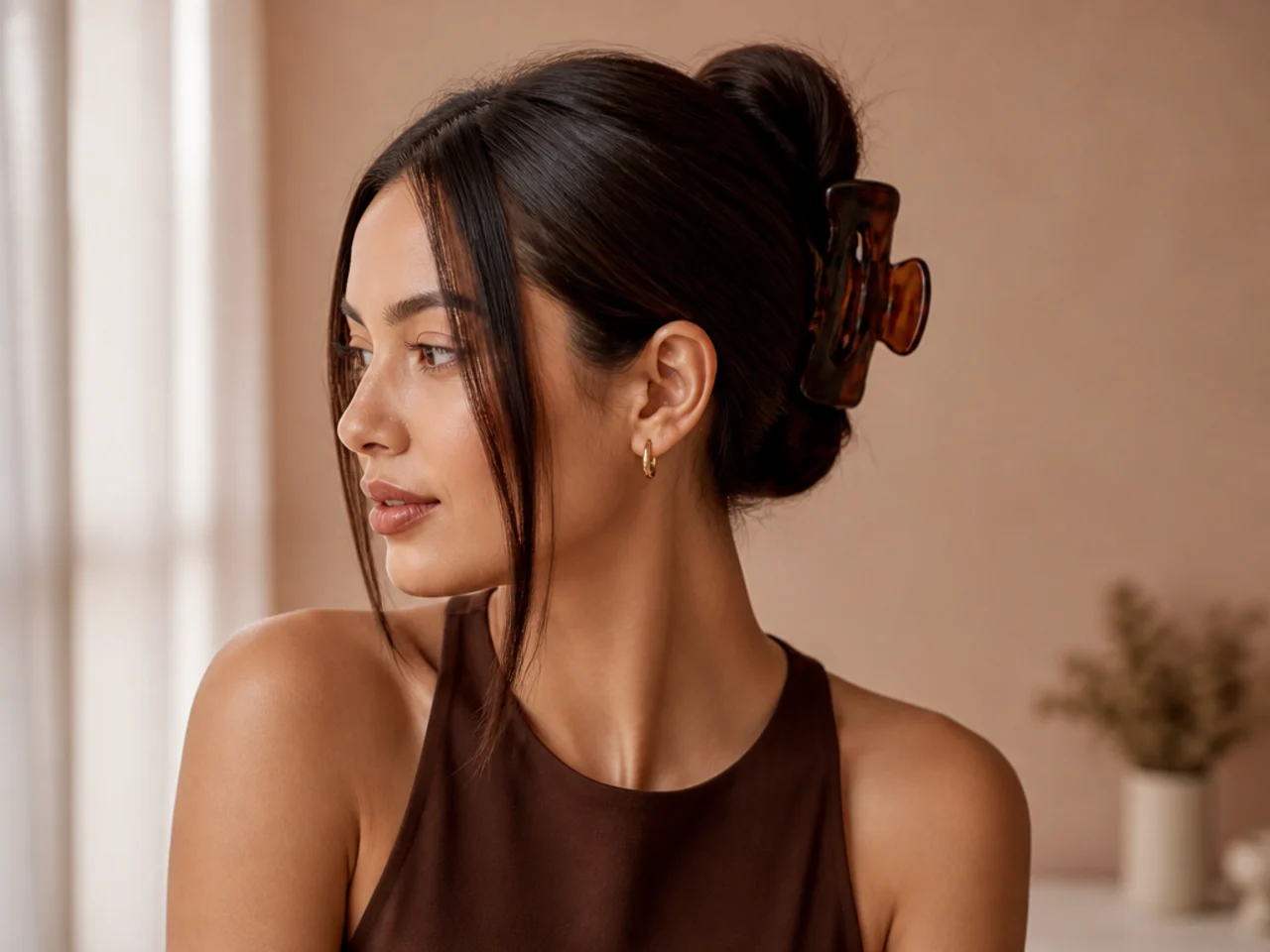
15. Half-Up with a Clip
Less weight, so it holds longer than a full gather. A half-up is perhaps a third of the hair, so the clip never gets near the limit of what it can carry.
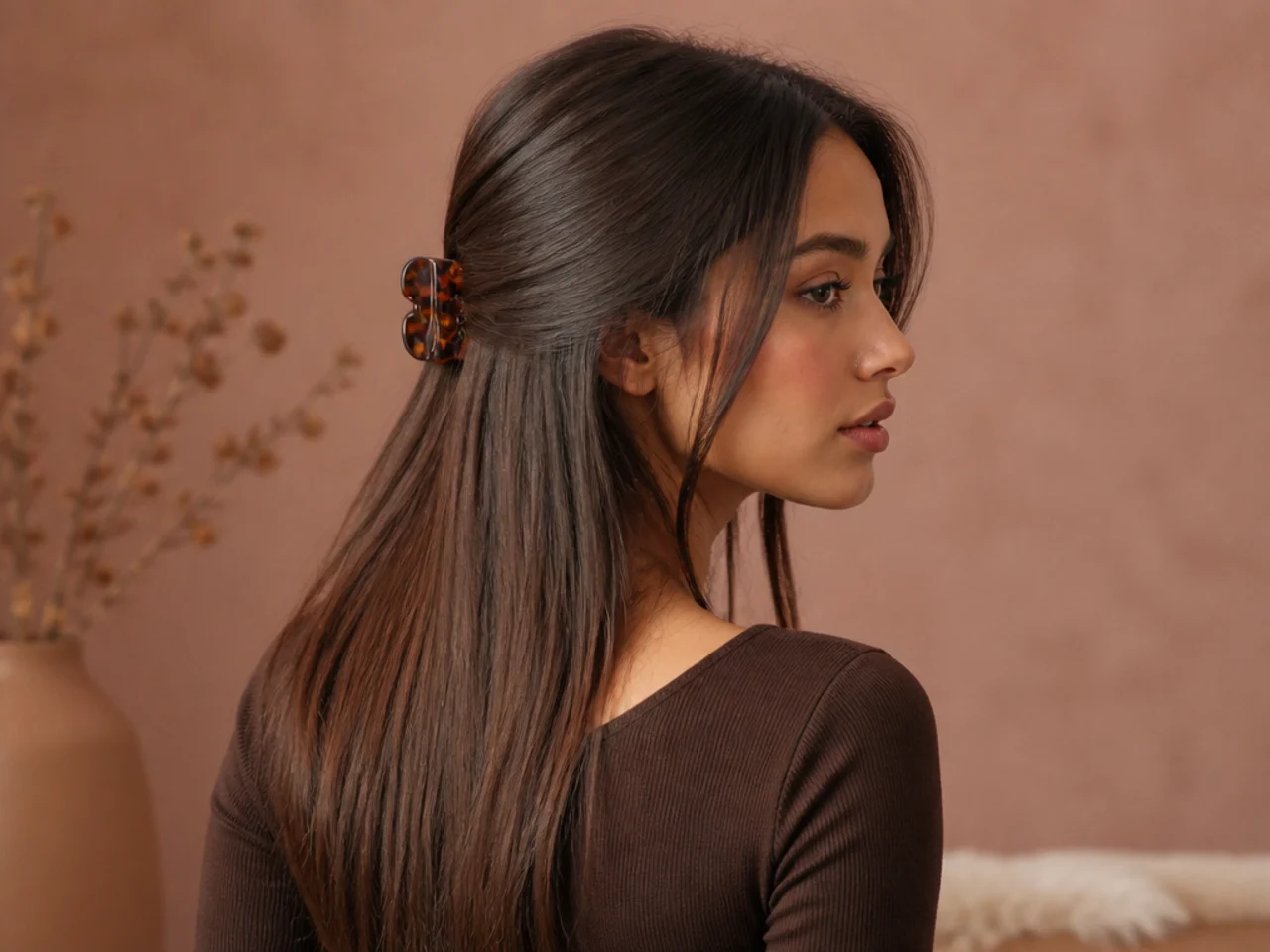
16. Second-Day Messy Bun
Grip from oil, so it outlasts the wash-day version. A day of natural oil is a genuine friction aid, and it moves almost every style on this page up the ranking.
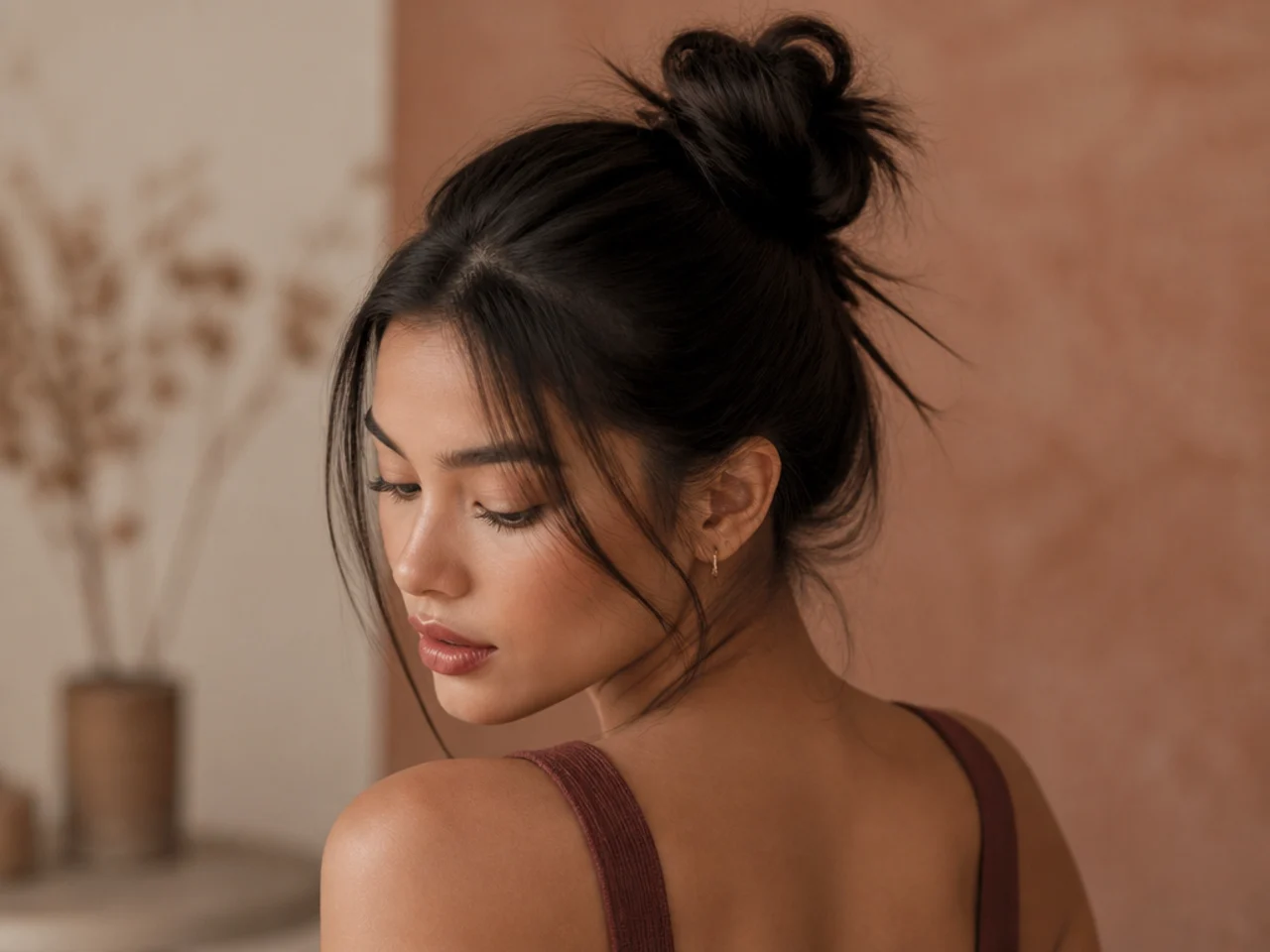
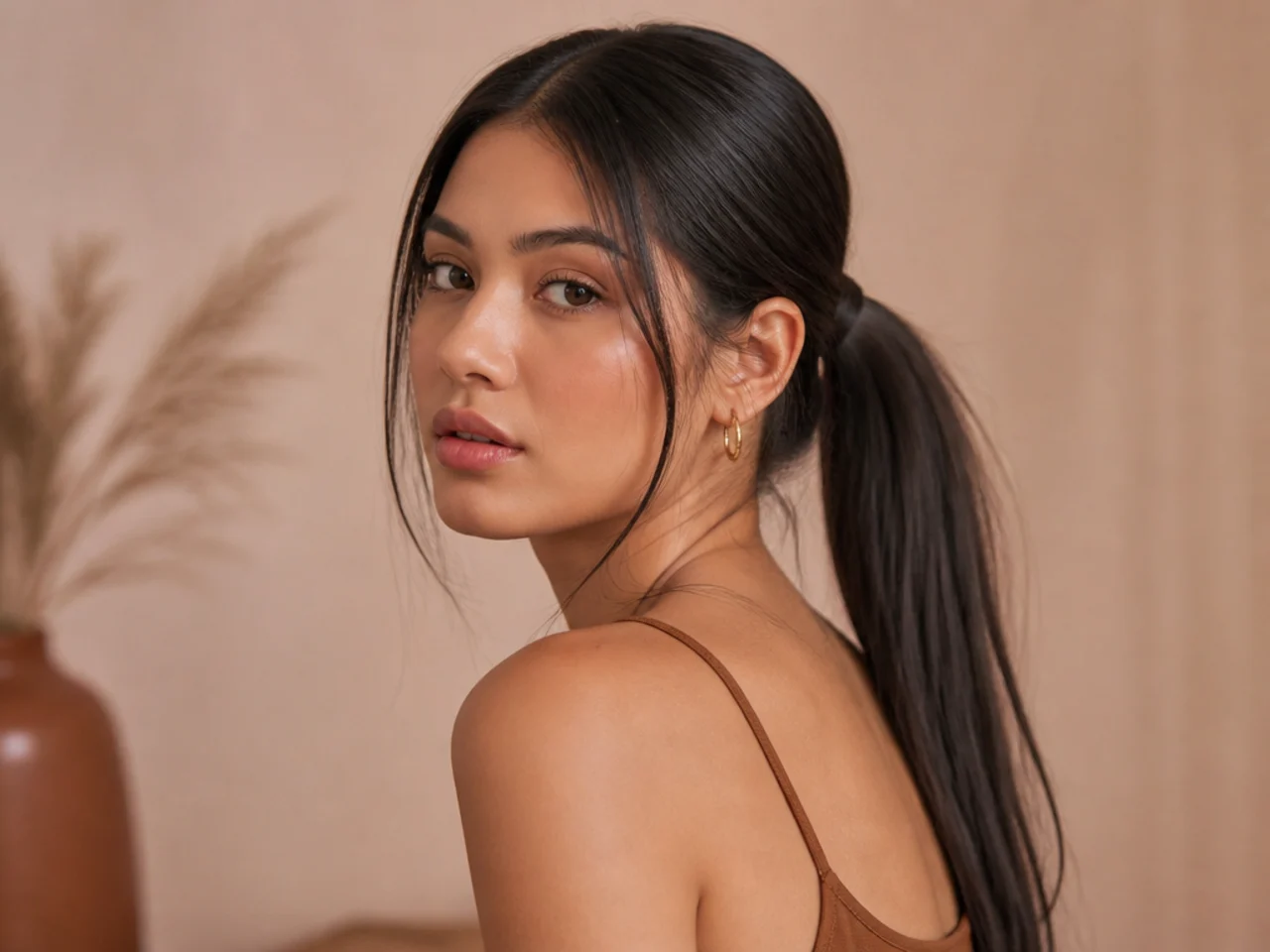
17. Low Ponytail with One Tie
Fast, and the first thing to loosen. One elastic against a slippery material, with the full weight of the hair pulling downwards on it all day.
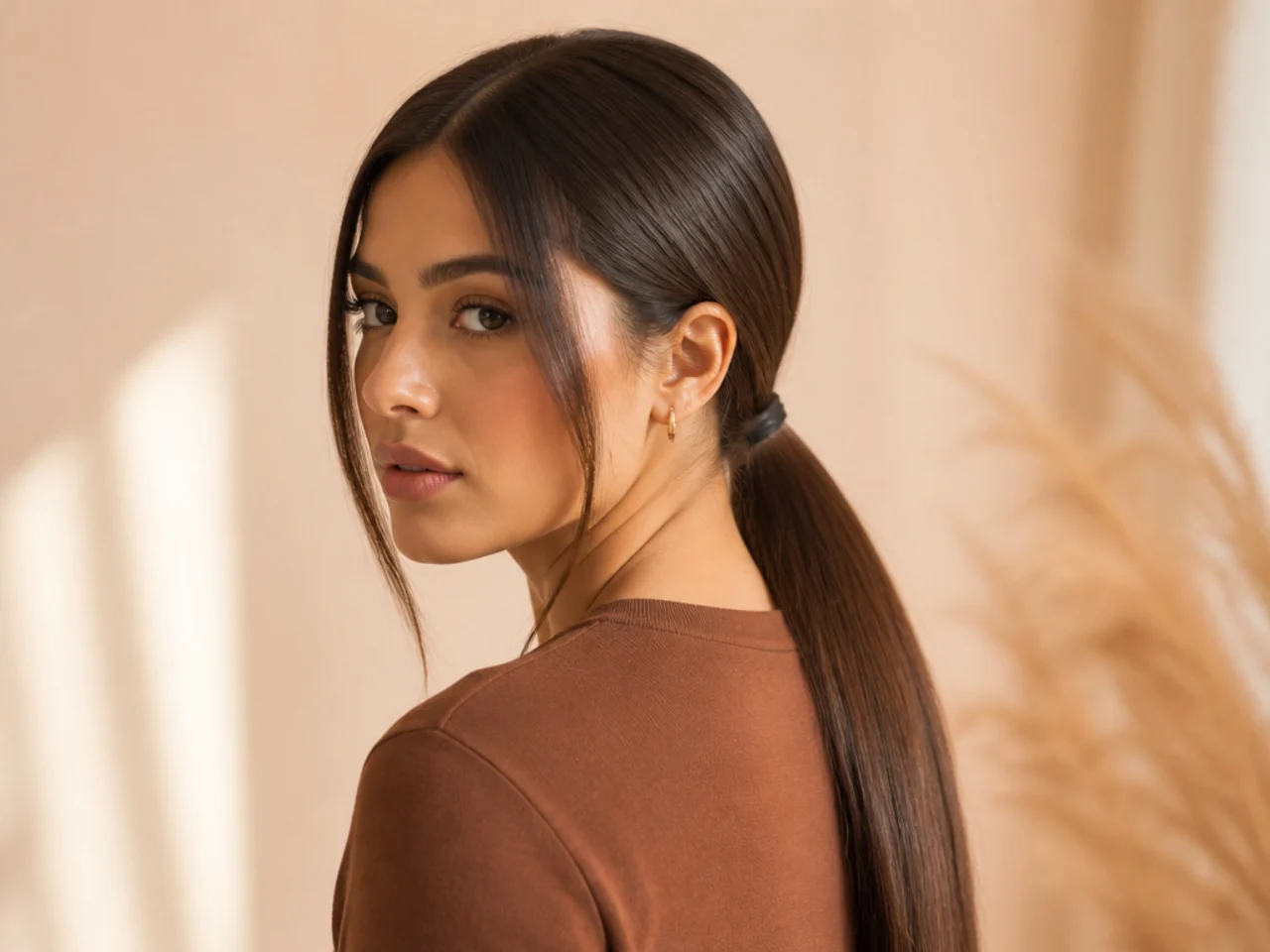
18. High Ponytail with One Tie
Faster still, and it slips soonest of the gathered styles. High placement adds gravity to the problem, because the whole weight is now hanging below the fastening rather than resting against the head.
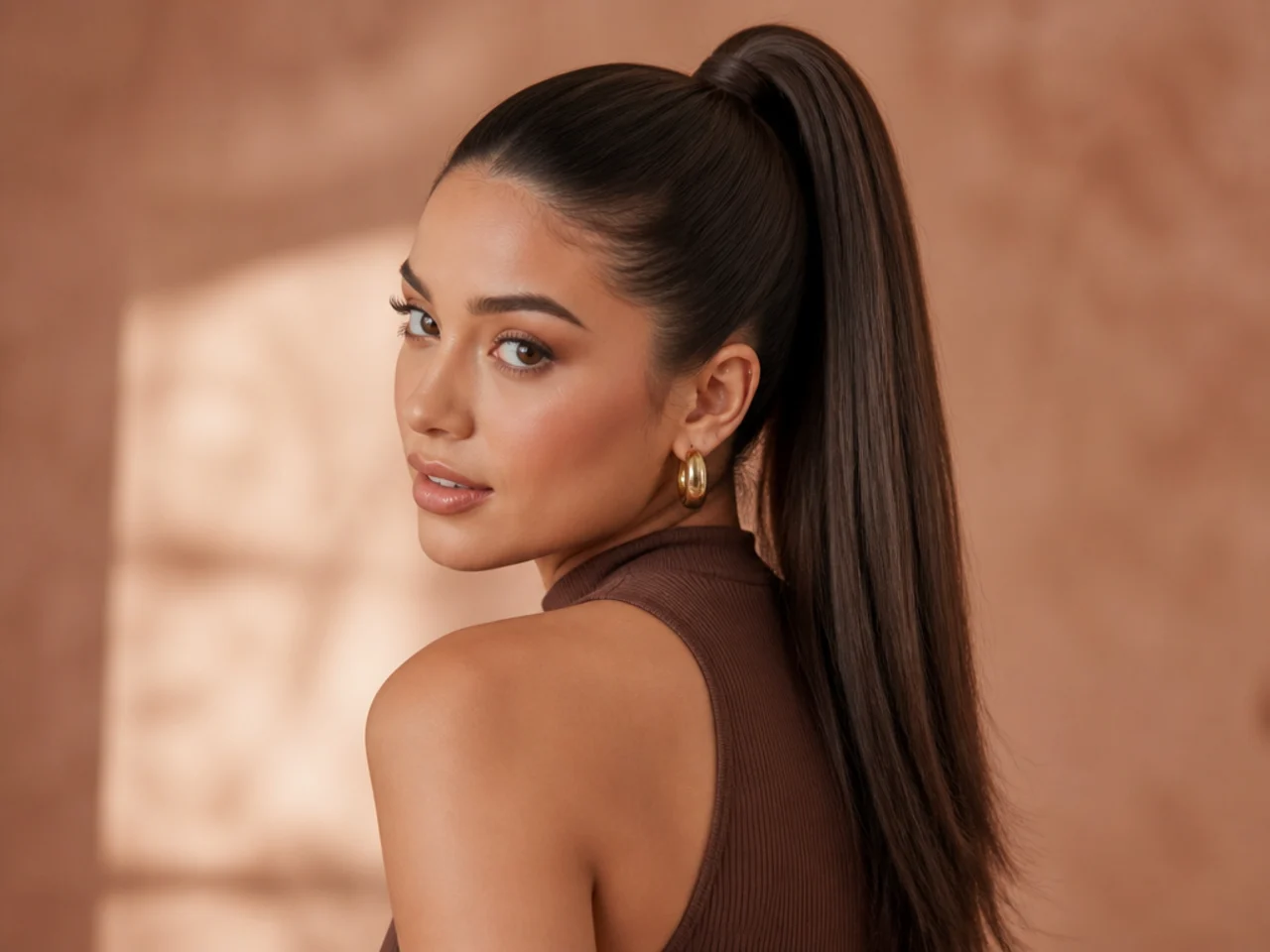
19. Set Curls
Down within hours. The shortest-lived thing here. Straight hair has no friction to hold a set curl in place, so it relaxes back towards its own shape from the moment it cools.
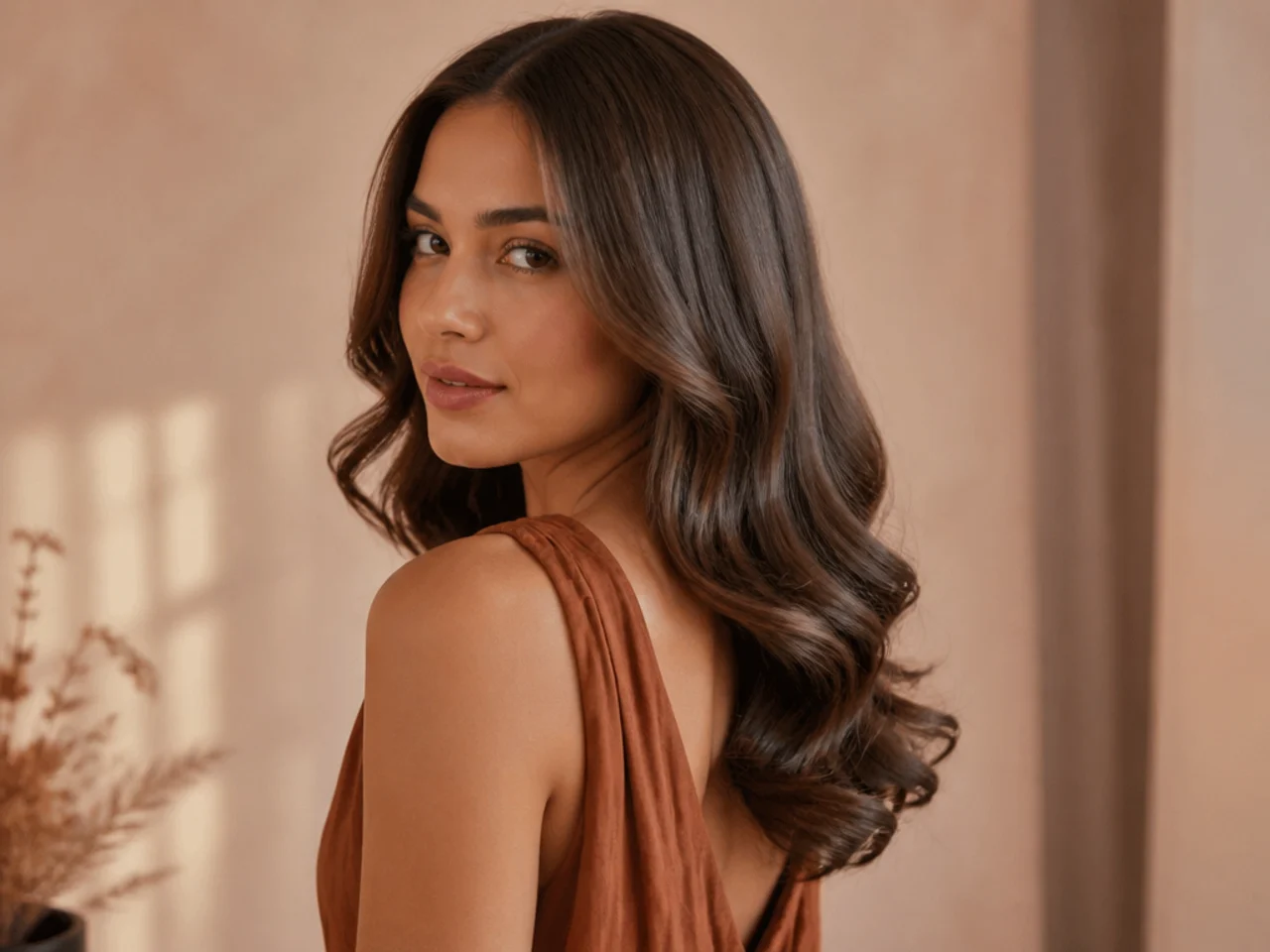
20. A Ponytail on Freshly Washed Hair
One elastic, zero grip. Bottom of the ranking. Freshly washed hair is the slipperiest it will be all week, which is the worst possible starting point for a single-fastener style.
Styling and Upkeep
Wrap the tie whenever you use one. Two seconds for a second holding system.
Weave when the day is long. Plaits degrade gracefully; ponytails do not.
Add a second anchor rather than tightening. More comfortable and it holds longer.
Start on second-day hair. It moves every style up this ranking.
Reset rather than tighten. A slipped style cannot be pulled back up.
Mistakes to Avoid
One elastic for a long day. A single point of failure on slippery hair.
Tightening instead of adding an anchor. Discomfort without extra hold.
Set curls when you need all-day hold. They are the shortest-lived option.
Skipping the wrap. It costs two seconds and doubles the security.
Washing before a long day. Every style drops down the ranking.
FAQ
Which last longest? Woven styles — plaits, twists, wrapped ties.
Why does a ponytail slip when a plait does not? A ponytail has one point of failure; a plait has none.
Do lasting styles take longer? About a minute, which is less than resetting a fast one twice.
Final Thoughts
Weave it when the day is long. A plait takes about a minute against ten seconds for a ponytail, and by mid-afternoon it has already saved you the difference — because on straight hair a single elastic is the one thing standing between you and a style coming down.
For school days specifically see 15 cute straight hair looks for school, and for the fastest options see 20 easy straight hair ideas. More in Women's Hairstyles.