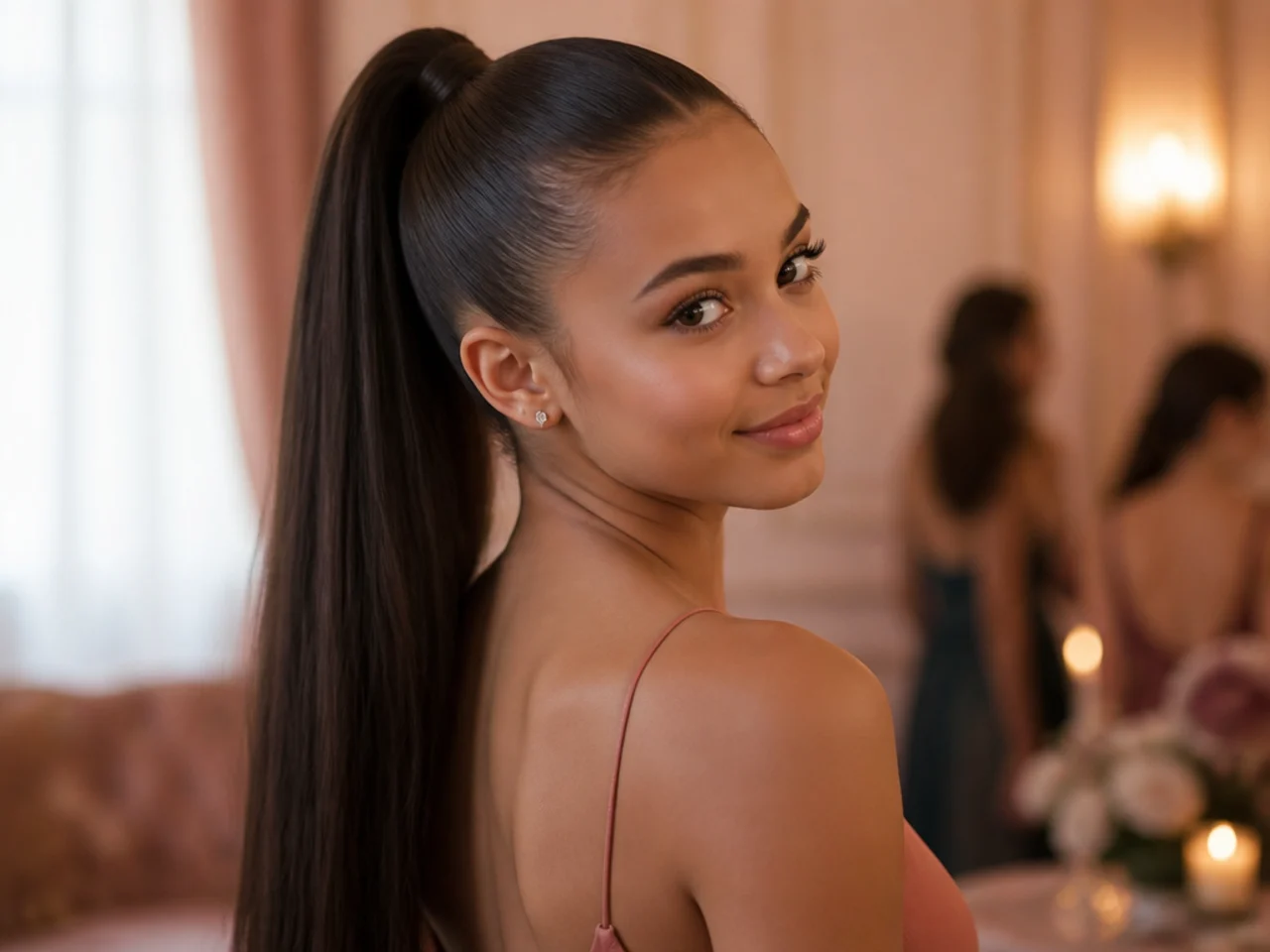
20 Sleek Hoco Hairstyles For Straight Long Hair
Twenty homecoming styles built for long straight hair, and the reason most of them slide out by the second song — straight hair has no texture for a pin to bite into. Grip is added before styling, not fixed afterwards.
In this article · 27
- Why Straight Hair Needs Grip
- Choosing Between Up and Down
- The 20 Hoco Styles for Straight Hair
- 1. Sleek High Ponytail
- 2. Low Ponytail With a Hair Wrap
- 3. Straight Half Up Half Down
- 4. Sleek Low Bun
- 5. Twisted Half Up
- 6. Bubble Ponytail
- 7. Straight Hair With a Deep Side Part
- 8. Slicked Back Straight Down
- 9. Straight Hair With a Crystal Clip
- 10. Dutch Braid Into Straight Lengths
- 11. Front Twists Pinned Back
- 12. Straight Hair With a Ribbon Bow
- 13. Sleek Middle Part Down
- 14. Ponytail With Face Framing Pieces
- 15. Low Chignon
- 16. Straight Hair With a Headband
- 17. Half Up Bun
- 18. Sleek Space Buns
- 19. Straight Hair With Curled Ends
- 20. Straight Hair With a Hidden Braid
- Styling and Upkeep
- Mistakes to Avoid
- FAQ
- Final Thoughts
Most homecoming styles fail on straight hair for one reason — the hair was too clean to hold anything.
A pin holds by friction, not by pressure. Straight hair is smooth, and freshly washed straight hair is smoother still, so the pin has no surface to grip and works its way out with every movement.
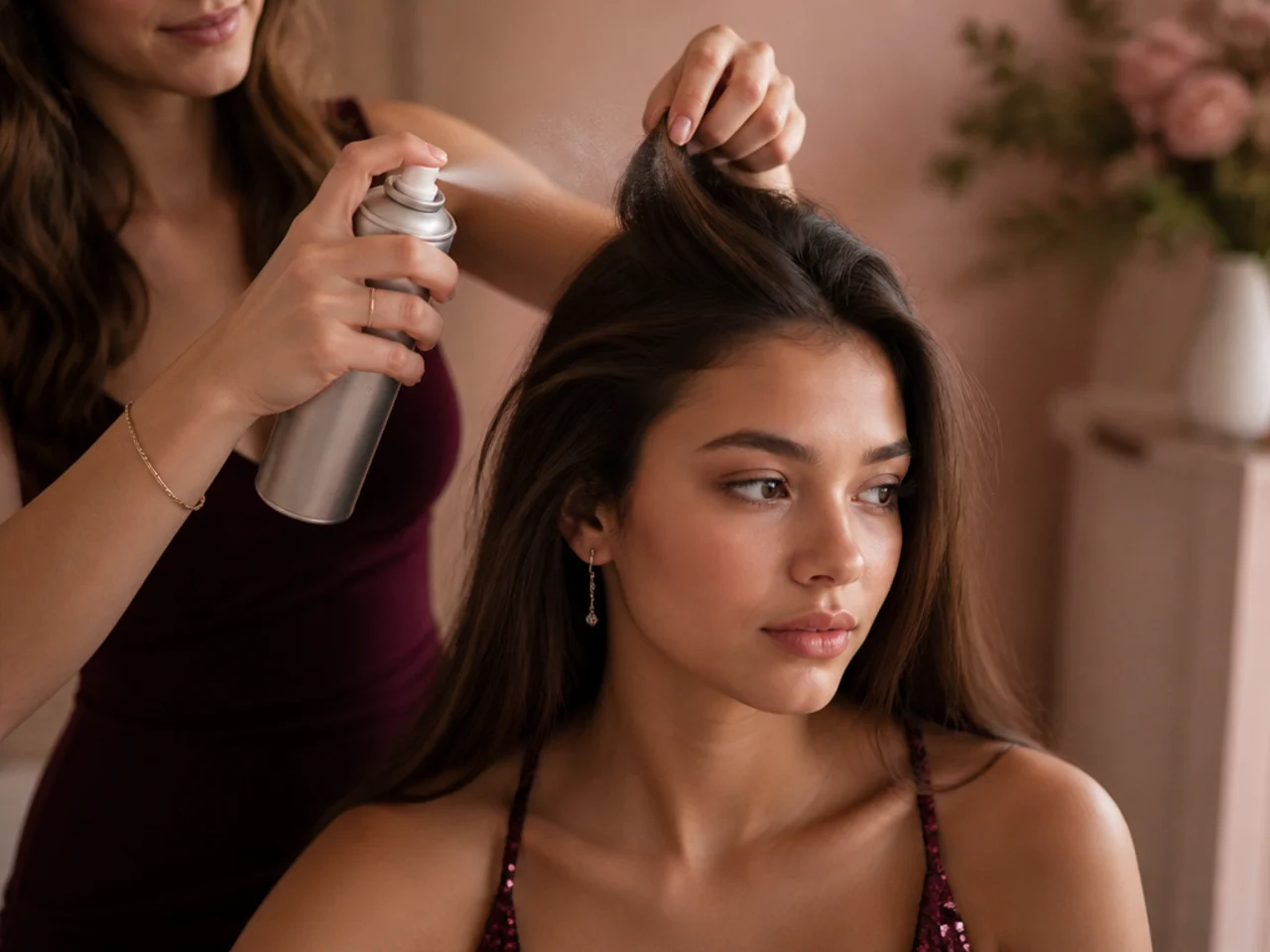
Grip is built before styling, not repaired afterwards. Day-two hair, a light texture spray at the roots, or a loose cooled-down bend all do the same job — they give the pin something to catch.
Why Straight Hair Needs Grip
Smooth strands slide past each other. There is no bend to lock one strand against the next, so a section under tension slowly releases itself over a few hours.
Conditioner makes it worse on the day. A slip agent is exactly what you do not want under a pin. Skip conditioner at the roots if you are washing the morning of.
Texture spray works by roughening. It coats the strand in fine particles that increase friction. Two short bursts at the root beat a heavy soak through the lengths.
Weight is the other half. Long straight hair hangs as a single mass, and that mass pulls steadily on whatever is holding it. The longer the hair, the more anchor points a style needs.
Choosing Between Up and Down
Choose by how much you plan to dance. A down style photographs beautifully for an hour. An updo is the one that still looks intentional at the end of the night.
Choose by your neckline. A high neck or a halter competes with hair on the shoulders. An open or strapless neckline can carry either.
Choose by how long your hair actually is. Below the shoulder blades, a half-up style has enough weight below the fastening to drag it loose within a couple of hours.
Choose by whether you are doing it yourself. A sleek low bun is forgiving because the shape is smooth by design. A braided crown records every uneven pass.
The 20 Hoco Styles for Straight Hair
1. Sleek High Ponytail
The classic, and the most demanding on grip. Set the base above the crown so the tail falls forward rather than pulling backwards, and anchor with two crossed pins under the band — the band alone carries the whole weight of long straight hair and will slip.
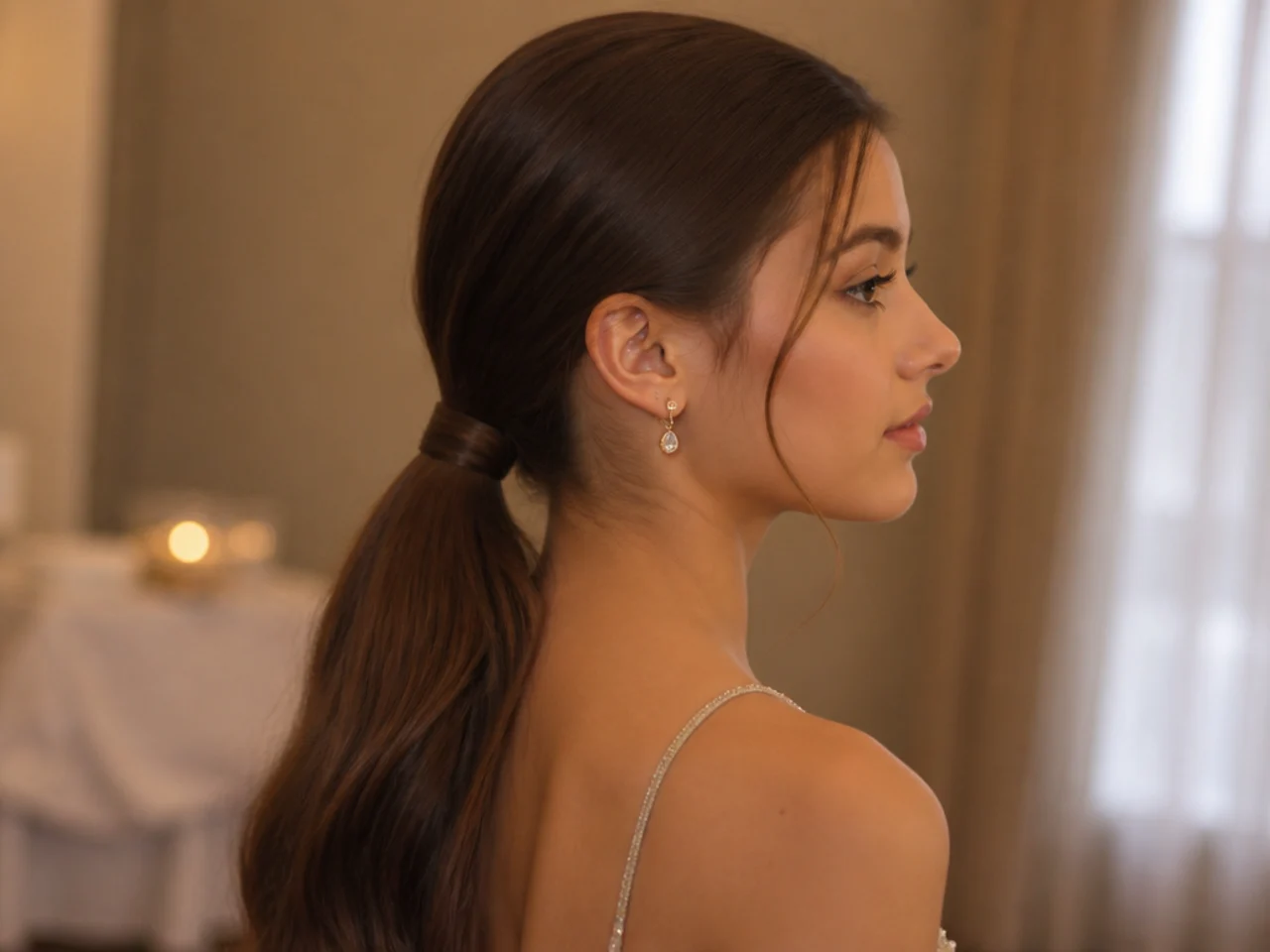
2. Low Ponytail With a Hair Wrap
The band hidden under a wrapped section of hair, pinned underneath. Hiding the elastic is what separates this from an everyday ponytail, and on straight hair the wrap needs a pin at both ends because there is no texture to hold the tail of it in place.
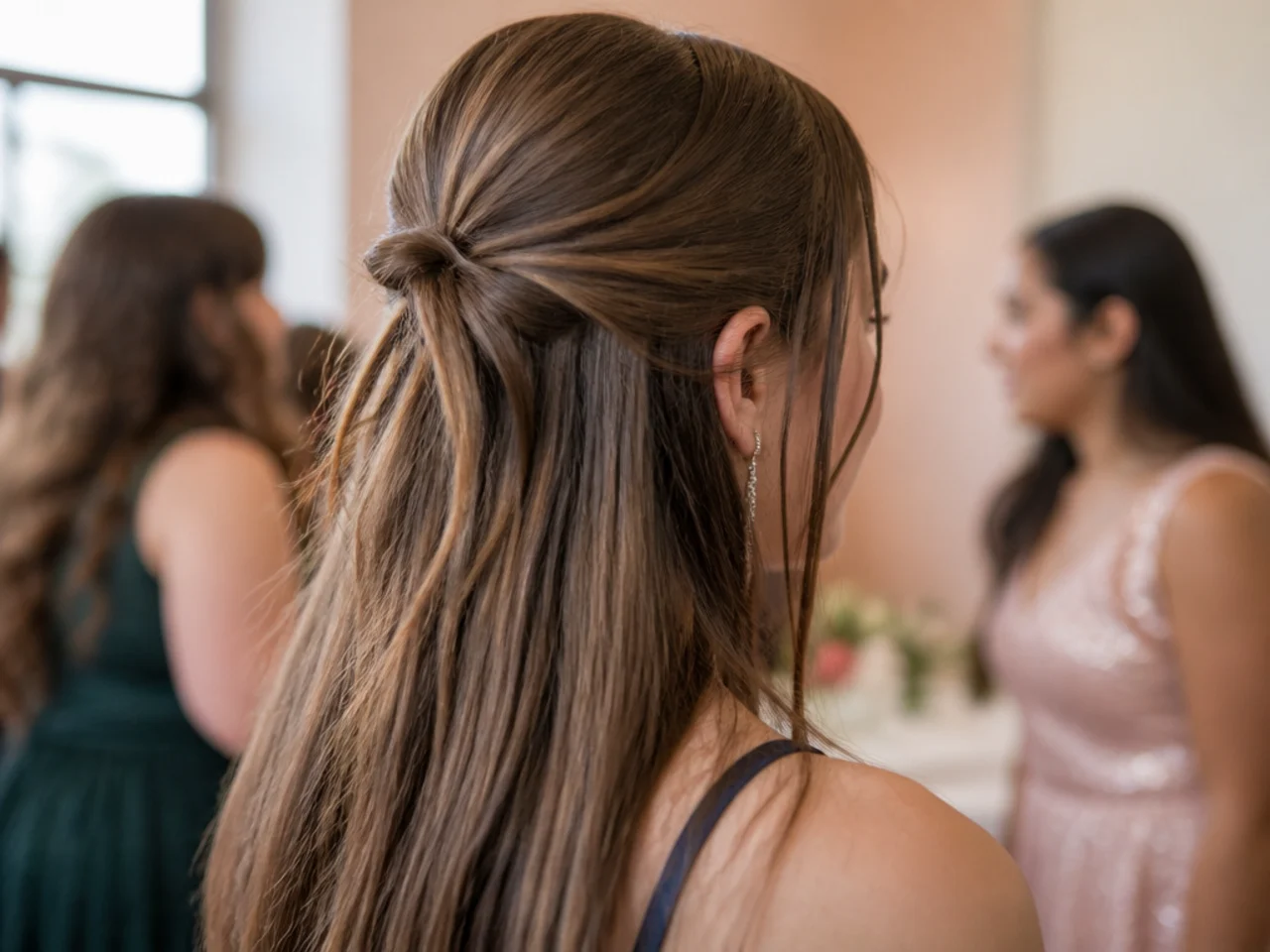
3. Straight Half Up Half Down
The top section pulled back, the rest left to hang. On long straight hair this is the style most likely to sag, because everything below the fastening is dead weight pulling down on it — take a wider top section than feels right so the anchor is broader.
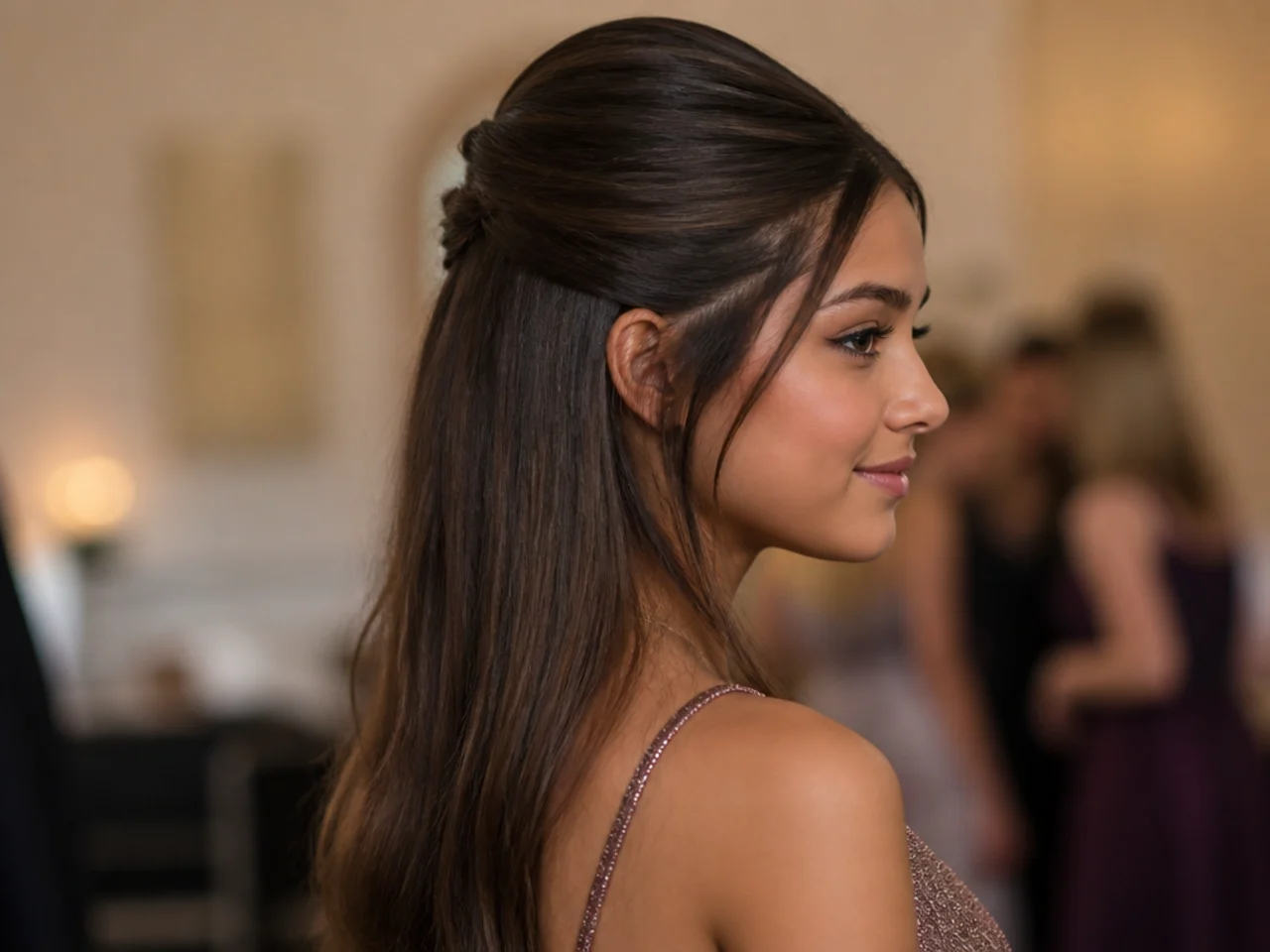
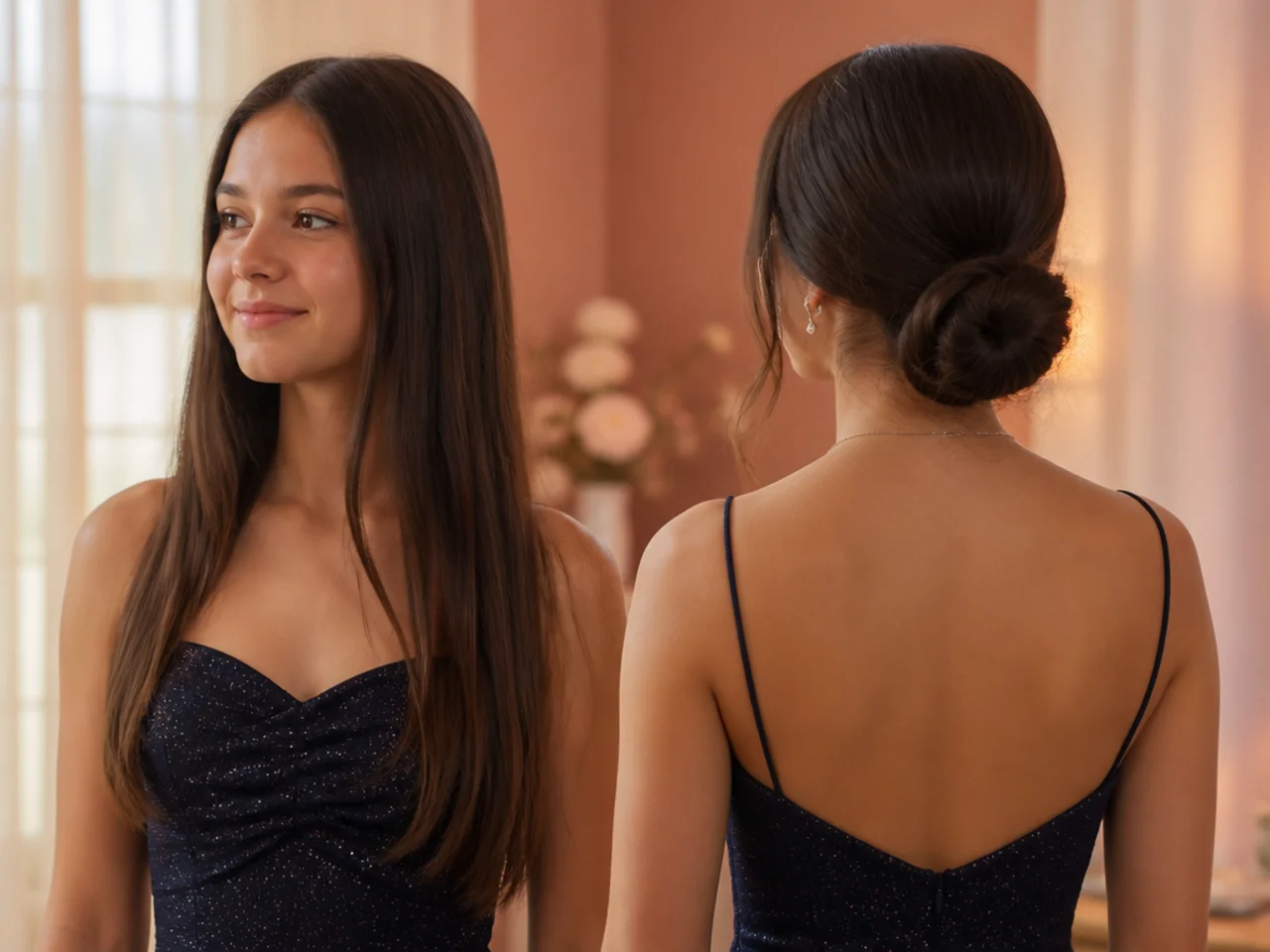
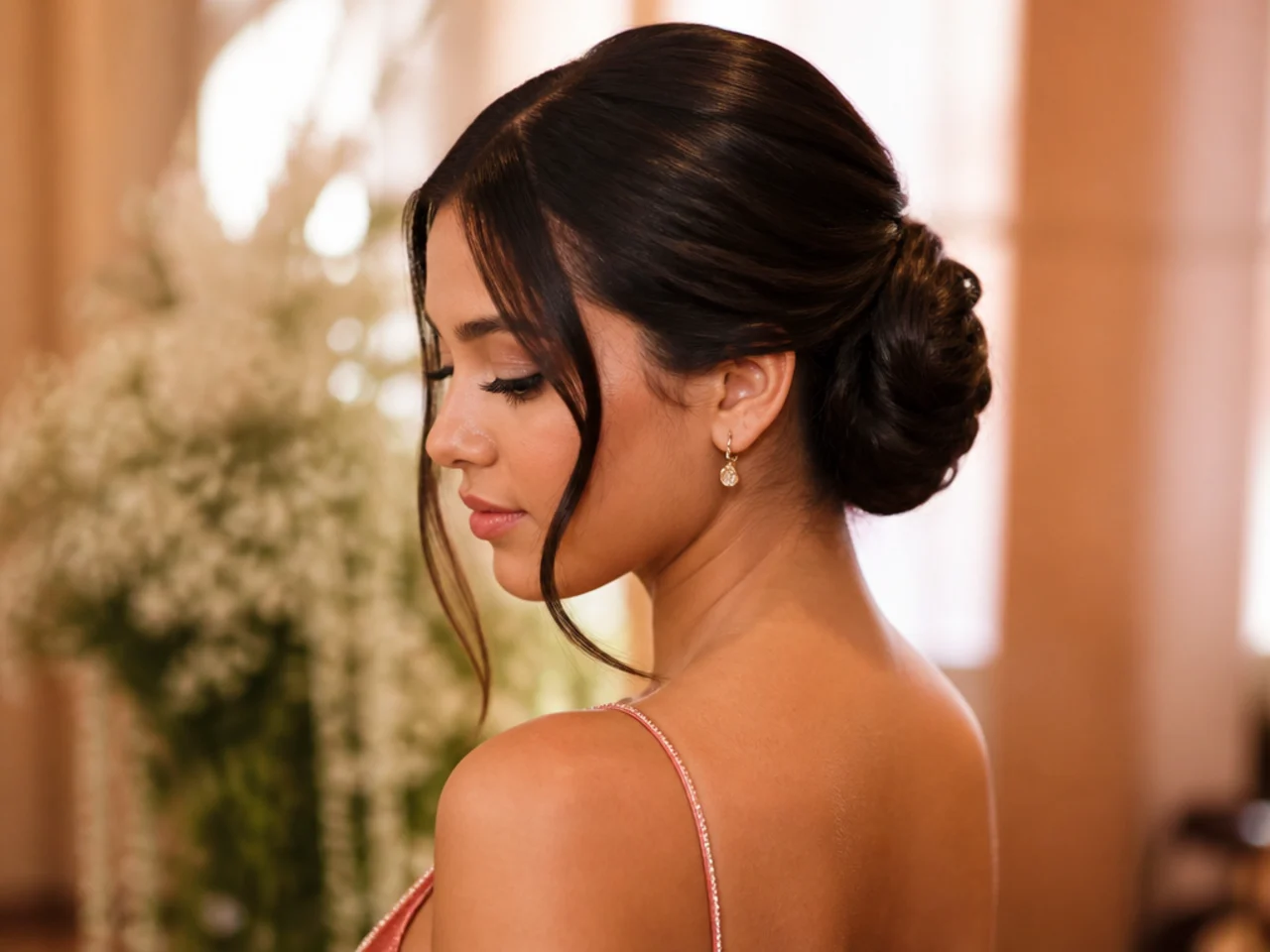
4. Sleek Low Bun
Everything gathered at the nape and coiled flat. It is the most secure long-hair style there is, because the weight sits directly over the anchor instead of hanging away from it, and it is the easiest to repair one-handed.
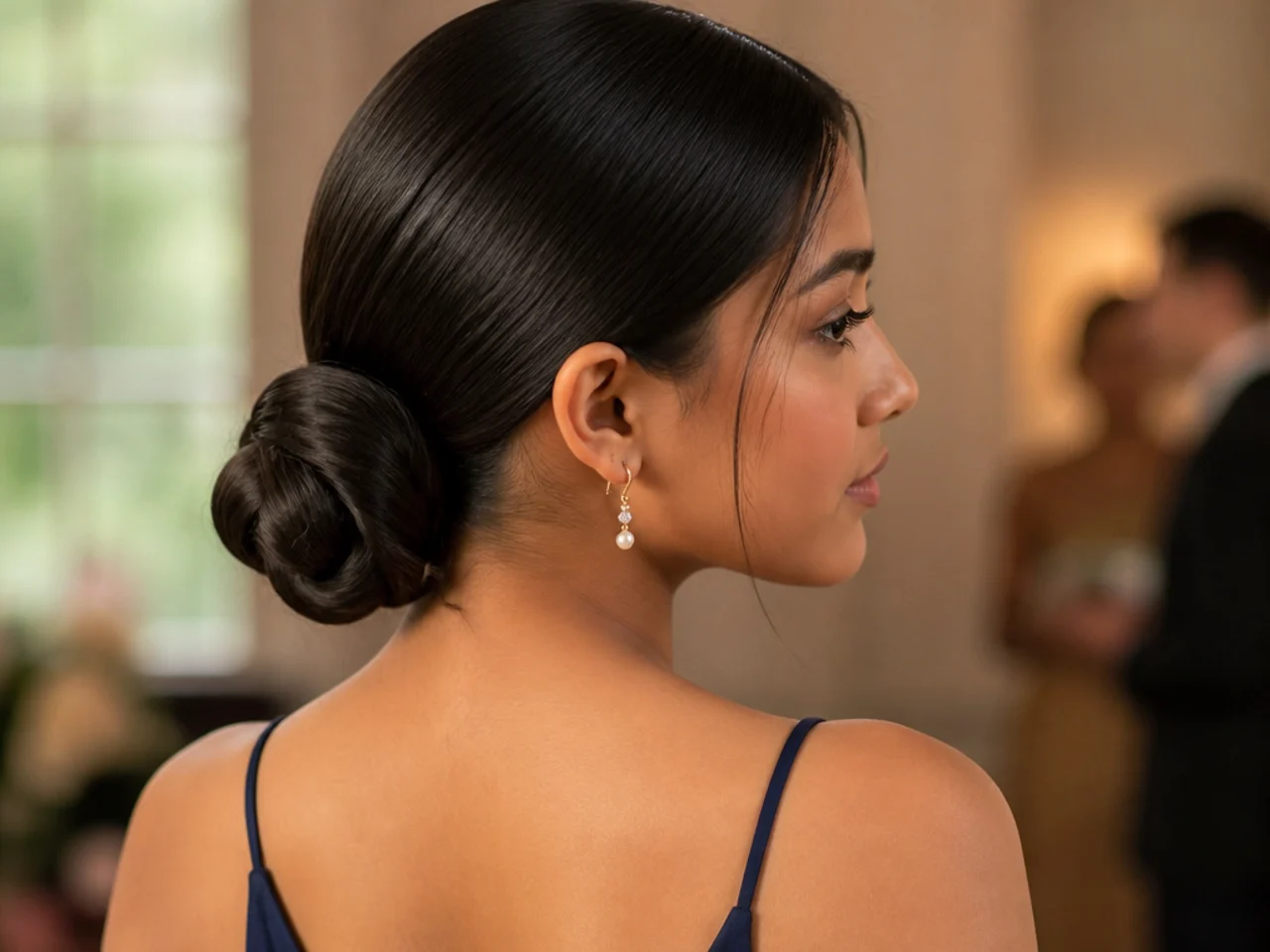
5. Twisted Half Up
Two front sections twisted back and pinned together at the crown. The twist itself creates the friction straight hair lacks, so this holds far better than the same section pulled back flat and pinned.
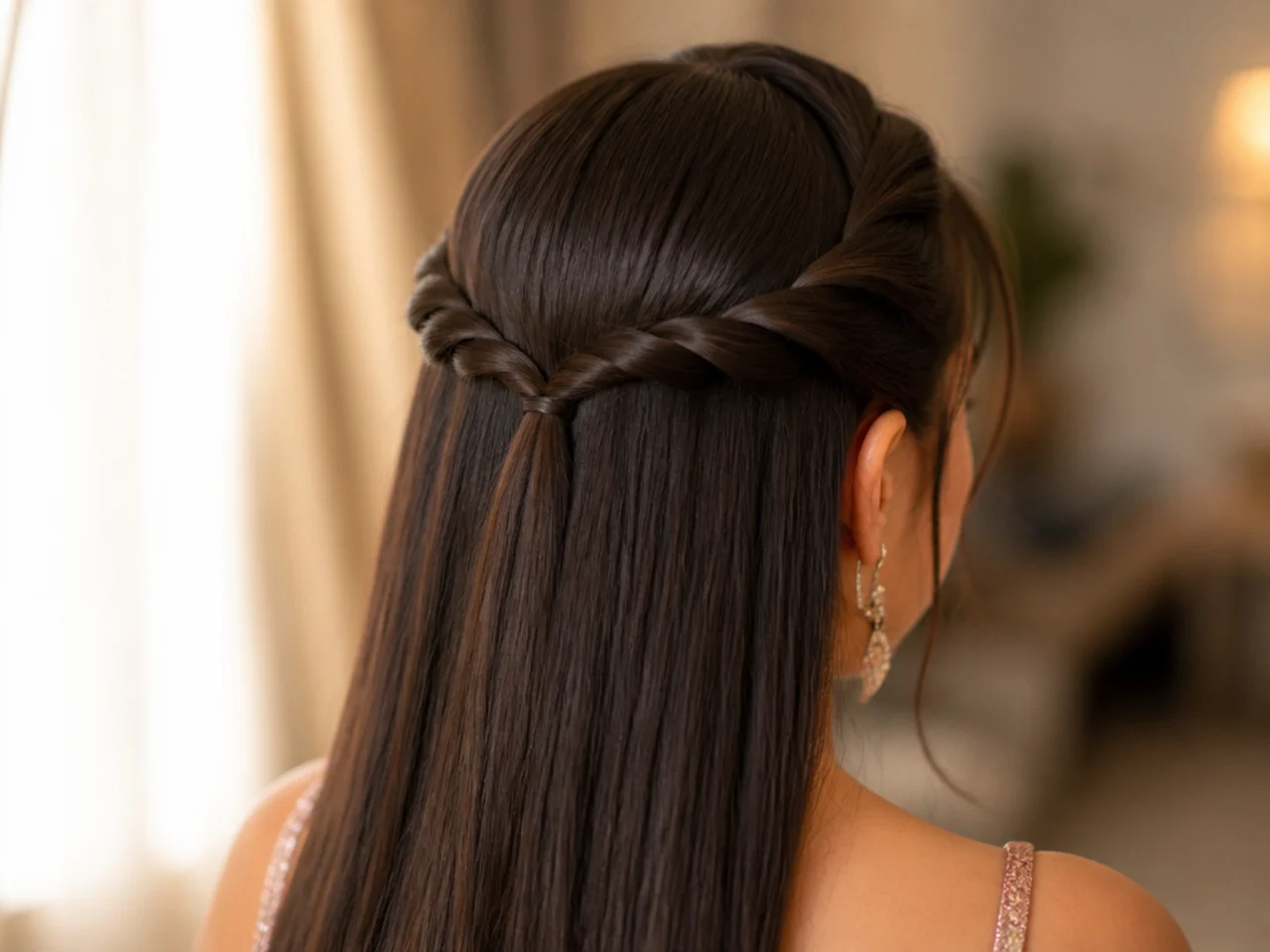
6. Bubble Ponytail
A ponytail divided into segments by evenly spaced bands, each section pulled wide. On straight hair the bubbles need loosening deliberately, because there is no volume of its own to fill them and they otherwise read as a row of knots.
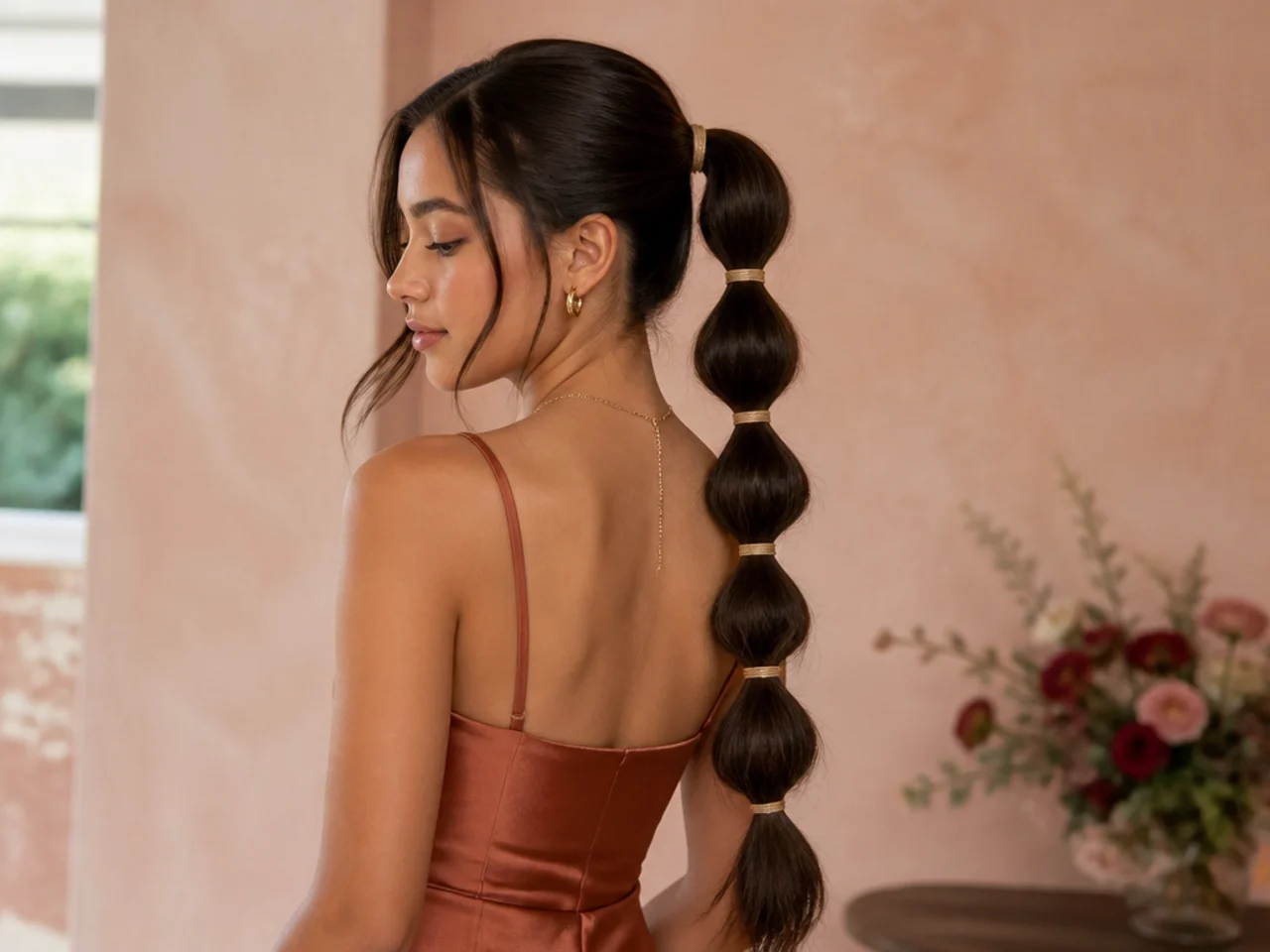
7. Straight Hair With a Deep Side Part
The simplest change with the biggest effect. Moving the parting far off centre stacks the weight to one side, which lifts the roots on the heavy side and creates height that straight hair does not produce on its own.
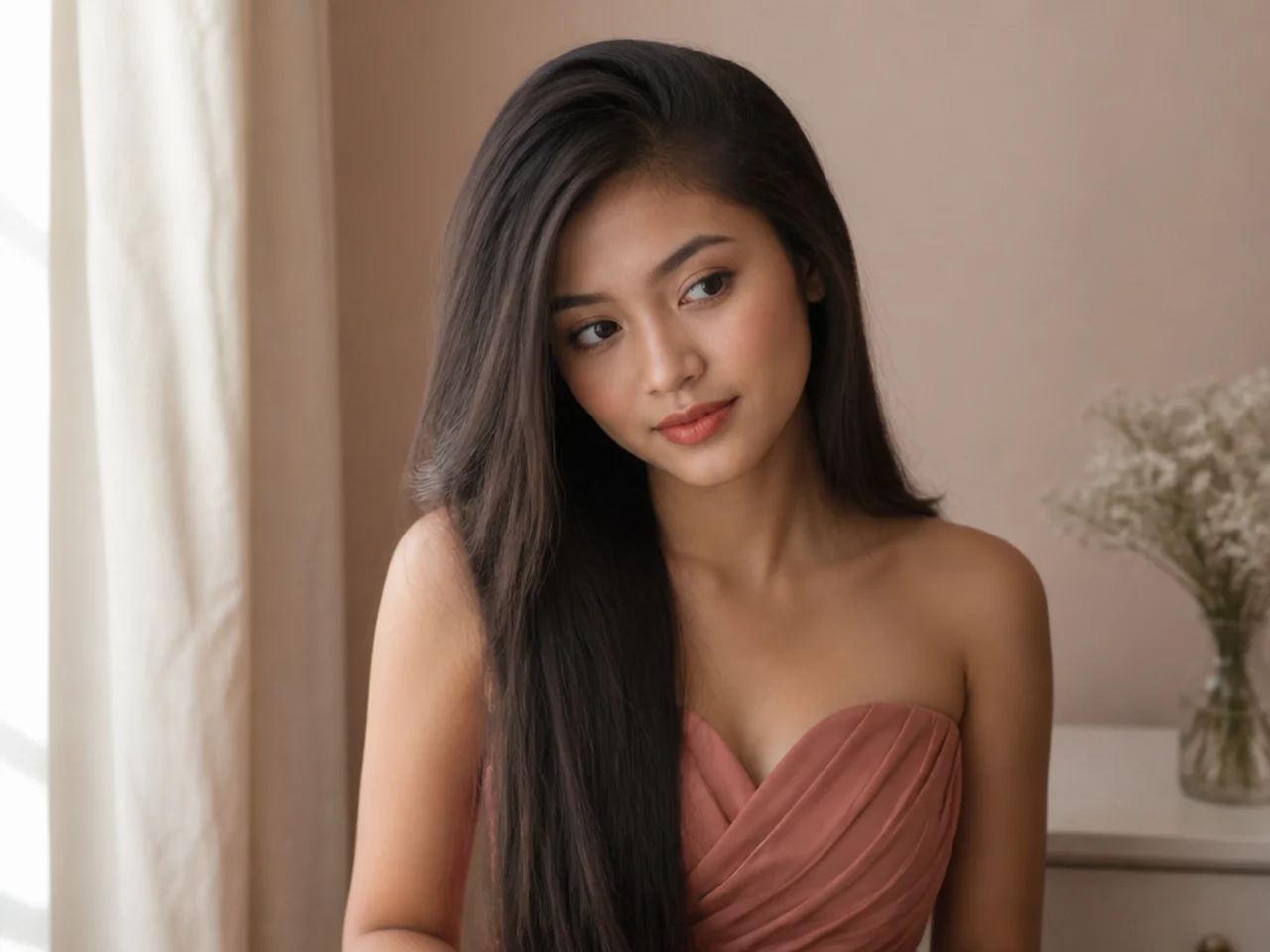
8. Slicked Back Straight Down
Gel or a strong cream through the front, the length left loose behind. The contrast between a wet-looking crown and dry ends is the whole effect, so keep product strictly above the ears or the lengths turn stringy.
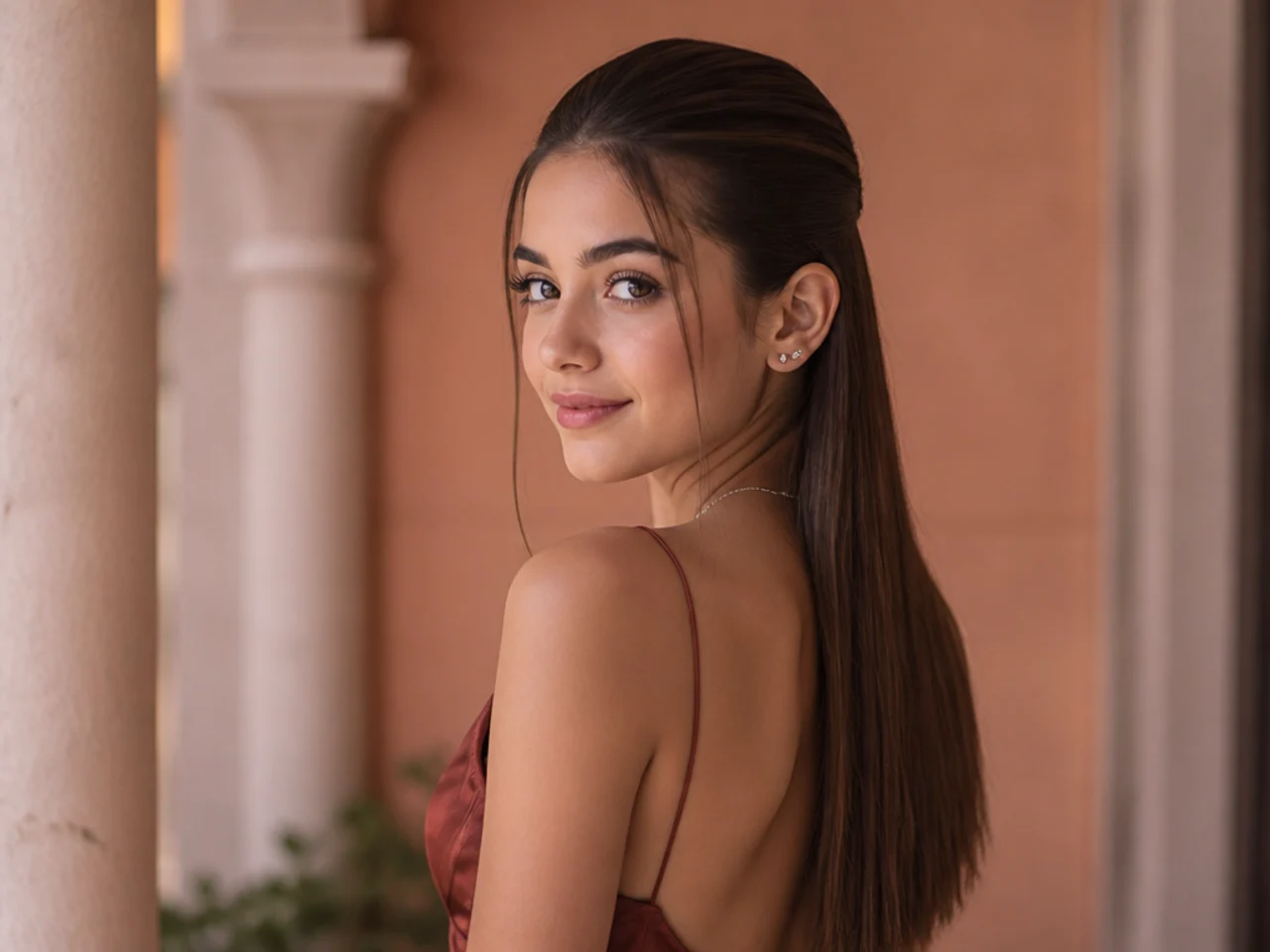
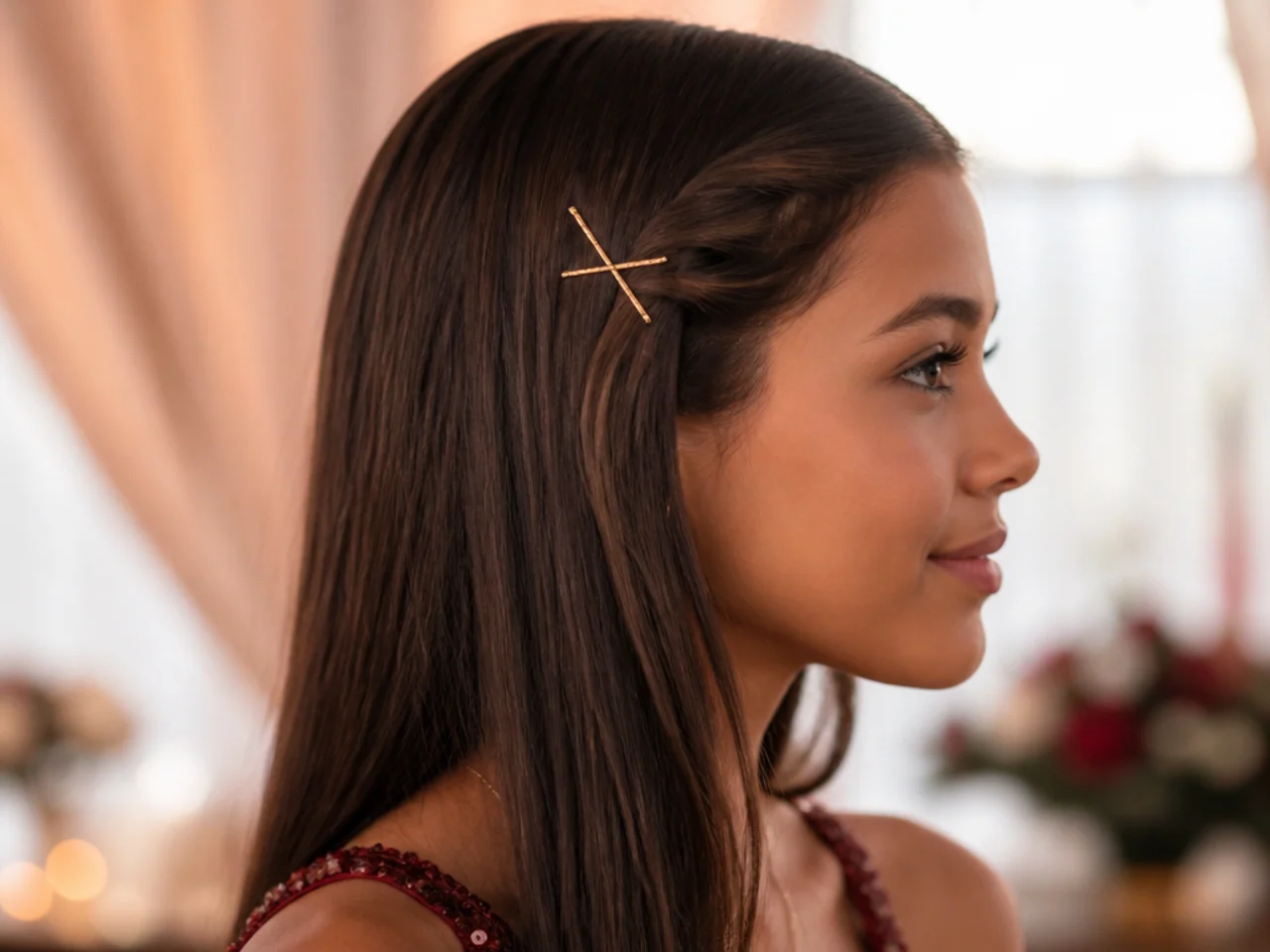
9. Straight Hair With a Crystal Clip
A jewelled clip set just behind the ear on the heavier side of the parting. It holds a small section rather than the whole weight, which is why it stays put where a full clip in long straight hair would slide down the shaft.
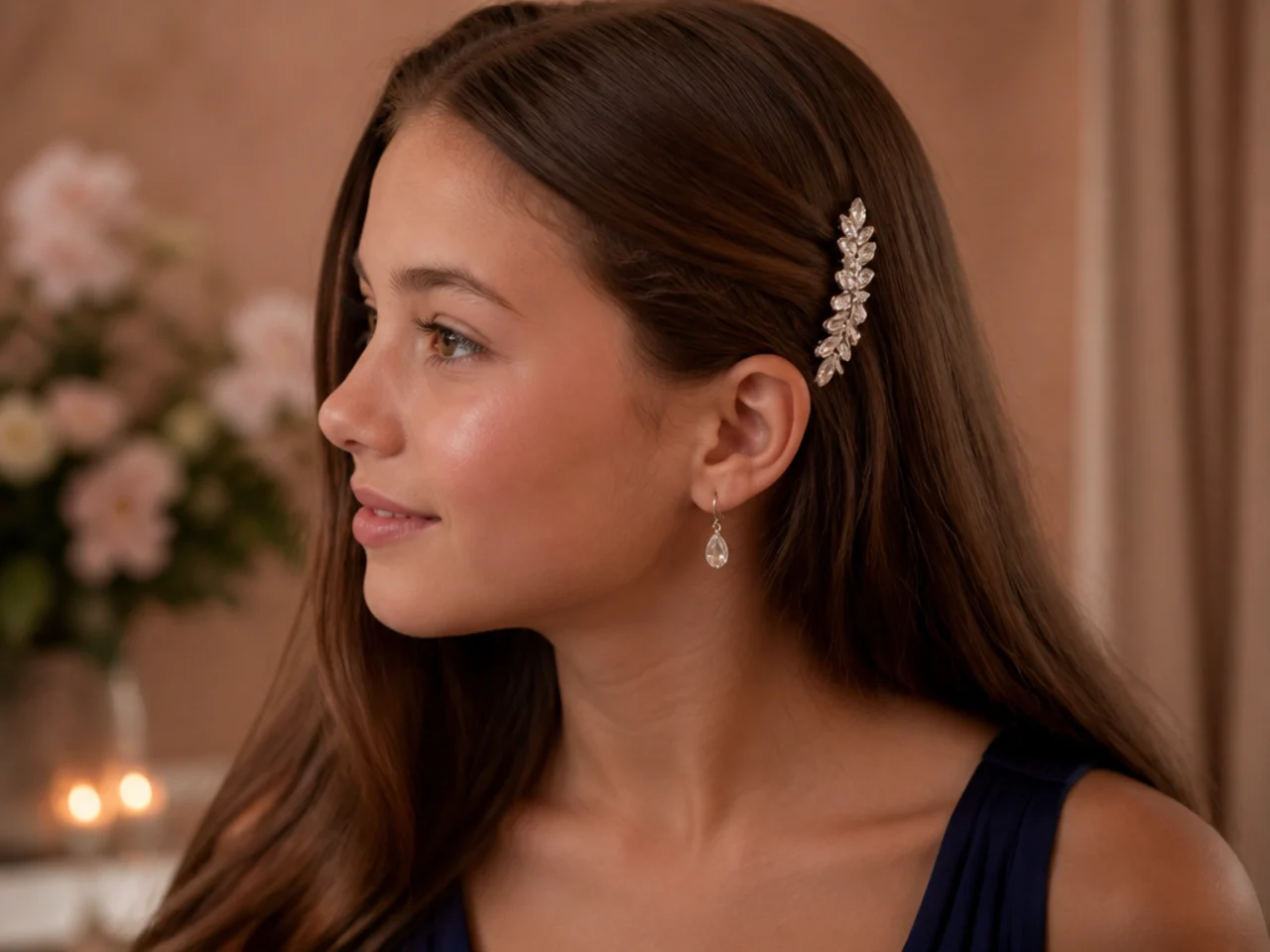
10. Dutch Braid Into Straight Lengths
A braid worked over the crown that releases into loose hair partway down. The braided portion holds itself, so the only fastening is at the release point, which is far less strain than pinning the same amount of hair flat.
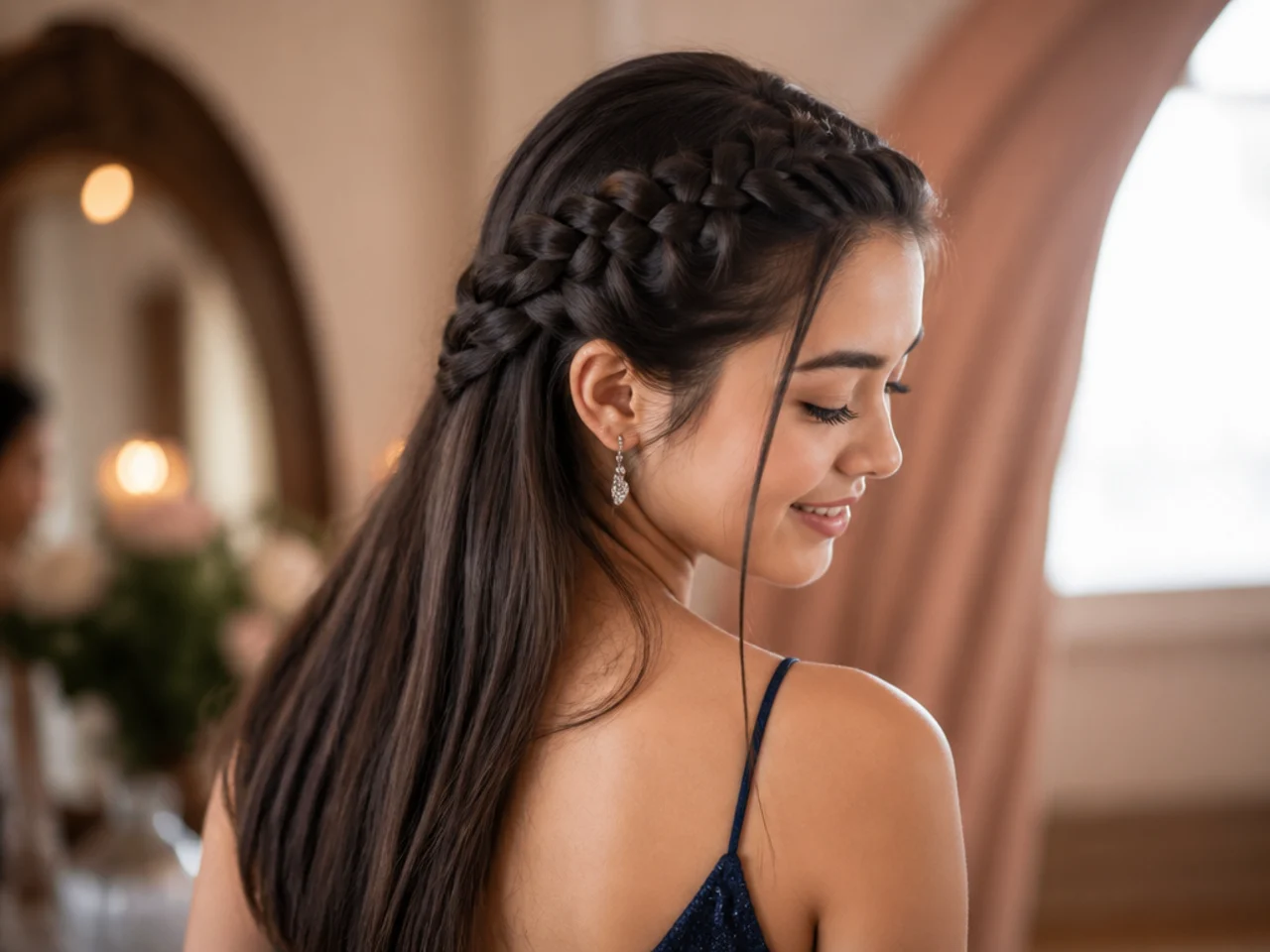
11. Front Twists Pinned Back
Two thin sections at the temples twisted and pinned behind the ears. It clears the face without committing to a half-up, and on straight hair the twist has to be pinned at the very end of the section or it unwinds itself.
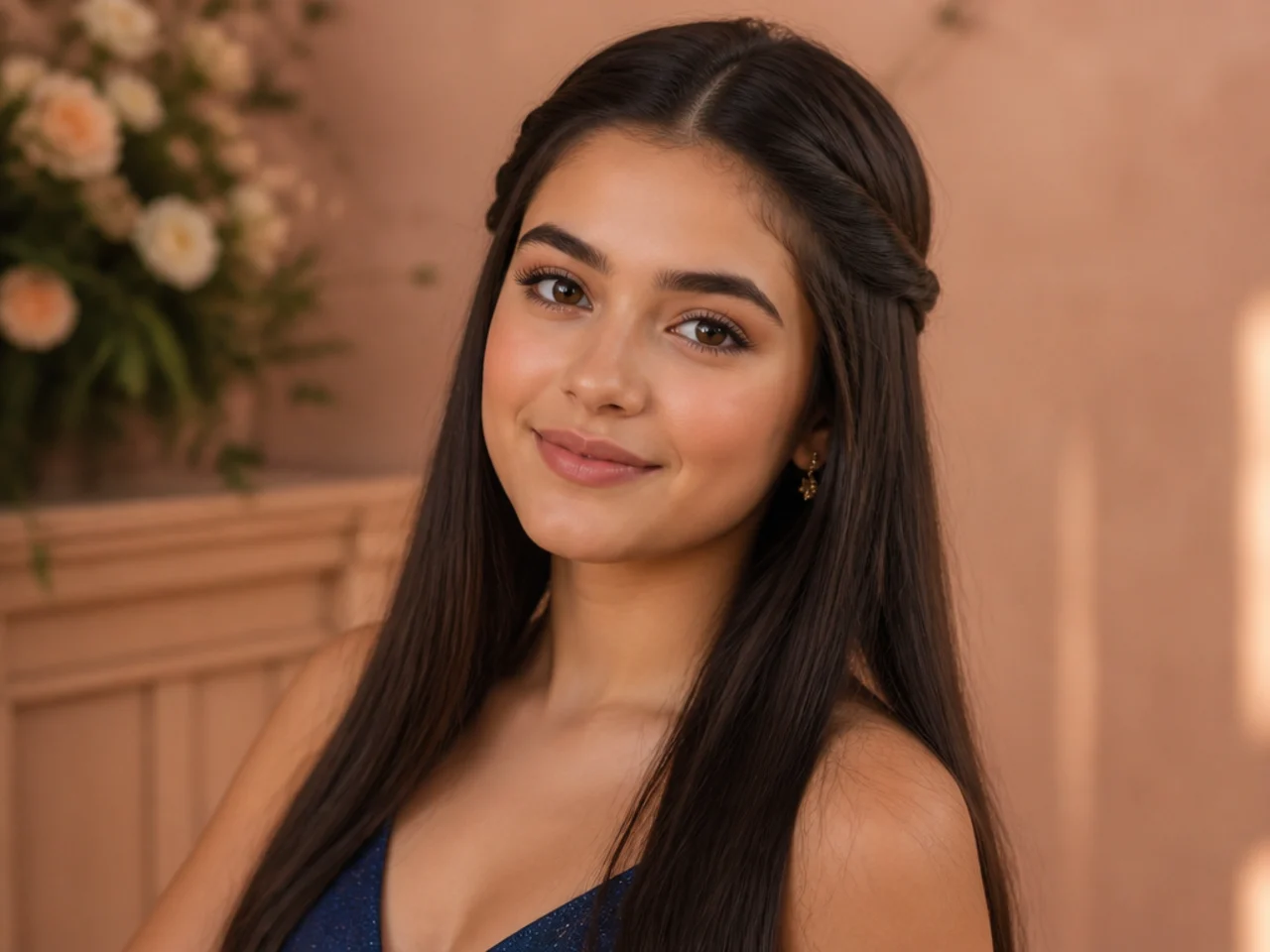
12. Straight Hair With a Ribbon Bow
A ribbon tied at the base of a low ponytail or half-up section. Satin against smooth hair has almost no grip of its own, so the ribbon goes over an elastic rather than instead of one.
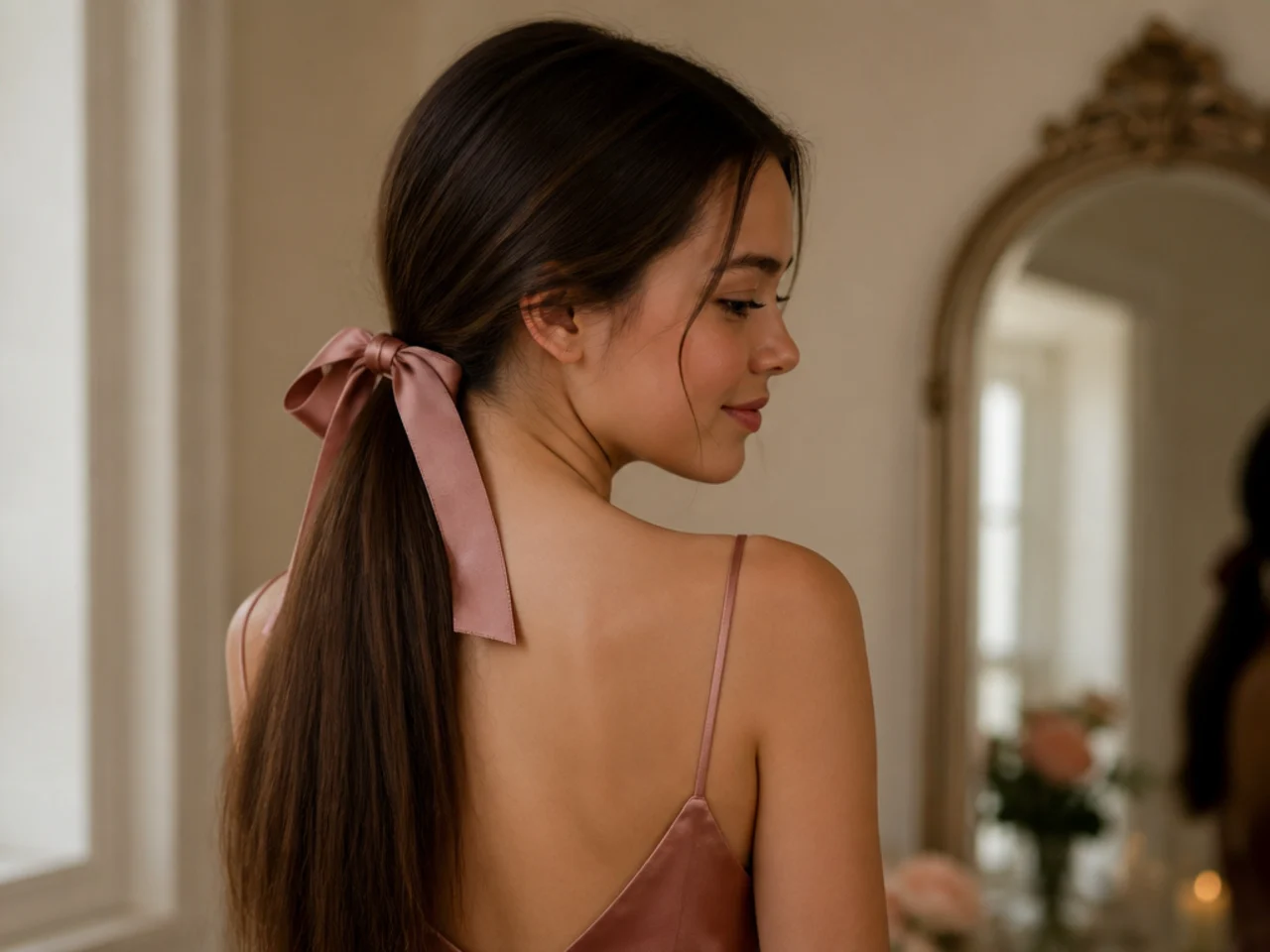
13. Sleek Middle Part Down
Straight hair worn as it falls, parted dead centre, finished with a shine serum on the mid-lengths only. A centre parting splits the weight evenly and shows the cut line clearly, which is why the ends need to be freshly trimmed for it to read as deliberate.
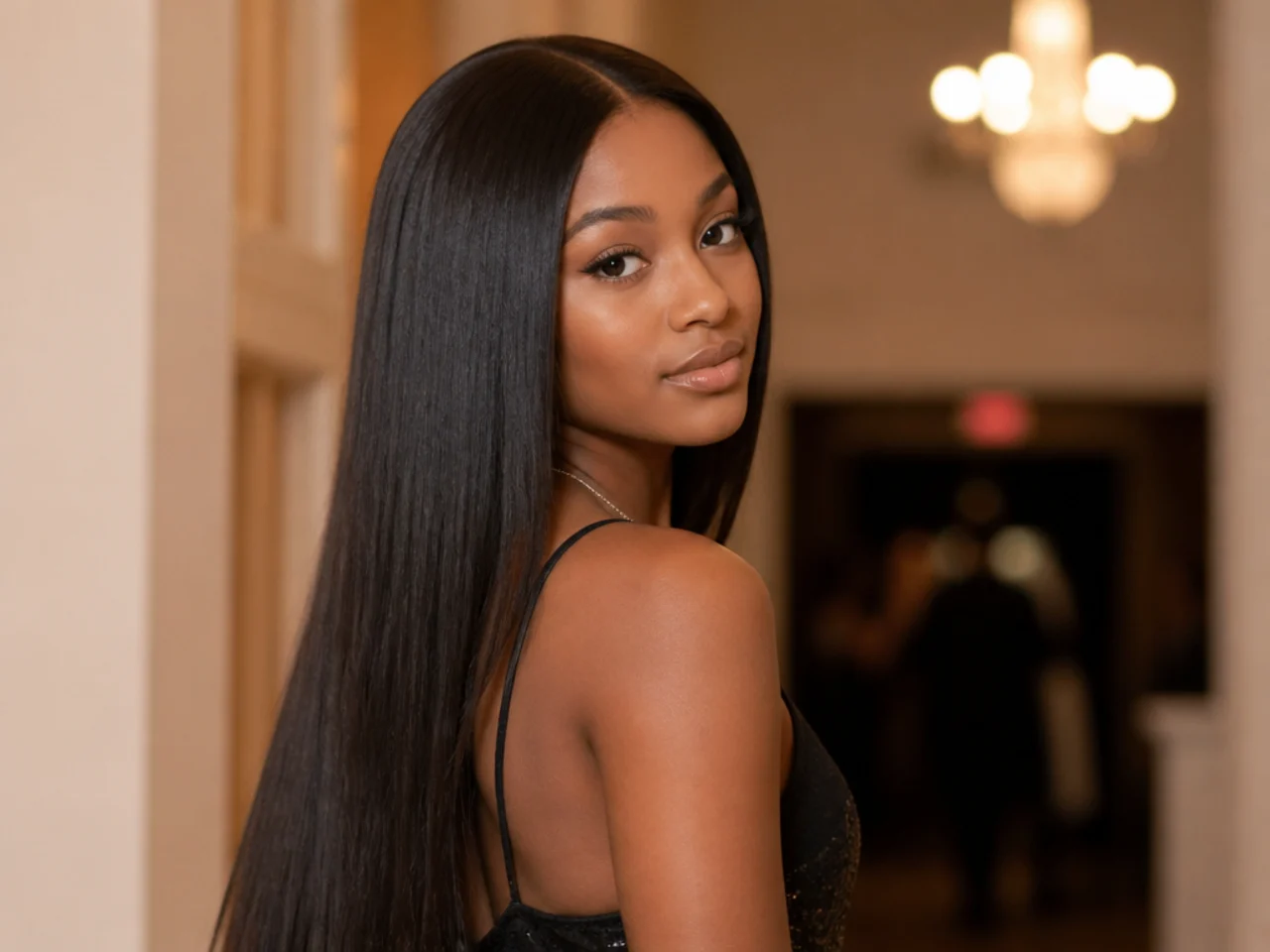
14. Ponytail With Face Framing Pieces
A high or low tail with two strands pulled loose at the front. Those pieces soften the hard line a sleek ponytail draws across the temple, and they should be pulled before the tail is tightened so the tension stays even.
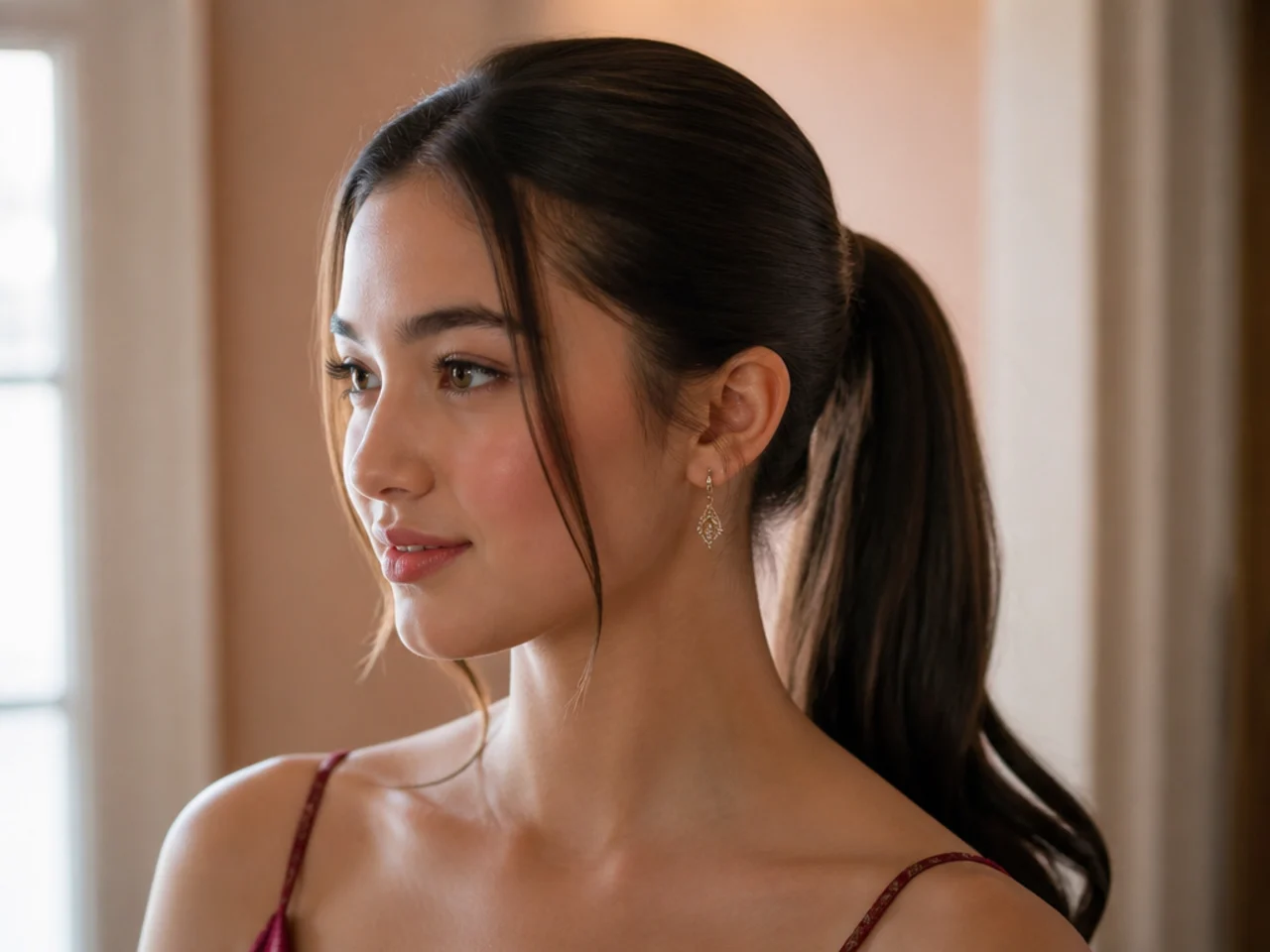
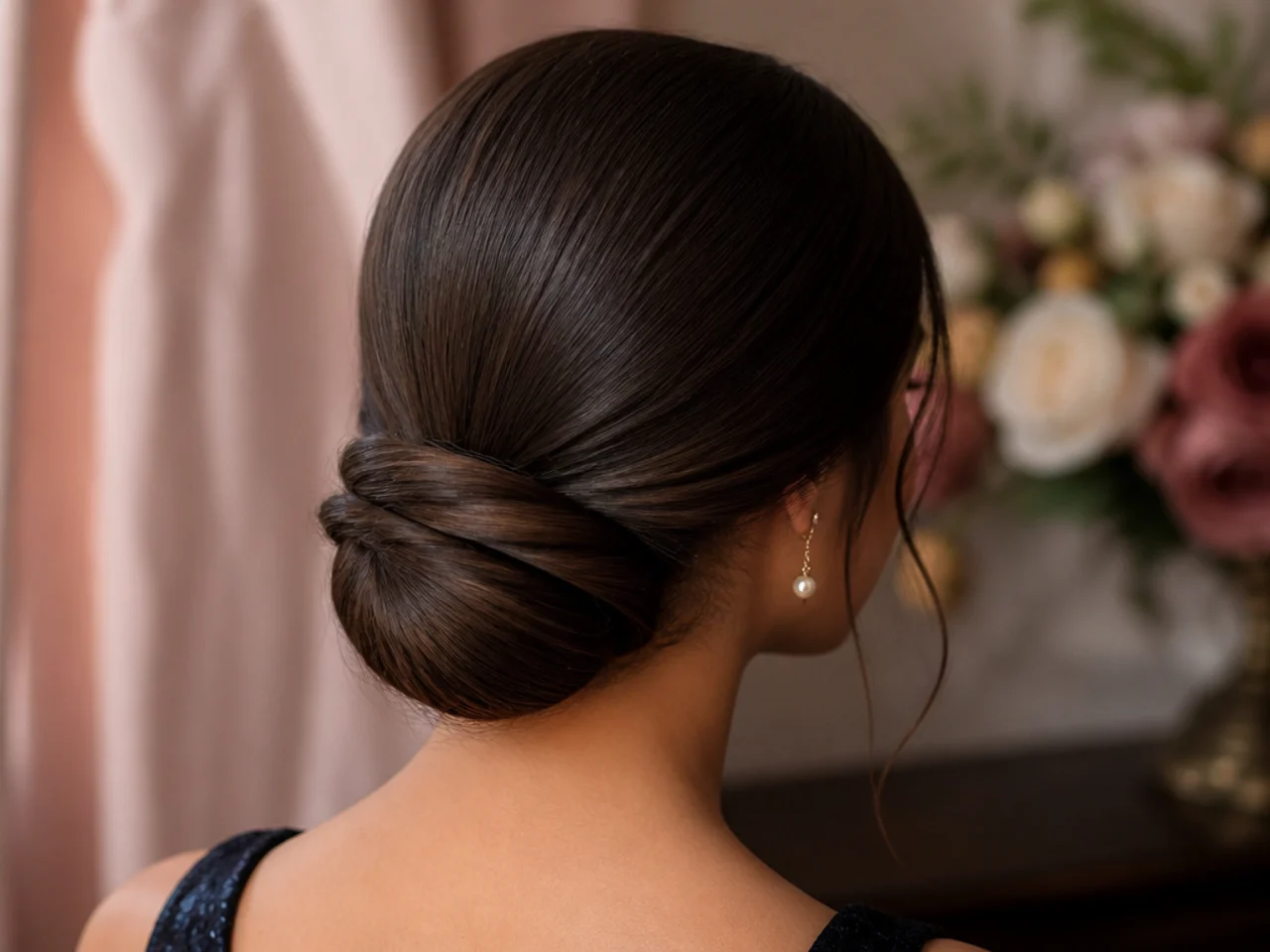
15. Low Chignon
A folded, pinned knot sitting low at the nape, flatter and wider than a bun. The fold gives you several places to pin into rather than one coil, which spreads the load and is why it holds long straight hair better than a tight bun does.
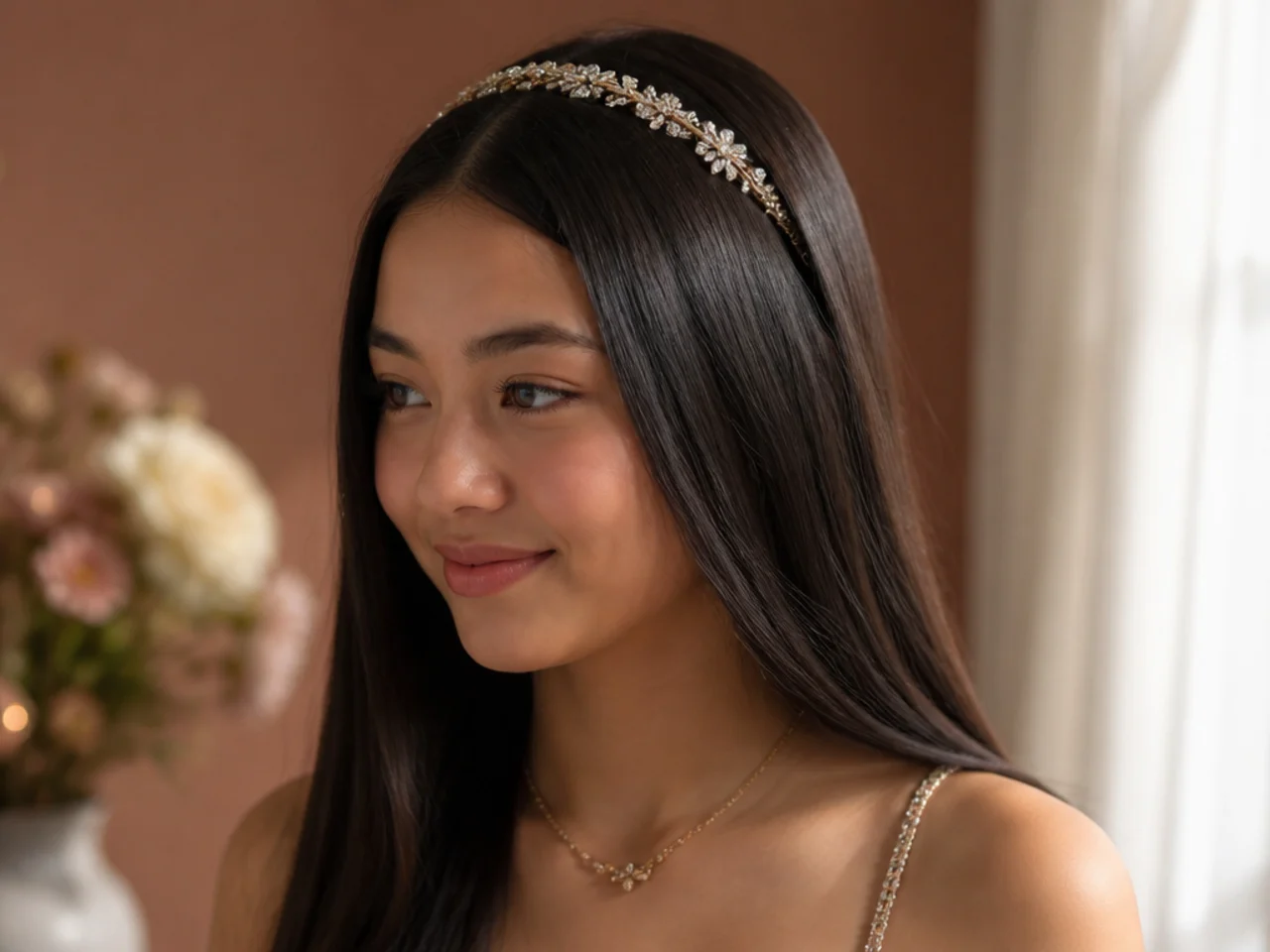
16. Straight Hair With a Headband
A padded or embellished band set an inch back from the hairline. Sitting it back rather than at the edge stops it sliding, because it is holding hair from both sides instead of just pressing on the front section.
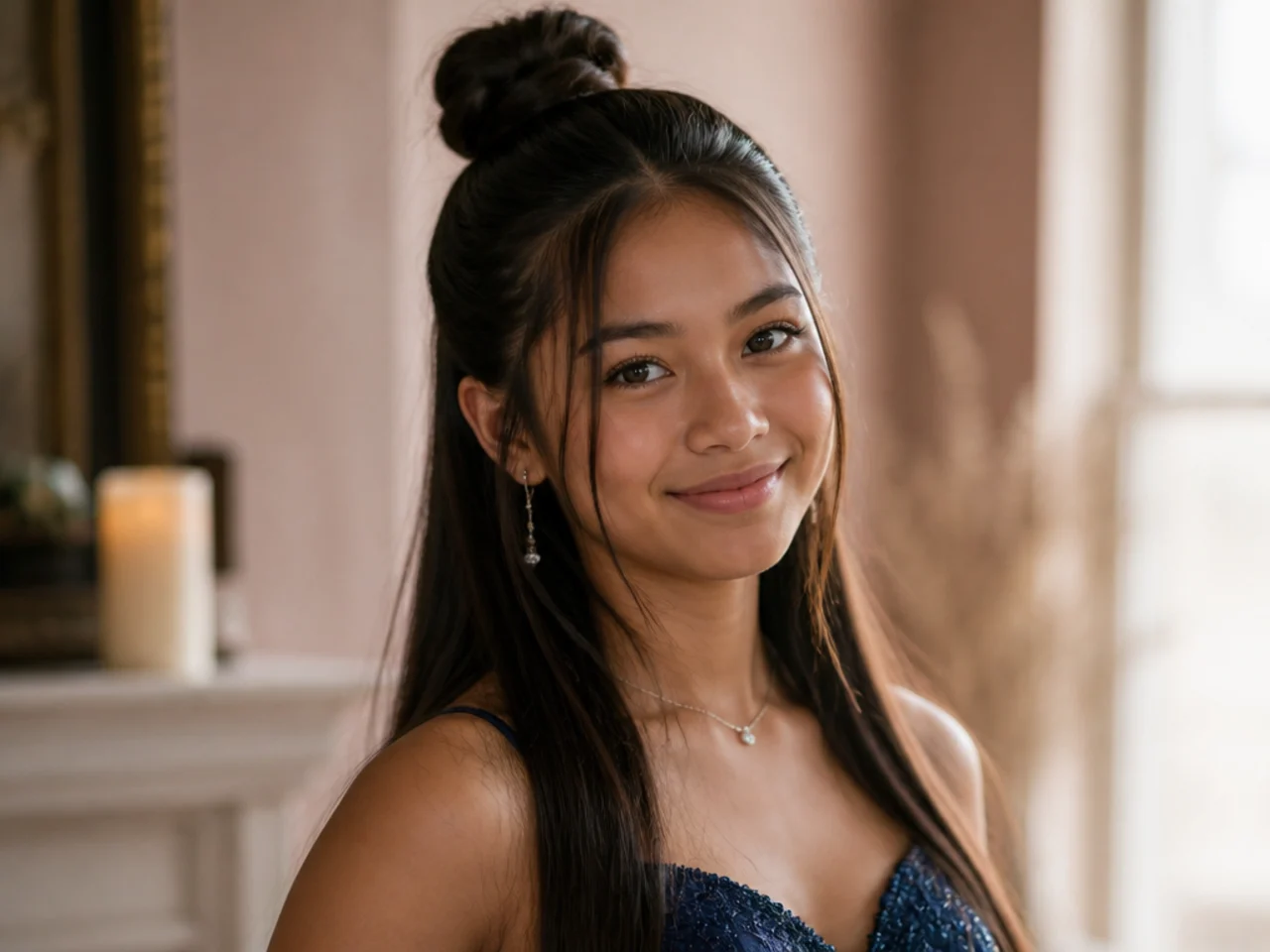
17. Half Up Bun
The top section twisted into a small bun with the rest left down. Less weight above the fastening than a full updo and less below it than a half-up, which makes it the most stable compromise for very long straight hair.
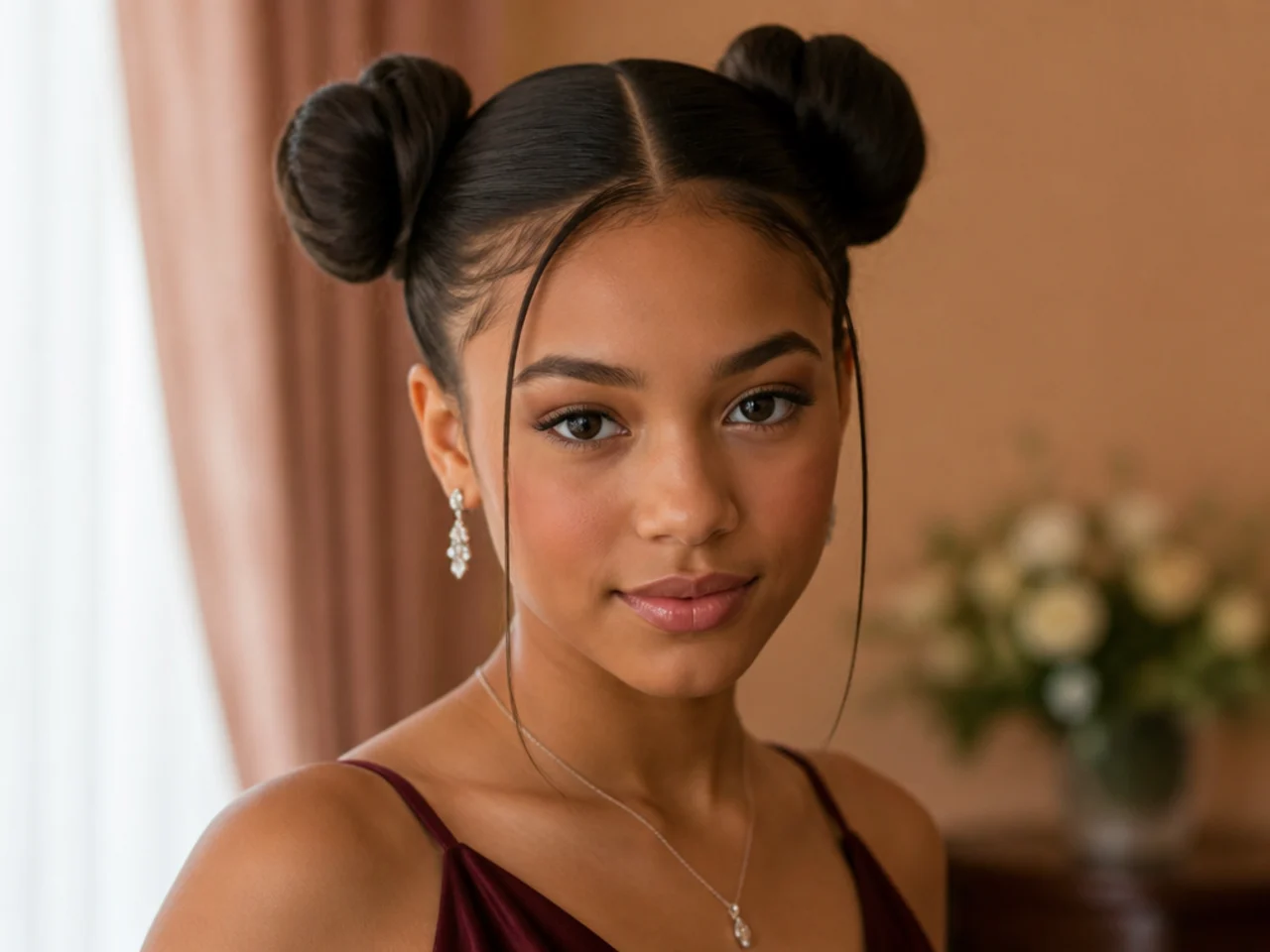
18. Sleek Space Buns
Two buns set symmetrically either side of a centre parting. Symmetry is the whole style, so measure the parting against the bridge of the nose rather than by eye, since straight hair shows an off-centre line from every angle.
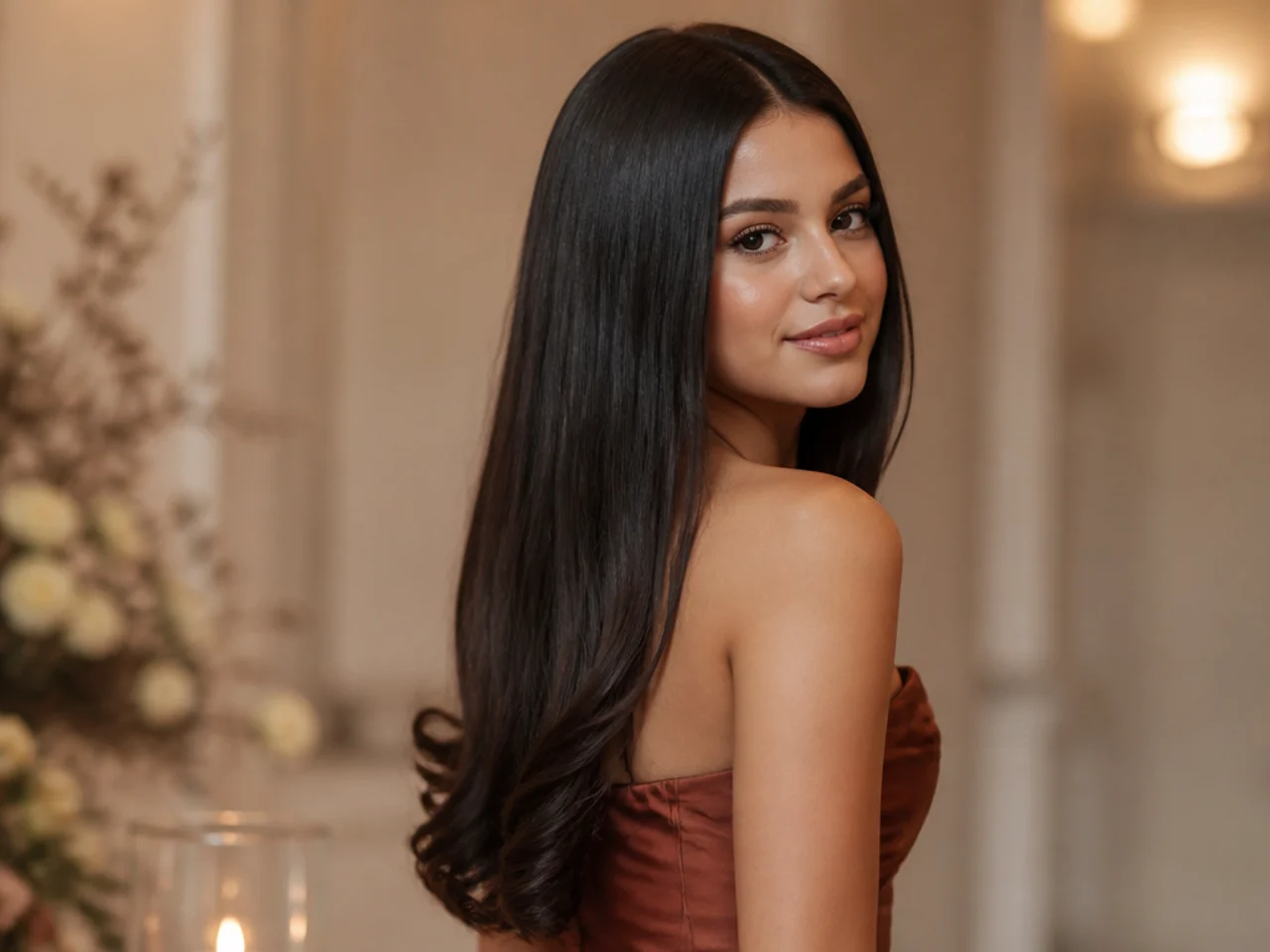
19. Straight Hair With Curled Ends
The bottom few inches curled on a large barrel, the rest left straight. Curling only the ends adds a visible finish without losing length, and the bend must be allowed to cool fully in the hand or it drops within the hour.
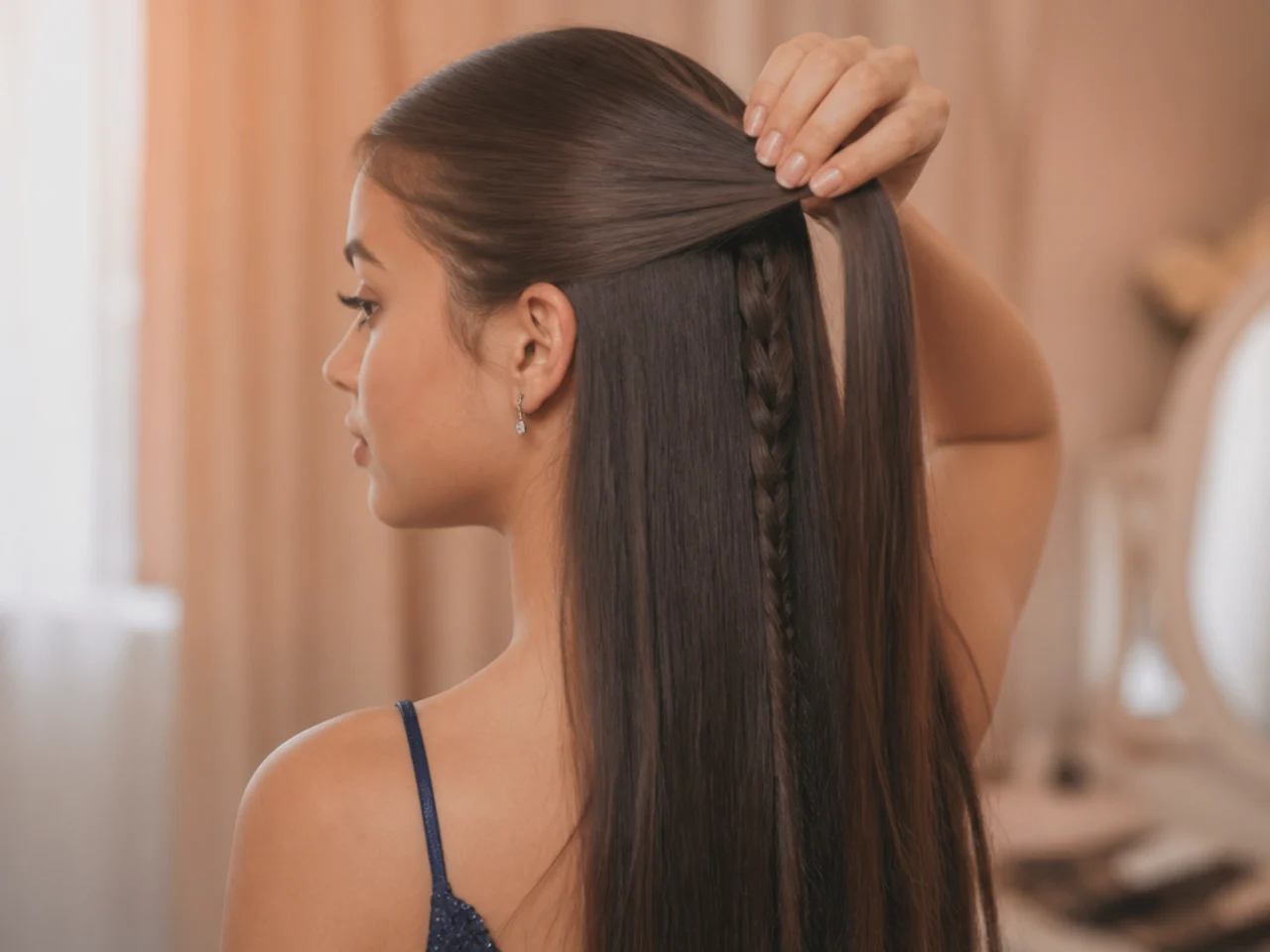
20. Straight Hair With a Hidden Braid
A thin braid running underneath the top layer, invisible from the front. It gives a smooth style a fastening point that no pin has to provide, which on slippery straight hair is the difference between holding and not.
Styling and Upkeep
Do not wash it the morning of. Day-two hair holds a pin. Freshly washed hair is the single most common reason a style comes apart.
Two bursts of texture spray at the roots. Roughening the surface is what creates friction. Applying it through the lengths only makes them look dull.
Cross your pins. One pin holds by friction alone. Two crossed pins lock against each other and hold by shape, which matters most on smooth hair.
Let curls cool in your hand before releasing. The bend sets as the hair cools, not while it is hot. Drop it too early and it falls straight.
Carry four spare pins and a small comb. Repairs take thirty seconds if you have them and are impossible if you do not.
Mistakes to Avoid
Conditioning the roots on the day. Slip is exactly what you do not want under a pin. Keep conditioner to the mid-lengths and ends.
Relying on a single elastic. Long straight hair is heavy, and one band is a single point of failure. Anchor it with pins as well.
Pinning against the direction of pull. A pin worked in the same direction the hair wants to fall slides straight out. Push it in against the pull.
Ironing it flat then expecting hold. A flat iron removes the last of the texture. If you are putting it up, do that first and press only the front.
Trying a new style on the night. Every style needs one rehearsal to find out where it slips on your own hair. That rehearsal takes twenty minutes and saves the evening.
FAQ
Why does it slip? Clean straight hair has no friction — a pin needs texture to bite into.
Up or down? Down for the first hour, up for the whole night.
Do I need to curl it? Only lightly, and only to give the pins something to grip.
Final Thoughts
The style is the easy part. What decides whether it survives to the last song is the ten minutes of preparation before you touch a pin, and on straight hair that means adding friction rather than taking it away.
Pick the shape first, then work backwards to the prep it needs. For everyday versions of the same shapes see straight hair hairstyles and cute hairstyles for straight hair, and for the dressier end see prom hairstyles for straight hair. More in Occasion Hair.
Frequently asked questions
Related posts
See all posts
15 Graduation Hair Ideas for the Updo Versus Down Decision
Read more
15 Straight Hair Wedding Looks to Save
Read more
20 Gorgeous Prom Looks for Straight Hair
Read more