25 Beautiful Hoco Hairstyles For Black Women
Twenty five homecoming looks chosen for how they behave after four hours of dancing rather than how they photograph in the chair. The style that lasts the night is decided by tension at the hairline, product layering and how the room handles humidity.
In this article · 32
- What a Hoco Style Has to Survive
- Choosing Your Hoco Style
- The 25 Hoco Hairstyles
- 1. Sleek High Ponytail
- 2. Bubble Ponytail
- 3. Half Up Half Down With Curls
- 4. Silk Press With Soft Waves
- 5. Wash and Go With Volume
- 6. Braided Crown Updo
- 7. Knotless Box Braid Updo
- 8. Goddess Braids With Curled Ends
- 9. Fulani Braids With Beads
- 10. Twist Out With a Side Part
- 11. Flat Twist Updo
- 12. Space Buns With Curls
- 13. Sleek Low Bun
- 14. Bantu Knot Out
- 15. Faux Hawk With Flat Twists
- 16. Finger Waves
- 17. Pin Curl Updo
- 18. Halo Braid
- 19. Ponytail With a Side Swoop
- 20. Loose Curls With a Deep Side Part
- 21. Sleek Bun With Laid Edges
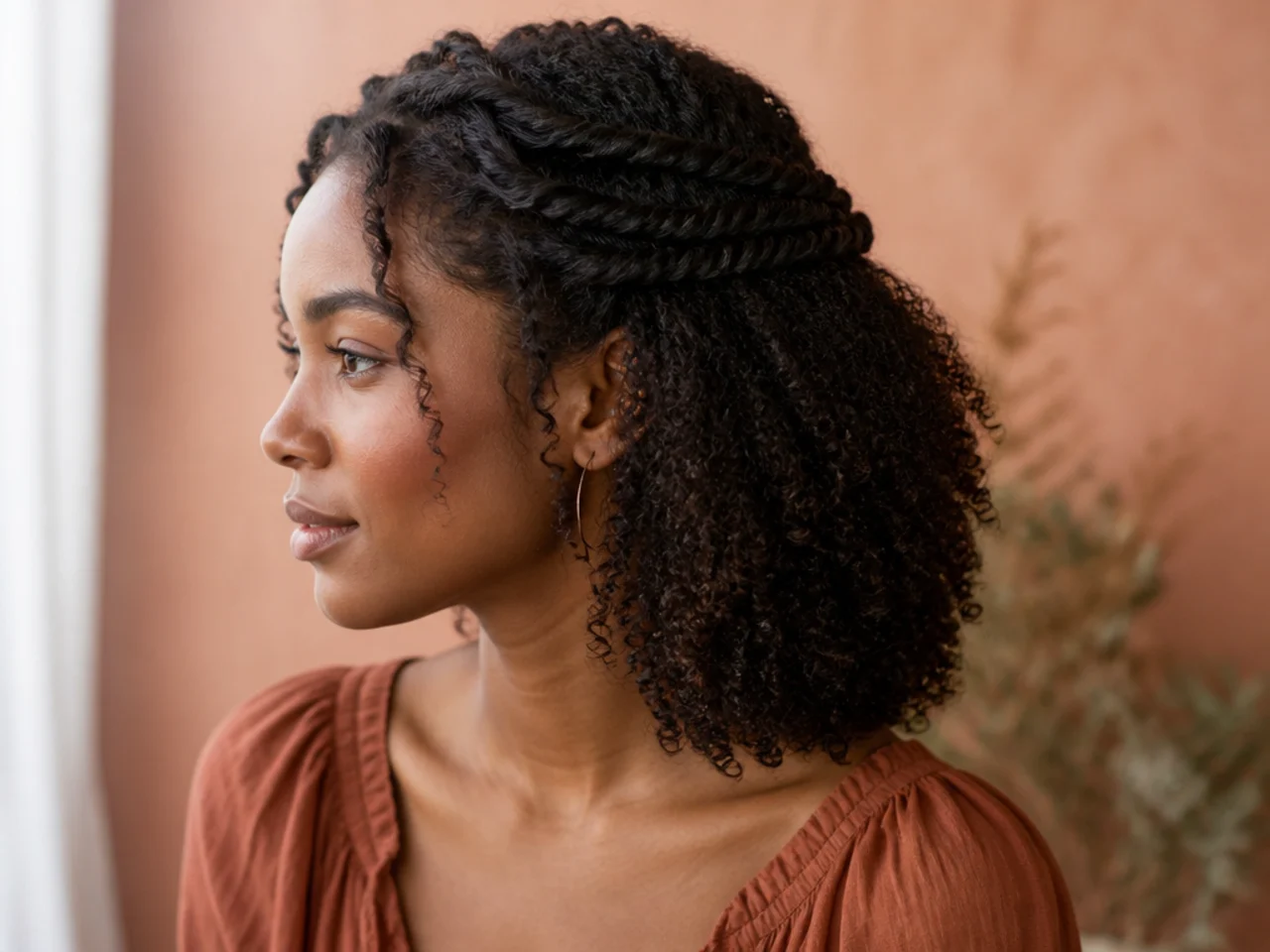
- 22. Two Strand Twist Half Updo
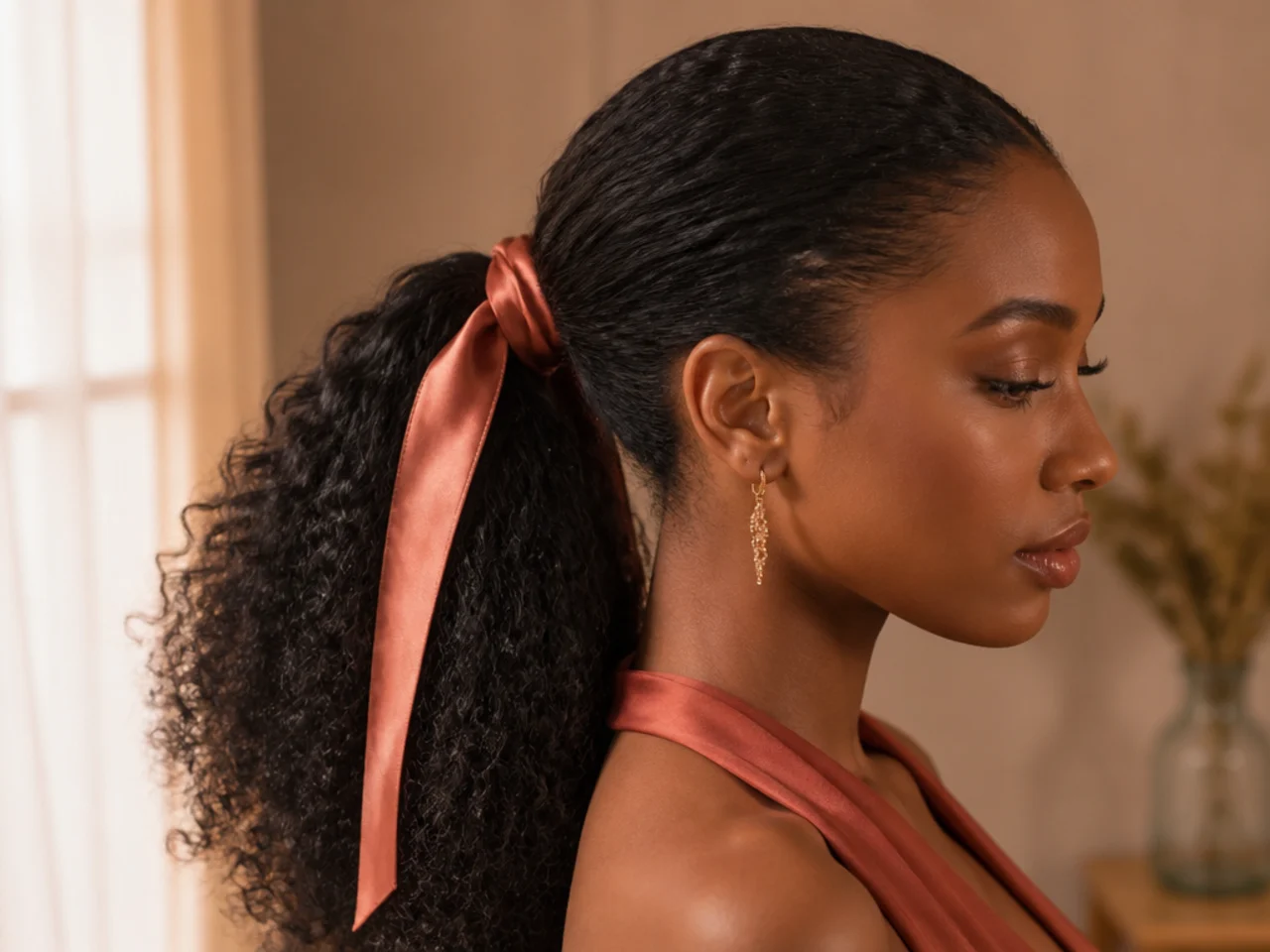
- 23. Ribbon Wrapped Ponytail
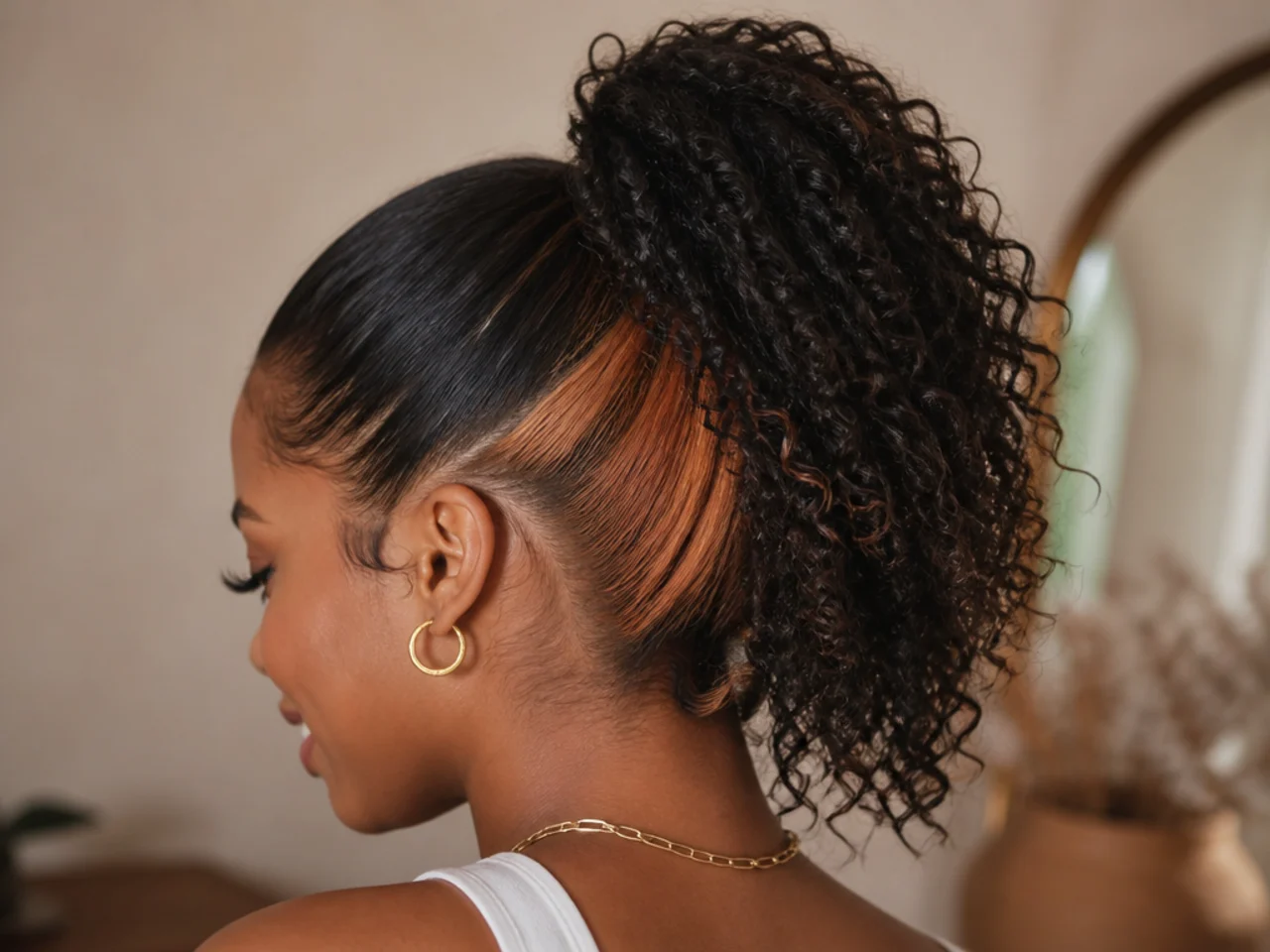
- 24. Peekaboo Colour Ponytail
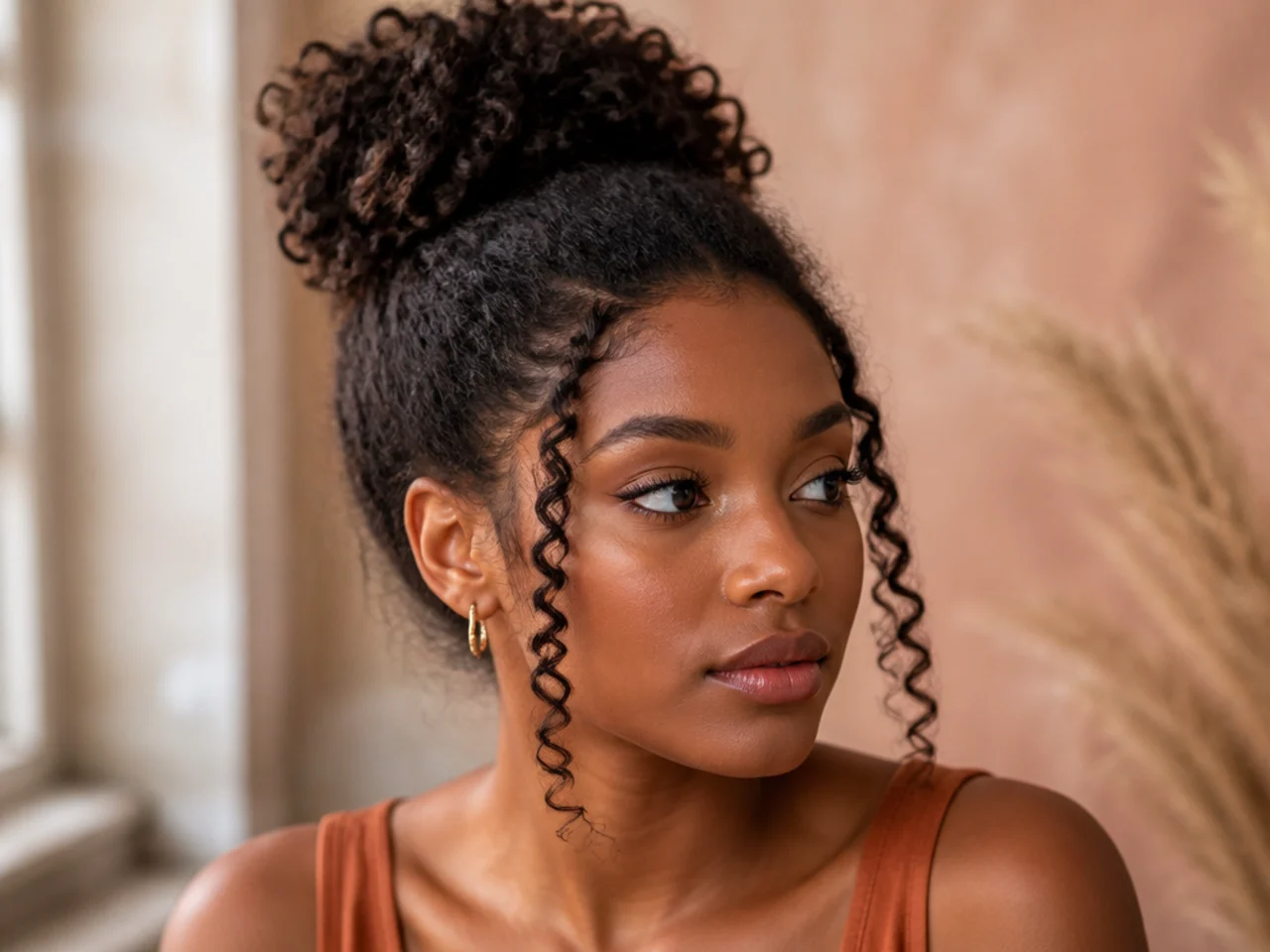
- 25. Curly Updo With Face Framing Tendrils
- Styling and Upkeep
- Mistakes to Avoid
- FAQ
- Final Thoughts
Most homecoming styles fail somewhere between the photographs and the last hour of the dance, and it is almost never the style that was wrong. It was the tension, the product layering or the room.
The style has to survive movement, heat and time. A look that only holds while you stand still is a photograph, not a hairstyle.
Tension is the variable that matters most. Too little and a sleek style drops by hour two. Too much and the hairline pays for one night over the following months.
What a Hoco Style Has to Survive
Four hours of movement. Every style loosens as the head moves. Sleek looks drop from the crown first, because that is where the pull is longest.
A warm room. Heat plus sweat at the nape is what reverts a press. The curl pattern is still there under the smoothing, waiting for moisture to release it.
Product on product. Gel over mousse over foam flakes white as it dries, because the layers dry at different rates and crack against each other. Pick one hold product and stay with it.
A late night takedown. Whatever goes in has to come out without breaking hair. Anything set with heavy hold needs conditioner and patience, not a comb.
Choosing Your Hoco Style
Choose by your dress neckline first. A high neck competes with anything sitting on the shoulders, so an updo reads cleaner. An open neckline gives length somewhere to fall.
Choose by how much heat you want to spend. A twist out, a wash and go or a braided style needs none. A press is the only look on this list that costs you heat.
Choose by your natural pattern, not against it. Styles that follow your existing curl hold all night. Styles that fight it start reverting the moment the room warms.
Choose by takedown, not just install. Beads, heavy pins and stiff hold all add time at 1am when nobody is careful. Simpler fastenings protect the hair you spent months growing.
The 25 Hoco Hairstyles
1. Sleek High Ponytail
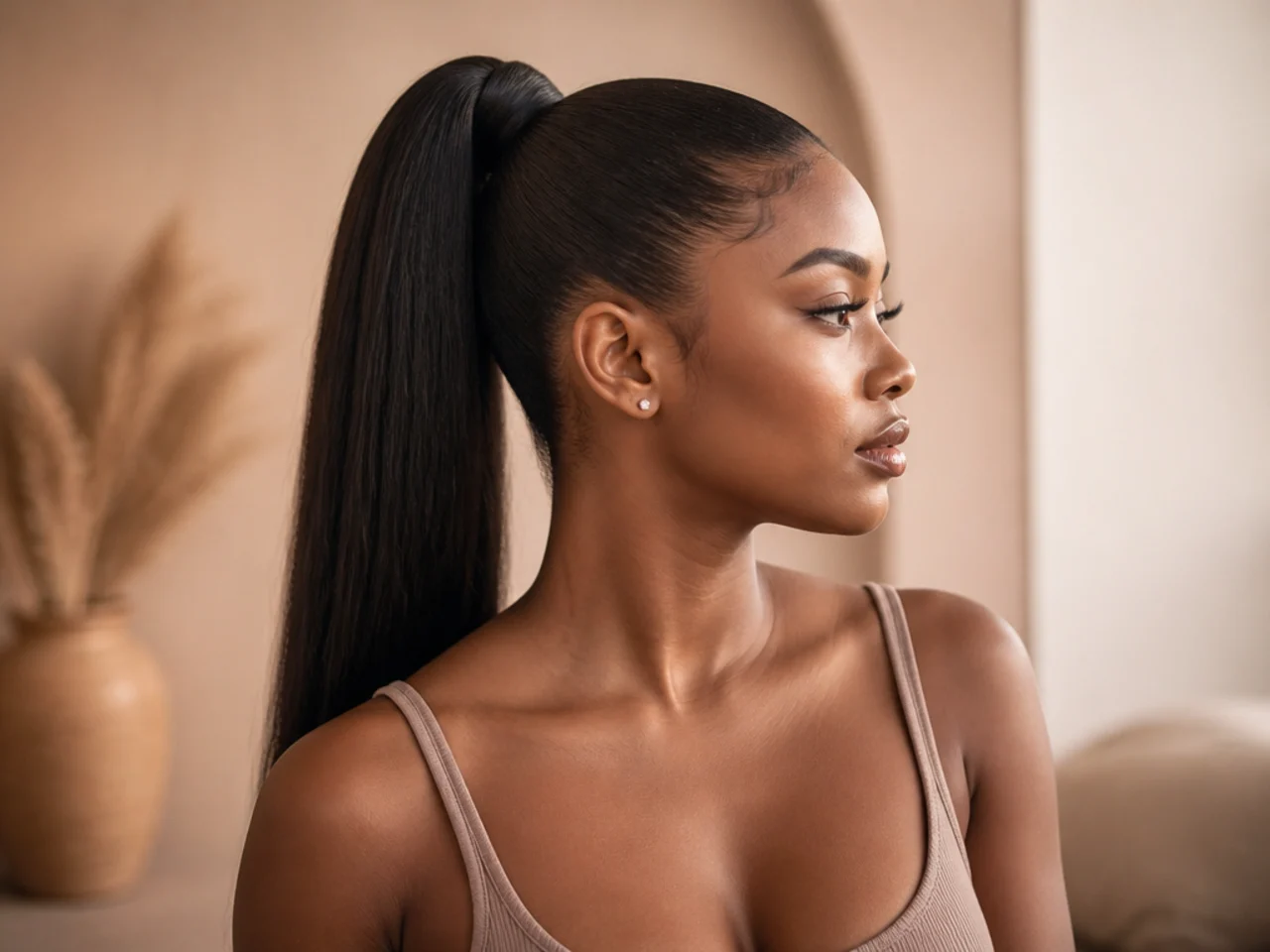
The base sits at the crown so the length falls forward and the neck stays clear. Anchor it with two pins crossed under the band rather than pulling the band tighter, because the band is where tension turns into breakage. More on placement in high ponytail styles.
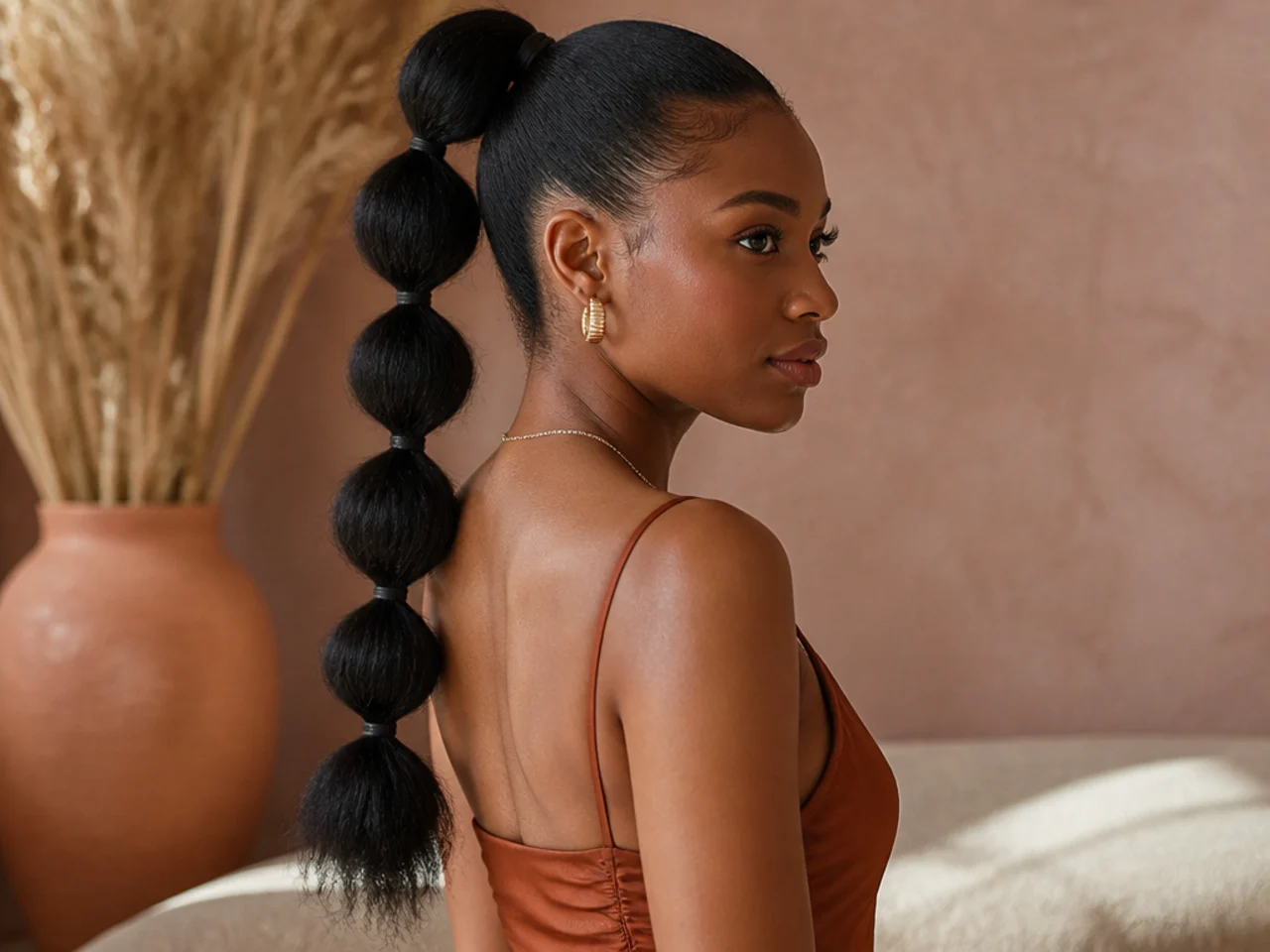
2. Bubble Ponytail
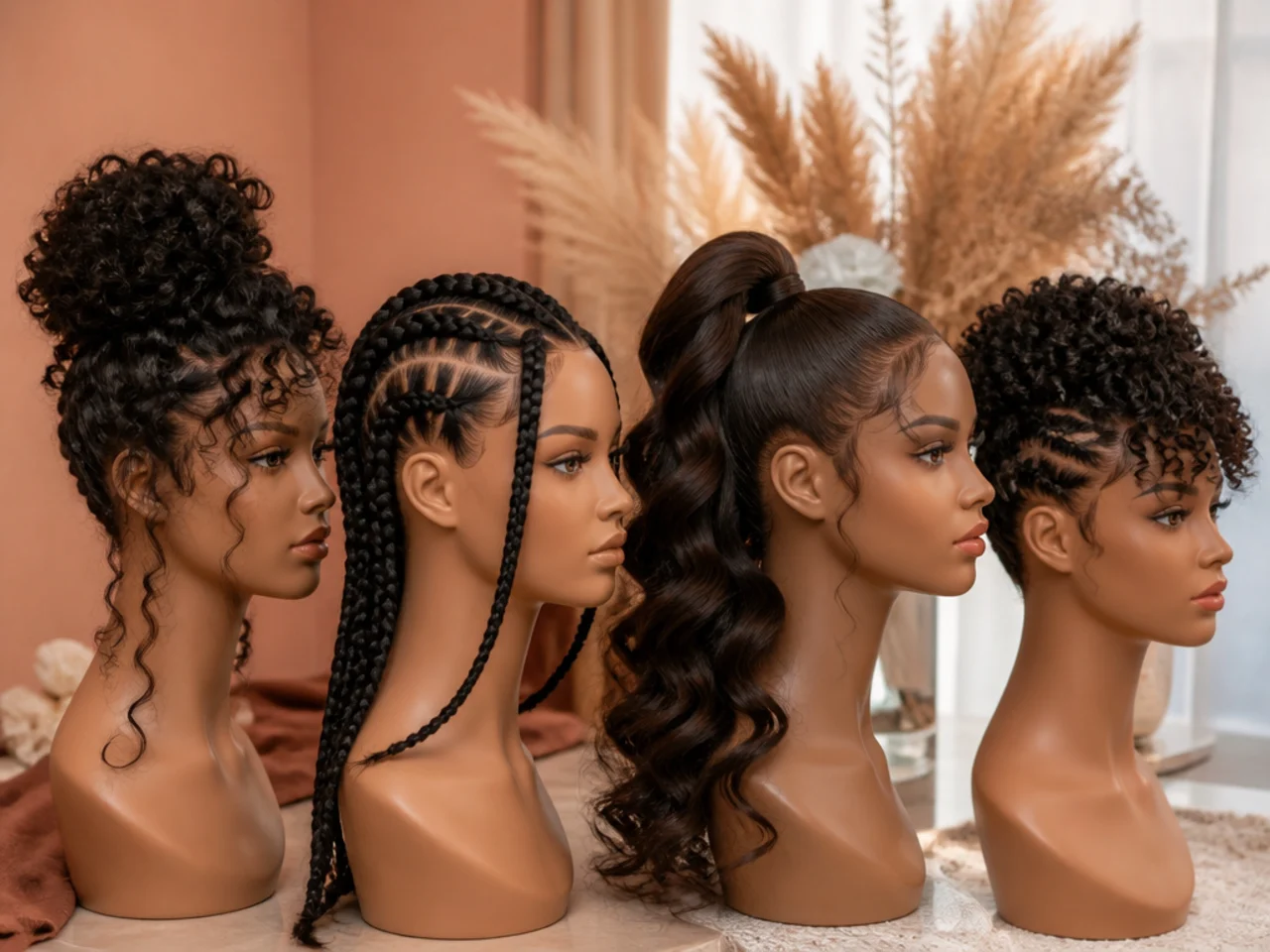
Small clear elastics divide the length into sections, and each section is fanned out to fill the gap between bands. The bubbles only look even if the spacing widens slightly toward the ends, since the hair thins as it goes down.
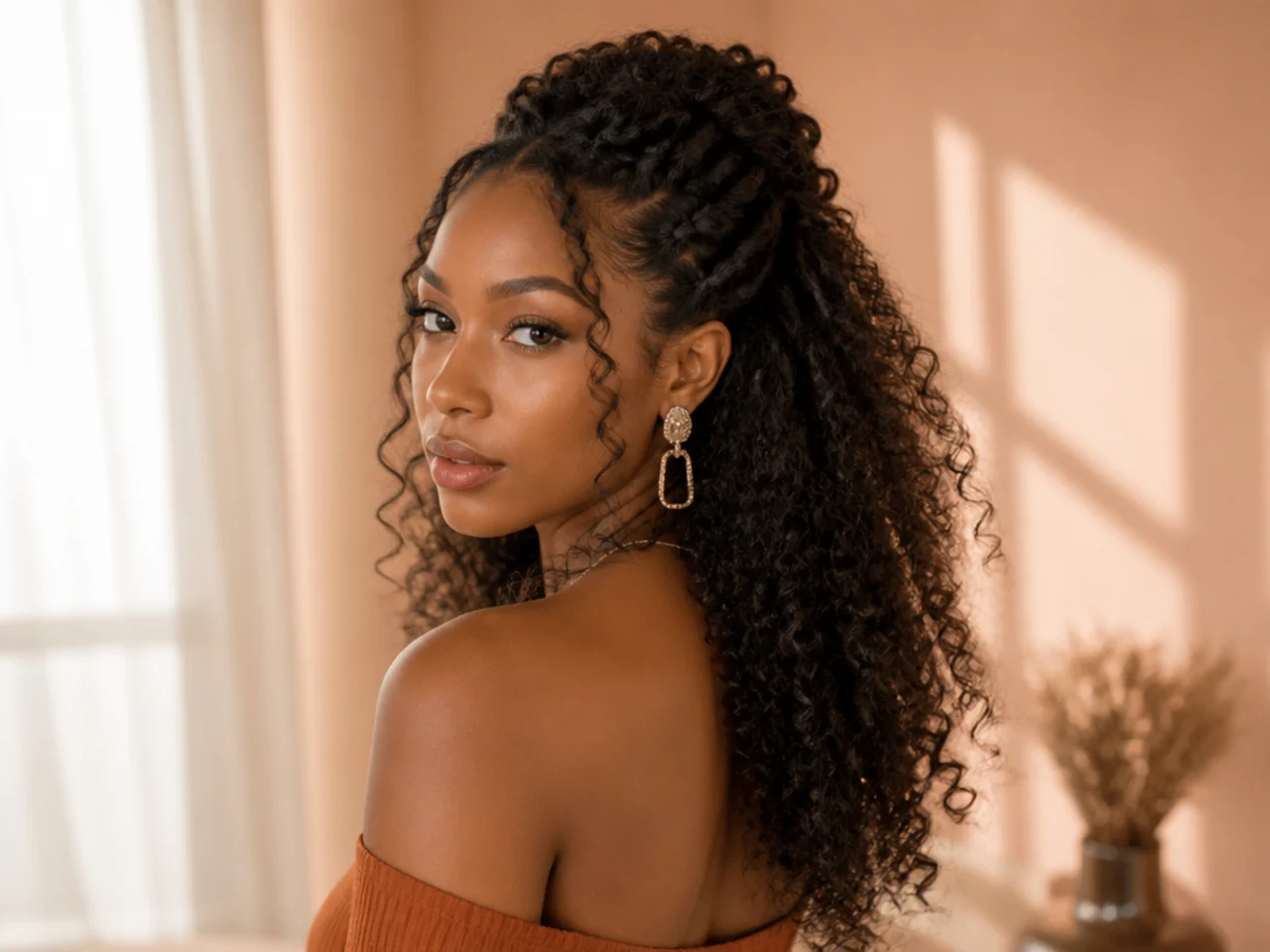
3. Half Up Half Down With Curls
The top section is pulled back and the rest left loose, which keeps length visible while getting the hair off the face. Take the top section from temple to temple only, because a deeper section leaves the loose half too thin to read as full.
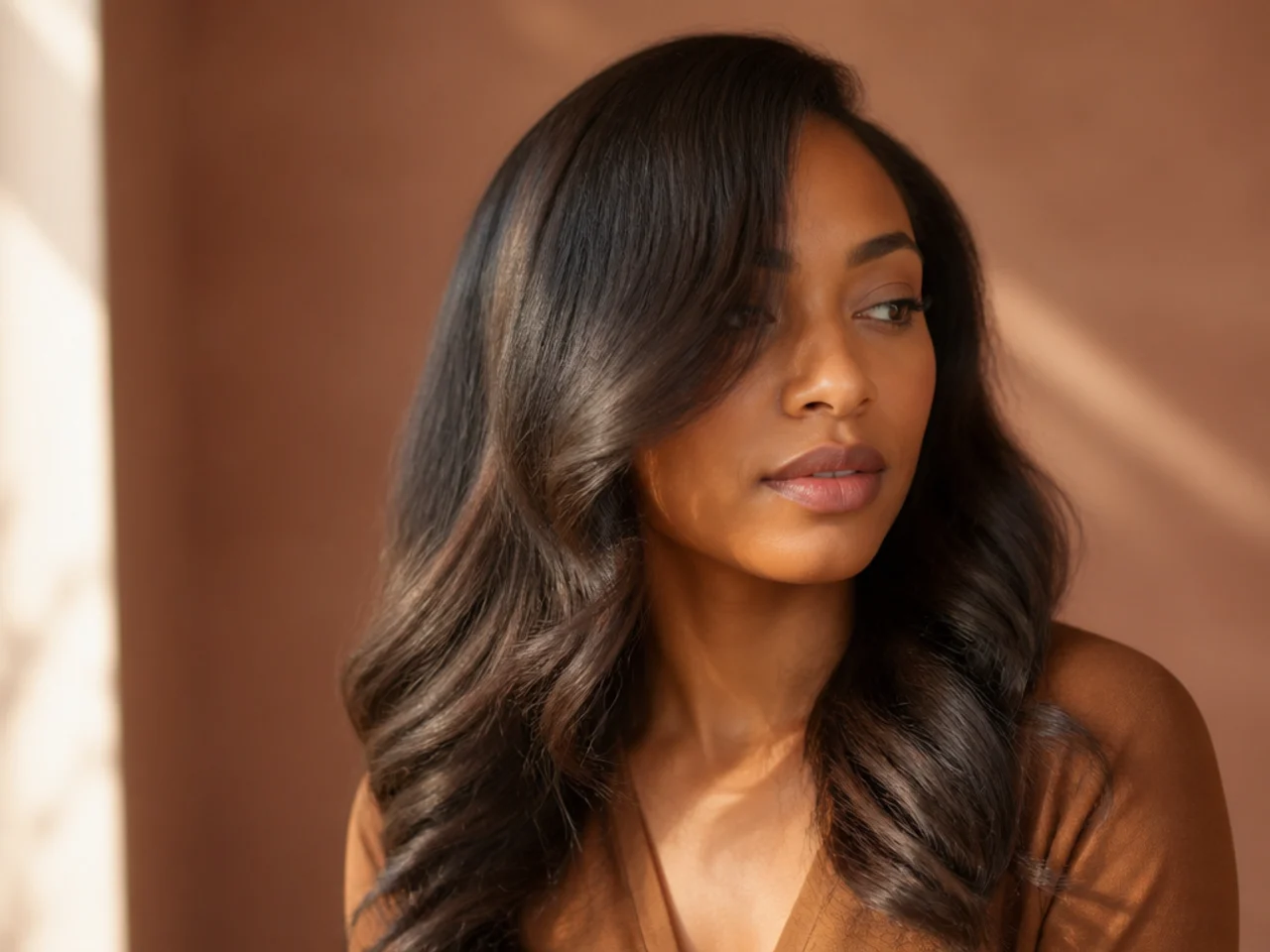
4. Silk Press With Soft Waves
Pressed smooth, then waved with a wide iron so the shape has movement rather than lying flat. The wave also disguises the first stage of reversion, since a softened wave reads as intentional where a lifted straight section does not.
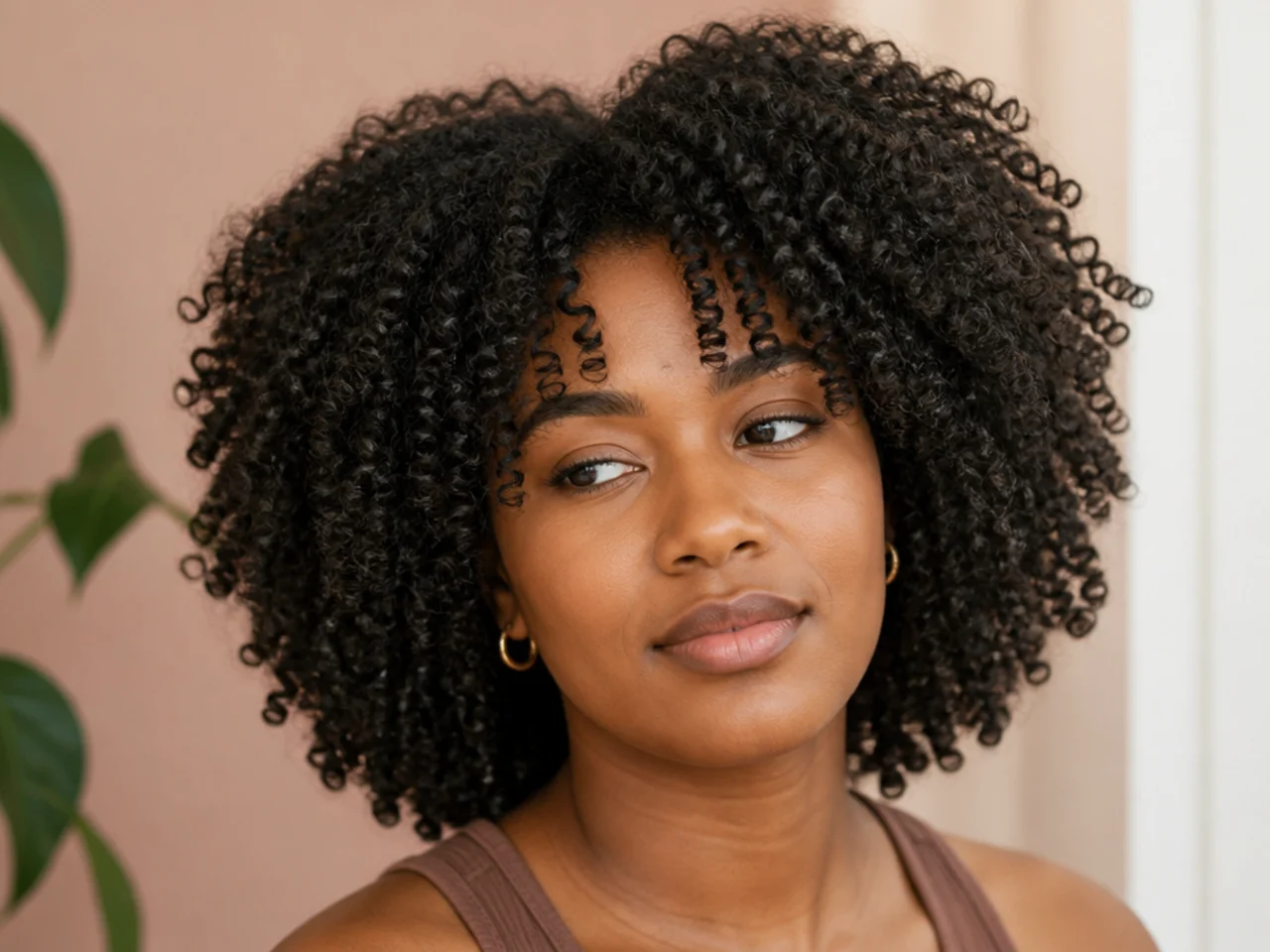
5. Wash and Go With Volume
Definition comes from applying gel to soaking wet hair in sections and never touching it again until dry. Volume comes afterwards, from lifting at the root with fingers once the cast is broken, not from picking through the ends.
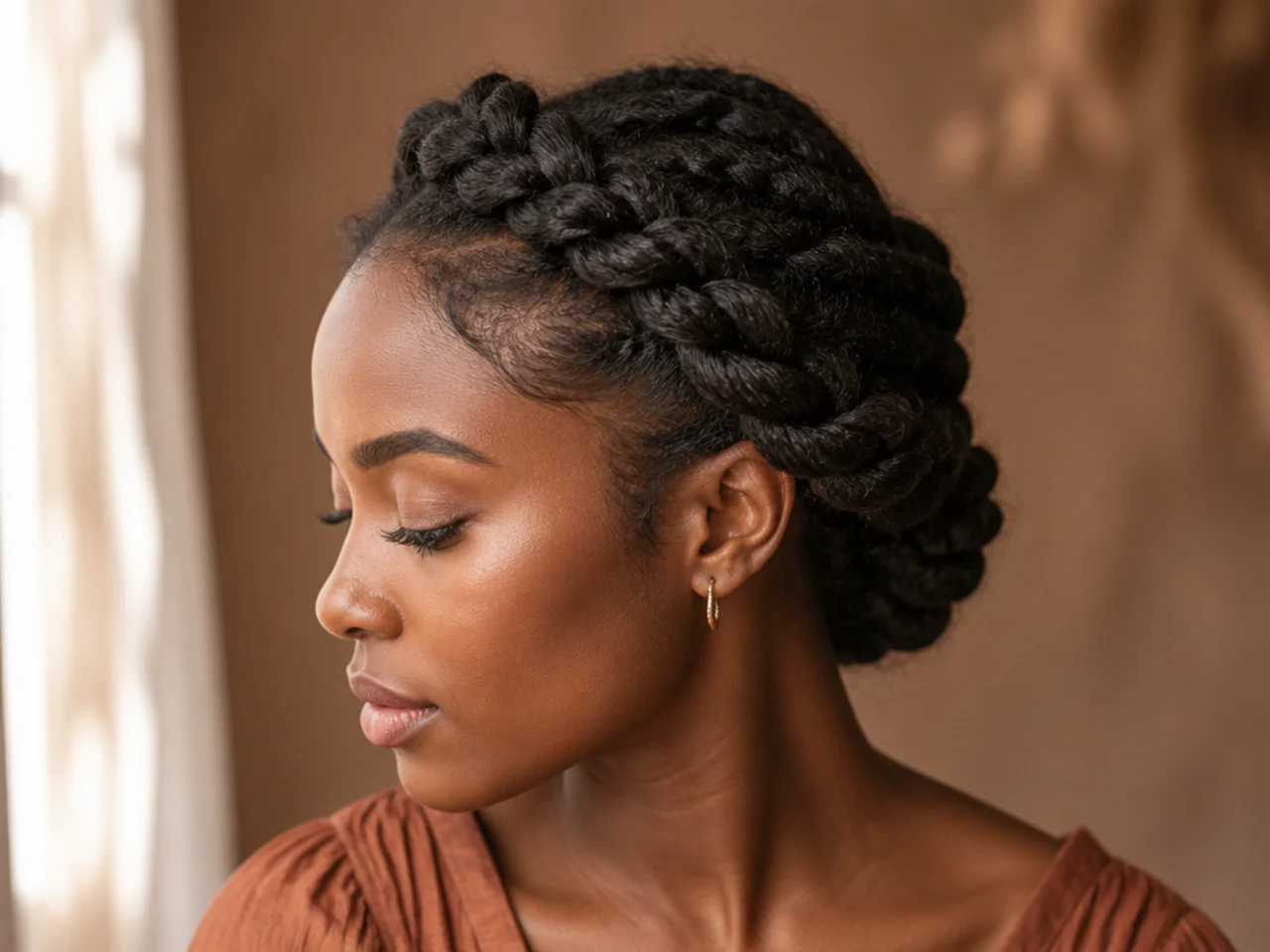
6. Braided Crown Updo
Two braids taken around the head and pinned so the join disappears at the nape. The crown sits higher if each braid is gently loosened along its outer edge before pinning, which widens it without slackening the plait itself.
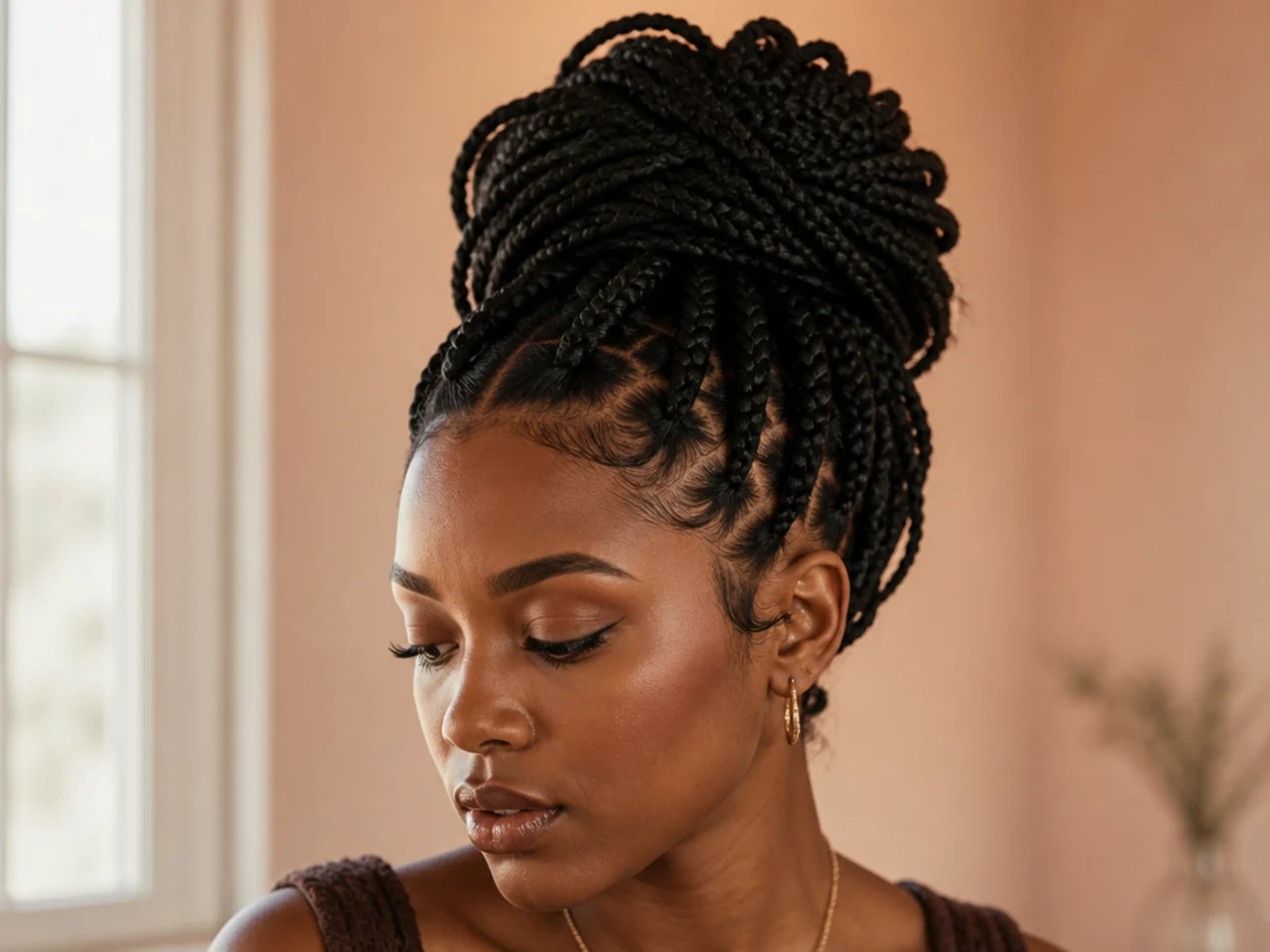
7. Knotless Box Braid Updo
Knotless braids start with your own hair and add extension gradually, so there is no knot pulling at the root. That matters for an updo, because gathering braids upward multiplies whatever tension the install started with.
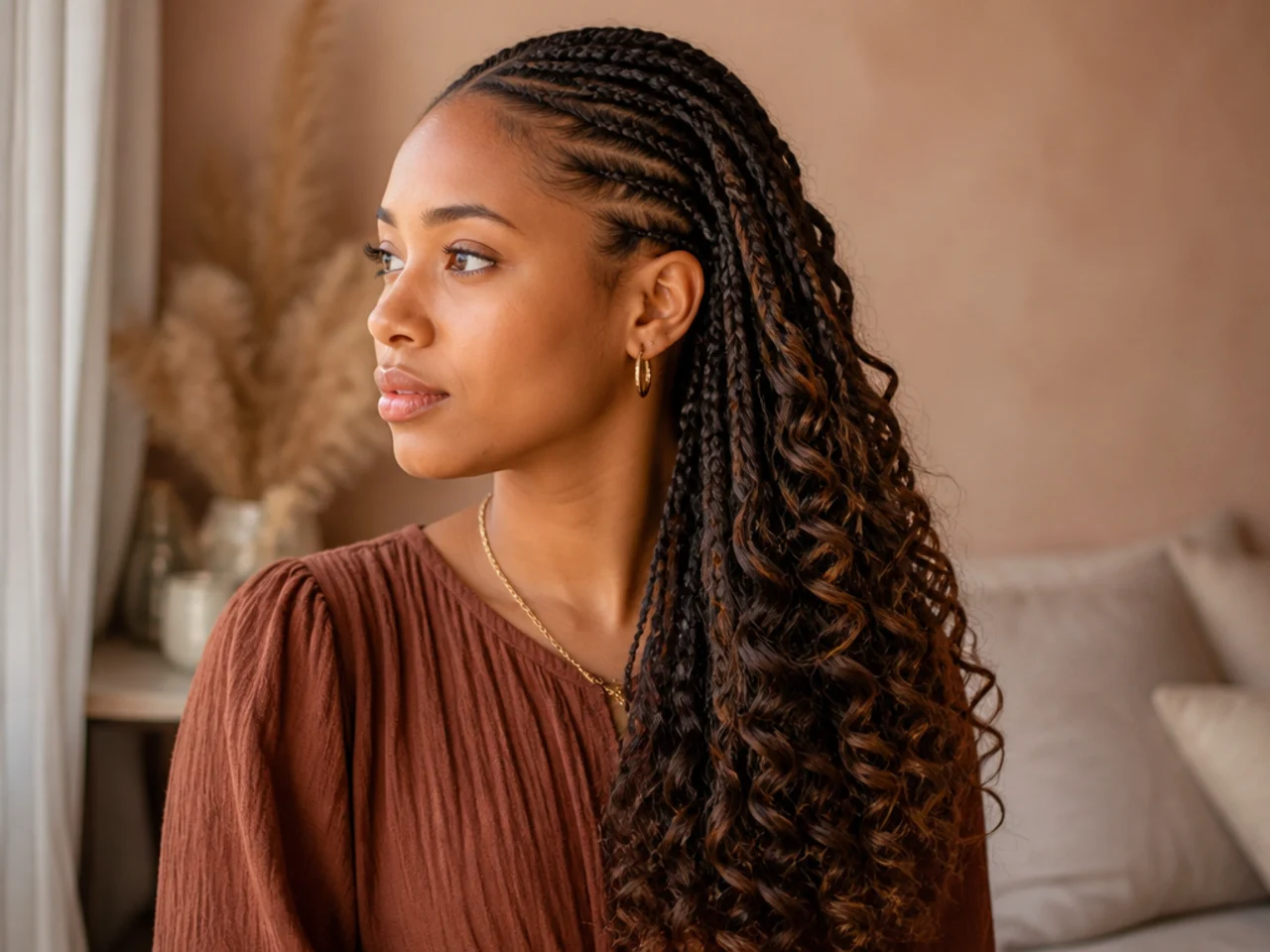
8. Goddess Braids With Curled Ends
Chunky cornrows fed back into a loose curled section at the ends. The contrast works because the braids hold a flat line against the scalp while the ends carry all the volume, so nothing competes for the same space.
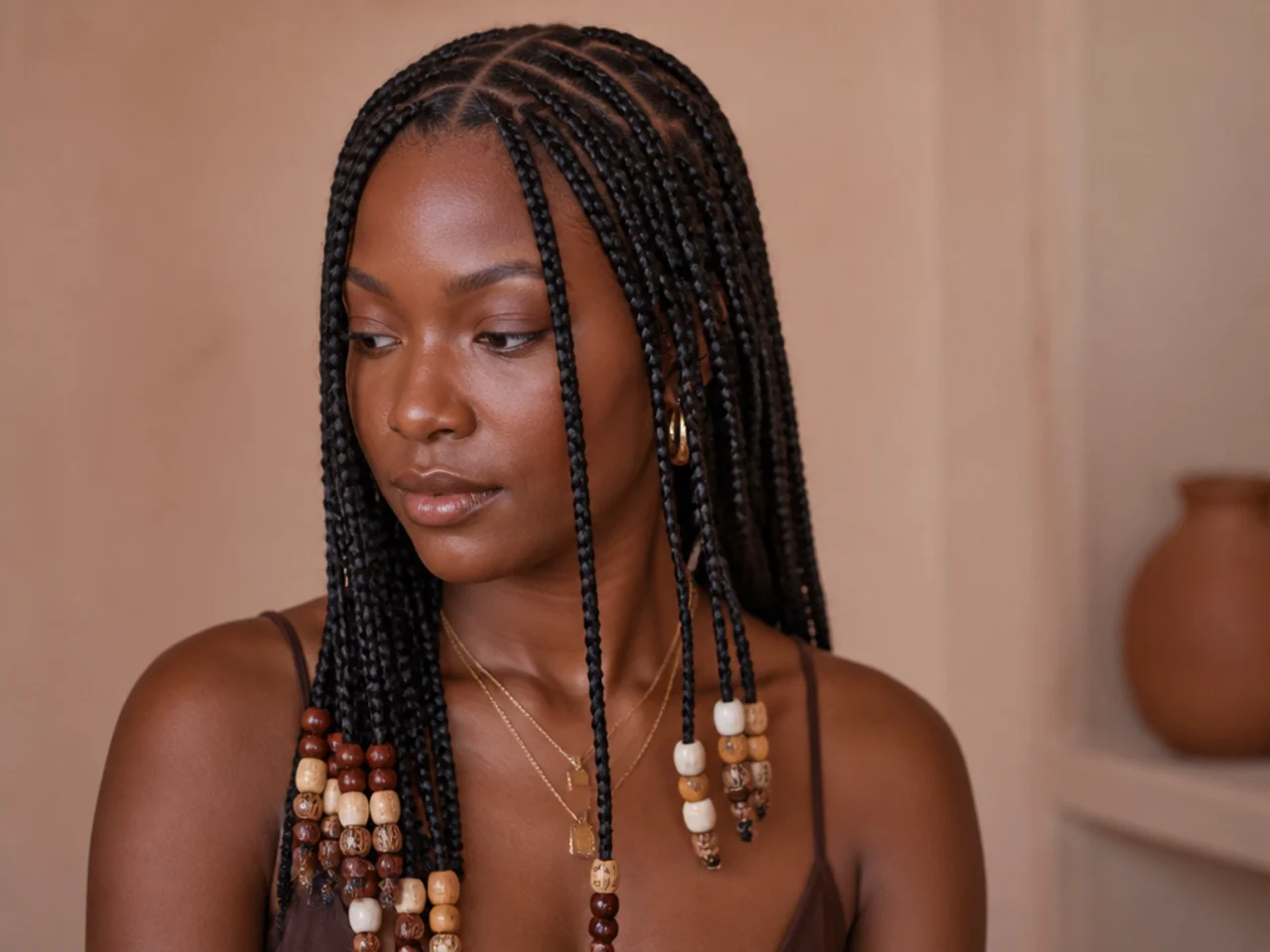
9. Fulani Braids With Beads
A centre braid with cornrows angled back on either side, finished with beads. Beads add weight at the ends, so keep the braids they hang from thicker than the rest or the extra pull lands on a section too fine to carry it.
10. Twist Out With a Side Part
Two strand twists set on damp hair and separated once fully dry. Separating even slightly early is what causes frizz, because the twist has not finished setting and the strands reopen instead of holding the wave.
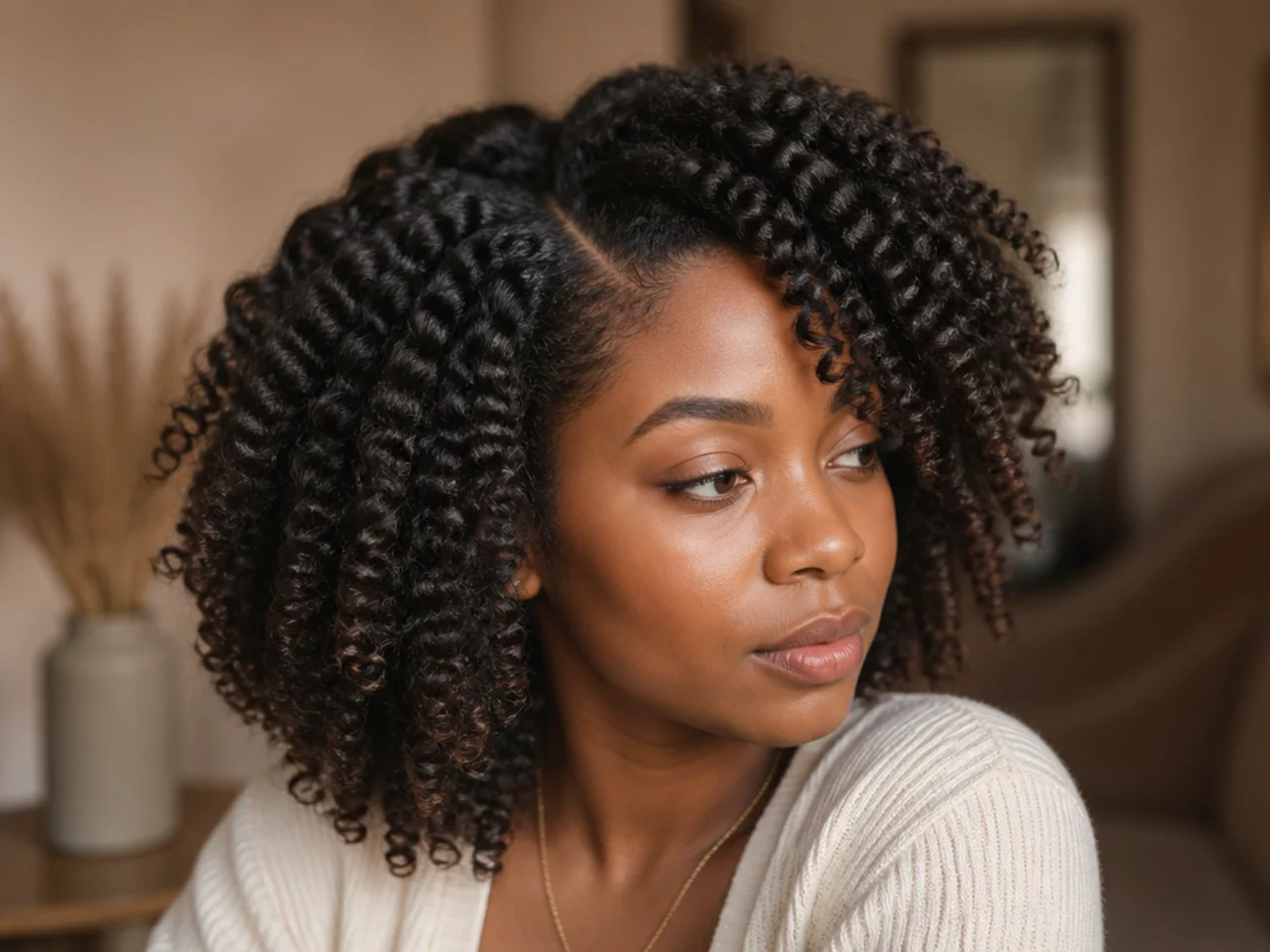
11. Flat Twist Updo
Flat twists follow the scalp like cornrows but sit softer and take half the time. They also come down without a comb, which makes them the gentlest sculpted option on this list for a late takedown.
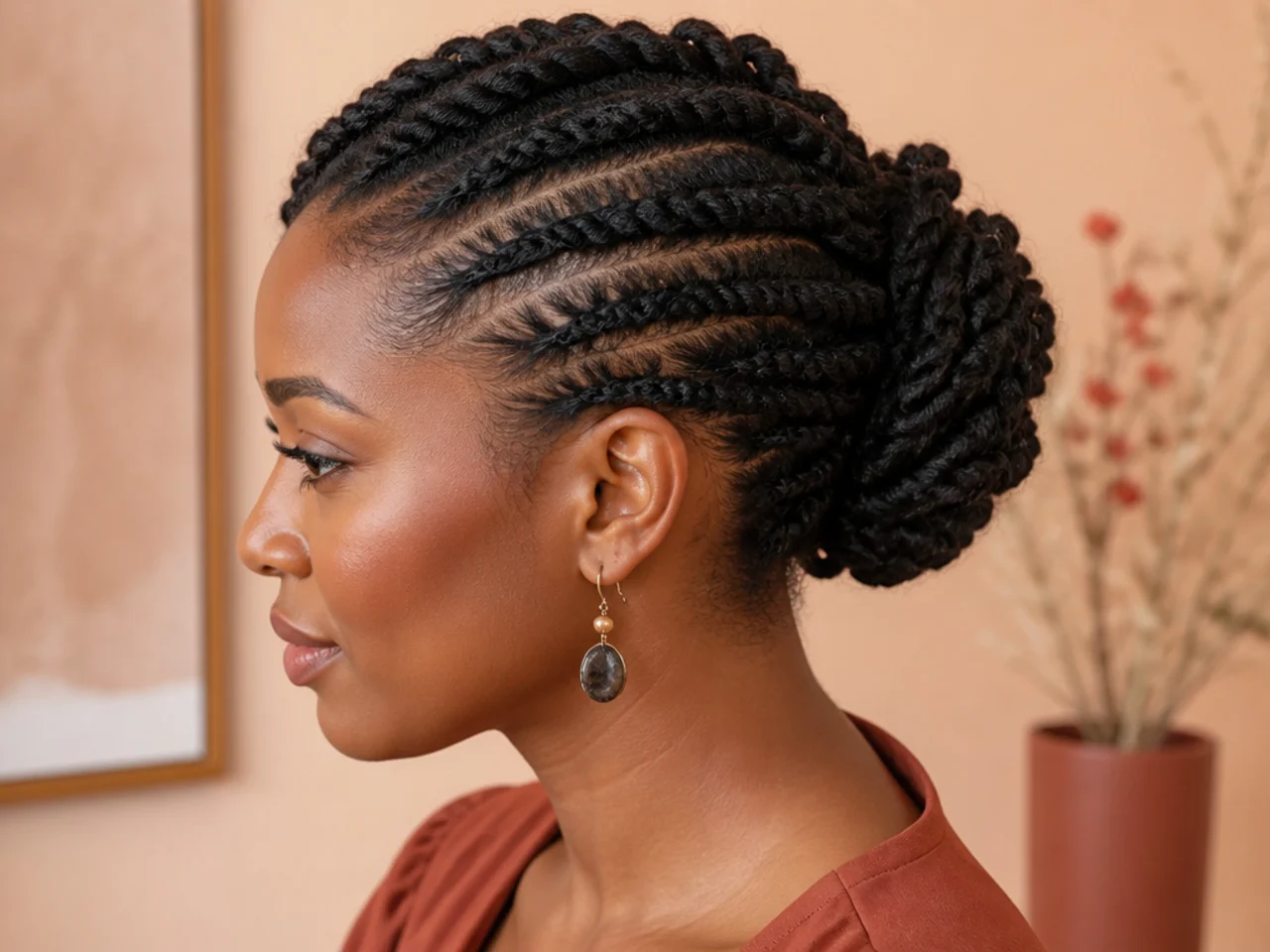
12. Space Buns With Curls
Two buns set high with curls left out around them. Place them slightly forward of the crown rather than on top, because buns set too far back disappear entirely in a side profile photograph.
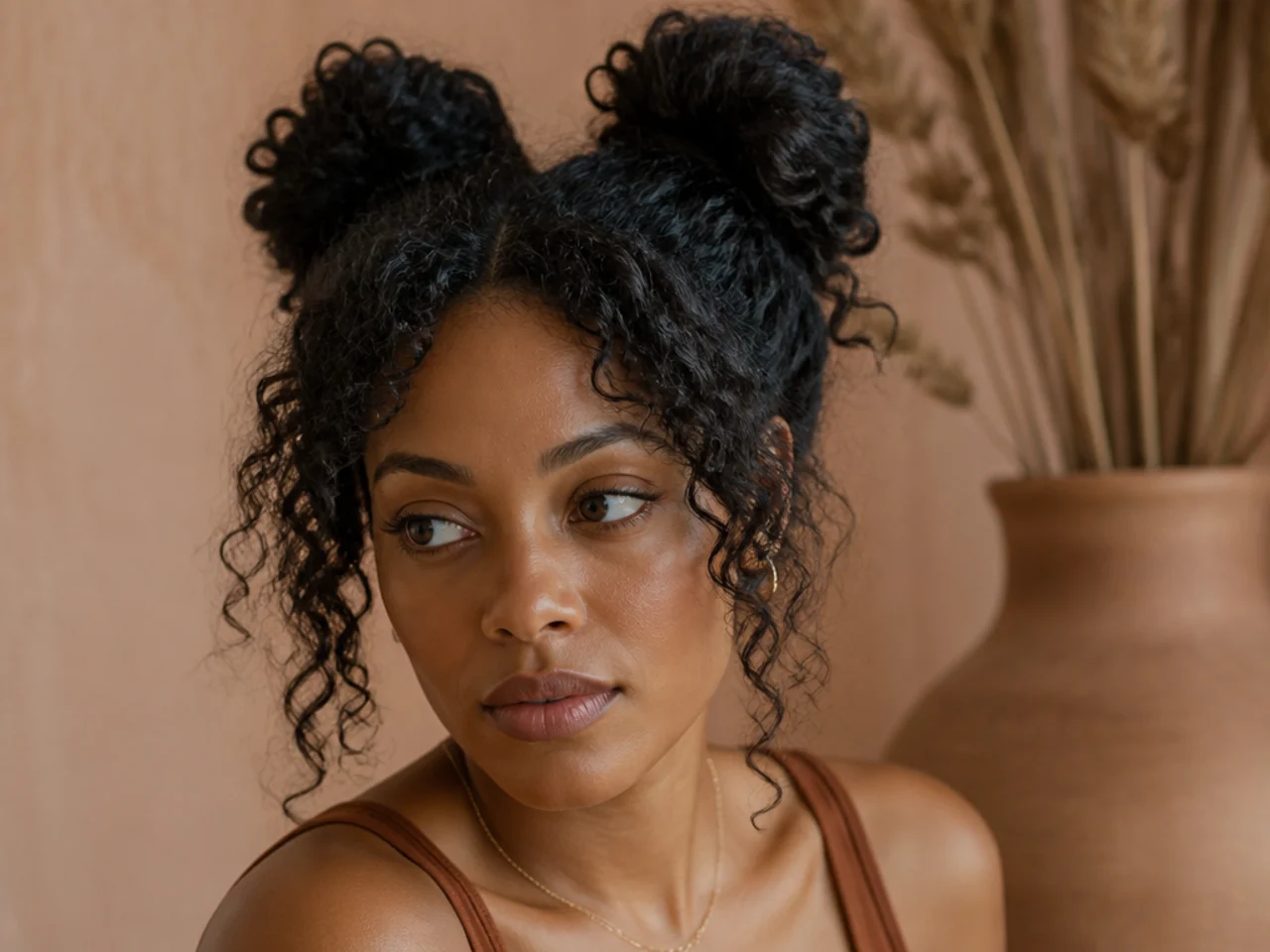
13. Sleek Low Bun
Smoothed back to a bun at the nape. The low position puts far less strain on the hairline than a high pull, which is why it holds a clean line all night without needing to be tightened.
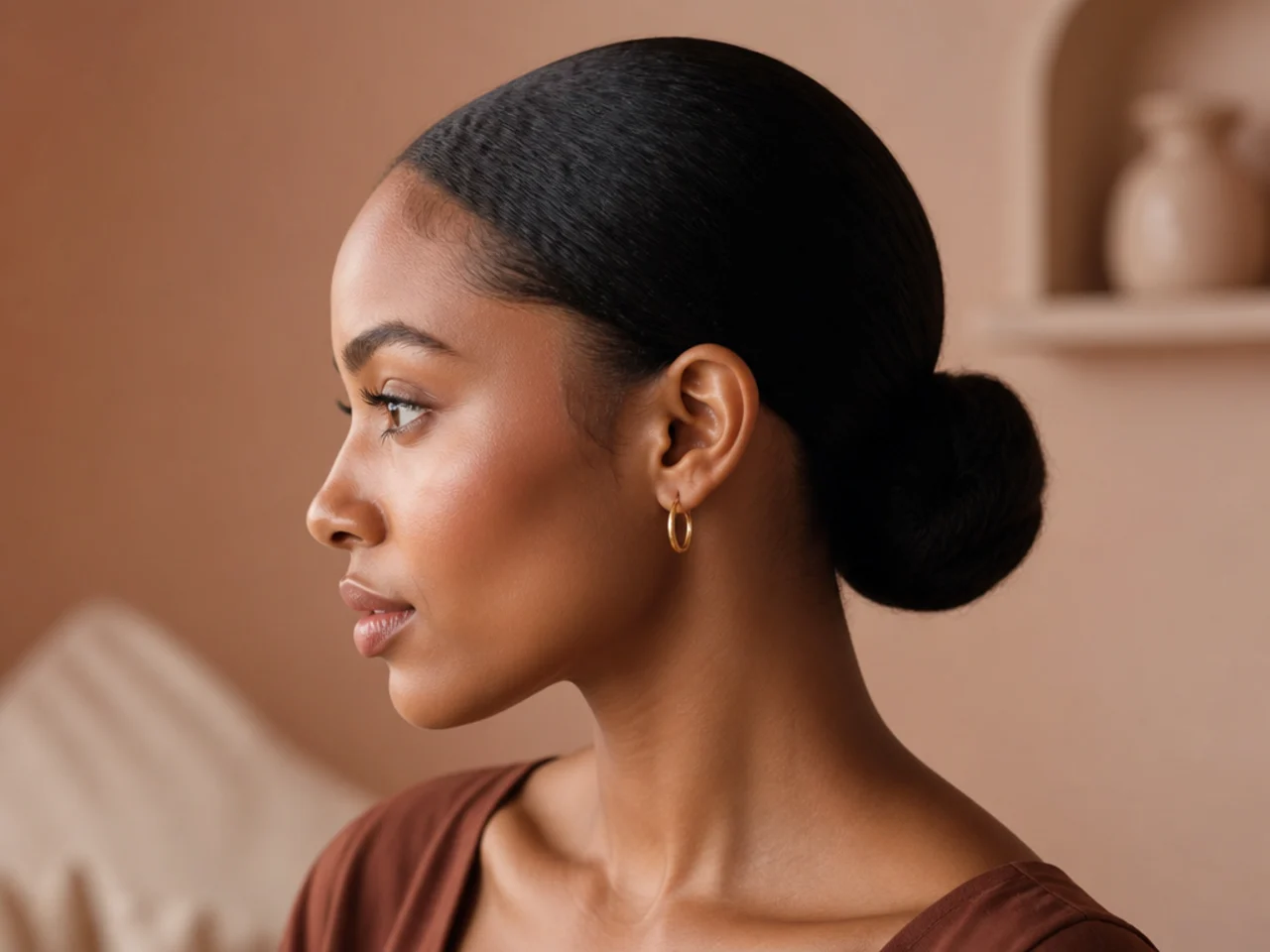
14. Bantu Knot Out
Hair coiled into knots, dried, then unravelled into a spiral wave. The curl size is set by the knot size, so fewer larger knots give loose waves and more small ones give a tighter spiral pattern.
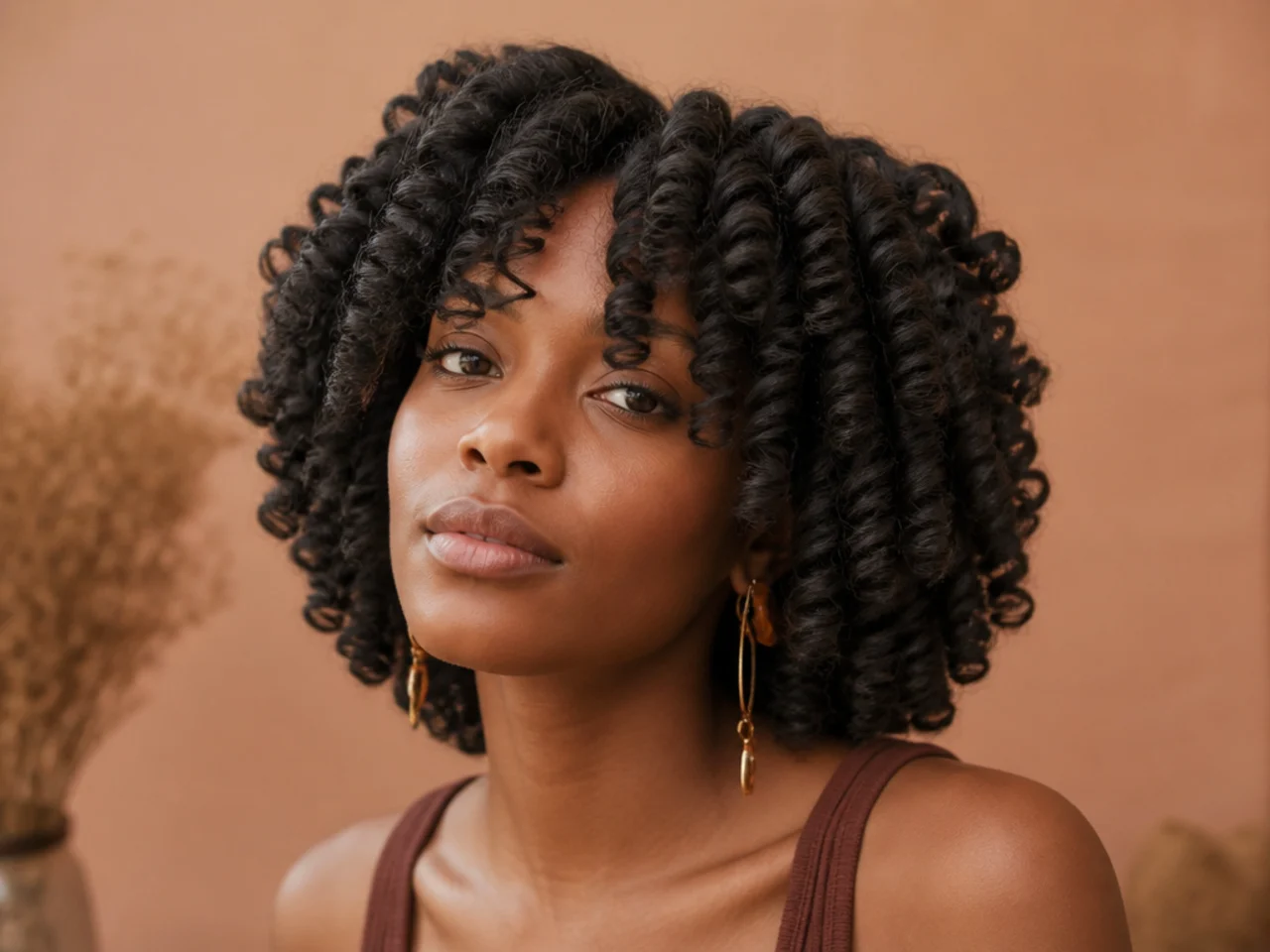
15. Faux Hawk With Flat Twists
Twists run inward from both sides toward a raised centre strip. All the height sits in one narrow line, so it reads tall from the front while the sides stay flat and the shape holds without pins fighting each other.
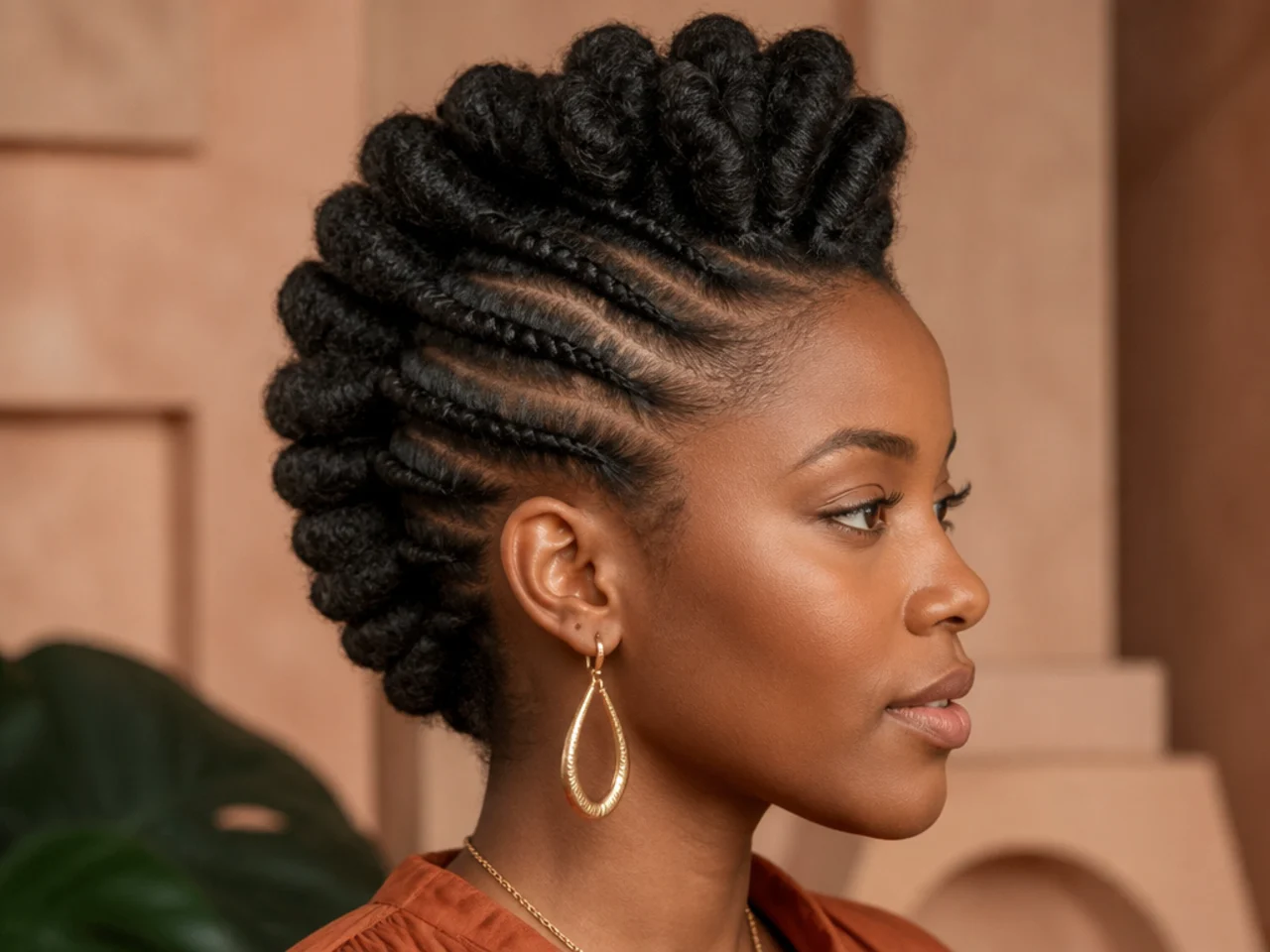
16. Finger Waves
A sculpted S wave pressed against the scalp with a fine comb and a firm gel. The shape holds because the gel dries into a cast, which means it cannot be brushed or refreshed once set without losing the whole wave.
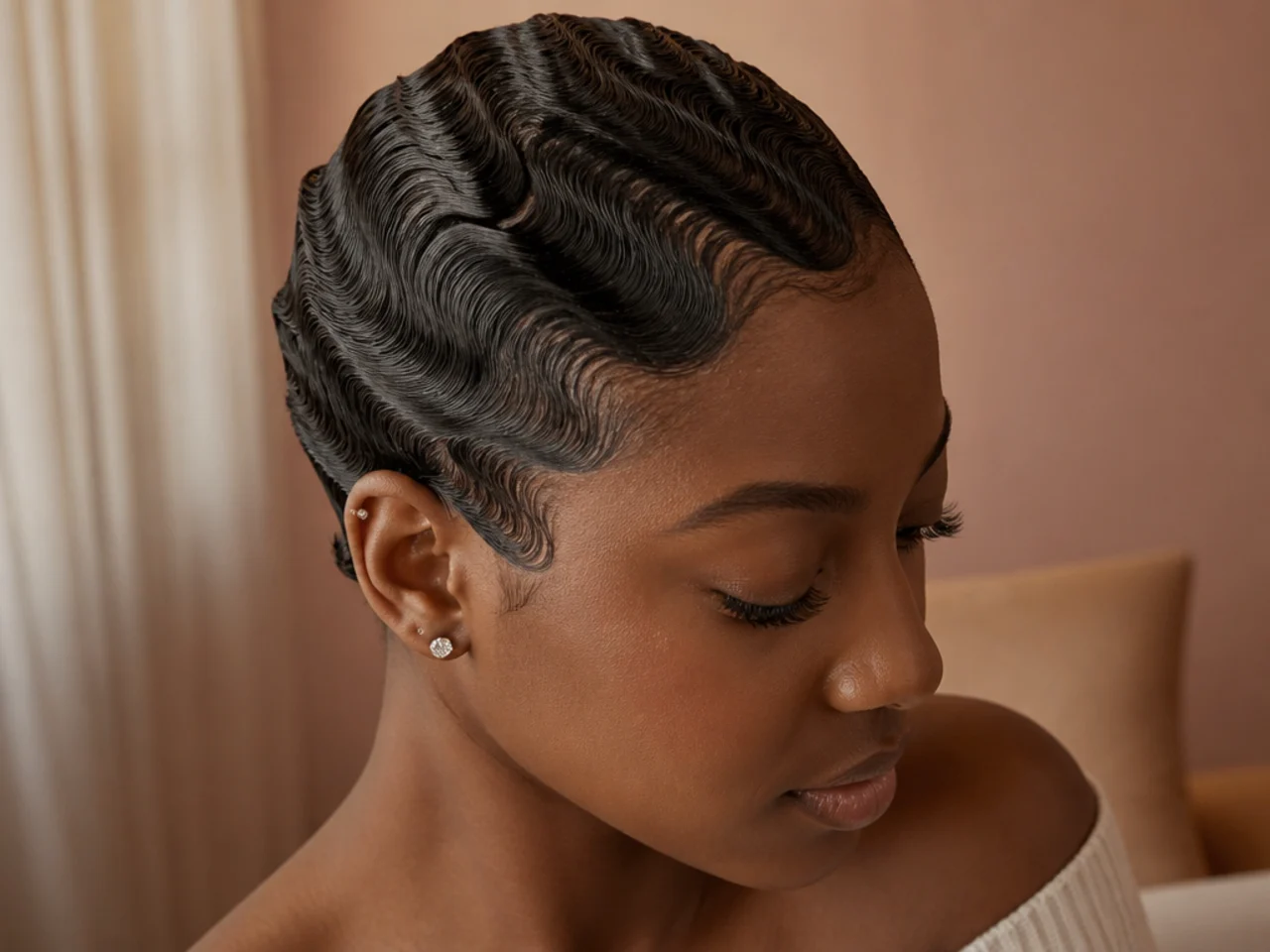
17. Pin Curl Updo
Curls formed, pinned flat and left to cool completely before releasing. Cooling is the step people skip, and it is the one that fixes the shape, since a warm curl dropped out of the pin relaxes within the hour.
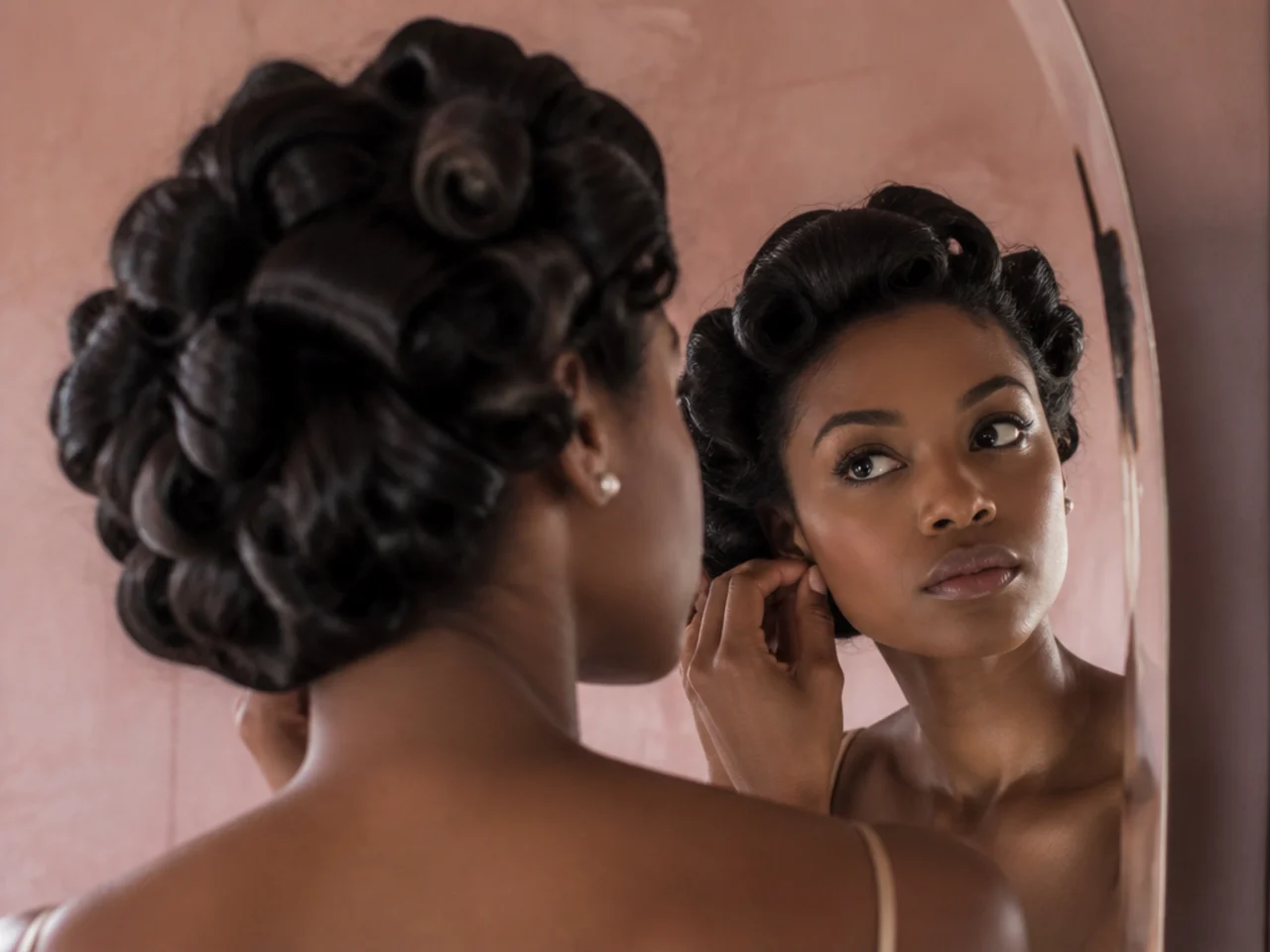
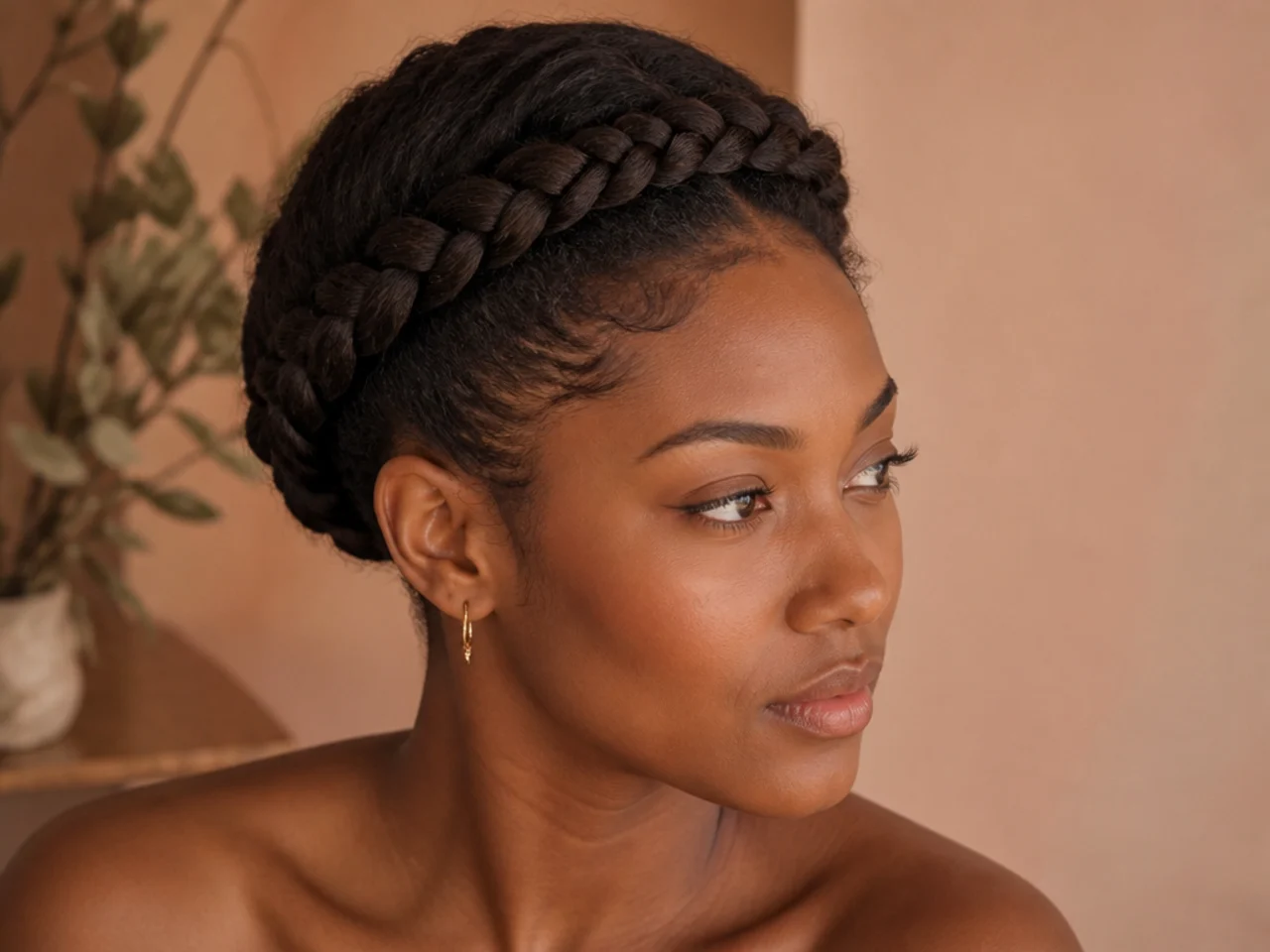
18. Halo Braid
A single braid taken all the way around the head and tucked into itself. It works best on longer or extended hair, because the braid has to reach its own start point without a visible join at the back.
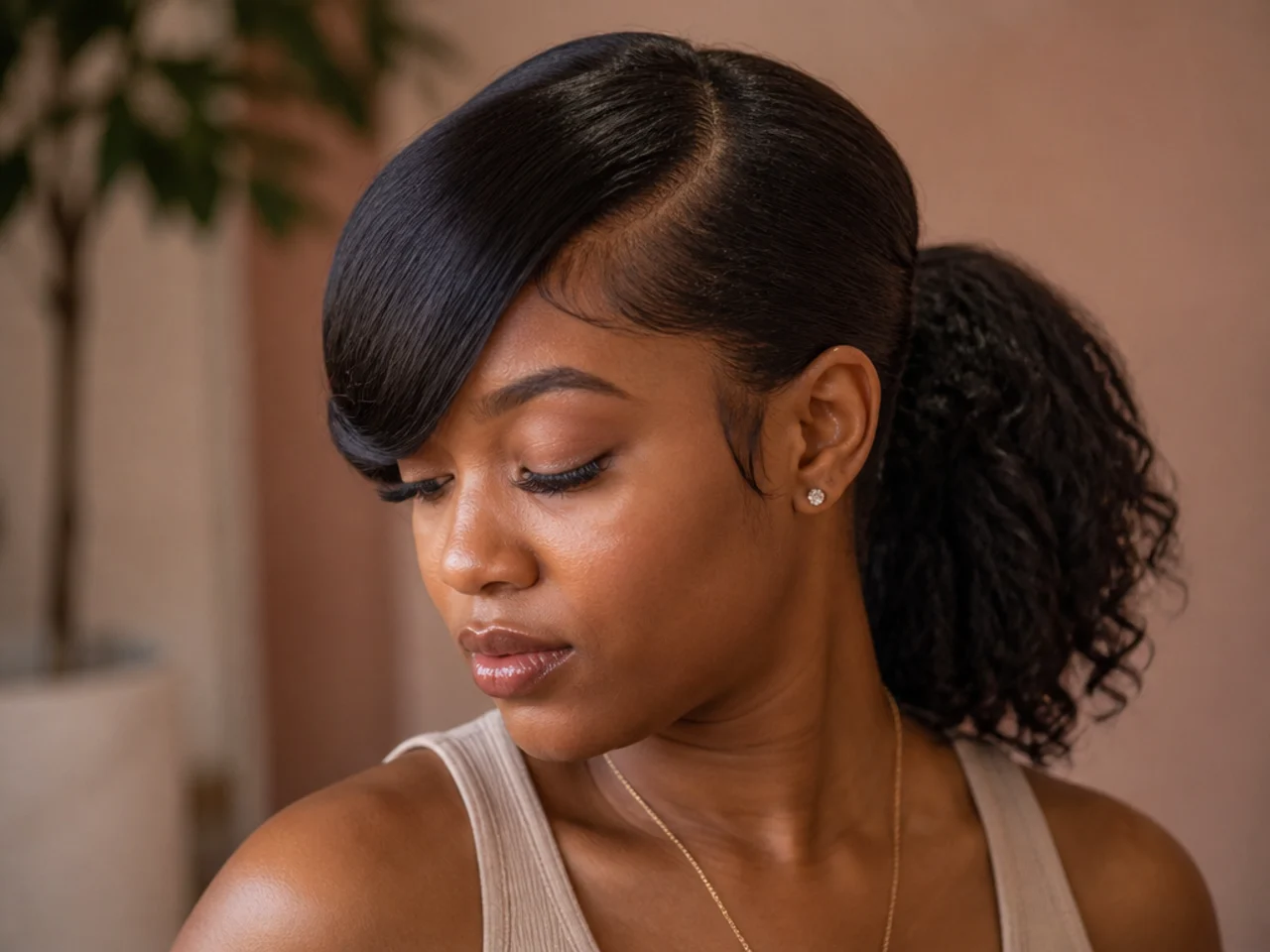
19. Ponytail With a Side Swoop
A section left out at the front and swept across the forehead into the tail. The swoop covers the hairline entirely, which makes it the easiest option if you want a sleek look without laying edges at all.
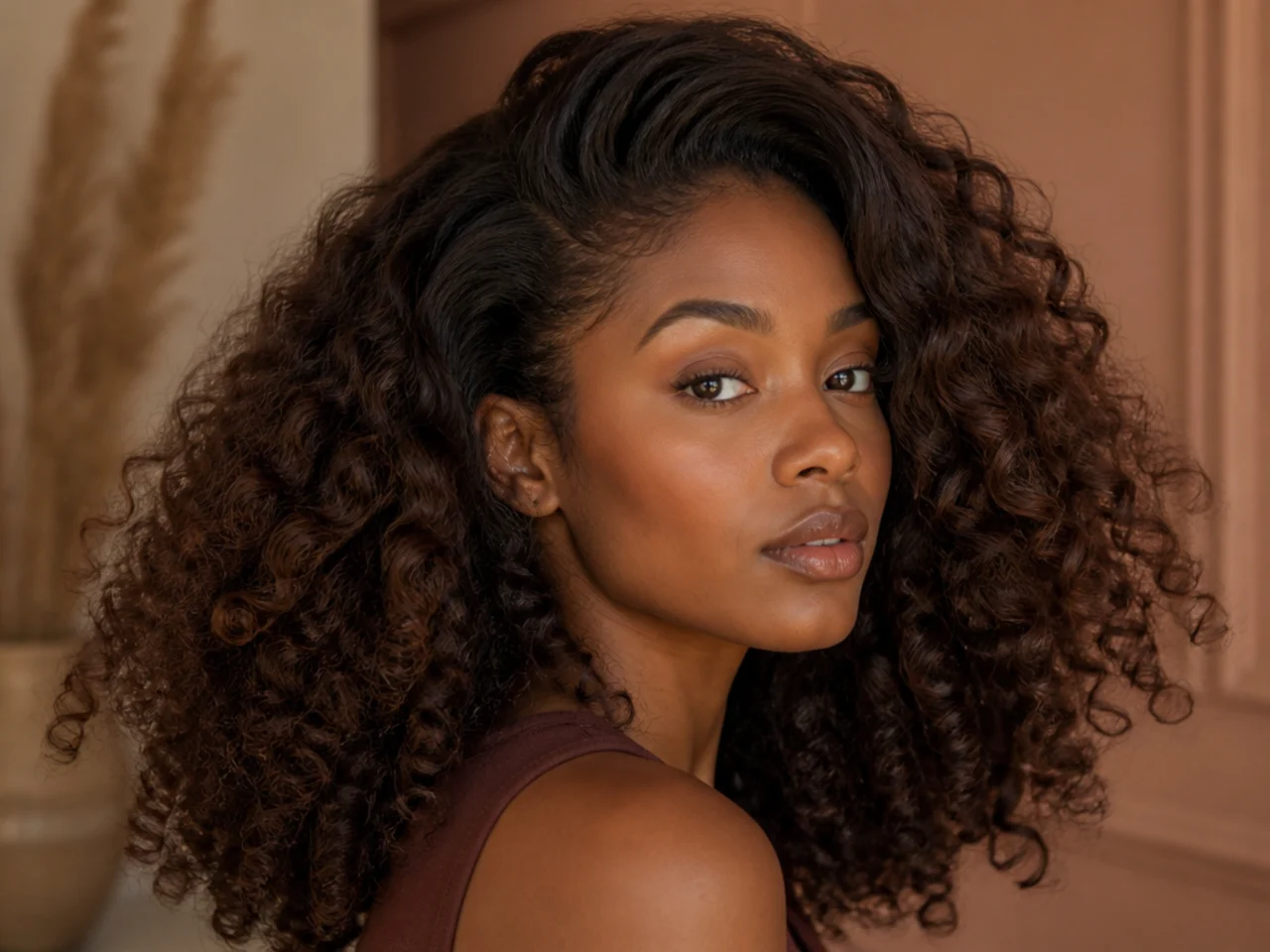
20. Loose Curls With a Deep Side Part
Barrel curls brushed out into soft waves, parted well off centre. The deep part lifts the roots on the heavier side because they are pushed against their growth direction, and that lift is what keeps the shape from lying flat.
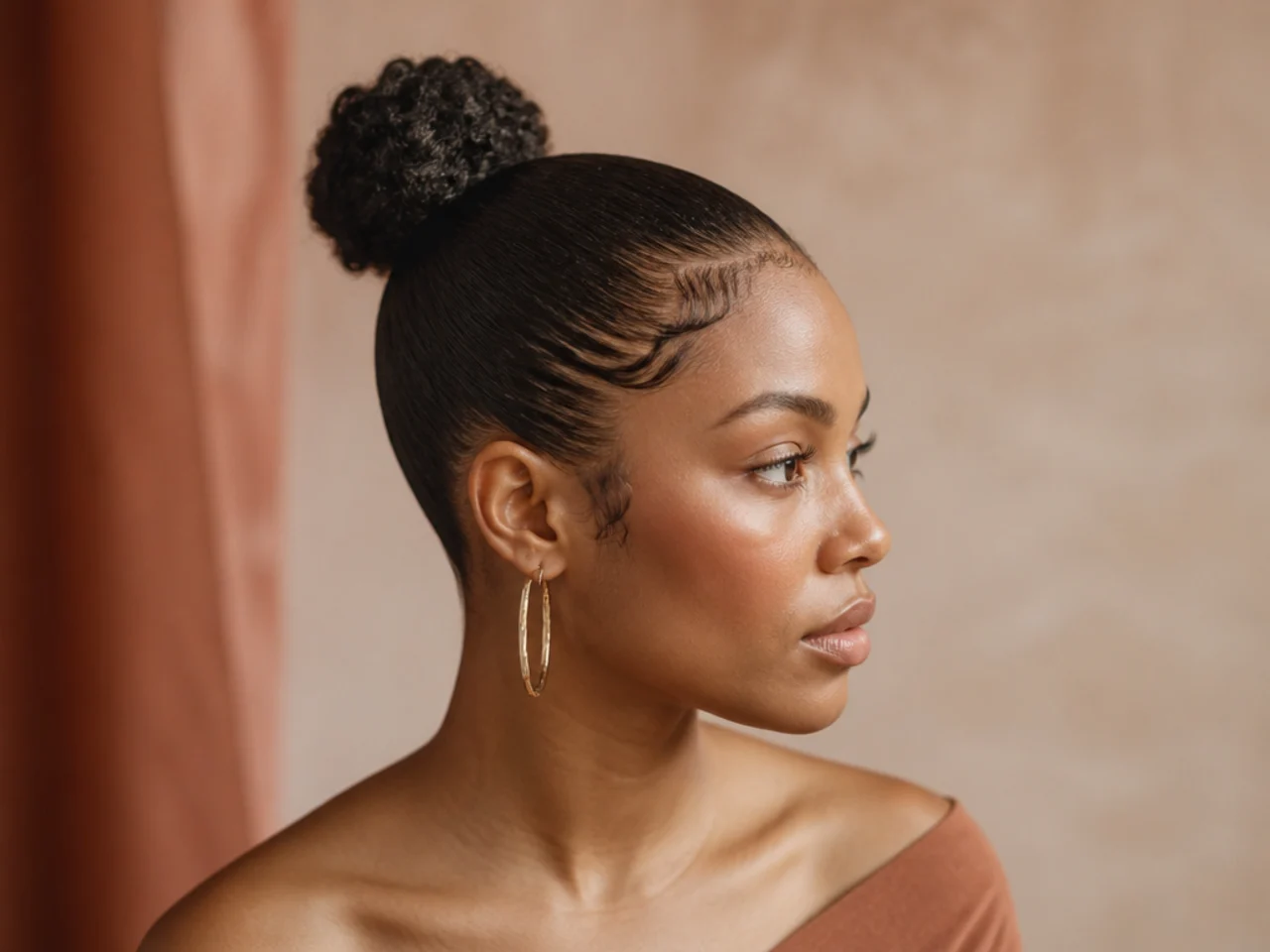
21. Sleek Bun With Laid Edges
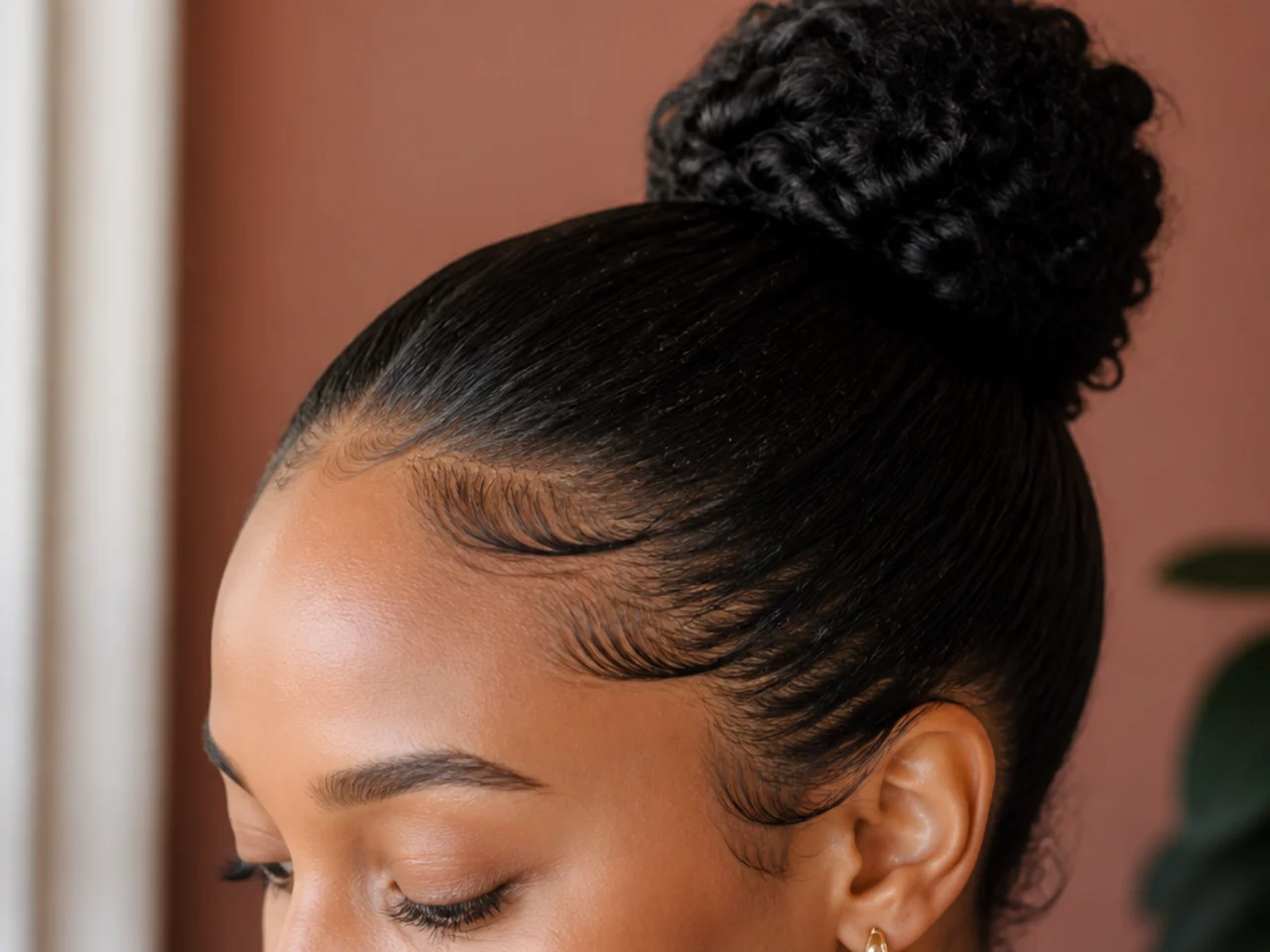
One product, one soft brush, one pass. Edges are the finest hair on the head, so repeated gel and brushing there thins the hairline faster than any other habit, and a single clean pass reads better than three anyway.
22. Two Strand Twist Half Updo
The top half twisted and pinned, the bottom half left in its natural pattern. It suits an in between length, because the pinned half hides the point where the shape would otherwise widen.
23. Ribbon Wrapped Ponytail
A ribbon wound down the first few inches of the tail. Wrapping over the elastic hides it and spreads pressure across a wider band, so the tie is not sitting on one narrow line of hair all evening.
24. Peekaboo Colour Ponytail
A hidden panel underneath that only shows when the hair lifts. Tied up, the panel sits at the outside of the tail where the movement is, which is exactly the placement covered in peekaboo colour for Black women.
25. Curly Updo With Face Framing Tendrils
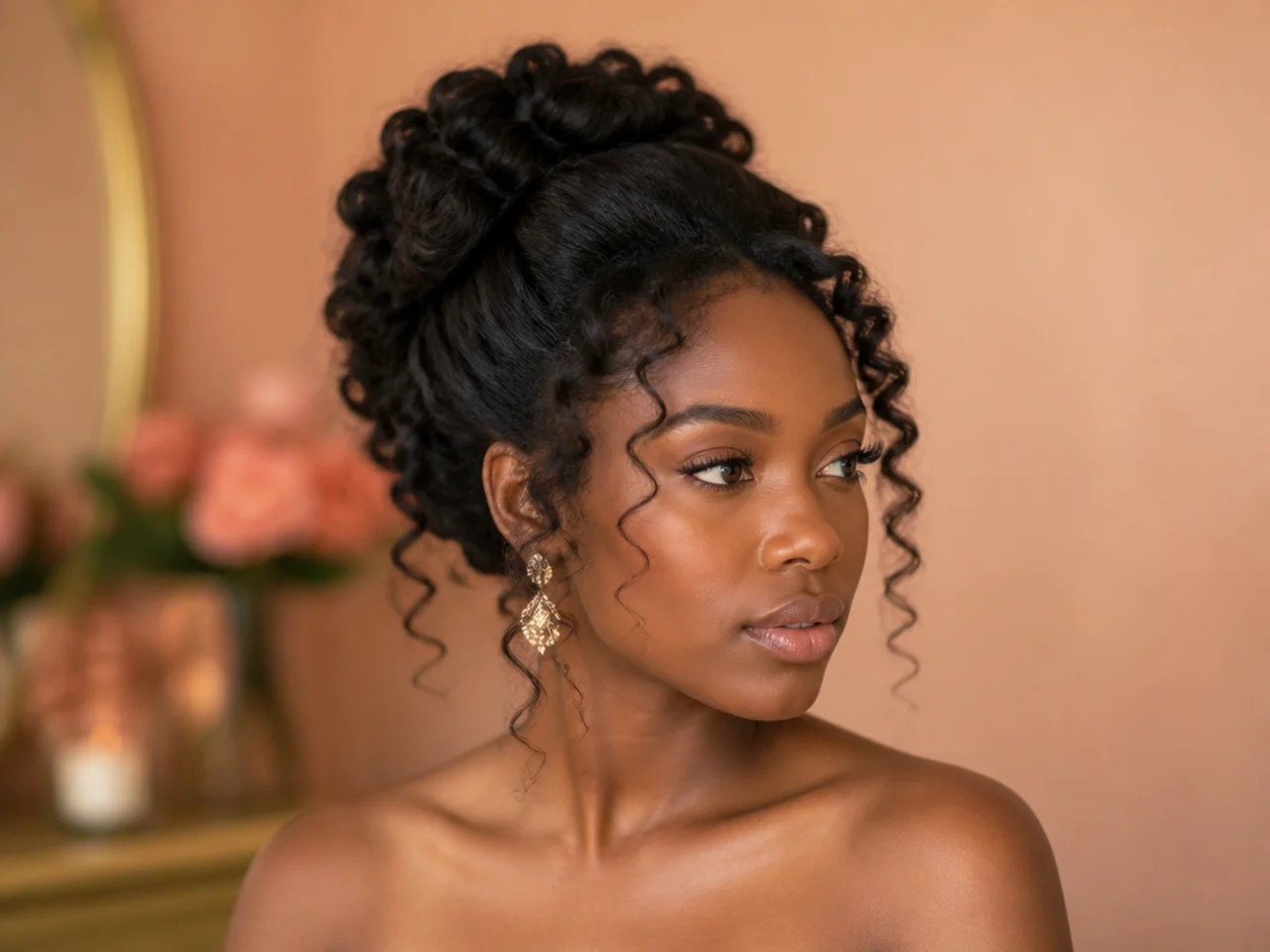
The bulk pinned up with two soft pieces released at the temples. Those pieces do the work of a fringe without committing to one, and they should be pulled before the updo is pinned rather than tugged out afterwards.
Styling and Upkeep
Set the style the night before. Twist outs, presses and pin curls all need time to settle. A style released an hour before leaving is still moving when the photographs happen.
Use one hold product. Layering gel over foam over mousse is what makes white flakes appear, because the layers dry at different rates and crack apart.
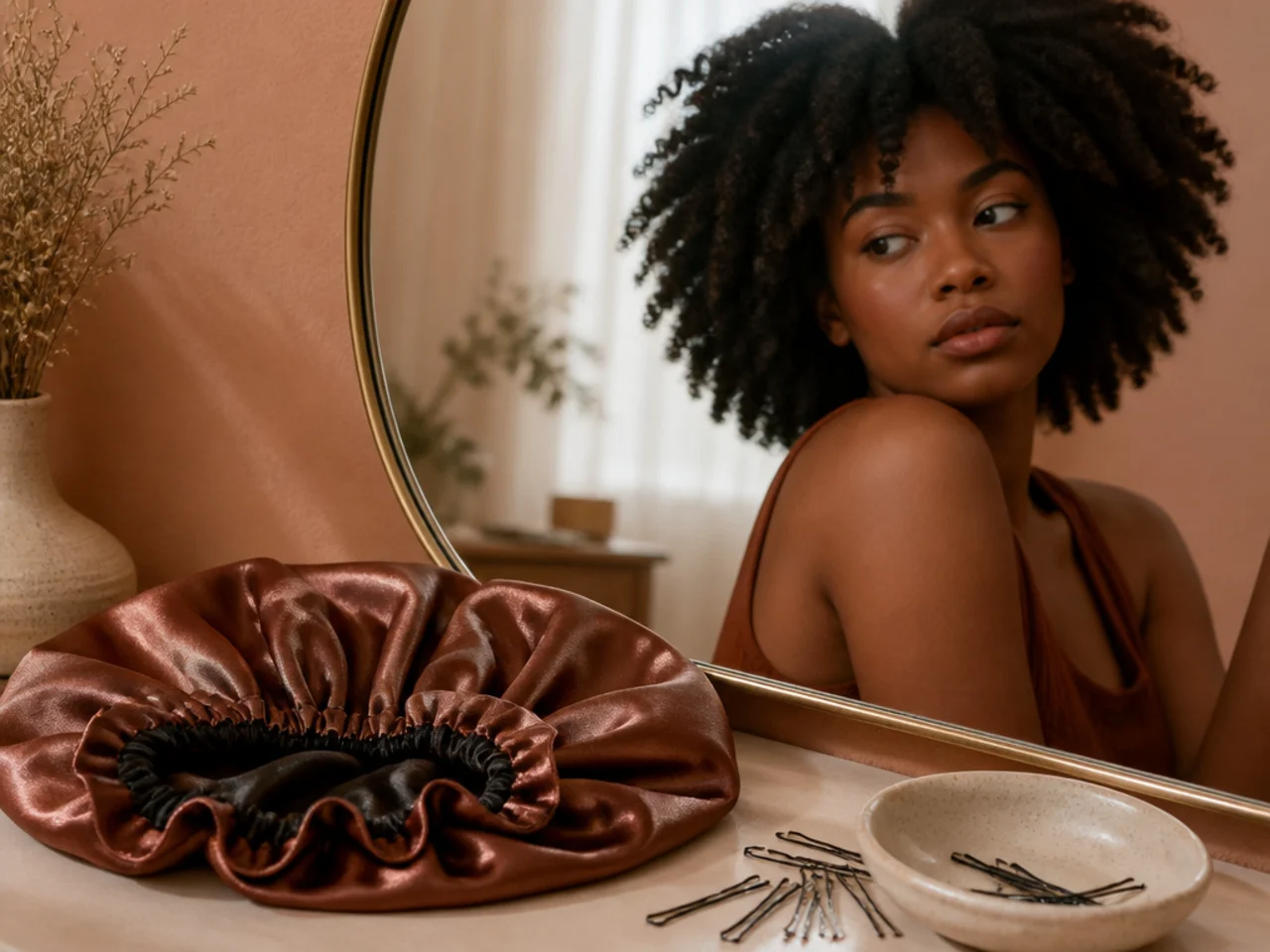
Tie it down overnight. A satin scarf or bonnet keeps the shape and stops cotton pulling moisture out of the ends while you sleep.
Carry pins, not a comb. A loosened section can be repinned in a mirror. A comb through a set style undoes it.
Take it down with conditioner. Braids, knots and heavy hold come apart in sections with slip. Dry force at the end of a long night is where the breakage happens.
Mistakes to Avoid
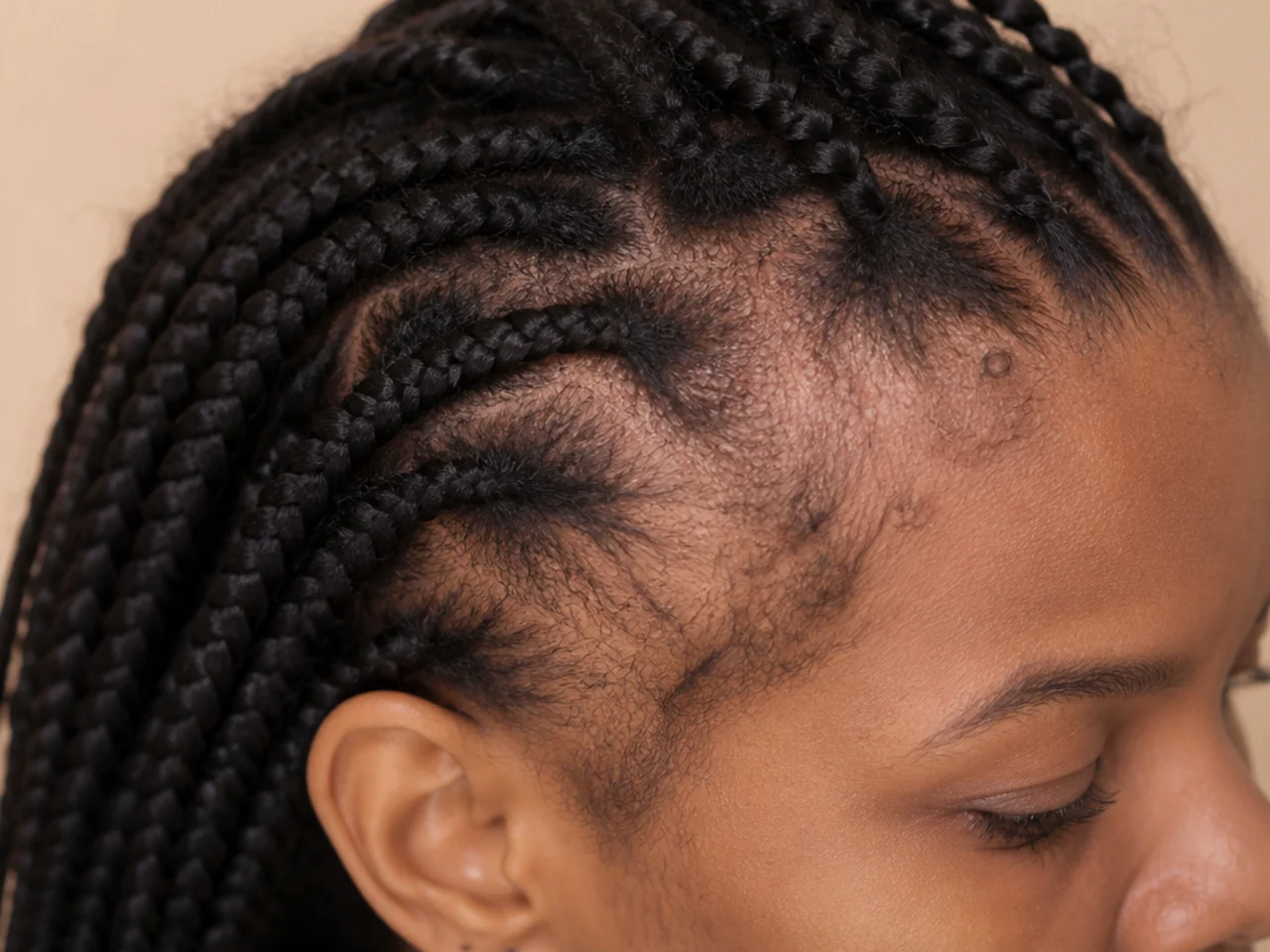
Installing braids too tight. Pain at the hairline is not the style settling. Sustained tension on the finest hair on the head is how a receded edge starts.
Pressing without heat protection. Straightening dry unprotected hair can take the curl pattern permanently, and there is no product that brings it back afterwards.
Separating a twist out early. If the twist is not bone dry the strands reopen instead of holding, and the result is frizz rather than definition.
Choosing a style that fights your pattern. A look that has to be forced flat starts reverting the moment the room warms up.
Booking the install the same day. A fresh install sits tight and sore. Two or three days ahead lets the tension spread and the shape relax into place.
FAQ
When should it be done? The night before for set styles, two to three days ahead for braids.
Will a press last the night? Only in a dry room, and not near a sweating nape.
Do edges have to be laid? No. One pass with one product, or leave them alone.
Final Thoughts
Pick the style by the last hour of the night rather than the first photograph. Anything that needs holding still, kept cool or constantly retightened is borrowing against the evening, and the tension you accept at the hairline is paid back over months rather than hours.
For pattern specific versions see hoco hairstyles for curly hair, and for shorter lengths hoco hairstyles for short hair. More in Occasion Hair.
Frequently asked questions
Related posts
See all posts
15 Graduation Hair Ideas for the Updo Versus Down Decision
Read more
15 Straight Hair Wedding Looks to Save
Read more
20 Gorgeous Prom Looks for Straight Hair
Read more