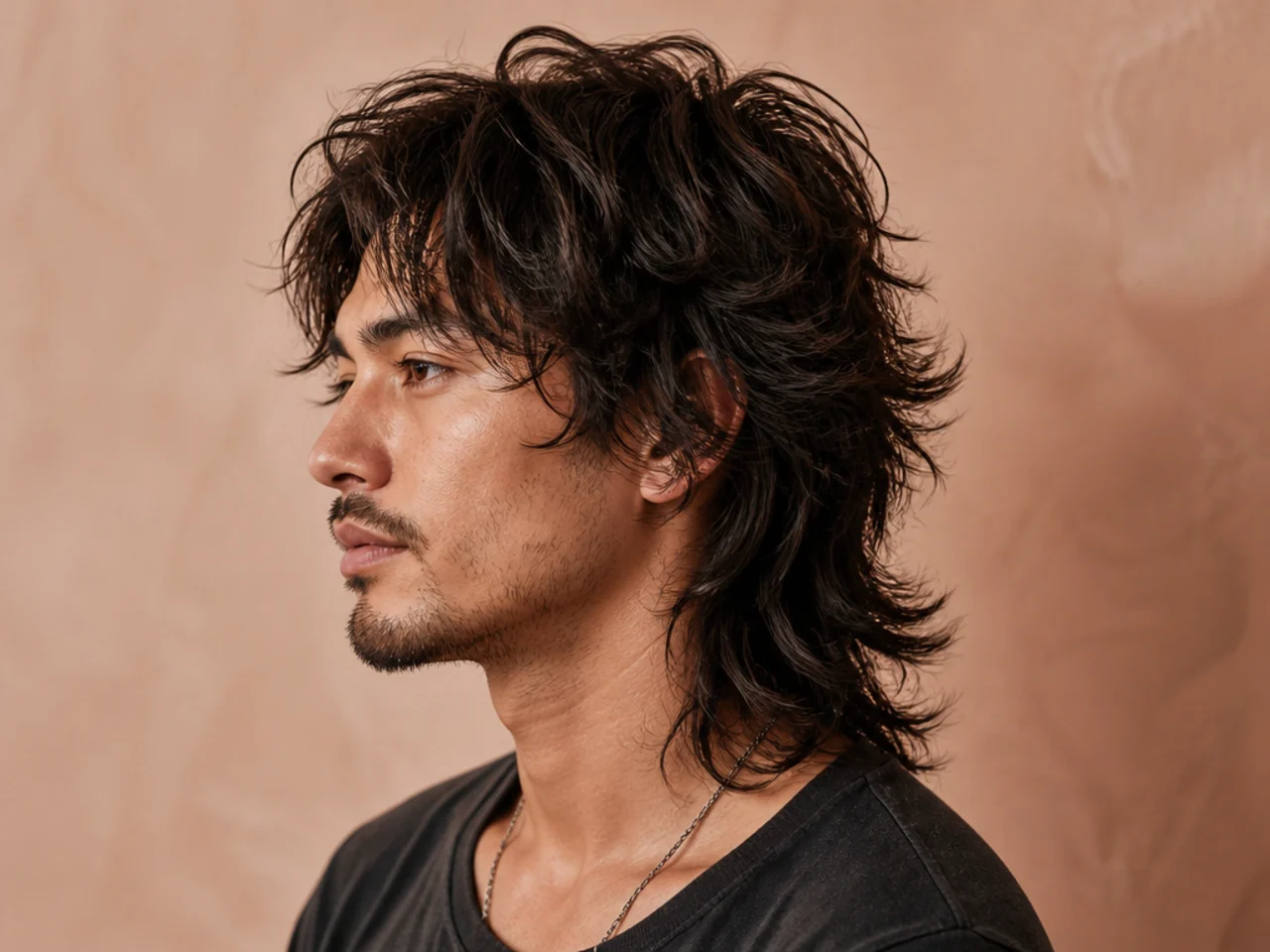
20 Easy Wolf Cuts For Curly Hair That Hold Shape
Twenty curly wolf cuts, and the one decision that determines whether yours holds its shape — curls shrink as they dry, so a wolf cut sectioned wet lands shorter than it looked in the mirror. Cut dry and the layers sit where you chose them.
In this article · 27
- What a Wolf Cut Does on Curls
- How to Choose Your Version
- The 20 Curly Wolf Cuts
- 1. Shoulder Length Curly Wolf Cut
- 2. Short Curly Wolf Cut to the Chin
- 3. Long Curly Wolf Cut
- 4. Wolf Cut on Loose Waves
- 5. Wolf Cut on Ringlets
- 6. Wolf Cut on Tight Coils
- 7. Wolf Cut on Mixed Textures
- 8. Curly Wolf Cut With Curtain Bangs
- 9. Curly Wolf Cut With Micro Bangs
- 10. Curly Wolf Cut With a Wispy Fringe
- 11. Curly Wolf Cut Without a Fringe
- 12. Curly Wolf Cut on Fine Hair
- 13. Curly Wolf Cut on Thick Hair
- 14. Curly Wolf Cut With a Tapered Nape
- 15. Curly Wolf Cut With a Blunt Perimeter
- 16. Curly Wolf Cut With Face Framing Layers
- 17. Curly Wolf Cut With a Deep Side Part
- 18. Curly Wolf Cut With a Money Piece
- 19. Curly Wolf Cut With Balayage Ends
- 20. A Curly Wolf Cut at Four Months
- Styling and Upkeep
- Mistakes to Avoid
- FAQ
- Final Thoughts
Most curly wolf cuts that lose their shape were sectioned wet, which is the one condition under which a curl cannot tell you where it will sit.
Curl shrinks as it dries. A stretched curl loses a fifth to a half of its length when it springs back, so a layer measured wet always finishes shorter than it looked.
The wolf cut is built on the gap between short crown layers and long ends. That gap is the whole shape, and it is the first thing a wet cut gets wrong.
What a Wolf Cut Does on Curls
Short crown layers prop up the ones beneath them. That is where the volume comes from — the layer above physically rests on the layer below and holds it off the head.
The perimeter stays long and mostly intact. Length at the bottom is what separates a wolf cut from a shag; remove too much and it becomes a round layered cut.
Curl fills the gaps a straight head would show. Every bend scatters light, so a slightly uneven layer disappears on a ringlet and is glaring on a straight strand.
Weight, not length, controls the outline. A curly wolf cut that reads too wide is carrying weight at the perimeter, and shortening the top makes it wider still.
How to Choose Your Version
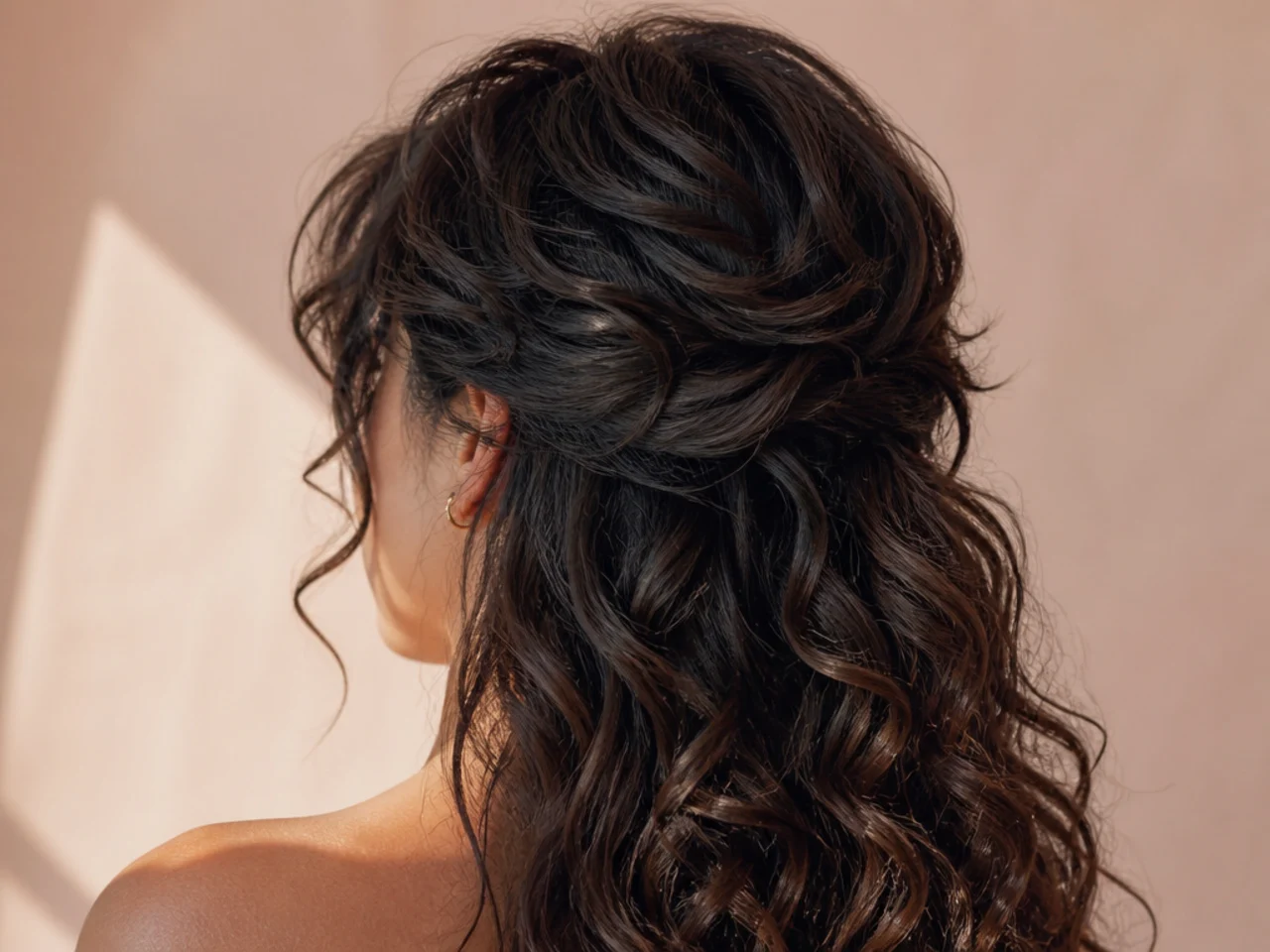
Start from your curl family. Loose waves need shorter, more aggressive layers to show any shape; tight coils need fewer, because each coil already supplies its own separation.
Pick a length by shrinkage, not by photograph. If your hair springs up by a third, ask for the finished length you want and let the stylist add that third back before cutting.
Decide on the fringe before the layers. A fringe changes where the shortest crown layer can sit, because the two have to meet without a visible step across the temple.
Match the cut to how you dry. Diffused curls sit fuller and can carry more layering; air dried curls hang longer and need the crown kept heavier or the top goes flat.
The 20 Curly Wolf Cuts
1. Shoulder Length Curly Wolf Cut
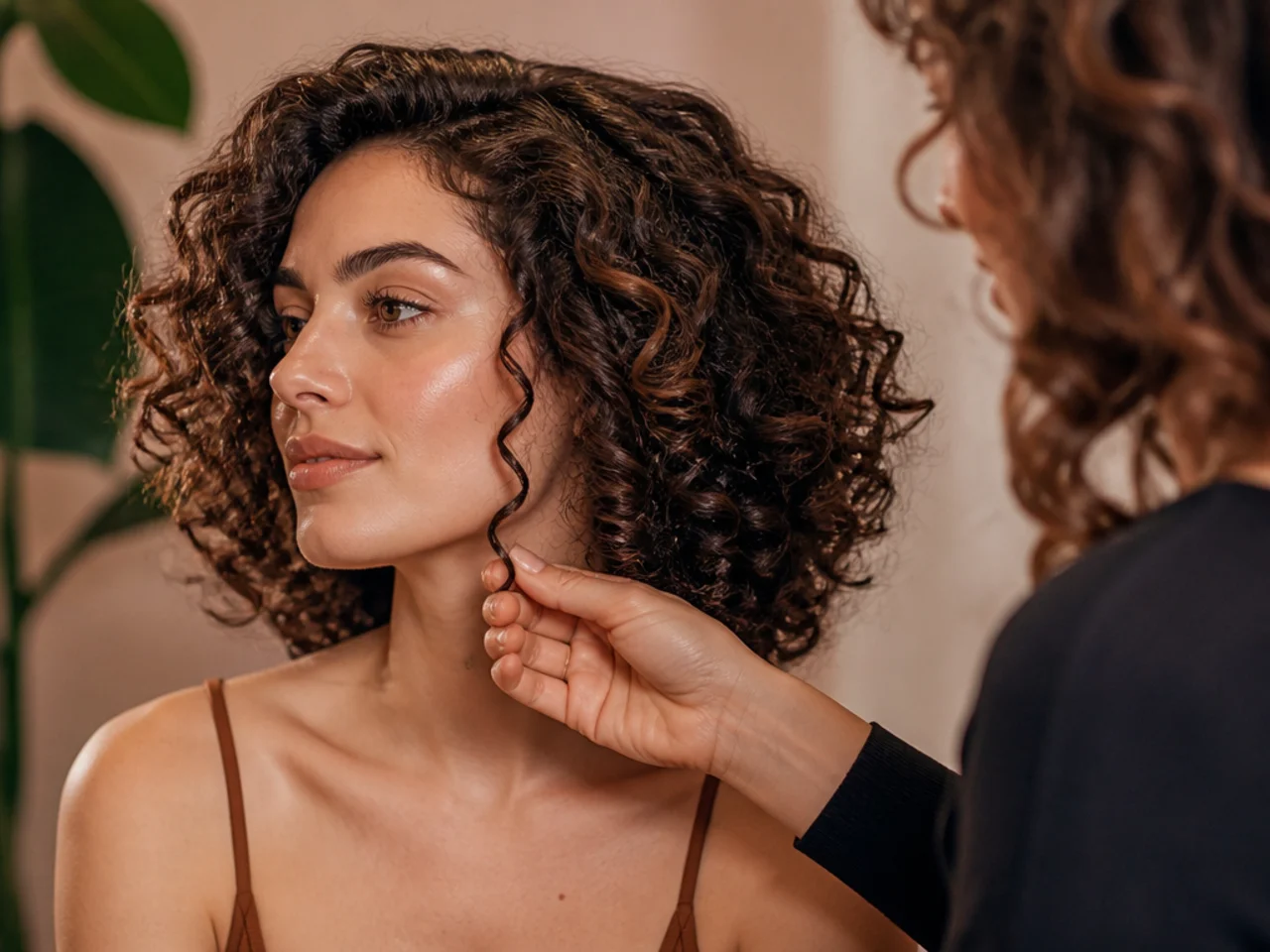
The default proportion, and the safest place to start. At the shoulder the perimeter still has enough weight to hold a defined line while the crown layers sit high enough to be visible, so the cut keeps its silhouette even on a wash day that goes badly.
2. Short Curly Wolf Cut to the Chin
The shortest length the shape survives. Below the chin there is not enough perimeter left to contrast against the crown, and the cut collapses into a round layered bob. Keeping the very bottom line blunt is what preserves the remaining weight.

3. Long Curly Wolf Cut
Length past the shoulder blades gives the layers room to gradate rather than step. The longer the perimeter, the more layers can sit between crown and ends, which is why long curly wolf cuts look softer than short ones even when the layering is identical.

4. Wolf Cut on Loose Waves
A 2B or 2C wave carries very little of its own separation, so the layers have to do the work the curl does not. Cut shorter and closer together than you would on a ringlet, or the wave reads as an ordinary long layered cut. The wavy version follows the same rule.

5. Wolf Cut on Ringlets
Defined spirals already separate themselves, so fewer layers are needed and each one shows more. Overlayering here is the common failure — a ringlet that loses its neighbours has nothing to rest against and springs out sideways rather than falling.

6. Wolf Cut on Tight Coils
Coils grow outward before they grow down, so the shape is sculpted rather than cut in sections. Layers are placed to control width at the sides while leaving height at the crown, which is the opposite of what the same cut needs on straight hair.

7. Wolf Cut on Mixed Textures
Most heads carry two or three patterns, usually looser at the front and tighter at the crown. Cutting to one uniform length means the tighter areas finish short, so each section has to be measured against its own spring rather than against the ruler.

8. Curly Wolf Cut With Curtain Bangs
The two halves are cut long enough to fall either side of the parting and swept back into the face framing layers. On curls they need to start above the brow, because the same fringe that clears the eyes wet will sit an inch higher once it dries and springs.

9. Curly Wolf Cut With Micro Bangs
A very short fringe sitting well above the brow. It works on curls only where the hairline itself is dense and grows forward, because there is no length left to weigh down a cowlick or to cover a receding corner.

10. Curly Wolf Cut With a Wispy Fringe
Cut with fewer strands than a full fringe so the forehead shows through. The gaps are the point — a solid curly fringe reads as a block of texture, while a thinned one lets the face read past it and softens a strong hairline.

11. Curly Wolf Cut Without a Fringe
All the length swept back from the hairline, with the shortest face framing piece starting at the cheekbone. Without a fringe the crown layers become the only source of height, so they need to sit higher than they would on a fringed version.

12. Curly Wolf Cut on Fine Hair
Fine curls have little mass to hold a layer apart, so the crown layers must stay long enough to keep some weight above them. Take too much and the top goes translucent, showing scalp exactly where the cut is supposed to be fullest.

13. Curly Wolf Cut on Thick Hair
Thick curls carry so much bulk that the perimeter has to be thinned or the cut widens instead of falling. Weight removal goes into the interior, several inches up from the ends, so the outline stays intact while the density behind it drops.

14. Curly Wolf Cut With a Tapered Nape
The hair at the very bottom of the neck cut gradually shorter so it lies flat instead of flicking outward. On curls the nape is usually the tightest area on the head, and left full it pushes the whole back section out at the widest possible point.

15. Curly Wolf Cut With a Blunt Perimeter
The bottom line cut straight across rather than point cut. All that retained weight pulls the ends down, which counteracts the outward push of the curl and is the most reliable way to stop the shape going triangular.

16. Curly Wolf Cut With Face Framing Layers
Short pieces cut at the temple and graduated back toward the ear. They give the face an outline separate from the mass of curl behind it, which is what stops a wide curly shape from swallowing a narrow jaw.

17. Curly Wolf Cut With a Deep Side Part
Moving the parting off centre stacks more hair on one side of the head. That imbalance is the cheapest volume available on a curly wolf cut — the heavier side lifts at the root simply because the curls are fighting their own growth direction.

18. Curly Wolf Cut With a Money Piece
Two lightened sections at the front hairline. Lightening raises the contrast exactly where the shortest layers sit, so the layering reads clearly from the front without a single extra scissor cut.

19. Curly Wolf Cut With Balayage Ends
Colour painted onto the outer bend of each curl from the mid lengths down. Because a curl turns constantly, the lightened side catches the light and the darker side falls into shadow, which reads as depth rather than as a stripe.

20. A Curly Wolf Cut at Four Months
The crown layers have grown down toward the perimeter and the gap between them has closed. The cut still reads as layered, which is the argument for the shape on curls — the same four months on a clippered cut would have erased it entirely.

Styling and Upkeep
Apply product to soaking wet hair. Curl clumps form while the water is still holding them together; applied to damp hair the gel sets around strands that have already separated.
Let the cast harden before touching anything. The crisp shell that forms as gel dries is what holds the curl shape, and scrunching it out too early collapses the clump underneath.
Diffuse on low speed, high heat. Speed moves curls out of formation, heat sets them. Most frizz on a diffused curly wolf cut is airflow, not temperature.
Refresh the crown, not the ends. The crown flattens first because it carries the most weight above it, and wetting the ends only makes the shape heavier.
Book at ten to twelve weeks. The shape depends on the distance between crown layers and perimeter, and that distance stays readable much longer than a clipper line does.

Mistakes to Avoid
Cutting it wet. The single most common cause of a curly wolf cut that came out shorter than agreed. Shrinkage is not an estimate the stylist can make from the mirror.
Layering the perimeter as hard as the crown. That removes the weight the shape is built against, and the cut spreads sideways instead of hanging.
Brushing it dry. A brush separates every clump the curl formed, and on a layered cut the shorter pieces then sit at random rather than stacking.
Asking for a fringe that clears your eyes. It will clear them by an inch once it dries. Ask for the finished position and let the stylist add the shrinkage.
Fixing width by cutting the top shorter. Width comes from weight at the bottom. Shortening the crown raises the widest point and makes the triangle worse.

FAQ
Wet or dry? Dry, curl by curl — wet hair hides how far it will spring.
Why is it triangular? Too much weight left at the perimeter, not too little off the top.
How often? Ten to twelve weeks; curl hides regrowth well.

Final Thoughts
Bring a photograph of the finished length you want, not the wet length. Everything else about a curly wolf cut — how many layers, how high they start, whether there is a fringe — is a preference, but shrinkage is arithmetic and getting it wrong costs the whole shape.
For a shorter take on the same layering see the short wolf cut, and for the softer, less disconnected build see the korean wolf cut. More in Mullet and Wolf Cut.