15 Things I Learned From An Unstyled Short Wolf Cut
An unstyled wolf cut has no round brush to fall back on, so everything the cut gets wrong stays wrong all day. Fifteen things that decide whether a short wolf cut works on air dried hair.
In this article · 22
- What Unstyled Actually Means
- Choosing a Wolf Cut That Survives Air Drying
- The 15 Things I Learned
- 1. It Has to Be Cut Dry
- 2. The Crown Layer Decides the Whole Day
- 3. Blunt Ends Air Dry Into a Curtain
- 4. Fewer Layers Held Up Better Than More
- 5. The Part Sets in the First Ten Minutes
- 6. Sleeping On It Flattens One Side
- 7. A Round Brush Undoes the Cut
- 8. Heavy Product at the Root Removes the Volume
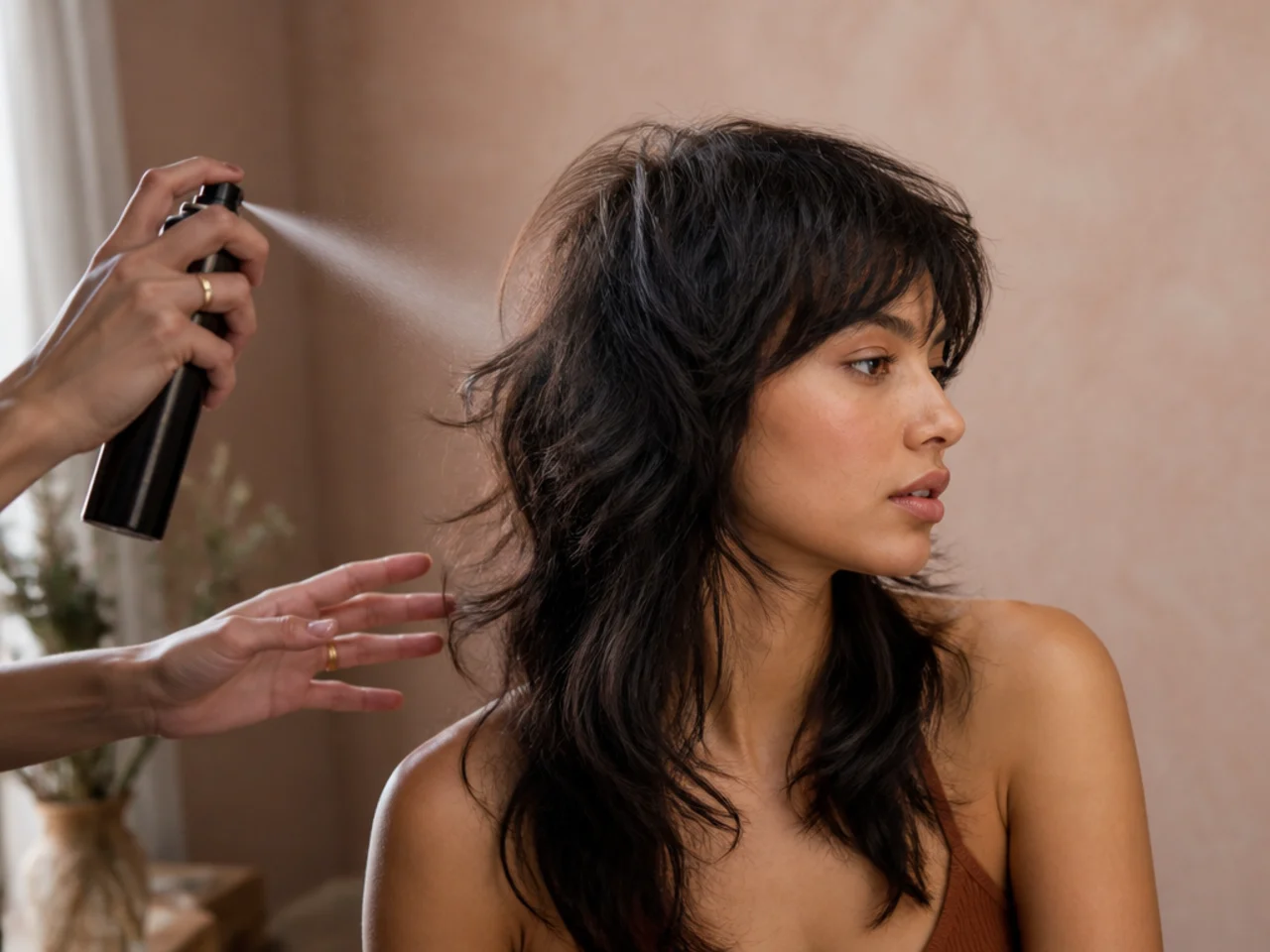
- 9. Texture Spray Is Grip and Not Lift
- 10. The Second Day Was Always the Better Day
- 11. The Fringe Is the Part You Cannot Ignore
- 12. Washing Less Often Changed the Shape
- 13. A Cotton Pillowcase Roughened the Ends
- 14. The Nape Rounds Off First
- 15. The Shape Has About Ten Weeks in It
- Styling and Upkeep
- Mistakes to Avoid
- FAQ
- Final Thoughts
An unstyled wolf cut has nothing to hide behind, so every decision made in the chair shows up on the head all day.
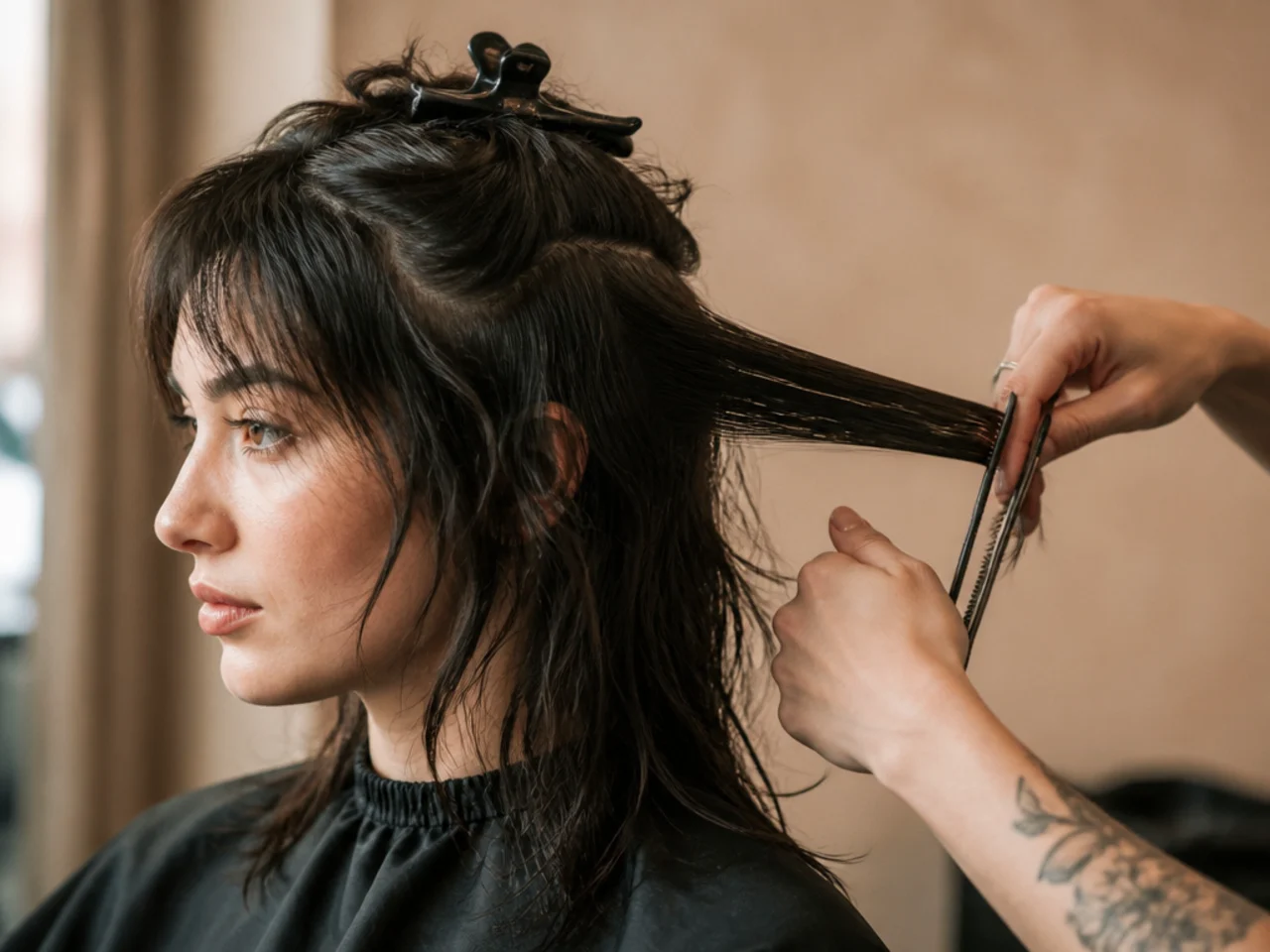
Dry cutting is not a preference here. With no blow dry to reposition anything, a layer that lifted an inch on drying stays an inch out of place until the next wash.
The crown layer does all the work. It stands on the layers beneath it and holds them off the head, and anything that weighs it down removes the entire point of the cut.
What Unstyled Actually Means
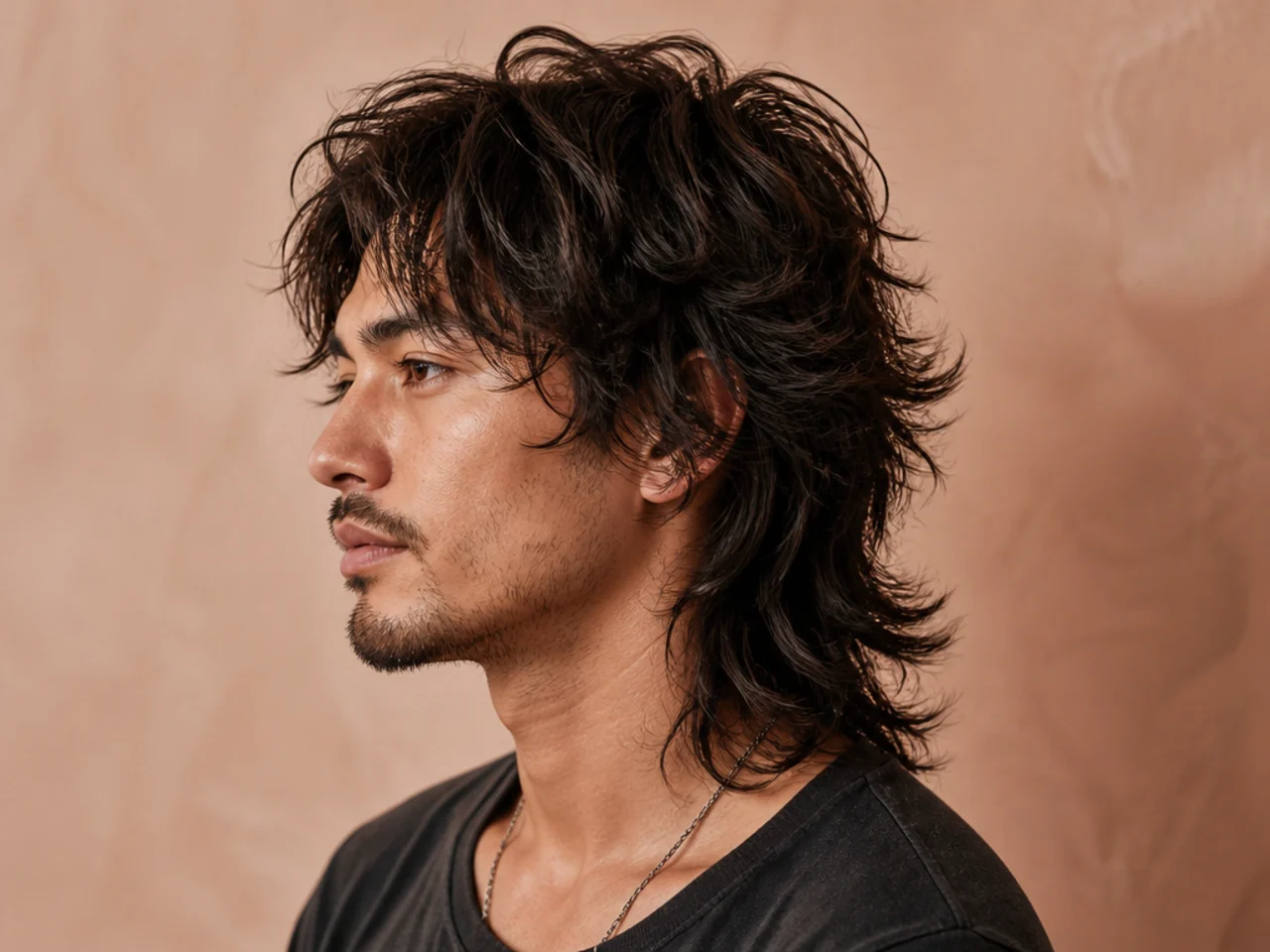
No heat and no brush. Hair is washed, roughed at the root with the fingers and left. Anything beyond that is styling under another name.
The cut has to carry the shape. In a styled wolf cut, half the volume comes from the dryer. Remove the dryer and the layers have to produce it on their own.
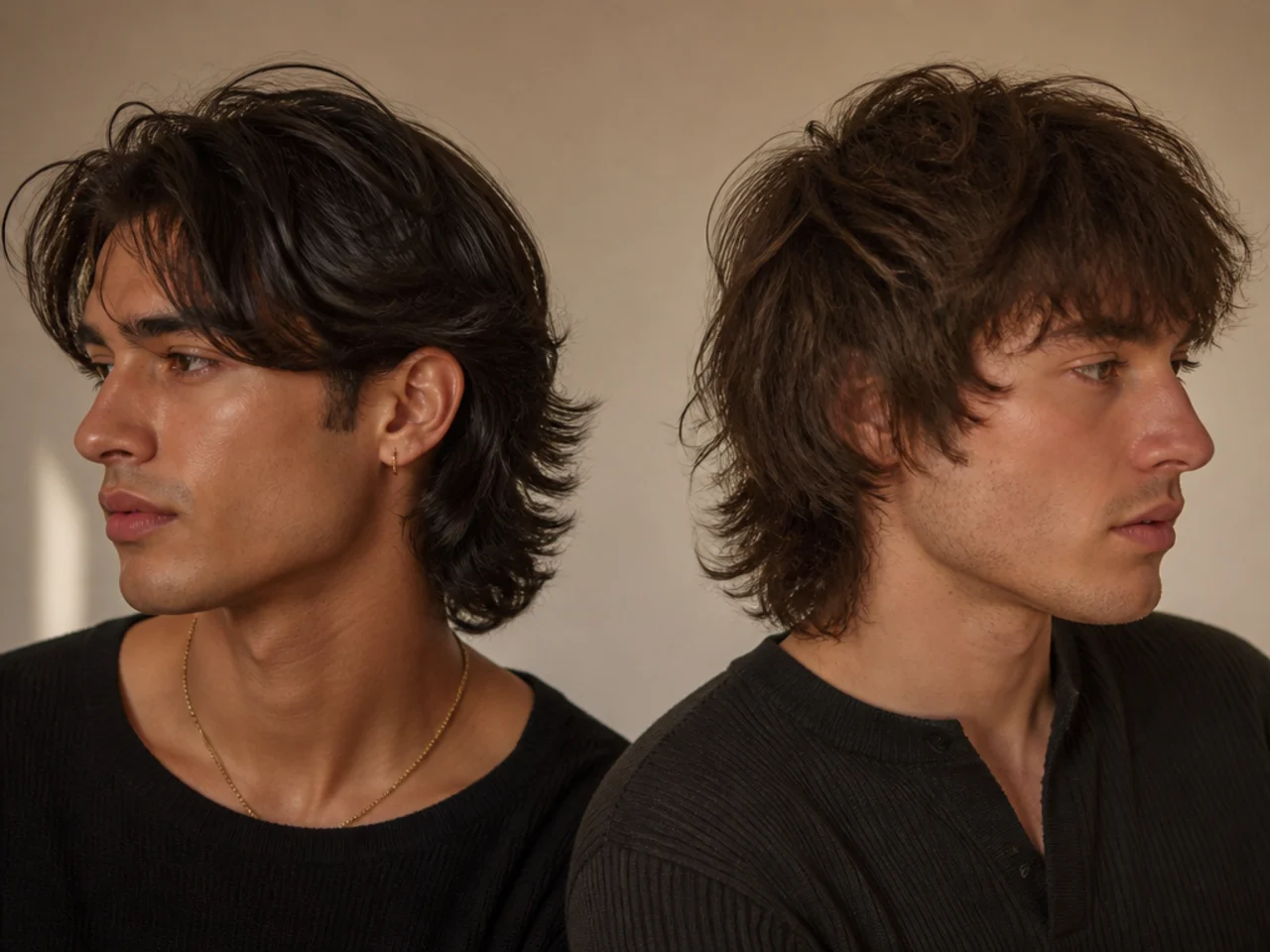
Texture stops being optional. Broken ends separate on their own as they dry. A blunt line air dries into a single flat curtain.
Day one is the worst day. Clean hair is slippery and the pieces slide back together. Natural oil is what gives them enough grip to stay apart.

Choosing a Wolf Cut That Survives Air Drying
Set the shortest crown layer at or above the jaw. Below that it has no height to fall from and nothing beneath it gets lifted.
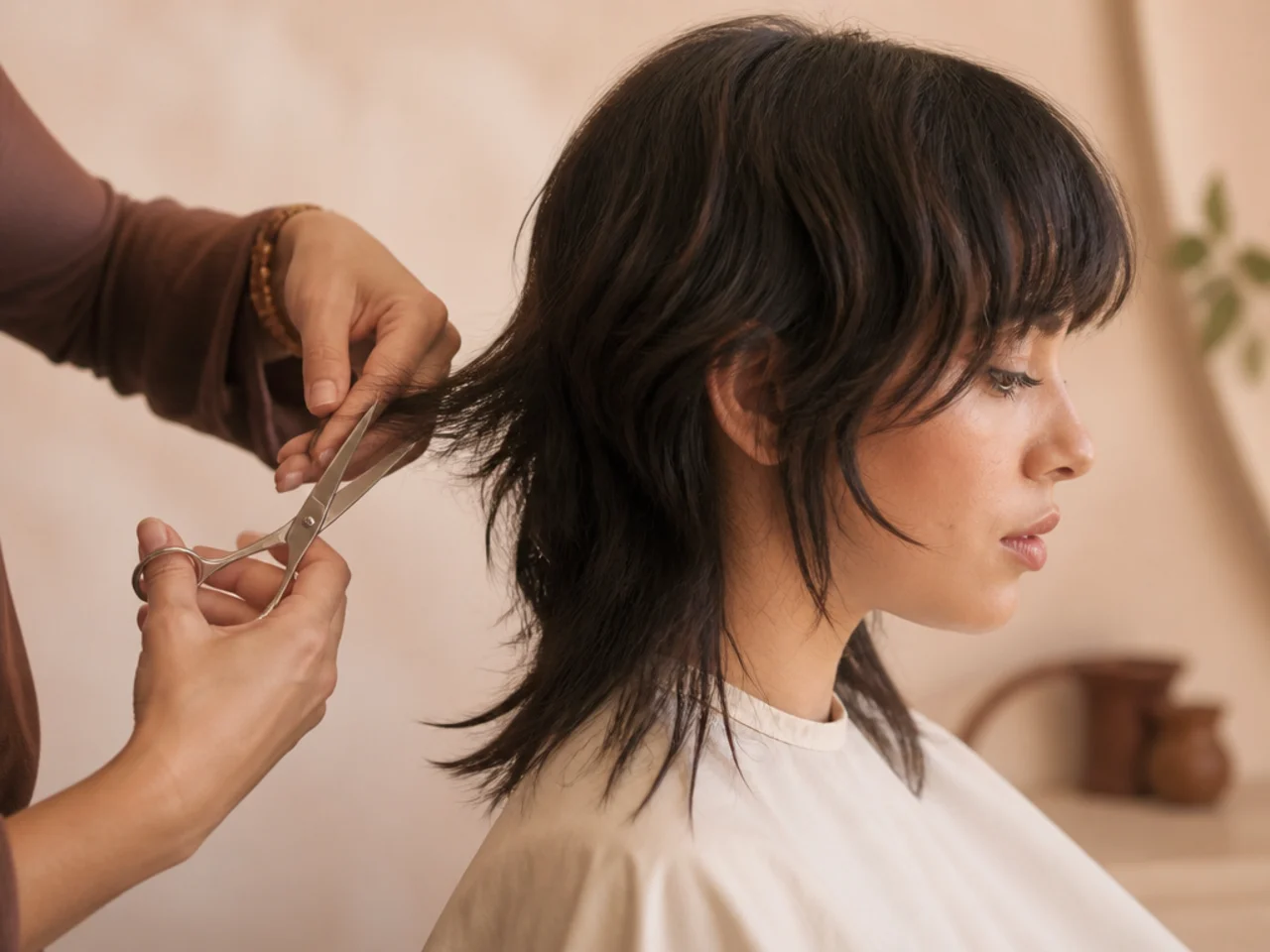
Ask for point cut ends, not thinned ones. Notching the ends breaks the line without stripping the perimeter. Thinning shears remove density and leave the shape behind.
Bring your real texture to the appointment. Turning up with a blow dry means the layers get placed against a shape you will never have again.
Cap the layer count on fine hair. Two or three layers through the crown and an untouched bottom two inches keeps a readable outline instead of a fade to nothing.
The 15 Things I Learned
1. It Has to Be Cut Dry
Wet hair hangs straight and heavy regardless of what it does later, so every layer is measured against a shape that disappears on drying. Waves pull up about an inch and curls two to three, which is the difference between a layer at the jaw and a layer at the cheekbone.
2. The Crown Layer Decides the Whole Day
Everything below the shortest crown layer is being propped up by it, so if it sits too low there is nothing holding the rest off the head. Half an inch of extra length at the crown is enough to turn a lifted cut into a flat one, which is why it is the measurement worth writing down.
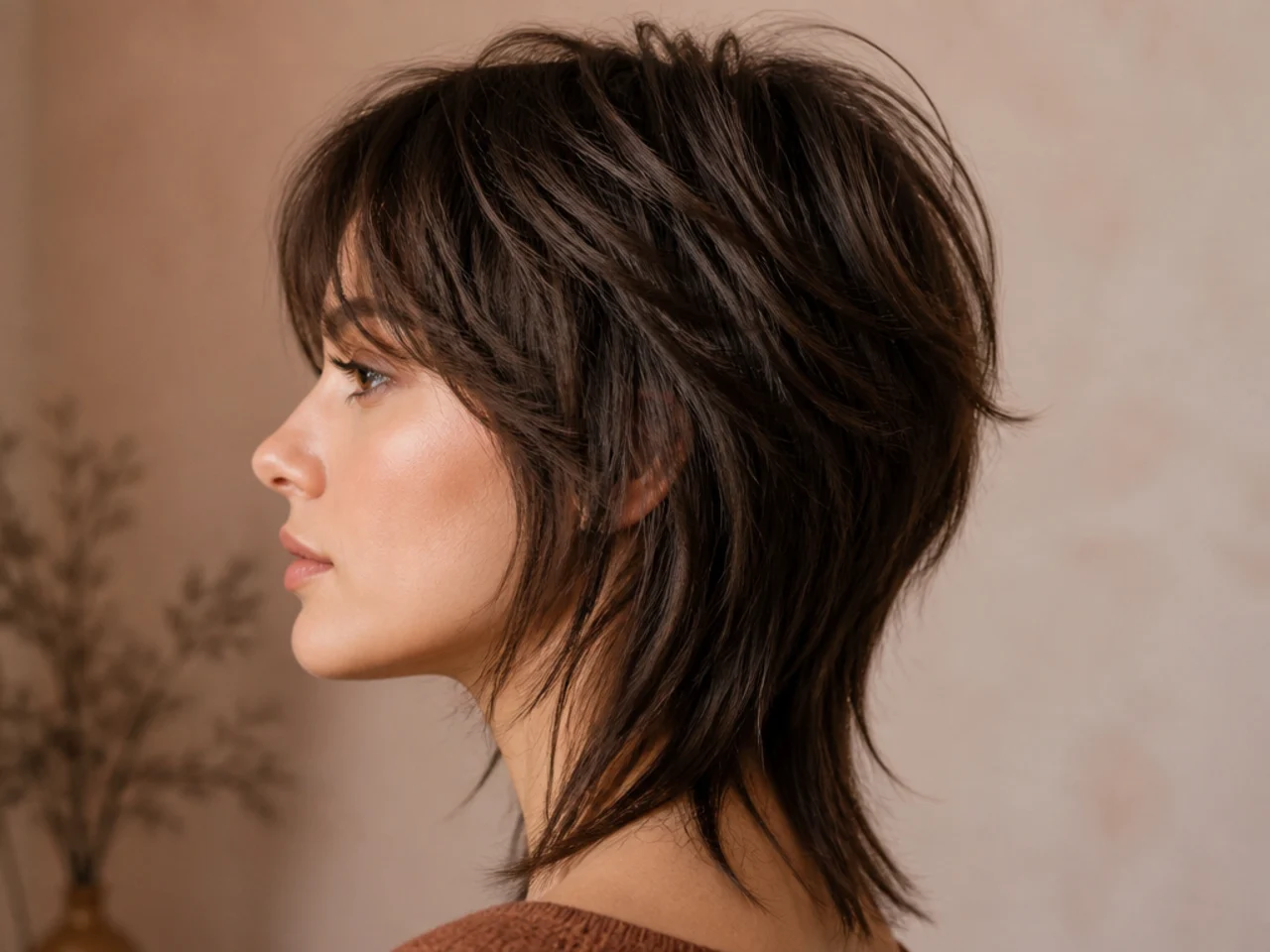
3. Blunt Ends Air Dry Into a Curtain
When every strand ends at the same point they dry as a single mass, because there is nothing for the pieces to break along. Notched ends finish at slightly different lengths and separate on their own as they dry, which is where all the visible texture comes from.
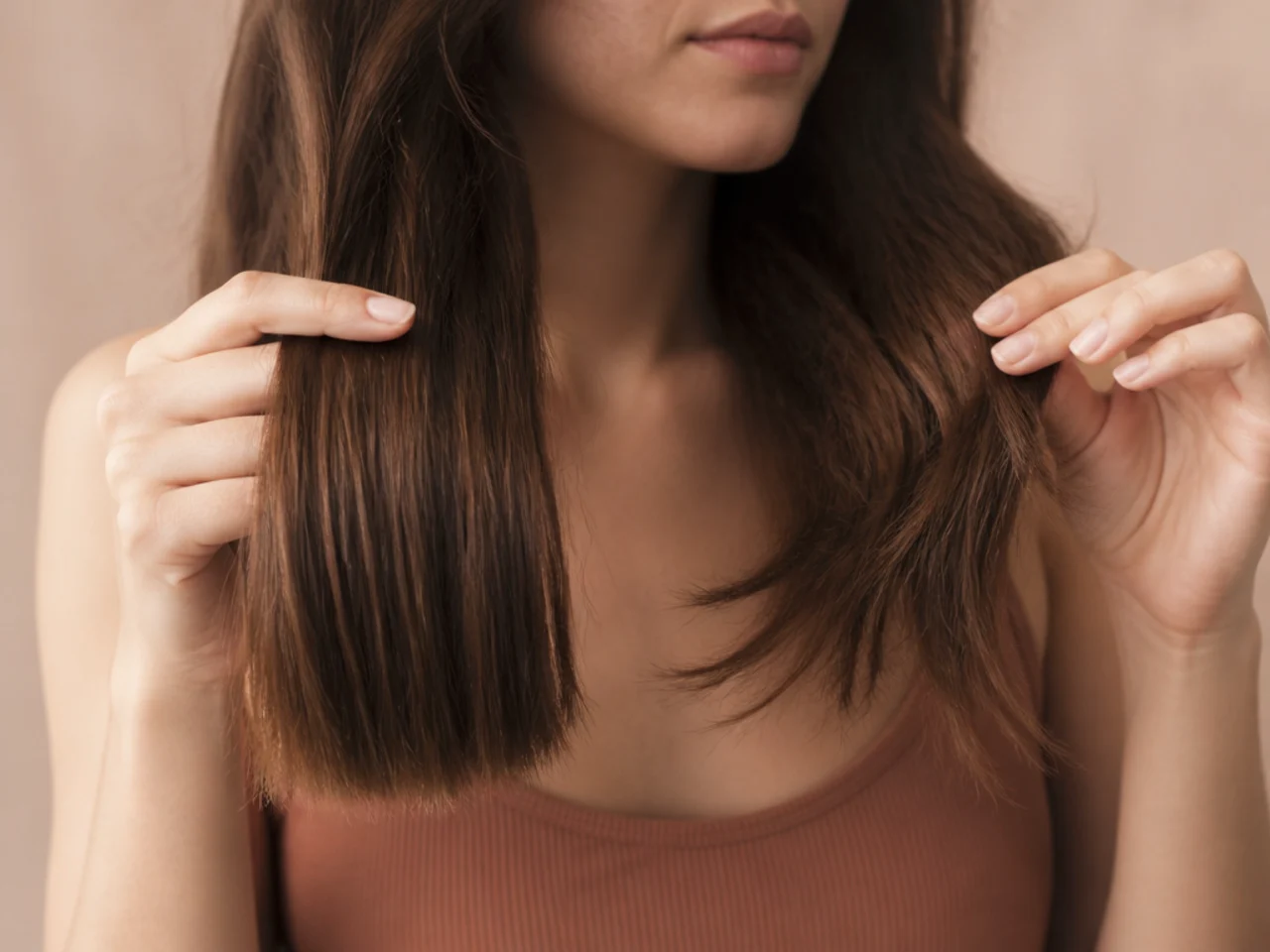
4. Fewer Layers Held Up Better Than More
Every layer takes weight out of the perimeter, and with no round brush to give the ends body there is nothing to replace it. Past three or four layers on fine hair the bottom goes translucent and the outline stops being readable at any distance.

5. The Part Sets in the First Ten Minutes
Hair holds whatever direction its roots were in while it dried, and once dry it will not move without water. Shifting the part on dry hair leaves a flat panel where the roots are still lying the old way, and no amount of product corrects it.

6. Sleeping On It Flattens One Side
A night of pressure on the same side puts the crown layers on that side flat against the head for hours, and the friction roughens the ends at the same time. It is the single biggest reason an unstyled wolf cut looks asymmetric by lunchtime.

7. A Round Brush Undoes the Cut
A round brush pulls separate layers into one continuous curve, which is the exact opposite of the separation the layers were cut to produce. It makes the hair look smoother and the haircut look like it was never done.
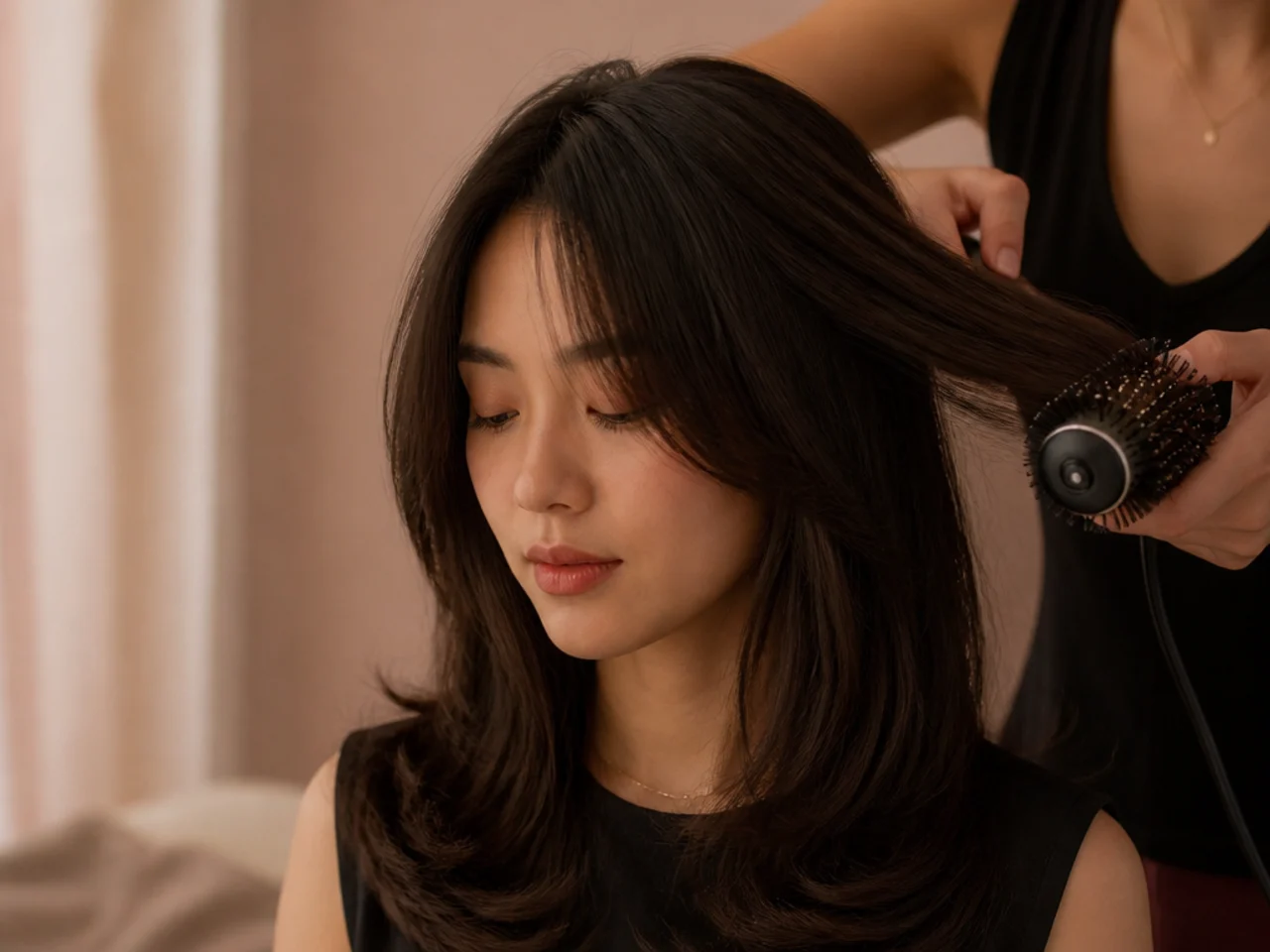
8. Heavy Product at the Root Removes the Volume
The crown layer is a short lever, so adding mass at its base is the most efficient way to flatten it. Creams and oils belong on the last two inches of the perimeter where the weight helps the ends hang, not anywhere near the top.
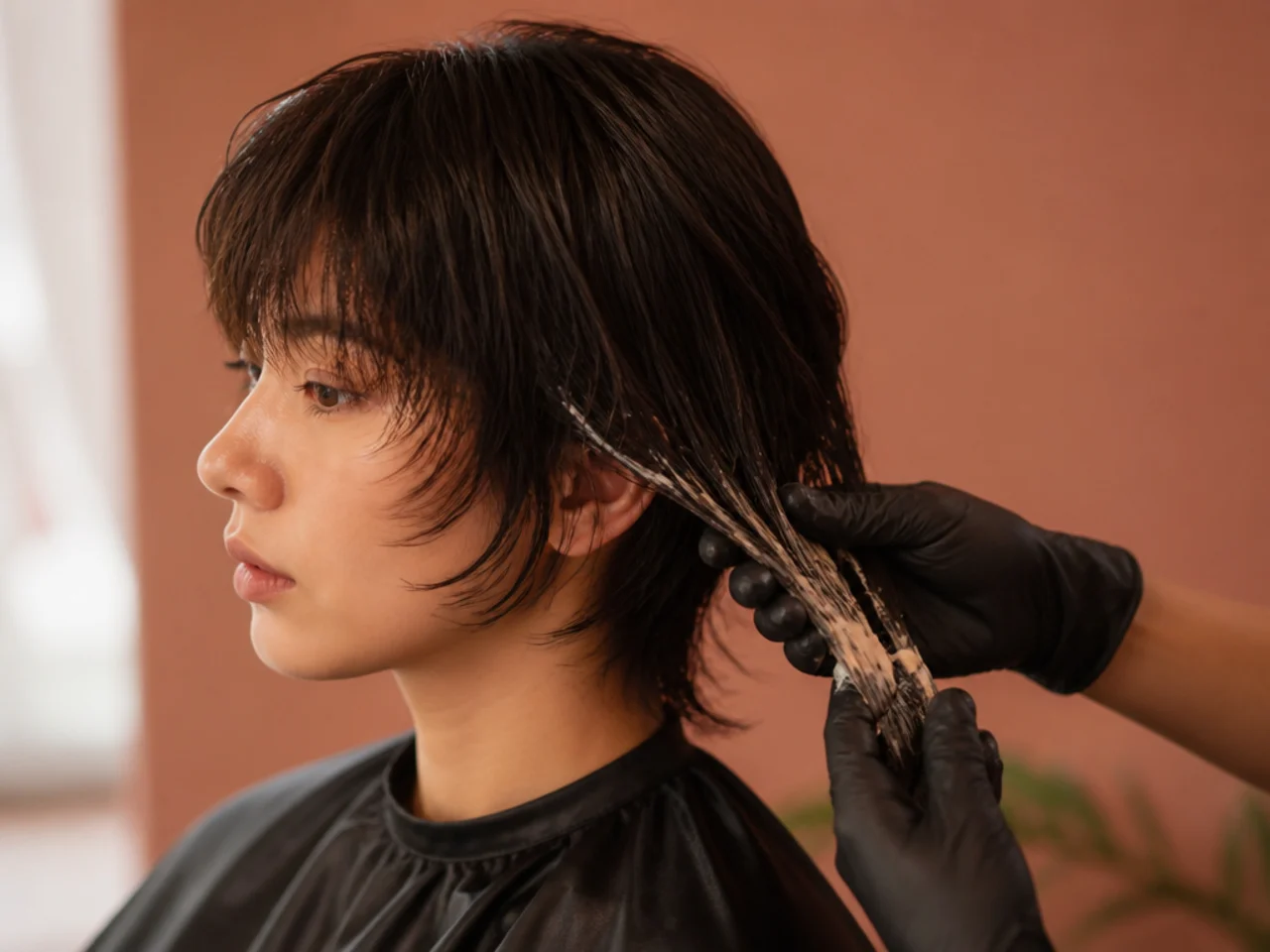
9. Texture Spray Is Grip and Not Lift
Salt and polymer sprays work by raising friction between strands so pieces hold apart from each other. They do nothing to push a root upward, so spraying them at the crown of already flat hair produces flat hair that is also sticky.
10. The Second Day Was Always the Better Day
Freshly washed hair has no surface oil, so the pieces slide against each other and close back into a single mass. A day of sebum travelling down the strand gives them enough grip to stay separated, which is the texture the cut was designed around.

11. The Fringe Is the Part You Cannot Ignore
Hair grows about half an inch a month, which sounds slow until it is measured against a fringe that only works within an inch of where it was cut. Six weeks takes a curtain fringe past the cheekbone, where it stops framing the face and starts sitting in the way.

12. Washing Less Often Changed the Shape
A wolf cut has a lot of short ends sitting near the scalp, so oil reaches them quickly and the crown goes flat sooner than it would on one length hair. Two days is usually the useful window, and past three the lift is gone whatever the cut is doing.

13. A Cotton Pillowcase Roughened the Ends
Cotton drags against the cuticle all night and lifts it, and on a cut whose perimeter has already been thinned by layering there is little density left to absorb that. The result reads as frizz rather than as texture, which is the difference between the cut looking undone and looking damaged.

14. The Nape Rounds Off First
The nape is the longest point of the perimeter and the layers directly above it are the shortest, so as everything grows those layers arrive at the same length and the point flattens into a curve. Once it curves the cut has lost its mullet half and reads as a shag.

15. The Shape Has About Ten Weeks in It
Everything grows at the same rate, so the gap between crown and perimeter barely changes. What changes is the crown layer itself, which is now an inch longer and heavy enough to bend under its own weight instead of standing on the layer below.

Styling and Upkeep
Rough the roots while the hair is still wet. Root direction is fixed once it dries, and it is where most of the volume comes from.
Keep everything heavy below the ears. Weight helps the perimeter hang and destroys the crown, so the application point matters more than the product.
Switch to silk or satin at night. It cuts the friction that turns thinned ends into frizz, and it stops the crown being pressed flat on one side.
Trim the fringe every five to six weeks. It moves out of position faster than any other part of the cut because it has the least room to move in.
Re-cut the crown layers, not only the ends. Trimming the bottom alone narrows the gap and gradually converts the cut into plain layers.

Mistakes to Avoid
Booking a wet cut for an air dried head. The layers get placed against a shape that stops existing the moment the hair dries.
Arriving with a blow dry. The stylist cuts to the shape in front of them, and it is not the shape you live with.
Thinning shears through the ends. They strip the perimeter and leave the bulk where it was, so the outline disappears and the weight does not.
Product at the crown. Every gram at the root is working directly against the layers.
Judging the cut on day one. Clean hair has no grip, so the pieces close up. The cut is not visible until the second day.

FAQ
Wet or dry cut? Dry, always, if you are not styling it.
Why is it flat? Weight at the root, or a crown layer cut too long.
How long does it last? About ten weeks before the crown stops standing up.

Final Thoughts
The whole thing comes down to one instruction at the appointment: cut it dry, on unstyled hair, and set the shortest crown layer at the jaw. Everything else is small adjustments around that.
For the cut itself rather than how it dries see the short wolf cut, and for the softer blended version see the korean wolf cut. More in Mullet and Wolf Cut.