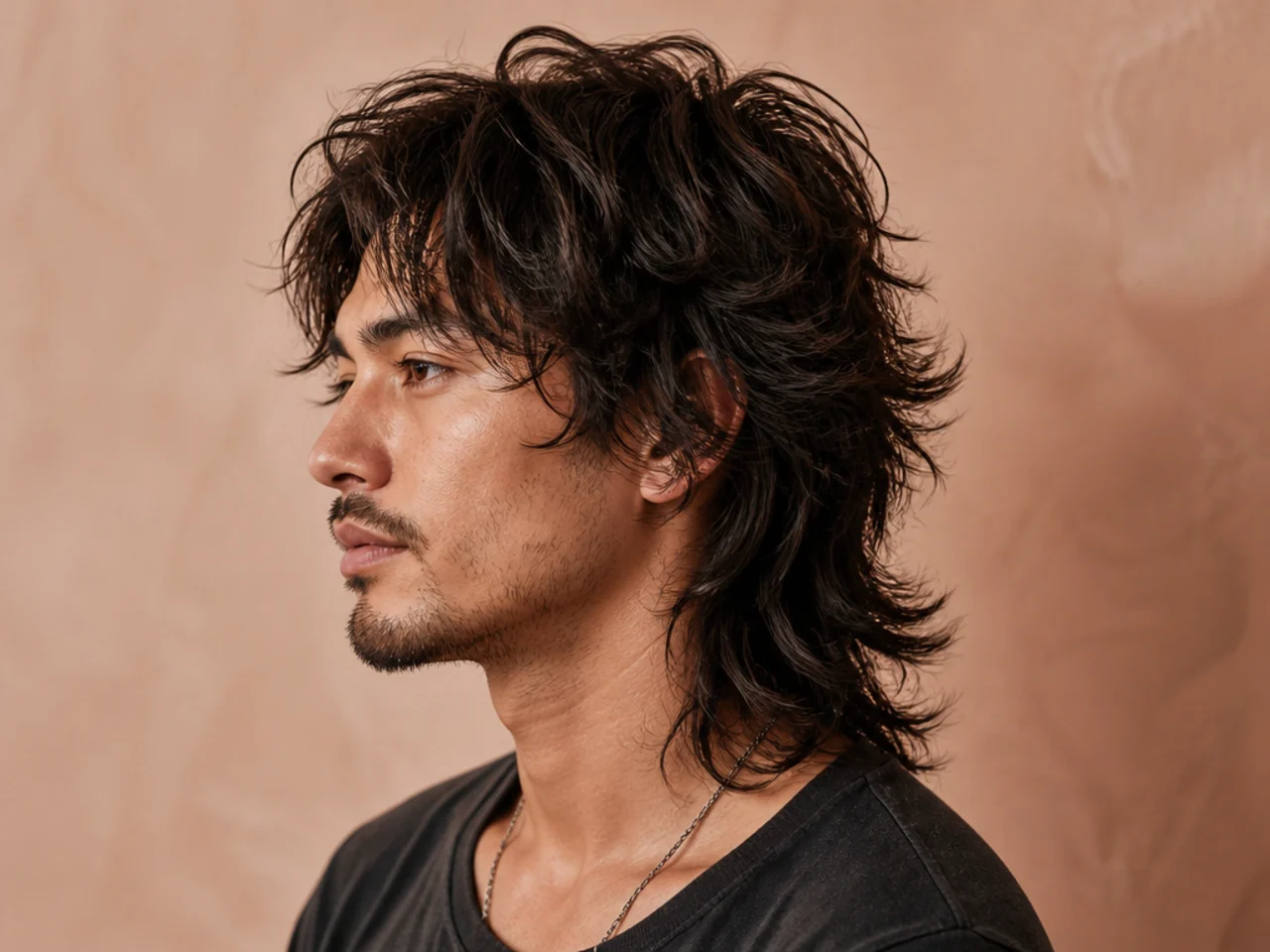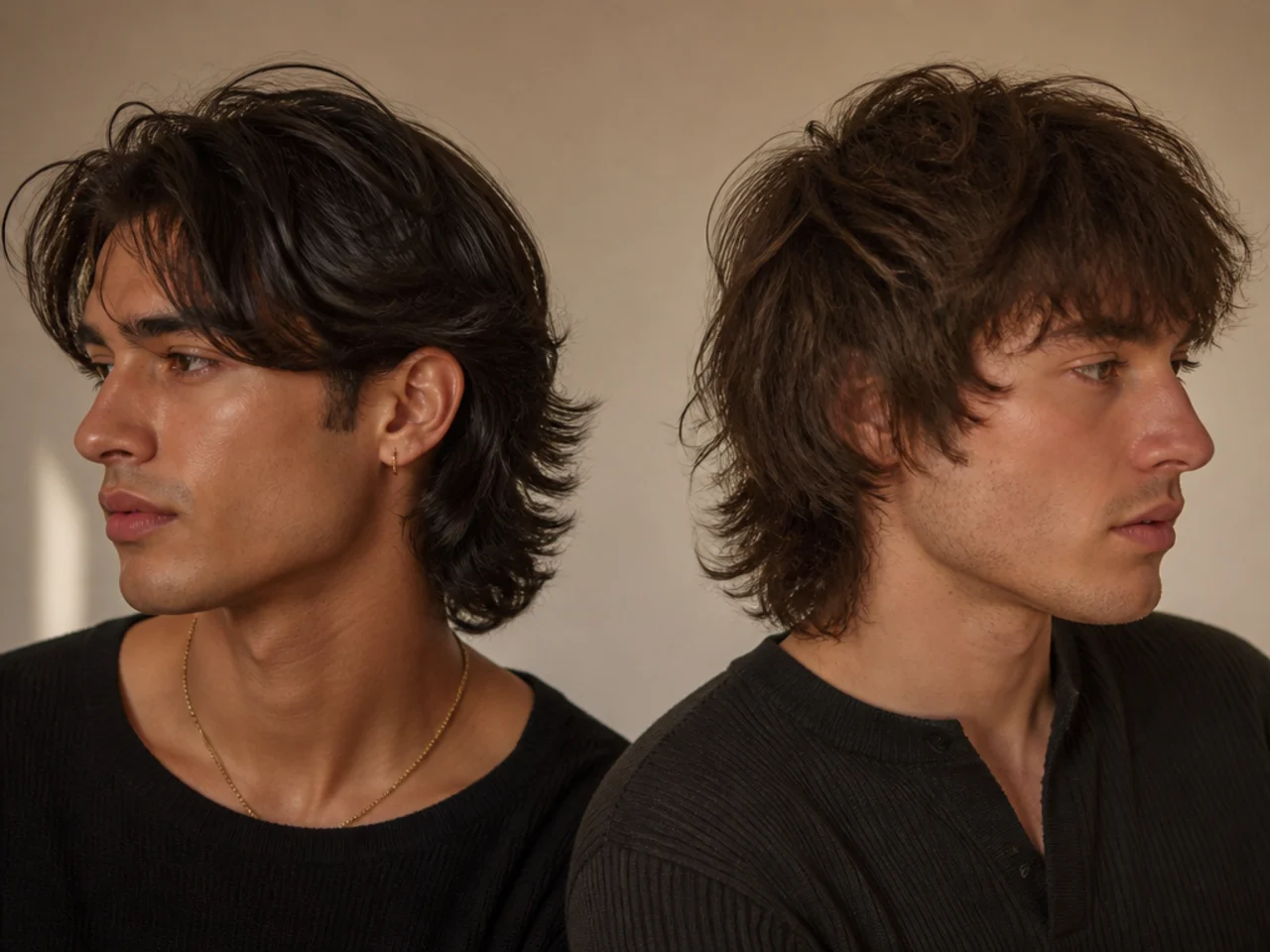
30 Curly Wolf Cut Styles With Effortless Volume
Thirty curly wolf cuts and the mechanism behind all of them. Volume comes from one short layer at the crown propping up the lengths beneath it, not from cutting more layers, and on curl that layer has to be measured dry.
In this article · 37
- Where the Volume Comes From
- Choosing Layers for Your Curl Type
- The 30 Curly Wolf Cut Styles
- 1. Short Curly Wolf Cut
- 2. Chin Length Curly Wolf Cut
- 3. Shoulder Length Curly Wolf Cut
- 4. Collarbone Curly Wolf Cut
- 5. Long Curly Wolf Cut
- 6. Wolf Cut on Loose Waves
- 7. Wolf Cut on Spiral Curls
- 8. Wolf Cut on Tight Coils
- 9. Wolf Cut on Coily Hair
- 10. Wolf Cut on Mixed Texture
- 11. Curly Wolf Cut With Curtain Bangs
- 12. Curly Wolf Cut With Micro Bangs
- 13. Curly Wolf Cut With Wispy Bangs
- 14. Curly Wolf Cut With No Fringe
- 15. Curly Wolf Cut With a Heavy Crown Layer
- 16. Curly Wolf Cut With Long Soft Layers
- 17. Curly Wolf Cut With a Disconnected Top
- 18. Curly Wolf Cut With an Undercut
- 19. Curly Wolf Cut With a V Perimeter
- 20. Curly Wolf Cut With a Rounded Perimeter
- 21. Curly Wolf Cut With Balayage Ends
- 22. Curly Wolf Cut With a Money Piece
- 23. Curly Wolf Cut in a Single Tone
- 24. Curly Wolf Cut With Ribbon Highlights
- 25. Curly Wolf Cut Styled With a Diffuser
- 26. Curly Wolf Cut Styled With Root Clips
- 27. Curly Wolf Cut as a Wash and Go
- 28. Curly Wolf Cut Set in Twists
- 29. Curly Wolf Cut at Six Weeks
- 30. Curly Wolf Cut at Twelve Weeks
- Styling and Upkeep
- Mistakes to Avoid
- FAQ
- Final Thoughts
A curly wolf cut that went flat within a fortnight almost always had its layers cut wet, which put every one of them higher than intended once the curl sprang back.
One short crown layer does all the lifting. It is too short to lie flat under its own weight, so it stands up and holds the lengths behind it off the scalp.
Everything below that layer is length, not volume. More layers lower down remove bulk and add movement, but they prop nothing up and cannot create height.
Where the Volume Comes From
Height depends on one measurement. The distance from the scalp to the shortest layer is the whole mechanism. Shorten it and the lift increases; lower it and the cut turns into ordinary layers.
Curl shrinks, so the layer must be cut dry. Wet hair hangs near its stretched length, and a coil that springs back a third shorter turns a well judged layer into a shelf.
Disconnection is the difference from a shag. A wolf cut leaves a visible jump between the crown pieces and the lengths underneath. A shag blends the same lengths together.
Weight is the enemy of lift and the friend of shape. Removing weight from inside the sides narrows the silhouette; removing it from the crown removes the volume you cut the layer for.
Choosing Layers for Your Curl Type
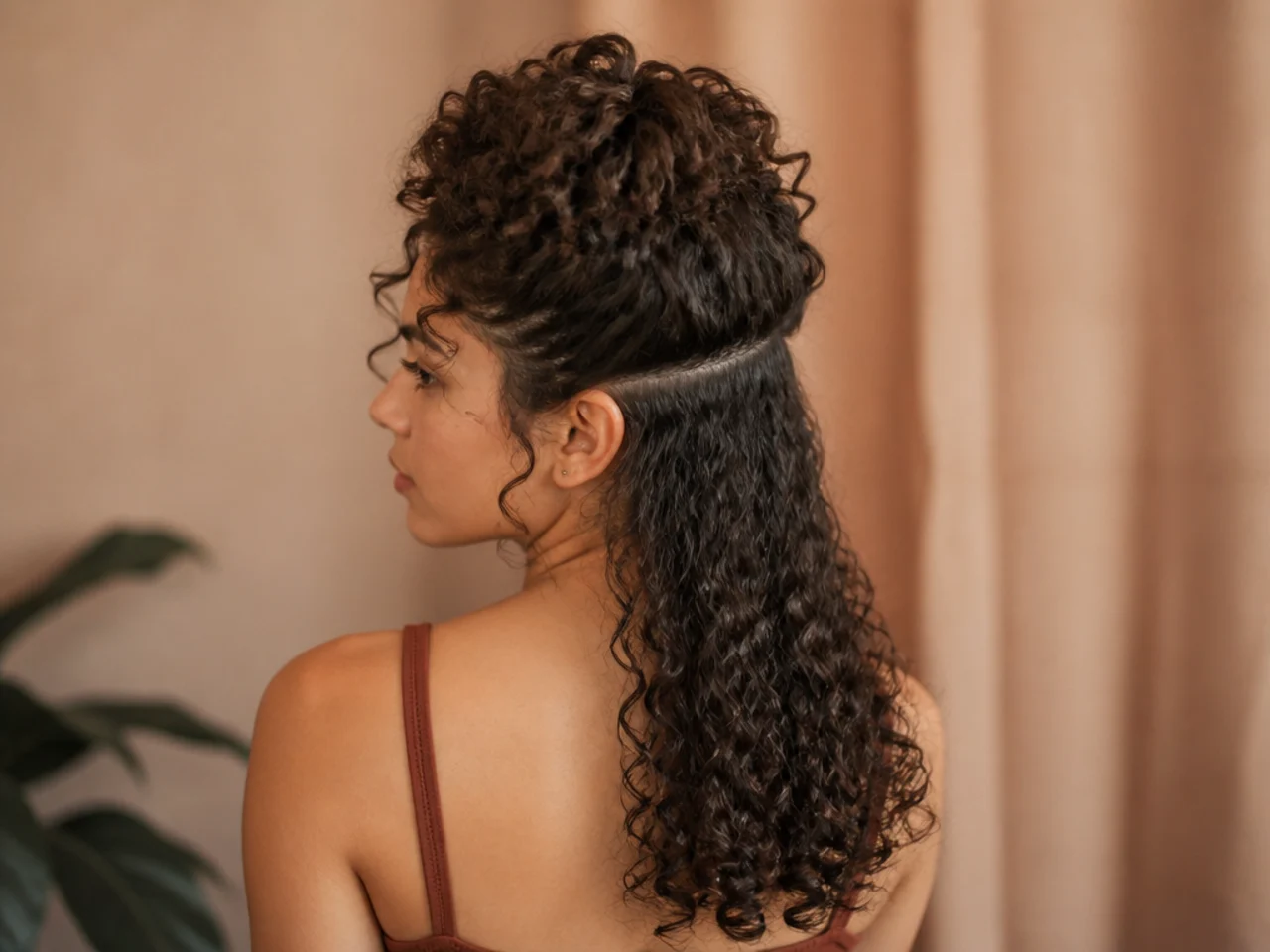
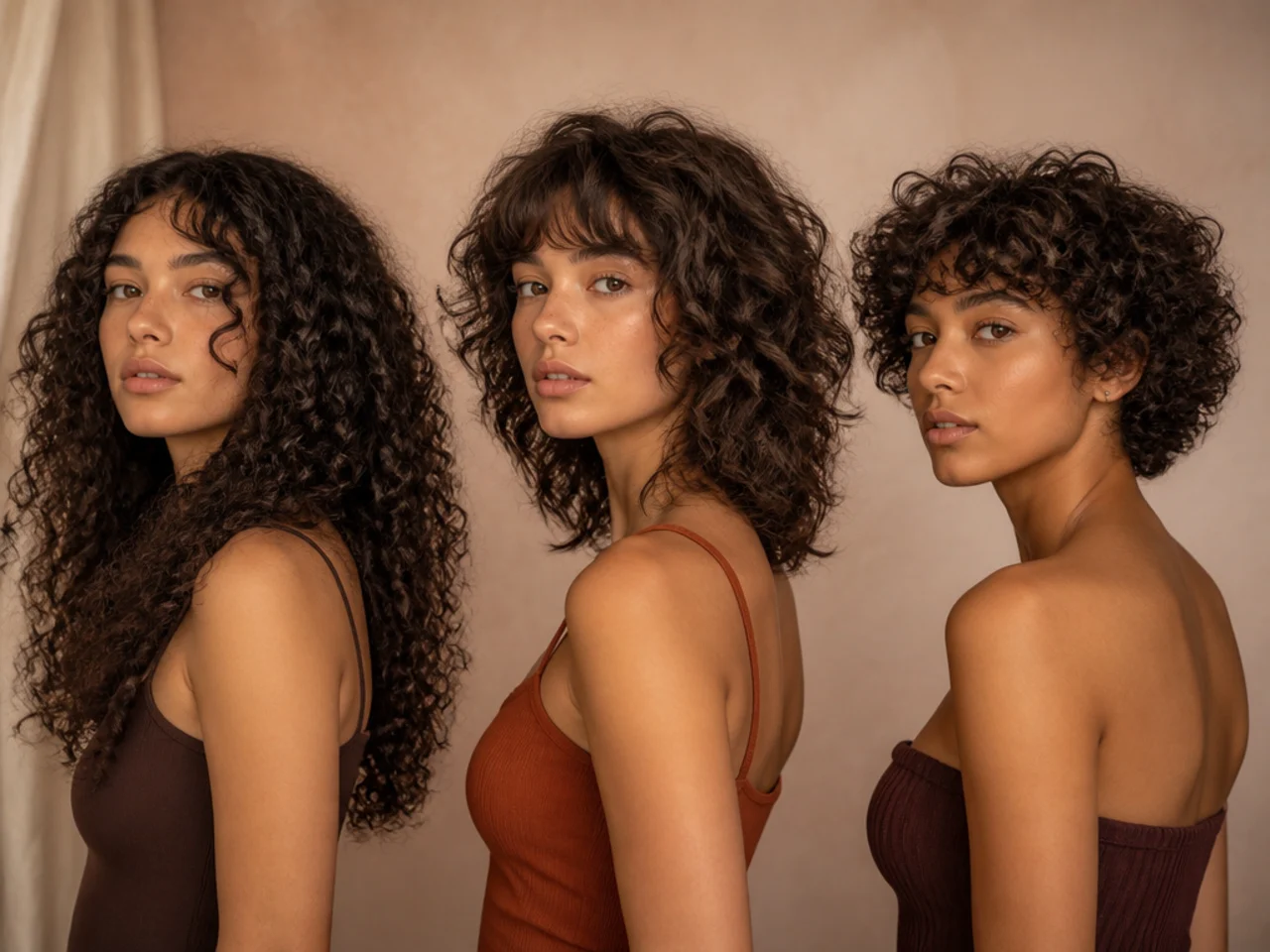
Loose waves take the lowest layer. They shrink least and lift least, so the shortest piece can sit near the occipital bone and still show as volume.
Spirals take a mid height layer. A quarter of the length disappears on drying, so cut longer than the finish you want and expect the layer to rise.
Tight coils take the highest layer and the most patience. They shrink up to a third, and a coil cut short at the side stands straight out rather than falling.
Fine curl takes fewer layers, longer. There is little weight to remove, and past a certain point the curl stops clumping and separates into strands with no pattern left.
The 30 Curly Wolf Cut Styles
1. Short Curly Wolf Cut
The perimeter sits at the jaw and the crown layer sits just above it, so there is very little length below to weigh anything down. That is why the shortest versions hold the most height, and why they need trimming soonest. More range in the short wolf cut.
2. Chin Length Curly Wolf Cut
Cut so the dry curl finishes at the chin, which means measuring several inches longer while wet. The short perimeter puts most of the mass at eye level, so it reads as a full round shape rather than a long one.

3. Shoulder Length Curly Wolf Cut
The length at which curl ends start catching on the shoulder and flicking outward on their own. That contact does the work a styling tool would otherwise have to, which is why this length looks styled with the least effort.

4. Collarbone Curly Wolf Cut
Enough length below the layers to give the shape a column, without enough weight to drag the crown flat. It is the most forgiving length on curly hair because a small error in layer height barely shows.

5. Long Curly Wolf Cut
Past the shoulder blades the weight of the lengths starts pulling the crown down, so the shortest layer has to be cut higher than it would be on a shorter version. Skip that adjustment and a long curly wolf reads as long layers within weeks.
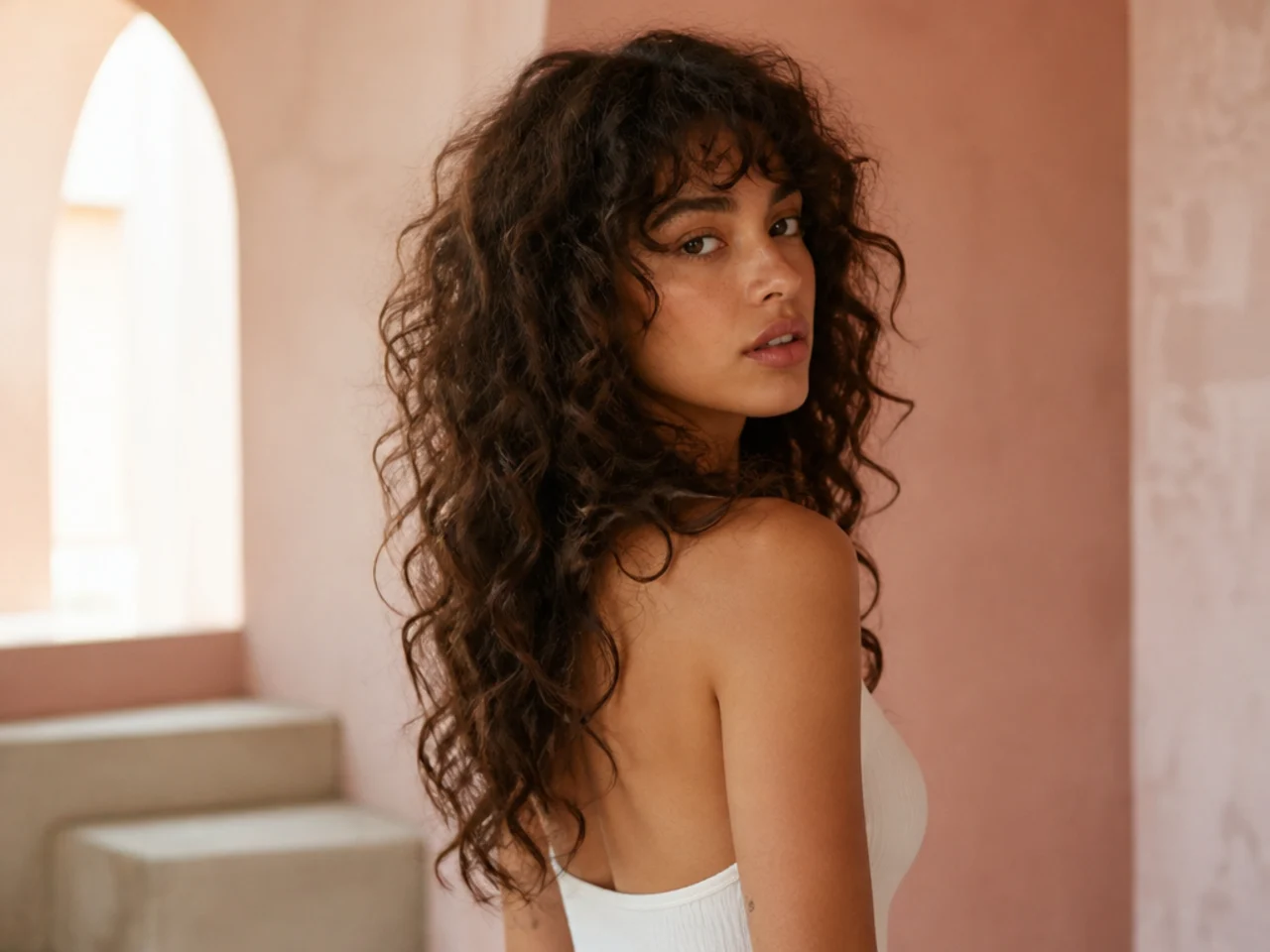
6. Wolf Cut on Loose Waves
A loose wave lifts itself off the scalp along its whole length, so it needs a shallower layer than a coil to reach the same height. It also stays close to the length it was cut at, which makes it the easiest texture to plan.
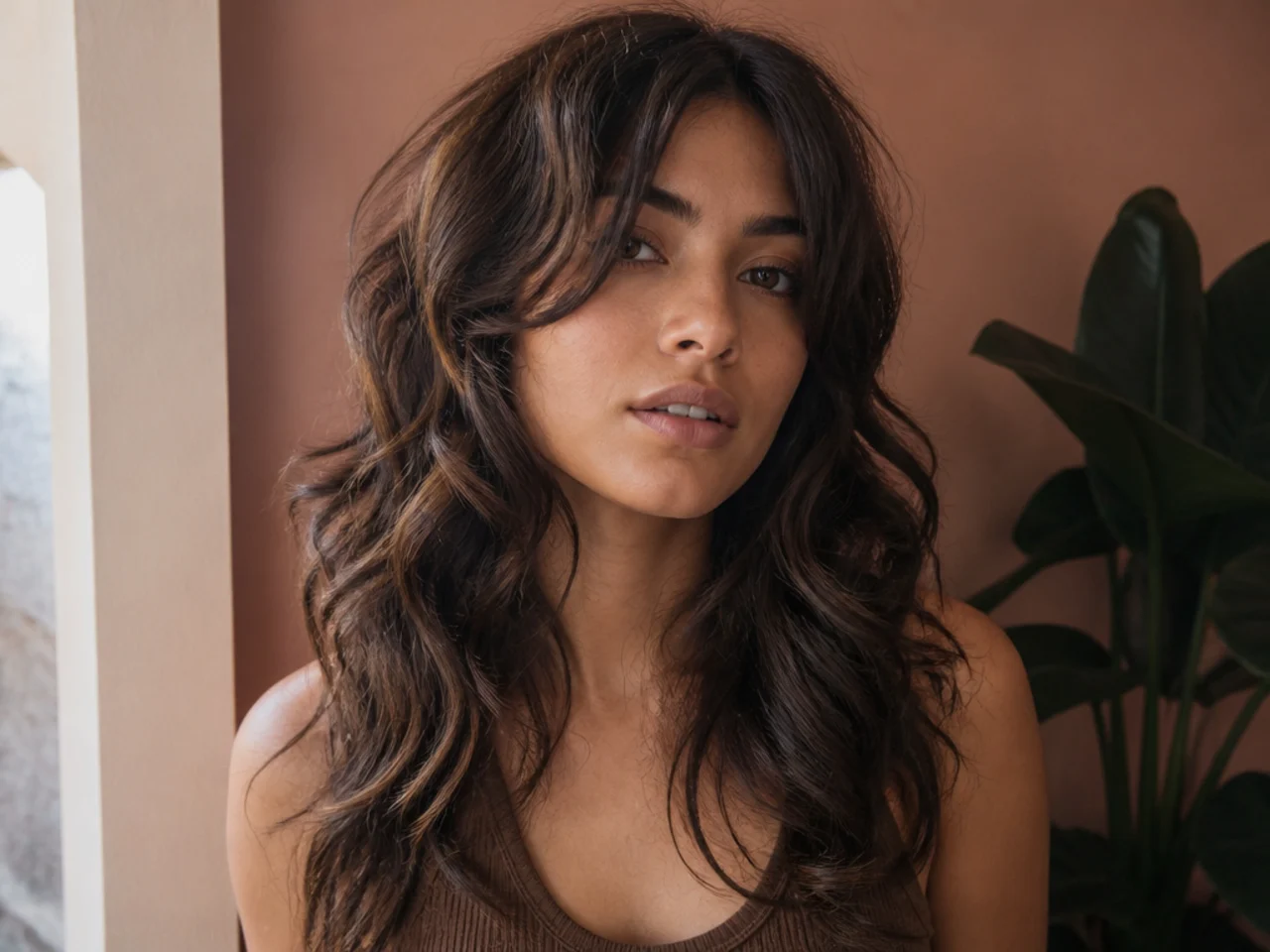
7. Wolf Cut on Spiral Curls
Spirals clump into ribbons, and each ribbon behaves as one thick strand rather than many fine ones. Layers therefore have to be cut ribbon by ribbon, because cutting across a clump leaves half of it short and half long.

8. Wolf Cut on Tight Coils
The most shrinkage and the most expansion. Every layer must be cut longer than its finished length, and the shortest one has to sit high or the coil beneath springs outward instead of down, as in the coily version cut for men.
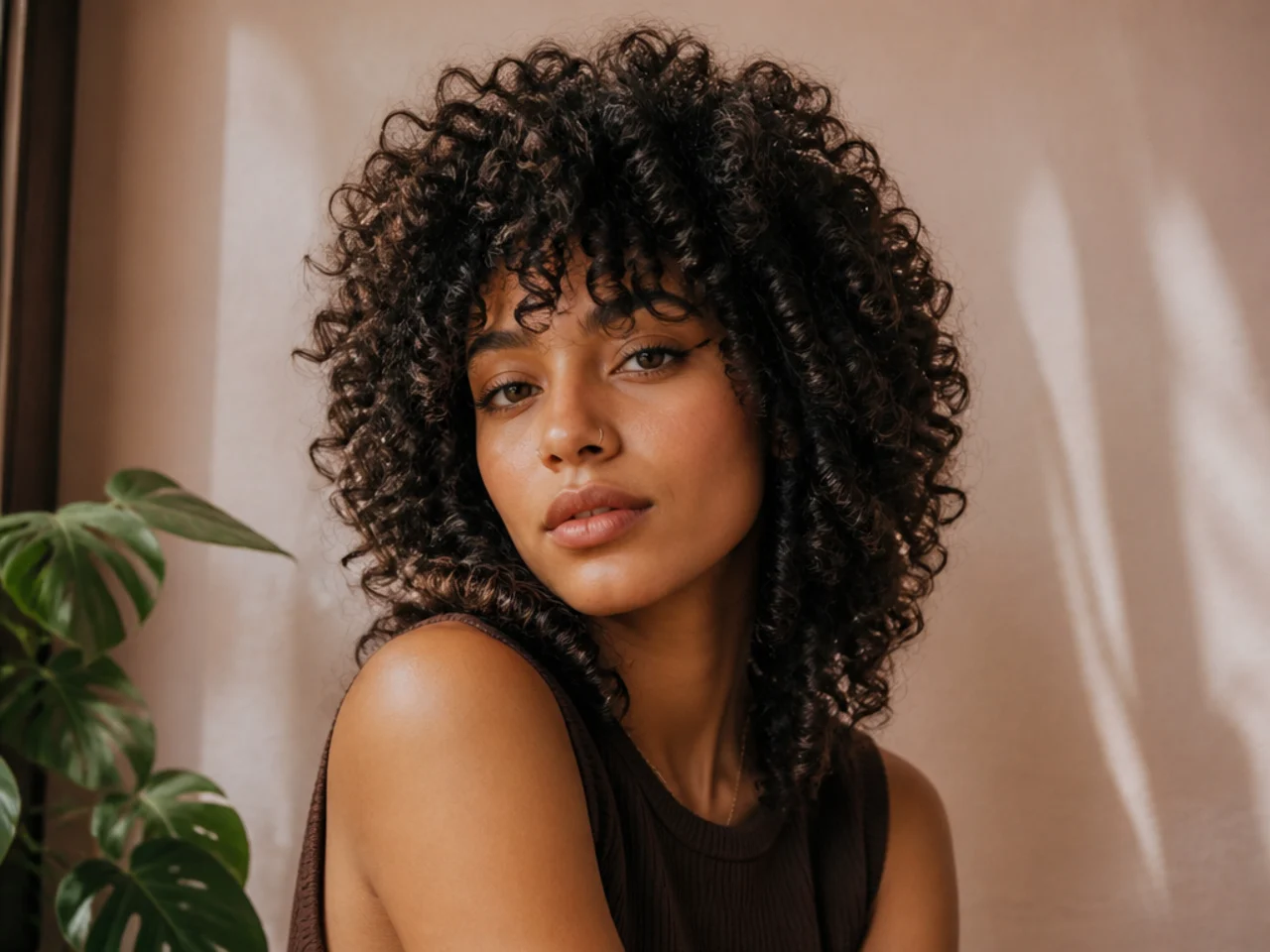
9. Wolf Cut on Coily Hair
Dense coils hold their own structure, so the cut is about carving a shape out of a mass rather than creating separation. Cutting into the outline from outside gives a cleaner result than sectioning, because the shape is read from the surface.
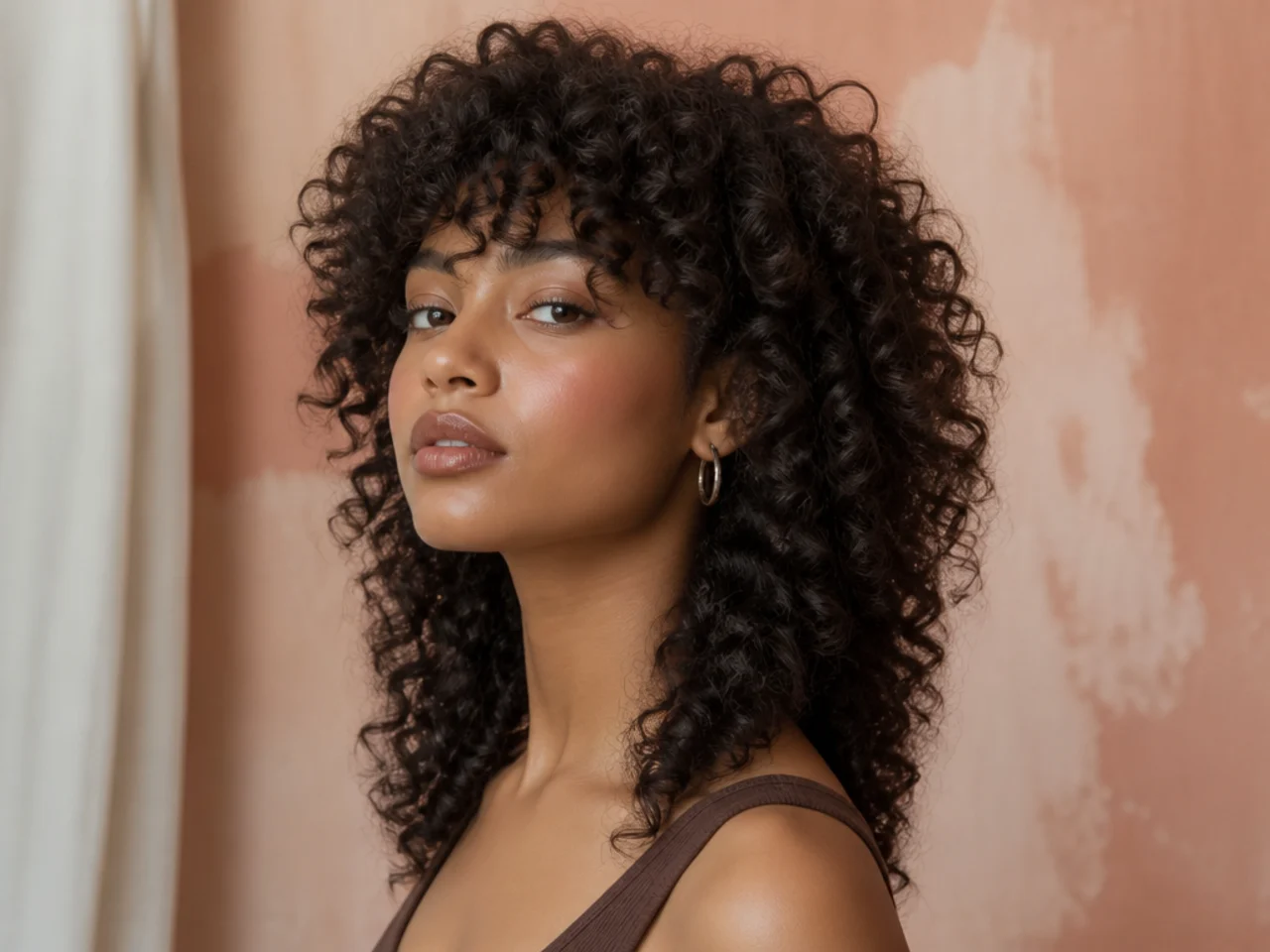
10. Wolf Cut on Mixed Texture
Wavy underneath and curly on top, or the reverse, is common and the cut has to be measured separately in each zone. Using one layer height across the head leaves the looser section too long and the tighter section visibly short.
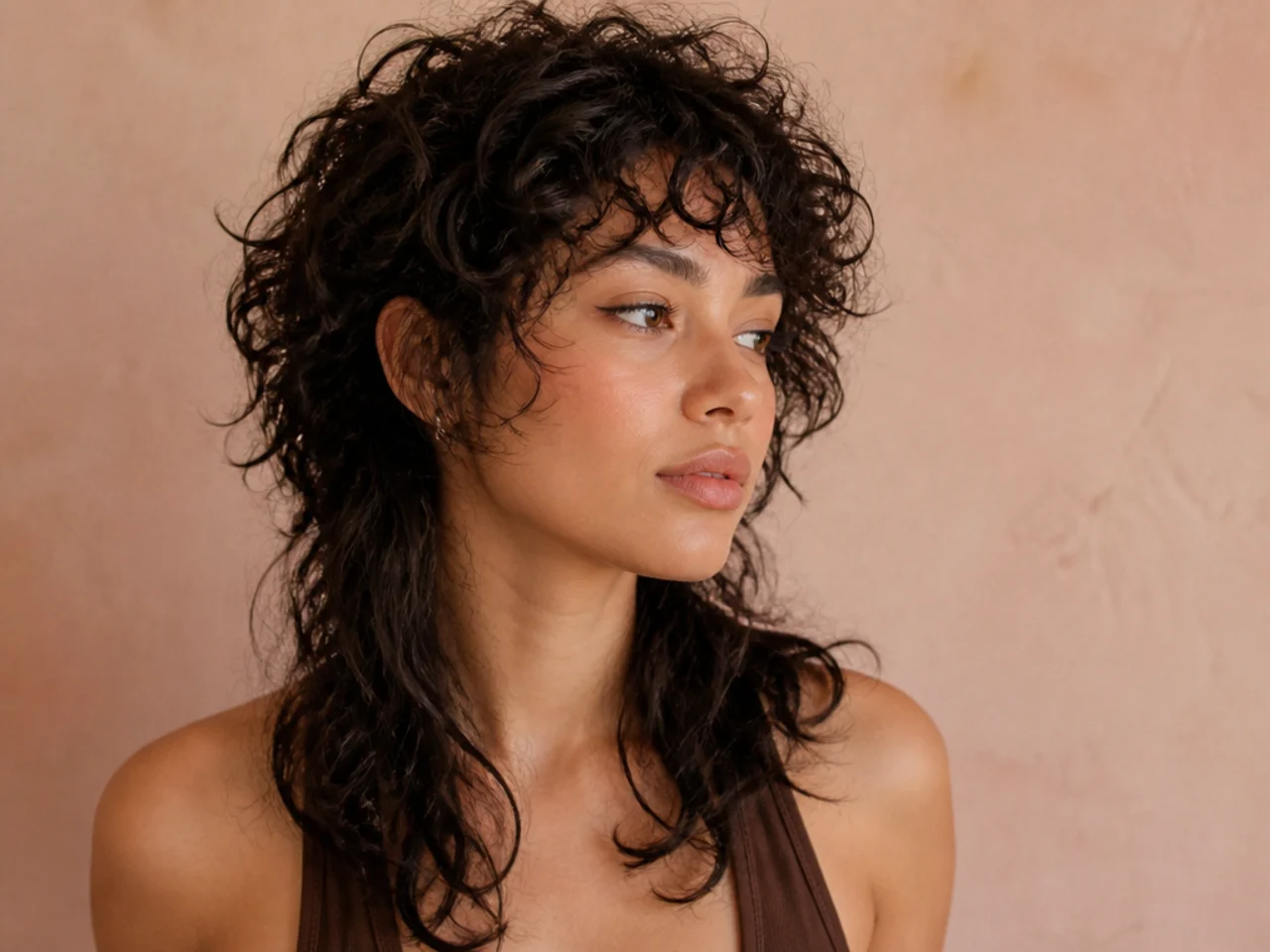
11. Curly Wolf Cut With Curtain Bangs
The fringe parts at the centre so each half carries its weight sideways instead of down, which keeps it clear of the eyes without pins. On curl it must be cut long, because shrinkage raises the shortest point toward the brow.

12. Curly Wolf Cut With Micro Bangs
Very short curl has no length to be pulled down by, so it sits high on the forehead and stays there. That is exactly why the cut is unforgiving: half a centimetre of error is a visible amount at this length.

13. Curly Wolf Cut With Wispy Bangs
The fringe is thinned rather than shortened, so light passes through it and the forehead is broken up without a hard line. Fine curl loses its clumping when thinned this far and ends up as separate strands.

14. Curly Wolf Cut With No Fringe
Leaving the front long puts all the weight in one continuous section, which makes the front curls hang in a cleaner pattern. It is also the version with the fewest humidity problems, since a curly fringe is the first section to swell.

15. Curly Wolf Cut With a Heavy Crown Layer
Several short pieces at the crown rather than one, giving a broader platform for the lengths behind to rest on. It produces more height than a single layer and needs trimming sooner, because all of those pieces fall at once.
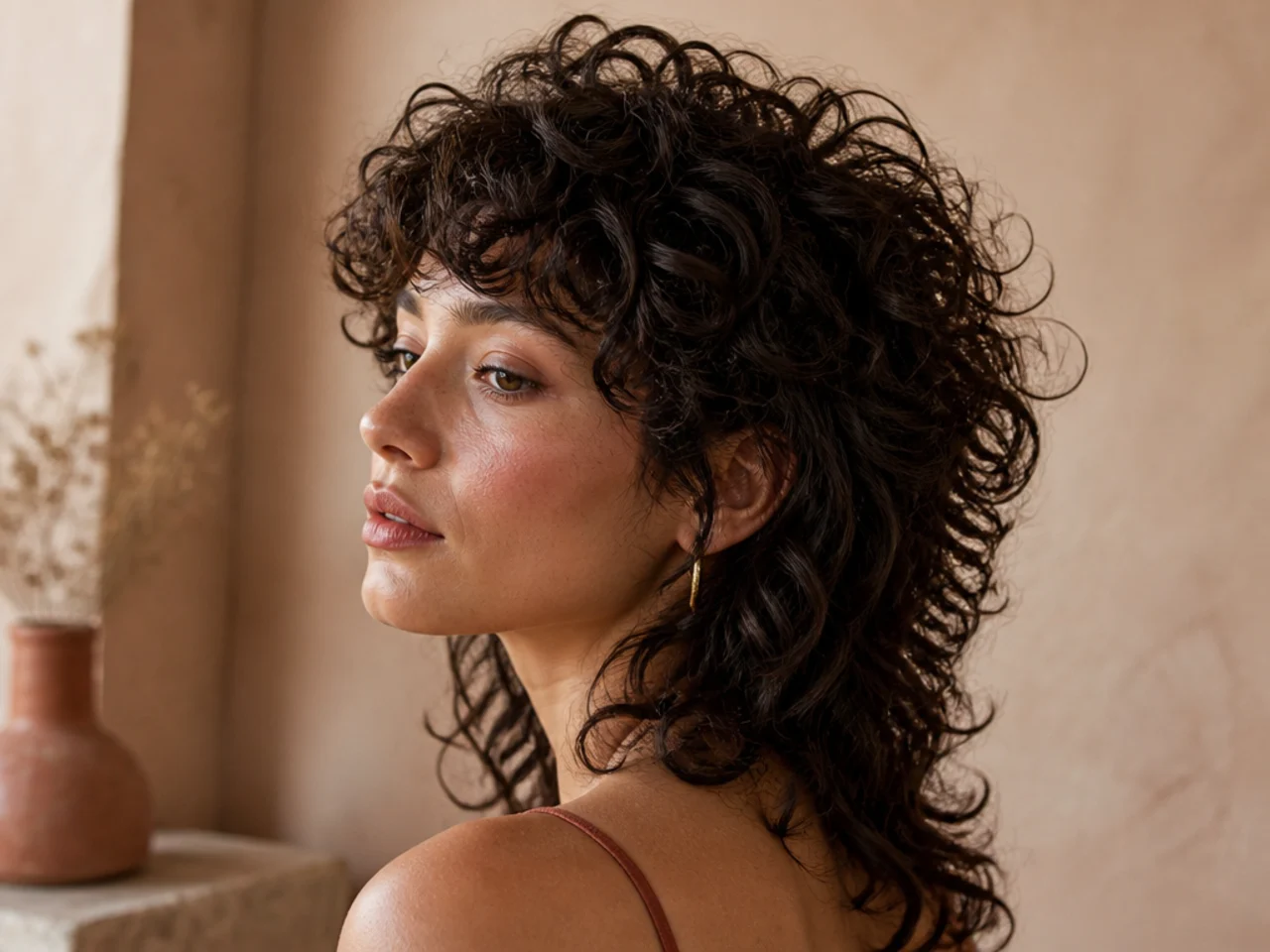
16. Curly Wolf Cut With Long Soft Layers
Three or four long layers instead of a dozen short ones. Each removes a smaller share of the weight, so the fall between lengths is gradual and no layer edge shows as a step, which is the approach behind the Korean wolf cut.
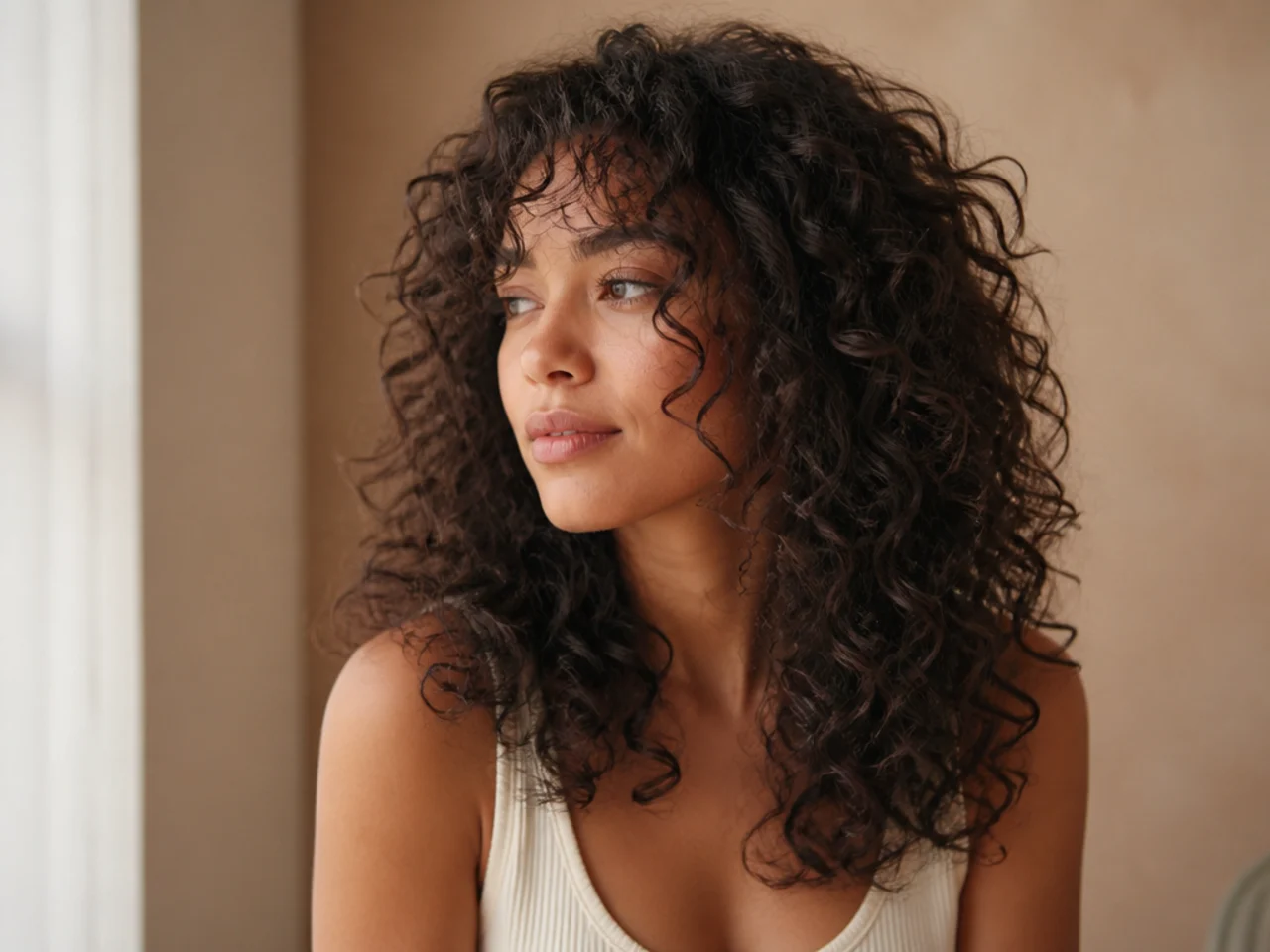
17. Curly Wolf Cut With a Disconnected Top
The gap between the crown pieces and the lengths is left deliberately open with no blending across it. The jump reads as intentional only when it is obvious; a partial disconnection looks like a blend that ran out of hair.

18. Curly Wolf Cut With an Undercut
Weight removed from the nape underneath, invisible when the hair is down. It reduces the mass that pulls the crown flat without touching a single visible length, which is the most direct fix for dense curl that will not lift.
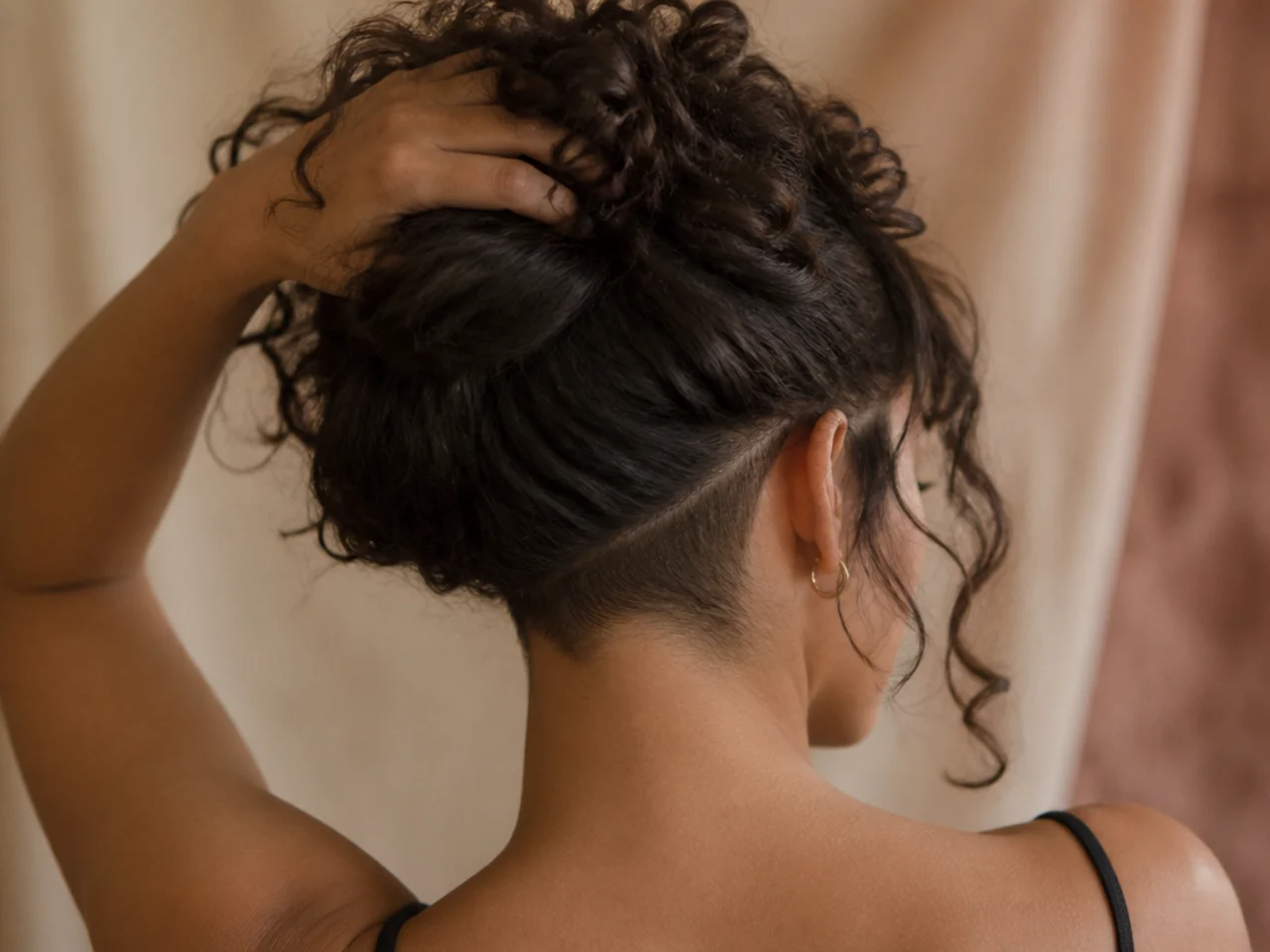
19. Curly Wolf Cut With a V Perimeter
The back drops to a point in the centre, so the outline narrows toward the bottom and the eye keeps travelling downward. It reads longer than the same cut with a level hemline, at identical actual length.
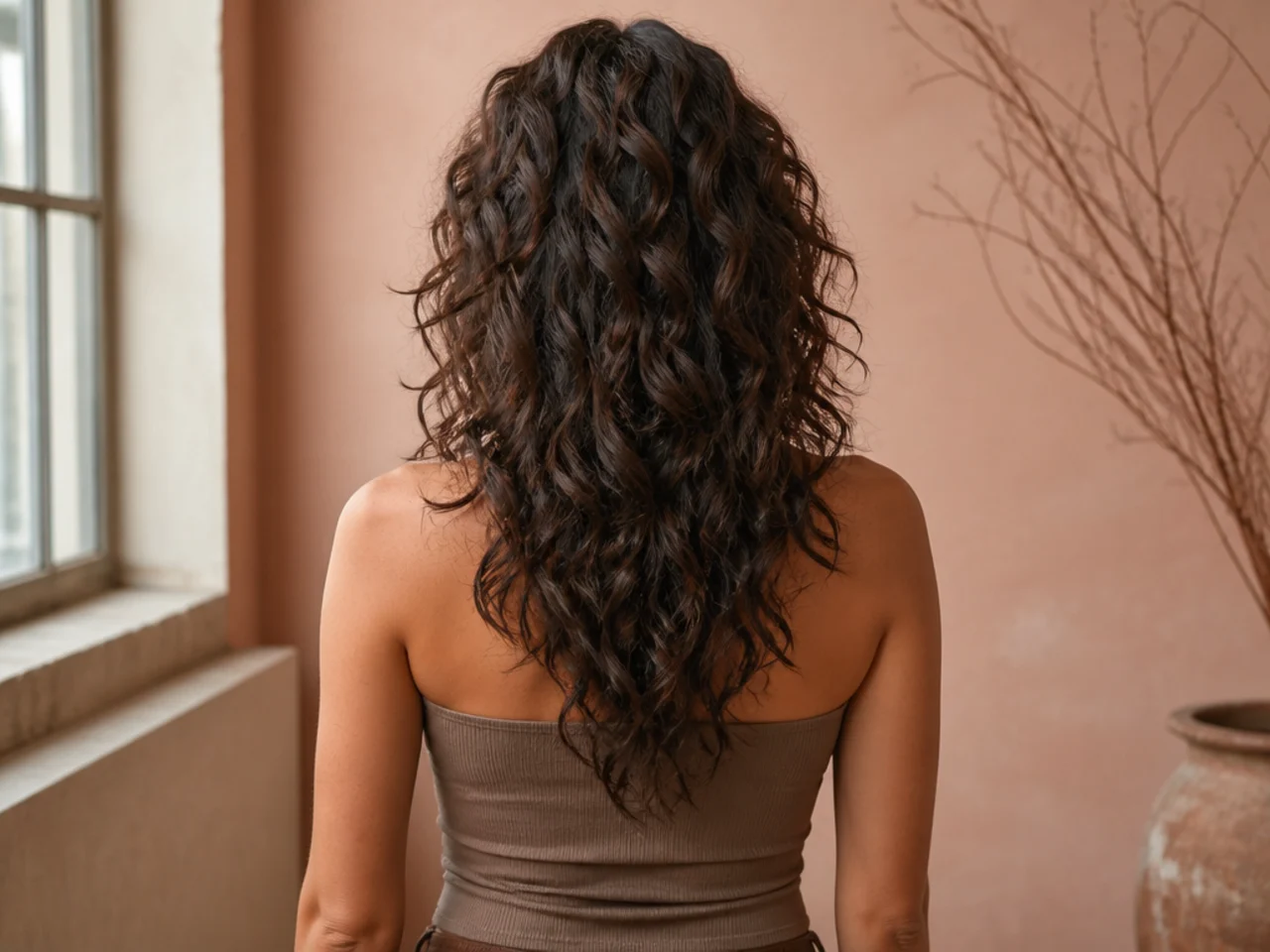
20. Curly Wolf Cut With a Rounded Perimeter
A curved hemline follows the natural fall of curl, which already sits shorter at the sides than the centre. Cutting to the curve rather than against it means the ends keep their density instead of thinning at the edges.

21. Curly Wolf Cut With Balayage Ends
Lightening only the last few inches removes tone where the curl is already thinnest, and lighter hair reads as less dense. The ends therefore look airier than they are, which suits a shape meant to taper toward the bottom.

22. Curly Wolf Cut With a Money Piece
Two lightened sections at the front, placed where the face framing begins. Brighter hair reflects more light and appears to sit forward of what is behind it, which sharpens the step between the framing and the lengths.

23. Curly Wolf Cut in a Single Tone
One flat colour reads as one solid mass, which makes the silhouette do all the work. On a well cut wolf that is an advantage, since the outline is the point and colour variation competes with it.

24. Curly Wolf Cut With Ribbon Highlights
Fine highlights painted along the length of individual curl clumps rather than across sections. Because the light follows the spiral, each curl gains a bright edge and the pattern becomes far easier to see from a distance.

25. Curly Wolf Cut Styled With a Diffuser
Cupping the curl toward the scalp while it dries sets it in a lifted position, because hair holds whatever shape it was in when it cooled. Diffusing with the hair hanging does the reverse and stretches it flat.

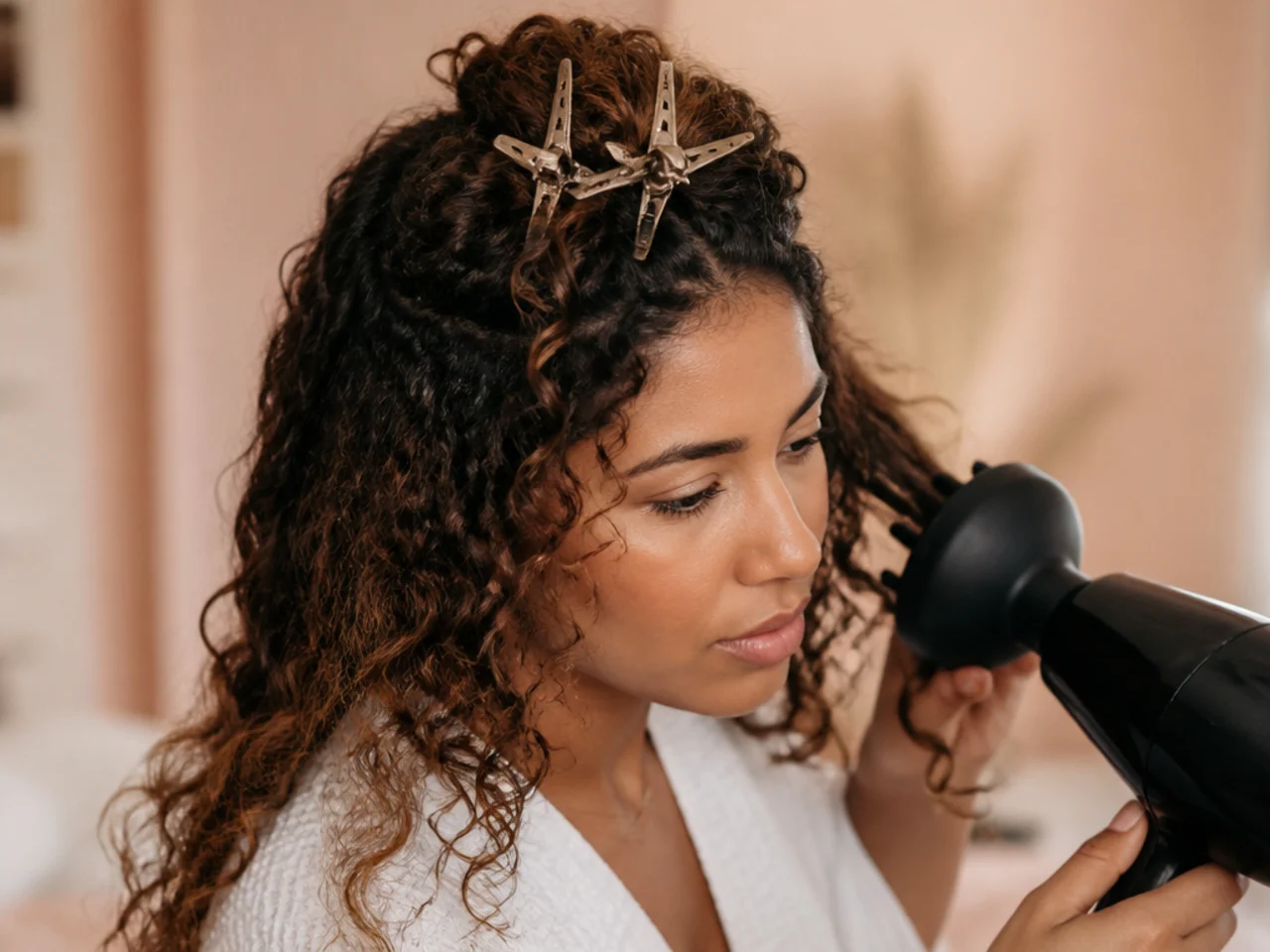
26. Curly Wolf Cut Styled With Root Clips
Clips hold the roots at the crown away from the scalp while the hair dries around them. Ten minutes of that gives more height than any product, because the lift is built into the dried shape rather than applied on top of it.
27. Curly Wolf Cut as a Wash and Go
Gel applied to soaking hair, then left alone. The film hardens as the hair dries and locks each clump in position, and scrunching the cast out afterwards leaves the shape without the stiffness.
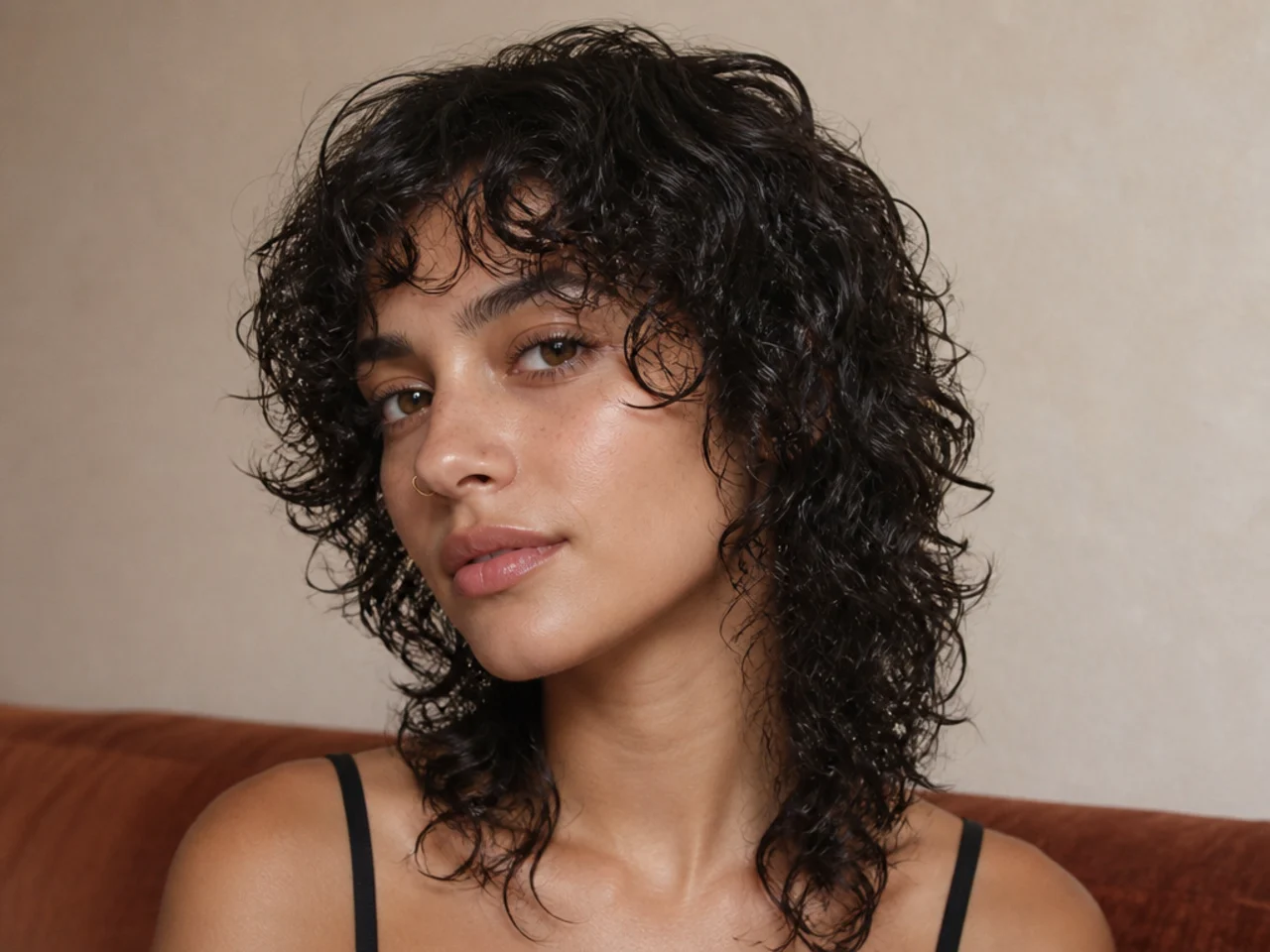
28. Curly Wolf Cut Set in Twists
Twisting damp sections and unravelling them dry produces a looser, more uniform pattern than the natural curl. It is useful when the crown layer is short enough to sit awkwardly, because the twist sets it in a chosen direction.
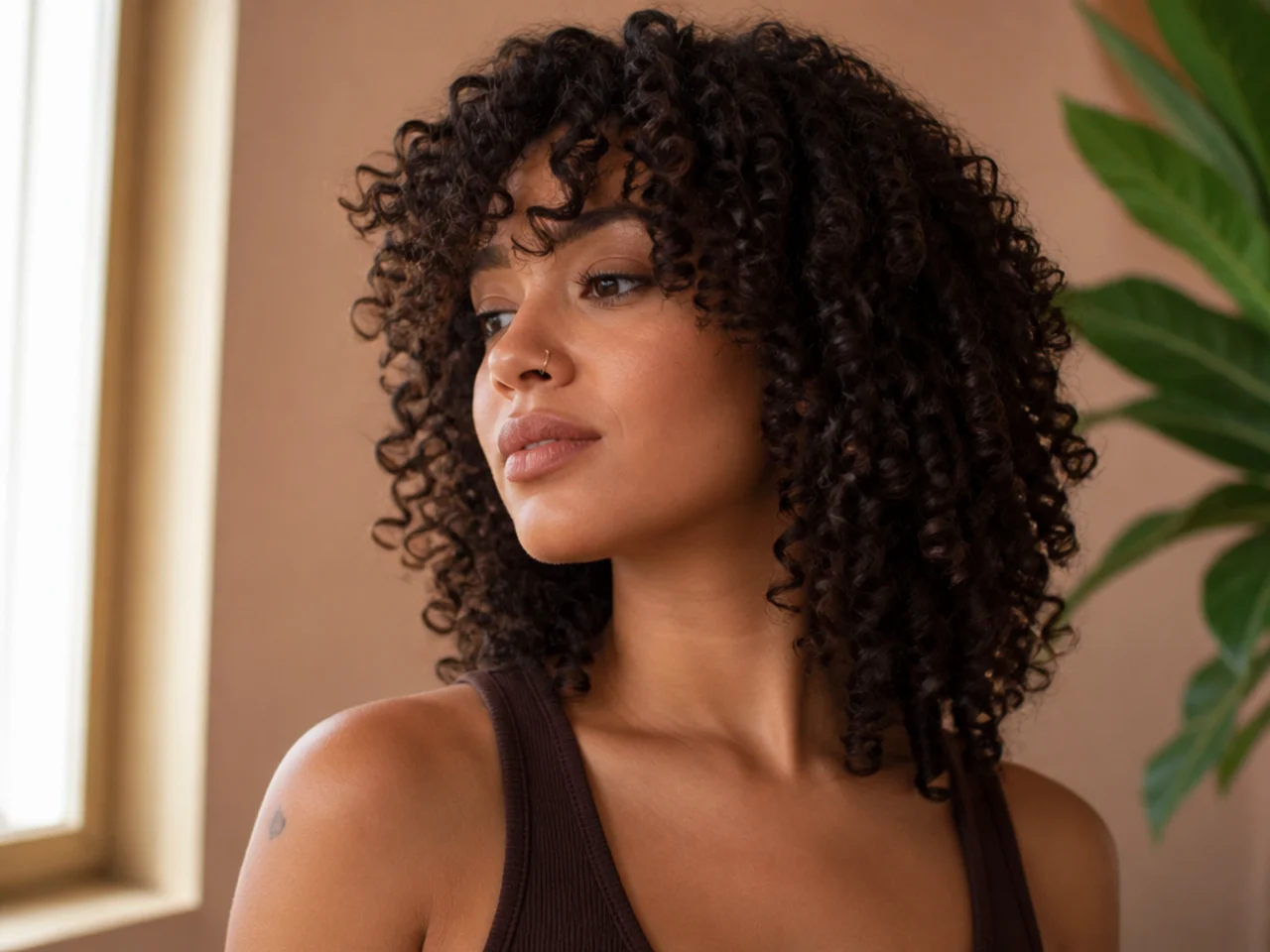
29. Curly Wolf Cut at Six Weeks
The crown layer has softened but the disconnection is still open, which is the point where most people decide the cut has settled. The height is lower than week one and the shape is at its most wearable.

30. Curly Wolf Cut at Twelve Weeks
The crown has grown level with the sides, the gap has closed and the outline has spread outward. On curl this arrives sooner than on straight hair, because each extra centimetre of growth adds another coil of width to the sides.

Styling and Upkeep
Dry with the curl lifted, never hanging. The shape sets as it cools, so whatever position it dries in is the position it keeps.
Apply product to soaking hair. Gel and cream need water to spread evenly along a strand, and applied to damp hair they coat only the outside of each clump.
Break the gel cast once it is bone dry. Scrunching a fully hardened film leaves definition behind. Doing it while still damp collapses the clump instead.
Refresh with water first. Curl reforms when water breaks the bonds holding yesterday's shape, which no amount of extra product will do on its own.
Reshape at eight to ten weeks. Past that the crown layer reaches the lengths it was propping up and the volume goes with it.

Mistakes to Avoid
Cutting the layers wet. A coil springs up to a third shorter as it dries, so the layer lands well above where it was measured.
Cutting across a curl clump. Half the clump ends up short and half long, and the split shows as a frayed edge that no styling corrects.
Too many layers on fine curl. Once enough weight is gone the curl stops clumping and separates into individual strands with no visible pattern.
Adding surface layers to dense curl. Each new layer end sits further out than the one below, so the shape widens rather than lightens.
Brushing it dry. A brush pulls each coil straight and splits it into frizz, which adds width and removes definition at the same time.
FAQ
What creates the volume? One short crown layer propping up the lengths behind it.
How much shrinkage? A quarter on spirals, up to a third on tight coils.
How often is it recut? Eight to ten weeks, before the disconnection closes.

Final Thoughts
Ask for the layer height in relation to a landmark on your own head rather than in inches. The crown, the occipital bone or the temple are three different haircuts, and they are the only measurement that survives shrinkage.
For the same cut on coily hair see the curly wolf cut for men, and for the softest layering approach see the Korean wolf cut. For why the appointment has to be booked as a dry cut see the curly wolf cut. More in Mullet and Wolf Cut.