20 Long Wolf Cuts That Keep Length And Add Volume
Twenty long wolf cuts, and the thing that decides whether any of them works — the height of the shortest layer. On long hair the weight below pulls everything flat, so a layer placed too low removes bulk without ever producing lift.
In this article · 27
- Long Wolf Cut Versus Long Layers
- How to Place Your Layers
- The 20 Long Wolf Cut Variations
- 1. Long Wolf Cut With Curtain Bangs
- 2. Long Wolf Cut With a V Back
- 3. Long Wolf Cut With a Straight Hemline
- 4. Soft Layered Long Wolf Cut
- 5. High Crown Layer Wolf Cut
- 6. Long Wolf Cut With Jaw Length Face Framing
- 7. Long Wolf Cut With Wispy Bangs
- 8. Long Wolf Cut on Straight Hair
- 9. Long Wolf Cut on Wavy Hair
- 10. Long Wolf Cut on Curly Hair
- 11. Long Wolf Cut With Internal Weight Removal
- 12. Long Wolf Cut With a Shag Crown
- 13. Long Wolf Cut With a Mullet Tail
- 14. Long Wolf Cut With a Middle Part
- 15. Long Wolf Cut With a Deep Side Part
- 16. Long Wolf Cut on Thick Hair
- 17. Long Wolf Cut With Shoulder Grazing Ends
- 18. Long Wolf Cut With a Money Piece
- 19. Long Wolf Cut With a Blunt Fringe
- 20. Long Wolf Cut at Twelve Weeks
- Styling and Upkeep
- Mistakes to Avoid
- FAQ
- Final Thoughts
Most long wolf cuts fail for one reason: the layers were placed too low, so all the weight sits above them and nothing lifts.
The volume comes from the shortest layer, not the number of layers. A short piece at the crown rests on the lengths beneath it and holds them off the scalp. Everything below that is just length.
Long hair fights the cut. The more hair there is, the more it weighs, and weight pulls layers flat — which is why a long wolf cut needs its shortest layer higher than a shoulder length one does.
Long Wolf Cut Versus Long Layers
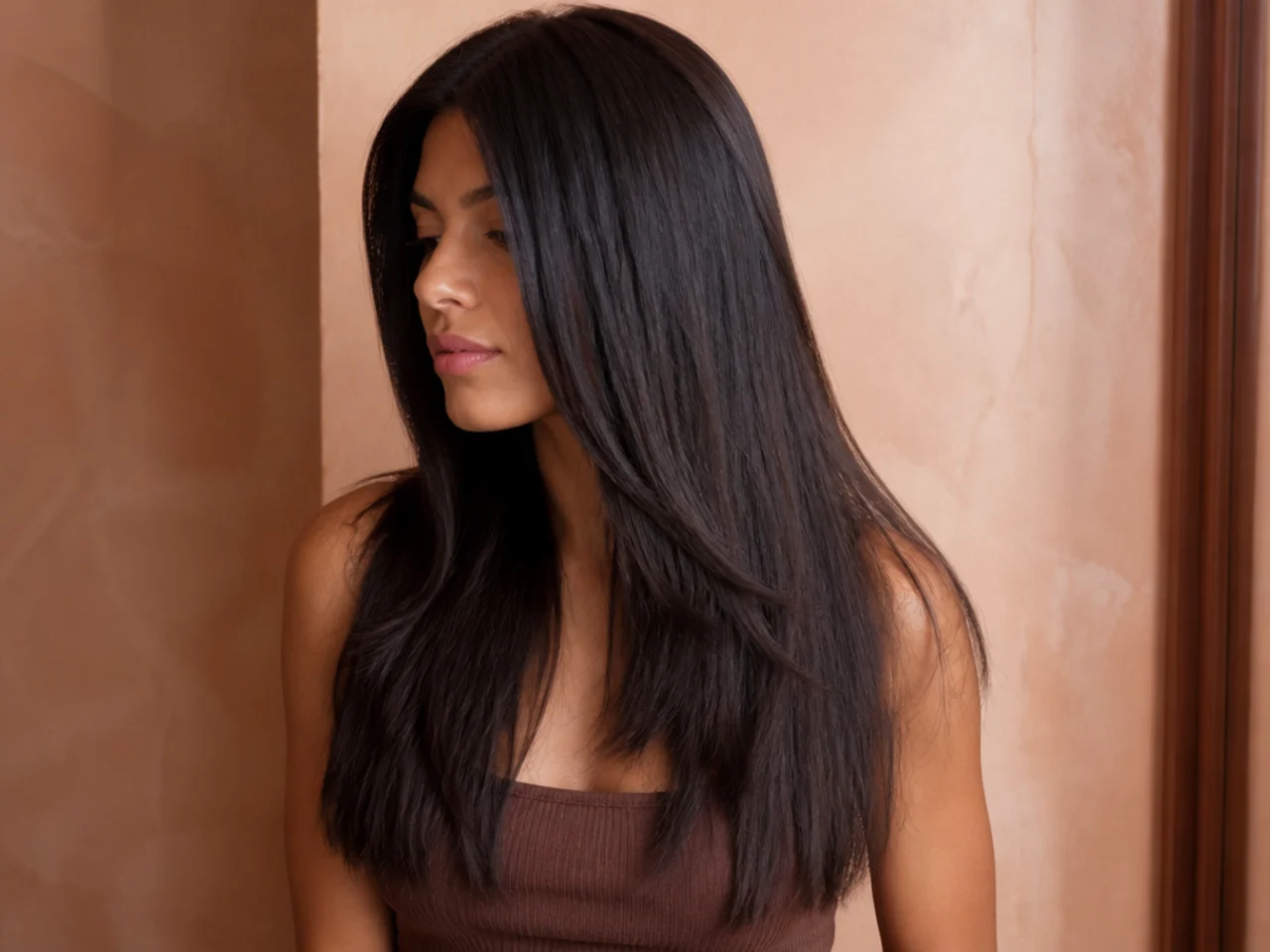
Long layers keep one continuous outline. Each length flows into the next and the ends still read as a single hemline. A wolf cut breaks that line deliberately.
A wolf cut is disconnected at the crown. There is a visible jump between the short crown pieces and the lengths underneath, and that gap is what creates lift rather than movement alone.
The ends are textured, not blunt. Point cutting removes weight from the last two inches, so the perimeter stops behaving like a wall and starts breaking into separate pieces.
The shape is top heavy. Volume sits above the ears and the outline narrows toward the ends, which is the reverse of the triangle a badly layered long cut produces.

How to Place Your Layers
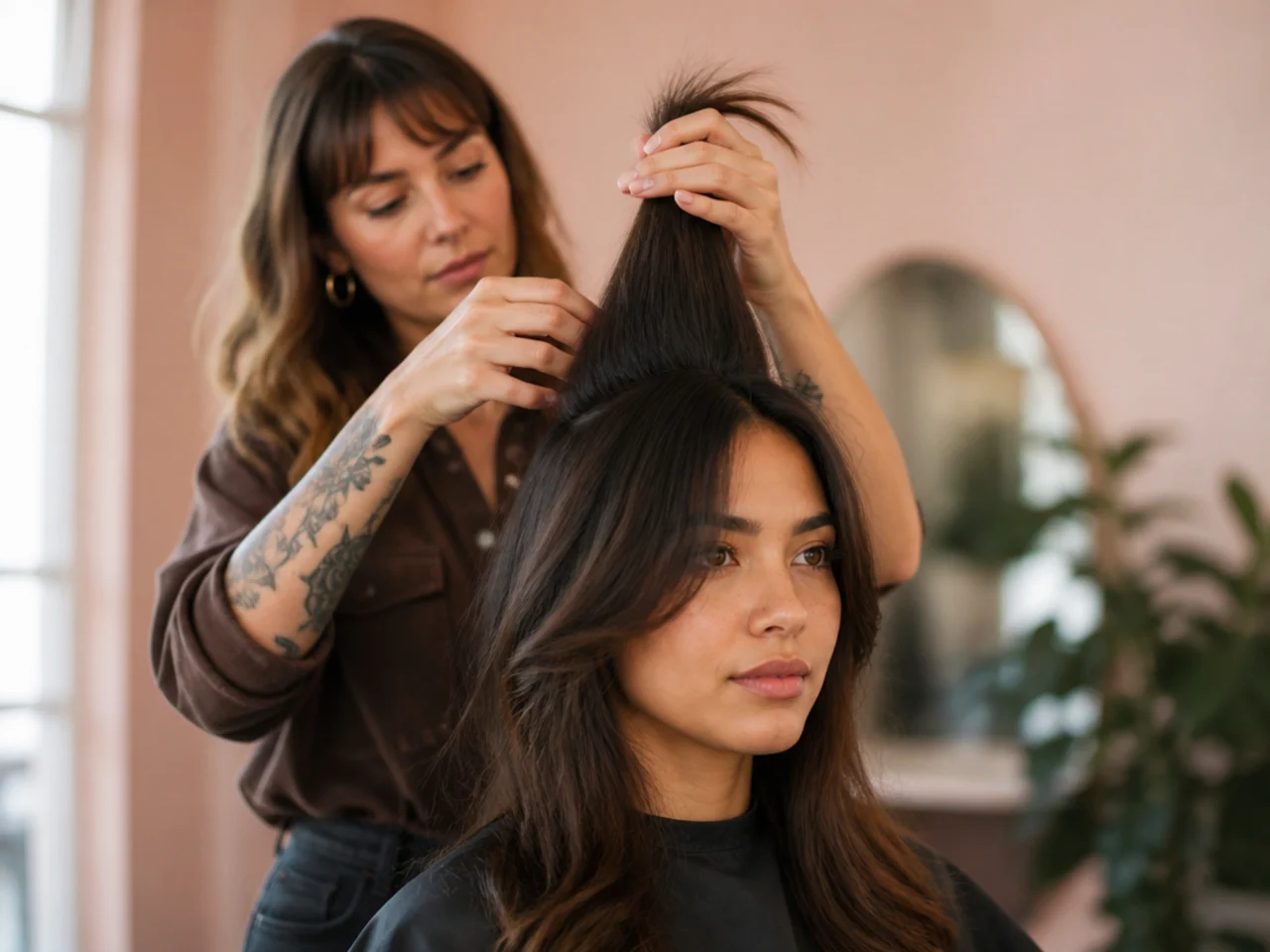
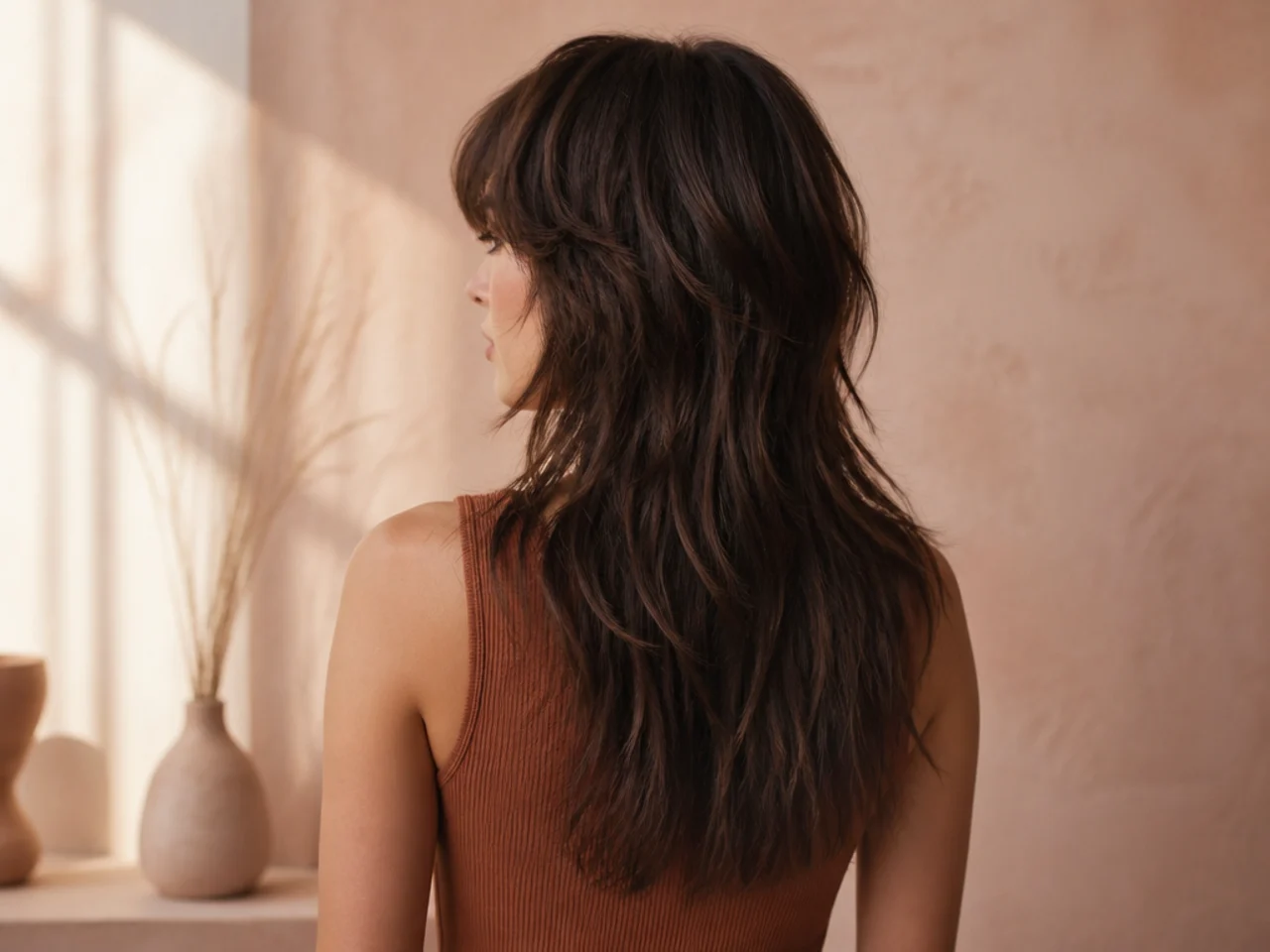
Pick the height of the shortest layer first. Everything else follows from it. At the occipital bone you get a soft shag; at the temple you get a full wolf.
Match the layer count to your density. Thick hair can afford to lose weight in several places. Fine hair gets one chance, and too many layers leave wisps with nothing above them to justify the loss.
Decide the perimeter before the layers. A V back concentrates length in the centre and keeps the cut reading long. A straight hemline holds more weight at the bottom and works against the lift.
Cut curls dry. Wet curl hangs at close to its stretched length and springs back up to a third shorter, so a layer measured wet lands far higher than anyone intended.
The 20 Long Wolf Cut Variations
1. Long Wolf Cut With Curtain Bangs
The fringe splits at the centre and the shortest pieces land at the cheekbone. Because the split sends each half sideways rather than straight down, the hair stays clear of the eyes without pins or product. The join into the face framing has to be seamless, or the fringe reads as a separate haircut sitting on top of this one.
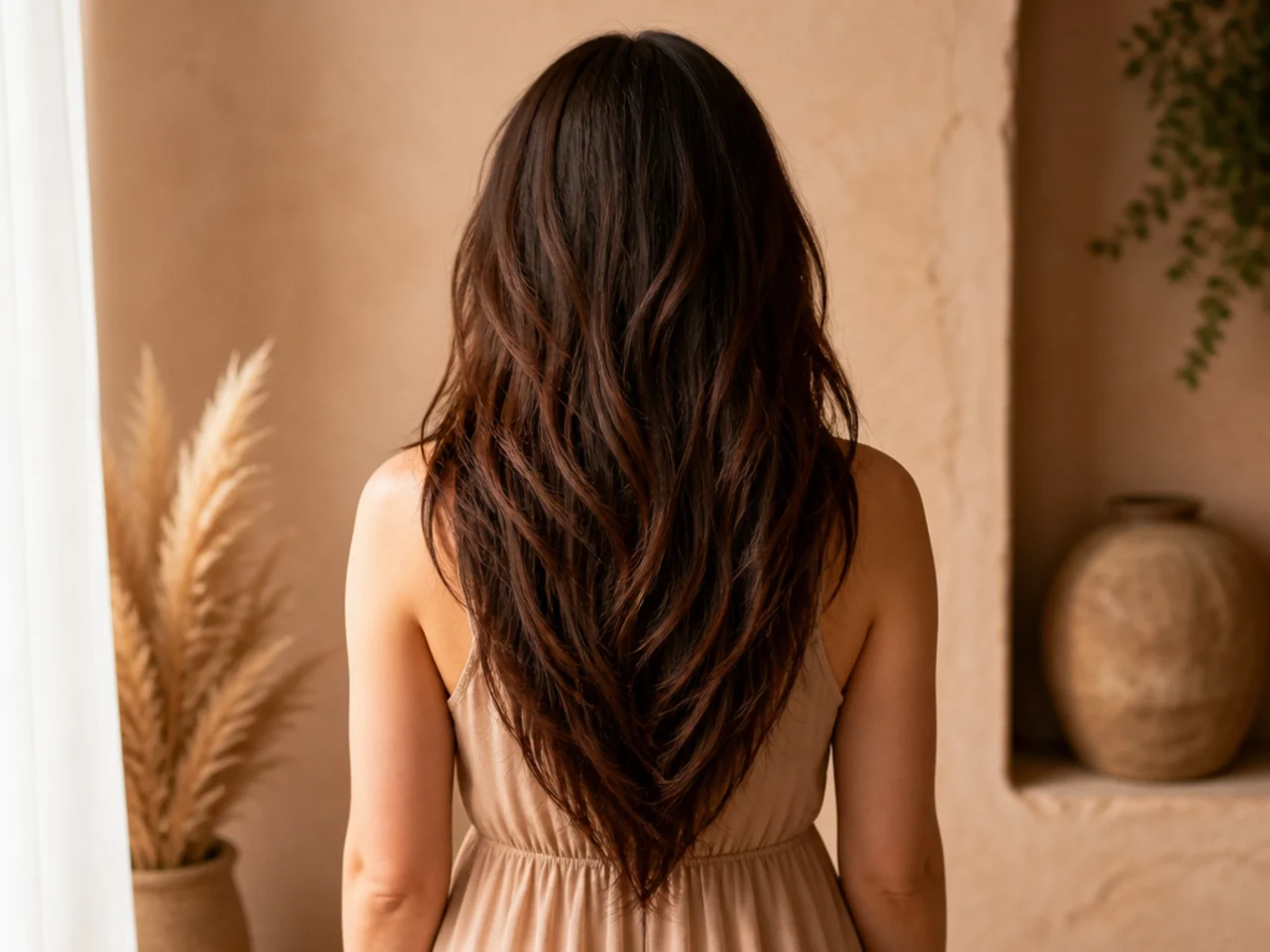
2. Long Wolf Cut With a V Back
The perimeter drops to a point in the centre while the sides sit shorter. Narrowing the outline toward the bottom keeps the eye travelling downward, so the cut still reads long after the crown layers have taken bulk out of the middle. It also hides uneven growth at the nape.
3. Long Wolf Cut With a Straight Hemline
The ends run level across the back and every layer is kept internal. An unbroken bottom line holds weight where a V gives it away, which is what stops fine hair thinning to nothing at the tips. The trade is less movement through the ends.
4. Soft Layered Long Wolf Cut
Three or four long layers instead of a dozen short ones. Each layer removes a smaller fraction of the weight, so the drop between lengths is gradual and there is no visible shelf. This is the version to start with, because a soft wolf cut can be pushed shorter at the next appointment and a heavy one cannot be put back.

5. High Crown Layer Wolf Cut
The shortest piece sits at the temple, well above the occipital bone. Starting that high leaves more hair stacked underneath for the layer to prop up, which is where the exaggerated lift comes from. Below medium density it exposes the layer edge instead of hiding it.

6. Long Wolf Cut With Jaw Length Face Framing
The front section starts at the jaw rather than the cheek. A lower start keeps the widest part of the shape below the cheekbones, which narrows a round face where cheekbone framing widens it. It also grows out without passing through an awkward stage.

7. Long Wolf Cut With Wispy Bangs
The fringe is point cut so heavily that light passes through it. Thinning a fringe rather than shortening it breaks up the forehead without drawing a hard line across it, which suits a high hairline. Fine hair loses too much to this technique and ends up with strands rather than a fringe.

8. Long Wolf Cut on Straight Hair
Straight hair reads every layer edge as a distinct step, so the blend has to be spread over a longer distance than on any other texture. The reward is total predictability: nothing springs, nothing shrinks, and the silhouette on day one is the silhouette on day thirty.

9. Long Wolf Cut on Wavy Hair
The bend does half the work. An S shape lifts itself off the scalp, so a shallower layer gives the volume a straight head would need a much shorter one to reach. Waves also scatter light in several directions, which hides small inconsistencies in the layering.

10. Long Wolf Cut on Curly Hair
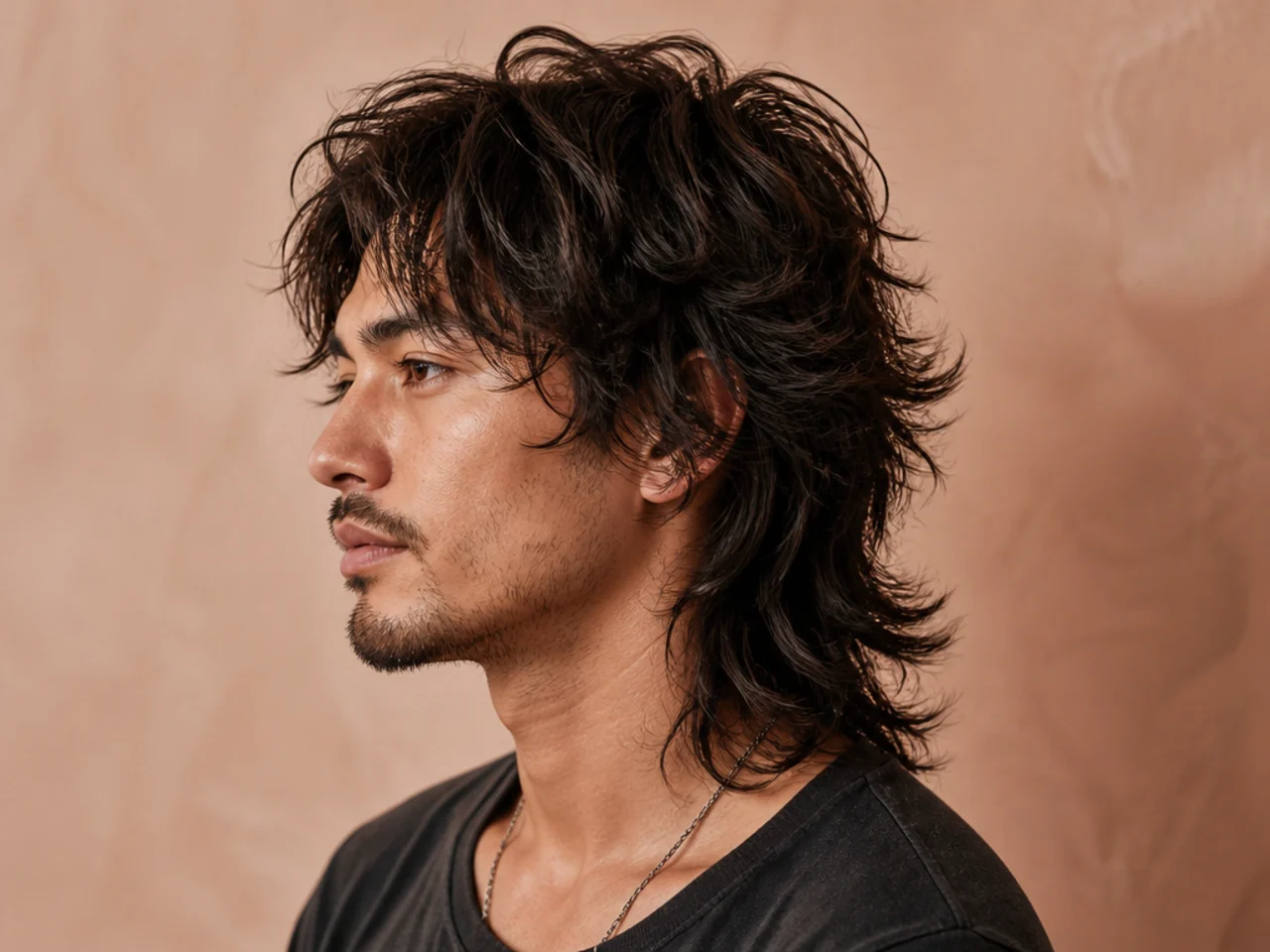
Cut curl by curl, dry. Wet, a coil hangs near its stretched length and then springs back up to a third shorter, so a layer that looked right in the chair lands inches high once it dries. The same rule governs the curly wolf cut for men.

11. Long Wolf Cut With Internal Weight Removal
The bulk comes out from underneath, where the removal never shows on the surface. Slide cutting through the mid lengths thins the interior so the outline stays intact and the hair simply stops sitting as one solid mass. Overdone, it leaves the ends hollow and the perimeter stringy.
12. Long Wolf Cut With a Shag Crown
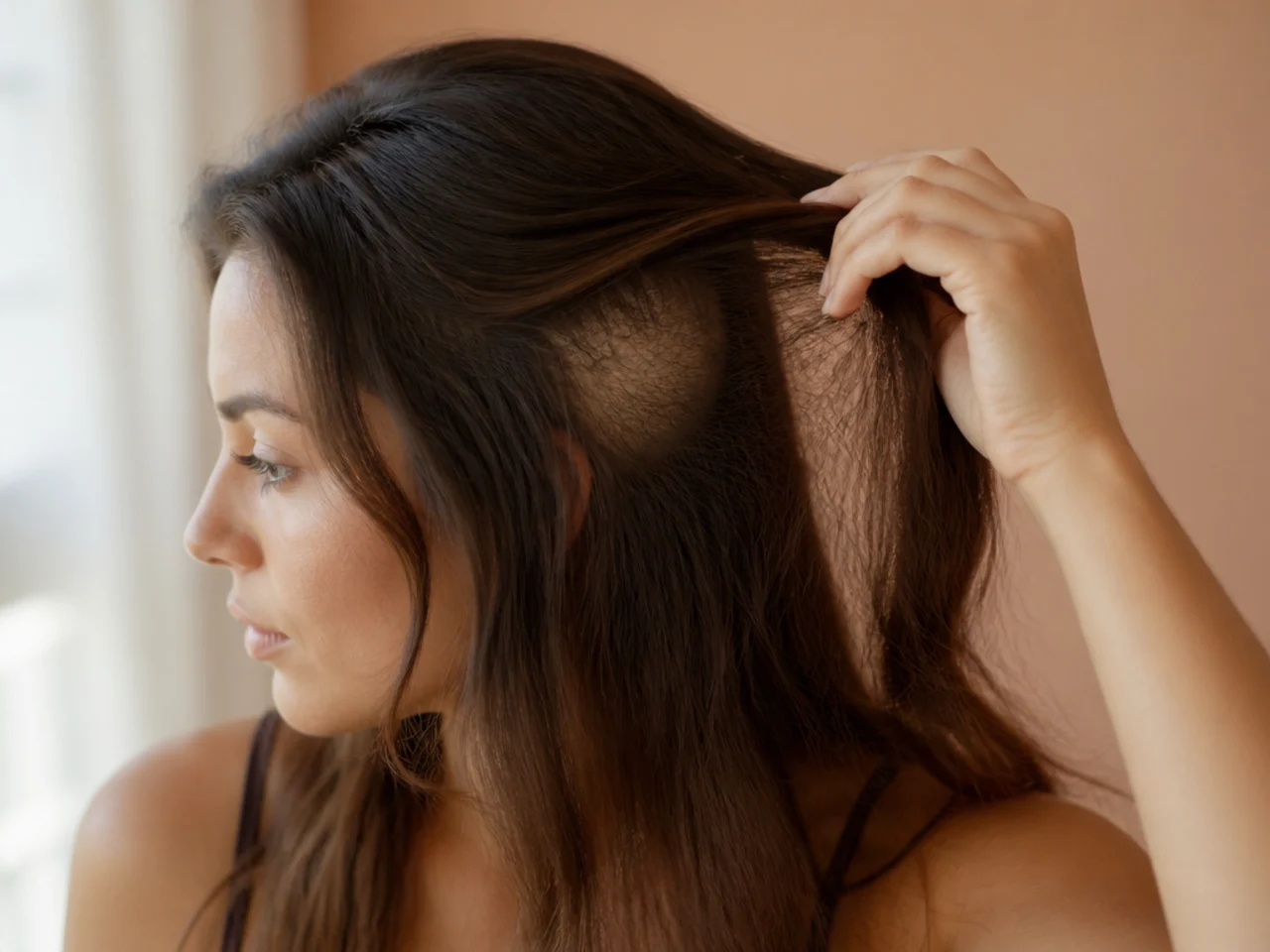
The top is cut into short choppy pieces that stand more or less upright. Because those pieces are too short to lie flat under their own weight, they hold the lengths behind them open. The effect collapses within about eight weeks, when the crown grows long enough to fall.

13. Long Wolf Cut With a Mullet Tail
The back is left noticeably longer than the sides with a real disconnection instead of a blend. The jump only reads as intent when the gap is obvious; a half committed version looks like a haircut that was left too long between appointments.

14. Long Wolf Cut With a Middle Part
A centre part divides the crown weight evenly, so both sides fall the same distance and the layers read symmetrically. It also draws a vertical line down the centre of the face, which lengthens a round shape more effectively than any layer placement does.

15. Long Wolf Cut With a Deep Side Part
Sweeping the parting off centre stacks extra hair on one side, and stacked hair has nowhere to go but up. The lift is genuine but one sided, so the layers have to be cut with the parting in place or the shape collapses the moment the hair is parted the other way.
16. Long Wolf Cut on Thick Hair
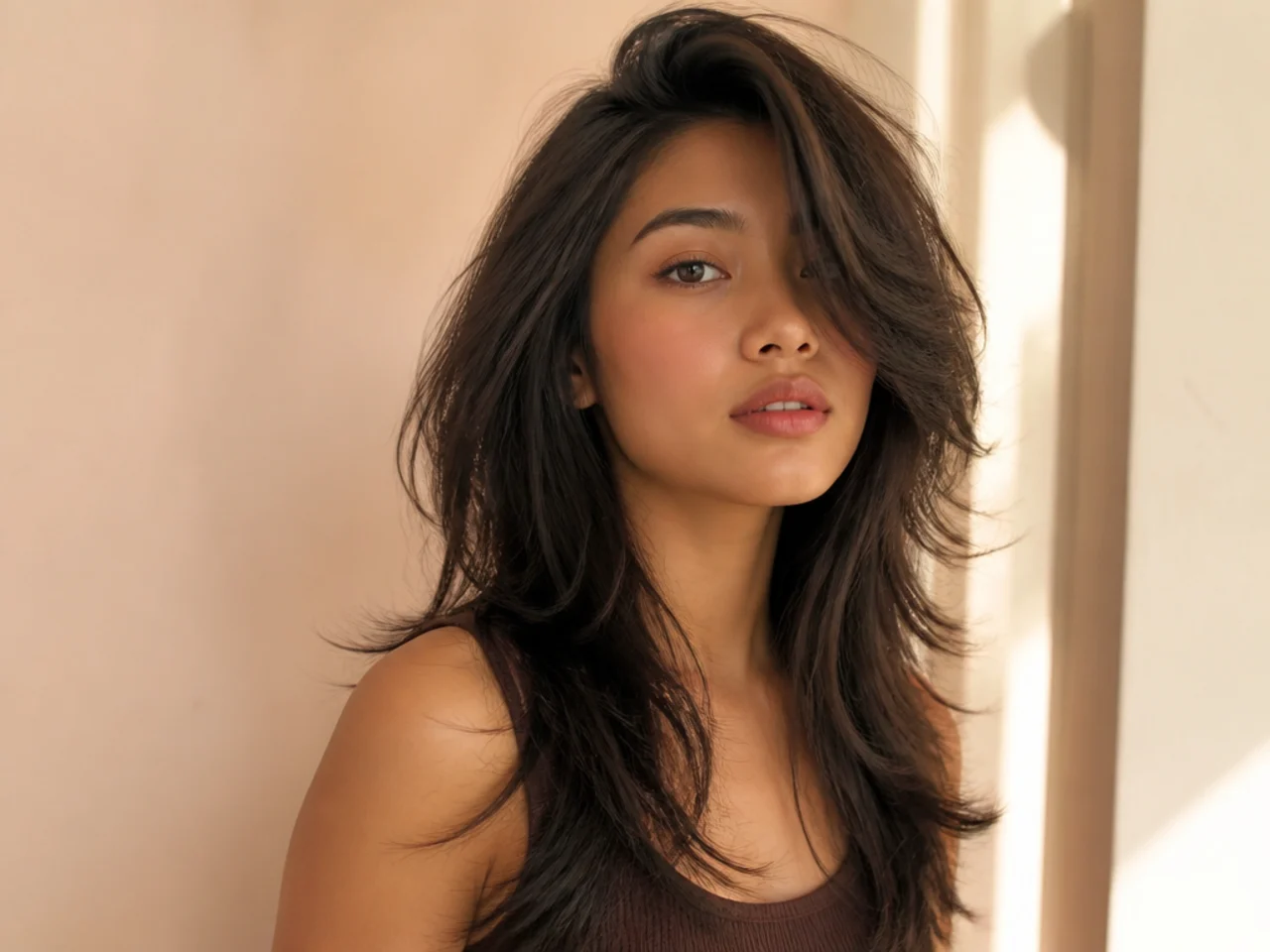
Dense hair needs weight removed from the interior rather than more layers added on the surface. Every new surface layer ends further out than the one below it, so on thick hair adding layers widens the silhouette into a triangle instead of lightening it.

17. Long Wolf Cut With Shoulder Grazing Ends
The shortest version that still counts as long: the perimeter lands at the shoulder. At that length the ends catch the shoulder and flick outward on their own, so the shape needs less styling than a longer one. Any shorter and the layers start reading as a shag.

18. Long Wolf Cut With a Money Piece
Two lightened sections at the front, brightest exactly where the face framing begins. A lighter tone reflects more light than the hair behind it, so those pieces appear to sit forward of the rest and the step between the framing and the lengths is exaggerated.
19. Long Wolf Cut With a Blunt Fringe
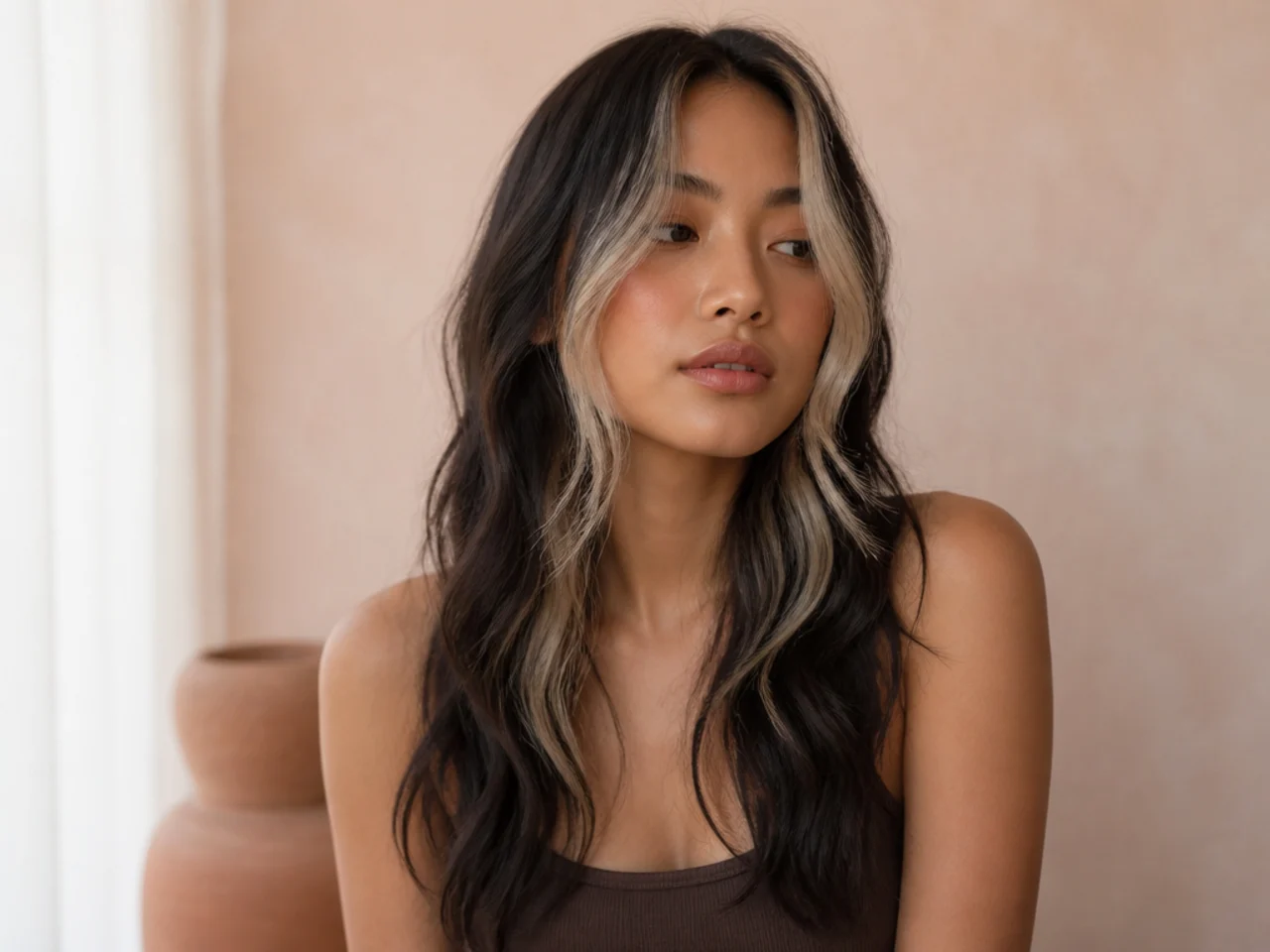
A solid fringe set against a heavily textured body. The contrast works because the eye reads the sharp horizontal first and the broken lengths second, but it requires a strong perimeter through the back or the cut looks unresolved from top to bottom.

20. Long Wolf Cut at Twelve Weeks
Grown out, the crown layers have dropped to where the mid lengths used to sit and the disconnection has closed. What remains is long layers, which is the honest limit of the cut. Book the reshape at eight to ten weeks if the lift is the part you care about.

Styling and Upkeep
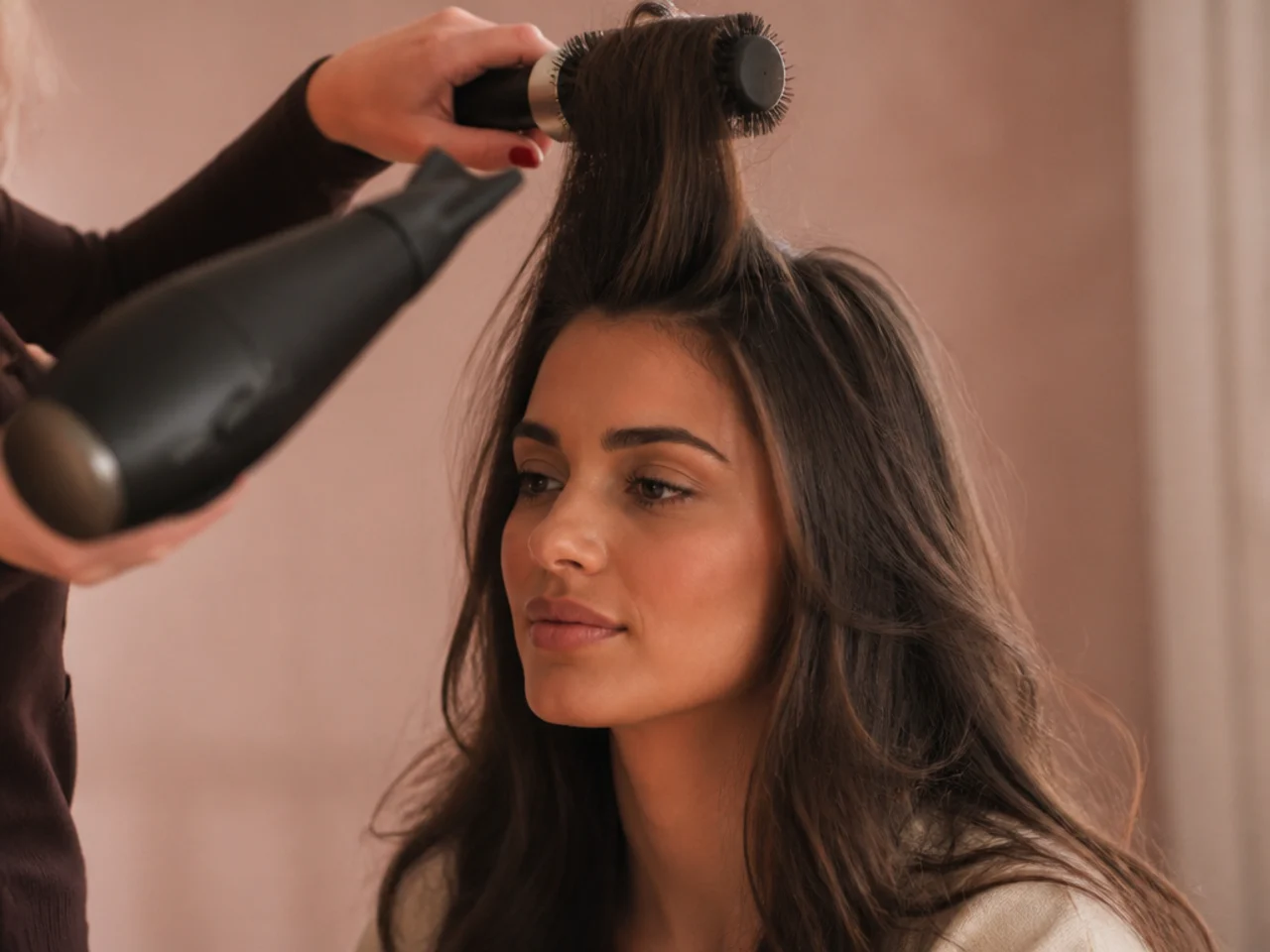
Dry the crown first, and upward. The short layers set in whatever direction they dry in and hold it once the hair cools.
Use mousse at the roots, not cream. Cream weighs the short crown pieces down, which cancels the exact lift the layers were cut to produce.
Diffuse curls rather than brushing them. A brush pulls a coil straight and separates it into frizz that no amount of layering can rescue.
Book the reshape at eight to ten weeks. The crown layers grow into the lengths below and the gap between them closes.
Trim the face framing between appointments. It shows growth first because it sits against a fixed landmark on the face.
Mistakes to Avoid
Cutting curly hair wet. The layer lands where the stretched hair was, not where the dry curl sits, and the error is only visible once it is permanent.
Asking for layers when you want a wolf cut. Layers blend; a wolf cut disconnects. Say the word disconnected and name where the gap should start.
Too many layers on fine hair. Each one removes weight there is little of, and the ends finish as wisps with no body above them to balance the loss.
A straight hemline plus heavy surface layers on thick hair. The weight collects at the bottom while the layer ends push outward, and the result is a triangle.
Letting the fringe and the face framing be cut as separate sections. They meet in the most visible part of the haircut, and a step between them is impossible to hide.
FAQ
Will it shorten my hair? Only if the perimeter moves — layers alone leave the length untouched.
How high should the top layer sit? Occipital bone for soft, temple for full.
How often does it need reshaping? Eight to ten weeks, before the disconnection closes.

Final Thoughts
Bring a photograph of the outline, not of the volume. Volume is set by the height of the shortest layer and can be adjusted in a five minute conversation; the perimeter is the part you cannot get back.
For the same shape at the other end of the length scale see the short wolf cut, and for the softest possible reading of it see the Korean wolf cut. More in Mullet and Wolf Cut.