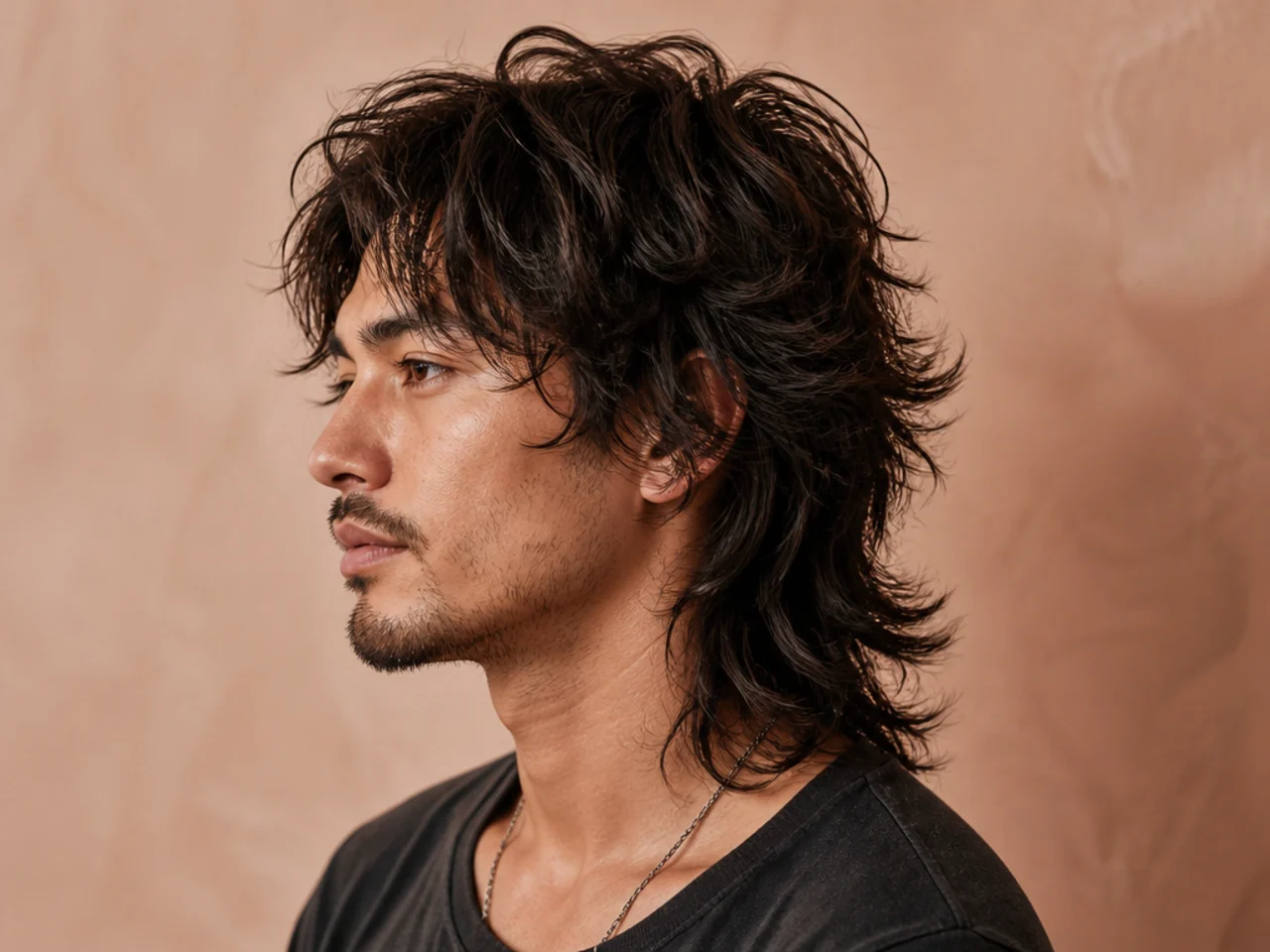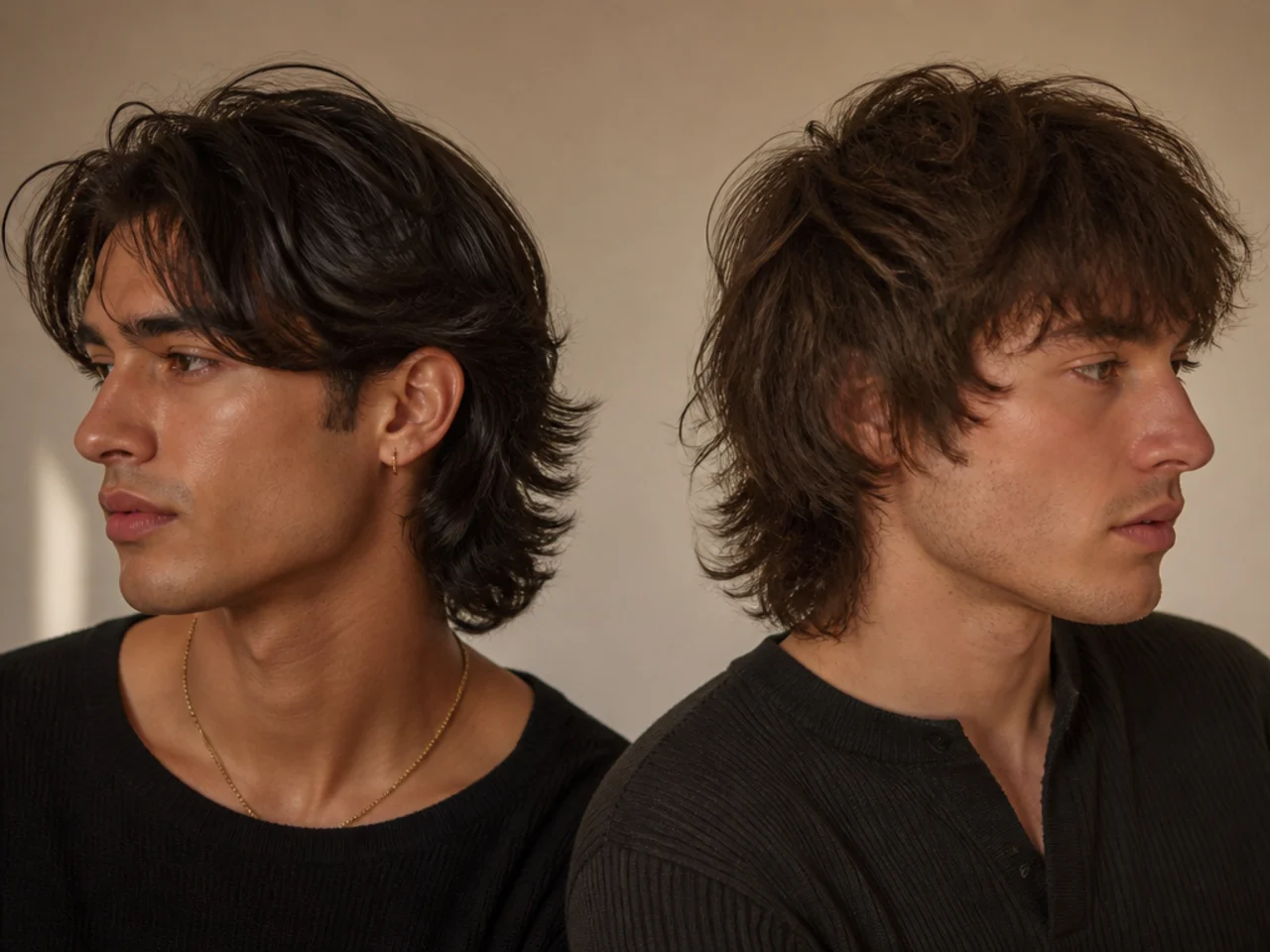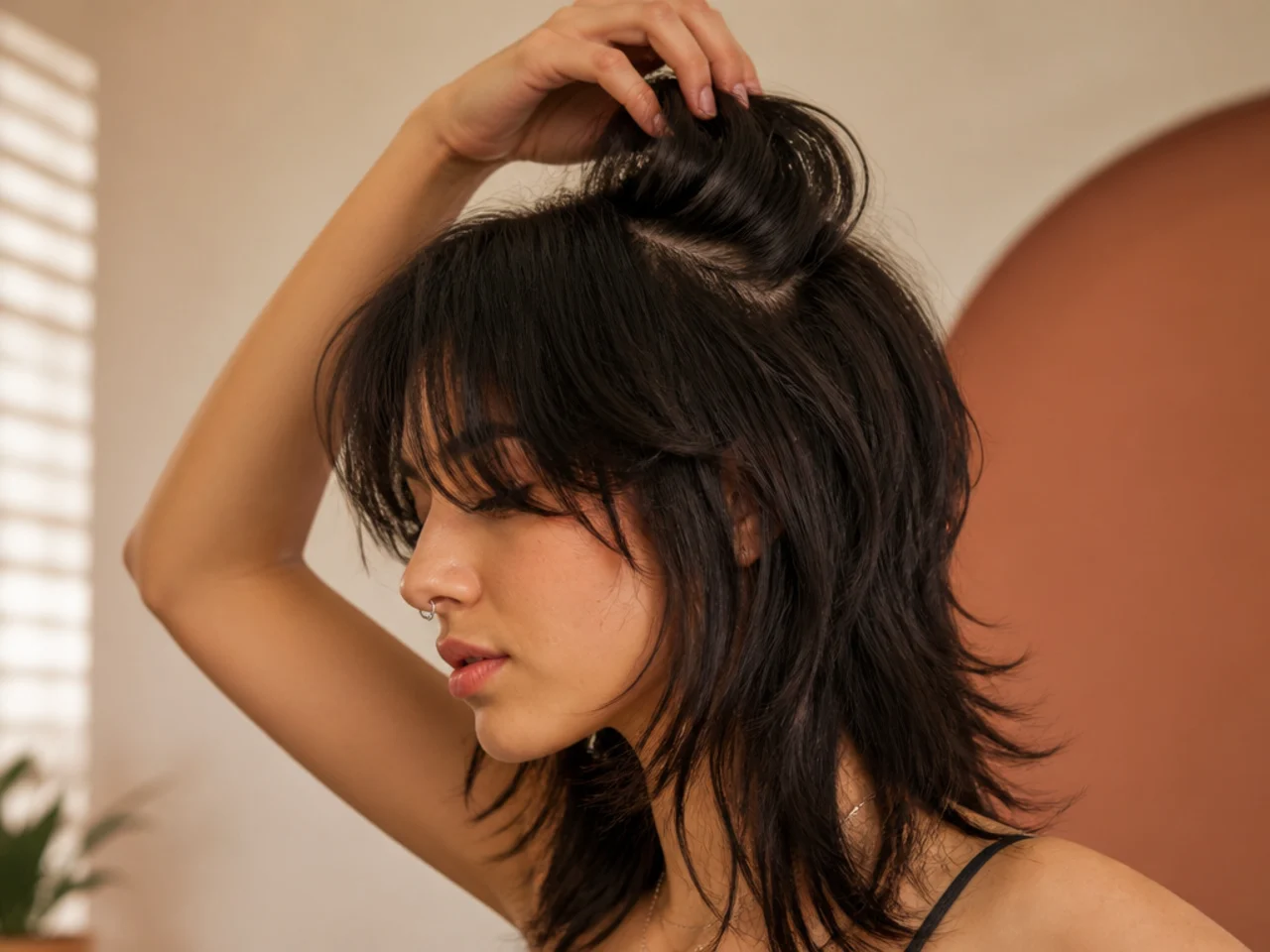
15 Long Wolf Cut Styling Tips I Learned The Hard Way
A long wolf cut is styled at the roots, not the ends, and almost every way it goes wrong comes from treating it like long layered hair. Fifteen things that fix a collapsed crown, a flat back and layers that will not separate.
In this article · 22
- What a Long Wolf Cut Is Actually Doing
- Choosing How Much Texture You Can Maintain
- The 15 Styling Tips
- 1. The Shape Lives at the Roots
- 2. Rough Dry Upside Down Before Anything Else
- 3. Salt Spray Belongs at the Crown and Nowhere Else
- 4. Mousse Holds Better Than Cream
- 5. Air Drying Only Works if the Layers Were Cut Dry
- 6. Diffuse Curls Instead of Blasting Them
- 7. Brushing It Dry Destroys the Separation
- 8. Straighteners Are for Bending Not Straightening
- 9. Day Two Hair Is the Point of the Cut
- 10. The Back Collapses First
- 11. Weight at the Ends Closes the Layers
- 12. The Crown Layers Show Damage First
- 13. Sleep in a Loose Twist Not a Ponytail
- 14. A Softer Blend Is a Different Cut
- 15. Week Three Is When It Looks Best
- Styling and Upkeep
- Mistakes to Avoid
- FAQ
- Final Thoughts
I spent a long time styling a wolf cut like long layered hair, adding product to the ends and wondering why the crown had gone flat by noon.
The shape lives at the roots. The short crown layers prop up the long ones, and if those roots dry flat there is nothing holding the rest of the cut up.
Nearly every fix is a drying fix. Hair sets in the direction it dries, so the two minutes of rough drying decide more than anything you apply afterwards.
What a Long Wolf Cut Is Actually Doing
Short layers hold long ones up. The crown is cut several inches shorter than the perimeter, so those pieces sit on top of the length and lift it away from the head.
The gaps between layers are the texture. What reads as movement is the eye seeing separate sections, and anything that fills those gaps flattens the whole effect.
It is heaviest at the bottom by design. The perimeter keeps its weight so the shape narrows downward instead of spreading into a triangle.
It is a dry cut. Layers measured on wet hair land shorter once the hair dries and springs up, which is how a wolf cut turns into a mullet by accident.

Choosing How Much Texture You Can Maintain
Heavy layering needs daily drying. The more separation the cut has, the less it survives air drying, because there is nothing holding the short pieces in position.
Soft layering survives neglect. Fewer, longer layers keep the shape without a dryer, at the cost of the sharpest version of the look.
Wavy hair gets the most for the least effort. The bend keeps the sections apart on its own, which is exactly the job the dryer is doing on straight hair.
Fine hair wants fewer layers than the photograph. Over layering fine hair separates it into visible strands, so the ends read as sparse rather than as textured.

The 15 Styling Tips
1. The Shape Lives at the Roots
Everything I used to do at the ends was fixing the wrong end of the hair. The crown layers hold the whole silhouette up, so if they are lying flat the length below has nothing supporting it and the cut reads as long hair with odd bits in it.
2. Rough Dry Upside Down Before Anything Else
Two minutes head down with fingers pushing the roots against their natural direction does more than any product on the shelf. Hair sets in the direction it dries, so this is the only point in the process where the root position can still be decided.

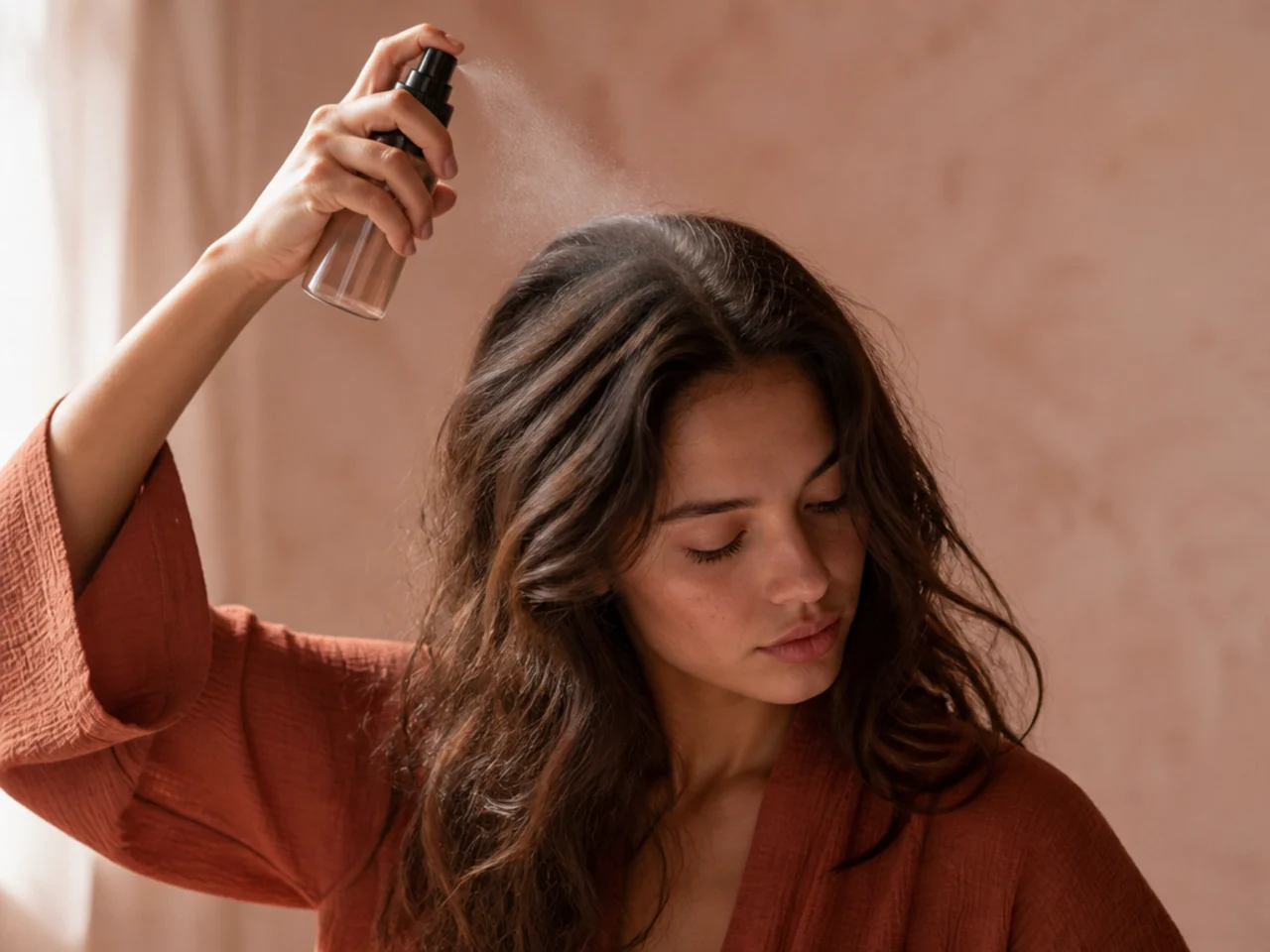
3. Salt Spray Belongs at the Crown and Nowhere Else
Salt leaves grit between the strands, and grit is friction, which is what stops the short layers sliding back down flat. Sprayed through the lengths it does the same thing where you do not want it, and long hair with grit in it feels and looks dry.
4. Mousse Holds Better Than Cream
Mousse dries into a thin film around each strand, adding grip with almost no weight. Cream coats the hair and the added weight closes the gaps between layers, which turns a wolf cut into a shag with no separation left in it.
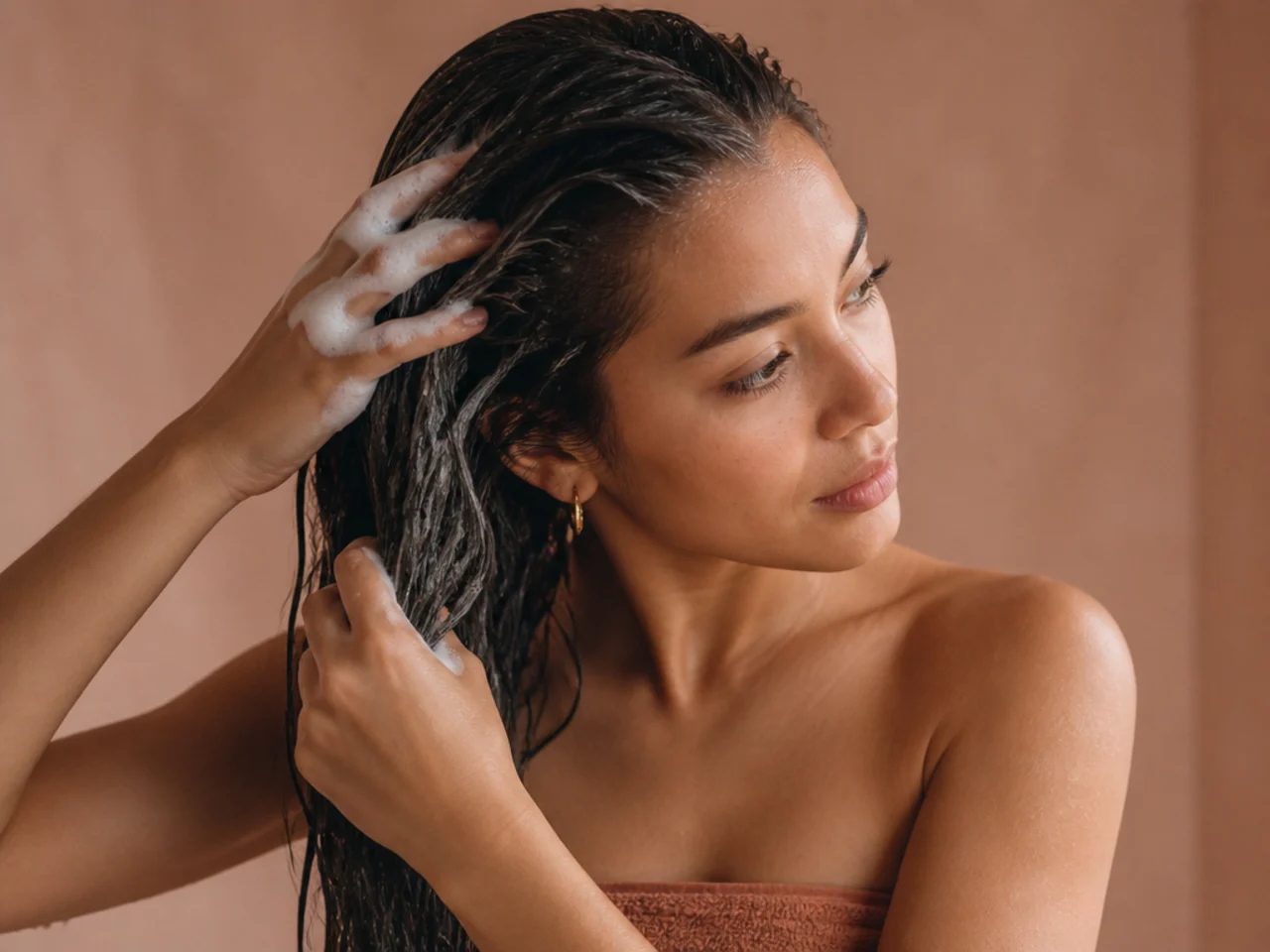
5. Air Drying Only Works if the Layers Were Cut Dry
A wolf cut measured on wet hair sits differently once it dries, so the layers land in the wrong places and air drying exposes every one of them. Cut dry, the same hair air dries into the shape you saw in the chair, because nothing moved between the cutting and the finish.
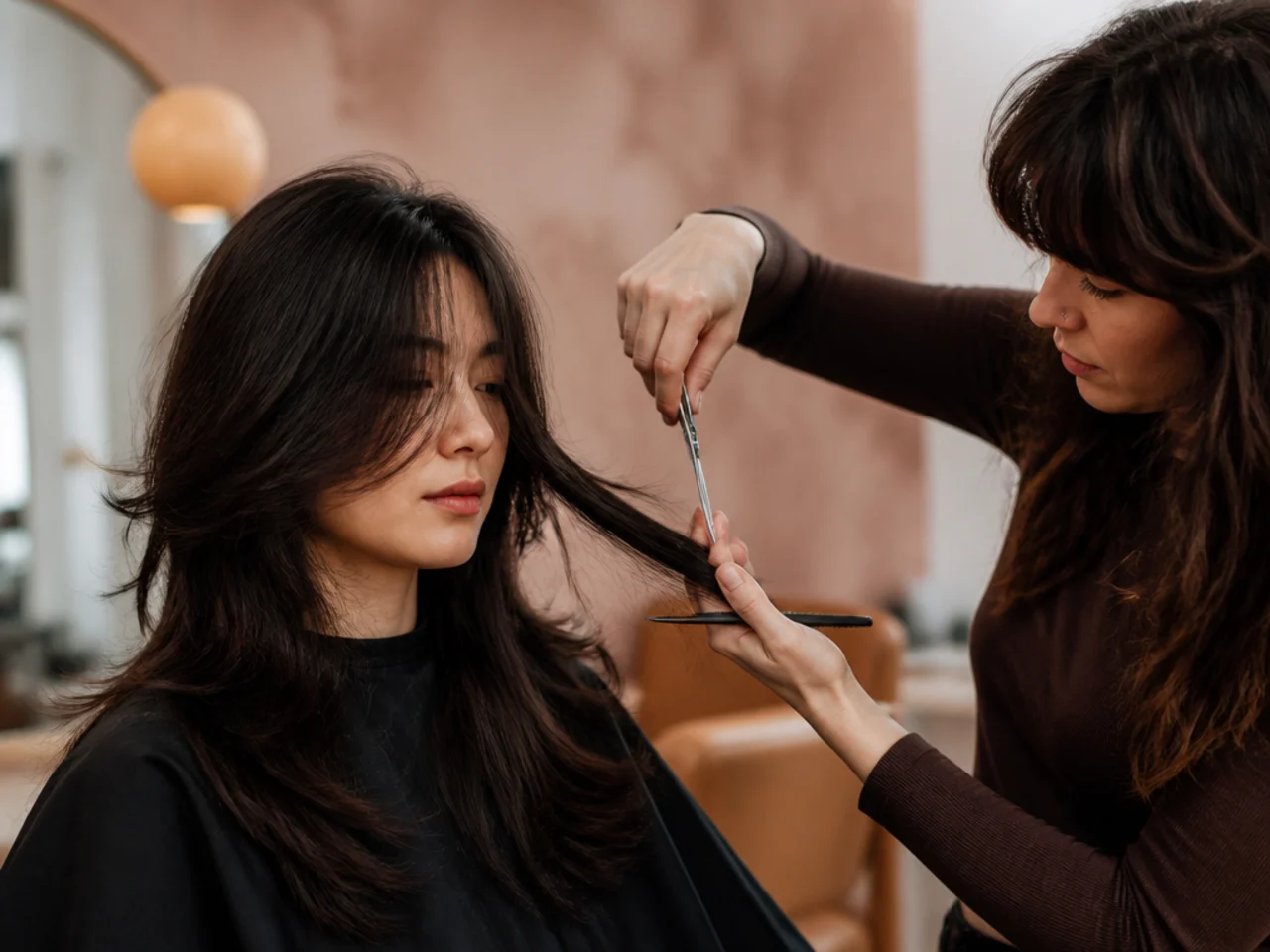
6. Diffuse Curls Instead of Blasting Them
A nozzle pushes fast air across curl clumps and separates them into frizz, which fills the gaps the layers created. A diffuser cupped underneath dries the same hair without moving it, and the specifics of that texture are covered in the curly wolf cut for men.
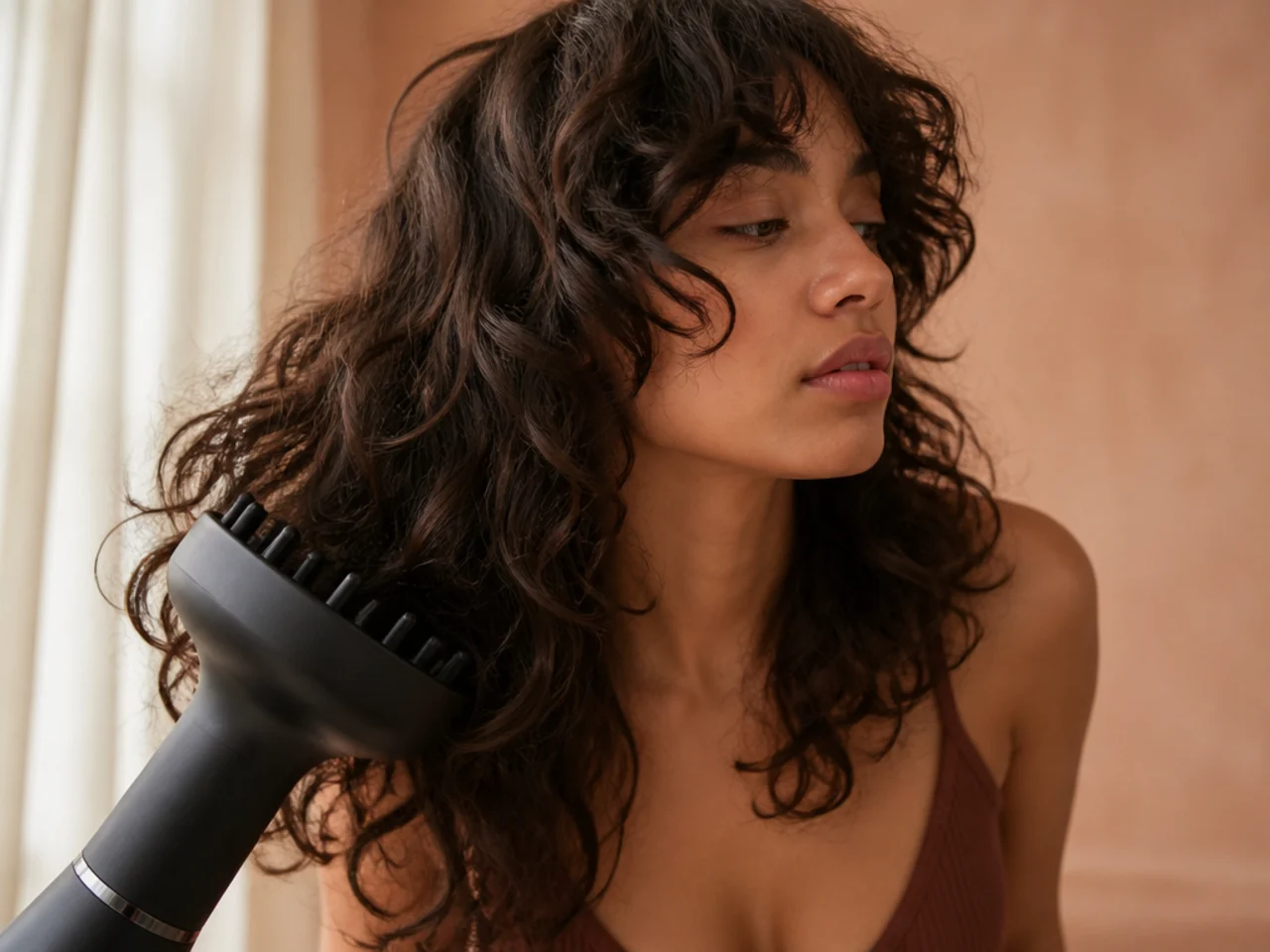
7. Brushing It Dry Destroys the Separation
A brush pulls every layer into the same plane, which is precisely the opposite of what the cut is for. Detangle while damp with fingers or a wide tooth comb, and after that only ever break the sections apart rather than combing them together.
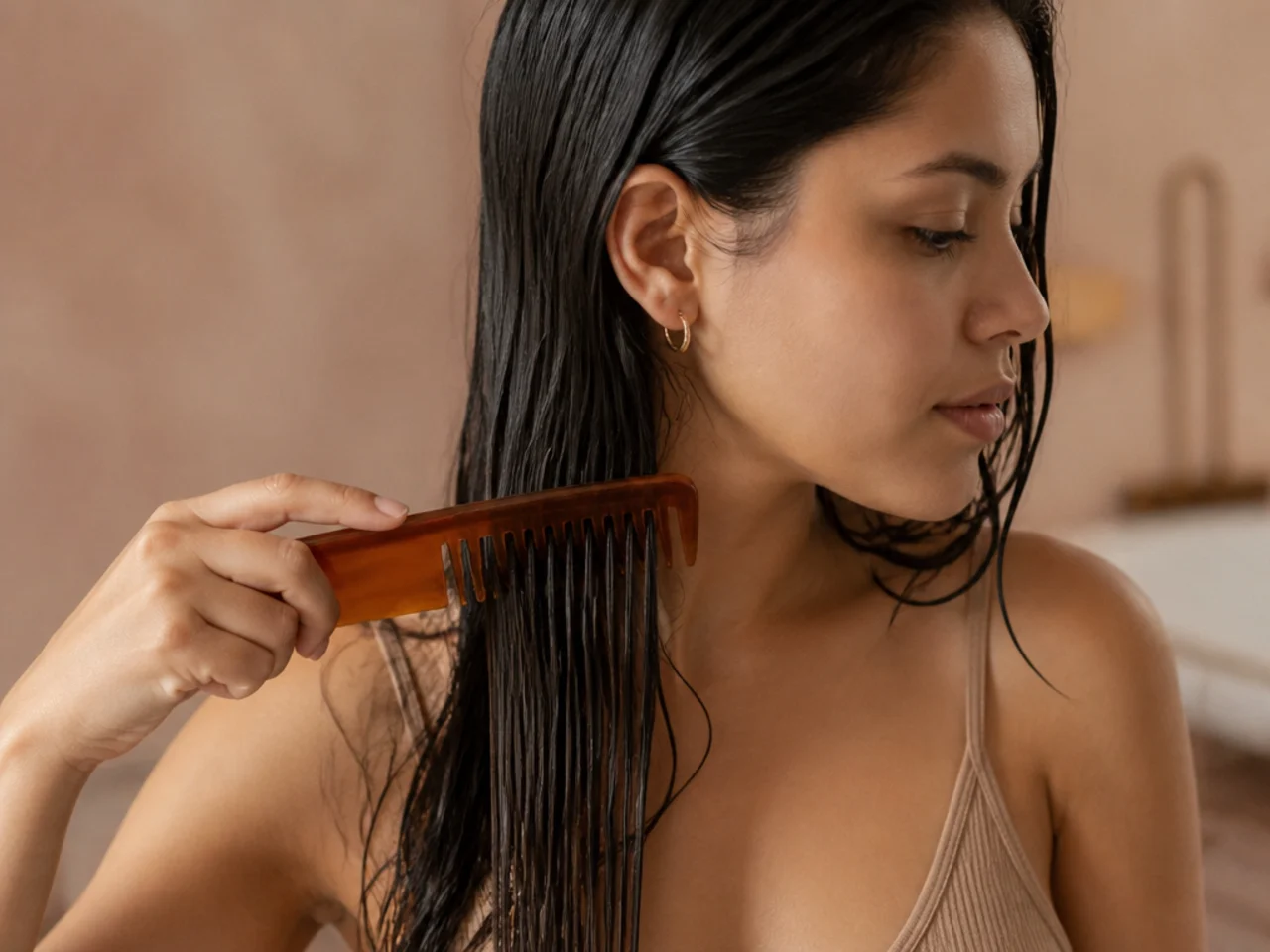
8. Straighteners Are for Bending Not Straightening
Clamping a section and rolling the iron away from the face puts a bend in the middle of the length, which is where a wolf cut needs movement. Running an iron straight down the same section removes the bend and the layers stack into one flat sheet.
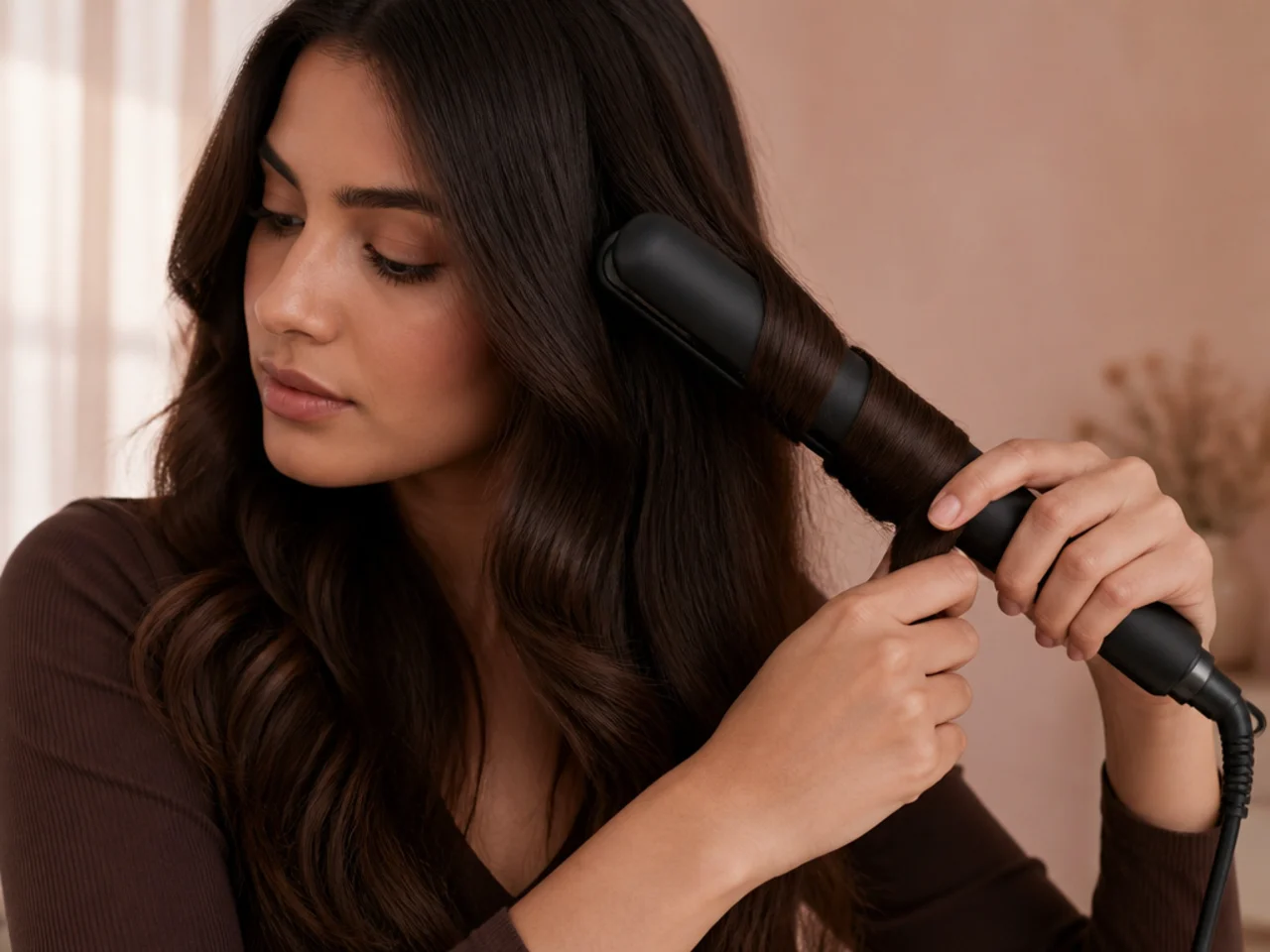
9. Day Two Hair Is the Point of the Cut
Freshly washed hair is clean, slippery and has no grip, so the layers slide back into each other within an hour. The natural oils that arrive by the second day do exactly what texture spray does, which is why the cut always looks better the day after washing.

10. The Back Collapses First
You never see the back, so it is the section that never gets dried properly, and it is also the section resting against a collar all day. Turn around with a hand mirror before you decide the cut has stopped working, because usually only the occipital area has gone flat.
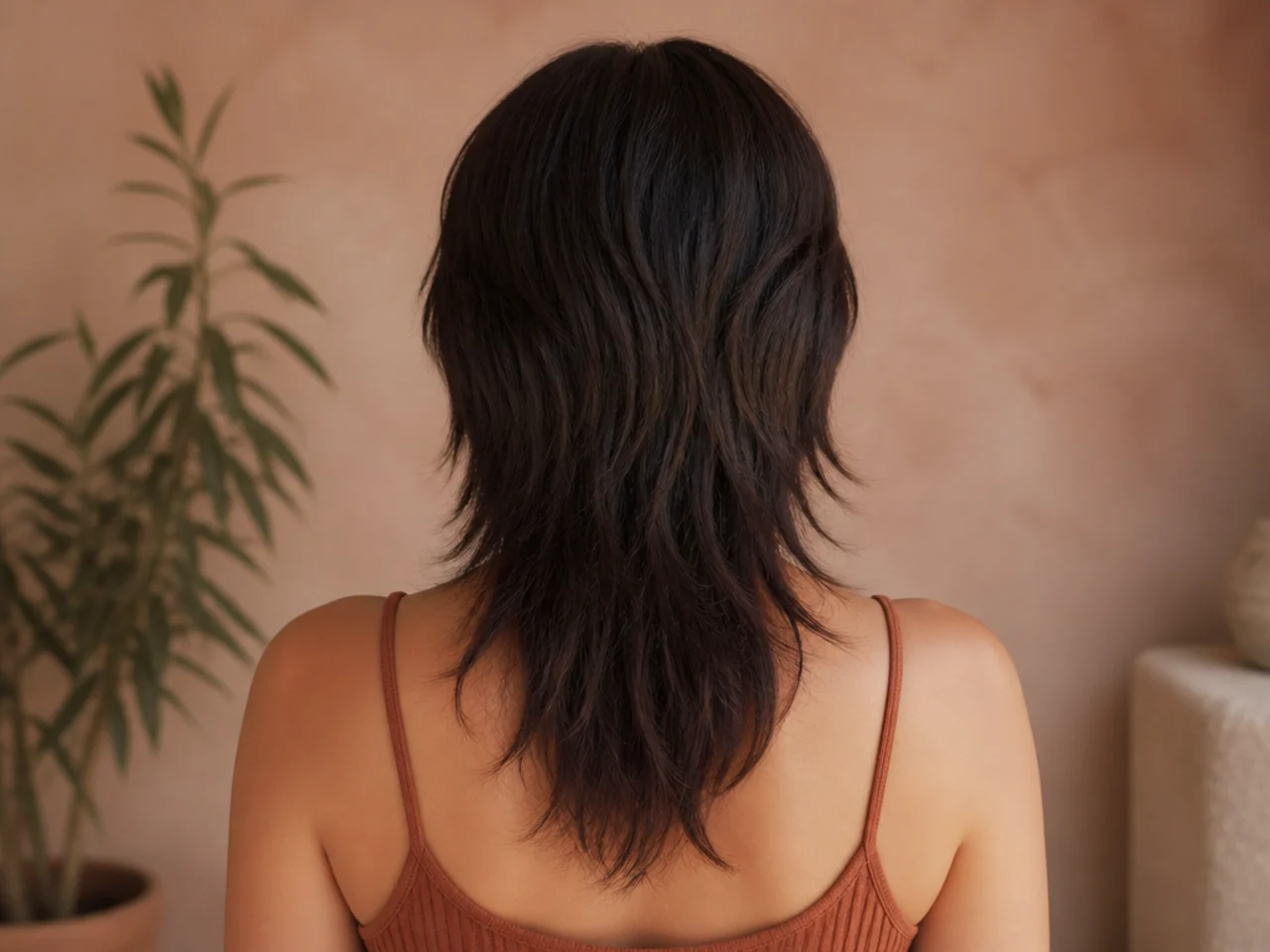
11. Weight at the Ends Closes the Layers
Oil and serum are useful on the last inch and nowhere above it. Applied higher they add weight that pulls the short layers down towards the long ones, closing the gaps that make the cut look like a wolf cut and not a trim.
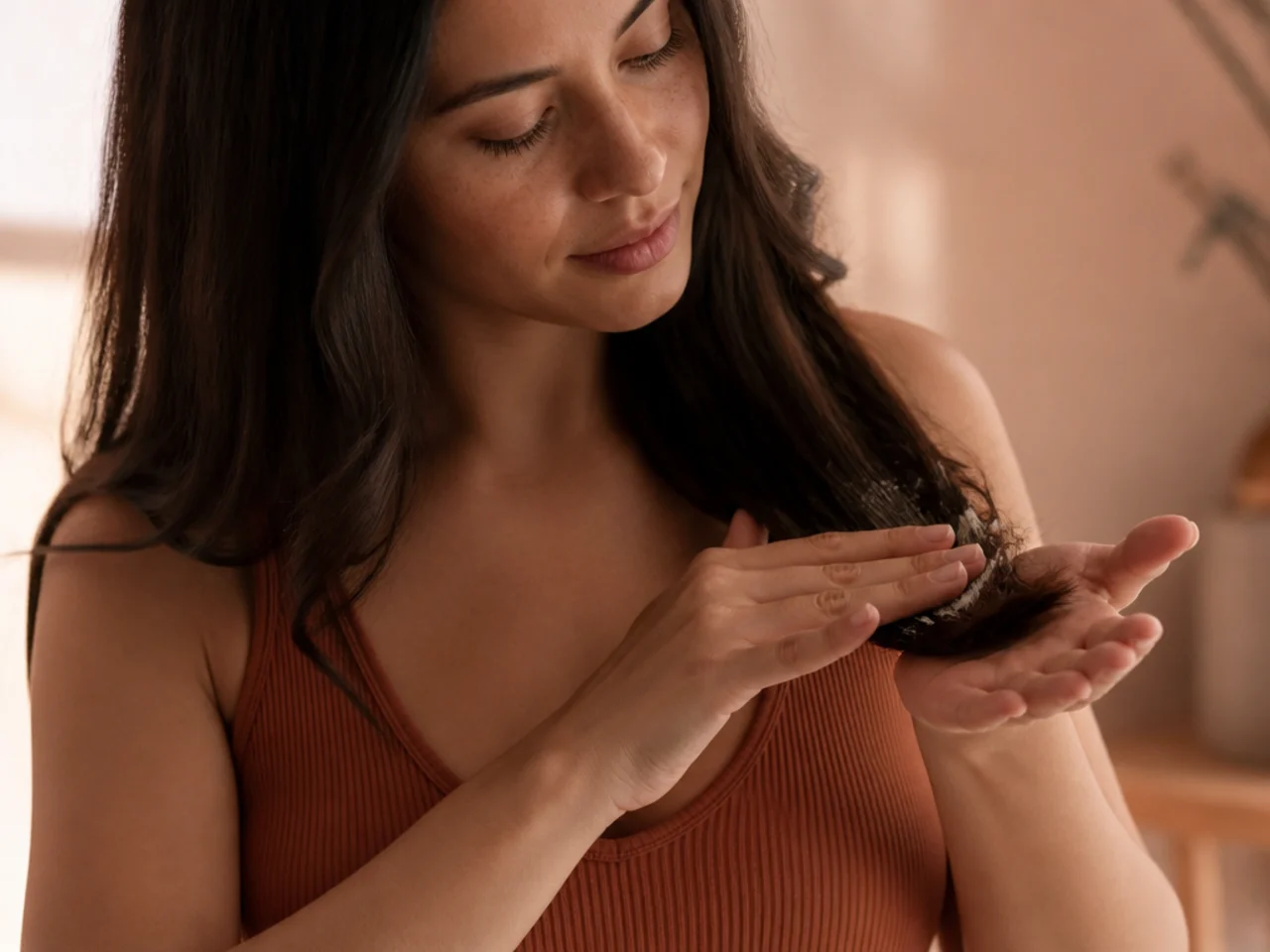
12. The Crown Layers Show Damage First
They are the shortest hair on your head, so they take the most heat per inch and are the first to look frayed. Drop the dryer heat and let the rough dry finish on cool, because the last twenty percent of drying is what does most of the damage.
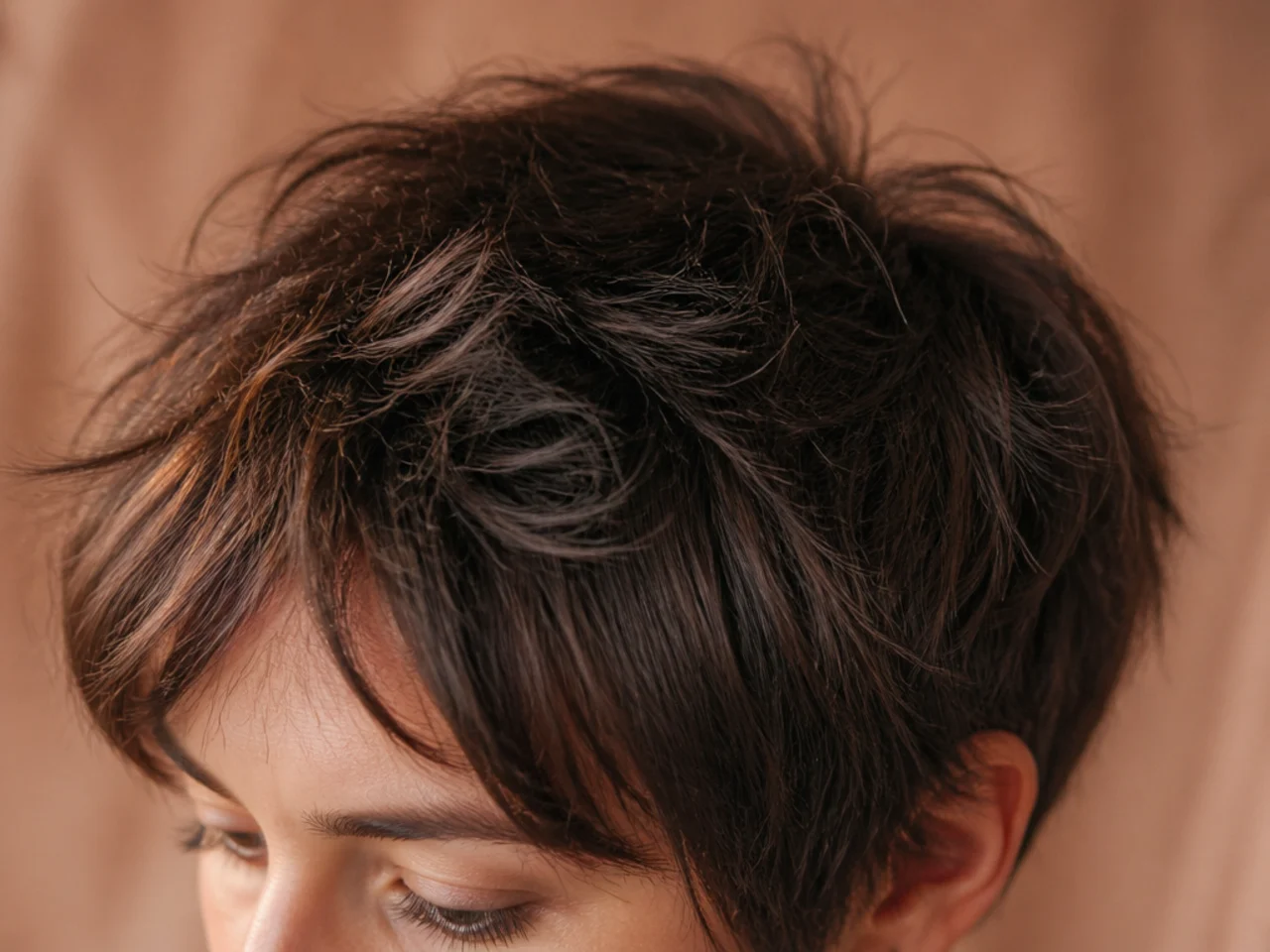
13. Sleep in a Loose Twist Not a Ponytail
An elastic at the crown presses the short layers flat overnight and leaves a dent that survives the morning. A loose twist held low keeps the length contained without compressing the roots, which is the only part of the cut that has to be reset from scratch if it flattens.
14. A Softer Blend Is a Different Cut
If the separation is more upkeep than you want, the answer is fewer and longer layers rather than more product. That version blends the crown gradually into the length and needs almost no drying, and it sits close to the Korean wolf cut in shape.

15. Week Three Is When It Looks Best
Straight from the chair the layers are sharp and sit apart in a way that looks cut rather than worn. After two or three weeks the ends soften slightly and the crown drops just enough to fall naturally, which is the version worth photographing for the next appointment.

Styling and Upkeep
Dry the roots before the ends. Root direction is the only thing you cannot change once the hair is dry.
Wash less often than you think. Grip comes back on day two, and the cut depends entirely on grip.
Recut the internal layers every ten to twelve weeks. The crown drops about an inch and a half in that time.
Keep the perimeter. Trimming it at every visit is how the shape loses the weight it narrows towards.
Finish on cool air. The shape sets as the hair cools, so the last thirty seconds is what holds it.

Mistakes to Avoid
Drying it hanging downwards. The roots set flat and nothing applied afterwards will lift them.
Cutting the layers wet. They spring up shorter once dry, which is how a wolf cut becomes a mullet by accident.
Brushing it out when dry. A brush pulls every layer into one plane and removes all the separation.
Putting oil above the last inch. The weight drags the short layers down into the long ones.
Sleeping with a high elastic. It leaves a flat dent in the exact section the cut relies on.

FAQ
Why is it flat? It was dried downwards, so the roots set against the scalp.
Mousse or cream? Mousse, for grip without weight.
How often recut? Internal layers every ten to twelve weeks, perimeter rarely.

Final Thoughts
Almost everything I got wrong came from styling the ends of a cut whose shape is decided at the roots. Rough dry upside down, keep the grip at the crown, keep the weight off the layers, and the hair holds its own shape for the rest of the day.
For the same layering at a shorter length see the short wolf cut, and for the softer blended version see the Korean wolf cut. More in Mullet and Wolf Cut.