15 Men's Short vs Medium Hair Compared
Most length comparisons trade in adjectives. This one trades in numbers — appointments a year, minutes a morning, months of grow-out — with a figure for short on one side and medium on the other, and what the gap actually means.
In this article · 22
- The Numbers Nobody Puts on a Length Decision
- How to Read the Comparison
- The 15 Attributes Compared
- 1. Appointments per Year — 12 to 17 vs 6 to 8
- 2. Minutes to Style Each Morning — 1 to 3 vs 5 to 10
- 3. Drying Time From Towel-Dry — Under 10 Minutes vs 20 to 40
- 4. Product Used per Month — One Tub vs Two or Three
- 5. Weeks Before It Looks Untidy — 2 to 4 vs 8 to 10
- 6. Months to Get There From a #2 — None vs 8 to 12
- 7. Time to Reverse It — Half an Hour vs Most of a Year
- 8. Cap and Helmet Recovery — 0 Minutes vs About 5
- 9. Volume Added by Humidity — Almost None vs Visible
- 10. After Sleep — Water vs a Full Wash
- 11. How Much You Can Fix Yourself — About Half vs Almost None
- 12. How Long a Bad Cut Shows — 3 to 6 Weeks vs 1 to 2
- 13. What a Cowlick Costs — 0 Minutes vs 3 to 5
- 14. Shrinkage on Curl — 1cm of 4 vs 5cm of 15
- 15. The Appointment Itself — 20 to 30 Minutes vs 35 to 50
- What the Numbers Add Up To Over a Year
- Mistakes to Avoid
- FAQ
- Final Thoughts
Length gets argued about in adjectives when almost all of it can be counted.
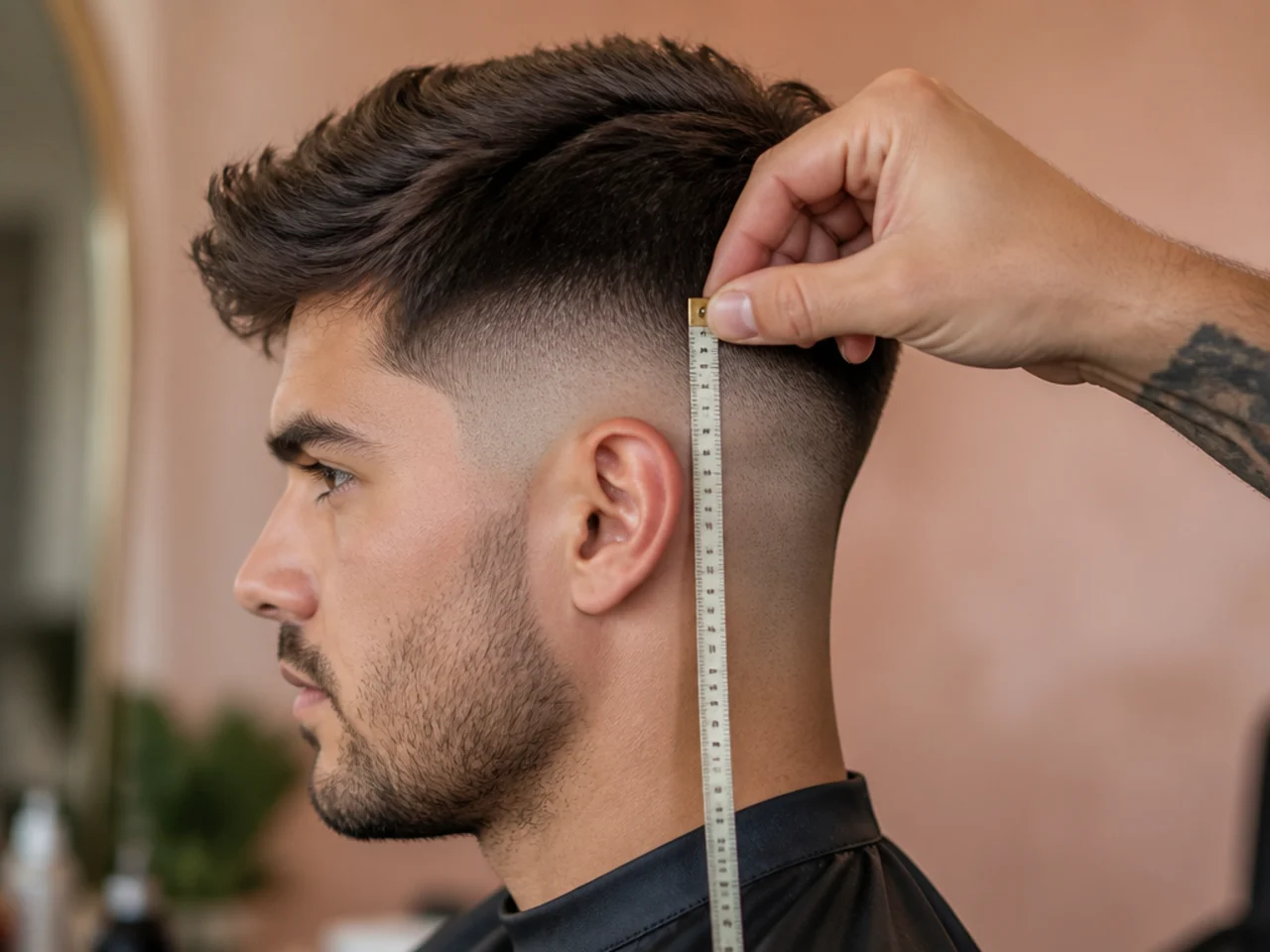
Hair grows about 1.25 cm a month, and that single figure sets every timeline on this page. Grow-out, regrowth between cuts, how long a mistake stays visible — all of it comes back to that rate.
Each item below is one measurable attribute, with a number for short and a number for medium. Short is always given first.
The Numbers Nobody Puts on a Length Decision
Hair grows roughly 1.25 cm a month. Every interval, every grow-out and every regrowth figure below is derived from it.
Cost is measured in appointments and minutes, not in the ticket price. One cut tells you almost nothing about a year.
The gap between the two lengths is not linear. Some costs double at medium, some barely move, and one runs the other way.
Every figure is a range, not a promise. Density and growth rate shift the numbers, but not the direction each gap runs in. Curl moves them furthest, so check your own curl type before trusting any figure here to the decimal.
How to Read the Comparison
Short is quoted first, medium second. Short means under about five centimetres on top; medium means ten to fifteen, the band covered by medium length men's haircuts.
Multiply the small numbers by 365. Two extra minutes a morning is twelve hours a year.
Separate one-off costs from recurring ones. The grow-out is paid once; the appointments never stop.
Check your own growth rate before trusting the timelines. Measure between two cuts, because a fast grower shortens every interval here.
The 15 Attributes Compared
1. Appointments per Year — 12 to 17 vs 6 to 8
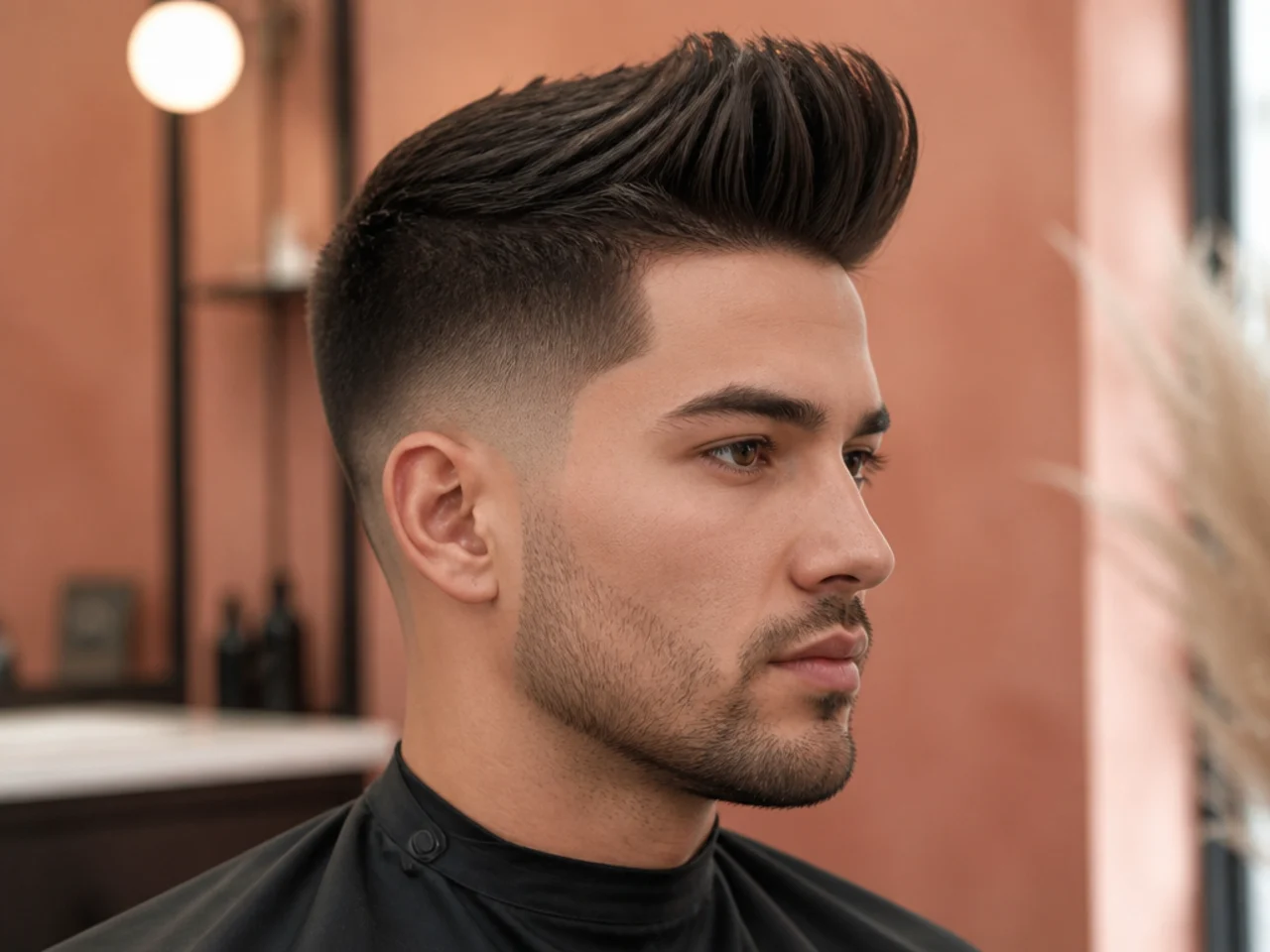
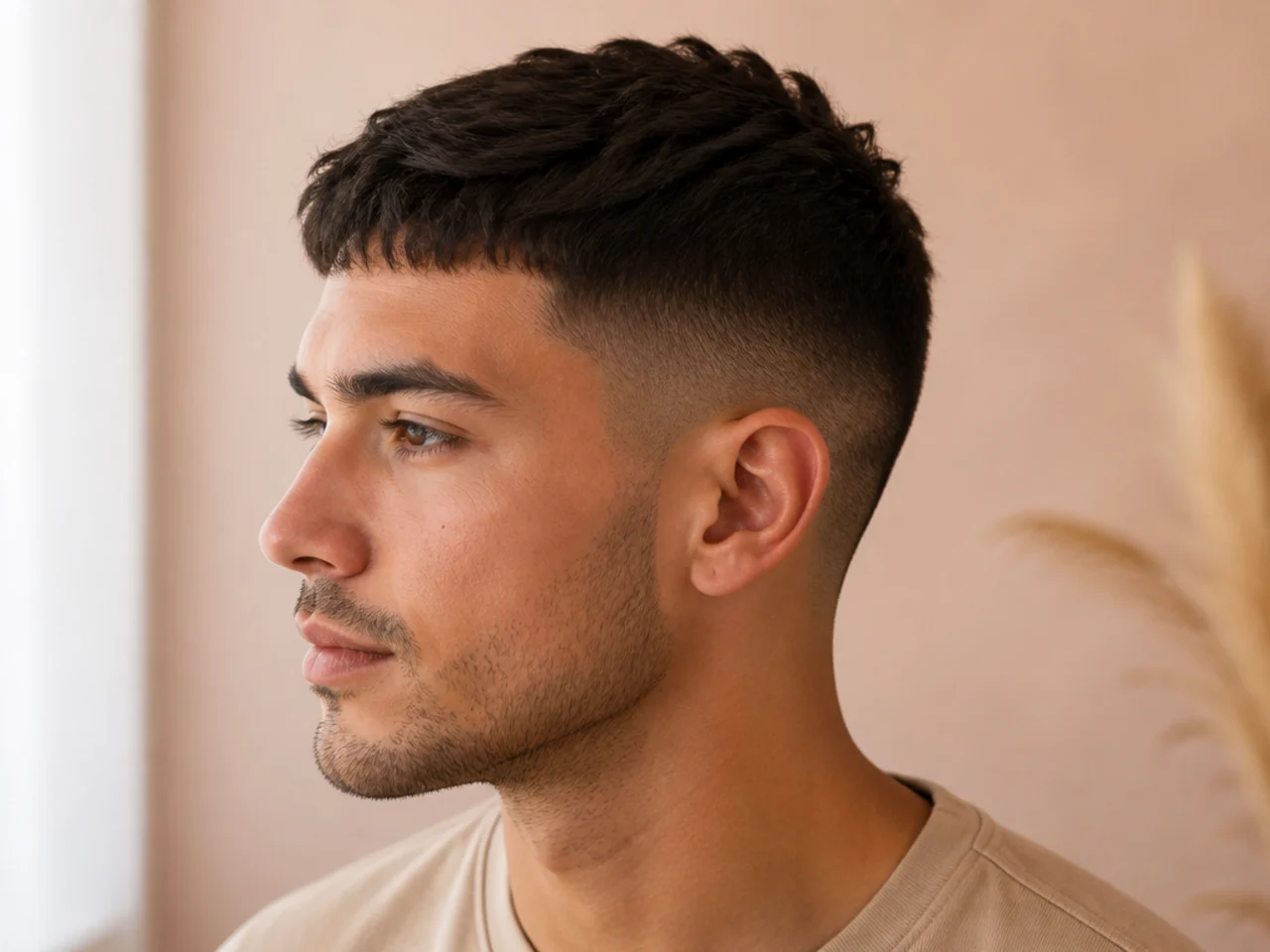
Short is recut every three to four weeks, medium every six to eight. The real cost of short hair is not the ticket price but the number of times that price appears on your calendar.
2. Minutes to Style Each Morning — 1 to 3 vs 5 to 10
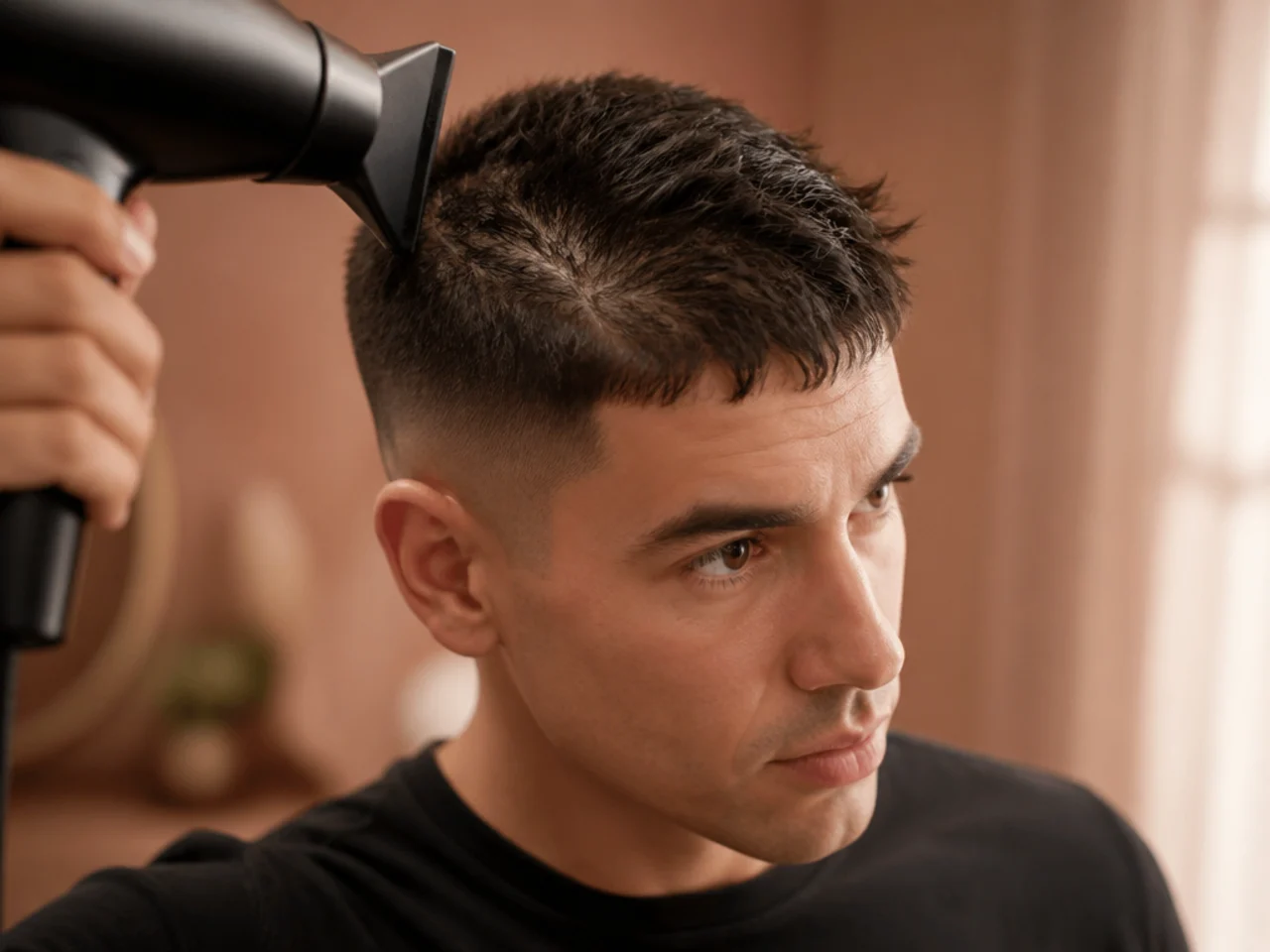
Short hair is product in the palms and one pass of the fingers. Medium adds drying in a direction and a check in the mirror, which across a year comes to somewhere between twenty and forty extra hours.

3. Drying Time From Towel-Dry — Under 10 Minutes vs 20 to 40
Short hair air-dries in under ten minutes, so a dryer stays optional. Medium takes twenty to forty minutes to air-dry, and since drying in a direction is what gives it shape, the dryer stops being a choice.

4. Product Used per Month — One Tub vs Two or Three
A short cut takes a pea of clay a day, so a 100ml tub runs three or four months. Medium needs a larger dose plus something to dry with, which puts the monthly outlay two to three times higher.
5. Weeks Before It Looks Untidy — 2 to 4 vs 8 to 10
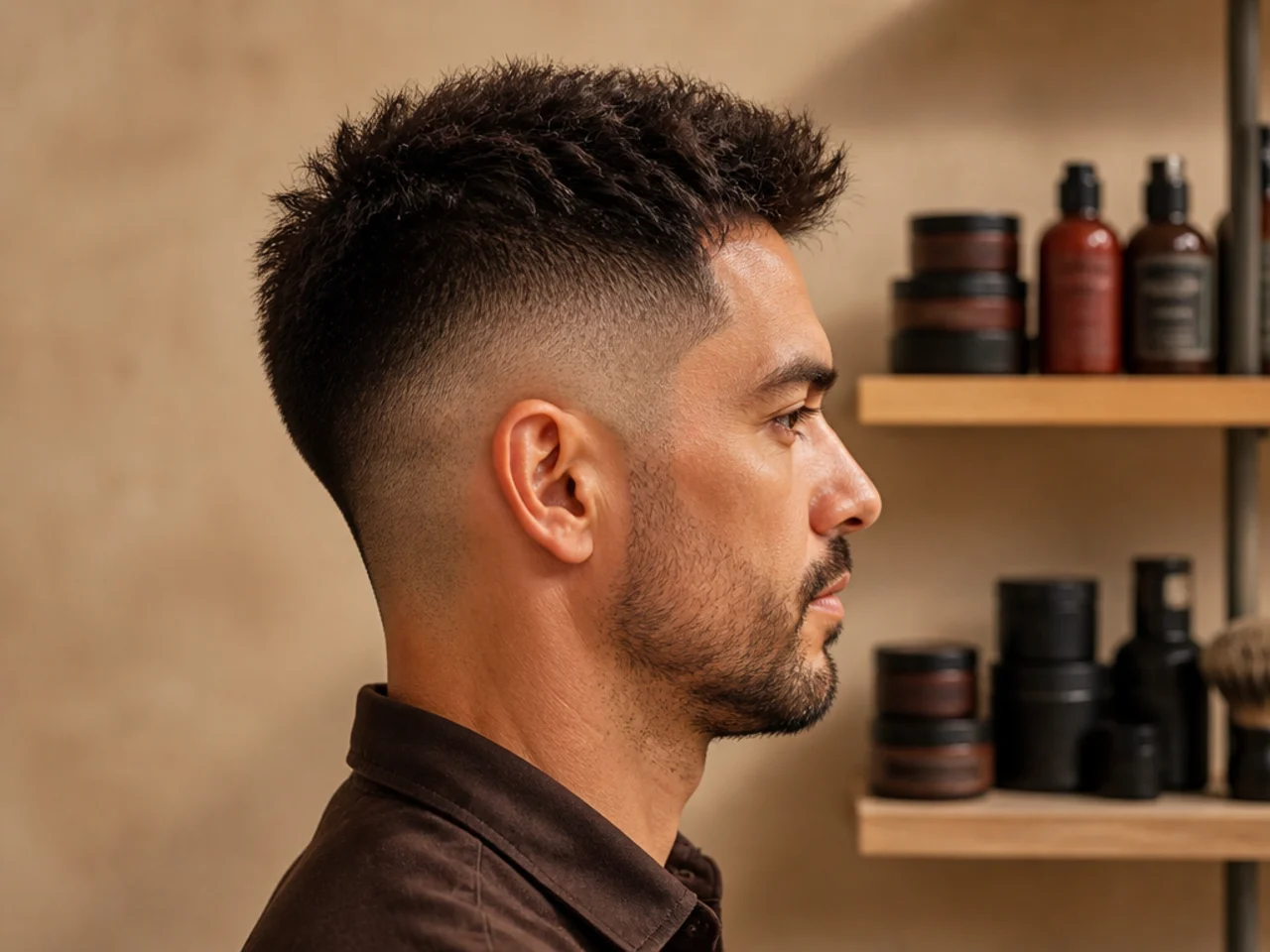
A short cut is held together by edges, and a skin fade blurs in one to two weeks while a taper holds three to four. Medium has no edges to lose, so it drifts instead of breaking.
6. Months to Get There From a #2 — None vs 8 to 12
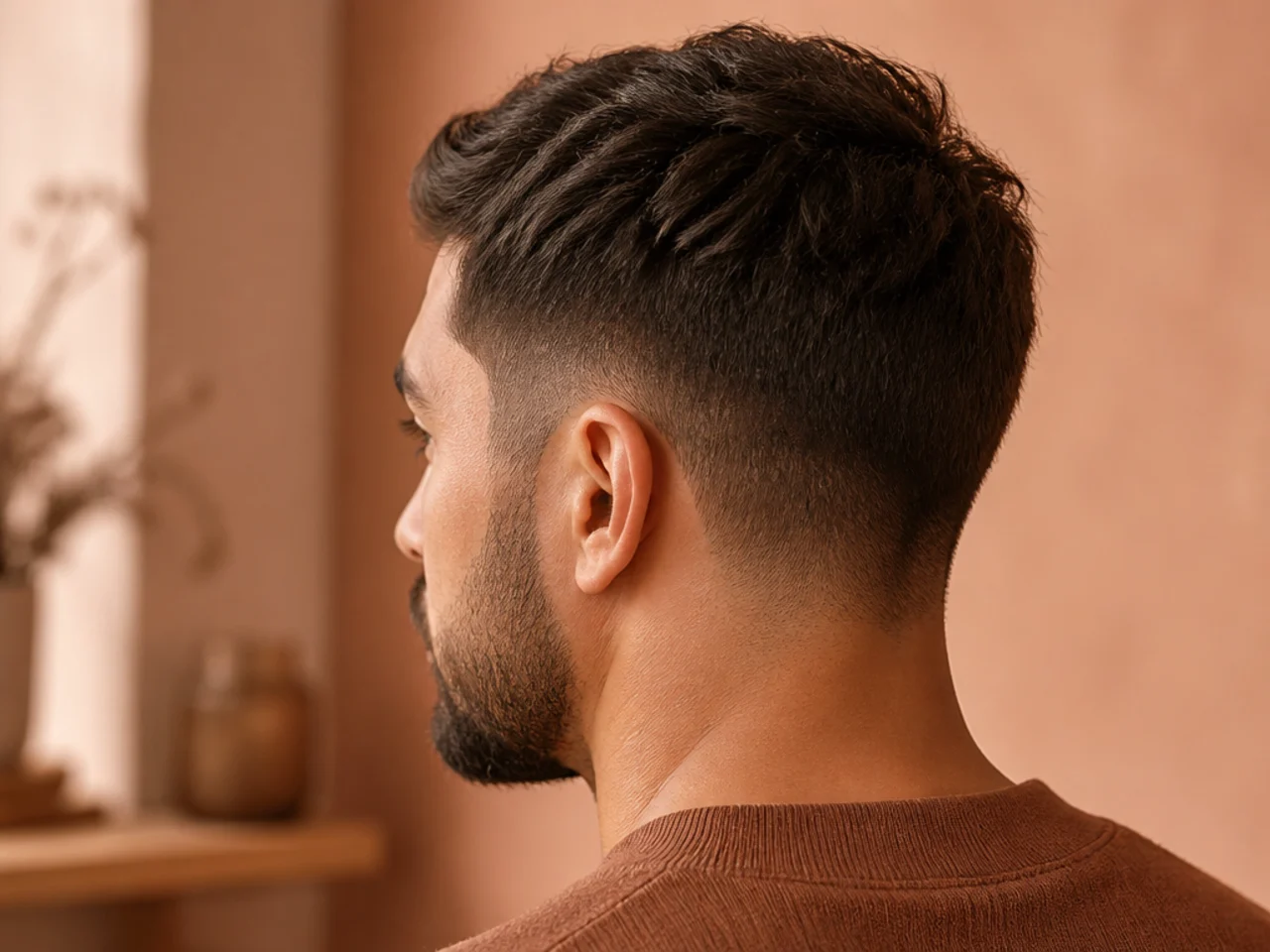
At 1.25 cm a month, a #2 at 6mm reaches ten centimetres in about eight months and fifteen in about twelve. Short is available this afternoon; medium is a booking you make with next year.
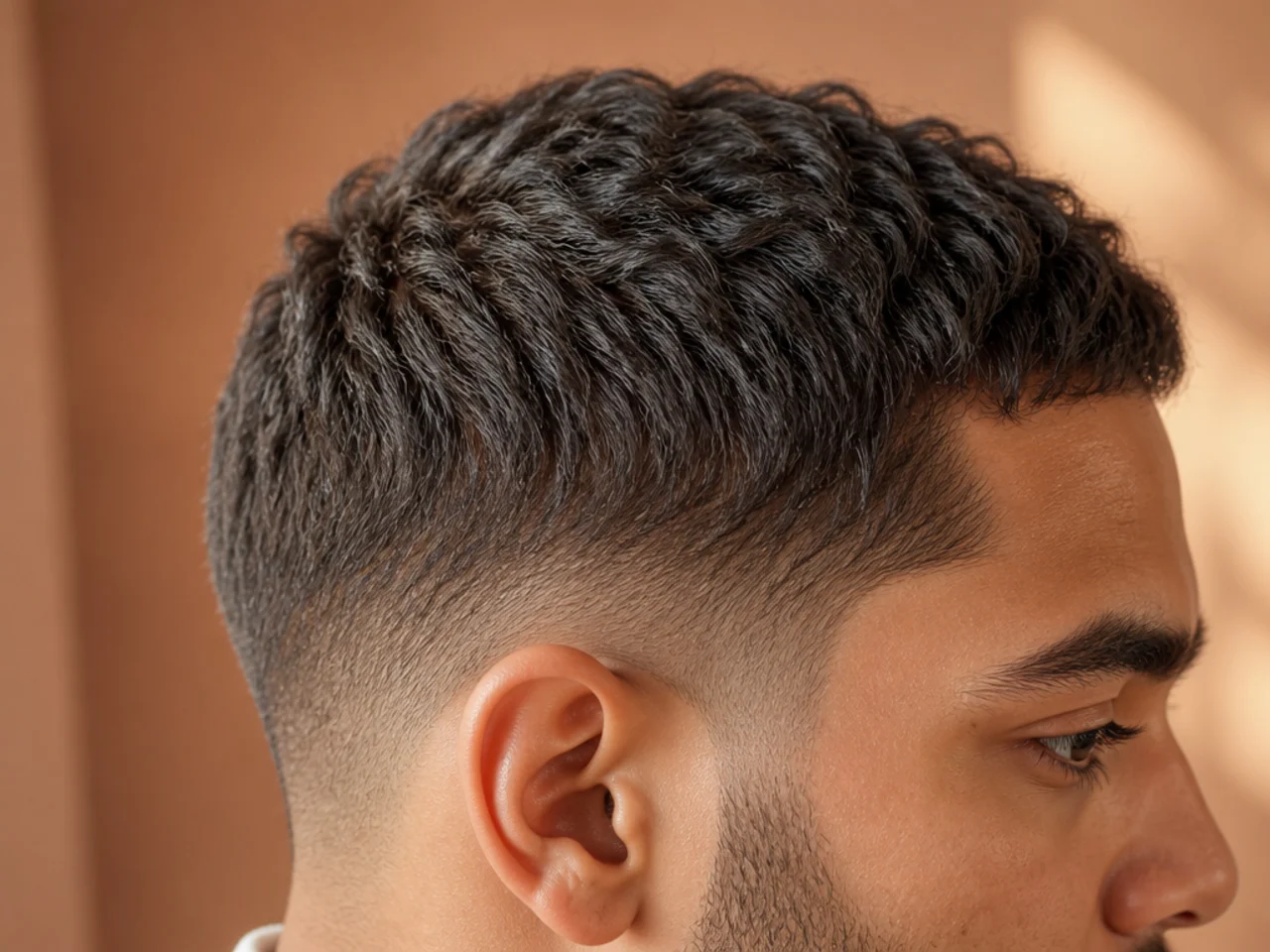
7. Time to Reverse It — Half an Hour vs Most of a Year
Medium becomes short in one thirty-minute appointment. Short becomes medium in eight to twelve months. That asymmetry is the most important figure here, because it means the two choices do not carry equal risk.

8. Cap and Helmet Recovery — 0 Minutes vs About 5
Short hair leaves a cap in the shape it went in, because nothing is long enough to hold a crease. Medium takes a flat ring where the band sat, and lifting it needs water and a restyle rather than a comb.

9. Volume Added by Humidity — Almost None vs Visible
Swelling happens along each hair, so the effect scales with how much length there is to swell. At four centimetres humidity changes the surface; at fifteen it changes the outline of your head.
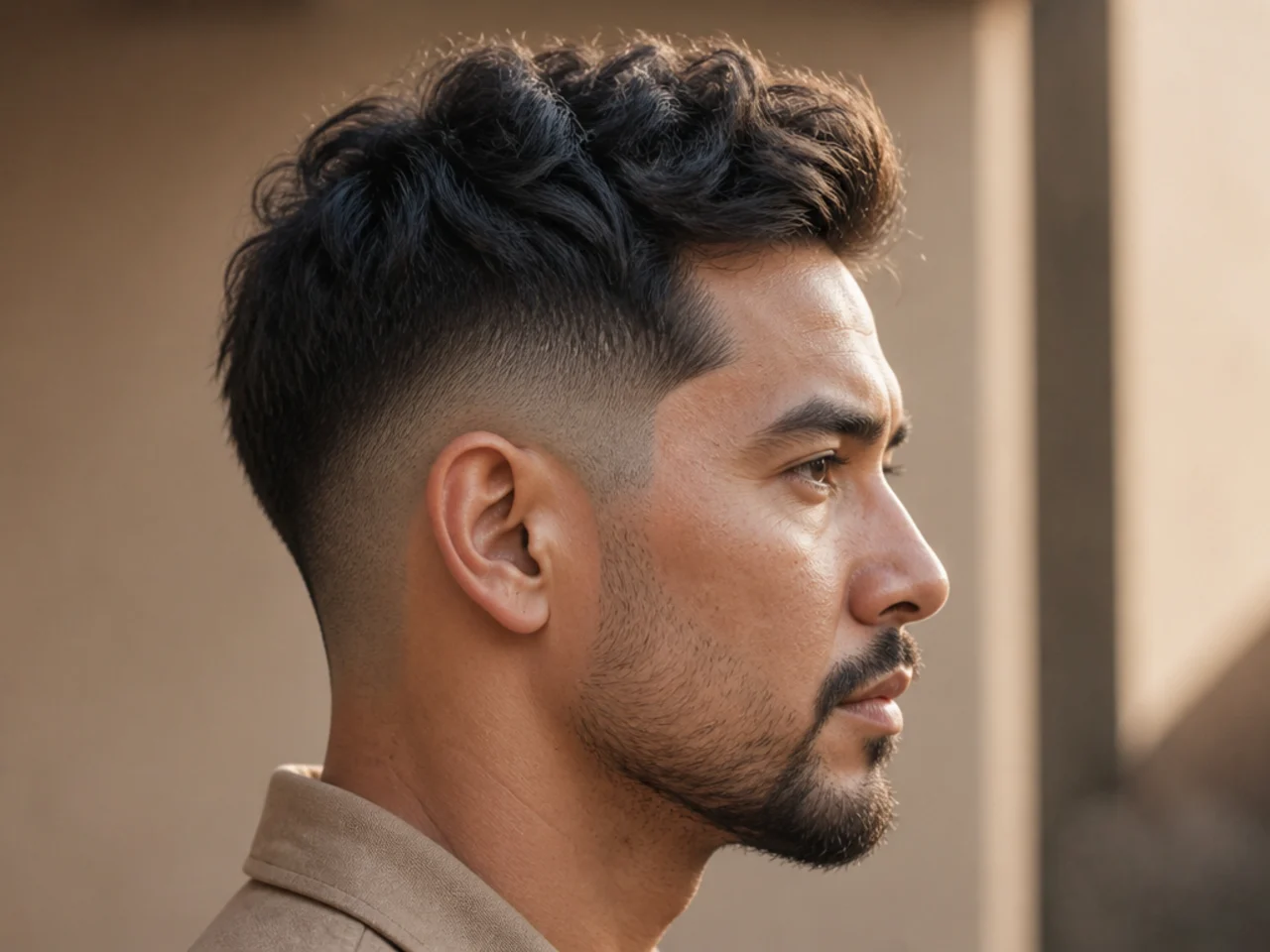
10. After Sleep — Water vs a Full Wash
Short hair takes a new shape from wet hands in under a minute, since nothing is long enough to hold a bend. Medium sets a crease overnight that water alone rarely lifts, so a bad night costs a wash and a dry.

11. How Much You Can Fix Yourself — About Half vs Almost None
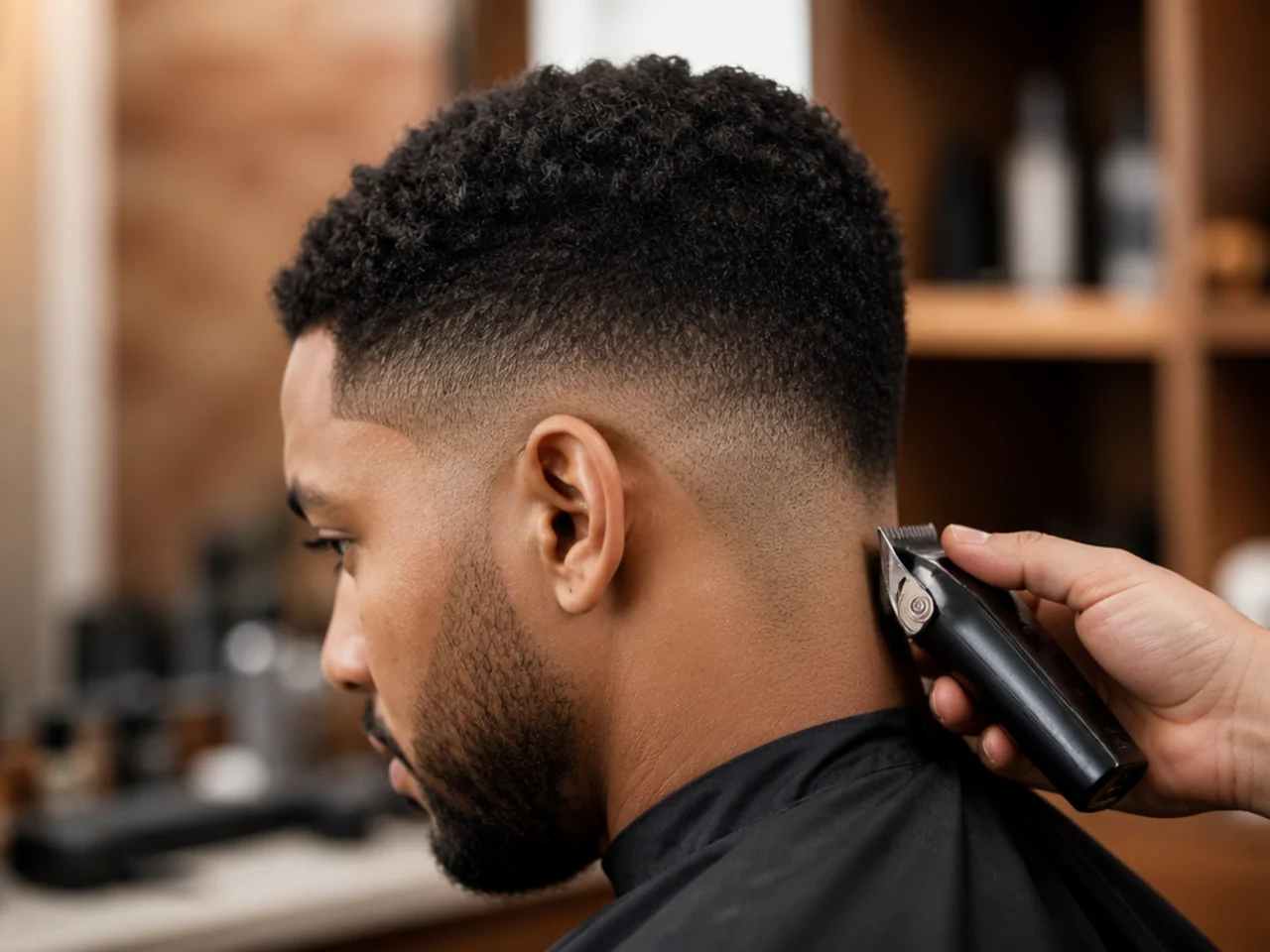
With clippers you can hold your own neckline and sideburns, which covers most of what goes wrong on a short cut between visits. Medium fails through weight and shape, and neither is correctable without scissors and a trained eye.
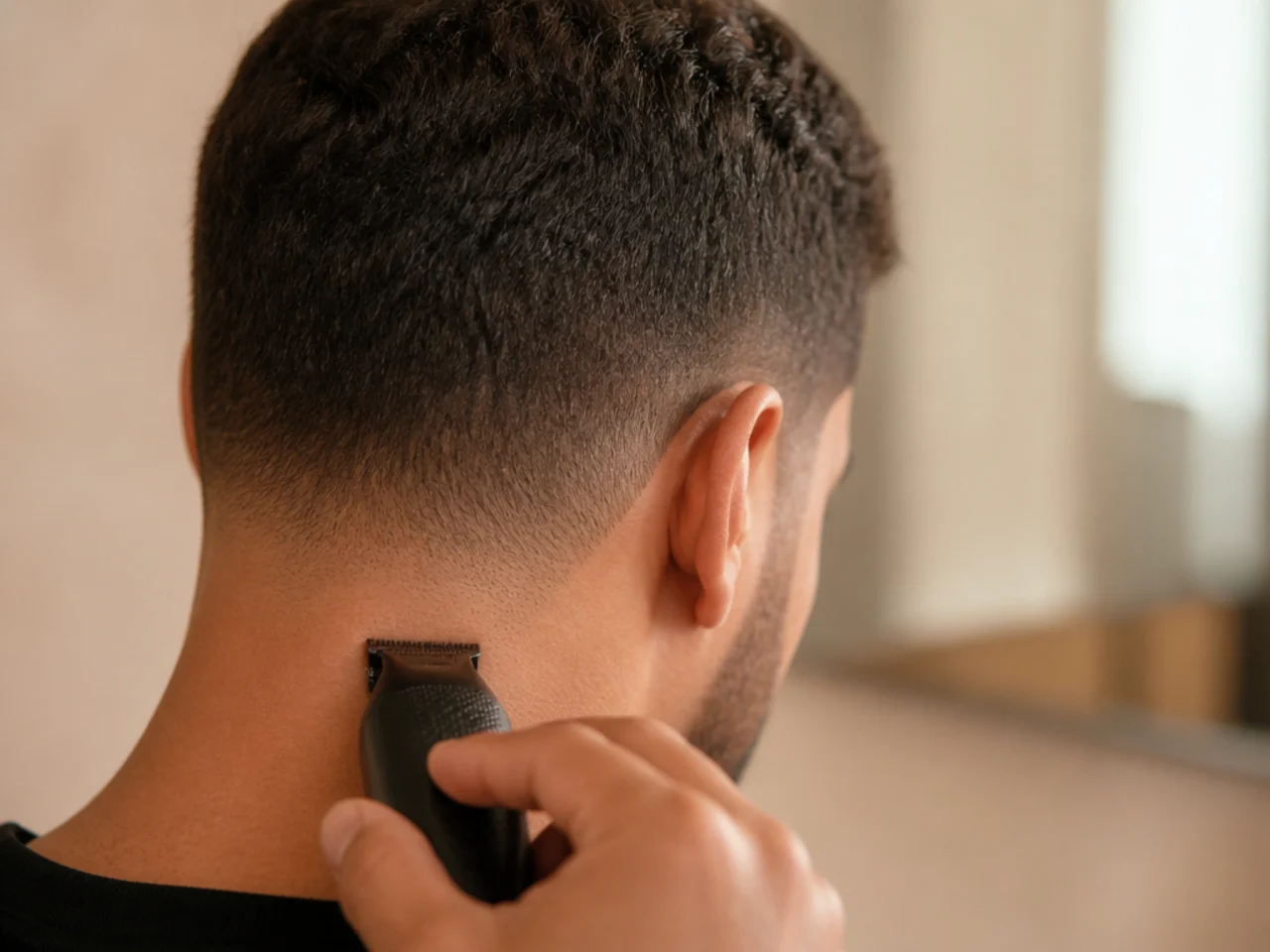
12. How Long a Bad Cut Shows — 3 to 6 Weeks vs 1 to 2
A mistake in a short cut is a hard line, and it stays visible until the surrounding length catches up. The same mistake at medium length disappears under the weight of the hair around it within a fortnight.
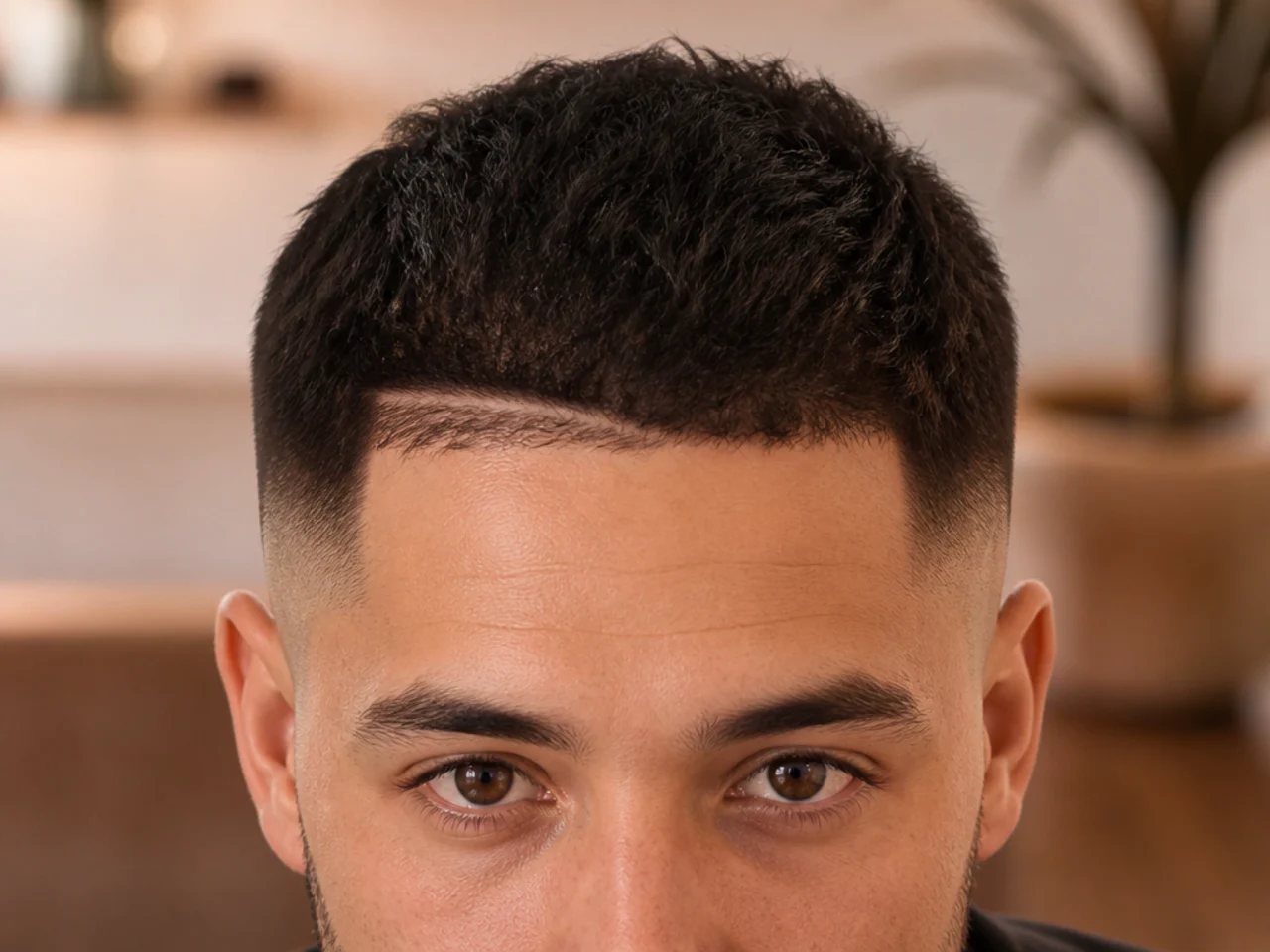
13. What a Cowlick Costs — 0 Minutes vs 3 to 5
At short length a cowlick is either handled by the cut or lived with, so it takes no morning minutes. Medium hair is heavy enough to settle it, but only once dried against the growth direction.
14. Shrinkage on Curl — 1cm of 4 vs 5cm of 15
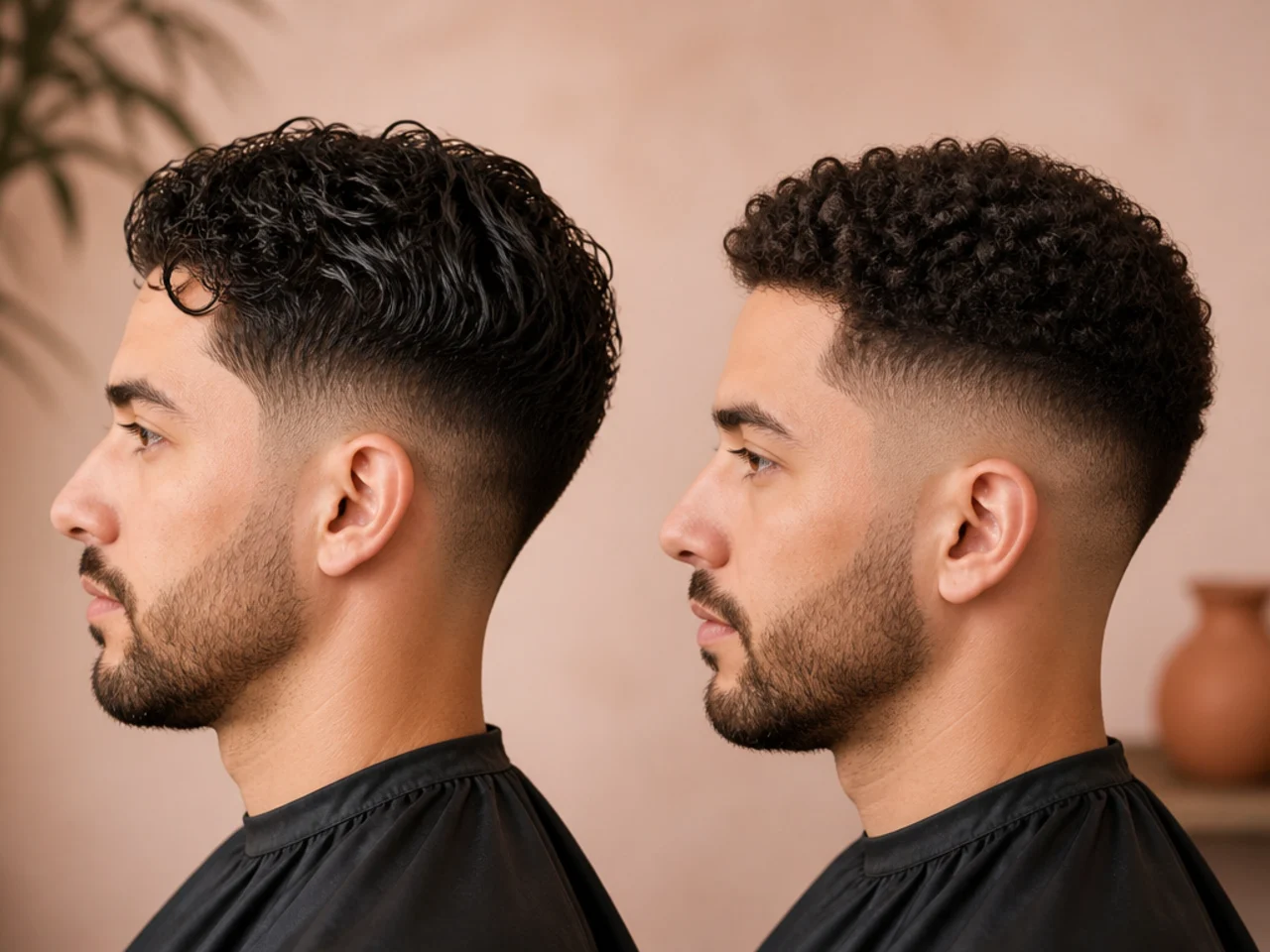
Curl gives back roughly a third of its length, and a third of a small number is small. Losing one centimetre from four changes the whole cut, while losing five from fifteen still leaves plenty for the pattern to show.
15. The Appointment Itself — 20 to 30 Minutes vs 35 to 50
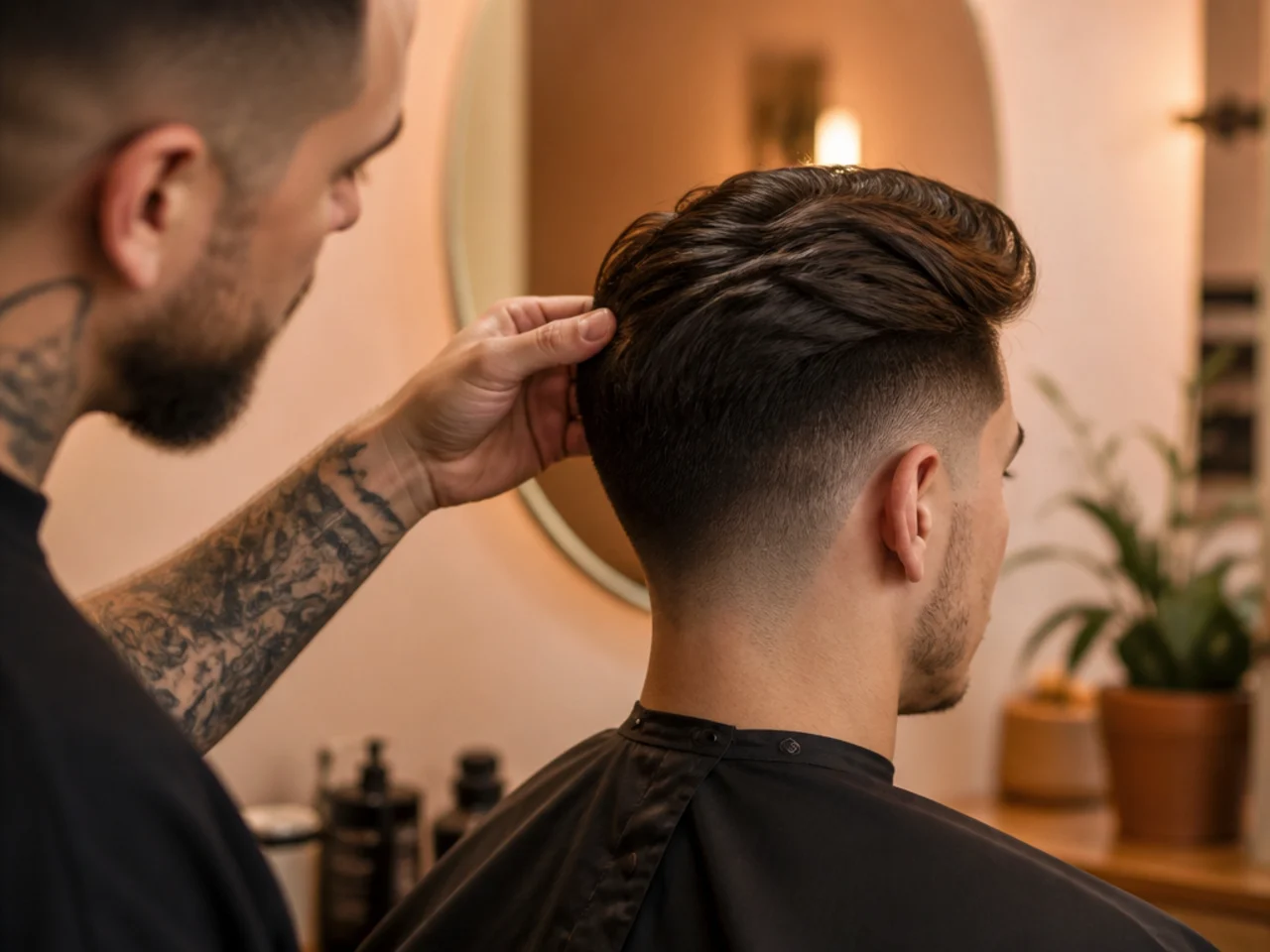
Clipper work is fast but edges are not, so a short cut is mostly detailing around the ears and neck. Medium is scissor work over more hair with more checking, and the extra time usually reaches the bill.
What the Numbers Add Up To Over a Year
Chair time roughly cancels out. Fifteen short appointments at twenty-five minutes is about six hours; seven medium ones at forty-five is about five.
Morning time does not. Two minutes a day against seven is close to thirty hours a year, the widest gap on this page.
Untidy weeks favour medium. Short spends the last week of each cycle looking overdue, which is twelve to seventeen weeks a year against about seven. Five minutes tidying the neckline yourself claws back a fair share of them.
Product favours short by two to three times. A tub every three months against two or three items bought monthly.
The grow-out is paid once. Eight to twelve months, and then it never appears in the accounts again.
Mistakes to Avoid
Comparing ticket prices instead of annual totals. The cheaper haircut is often the more expensive year.
Assuming styling time rises steadily with length. Nearly all of the jump happens the moment drying becomes compulsory.
Forgetting the grow-out only runs one way. Cutting is instant, growing is eight to twelve months, and no product changes that.
Using an average growth rate without measuring your own. Mark the length at two consecutive cuts and you will know within a millimetre.
Counting appointments but not untidy weeks. They are the hidden half of what a short cut costs you.

FAQ
How many cuts a year? Twelve to seventeen for short, six to eight for medium.
How long to grow from a #2 to medium? Eight to twelve months at about 1.25 cm a month.
How much longer is the morning? Roughly two minutes against five to ten, nearly all of it drying.
Final Thoughts
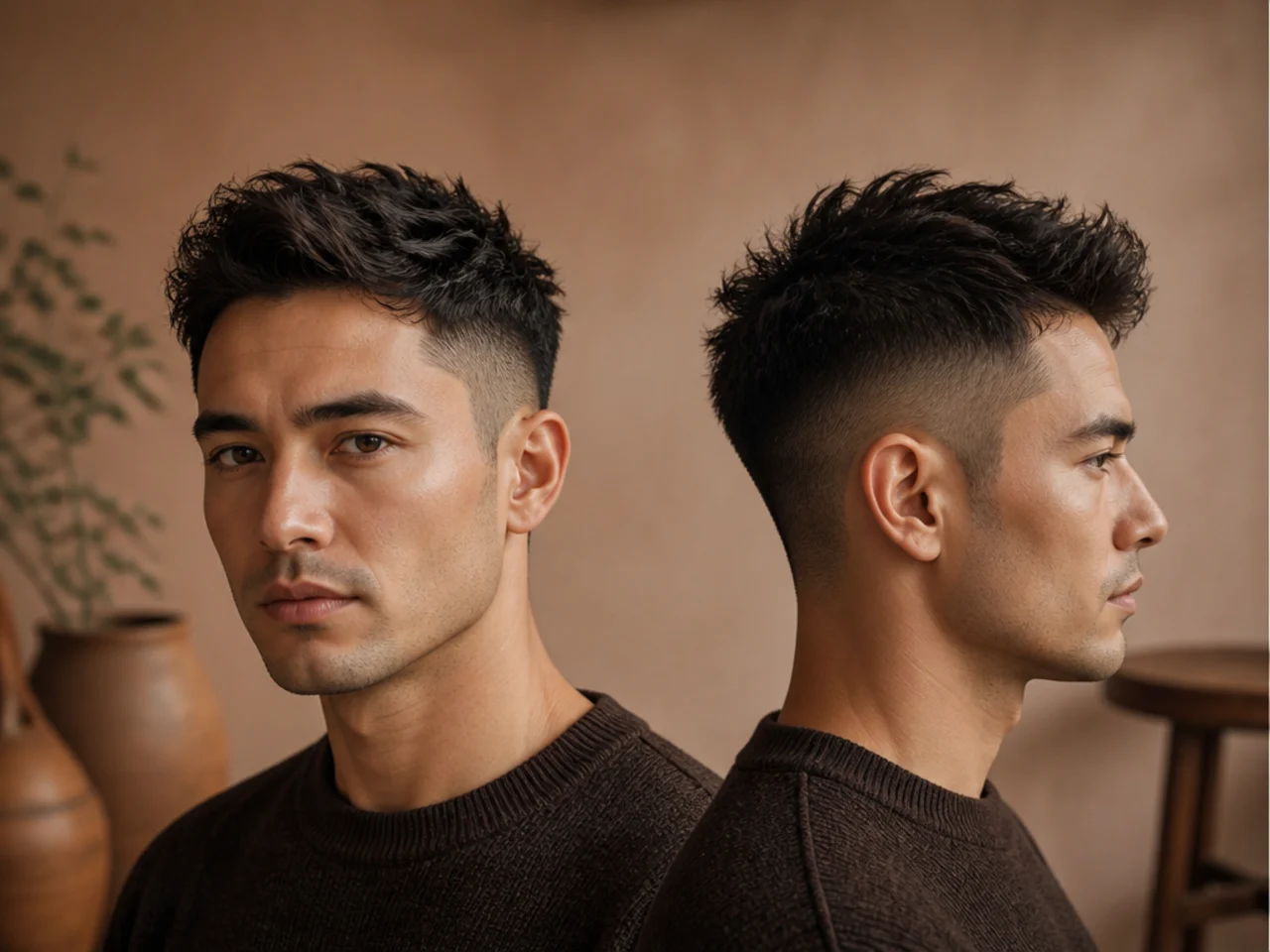
Put the two columns side by side and one thing stands out — the costs of short hair are frequent and small, and the costs of medium hair are rare and large. Neither is cheaper in the abstract, so decide which shape of cost you would rather carry, and let the numbers rather than the adjectives settle it.
For the length in between the two columns see short to medium men's haircuts, and for the frequency figure itself see how often men should get a haircut. More in Men's Haircuts.