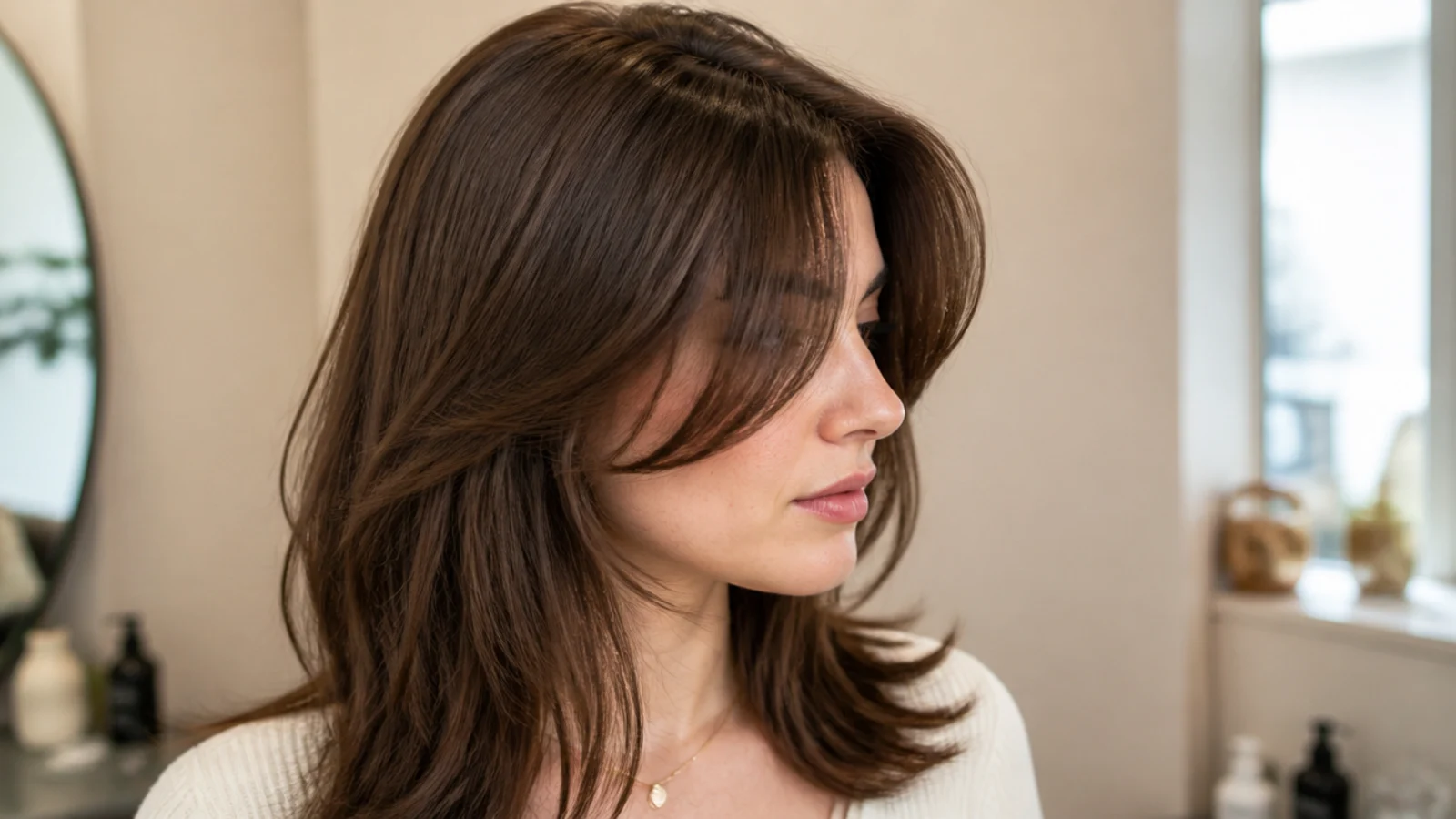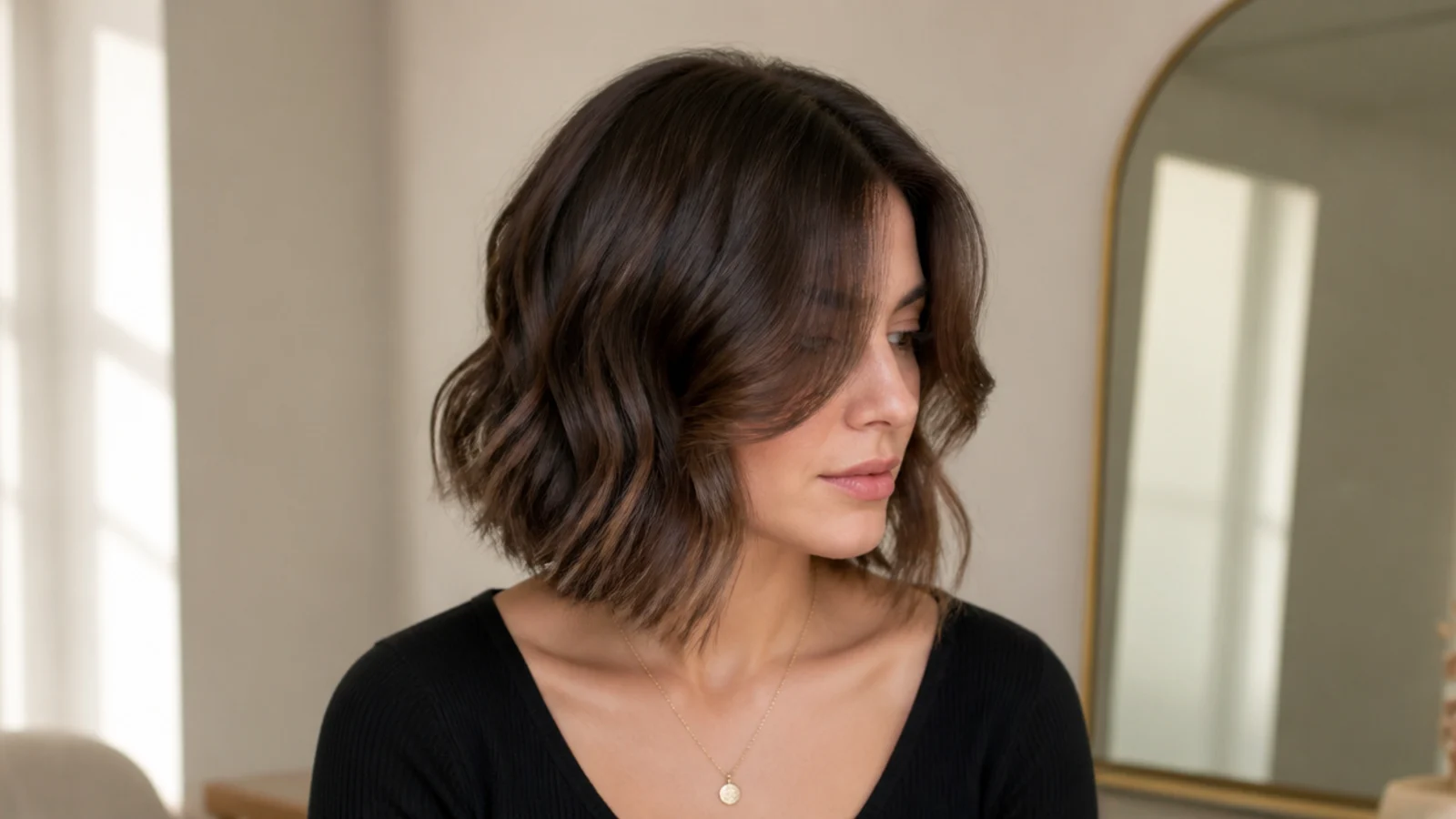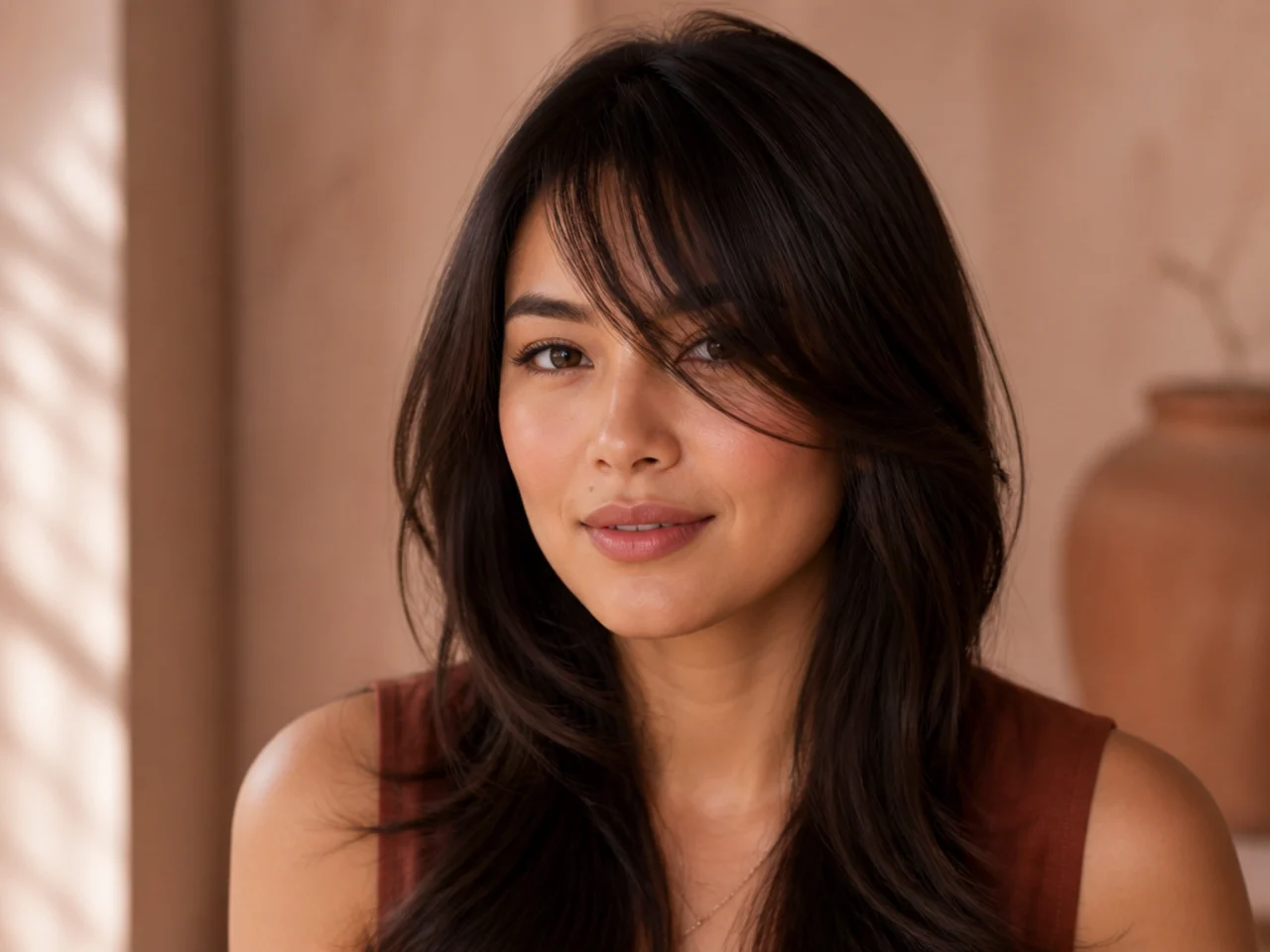
20 Curtain Bangs vs Side Bangs For Long Hair
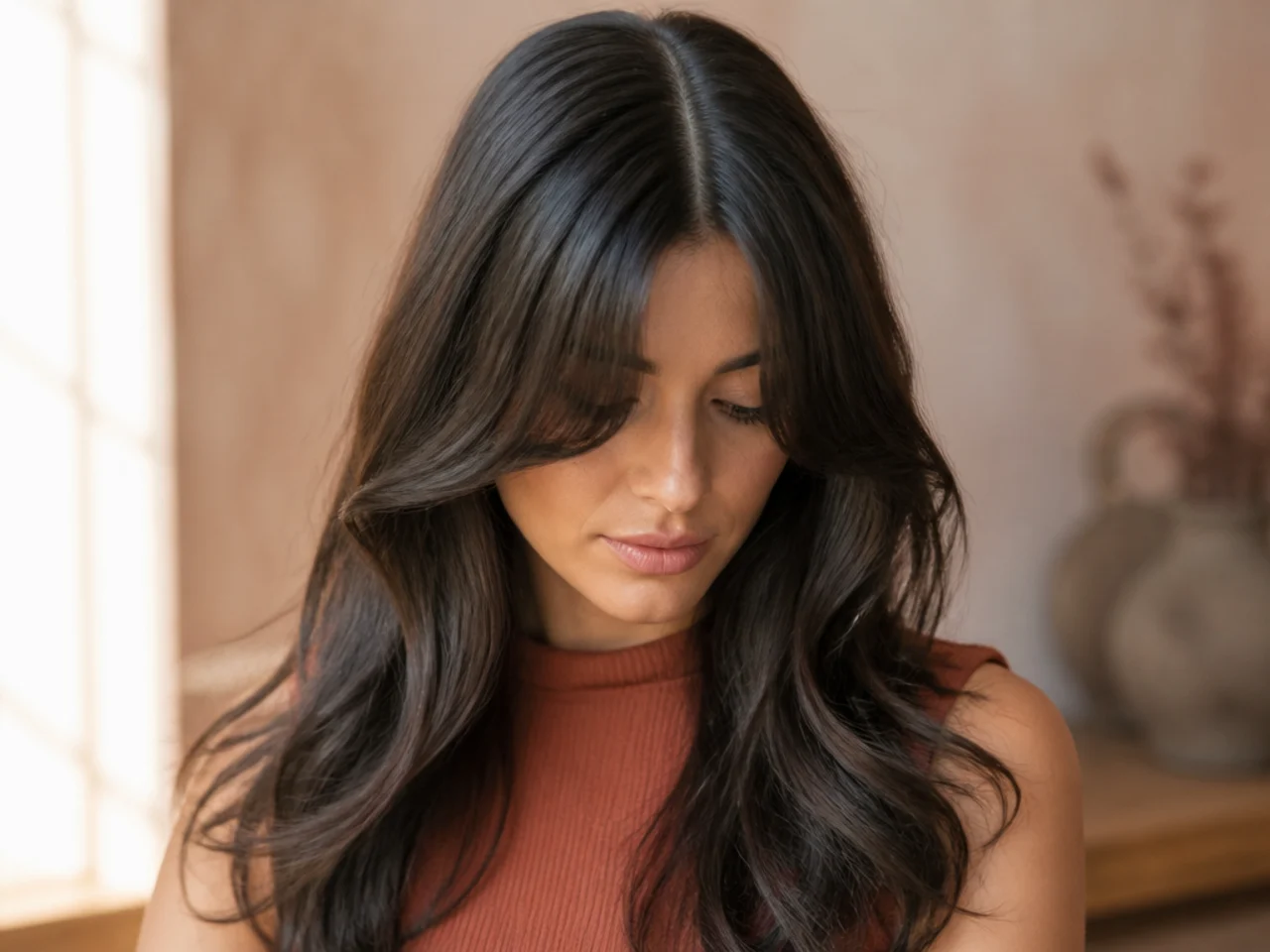
Curtain bangs split at the centre and get longer towards the sides. Side bangs travel in one direction across the forehead. That single structural difference decides which one suits a round face, a cowlick, glasses or a gym schedule.
In this article · 27
- What Separates the Two Fringes
- How to Choose Between Them
- The 20 Cases Compared
- 1. A Round Face
- 2. A Long Face
- 3. A Square Jaw
- 4. A High Forehead
- 5. A Low Hairline
- 6. Fine Hair
- 7. Thick Hair
- 8. Straight Hair
- 9. Wavy Hair
- 10. Curly Hair
- 11. A Front Cowlick
- 12. A Widows Peak
- 13. Glasses
- 14. Growing It Out
- 15. Air Drying
- 16. The Gym
- 17. Oily Skin
- 18. A Centre Part Underneath
- 19. A Deep Side Part Underneath
- 20. Week Six Regrowth
- Styling and Upkeep
- Mistakes to Avoid
- FAQ
- Final Thoughts
Most people choosing between the two fringes are comparing photographs when the difference is structural: one splits and one sweeps.
Curtain bangs are two graded halves. Shortest at the centre part, getting longer towards the temples, then blended into the face framing.
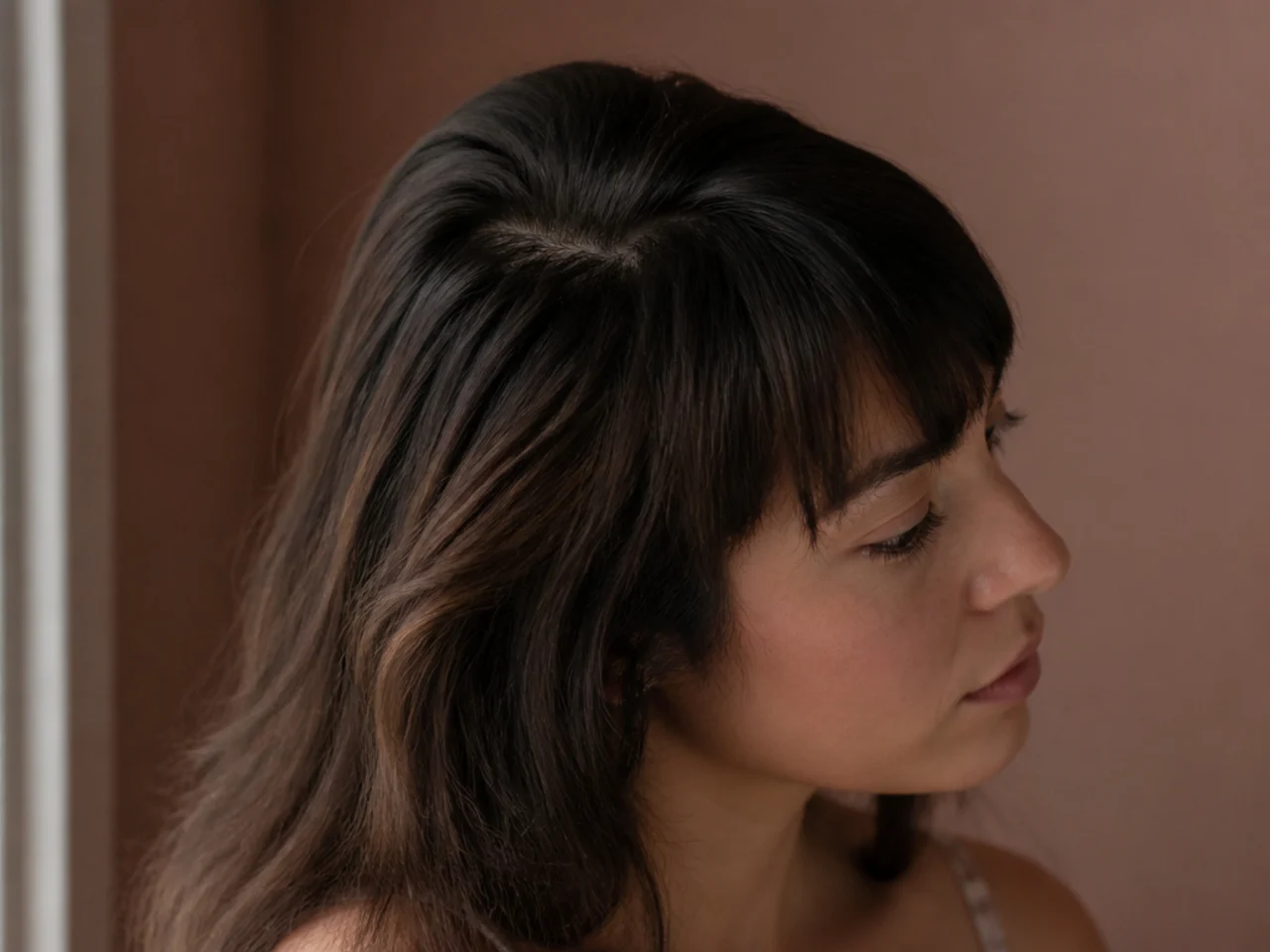
Side bangs are one mass in one direction. Cut as a single section that travels across the forehead, longest at the far side.
What Separates the Two Fringes
The parting is the whole difference. Curtain bangs need a centre split to exist. Side bangs need everything driven one way from a deep part.
They interrupt the face on different axes. Curtain bangs open a vertical strip of forehead. Side bangs lay a diagonal across it and cover it.
Density behaves the opposite way. Splitting the section halves the weight on each side. Sweeping it concentrates all of it in one place.
Curtain bangs are the more forgiving of the two. They are graded into the layers around them, so most grow out problems and most texture problems solve themselves.

How to Choose Between Them
Start with the forehead, not the face shape. Height and hairline position rule out more options than the face outline does.
Follow your existing part. A fringe fighting the parting behind it lifts at the root and will not lie down without heat.
Check where your hair already wants to go. A cowlick at the front hairline is a fixed direction, and no fringe survives being cut against it.
Count your trims. A side bang needs shortening every three to four weeks. Curtain bangs stay usable for six to eight because they were graded, not cut to a line.
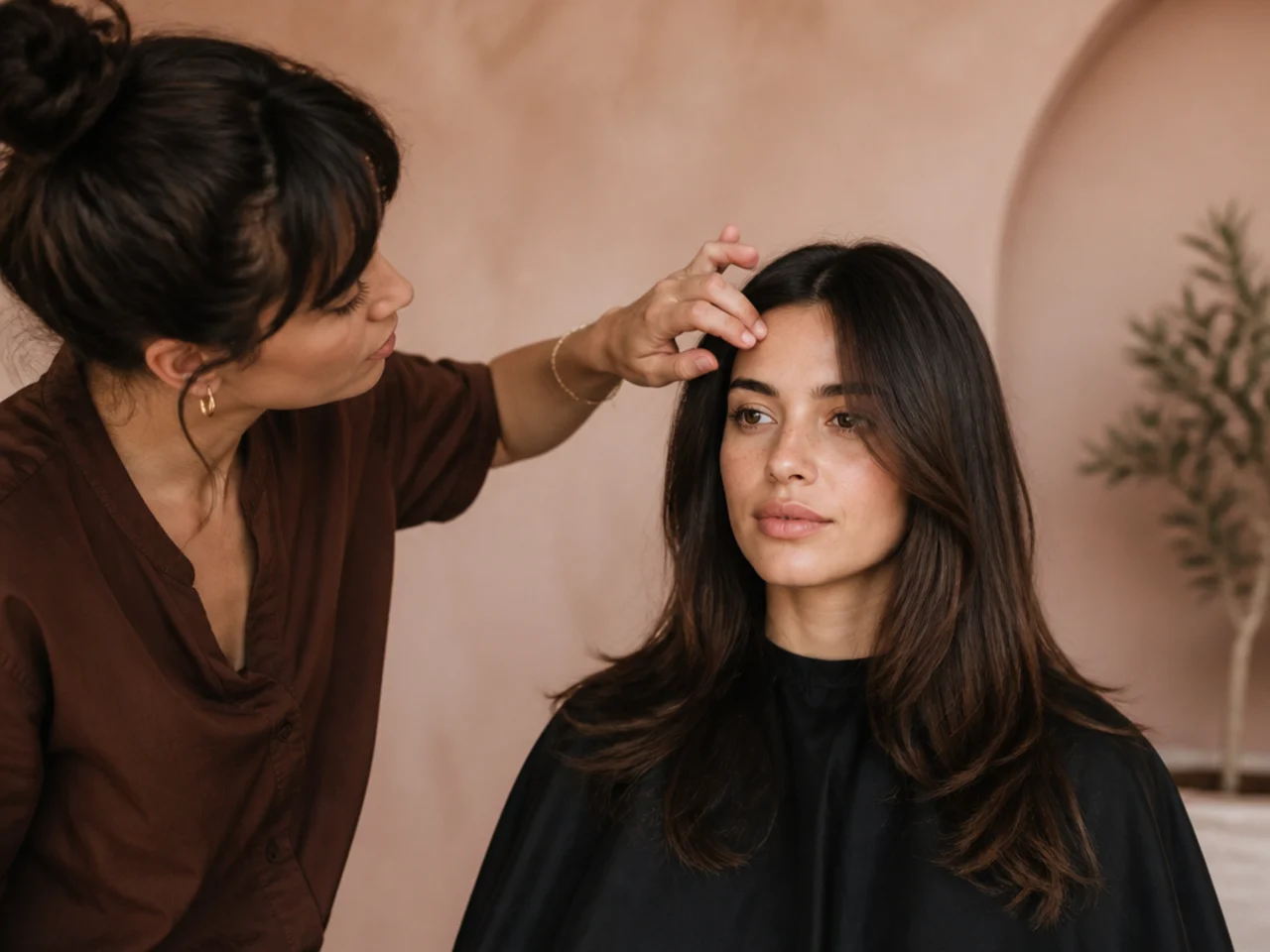
The 20 Cases Compared
1. A Round Face
Curtain bangs win. The centre split leaves a vertical strip of forehead visible and the two halves fall as diagonals along the cheeks, both of which cut across the width a round face is read by. A side bang covers that vertical strip with a horizontal mass, which is covered in more depth in side swept bangs for a round face.
2. A Long Face
Side bangs win. A single mass laid diagonally across the forehead shortens the visible vertical distance between hairline and chin, which is the dimension a long face has too much of. Curtain bangs do the reverse by opening the centre and adding to it.

3. A Square Jaw
Curtain bangs win. Their longest points land around the cheekbone and jaw, laying a curve directly over the corner of the jawline and softening it. A side bang puts all of its weight up at the forehead and leaves the jaw entirely uninterrupted.

4. A High Forehead
Side bangs win. They cover the forehead corner to corner with a single mass, and the highest point of a tall forehead is the centre, which is exactly the strip curtain bangs leave open. A curtain fringe on a high forehead has to be cut very short at the centre to compensate.
5. A Low Hairline
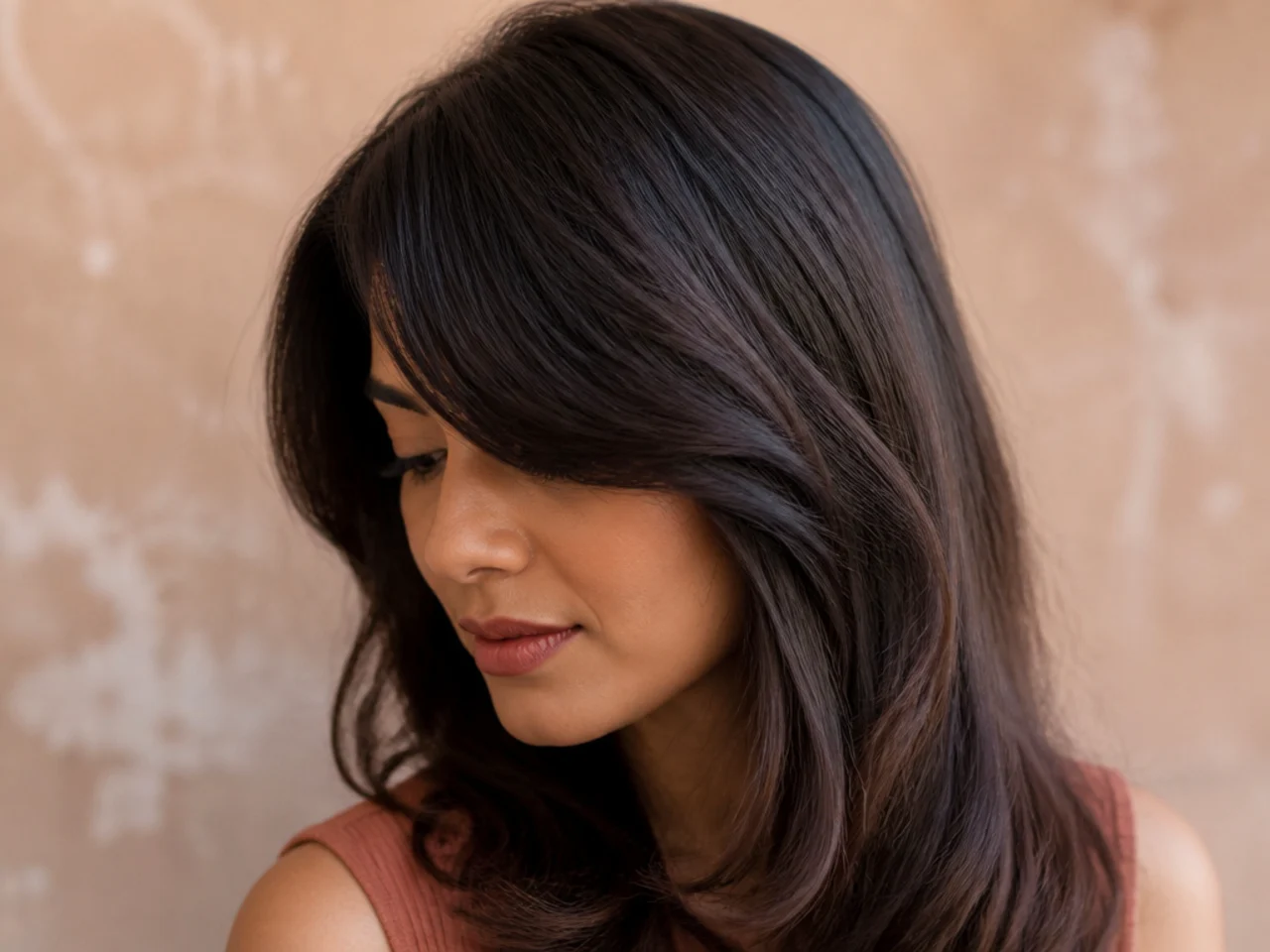
Curtain bangs win. There is very little vertical distance between a low hairline and the brows, so a side bang cut into that space is a short blunt block sitting almost on the eyebrows. Curtain bangs take their section from further back on the head, which gives them the length to reach the cheekbone.

6. Fine Hair
Side bangs win. All the fringe hair is gathered into one direction, so whatever density there is stays concentrated in a single readable mass. Curtain bangs divide the same section in two, and half of a fine fringe can be thin enough to show scalp through it.

7. Thick Hair
Curtain bangs win. Splitting the section halves the weight on each side, so each half lies down. A thick side bang gathers everything into one slab that stands away from the forehead at the root and refuses to sit flat without heat.

8. Straight Hair
Side bangs win. Straight hair holds one direction because there is no bend fighting it, and a sweep is a single instruction. Curtain bangs need two opposite curves at the ends, and straight hair holds neither of them past the first hour without heat.

9. Wavy Hair
Curtain bangs win. The bend in a wave produces the outward curve at the ends without a brush, which is the part of a curtain fringe that normally needs styling. A side bang on wavy hair lifts off the forehead wherever the wave starts, breaking the flat sweep it depends on.

10. Curly Hair
Curtain bangs win, and only if cut dry. The curl provides the outward sweep by itself, whereas a side bang asks the curl to travel sideways across its own growth direction, which it will not do for more than a few minutes.

11. A Front Cowlick
Curtain bangs win. A cowlick at the front hairline is a fixed growth direction, and a centre part can be placed directly on it so the split the hair already wants becomes the split the cut uses. A side bang has to cross it, and it lifts at that exact point every day.
12. A Widows Peak
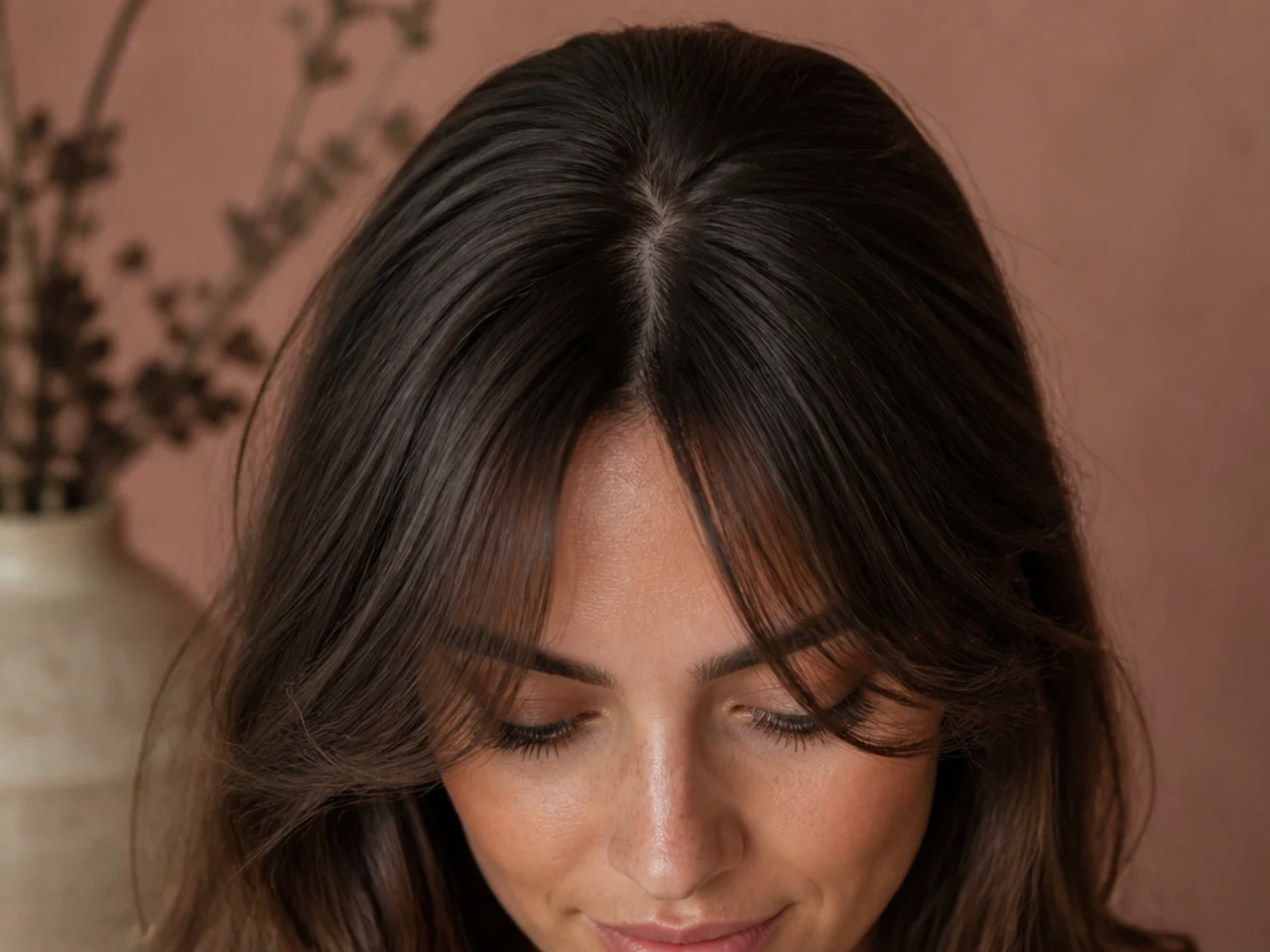
Curtain bangs win. The peak is a point at the centre of the hairline, and parting there turns it into the top of the split rather than something to be hidden. Laid across, a side bang leaves a bare triangle of forehead beside the peak where the hair does not reach.
13. Glasses
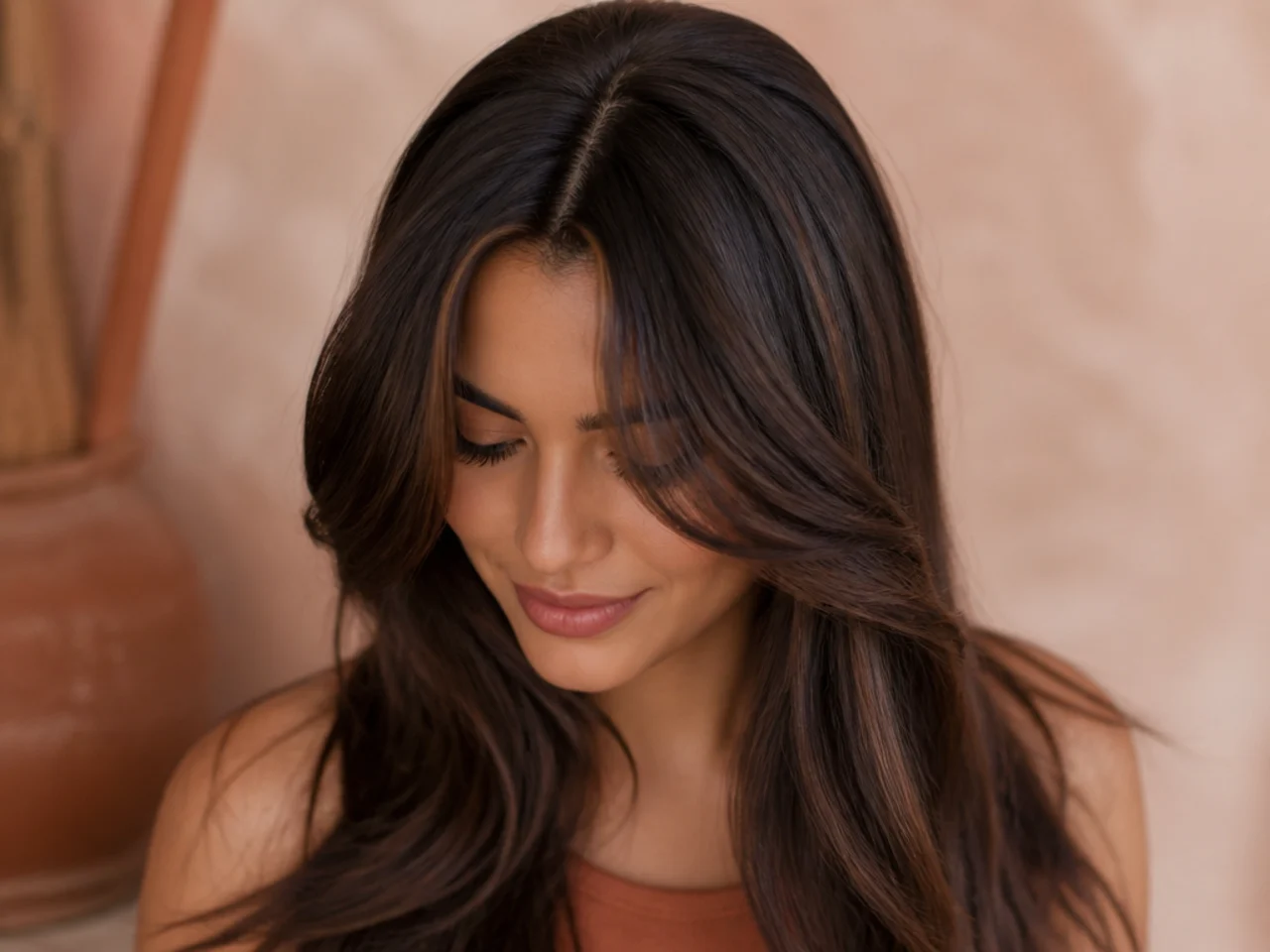
Curtain bangs win. The ends fall to the outside of the frames rather than onto them, so nothing rests on the lens. A side bang crosses the forehead at the exact height of the top of most frames and ends up sitting on top of them.

14. Growing It Out
Curtain bangs win by a wide margin. They are already graded into the face framing, so growing them out only makes the face framing longer and there is no stage where they are the wrong length. A side bang has to cross the whole forehead, and halfway out it is too long to sweep and too short to tuck.

15. Air Drying
Curtain bangs win. Their direction is set at the root by the part, and roots dry in whatever direction they were left in. A side bang has to be dried across the head against its own growth, which is a job for a brush and heat rather than time.

16. The Gym
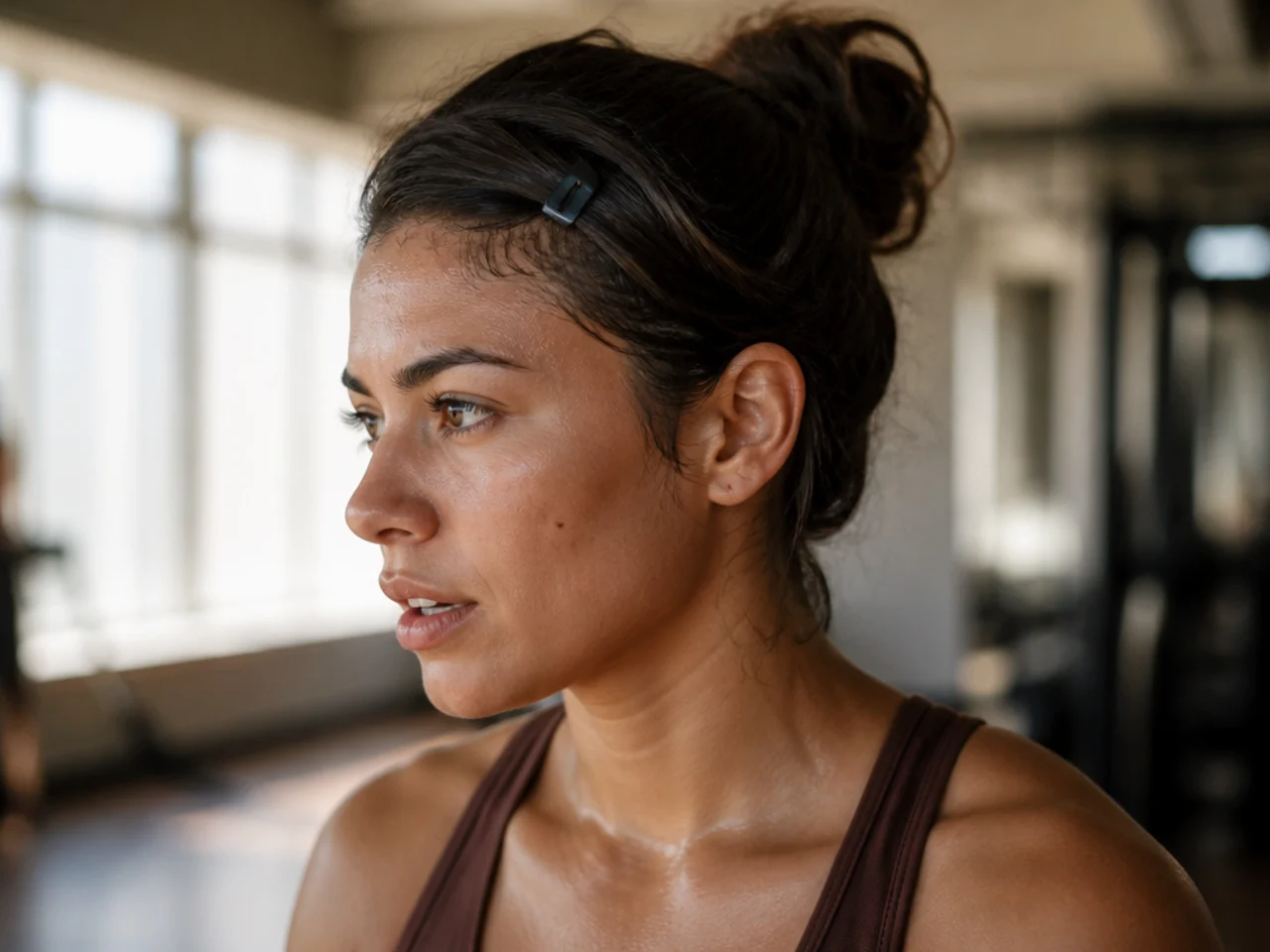
Side bangs win. Sweat separates a curtain fringe into two clumps that stick to the forehead in different directions, while a side bang is already one mass and can be pushed back and pinned in a single motion. It also comes back down as one piece rather than needing to be reset in halves.
17. Oily Skin
Curtain bangs win. Only the two shortest points at the centre make contact with the forehead, and the rest of the fringe hangs clear at the sides. A side bang lies flat across the whole forehead and picks up oil along its entire length, which is why it goes stringy by the afternoon.

18. A Centre Part Underneath
Curtain bangs win. The fringe continues the same line, so the part runs unbroken from the hairline back to the crown and the whole head reads as one deliberate shape. A side bang forces two conflicting partings within four inches of each other.
19. A Deep Side Part Underneath
Side bangs win. The fringe and the part travel the same direction, and the root lift created by pulling hair against its natural fall carries straight through into the fringe. Curtain bangs would need a centre split sitting directly on top of a part going the other way.

20. Week Six Regrowth
Curtain bangs win. Half an inch of growth moves the shortest point from the cheekbone to the jaw, where it still frames the face and simply reads as a longer fringe. A side bang half an inch longer reaches the eye and has to be cut or pinned.

Styling and Upkeep
Dry the fringe first, straight after washing. It sets its direction before the rest of the head, and once dry it will not move without water.
Set curtain bangs with the part, not with product. Root direction is what makes the two halves fall away from each other.
Give a side bang a round brush. It is travelling against its own growth, so it needs heat to hold a direction it did not choose.
Trim on different schedules. Three to four weeks for a side bang, six to eight for curtain bangs.
Keep the fringe off conditioner. Weight at the root flattens a curtain split and makes a side bang cling to the forehead.

Mistakes to Avoid
Cutting a fringe against a cowlick. The growth direction does not change, and the fringe lifts in the same spot every day.
Taking a curtain fringe section too narrow. It has to reach the temples to grade into the face framing, or it sits as an isolated tuft.
Cutting either fringe wet. It dries shorter, and a fringe has less room for error than any other section on the head.
Using one part for the fringe and another for the length. The two fight each other and the root lift shows.
Choosing by photograph rather than forehead. Height and hairline position rule out more options than the face outline does.
FAQ
Round face? Curtain bangs, for the open centre and the diagonals.
Fine hair? Side bangs, because splitting halves the density.
Easier to grow out? Curtain bangs, since they are already graded into the layers.

Final Thoughts
Decide on the forehead and the parting before the face shape. Those two facts eliminate one of the fringes in most cases, and the photograph you liked is usually just an example of whichever one your hairline already wanted.
For the fringe on its own see curtain bangs on long hair, and for the closest competing shape see french vs curtain bangs. More in Bangs and Fringe.