15 Curly vs Wavy Hair Boy Ideas Compared
Wave and curl fail in opposite directions, which is why the same advice ruins one and rescues the other. A boy's waves go flat and his curls go frizzy, and almost every decision below follows from that split.
In this article · 22
- Wave and Curl Fail in Opposite Directions
- How to Choose Yours
- The 15 Comparisons
- 1. Telling Them Apart
- 2. Shrinkage
- 3. Cut Length
- 4. Wet or Dry Cutting
- 5. Layering
- 6. Product Weight
- 7. Where the Pattern Starts
- 8. Width at the Sides
- 9. Detangling
- 10. What Sleep Does
- 11. Appointment Cadence
- 12. Fringe Behaviour
- 13. Humidity
- 14. Fades and Tapers
- 15. What Changes as He Grows
- Styling and Upkeep
- Mistakes to Avoid
- FAQ
- Final Thoughts
Parents are given one set of curly hair advice and expected to apply it to any child whose hair is not straight. On a wavy-haired boy, most of it actively makes things worse.
They fail in opposite directions. A wave that goes wrong goes flat, and a curl that goes wrong goes frizzy, so the fixes point in opposite directions too.
Weight is the dividing line. Waves need weight to form and curls need weight removed to spring, which changes the cut, the product and the length all at once.
Wave and Curl Fail in Opposite Directions
Wave fails flat, curl fails frizzy. That single difference explains why the same product helps one and ruins the other.
Shrinkage is not comparable. Wavy hair loses a little length as it dries and curly hair loses about a third, so a level cut behaves differently on each.
Weight helps a wave and hurts a curl. Layers that free a curl to spring will pull a wave out of shape entirely.
Both fail if brushed dry. This is the one rule that genuinely applies to both, because brushing separates the clumps in either pattern.
How to Choose Yours
Identify the pattern on clean, air-dried hair. Product and towel drying disguise both, so judge it after a plain wash and no handling.
Check whether length is helping or hurting. Waves usually improve with length and curls often improve with less of it.
Watch the failure mode, not the good days. Whichever way it goes wrong tells you which set of rules applies.
Expect a mix. Plenty of boys have waves at the hairline and curls at the crown, and each zone needs its own approach.
The 15 Comparisons
1. Telling Them Apart
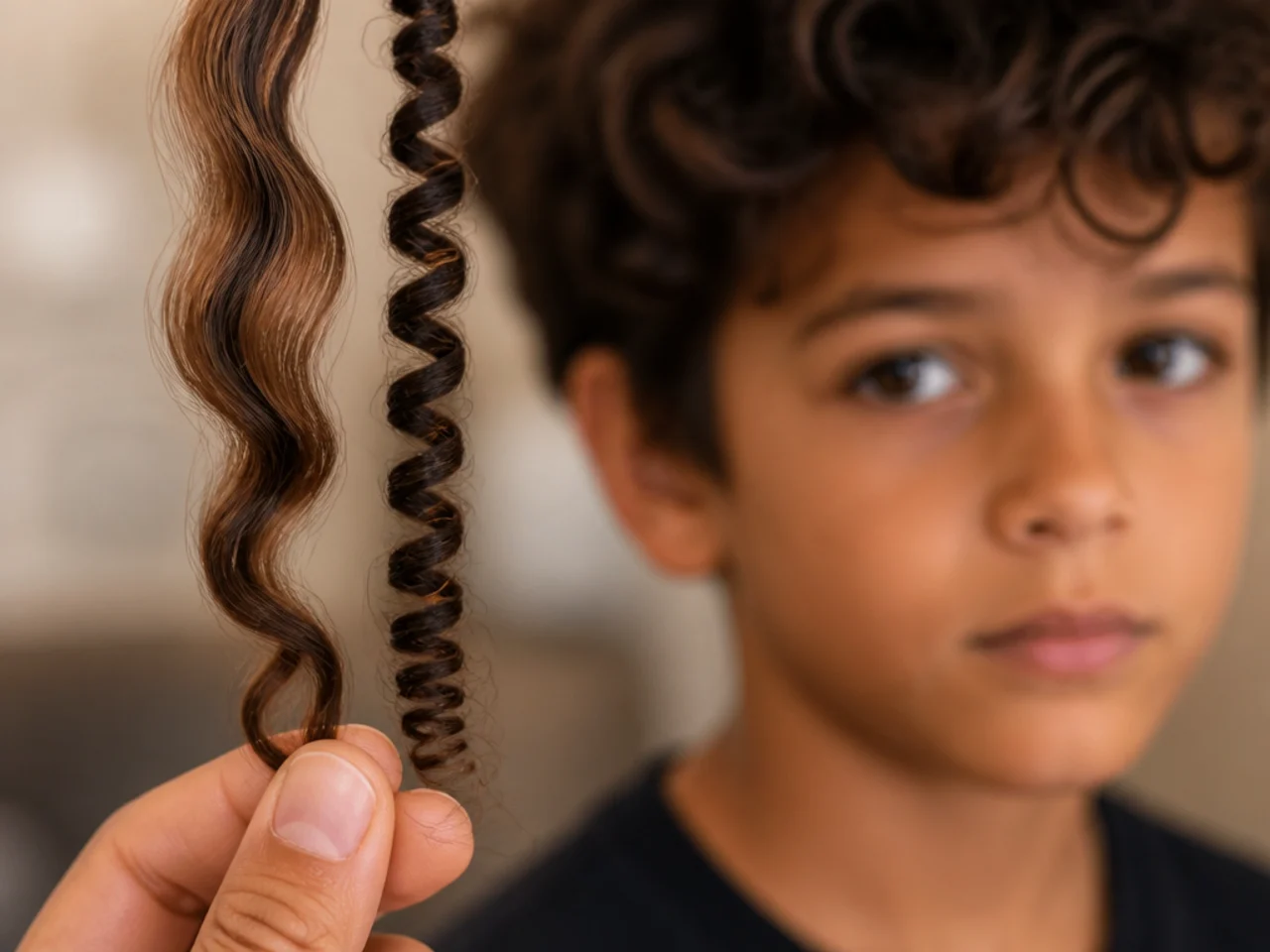
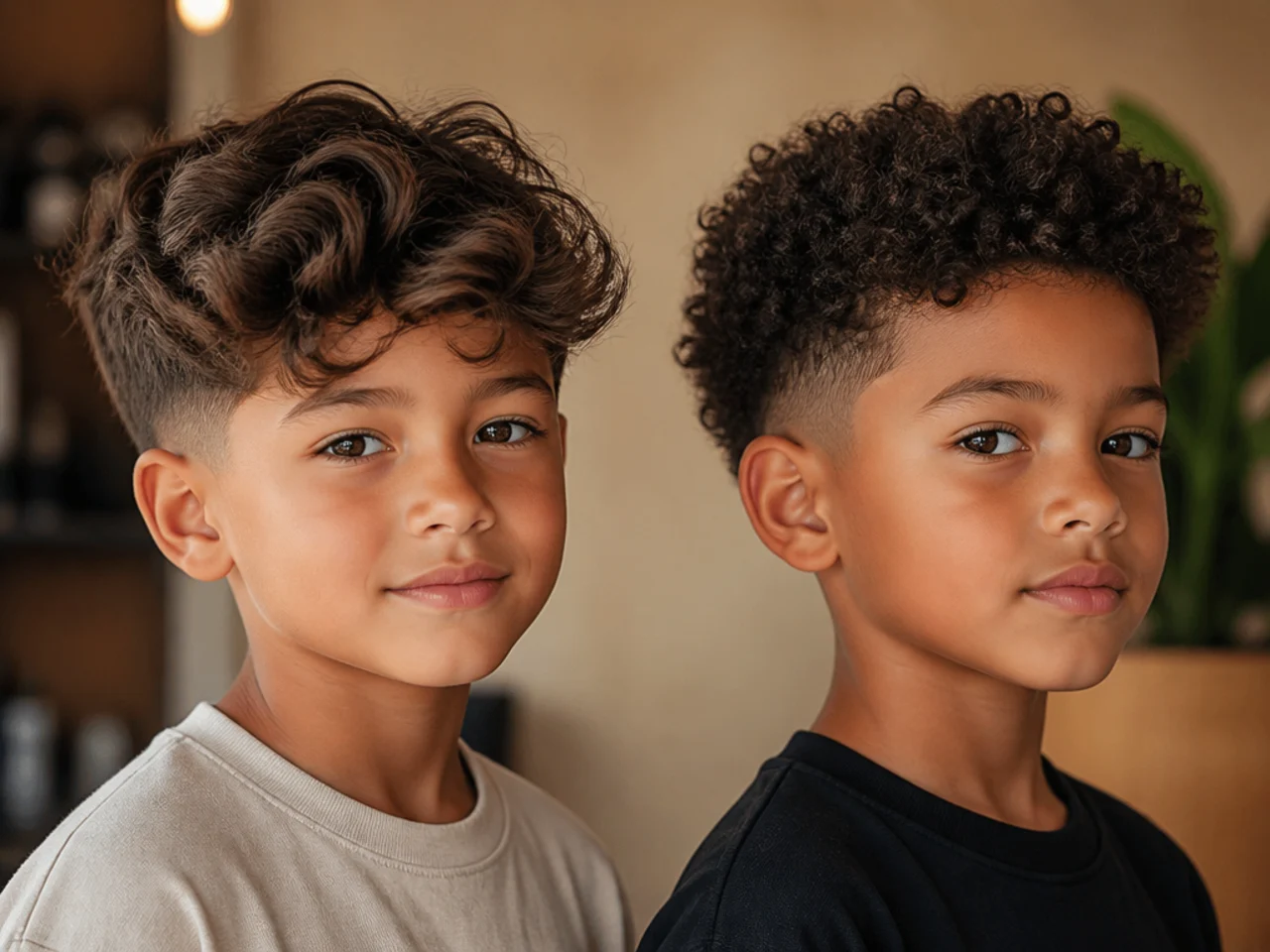
A wave bends in an S along a flat strand and a curl wraps into a spiral. Judge it on clean hair that has air-dried untouched, because towel drying flattens waves and frizzes curls into looking like each other.
2. Shrinkage
Wavy hair loses a little length as it dries and curly hair loses roughly a third. That gap is why a barber can safely cut a wavy head wet and will overshoot badly doing the same on curls.
3. Cut Length
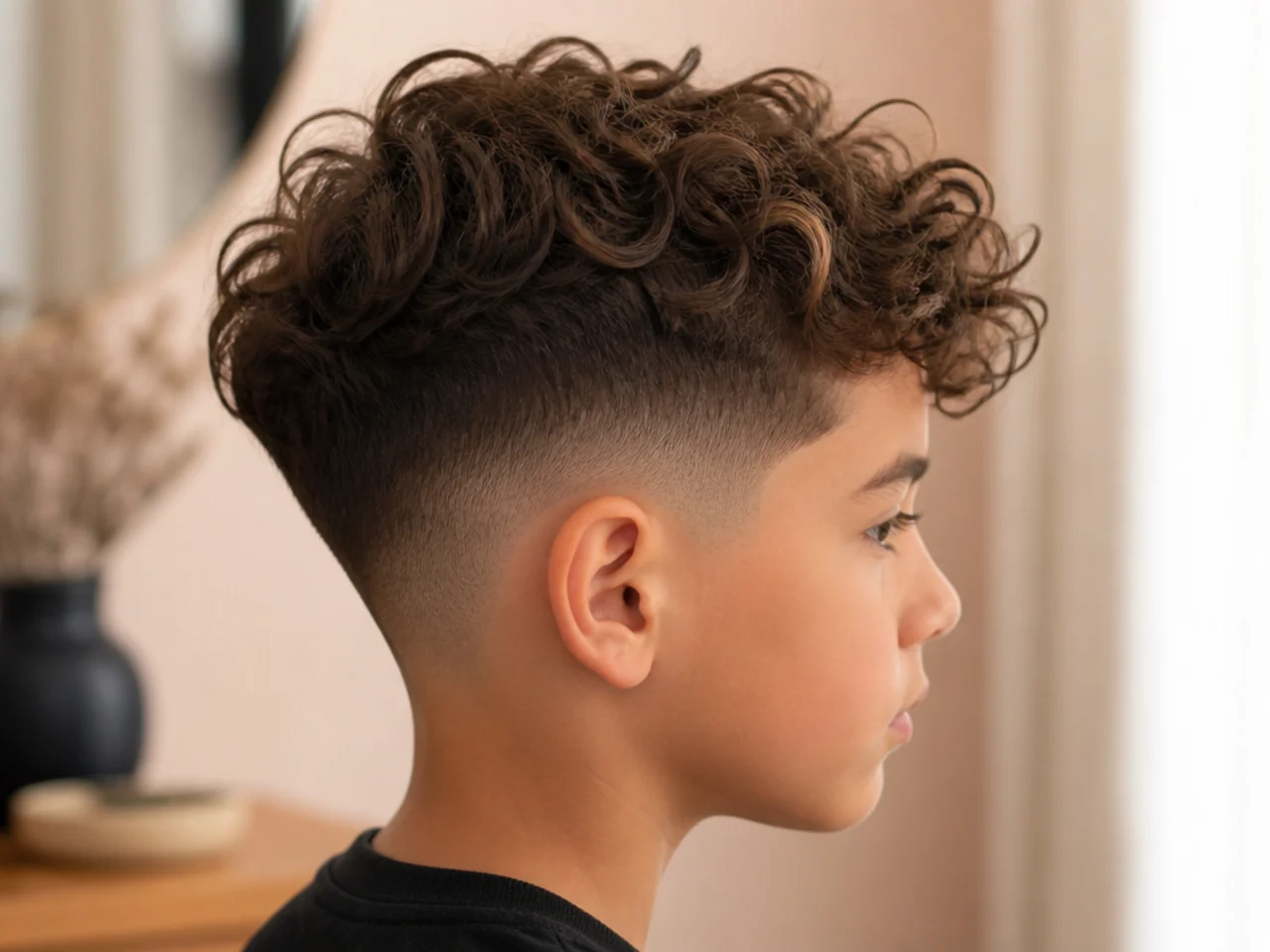
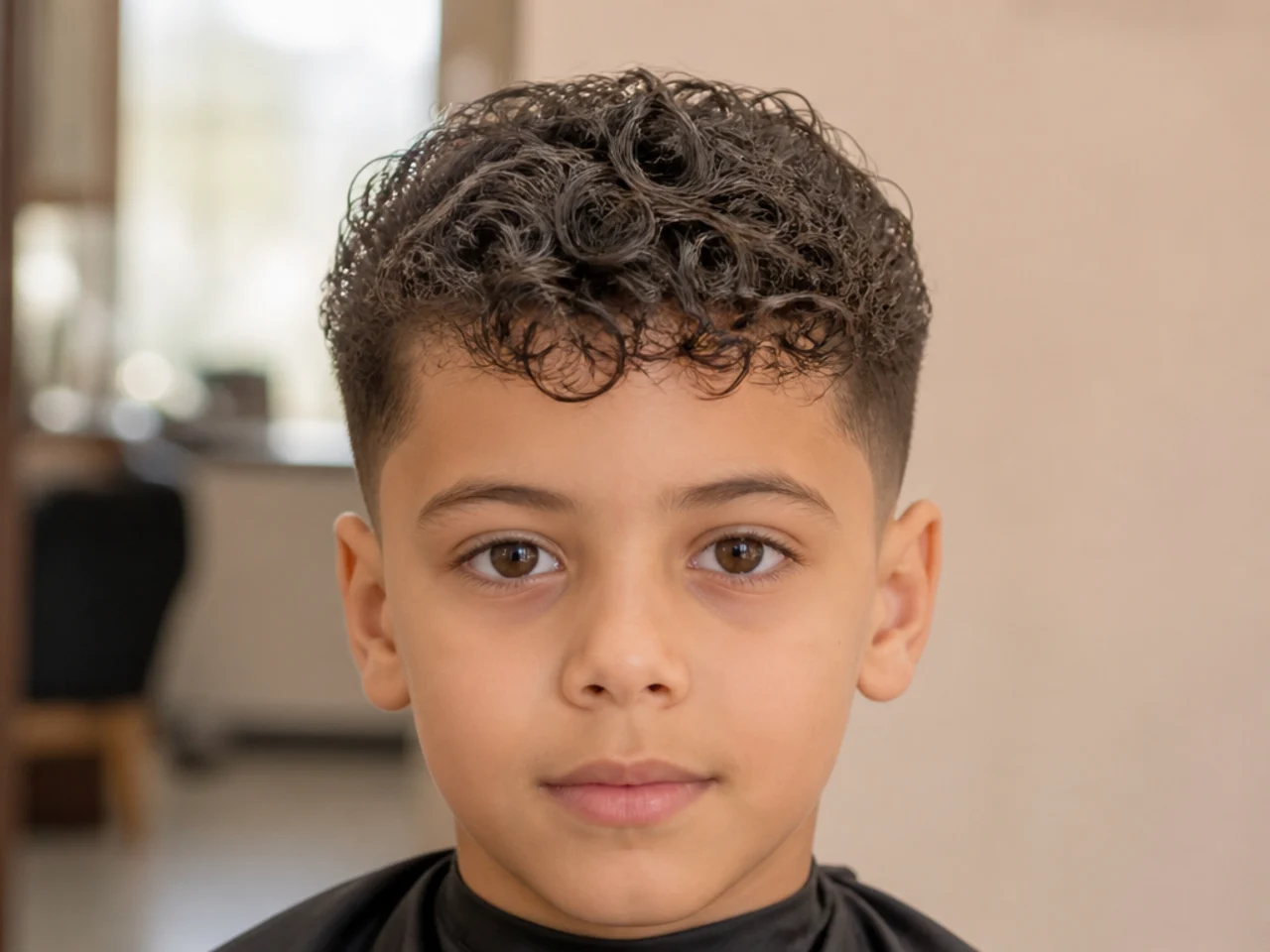
Waves need length before any pattern appears, so cutting a wavy boy short usually erases the texture. Curls show their pattern at any length, which is why short works so much better on them.

4. Wet or Dry Cutting
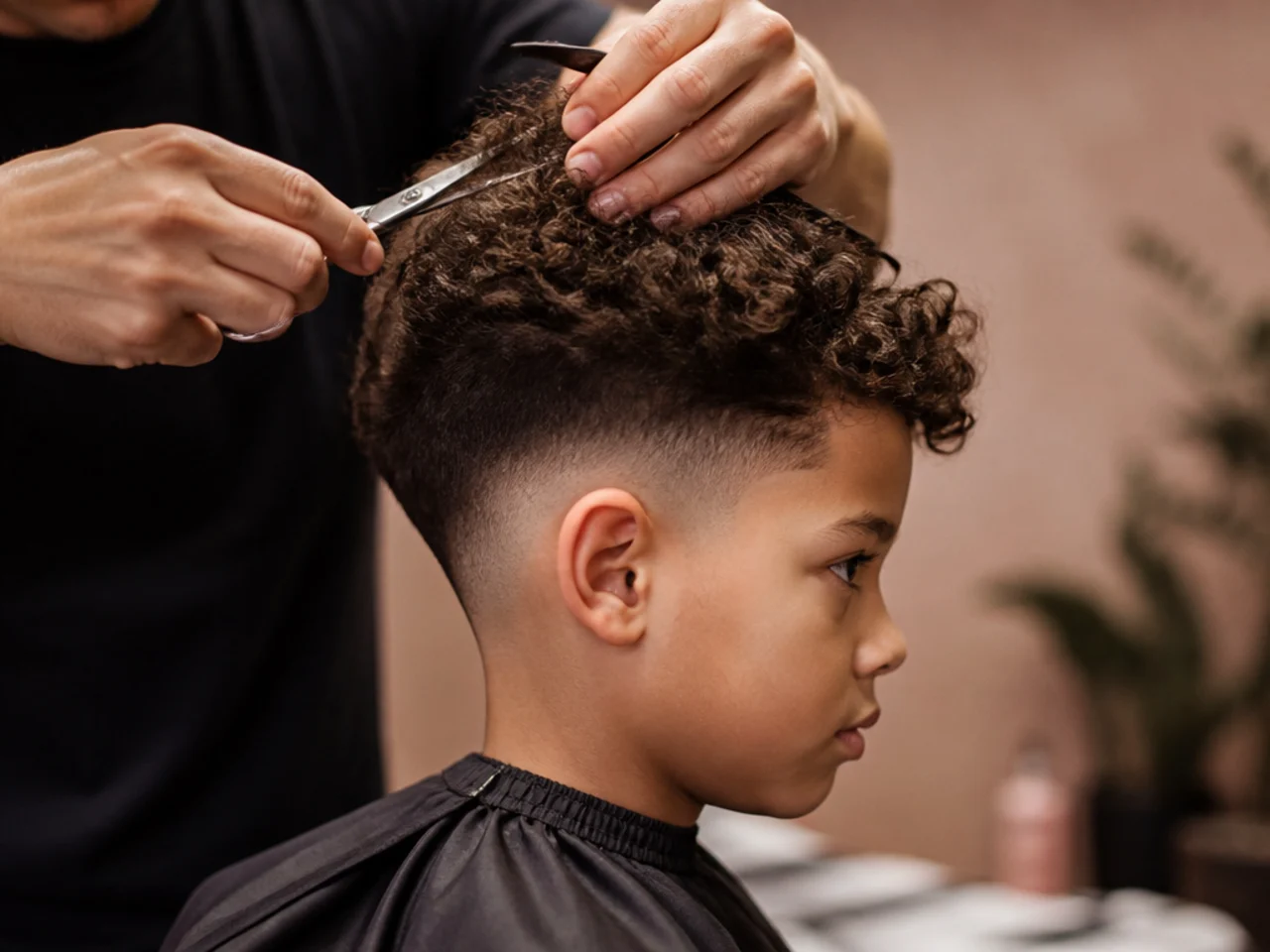
Curls should be cut dry whenever the pattern matters, because that is the only state in which their true length is visible. Waves can be cut wet without much risk, since they barely draw up.
5. Layering
Curls want interior weight removed so they can spring upward. Waves want weight left in, because layering removes the mass that was holding the S shape open.
6. Product Weight
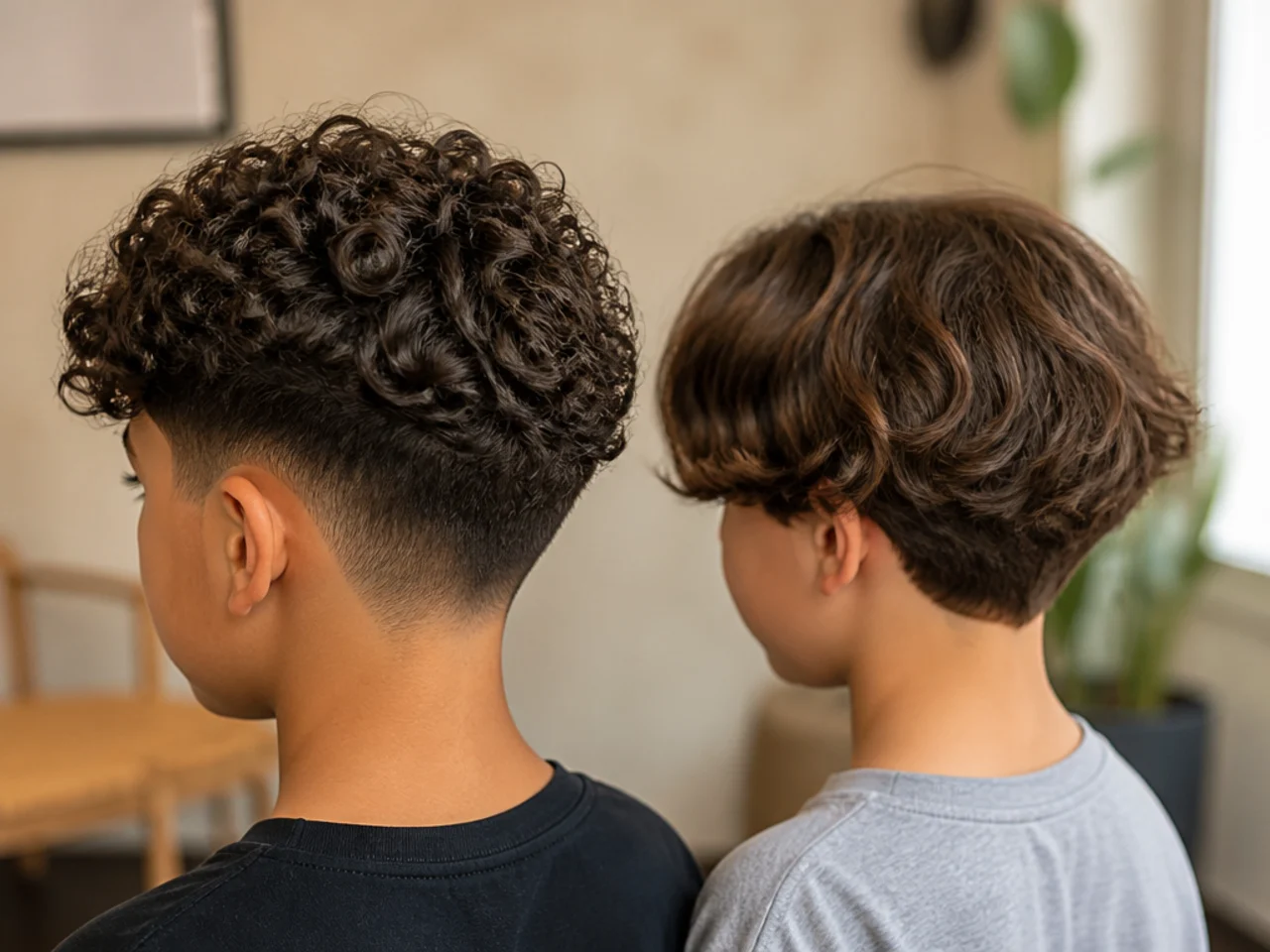
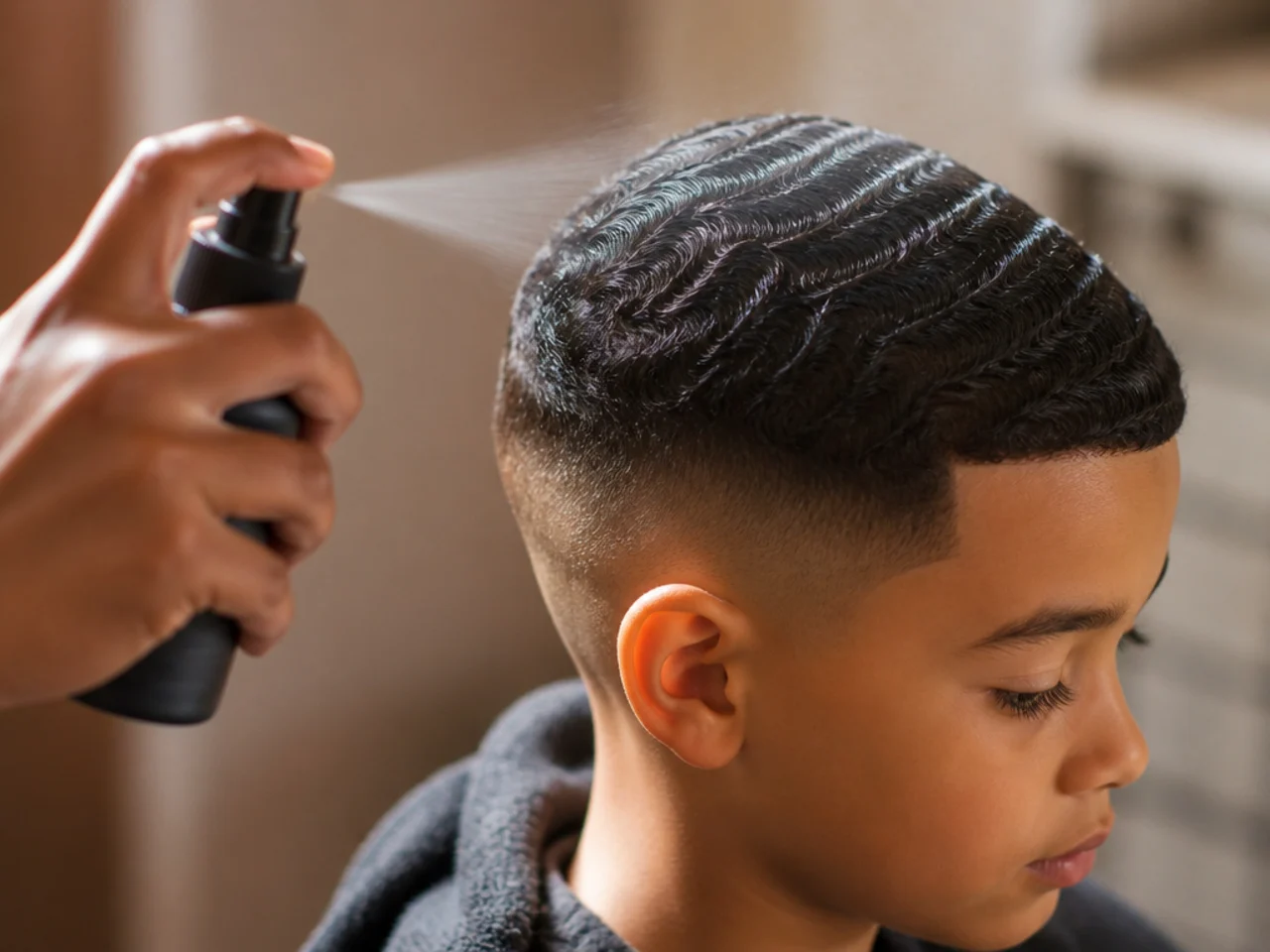
A wave collapses under a cream that a curl barely registers. Most wavy-haired boys need nothing at all, and most curly-haired boys need one pea of something light — a wave routine is built around using less, not more.
7. Where the Pattern Starts
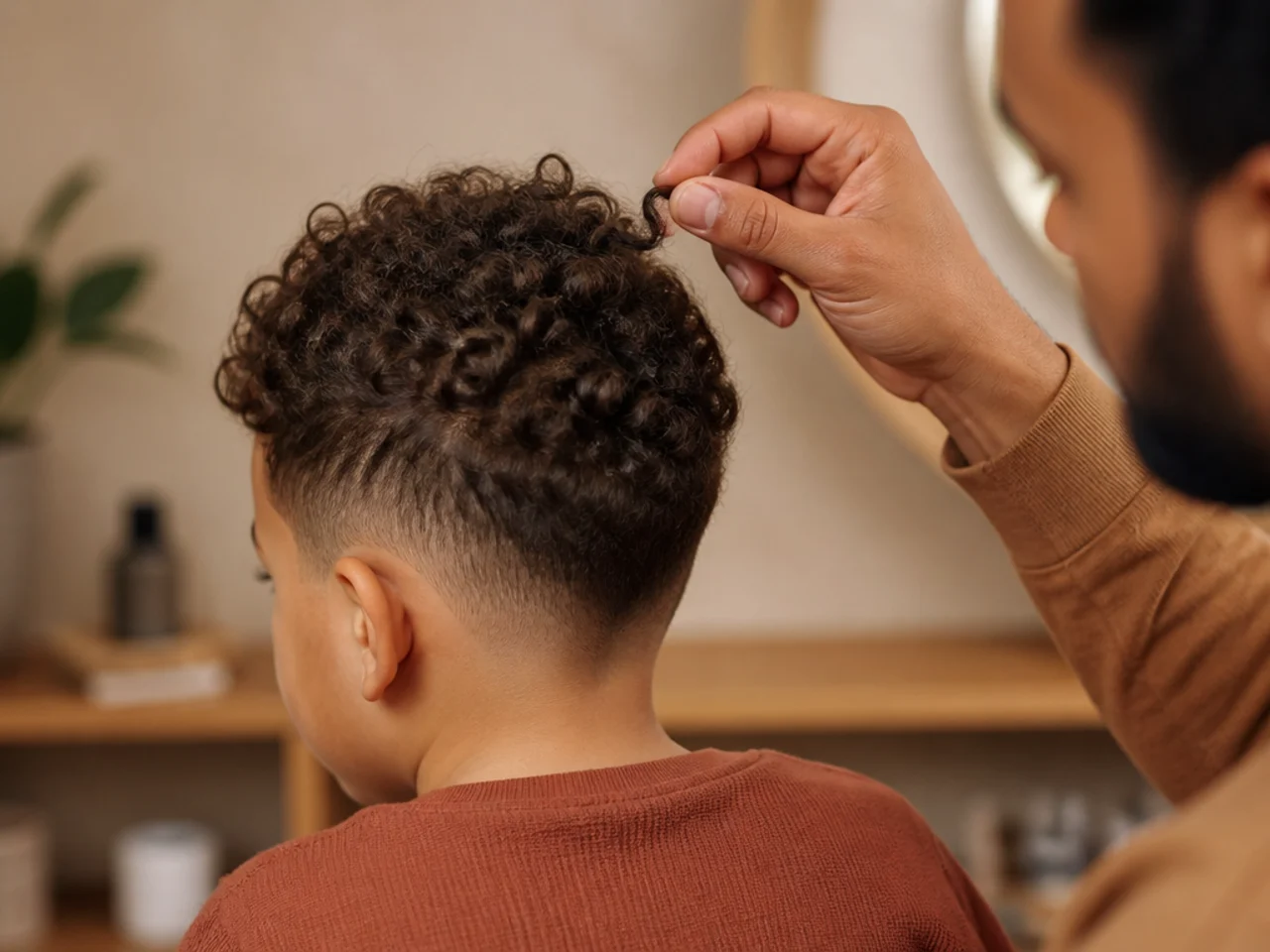
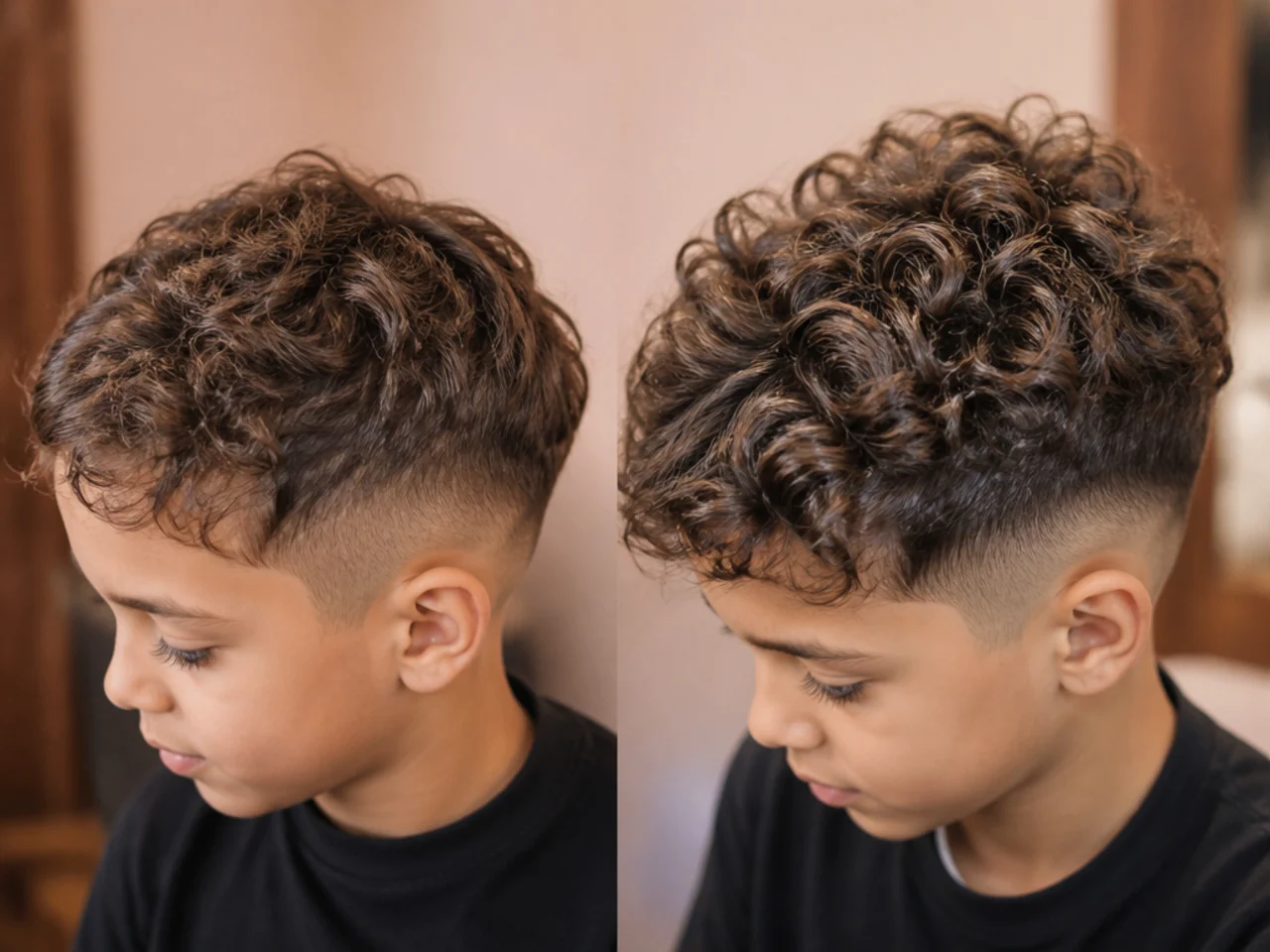
Curl usually begins within a centimetre or two of the scalp, and wave often does not appear until halfway down the strand. That is why a wavy boy can look straight at the roots and textured at the ends.
8. Width at the Sides
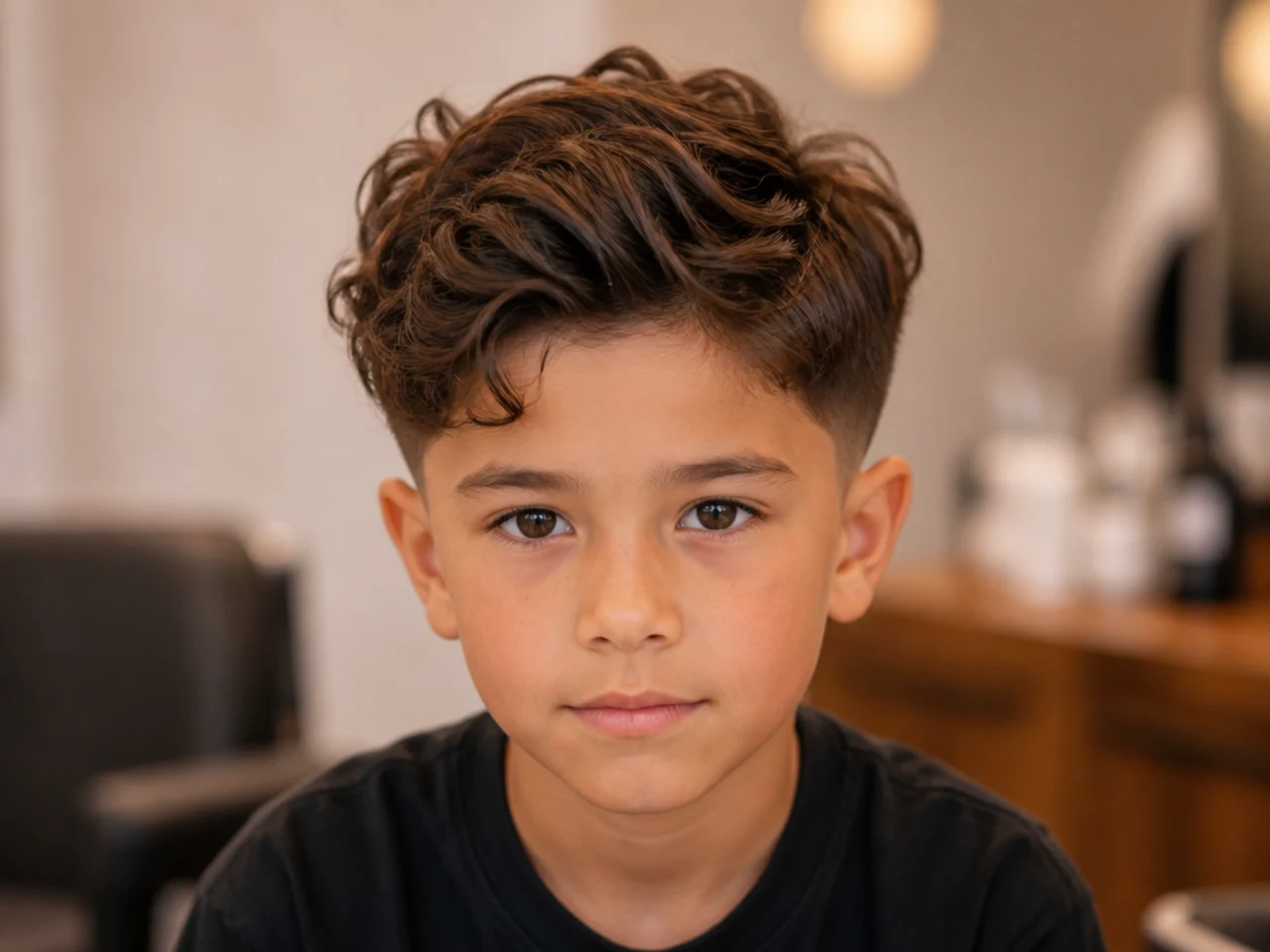
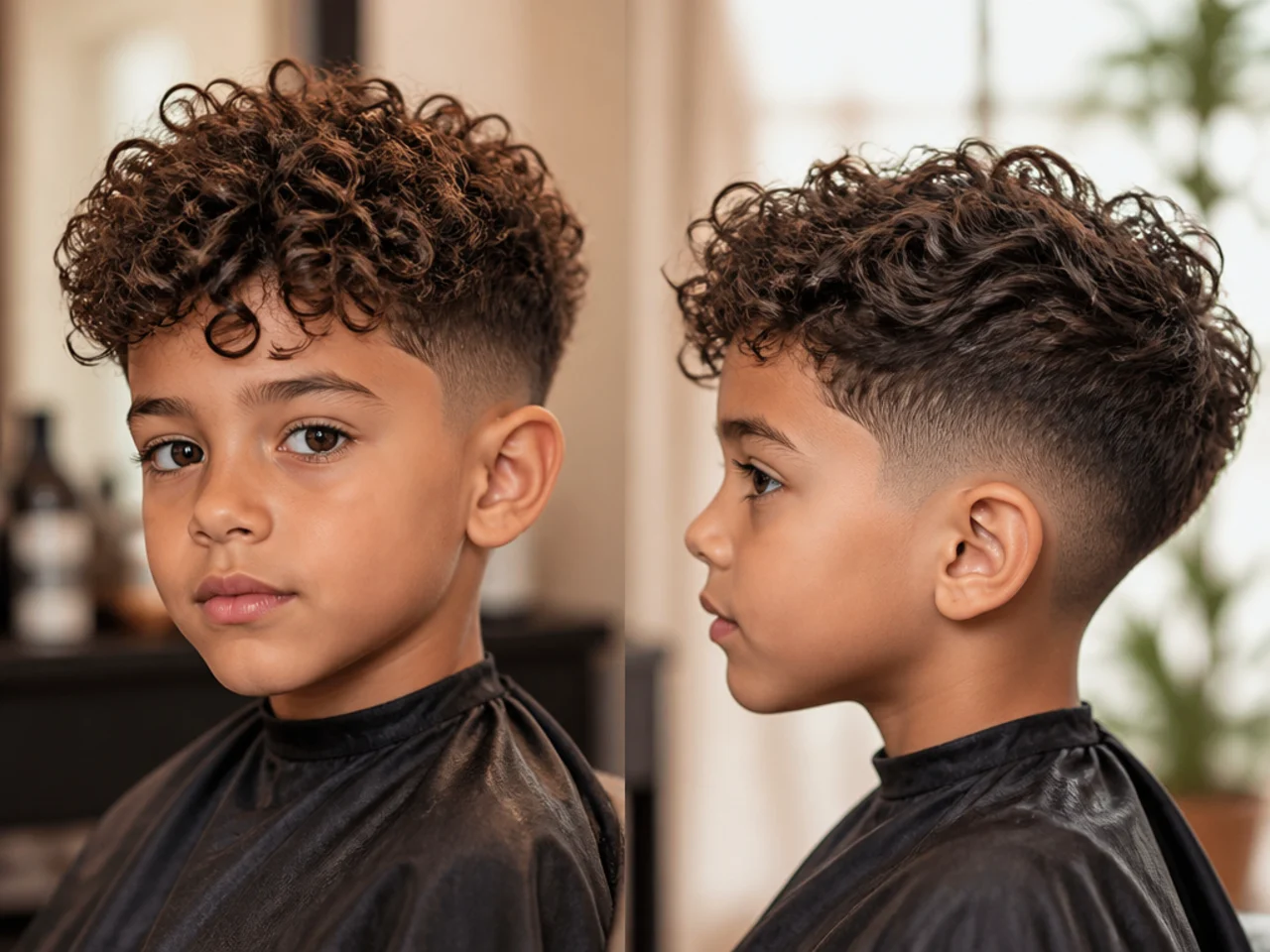
Curl pushes outward at ear level and needs narrowing there. Wave lies closer to the head, so the same narrowing simply removes the volume the wave was relying on.
9. Detangling
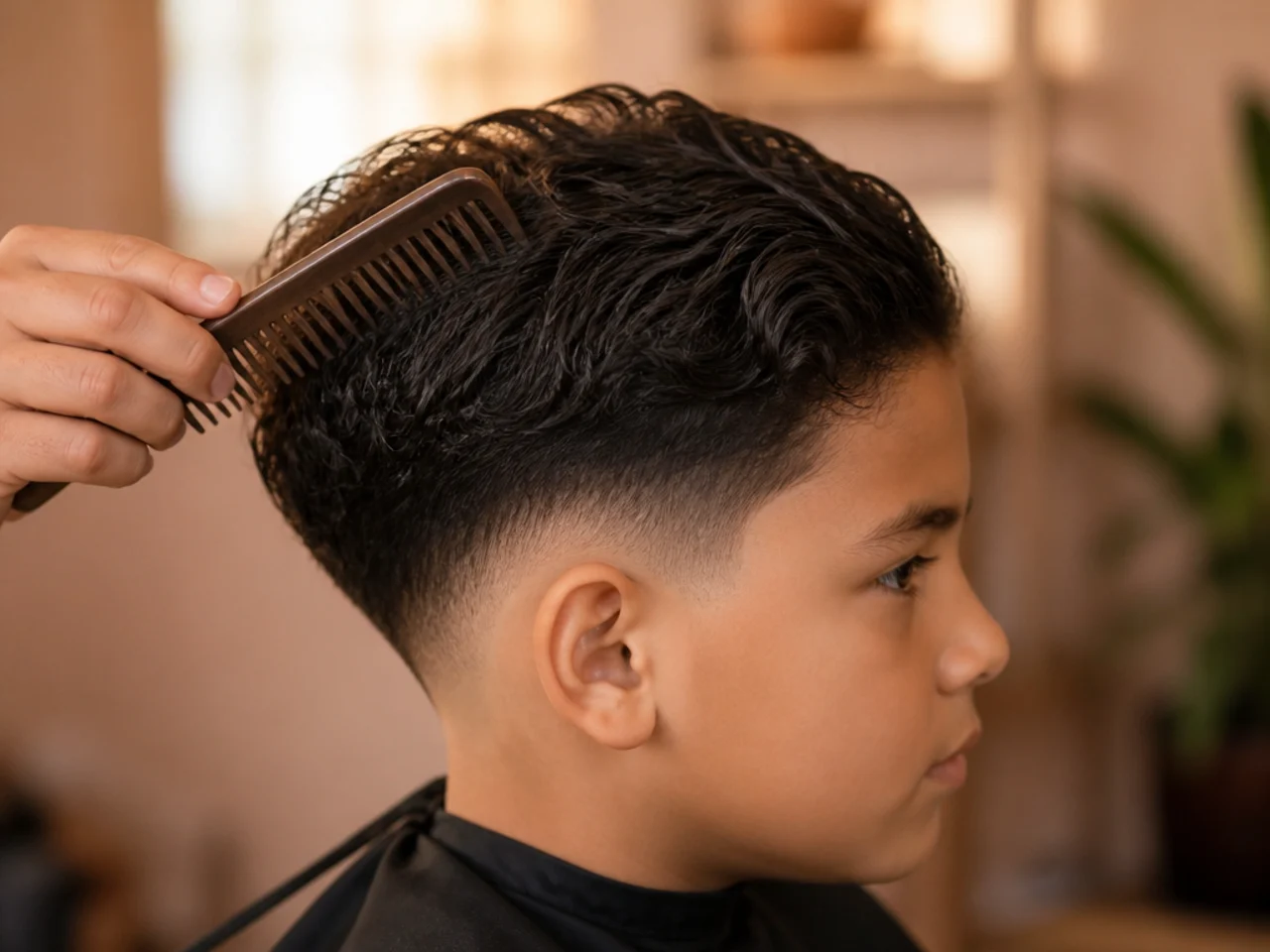
Curls interlock and need conditioner and finger detangling from the ends up. Waves tangle far less and can usually be handled with a wide-tooth comb in a fraction of the time.
10. What Sleep Does
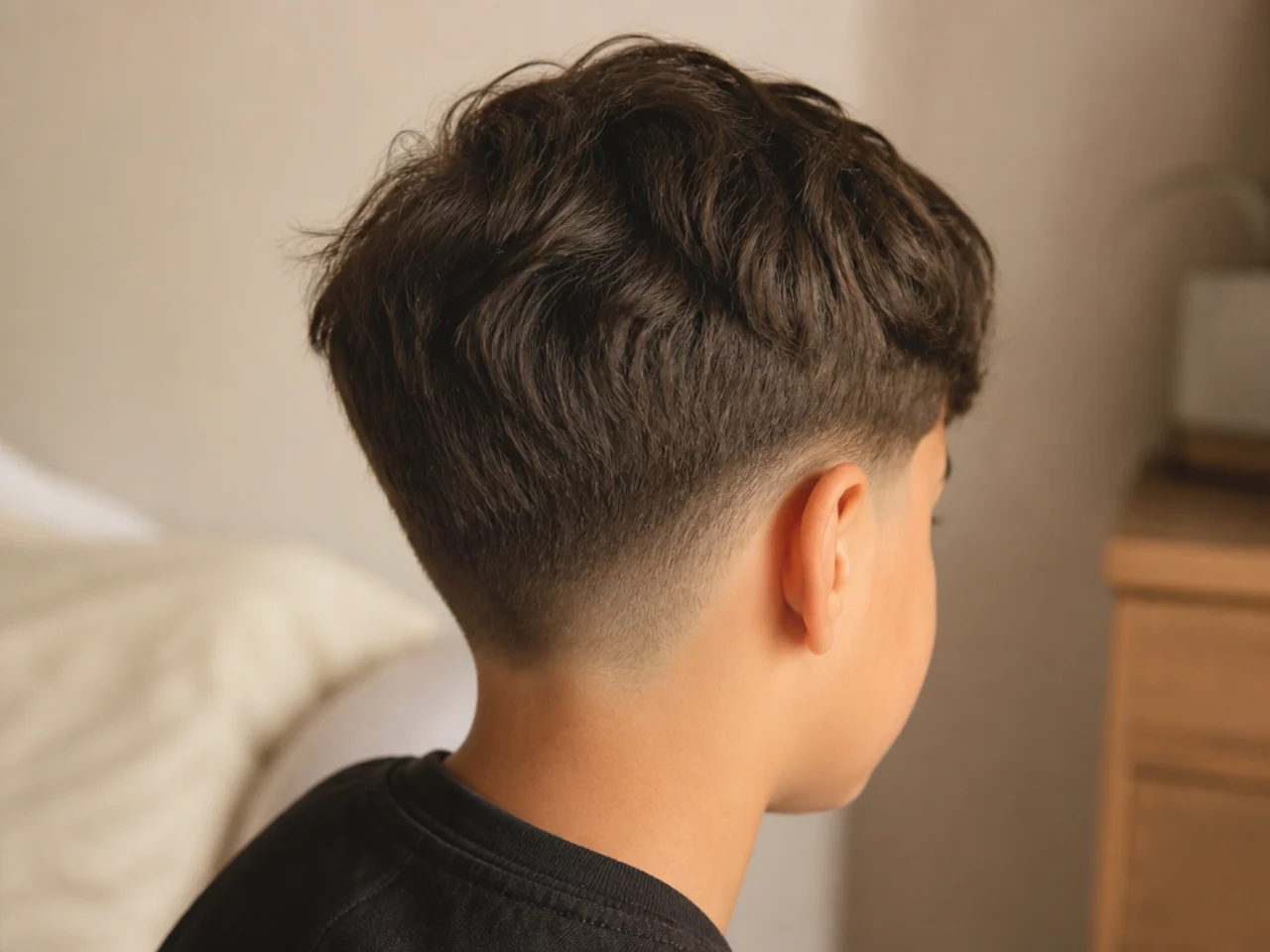
Curls mat at the nape from friction and waves simply flatten. Both are helped by a satin pillowcase, but only the curly head risks a pad that has to be cut out.
11. Appointment Cadence
Curls hide growth because the pattern shortens the visible length, so six to eight weeks is realistic. Waves show growth plainly and usually need cutting closer to every five or six.
12. Fringe Behaviour
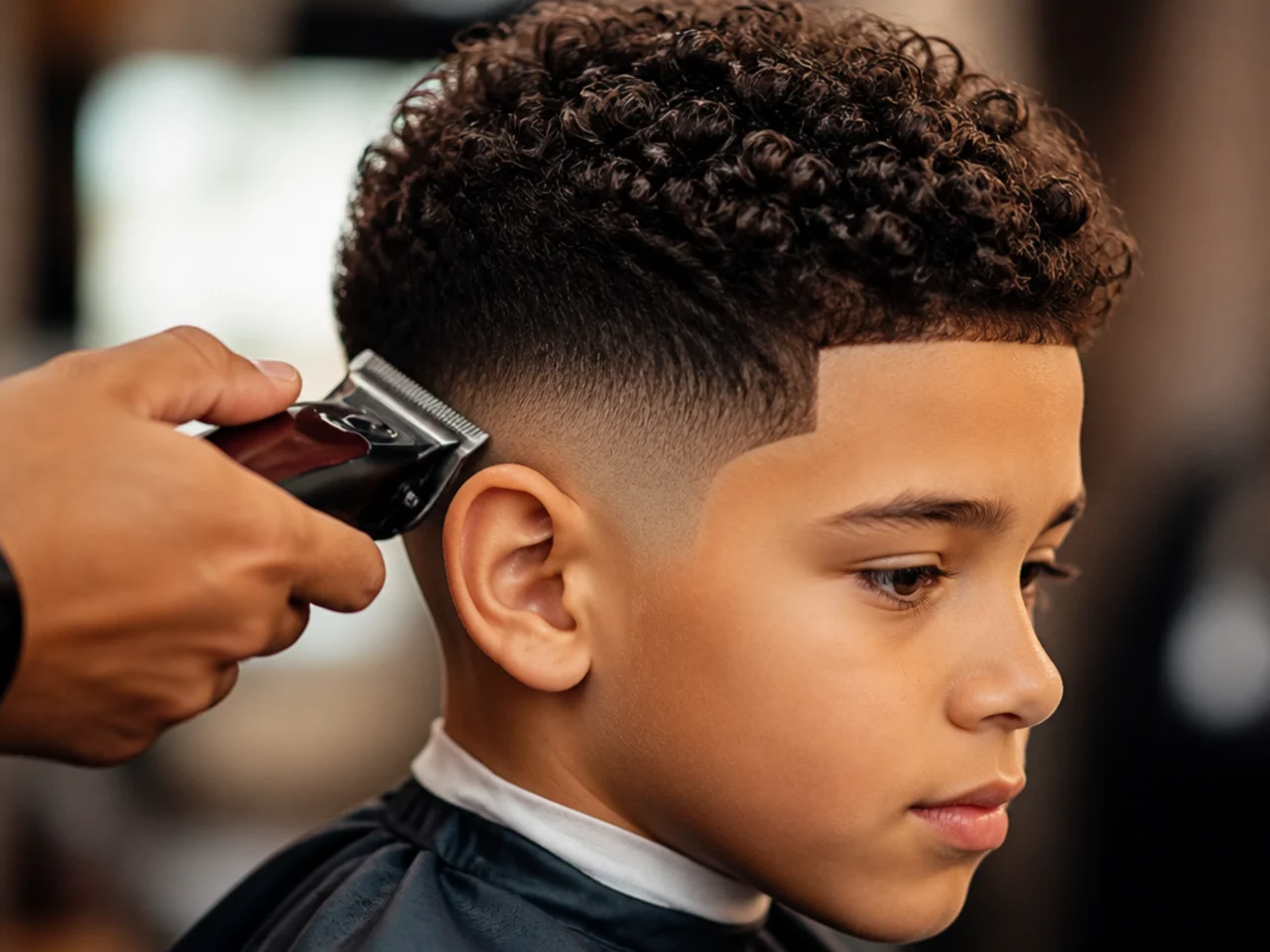
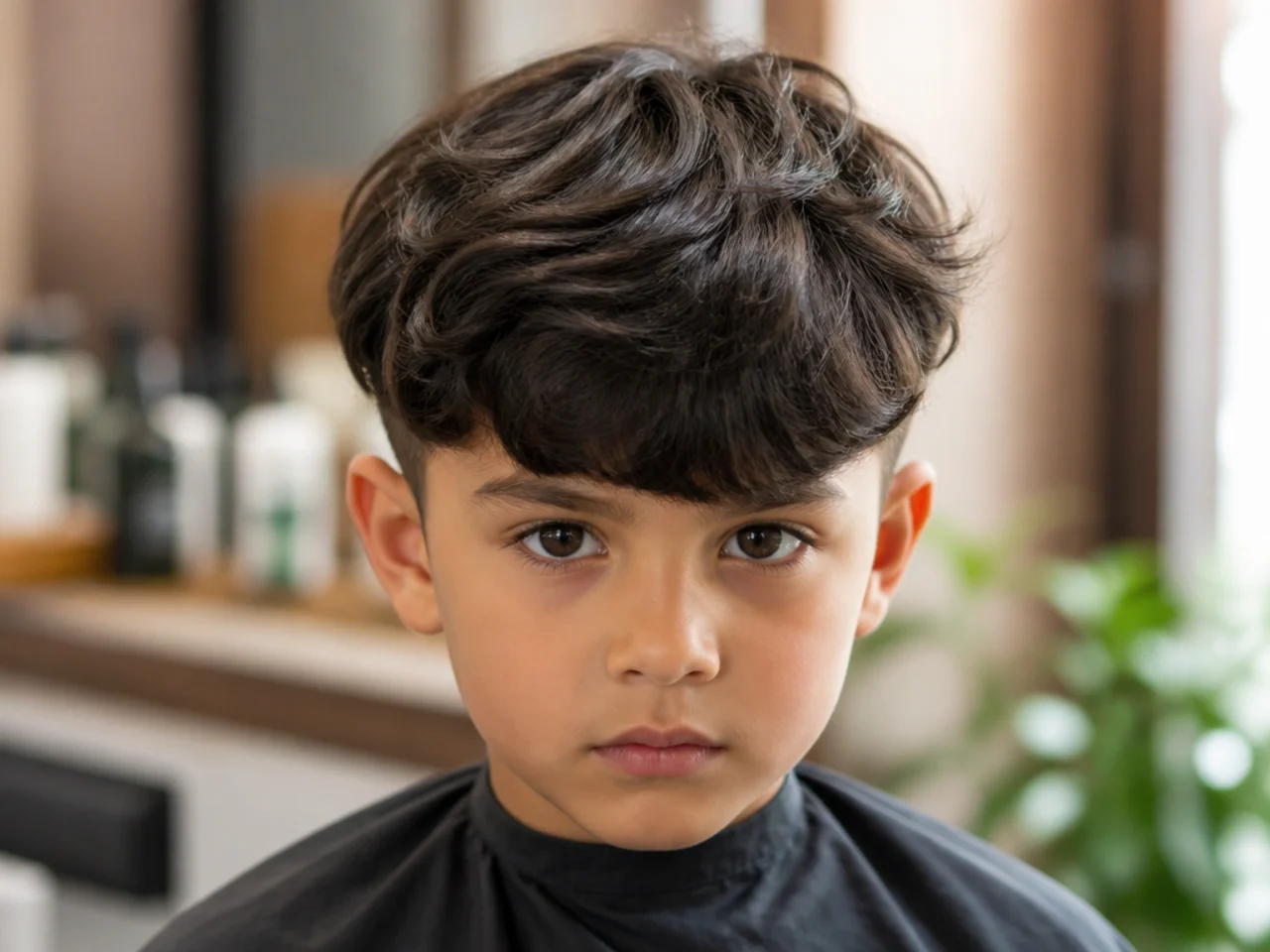
A curly fringe dries uneven because each curl draws up by a different amount, so it should never be cut straight across. A wavy fringe holds a line reasonably well and can be cut conventionally.
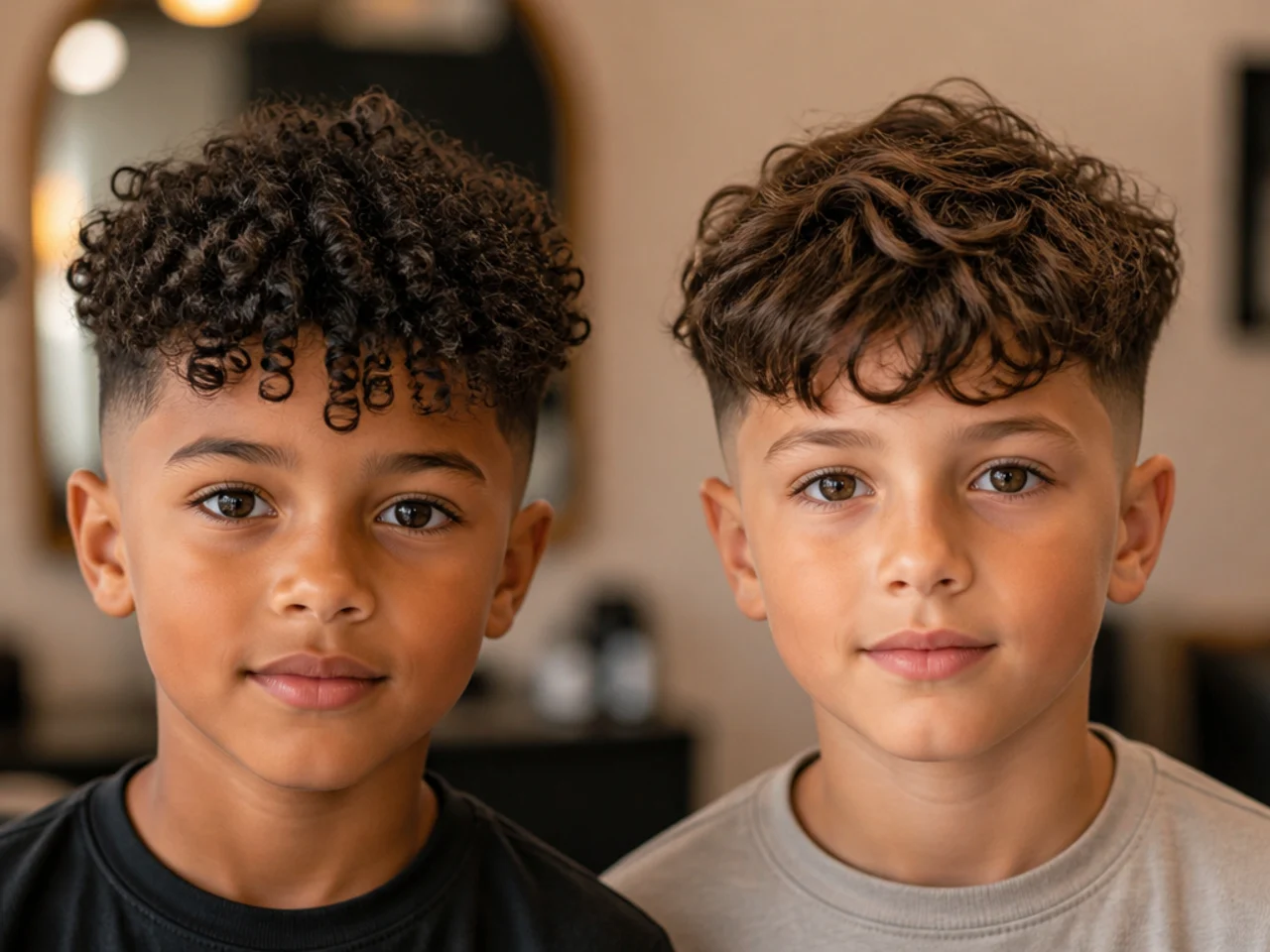
13. Humidity
Moisture in the air makes curls swell and frizz, and it makes waves drop and go limp. Once again the same weather produces opposite complaints from the two patterns.
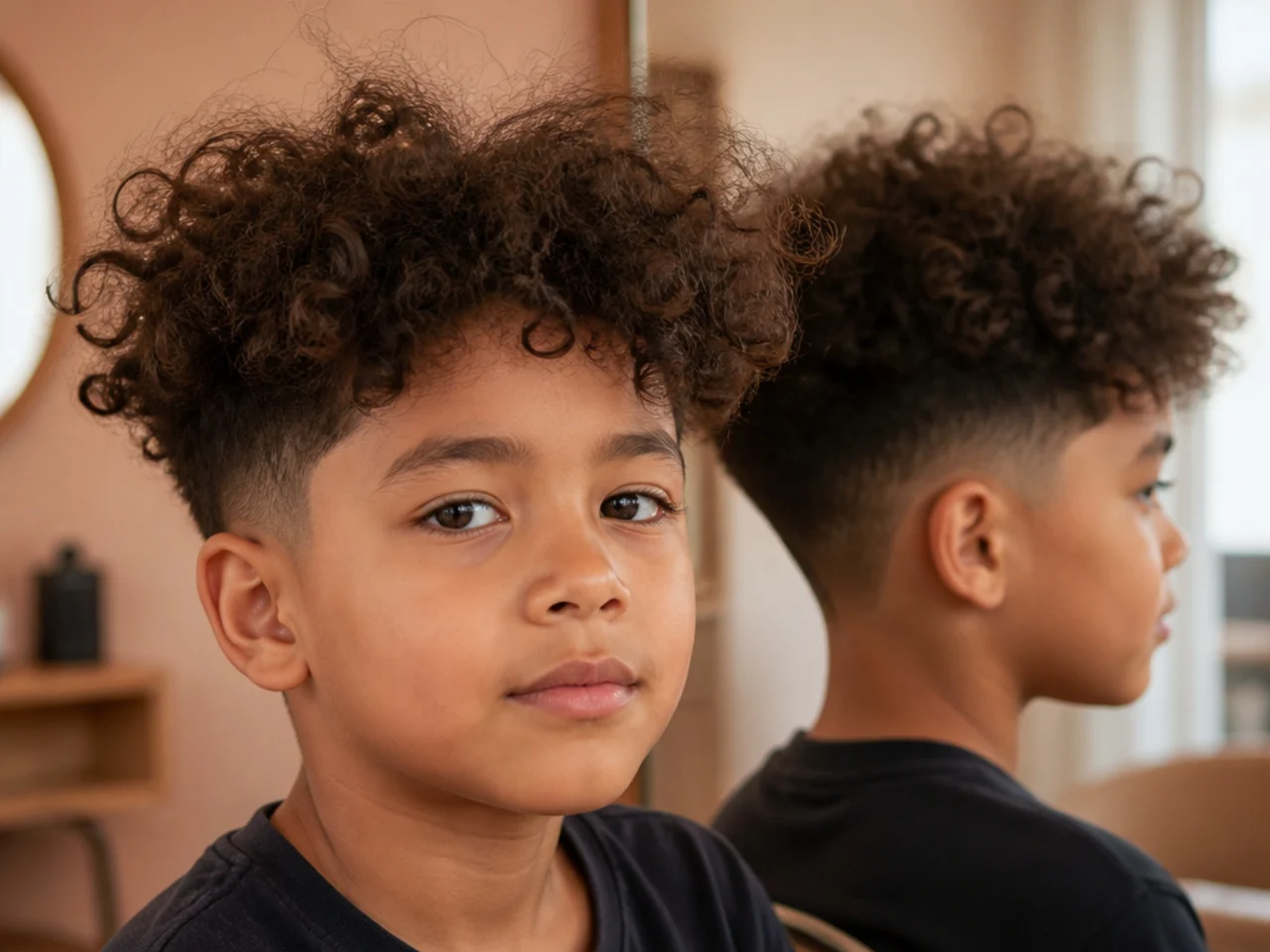
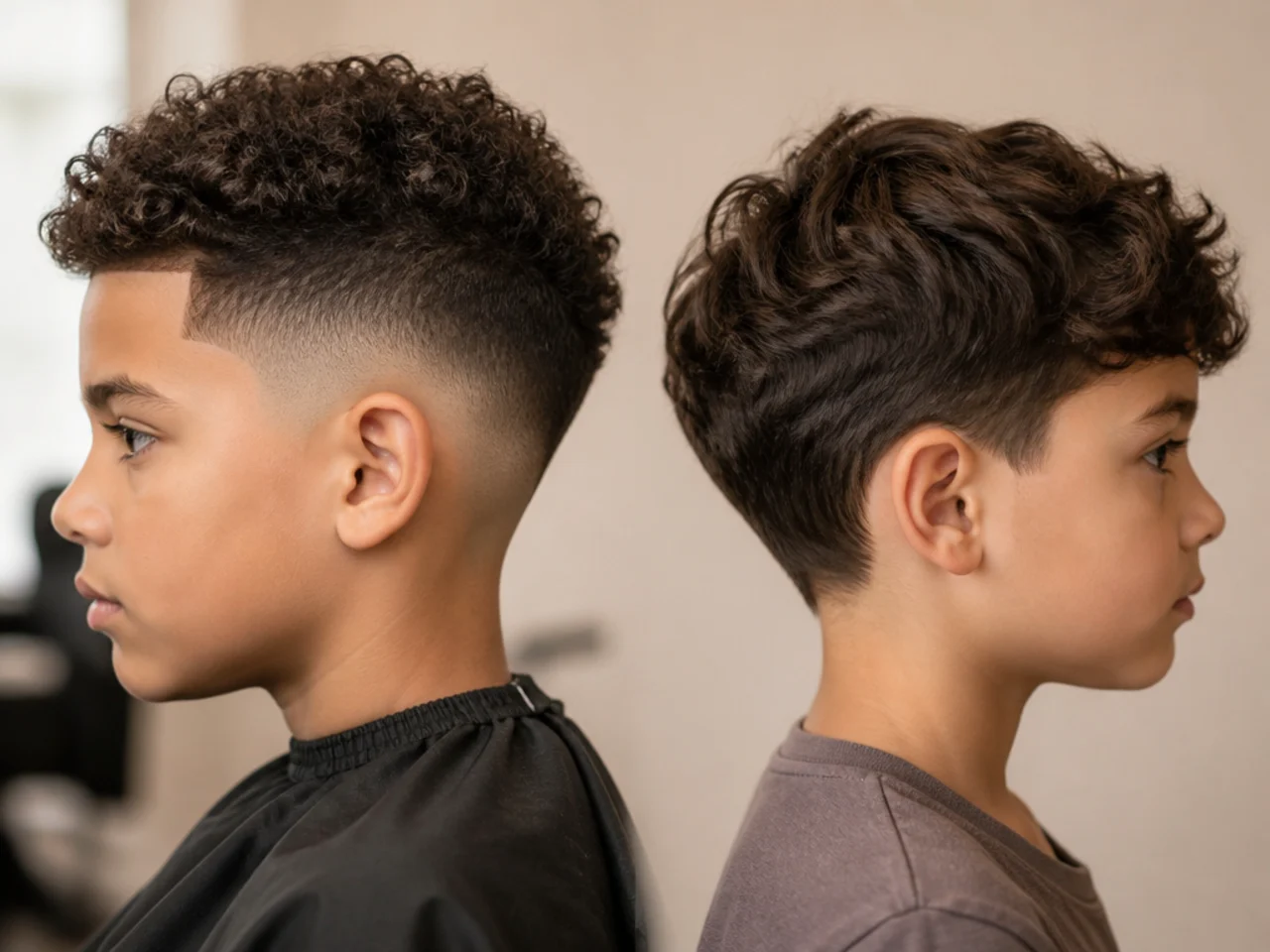
14. Fades and Tapers
A curl clump has a hard outer edge, so a gradient underneath it stays legible and still looks like a deliberate haircut three weeks after the appointment. Wave blurs into a fade and often loses the definition, so a taper usually suits it better than a fade does.
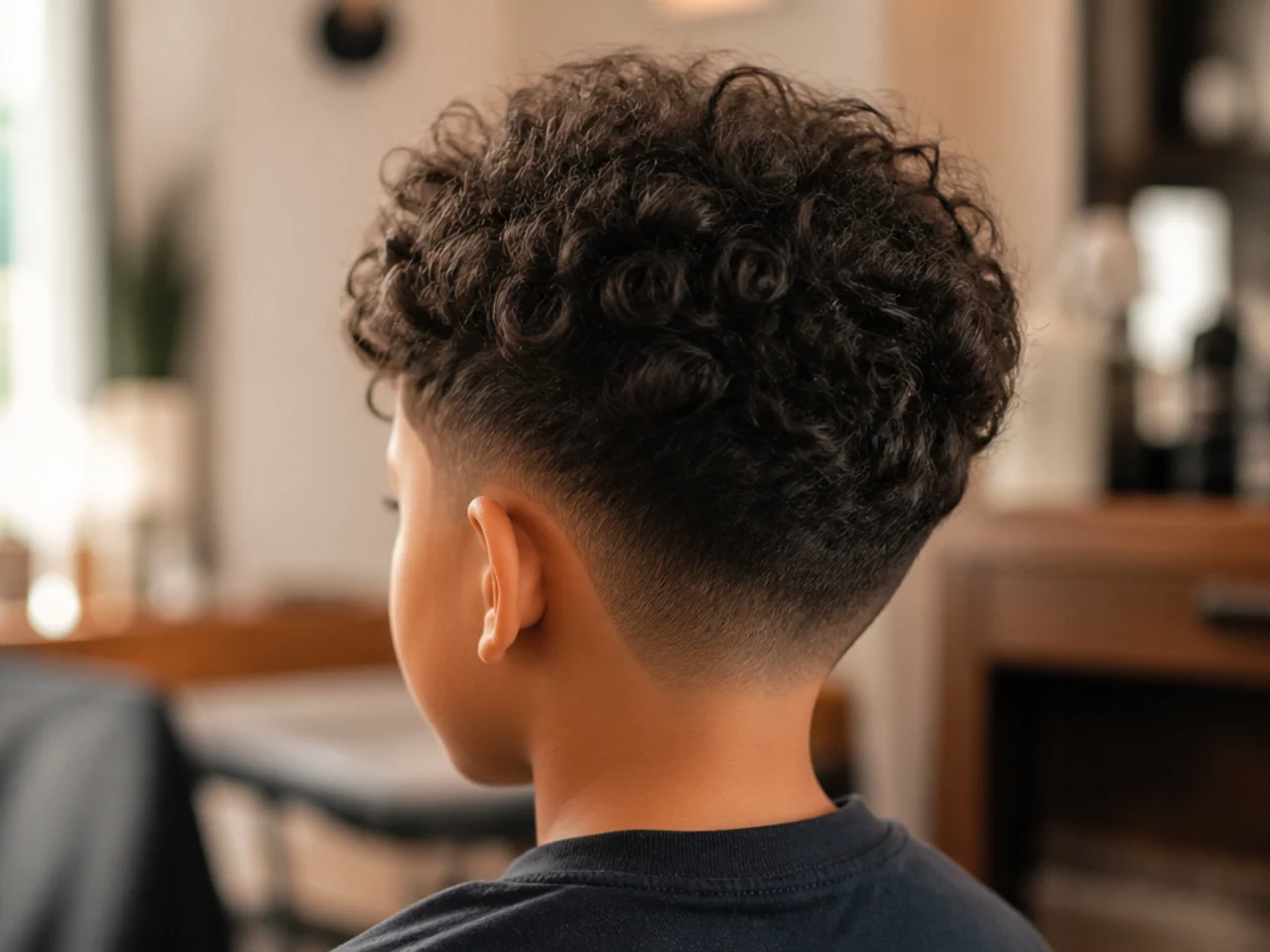
15. What Changes as He Grows
Pattern commonly shifts between two and four years old, and a wavy toddler can become a curly child or the reverse. It is worth reassessing which set of rules applies every year or so rather than assuming.
Styling and Upkeep
Give waves length and give curls layers. It is the shortest possible summary of everything above.
Refresh both with water, not product. Water reactivates the pattern and product only holds whatever shape is already there.
Use less on waves than feels right. Almost every flat wavy head has too much product in it, not too little.
Use a satin pillowcase for either. Friction damages both patterns, even though it shows differently.
Reassess the pattern once a year. It moves in young children, and a routine built on last year's texture stops working quietly.
Mistakes to Avoid
Treating a wavy boy as a curly one. He ends up over-producted, over-layered and flat.
Cutting curls wet. A third of the length returns as they dry, and the cut is finished by then.
Layering a wave to add movement. Layers remove the weight the S shape needs and the pattern disappears.
Brushing either one dry. It separates the clumps in both patterns and produces frizz in one and flatness in the other.
Assuming the pattern is fixed. In a child under about four it is very often still changing.
FAQ
How do I tell them apart? A wave bends in an S and stays flat, a curl wraps into a spiral and loses a third of its length.
Same cut for both? No, since waves need weight left in and curls need it removed.
Different products? Different amounts, with waves collapsing under weight that curls barely notice.
Final Thoughts
Work out which way his hair fails, then apply the opposite rule set from the one everyone hands you by default. Waves and curls are not two points on a scale where the same advice works harder or softer, they are two different problems.
To place the pattern precisely see the curl types guide, and for shapes that suit each read curly haircuts for boys. More in Men's Haircuts.