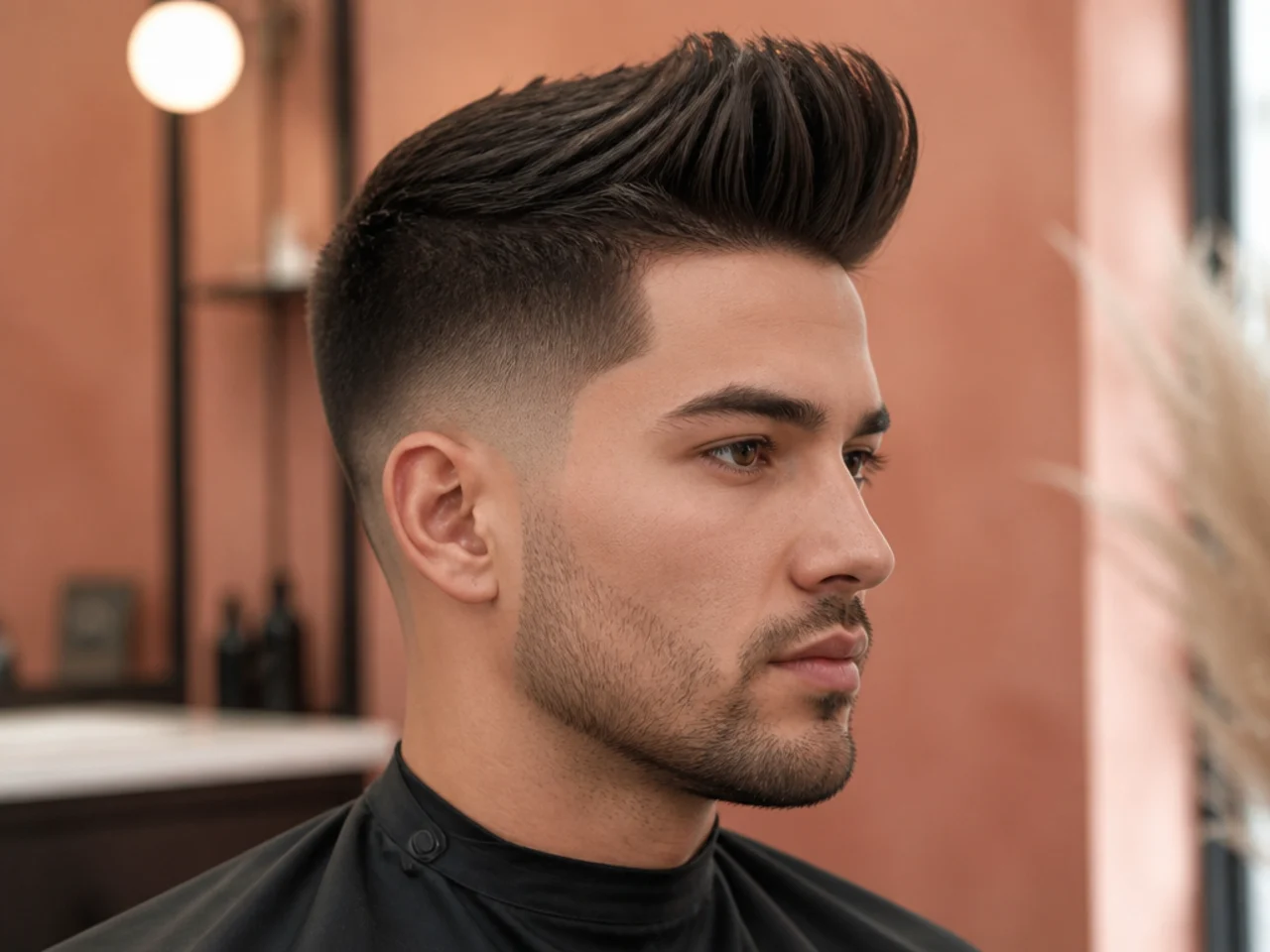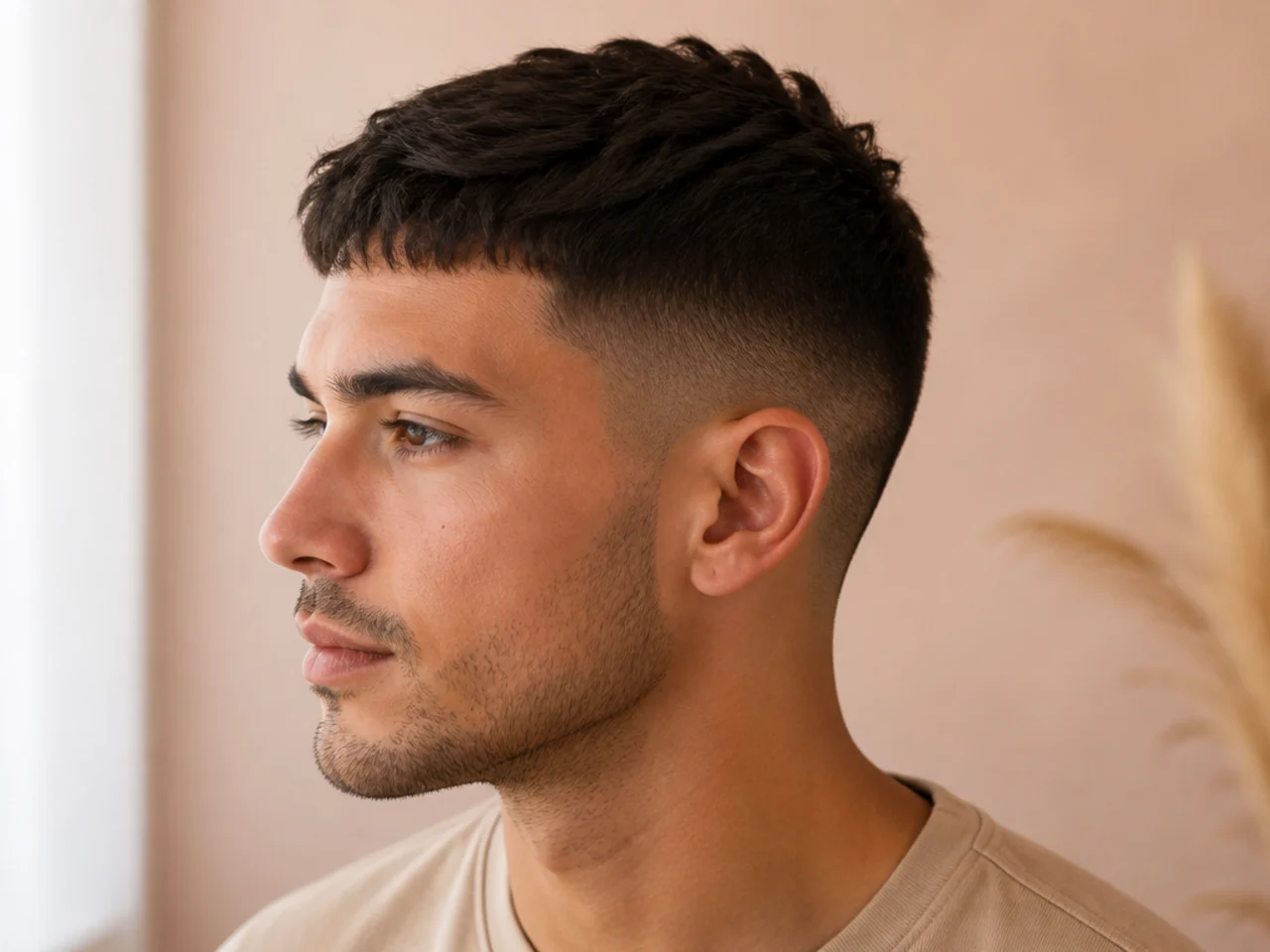
20 Textured Men's Short Hair Ideas to Save
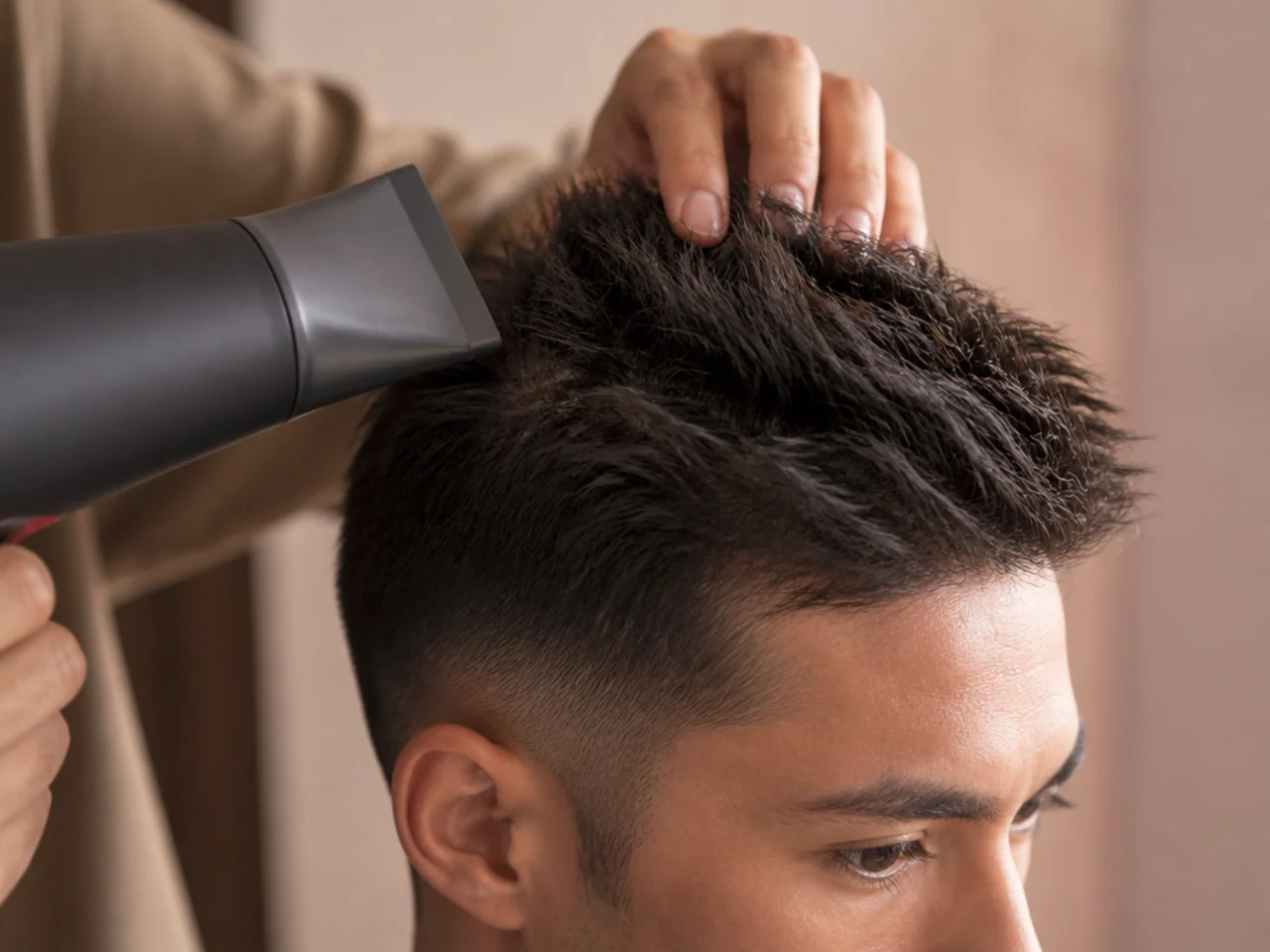
The cut supplies the separation, but the finish is what makes it visible. How the hair was dried and how matte the product is decide whether a textured cut photographs as pieces or as one flat sheet.
In this article · 27
- Why the Same Cut Looks Textured on One Head and Flat on Another
- How to Choose Your Finish
- The 20 Drying and Finishing Decisions
- 1. Rough-Drying Against the Growth for Root Lift
- 2. Matte Clay Instead of Shine Pomade
- 3. Sea Salt Spray on Damp Hair, Before Anything Else
- 4. Working Product Through Palms Until It Disappears
- 5. Nozzle Angled Down the Shaft for Flat, Up for Lift
- 6. Powder at the Root for Fine Hair
- 7. Towelling Across the Growth, Not Down It
- 8. The Eighty Percent Dry Rule
- 9. A Cold Shot to Set the Shape
- 10. Product at the Mid-Lengths, Never at the Root
- 11. Stacking a Light Pre-Styler Under a Finisher
- 12. Matte Paste Against Fibre
- 13. A Pea for a #4, a Fingertip for Scissor Length
- 14. Reviving Second-Day Texture With Water, Not Product
- 15. Why Gel Kills Texture
- 16. What Humidity Does to a Matte Finish
- 17. Resetting Hat Hair at the Root
- 18. The Finish That Photographs Against the Finish That Lasts
- 19. The No-Product Finish for Coarse Hair
- 20. Air-Drying, and What It Costs You
- Getting the Finish to Last
- Mistakes to Avoid
- FAQ
- Final Thoughts
Two men can walk out of the same chair with the same haircut and only one of them looks textured in a photograph.
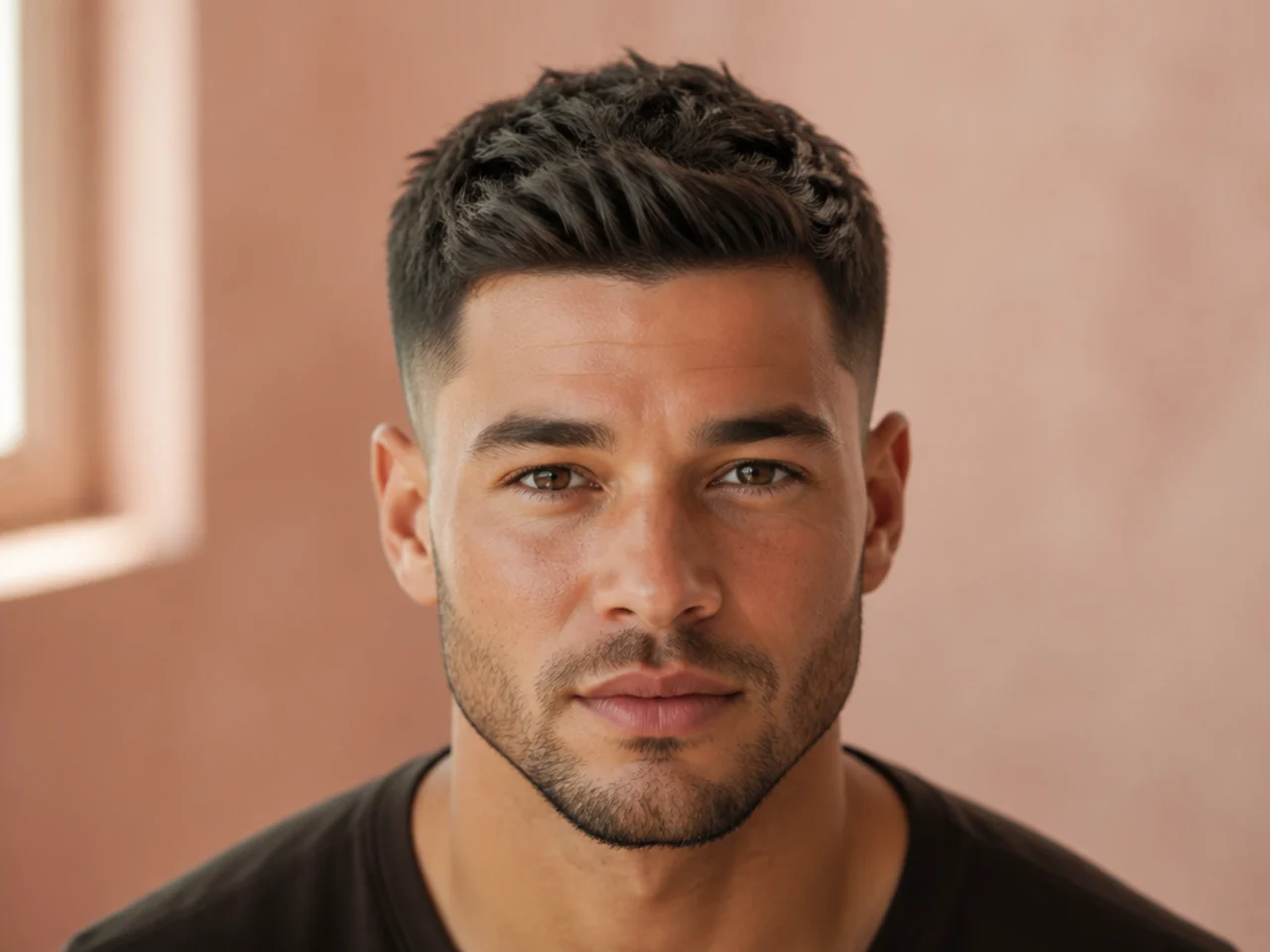
The cut supplies the separation, and the finish decides whether you can see it. Uneven ends only read as pieces if there are visible gaps between them and lift at the root to hold them apart.
Two levers control that, drying and finish. Hair dried flat has nowhere for texture to show. Shine closes the gaps back up, and matte holds them open.
Why the Same Cut Looks Textured on One Head and Flat on Another
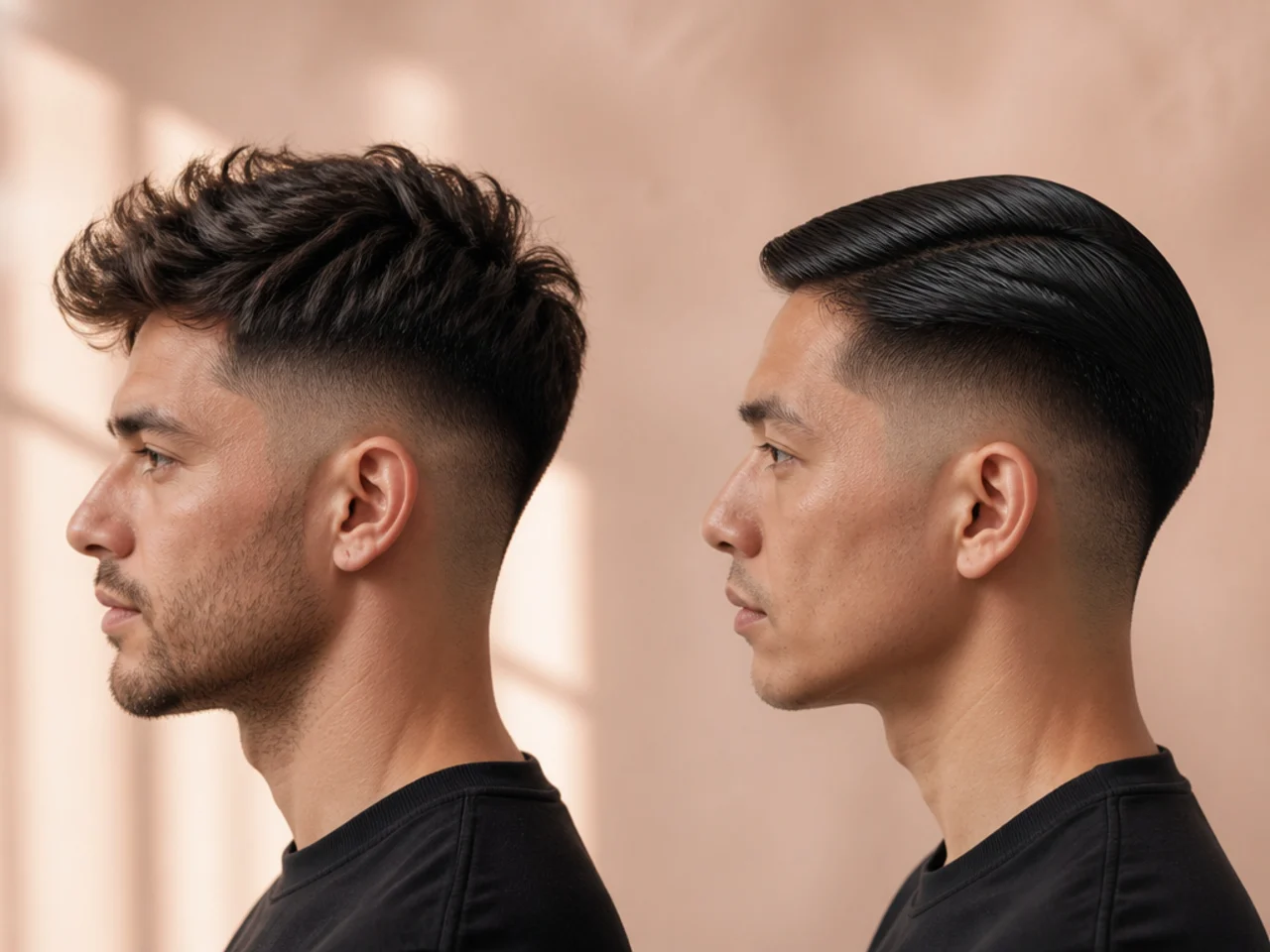
Shine closes the gaps between pieces. Light bouncing off a continuous surface hides the shadows the eye reads as separation.
Matte keeps those shadows visible. That is the whole job of a clay or a paste on short hair.
Texture needs lift, and lift comes from the dryer. No tub of anything raises a root that has already dried flat against the scalp.
Damp is the working state, not dry. Hair takes a direction while water is leaving it and holds nothing once that water has gone.
How to Choose Your Finish
Start with how flat your hair dries on its own. If it falls to the scalp, drying matters more than anything you buy.
Match shine to the length. At short lengths shine sits on the surface and reads as grease rather than gloss.
Fine hair wants less of everything. Weight is the enemy of lift, and lift is where all the texture lives.
Coarse hair often needs nothing but direction. It holds its own separation, so product mostly darkens it and adds bulk it does not need.
The 20 Drying and Finishing Decisions
1. Rough-Drying Against the Growth for Root Lift
Hands in at the scalp, hair pushed the opposite way to how it grows, dryer on medium. The root sets standing up rather than lying down, and that standing root is what every piece above it depends on. It is also the whole technique behind deliberately messy hairstyles for men, which look undone and are not.
2. Matte Clay Instead of Shine Pomade
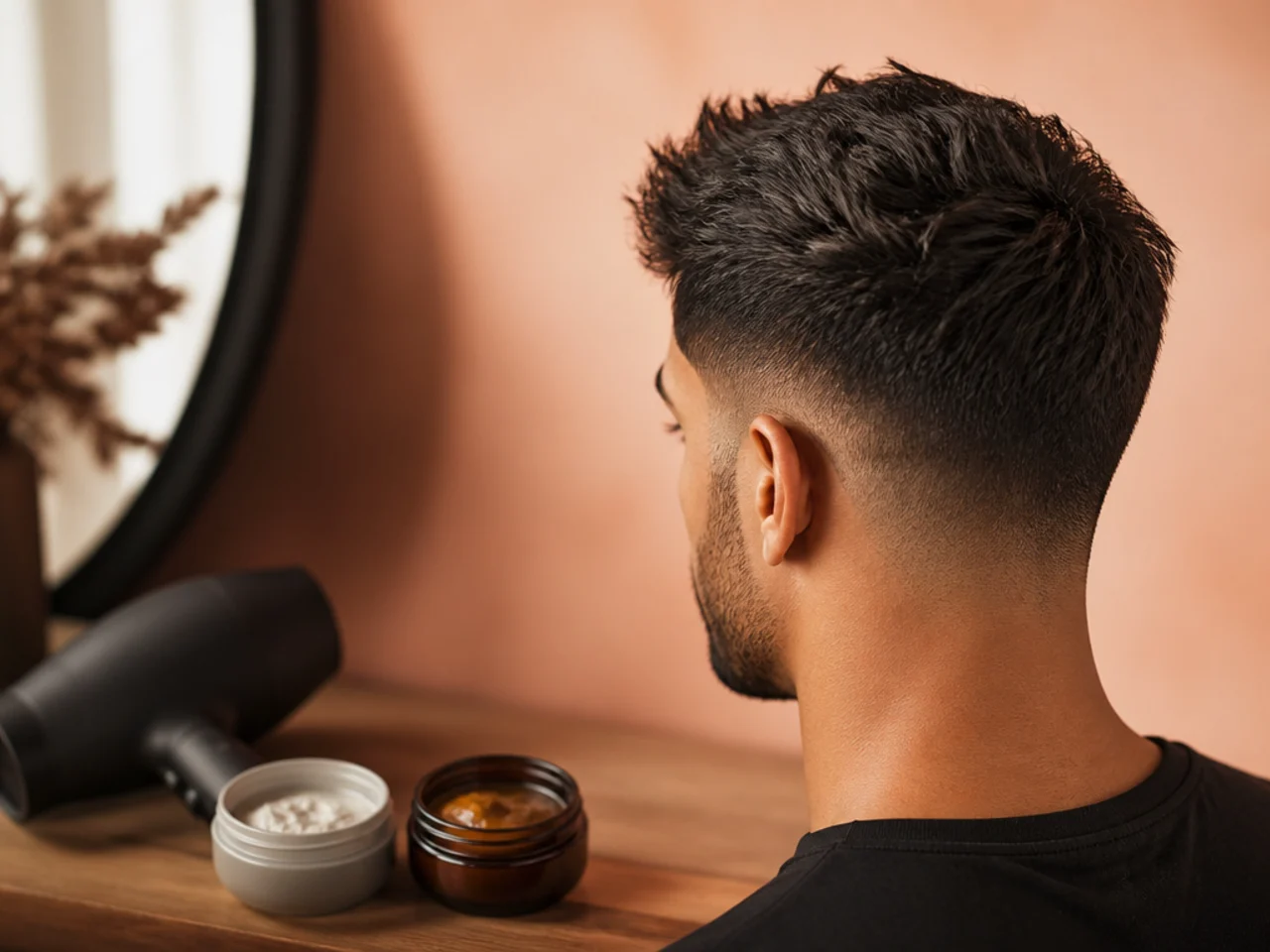
Clay is packed with mattifying minerals that scatter light instead of reflecting it. The gaps between pieces stay dark, so the same cut suddenly reads as three or four separate sections instead of one surface.
3. Sea Salt Spray on Damp Hair, Before Anything Else
Salt swells the outer layer of the hair slightly, which roughens the surface and makes neighbouring hairs grip each other. Applied damp it dries into the shape, which is why it belongs before the dryer and not after it.
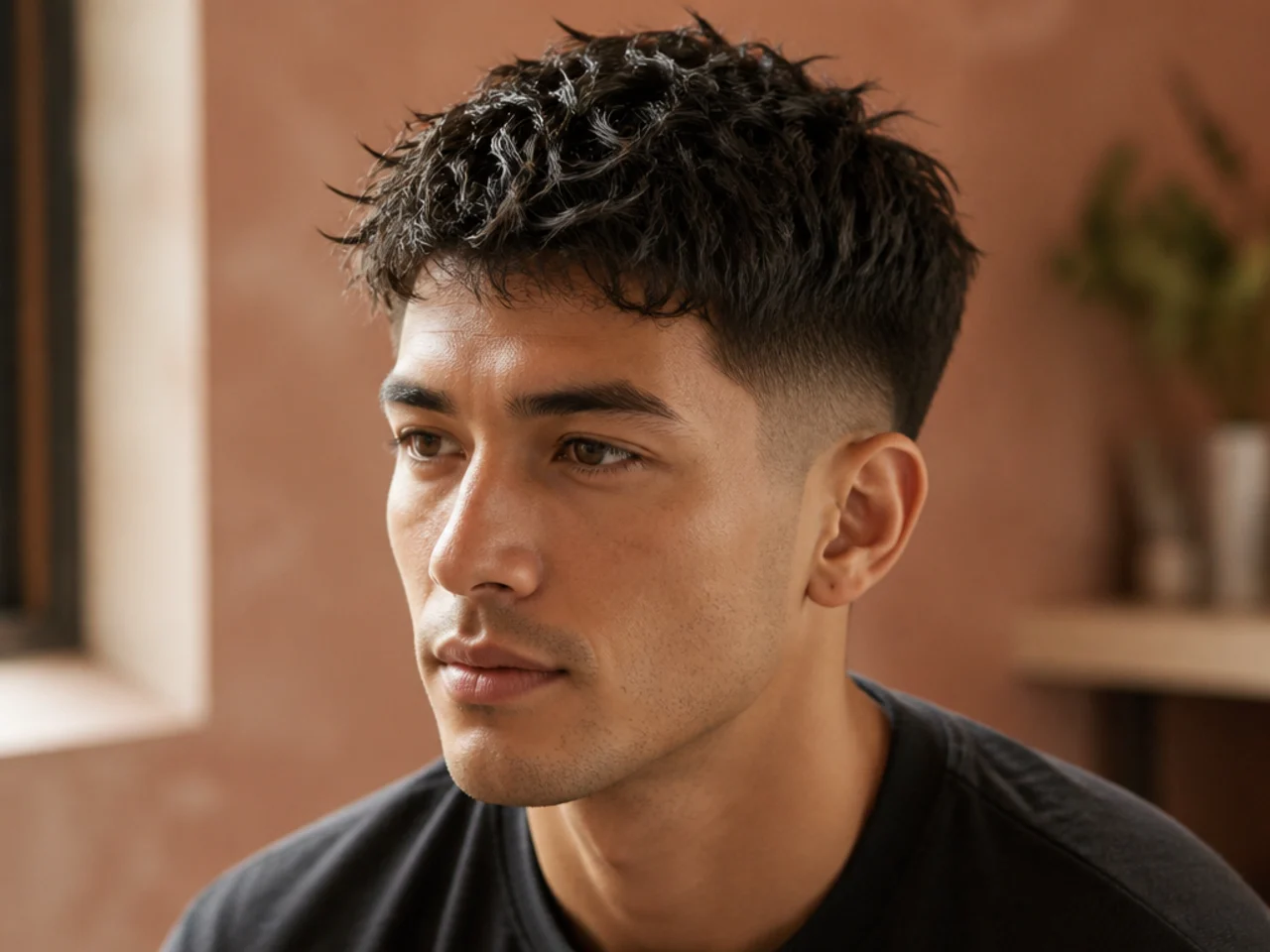
4. Working Product Through Palms Until It Disappears
Any lump that is still visible on your hands lands in one spot on your head. Emulsifying it to a thin invisible film means it coats evenly, which is the difference between separation and a greasy patch.
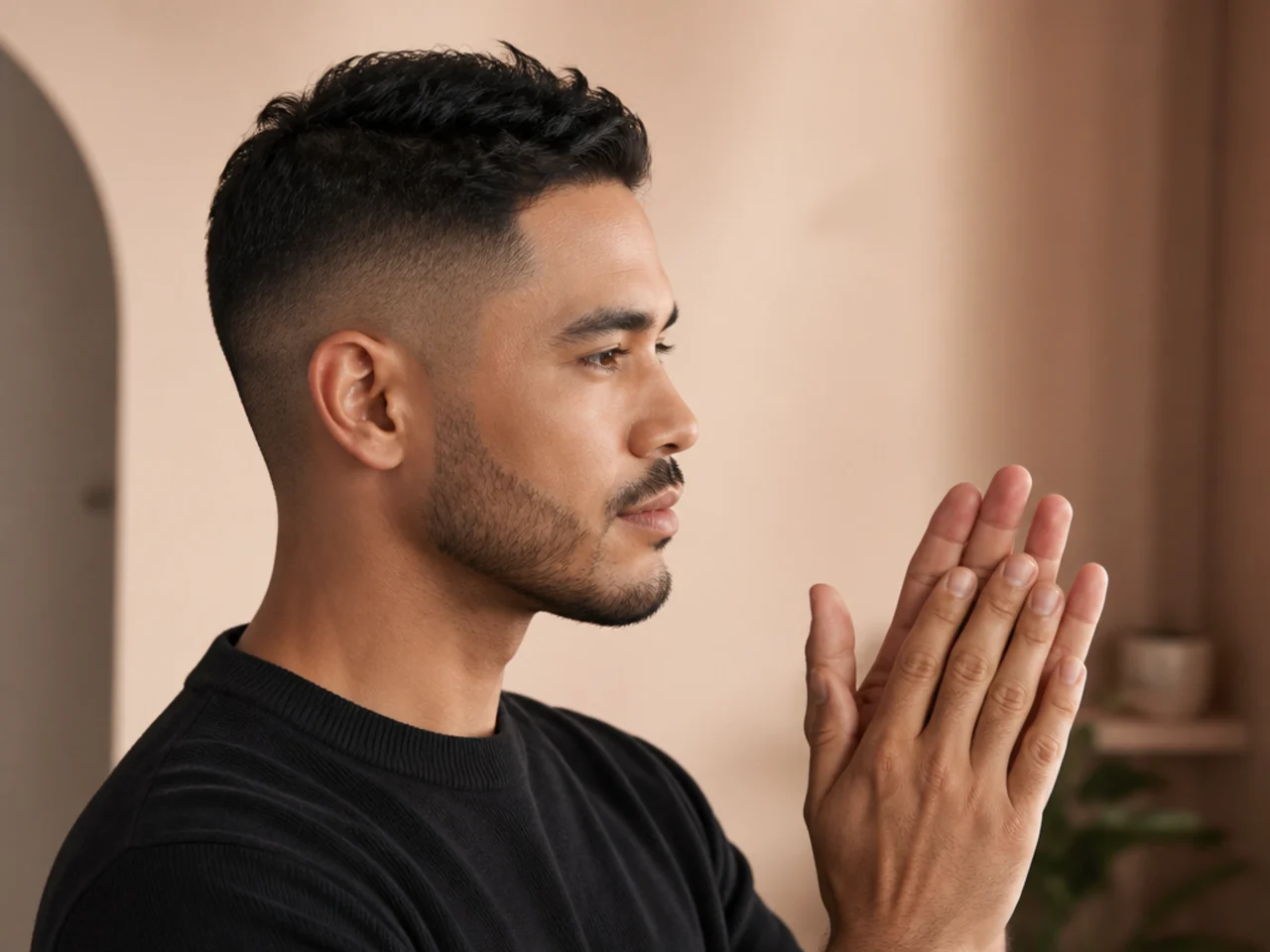
5. Nozzle Angled Down the Shaft for Flat, Up for Lift
Air blown down the hair lays the cuticle flat and polishes it, which adds shine and closes the surface. Air blown up the shaft roughs the cuticle, which is exactly the matte, slightly disordered finish texture needs.
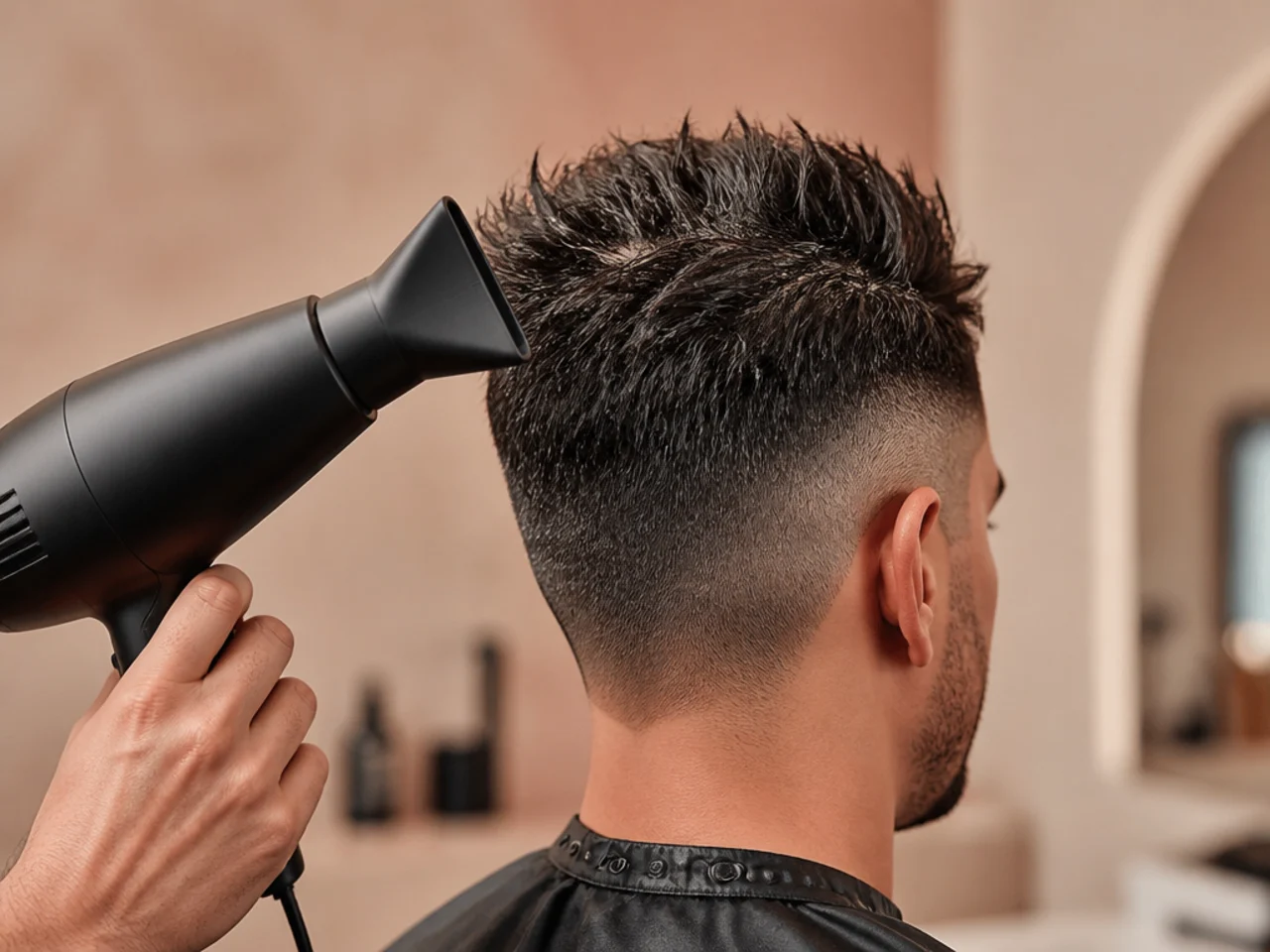
6. Powder at the Root for Fine Hair
A dusting of texture powder swells fine hair where it meets the scalp and adds friction with no oil at all. It is the only way to add grip to hair too fine to carry even a light cream. Pair it with one of the short haircuts built for thin hair and the grip has a shape to hold.
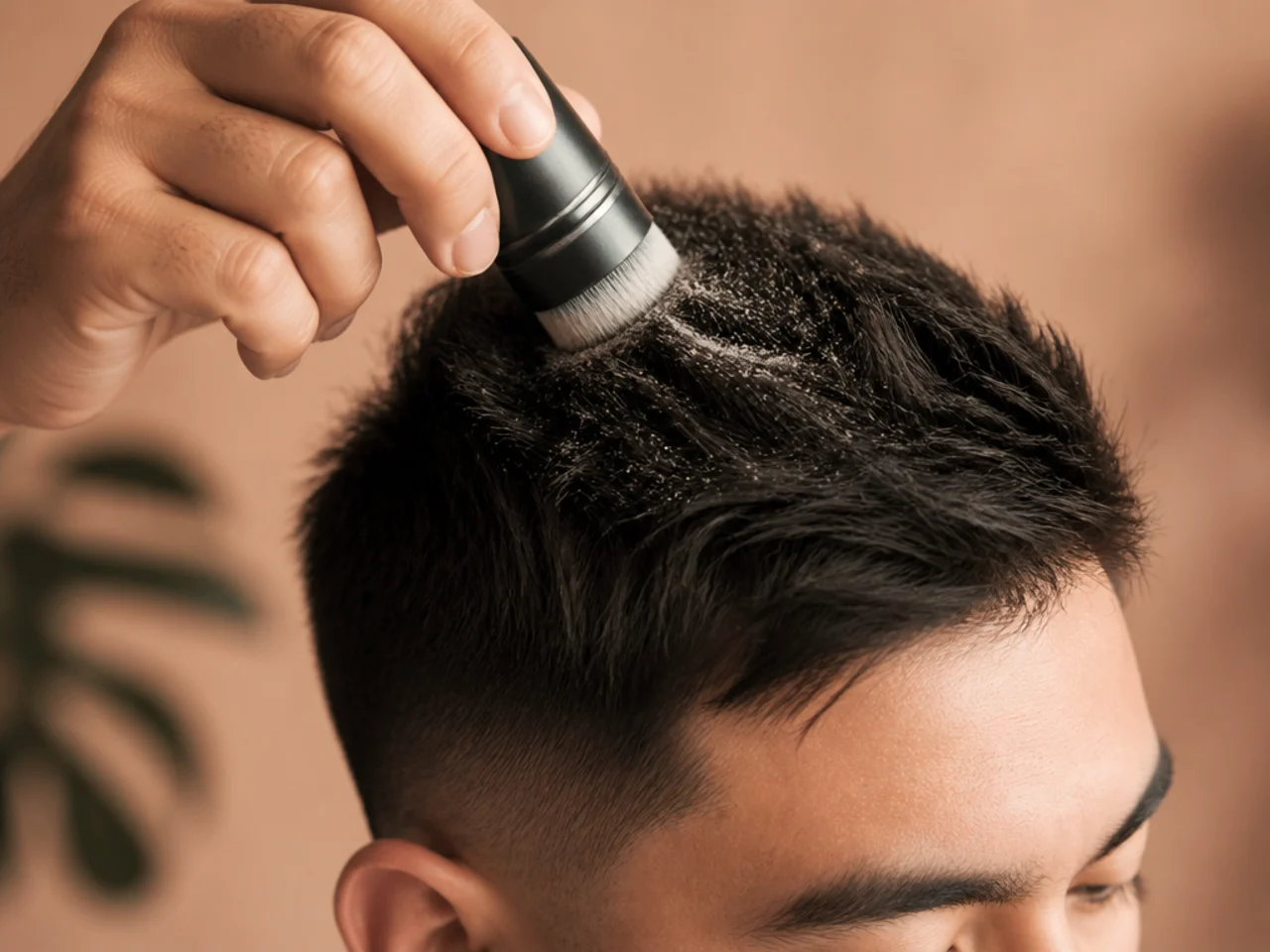
7. Towelling Across the Growth, Not Down It
Rubbing a towel down the hair polishes the cuticle and starts you at a shiny, flat baseline. Blotting across or against it leaves the surface rough, which is a matte head start before the dryer is even on.
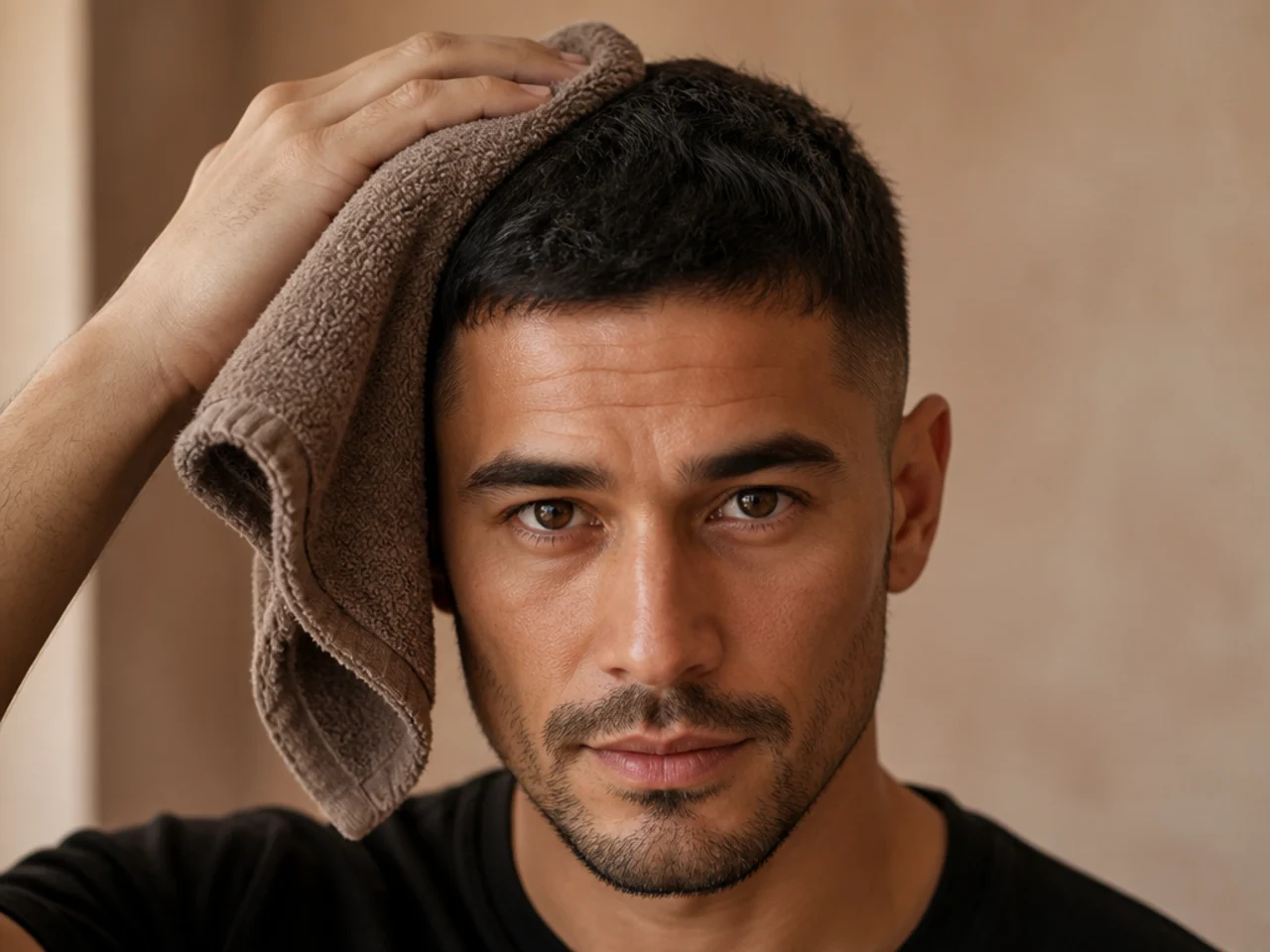
8. The Eighty Percent Dry Rule
Wetter than that and product dilutes and drags the hair down. Drier than that and the shape will not change. Eighty percent is the narrow window where hair still moves and then stays where it was moved to.
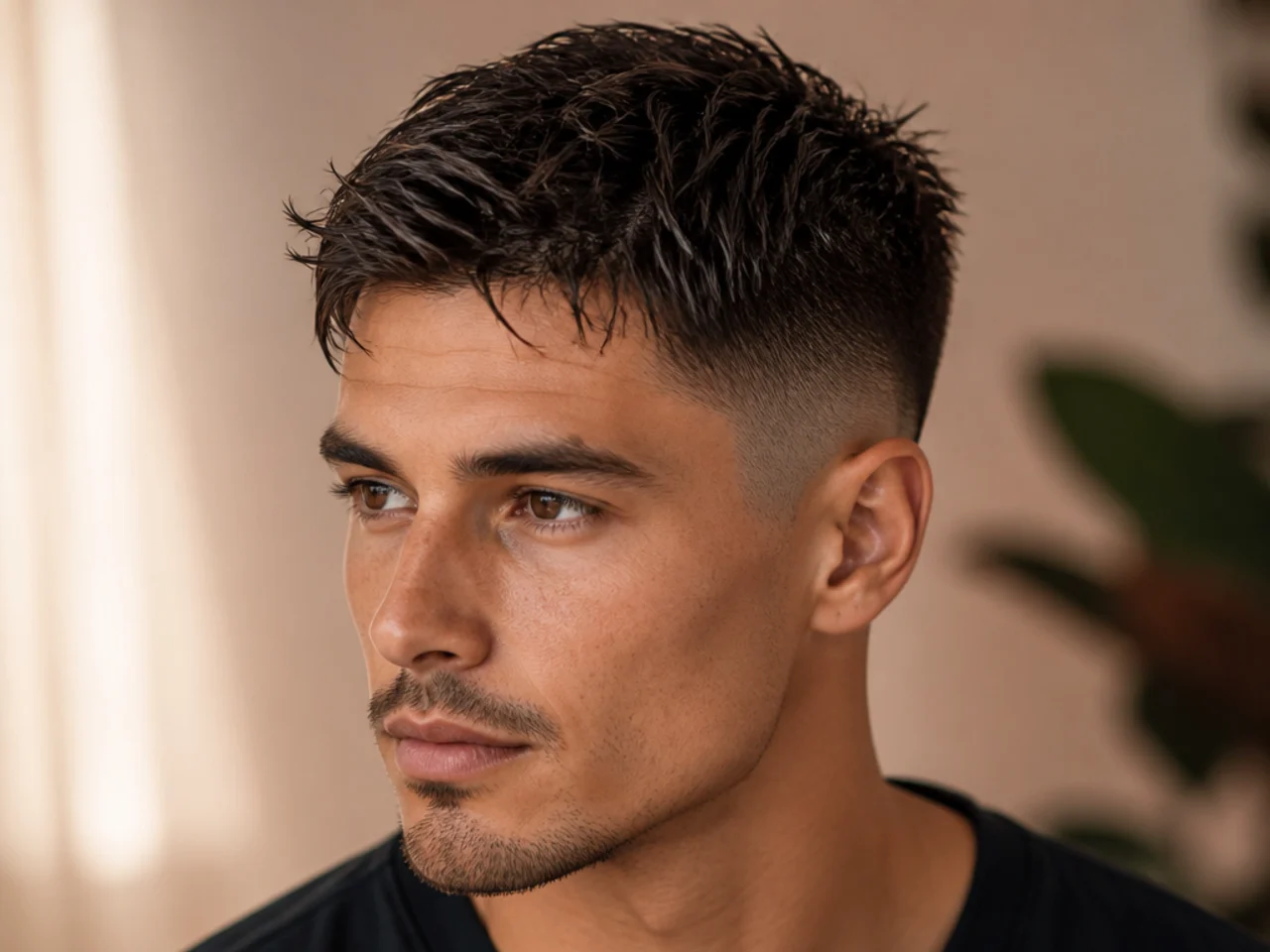
9. A Cold Shot to Set the Shape
Warm air makes hair pliable and cool air fixes it. Thirty seconds of cold at the end locks the root angle you just created, which is the cheapest way to make a finish last past lunchtime.
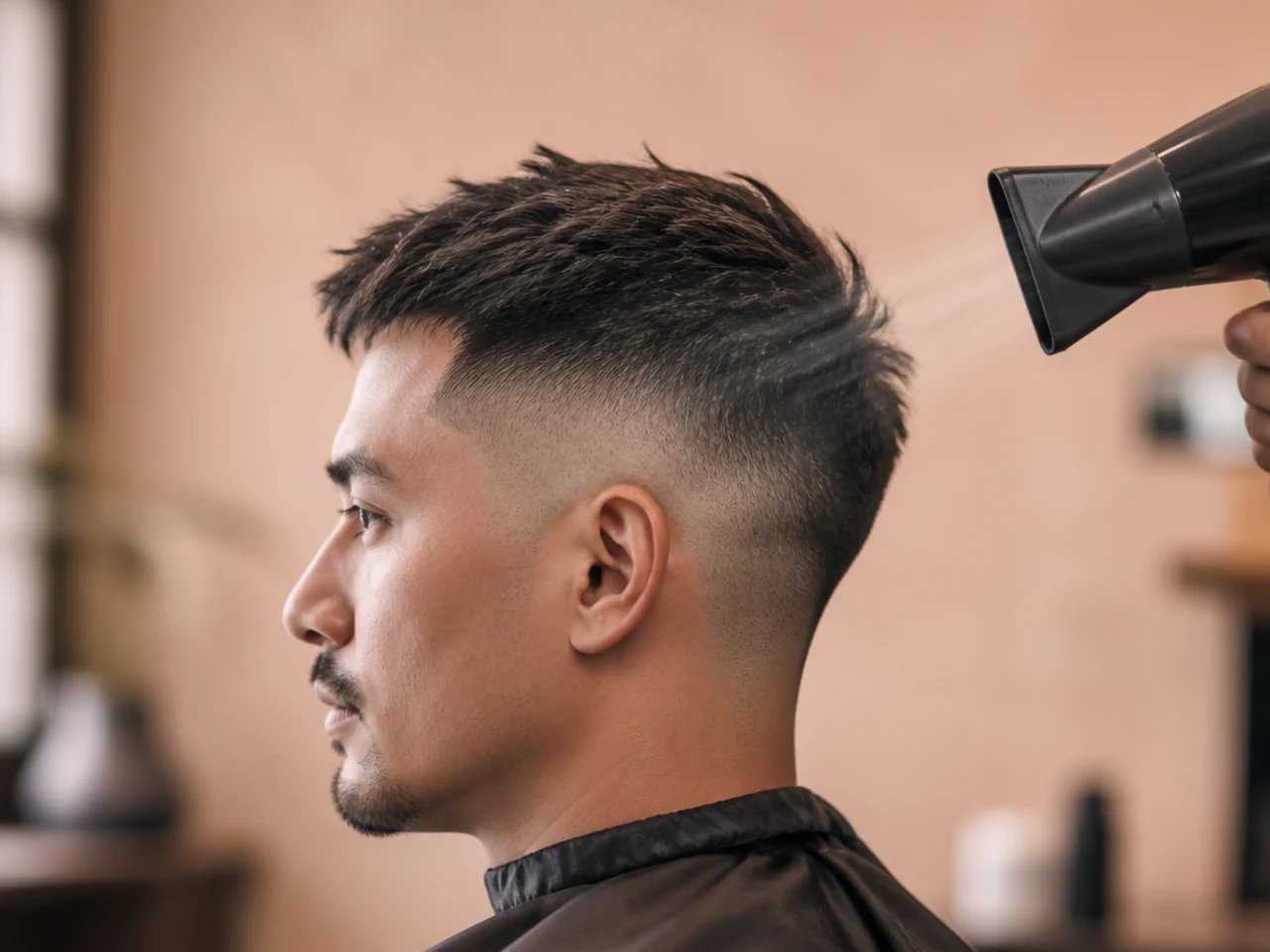
10. Product at the Mid-Lengths, Never at the Root
Product at the root weighs down exactly the part you spent the dryer lifting. Starting at the mid-lengths and letting what remains on your fingers reach the base keeps the lift and still separates the ends.
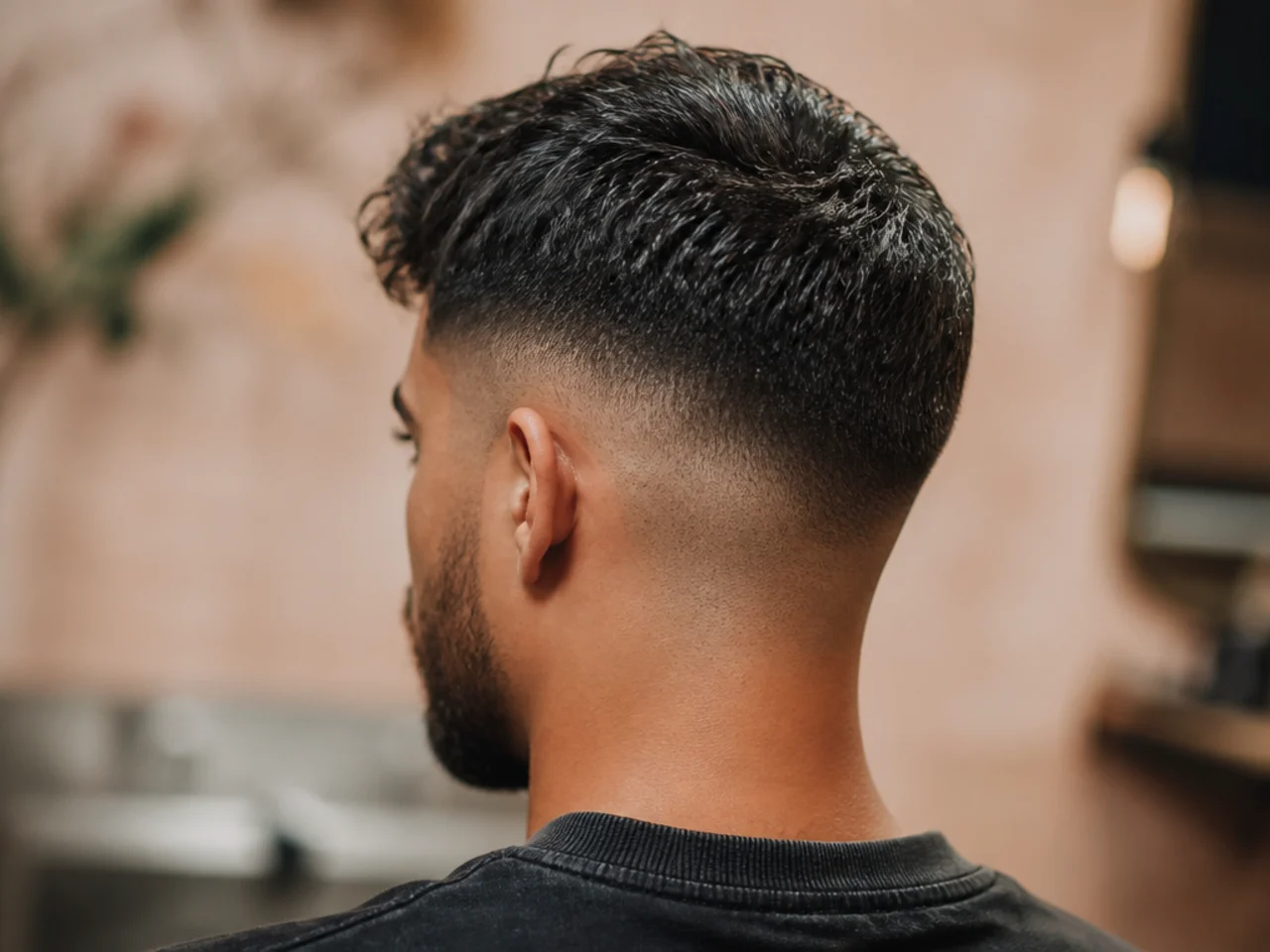
11. Stacking a Light Pre-Styler Under a Finisher
A spray or a mousse goes in damp and does its work while the hair dries. A clay or paste goes on dry and does its work on the surface. Used in that order neither cancels the other.
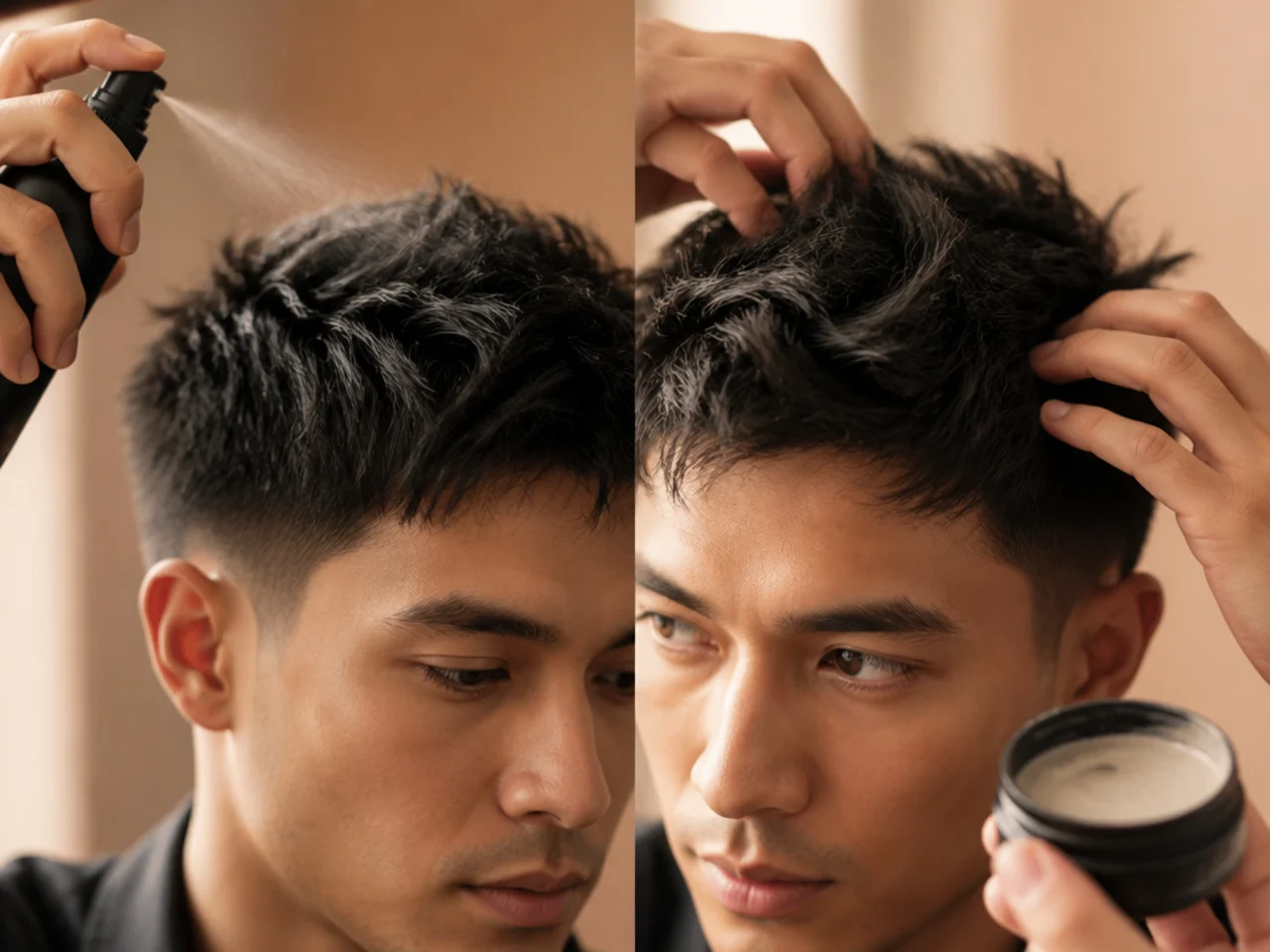
12. Matte Paste Against Fibre
Paste spreads thinly and separates without bulking. Fibre contains strands that cling to each other and physically thicken what it touches. Fine hair generally wants paste; hair that needs to look denser wants fibre.
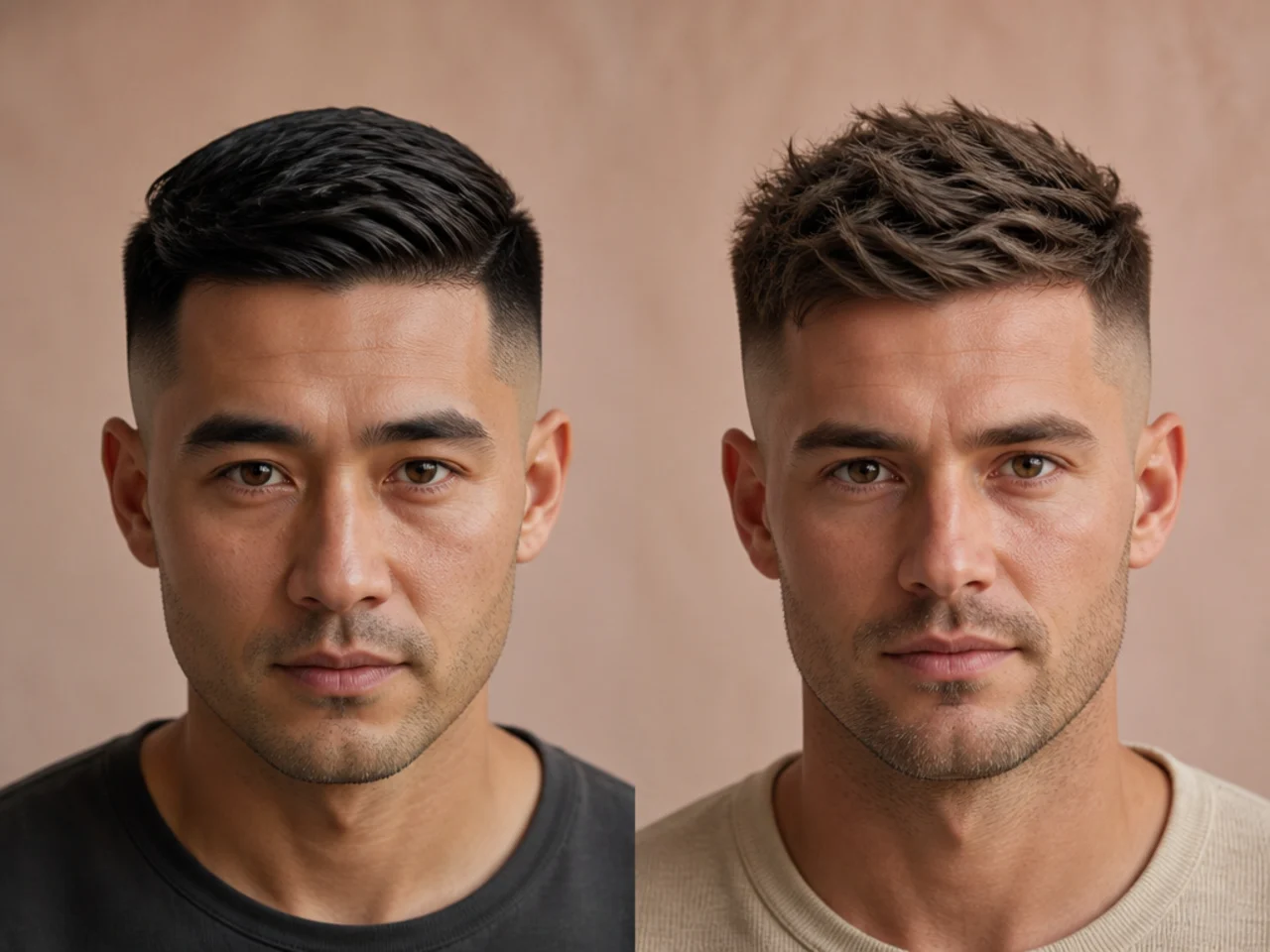
13. A Pea for a #4, a Fingertip for Scissor Length
Short hair has almost no surface area to spread across, so the usual handful lands as a coating. Scaling the amount to the length is what stops a matte product behaving like a heavy one.
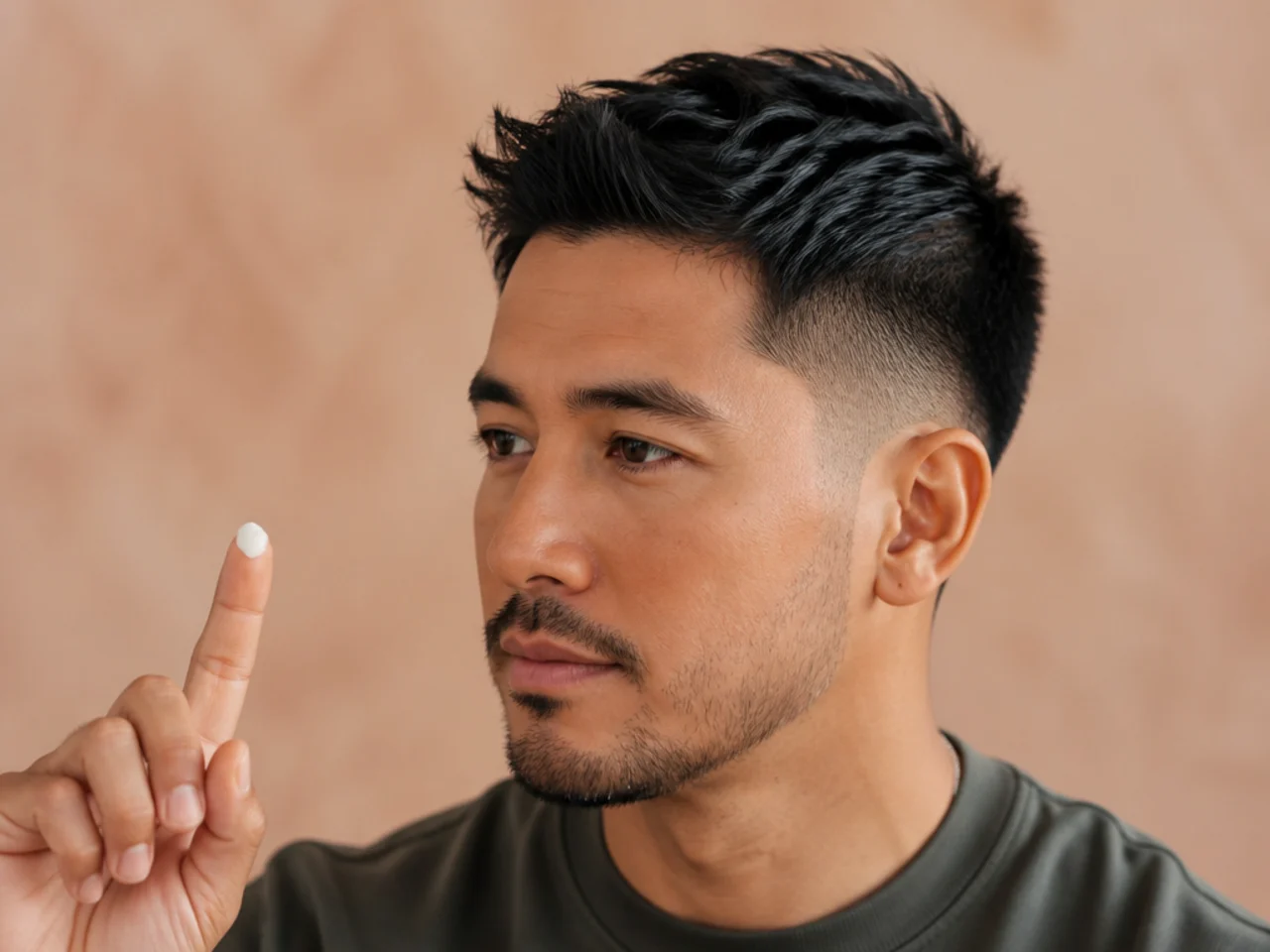
14. Reviving Second-Day Texture With Water, Not Product
Yesterday's product is still in there. Water reactivates it and lets you re-dry into a new shape, whereas a second layer only adds weight and pulls the pieces back together.
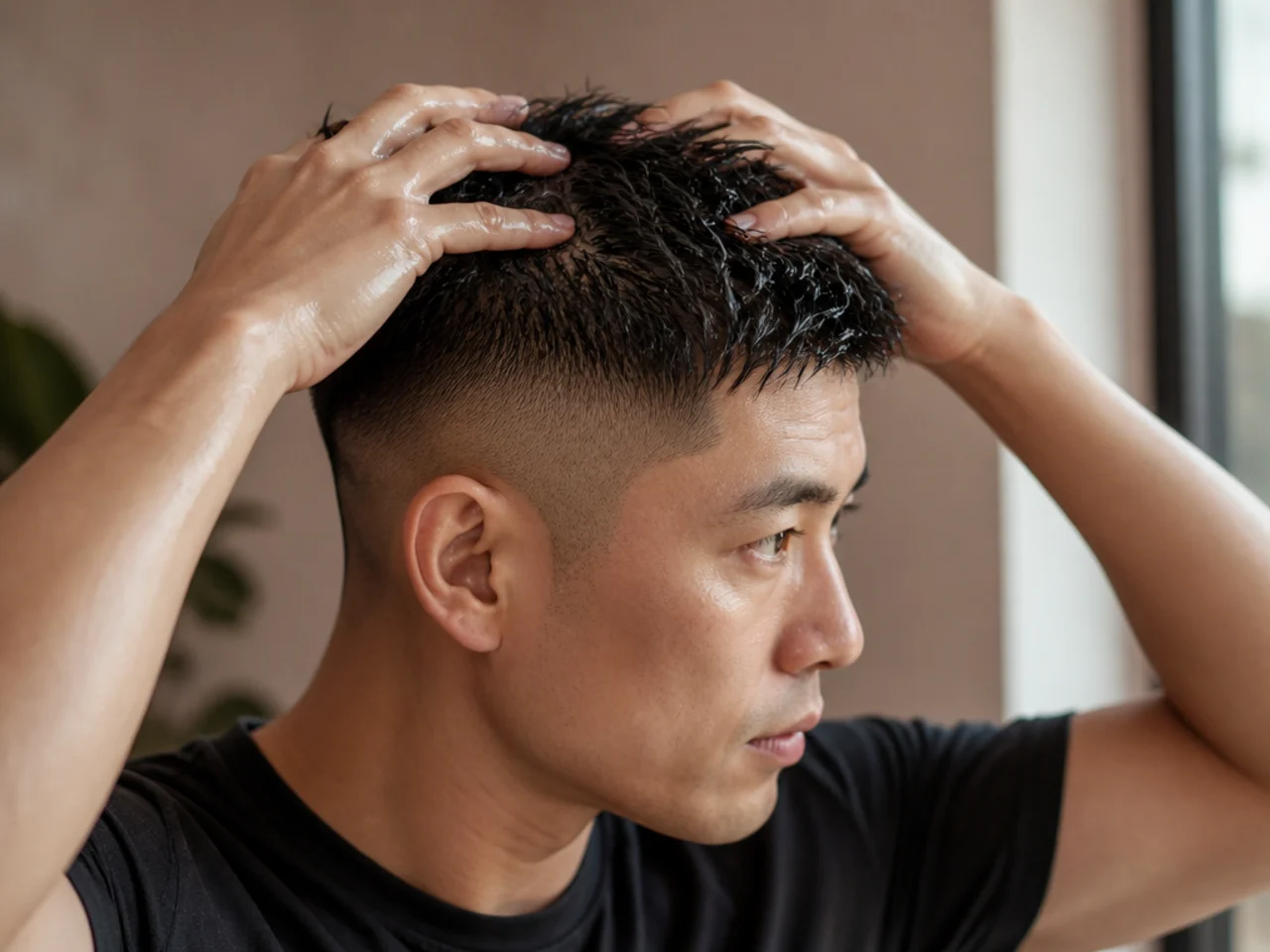
15. Why Gel Kills Texture
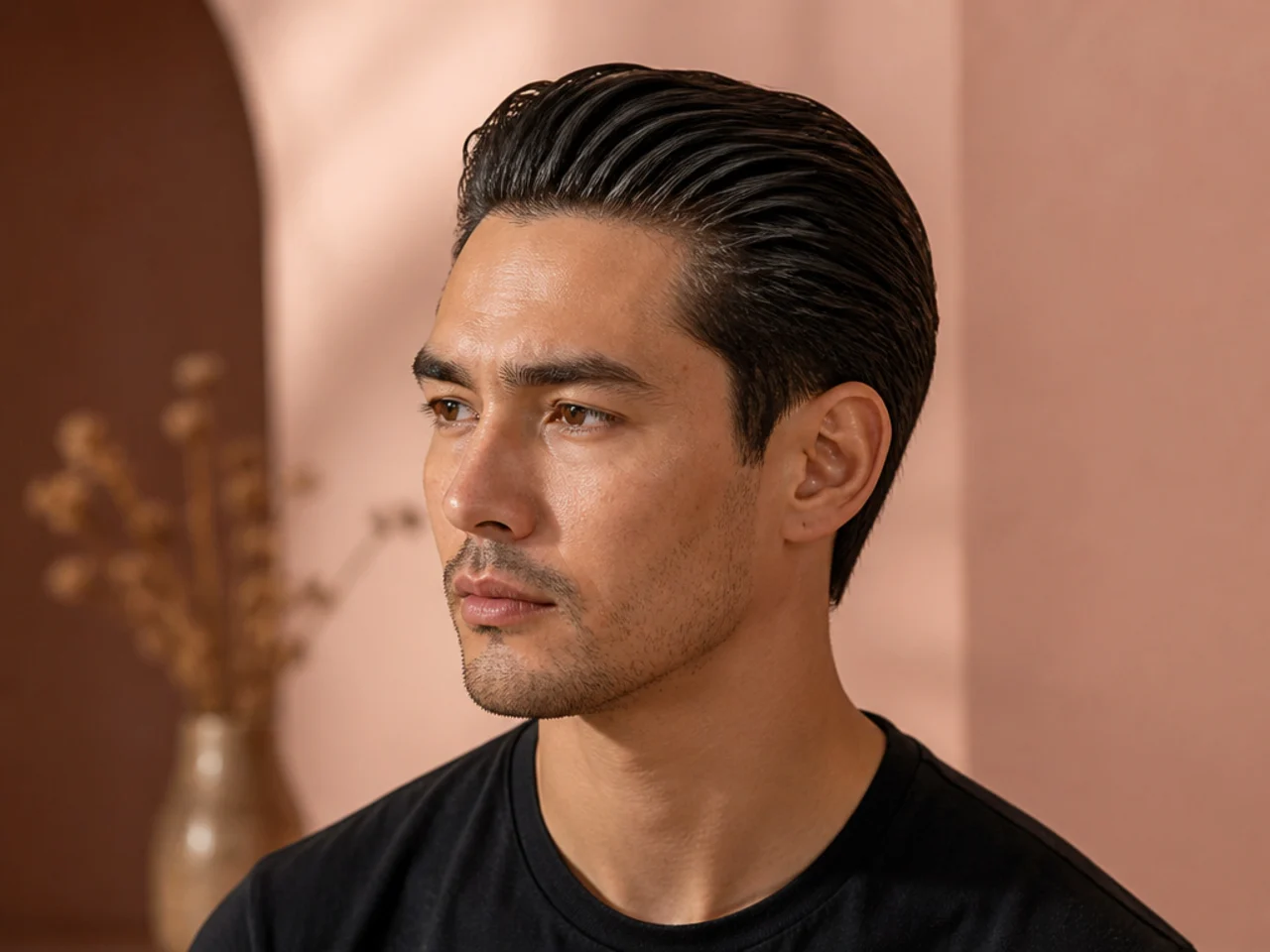
Gel dries into a solid film that bonds neighbouring hairs into one sheet. That is the opposite of separation, and it is why gel gives shine and a shell rather than pieces. Save it for a slick back, where one continuous sheet is the entire point.
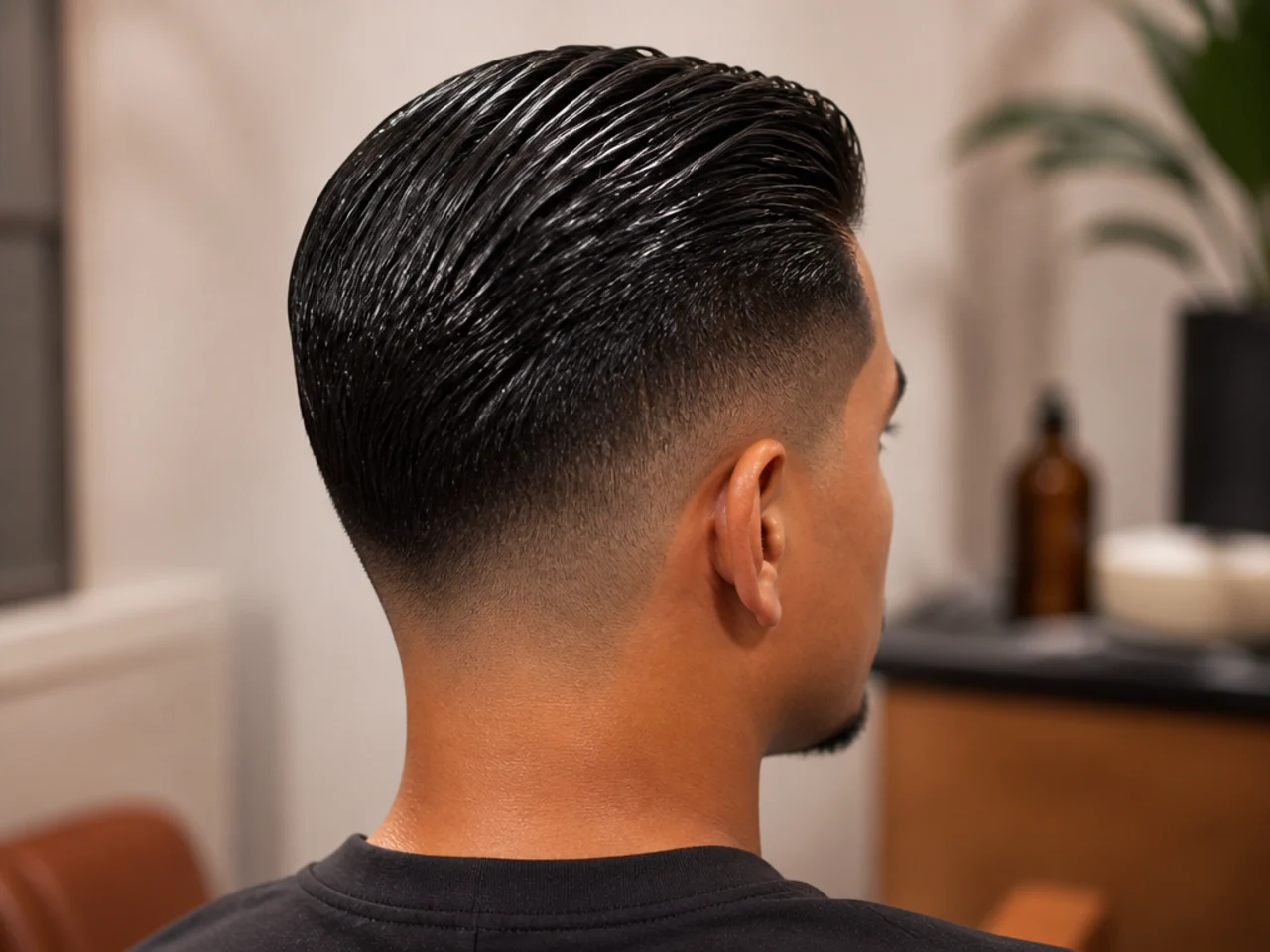
16. What Humidity Does to a Matte Finish
Moisture in the air swells the hair and pulls water-soluble product back into solution, so a matte finish slowly turns tacky. In a humid climate a drier clay and less of it holds longer than a heavier one.
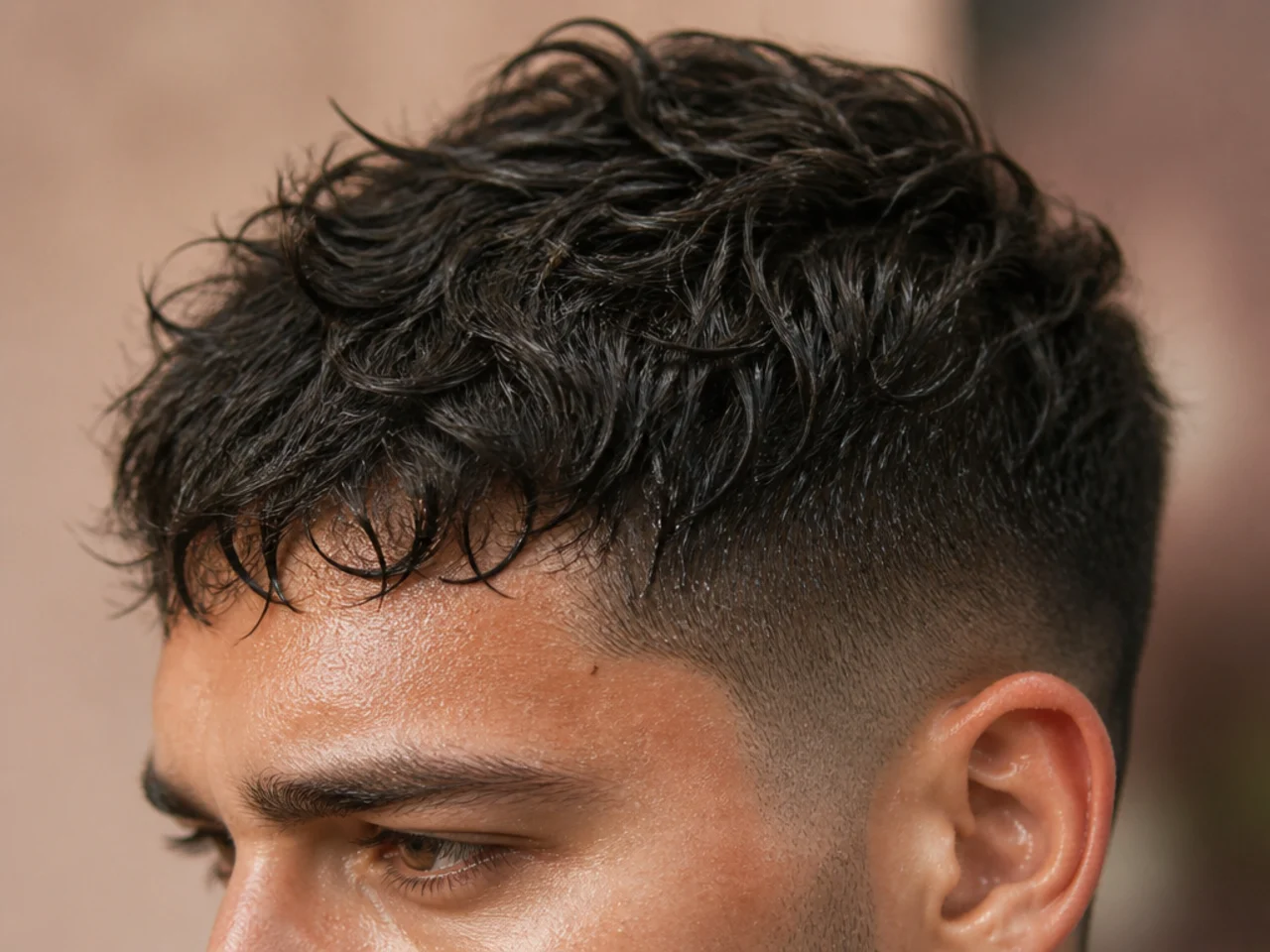
17. Resetting Hat Hair at the Root
A hat compresses the root angle, and that is all it does. Damp fingertips at the scalp and a few seconds of air fix it, while more product on top just fixes the flatness in place.
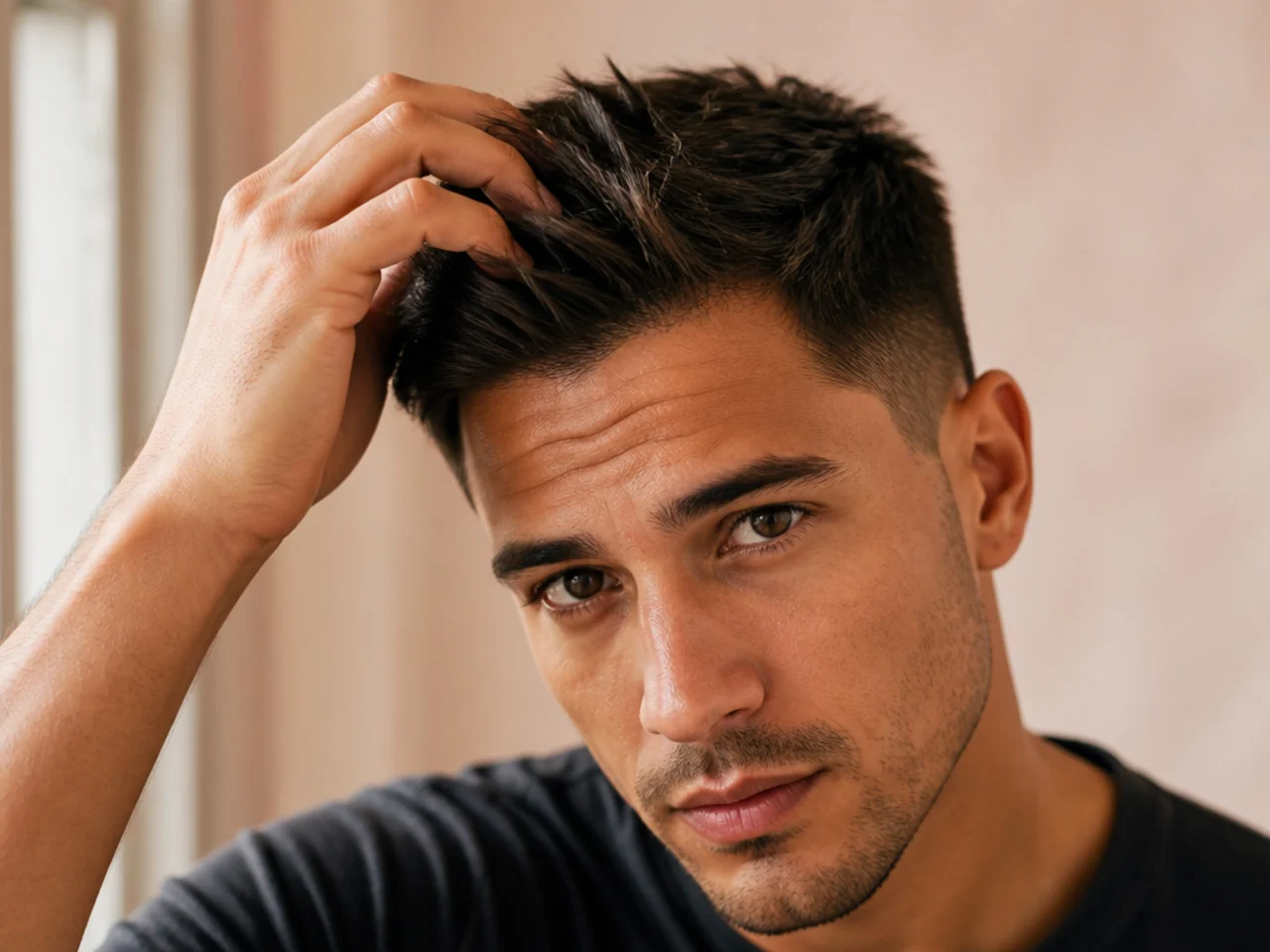
18. The Finish That Photographs Against the Finish That Lasts
A camera reads contrast, so a slightly drier, harder-worked finish looks best in a photo. A softer finish moves more naturally in person. They are different targets and you cannot hit both.
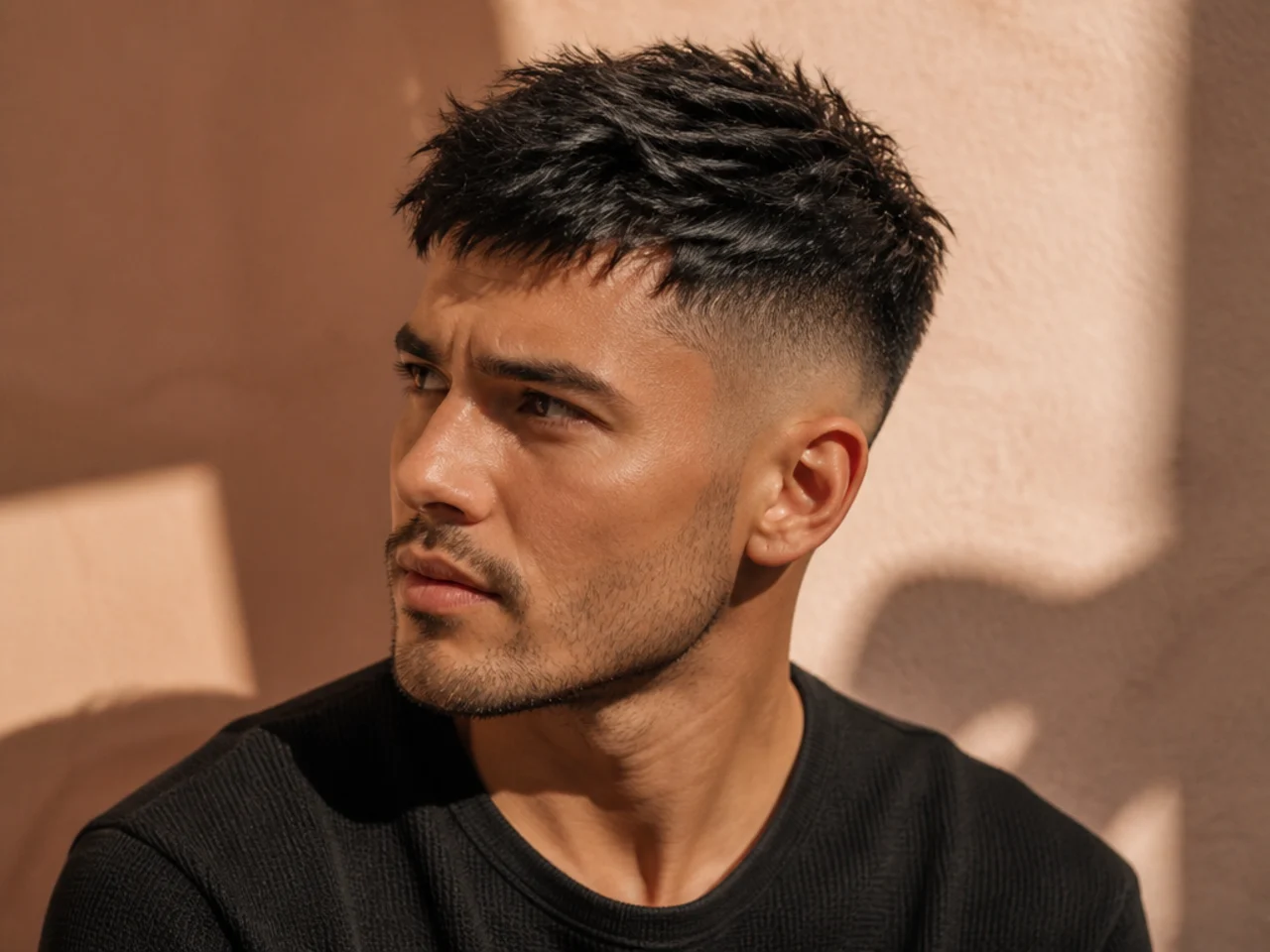
19. The No-Product Finish for Coarse Hair
Coarse hair has enough stiffness to hold its own separation once it is dried with lift. Adding product to it usually darkens the surface and closes the gaps that were already there for free.
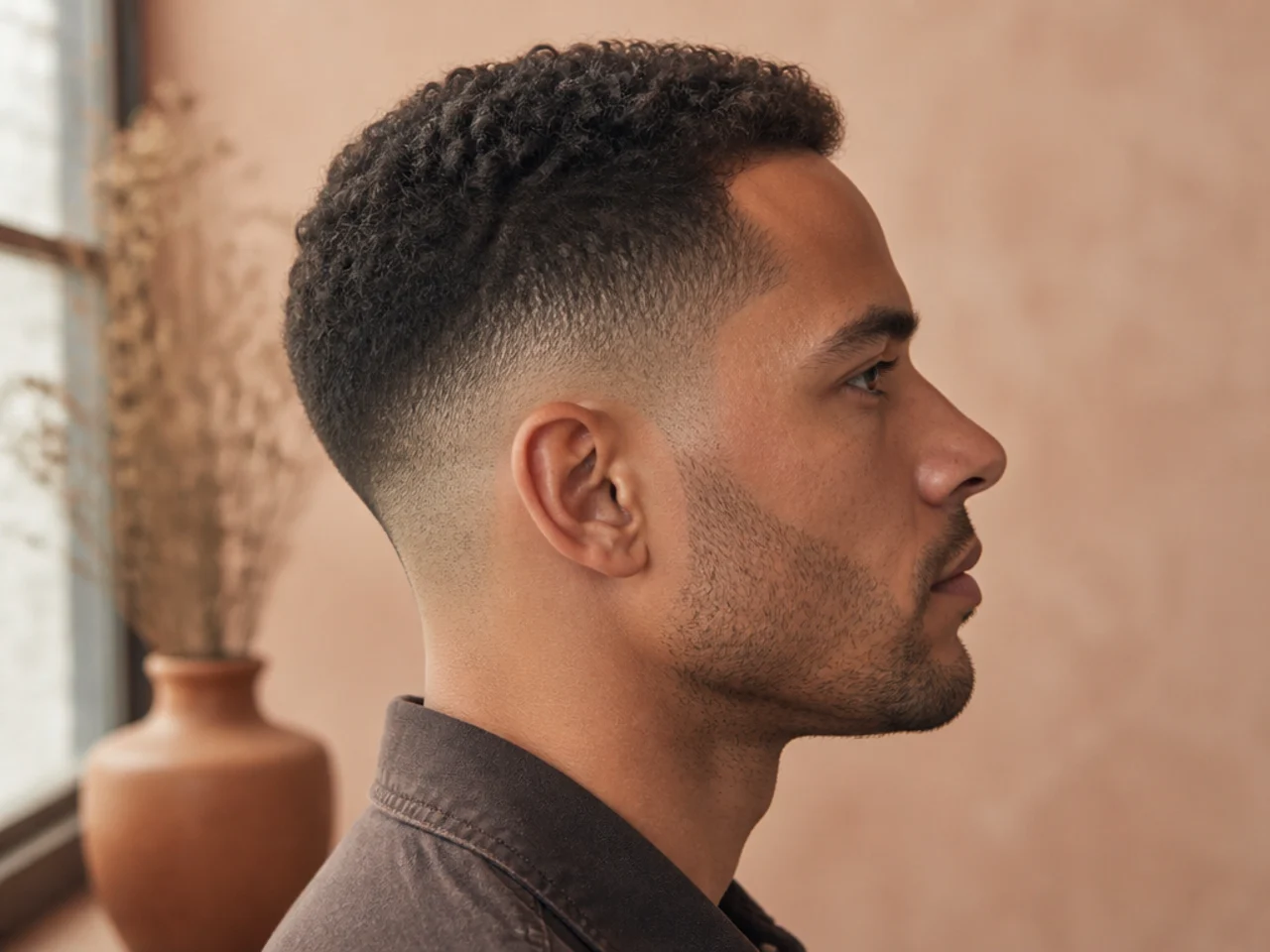
20. Air-Drying, and What It Costs You
Hair dries in whatever position it is in, so air-drying sets the root flat against the scalp by default. It is not wrong, but it forgoes the single biggest source of visible texture you have.
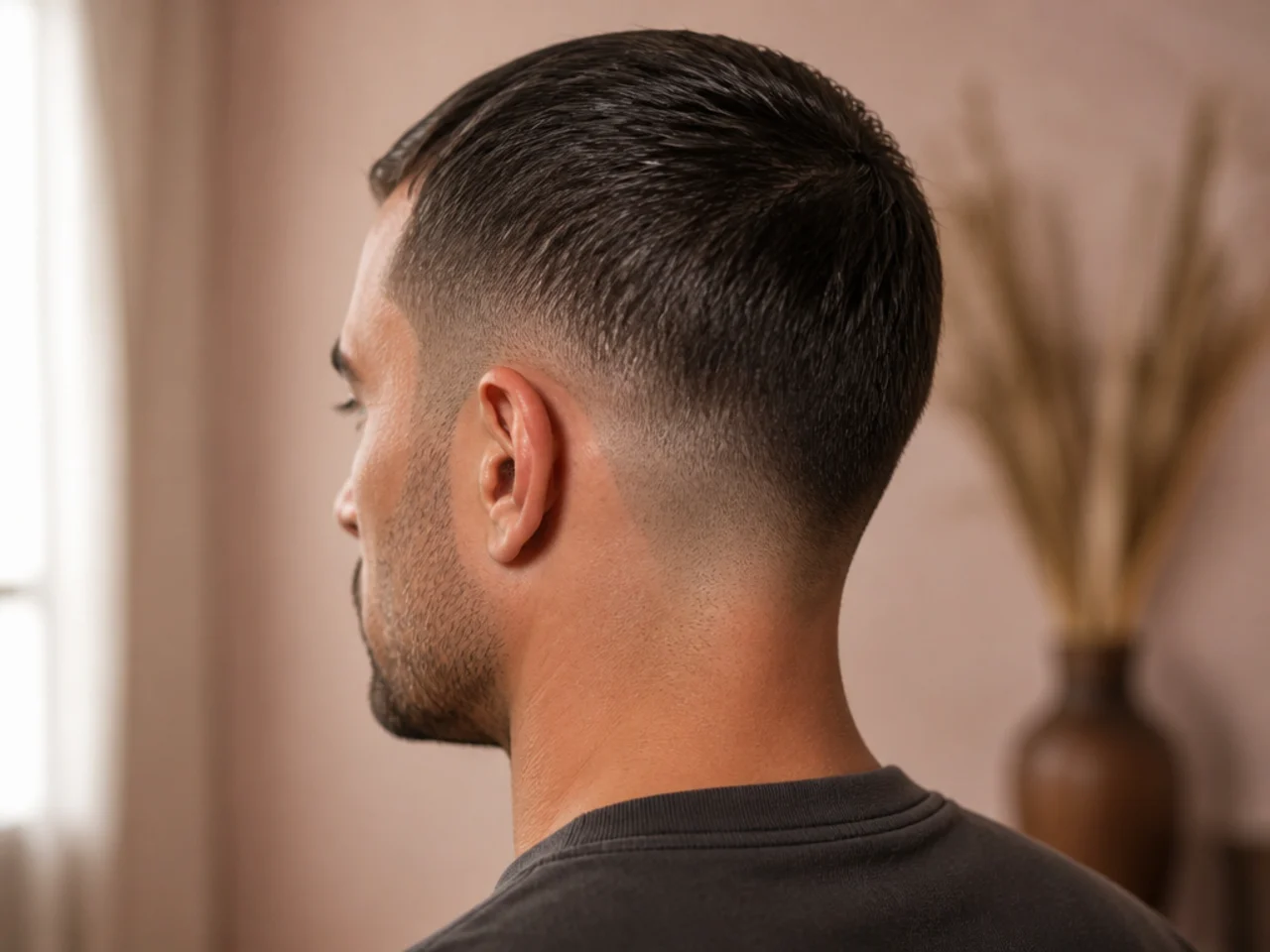
Getting the Finish to Last
Dry first, product second, always. Product on wet hair is diluted and product on set hair is decoration.
Use half what you think. Almost every flat short haircut is over-producted rather than under-cut.
Re-dry rather than re-apply. Thirty seconds of air fixes more than a second application ever does.
Wash less than daily. Stripped hair is slippery hair, and slippery hair holds no separation.
Judge it under daylight. Bathroom lighting flattens shadow, which is exactly what you are trying to see.
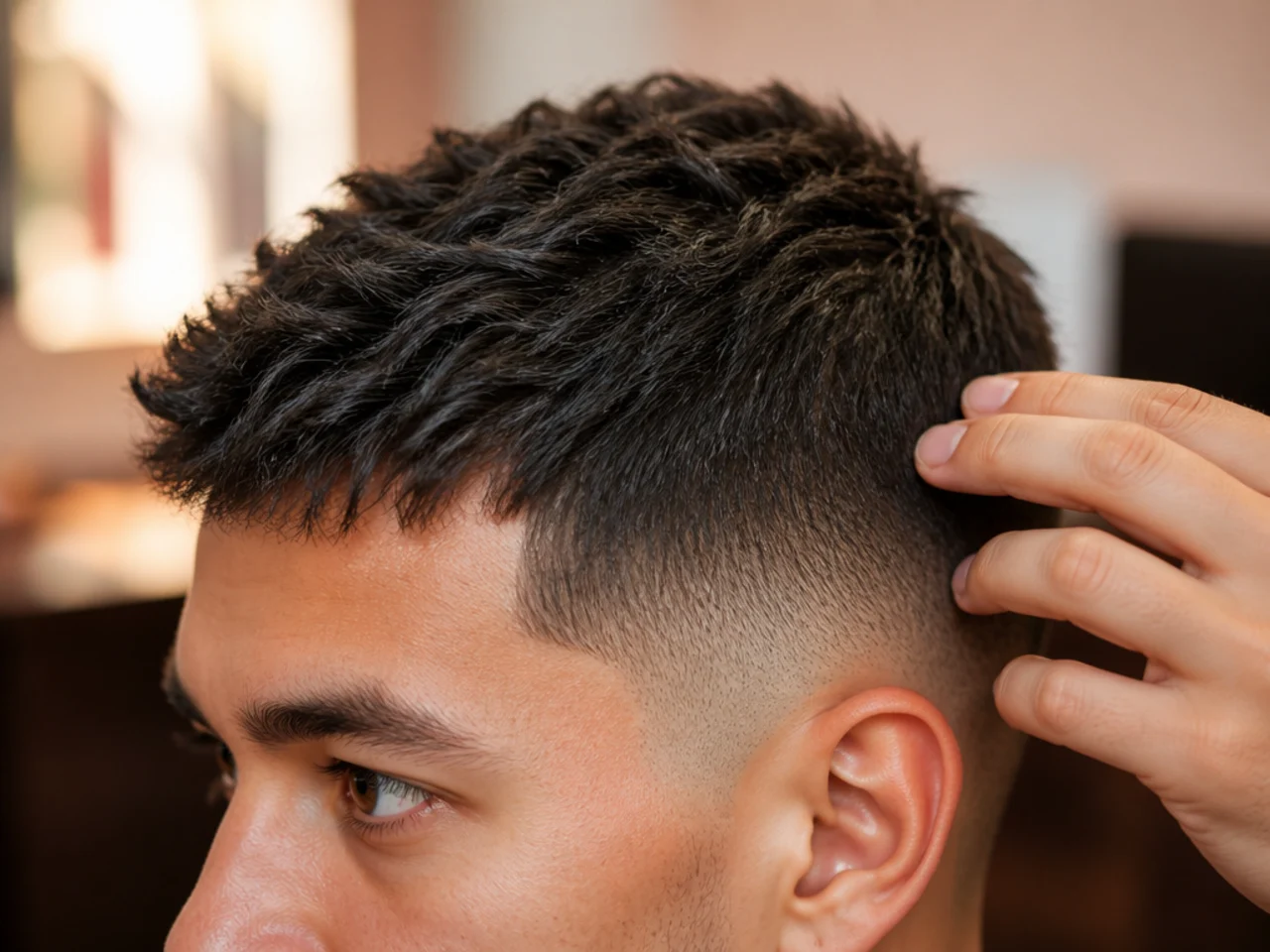
Mistakes to Avoid
Applying product to soaking hair. It dilutes, runs to the root and dries flat.
Reaching for shine on short hair. At this length gloss reads as grease.
Putting clay in dry, unwarmed hands. It lands in clumps and never spreads.
Adding product to fix flatness. Flat is a drying problem, not a product one.
Combing after finishing. A comb pulls the pieces back into one surface in a single stroke.
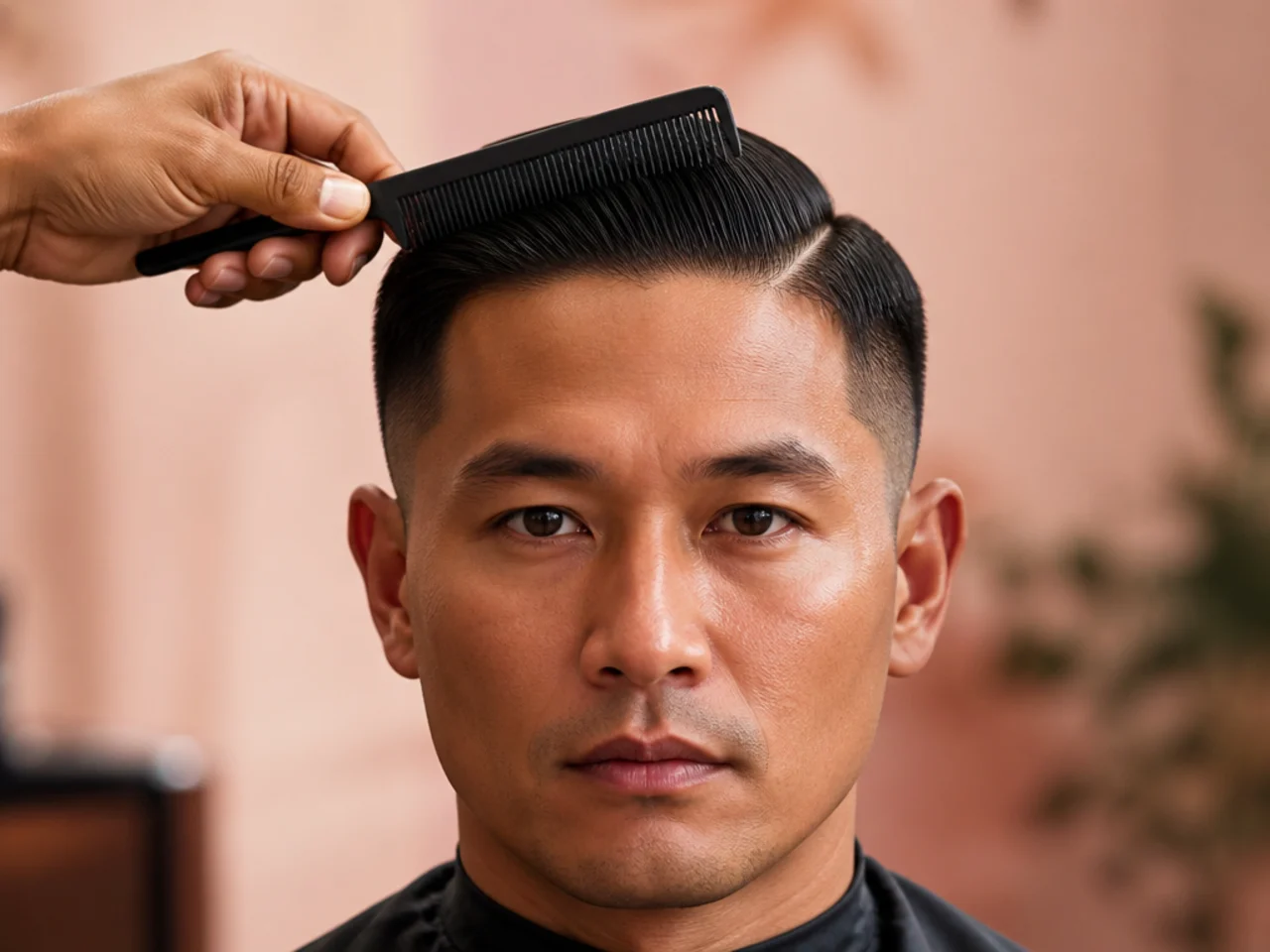
FAQ
Why is it flat at home? Your barber dried it against the growth and you did not.
Matte or shine? Matte on short hair, every time. Shine closes the gaps.
How dry before product? Around eighty percent, while the hair still moves.
Final Thoughts
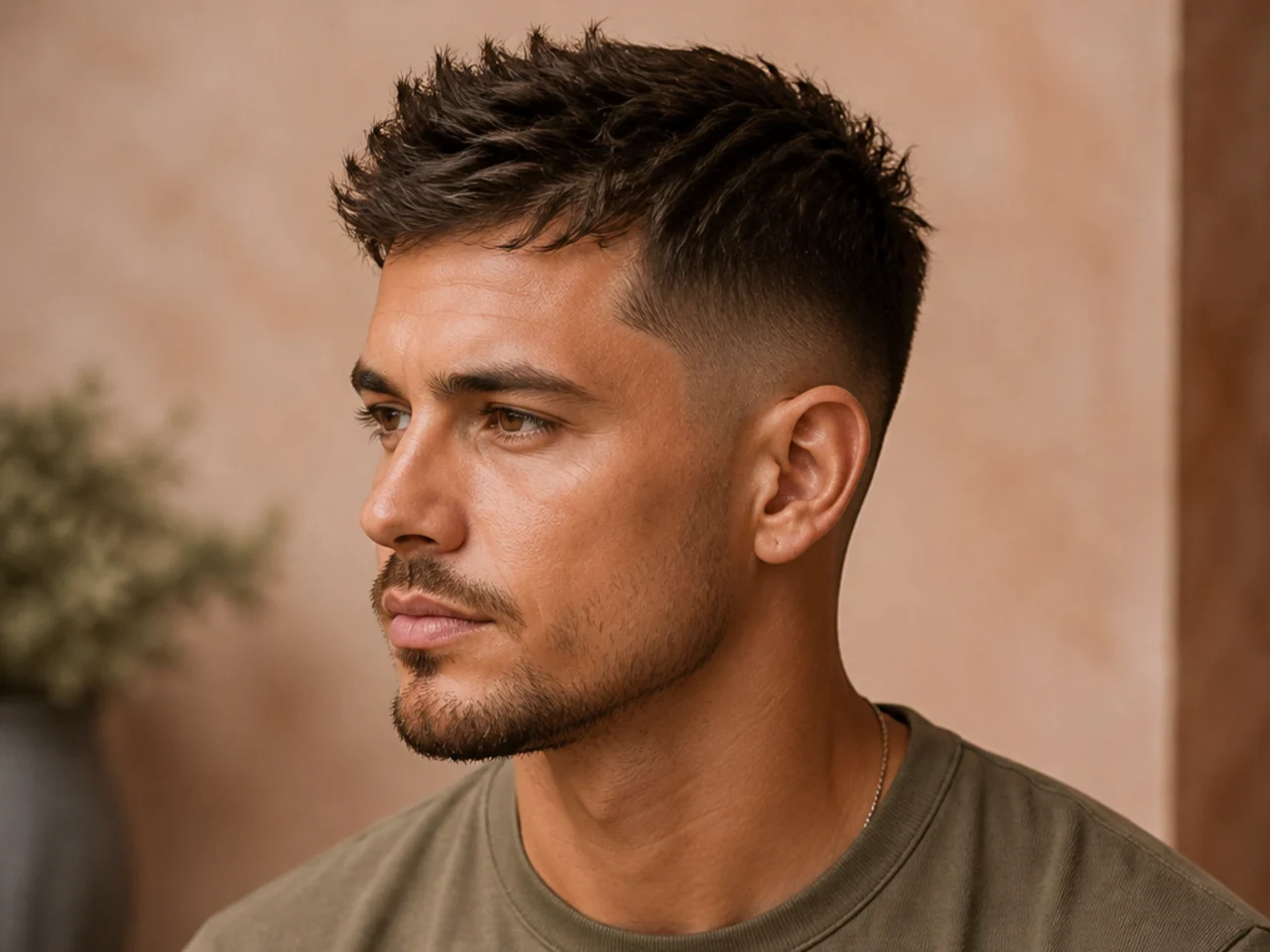
Save the photograph, but understand that half of what you are saving is a dryer and a fingertip of matte product. Get those two right and an ordinary short cut starts to look like the one in the picture.
For the shapes this finish suits best see textured haircuts for men, and for the cut most often finished this way see the textured crop. More in Men's Haircuts.