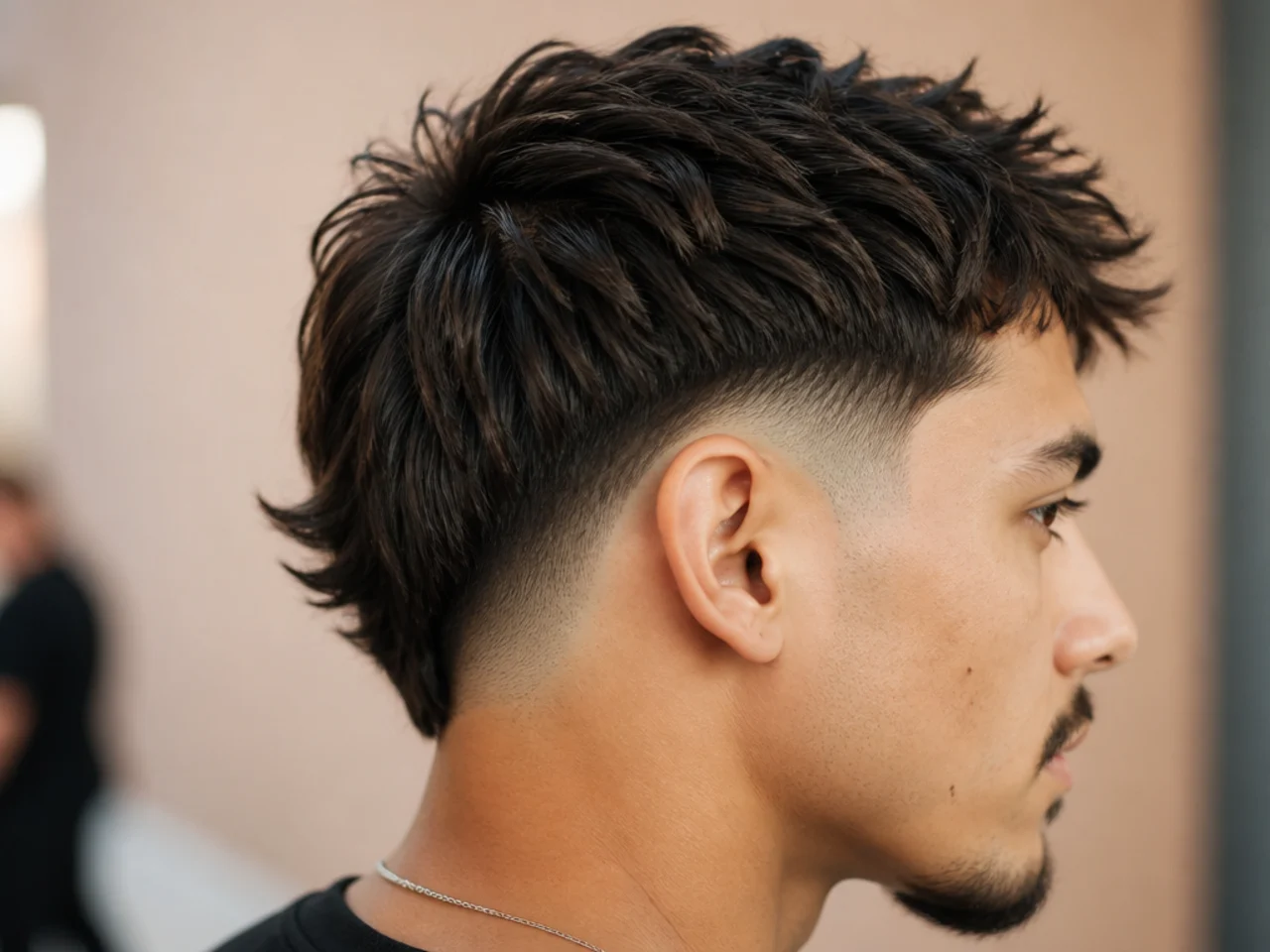
15 Textured Burst Fade Haircut Ideas for Men
Every horizontal fade cuts the top section off at the back of the head. A burst fade opens only a circle at the ear, which leaves one continuous strip of length from the fringe over the crown to the nape.
In this article · 22
- Why the Strip Matters
- How to Choose Yours
- The 15 Textured Burst Fade Ideas
- 1. Classic Textured Burst Fade
- 2. Textured Burst Fade With a Long Nape
- 3. Textured Burst Fade Mullet
- 4. Textured Burst Fade Mohawk
- 5. Textured Burst Fade With a Forward Fringe
- 6. Textured Burst Skin Fade
- 7. Textured Burst Taper
- 8. Textured Burst Fade on Straight Hair
- 9. Textured Burst Fade on Wavy Hair
- 10. Textured Burst Fade on Curly Hair
- 11. Textured Burst Fade With a Beard
- 12. Textured Burst Fade With a Middle Part
- 13. High Textured Burst Fade
- 14. Low Textured Burst Fade
- 15. Textured Burst Fade at Week Four
- Styling and Upkeep
- Mistakes to Avoid
- FAQ
- Final Thoughts
Texture is weight removed from the ends, so that individual pieces separate instead of sitting as one block. On most haircuts that effect stops where the fade starts.
A horizontal fade cuts the textured section off at the back. Low, mid or high, the line runs around the head and ends the long section at the nape.
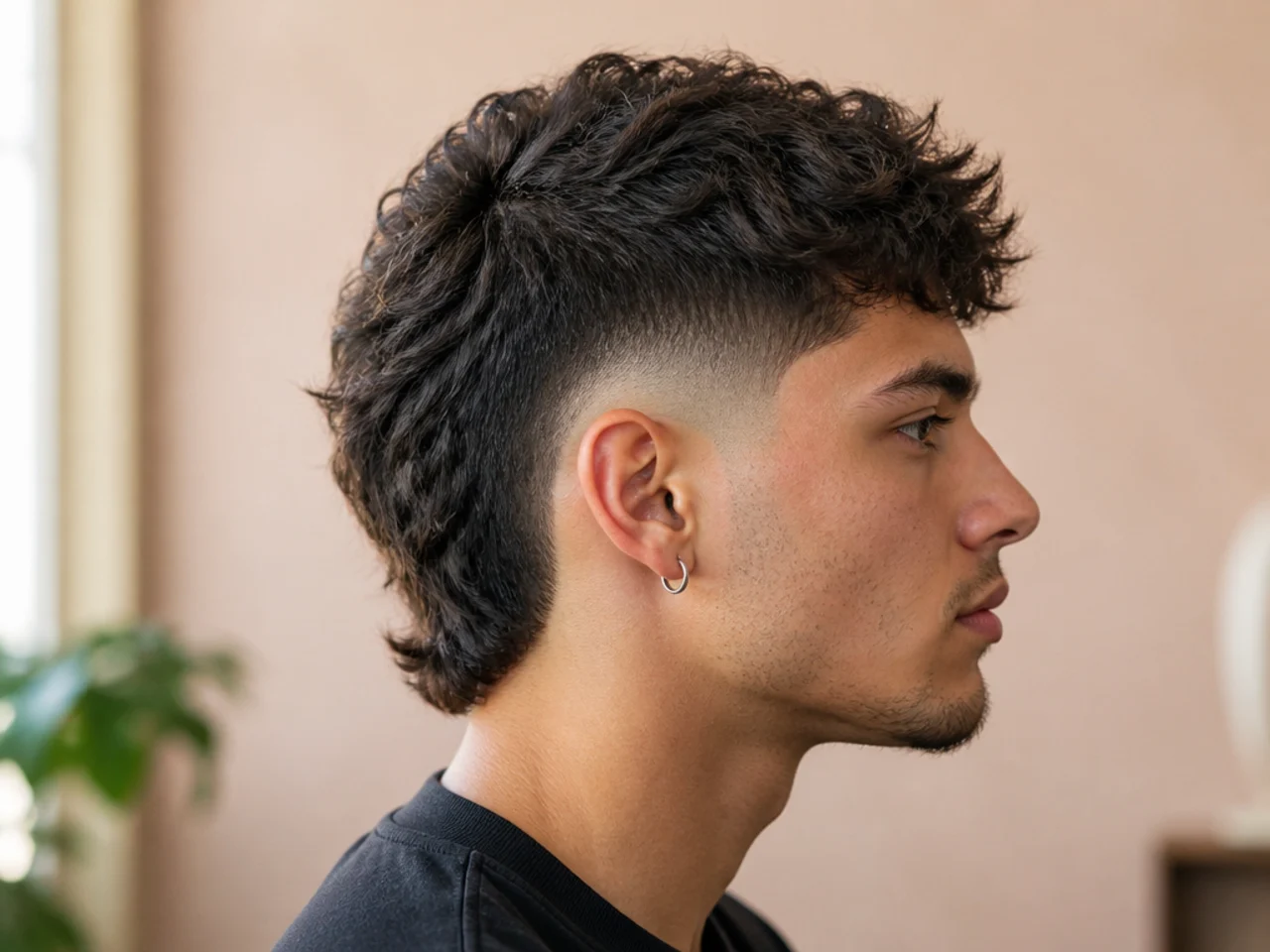
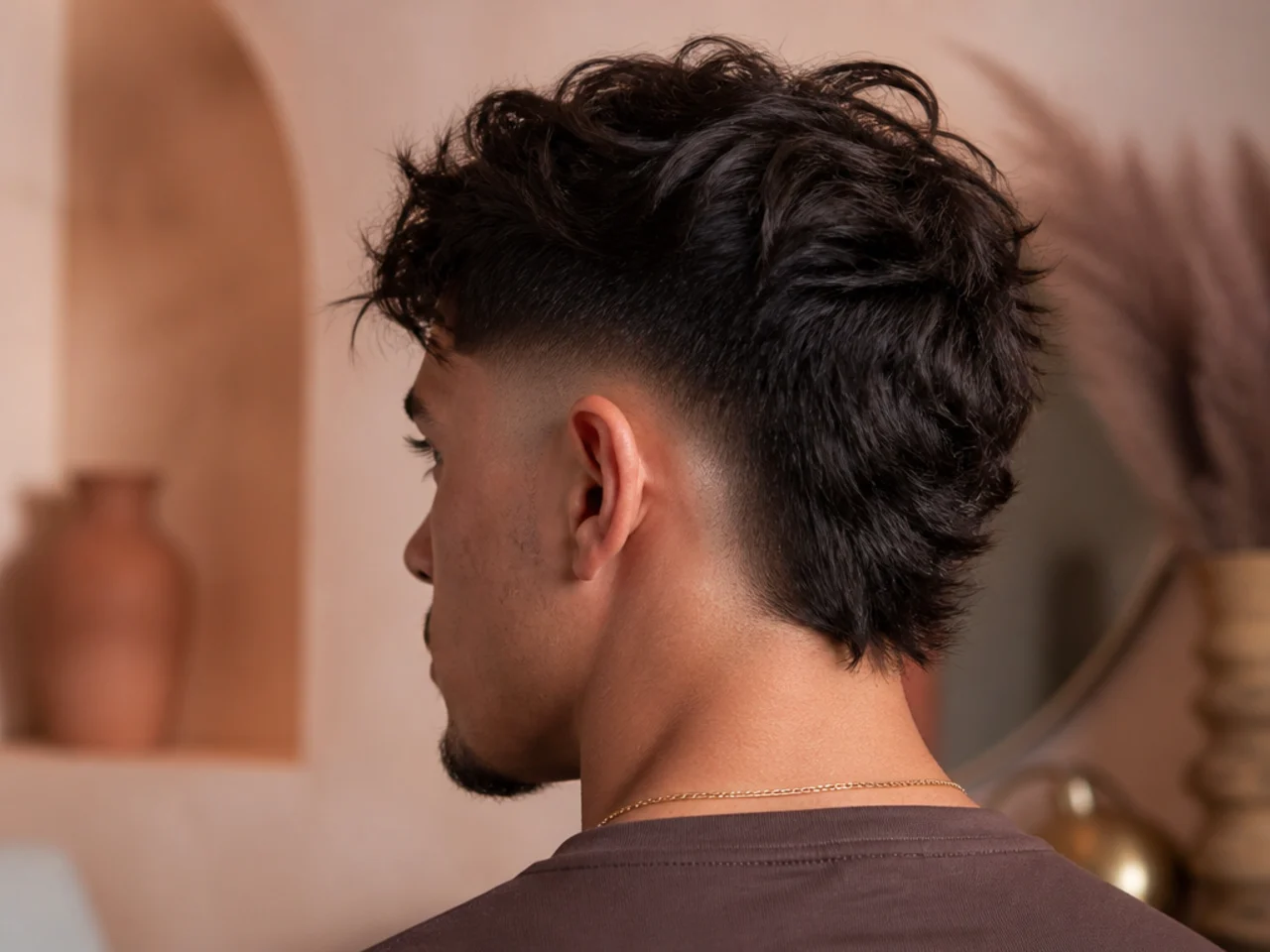
A burst fade opens only a circle at each ear. Which leaves one unbroken strip of length running from the fringe, over the crown, down to the neck.
Why the Strip Matters
Texture reads along a length. Separated ends need a run of hair to travel through before the eye registers them.
A burst fade never breaks that run. The only interruptions are the two circles at the ears.
The strip runs fringe to nape. Roughly the full length of the skull, which is three or four times what a horizontal fade leaves.
That is why textured bursts read as mohawk-adjacent. A continuous strip along the top is the same geometry, at a much gentler width.
How to Choose Yours
Say the back stays long before anything else. It is the instruction the whole cut depends on and the one most often forgotten.
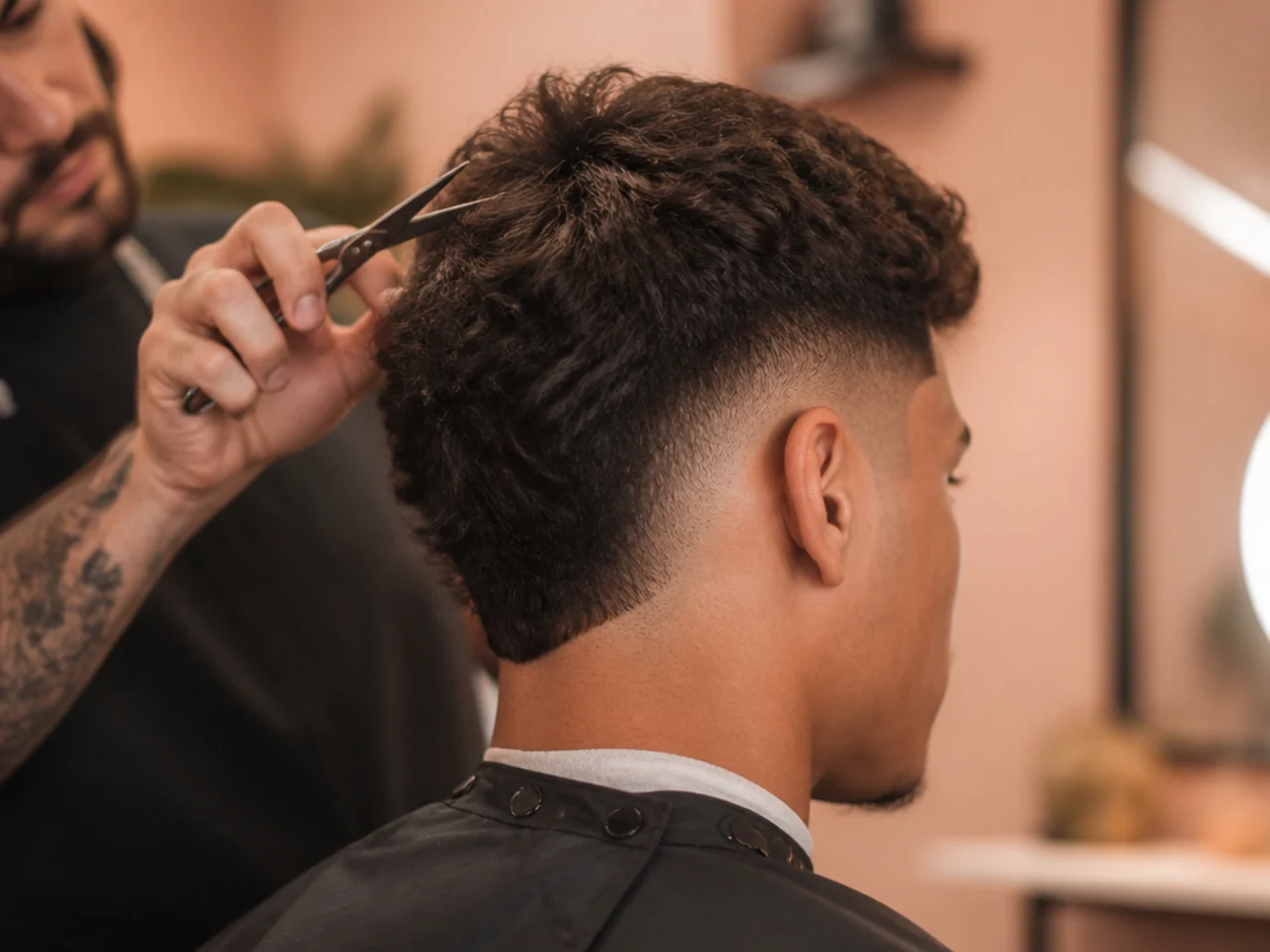
Ask for point cutting through the ends, not thinning shears. Shears remove weight in bands, and a band across a long strip shows as a hollow.
Decide how wide the strip is. A high burst narrows it toward the crown, a low burst leaves it as wide as the head.
Keep at least four centimetres of length. Below that the ends cannot separate anywhere along the strip.
The 15 Textured Burst Fade Ideas
1. Classic Textured Burst Fade
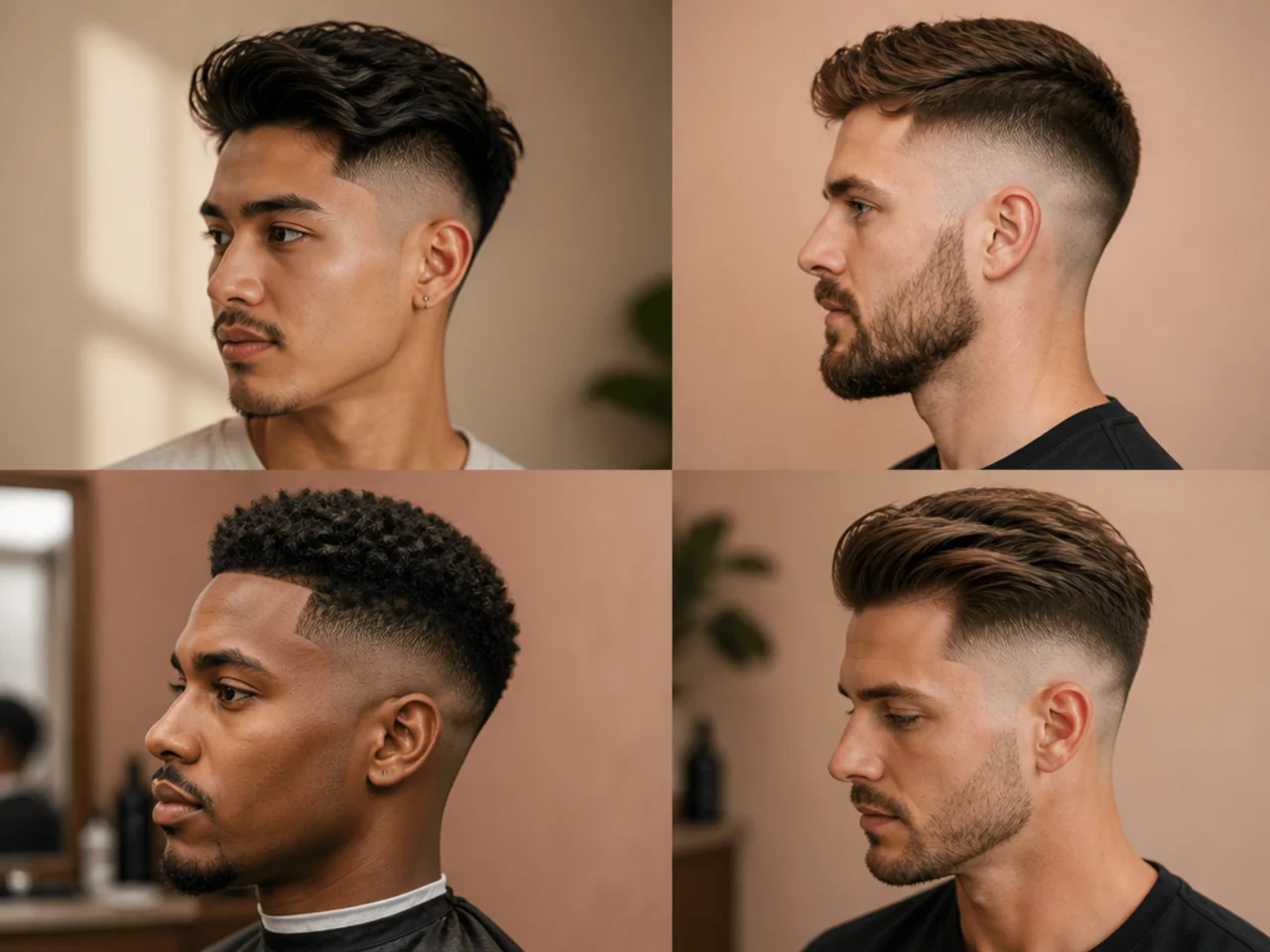
Around five centimetres through the strip, ends point cut, circles opened at both ears. The separation runs from the fringe to the nape without a single interruption, which is the plainest demonstration of what this cut does.
2. Textured Burst Fade With a Long Nape
The back grown well past the collar and heavily textured. Gravity separates the ends without help here, so the nape needs the least product of anywhere on the head.
3. Textured Burst Fade Mullet
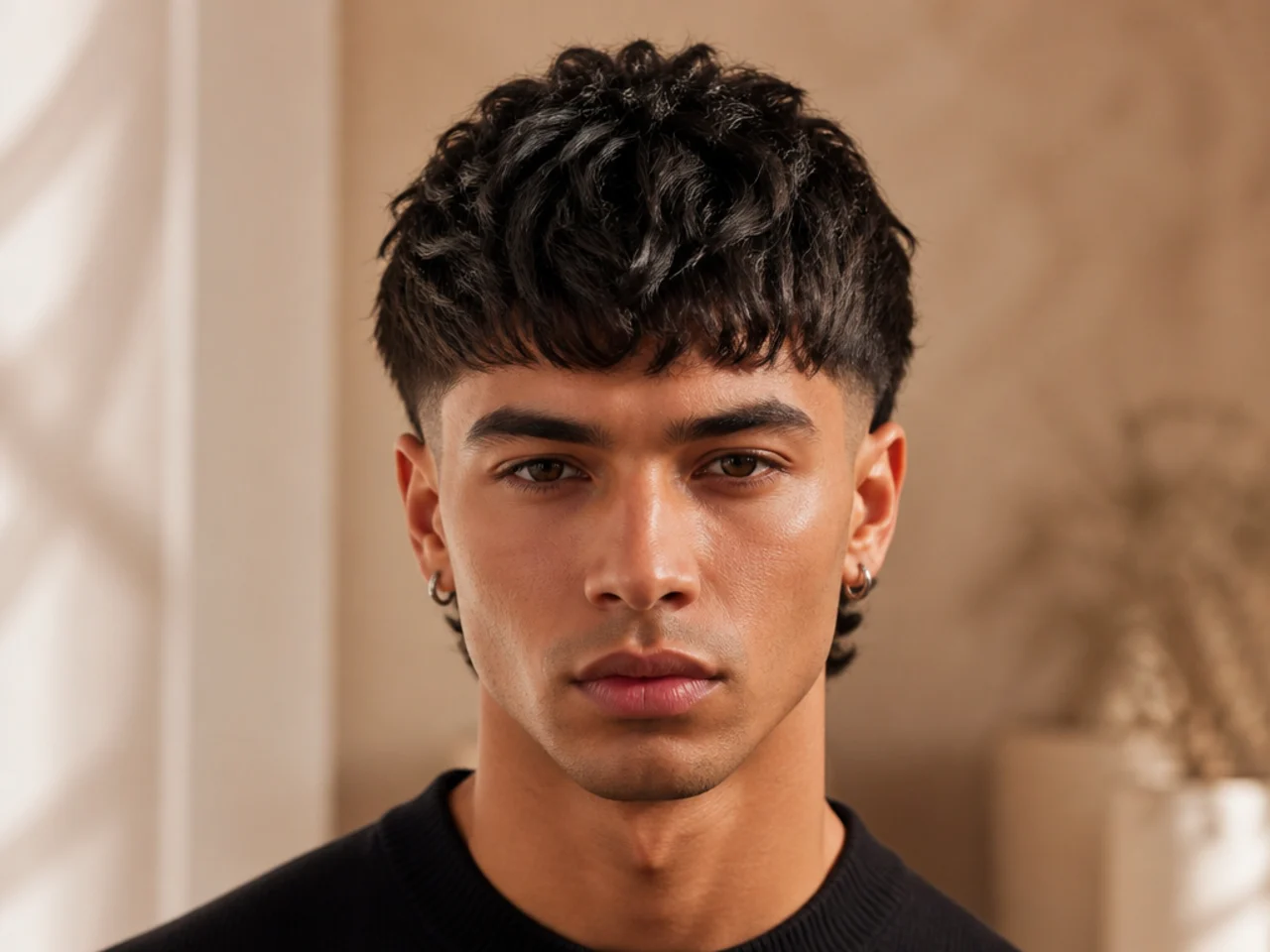
The strip weighted heavily toward the back, which is where this meets the burst fade mullet. It is the natural extreme of this cut, because a burst is the only fade that leaves enough nape to build a mullet from in the first place.
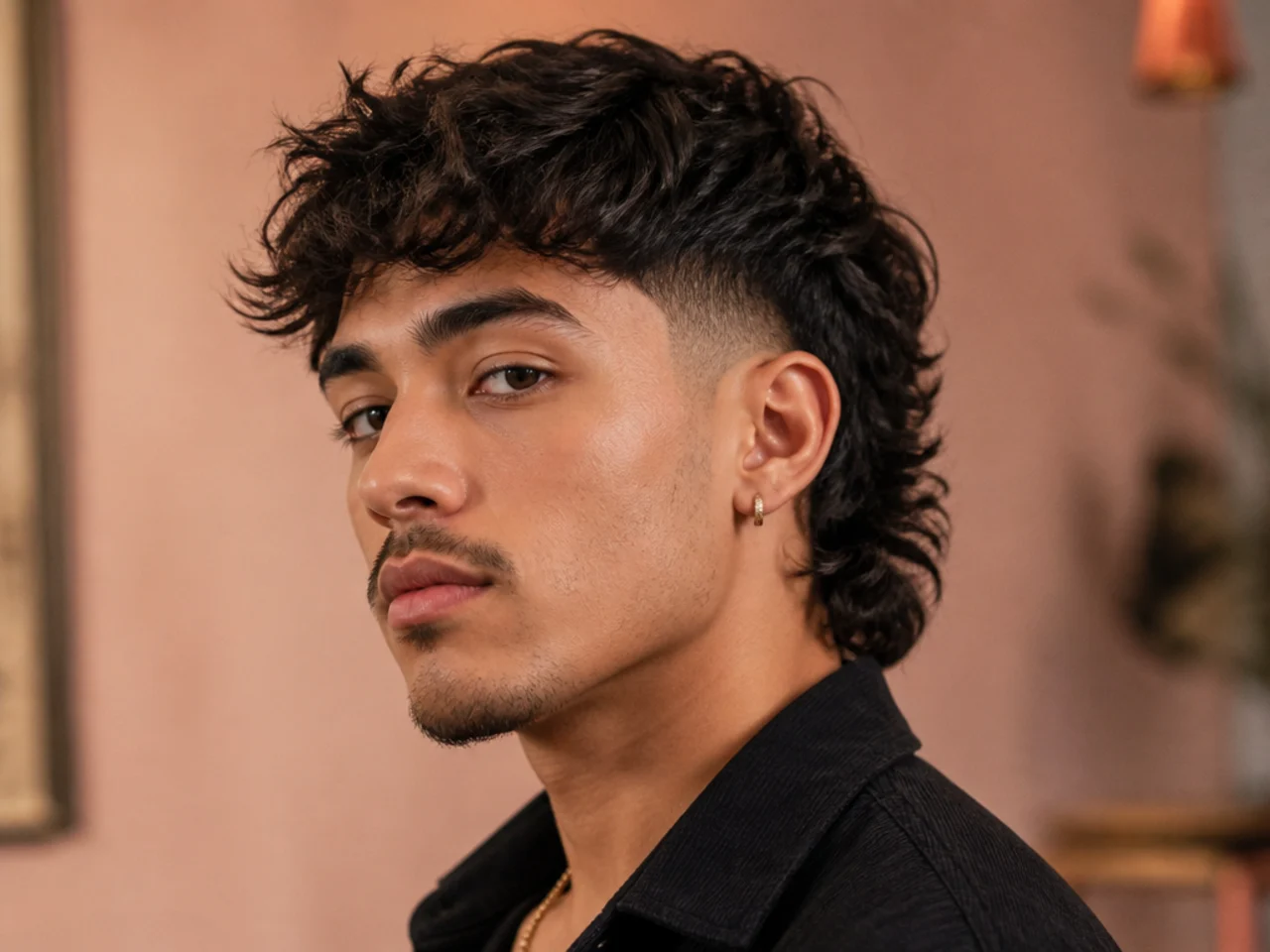
4. Textured Burst Fade Mohawk
The strip narrowed to a band along the crown with high arcs at both ears. The texture stops it reading as a hard ridge and turns it into a broken line instead.
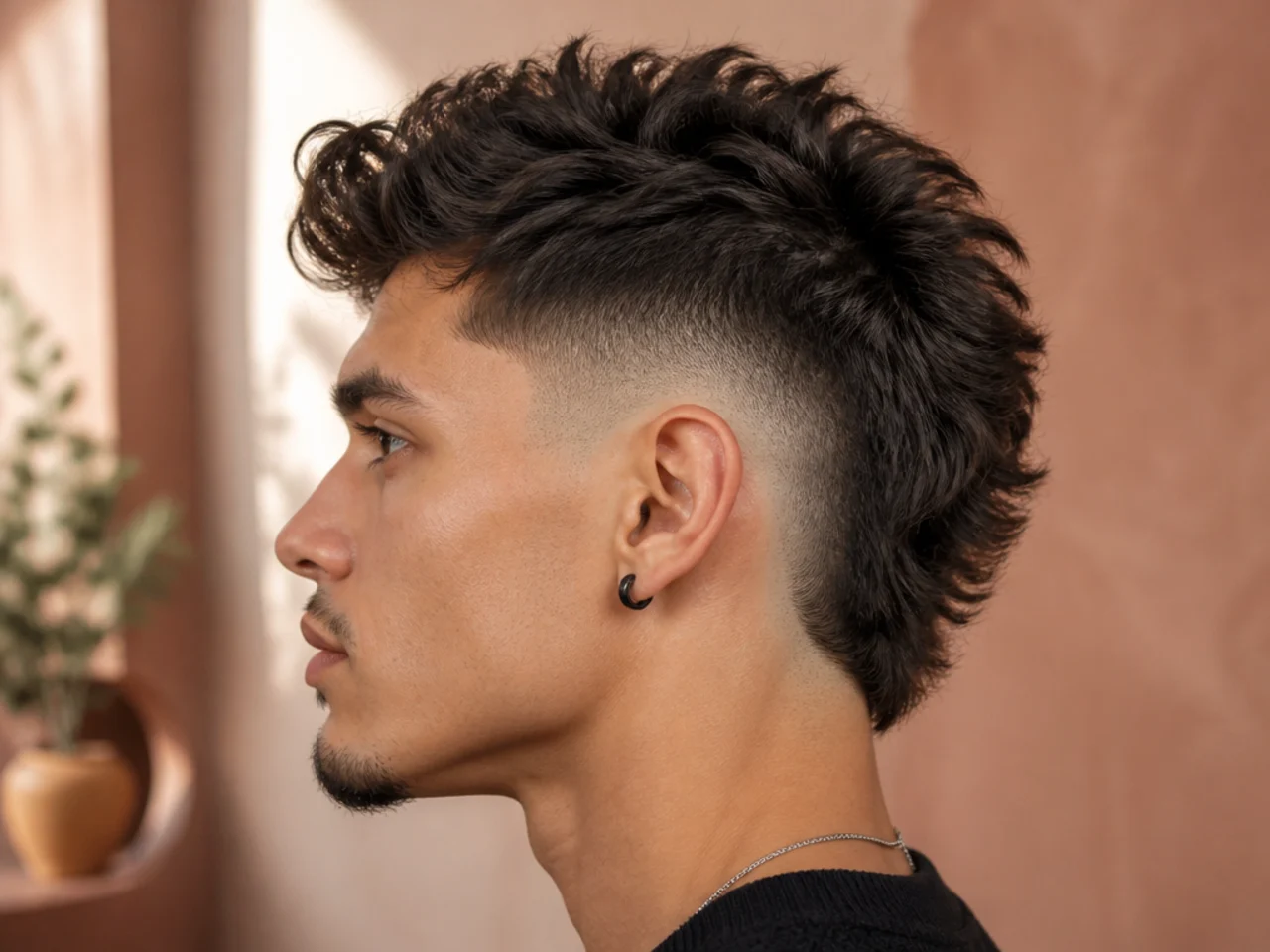
5. Textured Burst Fade With a Forward Fringe
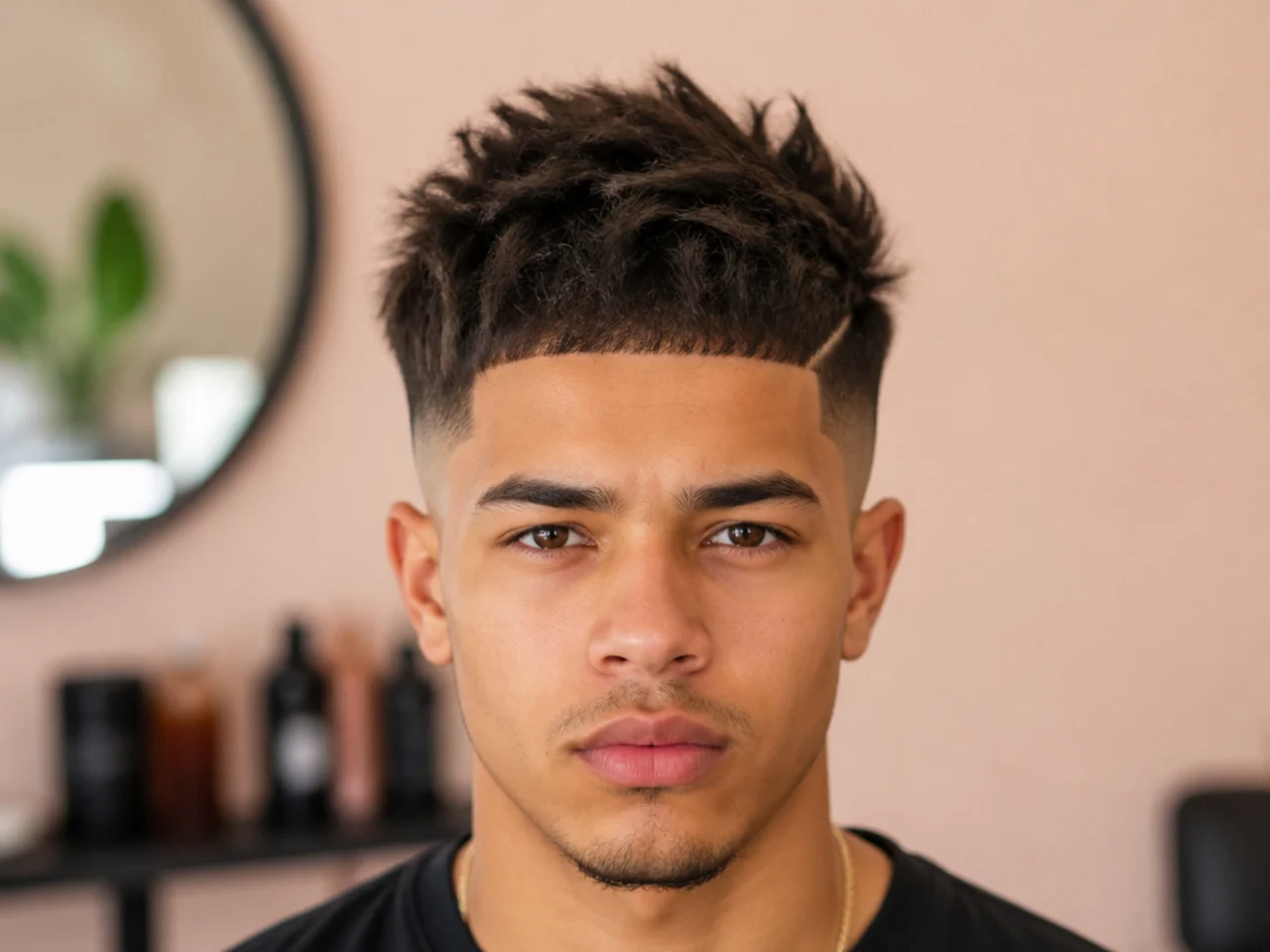
The front of the strip pushed toward the brow and cut irregularly. A broken fringe edge is the only part of this cut's texture that is visible from directly in front.
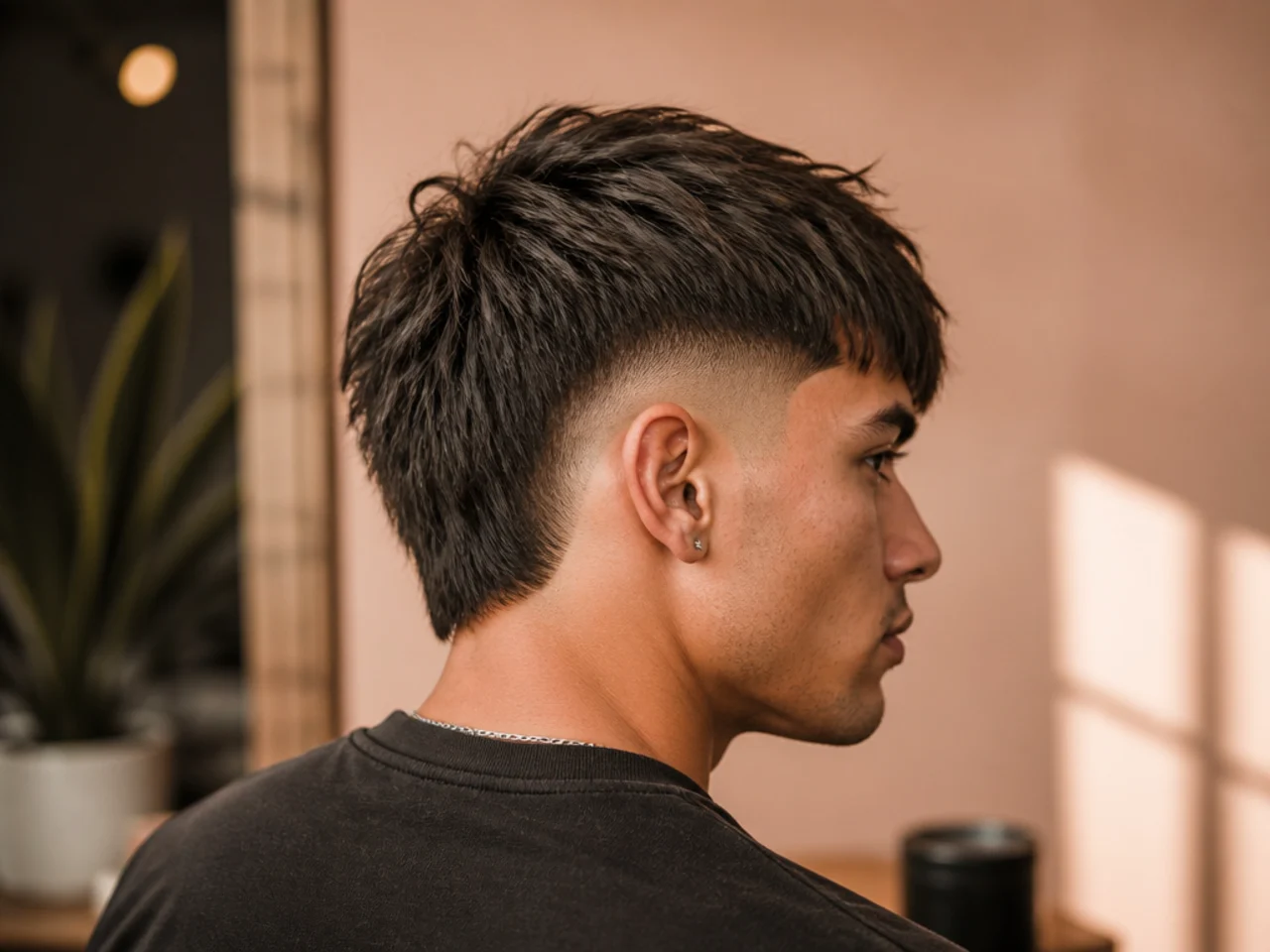
6. Textured Burst Skin Fade
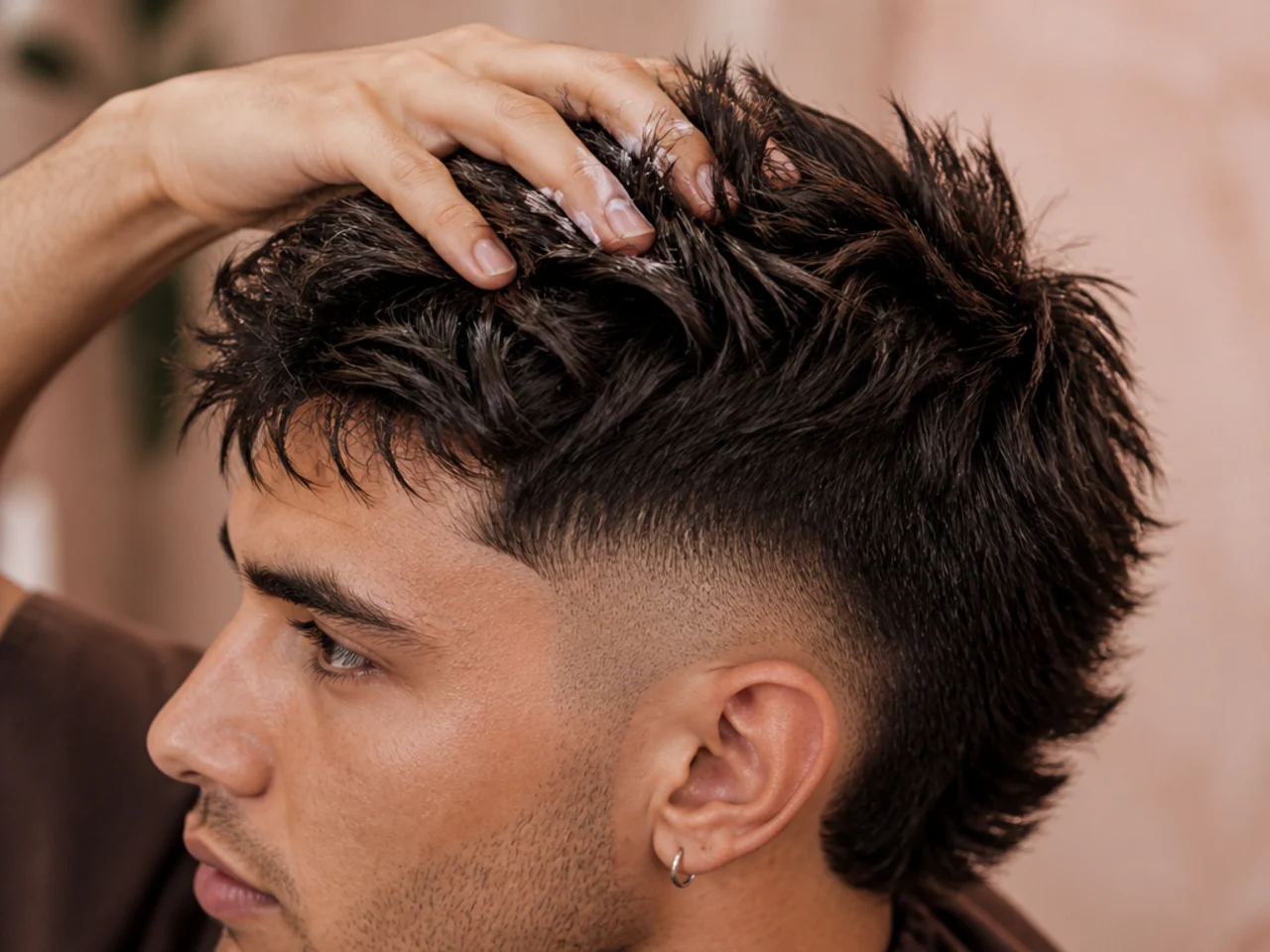
Bare skin inside both circles. The strip sits proud of two clean openings, which is the strongest contrast this cut offers and it lasts about eight days.
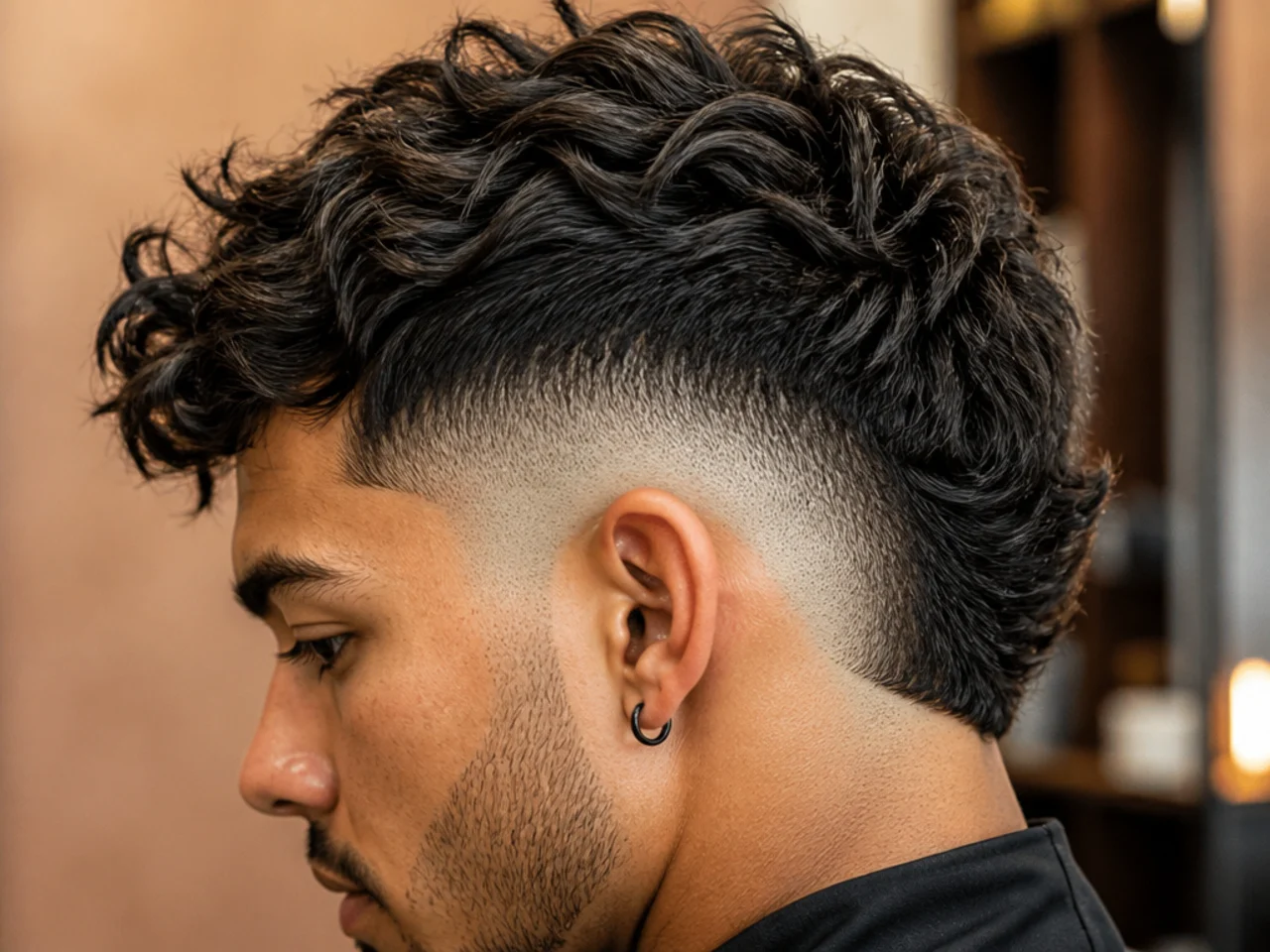
7. Textured Burst Taper
A #1 at 3mm floor at the ears. Softer under a textured strip, and it holds three to four weeks instead of one to two.
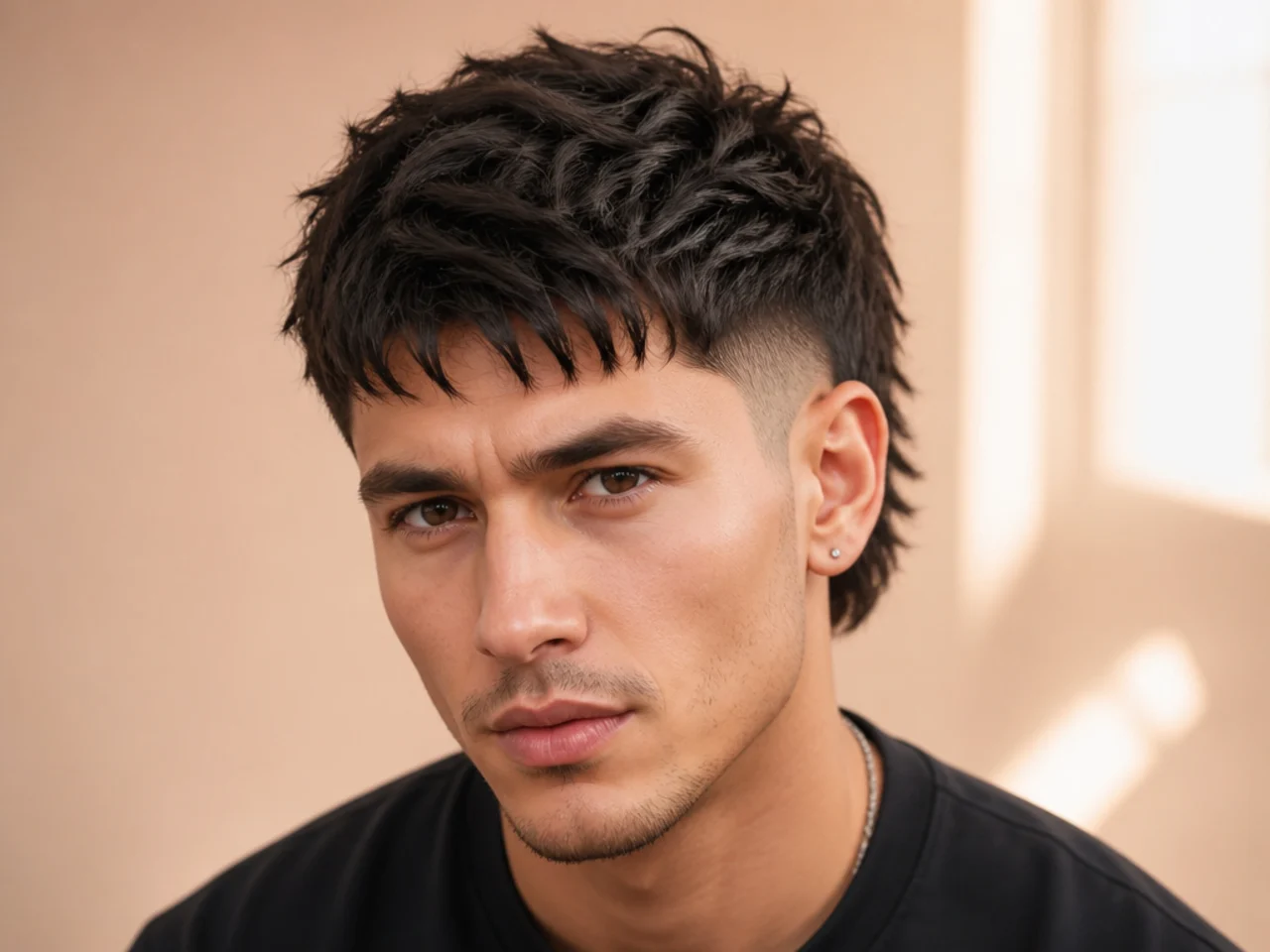
8. Textured Burst Fade on Straight Hair
Straight hair shows every cut end, so the point cutting has to vary in depth as well as position, which is the recurring difficulty with a burst fade on straight hair. Even cutting on straight hair produces a serrated edge rather than texture.
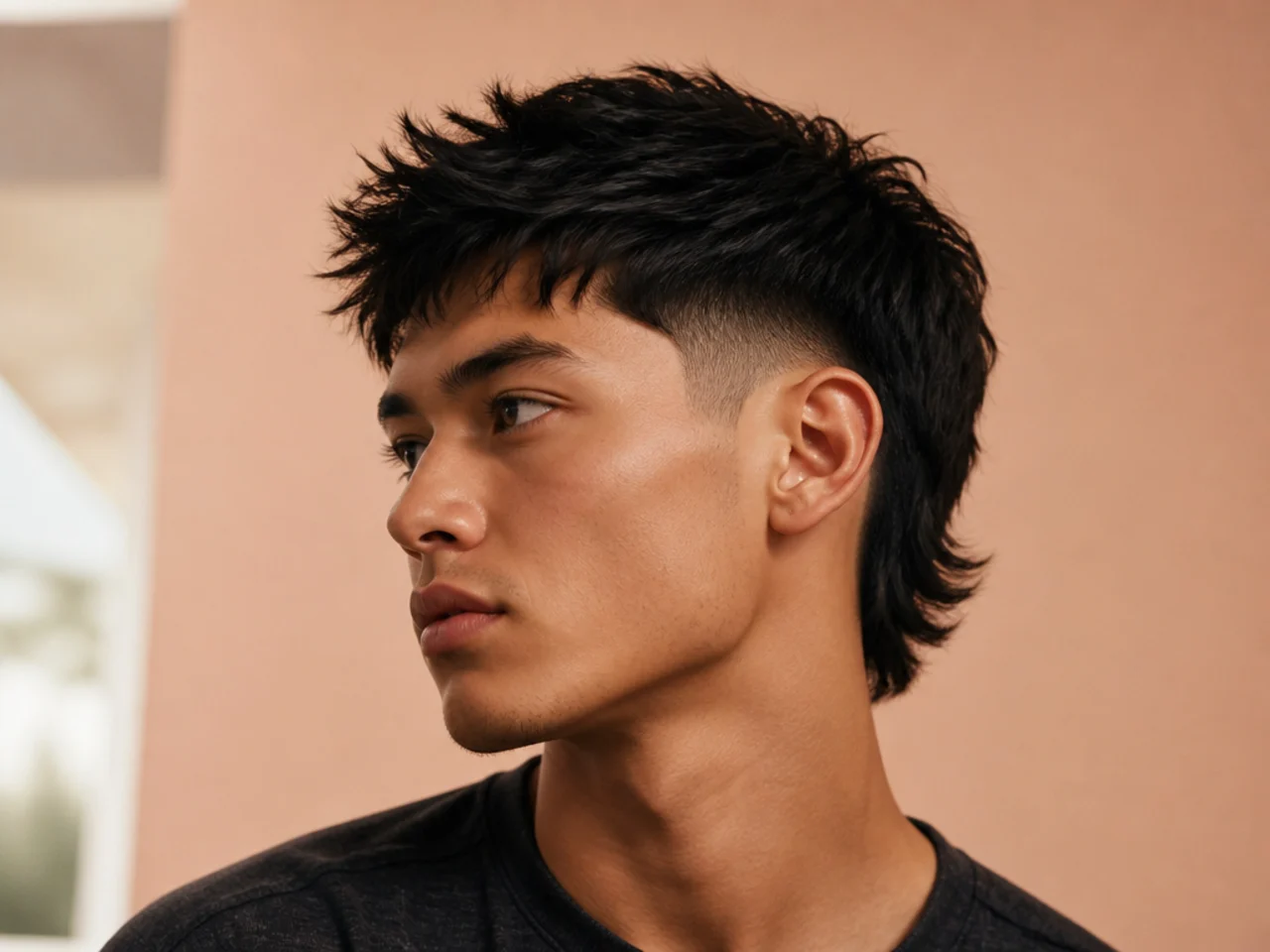
9. Textured Burst Fade on Wavy Hair
Half the separation is already built into the bend of the hair, before a shear touches the strip. Less weight removal is needed, and over-thinning wavy hair produces frizz rather than definition.
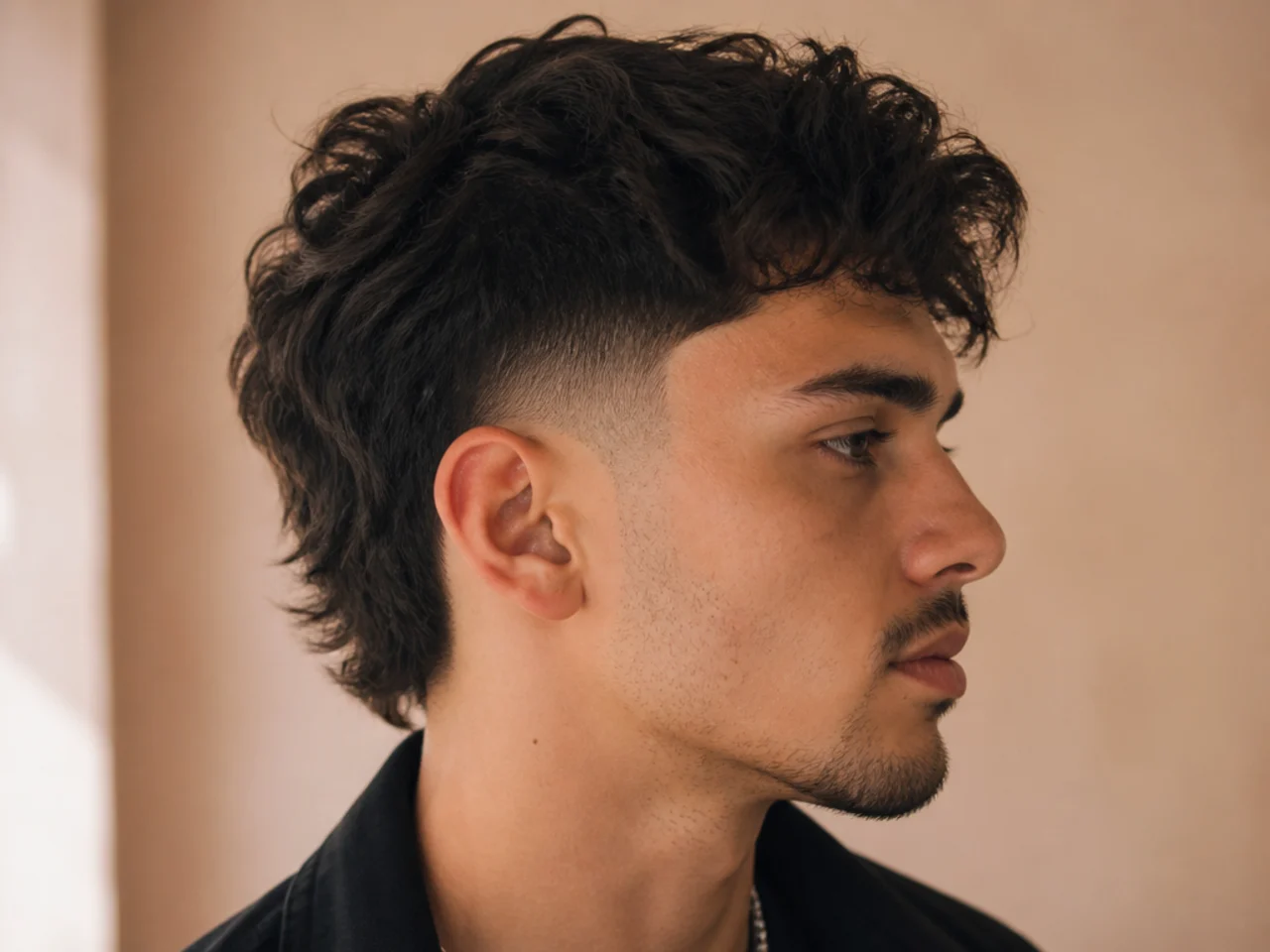
10. Textured Burst Fade on Curly Hair
Curl is texture already, so the cutting is about controlling volume along the strip. Remember the shrinkage, since curly hair loses roughly a third of its length as it dries.
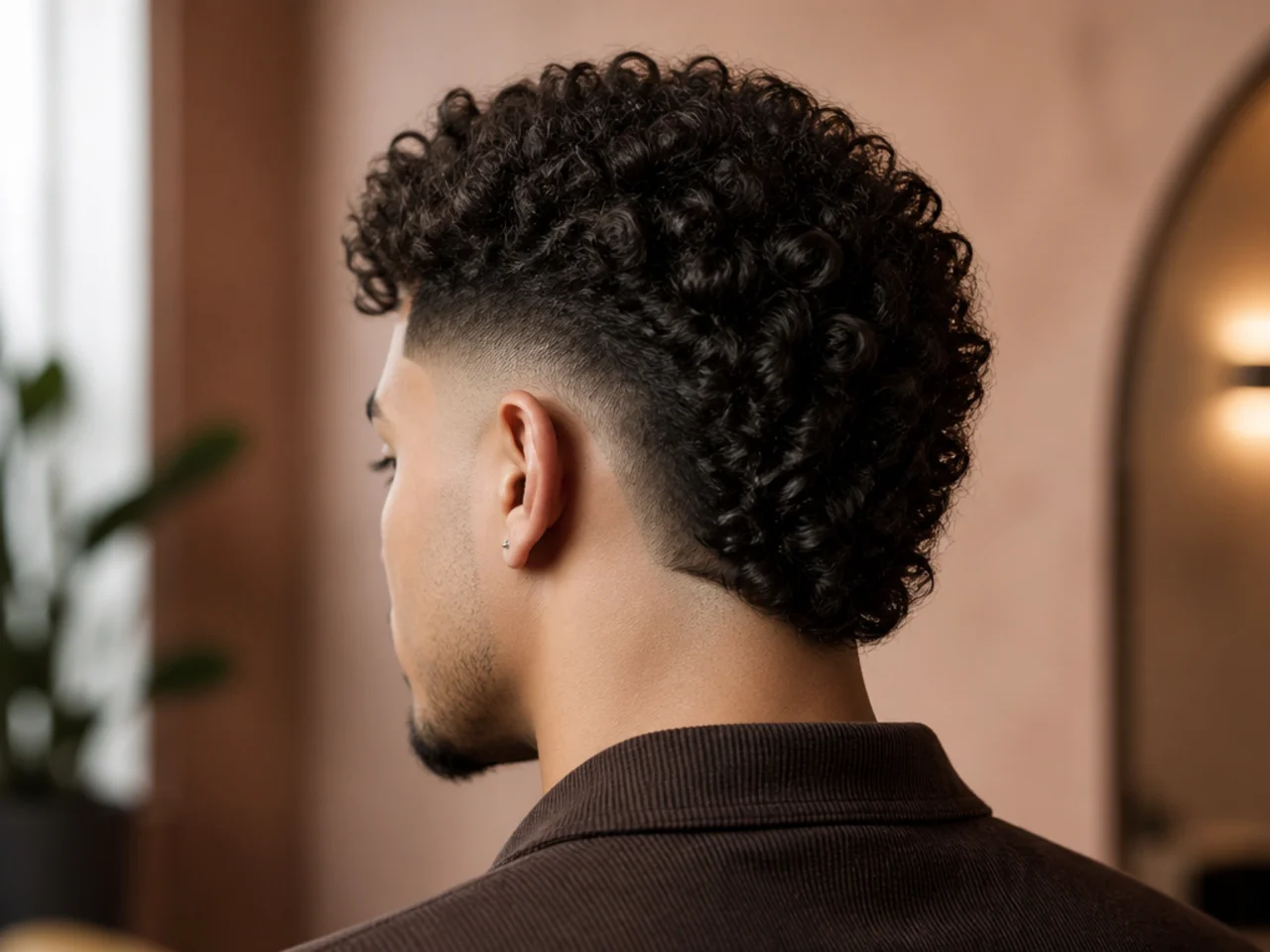
11. Textured Burst Fade With a Beard
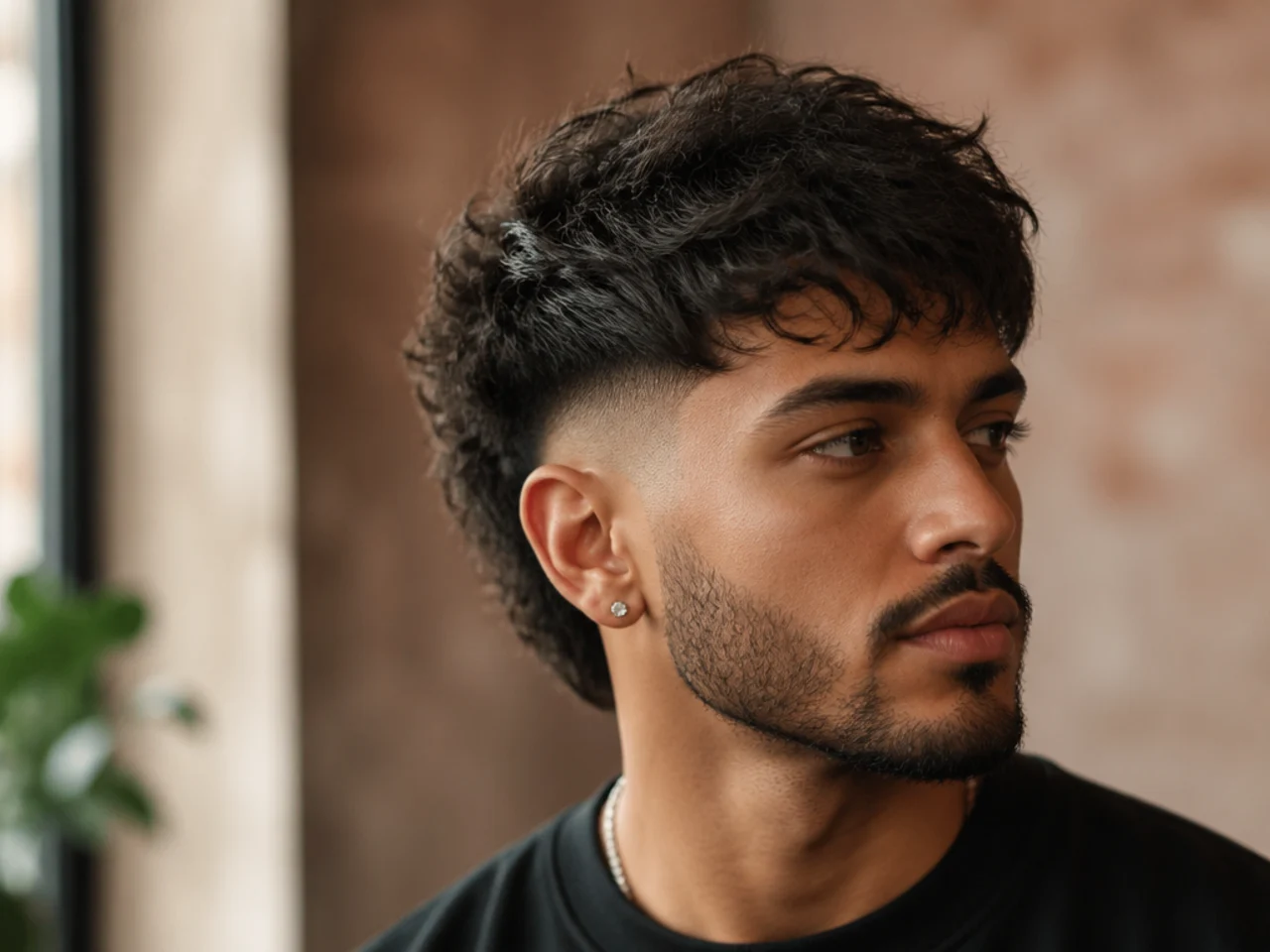
The arc crossing the sideburn on its way around the ear. Texture holds attention along the top, which stops a heavy beard pulling the whole silhouette downward.
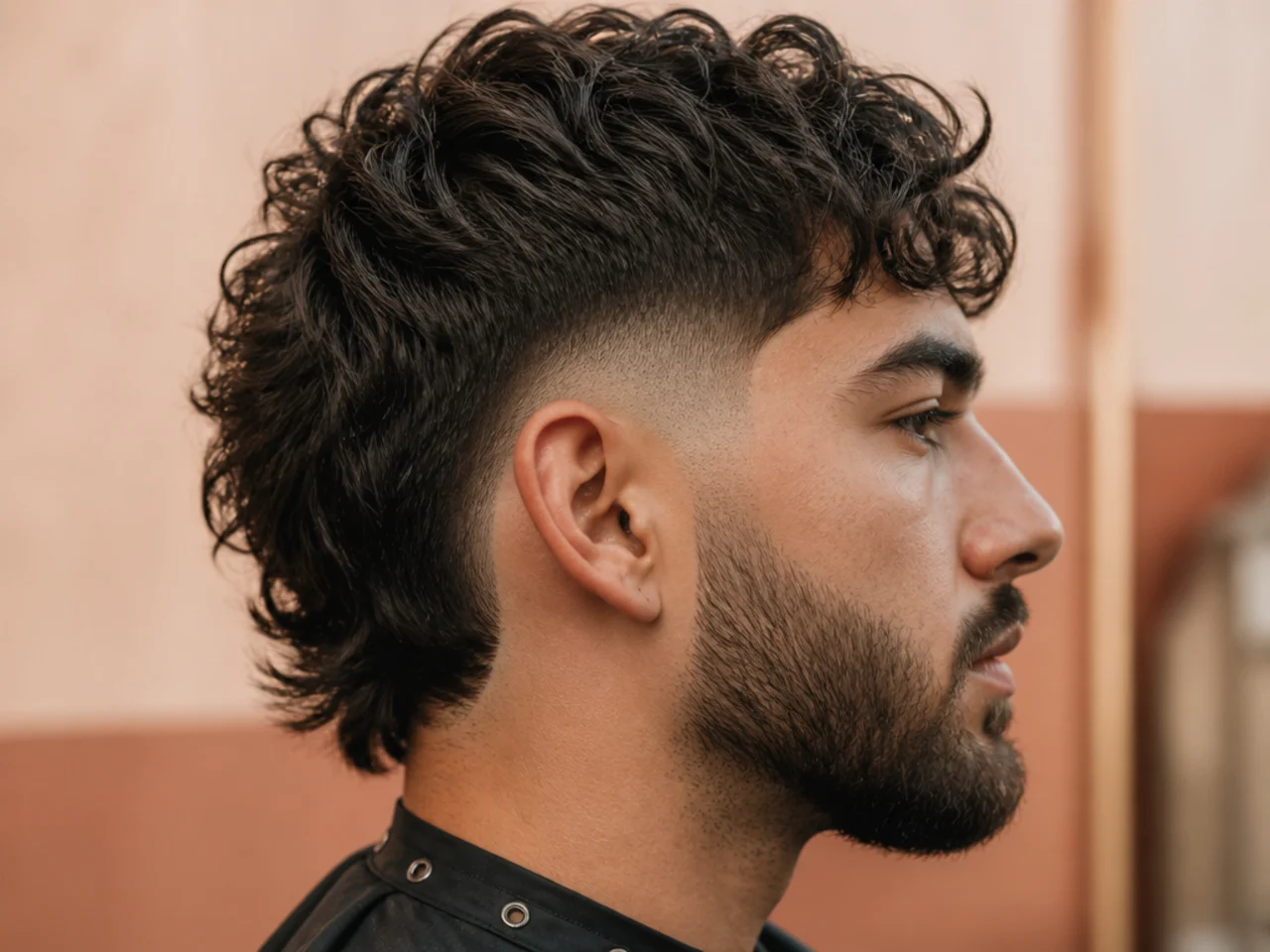
12. Textured Burst Fade With a Middle Part
The strip split down its centre, worn like any other middle part haircut. It halves the visual width of the top while leaving the front-to-back run completely intact. The split only stays open above about five centimetres, because a shorter strip springs back across it within the hour.
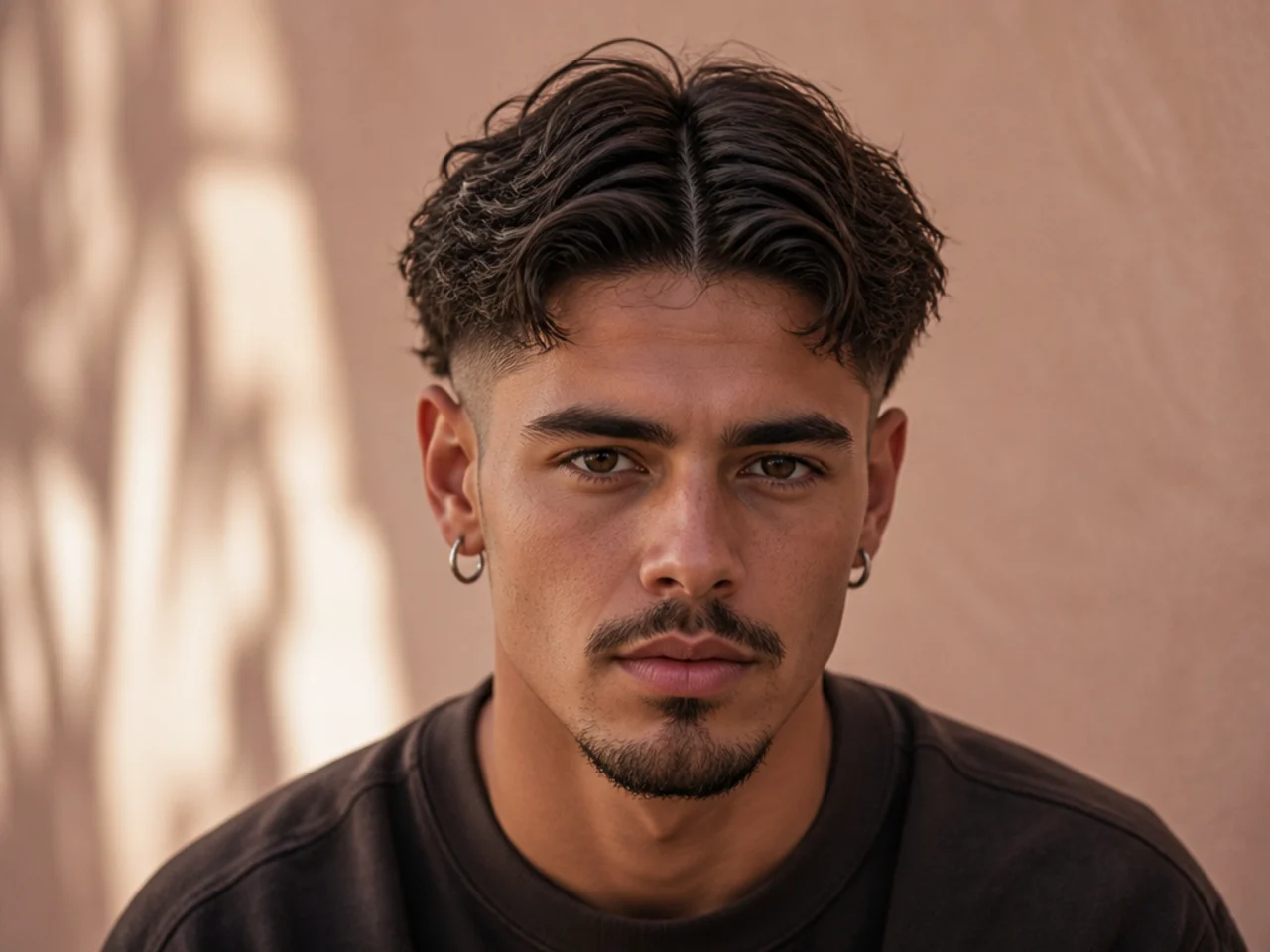
13. High Textured Burst Fade
The arcs climbing toward the parietal ridge. It narrows the strip and sharpens the contrast, which suits dense hair and exposes fine hair.
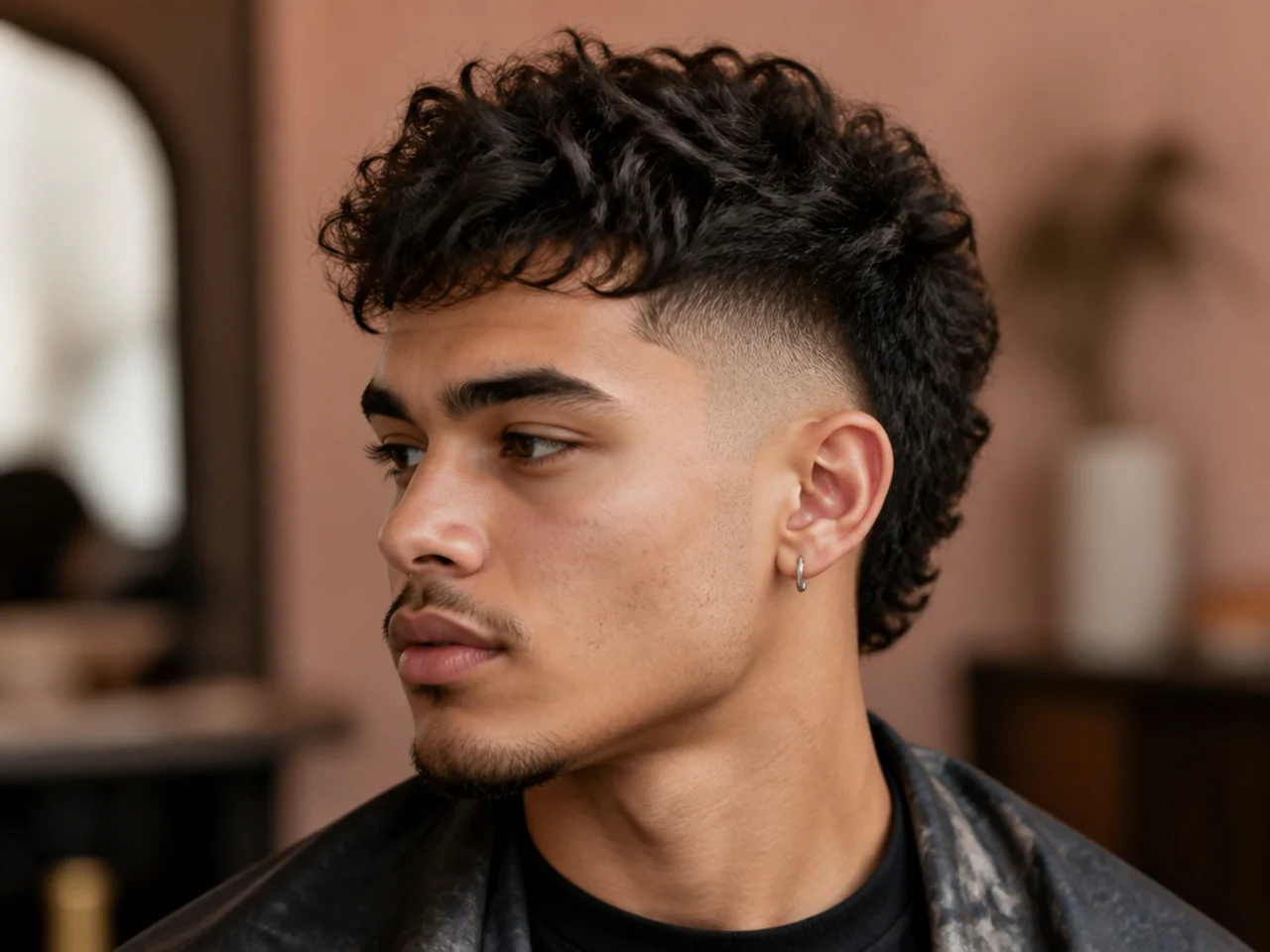
14. Low Textured Burst Fade
Small arcs hugging the ears. The strip stays as wide as the head, so the texture reads as volume rather than as a defined band.
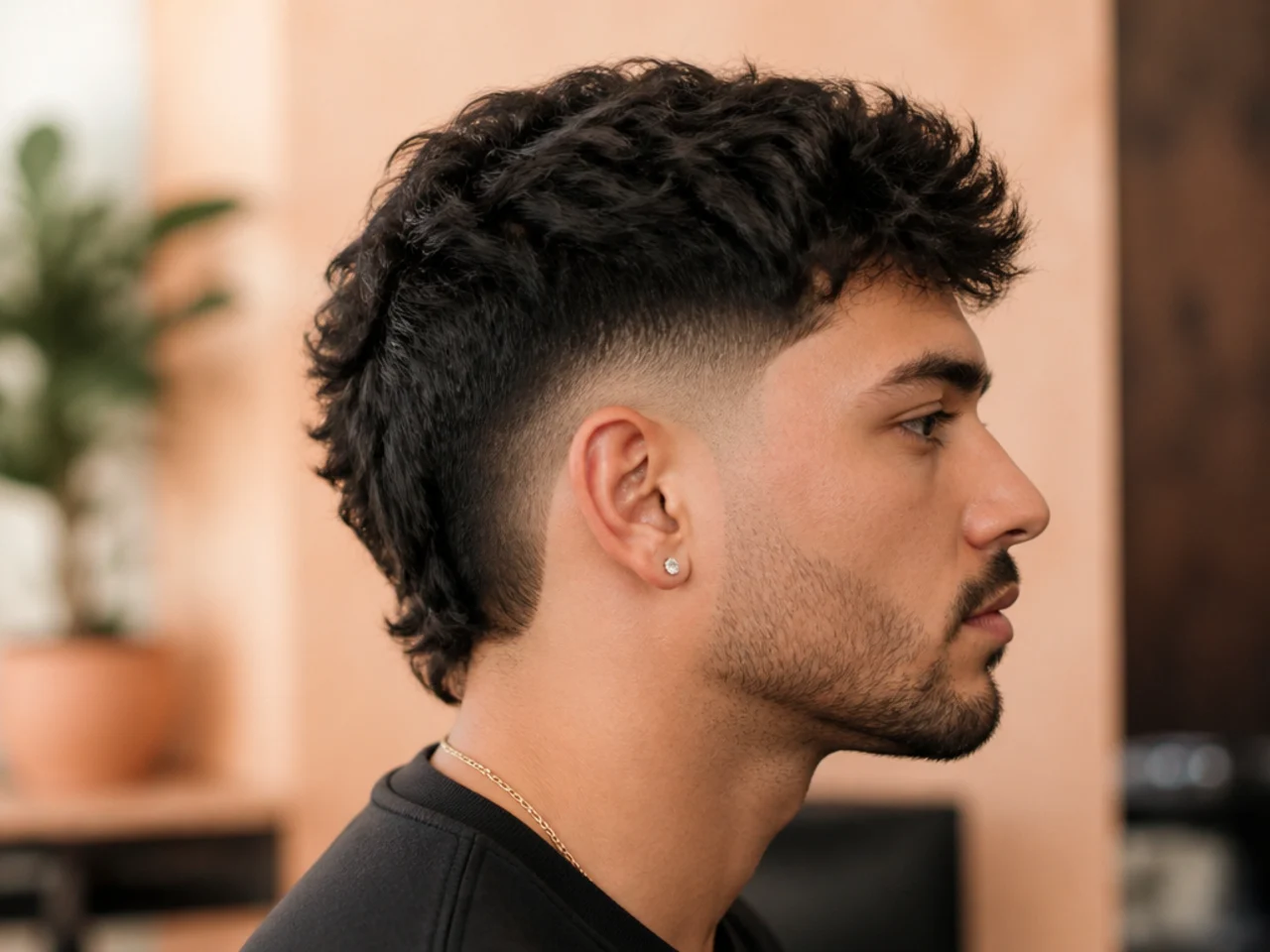
15. Textured Burst Fade at Week Four
The circles have started to fill and the strip has gained a centimetre. Texture ages well because separated ends have no line to lose, and the burst has no level line to lose either.
Styling and Upkeep
Use matte clay or paste, never pomade. Anything glossy makes the ends cling to one another and the strip closes back into a single solid mass.
Style the back first. It is the part you cannot see and the part that defines this cut.
Work product in with fingers, not a comb. A comb realigns every end onto the same plane.
Ask for the ends to be re-pointed each visit. Thinned tips thicken up before the length becomes a problem.
Rebook by finish. Skin at the ears blurs in one to two weeks and a #1 taper holds three to four.
Mistakes to Avoid
Letting the barber square off the nape. It cuts the strip in half and turns the cut into a drop fade.
Asking for texture on a strip under four centimetres. A strip that shallow carries no depth, so the tips all finish at the same level however carefully they are cut.
Using thinning shears through the middle of the strip. The band of missing weight sits inside the run and opens into a visible gap whenever the hair shifts.
Combing the top into place. It puts the ends back on one plane and removes the separation.
Styling only the front. The best part of this cut is behind you.
FAQ
What makes it different from a textured mid fade? The back stays long, so the strip runs fringe to nape.
How is texture actually cut? Point cutting into the ends, with the length left alone.
How much product does it need? Less than most, because gravity separates the back on its own.
Final Thoughts
The reason to choose a burst for a textured cut is length, not shape. Every other fade gives you a textured top and a short back, and this one gives you a single run of separated ends from the forehead to the collar. Protect that run by saying the nape stays long, and the rest of the cut looks after itself.
For the full range of the cut see the burst fade haircut guide, and for the horizontal version of the same finish see textured taper fade haircut. More in Fade Haircuts.