25 Easy Peekaboo Hairstyles That Show Off Color
Twenty five ways to wear a peekaboo panel so it actually shows. The colour is rarely the problem — a hidden panel is a mismatch between where it was painted and the way you put your hair up.
In this article · 32
- Why the Style Decides What Shows
- Matching the Style to Your Panel
- The 25 Peekaboo Styles
- 1. High Ponytail
- 2. Low Sleek Ponytail
- 3. Bubble Ponytail
- 4. Wrapped Base Ponytail
- 5. Braided Ponytail
- 6. Half Up Half Down
- 7. Half Up Bun
- 8. Twisted Half Up
- 9. Messy Bun
- 10. Sleek Top Knot
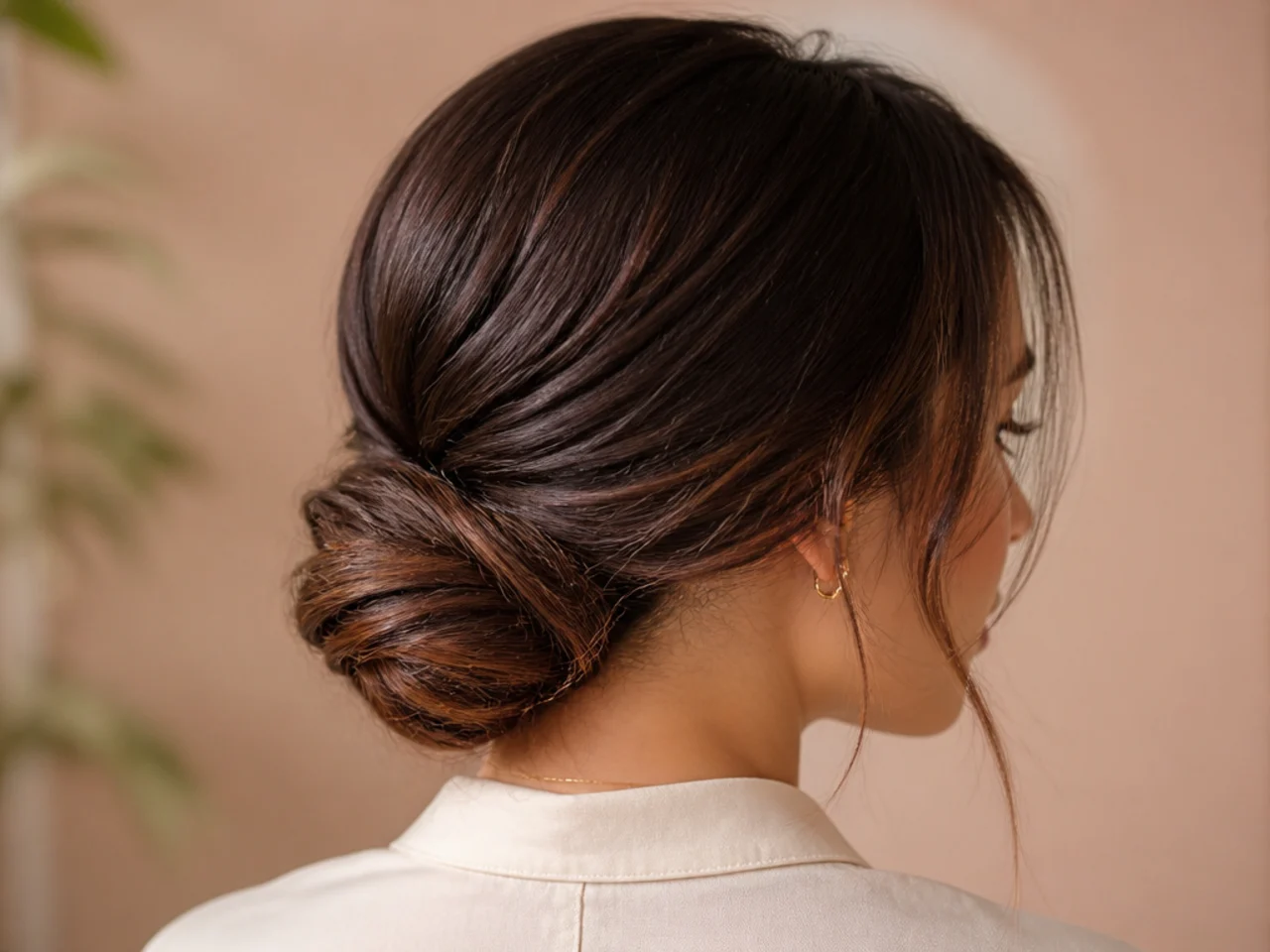
- 11. Low Chignon
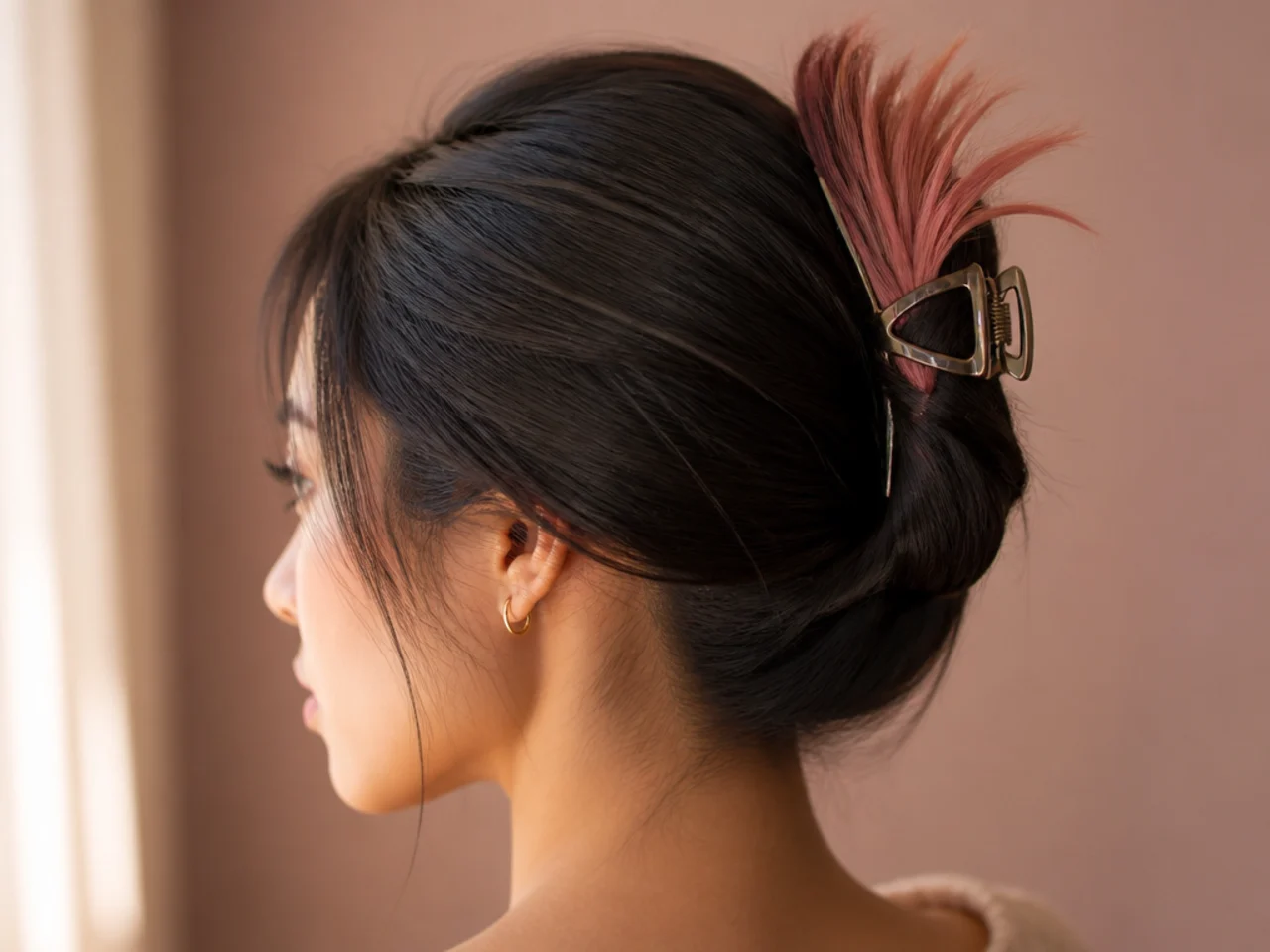
- 12. Claw Clip Twist
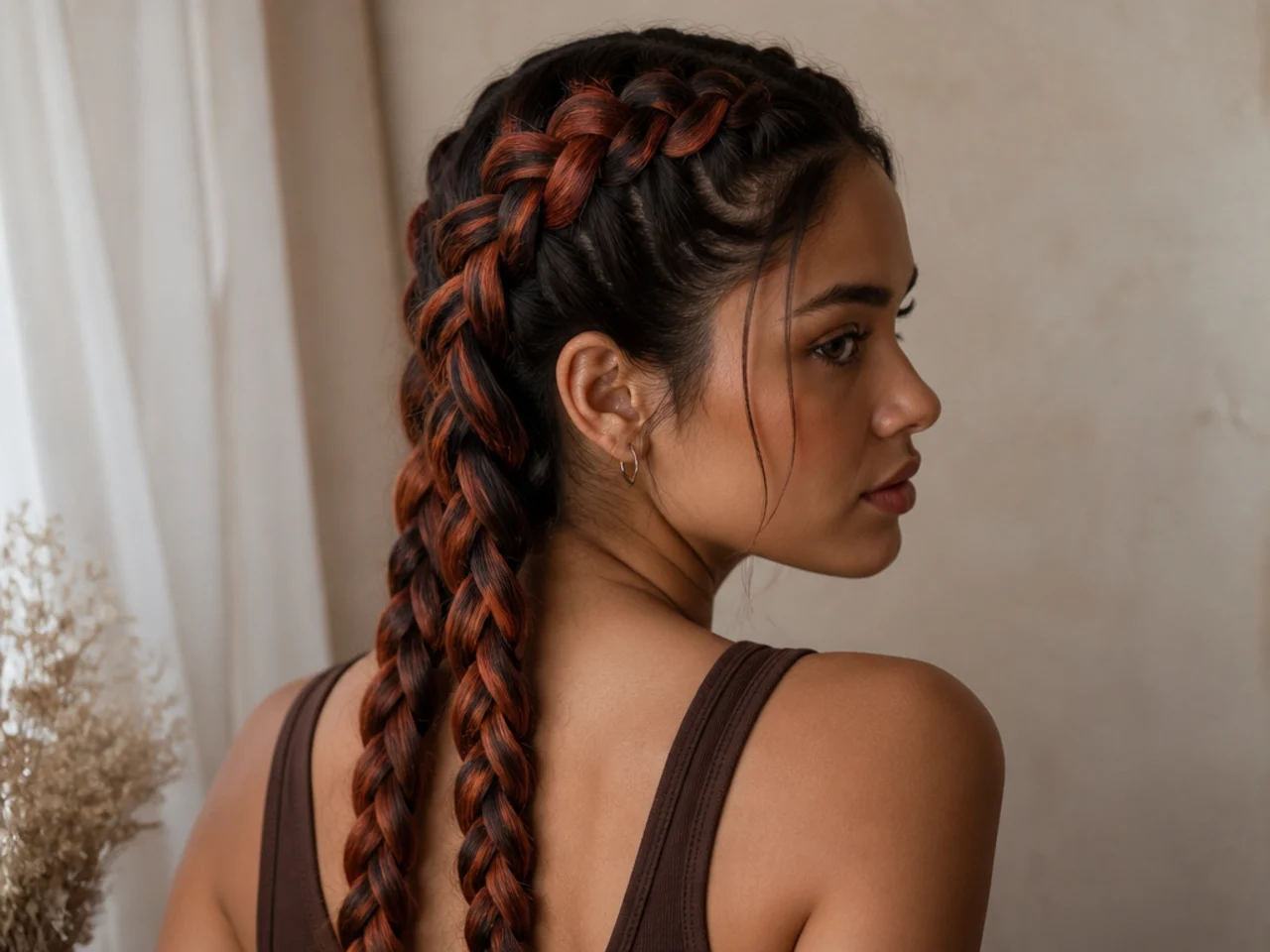
- 13. Two Dutch Braids
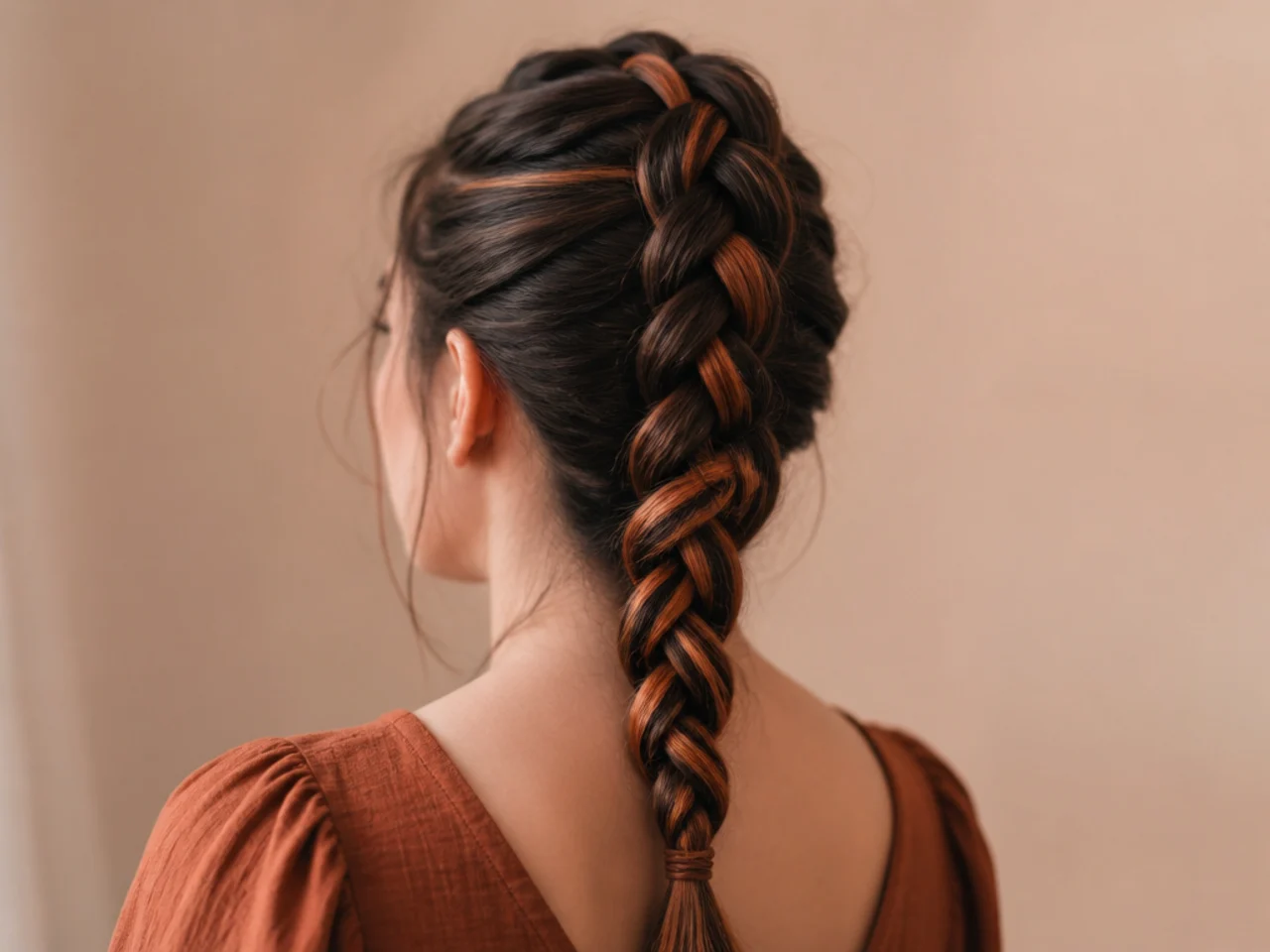
- 14. Single Dutch Braid
- 15. French Braid
- 16. Fishtail Braid
- 17. Braided Crown
- 18. Space Buns
- 19. Low Pigtails
- 20. Deep Side Part
- 21. Tucked Behind One Ear
- 22. Beach Waves Worn Down
- 23. Sleek and Straight Worn Down
- 24. Flicked Out Ends
- 25. Ends Curled Under
- Styling and Upkeep
- Mistakes to Avoid
- FAQ
- Final Thoughts
A peekaboo panel that never shows is almost always a placement problem rather than a colour problem: the panel went somewhere your usual hairstyle never turns outward.
Every style either rotates the under layer to the surface or it does not. Ponytails, Dutch braids and half ups turn it out. French braids and ends curled under fold it away.
Placement and style are one decision, not two. A nape panel is built for hair worn down; a panel just below the crown is built for hair worn up. Painting one and wearing the other is why the colour seems to vanish.
Why the Style Decides What Shows
A peekaboo lives in the layer underneath. At rest it is covered by the hair on top, which is the whole idea — the colour is an event, not a permanent statement.
Reveal happens through rotation. Anything that turns a section over shows its underside. Twists, braids that cross under, and flicked out ends all do this mechanically.
Height of the gather decides how much turns out. The higher you tie it, the more nape hair is dragged up and wrapped outward, so a crown ponytail exposes far more panel than a low one.
Movement is the other reveal. Waves and layered ends separate as you walk, and each separation opens a gap the colour shows through. Flat, sleek hair keeps it sealed.
Matching the Style to Your Panel
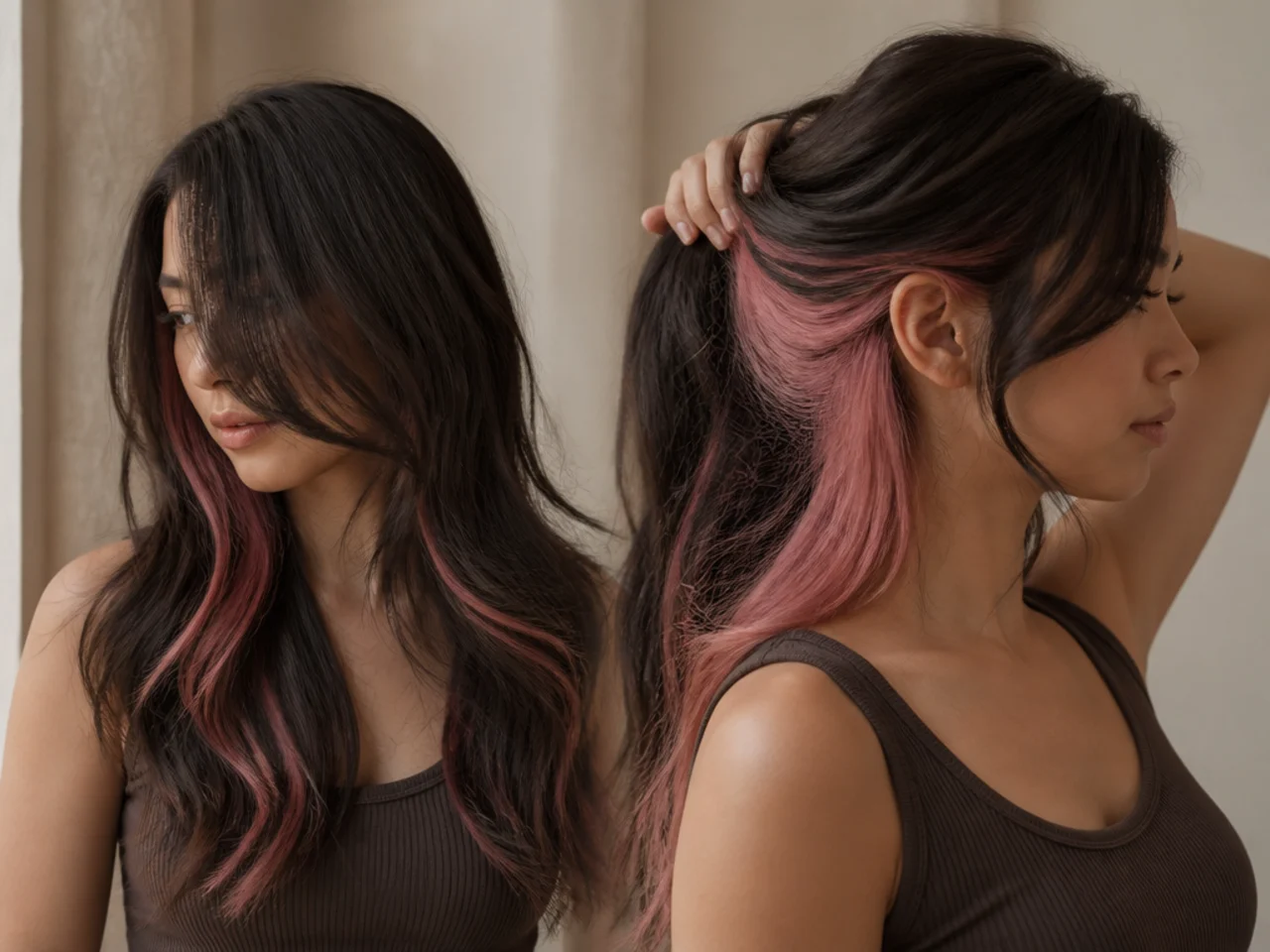
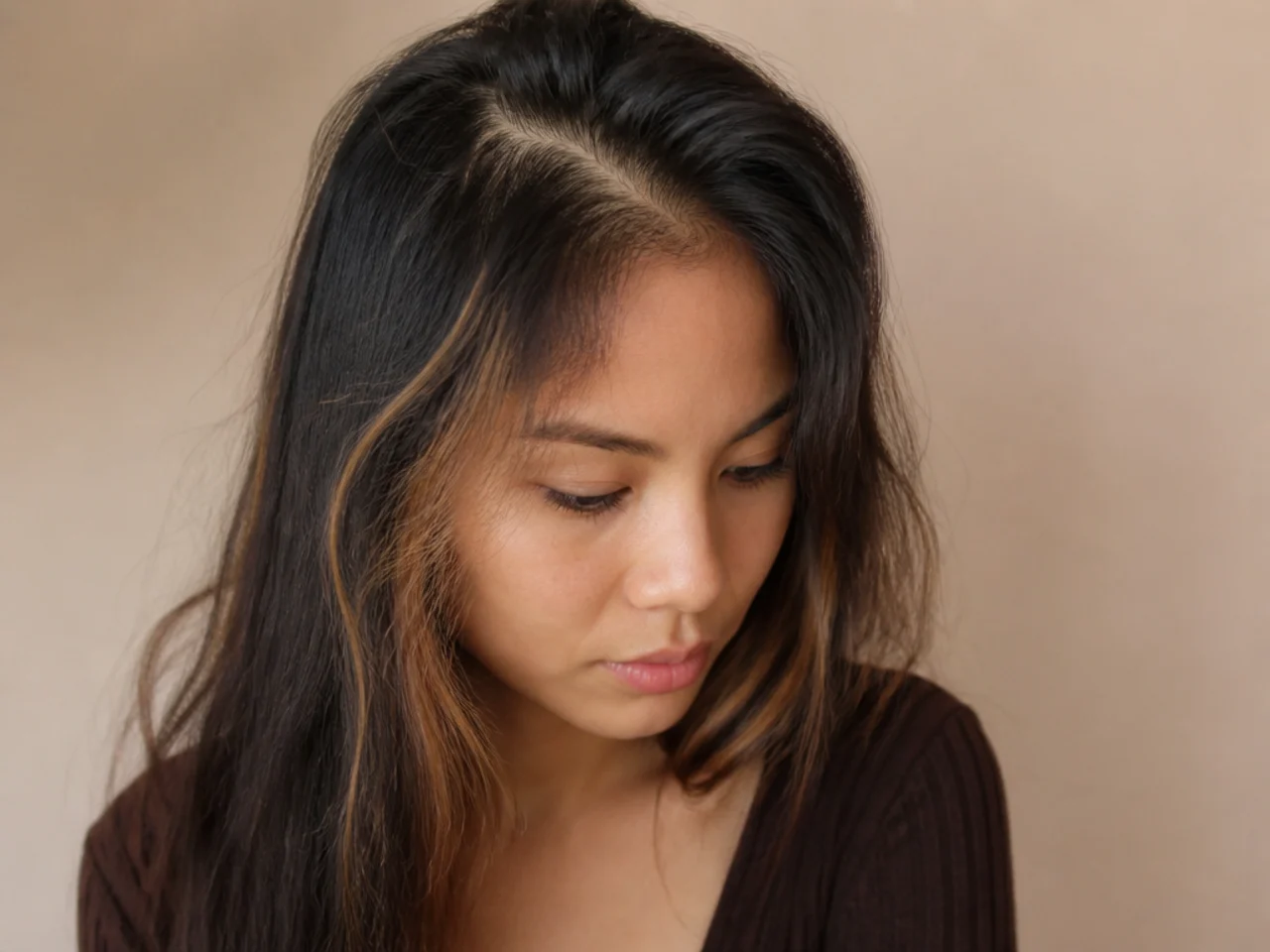
Panel at the nape, hair worn down. It shows as the hair swings and stays invisible when you are still. This is the placement for anyone who needs the colour to be deniable.
Panel below the crown, hair worn up. This is the section that becomes the outside of a ponytail or bun, so it is the only placement that reads properly in an updo.
Panel behind the ears, hair tucked. Tucking rotates that section back on itself and the colour lands facing forward, beside the jaw, which is the most visible spot on the head.
Panel through the mid lengths, ends curled outward. Curling away from the face turns the last few inches inside out, so colour that stops short of the ends still shows.
The 25 Peekaboo Styles
1. High Ponytail
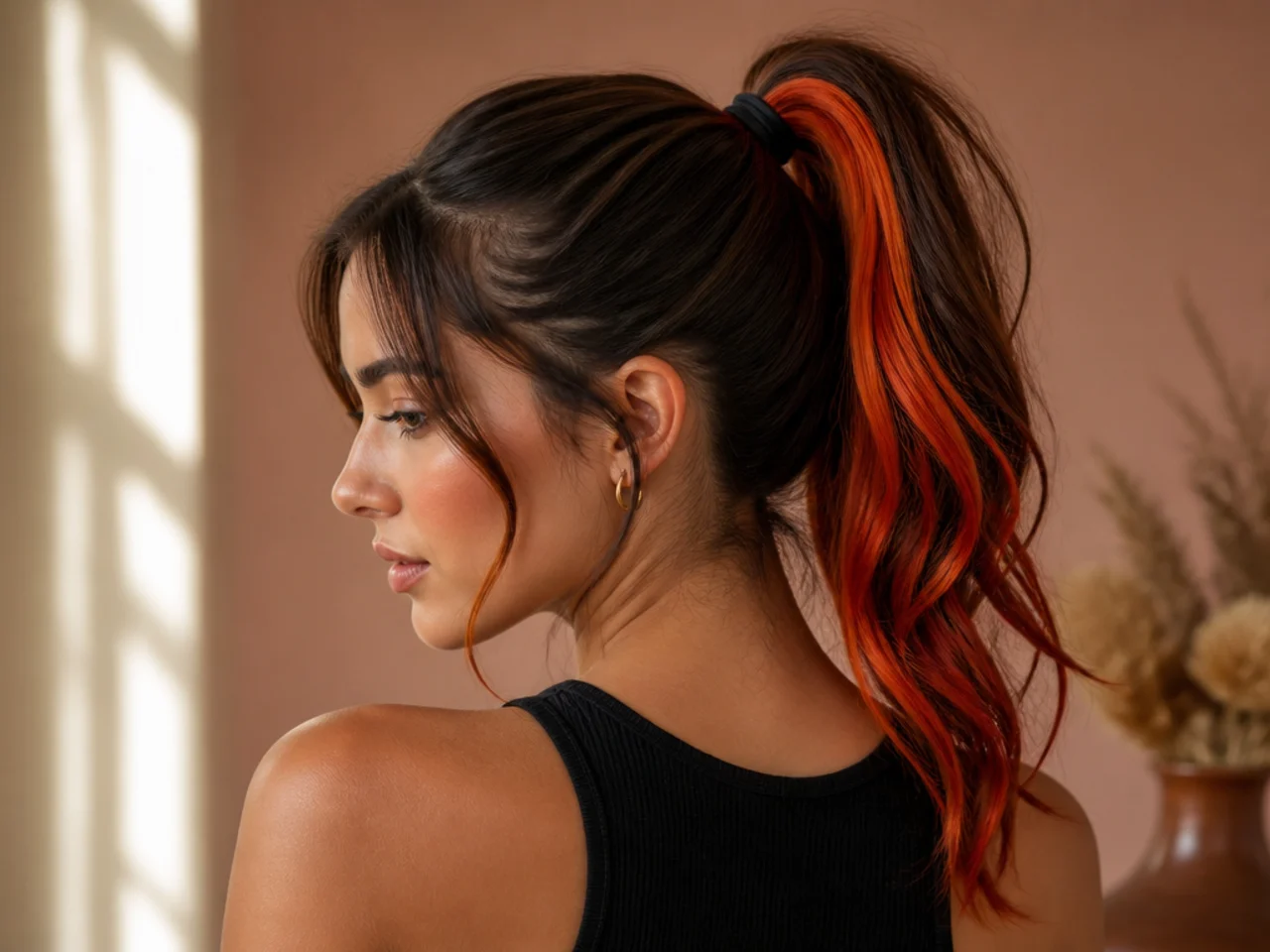
Gathering at the crown pulls nape hair up and wraps it around the outside of the tail, so the hidden layer becomes the visible surface. The higher the base sits, the more of the underneath is turned outward, which is why the same panel reads twice as bright at the crown as it does at the neck.
2. Low Sleek Ponytail
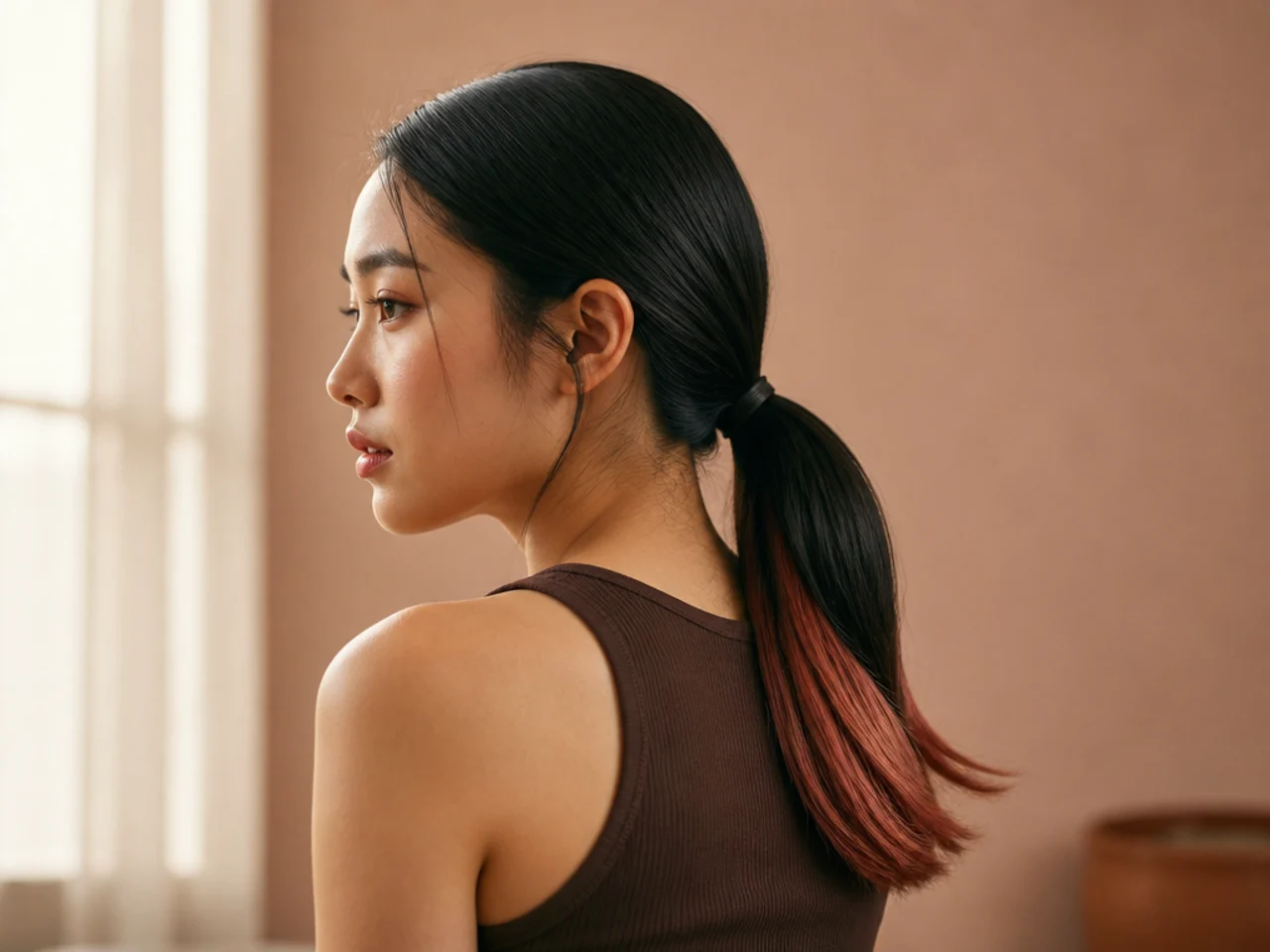
The nape section stays at the bottom of the tail, so the colour reads as a band through the last few inches rather than across the whole length. Slicking the top flat keeps the base one solid tone, which makes the coloured tip look deliberate instead of like regrowth.
3. Bubble Ponytail
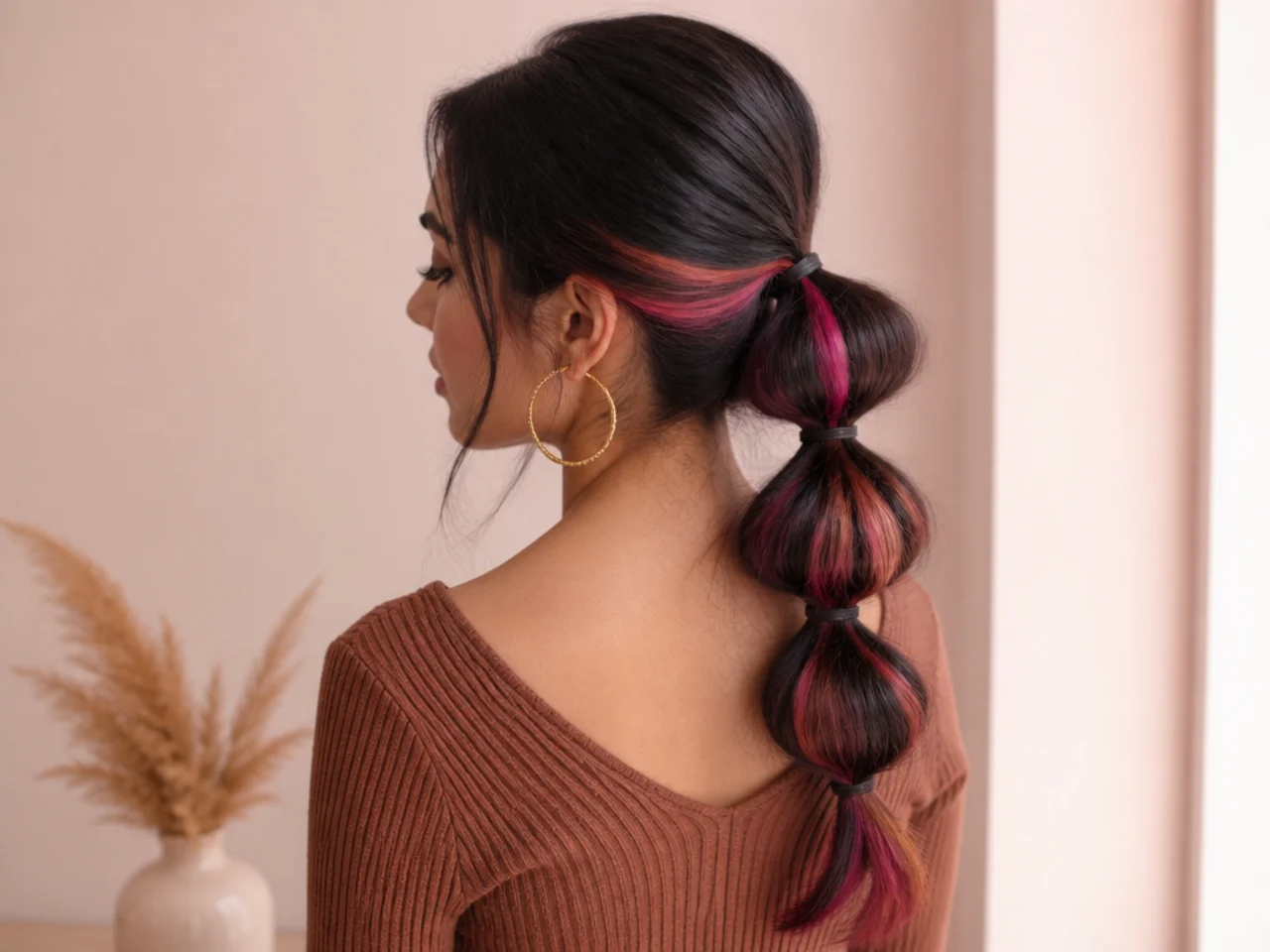
Each elastic pinches the tail and the section between it swells outward, which opens the interior of the ponytail where the colour sits. Instead of one reveal at the ends you get a repeating one down the whole length, and the swell is widest at the middle of each bubble.
4. Wrapped Base Ponytail
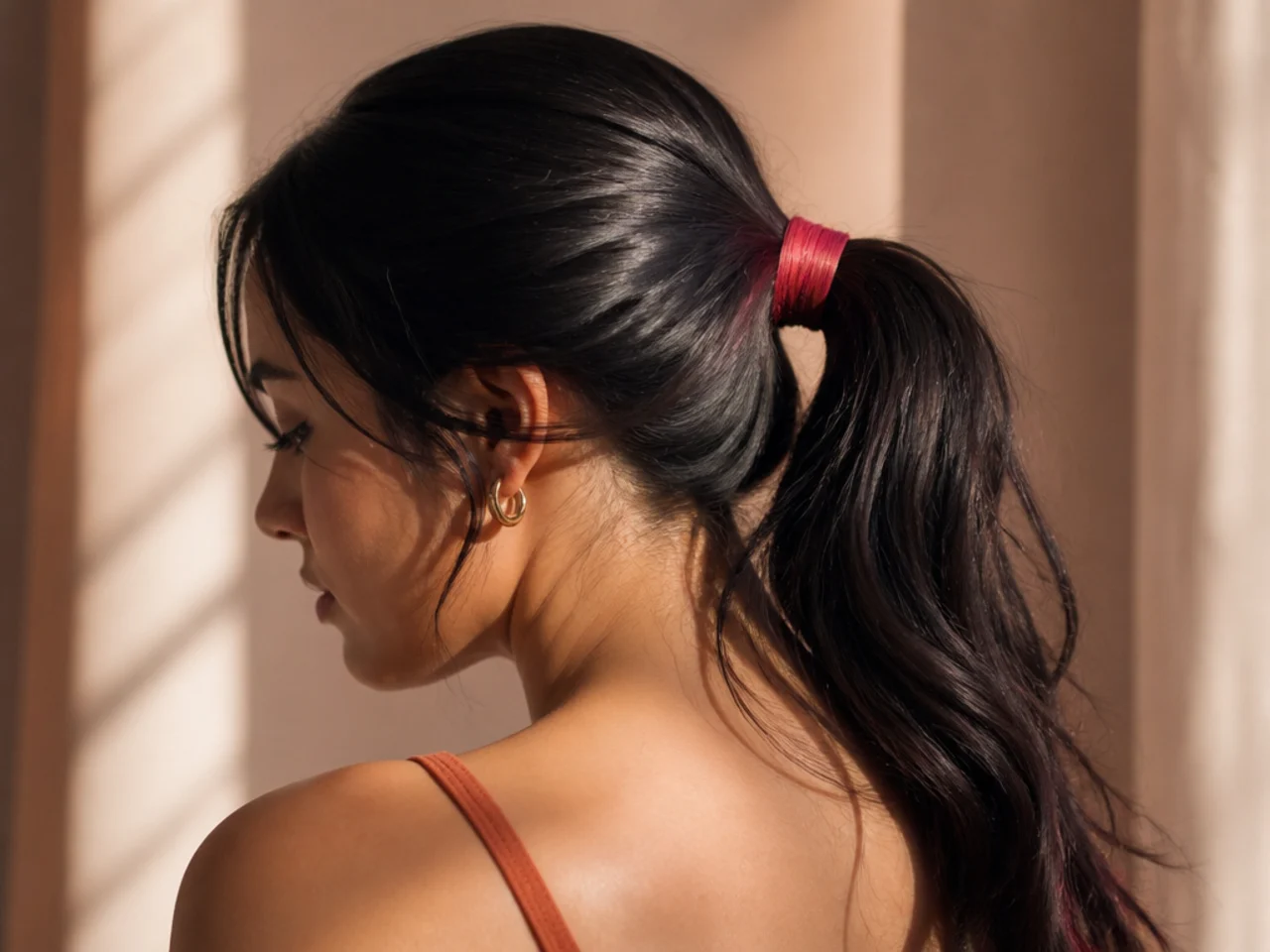
Pull the coloured section out first, then wind it around the elastic to hide the band. It puts the brightest hair at the exact point the eye goes to when it reads a ponytail, and it solves the visible elastic problem at the same time.
5. Braided Ponytail
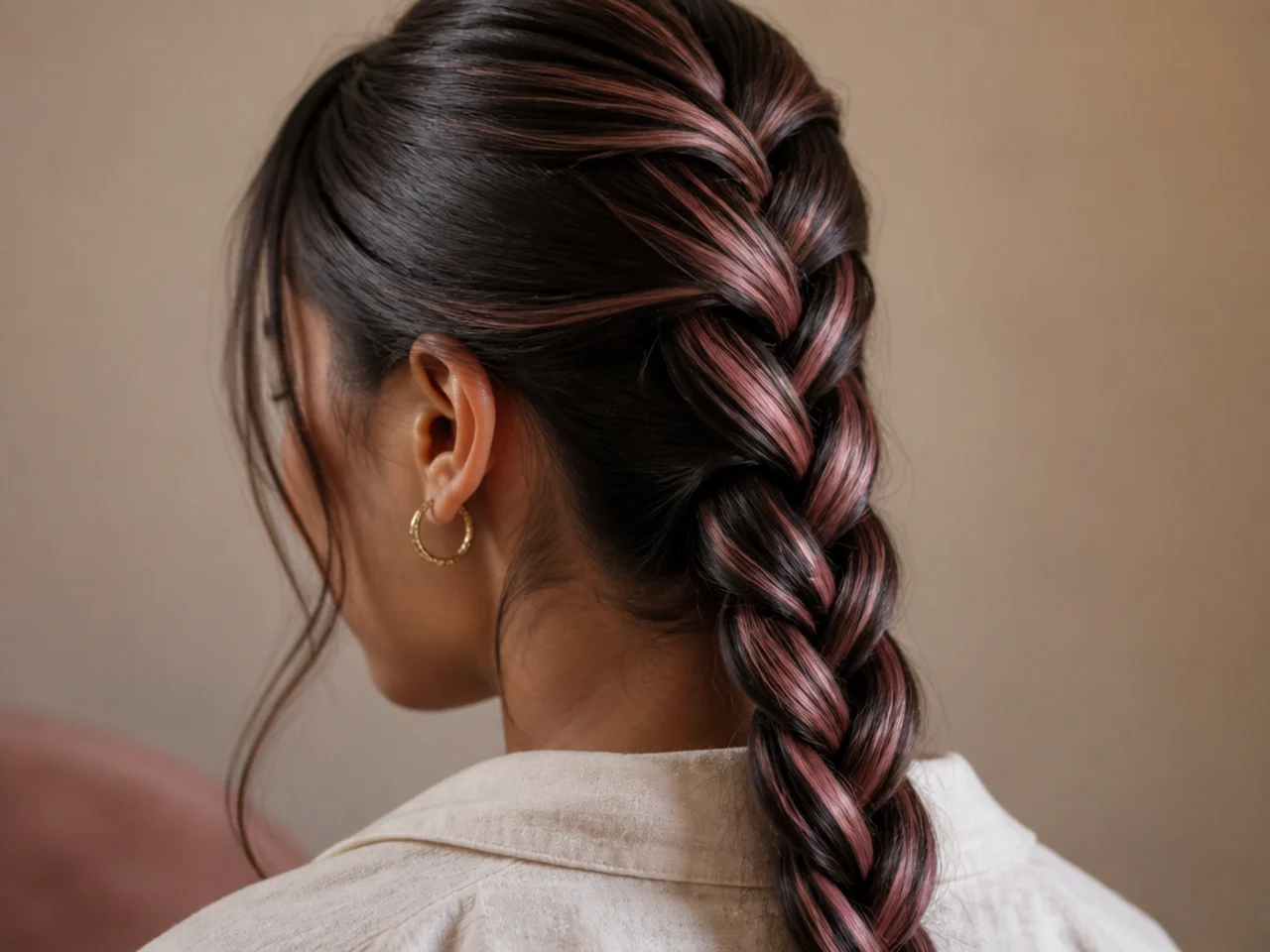
A three strand braid rotates each section to the surface once per crossing, so a panel buried inside the tail resurfaces at regular intervals all the way down. Loosening the braid afterwards widens each crossing and increases how much colour sits on the outside.
6. Half Up Half Down
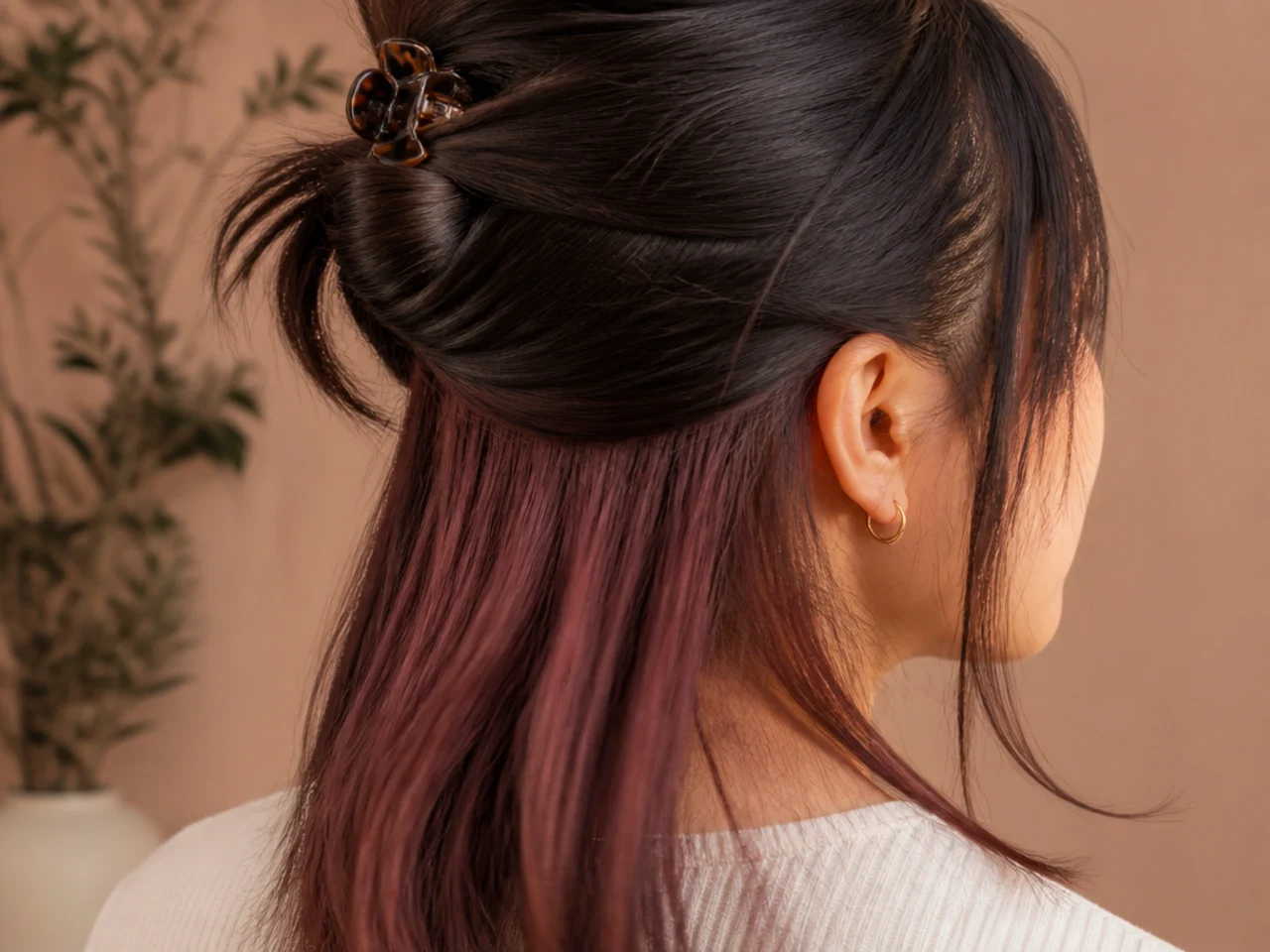
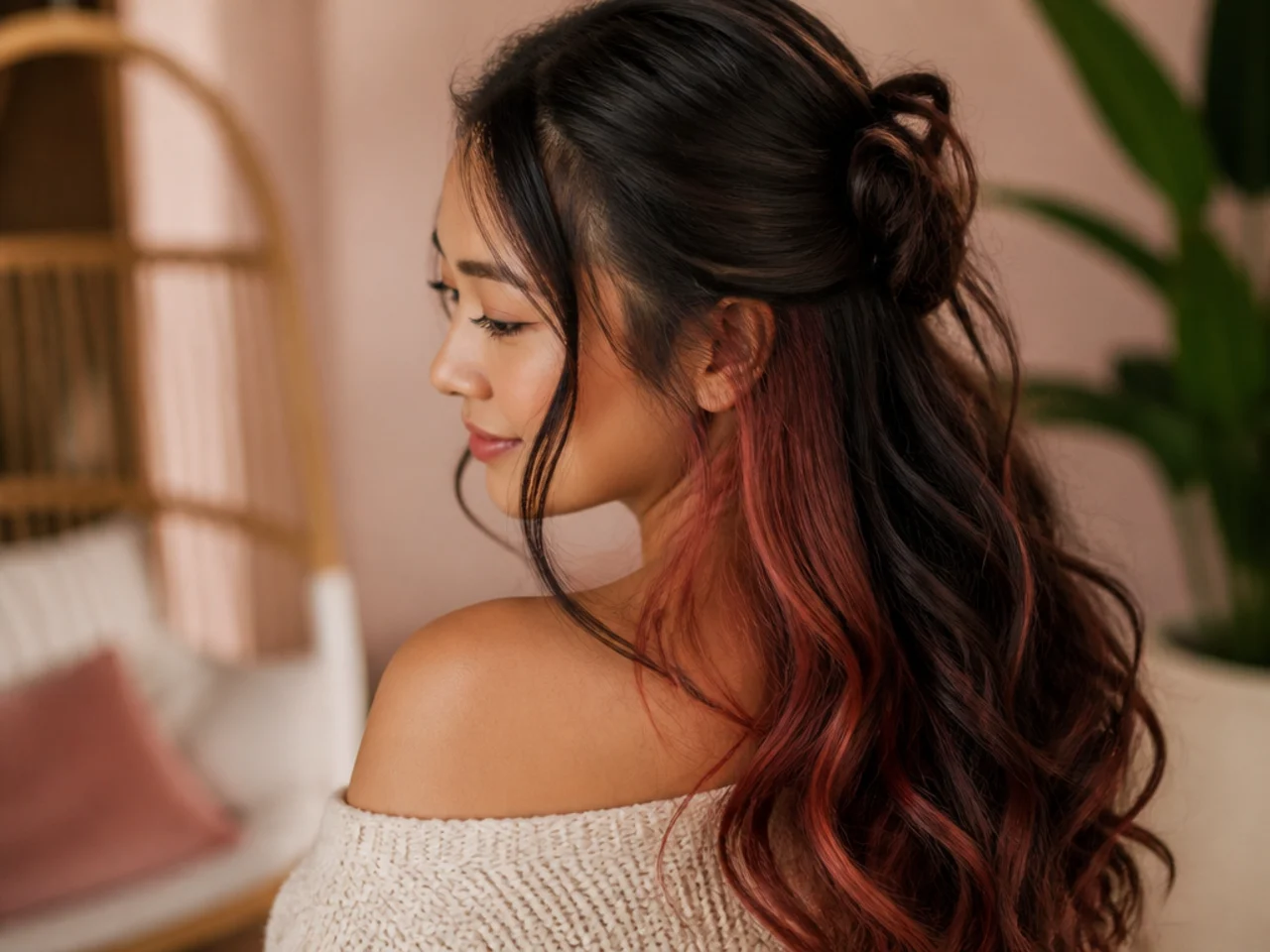
Lifting the top section uncovers exactly the layer a peekaboo is painted into. The reveal is proportional to how much you take up: a small half up exposes a narrow band under the crown, a deep one uncovers the panel from ear to ear.
7. Half Up Bun
The same uncovering as a half up, with the coiled bun adding a second reveal because winding a section into a knot turns its interior outward. Two exposures in one style, which is why it suits a panel placed high.
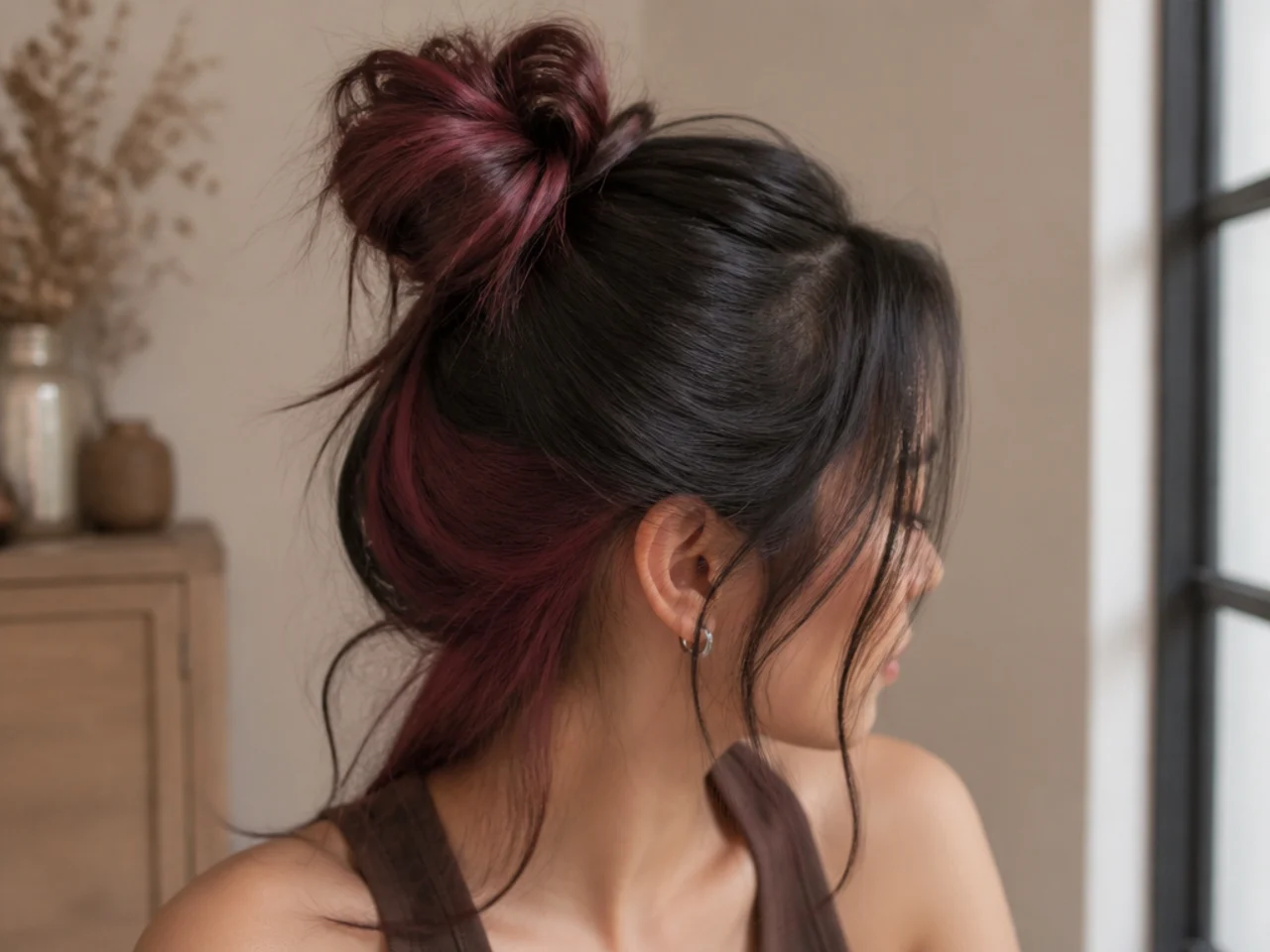
8. Twisted Half Up
Twisting rotates a strand continuously, so the underside faces outward every half turn along its length. The colour reads as a spiral rather than a block, which breaks up a hard line between the panel and the base tone.
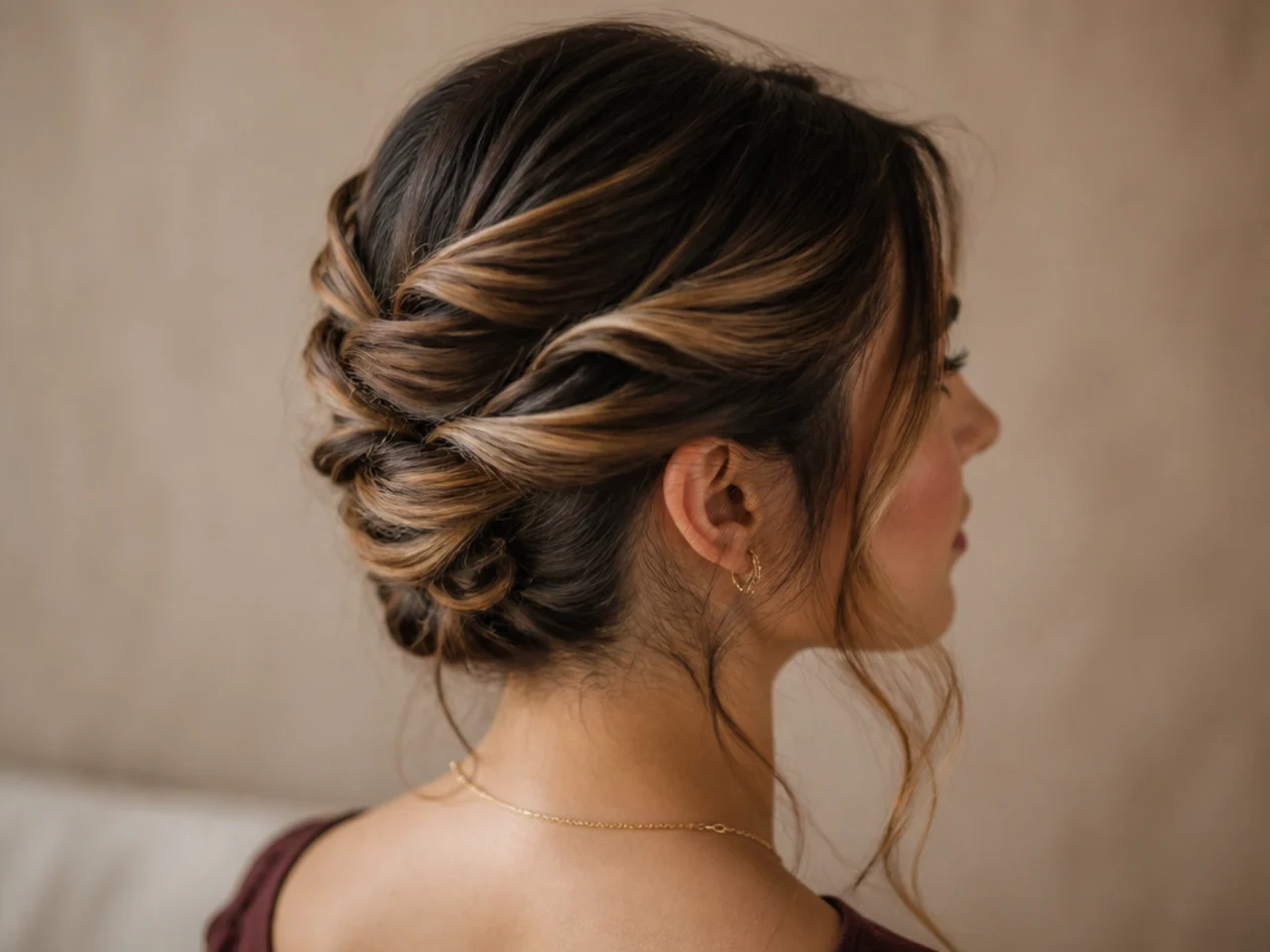
9. Messy Bun
The loose pieces that fall out of a messy bun come disproportionately from the interior, because that is the hair with the least tension holding it in. On a peekaboo head those escaping strands are the coloured ones, which is why the style works with almost no effort.
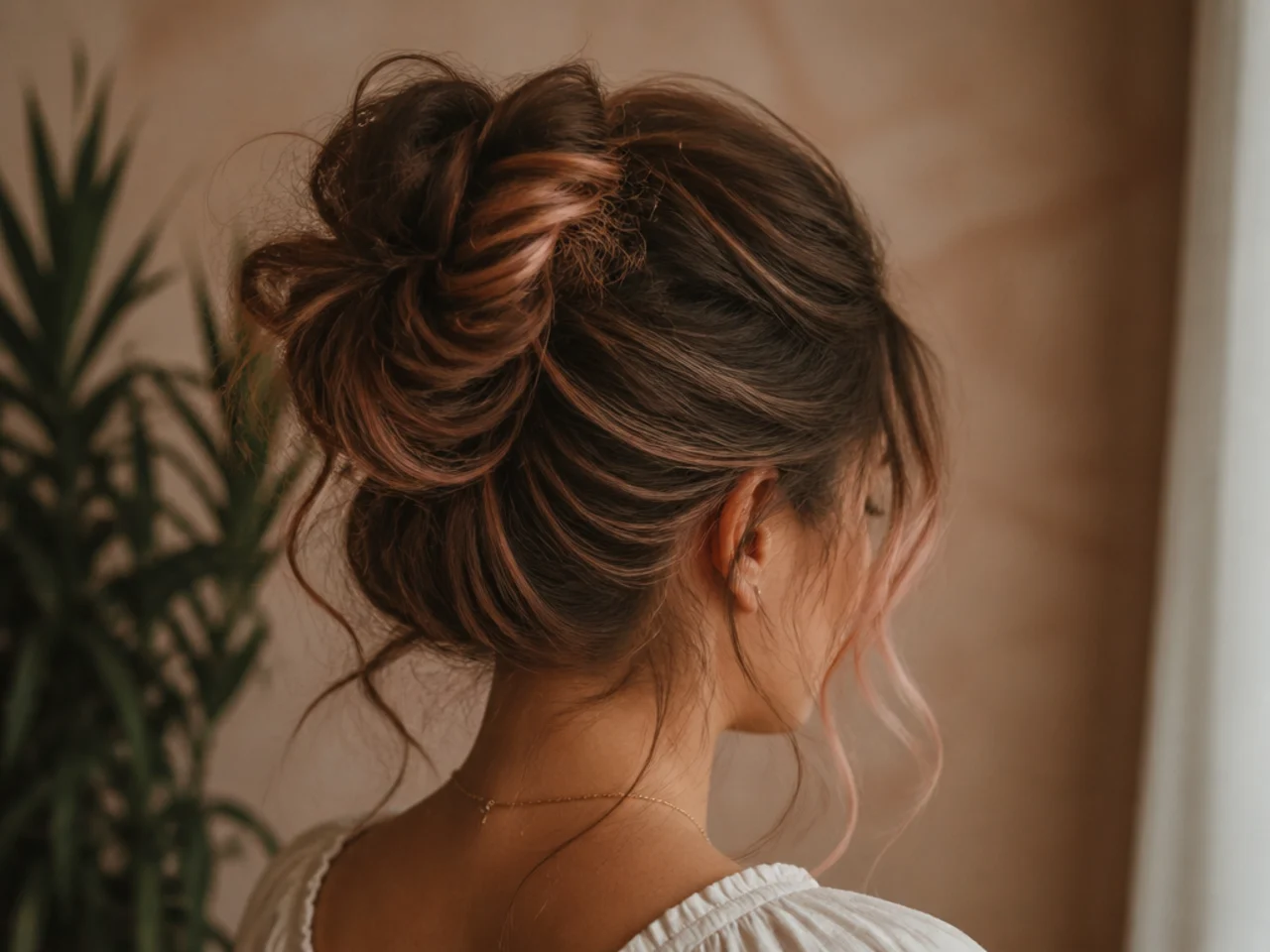
10. Sleek Top Knot
Everything is gathered at the highest point and coiled, so the nape hair ends up wrapped around the outside of the knot. It is the most complete reveal available, because nothing is left hanging down to cover any part of the panel.
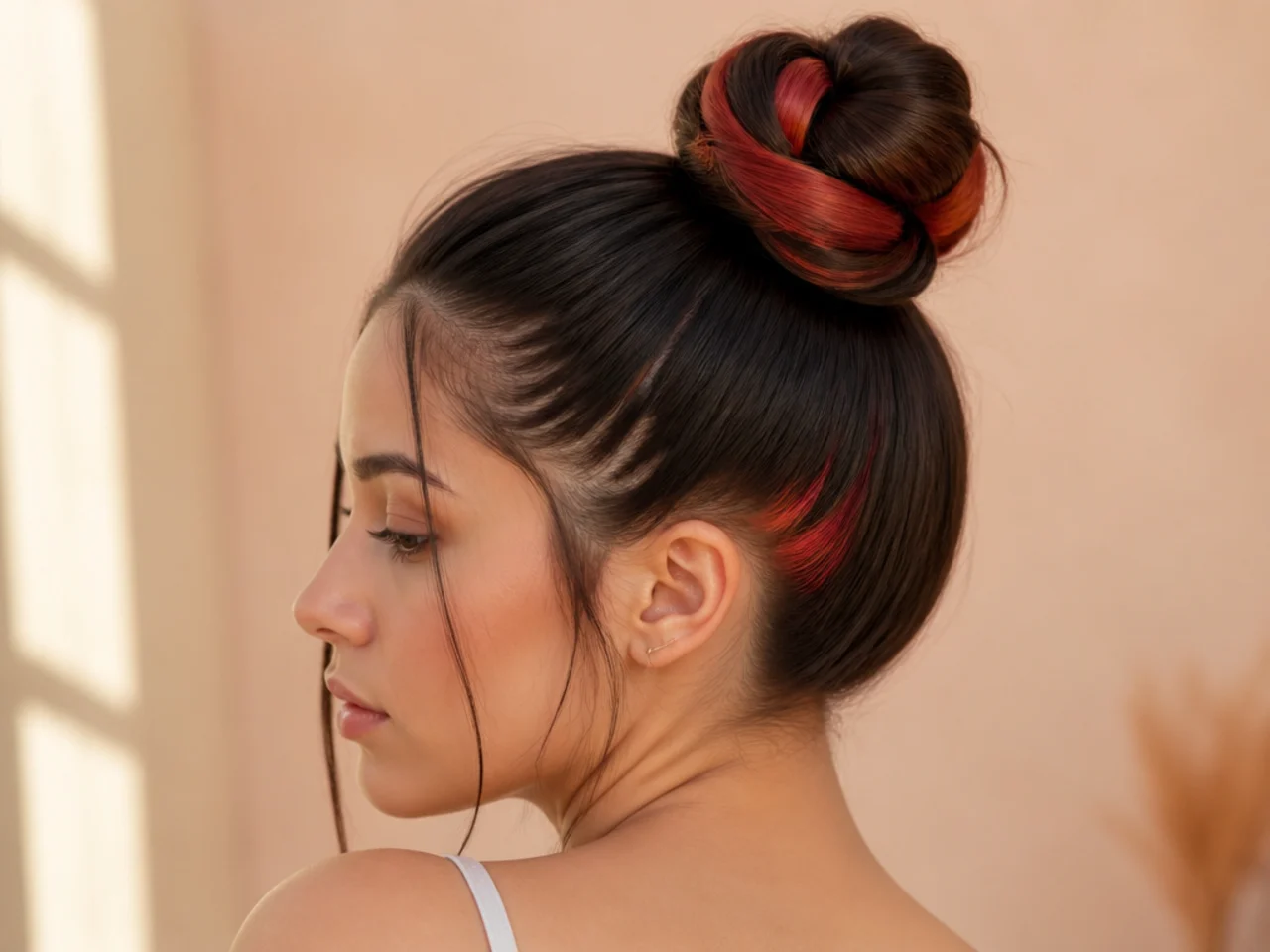
11. Low Chignon
A low knot keeps the panel inside itself unless you roll the coil outward rather than inward. Roll it away from the head and the interior faces the room; roll it toward the head and the same colour disappears into the middle of the shape.
12. Claw Clip Twist
The clip folds the length back on itself and the ends fan out above the jaw of the clip. Those fanned ends come from the interior of the twist, so a mid length panel arrives at the top of the head where it is impossible to miss.
13. Two Dutch Braids
A Dutch braid crosses each section underneath the others so it lands on top of the braid. Every crossing lifts interior hair to the surface, which turns a hidden panel into a repeating pattern down both sides of the head.
14. Single Dutch Braid
The same mechanism concentrated in one line down the centre back. Because a single braid takes hair from both sides of the head, it pulls in panels placed anywhere across the nape rather than only the section it sits over.
15. French Braid
Worth knowing because it does the opposite. A French braid crosses each section over the others, tucking it beneath the braid, so the coloured panel is folded inward and disappears. Ask for the same braid inverted and the problem is solved.
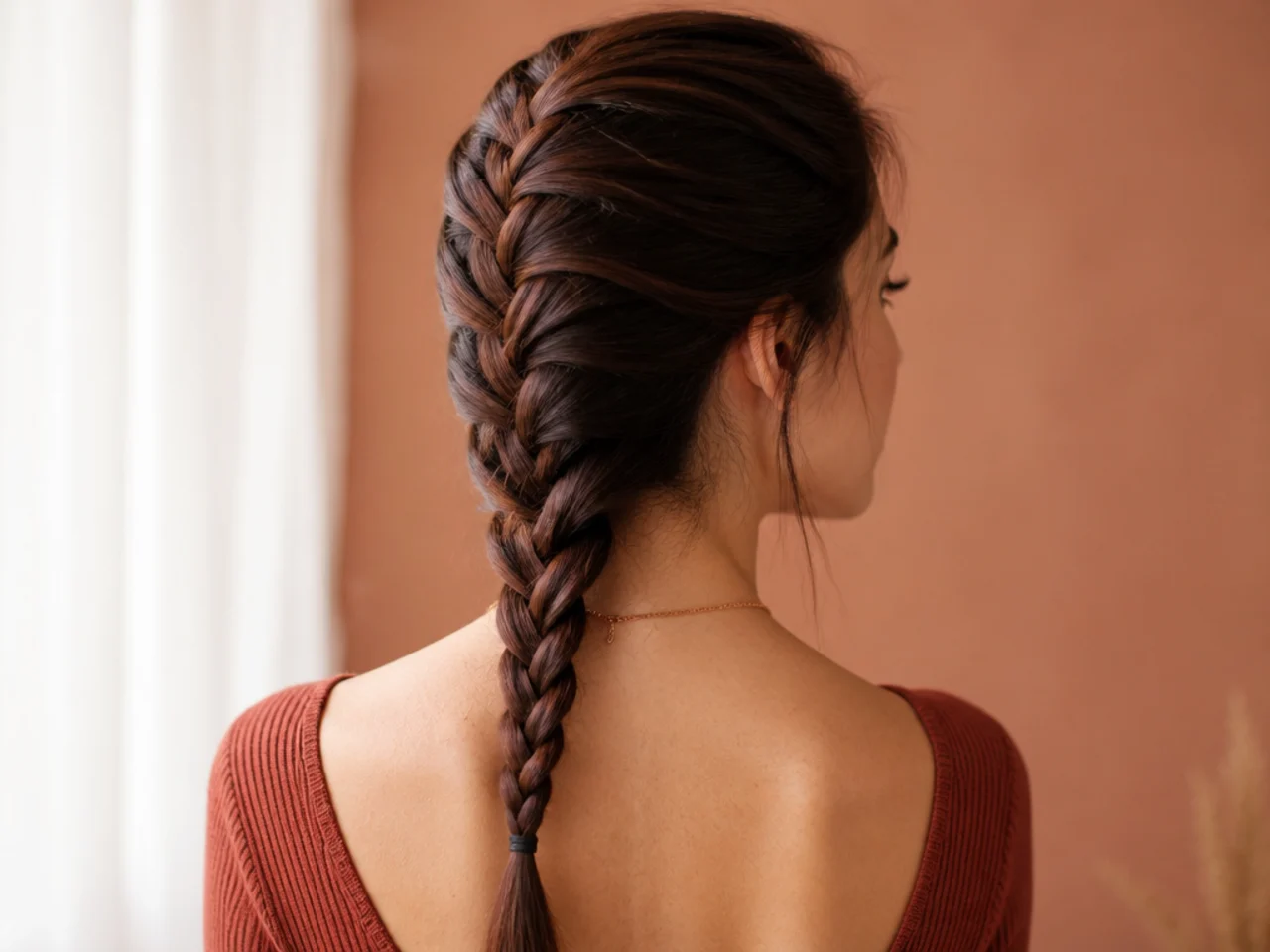
16. Fishtail Braid
Fishtails take very thin sections alternately from the outer edges, which means each pull draws from a different layer. On two tone hair the result is a fine woven pattern rather than blocks, and the finer the sections the more evenly the colours mix.
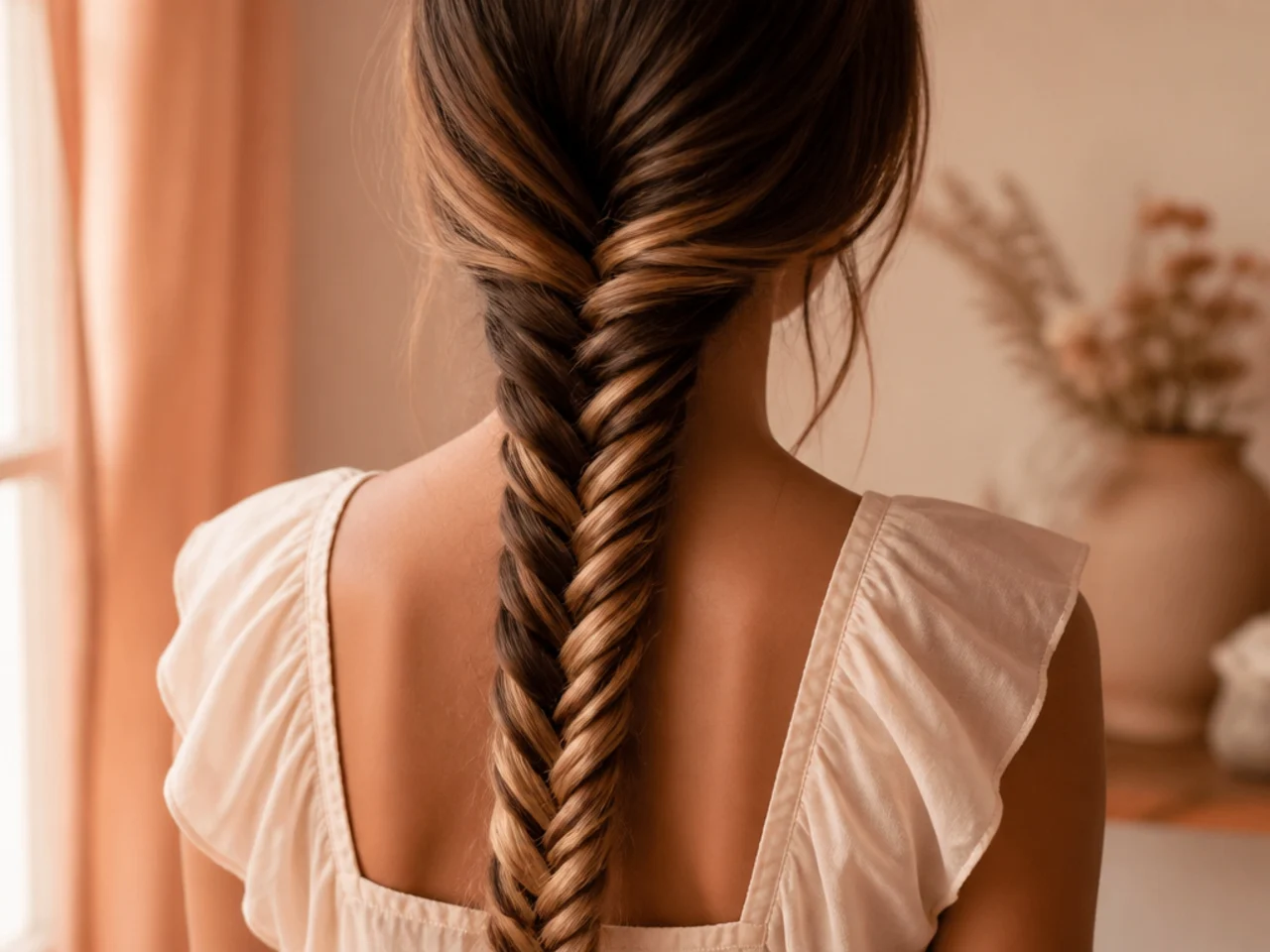
17. Braided Crown
Running the braid around the head places the reveal as a continuous ring instead of a single line. It shows from every angle, which is the argument for it over a back braid that only works when you are facing away.
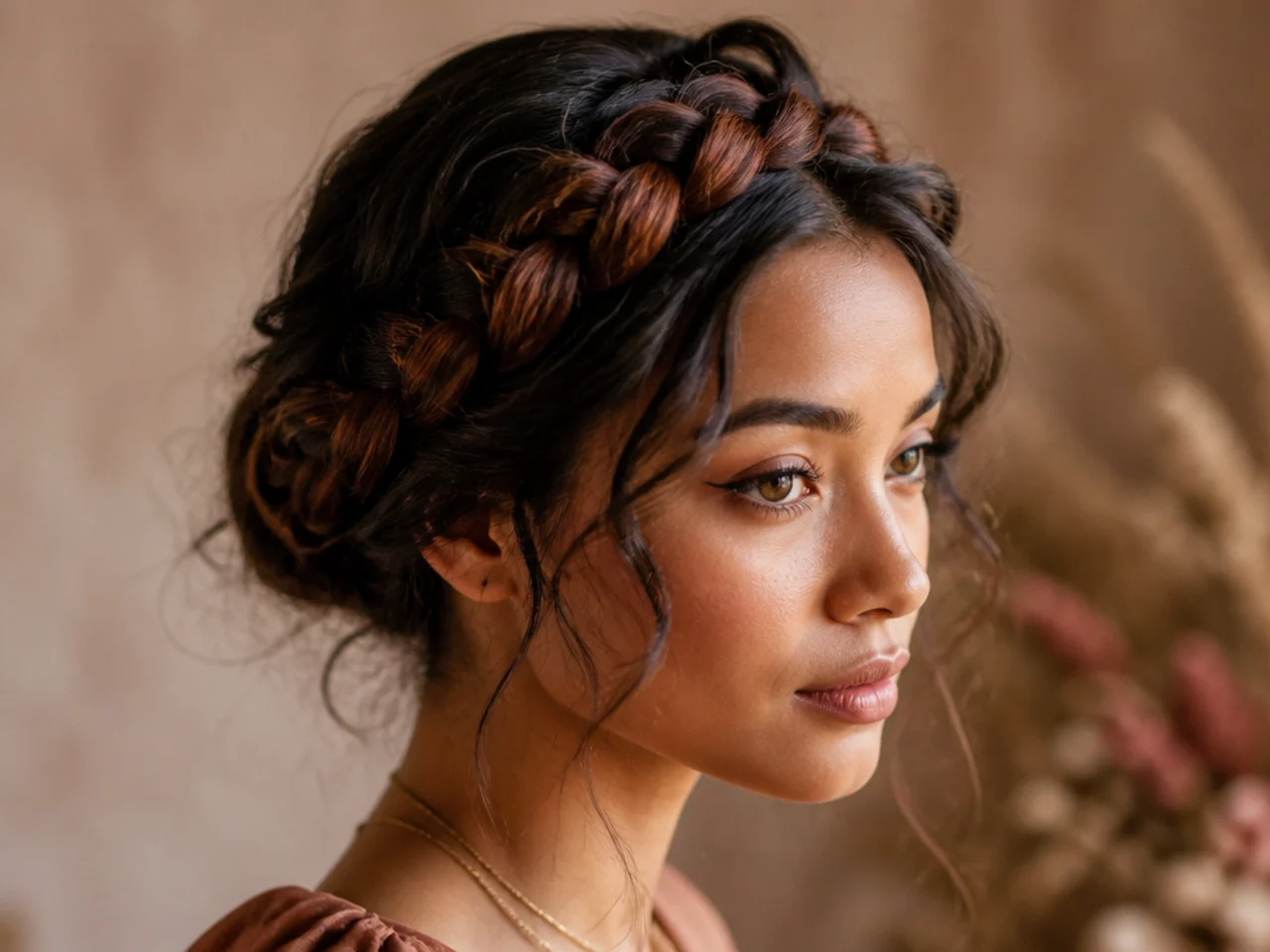
18. Space Buns
Two high gathers double the amount of nape hair pulled upward, and each knot exposes its own interior as it coils. Splitting the head down the middle also opens the centre back, where both sides show their underside at once.
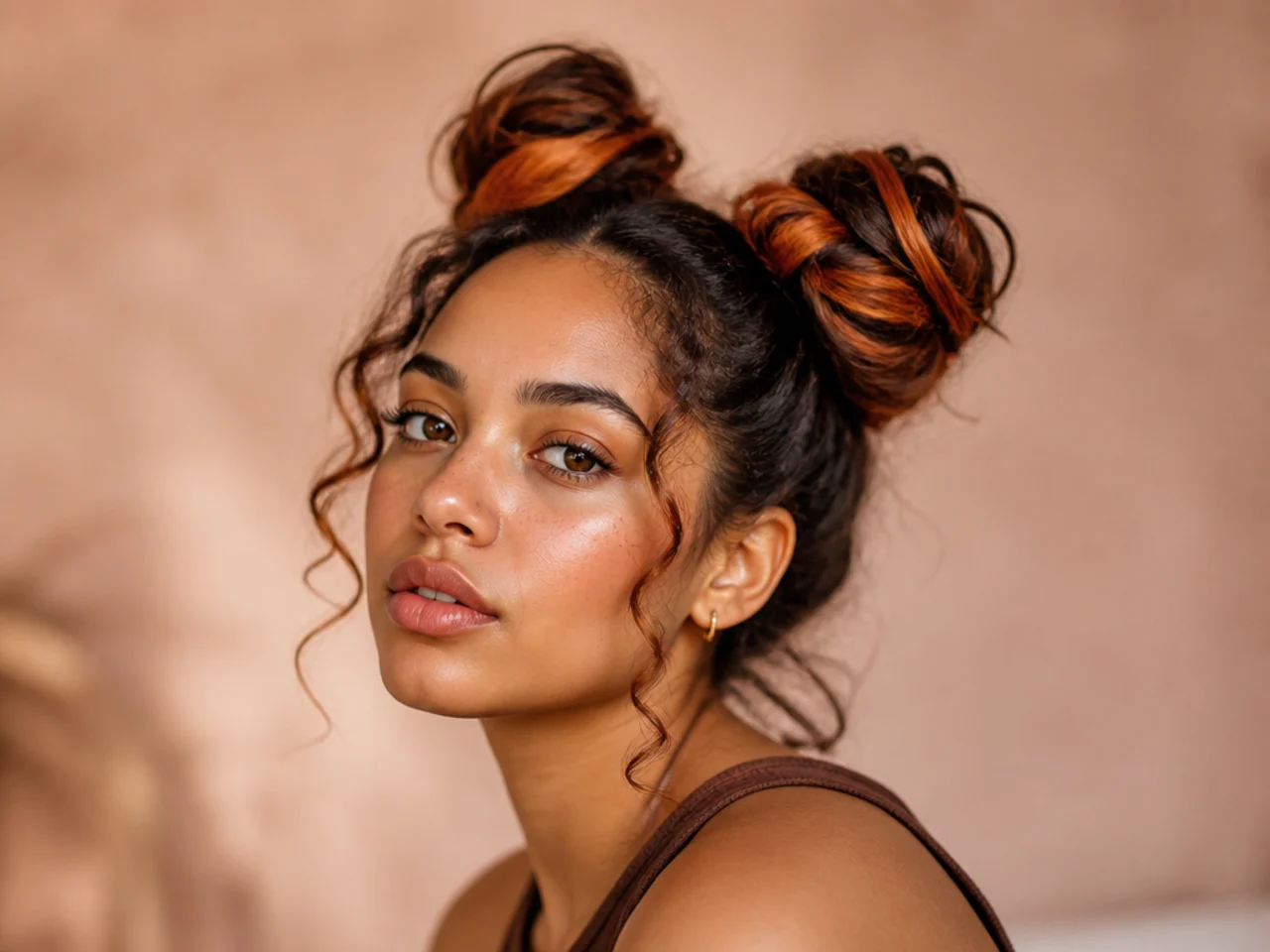
19. Low Pigtails
Dividing the hair in two exposes the centre back, the strip that a single ponytail covers completely. Each tail also rotates slightly as it falls, so a panel painted toward the middle of the head ends up facing outward on both sides.
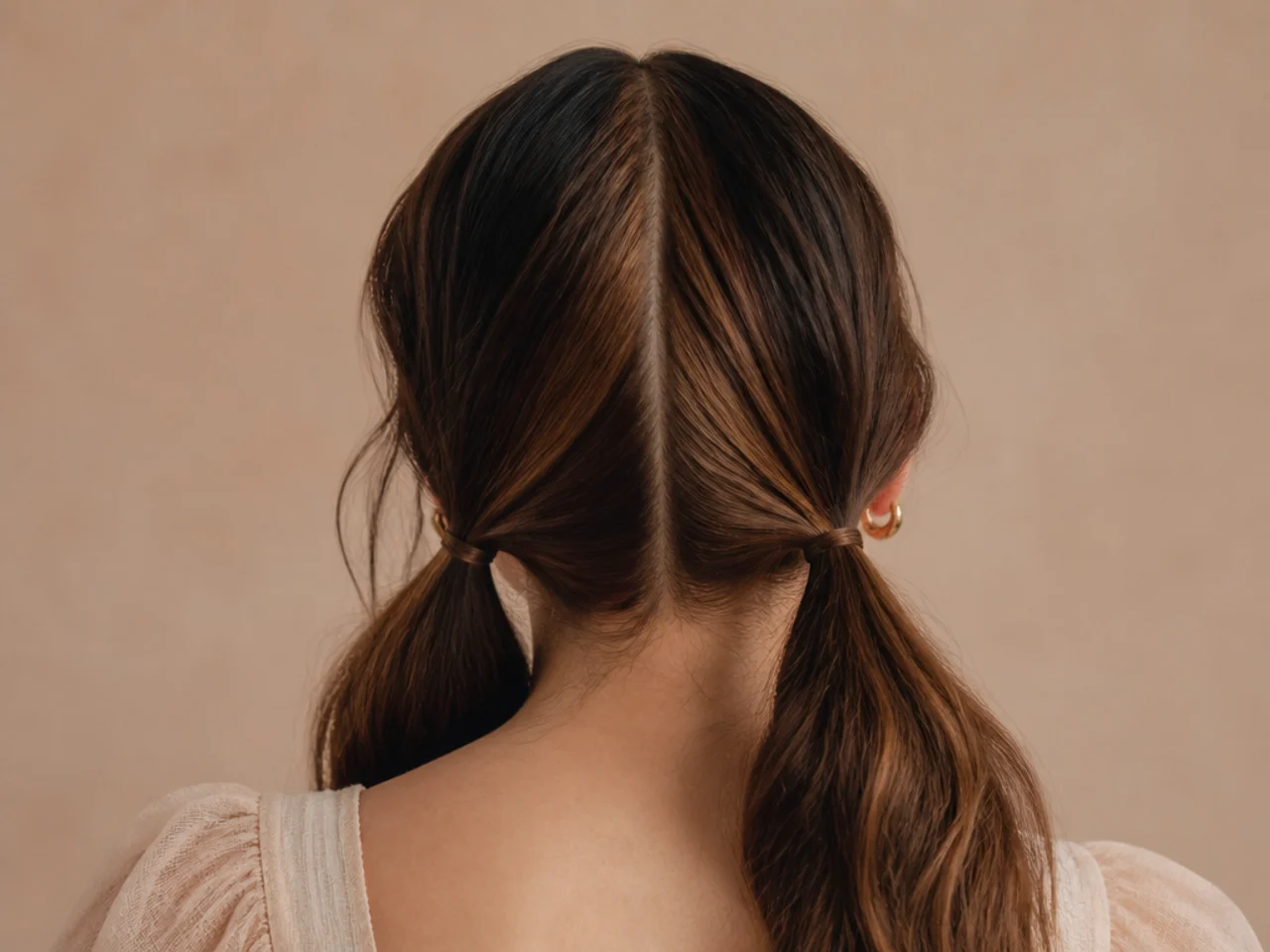
20. Deep Side Part
Flipping the parting across the head brings the underside of the heavy side up to the surface. It is the only reveal on this list that requires no tools and no styling, which makes it the practical test of whether your panel was placed correctly.
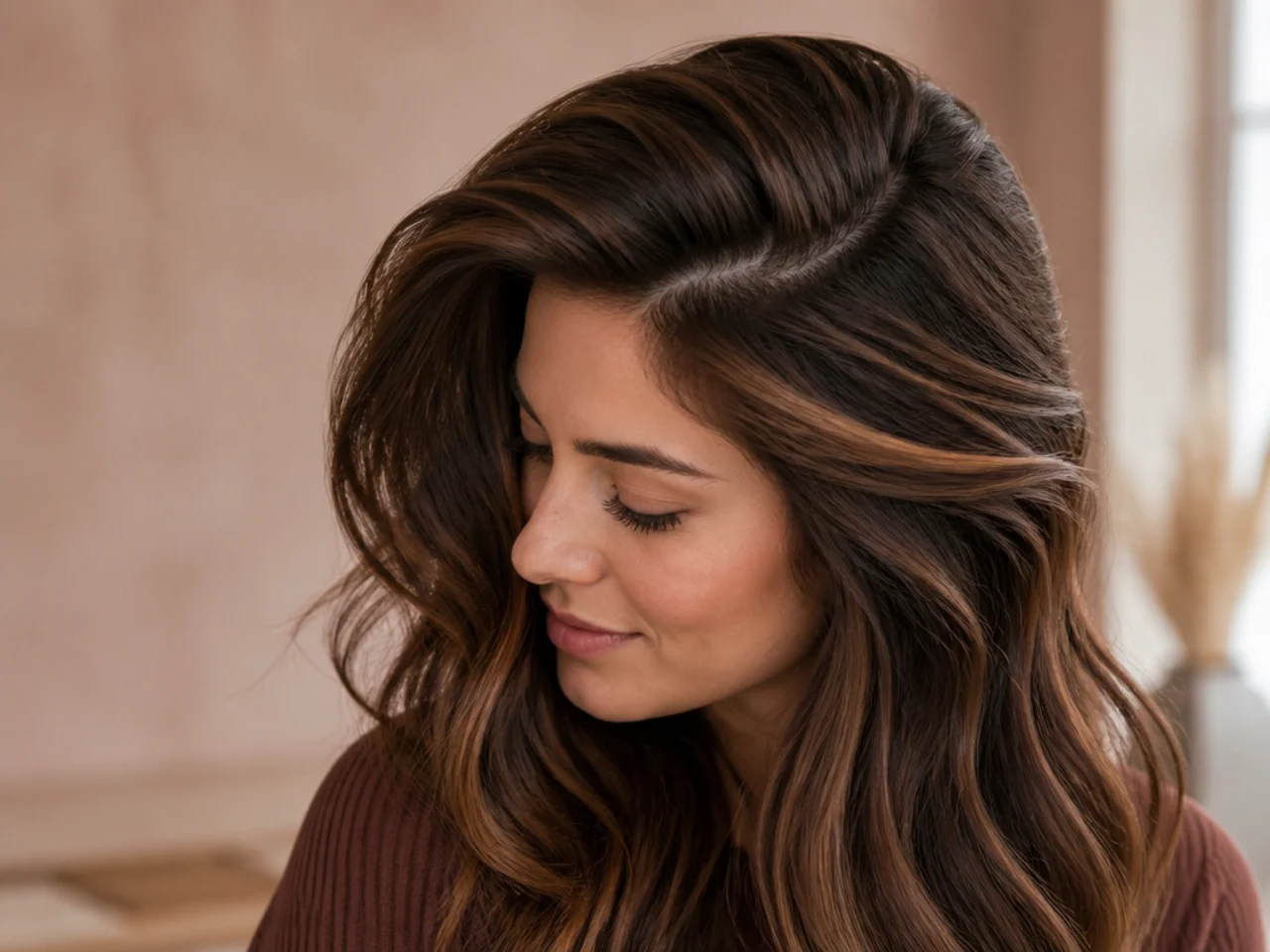
21. Tucked Behind One Ear
Tucking rotates that section back on itself so its underside faces forward, landing the colour beside the jaw. It is the most missed placement at the consultation and the most visible one in daily wear, because the face is where people look.
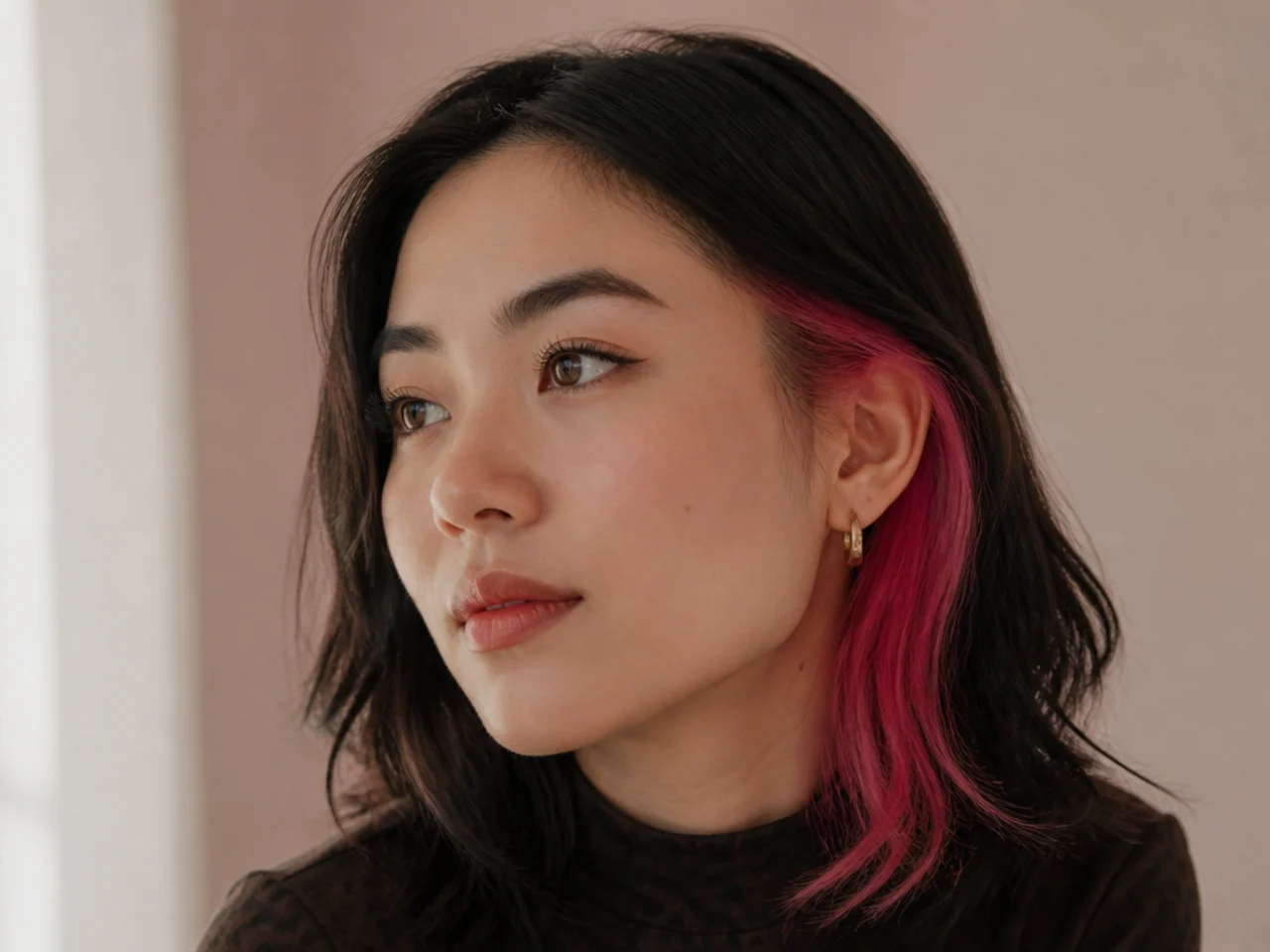
22. Beach Waves Worn Down
Waves separate the hair into ribbons and every bend opens a gap the panel shows through. Straight hair falls as a sheet and seals the colour in, which is why the same panel looks twice as strong once it is waved.
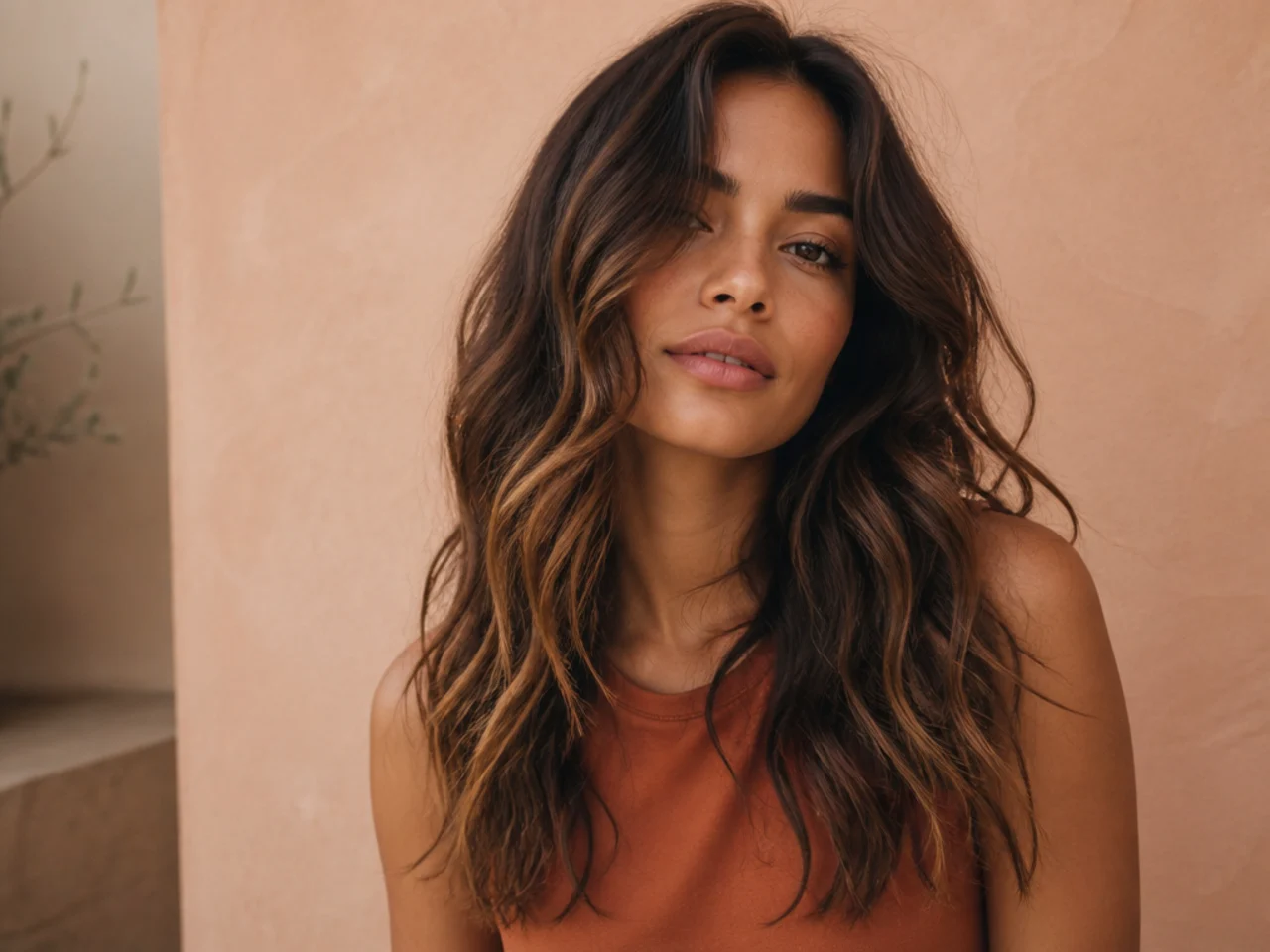
23. Sleek and Straight Worn Down
Fully hidden at rest and visible only in motion. This is the version for anyone who needs the colour invisible when standing still, and it depends on the panel being low enough at the nape that no part of it peeks above the top layer.
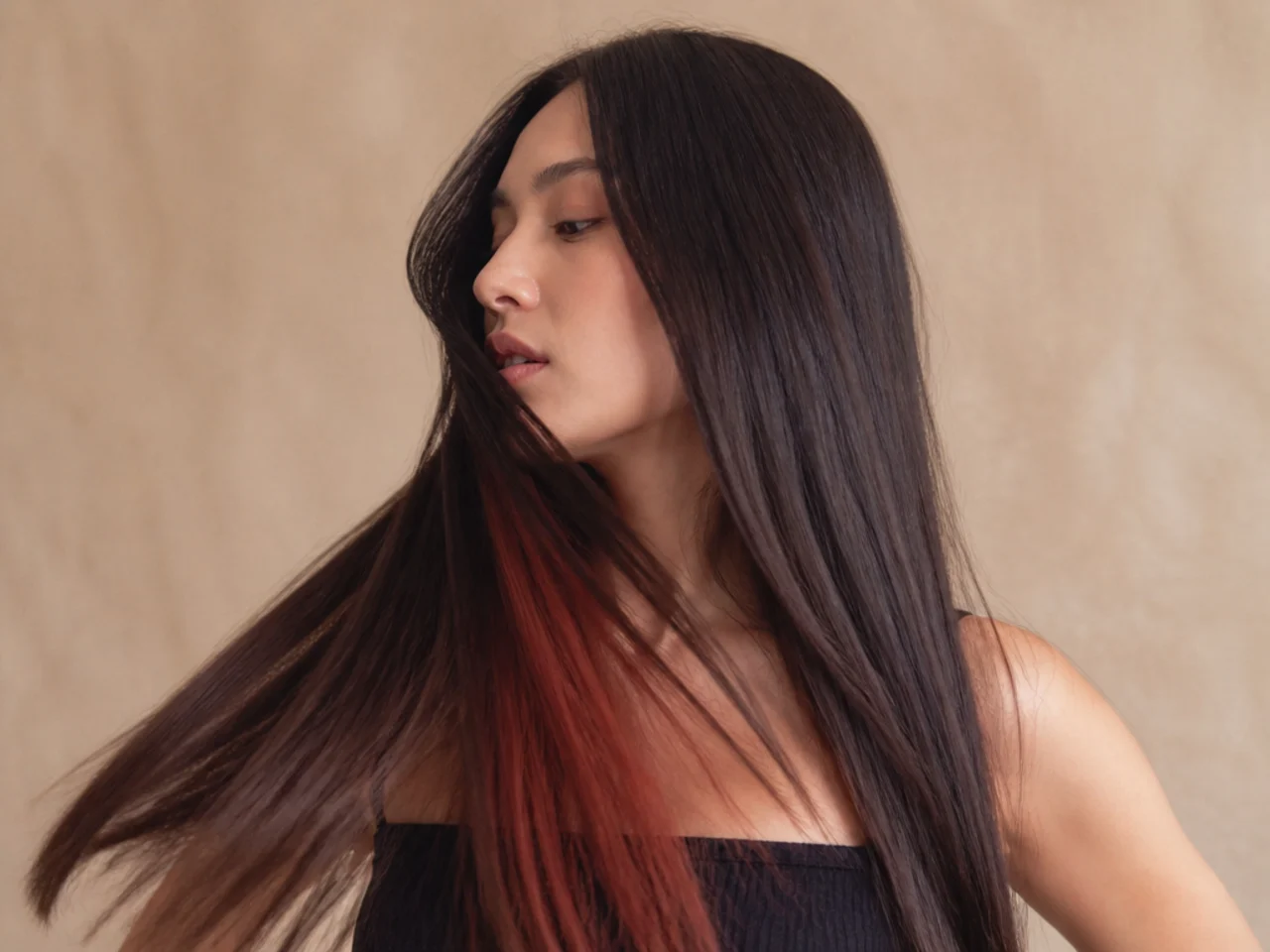
24. Flicked Out Ends
Curling the last few inches away from the head turns those inches inside out, so the underside of every section faces forward at once. It is the reveal that works even when the colour stops well short of the ends.
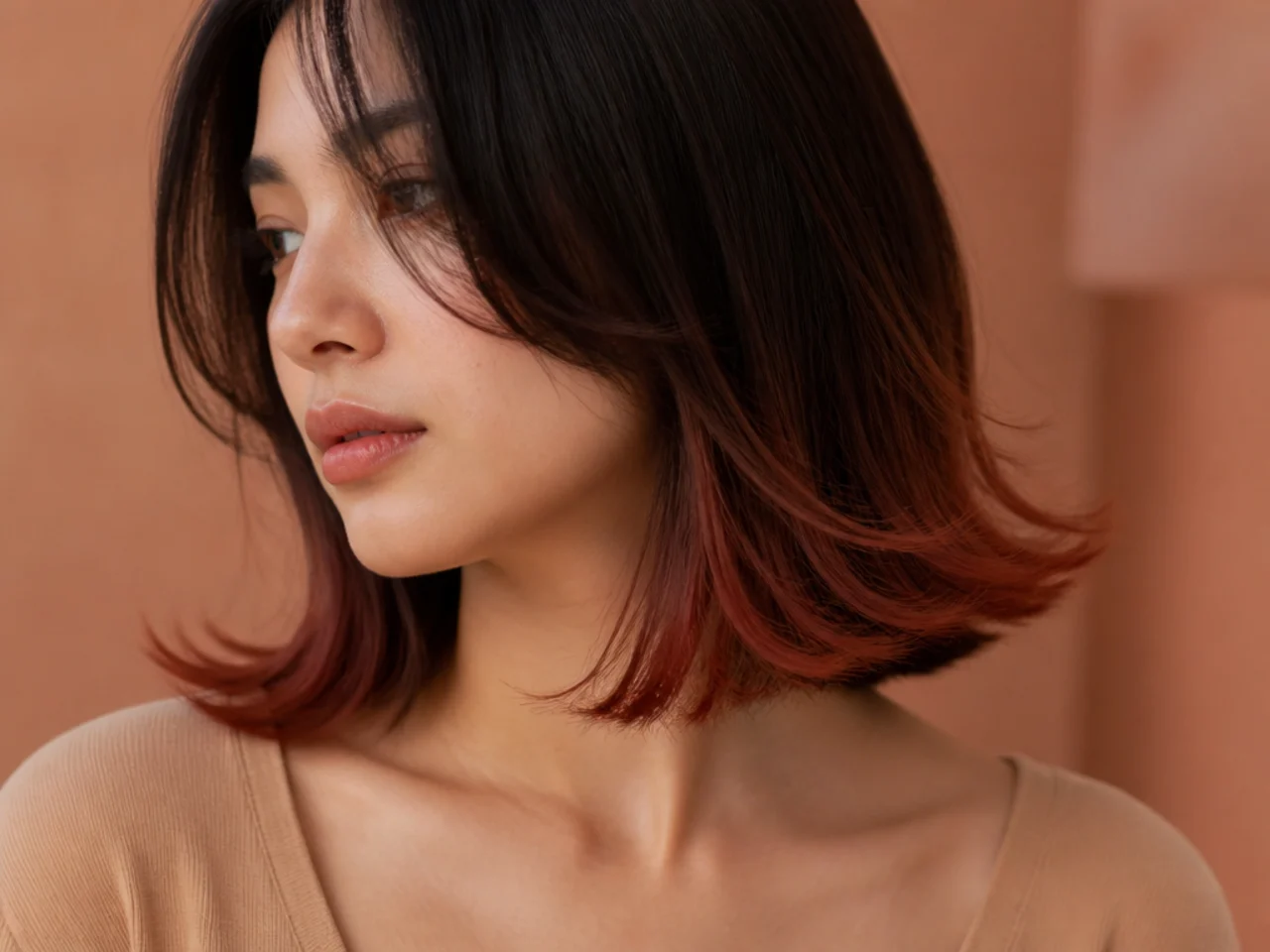
25. Ends Curled Under
The counterexample worth knowing. Curling under rolls the underside toward the neck and buries the panel completely, so a colour that showed perfectly all week vanishes after one blow dry. Reverse the direction of the brush and it comes straight back.
Styling and Upkeep
Vivid shades fade with every wash. Semi permanent dyes sit on the outside of the cuticle rather than inside the hair, so a little rinses away each time regardless of technique.
Wash the panel in cool water. Heat swells the cuticle and lets deposited pigment escape faster, and the bleached panel is more porous than the rest of the head to begin with.
Use a colour depositing conditioner in the same family. It replaces what each wash removes, which keeps the panel bright for months rather than weeks.
Keep the flat iron off the panel. Lifted hair is structurally weaker and takes heat damage at a lower temperature than the hair around it.
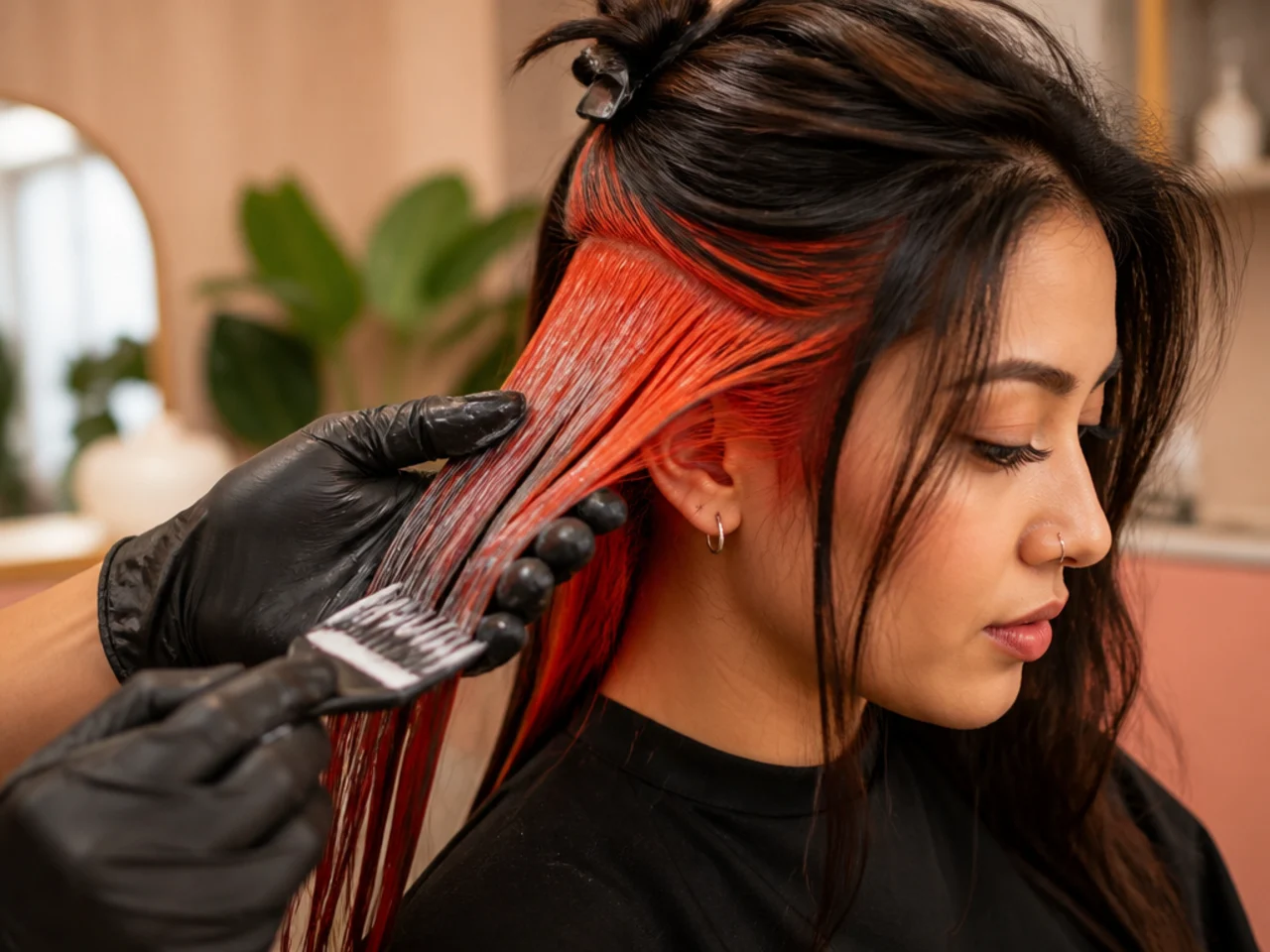
Refresh the panel, not the whole head. Only the lightened section needs pigment, and treating everything dulls the base tone the peekaboo is meant to contrast against.
Mistakes to Avoid
Placing the panel where your usual style never goes. A nape panel on someone who wears a daily ponytail is invisible hair colour paid for at full price.
Bleaching to a pale base for a dark shade. Burgundy, deep violet and dark teal show on lightly lifted hair, and the extra lift buys nothing except damage.
Curling the ends under when the colour sits low. The reveal depends on direction, and one wrong pass of the brush hides the whole panel.
Purple shampoo on a warm panel. It deposits violet, which is the opposite of copper, peach and gold on the colour wheel and turns them muddy.
Skipping the strand test on previously coloured hair. Old dye lifts unevenly and the panel is the one section where a patchy result cannot be hidden.
FAQ
Which style shows it most? A high ponytail or top knot — both wrap the nape hair outward.
Why does mine never show? The panel is placed for a style you do not wear.
Dutch or French braid? Dutch. It crosses under, so the interior lands on top.
Final Thoughts
Decide the hairstyle before the placement. Say the sentence out loud at the consultation — up most days, down most days, tucked behind one ear — and the colourist can put the panel where you will actually see it.
More on shades, lift levels and placement in Hair Color Trends. See also peekaboo hair and blue peekaboo hair.